


Top 20 Movies That Took Forever to Make

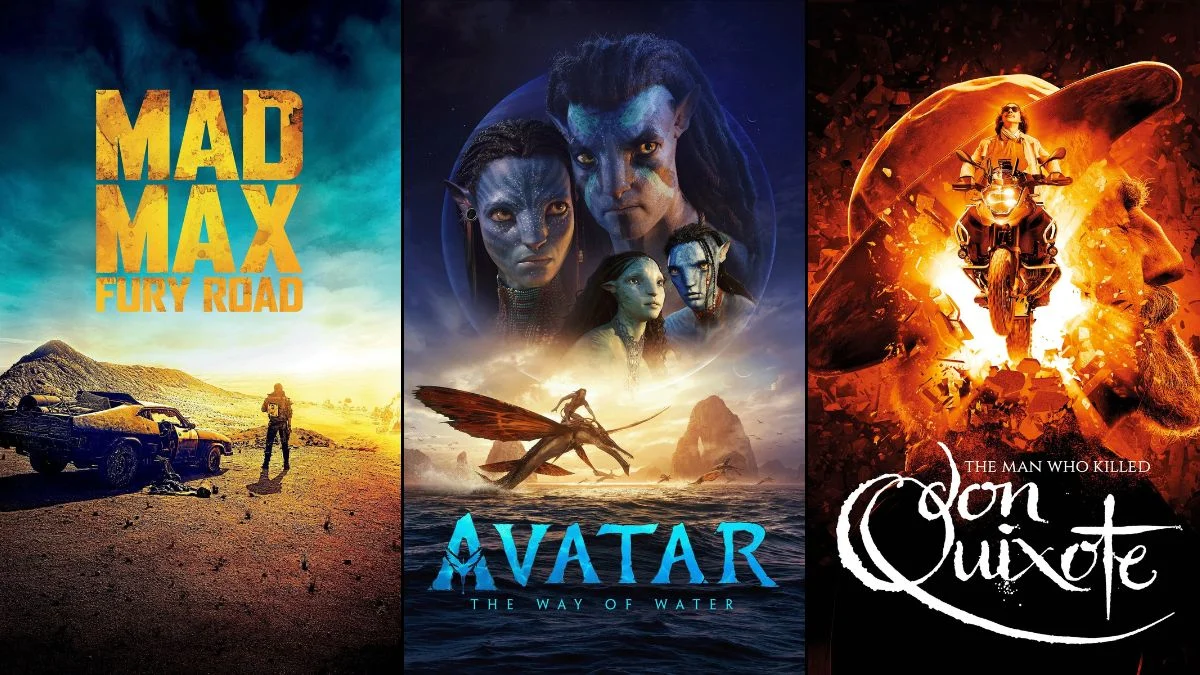


Some films arrive on schedule while others crawl through years of rewrites, false starts, and production hurdles before they finally hit the screen. The titles below spent ages in development or endured famously long shoots. You will find projects stalled by financing woes, technological hurdles, lawsuits, mergers, lost footage, and even wild weather. Each one shows how unpredictable filmmaking can be when vision meets real world obstacles.
‘The Thief and the Cobbler’ (1993)
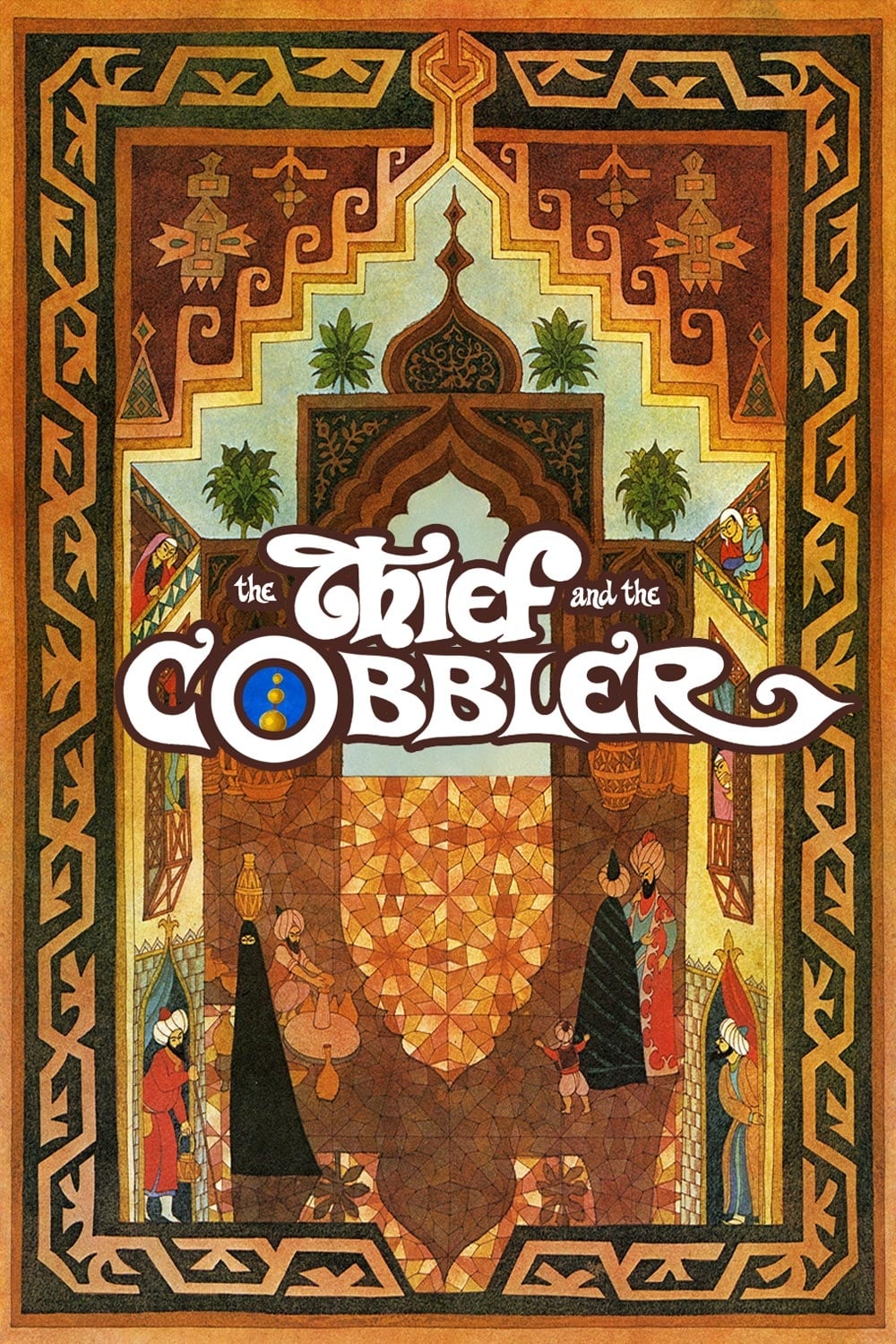
Animator Richard Williams began this passion project in the late twentieth century and kept refining it for decades. Financing collapsed multiple times and outside investors seized control before it was finished. The film was later completed by others who used workprints and alternative sequences to assemble a release version. Restoration efforts and recuts have continued because so much material existed in varying states.
‘The Other Side of the Wind’ (2018)
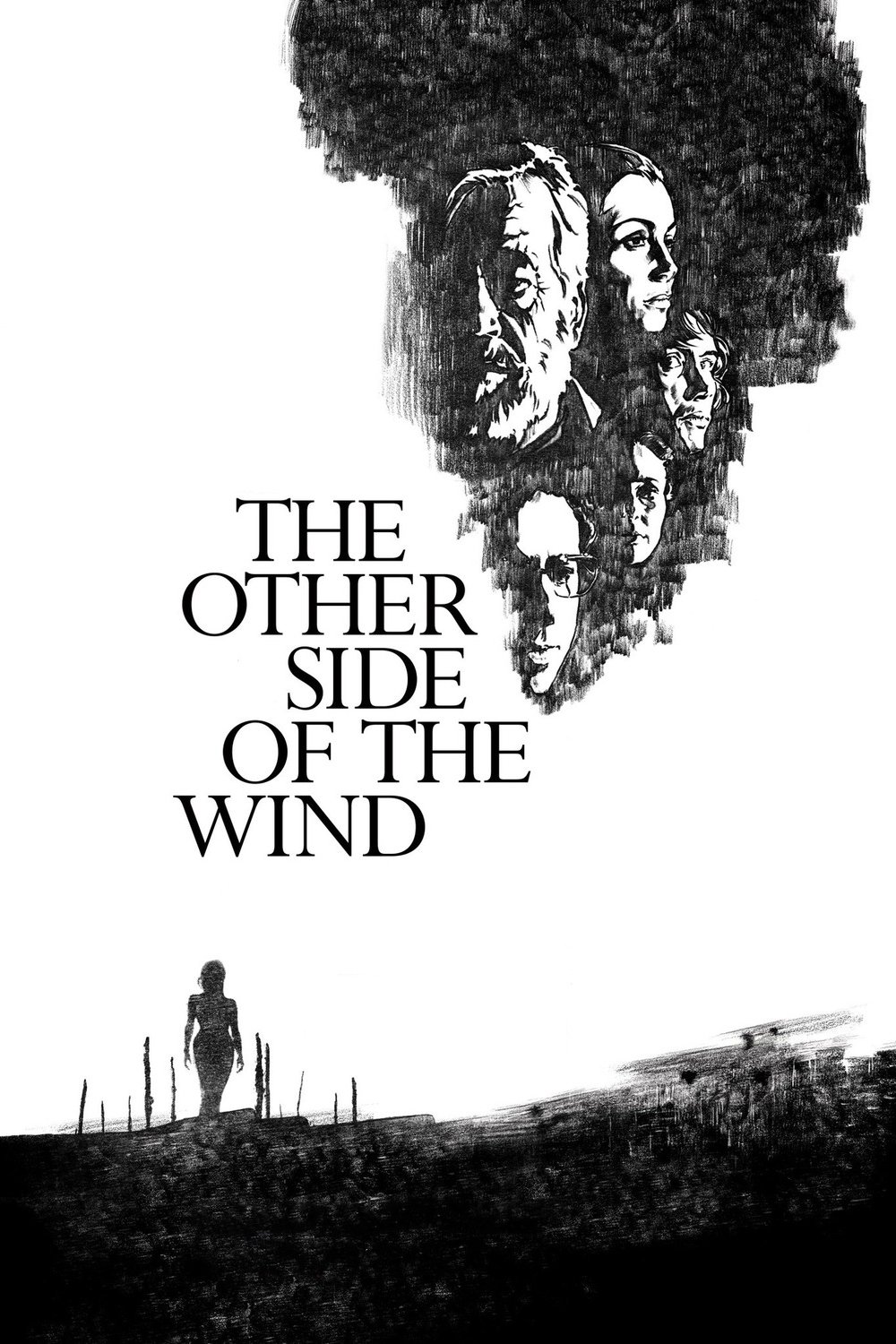
Orson Welles shot this film across several years and then became mired in legal disputes and money problems. Negative elements were scattered and rights were split among multiple parties. Decades later editors and producers gathered materials and completed post production using the director’s notes and surviving footage. The result was a long delayed unveiling of his final narrative feature.
‘The Man Who Killed Don Quixote’ (2018)
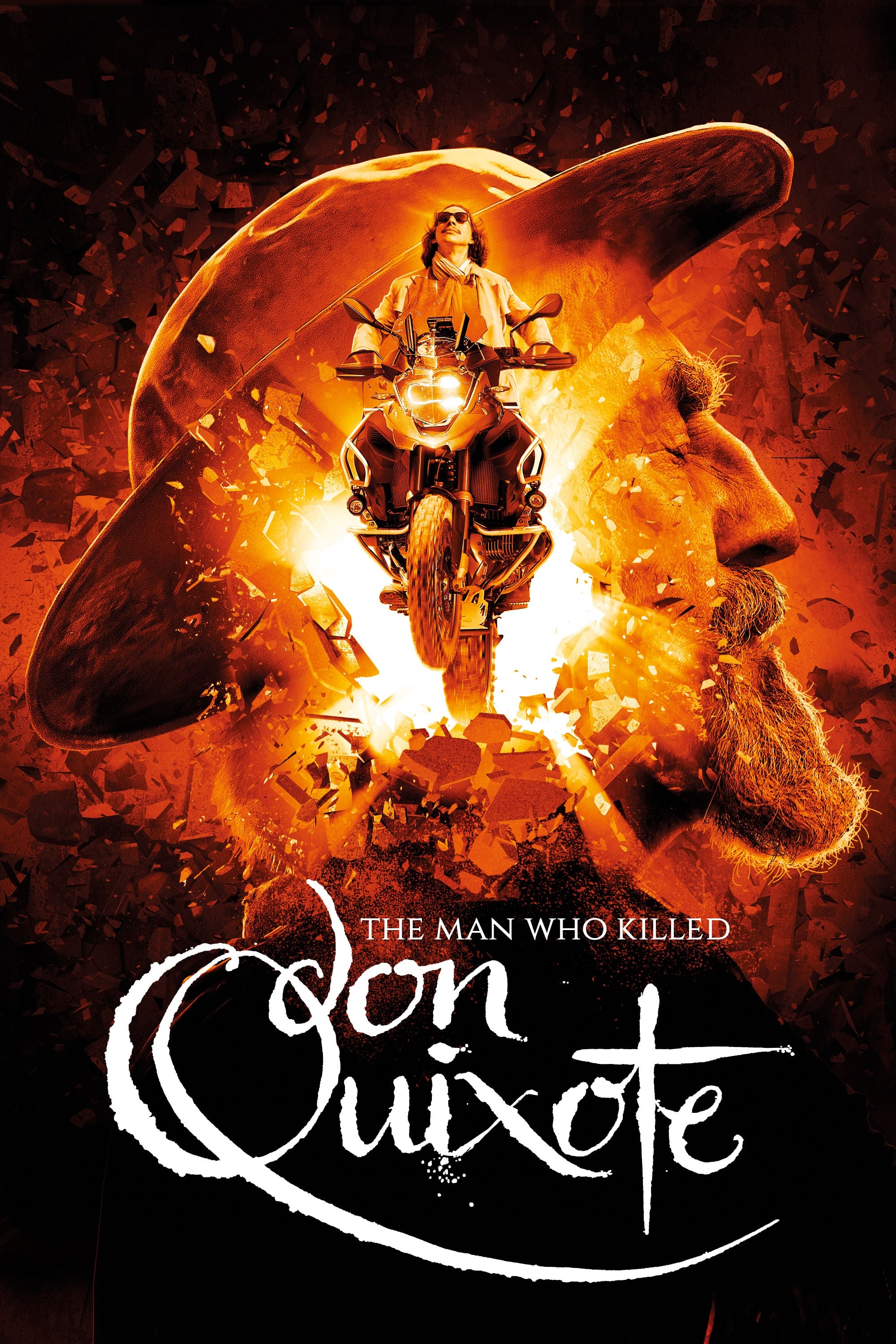
Terry Gilliam tried repeatedly to mount this production with different casts and locations. Early attempts collapsed due to severe weather, injuries, and vanishing funds. Insurance issues and lawsuits then tied up rights and halted progress. The film finally shot many years later after new financing and a fresh ensemble came together.
‘Boyhood’ (2014)

Richard Linklater planned a story that would follow the same actors as they aged in real time. The cast reunited for short shoots each year across more than a decade. This approach required careful continuity tracking and long term commitment from everyone involved. The finished film presents a single narrative built from yearly slices of life.
‘Avatar: The Way of Water’ (2022)
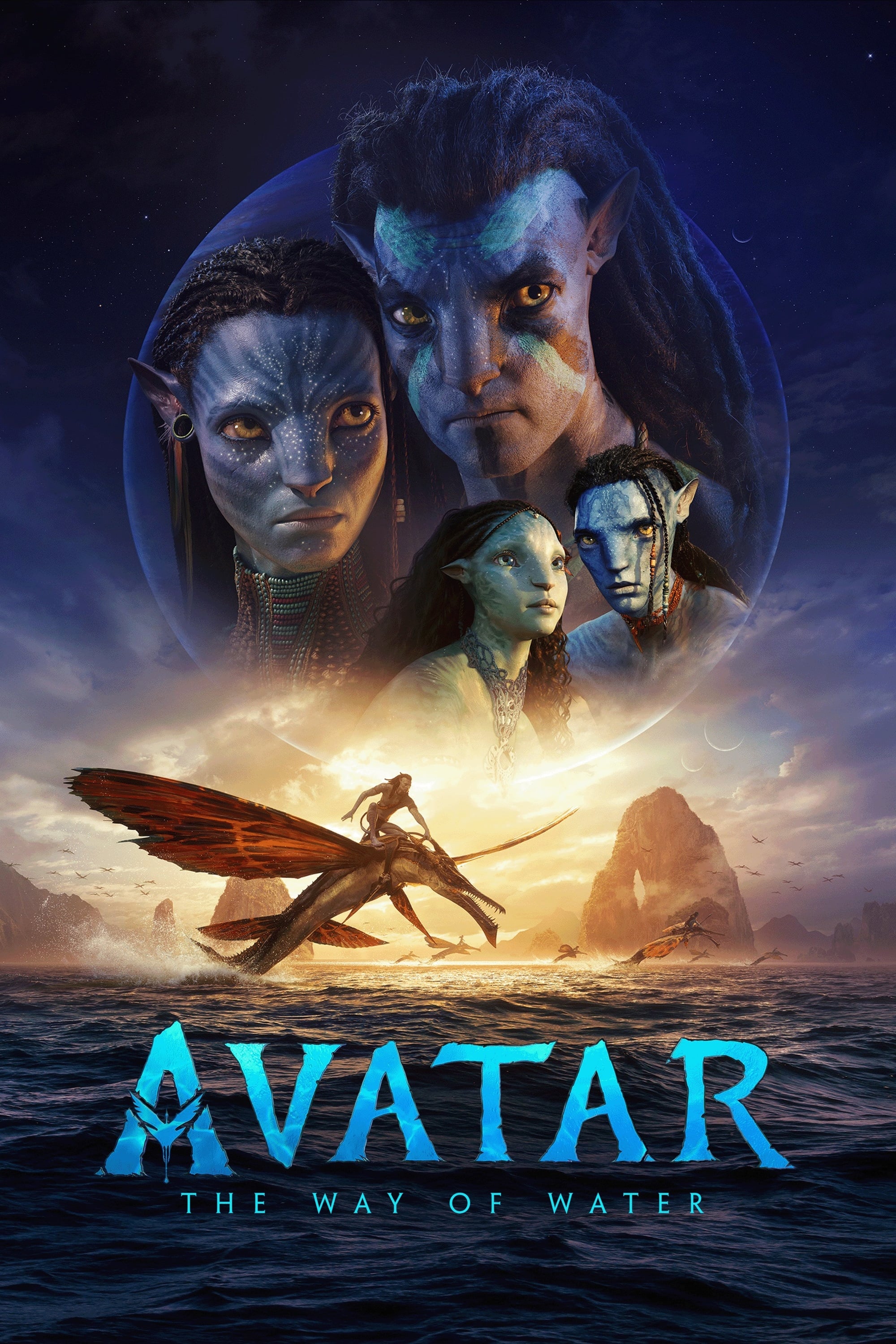
James Cameron announced plans for multiple sequels but waited for new performance capture and aquatic filming tech to mature. Massive worldbuilding and visual effects pipelines were built to handle underwater work. Scheduling across returning and new cast members added complexity. The release arrived long after the first film as post production demanded extensive time.
‘Silence’ (2016)
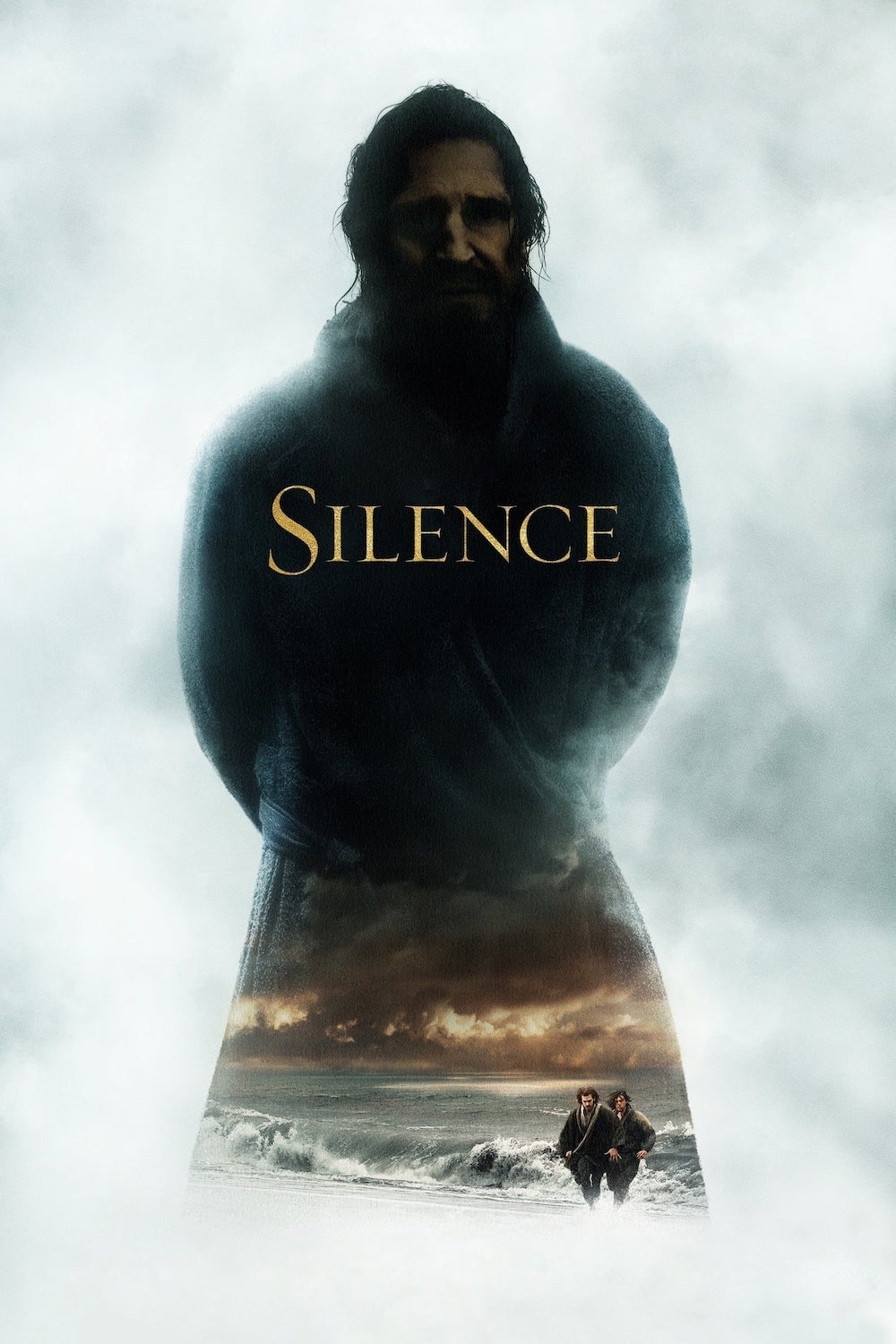
Martin Scorsese acquired this story early in his career and kept trying to make it between other projects. Funding fell through more than once and planned casts changed several times. Location and language demands also raised costs and risks for backers. The film finally moved forward when a viable package of partners, stars, and tax incentives aligned.
‘Mad Max: Fury Road’ (2015)
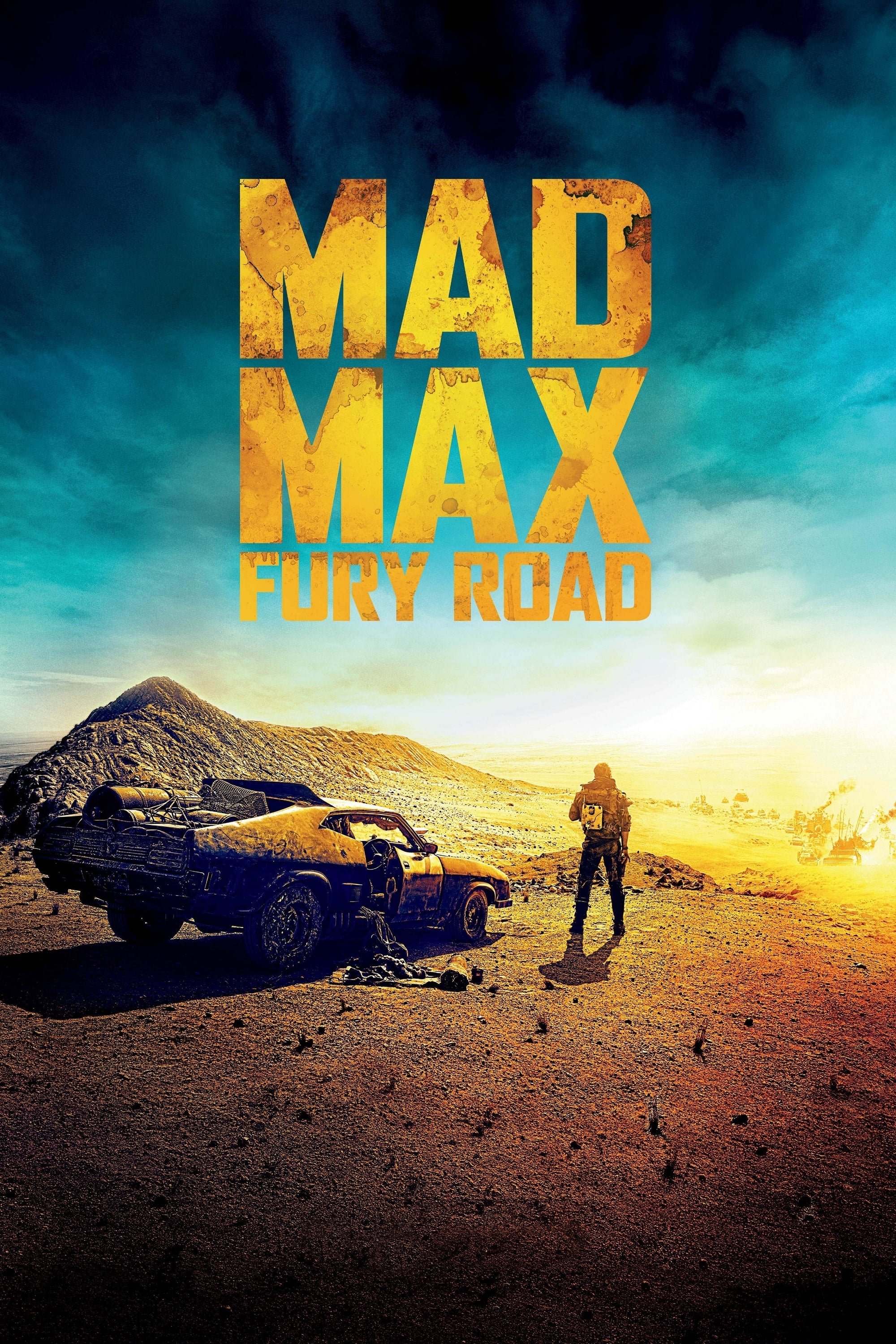
George Miller developed new designs and vehicles long before cameras rolled. Real world events forced location shifts and budgets ballooned while the production searched for the right conditions. The shoot itself required long vehicle stunts in remote terrain that slowed everything down. Extensive editing and effects work followed to shape the final cut.
‘Apocalypse Now’ (1979)
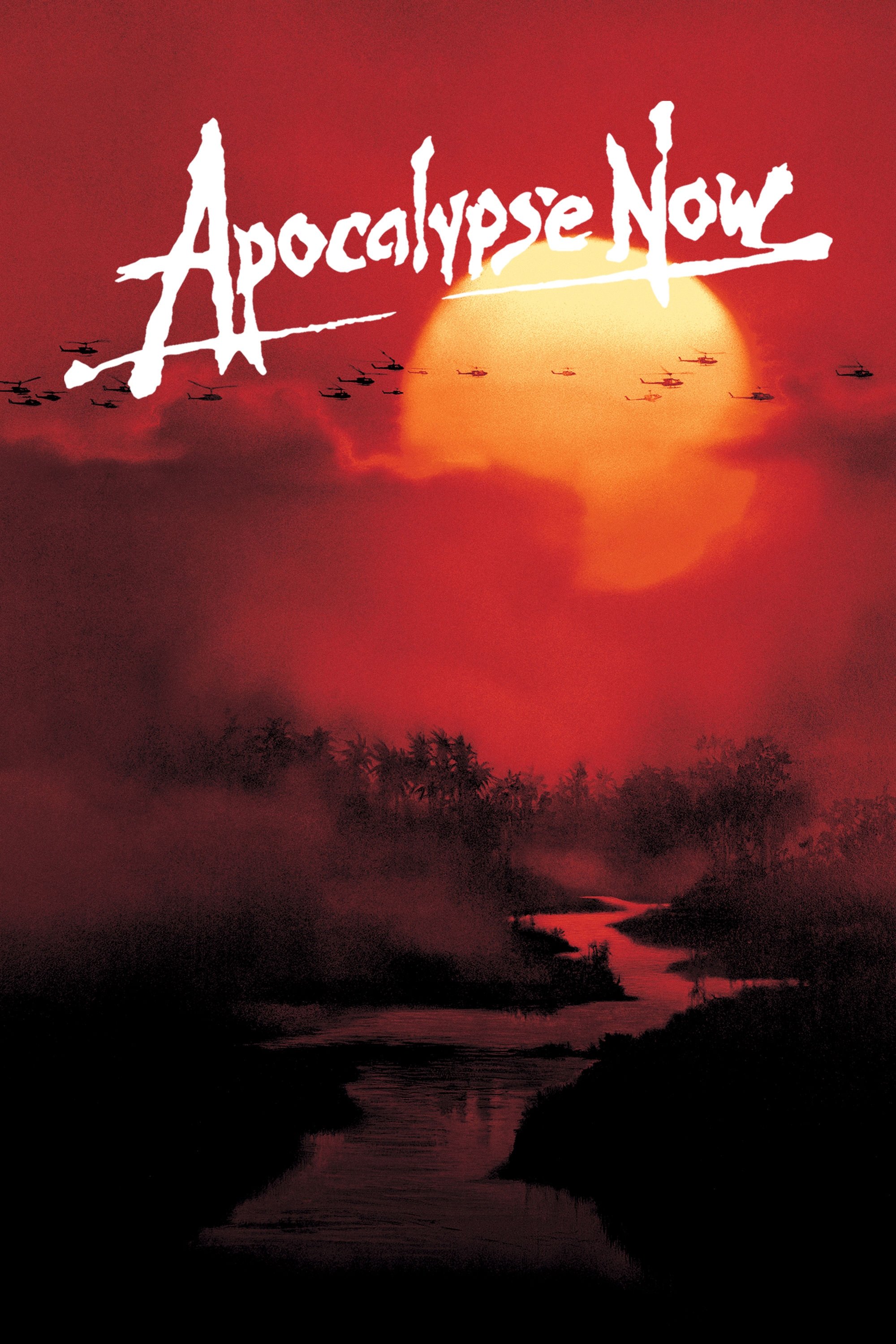
The production moved into a tropical location and faced extreme weather that destroyed sets. The lead actor suffered a serious health crisis and had to recover before returning. Helicopter availability changed suddenly due to military needs which threw schedules off. Post production then took considerable time because of complex sound and editing choices.
‘Eyes Wide Shut’ (1999)

Stanley Kubrick favored an exhaustive shooting style and kept cast and crew on set for an unusually long schedule. Sets were rebuilt and redressed to capture subtle variations of scenes. The director extended rehearsals and retakes to refine small details. Editing carried on while pickups and inserts continued to be filmed.
‘The New Mutants’ (2020)
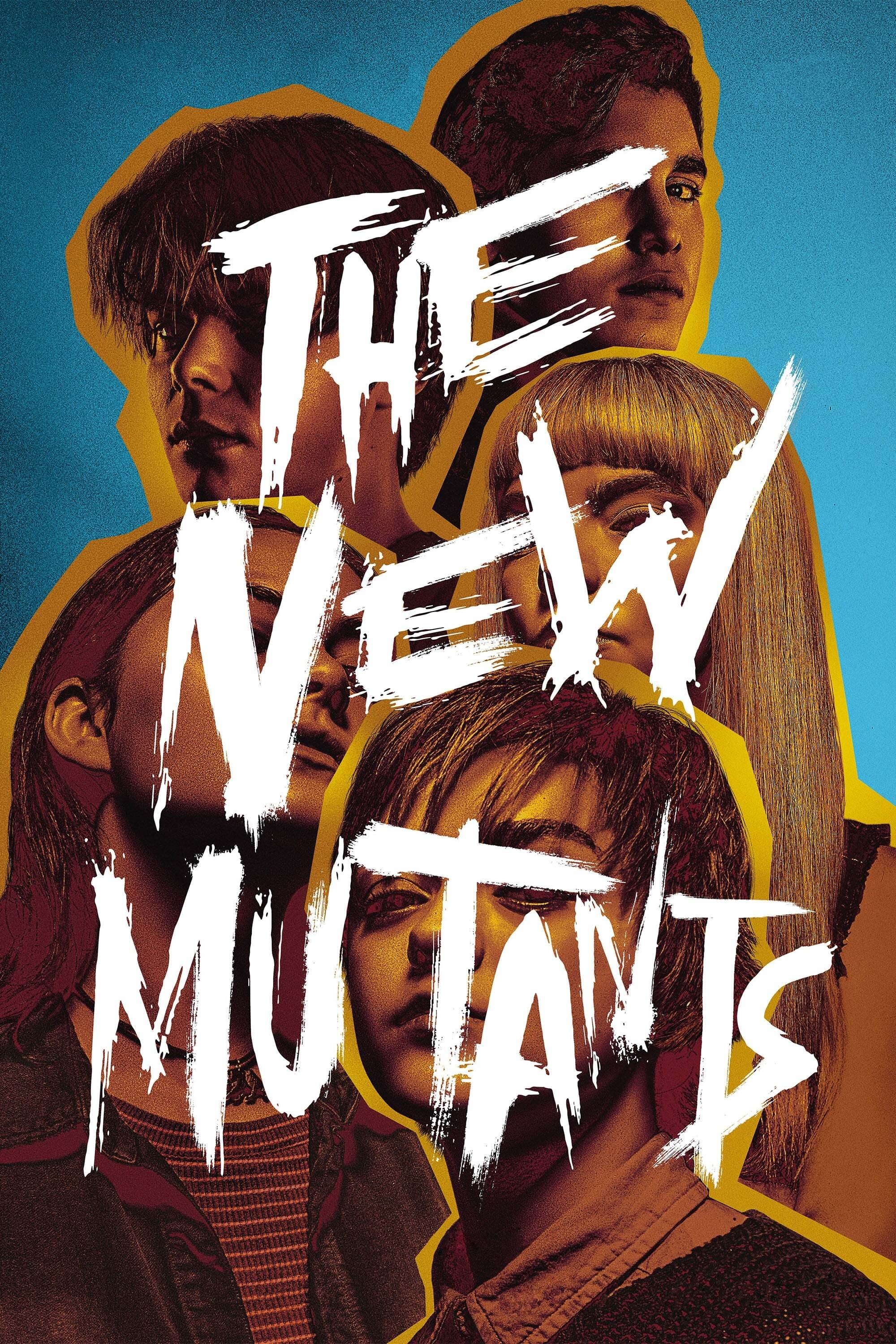
The film completed principal photography and then faced a long pause as corporate ownership changed. Marketing plans and release slots kept shifting while strategy for a shared universe was reevaluated. Reshoot plans were discussed and adjusted amid scheduling conflicts. The final rollout landed much later than first announced.
‘Black Adam’ (2022)
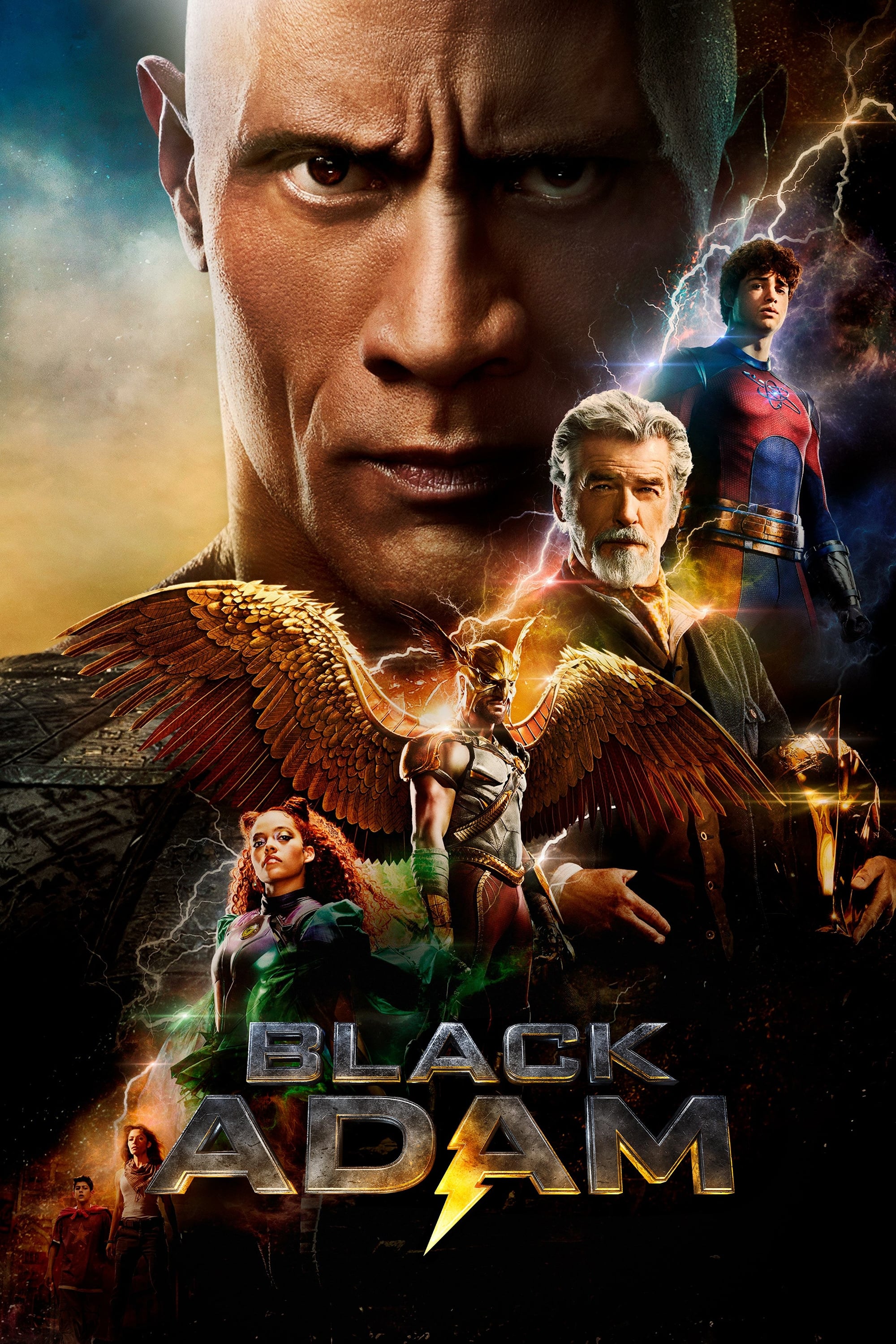
The star attached to this character years before the film found a greenlight. Separate scripts explored different tones and crossovers while studio leadership evolved. A standalone direction emerged after plans for another character changed course. The project then moved through effects heavy post production that extended the timeline.
‘Dallas Buyers Club’ (2013)
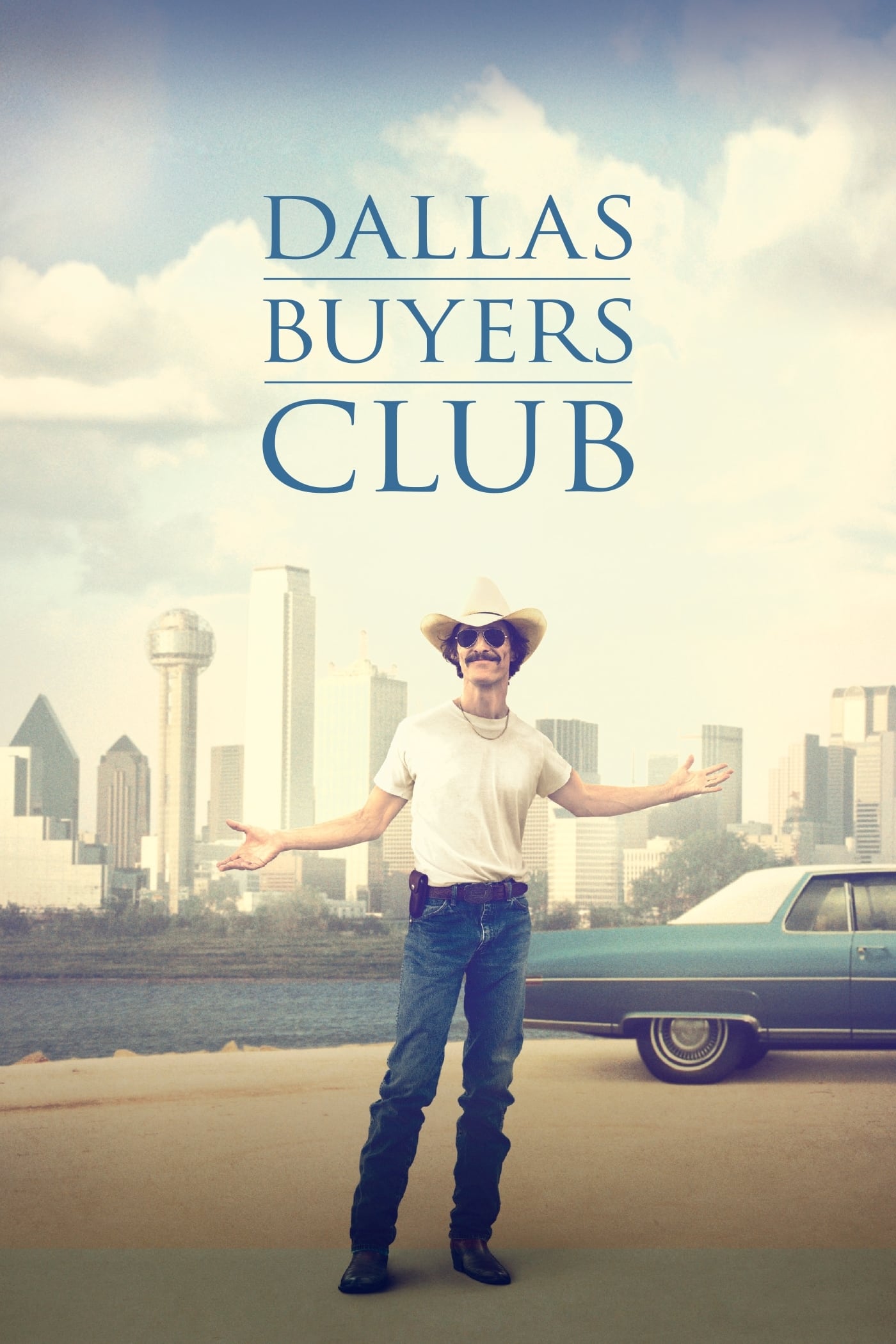
Writers first circulated this script long before it reached the screen. Multiple directors and stars came and went as financing failed repeatedly. Period setting and sensitive subject matter made backers cautious. The film finally secured support when a cast lowered fees and an independent model came together.
‘Bohemian Rhapsody’ (2018)
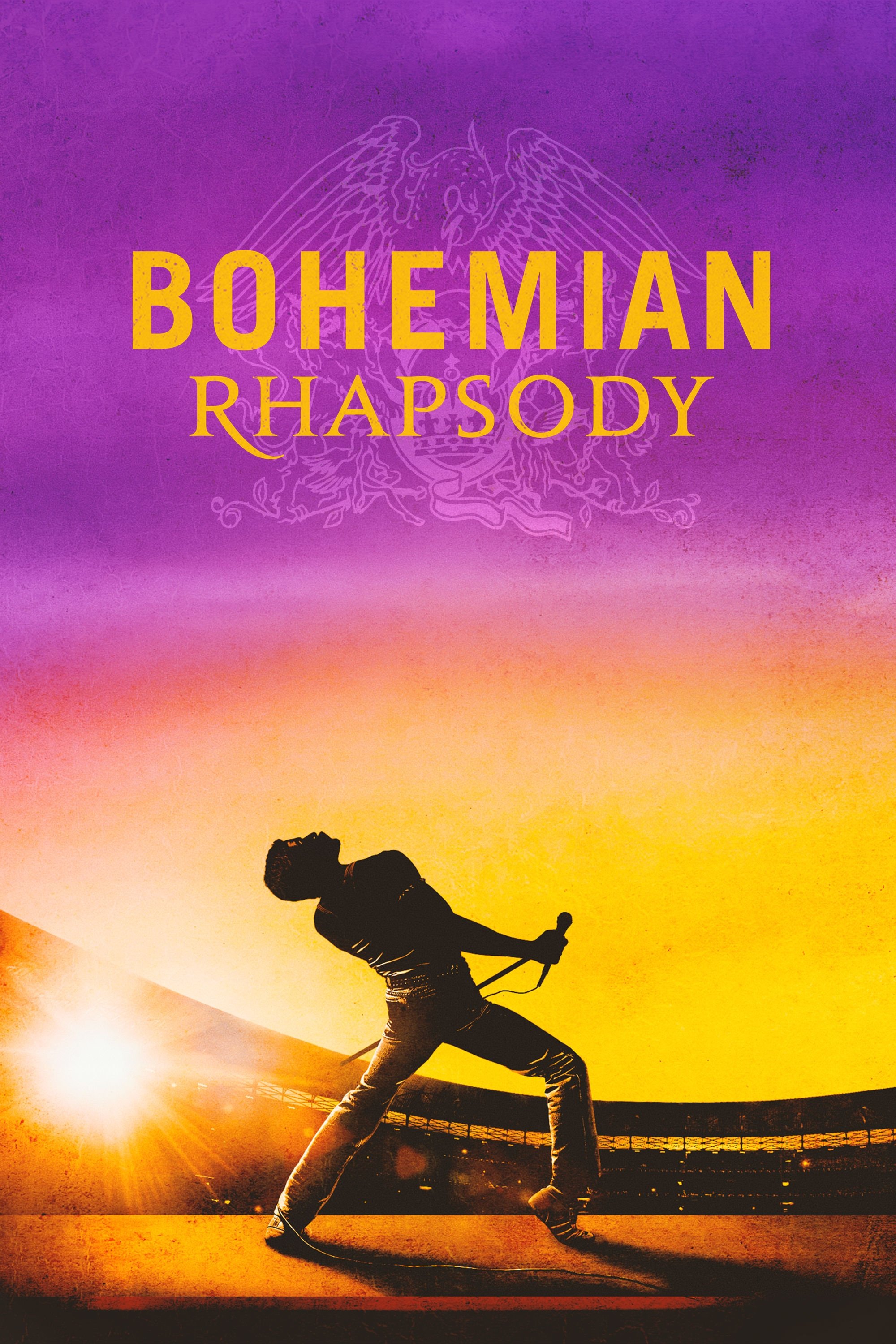
Attempts to tell this band’s story stretched across different creative teams. The script underwent many revisions while the group and producers weighed accuracy and tone. A director change during production added complications to scheduling and post. The final cut drew from extensive performances and recreated concerts that required heavy effects work.
‘Freddy vs. Jason’ (2003)

Studios pursued this crossover idea for years while dozens of drafts tried to balance two franchises. Rights and approvals required coordination among separate stakeholders. Tone and rating debates slowed decisions as teams tested different approaches. Production finally proceeded once a concept satisfied the owners of both characters.
‘AVP: Alien vs. Predator’ (2004)
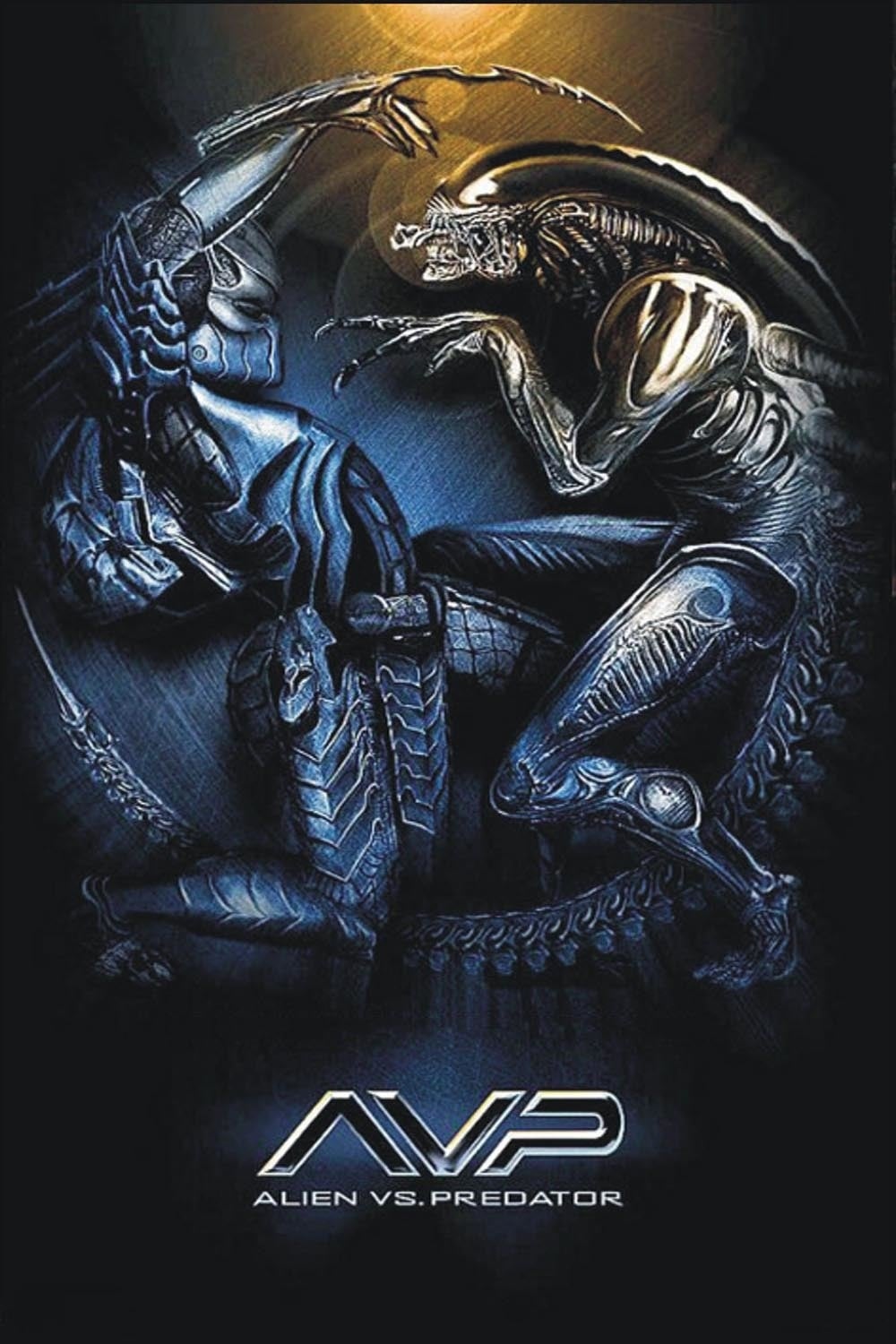
The crossover originated in comics and games and spent years in story development. Rights issues and brand management concerns kept pushing it back. Effects budgets and creature design tests added time before sign off. A script that fit both mythologies eventually unlocked the path to production.
‘Superman Returns’ (2006)
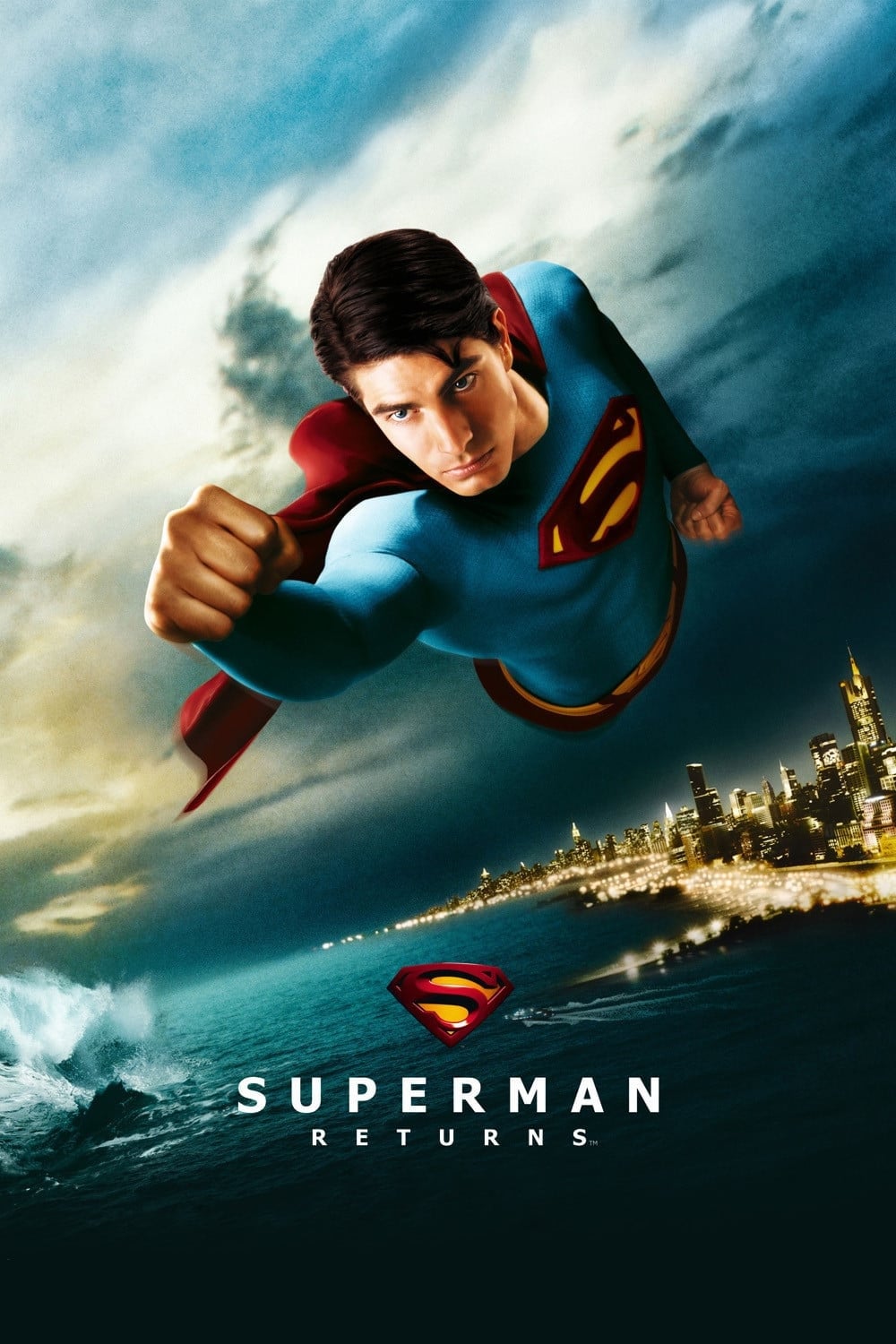
After earlier sequels the franchise sat in limbo while several reboots failed to launch. Notable attempts included ambitious scripts that never reached cameras. Casting searches and director changes stretched the calendar as the studio weighed tone and scope. The eventual film continued the earlier continuity and used extensive digital work for its set pieces.
‘John Carter’ (2012)
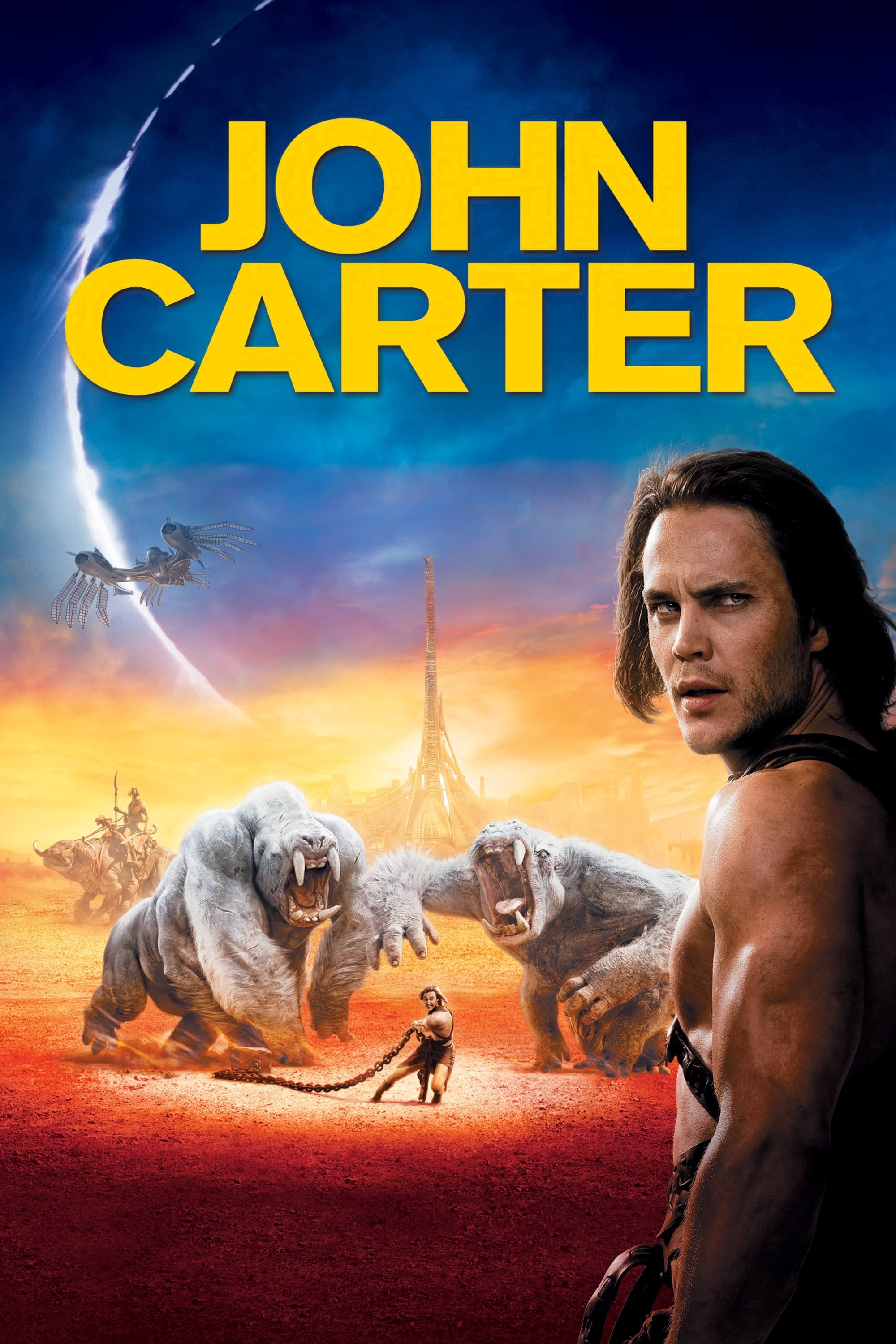
Adaptations of the source material were discussed for decades across different studios. Early live action plans stalled because creature heavy scenes were difficult to realize. Modern effects finally made the world feasible but development still bounced between teams. The project moved forward only after a stable creative direction and budget were approved.
‘Sin City: A Dame to Kill For’ (2014)
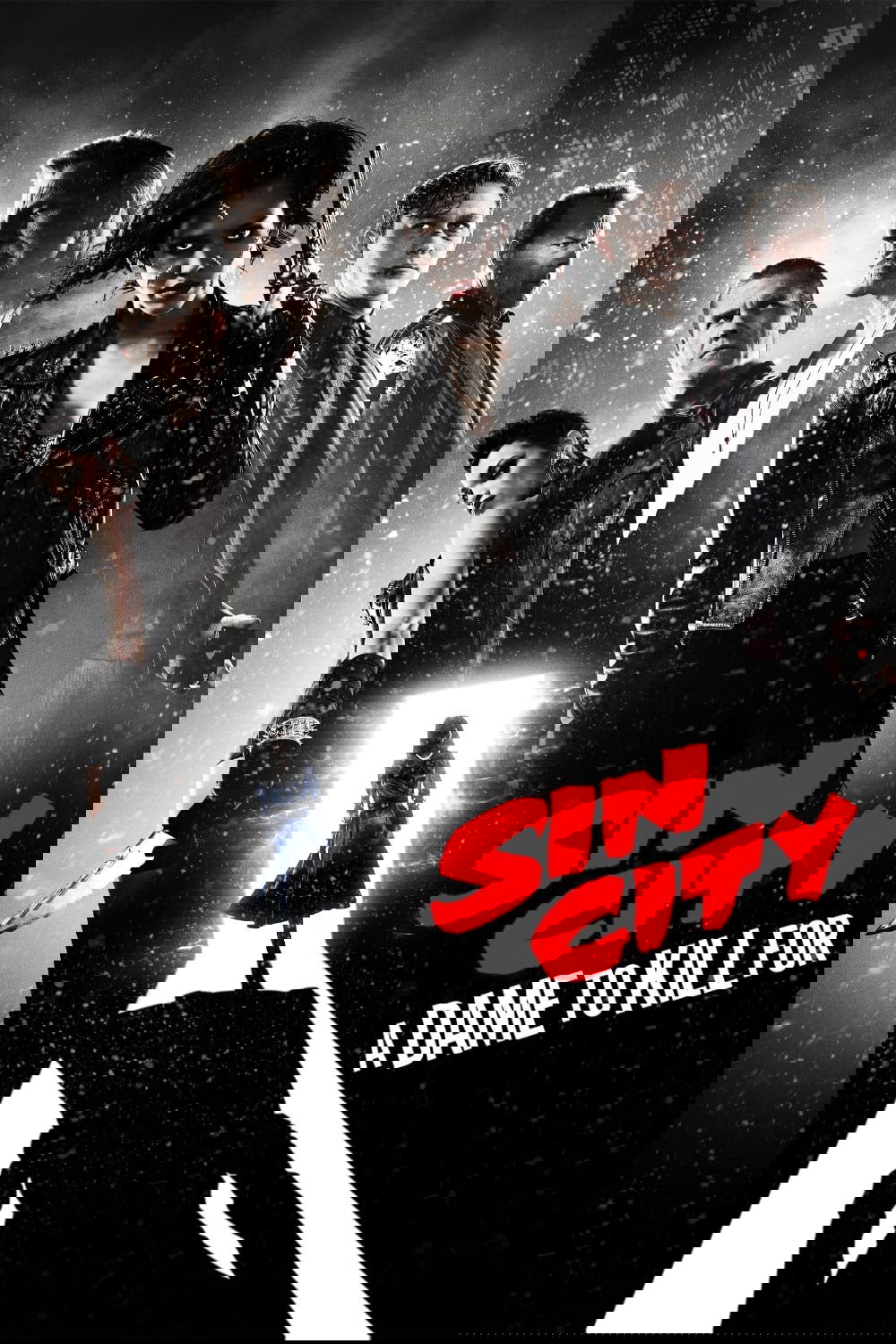
A follow up to the earlier graphic novel adaptation stayed on the drawing board for years. Rights, financing, and aligning schedules for a large ensemble all slowed progress. Advances in digital backlot techniques were integrated which required new pipelines. The sequel finally gathered enough pieces to return to its stylized format.
‘The Irishman’ (2019)
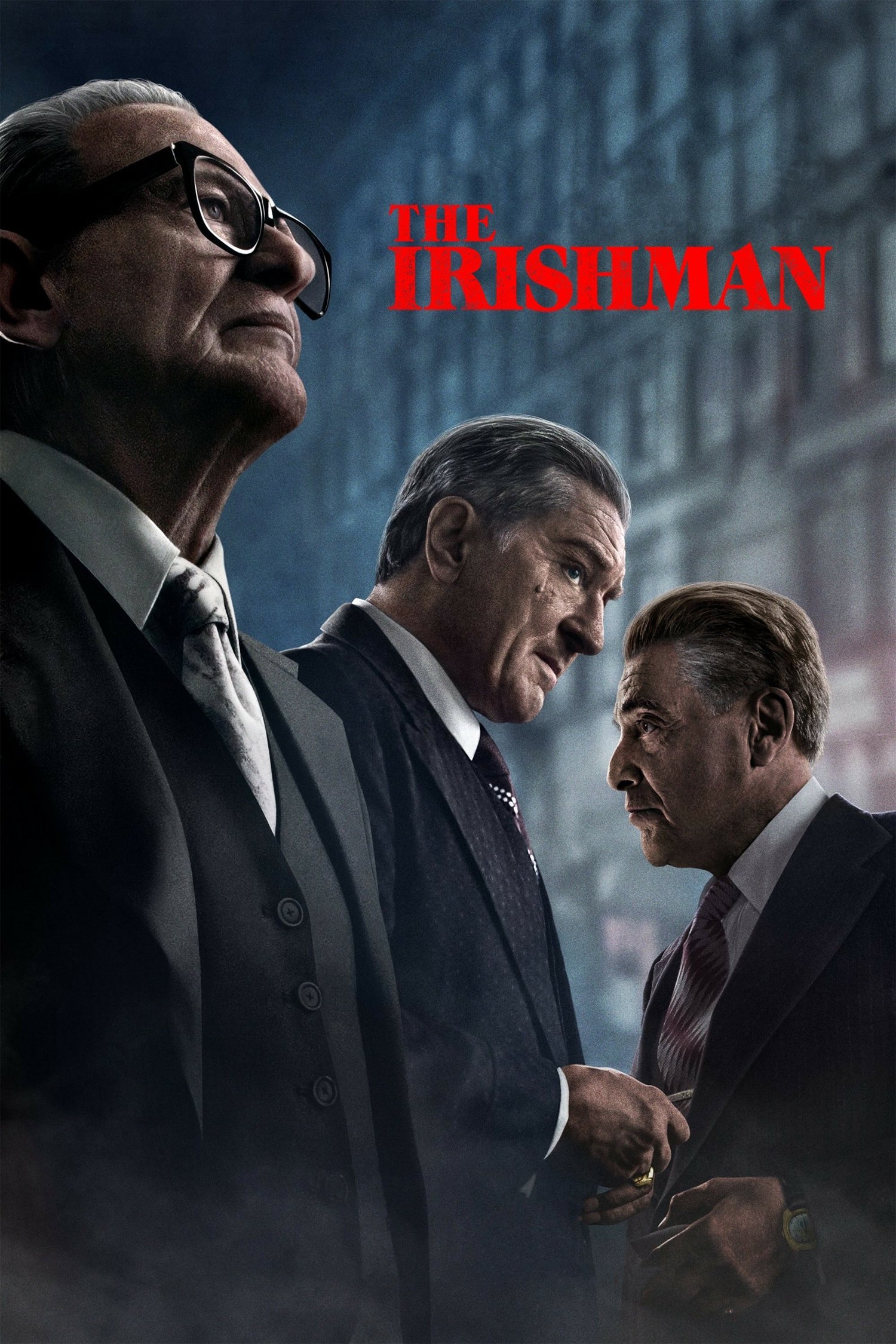
The creative team pursued this crime saga for years while searching for funding. De aging technology was critical and needed to look convincing across many scenes. The scale of effects required a partner willing to support a lengthy post process. Distribution strategy shifted to accommodate the long runtime and specialized finishing work.
‘Gangs of New York’ (2002)
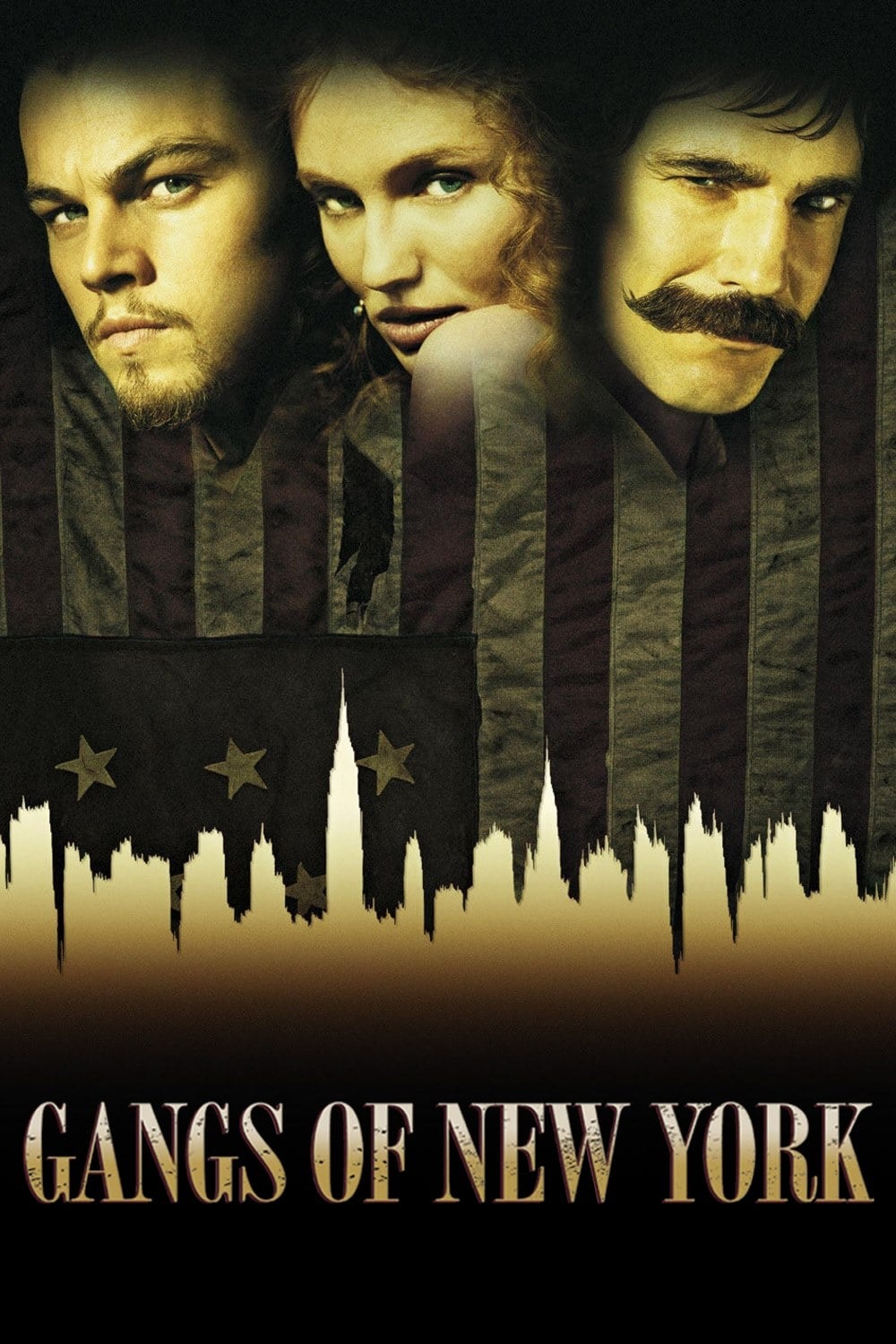
Martin Scorsese wanted to tell this story since early in his career. Building massive period sets and securing the needed budget took many attempts. International location planning and a complex ensemble added further delays. The production finally moved ahead when a combination of studio support and tax incentives made the numbers work.
Share your favorite examples of films that took ages to reach audiences in the comments.