


Top 15 Movies with Very Bad Titles



A film title can shape expectations before the first scene even plays. Some names are confusing or hard to remember, and others bury the point under wordy phrasing or inside jokes that only make sense later. Studios sometimes rename films between theaters and home release, or they adjust marketing after early reactions show that audiences do not understand what the movie is selling.
Below are films whose titles drew attention for the wrong reasons, along with concrete details on how each name came to be and what happened around the release. You will see original working titles, regional variations, promotional pivots, and the real world outcomes tied to those choices.
‘Ballistic: Ecks vs. Sever’ (2002)
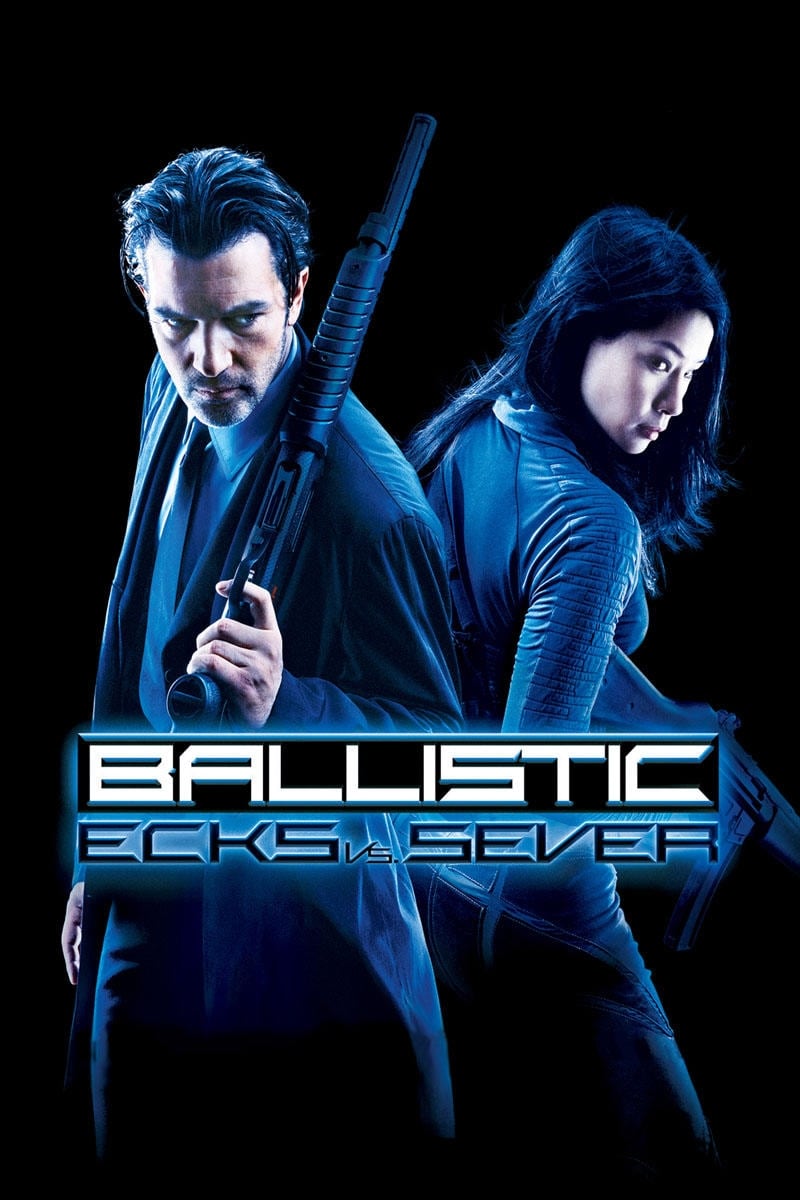
This action film pairs Antonio Banderas and Lucy Liu as rival operatives whose surnames supply the subtitle. The name originated from a first person shooter video game tie in that used the character Sever, then the production added Ecks when the story evolved into a duel concept. The script went through multiple rewrites that kept the versus framing even as the plot moved toward cooperation.
Marketing leaned on the face off angle and the unusual surnames, which made trailers and posters read like a crossover event. The film’s domestic performance landed well below other star led action releases of the period, and the title became a frequent example in industry pieces about consumer confusion. The game adaptation also arrived with the same branding, keeping the association in circulation long after the theatrical run.
‘Freddy Got Fingered’ (2001)
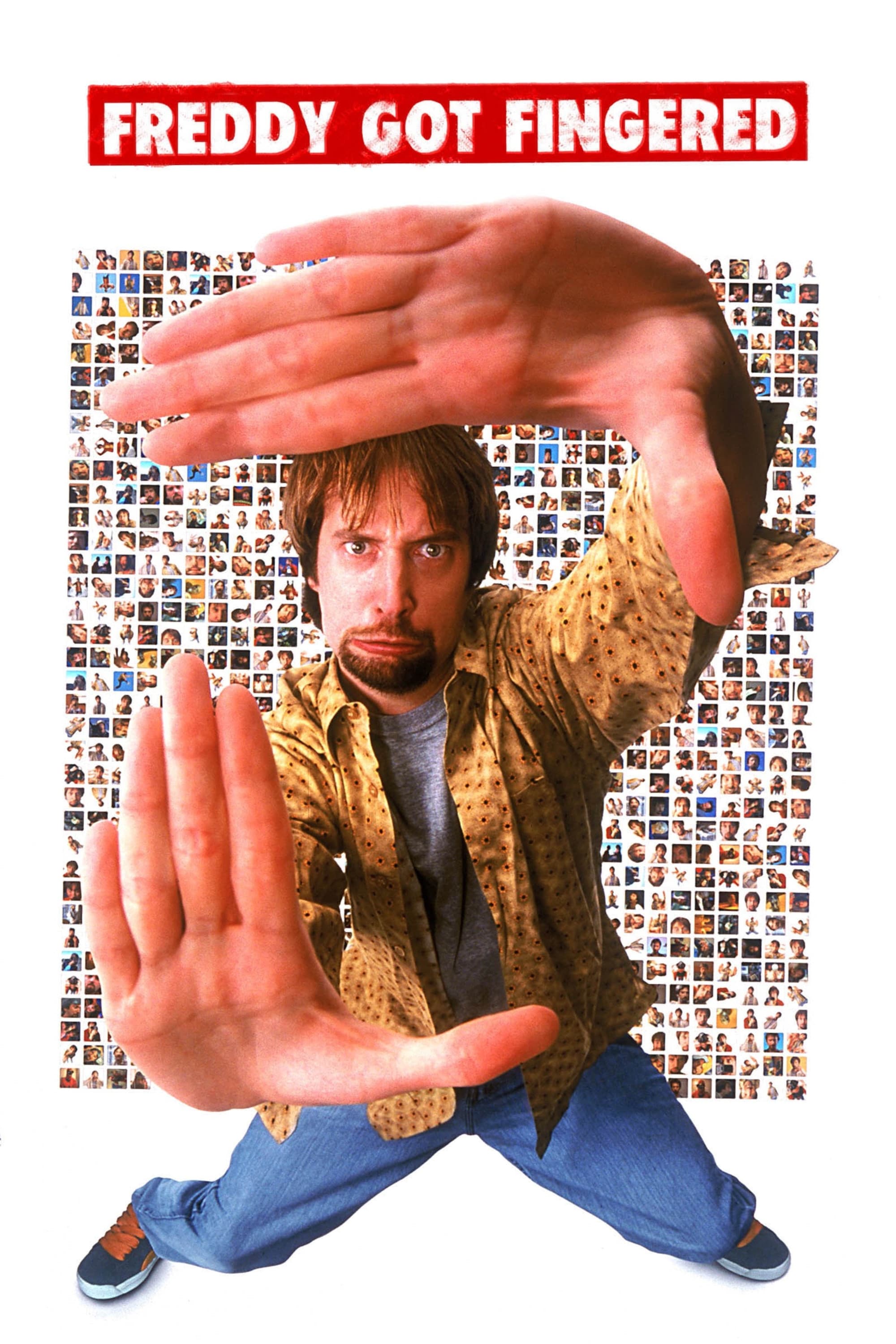
The title comes from a plot accusation within the story about the brother of the lead character Freddy. The phrasing is a double entendre that set the tone for the film’s shock comedy approach, which drew an adults only rating in many markets. Tom Green wrote, directed, and starred, carrying over the prank heavy persona familiar from his television work.
The name triggered radio and television advertising hurdles, since broadcasters often avoided reading it verbatim. Home video covers placed the title in oversized lettering to leverage notoriety, which kept the wording highly visible in stores. International releases sometimes softened taglines but kept the exact name, preserving uniformity across regions.
‘Movie 43’ (2013)
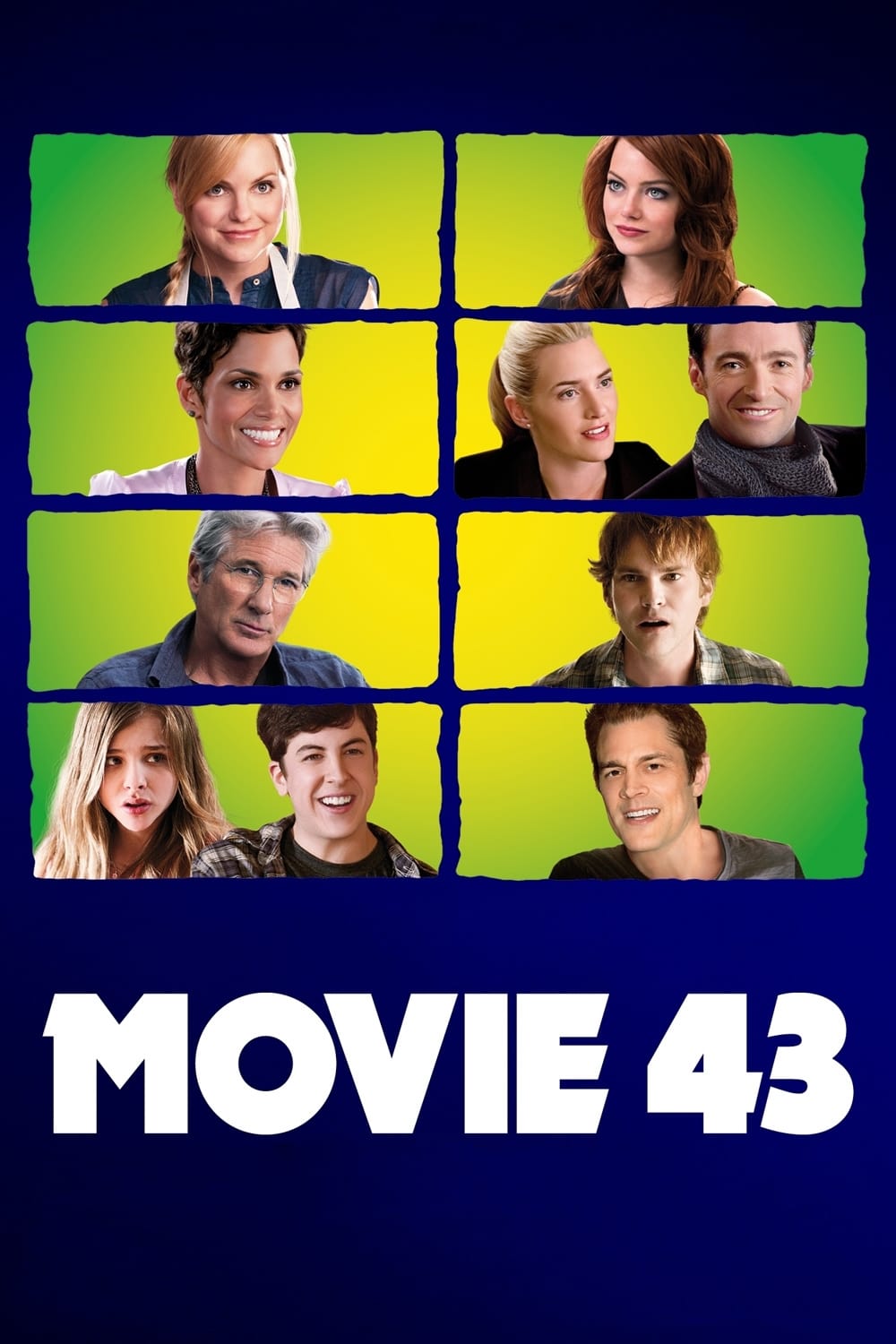
This ensemble sketch film features dozens of well known actors across short segments directed by multiple filmmakers. The title began as a placeholder during development and stuck after producers struggled to settle on a unifying concept. The number does not refer to a chapter count or a running gag within the film.
Advance promotions leaned on the impressive cast grid rather than the name, which offered no plot clue or genre signal. The unusual title led many outlets to underline the producer driven structure in coverage, since the branding did not highlight any single star or sketch. The film became a cautionary example in trade discussions about anthology marketing without a descriptive hook.
‘John Carter’ (2012)
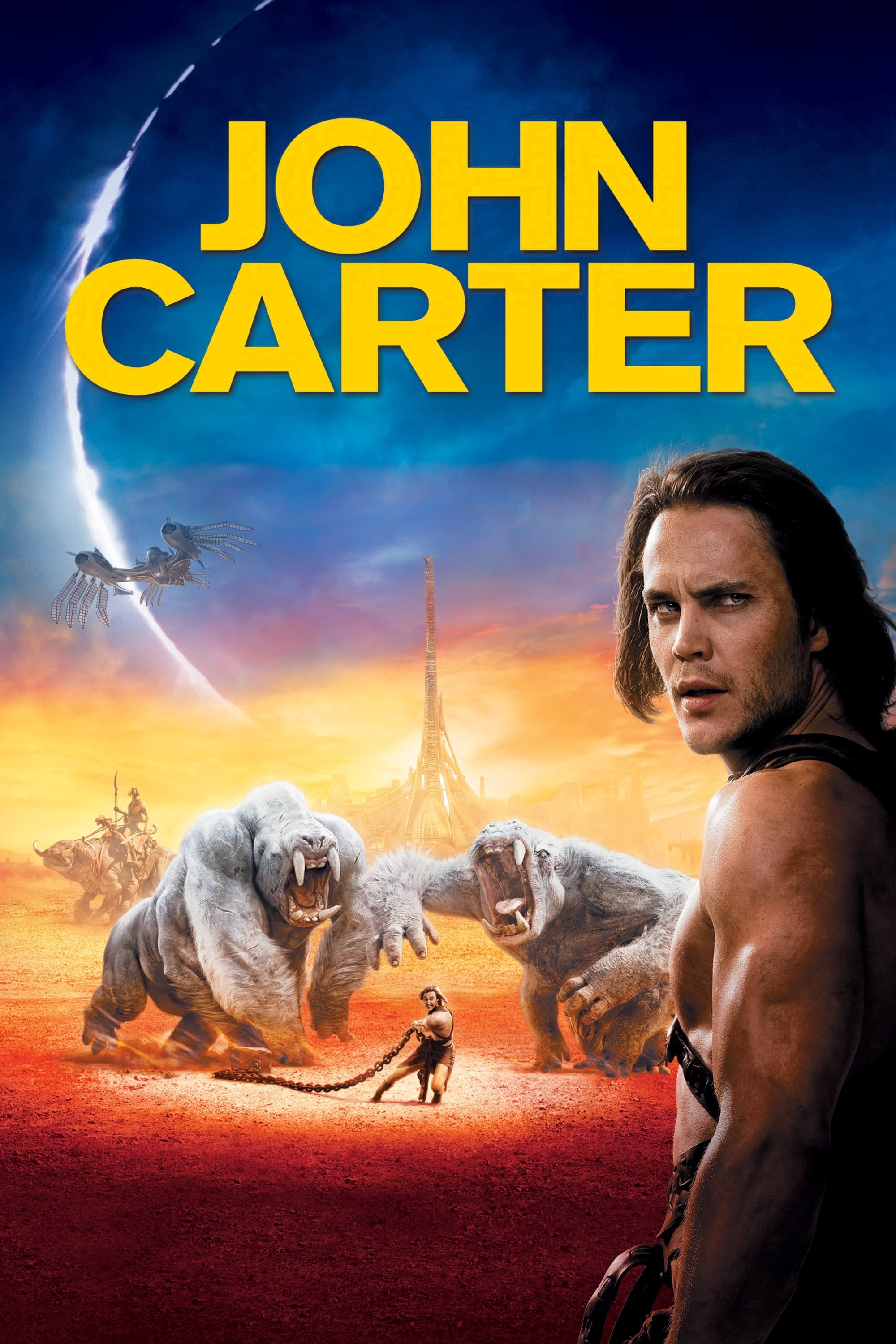
This adaptation draws from the Barsoom novels by Edgar Rice Burroughs that introduced the Earth man transported to Mars. Early materials used the fuller name John Carter of Mars, which mirrors the books, then the studio shortened it to the character’s name for the final campaign. The decision aimed to broaden appeal beyond science fiction while retaining recognition for readers of the source material.
The change created a gap between the interplanetary setting and the branding on posters and trailers. Later television spots and home media packaging added Mars back through logos and bylines to clarify the premise. The character first appearance story remained intact, but the stripped down title became a recurring case study in label clarity for franchise launches.
‘The Last Exorcism Part II’ (2013)
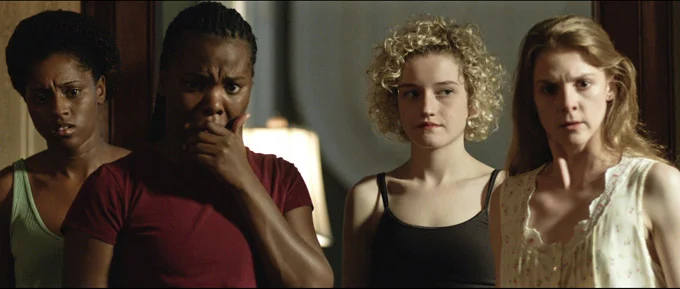
This sequel carries a paradox in the name because the earlier film implied a final chapter. The producers kept the series label to maintain continuity while signaling a direct follow up focused on the same protagonist. The story shifts from found footage to a more traditional presentation, which marked another change that fans noticed when comparing the two entries.
Promotional materials emphasized actress Ashley Bell’s return and the continuation of the previous ending. The title sparked headlines that repeated the contradiction word for word, which unintentionally amplified awareness. International posters sometimes gave greater weight to the character name Nell to balance the awkward phrasing while keeping the franchise thread visible.
‘Edge of Tomorrow’ (2014)
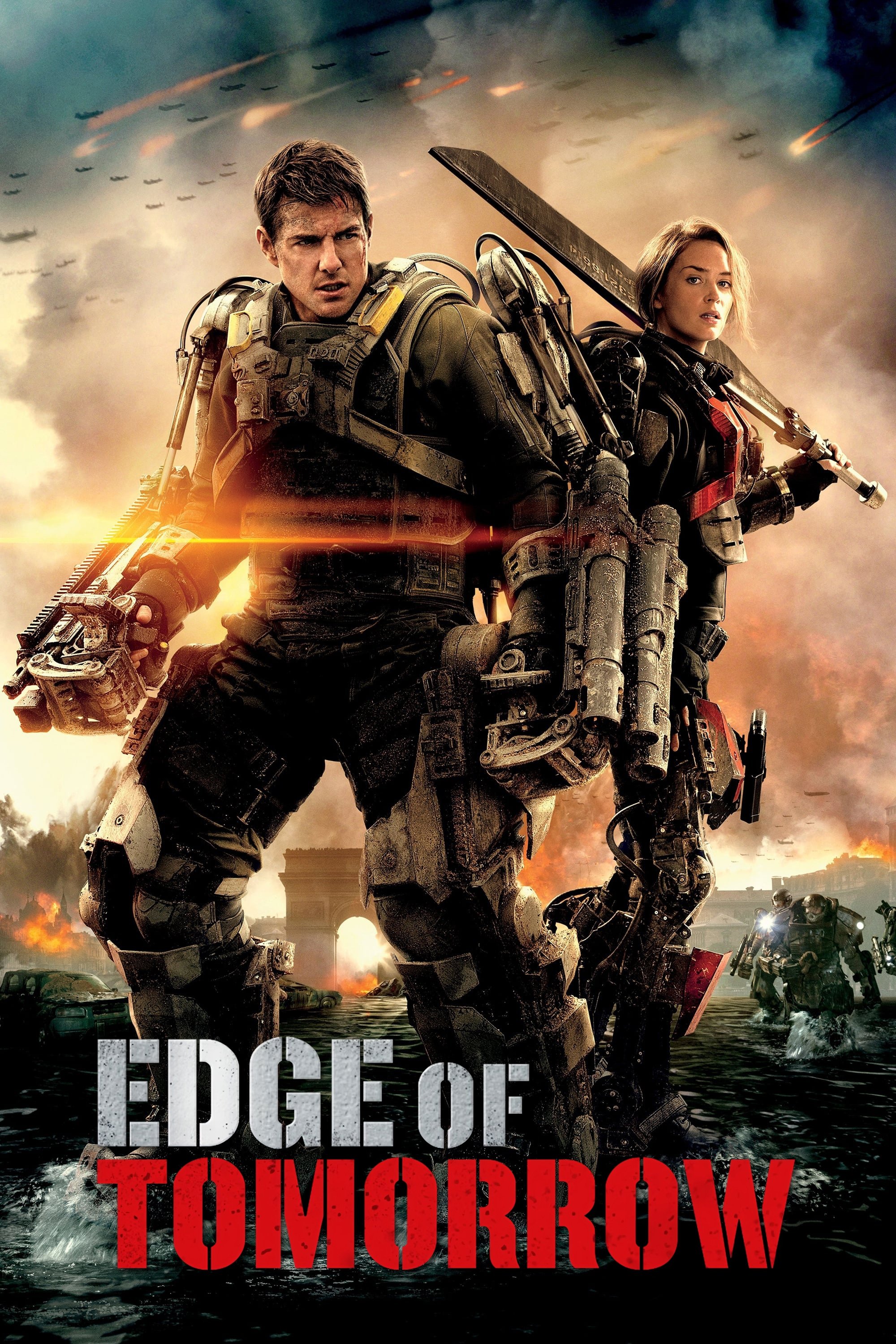
This science fiction action film adapts the Japanese novel All You Need Is Kill by Hiroshi Sakurazaka. During production and test screenings, the campaign experimented with the phrase Live Die Repeat, which appeared prominently in key art and overtook the official title on home release packaging. Retail listings and streaming thumbnails often displayed Live Die Repeat as a lead line with Edge of Tomorrow in smaller type.
The dual identity created a split in audience recall, with some viewers referring to the tagline and others using the theatrical title. Later press tours and catalog reissues leaned into both versions to capture search traffic under either phrase. The shift became a widely cited case of a retroactive title emphasis that blurred the border between name and slogan.
‘Birdemic: Shock and Terror’ (2010)
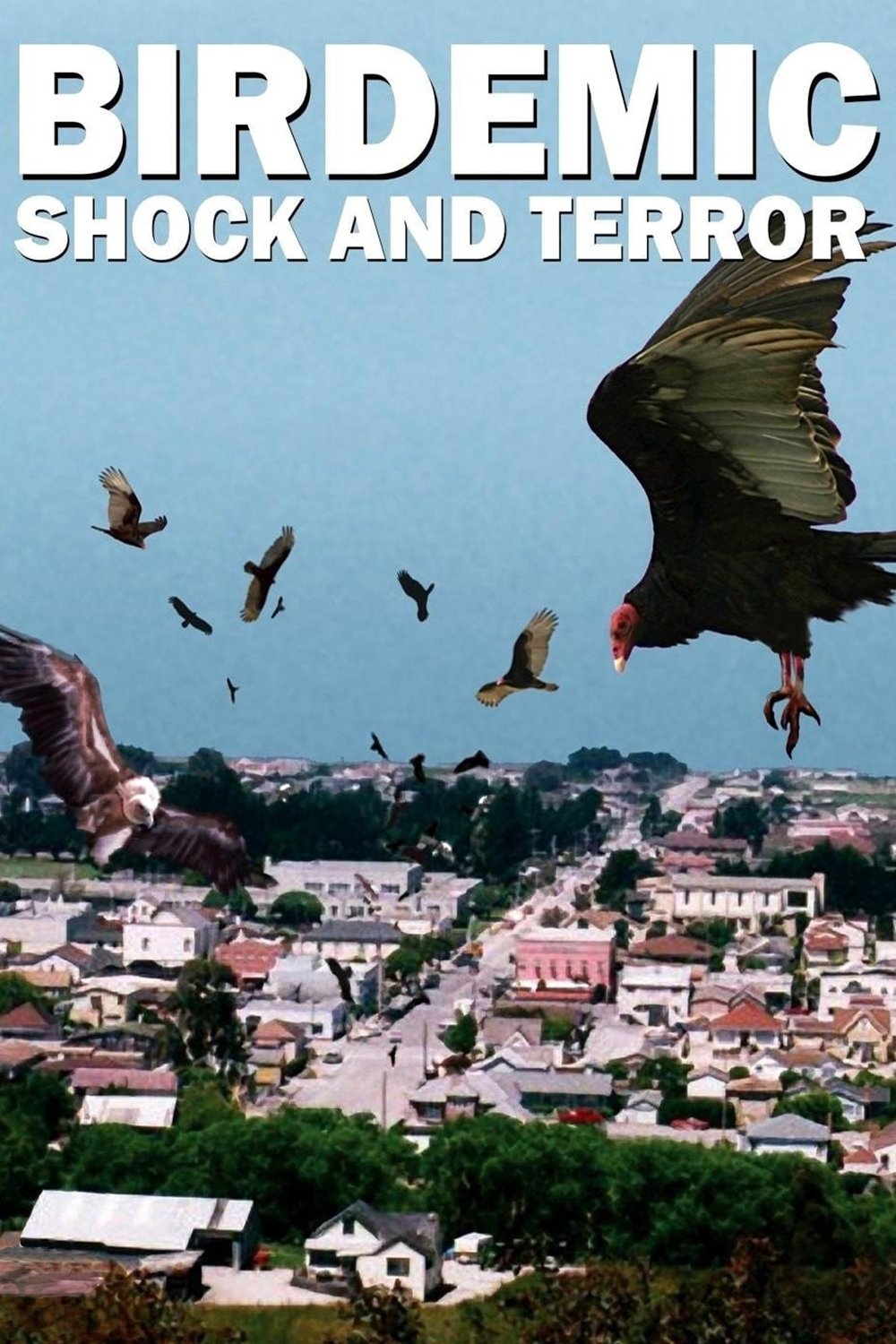
Independent filmmaker James Nguyen wrote, directed, and distributed this eco thriller that gained cult status for its handmade effects and earnest messaging. The title fuses bird and epidemic to indicate a sudden avian attack linked to environmental imbalance. Grassroots screenings and word of mouth helped the film reach midnight audiences beyond its original limited run.
Posters and trailers foregrounded the portmanteau word, which is uncommon in mainstream releases. The subheading Shock and Terror echoed classic exploitation conventions and positioned the movie within that tradition. Follow up installments kept the same construction, creating a recognizable but polarizing brand identity in repertory circuits.
‘Quantum of Solace’ (2008)
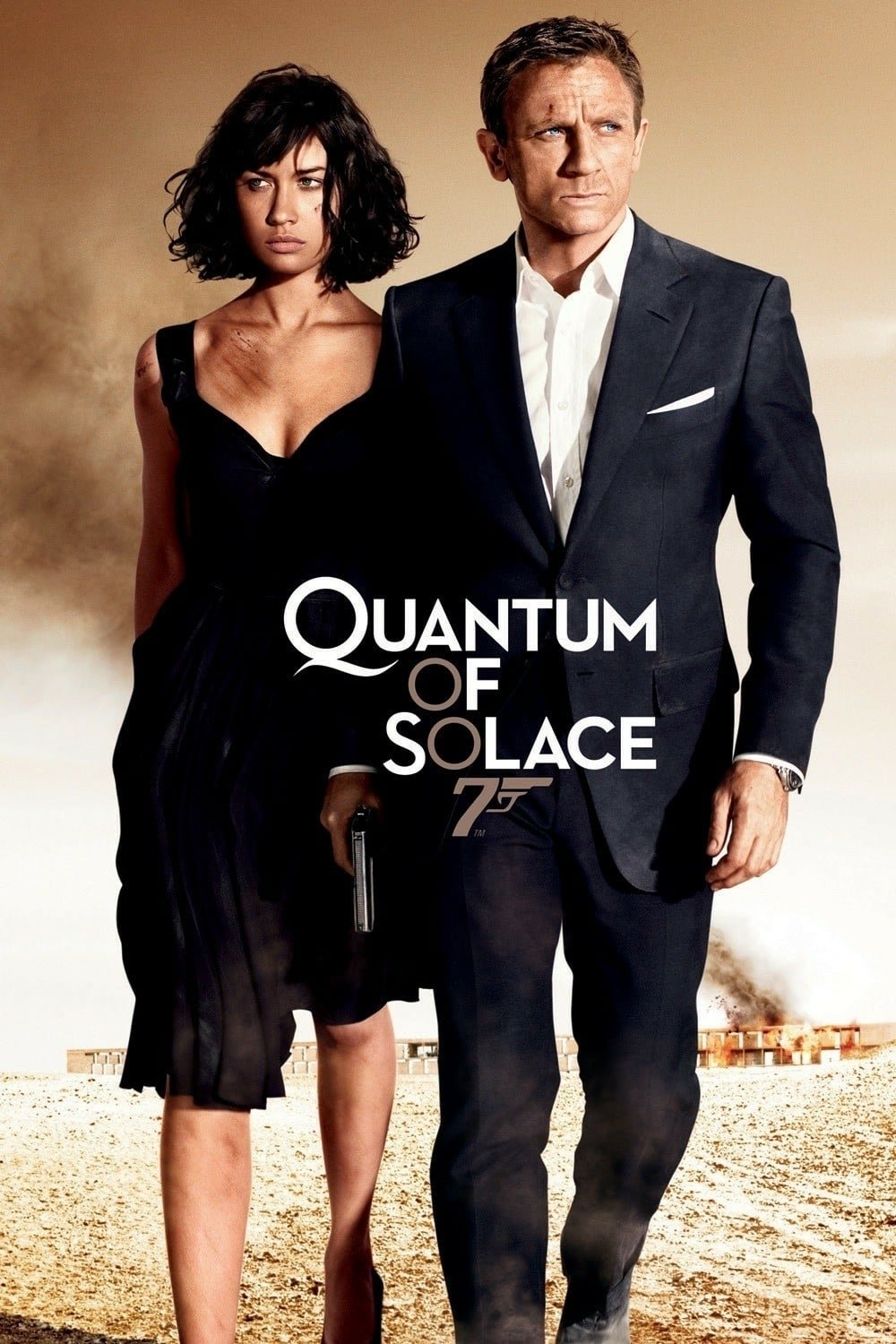
This James Bond entry took its name from an Ian Fleming short story that does not share the film’s plot. The phrase refers to the minimum measure of comfort a person needs to move on after betrayal, which ties thematically to Bond’s arc following the previous mission. The production preserved the literary link to maintain the series tradition of drawing on Fleming titles when possible.
The abstract wording contrasted with more descriptive names from earlier installments, which meant trailers had to do additional work explaining the stakes. Music tie ins and opening credits leveraged the phrase through graphic motifs to cement the association. The title remained consistent across major markets, avoiding the localized translations that sometimes accompany metaphorical names.
‘The Hottie & The Nottie’ (2008)

This romantic comedy stars Paris Hilton and centers on two friends whose dating lives are intertwined. The rhyming title pairs slang descriptors that appear within the dialogue and the marketing copy. The story focuses on makeovers and social perceptions, which the name tried to encapsulate in a quick slogan.
The phrase presented challenges for family friendly outlets that avoid certain vernacular, limiting some promotional avenues. Box office returns were minimal, and the title became the primary recall point in later retrospectives about mid budget comedies of that period. International markets often retained the English phrasing rather than translate the rhyme, which kept consistency but lost meaning in non English territories.
‘To Wong Foo, Thanks for Everything! Julie Newmar’ (1995)
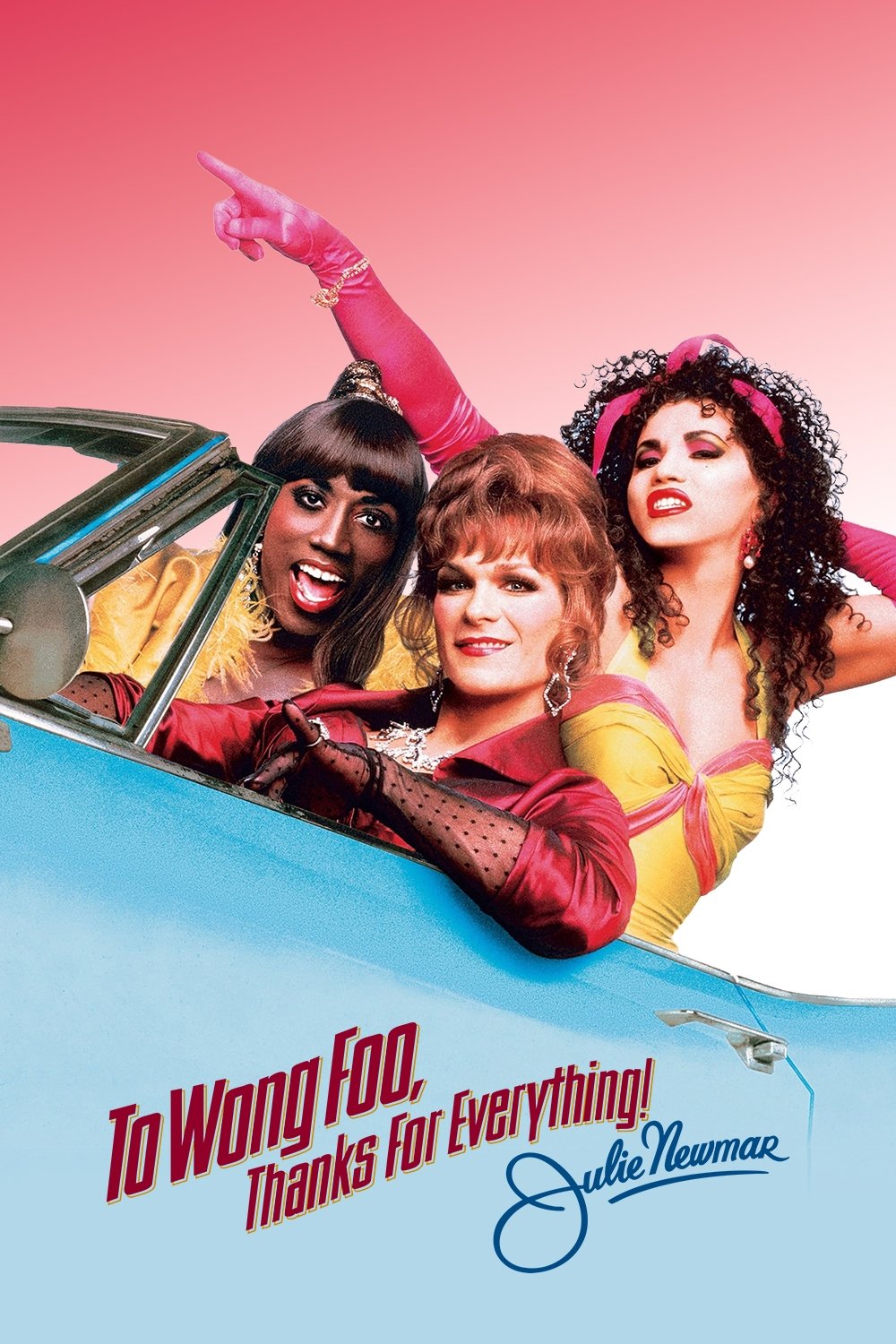
The title quotes a note left under a signed photograph of actress Julie Newmar, which appears as a plot device early in the film. Patrick Swayze, Wesley Snipes, and John Leguizamo play drag performers embarking on a cross country trip, and the autograph sets the tone for their shared mission. The full sentence title mirrors the diegetic message exactly.
Marketing materials frequently shortened the name in conversation to To Wong Foo, while full print ran on posters and opening credits. The film achieved strong television rewatch cycles, which kept the truncated version in play for listings and guides. The unusual construction remains one of the most literal cases of a prop line becoming the official title.
‘The Incredibly Strange Creatures Who Stopped Living and Became Mixed-Up Zombies!!?’ (1964)
Director Ray Dennis Steckler created this low budget carnival set horror musical with a title that functions like a sensational headline. The punctuation includes multiple exclamation points and a question mark, which is reproduced in many home video and festival materials. Contemporary reviews often referenced the name length as a curiosity, which helped the film achieve cult status in midnight programming.
Exhibitors sometimes abbreviated the title on marquees due to space constraints, and newspaper listings rarely printed it in full. The movie toured under various exploitation circuits with companion features that used similarly hyperbolic names. Later restorations preserved the original wording to maintain historical accuracy for genre scholars and collectors.
‘Don’t Be a Menace to South Central While Drinking Your Juice in the Hood’ (1996)
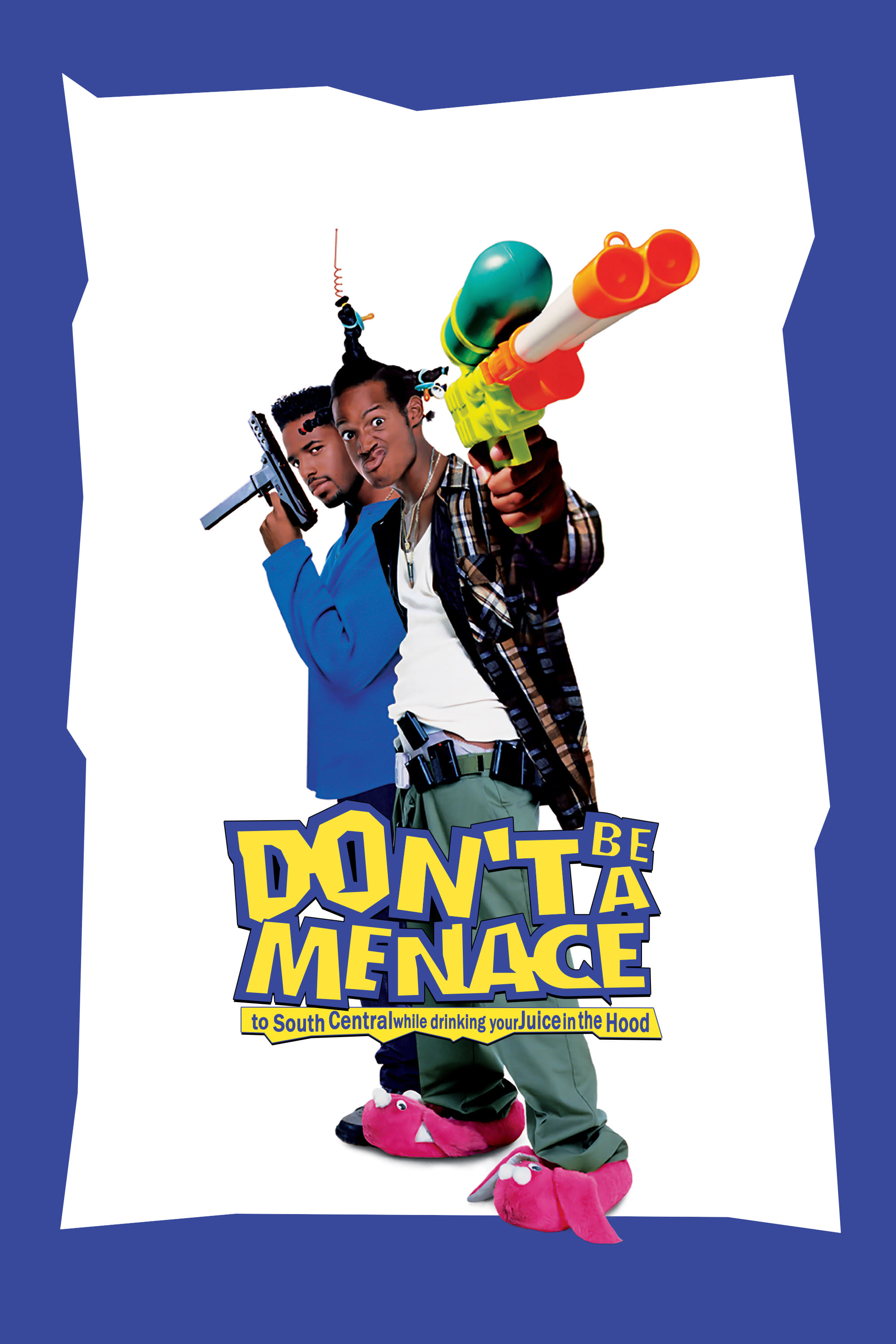
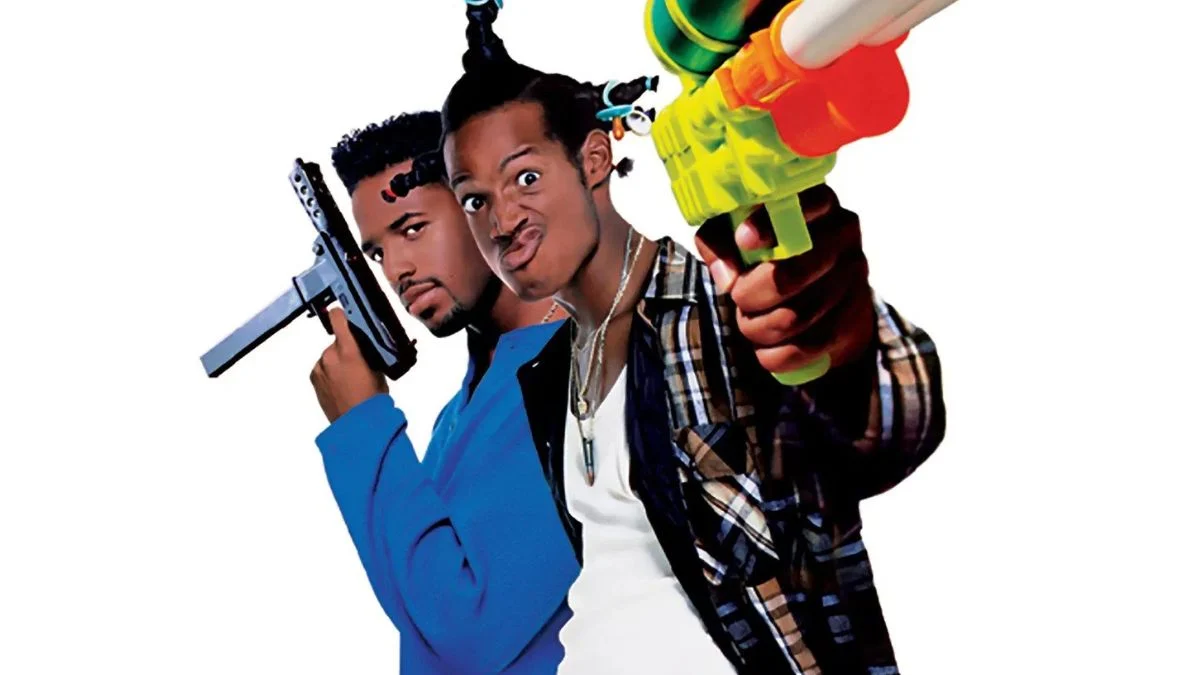
This parody from the Wayans family stitches together tropes from several nineties urban dramas and their titles. The name signals the mashup by lifting recognizable fragments from multiple sources and weaving them into a single long sentence. Marlon Wayans and Shawn Wayans headlined, with a supporting cast packed with cameos that underline the spoof format.
Posters and video covers placed the first four words in large type and stacked the remainder to keep legibility. Television promotions often cut to the shorter handle in voiceover while the full name appeared on screen. The approach made the title both a joke and a catalog of references, which functioned as a clear roadmap to the film’s targets.
‘The Englishman Who Went Up a Hill But Came Down a Mountain’ (1995)
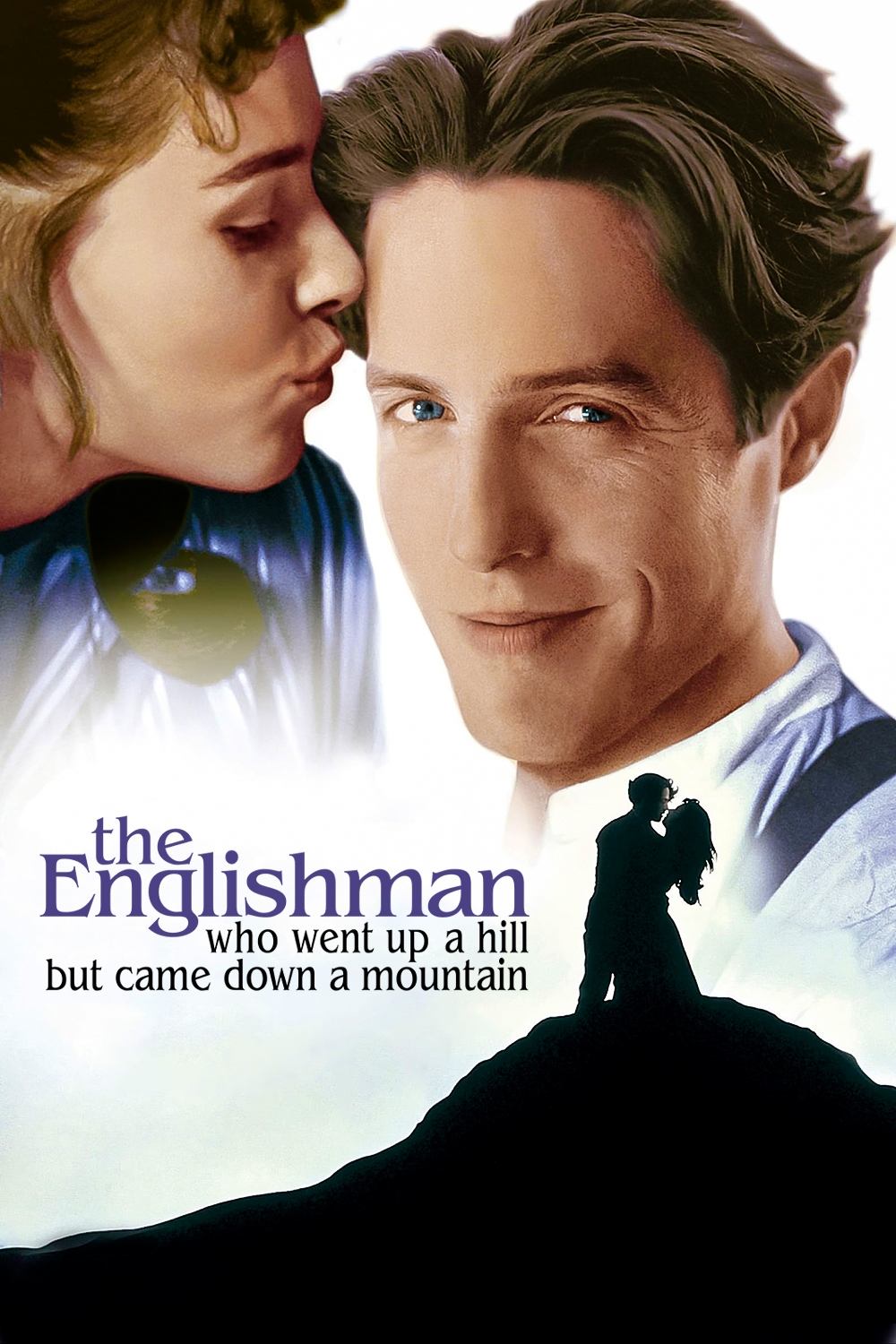
Set in Wales during wartime, this romantic dramedy centers on a village effort to raise the height of a local hill to meet the official criteria for a mountain. Hugh Grant plays a cartographer whose mapping mission sparks the challenge. The title summarizes the premise in one sentence, mirroring the style of storybook chapter headings.
Print advertising leaned on scenic photography and period costumes alongside the full name, which wrapped around poster art due to length. Home video and cable listings sometimes shortened it to The Englishman for space, especially in grid guides. The film found an audience in international markets with minimal localization, since the narrative description functions clearly even outside English speaking regions.
‘Joe Versus the Volcano’ (1990)
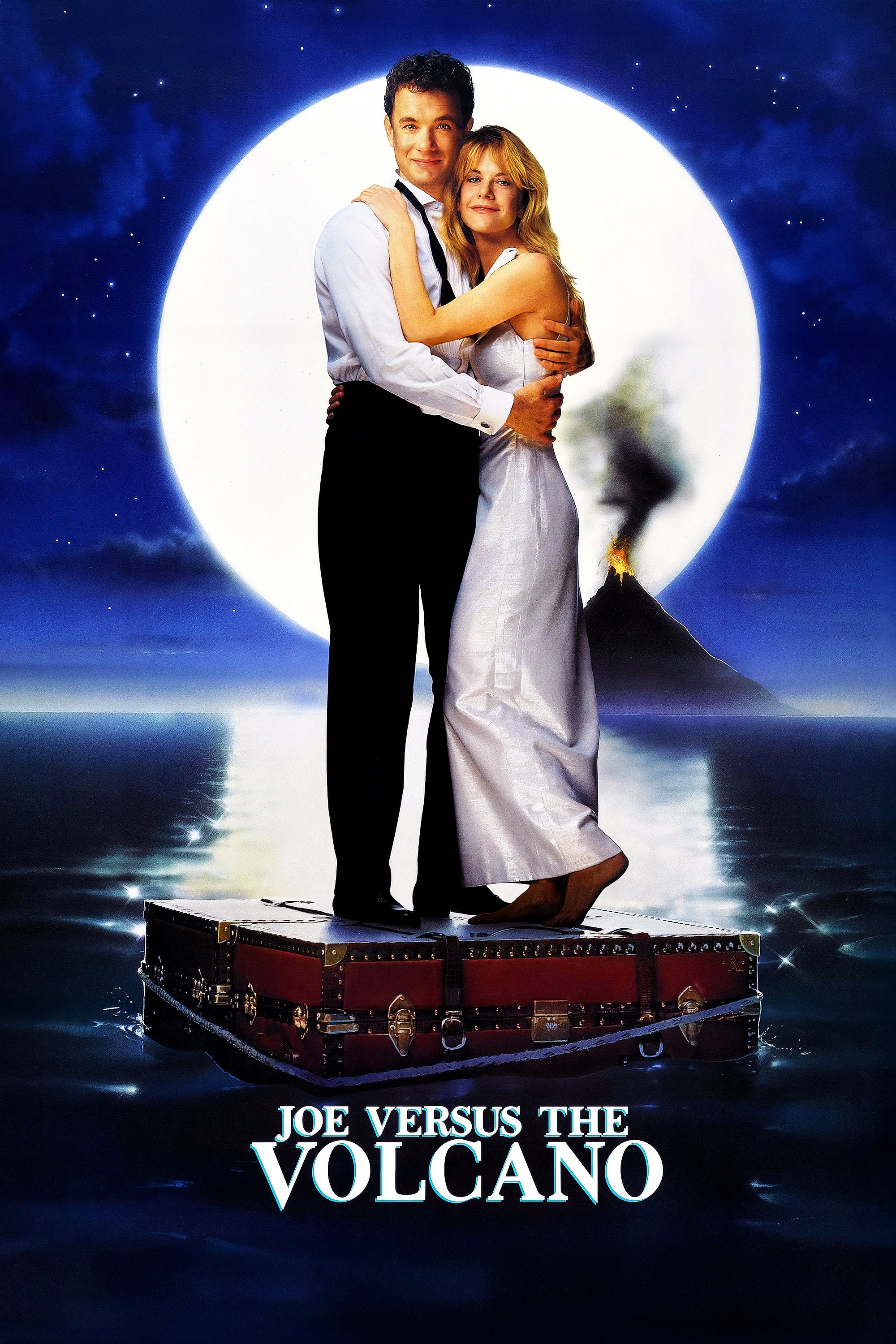
This fantasy romance stars Tom Hanks and Meg Ryan and follows an office worker who accepts a quest requiring a sacrificial jump into a Pacific volcano. The title quotes the central confrontation as if it were a sporting event, which aligns with the story’s fable like structure. Writer director John Patrick Shanley leaned into mythic imagery, and the name foregrounds that element.
Trailers used stylized graphics of the volcano icon to anchor the verbal match up. The film later gained a new wave of attention in retrospectives about the stars’ collaborations, which kept the unusual phrasing in circulation. Television airings and streaming menus tend to print the name in full without abbreviation, since the length remains manageable for program guides.
‘Batman v Superman: Dawn of Justice’ (2016)
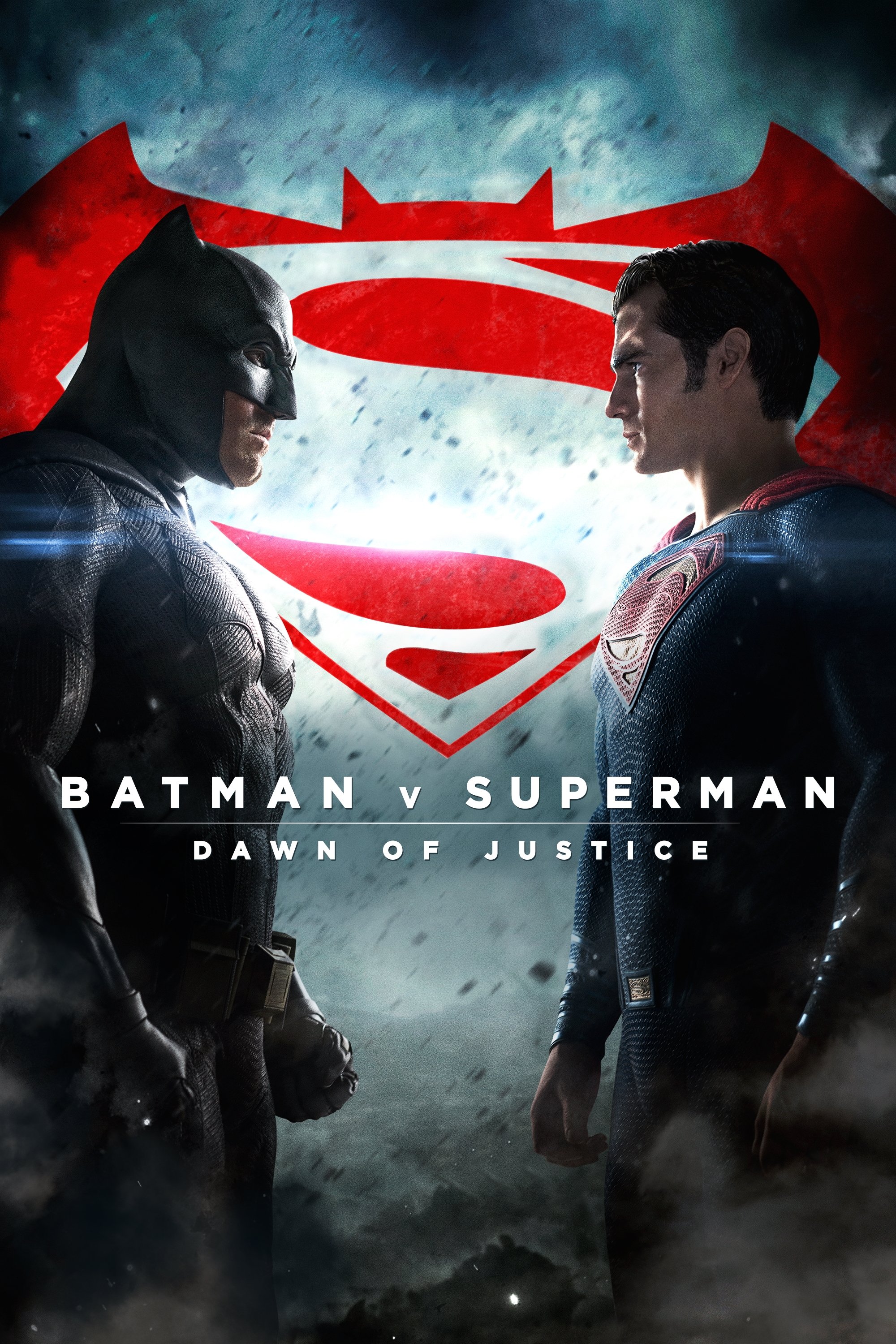
This crossover installment pairs the two DC Comics icons while planting seeds for a broader team lineup. The letter v comes from legal shorthand and appears without a period, signaling an adversarial framing between the heroes. The subtitle Dawn of Justice telegraphs the lead in to a larger ensemble that would arrive in a subsequent film.
Promotional cycles highlighted the face off through posters that split the emblem imagery across character masks. The full title frequently wrapped on theater signage, so the campaign also rolled out character centric one word posters that avoided the long phrasing. Home media kept the original name and introduced an extended edition label, which added another line to packaging without changing the theatrical wording.
Which titles would you add to the conversation in the comments?