


Top 20 Movies You Can’t Believe Flopped At The Box Office

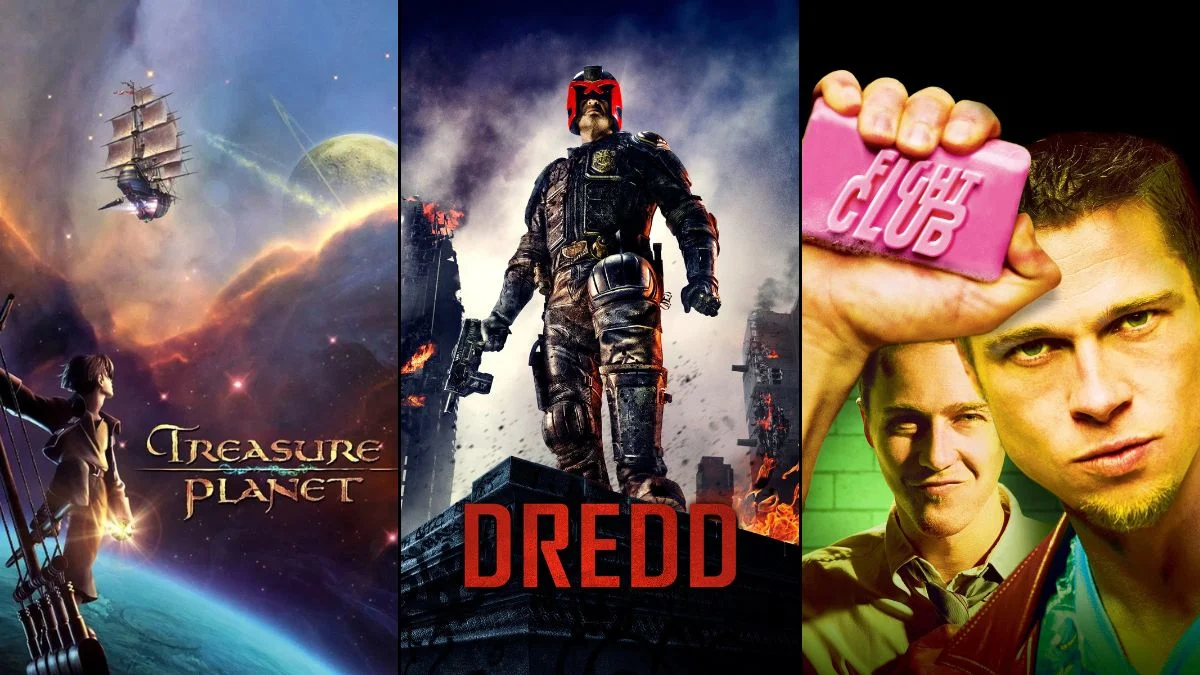


Box office revenue is not always the best indicator of a film’s quality or cultural impact. Many movies that failed to draw crowds during their theatrical runs have gone on to become beloved classics and critical darlings. Marketing mishaps and poor release timing often doom exceptional productions before they have a chance to find an audience. The following titles represent some of the most surprising financial failures in cinema history that eventually earned the recognition they deserved.
‘Hugo’ (2011)

Martin Scorsese directed this visual masterpiece about an orphan living in the walls of a train station in 1930s Paris. The film received immense critical praise for its use of 3D technology and its loving tribute to the silent film era. Its massive budget proved difficult to recoup because the marketing failed to convey the story to family audiences. The movie remains a technical marvel that unfortunately struggled to find its footing in a crowded holiday marketplace.
‘Popstar: Never Stop Never Stopping’ (2016)
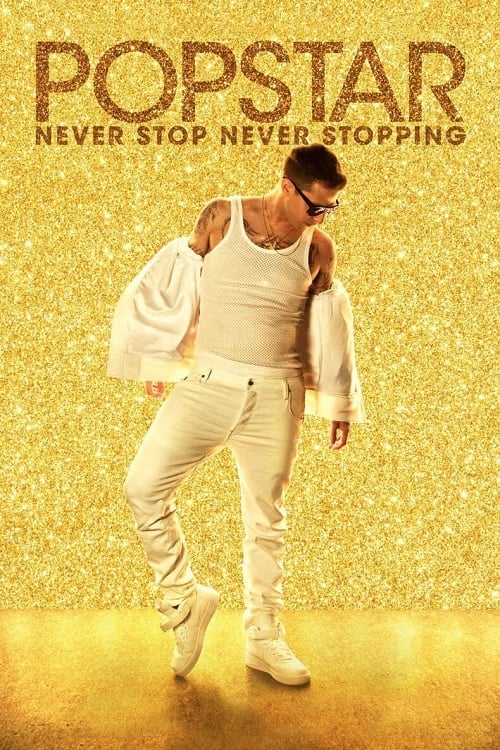
The Lonely Island trio created this mockumentary that satirizes the modern music industry with hilarious accuracy. Andy Samberg stars as a delusional pop star whose life unravels after his second album flops. Critics praised the film for its sharp writing and catchy original songs that perfectly mimicked contemporary radio hits. It failed to attract theatergoers who perhaps felt the genre was too niche for a big screen experience.
‘Grindhouse’ (2007)

Quentin Tarantino and Robert Rodriguez collaborated on this double feature that paid homage to the exploitation cinema of the 1970s. The three hour runtime confused general audiences who were not accustomed to the intermission format or the intentional film grain effects. Fans of the directors loved the distinct styles and the fake trailers sandwiched between the two movies. This ambitious experiment suffered financially because the studio did not know how to market such a unique cinematic package.
‘Dredd’ (2012)
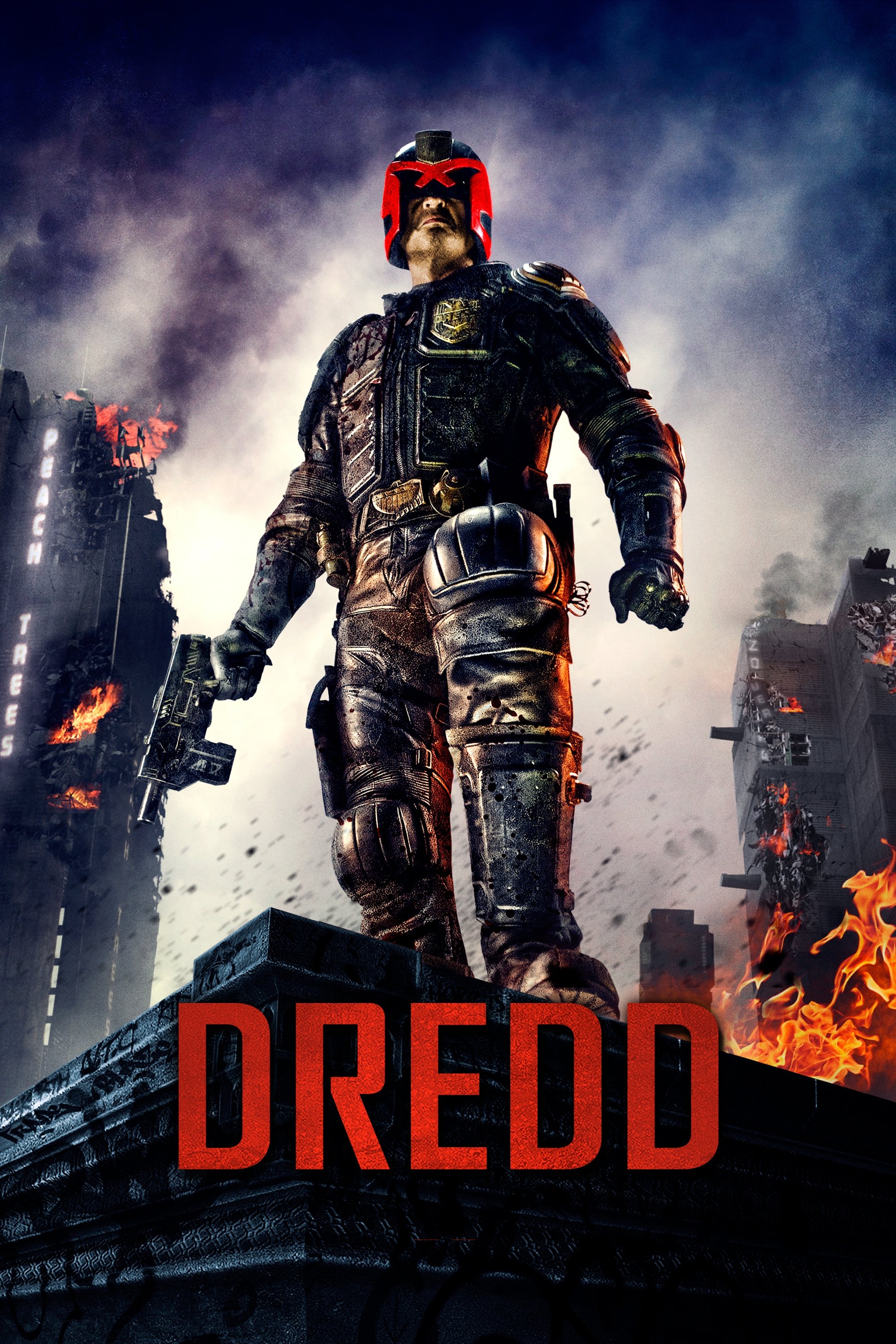
Karl Urban donned the helmet for this gritty adaptation that ignored the campy tone of the 1995 version. The film delivered intense action sequences and a faithful representation of the dystopian Mega-City One from the comic books. A heavy reliance on 3D screenings and an R rating limited the potential audience reach during its initial release. It has since gathered a dedicated cult following that continues to campaign for a sequel.
‘Treasure Planet’ (2002)
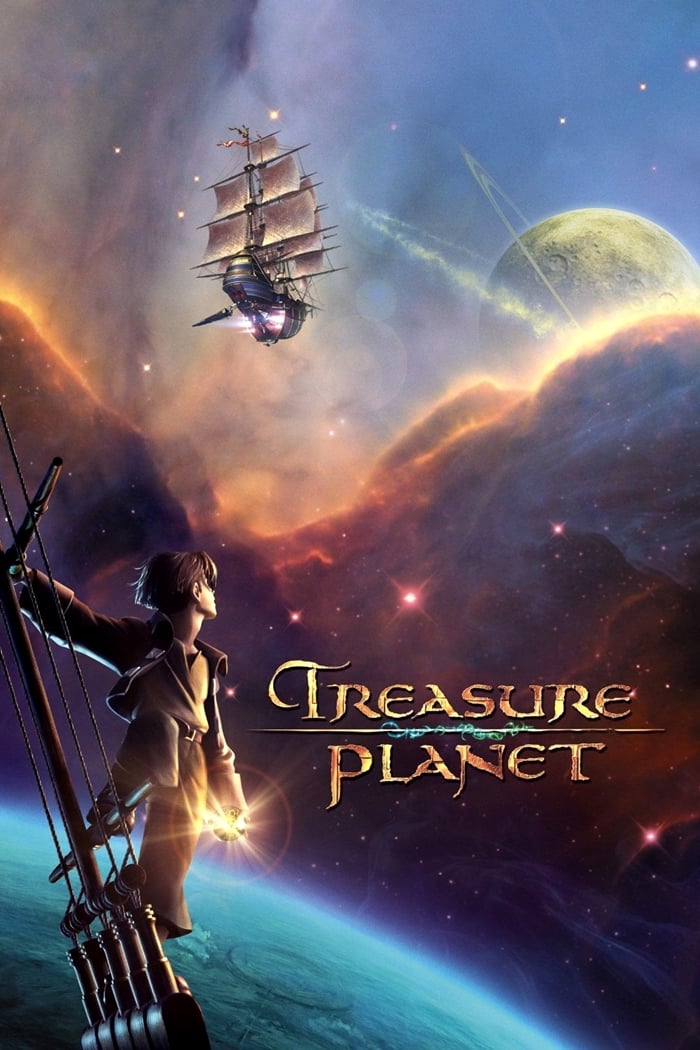
Disney attempted to modernize a classic literary tale by blending traditional hand-drawn animation with computer-generated sci-fi elements. The visual style was innovative but the production costs ballooned significantly during development. It opened against intense competition from the Harry Potter franchise which dominated the family demographic that season. The film is now appreciated for its bold artistic choices and emotional storytelling despite its commercial failure.
‘Master and Commander: The Far Side of the World’ (2003)
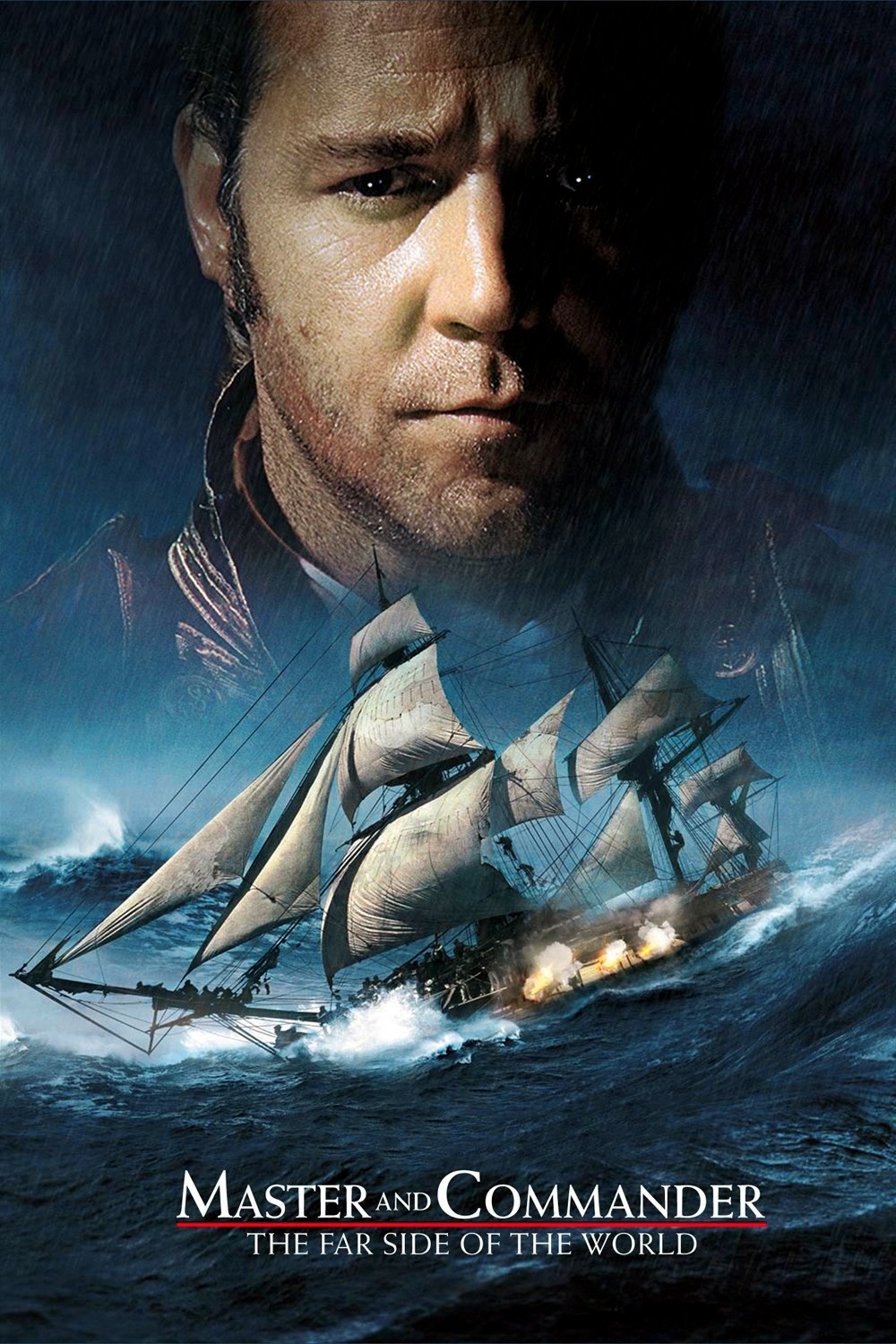
Russell Crowe starred as Captain Jack Aubrey in this meticulous recreation of naval warfare during the Napoleonic Wars. The film received high praise for its historical accuracy and the chemistry between the lead actors. It had the misfortune of releasing very close to the final chapter of the Lord of the Rings trilogy. Audiences overlooked this seafaring epic at the time but it is now regarded as a premier example of the genre.
‘Scott Pilgrim vs. the World’ (2010)
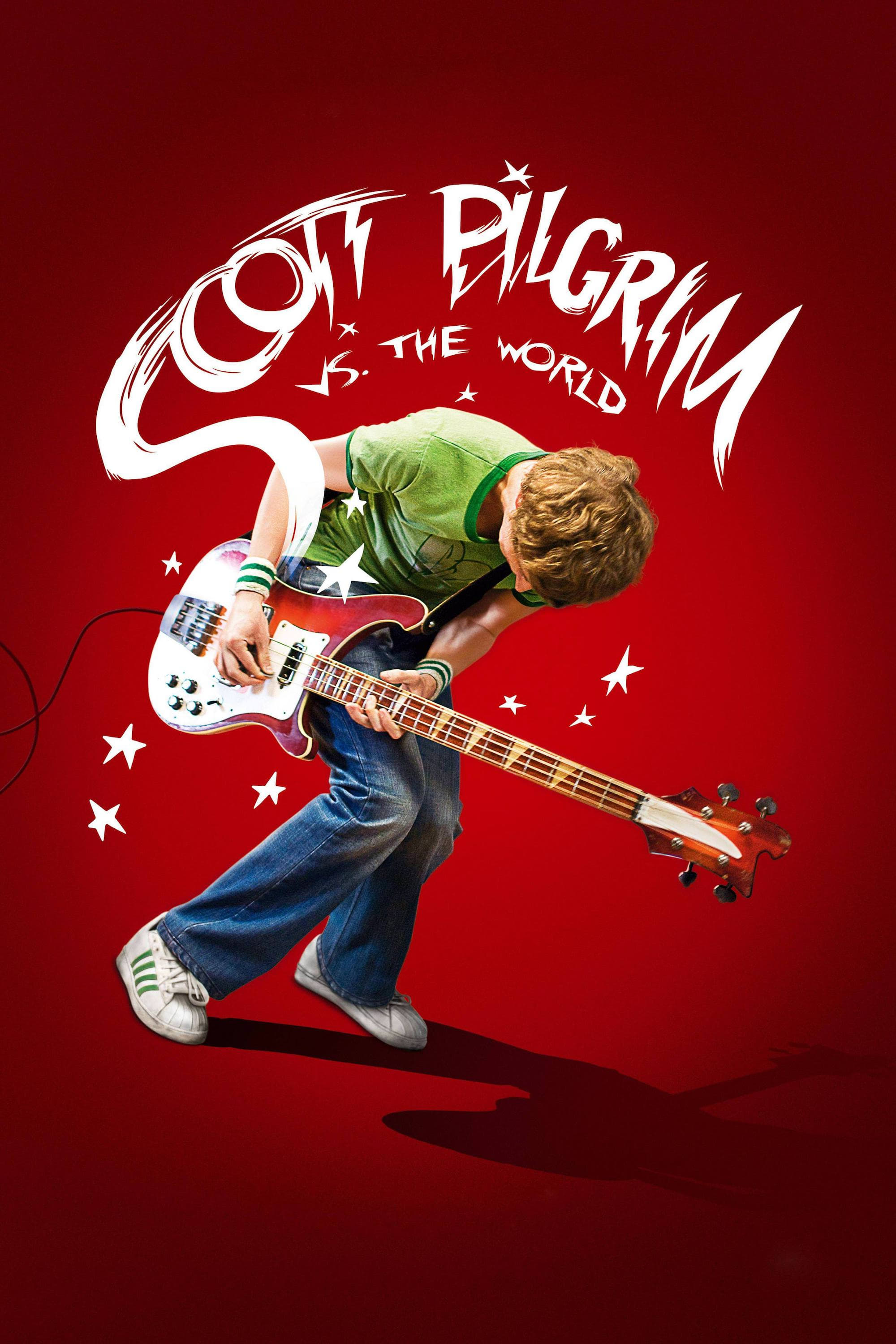
Edgar Wright directed this energetic adaptation of the graphic novel series about a musician fighting the evil exes of his new girlfriend. The movie utilized a unique visual language that incorporated video game aesthetics and comic book text on screen. This distinctive style alienated older viewers while the core youth demographic waited for the home release. It eventually became a cultural touchstone for the millennial generation despite the lackluster ticket sales.
‘The King of Comedy’ (1982)
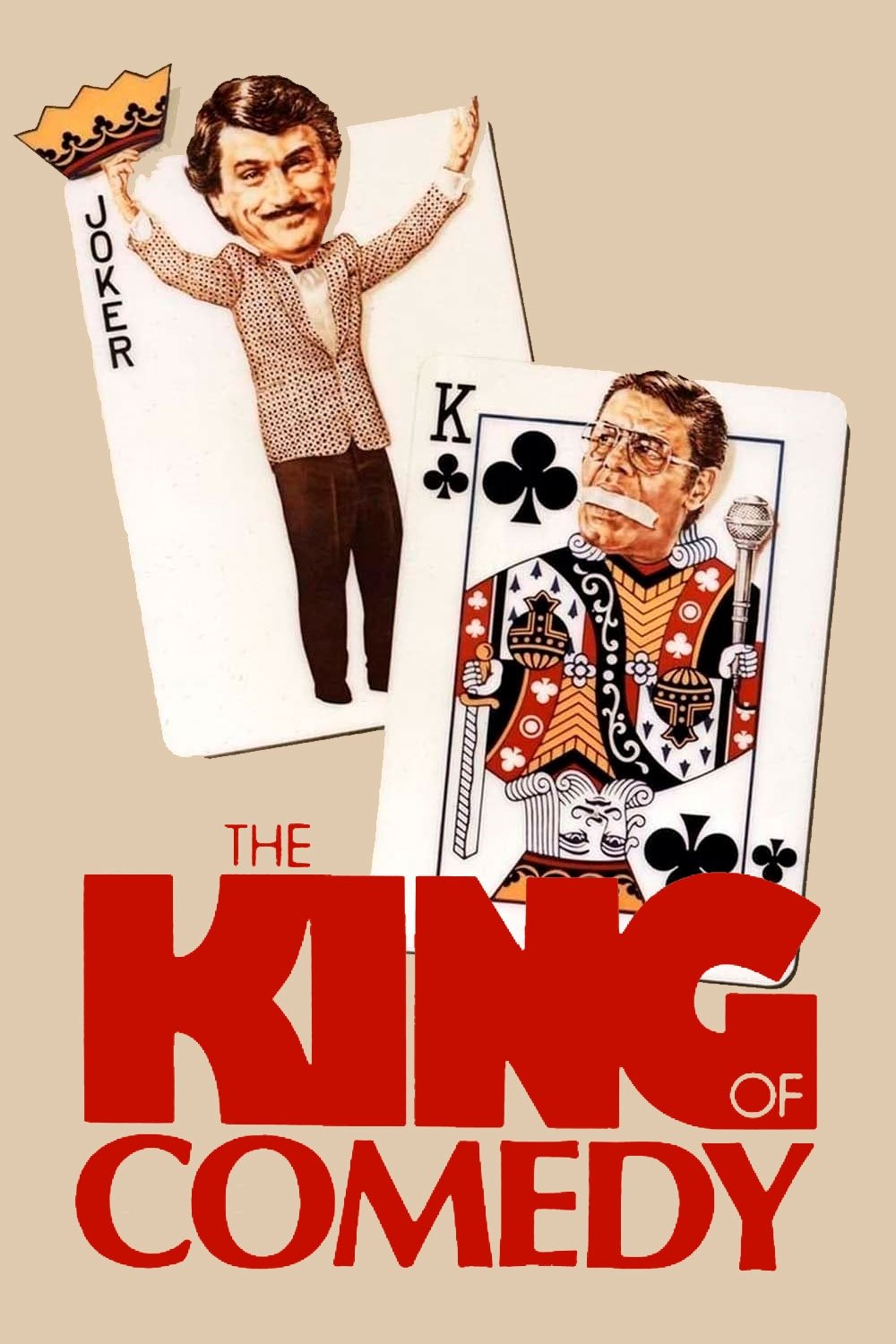
Martin Scorsese and Robert De Niro created this dark satire about celebrity worship and media obsession. The tone was drastically different from their previous collaborations and audiences found the protagonist too unsettling to embrace. It flopped upon release because viewers were expecting a traditional comedy rather than a psychological character study. The film gained renewed attention recently for its thematic influence on modern psychological thrillers.
‘Office Space’ (1999)

Mike Judge captured the frustration of corporate culture in this comedy that resonated deeply with anyone who has worked in a cubicle. The theatrical marketing campaign failed to represent the humor of the film effectively. Word of mouth spread rapidly after it was released on DVD and cable television. It is now considered one of the most quotable comedies of the 1990s and a defining satire of the modern workplace.
‘The Iron Giant’ (1999)
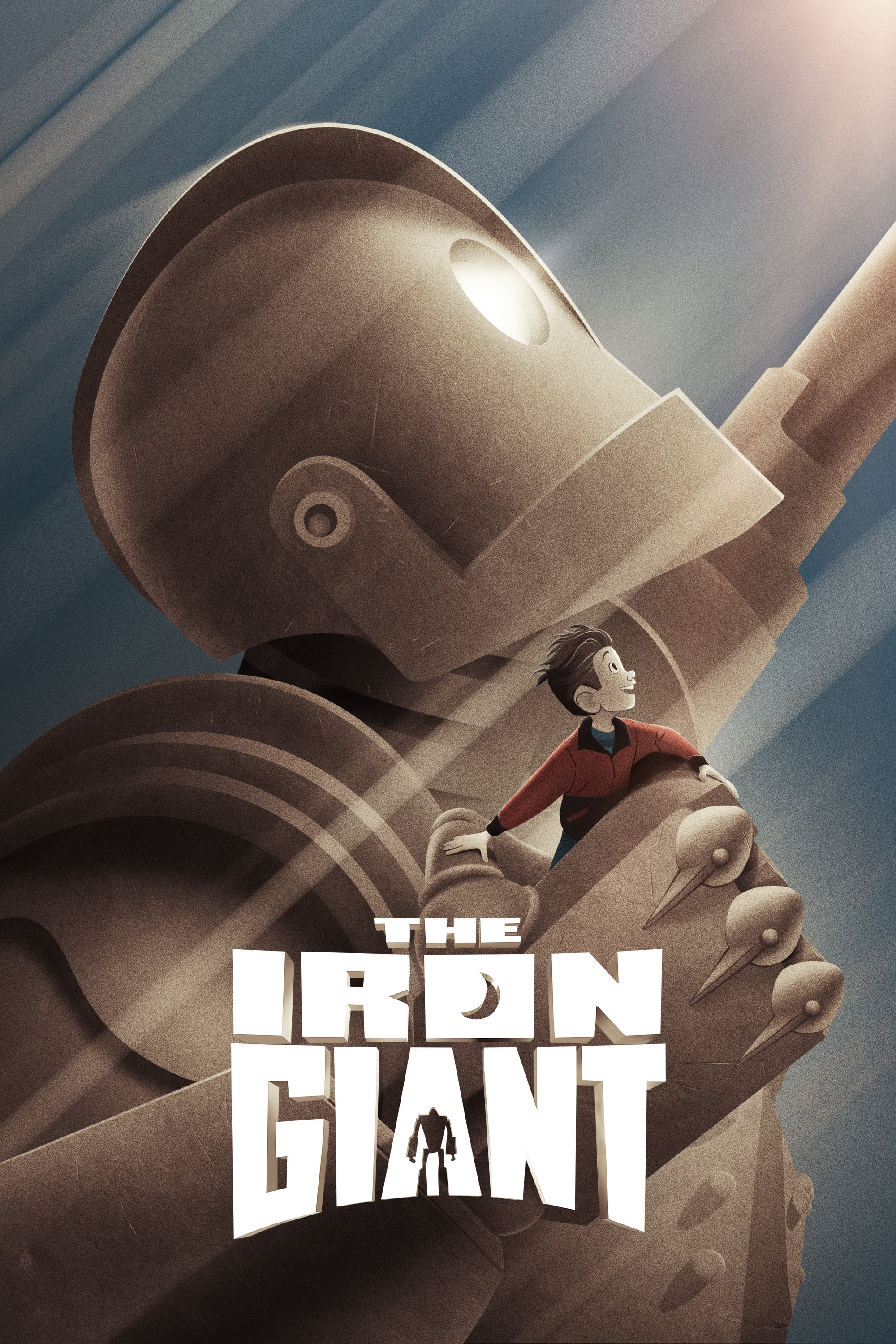
Brad Bird directed this animated feature about a young boy who befriends a giant robot from outer space during the Cold War. Warner Bros did little to promote the film which resulted in empty theaters despite glowing reviews from critics. The hand-drawn animation and heartfelt story eventually found a massive audience through television broadcasts. It stands today as one of the most acclaimed animated films ever made.
‘Children of Men’ (2006)
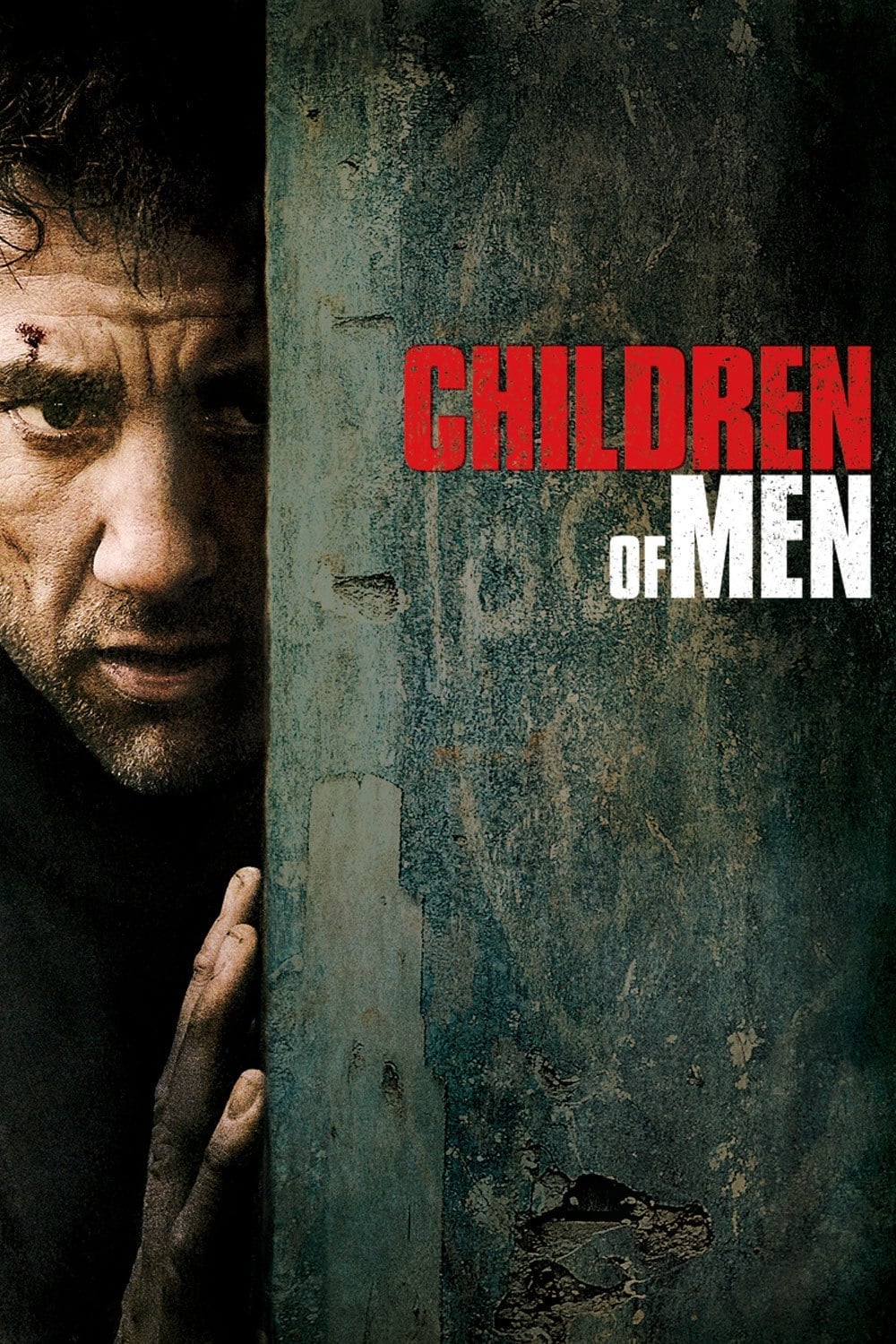
Alfonso Cuarón crafted a terrifyingly realistic vision of a future where humanity faces extinction due to global infertility. The bleak premise and lack of traditional action movie tropes made it a difficult sell for mainstream audiences. Cinematographers and critics marveled at the long single-take sequences that immersed viewers in the chaos. The film is now frequently cited as a sci-fi masterpiece that was ahead of its time.
‘Donnie Darko’ (2001)
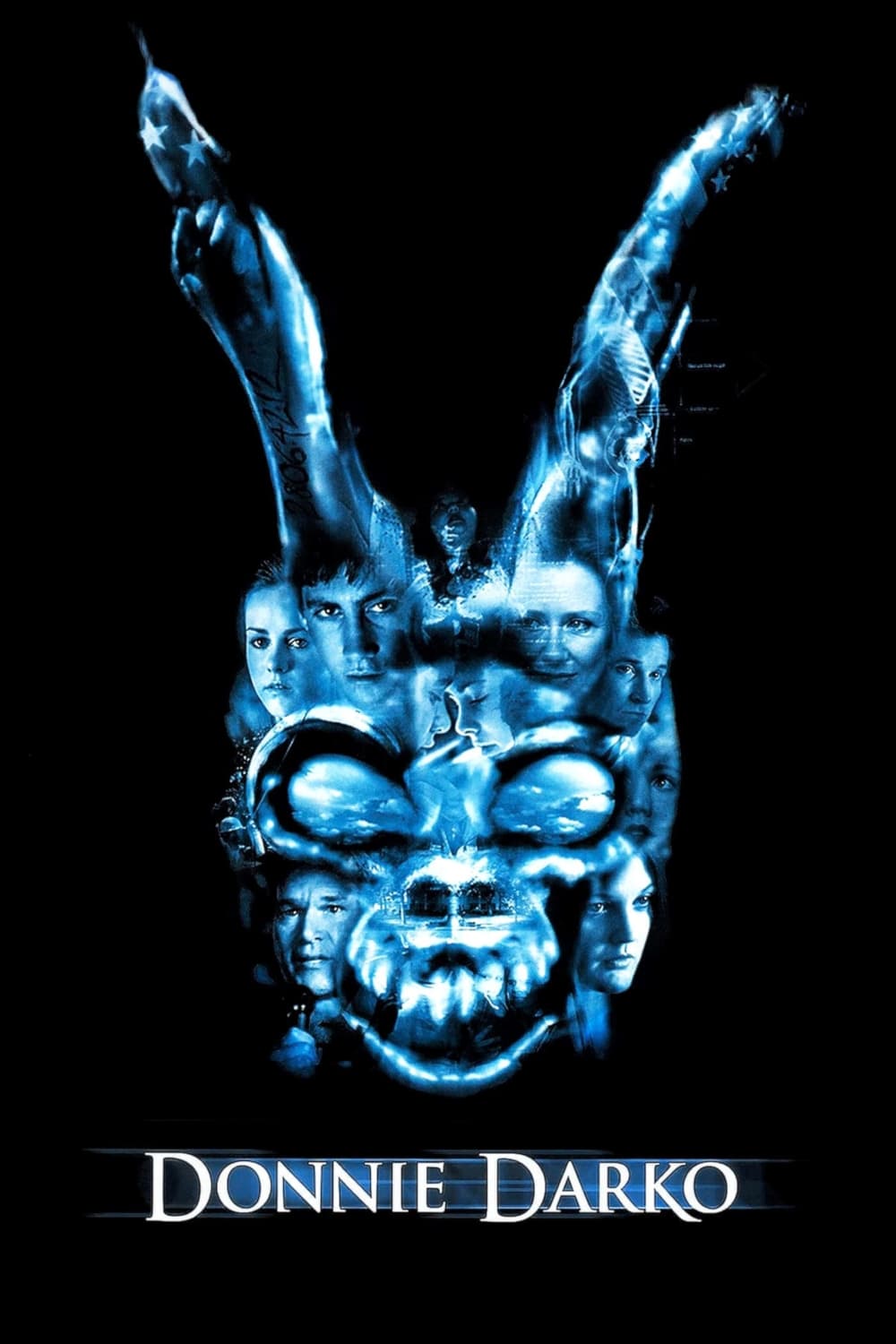
Jake Gyllenhaal starred in this mind-bending thriller involving time travel and a man in a rabbit suit. The plot was intentionally confusing and required multiple viewings to fully understand the intricate lore. Its release was hampered by a plane crash plot point that coincided uncomfortably with real world events in late 2001. The movie found its audience later as a midnight movie staple and a DVD bestseller.
‘Willy Wonka & the Chocolate Factory’ (1971)
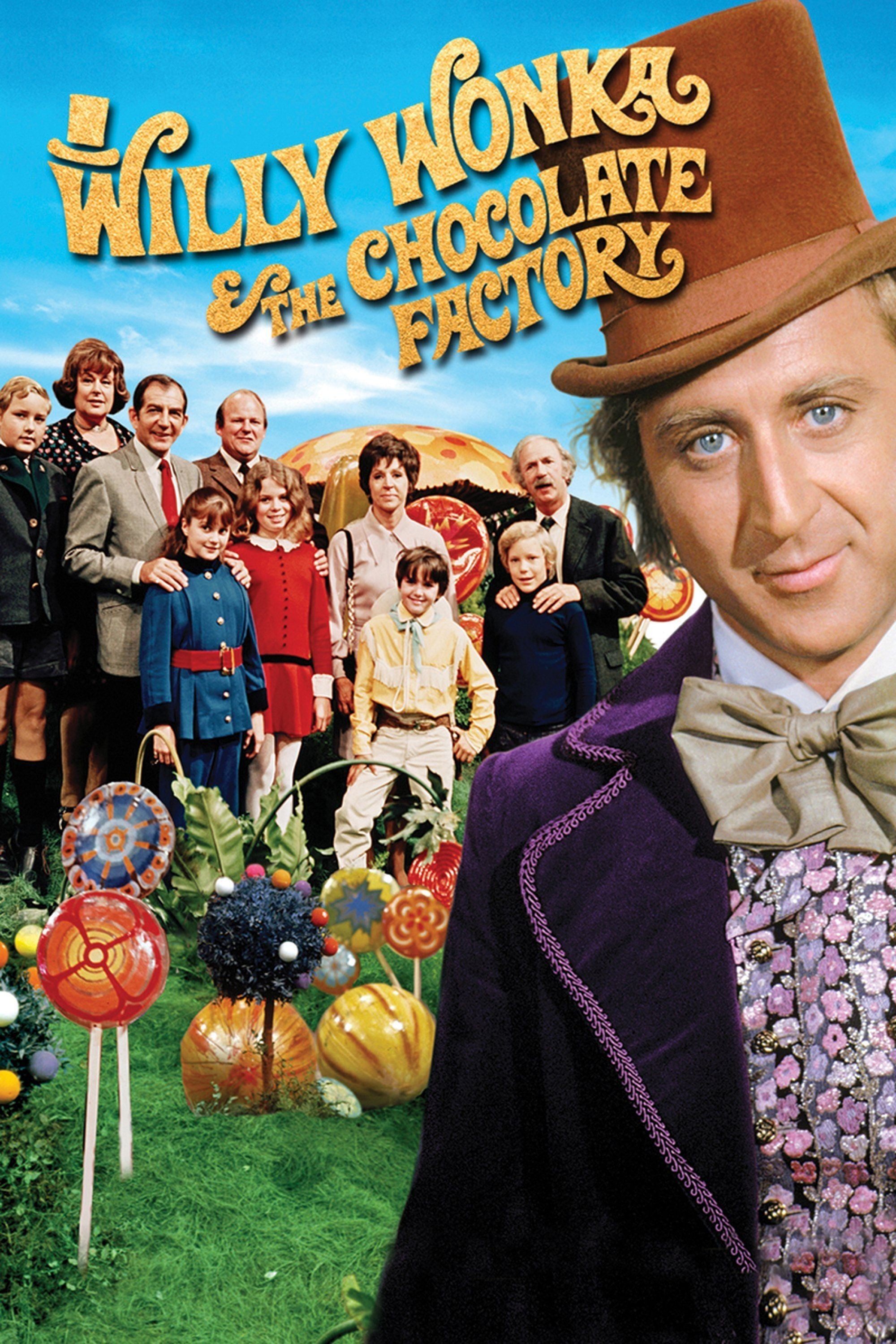
Gene Wilder delivered an iconic performance as the eccentric candy maker in this musical adaptation of the Roald Dahl book. The film received a lukewarm response initially because families found the tone surprisingly dark and eerie. Television broadcasts in later years helped it become a multi-generational favorite. It is difficult to imagine that such a staple of pop culture was once considered a financial disappointment.
‘The Big Lebowski’ (1998)
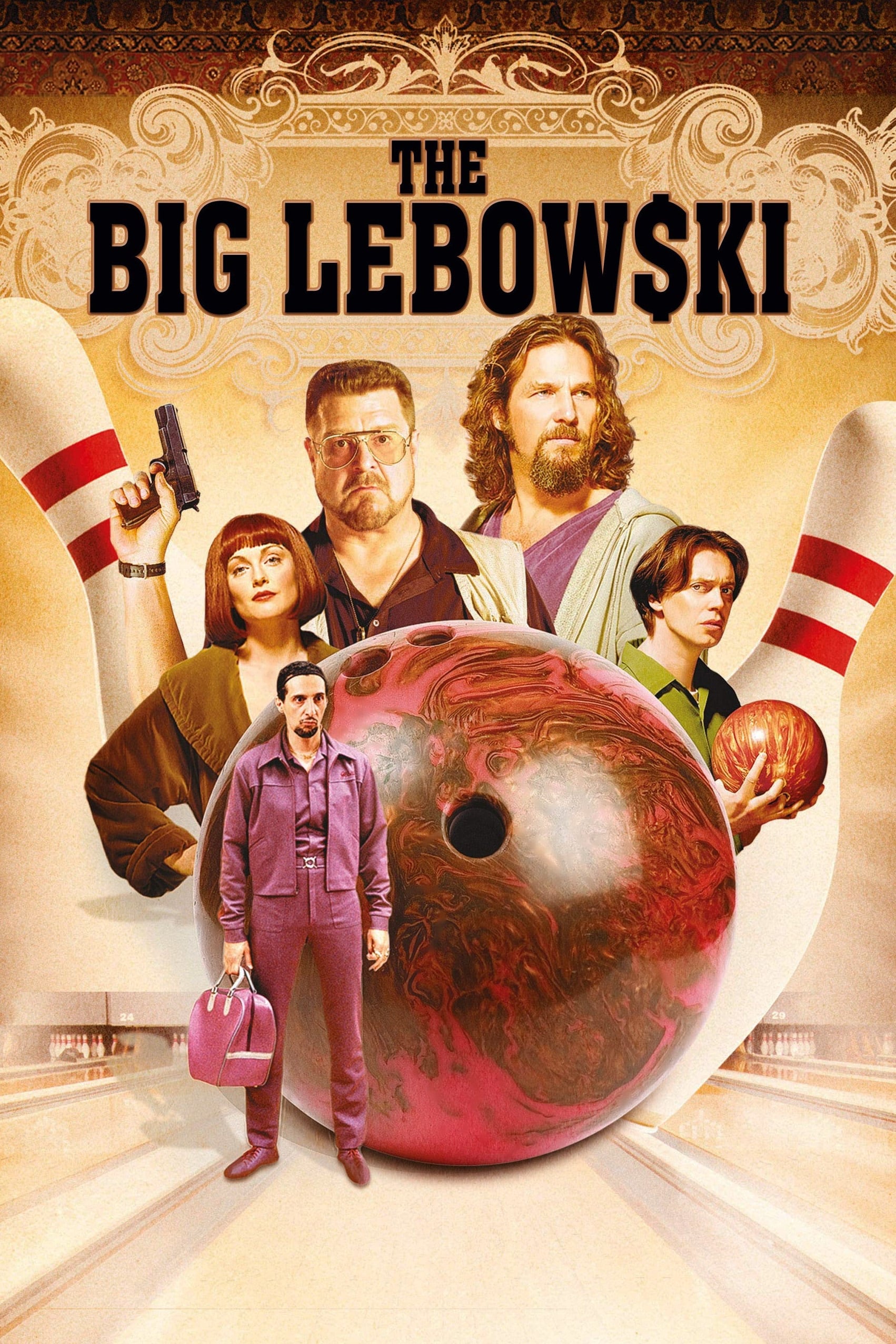
The Coen Brothers followed up their Oscar success with this wandering stoner noir that baffled general audiences. Viewers were confused by the complex kidnapping plot that seemed to have no real resolution. The relaxed philosophy of the main character eventually spawned a massive following and even a dedicated annual festival. It is now widely regarded as one of the funniest and most quotable films in cinema history.
‘The Wizard of Oz’ (1939)
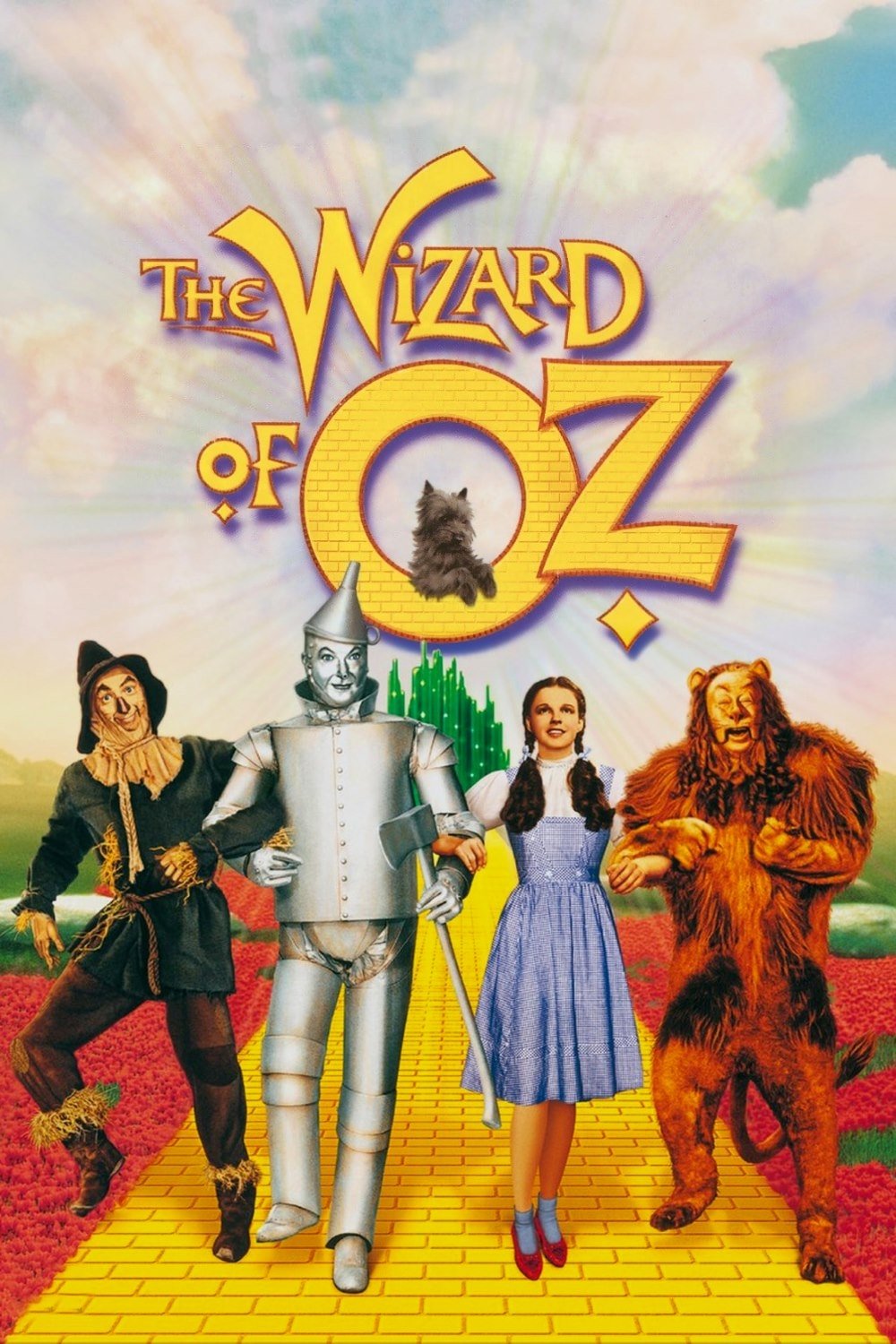
This Technicolor fantasy is one of the most famous movies in existence but it actually lost money for MGM during its original run. The massive production costs and marketing expenses were too high to recoup from box office sales alone. It only became a profitable asset and a cultural phenomenon after repeated television airings began in the 1950s. The film is now a permanent fixture in the history of American entertainment.
‘Citizen Kane’ (1941)
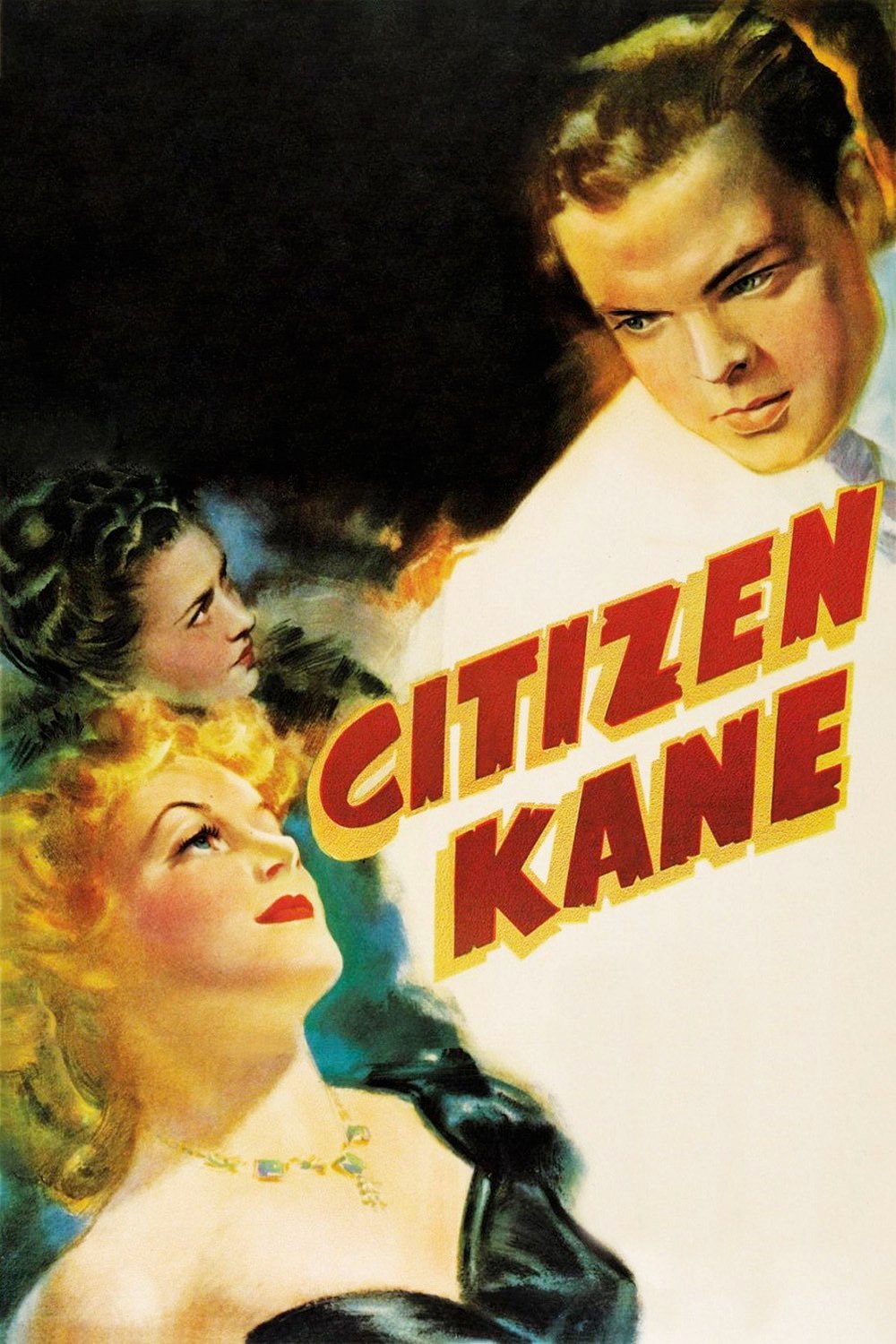
Orson Welles wrote and directed this groundbreaking drama that is frequently cited as the greatest film of all time. Media mogul William Randolph Hearst launched a campaign to suppress the movie because it was loosely based on his life. The resulting controversy and limited distribution prevented the film from turning a profit. Its innovative camera techniques and narrative structure influenced nearly every filmmaker who followed.
‘Fight Club’ (1999)

David Fincher directed this adaptation of the Chuck Palahniuk novel which criticized consumerism and toxic masculinity. The studio marketing team pitched it as a standard fighting movie which misled audiences and resulted in poor exit polls. Critics were polarized by the violence but the film found a devoted audience on the home video market. It remains a significant cultural touchstone that is analyzed and debated to this day.
‘Blade Runner’ (1982)
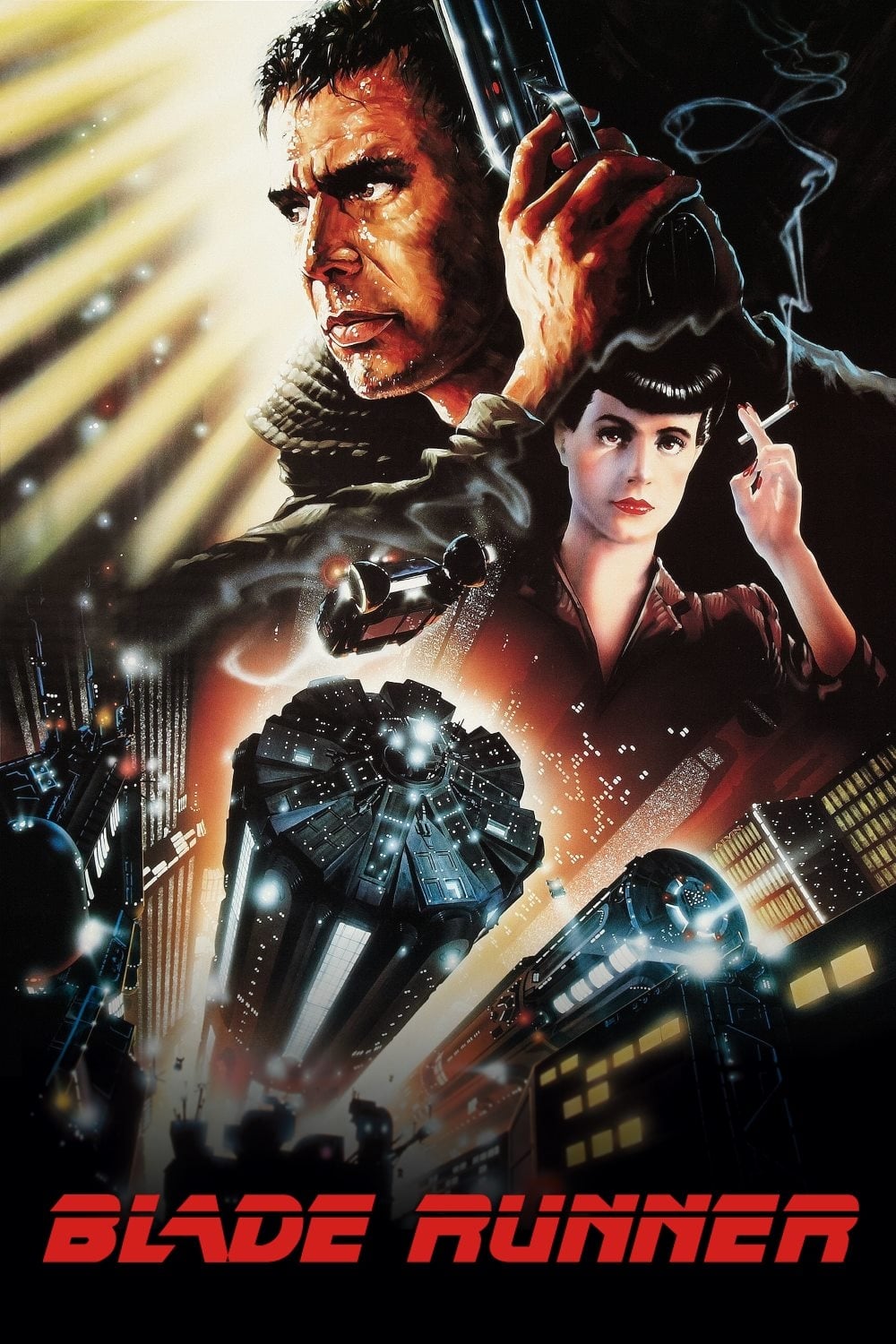
Ridley Scott created a visually stunning cyberpunk future that explored the definition of humanity. Audiences in 1982 were expecting an action adventure similar to Star Wars and were unprepared for the slow philosophical pacing. It also faced stiff competition from the release of E.T. the Extra-Terrestrial that same summer. The movie is now revered as a cornerstone of the science fiction genre.
‘It’s a Wonderful Life’ (1946)
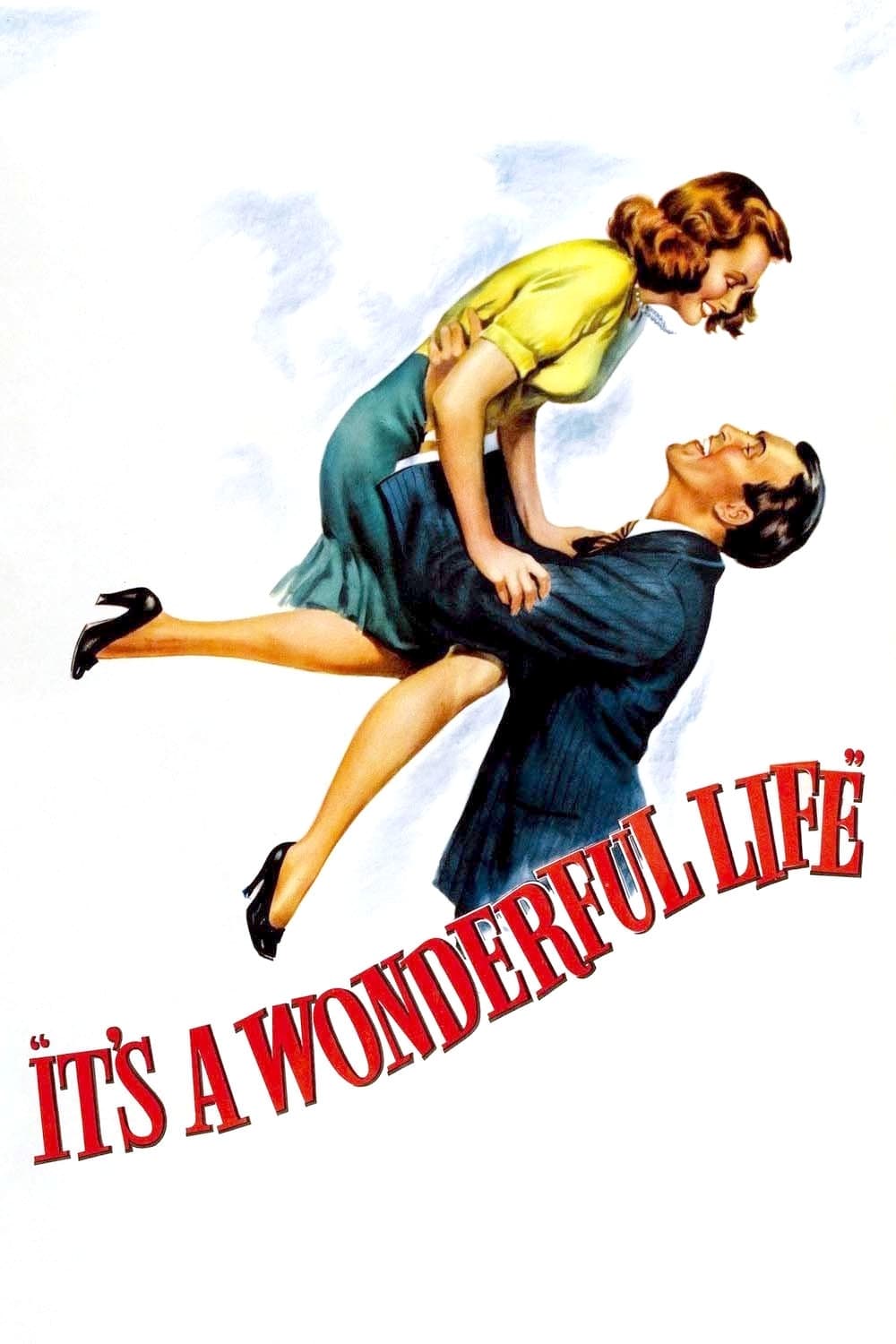
Frank Capra directed this holiday classic which was a financial disappointment that contributed to the closure of his production studio. The dark themes regarding suicide and financial ruin did not resonate with post-war audiences looking for light entertainment. A clerical error allowed the copyright to lapse which led to constant television airings during the Christmas season. It has since transformed into an essential holiday viewing tradition for millions of families.
‘The Shawshank Redemption’ (1994)
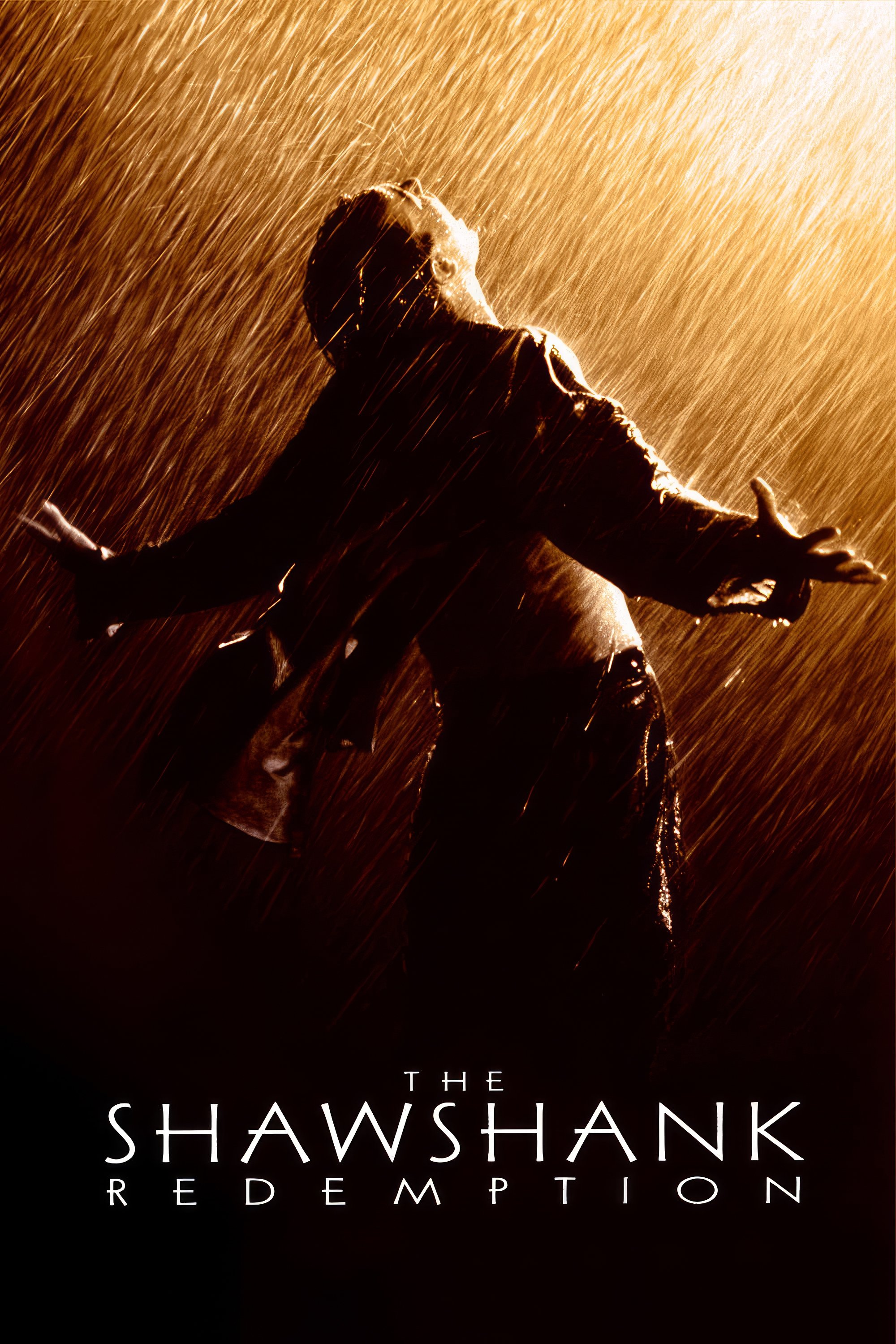
This adaptation of a Stephen King novella tells the inspiring story of hope and friendship within a corrupt prison system. The film struggled at the box office due to its depressing setting and a title that confused potential ticket buyers. It faced impossible competition from other massive hits like Forrest Gump and Pulp Fiction. It eventually found redemption on cable television and is now rated as the top movie on IMDb by user voting.
Tell us which of these box office bombs deserved better in the comments section below.