

Top 10 Naruto Movies, Ranked

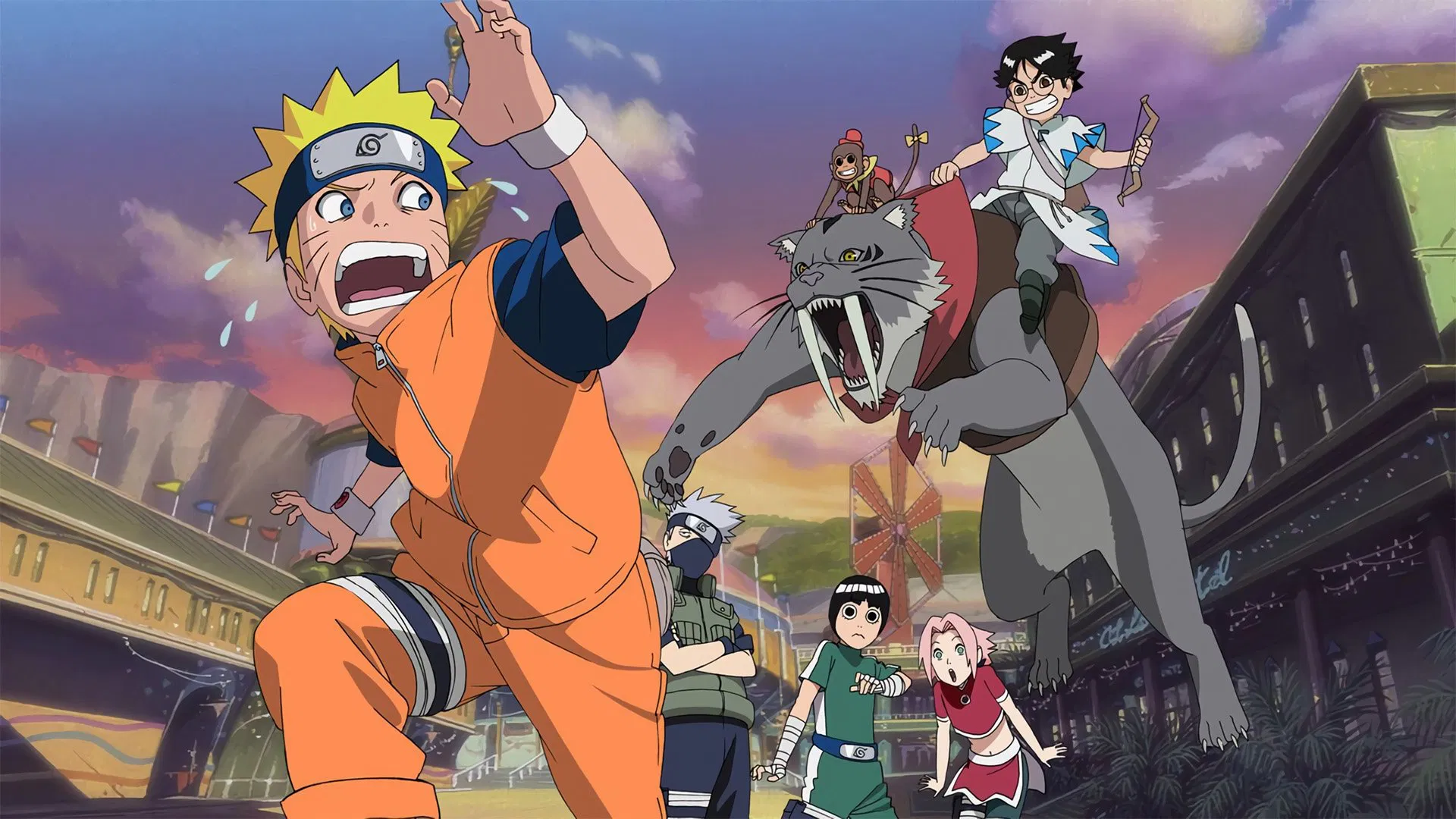


The ‘Naruto’ franchise spans more than a decade of feature films that expand on the world, introduce original villains, and showcase techniques that didn’t always make it into the main series. These movies slot between arcs, explore side characters, and sometimes bridge the gap between major story eras, making them a helpful companion to the anime.
Below is a countdown of the ten best films across ‘Naruto,’ ‘Naruto: Shippuden,’ and ‘Boruto.’ Each entry lists when it premiered and what it adds to the larger story, including where it fits in the timeline, the jutsu and character dynamics it highlights, and any continuity notes that matter if you’re watching alongside the series.
‘Boruto: Naruto the Movie’ (2015)

This film follows the Chūnin Exams for the next generation and introduces key antagonists that shape the future of the ninja world. It focuses on the relationship between Boruto and his father while featuring major appearances from legacy characters, large-scale battles, and new applications of combined techniques.
Set after the Fourth Shinobi World War and Naruto’s inauguration, it presents technology’s growing role in shinobi life, including scientific ninja tools. The events and character beats here later inform the beginning of ‘Boruto: Naruto Next Generations,’ making it a useful primer for the sequel era.
‘The Last: Naruto the Movie’ (2014)
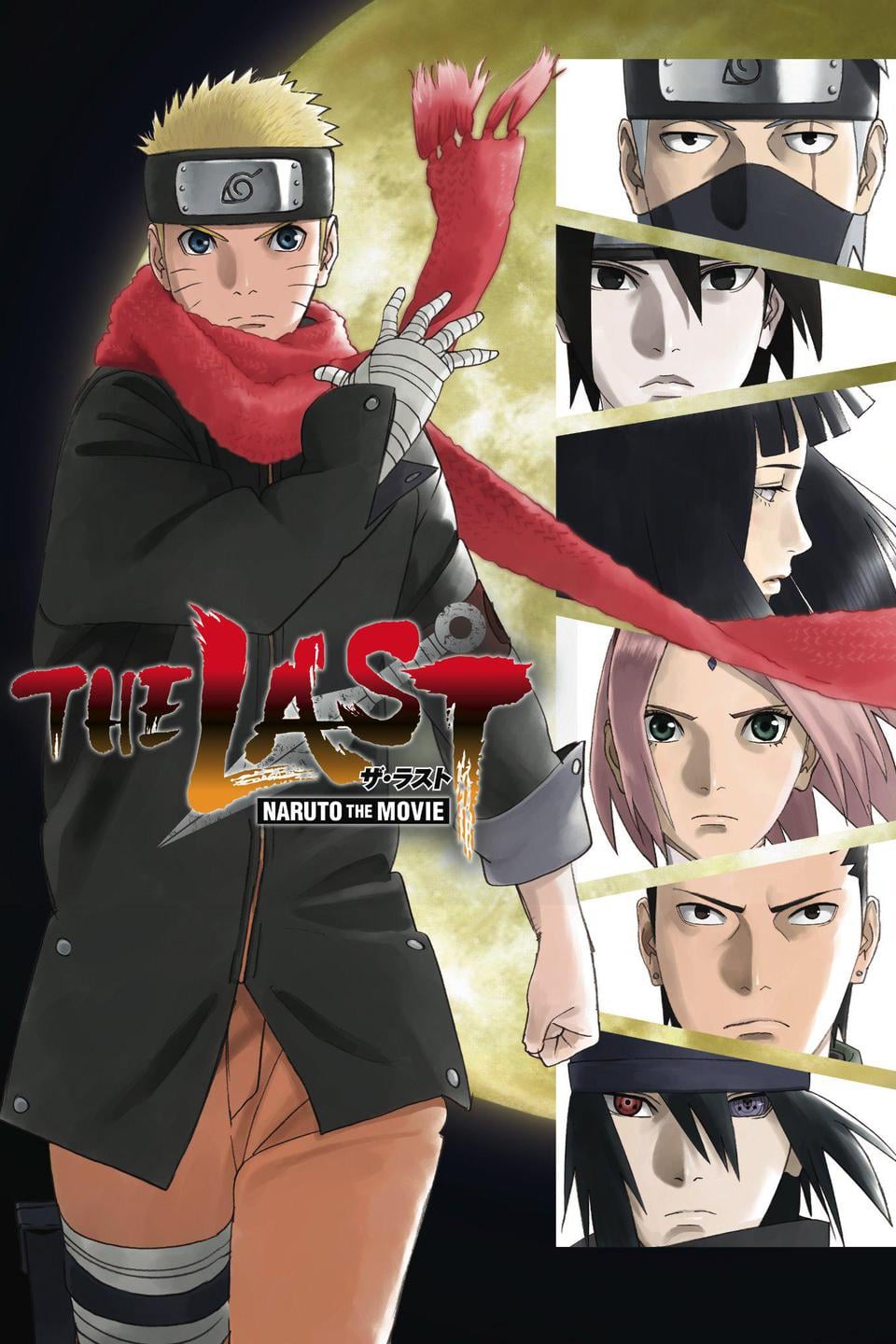
Taking place between the end of ‘Naruto: Shippuden’ and the epilogue period, this film addresses the aftermath of the war and the political ties between villages. It features a mission involving the moon, the fate of the Hyuga lineage, and long-foreshadowed advancements in key characters’ personal lives.
It introduces techniques rooted in ancient Ōtsutsuki lore and provides context for alliances that stabilize the postwar world. If you’re watching chronologically, it explains several status quo changes seen in later media and sets up relationships that carry into the sequel generation.
‘Road to Ninja – Naruto the Movie’ (2012)
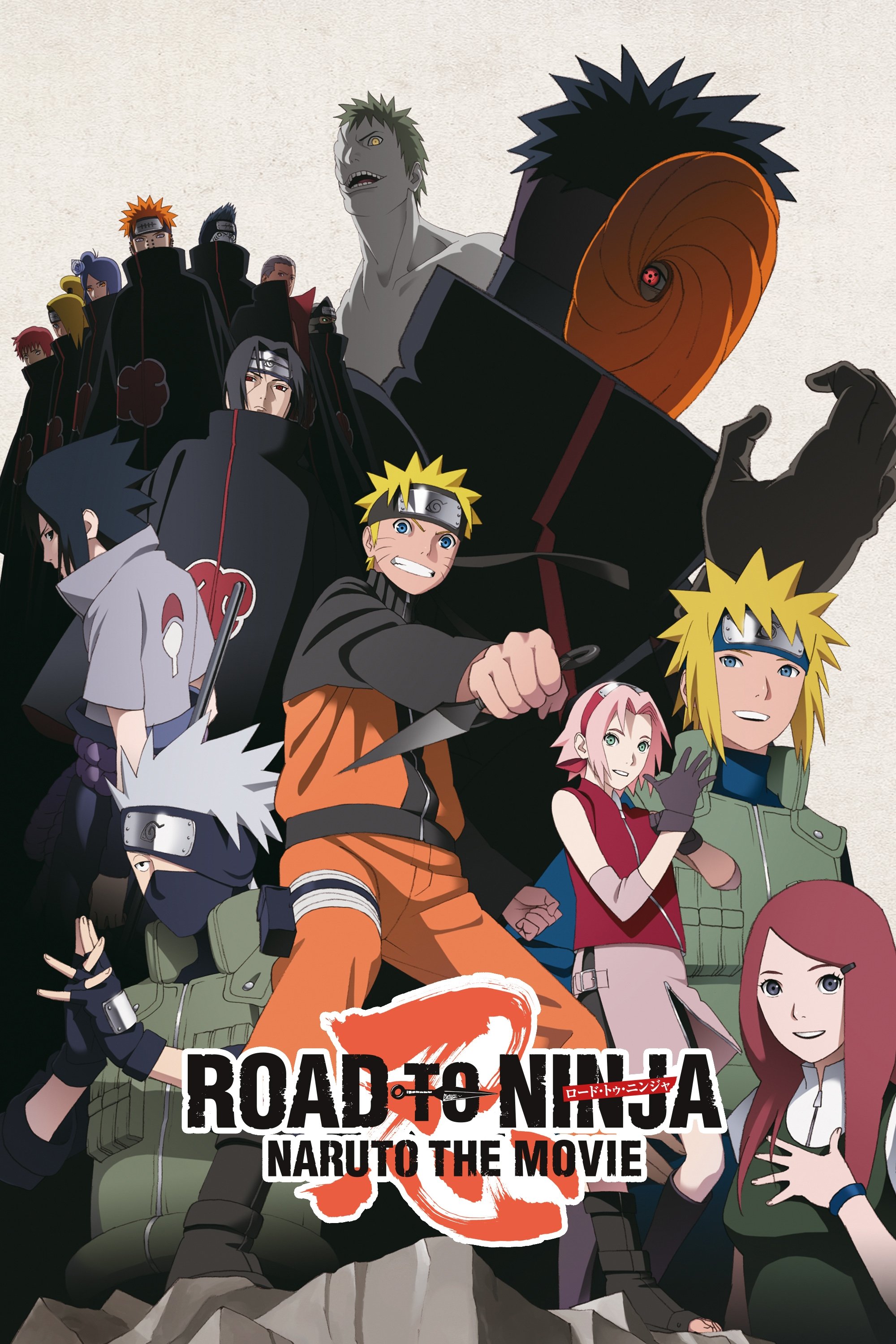
This alternate-reality story sends Naruto and Sakura into a world where familiar faces have different histories and personalities. The premise allows deeper exploration of Naruto’s family and the Akatsuki’s strategies while delivering extended combat sequences against reimagined threats.
Because it’s set during the Fourth Shinobi World War period, it showcases war-era abilities and team formations. The film also fleshes out the emotional stakes around Naruto’s parents and provides additional background on Tobi’s manipulations, slotting cleanly alongside the late ‘Shippuden’ arcs.
‘Naruto Shippuden the Movie: Blood Prison’ (2011)

Framed for a crime and incarcerated, Naruto confronts a warden who weaponizes prisoners through forbidden techniques. The confined setting emphasizes resourcefulness, sealing arts, and infiltration tactics rather than open-field battles.
Placed after the Five Kage Summit era, it features appearances and intelligence from multiple villages, reflecting the tentative cooperation of the time. It also expands on Ryūmyaku-style chakra exploitation and showcases specialty jutsu that complement what’s seen in the main series without contradicting canon.
‘Naruto Shippuden the Movie: The Will of Fire’ (2009)
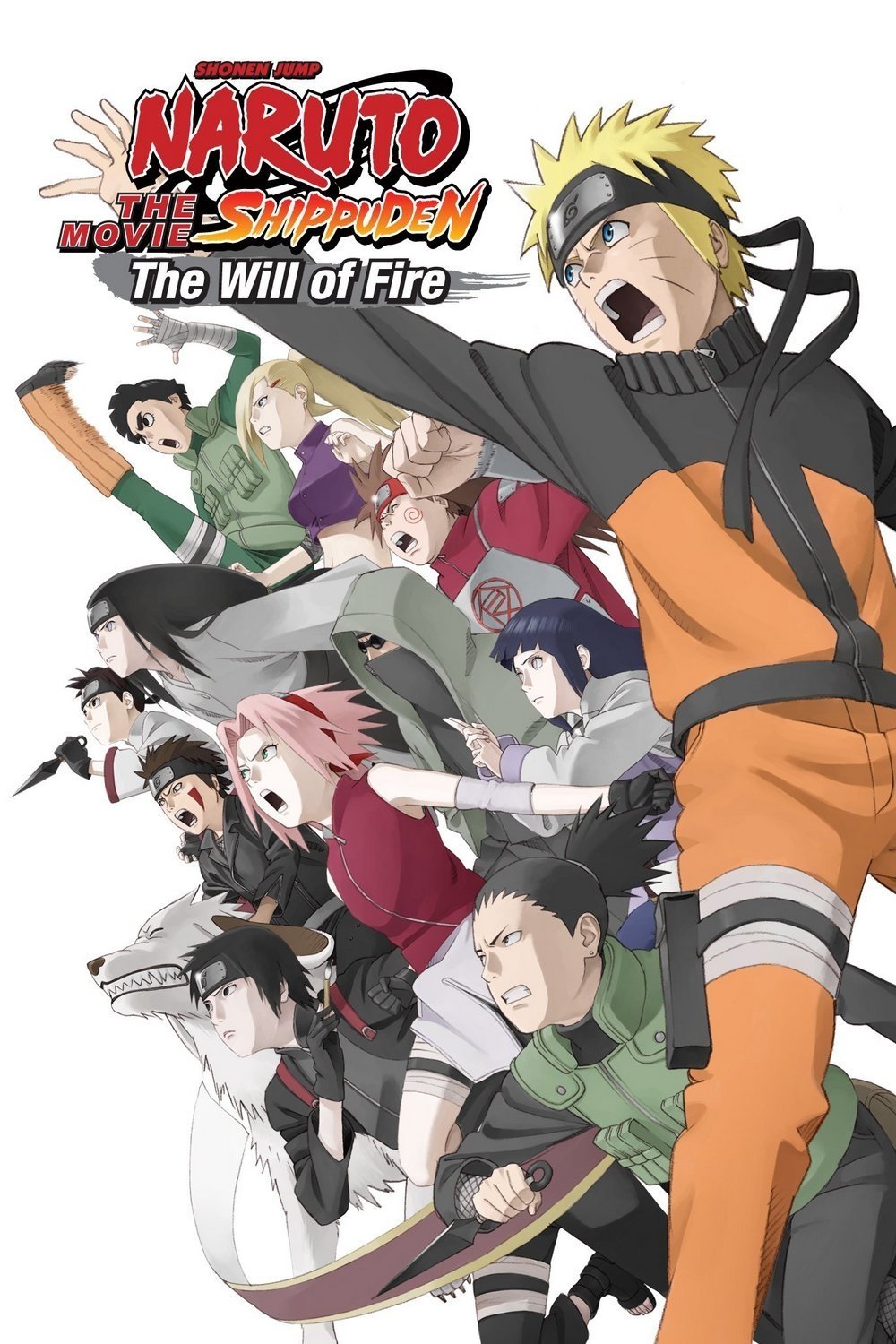
This entry revolves around disappearing shinobi with kekkei genkai and a plot that threatens the balance between nations. It highlights the chain of succession in the Leaf and the leadership duties of high-ranking ninja during escalating conflict.
As a mid-‘Shippuden’ story, it uses established team structures and jonin oversight to examine how villages respond to near-war conditions. The film contributes additional context to the Will of Fire philosophy and features coordinated multi-village operations that mirror the politics leading toward broader alliances.
‘Naruto Shippuden the Movie: Bonds’ (2008)

An aerial assault from the Land of the Sky pushes the Leaf into a confrontation with advanced technology and aerial combat tactics. The film follows parallel missions that take Naruto and Sasuke to a remote facility experimenting with chakra-based weapons.
Its placement during the period of fractured alliances allows it to stage joint operations without undermining the ongoing rifts in the series. You’ll see early examples of chakra propulsion concepts and medical-nin research that foreshadow later tech-driven developments in the franchise.
‘Naruto Shippuden the Movie: The Lost Tower’ (2010)
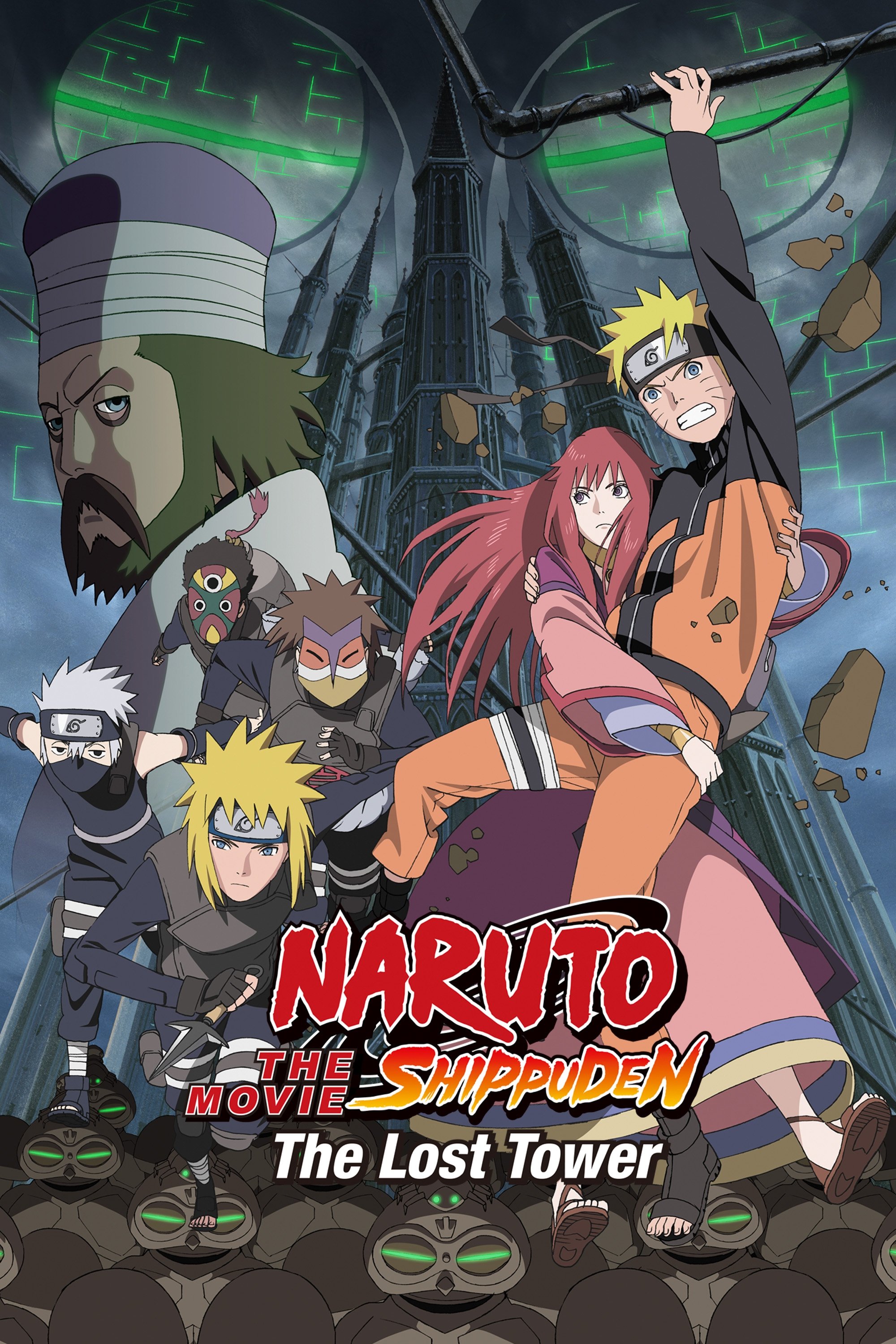
A mission to capture a rogue shinobi sends Naruto into the past, where he encounters a previous generation of heroes. The time-slip framework enables cross-era collaboration and reveals details about historical figures tied to the Leaf’s legacy.
Because it touches earlier political realities, the film maps how old conflicts and ancient chakra sources shaped present-day villages. It also catalogs unique sealing methods and puppetry techniques found outside the core five nations, adding texture to the wider shinobi world.
‘Naruto Shippuden the Movie’ (2007)

A prophecy surrounding a shrine maiden predicts Naruto’s death if he takes on a demon-lord threat tied to resurrected monsters. The story introduces ritual-based jutsu and spirit sealing outside standard village techniques.
Positioned early in ‘Shippuden,’ it shows post-timeskip team capabilities and expands the catalog of exorcism-style ninjutsu not commonly used in the series. The film’s temple lore and relics broaden the mythological side of the universe, complementing the more tactical arcs on TV.
‘Naruto the Movie: Ninja Clash in the Land of Snow’ (2004)

Team 7 escorts a star actress during a shoot in a technologically advanced snowbound nation, confronting shinobi who wield armor powered by chakra. The mission structure emphasizes protection detail fundamentals and harsh-environment tactics.
Set before major geopolitical upheavals, it documents early Team 7 coordination and the limits of chakra in extreme climates. The film also logs an early example of chakra-conductive gear, offering a baseline for how non-village tech interacts with shinobi techniques in isolated countries.
‘Naruto the Movie: Guardians of the Crescent Moon Kingdom’ (2006)
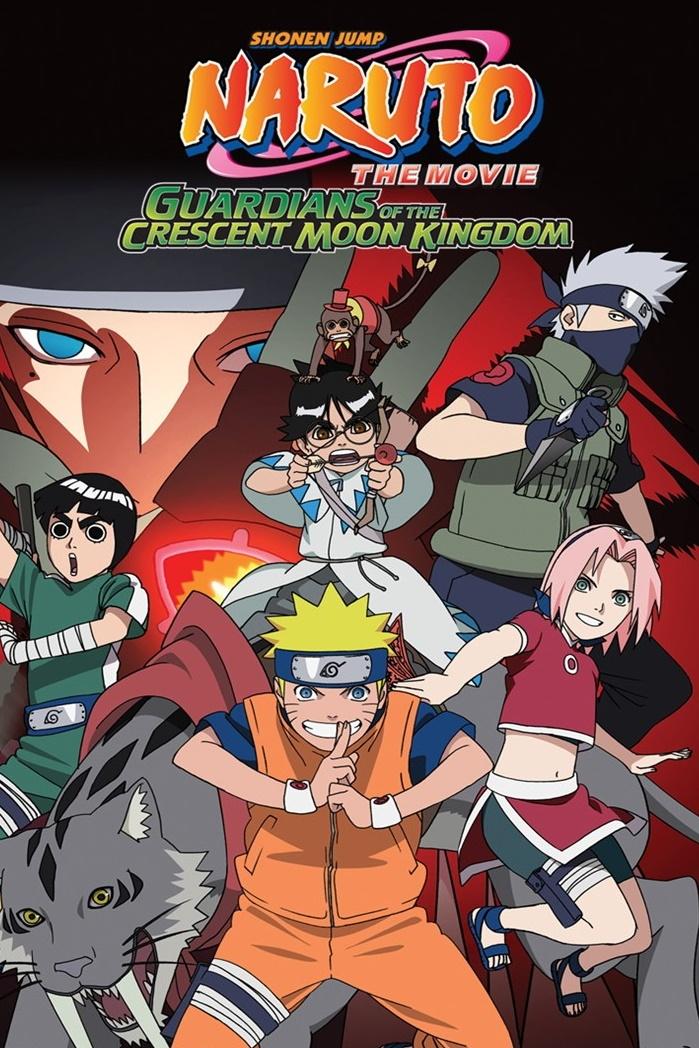
Assigned to protect a prince, Team 7 navigates a coup in a wealthy island nation whose economy influences its power dynamics. The plot focuses on escort operations at sea and in urban settings, with attention to nonlethal crowd control and diplomacy alongside combat.
Its pre-timeskip placement shows how political changes outside the five great nations can trigger security crises that require ninja intervention. The film catalogs large-scale set pieces involving civilian infrastructure and examines how nobles leverage mercenaries and shinobi to contest succession.
Share your own top ten in the comments and tell us which film worked best for you in the ‘Naruto’ timeline.