

Top 20 Over The Top Anime Series

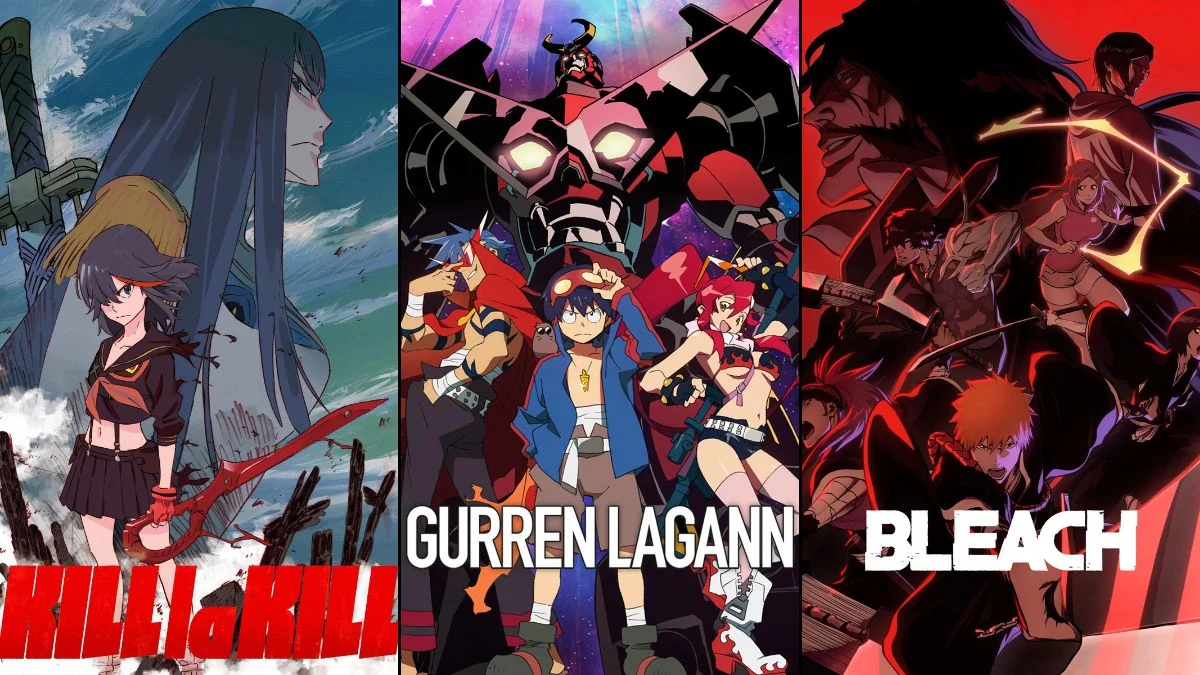


Some anime go big on wild powers, explosive fights, and scenes that feel like they were designed to melt your screen. This list rounds up shows that push action, style, and spectacle to extremes, with plots that sprint forward and characters who never keep things low key. You get giant robots, impossible martial arts, and battles that escalate every single episode.
Each pick includes quick facts you can use to decide what to watch next. You will find studios, settings, and signature ideas that define each series. If you like high energy storytelling with bold visuals and loud personalities, you will find plenty to queue up here.
‘Gurren Lagann’ (2007)
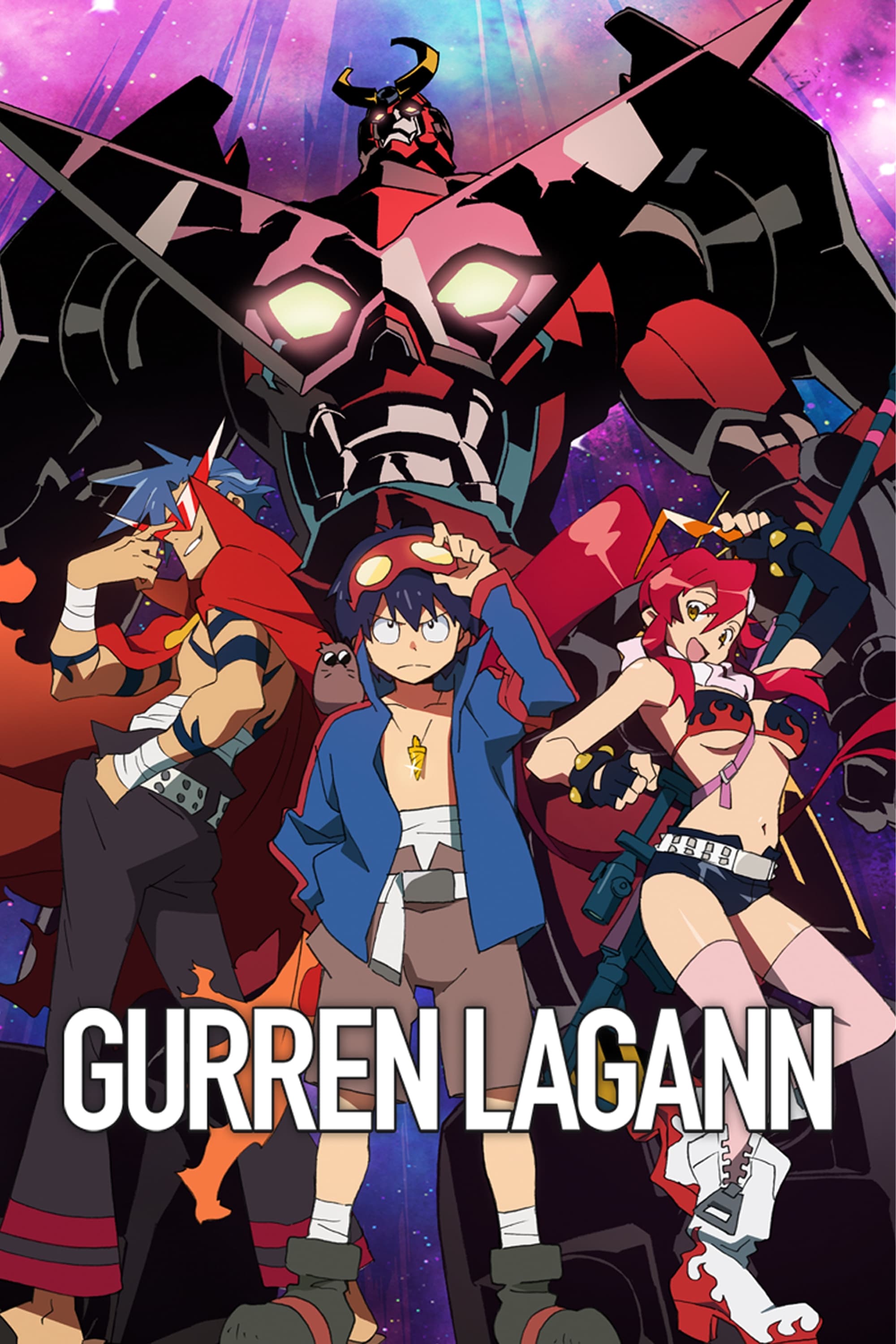
Gainax and Aniplex produced this mecha adventure that begins with a small underground village and grows into galaxy sized combat. The story follows Simon and Kamina as they steal a Gunmen, break through to the surface, and challenge the oppressive Spiral King with drills that channel raw spirit.
The series is known for constant power scaling, hot blooded speeches, and a visual style that surges with hand drawn energy. Mechanical designs stack and combine, battles jump from canyons to space, and the soundtrack drives every beat with choir backed hype.
‘Kill la Kill’ (2013–2014)
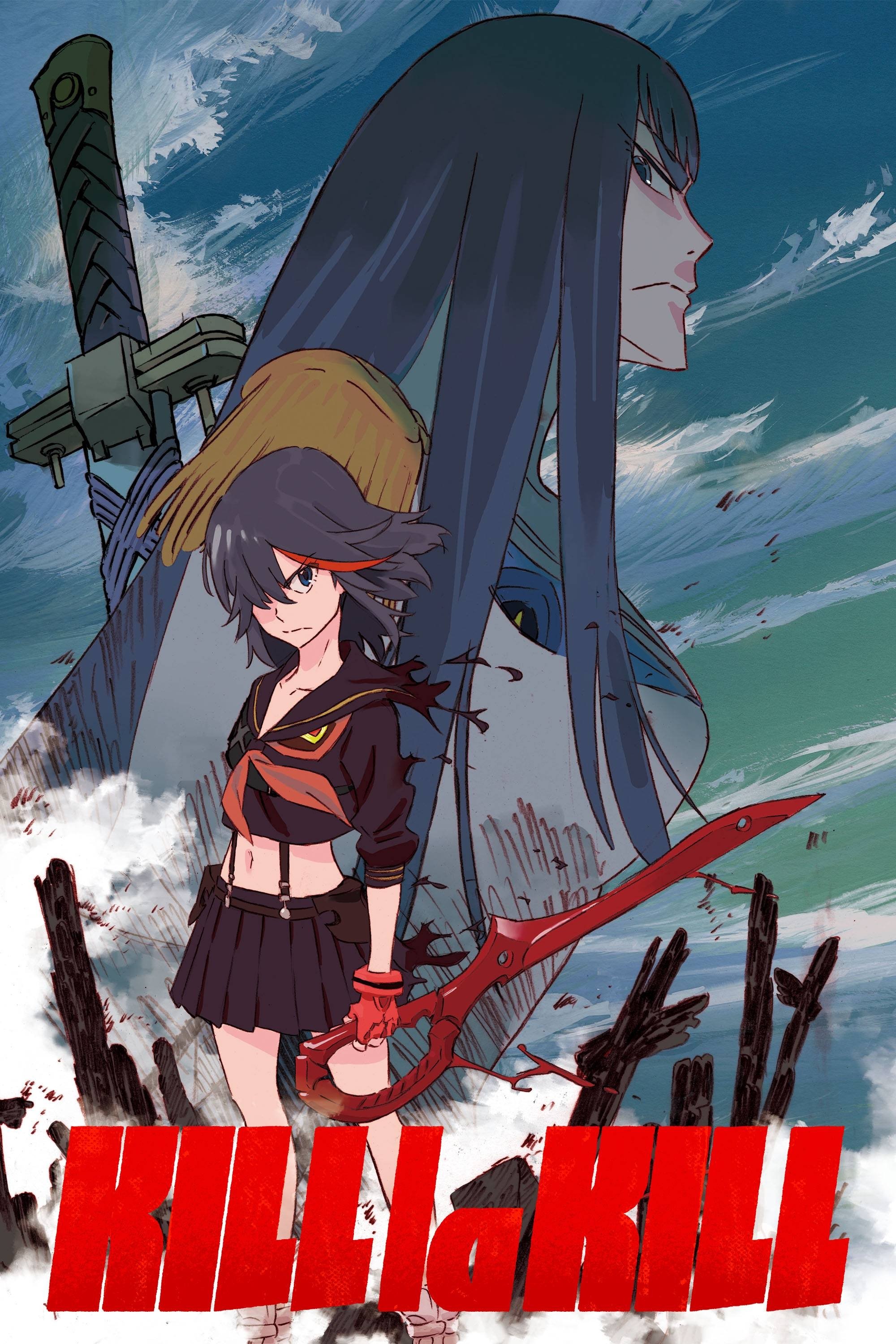
Studio Trigger delivered this high velocity school war that uses uniforms as weapons. Ryuko Matoi arrives at Honnouji Academy with a half pair of scissors and meets sentient clothing that grants insane strength through Life Fibers.
Episodes whip through duels, club takeovers, and citywide sieges while the animation leans into exaggerated poses and smears. Costume transformations, arena sized gambits, and comedic cutaways land with timing that never slows the momentum.
‘JoJo’s Bizarre Adventure’ (2012–2024)
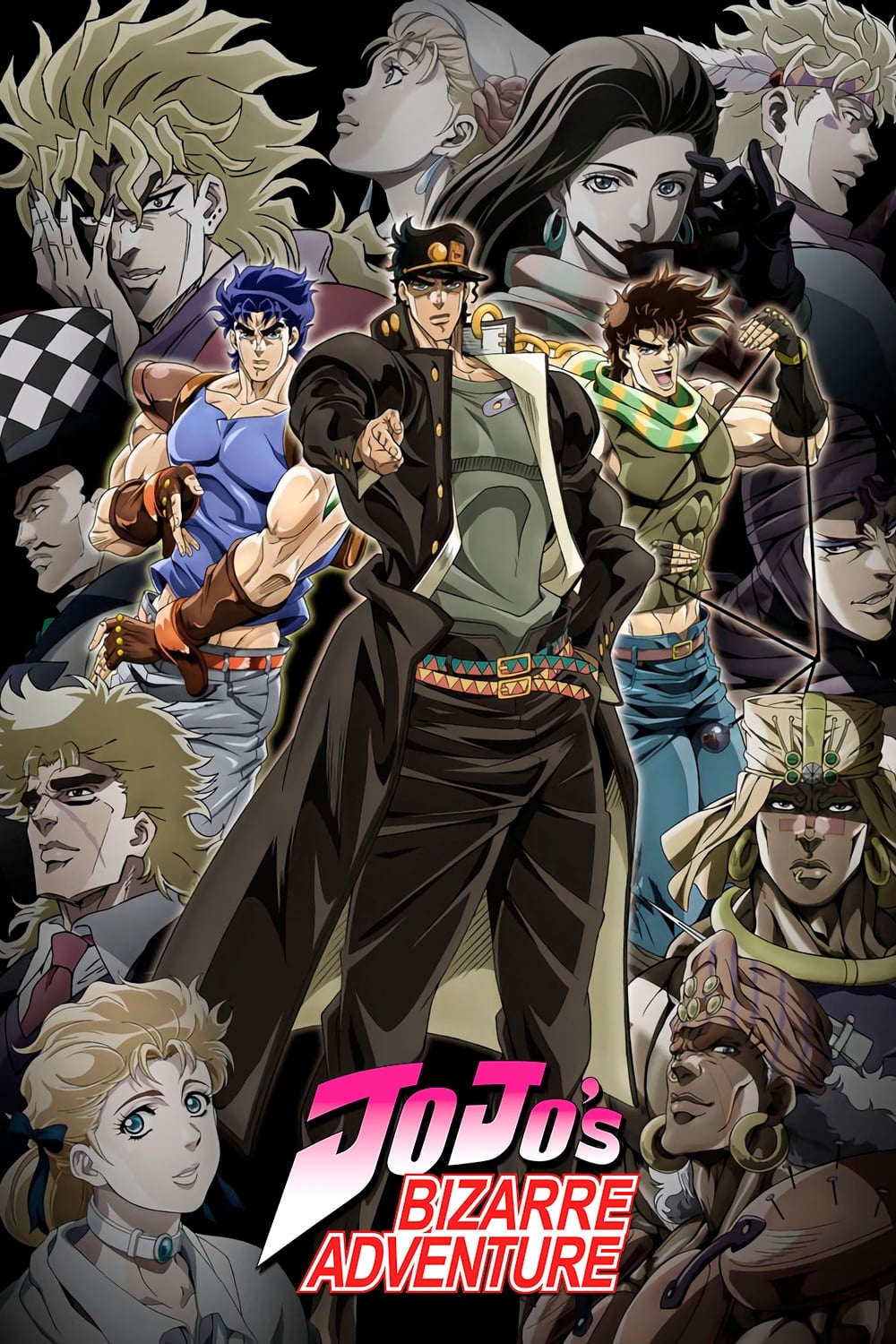
David Production adapts multiple generations of the Joestar family as they fight supernatural enemies with Stands and Ripple techniques. Each part shifts location and tone, from Victorian mysteries to globe spanning chases and small town mind games.
The show uses bold color palettes, manga sound effect text, and freeze frame naming to emphasize attacks. Stand abilities range from time manipulation to deadly music inspired gimmicks, and the fights turn into clever puzzles as much as they are brawls.
‘Fist of the North Star’ (1984–1988)

Toei Animation brings the wasteland saga of Kenshiro, a master of Hokuto Shinken, a pressure point martial art that causes explosive finishes. The setting echoes post collapse action cinema with biker gangs, desperate towns, and lone hero justice.
Signature lines, finger strikes, and massive bodybuilder silhouettes define the style. Villains tower over crowds, buildings crumble from single blows, and the score pounds like a marching drum line that never lets up.
‘Dragon Ball Z’ (1989–1996)

Toei Animation continues the story of Goku and the Z Fighters as battles escalate from Earth to Namek and beyond. Transformations, ki blasts, and training arcs push characters past their limits while sagas introduce new threats with each arrival.
Beam clashes light up the sky and long form fights stack new techniques chapter after chapter. Power levels jump, arenas vanish under shockwaves, and fusion and time tricks keep the stakes rising.
‘One-Punch Man’ (2015–2019)
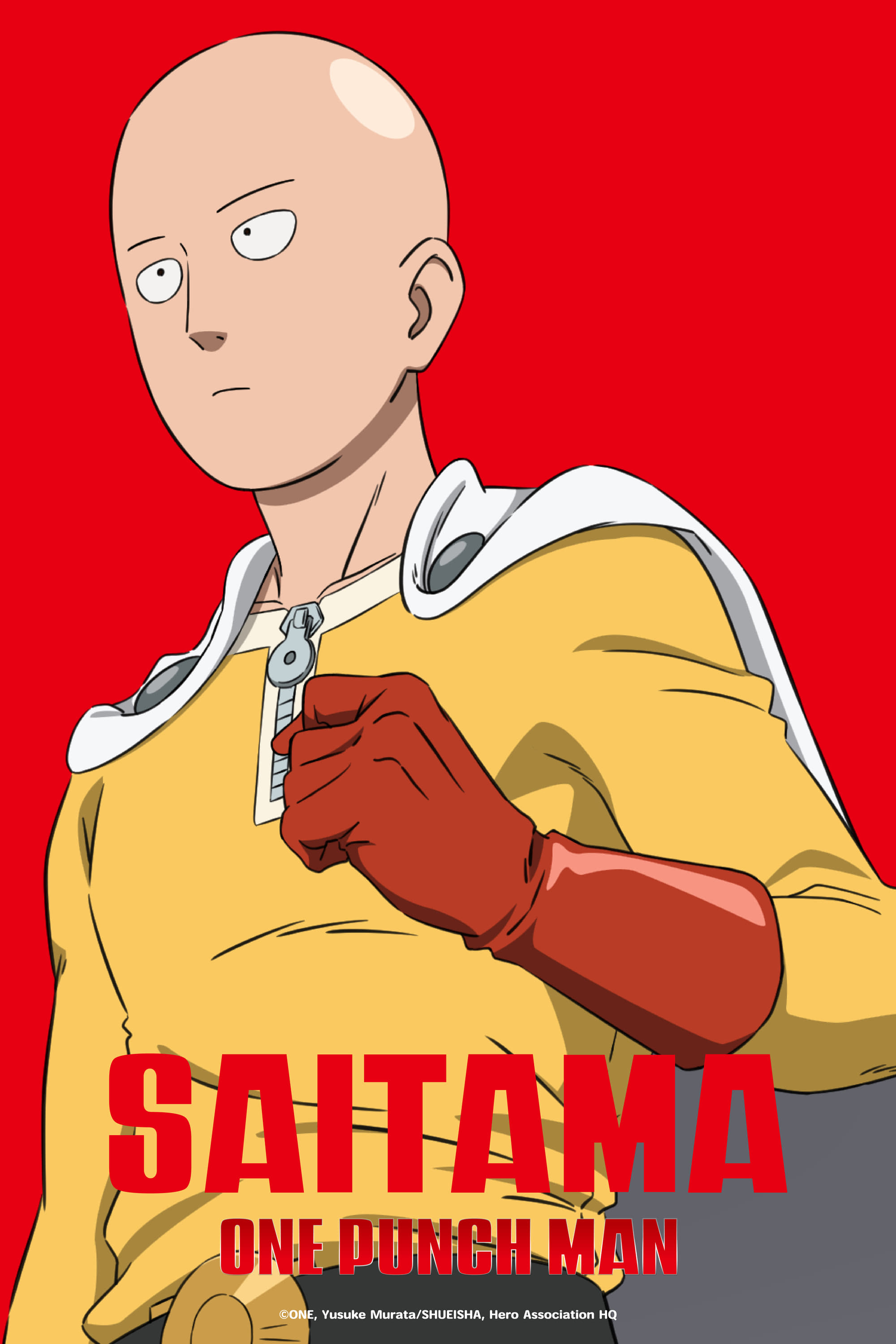
Madhouse handled the first season and J C Staff handled the second, adapting the satire of an invincible hero named Saitama. The Hero Association ranks fighters while city leveling monsters appear with creative designs and elaborate introductions.
Animation flexes during set pieces as speed lines, impact frames, and camera sweeps create a sense of impossible force. The show pairs deadpan humor with cinematic boss fights that showcase every trick in the book.
‘Attack on Titan’ (2013–2023)
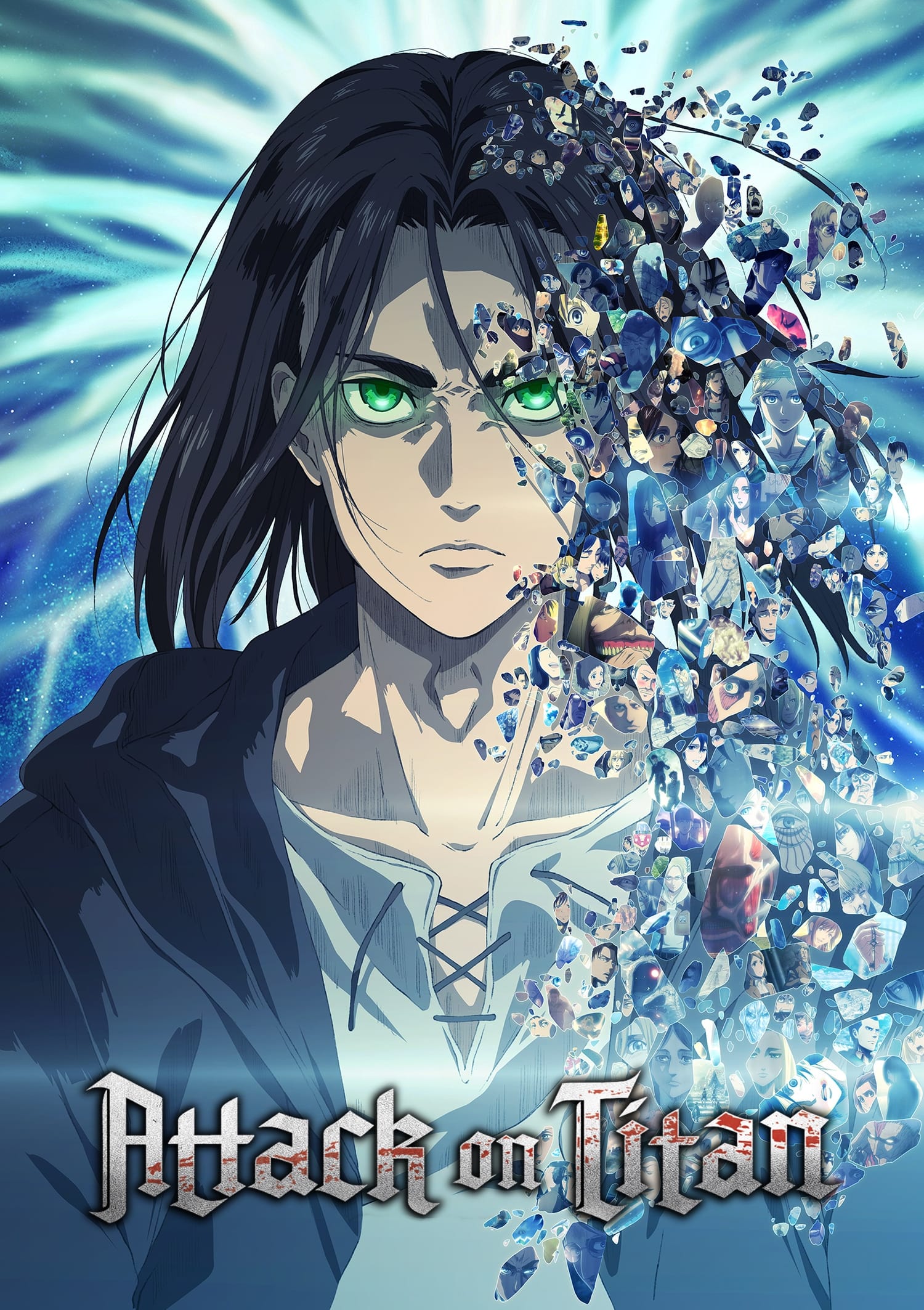
Wit Studio launched the adaptation and MAPPA finished it, following humanity inside walled cities hunted by man eating giants. The Omni Directional Mobility Gear gives soldiers flight like movement as they zip around rooftops to strike at napes.
Political turns, secret histories, and shifting alliances drive the plot while battles tear through districts and forests. The soundtrack uses choirs and drums, and the camera races with the scouts as they carve through air at breakneck speed.
‘Bleach’ (2004–2012)
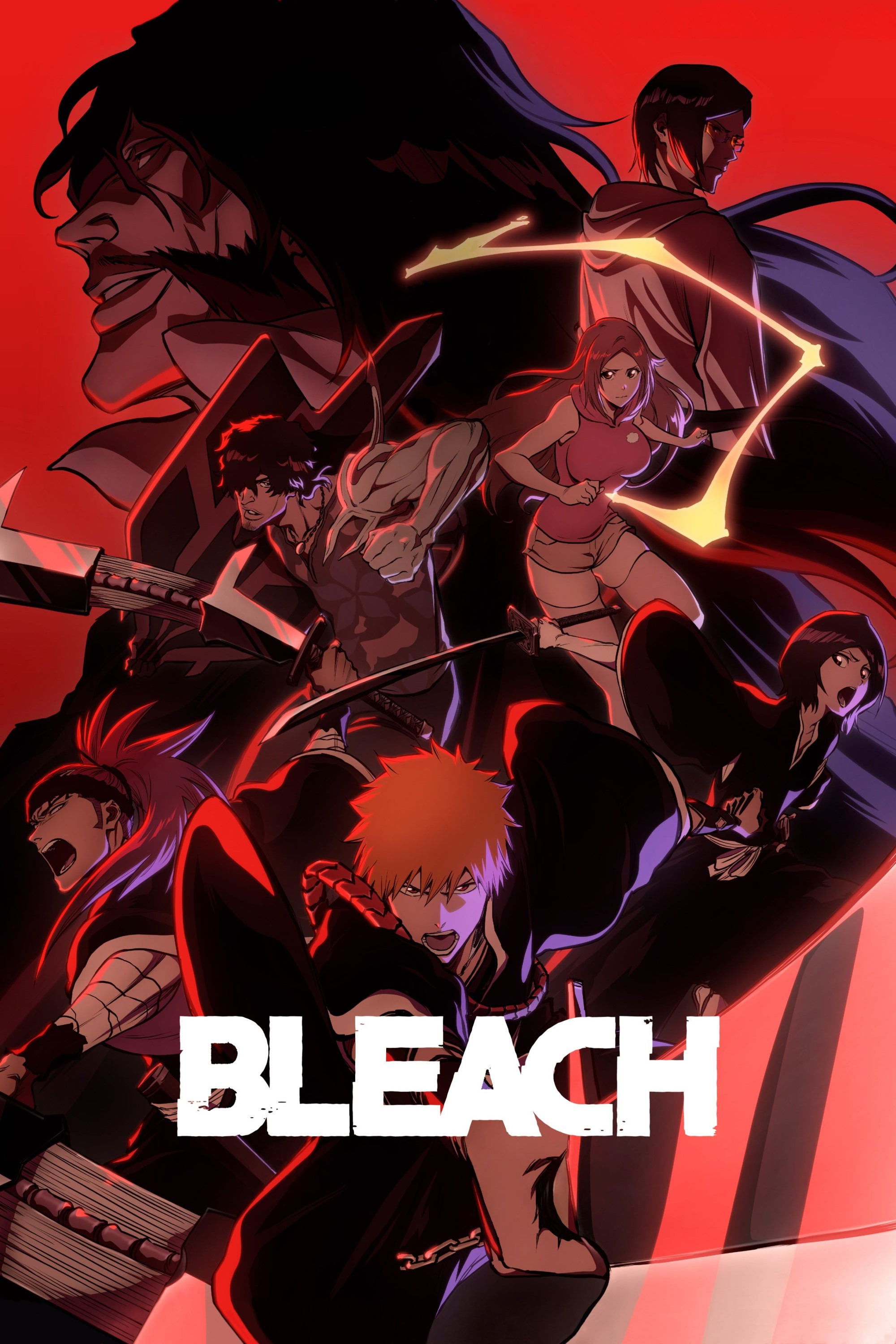
Studio Pierrot adapts the story of Ichigo Kurosaki, a teenager who becomes a Soul Reaper after meeting Rukia Kuchiki. Swords called Zanpakuto have unique spirits and forms that unlock with names and calls.
Arcs move from the human world to the Soul Society and Hueco Mundo, introducing captains, Hollows, and Arrancar. Fights emphasize named techniques, flash step movement, and transformations that alter the field in a heartbeat.
‘Kengan Ashura’ (2019–2023)
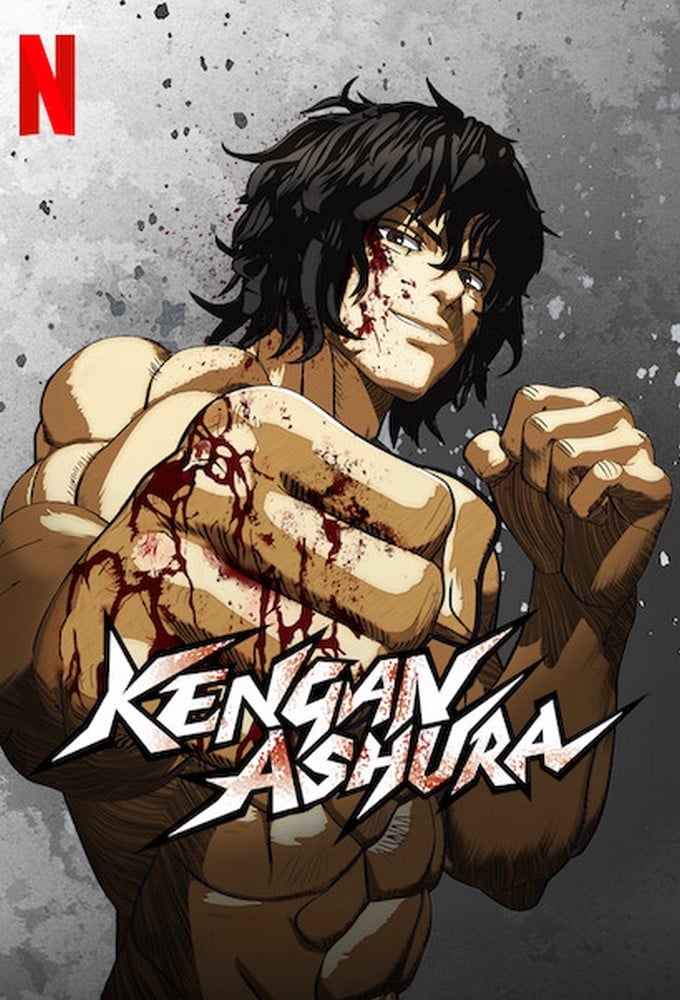
Larx Entertainment animates underground corporate sponsored matches where companies settle disputes through fighters. Tokita Ohma enters the Kengan matches and faces specialists in styles that mix real technique with anime scale brutality.
The series uses detailed muscle animation, slow motion inserts, and sharp camera work to sell every strike. Tournament brackets keep the pace tight while backstories explain why each move hits like a truck.
‘Baki’ (2018–2021)
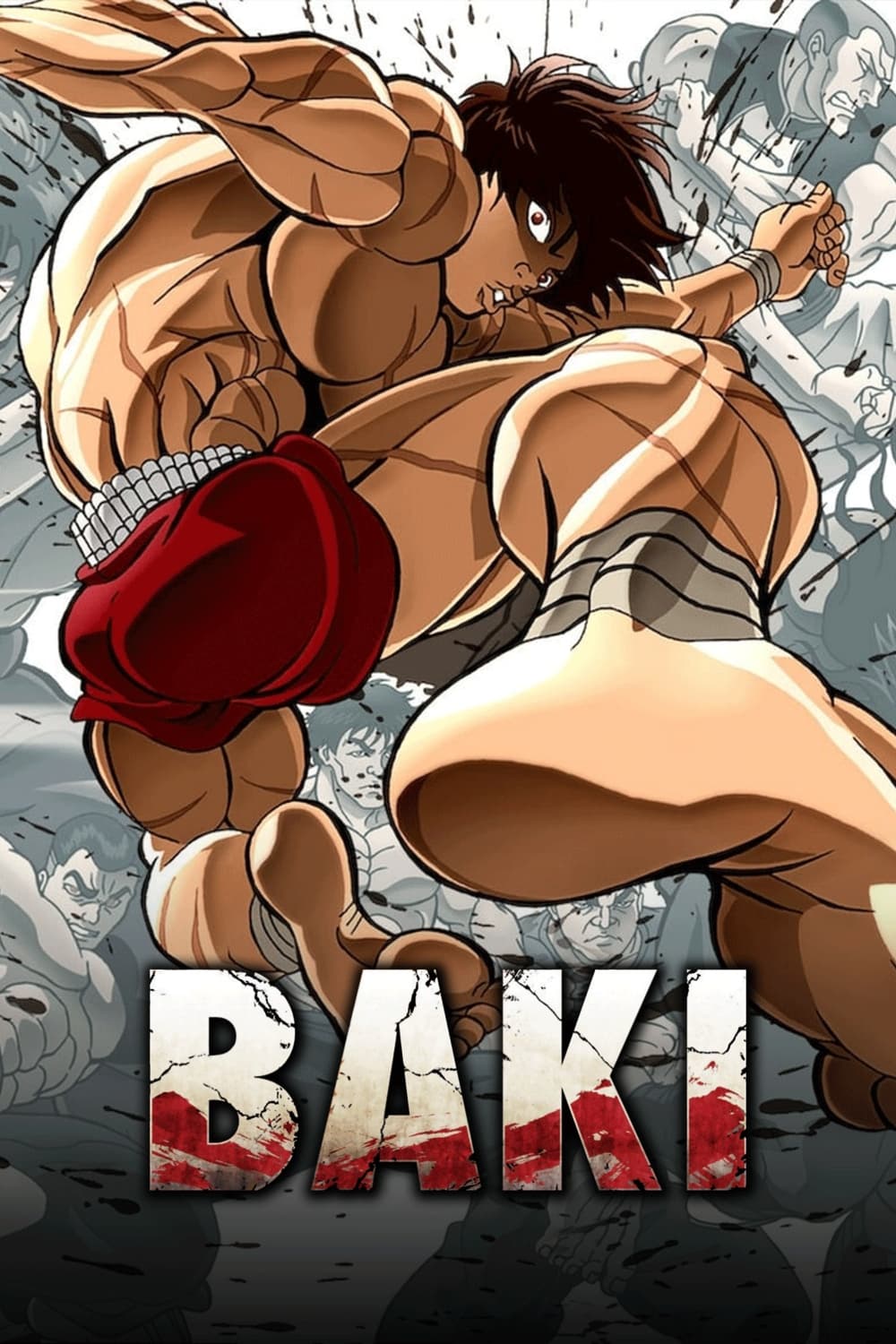
TMS Entertainment continues the long running saga of Baki Hanma as he confronts convicts, masters, and legends. The show exaggerates anatomy and technique to showcase raw power and unreal flexibility.
Training scenes include extreme conditioning and demonstrations of niche martial wisdom. Fights feature x ray cutaways, named stances, and sudden counters that flip outcomes in seconds.
‘Overlord’ (2015–2022)
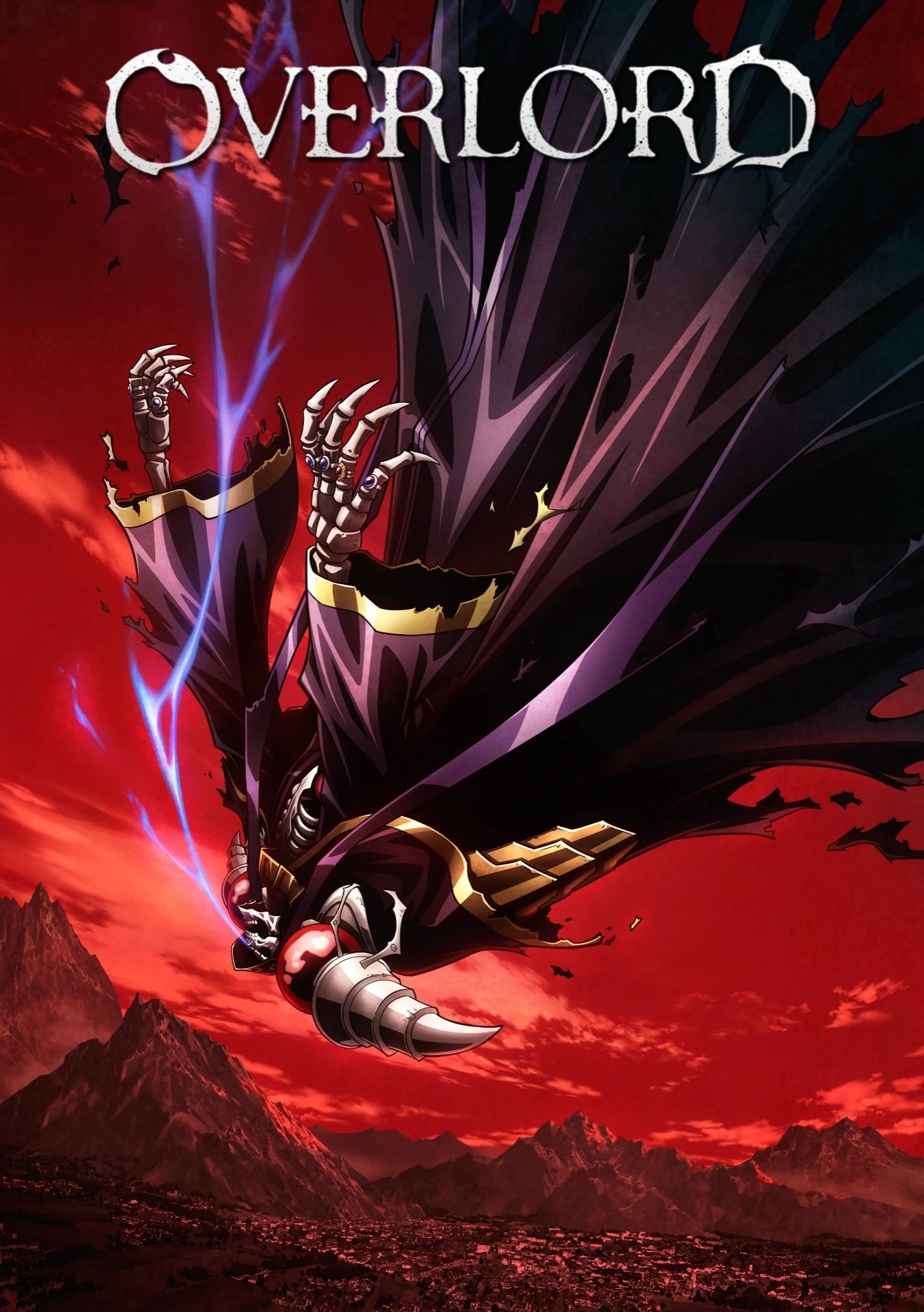
Madhouse adapts the tale of Momonga, a guild leader who remains logged into a dying game and awakens in a new reality as Ainz Ooal Gown. The Great Tomb of Nazarick hosts loyal guardians with unique origins and skills.
Magic system tiers, item ranks, and world rules get spelled out as Ainz tests limits and expands influence. Large scale battles highlight summons, area spells, and planning that flattens armies with a single spell cast.
‘Hellsing Ultimate’ (2006–2012)

This OVA series adapts the manga with a focus on crisp action and gothic flair. The Hellsing Organization deploys Alucard, an ancient vampire, against undead threats and a militarized cult.
Gunfights and monster duels erupt in city streets and zeppelin corridors with brutal choreography. Regeneration, familiars, and release restrictions build toward final forms that devour entire squads.
‘Devilman Crybaby’ (2018)
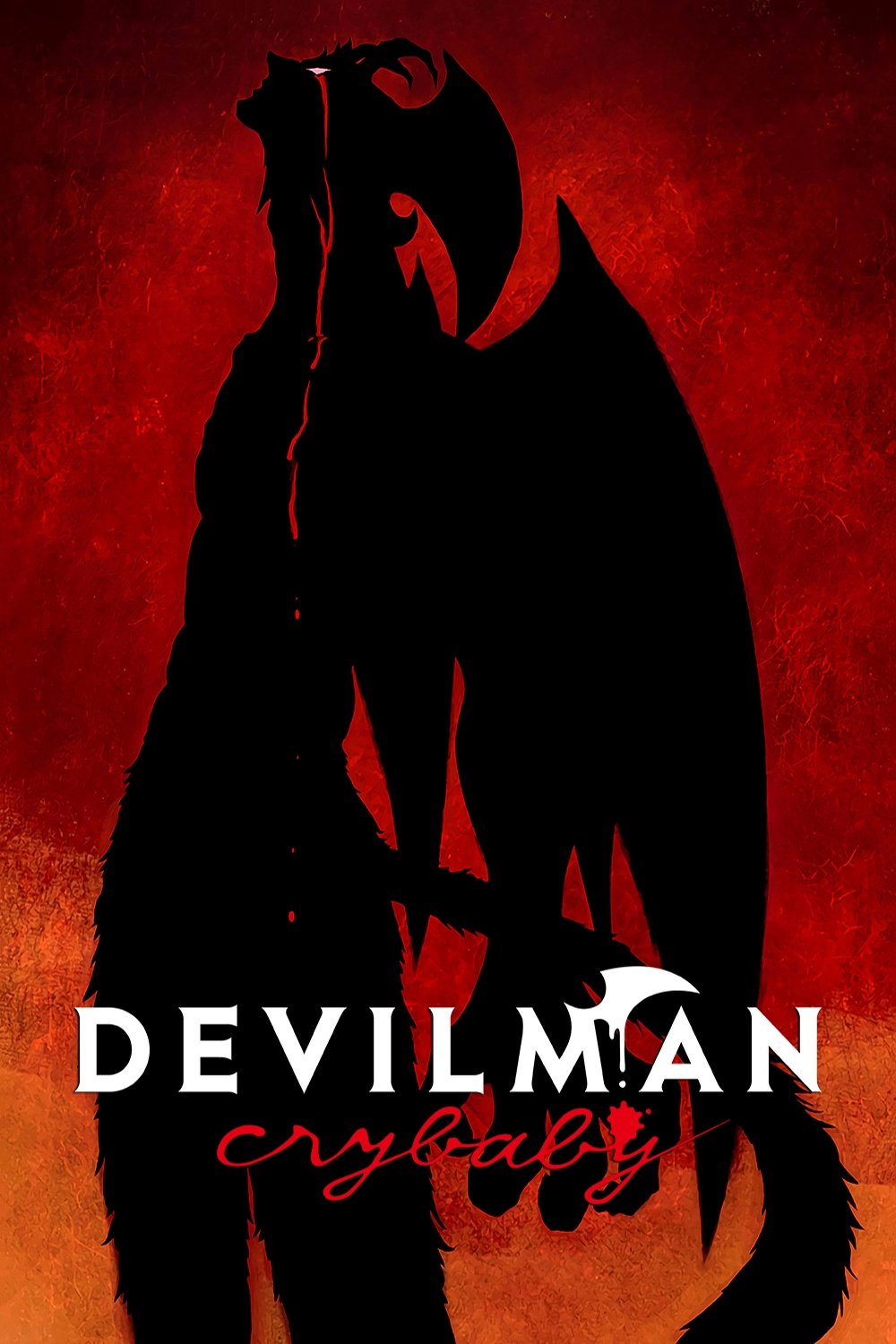
Science SARU reimagines the classic demon tale with fluid animation and a modern setting. Akira Fudo merges with a demon and becomes Devilman, a being who retains human heart along with demonic might.
Scenes flow with elastic motion and music driven cuts that jump between parties and battlefield nightmares. The story explores panic and hysteria as powers spiral toward catastrophic outcomes.
‘FLCL’ (2000–2001)
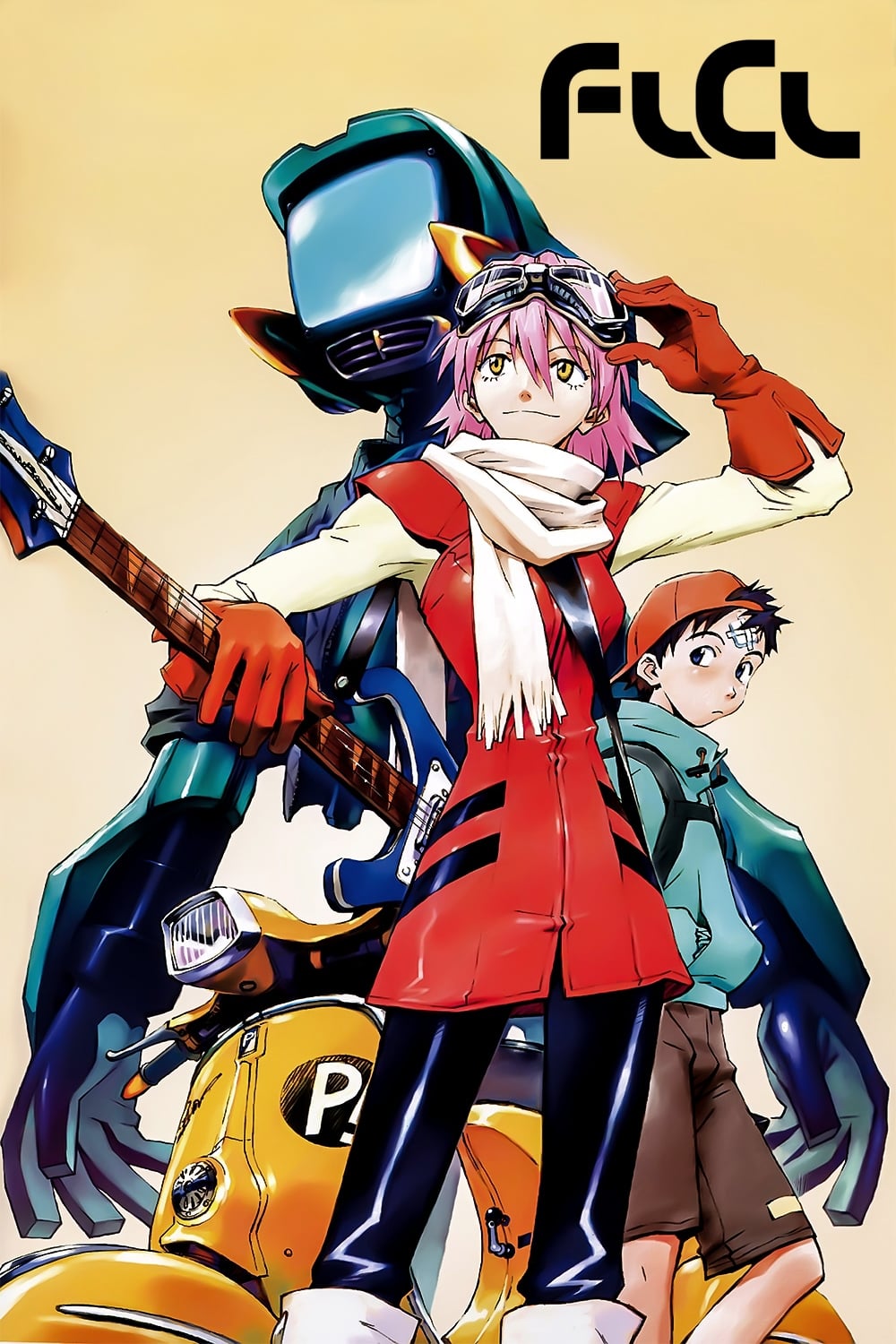
Gainax and Production I G created a coming of age story that fires off guitar fights and robot eruptions from a suburban town. Haruko Haruhara arrives on a Vespa and pulls the protagonist into surreal clashes.
The show mixes sketchy art, rapid edits, and inventive framing with tracks by The Pillows. Head portals, TV headed robots, and swing between calm and chaos make each episode a compact burst of style.
‘Gintama’ (2006–2018)
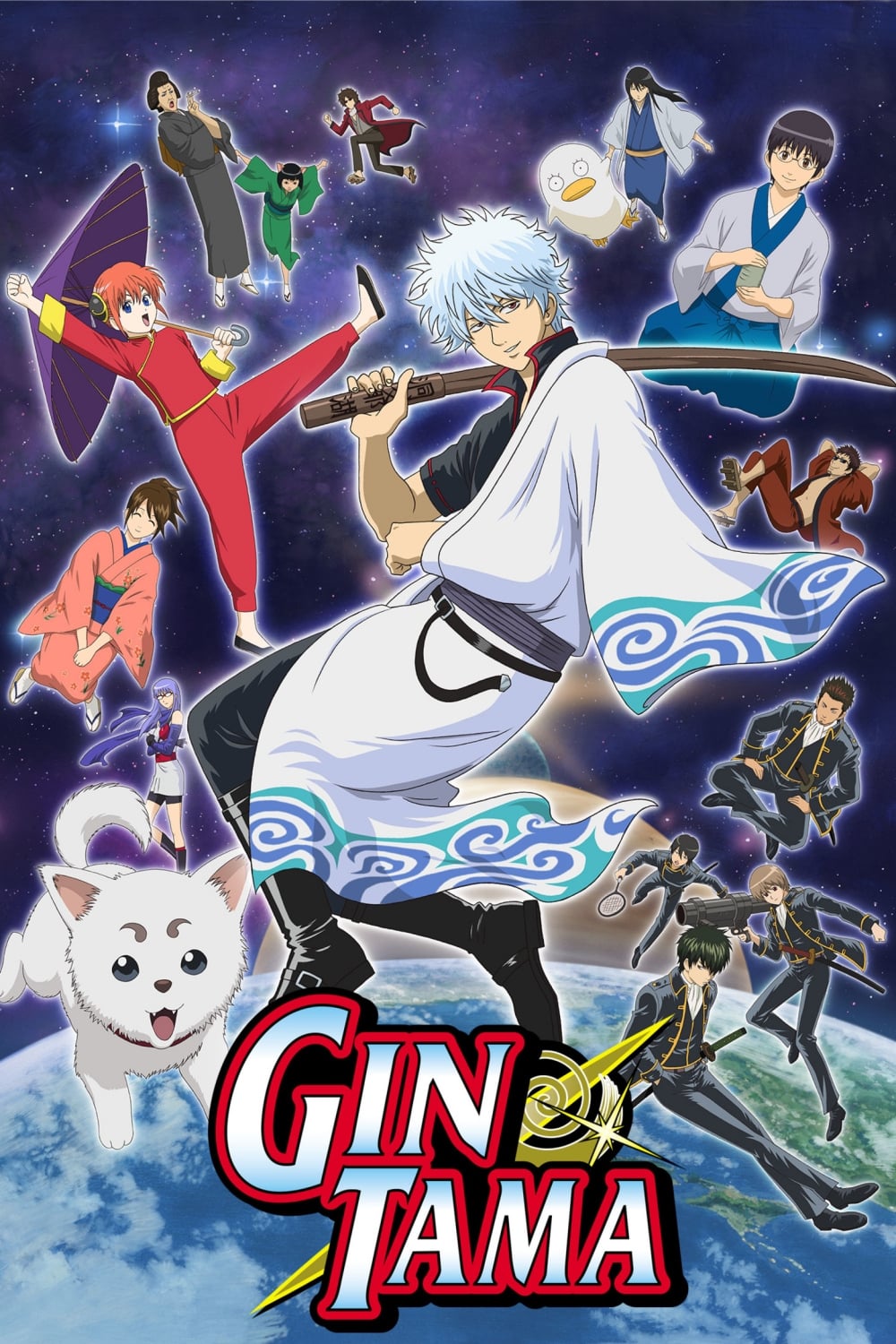
Sunrise adapts a samurai era Tokyo taken over by aliens, then turns it into a playground for parodies and sudden serious arcs. Gintoki runs an odd jobs trio that gets pulled into clan feuds and planet threatening crises.
Action spikes with sword flurries, gunplay, and creative props, then pivots to slapstick in the next breath. Long arcs such as Shogun Assassination and Farewell Shinsengumi bring cinematic fights and large casts into sharp focus.
‘Highschool of the Dead’ (2010)
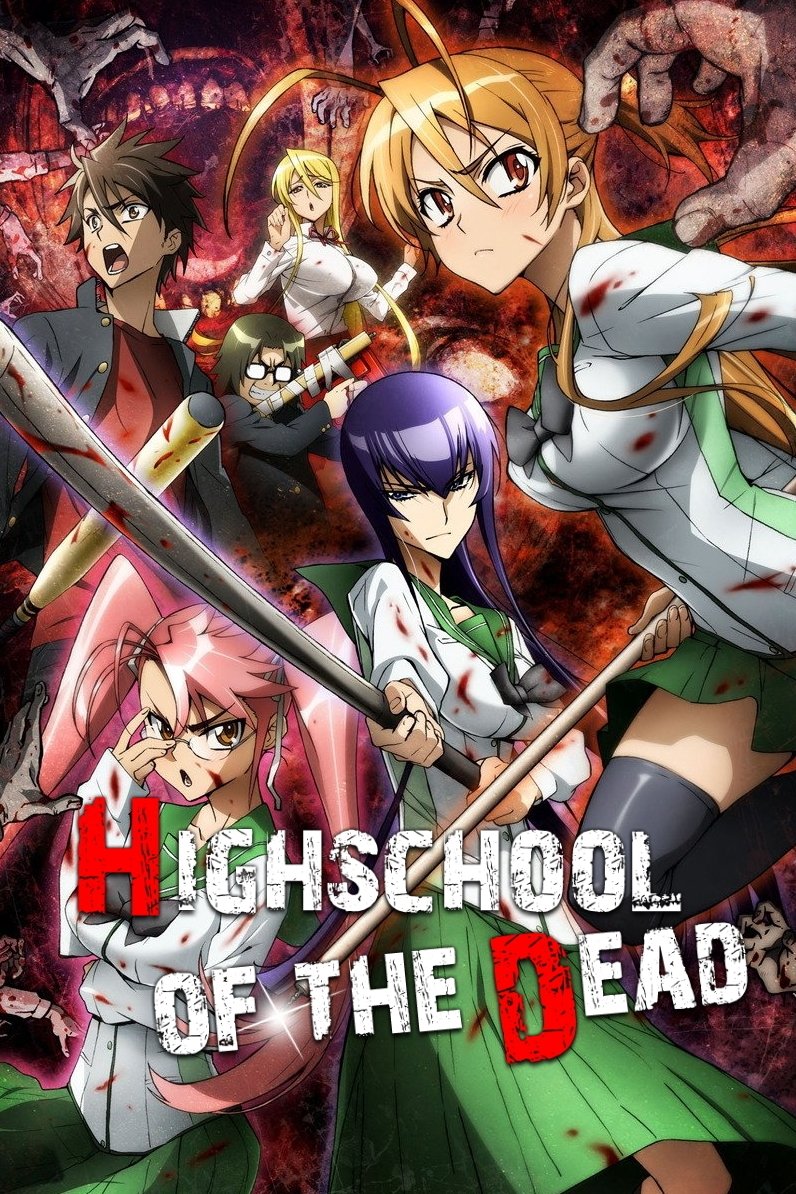
Madhouse presents a survival run through a sudden zombie outbreak that spreads across a Japanese city. A group of students and a nurse fight through schools, suburbs, and barricaded mansions while searching for family.
The show leans on ballistic action, improvised weapons, and tactical movement through chokepoints. Set pieces include bridge standoffs, mall sieges, and rooftop escapes that pile on close calls.
‘Mob Psycho 100’ (2016–2019)
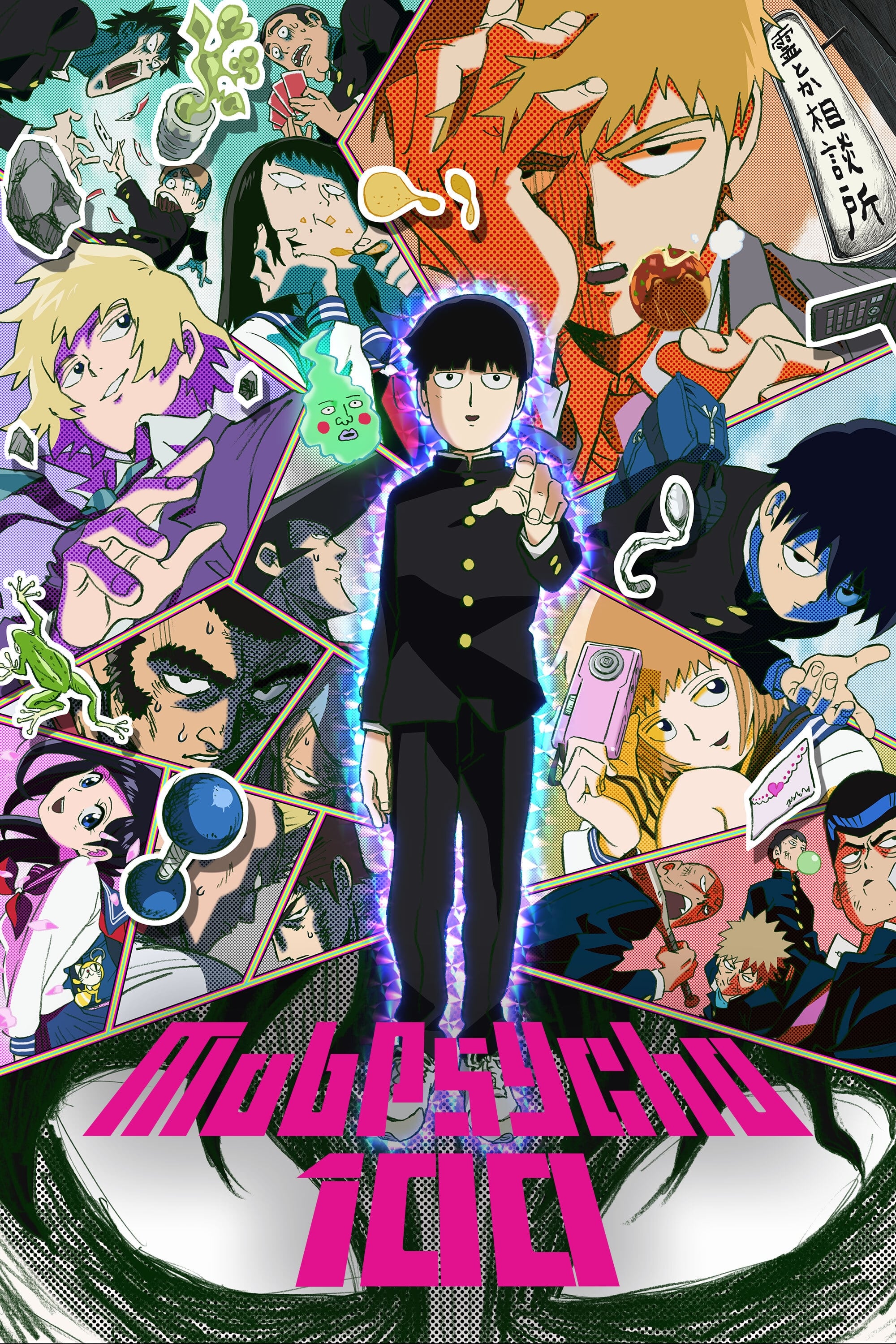
Bones adapts the story of Shigeo Kageyama, a quiet middle schooler with psychic power that surges when emotions hit a breaking point. Reigen Arataka mentors him in a small exorcism business that attracts spirits and rivals.
Visuals switch between clean lines, paint strokes, and wild effects when Mob reaches one hundred percent. Battlefields warp with barriers and telekinesis, and the show explains scales of power with clear on screen counters.
‘My Hero Academia’ (2016–2024)
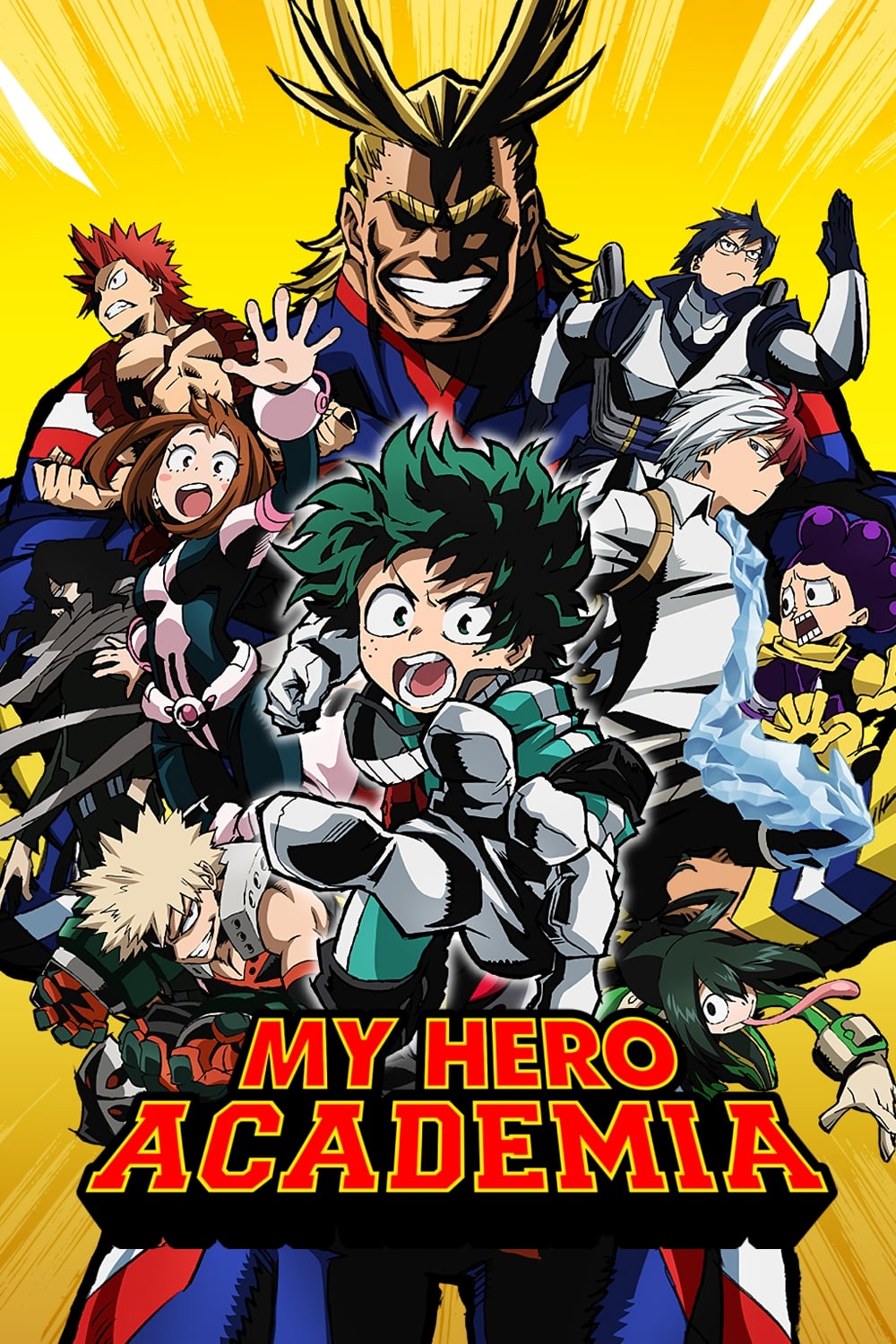
Bones builds a superhero society where a majority of the population has Quirks, or unique abilities. Izuku Midoriya trains at U A High under pro heroes and competes with classmates as villains scheme in the background.
Tournaments, internships, and raids structure the action while support gear and signature moves evolve over time. The series outlines hero rankings, licensing, and rescue protocols that shape every battle.
‘Panty & Stocking with Garterbelt’ (2010)
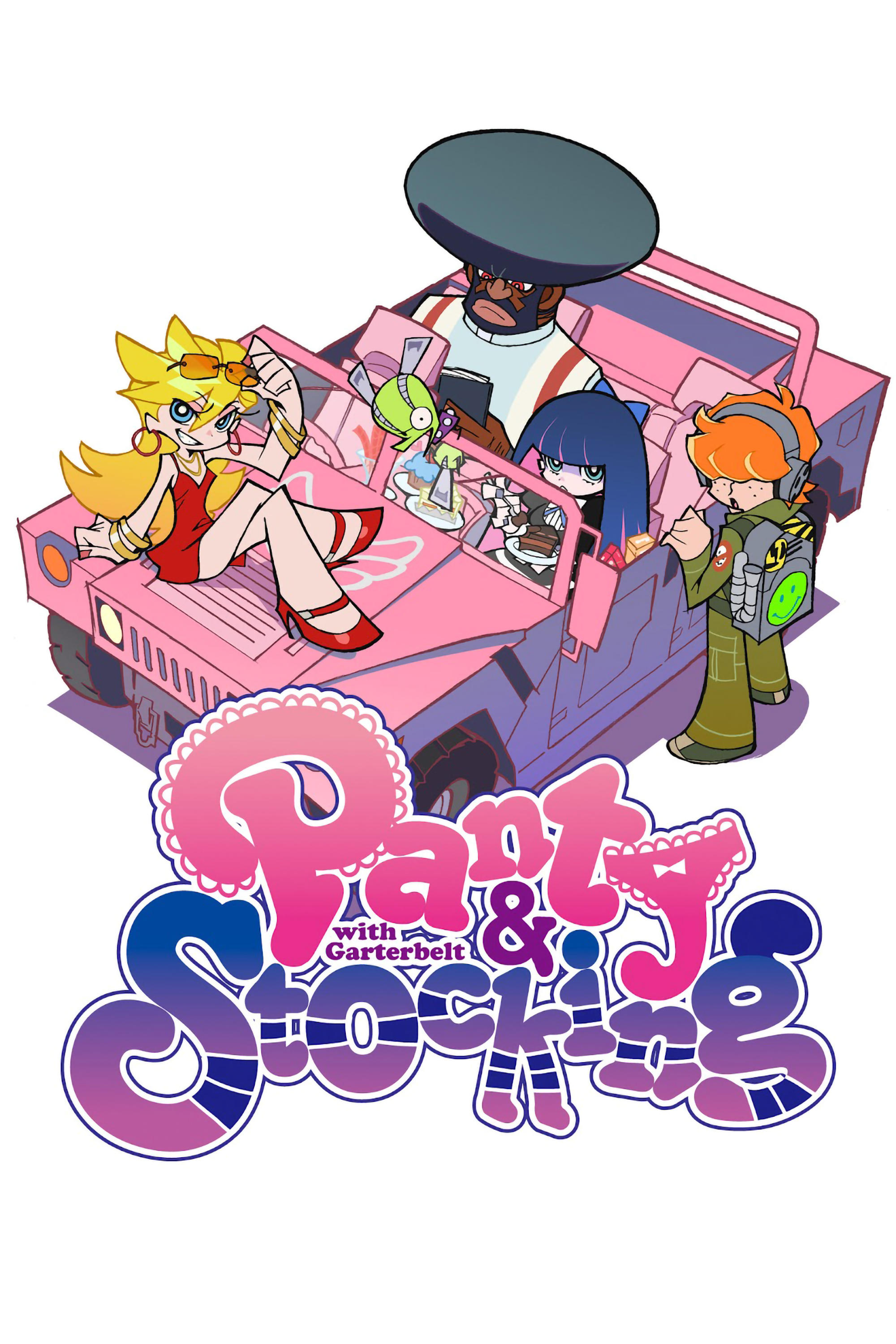
Gainax goes full pop art with angels who fight ghosts in Daten City while chasing Heaven Coins. The style riffs on Western cartoons with rapid cuts, bold shapes, and comedic timing that snaps between bits.
Transformation sequences, weaponized lingerie, and music video interludes keep energy high. Monster of the week setups allow fresh fight concepts, then a finale flips the premise on its head.
‘Deadman Wonderland’ (2011)
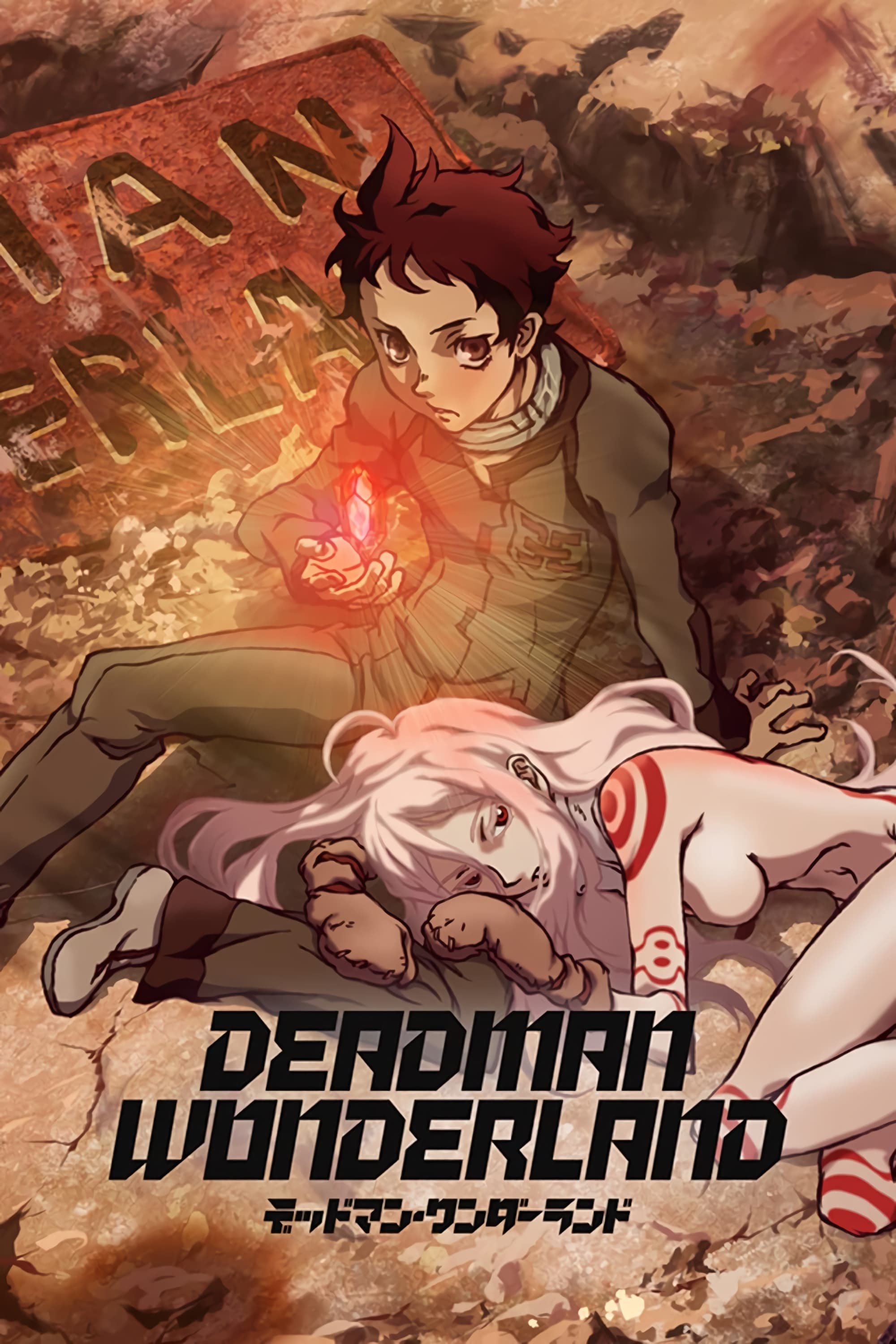
Manglobe adapts a story about a privatized prison that doubles as a theme park, hiding secret blood based combat programs. Ganta Igarashi is framed and sent inside, where inmates fight in deadly games for public entertainment.
The Branches of Sin system explains how characters shape blood into blades and projectiles, with costs that drain them during long fights. Obstacles range from obstacle course massacres to arena battles that reveal a broader conspiracy.
Share your own over the top favorites in the comments and tell us which series you think belongs on the list next.