


Top 10 Reasons Why Jake Paul Is Hated

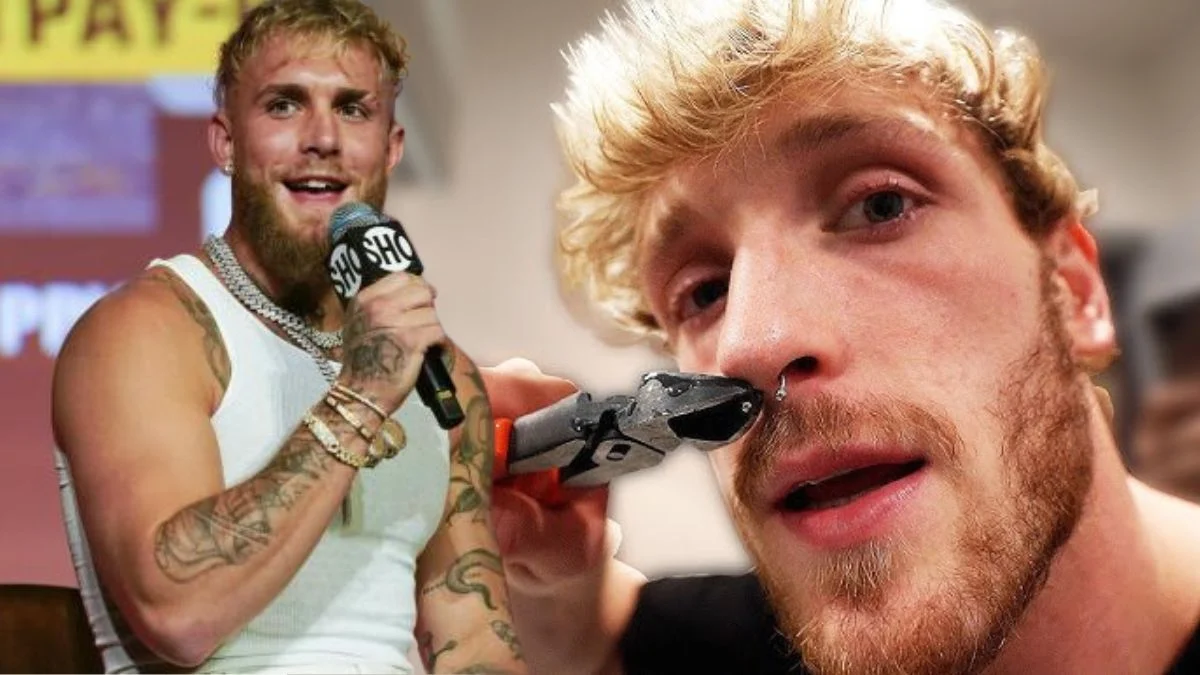


Jake Paul is one of the most visible creators to move from social media into mainstream sports and entertainment, and that visibility attracts intense scrutiny. His rise has been fueled by constant output, headline friendly storylines, and a direct to camera style that makes audiences feel like they know him, which also means criticism follows him everywhere he goes.
Public perception is shaped by how content is packaged, where it is delivered, and how it is promoted. The reasons people cite when they explain their dislike of Jake Paul usually trace back to well known patterns in online culture, creator marketing, and combat sports business, which together create a steady stream of moments that can frustrate viewers who prefer a different approach.
Controversial content choices
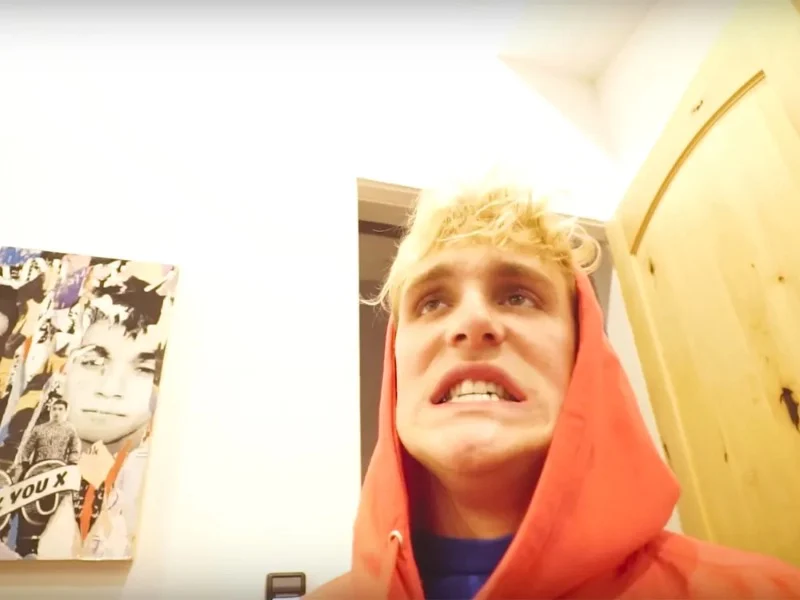
Viewers often point to periods of provocative or shock heavy videos as a starting point for their dislike. Content that leans on pranks or stunts tends to generate fast engagement, yet it also creates a long tail of clips that are replayed in compilations and commentary breakdowns, keeping negative reactions alive long after the original upload.
This type of content performs well in recommendation systems that reward watch time and repeat views, so older videos continue to surface for new audiences. As those resurfaced moments cycle through social feeds, they refresh complaints and make it hard for later image changes to land with skeptics.
Feuds and constant callouts
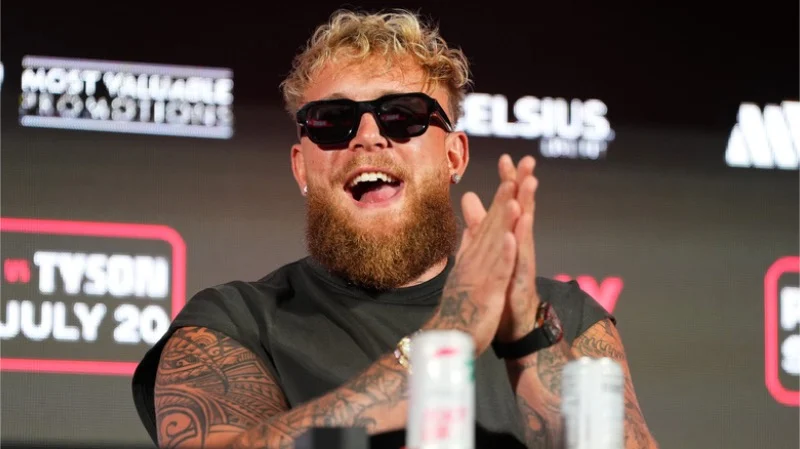
Online feuds are a reliable growth engine because they create a clear narrative with sides, and Jake Paul has made callouts a regular part of his playbook. Public challenges and back and forth posts give fans something to rally around, while also giving critics a reason to label the behavior as needlessly combative.
The format encourages clipped replies and quick turn responses that travel fast on social platforms. That speed favors heat over context, which means the loudest exchanges are the ones most people see, locking in a polarizing reputation even when the underlying dispute is minor or short lived.
Crossover boxing that challenges tradition
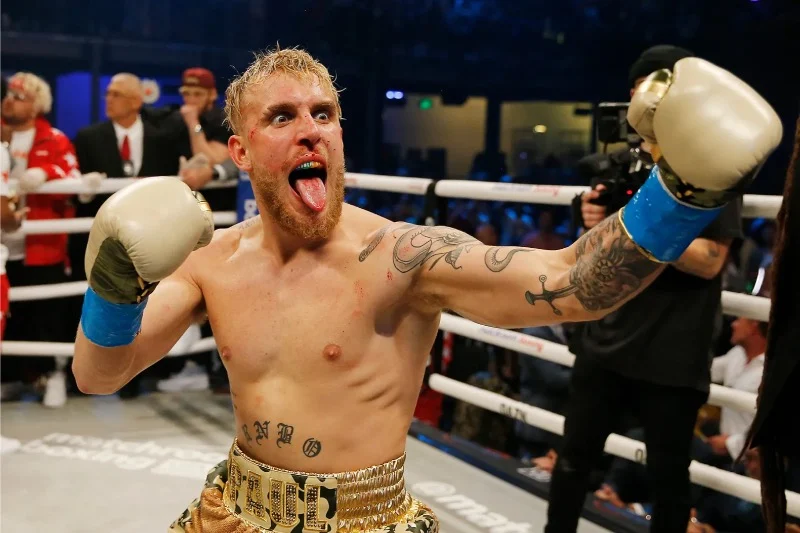
Moving from YouTube into professional boxing put Jake Paul in direct contact with a tradition minded audience. Boxing fans often expect a slow climb through developmental fights, quiet gym work, and careful matchmaking, so a creator driven route with big spotlights and entertainment forward build up can feel like a rejection of that pathway.
This culture clash shapes how every event is received. Longtime followers of the sport compare opponents, training setups, and promotional tactics to what they are used to, while newer fans respond to storyline and personality. The disconnect between those expectations fuels accusations of spectacle first thinking, which feeds resentment.
Pay per view events and value concerns
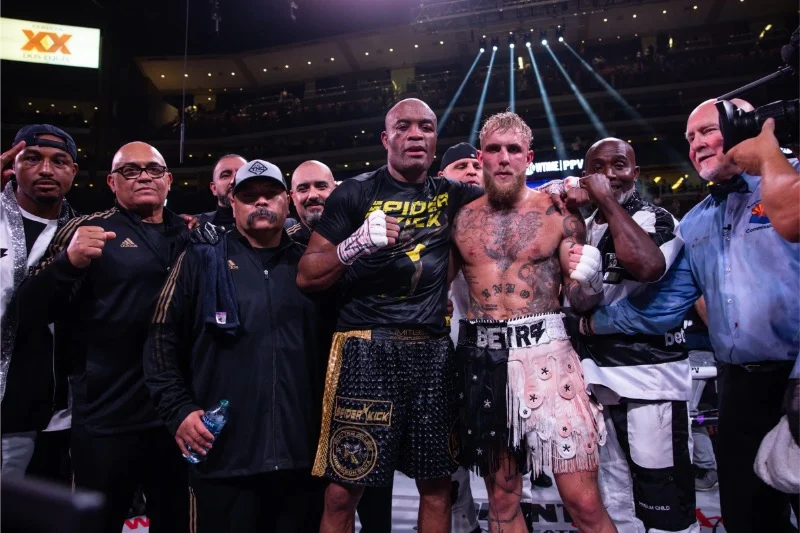
When a personality drives pay per view sales, buyers evaluate the purchase on a simple equation that weighs price against entertainment delivered. If a main event ends quickly or an undercard lacks recognizable names, disappointed viewers are vocal about the value gap, and that frustration is often directed at the star on the poster.
Because pay per view clips flood social media within minutes, people who did not buy the event join the conversation with highlights only. That highlight view can make a show look thinner than it felt live, which adds momentum to complaints about cost and quality and keeps negative sentiment circulating.
Marketing tactics that test trust
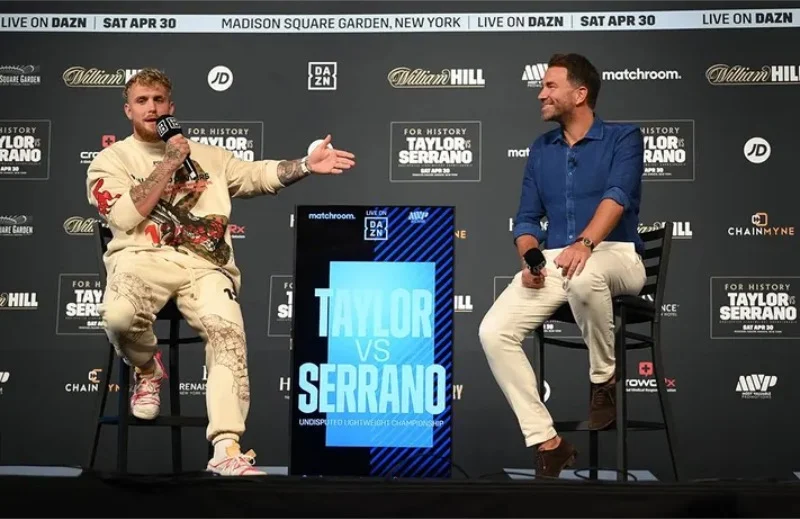
Creators run businesses that rely on brand deals, product launches, and affiliate offers. Audiences grow wary when endorsements arrive in quick succession, when disclosure feels unclear, or when claims sound bigger than what buyers experience, and that wariness easily turns into dislike for the face of the campaign.
Trust is hard to rebuild once viewers feel oversold. Even well structured promotions face pushback if they follow a run of loud hype cycles, because people judge the pattern rather than the single ad. Over time, that pattern becomes a common reason people cite when explaining why they avoid his projects.
Displays of wealth that alienate viewers
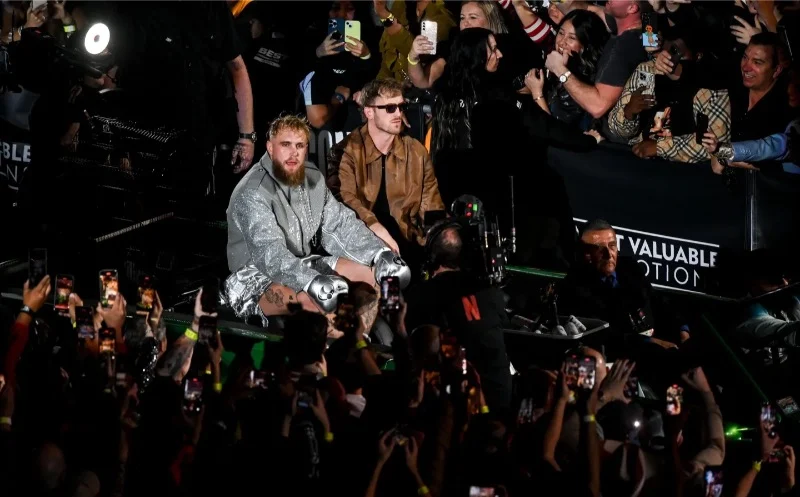
Showing expensive cars, homes, and jewelry is a familiar part of influencer culture, and Jake Paul has used that visual language to signal success. For some audiences, frequent displays of lifestyle become a turnoff, especially during times when economic pressure is high and viewers are sensitive to tone.
The reaction is shaped by repetition. When clips and thumbnails spotlight luxury items over creative work or athletic progress, critics frame the output as status driven content, and that framing follows across platforms. Once that lens is set, even neutral posts are read as more of the same.
Persona built on provocation
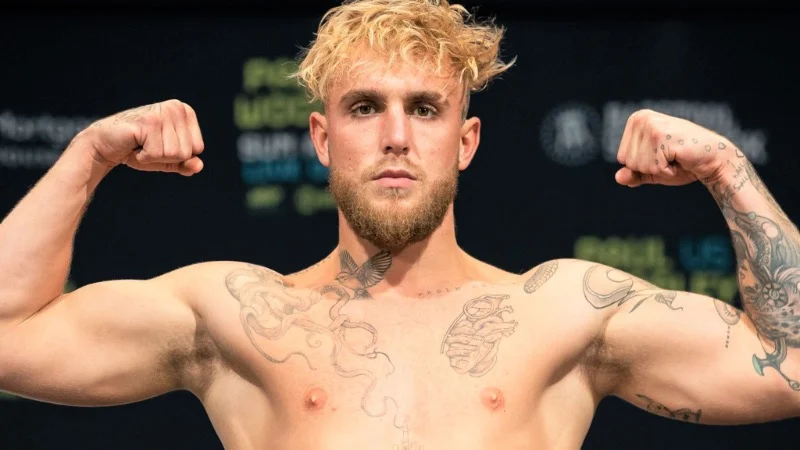
A big part of Jake Paul’s brand is engineered conflict and high energy swagger, which is designed to convert attention into audience growth. That persona draws clicks and sells fights, yet it also sets expectations that every appearance will include a provocation, a boast, or a needle at a rival.
Audiences who prefer understated confidence interpret the same behavior as abrasive rather than entertaining. Because the persona is consistent across interviews, promos, and social clips, there are few quiet moments to balance it out, and the constant intensity becomes a standing reason for dislike.
Past incidents that never fade online
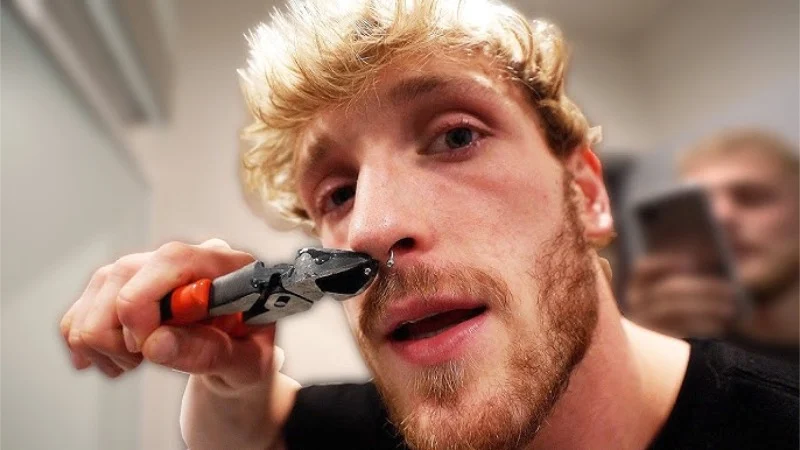
The internet keeps a permanent archive. Old clips and headlines are easy to find, and commentary channels regularly revisit earlier eras to provide context for new viewers, which means past missteps remain part of the conversation long after the original audience has moved on.
This archival effect shapes reputation. When people search a name and see the same controversies summarized again and again, they come away with a fixed idea that is hard to change. That persistence is a common explanation from those who say they cannot get past earlier behavior.
Media coverage that amplifies missteps
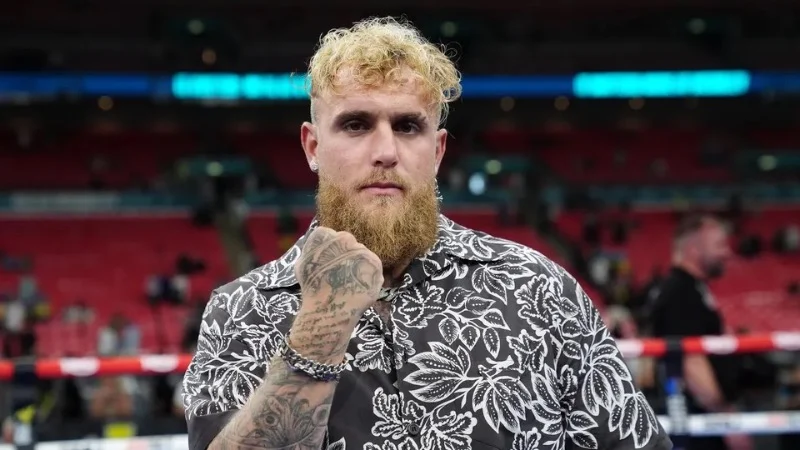
News and entertainment outlets cover what generates clicks and discussion, and high profile creators reliably do both. Stories about confrontations, heated quotes, or promotional stunts are easy to package, so they receive more coverage than routine training or behind the scenes work.
That imbalance creates a feedback loop. The most dramatic moments define the narrative for casual readers, while quieter efforts receive less oxygen. Over time, the accumulation of negative headlines becomes a standalone reason people give when describing why they have a negative view.
Influence on creator culture that divides audiences
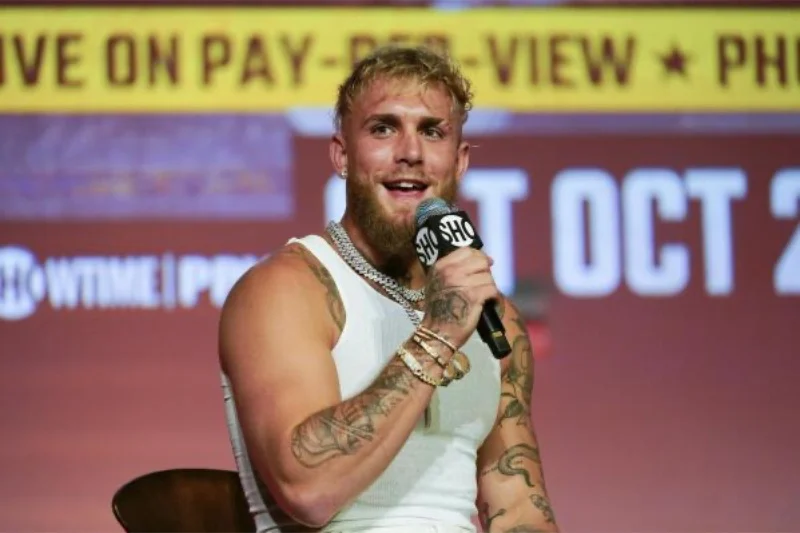
Jake Paul’s scale makes him a template for smaller channels, and that influence is often cited by critics who dislike the copycat effect. When younger creators imitate trash talk heavy styles, loud pranks, or callout driven growth, viewers who dislike those formats blame the most visible example.
The diffusion of that style across platforms changes what people see in their feeds, even if they do not follow him directly. As more creators chase similar attention mechanics, the association tightens between his brand and a wider shift in online culture, which extends the circle of people who push back.
Share your take on which reason feels most true in the comments and tell us what you think drives the strongest reactions today.