

Top 10 Ridiculous Video Game Boss Battles

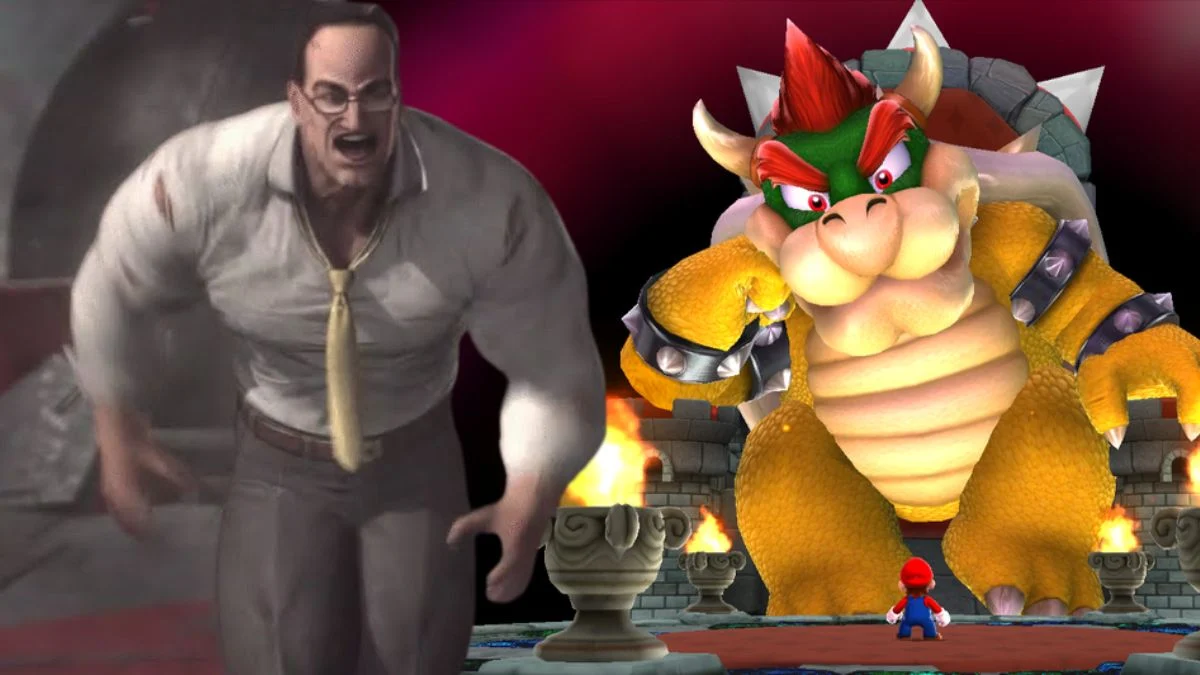


Sometimes a boss fight sticks in your head because it blindsides you with something you never expected. It might speak directly to your console, break the rules of the game, or turn a serious story into a scene that feels like a fever dream. These are the battles that made players stop and wonder what was even happening on their screens, then grin as they figured out the trick.
Each entry here spells out what makes the fight stand out and where it shows up, so you can spot it quickly if you want to revisit the chaos. You will also see the developer mentioned in passing, since the studio’s design choices are the reason these showdowns feel so wild in the first place.
Psycho Mantis
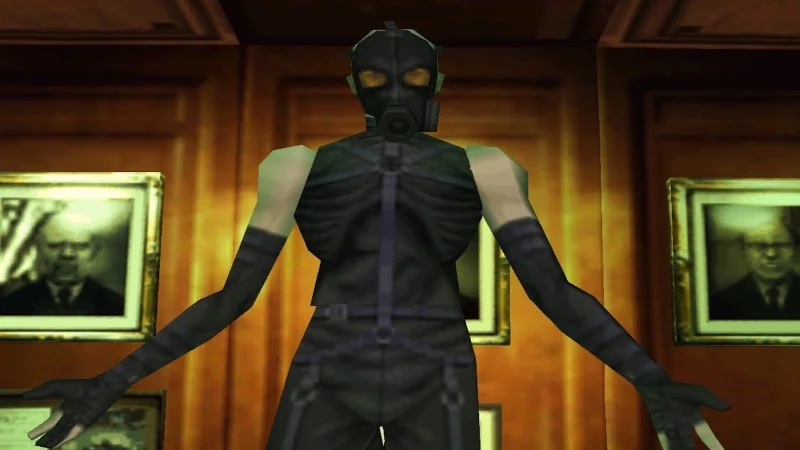
The showdown with Psycho Mantis in ‘Metal Gear Solid’ asks players to unplug their controller and switch ports to break the boss’s telepathy. The game checks save data to comment on other Konami games and uses vibration to pretend that Mantis moves the controller by psychic power, which turns the PlayStation hardware into part of the script.
This fight was implemented by Konami Computer Entertainment Japan with system level tricks that were unusual on consoles at the time. Re-releases on later hardware recreate the idea with updated prompts, so the unsettling reading of memory cards becomes scripted dialogue while the input swap turns into a controller setting change.
The Great Mighty Poo
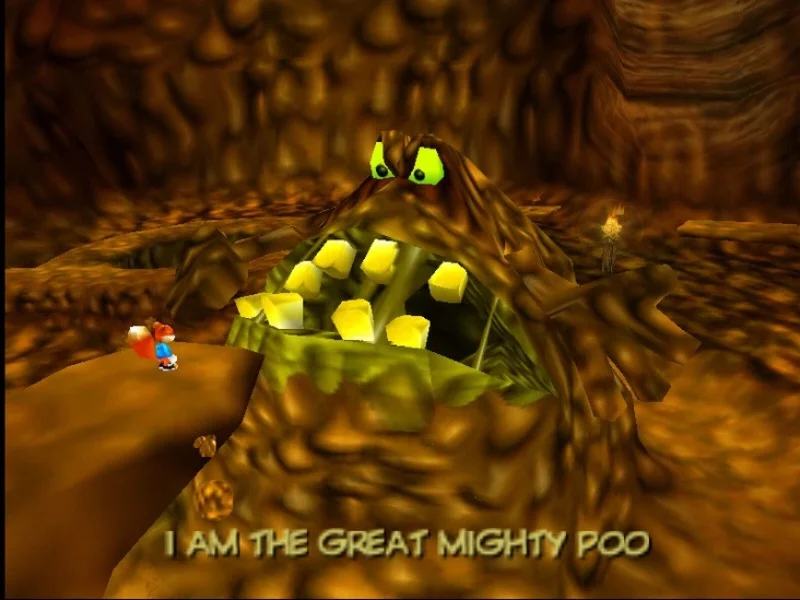
The giant singing dung monster in ‘Conker’s Bad Fur Day’ belts out verses while you dodge thrown waste and pelt him with toilet paper. The arena’s layout funnels you toward a flush handle that ends the performance once you survive enough waves.
Rare leaned into musical timing to telegraph attacks so the song becomes a guide to the pattern. The studio also mapped the finishing move to the environment rather than a damage bar, which lets the gag land right when the lyrics reach their big finish.
Senator Armstrong
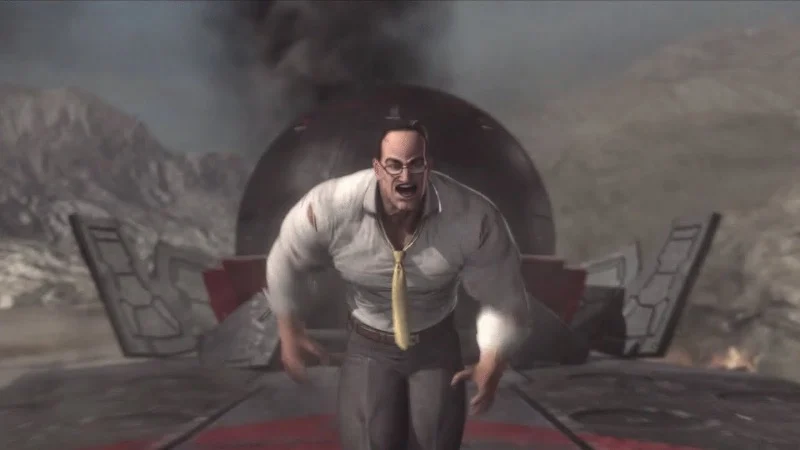
The final battle in ‘Metal Gear Rising: Revengeance’ has Armstrong power up with nanomachines and engage Raiden in a duel that mixes blade mode with heavy parries. The fight transitions through multiple phases with grabs that teach you to time defensive inputs, then opens a window for counters that chunk his health.
PlatinumGames tuned the encounter around its parry system, so success depends on reading tells instead of mashing. The studio’s action design strings set pieces together with quick interactive prompts, which keeps combat and cutscenes flowing without losing control of the character.
Photoshop Flowey
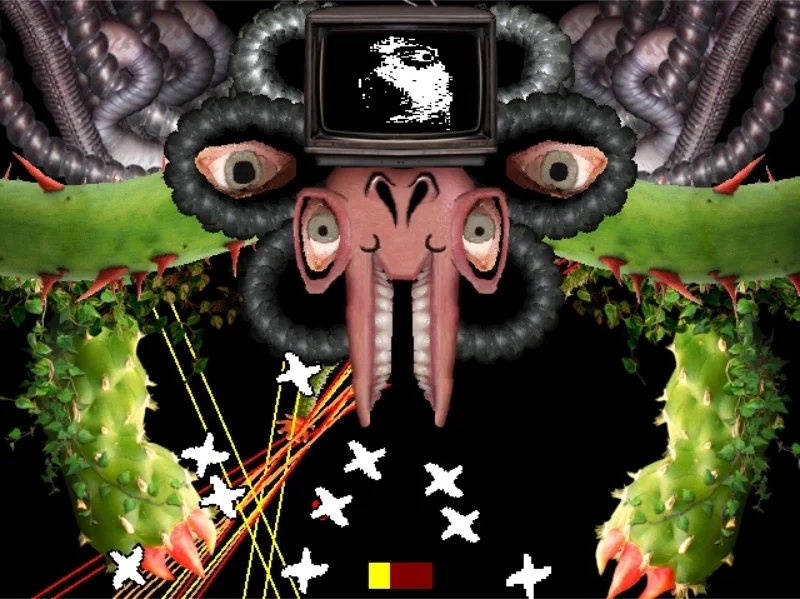
The neutral route finale in ‘Undertale’ turns Flowey into a screen filling abomination that fires attacks across the entire window while hijacking save files. The game simulates forced resets, loads snapshots from earlier in the fight, and throws bullet hell patterns that change rapidly between phases.
Toby Fox built the encounter to interact with data outside the usual battle loop, so saving and loading become weapons that both sides use. The solo developer also broke resolution boundaries by scaling sprites beyond the usual battle box, which makes the fight feel like it escapes the user interface.
Wyzen’s Second Form

In ‘Asura’s Wrath’ the deity Wyzen grows to a size that dwarfs continents while Asura batters him with rapid fire inputs. The camera pulls back until the planet fills the frame and then asks you to stop a finger the size of a country with a single charged strike.
CyberConnect2 structured the episode like an anime climax where every prompt lands on a beat, and the studio’s cinematic engine keeps button presses simple so spectacle never stutters. The boss health and QTE windows line up with chapter markers, which makes the fight read like an interactive cut of a television episode.
Bad Girl

The slugger boss in ‘No More Heroes’ hides a brutal combo behind fake crying, then launches a one hit kill when you fall for it. Before that, the arena spawns goons from a pitching machine so you juggle targets while watching for her charge up swings.
Grasshopper Manufacture staged the encounter to punish predictable aggression by forcing you to read behavior tells over flashy animations. The developer’s trick pitching sequence compresses crowd control into a rhythm that prepares you for the timing checks in the main duel.
Wheatley

The finale of ‘Portal 2’ has you paint the battlefield with gels, attach corrupted cores to Wheatley, and then place a portal on the moon to vent the chamber. The puzzle escalates from standard test chamber logic to a single clever shot that ends the standoff.
Valve designed the space shot to be readable from earlier clues so the solution feels earned rather than random. The studio also uses core personalities as timed mechanics that interrupt the loop, which turns character moments into functional steps toward the final portal.
Baby Bowser’s Giant Form

In ‘Super Mario World 2: Yoshi’s Island’ Baby Bowser grows to a towering size and advances from the horizon while you aim egg shots into the distance. Depth perception becomes the main challenge as you time throws to meet a target that moves toward the foreground.
Nintendo’s EAD team used scaling and perspective tricks on the Super NES to sell distance without true 3D, and the boss leverages those effects to teach ranged aiming under pressure. The encounter ties your ammo to precise bounces, which forces careful positioning before each throw.
Zinyak
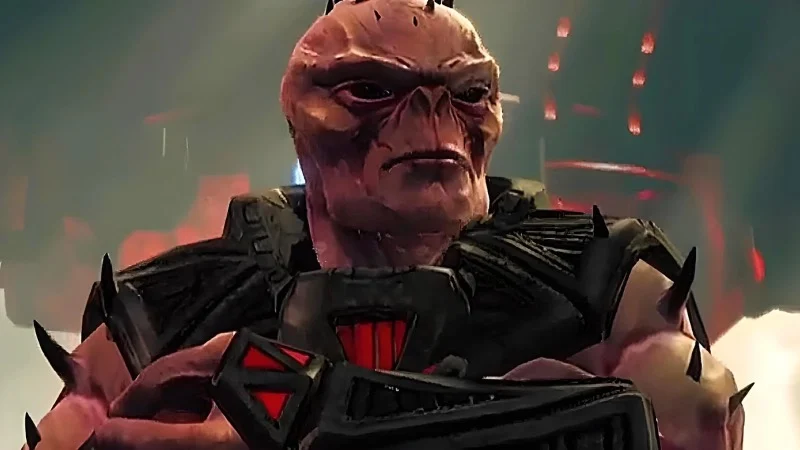
The confrontation with Zinyak in ‘Saints Row IV’ yanks you into a retro text adventure where typed commands drive the fight. After the narrative detour, the game shifts genres again for a final push that closes out the simulation storyline.
Volition used its virtual world premise to justify swapping mechanics on the fly, so the parser section fits naturally inside an open world action game. The change of input teaches the answer through familiar adventure verbs, which makes the gag work even for players who have never used a classic parser.
Joker Titan

The rooftop battle in ‘Batman: Arkham Asylum’ transforms the Joker with Titan formula, yet most of the danger comes from waves of thugs and stun batons. You bait the boss into environmental traps, control the crowd with counters, and pull the Joker down for brief windows of damage.
Rocksteady Studios set the encounter around the freeflow system so the fight becomes a test of spacing rather than a straight slugfest. The developer also ties progress to grapnel pulls and explosive gel triggers, which keeps the focus on Batman’s gadgets as the primary tools.
If you have your own pick for a boss fight that went completely off the rails, drop it in the comments so everyone can compare notes.