


Top 15 Scariest Movie Aliens

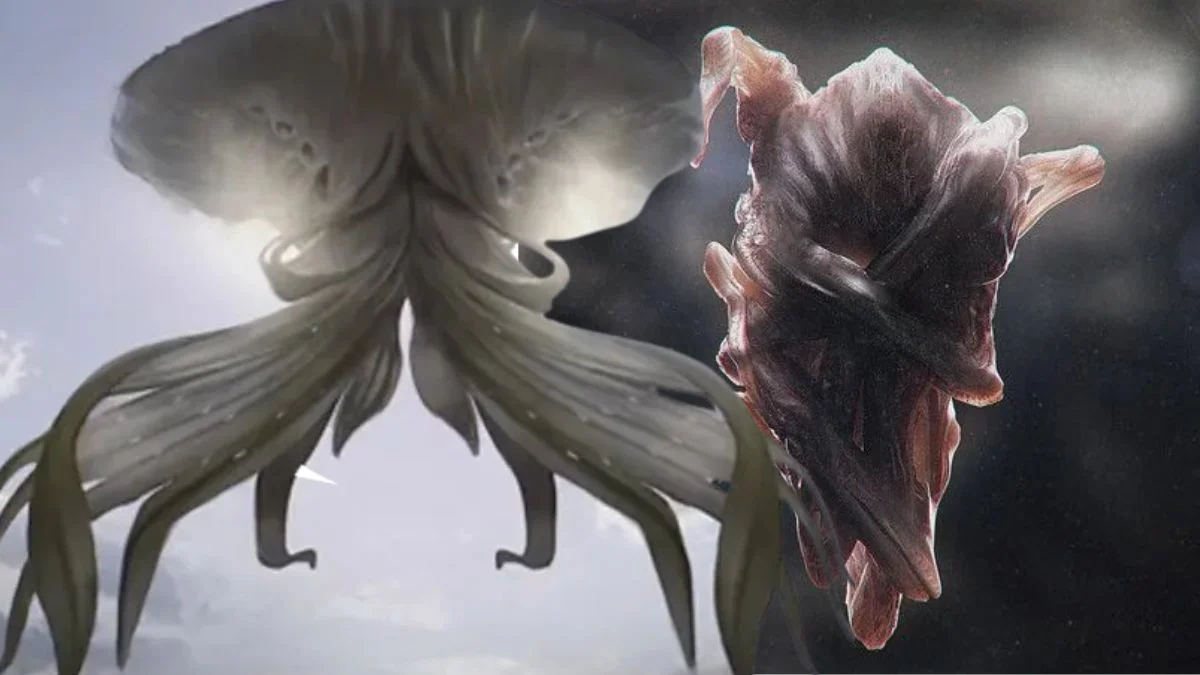


Some cinematic creatures feel like they were built in a lab to test human limits. Whether they arrive in a whisper or slam into a city with a roar, these invaders bring a mix of biology, technology, and strategy that puts people on the back foot fast. What makes them unsettling is not only how they look but how they work. Their life cycles, hunting methods, and tools often mirror real world survival tactics that have kept apex predators at the top.
This list gathers film aliens that are memorable because of concrete details. You will see how they sense prey, what shields them from harm, and which weaknesses finally crack the code. Each entry focuses on what the films actually show on screen and what the production teams designed into the creatures. No myths or rumors here, just the practical things that let these beings dominate their stories.
Xenomorph
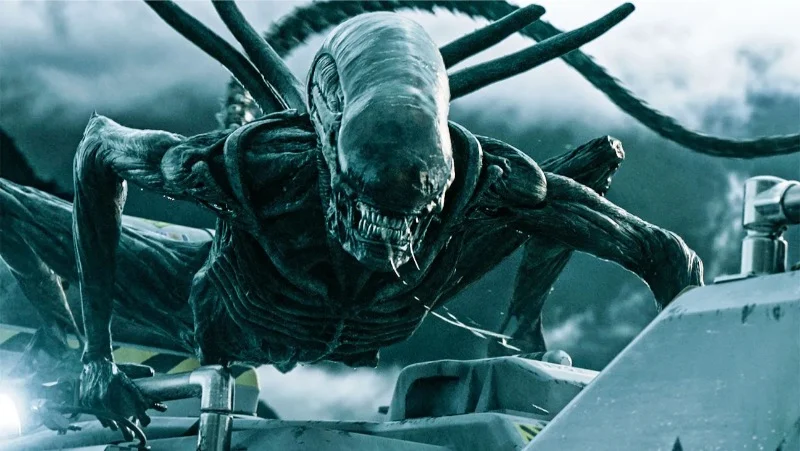
The xenomorph seen in ‘Alien’ and its sequels follows a parasitic life cycle that starts with an egg and a facehugger stage that implants an embryo. The next phase is the chestburster, which rapidly matures into an adult with a biomechanical look and a skeletal tail. Its blood is a corrosive acid that eats through metal, which complicates containment and close combat on ships and stations.
The adult relies on stealth in tight corridors and uses a second inner jaw for short range strikes. Queens build hives and protect egg chambers while drones and warriors abduct hosts for implantation. The design began with H R Giger artwork, and suit performers and practical effects teams brought the creature’s movement and slime coated surfaces to life on set.
The Thing
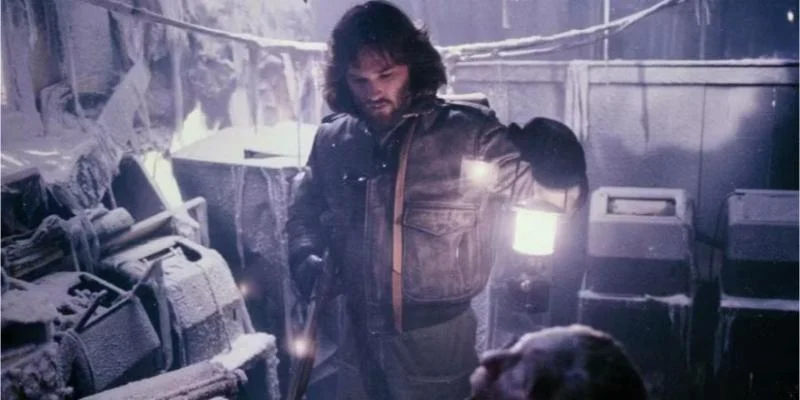
The organism in ‘The Thing’ assimilates living tissue and perfectly imitates its hosts at the cellular level. It splits and spreads when burned or cut, which makes traditional autopsies risky. A blood test using heat exposes separate samples that react independently, which becomes a key method to identify infection.
Practical effects crews created transformations with mechanical rigs, bladders, and puppetry. The film confines the story to an isolated research station where records, clothing, and charred remains track its progress. Dog kennels, storage rooms, and tunnels become forensic scenes that show how the creature moves through a community without being seen.
Predator

The hunter in ‘Predator’ uses active camouflage that bends light and a helmet with thermal imaging to track heat signatures in jungles and cities. It carries a shoulder mounted plasma caster, retractable wrist blades, and a net that tightens on contact. Its gauntlet houses a countdown device that triggers a self destruct blast if capture is imminent.
The species collects trophies by removing skulls and spinal columns and follows a code that avoids unarmed targets in most encounters. Suits, animatronics, and stunt work sell the creature’s size and agility, while sound design emphasizes clicks and roars that signal proximity. Different masks and armor sets mark ranks and clans across the films.
Martian Tripods
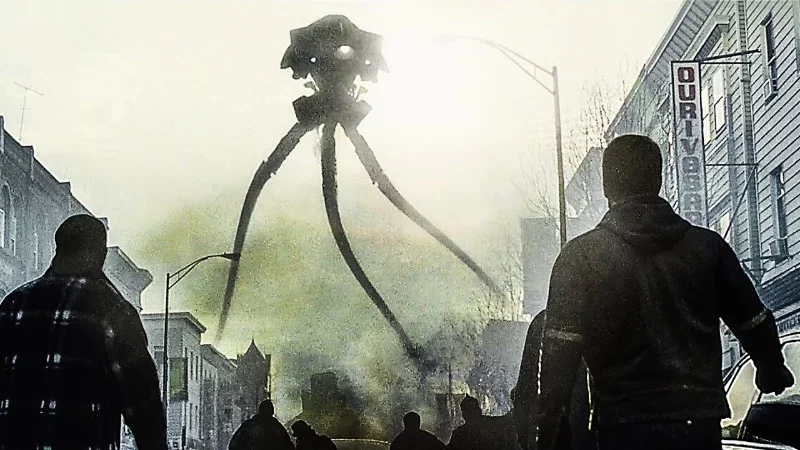
The invaders in ‘War of the Worlds’ ride towering tripods that stride over cities and farmland. Heat rays vaporize people instantly and leave drifting ash, while energy shields deflect artillery and missiles. Long mechanical tendrils probe buildings and pull survivors into holding baskets for harvest.
The tripods release a red weed that spreads across soil and structures, which gives landscapes a new biome. Infections from Earth microbes eventually overwhelm the occupants, which turns a technological advantage into a biological defeat. Effects teams combine large scale destruction with close up abductions that show how the machines search room by room.
Clover
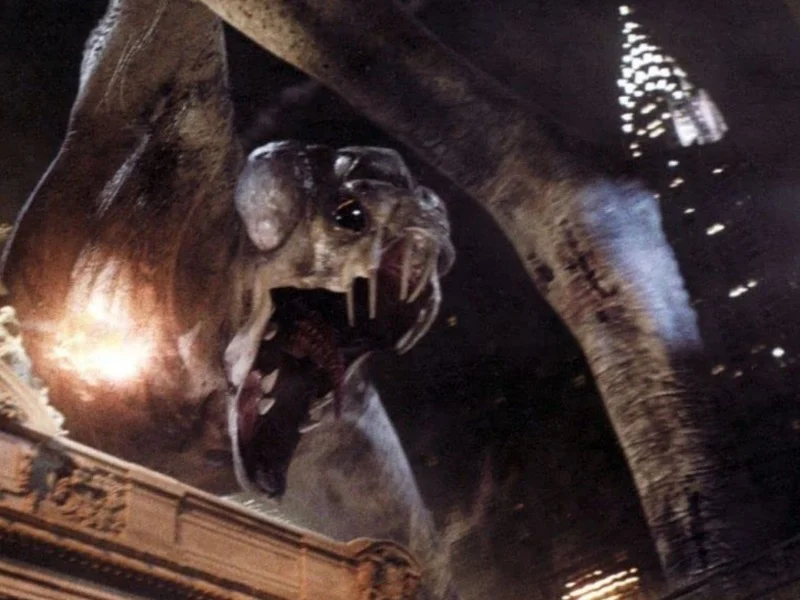
The giant creature in ‘Cloverfield’ rampages through Manhattan with sudden direction changes that topple buildings and bridges. Parasites drop from its body and bite people, which adds a secondary hazard for rescue teams inside tunnels and malls. Military responses escalate from small arms to heavy bombardment without stopping its movement.
Found footage framing places the camera inside apartments, subways, and rooftops as the monster passes overhead or between towers. The design keeps exact origins ambiguous and focuses on size, erratic pathing, and collateral creatures that spill into the streets. Shaky perspectives and partial reveals build a sense of scale with practical debris and digital enhancements.
MimicsW
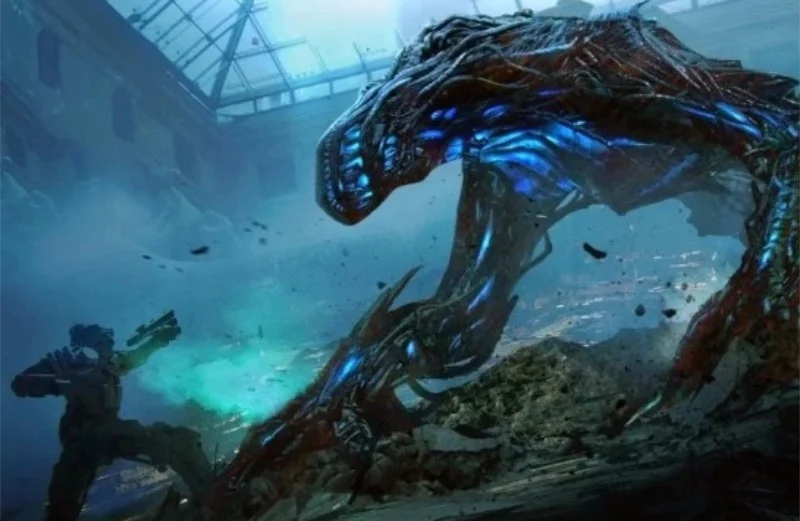
The extraterrestrials in ‘Edge of Tomorrow’ coordinate through an Omega that can reset time after an Alpha dies. This loop lets the hive adapt to battlefield tactics and weapons with perfect memory. Mimic drones move in bursts with multi limb propulsion and strike across beaches and urban zones.
Exo suits, drop ships, and heavy ordnance show how human forces try to counter the swarm. Training sequences, kill counts, and repeated assaults demonstrate how the time loop teaches both sides at once. Visual effects teams create liquid like motion for the Mimics, while full body rigs ground the human gear in weight and recoil.
Arachnids
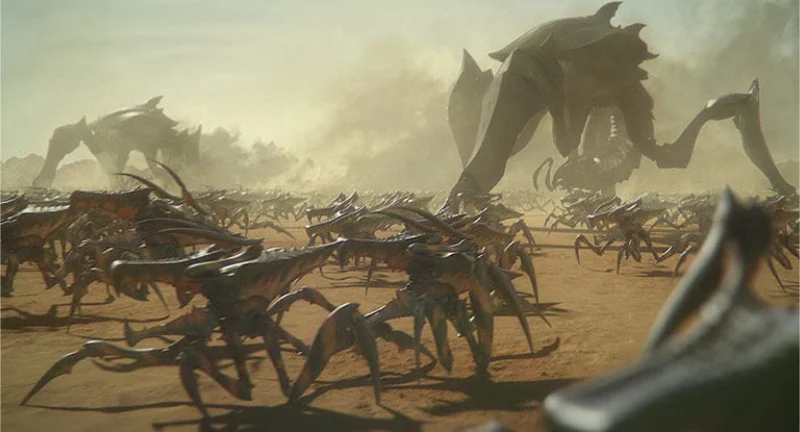
The bugs in ‘Starship Troopers’ operate with castes that include Warriors for melee, Tankers that spray incendiary fluid, and Plasma bugs that launch projectiles into orbit. Brain bugs exert control and can extract information by piercing skulls. Numbers overwhelm fortified positions, and tunneling bypasses walls and trenches.
Battlefield scenes use practical suits, hydraulic limbs, and digital armies to depict mass charges and ambushes. Training, propaganda reels, and after action briefings explain bug behavior and hive coordination. The mix of field reports and captured specimens turns the war into a study of alien biology and logistics.
Harvesters
The species in ‘Independence Day’ deploys a city sized mothership that releases shielded destroyers over major population centers. A central beam cuts through skyscrapers and ignites firestorms that travel along streets. Fighter swarms protect the ships while jamming disrupts communications and guidance systems.
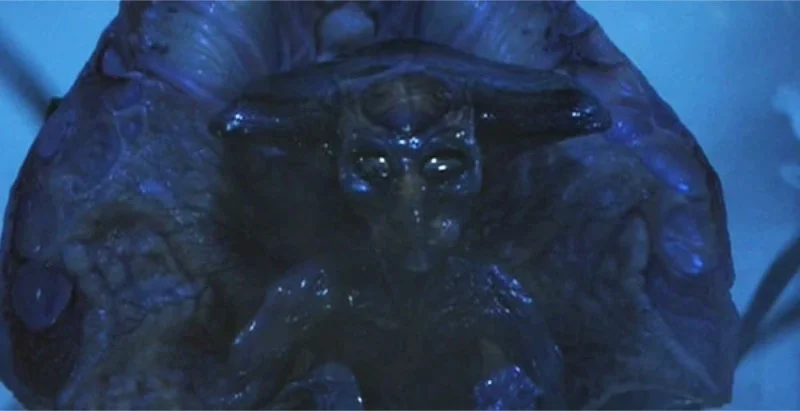
Reconnaissance inside a crash site reveals a biomechanical cockpit and a pilot that controls suit tendrils. A downloaded virus drops the shields and opens a window for coordinated strikes. Practical sets and large scale miniatures combine with digital elements to stage close quarters lab scenes and open sky battles.
Pod People
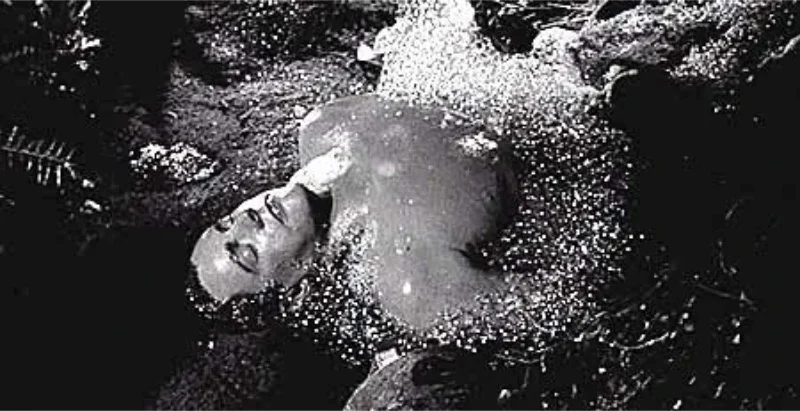
The alien life form in ‘Invasion of the Body Snatchers’ spreads via seeds that grow plant based duplicates of sleeping humans. When the copy wakes, the original disintegrates into husks, and the duplicate assumes daily routines without emotional display. Whisper networks and pointed screams signal exposure.
Greenhouse scenes, mud baths, and drifting fibers show the material that builds new bodies. City streets turn into quiet corridors where neighbors monitor one another. The films document a takeover that avoids lasers and claws and instead replaces communities through routine and rest.
Death Angels
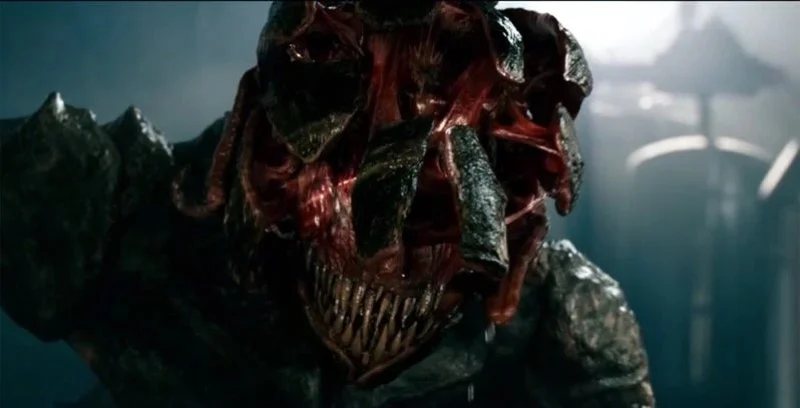
The creatures in ‘A Quiet Place’ are blind and locate prey through precise hearing. They arrive fast at any sound above a safe threshold and can rip through barns and trucks. Armor plates across their heads and torsos deflect bullets, while gaps open briefly when auditory organs flare.
A portable speaker and microphone produce high frequency feedback that forces those plates to separate. That exposure point lets shotguns and rifles penetrate during the window. Sound design carries the story with long stretches of near silence, while creature suits and digital work reveal ear structures in close shots.
Signs Invaders

The beings in ‘Signs’ plan coordinated intrusions that begin with lights in the sky and crop circles that map entry paths. Farmhouses and suburban homes become target sites for surveillance and abduction attempts. Door frames and vents provide handholds, and mirrored surfaces reveal movement in confined rooms.
Water burns their skin on contact, which turns household items and weather into defensive tools. News broadcasts and home videos provide updates that connect local events to a broader pattern. Practical costumes and minimal digital effects keep the focus on reflections, silhouettes, and blocked doors.
Calvin
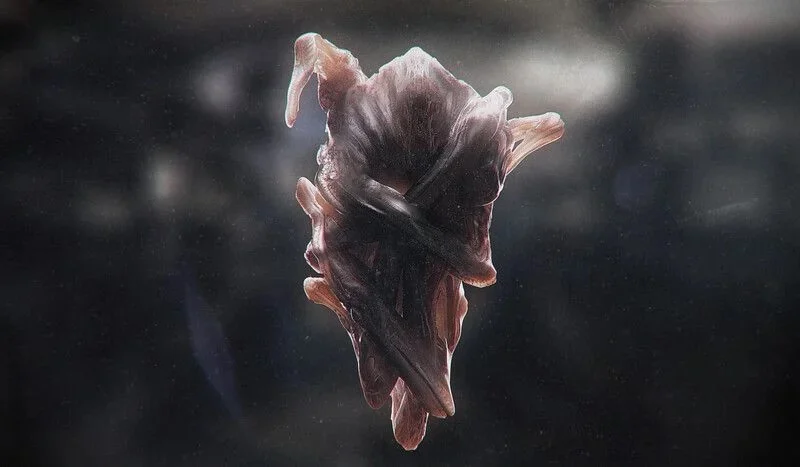
The organism in ‘Life’ starts as a dormant Martian cell that reanimates in a lab and grows into a muscular, star shaped body. It uses cilia like fibers to grip surfaces and applies constant pressure to break bones and seals. It survives low oxygen and cold conditions and adjusts quickly to new environments on the station.
Labs, airlocks, and thruster jets become arenas where pressure and vacuum matter as much as claws. The creature shows problem solving by moving through valves and tubing to reach crew. Wire rigs, water tanks, and digital animation create zero gravity movement that keeps both humans and alien drifting during fights.
Bioraptors
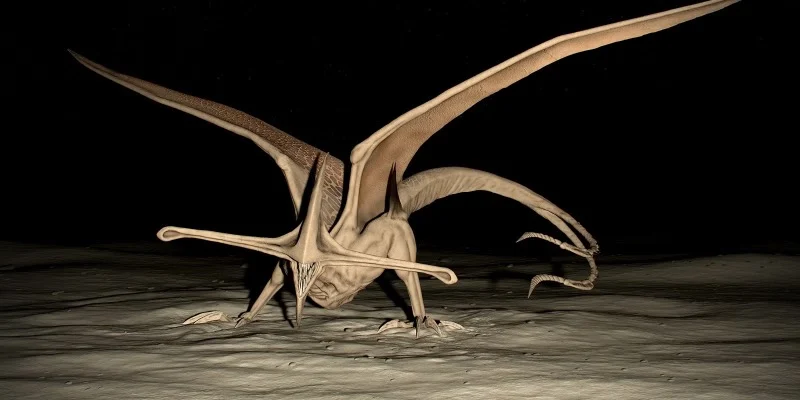
The predators in ‘Pitch Black’ live in darkness and navigate by echolocation clicks. They avoid sunlight and only emerge during a rare eclipse, which turns an open desert into a hunting ground. Their wings slice, and their bodies glide through tight canyons and corridors.
Flares, bottles, and improvised lanterns create moving zones of safety. Characters map safe paths with light and count down fuel while the creatures learn to exploit shadows. The film leans on sound cues and quick silhouettes, with practical prosthetics and digital assists selling flight and impact.
Sil

The hybrid in ‘Species’ is engineered from human and extraterrestrial DNA following instructions from a deep space transmission. Rapid growth pushes her from child to adult in days, and accelerated healing closes gunshot wounds and cuts. A barbed spine emerges during fights, and a second jaw extends during feeding.
The story tracks genetic labs, trains, hotels, and pools as the hybrid looks for a mate. Creature design by H R Giger gives Sil a sleek biomechanical form with tendrils and ridges. Full body suits, animatronic heads, and visual effects handle transitions between human and alien presentations.
Jean Jacket
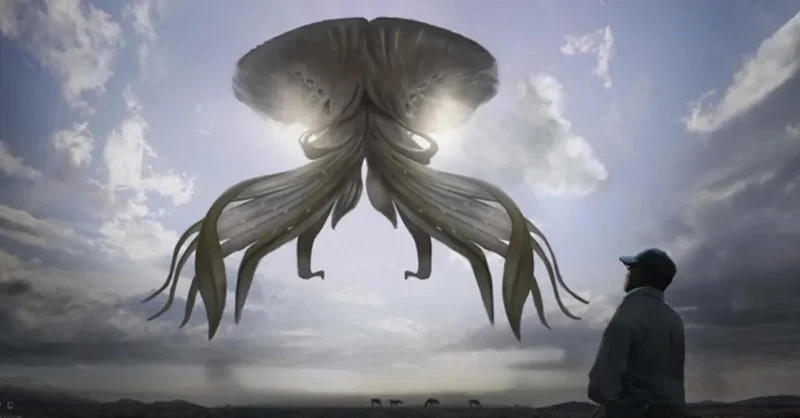
The life form in ‘Nope’ is not a craft but an animal that feeds by drawing prey into a central aperture. It inhabits a territory and reacts to direct eye contact as a challenge. When it unfurls, its body expands into a square sail with internal folds that ripple during movement.
Wind, flags, and inflatable tube men reveal airflow and help chart flight paths across a valley. The creature rejects non digestible items and expels them in a concentrated drop that litters roofs and fields. Daylight shots and wide frames let viewers study size and texture while practical dust and cloud work mark its location.
Share the movie alien that unnerved you the most in the comments and tell us which scene made you hold your breath.