


Top 20 Sci-Fi Movie Battles

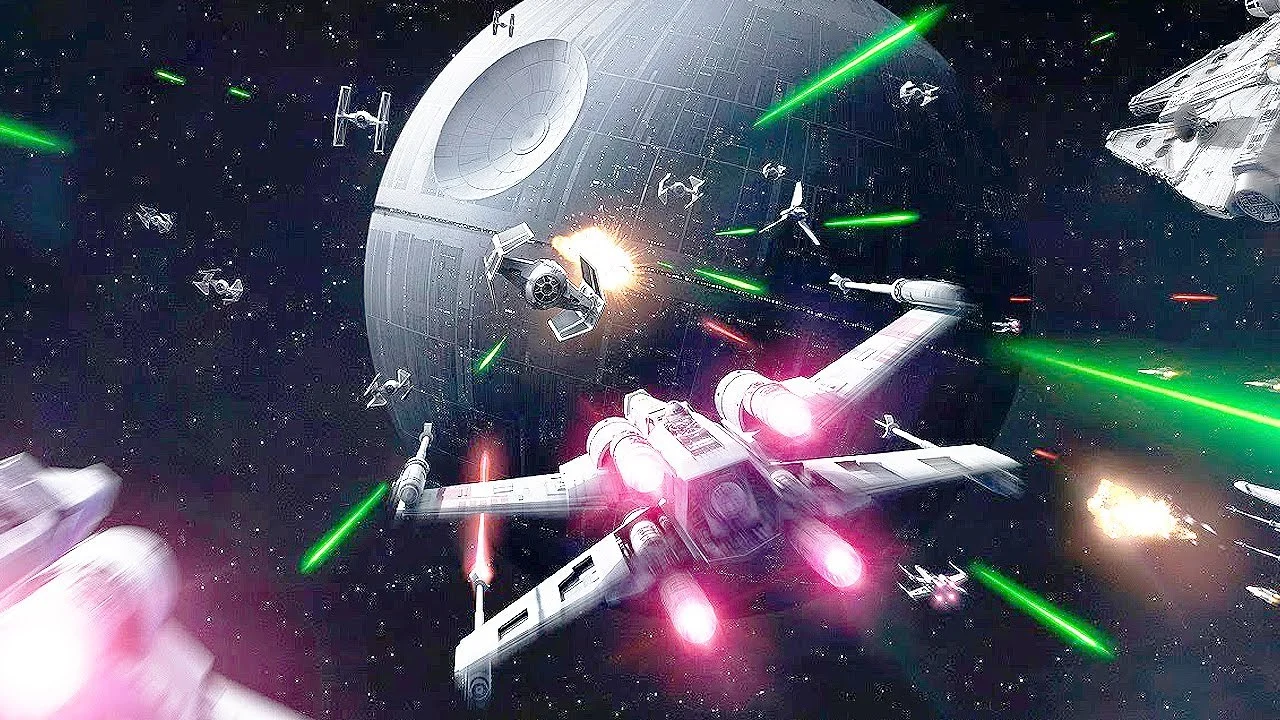


Big screen science fiction battles bring sprawling tactics, strange technology, and high stakes into clear view. Fleets form up, shields spark, and ground teams fight for survival while machines and creatures push the limits of what combat can look like. These sequences often serve a story purpose that is easy to track, with clear objectives, defined terrain, and equipment that shapes every move.
This list gathers twenty movie battles that lay out who fights, what tools they use, and why the outcome matters inside each film. You will find details on command decisions, terrain advantages, and the gear that turns the tide, from starfighters in close quarters to power armor grinding through city streets.
‘Star Wars: Episode IV – A New Hope’ (1977)

The Rebel Alliance launches a coordinated assault on the Death Star after analyzing stolen schematics for a narrow thermal exhaust port. Red and Gold squadrons form attack runs in tight trenches while ground crews at the hidden base track telemetry and fuel levels to the second. Enemy fire control systems adjust to low altitude profiles, and pilots switch to manual aiming to maintain lock quality under heavy jamming.
The final run depends on maintaining formation spacing and using lighter craft to draw off interceptors while the lead pilot delivers proton torpedoes at the correct angle of approach. A rescue by a friendly freighter clears the pursuit window, and the station chain reaction begins at the reactor core, removing the threat to the Rebel base.
‘Star Wars: Episode V – The Empire Strikes Back’ (1980)
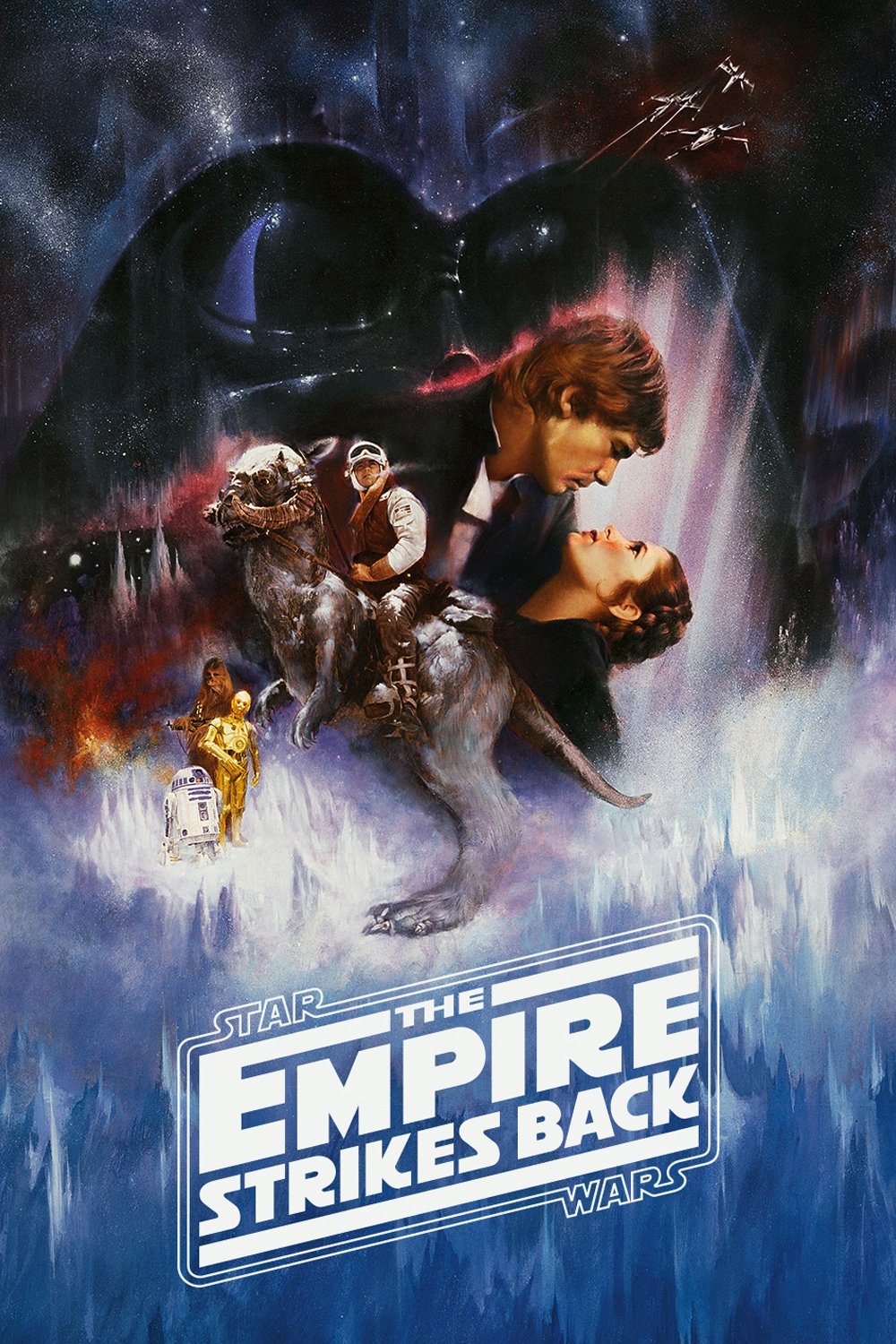
Imperial walkers advance on the shielded Rebel installation at Echo Base while heavy guns pound the outer defenses. Rebel snowspeeders deploy in dispersed elements to avoid concentrated fire, then switch to tow cable tactics to collapse walker legs when blaster fire proves ineffective against armor plating.
As power distribution shifts to the planetary shield and evacuation, command authorizes staged withdrawals to transport ships. Ion cannon bursts open launch windows through the blockade, and ground teams destroy key control nodes before pulling back through ice tunnels to secondary positions.
‘Star Wars: Episode VI – Return of the Jedi’ (1983)
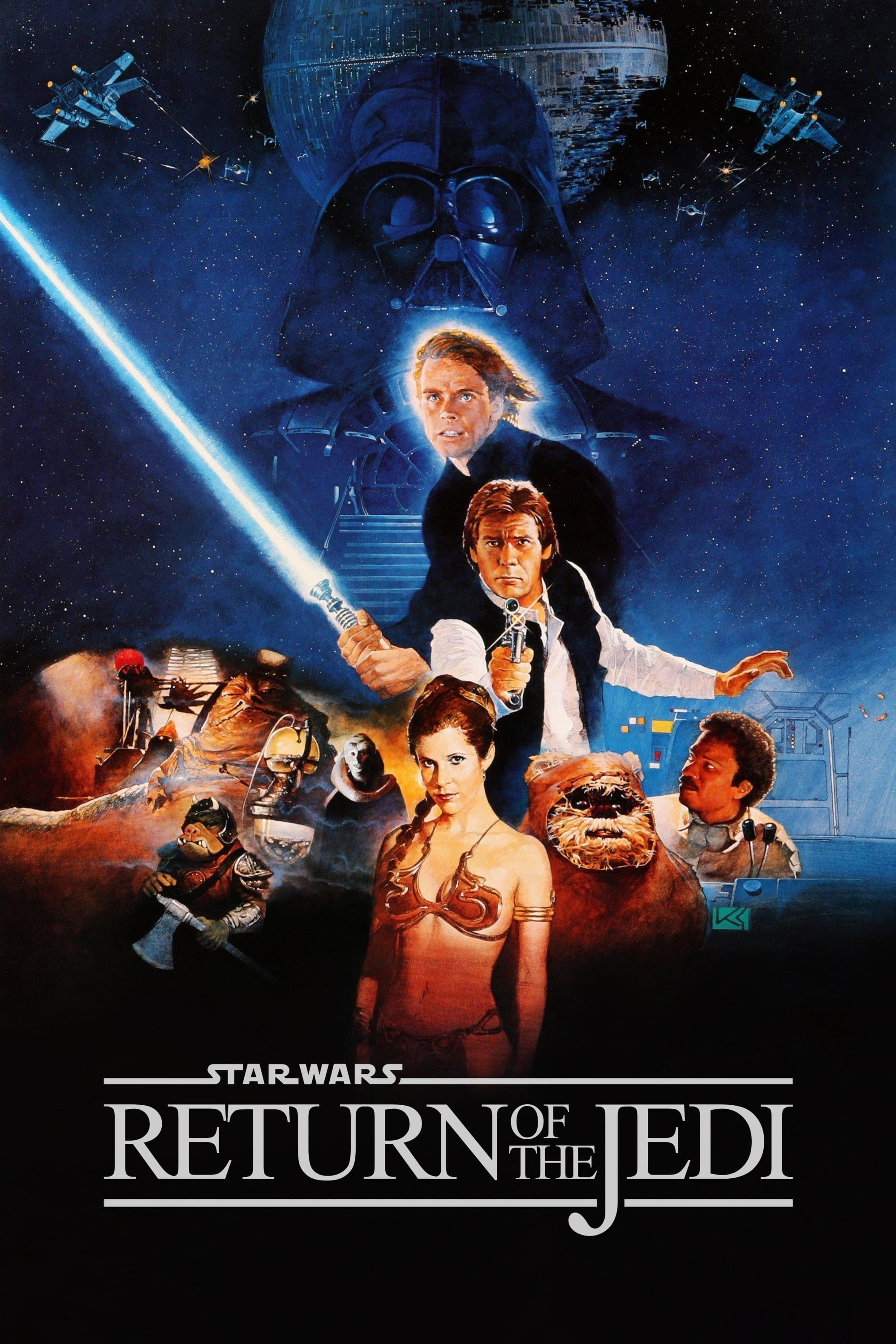
Rebel capital ships jump into the Endor system expecting a quick strike on the battle station shield. The fleet discovers an operational Imperial trap with an intact defense grid and a massed formation of star destroyers holding a close blockade. Rebel cruisers pivot to close range to stay inside the optimal firing envelope of the station superlaser.
A strike team on the forest moon disables the shield generator after fighting through scout troops and automated emplacements. The fleet shifts to aggressive maneuvers once the shield drops, and a concentrated attack on the station core detonates the power reactor, collapsing command and control across the Imperial line.
‘Rogue One: A Star Wars Story’ (2016)
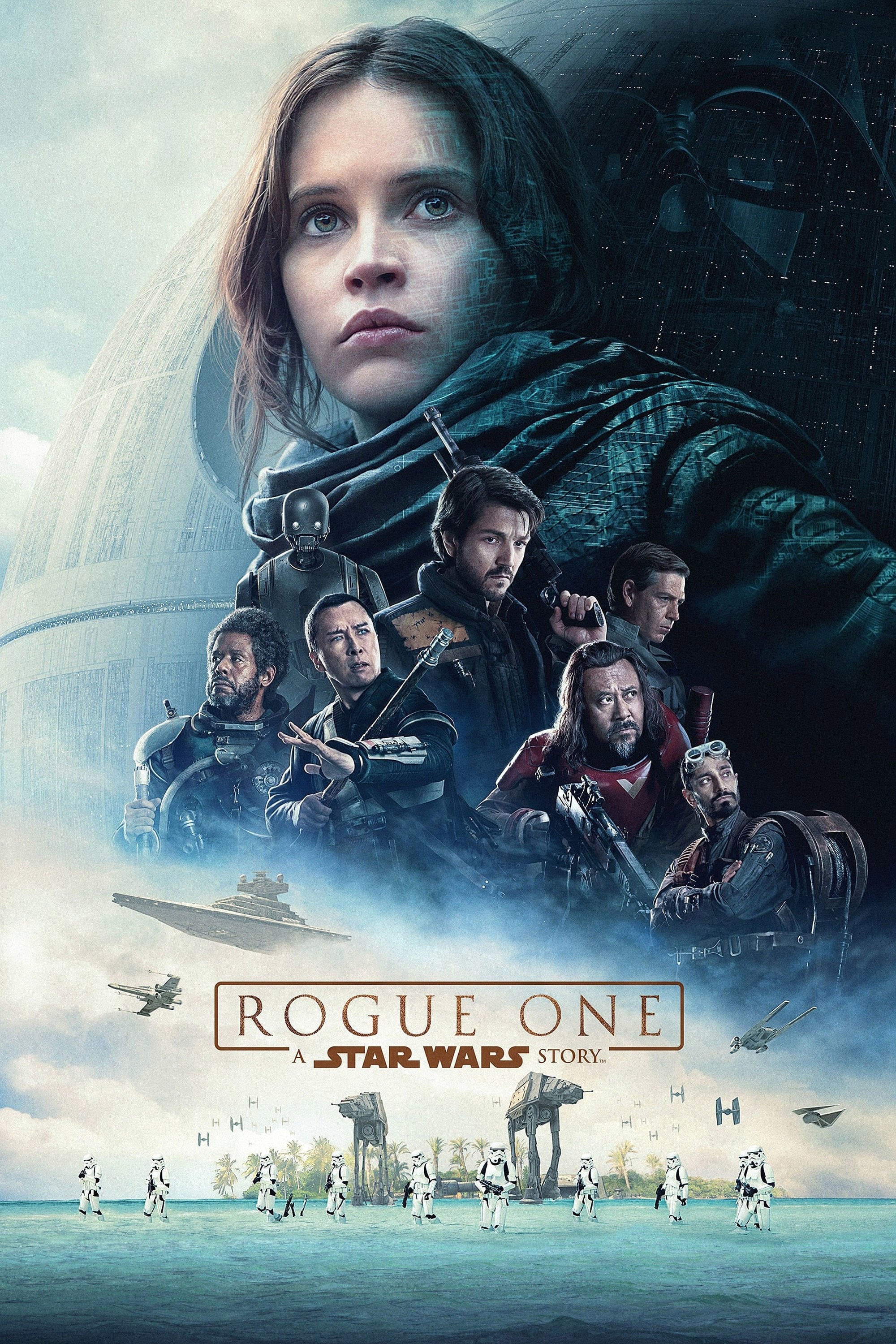
A small infiltration team lands on Scarif to extract archival data from a secured Imperial facility while a fractured Rebel fleet arrives to pin the garrison in place. On the surface, units use captured uniforms, signal jammers, and demolition charges to breach interior doors and reach the data tower.
In orbit, starfighter groups coordinate with a heavy corvette that physically rams a disabled destroyer to punch a hole in the planetary shield gate. The ground team transmits the plans through a narrow uplink window as the battle escalates, and the arrival of a test firing ends the engagement as both the gate and the installation are destroyed.
‘Star Wars: The Last Jedi’ (2017)

Resistance survivors establish a fallback position on Crait and activate an old fortress with a heavy door and a single escape path through crystal caverns. The First Order brings siege cannons and armored support to breach the entrance across a flat salt plain that exposes every approach.
The Resistance deploys outdated speeders that skim the surface to reduce incoming fire and draw the assault off axis. A projection on the field diverts the enemy command element long enough for crews to clear obstructions in the rear tunnels, and transports slip away into remote space.
‘Star Wars: The Force Awakens’ (2015)
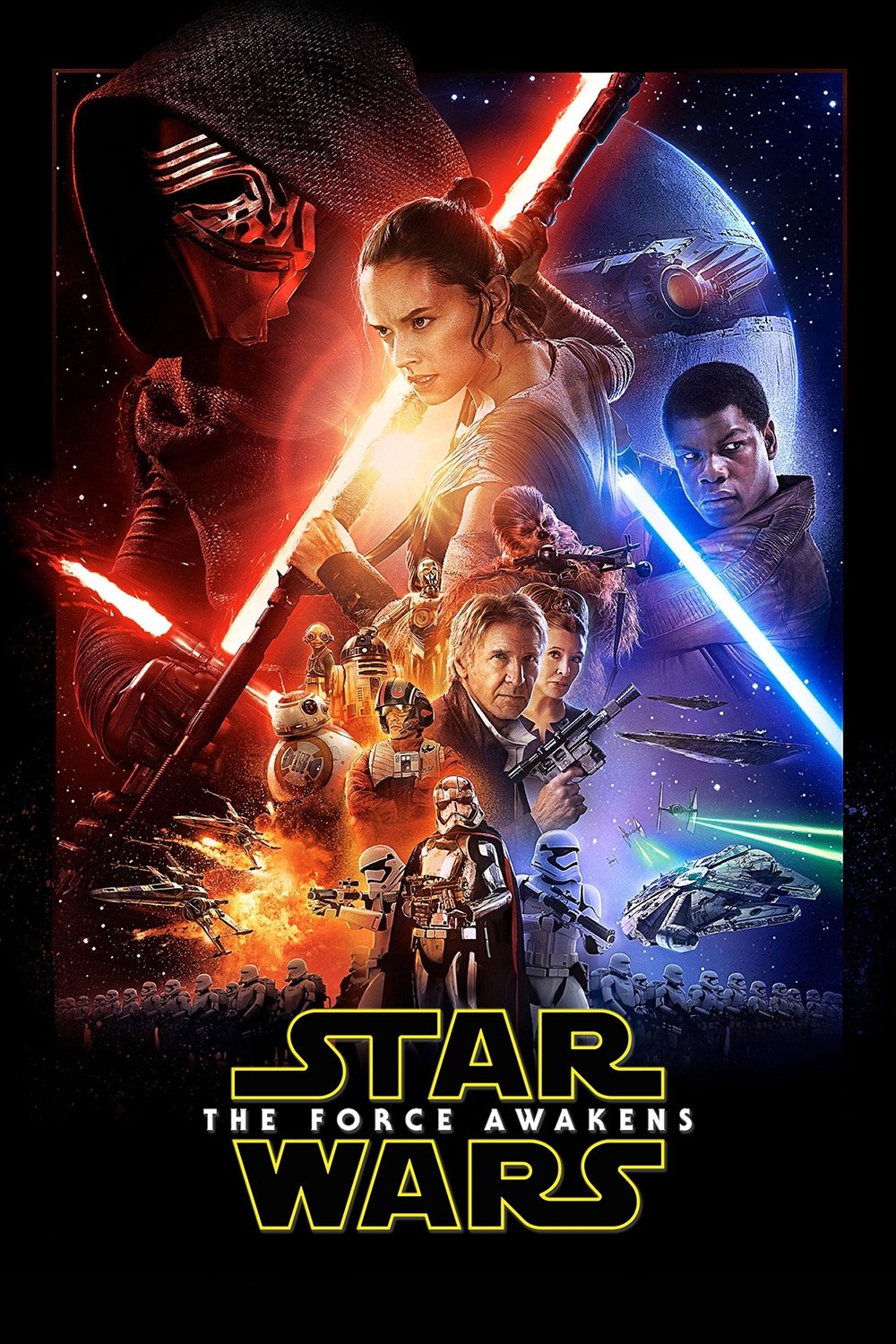
The Resistance targets a power oscillator that regulates an entire planet scale weapon. A small team infiltrates the facility to lower the protective field while a starfighter wing attacks exposed components with synchronized bombing runs to overload coolant lines and control relays.
Internal sabotage compromises the firing cycle and opens a window for repeated passes on weak points. As the core destabilizes, the attackers exit the atmosphere with seconds to spare while the structure collapses outward under runaway energy release.
‘Star Trek II: The Wrath of Khan’ (1982)
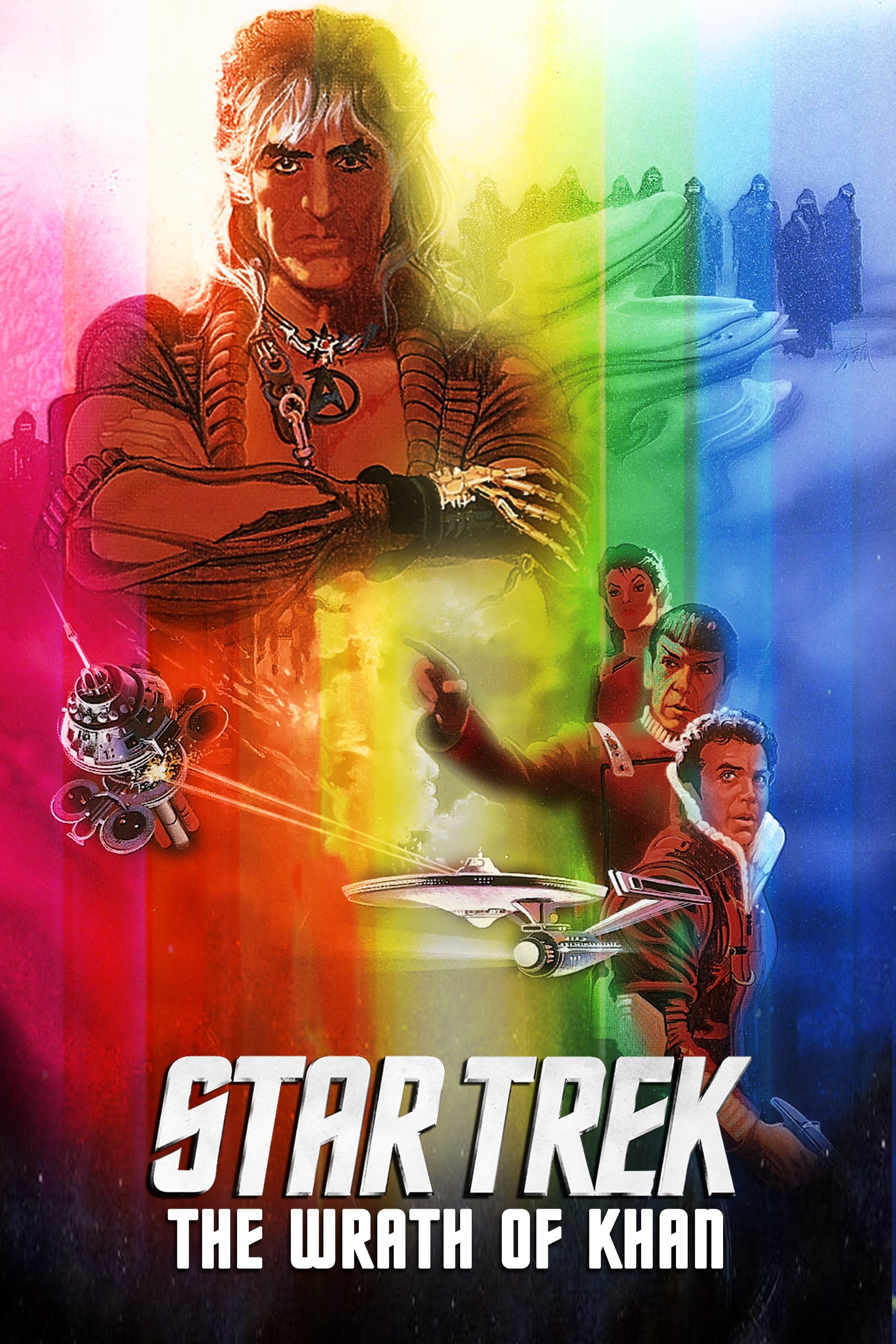
Two Federation starships fight inside a nebula where sensors and shields lose efficiency, forcing commanders to rely on bearing guesses and visual sightings. The Enterprise uses three dimensional movement and power redistribution to mask engine signatures and shift to silent running.
A calculated change in attack vector places torpedoes along the Reliant blind spot created by damaged instrumentation. Sustained impacts disable propulsion and tactical systems, and a retaliatory device detonation is delayed by emergency warp calculations that buy the crew enough time to escape the blast radius.
‘Star Trek: First Contact’ (1996)

A Borg cube reaches Earth and engages a multi ship defensive screen that concentrates fire on identified weak points. The Enterprise E joins late after receiving a direct order to stay away, then feeds targeting data to focus energy on a specific structural node that collapses the cube.
A smaller sphere escapes temporal containment and alters history, so the crew pursues it into the past. While the fleet action ends, boarding parties on the Enterprise face compartment by compartment fights as drones adapt to weapon frequencies, which forces frequent modulation to maintain effect.
‘Aliens’ (1986)
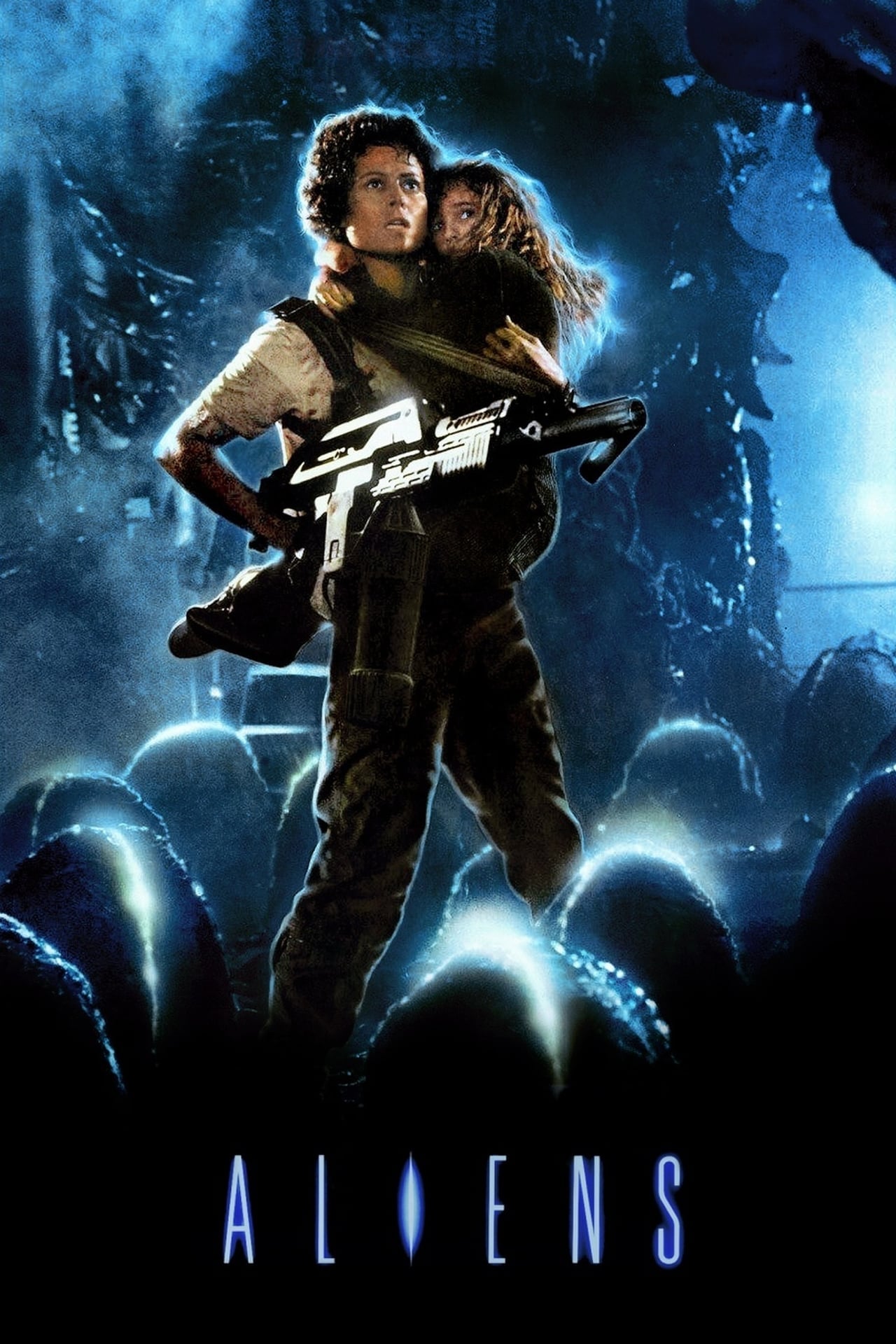
Colonial Marines sweep an abandoned colony and discover a nest inside an atmosphere processor with unstable reactor output. After a botched first contact in dense corridors, commanders set up fallback positions with sentry guns that monitor choke points and conserve ammunition through adaptive burst control.
As swarm numbers rise, the team seals bulkheads and plans an evac timed with a dropship approach. After the landing pad is compromised, survivors reroute through service shafts and rely on motion trackers for navigation while the reactor trends toward overload. The final escape uses a loader to counter the queen in a cargo bay with decompression risk.
‘Starship Troopers’ (1997)
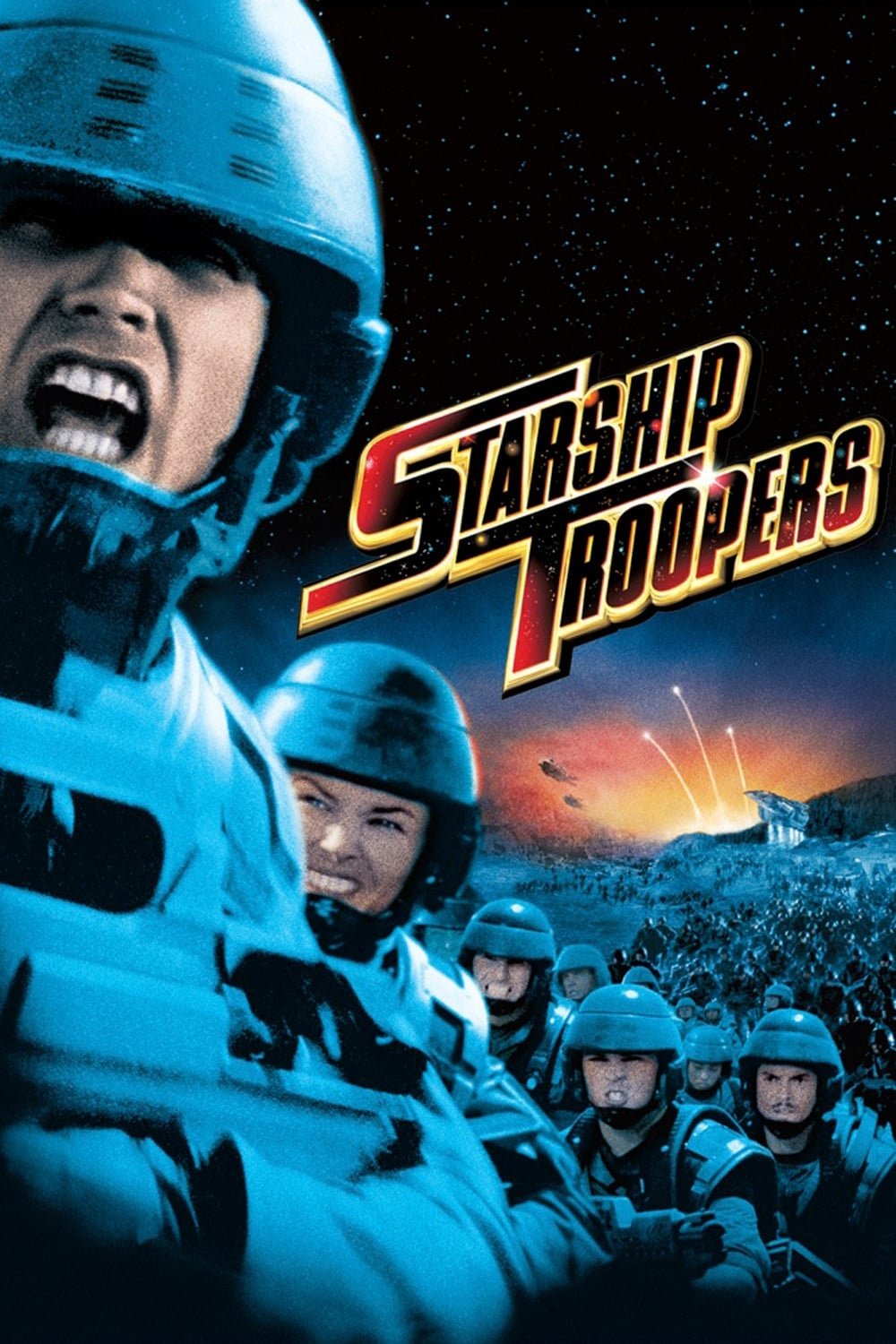
Mobile Infantry units drop on Klendathu with limited reconnaissance and dispersed command links. The first wave meets heavy resistance from ground swarms and plasma artillery that targets orbiting ships, which forces a rapid withdrawal and a reevaluation of tactics.
Later operations concentrate on capturing a leadership organism for intelligence purposes. Mixed arms teams coordinate air strikes, tactical nukes, and trench defenses on Planet P to hold an outpost long enough to extract the target, which provides insight into enemy coordination methods.
‘Independence Day’ (1996)
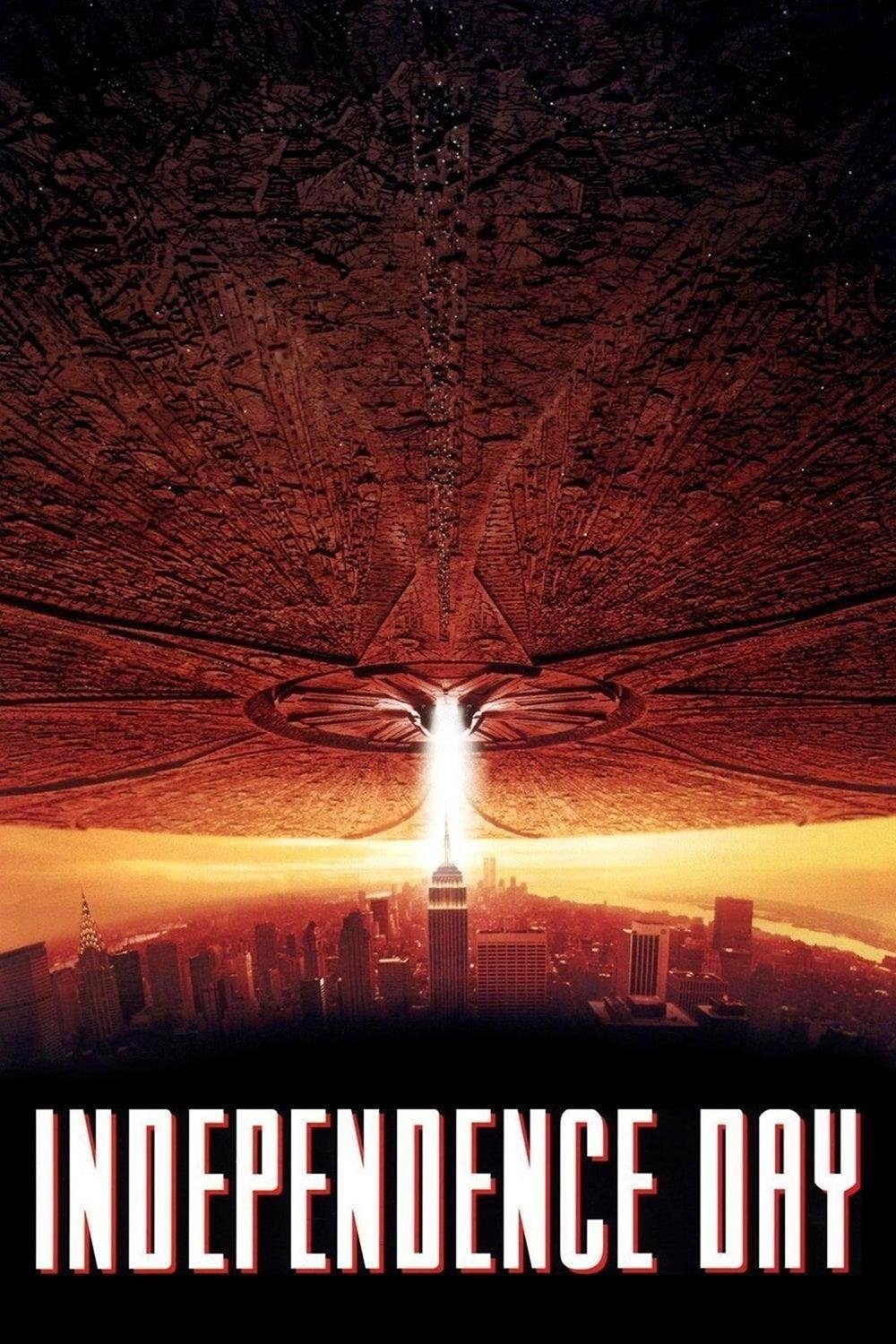
City sized destroyers position over major population centers with shields that defeat conventional weapons. A small strike team uploads a hostile code to the mothership that disrupts shield harmonics, which allows fighters on Earth to engage with missiles and guns.
Pilots bait primary weapons into charging sequences that expose internal conduits. With shields down, coordinated salvos reach reactor components, and the mothership is destroyed by a nuclear device after the team recovers the launch window for their shuttle.
‘Edge of Tomorrow’ (2014)
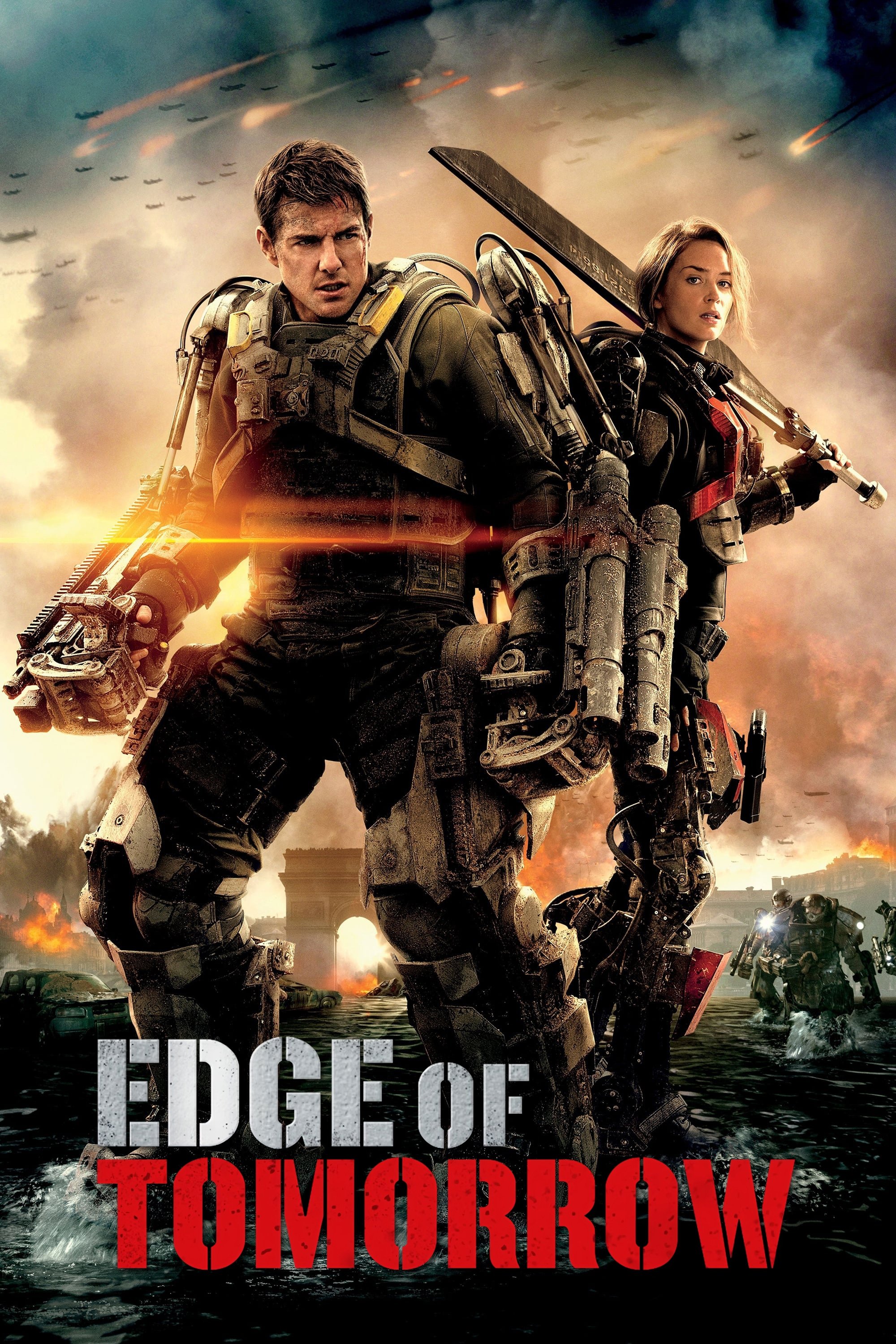
Allied forces launch a beach assault with powered armor and aerial insertion against Mimic defenses hidden under sand. Enemy units anticipate landing zones and strike during deployment, which causes scattered squads and severe losses.
A time loop grants a single soldier iterative knowledge of enemy patterns, weapon placements, and timing. Repeated runs map optimal routes, mark ambush points, and identify the central controller that must be targeted to prevent the attack from failing again.
‘Avatar’ (2009)

An RDA task force moves on the Tree of Souls with gunships, missiles, and armored walkers while environmental factors disrupt targeting systems. The Na’vi assemble clans for a combined ground and air defense that uses local mounts, terrain familiarity, and hit and run tactics against aircraft formations.
A high altitude leader arrival pulls multiple squads into a pursuit that breaks the attack formation. Once heavy gunships lose escort integrity, close range engagements favor agile flyers with intimate knowledge of wind currents, and the ground force collapses when command vehicles are disabled.
‘Pacific Rim’ (2013)
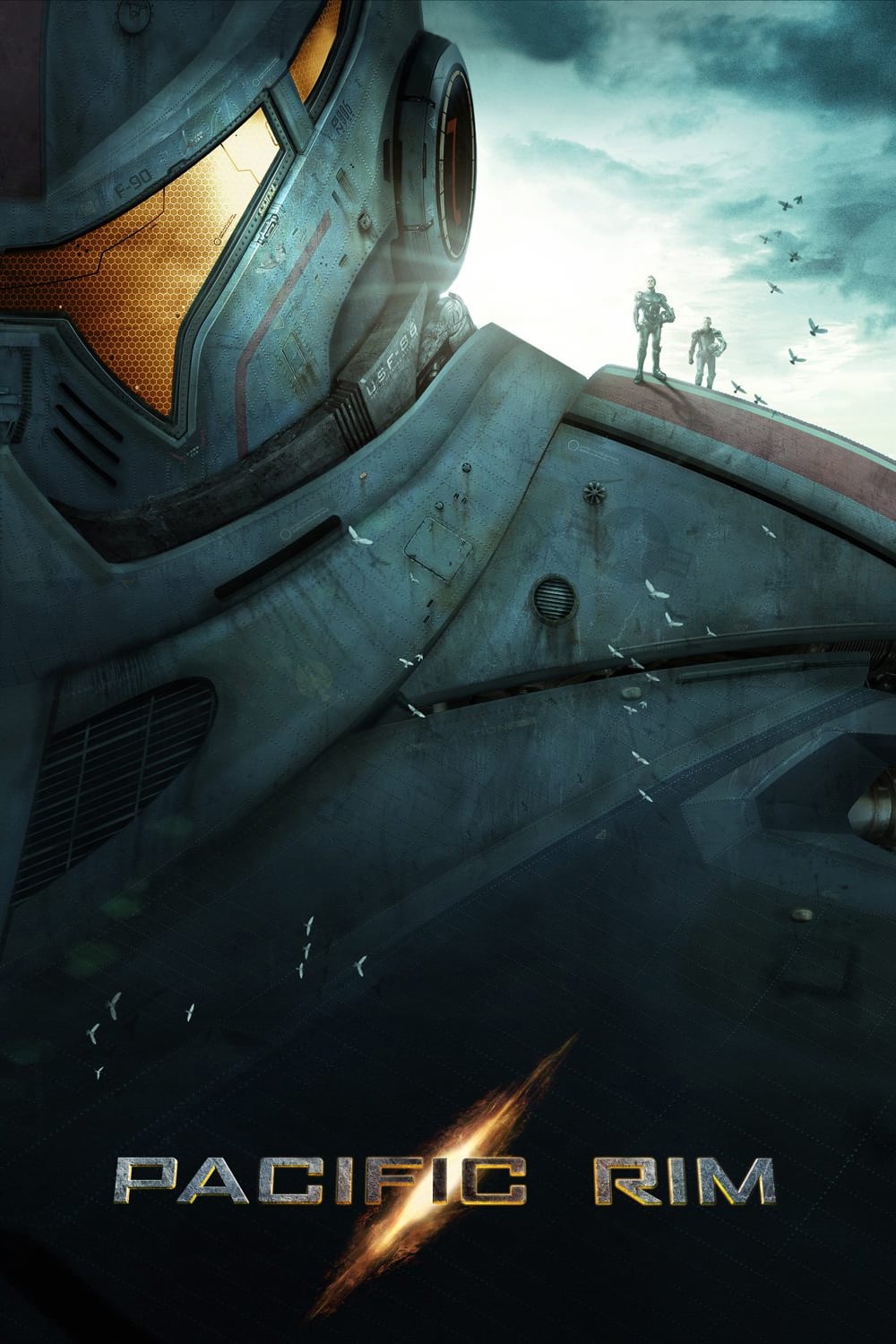
Multiple Jaeger units respond to a double event near Hong Kong where two kaiju attack in sequence. An electromagnetic pulse from one creature disables older reactor controls and communications, leaving a single surviving Jaeger to continue the fight with manual systems and visual signals.
Pilots deploy a plasma cutter and improvised weapons, including a captured ship used as a blunt instrument, to finish the engagement. Intelligence gathered from a neural interface leads command to identify the breach entry rules, and a later mission uses a nuclear payload to close the dimensional gateway.
‘Dune: Part Two’ (2024)
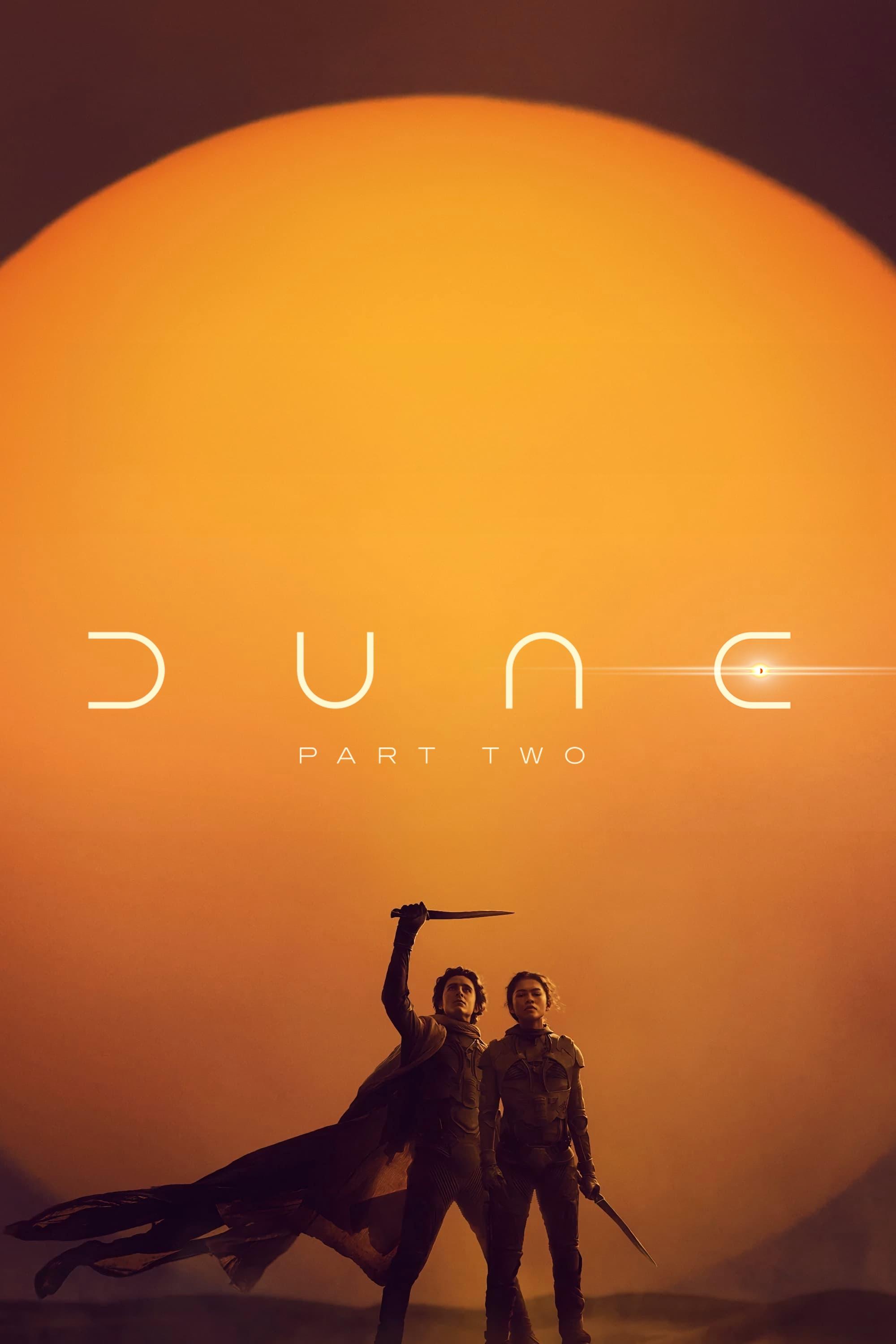
Fremen forces launch a massed assault on Arrakeen while riding sandworms to cross open ground beyond the effective reach of fixed batteries. Sabotage teams plant charges to disrupt shield pylons and create entry points for mobile units to pour into the city.
Inside the walls, elite troops attempt to stabilize the defense with heavy infantry and orbital support cues. The attackers secure the palace district and force a leadership duel that ends the organized resistance and shifts control of the planet.
‘The Matrix Revolutions’ (2003)
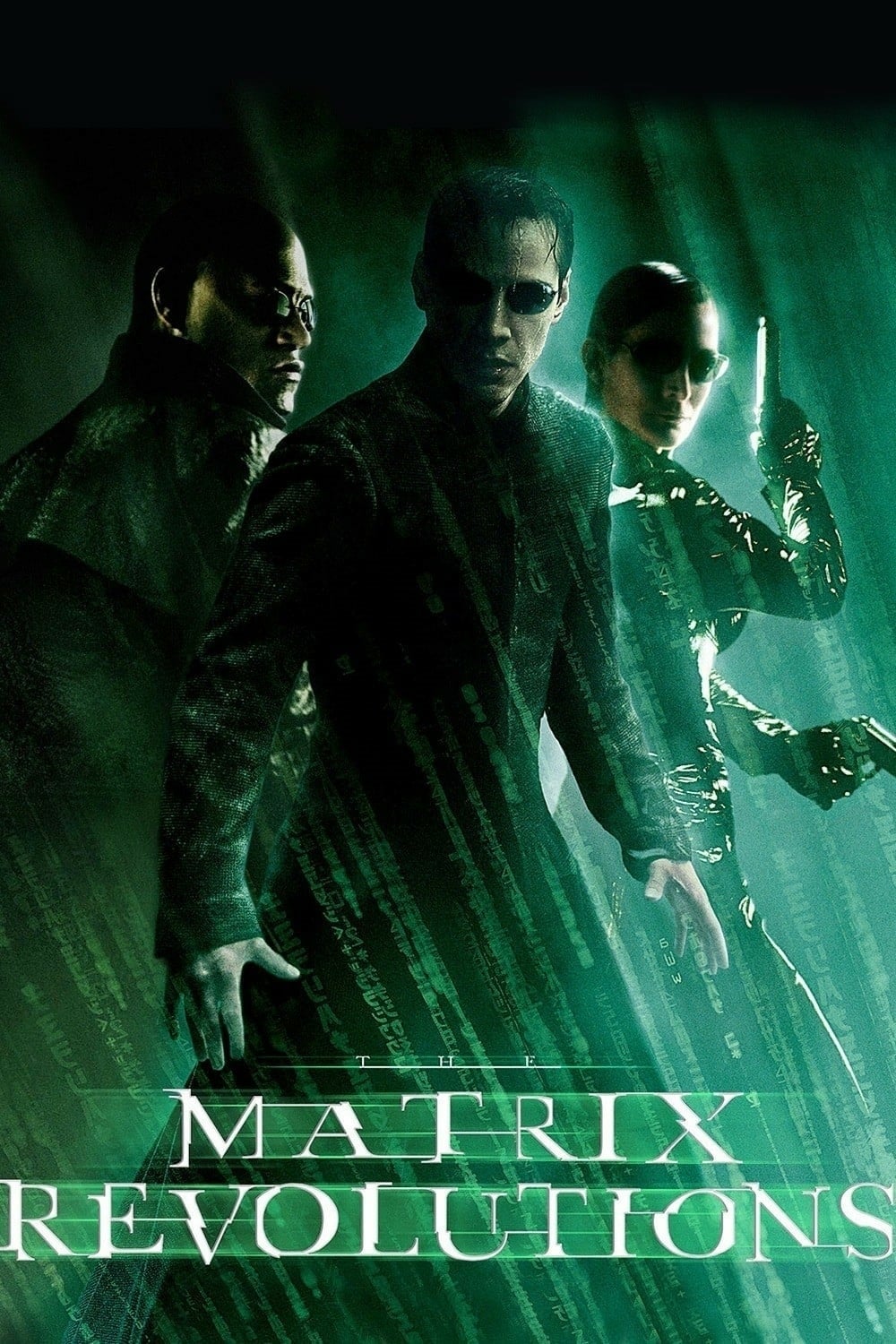
The machines drill into the Zion dock as crews in walking gun platforms set interlocking fields of fire down choke points. Ammunition logistics and reload timing become critical as waves of sentinels breach the main doors and pour into the bay.
A single ship triggers an electromagnetic pulse to clear the dock at the cost of shutting down friendly systems. While power is restored, civilians evacuate deeper into the city, and a separate mission heads to the machine capital to negotiate a ceasefire through a direct link.
‘Avengers: Infinity War’ (2018)
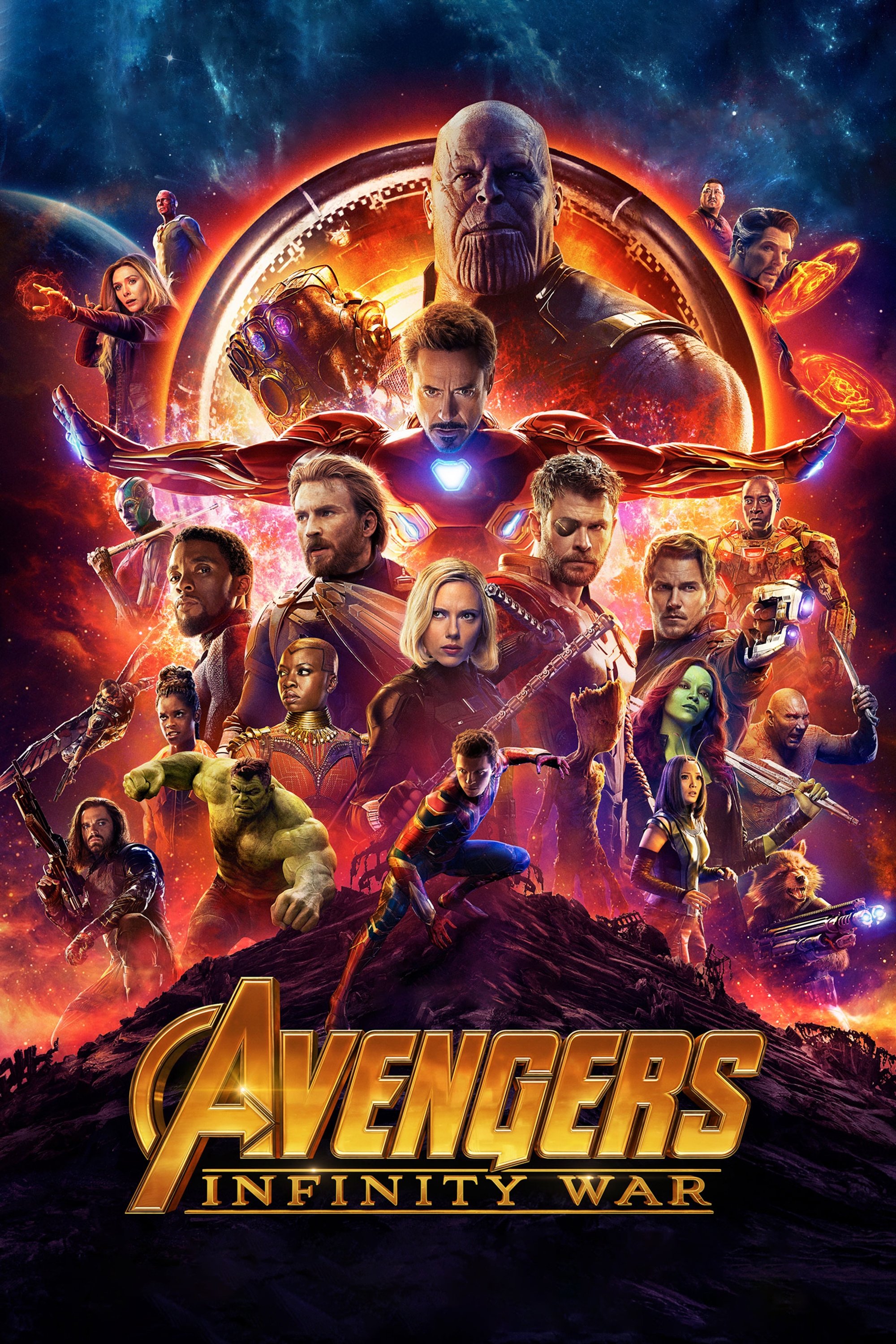
Defenders gather in Wakanda to protect a target that carries an embedded stone. A perimeter shield forces enemy creatures to funnel through a narrow opening, which concentrates defensive fire and melee units in one sector.
As pressure mounts, the defenders open another section to split the enemy wave and prevent a flank on the main lab. The assault ends when the attacker arrives in person and disables the final protections with a set of stones, then extracts the target under cover of chaos.
‘Avengers: Endgame’ (2019)

A strike team retrieves stones from multiple timelines and assembles a gauntlet at the ruins of their base. An artillery barrage collapses the compound, which scatters units across a broken battlefield and turns the fight into a series of relay runs to keep the stones away from the enemy commander.
Allied forces appear through portals to reestablish formation depth and aerial cover. The gauntlet changes hands several times until the stones are transferred to a new user who triggers a final discharge that removes the invading army from the field.
‘Guardians of the Galaxy’ (2014)
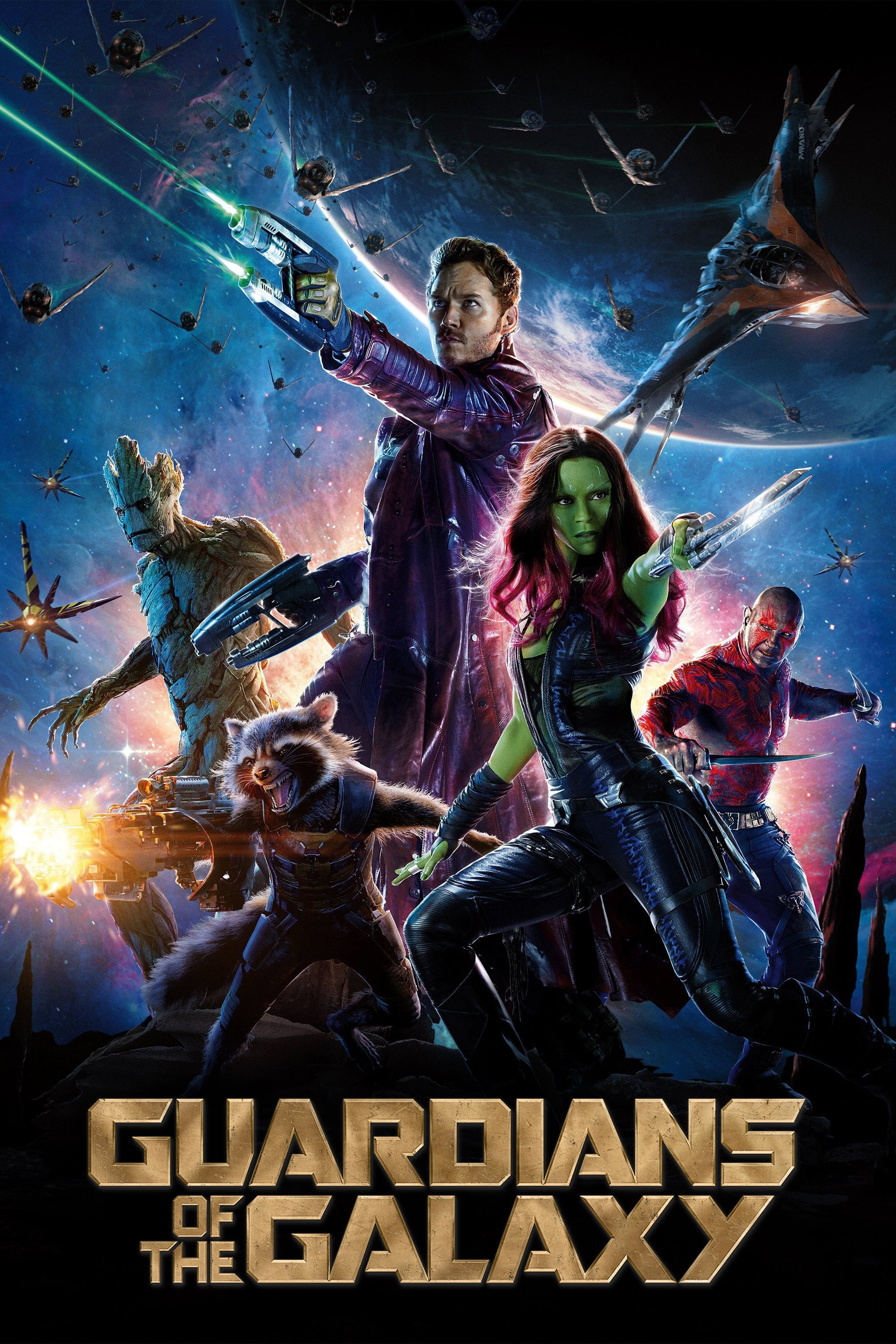
The Nova Corps deploys a linked energy net above Xandar to pin the Dark Aster while militia and civilian craft support interdiction. The net strains under the weight of the dreadnought, and ground evacuation proceeds sector by sector as debris begins to fall.
A small crew boards the ship to separate the leader from the power source. After a controlled crash into the city, the team isolates the artifact and breaks the chain of custody, preventing detonation and allowing local authorities to secure the area.
‘Serenity’ (2005)
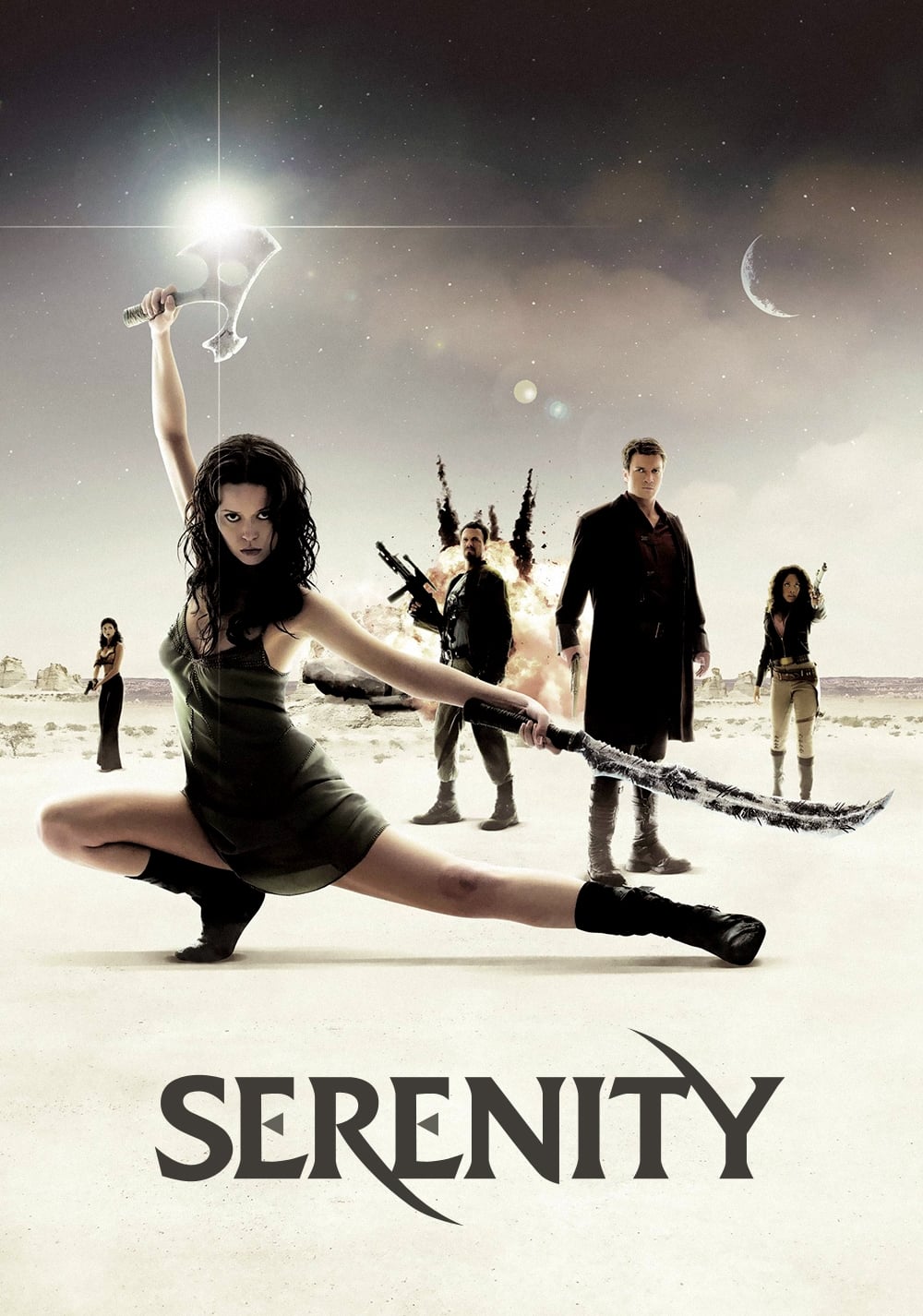
A small transport lures an Alliance cruiser into a Reaver swarm by lighting up its signature at the edge of a restricted zone. Multiple enemy vessels engage the cruiser at once, forcing its commander to commit all guns forward while the transport sprints to a broadcast hub.
The transport disables a pursuit ship with a grappling maneuver and makes a hard landing at the hub. A public signal containing classified data transmits while ground defenders hold corridors against both Alliance troops and Reavers until the recording completes and the operative calls off the attack.
Share your favorite big screen sci fi battle in the comments and tell us which moment you think defined the fight.