


Top 20 Slapstick Comedy Movies




Slapstick thrives on movement, timing, and the kind of visual invention that reads instantly in any language. From silent era daredevils to modern action comedies, the form keeps evolving while leaning on the same essentials that made audiences laugh a century ago. These movies show how falls, chases, and surprise gags can turn simple setups into unforgettable sequences.
What follows is a tour through high points of pratfalls and physical mischief across different decades. Each film leans into stunts, sight gags, and rhythmic bits that play as well on a small screen as they did in packed theaters. You will find pioneering camera tricks, precise choreography, and master level clowning that shaped how physical comedy works on film.
‘Safety Last!’ (1923)
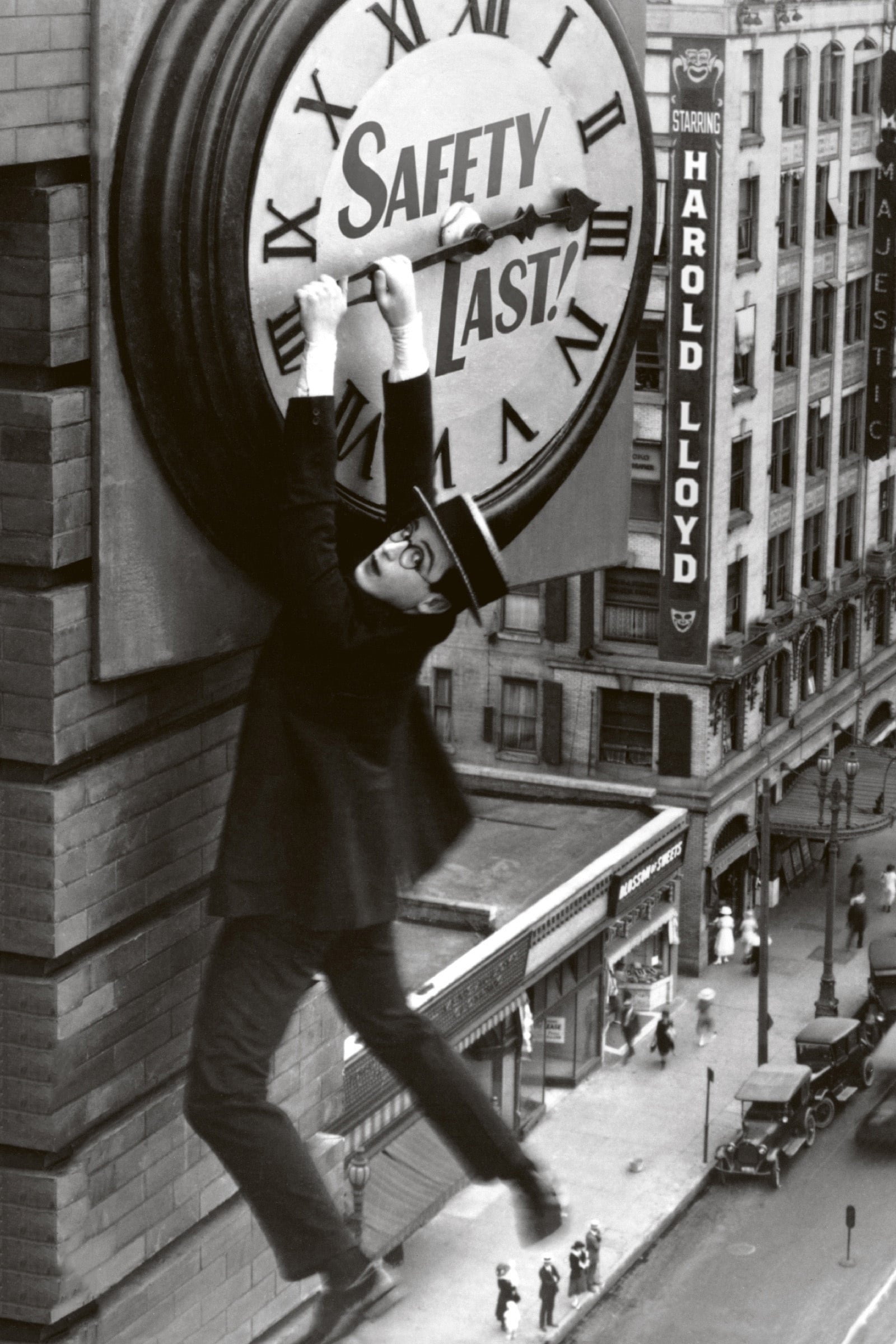
Harold Lloyd plays a store clerk who tries to impress his sweetheart by staging a publicity stunt on the side of a city building. The production used clever perspective setups and hidden platforms to create the famous clock scene where Lloyd hangs from a skyscraper facade while the camera sells the height.
The film mixes street level chases with vertical gags that build from minor slips to full body scrambles. It also captures downtown Los Angeles locations of the early twenties, turning real traffic and crowds into part of the choreography.
‘Sherlock Jr.’ (1924)
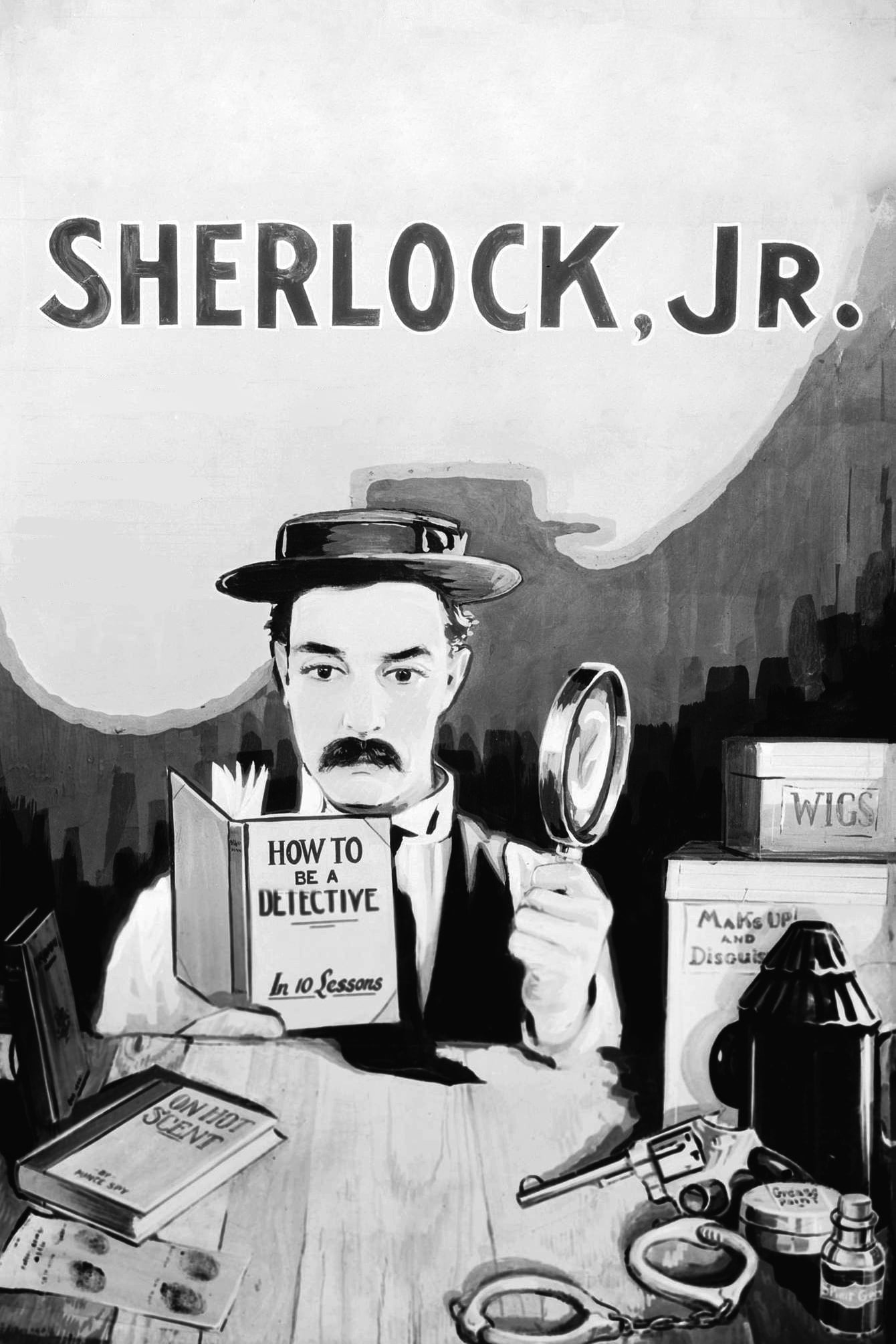
Buster Keaton appears as a projectionist who dreams himself into a detective movie. The film features an early example of a character stepping into a screen, achieved through precise camera locking and matched sets that let Keaton jump between environments in a single apparent cut.
Physical set pieces include a pursuit across rooftops and a motorcycle ride with Keaton balanced on the handlebars. The production relied on real stunts without doubles, and the dream structure lets the gags escalate beyond normal logic while remaining clear on first viewing.
‘The Gold Rush’ (1925)
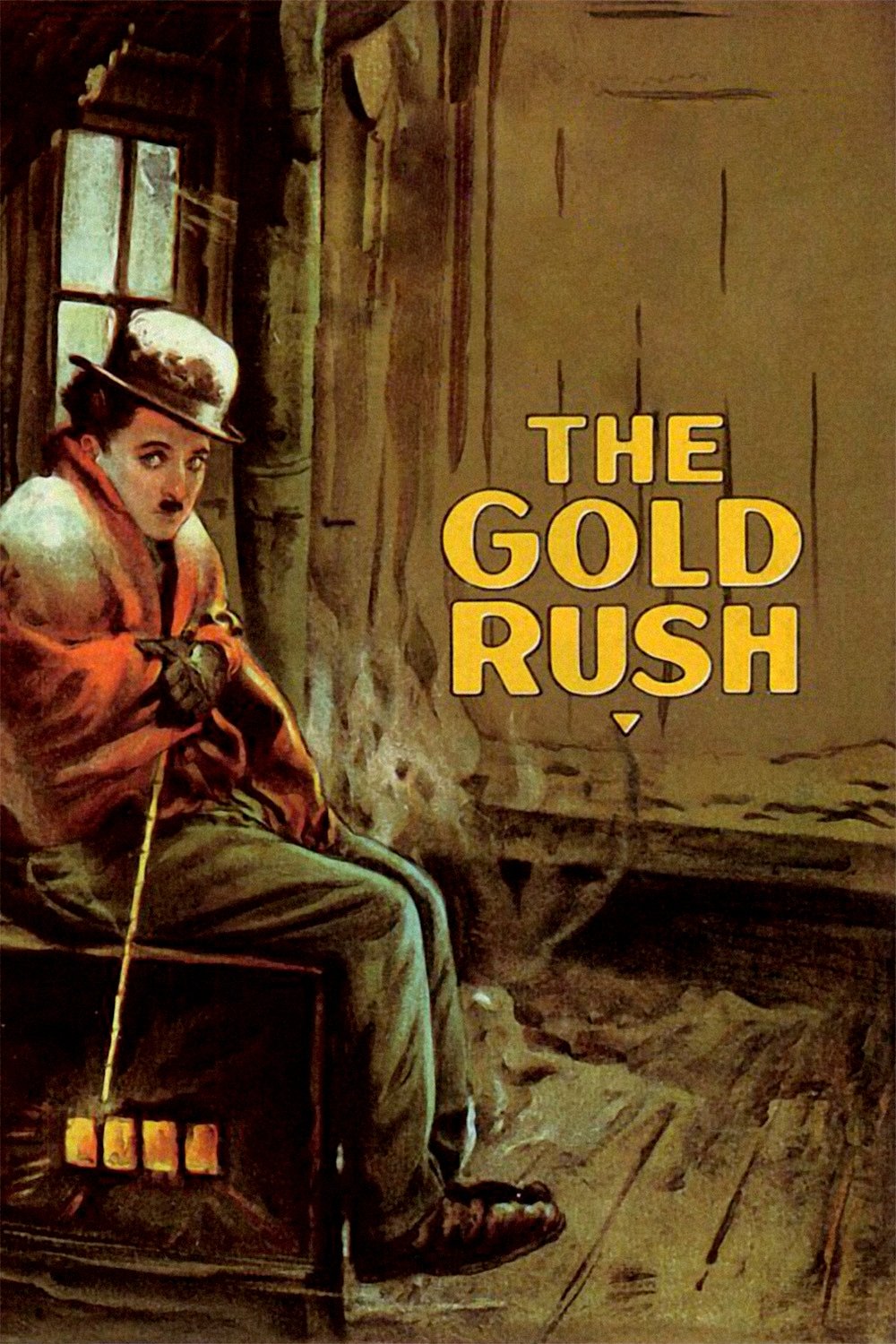
Charlie Chaplin’s Tramp heads to the Klondike where hunger turns daily life into a chain of inventive sight gags. The shoe eating sequence used licorice for the laces and carefully prepared props for the soles so Chaplin could chew and swallow on camera.
Another signature bit puts the cabin on a cliff edge, built on a tilting rig that allows the actors to slide and teeter while the camera keeps the horizon steady. The film blends hardy outdoor scenes with studio setups that favor controlled timing for falls and reactions.
‘The General’ (1926)
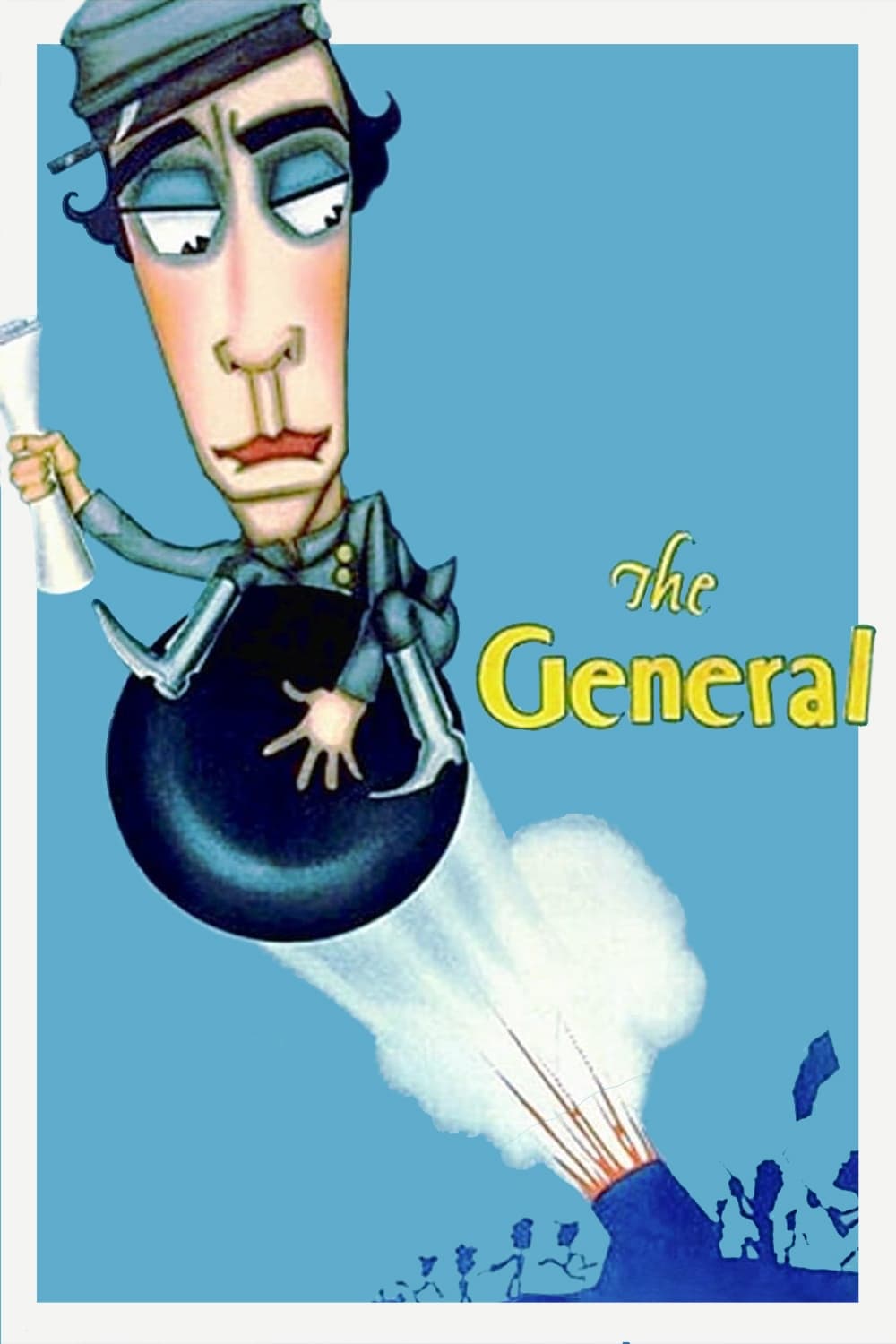
Buster Keaton sets his Civil War story on real locomotives with full scale track work. The production famously staged a train crash on a burning bridge, using a real engine that dropped into a river while cameras covered the fall from multiple angles.
Keaton’s gags grow from the mechanics of a moving train. He tosses ties, crawls across the cowcatcher, and plays with steam valves and brakes in ways that keep the action readable at speed. The result shows how silent slapstick can ride along with large scale action without losing clarity.
‘City Lights’ (1931)
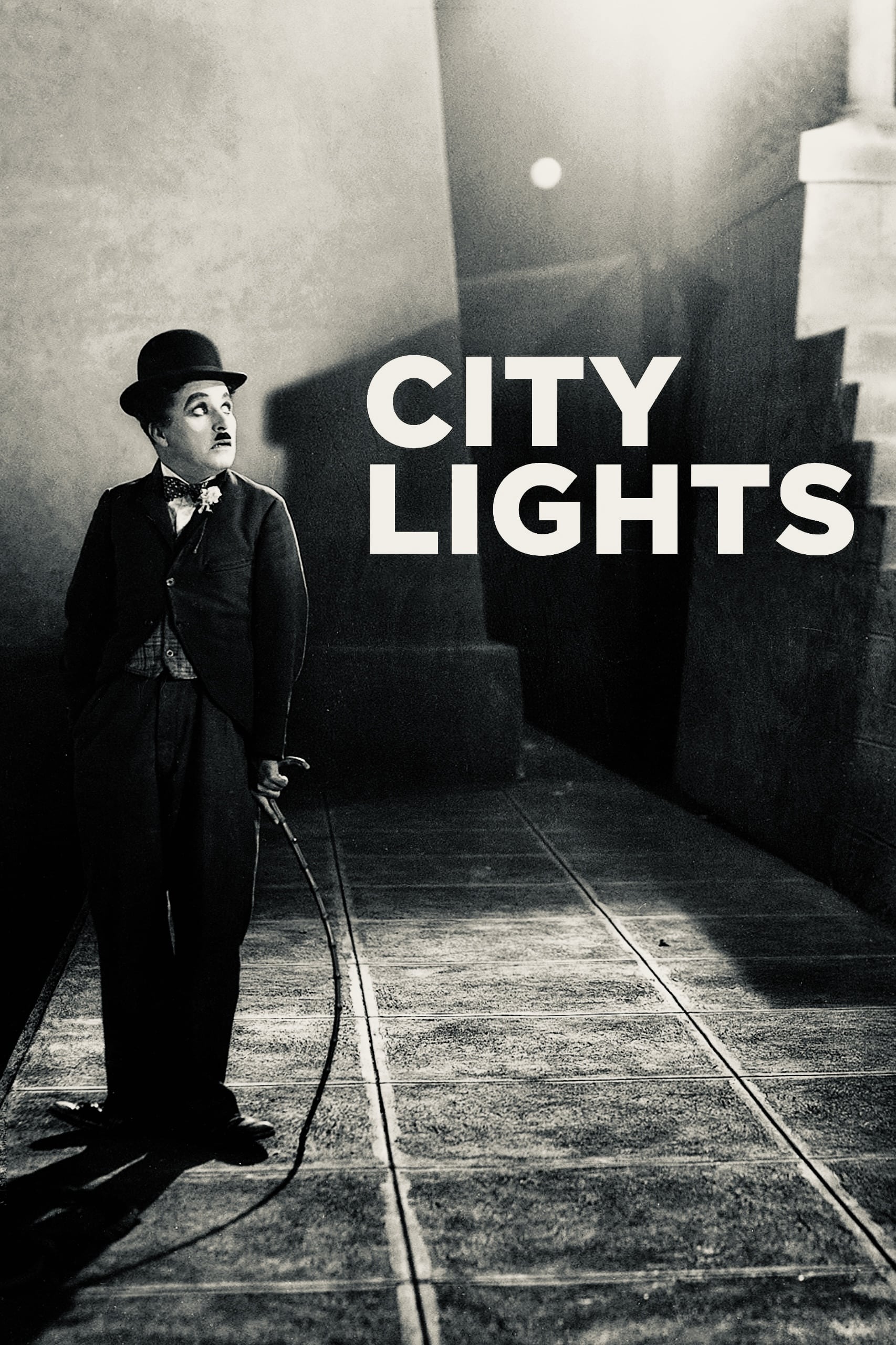
Charlie Chaplin returned to silent technique after sound arrived and built a story about the Tramp and a blind flower seller. The boxing match sequence uses footwork, referee shields, and bell misdirection to create bursts of contact that work through rhythm rather than dialogue.
Street scenes place the Tramp against traffic, fountains, and sidewalk obstacles that cue reactions and stumbles. The music and effects were recorded to match Chaplin’s timing, which lets the physical jokes land with the same precision as spoken punch lines in later comedies.
‘Duck Soup’ (1933)
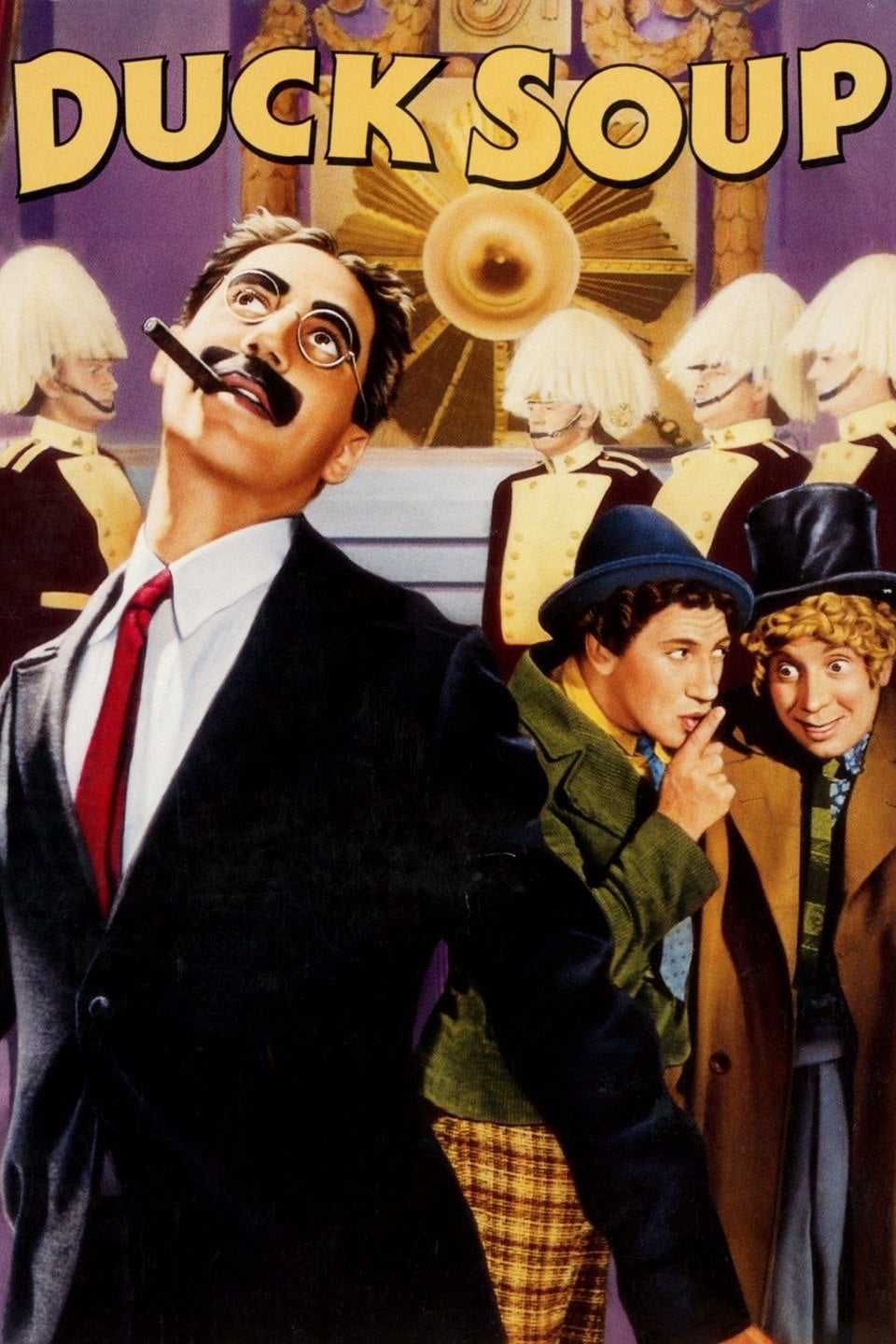
The Marx Brothers set their anarchy in a tiny country called Freedonia, with Groucho’s leader sparking a feud that becomes a full scale mess. The mirror routine builds on synchronized movement as Harpo and Chico mimic Groucho’s actions in a doorway frame that looks like a broken mirror.
Physical business runs through crowded offices, courtrooms, and a final battle where props and uniforms turn into throwaway gags. Director Leo McCarey keeps the camera positioned so the jumps, slips, and chases read cleanly while wordplay flies around them.
‘Sons of the Desert’ (1933)
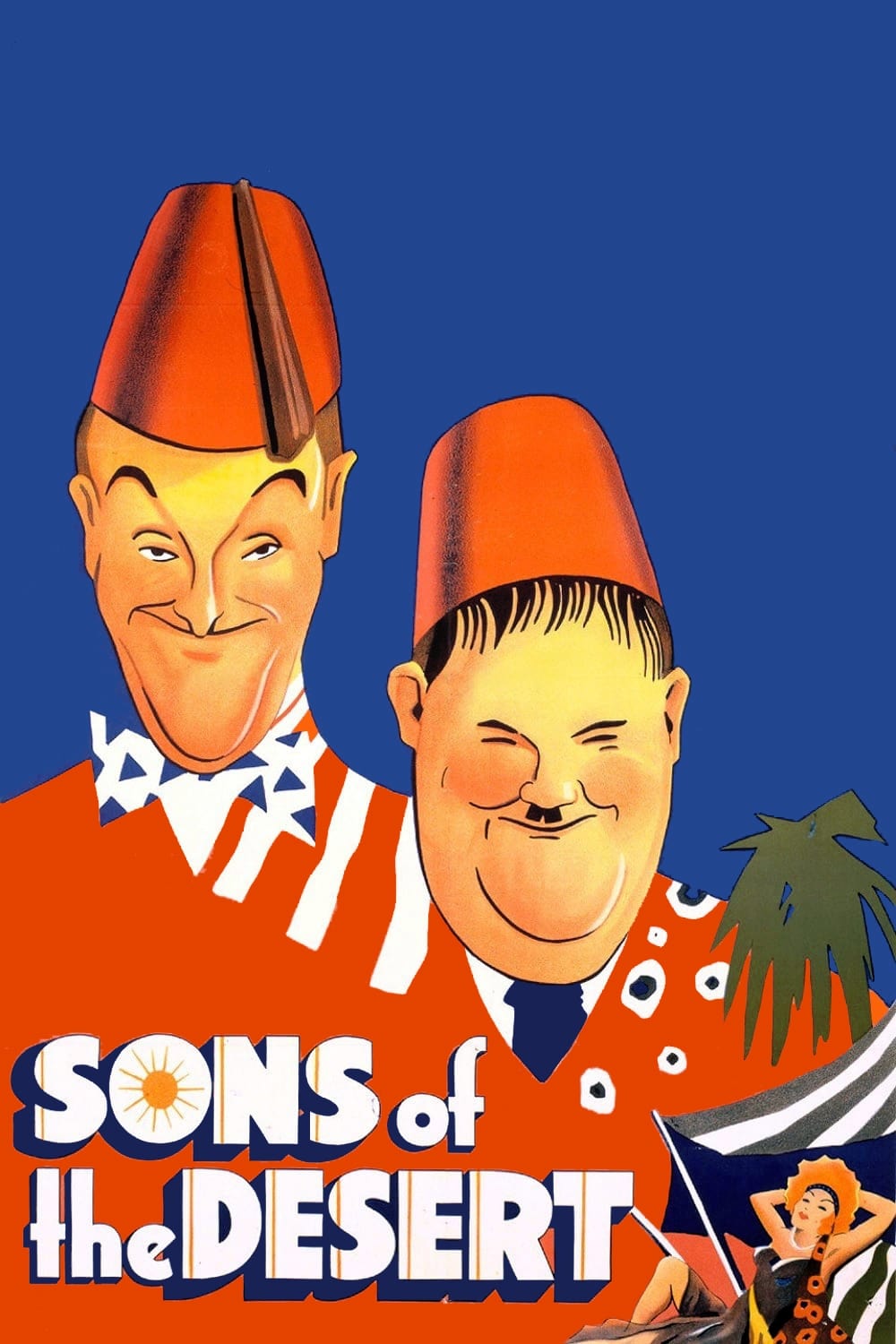
Laurel and Hardy play lodge members who sneak away to a convention while pretending to take a health trip. Their apartment scenes stack small mishaps into larger collapses as doors, trunks, and hidden notes set up repeated falls and double takes.
The film uses parallel action between the convention and the home front to keep the jokes rotating. Music cues, door timings, and simple props like hats and umbrellas drive the slapstick without complicated setups, which keeps the pace brisk from scene to scene.
‘Modern Times’ (1936)
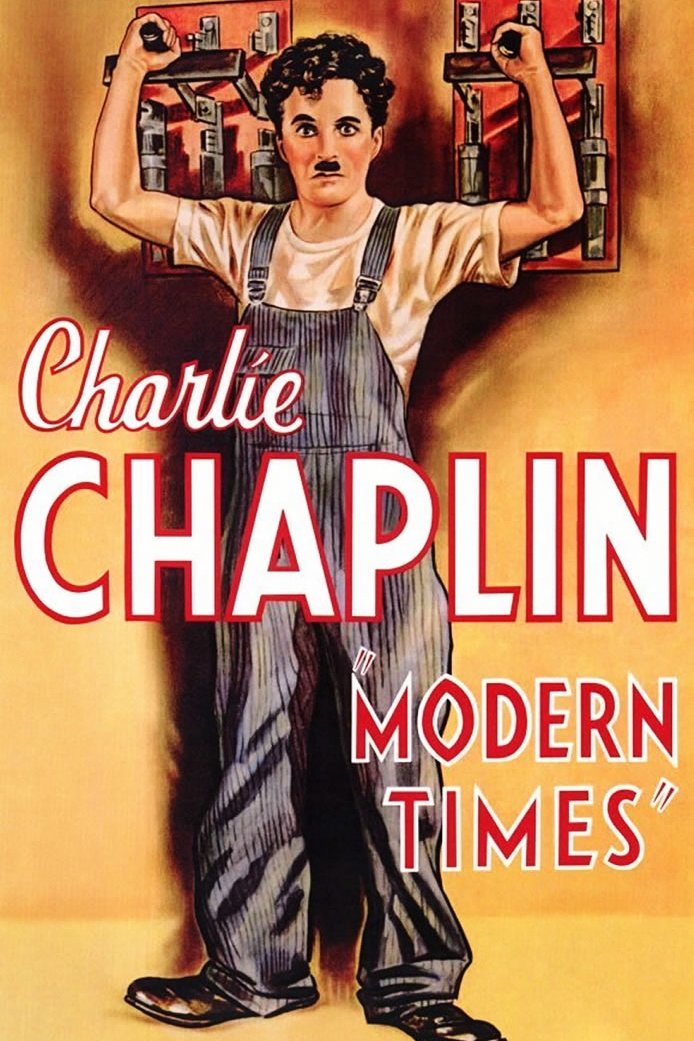
Chaplin’s Tramp navigates factory life where an assembly line feeds him into gears and a test machine tries to serve lunch hands free. The factory set used large moving parts and conveyor belts calibrated to Chaplin’s steps so that each slip and recovery hits on the beat.
Later sequences put the Tramp on roller skates near an unguarded drop, achieved with a painted floor that hides the edge from the camera’s angle. The film closes with an open road walk, but most of its comedy rests on precise interactions with machines that keep pushing the character off balance.
‘It’s a Mad, Mad, Mad, Mad World’ (1963)
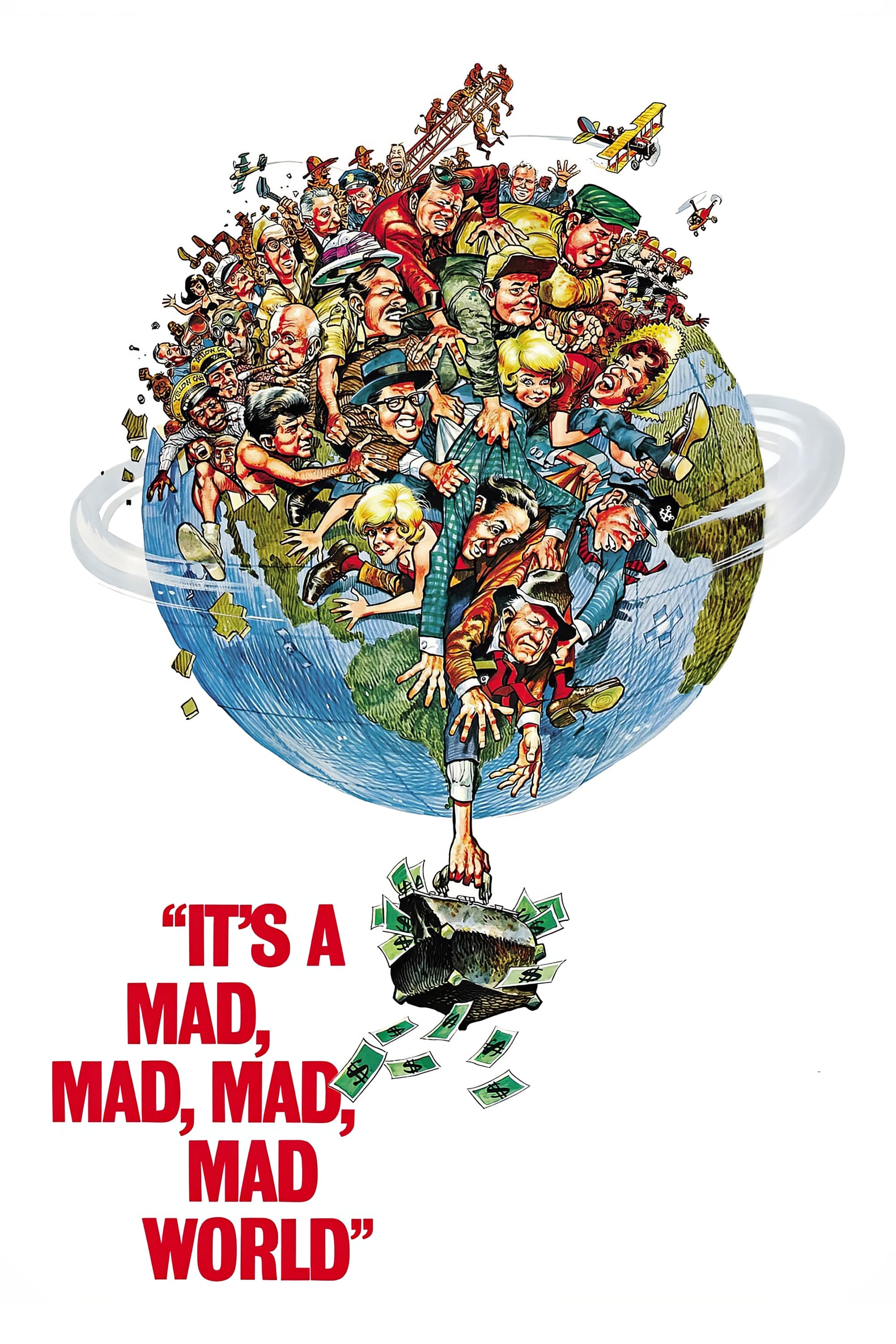
A group of strangers hears about buried money and sets off across California in a race that wrecks vehicles and friendships. The production uses wide frame photography and large stunt teams to stage plane landings on roads, collapsing fire escapes, and car pileups.
The cast features Spencer Tracy, Milton Berle, Sid Caesar, Ethel Merman, and many other comedians who rotate through locations like desert highways and seaside towns. The gags scale up from small fender benders to a final sequence with a dangerously tilting platform.
‘A Shot in the Dark’ (1964)
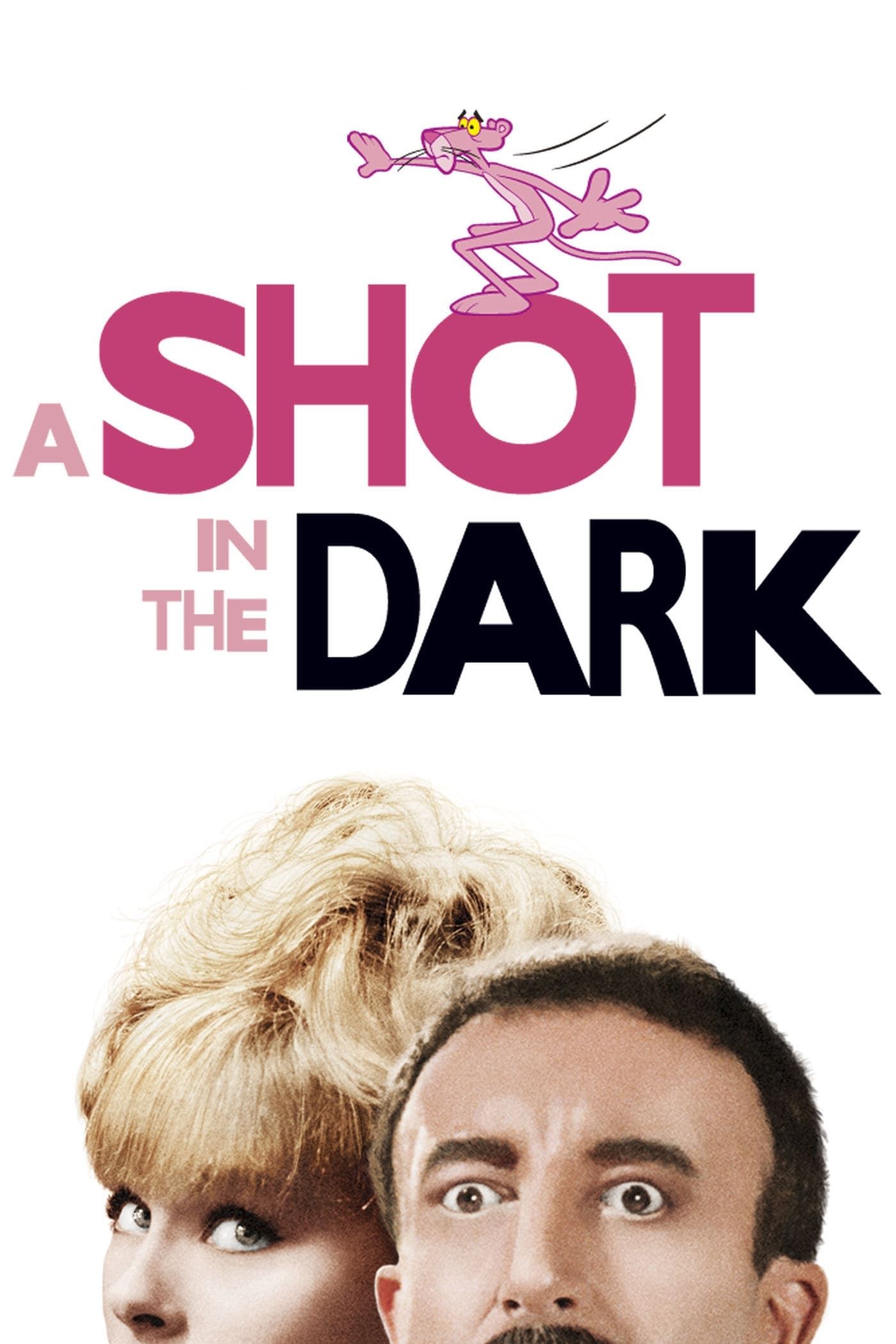
Peter Sellers returns as Inspector Clouseau who investigates a murder while creating new disasters in a mansion and in the streets of Paris. Recurring ambushes by his martial arts partner Cato turn ordinary entries and exits into surprise fights that hit furniture and glass with perfect timing.
Herbert Lom’s Chief Inspector builds a twitchy response to Clouseau’s accidents, which pays off in office set pieces full of collapsing items and exploding decor. Director Blake Edwards favors long takes so the physical exchanges play out without cutting away from the chaos.
‘The Party’ (1968)
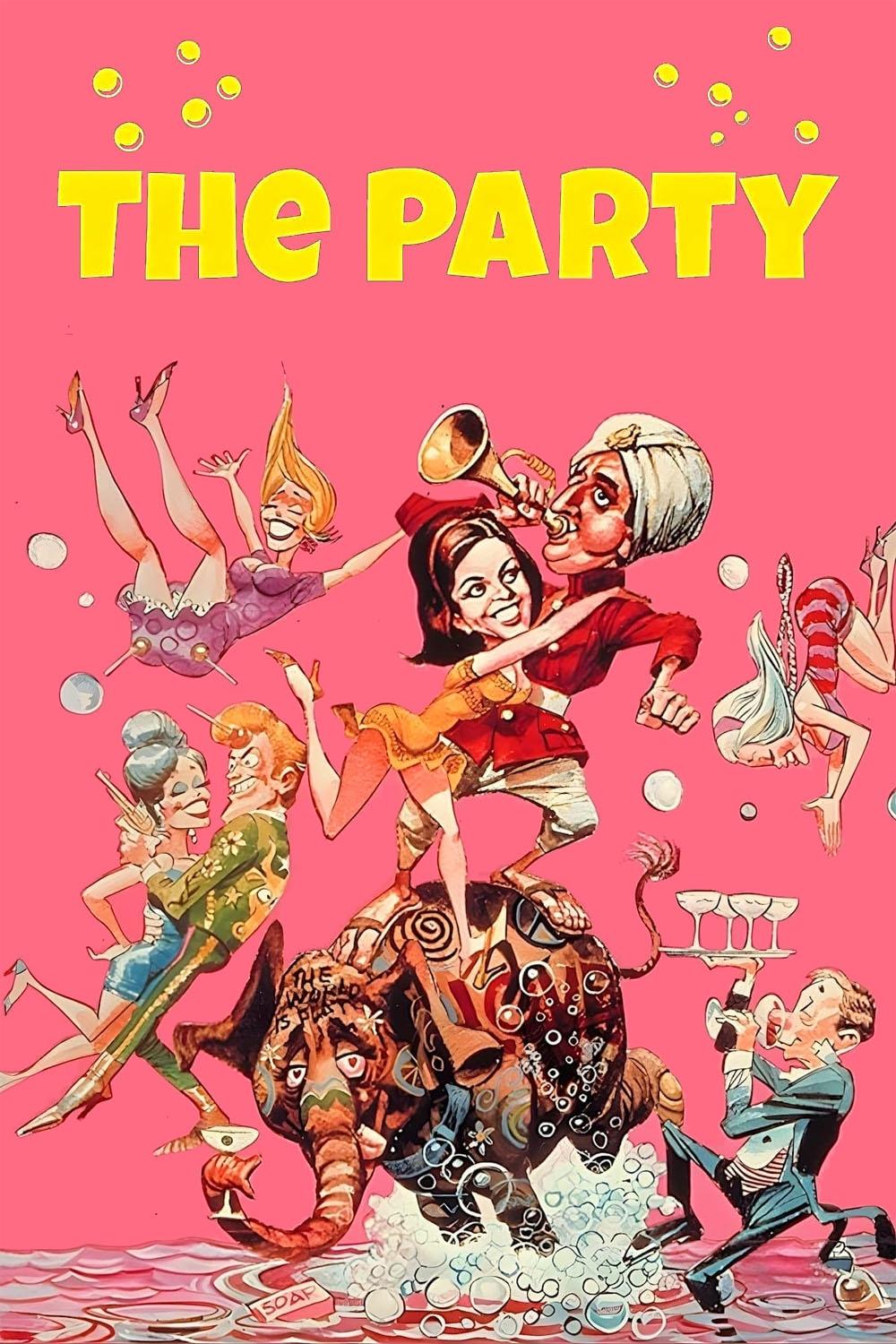
Peter Sellers plays Hrundi V. Bakshi, an actor mistakenly invited to a Hollywood party after ruining a film set. The movie unfolds almost entirely inside one modernist house, which lets long stretches of physical comedy build around a dining room, a swimming pool, and a malfunctioning foam machine.
Improvised business around food trays, stairs, and a wayward bird turns background extras into moving parts of the joke. The sound design picks up small clinks and slips that guide attention to each upcoming stumble while music drifts in from on site musicians.
‘Young Frankenstein’ (1974)
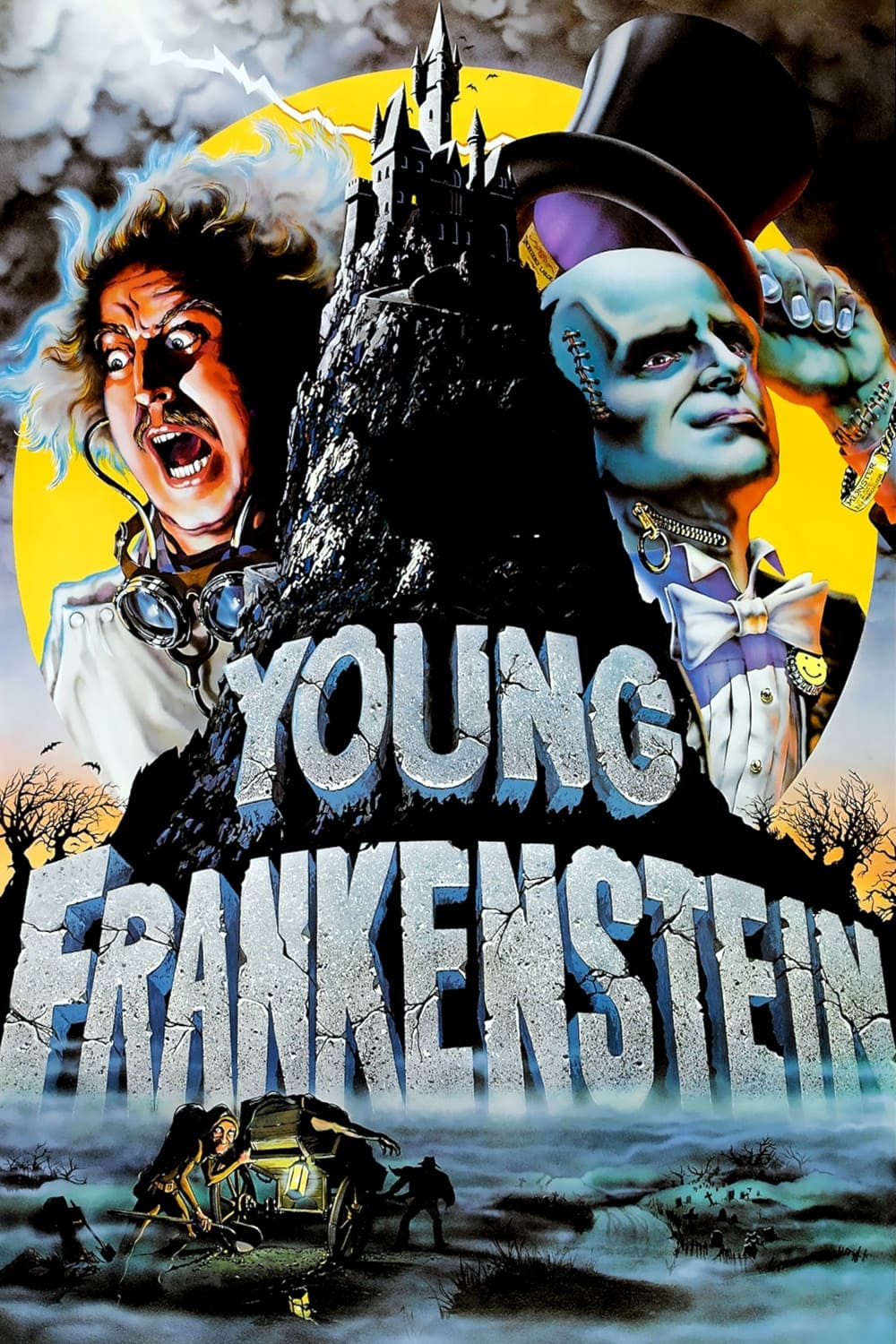
Director Mel Brooks shoots in black and white and uses original laboratory equipment from classic horror films to ground the parody. Gene Wilder, Teri Garr, and Marty Feldman handle precise prop work with doors, candles, and secret passages that click open at the wrong time.
Physical highlights include a monster introduction that spirals into a chase through theater curtains and street sets. The film keeps the camera locked long enough for the audience to track footwork and falls, which lets each gag breathe like a silent era routine.
‘Blazing Saddles’ (1974)
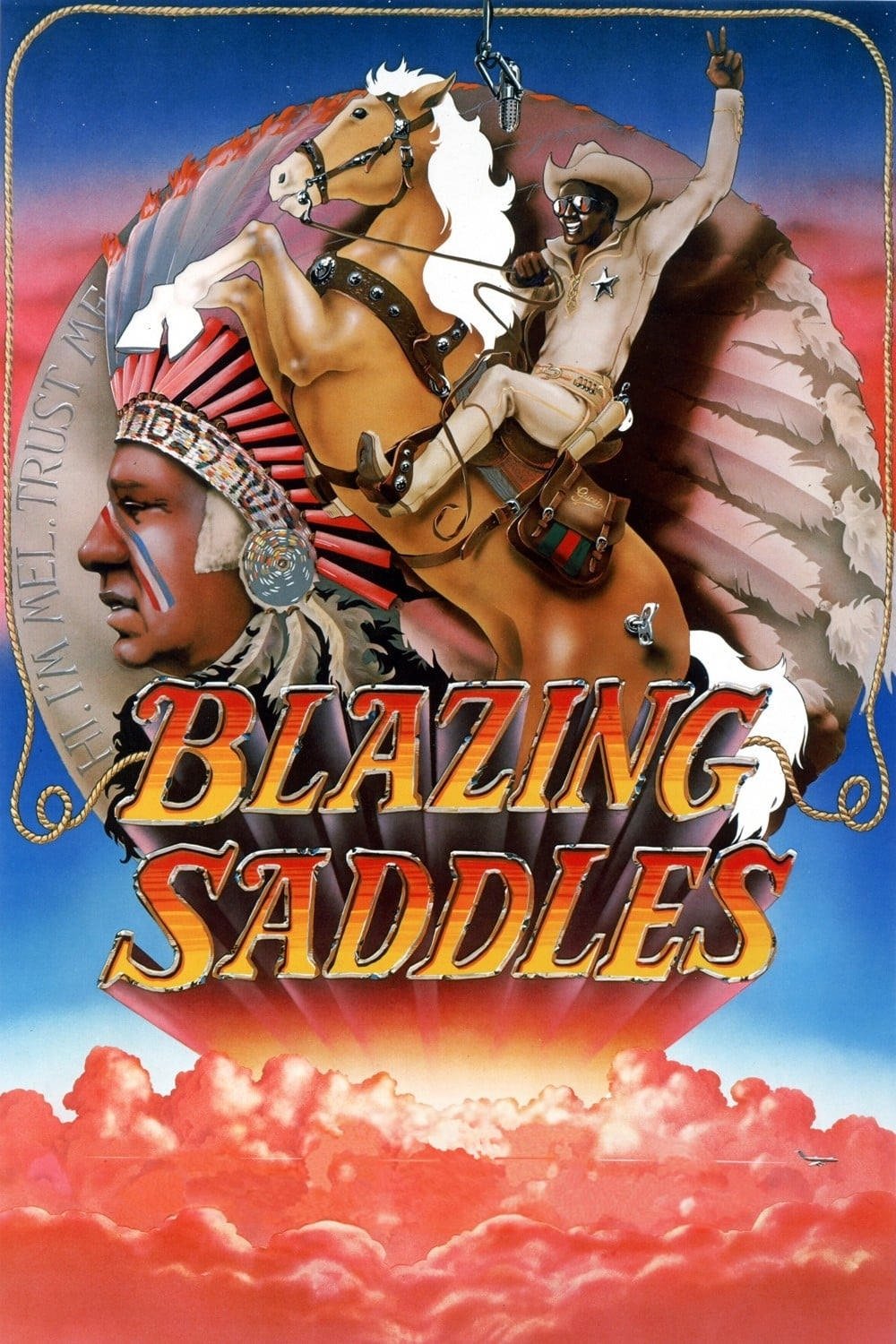
A new sheriff arrives in a Western town and faces hired thugs in scenes that escalate into a studio wide brawl. The production uses breakaway sets, staged horse falls, and a cafeteria fight that spills through adjacent soundstages to push the slapstick beyond the town limits.
Bean can choreography and pie throws nod to earlier comedy while keeping the action readable in wide frames. The movie treats fences, doors, and costume pieces as moving props that trigger trips and collisions from one shot to the next.
‘Airplane!’ (1980)
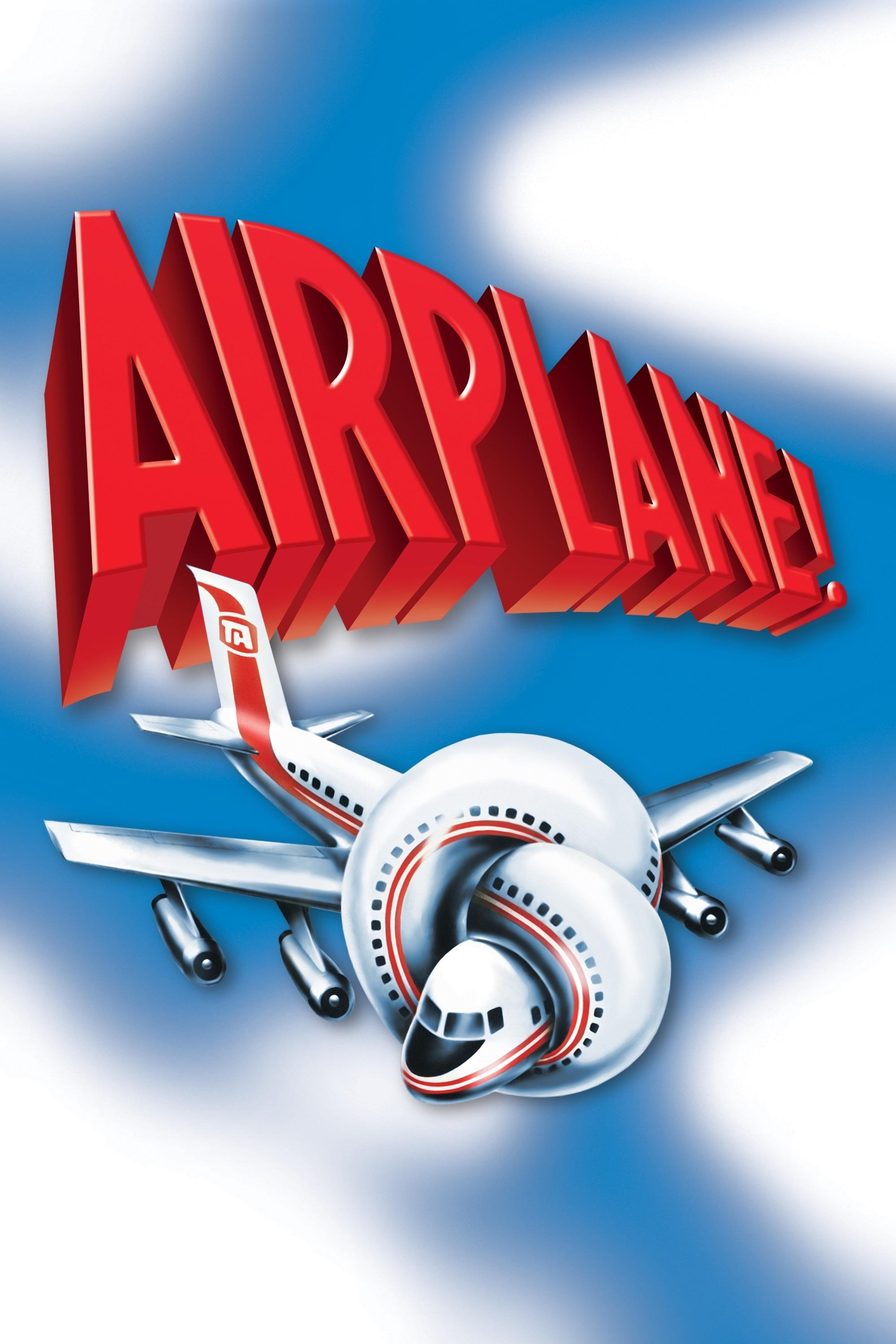
A disaster flight becomes a platform for rapid fire visual jokes built around cockpit controls and cabin routines. The inflatable autopilot, named Otto, cues physical bits with tether lines and air valves that the cast manipulates in view of the camera.
Gags stack through background signs, drink carts, and a dance flashback that uses wire pulls and quick step lifts. The directing team of Jim Abrahams, David Zucker, and Jerry Zucker keeps each joke structured so the physical punch lands even if the viewer misses a line.
‘Top Secret!’ (1984)
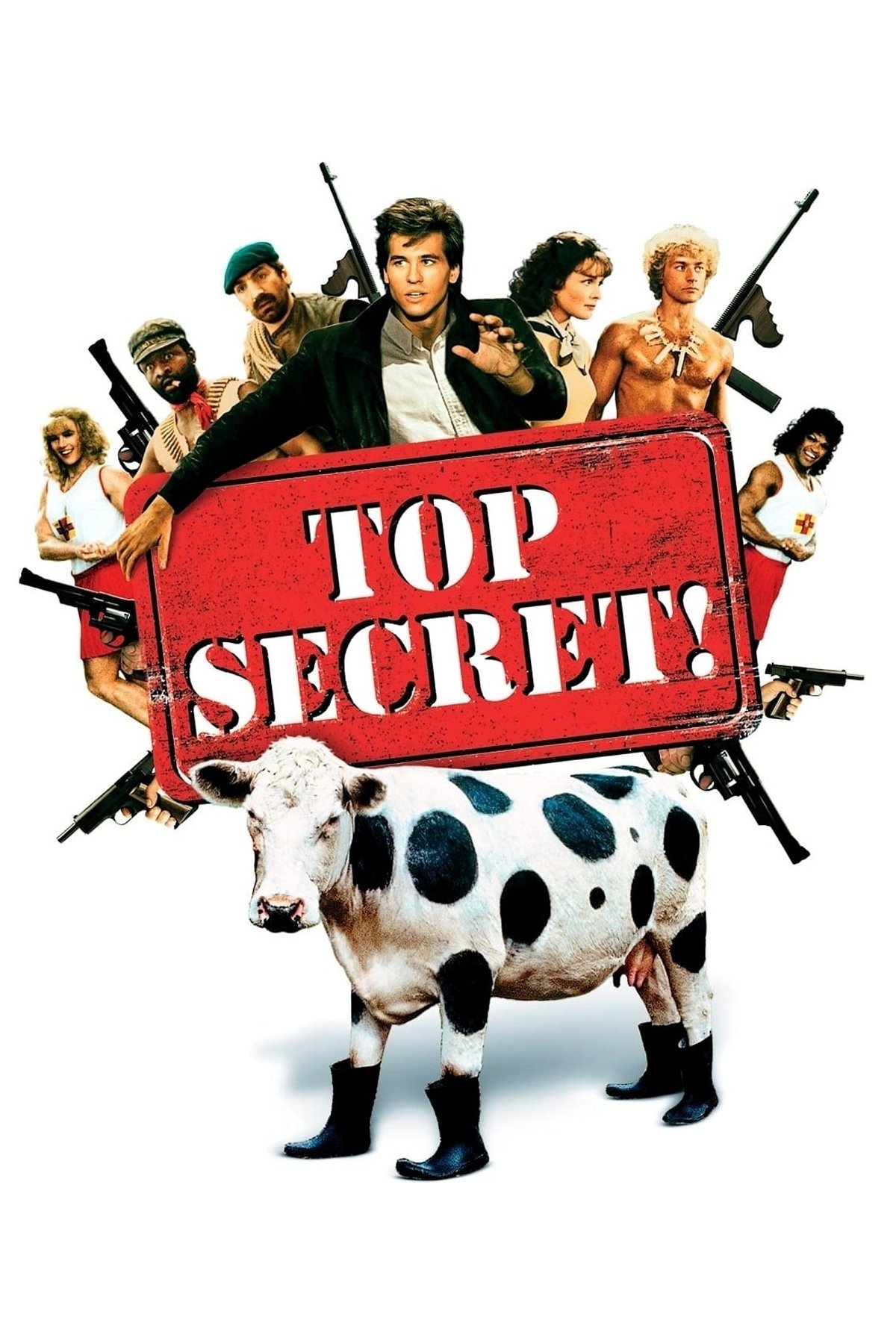
A rock singer gets caught in a spy plot that allows underwater bar fights and barnyard escapes staged as straight action scenes. The filmmakers choreographed a saloon style brawl entirely underwater, with swinging doors, punches, and chair hits that work in slow motion.
A visit to a Swedish bookstore plays in reverse, filmed with actors performing every movement and line backward so the final cut looks eerily correct. The approach turns a simple conversation into a physical puzzle that rewards attention to hands, steps, and props.
‘The Naked Gun: From the Files of Police Squad!’ (1988)
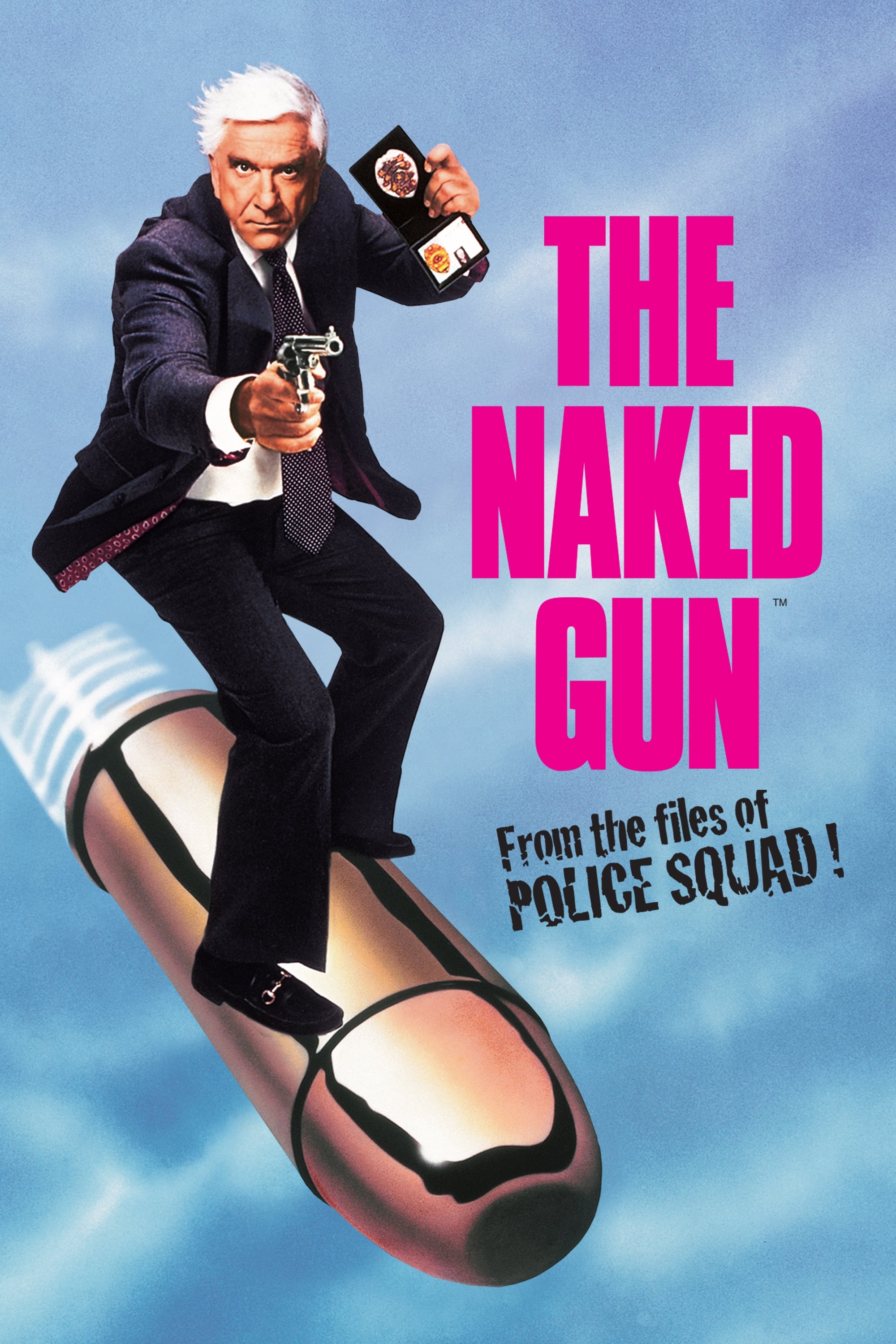
Leslie Nielsen’s Frank Drebin investigates a plot that converges at a baseball game where he ends up umpiring. The stadium sequence layers chest protector flips, dust cloud wipes, and exaggerated strike calls into a routine that builds laugh by laugh without stopping the action.
The film grows from the short lived show ‘Police Squad!’ and carries over visual rules like deadpan framing and background reveals. O. J. Simpson appears as Nordberg in a hospital bed sequence that turns small movements into a chain of bandage and cast mishaps.
‘Home Alone’ (1990)
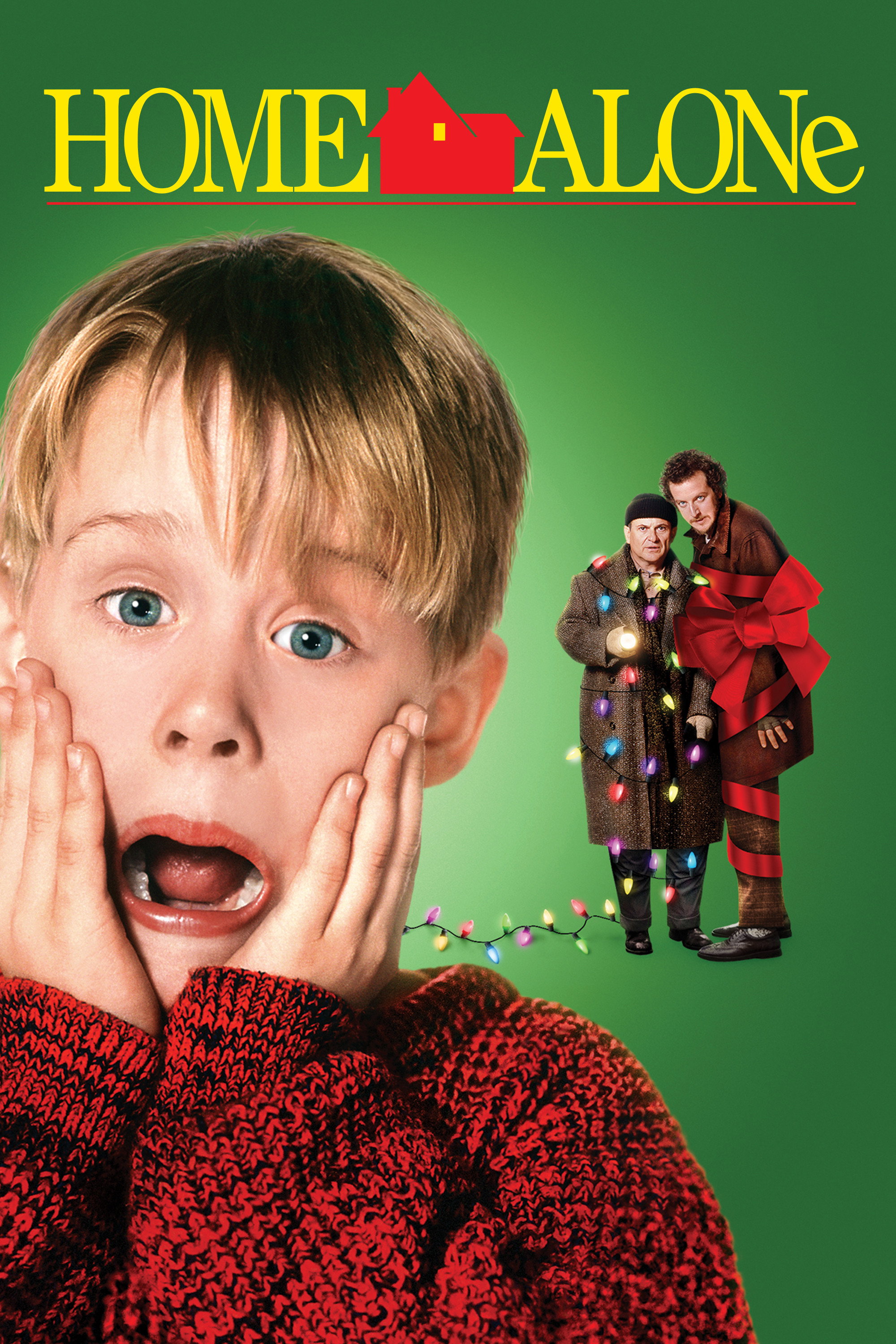
A boy left behind at Christmas defends his house from two burglars using improvised traps. Production design mapped the interior so paint cans, icy steps, and door handles line up with clean camera angles, which keeps each hit readable and the geography consistent.
Director Chris Columbus and writer John Hughes time the third act like a silent chase with setups planted earlier in the story. Joe Pesci and Daniel Stern handle falls and reactions that stay within a clear pattern of approach, trigger, and payoff, which makes the string of gags easy to follow.
‘Dumb and Dumber’ (1994)
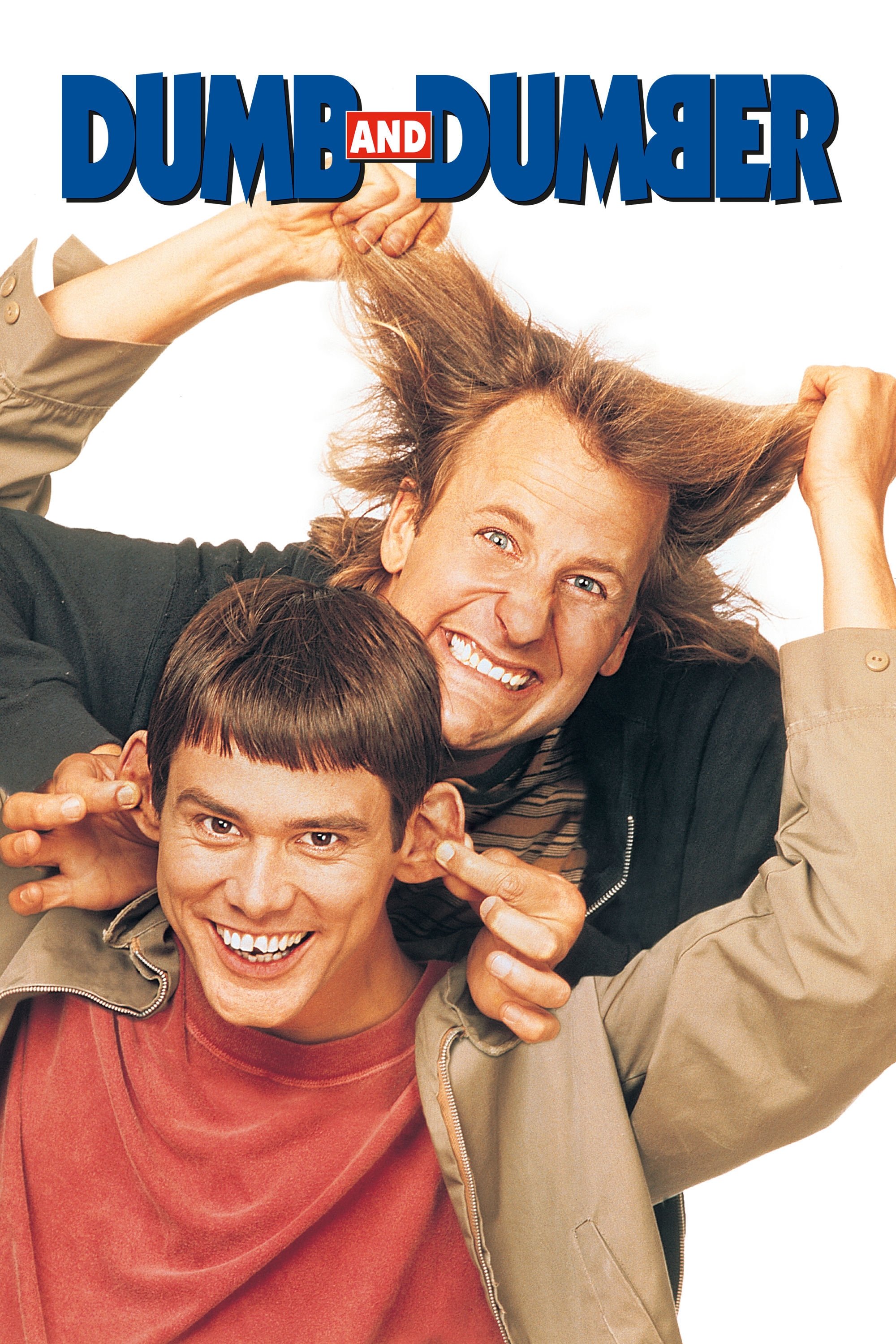
Two friends drive from Providence to Aspen to return a lost briefcase, crossing rest stops and small towns where everyday items become trap doors for slapstick. Jim Carrey and Jeff Daniels work with rubbery props and loose clothing that let head whips and full body turns read on camera.
Snow scenes in the back half introduce misfires with skis, gloves, and vehicles that encourage slips and bumps. The production favors straightforward setups that let a simple throw or stumble travel across the frame and set up the next exchange without cutting the joke short.
‘Kung Fu Hustle’ (2004)
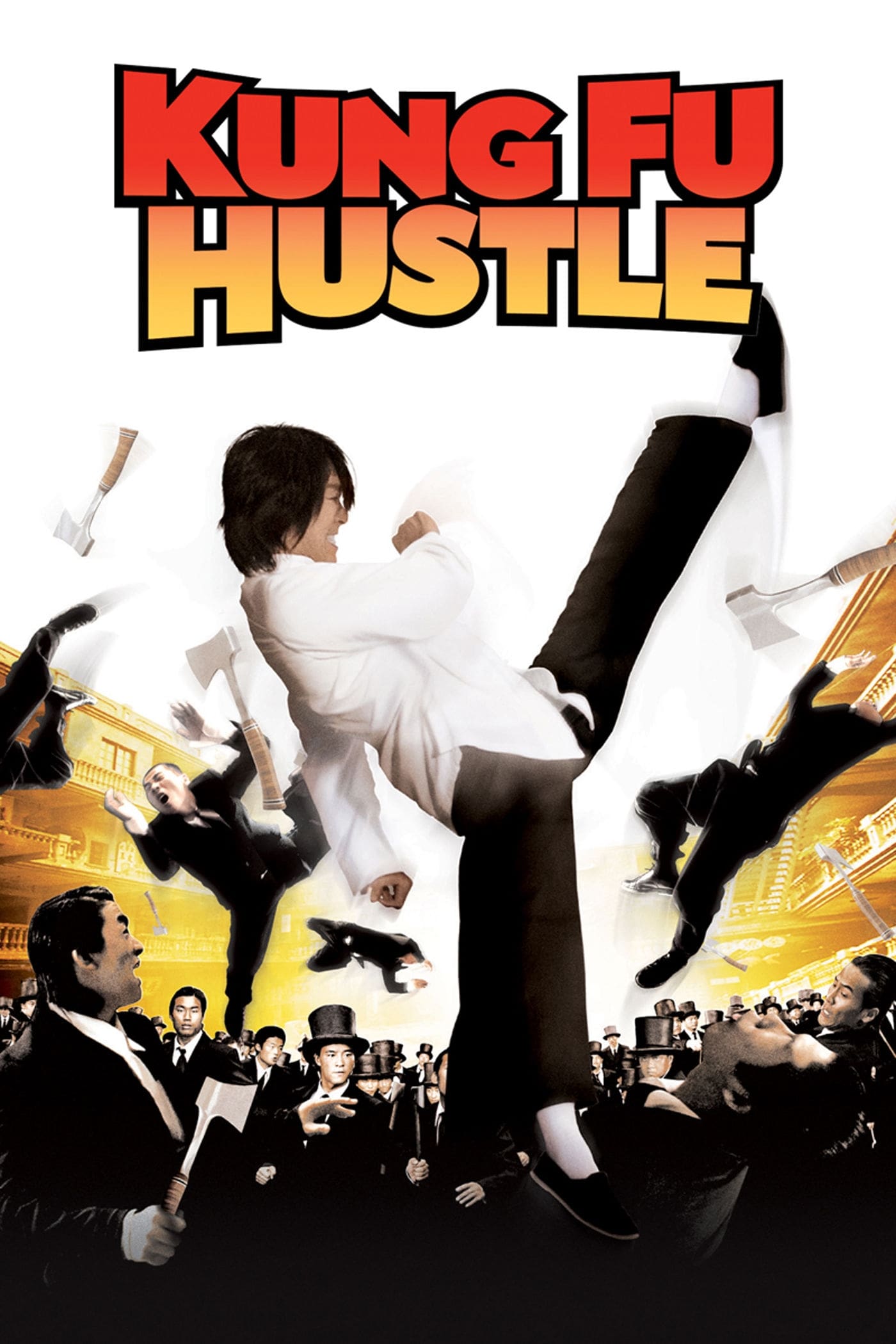
Stephen Chow blends martial arts choreography with cartoon timing in a story set in Pigsty Alley. Wire rigs and digital effects extend kicks and leaps while the cast treats walls, clotheslines, and rooftops as platforms for vaults and rebounds.
The Axe Gang dance, the landlord and landlady powers, and a chase scored to urgent footsteps all lean on clear staging. The mix of sound cues and exaggerated poses keeps the action readable even when characters accelerate beyond normal speed.
‘Mr. Bean’s Holiday’ (2007)
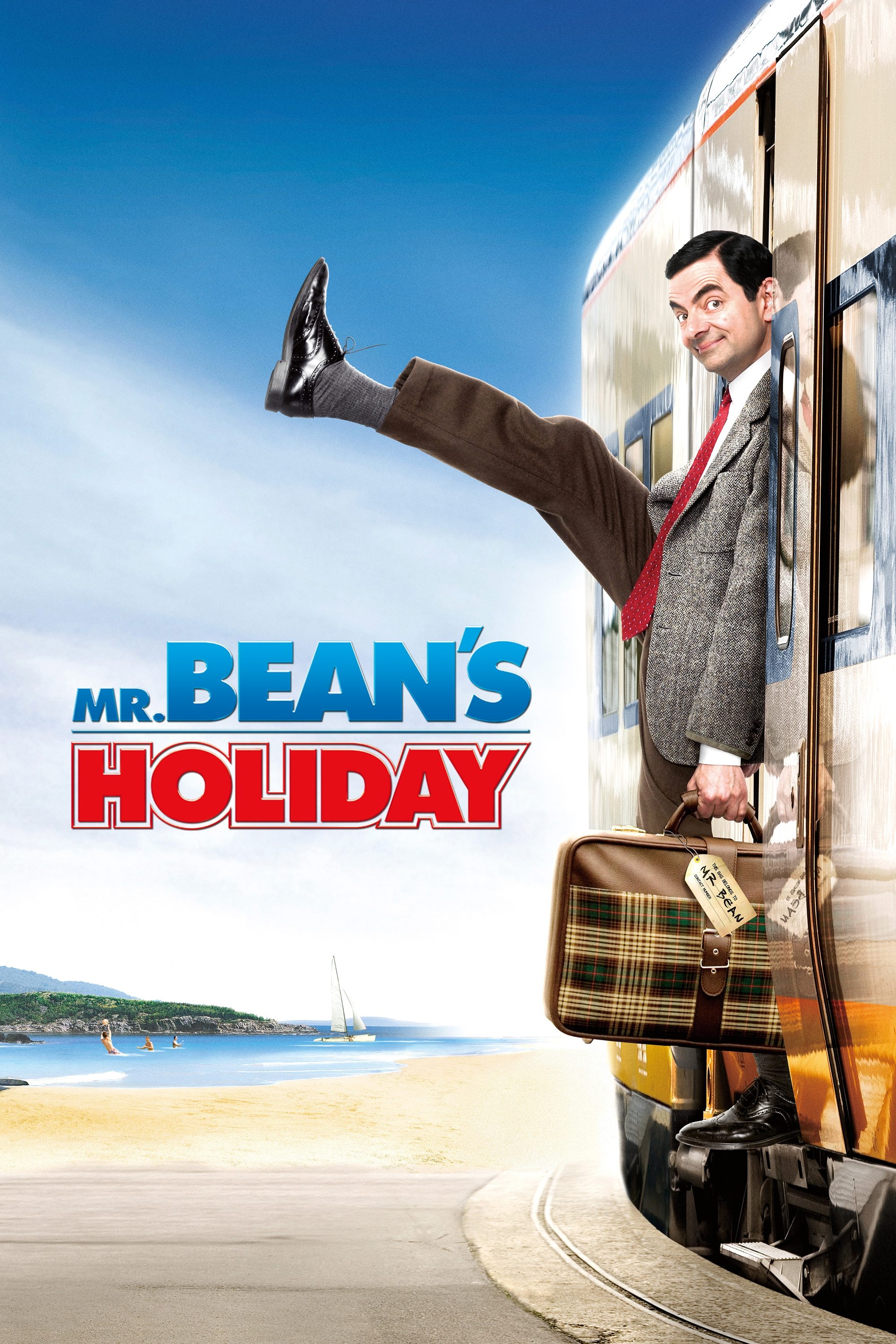
Mr. Bean wins a trip to France and a video camera, then stumbles from Paris to the Riviera with a young companion. The film uses minimal dialogue and foregrounds visual problem solving with train doors, ticket counters, and road signs that seem to move against the character.
Set pieces include a seafood restaurant scene, a roadside performance with a violinist, and a finale that reaches the Cannes Film Festival. Rowan Atkinson plays to wide shots and clean frames so the smallest frown or slip sets off a chain of physical results that carry across the crowd.
Share your own favorite slapstick moments in the comments and tell us which films we should add to the list.