


Top Stephen King Adaptations That Deserve A Remake



Stephen King stories have reached screens in many forms and eras which means some versions were shaped by television standards limited budgets and early visual effects that do not reflect current production tools or audience expectations. Many adaptations also condensed complex books or combined characters which altered tone and structure in ways that modern series or films could revisit with fuller scope. Some versions were created during periods when rights issues and runtime limits forced major changes from the text. Looking back at these projects highlights clear opportunities for fresh casting contemporary settings and faithful narrative detail that newer productions could explore.
‘Maximum Overdrive’ (1986)

This feature was written and directed by Stephen King and is based on the short story Trucks. It centers on machines that turn against people near a North Carolina truck stop after a comet event. The production relied on practical gags and early animatronics to depict sentient vehicles. A new version could use modern stunt design and full scale effects to stage convoys highway sequences and large set pieces while preserving the original blue collar setting.
‘The Langoliers’ (1995)
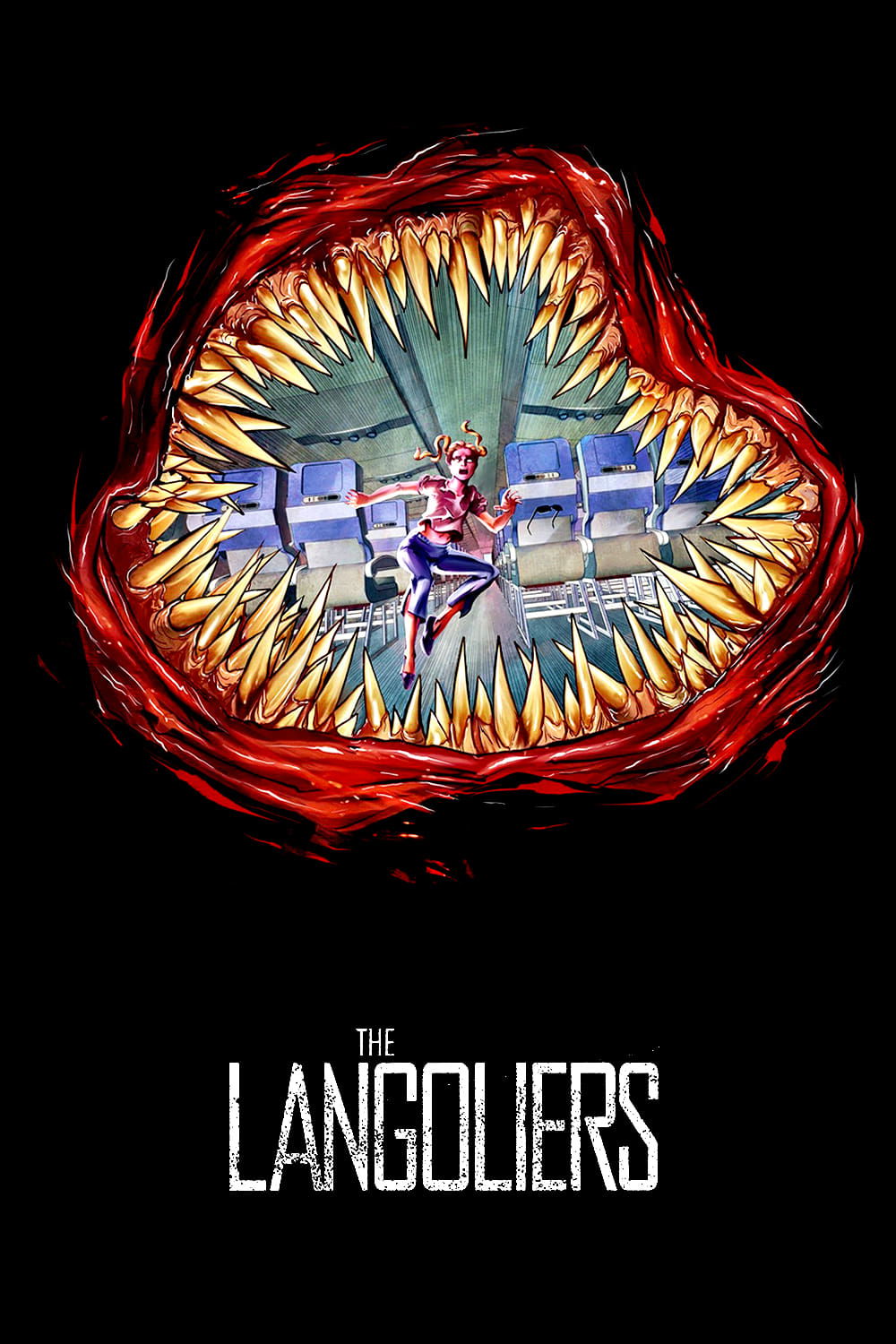
This two part television miniseries adapts a novella from Four Past Midnight about airline passengers who wake to find most people on their flight missing. The plot moves to an empty airport where time appears to have stalled. The broadcast used early computer generated imagery for the creatures and extended dialogue scenes to meet runtime. A present day adaptation could compress the narrative restructure the ensemble and visualize the time decay concept with current effects while retaining the locked room mystery.
‘The Tommyknockers’ (1993)
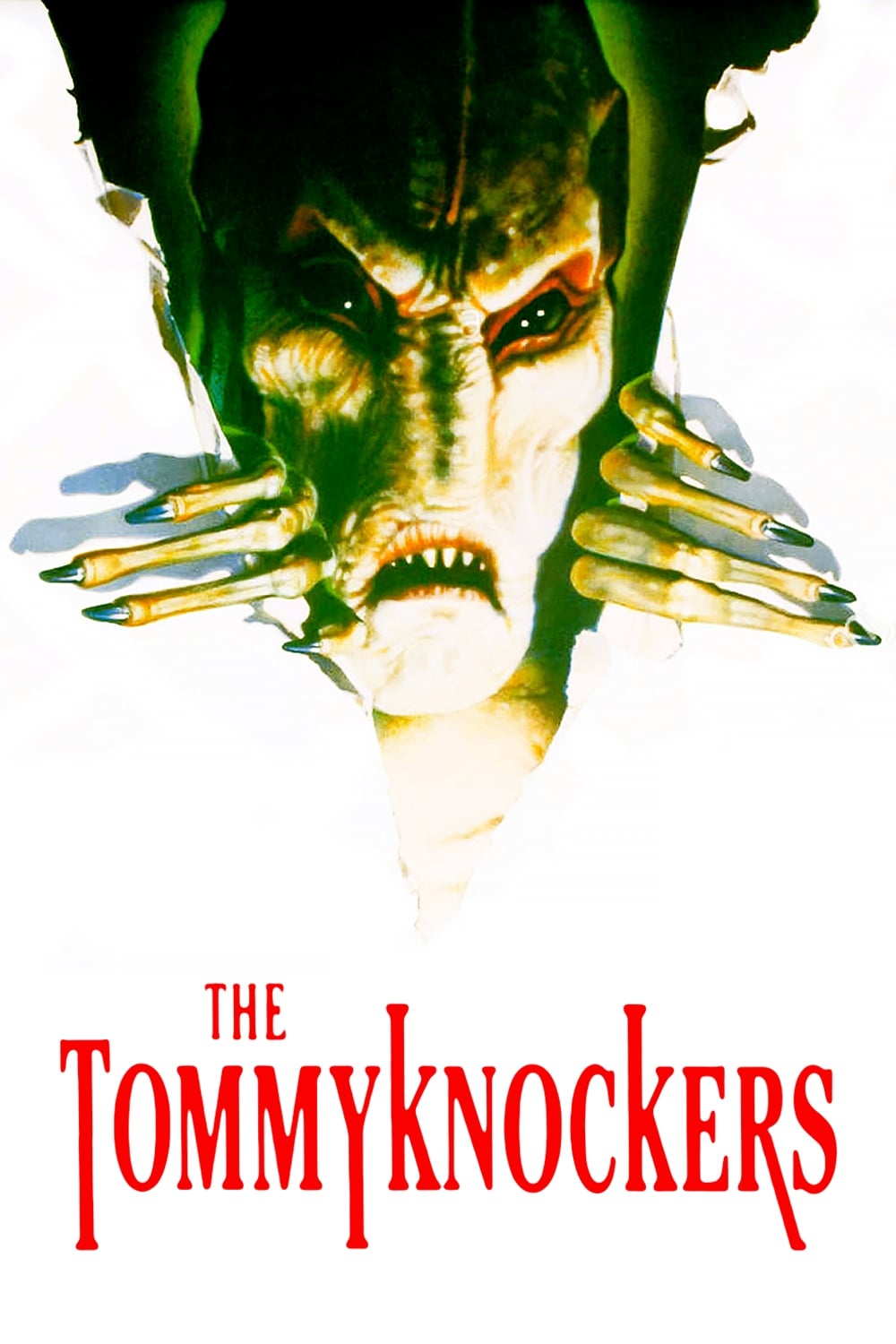
The story follows a Maine town that uncovers a buried alien craft which slowly influences residents. The miniseries format used network standards that softened several book elements involving addiction and paranoia. Locations and practical sets depicted the excavation and the ship interior with limited scale. A fresh limited series could restore themes from the novel expand town dynamics and depict the transformation arc with contemporary production design.
‘The Dark Tower’ (2017)
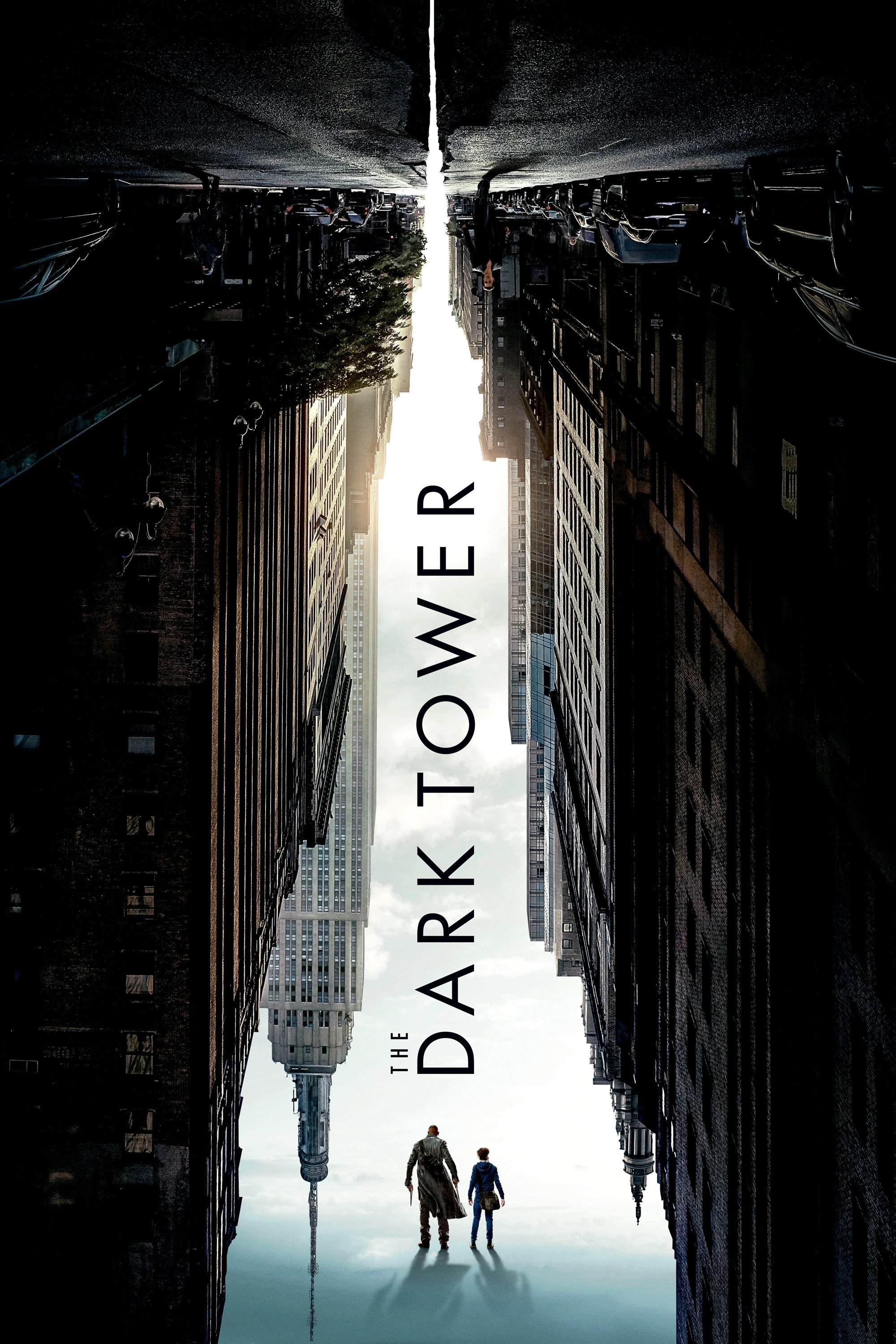
This film compresses events connected to a long running book cycle that spans western fantasy and horror. The plot focuses on the conflict between the Gunslinger and the Man in Black with the Tower as the central mythic object. The movie introduced key terms and worlds but condensed timelines and locations. A long form adaptation could map the journey book by book integrate flashbacks through a season structure and visualize Mid World with consistent geography and lore.
‘Under the Dome’ (2013)

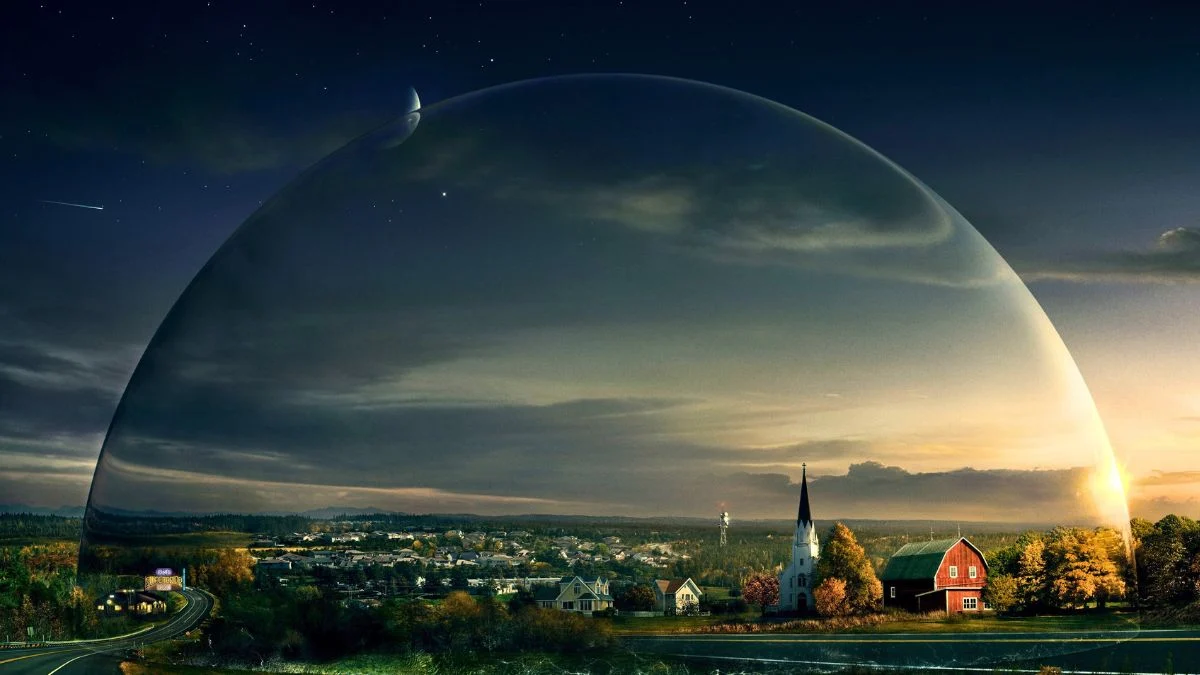
The television series presents a New England town sealed by an invisible barrier and follows residents as resources and governance change. The show diverged from the novel in character arcs and explained the dome with an expanded mythology created for episodic storytelling. Network schedules influenced pacing and cliffhanger cycles across multiple seasons. A new limited series could use a fixed endpoint maintain the civic survival focus and track environmental and political pressure with tighter plotting.
‘Graveyard Shift’ (1990)
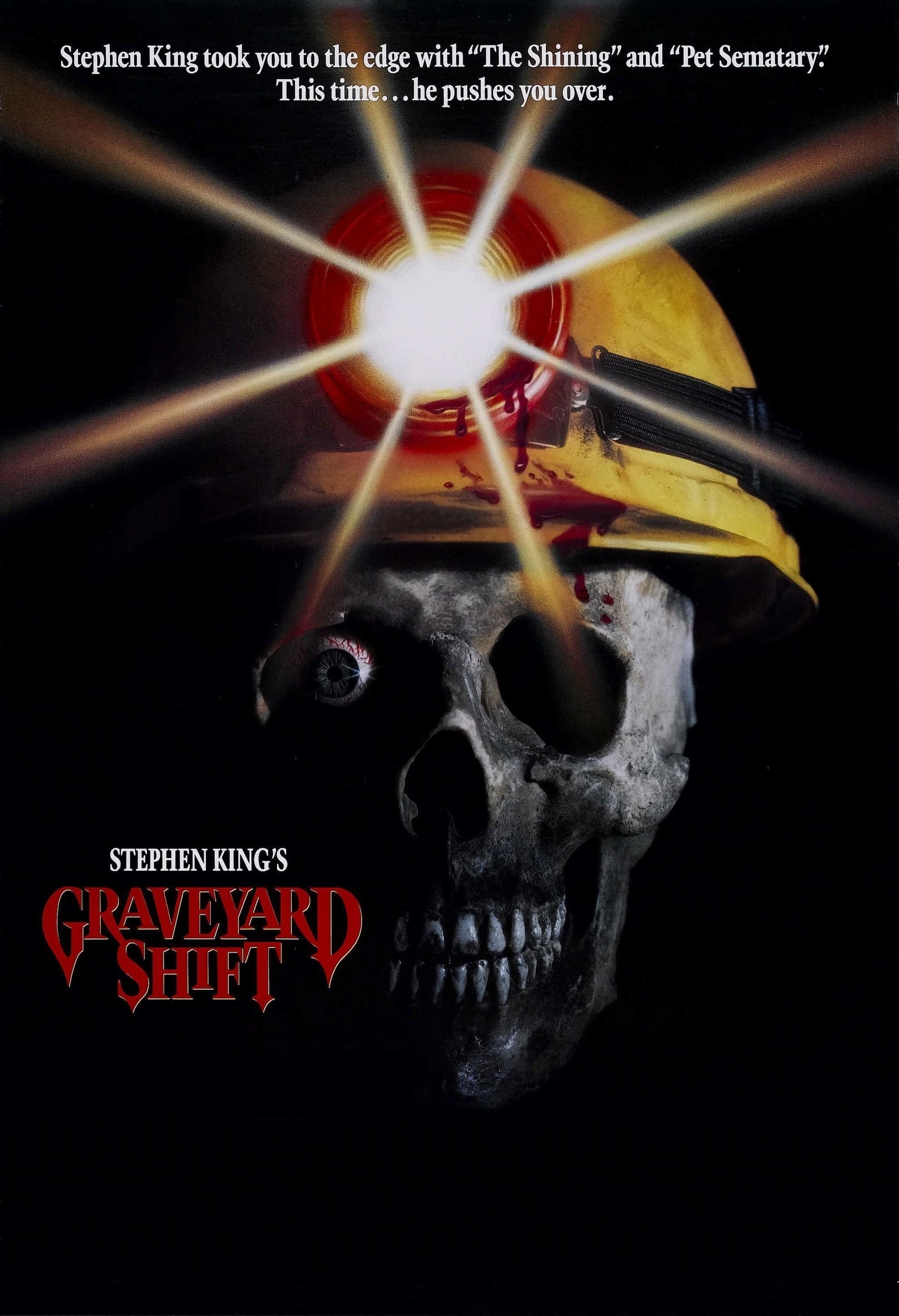
This adaptation of a short story centers on a textile mill where workers confront a hidden colony of creatures. Production used practical makeup and sets to stage tunnels and the mill basement. The narrative added characters and action beats to build a feature length runtime. A remake could use industrial history details workplace safety context and modern creature work to emphasize the blue collar horror atmosphere.
‘The Mangler’ (1995)
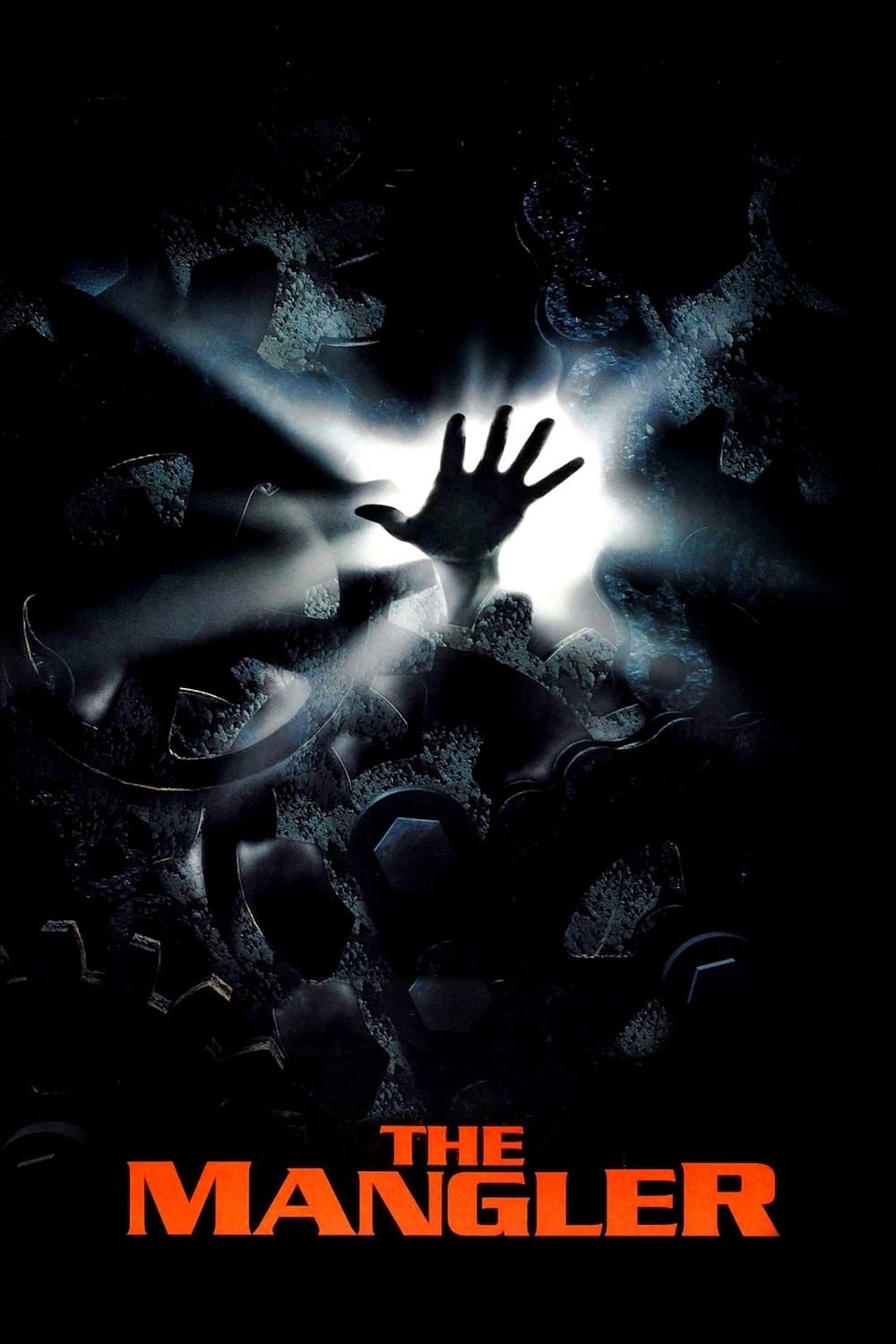
Based on a short story from Night Shift this film involves a possessed industrial laundry press and a local investigation. The adaptation expands the source with additional subplots and stylized set pieces. Visual effects and creature mechanics reflect mid 1990s techniques. A modern approach could reframe the setting within contemporary manufacturing workflows while using physical rigs and current effects to depict the machine and its influence.
‘Sleepwalkers’ (1992)
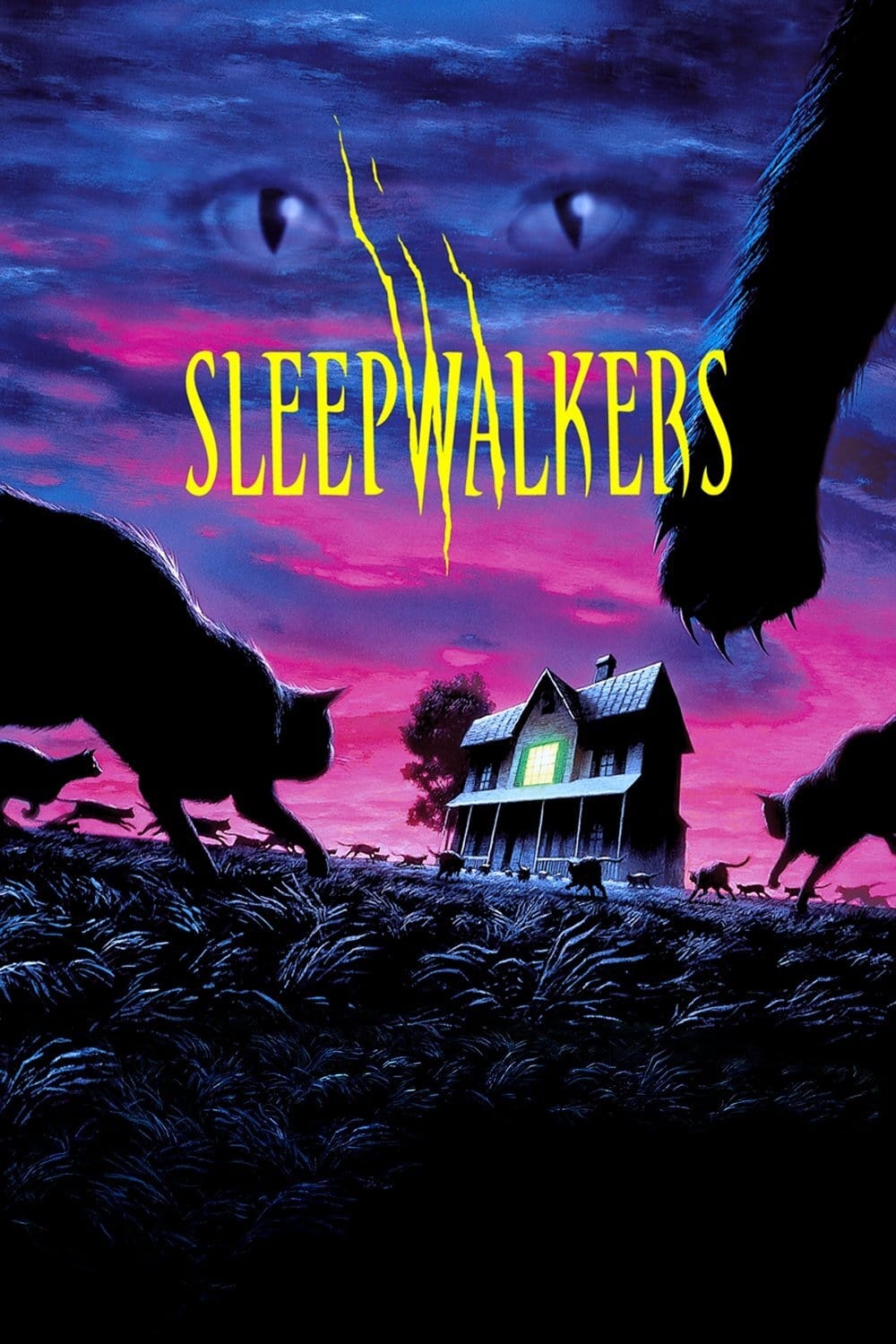
This original screenplay by Stephen King follows shape shifting energy feeding beings who pass as humans. Practical makeup optical effects and early digital touches created transformations and combat scenes. The plot uses small town locations and a school setting for key sequences. A new version could refine the mythology with clear rules explore the family dynamic with greater depth and stage set pieces with updated transformation methods.
‘The Lawnmower Man’ (1992)
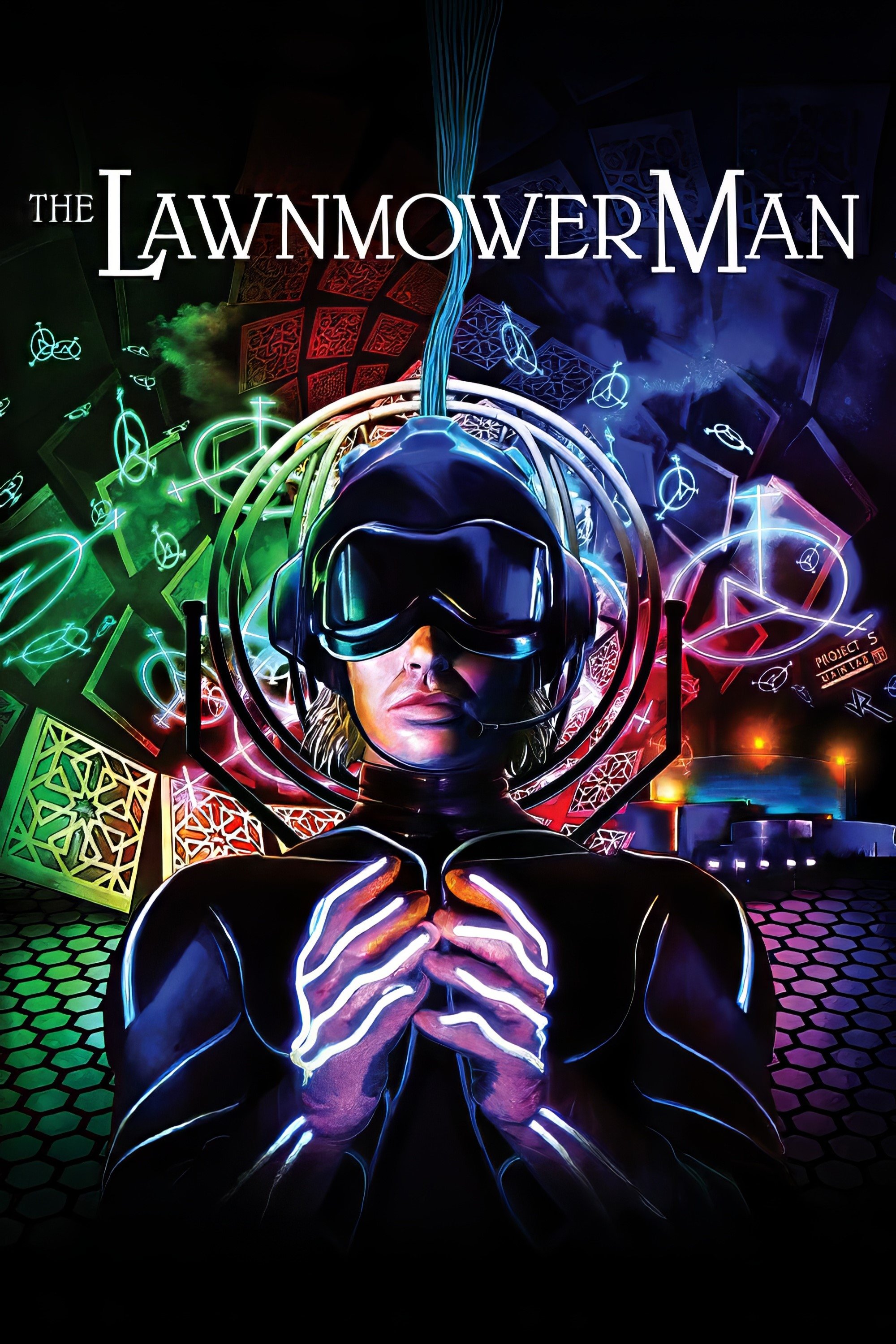
Marketed from a King title yet largely unrelated to the short story this film focuses on virtual reality experiments and altered cognition. The production showcases early computer graphics and concepts about networked worlds from that era. Legal disputes over branding later distanced the project from the author. A new adaptation could return directly to the original short story premise or build a faithful expansion using current ideas about immersive tech and biofeedback.
‘Children of the Corn’ (1984)
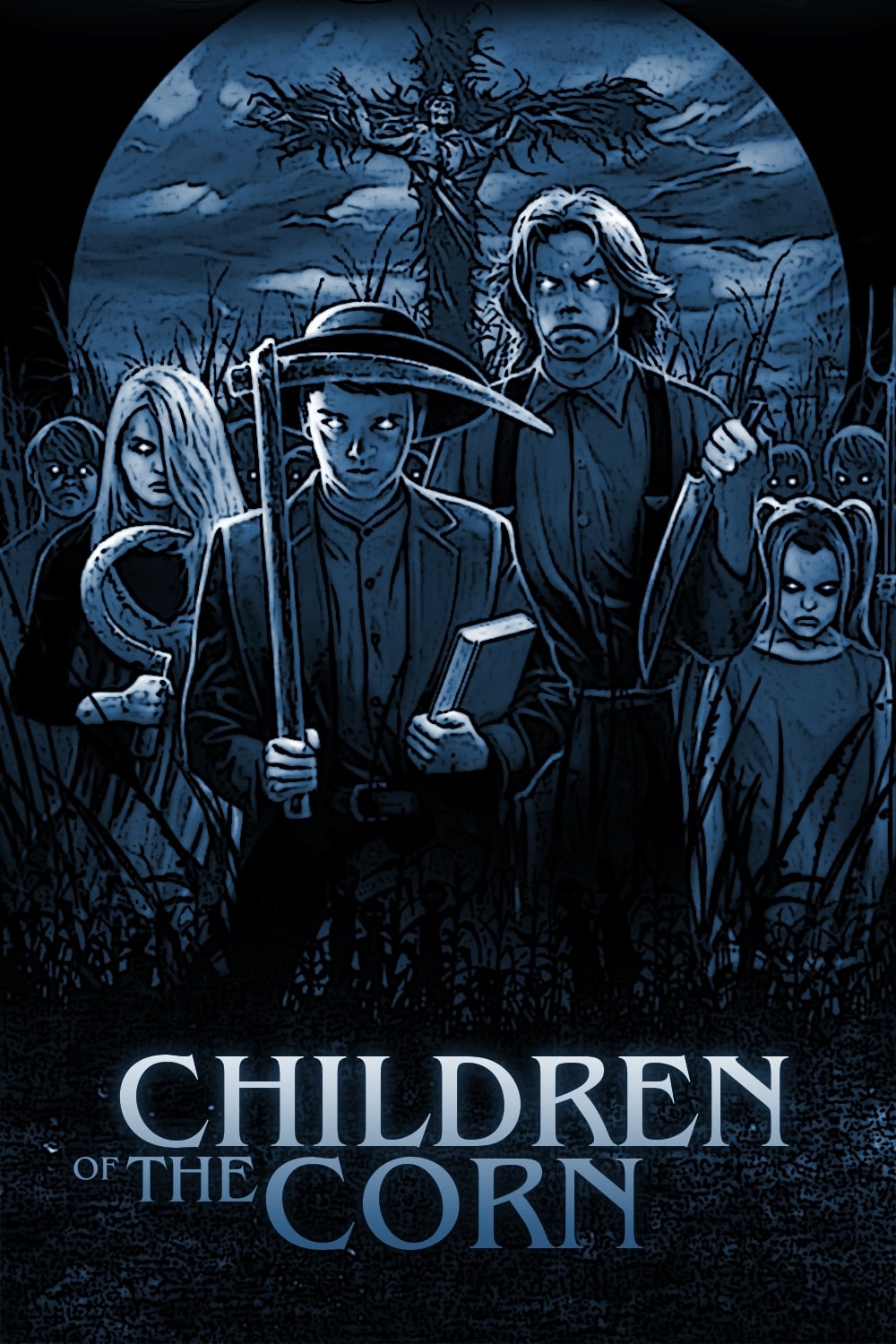
This feature draws from a short story about a rural Nebraska town where a cult of children follows a supernatural entity in the cornfields. The film expands characters to sustain a road movie framework leading into the town. Multiple sequels and later versions explored new locations and timelines. A contemporary retelling could ground the setting in present day agriculture demographics and community isolation while preserving the harvest mythos.
‘Cell’ (2016)
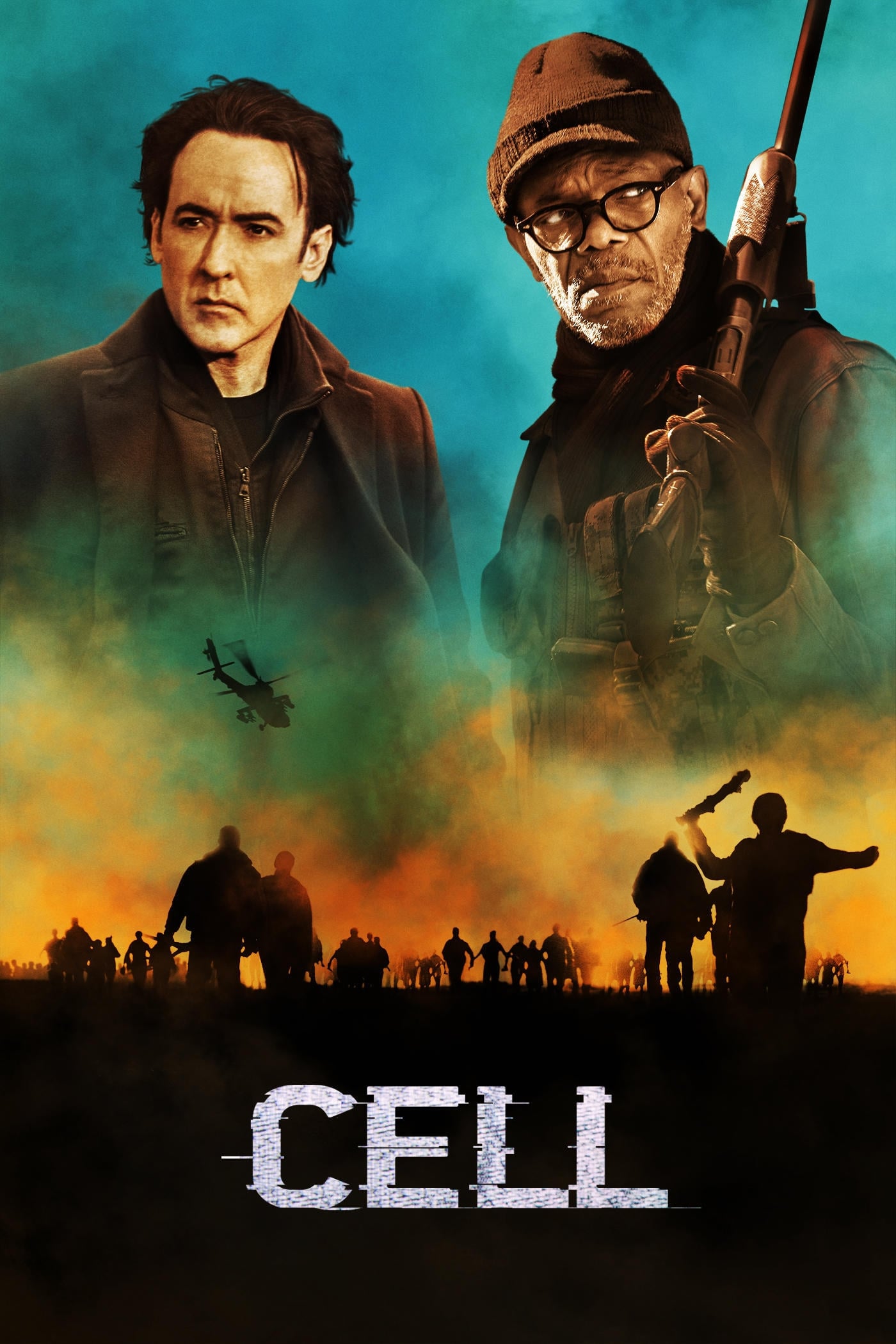
Adapted from the novel about a mysterious signal that alters people through their mobile phones this film follows survivors moving through New England. The production condenses the cross country journey and focuses on a small group. Visuals depict mass events at an airport hotel and urban streets with contained scale. A new version could track the full migration concept integrate current communication platforms and present the flocking phenomena with large crowd simulation.
‘Needful Things’ (1993)
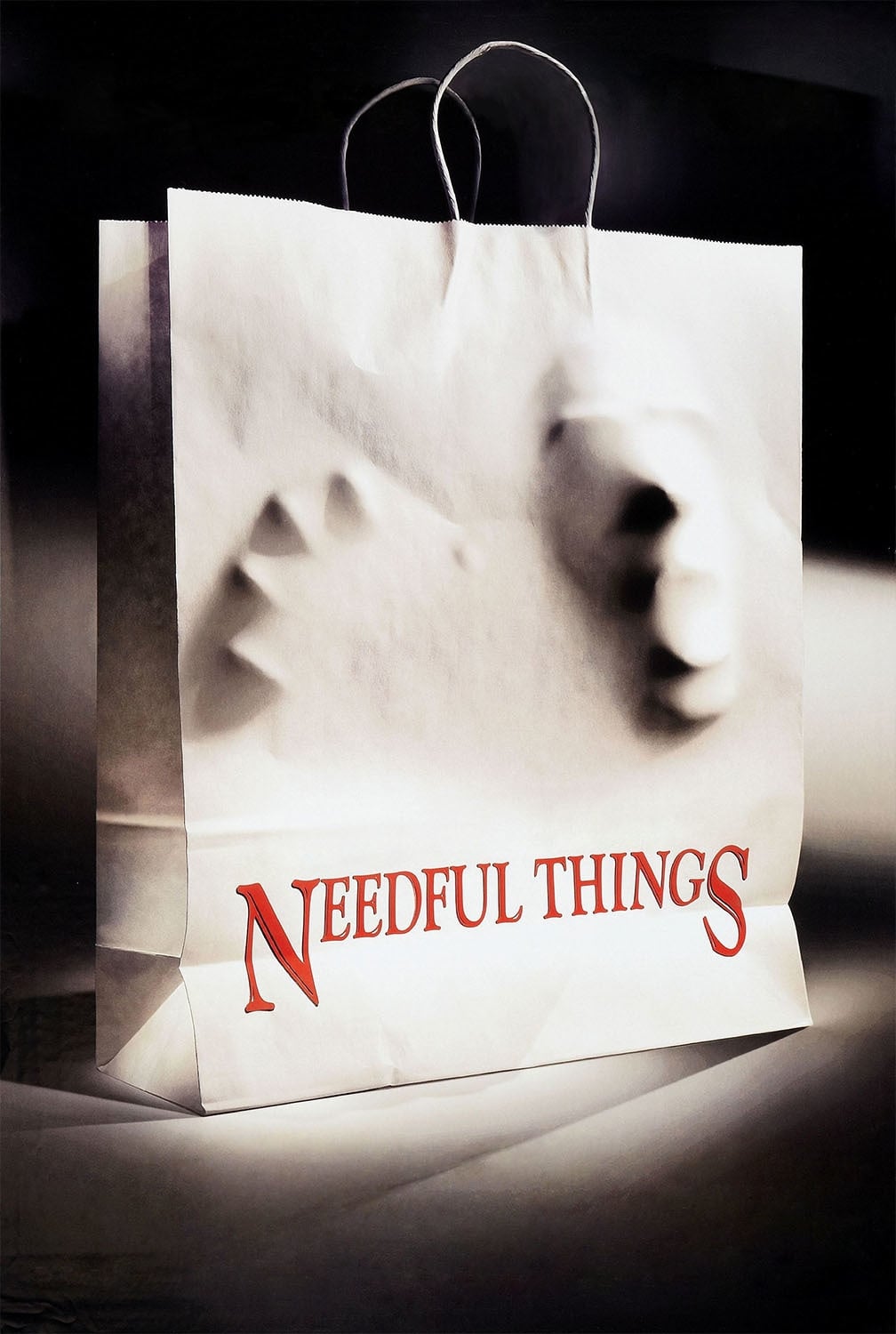
Set in the town of Castle Rock the plot concerns a shop that sells items tied to personal desires while orchestrating conflicts among residents. The film version simplifies the web of relationships from the book to fit a standard runtime. Scenes highlight key confrontations and the final set piece in the town center. A limited series could follow each resident transaction in detail and chart the escalation with episode based focus on trades and consequences.
‘The Night Flier’ (1997)
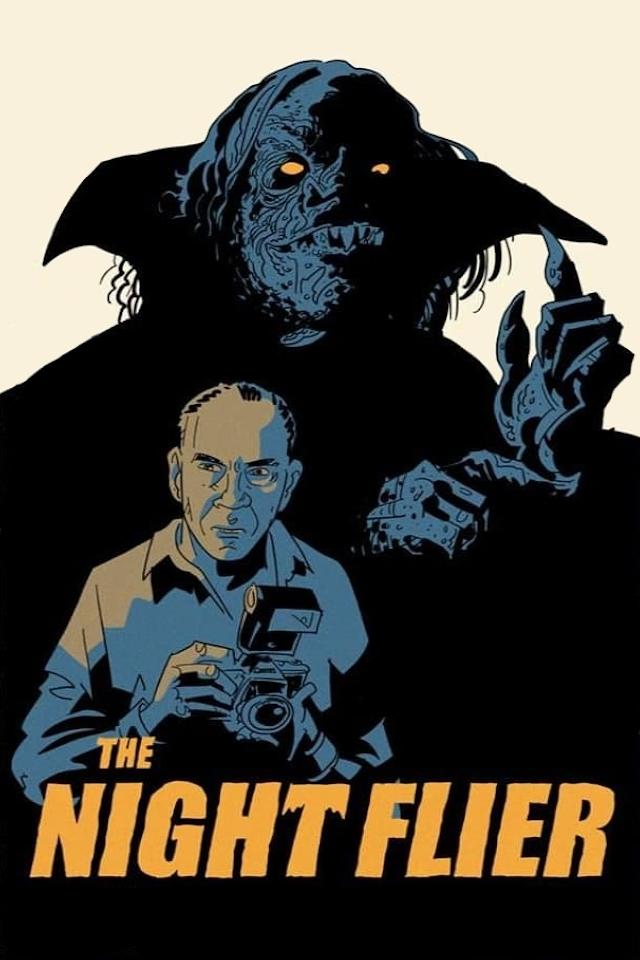
This film adapts a short story about a tabloid reporter tracking a killer who appears to travel by private plane. The investigation moves through small airports nighttime runways and morgue visits. Practical effects and restrained locations shape the atmosphere. A new version could expand the aviation element with regional airfields flight tracking tools and documentary style reporting while preserving the investigative tone.
‘Cujo’ (1983)
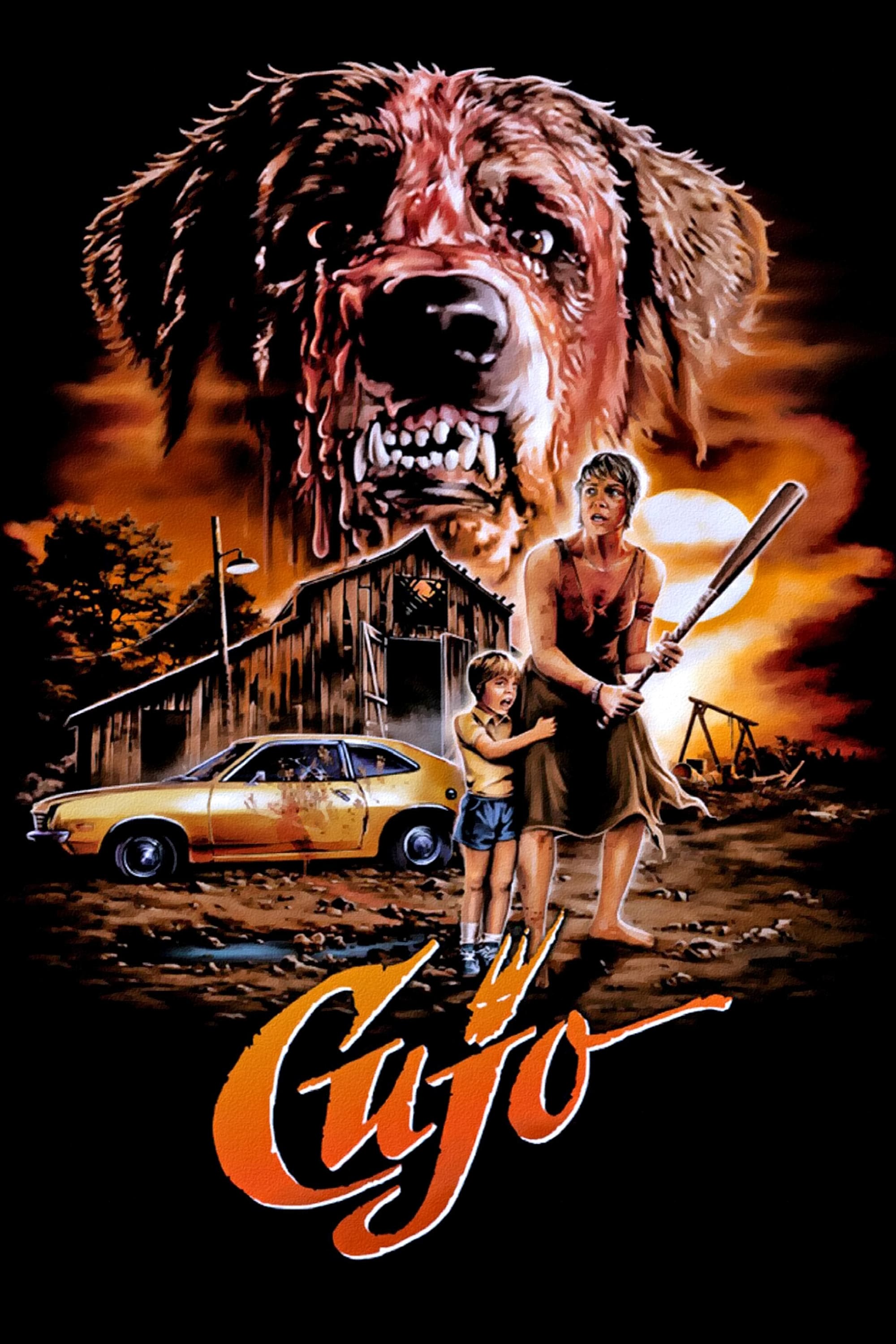
The story centers on a mother and child trapped in a car as a rabid dog menaces them outside a rural repair shop. The film uses trained animals animatronics and tight staging to maintain tension. Subplots from the book are reduced to keep focus on the siege. A remake could explore the full family context the veterinary background of the outbreak and real time survival details with minimal cutting and sustained camera coverage.
‘Desperation’ (2006)
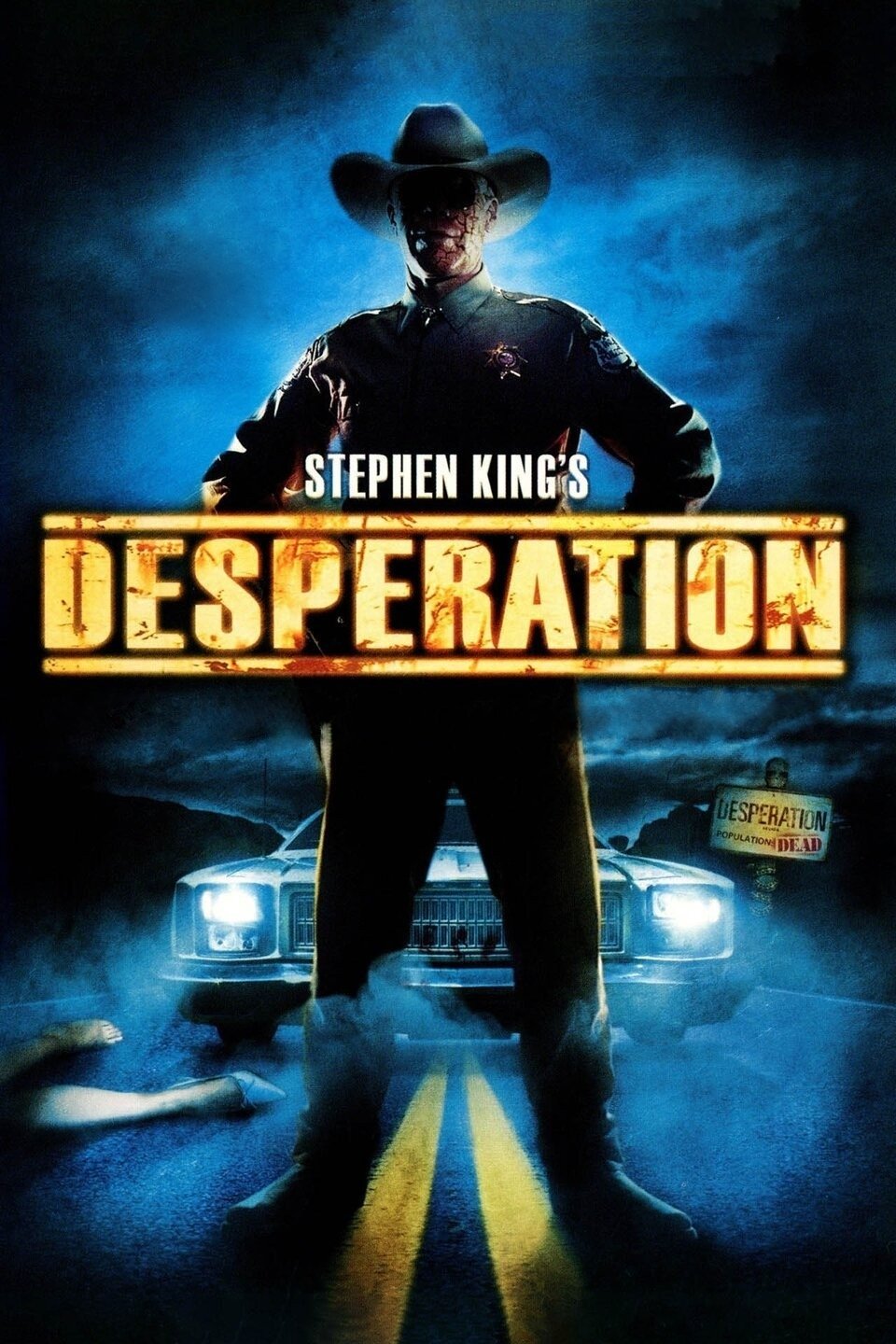
This television film adapts a novel set in a Nevada mining town where travelers encounter a malevolent force. The broadcast format guided content edits and visual treatment of the creature origin. The desert locations and the mining history appear in brief overview. A new adaptation could depict the excavation backstory ritual elements and landscape scale with extended runtime and on location photography.
‘Bag of Bones’ (2011)
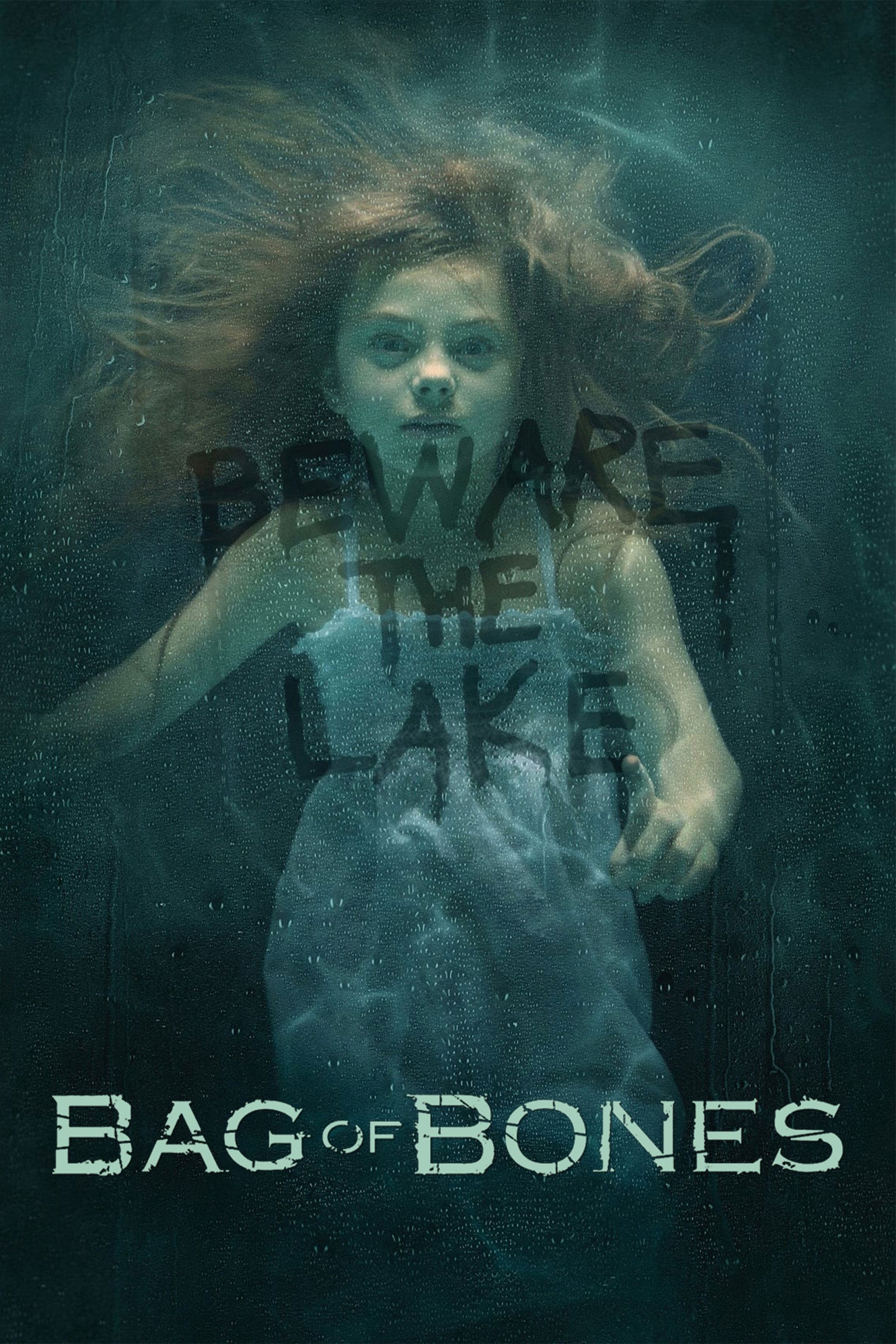
The miniseries follows a novelist who returns to a lakeside house and uncovers a history of local injustice tied to a singer. The televised version balances domestic scenes with ghostly events while limiting period flashbacks. Musical performance rights and location constraints shaped presentation of the backstory. A new take could stage full concert sequences expand the town timeline and integrate the legal history that underpins the haunting.
‘Dreamcatcher’ (2003)
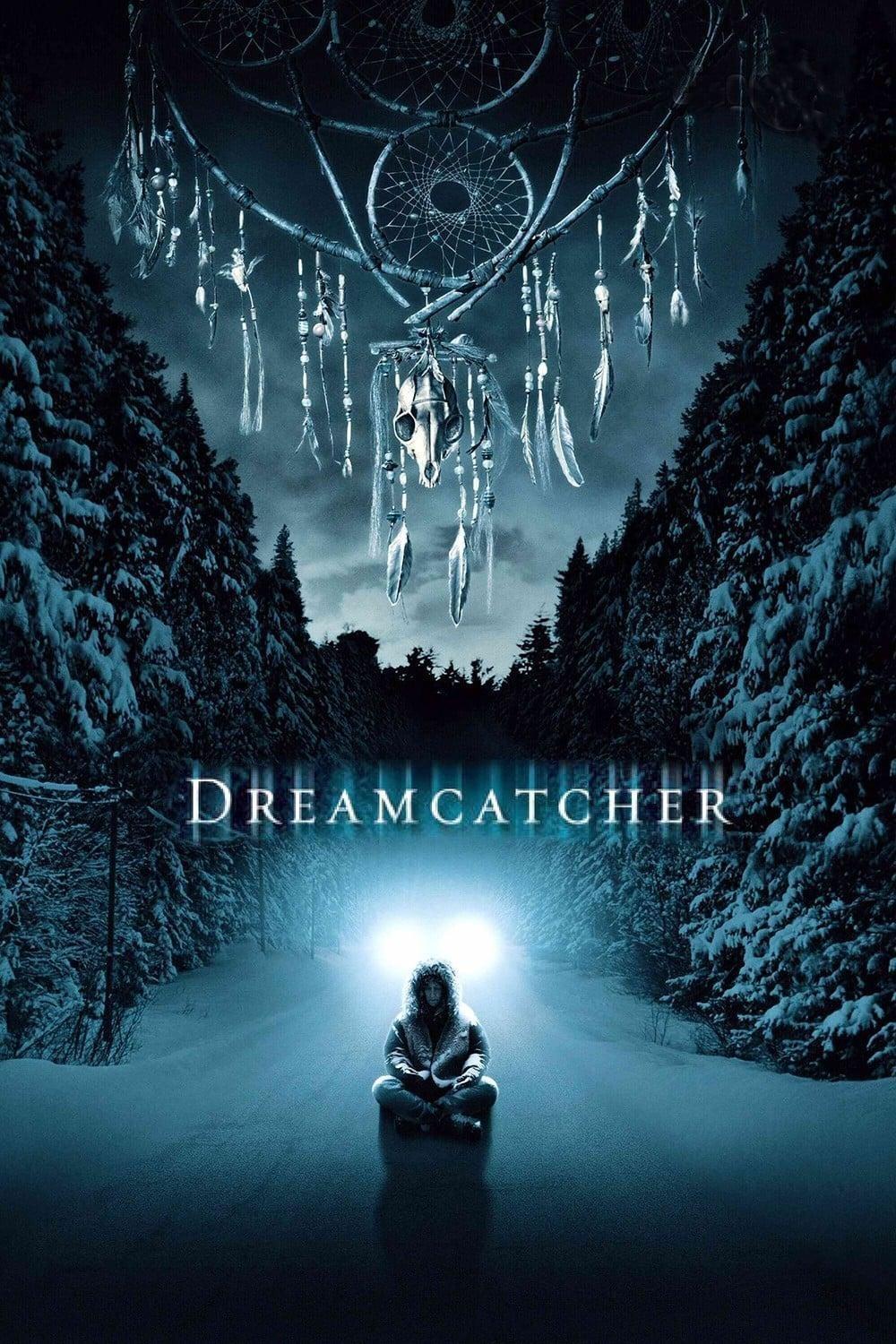
This theatrical adaptation follows lifelong friends whose hunting trip intersects with a quarantine and an otherworldly threat. The film compresses extensive backstory about memory and shared experiences. Visual effects portray organisms and psychic events using early 2000s methods. A remake could separate timelines for childhood and adulthood deepen the memory themes and visualize telepathic spaces with contemporary techniques.
‘Silver Bullet’ (1985)
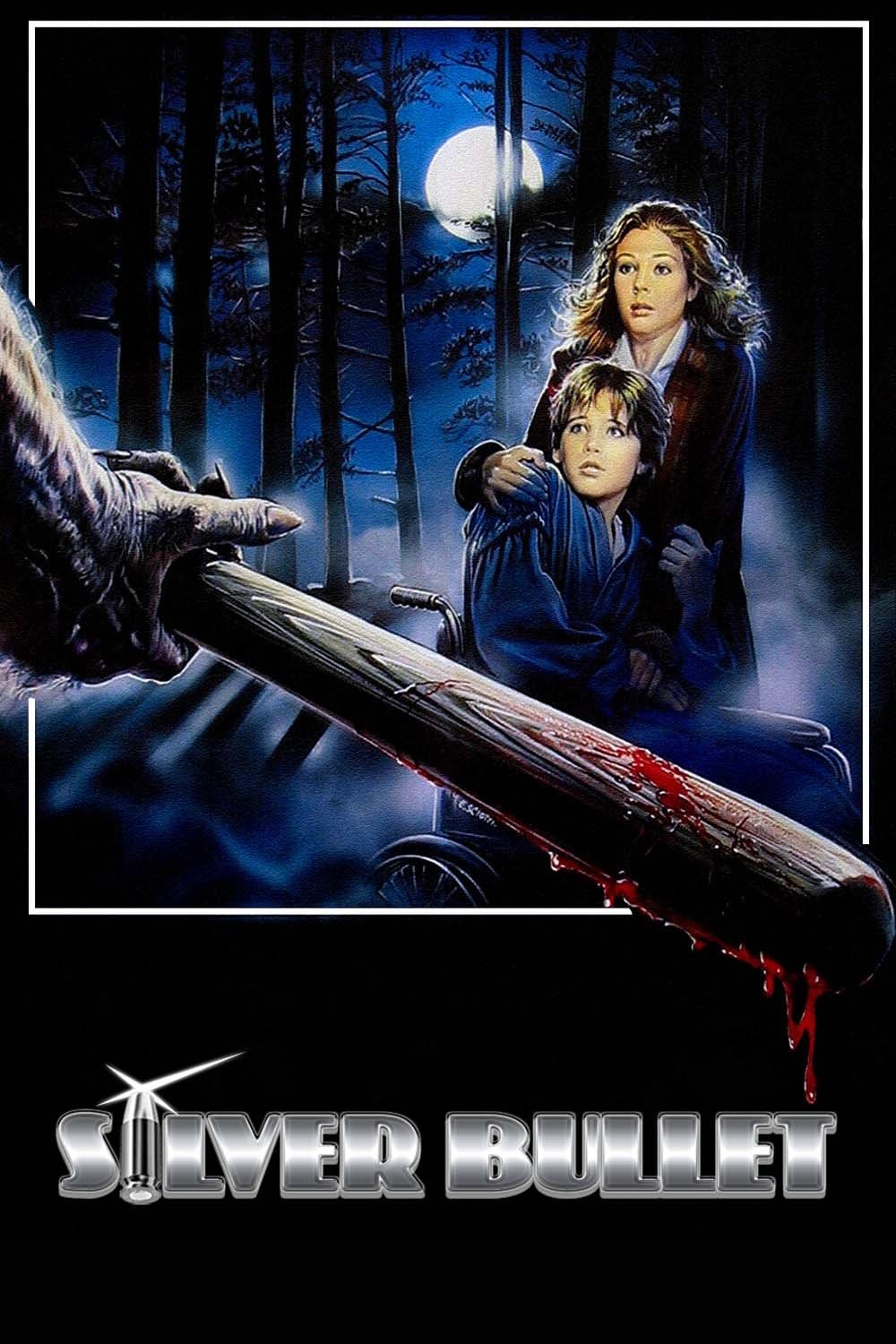
Based on the novella Cycle of the Werewolf this film presents a small town facing a series of attacks across a calendar year. The production uses full body suits and animatronics for the creature and reorganizes the novella format into a continuous narrative. Holiday and festival settings appear in shorter sequences than in the book. A modern version could retain the monthly structure track civic responses and update creature presentation with a blend of practical builds and restrained digital work.
‘Sometimes They Come Back’ (1991)
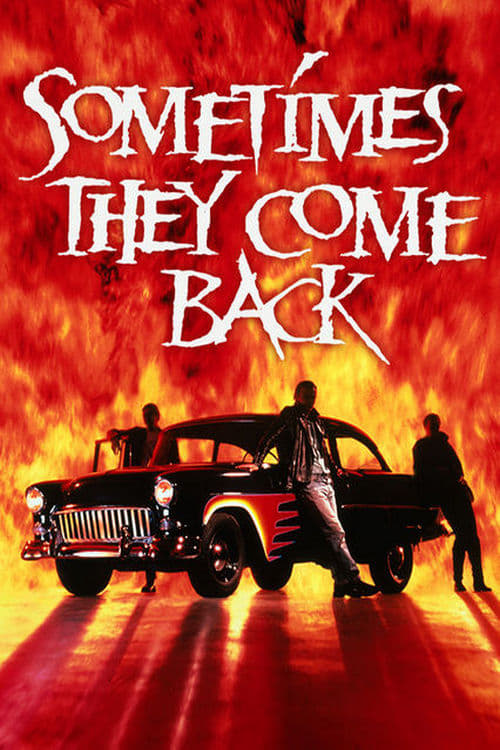
This television film adapts a short story about a teacher haunted by violent figures from his past. The plot unfolds through classroom scenes family life and a series of confrontations at night. Effects are practical and the story closes within a limited timeframe. A new version could situate the narrative within current school settings expand the town history and present the return phenomenon with grounded rules.
Share the one you would remake first and explain your pick in the comments.