


Top Terrorist And Hostage Movies

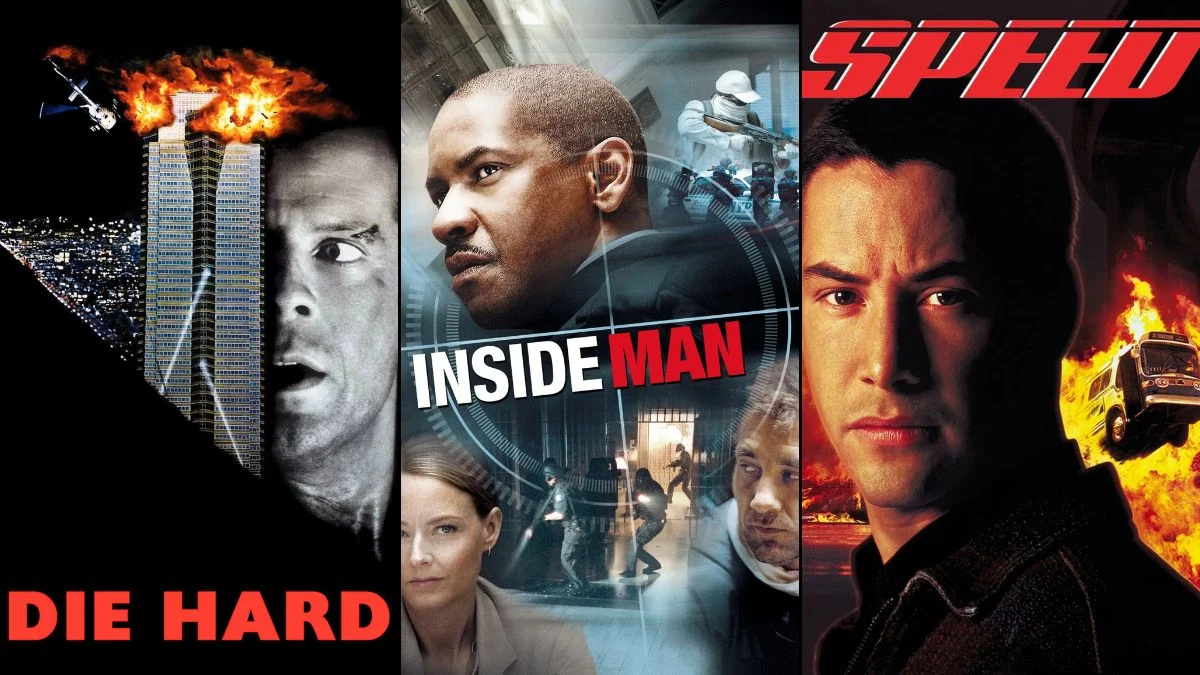


High stakes stories about terror plots and hostage crises tap into real fears, tight spaces, and impossible choices. These films place characters under pressure in planes, trains, banks, hotels, and even the highest office in the land, while teams race to defuse bombs, negotiate releases, or plan daring rescues. The settings shift from crowded cities to open seas, but the clock is always ticking.
This list gathers twenty five standout movies that focus on hijackings, sieges, kidnappings, and counterterror operations. Each entry includes essential details such as the core scenario, key cast and crew, source material when relevant, and notable production or reception facts. No matter the location or mission, these films keep the focus on how people respond when every decision matters.
‘Die Hard’ (1988)
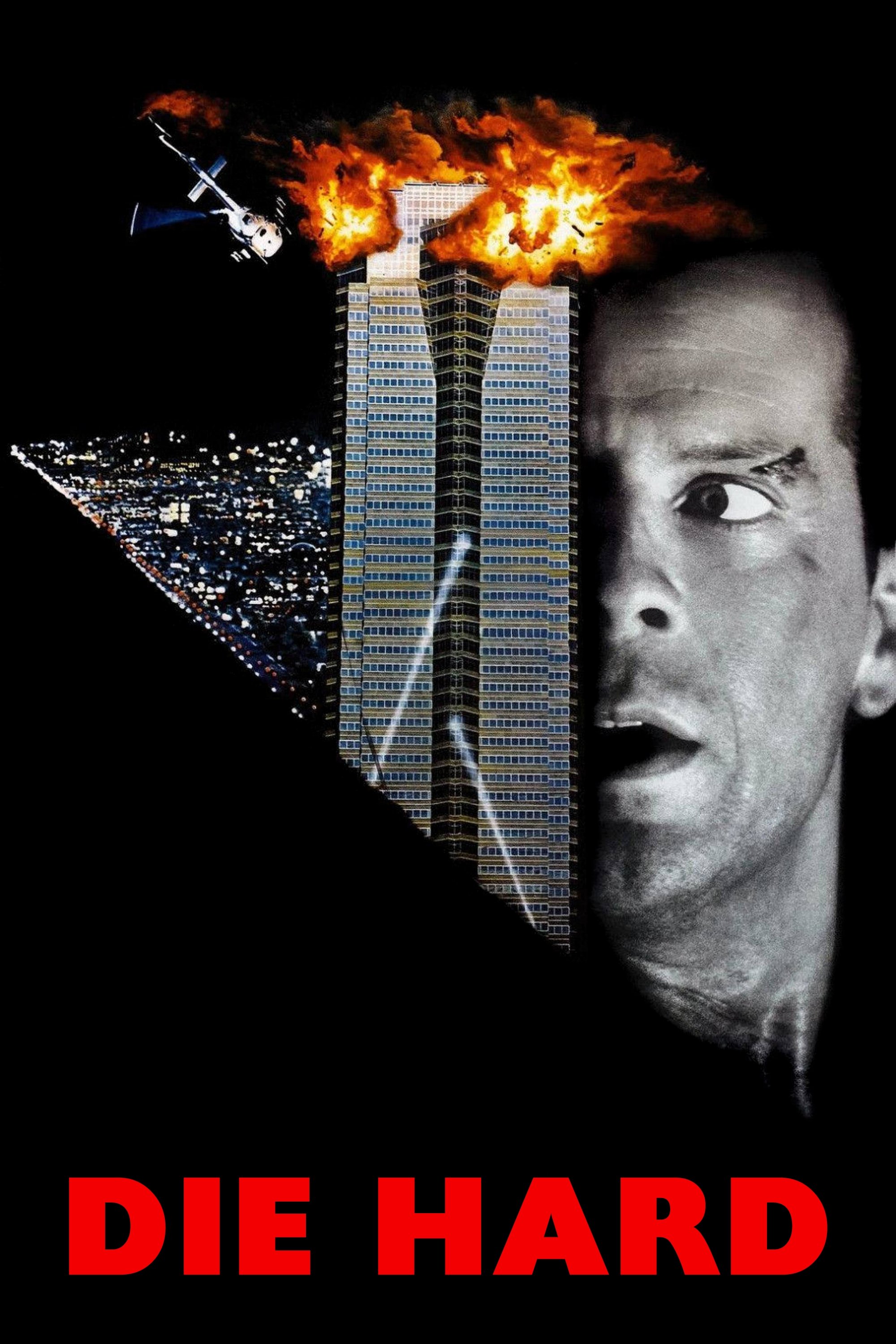
A New York police officer attends a holiday party in a Los Angeles skyscraper that is seized by a heavily armed group posing as terrorists. The story follows improvised tactics inside the building, the use of service shafts and radio chatter, and a cat and mouse contest with a calculating leader who controls access points and hostages.
Directed by John McTiernan and based on the novel ‘Nothing Lasts Forever’, the film stars Bruce Willis and Alan Rickman. It was shot in and around Fox Plaza, which doubled for the tower, and it established a template for contained siege thrillers that many later productions echoed.
‘Speed’ (1994)
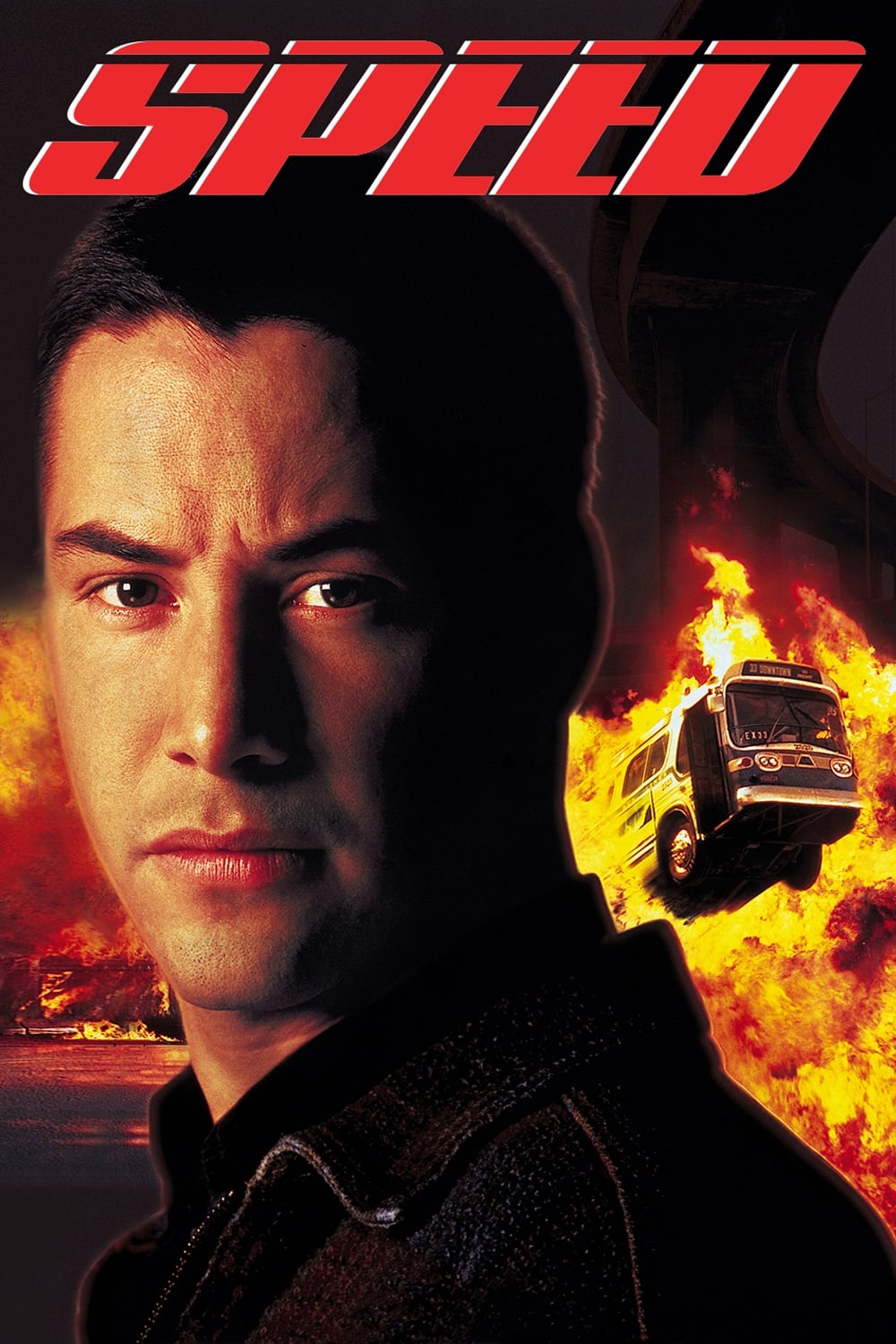
A bomber targets a city bus with an explosive device that will detonate if the vehicle drops below a set speed. The plot tracks the logistics of keeping the bus moving through traffic, passenger management under stress, and the challenge of transferring people to safety without triggering the device.
Jan de Bont directs, with Keanu Reeves, Sandra Bullock, and Dennis Hopper leading the cast. The production staged extensive freeway sequences with a custom rigged bus, and it earned Academy Awards in sound categories for its precise use of effects and mixing.
‘Captain Phillips’ (2013)
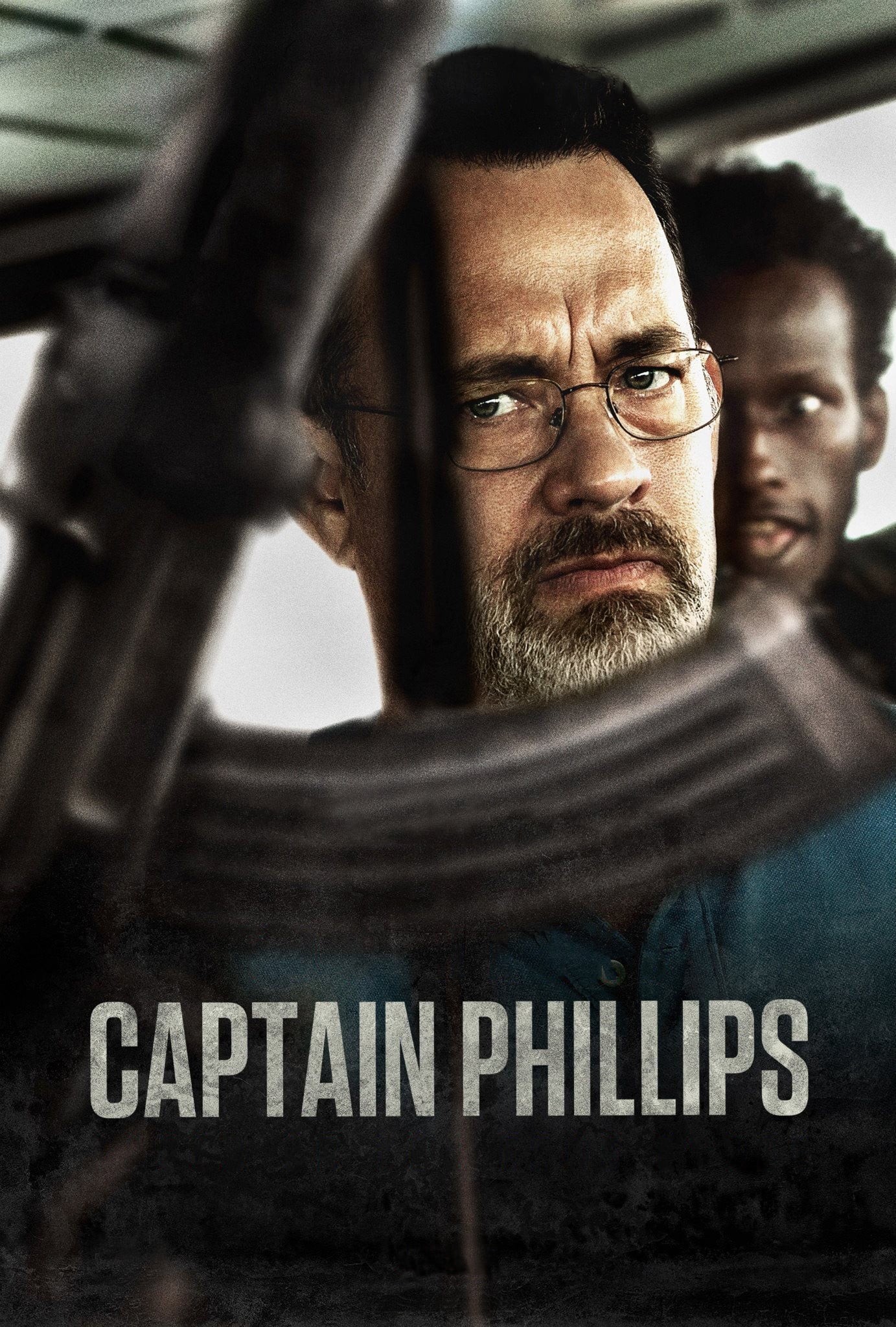
A US container ship is boarded by Somali pirates who isolate the captain as leverage against the crew. The narrative follows maritime protocols, evasive actions within the ship’s compartments, and the eventual shift from shipboard defense to a standoff at sea.
Paul Greengrass directs, with Tom Hanks as the title character and Barkhad Abdi as the pirate leader. The film adapts the memoir ‘A Captain’s Duty’, it shot extensively on the water with naval cooperation, and it received multiple Academy Award nominations, including recognition for Abdi.
‘Argo’ (2012)
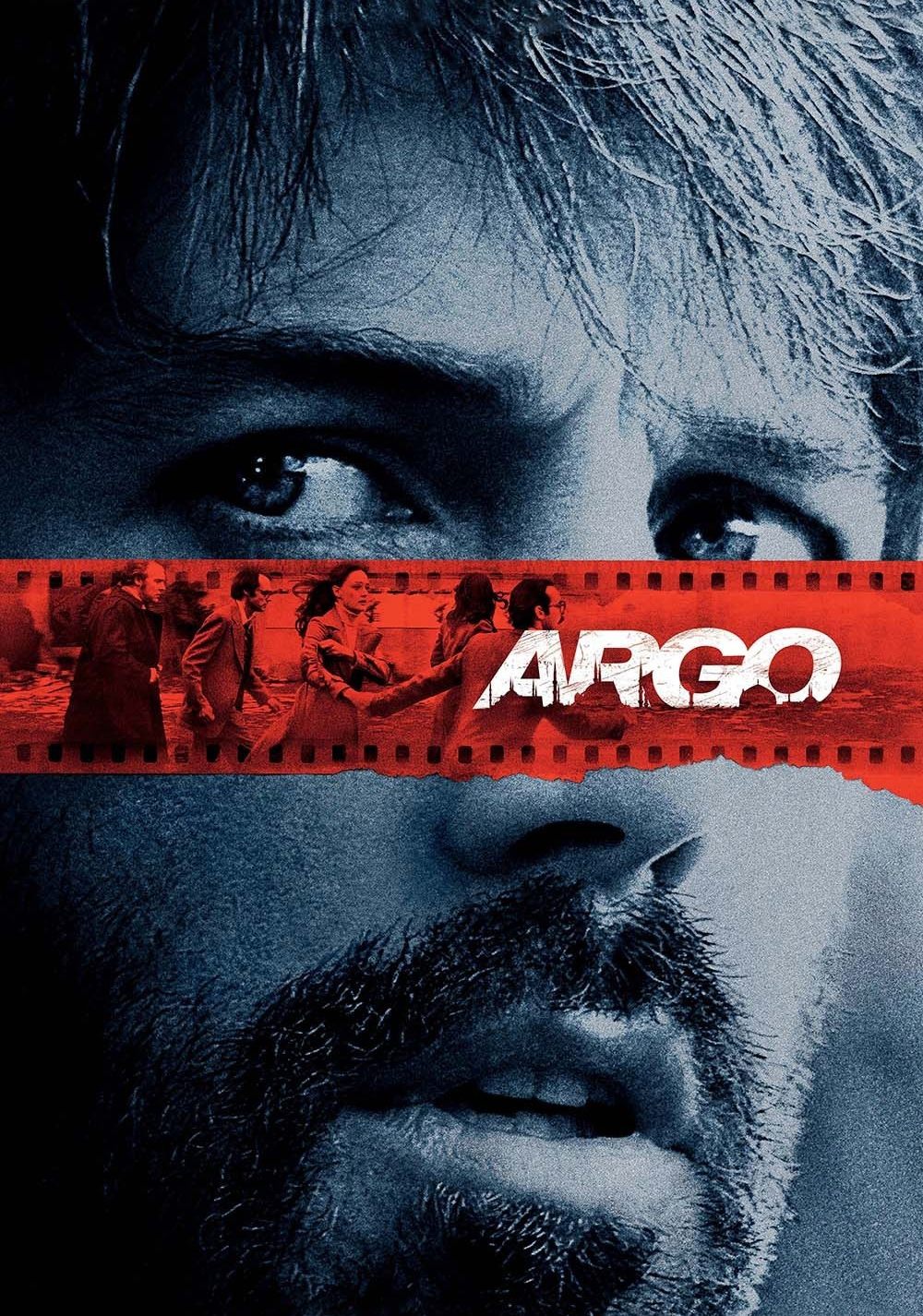
During a diplomatic crisis, a covert team plans to extract six US personnel hiding in a foreign city by staging a fake science fiction production. The operation uses forged documents, location scouting covers, and carefully timed movements through checkpoints.
Ben Affleck directs and stars alongside Bryan Cranston, Alan Arkin, and John Goodman. The film adapts accounts of the real exfiltration, it recreated period production offices and embassy interiors on soundstages and international locations, and it won the Academy Award for Best Picture.
‘United 93’ (2006)

An airliner is hijacked mid flight while controllers and military personnel try to understand simultaneous events in the national airspace system. The film intercuts the aircraft cabin with air traffic control centers and command rooms, tracking communication delays and fragmented situational awareness.
Paul Greengrass uses a cast that includes real aviation professionals, with Ben Sliney portraying himself as a national operations manager. The production emphasized procedural accuracy, employed handheld camerawork to mirror operational urgency, and received Academy Award nominations for directing and editing.
‘Munich’ (2005)
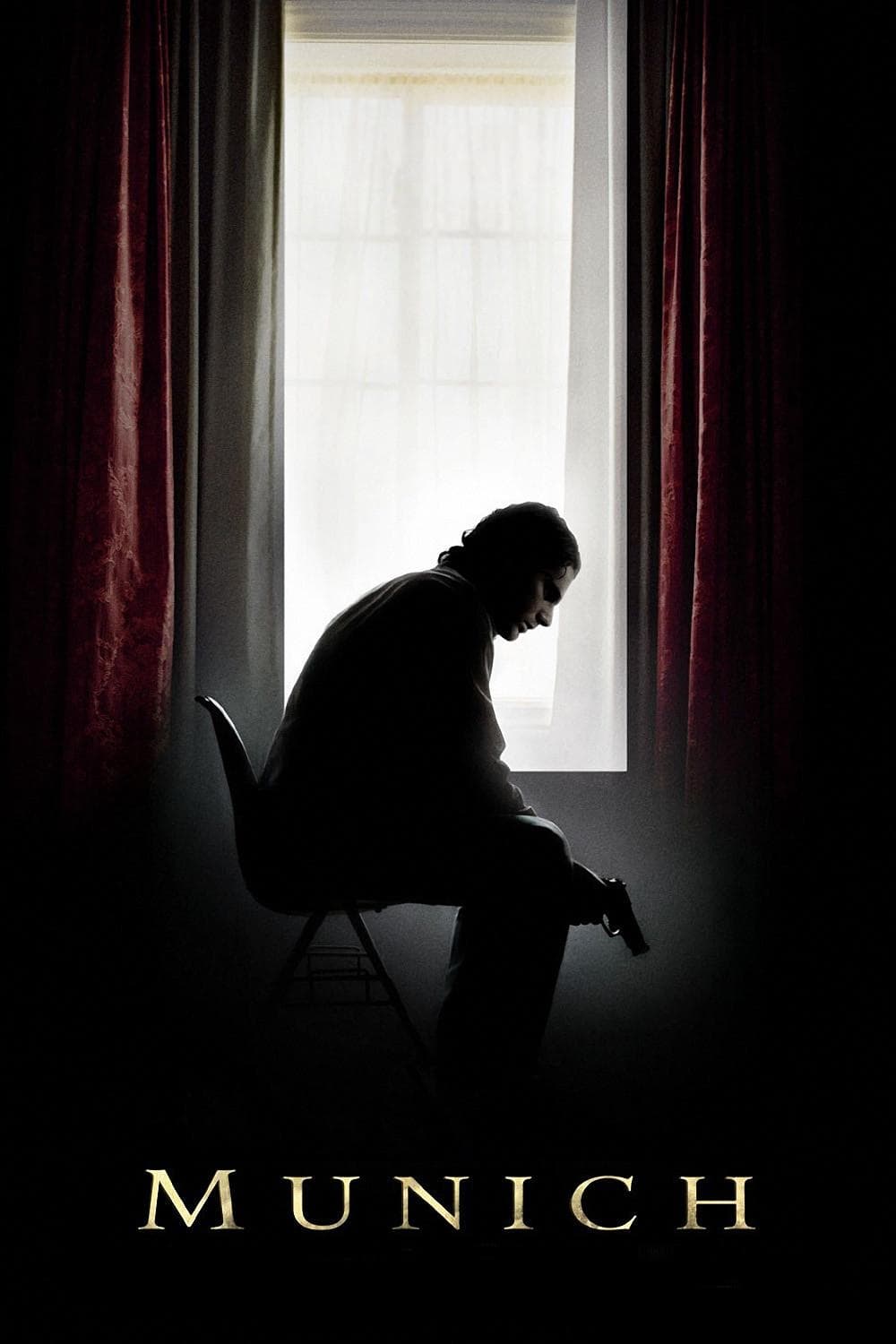
A clandestine team is assembled to track those linked to a massacre at an international sporting event, moving across multiple European and Middle Eastern cities. Surveillance, safe houses, and improvised explosives shape the missions, while political and ethical questions shadow the operatives.
Steven Spielberg directs, with Eric Bana, Daniel Craig, and Ciarán Hinds in key roles. The film draws from the book commonly known as ‘Vengeance’, features a score by John Williams, and earned multiple Academy Award nominations including Best Picture and Best Director.
‘Patriots Day’ (2016)
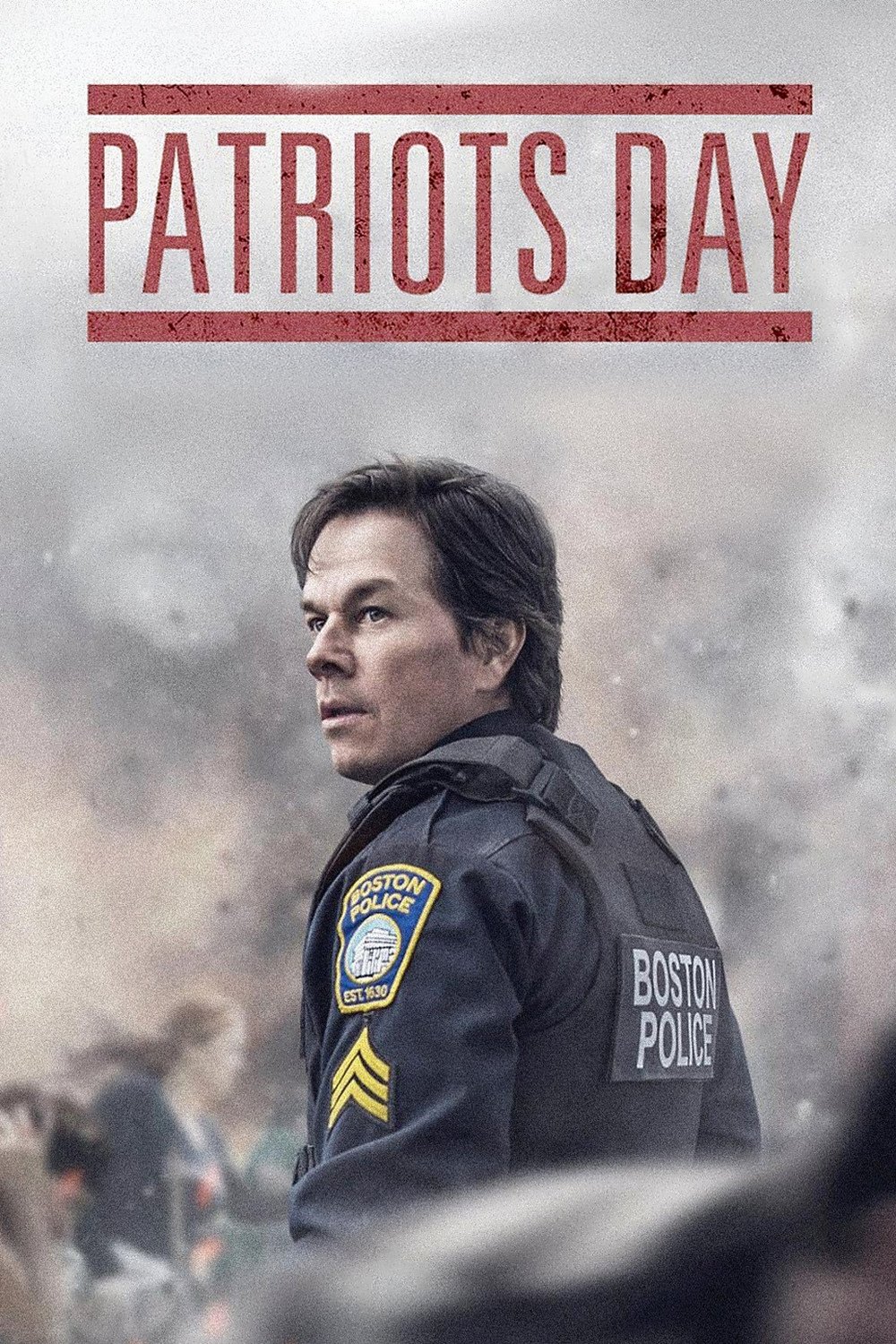
A city wide search follows coordinated bombings near a major race finish line, blending law enforcement response, hospital triage, and community wide lockdown procedures. The film depicts the identification of suspects through video analysis and the firefight that leads to a neighborhood siege.
Peter Berg directs, with Mark Wahlberg, Kevin Bacon, John Goodman, and J K Simmons among the ensemble. The production filmed in Massachusetts with extensive cooperation from local agencies, and it mixes dramatized scenes with archival material to reconstruct the timeline of events.
‘Air Force One’ (1997)
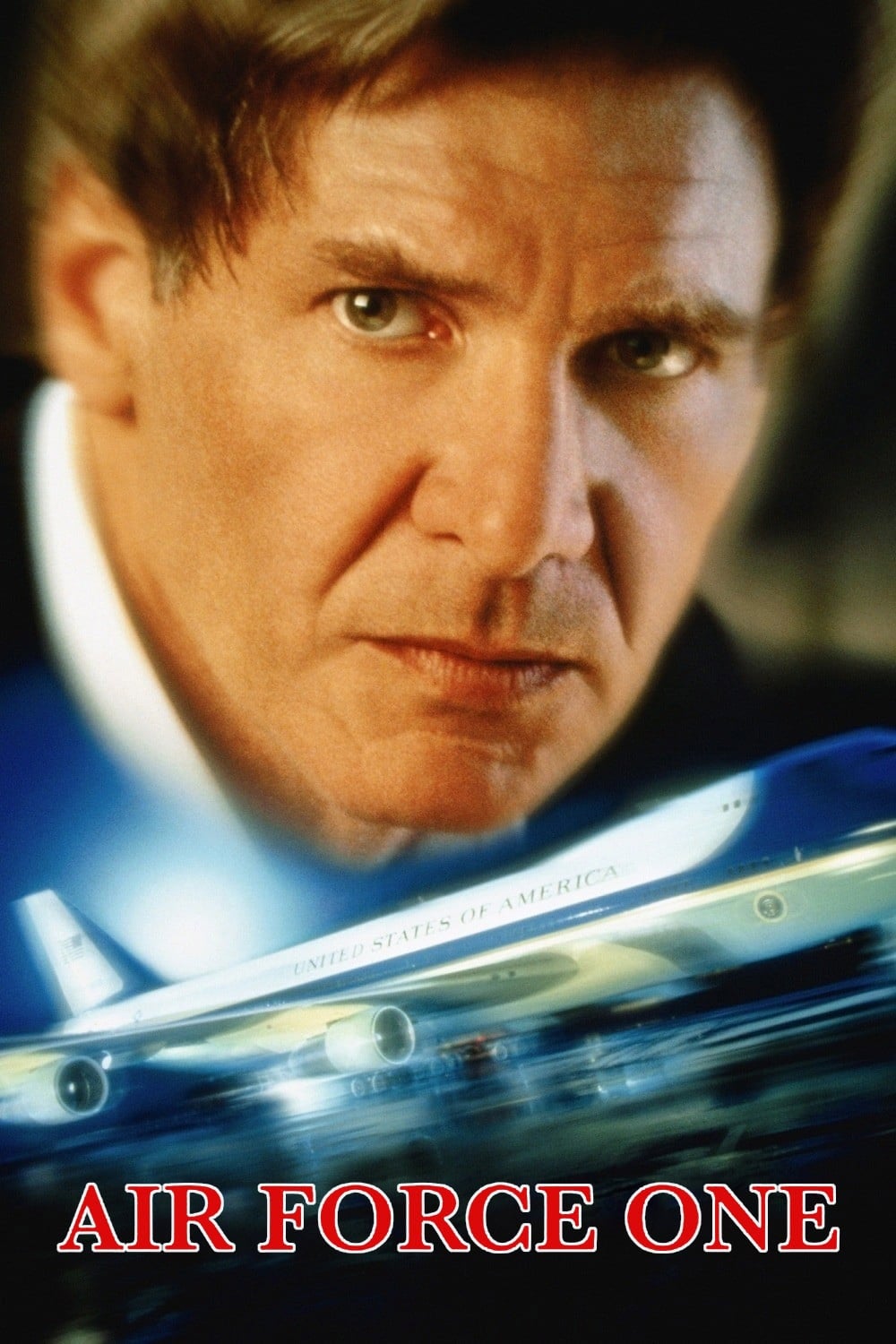
Hijackers seize the presidential aircraft during an overseas flight, forcing a confrontation inside a secure and confined environment. The story uses hidden compartments, communications failures, and midair refueling windows to structure attempts at resistance and rescue.
Wolfgang Petersen directs, with Harrison Ford, Gary Oldman, and Glenn Close leading the cast. The production built detailed aircraft interiors on soundstages, combined practical sets with visual effects for exterior sequences, and focused on the tension of a moving hostage crisis at altitude.
‘The Taking of Pelham One Two Three’ (1974)
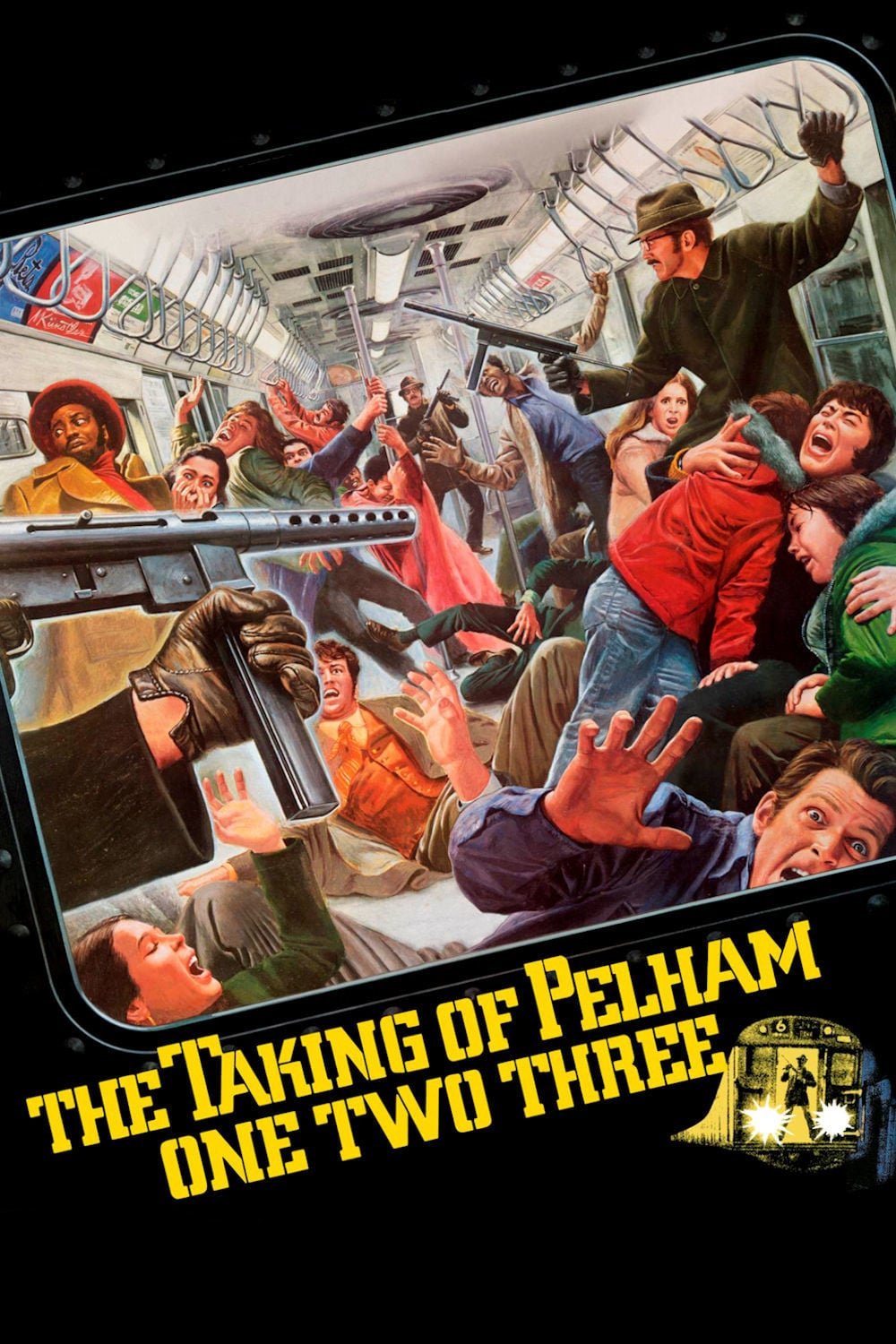
Armed men code named by colors commandeer a New York City subway train and demand a cash delivery under strict timing conditions. Transit police and city officials negotiate while dealing with radio limitations, signal blocks, and a crowded rail network.
Joseph Sargent directs, with Walter Matthau and Robert Shaw anchoring the standoff from opposite sides of the radio. Based on the novel by Morton Freedgood under the name John Godey, the story inspired remakes and remains a reference point for transit based hostage thrillers.
‘Inside Man’ (2006)
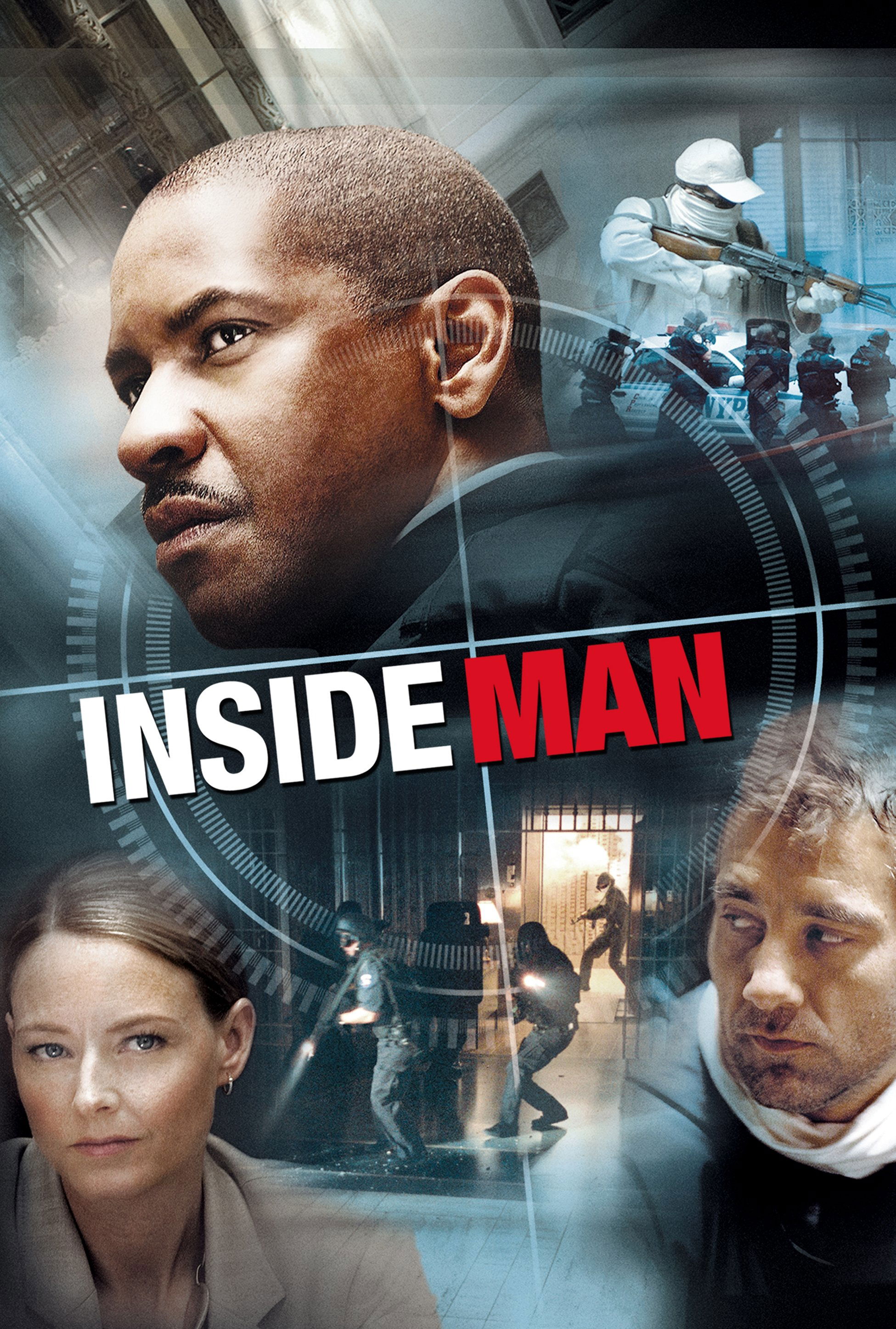
A precision planned bank takeover unfolds with hostages dressed to match the perpetrators, creating confusion for police when the building is cleared. The plan uses sealed rooms, false walls, and a hidden objective unrelated to cash in the vault.
Spike Lee directs, with Denzel Washington, Clive Owen, and Jodie Foster in central roles. The film shot on location in Manhattan, features a score by Terence Blanchard, and became the director’s highest grossing title at the time.
‘Dog Day Afternoon’ (1975)
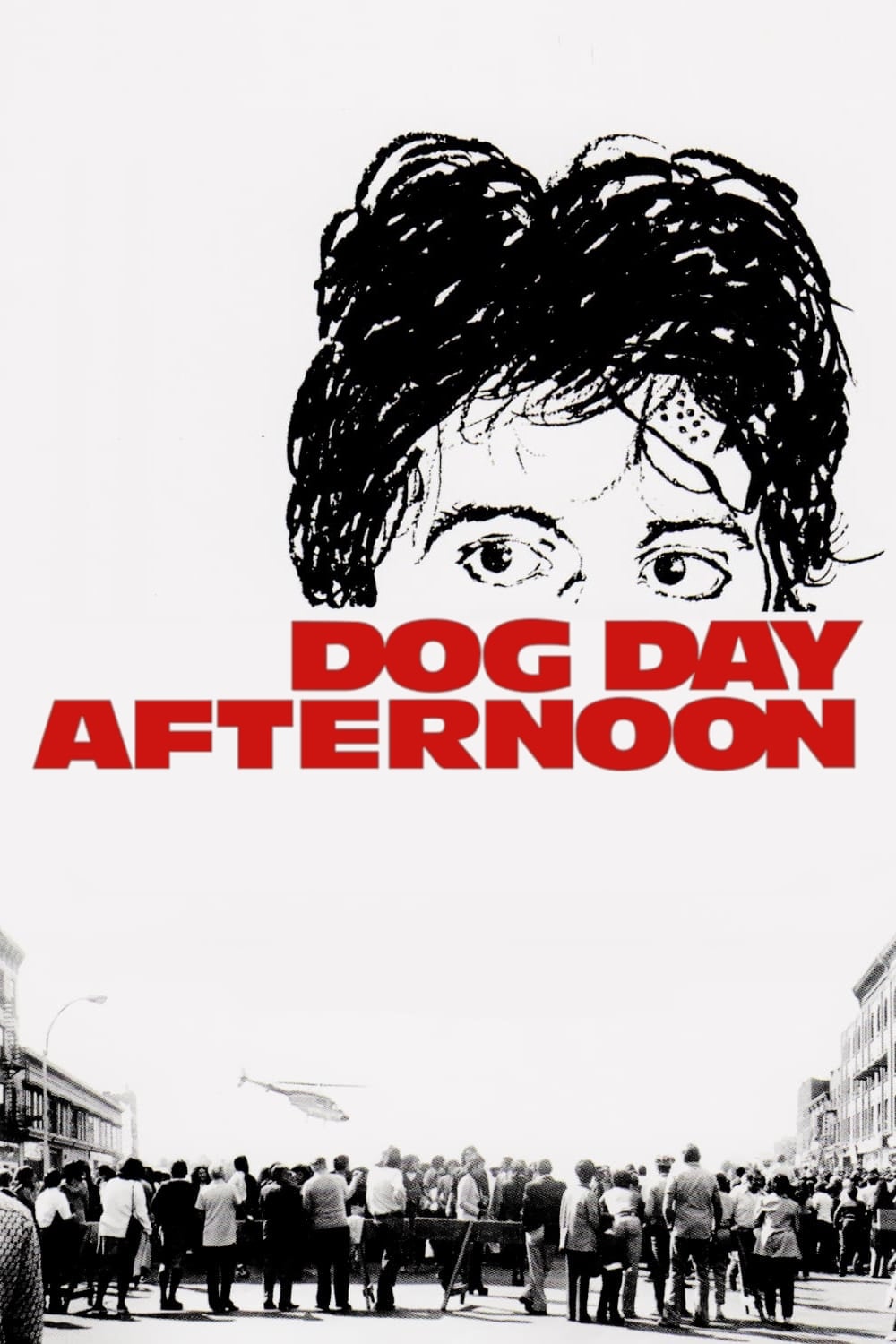
A botched bank robbery turns into a hostage situation that attracts intense media coverage and draws large crowds outside the branch. Negotiations move between the bank doorway and the street as police attempt controlled exchanges and transport promises.
Sidney Lumet directs, with Al Pacino and John Cazale portraying partners caught in a rapidly escalating standoff. The script adapts a magazine article based on a real incident, and it won the Academy Award for Best Original Screenplay.
‘A Hijacking’ (2012)

A Danish cargo ship is overtaken by pirates in the Indian Ocean, and a months long negotiation follows between the company and the captors. The narrative alternates between the crew’s confinement aboard the vessel and the boardroom pressures faced by executives.
Tobias Lindholm directs, with Pilou Asbæk and Søren Malling highlighting the human cost of prolonged bargaining. The production consulted maritime professionals, used a real ship environment for authenticity, and is frequently paired with ‘Captain Phillips’ in discussions of modern piracy on film.
‘Non-Stop’ (2014)
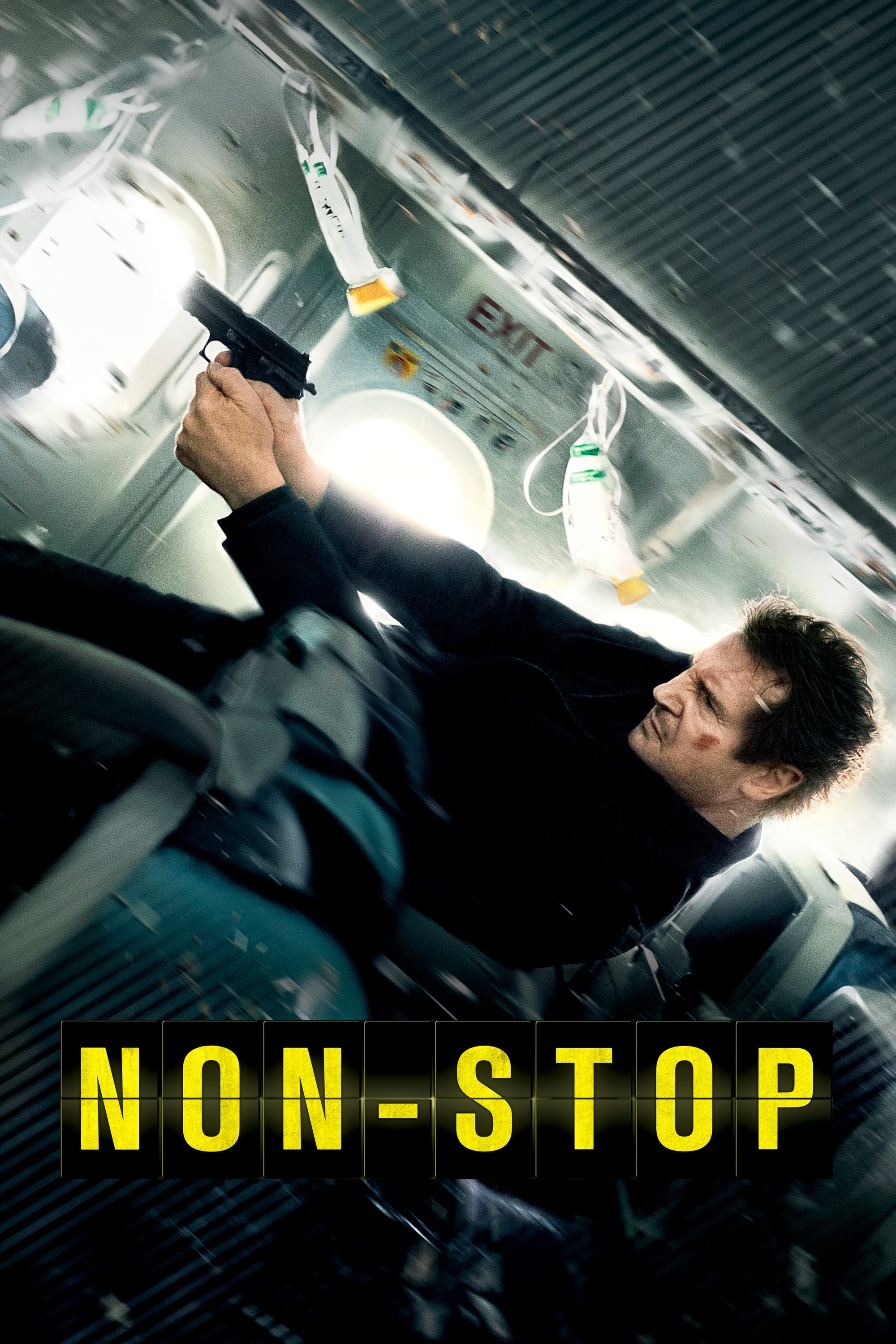
A federal air marshal receives anonymous threats during a transatlantic flight as passengers and crew become suspects. The plot features secure messaging on tamper resistant devices, hidden compartments, and coordinated cabin searches in tight quarters.
Jaume Collet Serra directs, with Liam Neeson and Julianne Moore among the leads. The shoot used a modular aircraft interior set that could be reconfigured between scenes, allowing for long takes along the aisle and rapid changes in camera position.
‘Executive Decision’ (1996)
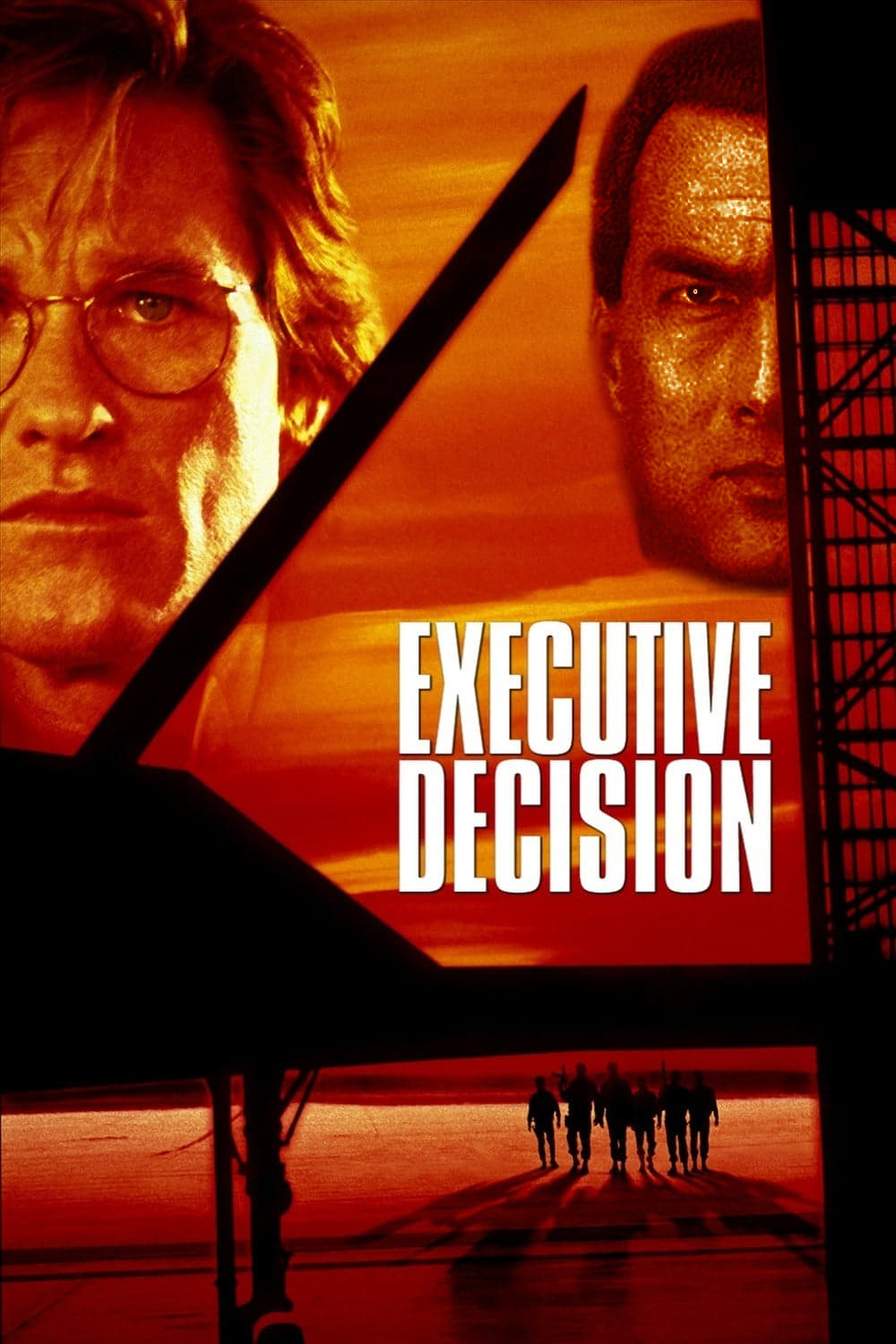
A commercial airliner is hijacked on an international route, and a small special operations team attempts a covert midair boarding. The mission employs a stealth transport that connects beneath the aircraft, followed by a careful infiltration through service spaces.
Stuart Baird directs, with Kurt Russell, Halle Berry, John Leguizamo, and Steven Seagal in the ensemble. The production built large scale cabin and cargo bay sets, coordinated stunt work for the docking sequence, and focused on technical details of cockpit access and avionics.
‘The Rock’ (1996)
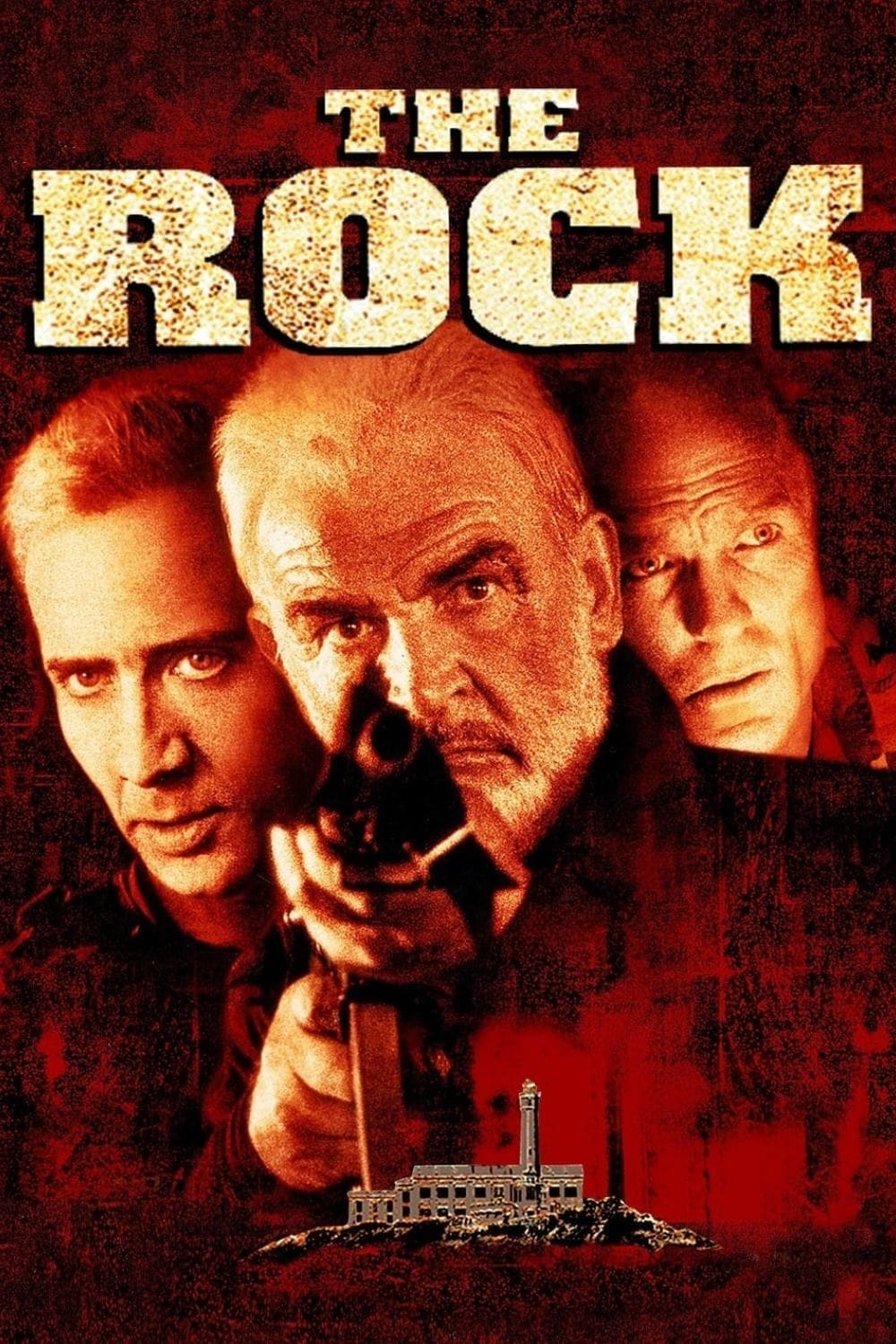
A group of rogue Marines occupies Alcatraz Island and threatens a chemical attack while holding tourists as leverage. The story follows a forensic specialist and a former inmate who enter the prison to locate rockets hidden among cellblocks and tunnels.
Michael Bay directs, with Nicolas Cage, Sean Connery, and Ed Harris taking principal roles. The production filmed on the island with cooperation from local authorities, designed glass bead prop warheads to represent nerve agent payloads, and combined practical pyrotechnics with large scale sets.
‘The Siege’ (1998)
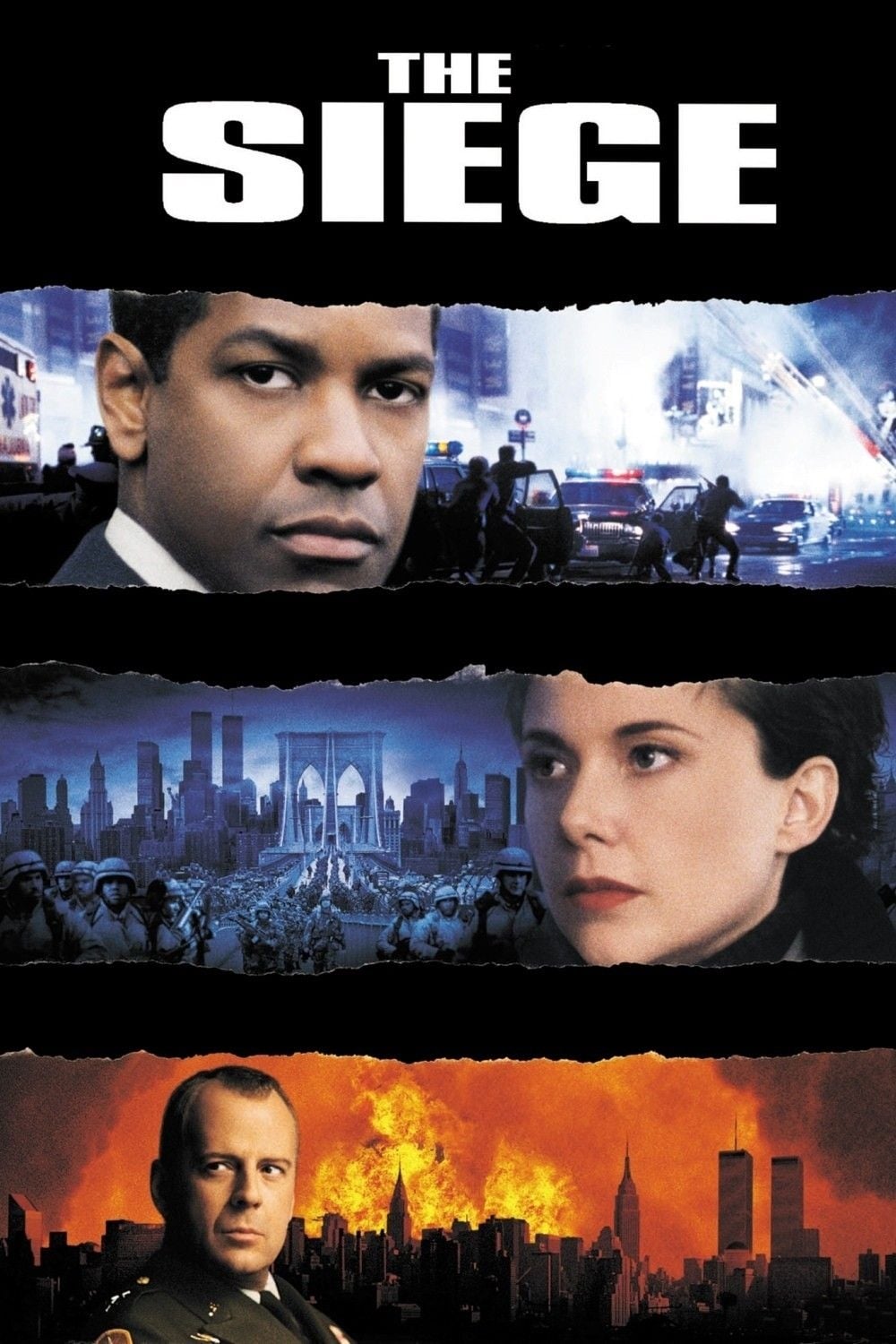
A series of coordinated attacks in New York City leads to emergency powers and widespread detentions as authorities search for a hidden cell. The narrative contrasts intelligence work with military deployment in a dense urban environment.
Edward Zwick directs, with Denzel Washington, Annette Bening, and Bruce Willis at the center of the response. The film addresses competing jurisdictions among federal agencies and the army, and it stages large crowd control and convoy sequences across city locations.
‘Black Sunday’ (1977)

Intelligence agents uncover a plot to use a blimp to carry out a mass casualty attack at a championship football game. The plan relies on surreptitious weapon assembly and the exploitation of broadcast schedules to maximize impact.
John Frankenheimer directs, with Robert Shaw and Bruce Dern leading the cast. Based on the novel by Thomas Harris, the production captured aerial footage over a real stadium event and coordinated with league officials to stage the climactic approach.
‘The Negotiator’ (1998)
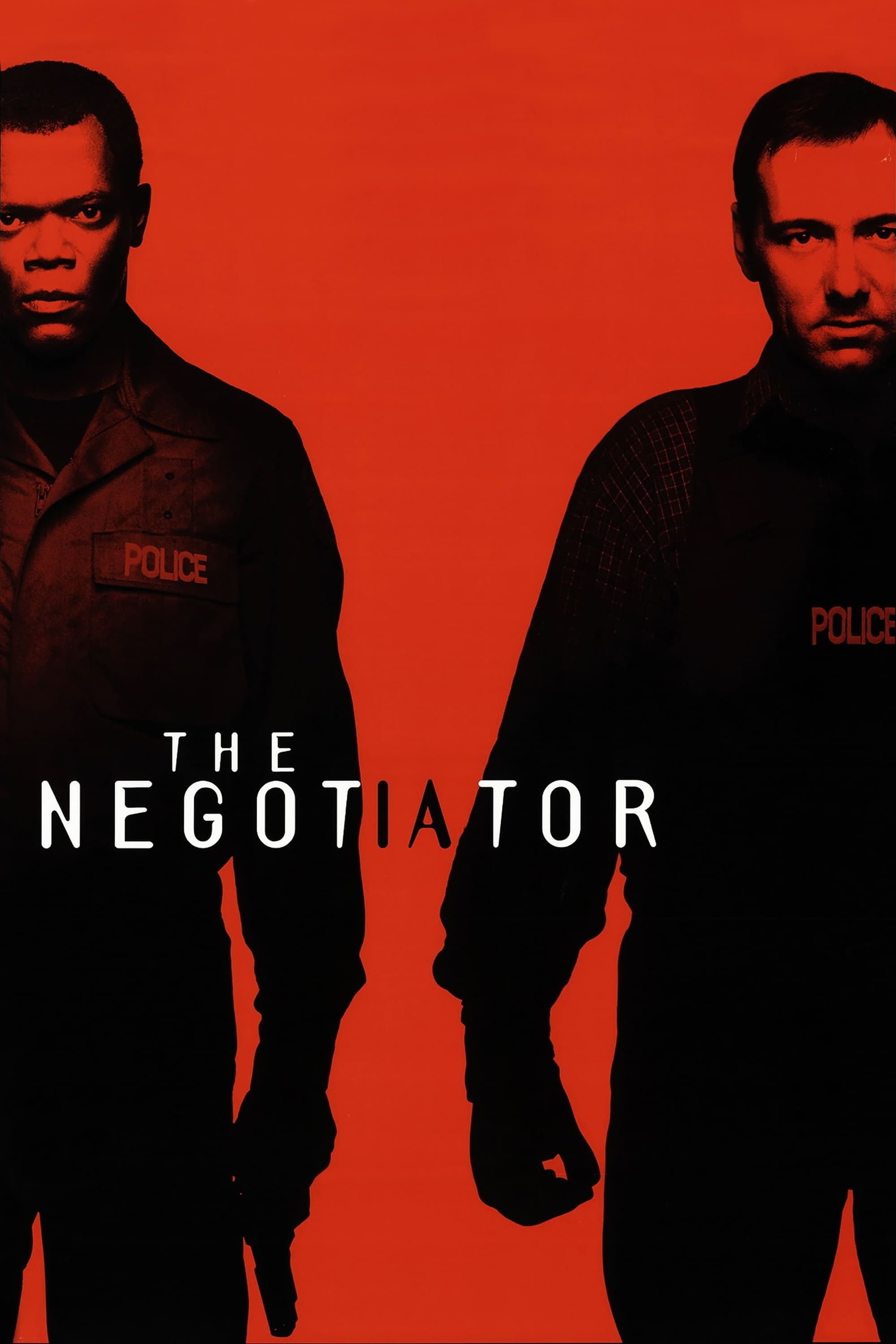
A top police negotiator is accused of corruption and responds by taking hostages inside an internal affairs office to force an investigation. The film details bargaining tactics, proof of life sequences, and the use of listening devices and tactical entries.
F Gary Gray directs, with Samuel L Jackson and Kevin Spacey facing off across a building full of blind corners and sealed rooms. The story emphasizes chain of command conflicts, evidence handling, and the delicate timing of sniper and entry team coordination.
‘7 Days in Entebbe’ (2018)
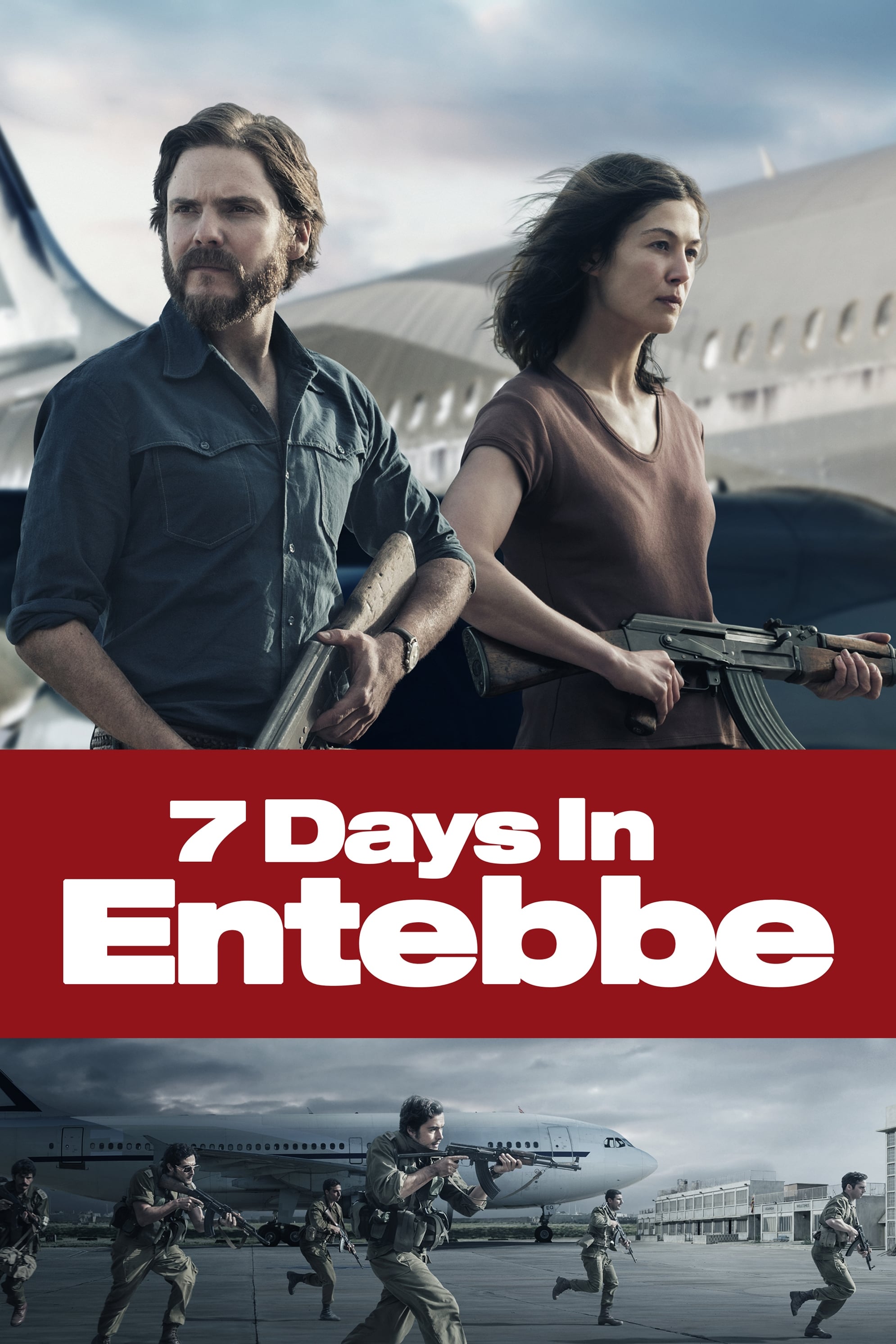
An international flight is hijacked and diverted to Uganda, where passengers are separated in a high profile standoff. Governments weigh options while a commando unit prepares a night raid to free the captives.
José Padilha directs, with Daniel Brühl and Rosamund Pike portraying members of the group that carried out the hijacking. The film recreates airport layouts, terminal lighting, and aircraft positioning, and it depicts the planning stages that led to the rescue operation.
‘Hotel Mumbai’ (2018)
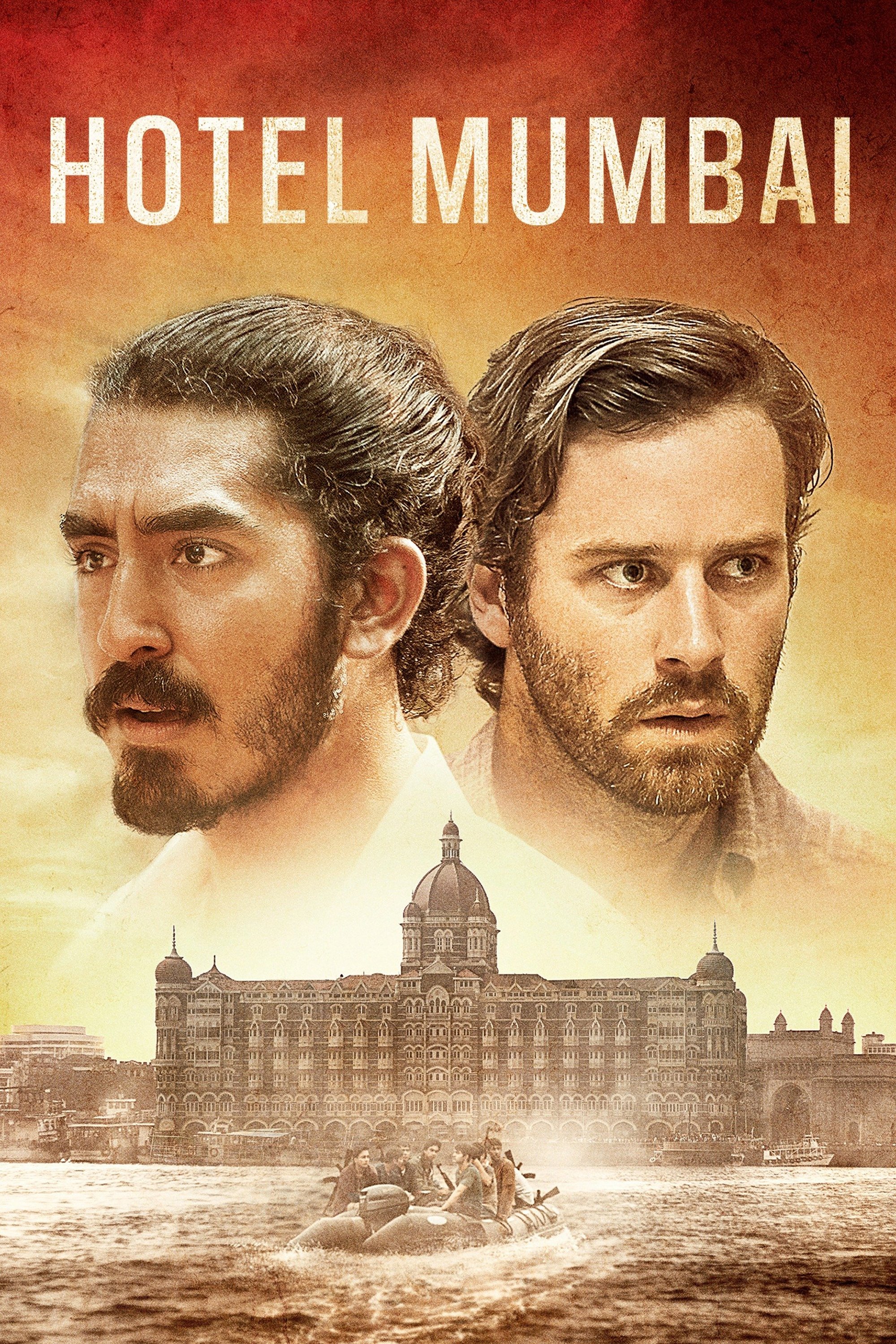
Coordinated attacks strike multiple sites in a major city, including a landmark hotel whose guests and staff are trapped for extended hours. The story follows improvised safe rooms, kitchen route escapes, and the slow arrival of heavily trained responders.
Anthony Maras directs, with Dev Patel, Armie Hammer, and Anupam Kher among the ensemble. Inspired by the documentary ‘Surviving Mumbai’, the production consulted survivors and staff, rebuilt signature interiors on soundstages, and used a multilingual script to reflect the diverse setting.
‘Beirut’ (2018)
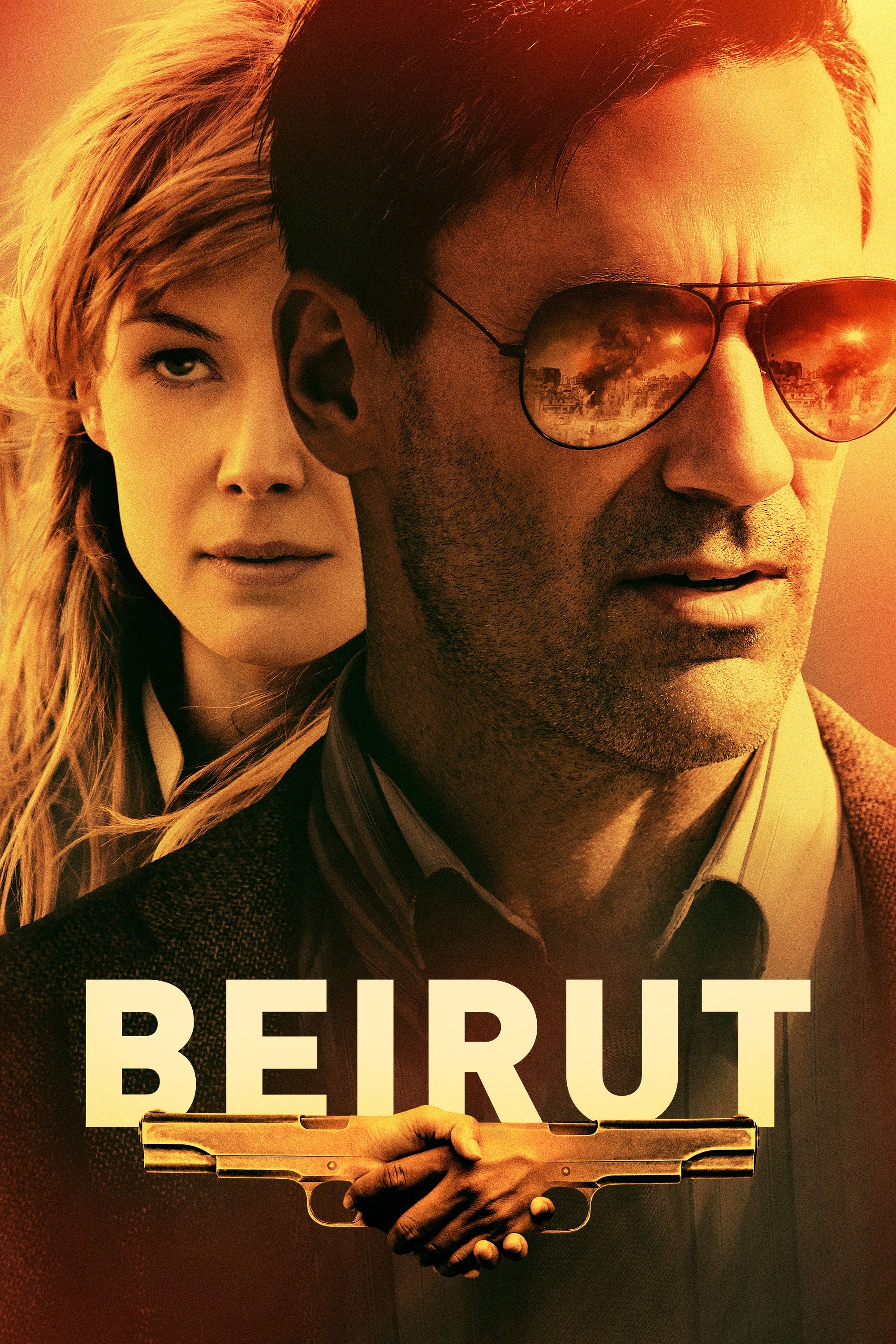
A former diplomat is called back to negotiate the release of a kidnapped colleague amid factional strife in the capital. The plot examines tradecraft such as cover identities, controlled meetings, and shifting alliances among local power brokers.
Brad Anderson directs, with Jon Hamm and Rosamund Pike leading the cast and Tony Gilroy providing the script. The production filmed in Morocco to represent the city, coordinated large crowd scenes, and portrays embassy security protocols during high risk movements.
‘Ransom’ (1996)
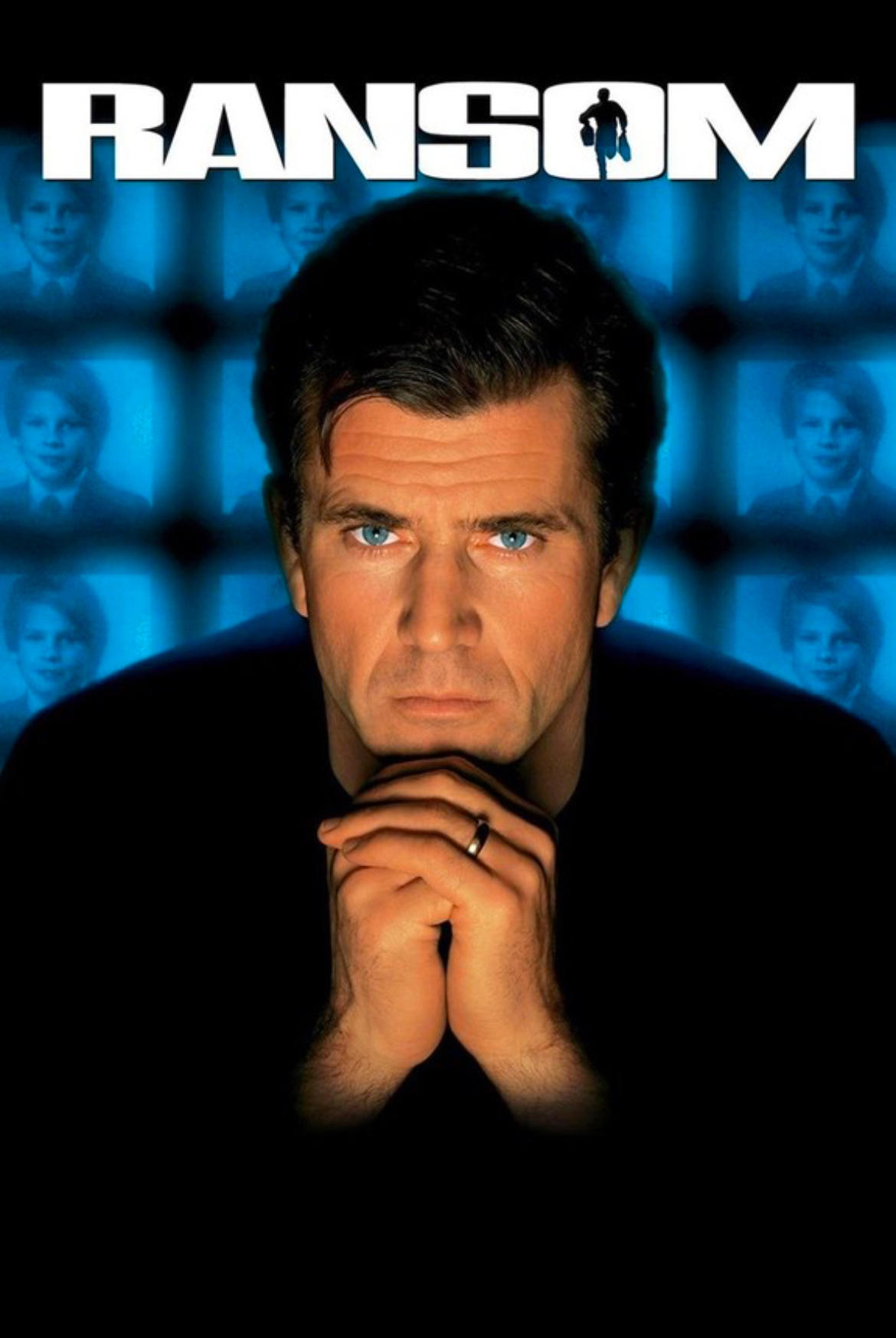
After the abduction of a business leader’s son, the family faces a series of instructions from kidnappers who demand cash delivery under strict terms. The father alters the dynamic by making a public offer that changes the bargaining power on live television.
Ron Howard directs, with Mel Gibson, Rene Russo, and Gary Sinise in key roles. The production focuses on ransom drop mechanics, polygraph use during internal vetting, and the coordination between detectives and private security teams.
‘Phone Booth’ (2002)
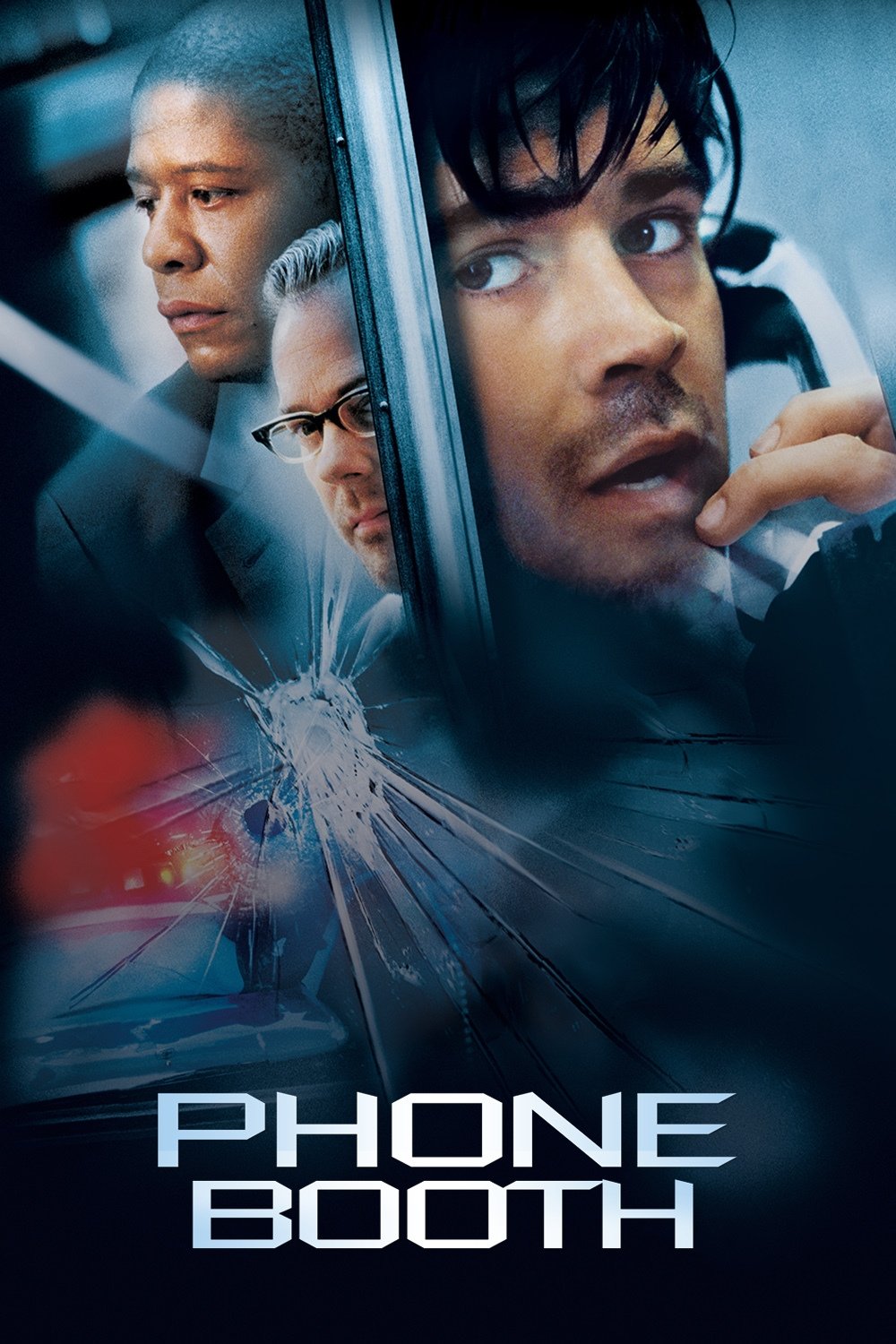
A publicist answers a call in a street booth and finds himself pinned by a sniper who will fire if he hangs up. Police assemble around the cordoned block while the caller forces confessions and orchestrates encounters to keep tension high.
Joel Schumacher directs, with Colin Farrell in an almost single location performance, Kiefer Sutherland providing the voice of the caller, and Forest Whitaker leading the on scene police response. The film was shot largely on a controlled exterior set, allowing long takes that capture the surrounding crowds and traffic.
‘Con Air’ (1997)
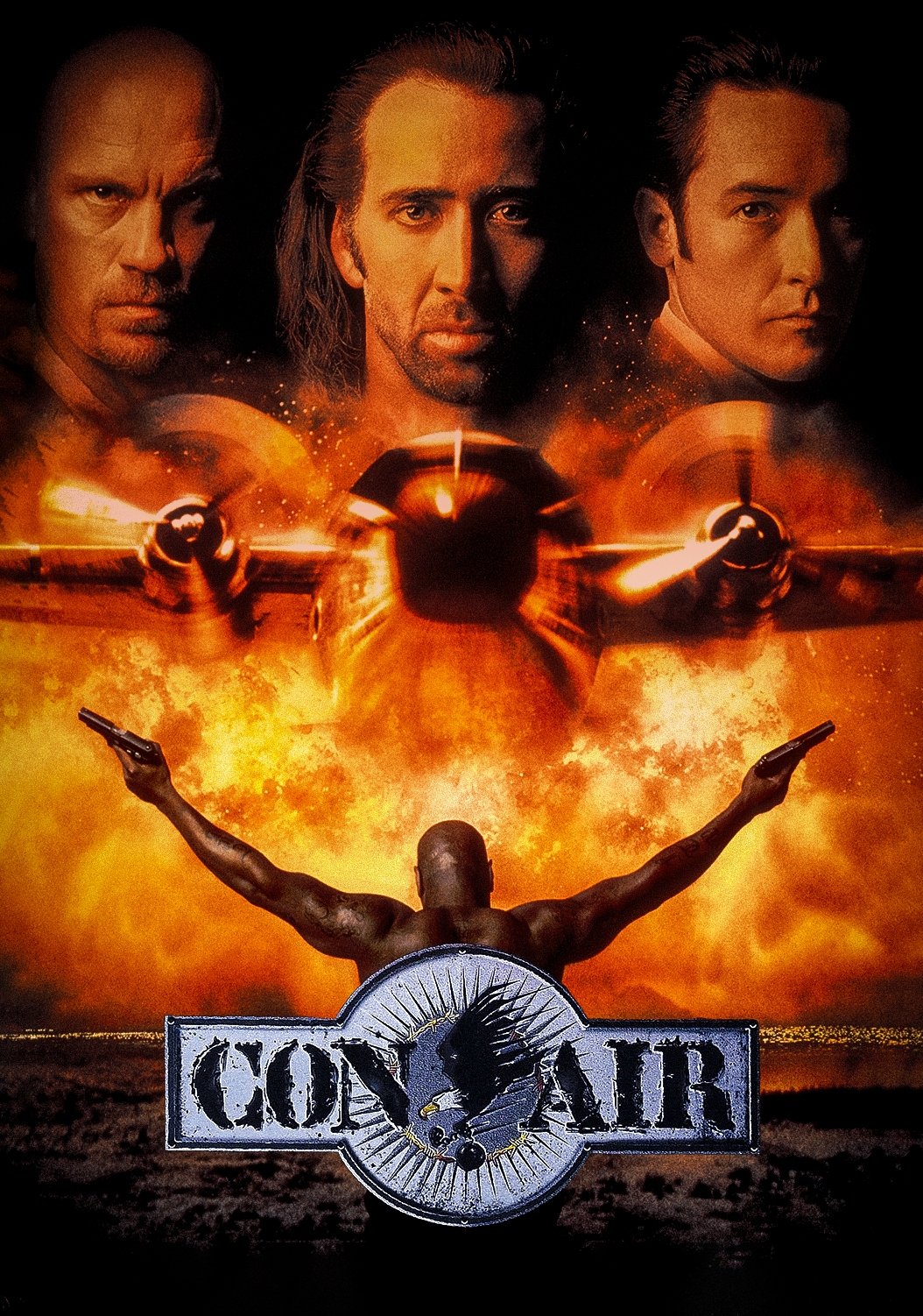
A prisoner transport flight is overtaken by inmates who force the pilots to alter course, turning the aircraft into a moving stronghold. Federal agents try to predict landing attempts while a lone passenger works to disrupt the plan from within.
Simon West directs, with Nicolas Cage, John Cusack, and John Malkovich heading a large ensemble. The production uses full size aircraft set pieces, complex stunt work around taxiing and takeoff sequences, and practical effects for runway and desert scenes.
‘Eye in the Sky’ (2015)
An operation to capture a high value target transitions to a strike mission when surveillance reveals an imminent threat, while a civilian’s presence near the target raises legal and ethical thresholds. Decision makers in several countries weigh proportionality and authorization rules in real time.
Gavin Hood directs, with Helen Mirren, Aaron Paul, and Alan Rickman portraying officers and ministers in the command chain. The film uses satellite and drone feeds as narrative devices, shows cross agency liaison protocols, and highlights collateral damage assessments that shape the final call.
Share your favorite picks and any must watch additions to this list in the comments.