

Top Turn Based Strategy Games




Turn based strategy games give you time to plan, adapt, and outsmart the opposition without the pressure of twitch reflexes. From sweeping 4X empire builders to tightly tuned tactical skirmishes, the genre offers a wide range of systems to master and playstyles to explore. Whether you love managing cities and tech trees or plotting flanks on a grid, these standouts deliver deep mechanics, strong progression, and satisfying decision making that rewards clever choices.
Civilization VI
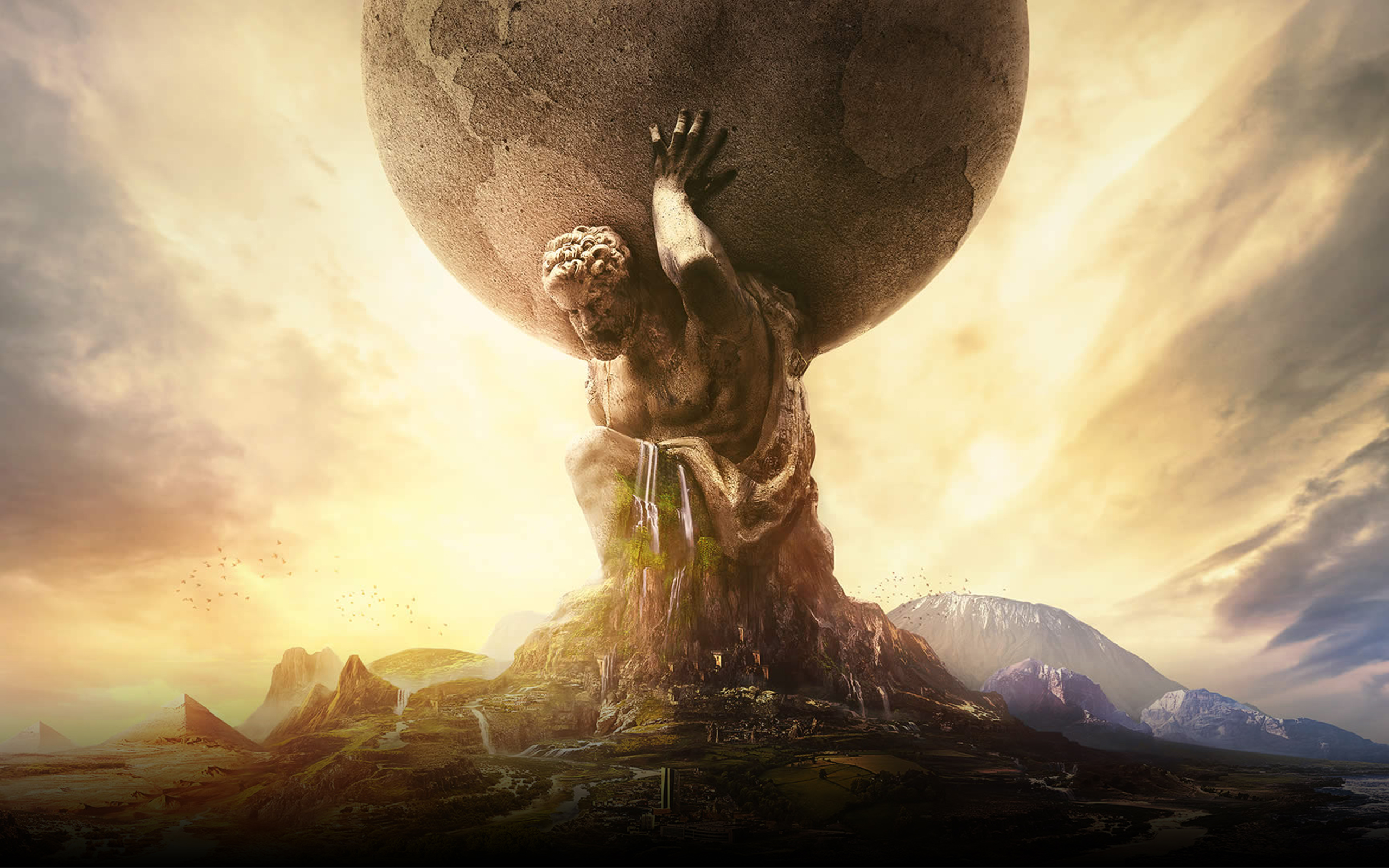
This 4X sequel lets you expand cities across multiple tiles with the district system, which pushes careful placement and long term planning. Leaders bring unique agendas that shape diplomacy and trade, and city states add focused bonuses worth competing over. The game features multiple victory types such as science, culture, domination, and religion, encouraging different strategies each playthrough. Regular updates and expansions added loyalty, governors, and climate effects for more nuanced empire management.
XCOM 2
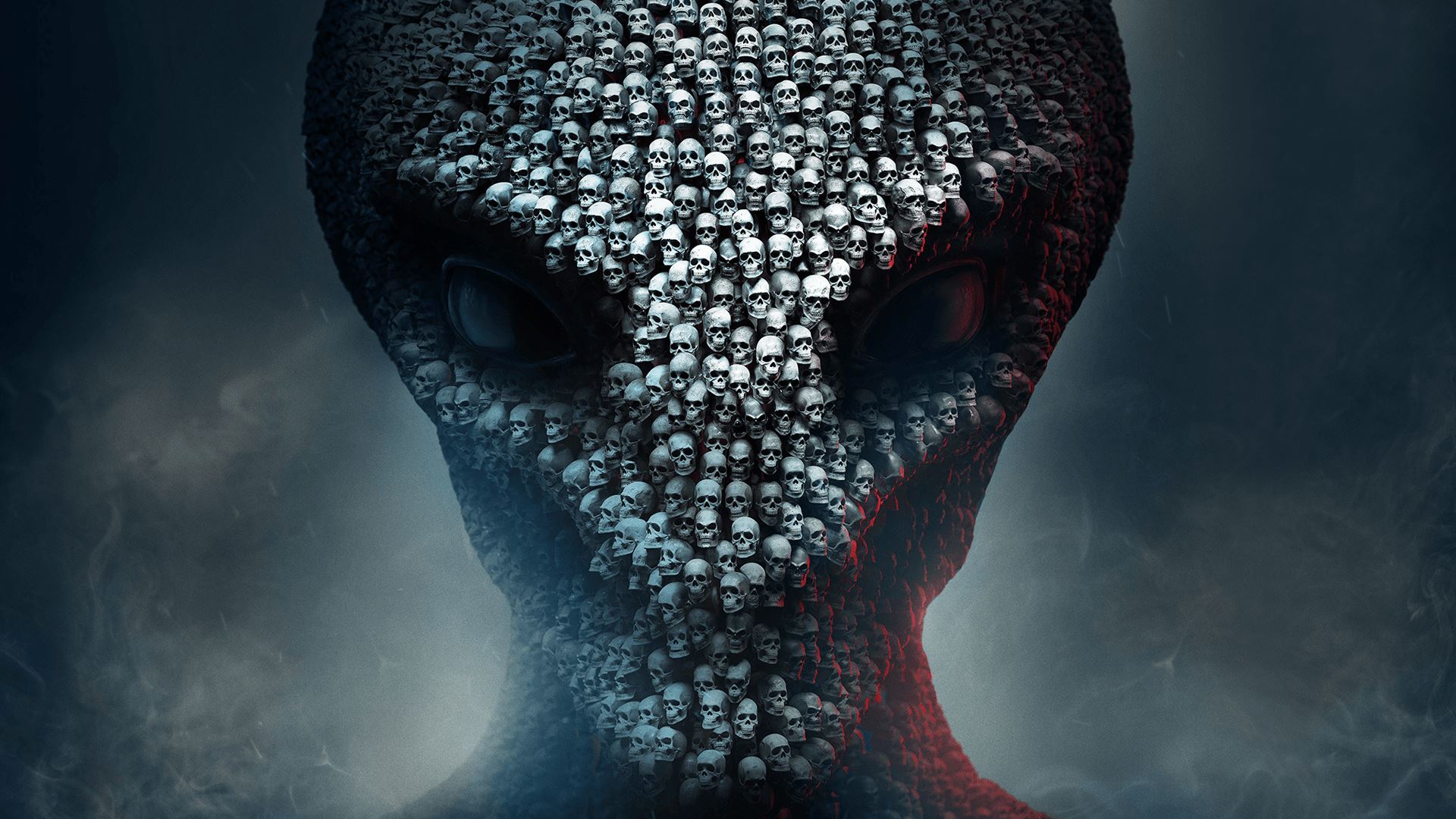
You command a guerrilla resistance that strikes from a mobile base while the enemy escalates its Avatar Project. Battles use percentage based shots, overwatch traps, and concealment to set ambushes before firefights erupt. The strategy layer manages research, soldier classes, and global contacts that unlock resources and missions. Expansions added new factions, hero units, and procedural perks that multiply tactical options and squad builds.
Divinity: Original Sin 2
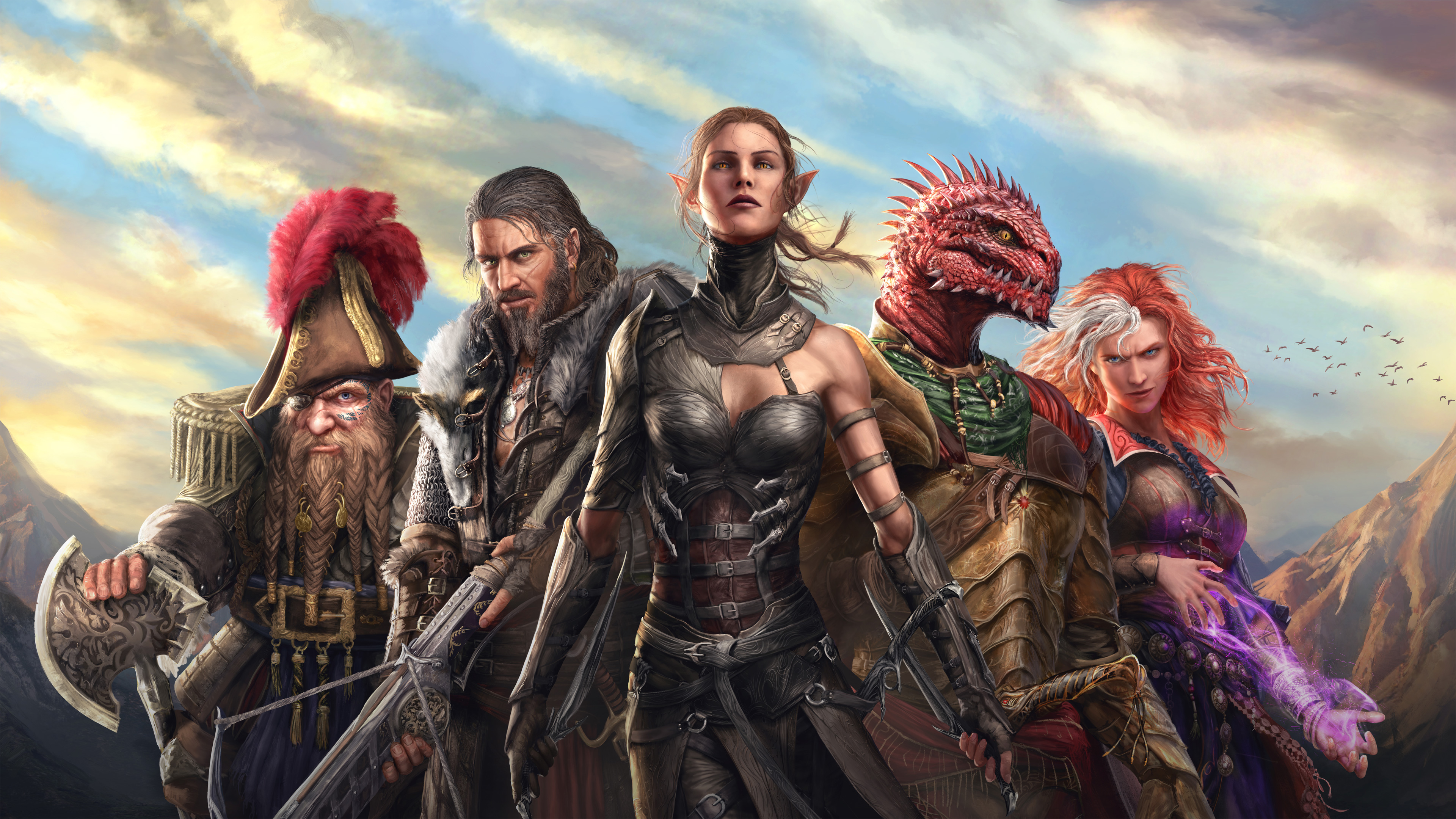
This tactical RPG uses an elemental interaction system where fire, water, poison, and electricity combine for powerful effects. Action points drive movement and skills, so positioning and elevation matter on every turn. Characters can be built for physical or magical damage and armor types change how crowd control works. The campaign supports four player co op with full turn order integration and a robust game master mode.
Fire Emblem: Three Houses
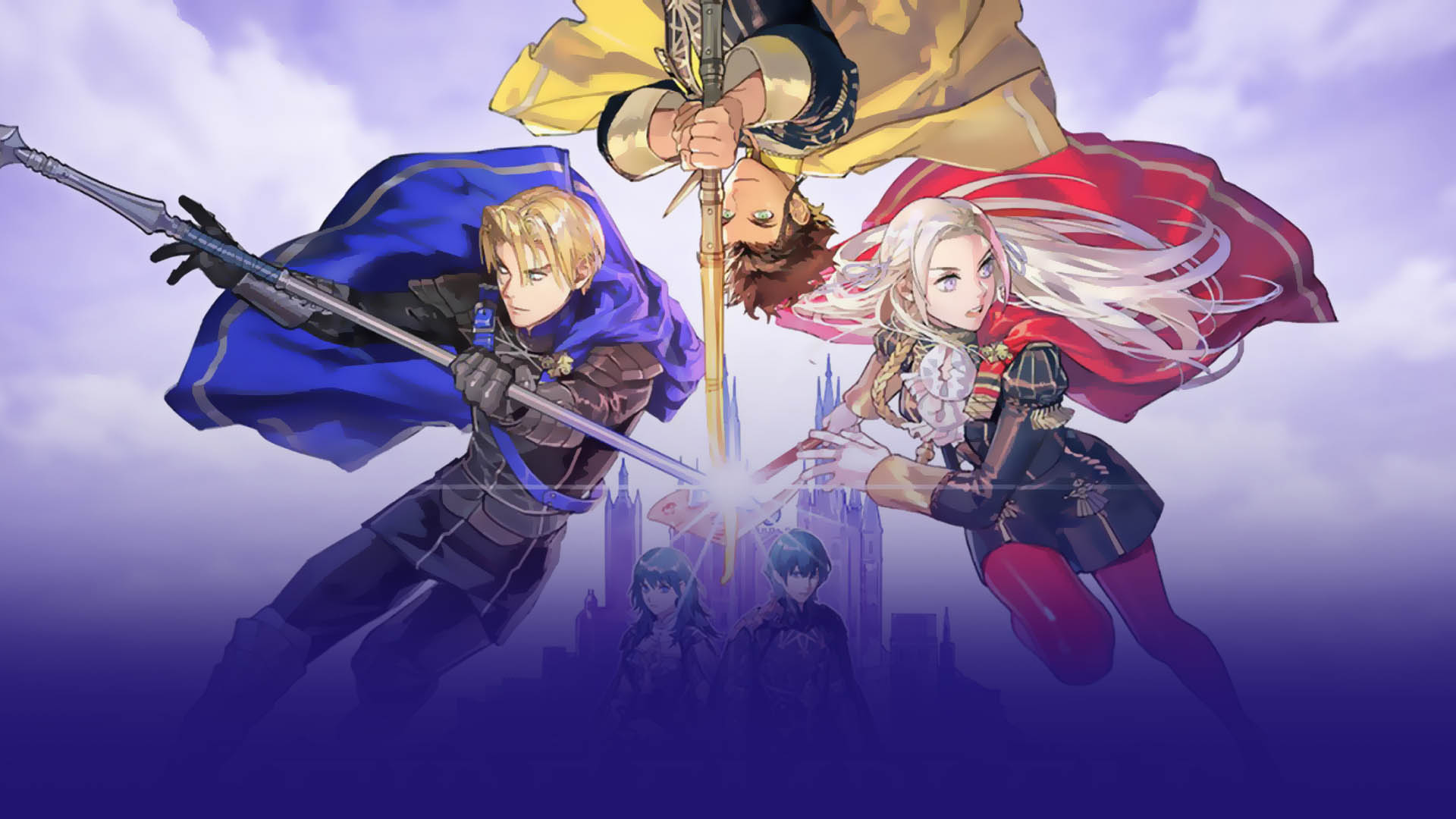
You lead a house of students and train them between missions, choosing classes, skills, and battalions that shape battlefield roles. Support ranks unlock linked abilities and story scenes that also impact combat performance. Maps emphasize terrain, gambits, and combat arts that change how units trade blows. Multiple routes offer different unit availability and late game challenges, encouraging varied tactical approaches.
Advance Wars 1+2 Re Boot Camp
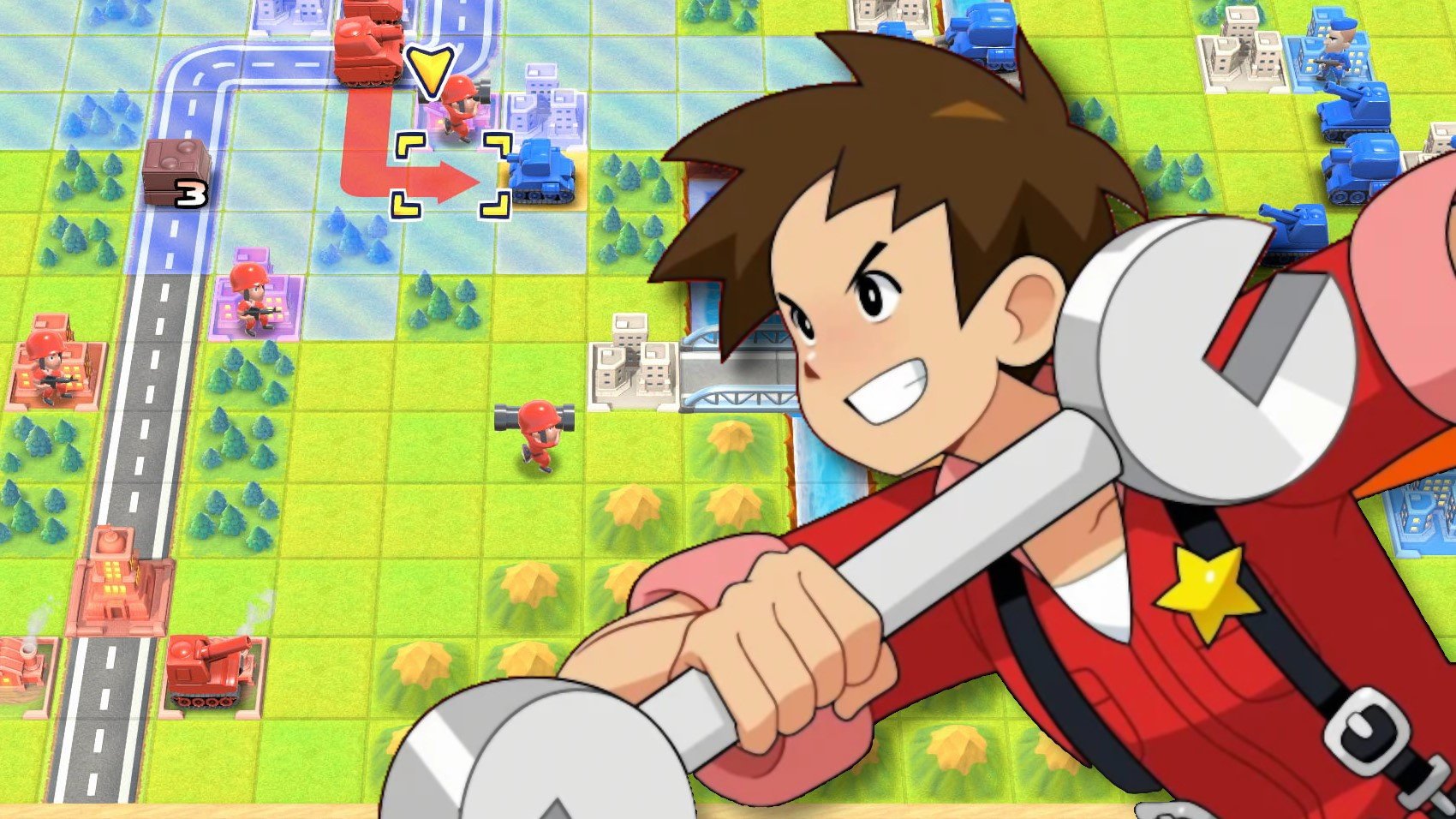
This collection updates classic grid based warfare with modern visuals while keeping clear rules and quick turns. Each commanding officer has a signature power that shifts tempo, from economy boosts to range buffs. Capturing cities fuels production as you push fog of war recon and choke point control. Versus modes and a map editor extend replayability with custom scenarios and local or online play.
Into the Breach
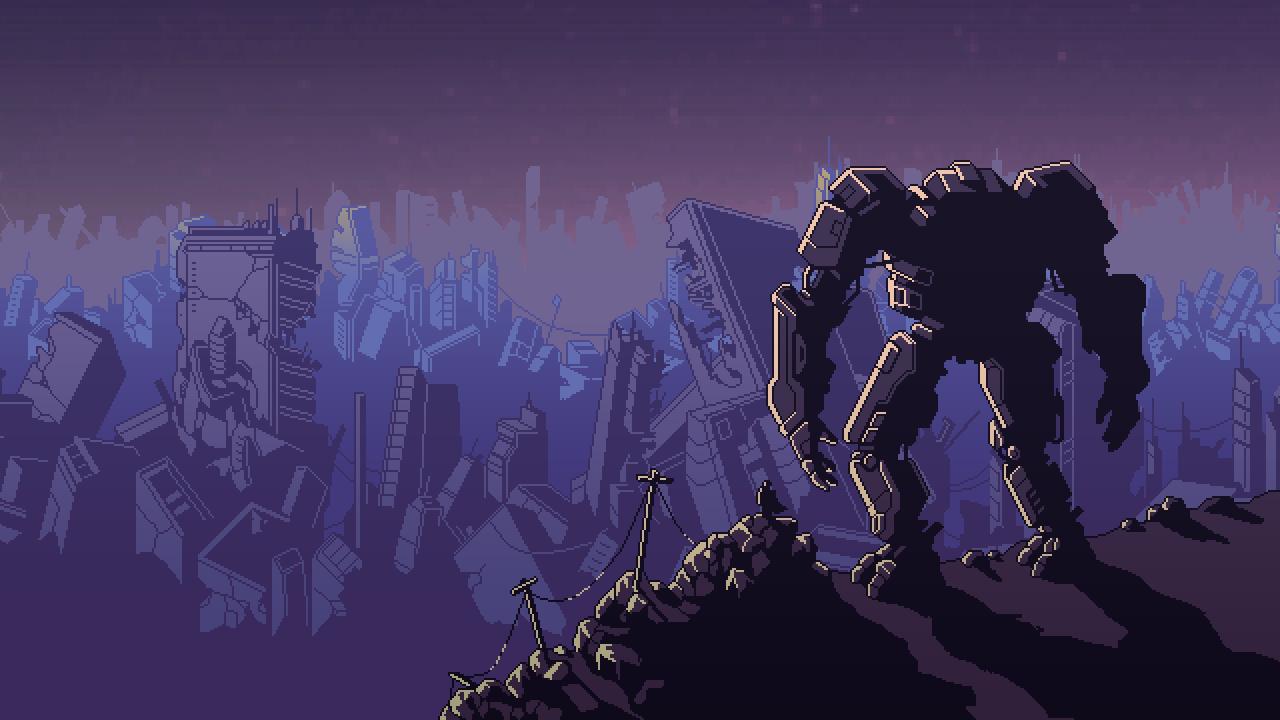
Small squad battles play out on tiny boards where you see enemy intents before they act. Most attacks shove units and hazards, so preventing damage often beats dealing it. Time pods and pilots add persistent upgrades that carry across runs. The compact design means every move matters and missions resolve in only a few minutes.
Age of Wonders 4
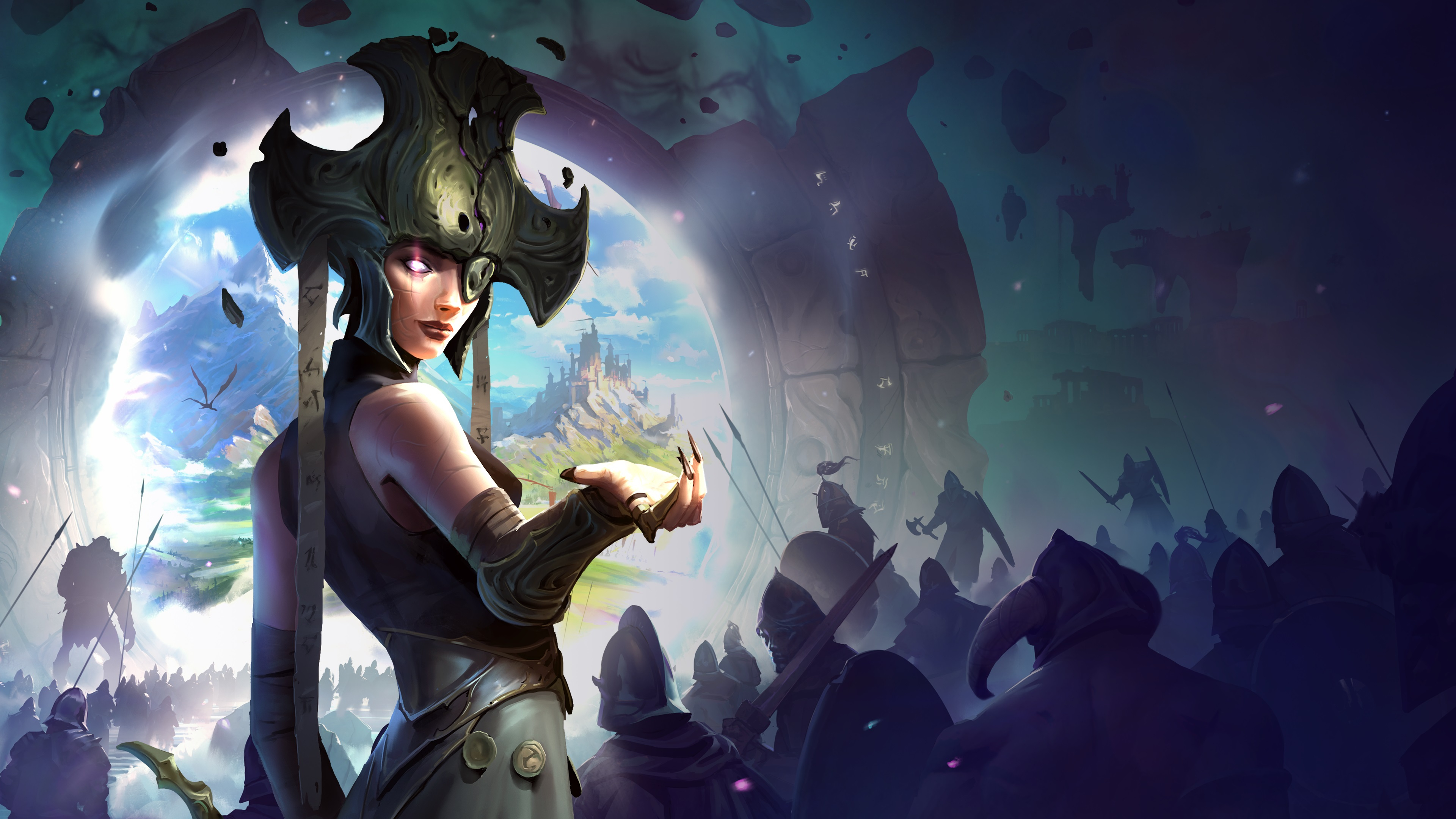
This entry merges empire building with customizable fantasy rulers and evolving tomes of magic. You can shape your society with traits and transformations that change units and city development. Tactical battles occur on detailed maps with flanking and morale systems that reward combined arms play. Realms and victory conditions are highly configurable, supporting quick skirmishes or lengthy campaigns.
Heroes of Might and Magic III
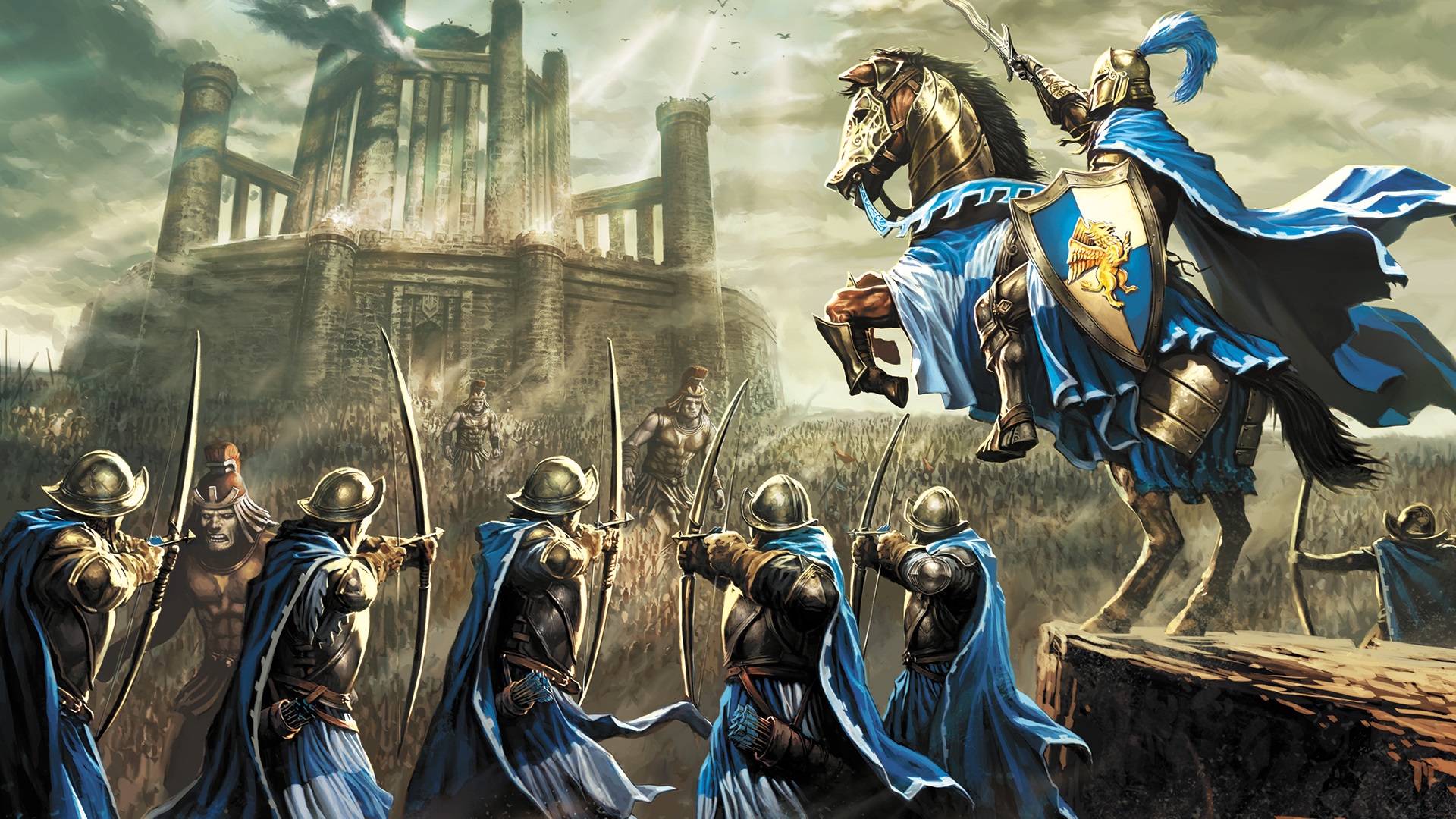
Fans still praise its town lineups, artifact hunting, and hero skill trees that scale well through long campaigns. You explore adventure maps for mines, dwellings, and secrets that compound early advantages. Turn based battles rely on unit initiative, retaliation rules, and precise hex positioning. Diverse factions and classic scenarios keep it a staple for fantasy strategy enthusiasts.
BattleTech
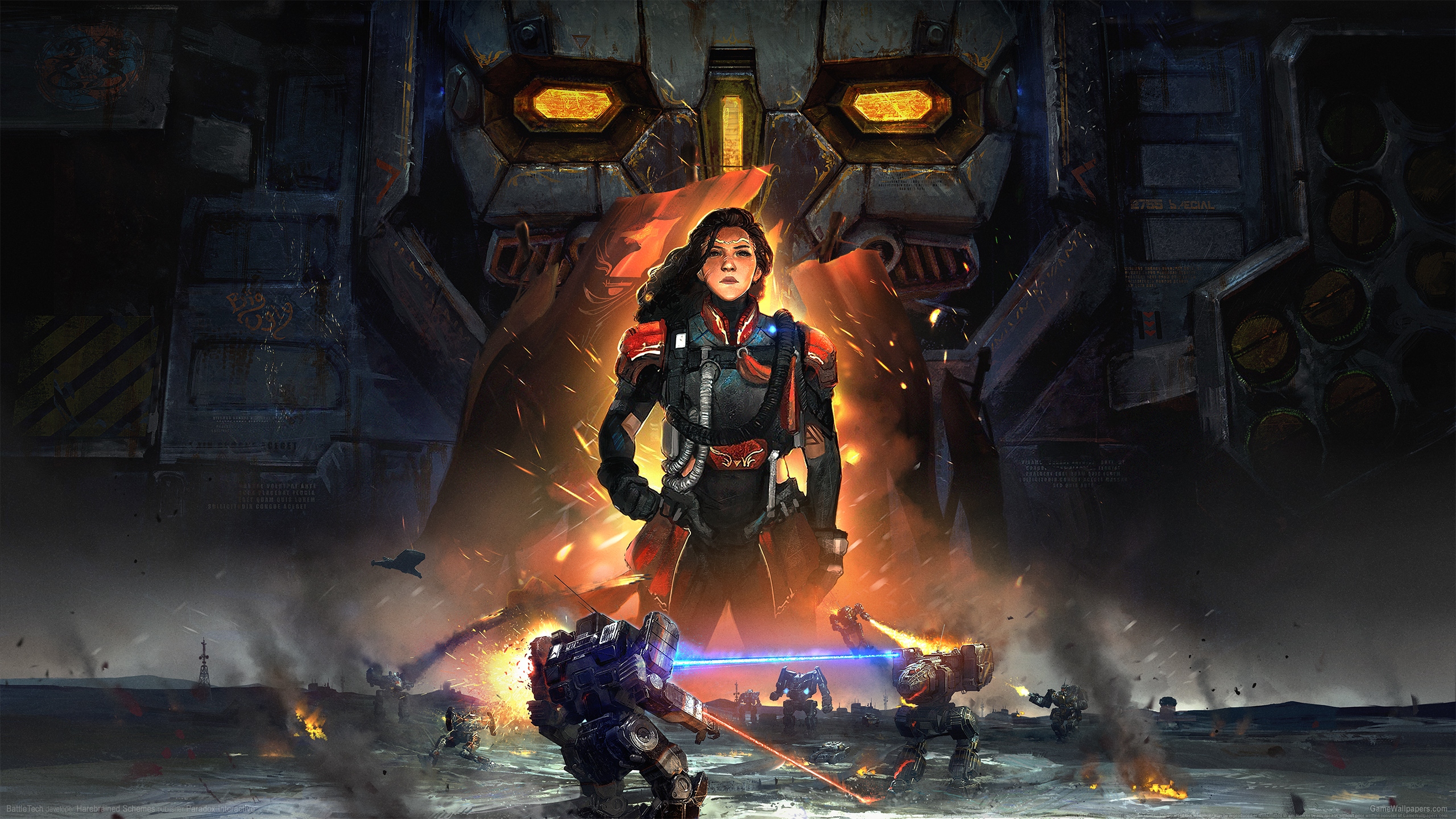
You manage a mercenary outfit and field customizable mechs that trade armor, stability, and heat. Terrain, elevation, and firing arcs determine hit chances and component damage. The campaign economy forces tough choices on salvage, repairs, and contract selection. Skill trees and chassis roles enable specialized lancers, scouts, and fire support that sync in formation.
Jagged Alliance 3
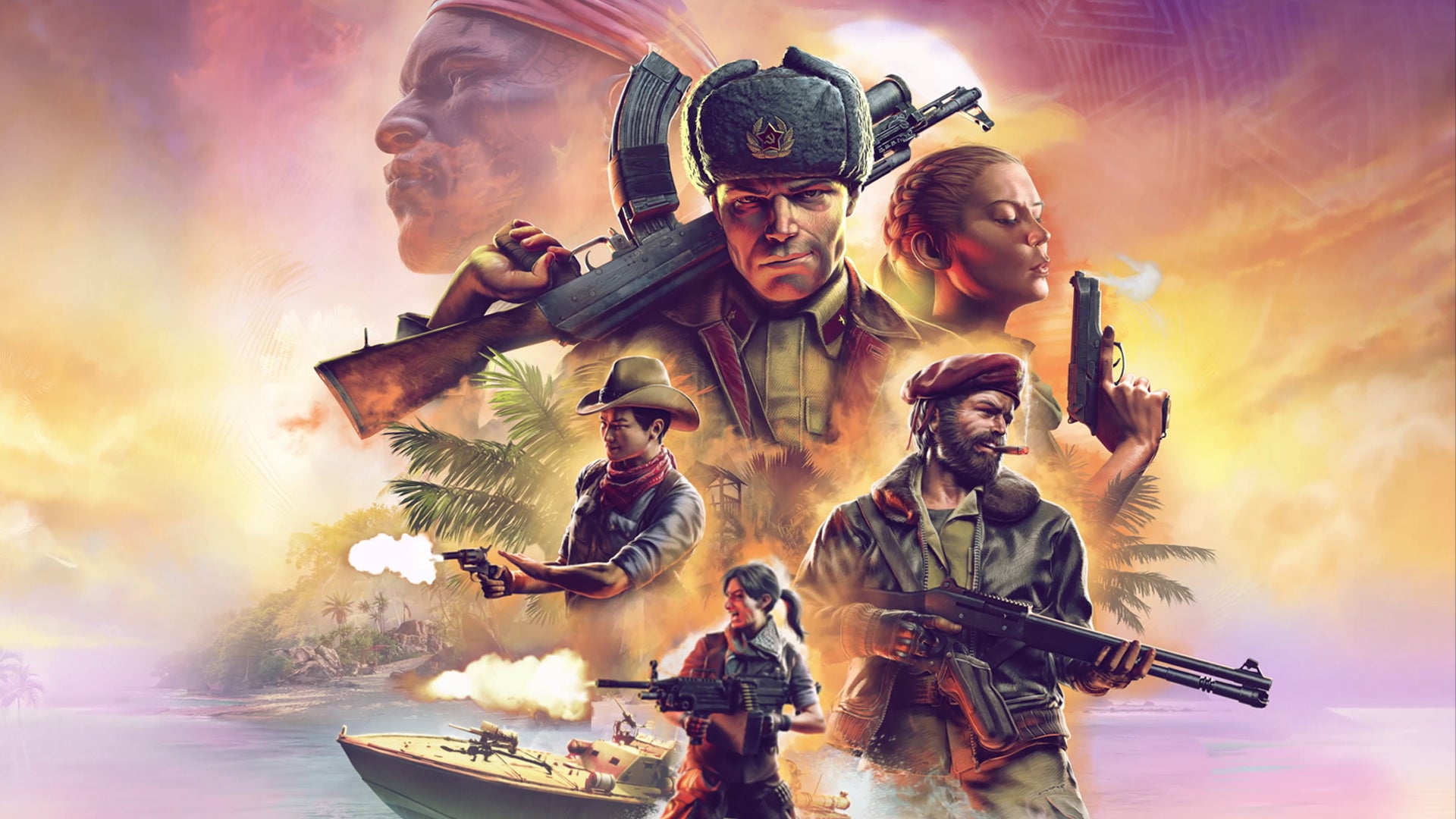
This revival focuses on merc recruitment, individual traits, and sector based warfare across an open map. Time passes as you train militia, heal wounds, and craft gear, which ties logistics to combat readiness. Turn based firefights stress cover, suppression, and limb targeting for tactical control. Dynamic events and a living economy keep the insurgency unpredictable.
Triangle Strategy
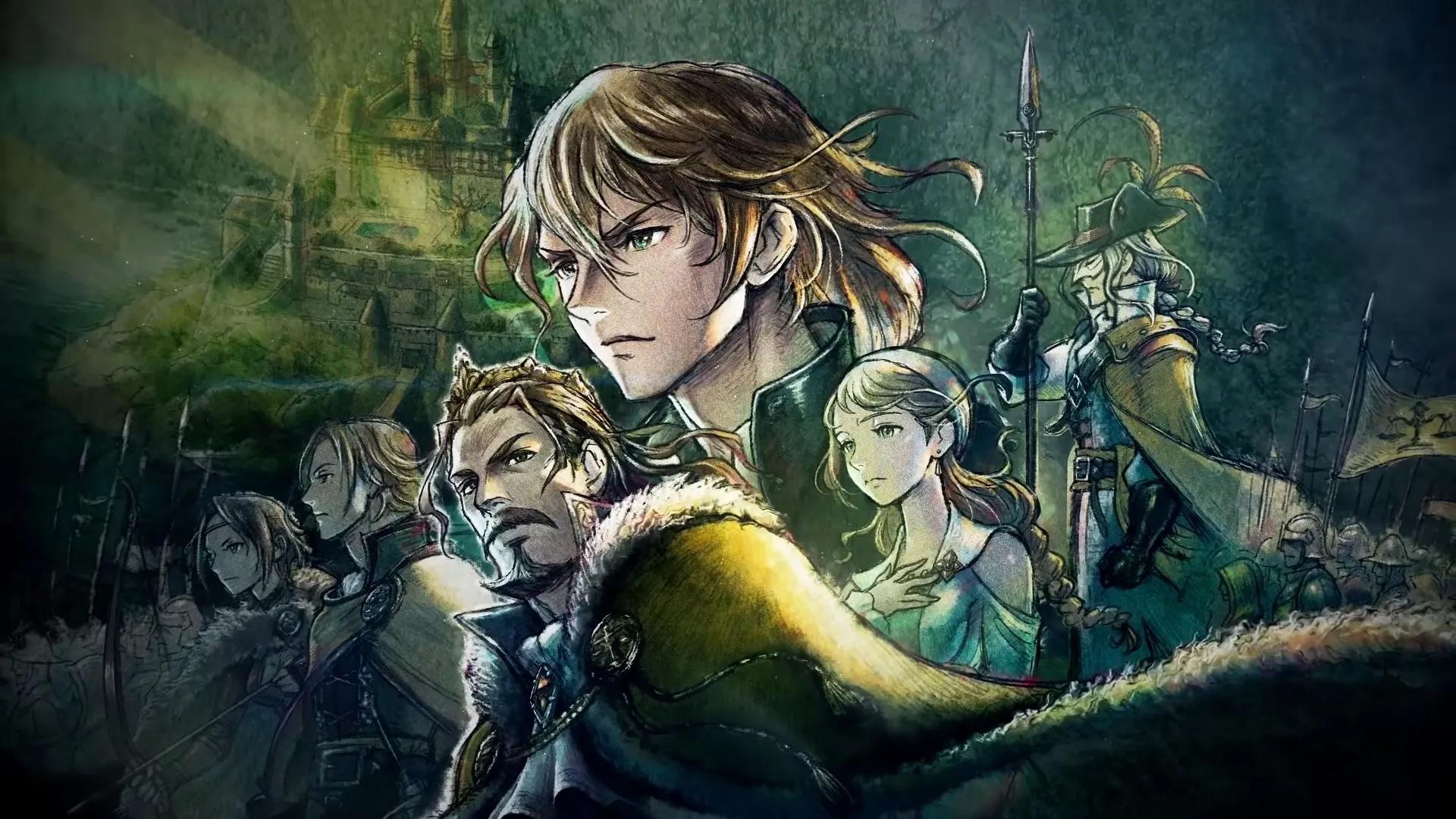
Battles use height, facing, and follow up attacks that trigger when allies surround an enemy. Each character has a fixed role with unique skills, so team composition and turn order planning are crucial. A conviction system alters story paths and unit availability based on your decisions. Maps introduce environmental effects like burning oil or frozen terrain that change movement and range.
Tactics Ogre Reborn
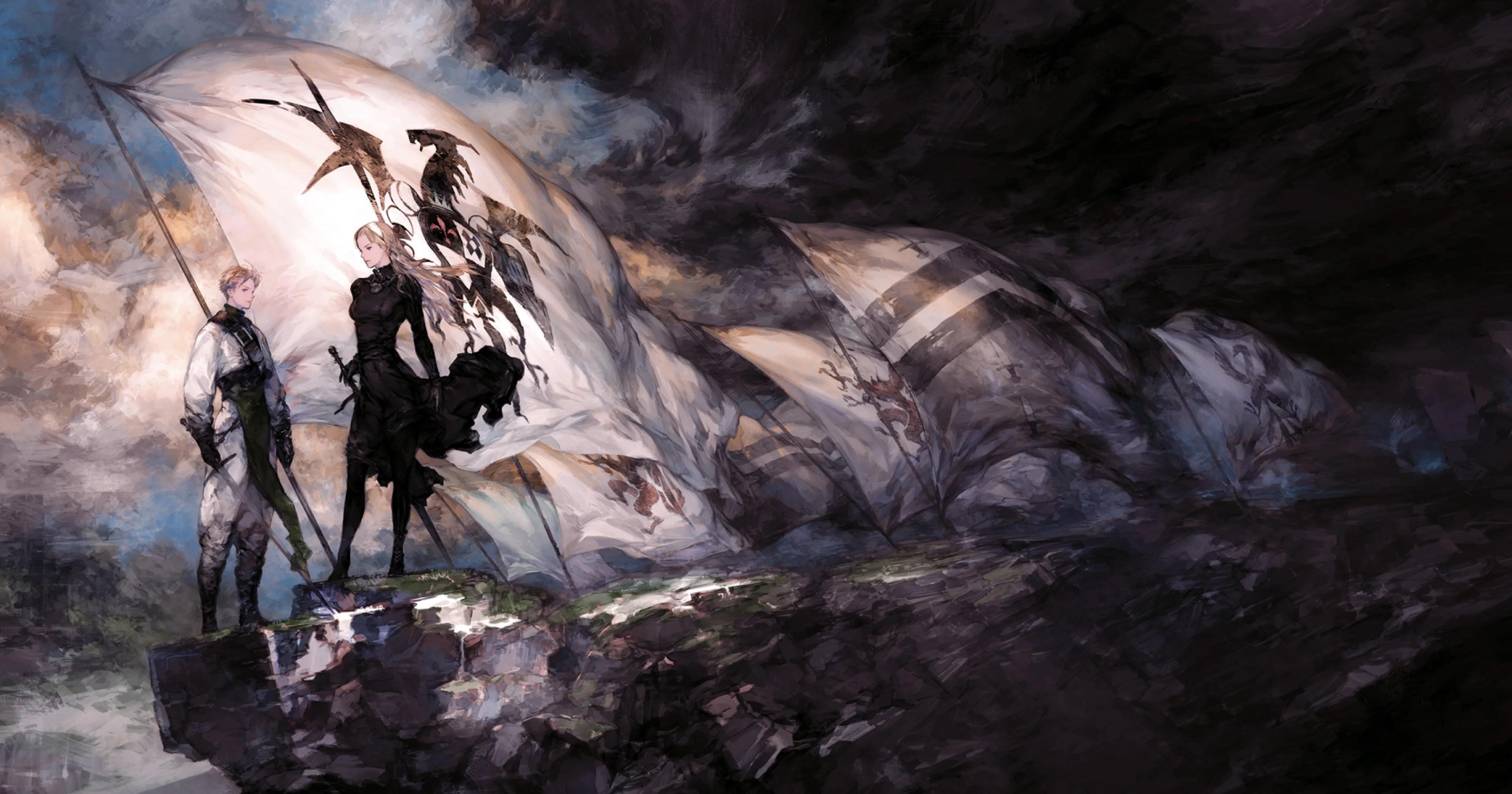
This remaster sharpens grid combat with updated enemy AI and the unit leveling overhaul. The Chariot system lets you roll back turns to try different choices without losing the fight. Class and equipment variety support melee lines, archers, casters, and support units with distinct functions. A branching story with the World system encourages revisiting routes while retaining progress.
Final Fantasy Tactics
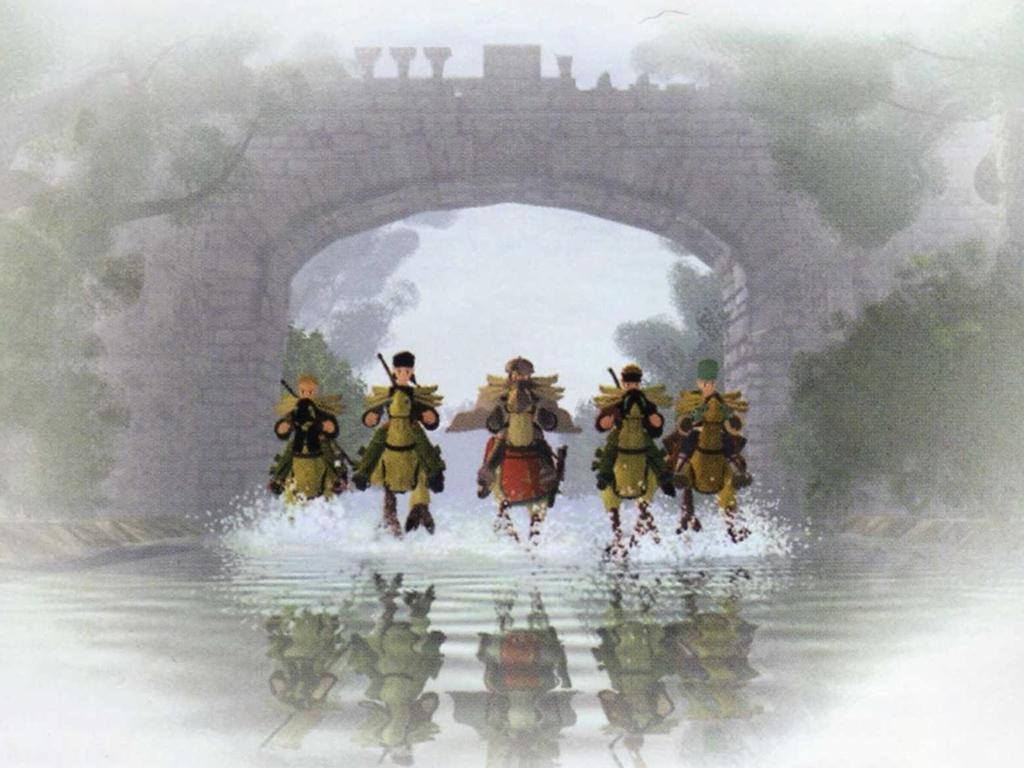
The job system enables deep unit builds through ability mixing and stat growth. Terrain height and charge times create windows to interrupt or set up decisive hits. Zodiac compatibility subtly affects damage and healing outcomes, rewarding scouting and planning. Late game battles lean on synergy between buffs, debuffs, and area control.
The Banner Saga Trilogy
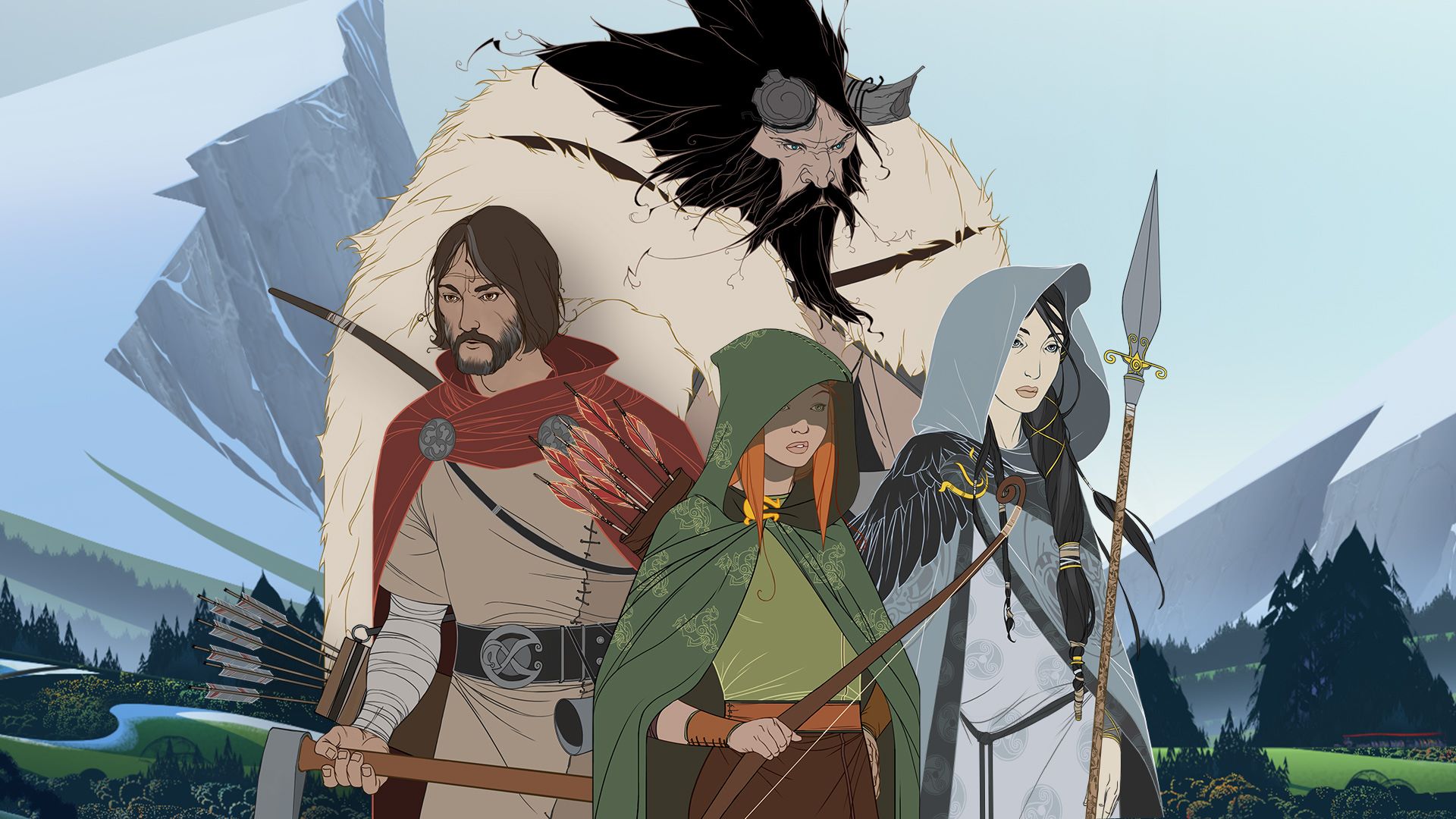
This series combines caravan management with turn based battles that use strength as both health and damage. Armor breaking becomes a key step before finishing blows, which changes target priority. Limited supplies and travel decisions impact morale and event outcomes. Persistent characters and choices carry across entries for long term consequences.
Wargroove
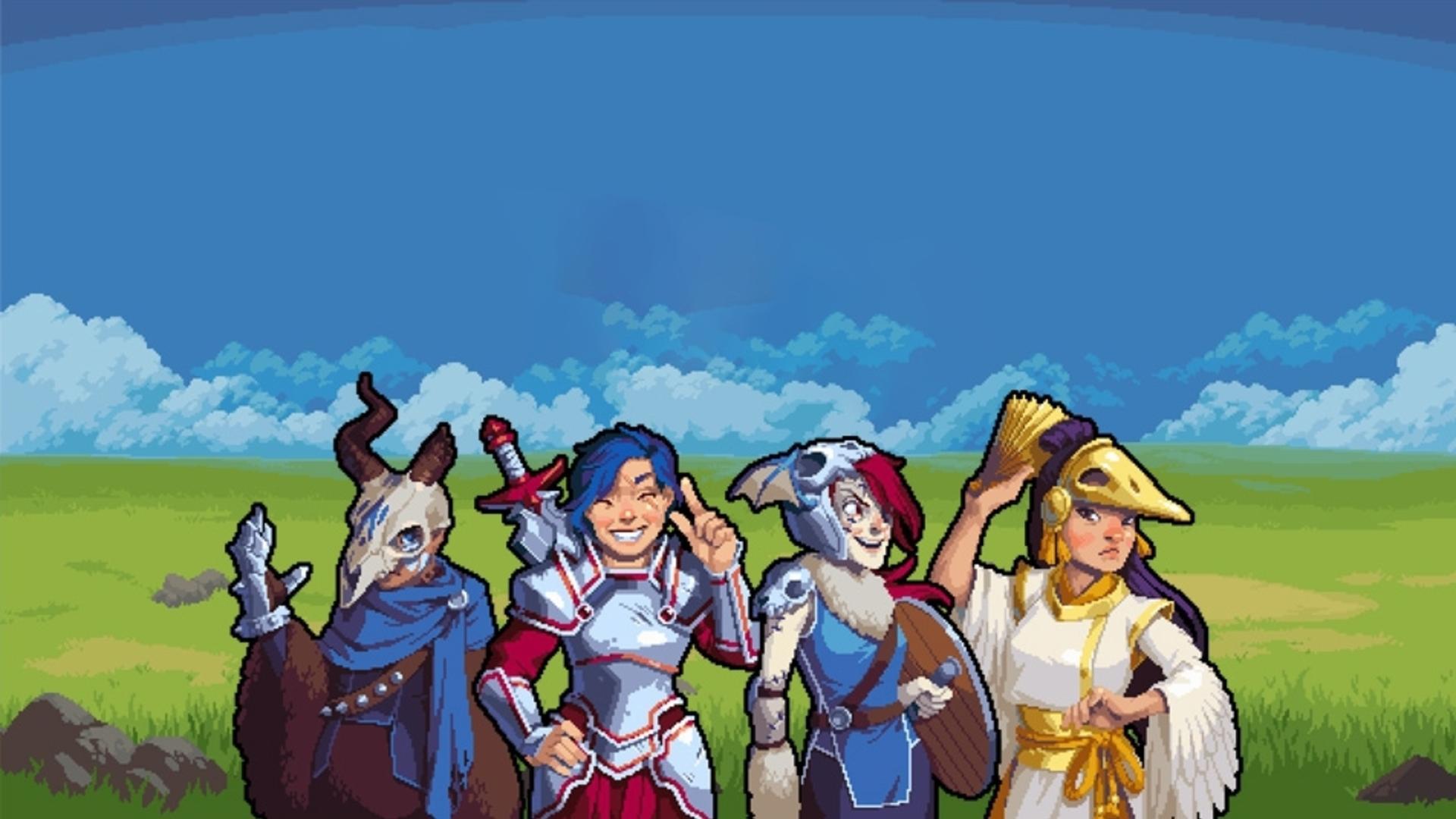
Commanders join the field as powerful units while risk management decides when to deploy their critical abilities. The groove mechanic charges through combat and enables faction specific supers. Map editors and a campaign creator let players build stories and puzzle maps. Clear rules and readable sprites make advanced tactics accessible to newcomers.
Endless Legend
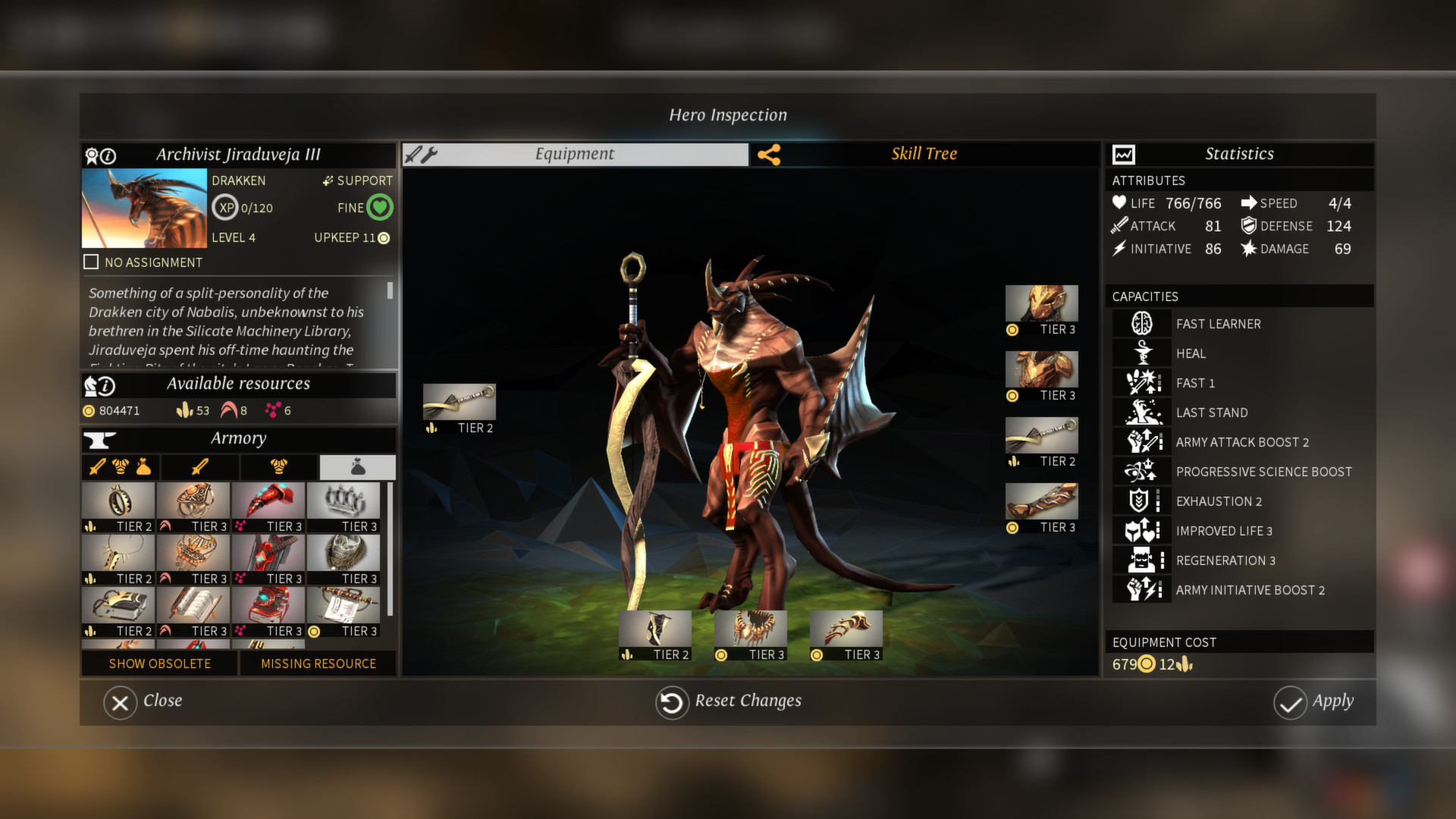
This 4X game gives each faction unique mechanics such as seasonal harvest changes or empire wide mobility. City expansion uses district adjacency bonuses that evolve as you invest in neighborhoods. Tactical battles occur on the world map in phased turns with unit initiatives. Quests and minor factions provide narrative goals that steer research and expansion paths.
Warhammer 40,000: Gladius Relics of War
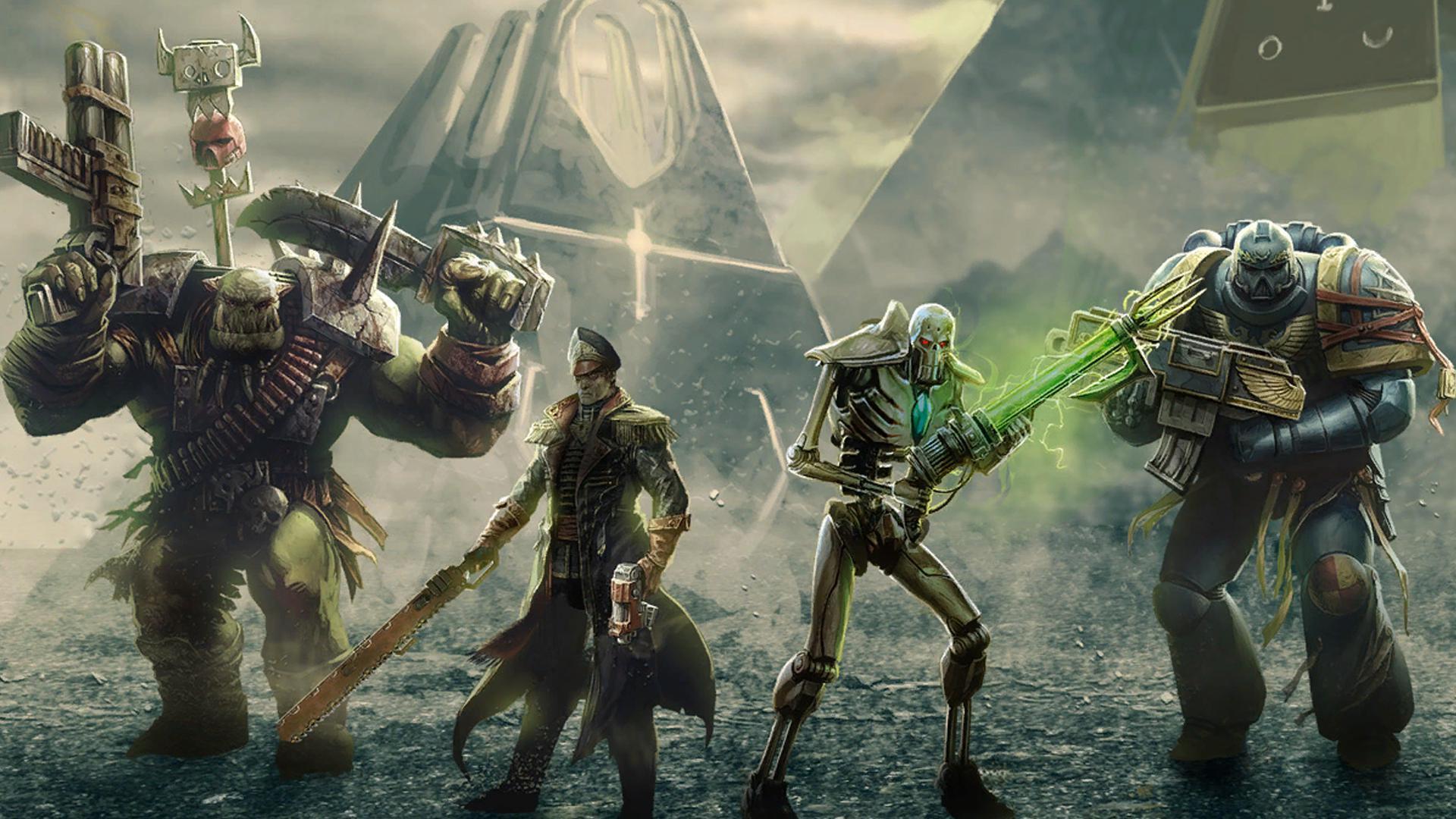
Gladius focuses on combat heavy 4X where diplomacy is absent and warfare drives progress. Each faction features bespoke tech trees, unit rosters, and economy quirks that affect build orders. Neutral threats and resource nodes force early scouting and defensive positioning. Procedural maps and adjustable difficulty settings support quick games or extended sieges.
Old World
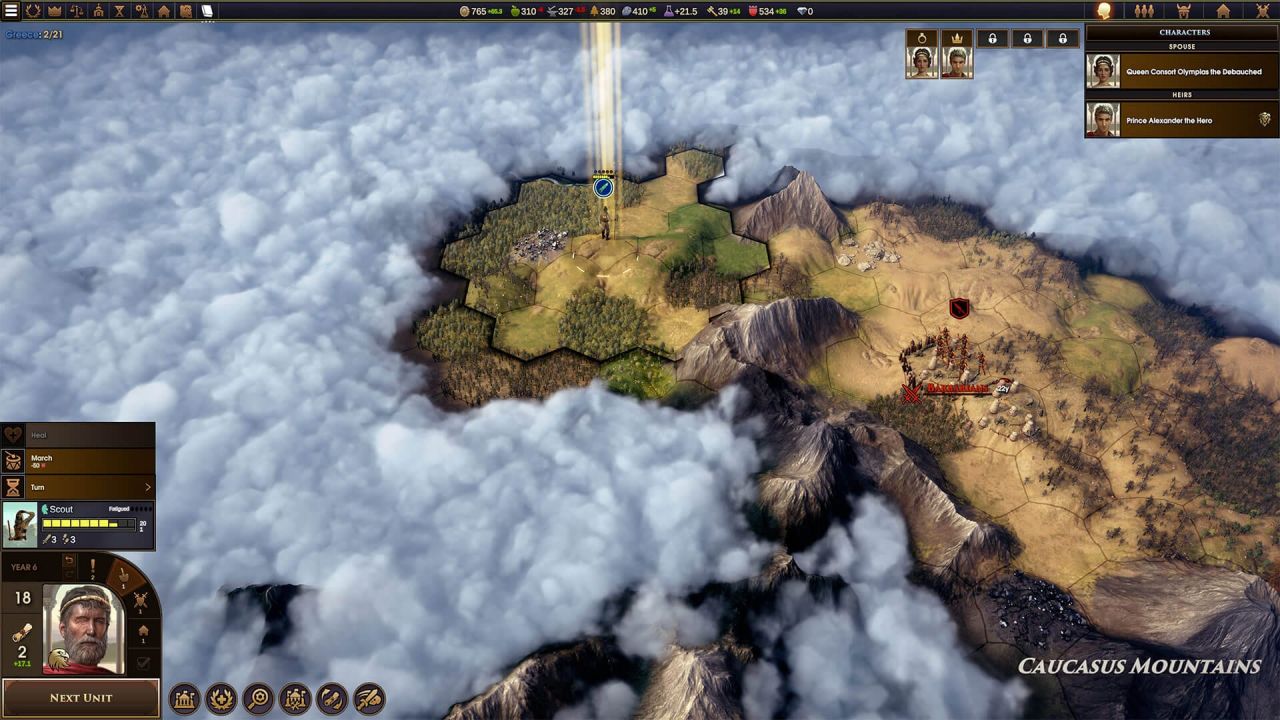
Orders limit how many actions your empire can take each turn, which raises the value of sequencing and efficiency. Characters age, gain traits, and form families that shape events and court politics. Ambitions replace traditional victory screens and steer your empire through targeted objectives. The game blends crisp turn resolution with strong historical flavor and clear feedback.
Humankind
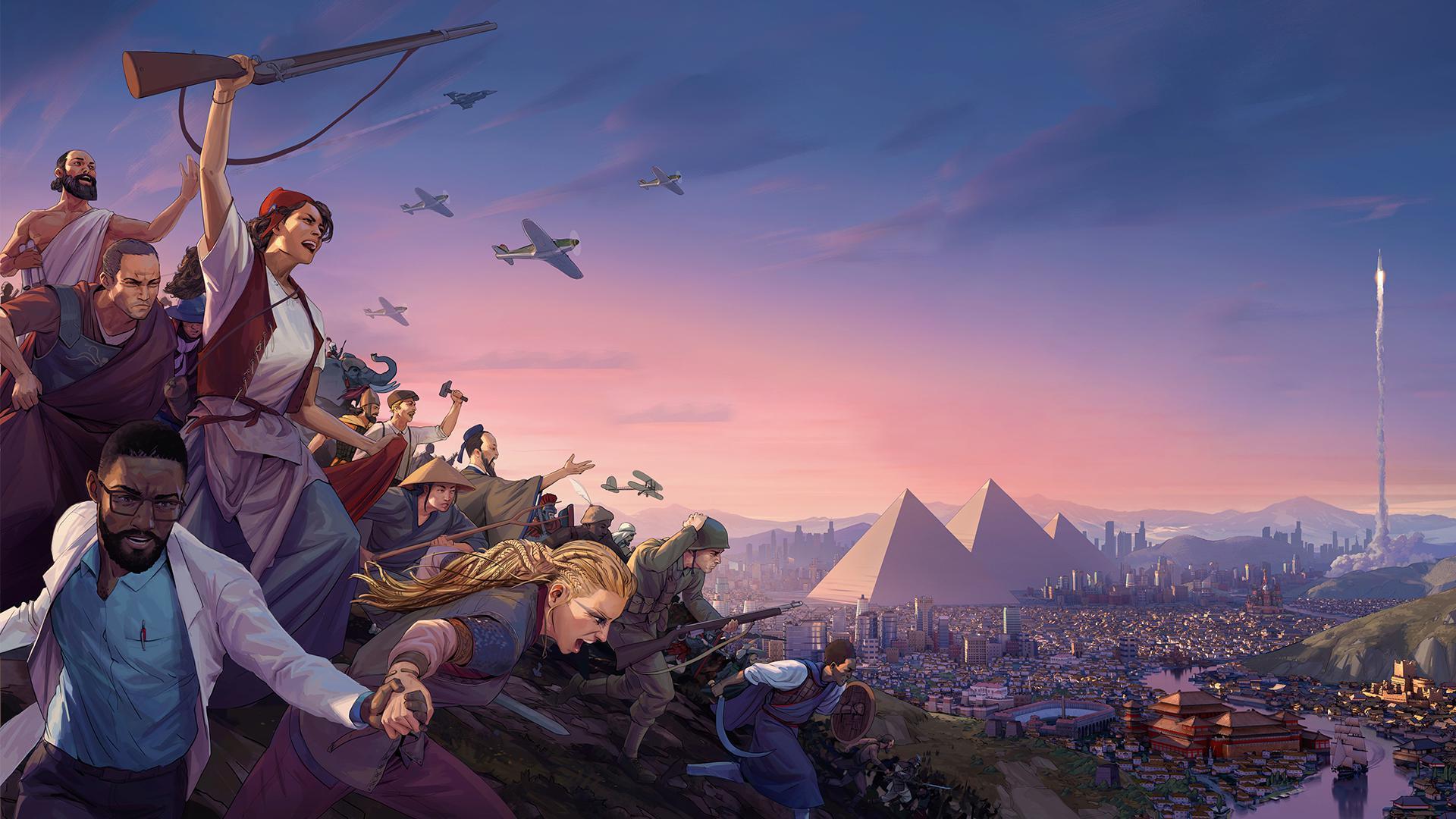
Cultures can be swapped at each era, letting you stitch together unique bonuses as you evolve your civilization. Territories attach to city centers to control sprawl and stability, while districts add yields and synergies. Tactical battles unfold on the map across multiple rounds that consider elevation and reinforcement. Fame tallies achievements across eras to measure overall success.
Gears Tactics
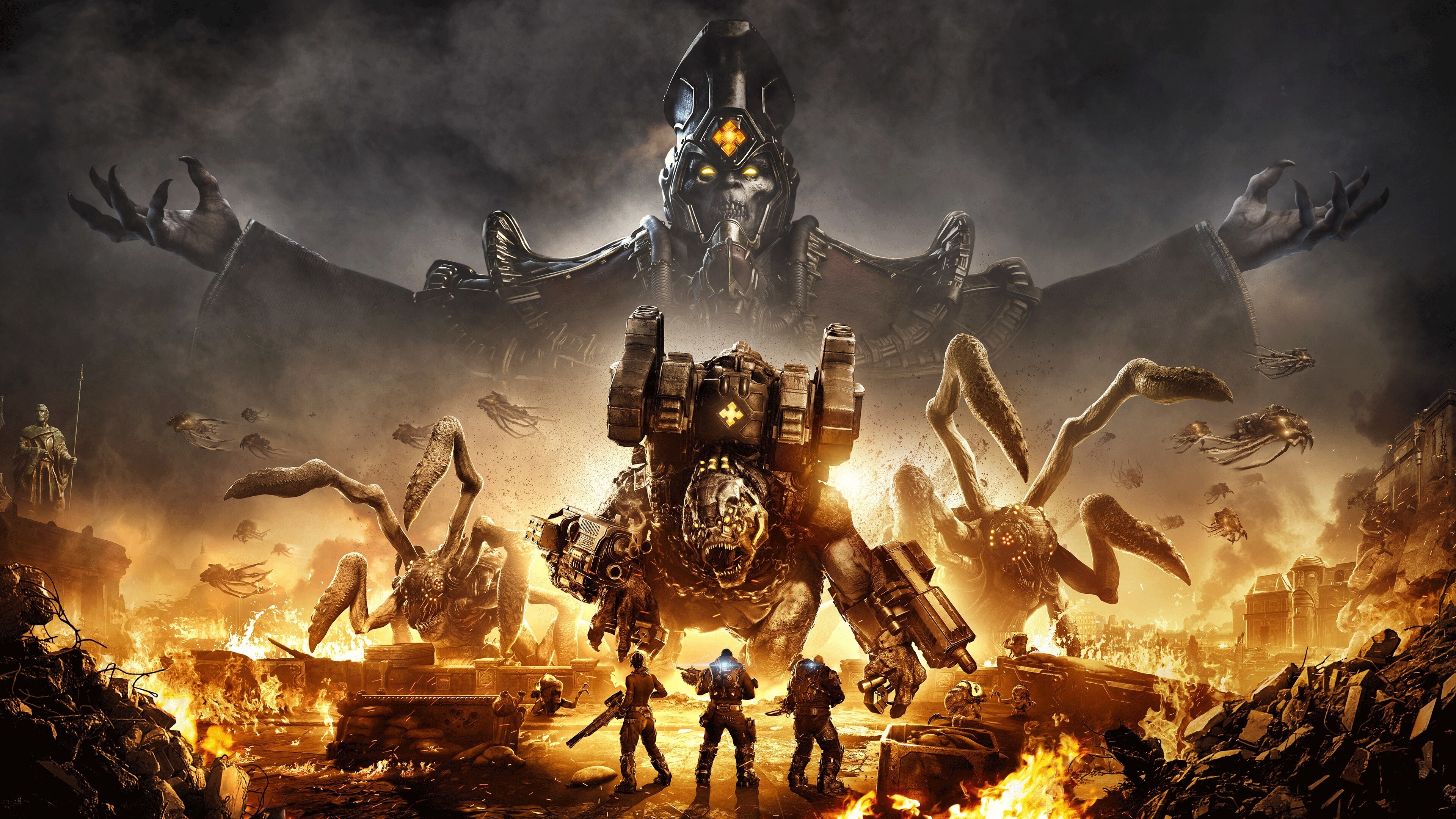
This spin off uses familiar cover mechanics along with multiple actions per unit for flexible turns. Executions grant extra actions that encourage aggressive plays when the frontline cracks. Boss encounters highlight target priority and ability timing under pressure. Skill trees and weapon mods let you specialize classes for crowd control, damage, or support.
Panzer Corps 2
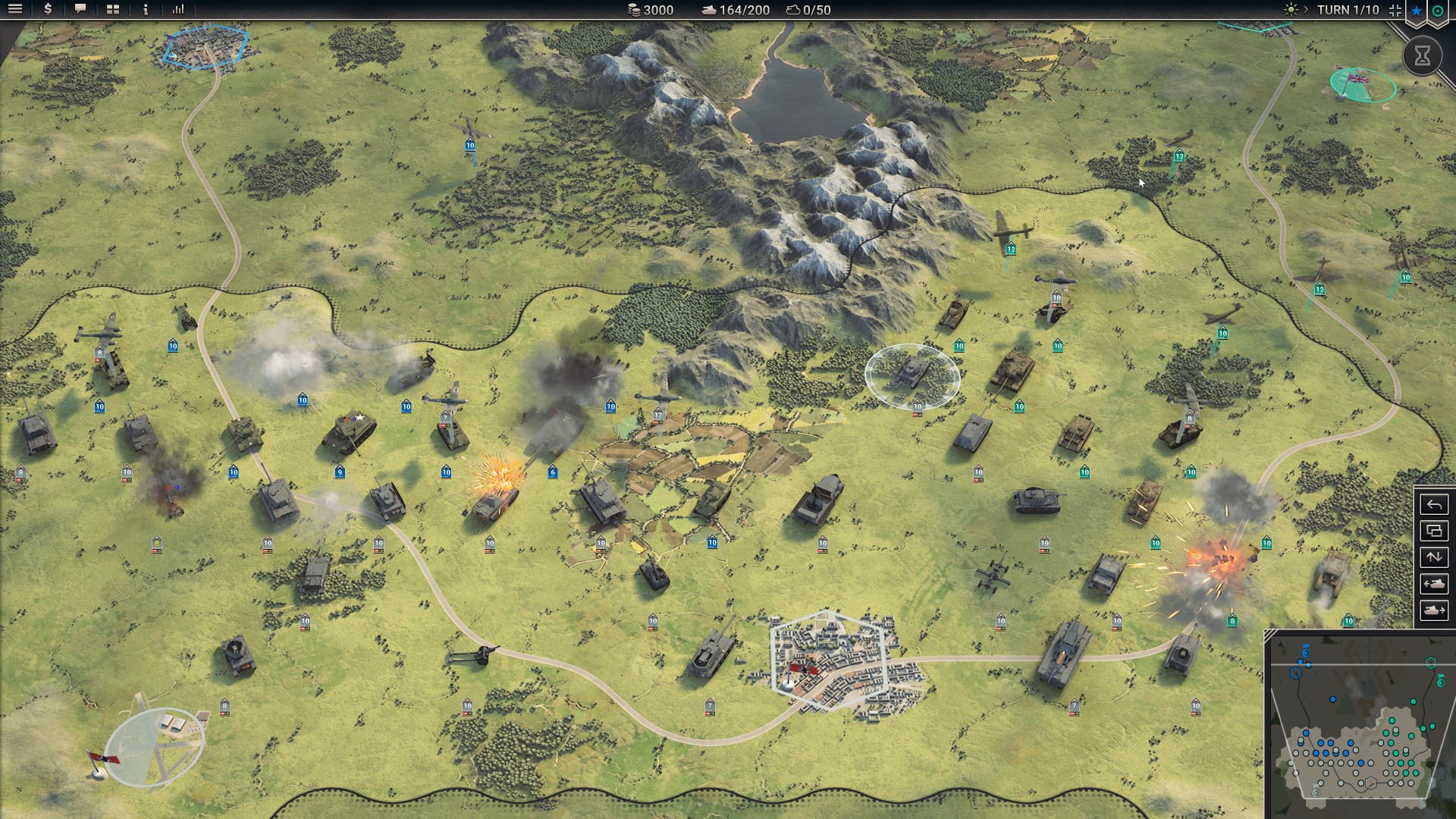
Scenario based campaigns emphasize core unit preservation and smart use of terrain. The game tracks supply lines and encirclements that can cripple enemy formations. Upgrades and heroes provide incremental improvements that stack across missions. A large editor and community scenarios add long term content beyond official campaigns.
Mario + Rabbids Sparks of Hope
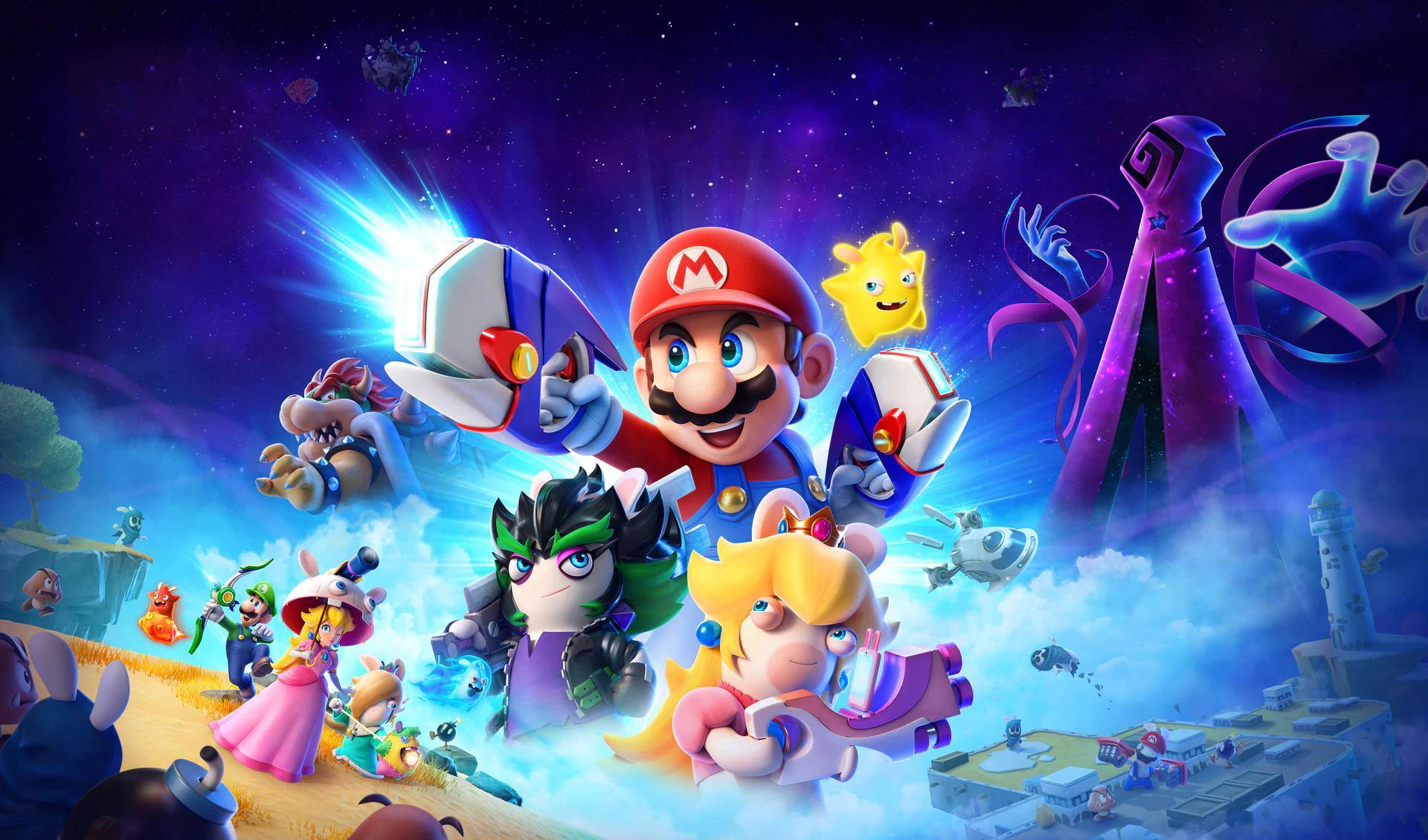
Freeform movement within zones lets you line up shots, team jumps, and dash attacks before committing actions. Sparks grant elemental powers and passives that reshape tactics for each map. Environments feature destructible cover and interactive objects that open creative plays. Skill trees and weapon mods support specialized builds for boss fights and challenge levels.
Total War: Warhammer III
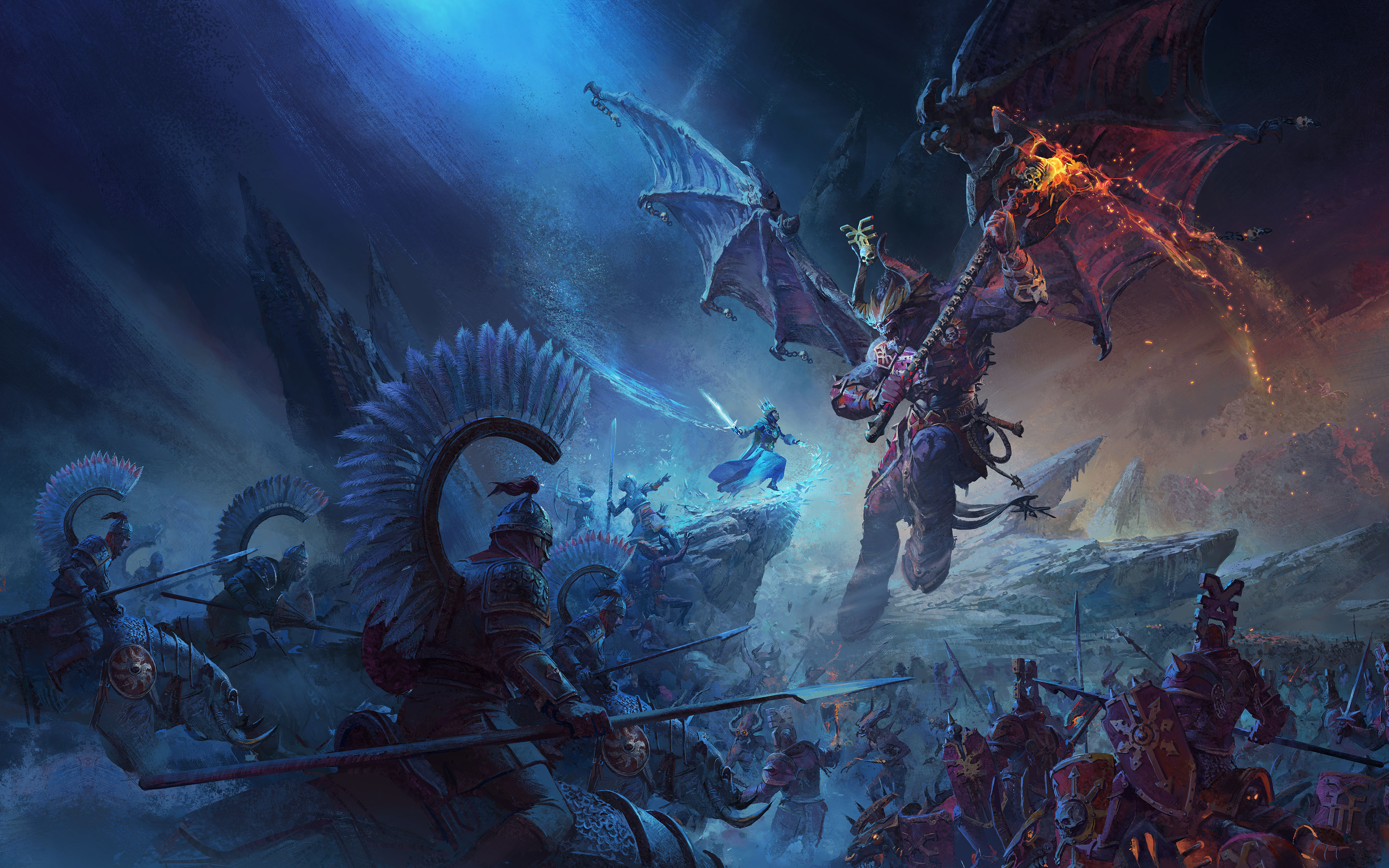
The campaign map runs in turns while battles play out in real time, blending grand strategy and tactical clashes. Factions feature unique mechanics like corruption spread, rifts, and god specific economies. Army stances, recruitment, and diplomacy happen on the turn layer where planning is key. Immortal Empires mode links massive territories for extended conquest and long form strategy.
Phoenix Point
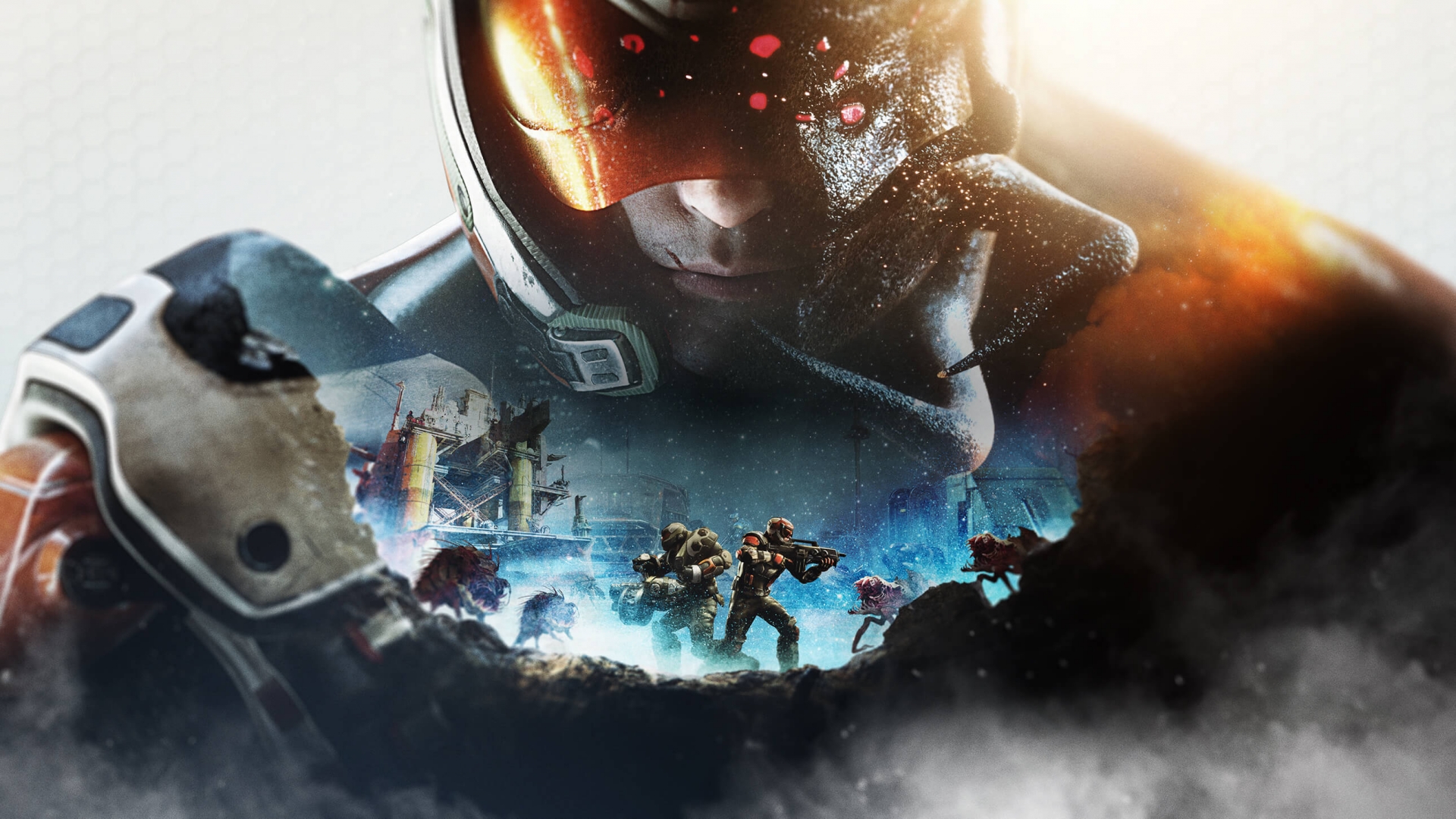
Enemies mutate to counter your tactics, so weapon loadouts and armor choices must adapt over time. Free aiming allows precise limb shots to disable weapons or mobility. Strategic layers include base building, diplomacy with factions, and aircraft logistics. Dynamic difficulty and procedural maps keep missions fresh as the threat escalates.
Darkest Dungeon
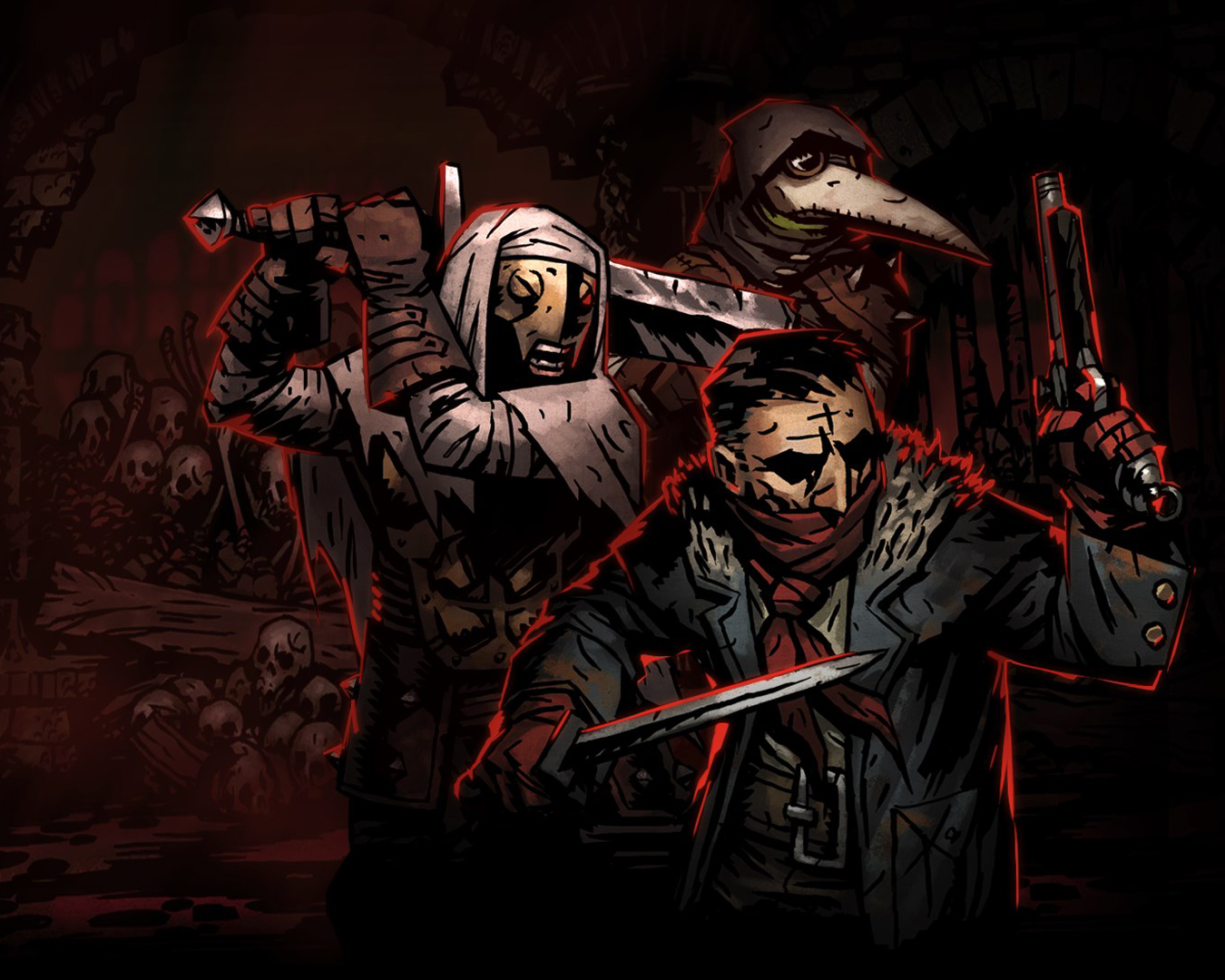
Stress management adds a second axis of attrition alongside health, influencing skills and behavior. Turn order and position matter, so party composition and formation swaps are central to success. Trinkets and quirks create long term tradeoffs during expeditions and town phases. The risk reward loop pushes careful resource use as you delve deeper into more dangerous biomes.
Sid Meier’s Alpha Centauri
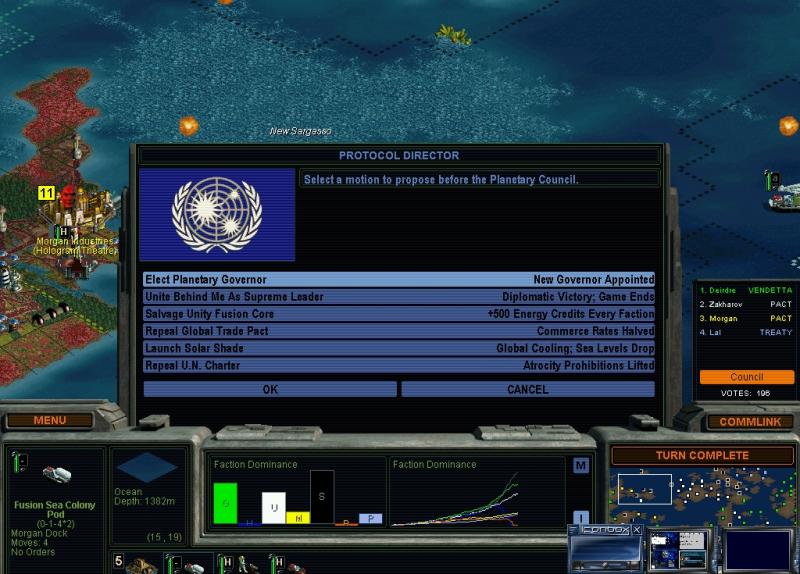
This classic 4X moves the formula to an alien world with factions built around social engineering choices. You design unit chassis and loadouts to match terrain and resources. Planet ecology pushes back with mind worms and climate changes that respond to your development. Base facilities, secret projects, and diplomacy all tie into ideological sliders that shape bonuses and conflicts.
Master of Orion II
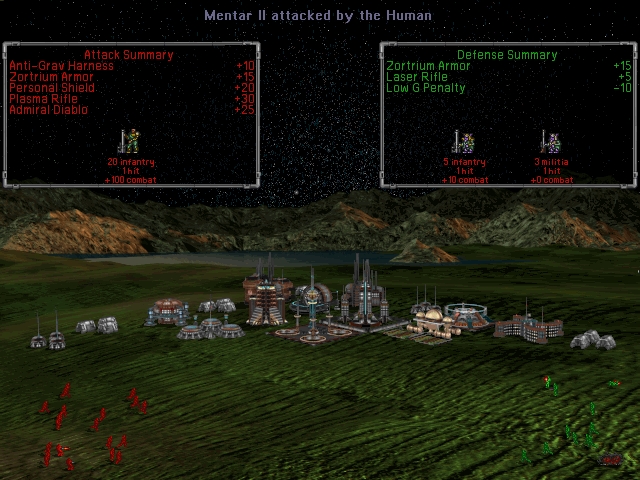
This space 4X features custom races with selectable traits that drive research and expansion plans. Colony management focuses on farmer, worker, and scientist allocation for flexible growth. Tactical ship combat runs turn by turn with maneuvering, shield facings, and missile defense. Espionage and leaders add strategic layers that influence wars and trade.
Endless Space 2
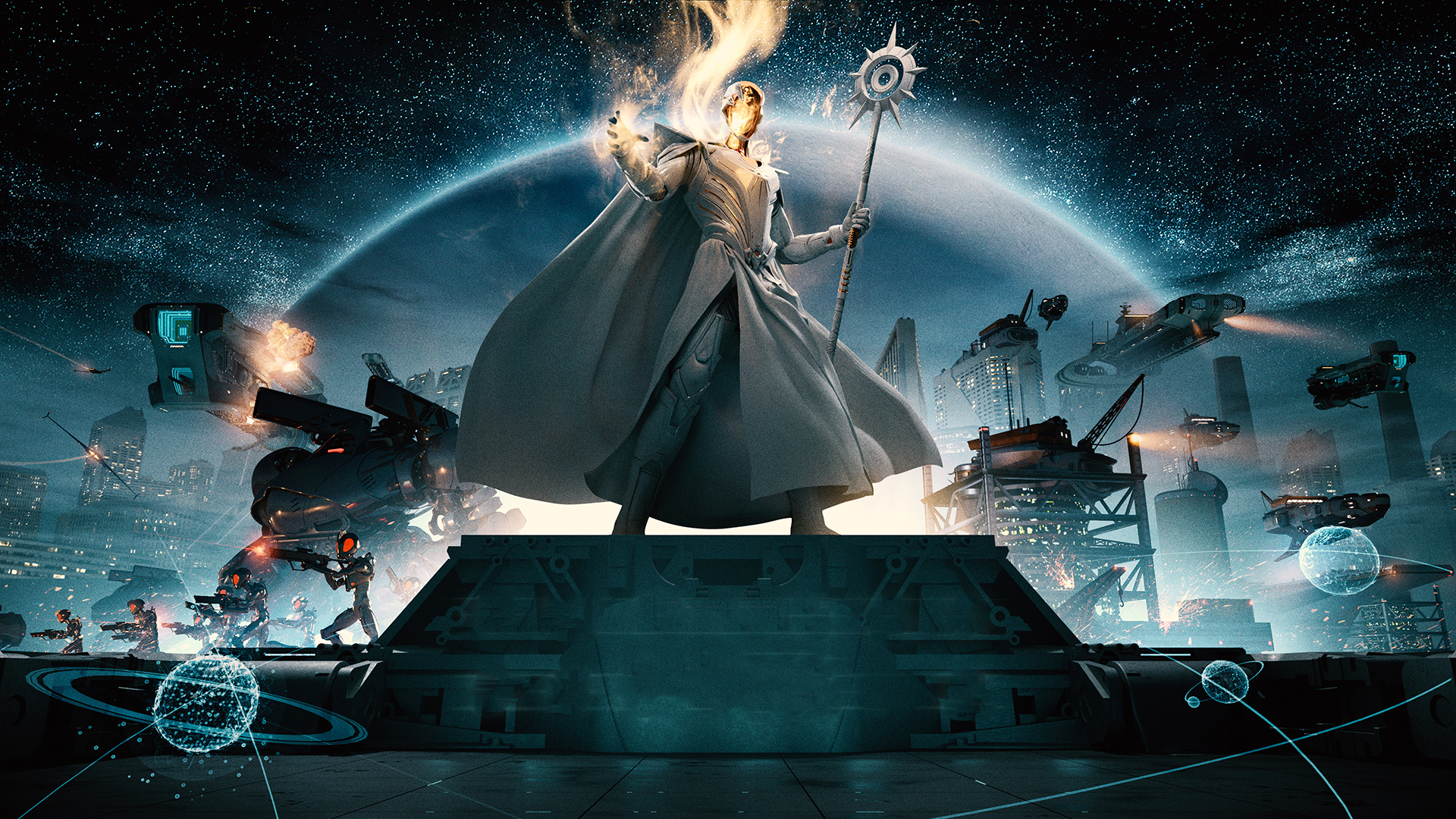
Factions play very differently with unique population mechanics and quest lines that guide development. Systems use planet types and exploitation choices that affect food, industry, science, and dust. Space battles resolve with customizable plans and module loadouts that target ranges and roles. Laws and political parties shape empire bonuses through elections and policy changes.
Dominions 5
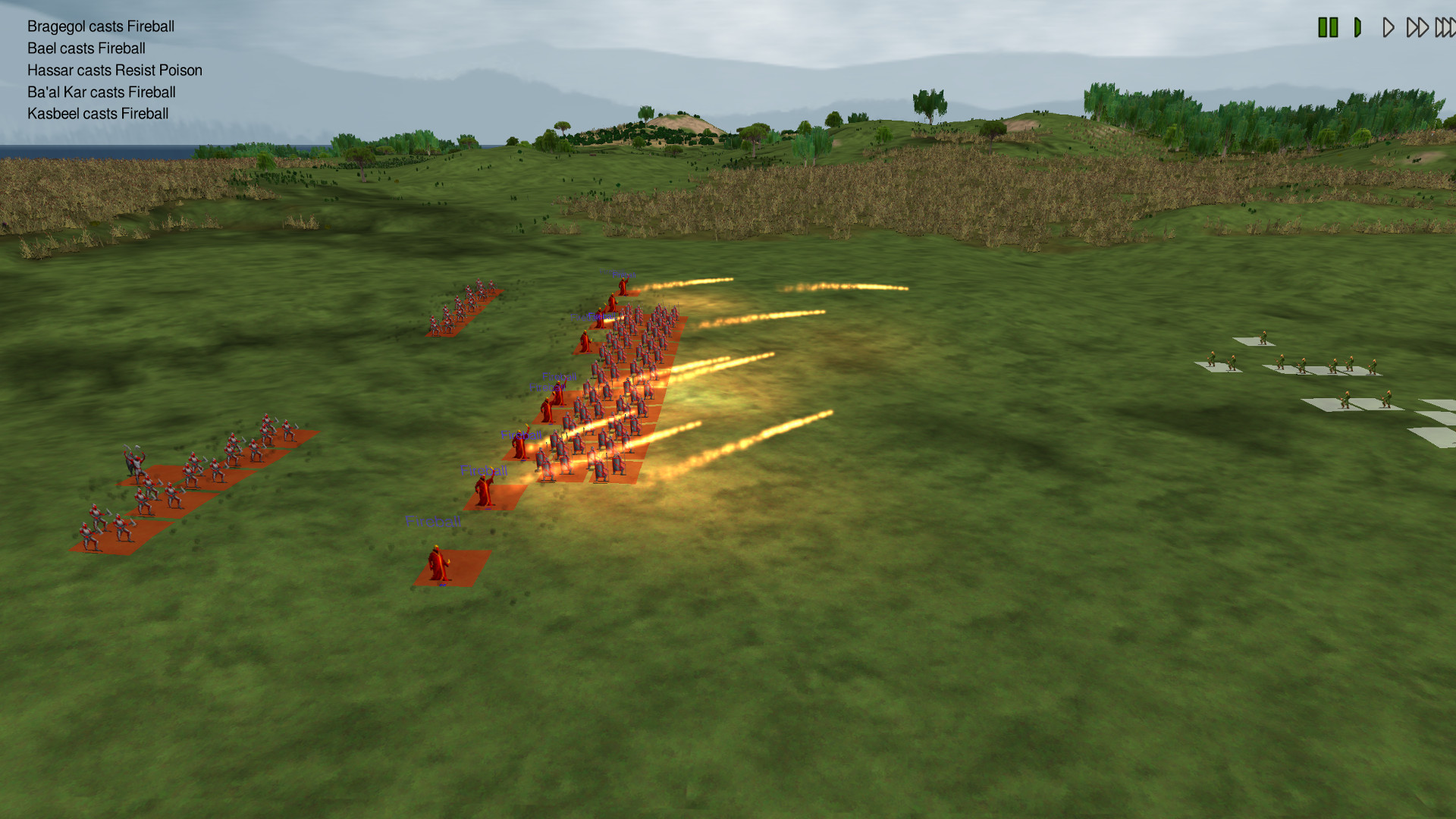
You choose a pretender god and bless strategy, then recruit sacred units that benefit from your design. Armies resolve battles automatically after detailed pre battle scripting of orders and formations. Magic paths, rituals, and global enchantments create long term power plays across many realms. Multiplayer turns process simultaneously which supports very large campaigns.
Conquest of Elysium 5
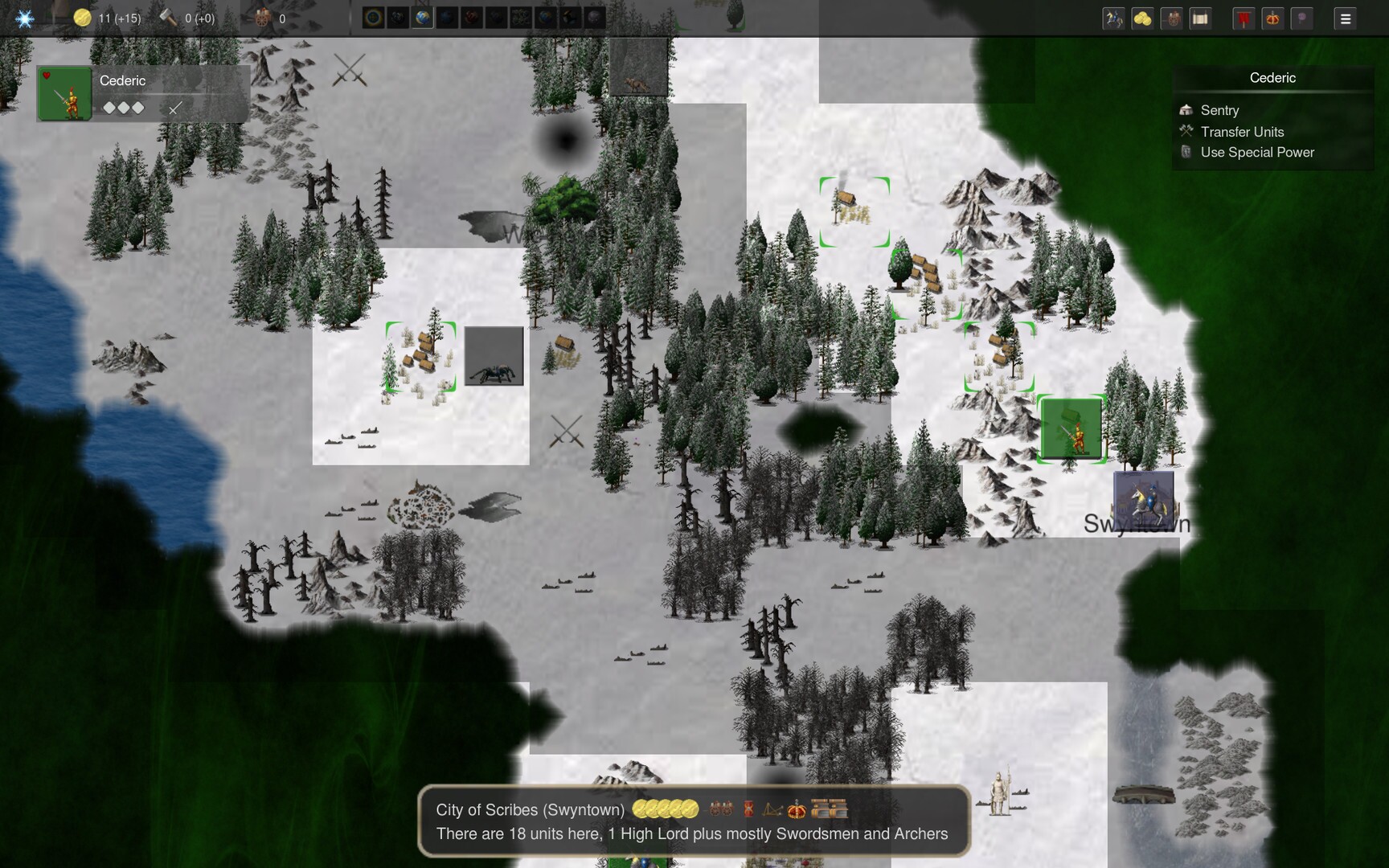
Each faction has asymmetric economy and recruitment rules that change how you capture sites on the world map. Seasons and terrain alter income and movement so logistics matter across biomes. Battles auto resolve based on army composition and positioning, encouraging careful stack building. Randomized maps and independent factions keep exploration and control contested.
Field of Glory II
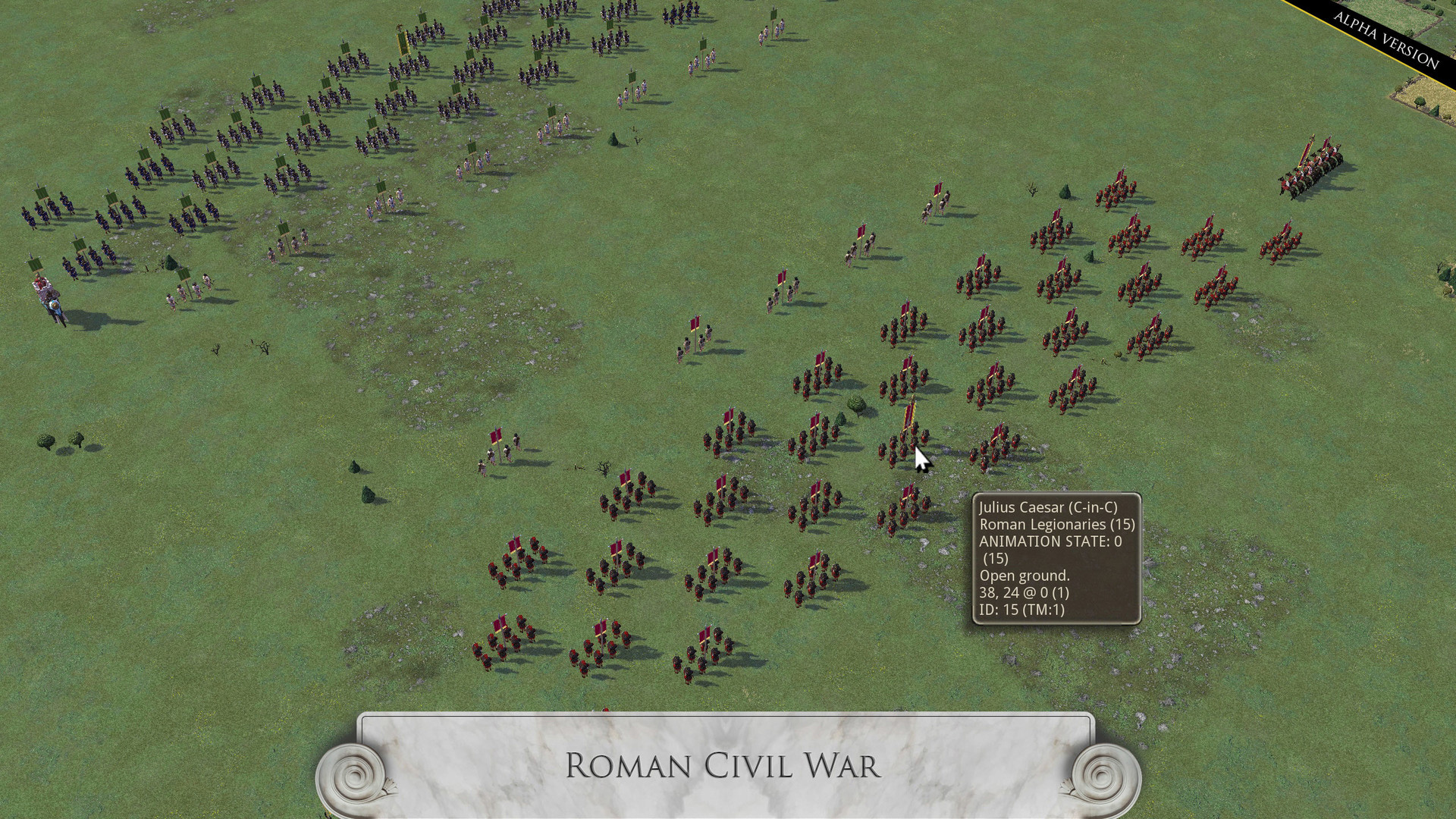
Ancient and medieval warfare plays out with unit cohesion, flanking, and zone of control. Army lists reflect historical compositions that you can customize within point limits. Impact and melee phases model charge power and sustained fighting. Campaigns link battles with reinforcement and attrition rules for operational context.
Unity of Command II
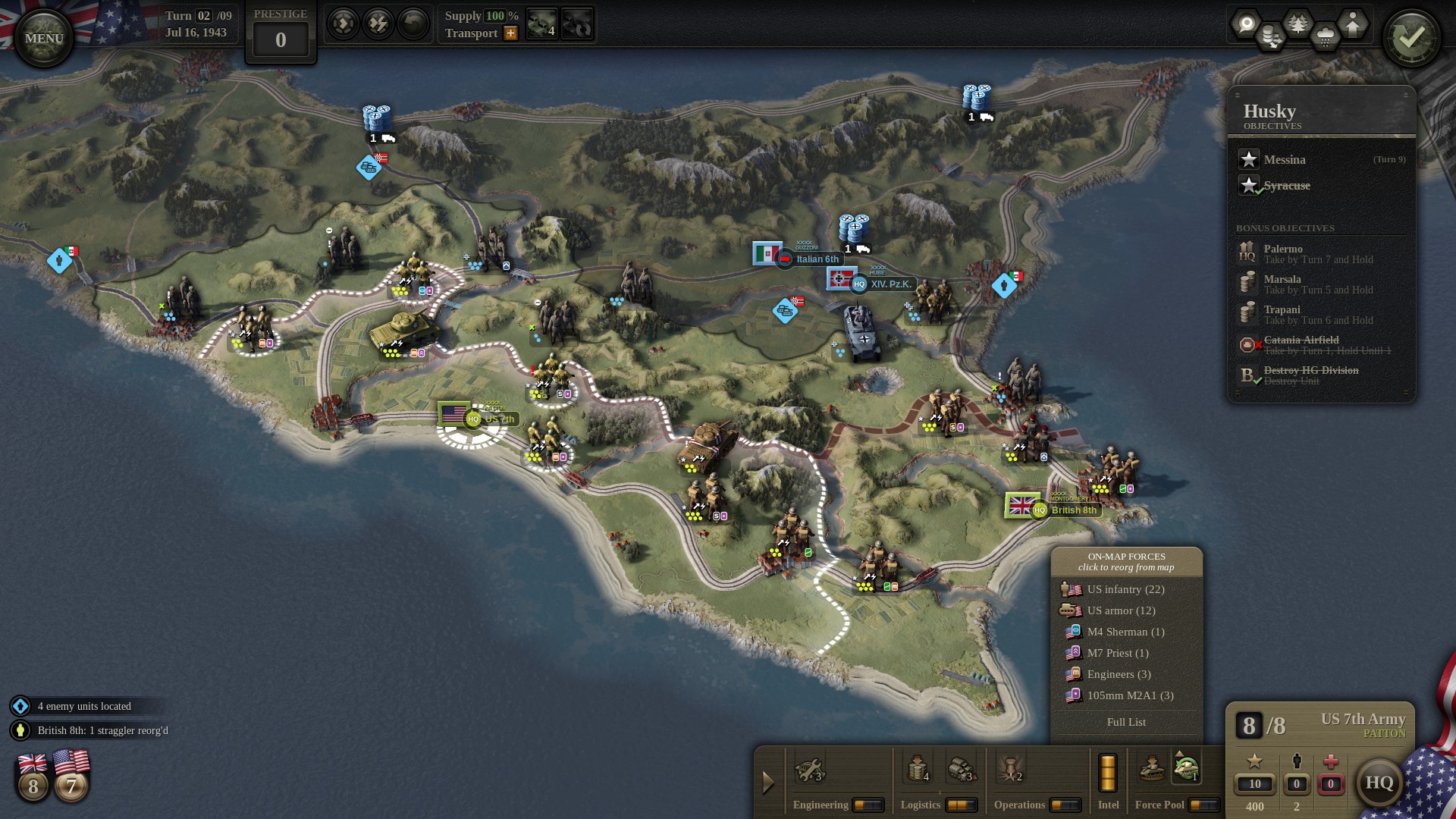
Operational level scenarios model supply hubs, truck points, and weather that affect advances. You plan encirclements and bridge repairs to maintain momentum across fronts. Headquarters grant command points for special actions like refits or forced marches. Fog of war and enemy reserves demand recon and timing around objectives.
Battle Brothers
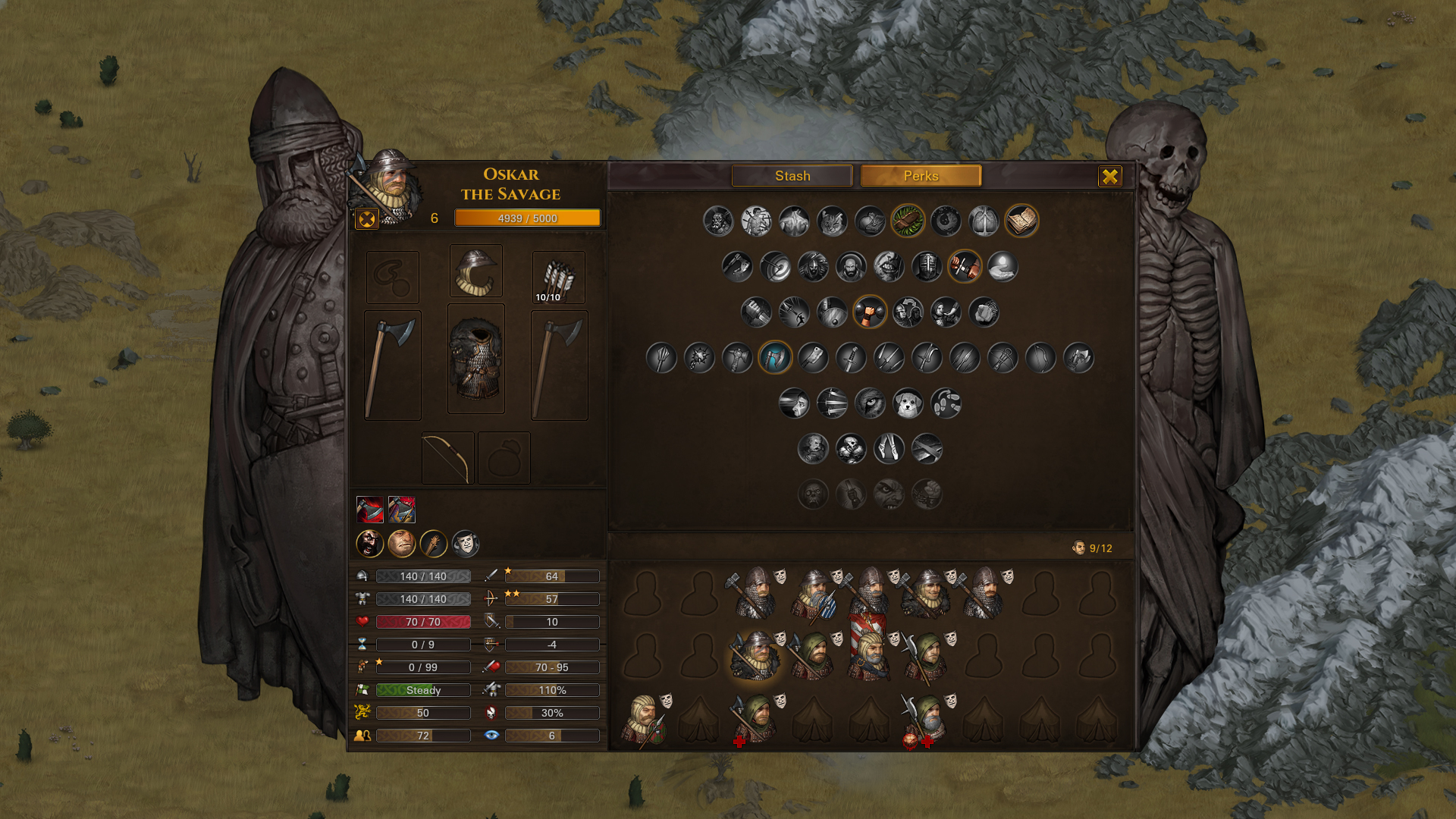
Mercenary management ties contracts and pay to roster health and morale. Hex based battles feature hit zones, durability, and fatigue that influence weapon choices. Injuries persist and traits shape performance, so positioning and retreat decisions matter. The world map is dynamic with roaming threats and economy shifts that affect gear and travel.
Invisible, Inc.
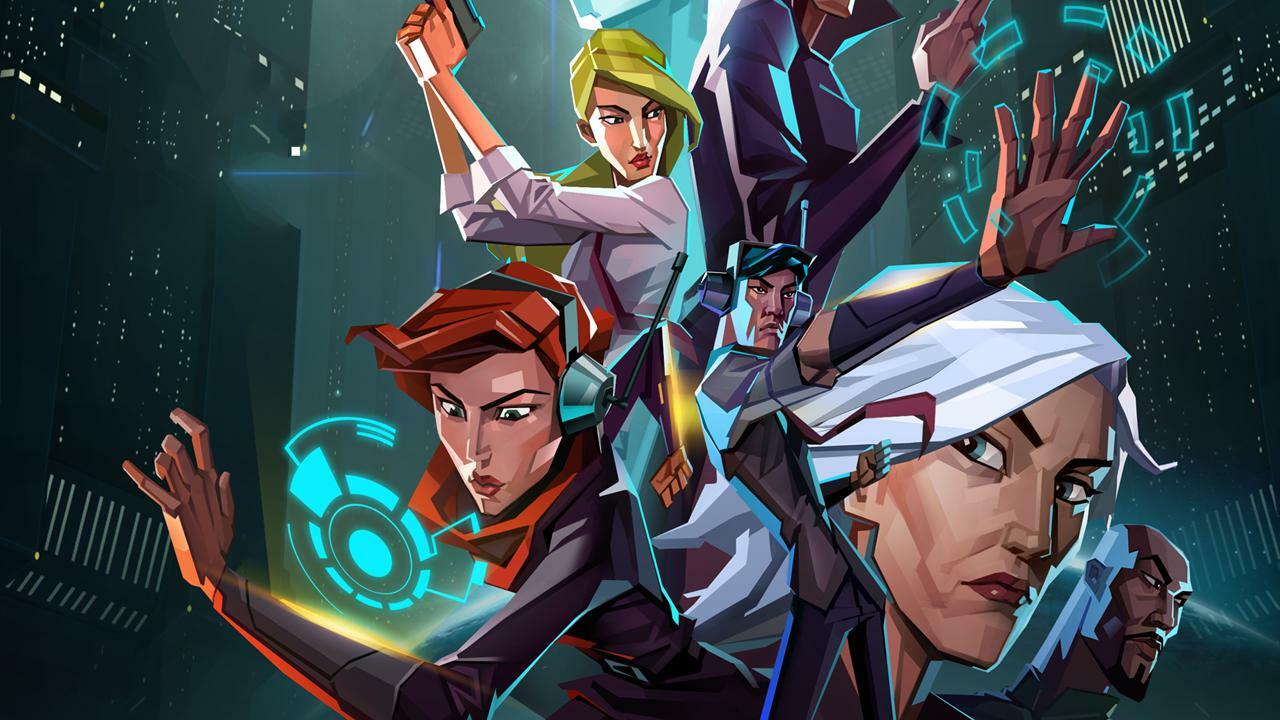
This stealth tactics game uses limited power to hack devices and open routes. Agents have distinct augments and gear slots that expand infiltration options. Alarms escalate each turn which pressures clean movement and quick objectives. Procedural maps and short campaigns support varied team builds and risk management.
Frozen Synapse

Simultaneous turn planning lets both sides script movement and fire orders before resolution. You preview outcomes against assumptions to refine paths and cover usage. Unit roles like shotgunners and snipers change engagement ranges and corner play. Competitive modes reward careful timing of breaches and focus fire.
Valkyria Chronicles 4
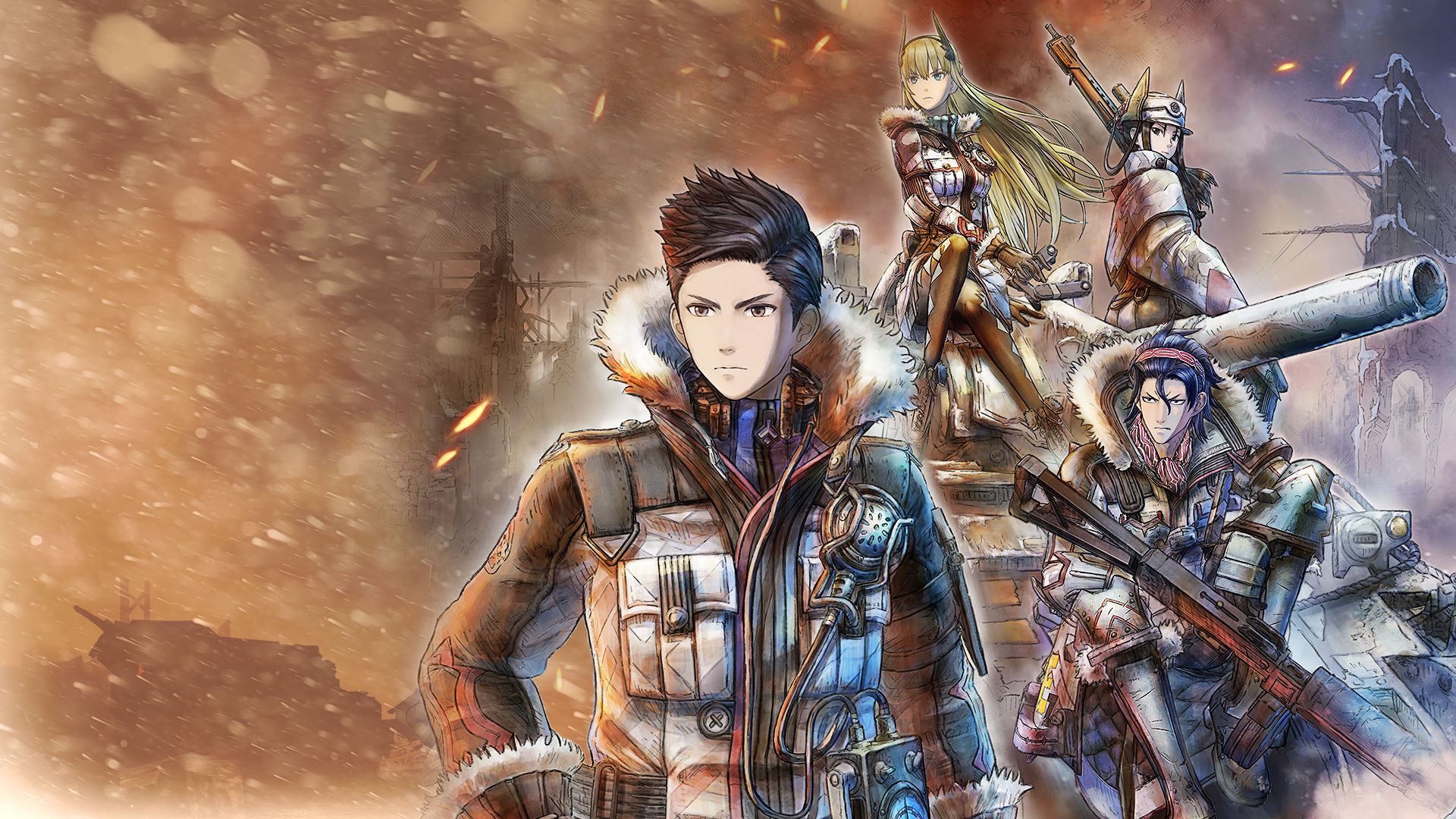
Turns alternate by spending command points to activate units with third person aiming. Terrain and interception fire make movement paths and crouch positions critical. Orders from officers provide buffs that shift a skirmish or defense. Tanks act as mobile cover while infantry classes handle anti armor, scouting, and support.
Disgaea 5 Complete
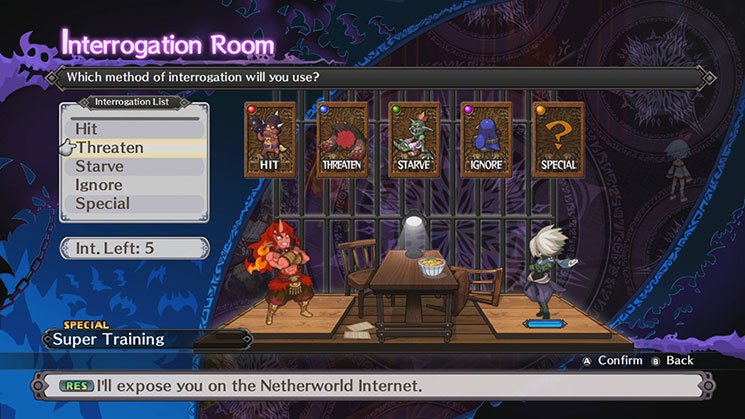
Grid battles emphasize combo chains, lift and throw mechanics, and character specialization. The item world offers procedural dungeons that level equipment and unlock innocents. Reincarnation and subclassing allow deep stat growth and skill transfers. Squad mechanics and curry bonuses add team wide effects for long campaigns.
King’s Bounty: The Legend
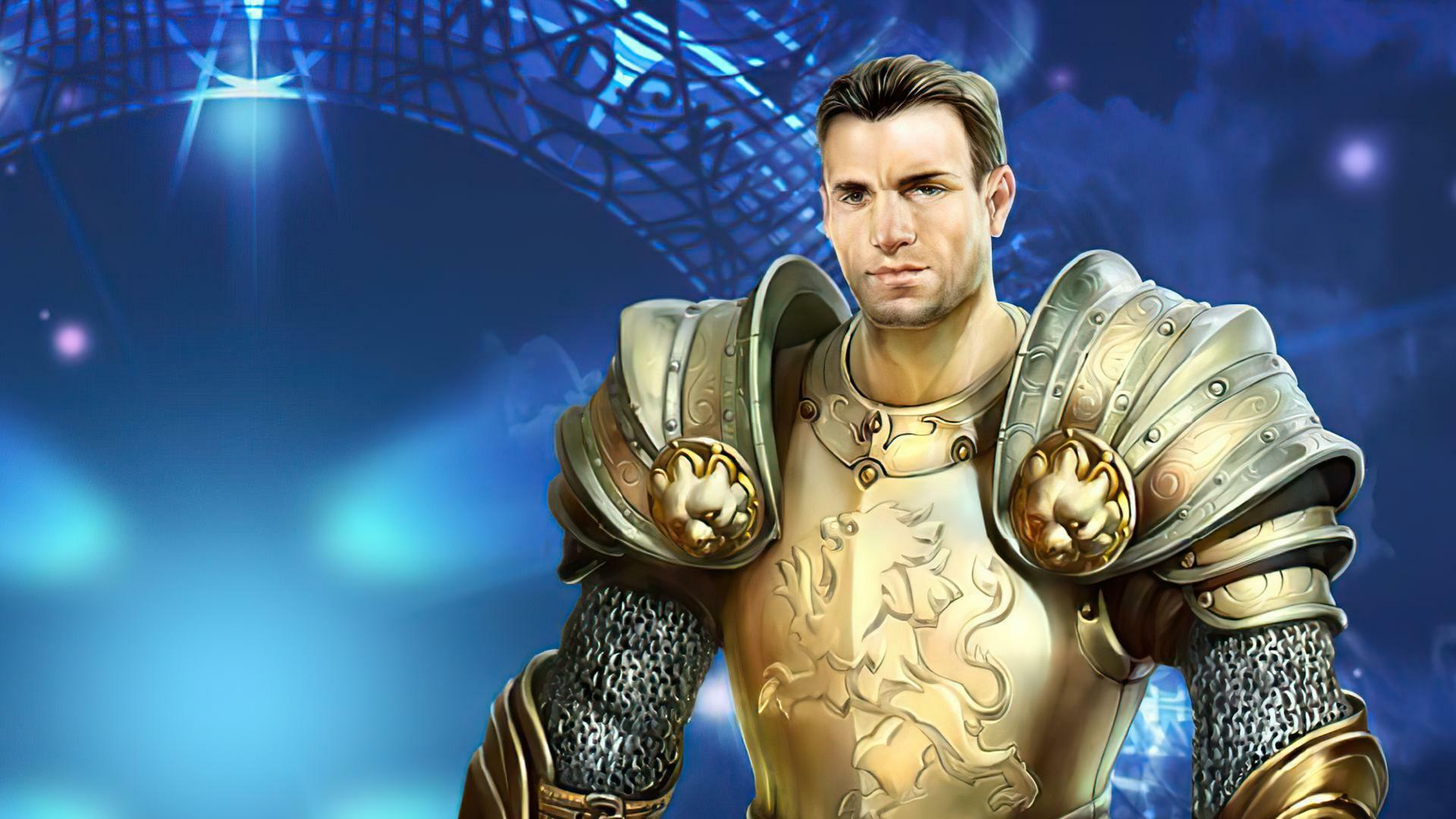
Adventures play out on an overworld where you gather troops and start tactical battles on hex maps. Leadership caps limit army size so losses and morale are central to progress. Spells and rage abilities give you tools to swing tough encounters. Enemy stacks and unit availability change by region which guides route planning.
The Battle for Wesnoth
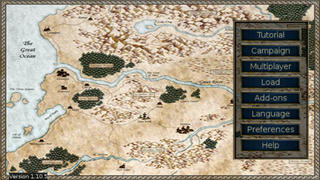
Scenarios use time of day, terrain defense, and zone control to shape engagements. Units level into branches that unlock different roles for the same base type. Gold income depends on captured villages and upkeep which rewards efficient rosters. Campaigns include permadeath and carryover resources that influence long term choices.
Slay the Spire
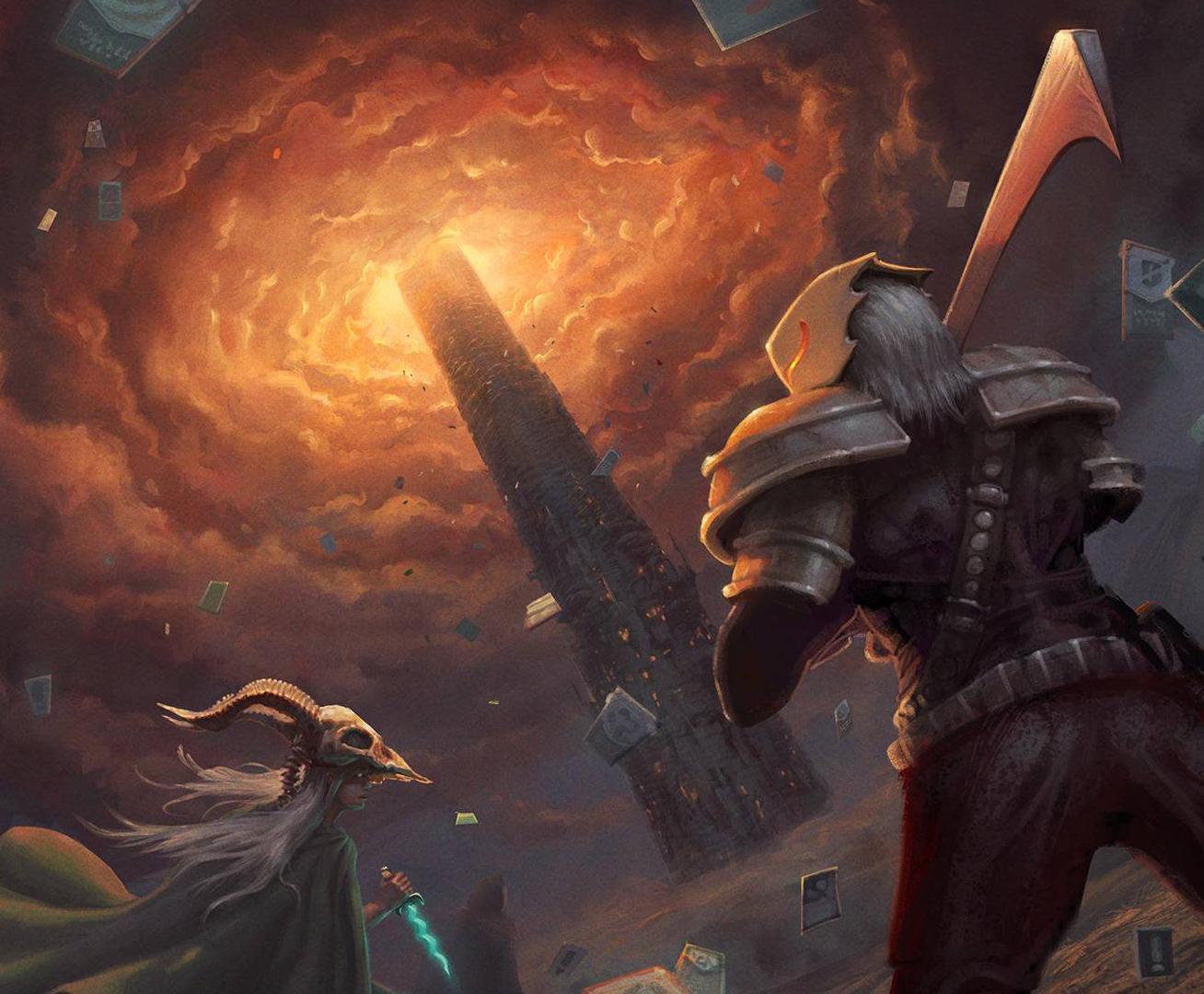
Deckbuilding runs revolve around energy management, card draw, and relic synergies. Path routing lets you choose elites, events, and shops based on your build. Status and curse cards force planning for cleanse or mitigation. Ascension levels add modifiers that test consistency and adaptation across multiple acts.
Share your favorite turn based strategy games in the comments and tell everyone which ones you think belong on this list.