


Top 25 TV Series Based on Movies



Sometimes a great film leaves a world that begs for more. Television has stepped in again and again to continue stories, deepen characters, and build out entire universes that began on the big screen. The result is a long list of series that carry familiar names yet bring fresh plots, new faces, and room for longer arcs.
This roundup gathers a wide mix of genres and formats. You will see continuations that pick up threads from beloved films, prequels that fill in backstory, and reimaginings that take a premise in a new direction. Each entry notes what the show adapts and how it expands the original idea, along with key details about networks, casts, and structure.
‘Fargo’ (2014– )
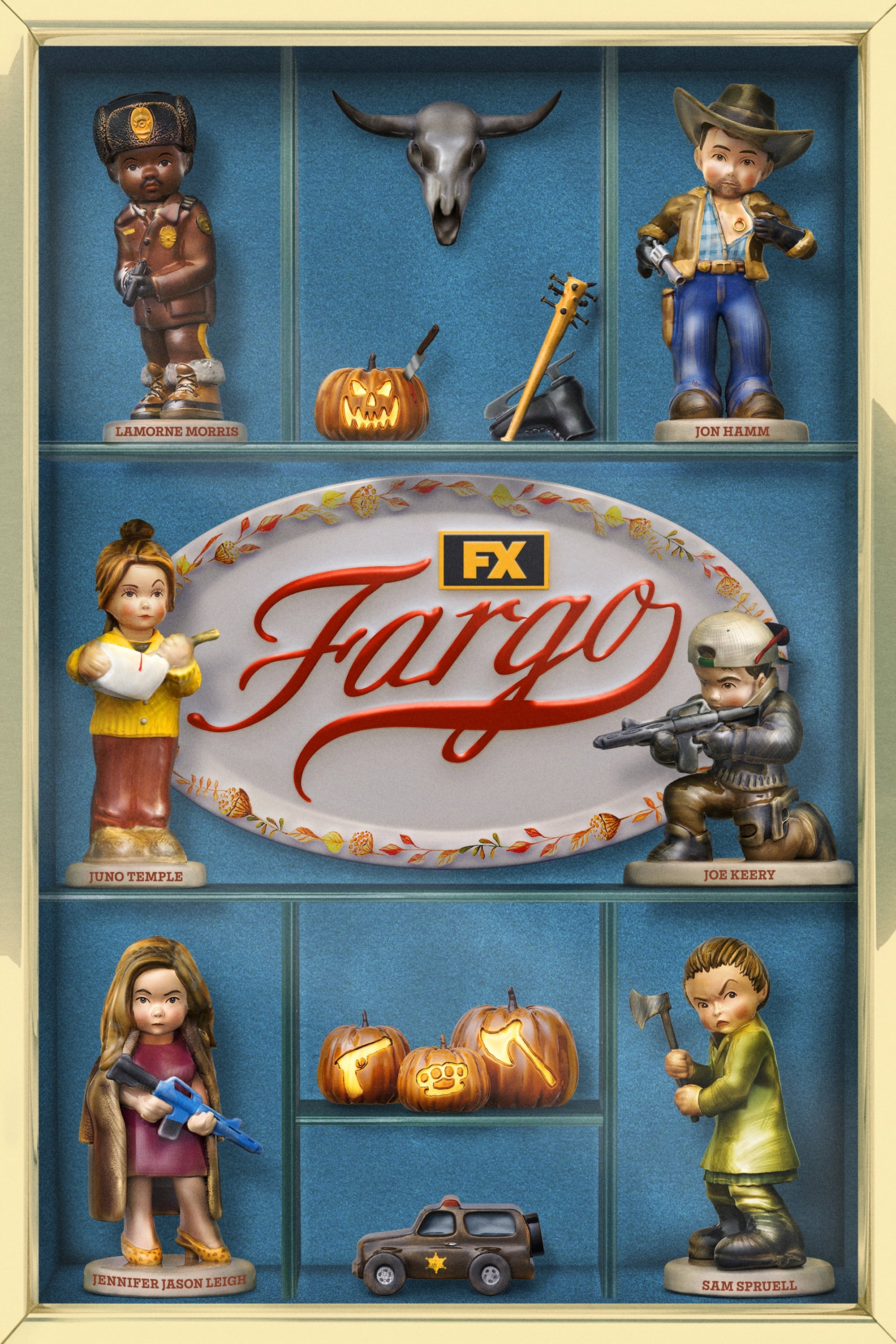
Created for FX by Noah Hawley, ‘Fargo’ adapts the world of the Coen brothers film ‘Fargo’ and turns it into an anthology crime series. Each season tells a self contained story with new characters while keeping the trademark mix of small town crime, quirky criminals, and law enforcement protagonists whose cases spiral into larger conspiracies.
The show keeps loose connective tissue to the film through shared Midwestern settings, thematic nods, and occasional character links. Seasons are structured as limited event runs with carefully plotted arcs, and production draws on a rotating ensemble of well known actors who lead each chapter.
‘Hannibal’ (2013–2015)
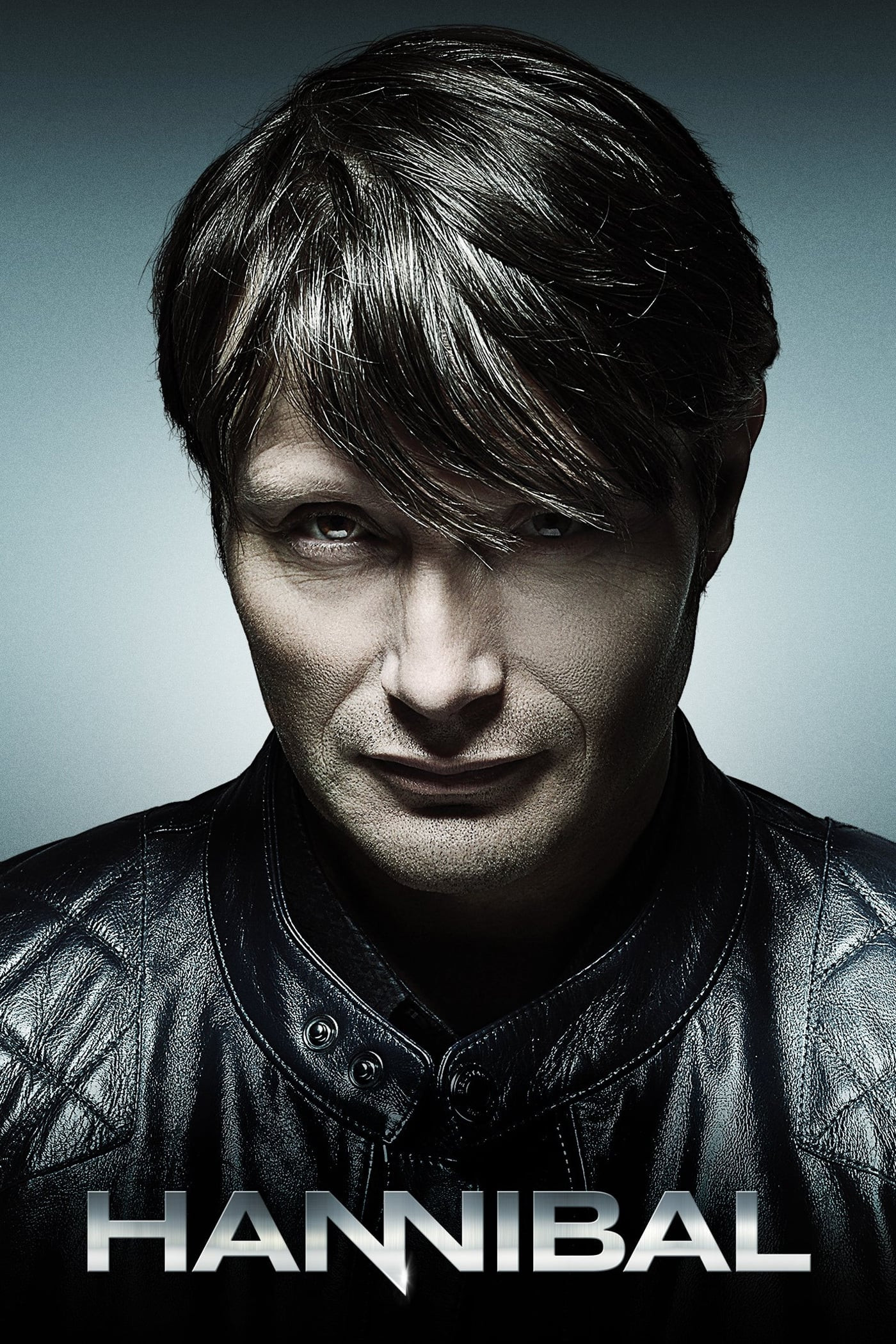
Developed by Bryan Fuller for NBC, ‘Hannibal’ draws from the films ‘Manhunter’, ‘The Silence of the Lambs’, ‘Hannibal’, and ‘Red Dragon’. The series focuses on FBI profiler Will Graham and Dr Hannibal Lecter, exploring their early relationship while adapting cases and storylines that viewers know from the films.
Across multiple arcs the show reinterprets plot elements such as the Tooth Fairy investigation and the Chesapeake Ripper thread. It blends procedural casework with serialized psychological drama and features a central cast led by Hugh Dancy and Mads Mikkelsen, with recurring characters from the film universe introduced over time.
‘Bates Motel’ (2013–2017)
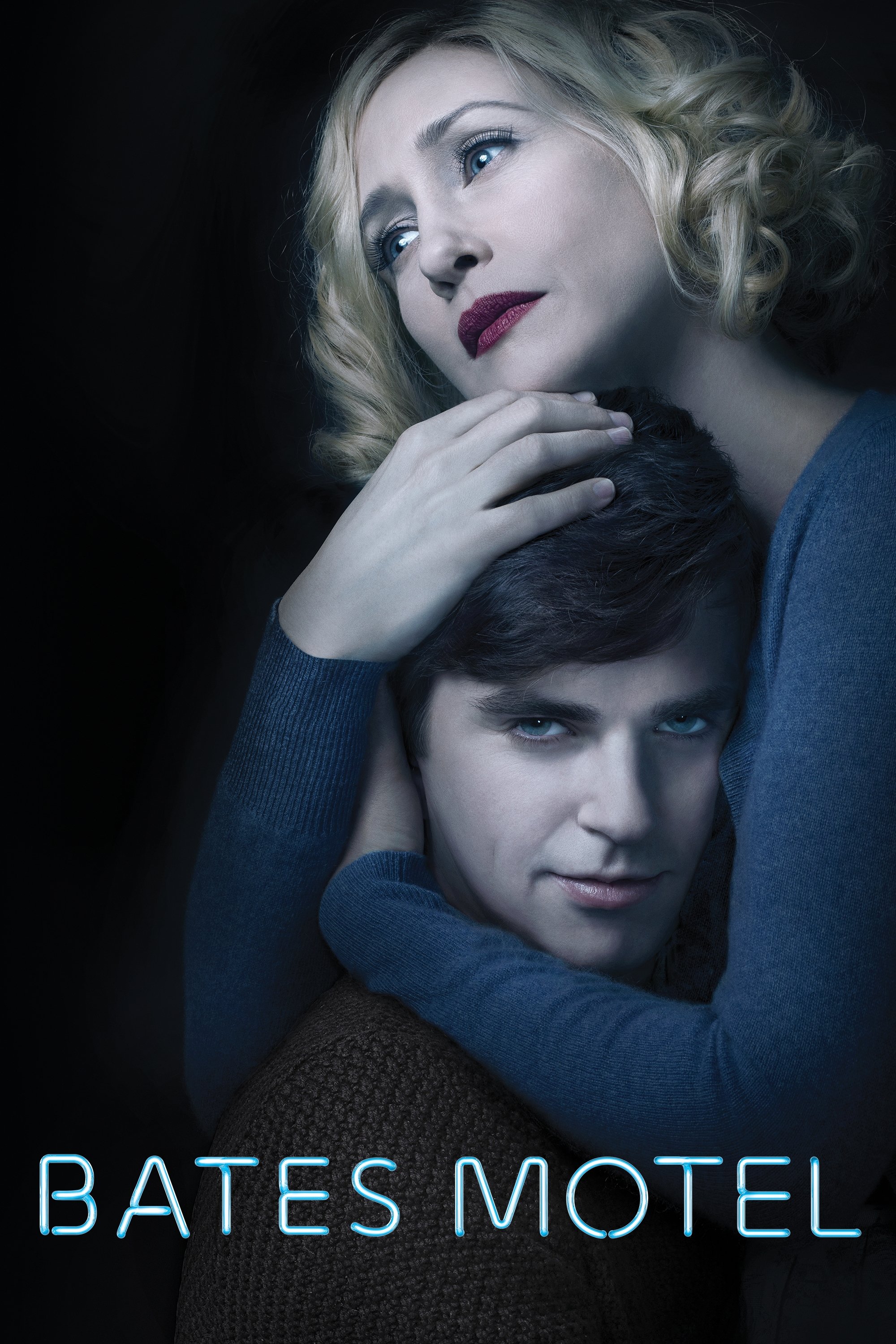
‘A&E’ launched ‘Bates Motel’ as a contemporary prequel to the film ‘Psycho’. The series follows Norman Bates and his mother Norma as they move to a coastal town and renovate the family motel, charting Norman’s growing instability and the complicated family dynamics that set the stage for the events audiences know from the film.
The show spans five seasons and builds out White Pine Bay with recurring law enforcement, classmates, and criminal elements. It integrates iconic imagery from ‘Psycho’ while developing original subplots for supporting characters, and it maps Norman’s transformation through therapy sessions, blackouts, and the emergence of the Mother persona.
’12 Monkeys’ (2015–2018)
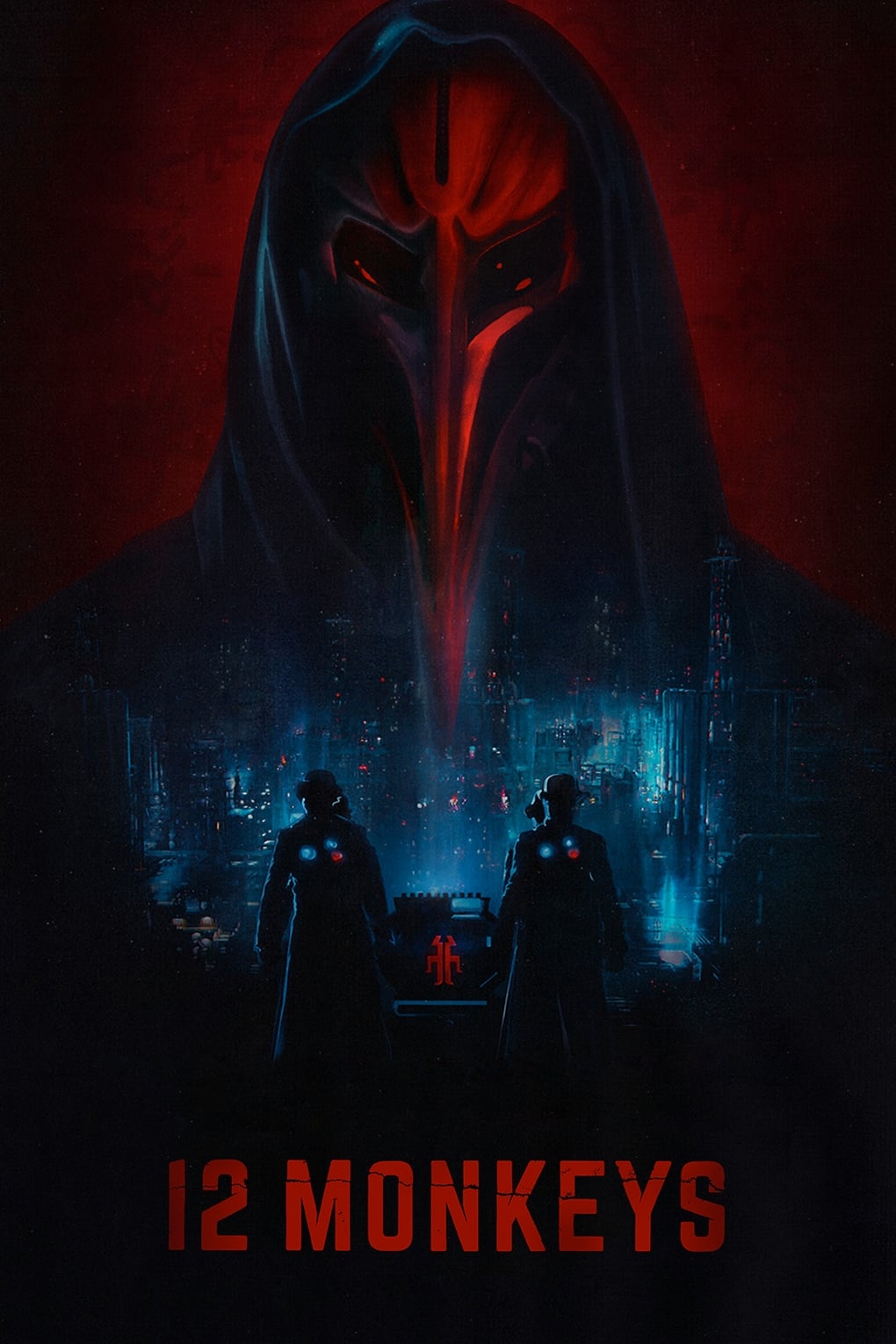
Produced for Syfy, ’12 Monkeys’ adapts the film ’12 Monkeys’ into a time travel thriller with a long form mythology. The story centers on James Cole and virologist Cassandra Railly as they attempt to prevent a global plague by targeting the Army of the 12 Monkeys and unraveling a web of causality.
Over four seasons the series expands the concept of temporal anomalies through devices like the Splinter machine and the role of the Primaries. It introduces factions with competing timelines, explores paradoxes created by closed loops, and builds a serialized narrative that resolves major mysteries while honoring the film’s core premise.
‘Westworld’ (2016–2022)
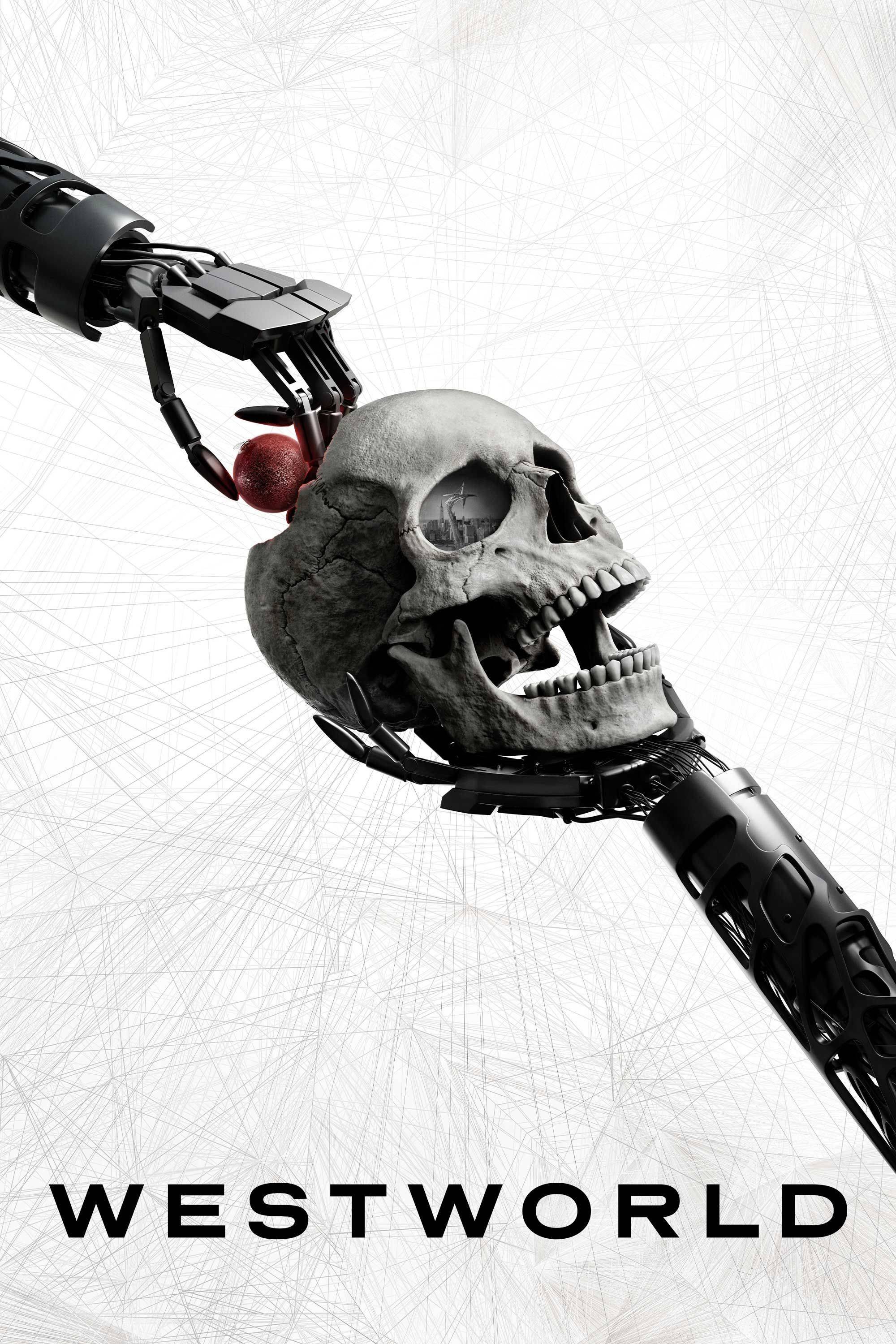
HBO’s ‘Westworld’ reimagines the film ‘Westworld’ with a focus on a high end theme park populated by lifelike android hosts. The series begins inside the park with loop based narratives for guests and hosts, then moves outward as the hosts gain awareness and push against their programming.
The production is known for shifting settings from the park to the outside world and back again as storylines evolve. It uses multiple timelines, a large ensemble cast, and elaborate sets that include different themed parks, all while exploring corporate control, data harvesting, and the creation of artificial consciousness that extends the film’s original premise.
‘Friday Night Lights’ (2006–2011)
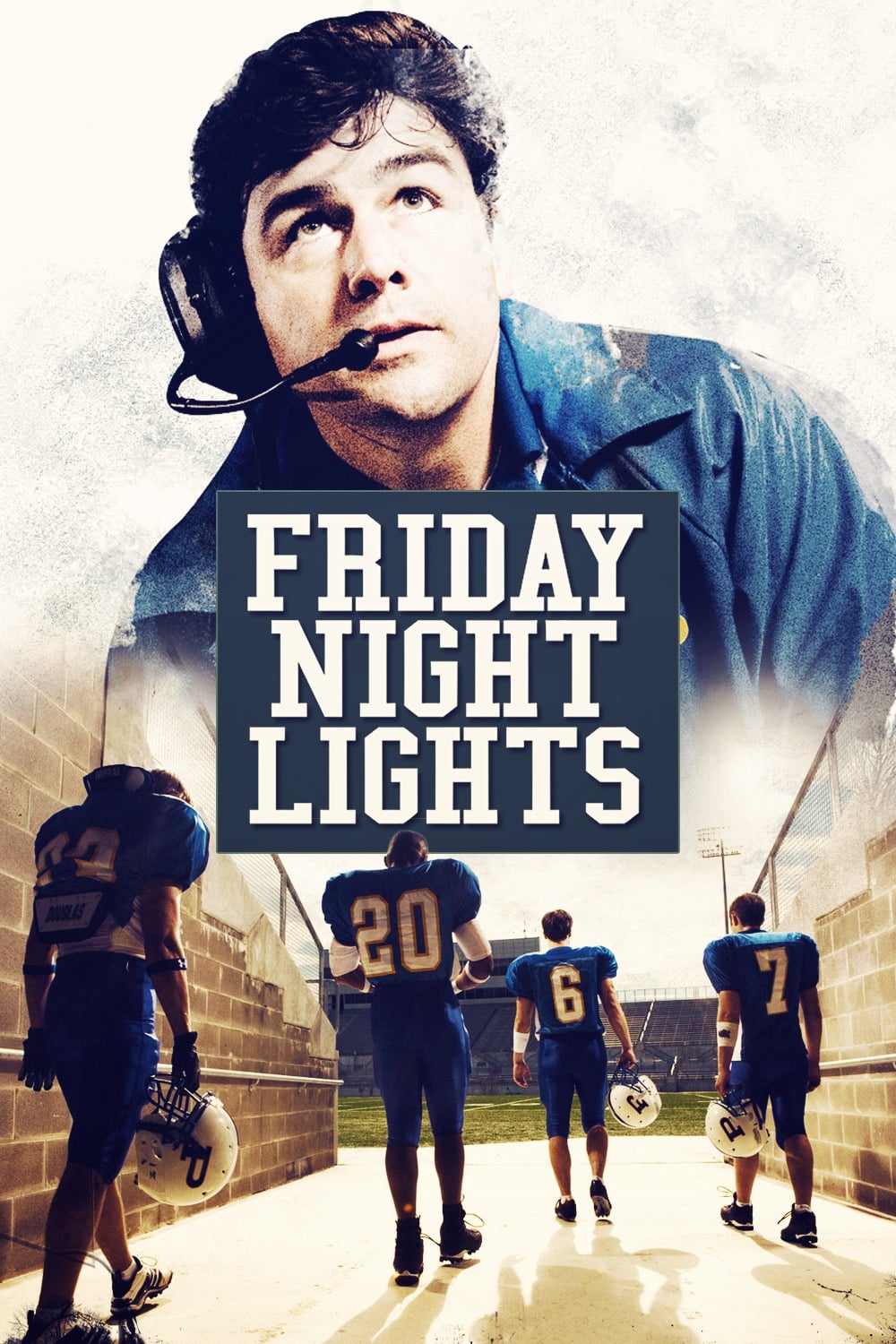
‘Friday Night Lights’ adapts the film ‘Friday Night Lights’ and the nonfiction book that inspired it. Set in the fictional town of Dillon, the series follows the Panthers football program, head coach Eric Taylor, and an ensemble of players and families whose lives revolve around school, sport, and community.
The production ran for five seasons with a unique partnership that included first run episodes on a satellite channel followed by network broadcasts. It uses a documentary style camera approach, on location Texas shooting, and story arcs that track recruitment, injuries, and academic pressures, all grounded in the world introduced by the film.
‘Buffy the Vampire Slayer’ (1997–2003)
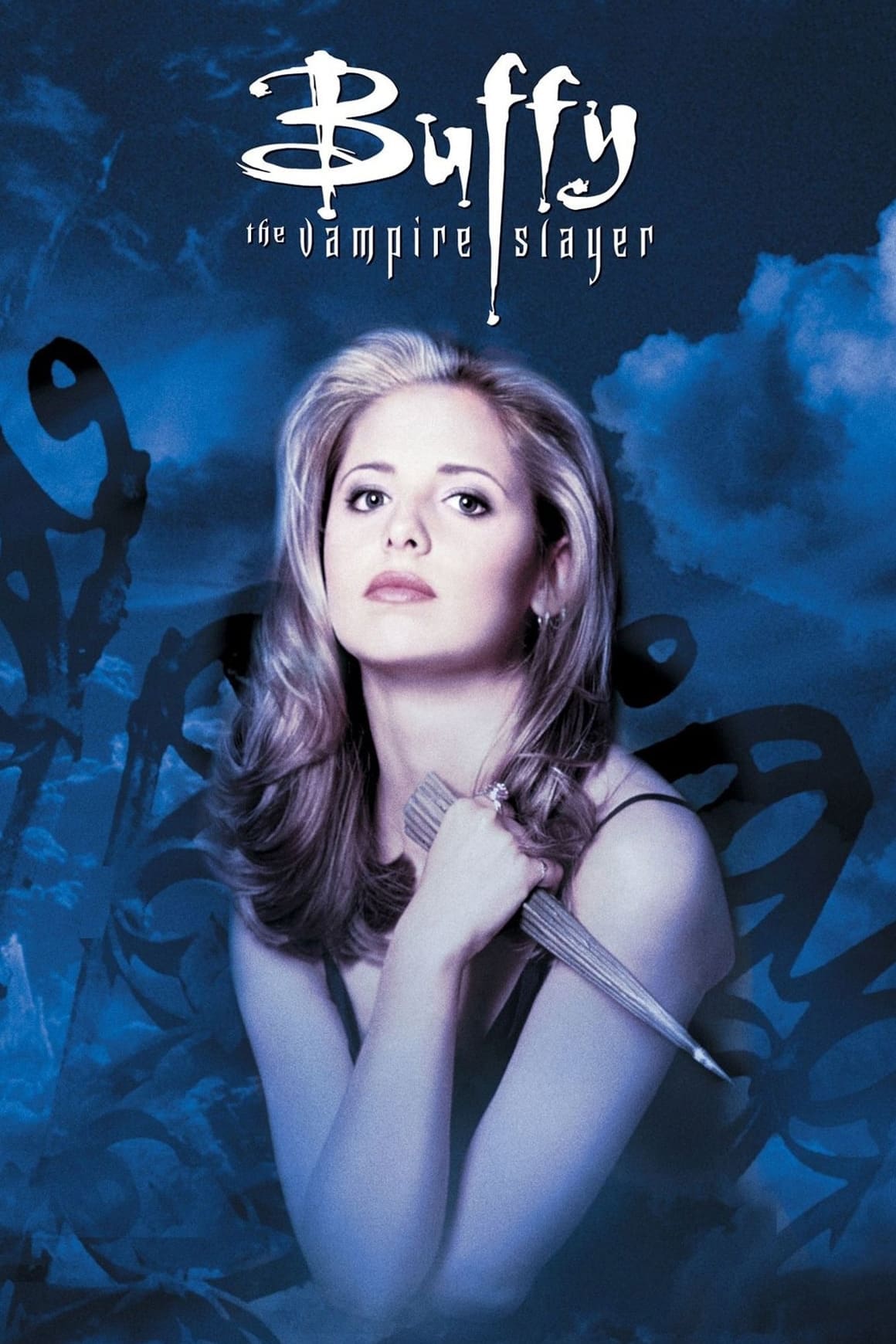
‘Buffy the Vampire Slayer’ takes the concept from the film ‘Buffy the Vampire Slayer’ and rebuilds it as a serialized supernatural drama. The show follows Buffy Summers as she balances life as a student with her calling as the Slayer, supported by friends and mentors known to fans as the Scooby Gang.
The series mixes monster of the week episodes with season long Big Bad arcs and brings in lore such as Watchers, Hellmouths, and crossovers with the related series ‘Angel’. It moved networks during its run and produced a large catalogue of episodes that established enduring characters and rules for its vampire and demon mythology.
‘Ash vs Evil Dead’ (2015–2018)
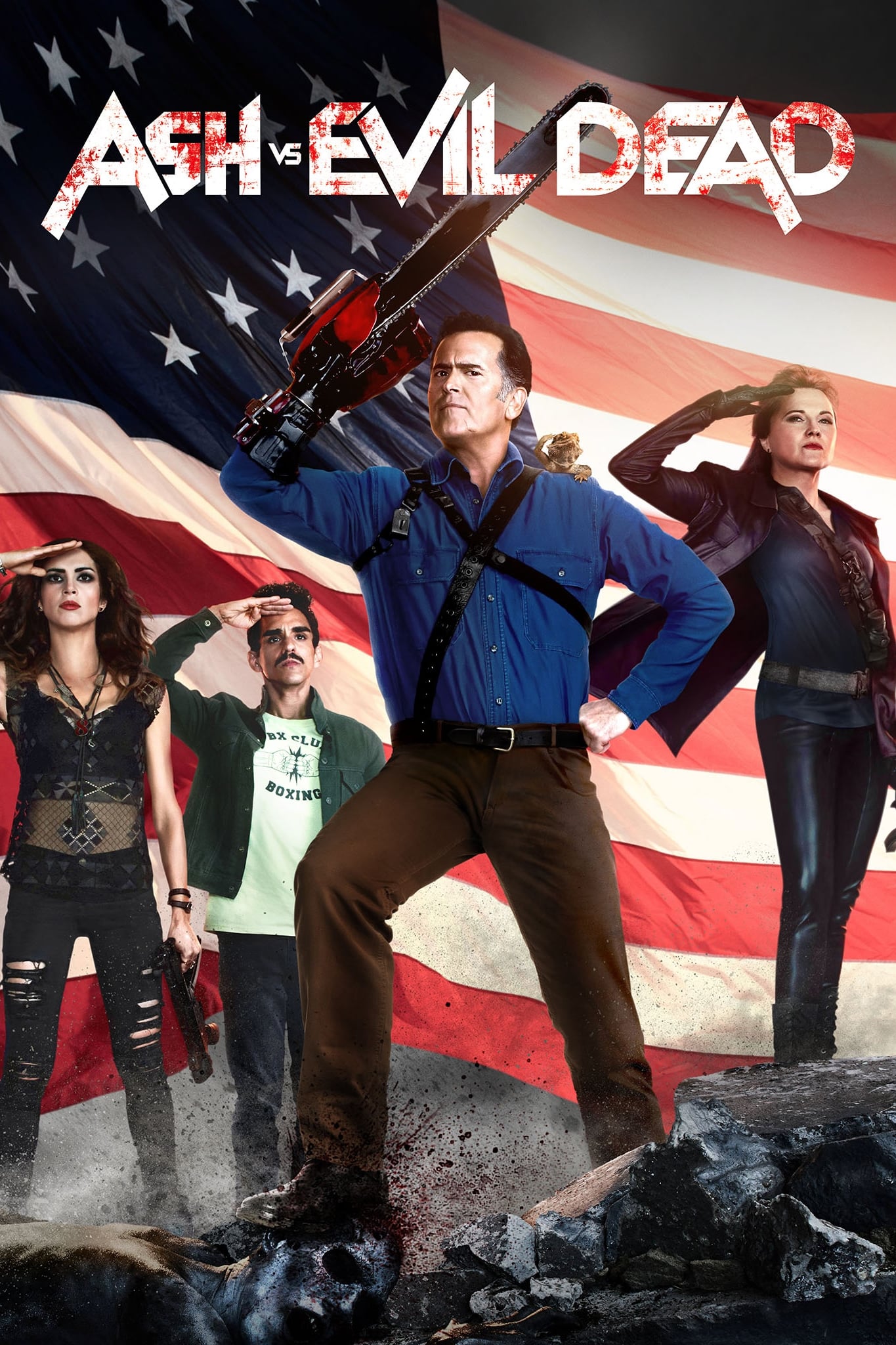
Starz continued the film franchise with ‘Ash vs Evil Dead’, picking up with Ash Williams decades after the events of the ‘Evil Dead’ films. The series pairs Ash with new allies Pablo and Kelly as they confront Deadites and the Necronomicon’s latest outbreaks.
Episodes deliver practical effects, creature work, and set pieces that echo the films while expanding the lore with additional antagonists and settings. The production brings back Bruce Campbell in the lead and includes returning figures from the film universe, connecting seasons through relics, prophecies, and recurring demons.
‘Terminator: The Sarah Connor Chronicles’ (2008–2009)
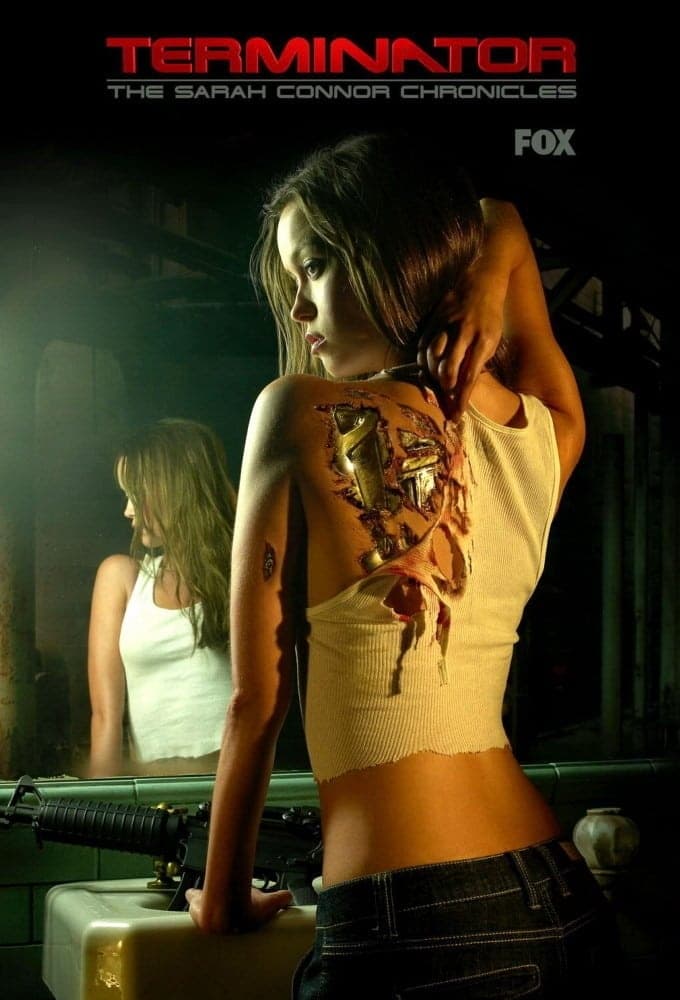
This Fox series continues the story world of the ‘Terminator’ films by following Sarah and John Connor as they evade Skynet’s agents. A reprogrammed cyborg named Cameron joins them, creating a small team that uses intelligence and time travel knowledge to disrupt the rise of the machines.
The show introduces rival technology firms, law enforcement pursuit, and time displaced enemies who complicate the mission. It uses serialized plotting to explore resistance cells, future war breadcrumbs, and the consequences of jumping forward in time, positioning itself as an alternate branch from the film continuity.
‘The Exorcist’ (2016–2017)
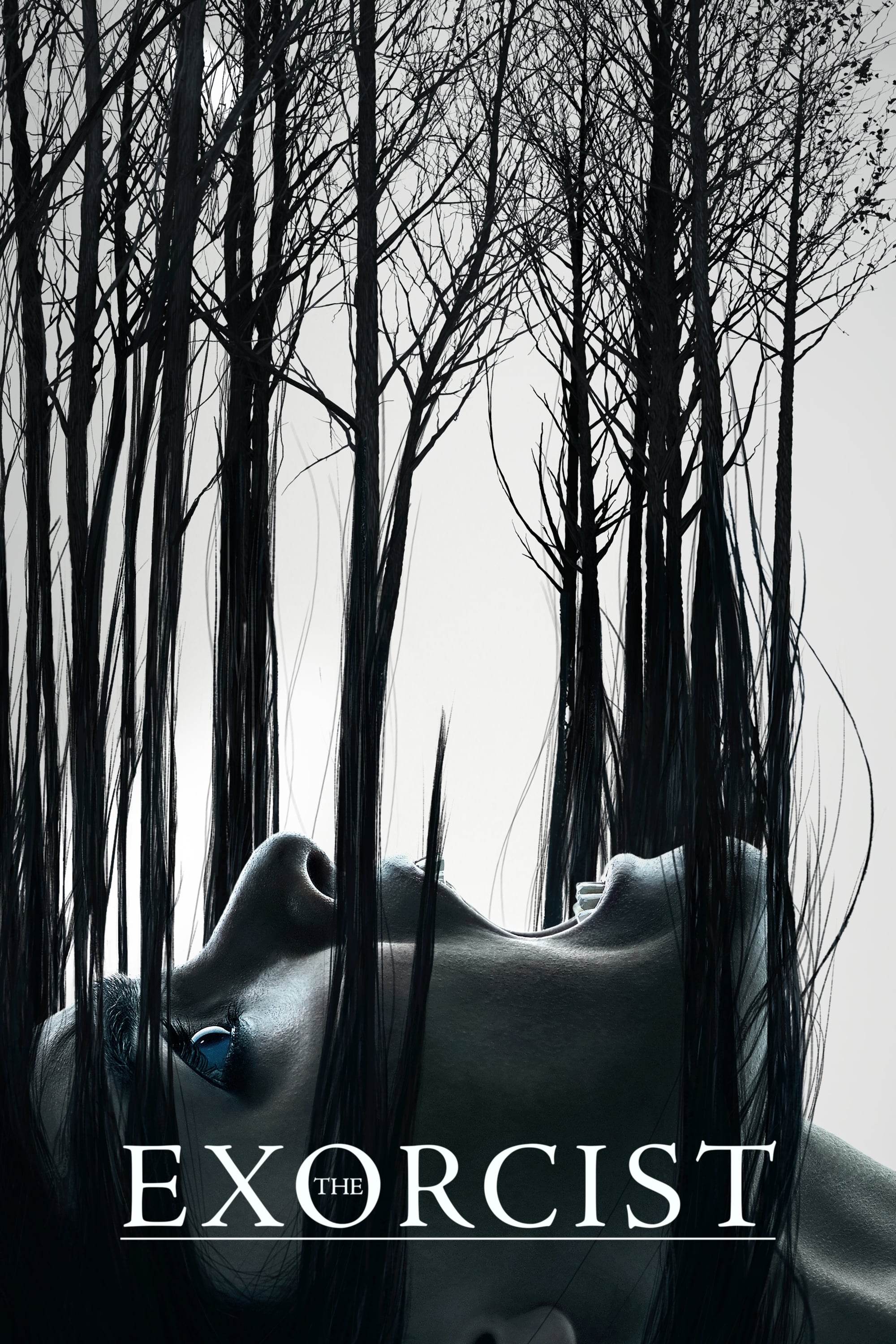
‘The Exorcist’ on Fox serves as a continuation of the film ‘The Exorcist’. The first season follows two priests investigating a possession within a Chicago family, with story connections that tie directly back to the original case audiences remember from the film.
The second season shifts to a new location with an anthology like reset while keeping core characters and the series’ focus on demonic investigation. Practical effects, exorcism rituals, and church politics form the backbone of the narrative as the show broadens the world beyond a single household.
‘From Dusk Till Dawn: The Series’ (2014–2016)

Developed for El Rey Network, ‘From Dusk Till Dawn: The Series’ expands the film ‘From Dusk Till Dawn’ into a multi season crime horror story. It follows the Gecko brothers and Texas Ranger Freddie Gonzalez while revealing the broader world behind the Titty Twister setting.
The adaptation deepens the mythology of culebras through Mesoamerican legends, cult hierarchies, and new antagonists. It retains key heist and road elements from the film and then shifts into supernatural territory with serialized arcs that connect cartel operations to ancient temples and rituals.
‘Scream: The TV Series’ (2015–2019)
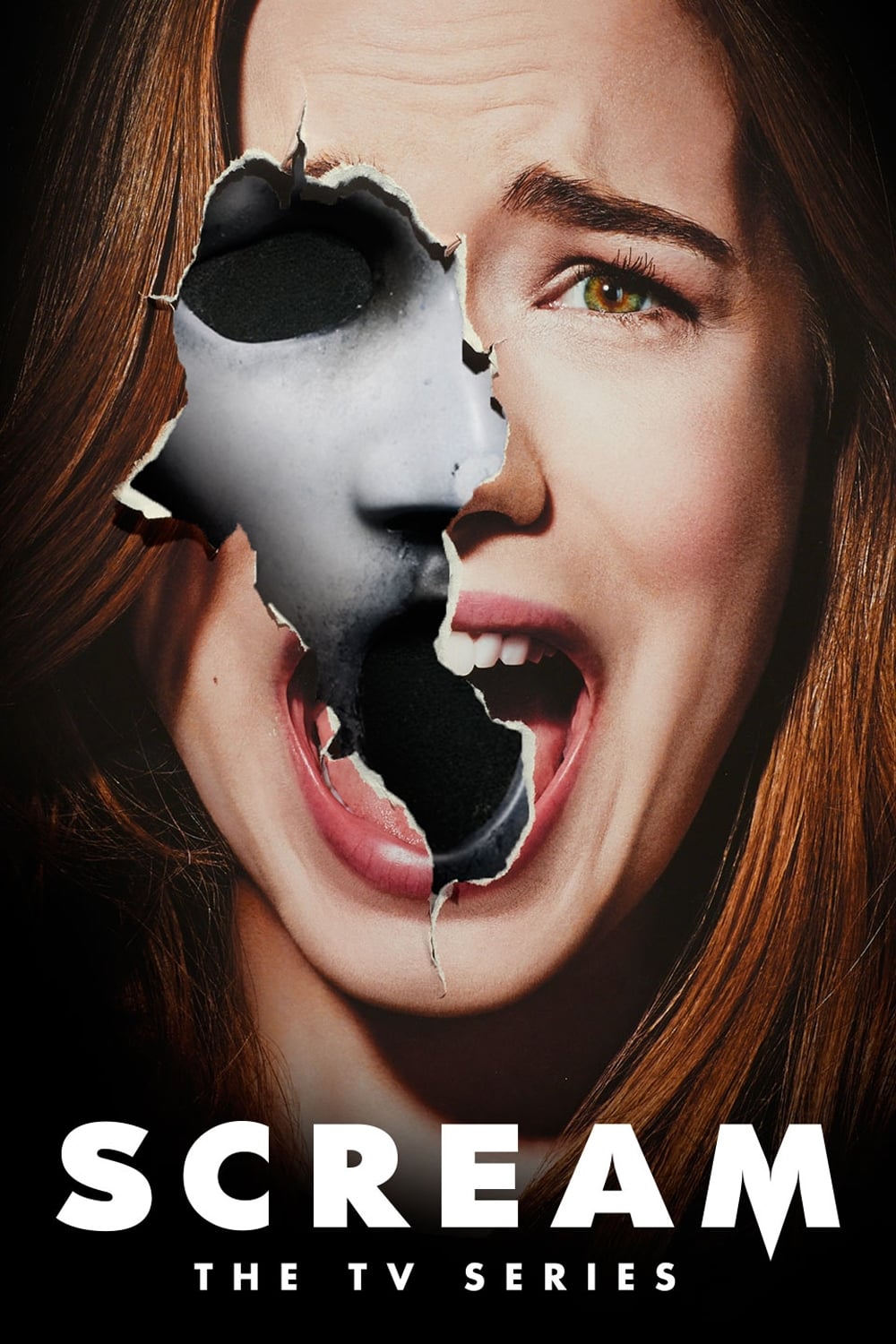
MTV and later VH1 brought the slasher film franchise to television with ‘Scream’. The first two seasons take place in Lakewood, where a new mask and a string of murders trigger investigations among a circle of students and local authorities.
A later event season retools the series with new characters and the classic Ghostface voice and mask. The format uses whodunit storytelling, episode end cliffhangers, and meta references to slasher rules while keeping a focus on suspects, red herrings, and case files that mirror the structure of the films.
‘Teen Wolf’ (2011–2017)

MTV’s ‘Teen Wolf’ reimagines the comedy film ‘Teen Wolf’ as a supernatural drama. Scott McCall becomes a werewolf after an encounter in the woods and must manage new abilities, territorial conflicts, and threats to his hometown of Beacon Hills.
The ensemble includes hunters, banshees, kitsune, and other creatures that build a fuller bestiary than the film presented. Season arcs revolve around alphas, rival packs, and ancient artifacts, and the show integrates lacrosse scenes and school life with ongoing supernatural investigations.
‘Limitless’ (2015–2016)

CBS continued the film ‘Limitless’ with a procedural thriller that centers on Brian Finch, a man who uses the smart drug NZT under a special arrangement with the FBI. The series portrays NZT’s cognitive boost while tracking weekly cases that tie into a larger political power play.
Recurring appearances by Bradley Cooper as Eddie Morra connect the show directly to the film. The production uses changing visual styles to depict NZT effects and introduces side characters who manage Brian’s health, cover stories, and moral risks associated with the drug.
‘Minority Report’ (2015)

Fox adapted ‘Minority Report’ into a sequel series set after the end of the Precrime program. A precog named Dash partners with detective Lara Vega to prevent crimes using fragmented visions that lack the full support system once provided by the agency.
The show uses case of the week structure while building a continuing story about the fate of the remaining precogs and the technology that once powered Precrime. It also explores black market uses of predictive tools and the political pressure around reinstating controversial surveillance methods.
‘Lethal Weapon’ (2016–2019)
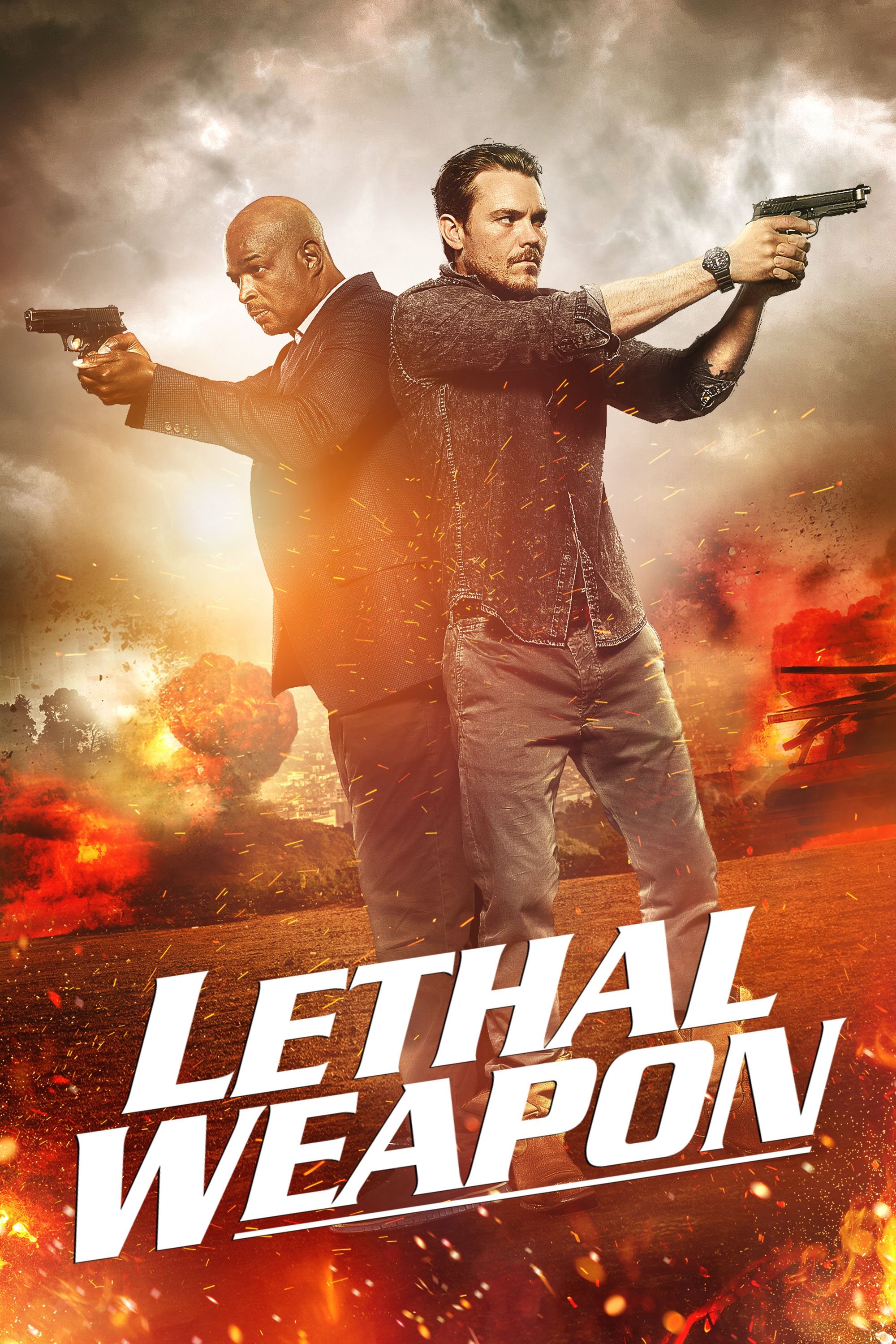
Fox brought the buddy cop film series to television with ‘Lethal Weapon’. The show pairs Roger Murtaugh with Martin Riggs, updating their partnership for modern cases and department dynamics while keeping core character traits known from the films.
Across multiple seasons the series features high action set pieces, family subplots, and changes in the lead partner lineup. It integrates recurring cases involving traffickers and cartels, internal affairs scrutiny, and interagency operations that widen the scope beyond single precinct work.
‘Cobra Kai’ (2018– )
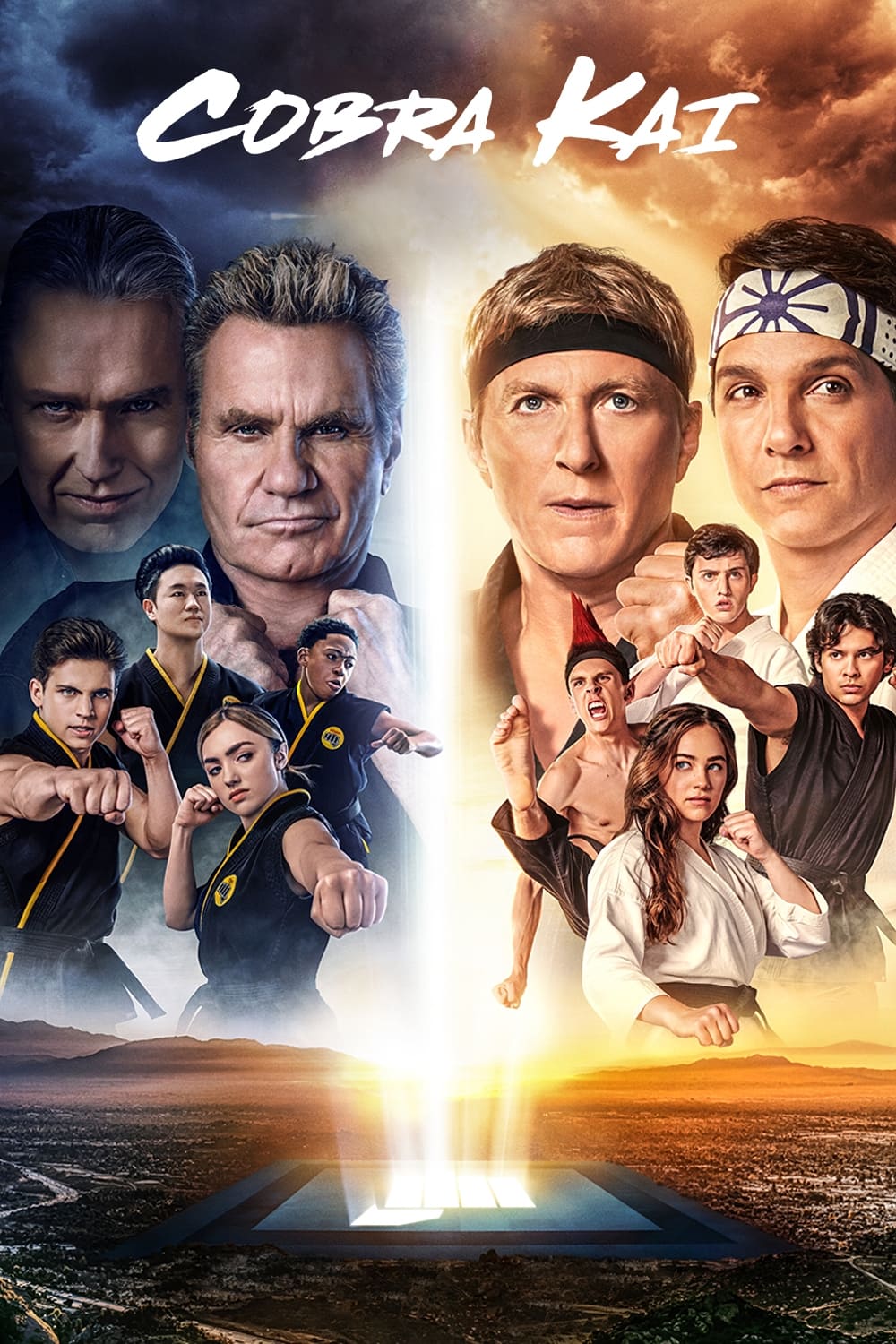
‘Cobra Kai’ continues the story of ‘The Karate Kid’ films by revisiting Johnny Lawrence and Daniel LaRusso as adults. The series began on a streaming platform and later moved to a larger service, bringing in returning characters and new students from rival dojos.
It uses tournament seasons, dojo rivalries, and mentorship plots to extend the film saga into multi generation stories. Flashbacks, training philosophies, and alliances shift across arcs while the show mines the film continuity for character backstories and unresolved grudges.
‘Snowpiercer’ (2020–2024)
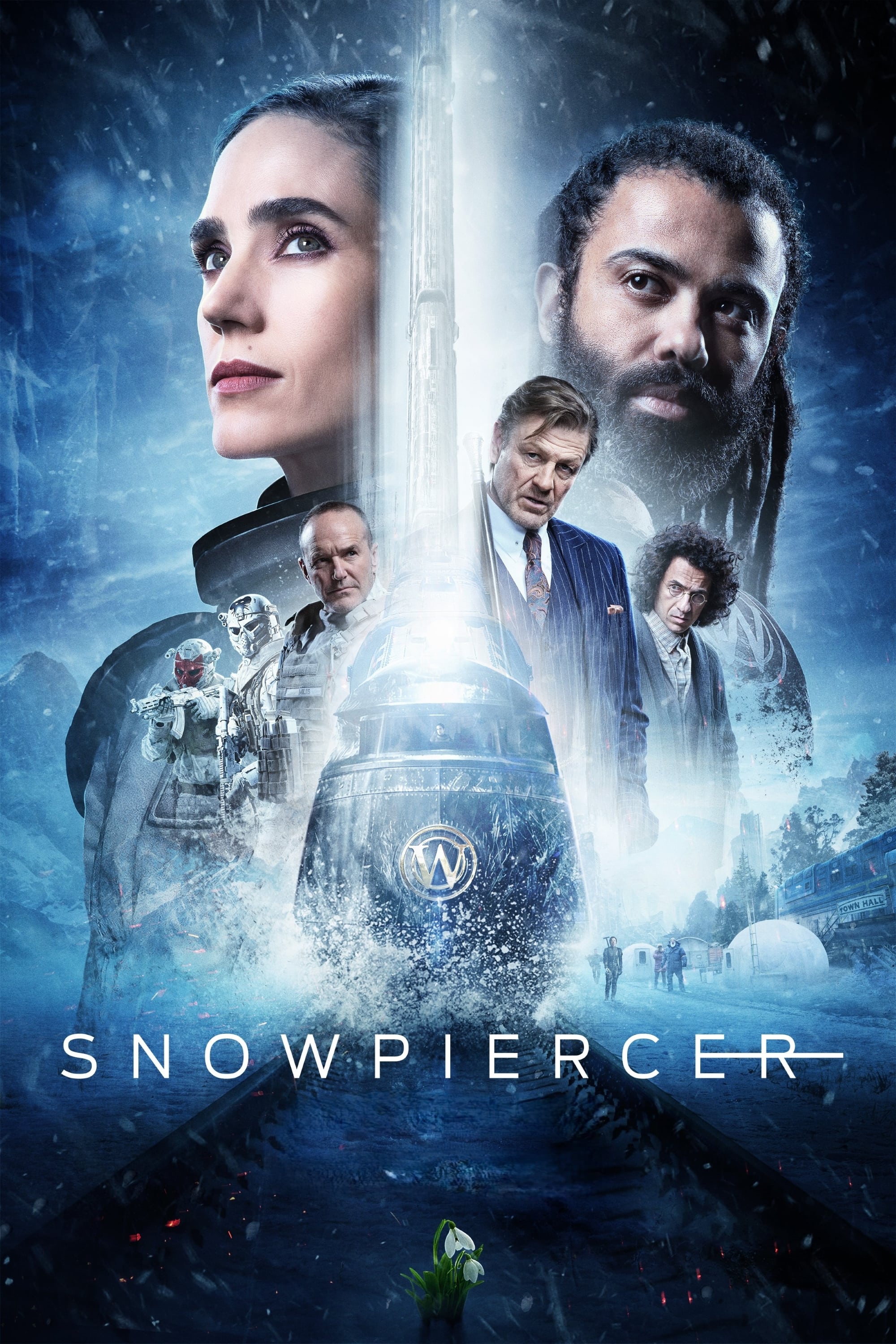
Adapted for television by TNT and later carried to a different network for its final run, ‘Snowpiercer’ continues the world of the film ‘Snowpiercer’. The show is set aboard a perpetually moving train that circles a frozen Earth, with strict class divisions enforced by the crew and the ruling elite.
The series introduces a second train called Big Alice, expands the political factions, and explores survival technology ranging from agriculture cars to research labs. Storylines move through rebellions, governance changes, and scientific attempts to warm parts of the planet, all while staying confined to the geography of linked train cars.
‘The Purge’ (2018–2019)
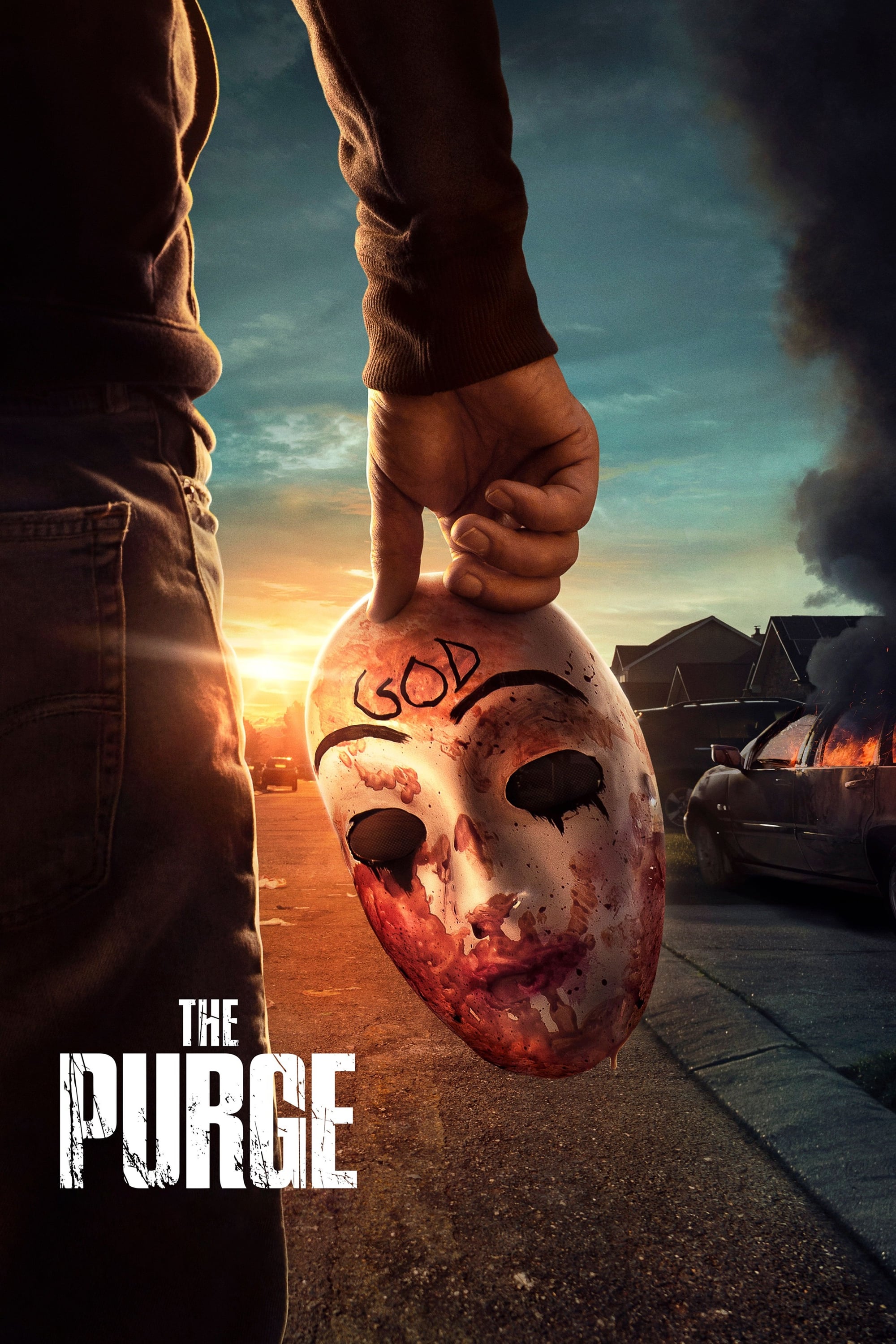
USA Network’s ‘The Purge’ translates the film franchise into a two season anthology format. The first season follows multiple citizens during an annual Purge night, while the second examines the aftermath and off season consequences for participants and institutions.
The show builds out the world of the New Founding Fathers of America, black market services, and resistance groups. It connects to the films through familiar masks and rules and then adds logistics such as insurance policies, security contracting, and legal loopholes that operate around the Purge.
‘RoboCop: The Series’ (1994)
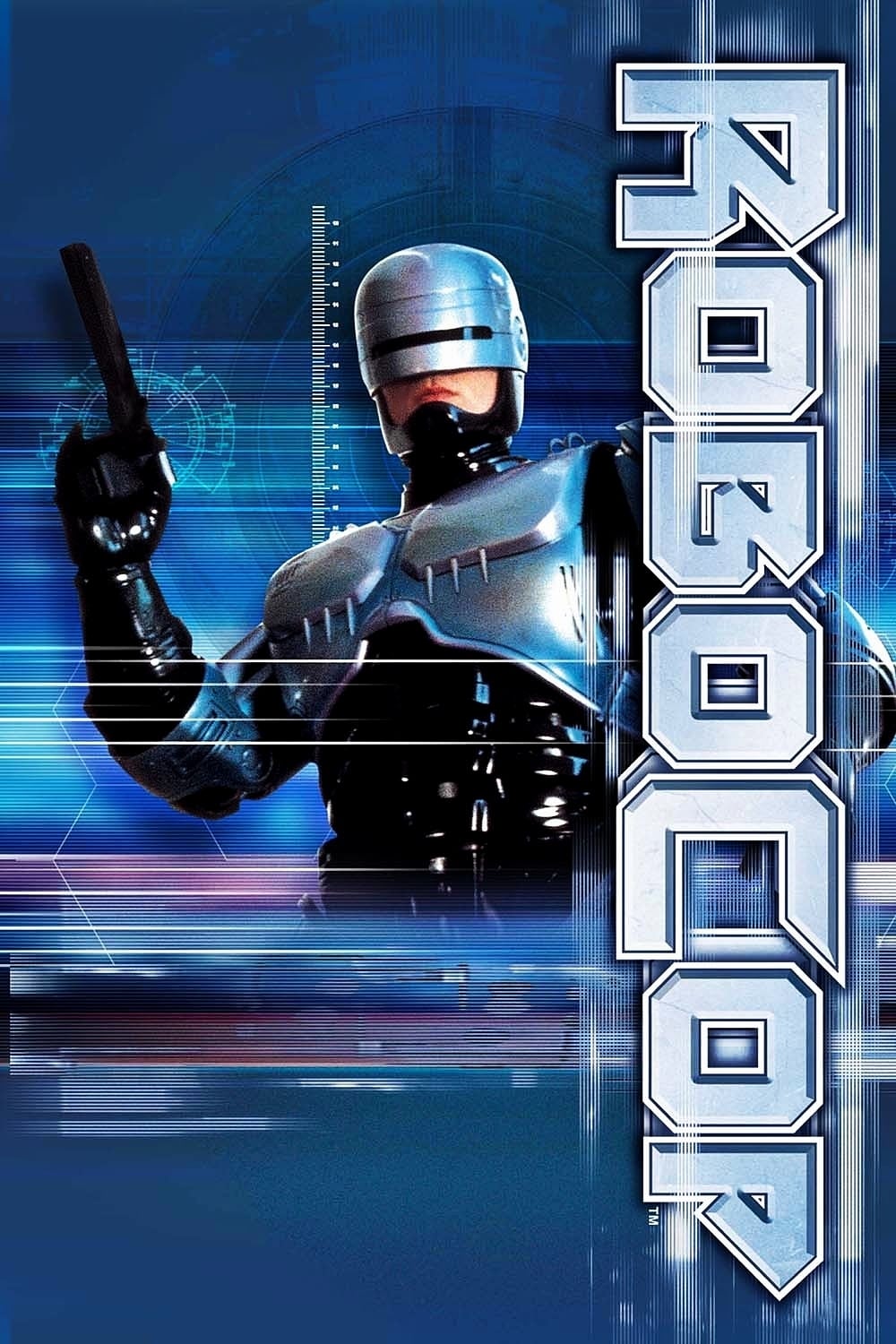
‘RoboCop: The Series’ brings the film ‘RoboCop’ to the small screen with Alex Murphy continuing his work as a cyborg officer in a future Detroit. The adaptation presents corporate schemes, non lethal weapons, and recurring villains that fit a weekly adventure format.
Designed for a broader audience than the films, the series reduces graphic content and focuses on investigative plots and law enforcement technology. It includes episodic cases that involve media manipulation, industrial espionage, and public safety threats, all framed within the Omni Consumer Products landscape.
‘Planet of the Apes’ (1974)
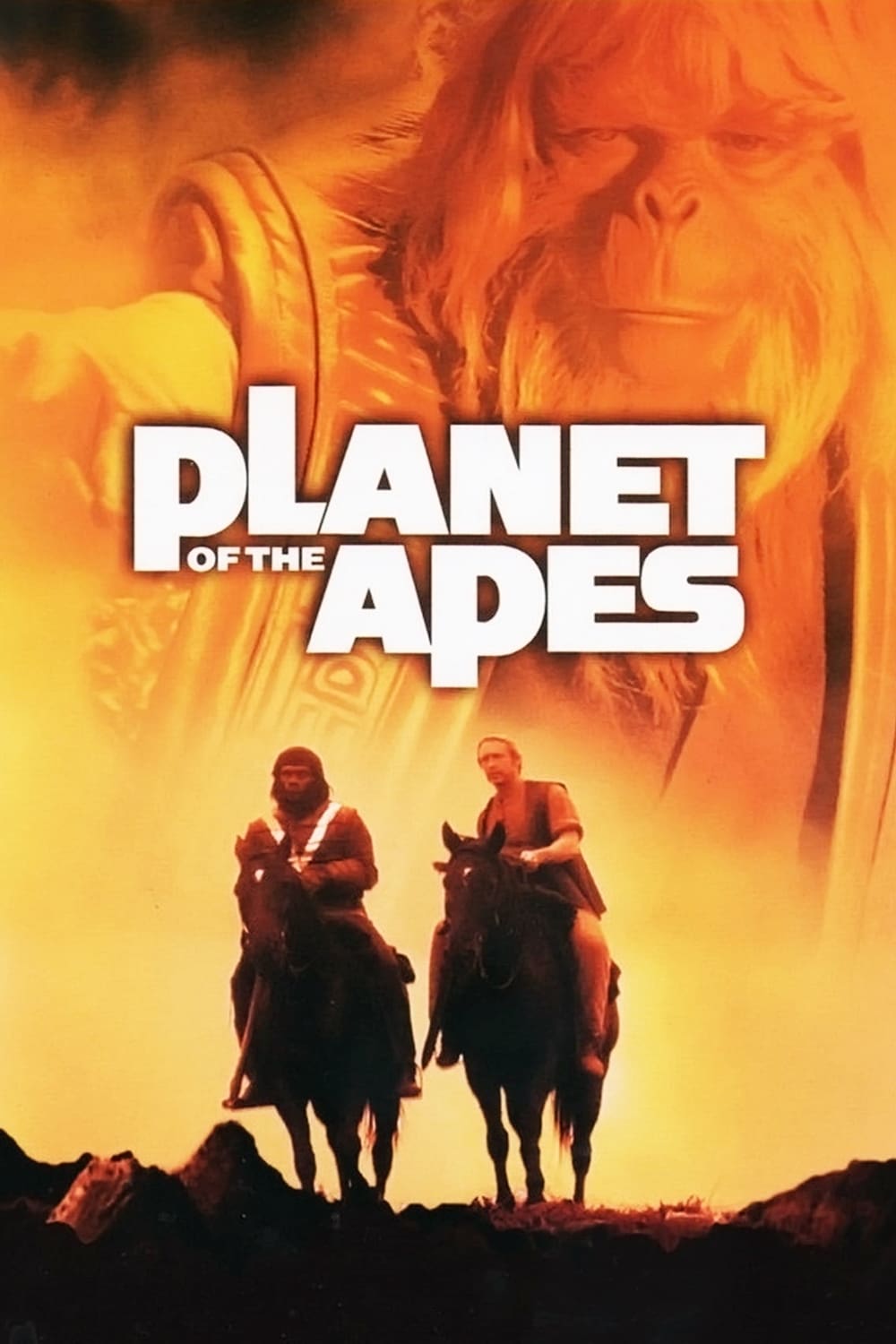
CBS aired ‘Planet of the Apes’, a live action series based on the film franchise of the same name. Two astronauts find themselves on a world where apes hold political and military power and humans live under strict control.
Episodes follow the travelers as they move between villages and city states, meeting sympathetic apes and human resistance figures. The format blends road adventure with social hierarchy conflicts and features returning elements such as gorilla patrols, orangutan councils, and archaeologic hints about the planet’s past.
‘The Real Ghostbusters’ (1986–1991)
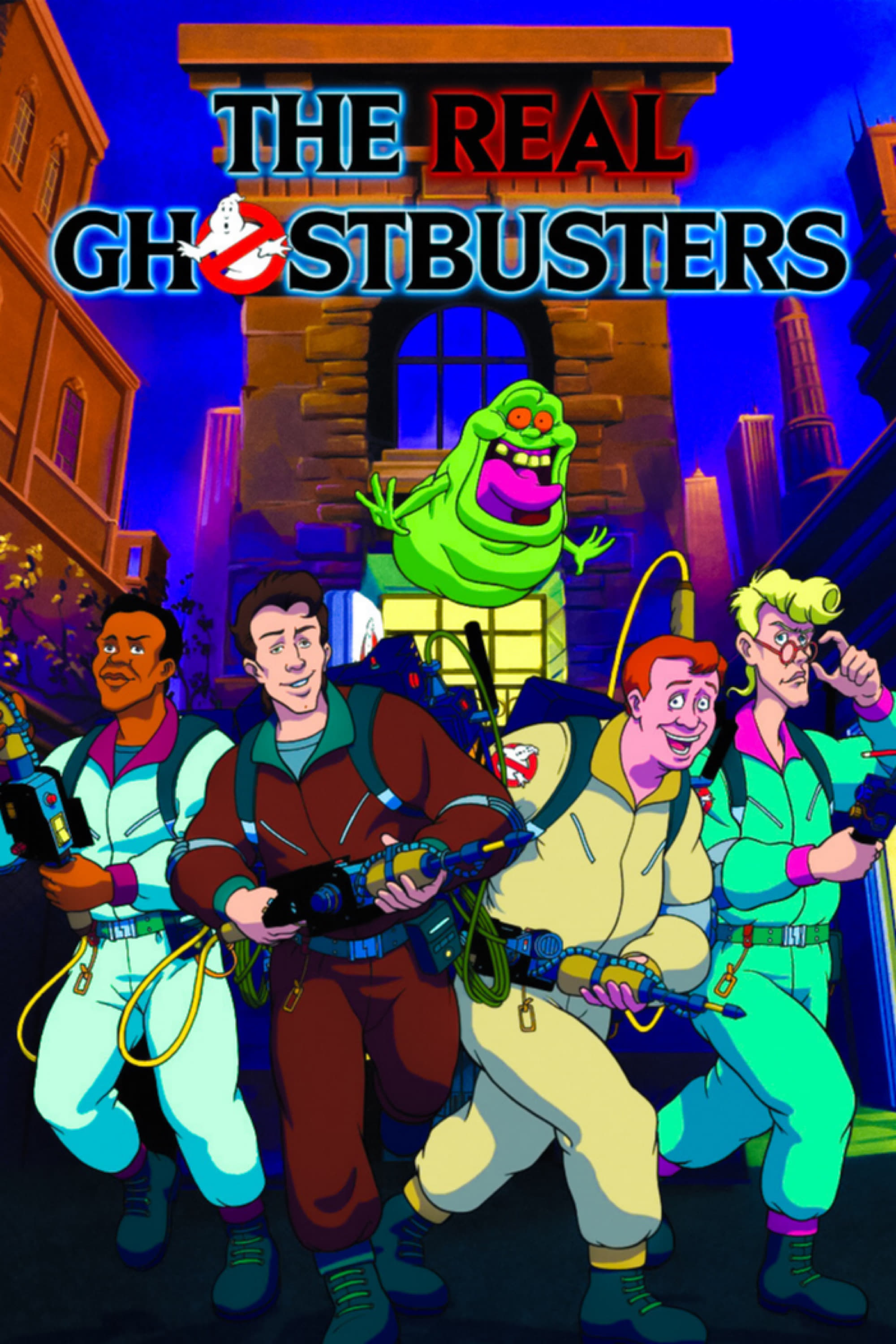
‘The Real Ghostbusters’ turns the film ‘Ghostbusters’ into an animated series for a younger audience while keeping the core team intact. The show follows the crew as they answer calls across New York in the Ecto 1 and trap spirits using proton packs and ghost traps.
It introduces new ghosts, recurring adversaries, and a friendly version of Slimer who becomes part of the team’s daily life. The series also expands the technology of the firehouse and the containment unit and uses standalone episodes to explore folklore and urban legends adapted to the ‘Ghostbusters’ toolkit.
‘Stargate SG-1’ (1997–2007)
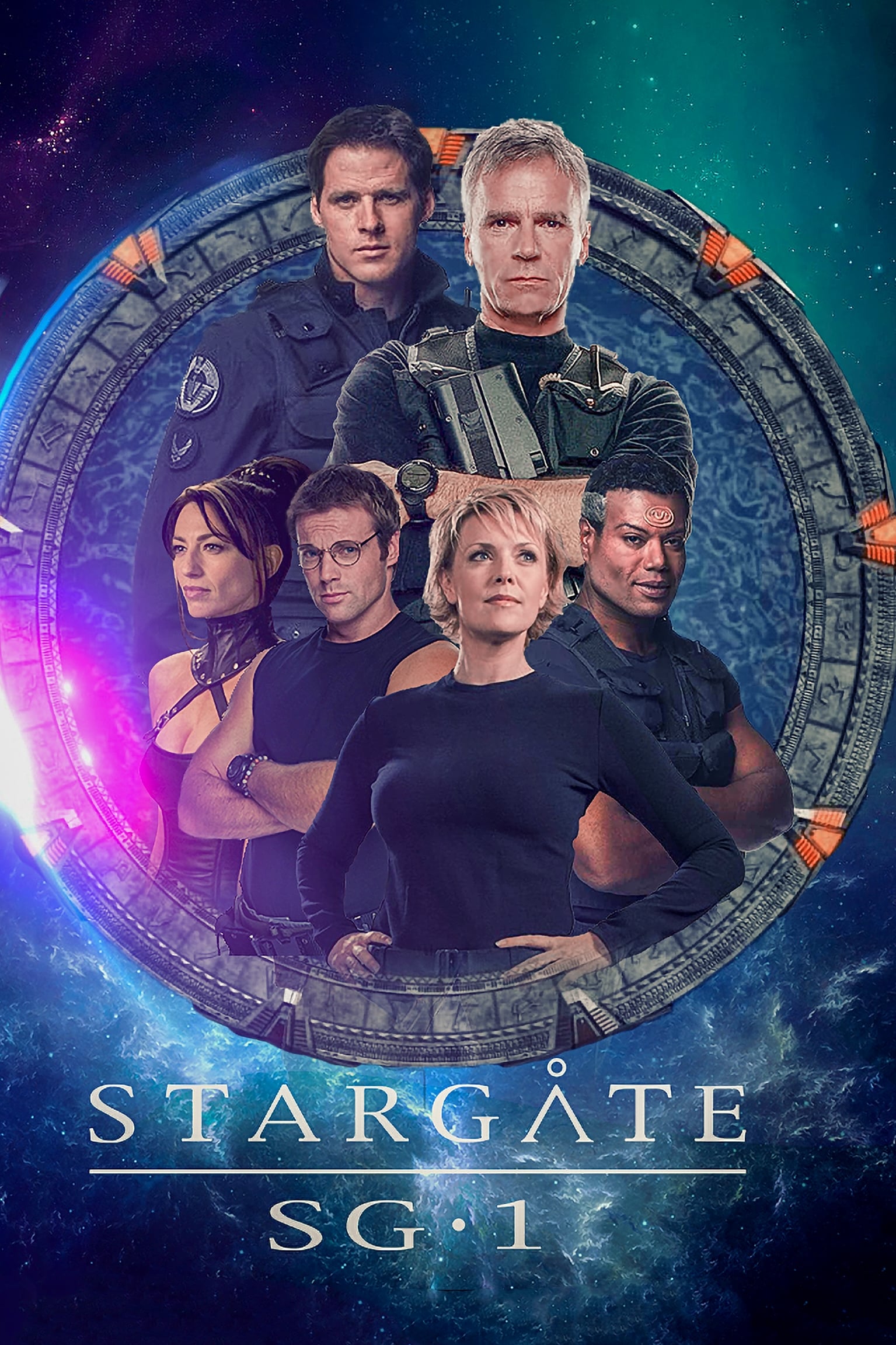
‘Stargate SG-1’ continues the film ‘Stargate’ by establishing a military program that uses the gate network for exploration and defense. The SG-1 team travels to different worlds, encountering human cultures transplanted by the Goa’uld and forming alliances that later define interstellar politics.
Over ten seasons the show develops major arcs around the Goa’uld System Lords, the Replicators, and the Asgard. It also launches additional series and movies within the same universe, and it maintains a blend of episodic missions and serialized conflicts that push the program’s mandate beyond simple exploration.
‘Parenthood’ (2010–2015)
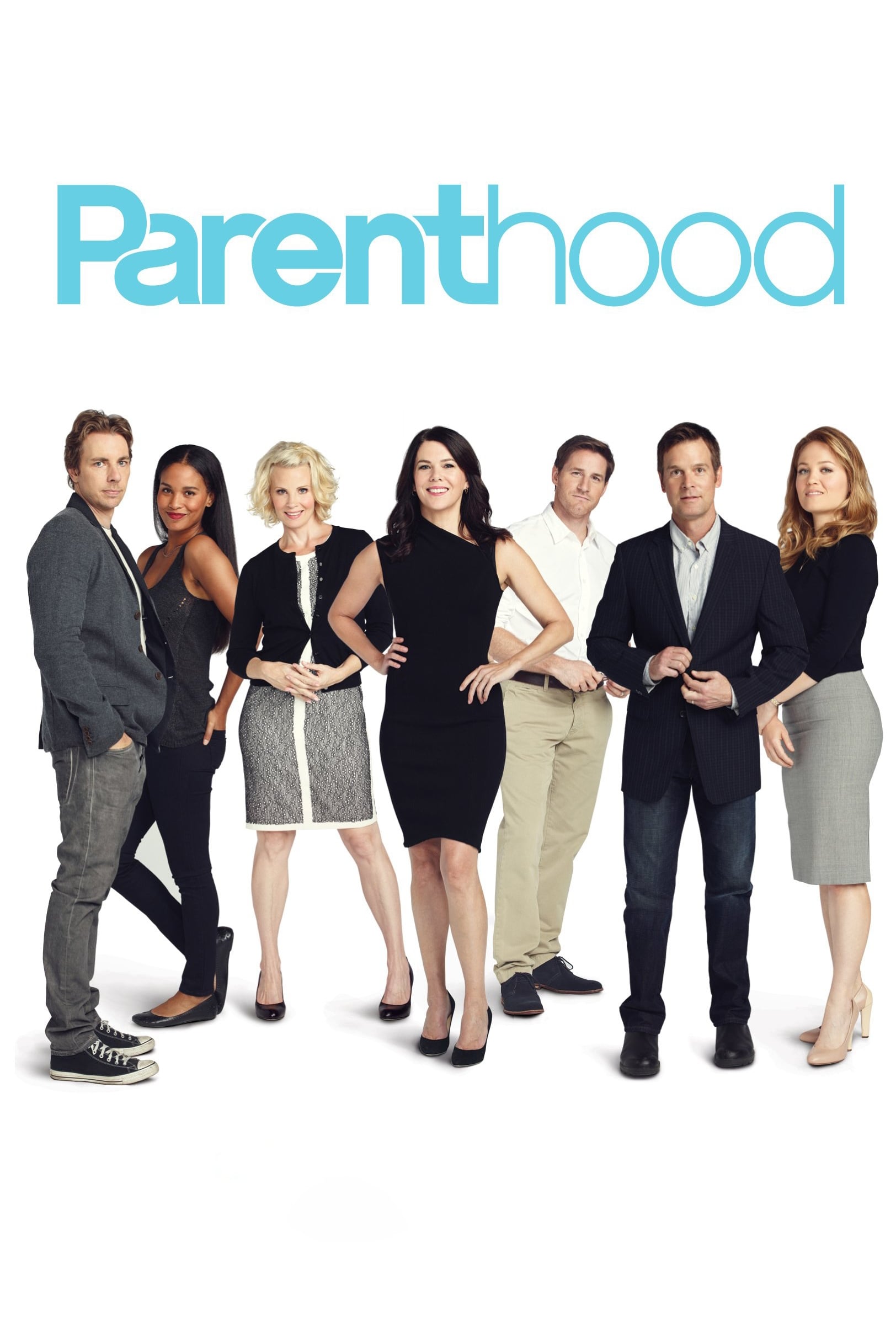
NBC’s ‘Parenthood’ adapts the film ‘Parenthood’ into an ensemble family drama. The series centers on the Braverman family, following siblings, spouses, and children through work, school, and the everyday challenges of parenting.
Storylines track adoptions, health diagnoses, and career changes across multiple households. The production emphasizes interwoven plots that connect family members at dinners, school events, and workplace scenes, carrying forward the film’s core premise of multigenerational family life.
‘Highlander: The Series’ (1992–1998)
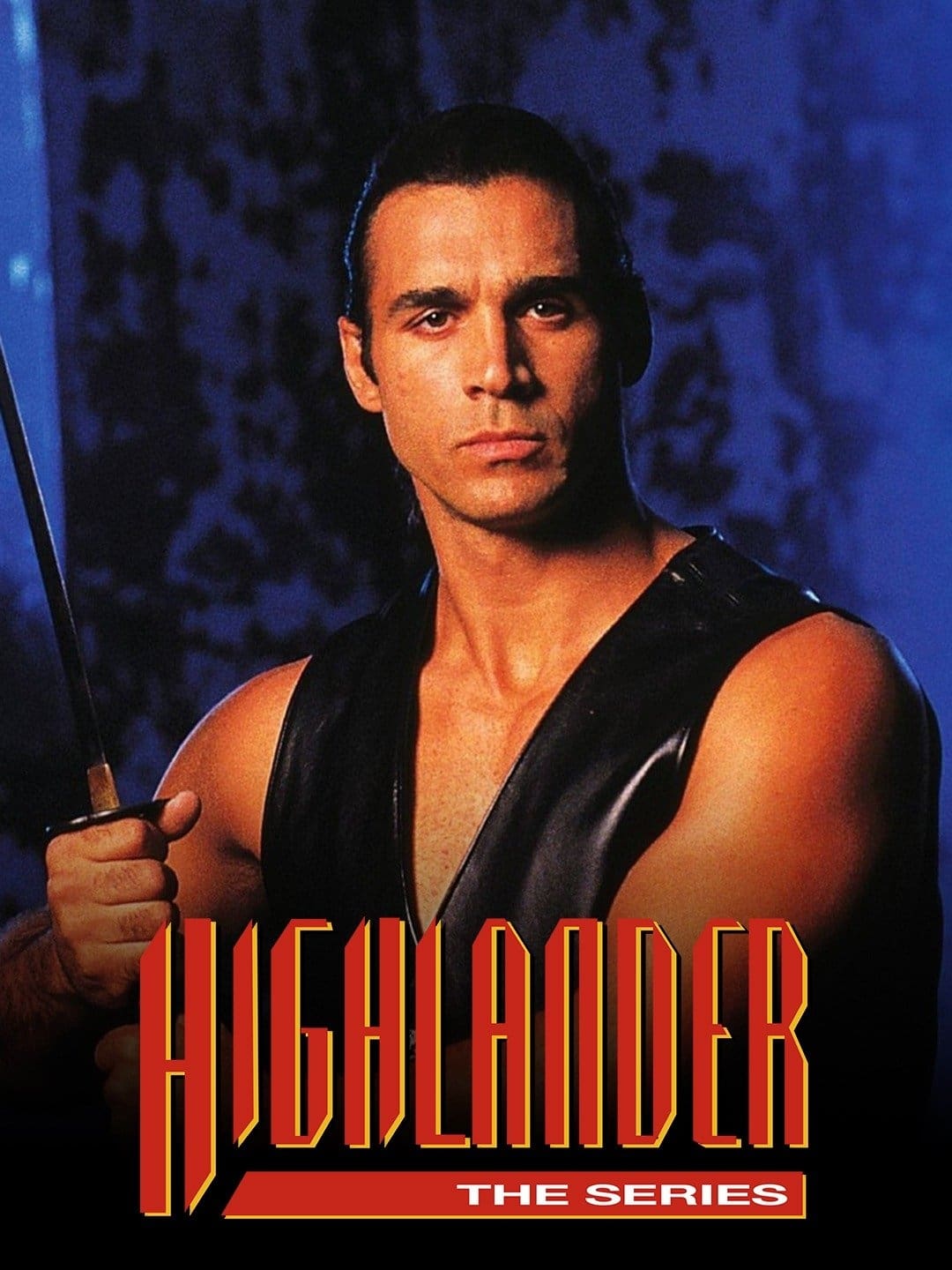
‘Highlander: The Series’ extends the world of the film ‘Highlander’ with a new lead, Duncan MacLeod of the Clan MacLeod. The series follows his travels as an immortal who faces others of his kind in conflicts that can only end when one remains.
The show uses a mix of present day stories and historical flashbacks to reveal Duncan’s past and relationships. It introduces recurring allies and adversaries, explores the rules of the Game, and sets up related projects within the franchise, building a long running narrative that grows from the film’s central concept.
Enjoyed this list. Share your favorite TV series based on movies in the comments.