


Top 20 Venice Film Festival Golden Lion Winners, Ranked



The Golden Lion honors films that stand out for craft, ambition, and cultural reach. Venice has awarded it to intimate dramas, historical epics, and bold experiments that later found worldwide audiences and long festival lives.
Here is a countdown of twenty winners that continue to be watched, studied, and discussed. Each entry notes what the film is about, who made it, and the impact it had after its premiere on the Lido.
Rosencrantz & Guildenstern Are Dead (1990)
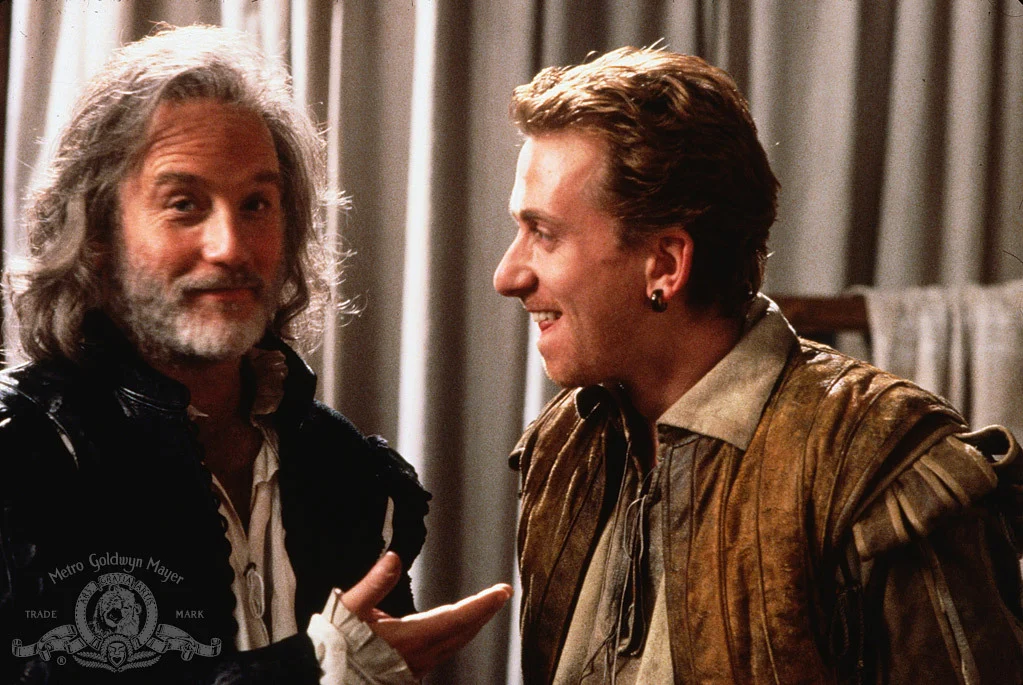
Tom Stoppard directs the screen version of his own play and focuses on two minor figures from Hamlet as they wander through events they barely control or understand. Gary Oldman and Tim Roth lead the cast, with Richard Dreyfuss as the Player, and the production integrates wordplay with stagecraft inside an Elizabethan world seen from the margins.
The film premiered in Venice competition and took the top prize, which helped it secure distribution in multiple territories. Its success brought renewed attention to Stoppard’s approach to adaptation and to the way the production repurposes Shakespearean scenes through the eyes of supporting characters.
The Circle (2000)
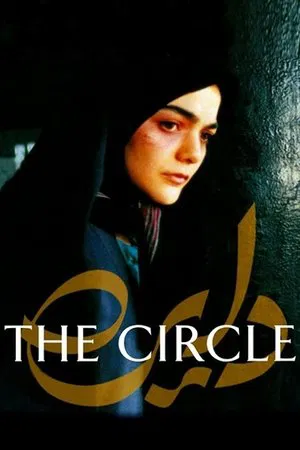
Jafar Panahi follows several women over the course of a single day in Tehran as each faces a different barrier in public space. The camera passes between characters in a chain of encounters, creating a map of streets, hospitals, and bureaucratic offices where rules and customs restrict movement.
The film won Venice’s top award and was not released domestically, which drew international attention to its subject matter. Festival exposure led to extensive critical and academic discussion of how the film uses location shooting and nonprofessional performers to present everyday constraints.
Happening (2021)

Audrey Diwan adapts Annie Ernaux’s memoir and centers on a literature student who seeks an abortion at a time when the procedure is illegal in France. The film follows her efforts to find help while balancing classes and friendships as the weeks pass.
It won the Golden Lion and expanded into a wide international rollout with strong word of mouth. The release coincided with renewed public debate about reproductive rights in multiple countries, and the film was used in community screenings and campus events focused on health access.
Lust, Caution (2007)
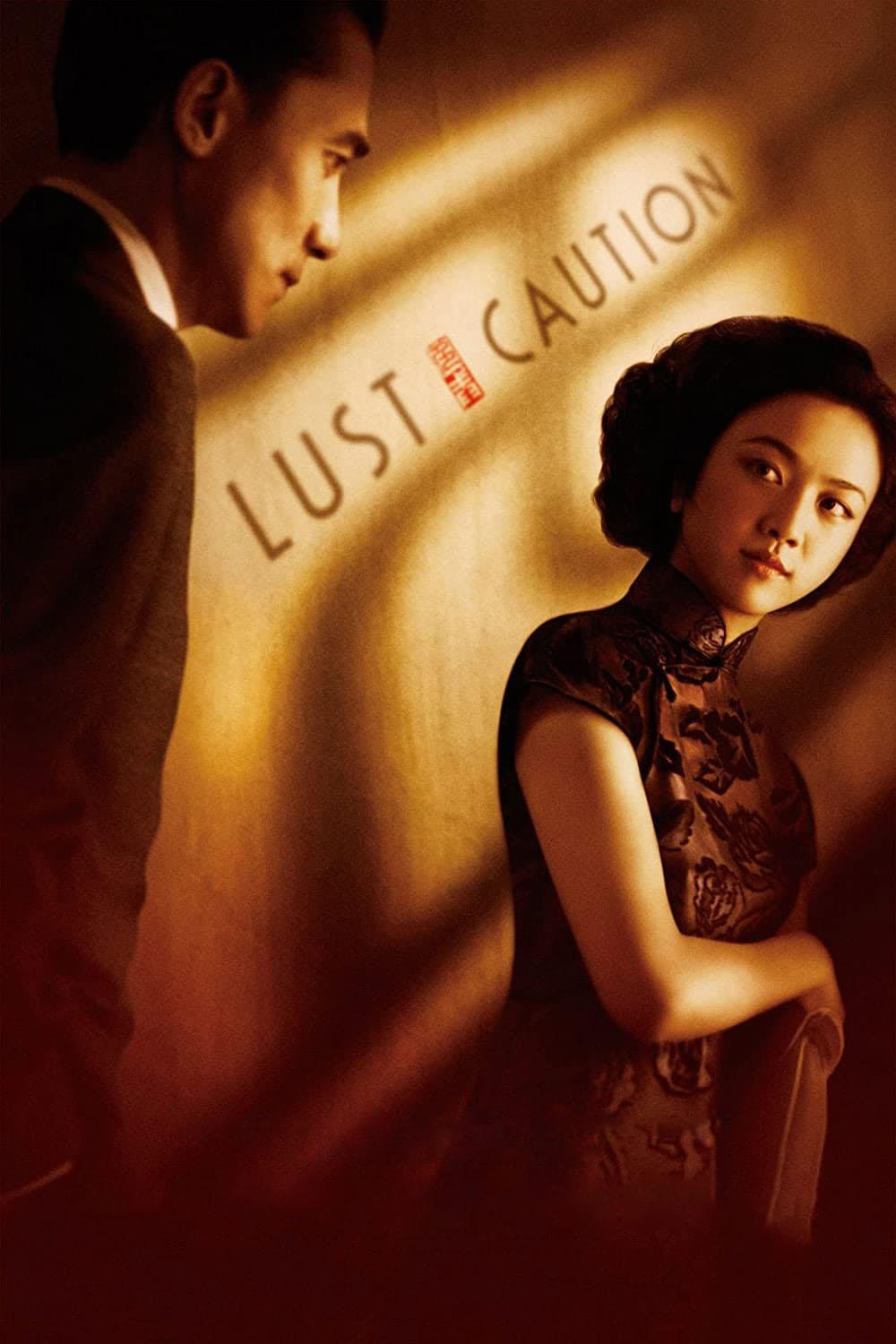
Ang Lee directs this espionage drama set in Shanghai and Hong Kong during the Second Sino Japanese War. Tony Leung Chiu wai plays a powerful collaborator and Tang Wei portrays a student recruited to infiltrate his circle through a relationship that becomes increasingly complex.
The film won Venice’s top honor and drew significant attention for its rating in the United States along with its period production design. Its success continued a string of festival recognition for Lee and led to strong box office in Asia and arthouse runs in Europe and North America.
The Woman Who Left (2016)
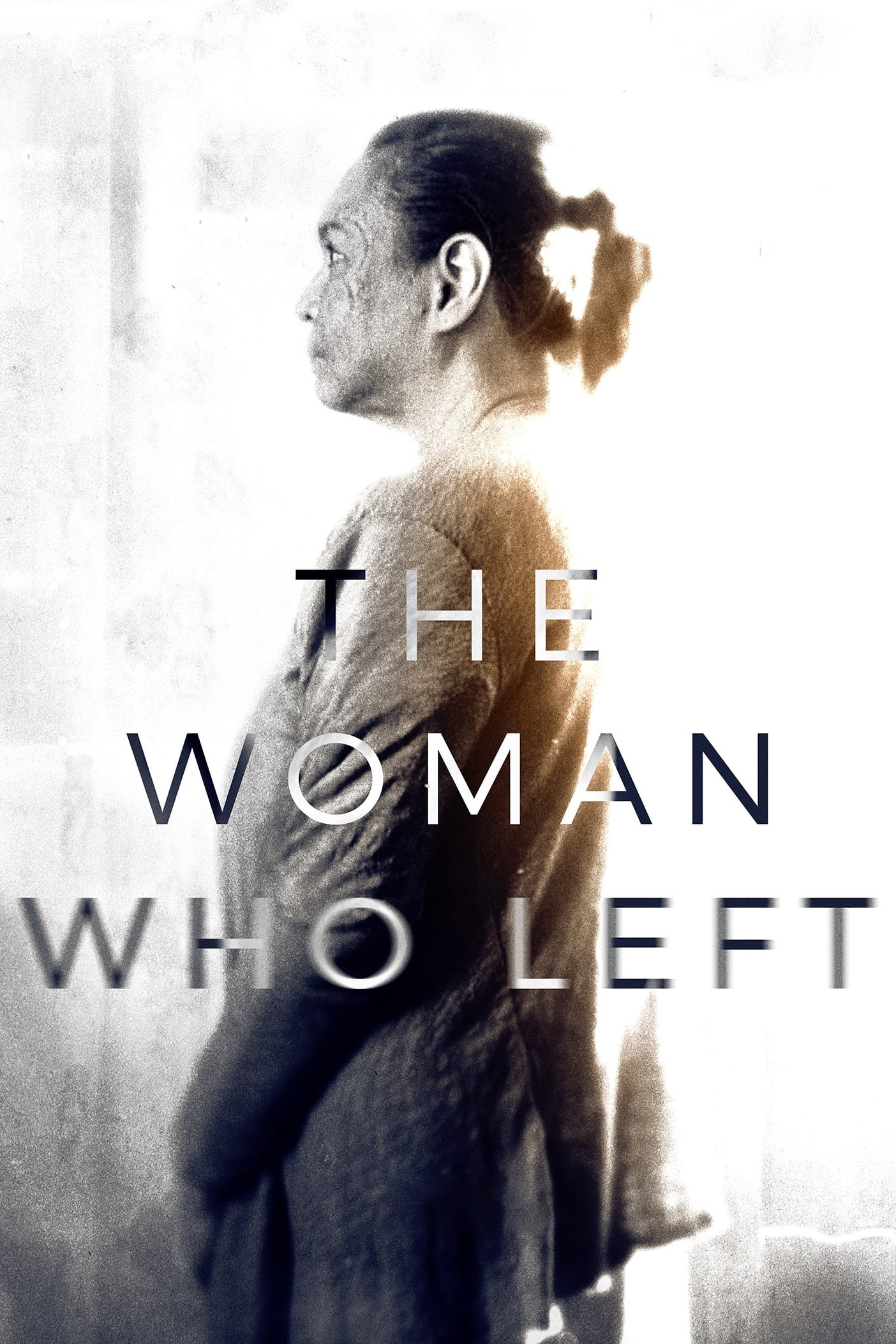
Lav Diaz presents the story of Horacia, a former teacher who leaves a penal colony after another prisoner confesses to the crime that kept her incarcerated. Shot in black and white with extended takes, the film follows her movement across a coastal town as she searches for family and for the man linked to her fate.
The Golden Lion raised Diaz’s visibility beyond the festival circuit and brought new retrospectives of his long films to museums and cinematheques. The lead performance by Charo Santos Concio marked a return to screen acting after years as a media executive, which became a key part of the film’s publicity.
All the Beauty and the Bloodshed (2022)
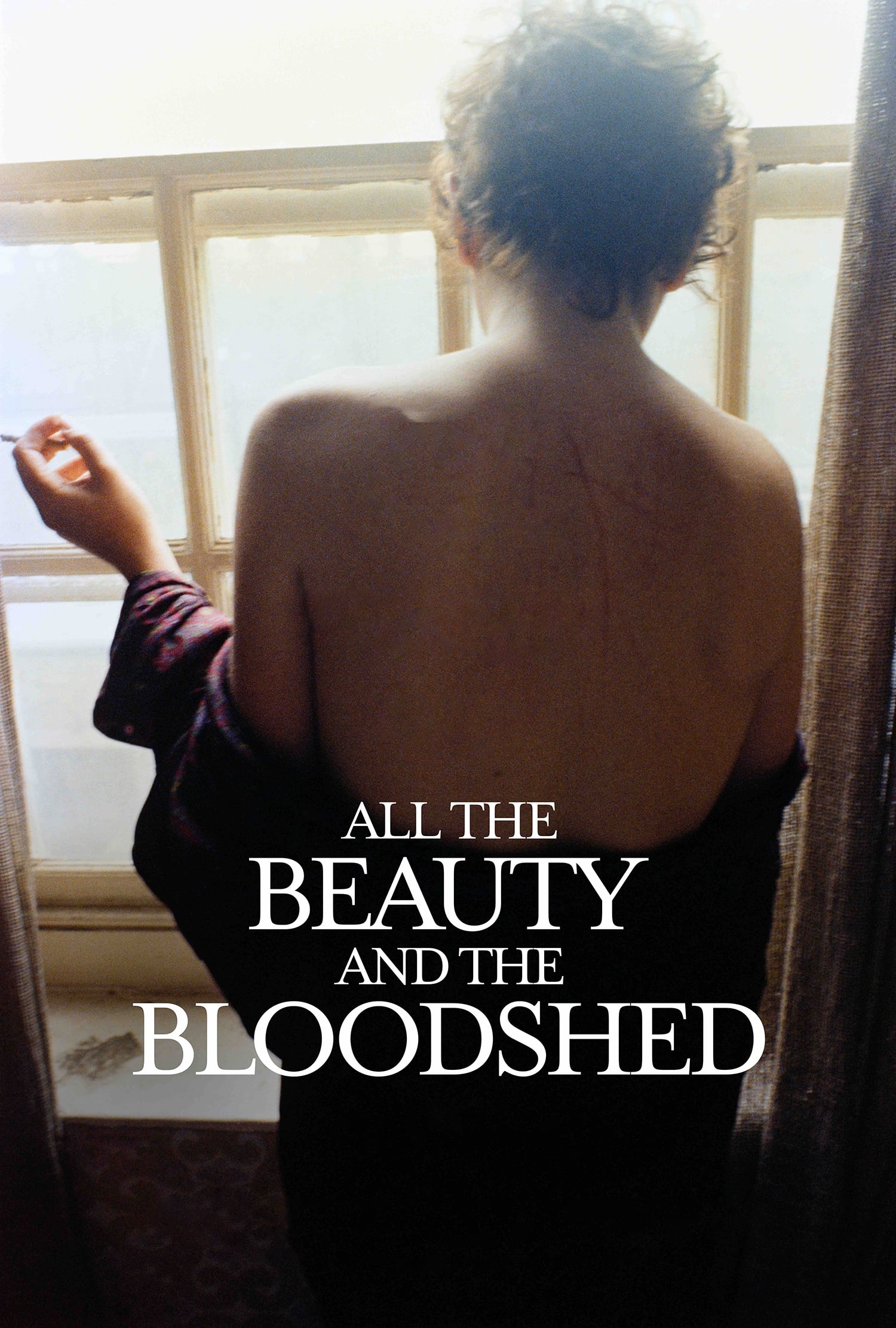
Laura Poitras documents photographer Nan Goldin’s life and her activism with the group P.A.I.N. against the Sackler family’s role in the opioid crisis. The film connects her early work and exhibitions to a series of museum actions that sought to change sponsorship practices.
Winning Venice’s top prize made it one of the few documentaries to take the award, and it later played widely at both documentary and general festivals. The film was used by advocates in public discussions about accountability and arts funding, and it appeared on numerous end of year lists.
Vera Drake (2004)
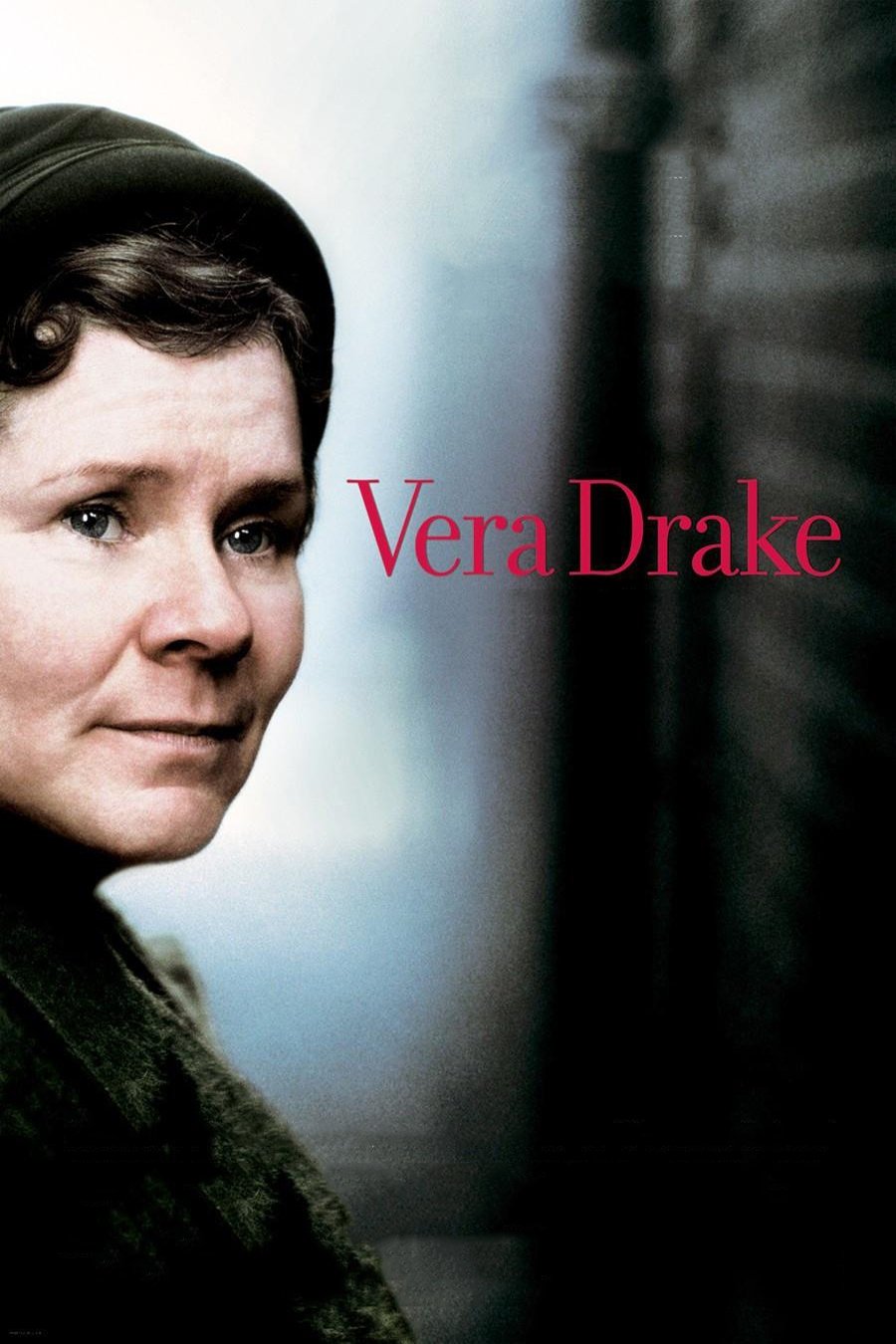
Mike Leigh’s drama follows a working class woman in London who quietly helps women end unwanted pregnancies while keeping her family life running. Imelda Staunton leads the cast and the film uses Leigh’s rehearsal based method to shape characters and dialogue.
The film won the Golden Lion and broadened Staunton’s international recognition, followed by nominations and wins across major awards bodies. It screened in multiple national cinema programs that examined social history, health policy, and the legal changes that followed the period depicted.
Not One Less (1999)
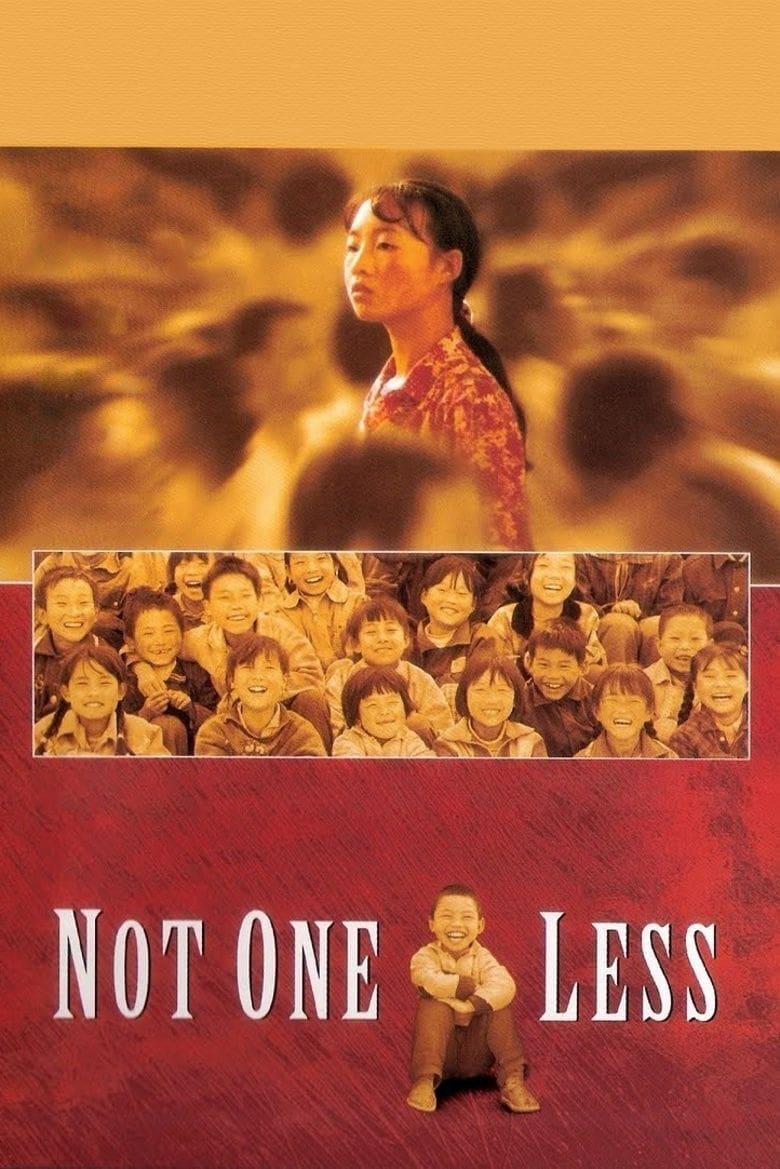
Zhang Yimou casts nonprofessional actors in a story about a teenager who becomes a substitute teacher in a rural village. When a student leaves for the city to work, she goes after him and navigates unfamiliar systems to bring him back to class.
The Golden Lion helped the film reach audiences beyond the mainland through festival circuits and art house distributors. Its use of real locations and community participants made it a frequent case study in discussions of neorealist techniques in contemporary Chinese cinema.
The Magdalene Sisters (2002)
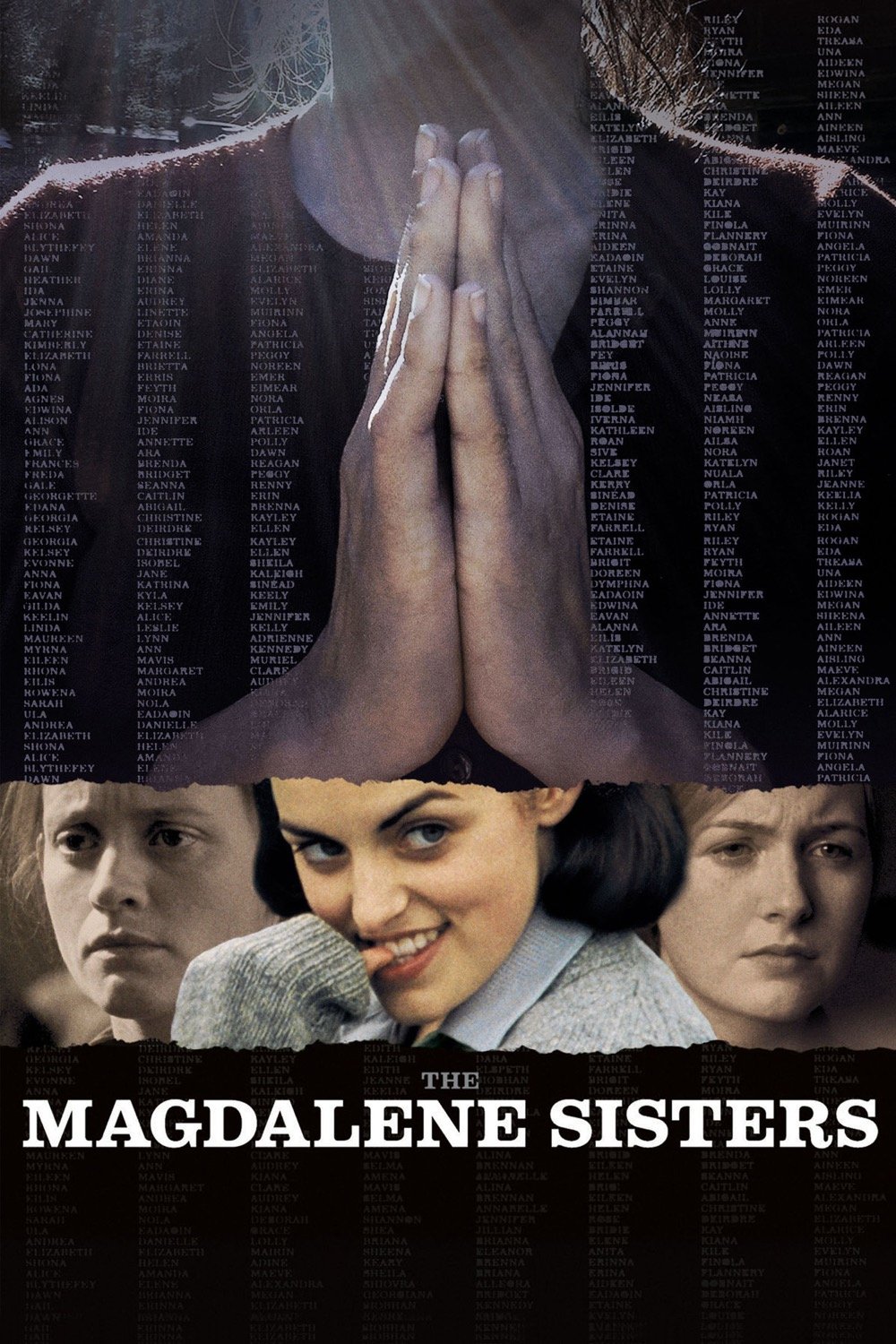
Peter Mullan directs a narrative based on accounts from women who lived in Ireland’s Magdalene institutions. The story follows three young women confined to a laundry and tracks their efforts to survive the routine and find a way out.
The film won Venice’s top prize and prompted public debate in Ireland and abroad, followed by official inquiries and survivor testimony entering wider circulation. Screenings were accompanied by panels with historians and advocates, and the release contributed to the documentation of institutional abuse.
Short Cuts (1993)
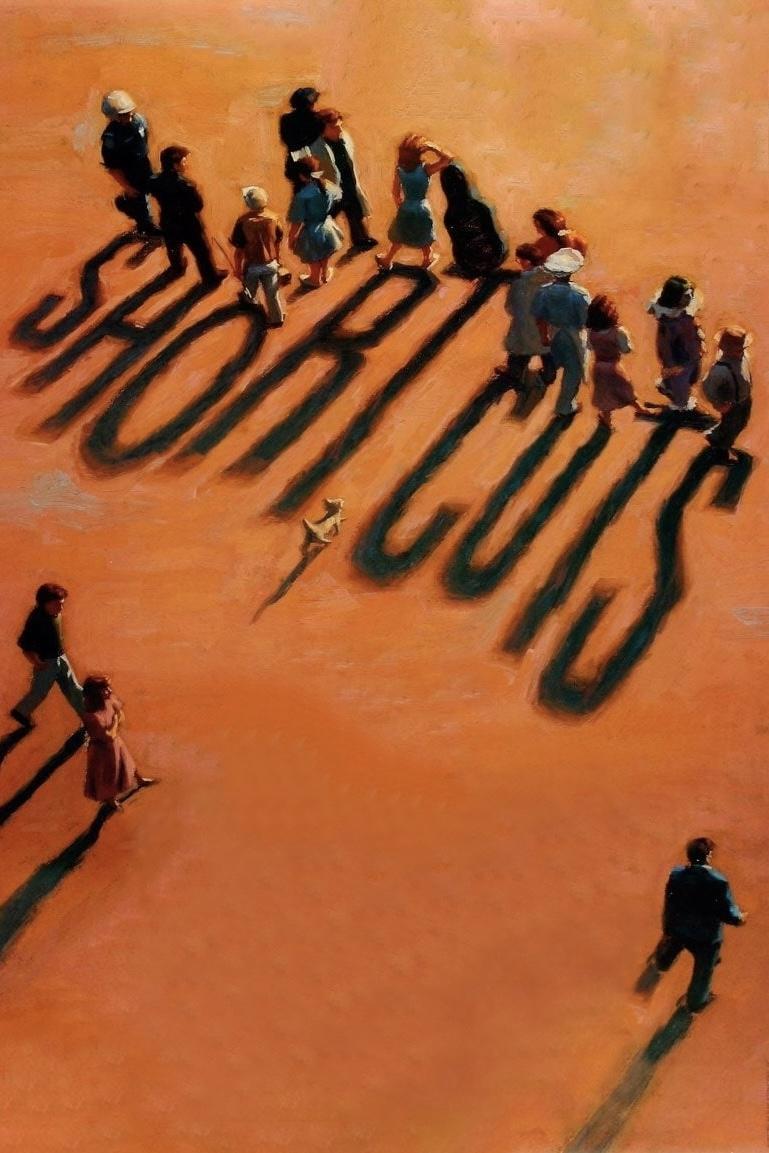
Robert Altman adapts multiple Raymond Carver stories and links them across a mosaic of Los Angeles neighborhoods. The ensemble cast includes Julianne Moore, Tim Robbins, Jack Lemmon, Jennifer Jason Leigh, and dozens more in intersecting narratives that span comedy and tragedy.
Winning the Golden Lion placed the film alongside Altman’s most widely discussed projects and led to an extended theatrical run. Its structure became a reference point for later ensemble films and television storytelling that balance parallel plotlines in one city.
Pieta (2012)

Kim Ki duk centers on a debt collector whose life changes when a woman appears and claims to be his mother. The film examines work in small factories, the mechanics of predatory lending, and the consequences that ripple through families and neighborhoods.
The Golden Lion brought the first top Venice award for a South Korean film and led to international releases across Asia, Europe, and the Americas. The win increased visibility for the lead actors and put the film on curricula focused on post crisis economies and moral responsibility.
Brokeback Mountain (2005)
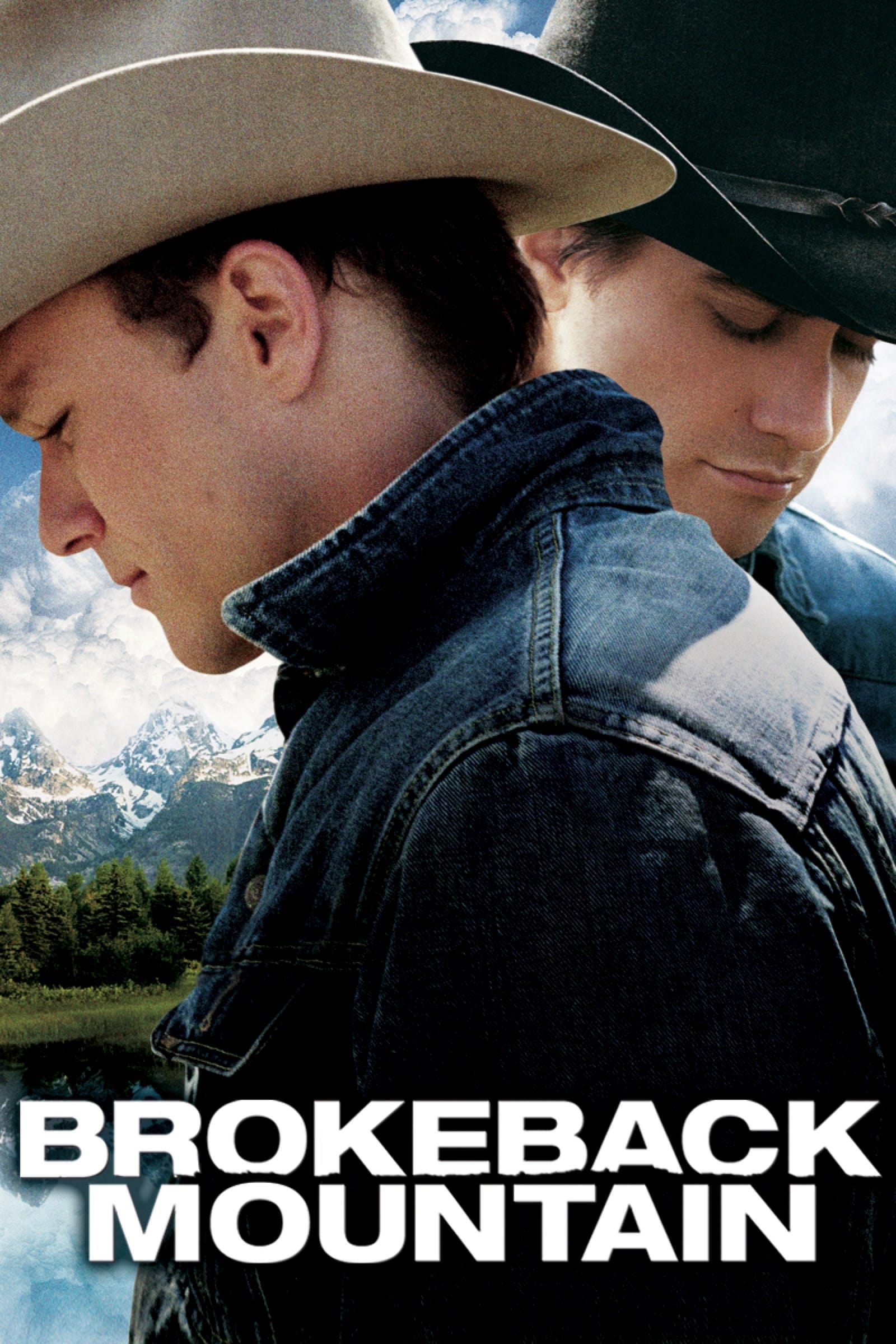
Ang Lee adapts Annie Proulx’s short story about two ranch hands who build a relationship while working a remote sheep job and continue to meet over the years. Heath Ledger and Jake Gyllenhaal star alongside Michelle Williams and Anne Hathaway.
The film won the Golden Lion and went on to major awards recognition across North America and Europe. Its theatrical rollout expanded steadily from limited release to wide circulation, with strong box office and significant cultural discussion about representation.
Roma (2018)
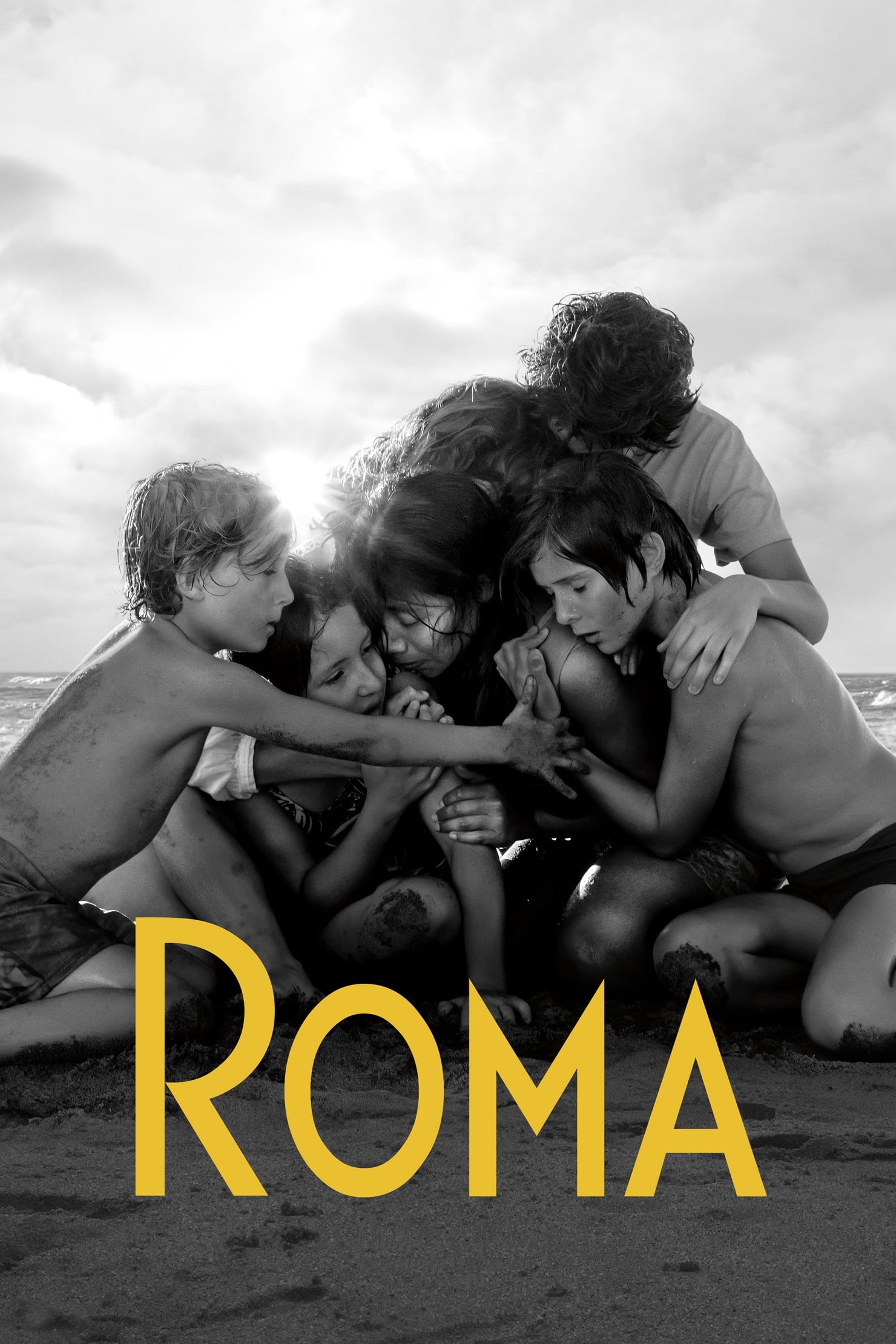
Alfonso Cuarón writes, directs, and serves as cinematographer on this black and white portrait of a domestic worker in Mexico City. Yalitza Aparicio plays Cleo, and the film recreates the everyday routines and neighborhood spaces of a middle class household.
The film won the Golden Lion and was distributed worldwide through a streaming platform with a coordinated theatrical window. It spurred widespread interest in Mexican cinema and in initiatives to honor domestic workers, including community screenings and museum events.
Hana bi (1997)

Takeshi Kitano directs and stars as a former detective who commits a robbery to support his ailing wife and a paralyzed colleague. The film blends crime elements with quiet scenes of caregiving and includes paintings by Kitano integrated into the visual design.
The Golden Lion expanded Kitano’s reach in Europe and led to broader retrospectives of his work in art centers and festivals. It helped secure distribution in markets that had only limited access to his earlier films, strengthening his reputation as both filmmaker and visual artist.
The Return (2003)
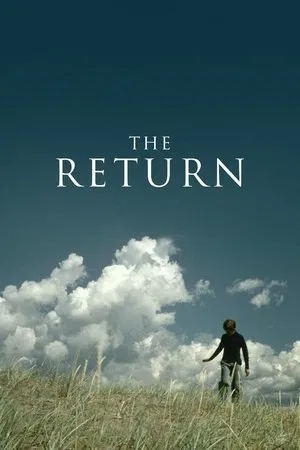
Andrey Zvyagintsev’s debut follows two brothers whose estranged father returns and takes them on a trip across lakes and islands. The narrative unfolds through simple tasks and tests, with locations in the Russian northwest that shape the mood and pacing.
The film won Venice’s top prize and launched Zvyagintsev onto the international stage, leading to national submissions and future festival awards. It became a frequent selection for film schools because of its controlled use of silence, landscape, and point of view.
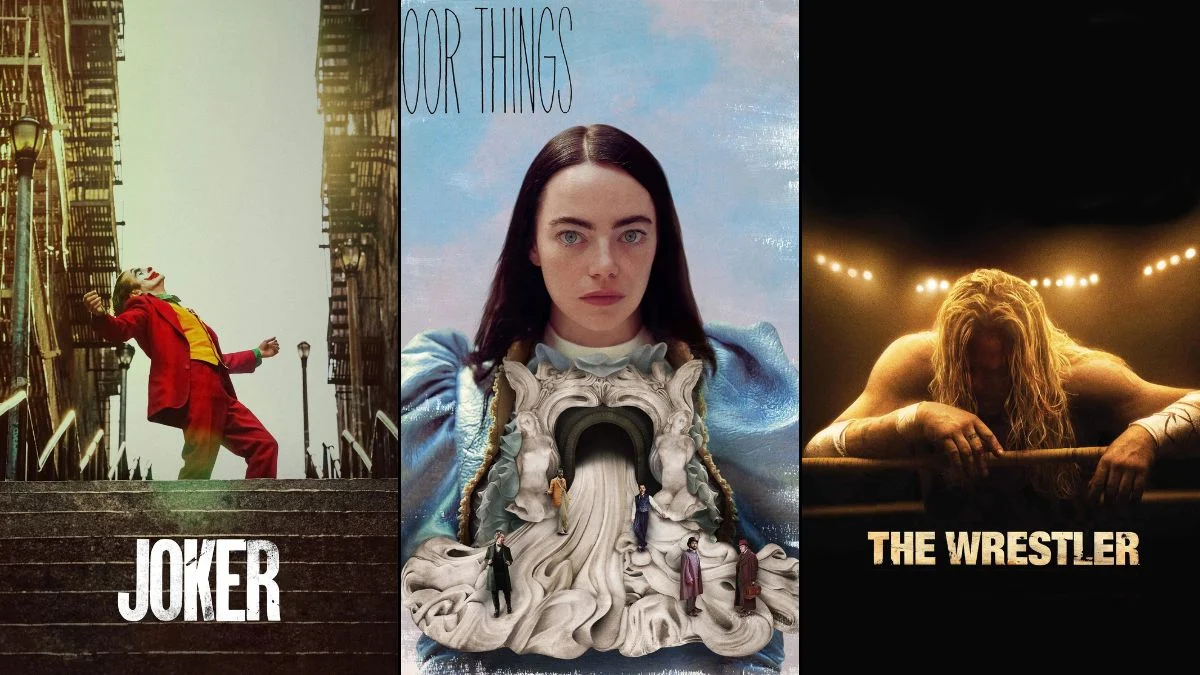
Poor Things (2023)
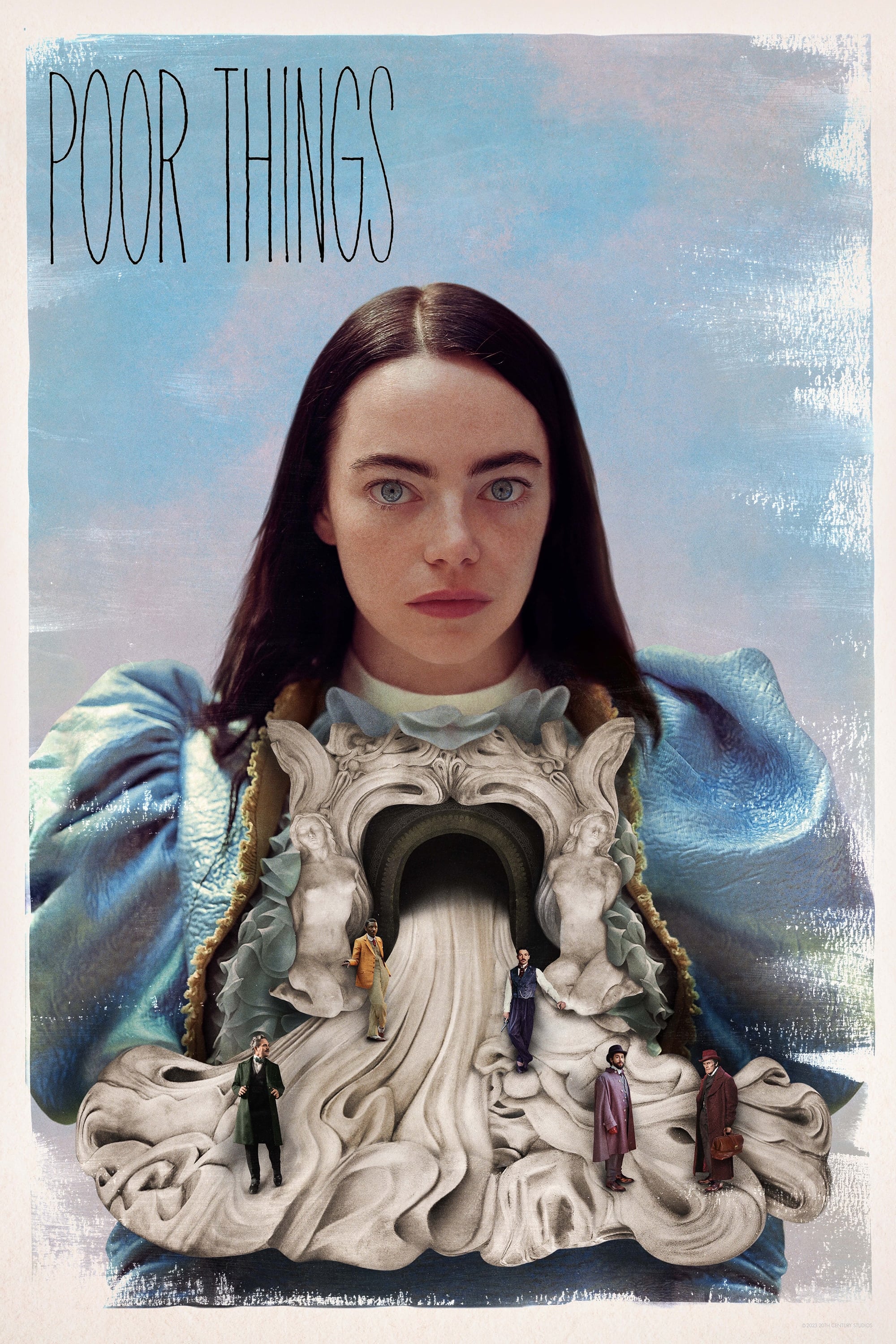
Yorgos Lanthimos adapts Alasdair Gray’s novel about a woman resurrected by an eccentric scientist and her journey across cities and social circles. Emma Stone leads the cast with Mark Ruffalo and Willem Dafoe in principal roles, and the production uses elaborate sets and costume work.
The film won the Golden Lion and received a wide global release through a major specialty label. It went on to multiple awards wins across guilds and academies, and it continued Lanthimos’s collaboration with screenwriter Tony McNamara on period inflected stories.
The Wrestler (2008)

Darren Aronofsky follows Randy, a veteran professional wrestler who tries to rebuild his life after a health scare. Mickey Rourke plays the lead with Marisa Tomei and Evan Rachel Wood in key roles, and the production films real independent wrestling shows in New Jersey.
The Golden Lion revived Rourke’s career and led to acting awards and nominations at major ceremonies. The film earned strong specialty box office and inspired renewed interest in behind the scenes portrayals of wrestling on screen.
A City of Sadness (1989)
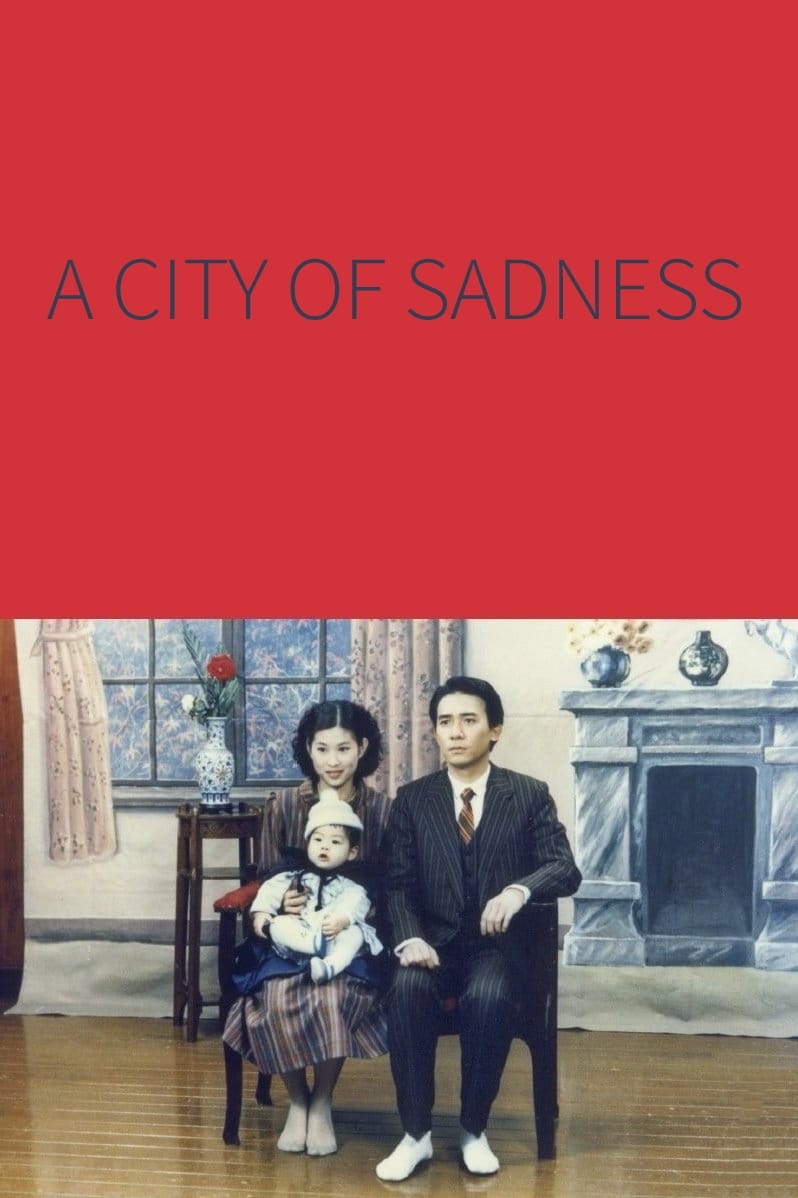
Hou Hsiao hsien’s historical drama is set in Taiwan during the period surrounding the February 28 Incident. Tony Leung Chiu wai appears in a central role as the story tracks one family across shifting political realities and multiple languages.
The film won Venice’s top prize and became a landmark in Taiwanese cinema, later screening in restored editions at festivals and museums. It helped bring the work of the New Taiwanese Cinema to broader audiences and influenced programming in Asian film retrospectives.
Au revoir les enfants (1987)
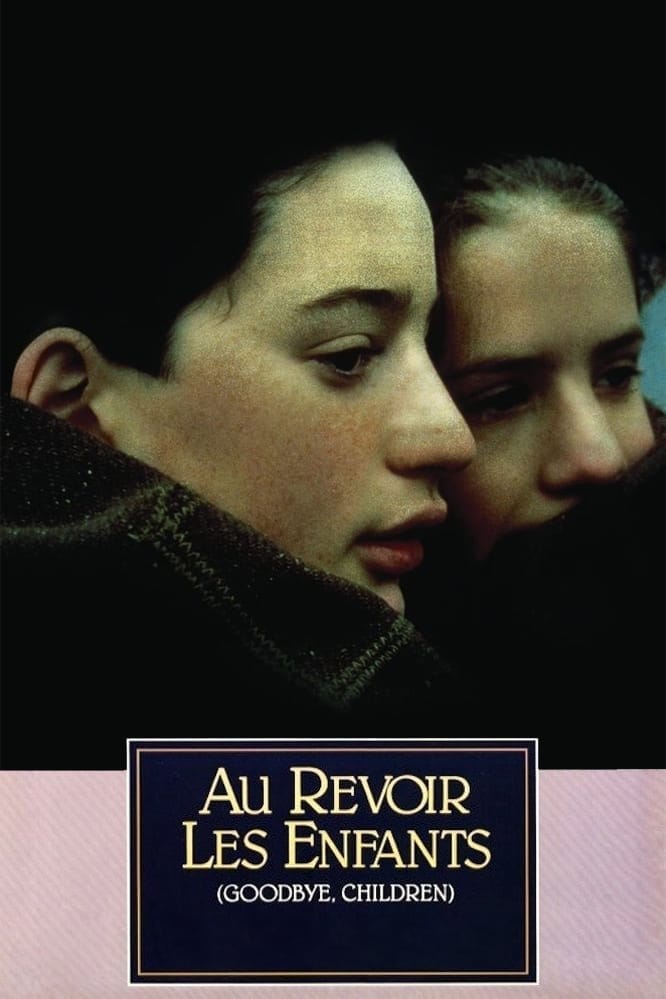
Louis Malle draws on his own childhood and sets the story at a Catholic boarding school in occupied France where the headmaster hides Jewish students. The perspective remains close to the boys as friendships form under increasing pressure from rationing and surveillance.
The Golden Lion accompanied a major theatrical release in Europe and North America and introduced many school audiences to the history of wartime education. The film became a staple of classroom screenings and cultural initiatives focused on memory and testimony.
Joker (2019)
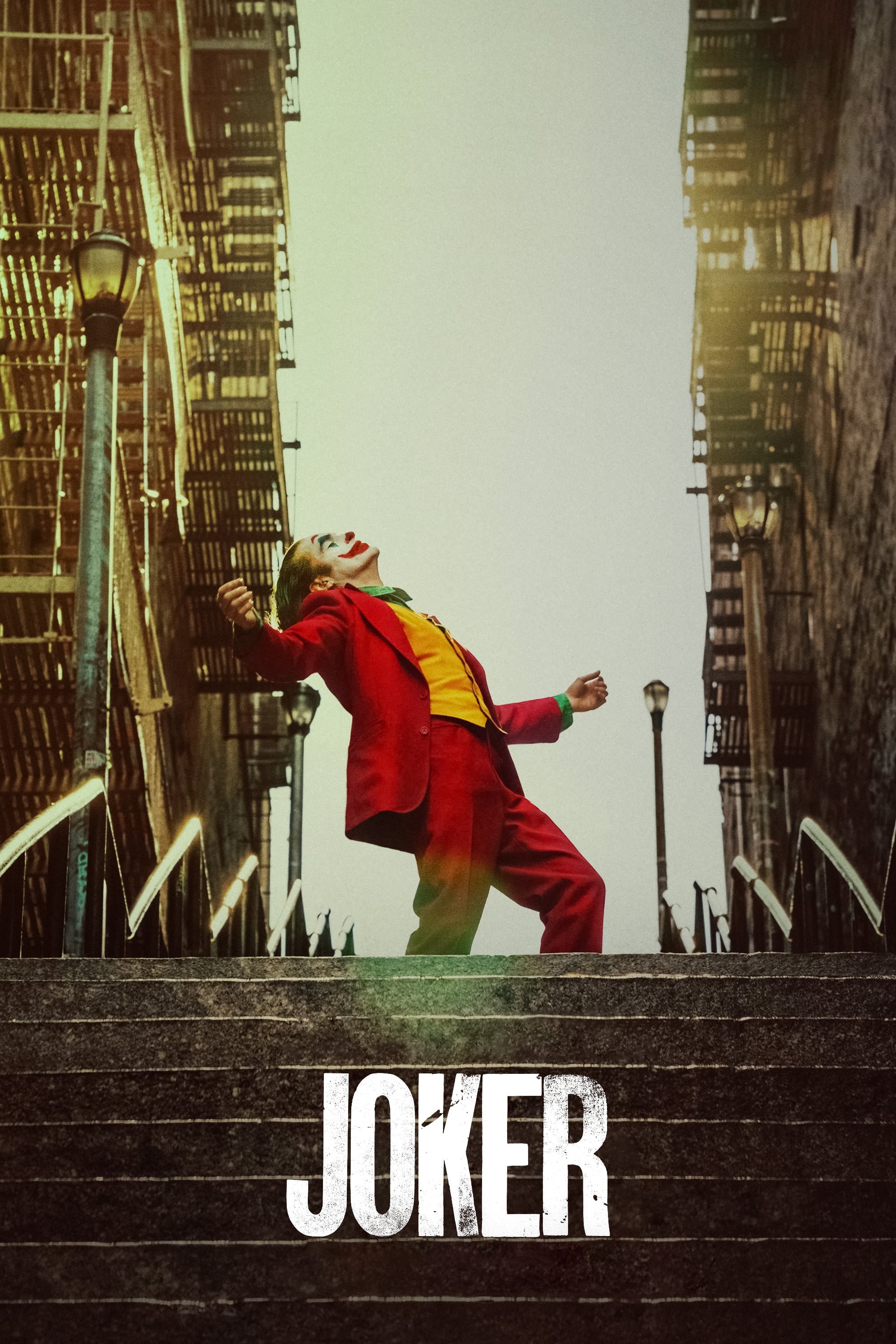
Todd Phillips presents the origin of Arthur Fleck, a struggling performer in a city dealing with cuts to services and rising unrest. Joaquin Phoenix plays the lead and the film features original music by Hildur Guðnadóttir along with cinematography that references urban crime films.
The Golden Lion win preceded a global release that set records for an R rated title and led to extensive awards season recognition. The film’s box office performance supported a sequel and expanded discussion of comic book properties in major festival competition.
Share your own picks for Venice Golden Lion winners you think belong on this list in the comments.