

Top 20 Video Games That Made a Ton of Money



Some games do more than capture our attention for a few hours. They turn into global money machines that keep earning for years through sales, subscriptions, and in-game purchases. Here are twenty titles that pulled in jaw-dropping sums, along with clear earnings figures so you can see just how big they really became.
‘Fortnite’ (2017)
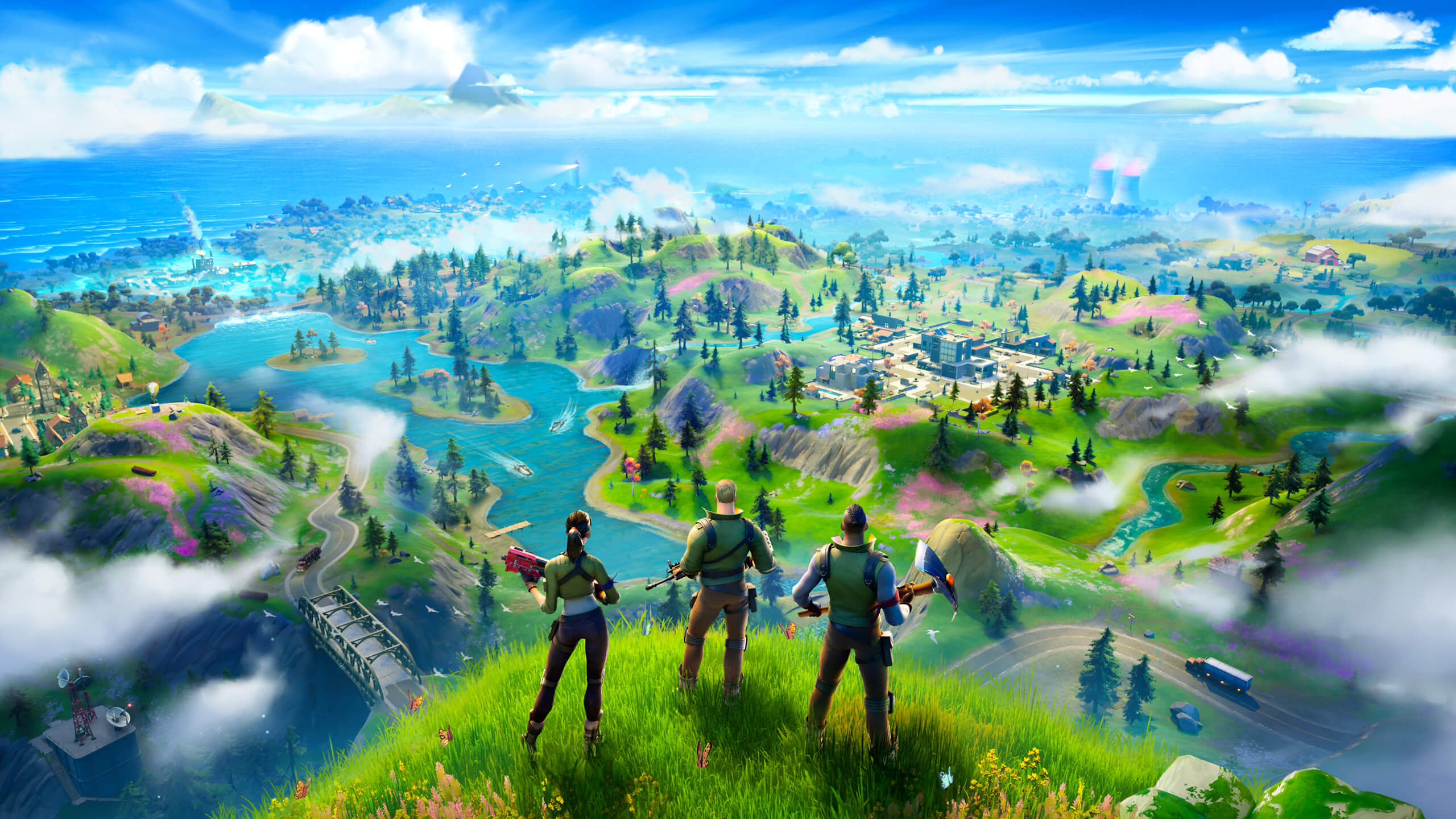
Epic’s live service hit reshaped the free to play model and built a massive economy around cosmetic skins and seasonal battle passes. Between 2018 and 2023 the game generated roughly $26 billion in revenue across platforms. Concerts and crossovers kept engagement high and helped sustain spending well beyond the initial boom. Regular content updates and creator made modes continue to drive both player time and in-game purchases.
‘Dungeon Fighter Online’ (2005)
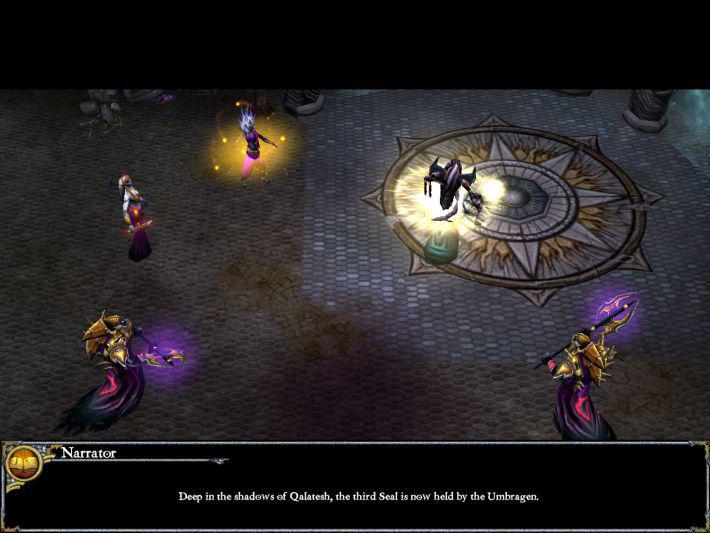
This side scrolling action MMO has been a consistent top earner in China and South Korea for over a decade. Lifetime revenue is widely reported at more than $20 billion when combining PC and mobile versions. Seasonal updates and character classes fuel ongoing monetization through cosmetics and power progression. Its long tail shows the strength of regional PC cafés and large scale live events.
‘Honor of Kings’ (2015)
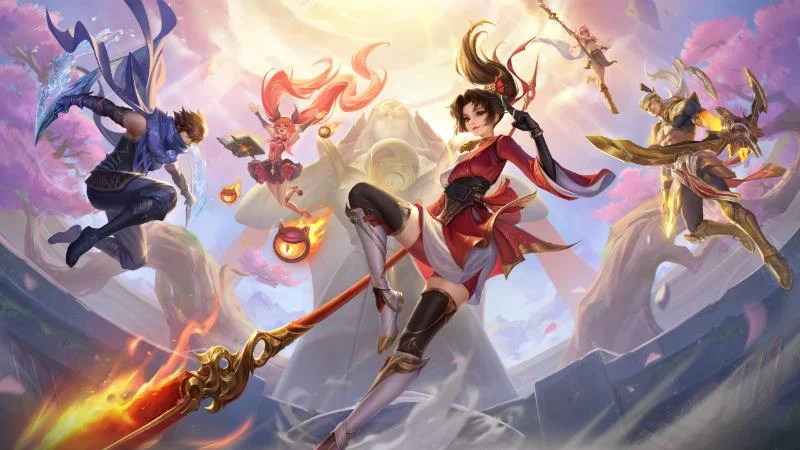
Tencent GamesTencent’s mobile MOBA dominates the Chinese market and has expanded globally in recent years. Cumulative player spending exceeds $20 billion, with peak years surpassing two billion annually. The game thrives on a steady cadence of hero releases and high profile esports that keep players invested. Strong partnerships and regional events help maintain visibility and spending momentum.
‘League of Legends’ (2009)
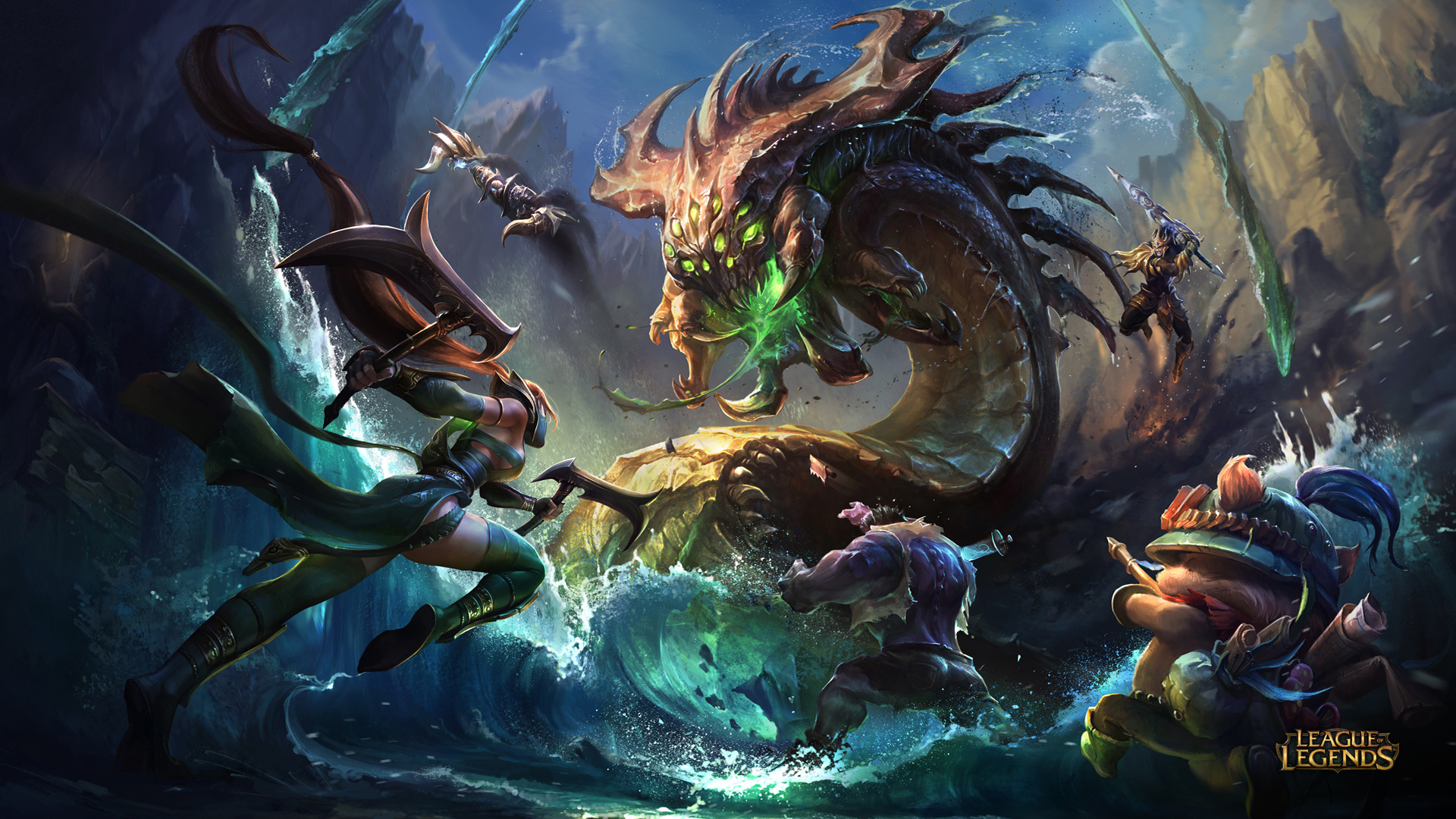
Riot’s flagship MOBA built a steady annual revenue stream through cosmetics and event passes. Lifetime earnings are estimated around $19 billion, reflecting consistent billion plus years since 2017. Its global esports ecosystem reinforces player loyalty and skin sales. Frequent champion reworks and rotating modes help keep the store fresh and spending steady.
‘Crossfire’ (2007)
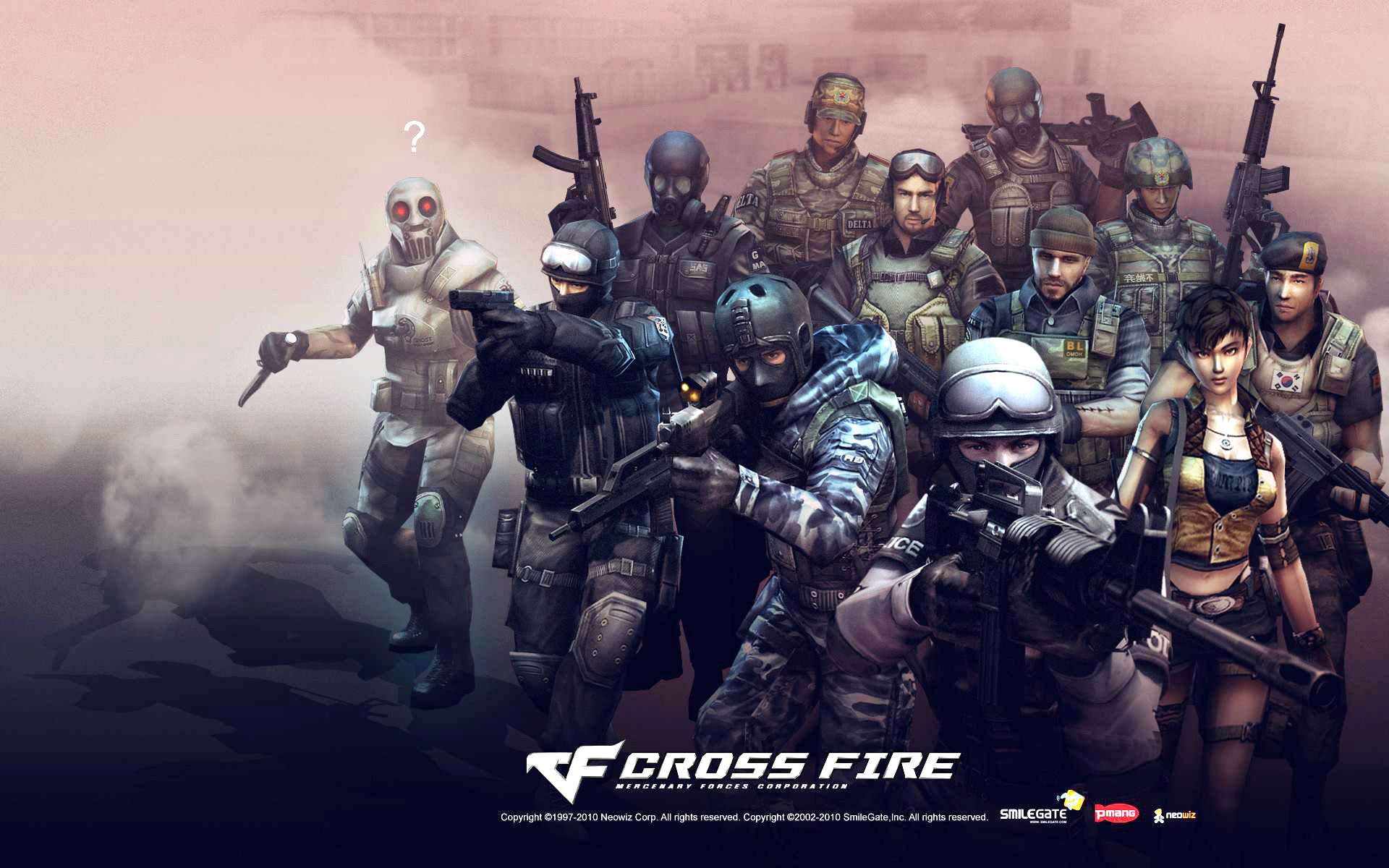
This tactical shooter became a phenomenon in Asia with huge user counts and long term retention. Total revenue is estimated above $12 billion across its PC base and spin offs. Regular updates and regional tournaments sustained interest over many years. Low system requirements broadened its reach in internet cafés and developing markets.
‘Candy Crush Saga’ (2012)
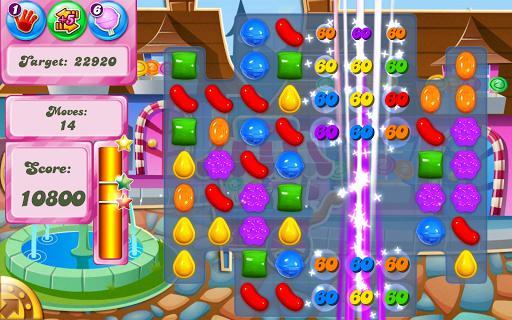
King’s match three juggernaut turned bite sized play into big business. Lifetime revenue for the title sits well into the tens of billions, with estimates around $20 billion from sustained daily spending. Constant level drops and limited time events keep players returning and buying boosters. Its broad demographic reach and simple controls make it a reliable top grossing staple.
‘Clash of Clans’ (2012)
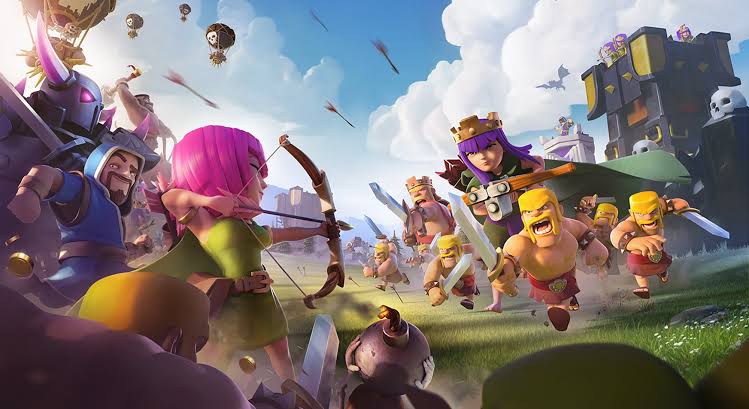
Supercell’s village builder forged one of mobile’s most durable economies. The game has generated well over $10 billion in lifetime revenue, with many years over one billion. Clan wars, town hall upgrades, and builder base expansions create ongoing reasons to spend. Lightweight sessions and social competition keep churn low and monetization strong.
‘Monster Strike’ (2013)
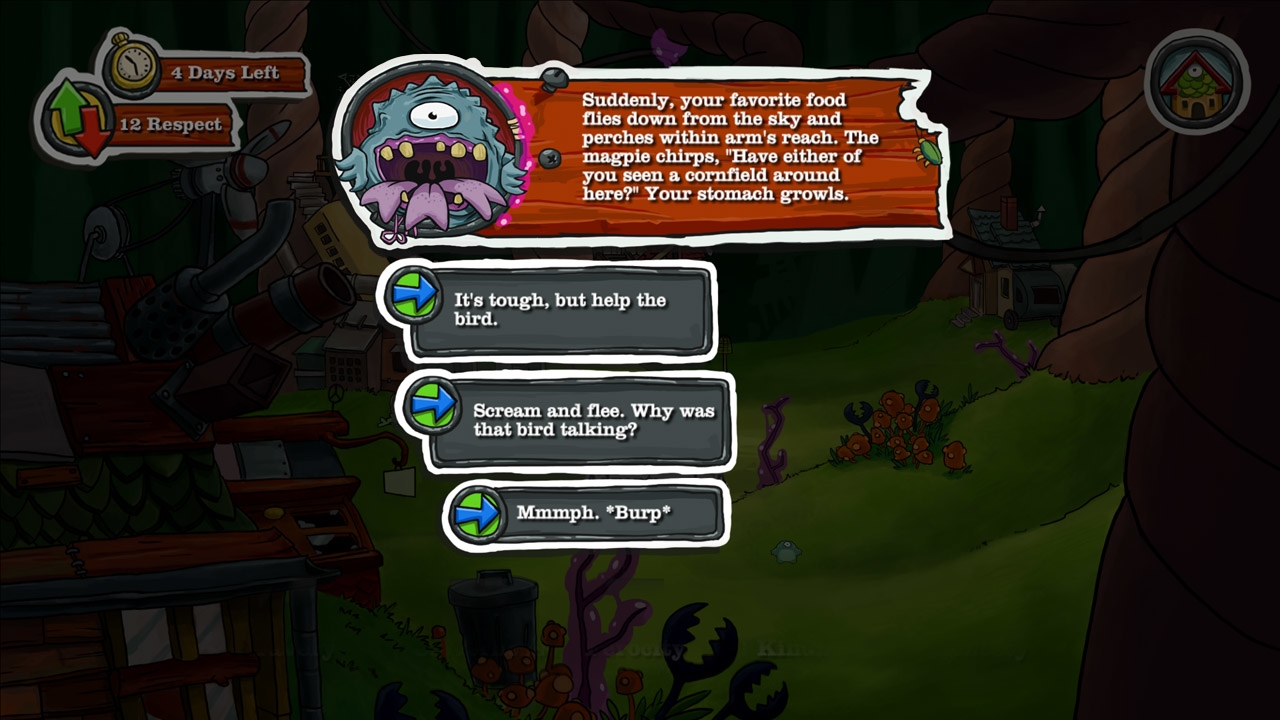
Mixi’s Japanese hit blends physics flicking with gacha collection and co-op play. Lifetime revenue is estimated above $10 billion, largely from the domestic market. Collaborations with popular anime and frequent festivals drive spikes in spending. Its focus on local events and social play helped it endure longer than many mobile peers.
‘Grand Theft Auto V’ (2013)
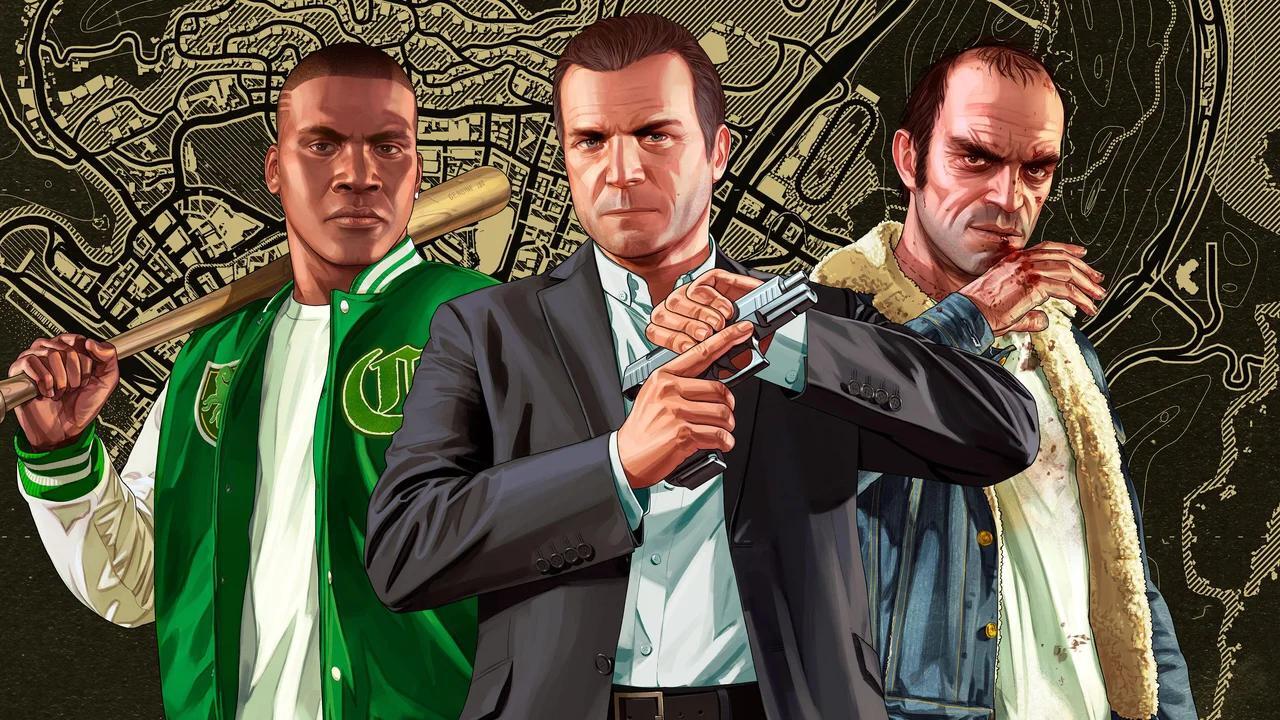
Rockstar’s blockbuster combined massive unit sales with a lucrative online mode. Total revenue for the game surpasses $8 billion when accounting for copies sold and ongoing GTA Online spending. Frequent content drops, heists, and cosmetic items keep players engaged years after launch. Multiple platform releases and upgrades extended its sales runway.
‘PUBG Mobile’ (2018)
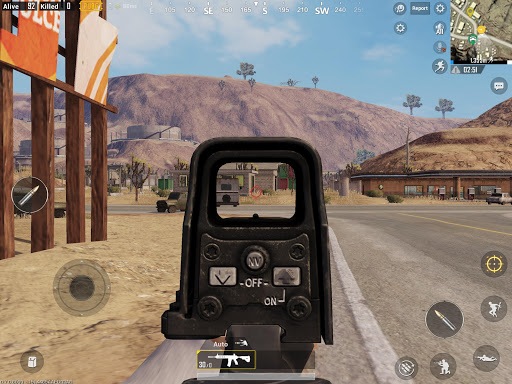
The mobile adaptation of battle royale brought huge spending from cosmetics and passes. Lifetime revenue exceeds $10 billion, with record years above two billion. Regional versions like Game for Peace in China tailored content to local rules while preserving monetization. Seasonal themes and limited skins maintain scarcity and demand.
‘World of Warcraft’ (2004)
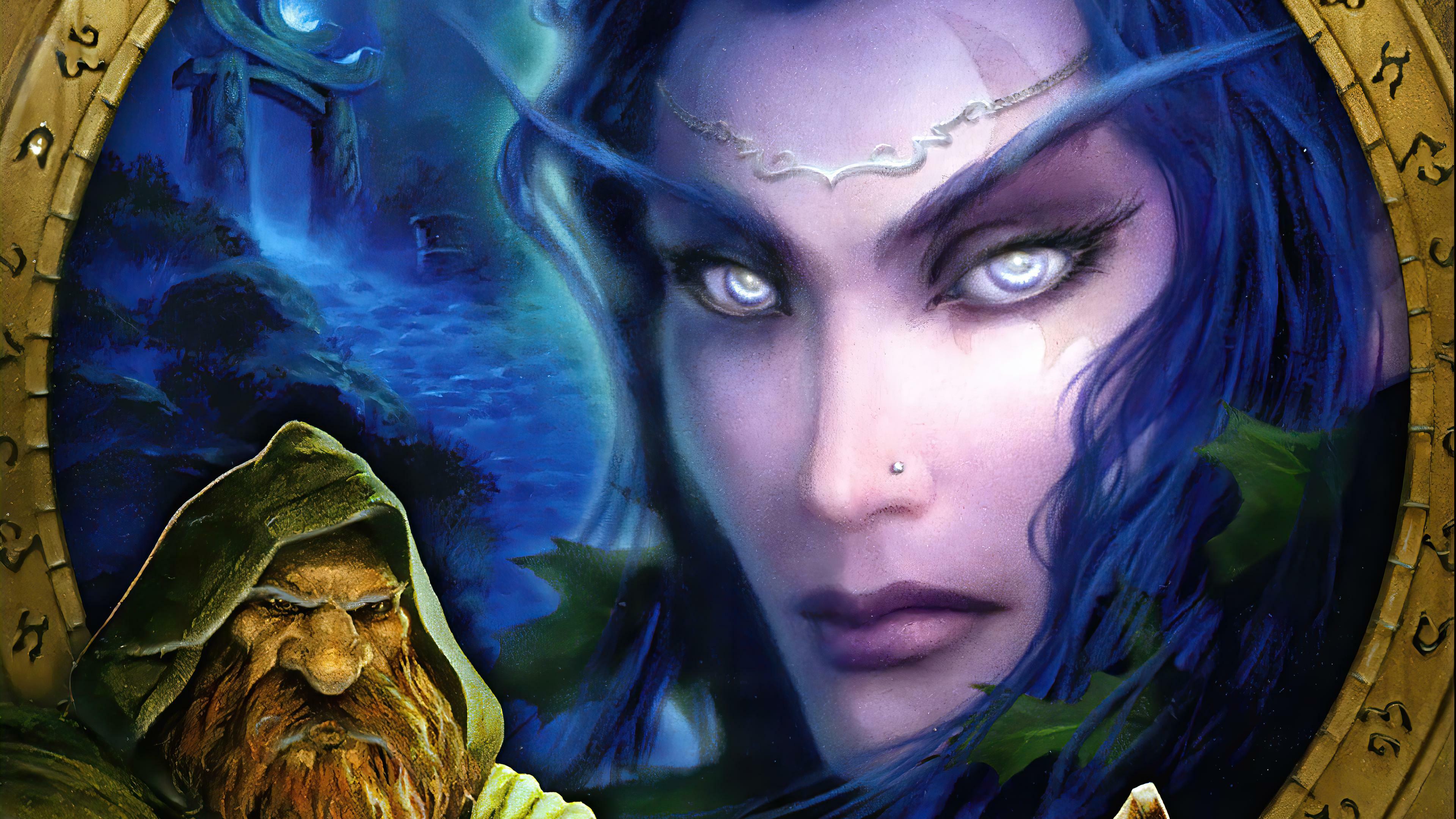
Blizzard’s subscription MMO combined monthly fees with expansions and services. Lifetime revenue is estimated above $11 billion across subs, expansions, and services. Major releases and classic server launches reliably boost active users and spending. Long term guild communities help sustain recurring payments.
‘Fate/Grand Order’ (2015)
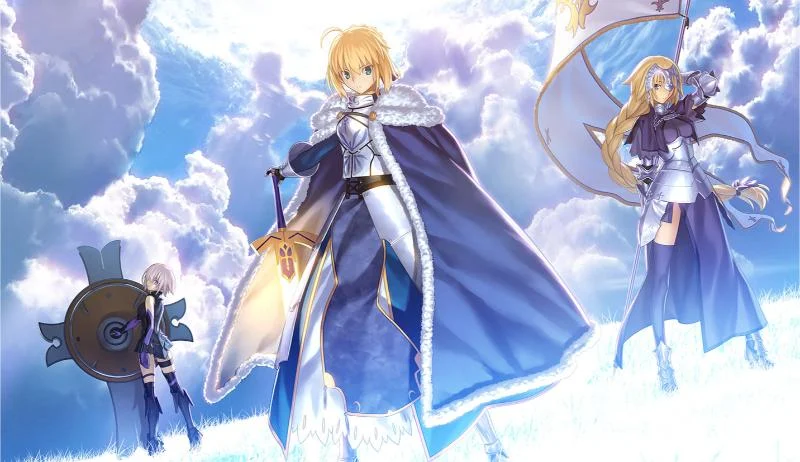
Aniplex’s narrative driven gacha RPG is a top earner in Japan with strong overseas support. Cumulative revenue is estimated above $7 billion from character banners and events. Limited time story arcs and anniversary campaigns create spending peaks. High quality art and voice work add value to its collectible roster.
‘Pokémon GO’ (2016)

Niantic’s location game turned outdoor exploration into steady mobile revenue. Lifetime player spending exceeds $7 billion from item packs and event tickets. Seasonal events and community days drive repeat engagement in local groups. Partnerships with cities and retail brands help maintain visibility and special spawns.
‘Genshin Impact’ (2020)
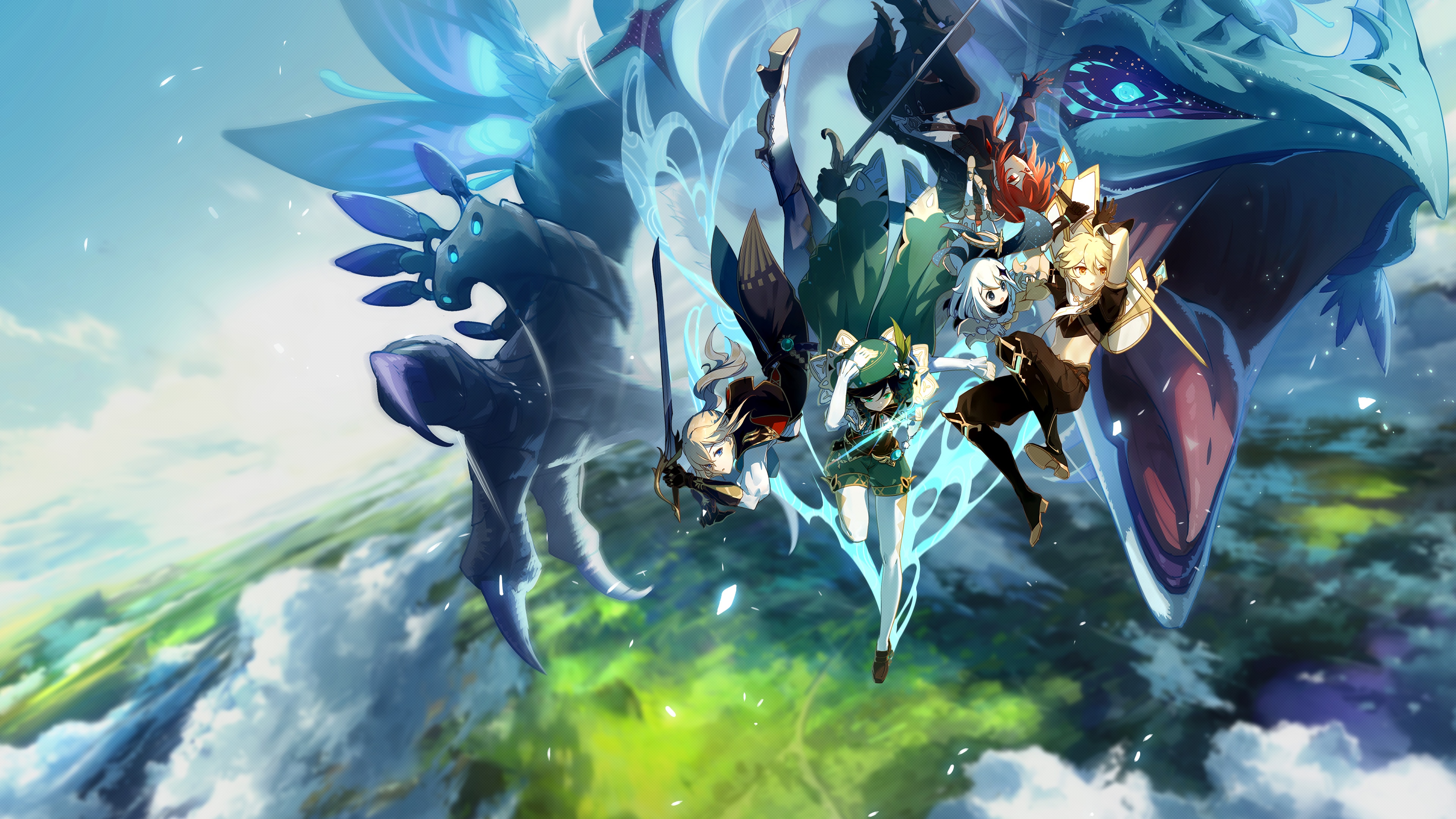
HoYoverse’s open world action RPG brought premium production values to free to play. Lifetime revenue is estimated above $6 billion from character and weapon banners. Frequent regions, story arcs, and events encourage consistent spending. Cross platform availability and generous updates keep the player base active.
‘Clash Royale’ (2016)

This quick fire card battler expanded Supercell’s portfolio with strong early monetization. Lifetime revenue is estimated around $3 to $4 billion from chests, passes, and cosmetics. Meta shifts and new card releases create reasons to engage and spend. Short session matches fit mobile habits and support daily logins.
‘Call of Duty: Mobile’ (2019)
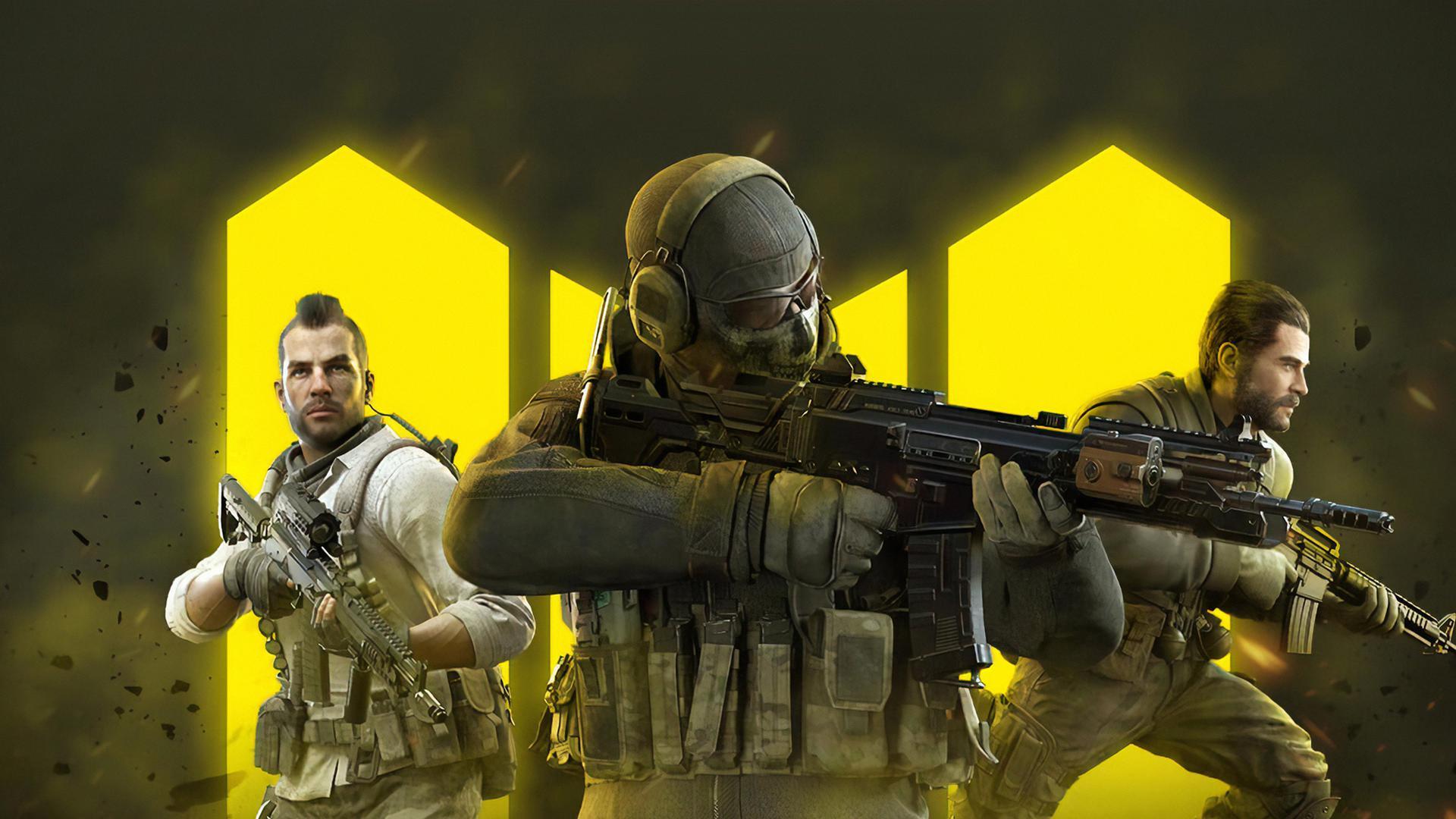
Activision’s mobile entry brought the franchise’s maps and modes to a new audience. Lifetime revenue has surpassed $3 billion through battle passes and skins. Rotating seasonal content and competitive events help keep demand high. Strong brand recognition and controller support broaden its appeal.
‘Lineage M’ (2017)

NCSoft’s mobile adaptation of a classic MMO tapped into deep nostalgia in Korea and Taiwan. Cumulative revenue is estimated at several billion dollars with heavy per user spending. Limited time items and hardcore PvP systems encourage high value purchases. Long running live ops and regional focus sustain its performance.
‘MapleStory’ (2003)

Nexon’s side scrolling MMO built a durable economy from cosmetics and progression items. Lifetime revenue is often cited in the multibillion range across PC and mobile versions. Big updates like new classes and regions re-activate dormant players. Events and gachapon systems continue to drive repeat purchases.
‘Fantasy Westward Journey’ (2004)

NetEase’s long running MMORPG remains a powerhouse in China. Cumulative revenue has been reported in the high single digit billions across PC and mobile. Traditional festivals and holiday events align with cultural moments to boost engagement. Strong guild systems and social features support long term retention.
‘Roblox’ (2006)
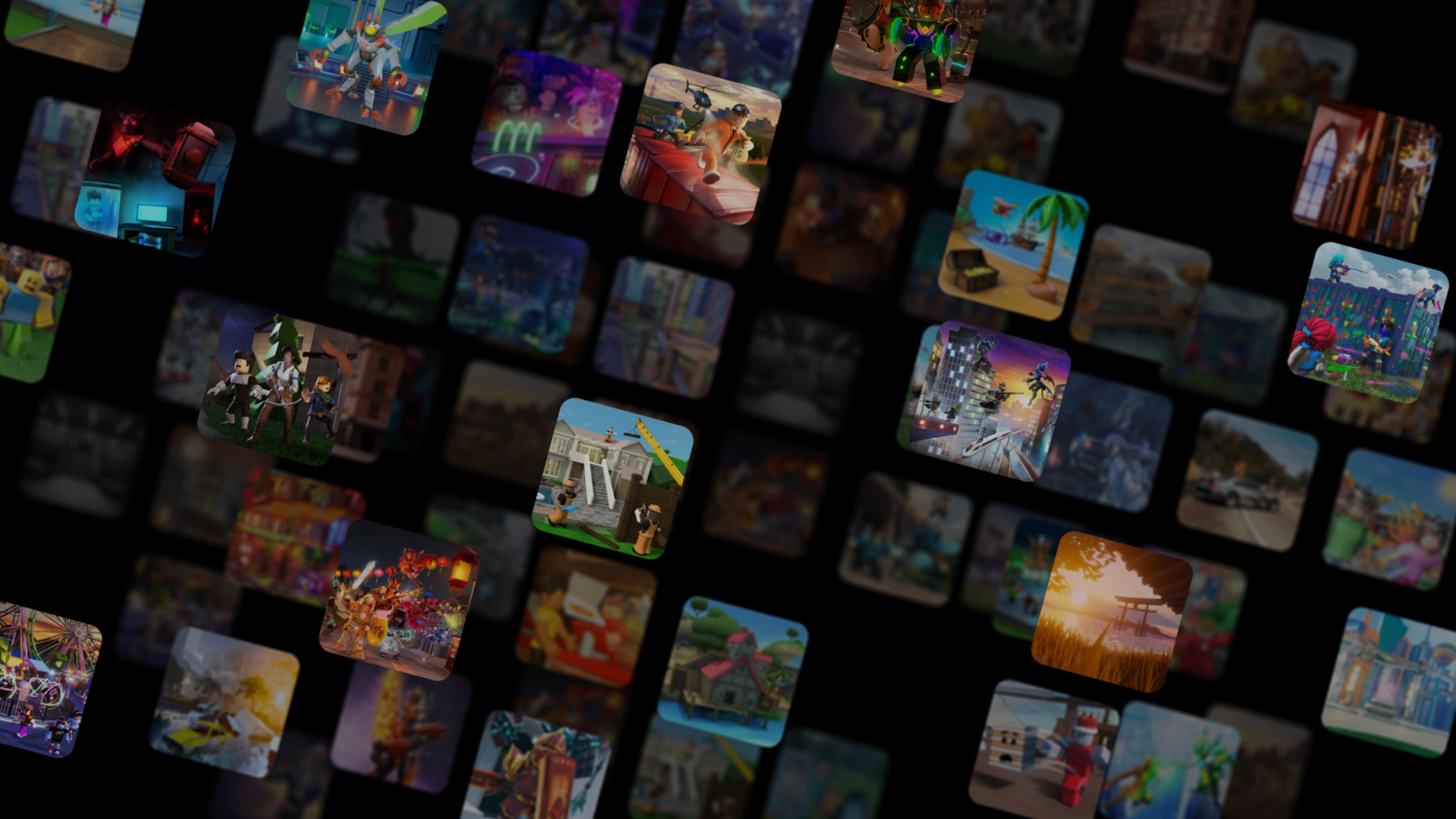
While also a platform, the core game ecosystem generates large direct spending through Robux. Lifetime consumer purchases translate into many billions in bookings and recognized revenue. Creator payouts and user generated experiences keep the catalog fresh and spending active. Cross device access and kid friendly controls support a very broad audience.
Share which money makers surprised you most and tell us which other games you think belong on this list in the comments.