

Top 20 Video Games with the Best AI

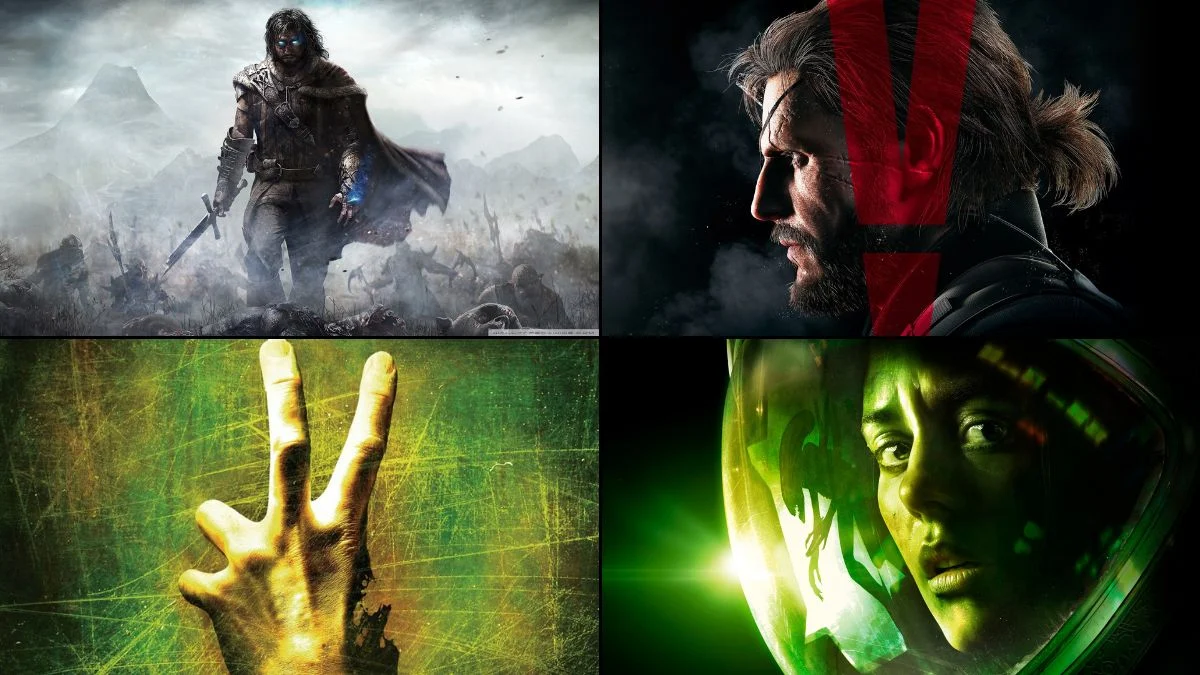


Artificial intelligence in games has come a long way, shaping how enemies flank, how allies support, and how entire worlds feel alive without a single script telling them exactly what to do. When AI systems are well designed, they create moments that feel personal and unscripted, whether you are sneaking past a patrol, managing a colony, or watching a dynamic ecosystem react to your choices.
This list gathers standout examples across genres, from stealth and shooters to simulations and strategy. You will find systems that plan, learn, coordinate, or simulate needs across thousands of agents. Each entry highlights what the AI actually does under the hood and how those behaviors translate into encounters and worlds that keep surprising players.
F.E.A.R.

Monolith’s shooter is famous for its Goal Oriented Action Planning system that lets enemies set subgoals like flanking or taking cover based on the layout of the space. Soldiers communicate about your position, throw grenades to flush you out, and reposition using ladders and side routes without being hard scripted to a single path.
Level geometry is tagged so AI can reason about doors, windows, and cover nodes, which lets squads split and regroup as the situation changes. The system considers visibility and threat, so the same room can play out differently depending on where you move and how much noise you make.
Halo: Combat Evolved
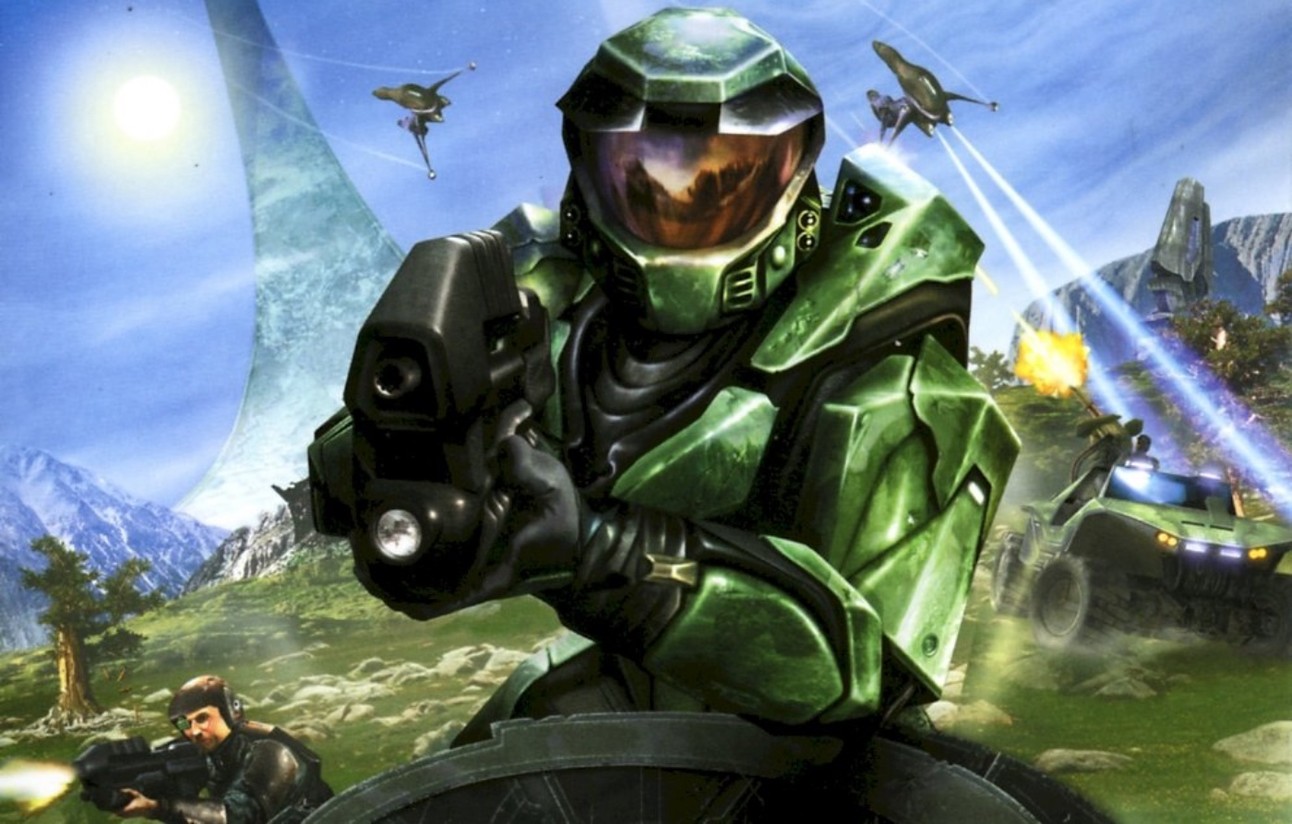
Halo’s encounter design relies on behavior trees and group roles that make Grunts, Elites, and Jackals act in distinct ways. Enemies respond to shield states and player weapons, with Elites dodging grenades and Jackals using shield formations that change under pressure.
Allies also contribute with navigable vehicles and pathing that reacts to battlefield chaos. The interplay between enemy morale and player aggression allows skirmishes to shift as you drop leaders or break lines, keeping sandbox fights flexible across difficulty settings.
The Last of Us Part II

Human enemies coordinate using spoken callouts that reflect shared knowledge about your last known position. AI tracks line of sight and hearing through a perception system that stores recent sightings and investigates in teams, which creates believable search patterns rather than simple beelines.
Companion AI reads the same stealth rules, avoiding bumping enemies and syncing animations so allies do not break cover. Dogs add scent tracking that forces movement and counterplay, while enemies adapt with armor or weapon types that push you to vary tactics in close and mid range.
Alien: Isolation
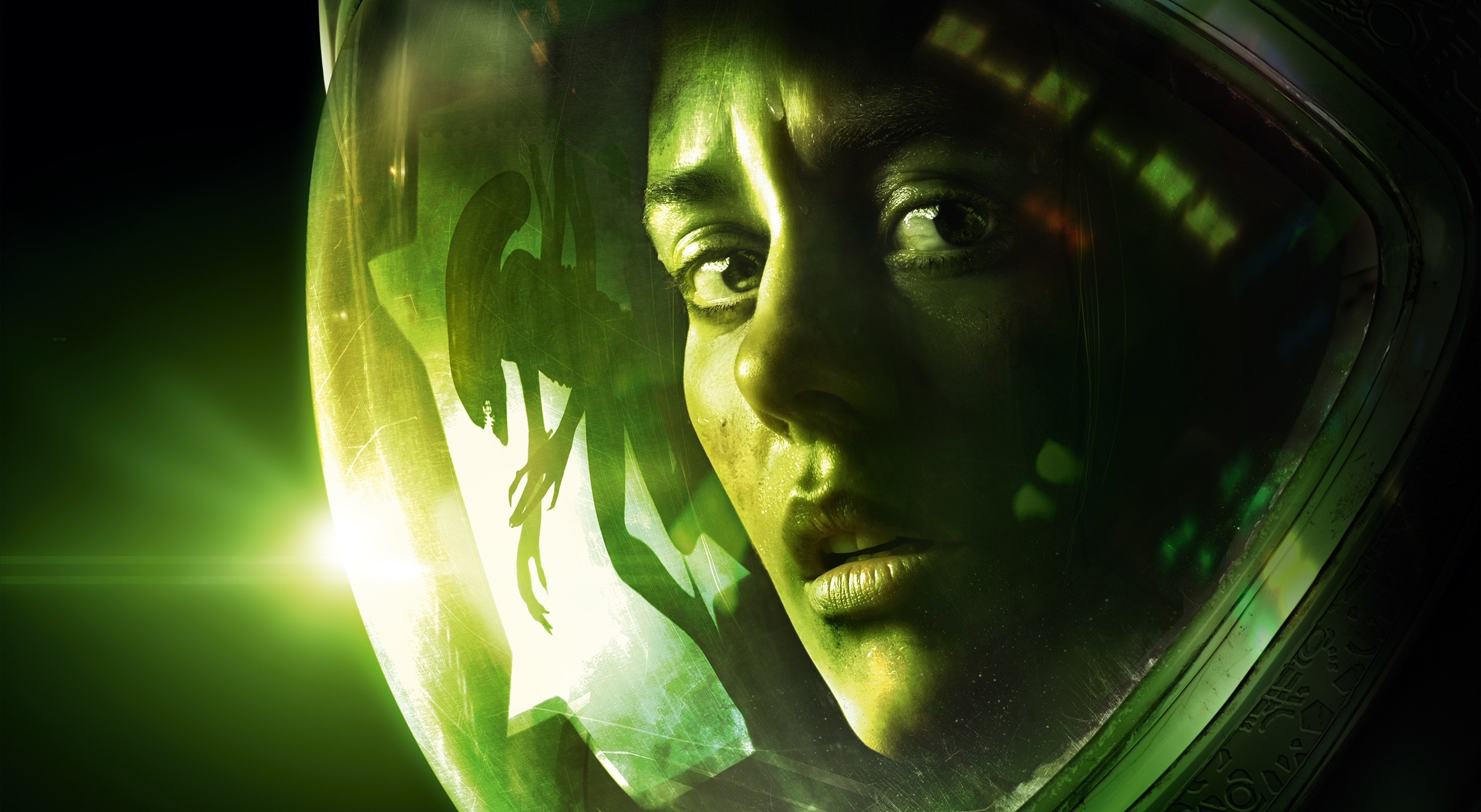
The Alien uses a layered director that separates high level guidance from low level senses. A hidden logic nudges the creature toward the player’s region while its immediate behavior still relies on hearing and sight, which keeps the monster unpredictable without feeling unfair.
Noise propagation, locker checks, and vent navigation allow the Alien to patrol intelligently through multi level spaces. Because it does not follow fixed routes and can learn from repeated hide spots, players must vary tools and timing to avoid patterns the creature begins to exploit.
Middle-earth: Shadow of Mordor
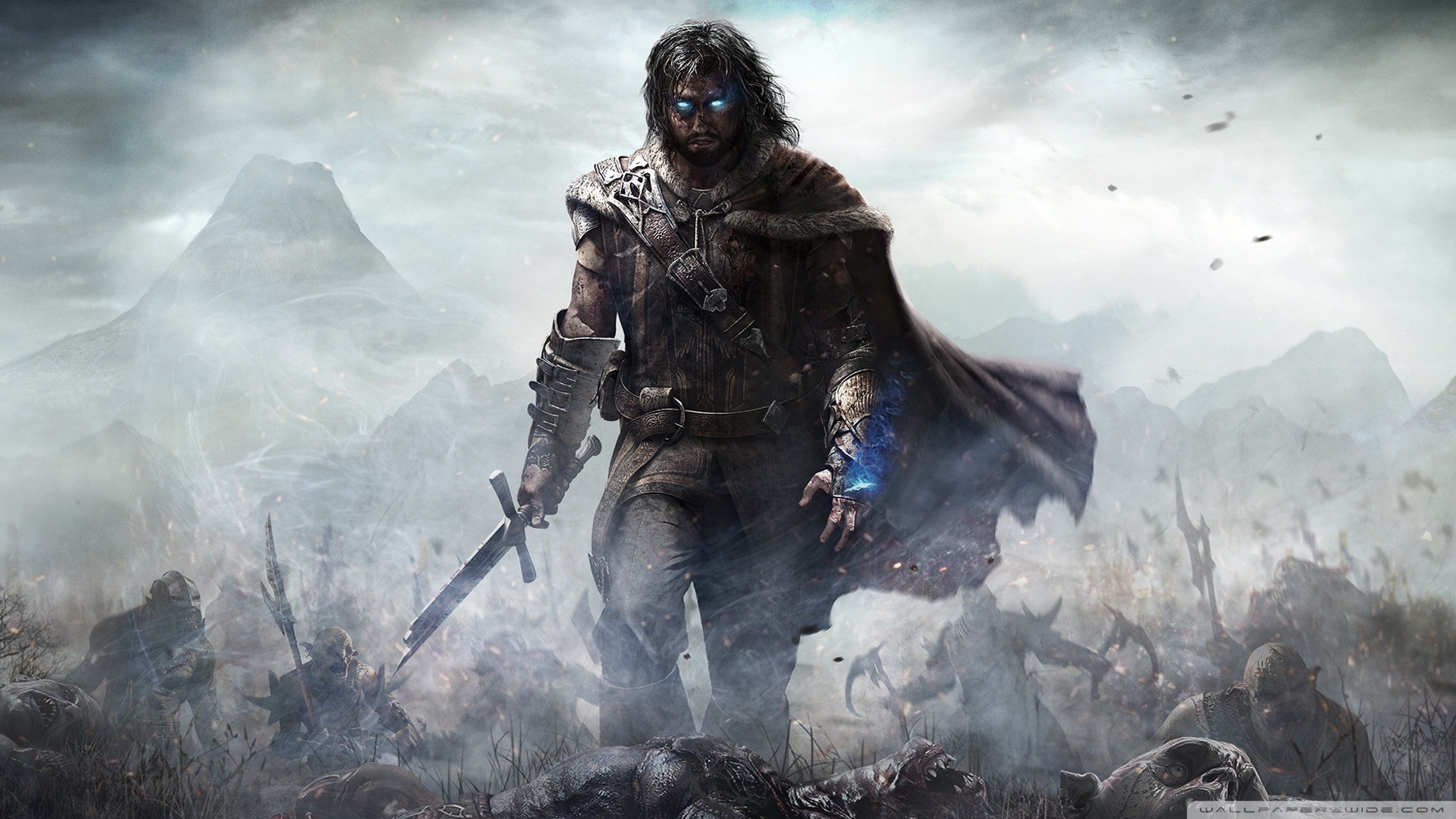
The Nemesis system tracks every Uruk captain with personal traits, fears, rivalries, and memories of past fights. When a captain survives, he levels up with new strengths or vulnerabilities, then references your last encounter during rematches.
Dynamic hierarchies let AI enemies duel each other off screen, promote within ranks, and ambush you during unrelated missions. This creates an evolving power ladder that reflects your victories and failures, turning random encounters into longer stories with persistent consequences.
Metal Gear Solid V: The Phantom Pain

Enemies gather intel about your habits and respond over time with countermeasures. If you rely on headshots, soldiers start wearing helmets, and if you go out at night, they adopt night vision, which encourages you to switch strategies.
Each outpost shares alert states across radio networks, with guards calling reinforcements and sweeping through suspected zones in squads. The systemic approach means weather, time, and noise all feed into visibility and hearing, so infiltration remains reactive rather than scripted.
Hitman

Crowd and guard AI runs on suspicion levels that rise and fall based on disguise, zone rules, and specific illegal actions. Enforcers can pierce certain disguises, while witnesses remember crimes and trigger lockdowns if you do not manage evidence.
Routine driven schedules make targets move through believable daily patterns that can be nudged by distractions or accidents. Because systems track who saw what and when, social stealth relies on maintaining cover stories as much as on line of sight.
Left 4 Dead 2

The AI Director controls pacing, spawning, and item placement by reading team stress through health, ammo, and time since the last spike. It shifts between quiet and chaos to smooth difficulty and keep runs from feeling identical.
Special infected coordinate through cooldowns and spacing rules so combined attacks hit harder. The Director also reacts to your team’s movement speed and formation, spawning threats to split the group or punish camping, which keeps co op communication essential.
S.T.A.L.K.E.R.: Shadow of Chernobyl
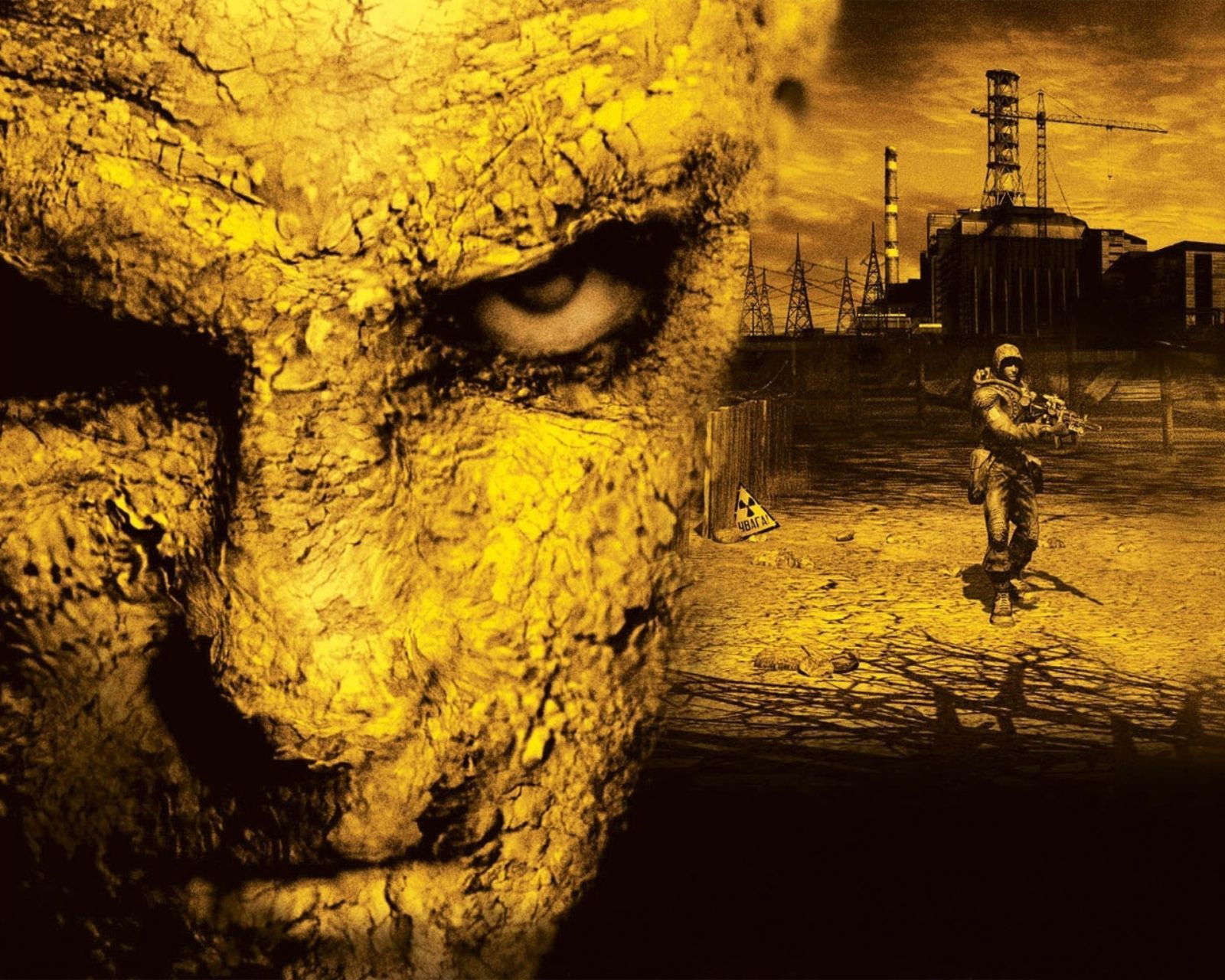
A-life simulation runs NPCs, mutants, and factions across the Zone even when you are not present. Creatures hunt, stalk, and migrate, while stalkers trade, fight, and scavenge, producing unscripted encounters on repeat visits.
Combat AI uses cover seeking, grenade throws, and flanking informed by terrain. Dynamic day night cycles and weather feed perception, so night patrols and storms change detection ranges and reposition routes throughout the open world.
The Sims 4

Agents run on needs like hunger, energy, and social, then select interactions based on traits, moods, and current relationships. Autonomy systems evaluate nearby objects and people, leading to emergent behaviors like group conversations that form organically.
Pathfinding handles shared spaces with multiple agents moving through doors and around furniture without gridlock. Schedules, careers, and event triggers layer on top to create households that self manage even when you focus on a different Sim.
Dwarf Fortress
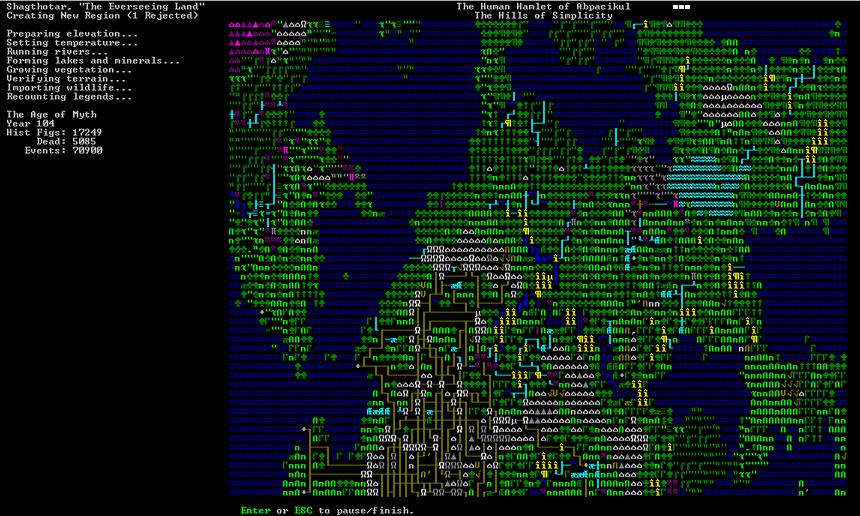
Dwarves track dozens of needs and personality facets that influence job selection, social ties, and stress. The simulation models emotions, memory, and preferences, so a miner who witnessed a tragedy may later refuse duties or spiral if conditions do not improve.
Creatures, fluids, and materials interact through consistent rules, which the AI uses to evaluate risk and opportunity. Because the world runs persistently, decisions reverberate across seasons as pathfinding, labor assignment, and fortress design all feed back into behavior.
RimWorld
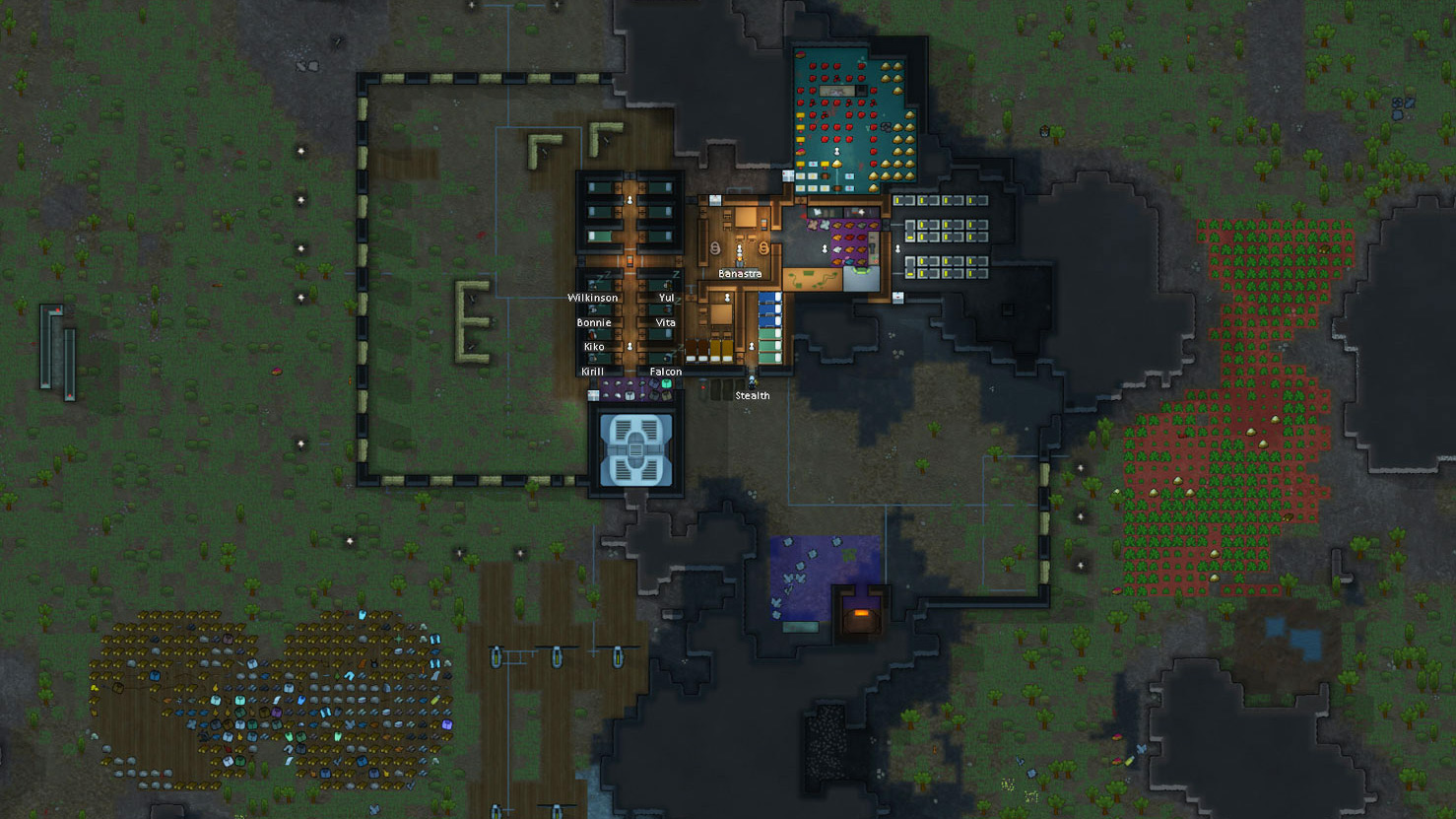
Colonists use a priority system that schedules tasks based on global work types and personal skills. Moodlets and traits influence choices, leading to situations where a medic breaks under stress or a careful shooter avoids risky shots even during raids.
Raider AI picks breach points, sappers target walls, and sieges build encampments that force you out. The storyteller controls event pacing with population and wealth curves, ensuring difficulty escalates in ways that respond to how well your colony is doing.
Red Dead Redemption 2

Ambient AI drives towns, wilderness, and travel encounters with schedules and needs for hundreds of NPCs and animals. People open shops, attend chores, and react to weather, while herd behavior and predator prey loops govern wildlife across biomes.
Witness and law systems read crimes, line of sight, and identities, so disguises and masks alter responses. Horses have temperaments and bonding states that affect control and courage, weaving AI into every part of traversal and combat.
Dragon’s Dogma
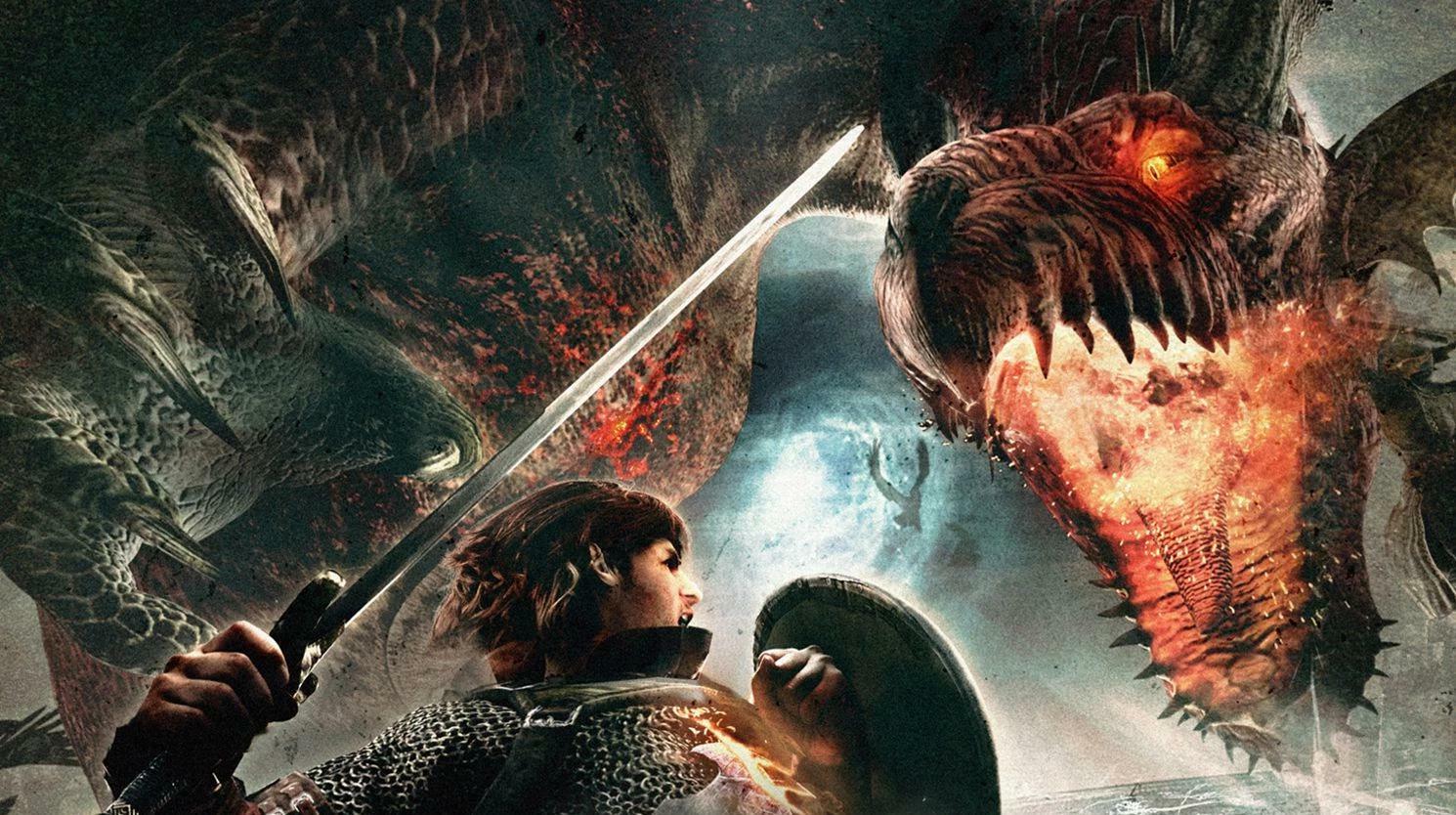
Pawn companions learn enemy weaknesses and tactics through battle experience and player ratings. They share knowledge across worlds, so a borrowed pawn may return knowing how to handle a boss or navigate a dungeon more efficiently.
In combat, pawns coordinate heals, grabs, and climb attacks using stamina and positioning rules. Their chatter reflects state awareness, calling out elemental weaknesses or environmental hazards that the party can exploit in real time.
Total War: Shogun 2
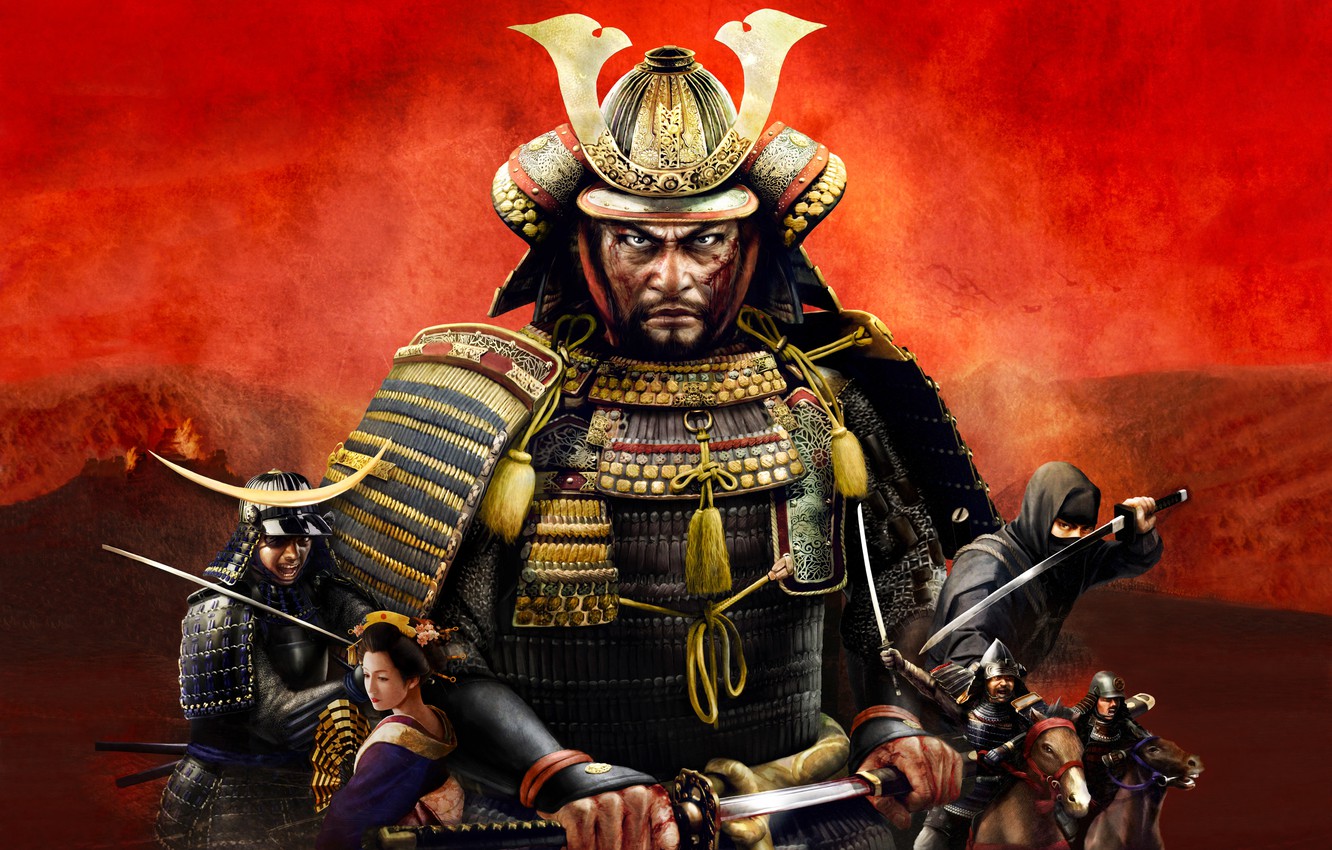
Campaign AI evaluates diplomacy, economy, and expansion with a focus on regional threats and alliances. It weighs food, public order, and realm divide, making strategic choices that reflect the pressures of a rising clan.
Battle AI reads terrain and unit counters to anchor lines, flank with cavalry, and respond to missile threats. Formations adapt to weather and morale, with generals timing rallies and retreats to preserve forces rather than throwing units away.
Company of Heroes 2
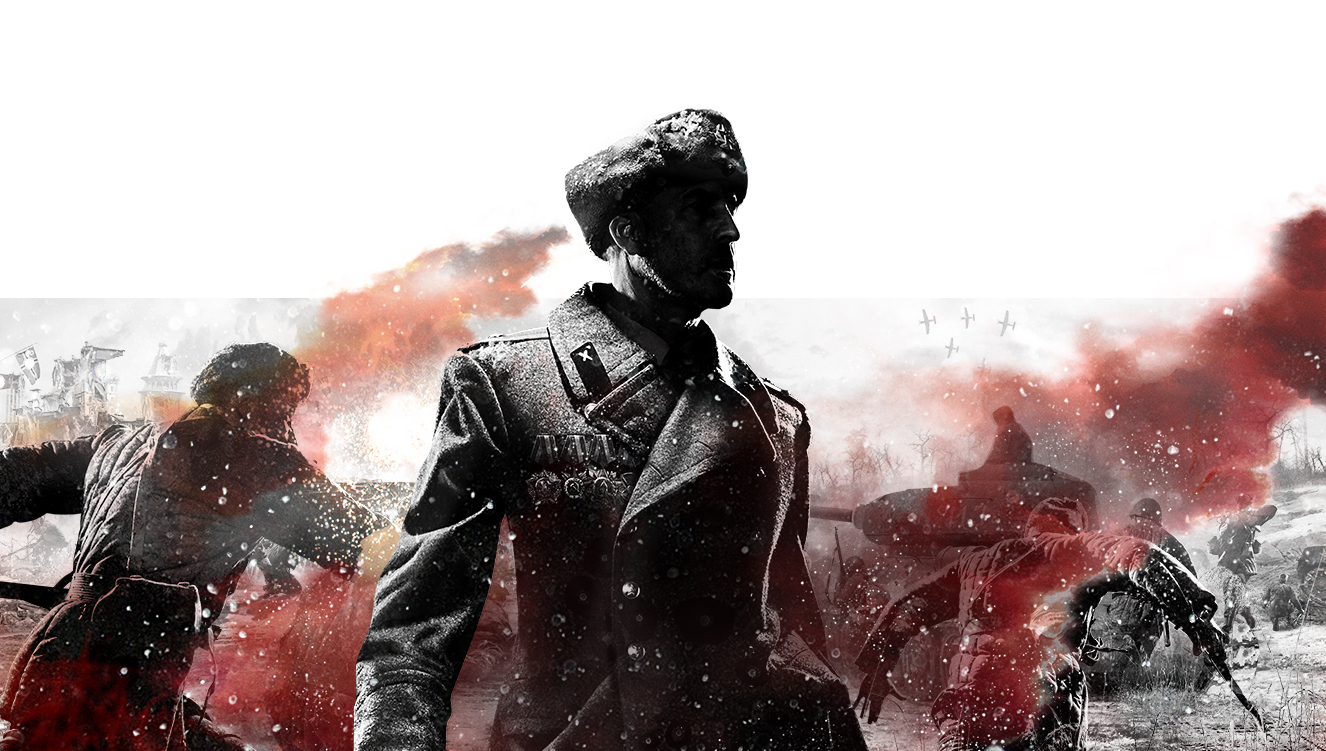
Cover and suppression are core to the tactical layer, and the AI understands both systems deeply. It pushes infantry through green cover, avoids red zones, and uses machine guns to pin while other squads flank.
Resource points and tech timing inform unit composition, so the AI fields counters in response to your armor or infantry focus. Retreat logic preserves squads to vet up later, which keeps pressure sustained across the match instead of collapsing after early trades.
XCOM 2
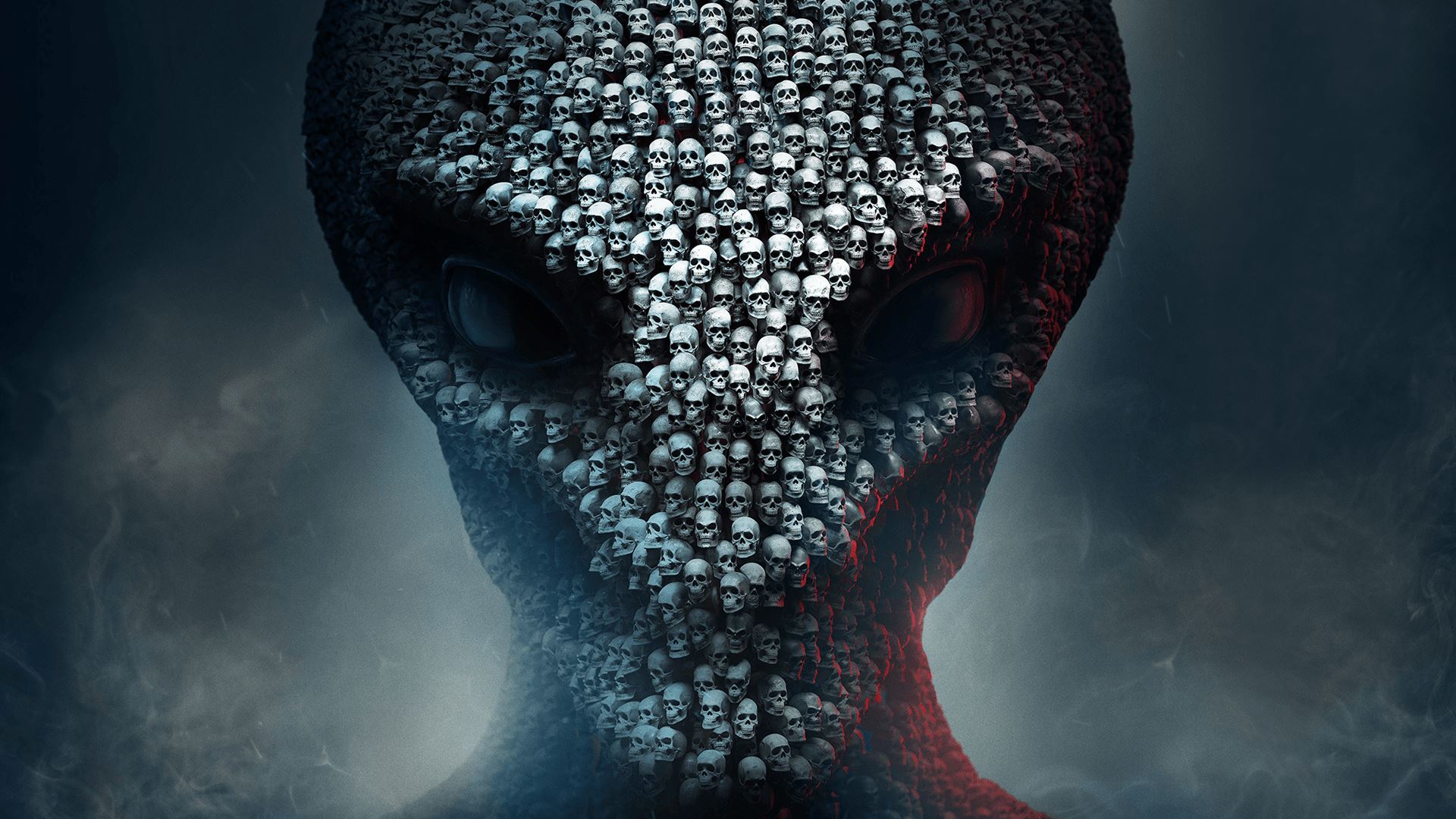
Enemy pods patrol on concealment timers and switch to coordinated attacks once revealed. Aliens prioritize flanks, high ground, and abilities like mind control or poison based on squad composition and proximity.
The strategy layer feeds into encounters through Dark Events that alter enemy behaviors or add sitreps affecting visibility and reinforcements. The result is a loop where AI pressures you to keep moving while punishing overextension with overwatch traps and area denial.
Forza Motorsport

Drivatars are machine learning based profiles built from player telemetry that inform braking points, racing lines, and aggression. When used as opponents, these profiles aim to reproduce human like variability rather than perfect racing lines.
Because the system updates with broader player data, fields can show distinct personalities within the same car class. The result is traffic that defends, yields, and occasionally errs, which creates overtakes and racecraft that feel close to multiplayer.
The Forest
Cannibal tribes use scouting, ambush, and retreat behaviors that change based on your actions. Early encounters feature cautious observation, but repeated aggression can trigger larger raids and aggressive patrols around your base.
AI reads light, noise, and structure placement, leading scouts to test defenses or circle campfires out of reach. Leaders rally groups, and fear states cause tactical withdrawals, which keeps pressure dynamic across the survival loop.
Half-Life
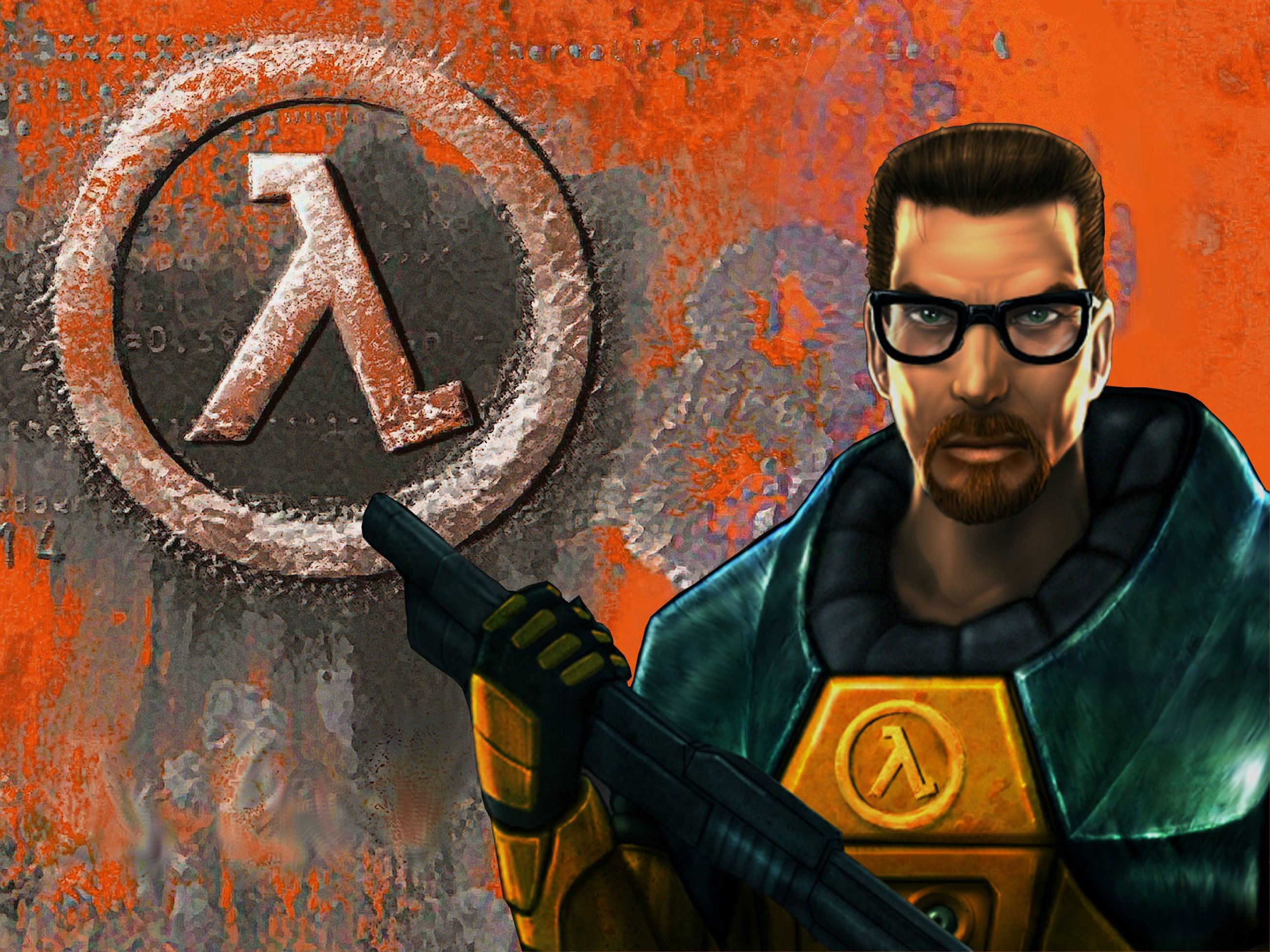
The human grunts use squad tactics that combine cover usage, grenade flushing, and coordinated rushes. They track your position through sound and line of sight, splitting into teams that pressure from multiple angles inside tight corridors.
Alien enemies operate with different rules that emphasize movement patterns and projectile types. This mix forces varied responses as the AI uses the environment, from vertical vents to narrow catwalks, to keep combat flowing through set pieces and open arenas.
Tell us which game impressed you the most and what wild AI moment you still think about in the comments.