

Top 10 VideoGames with the Worst A.I.



Bad enemy behavior can turn tense encounters into unintentional comedy and it can also break missions that rely on teammates or crowds. When artificial intelligence misses the mark players notice right away because foes fail to react, friendly companions get stuck on doors, and entire systems that should escalate danger never really spark.
This list looks at games where the underlying logic created persistent problems at launch or throughout their lifespans. For each title you will find specific examples of what went wrong along with useful context about platforms, systems, and updates that tried to fix things.
Aliens: Colonial Marines
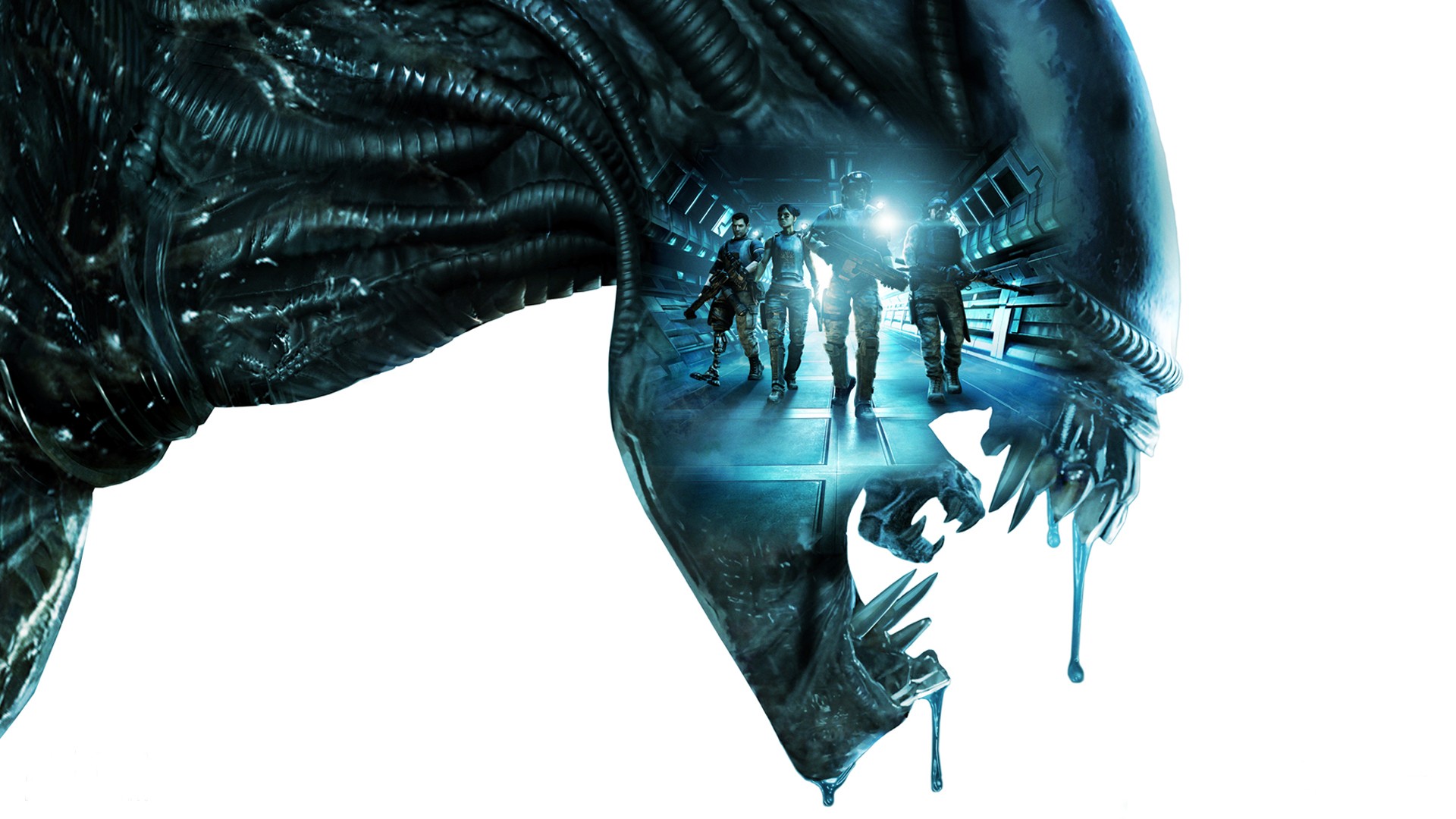
Gearbox released this shooter in 2013 on PlayStation 3, Xbox 360, and Windows, and the xenomorph behavior quickly became infamous. A single typo in a configuration file disabled a key tethering routine that was supposed to make aliens patrol intelligently and stick to the player, which is why enemies often wandered aimlessly and missed obvious attacks. Modders later corrected the misspelling in the ini file to restore the intended behavior and community fixes improved navigation and reaction times on PC.
The marine and synthetic opponents also struggled with cover usage and line of sight, leading to shootouts where enemies walked through open lanes and forgot to take flanking routes. Scripted sequences depended on AI triggers that sometimes failed to fire which could stall missions or make set pieces far less threatening than designed.
Cyberpunk 2077
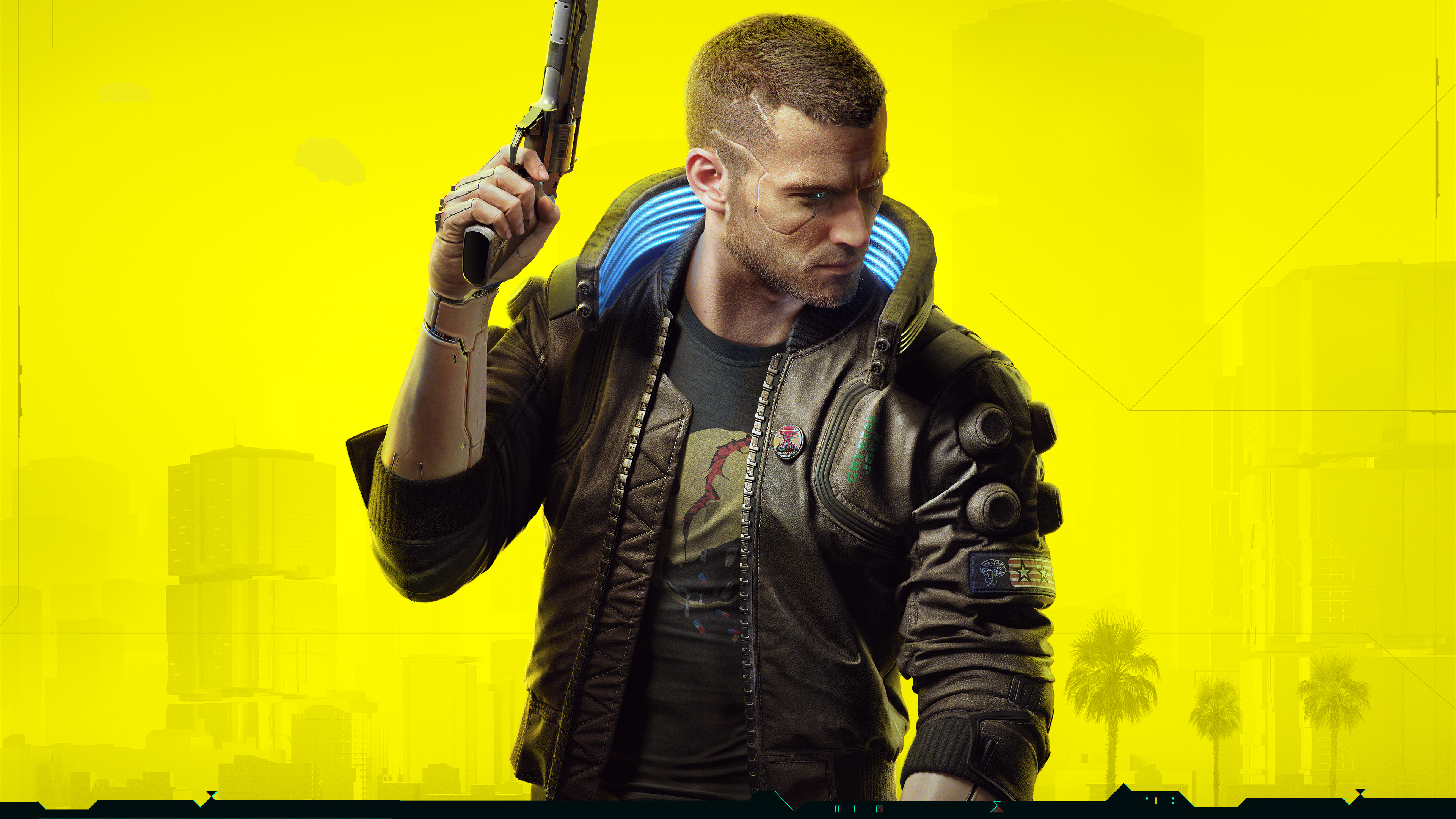
CD Projekt Red launched this role playing game with shooting and driving systems where traffic and crowd logic lacked depth, especially on Windows, PlayStation 4, and Xbox One at release. Early police responses teleported officers behind the player instead of building pursuit chains across districts, and vehicle drivers often halted in place rather than steering around obstacles or reacting to accidents.
Subsequent updates on all platforms including PlayStation 5 and Xbox Series X and S added pursuit tiers, car chases, and improved pathfinding for vehicles and NPCs. Those patches raised the ceiling for open world encounters, but the launch state remains a clear example of how core city AI can bottleneck a large scale experience when basic navigation and escalation are not ready.
The Elder Scrolls IV: Oblivion
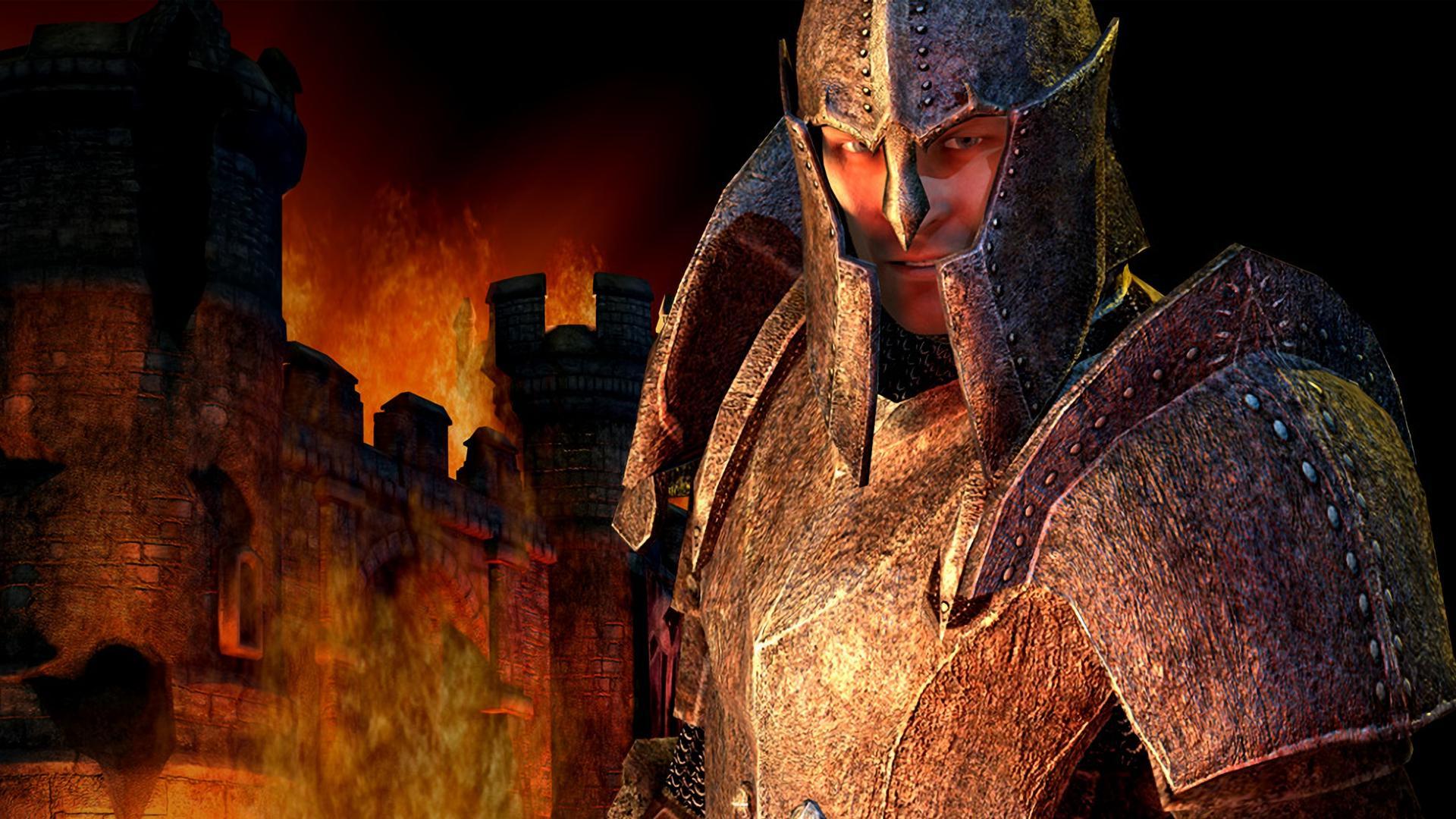
Bethesda introduced Radiant AI on Windows, Xbox 360, and later PlayStation 3 with a needs based system that scheduled eating, sleeping, and working for hundreds of NPCs. The early ruleset allowed characters to satisfy needs by any means, which produced unpredictable behaviors such as theft, brawls, or critical quest givers getting into fights that disrupted storylines.
Patches adjusted the permission system and toned down aggressive choices, but pathfinding and combat evaluation still created oddities like guards chasing criminals through long loops and enemies misjudging weapon range. The game remains a useful case study in how simulated daily routines require strict guardrails so that emergent behavior does not break quests.
The Elder Scrolls V: Skyrim

Companions in this 2011 release on Windows, PlayStation, and Xbox platforms often struggled with doorways, traps, and narrow corridors, which frequently forced players to reposition or dismiss followers. Stealth detection could also misfire in crowded interiors, making foes ping between states rather than responding to clear noise and light cues.
The Unofficial Skyrim Patch on PC addressed many navmesh errors and package conditions that blocked followers in dungeons or kept them from using ladders and ledges. Even with those fixes the combat decision tree sometimes favored inefficient weapon swaps and slow reactions to area spells, showing how follower AI must blend traversal awareness with fast threat evaluation.
Resident Evil 5
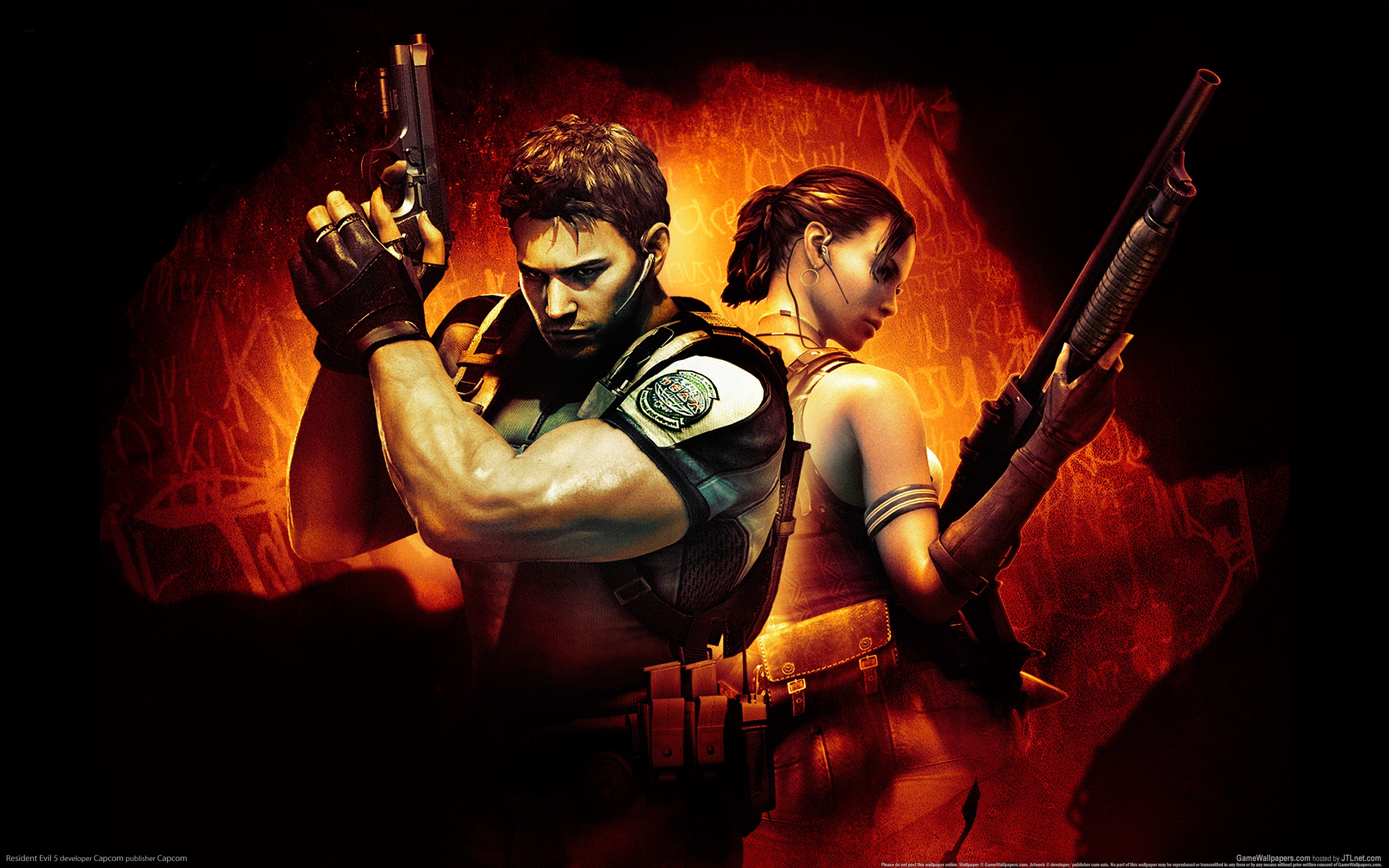
This installment designed for Windows, PlayStation 3, and Xbox 360 relied on a partner system that assigned Sheva to the AI when played solo. Inventory management and healing logic often burned valuable resources because the partner used ammunition and herbs at poor times and sometimes walked into traps or crossfire during tight encounters.
Capcom balanced encounters around cooperative play, which meant solo players ran into partner positioning errors during boss fights and timed sequences. Later difficulty tuning and player strategies reduced the impact, but the core partner routines highlight how companion roles tied to limited resources require conservative rules for item use and pathfinding.
Daikatana
Ion Storm shipped this shooter on Windows in 2000 with two AI squadmates that were required to survive to progress. The companions frequently blocked doorways, failed to jump across gaps, and drowned in shallow water because their navigation mesh and state switching were unreliable in complex levels.
Patch updates improved behavior but many levels still contained choke points where companions refused to follow unless players micromanaged movement with repeated commands. The design shows the risk of gating progression behind follower survival when those followers cannot reliably interpret movement cues, climb geometry, or maintain safe combat spacing.
Halo 5: Guardians

This Xbox One entry emphasized a squad that could revive the player and execute target focus commands, yet friendly behavior often stalled in arenas with multiple elevation changes. Teammates failed to take power weapon drops promptly, ignored flanking paths, and sometimes prioritized long range fire over closing distance to trigger a revive.
Enemy soldiers could also get stuck in loops that repeated short peeks from cover without advancing or retreating, which undercut the intended push and pull of the arena layouts. Later balance updates refined weapon damage and encounter pacing, but the underlying decision making for allies remained a frequent cause of failed revives and avoidable wipes.
Mafia III
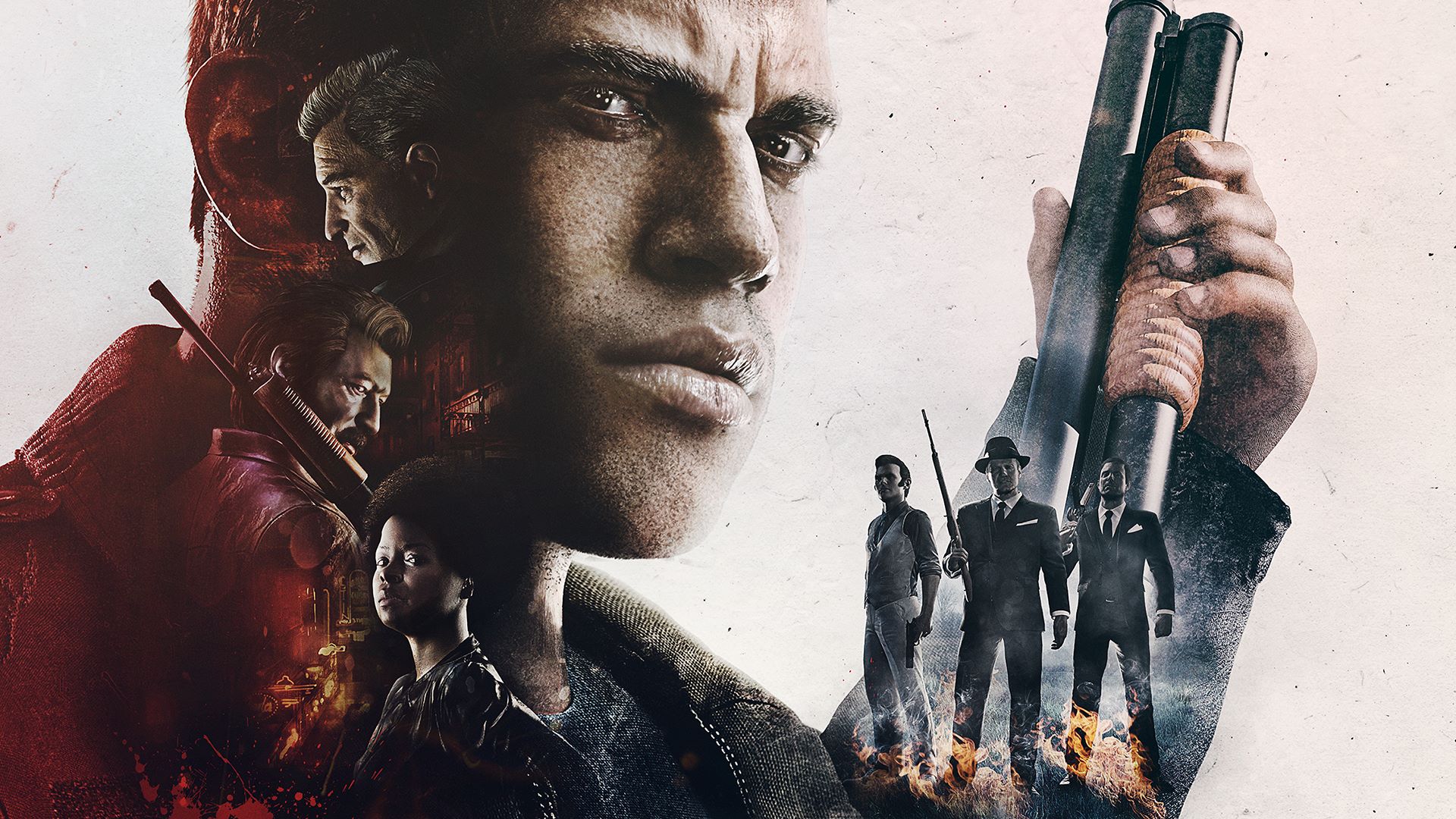
On Windows, PlayStation 4, and Xbox One, enemies in New Bordeaux used simple awareness cones and routine patrols that were easy to reset by breaking line of sight. Guards returned to their posts quickly after brief searches and rarely coordinated multi angle sweeps, which made stealth takedowns predictable across many outposts.
Driving AI also maintained conservative speeds and struggled to pursue effectively through intersections, reducing the tension of getaway sequences. Post launch patches improved detection times and reinforcement timers in certain mission types, but the core guard logic kept alerts localized rather than spreading across districts.
Watch Dogs: Legion
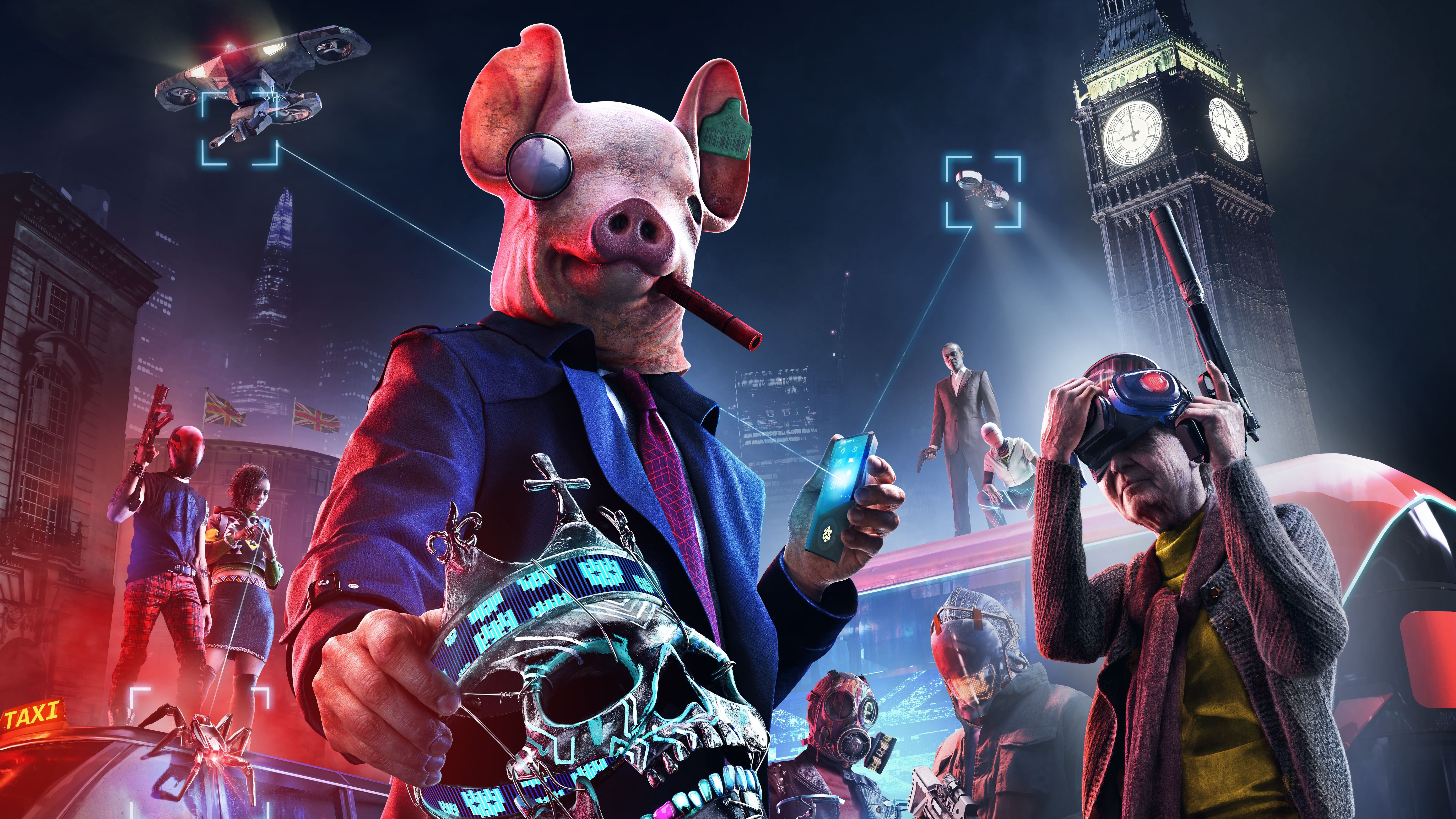
This entry arrived on Windows and consoles with an ambitious play as anyone system that generated recruitable NPCs across London. At launch, traffic and pedestrian behavior lacked robust reactions to chaos, so vehicles often stopped rather than navigating around blockages and crowds dispersed in uniform patterns that did not reflect individual traits.
Law enforcement logic initially escalated in simple steps that did not use longer chases or coordinated boxing maneuvers on roads. Updates later expanded pursuit tools and tuned spawn logic for police drones and cars, yet the foundational systems demonstrated how a wide simulation layer requires equally deep rules for driving, crowd flow, and pursuit.
Perfect Dark Zero
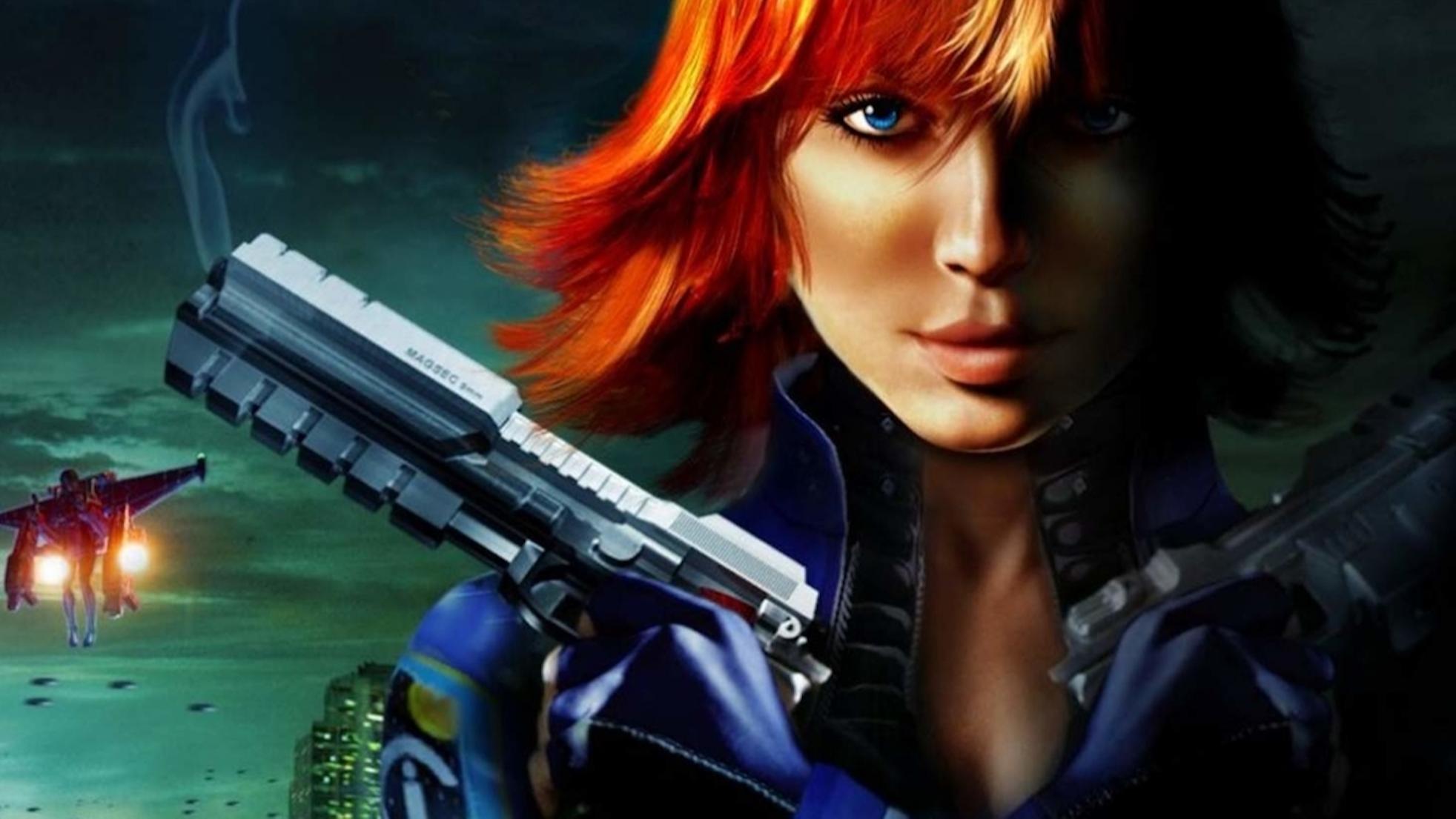
The Xbox 360 launch shooter featured enemies that frequently ran into open fire and repeated the same peek behavior from identical cover nodes. Patrols used short loops with limited variance, so once a route was learned it stayed predictable across replays, reducing the value of silenced takedowns and distraction tools.
Friendly AI companions occasionally failed to keep up in larger arenas and did not take advantage of high ground that offered better sight lines. The encounter design aimed for sandbox firefights, but limited path evaluation and threat prioritization meant that both allies and foes struggled to adapt when players changed tactics mid fight.
Share the games you would add to this list and tell us which missions showed the most broken behavior in the comments.