

Top 15 Worst Mario Spin Offs

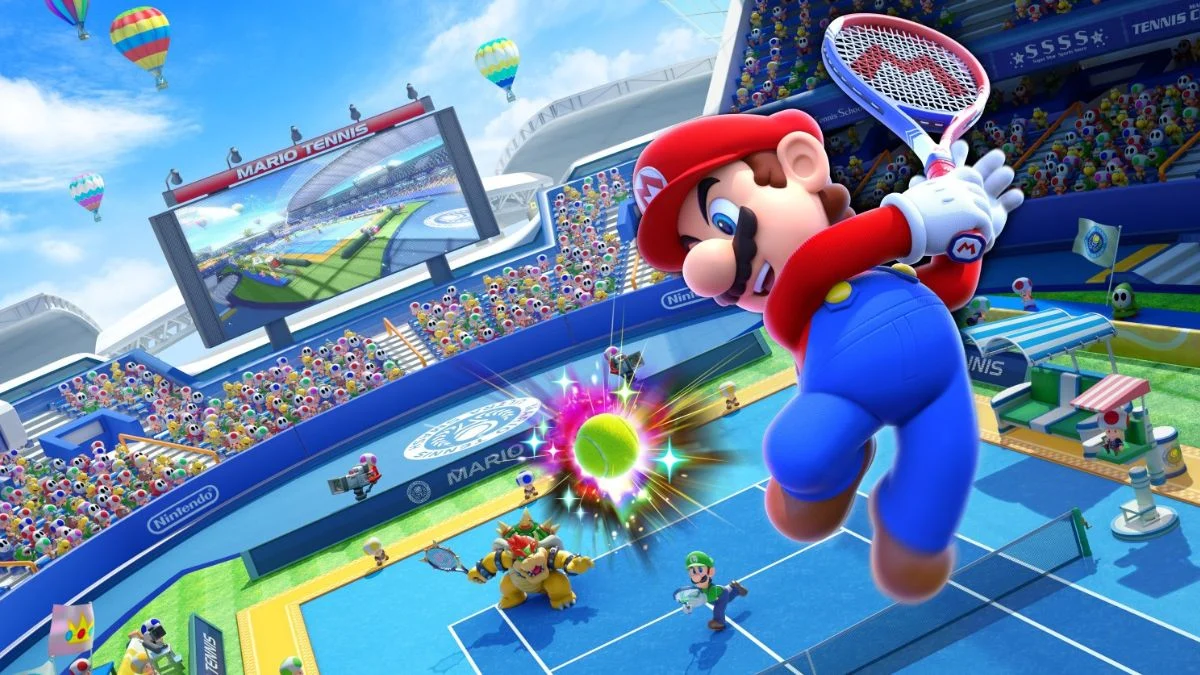


Mario has shown up in everything from sports to education, and that wild variety has produced a few experiments that just did not land. This list looks at releases that struggled with thin content, awkward design, or ideas that simply did not click with players over time. You will find the platforms, the core concept, and what went wrong in practical terms. Think of it as a snapshot of how even a massive series can miss the mark when it wanders off the main path.
Hotel Mario
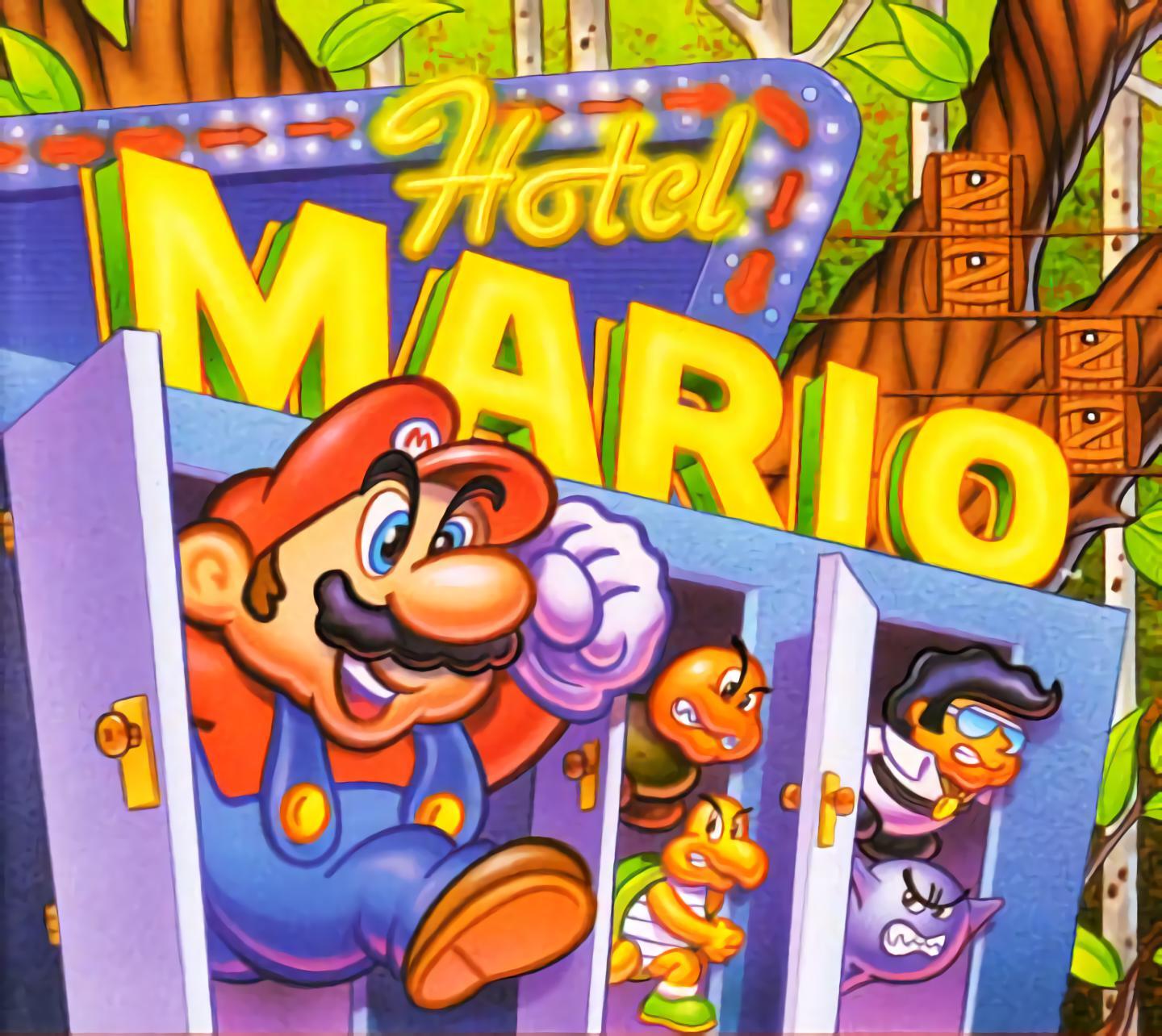
Released for the Philips CD i in 1994, this side project centered on closing doors across a series of themed hotel stages. The gameplay loop focused on simple platforming with very short levels and repeated objectives. Cutscenes used full motion video produced outside Nintendo’s usual pipeline and became better known than the game itself. Limited hardware support and a tiny install base meant very few players ever saw it on original hardware.
Mario is Missing!
This 1993 educational title put Luigi in the lead on PC and later on consoles. Players walked city maps and answered geography questions by returning stolen artifacts. The structure relied on text lookups and basic fetch quests that slowed progress. Classroom use was the primary aim, and the design reflected that with minimal action and repetitive tasks.
Mario’s Time Machine
Arriving in 1993 on PC and consoles, this educational release pushed history lessons through short research segments and multiple choice quizzes. The time travel hook shuttled players to specific dates to return items to famous figures. Exploration used simple side scrolling or top down segments depending on the version. Progress depended on reading encyclopedia style entries rather than engaging puzzles.
Mario Pinball Land
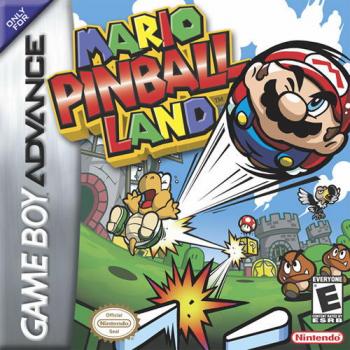
Launched on Game Boy Advance in 2004, this entry turned Mario into a ball for a pinball style adventure. Stages connected through doors that demanded precise shots to open. The physics were unforgiving and made basic navigation tough, which led to frequent restarts. Save opportunities were sparse and boss arenas required very accurate hits to complete.
Mario Party Advance
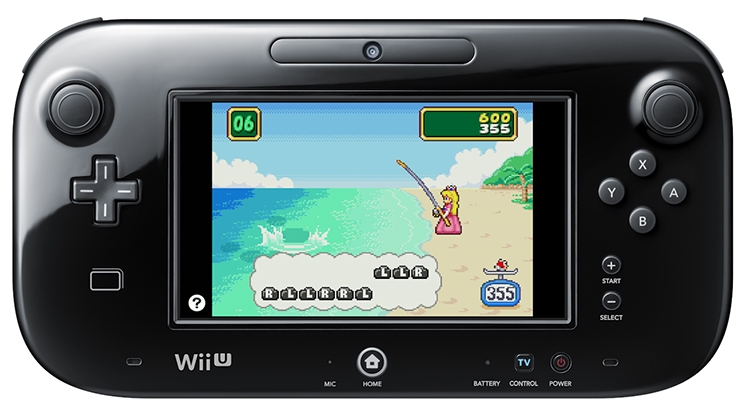
This 2005 handheld take on the party series moved the focus to solo missions on Game Boy Advance. The board game elements shrank to brief errands while minigames unlocked gadgets for a small hub world. Multiplayer required multiple systems and link cables, which few groups had ready. The result emphasized single player checklists over living room competition.
Mario Party: Island Tour
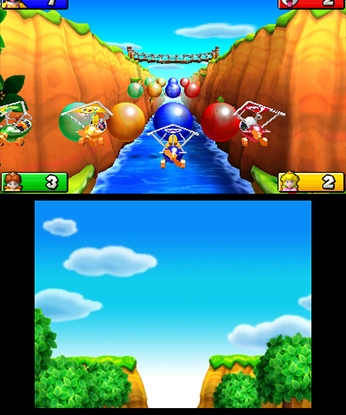
Released on Nintendo 3DS in 2013, this entry experimented with seven boards that each used different rules. Many minigames leaned on gyro controls and microphone prompts that did not suit quick sessions in public spaces. Online play was not supported at launch, which kept multiplayer local only. StreetPass features added small extras but did not address the lack of broader connectivity.
Mario Party: The Top 100
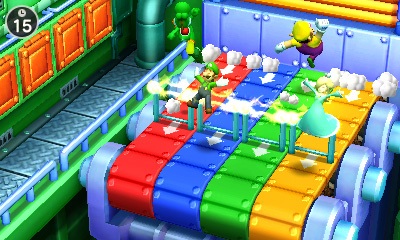
This 2017 3DS compilation pulled one hundred minigames from across the series into a portable package. The selection skipped several fan favorites due to control differences and hardware limits. The board mode was thin and acted more like a wrapper than a full game. Online options were missing, which made the collection feel limited for groups that play remotely.
Mario Tennis Ultra Smash
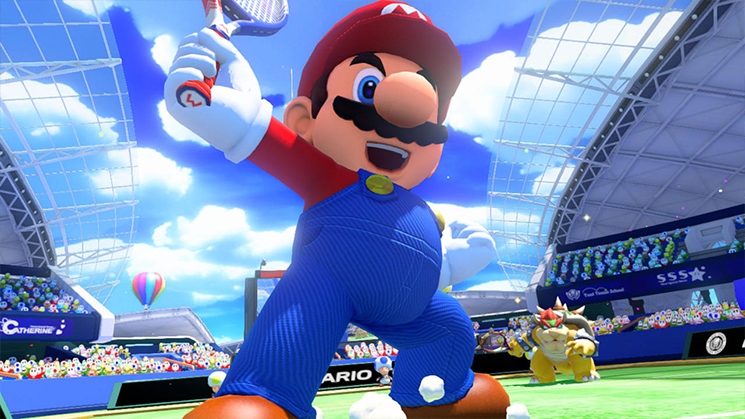
Arriving on Wii U in 2015, this release featured Mega Mushrooms and a small set of modes. Launch content focused on basic singles and doubles with a simple rally challenge. There was no story mode and character and court counts were modest. Online play worked with straightforward matchmaking but offered few reasons to keep returning.
Mario Sports Superstars
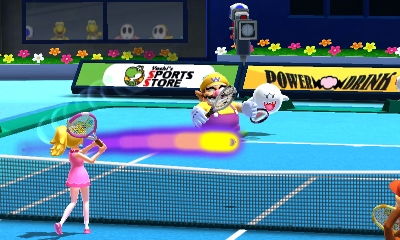
This 2017 3DS package bundled soccer, baseball, tennis, golf, and horse racing into one cart. Each sport used simplified rules with brief tournament ladders and basic AI. Collectible card functionality tied into amiibo cards for stat boosts and unlocks. The breadth came at the cost of depth and none of the sports matched dedicated series entries.
Mario Hoops 3 on 3
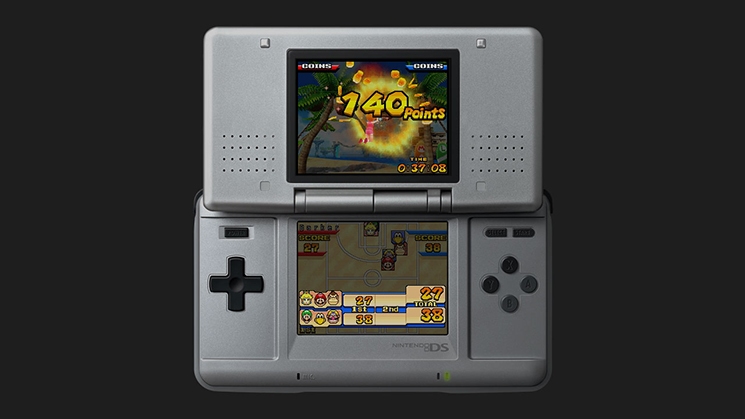
Developed with Square Enix for Nintendo DS in 2006, this basketball title leaned on stylus gestures for dribbling and shots. Courts included item panels and power ups that changed possession quickly. Final Fantasy characters appeared as guests and added special moves. The heavy reliance on touch controls made defense and positioning tricky for many players.
Mario Sports Mix
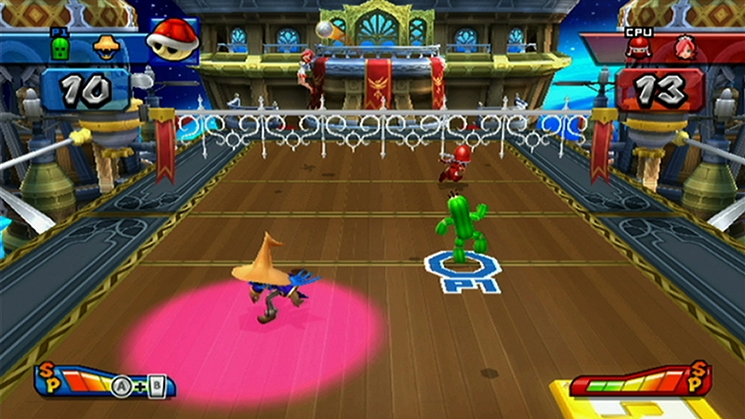
This 2010 Wii release from Square Enix covered dodgeball, volleyball, hockey, and handball. Motion controls handled passing and shooting with power moves tied to character abilities. Courts featured obstacles and item boxes that disrupted standard rules. The package delivered multiple sports but kept each rule set shallow compared to standalone games.
Dr. Mario World

Launched on mobile in 2019, this puzzle game flipped the series by having capsules rise from the bottom of the screen. Stages introduced stamina systems and power ups that could be purchased with in game currency. A wide roster of doctors and assistants brought special skills that altered drop patterns. Service ended on November 1, 2021, and play is no longer available.
Mario Kart Tour
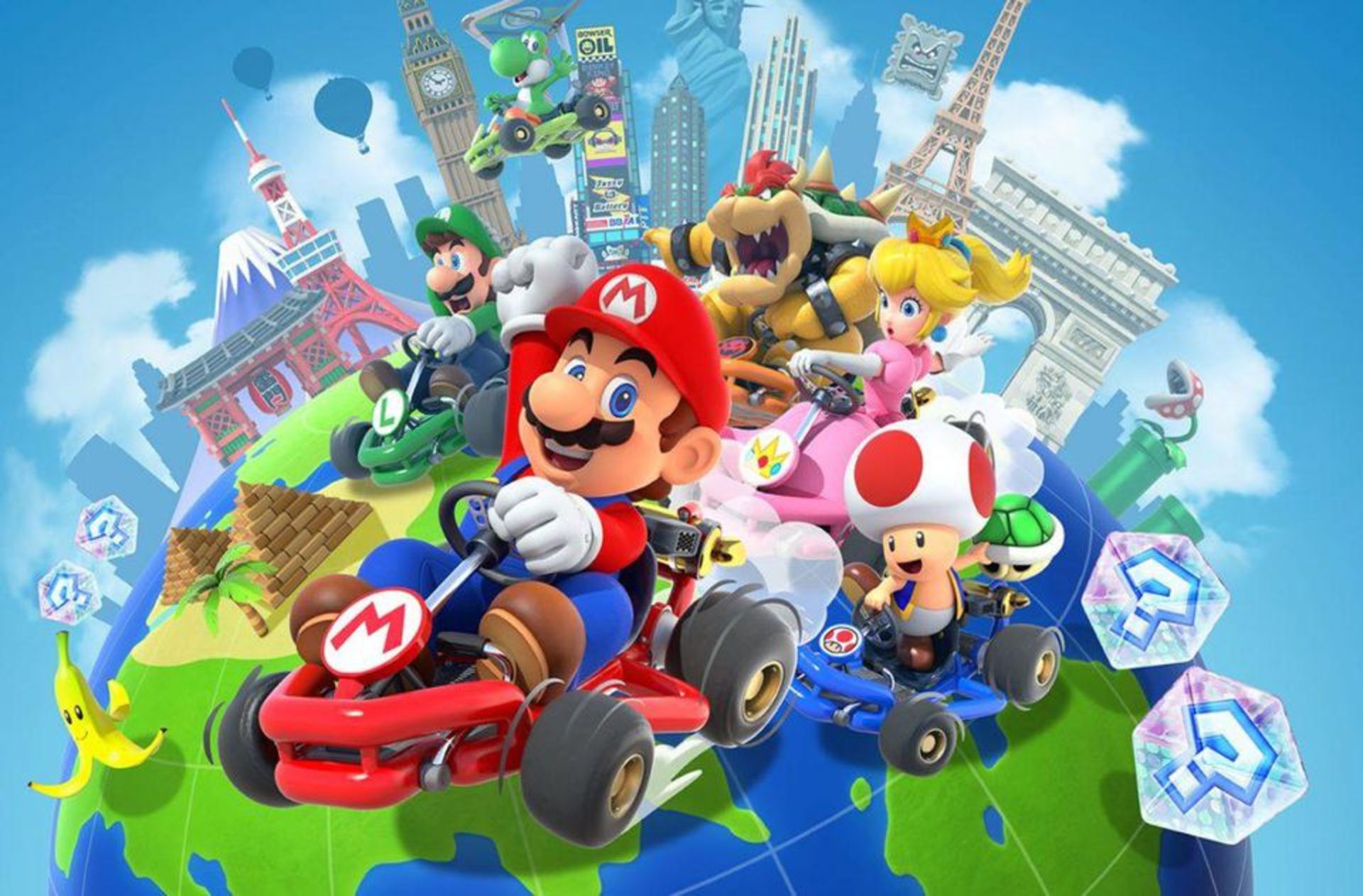
Released on iOS and Android in 2019, this mobile racer brought city themed courses and limited time tours. Early versions used randomized drivers and karts through a pipe system that required large amounts of in game currency. Later updates replaced the pipe with a shop that cycled spotlights and bundles. Touch driven steering and short race formats were built around one handed play and frequent events.
Mario Clash
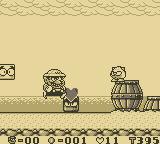
This 1995 Virtual Boy title reworked the original arcade concept into layered arenas. Players threw shells across foreground and background planes using the system’s depth effect. Stage goals repeated across sets with rising speed and small tweaks. The platform’s brief lifespan and single color display kept the audience small.
Paper Mario: Sticker Star
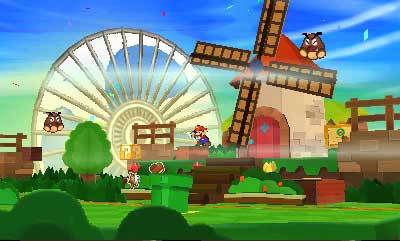
Released on Nintendo 3DS in 2012, this entry shifted progression to expendable sticker attacks. Battles did not award experience points, which pushed players to avoid fights and conserve resources. Bosses often required specific environmental stickers to overcome defenses. The structure emphasized puzzle solving over traditional role playing growth and equipment.
Share the Mario spin offs you think missed the mark and tell us which ones still deserve another try in the comments.