


Top 20 Worst Movies of the 1980s




The eighties gave us a lot of classics, but it also delivered a steady stream of box office bombs, franchise misfires, and notorious flops that movie fans still talk about today. From disastrous sequels to strange passion projects, these films missed the mark with critics and audiences for reasons that ranged from budget cuts to baffling creative decisions. Here are twenty infamous examples from the decade, each with a quick snapshot of what went wrong and why they still come up in conversations about cinematic missteps.
‘Heaven’s Gate’ (1980)
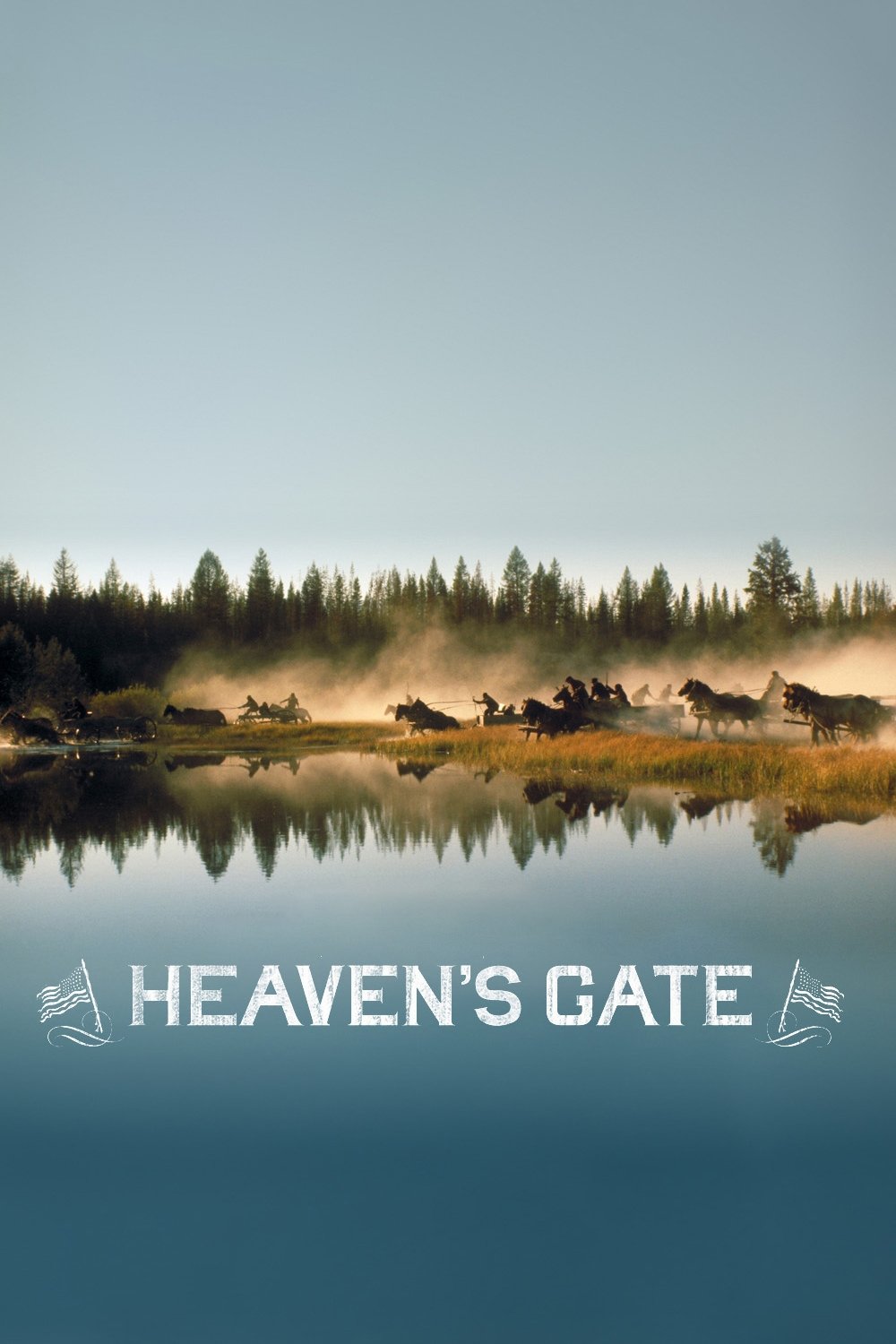
Michael Cimino’s western opened after a troubled production that ballooned in cost and ran notoriously long in its original cut. United Artists pulled the film, recut it, and reissued it to little commercial interest. The domestic box office fell far short of its massive budget. The fallout reshaped studio oversight and remains a case study in production excess.
‘Xanadu’ (1980)
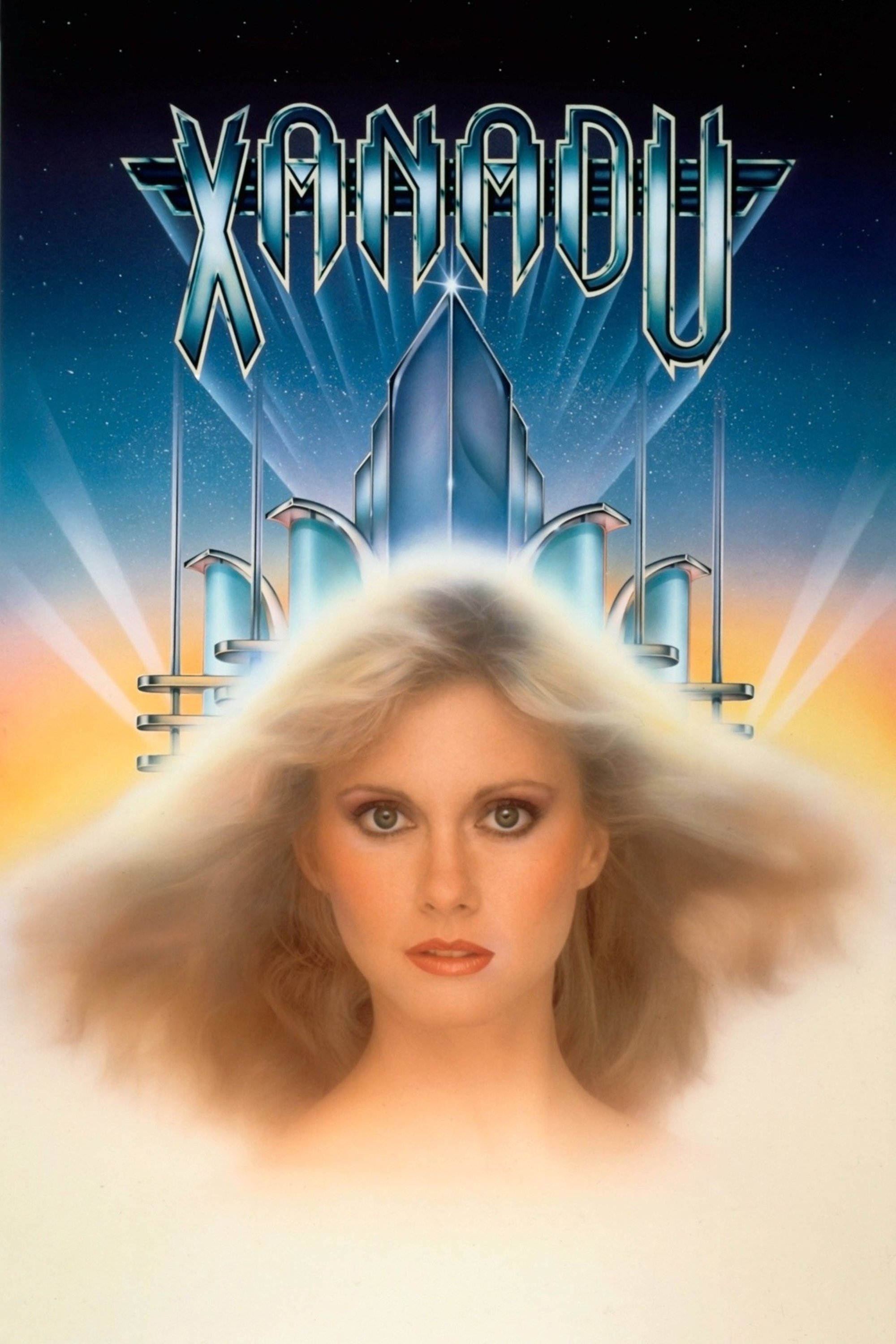
This roller disco fantasy paired Olivia Newton-John with a soundtrack that found far more success than the film itself. Its glossy musical numbers did not connect with critics, but the album sold well and kept the project in the public eye. The movie’s reception helped inspire the creation of the Golden Raspberry Awards. Over time it gained a cult following that centers on the music rather than the story.
‘The Apple’ (1980)
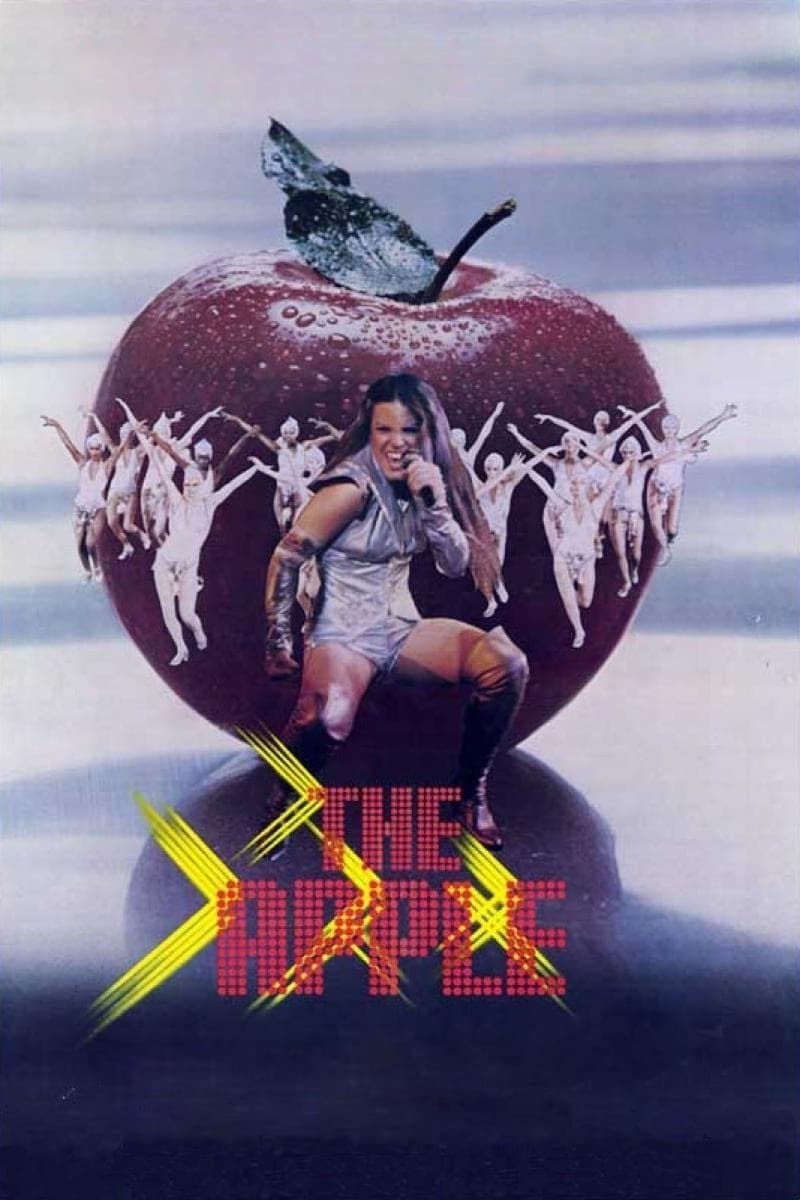
Cannon Films released this futuristic musical set in a pop-controlled dystopia. Early festival screenings saw walkouts, and reviews highlighted the bizarre tone and staging. The movie struggled at the box office despite a heavy promotional push. Its elaborate costumes and soundtrack turned it into a cult curiosity rather than a mainstream hit.
‘Tarzan the Ape Man’ (1981)
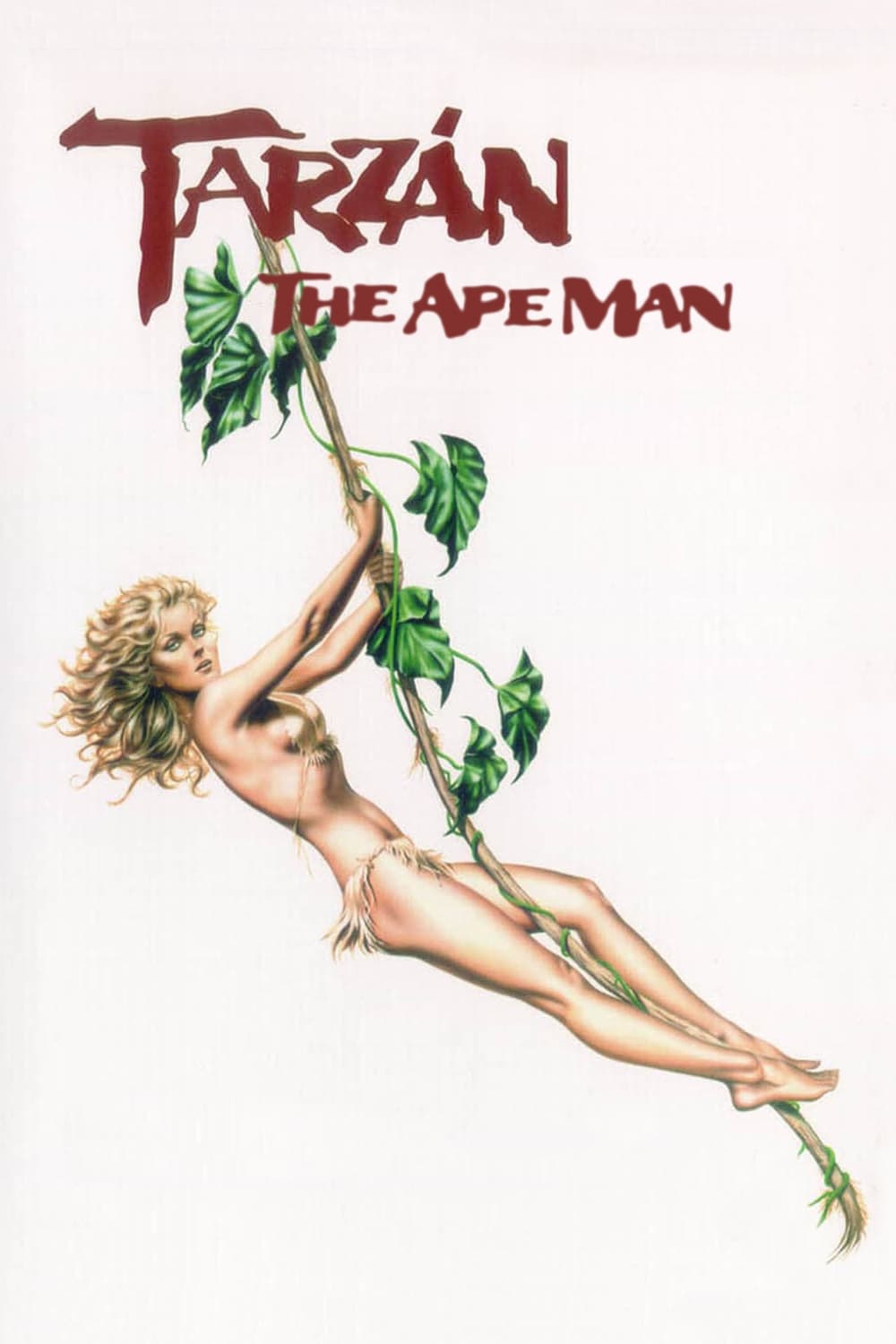
John Derek’s take focused on showcasing Bo Derek more than the classic adventure elements. Critics panned the film’s emphasis on spectacle over story. It drew multiple Razzie nominations despite respectable ticket sales for a time. The movie’s reputation rests on controversy rather than craft.
‘Megaforce’ (1982)
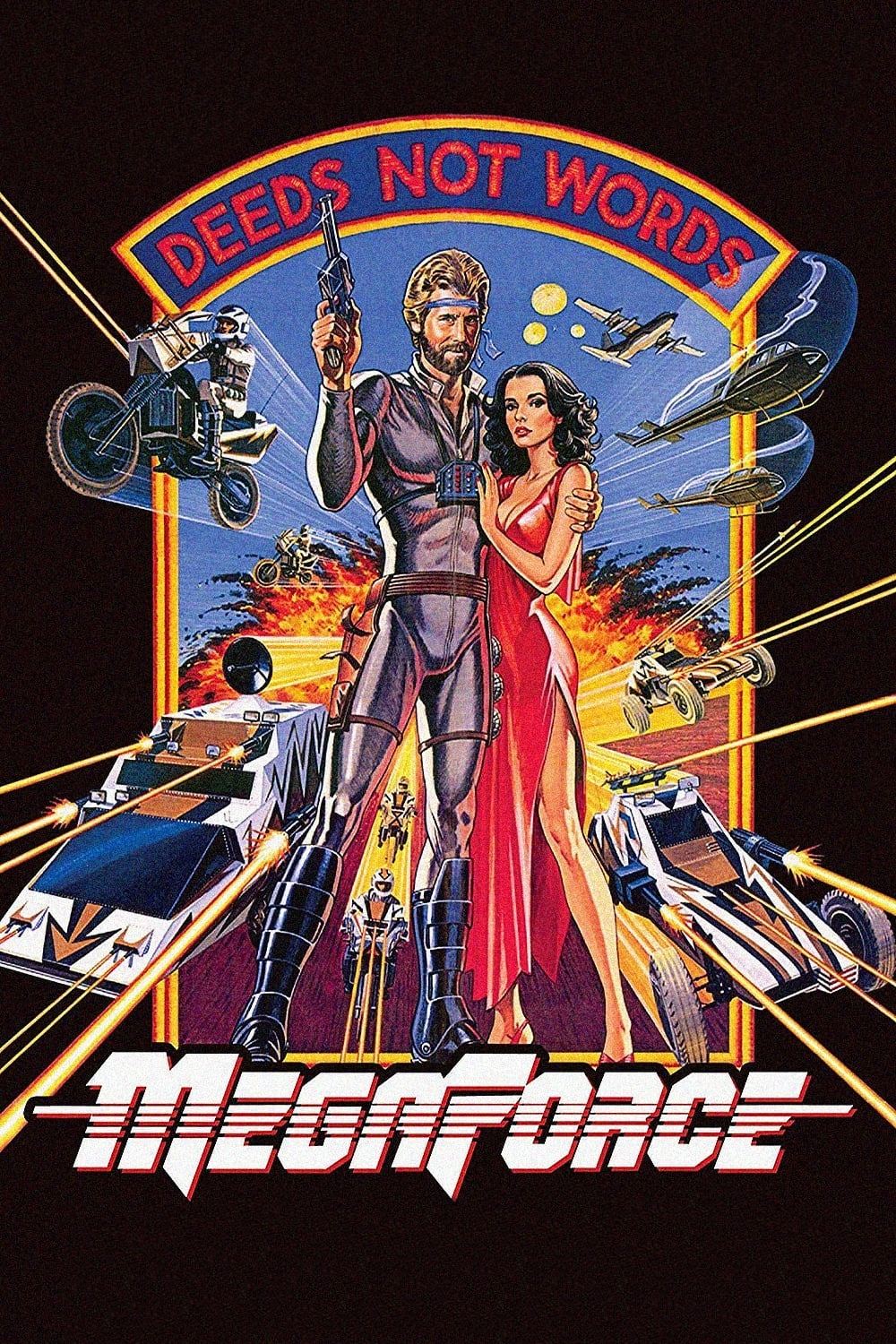
Stunt legend Hal Needham aimed for a high-octane action showcase packed with gadget-laden vehicles. Elaborate effects techniques and flashy uniforms became the talking points more than the plot. Audiences did not show up in expected numbers, and the film earned several Razzie nods. Merchandising plans fizzled as the movie underperformed.
‘Grease 2’ (1982)
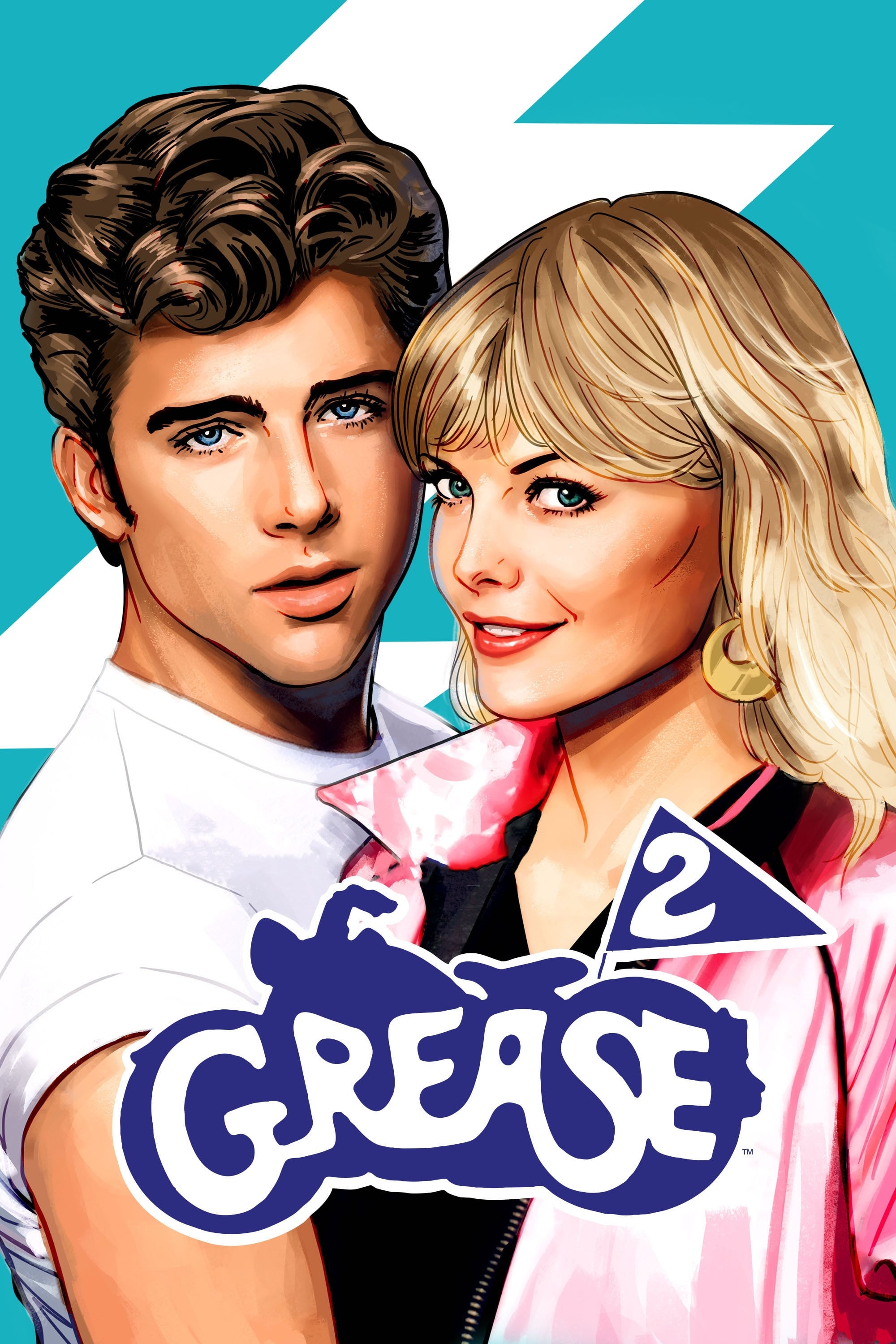
This sequel arrived without the original’s star power and relied on a new cast led by Michelle Pfeiffer early in her career. The musical numbers landed softly with audiences, and ticket sales lagged far behind the first film. Reviews cited a thin story and forgettable songs. Home video and cable gave it a second life, but not the redemption of a hit.
‘Staying Alive’ (1983)
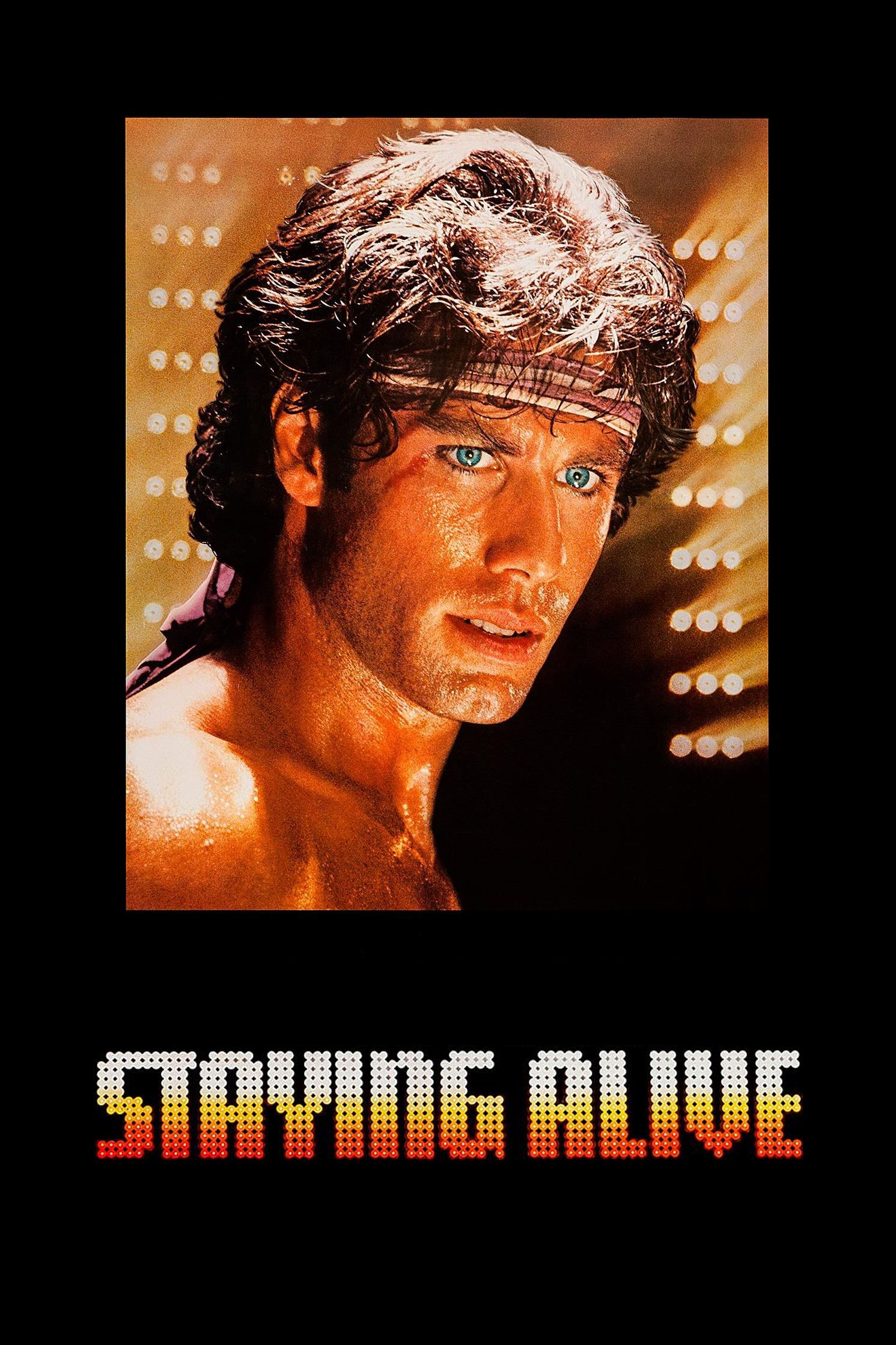
Sylvester Stallone directed this follow-up to ‘Saturday Night Fever’ with a glossier dance focus. Critics were harsh, calling it style over substance, though the movie did solid business worldwide. The soundtrack kept interest high even as reviews stayed cold. Awards attention came mostly from the Razzies rather than major ceremonies.
‘Metalstorm: The Destruction of Jared-Syn’ (1983)
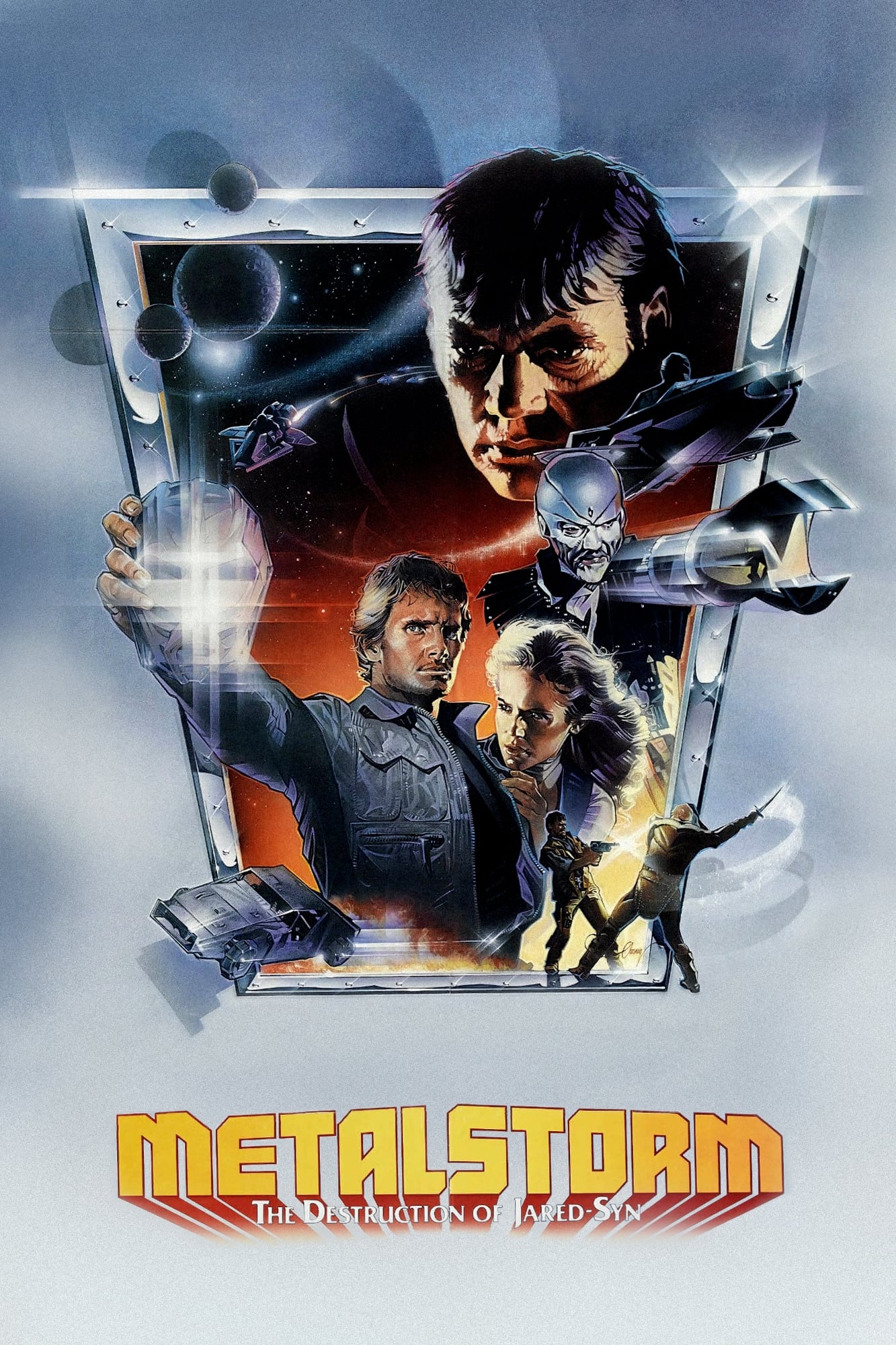
Released during the early eighties 3D wave, this sci-fi adventure chased a trend more than a story. The production promised a larger saga, yet no sequel followed due to weak returns. The film’s stereoscopic effects aged quickly once the fad faded. It became a footnote in the era’s brief 3D resurgence.
‘Supergirl’ (1984)
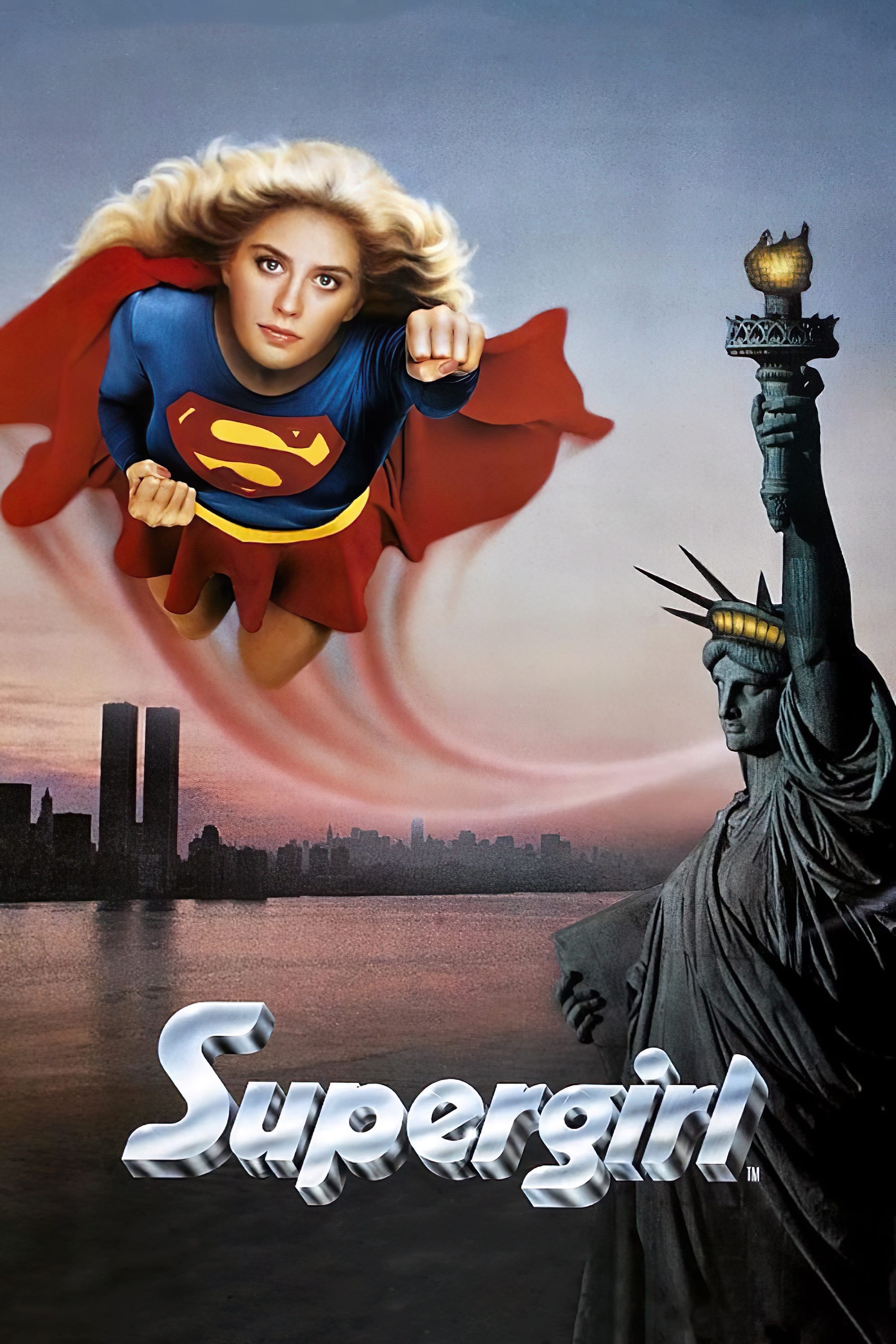
Spinning off from the Superman franchise, this entry struggled with a thin script and uneven effects. Helen Slater’s debut as the title character could not overcome critical reviews. The movie earned disappointing ticket sales that curtailed plans for further installments. Longer international cuts circulated later but did not shift its reputation.
‘Bolero’ (1984)
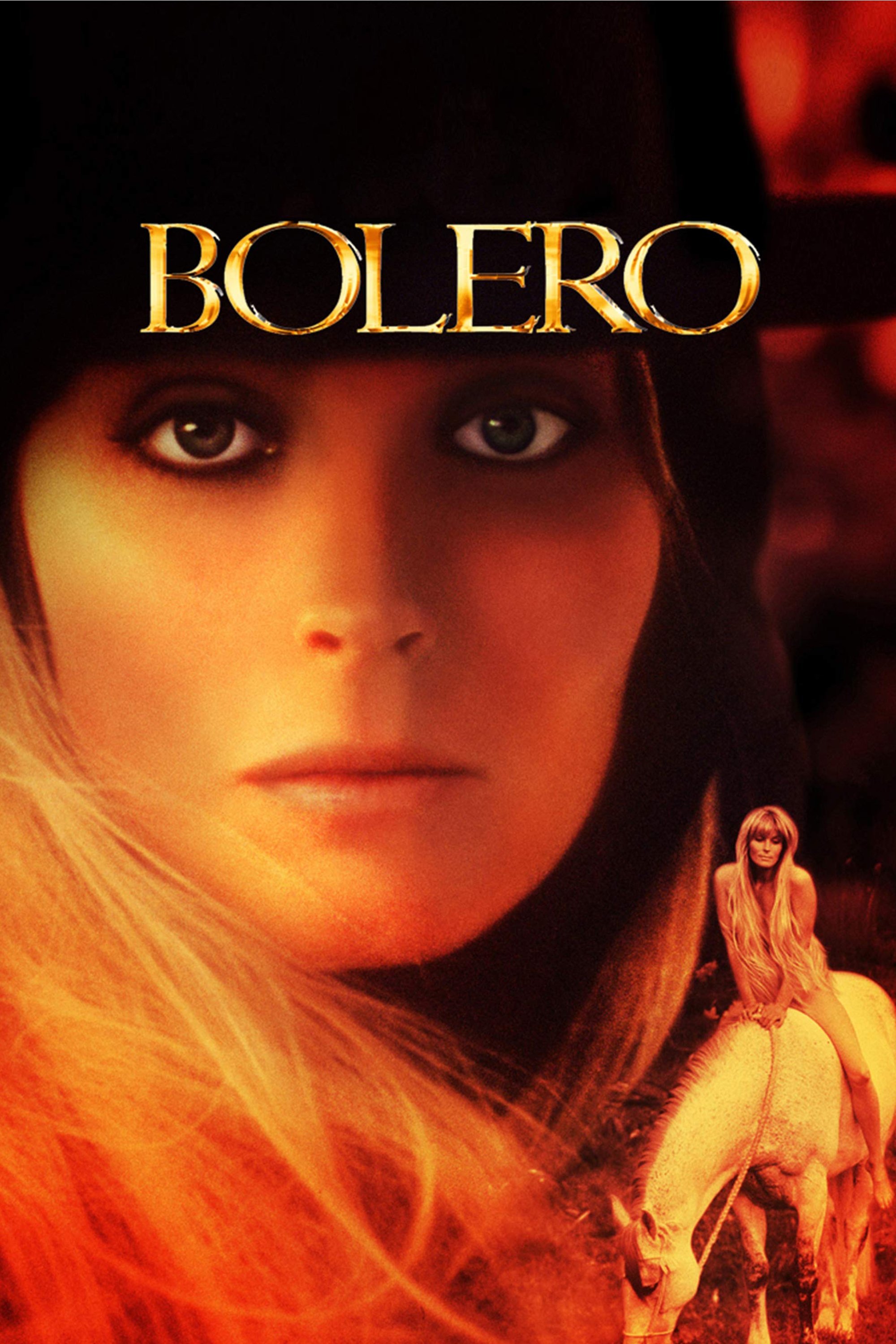
Bo Derek returned in a globe-trotting romantic drama that faced ratings issues before release. The film arrived unrated in the United States after pushback over content. Critics were overwhelmingly negative, and the movie collected multiple Razzie awards. Box office results reflected the controversy more than audience enthusiasm.
‘Red Sonja’ (1985)
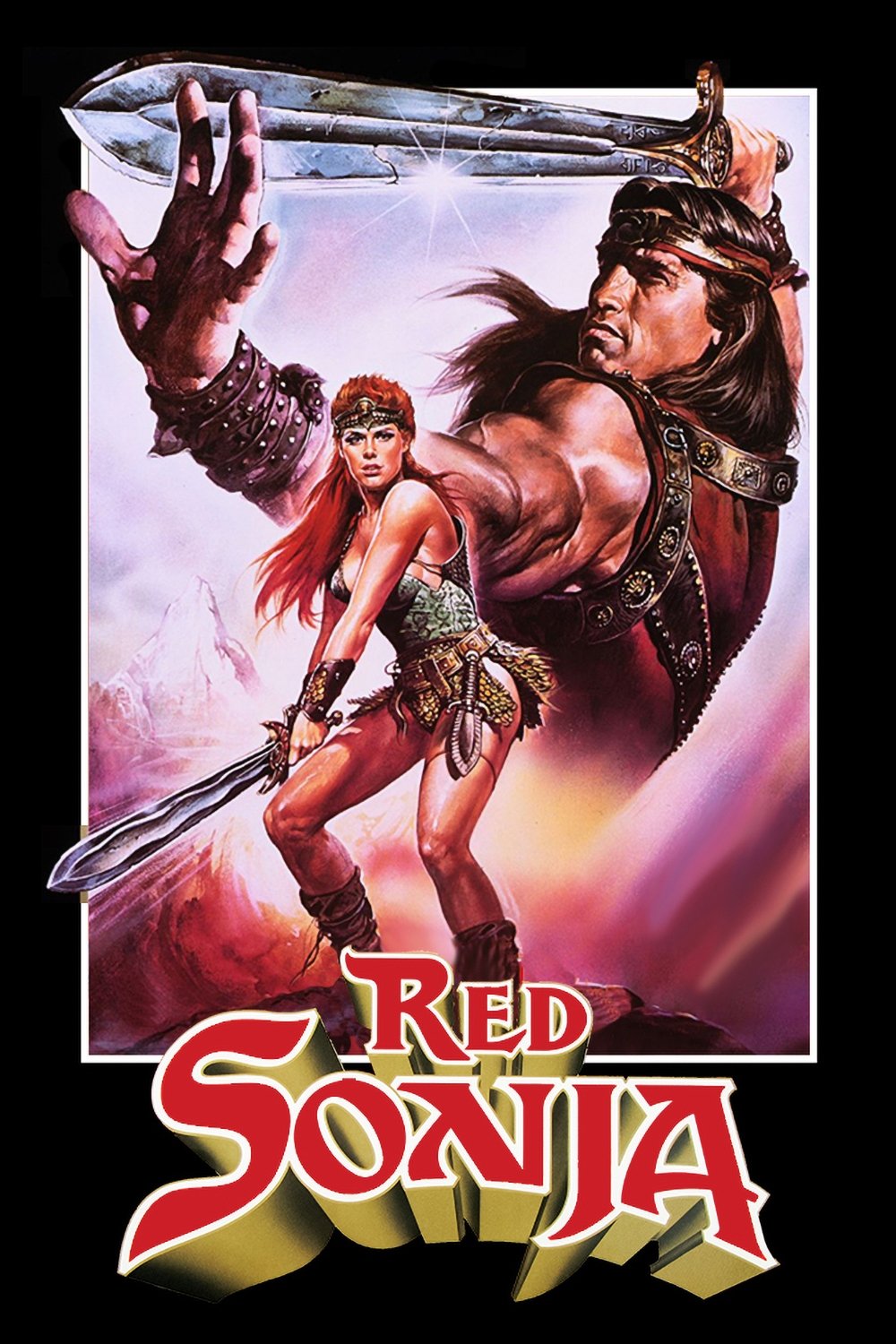
Dino De Laurentiis produced this sword-and-sorcery adventure starring Brigitte Nielsen with Arnold Schwarzenegger in a major supporting role. Despite the fantasy boom, the film’s domestic grosses were low. Reviews cited stiff performances and limited production value. It effectively ended plans for a larger franchise centered on the character.
‘Howard the Duck’ (1986)
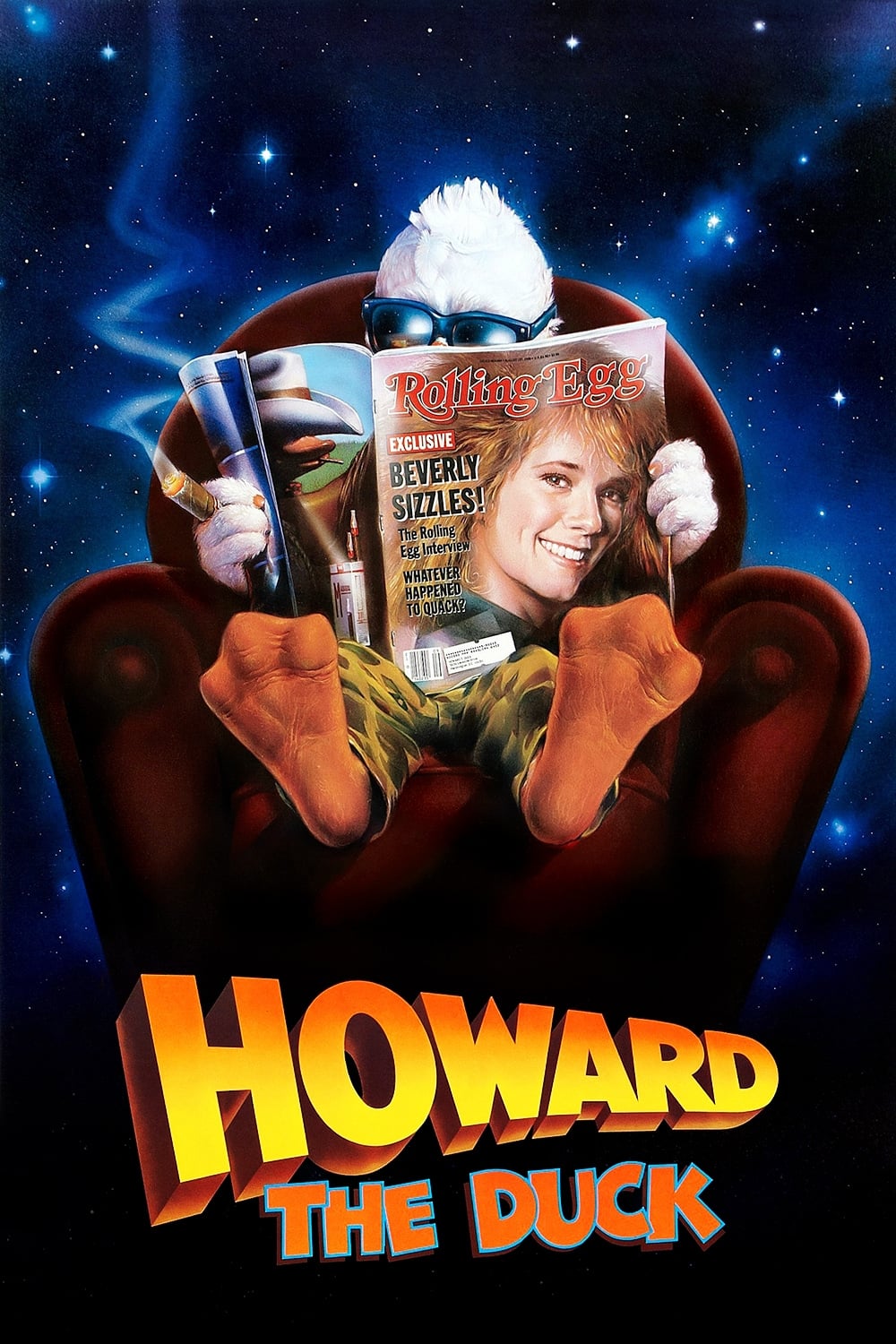
Based on a Marvel Comics character, this effects-heavy comedy arrived with big expectations and a large budget. The animatronic duck suit and tonal shifts drew sharp criticism. Domestic grosses fell well short of costs, and the film picked up several Razzie nominations. Its failure became an industry cautionary tale for comic book adaptations.
‘Leonard Part 6’ (1987)
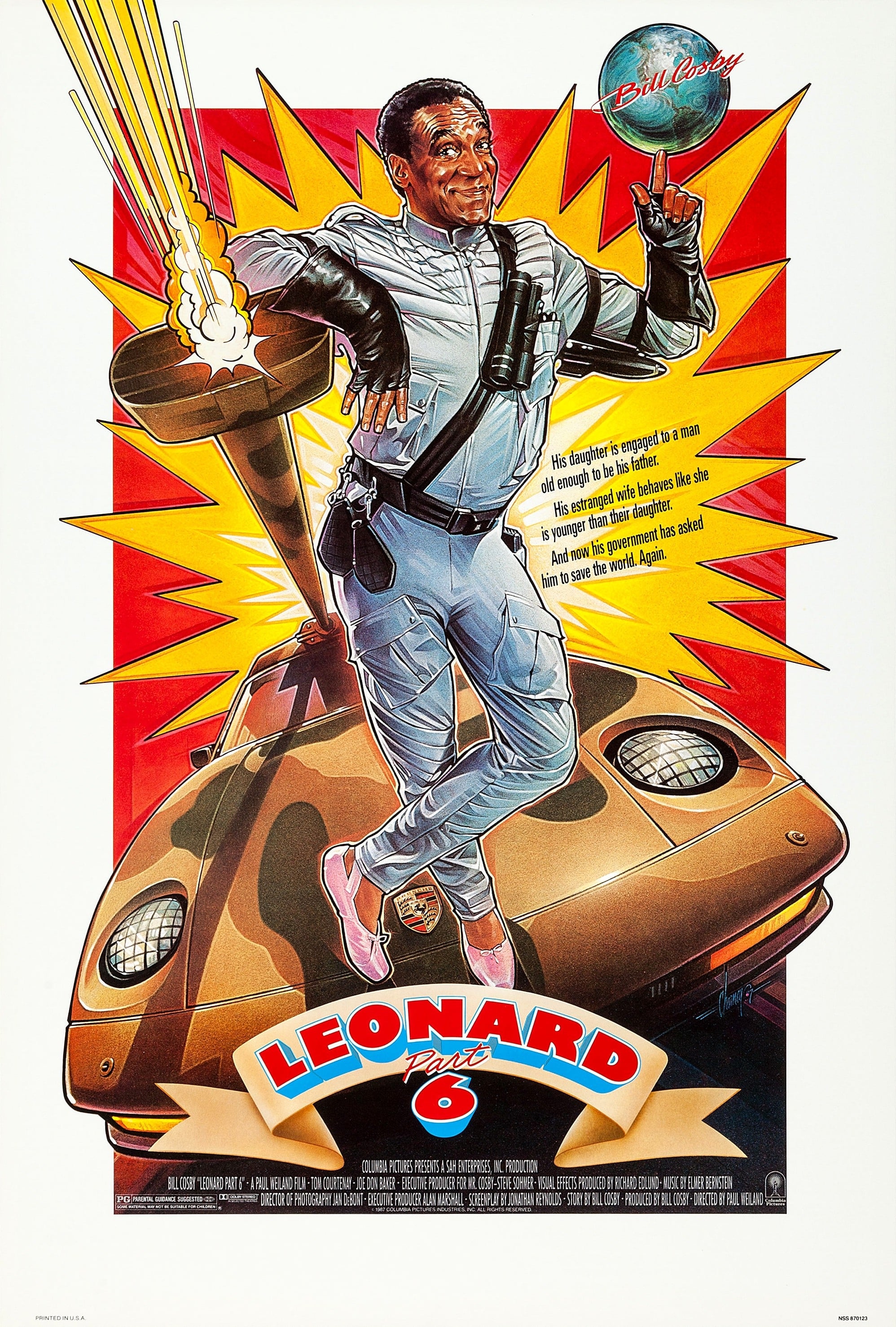
This spy spoof starred Bill Cosby and was promoted heavily before release. The movie’s humor landed poorly with both critics and audiences, leading to a quick theatrical exit. Awards attention centered on Razzie wins, including top categories. The star publicly distanced himself from the project, which further hurt its prospects.
‘Ishtar’ (1987)

A production set across Morocco faced schedule overruns and a budget that climbed far above initial plans. The pairing of Dustin Hoffman and Warren Beatty drew curiosity that did not translate to ticket sales. Domestic grosses failed to recoup costs, and press coverage focused on the scale of the miss. Some later reassessments noted bright spots, but the box office story remained the headline.
‘The Garbage Pail Kids Movie’ (1987)
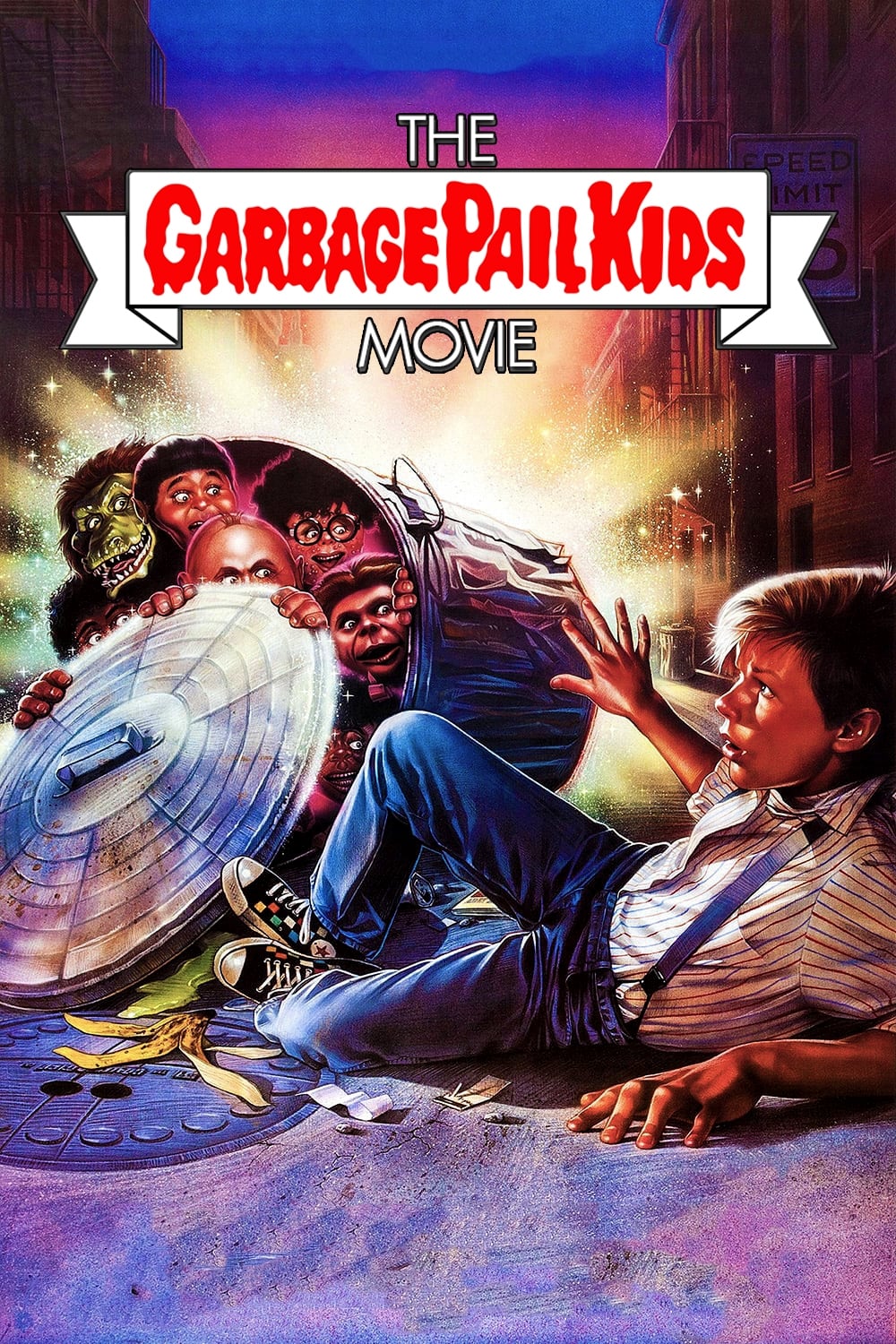
Inspired by the trading card craze, this adaptation used animatronic masks that limited expression on screen. Critics called out the crude humor and awkward staging. The film earned very little at the box office and quickly disappeared from theaters. Its notoriety lives on mainly through home video ridicule.
‘Jaws: The Revenge’ (1987)
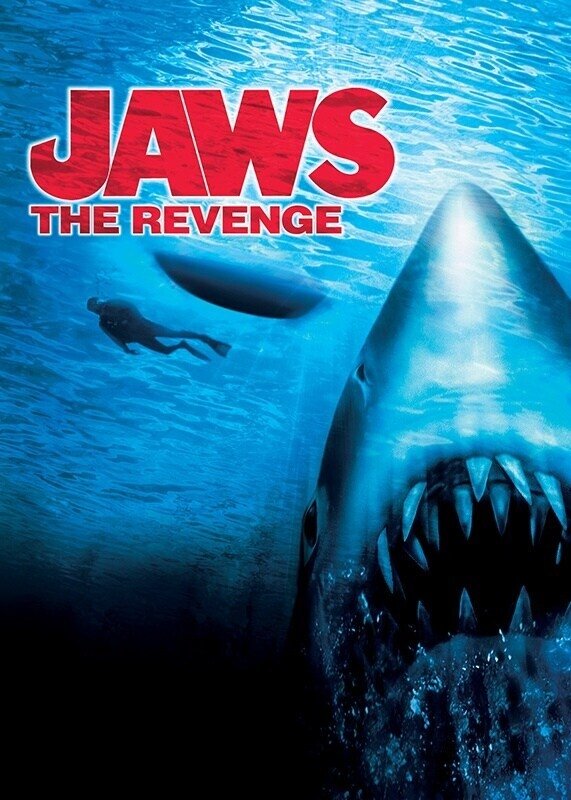
The fourth entry in the shark series moved the action to the Bahamas with a rushed turnaround. Reviews targeted implausible story choices and weak effects. The movie earned back its modest budget worldwide but fell far below earlier installments. Franchise fatigue became the prevailing explanation for its reception.
‘Superman IV: The Quest for Peace’ (1987)

Budget cuts forced large reductions in effects shots and set pieces after the project changed hands. The final film reused footage and delivered inconsistent visuals. Critics flagged a thin plot and underwhelming action, and ticket sales were poor. The character did not return to theaters for years afterward.
‘Mac and Me’ (1988)
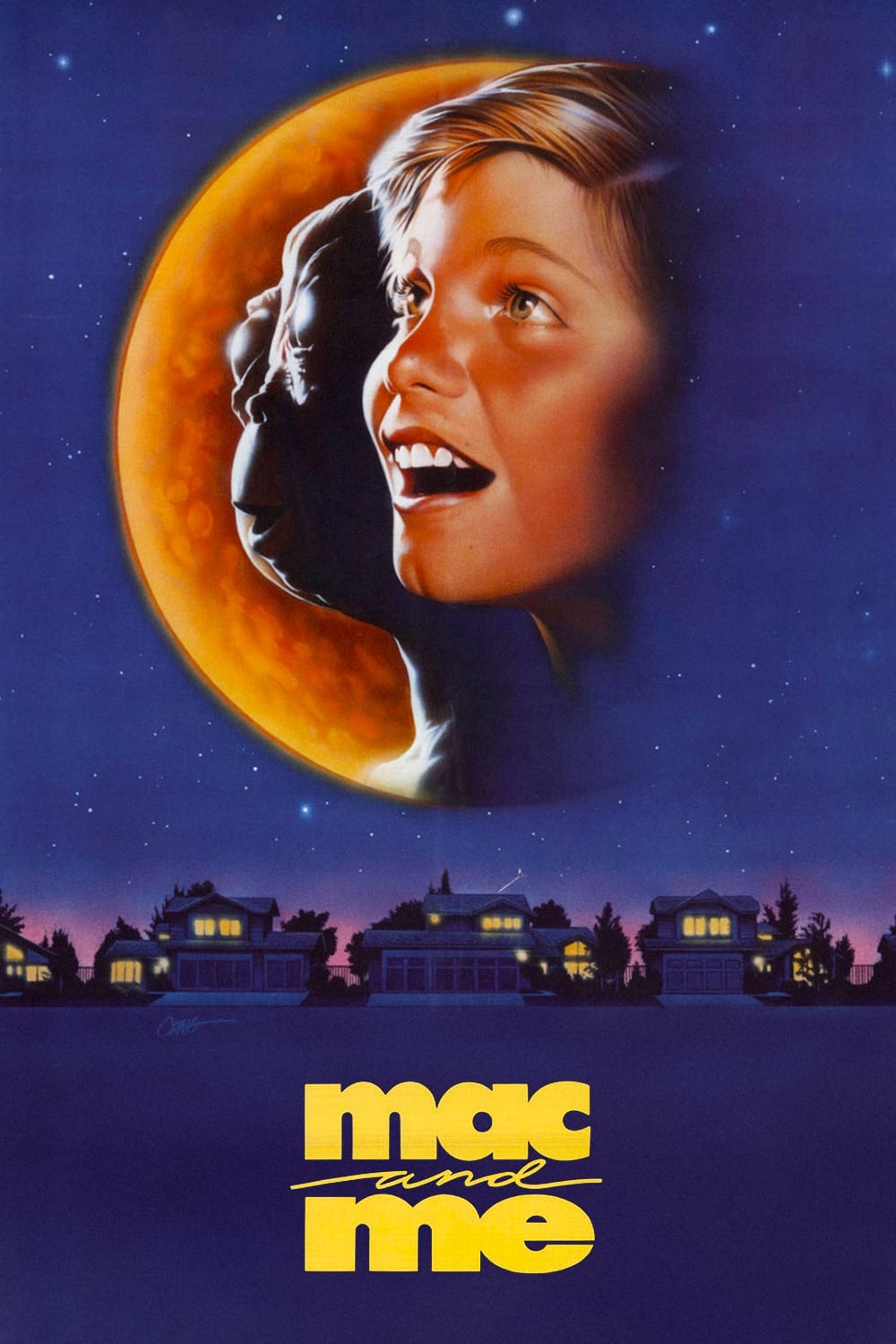
This family adventure mirrored the basic shape of an earlier alien-friend hit but leaned hard on product placement. Notable sequences, including a wheelchair scene by a cliff, became viral punchlines later. The film pulled in small grosses and netted Razzie attention. Charity tie-ins could not change its critical fate.
‘Caddyshack II’ (1988)
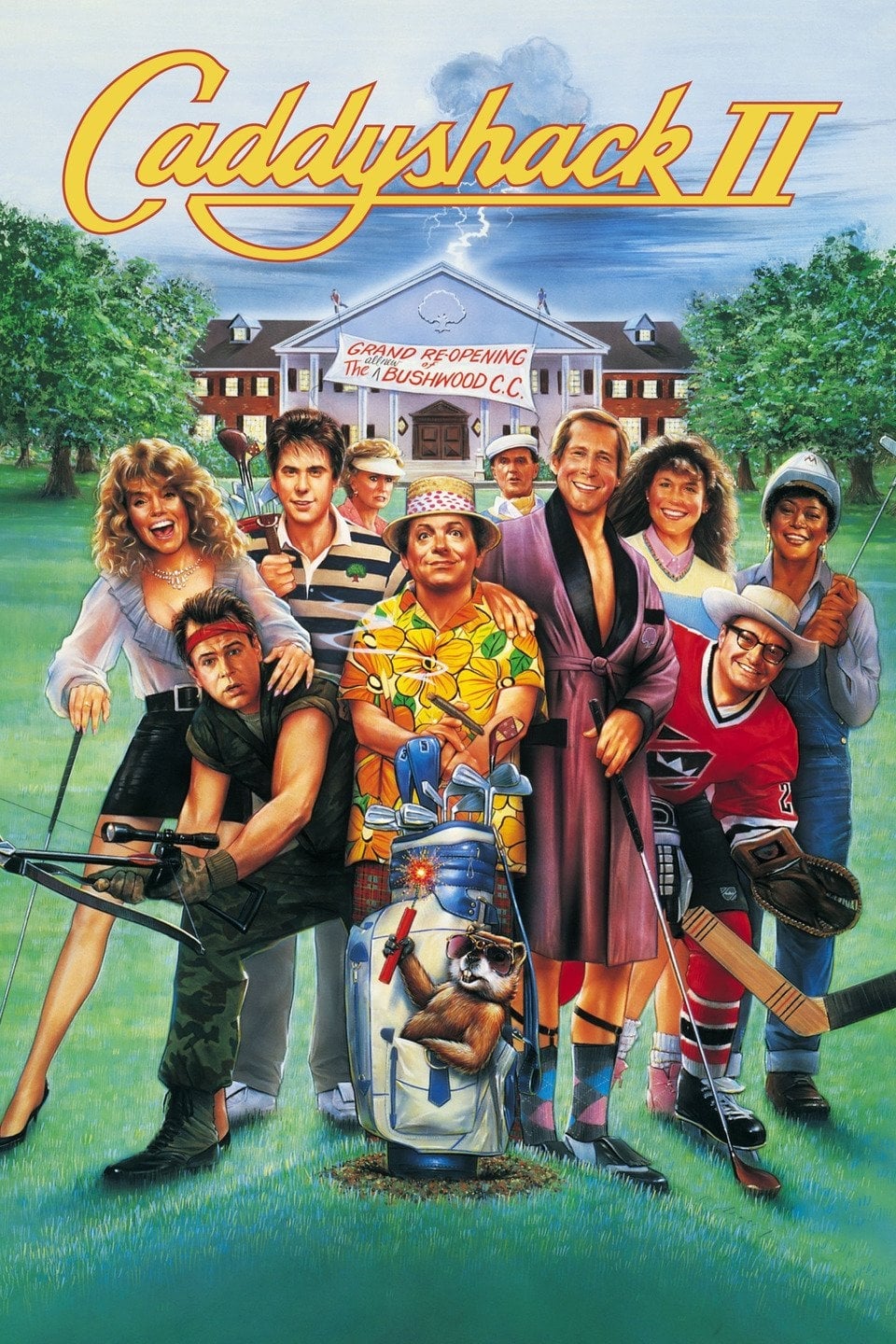
The sequel arrived with a new tone and a PG rating that softened the original’s edge. Key cast members did not return, and the new ensemble struggled to recapture the first film’s energy. Reviews were poor, and domestic grosses were far lower than expected. It quickly developed a reputation as an unnecessary follow-up.
‘Star Trek V: The Final Frontier’ (1989)
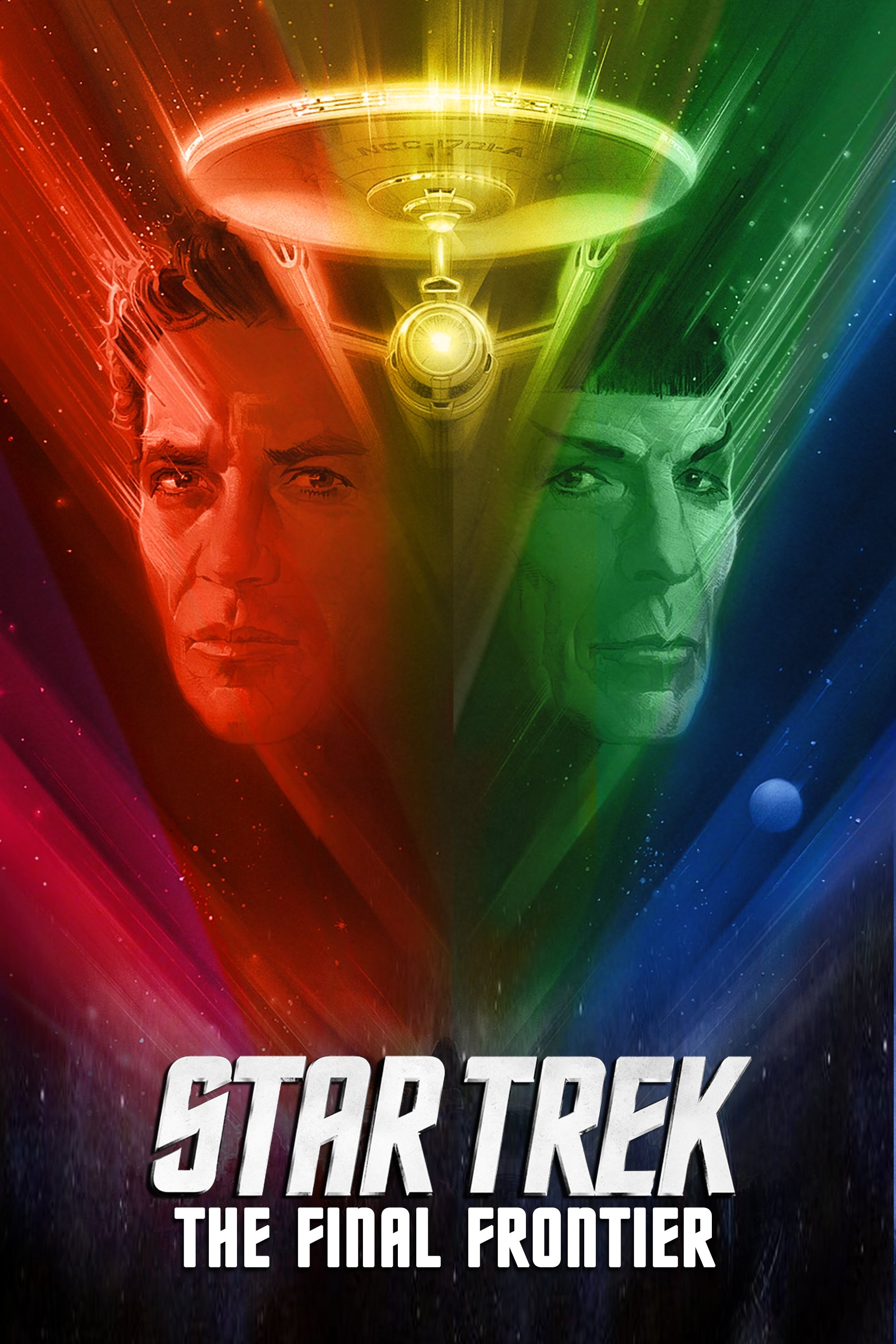
William Shatner directed this entry, which faced effects limitations when top vendors were unavailable. The story’s quest setup drew mixed reactions from longtime fans. Opening weekend was strong, but legs were weak compared with the previous film. Subsequent installments adjusted course to regain audience confidence.
Share your own picks for the decade’s biggest misfires in the comments and tell us which titles you would add to the list.