


Top 20 Worst Superhero Casting

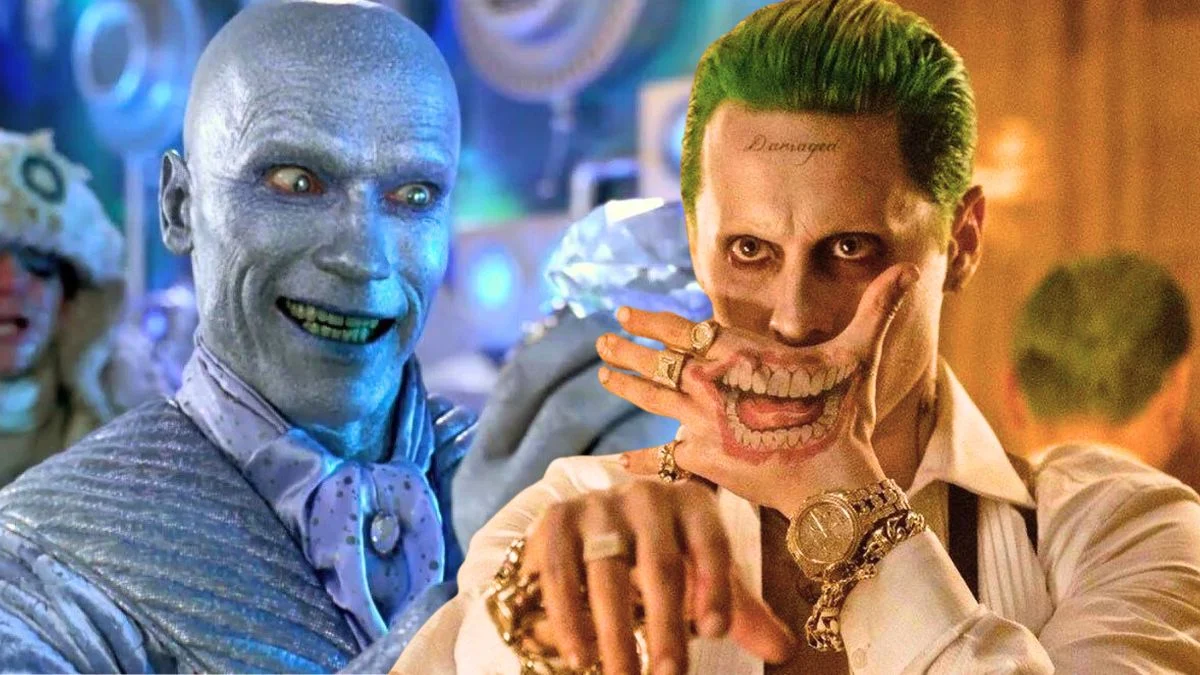


Superhero movies live or die on whether the characters feel right to fans, and sometimes the choice of actor ends up shaping the whole project in unexpected ways. The entries below look at casting decisions that led to rewrites, design changes, marketing pivots, and even franchise rethinks. You’ll find quick facts on how each choice came about, what shifted during production, and how audiences and studios reacted afterward. It’s a snapshot of how a single role can ripple through an entire film or series.
Halle Berry as Catwoman
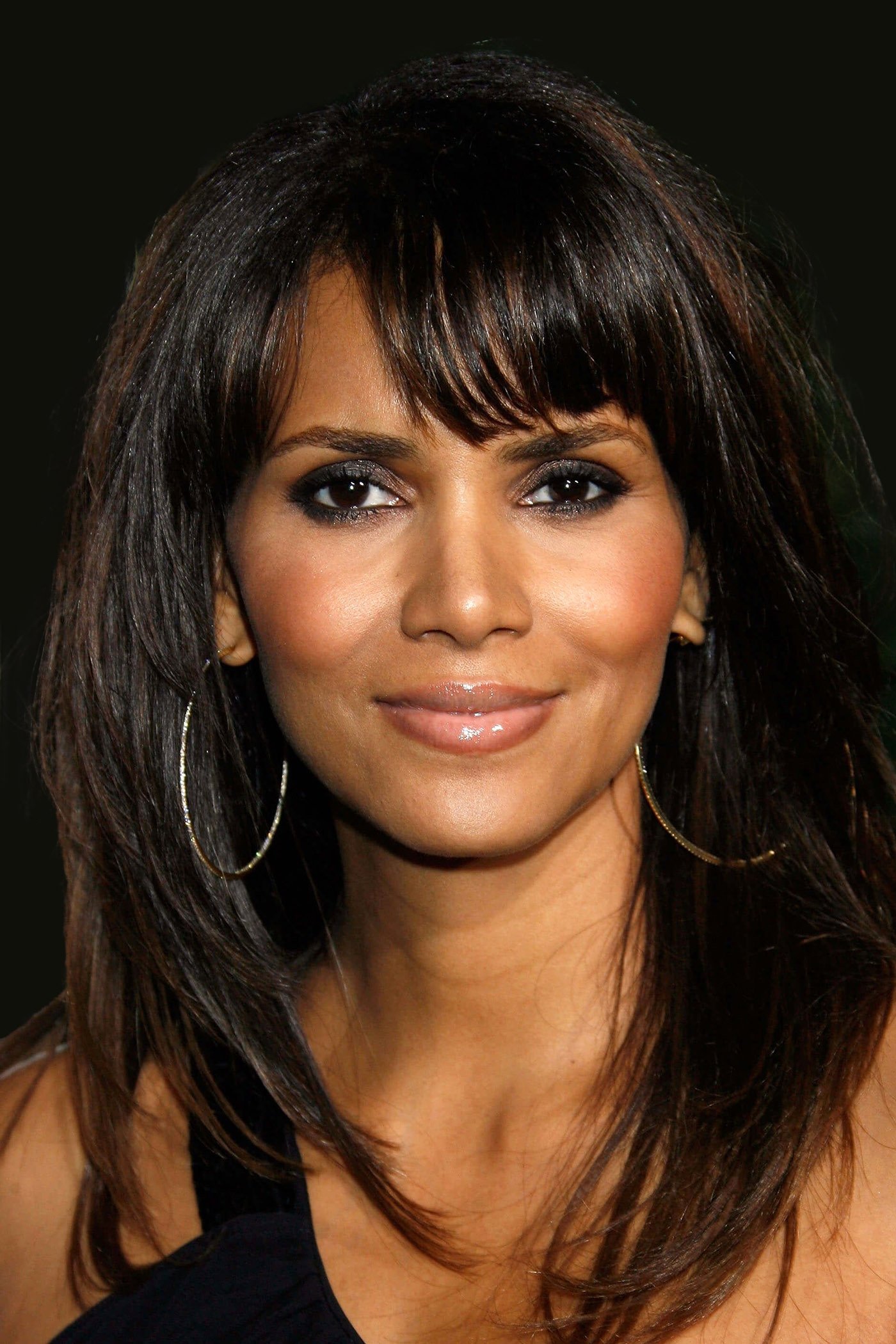
Warner Bros. built ‘Catwoman’ as a star vehicle after the Batman series went on pause in the early 2000s. The film reimagined the character with a new identity and tone that moved far from the comics, which affected marketing and audience expectations. Berry publicly accepted a Razzie Award for the role and spoke about the film’s difficult reception. The project prompted the studio to recalibrate its plans for female-led DC titles for years.
George Clooney as Batman
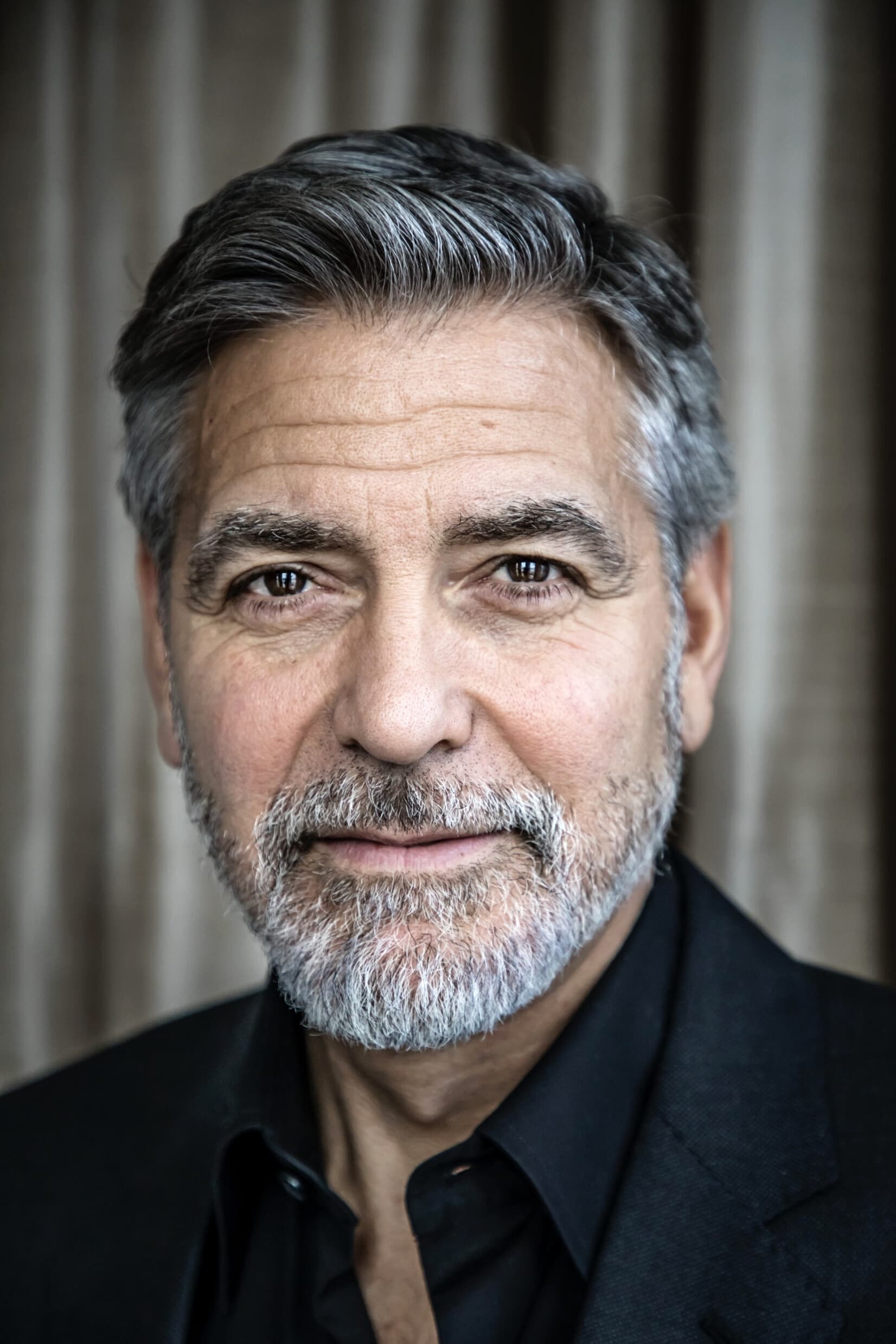
‘Batman & Robin’ arrived with a lighter tone and a toy-driven production approach that influenced costume and set design. Clooney took over the role mid-franchise after previous leads departed, which led to a shift in character emphasis toward Bruce Wayne’s charm over a darker vigilante edge. The movie’s performance paused the Batman film series and pushed the studio to rethink the character from the ground up. Clooney has often discussed the film candidly in later interviews, acknowledging its legacy.
Arnold Schwarzenegger as Mr. Freeze
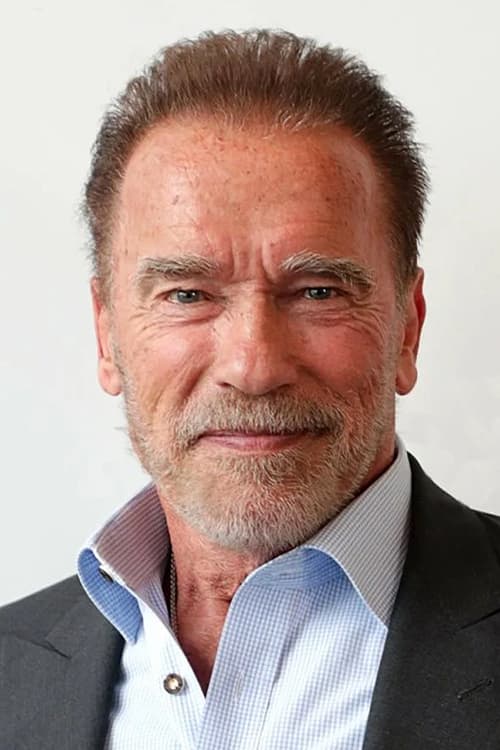
The production prioritized marquee star power, which placed Mr. Freeze at the center of ‘Batman & Robin’ with a large portion of the budget dedicated to effects and suits. The character’s dialogue leaned heavily into one-liners, aligning with the family-friendly direction of the film. Extensive makeup and refrigeration-inspired costumes created logistical challenges during shoots. The portrayal influenced the way future Batman villains were written in later reboots.
Jared Leto as Joker
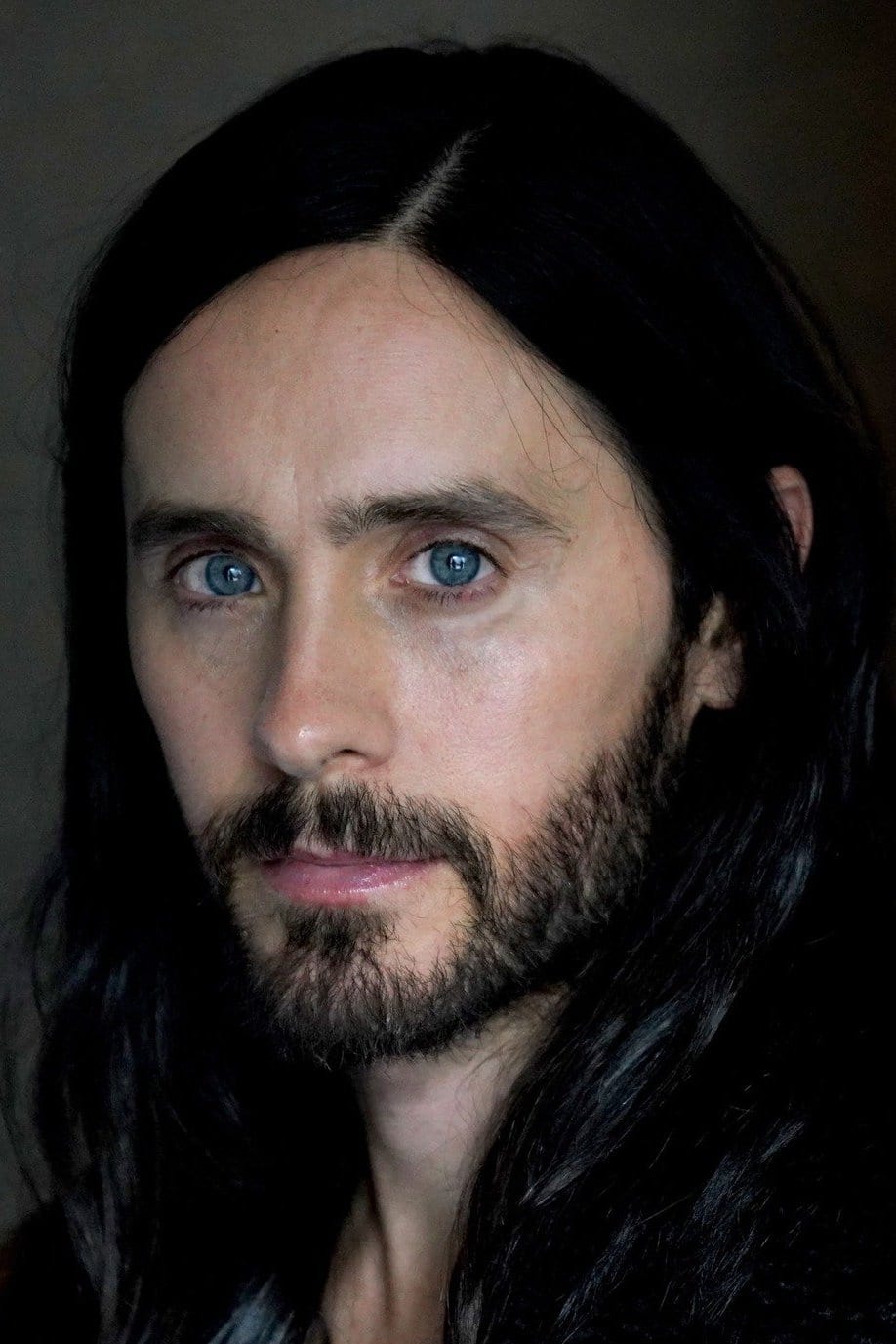
‘Suicide Squad’ introduced a Joker built around method acting choices, unique design elements, and a music-video aesthetic. A significant amount of footage reportedly didn’t make the final cut, which shaped how much of the character audiences actually saw. Marketing positioned Joker as a central presence despite limited screen time. The portrayal led to separate explorations of the character in later projects without direct continuation of this version.
Jesse Eisenberg as Lex Luthor

‘Batman v Superman: Dawn of Justice’ framed Lex as a tech-age industrialist with social-media-era mannerisms. The casting emphasized youth and modern entrepreneurship over a traditional corporate titan. The performance drew attention to dialogue style, physicality, and the character’s backstory as key departures. Later DC films pivoted to different villain strategies rather than expanding this version of Lex.
Topher Grace as Venom
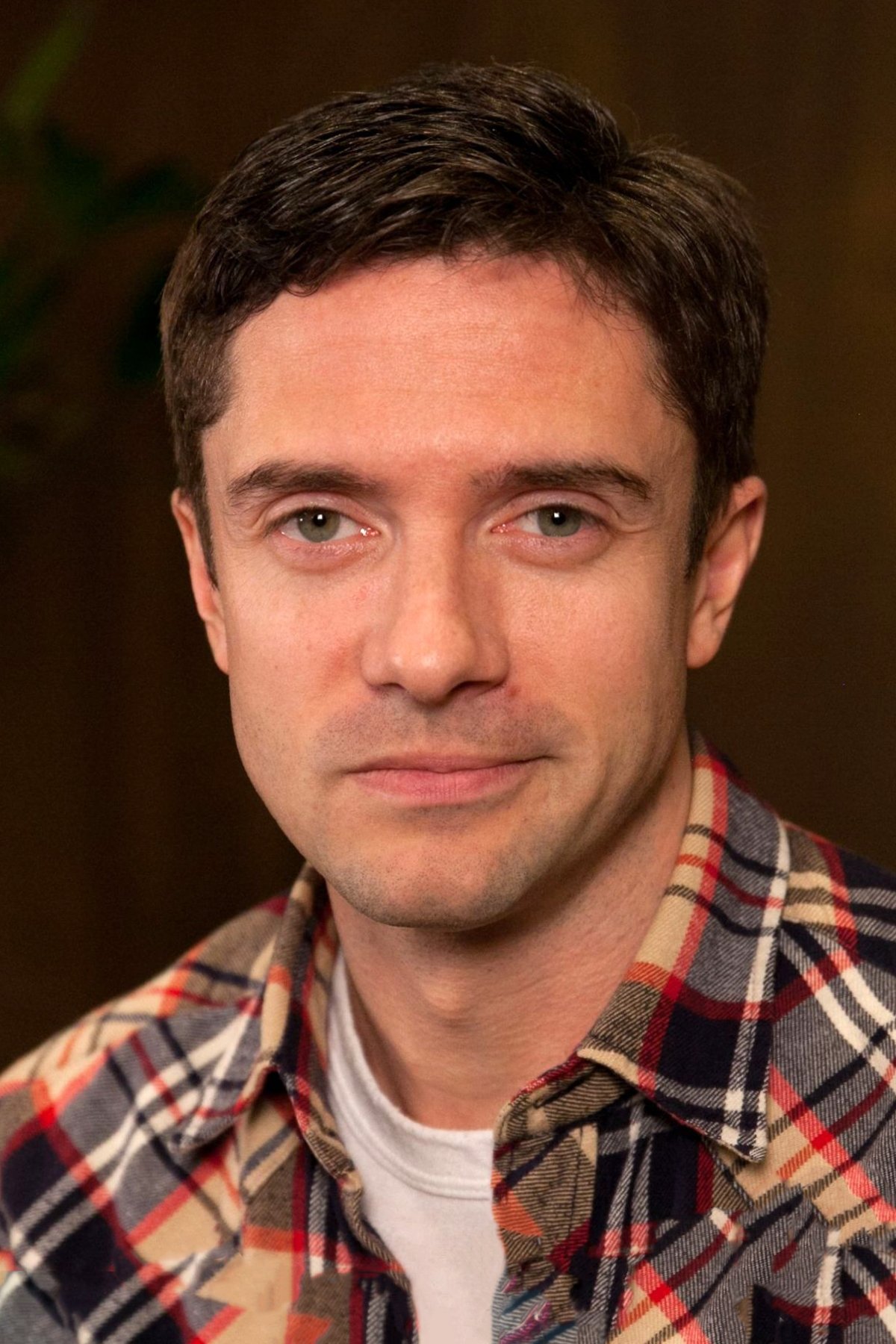
‘Spider-Man 3’ added Venom after strong producer interest even though the director initially favored other villains. The film split focus among multiple antagonists, which compressed Eddie Brock’s origin and arc. The symbiote design and screen time were balanced against Sandman and New Goblin plotlines. Afterward, Sony shifted Venom to lead status in a separate franchise to reintroduce the character.
Jamie Foxx as Electro
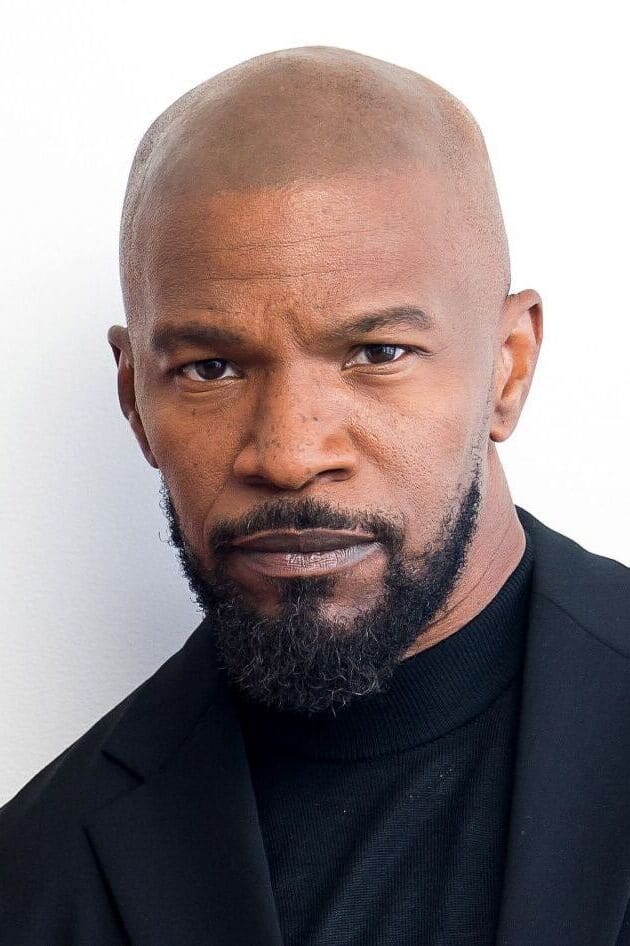
‘The Amazing Spider-Man 2’ presented Electro with a new origin and a distinctive blue visual effects look. The script intertwined his story with multiple subplots that set up future films that never materialized. Years later, the character returned in ‘Spider-Man: No Way Home’ with a different visual approach and streamlined motivation. The change highlighted how design and tone can reshape a familiar villain for new audiences.
Dane DeHaan as Green Goblin
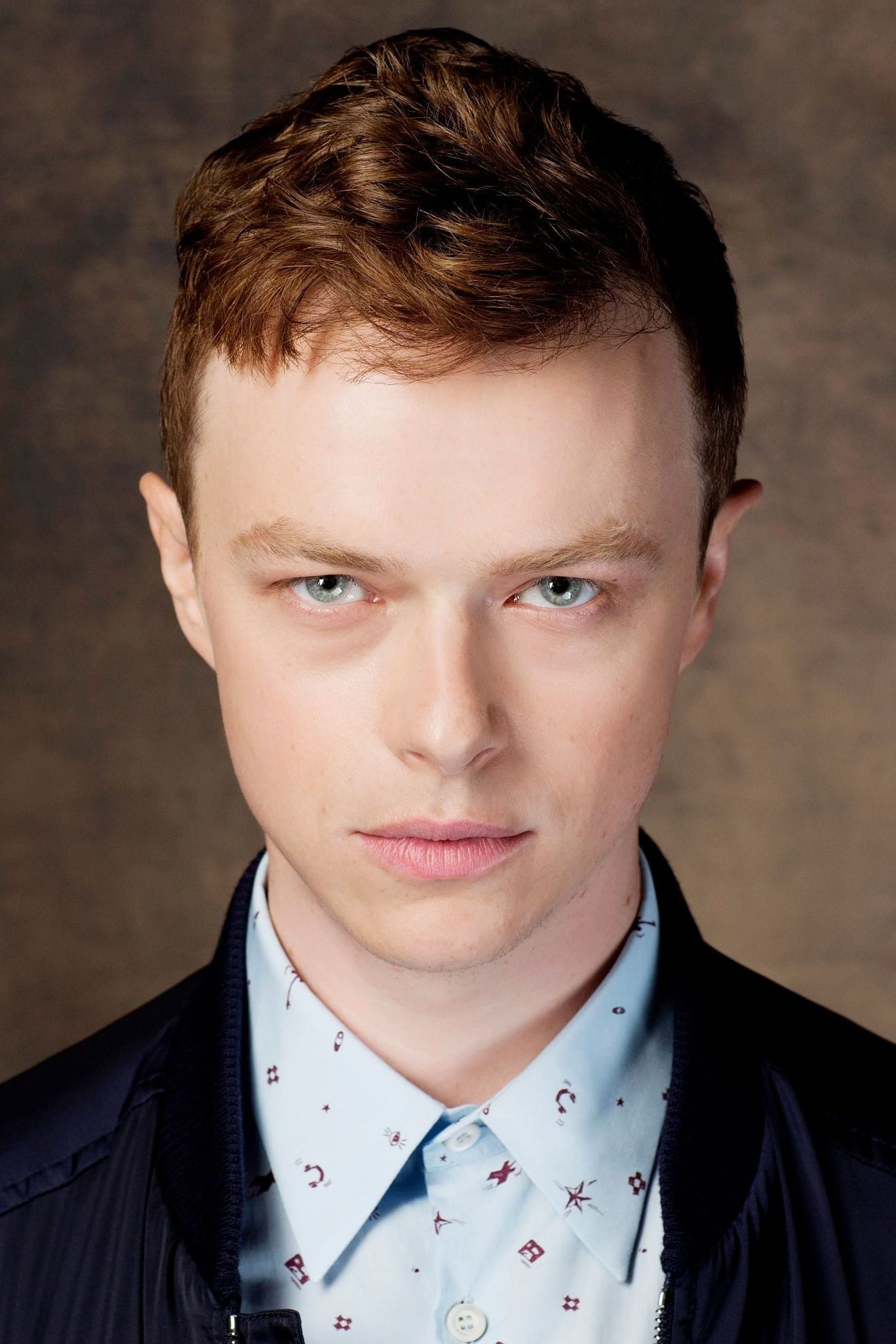
The film introduced Harry Osborn and his transformation alongside other franchise-building threads. Makeup and prosthetics work created a more biological Goblin design rather than the earlier armor concept. The character’s arc had to share space with corporate conspiracies and parental backstory reveals. Plans for further development were shelved when the series direction changed.
Ben Affleck as Daredevil
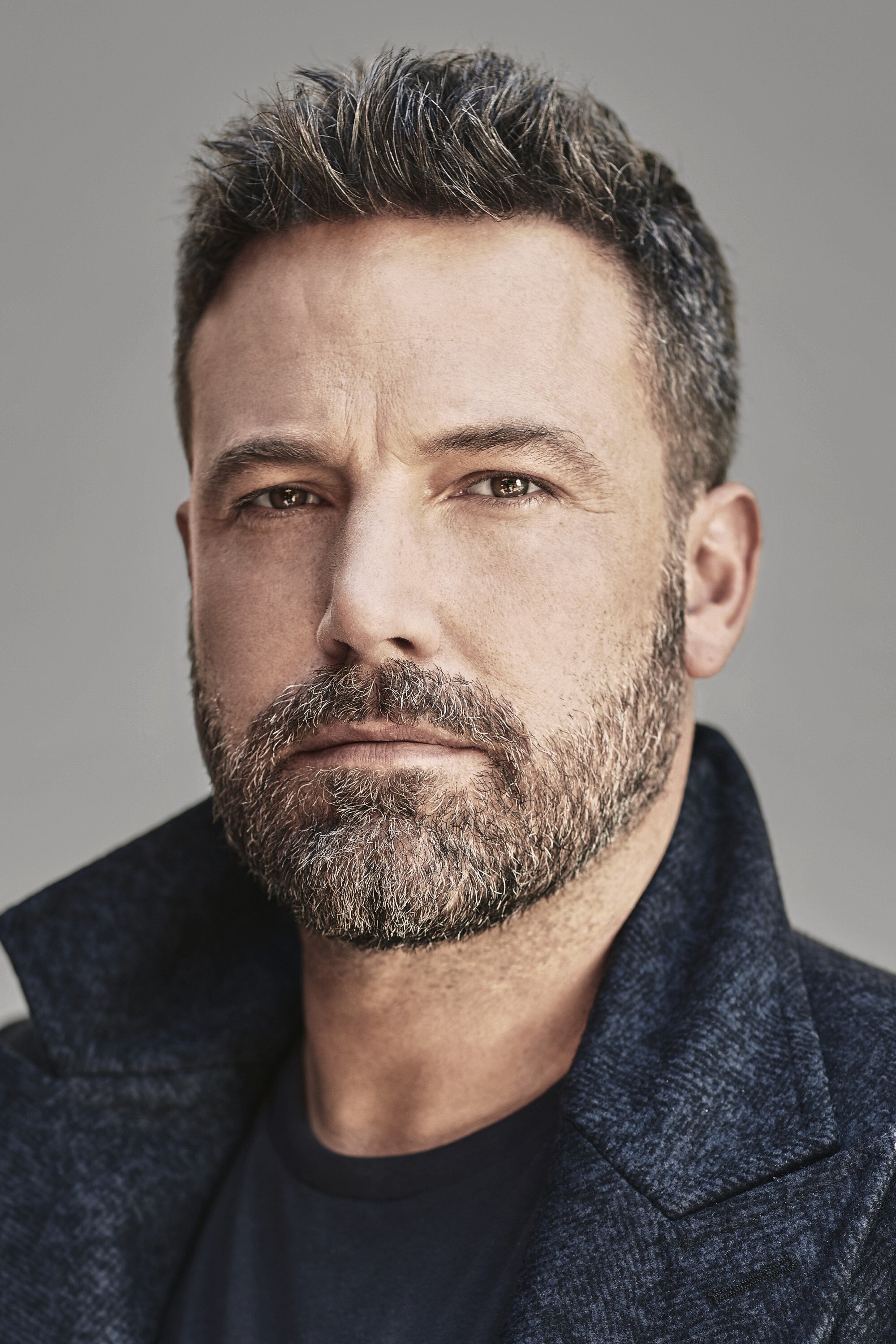
The 2003 film arrived before the modern wave of interconnected superhero universes and used a darker, music-driven style common to the era. It condensed key comic arcs, including the romance with Elektra and the conflict with Kingpin. The theatrical cut later received a longer director’s cut that rebalanced subplots. The character eventually found new life in television and then crossed back into films with a different lead.
Ryan Reynolds as Green Lantern
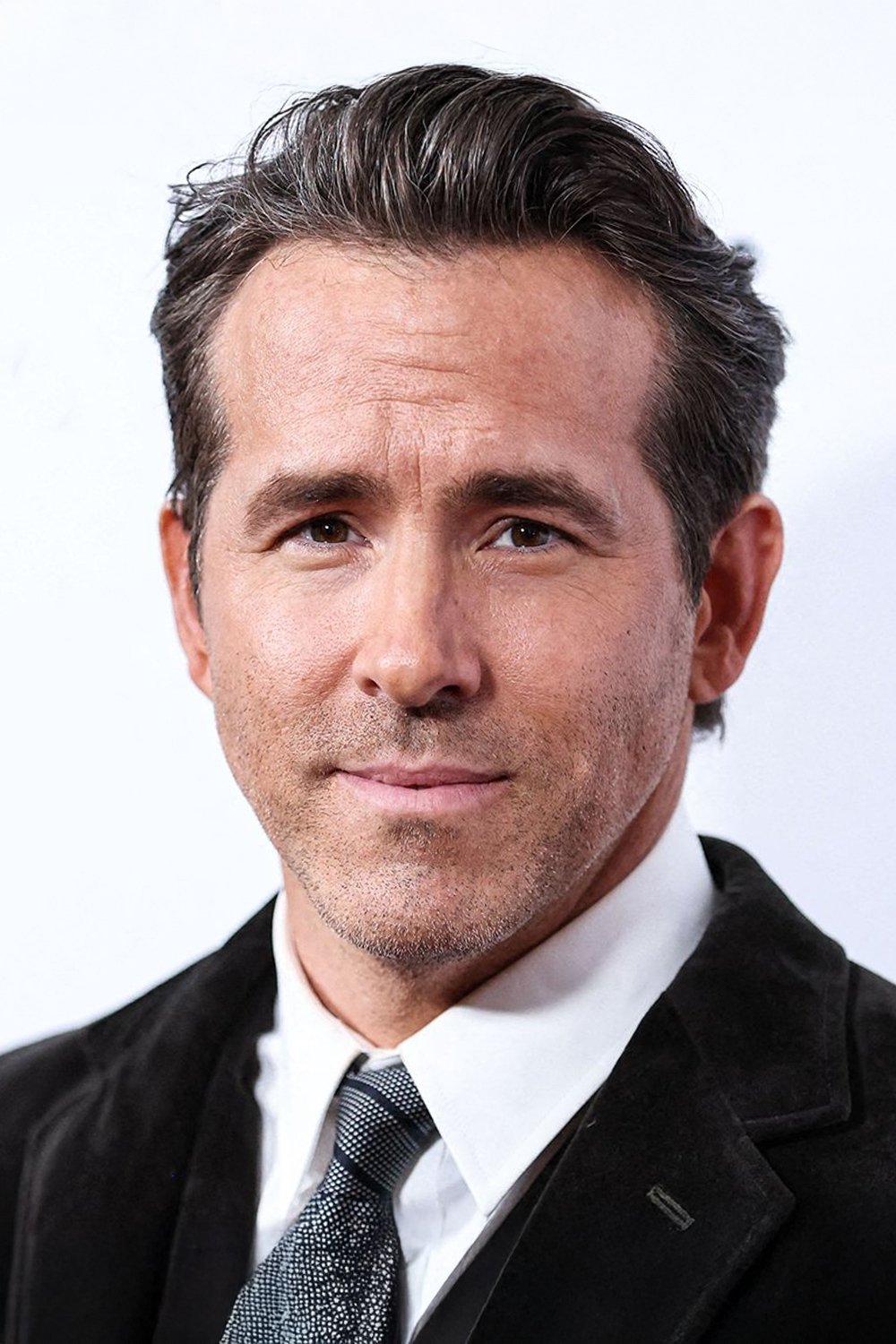
‘Green Lantern’ leaned on early heavy CGI to realize both the suit and the intergalactic setting. The production built out Oa, the Corps, and Parallax while also establishing an Earth-based origin. Marketing centered on visual spectacle, but the film’s performance curtailed planned sequels. The character later returned in other media while the star moved on to another comic-book role.
Jessica Alba as Sue Storm

The mid-2000s ‘Fantastic Four’ films prioritized a broad, family-friendly tone with bright visual effects and ensemble dynamics. Alba’s Sue Storm was paired with narrative beats about celebrity and team branding. The movies focused on introducing powers and relationships over deep scientific plots. The property was later rebooted with a different cast and a starkly different style.
Toby Kebbell as Doctor Doom
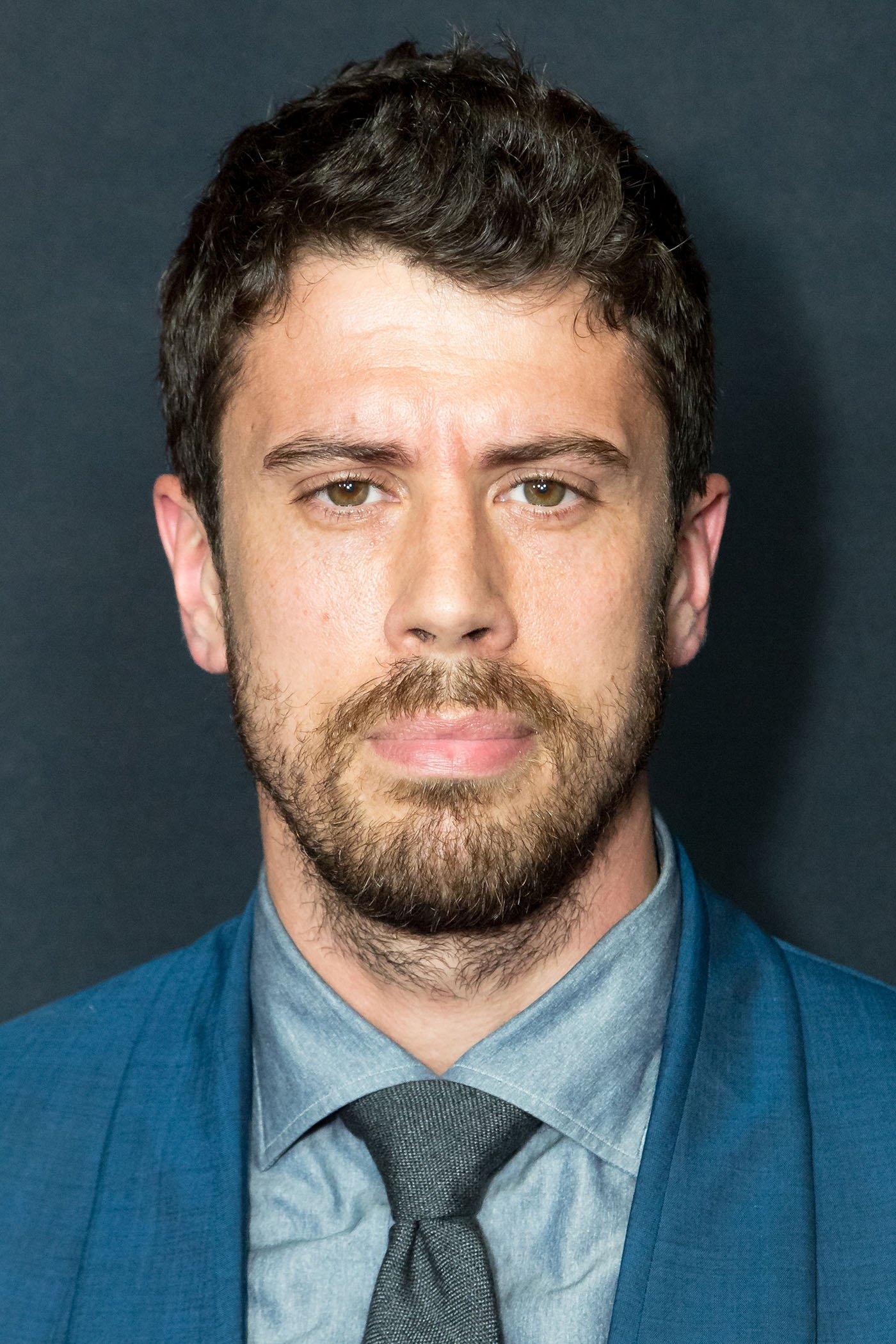
‘Fantastic Four’ in 2015 reinterpreted Victor Von Doom with a new origin tied to an alternate dimension. Production reports noted reshoots and changes to character design that affected Doom’s final on-screen look. The film’s grounded first half contrasted with a fast third-act conflict that left little time for the villain’s philosophy. Future plans for Doom shifted to other potential projects outside this continuity.
Miles Teller as Reed Richards
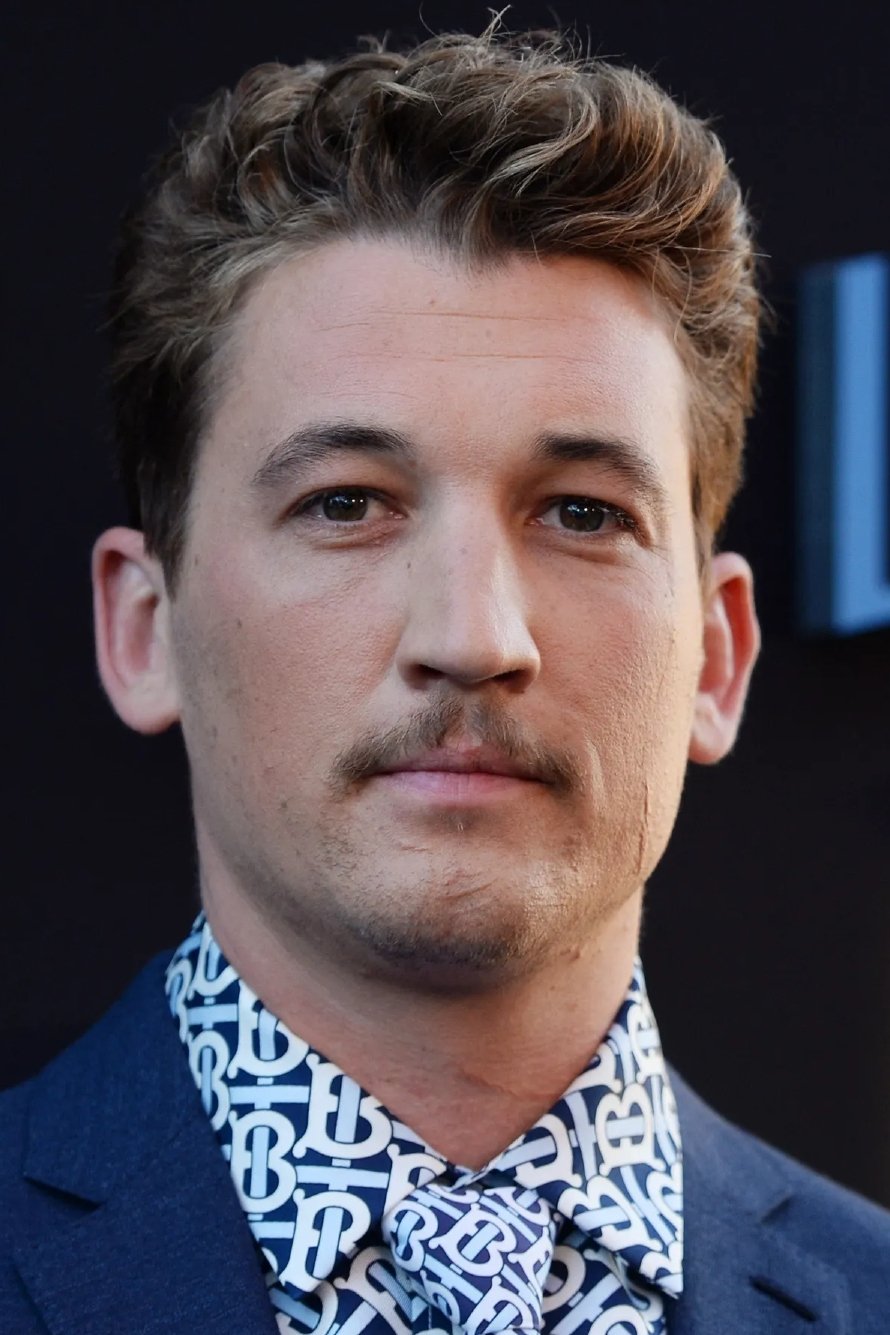
The reboot presented Reed as a young prodigy recruited through a science fair discovery. The story emphasized body horror elements when powers emerged after an experimental mission. Studio involvement and reported reshoots altered tone and pacing in the back half. Subsequent adaptations of the team moved in a different creative direction with new casting.
Jamie Bell as The Thing
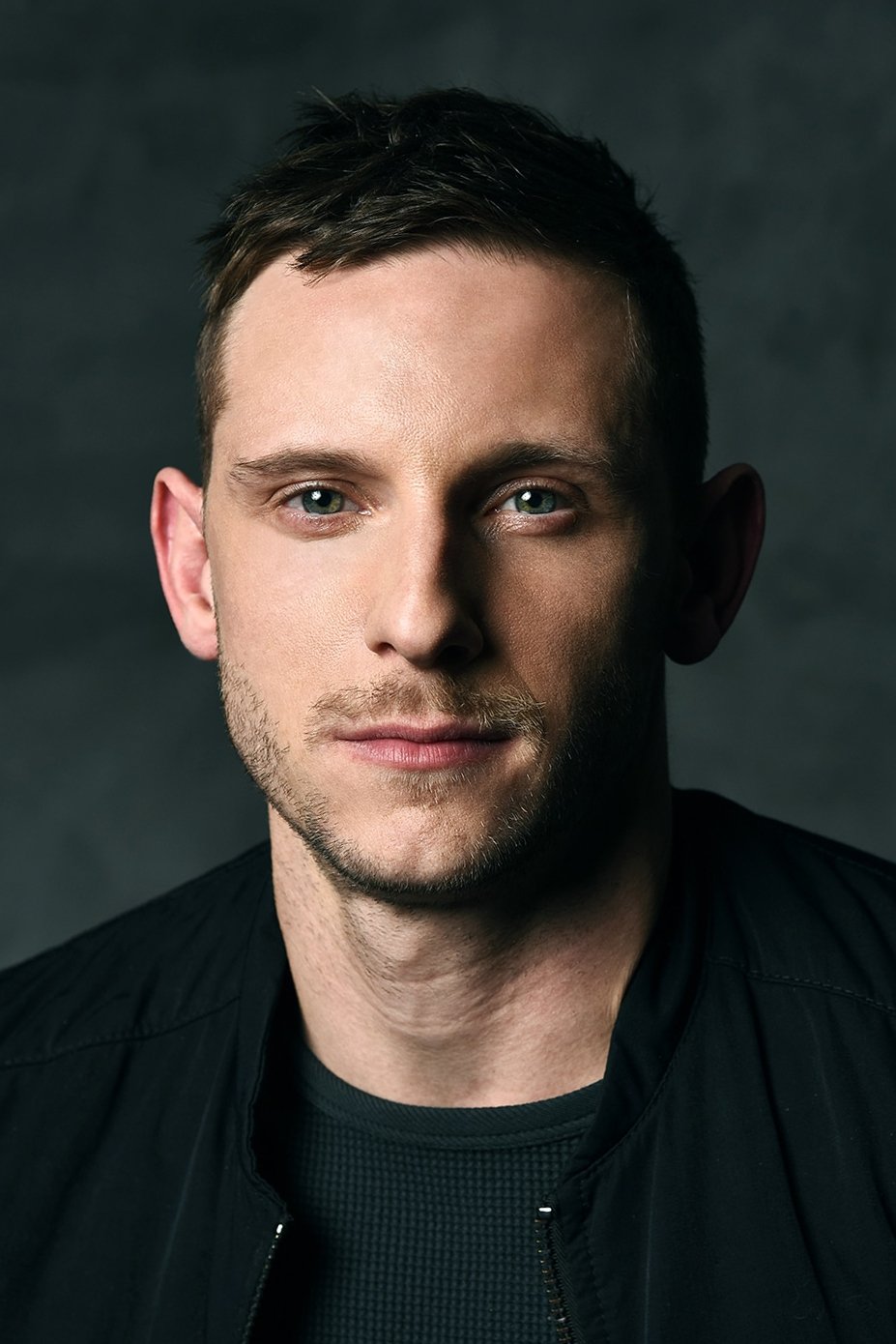
Motion-capture and digital effects replaced prosthetic approaches from earlier films, creating a new silhouette and texture for The Thing. The script gave Ben Grimm a military role once the team became a government asset. Dialogue for the character was pared back compared with previous versions. Later plans for the team focused on reintroducing the character with a different visual style.
Oscar Isaac as Apocalypse
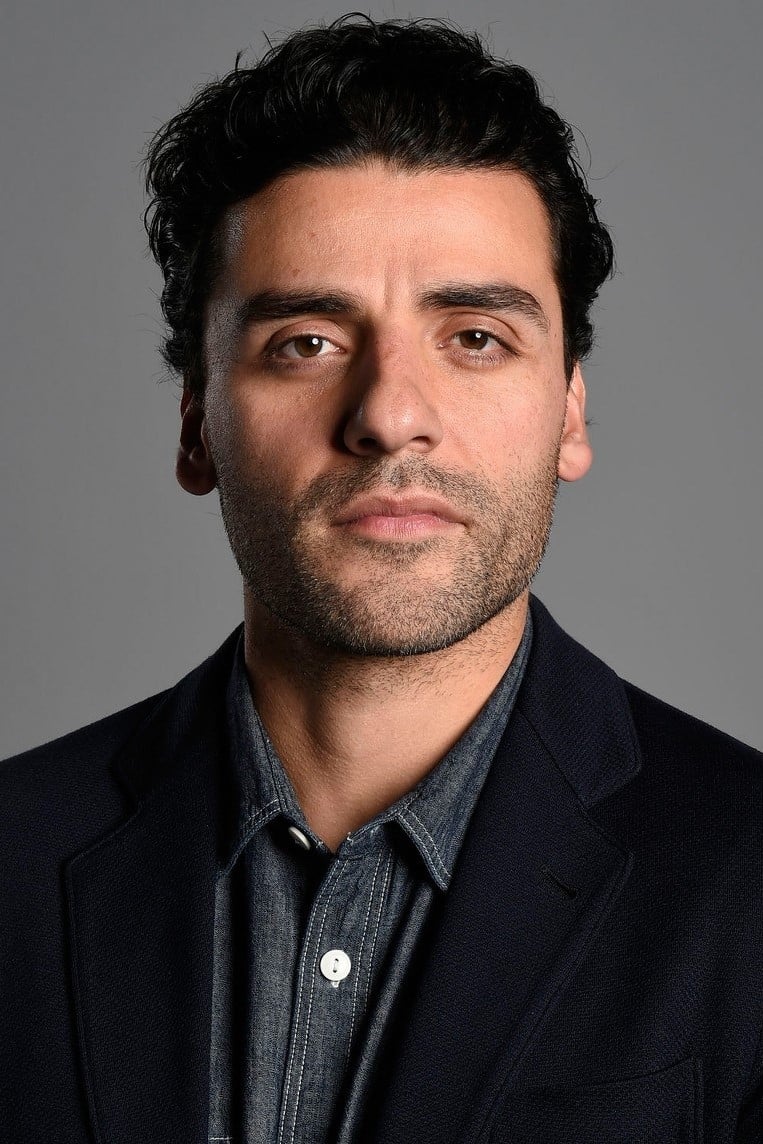
‘X-Men: Apocalypse’ used extensive prosthetics and costuming to create the ancient mutant, which impacted mobility and vocal delivery. Early promotional images prompted adjustments to color grading and suit details. The story relied on multiple Horsemen arcs alongside the core team’s younger versions. Later X-Men entries pivoted away from this villain and moved toward a franchise endpoint.
January Jones as Emma Frost

‘X-Men: First Class’ repositioned the timeline and introduced Emma Frost as a key player in Hellfire Club plots. The film balanced her diamond form effects with period-appropriate costumes and espionage themes. Screen time was limited due to the ensemble focus and Cold War storyline. The character did not return in subsequent mainline entries.
David Harbour as Hellboy
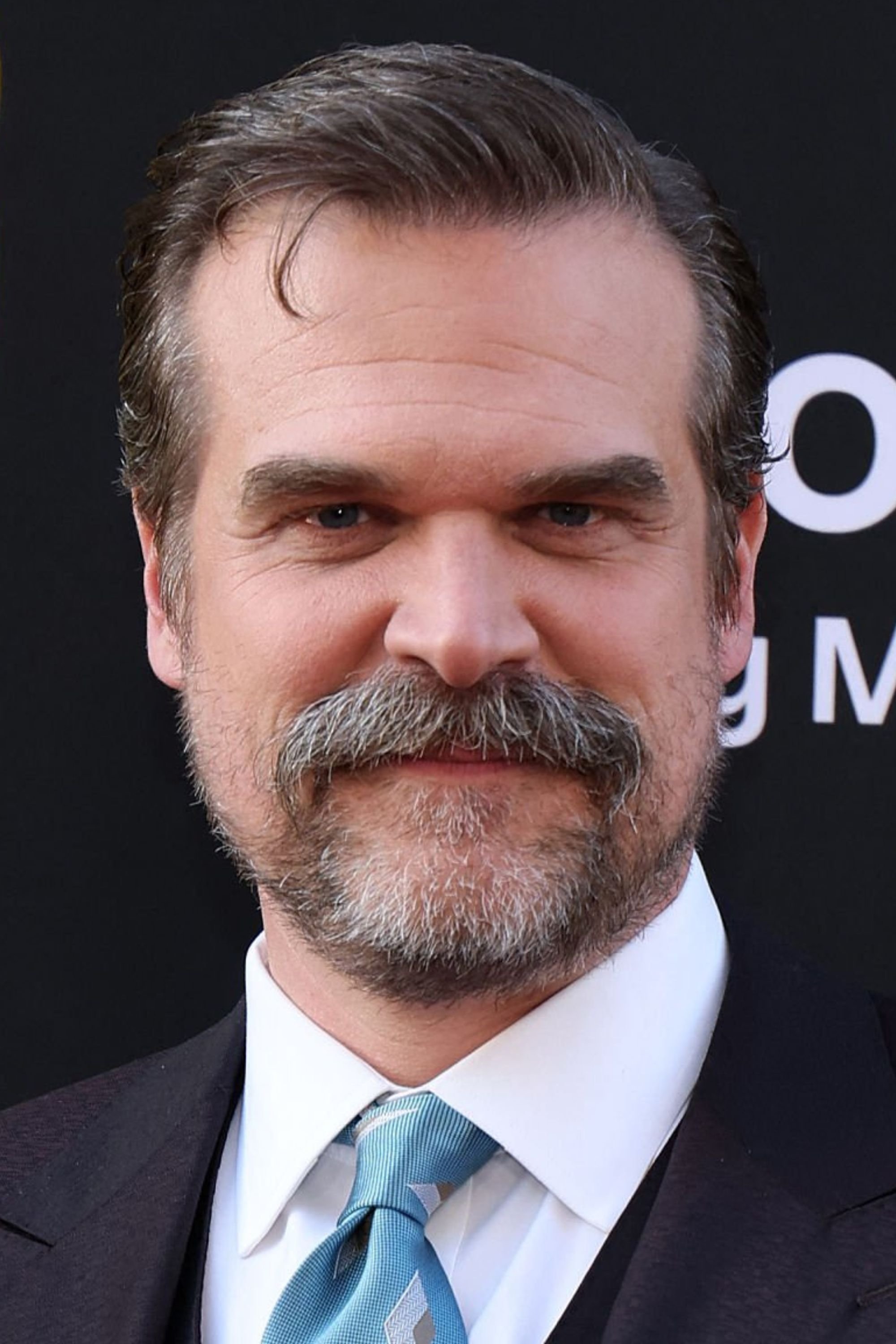
The 2019 reboot aimed for a closer alignment with elements from the comics while pursuing an R rating. Production emphasized practical makeup for the lead and heavy creature effects. The film launched without the original director and cast from the prior duology, which shifted tone and humor. Box office results ended plans for immediate follow-ups.
Alicia Silverstone as Batgirl
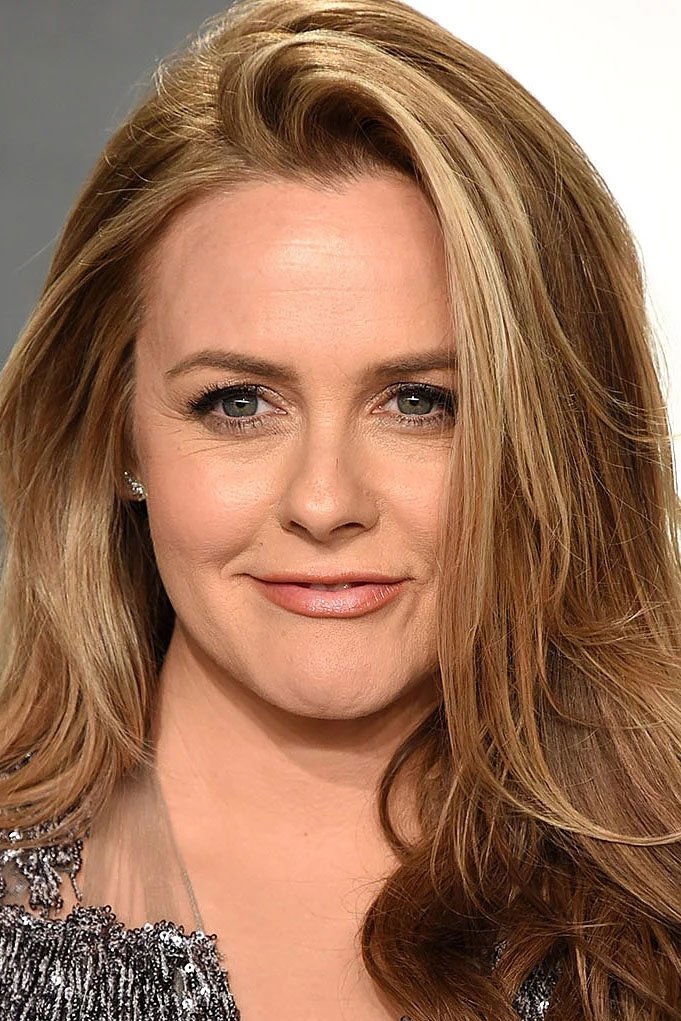
‘Batman & Robin’ introduced Barbara with an altered backstory that dropped elements tied to Commissioner Gordon. The character’s suit and action beats were tailored to the film’s bright, toyetic aesthetic. Editing focused on set pieces over a deeper personal arc. Batgirl did not return to theaters in a sequel from this continuity.
Shaquille O’Neal as Steel
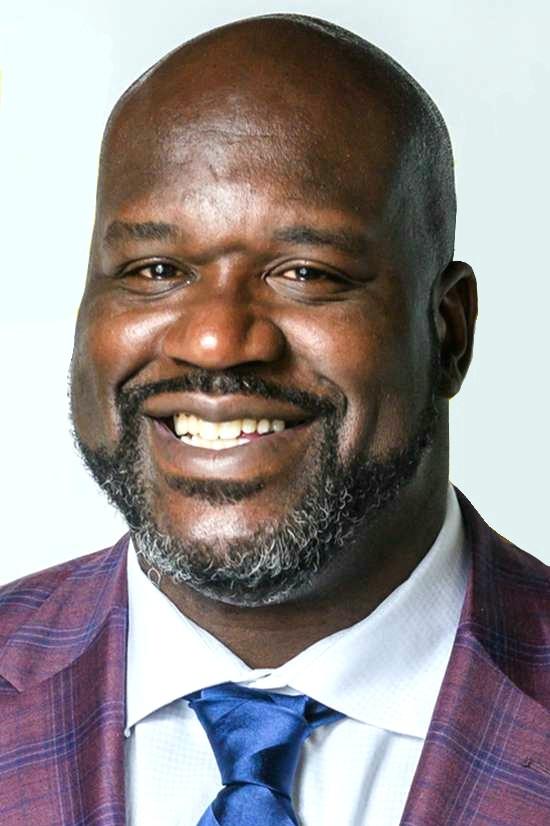
‘Steel’ adapted a DC Comics hero who rises after the absence of Superman, but the film proceeded without connecting to a larger universe. The production worked within a modest budget that limited armor and effects. Marketing leaned on O’Neal’s celebrity from basketball to draw attention. The film’s performance curtailed any immediate plans for a franchise.
Jared Leto as Morbius
‘Sony’s ‘Morbius’ positioned the character within a developing Spider-Man universe with crossover teases in trailers. The film’s release schedule shifted multiple times, which affected promotion and audience expectations. Visual effects highlighted Morbius’s movement trails and facial transformations. The movie became a social media talking point that influenced its rerelease strategy.
Share the picks you think truly missed the mark and which roles you’d swap out in the comments.