


Top 15 Worst Superhero Fight Scenes

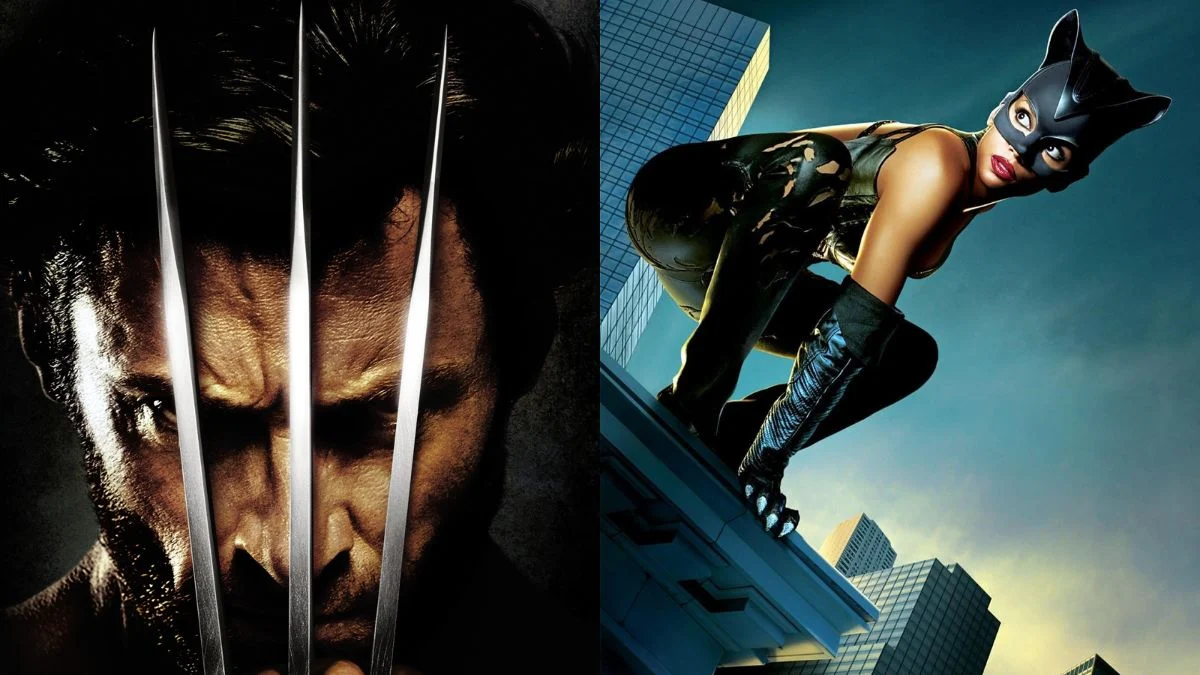


Superhero showdowns are supposed to deliver big moments, but a few famous clashes ended up remembered for the wrong reasons. Below are fight scenes that drew widespread criticism for things like awkward editing, murky effects, or anticlimactic staging. Each entry notes where the scene appears and who released or broadcast the project, so you can place it in its production context. Consider this a guided tour of the most talked-about misfires from cape cinema and TV.
‘Catwoman’ (2004)
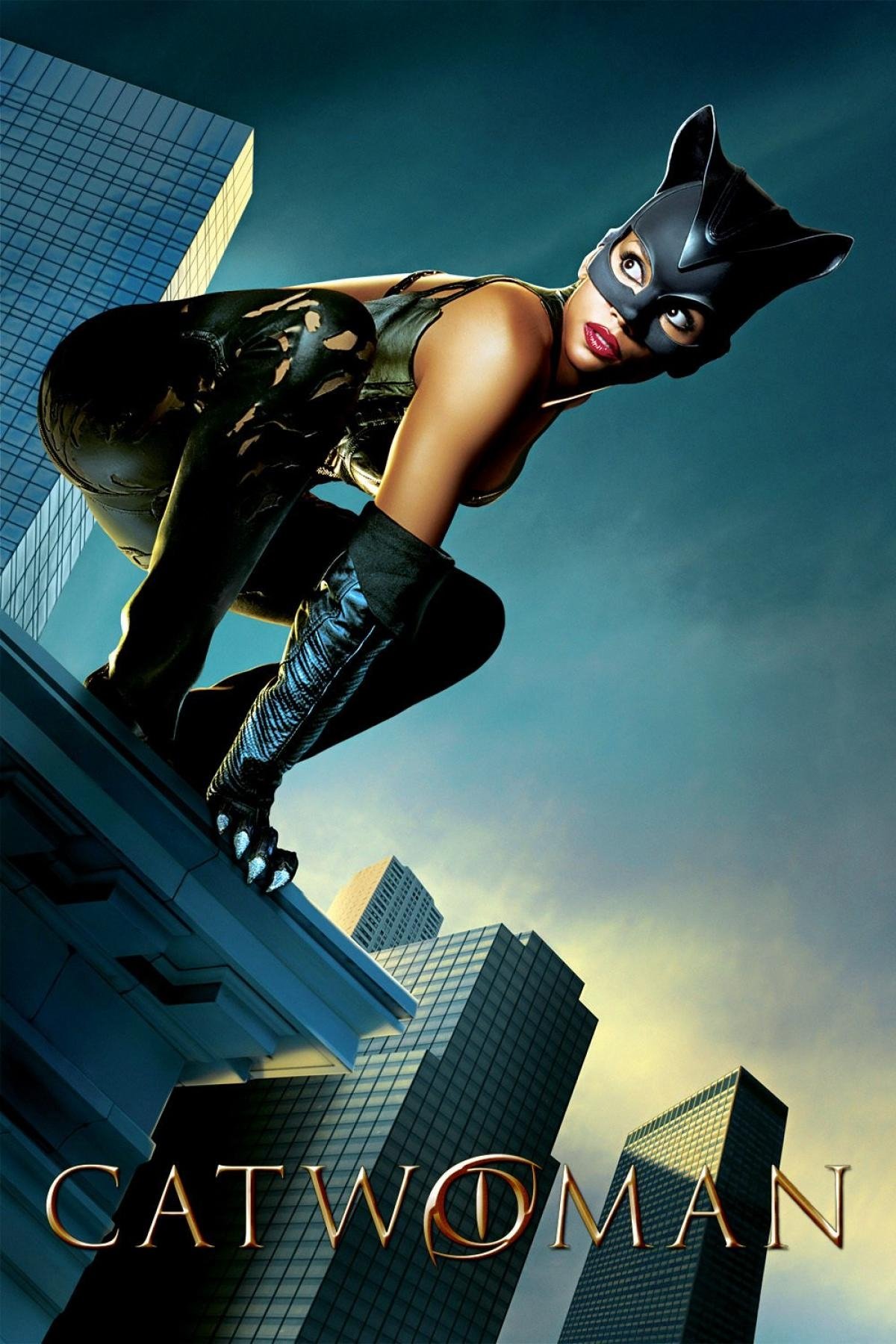
The rooftop confrontation between Patience Phillips and Laurel Hedare leans heavily on quick cuts and glossy close-ups that obscure the choreography. Much of the sequence was assembled on soundstages with extensive wirework, which contributes to a weightless look. Halle Berry’s stunt work is chopped into very short shots, limiting a clear view of the action. The film was released by Warner Bros. Pictures, which positioned it as a high-style action vehicle.
‘X-Men Origins: Wolverine’ (2009)
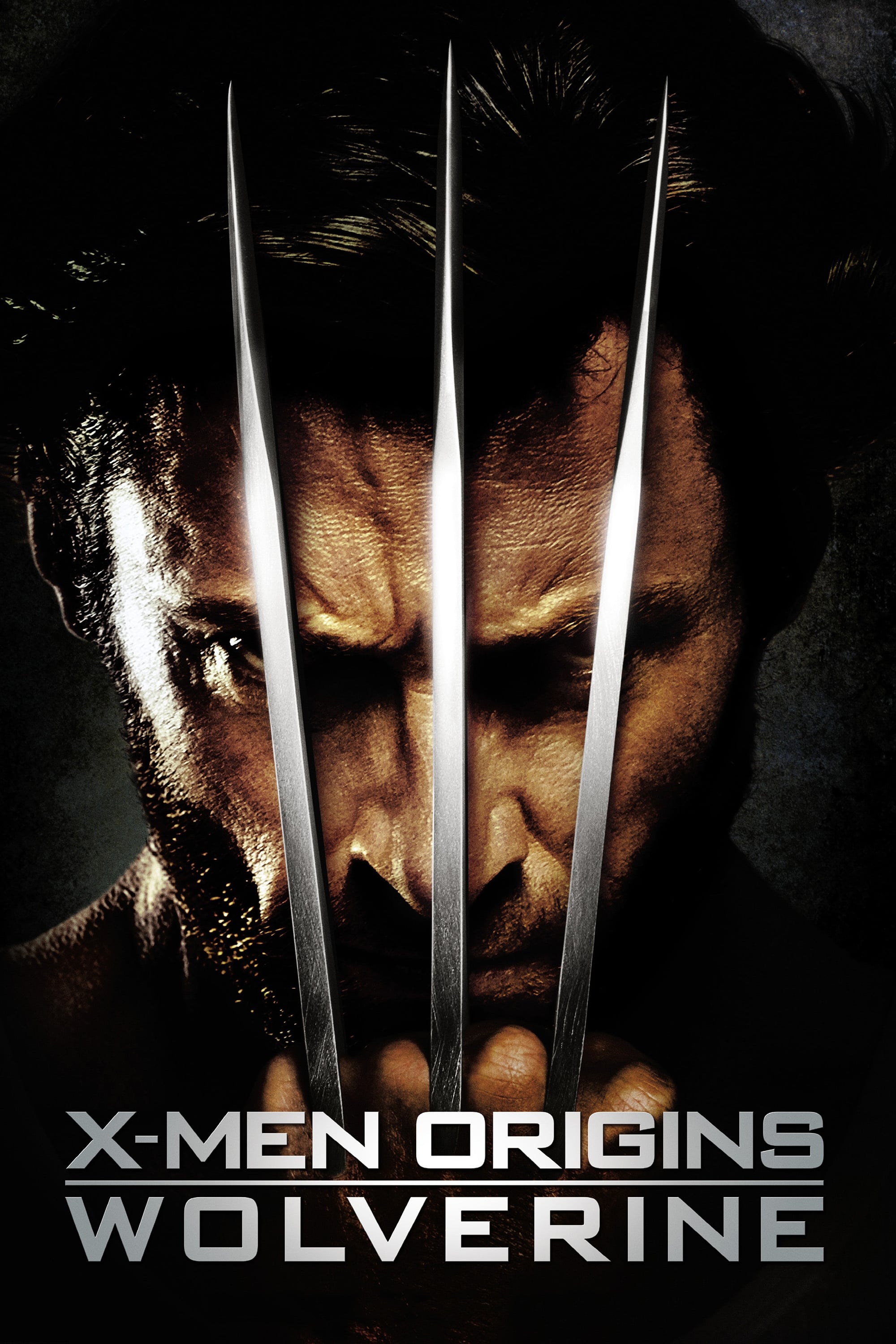
The weaponized Deadpool showdown at the reactor is stitched together with rapid edits that make spatial geography hard to follow. The production shot across multiple locations with significant reshoots, leading to noticeable continuity shifts during the fight. Digital effects such as the arm blades and optic blasts dominate the frames and often hide the performers. The film was distributed by 20th Century Fox as part of its early ‘X-Men’ spin-off strategy.
‘Black Panther’ (2018)
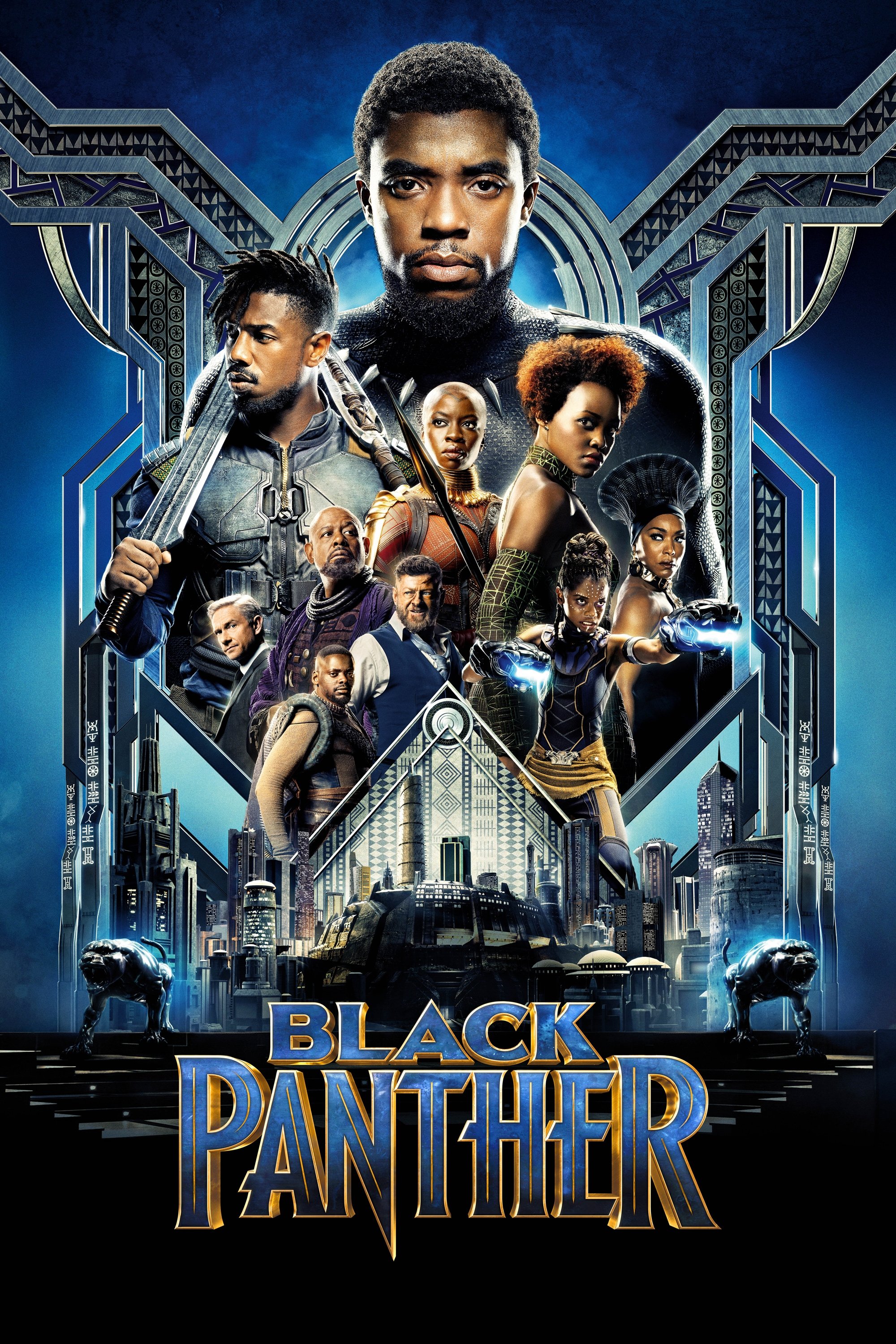
T’Challa and Killmonger’s final clash in the vibranium mine relies on heavy CG doubles that soften impacts and blur motion. The train tunnel lighting creates a dim palette that makes suit textures difficult to read mid-exchange. Earlier hand-to-hand sequences in the movie use clear framing, which makes this finale’s shift in style stand out. Walt Disney Studios Motion Pictures released the film for Marvel Studios’ Phase Three slate.
‘Wonder Woman’ (2017)
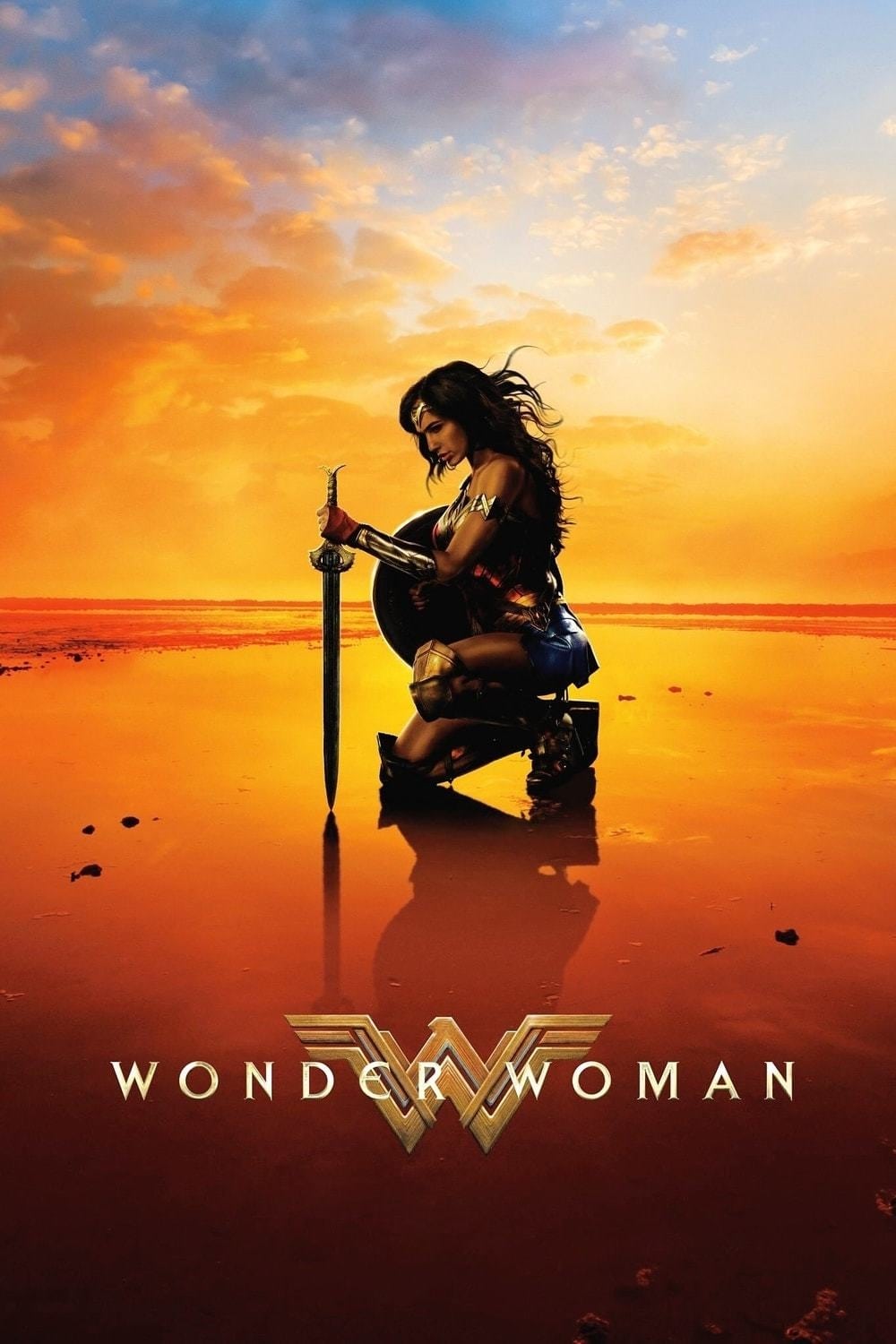
Diana’s battlefield duel with Ares shifts from grounded combat to a computer-generated storm with extensive particle effects. The sequence adds a late-arriving villain reveal that reorients the action away from the established human stakes. Slow-motion flourishes repeat beat patterns without advancing the fight’s story. Warner Bros. Pictures handled the global theatrical release.
‘Justice League’ (2017)
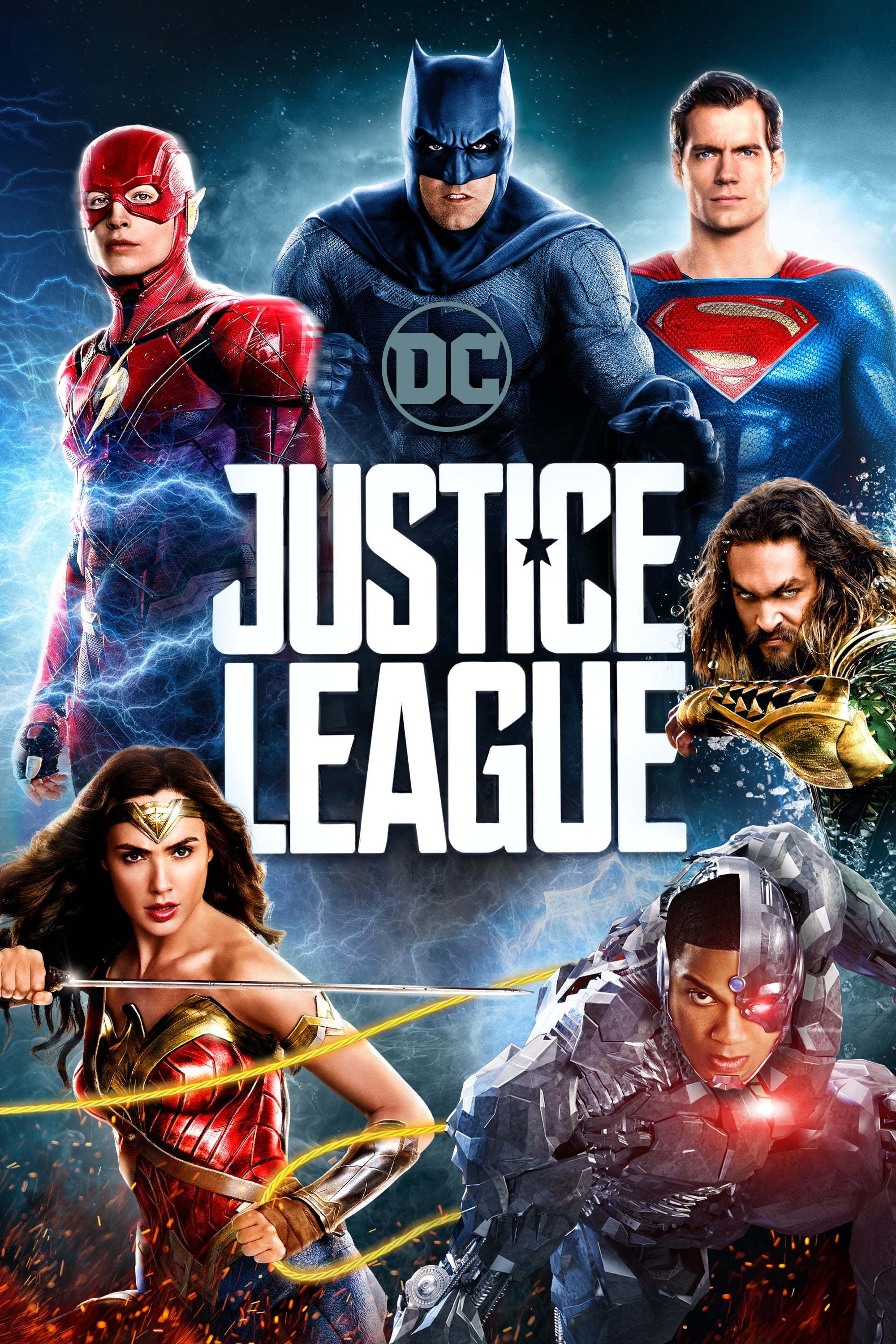
The team’s final assault on Steppenwolf takes place in a red-tinted environment that washes detail out of wide shots. Multiple visual effects vendors contribute shots with different lighting models, which creates inconsistency across the sequence. The cutting frequently jumps between heroes without completing mini-arcs inside the brawl. Warner Bros. Pictures released this version before the later director’s cut reworked the third act.
‘Green Lantern’ (2011)
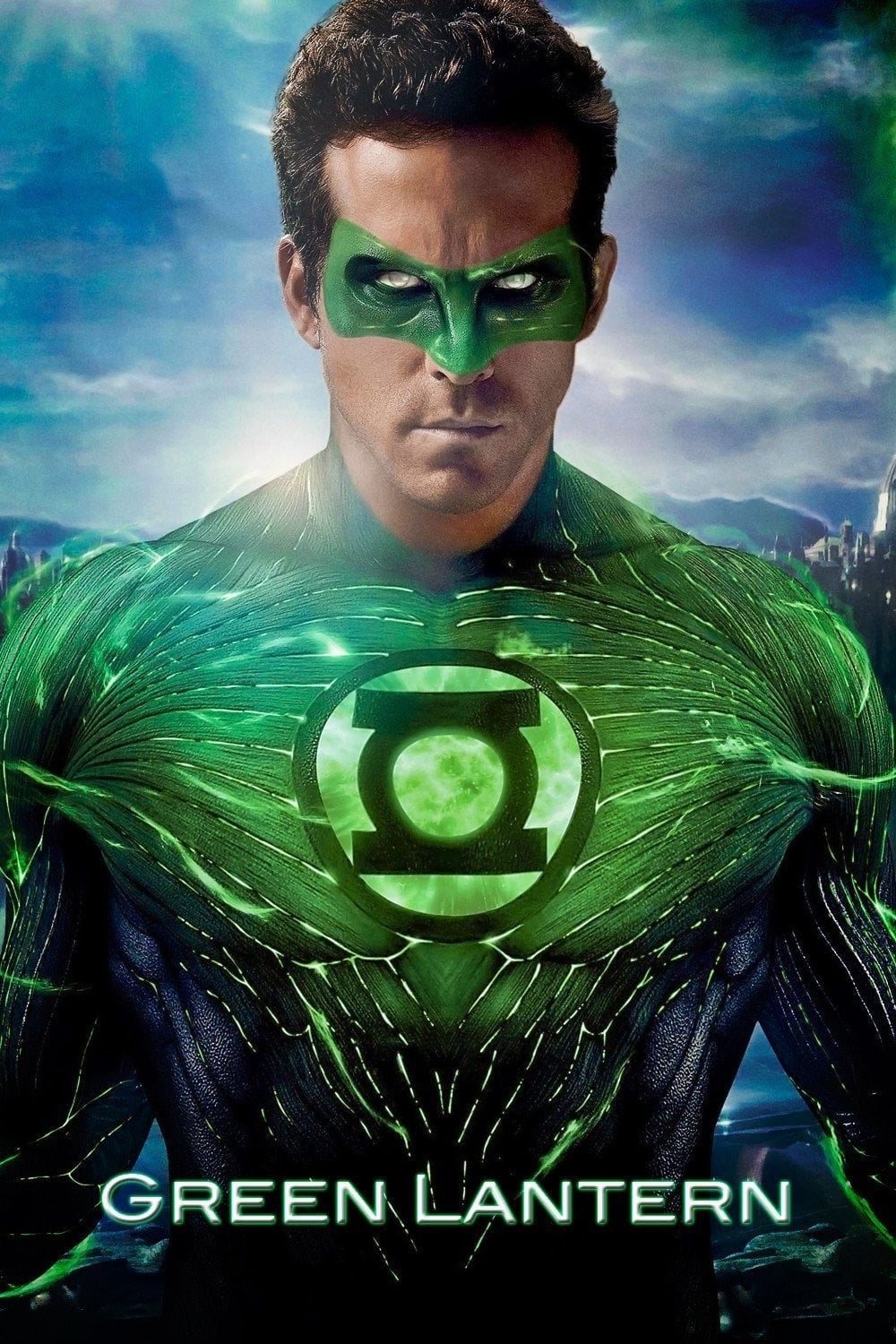
Hal Jordan’s aerial face-off with Parallax mixes live-action plates and CG constructs in a way that flattens scale. The spaceward chase emphasizes swirling clouds and energy ribbons over readable blocking. Close-quarters beats are brief and often transition straight into effects transitions rather than stunt exchanges. Warner Bros. Pictures distributed the film as DC’s big-screen introduction for the character.
‘Fantastic Four’ (2015)
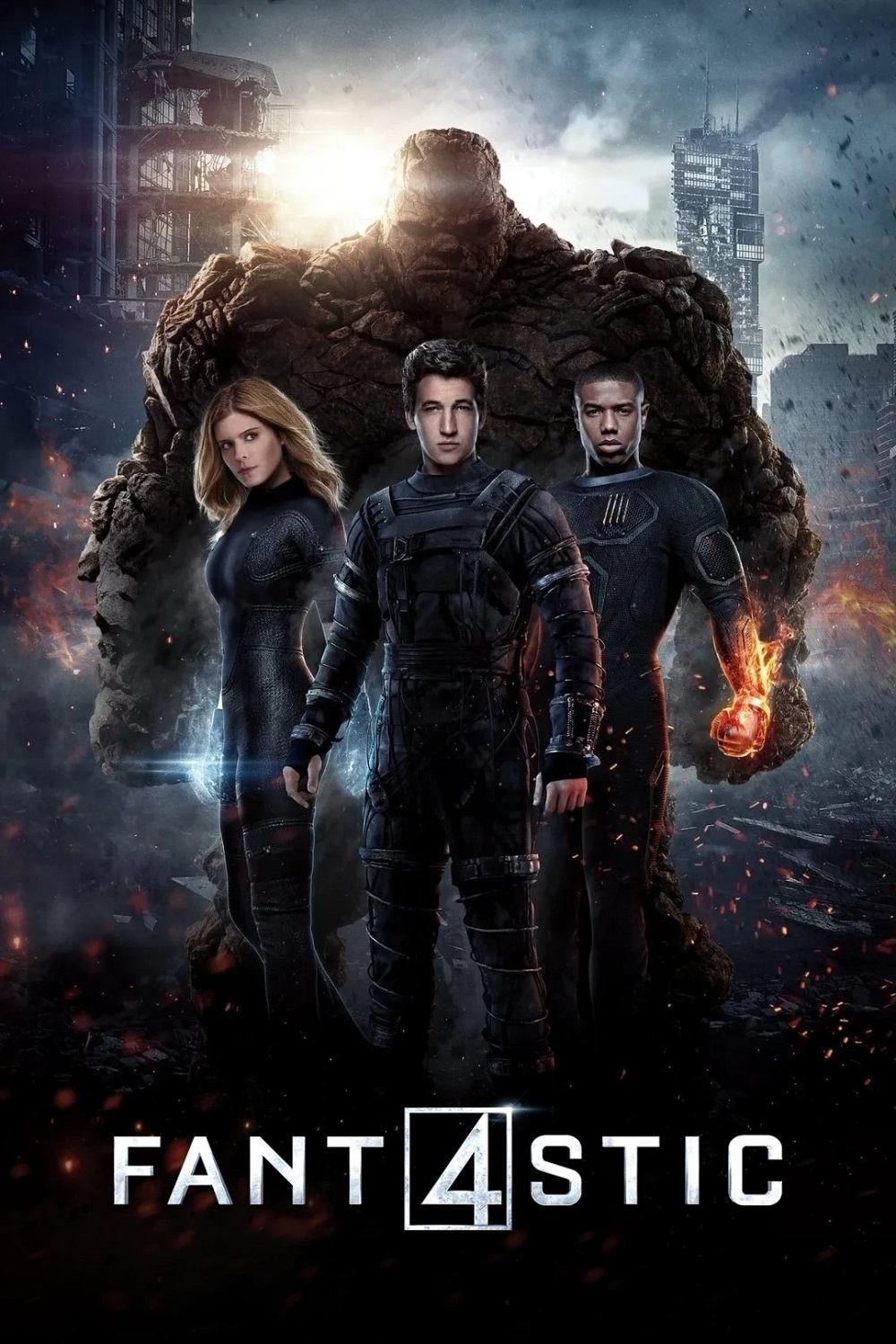
The final confrontation with Doctor Doom unfolds on a barren, gray landscape that offers few visual anchors for movement. The heroes take turns firing powers rather than interacting through coordinated choreography. The scene concludes abruptly after a short volley of effects shots, ending the story without a substantial set-piece. 20th Century Fox distributed the film as a franchise reboot.
‘Venom’ (2018)
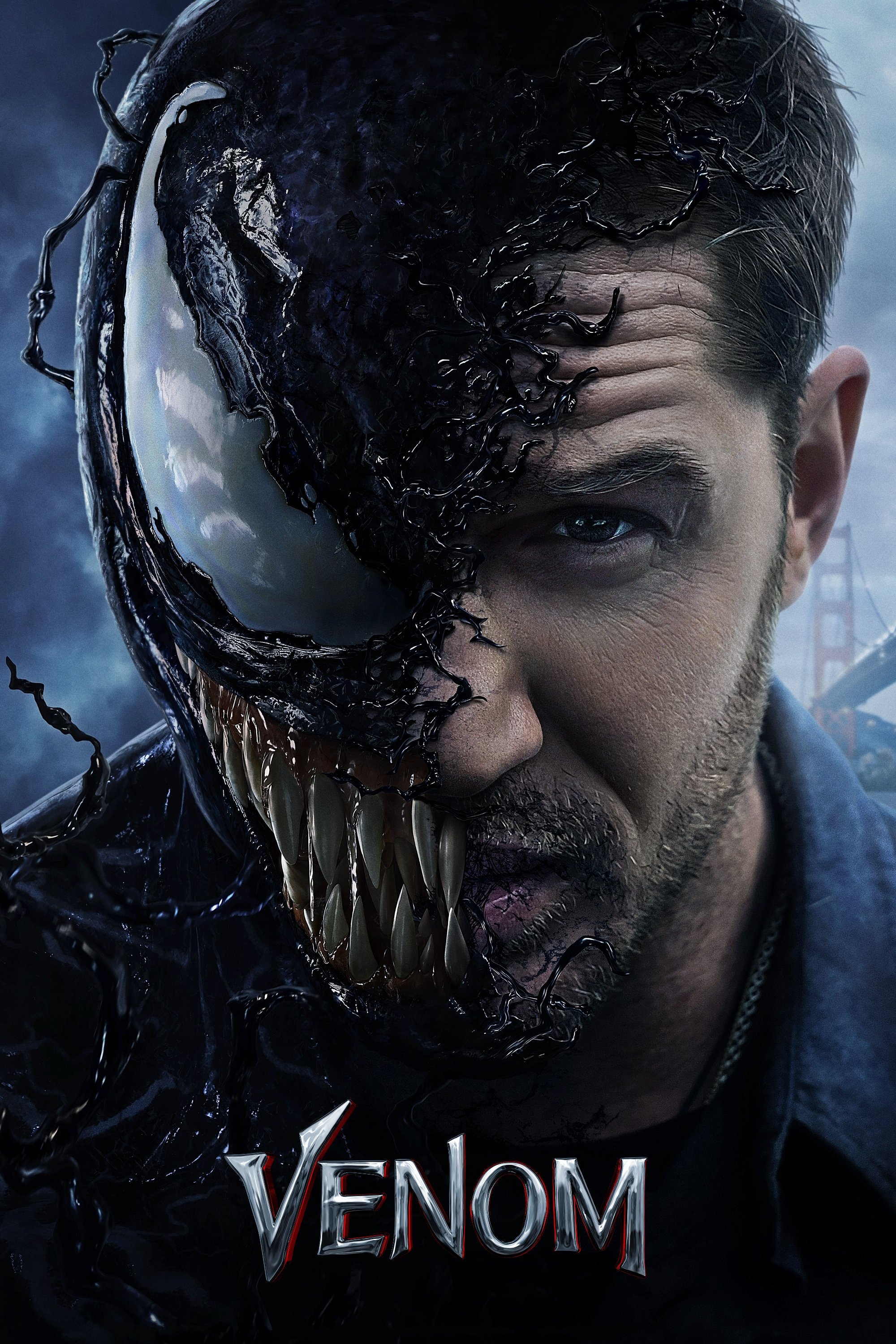
Venom and Riot’s refinery battle uses similar dark symbiote designs that blend together during grapples. Fast intercuts and nighttime lighting make it hard to distinguish which character is landing blows. The sequence often pauses for transformation beats, interrupting momentum. Sony Pictures Releasing handled distribution for the Columbia Pictures title.
‘Morbius’ (2022)
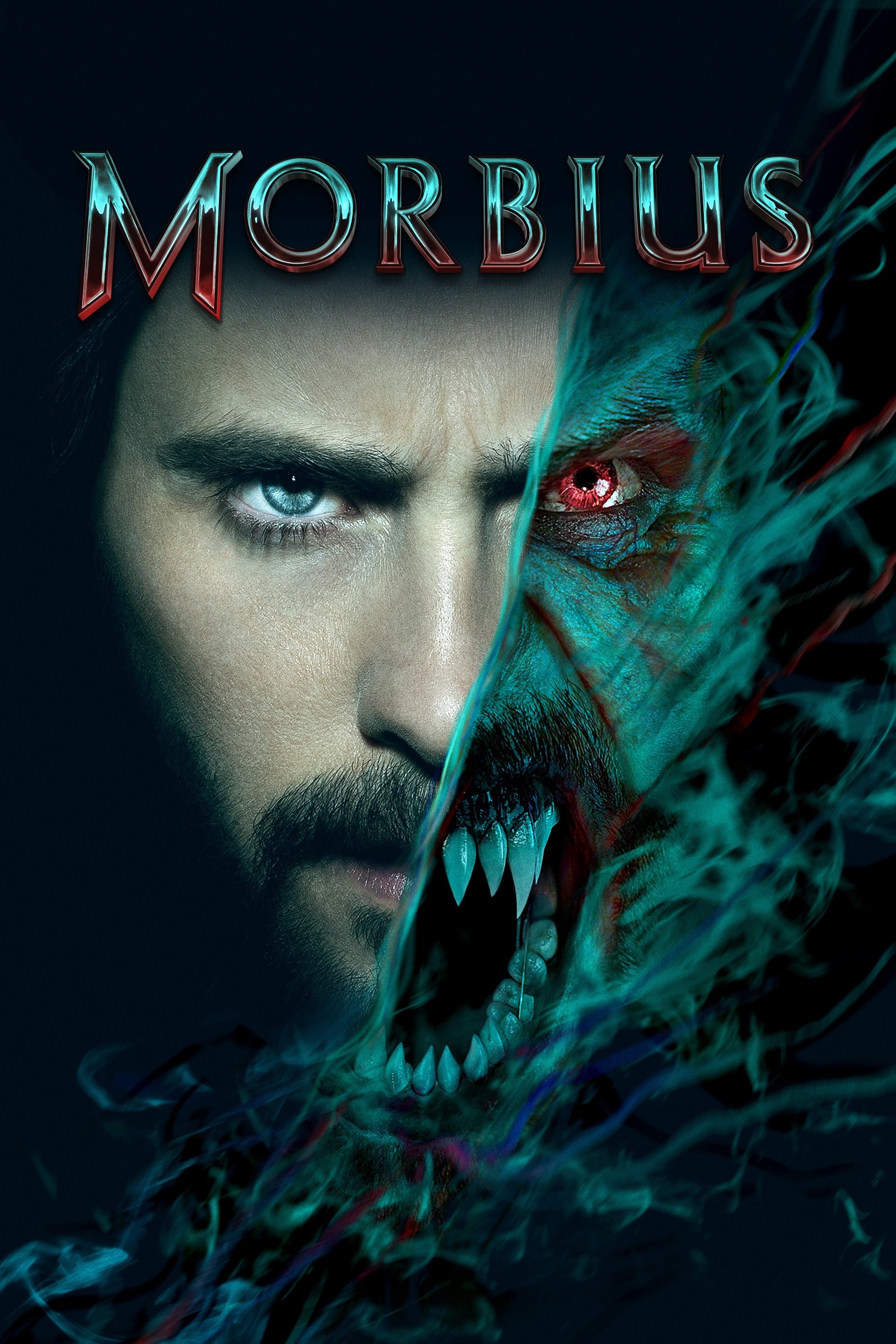
The climactic subterranean fight between Morbius and Milo is staged with speed-trail effects that smear motion across the frame. The action cuts through tight angles that compress the space and shorten exchanges. Several shots resolve with quick CG collapses rather than practical stunts. Sony Pictures Releasing put the film into theaters as part of its Marvel-adjacent lineup.
‘The Incredible Hulk’ (2008)
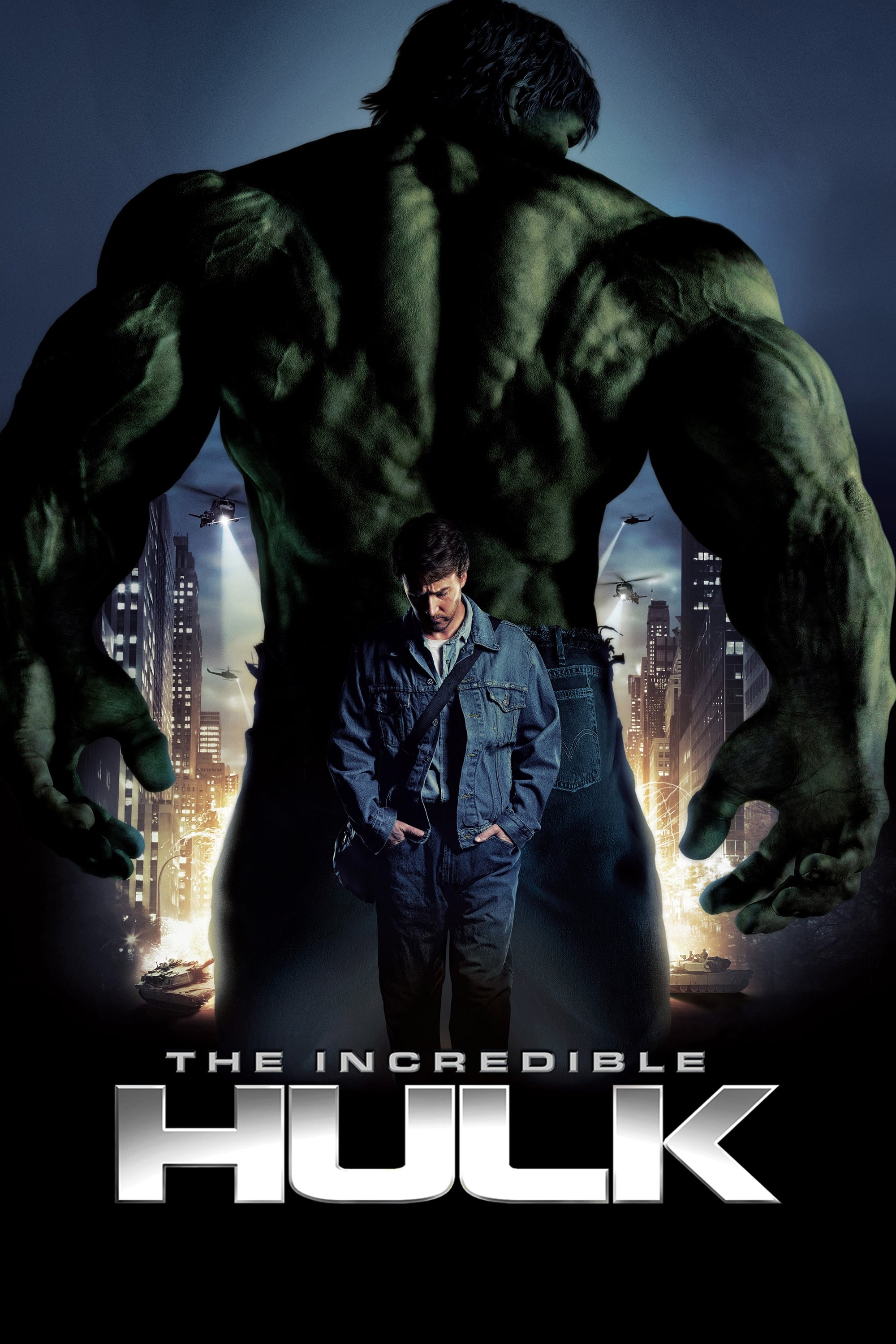
Hulk’s brawl with the Abomination features large-scale digital characters that sometimes slide across pavement without matching physical contact. Camera moves favor fast pans and impact bursts over longer takes that show technique. The fight uses vehicle props as clubs in repeated beats that look similar from angle to angle. Universal Pictures distributed the film in partnership with Marvel Studios.
‘Suicide Squad’ (2016)
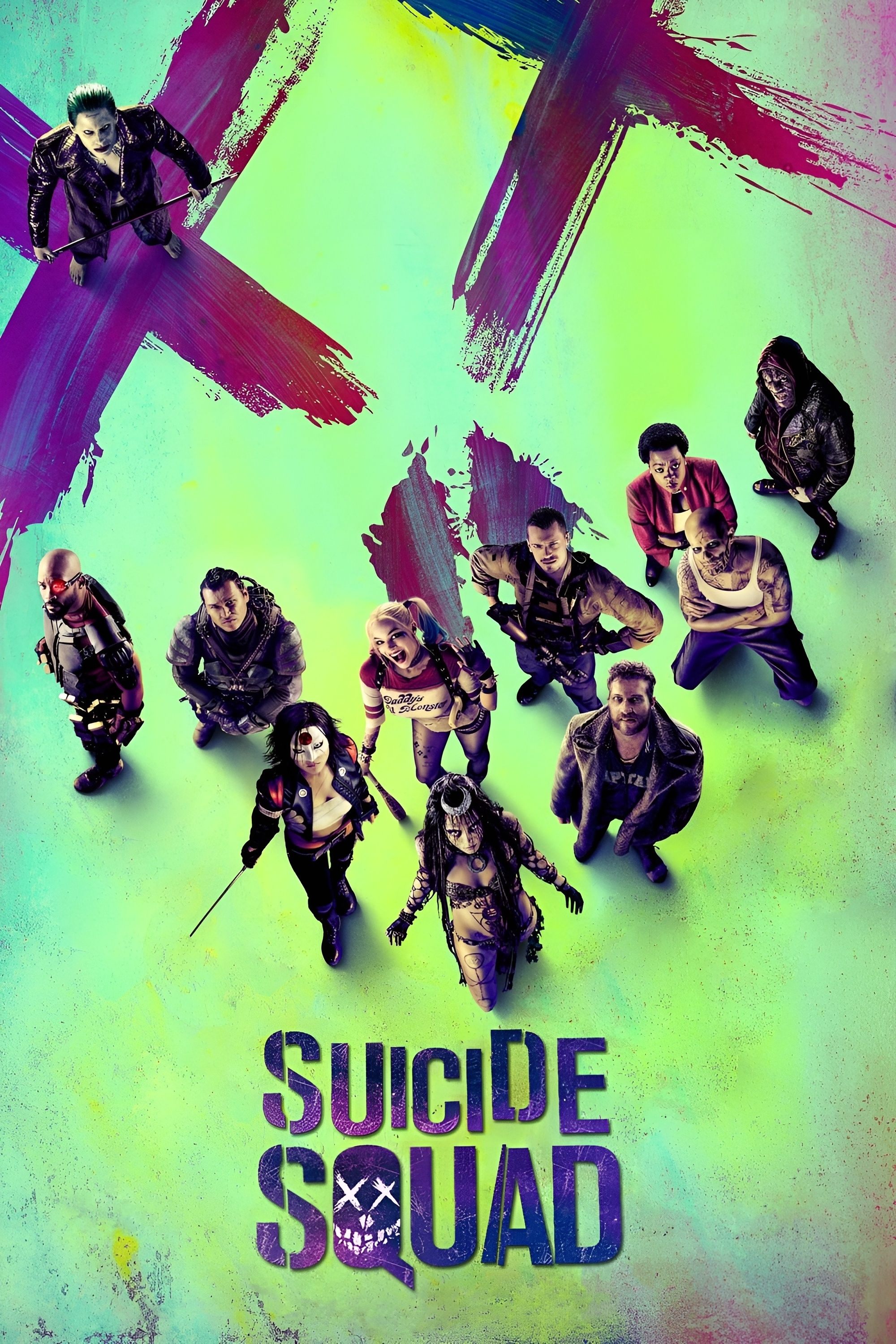
The Enchantress finale involves a swirling sky beam and henchmen made of dark, featureless textures that reduce visual clarity. The squad’s individual moves are often isolated rather than integrated into team combinations. Cutting between the ritual chamber and external destruction breaks the fight’s rhythm. Warner Bros. Pictures released the film as part of the DC Extended Universe.
‘Thor: The Dark World’ (2013)
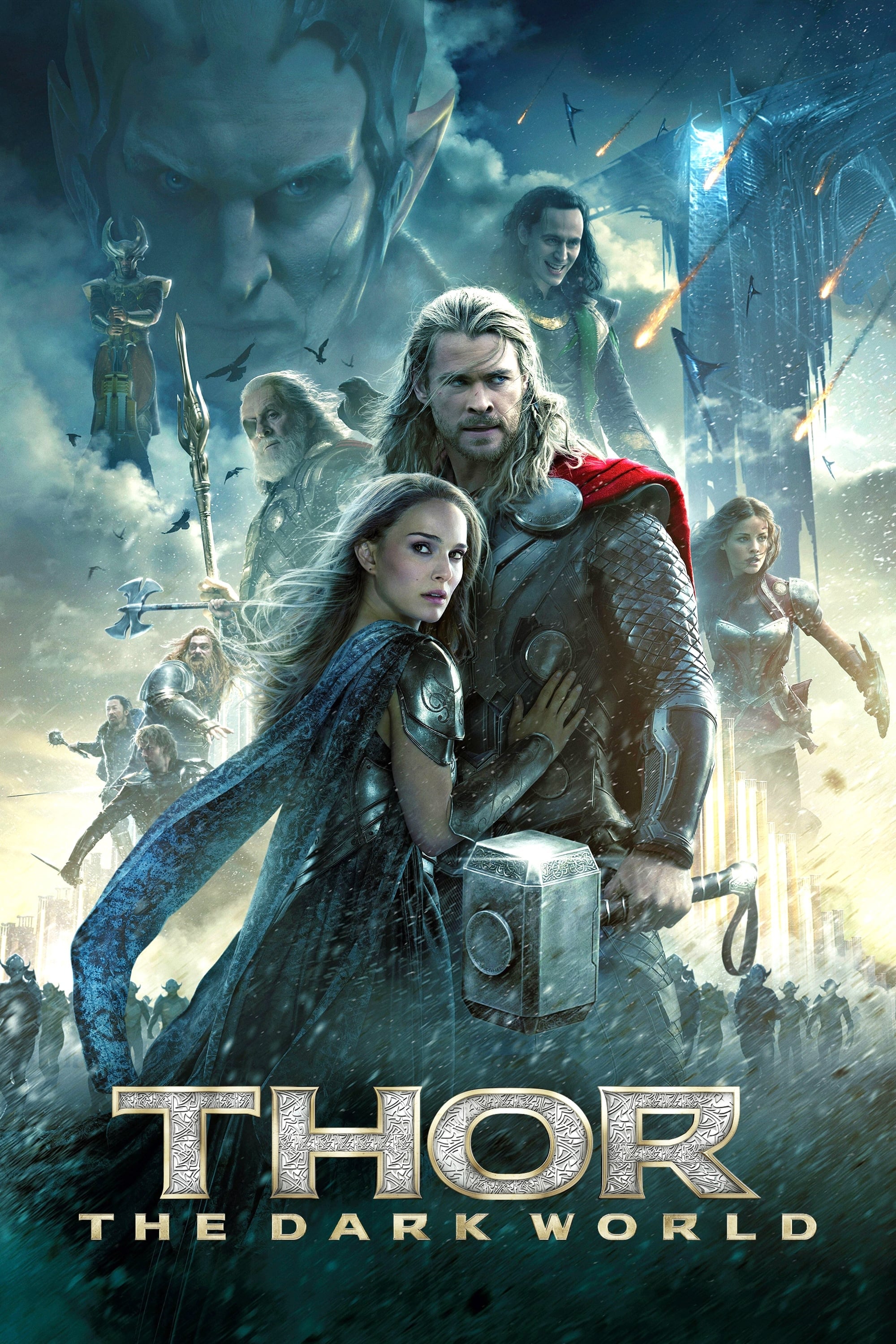
Thor and Malekith jump through portals that reset locations mid-strike, but the transitions frequently interrupt cause-and-effect flow. Practical hits alternate with CG body swaps that change weight from shot to shot. The gag-driven teleporting props undercut sustained choreography. Walt Disney Studios Motion Pictures distributed the film for Marvel Studios.
‘Iron Fist’ (2017–2018)
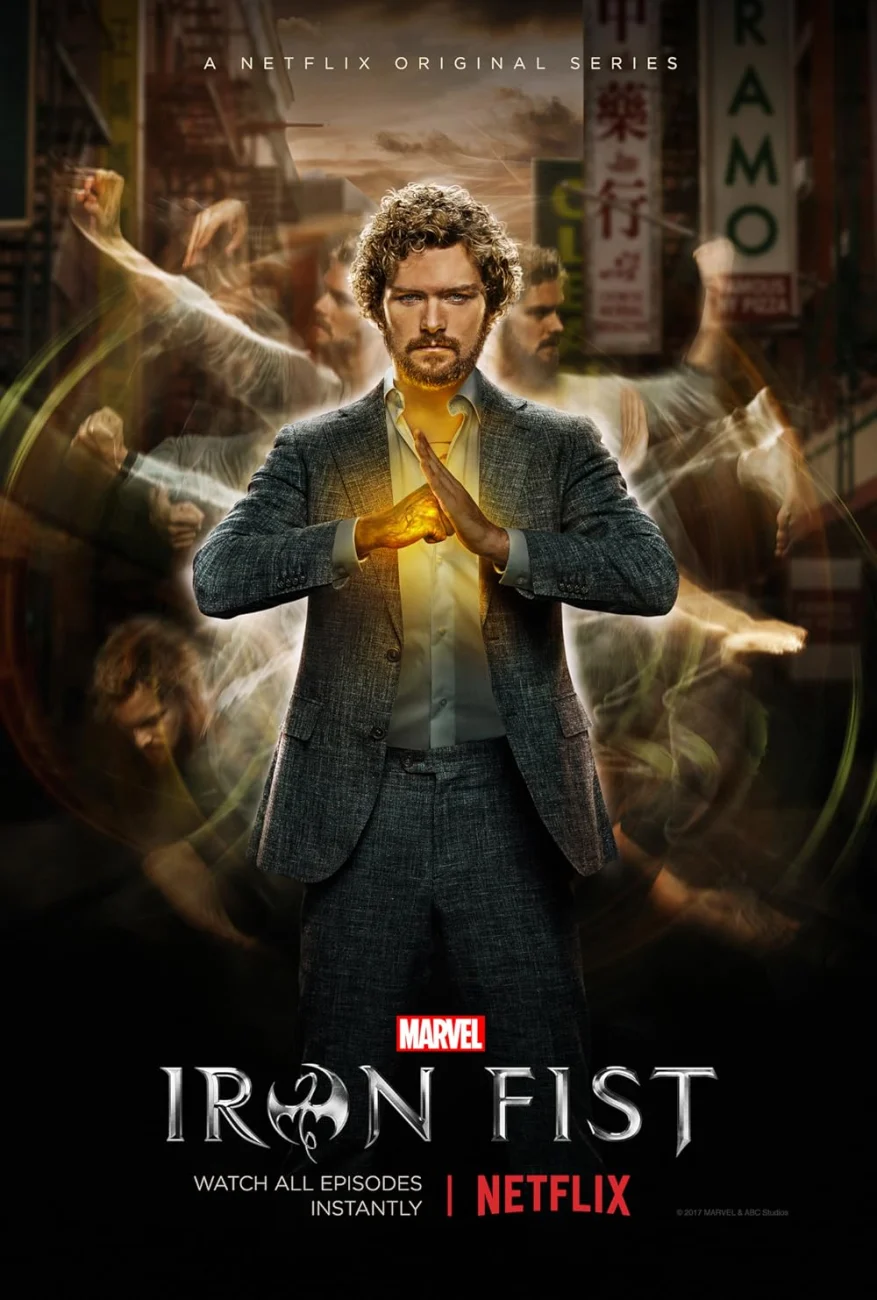
The season one showdown between Danny Rand and Harold Meachum is assembled with frequent cuts that conceal full combinations. The production’s tight schedule led to limited rehearsal time, which shows in short takes and coverage-heavy staging. Several insert shots repeat strikes from alternate angles rather than extending the exchange. The series streamed on Netflix as part of its Marvel Television slate.
‘Inhumans’ (2017)
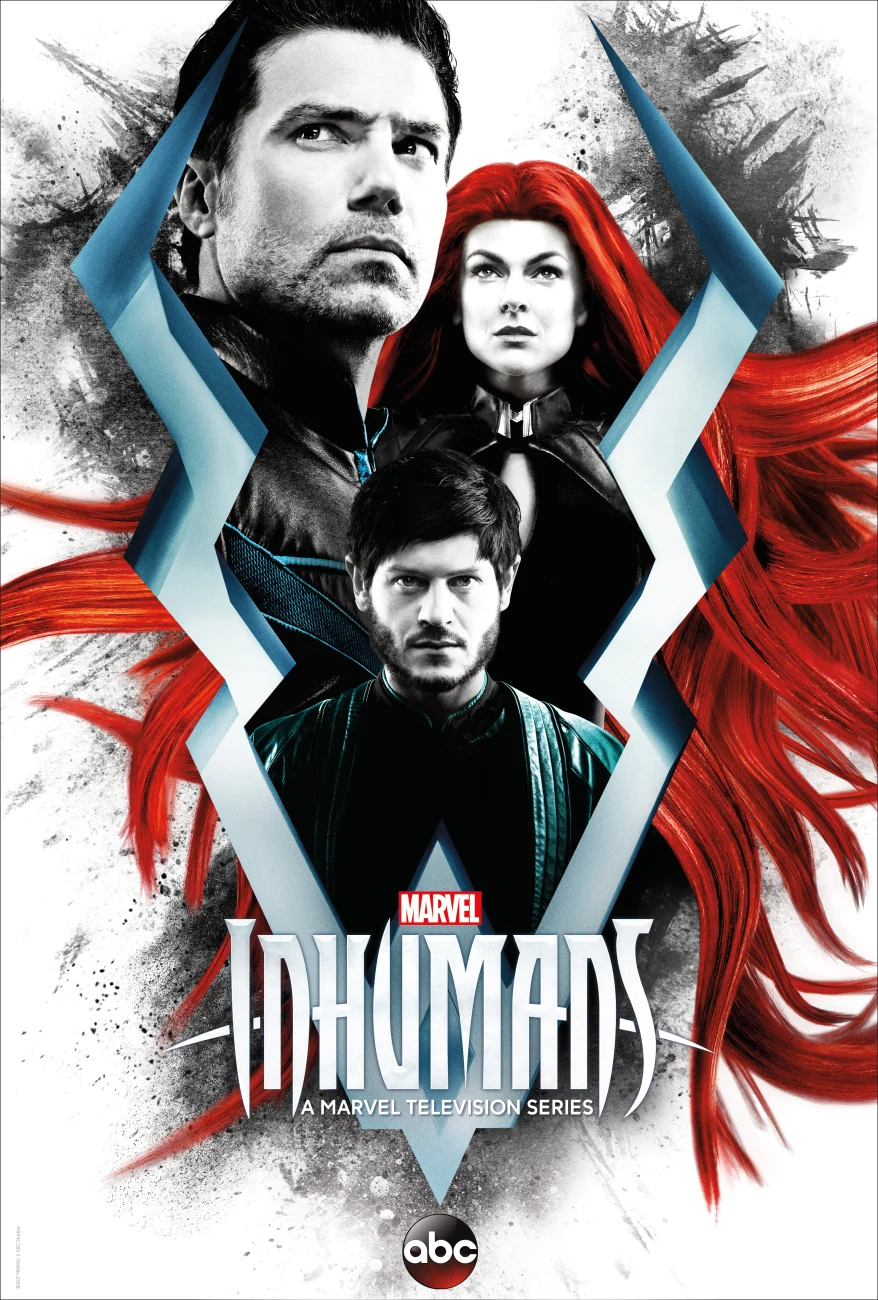
The royal family’s confrontations on Attilan use sparse sets and minimal crowd coverage, giving the battles a small scale. Powers like seismic waves and hair manipulation are represented with brief CG beats that rarely connect to stunt work. Action often resets after quick reaction shots instead of building to larger moments. The show aired on ABC following an IMAX preview rollout.
‘The Flash’ (2014–2023)
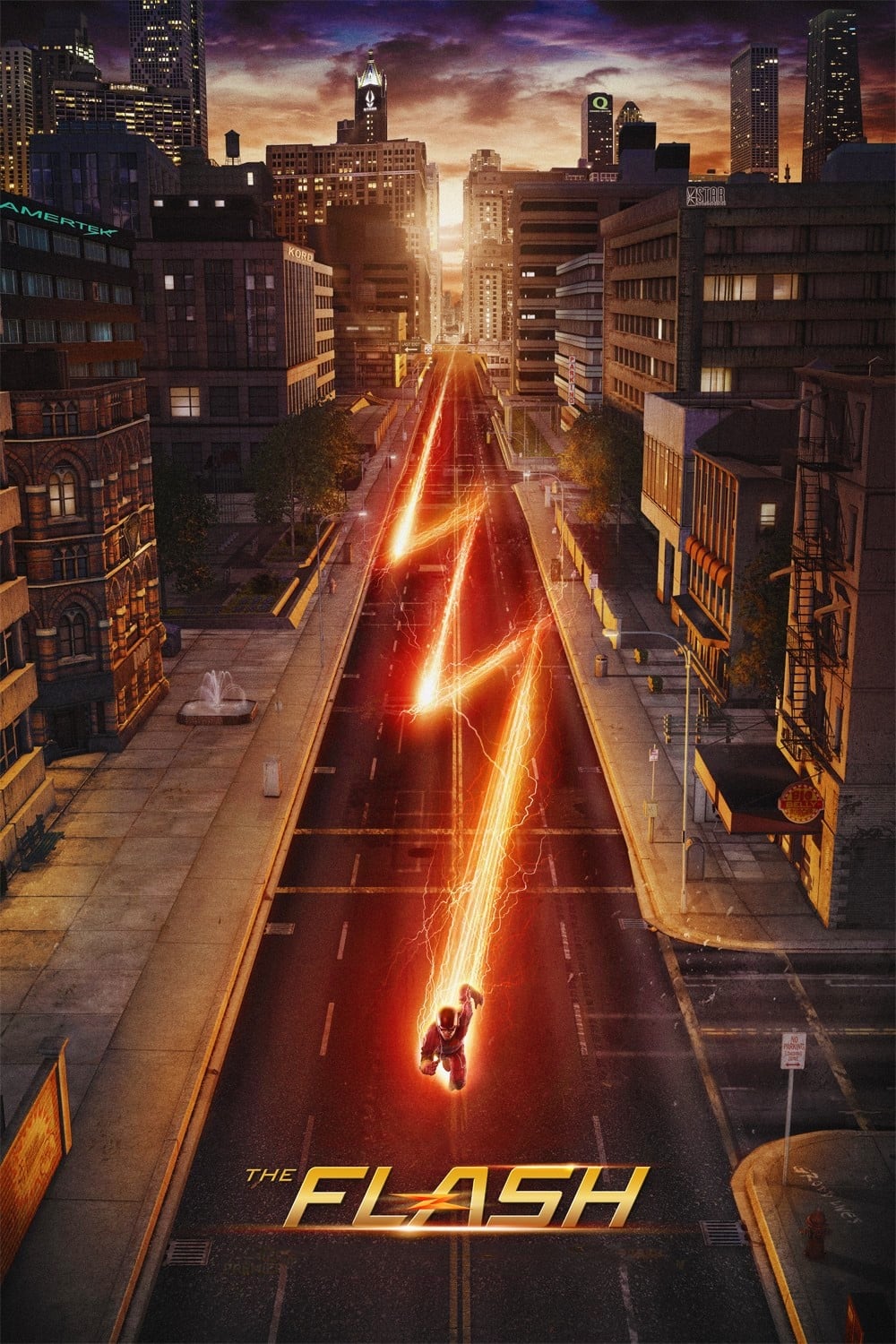
Major finales such as the Savitar fight assemble speed-force runs with freeze-frame inserts and CG doubles that reduce tactile contact. The show’s television timeline favors quick setups and composite shots over longer fight choreography. Group melees frequently cut to close-up dialogue beats that pause momentum mid-scene. The series aired on The CW as a key part of the Arrowverse.
Share the fight scenes you think missed the mark in the comments so we can compare notes and build a definitive watchlist of near-misses.