

Top 15 Worst Video Game Endings



Some endings wrap a story with a neat bow while others leave players staring at the screen with more questions than answers. Sometimes the final moments ignore choices that came before. Other times they cut away just when the plot finally builds momentum. Either way the last impression matters because it colors every hour that came before.
This list looks at finales that became flashpoints for frustration. You will find abrupt cuts to credits, unresolved arcs, and design choices that undercut progression. Each entry focuses on what actually happens at the end and why it landed the way it did in the game itself.
Mass Effect 3
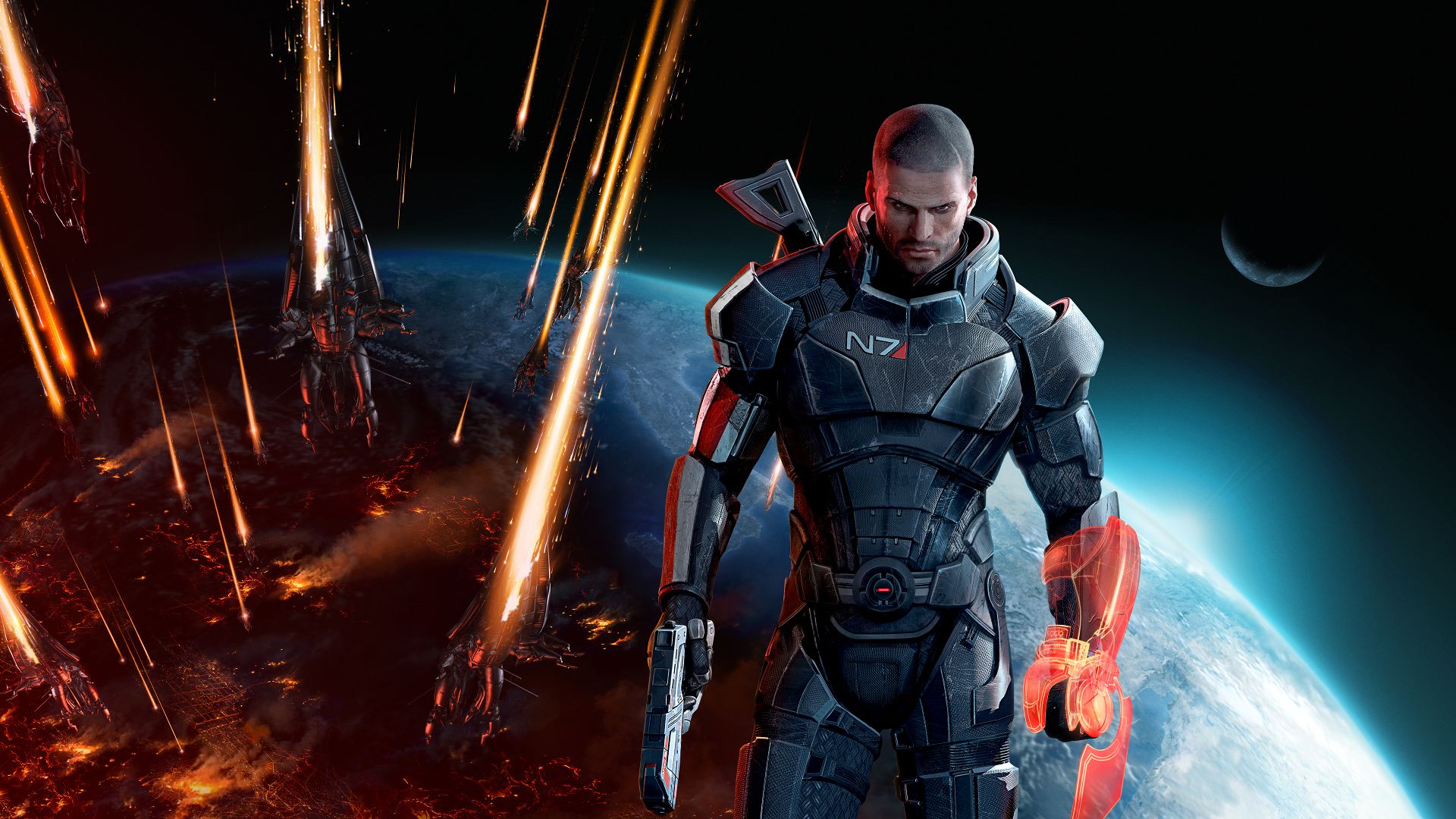
The finale reveals the Catalyst and presents three primary solutions that reshape synthetic and organic life. The closing sequences share many visual elements regardless of the path chosen with differences tied to resources gathered across the campaign. A later update expands the final slides and adds clarifying scenes, but the core structure remains the same choice at the Crucible followed by montage.
War readiness affects small details in the end scenes and determines whether certain outcomes are even possible. Save imports from earlier entries influence character fates along the way, yet the last decision hinges on a single moment on the Citadel. The game rolls credits after a short epilogue that shows the results at a high level rather than a detailed state of the galaxy.
Far Cry 5
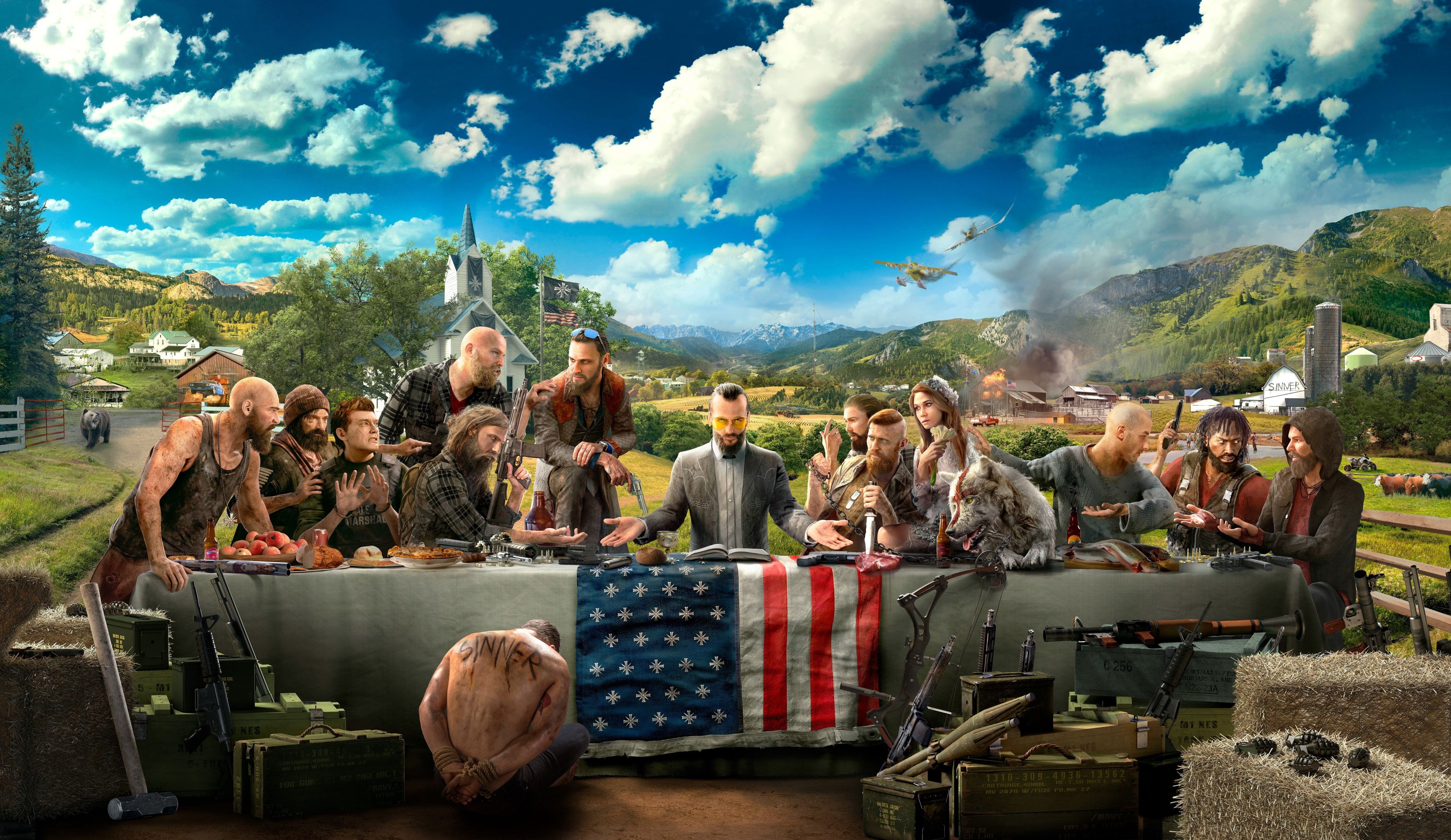
The story leads to two main options at the church with the cult leader. Choosing to walk away ends the conflict immediately with a quick wrap and a cut to credits that offers no clean resolution within the county. Resisting triggers a final sequence that culminates in a catastrophic event across the region.
A hidden early option allows players to refuse the arrest prompt in the prologue and finish the game in minutes. After the main confrontation the world state shifts in a way that prevents normal free exploration. Side characters and factions receive brief follow ups, but the final moments focus on a single shocking turn that closes Hope County for good.
Halo 2
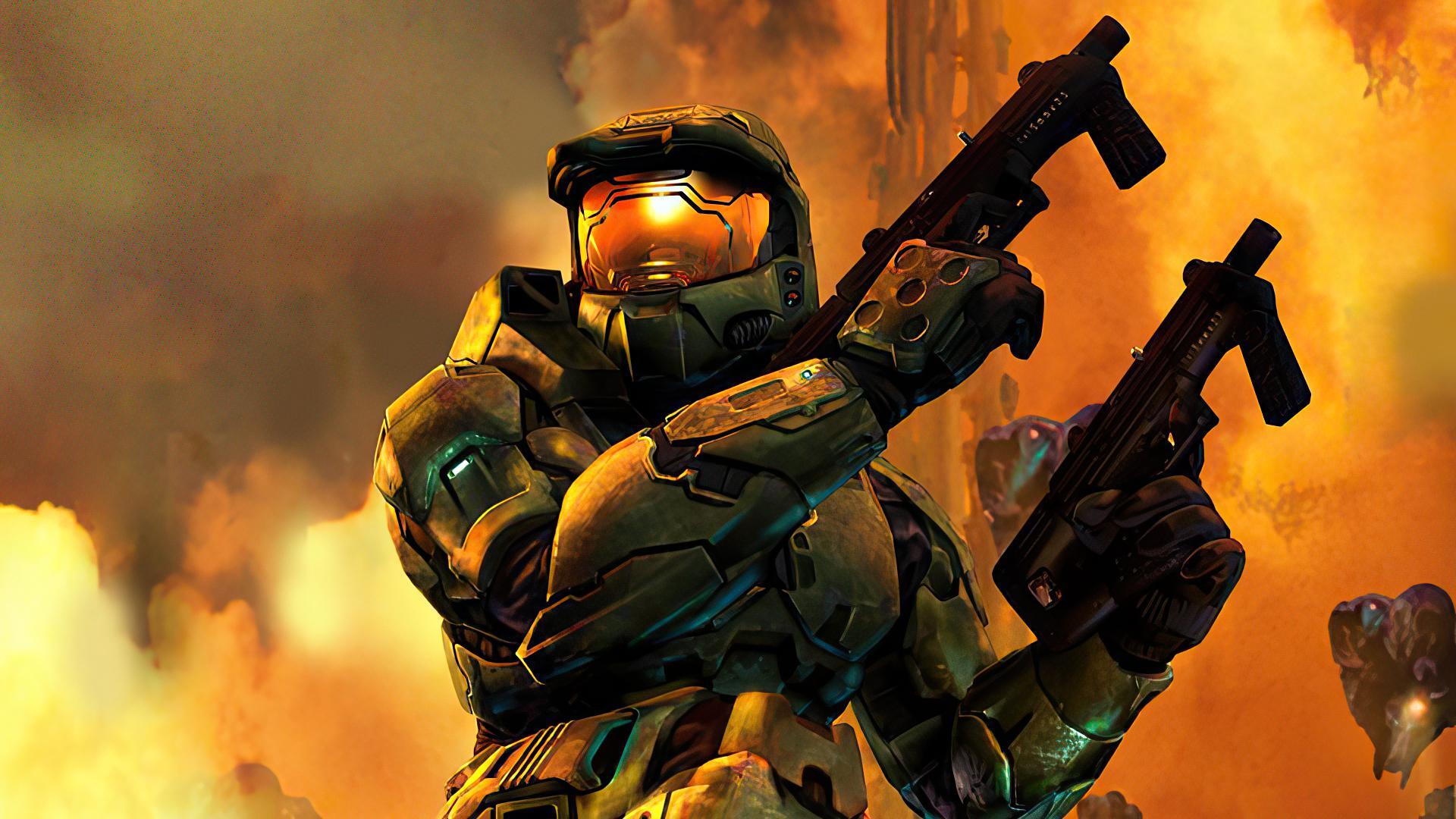
The campaign splits time between the Master Chief and the Arbiter and builds toward an escalation on Earth and the rings. The last mission ends just as the next phase begins and the screen cuts to credits with a promise that the fight will continue in the next entry. Plotlines involving the Prophets and the ring network remain active without immediate conclusions.
Multiplayer arrived as a major pillar, yet the story campaign stops short of a full third act. The ending shifts players to a sequel for resolution on Earth and for the fates of key characters. The result is a hard cliff that pauses the narrative rather than a final chapter that completes it.
Metal Gear Solid V: The Phantom Pain
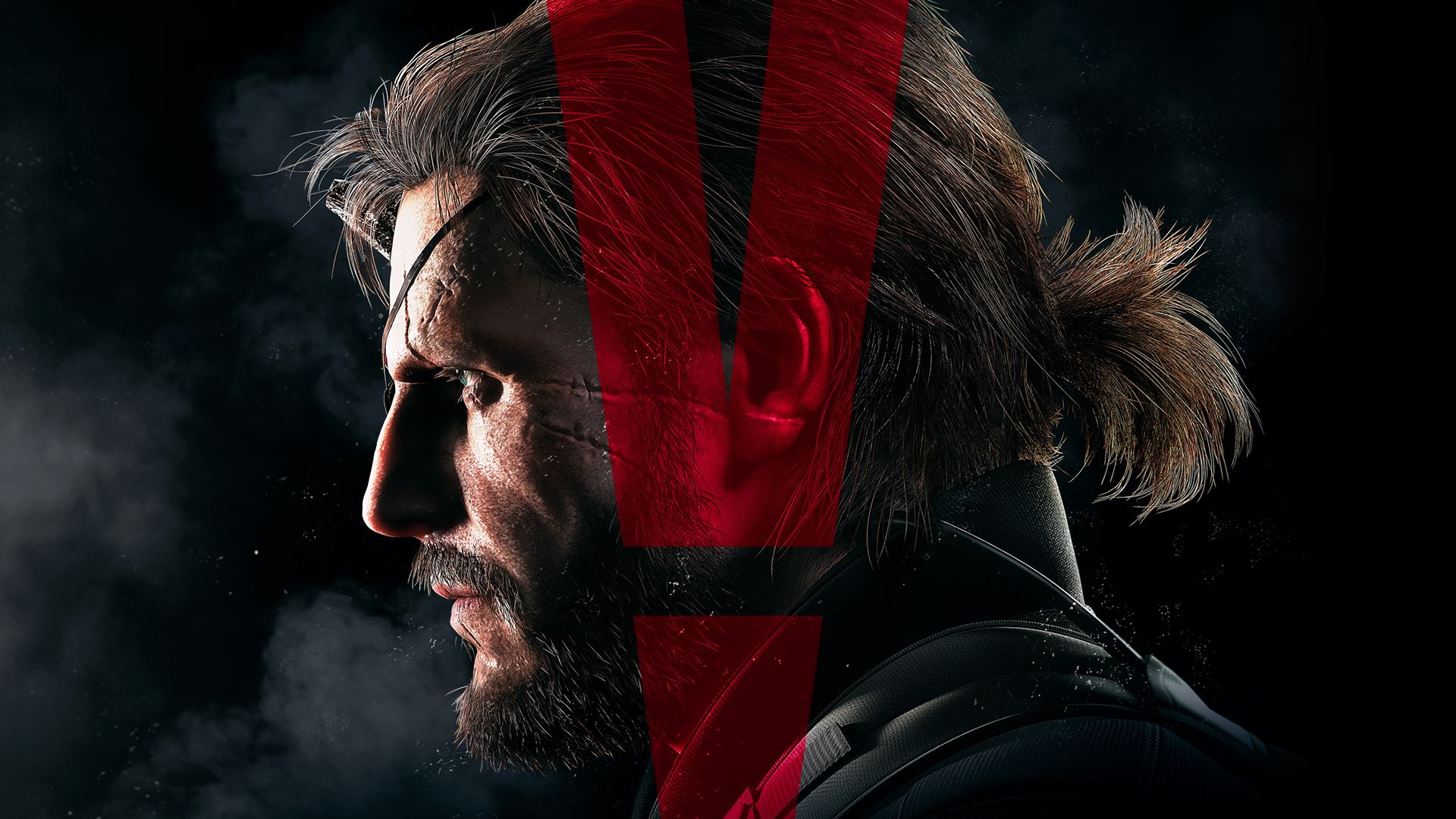
The game reveals that the protagonist is not the original Big Boss but a medic remade through surgery and conditioning. After a series of late story missions the campaign moves into a second chapter that repeats earlier operations with higher difficulty and sprinkles in new story segments. The planned final mission that would have tied off a major thread exists only as development material outside the main release.
Mother Base systems and open world structure continue after the credits with new tasks, but the central conflict involving Eli and the stolen weapon platform does not receive a full playable payoff. Cassettes and files fill gaps in the narrative while leaving room for events that occur outside this title. The final twist reframes the entire campaign without delivering a traditional last battle and resolution.
Prince of Persia 2008
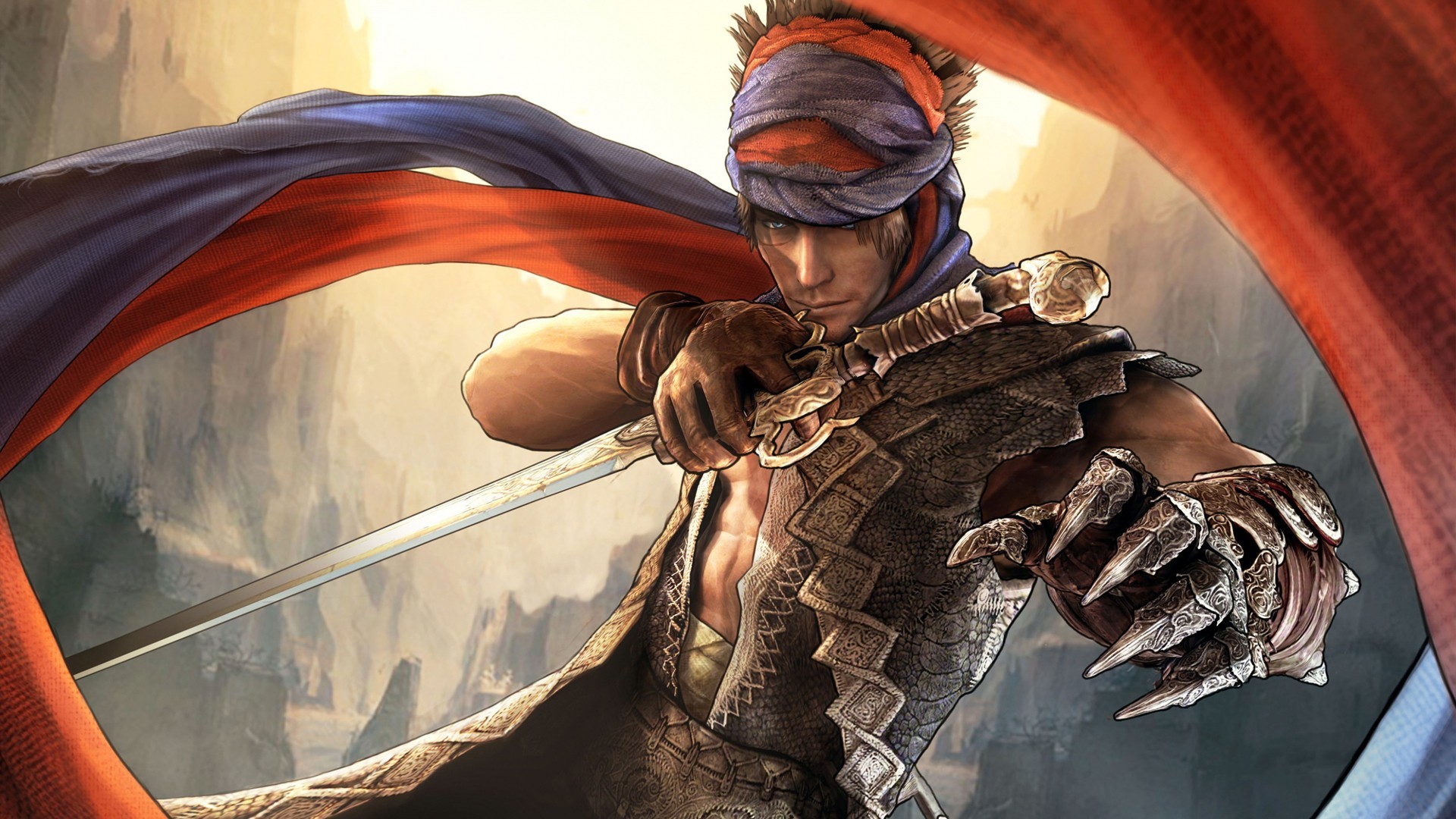
After cleansing the land and sealing corrupted areas the last scene asks the player to undo that work to save a companion. Cutting down the restored trees frees the imprisoned darkness and returns the world to a corrupted state. The base game ends with the two characters leaving the temple as the threat spreads again.
A post release add on continues the story in a new location, but the original disc ends at the moment of reversal. Collectibles and traversal skills earned across the adventure remain, yet the world state shifts back to its opening problem. The final beat makes earlier victories temporary and closes without a restored balance.
Fallout 3
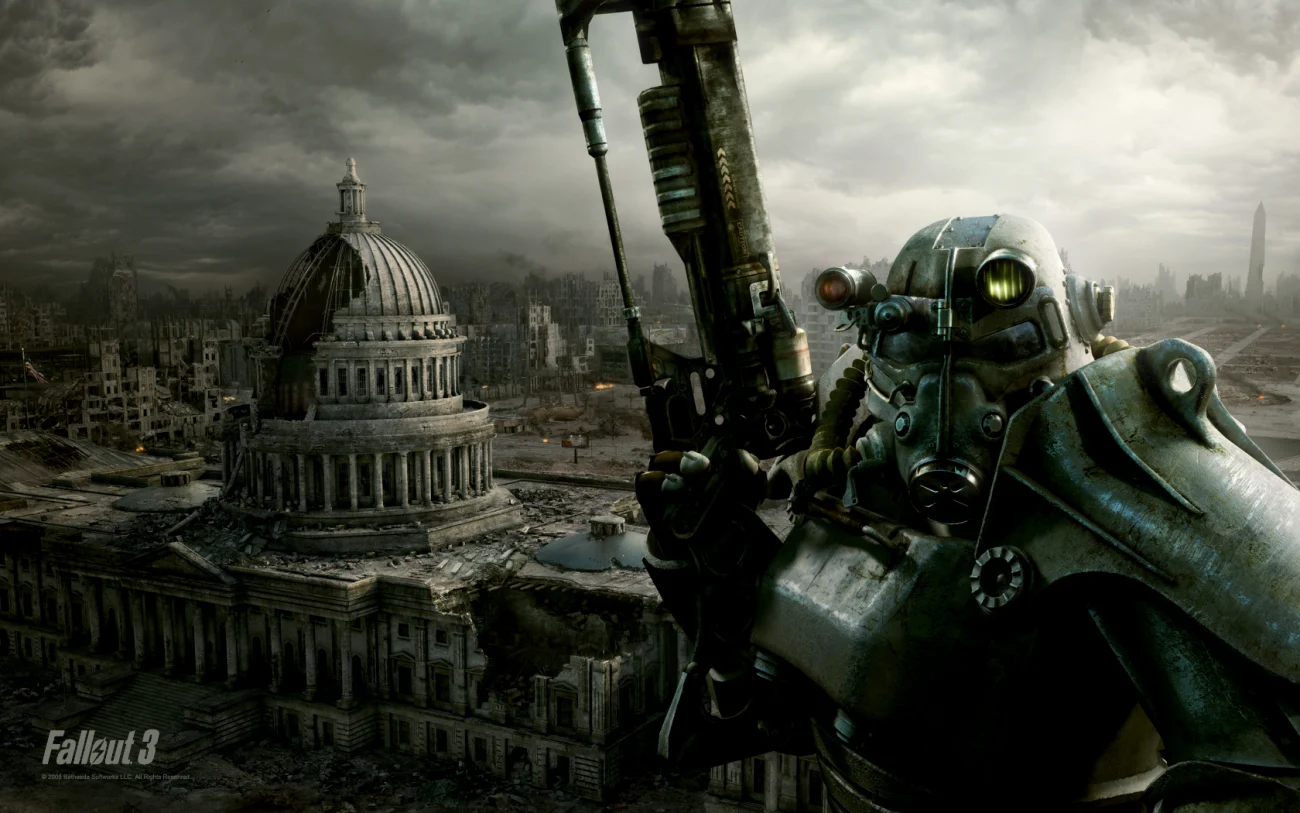
The original release sends the player into a flooded chamber with lethal radiation to activate a purifier. After the decision and a short slideshow the game ends and returns to the main menu without free exploration of the world. Companions present at the finale do not change the structure of the final cut and the wasteland locks after credits.
A later expansion reopens the Capital Wasteland and extends the main quest beyond the purifier event. That update also raises the level cap and adds new missions tied to the fallout of the project. Without that content the base ending functions as a hard stop that prevents returning to settlements and unfinished quests.
Star Wars: Knights of the Old Republic II The Sith Lords
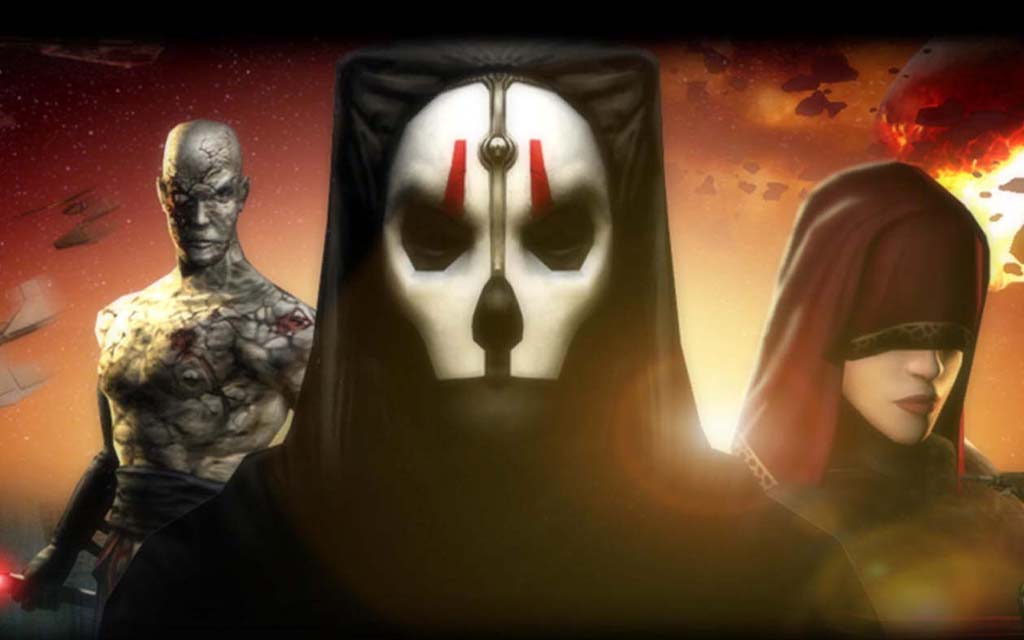
Content cuts left several character arcs unresolved in the shipped game. The finale on Malachor V sets up confrontations and then moves through sparse scenes that summarize outcomes rather than showing them. The fates of certain companions and droid subplots are referenced indirectly and some planned locations do not appear in the main campaign.
Fans later assembled unused assets to illustrate missing sequences, but the release version still finishes with an abrupt departure from the planet and a brief epilogue. The main antagonist’s final exchange ends with limited context for larger galactic consequences. The closing moments point forward instead of concluding the journeys started on Peragus and Telos.
Deus Ex Human Revolution
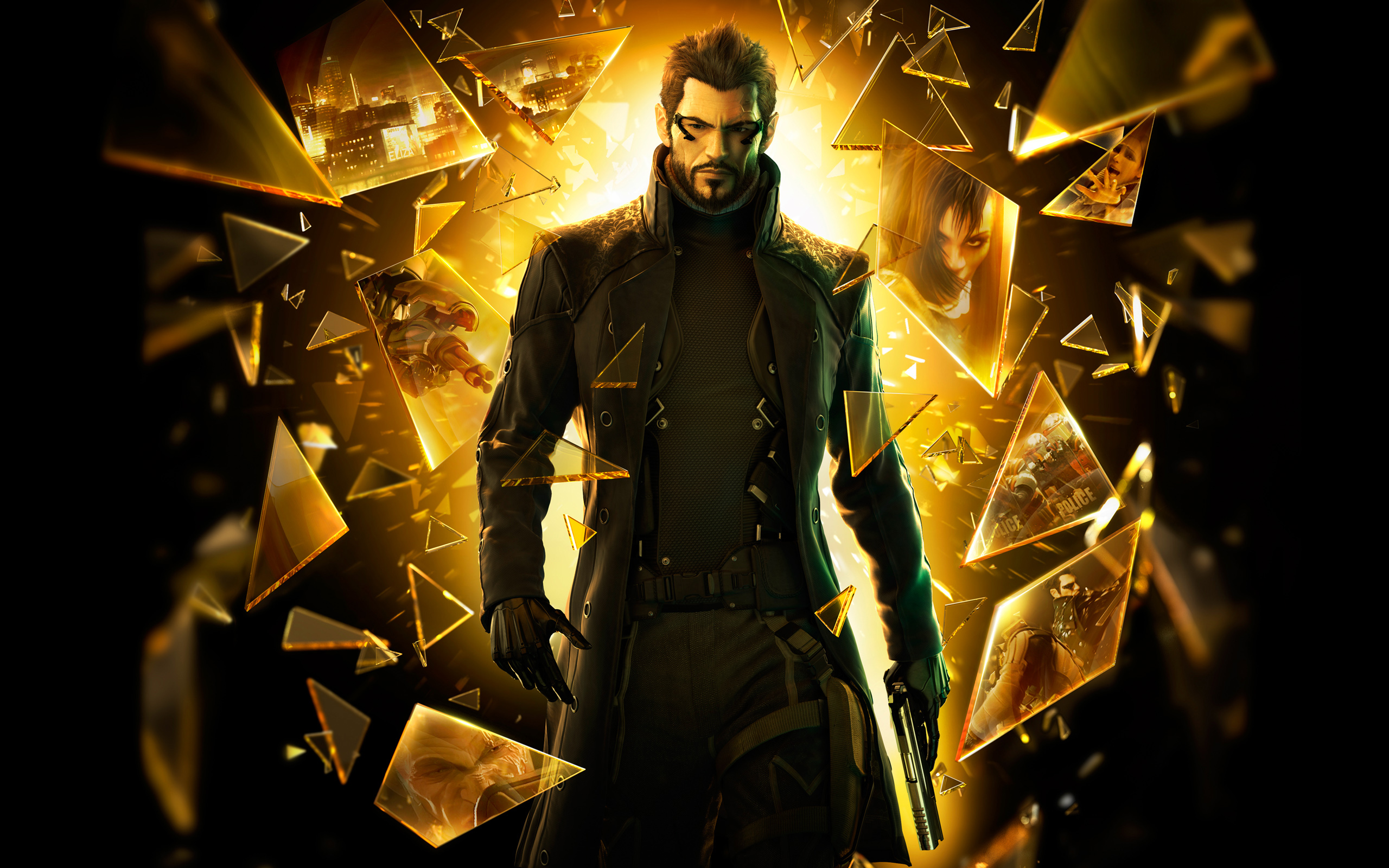
The endgame takes place in an underwater facility where a crisis threatens global stability. The final room offers several terminals that each trigger a different broadcast. Selecting one plays a narrated montage that compresses the consequences of the choice into a short sequence and then rolls credits.
Earlier player decisions influence some midgame outcomes, yet the last moments condense the resolution into a single selection. There is no extended post mission free roam after the closing cut. A later complete edition integrates additional content into the campaign, but the structure of the final decision room remains the same.
Borderlands
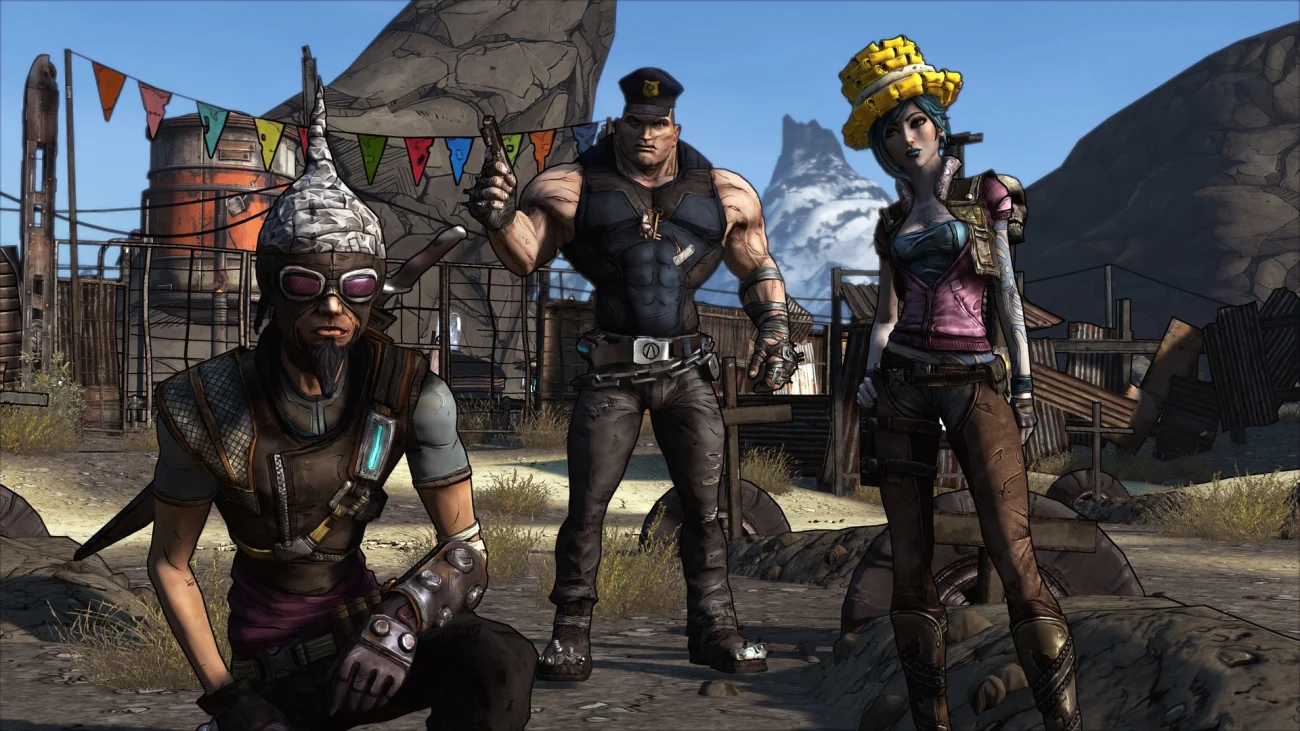
The story centers on a mysterious Vault that promises advanced rewards. Reaching it reveals a guardian creature rather than a cache of gear. Defeating the boss closes the portal and the vault seals without distributing the treasure hinted throughout the campaign.
Quest lines for the main cast wrap quickly after the fight and the game pivots back to general looting outside the main plot. Subsequent entries expand the mythology around the vaults and the Eridian legacy. The first game ends with a reveal that resets expectations while leaving the promised windfall out of reach.
No Man’s Sky
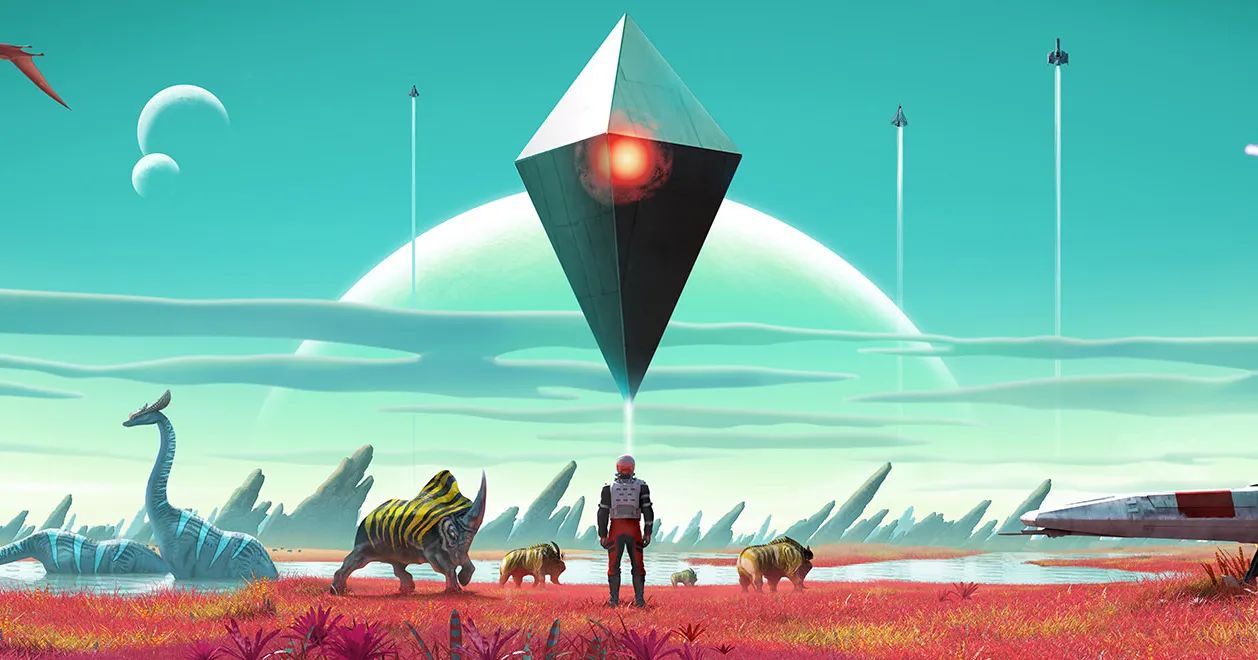
The long term goal points players toward the center of the galaxy. Reaching that point triggers a transition to a new galaxy with changes to difficulty and a reset that sends players back to basic exploration. The narrative thread around the Atlas path also loops into a reset that maintains the cycle rather than an ending with finality.
Base building, discovery, and trading continue after the shift, but the milestone functions as a soft wipe rather than a culminating reward. The procedural universe persists with new coordinates and names while major story questions stay open. The end target acts more like a portal to another run than a destination with closure.
Fable II
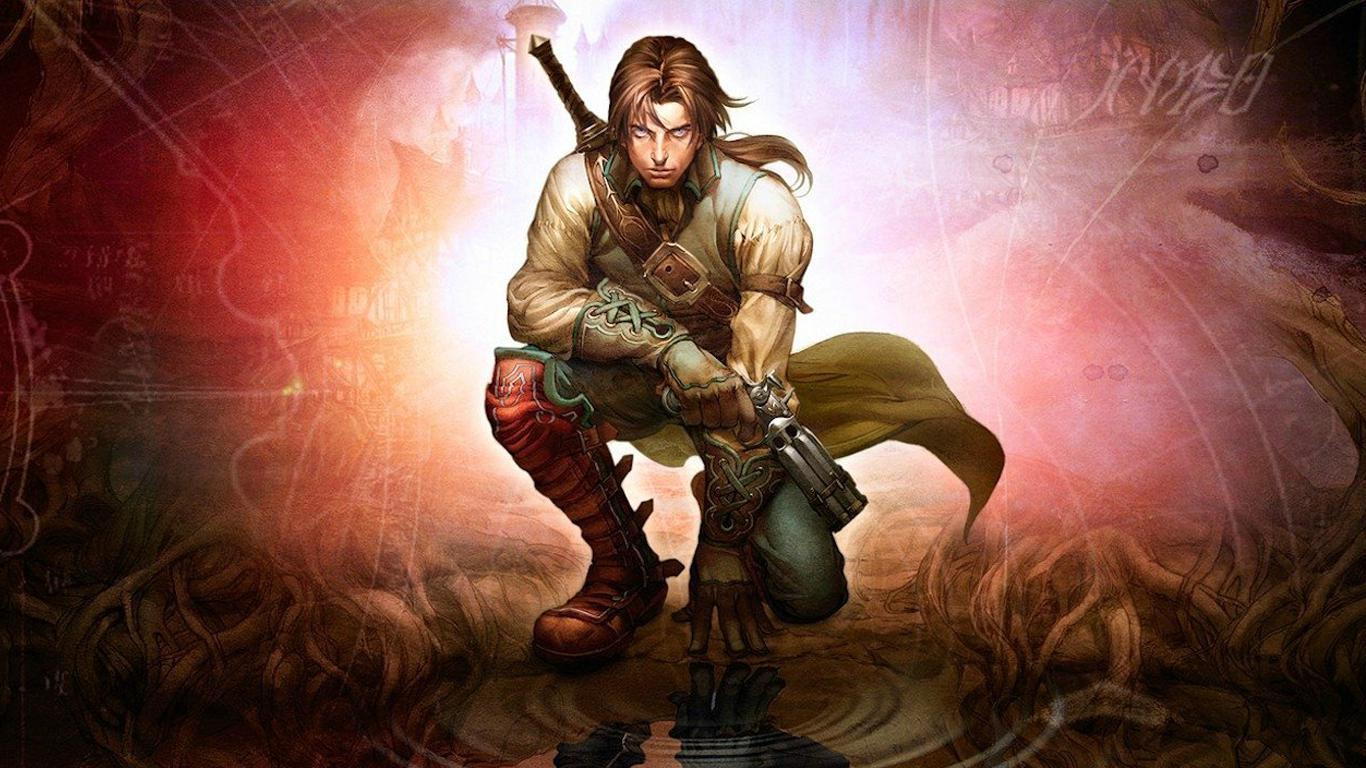
The journey ends with a confrontation in a tower where the antagonist is neutralized in a single scripted action. Afterward the player chooses among three rewards that prioritize different values. The selection changes immediate outcomes for loved ones and the wider populace, but the world otherwise resumes normal activity without new conflicts.
Many choices made earlier in the adventure influence town prosperity and character appearance, yet the tower sequence remains brief and controlled. The final choice can be revisited through later content, but the main story credits roll soon after the decision. The finale functions as a short coda rather than a full third act.
Star Ocean Till the End of Time
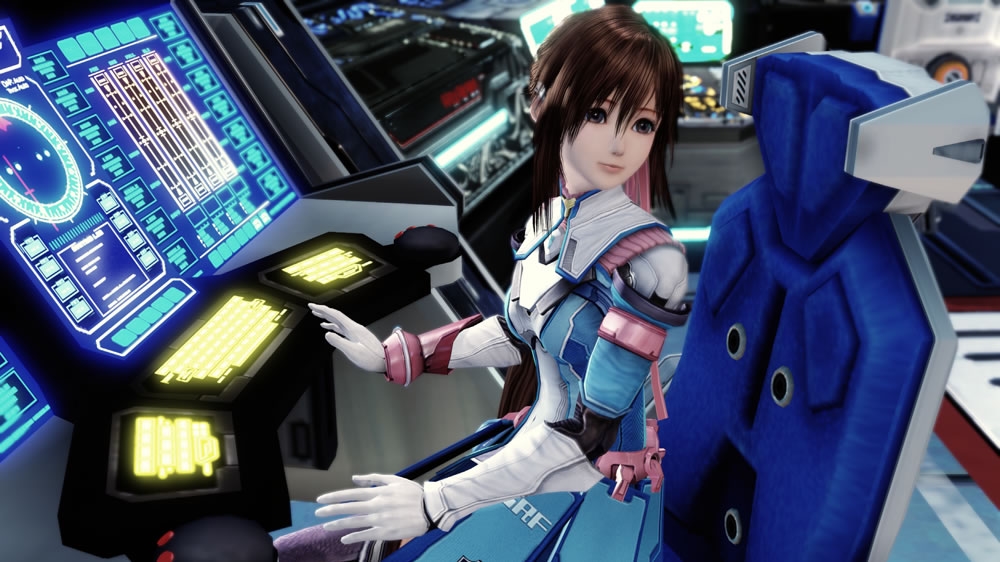
Late in the story the cast learns their universe exists as a creation within a higher dimension. The last chapters move to that higher plane to confront its overseers. Defeating the ultimate foe preserves the simulated world and allows the protagonists to return to their lives with awareness of their origin.
The revelation reframes events from earlier games by placing them inside the same constructed reality. The ending restores stability but does so after redefining the nature of the setting and its history. Post game content focuses on optional dungeons and challenges rather than narrative epilogues for the broader cast.
Assassin’s Creed III
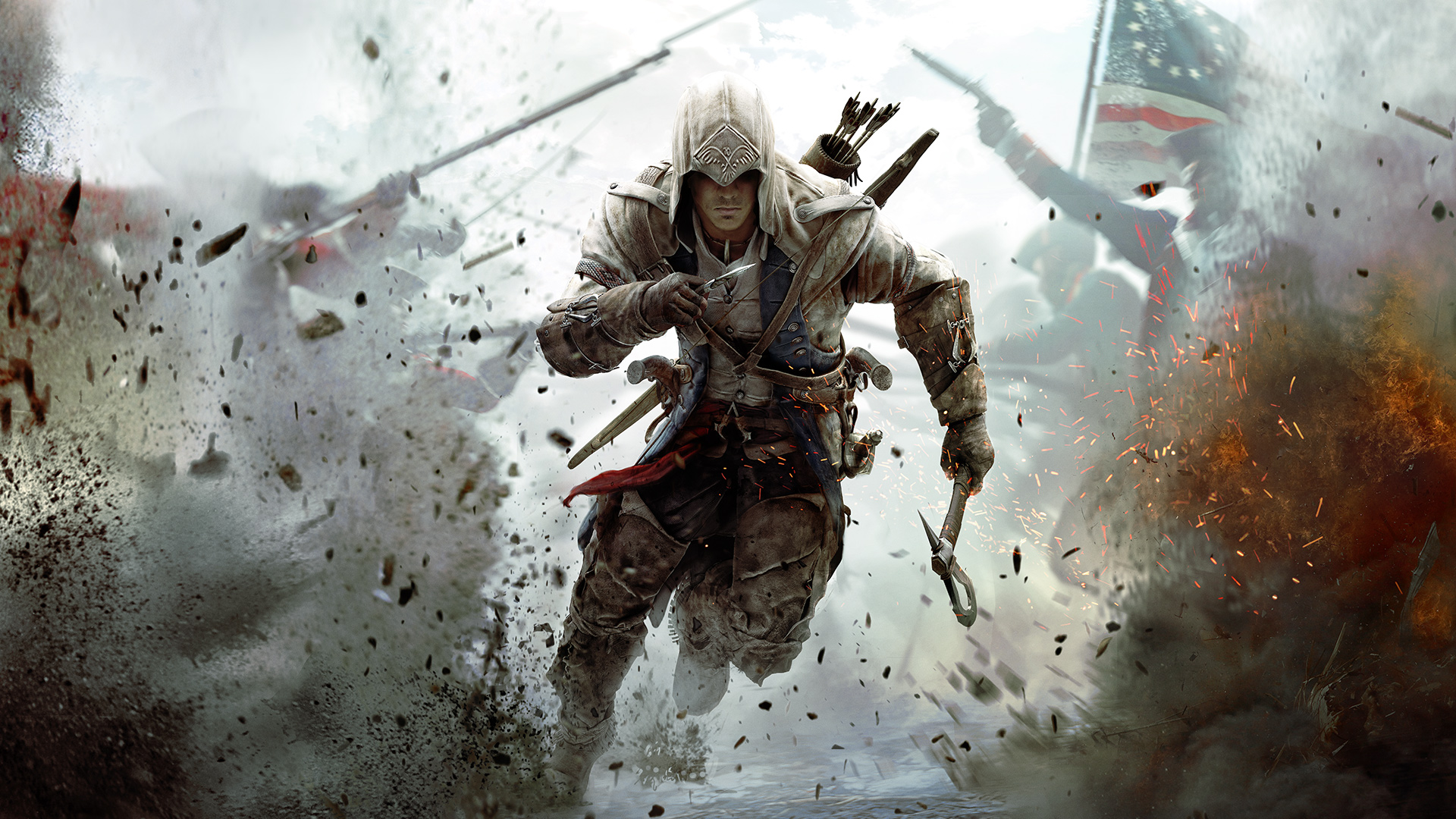
The modern day thread culminates with a choice that prevents a global disaster at a personal cost. Activating the device ends the threat while releasing an ancient entity into the world. The game then returns to the historical timeline for a short wrap before moving to credits with limited modern day follow through.
Collectibles and homestead activities remain available after the story, but the central present day mystery transitions to future entries. Audio files and database notes provide extra context on the choice and its ramifications. The final scene positions the franchise for the next chapter rather than delivering a contained conclusion.
Shenmue III
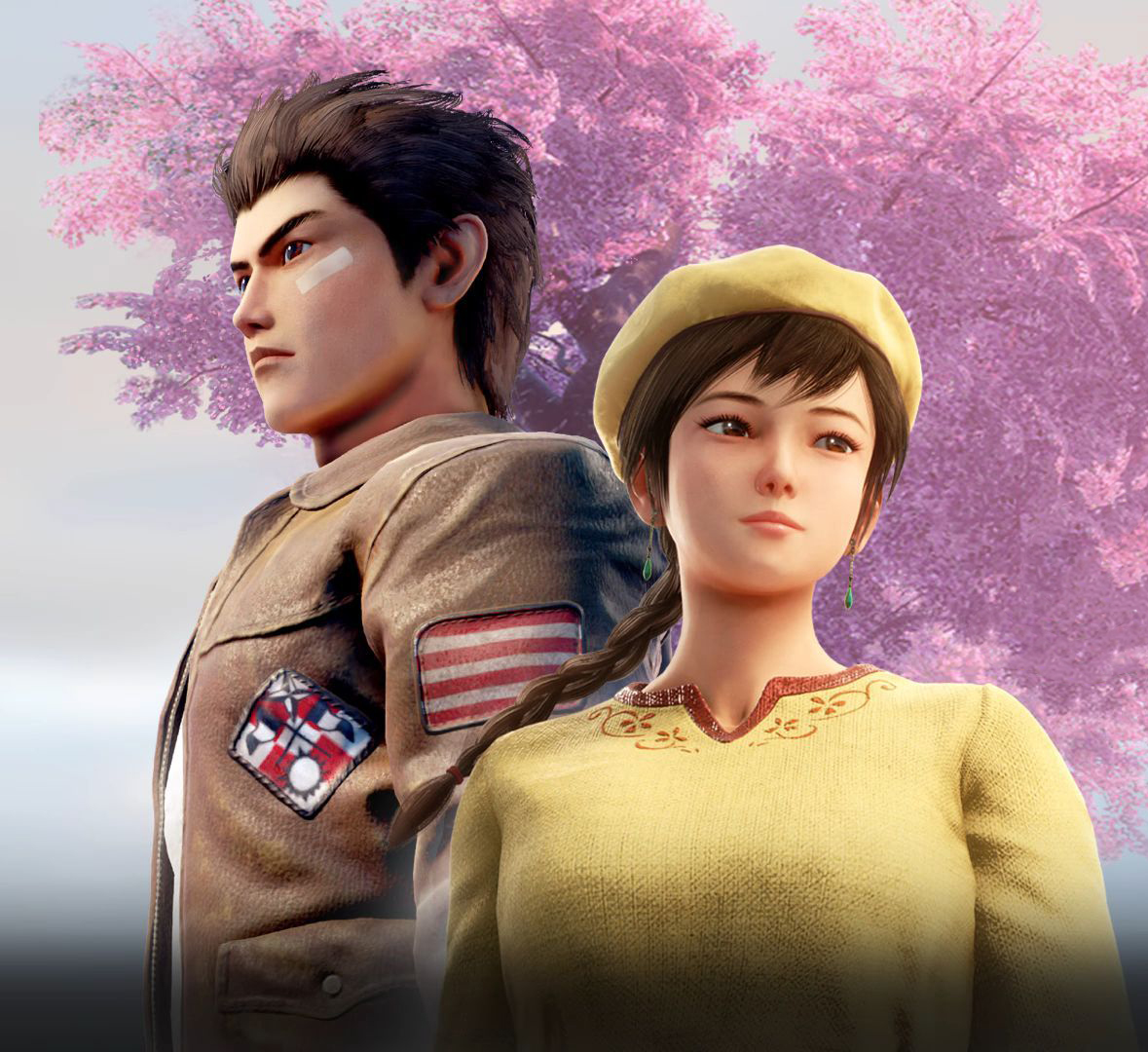
The narrative continues the search that began in the first two games and leads to new regions and rival factions. The final sequence includes a climactic encounter that does not end the conflict with the long running antagonist. The credits roll while the central revenge story remains active.
Training, mini games, and side tasks persist after the main plot, and progress carries into post game play. The story closes with a promise of further travel and investigation rather than a final showdown. The installment functions as a bridge in the larger saga and stops before resolving its primary pursuit.
Ghosts ’n Goblins
Finishing the game once reveals a message that the first run was an illusion created by the enemy. The player must complete a second loop on a higher setting to reach the true end. Only after clearing the additional run does the final rescue and celebratory screen appear.
This structure dates back to arcade design that extends playtime and challenge. Levels and enemy patterns repeat with tougher parameters, and only the true second conclusion closes the quest. The first credits do not represent a full victory even though the player already conquered every stage.
Share your picks for endings that missed the mark in the comments and tell us which finales still stick with you today.