


18 Trans Celebs Who Rejected “Transition Reveal” Magazine Covers

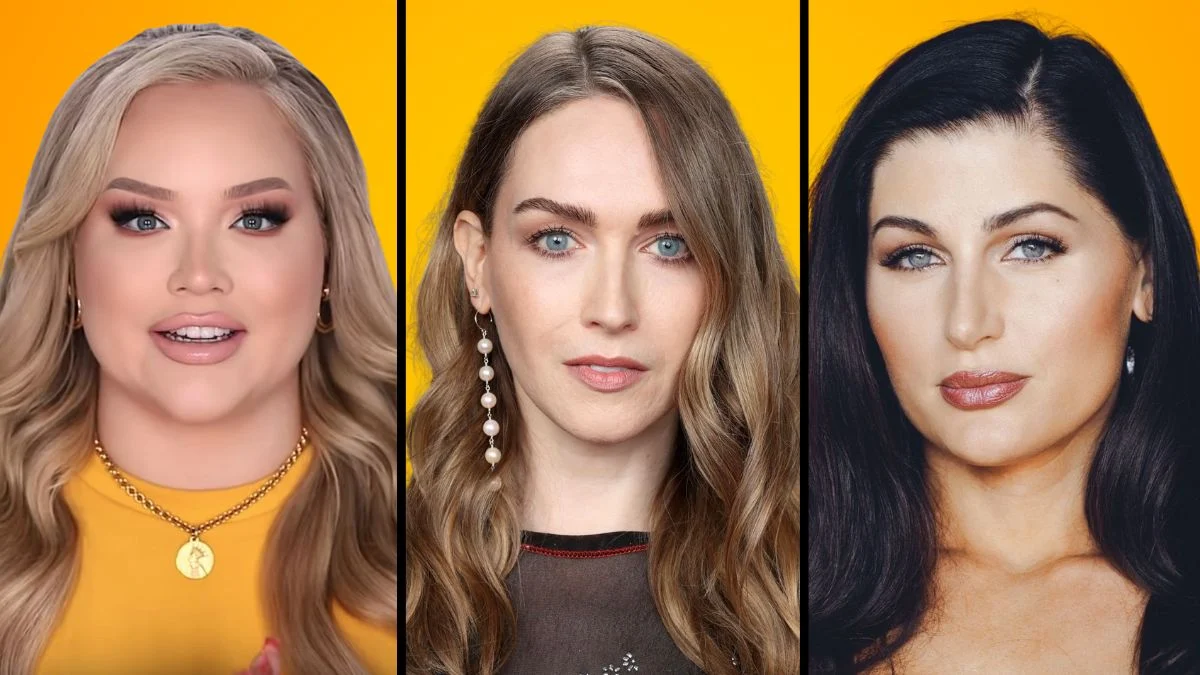


The landscape of celebrity transition announcements has shifted dramatically in recent years. While magazine covers once served as the primary vehicle for these revelations, many stars now opt for personal autonomy over glossy editorials. Social media platforms and direct statements allow public figures to control their own narratives without the sensationalism of traditional media gatekeepers. This evolution reflects a desire for privacy and authenticity rather than commercial spectacle. The following celebrities chose to share their truth on their own terms instead of posing for a reveal cover.
Lilly Wachowski
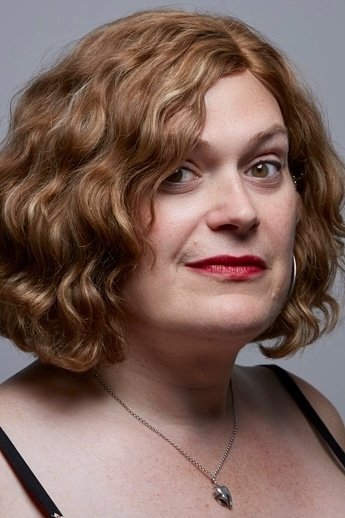
The co-director of ‘The Matrix’ faced a threatened outing by a tabloid publication and decided to pre-empt the story. She released a candid statement to an LGBT newspaper titled “Sex Change Shock” to reclaim her narrative from the press. Her written piece explicitly criticized the media fascination with transition narratives and the pressure to conform to beauty standards. She bypassed the glossy magazine industry entirely to focus on the political reality of being transgender. This act of autonomy allowed her to enter her new life without the artificial glamour of a cover shoot.
Nikkie de Jager

This beauty influencer known as NikkieTutorials was targeted by blackmailers who threatened to leak her story to the press. She took control of the situation by filming a raw and emotional coming-out video on her own YouTube channel. The upload garnered millions of views and allowed her to speak directly to her fans without a journalistic filter. She rejected the idea of selling her story to a magazine and instead prioritized honesty with her audience. Her brave move sparked a global conversation about privacy and safety for transgender individuals.
Teddy Geiger
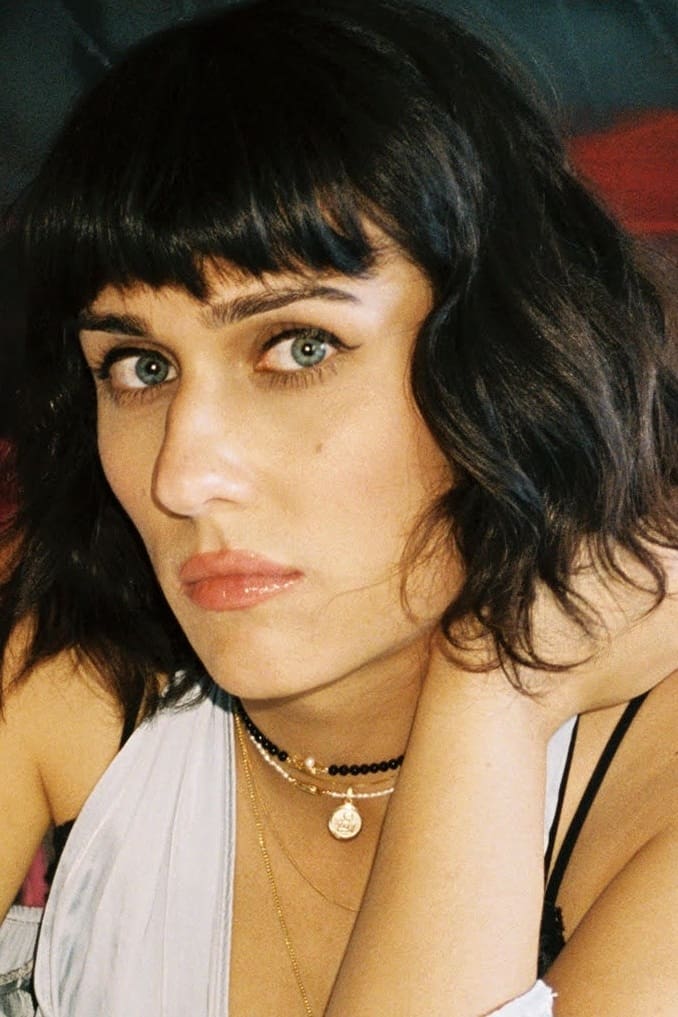
The singer and songwriter chose a remarkably low-key method to announce her transition to the public. A fan asked about her changing appearance on Instagram and she simply replied that she was transitioning. There was no press release or stylized photo shoot involved in her casual revelation. She allowed the news to spread organically through her fanbase and social media circles. This understated approach normalized the process and kept the focus on her musical contributions rather than her gender.
Lana Wachowski

One half of the famous directing duo quietly transitioned years before her sister followed suit. She began appearing at public events with pink dreadlocks and a feminine presentation without a formal announcement. There was no “coming out” interview or magazine profile to explain her evolution to the world. She let her presence and her art speak for itself during the promotion of ‘Cloud Atlas’. Her refusal to engage with the tabloid machine maintained her privacy and dignity.
Abigail Thorn
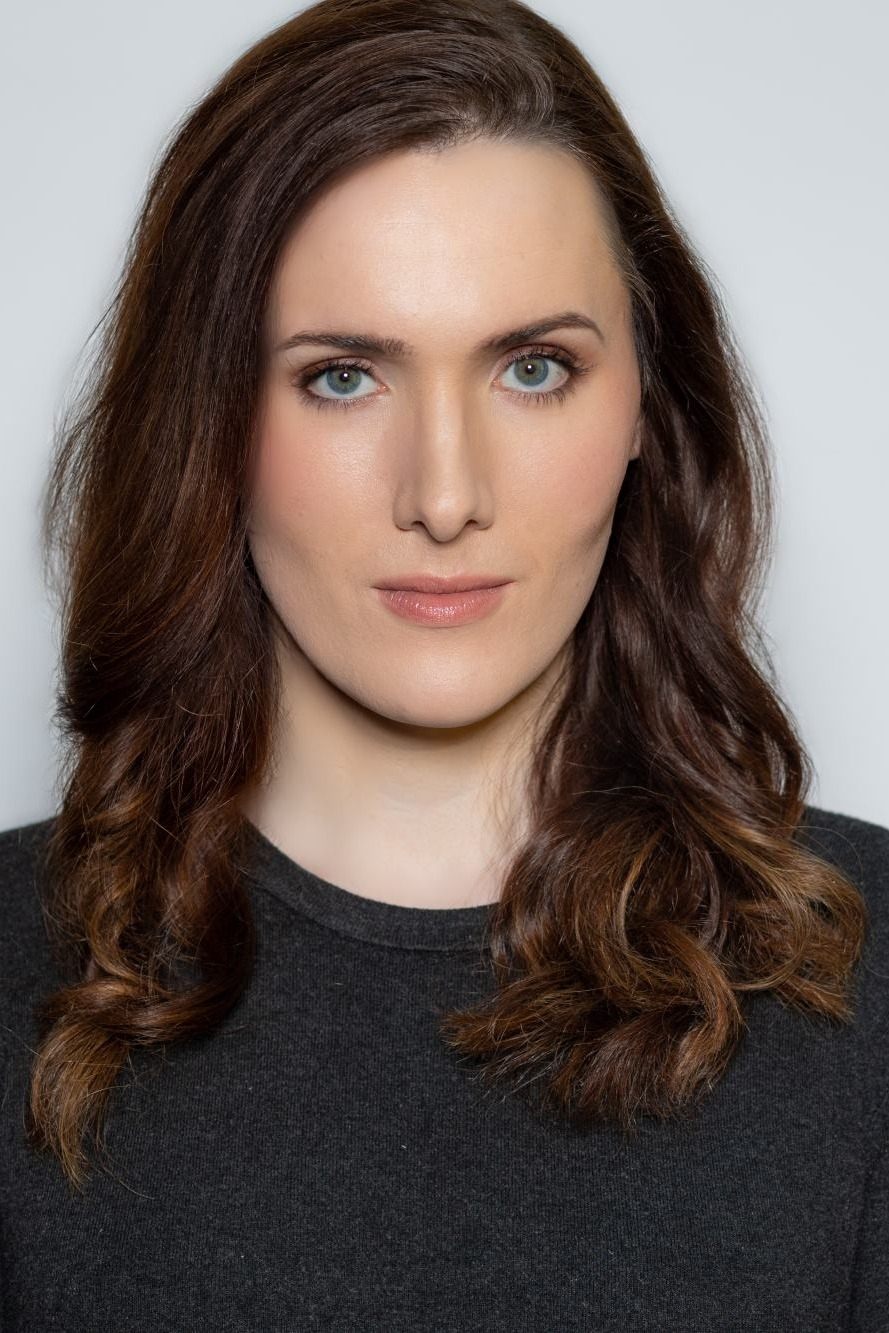
The creator of ‘Philosophy Tube’ utilized her own platform to share her identity with her subscribers. She released a theatrical video titled “Identity: A Trans Coming Out Story” that she wrote and produced herself. This method allowed her to control every aspect of the lighting and the script without outside interference. She eschewed the traditional celebrity interview circuit to provide an educational and artistic perspective on her journey. Her approach highlighted the intellectual and emotional facets of transition over physical appearance.
Brian Michael Smith
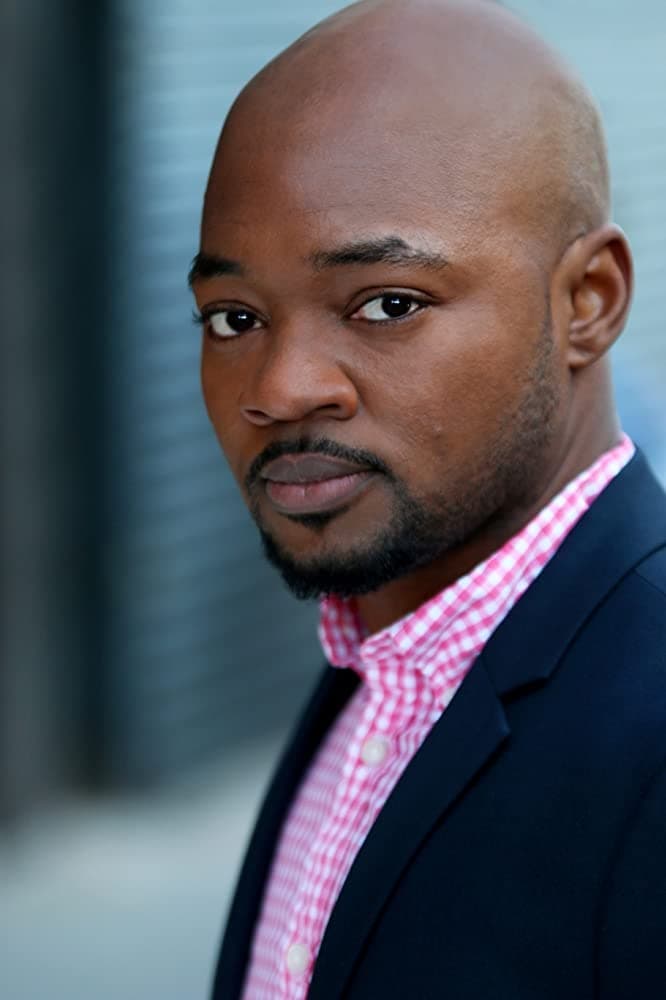
This actor had been working in the industry for years before he decided to disclose his transgender history. He chose to come out through a trade publication news piece that focused specifically on his advocacy work. The announcement was framed around his desire to see better representation for trans men in television. He avoided a sensationalized “before and after” spread to keep the conversation professional. His disclosure was a strategic move to open doors for others in Hollywood.
Isaiah Stannard
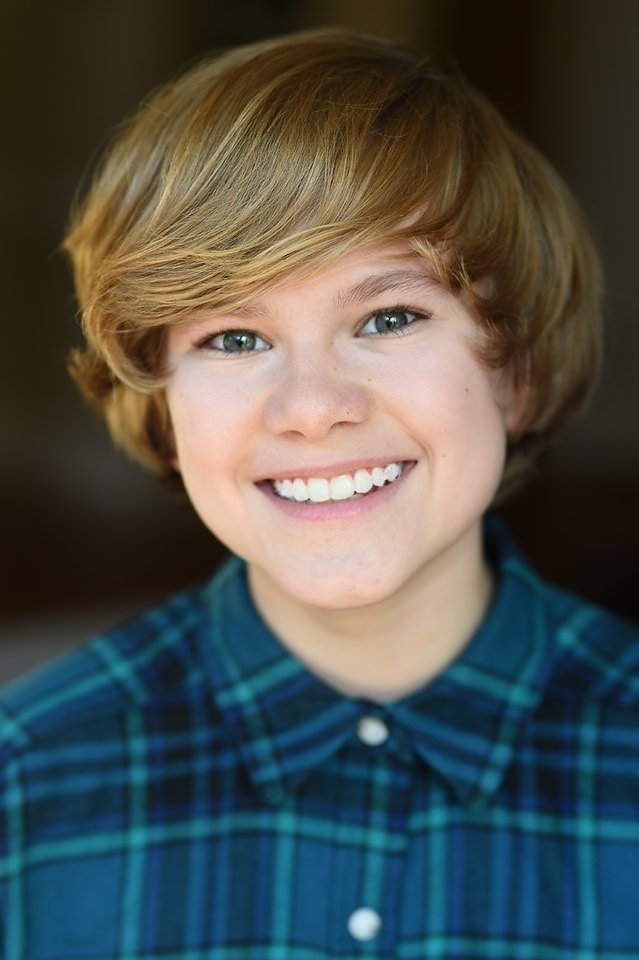
The actor known for ‘Good Girls’ transitioned alongside his character on the show. The showrunners incorporated his real-life gender identity into the script after he initiated the conversation. He did not seek a magazine cover to explain the change to the audience. The evolution of his character served as his public statement and allowed art to imitate life. This organic integration normalized the experience for viewers without the need for a press tour.
Scott Turner Schofield
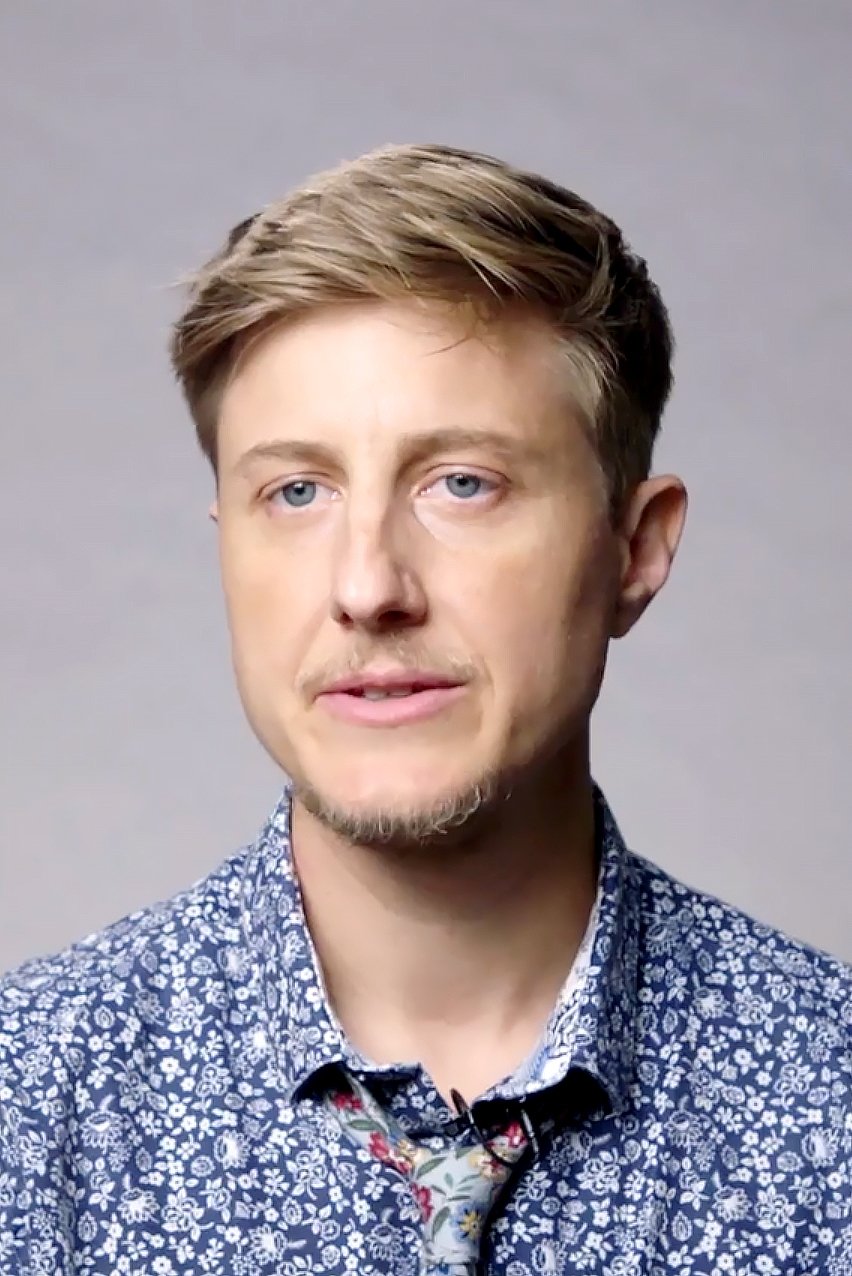
The soap opera actor has always focused his public efforts on education and advocacy rather than personal spectacle. He became the first openly trans actor in daytime television without a sensationalized reveal cover. His approach involves working behind the scenes to teach Hollywood how to respect trans stories. He speaks through his professional achievements and educational workshops. His transition was treated as a facet of his life rather than a marketing tool.
Chella Man
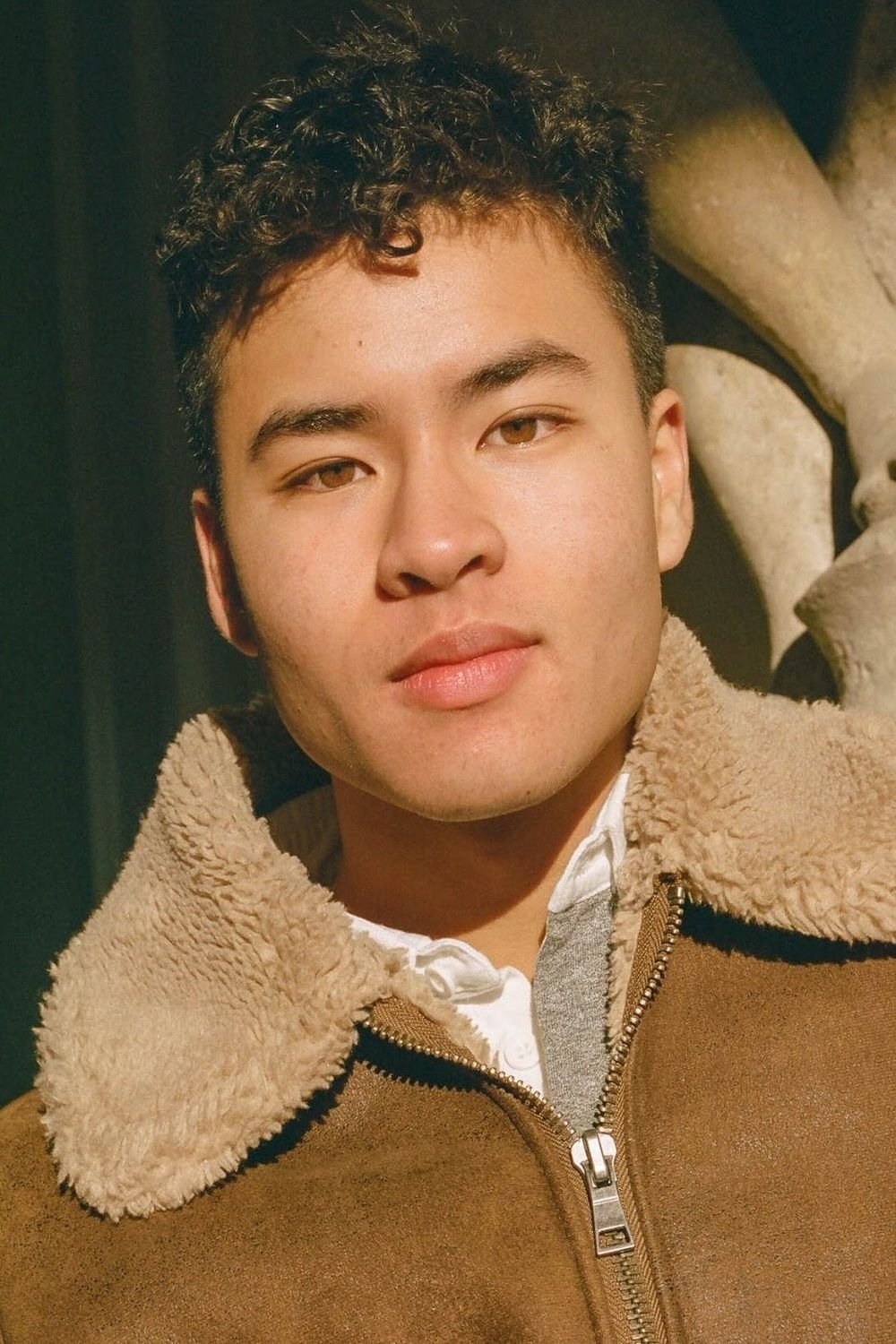
The artist and activist documented his transition extensively on his own YouTube channel and Instagram. He shared intimate details about testosterone and top surgery directly with his followers. This transparency removed the need for a sanitized magazine profile to explain his body. He prioritized community building and disability advocacy over mainstream media validation. His journey was archived in real-time on his terms.
Asia Kate Dillon

The ‘Billions’ star initiated a public conversation about gender by challenging award show categories. They wrote a letter to the Television Academy asking for clarification on gendered acting distinctions. This act served as a major public statement about their non-binary identity without requiring a glossy photoshoot. The ensuing dialogue about inclusion became the focus instead of their physical presentation. They utilized their professional standing to demand systemic change.
Lachlan Watson
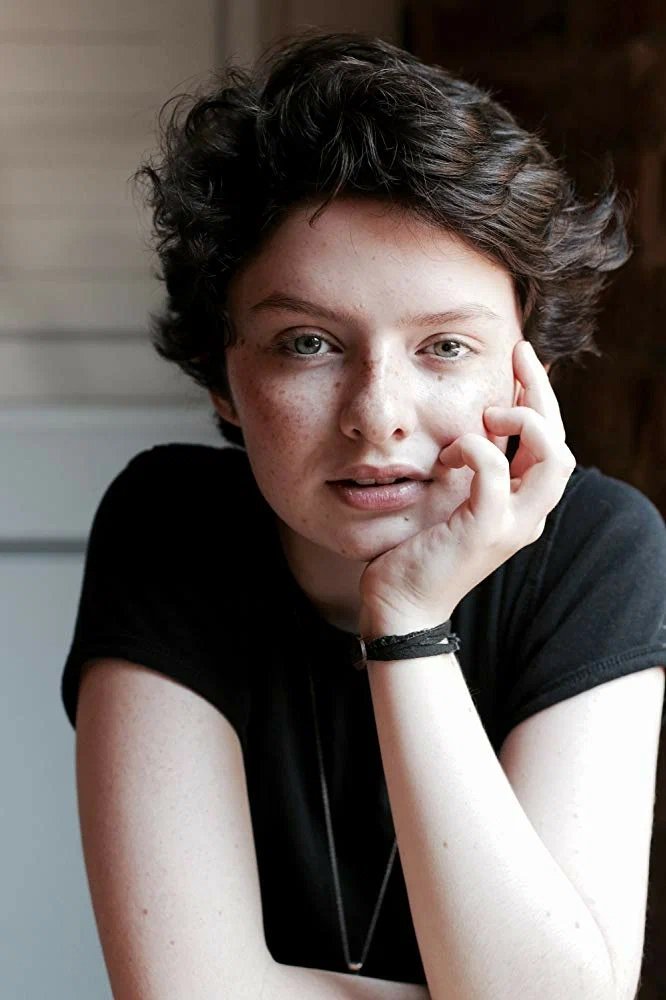
The ‘Chilling Adventures of Sabrina’ actor used their role to explore non-binary identity publicly. They discussed their gender journey in interviews related to the show rather than a standalone reveal feature. They utilized the supernatural themes of the series to draw parallels with the trans experience. This allowed them to keep the focus on their acting craft and character development. Their visibility came through their work on screen.
Indya Moore
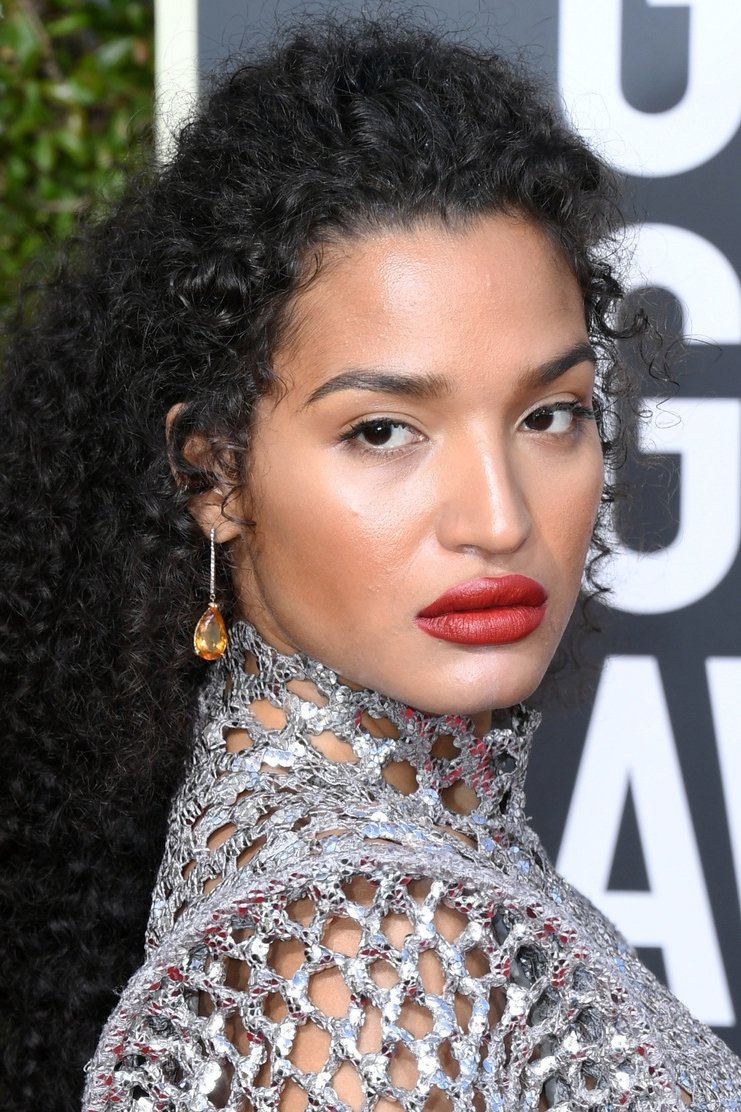
The ‘Pose’ star found validation and visibility through their work in the fashion and acting industries. They did not need a specific “coming out” cover because they lived their truth openly in their professional life. Their presence in major campaigns challenged industry standards without a singular announcement event. They speak frequently on social media about the struggles of trans people of color. Their advocacy is woven into their daily existence rather than a one-time media event.
Angelica Ross
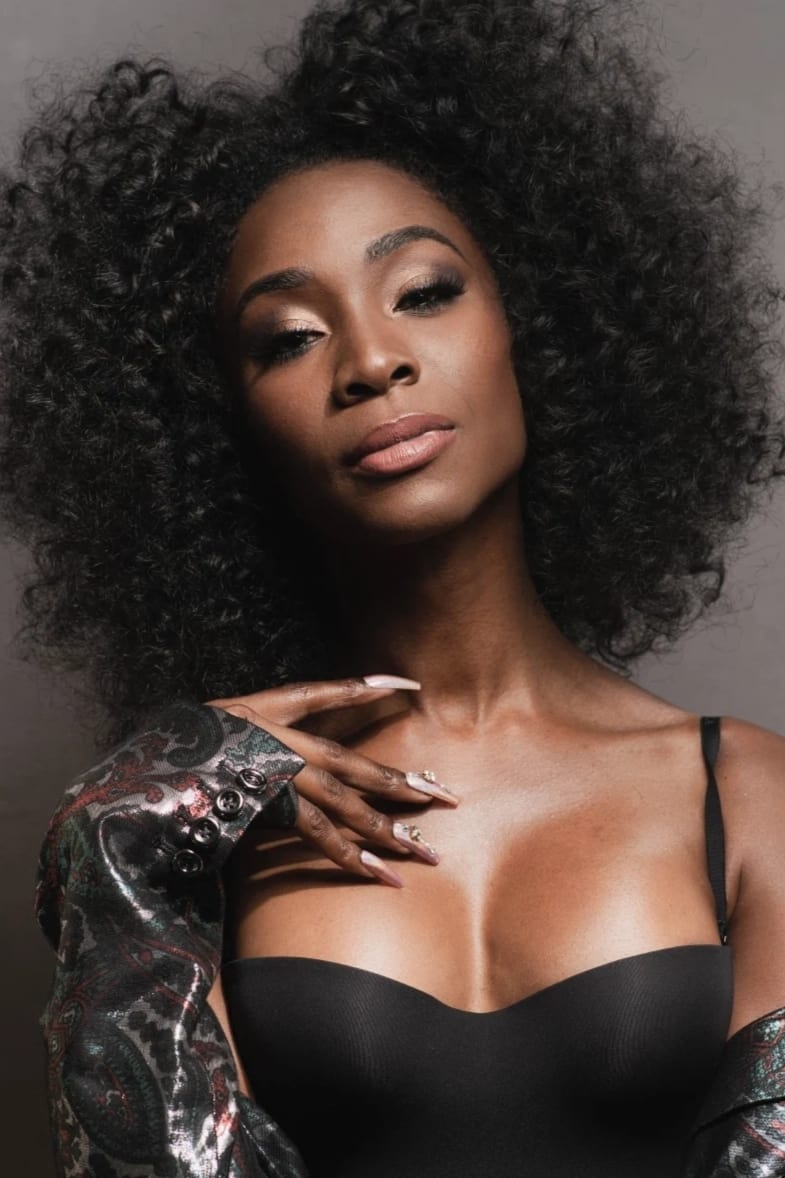
The ‘American Horror Story’ actress transitioned long before she became a household name. She founded a company to help employ trans people and focused her energy on economic empowerment. She did not seek a magazine cover to validate her womanhood to the public. Her fame came as a result of her talent and her tireless activism. She controls her image by producing her own content and leading her own organizations.
Jamie Clayton
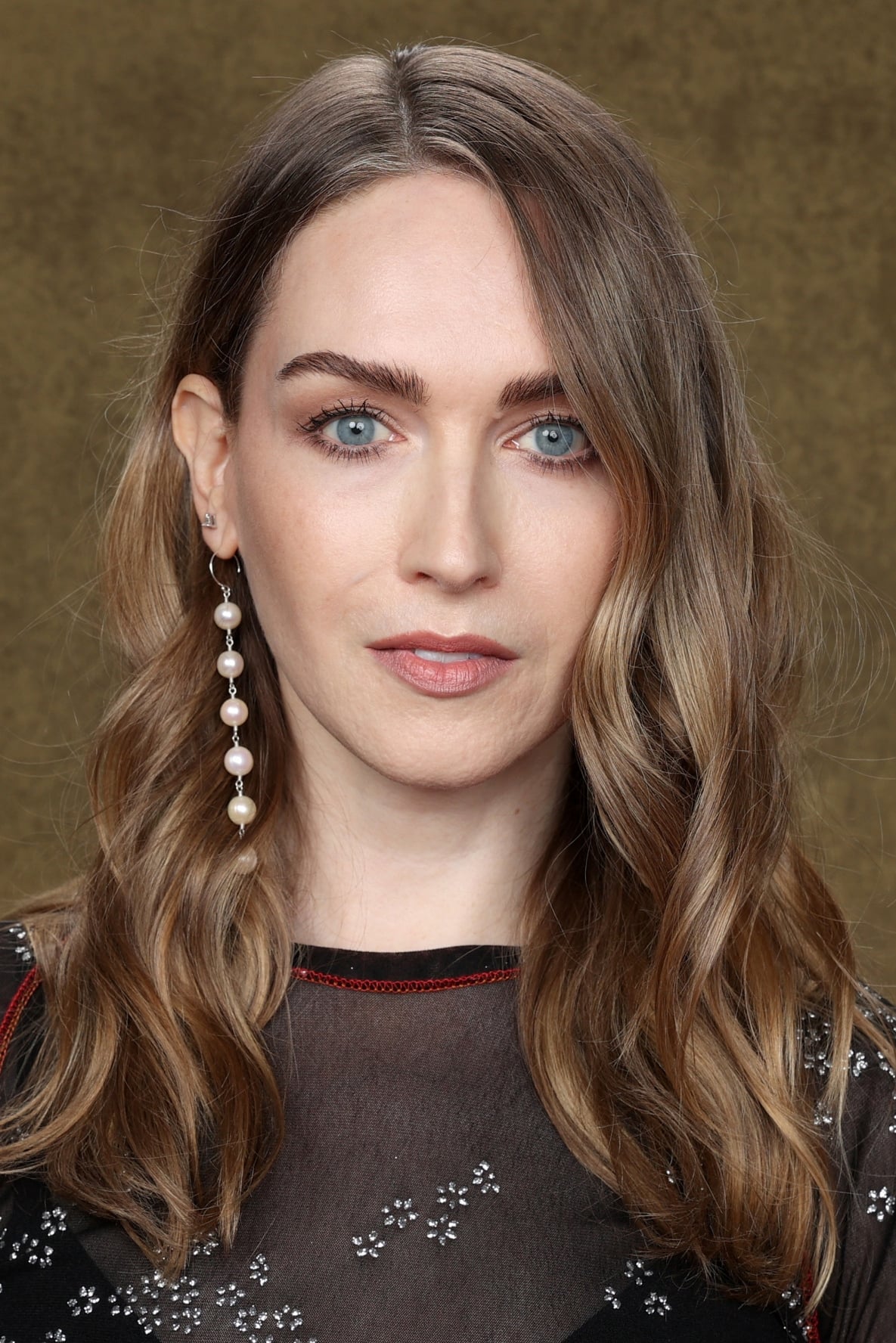
The ‘Sense8’ actress has always been open about her identity but refuses to let it define her entire career. She rejects the media’s obsession with her medical history and focuses on her acting roles. She did not do a “transition reveal” cover because she was already living her life when she found fame. She frequently pushes back against invasive questions from reporters. Her public persona is built on her work in sci-fi and drama.
Trace Lysette
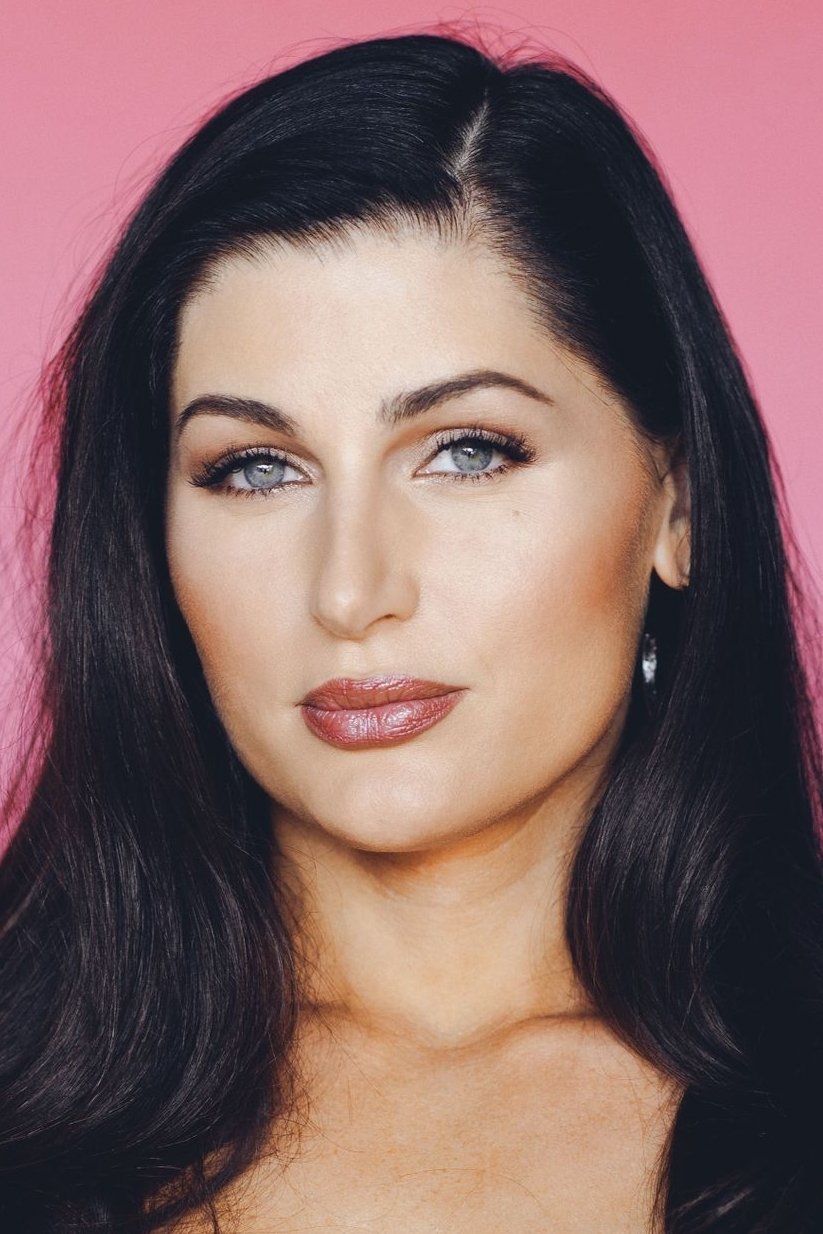
The ‘Hustlers’ actress worked as a dancer and server while transitioning before breaking into Hollywood. She came out as trans during an acting class rather than on a magazine stand. Her journey into the public eye was a result of her fight for better roles. She uses Twitter to call out the industry for gatekeeping trans stories. Her narrative is one of grit and perseverance in the film industry.
Jen Richards
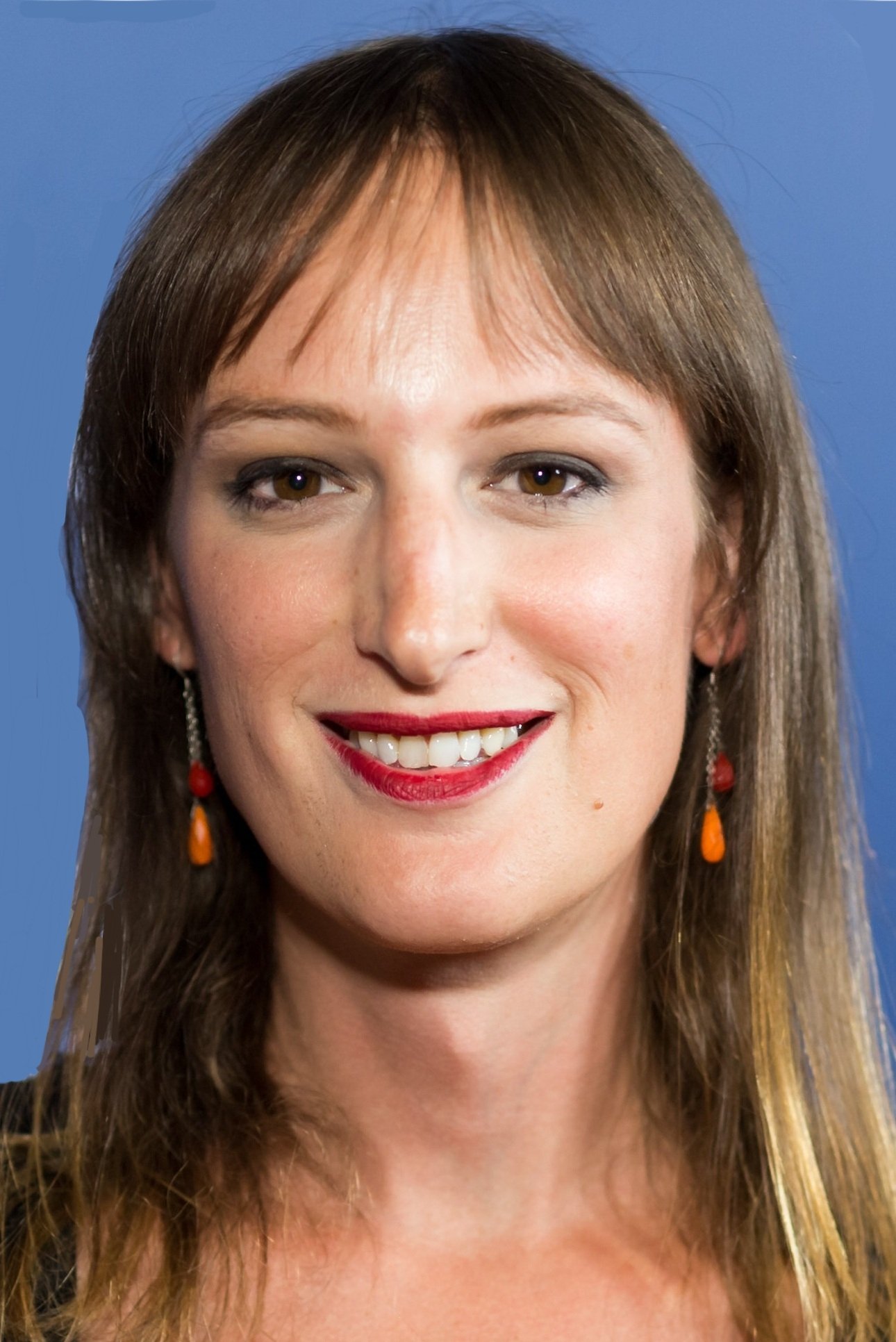
The writer and producer created a web series to tell the stories of trans women. She utilized independent media to share her perspective instead of relying on mainstream publications. Her work focuses on the nuances of trans dating and friendship. She bypassed the “tragic” or “glamorous” tropes often found in magazine profiles. Her storytelling centers on the humanity and complexity of the community.
Ian Alexander
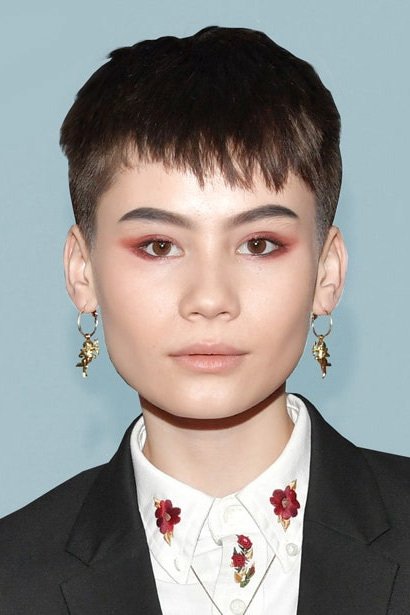
The ‘The OA’ actor gained a following on social media before landing major acting roles. He shared his transition milestones with his online community in a supportive environment. There was no need for a formal media introduction as his fans were already part of the journey. He brings his authentic self to his roles in major franchises. His visibility is a natural extension of his online presence.
Leo Sheng
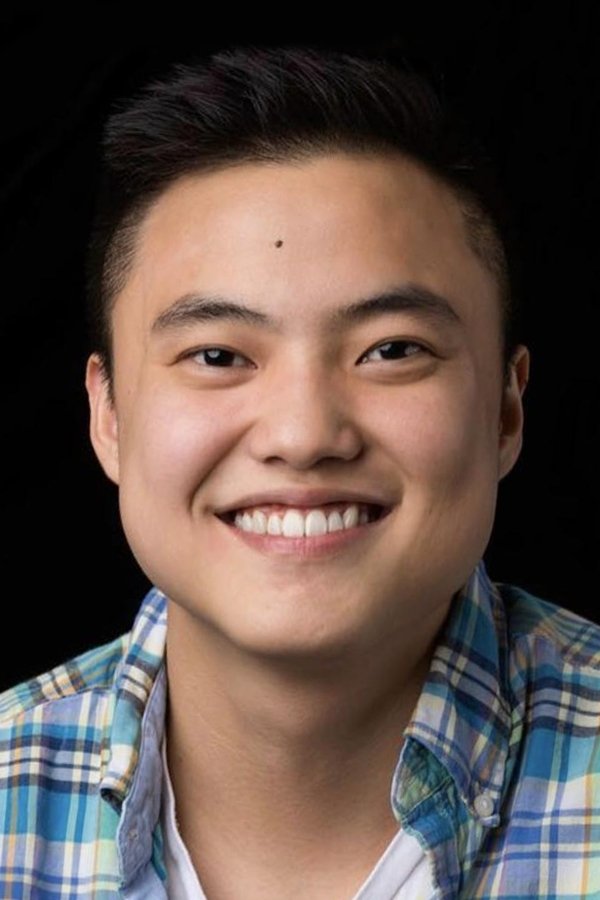
The actor known for ‘The L Word: Generation Q’ documented his transition on Instagram for years. He built a supportive following by sharing the realities of surgery and recovery. This digital archive served as his public statement and educational resource. He did not need a magazine to tell his story because he had already told it himself. His casting in the show was a celebration of the journey he had already shared.
Tell us which of these celebrities’ stories resonated with you the most in the comments.