


14 Trans Stars Dragged Online for ‘Passing Privilege’ Complaints

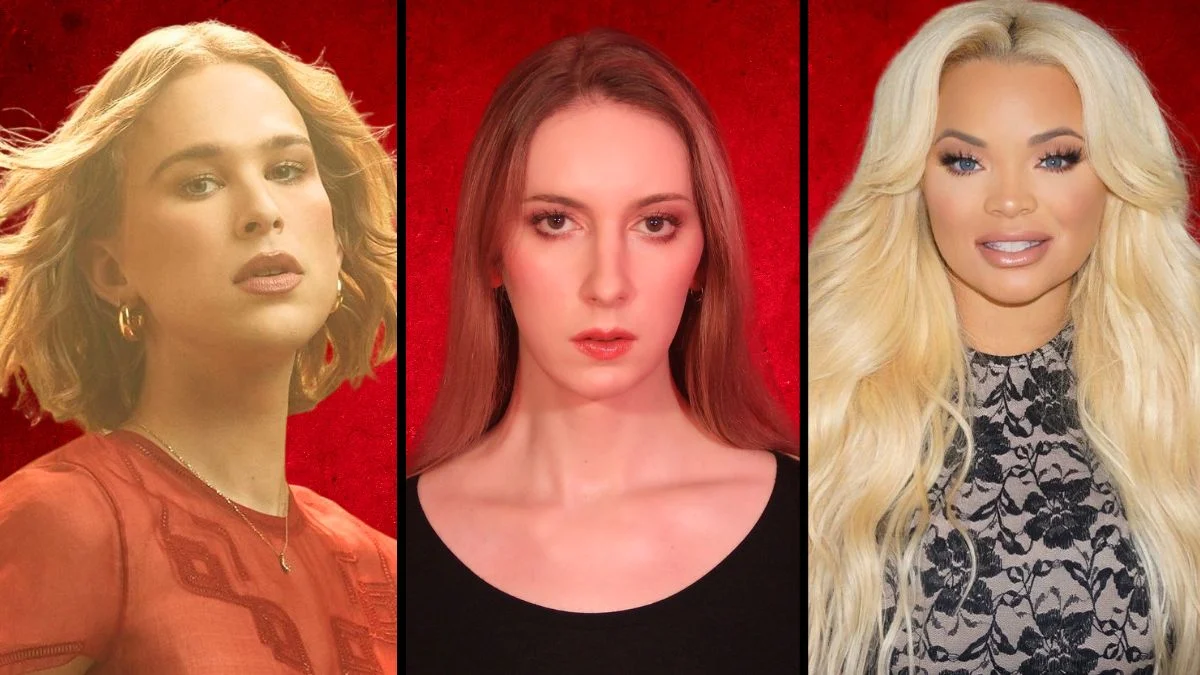


The concept of passing privilege remains one of the most contentious topics within the transgender community and typically sparks heated debates on social media. Many celebrities have found themselves at the center of this discourse after making comments that followers perceived as exclusionary or elitist regarding beauty standards. Fans often criticize wealthy stars for failing to acknowledge how financial resources grant them access to surgeries and treatments that are unavailable to the average person. The backlash highlights a growing divide between those who can seamlessly blend into cisgender society and those who cannot. These public figures faced significant online criticism for their stances on appearance and transition.
Caitlyn Jenner
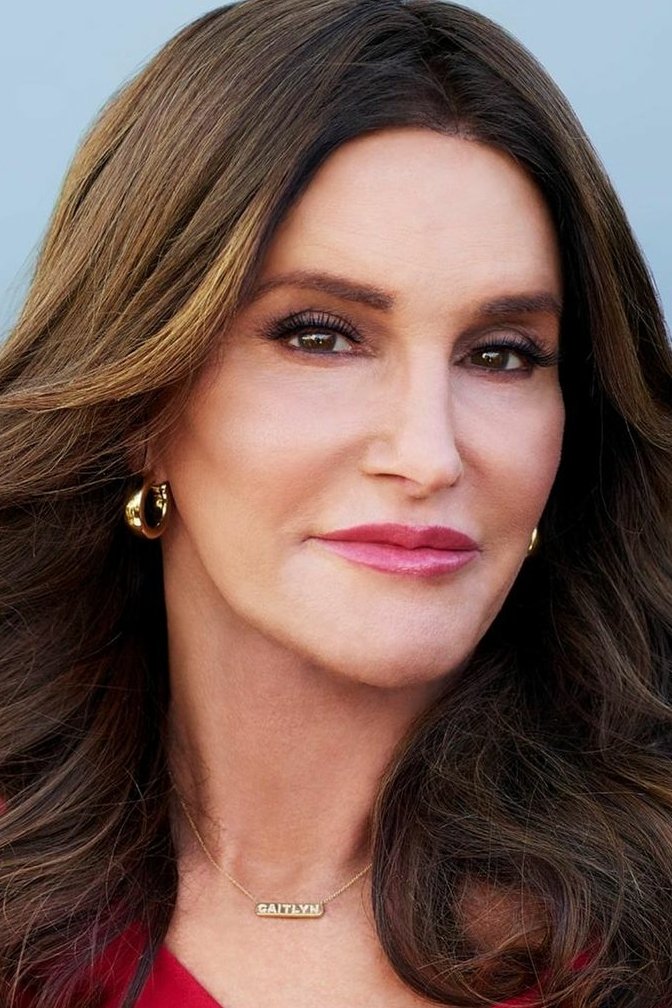
The former Olympian faced immediate backlash after her transition for comments that many deemed out of touch with the reality of most transgender people. Critics argued that her wealth allowed her to access surgeries and wardrobe choices that granted her immediate passing privilege. Social media users expressed frustration when she remarked that the hardest part of being a woman was figuring out what to wear. Her conservative political views further alienated her from the community and intensified the scrutiny regarding her privilege. She continues to spark controversy whenever she discusses trans athletes or medical transition standards.
Nikita Dragun
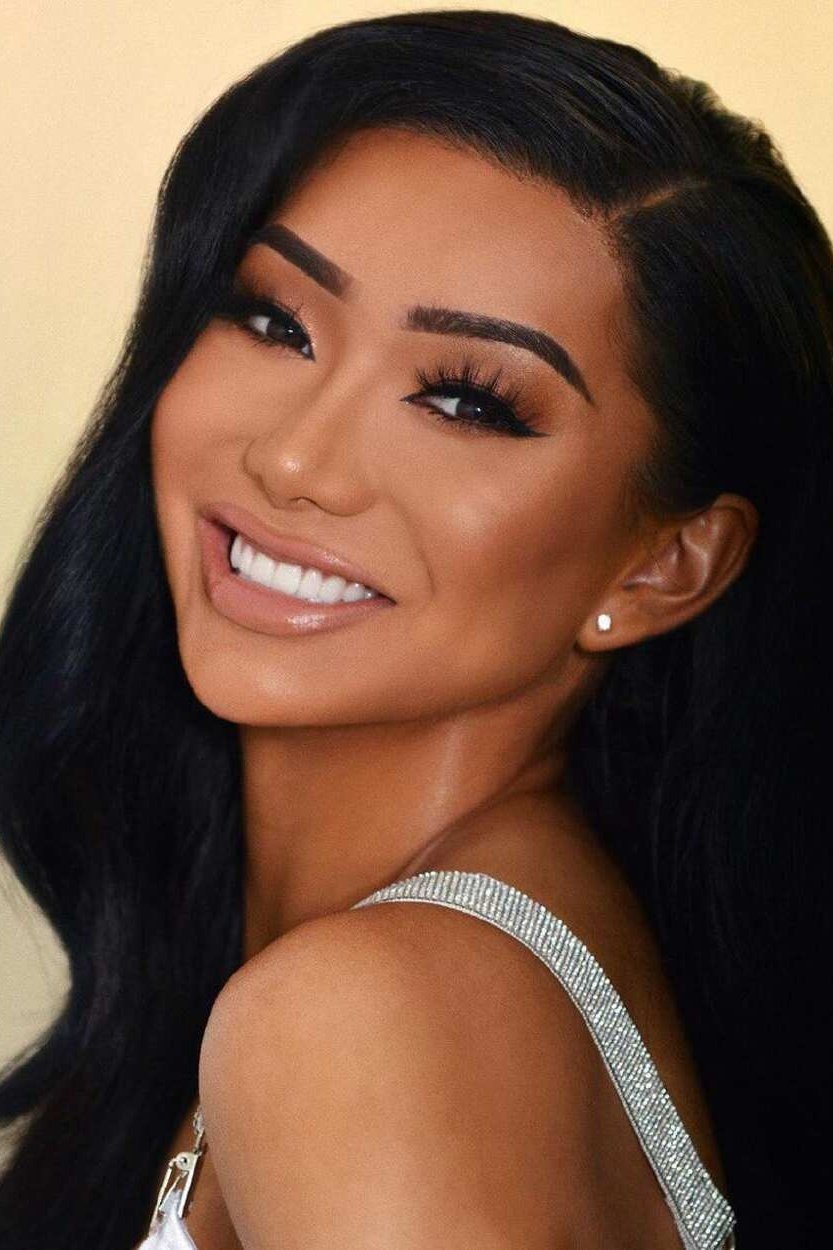
This beauty influencer built an empire on her aesthetic but frequently faces criticism for setting unrealistic beauty standards for her young audience. Followers have dragged her for allegedly obscuring the amount of surgery required to achieve her look. Online detractors often accuse her of using her passing privilege to ignore the struggles of dark-skinned trans women while capitalizing on black culture. The discourse surrounding her often centers on whether her brand of hyper-femininity is attainable or damaging. She has engaged in numerous Twitter feuds where these accusations of privilege are central themes.
Hunter Schafer
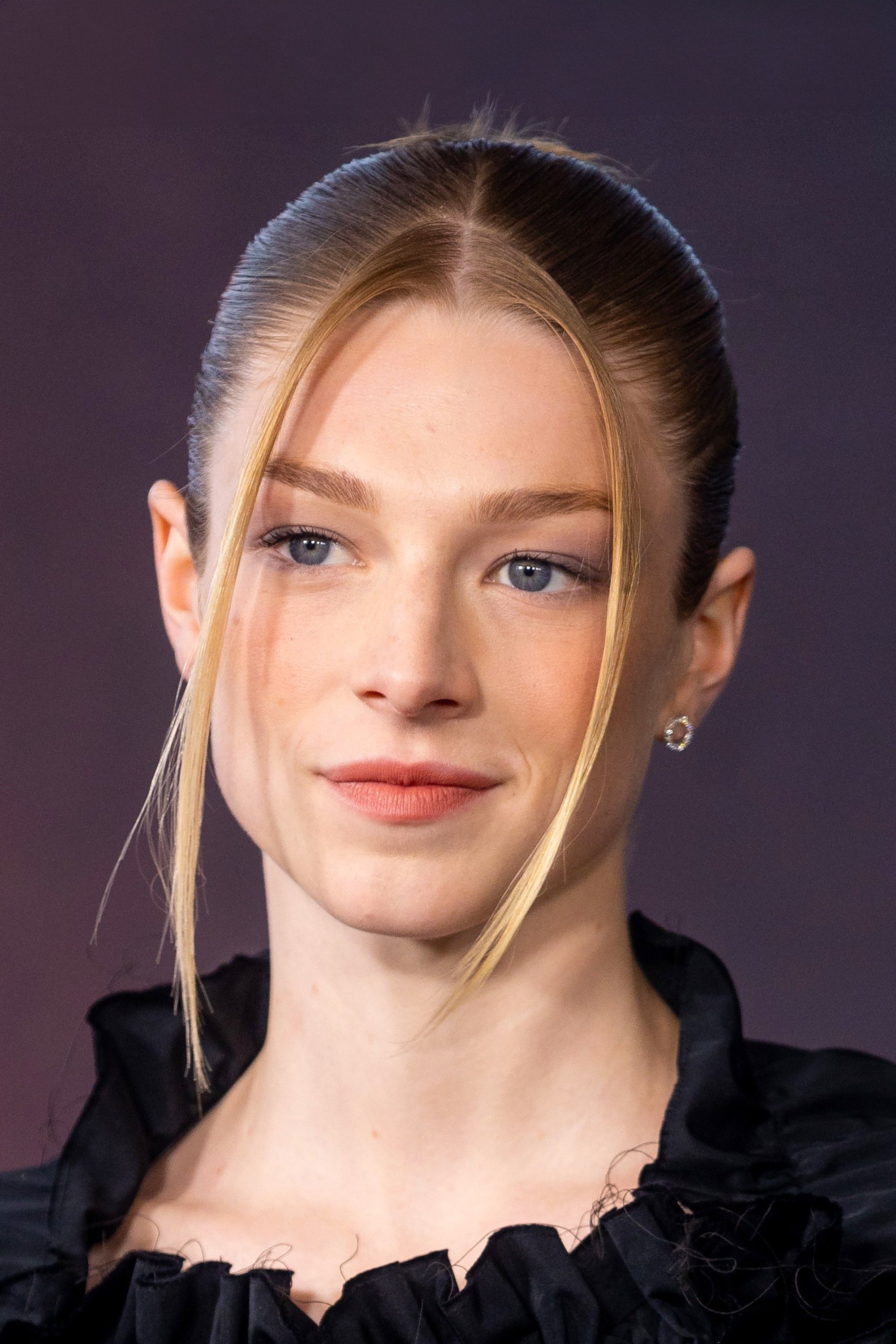
The ‘Euphoria’ star found herself in hot water after liking a social media post that blamed non-binary people for pushing legislation that harms binary trans people. Internet users immediately accused her of supporting transmedicalist ideologies that prioritize medical transition and passing. Critics argued that her actions validated exclusionary gatekeeping within the community. The backlash was swift and resulted in the actress issuing a lengthy statement to clarify her philosophical stance. Many fans felt her perspective ignored the privileges she enjoys as a passing white woman in Hollywood.
Dylan Mulvaney
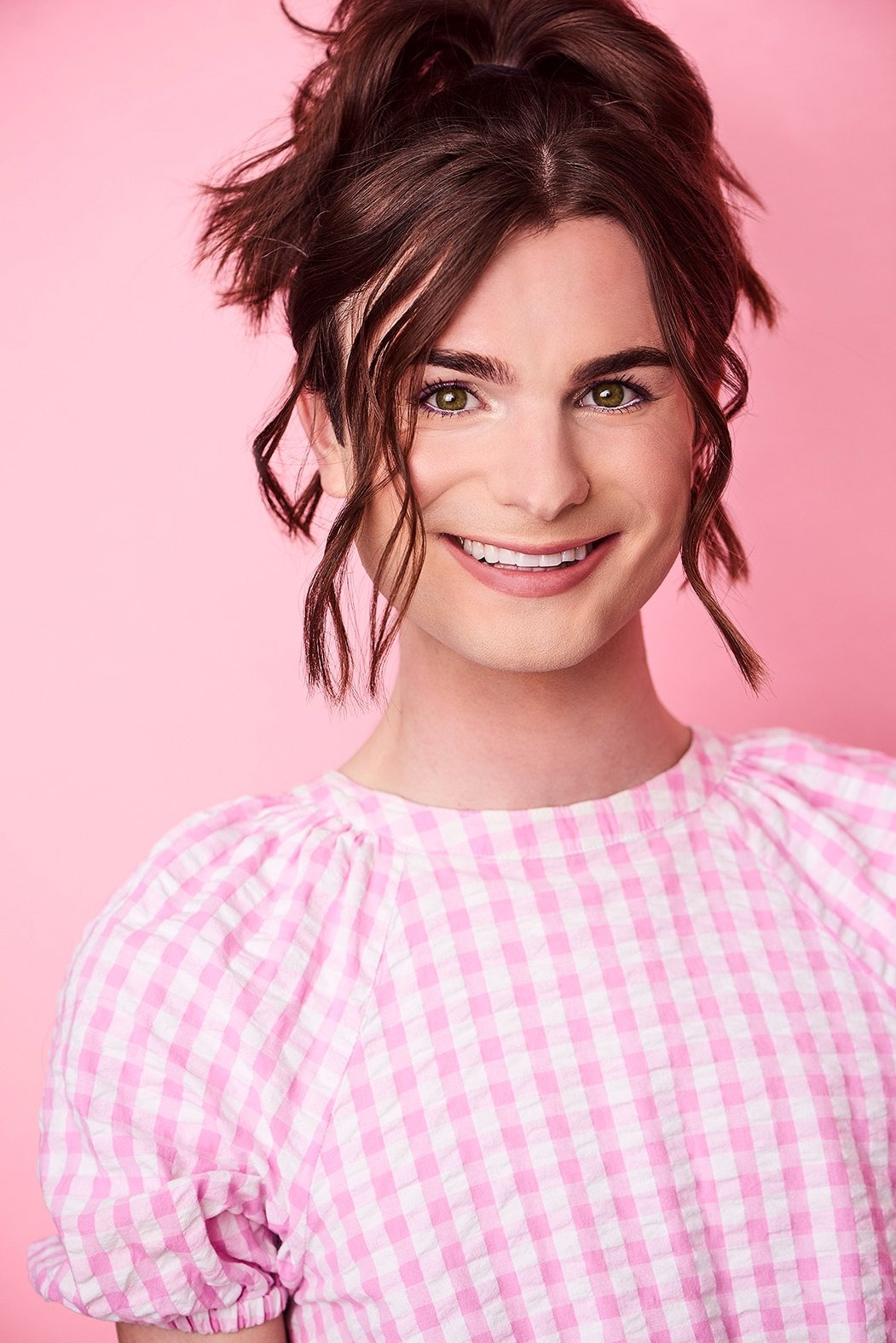
The TikTok star rose to fame documenting her transition in the ‘Days of Girlhood’ series but faced intense scrutiny regarding her rapid ascent. Critics argued that her ability to secure brand deals and access medical care so quickly was a result of immense privilege. Some online users felt her portrayal of womanhood relied on regressive stereotypes that only a passing person could perform safely. The backlash intensified when she visited the White House as she became a lightning rod for debates about visibility versus safety. Her massive platform often draws ire from those who feel she does not represent the average trans experience.
Natalie Wynn
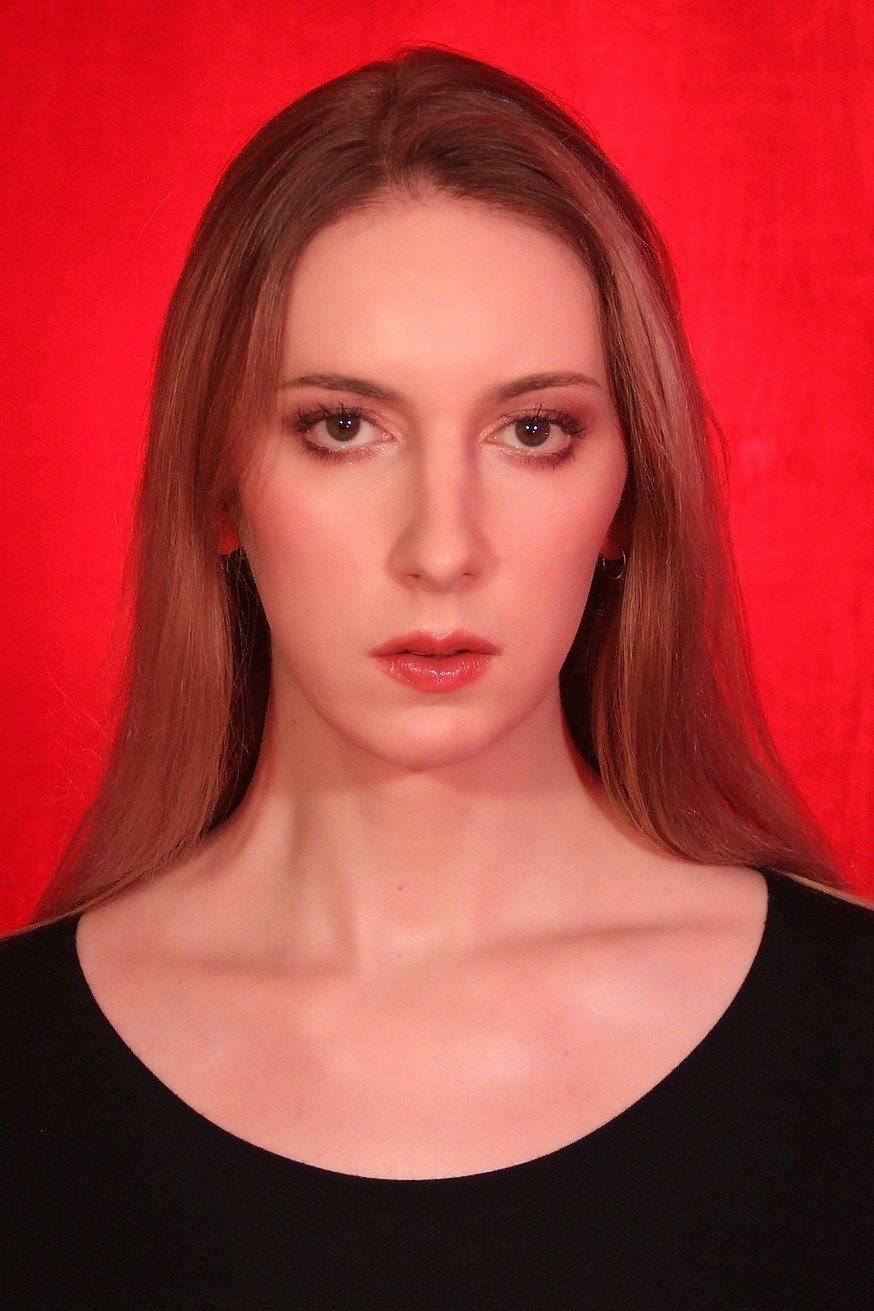
Known professionally as Contrapoints, this video essayist has faced multiple cancellation attempts regarding her nuanced takes on gender aesthetics. Twitter users criticized her for featuring controversial figures like Buck Angel in her videos. The backlash often centers on her discussions of “catgirls” and the role of surgery in validation. Critics argue that her academic approach sometimes dismisses the lived reality of non-passing folks who feel alienated by her aesthetic standards. She often creates content directly addressing the pain of being cancelled over these complex intra-community debates.
Kim Petras
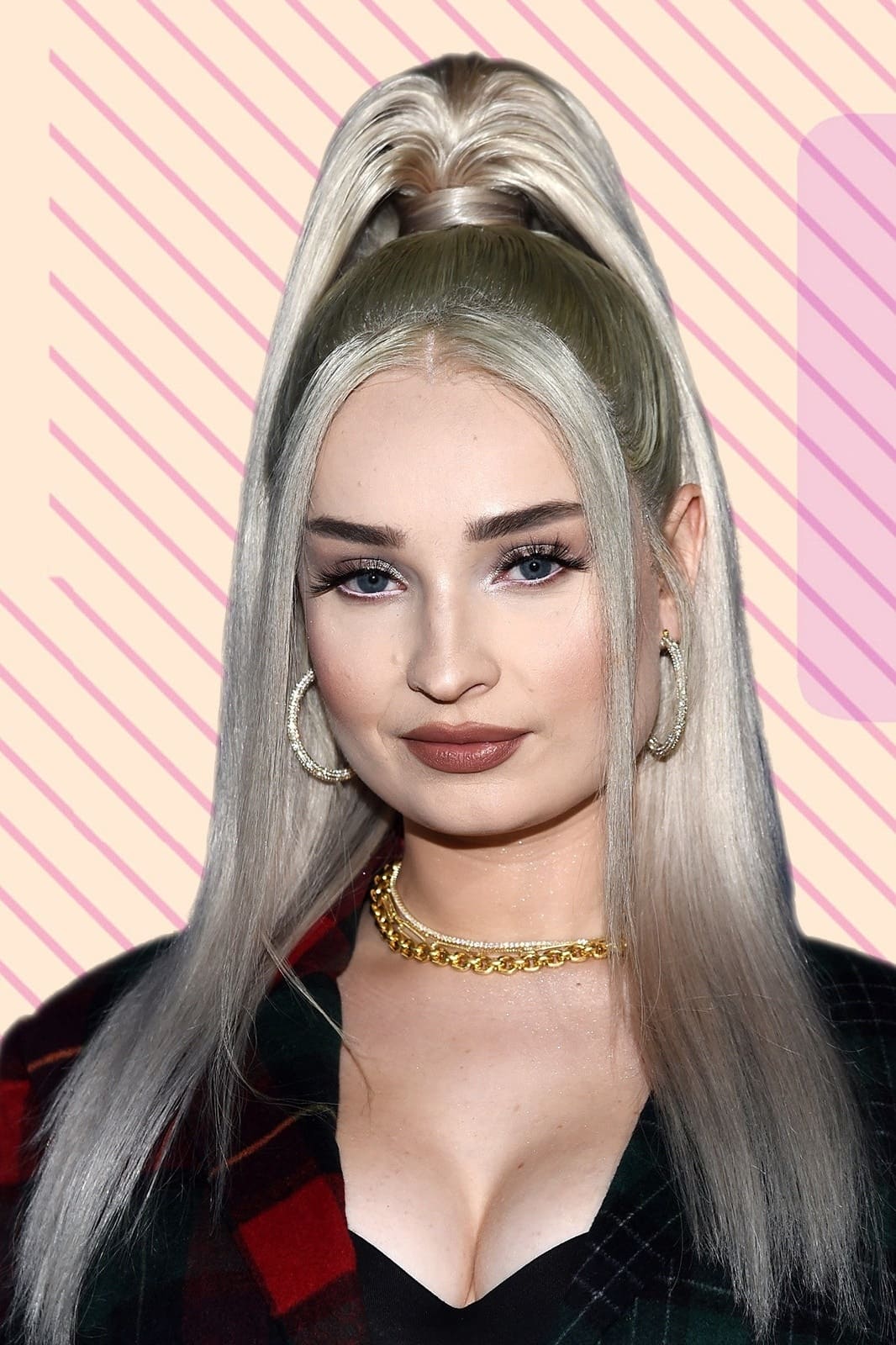
The pop sensation has faced criticism for her association with controversial producer Dr. Luke and her response to the backlash. Beyond the industry drama, some activists argue her success is partly due to her ability to present as a cisgender pop star. Online discourse has questioned whether a non-passing trans artist would have received the same label support and radio play. She is often dragged for not speaking up enough about political issues affecting the wider community. Her “brat” aesthetic sometimes clashes with the demand for serious advocacy from high-profile trans figures.
Elliot Page
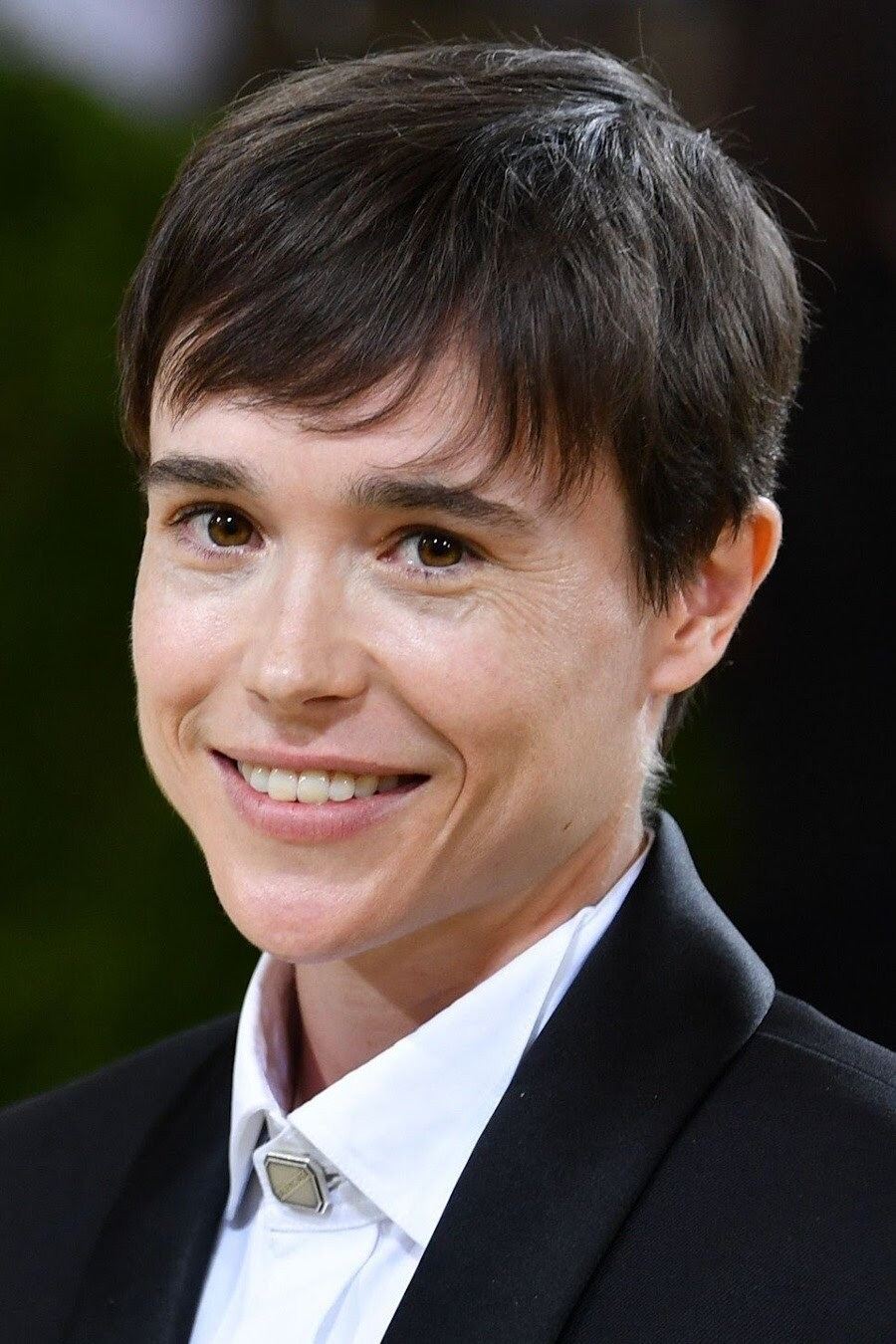
When the actor appeared on the cover of Time magazine shortly after coming out, the internet erupted with mixed reactions. While many celebrated the visibility, others criticized the immediate display of a perfectly sculpted physique. Users argued that his rapid physical transformation set an unrealistic standard for trans men who cannot access top surgery or personal trainers. The conversation shifted to how his celebrity status allowed him to bypass the years-long waiting lists faced by ordinary people. This incident sparked a broader conversation about body image expectations in the trans masculine community.
Jazz Jennings
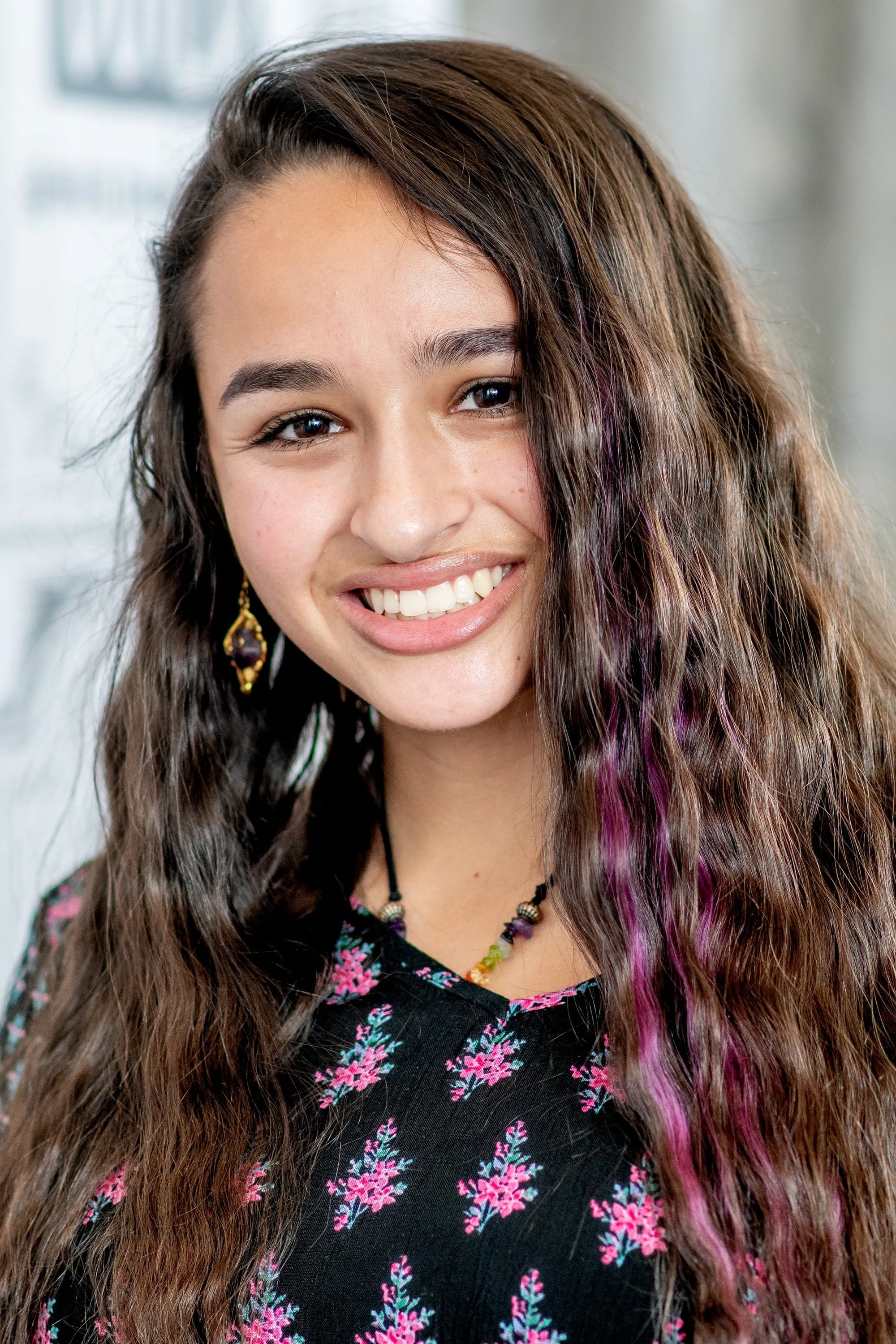
The reality star grew up in the public eye and initially faced praise for her appearance. However, as she grew older and struggled with weight gain and mental health, the online narrative shifted to toxic criticism. Trolls and former fans dragged her for no longer fitting the perfect “poster child” image she held in her youth. The backlash highlighted how conditional public acceptance is upon maintaining a specific standard of beauty. Her experience demonstrated that even those with passing privilege can lose it and face cruelty when their bodies change.
Indya Moore
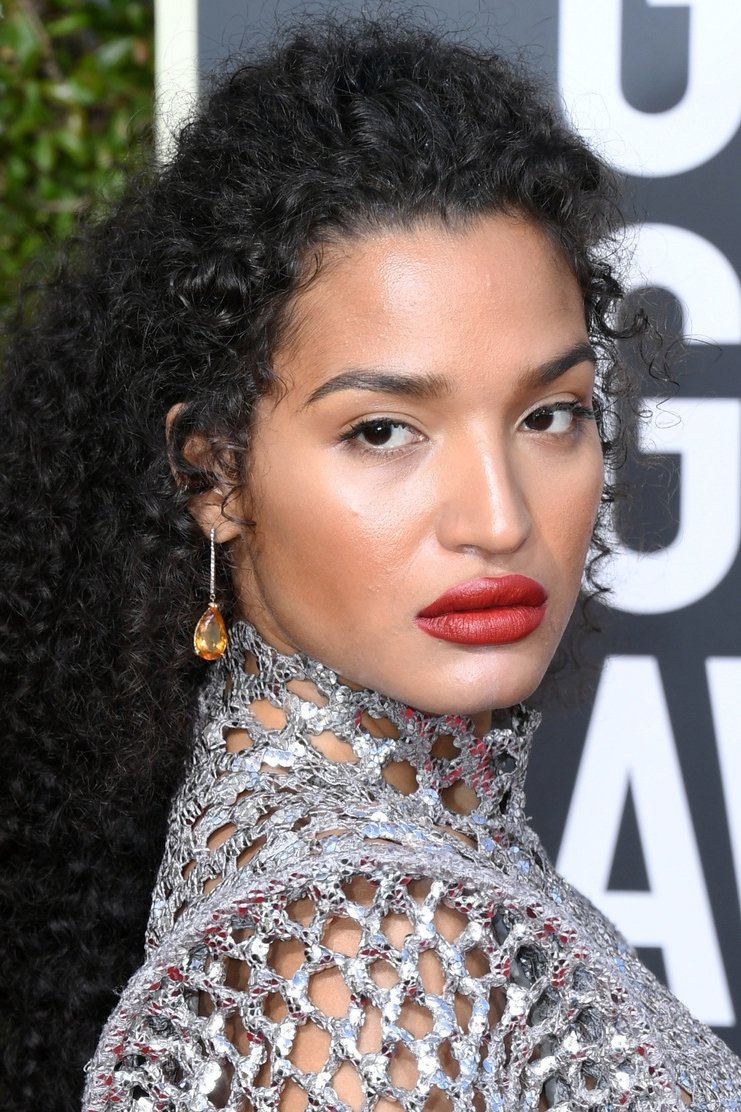
The ‘Pose’ star is known for their outspoken activism but has occasionally clashed with Twitter users over the nuances of appearance and identity. They have been dragged for tweets that some interpreted as equating their struggles with those of dark-skinned cis women in a way that erased specific trans issues. Critics have argued that their modeling career benefits from the very beauty standards they critique. The debates often become circular arguments about colorism and featurism within the trans community. Moore frequently deactivates their accounts to escape the intense scrutiny.
Tommy Dorfman
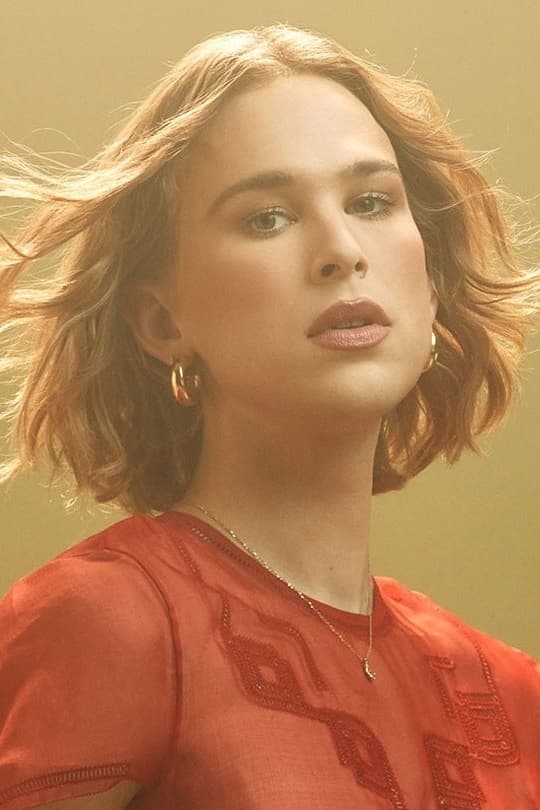
The actress re-introduced herself to the world with a high-profile interview and photoshoot that drew immediate attention. Social media users noted the privilege required to pivot a career so seamlessly while maintaining high-fashion endorsements. She was dragged for comments that seemed to distance herself from her previous presentation too abruptly. The criticism focused on how easily she was embraced by the industry compared to trans women of color. Her story became a case study in how fame and whiteness buffer the transition process.
Ts Madison
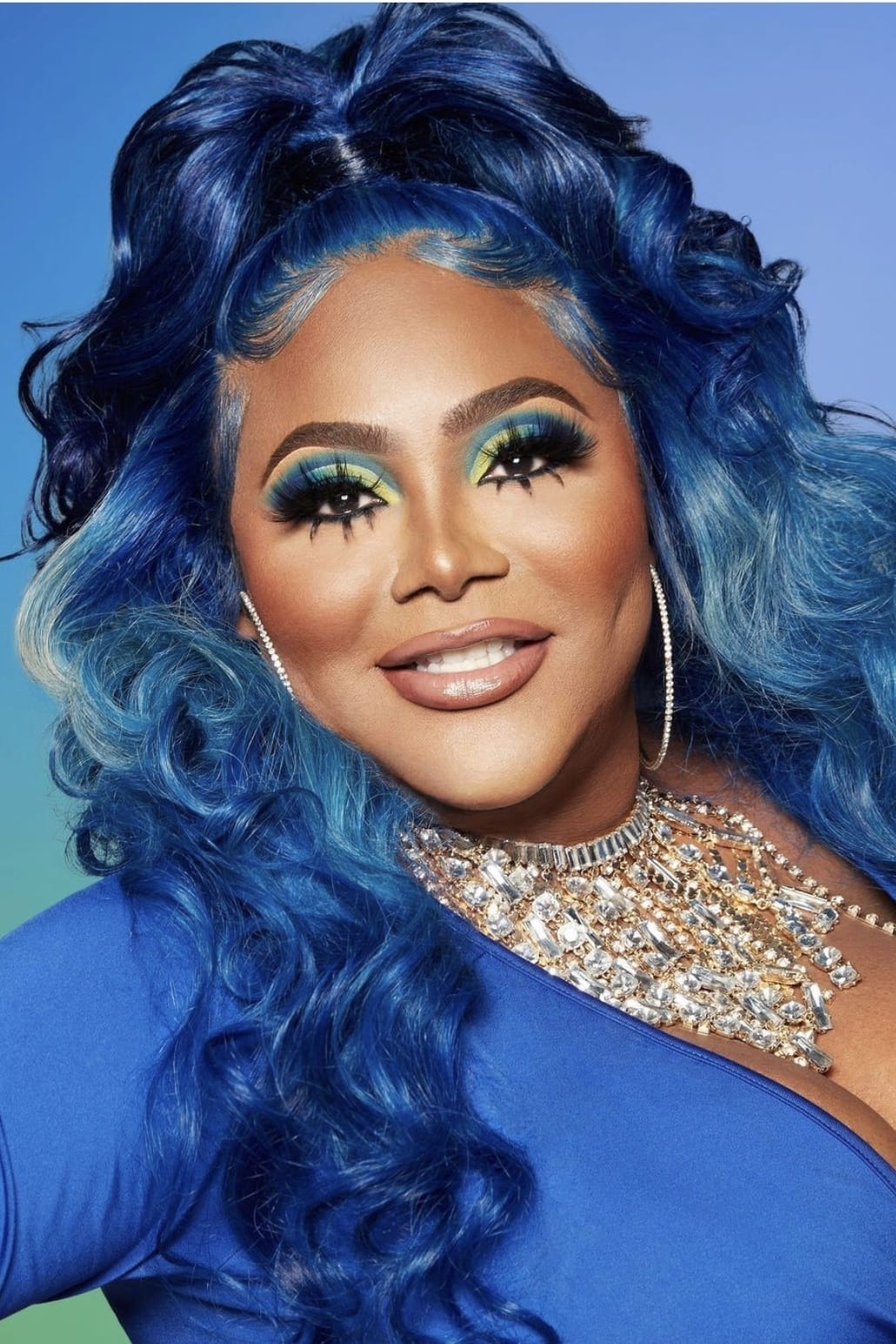
The reality star and host is beloved for her humor but has faced backlash for comments regarding “cis-assuming” privileges. Younger activists have dragged her for views they consider outdated regarding how trans women should present themselves. The conflict often represents a generational divide between older trans figures who survived by passing and younger non-binary activists. Her loud and proud approach sometimes clashes with those who prioritize deconstructing gender entirely. Internet debates flare up whenever she critiques specific behaviors within the community.
Laverne Cox
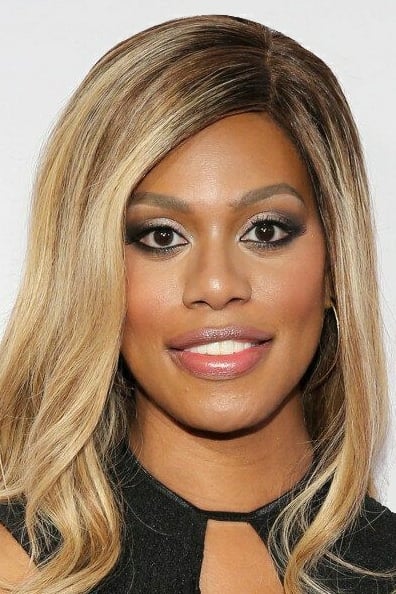
While generally considered a media darling, the ‘Orange Is the New Black’ star has faced nuanced criticism regarding the “beauty myth.” Intellectual critics online have dragged the media apparatus surrounding her for only valuing her because she is beautiful. She has spoken openly about the effort required to maintain her appearance but still faces heat for upholding Hollywood standards. The dragging is less direct hostility and more a critique of the system she represents. Her platform is constantly scrutinized for how it serves the most marginalized.
Leyna Bloom
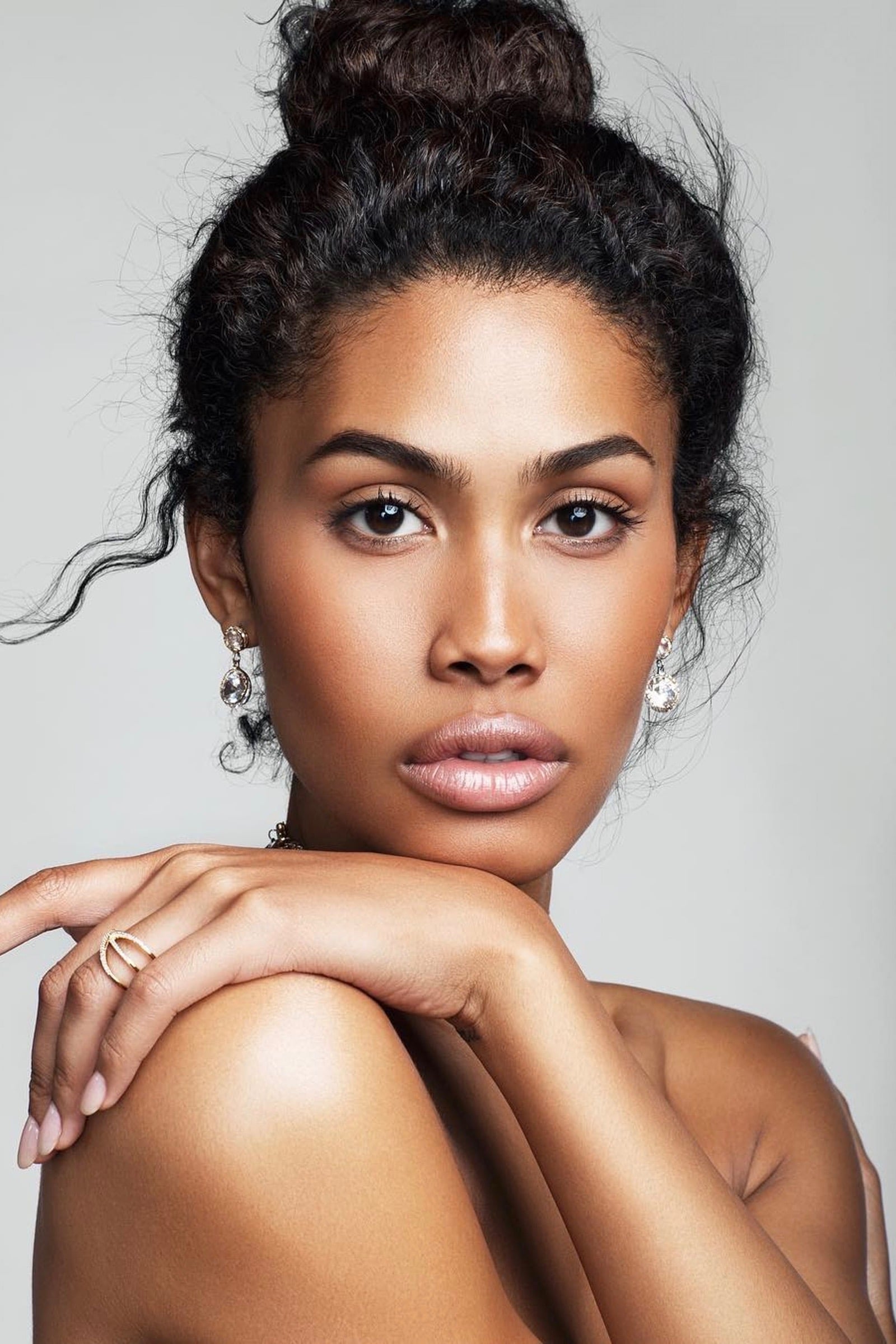
The model and actress made history as the first trans woman of color on the cover of Sports Illustrated. Despite the milestone, online commenters argued that her acceptance was conditional on her adhering to strict bikini-body standards. Critics dragged the publication for only featuring trans women who look indistinguishable from cisgender models. The discourse focused on the commodification of trans bodies that fit the male gaze. Bloom faced the difficult task of celebrating her win while the internet debated the ethics of her visibility.
Trisha Paytas
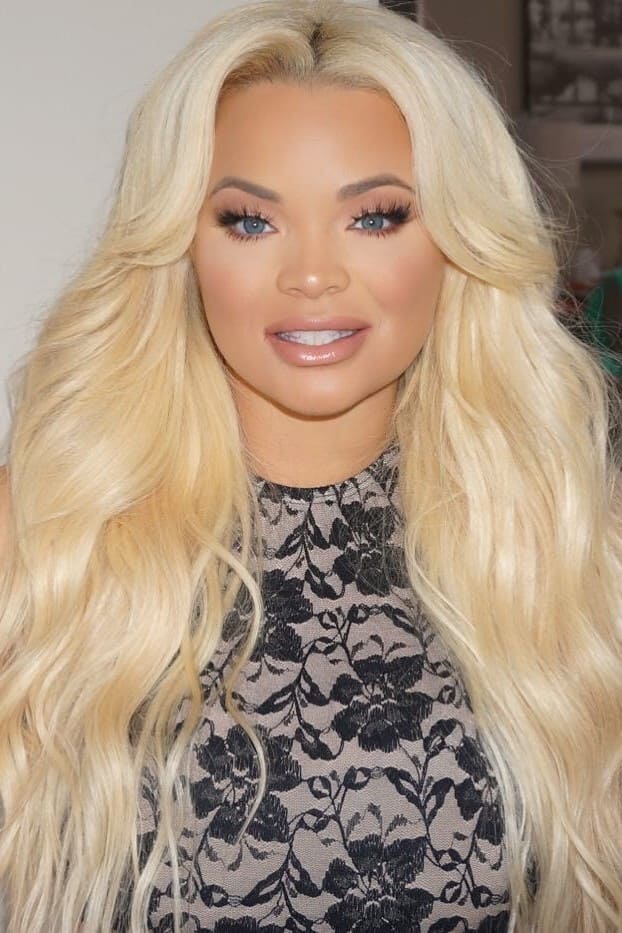
The YouTuber sparked massive outrage when they released a video claiming to be a trans man while continuing to present in a high-femme manner. The internet dragged them relentlessly for treating gender identity as a trend or a costume. Critics accused them of making a mockery of the trans experience and the concept of passing. The backlash was fueled by their history of trolling and seeking attention through controversial claims. Many felt their behavior trivialized the genuine danger non-passing trans people face daily.
What are your thoughts on how passing privilege shapes online discourse? Share your opinions in the comments.