


15 TV Detectives Ranked by Accuracy to Real Police Work




TV detective shows pull us in with gripping mysteries, sharp-witted sleuths, and high-stakes drama. While the cases and characters keep us hooked, not all portrayals of police work hit close to reality—some lean hard into Hollywood flair, while others ground their stories in authentic details. I’ve ranked 15 TV detectives based on how closely their investigative methods, workplace dynamics, and casework mirror real police work. From gritty procedurals to quirky comedies, these shows range from wildly exaggerated to surprisingly true-to-life.
Using insights from real-world policing, like those from Charlotte-Mecklenburg Police Department’s Sergeant Henry McSwain, I’ve weighed factors like evidence handling, timeframes, and emotional toll against what we see on screen. Each detective’s approach gets a closer look to see how it stacks up. Starting from the least accurate to the most, here’s how these TV sleuths measure up to the real thing.
15. Shawn Spencer – Psych (2006-2014)
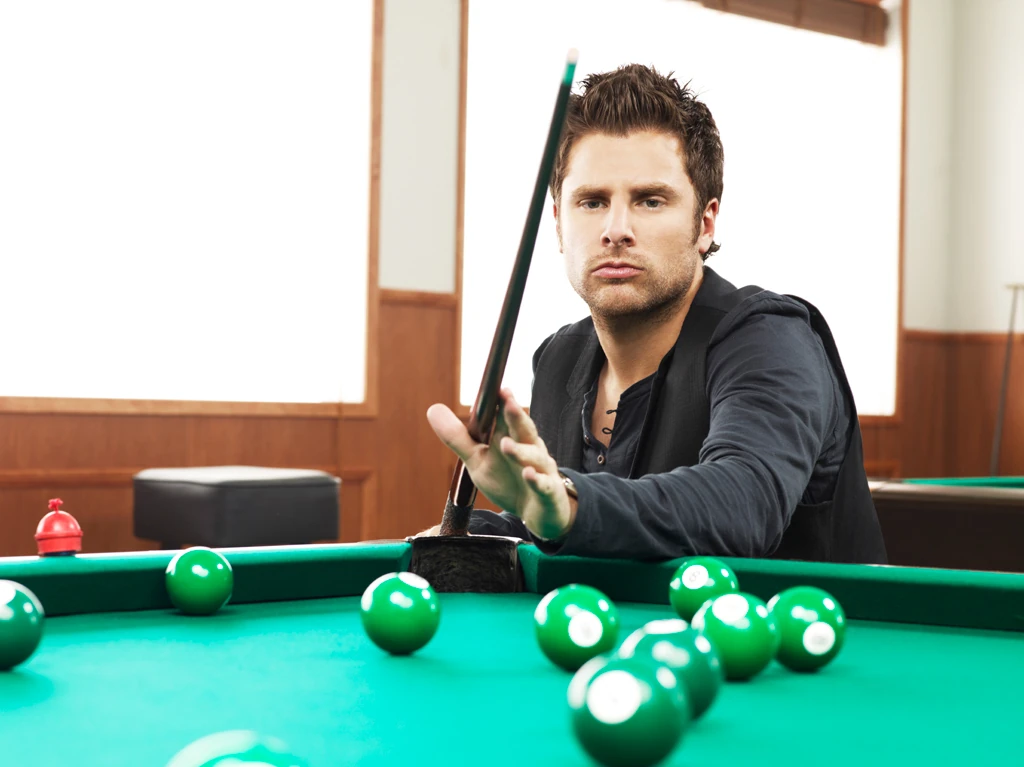
Shawn Spencer, played by James Roday Rodriguez, is a private consultant who fakes psychic abilities to solve cases for the Santa Barbara police. His eidetic memory and sharp observation skills let him spot clues others miss, but his goofy antics and pretend visions are pure fiction—real detectives don’t rely on psychic gimmicks. The show’s lighthearted tone and quick case resolutions ignore the slow grind of actual investigations, where evidence processing can take months.
Psych’s comedic take prioritizes laughs over realism. Shawn’s lack of formal training and casual approach to serious crimes, like murder, feel far removed from the structured, protocol-heavy world of real police work. It’s fun, but don’t expect it to reflect a detective’s day-to-day.
14. Velma Dinkley – Scooby-Doo, Where Are You! (1969-1970)

Velma, the brainy member of Mystery Inc., solves spooky mysteries with her teen crew and a talking dog. Voiced by various actors across decades, her knack for unmasking villains is clever but cartoonish—real detectives don’t chase ghosts or solve crimes in a single night. The show’s focus on traps and theatrical reveals bears no resemblance to actual police procedures.
As a high schooler, Velma’s lack of training and reliance on amateur sleuthing makes her work pure fantasy. Real investigations involve chain-of-command and legal protocols, not a van full of kids meddling in haunted mansions. It’s iconic for kids, but miles from reality.
13. Adrian Monk – Monk (2002-2009)
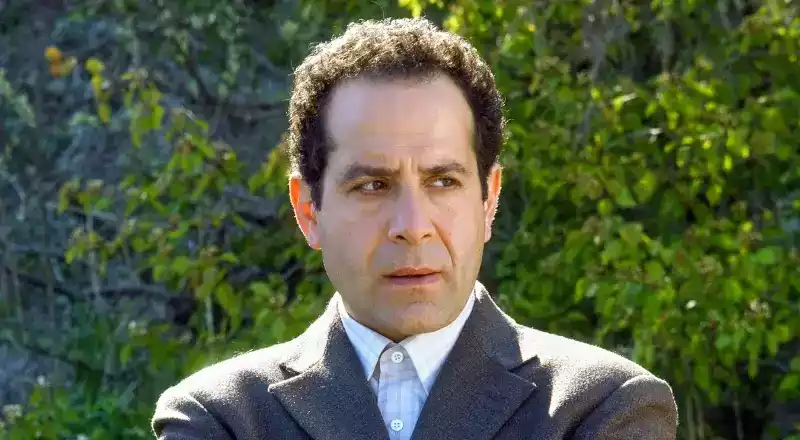
Tony Shalhoub’s Adrian Monk is a former San Francisco detective turned consultant, solving cases with his photographic memory despite severe OCD and phobias. His hyper-detailed observations catch killers, but his personal struggles often overshadow realistic police work. Real detectives face mental strain, but Monk’s exaggerated quirks and solo case-cracking feel dramatized.
The show’s 40-minute case resolutions and Monk’s near-superhuman deduction skills stretch believability. While his attention to detail echoes real investigative work, the lack of teamwork and quick turnaround don’t match the collaborative, time-intensive nature of actual policing.
12. Richard Castle – Castle (2009-2016)
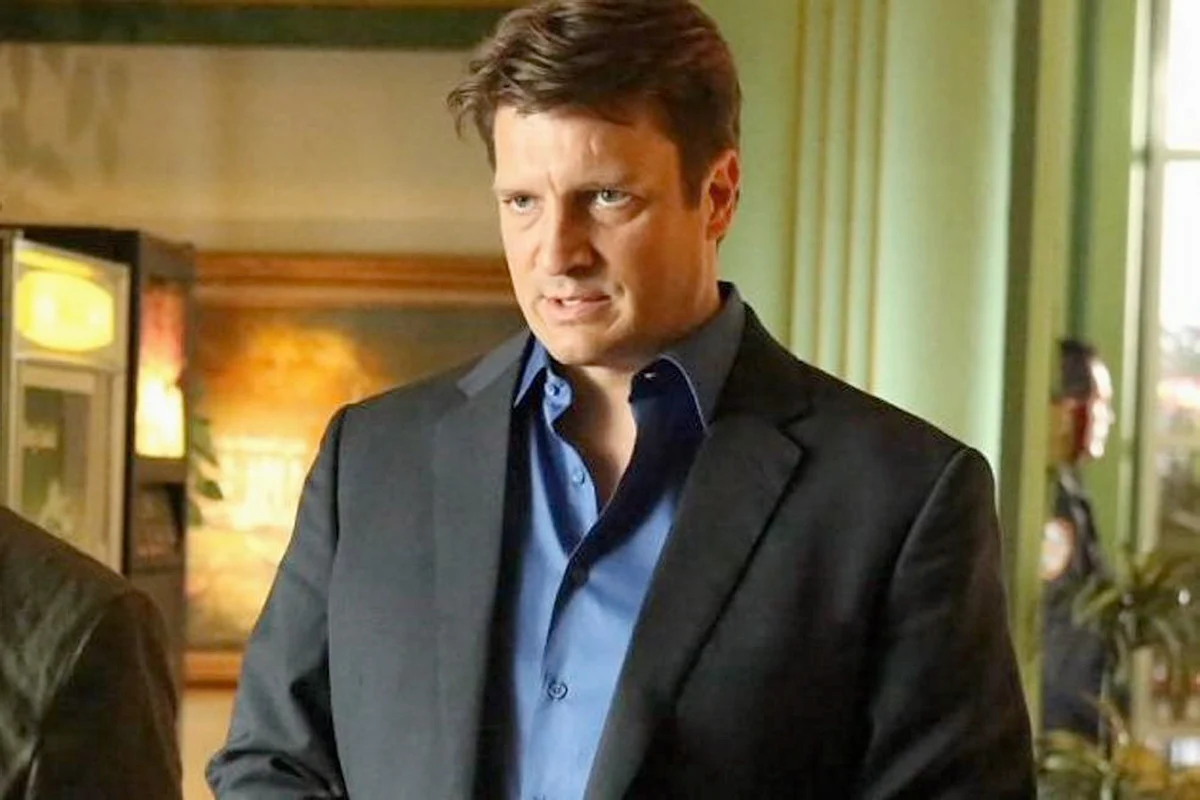
Nathan Fillion’s Richard Castle is a mystery novelist shadowing NYPD detective Kate Beckett to solve crimes. His creative theories sometimes crack cases, but his civilian involvement in high-stakes investigations is unrealistic—real police don’t let writers tag along on murder scenes. The show’s blend of romance and crime-solving leans heavily on entertainment.
Castle’s cases wrap up too neatly, ignoring the long timelines of real investigations, where trials can take years. While the show nods to police dynamics, Castle’s unchecked access and lack of formal training make it more fantasy than fact.
11. Veronica Mars – Veronica Mars (2004-2007, 2019)

Kristen Bell’s Veronica Mars is a teen private investigator helping her PI father while solving crimes in her town. Her sharp wit and resourcefulness are impressive, but a high schooler tackling murders and conspiracies stretches reality. Real detectives undergo years of training, and civilians rarely lead major cases.
The show captures some investigative techniques, like surveillance, but its fast-paced resolutions and Veronica’s solo heroics don’t reflect the team-based, bureaucratic nature of police work. Her age and independence make it more of a teen drama than a realistic cop show.
10. Jonathan and Jennifer Hart – Hart to Hart (1979-1984)
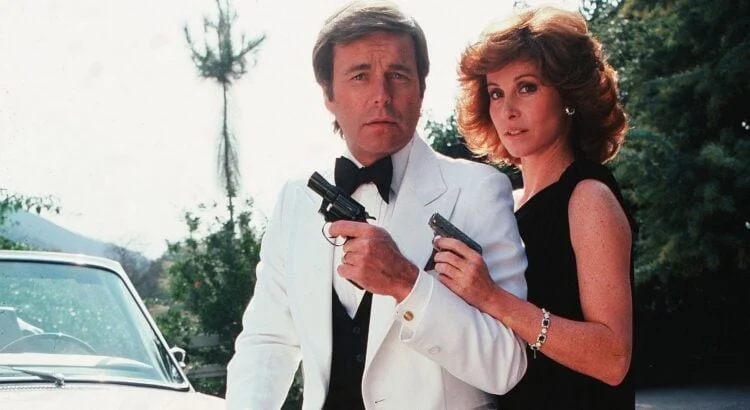
Robert Wagner and Stefanie Powers play the Harts, a wealthy couple stumbling into mysteries as amateur sleuths. Their glamorous lifestyle and knack for solving murders with minimal effort are pure Hollywood. Real detectives don’t moonlight as socialites, and police work isn’t a hobby for untrained civilians.
The show’s breezy tone and quick resolutions ignore the gritty, procedural side of investigations. While their charm carries the series, the Harts’ crime-solving feels like a fantasy adventure, far from the structured reality of law enforcement.
9. Hercule Poirot – Agatha Christie’s Poirot (1989-2013)

David Suchet’s Hercule Poirot is a meticulous Belgian detective solving complex mysteries with his ‘little grey cells.’ His methodical approach to evidence and interviews feels authentic, but his private status and theatrical case reveals are dated. Real detectives work within police systems, not as lone geniuses.
The show’s Golden Age mystery style, with tidy resolutions, misses the messiness of modern policing, like lab delays or legal hurdles. Poirot’s brilliance is captivating, but his solo act and lack of bureaucracy make it less grounded.
8. Sherlock Holmes – Sherlock (2010-2017)

Benedict Cumberbatch’s modern Sherlock is a consulting detective for London police, solving crimes with dazzling deduction. His analytical mind mirrors real profiling skills, but his near-instant case-solving and minimal police oversight feel exaggerated. Real detectives rely on teams and evidence, not just genius.
Sherlock’s high-tech flair and dramatic showdowns lean into entertainment over accuracy. While the show nods to forensic advances, its pacing and Sherlock’s unchecked autonomy don’t match the slow, collaborative reality of police work.
7. Lennie Briscoe – Law & Order (1990-present)
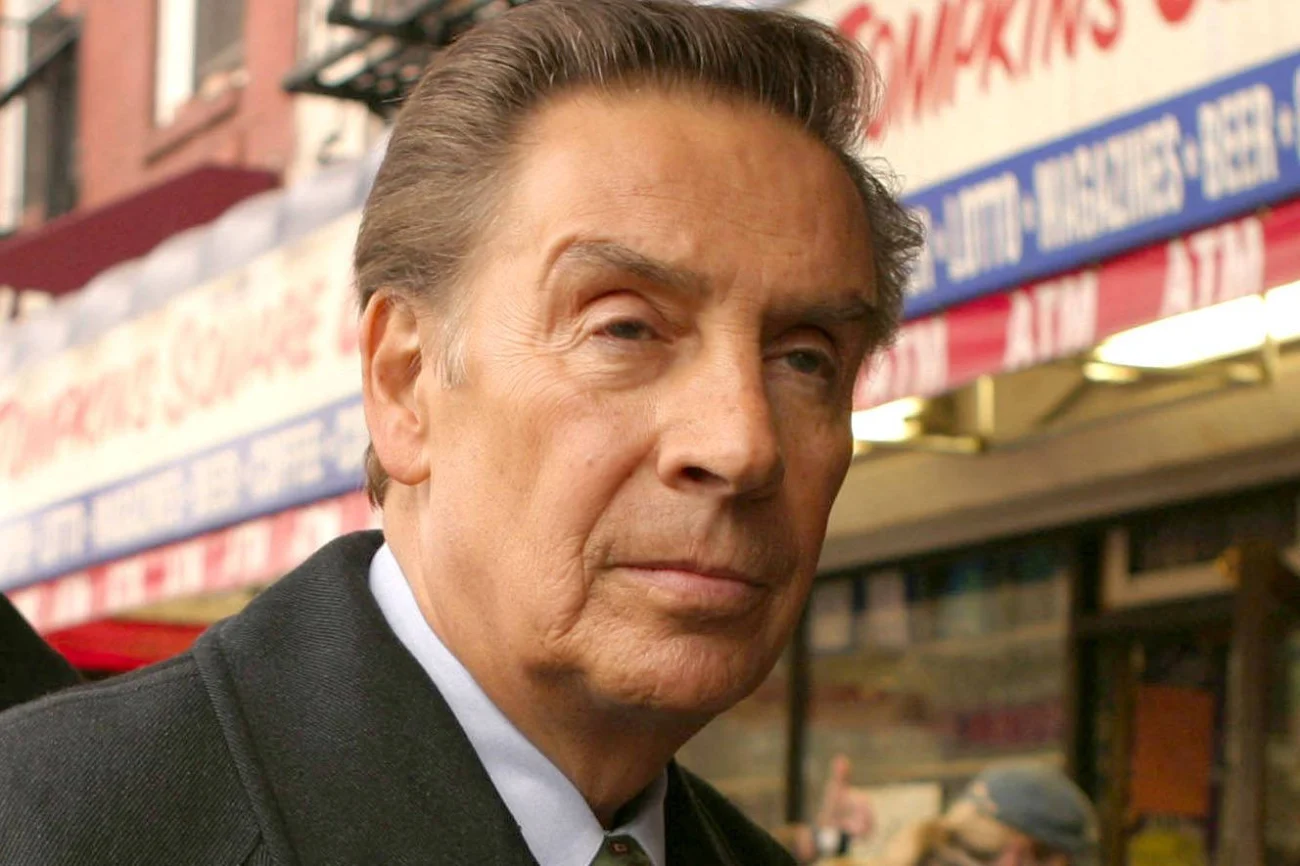
Jerry Orbach’s Lennie Briscoe is a seasoned NYPD detective tackling homicides with dry humor and street smarts. His partnership with younger detectives and focus on interrogations feel authentic, but the show’s formulaic 40-minute cases oversimplify real investigations, which often span years.
Law & Order draws from real headlines, giving it a grounded feel, but it sacrifices depth for drama. Briscoe’s methods, like coaxing confessions, align with police tactics, though the show skips the emotional toll and paperwork real detectives face.
6. Olivia Benson and Elliot Stabler – Law & Order: SVU (1999-present)
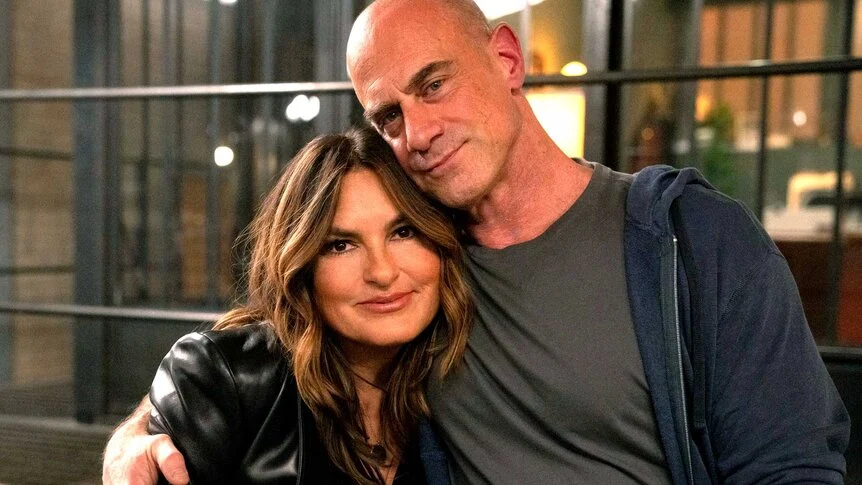
Mariska Hargitay and Christopher Meloni’s detective duo investigates sex crimes with emotional intensity. Their focus on victim advocacy and interrogations reflects real SVU work, but their constant fieldwork and quick resolutions don’t match the long hours of desk work and case delays in reality.
The show’s ripped-from-headlines cases add authenticity, but the dramatic flair and personal involvement in every case exaggerate a detective’s role. Their thick skin and team dynamics are realistic, though the pacing feels rushed compared to actual investigations.
5. Andy Sipowicz – NYPD Blue (1993-2005)
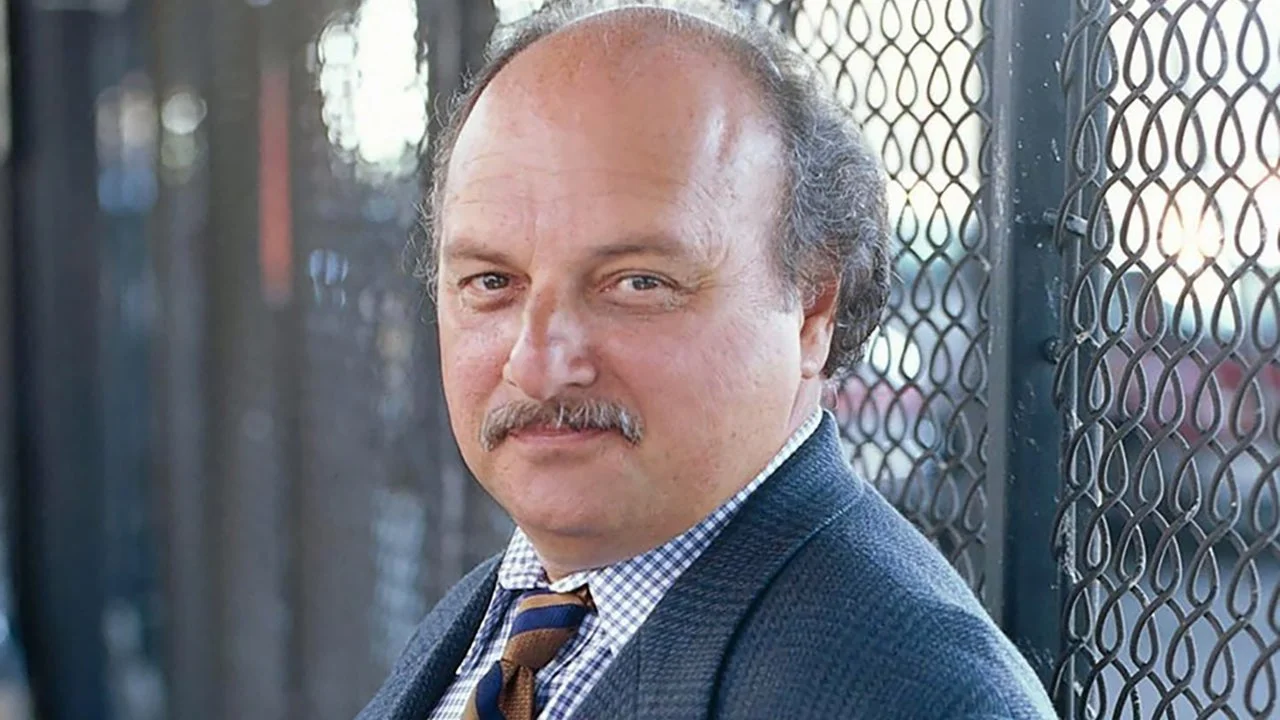
Dennis Franz’s Andy Sipowicz is a tough, flawed NYPD detective whose gritty investigations feel raw and human. The show’s focus on office politics and moral dilemmas mirrors real police dynamics, though its violent interrogations and quick case closures push dramatic license.
Sipowicz’s evolution from rough cop to empathetic hero captures the personal toll of policing, but the show’s condensed timelines and intense action don’t fully reflect the slow, methodical pace of real cases, like waiting months for lab results.
4. Harry Bosch – Bosch (2014-2021)

Titus Welliver’s Harry Bosch is an LAPD homicide detective juggling complex cases and personal demons. The show, based on Michael Connelly’s novels, uses real police consultants, giving its procedures—like evidence collection and chain-of-command—a grounded feel. Bosch’s dogged pursuit of justice echoes real detectives’ drive.
While the show captures the long hours and moral weight of policing, its streamlined cases and Bosch’s rogue streak slightly exaggerate reality. Real investigations involve more teamwork and bureaucracy, but Bosch gets close to the mark.
3. Catherine Cawood – Happy Valley (2014-2023)
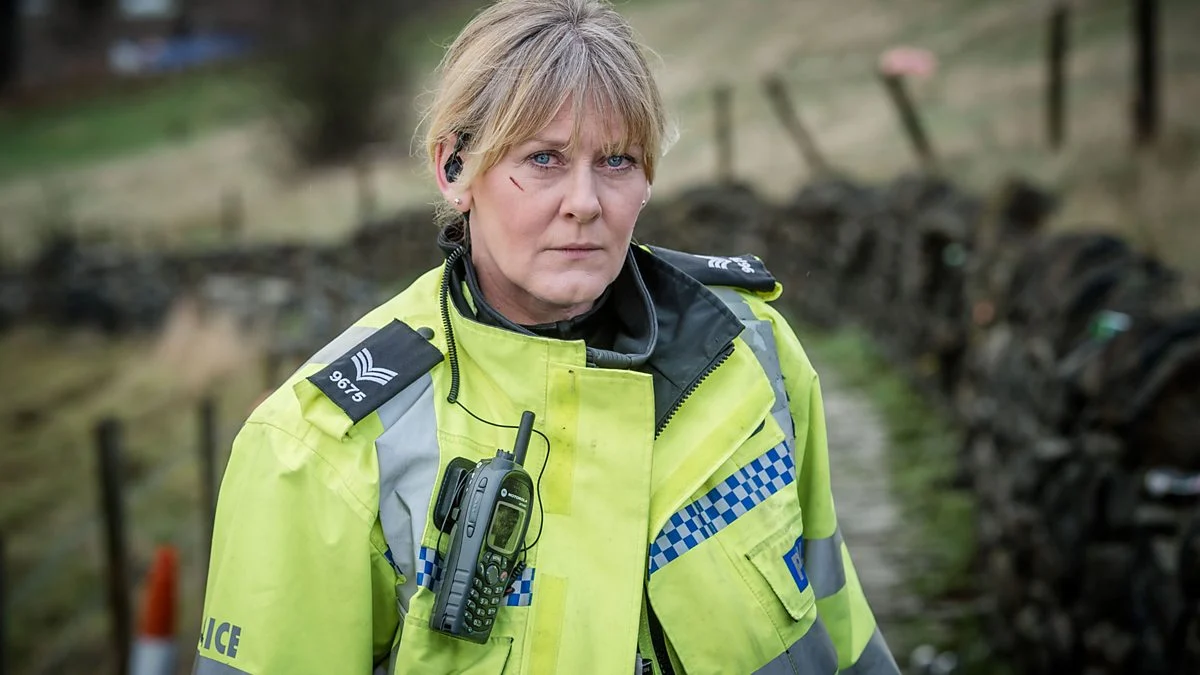
Sarah Lancashire’s Catherine Cawood is a Yorkshire police sergeant tackling crimes while facing personal loss. The show’s focus on her emotional toll, community ties, and realistic casework—like handling small-town crime—feels authentic. Her professionalism under pressure mirrors real police resilience.
Happy Valley avoids Hollywood flash, showing the slow grind of investigations and the impact on officers’ lives. While some dramatic twists heighten the stakes, Catherine’s grounded approach and team-based work align closely with real policing.
2. Frank Pembleton – Homicide: Life on the Street (1993-1999)
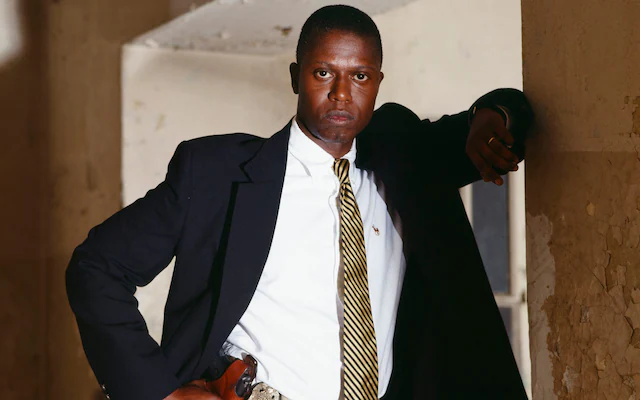
Andre Braugher’s Frank Pembleton is a Baltimore homicide detective known for masterful interrogations. Based on David Simon’s book, the show emphasizes realistic dialogue, team dynamics, and the emotional strain of constant cases, making it one of the most authentic portrayals of police work.
Pembleton’s focus on confessions and case-building reflects real detective skills, though the show slightly exaggerates by suggesting detectives work one case at a time. Its gritty tone and attention to detail make it a standout for accuracy.
1. The Wire Ensemble – The Wire (2002-2008)

The detectives of The Wire, like Jimmy McNulty (Dominic West) and Lester Freamon (Clarke Peters), work complex cases in Baltimore using wiretaps and surveillance. Created by former police reporter David Simon, the show nails the bureaucracy, politics, and slow pace of real investigations, with consultants like ex-detective Ed Burns adding authenticity.
The ensemble’s teamwork, flawed characters, and focus on systemic issues—like budget cuts and legal hurdles—mirror real police work. Cases unfold over months, reflecting actual timelines, making The Wire the gold standard for realism.
Which TV detective’s style surprised you most, or did I miss one that nails real police work? Share your take in the comments!