


25 TV Reboots That Should Have Stayed Dead

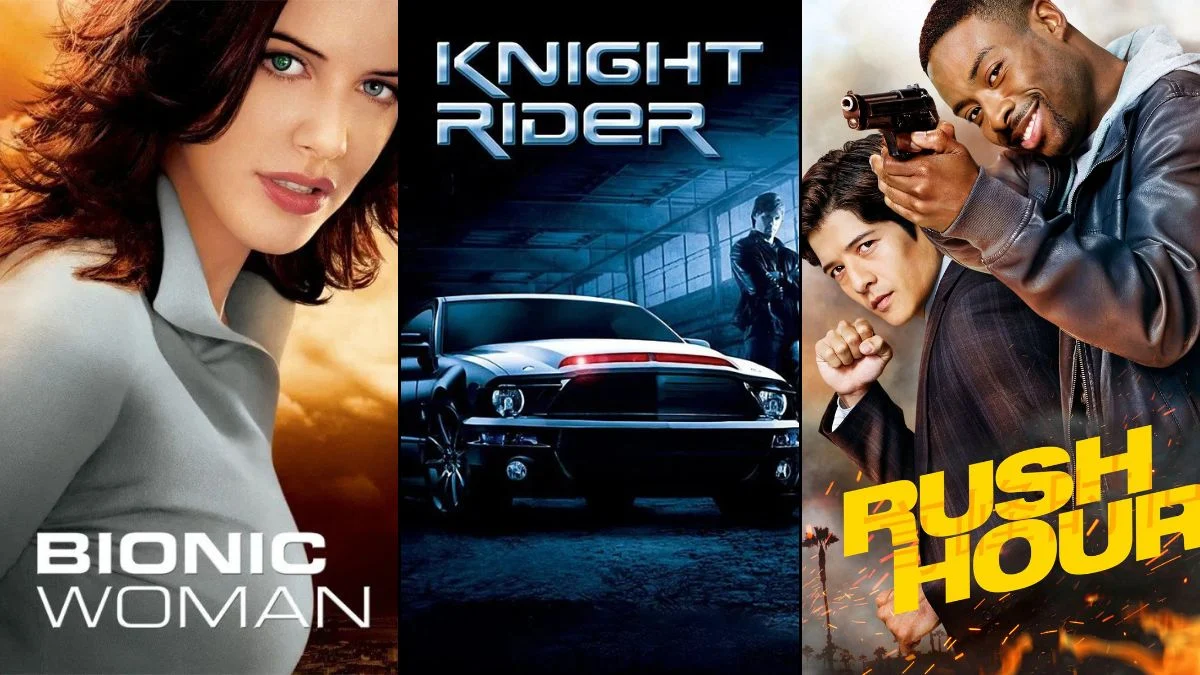


Television networks and streaming services frequently look to the past to find their next big hit. These revivals often attempt to capitalize on nostalgia by bringing back beloved characters or modernizing classic concepts for a new generation. Audiences sometimes reject these efforts when they fail to capture the magic or chemistry of the original production. The following series struggled to justify their existence and serve as cautionary tales for future remakes.
‘Charlie’s Angels’ (2011)

ABC attempted to revive the classic 1970s franchise with a new trio of spies operating in Miami. The series lacked the charm and effortless chemistry that made the original show and the subsequent films successful. Viewers and critics alike found the plotlines generic and the action sequences uninspired compared to modern standards. The network cancelled the show after airing only four episodes due to abysmal ratings.
‘Knight Rider’ (2008)
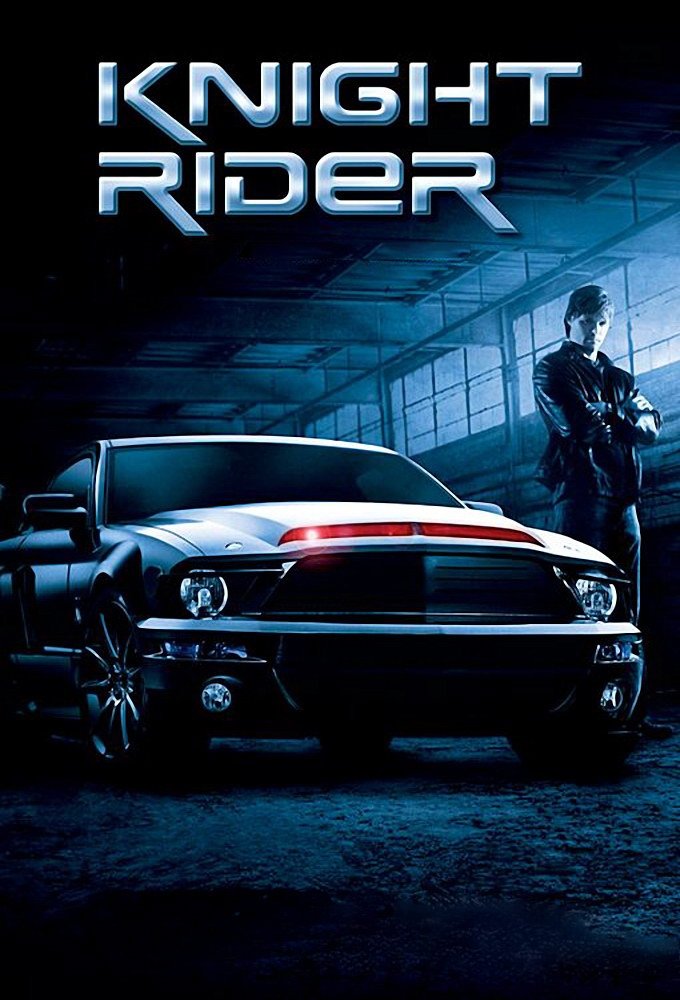
This sequel series featured the son of Michael Knight driving a transforming Ford Mustang Shelby GT500. Fans of the original show criticized the absence of the iconic Pontiac Trans Am and the confusing new mythology. The visual effects were often derided as looking cheap and the writing failed to balance action with camp. NBC cancelled the series after seventeen episodes as viewership numbers steadily declined.
‘Ironside’ (2013)
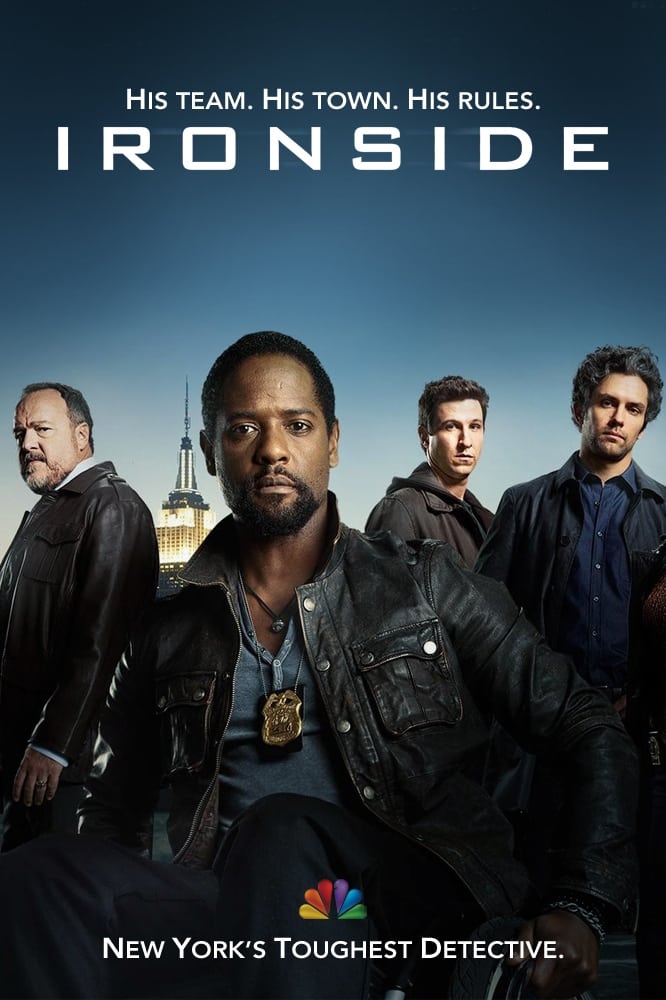
Blair Underwood stepped into the role of the wheelchair-bound detective originally played by Raymond Burr. The remake drew immediate controversy and criticism for casting a non-disabled actor in the lead role. Critics panned the show for its dour tone and lack of compelling mystery elements compared to the original. NBC pulled the series from its schedule after broadcasting just three episodes.
‘Bionic Woman’ (2007)

Michelle Ryan starred as a bartender who receives high-tech cybernetic implants after a near-fatal car accident. The series struggled with a dark and gritty tone that alienated fans of the lighthearted original series. Behind-the-scenes turmoil led to multiple changes in the creative team and overall direction. The 2007 Writers Guild strike halted production and effectively ended the show after eight episodes.
‘Mockingbird Lane’ (2012)
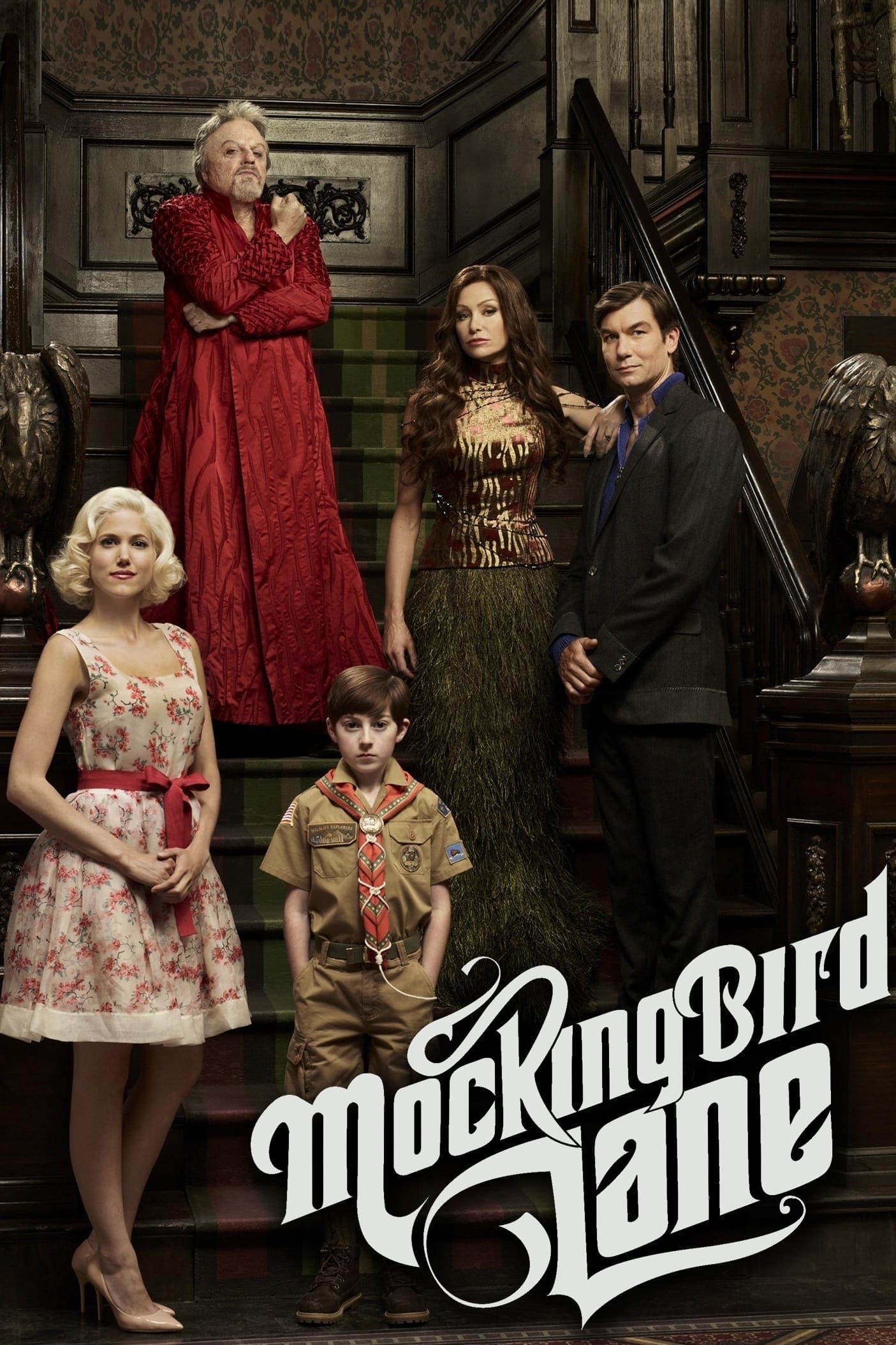
Bryan Fuller attempted a darker and more stylistic reimagining of the classic sitcom ‘The Munsters’. The project was originally developed as a series pilot but aired as a standalone Halloween special. Audiences found the tonal shift from family comedy to supernatural drama jarring and unnecessary. NBC executives decided not to move forward with a full series order despite the high production value.
‘Rush Hour’ (2016)

CBS adapted the hit movie franchise into a police procedural without the involvement of Jackie Chan or Chris Tucker. The lead actors struggled to replicate the specific comedic chemistry that made the films successful. Scripts relied heavily on recycled jokes and standard cop show tropes that felt stale to audiences. The network cancelled the show after one season due to low ratings and poor critical reception.
‘Uncle Buck’ (2016)
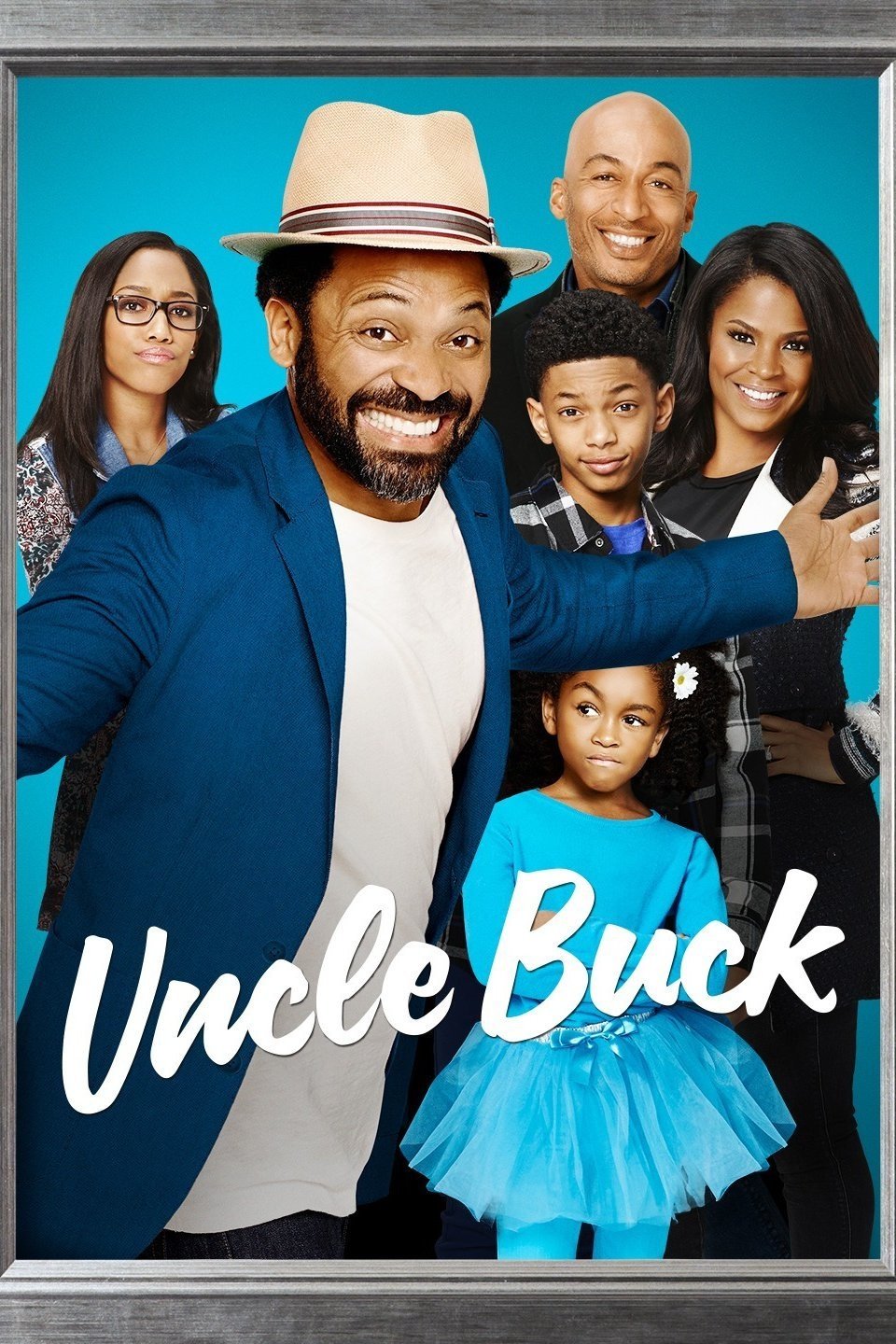
Mike Epps took over the role made famous by John Candy in this sitcom adaptation. The show attempted to modernize the premise with a contemporary setting but failed to find a consistent voice. Critics felt the humor relied too heavily on stereotypes and lacked the heart of the original film. ABC cancelled the series just days after the season finale aired.
‘The Odd Couple’ (2015–2017)
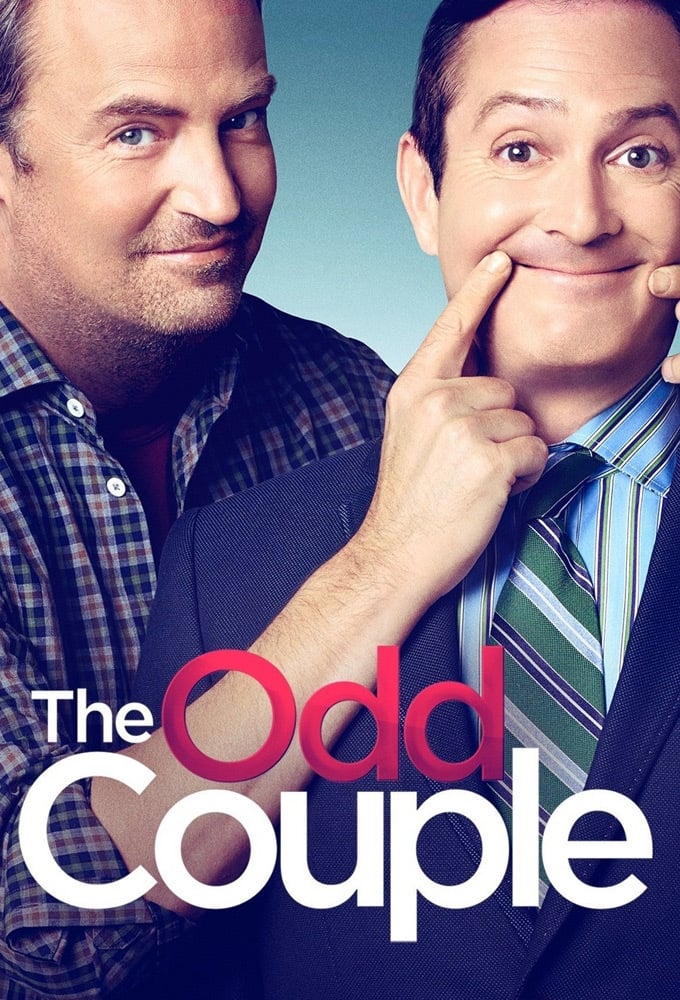
Matthew Perry and Thomas Lennon starred in this update of the Neil Simon play and subsequent TV classic. While the chemistry between the leads was praised the writing was often criticized for being dated and predictable. The show relied on laugh tracks and broad humor that felt out of place in the modern television landscape. CBS cancelled the sitcom after three short seasons of diminishing returns.
‘Heroes Reborn’ (2015–2016)
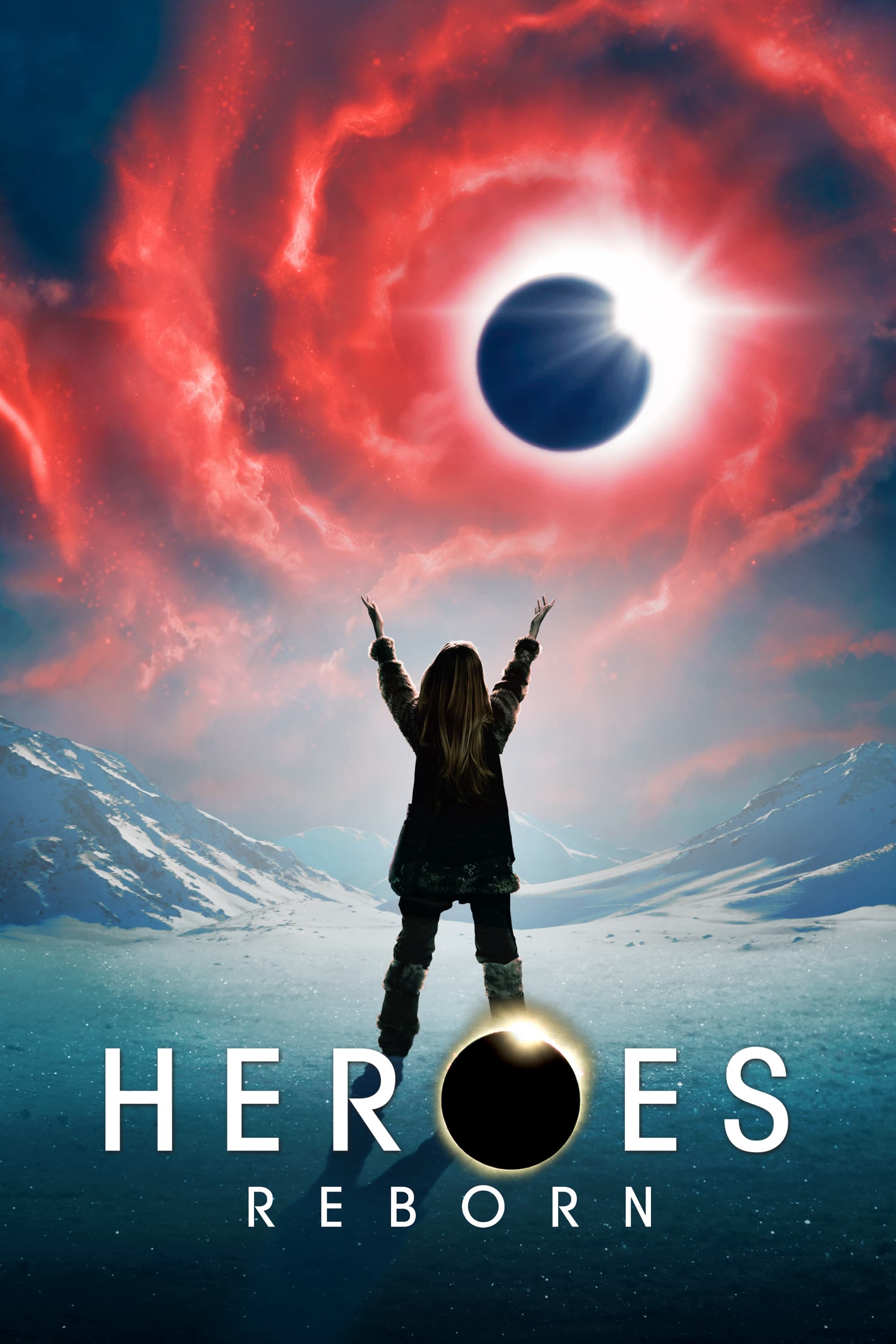
Tim Kring attempted to revive his superhero drama five years after the original series ended. The limited series introduced new characters alongside returning favorites but failed to capture the magic of the first season. Convoluted plotlines and a lack of character development frustrated both old fans and new viewers. The revival was not renewed for a second season after receiving lukewarm reviews.
’24: Legacy’ (2017)
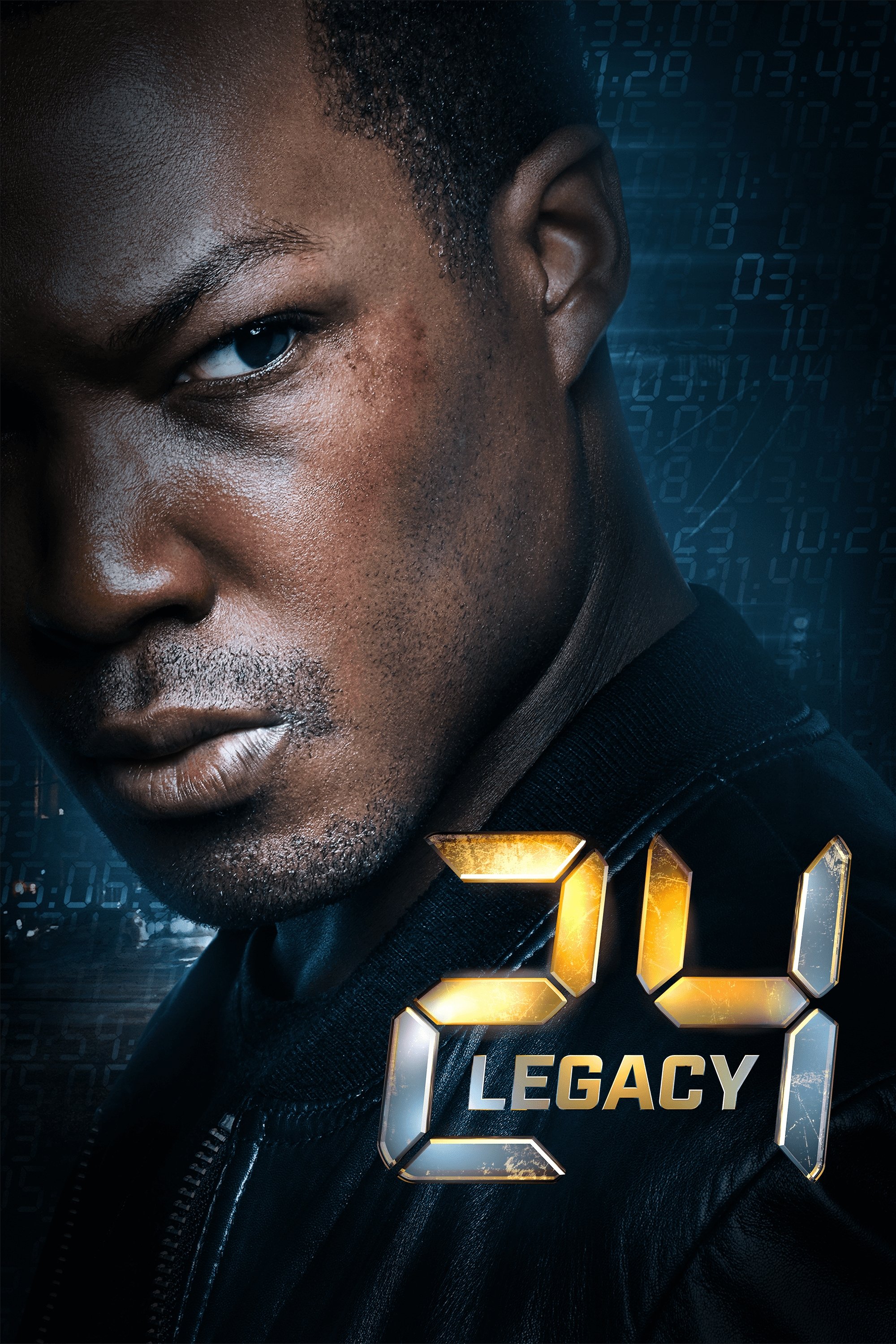
This spinoff attempted to continue the real-time format without Kiefer Sutherland starring as Jack Bauer. Corey Hawkins starred as a former Army Ranger trying to stop a terrorist attack on American soil. Critics felt the show repeated the same plot points as the original series without bringing anything new to the table. Fox cancelled the series after one season following mixed reviews and moderate ratings.
‘Prison Break’ (2017)

The limited event series undid the emotional series finale of the original show to bring Michael Scofield back from the dead. The plot involved a complicated conspiracy that took the characters to prisons in Yemen. Many viewers felt the revival stretched credibility too far and tarnished the legacy of the original run. The network did not pursue further seasons despite initial interest in the franchise.
‘The X-Files’ (2016–2018)
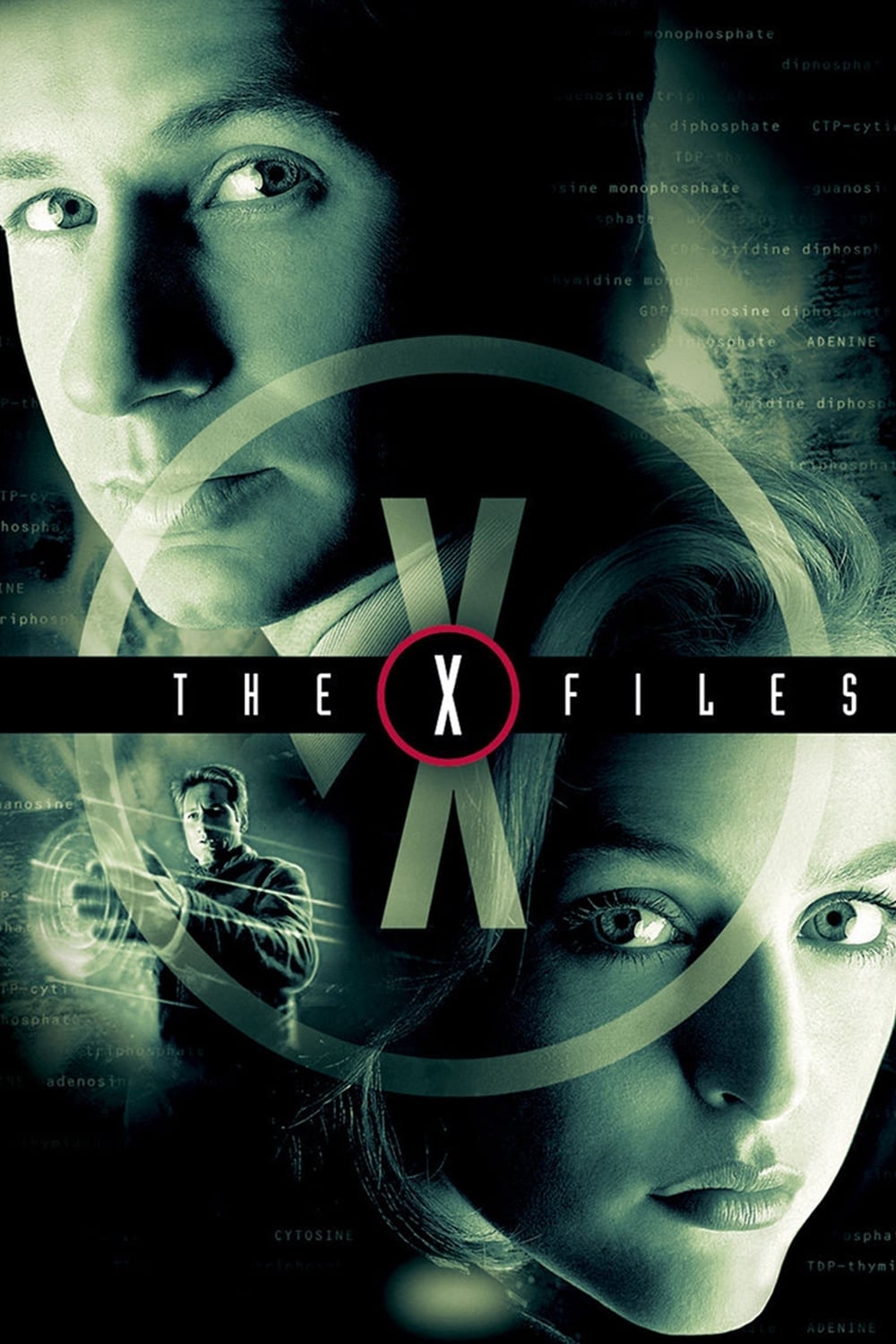
Mulder and Scully returned for two additional seasons that mixed monster-of-the-week episodes with mythology building. The overarching conspiracy plot was widely criticized for being confusing and contradictory to previous canon. While seeing the leads together was nostalgic the writing quality varied wildly between episodes. Gillian Anderson announced she would not return for future seasons effectively ending the revival.
‘Arrested Development’ (2013–2019)
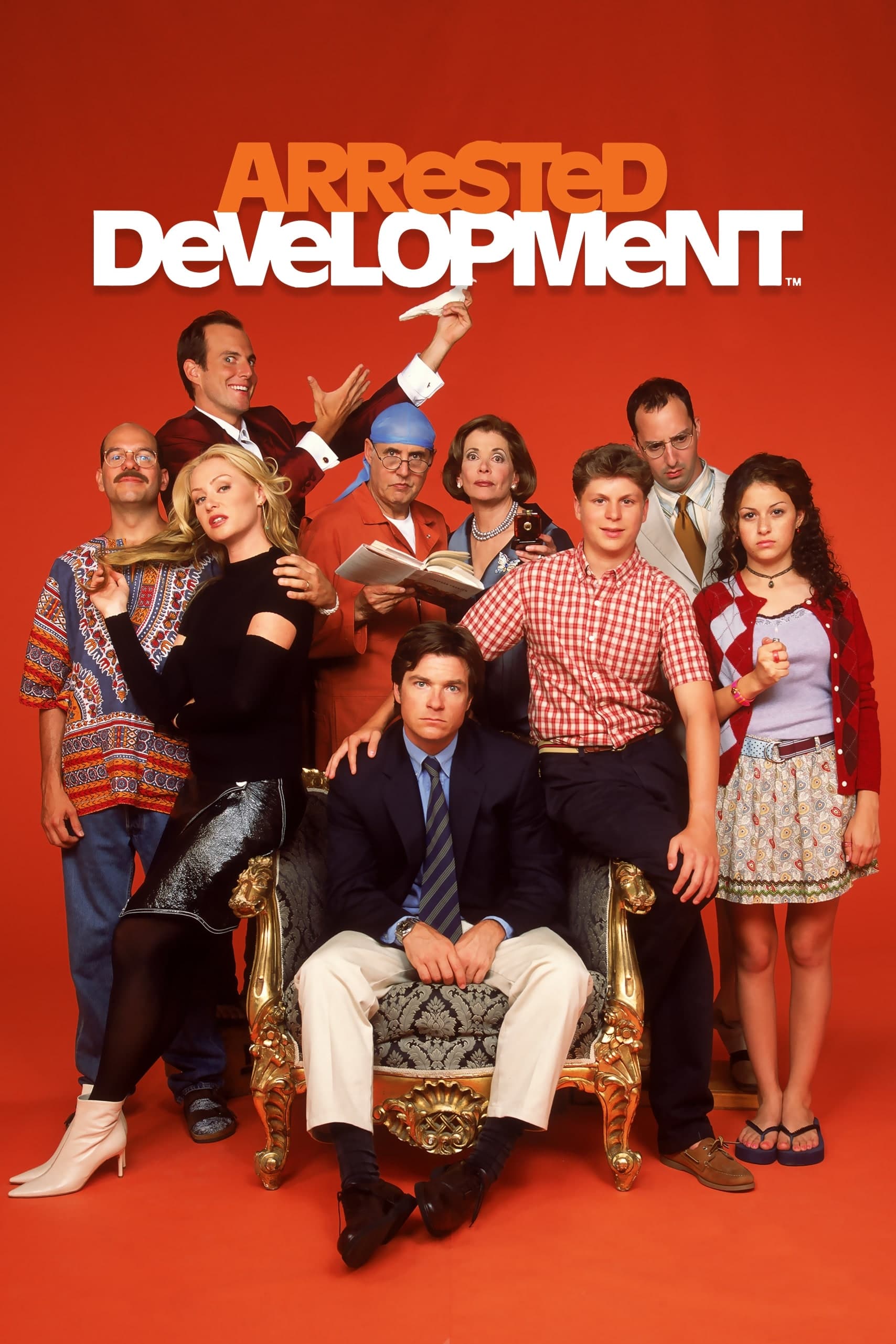
Netflix brought back the cult classic sitcom years after its cancellation by Fox. The fourth season separated the cast into individual episodes due to scheduling conflicts which ruined the ensemble dynamic. Later seasons attempted to fix this issue but the intricate plotting became exhausting rather than funny. Fans generally agree the revival failed to live up to the brilliance of the first three seasons.
‘Murphy Brown’ (2018)
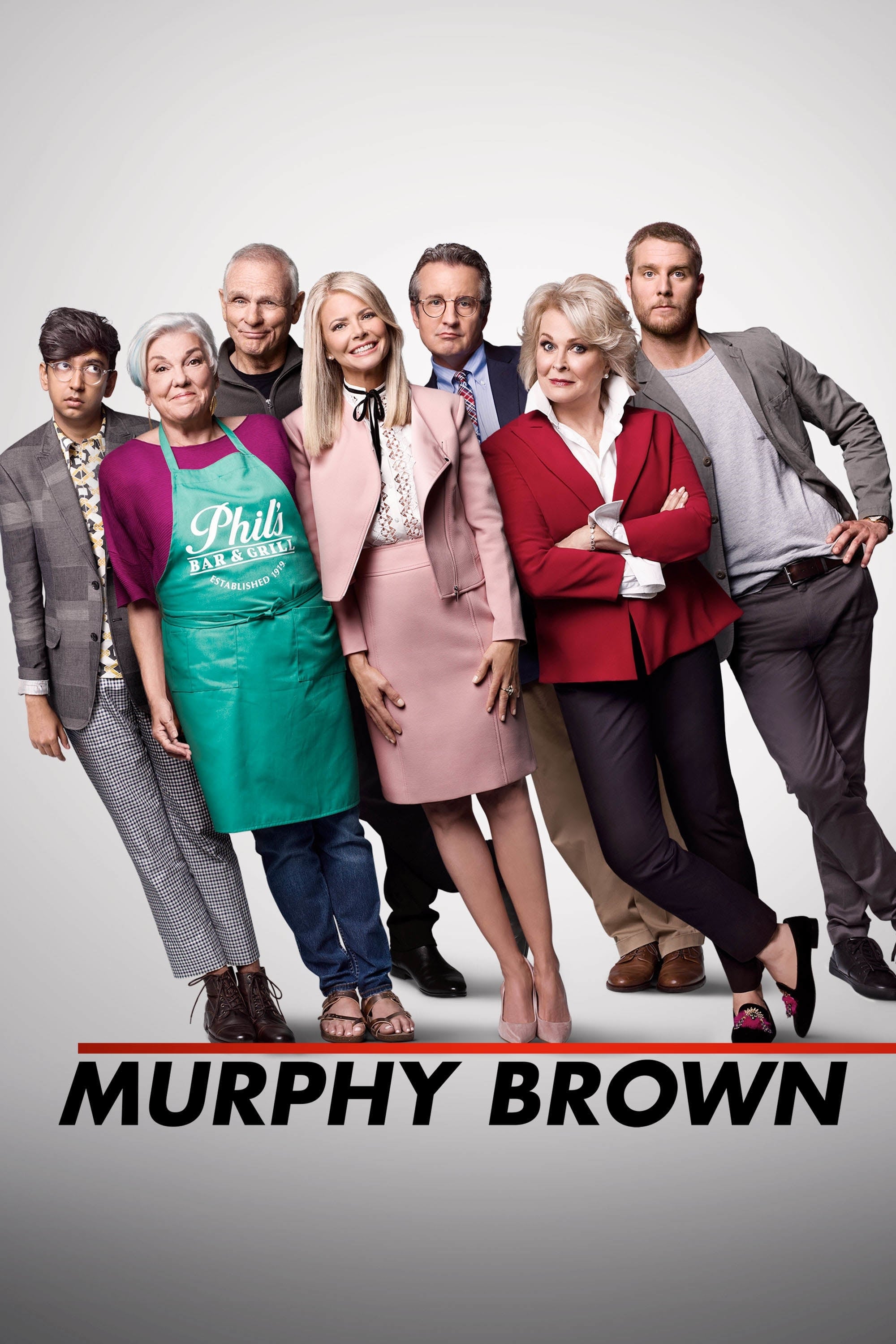
Candice Bergen reprised her role as the sharp-tongued investigative journalist to tackle the modern political climate. The revival was criticized for being too preachy and focusing heavily on current events rather than character comedy. Viewers who loved the original found the new iteration lacking in subtle wit and charm. CBS cancelled the show after a single season of low ratings.
‘BH90210’ (2019)
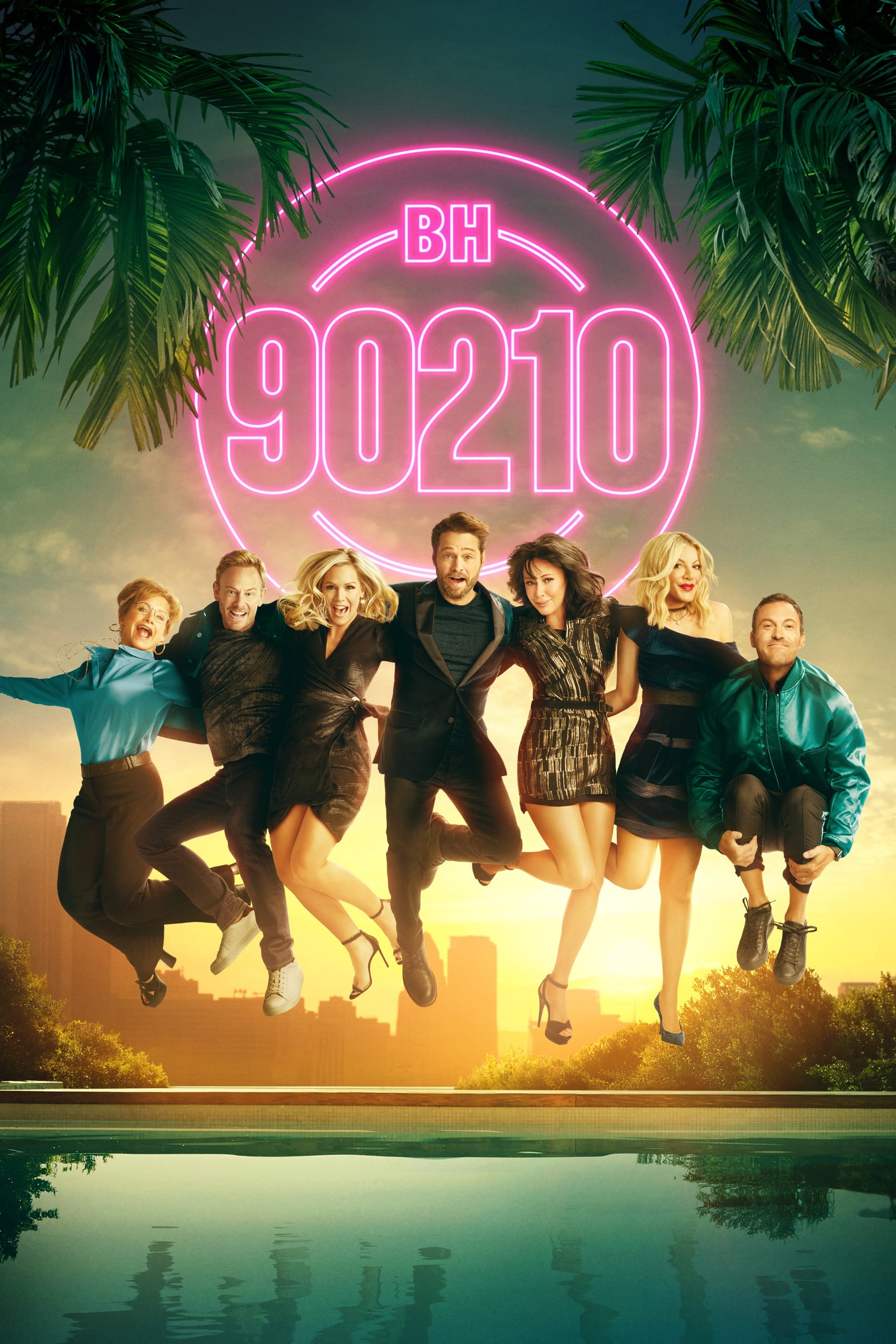
The original cast of ‘Beverly Hills, 90210’ played heightened versions of themselves trying to launch a reboot. The meta-commentary concept was confusing for casual viewers who just wanted a straightforward revival. The novelty of the premise wore off quickly after the premiere episode aired. Fox cancelled the series after one six-episode season due to high production costs.
‘Melrose Place’ (2009–2010)
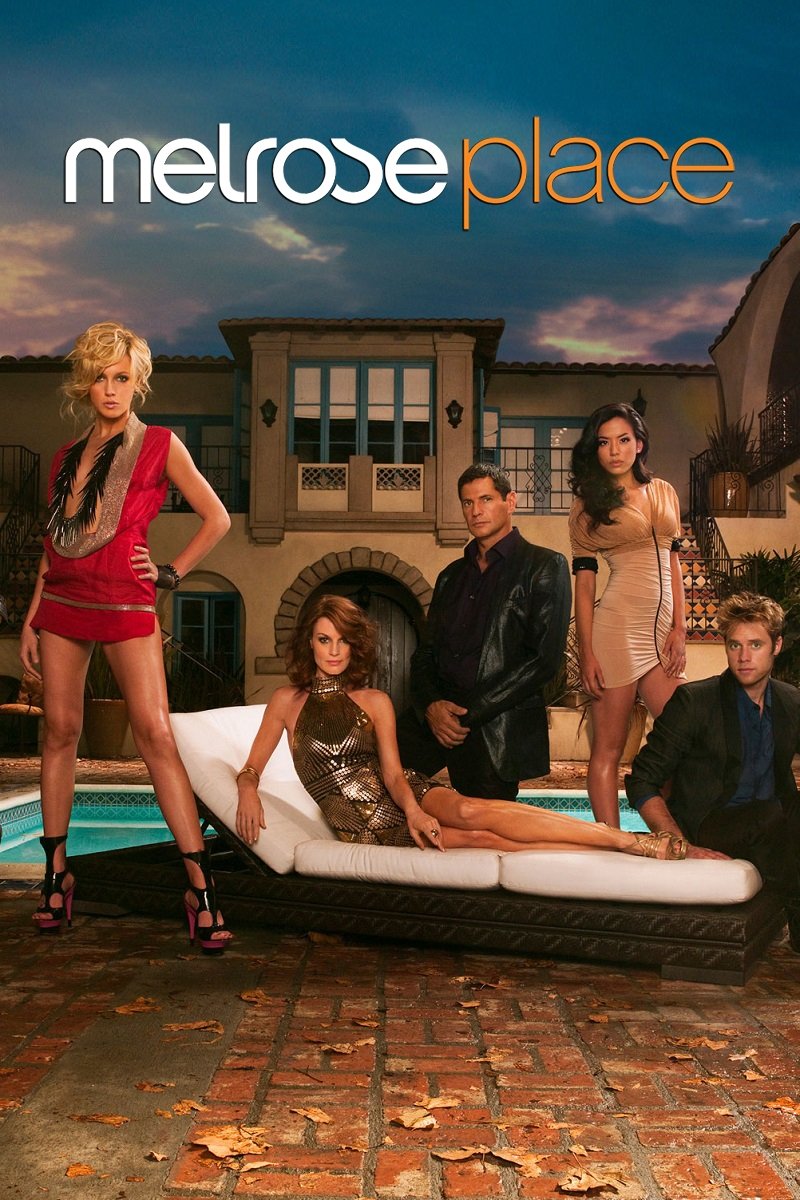
The CW attempted to update the primetime soap with a new cast and appearances by original stars. The series featured a murder mystery plot that moved too slowly to maintain audience interest. Characters were seen as unlikable and the drama felt manufactured compared to the campy fun of the 1990s version. The network cancelled the show after one season as it failed to find a dedicated audience.
‘Gossip Girl’ (2021–2023)

HBO Max launched a sequel series focusing on a new generation of wealthy private school students. The show revealed the identity of Gossip Girl in the first episode which removed the central mystery element. Critics found the characters shallow and the attempt to be socially conscious performative. The streaming service cancelled the reboot after two seasons.
‘Velma’ (2023–2024)
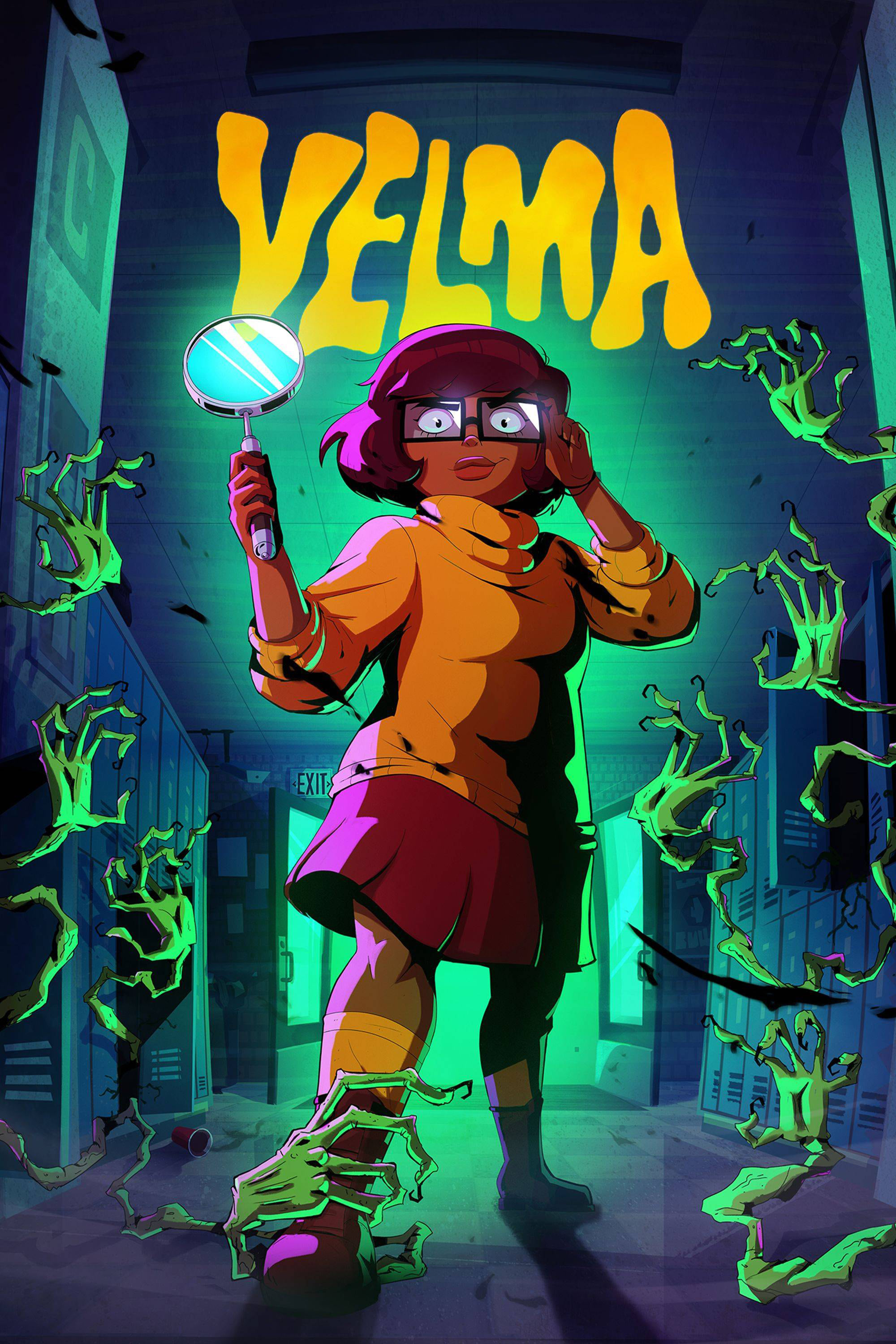
Mindy Kaling produced this adult animated prequel to ‘Scooby-Doo’ without the titular dog. The series was universally panned for its mean-spirited humor and radical changes to beloved characters. Audiences criticized the meta-humor as excessive and the protagonist as unlikable. The show became one of the lowest-rated animated series in history upon its release.
‘The Twilight Zone’ (2019–2020)
Jordan Peele hosted this modern take on Rod Serling’s legendary anthology series. The episodes were often criticized for being too long and prioritizing heavy-handed messages over suspense. Many stories lacked the clever twists and moral ambiguity that defined the original run. CBS All Access cancelled the series after two seasons due to a lack of cultural impact.
‘L.A. Dragnet’ (2003)
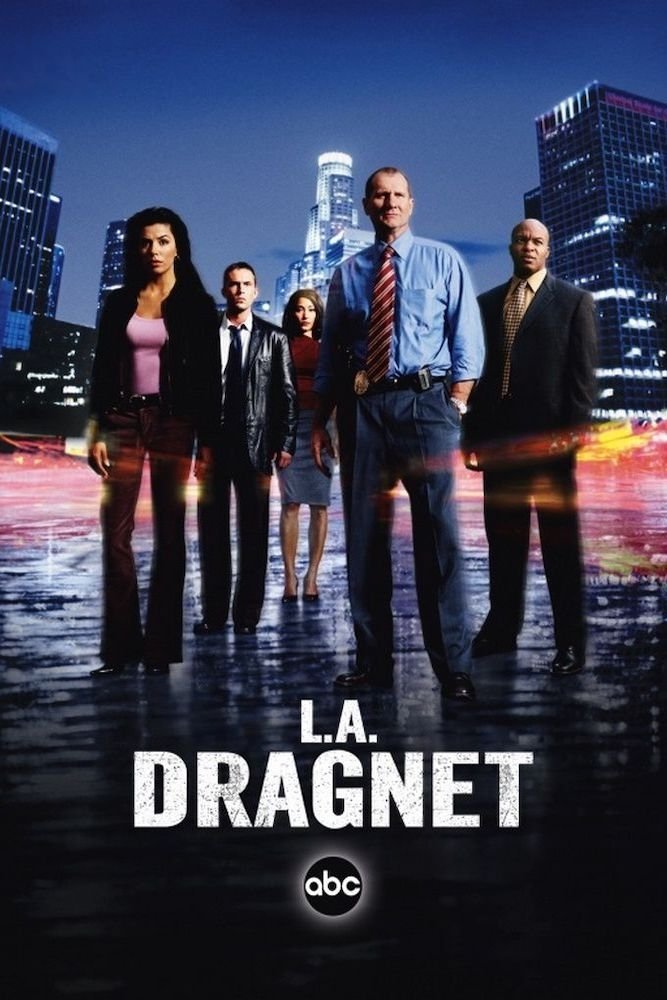
Dick Wolf produced this remake of the classic police procedural starring Ed O’Neill. The show adhered strictly to the dry and factual style of the original series. Audiences in the early 2000s found the format archaic compared to more character-driven dramas. ABC cancelled the series after two seasons and a significant change in the lead cast.
‘Kojak’ (2005)

Ving Rhames took over the role of the lollipop-sucking detective originally played by Telly Savalas. The remake attempted to be grittier but lost the charm and wit of the 1970s version. Critics felt the show was a generic police drama that did not justify using the famous title. The series lasted only one season on the USA Network.
‘Cupid’ (2009)

Rob Thomas remade his own 1998 cult classic about a man who believes he is the god of love. Bobby Cannavale and Sarah Paulson starred in the roles originally played by Jeremy Piven and Paula Marshall. The remake lacked the quirky energy of the original and failed to connect with a broad audience. ABC cancelled the series after airing only six episodes.
‘Skins’ (2011)

MTV attempted to adapt the controversial British teen drama for an American audience. The show faced immediate backlash for its depiction of teenage drug use and sexuality. Advertisers pulled their support which made the series a financial liability for the network. The show was cancelled after one season and is often cited as a failed translation of UK television.
‘The Inbetweeners’ (2012)
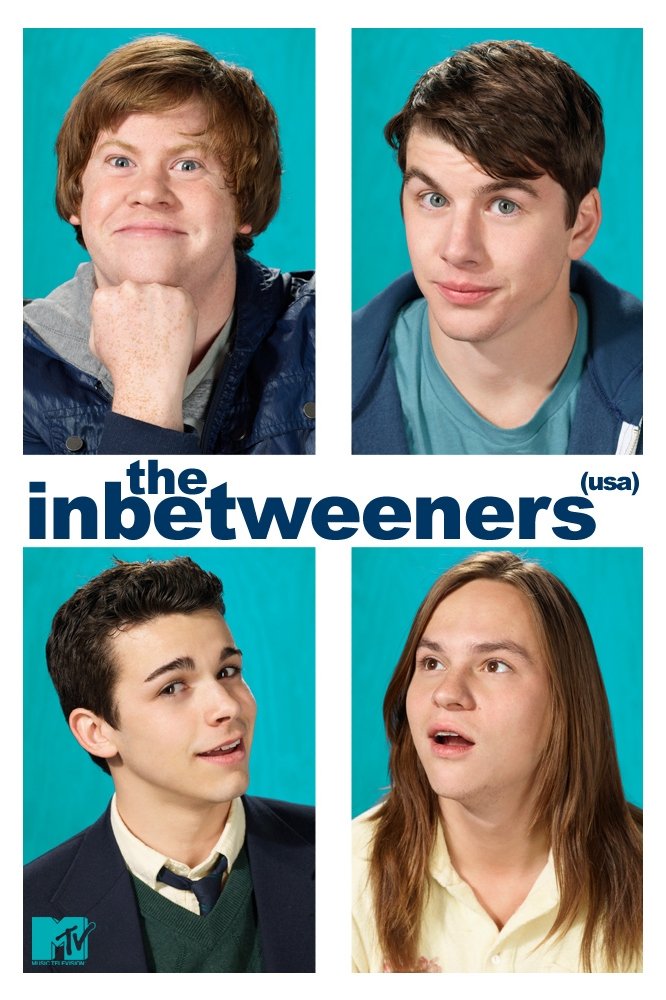
MTV also tried to adapt this raunchy British comedy about four socially awkward friends. The US version toned down the vulgarity and changed the character dynamics significantly. Fans of the original hated the sanitised scripts and the lack of authentic cringe humor. The series was cancelled after one season due to overwhelmingly negative reviews.
‘Fuller House’ (2016–2020)

This sequel to the family sitcom ‘Full House’ became a hit for Netflix despite poor reviews. Critics found the show relied entirely on nostalgia and corniness that felt outdated. The humor was often described as forced and the plotlines were incredibly repetitive. While it ran for five seasons many argued it tarnished the legacy of the original show.
Tell us which of these TV reboots you found the most disappointing in the comments.