


TV Reboots That Swapped Minority Leads for White Ones

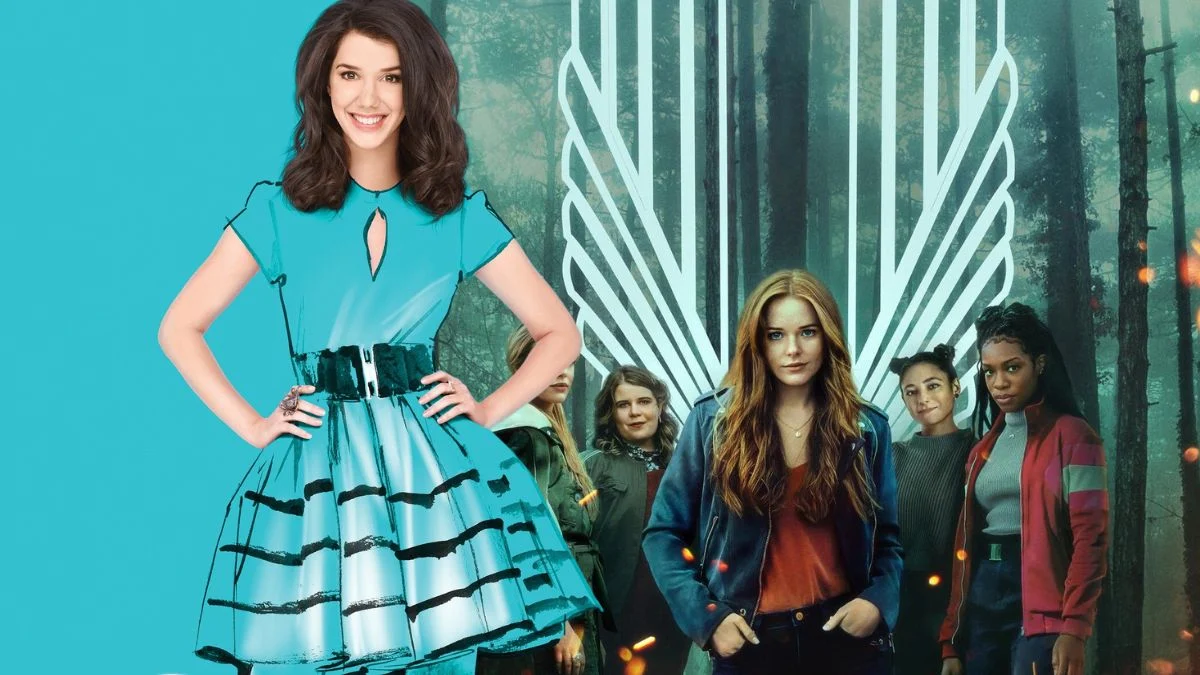


Television networks frequently look to international markets or past successes to find their next big hit. This process often involves adapting scripts and concepts from countries with predominantly non-white populations for American audiences. Studios typically recast these roles with local actors to appeal to the domestic demographic. While this localization strategy is common, it often results in the original minority protagonists being replaced by white leads. The following list explores various TV shows that underwent this specific casting transformation during their development.
‘The Good Doctor’ (2017–2024)
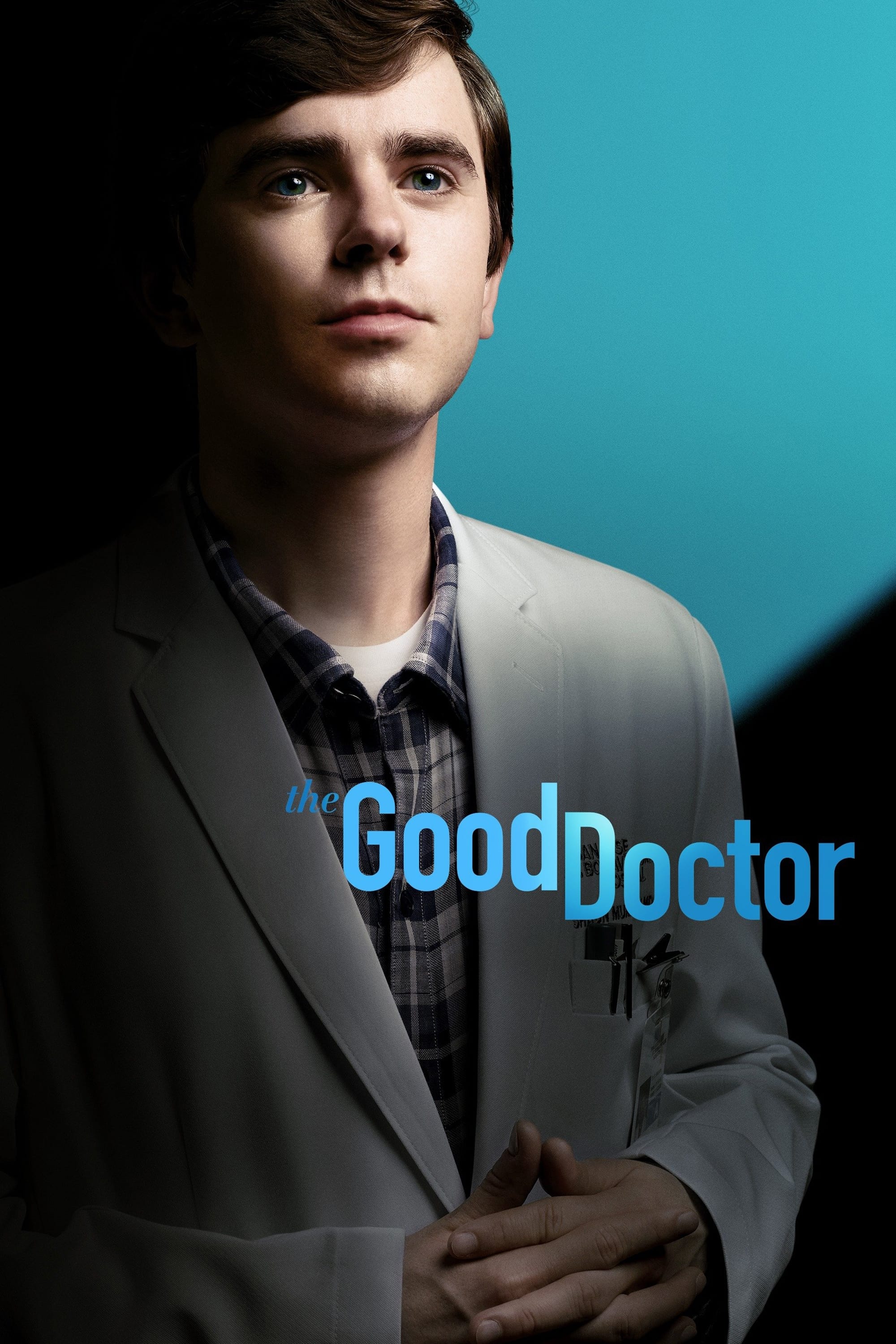
This popular medical drama is based on a 2013 South Korean series of the same name. The original show starred Joo Won as a pediatric surgeon with autism scholar syndrome working in a competitive hospital. The American version cast Freddie Highmore to play the lead role of Dr. Shaun Murphy. While the adaptation retained the core premise and emotional beats of the source material, the racial identity of the protagonist shifted from Korean to white British-American. The series became a massive success for ABC and ran for seven seasons.
‘Homeland’ (2011–2020)
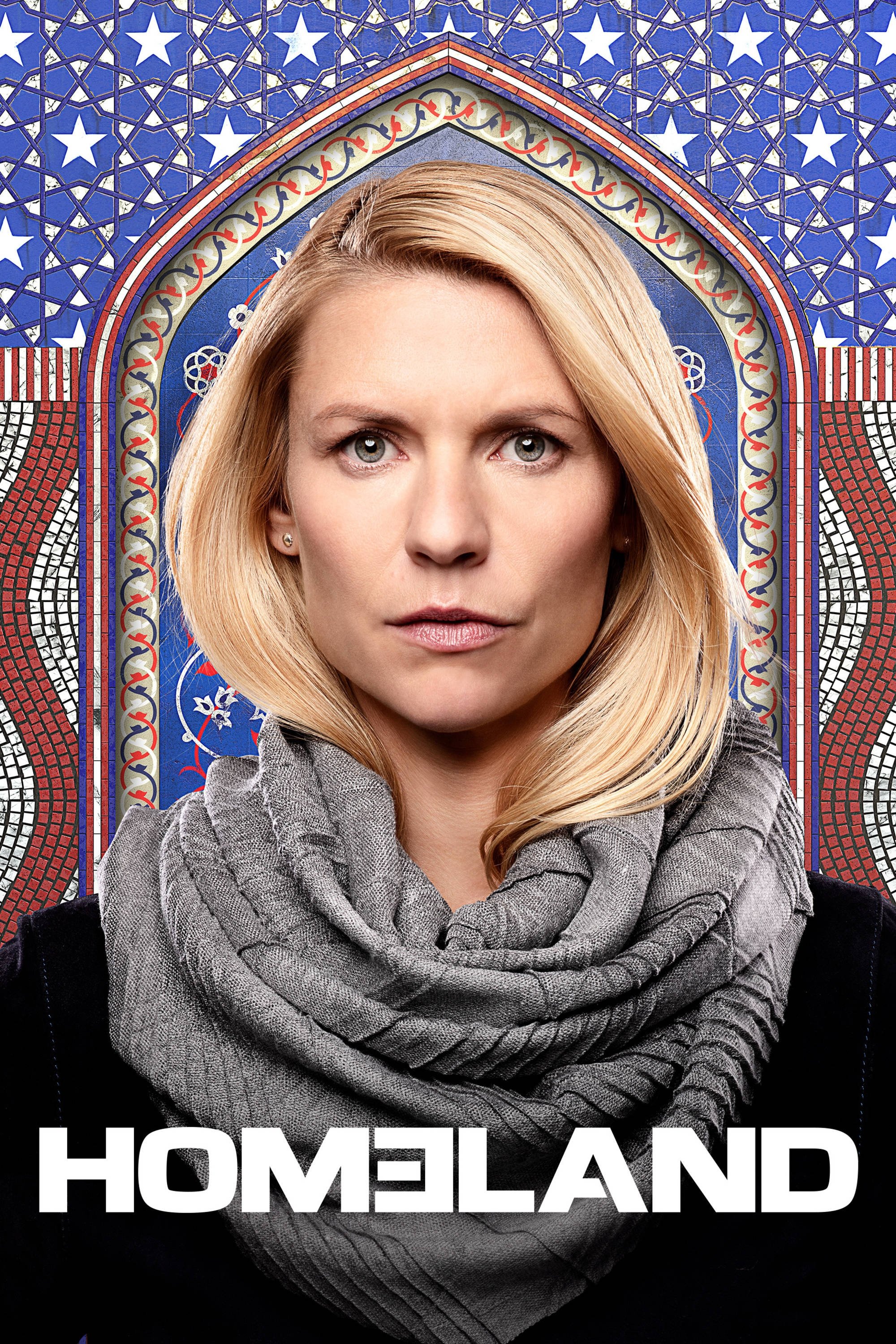
Showtime found critical acclaim with this intense spy thriller adapted from the Israeli series ‘Prisoners of War’. The original Hebrew show focused on two soldiers returning home to Israel after seventeen years in captivity. The American adaptation centered on a white Marine scout sniper played by Damian Lewis. The narrative context shifted from the Israeli-Palestinian conflict to America’s war on terror. This casting change transformed a specifically Middle Eastern narrative into a story focused on white American protagonists.
‘In Treatment’ (2008–2021)
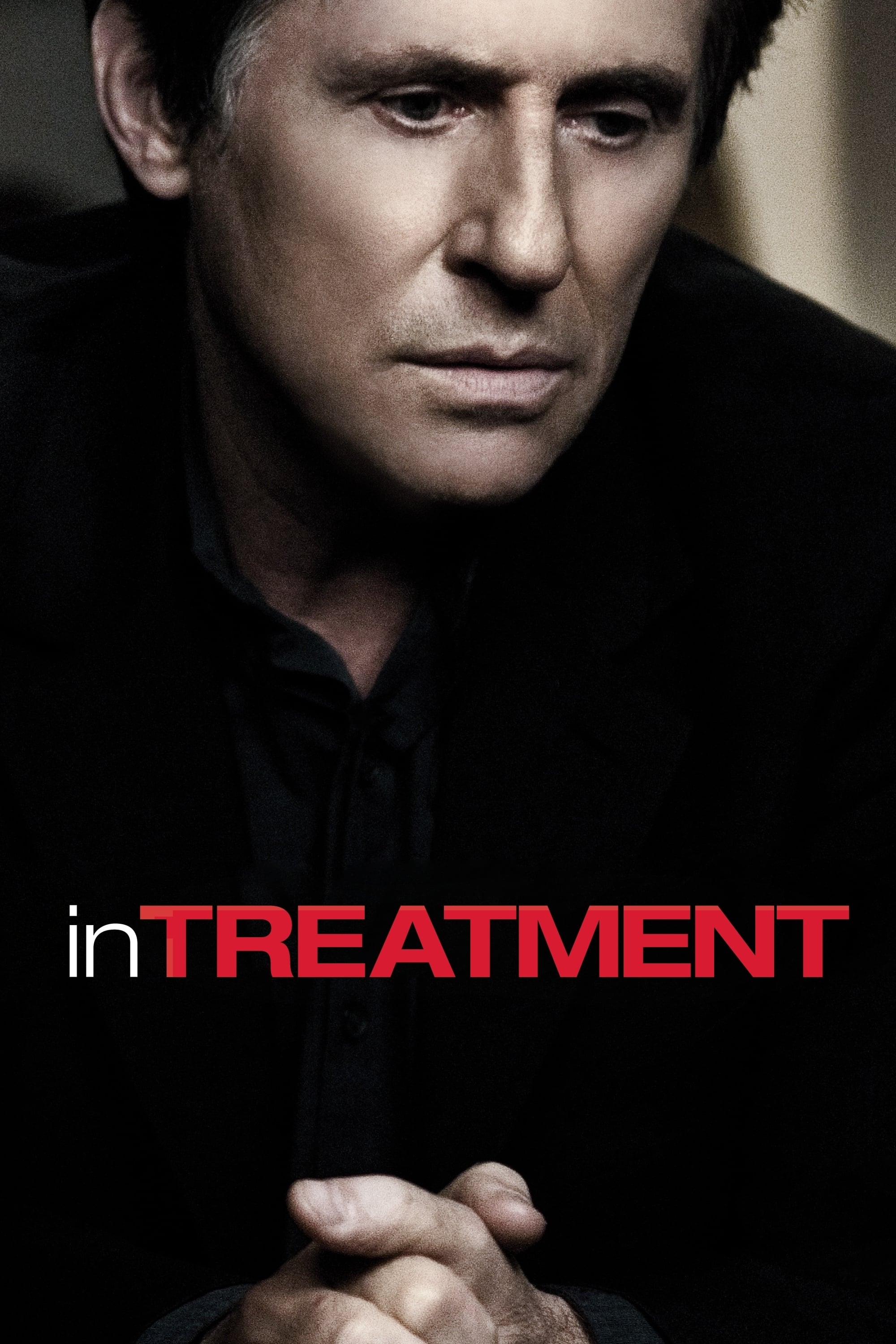
HBO adapted this psychodrama from the successful Israeli series ‘BeTipul’. The original show featured Assi Dayan as the central therapist who meets with patients throughout the week. Gabriel Byrne was cast as Dr. Paul Weston for the American version of the series. The show maintained the unique daily format of the source material while shifting the setting to Baltimore and later Brooklyn. It received praise for its writing but replaced the original Israeli cultural context with a white American perspective.
‘The Mysteries of Laura’ (2014–2016)
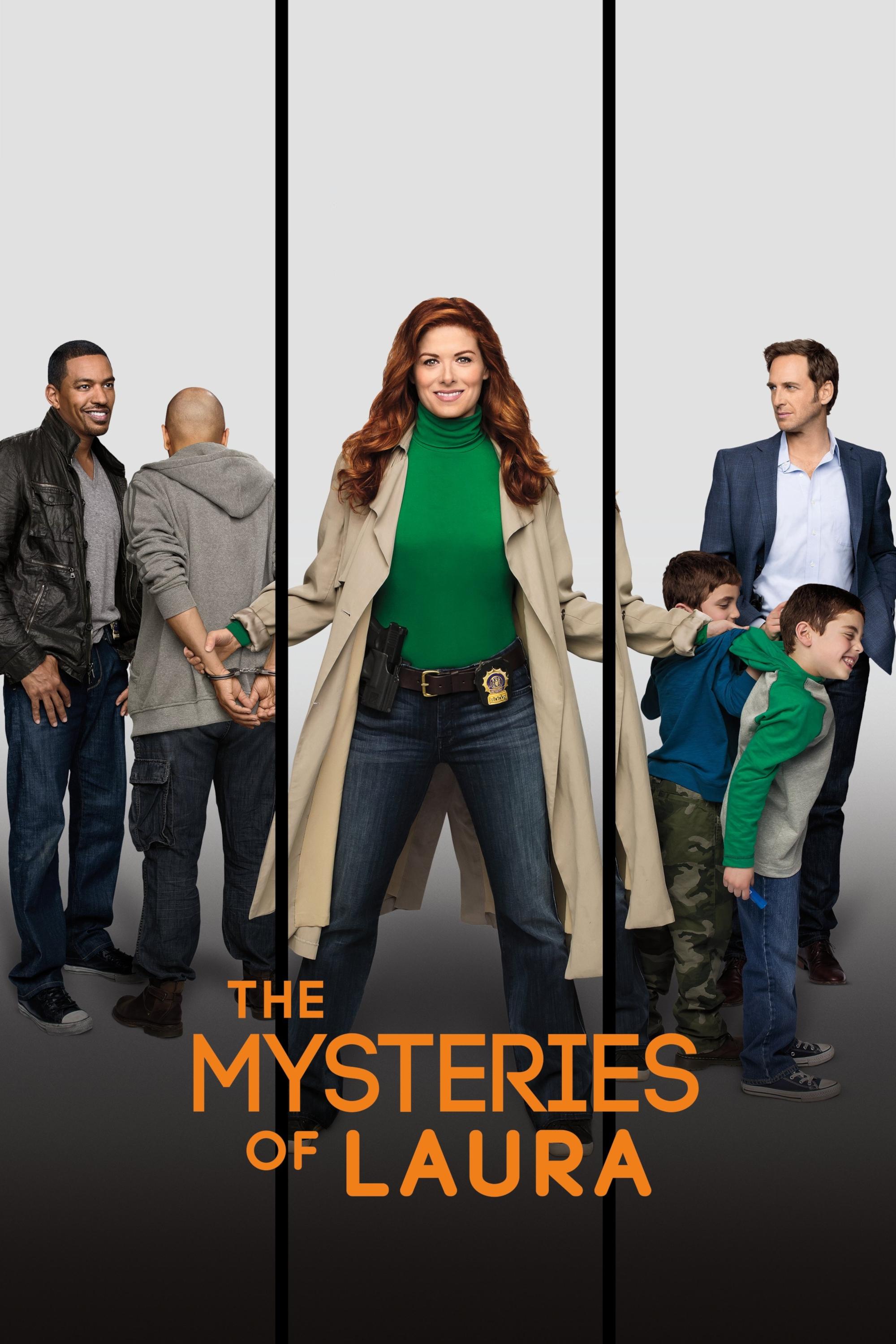
Debra Messing starred in this NBC police procedural about a homicide detective balancing her career with single motherhood. The show was an adaptation of the Spanish television series ‘Los misterios de Laura’ which starred María Pujalte. The original series was set in Spain and featured a Spanish lead actress navigating local crimes. The American reboot transported the action to New York City and cast a white lead to anchor the show. Despite strong initial ratings, the adaptation struggled to capture the same long-term success as its Spanish predecessor.
‘Jane by Design’ (2012)

This ABC Family series drew heavy inspiration from the telenovela format and was often compared to the Mexican hit ‘Diseñador ambos sexos’. The show followed a teenager who lands a job at a high-end fashion house while still attending high school. While the narrative mirrored Latin American tropes and plotlines, the show cast white actress Erica Dasher in the lead role. The series attempted to blend the telenovela style with American teen drama sensibilities. It was cancelled after one season despite developing a cult following.
‘Hostages’ (2013–2014)
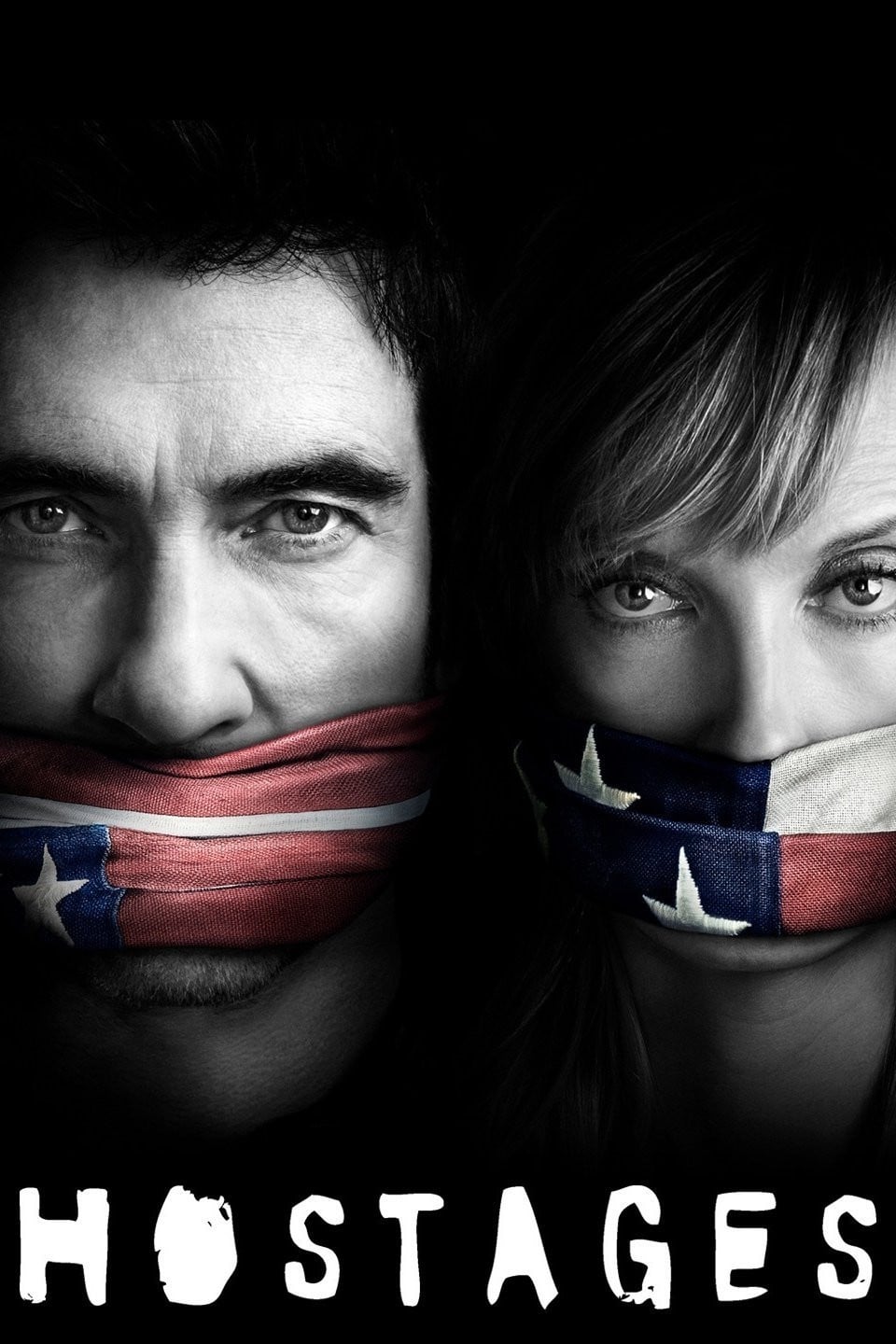
CBS adapted this suspense drama from an Israeli series of the same name before the original even aired. The Israeli version titled ‘Bnei Aruba’ starred Ayelet Zurer as a surgeon ordered to kill the Prime Minister. The American adaptation cast Toni Collette as the doctor and Dylan McDermott as the rogue FBI agent. This shift replaced the Israeli leads with white actors for the domestic broadcast. The high-stakes premise remained identical but the cultural and political backdrop was completely Americanized.
‘Killer Women’ (2014)
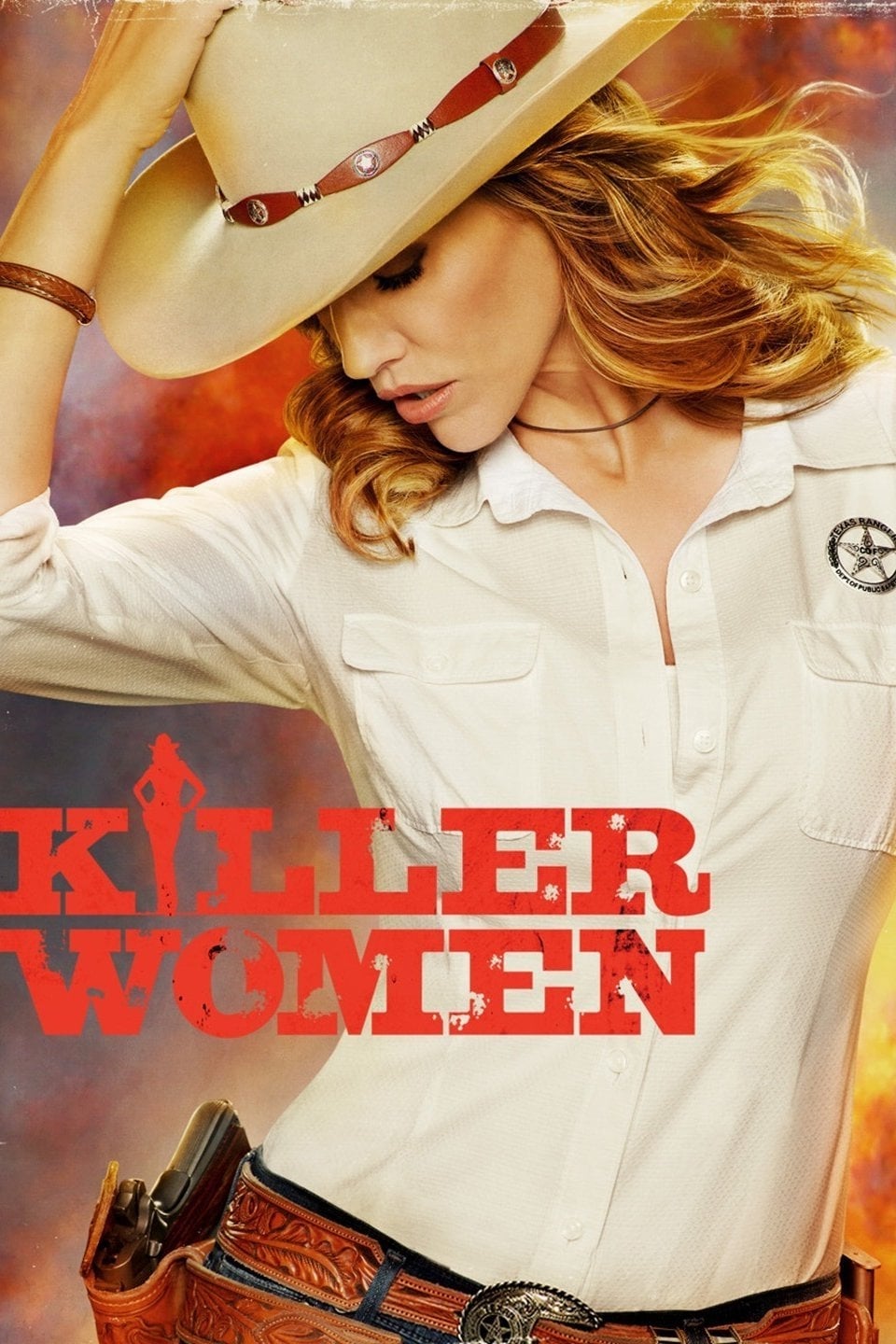
This short-lived ABC drama was based on the Argentine crime anthology series ‘Mujeres Asesinas’. The original production was a massive hit across Latin America and focused on different women committing homicides. The US version starred Tricia Helfer as a white Texas Ranger pursuing dangerous female criminals. The adaptation abandoned the anthology format of the Argentine source material in favor of a procedural structure. Sofia Vergara served as an executive producer but the on-screen lead was swapped to a white actress.
‘Chasing Life’ (2014–2015)

ABC Family produced this drama about an aspiring journalist who is diagnosed with leukemia. The series was adapted from the Mexican telenovela ‘Terminales’ which starred Irán Castillo. Italia Ricci was cast as the lead character April Carver for the American remake. The show kept the emotional core of a young woman facing a terminal illness but changed the setting and family ethnicity. It ran for two seasons and explored the protagonist’s battle with cancer and career ambitions.
‘Traffic Light’ (2011)

This sitcom focused on three college friends at different stages of their romantic relationships. It was based on the Israeli television show ‘Ramzor’ which was created by and starred Adir Miller. The American version starred David Denman, Nelson Franklin, and Kris Marshall as the three leads. Fox attempted to translate the specific Israeli humor about friendship and marriage for a US audience using a white cast. The show failed to resonate with viewers and was cancelled after just one season.
‘The Ex List’ (2008)

Elizabeth Reaser starred in this romantic comedy drama about a woman searching her past relationships to find her future husband. The show was based on the Israeli series ‘The Mythological X’ created by Sigal Avin. The original protagonist was an Israeli woman navigating the dating scene in Tel Aviv. The CBS adaptation moved the setting to San Diego and cast a white lead actress. Production was shut down early due to poor ratings and critical reception.
‘Your Family or Mine’ (2015)
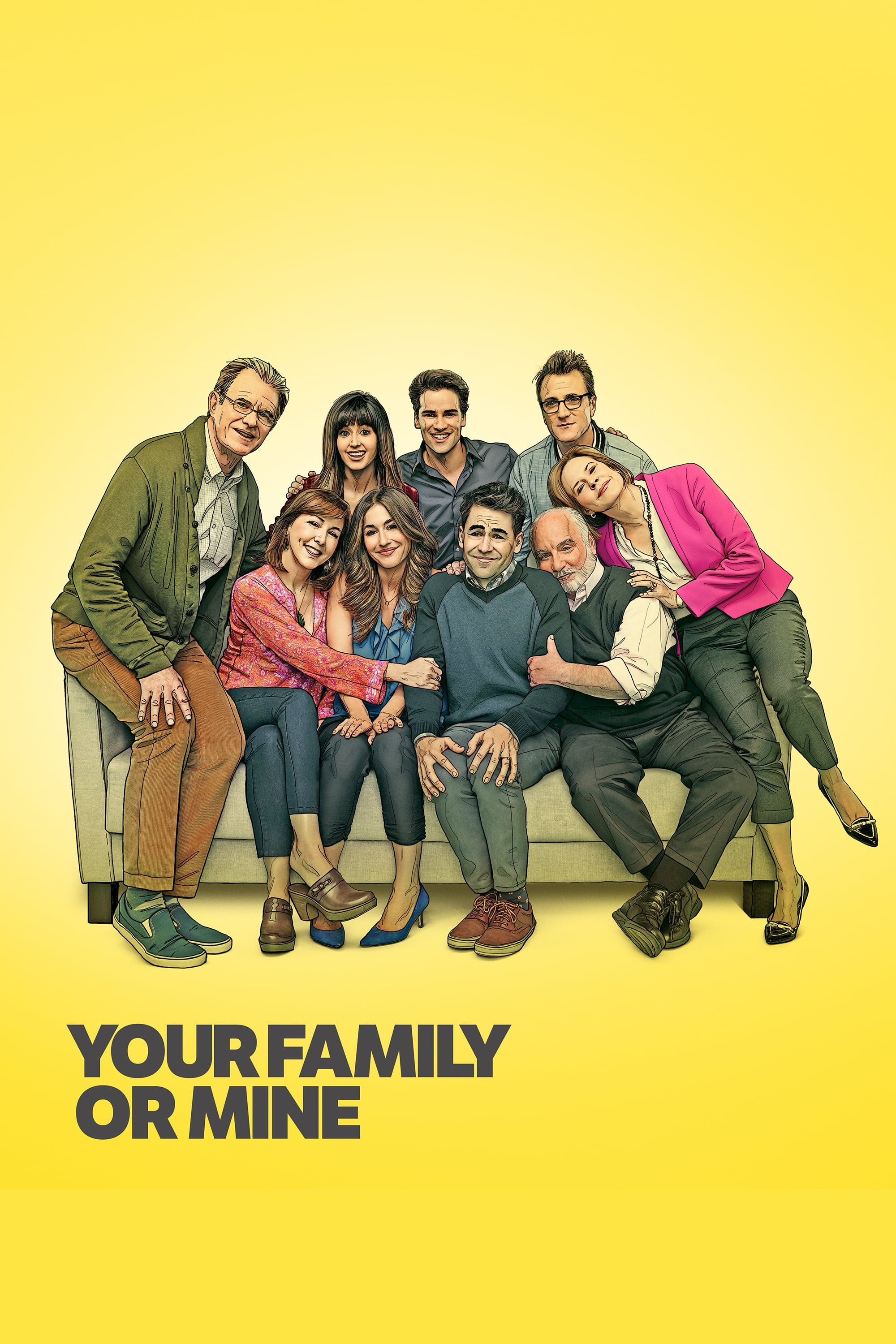
This sitcom revolved around a young couple dealing with their intrusive extended families. It was adapted from the popular Israeli series ‘Sabri Maranan’ which highlighted distinctive cultural family dynamics. The US version cast Kyle Howard and Kat Foster as the central couple. The show alternated episodes between the husband’s family and the wife’s family. TBS cancelled the series after one season as the cultural specificity of the original did not translate well with the new cast.
‘Allegiance’ (2015)
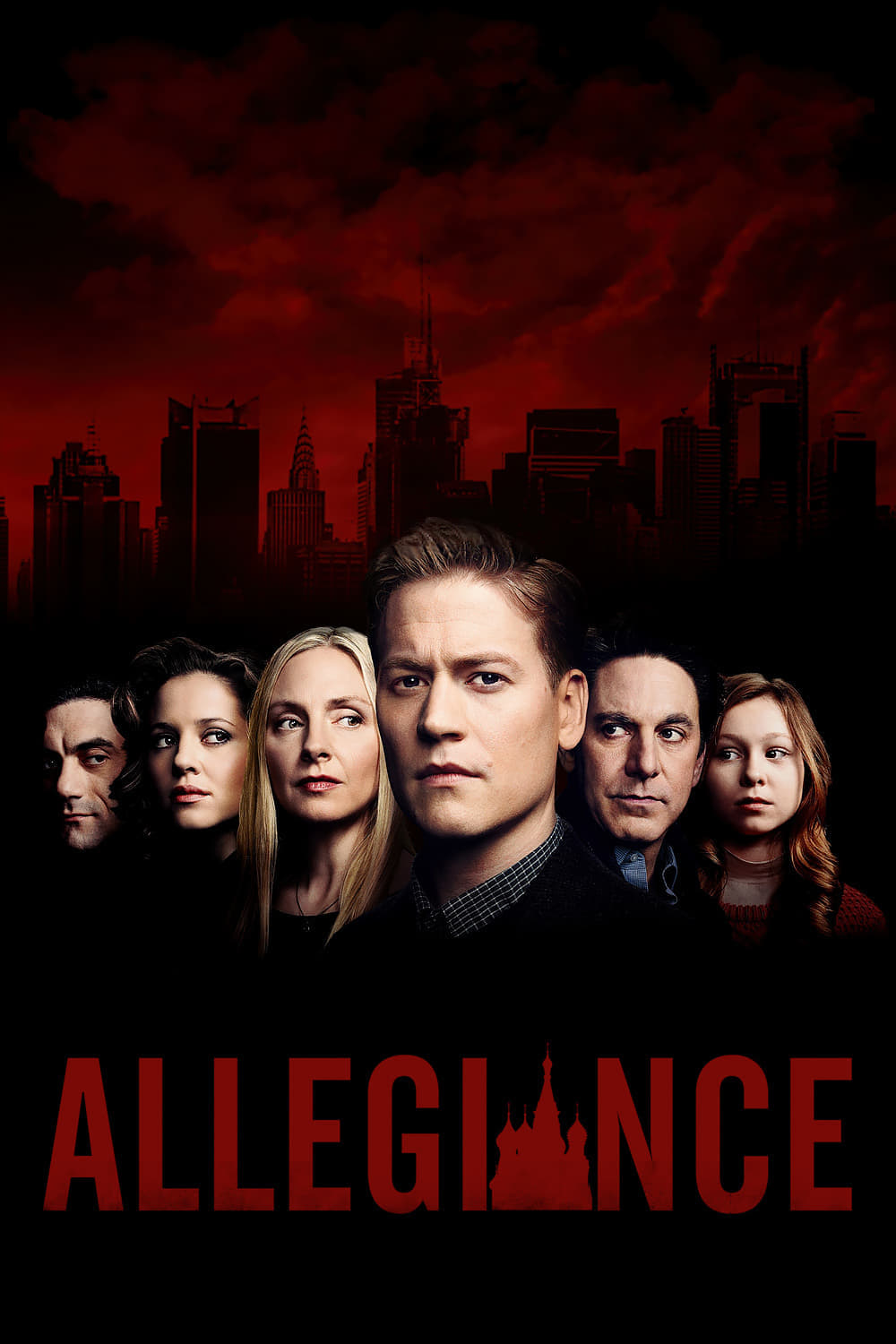
This espionage thriller focused on a young CIA analyst who discovers his parents are former Russian sleeper agents. It was based on the Israeli series ‘The Gordin Cell’ which dealt with similar themes of family loyalty and treason. The American adaptation starred Hope Davis and Scott Cohen as the parents. The show replaced the Israeli context with a Cold War legacy narrative featuring white American leads. NBC cancelled the series after only five episodes due to low viewership.
‘Game of Silence’ (2016)
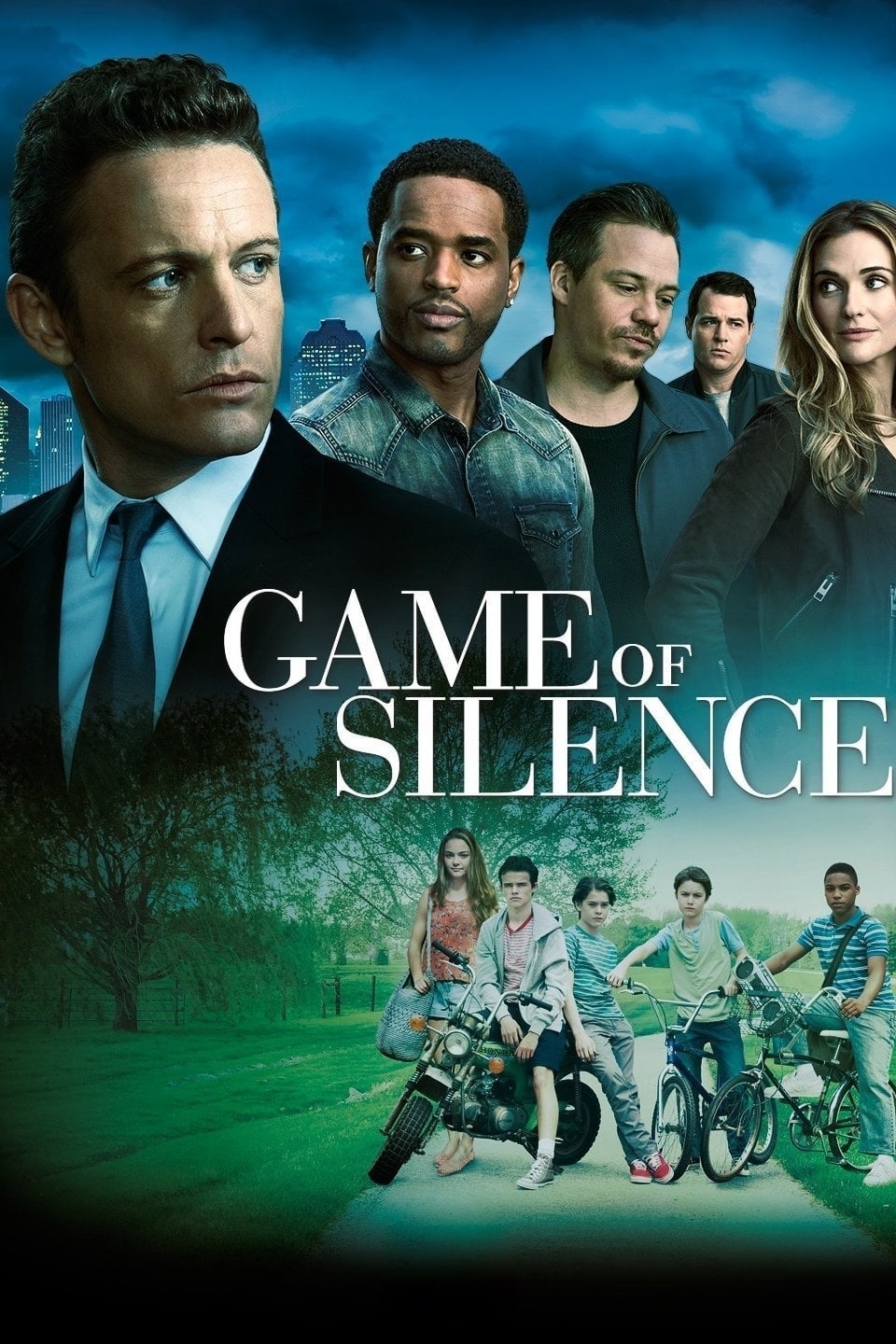
NBC adapted this dark drama from the Turkish television series ‘Suskunlar’. The story followed a successful attorney whose childhood friends reappear and threaten to expose a dark secret. The Turkish original featured a cast of Turkish actors dealing with local societal issues. The American version starred David Lyons and Michael Raymond-James in the lead roles. The adaptation received mixed reviews and failed to find an audience before being cancelled.
‘Wisdom of the Crowd’ (2017–2018)
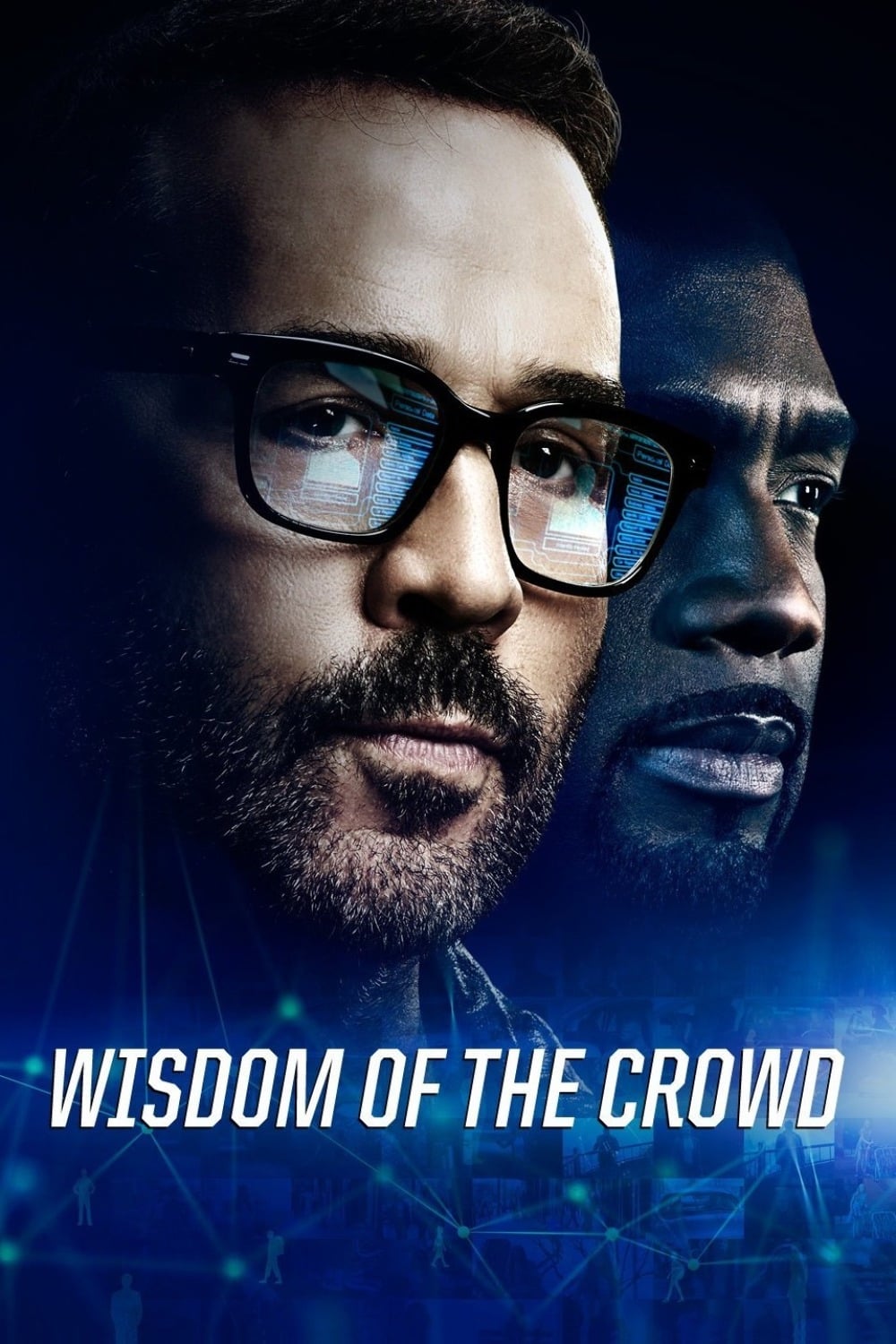
Jeremy Piven starred as a tech innovator who creates a crowdsourcing app to solve his daughter’s murder. The series was based on an Israeli format of the same name. The original concept was deeply rooted in the Israeli tech startup culture and social dynamics. The CBS adaptation Americanized the setting and cast a white lead to drive the procedural narrative. The show was cancelled during its first season following controversies and average ratings.
‘Fate: The Winx Saga’ (2021–2022)
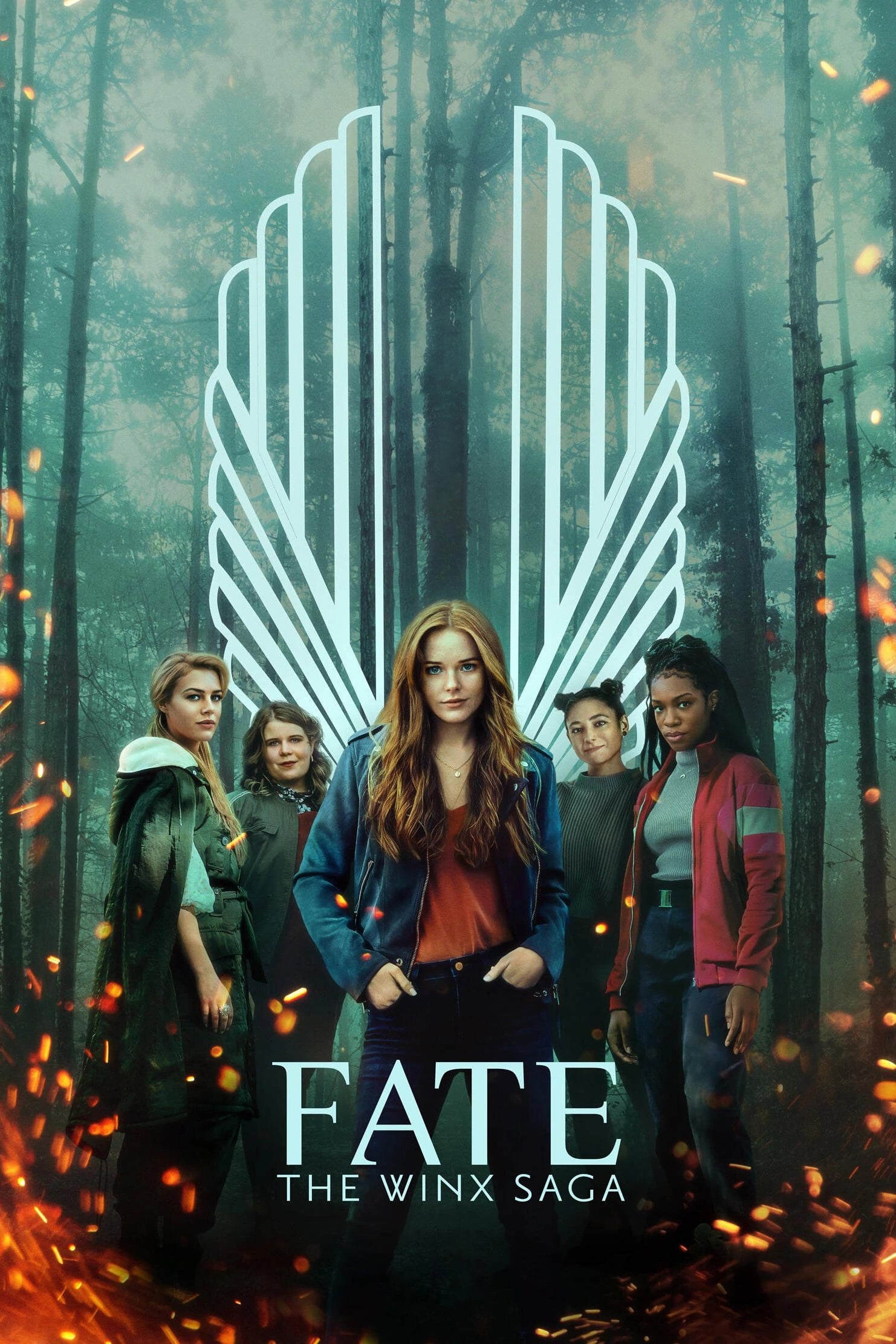
This Netflix series was a live-action reimagining of the Italian cartoon ‘Winx Club’. The animated series featured a diverse group of fairies including Flora who was modeled after Jennifer Lopez and coded as Latina. The live-action reboot replaced Flora with a new white character named Terra. This casting decision sparked significant backlash from fans of the original animation. The show ran for two seasons before being cancelled by the streaming platform.
‘Legend of Earthsea’ (2004)
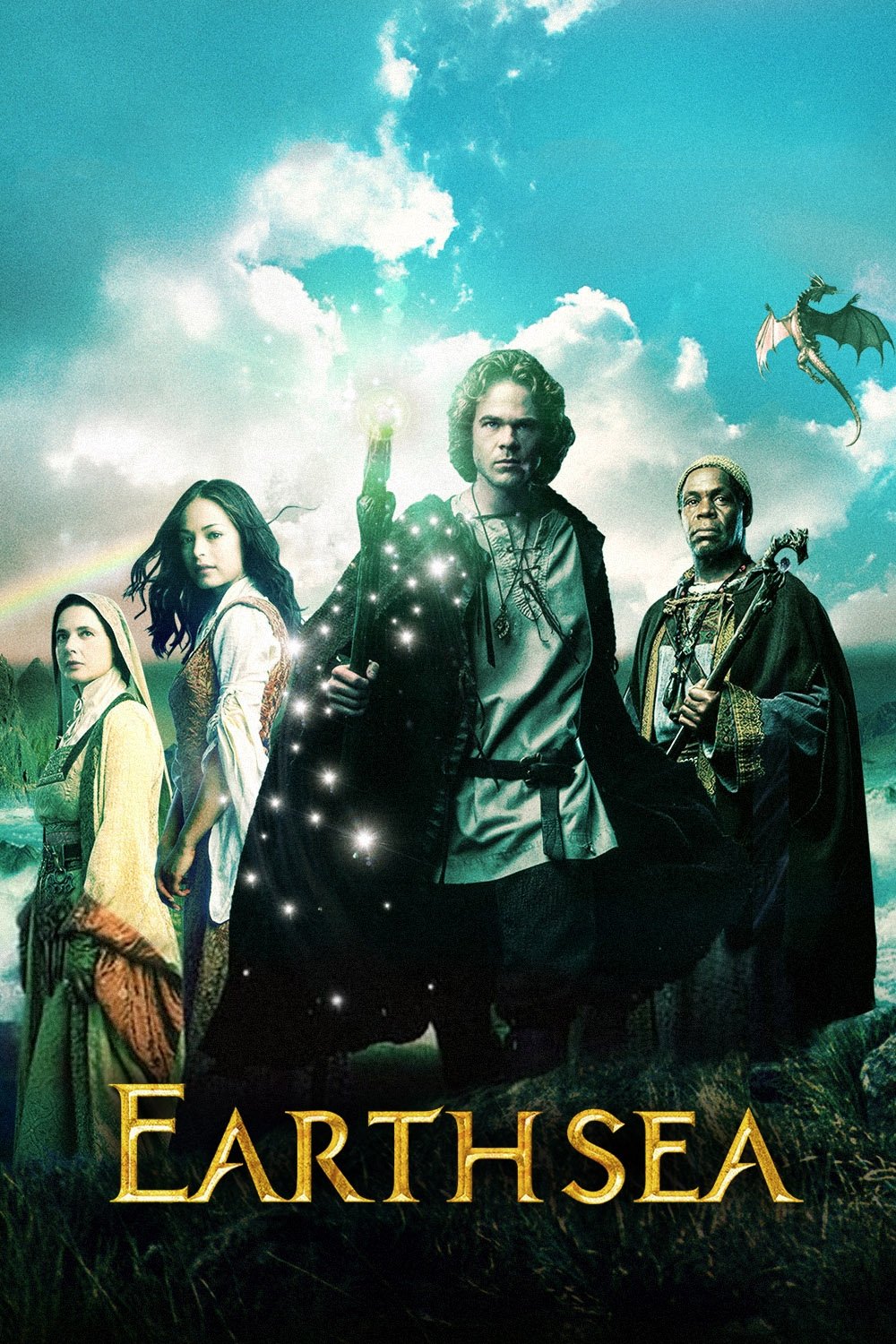
This Sci Fi Channel miniseries adapted the fantasy novels by Ursula K. Le Guin. In the source material the protagonist Ged is explicitly described as having red-brown skin. The television production cast white actor Shawn Ashmore in the lead role. Le Guin publicly criticized the whitewashing of her characters and the distortion of her story. The miniseries is often cited as a prominent example of erasing minority identities in fantasy adaptations.
‘Power Rangers Lightspeed Rescue’ (2000)
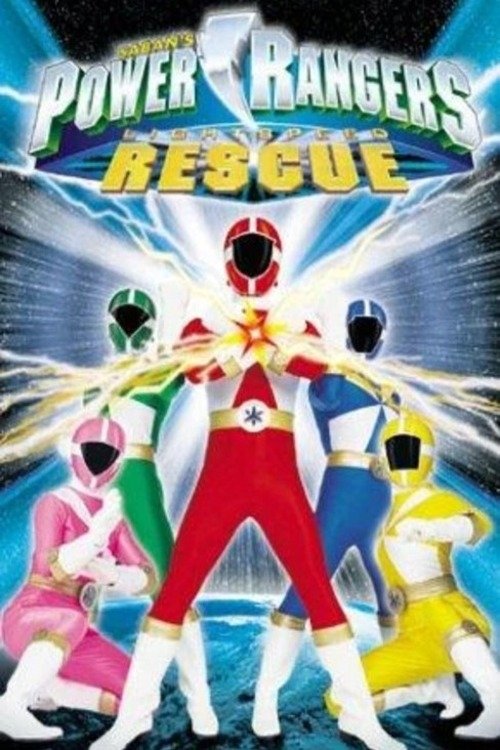
This season was adapted from the Japanese series ‘Kyukyu Sentai GoGoFive’. The original show centered on a family of five siblings who formed a rescue team. The American version cast Sean Cw Johnson as Carter Grayson the Red Ranger. The family dynamic was removed entirely in favor of a paramilitary organization theme. A white actor was placed in the leadership role that was originally held by a Japanese character.
‘VR Troopers’ (1994–1996)

Saban Entertainment created this show by splicing footage from three different Japanese Metal Hero series. The primary protagonist Ryan Steele was played by white actor Brad Hawkins. The action footage was taken from ‘Choujinki Metalder’ and ‘Space Sheriff Shaider’. The Japanese leads of those shows were replaced by a white American martial artist. The show attempted to replicate the Power Rangers success formula by Americanizing Japanese hero footage.
‘Big Bad Beetleborgs’ (1996–1998)
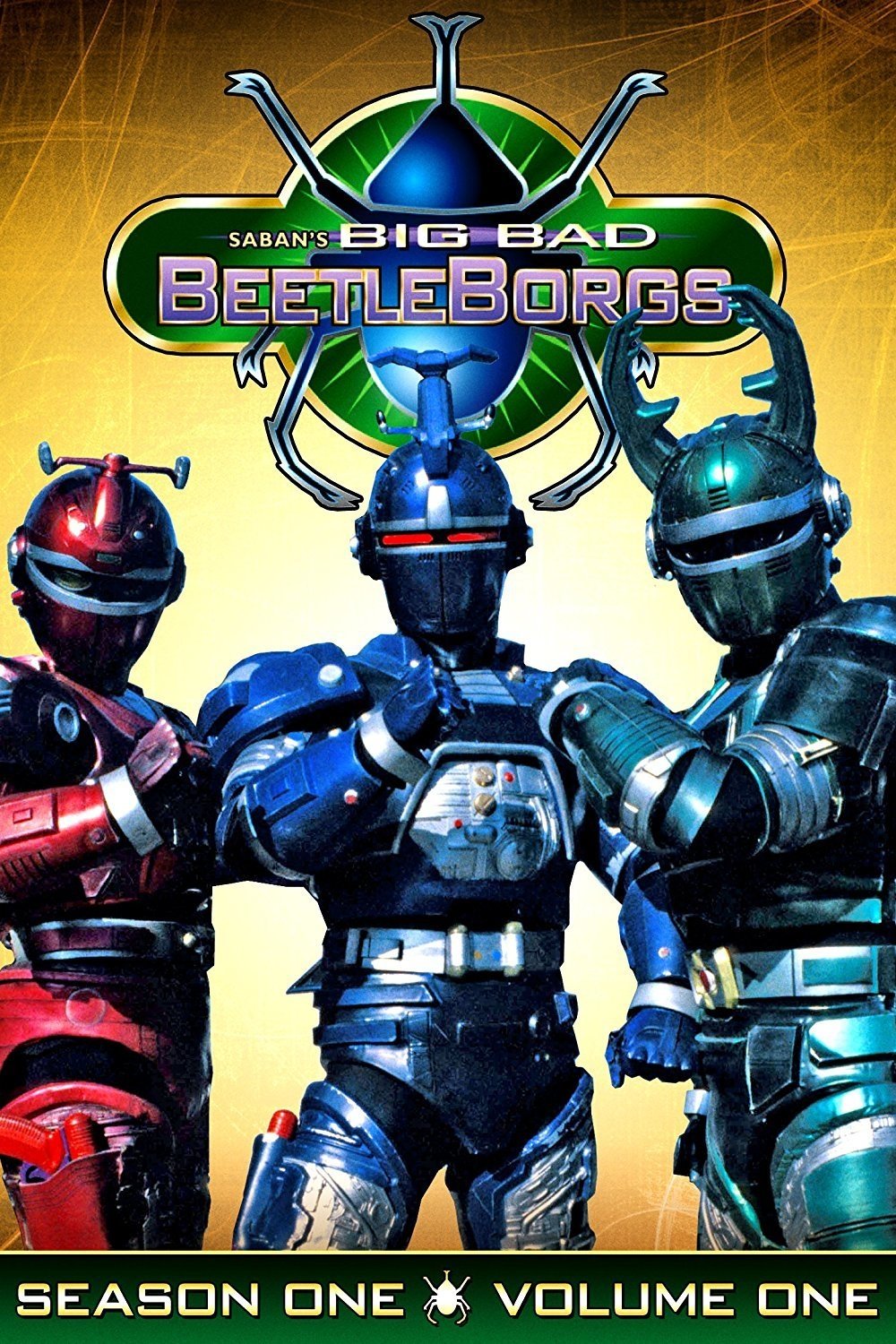
This series adapted footage from the Japanese show ‘Juukou B-Fighter’. The original featured a team of Japanese adults fighting insect-themed villains. The American version cast three white children as the heroes who gain powers from a comic book. The shift from adult Japanese heroes to American kids was a significant demographic change. The show relied heavily on slapstick humor and removed the more serious stakes of the original Tokusatsu drama.
‘Masked Rider’ (1995–1996)

Saban adapted the popular ‘Kamen Rider Black RX’ for American television. The Japanese show was a serious drama about a cyborg fighting a criminal organization. The US version starred T.J. Roberts as an alien prince named Dex. The show lightened the tone significantly and added a comedic mascot character. The intense Japanese protagonist was replaced by a fish-out-of-water alien character played by a western actor.
‘Iron Chef America’ (2005–2018)
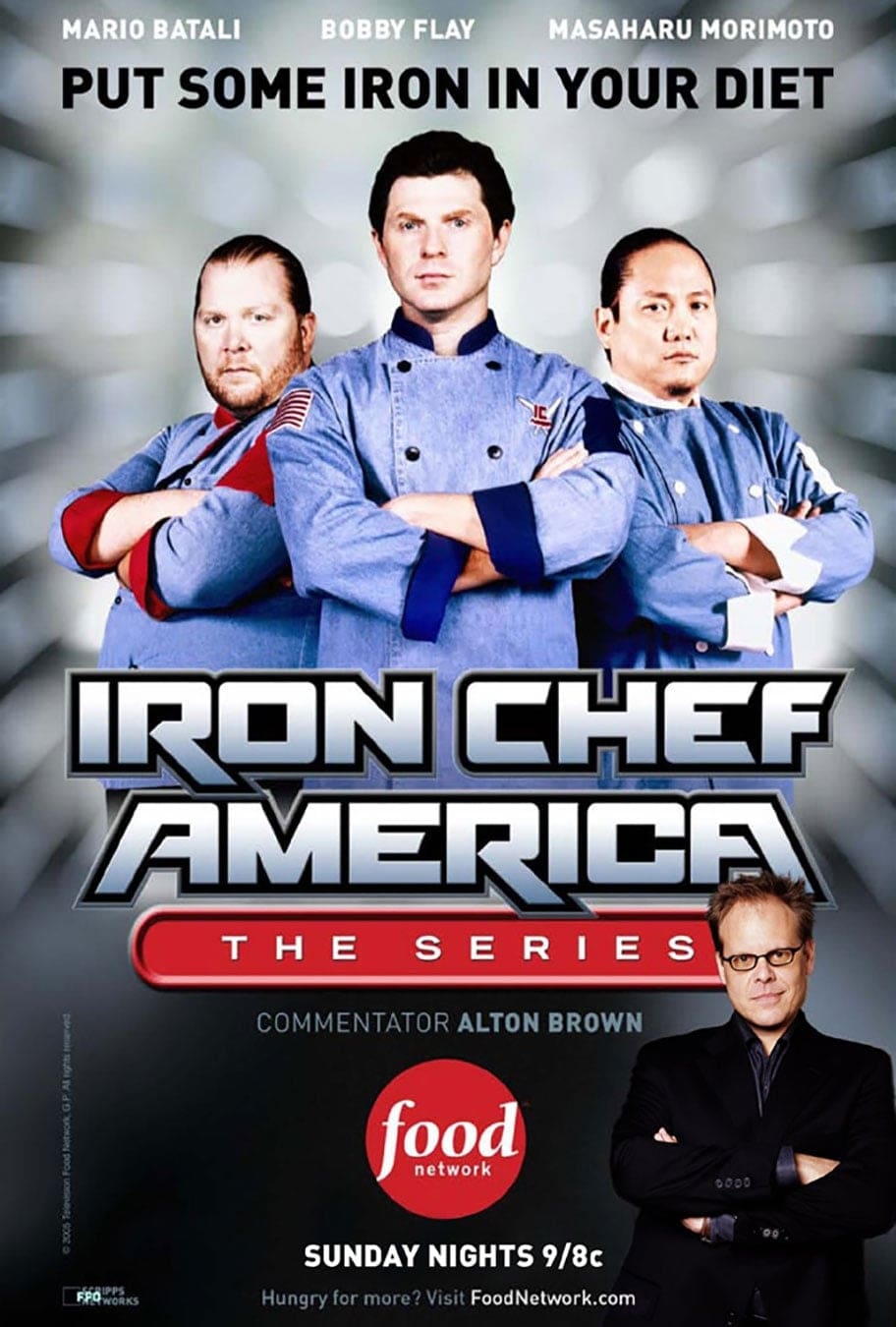
The original ‘Iron Chef’ was a Japanese cult hit hosted by the flamboyant Chairman Kaga. The American adaptation featured Mark Dacascos as the Chairman’s nephew but the show was largely anchored by white chefs like Bobby Flay and Mario Batali. Alton Brown served as the commentator replacing the Japanese announcers. The structure remained the same but the cast and culinary focus were shifted to Western cuisine and personalities. The mystique of the Japanese Kitchen Stadium was replaced by a glossy Food Network production.
‘Better Late Than Never’ (2016–2018)
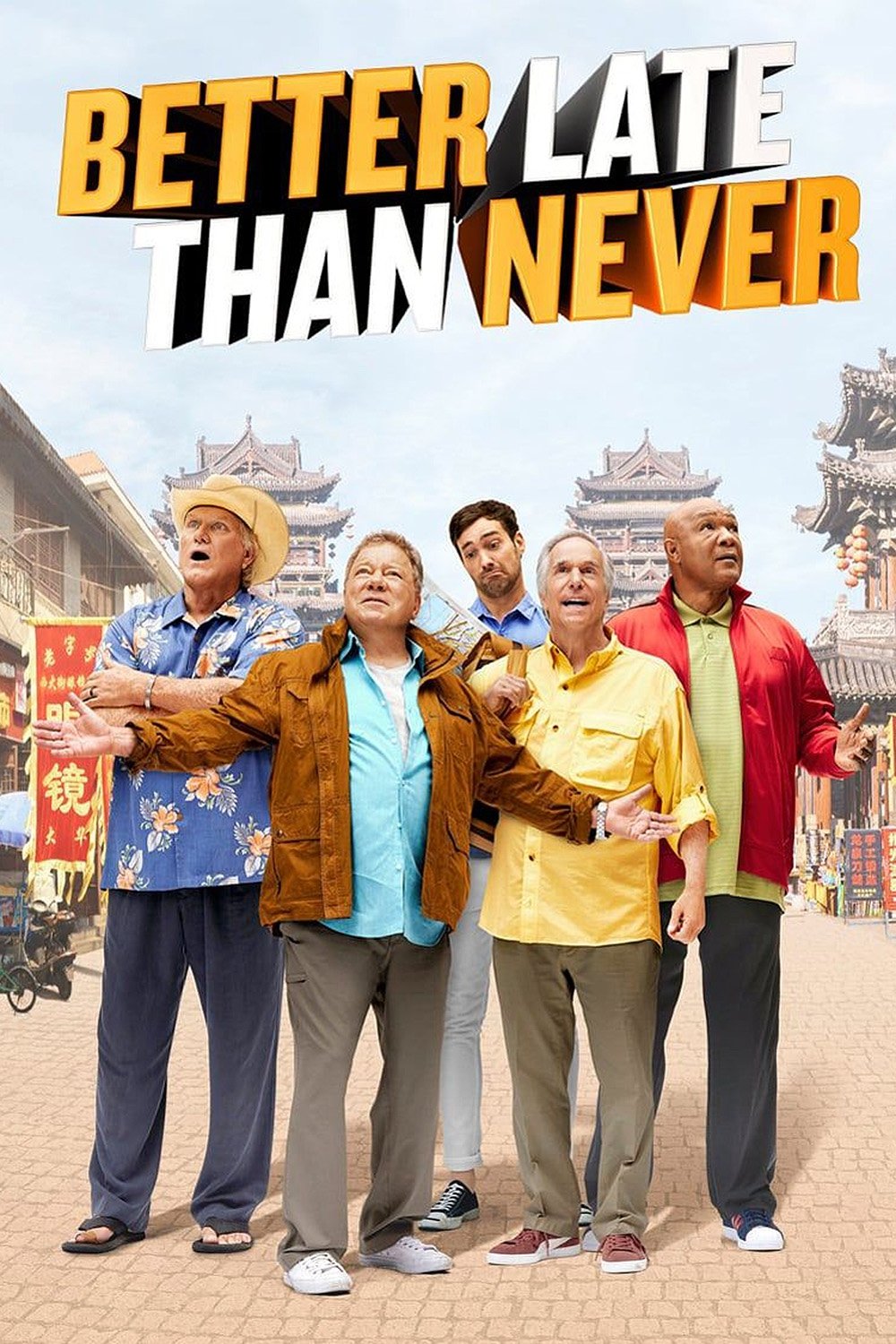
NBC adapted this reality travel show from the South Korean hit ‘Grandpas Over Flowers’. The original featured elderly Korean actors backpacking through foreign countries. The American version cast William Shatner, Henry Winkler, Terry Bradshaw, and George Foreman. The charm of seeing respected Korean elders out of their element was replaced by American celebrities. The format remained identical but the cultural perspective was flipped to that of wealthy Americans abroad.
‘Hole in the Wall’ (2008–2012)

This game show originated in Japan under the title ‘Brain Wall’ or ‘Human Tetris’. The Japanese segments were often part of a larger variety show featuring local comedians. The American version turned it into a standalone competition hosted by white presenters. Teams of Americans tried to fit through moving styrofoam cutouts. The physical comedy translated well but the Japanese variety show context was completely stripped away.
‘Red Band Society’ (2014–2015)
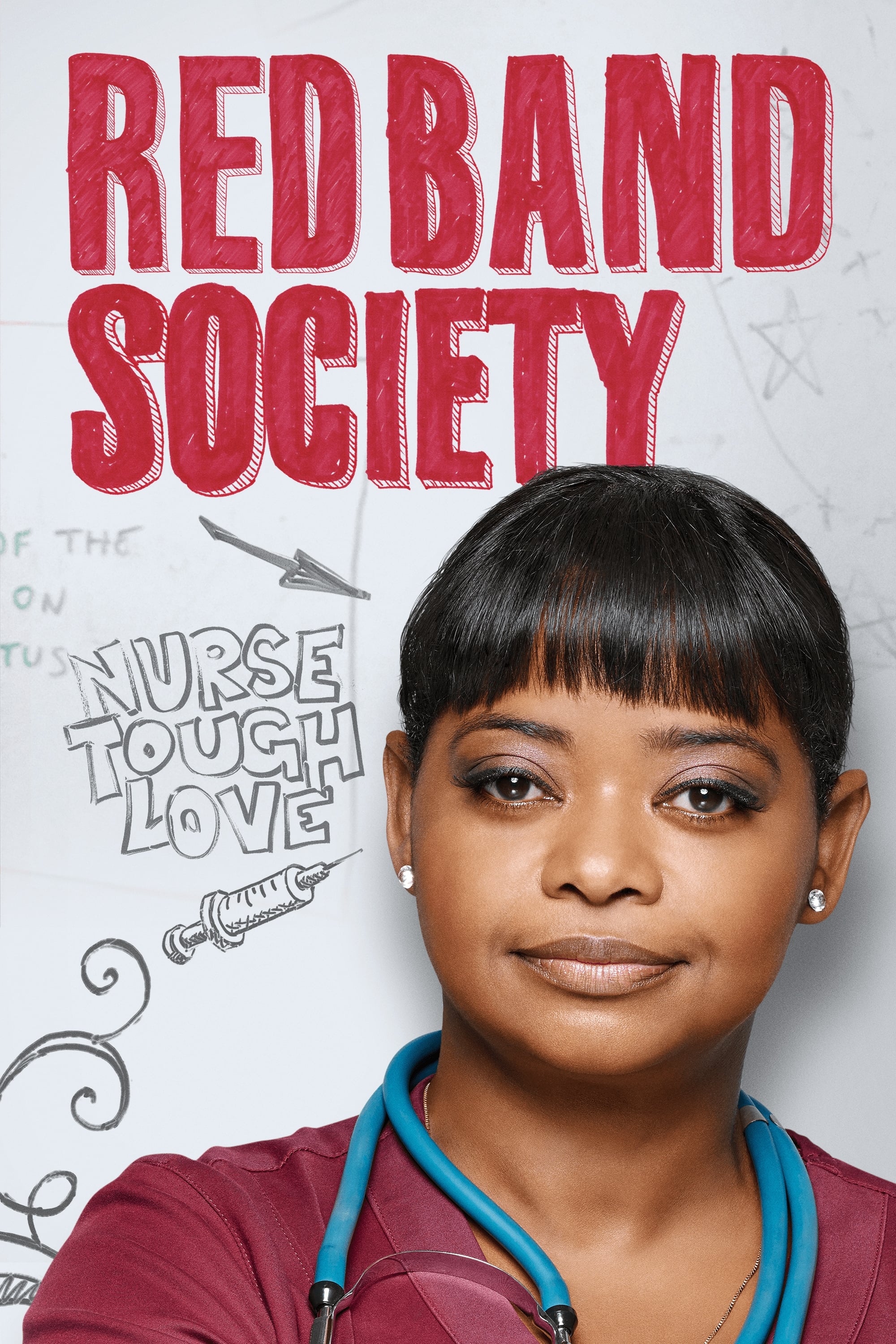
Steven Spielberg produced this adaptation of the Catalan drama series ‘Polseres vermelles’. The original show was a phenomenon in Spain featuring a cast of Catalan actors. The American version starred white actor Griffin Gluck as the narrator and coma patient Charlie. While the show featured a diverse ensemble cast the central perspective shifted to an American setting. The series struggled to find the same emotional resonance as the original and was cancelled after one season.
‘The New Legends of Monkey’ (2018–2020)
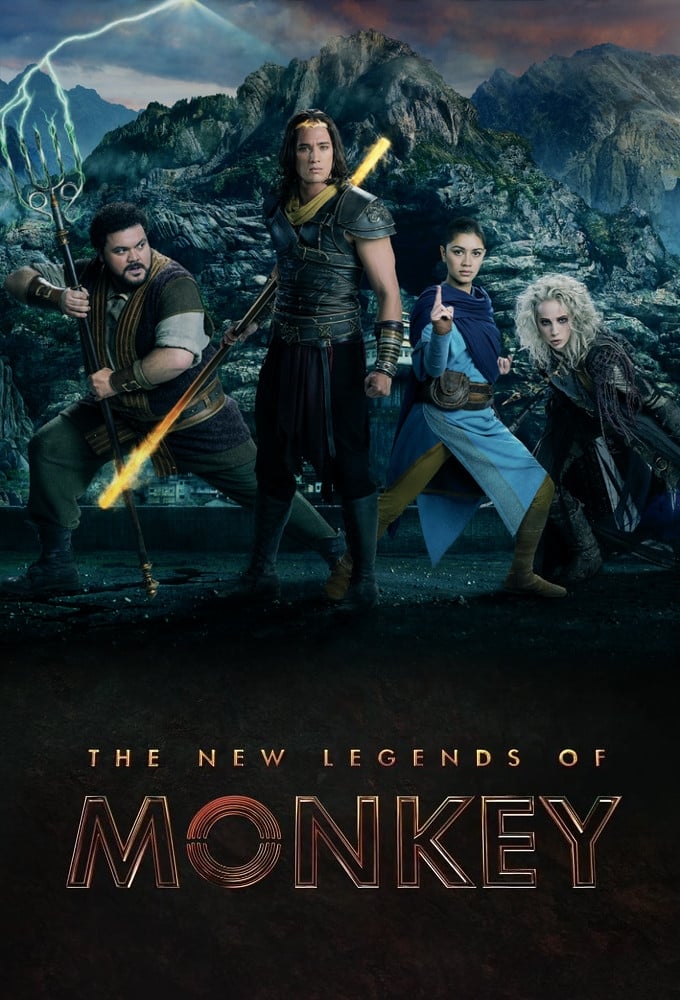
This Netflix adventure series serves as a reboot of the Japanese cult classic ‘Monkey’ and the ancient Chinese novel ‘Journey to the West’. The original narrative centers on the Monkey King and a monk travelling through China and India. The reboot was produced in New Zealand and cast generic Western actors for key roles like Sandy and Pigsy. While the lead actor Chai Hansen is of Thai descent, the surrounding cast and setting were heavily westernized. Critics pointed out that the show stripped away the specific Chinese Buddhist context in favor of a generic fantasy aesthetic.
‘The Slap’ (2015)
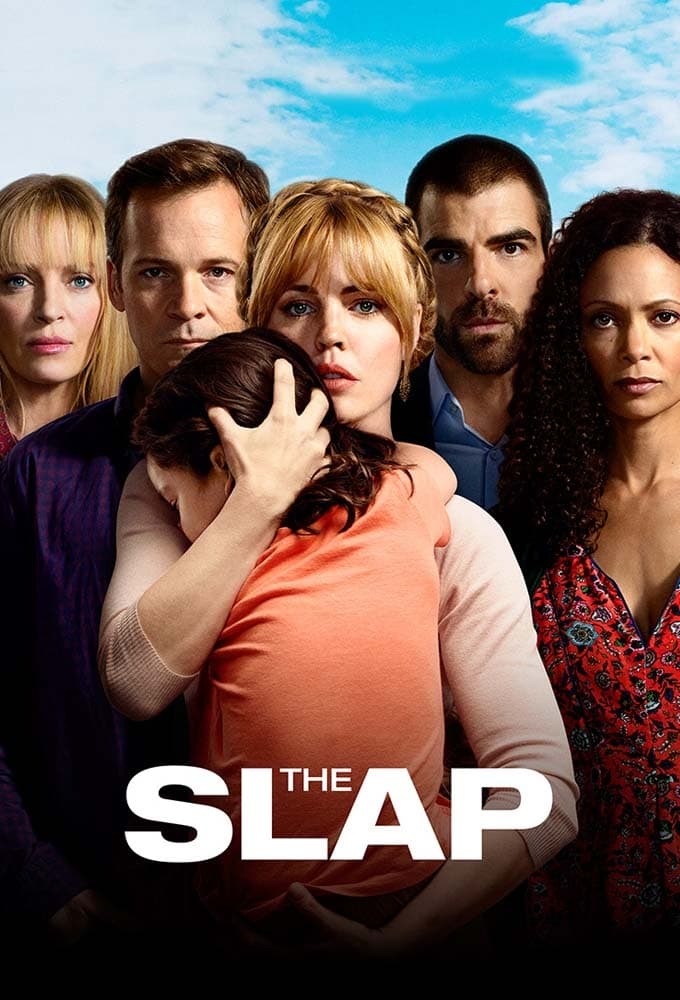
NBC adapted this miniseries from the acclaimed Australian novel and television show of the same name. The Australian original focused heavily on a Greek-Australian family and the specific immigrant tensions within that community. The American version cast Peter Sarsgaard as the central character Hector and removed the Greek cultural heritage entirely. By changing the family background to white American, the show lost the crucial subtext about assimilation and cultural clashing found in the source material. The series received mixed reviews and failed to capture the social commentary of the original.
‘Battle of the Planets’ (1978–1980)
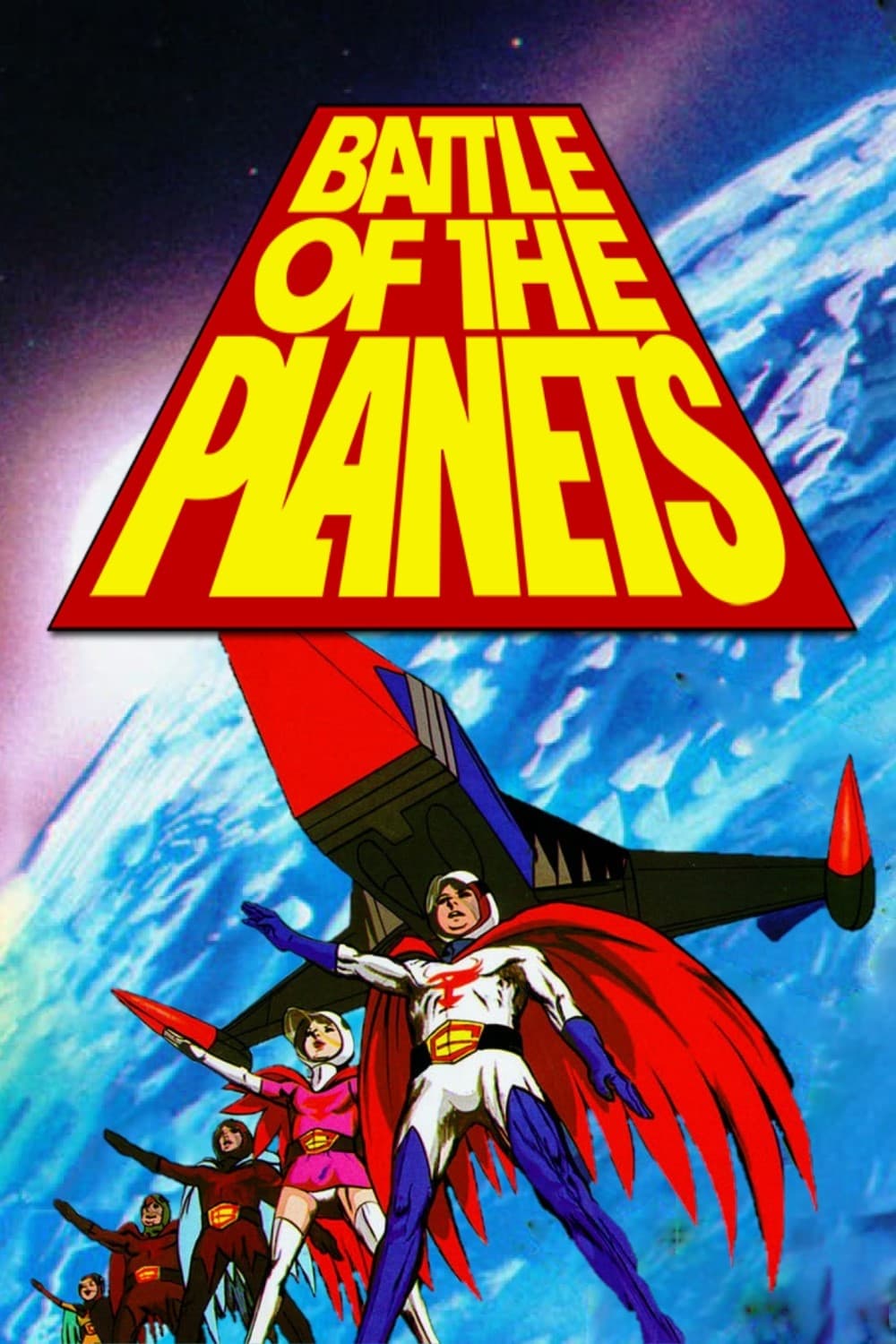
Sandy Frank Entertainment adapted the Japanese anime ‘Science Ninja Team Gatchaman’ for the North American market. The original series featured a team of Japanese superheroes protecting Tokyo from the Galactor organization. The US version renamed the leader Ken the Eagle to Mark and shifted the setting to other planets to avoid depicting violence on Earth. All Japanese cultural markers were excised and the lead characters were given white American identities. The show was a ratings success but bore little cultural resemblance to its Japanese source.
‘Voltron: Defender of the Universe’ (1984–1985)

This iconic 80s cartoon was created by editing together two unrelated Japanese anime series, ‘Beast King GoLion’ and ‘Armored Fleet Dairugger XV’. The Japanese protagonist Akira Kogane was renamed Keith and presented as a white space explorer. The production team rewrote the scripts to remove Japanese references and death scenes. The setting was changed from a future Earth to the fictional planet Arus. This localization established a franchise that dominated American toy markets while obscuring its Japanese origins.
‘Robotech’ (1985)

Harmony Gold USA combined three distinct Japanese anime series to create this sprawling space opera. The primary protagonist from the ‘Macross’ saga was Hikaru Ichijyo, a Japanese stunt pilot. The American version renamed him Rick Hunter and rewrote his background to fit a Western military narrative. The Japanese setting of South Ataria Island was changed to a generic location called Macross Island. This creative overhaul effectively turned a cast of Japanese characters into a white American military force.
‘Speed Racer’ (1967–1968)
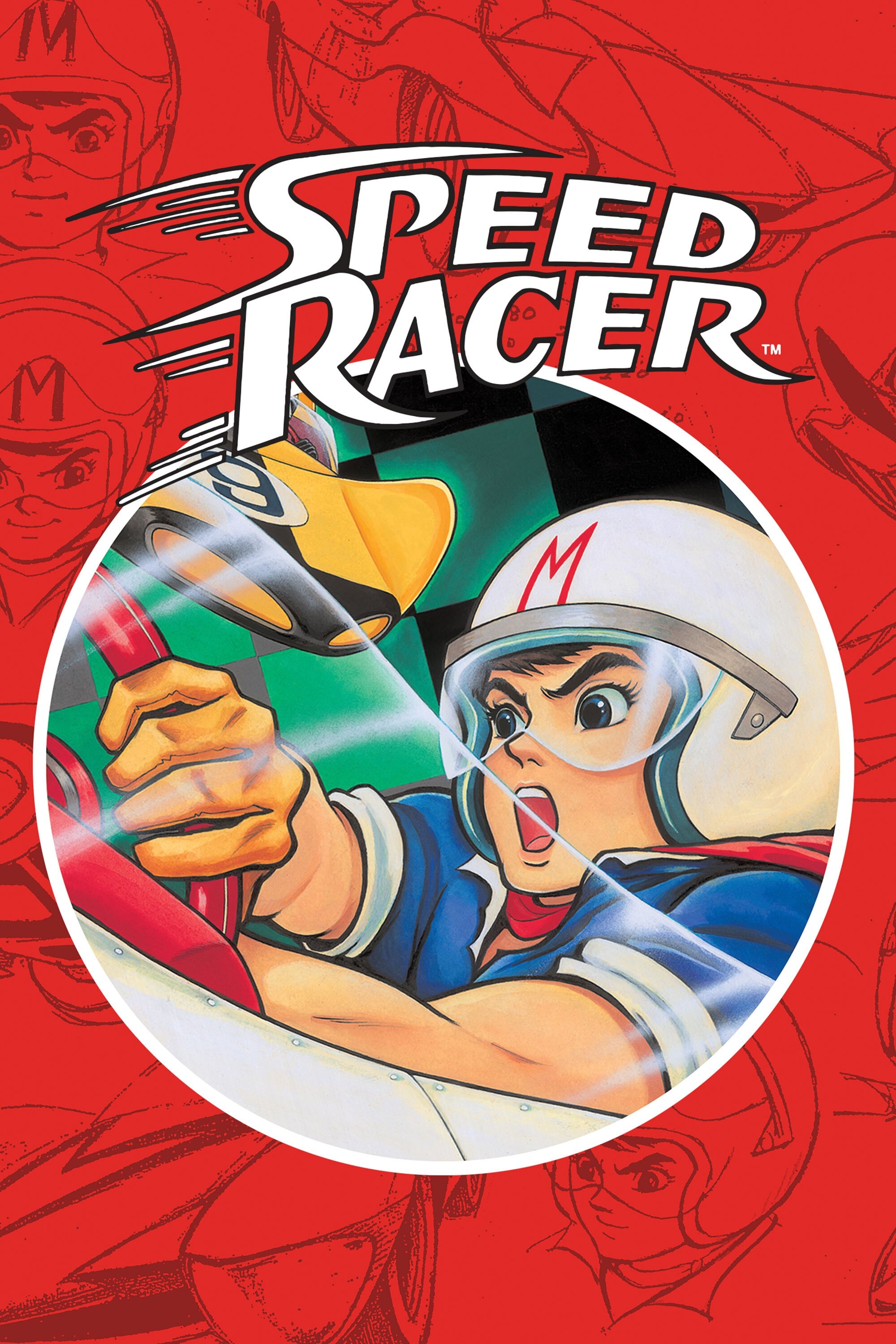
Trans-Lux localized the Japanese anime ‘Mach GoGoGo’ into one of the first major anime hits in the United States. The original protagonist was a Japanese teenager named Go Mifune who aspired to be a professional racer. The adaptation renamed him Speed Racer and anglicized the entire supporting cast. The setting was made ambiguous to appeal to American viewers who were unfamiliar with Japanese geography. This naming convention became so iconic that the character is rarely associated with his original Japanese identity in the West.
‘Samurai Pizza Cats’ (1990–1991)
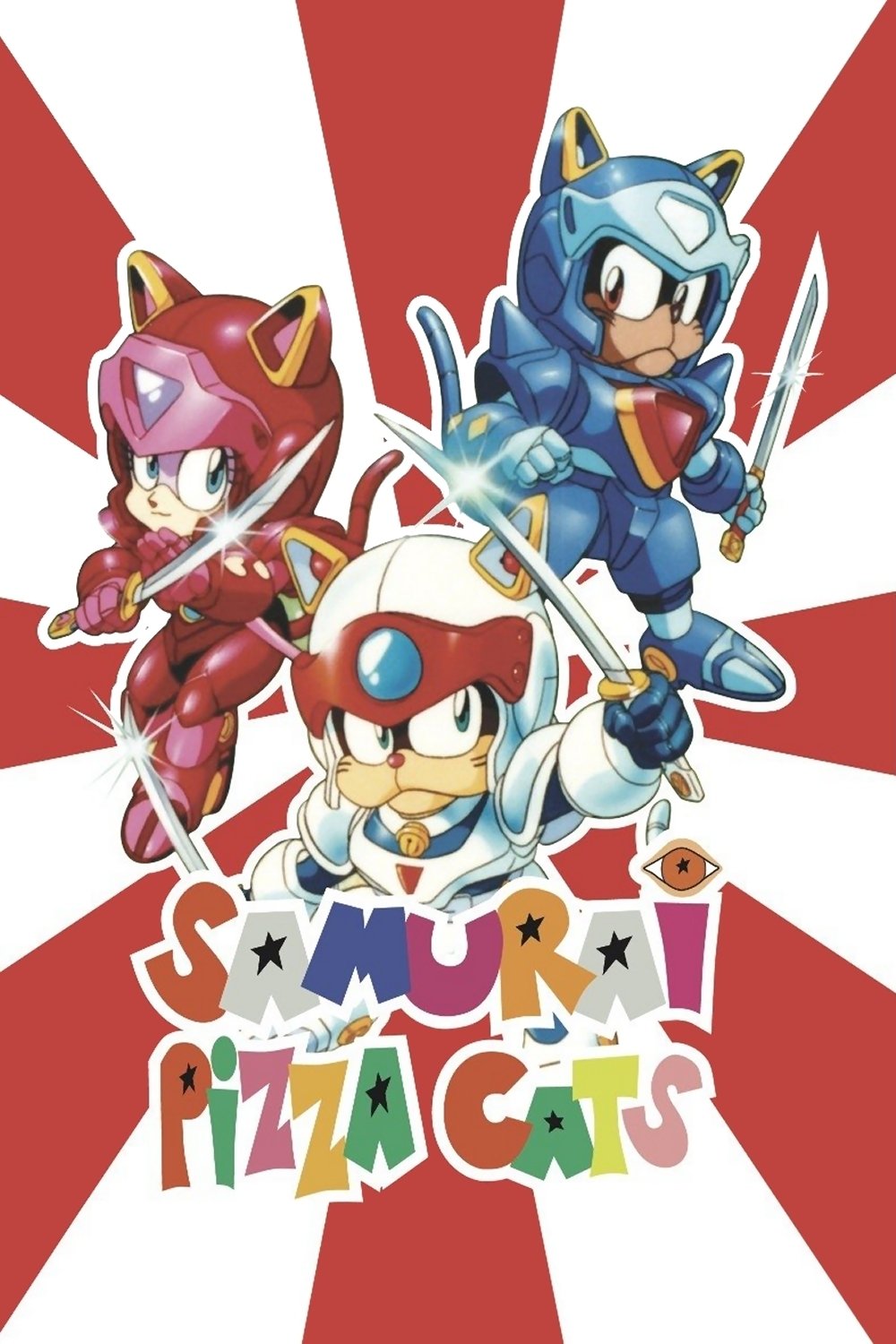
Saban Entertainment adapted the anime ‘Kyatto Ninden Teyandee’ into this comedy series. The original script was steeped in Japanese puns and cultural references that the producers felt would not translate. The localization team completely discarded the original scripts and wrote new dialogue for the animation. The setting remained pseudo-Japanese but the characters were given Western personalities and pop culture references. The result was a show that looked Japanese but sounded entirely American.
‘Godzilla: The Series’ (1998–2000)
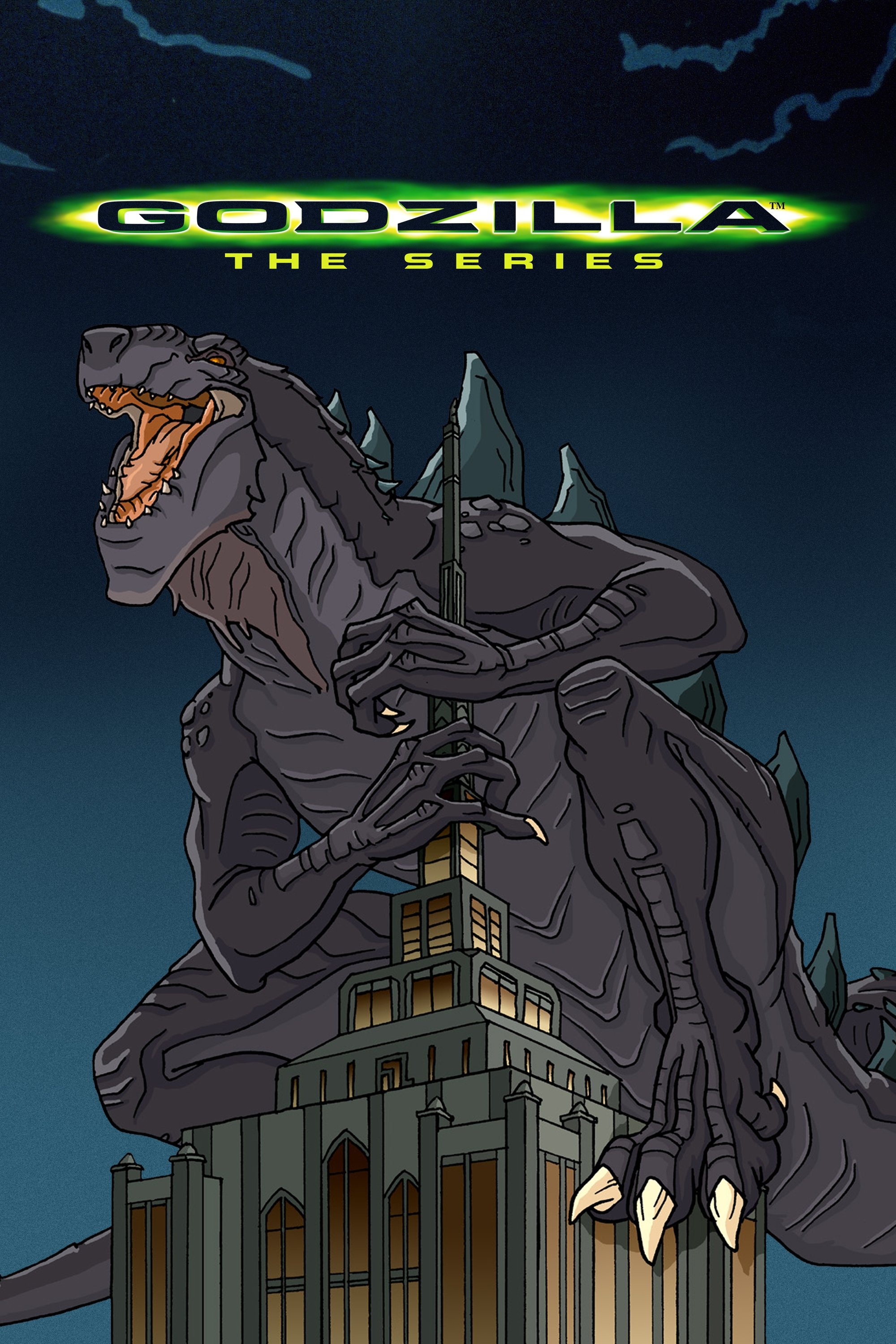
This animated show served as a direct sequel to the 1998 American film aimed at rebooting the Japanese franchise. The original Toho movies always featured Japanese protagonists dealing with the kaiju threat. This series followed the film’s lead Nick Tatopoulos, a white nuclear biologist voiced by Ian Ziering. The show focused on a team of American scientists hunting monsters in New York City. It solidified the shift from Godzilla being a metaphor for Japanese nuclear trauma to a generic creature feature starring Americans.
Let us know in the comments which original version of these shows you think was better than the reboot.