


16 TV Series Canceled Over LGBTQ+ Fan Service Backlash

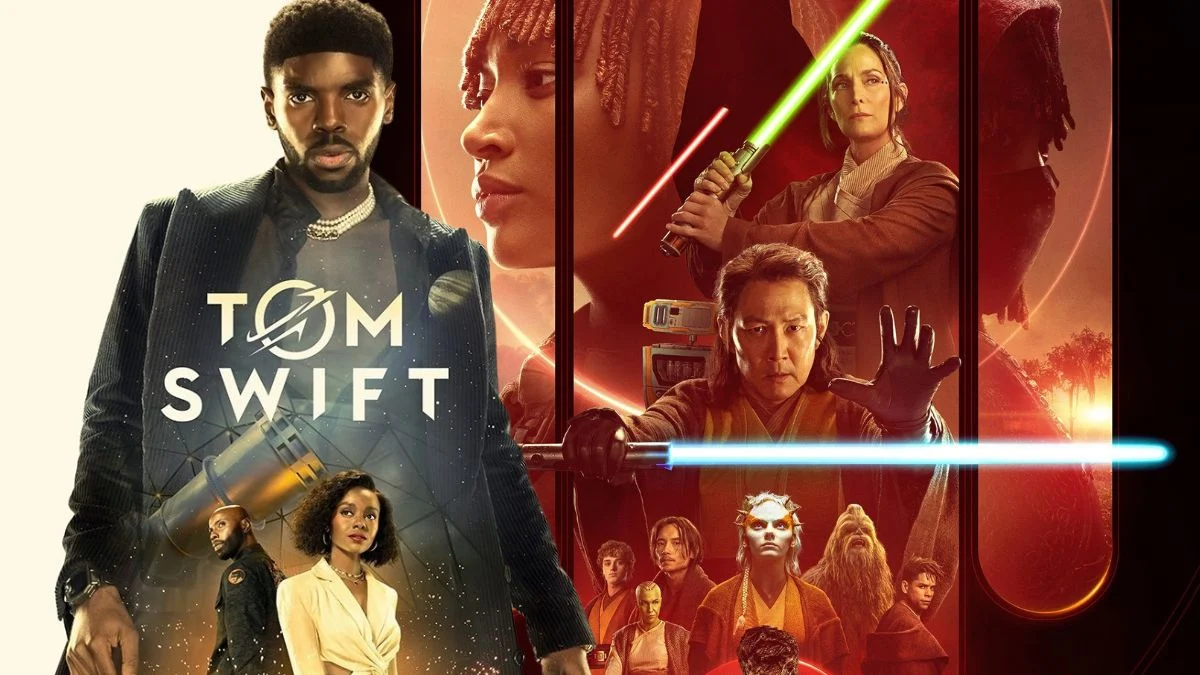


Television networks and streaming platforms often attempt to court diverse audiences by incorporating LGBTQ+ storylines and characters, a practice sometimes described as fan service. While many shows succeed with this inclusion, others face intense scrutiny that contributes to their premature endings. Whether due to accusations of pandering, harmful stereotypes that alienated the very community they aimed to serve, or “anti-woke” campaigns from conservative detractors, these series found themselves at the center of controversies that impacted their longevity.
‘The Acolyte’ (2024)
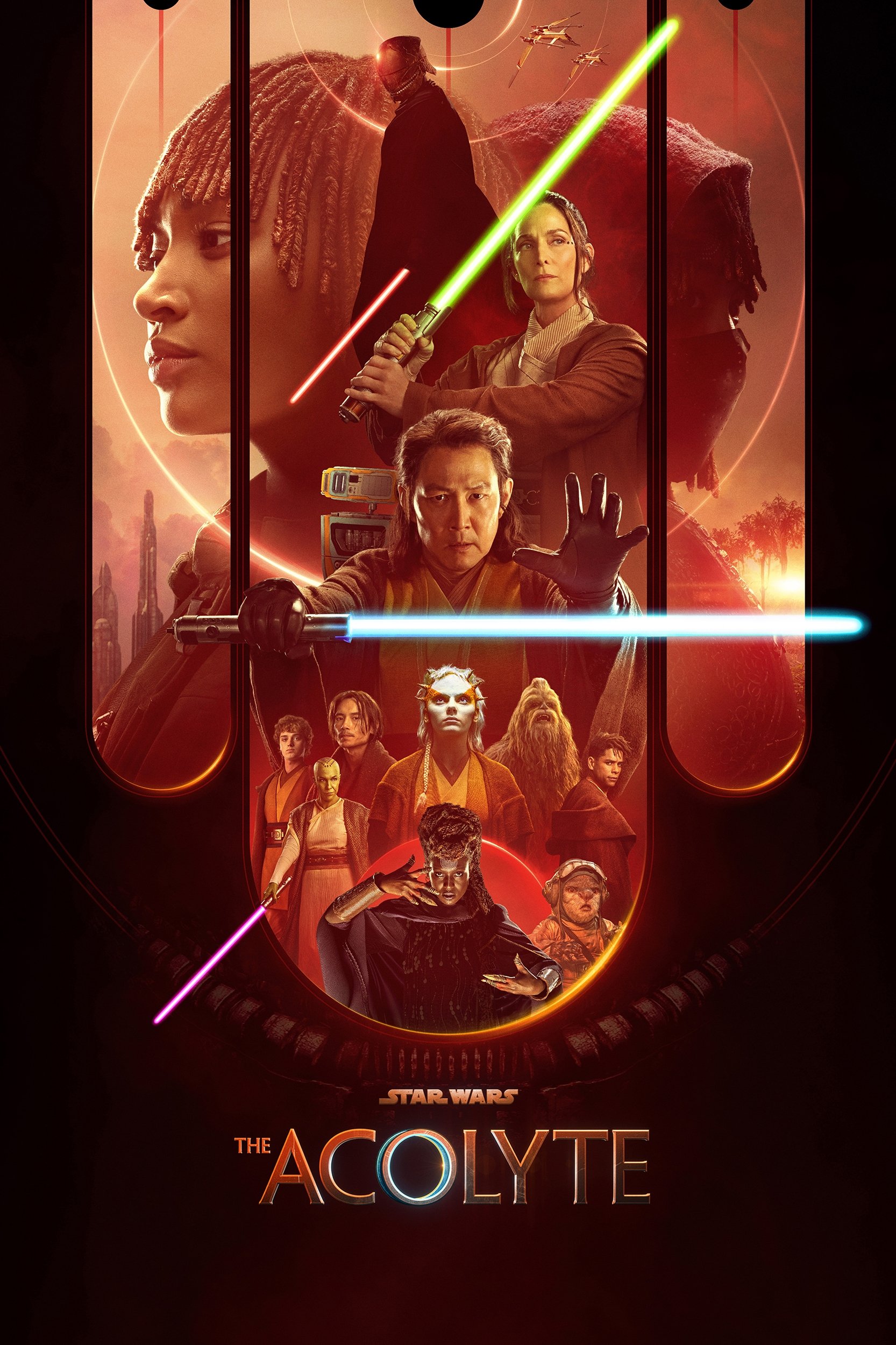
This high-profile addition to the Star Wars franchise introduced a coven of lesbian witches and featured diverse casting, aiming to modernize the galaxy far, far away. However, the series faced an immediate and coordinated review-bombing campaign from a vocal segment of the fanbase that labeled the creative choices as forced political messaging. The intense discourse surrounding the show’s “woke” elements dominated the online conversation, overshadowing the actual plot and character arcs. Despite high initial curiosity, viewership numbers declined throughout the season, leading Disney to cancel the series shortly after the finale.
‘Q-Force’ (2021)
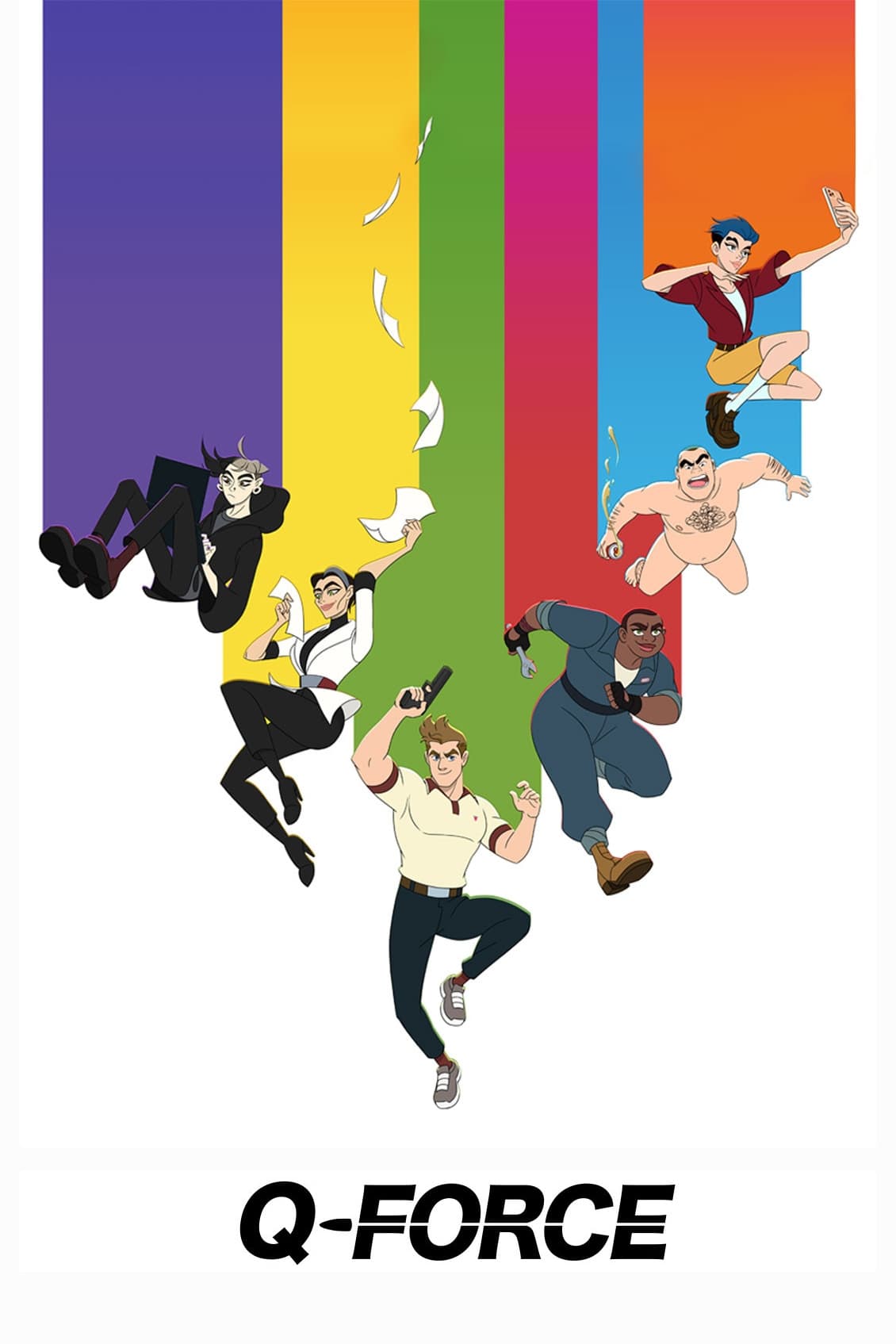
Netflix attempted to tap into the adult animation market with this spy comedy centered on a team of queer secret agents. The initial trailer release triggered a massive wave of backlash from the LGBTQ+ community, who felt the show relied too heavily on dated, offensive stereotypes rather than genuine representation. Accusations of performative pandering plagued the series before it even premiered, alienating the core demographic it was designed to please. The show failed to recover from this disastrous first impression and was quietly canceled after a single season.
‘Batwoman’ (2019–2022)
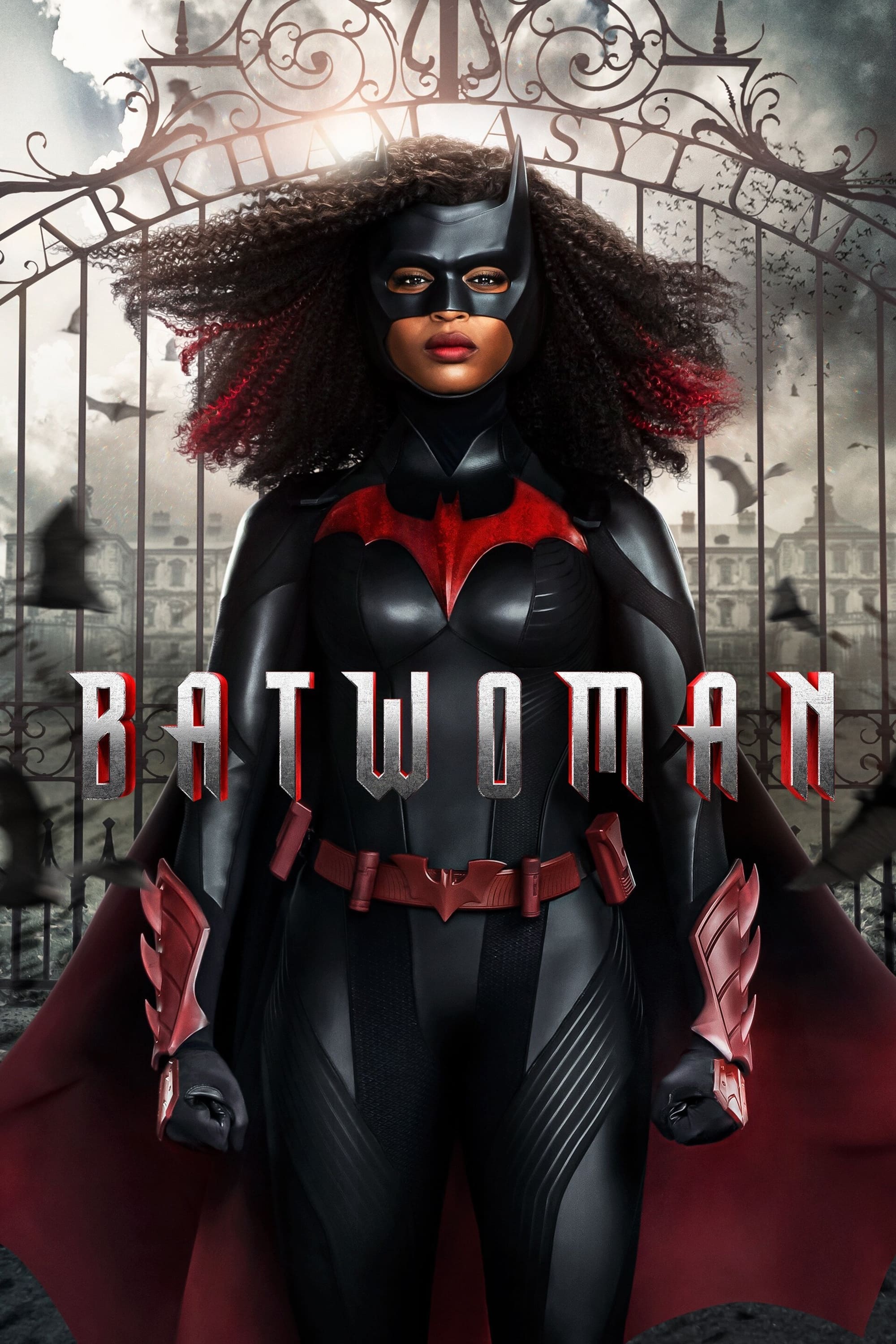
As the first superhero series to feature an out lesbian protagonist, this CW show was a lightning rod for controversy from its very first announcement. The series faced relentless scrutiny from “anti-woke” detractors who criticized its promotional focus on identity politics, while simultaneous casting changes for the lead role disrupted the narrative flow. Viewership steadily eroded as the show struggled to balance its comic book action with the social commentary that drew polarized reactions. The network ultimately pulled the plug after three seasons amidst a broader restructuring and declining ratings.
‘First Kill’ (2022)
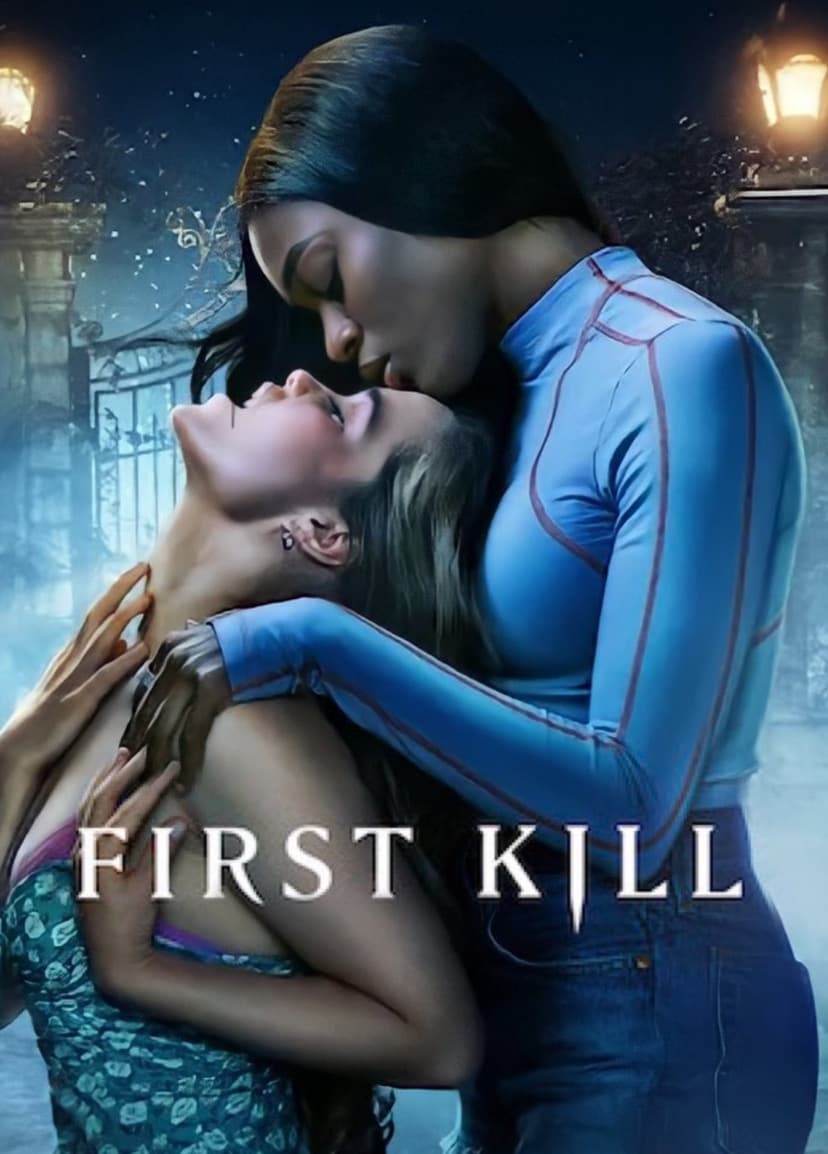
This supernatural teen drama centered on a forbidden romance between a vampire and a monster hunter, specifically catering to fans of sapphic storylines. While the show developed a passionate cult following online, it also faced criticism for its campy production values and writing, which some viewers felt undermined the representation. A friction developed between the devoted fanbase and the streaming giant regarding marketing support and completion rates. Netflix canceled the show after one season, leading to accusations that the platform was judging queer-led shows more harshly than their heterosexual counterparts.
‘Willow’ (2022–2023)
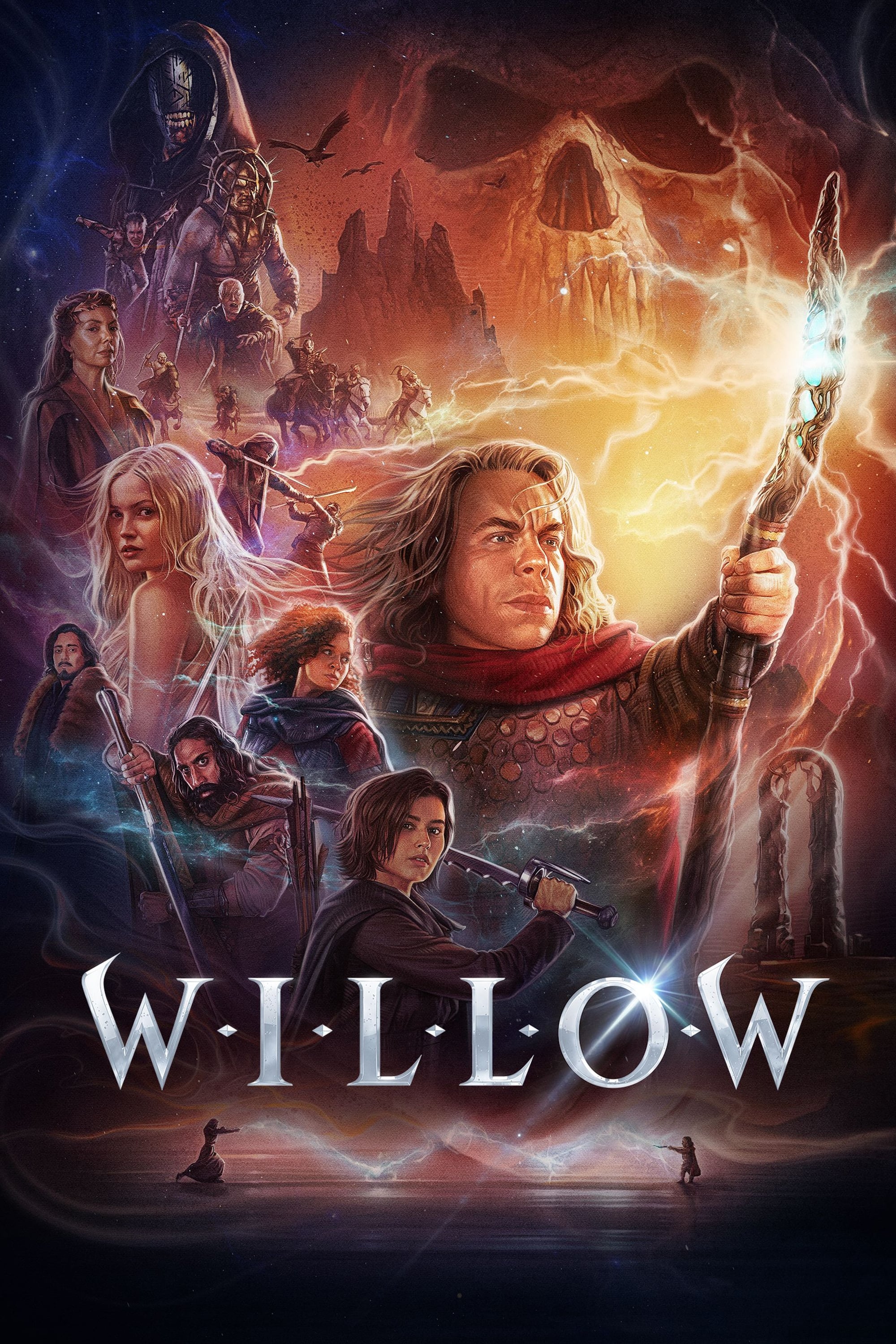
Disney+ revived the classic 1980s fantasy film with a sequel series that placed a queer romance at the forefront of its narrative. The creative decision to modernize the tone and include contemporary dialogue styles, along with the LGBTQ+ relationship, sparked heated debates among nostalgic fans and conservative critics. The backlash contributed to poor audience retention, and the show was not only canceled but completely removed from the streaming library. The erasure of the series sparked further outrage about the treatment of queer media by major studios.
‘Cowboy Bebop’ (2021)
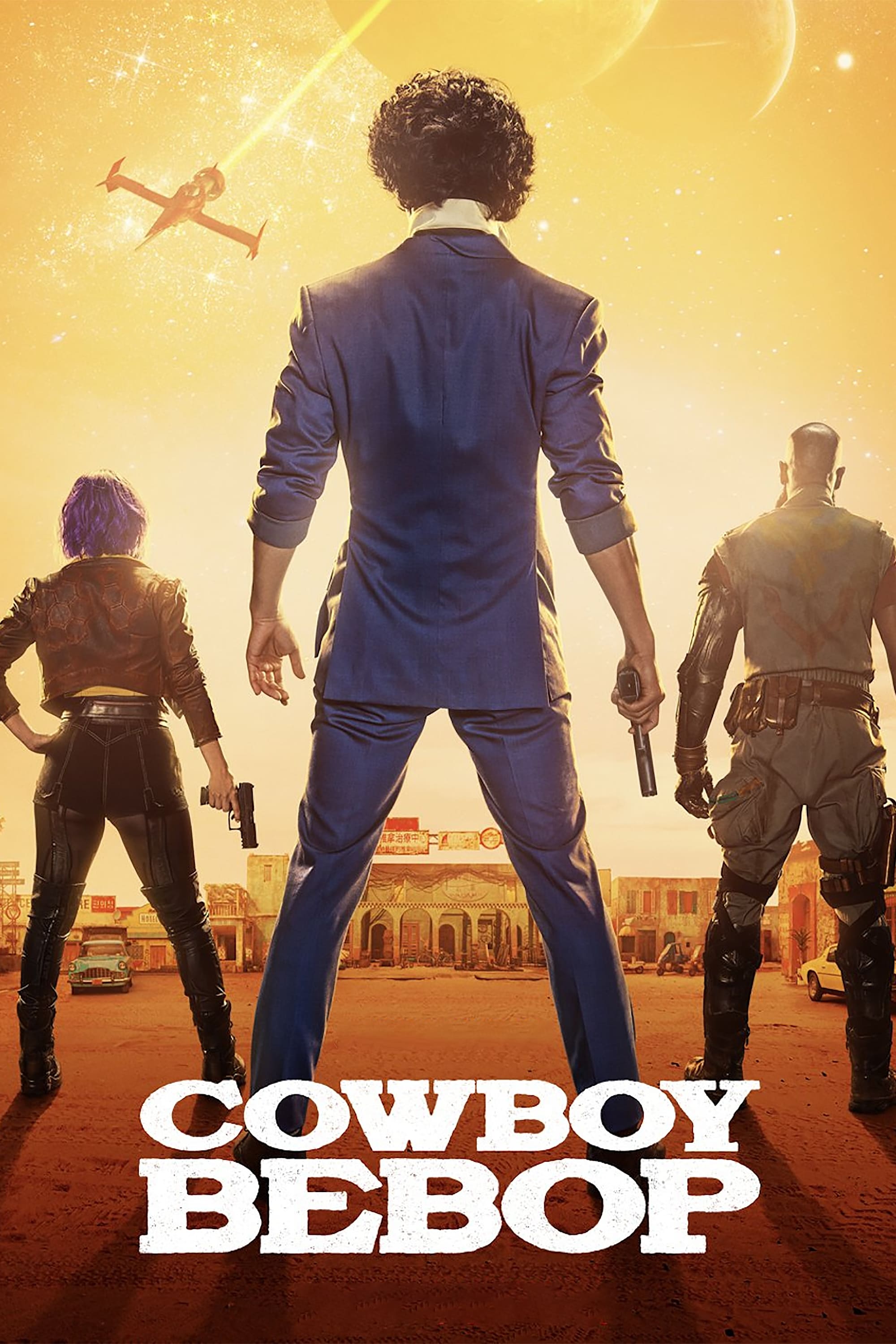
The live-action adaptation of the beloved anime faced immediate hurdles regarding its casting and character updates, particularly concerning the character Faye Valentine and non-binary inclusion. Purists of the original series criticized the production for altering the tone and costumes to fit modern Western sensibilities, accusing the show of mishandling the source material. The negative word-of-mouth spread rapidly, leading to a steep drop in viewership after the premiere weekend. Netflix canceled the ambitious project less than a month after its release due to the toxic reception and high cost.
‘Grease: Rise of the Pink Ladies’ (2023)
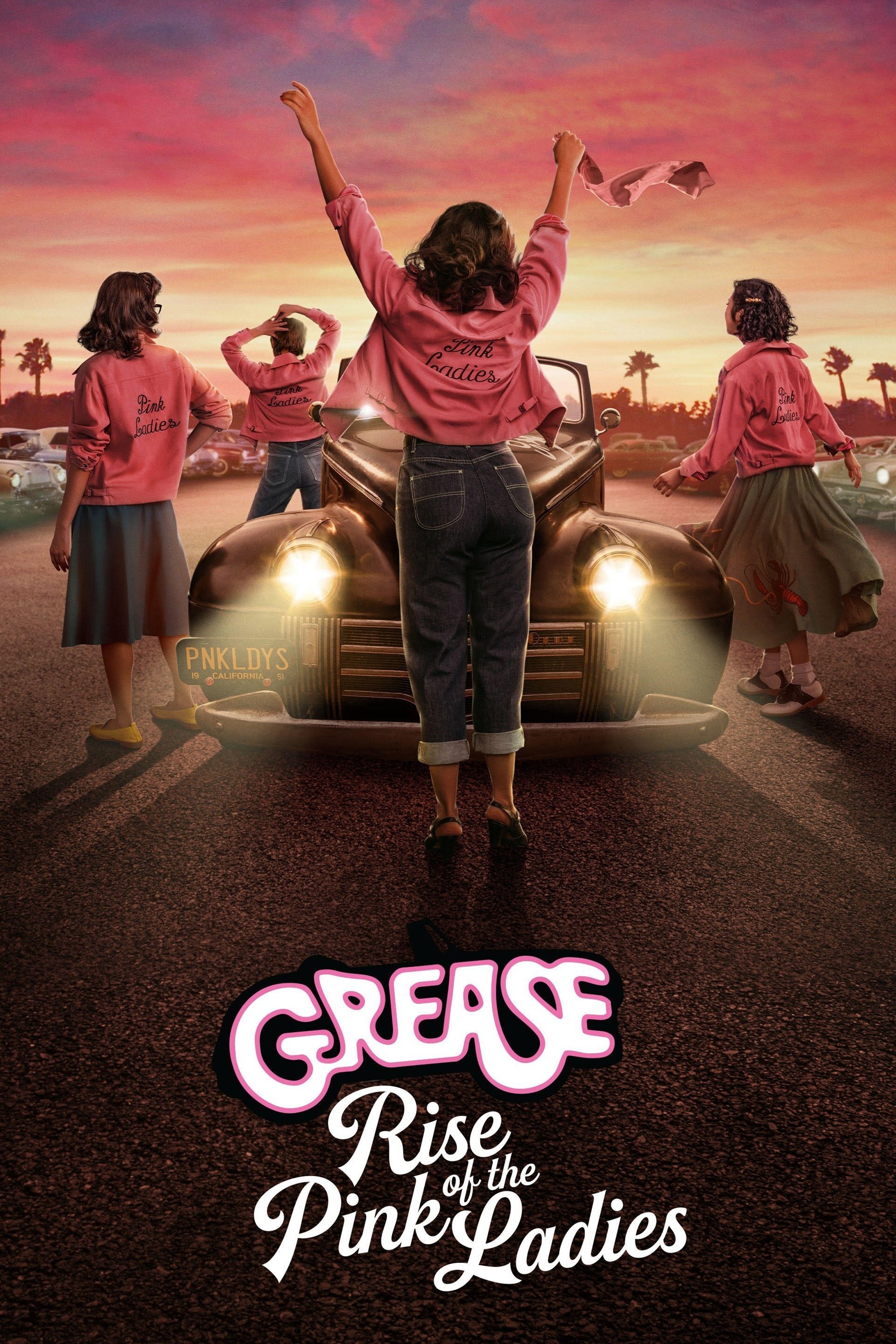
This musical prequel attempted to update the 1950s setting with modern sensibilities, exploring themes of gender, race, and sexuality that were absent from the original film. The inclusion of queer storylines and a more diverse cast drew ire from viewers who felt the show was anachronistic and overly political. Paramount+ canceled the series and subsequently removed it from the platform entirely during a content purge. The decision highlighted the risks networks face when reimagining nostalgic properties with contemporary social values.
‘Gossip Girl’ (2021–2023)
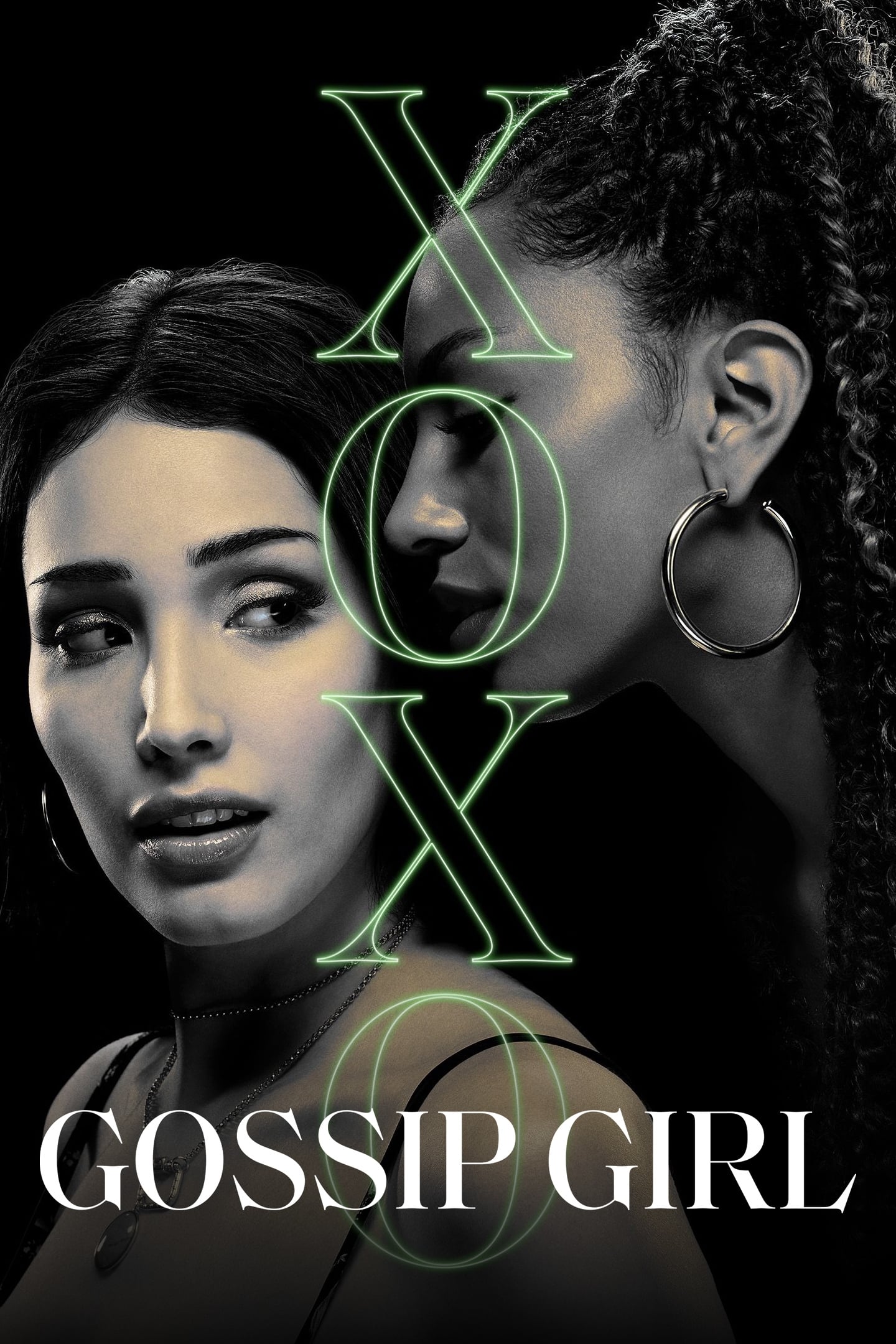
The reboot of the iconic teen drama aimed to be more socially conscious than its predecessor, featuring a diverse cast and sexually fluid characters. However, critics and original fans alike found the show’s attempt to mix scandalous wealth with “woke” moralizing to be performative and tonally confused. The series struggled to capture the zeitgeist like the original, with many viewers feeling the update lacked the fun, soapy edge of the 2000s version. HBO Max canceled the reboot after two seasons as it failed to generate sufficient buzz beyond the initial curiosity.
‘Queer as Folk’ (2022)
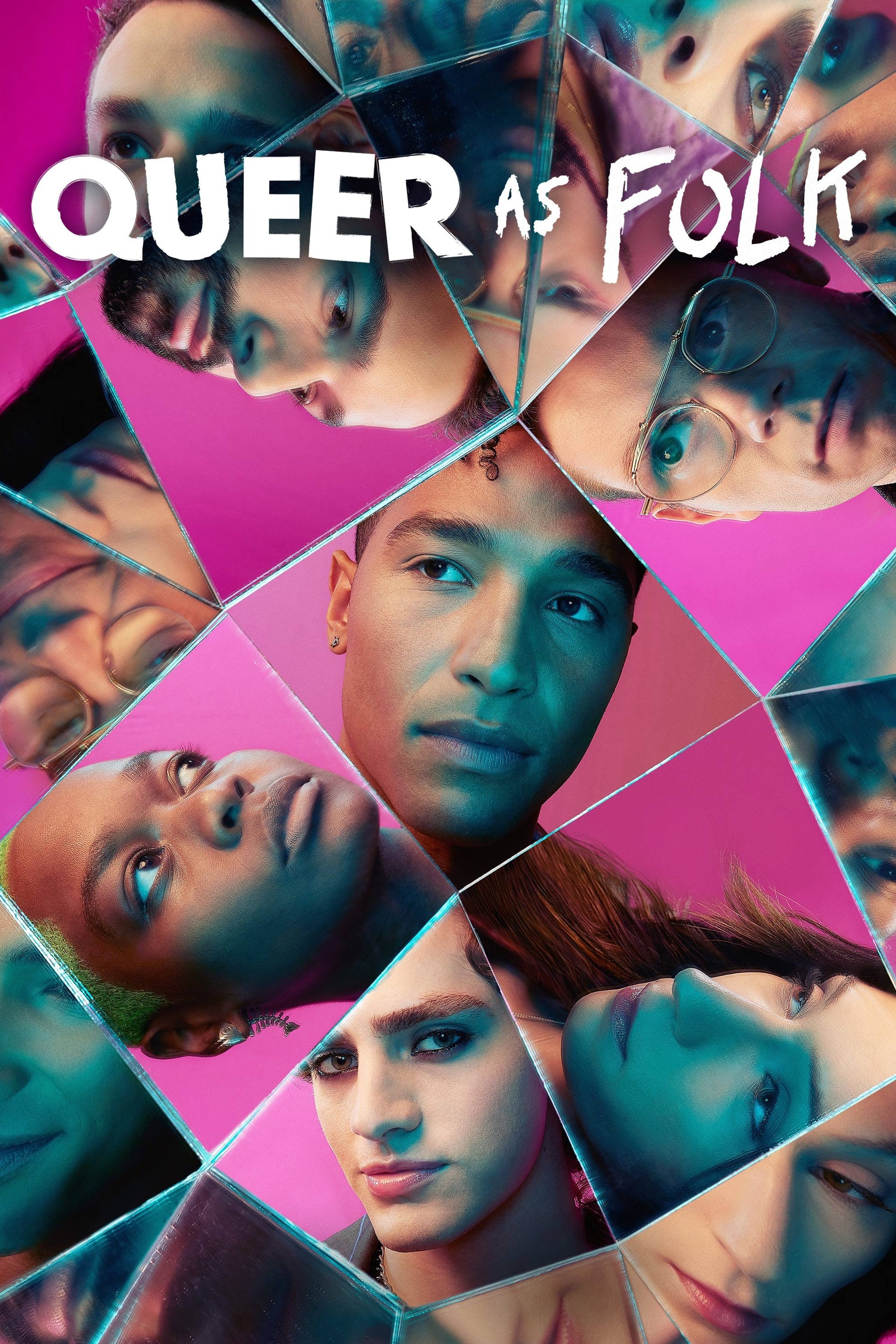
Peacock’s reimagining of the groundbreaking British and American series sought to explore the lives of LGBTQ+ individuals in modern New Orleans. Despite its intentions to provide authentic and gritty representation, the show failed to find a substantial audience in a crowded streaming landscape. Some viewers felt the series struggled to distinguish itself from the legacy of the previous iterations, while others found the tone uneven. The streamer canceled the drama after just one season, marking a quick end for the franchise revival.
‘A League of Their Own’ (2022)
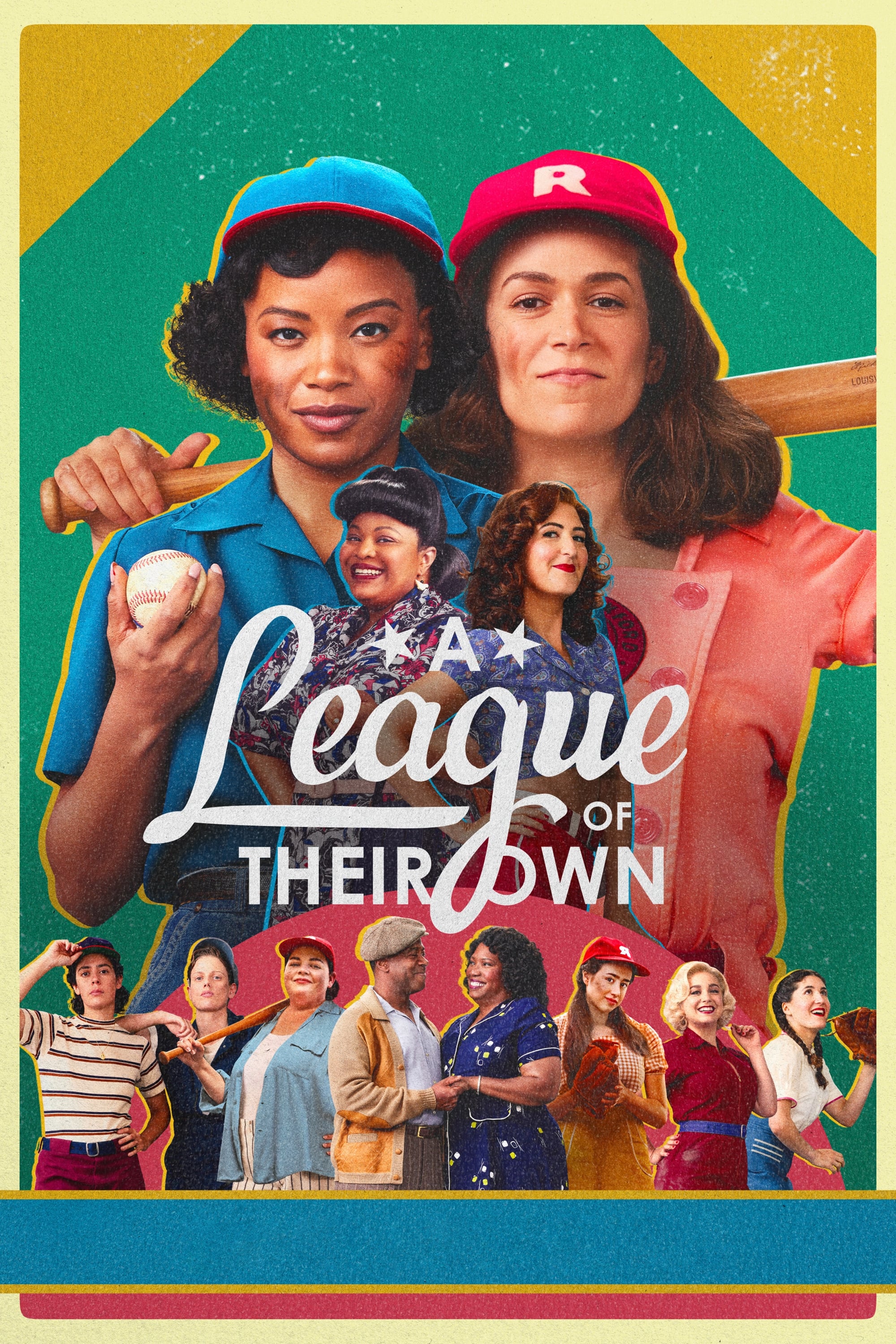
Amazon’s adaptation of the baseball film significantly expanded on the queer subtext of the era, bringing lesbian romances to the forefront of the story. While critics praised the depth of the storytelling, the show faced the usual “anti-woke” review bombing and a tumultuous renewal process. Amazon initially renewed the series for a shortened final season but later reversed the decision, citing strikes and production delays. Fans argued that the cancellation was a result of the industry’s undervaluation of queer stories despite the show’s loyal following.
‘Charmed’ (2018–2022)
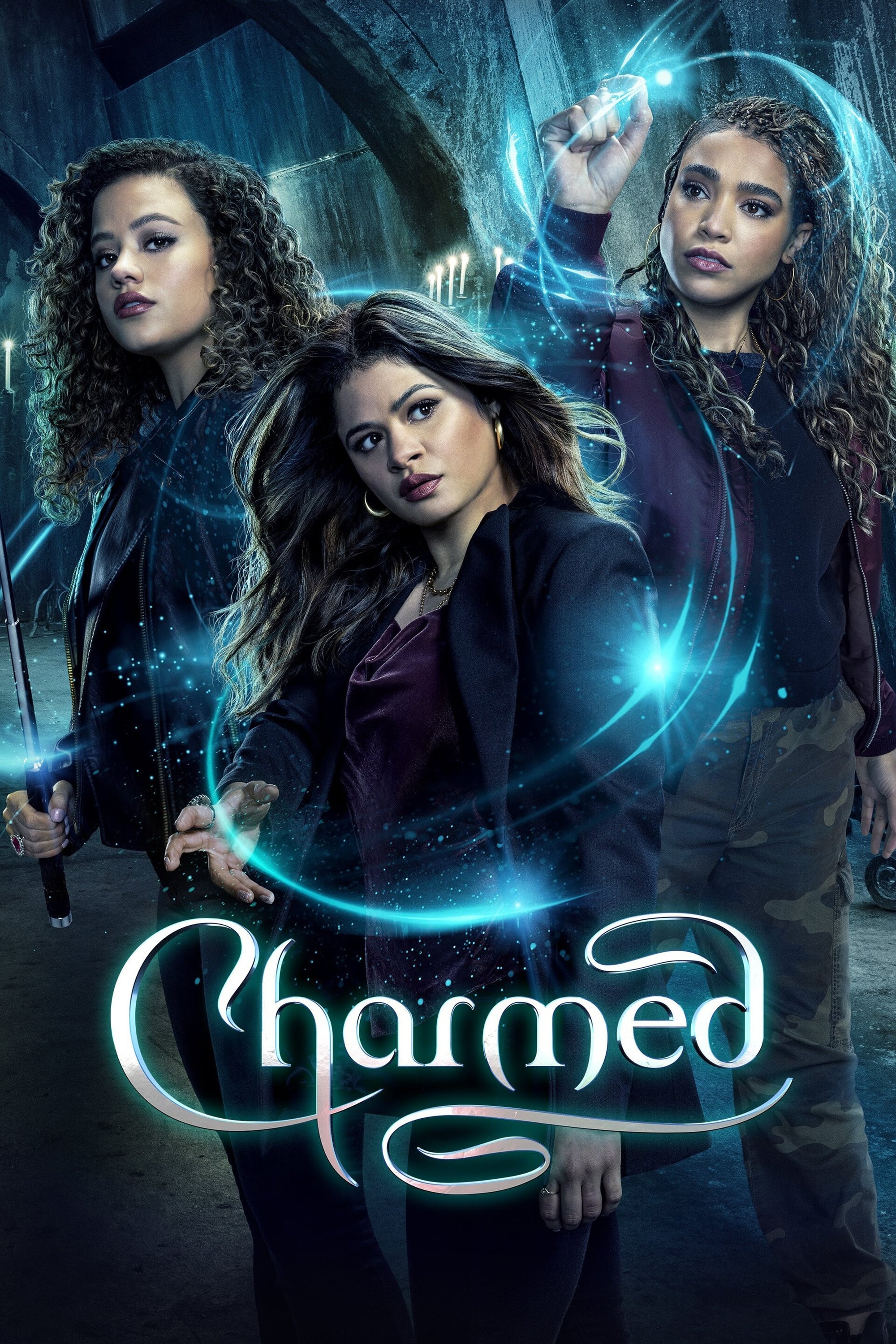
The reboot of the WB classic actively marketed itself as a feminist and intersectional update, featuring a cast of women of color and a lesbian main character. This approach immediately alienated a large portion of the original show’s fanbase, who felt the marketing was disrespectful to the legacy of the Halliwell sisters. The series battled constant comparisons and online negativity throughout its four-season run. The CW eventually canceled the show as the network shifted its strategy away from scripted young adult dramas.
‘Resident Evil’ (2022)

Netflix’s live-action take on the horror franchise made significant changes to the lore, including race-swapping the villain Albert Wesker and introducing diverse teen drama elements. The fanbase reacted with hostility, accusing the writers of prioritizing a modern YA checklist over the horror atmosphere of the games. The backlash regarding the “CW-ification” of the property and the deviation from source material was overwhelming. The series was panned by audiences and critics alike, resulting in a swift cancellation shortly after release.
‘High Fidelity’ (2020)
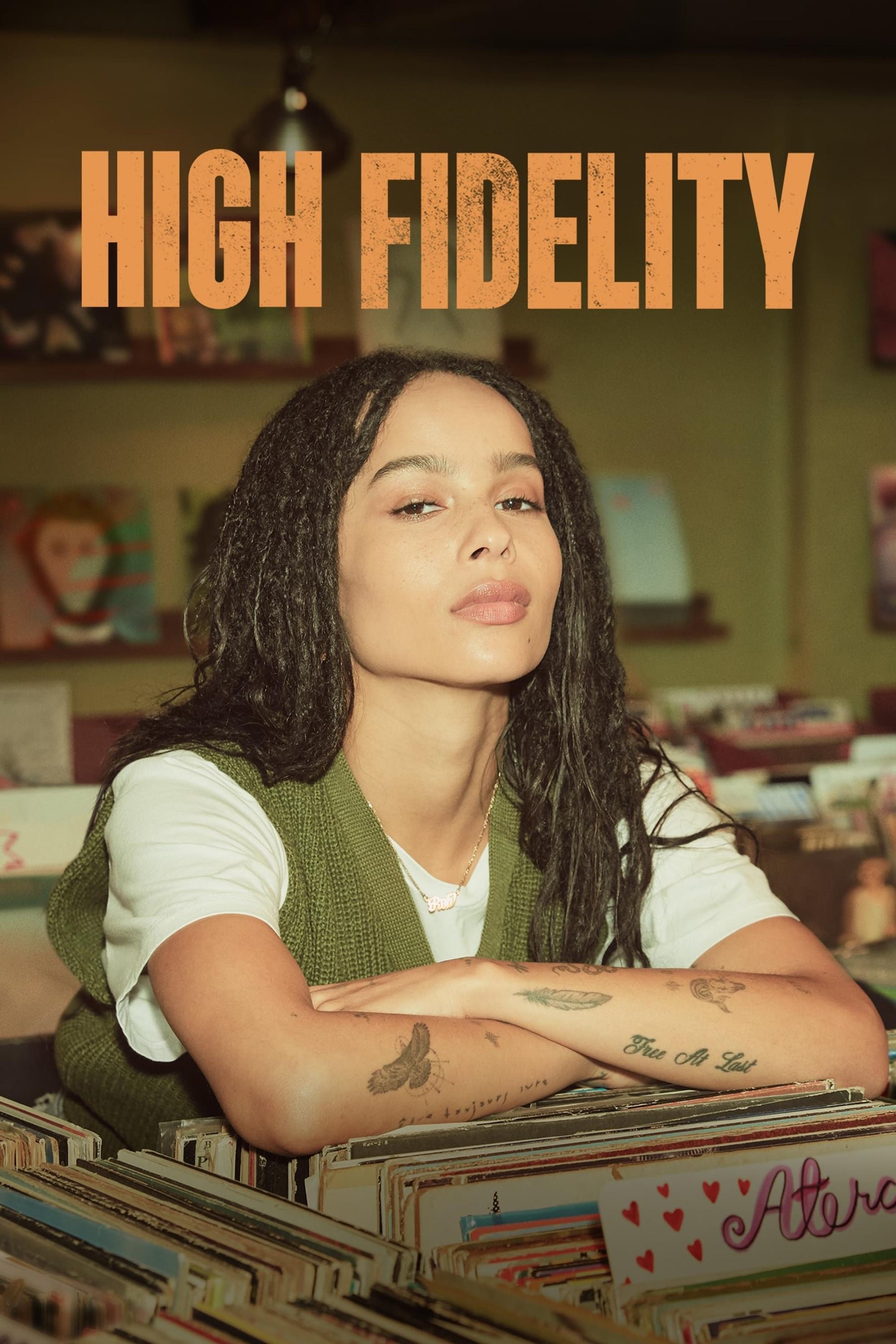
This Hulu adaptation gender-flipped the lead role and included a more fluid exploration of relationships compared to the book and film. While critical reception was generally positive, the show struggled to break through to a wider audience outside of its niche demographic. Fans of the series were vocal about their disappointment when it was canceled after one season, citing it as another example of a queer-led show being cut short. The platform’s decision was attributed to the show failing to meet internal viewership metrics required for a renewal.
‘Y: The Last Man’ (2021)
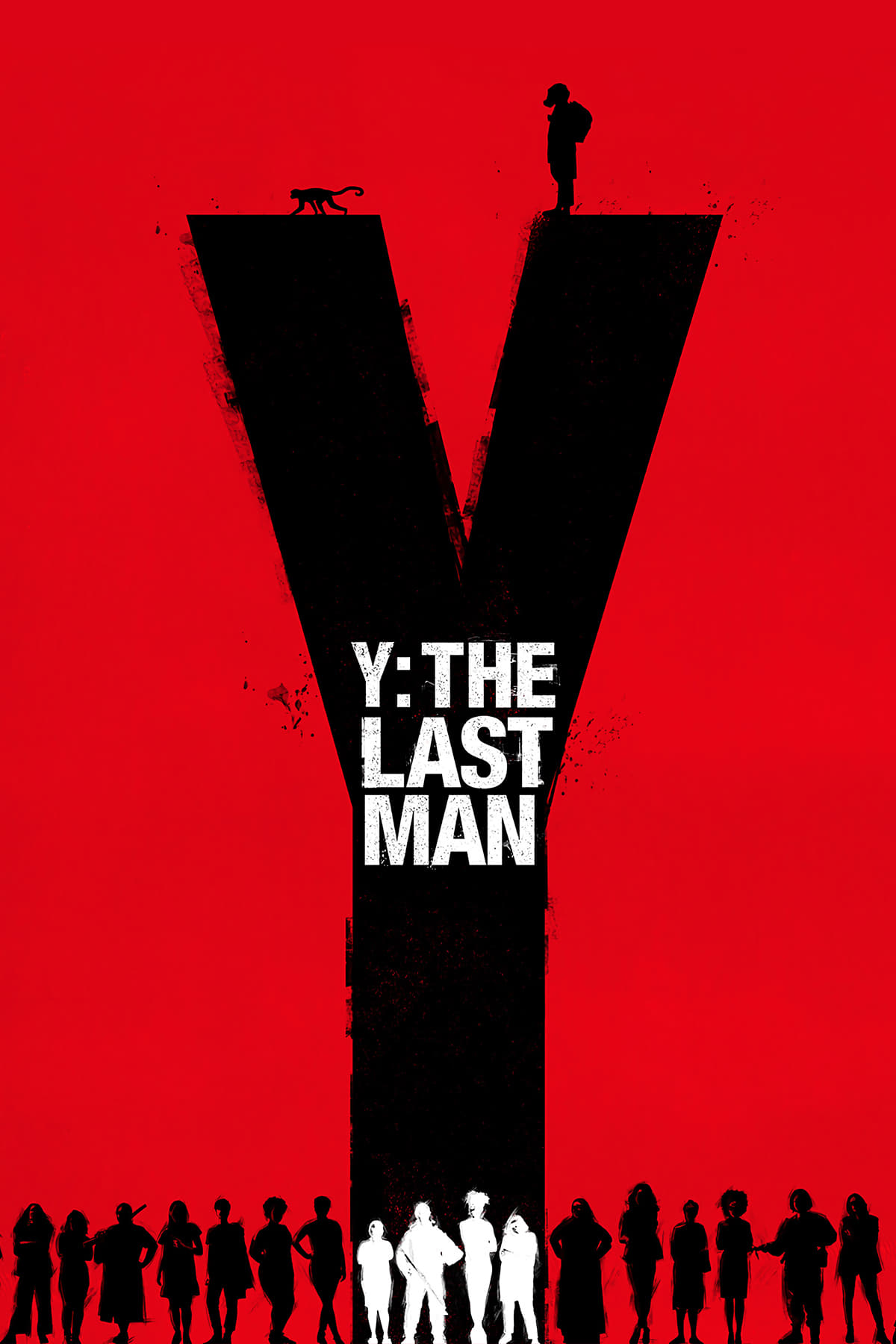
Adapting the acclaimed graphic novel, the series grappled with complex gender politics in a post-apocalyptic world, updating the source material to include trans representation explicitly. The show faced a troubled production history and, upon release, encountered criticism for its pacing and heavy-handed approach to the gender discourse. Viewers failed to connect with the adaptation in large numbers, and the conversation around the show became mired in political debates. FX on Hulu canceled the series before the first season had even finished airing.
‘Tom Swift’ (2022)
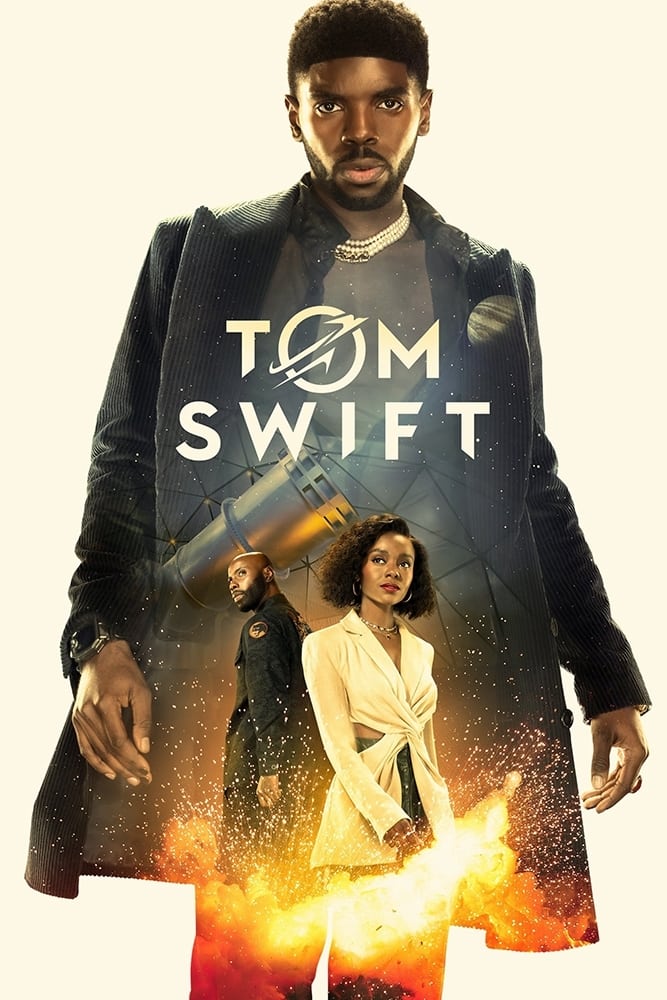
A spinoff of Nancy Drew, this series featured a gay Black billionaire inventor as the lead, promising a fun mix of sci-fi and adventure. However, the show suffered from low viewership immediately, with critics noting that the tone felt disjointed and the budget constraints were visible. The specific intersectional fan service failed to translate into a broad audience, and the show received little marketing push. The CW canceled the series after only five episodes had aired, one of the quickest cancellations in the network’s history.
‘Uncoupled’ (2022)
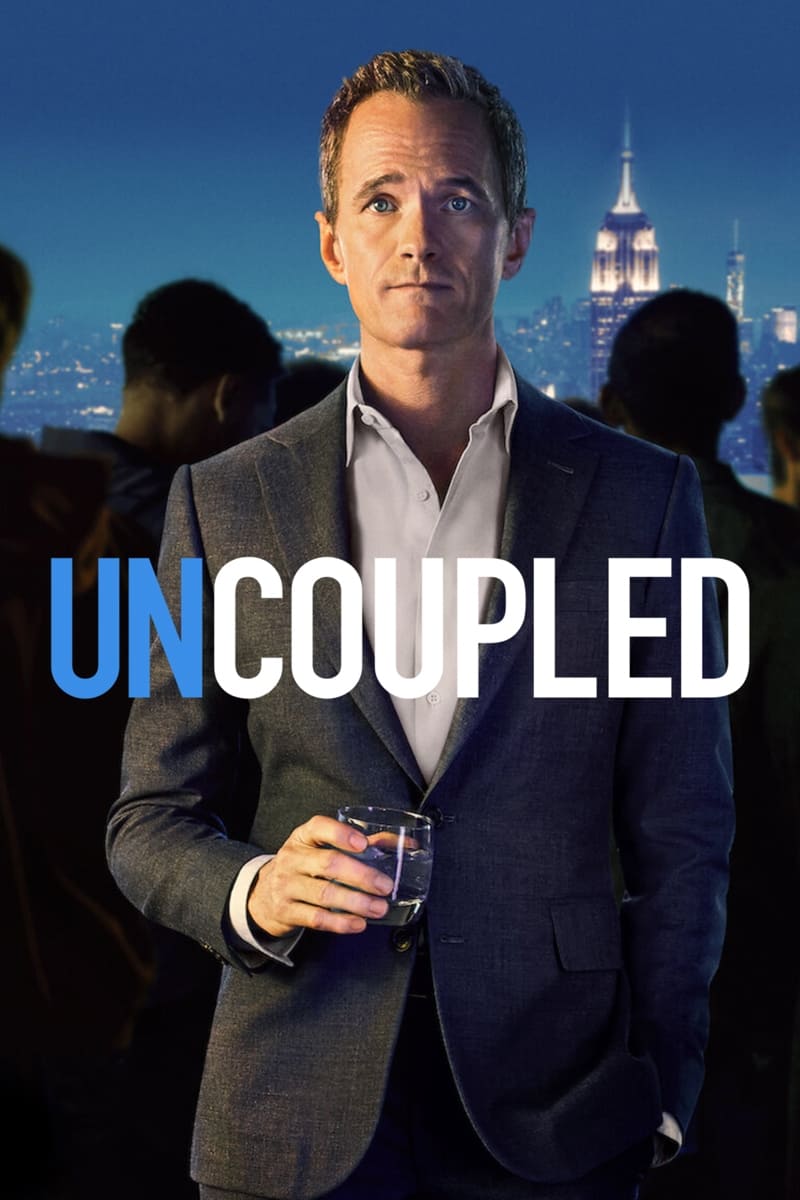
Starring Neil Patrick Harris, this series was designed to appeal to the Sex and the City demographic with a gay male twist. While polished, the show faced criticism for focusing on a privileged, exclusionary slice of gay life that many viewers found relatable or endearing. Netflix canceled the show after one season, and although Showtime briefly picked it up for a renewal, they ultimately reversed the decision and canceled it again before production began. The double cancellation highlighted the difficulty of sustaining mid-budget relationship comedies in the current market.
While the entertainment industry continues to evolve, the friction between creative intent and audience reception remains a volatile variable. These cancellations highlight the complex challenges showrunners face when navigating representation, fandom expectations, and the bottom line. Share your thoughts on which of these series deserved a second chance in the comments.