


17 TV Series That Addressed Black Mental Health Without Exploitation




Television has increasingly become a powerful medium for exploring the complexities of the human psyche and the specific nuances of the Black experience. Creators have moved beyond stereotypes to present authentic narratives that highlight emotional struggles and the journey toward healing. These shows prioritize character development and honest storytelling over sensationalism or trauma porn. The following series offer impactful portrayals of mental health that resonate deeply with audiences seeking genuine representation.
‘Insecure’ (2016–2021)

This HBO comedy series navigates the awkward experiences of a modern African American woman dealing with professional and personal hurdles. The show received praise for its portrayal of Molly Carter as she engaged in therapy to address her control issues and anxiety. Viewers watched her struggle with the stigma of seeking help before eventually embracing the process as a necessary tool for growth. ‘Insecure’ effectively normalized the conversation around therapy within the Black community through its relatable and grounded storytelling.
‘I May Destroy You’ (2020)
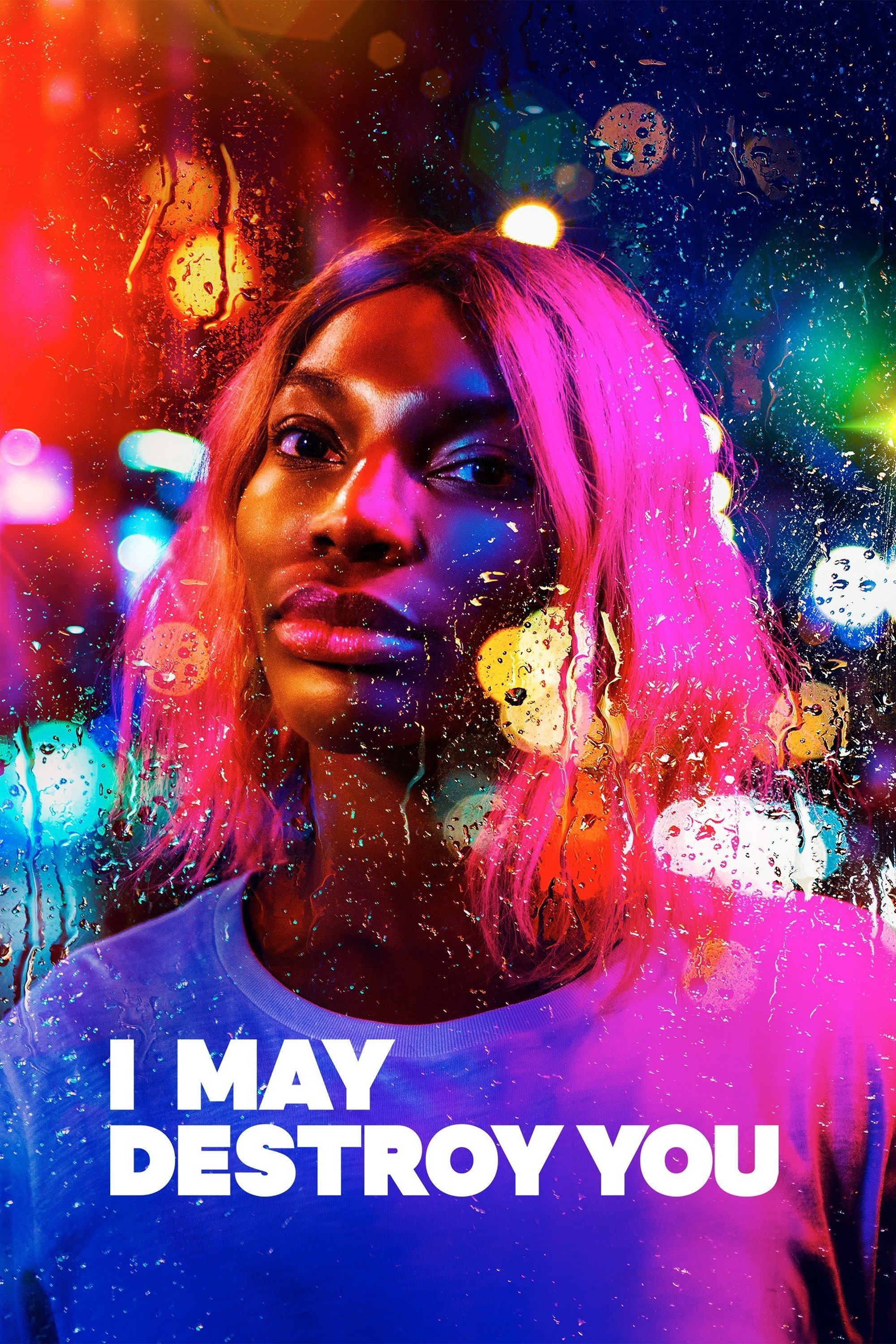
Michaela Coel created this limited series to explore the aftermath of sexual assault and the fragmented nature of trauma memory. The protagonist Arabella navigates a complex journey of realization and recovery while supported by her friends. The narrative avoids gratuitous depictions of violence and focuses instead on the internal psychological reconstruction required after a life-altering event. Critics lauded the show for its innovative structure and its raw but respectful approach to processing PTSD.
‘This Is Us’ (2016–2022)

Randall Pearson serves as a central character in this family drama that frequently addresses his lifelong battle with anxiety and perfectionism. The writers depicted his panic attacks and stress-induced breakdowns with a seriousness often reserved for physical ailments. His journey includes seeking professional help and confronting the immense pressure he places on himself to be a savior for his family. The series provided a mainstream platform to discuss high-functioning anxiety among Black men.
‘Black-ish’ (2014–2022)

This sitcom utilized its platform to tackle serious social issues including the reluctance of some Black men to seek therapy. Dre Johnson often resisted the idea of counseling until he was forced to confront his own fears and misconceptions. The show also addressed postpartum depression through the character of Bow in a manner that was educational and empathetic. ‘Black-ish’ managed to balance humor with poignant moments that encouraged families to speak openly about emotional well-being.
‘Atlanta’ (2016–2022)

Donald Glover used surrealism and dark humor to depict the existential dread and stress associated with navigating the music industry and Black identity in America. Characters like Earn and Paper Boi constantly deal with depression and the psychological toll of systemic racism. The “Teddy Perkins” episode stands out as a haunting exploration of childhood trauma and the cost of artistic greatness. ‘Atlanta’ consistently avoided traditional narrative tropes to present a unique perspective on internal and external conflicts.
‘Queen Sugar’ (2016–2022)

The Bordelon siblings face numerous challenges that test their mental resilience after the death of their father. Nova battles with the emotional weight of her activism while Ralph Angel struggles with redemption and self-worth after incarceration. The series highlights the importance of community and family support systems in maintaining mental stability. ‘Queen Sugar’ paints a lush and emotional portrait of healing that honors the complexity of rural Black life.
‘Euphoria’ (2019–Present)

Rue Bennett takes center stage in this drama as a teenager grappling with severe drug addiction and bipolar disorder. The show offers an unflinching look at the chaotic highs and crushing lows of substance abuse without glossing over the pain it causes loved ones. Zendaya delivers a performance that captures the desperation of mental illness and the difficulty of staying clean. While the series is visually stylized it remains grounded in the harsh reality of Rue’s daily fight for stability.
‘The Fresh Prince of Bel-Air’ (1990–1996)
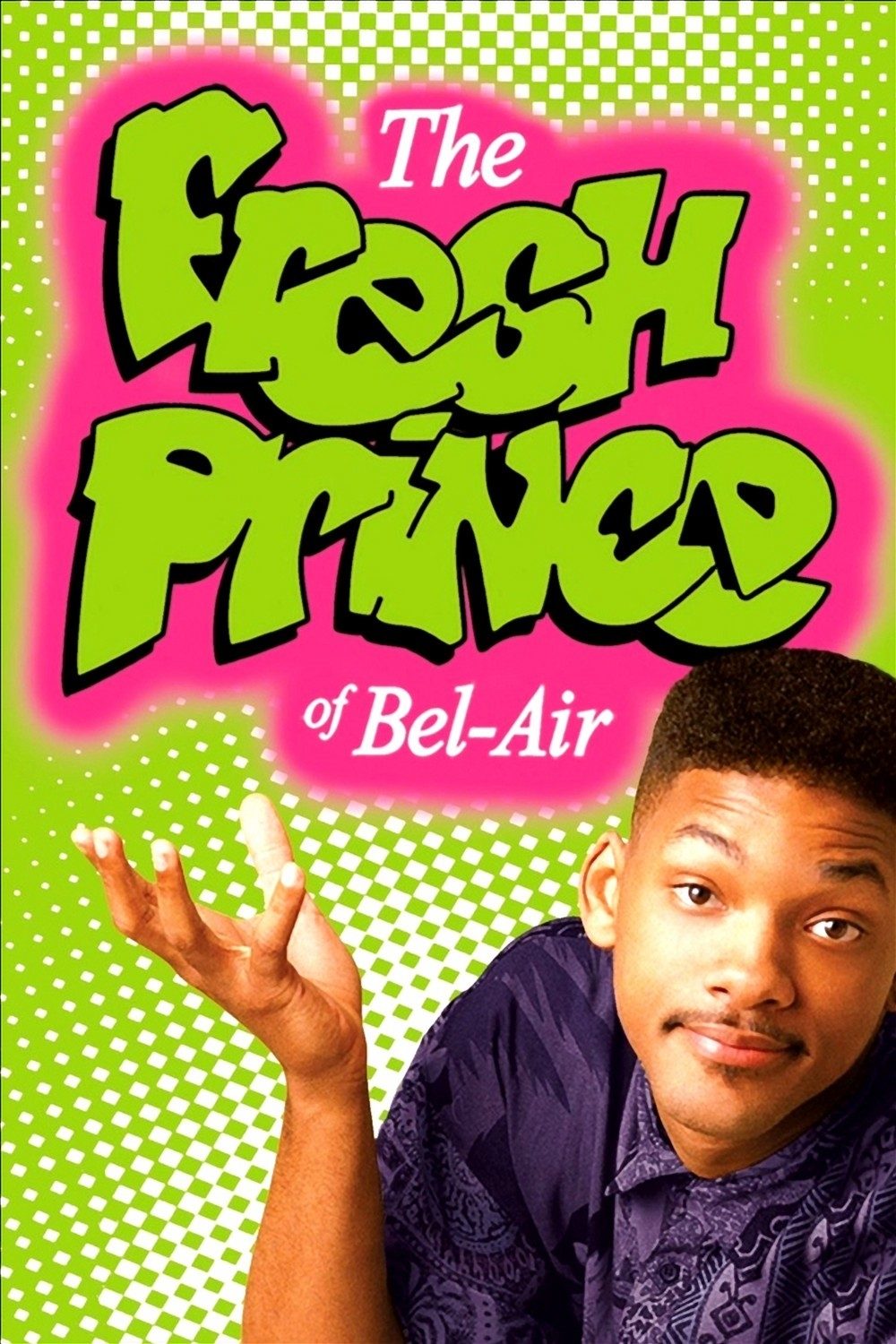
This classic sitcom delivered one of the most memorable moments in television history regarding parental abandonment and emotional vulnerability. Will Smith’s breakdown after his father walks out on him for a second time revealed the deep scars left by neglect. Uncle Phil embraces him in a scene that emphasizes the necessity of a supportive father figure for emotional development. ‘The Fresh Prince of Bel-Air’ proved that comedy series could effectively handle heavy emotional themes without losing their identity.
‘A Different World’ (1987–1993)
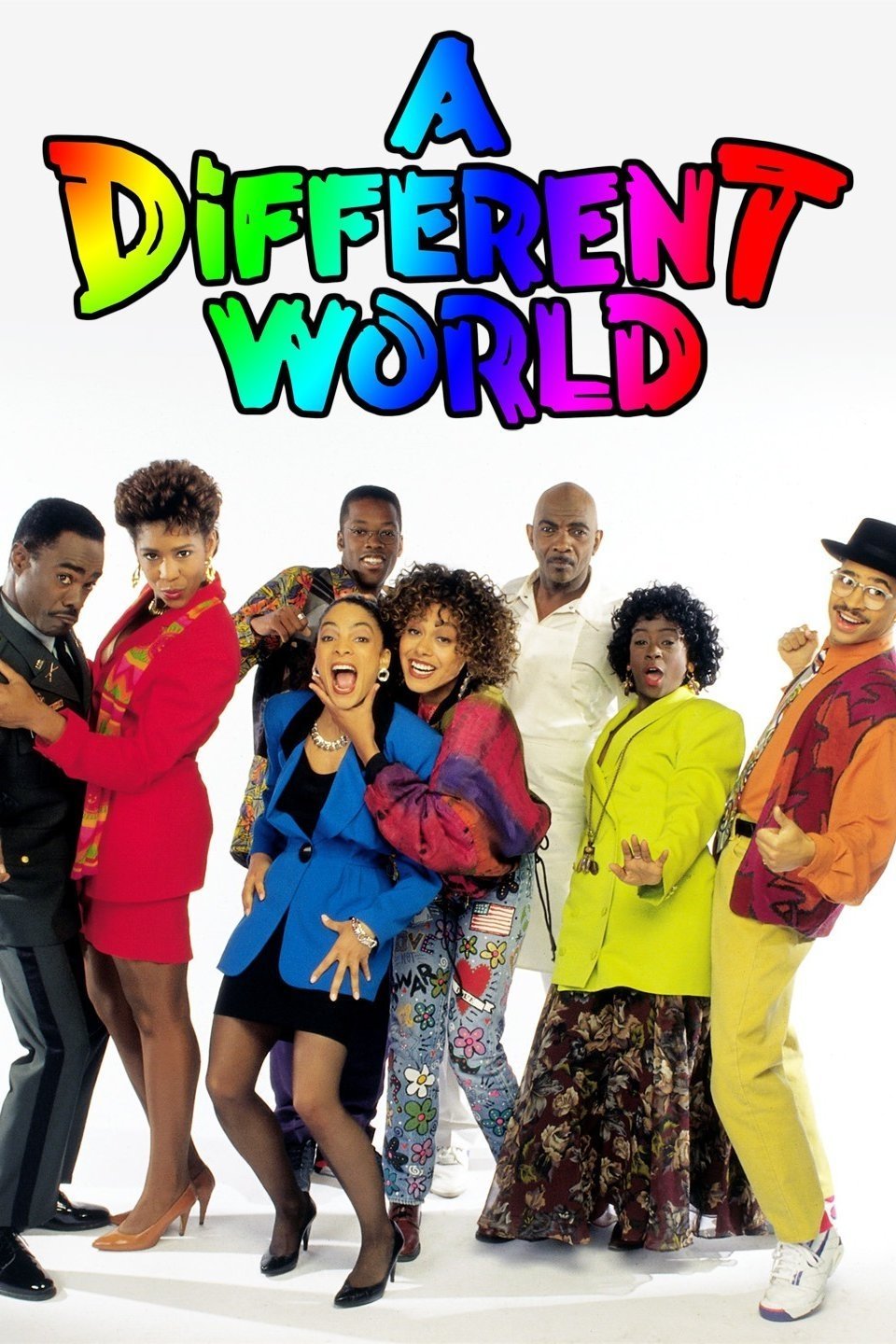
The writers of this collegiate sitcom frequently addressed the pressures of academic life and the transition to adulthood. Episodes featured students visiting counselors to manage stress and the anxiety of living up to family expectations. The show was ahead of its time in portraying therapy as a viable resource for young Black students at an HBCU. ‘A Different World’ treated mental health as an integral part of the overall college experience rather than a special episode topic.
‘Empire’ (2015–2020)

Andre Lyon is a Wharton-educated executive who manages his bipolar disorder while navigating the cutthroat music business. The series portrayed his struggle to maintain a medication regimen amidst the chaos of his family’s dynasty. Storylines explored the dangerous consequences of ignoring mental health warning signs and the stigma he faced from his own father. ‘Empire’ brought a discussion about bipolar disorder to a primetime audience with high visibility.
‘Bel-Air’ (2022–Present)

This dramatic reimagining of the classic sitcom takes a more serious approach to the protagonist’s adjustment to life in California. Will Smith suffers from anxiety and trauma stemming from the incident that forced him to leave West Philadelphia. The show depicts his panic attacks and the pressure to perform masculinity while feeling internally fractured. ‘Bel-Air’ updates the narrative to reflect modern conversations about the mental toll of displacement and culture shock.
‘Pose’ (2018–2021)
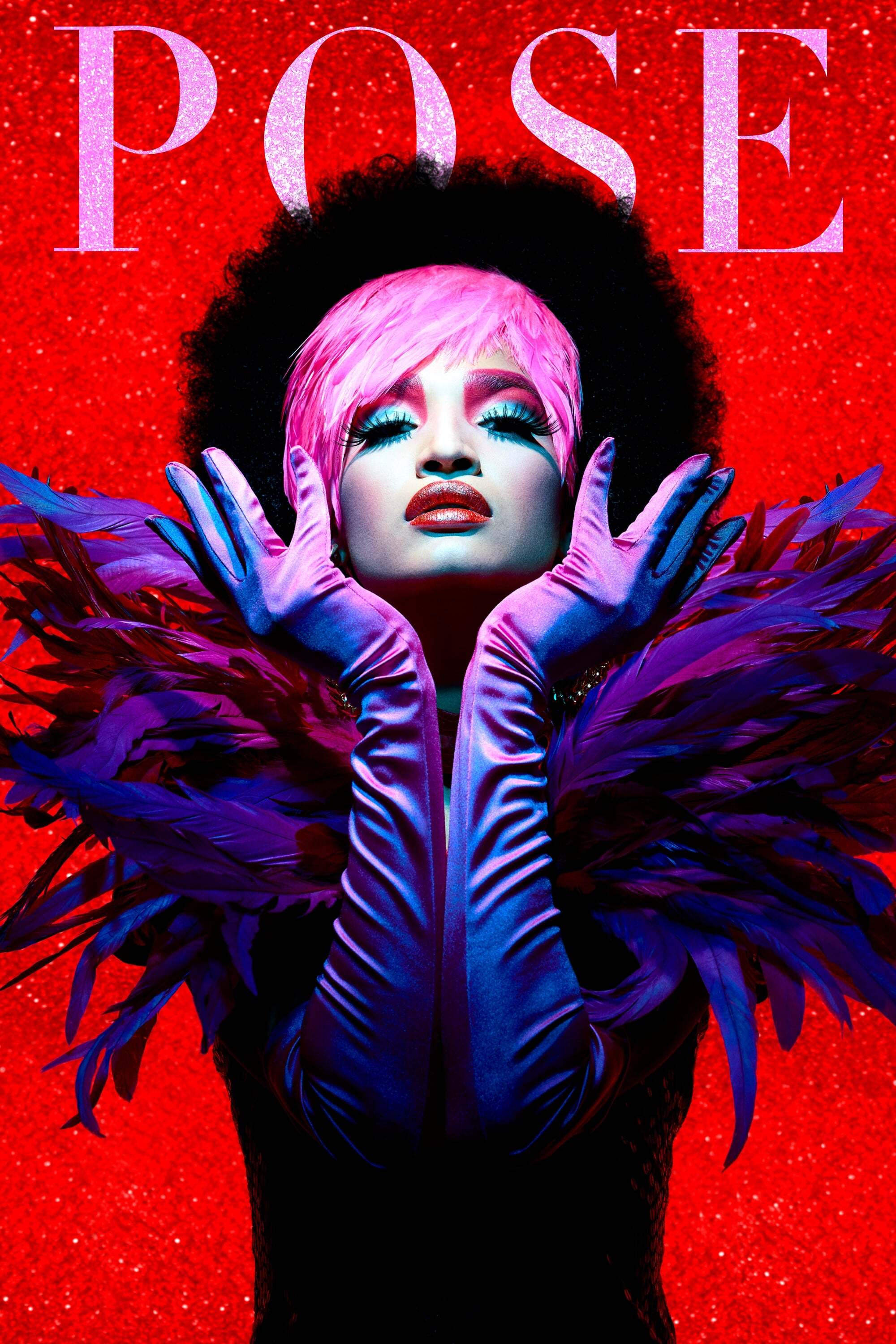
Set against the backdrop of the HIV/AIDS crisis in New York City the series examines the resilience of the LGBTQ+ community. Characters confront the trauma of societal rejection and the grief of losing countless friends to the epidemic. Pray Tell struggles with alcoholism and despair but eventually finds solace in the support of his chosen family. ‘Pose’ celebrates survival and the mental fortitude required to live authentically in a hostile world.
‘She’s Gotta Have It’ (2017–2019)

Spike Lee updated his original film into a series that allowed for a deeper exploration of Nola Darling’s psyche. Nola attends therapy to navigate the complexities of her polyamorous lifestyle and her artistic ambitions. The show treats her sessions as a safe space for self-discovery rather than a sign of brokenness. ‘She’s Gotta Have It’ presents therapy as a modern tool for empowerment and clarity.
‘Dear White People’ (2017–2021)

The series examines the psychological burden placed on student activists who feel responsible for fighting systemic injustice. Sam White faces burnout and anxiety as she tries to lead a movement while maintaining her grades and personal relationships. The narrative questions the sustainability of constant outrage and the need for self-care in activism. ‘Dear White People’ provides a nuanced look at the mental cost of being a voice for change.
‘Lovecraft Country’ (2020)

Horror elements serve as metaphors for the very real racial trauma experienced by Black Americans in the Jim Crow era. Atticus and Montrose Freeman grapple with the psychological scars of war and the terror of existing in a segregated society. The show utilizes the genre to manifest internal fears into external monsters that must be defeated. ‘Lovecraft Country’ validates the generational trauma of its characters through its fantastical yet grounded storytelling.
‘Being Mary Jane’ (2013–2019)

Mary Jane Paul appears to have a perfect life as a successful news anchor but privately battles with loneliness and depression. The show reveals the immense pressure on professional Black women to maintain a facade of strength and perfection. Her journey involves navigating toxic family dynamics and the realization that professional success does not cure internal unhappiness. ‘Being Mary Jane’ resonated with viewers for its honest depiction of high-functioning depression.
‘Grand Crew’ (2021–2023)

This comedy centers on a group of young Black professionals who gather at a wine bar to unpack the ups and downs of their lives. The male characters openly discuss their feelings and vulnerabilities in a way that defies traditional masculine stereotypes. Topics range from romantic heartbreak to career anxiety and the therapy they attend to cope. ‘Grand Crew’ offers a refreshing and lighthearted look at Black male friendship as a form of therapeutic support.
Share your thoughts on which series depicted these themes most effectively in the comments.