


TV Series That Explored Class Differences Without Judgment



Television has long served as a medium for examining the stratified layers of society and the friction that occurs when different economic worlds collide. These narratives often move beyond simple caricatures of the wealthy or the impoverished to reveal the complex humanity residing within every social station. By focusing on interpersonal relationships rather than didactic morality plays, creators allow audiences to observe the nuances of privilege and struggle. The following series offer compelling insights into class dynamics through intricate storytelling and character development.
‘Downton Abbey’ (2010–2015)

This acclaimed British drama chronicles the lives of the aristocratic Crawley family and their domestic servants in the post-Edwardian era. The series presents the great house as a symbiotic ecosystem where the fortunes of the upstairs residents are inextricably linked to the staff downstairs. Viewers witness how historical events like the sinking of the Titanic and World War I impact the social hierarchy. It highlights the rigid protocols of service while exploring the personal aspirations that transcend social standing.
‘The Wire’ (2002–2008)
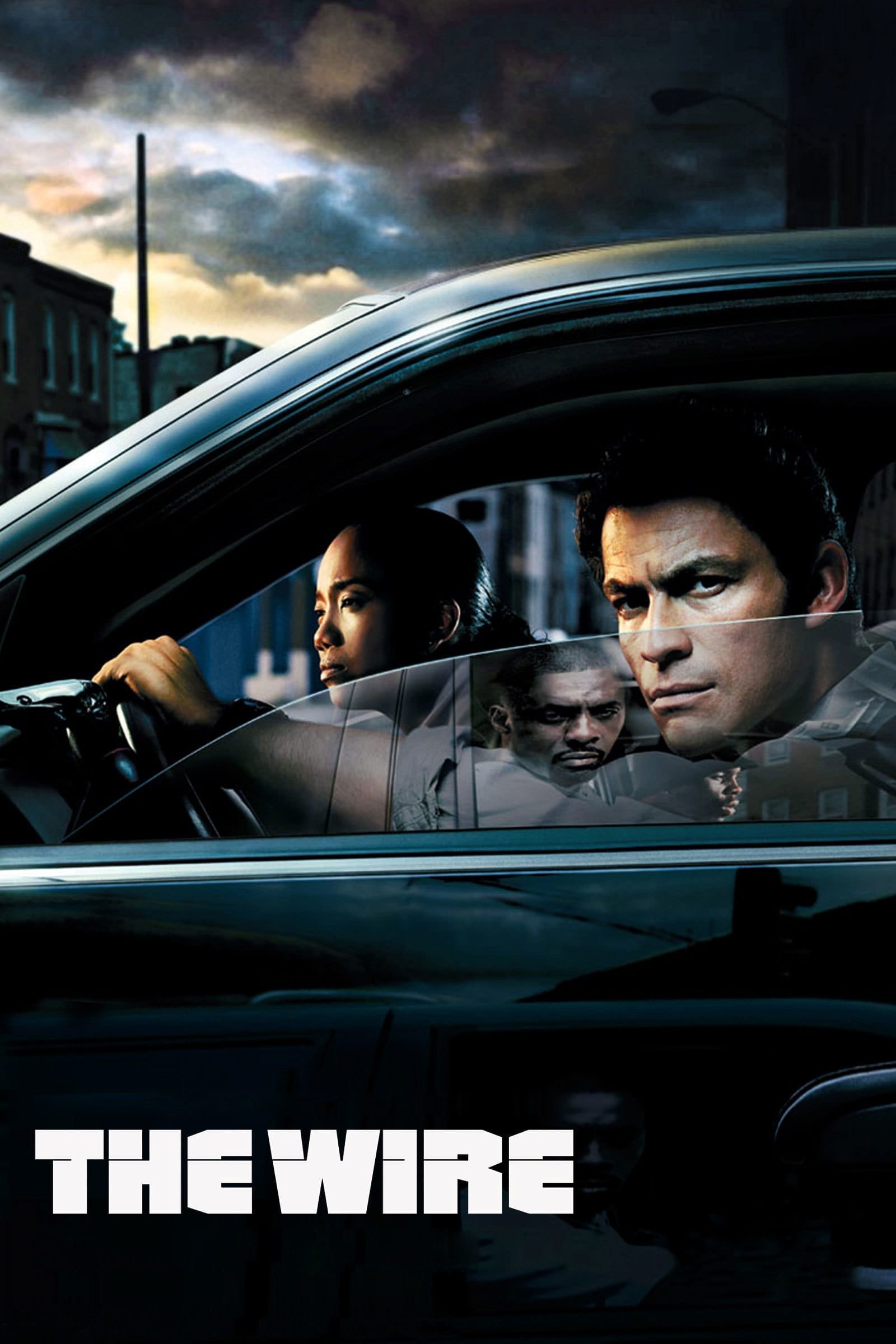
David Simon constructed a sprawling narrative that dissects the institutions of Baltimore through the eyes of law enforcement, drug dealers, dock workers, and politicians. The show meticulously illustrates how systemic failure traps individuals in cycles of poverty regardless of their moral compass. Characters on both sides of the law navigate a bureaucracy that often values metrics over human life. It remains a profound study of the American city and the economic forces that shape urban existence.
‘Succession’ (2018–2023)
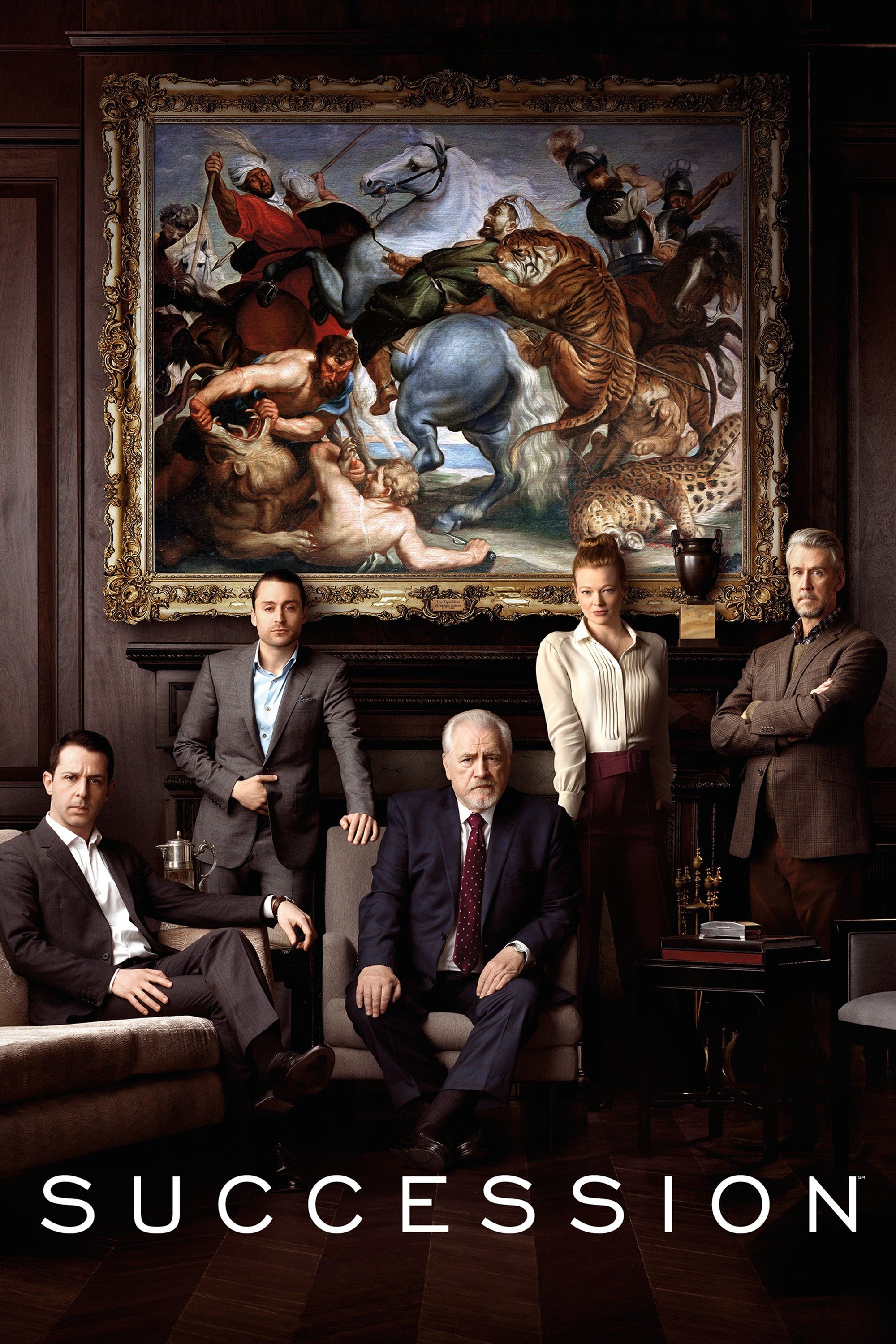
The Roy family controls a massive media conglomerate while engaging in ruthless internal power struggles. The series exposes the isolation and toxicity that can accompany extreme wealth and privilege. Characters often display a detachment from the consequences of their actions that affect ordinary people. Despite their immense resources, the siblings struggle with deep insecurities and a desperate need for validation from their patriarch.
‘Upstairs, Downstairs’ (1971–1975)
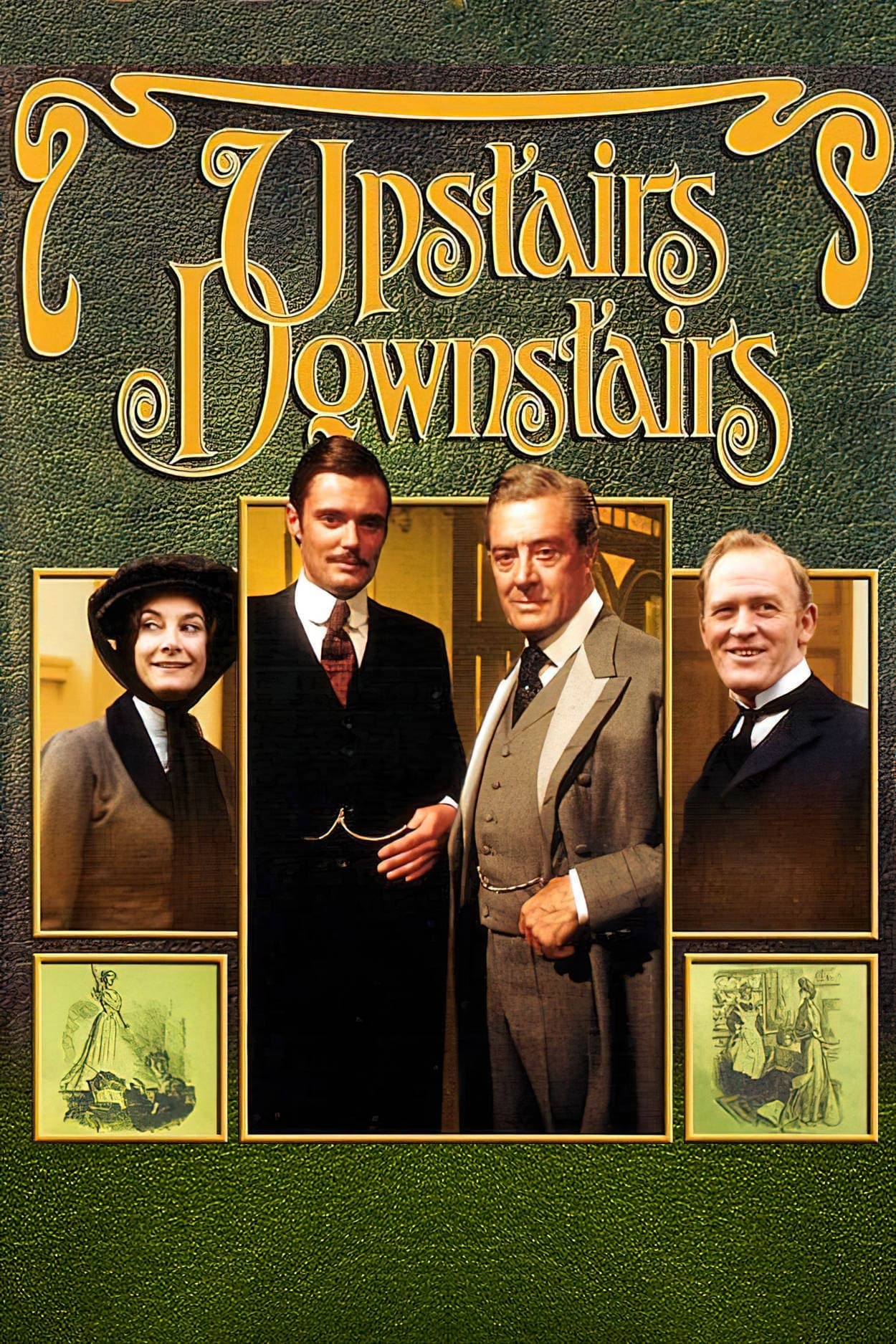
Set in a large townhouse in Belgravia, this classic series set the standard for dramas focusing on masters and servants. The show spans three decades to illustrate the decline of the British aristocracy and the rise of the working class. It balances the domestic dramas of the Bellamy family with the lives of their staff without favoring one perspective over the other. The narrative demonstrates how social mobility began to shift traditional roles in the early 20th century.
‘The White Lotus’ (2021–Present)
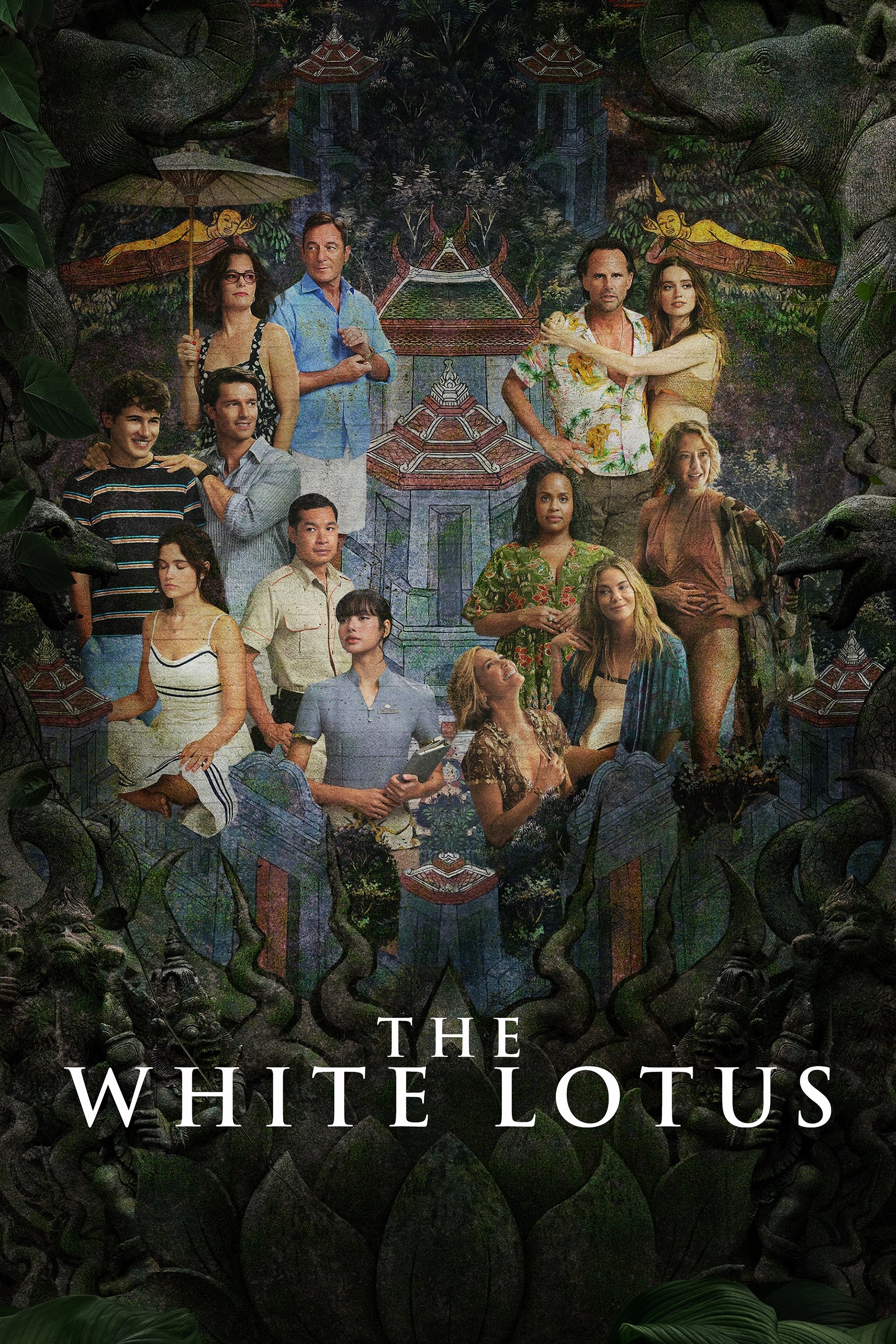
This anthology satire follows the guests and employees of an exclusive resort chain over the span of a week. The narrative peels back the glossy veneer of luxury travel to reveal the transactional nature of service work. Wealthy vacationers often treat the staff as interchangeable props while the employees navigate their own moral compromises to survive. The series utilizes dark humor to explore the oblivious entitlement of the rich and the resentment of the working class.
‘Schitt’s Creek’ (2015–2020)

After losing their immense fortune, the Rose family is forced to relocate to a small town they once bought as a joke. The show tracks their slow adjustment to a life without luxury and their integration into a working-class community. Over time, the family members shed their superficial values and form genuine connections with the townspeople. It serves as a heartwarming exploration of resilience and the realization that money does not define personal worth.
‘The Gilded Age’ (2022–Present)
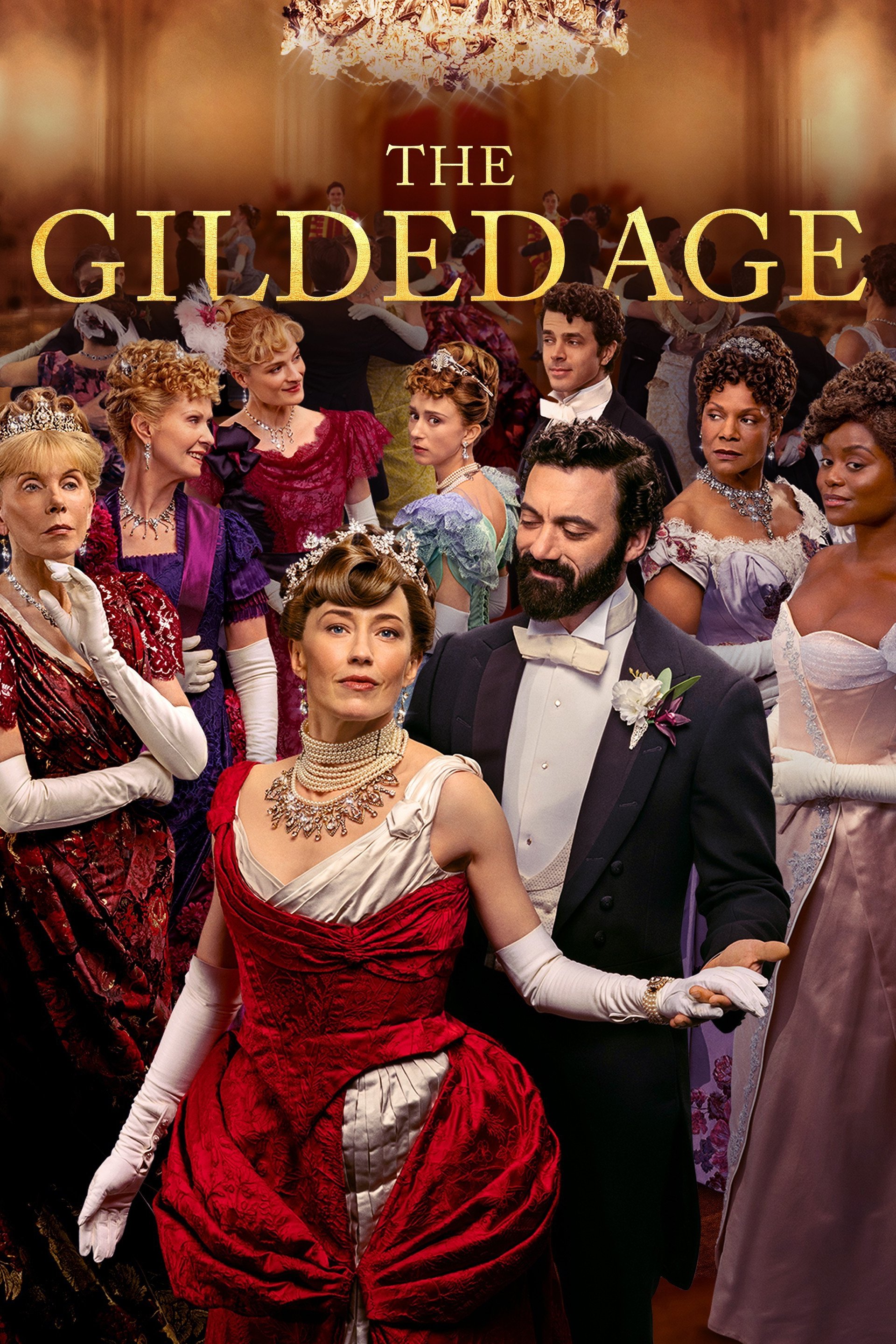
Set in 1880s New York City, this drama contrasts the established old money families with the ambitious new money industrialists. The narrative explores the rigid social codes that governed high society and the barriers faced by those attempting to enter it. It also sheds light on the African American elite class of the era and the domestic workers who sustained these grand households. The friction between tradition and modernity drives the central conflict of the series.
‘Normal People’ (2020)

This adaptation of Sally Rooney’s novel follows the complex relationship between Marianne and Connell from their school days into adulthood. Connell comes from a working-class background while Marianne is from a wealthy family that employs his mother. The power dynamic shifts as they move to university where Connell feels alienated by his peers’ affluence while Marianne thrives intellectually. The show intimately portrays how economic background influences self-esteem and social integration.
‘Shameless’ (2011–2021)
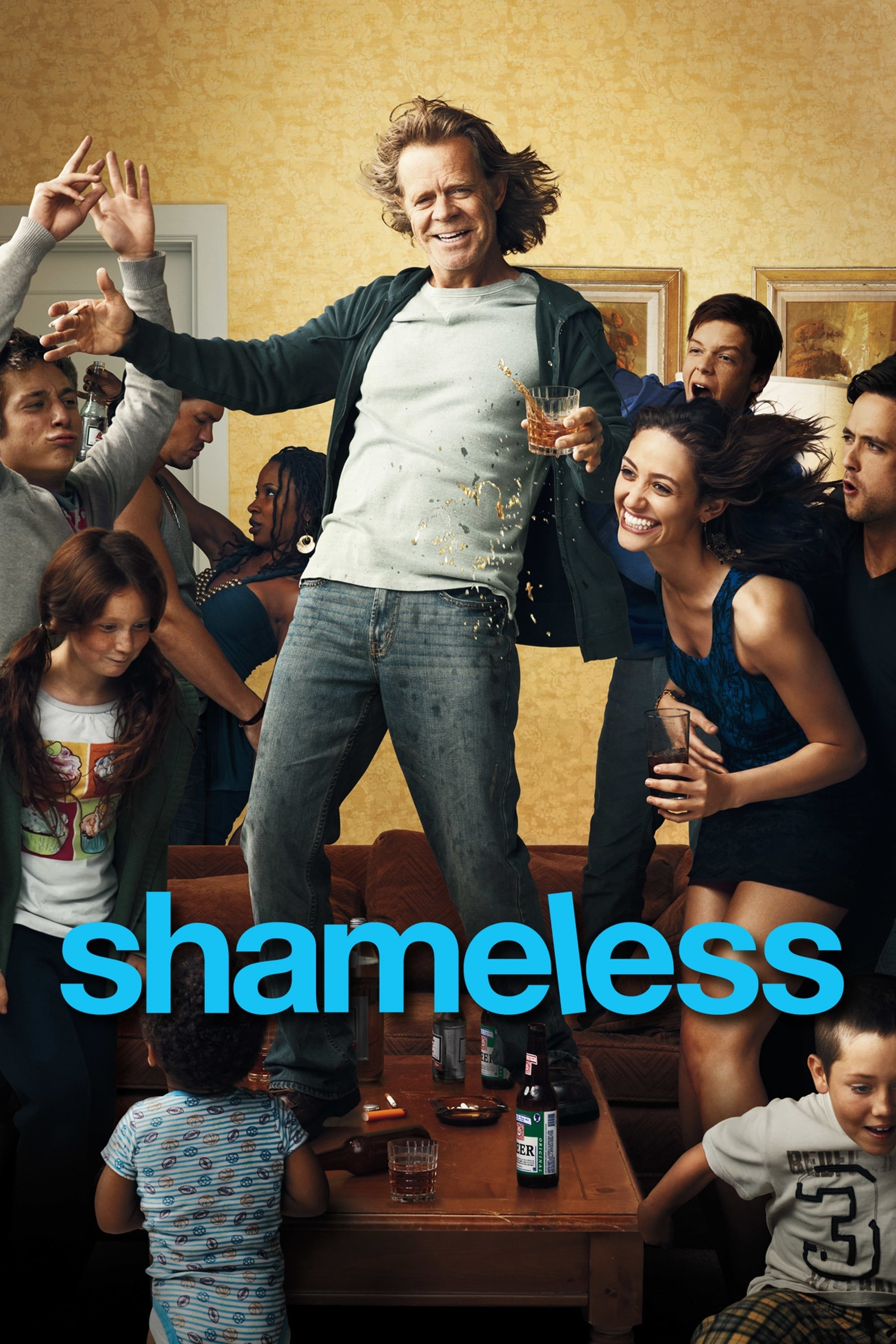
The Gallagher family navigates life on the South Side of Chicago while dealing with poverty and addiction. The series presents a raw look at the survival strategies employed by a family living below the poverty line. It refuses to sanitize their struggles or present them as noble victims of circumstance. Instead, it offers a chaotic and humorous depiction of a community that creates its own safety nets.
‘Big Little Lies’ (2017–2019)

In the affluent beachfront community of Monterey, a group of mothers becomes entangled in a murder investigation. The show contrasts the lives of wealthy career women with a single mother who has recently moved to the area. Beneath the perfect exteriors of multi-million dollar homes lie secrets of abuse and bankruptcy. It deconstructs the myth that financial security guarantees emotional stability or safety.
‘Maid’ (2021)

A young mother flees an abusive relationship and finds work cleaning houses to support her daughter. The series offers a detailed look at the bureaucratic hurdles of the American welfare system. It highlights the invisibility of service workers and the physical toll of manual labor. The protagonist observes the intimate lives of her wealthy clients while struggling to secure basic necessities for herself.
‘Little Fires Everywhere’ (2020)

The lives of the perfect Richardson family are upended by the arrival of an enigmatic artist and her daughter. The series explores the tension between a wealthy landlord and her tenant who lives a nomadic, paycheck-to-paycheck lifestyle. It delves into the blind spots of well-meaning liberalism and the hidden costs of maintaining a picture-perfect existence. Class privilege intersects with race and motherhood in this suburban drama.
‘Bridgerton’ (2020–Present)

While primarily a romance set in Regency London, the show examines the pressures of the marriage market across different social strata. The Bridgerton family represents the pinnacle of the ton while other characters struggle to maintain their status or rise above their station. The series highlights how financial ruin was a constant threat even for the titled nobility. It also touches on the lives of those on the fringes of society who rely on the patronage of the rich.
‘The Crown’ (2016–2023)

This biographical drama charts the reign of Queen Elizabeth II and the institution of the British monarchy. It contrasts the unimaginable privilege of the royal family with the economic realities facing the British public during various decades. The series often highlights the disconnect between the sovereign’s duty and the changing social landscape of the country. It explores how the monarchy struggles to remain relevant in an increasingly egalitarian world.
‘Mad Men’ (2007–2015)

Set in the competitive world of 1960s advertising, the series explores the professional and personal lives of Madison Avenue executives. It contrasts the affluent lifestyles of the partners with the struggles of secretaries and copywriters trying to climb the corporate ladder. The show reveals how class background often dictates who gets a seat at the table and who remains on the periphery. Characters frequently reinvent their pasts to fit into the sophisticated world they inhabit.
‘Squid Game’ (2021–Present)

Hundreds of cash-strapped contestants accept an invitation to compete in children’s games for a tempting prize. The series serves as a brutal allegory for modern capitalism and the desperation caused by insurmountable debt. It examines how financial ruin strips individuals of their dignity and forces them into extreme survival modes. The contrast between the VIP spectators and the desperate players underscores a global wealth disparity.
‘Snowpiercer’ (2020–2024)

Seven years after the world becomes a frozen wasteland, the remnants of humanity inhabit a perpetually moving train. The train is strictly divided by class, with the wealthy in the front and the impoverished in the tail. The series explores the revolutionary tension that builds when resources are hoarded by a privileged few. It functions as a microcosm of society where upward mobility is physically blocked by armed guards and steel doors.
‘The O.C.’ (2003–2007)

A troubled teenager from a broken home is taken in by a wealthy public defender in Newport Beach. The show focuses on the culture shock between his previous life and the affluence of Orange County. It humanizes the wealthy characters by showing their internal dysfunctions despite their material comfort. The narrative consistently bridges the gap between the outsiders and the insiders of high society.
‘Veronica Mars’ (2004–2019)
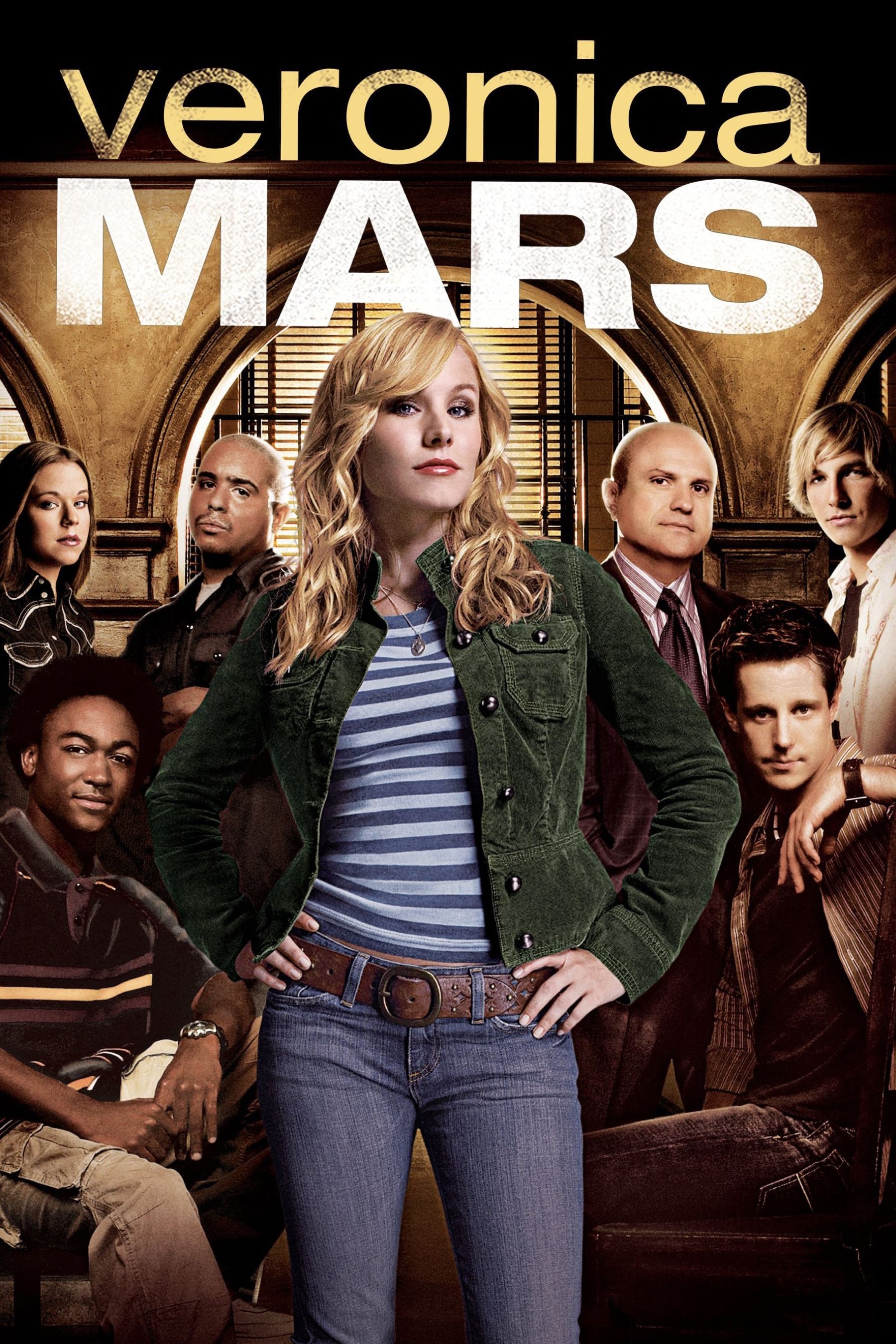
Set in the fictional town of Neptune, the show depicts a community without a middle class. The protagonist navigates a high school divided between the children of billionaires and those who work for them. The noir-inspired mysteries often revolve around the abuse of power by the wealthy elite. It presents a cynical view of how money influences justice and social standing.
‘Gilmore Girls’ (2000–2007)

Lorelai Gilmore raises her daughter in a charming small town after leaving her wealthy parents’ home as a teenager. The series explores the tension between Lorelai’s independent, middle-class life and her parents’ world of high society obligation. Money is frequently used as a tool for control and negotiation within the family dynamic. The show balances the warmth of the town with the rigid expectations of the upper class.
‘Gossip Girl’ (2007–2012)
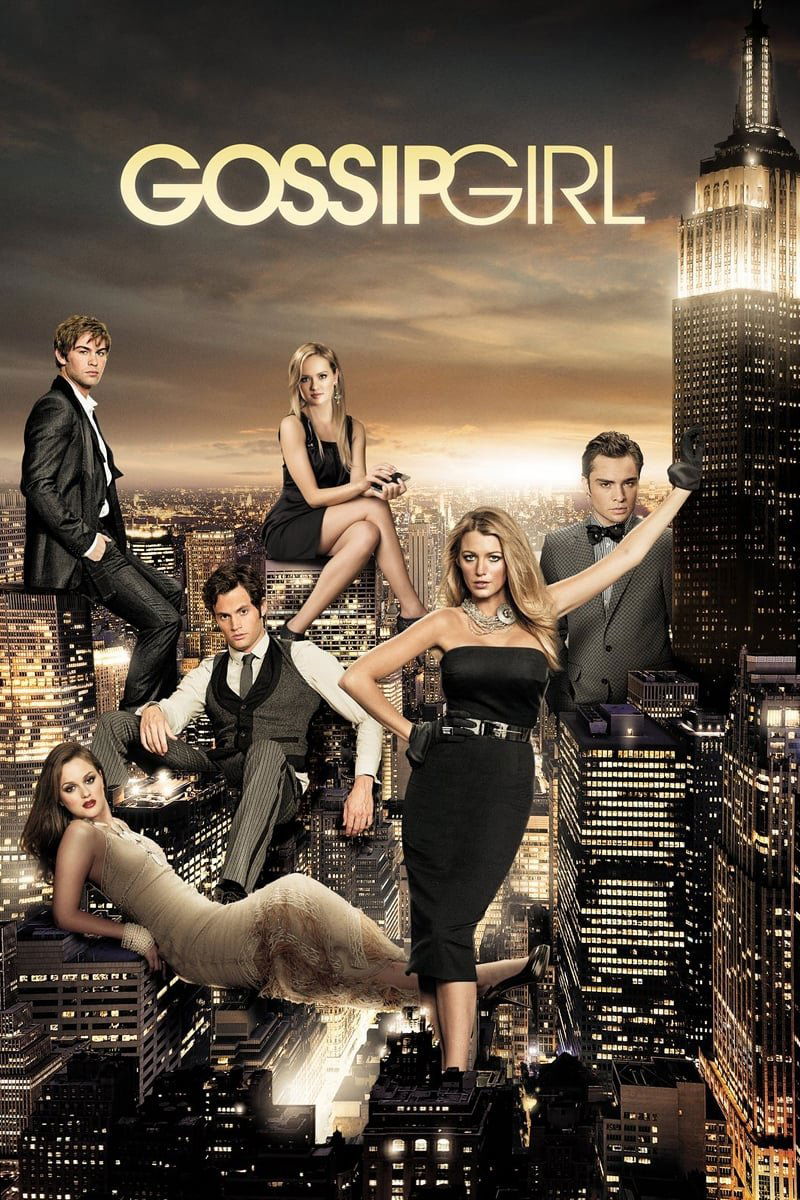
The series follows the lives of privileged teenagers on the Upper East Side of New York. It contrasts their world with that of the Humphrey family from Brooklyn who navigate this exclusive circle on scholarship. The narrative explores how wealth insulates the characters from consequences while exposing them to public scrutiny. Social climbing and the maintenance of status are central themes throughout the show.
‘The Nanny’ (1993–1999)
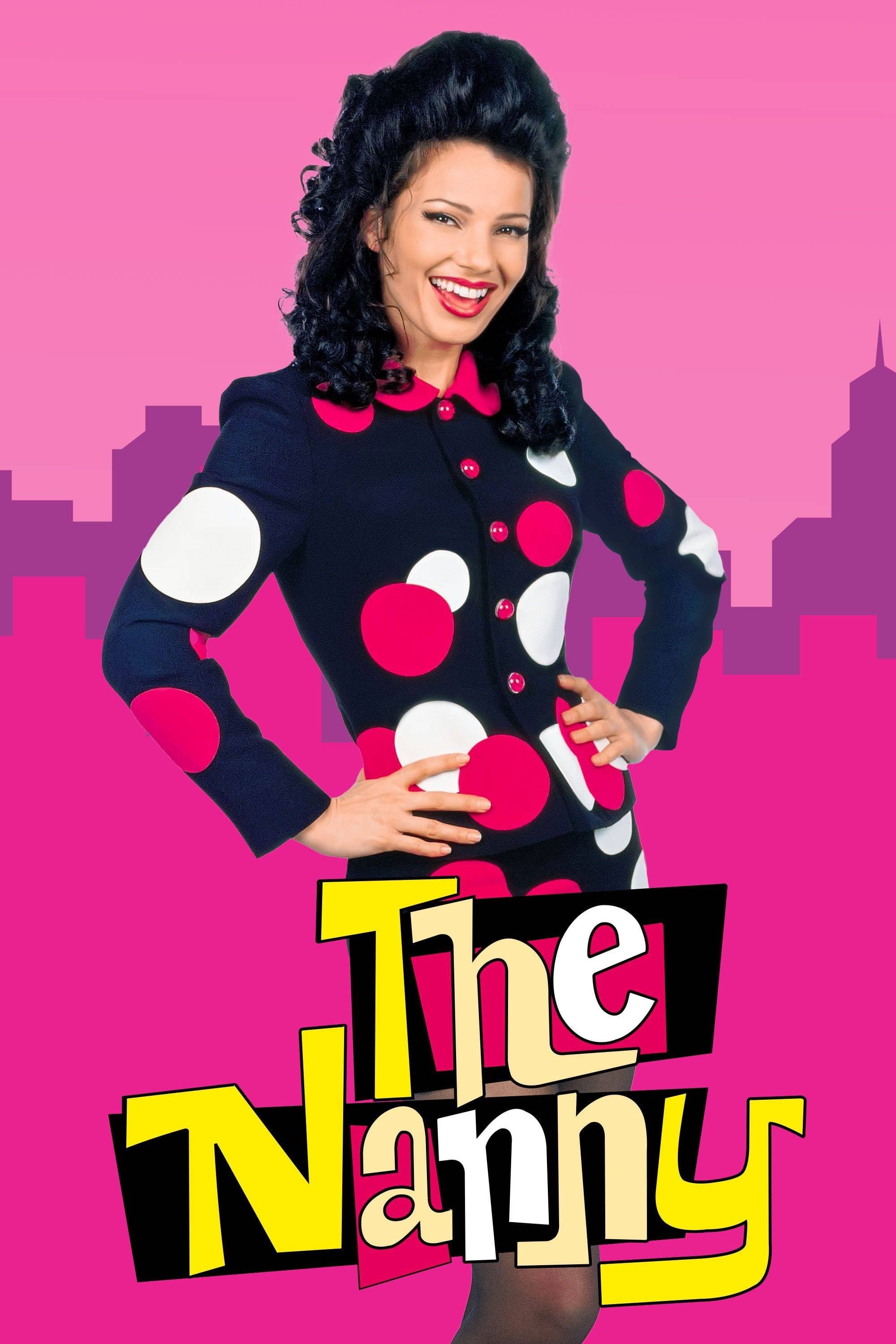
A fashion-forward woman from Flushing, Queens becomes the nanny for the children of a wealthy British Broadway producer. The comedy stems from the collision of Fran’s working-class logic with the Maxwell family’s aristocratic sensibilities. It celebrates the blending of two distinct worlds without mocking Fran’s background. The show highlights how warmth and common sense can be more valuable than high-society etiquette.
‘Outer Banks’ (2020–Present)

On an island of haves and have-nots, a teen enlists his three best friends to hunt for a legendary treasure. The conflict is driven by the rivalry between the working-class Pogues and the wealthy seasonal residents known as Kooks. The series depicts how economic status determines the future prospects of the local youth. It frames the treasure hunt as a desperate bid to escape a preordained life of labor.
‘Elite’ (2018–2024)

Three working-class students enroll in Spain’s most exclusive private school on scholarships. The clash between them and the wealthy students leads to bullying, romance, and eventually murder. The show examines the sense of entitlement that comes with extreme wealth and the resentment it breeds. It portrays the school as a microcosm where social inequality has fatal consequences.
‘Roseanne’ (1988–2018)
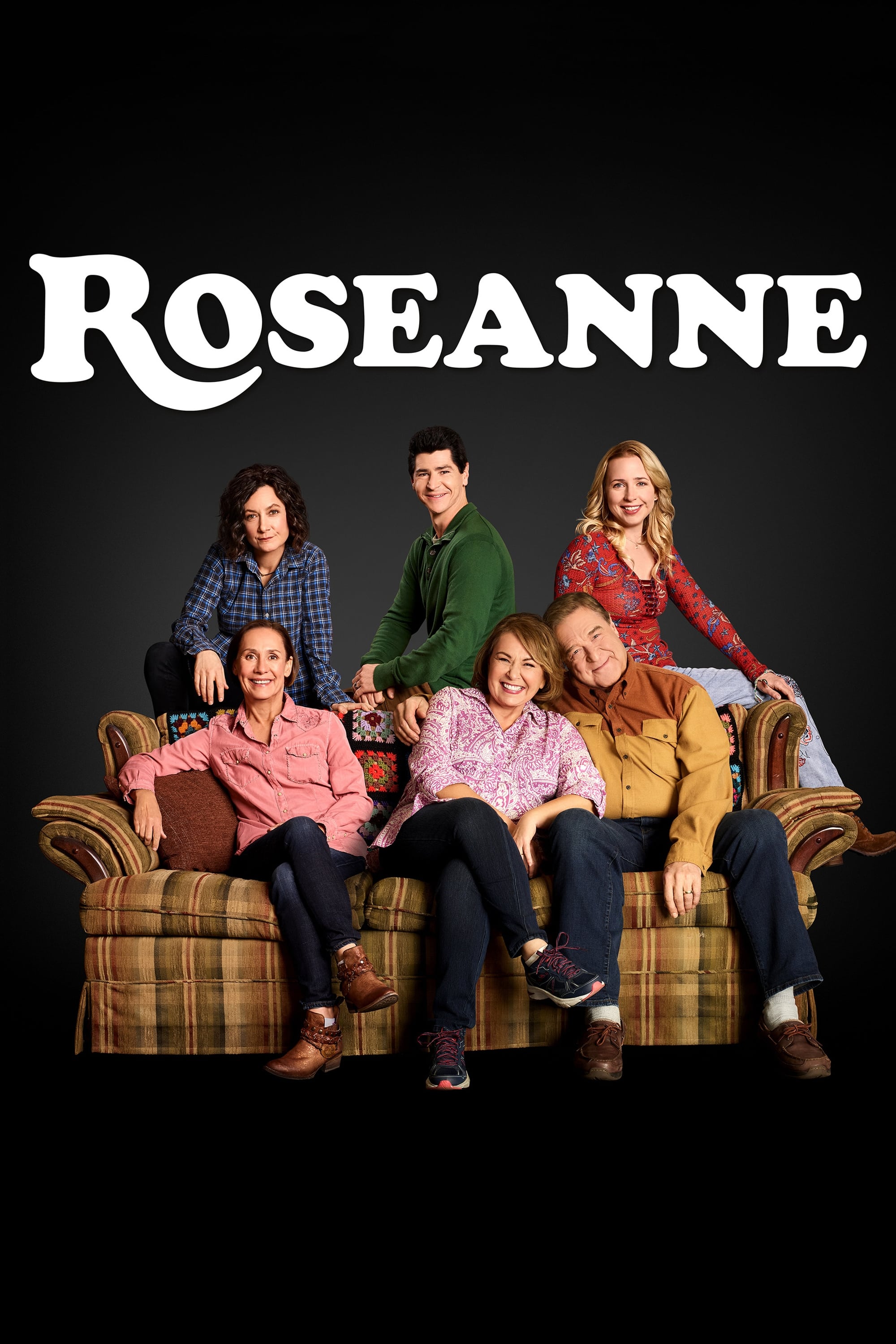
This landmark sitcom centers on the Conners, a working-class family struggling to get by in Illinois. It addresses topics such as unemployment, small business failure, and the difficulty of paying bills with humor and honesty. The show broke ground by depicting a blue-collar family that was neither aspirational nor tragic. It validates the everyday struggles of millions of Americans living paycheck to paycheck.
‘Peaky Blinders’ (2013–2022)
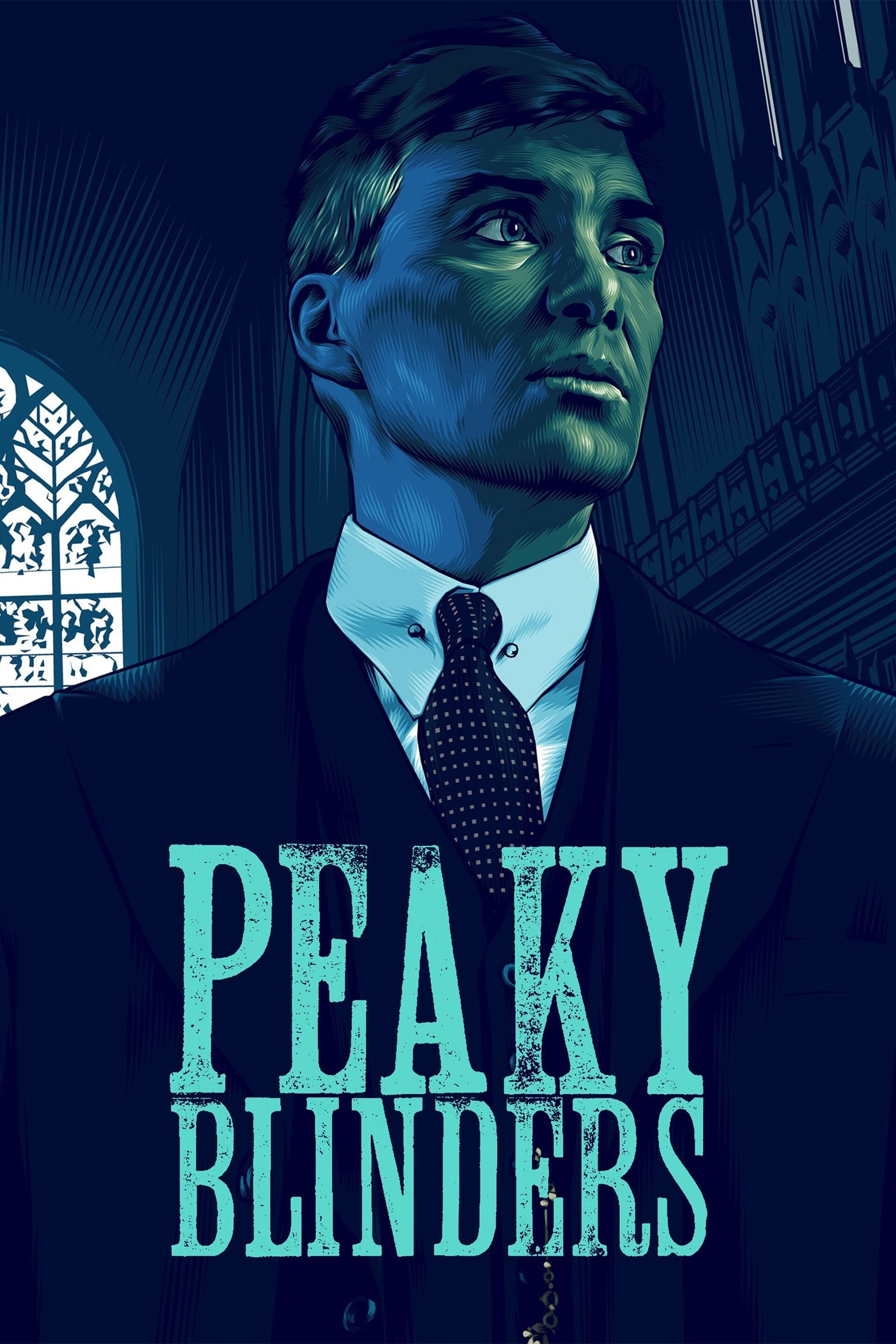
A gangster family of Irish Traveller origin rises through the ranks of Birmingham society after World War I. The Shelby family uses crime and legitimate business to ascend from the slums to the halls of power. The series illustrates the barriers placed before the working class and the violence often required to break through them. It explores the intersection of crime, politics, and aristocracy in early 20th-century Britain.
‘Rome’ (2005–2007)
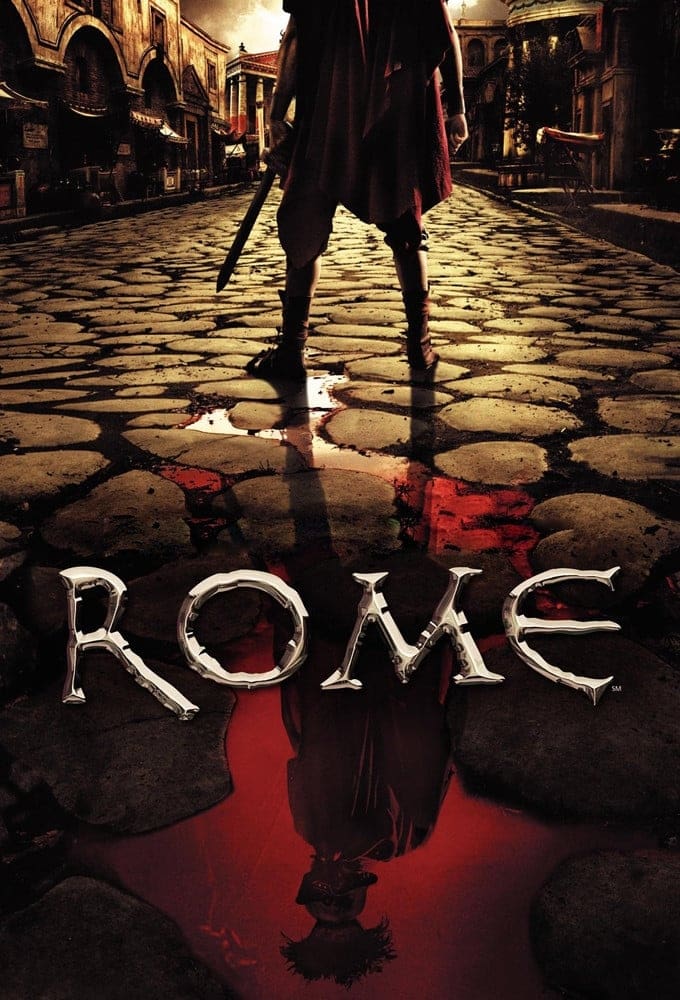
This historical drama chronicles the transition of Rome from a Republic to an Empire. It tells the story through the eyes of two ordinary soldiers as well as the historical elite like Caesar and Antony. The series vividly contrasts the squalor of the plebeian districts with the opulence of the patrician villas. It shows how the political machinations of the ruling class directly impact the survival of the common people.
‘Deadwood’ (2004–2006)
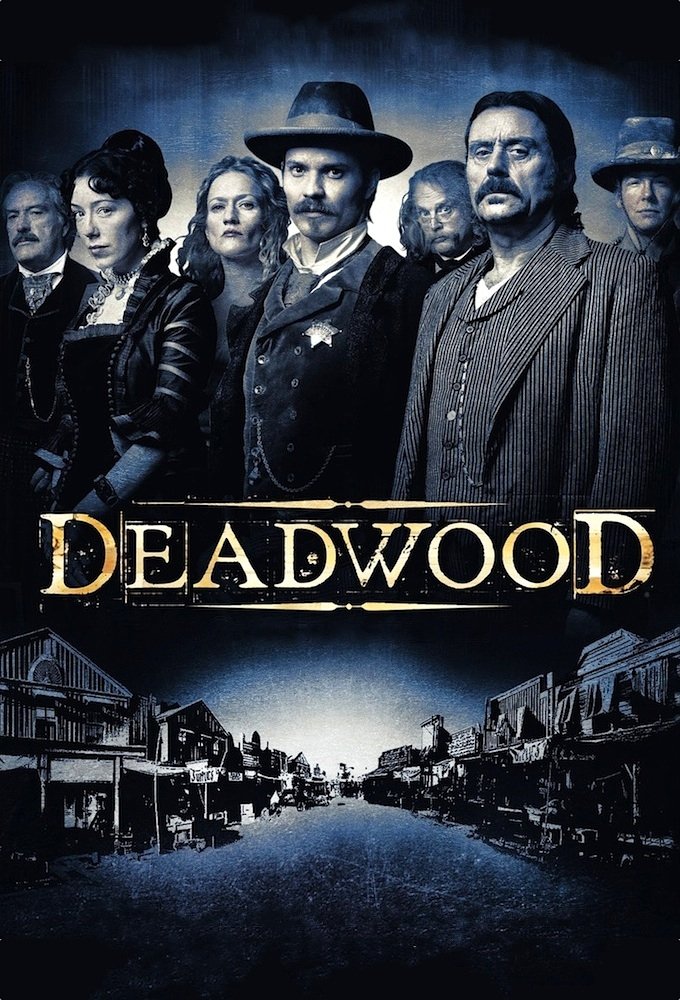
In a lawless mining camp in the 1870s, characters from all walks of life converge to seek their fortunes. The show depicts the raw formation of a society where gold determines the hierarchy. It explores how civilization is built through the interplay of capital, labor, and violence. The community includes everyone from wealthy prospectors to marginalized service workers struggling to survive.
‘Call the Midwife’ (2012–Present)
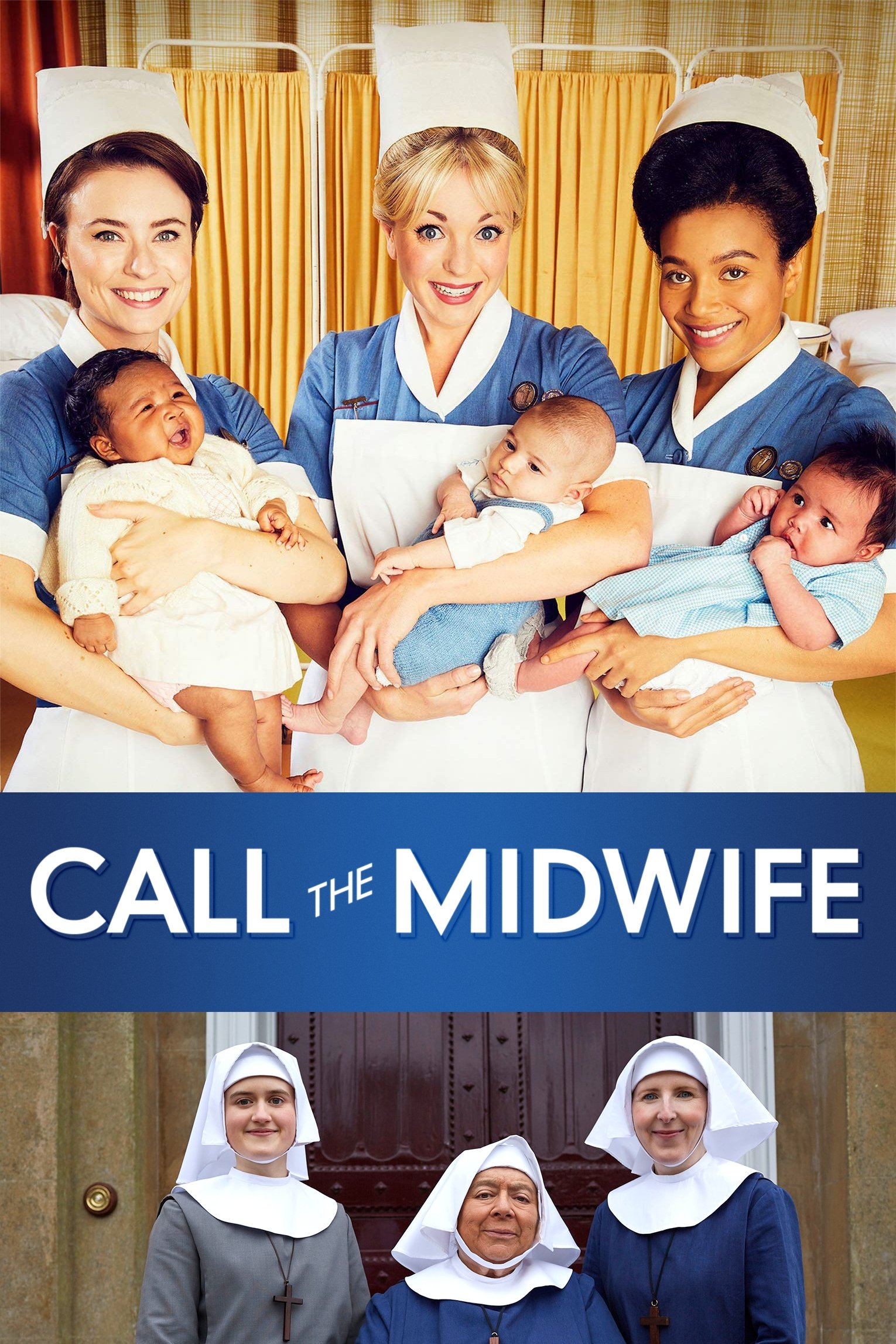
A group of nurse midwives works in the East End of London during the late 1950s and 1960s. The series focuses on the extreme poverty of the Poplar district and the resilience of its inhabitants. It highlights the disparity in healthcare access and living conditions compared to wealthier parts of London. The show treats the stories of the impoverished community with immense dignity and care.
‘Poldark’ (2015–2019)

Ross Poldark returns from the American War of Independence to find his father dead and his estate in ruins. The series follows his efforts to restore his family’s copper mines and his marriage to a kitchen maid. It explores the conflict between the landed gentry and the starving villagers who rely on the mines for survival. The narrative champions the rights of the working poor against the greed of the banking class.
‘North & South’ (2004)
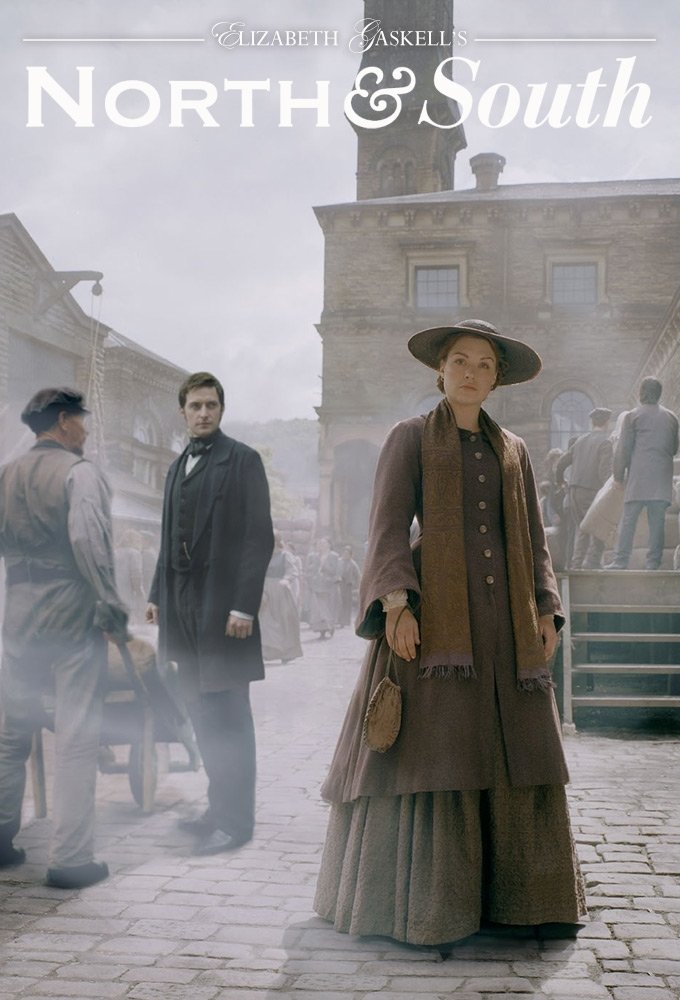
A privileged woman from southern England moves to an industrial northern town where she encounters a cotton mill owner. The miniseries adapts Elizabeth Gaskell’s novel exploring the clash between the leisurely genteel class and the self-made industrial class. It delves into the early labor union movements and the harsh conditions of factory work. The romance develops only as the characters learn to understand the validity of each other’s worlds.
‘Billions’ (2016–2023)
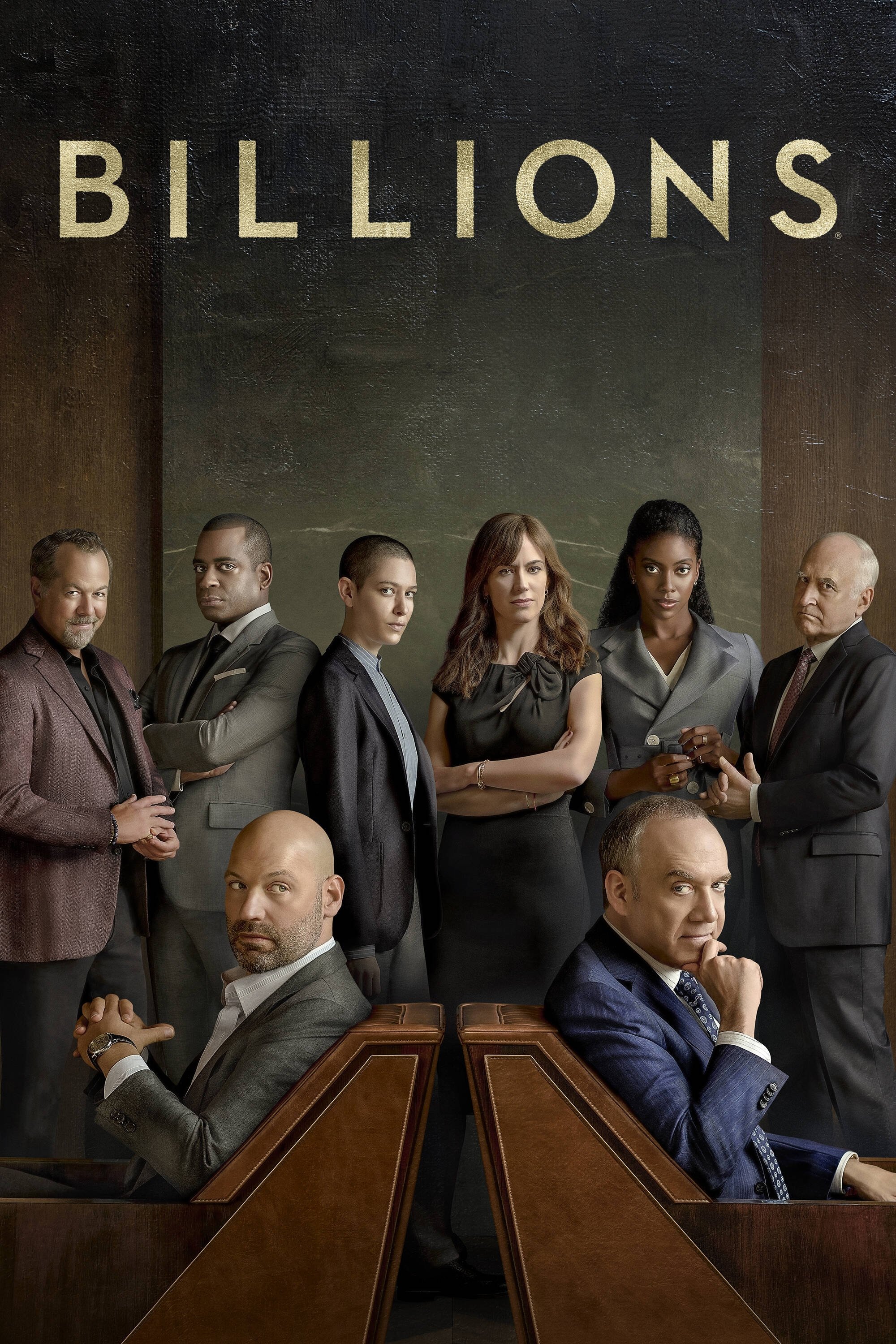
A shrewd U.S. Attorney engages in a high-stakes game of cat and mouse with a hedge fund king. The show delves into the world of extreme wealth where money is used as a weapon and a shield. It contrasts the public sector’s pursuit of justice with the private sector’s pursuit of profit. The series highlights how the ultra-rich live by a different set of rules than the rest of society.
‘Yellowstone’ (2018–Present)
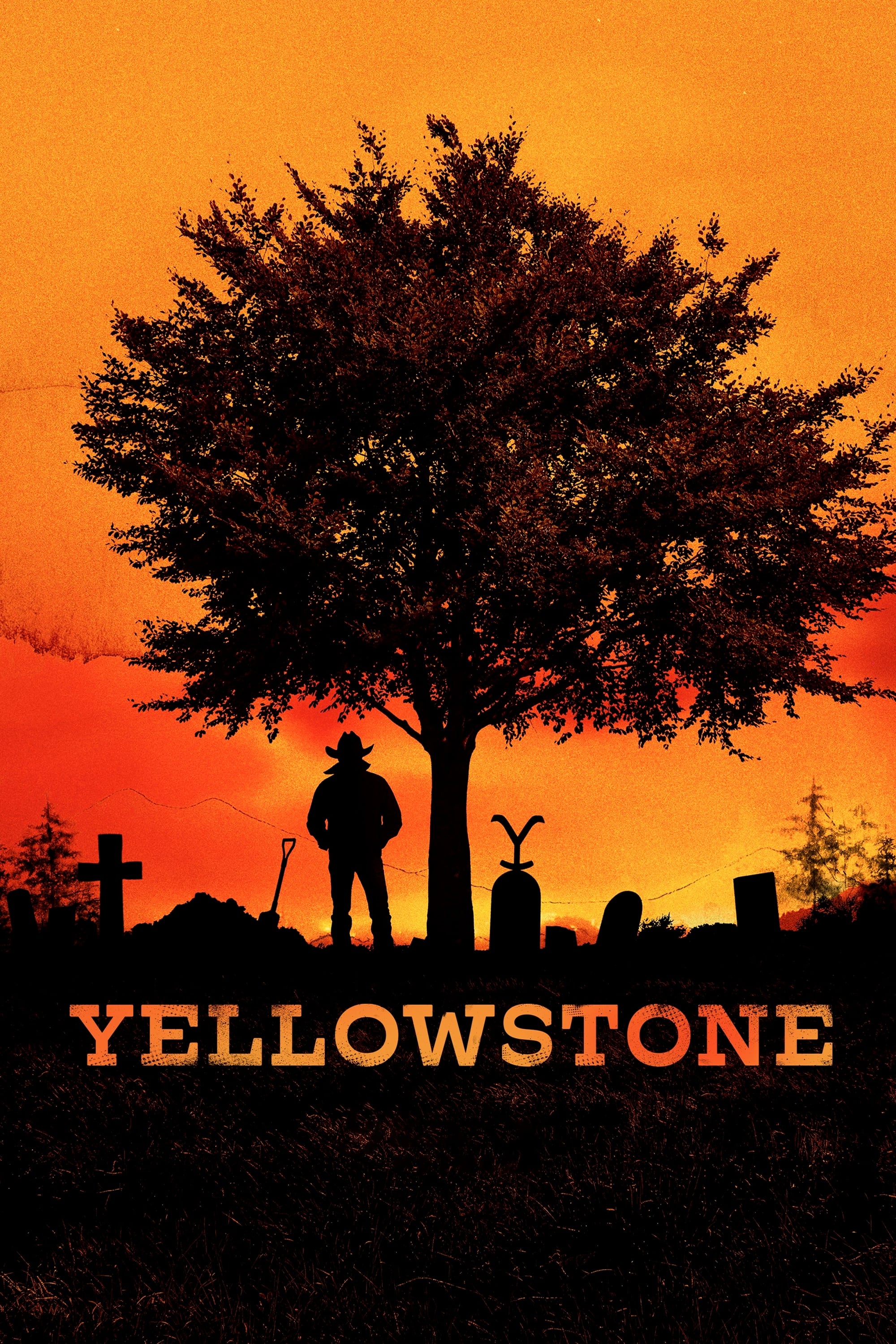
The Dutton family fights to defend their massive cattle ranch from land developers and an Indian reservation. The series explores the conflict between preserving a traditional way of life and the encroachment of modern capitalism. It depicts the wealthy ranch owners employing ranch hands who live and die by their loyalty to the brand. The narrative examines the ownership of land as the ultimate signifier of power.
‘Atlanta’ (2016–2022)

Two cousins navigate the Atlanta rap scene in an effort to improve their lives and the lives of their families. The show offers a surreal and poignant look at the hustle required to break out of poverty. It juxtaposes the reality of being broke with the perception of success in the music industry. The series frequently addresses the specific economic barriers faced by black Americans.
‘Pose’ (2018–2021)
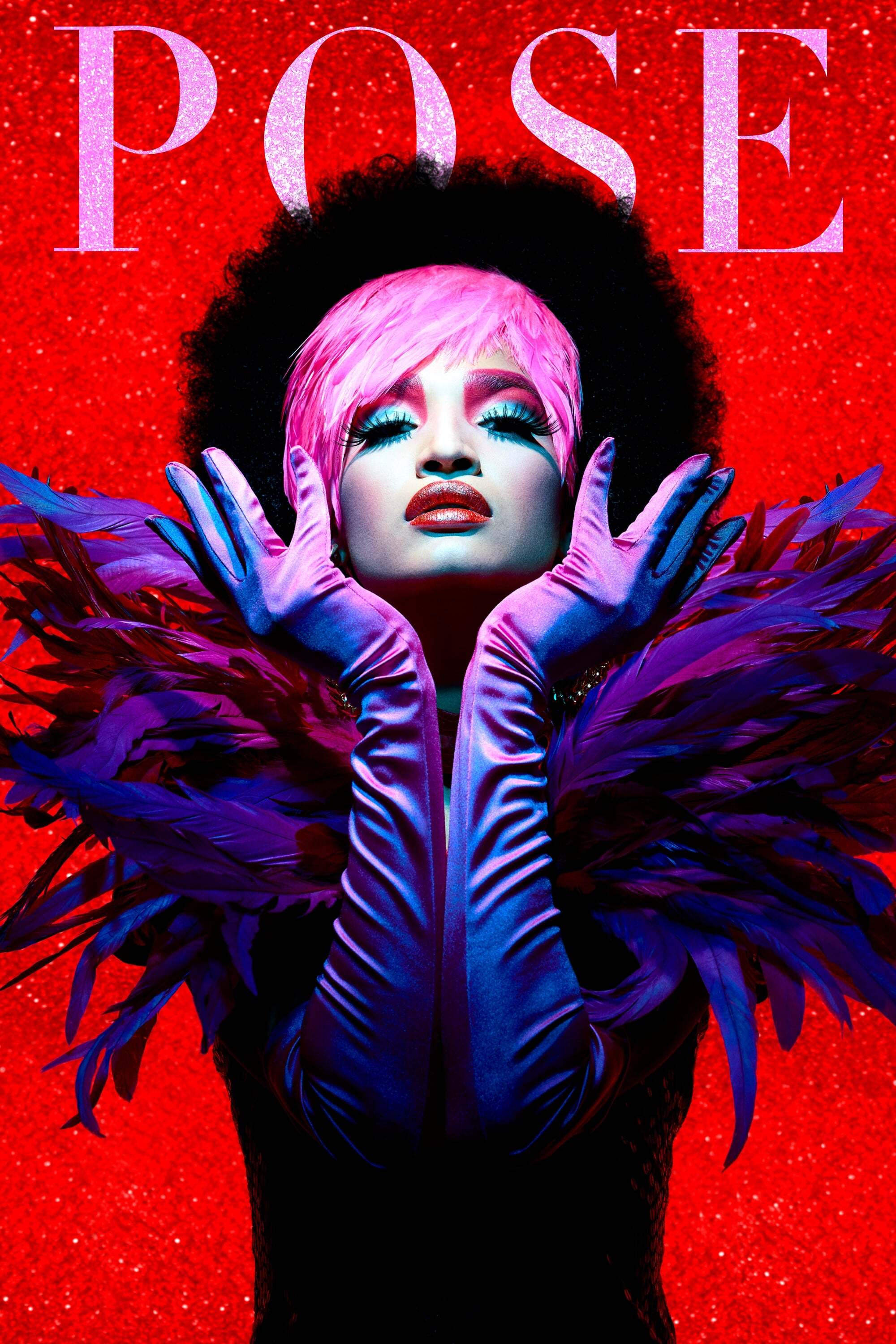
Set in the late 1980s and early 1990s, the series explores the juxtaposition of the African-American and Latino ball culture with the luxury of the Trump era. It highlights the community built by LGBTQ+ individuals who were often rejected by their families and society. The show contrasts the glamour of the ballroom categories with the poverty and health crises faced by the participants. It is a celebration of found families creating their own status systems.
‘Industry’ (2020–Present)

Young graduates from diverse backgrounds compete for permanent positions at a prestigious investment bank in London. The series exposes the elitism inherent in the world of high finance and how class background affects confidence and capability. Characters mask their origins to fit in or use them to gain a unique advantage. It depicts the high-pressure environment where financial success is the only metric that matters.
‘My Brilliant Friend’ (2018–2024)

This Italian drama follows the friendship of two girls growing up in a poor neighborhood in Naples. It traces their diverging paths as one continues her education while the other remains trapped in their violent surroundings. The series serves as a deep sociological study of how education and marriage offer different routes out of poverty. It captures the struggle to transcend one’s origins while remaining tethered to them.
‘The Marvelous Mrs. Maisel’ (2017–2023)

A wealthy Upper West Side housewife discovers a talent for stand-up comedy after her marriage collapses. The show contrasts her sheltered, affluent upbringing with the gritty reality of the downtown comedy club scene. Midge navigates the expectations of her high-society parents while working alongside struggling artists. It highlights the freedom and uncertainty that comes with stepping out of a gilded cage.
‘Hacks’ (2021–Present)

A legendary Las Vegas comedian is forced to hire a young, entitled comedy writer to freshen up her act. The series explores the generational and economic divide between the wealthy, established star and the gig-economy writer. Both women learn to respect the different struggles they have faced to succeed in a male-dominated industry. It is a sharp look at the precarious nature of show business at every level.
‘Arrested Development’ (2003–2019)
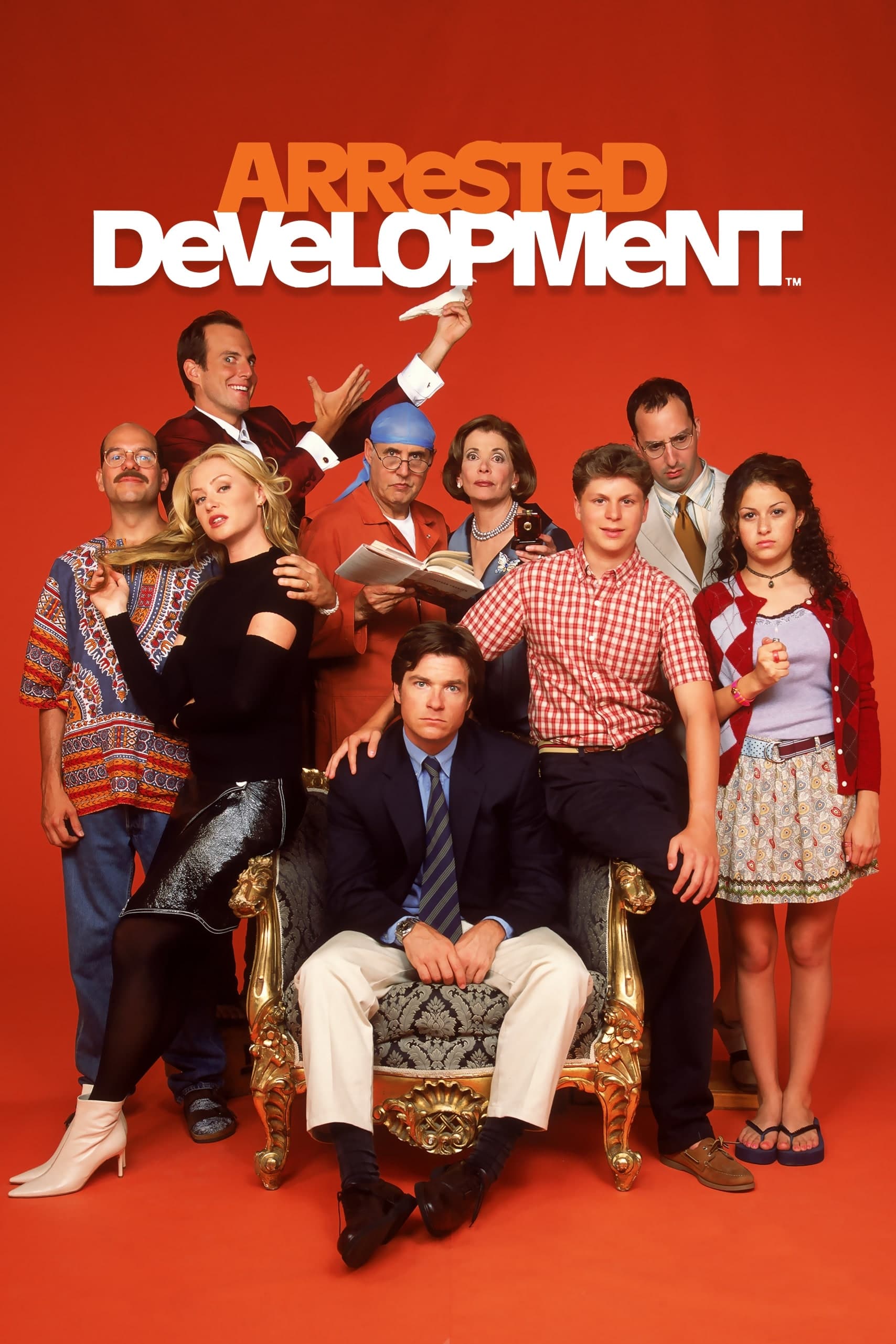
The Bluth family, accustomed to a lavish lifestyle, must adapt when their father is arrested and their assets are frozen. The documentary-style sitcom mocks the family’s inability to understand the value of a dollar or how the real world functions. Michael Bluth attempts to keep the family together despite their selfish and materialistic tendencies. It serves as a hilarious critique of the incompetence often shielded by wealth.
‘Boardwalk Empire’ (2010–2014)
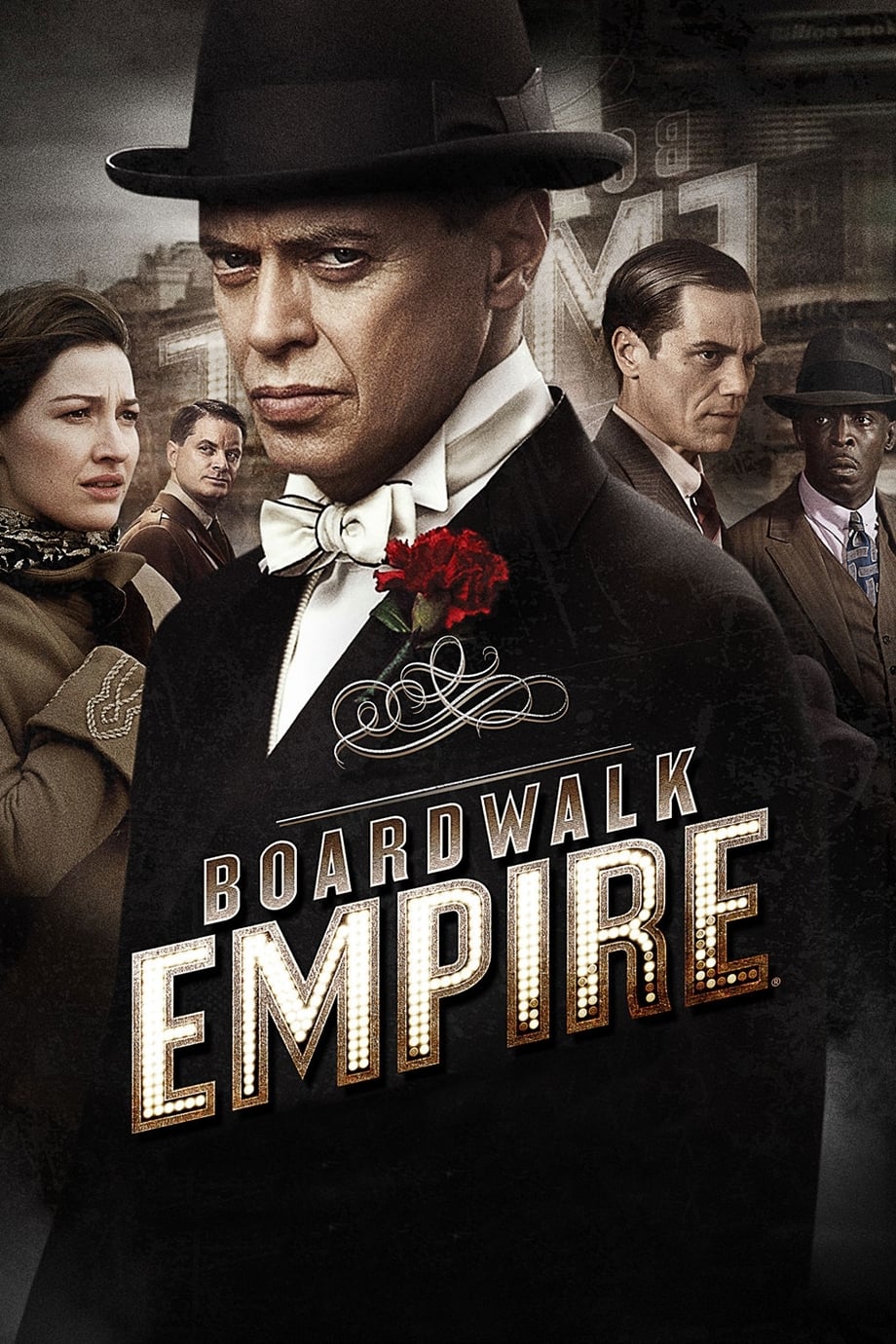
Nucky Thompson rules Atlantic City during the Prohibition era as both a politician and a gangster. The series depicts the fluidity of power where criminal wealth can purchase political legitimacy. It explores the lives of immigrants, laborers, and showgirls alongside the powerful men who control the city. The narrative illustrates how the American Dream was often chased through illicit means.
‘Friday Night Lights’ (2006–2011)

In the small town of Dillon, Texas, high school football is the community’s central obsession. The show realistically portrays the economic struggles of a town dependent on a declining local economy. It highlights how athletic scholarships are viewed as the only ticket out for many of the players. The series treats the hopes and disappointments of its working-class characters with immense respect.
‘Severance’ (2022–Present)

Employees at a biotech corporation undergo a procedure to surgically divide their memories between their work and personal lives. The series serves as a metaphor for the extreme alienation of modern labor practices. It explores the power imbalance between the shadowy board of directors and the workers who have no memory of their outside rights. The show questions the morality of selling one’s consciousness for a paycheck.
Tell us which of these series you found most compelling in the comments.