


TV Series That Filmed Alternate Endings for DVD Extras

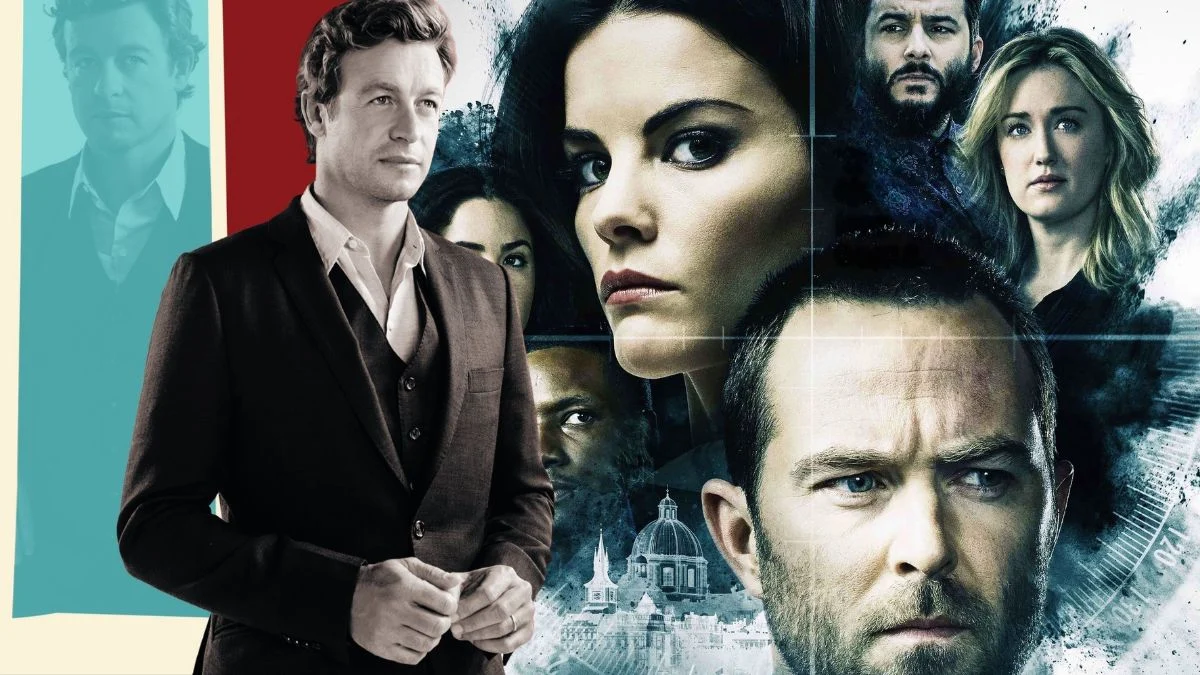


The introduction of physical media such as DVDs and Blu-rays transformed how audiences consume television, offering more than just the episodes aired on broadcast networks. Showrunners and producers began including special features that gave fans a glimpse into the creative process, often revealing storylines that were considered but ultimately discarded. Among these bonus features, filmed alternate endings stand out as the most intriguing, offering a window into parallel universes where beloved characters meet vastly different fates. From sitcoms to gritty dramas, these “what if” scenarios range from minor tonal shifts to radical departures that would have rewritten television history.
‘How I Met Your Mother’ (2005–2014)
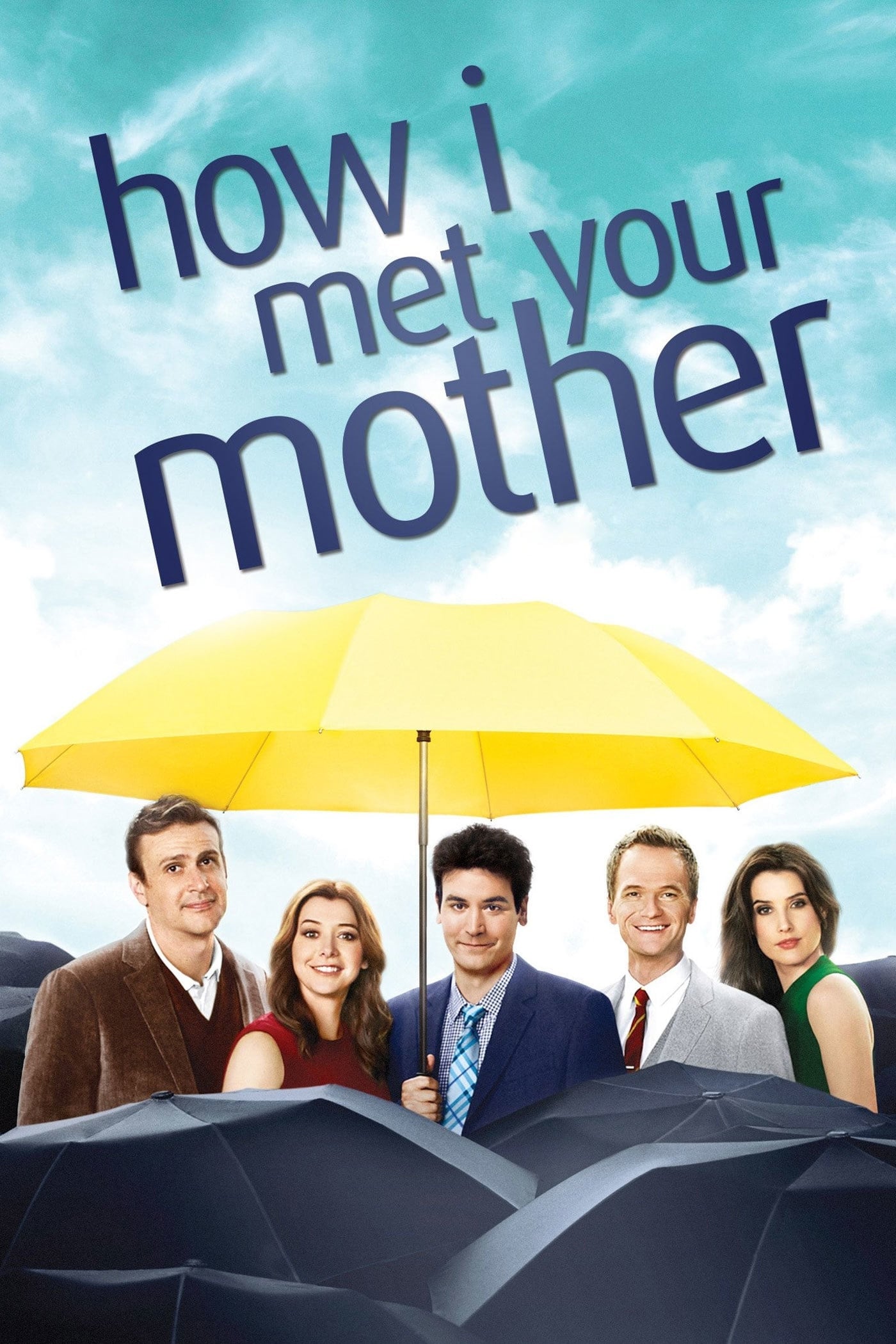
The broadcast finale of this long-running sitcom remains one of the most divisive conclusions in television history, with the titular mother passing away and Ted pursuing Robin. In response to the backlash, the DVD box set included an official alternate ending that many fans prefer. This version edits the final events to remove the mother’s terminal illness and the subsequent romantic pivot. Instead, the series concludes with the poignant train station meeting between Ted and Tracy, implying they lived a long, happy life together. It offers the traditional fairytale ending that the show’s title originally promised.
‘Breaking Bad’ (2008–2013)
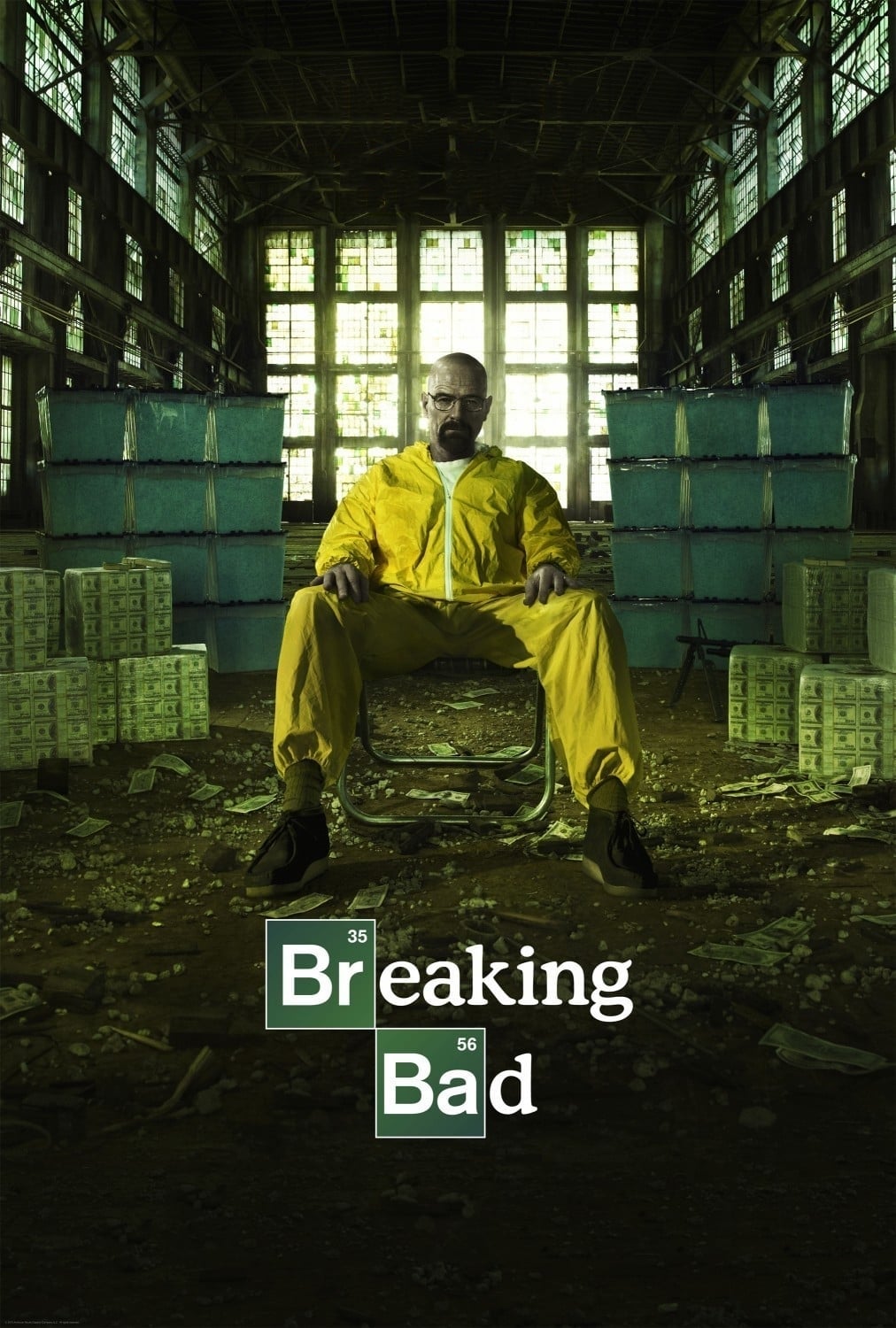
While the aired finale brought Walter White’s criminal journey to a definitive and bloody close, the DVD set features a wildly different, comedic conclusion. In a nod to Bryan Cranston’s previous role, the alternate ending reveals the entire series was a nightmare had by Hal from ‘Malcolm in the Middle’. Hal wakes up next to his wife, Lois, terrified by his dream of being a meth dealer and killing people. It serves as a brilliant meta-joke that alleviated the tension of the gritty drama. This “Newhart”-style ending became an instant viral hit among fans.
‘Seinfeld’ (1989–1998)
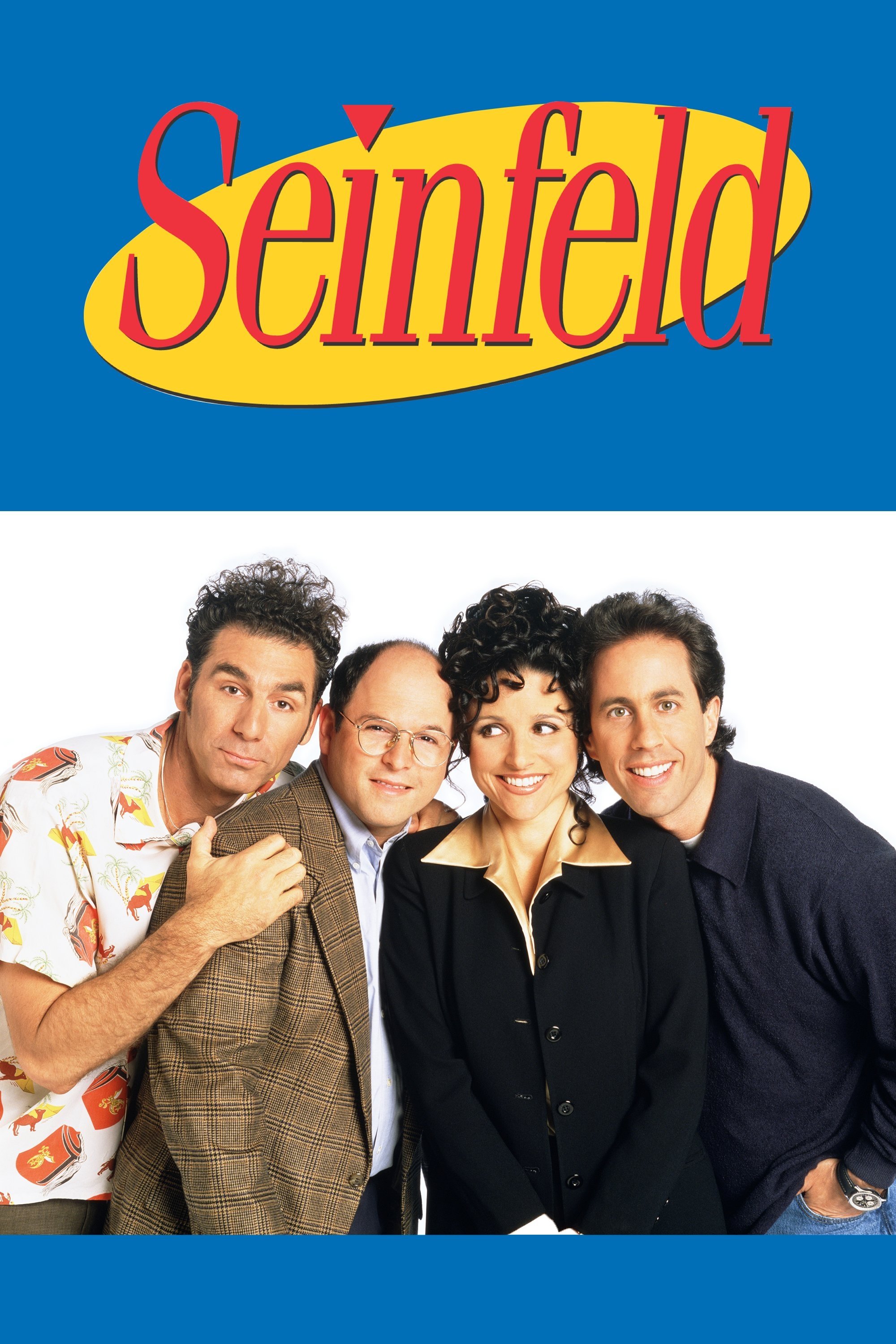
The two-part finale of this iconic sitcom famously ended with the four main characters being sentenced to prison for violating a “Good Samaritan” law. However, the production team filmed a version where the jury returns with a “not guilty” verdict. In this alternate take, Jerry and the gang are free to leave the courtroom, untouched by consequences, which would have allowed them to continue their selfish lives interrupted. This unused footage appears on the DVD, showing a world where the group learns absolutely nothing. It stands in stark contrast to the punitive ending that aired.
‘Sex and the City’ (1998–2004)

To prevent spoilers from leaking to the paparazzi, the producers of this HBO hit filmed three different endings for the series finale. While the aired version sees Carrie Bradshaw reuniting with Mr. Big in Paris, the DVD extras reveal two other outcomes. One version depicts Carrie returning to New York City alone, embracing her life as a single woman surrounded by friends. Another shows her committing to the Russian artist Aleksandr Petrovsky, deciding to stay in Paris. These decoys highlight how uncertain Carrie’s romantic fate truly was until the final edit.
‘The Hills’ (2006–2010)
This reality series was often accused of being scripted, and the DVD alternate ending leaned heavily into that speculation. In the broadcast finale, Kristin Cavallari says goodbye to Brody Jenner before driving off, signifying a dramatic breakup. The alternate ending pulls the camera back to reveal the entire scene was filmed on a studio backlot with actors and a green screen. It shattered the fourth wall completely, confirming the show’s artificial nature to the audience. This meta-ending was a playful acknowledgment of the rumors that had dogged the production for years.
’24’ (2001–2010)
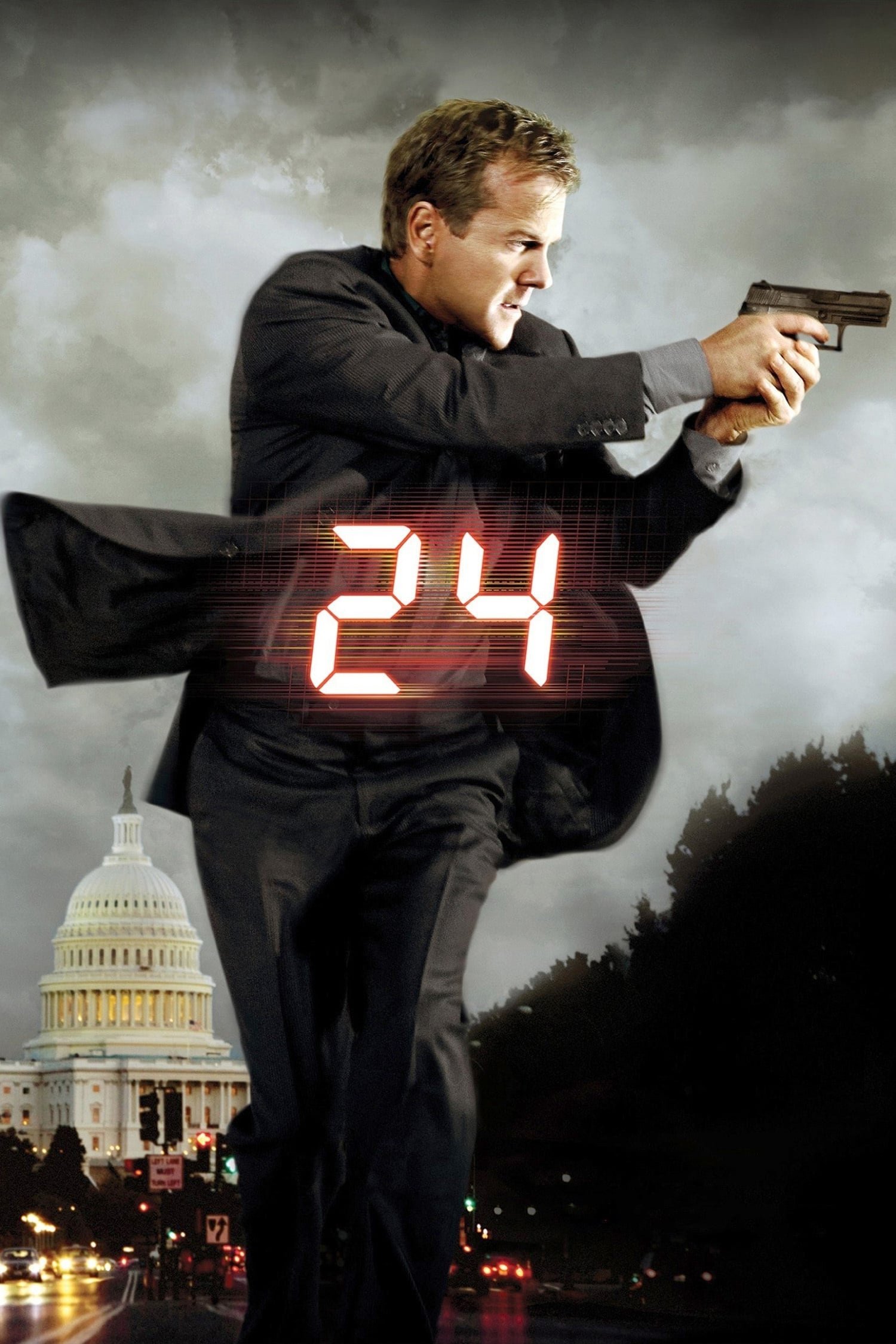
The first season of this real-time thriller ends on a devastating note with the death of Jack Bauer’s wife, Teri. However, the producers filmed a happier conclusion where Teri survives the day’s traumatic events. In this DVD alternate, Jack and his daughter Kim are reunited with Teri, providing a traditional Hollywood happy ending. The showrunners ultimately decided the tragic ending would better establish the show’s high stakes and Jack’s tragic hero arc. Choosing the darker path set the tone for the rest of the relentless series.
‘Lost’ (2004–2010)
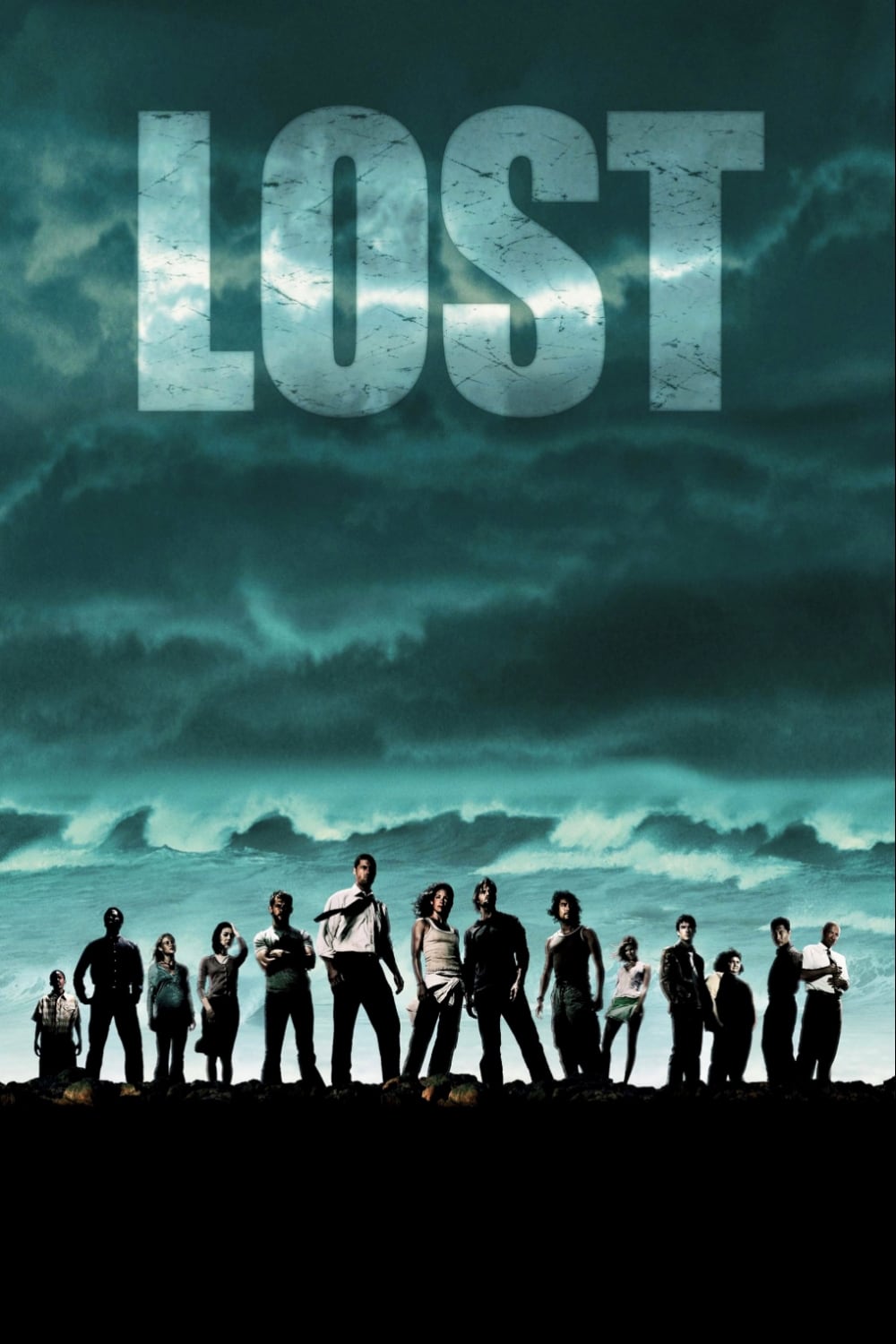
During the season four finale, the show revealed a flash-forward of a character in a coffin, a mystery that drove the plot for the subsequent year. To protect the secret of who was inside, the production filmed three different versions of the scene. The DVD extras show alternate takes where the person in the coffin is revealed to be Desmond Hume or Sawyer, instead of John Locke. These decoys were essential for maintaining secrecy in the age of internet spoilers. Watching them offers a strange glimpse into how the narrative momentum would have shifted had a different character died.
‘Jericho’ (2006–2008)
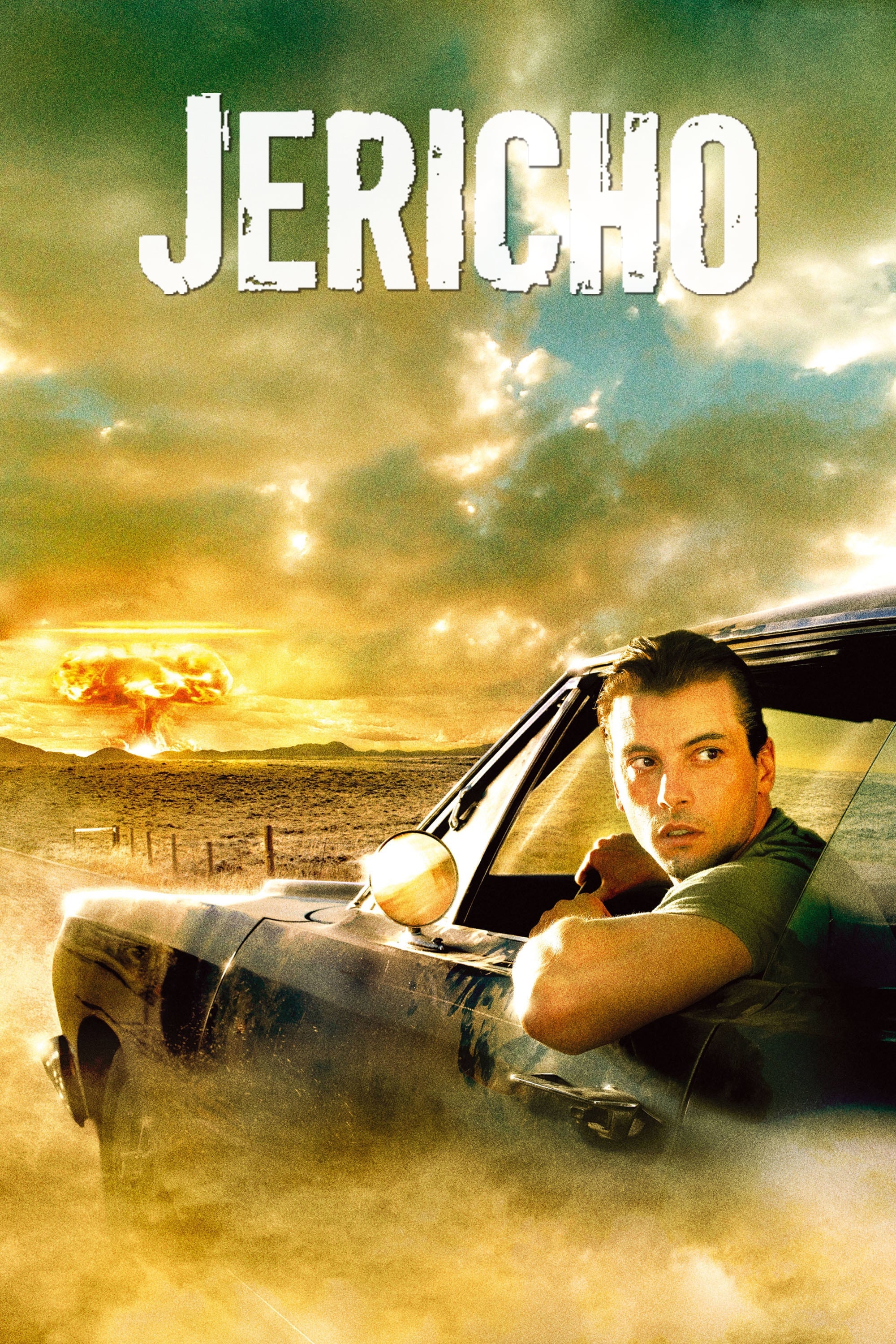
Facing cancellation after its first season, the producers of this post-apocalyptic drama filmed two different endings for the season finale. One version, the “series finale” cut, featured a hopeless last stand where the town’s defenders are presumably wiped out. The other version, which aired after a massive fan campaign saved the show, ends with the arrival of the new flag and a setup for a second season. The DVD includes the darker contingency ending, showing just how close the story came to a abrupt, tragic halt. It remains a testament to the power of fan engagement.
‘Veronica Mars’ (2004–2007)
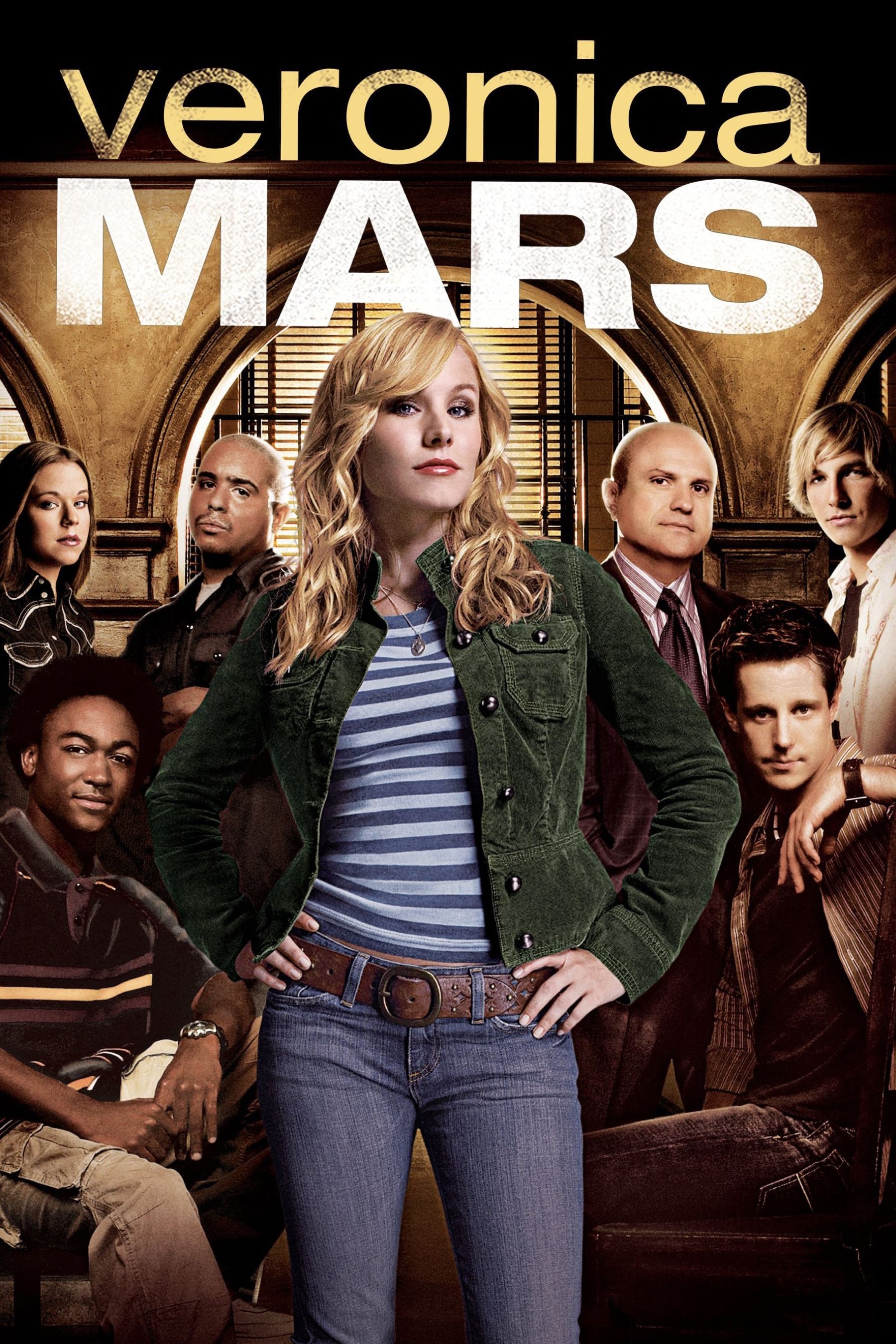
Unsure if the show would be renewed for a fourth season, creator Rob Thomas shot a concept presentation that doubled as a potential time-jump ending. Included on the DVD, this footage shows Veronica years later as a rookie FBI agent, leaving the noir setting of Neptune behind. It was intended to pitch a new direction for the series to the network executives. Although the show was cancelled, this “FBI ending” gave fans a look at a mature version of the character long before the eventual movie and revival series.
‘Friends’ (1994–2004)
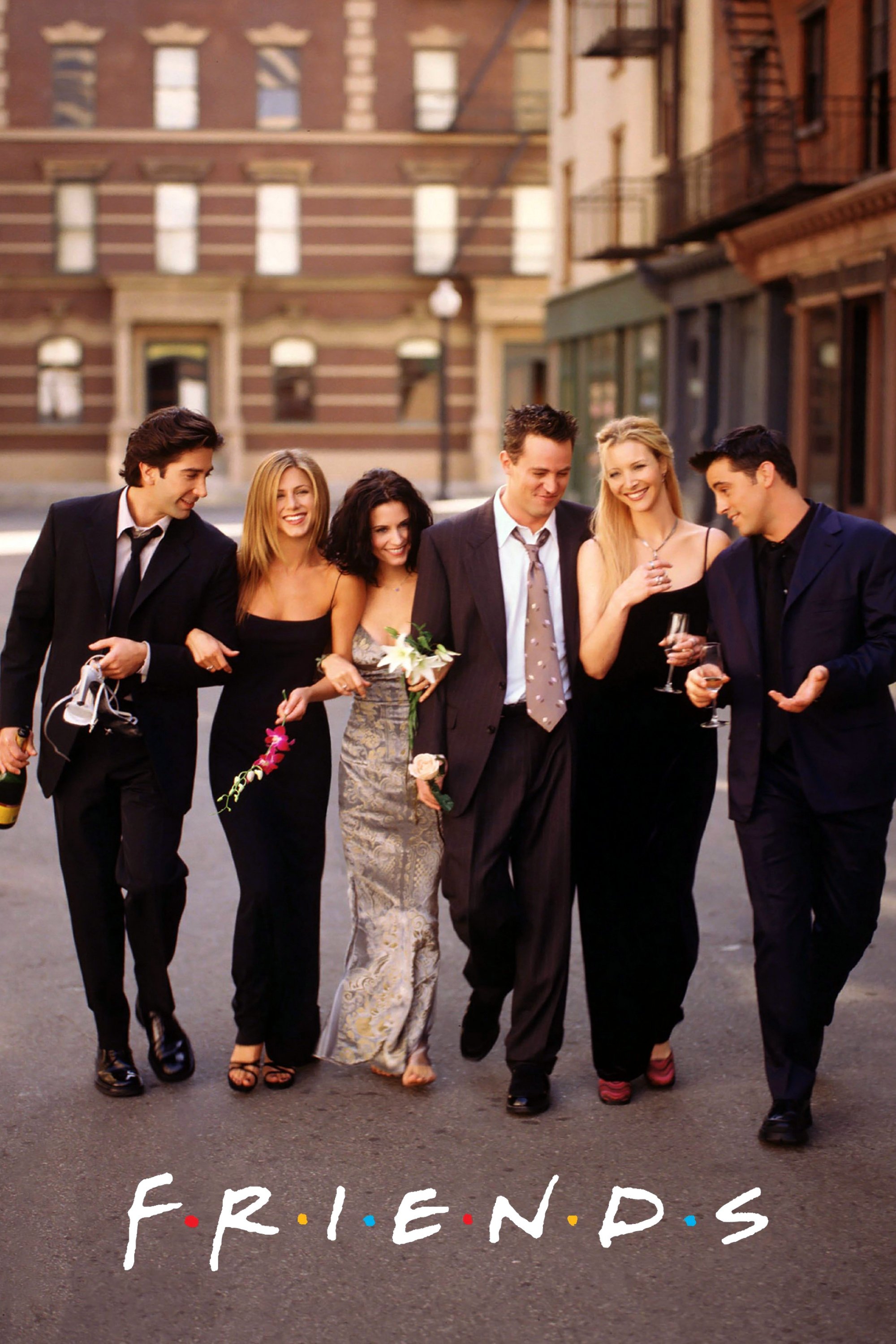
While not a series finale, the season four cliffhanger where Ross says the wrong name at the altar had a filmed alternative to hide the twist. To prevent the live studio audience or leaks from spoiling the moment, a version was filmed where Ross correctly says “I take thee, Emily.” This alternate take, available on home release features, shows a wedding that goes off without a hitch. It lacks the dramatic punch that defined the next season’s arc. The existence of this scene proves how protective the show was of its massive plot points.
‘Psych’ (2006–2014)
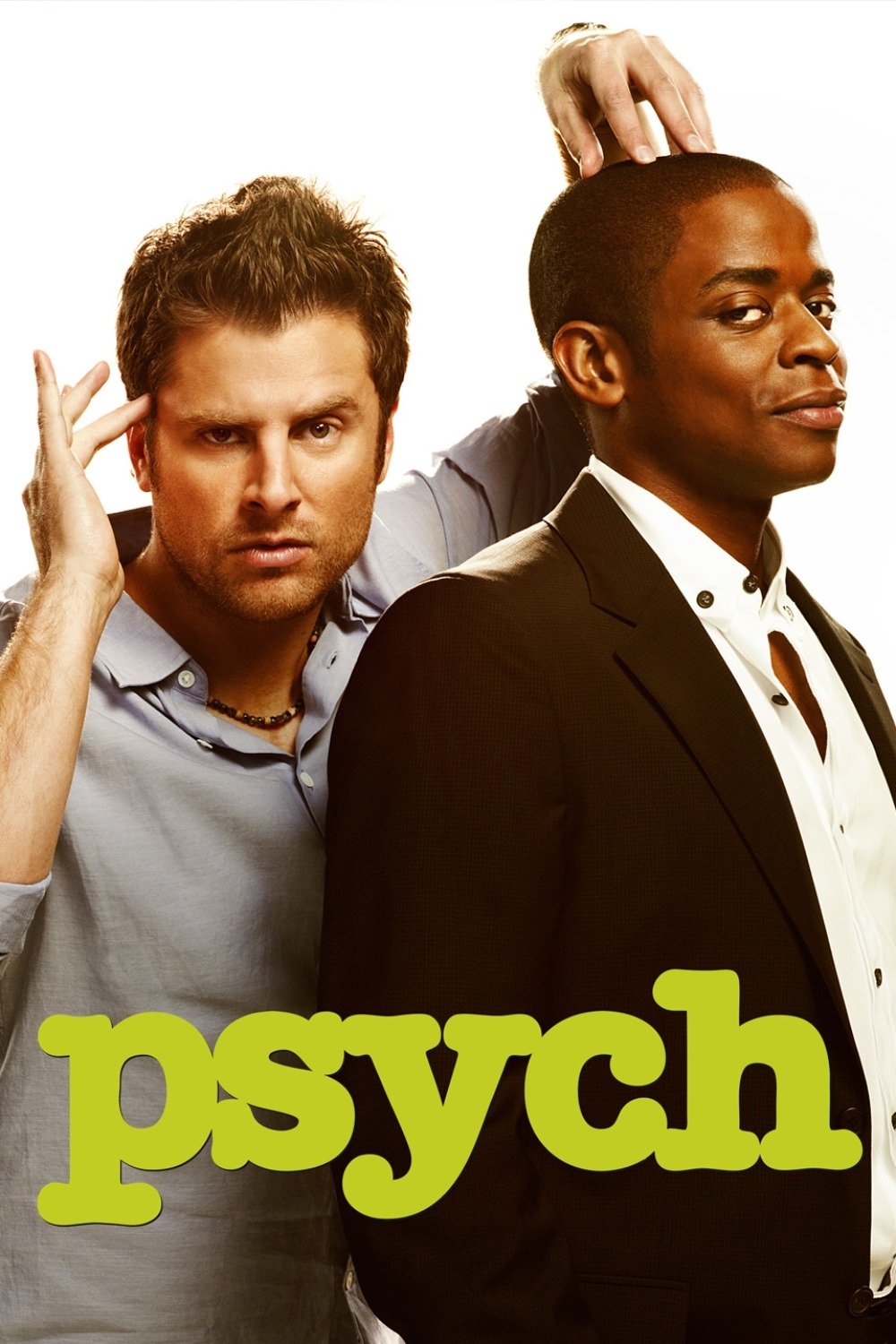
For the 100th episode, titled ‘100 Clues’, the show paid homage to the movie ‘Clue’ by allowing East and West Coast audiences to vote for who the killer was. The DVD release includes all three potential endings, featuring different culprits and explanations. Viewers can watch the “Butler did it” ending, the “Groupie did it” ending, or the aired version. Each conclusion was fully scripted and filmed to accommodate the live voting gimmick. This interactive element made the home video release a complete package of the mystery.
‘The Simpsons’ (1989–Present)
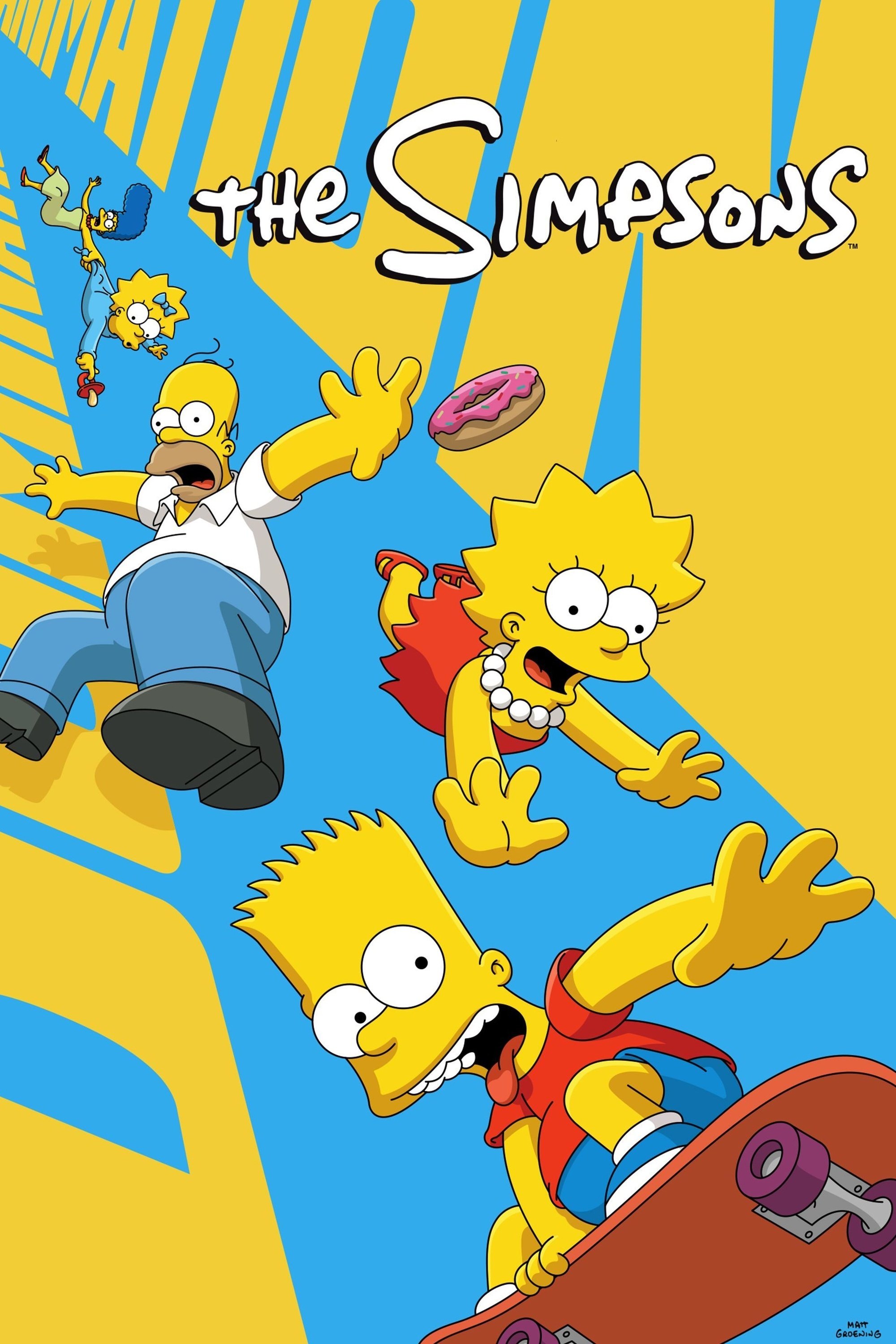
The “Who Shot Mr. Burns?” two-part episode was a massive pop culture event, and the writers wanted to ensure the culprit’s identity remained a secret. To throw off staff and leakers, they animated alternative endings where different characters shot the tycoon. The DVD commentary and extras reveal clips where Smithers, Apu, and even Santa’s Little Helper are the shooters. These fully produced segments were created solely to preserve the mystery. They stand as a rare example of animation producing decoy footage.
‘Dawson’s Creek’ (1998–2003)
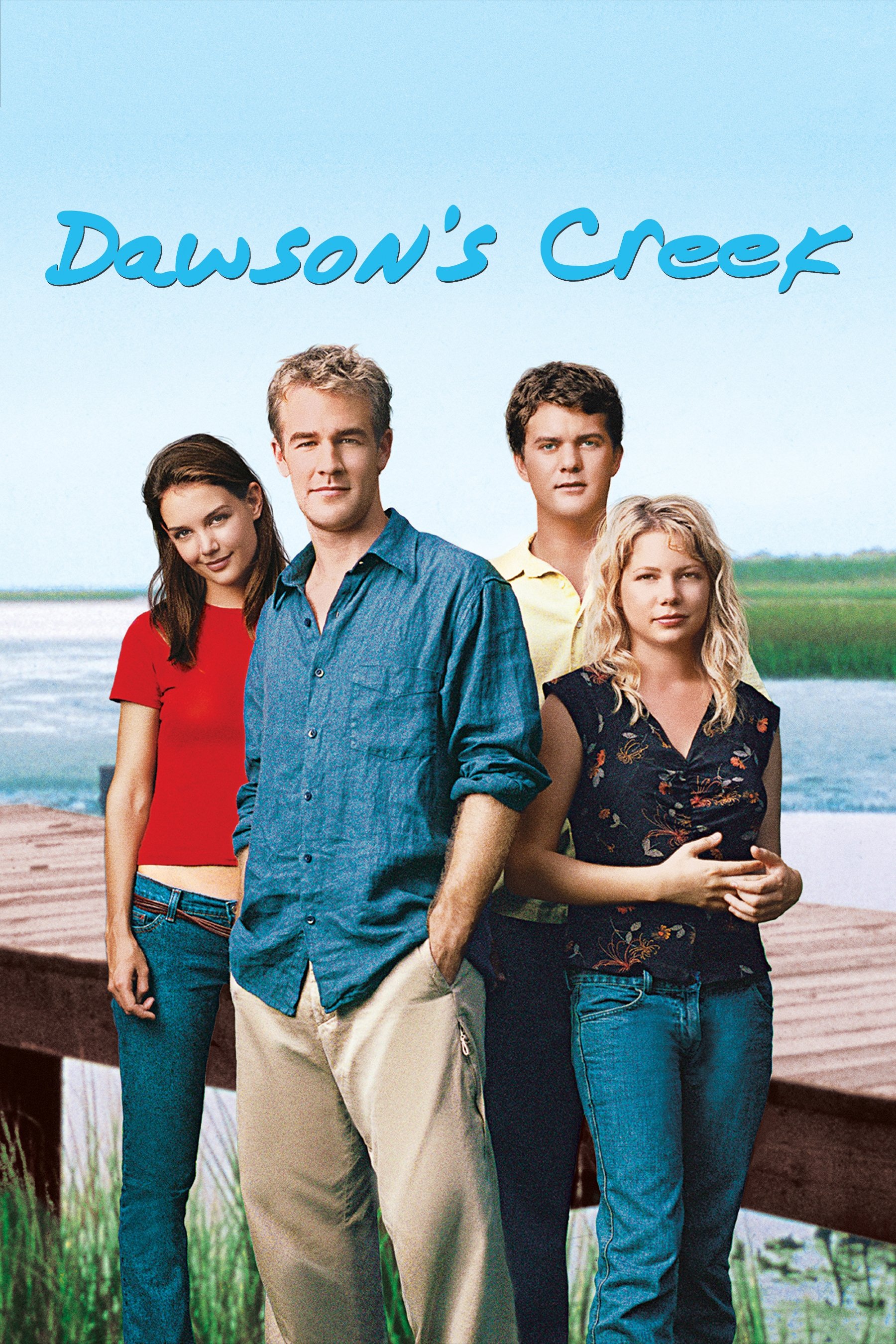
The series finale famously sees Joey Potter choosing Pacey Witter over the title character, Dawson Leery. However, the original script and initial plan had Joey ending up with Dawson, and scenes reflect this original intent before the writers changed their minds halfway through writing the finale. While a fully finished “Dawson ending” wasn’t broadcast, the DVD commentary and deleted scenes discuss and show the path not taken. The creators admitted that the logic of the show demanded the Pacey pairing, despite the show’s title. The home release explores how close the “soulmates” came to the traditional ending.
‘Hannah Montana’ (2006–2011)

The Disney Channel series filmed a significantly different emotional beat for its finale, available on the DVD. The broadcast version features Miley and Lilly going to college together, a heartwarming confirmation of their friendship. The alternate DVD ending features a young Miley Cyrus in a flashback sequence, singing to her dolls, suggesting the entire series was a childhood fantasy or memory. It provides a more surreal and sentimental bookend to the franchise. This version leans heavily into the meta-narrative of the child star growing up.
‘The Killing’ (2011–2014)
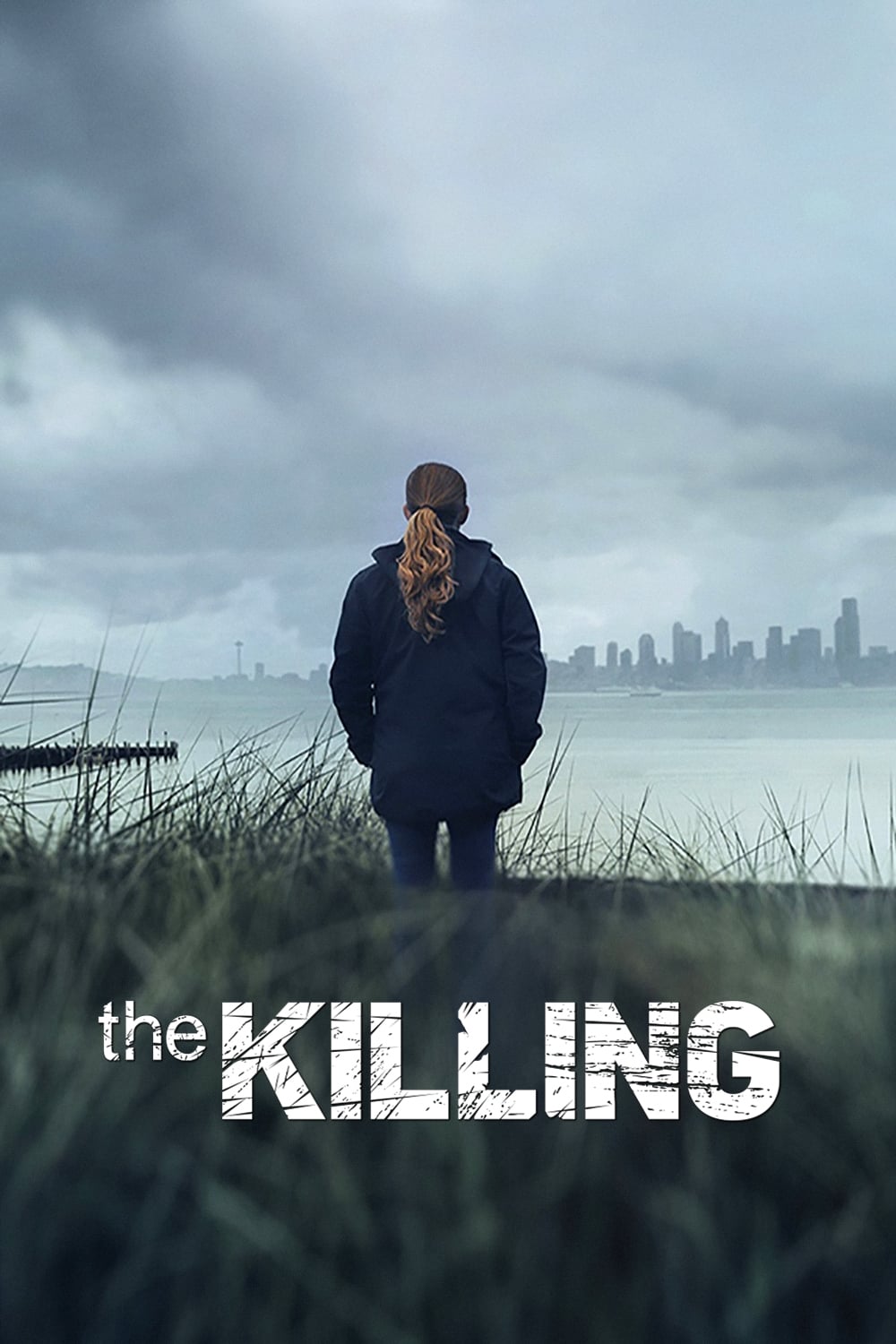
To protect the identity of Rosie Larsen’s killer in the season one finale, the production filmed three different suspects committing the crime. The DVD extras include scenes where characters other than the true culprit are shown to be the murderer. These were used to confuse the cast and crew and to have options in the editing room. It highlights the lengths the crime drama went to in order to maintain its gloomy suspense. Seeing the alternate reveals changes the viewer’s perspective on the characters’ potential for violence.
‘Dallas’ (1978–1991)
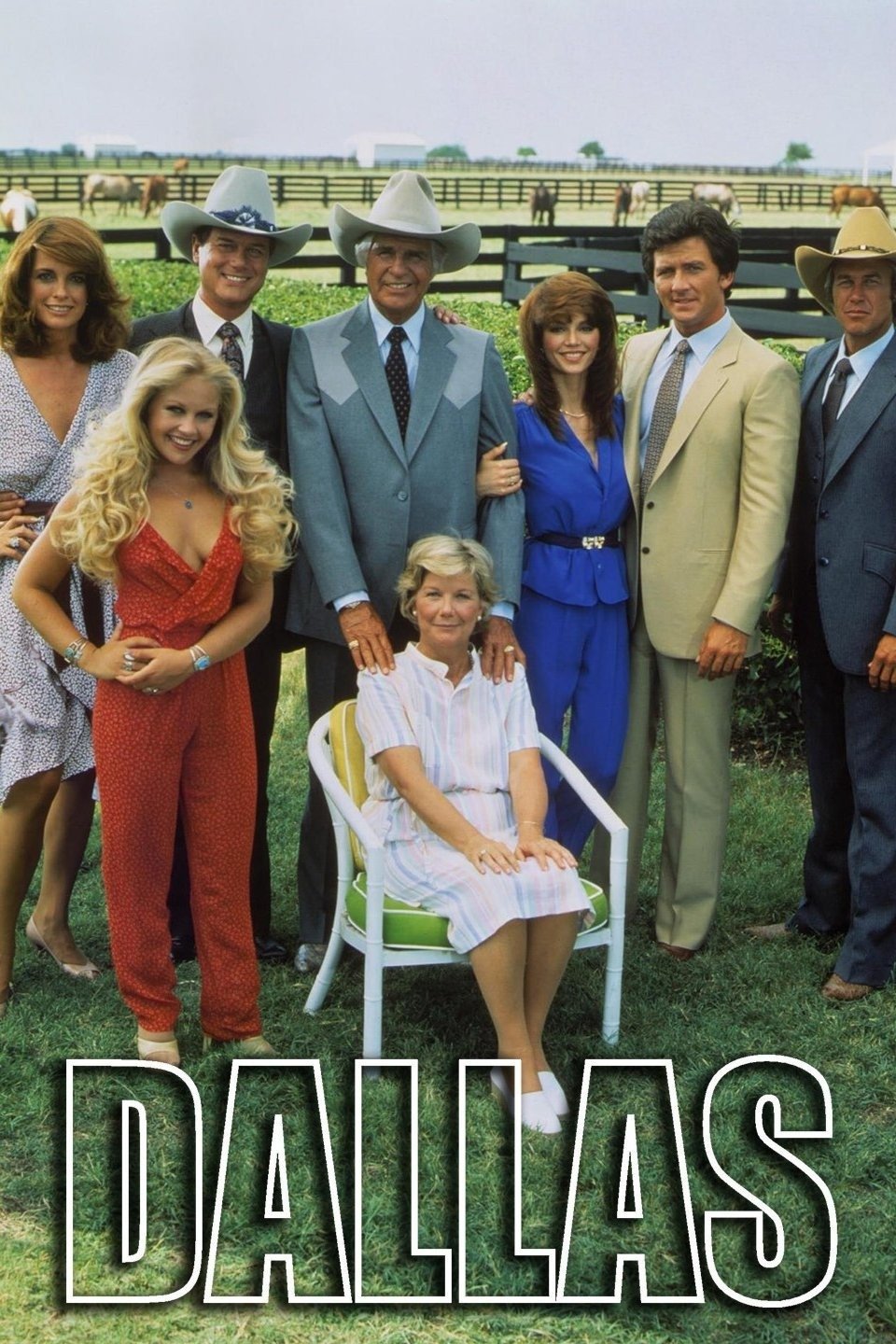
During the “Who Shot J.R.?” phenomenon, the show needed to ensure the secret didn’t leak during the hiatus. The producers filmed multiple scenes with different cast members shooting the oil tycoon. The home media collections later revealed these alternate takes, showing everyone from Sue Ellen to unexpected side characters pulling the trigger. These clips are a piece of television history, representing the first major use of filmed decoys for spoiler protection. They serve as a fascinating look at how the mystery could have been resolved.
‘Homeland’ (2011–2020)

The season one finale sees Nicholas Brody’s suicide vest malfunction, sparing his life and allowing the series to continue his arc. However, the showrunners weren’t sure if the network would want Brody to survive, so they filmed a contingency ending where the vest detonates. This alternate conclusion would have ended Brody’s story after just one season, radically changing the show’s future. The DVD extras discuss this path, which would have turned the series into an anthology or a completely different thriller. Keeping Brody alive became central to the show’s acclaim in early seasons.
‘Magnum, P.I.’ (1980–1988)
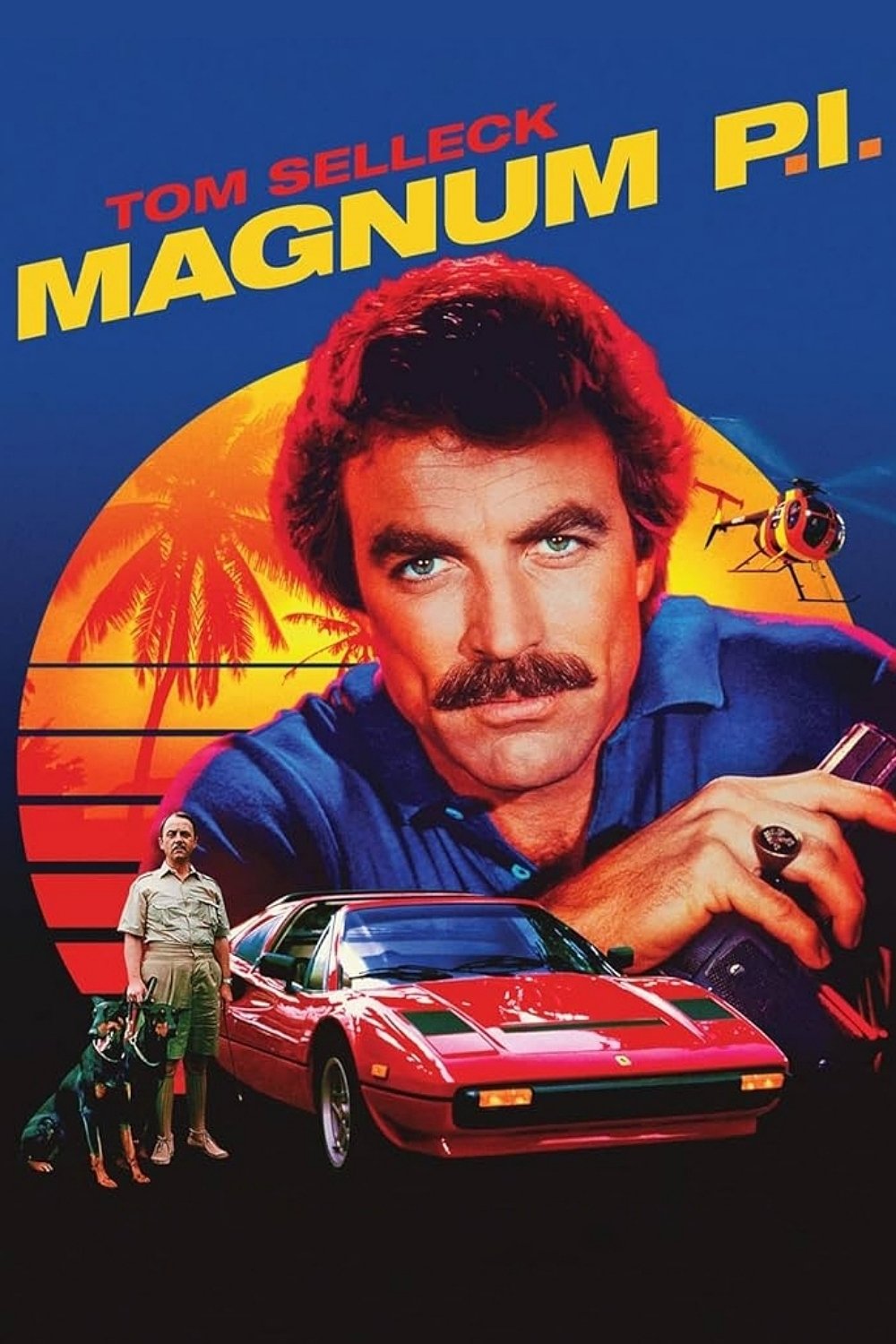
At the end of the seventh season, Thomas Magnum was intended to die, and a finale was filmed where he ascends to heaven. This was supposed to be the definitive end of the series, but the network renewed the show for a final eighth season. The “Limbo” ending was edited to allow him to survive, but the original death sequence is part of the show’s history and home media discussions. The true series finale a year later gave him a much more grounded conclusion. The “death” ending remains a fascinating artifact of contract negotiations.
‘Gilligan’s Island’ (1964–1967)
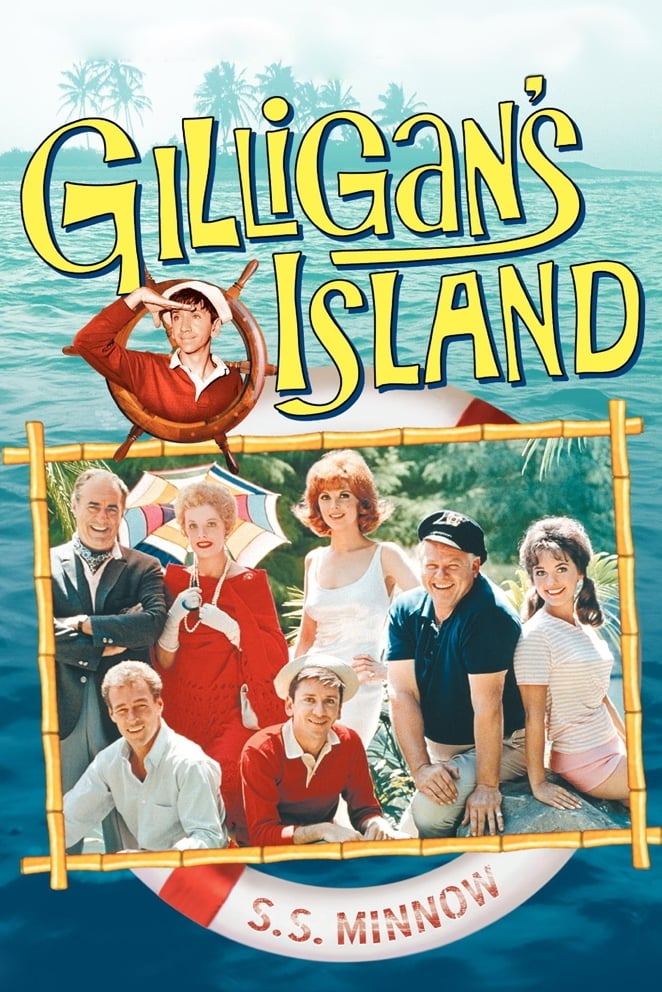
Most viewers assume the castaways remained stranded forever, but a rescue scene was actually filmed. After the first season, the network considered cancelling the show, so the creator shot a sequence where the castaways return to civilization. This was a contingency to provide closure if the show didn’t come back. Since the series was renewed, the rescue never aired and the characters remained on the island. The footage, included in special features, shows a rare glimpse of the castaways reintegrating into society.
‘Sledge Hammer!’ (1986–1988)
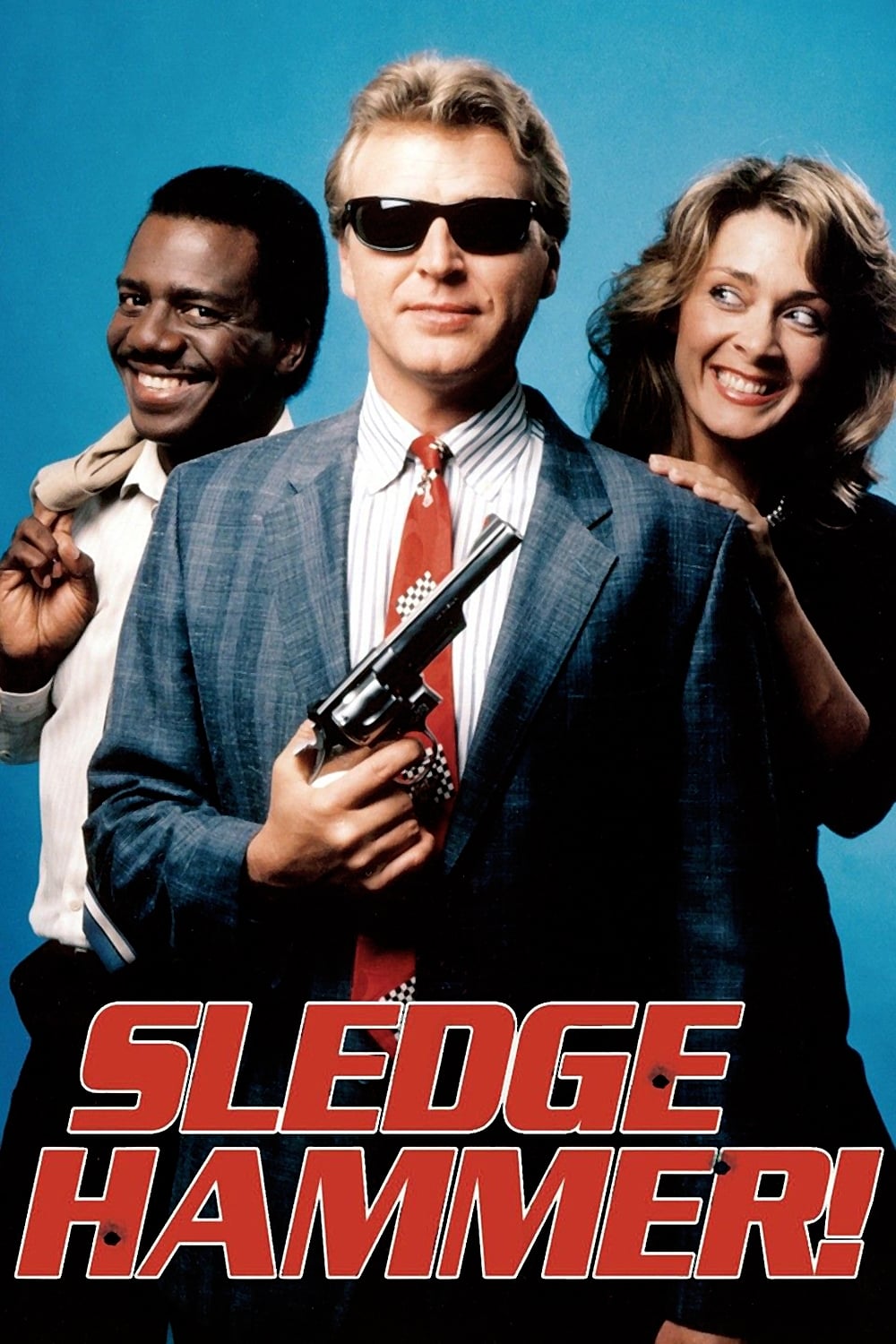
The season one finale of this satirical cop show was designed to be a series ender, featuring the protagonist accidentally nuking the city. When the show was unexpectedly renewed, the second season had to explain that the previous episode was a prequel to the first season. The DVD contains the original context of the nuclear ending, intended as a dark, final joke. It represents one of the most audacious ways a sitcom has ever attempted to sign off. The renewal forced a creative narrative loop that fans still discuss.
‘Twin Peaks’ (1990–1991)
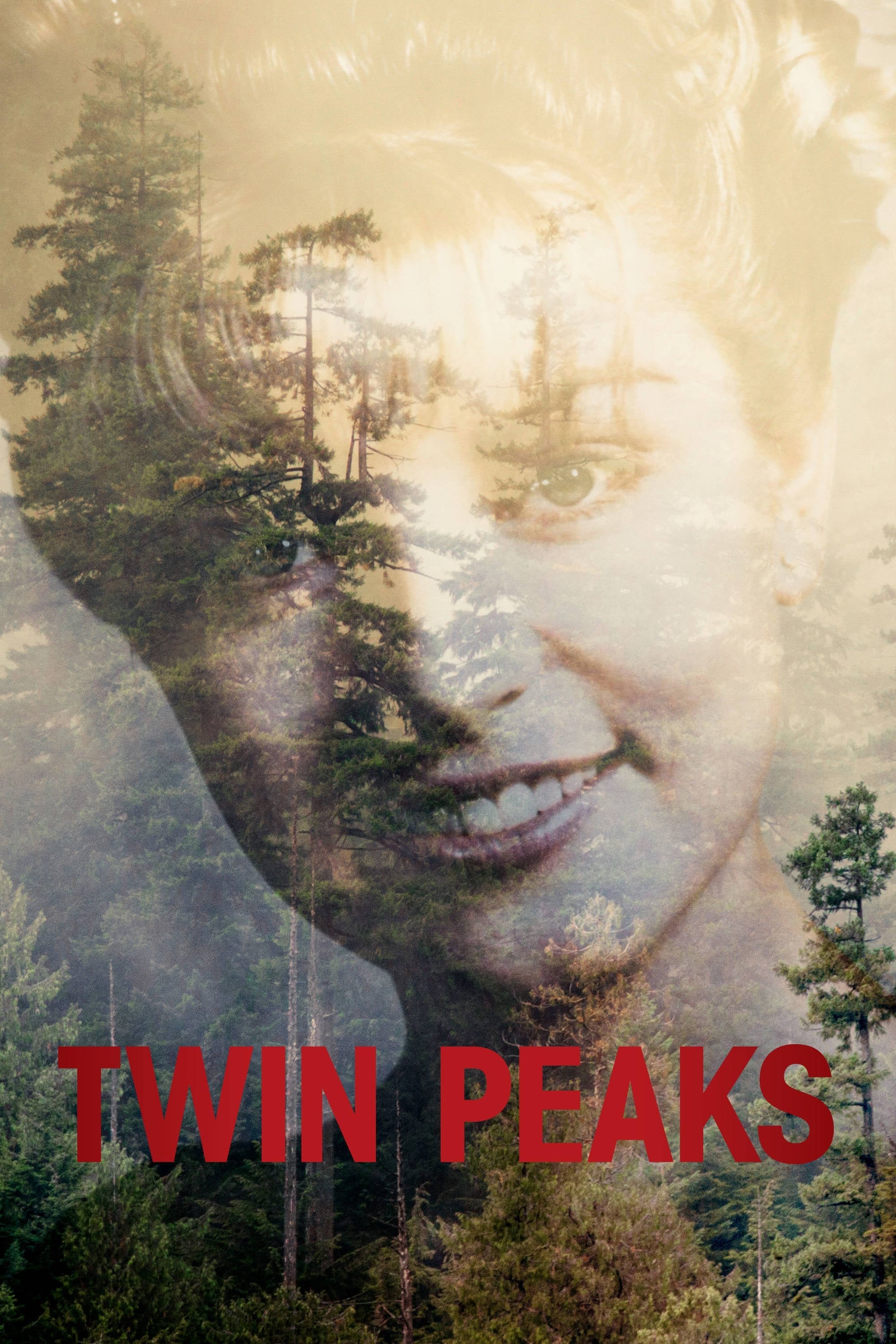
The pilot episode of David Lynch’s surreal mystery was filmed with a closed ending for the European market, just in case the series wasn’t picked up. In this “international ending,” the mystery of Laura Palmer’s death is hastily resolved, with the killer being caught and killed. This version, available on the Gold Box sets, effectively turns the pilot into a standalone movie. It completely contradicts the complex mythology that the series later developed. Watching it is a jarring experience for fans accustomed to the show’s deliberate ambiguity.
‘The Mentalist’ (2008–2015)
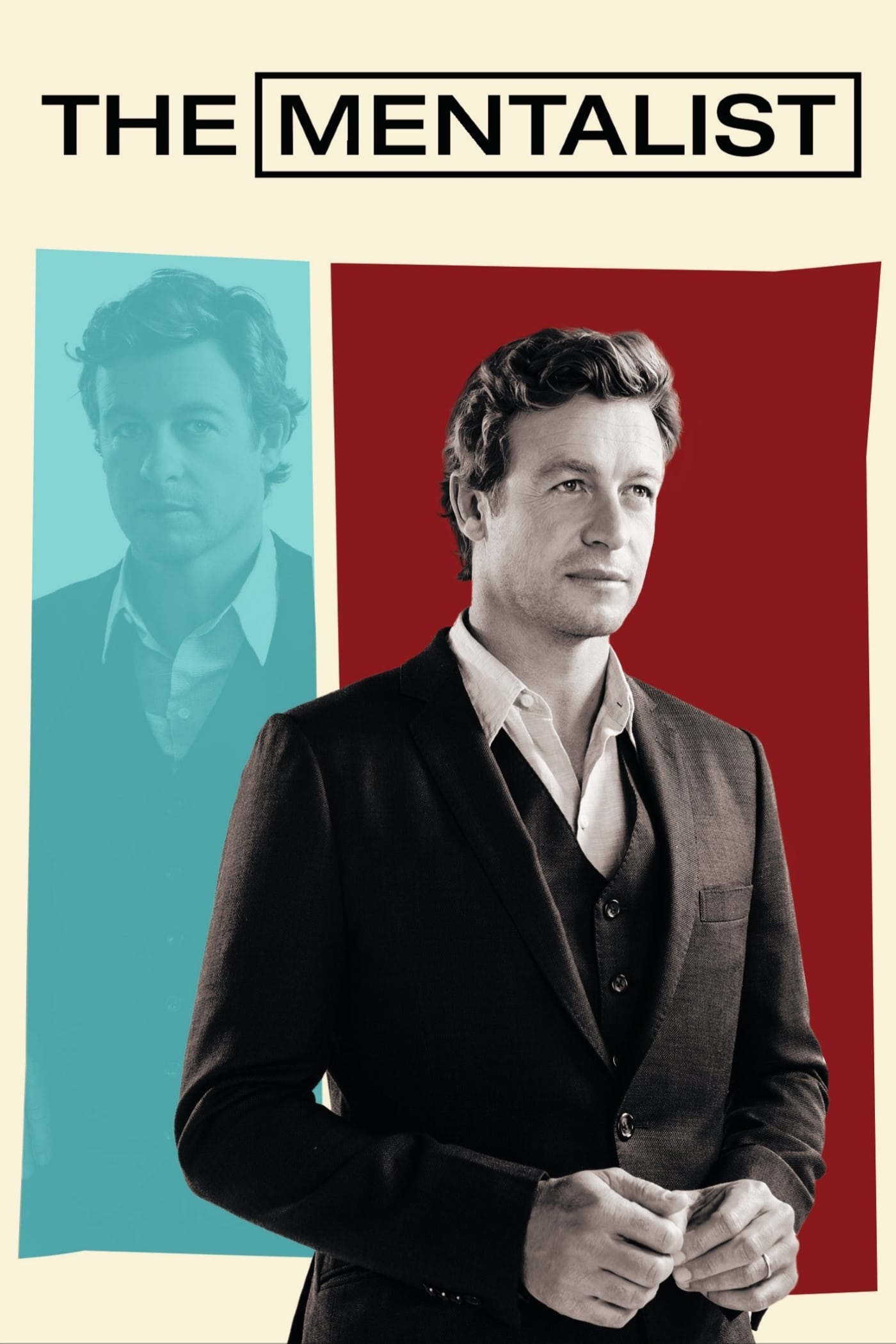
The identity of the serial killer Red John was the central mystery of the series for six seasons. To prevent leaks, the production filmed alternate reveal scenes with different characters stepping out of the shadows. The DVD sets allow fans to see version where other suspects admit to being the nemesis. These scenes were fully acted and directed to look identical to the final broadcast version. It showcases how easily the narrative could have pivoted to a different villain.
‘Pretty Little Liars’ (2010–2017)
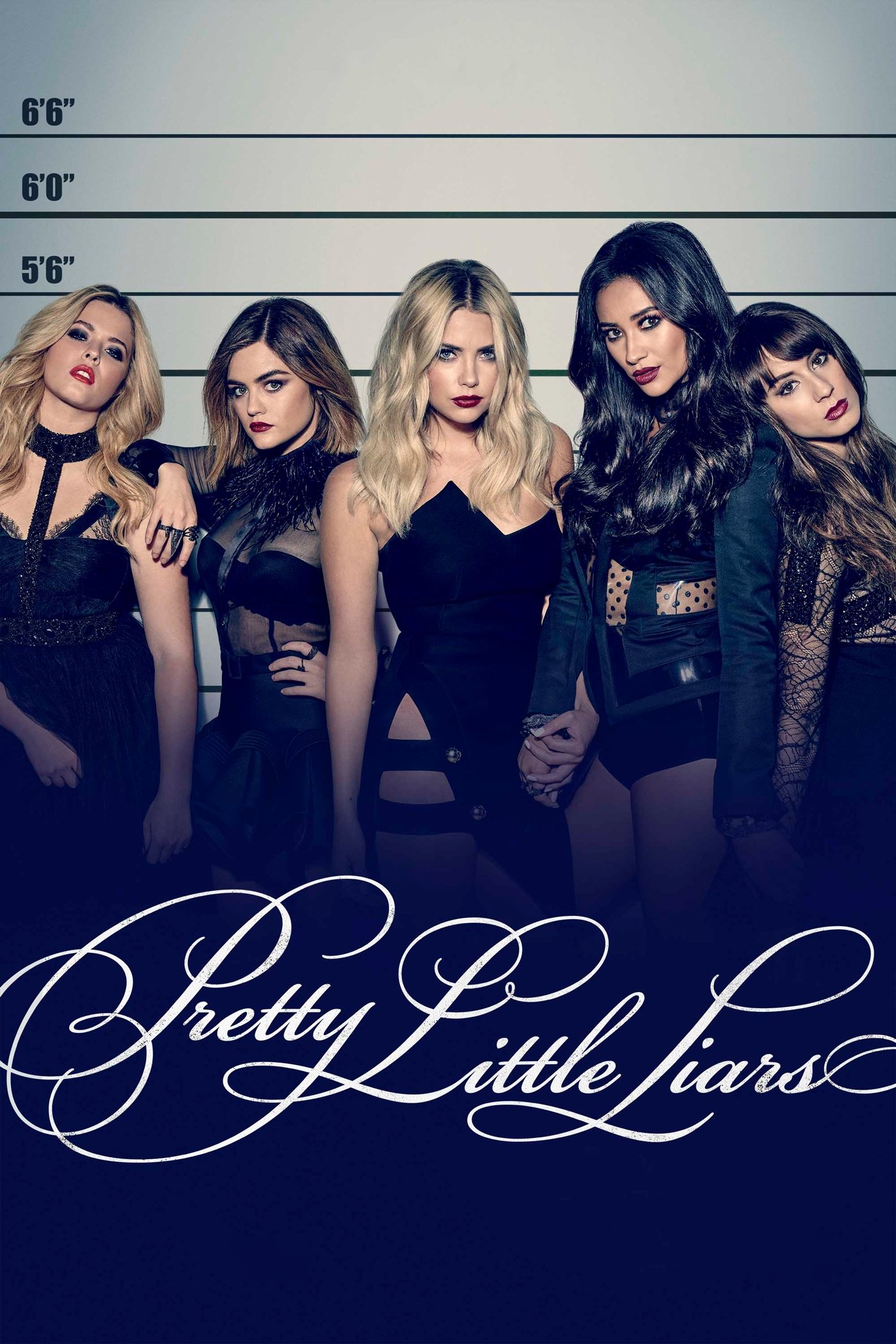
Similar to other mystery shows, the reveal of the antagonist “A” was highly guarded. The home releases feature alternate scenes where different characters are revealed to be the tormentor. These were shot to ensure that even the cast didn’t know the true ending until the final edit. The alternates provide a fun “what if” for shippers and theorists who suspected different alliances. It emphasizes the fluid nature of the show’s mystery writing.
‘Gossip Girl’ (2007–2012)
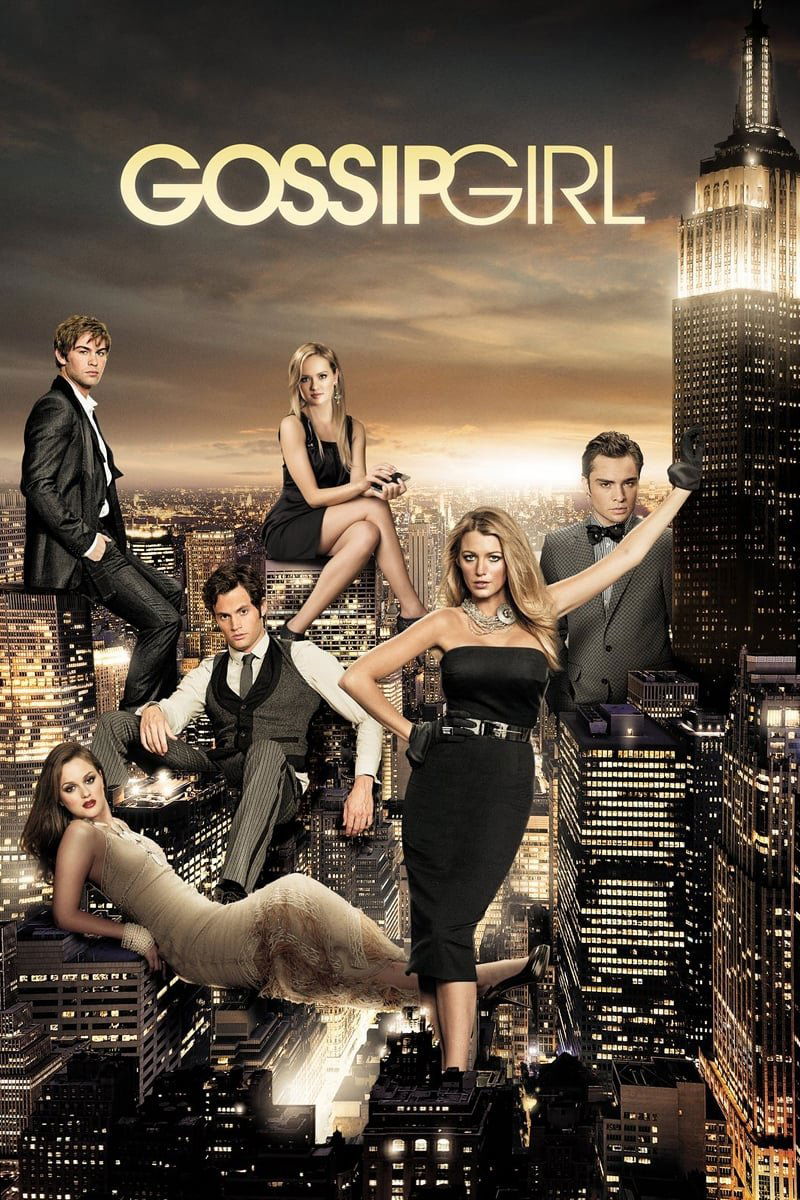
The final reveal of Dan Humphrey as the titular blogger was controversial, but it wasn’t the only option explored. The producers considered and tested other characters for the role, and DVD extras and anniversary features often highlight the alternate paths discussed or mocked up. While fully produced alternate scenes of the final reveal are rare, the home media includes deleted scenes that hint at different alliances that would have supported other outcomes. The “Dan is Gossip Girl” decision is often contrasted with these other potential directions.
‘Castle’ (2009–2016)
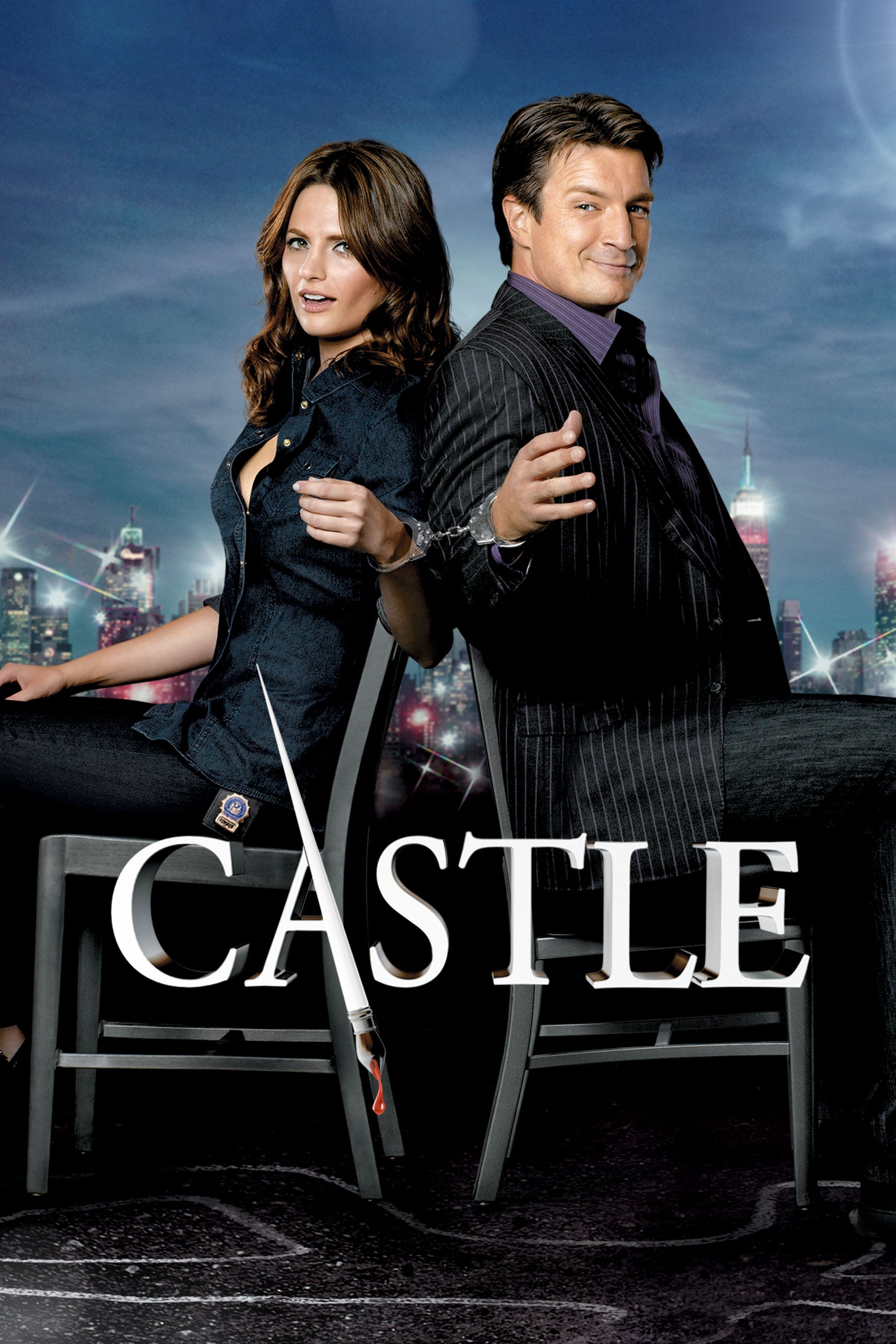
The season eight finale was crafted amidst uncertainty regarding a ninth season. Two versions were prepared: a cliffhanger ending where Castle and Beckett are shot and bleeding out, and the aired version which tacks on a “Seven Years Later” happy ending. The DVD and streaming versions include the happy montage that resolves the shooting. Had the show been renewed with a modified cast, the cliffhanger would have stood alone. The abrupt shift to the happy ending is a direct result of the sudden cancellation notice.
‘Chuck’ (2007–2012)
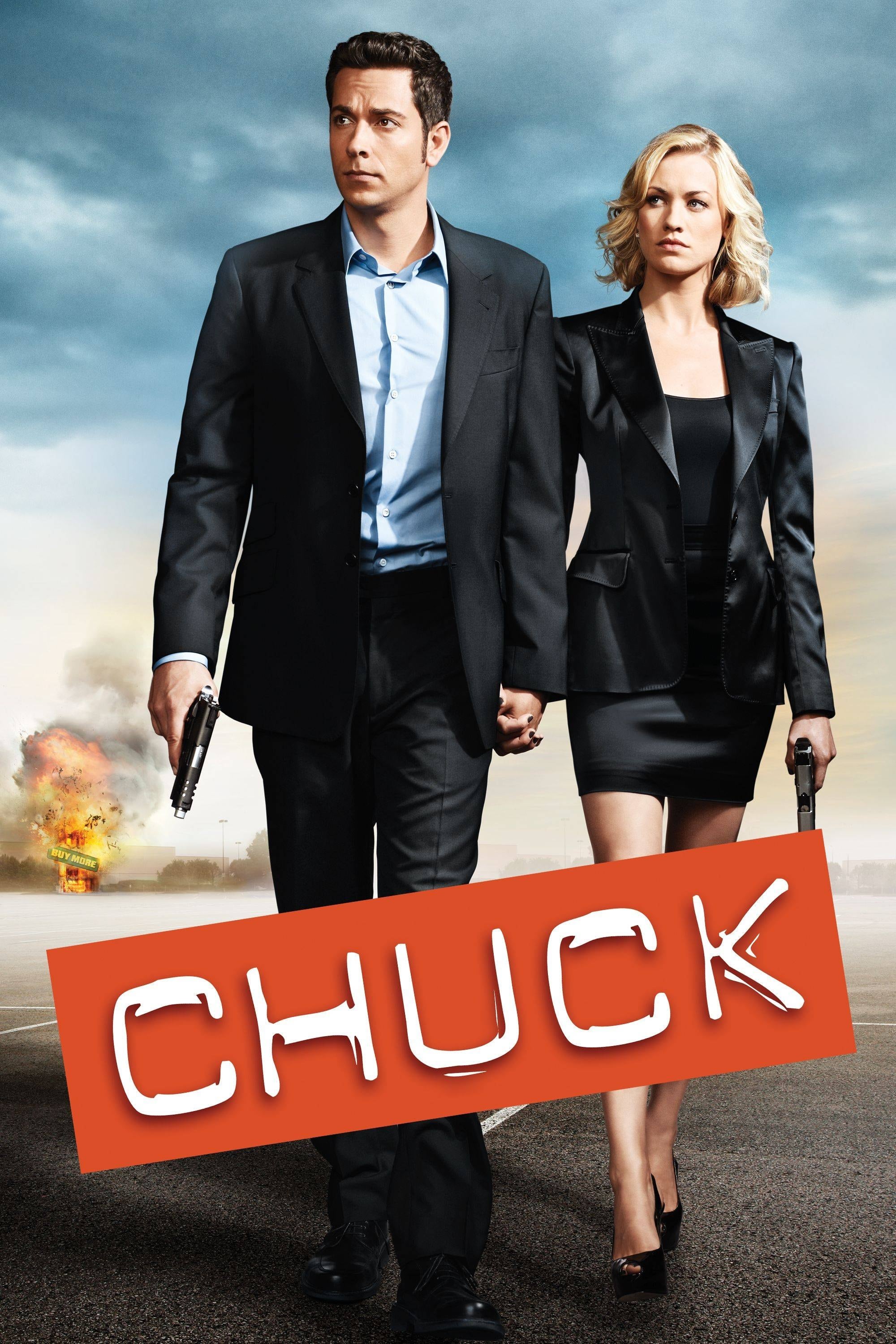
Constantly on the bubble of cancellation, the spy-comedy series had to prepare “series finale” contingencies for almost every season finale. The season two finale, for instance, had a version where Chuck does not download the new Intersect and simply quits the spy life. The DVD sets often include these alternate directions or extended cuts that served as safety nets. The aired version where “Guys, I know Kung Fu” happens only because the show got a last-minute pickup. These alternates show a much more mundane fate for the character.
‘Prison Break’ (2005–2017)

The original run of the series concluded with the TV movie ‘The Final Break’, which explained Michael Scofield’s death. The DVD release of this movie includes scenes that were not shown in some international broadcasts, providing more context to his sacrifice. Additionally, the revival series retconned this ending entirely. The home media for the original series stands as a time capsule where the main character’s death was definitive. The “alternate” nature comes from the clashing narratives of the original DVD ending and the eventual season five revival.
‘Desperate Housewives’ (2004–2012)
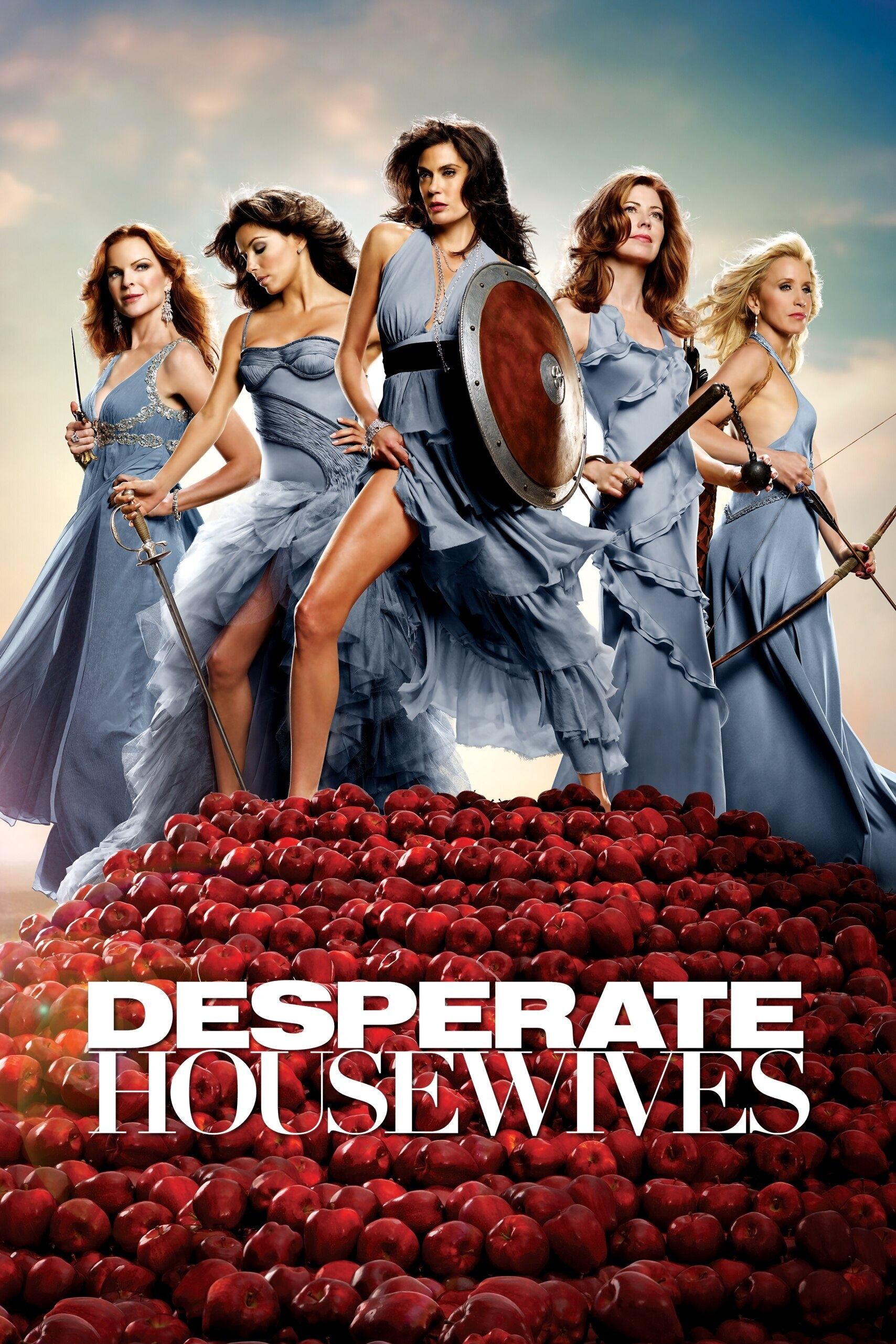
The mystery of the first season revolved around Mary Alice’s suicide, and the producers were keen to keep the resolution quiet. The DVD set includes alternate scenes regarding Mrs. Huber’s blackmail plot and the discovery of the secret notes. These filmed variations allowed the editors to piece together the most impactful reveal. While the overall outcome remained similar, the specific beats and dialogue were adjusted. It offered a peek into the refinement of the show’s signature melodramatic tone.
‘Heroes’ (2006–2010)
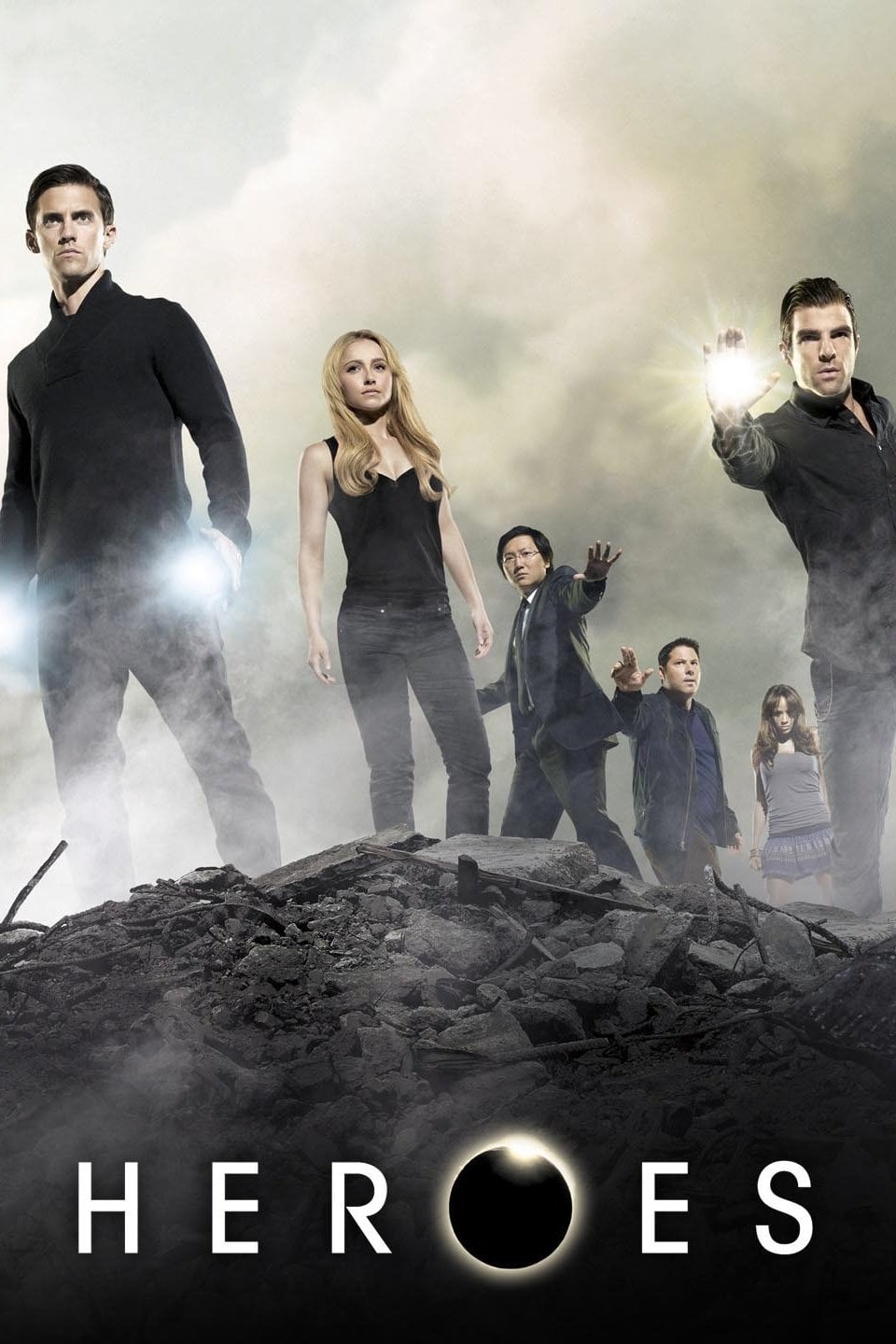
The second season of this superhero drama was cut short by a writers’ strike, but an alternate ending for the story arc was filmed. In the unused footage available on the DVD, the deadly Shanti virus is actually released into the general population, causing a mass plague. This would have radically changed the premise of the third season to a post-apocalyptic survival story. The showrunners opted for the “virus is contained” ending to keep the world recognizable. The alternate ending remains a fascinating look at a much darker version of the show.
‘Doctor Who’ (2005–Present)

The revival of this sci-fi classic often films deleted or alternate scenes for its finales. For the series four finale, “Journey’s End,” a scene was filmed where the Doctor gives a part of himself to the new “human” Doctor to live with Rose. While the gist remained in the aired version, the DVD includes cut dialogue and alternate character beats for Donna Noble’s tragic exit. These scenes sometimes offer more closure or a harder emotional punch than the broadcast edit. Whovians often seek out these box set extras to fill in canon gaps.
‘Two Guys and a Girl’ (1998–2001)
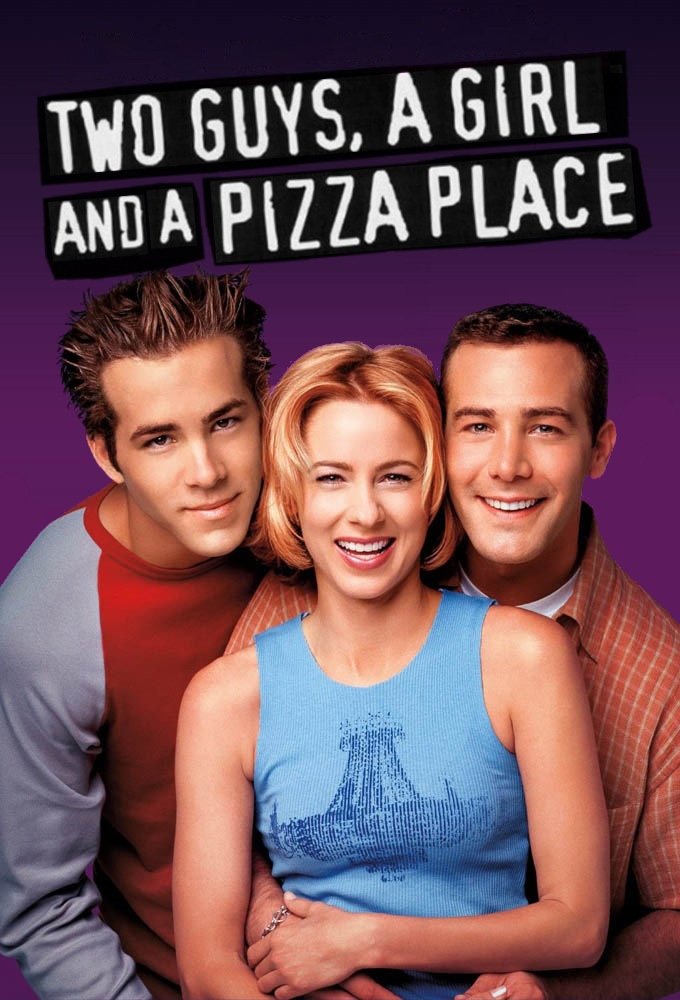
This sitcom starring Ryan Reynolds filmed four different endings for its season four finale, which ended up being the series finale. The show asked viewers to vote online for which character should be pregnant: the three female leads or “nobody.” The writers filmed a conclusion for each possibility to air based on the poll results. The DVD collection allows fans to see the outcomes that didn’t win the vote. It was a unique experiment in audience participation that dictated the show’s final moments.
‘Everwood’ (2002–2006)
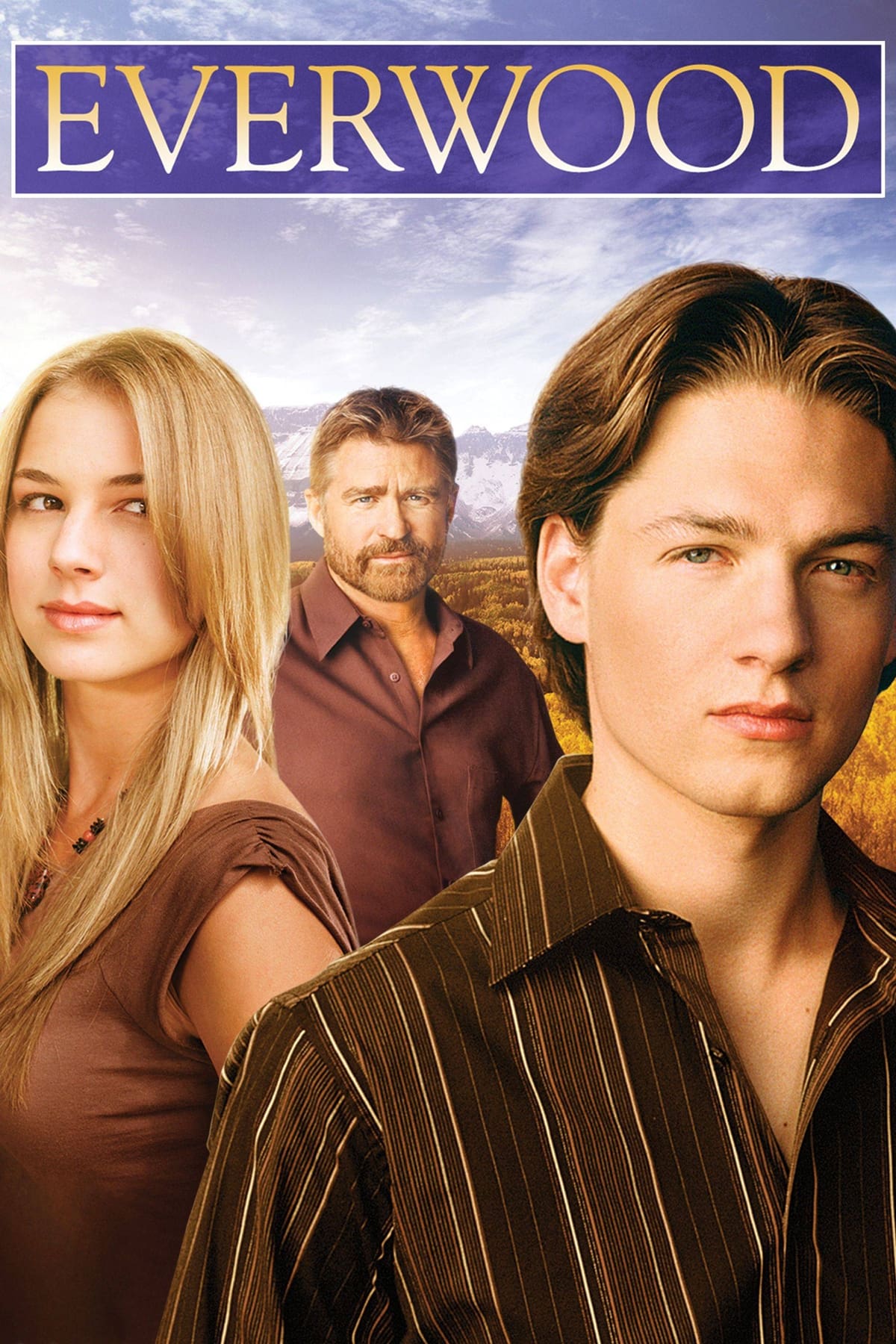
Facing a merger between networks that threatened the show’s future, the producers prepared two endings for the season four finale. One was a cliffhanger to set up a fifth season, and the other was a definitive series wrap-up. The broadcast used the wrap-up version, but the DVD extras allow fans to see the montage and scenes intended to launch a new year of stories. It provides a bittersweet look at the storylines that were planned but never realized. The aired finale is generally considered one of the most satisfying “saved by the bell” conclusions.
‘Terminator: The Sarah Connor Chronicles’ (2008–2009)
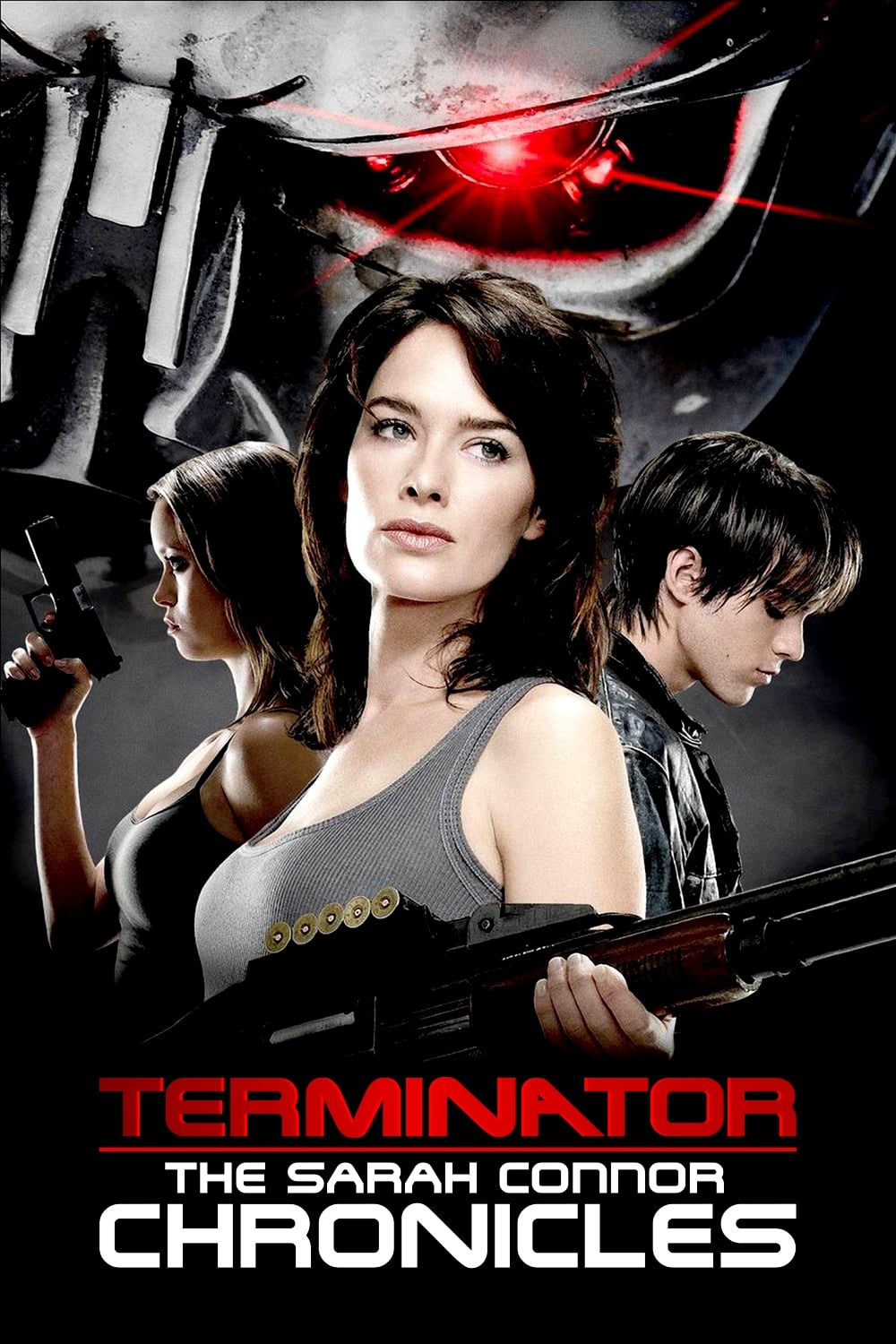
The season two finale ends with John Connor jumping forward in time to a future where no one knows him. The DVD audio commentaries and features discuss an alternate version of this ending where he is not completely forgotten, or the specific mechanics of the jump are different. While the aired cliffhanger is famous for being unresolved, the home media provides context on the writers’ intent. The bleakness of the ending is a major point of discussion in the extras.
‘Dollhouse’ (2009–2010)

Joss Whedon’s sci-fi series produced an episode titled “Epitaph One” that was never aired during the show’s original US broadcast run but was included as a DVD exclusive. This episode serves as a post-apocalyptic series finale (or coda) to the first season, showing the future consequences of the show’s technology. It was so compelling that the second season eventually led up to the events depicted in this “lost” episode. For DVD buyers, this was the true ending long before the show officially concluded. It is a rare case of a DVD extra becoming the narrative destination.
‘Fringe’ (2008–2013)
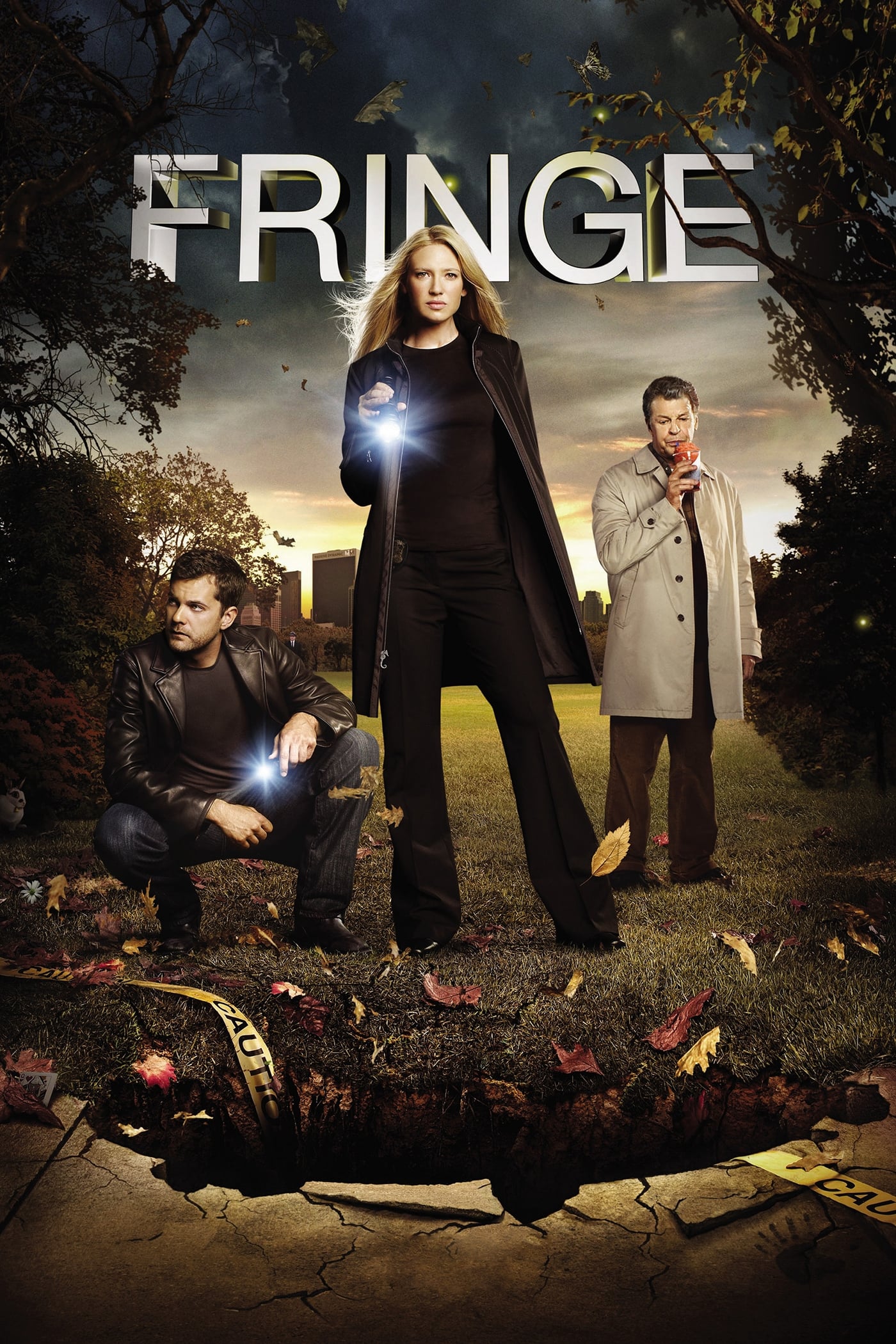
The season four finale was written during a precarious time for the show’s renewal. The producers filmed an ending where the team defeats the villains and the timeline is reset, which served as a potential series finale. When the show was renewed for a final fifth season, they used a cliffhanger ending instead. The DVD special features include the “closed-ended” resolution where the observers are defeated without the need for a future war. It offers a much tidier, happier conclusion than the tragic fifth season.
‘The Odd Couple’ (1970–1975)
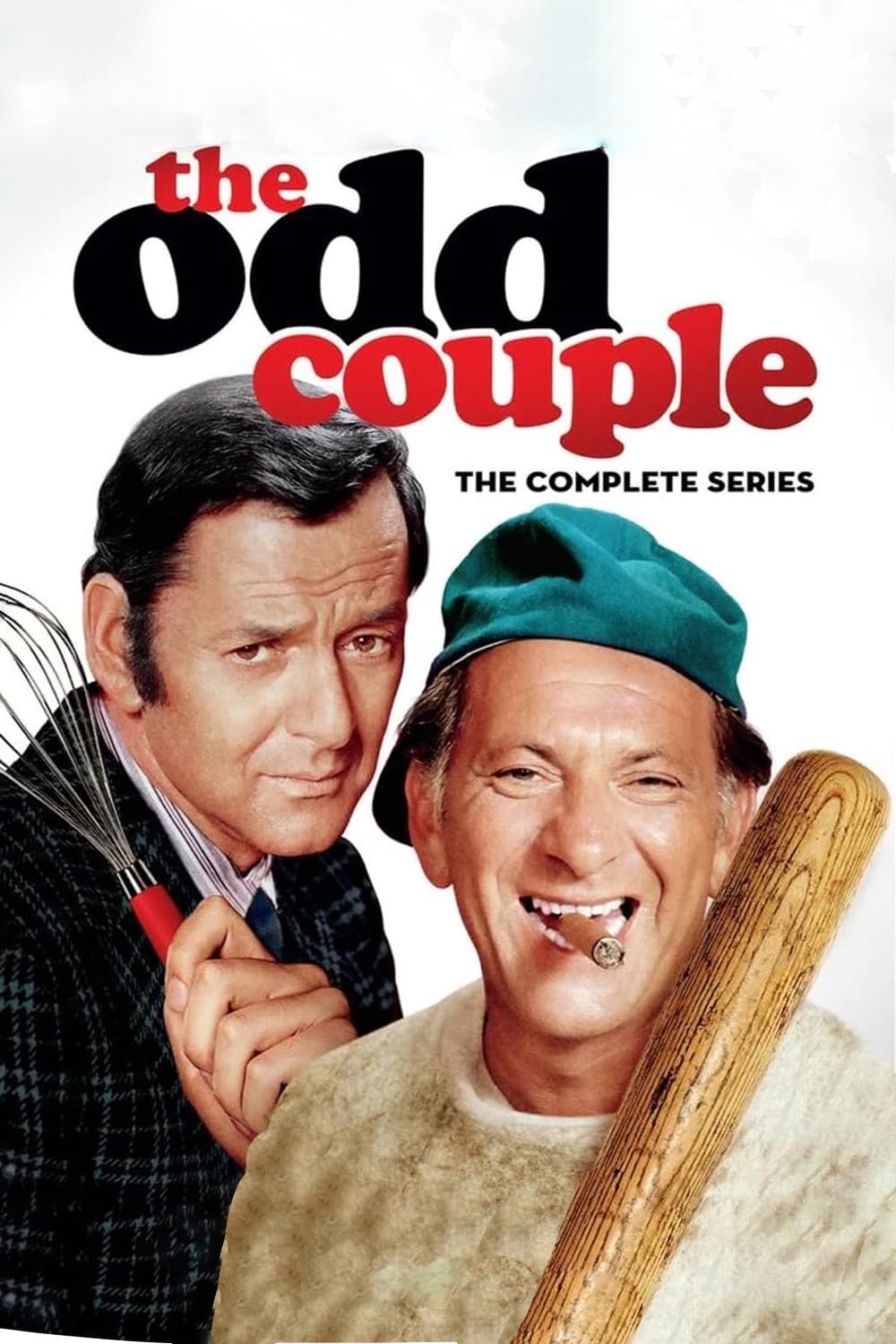
In the final episode, Felix Unger gets remarried and moves out, ending his cohabitation with Oscar. To ensure the surprise of which character was getting married, the cast filmed an alternate ending where Oscar is the one getting remarried and moving out. This decoy script was rehearsed and shot to keep the studio audience and press guessing. The DVD release mentions and explores this switcheroo. It highlights the classic sitcom trope of the “roommate moving out” finale.
‘Quantum Leap’ (1989–1993)
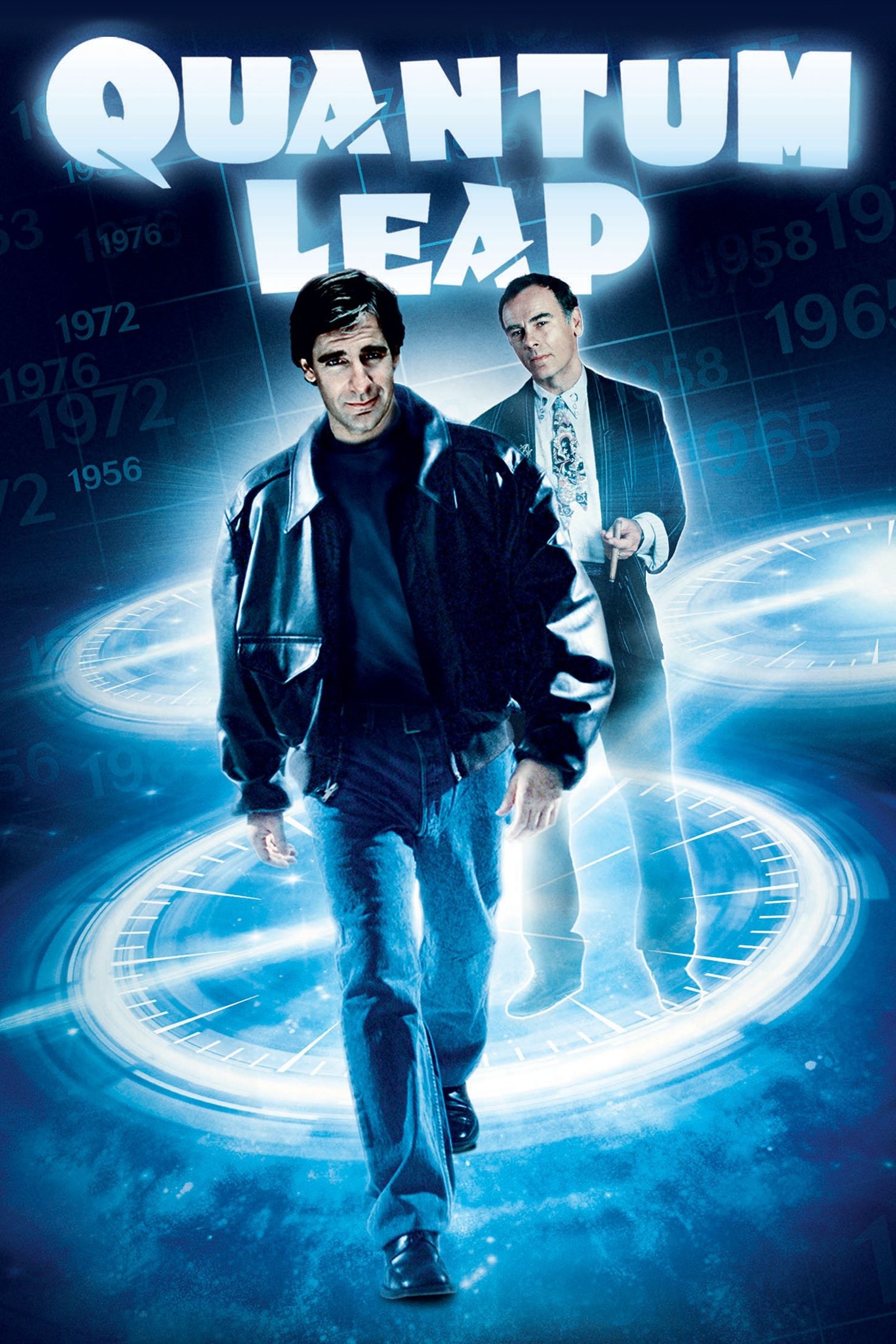
The series finale remains controversial for its title card stating, “Dr. Sam Beckett never returned home.” However, footage and photos exist of a filmed alternate ending where Al the hologram visits Sam’s first wife, Beth, and tells her Sam is still alive. This “happy” ending would have provided much more closure to the supporting characters. While the footage was thought lost for years, images and scripts surfaced in fan communities and featurettes. It represents the ultimate “fix” for fans heartbroken by the broadcast text ending.
‘Body of Proof’ (2011–2013)

The season three finale was designed to function as a series finale if necessary. The broadcast version ends with the protagonist, Dr. Megan Hunt, deciding to stay at her job. An alternate ending was filmed where she accepts a new position and leaves, which would have closed out the character’s arc definitively. The cancellation of the show made the “staying” ending bittersweet, as there were no future episodes to watch. The alternate take is a look at a more decisive goodbye.
‘The Fugitive’ (2000–2001)
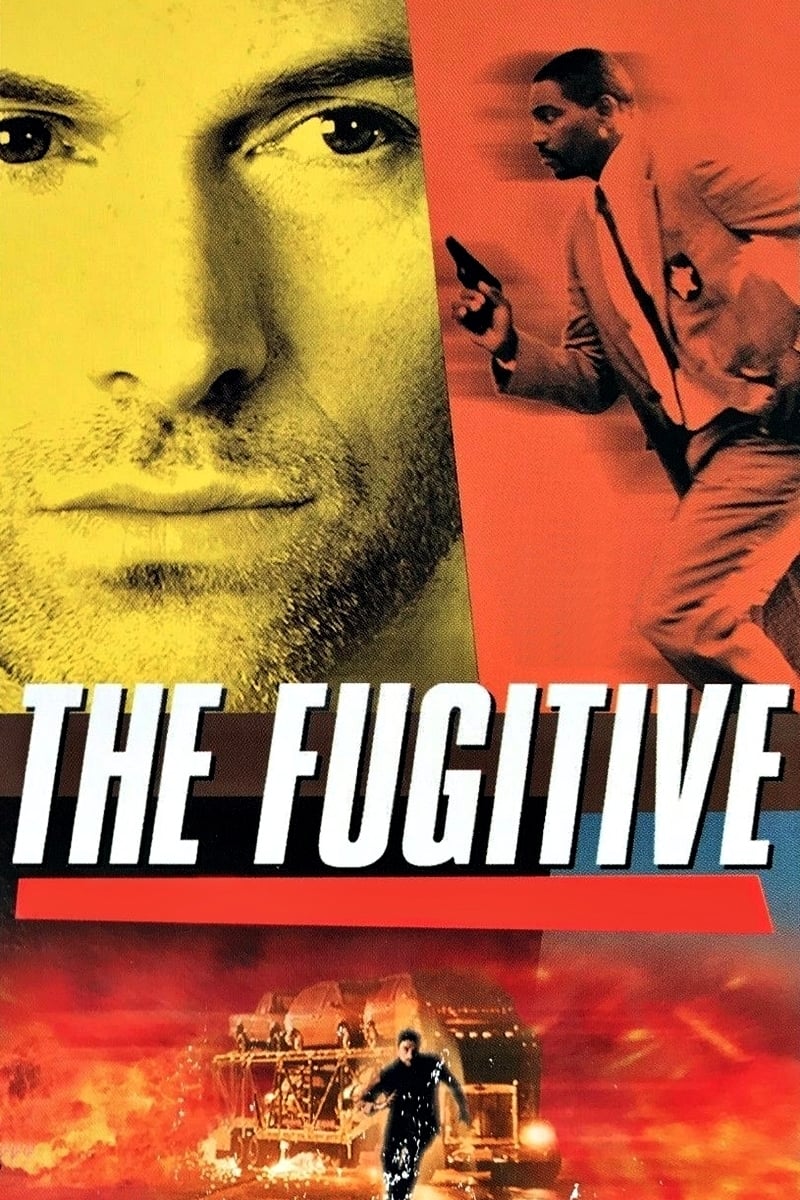
In this remake of the classic series, the producers filmed multiple endings for the season one finale to hide the identity of the One-Armed Man’s employer. The DVD includes these variations, showing different characters as the mastermind behind the conspiracy. The show was cancelled after one season, so the broadcast cliffhanger was never resolved. The alternate filmed reveals on the DVD are the only answers fans ever got. It turns the home release into a “Choose Your Own Adventure” for the mystery’s solution.
‘South Park’ (1997–Present)

The season one finale “Cartman’s Mom is a Dirty Slut” ended on a cliffhanger regarding the identity of Cartman’s father. When the show returned, they famously aired a Terrance and Phillip special instead of the answer. However, the creators toyed with multiple answers and created sketches and animatics for different fathers, including the 1991 Denver Broncos. These alternate concepts and the eventual reveal are discussed and shown in home media collections. It reflects the chaotic and improvisational nature of the show’s production.
‘Family Guy’ (1999–Present)
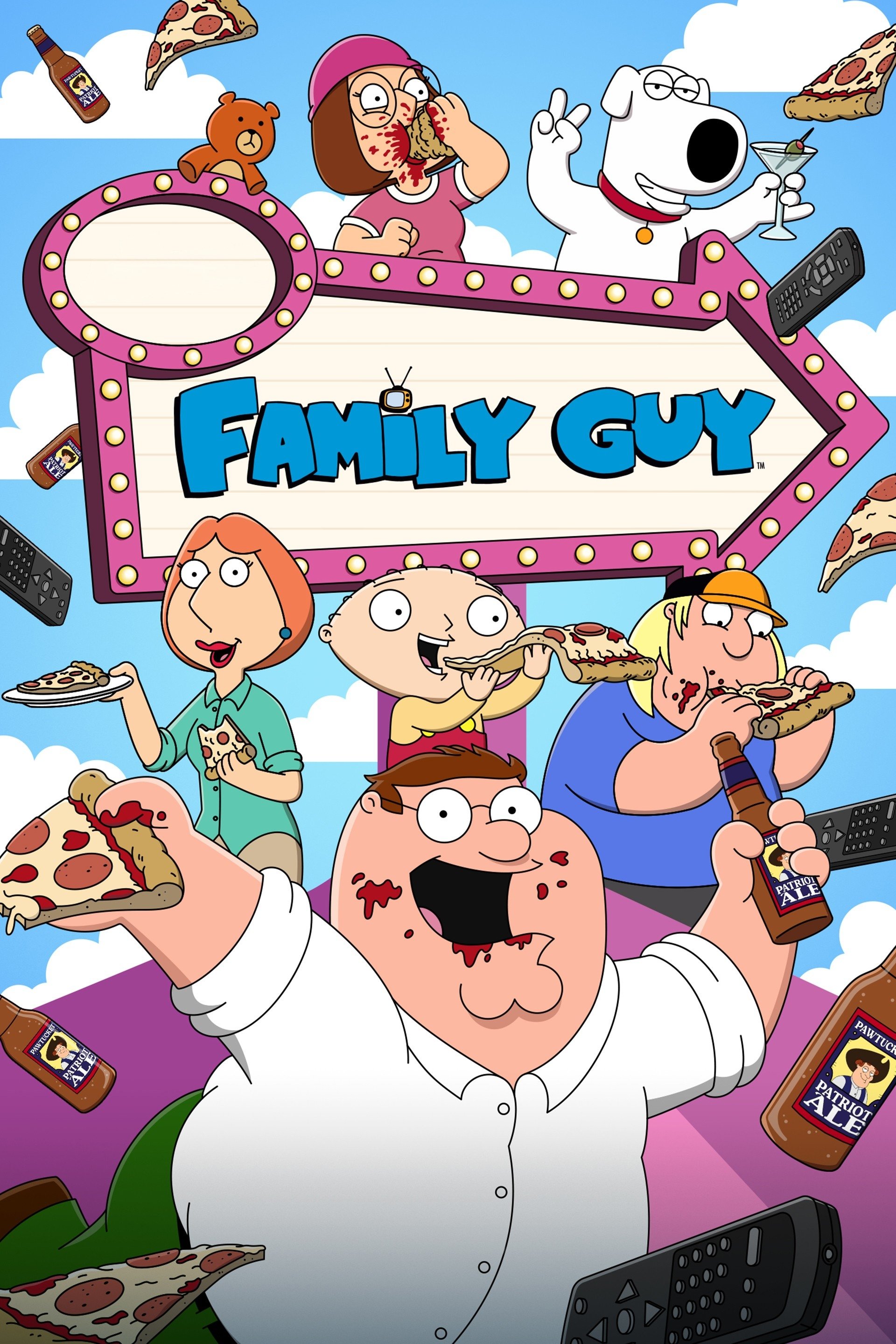
The two-part episode “Stewie Kills Lois” features a dramatic confrontation where Stewie finally murders his mother. The episode ends by revealing it was all a computer simulation. However, the DVD commentary and special features discuss the writers’ room debates and alternate animatics where the events were treated as a “What If” special rather than a simulation. The home release allows fans to view the story without the “it was just a dream” bookends in some edits. It allows the dark humor of the matricide to stand on its own.
‘Battlestar Galactica’ (2004–2009)
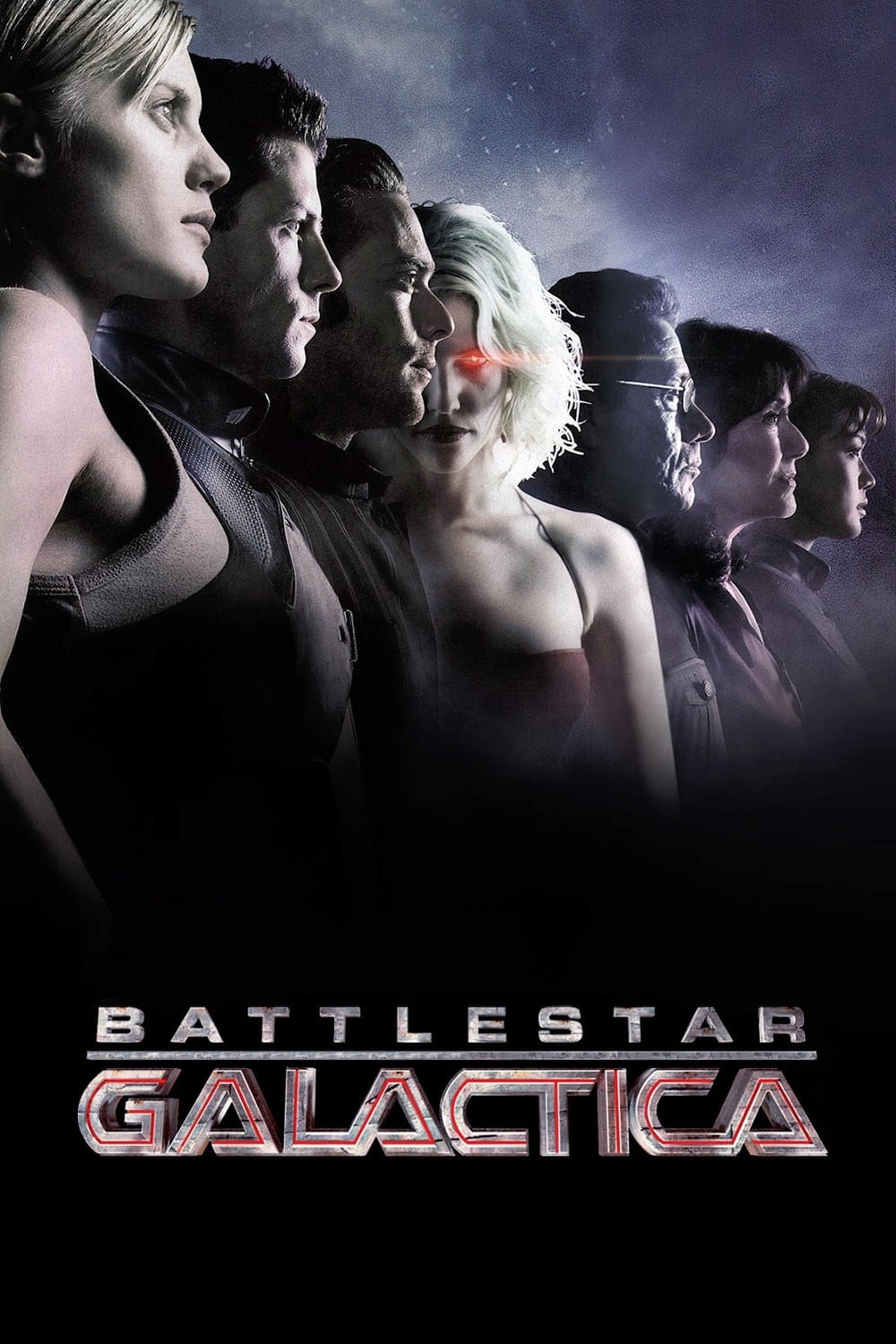
The series finale, “Daybreak,” is available on DVD and Blu-ray in an extended cut that is significantly longer than the broadcast version. This “alternate” version doesn’t change the ultimate fate of the characters but adds crucial context and scenes that reshape the emotional resonance of the ending. It provides more time with the characters on Earth and deepens the flashbacks. Many fans consider this extended home release to be the definitive version of the show’s conclusion. It clarifies several plot points that felt rushed on TV.
‘Revenge’ (2011–2015)
The series finale features a confusing sequence regarding whether the antagonist, Victoria Grayson, actually died or if she received a heart transplant from the protagonist’s father. The broadcast ending is ambiguous and implies a psychological haunting. However, deleted scenes and alternate edits discussed in the extras clarify the medical reality of the situation. The showrunners wanted to leave the audience questioning the protagonist’s sanity. The home media extras help peel back the layers of this melodramatic twist.
‘Elementary’ (2012–2019)
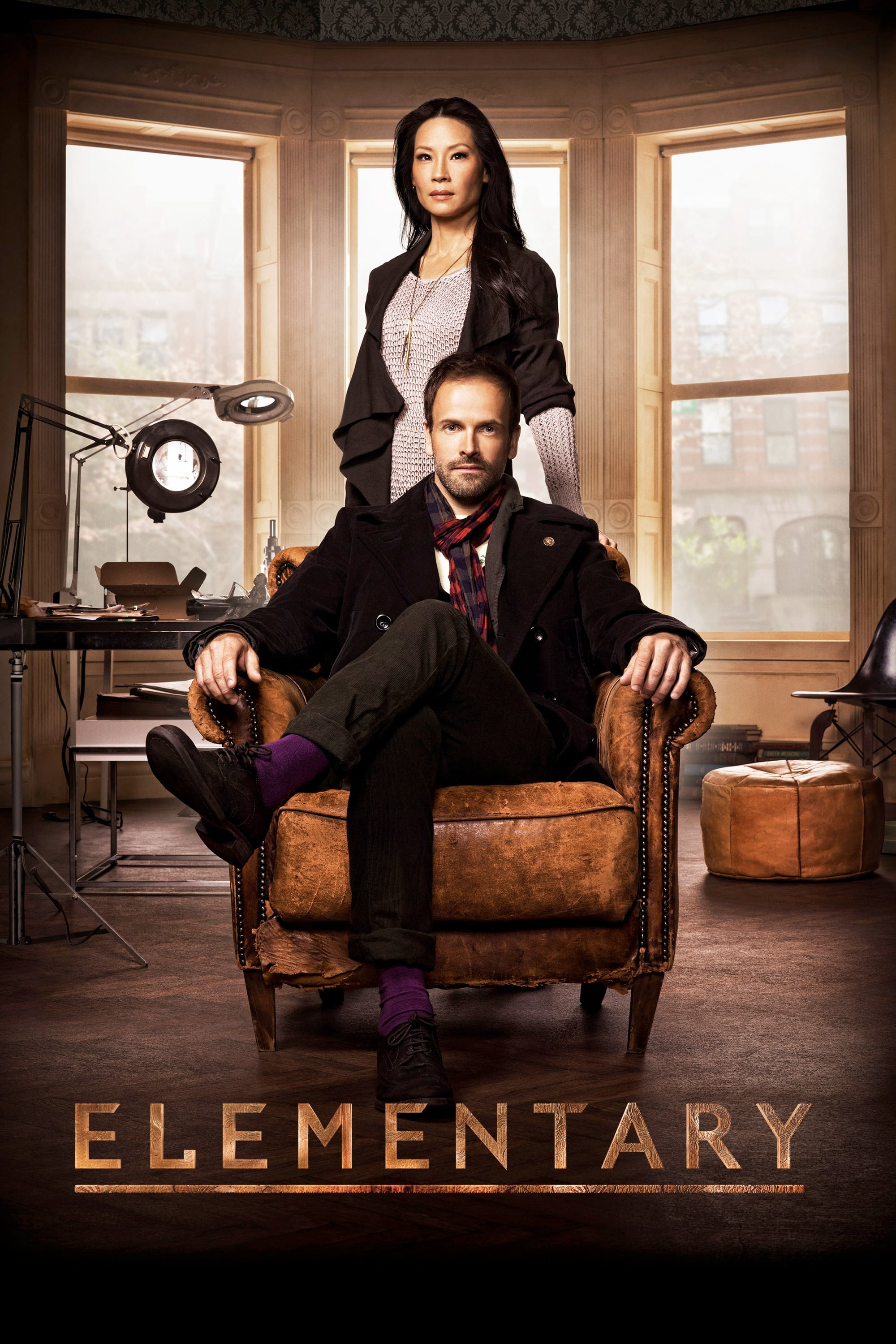
The season seven finale brought the Sherlock Holmes adaptation to a close with a time jump. The producers considered different ways to stage the final confrontation with the villain Odin Reichenbach. DVD extras and deleted scenes often show alternate lines of dialogue and different staging for the final takedowns in procedural shows like this. While the narrative arc remained the same, the tone of the final goodbye was refined in the editing room. The extras provide a look at the “road not taken” for the detective duo.
‘Dynasty’ (1981–1989)
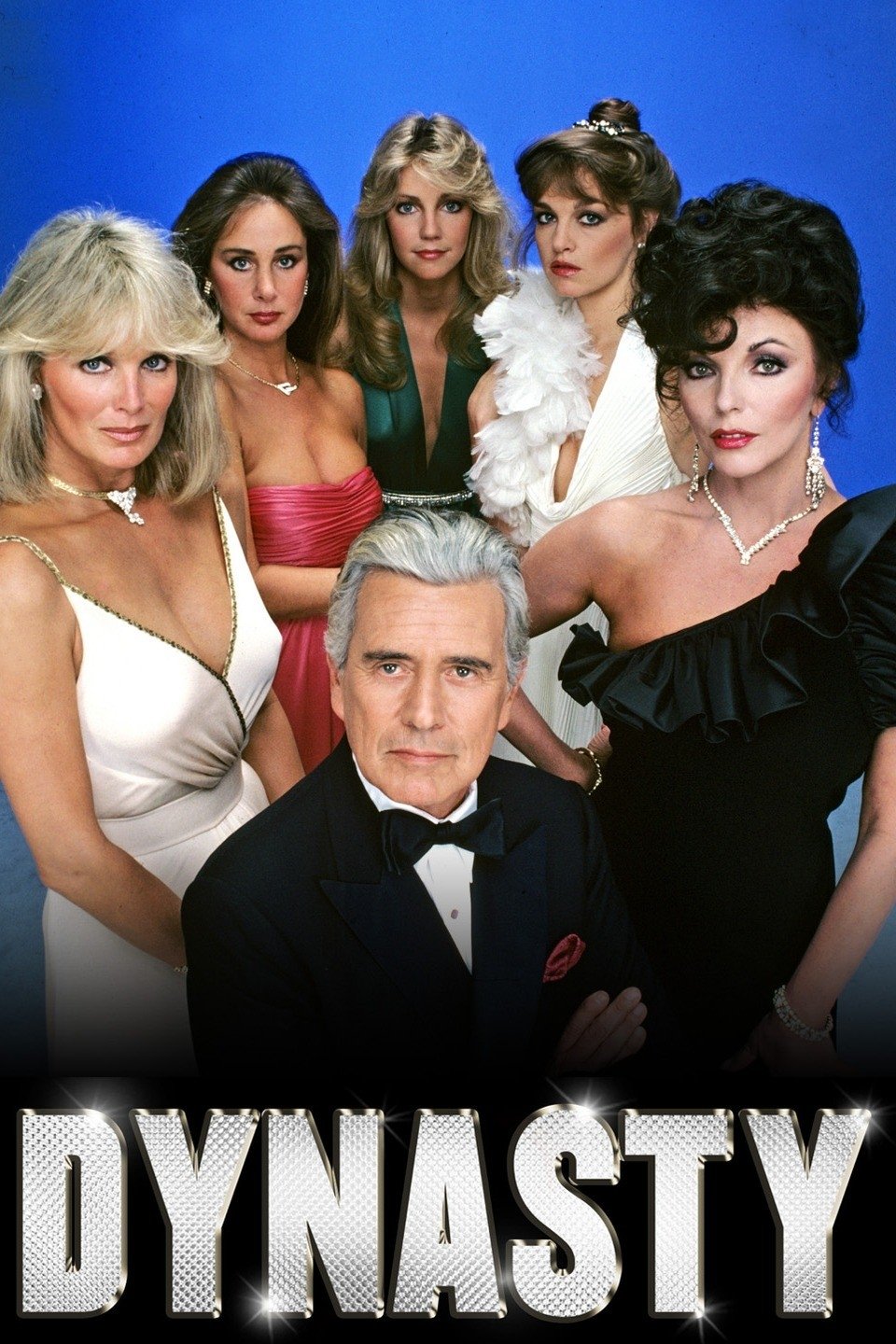
The infamous “Moldavian Massacre” cliffhanger saw the entire cast gunned down at a wedding. To keep the suspense of who survived for the next season, the producers filmed the scene in a way that left everyone’s fate ambiguous. In the subsequent season, they had to decide who lived and died based on contract negotiations. The DVD collections highlight the sheer carnage of the alternate takes where different characters appear to take fatal hits. It is a prime example of filming a scene to allow for any possible business outcome.
‘Blindspot’ (2015–2020)
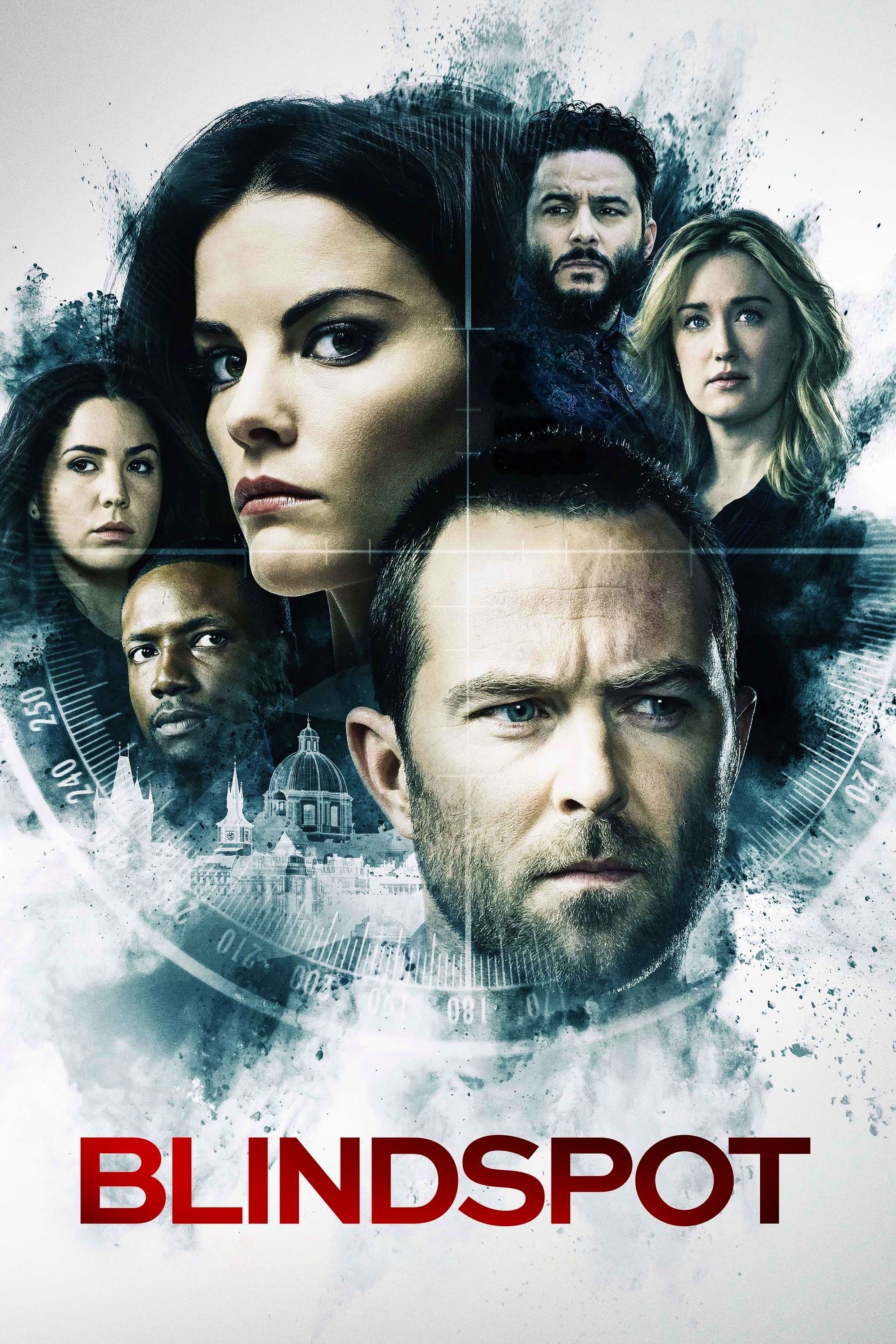
The series finale features an ambiguous ending where the protagonist, Jane Doe, might have died from ZIP poisoning or might be imagining a happy family dinner. The showrunners deliberately crafted this duality. The home release includes features that break down the two interpretations. While they didn’t film a totally separate “Jane Lives” scenes that wasn’t intercut, the raw footage of the happy ending without the death cuts exists in the dailies. Fans can view the “Happy Ending” montage in isolation on the extras.
‘Tru Calling’ (2003–2005)

This supernatural drama was cancelled mid-filming of its second season. The writers had planned a specific arc where the protagonist and antagonist switch sides. The DVD set includes the final filmed episode, “Christmas,” which was never aired in the correct order on the original network run. More importantly, the creators discuss the filmed scenes and scripts for the six episodes that would have finished the season. The DVD effectively provides the “ghost” of the show’s intended ending.
‘Life on Mars’ (UK) (2006–2007)

The British series ends with Sam Tyler jumping off a roof to return to the 1970s, a definitive and artistic choice. However, to sell the show to international markets that might want a happier or less ambiguous resolution, scenes were filmed that could be re-edited. The DVD extras explore the complexity of the “test card girl” ending and the alternate interpretations. The home release is the only place to fully digest the metaphysical layers the creators intended versus what was simply seen as a “coma dream.”
‘Ashes to Ashes’ (2008–2010)
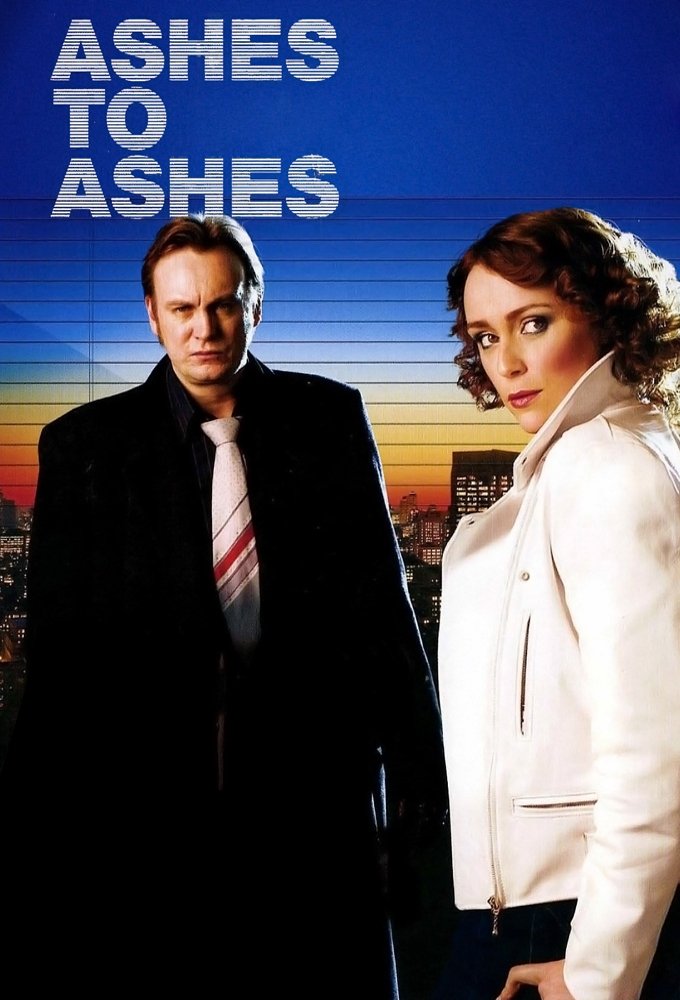
The sequel to ‘Life on Mars’ explains the entire universe of both shows in its finale. The reveal that the world is a purgatory for police officers was a closely guarded secret. The DVD sets include the “making of” the finale, showing how they filmed the final scene in the “railway station” (heaven) to prevent leaks. Alternate lines were recorded to throw off onlookers. The extras reveal the meticulous planning required to stick the landing of this high-concept ending.
‘Kyle XY’ (2006–2009)
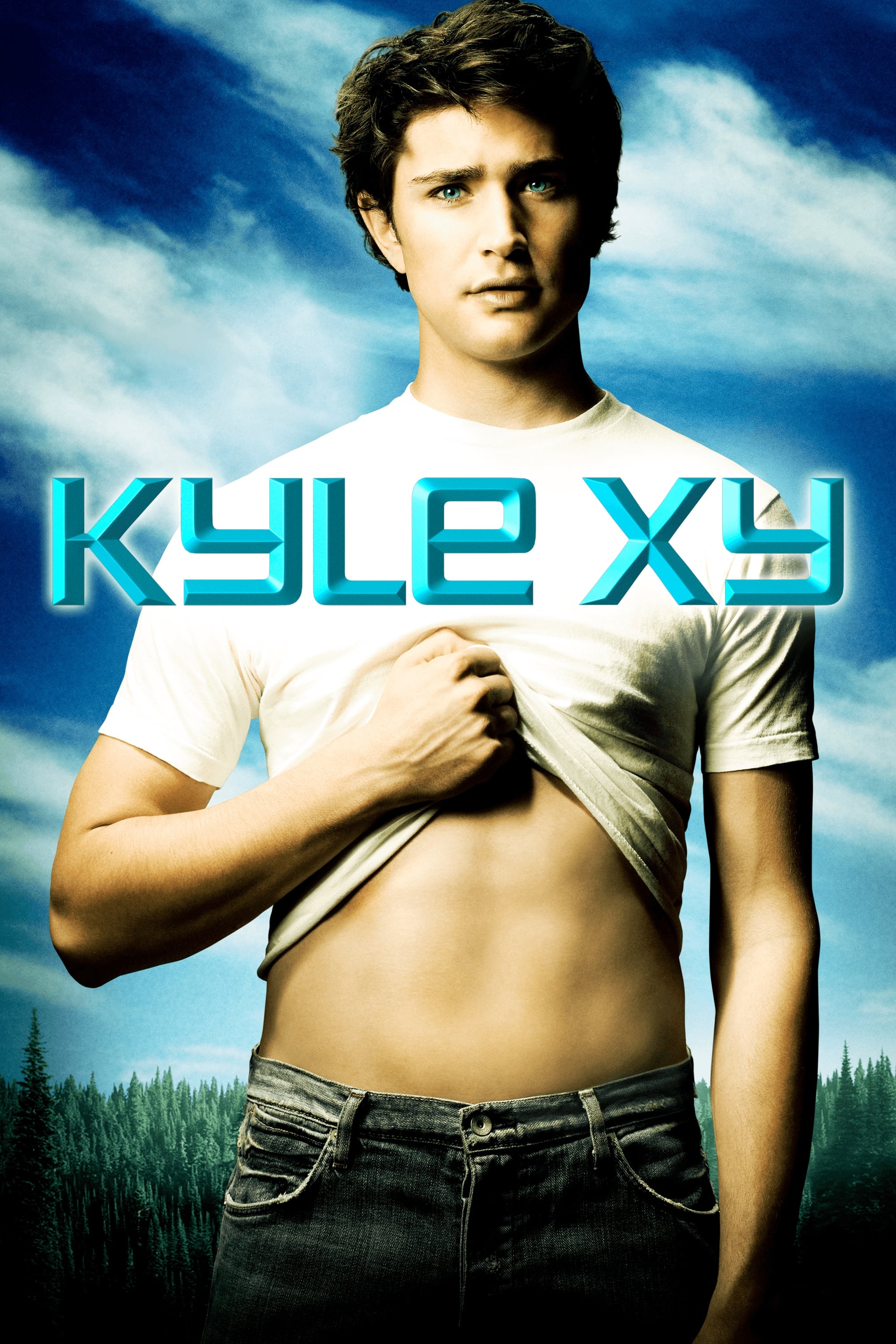
The show was cancelled abruptly on a massive cliffhanger where the main character learns a shocking truth about his origins. Because they couldn’t film a proper finale, the DVD release includes a special feature called “Future Revealed.” In this segment, the writers and actors explain the detailed plot of what would have happened in the final season and how the series would have ended. It serves as a narrated “alternate ending” to the non-ending that aired. It is essential viewing for any fan looking for closure.
Which of these alternate endings do you wish had made the final cut? Share your thoughts in the comments.