


TV Series That Highlighted Community Service as Heroism

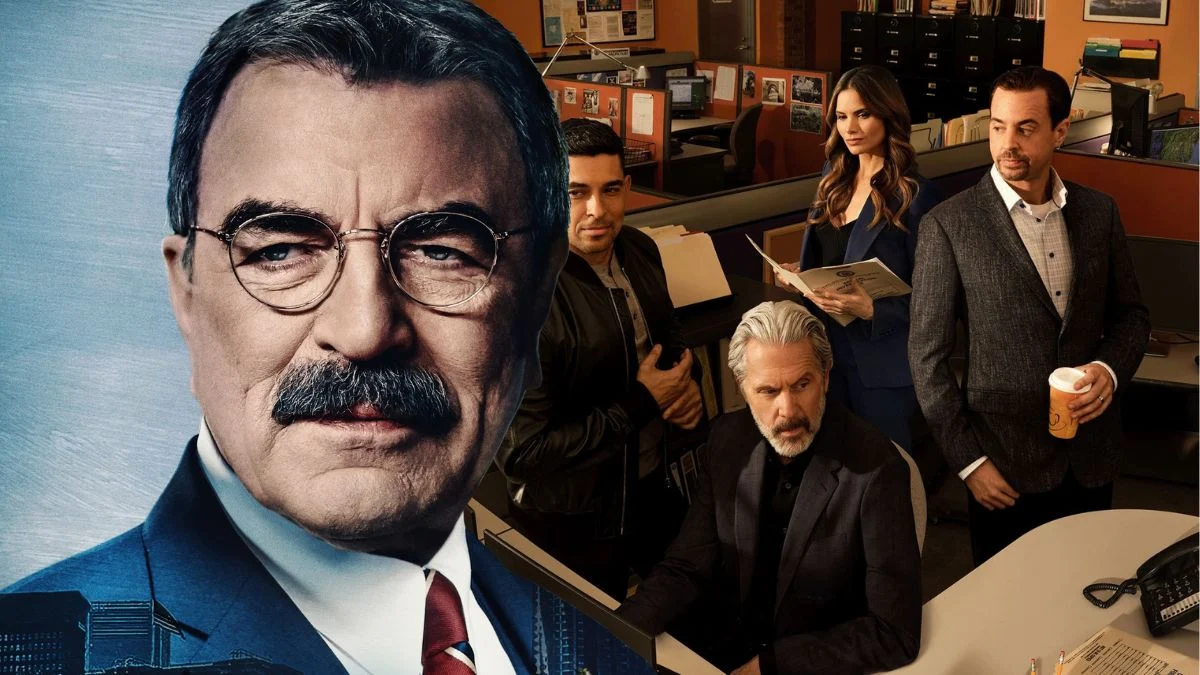


Television has long celebrated the dedication and bravery of individuals who devote their lives to serving others. These narratives often focus on the daily challenges faced by first responders, medical professionals, educators, and public servants who place the needs of their communities above their own. By dramatizing the intense pressure and emotional rewards of these vocations, these shows provide viewers with a glimpse into the sacrifices made by essential workers. The following series showcase the profound impact of community service through compelling storytelling and character development.
‘Emergency!’ (1972–1979)
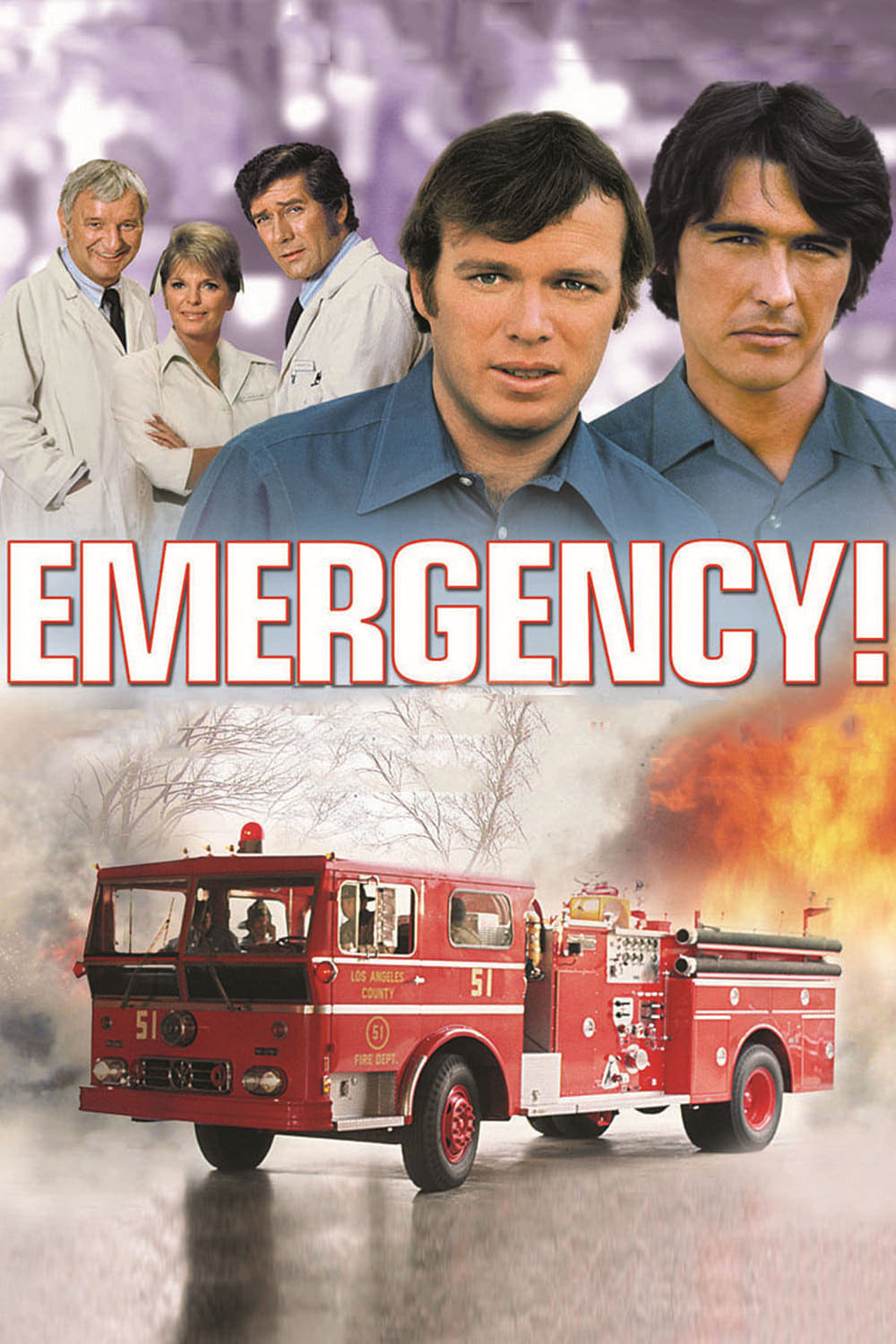
This pioneering medical drama introduced audiences to the high-stakes world of paramedics and firefighters in Los Angeles. The series followed John Gage and Roy DeSoto as they established the protocols for emergency field medicine that are still in use today. Viewers witnessed the coordination between the fire department and hospital staff to save lives during various crises. The show is credited with inspiring many real-life individuals to pursue careers in emergency medical services.
‘Hill Street Blues’ (1981–1987)
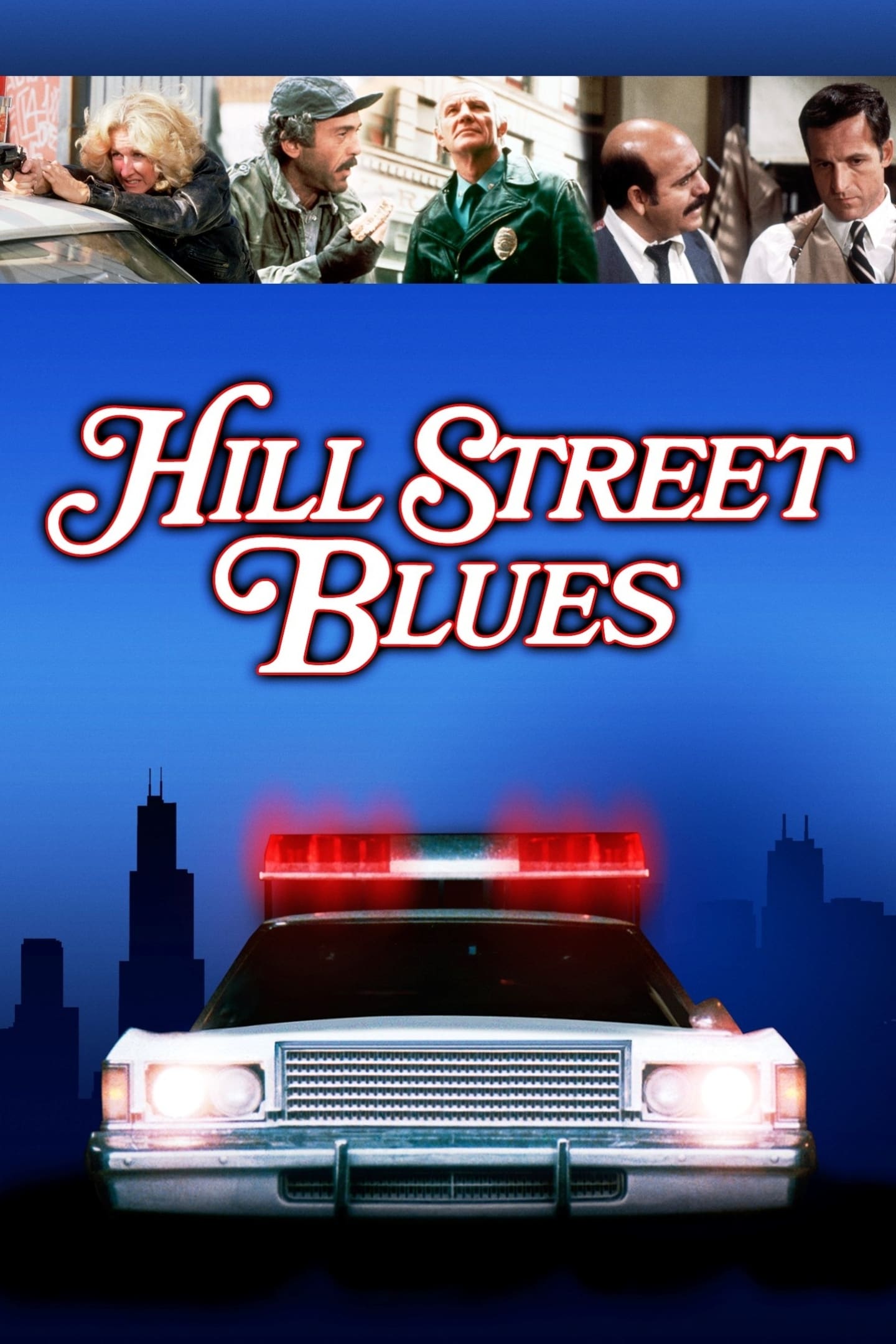
This gritty police procedural revolutionized the genre by focusing on the personal and professional lives of officers at an urban precinct. Captain Frank Furillo led a diverse team as they navigated ethical dilemmas and the complexities of law enforcement in a decaying city. The narrative emphasized the difficulty of maintaining order while serving a community facing severe social issues. It highlighted the human element behind the badge and the toll of public service.
‘St. Elsewhere’ (1982–1988)
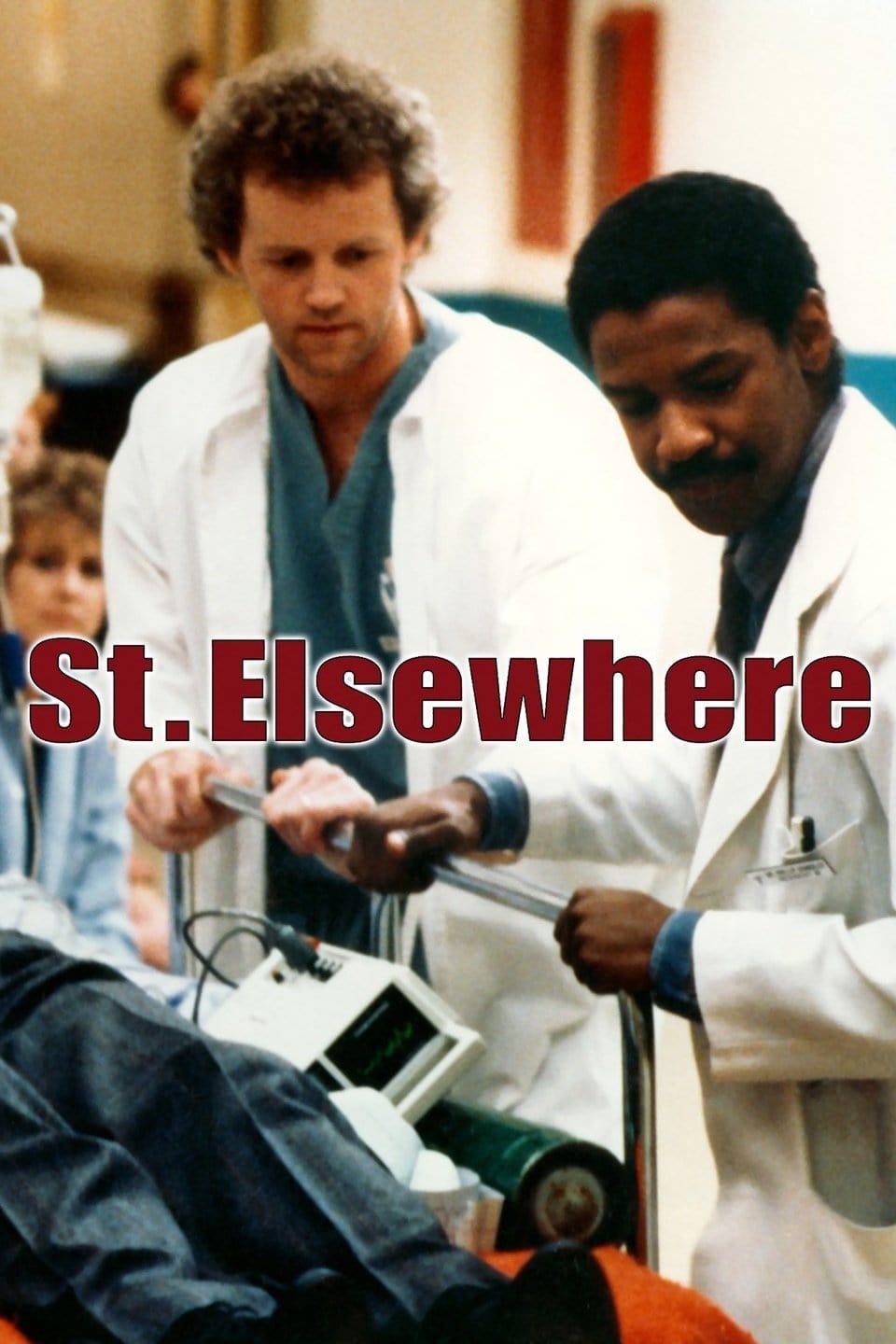
Set in a decaying urban teaching hospital in Boston, this medical drama explored the lives of staff who were often as troubled as their patients. The series was known for its realistic portrayal of the medical profession and the challenges of working in an underfunded institution. It underscored the dedication required to provide care to the less fortunate despite bureaucratic obstacles. The show focused heavily on the idea of service as a vocation rather than just a career.
‘Baywatch’ (1989–2001)
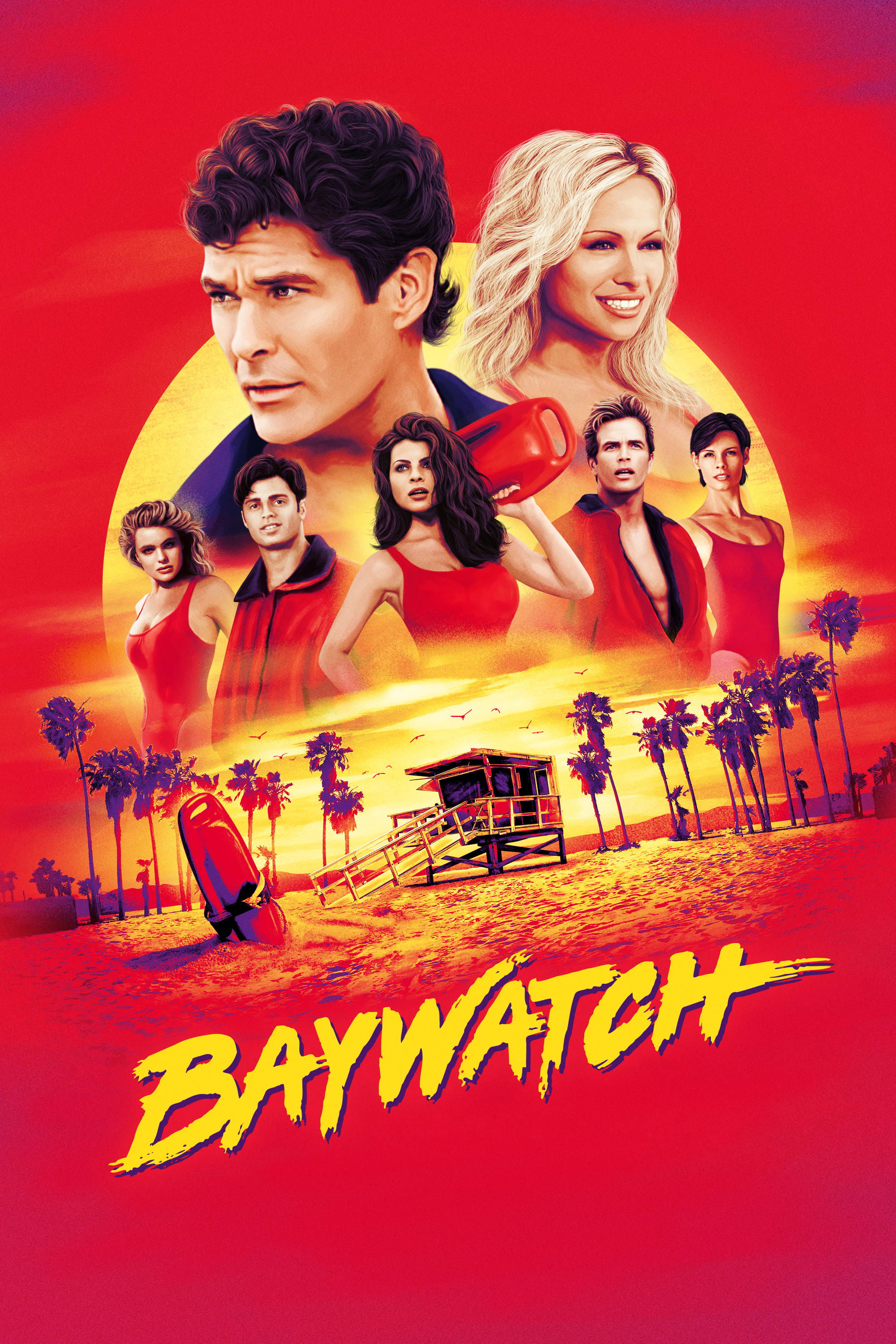
This global phenomenon focused on a team of lifeguards patrolling the beaches of Los Angeles County. Mitch Buchannon led a squad dedicated to protecting beachgoers from drowning, shark attacks, and other coastal dangers. While often remembered for its slow-motion running, the series consistently portrayed lifeguarding as a vital public safety service. The characters frequently risked their lives to rescue swimmers and maintain order on the crowded sands.
‘Law & Order’ (1990–Present)
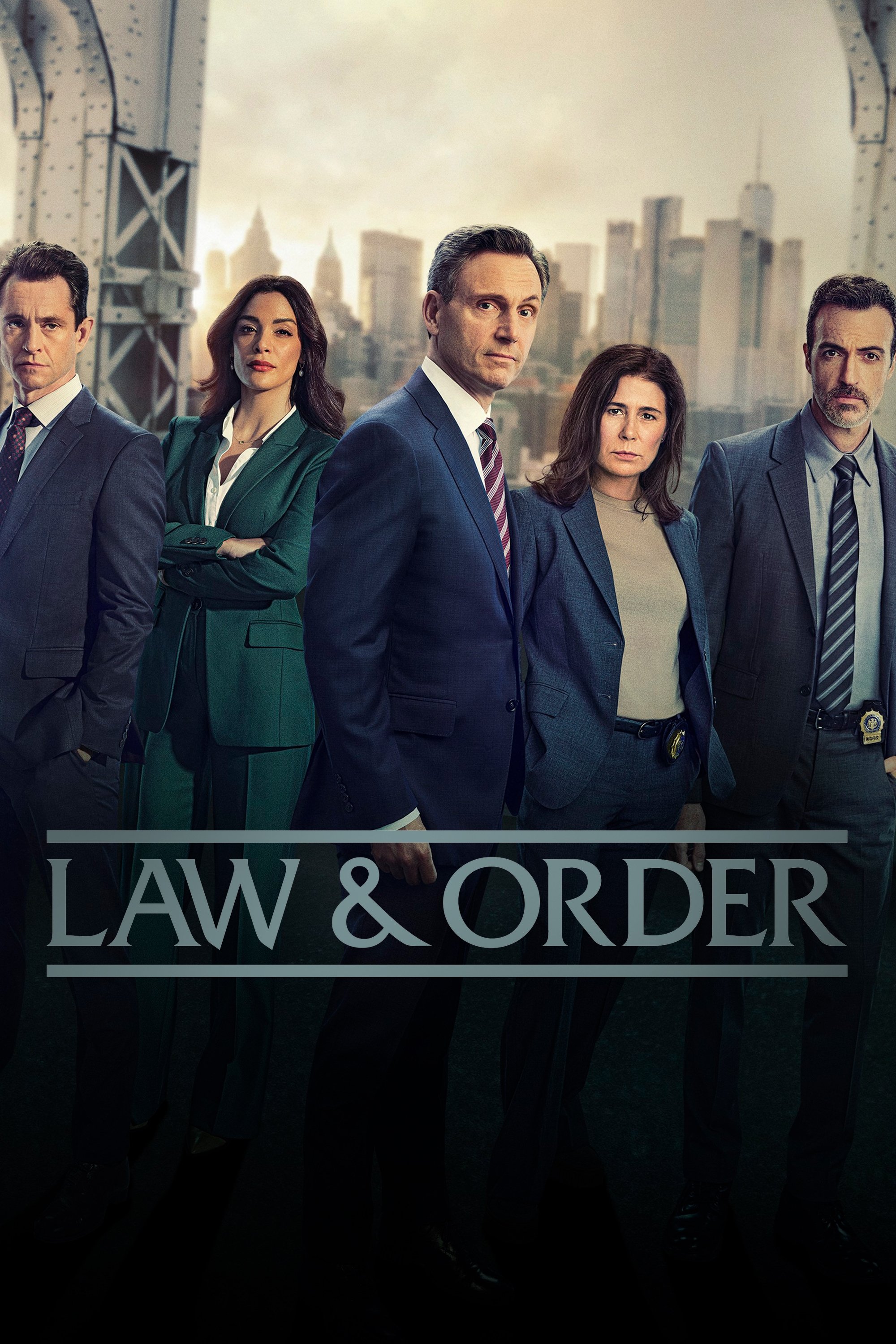
This long-running franchise splits its focus between the police who investigate crimes and the district attorneys who prosecute the offenders. The format illustrates the two distinct but connected groups of public servants working within the criminal justice system. Each episode emphasizes the procedural aspect of seeking justice for victims and the community at large. The series highlights the relentless work required to maintain the rule of law.
‘ER’ (1994–2009)
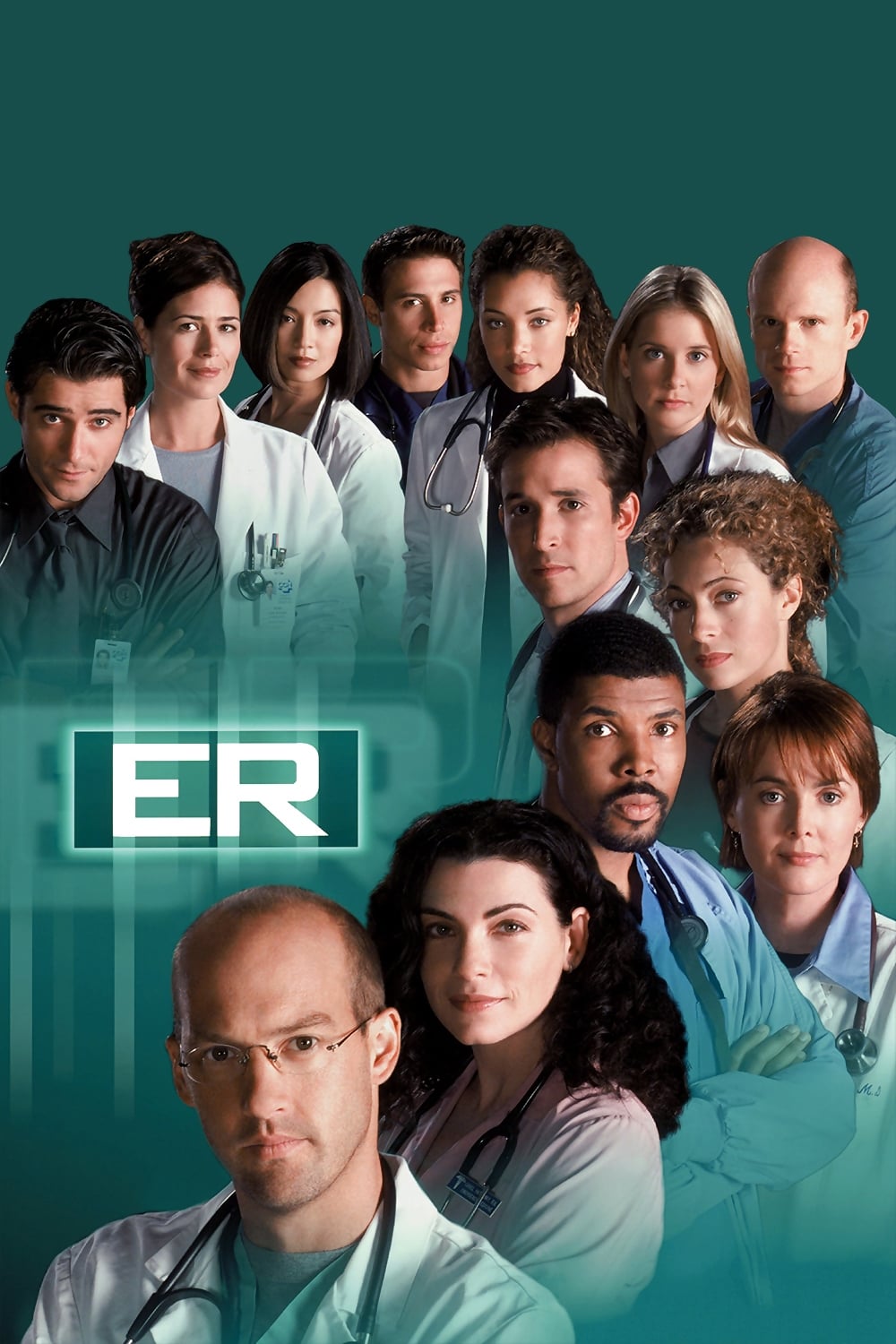
Set in the emergency room of a fictional Chicago hospital, this medical drama set a new standard for pacing and realism. The show followed the frantic lives of doctors and nurses as they made split-second decisions to save patients. It highlighted the physical and emotional exhaustion inherent in emergency medicine. The series illustrated how medical professionals sacrifice their personal lives to serve the immediate needs of their community.
‘Third Watch’ (1999–2005)
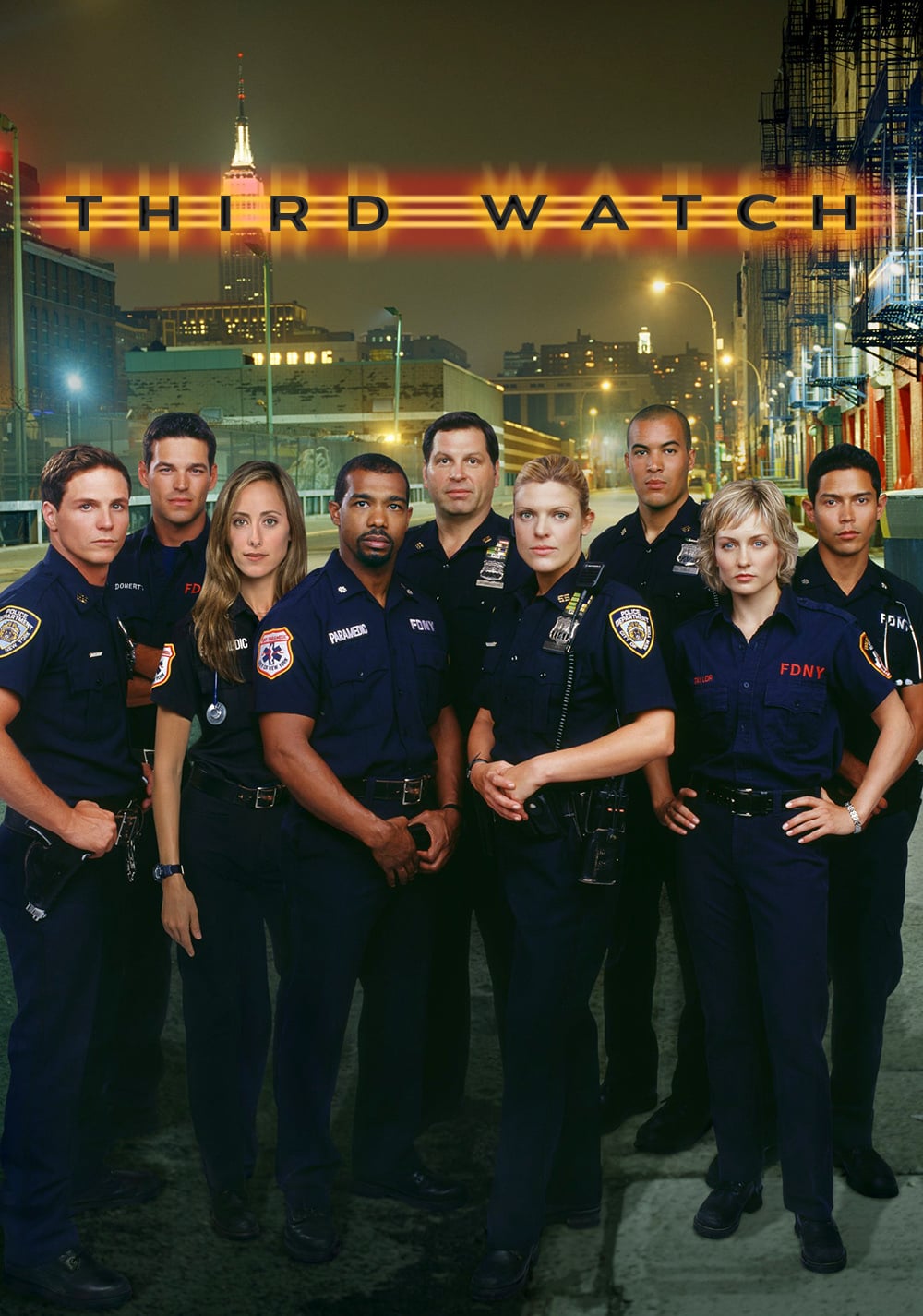
This drama offered a unique perspective by intertwining the stories of police officers, firefighters, and paramedics working the same shift. Set in New York City, it showcased how these different branches of emergency services collaborate on the streets. The show emphasized the camaraderie and shared purpose among those who work during the city’s most dangerous hours. It provided a comprehensive look at the ecosystem of first responders.
‘The West Wing’ (1999–2006)
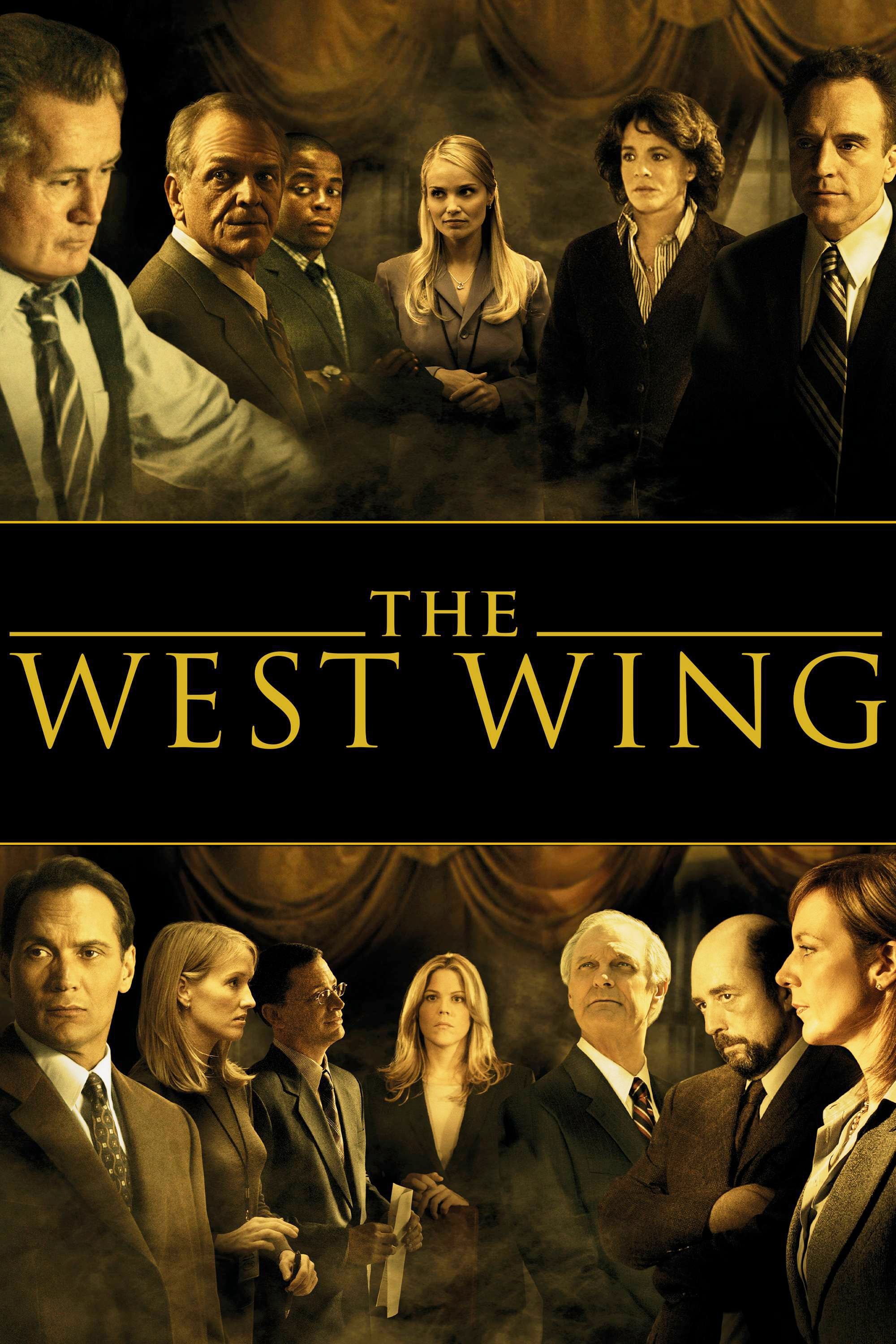
This political drama offered an idealistic look at the inner workings of the White House under President Josiah Bartlet. The staff worked tirelessly to pass legislation and manage crises that would improve the lives of American citizens. It presented public service and politics as noble pursuits driven by intellect and a desire to do good. The series celebrated the hard work of civil servants who operate behind the scenes of government.
‘Law & Order: Special Victims Unit’ (1999–Present)
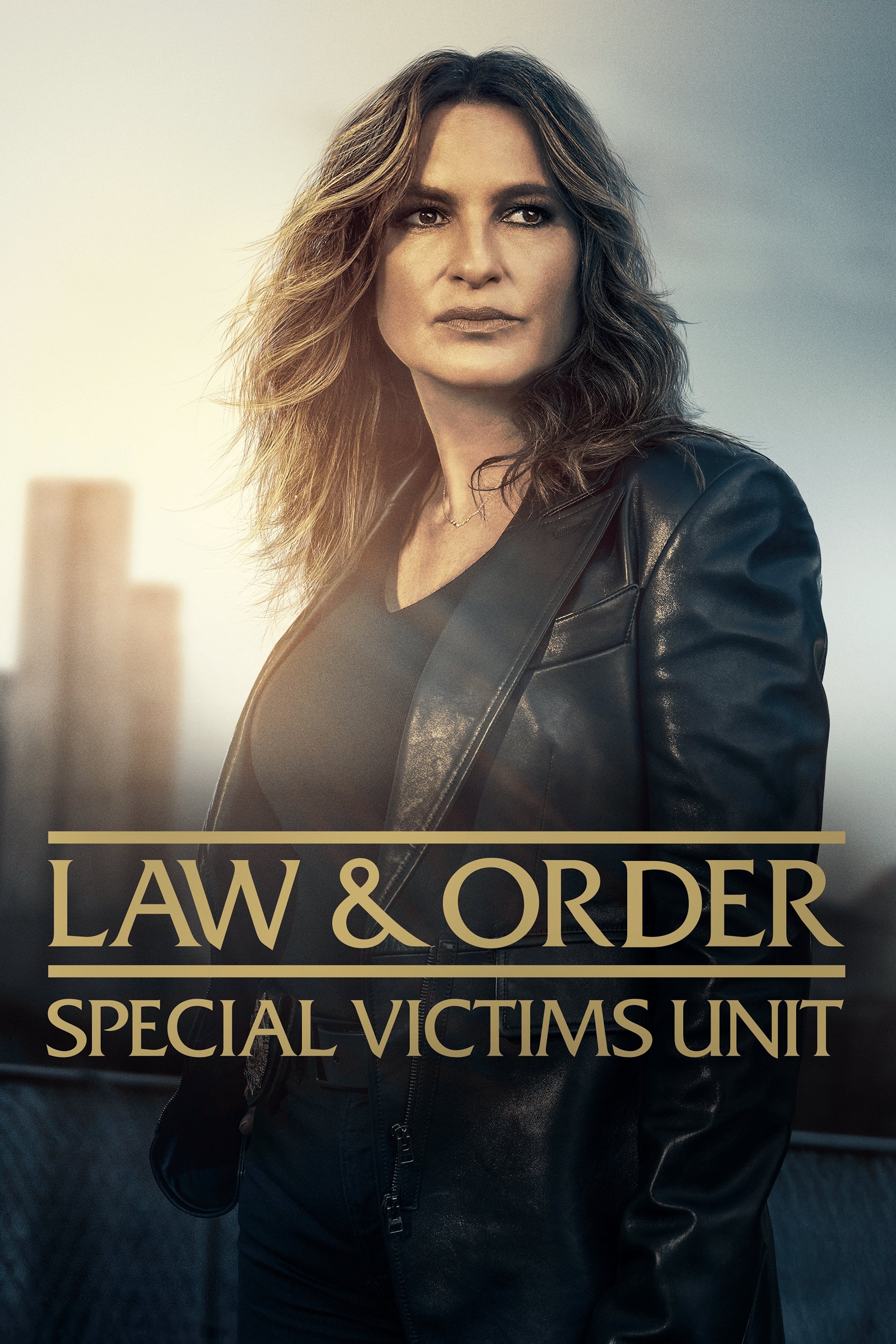
Focusing on a specialized department of the New York City Police Department, this series deals with sexually based offenses. Detectives Benson and Stabler became icons for their dedication to advocating for survivors and vulnerable victims. The show emphasizes the emotional fortitude required to investigate heinous crimes while offering support to those in trauma. It portrays law enforcement as a crucial advocacy role for the voiceless.
‘Scrubs’ (2001–2010)
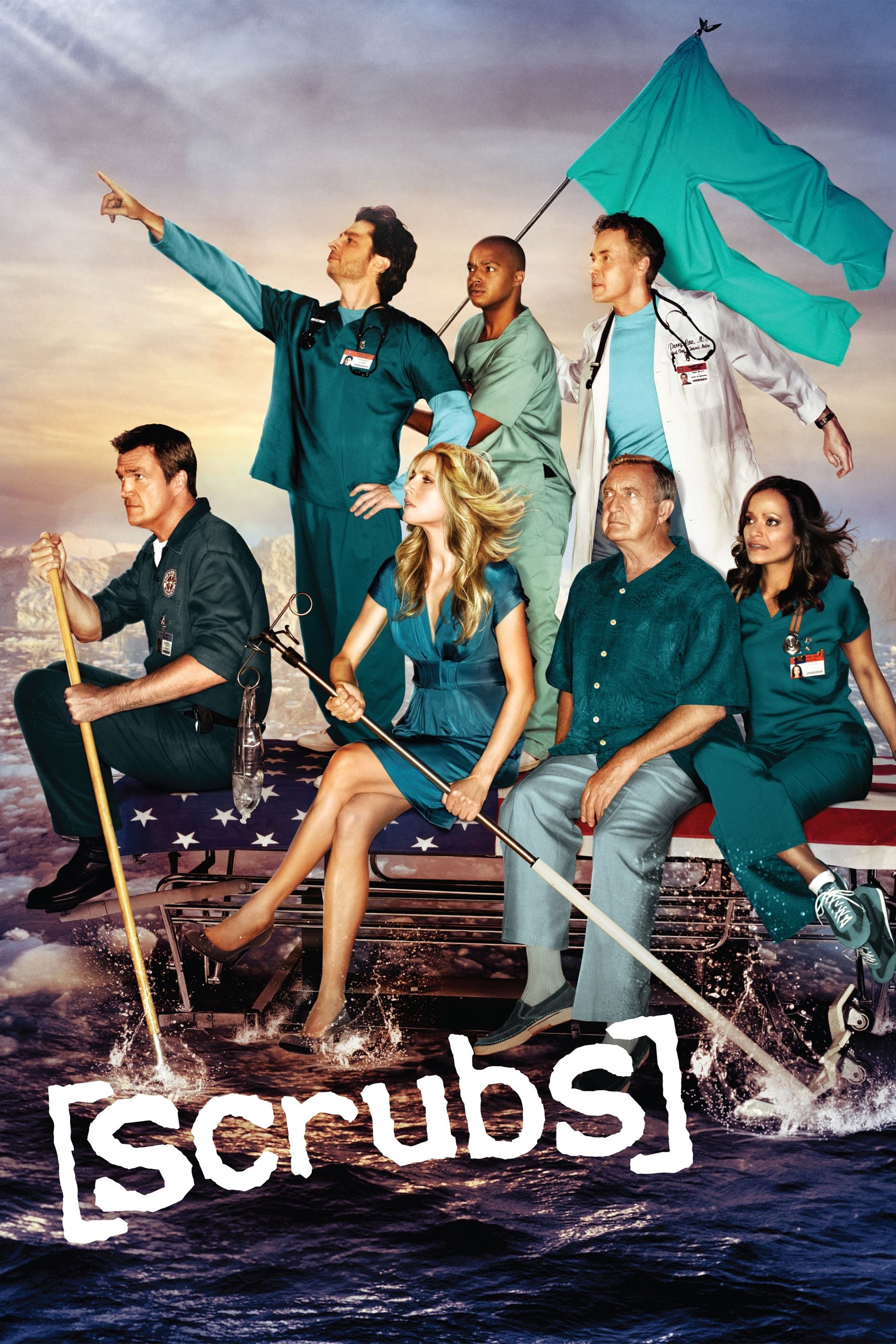
While a comedy, this series provided a deeply human look at the lives of interns and residents at a teaching hospital. J.D. and his colleagues navigated the steep learning curve of medicine while learning to empathize with patients. The show frequently tackled the reality of death and the limitations of what doctors can do. It highlighted the emotional growth required to serve others effectively in a medical setting.
‘The Wire’ (2002–2008)
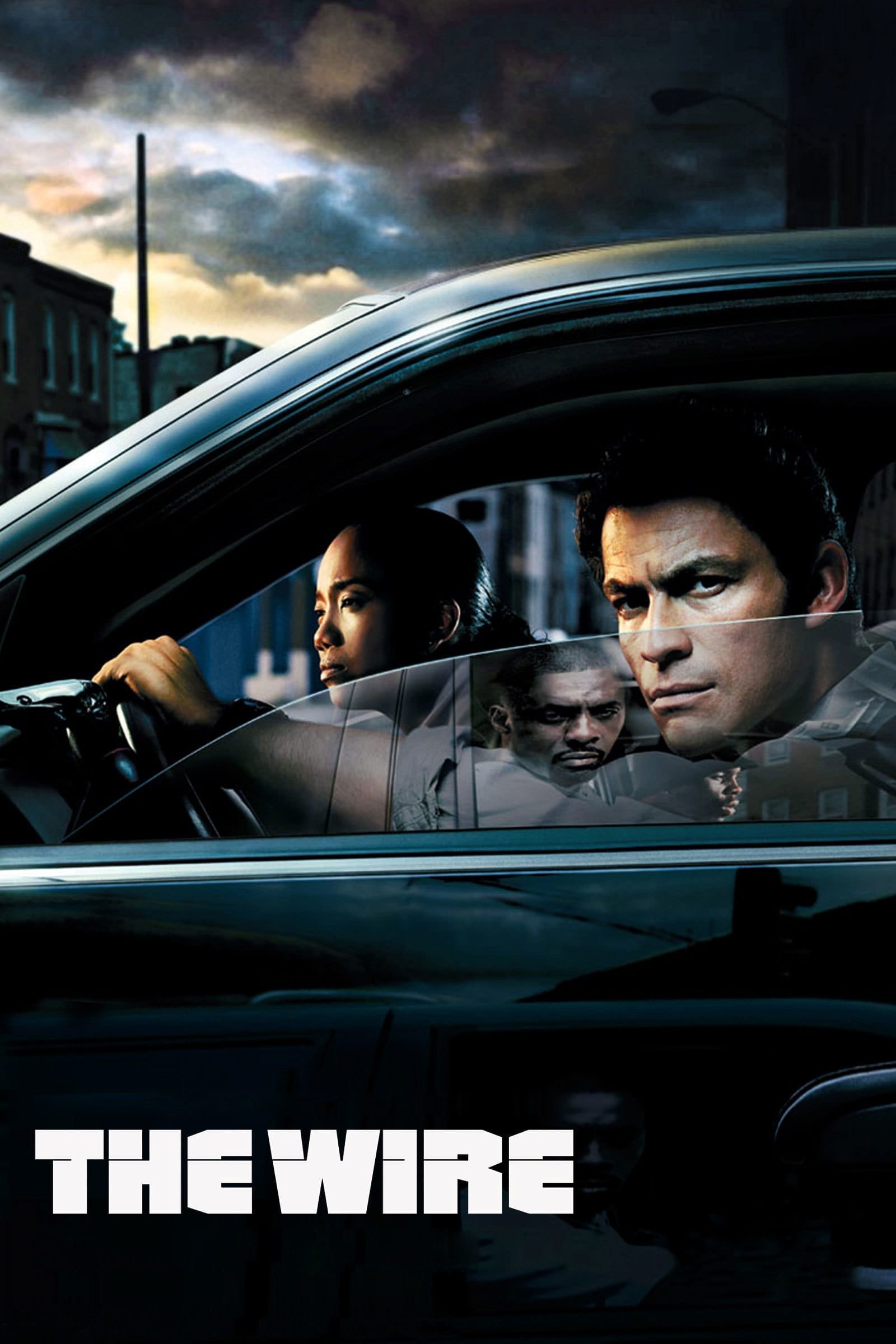
This complex narrative examined the narcotics scene in Baltimore through the eyes of law enforcement and the community. It provided an unvarnished look at the systemic failures that public servants face when trying to effect change. The show illustrated the dedication of certain police officers and teachers who continued to serve despite institutional corruption. It remains a powerful commentary on the difficulty and necessity of community service in neglected areas.
‘NCIS’ (2003–Present)
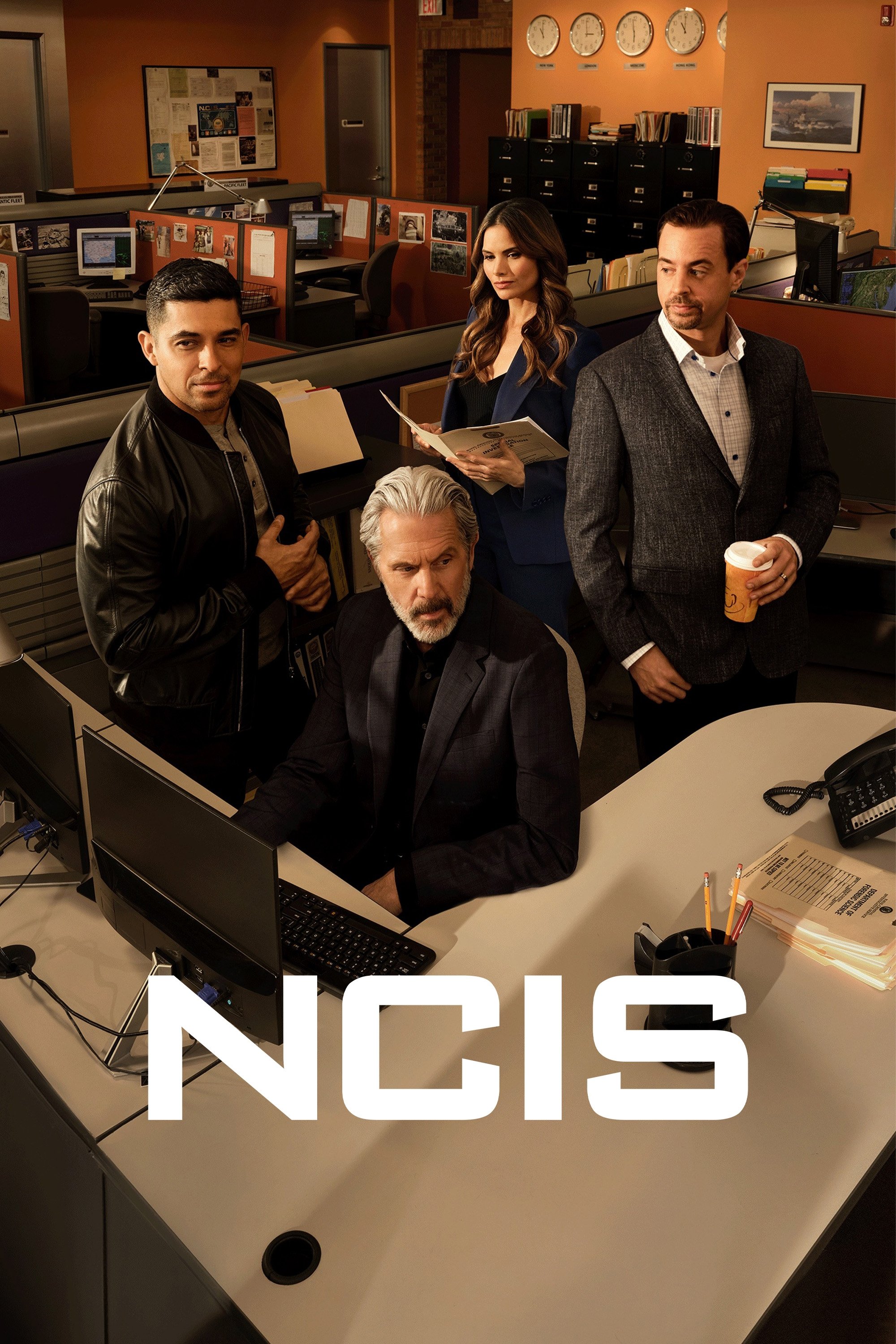
This procedural follows the special agents of the Naval Criminal Investigative Service as they solve crimes involving the U.S. Navy and Marine Corps. The team investigates everything from murder to espionage to protect military personnel and national security. It highlights the specialized service required to police the armed forces. The series emphasizes loyalty and the relentless pursuit of justice for those who serve the country.
‘Cold Case’ (2003–2010)
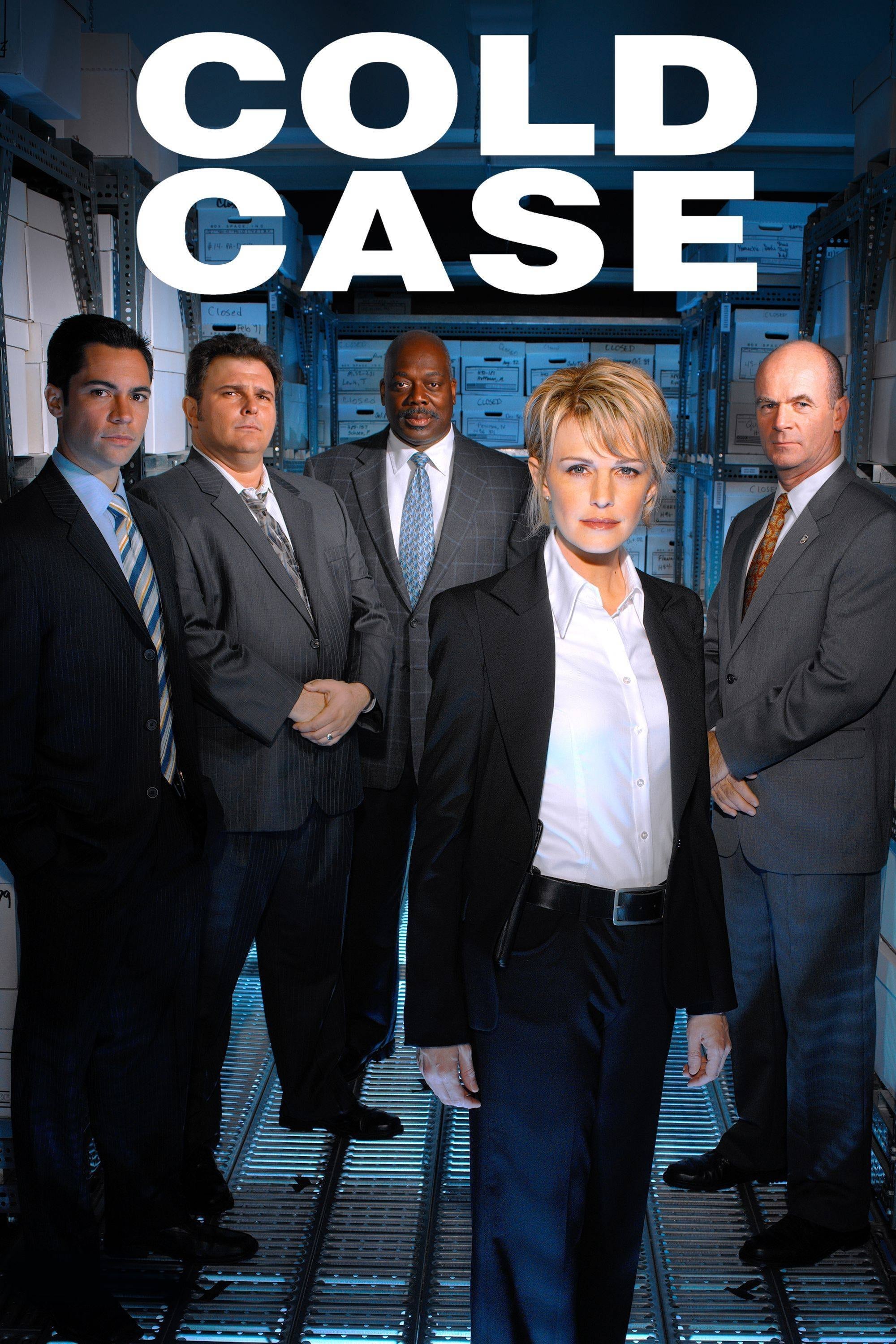
Detective Lilly Rush led a team dedicated to solving inactive homicide cases that had been forgotten by time. The series emphasized the importance of finding justice for victims regardless of how many years had passed. It portrayed the detectives as advocates for the deceased who refused to let the truth remain buried. The show highlighted the persistence required to serve the memories of those lost to violence.
‘Rescue Me’ (2004–2011)
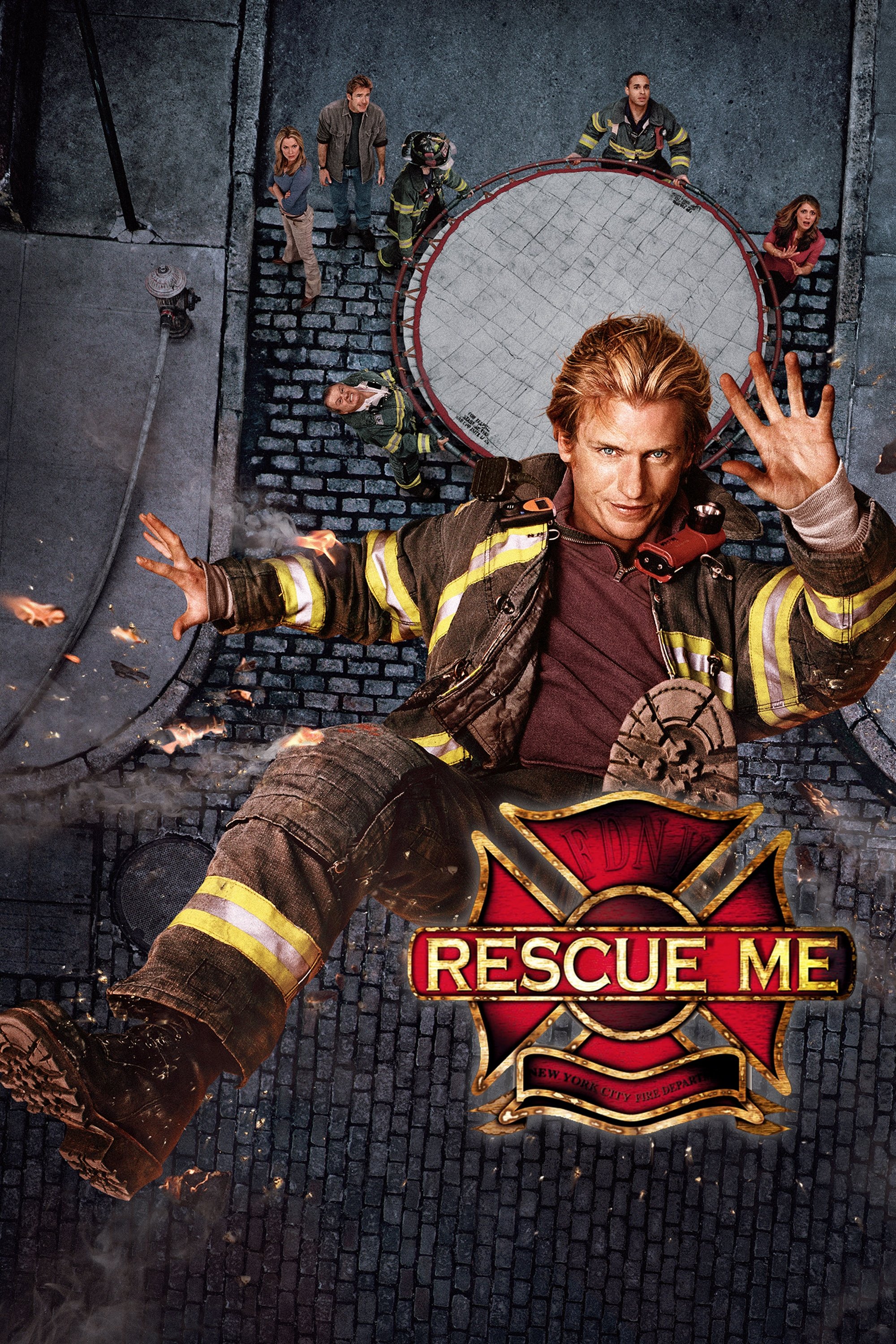
Centering on a veteran firefighter in post-9/11 New York City, this show explored the psychological aftermath of tragedy on first responders. Tommy Gavin and his crew saved lives while battling their own personal demons and trauma. It provided a raw and gritty look at the brotherhood of firefighters and the costs of heroism. The series underscored the resilience required to continue serving a community after suffering immense loss.
‘Grey’s Anatomy’ (2005–Present)
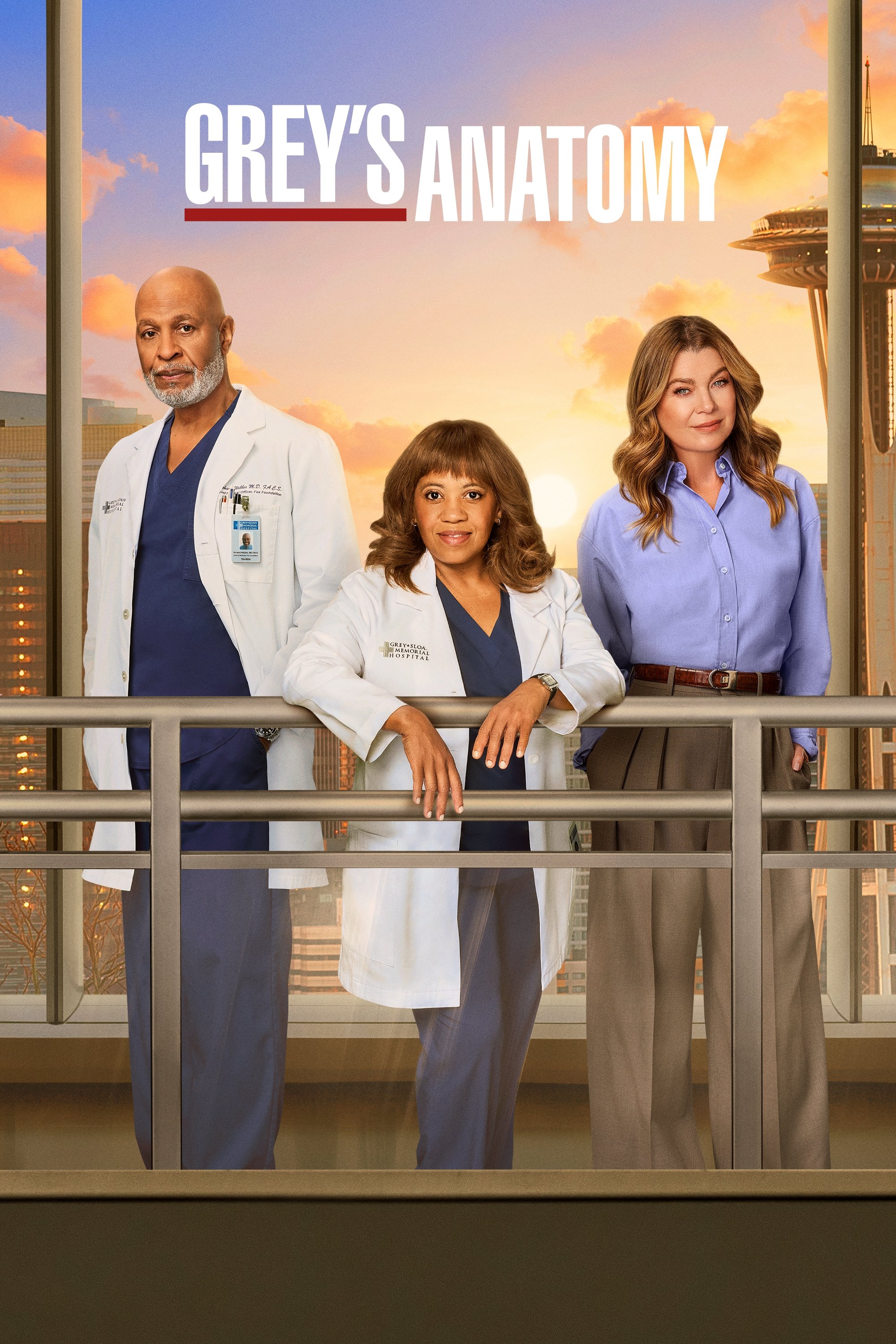
This medical drama follows the personal and professional lives of surgical interns and residents at a Seattle hospital. The characters navigate complex medical cases while forging strong bonds with one another and their patients. It emphasizes the intense training and dedication required to become a surgeon. The show frequently explores how doctors go above and beyond standard care to advocate for their patients’ well-being.
‘Criminal Minds’ (2005–Present)
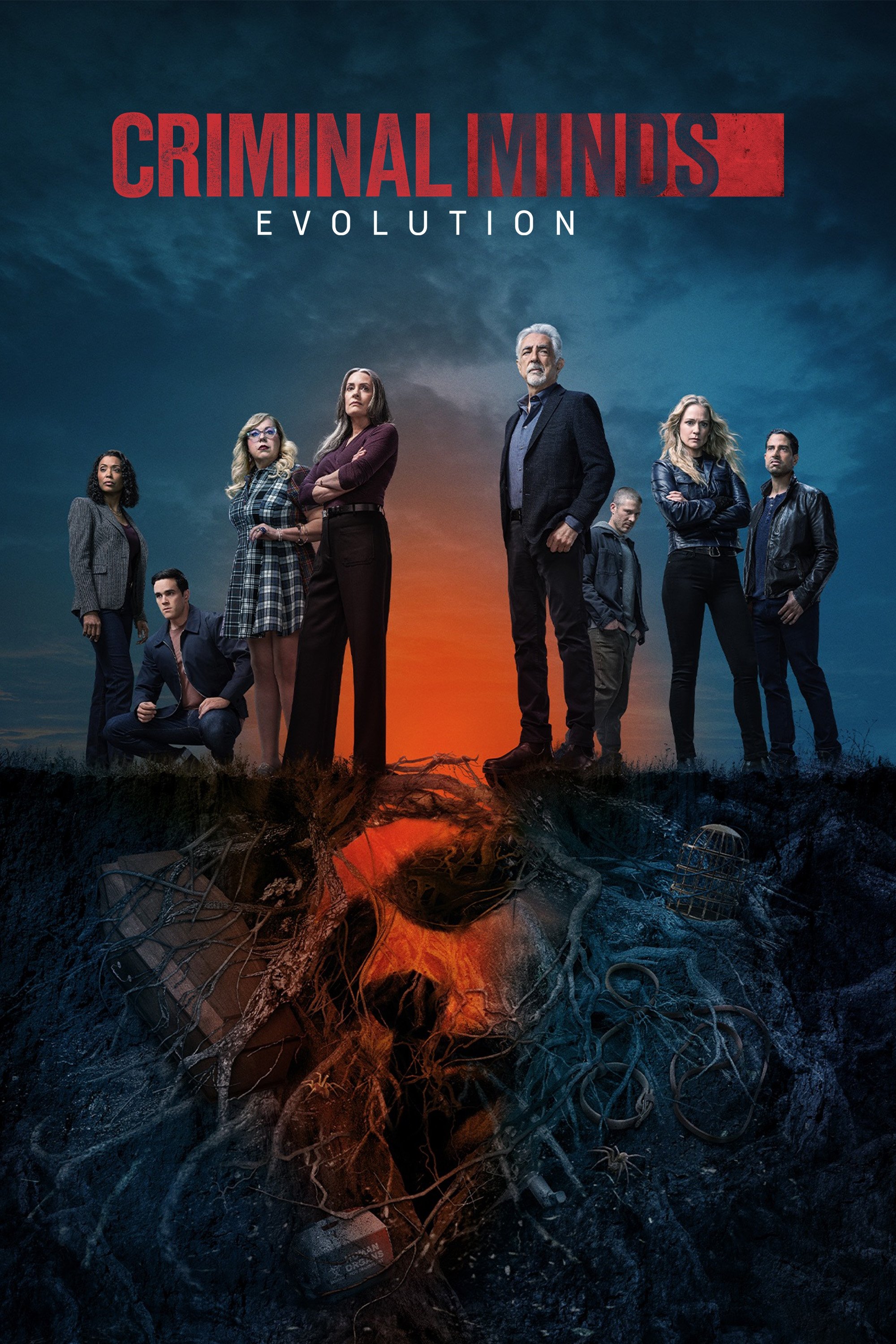
A team of FBI profilers analyzes the nation’s most dangerous criminal minds to anticipate their next moves before they strike again. The Behavioral Analysis Unit works tirelessly to rescue victims and stop serial offenders across the country. The show highlights the psychological toll of immersing oneself in darkness to protect the public. It portrays intellectual service and profiling as essential tools in modern law enforcement.
‘Ghost Whisperer’ (2005–2010)

Melinda Gordon used her ability to communicate with earthbound spirits to help them cross over into the light. She viewed her supernatural gift as a service to both the living and the dead by resolving unfinished business. The series focused on the empathy and patience required to help souls find peace. It presented a unique form of community service that bridged the gap between this world and the next.
‘Army Wives’ (2007–2013)

This drama focused on the spouses of soldiers living on an active military base and the unique challenges they face. It highlighted the support systems that families build to survive deployments and the rigors of military life. The show illustrated that service extends beyond the uniform to the families who sacrifice stability for the country. It celebrated the unsung heroism of the community back home.
‘Flashpoint’ (2008–2012)

This Canadian police drama focused on the Strategic Response Unit, a specialized team tasked with resolving extreme crisis situations. The team prioritized negotiation and de-escalation techniques to save lives rather than relying solely on force. It highlighted the psychological training required to handle hostages, bomb threats, and armed subjects. The series emphasized that true heroism often involves talking a desperate person down from the ledge.
‘Parks and Recreation’ (2009–2015)

Leslie Knope, a mid-level bureaucrat in the Parks Department of Pawnee, Indiana, viewed local government as a sacred trust. The series used comedy to champion the power of optimism and hard work in public service. Leslie’s tireless efforts to build parks and organize festivals demonstrated how small acts can improve a community. It turned the mundane aspects of civil service into a celebration of civic engagement.
‘NCIS: Los Angeles’ (2009–2023)
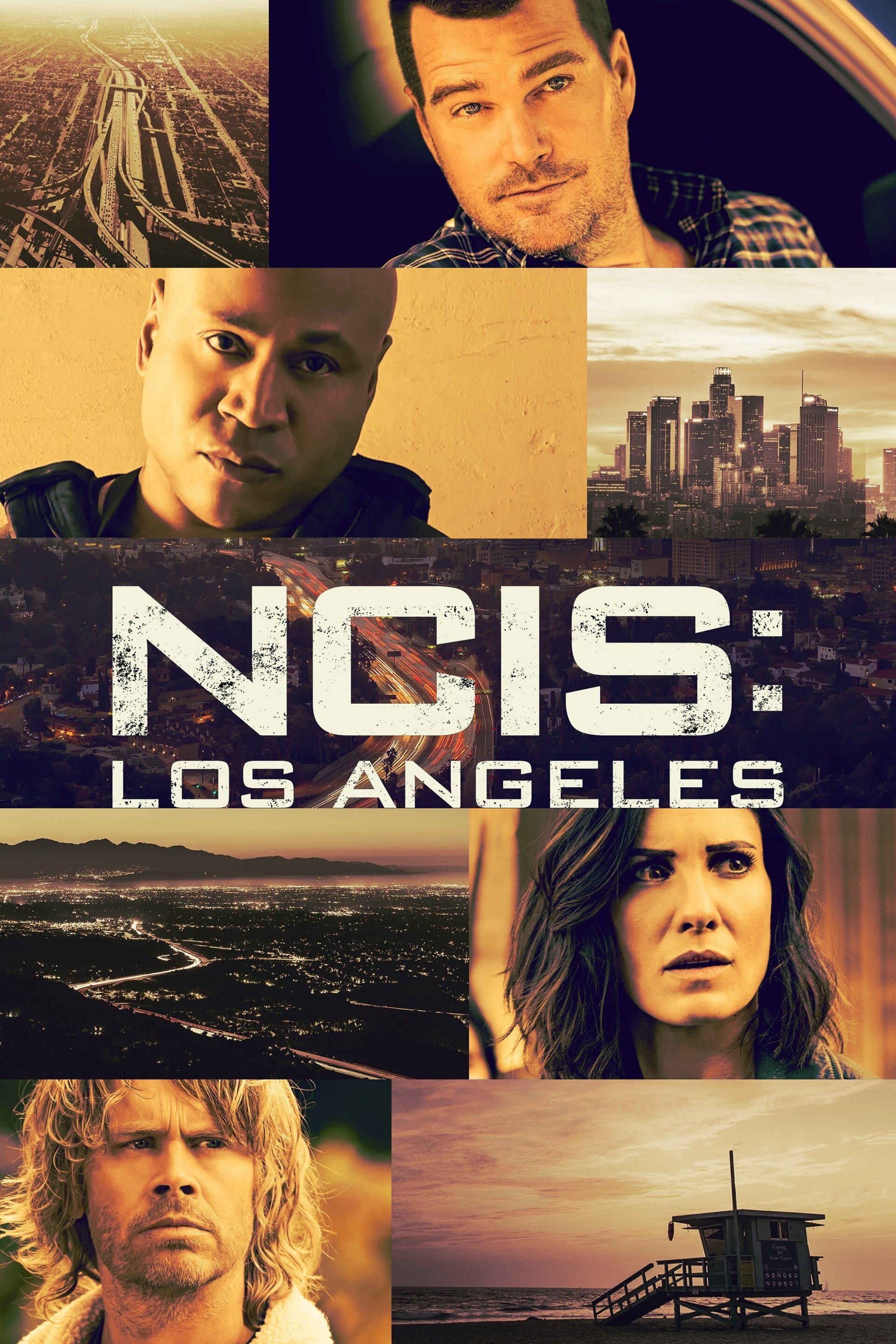
The Office of Special Projects takes on undercover assignments to apprehend criminals who threaten national security. The agents use high-tech surveillance and deep cover identities to dismantle terrorist cells and organized crime. The series highlights the personal risks involved in undercover work. It emphasizes the sacrifices agents make to protect the general populace from large-scale threats.
‘Blue Bloods’ (2010–2024)
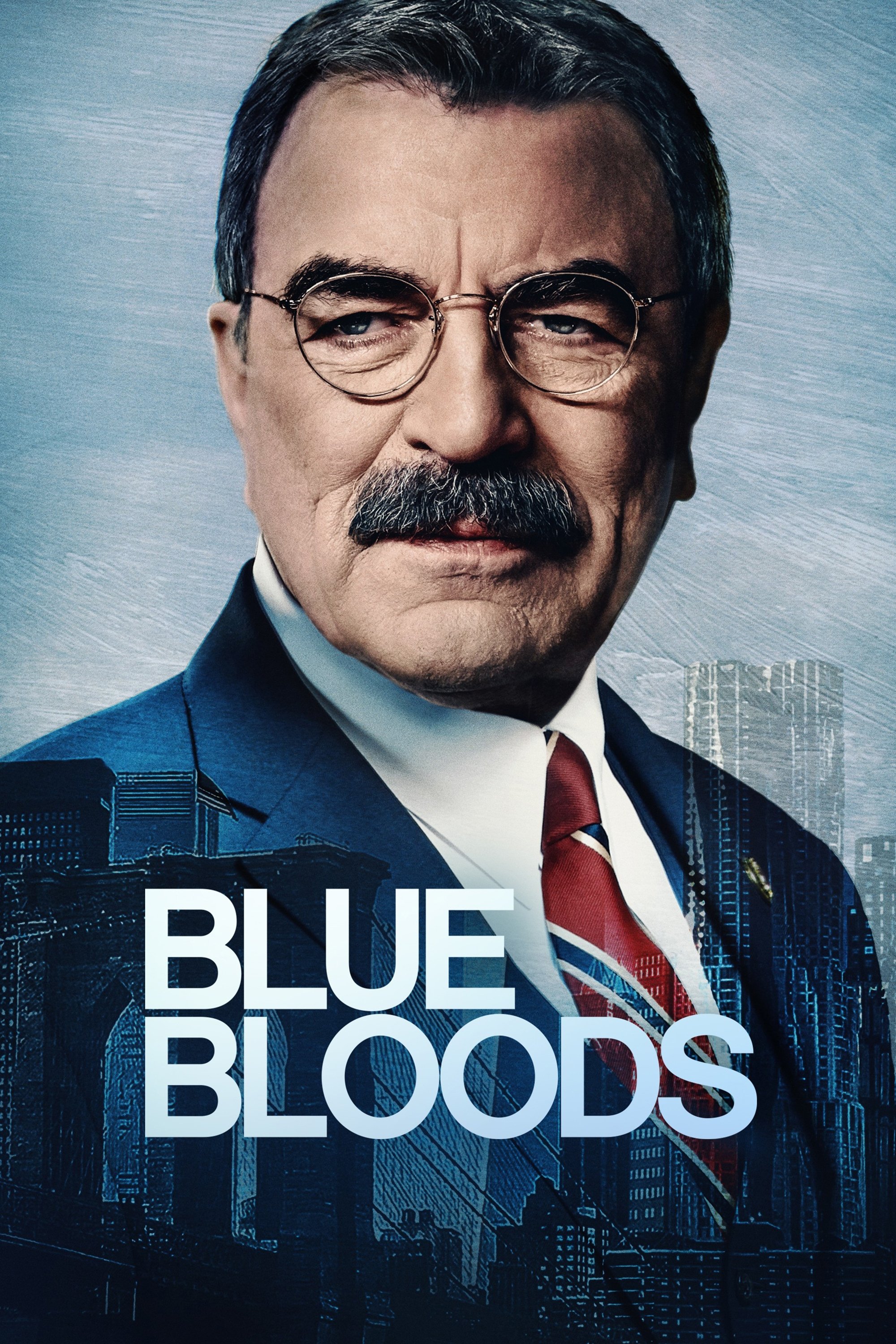
The Reagan family consists of multiple generations working in law enforcement, from the Police Commissioner to beat cops and a District Attorney. Sunday dinners serve as a venue for debating the moral and ethical issues facing the justice system. The show emphasizes the family’s collective dedication to serving New York City despite the dangers. It portrays police work as a legacy of service passed down through generations.
‘Hawaii Five-0’ (2010–2020)

An elite state police task force is established to combat major crimes in Hawaii. Steve McGarrett and Danny Williams lead a team that operates with full immunity and means to secure the safety of the islands. The series highlights the unique challenges of law enforcement in an island community. It showcases the team’s commitment to protecting both locals and tourists from international threats.
‘Chicago Fire’ (2012–Present)
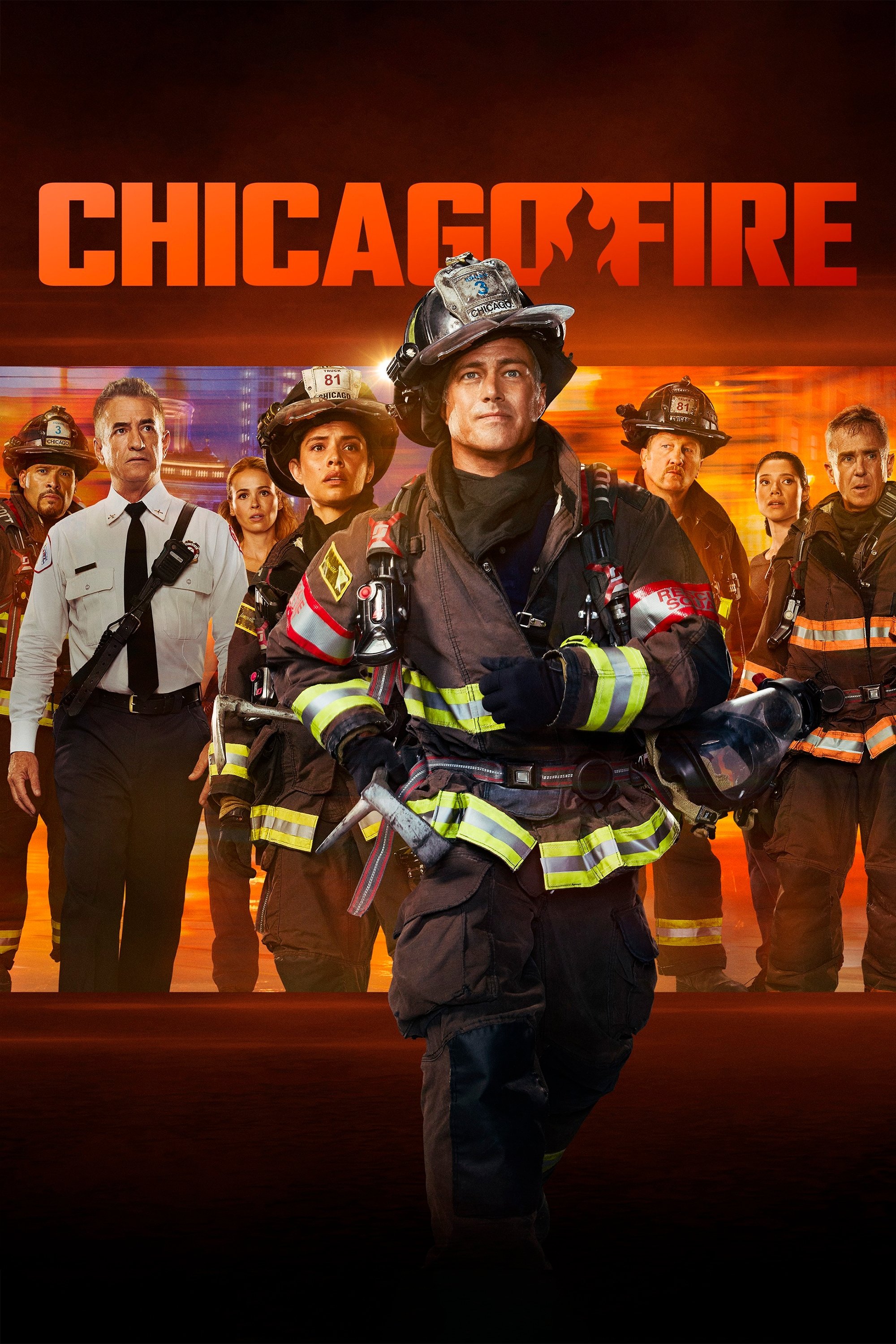
This drama explores the lives of the firefighters, rescue squad, and paramedics of Firehouse 51 in Chicago. The characters face life-or-death situations daily while maintaining a tight-knit family dynamic within the firehouse. It illustrates the physical danger and emotional resilience required to run into burning buildings. The show celebrates the courage of those who stand between the community and destruction.
‘Call the Midwife’ (2012–Present)
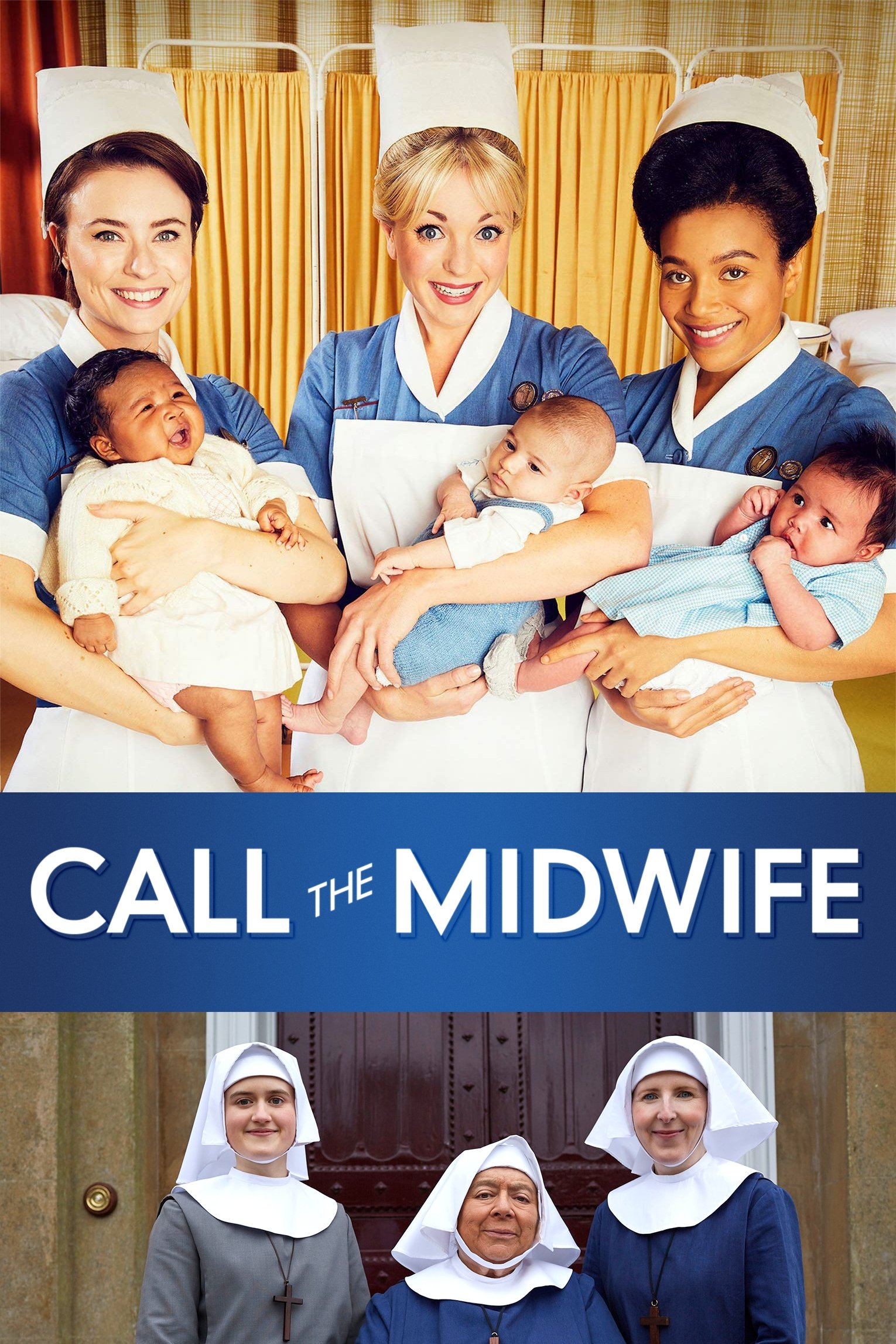
Set in the poverty-stricken East End of London in the 1950s and 60s, this series follows a group of nurse midwives and nuns. They provide essential medical care and support to mothers and infants in a recovering post-war society. The show highlights the vital role of community nursing in improving public health. It is a tribute to the compassion and service of women who dedicated their lives to the welfare of others.
‘Chicago P.D.’ (2014–Present)
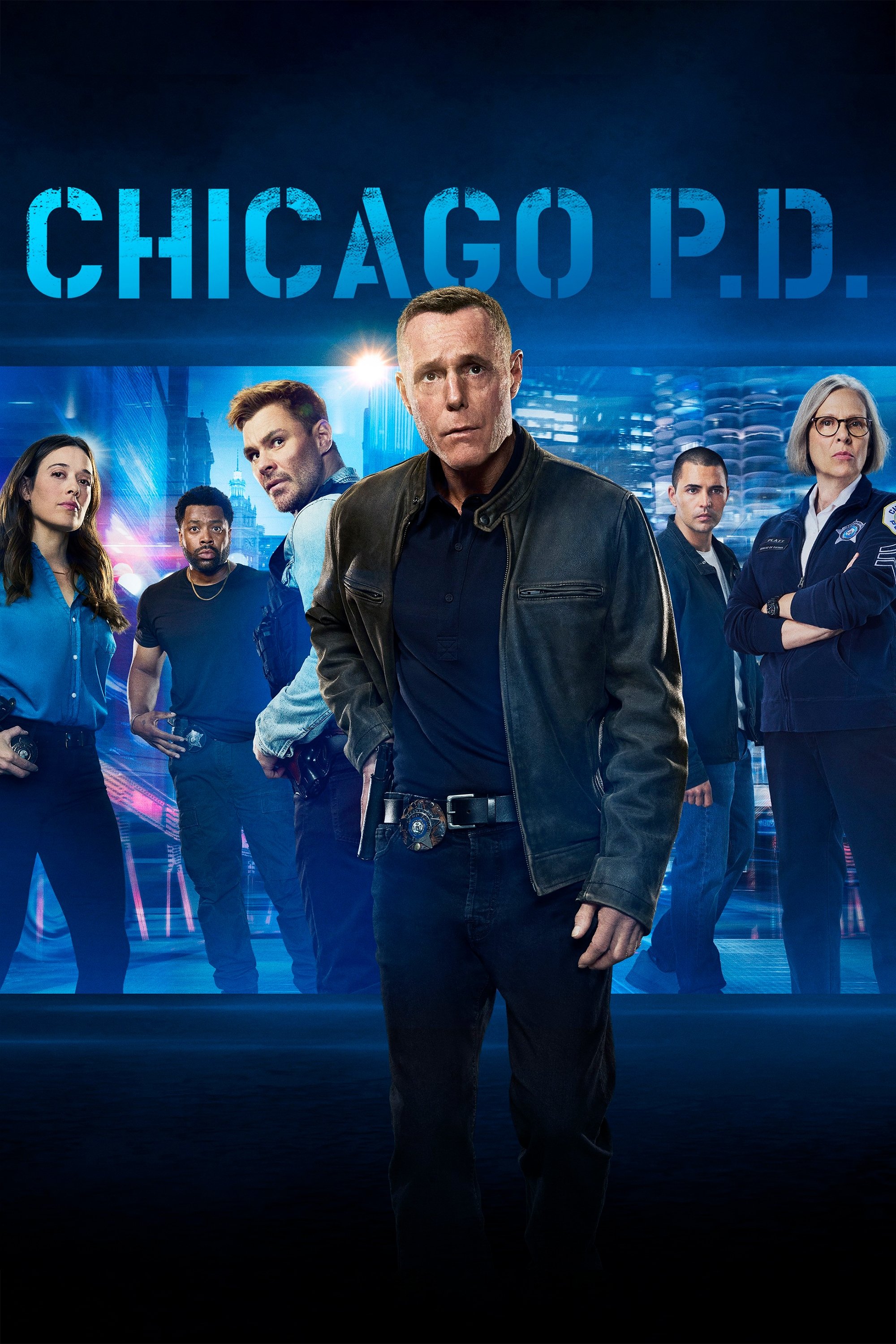
The Intelligence Unit of the Chicago Police Department combats the city’s most heinous offenses, including organized crime and drug trafficking. Sergeant Hank Voight leads a team that often walks the fine line between the law and justice to protect the city. The series highlights the gritty reality of policing in a major metropolis. It emphasizes the dedication required to dismantle powerful criminal organizations.
‘Madam Secretary’ (2014–2019)

Elizabeth McCord, a former CIA analyst turned Secretary of State, navigates complex international diplomacy to prevent global conflicts. The series showcases the tireless work of the State Department in maintaining peace and protecting American interests abroad. It highlights the importance of negotiation and soft power as forms of public service. The show presents diplomacy as a heroic effort to save lives on a global scale.
‘Chicago Med’ (2015–Present)
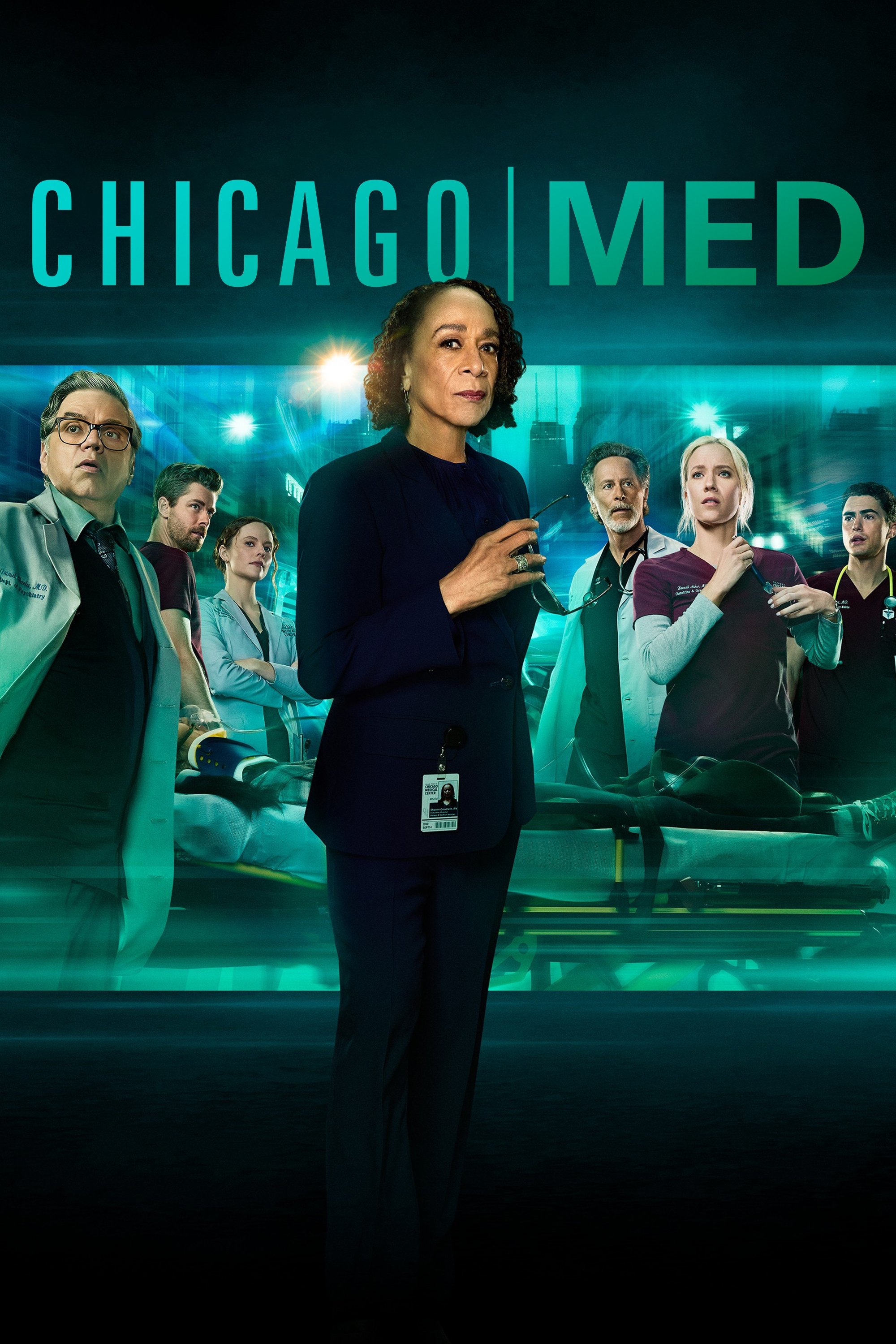
The doctors and nurses of the city’s newest state-of-the-art trauma center confront difficult medical cases and ethical dilemmas. The series intertwines with the other Chicago franchises to show the seamless cooperation needed during citywide emergencies. It highlights the pressure on medical staff to provide top-tier care in a bustling urban environment. The show emphasizes the personal sacrifices made by healers to save their patients.
‘Code Black’ (2015–2018)
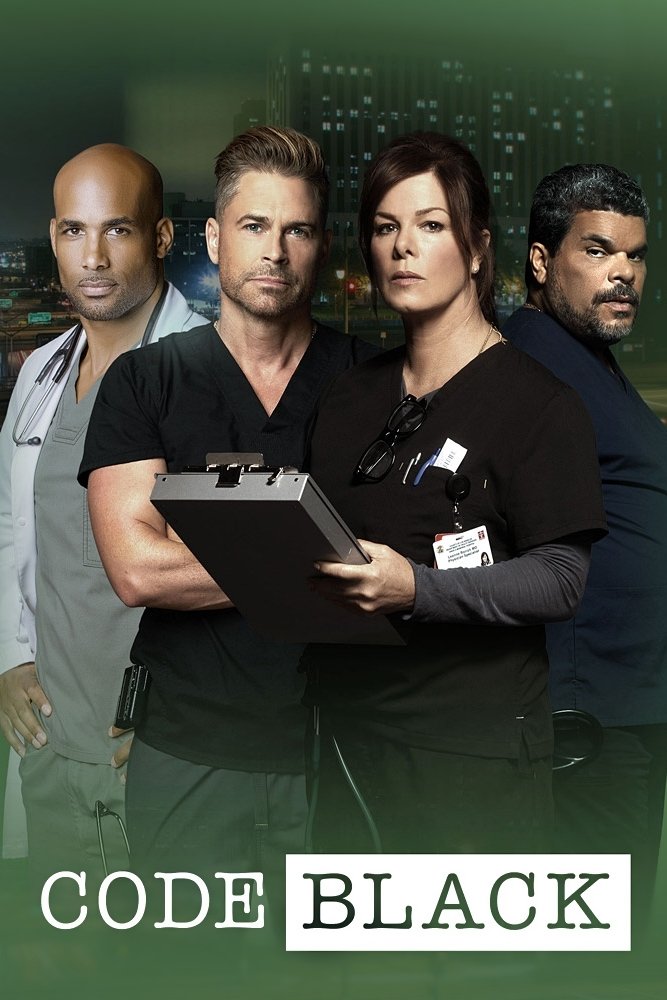
Set in an overcrowded and understaffed emergency room in Los Angeles, this series focuses on the residency director and her team. A “Code Black” occurs when the influx of patients outweighs the hospital’s resources, a situation this team faces regularly. The show highlights the resourcefulness and speed required to save lives in a broken system. It celebrates the tenacity of medical workers who refuse to give up on patients despite the odds.
‘The Good Doctor’ (2017–Present)
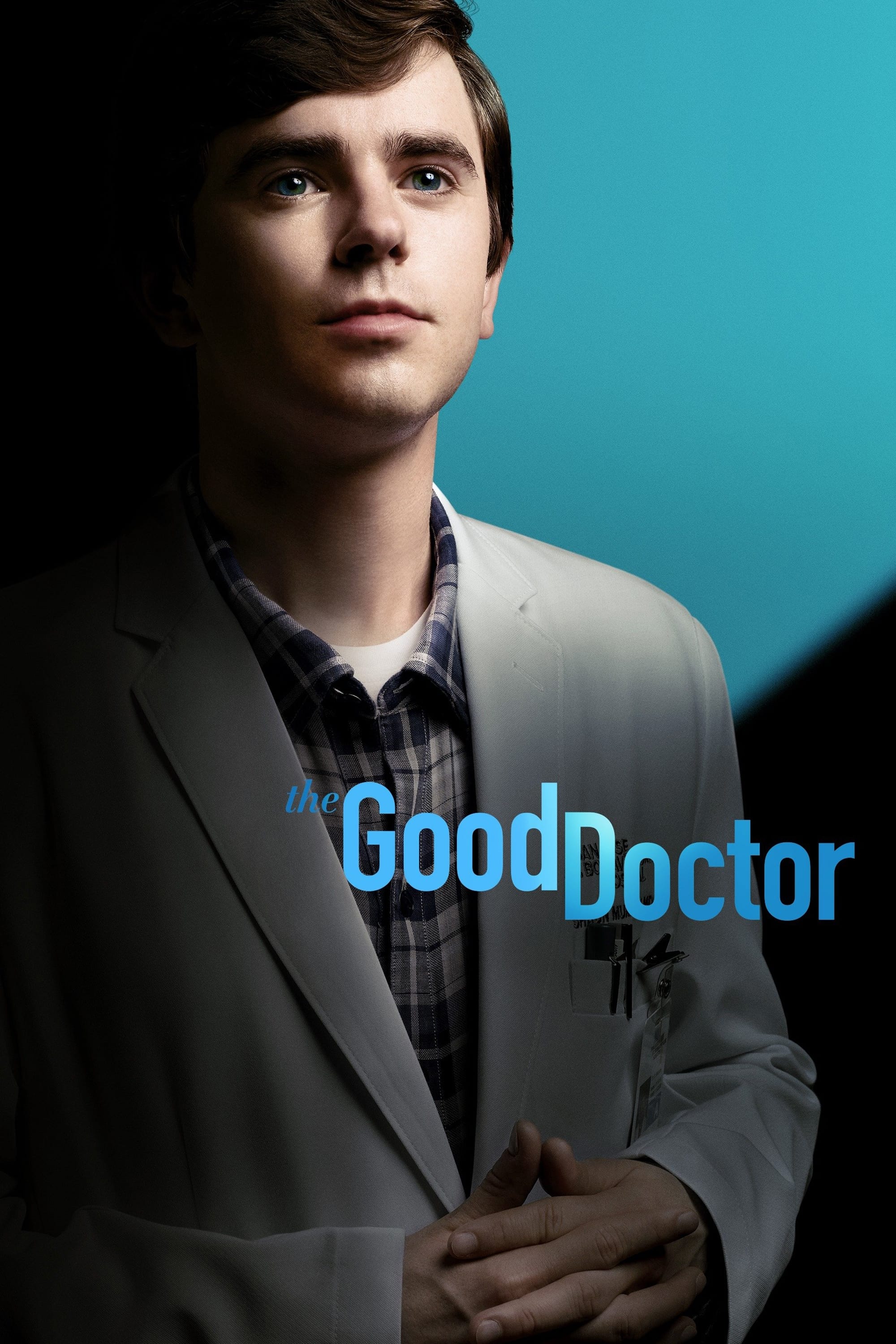
Dr. Shaun Murphy, a young surgeon with autism and savant syndrome, uses his extraordinary medical gifts to save lives. The series challenges stereotypes and highlights the value of neurodiversity in the medical profession. It focuses on Shaun’s desire to serve patients through his unique perspective and diagnostic skills. The show emphasizes that the desire to heal and help others transcends social barriers.
‘S.W.A.T.’ (2017–Present)
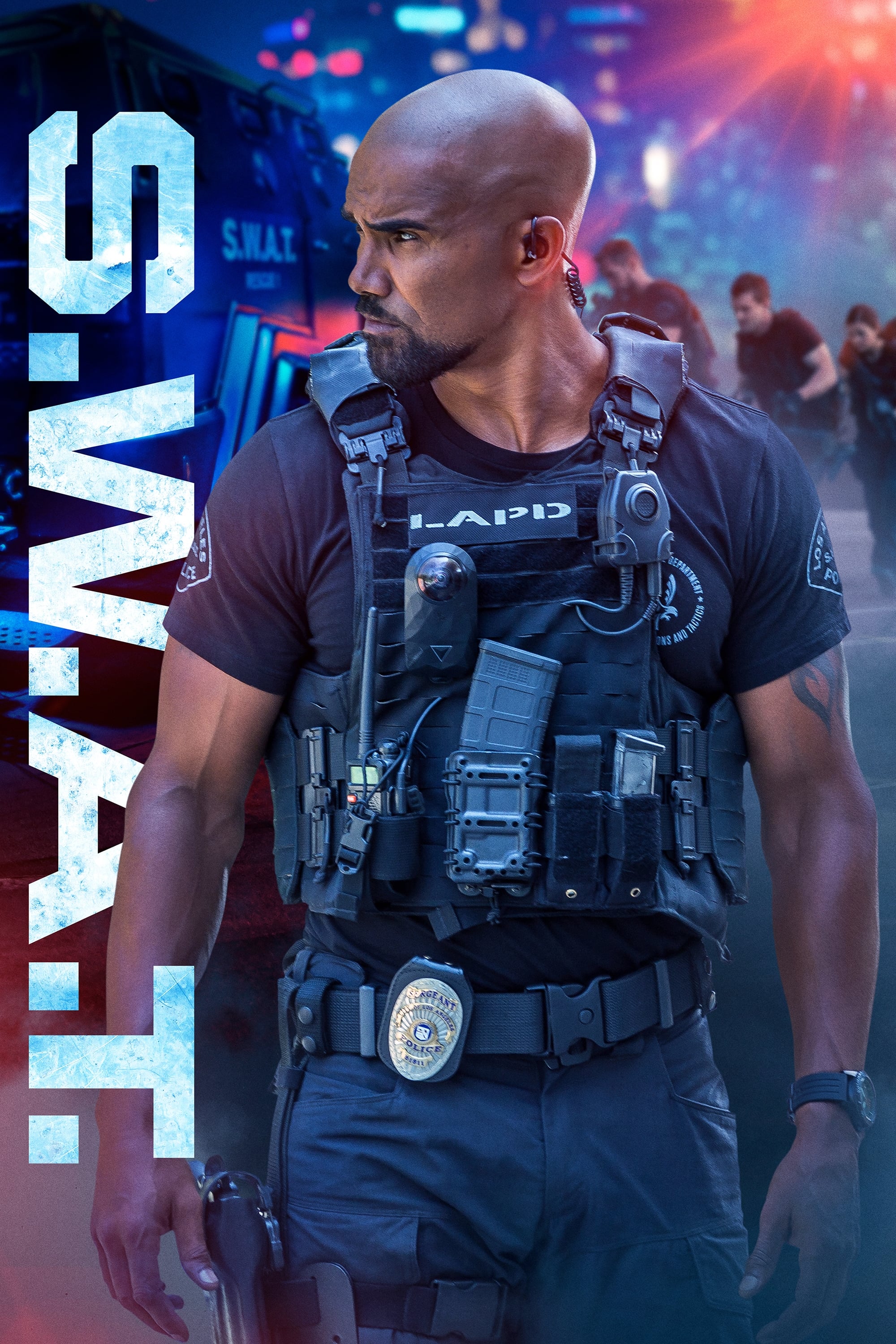
A locally born and bred S.W.A.T. sergeant is tasked with running a specialized tactical unit in Los Angeles. Hondo Harrelson bridges the gap between the police force and the community he grew up in. The series highlights the importance of community relations and trust in modern policing. It portrays tactical officers as protectors who strive to save lives even in the most volatile situations.
‘9-1-1’ (2018–Present)
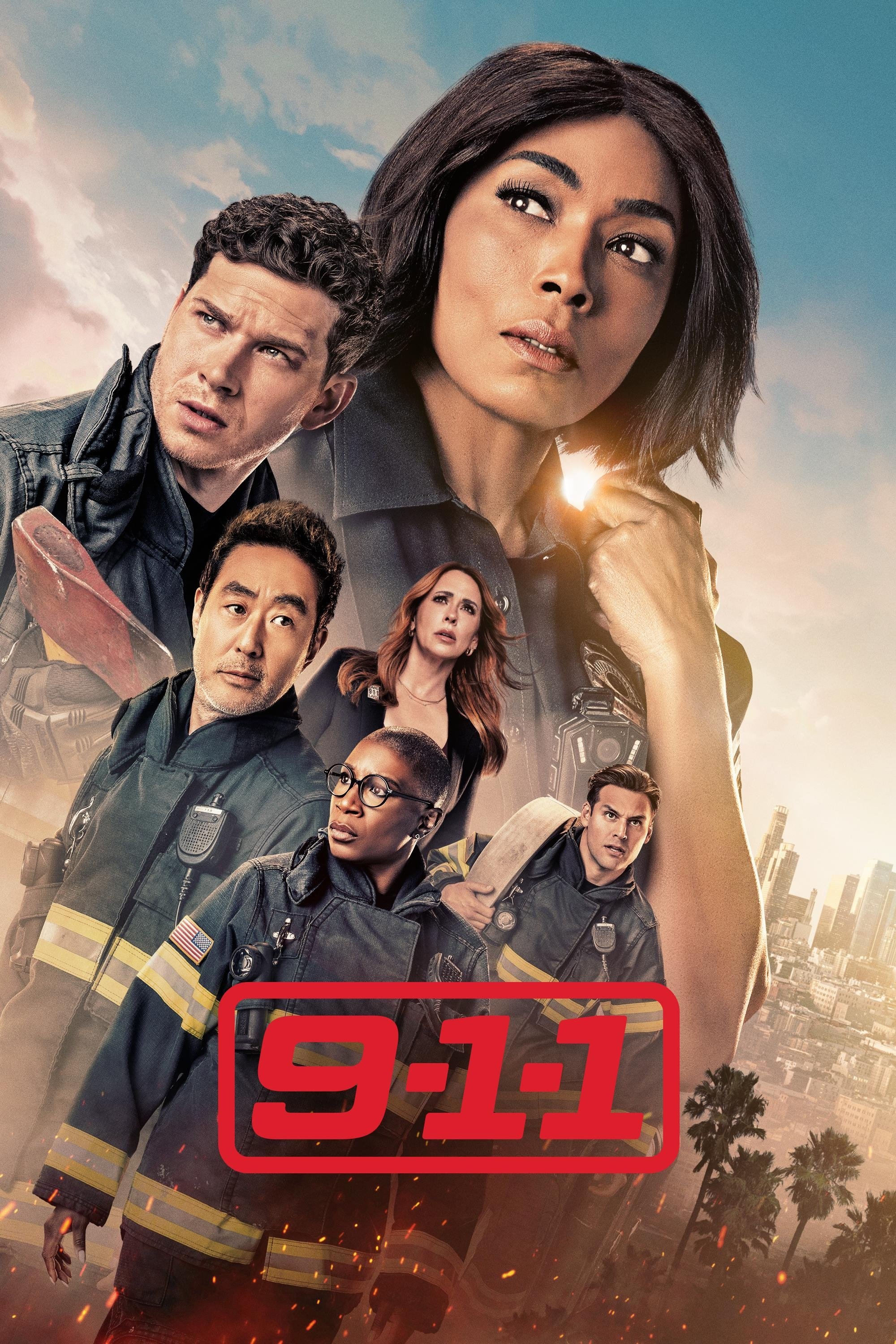
This high-octane procedural explores the high-pressure experiences of police officers, paramedics, and firefighters in Los Angeles. The series is known for its intense and often bizarre emergency scenarios that test the responders’ limits. It highlights the coordination required between dispatchers and field units to manage crises. The show emphasizes that help is always just a phone call away thanks to these dedicated professionals.
‘New Amsterdam’ (2018–2023)

Dr. Max Goodwin becomes the medical director of one of the oldest public hospitals in America and sets out to tear up the bureaucracy. His catchphrase “How can I help?” defines his approach to providing care for everyone, regardless of their ability to pay. The series highlights the struggle to prioritize patient care over billing and administration. It is a celebration of radical service and the fight for a more humane healthcare system.
‘The Rookie’ (2018–Present)
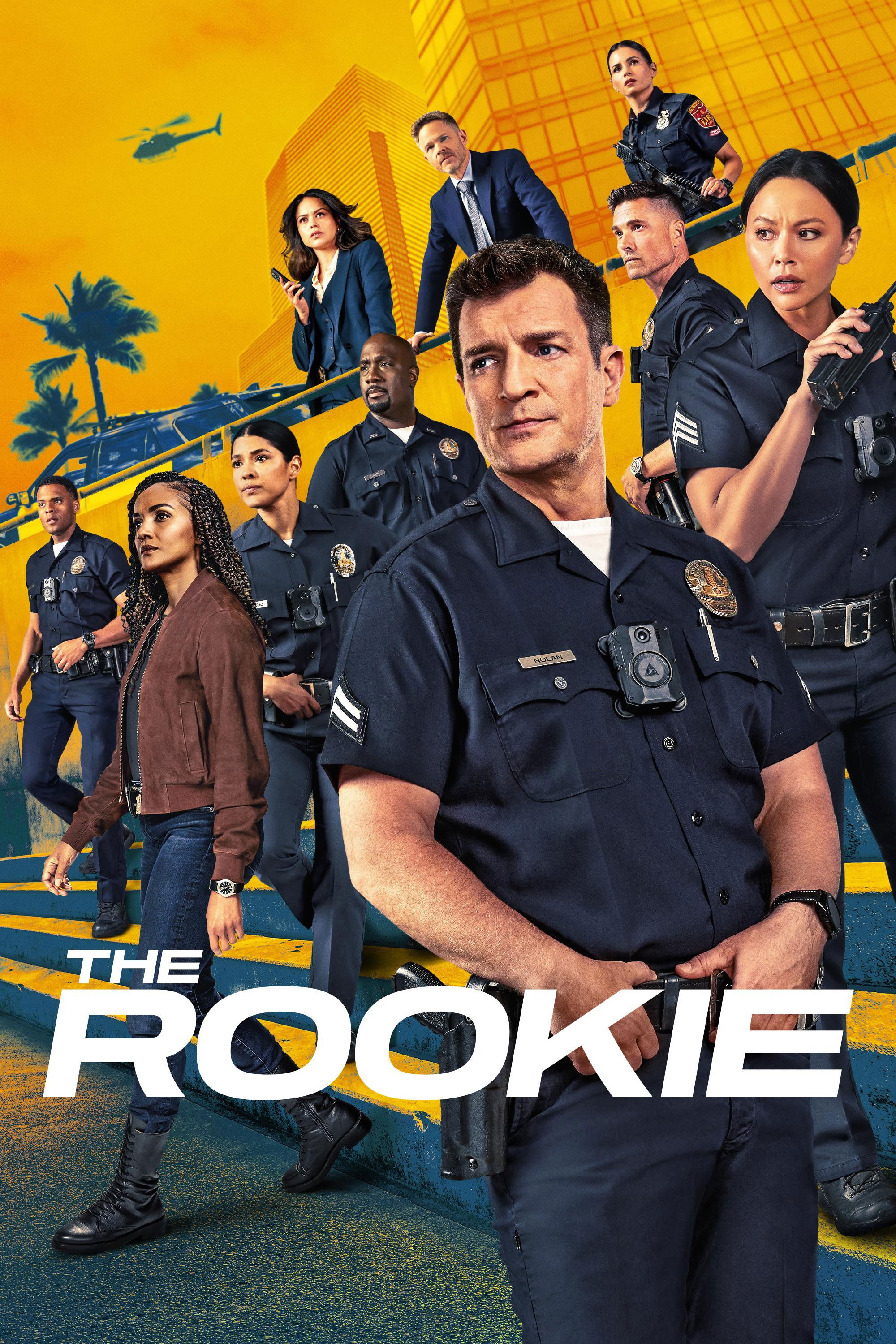
John Nolan pursues his dream of joining the LAPD in his forties, becoming the oldest rookie on the force. The series offers a fresh perspective on the challenges of police training and the moral responsibilities of carrying a badge. It highlights the concept that it is never too late to dedicate one’s life to public service. The show emphasizes the learning curve and the desire to make a tangible difference in the community.
‘Station 19’ (2018–2024)
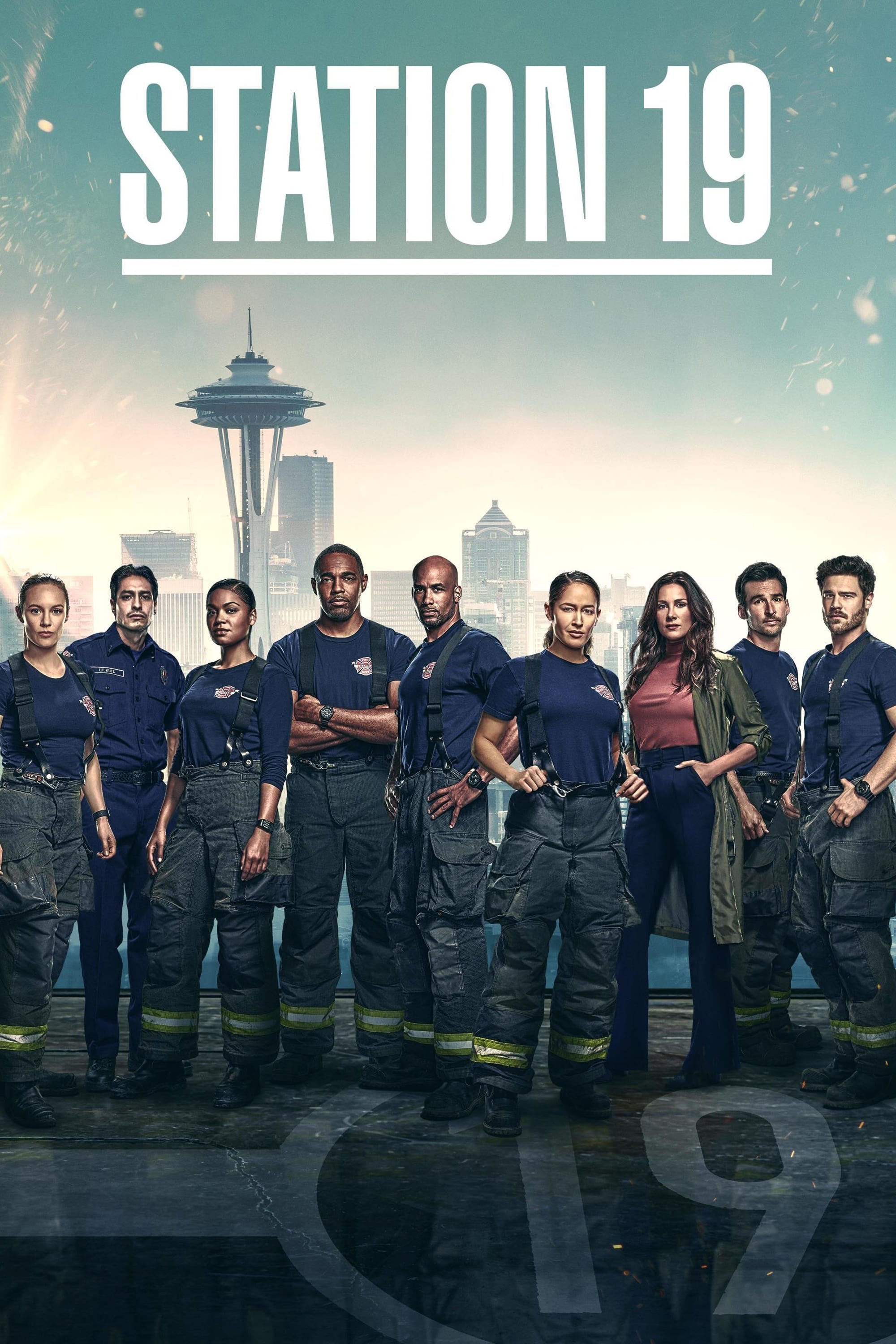
A spinoff of ‘Grey’s Anatomy’, this series focuses on the firefighters of Seattle’s Station 19. The crew handles everything from structure fires to medical emergencies while navigating their personal relationships. The show highlights the gender diversity and leadership dynamics within a modern firehouse. It emphasizes the bravery required to run toward danger when everyone else is running away.
‘FBI’ (2018–Present)
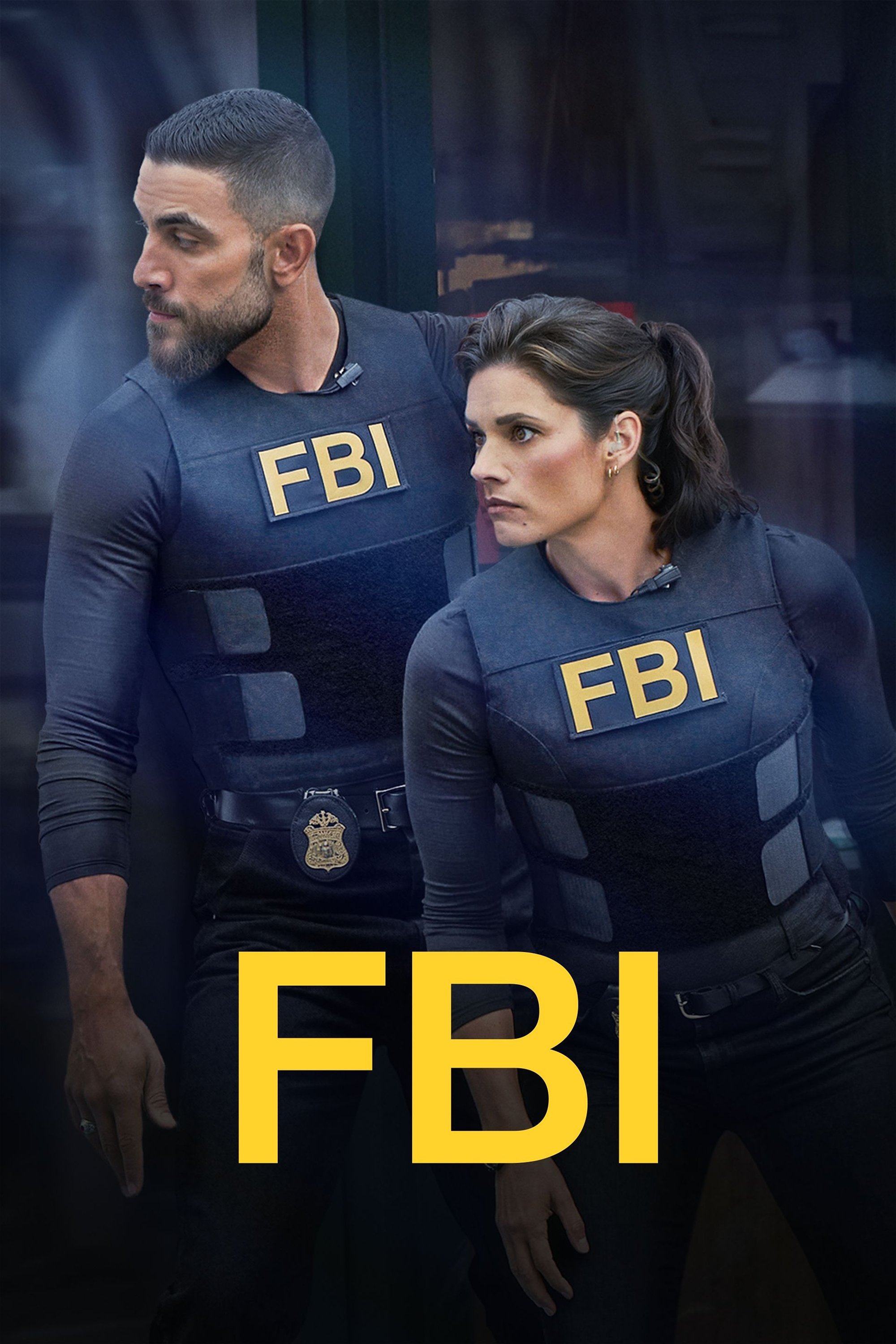
From the creators of ‘Law & Order’, this drama details the inner workings of the New York office of the Federal Bureau of Investigation. Agents use their intellect, technical skills, and bravery to solve major cases involving terrorism and counterintelligence. The series highlights the scale of threats that federal agents work to prevent. It underscores the commitment to national safety and the rigorous standards of the bureau.
‘9-1-1: Lone Star’ (2020–2025)
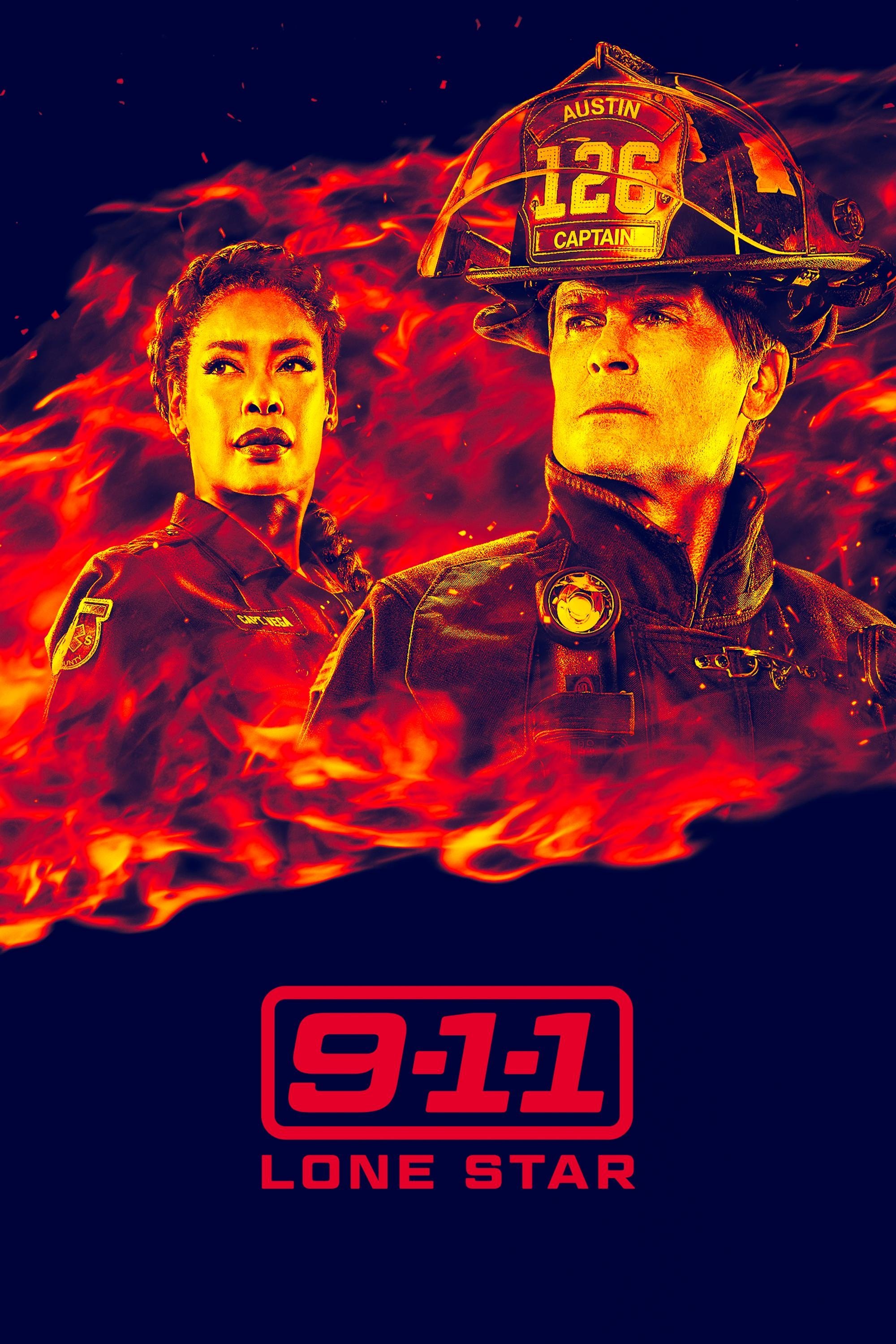
Owen Strand, a sophisticated New York firefighter, relocates to Austin, Texas, to rebuild a firehouse that experienced a tragedy. He assembles a diverse crew of responders who bring unique skills and perspectives to the job. The series highlights the importance of inclusivity and mental health awareness in the first responder community. It showcases the team’s dedication to saving lives in the face of massive natural disasters and local emergencies.
‘Abbott Elementary’ (2021–Present)

This mockumentary follows a group of passionate teachers working in an underfunded Philadelphia public school. Despite the lack of resources and administrative hurdles, the staff works tirelessly to educate and care for their students. The show uses humor to highlight the real struggles and triumphs of the teaching profession. It is a heartwarming tribute to educators who view their work as a vital service to the future generation.
Please share your favorite show from this list and why it resonates with you in the comments.