


TV Series That Jumped The Shark In The First Season



Television history is filled with series that began with immense promise only to lose their way during their inaugural seasons. Some shows introduced plot twists that were too outlandish for their established tone while others burned through their best ideas too quickly. This phenomenon often leads to a sudden decline in viewer engagement and critical acclaim. Identifying the moments when these programs diverted from their successful paths provides insight into the challenges of sustained storytelling. The following list highlights various television series that faced significant narrative shifts early in their runs.
‘Glee’ (2009–2015)
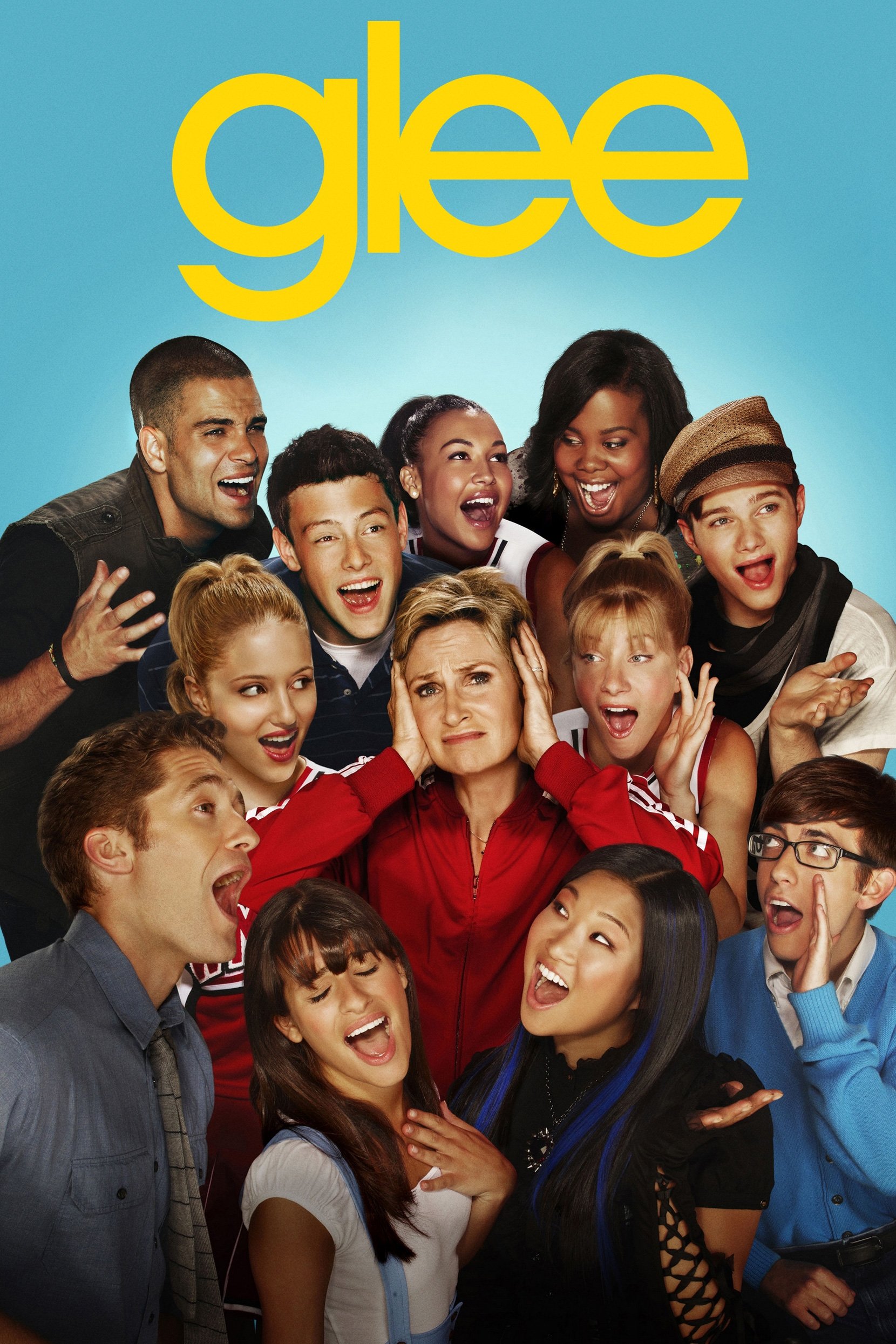
In the first season of ‘Glee’ the narrative introduced a fake pregnancy subplot involving the character Teri Schuester. This development shifted the focus from the musical and educational struggles of the glee club to an outlandish soap opera premise. Many viewers felt this storyline was too manipulative and unrealistic for a high school comedy drama. The inclusion of such a high stakes lie early in the series established a trend of increasingly bizarre plot twists. This particular narrative choice is often cited as the moment the show moved away from its grounded satirical roots.
‘The O.C.’ (2003–2007)
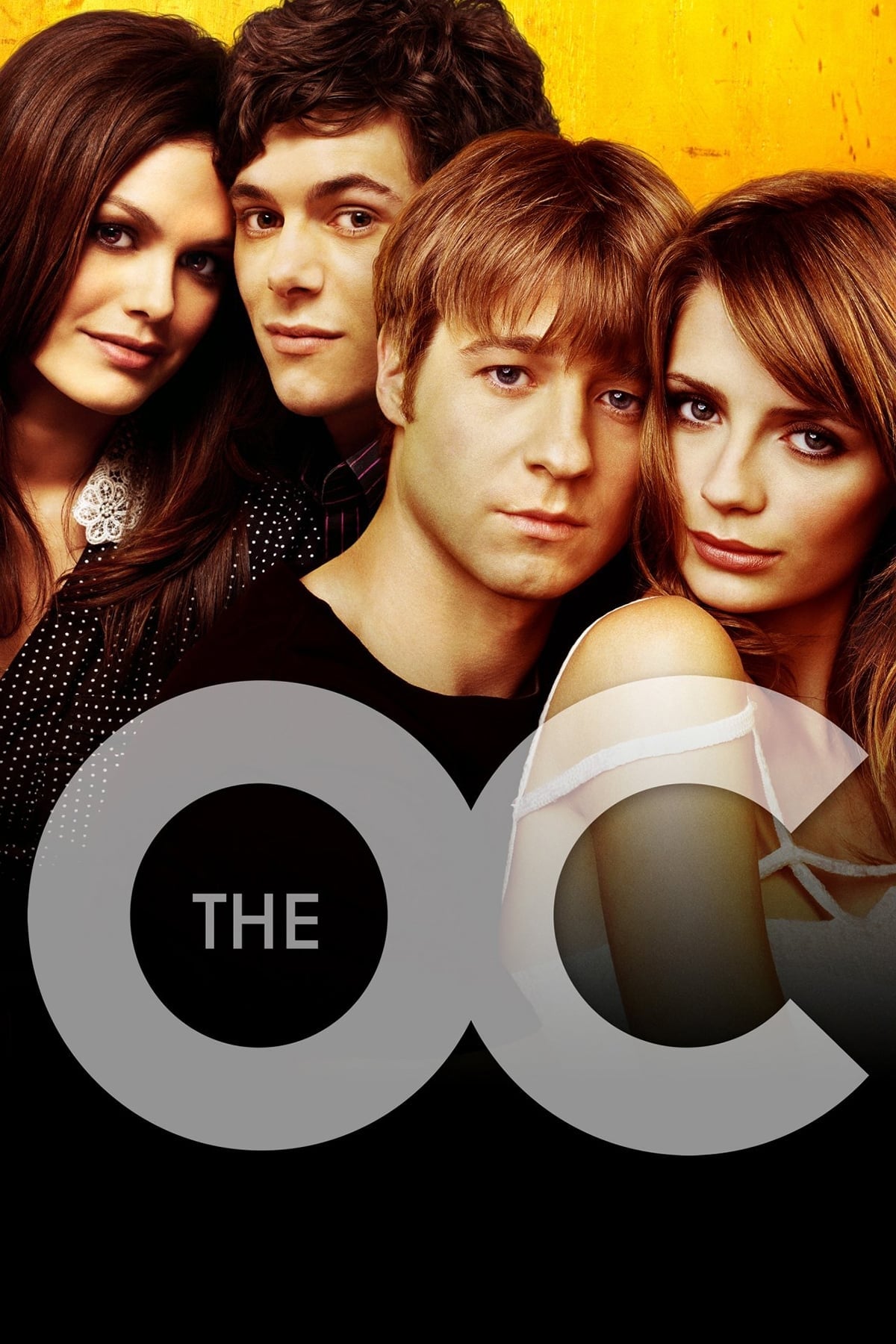
The introduction of Oliver Trask in the middle of the first season of ‘The O.C.’ changed the dynamic of the show significantly. This character created a divisive love triangle that relied on extreme manipulation and psychological instability rather than organic character development. While the show began as a story about a teen from a rough neighborhood adjusting to life in an affluent community it quickly pivoted into heightened melodrama. The intense focus on this single antagonist felt like a departure from the established tone of the series. Fans often point to this arc as a premature peak in the dramatic stakes of the show.
‘Empire’ (2015–2020)
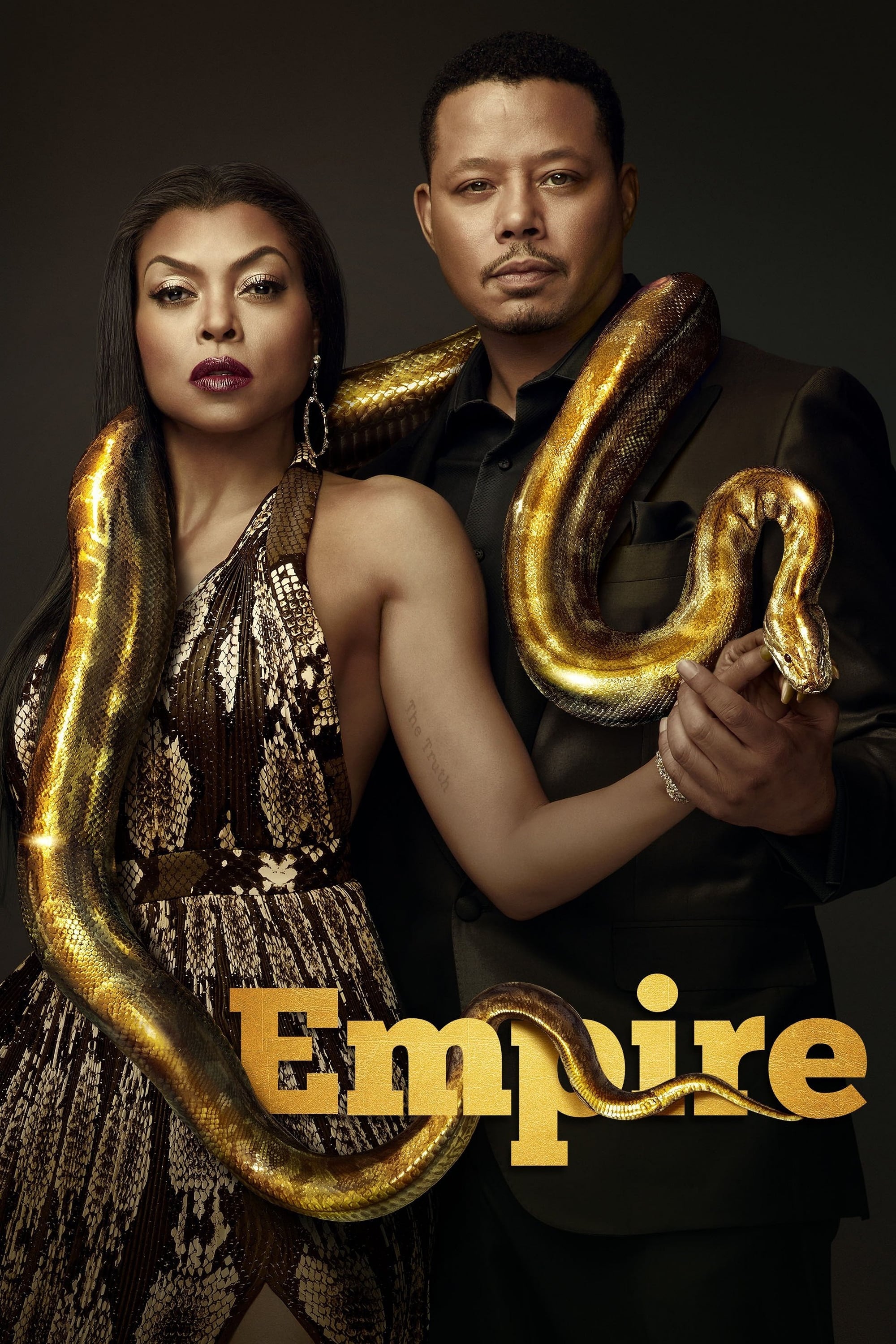
The first season of ‘Empire’ was a massive commercial success that burned through its central plot points at an incredibly rapid pace. By the middle of the season the primary mystery regarding the succession of the music company was largely addressed. The writers introduced increasingly shocking twists to maintain the high energy of the pilot episode. This approach led to a sense of narrative exhaustion before the first season had even concluded. The show struggled to maintain its original impact as the stakes became progressively more unbelievable.
‘Wayward Pines’ (2015–2016)

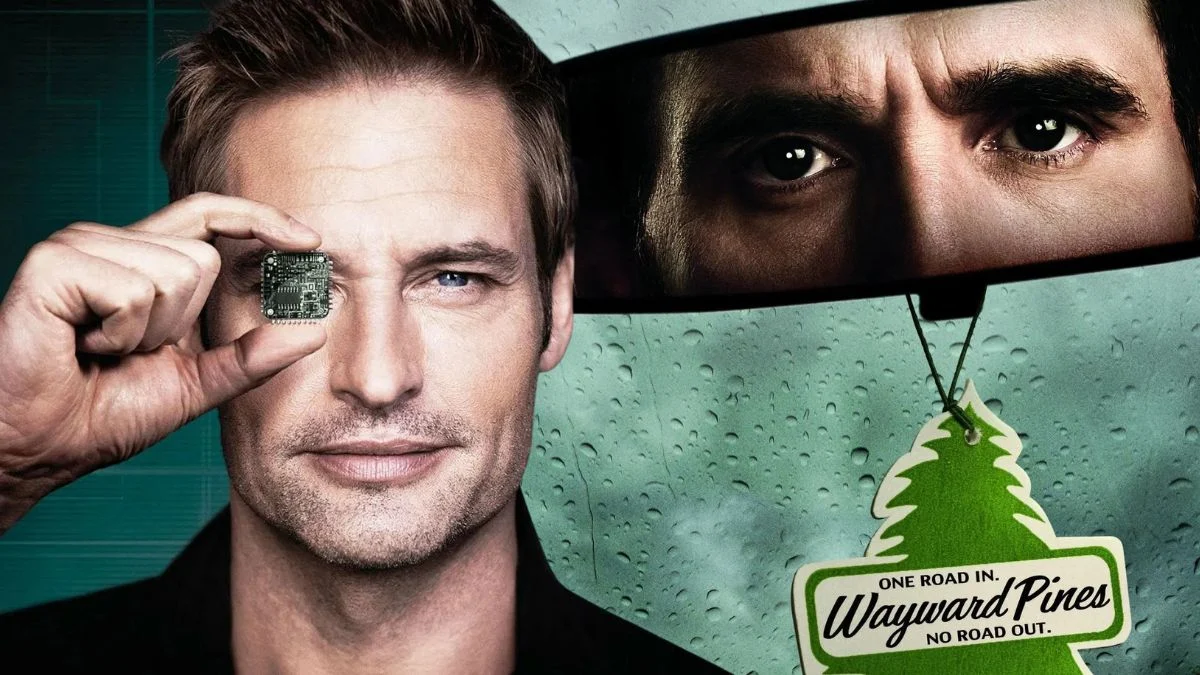
‘Wayward Pines’ began as a mysterious thriller about a secret agent trapped in a strange town. However the show chose to reveal its massive central mystery in the middle of the first season. This early disclosure removed the primary sense of intrigue that had defined the initial episodes. Many viewers felt the transition from a psychological mystery to a post apocalyptic survival story was too abrupt. The remaining episodes of the season lacked the tension of the earlier chapters.
‘Smash’ (2012–2013)
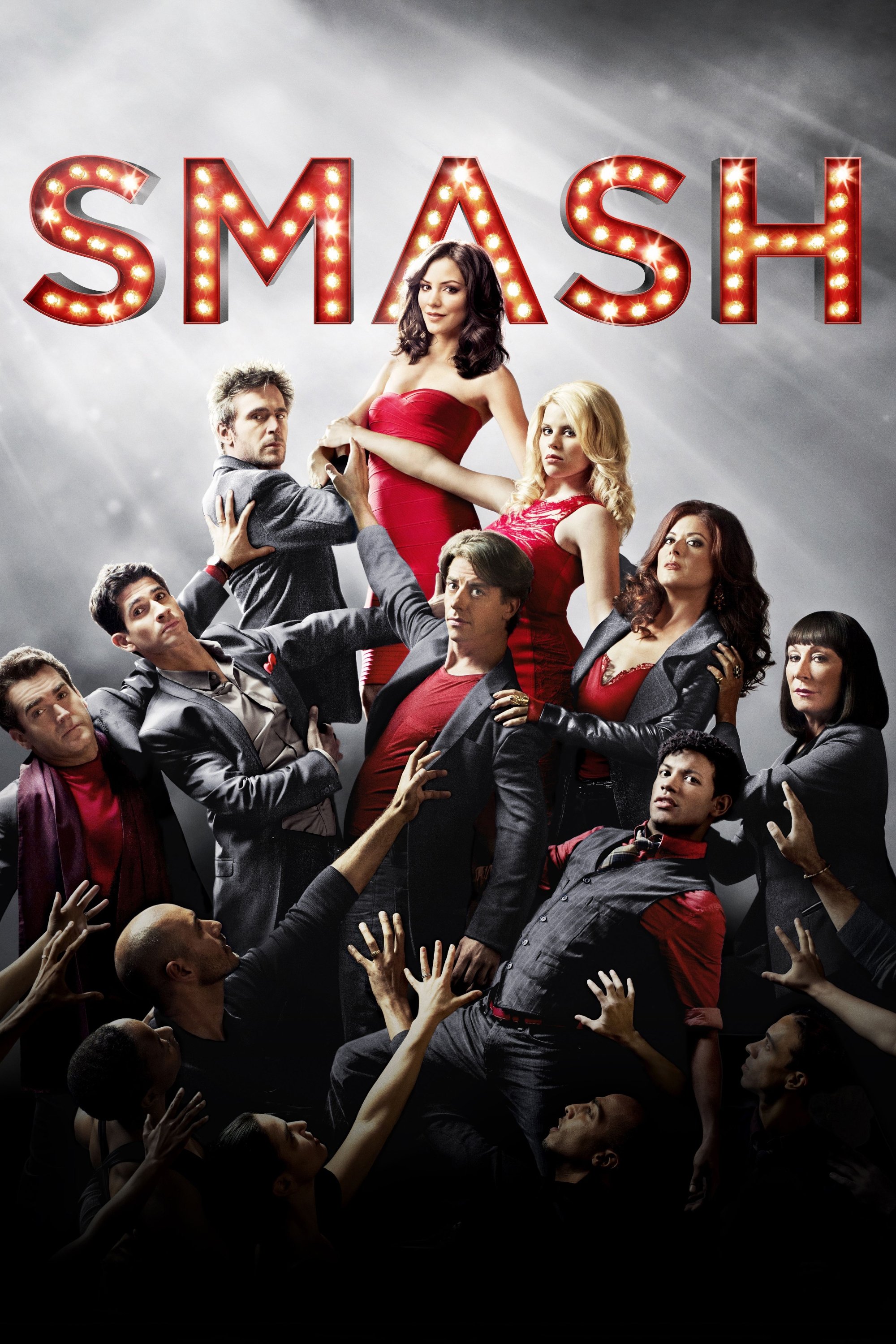
The musical drama ‘Smash’ initially focused on the competitive world of Broadway theater production. During the first season the show introduced several subplots involving a manipulative assistant named Ellis. These storylines often felt disconnected from the main goal of creating a successful stage musical. The focus shifted toward petty interpersonal sabotage rather than the creative process. This change in direction alienated viewers who were primarily interested in the theatrical aspects of the program.
‘Sleepy Hollow’ (2013–2017)
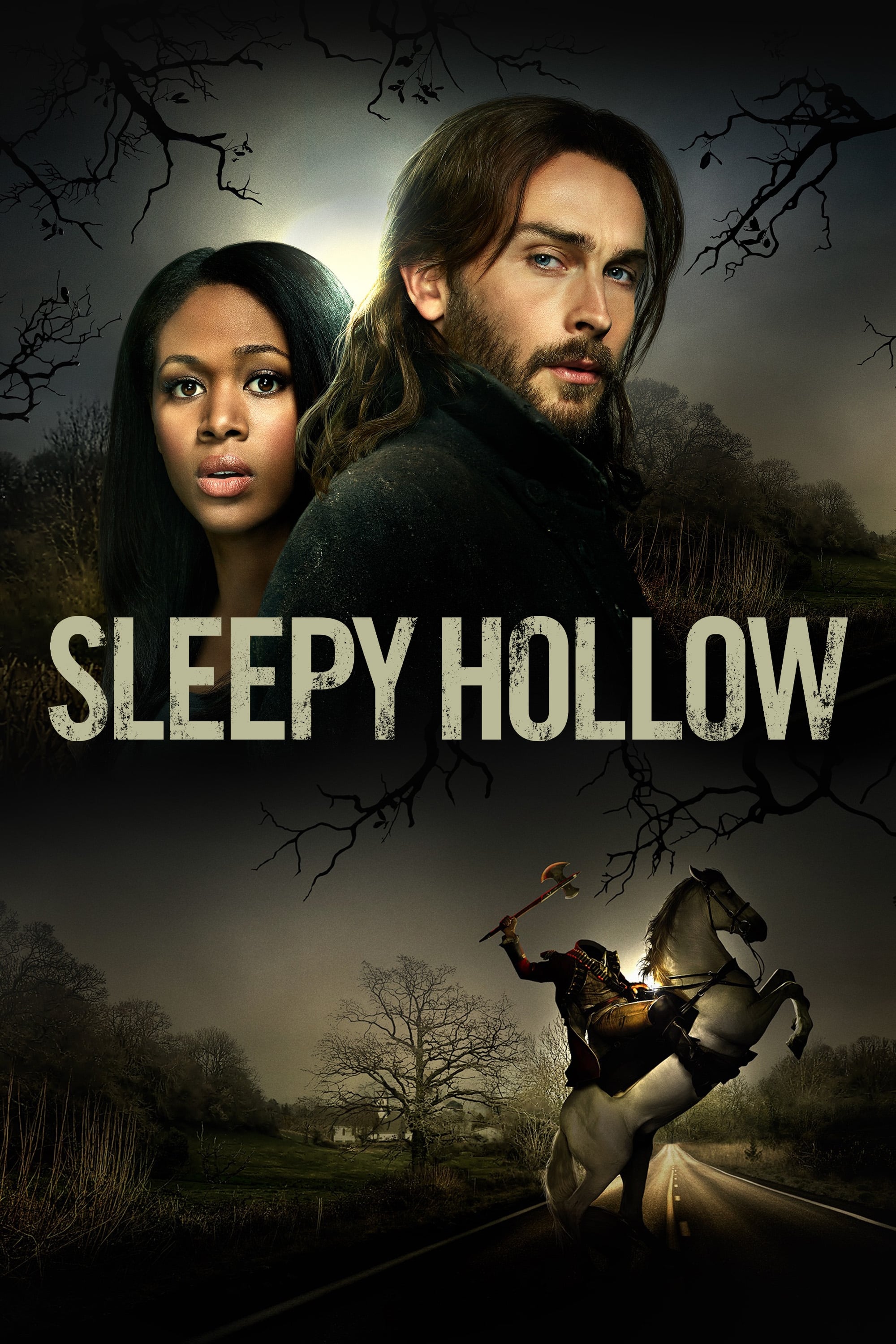
‘Sleepy Hollow’ successfully combined historical fiction with supernatural elements during its early episodes. As the first season progressed the narrative became heavily bogged down in complex and confusing apocalyptic lore. The charming chemistry between the lead characters was often overshadowed by dense mythological explanations. This shift made the series feel less like a procedural mystery and more like a high fantasy epic. Many fans felt the show lost the unique balance that made its debut so compelling.
‘Quantico’ (2015–2018)
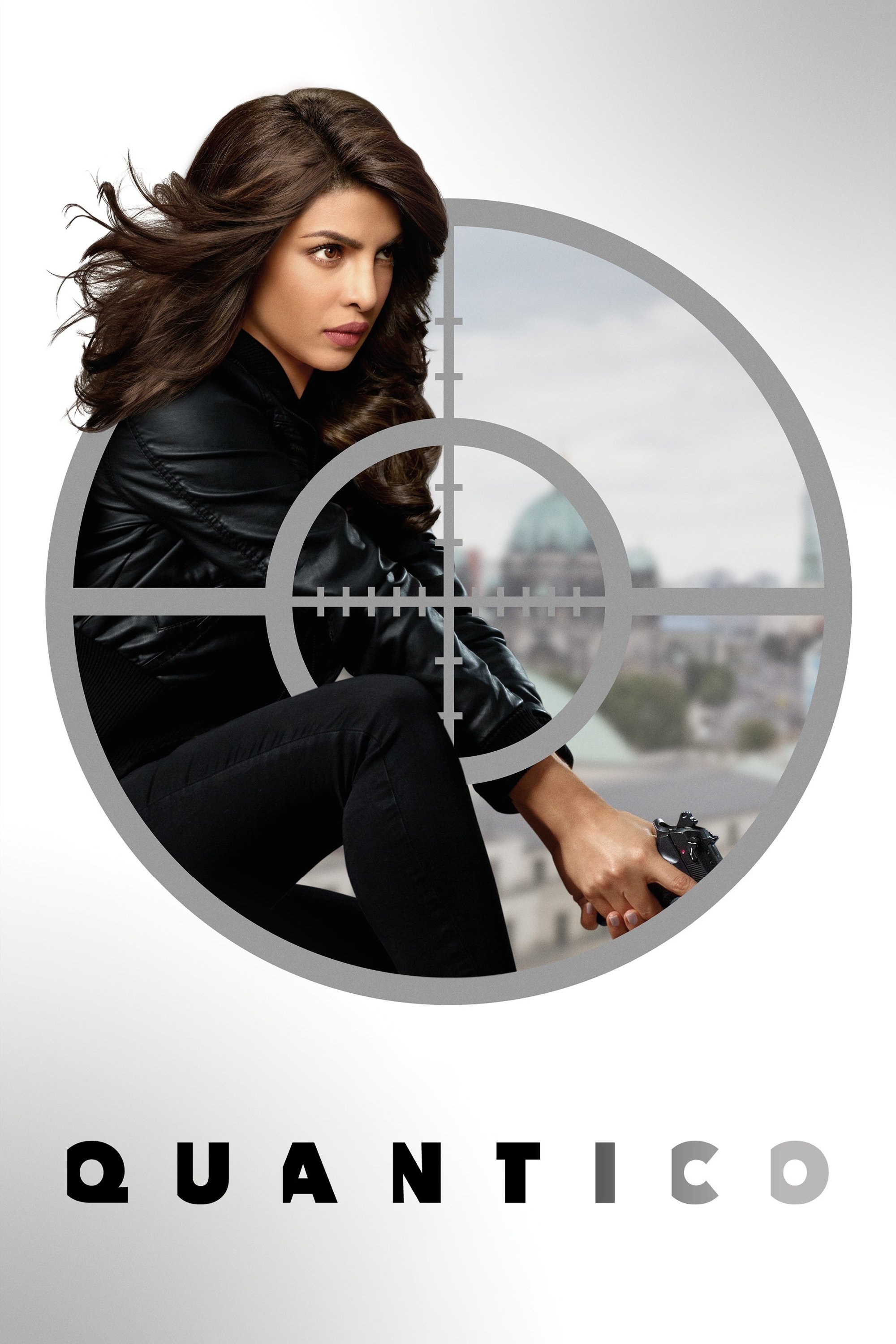
The first season of ‘Quantico’ utilized a dual timeline structure to follow FBI recruits and a future terrorist attack. The plot quickly became convoluted as the writers introduced a large number of red herrings and mole reveals. This constant redirection made it difficult for the audience to connect with the characters or the stakes. The mystery eventually felt repetitive as every character was suspected of treason multiple times. This narrative density hindered the show from finding a stable creative footing.
‘Revenge’ (2011–2015)
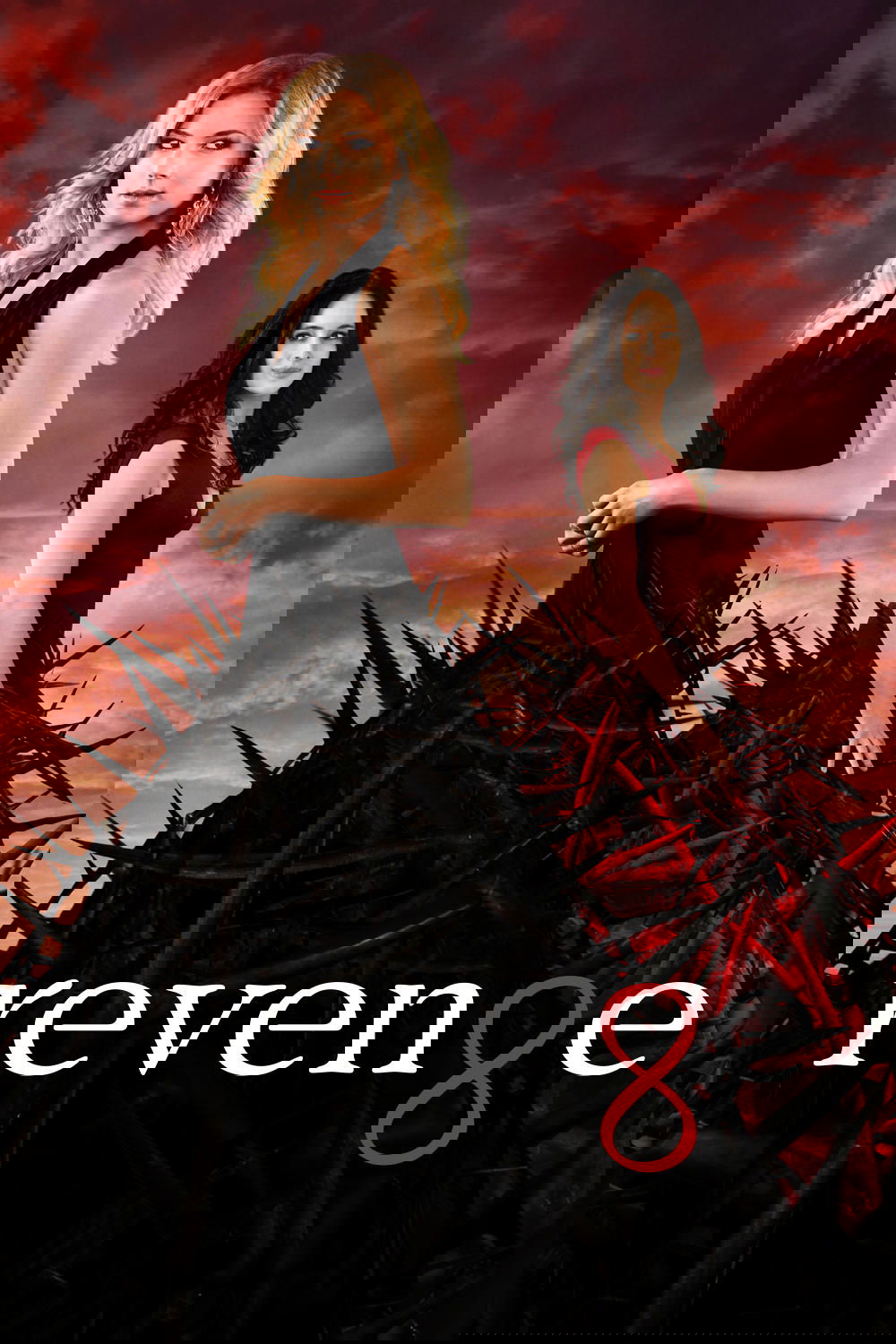
‘Revenge’ started as a tightly focused story about a woman systematically dismantling the lives of those who framed her father. By the latter half of the first season the show introduced several new characters and soap opera tropes that complicated the central mission. The purity of the original premise was lost in a sea of amnesia subplots and secret siblings. These additions made the series feel more like a traditional daytime drama than a high stakes thriller. The shift in tone occurred much earlier than many fans expected.
‘Desperate Housewives’ (2004–2012)
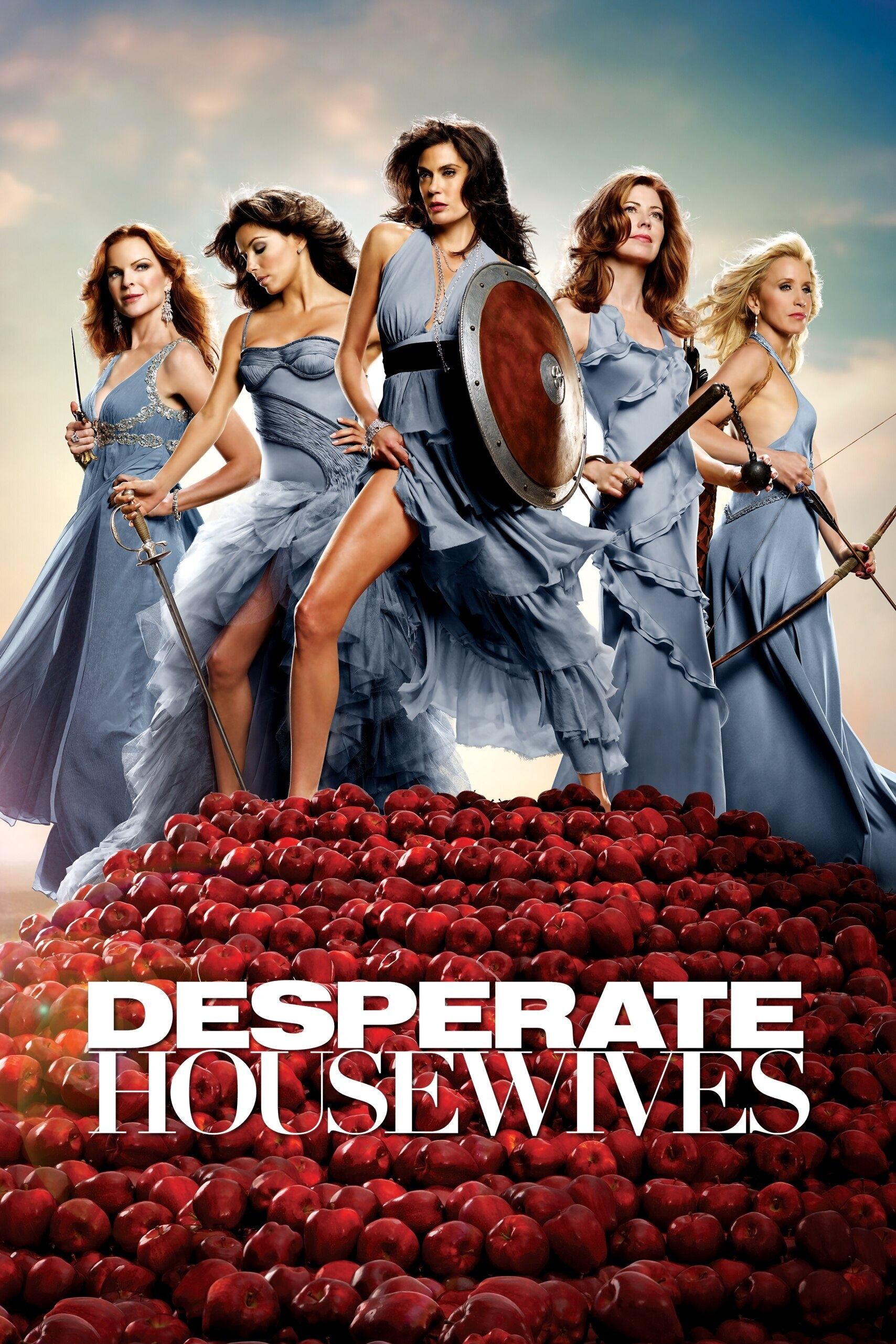
The mystery of Mary Alice Young provided a strong narrative hook for the first season of ‘Desperate Housewives’ but the resolution arrived early. Once the central secret was revealed the show began to rely on increasingly eccentric neighborhood scandals to fill the void. The transition from a dark comedy mystery to a more conventional satirical soap opera was noticeable. While the show remained popular many critics felt the first season set a bar for mystery that the subsequent subplots could not match. The sudden escalation of neighborhood drama felt like a reach for relevance.
‘Prison Break’ (2005–2017)

The first season of ‘Prison Break’ was built on the suspense of an elaborate escape plan from a maximum security facility. Toward the end of the season the narrative expanded to include a global conspiracy involving a shadowy group known as The Company. This shift changed the show from a focused character study into a sprawling political thriller. Some viewers felt this expansion of scope undermined the tension of the prison environment. The introduction of these larger elements made the original premise feel smaller by comparison.
‘Heroes’ (2006–2010)
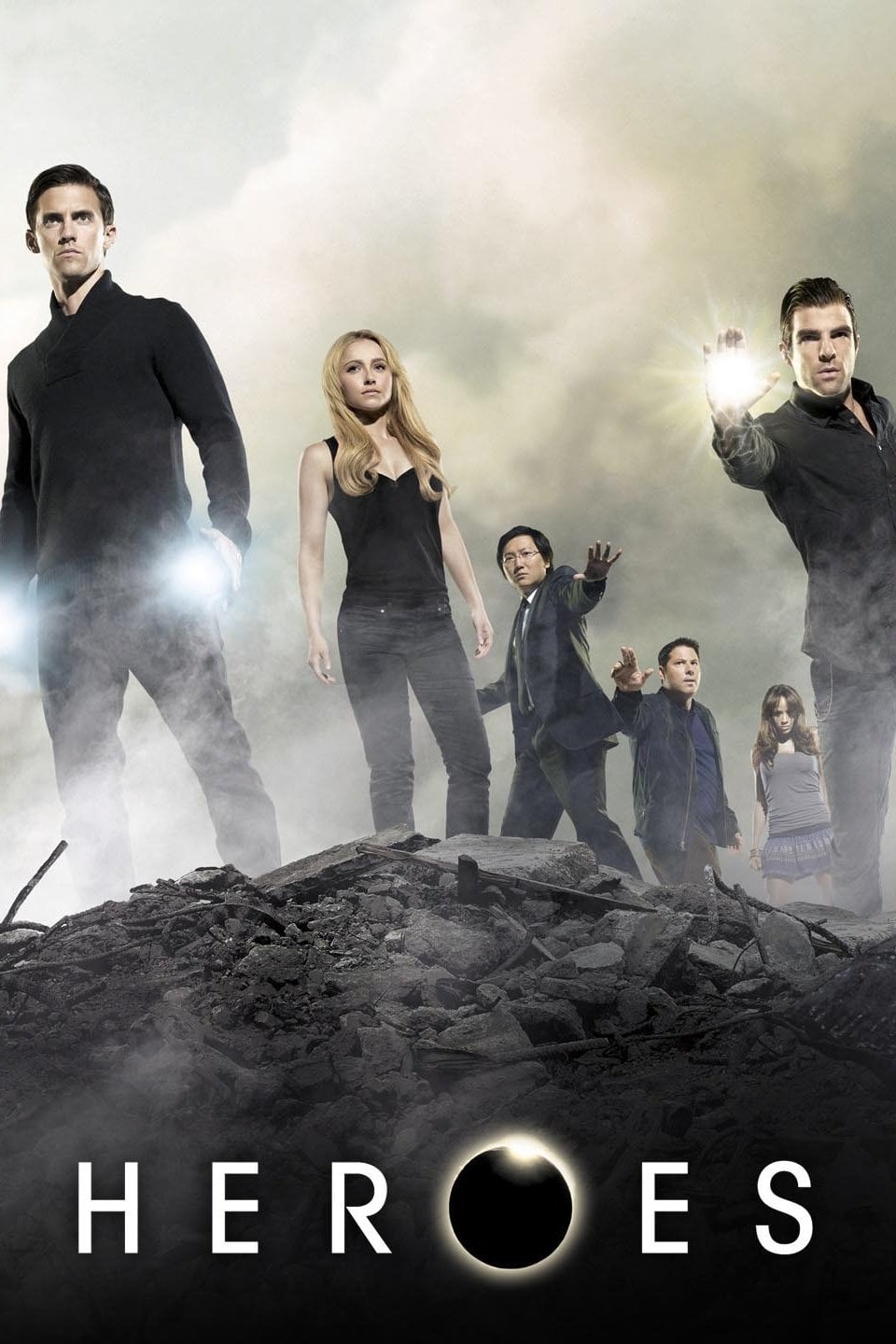
‘Heroes’ became a cultural phenomenon by following ordinary people discovering they had extraordinary abilities. The first season built toward a massive confrontation in New York City with the slogan of saving the cheerleader to save the world. After this major plot point was resolved the show struggled to define a clear path forward. The final episodes of the first season introduced a level of power escalation that was difficult to sustain. This early peak made the subsequent story arcs feel less impactful.
‘Lost’ (2004–2010)
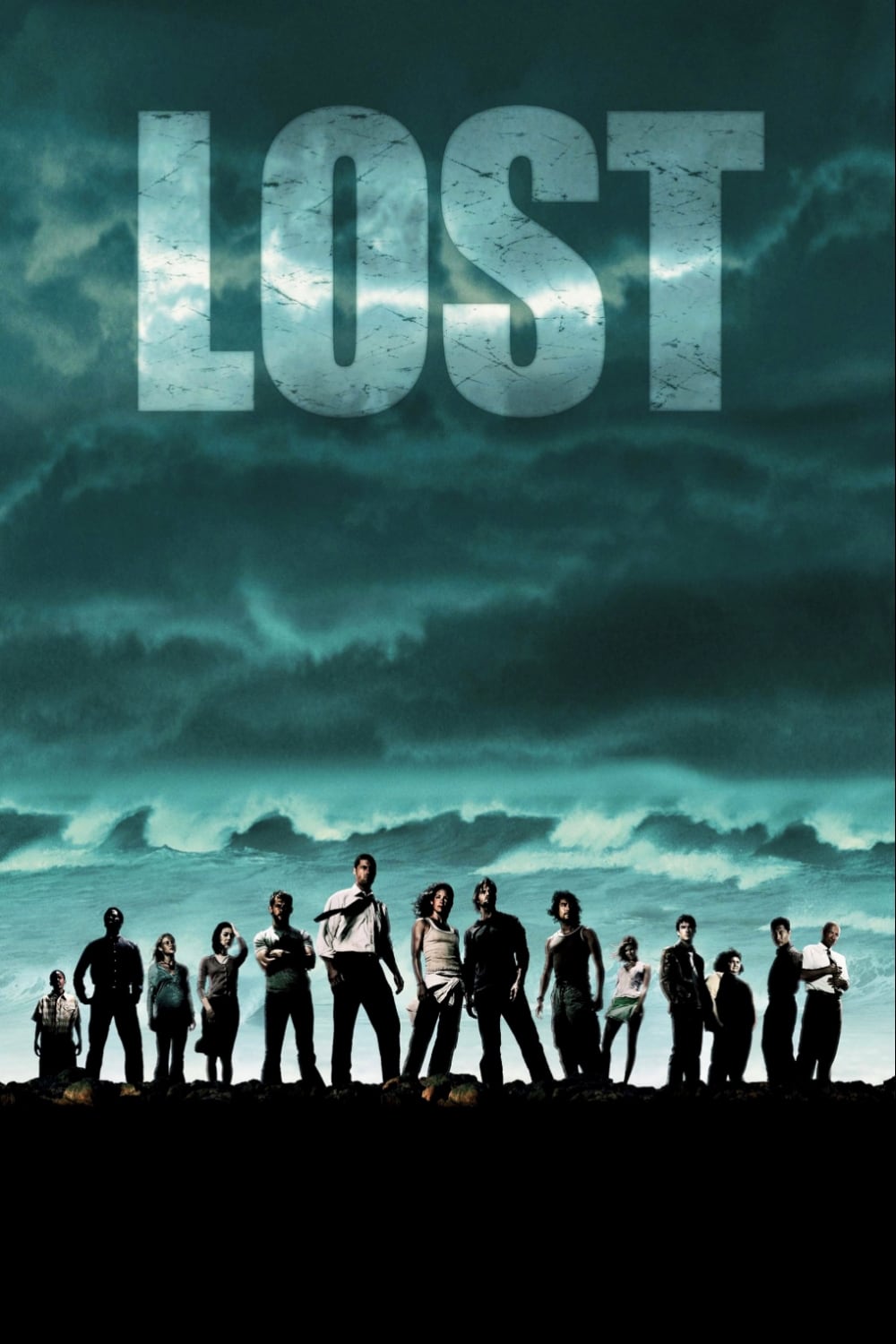
The first season of ‘Lost’ introduced several supernatural and science fiction elements very early in its run. The appearance of a polar bear on a tropical island and a mysterious smoke monster signaled a shift away from a traditional survival story. While these elements were central to the series some viewers felt the show moved too quickly into inexplicable territory. The rapid introduction of hatches and mysterious inhabitants changed the fundamental nature of the program. This shift established the complex mythology that would eventually polarize the audience.
‘The Following’ (2013–2015)
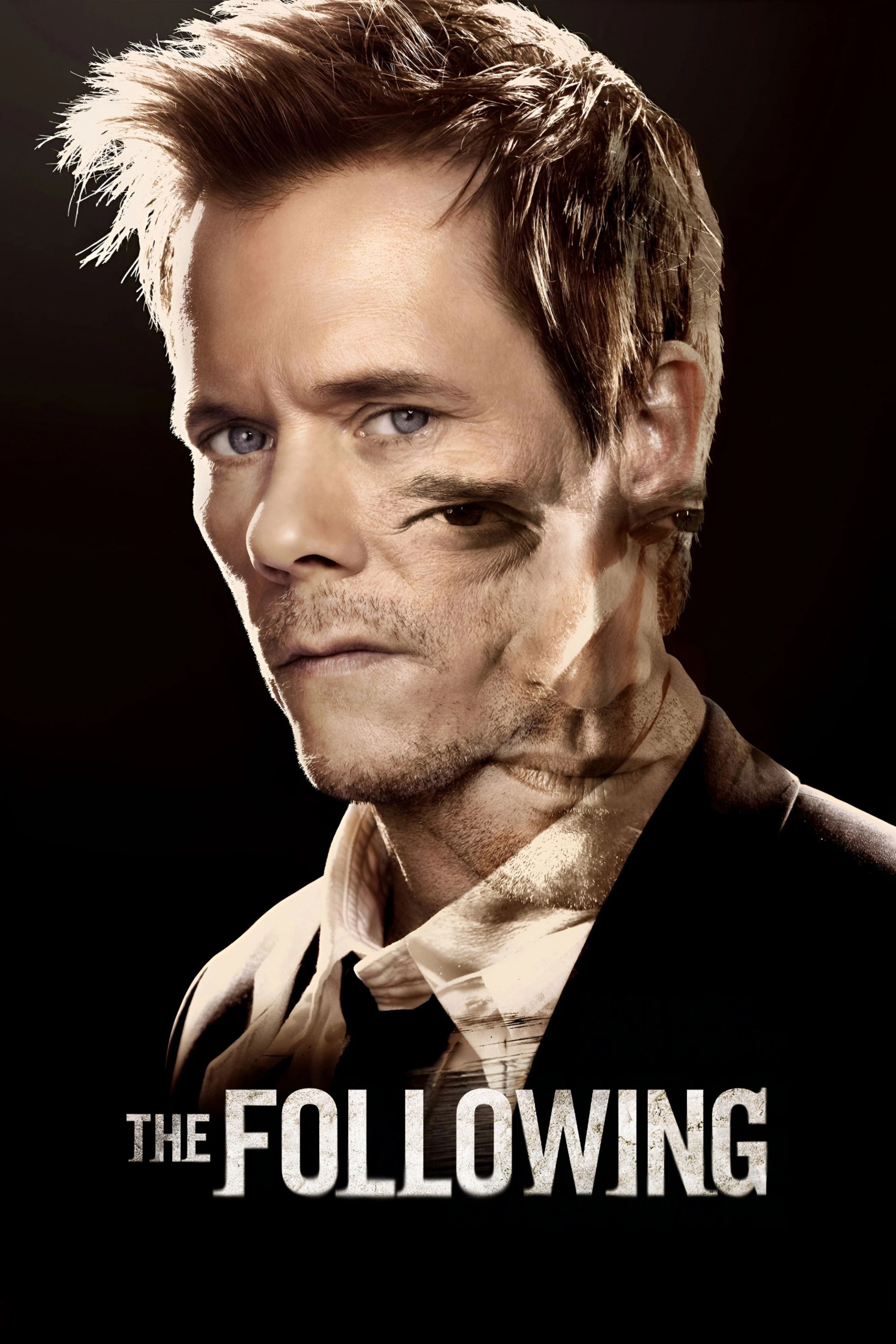
‘The Following’ focused on an FBI agent chasing a serial killer who had inspired a vast cult of followers. The first season depicted the cult as an impossibly powerful and omnipresent organization capable of infiltrating any institution. This level of reach made the antagonists feel more like supernatural villains than realistic criminals. The constant twists regarding who was a member of the cult became predictable and strained the suspension of disbelief. The show lost its sense of grounded tension as a result of this escalation.
‘Under the Dome’ (2013–2015)

Based on the novel by Stephen King ‘Under the Dome’ began with a clear and terrifying premise about a town cut off from the world. During the first season the series began to deviate significantly from the source material by introducing mystical alien elements. This change shifted the focus from human psychology and survival to a complex science fiction mystery. Many viewers found the new direction to be less compelling than the original social experiment. The show struggled to maintain a consistent tone after this transition.
‘Revolution’ (2012–2014)
The mystery of why the world lost all power was the primary hook for the first season of ‘Revolution’ but the answer was revealed quite early. Once the reason for the blackout was explained the show shifted into a more traditional militia war drama. This move removed the central sense of wonder and curiosity that had drawn in the initial audience. The series became a standard action show rather than a unique exploration of a powerless world. This early resolution of the main mystery left a void in the narrative.
‘Once Upon a Time’ (2011–2018)
‘Once Upon a Time’ spent its first season building toward the breaking of a magical curse that kept fairy tale characters in the real world. The decision to break this curse in the finale of the first season forced the show to reinvent itself immediately. This change removed the central tension of the characters not knowing their true identities. The show then had to introduce new magical threats every few episodes to maintain interest. Many fans felt the series lost its unique charm once the original mystery was solved.
‘The Event’ (2010–2011)
‘The Event’ was marketed as a massive mystery thriller involving a government cover up and an extraterrestrial presence. The first season chose to reveal the alien nature of the antagonists almost immediately. This choice left the show with little room to build suspense regarding the true nature of the visitors. The plot then became a series of chase sequences and political maneuvers that felt less innovative. The early reveal ultimately undermined the grand scale of the mystery.
‘FlashForward’ (2009–2010)
The high concept premise of ‘FlashForward’ involved the entire world seeing their futures during a global blackout. After the initial excitement of the pilot the first season struggled with slow pacing and repetitive character arcs. The show failed to maintain the urgency required for such a life changing event. Viewers became frustrated with the lack of progress regarding the cause of the blackout. The series lost its momentum before it could provide satisfying answers to its central questions.
‘Alcatraz’ (2012)
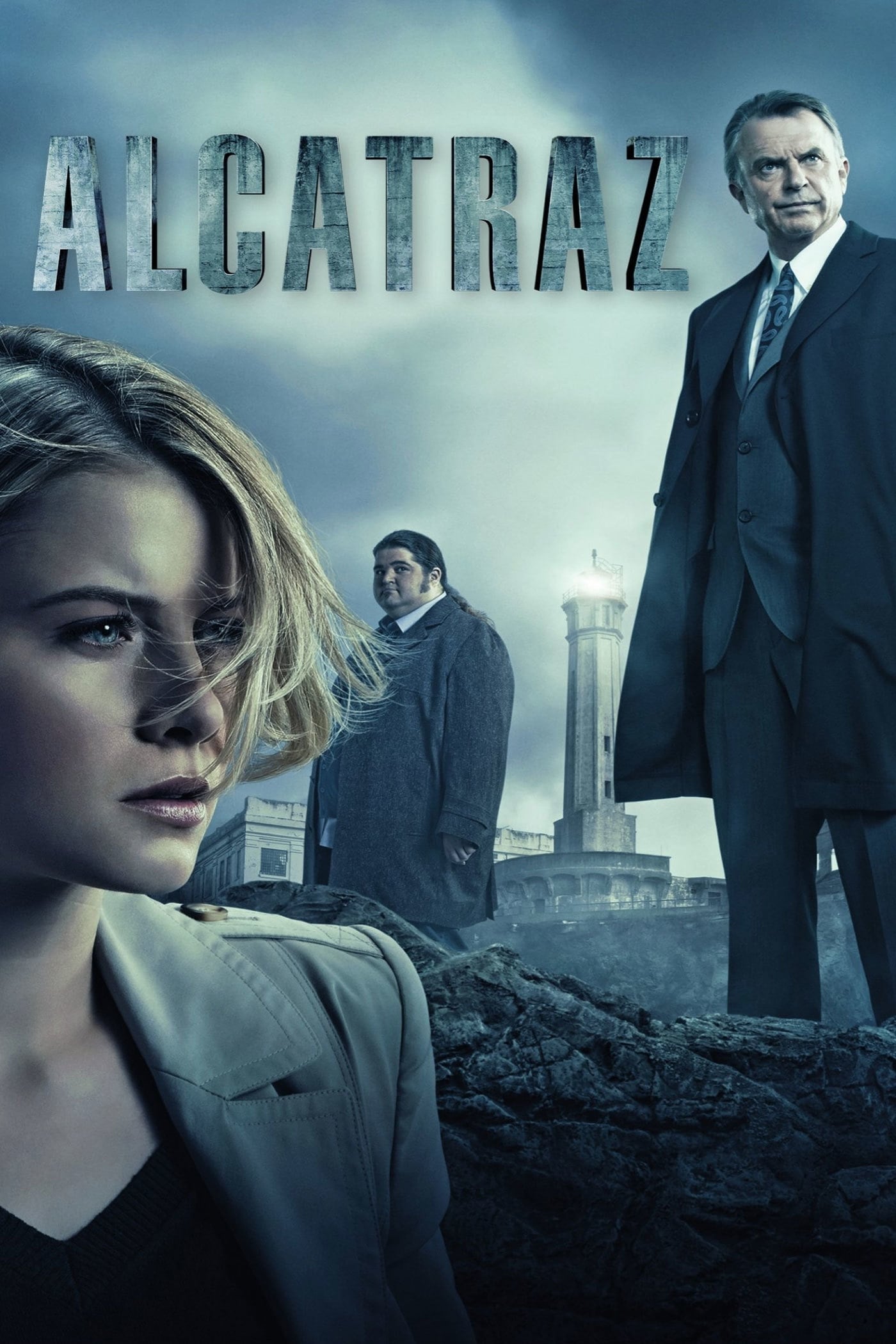
‘Alcatraz’ centered on the sudden reappearance of prisoners and guards who had vanished from the famous prison decades earlier. The show quickly settled into a standard procedural format where a new prisoner was caught every week. This episodic structure failed to capitalize on the grand mystery of how and why the people had returned. The lack of significant progress on the overarching plot led to a decline in viewer interest. The show jumped into a formulaic routine before establishing its deeper mythology.
‘Touch’ (2012–2013)
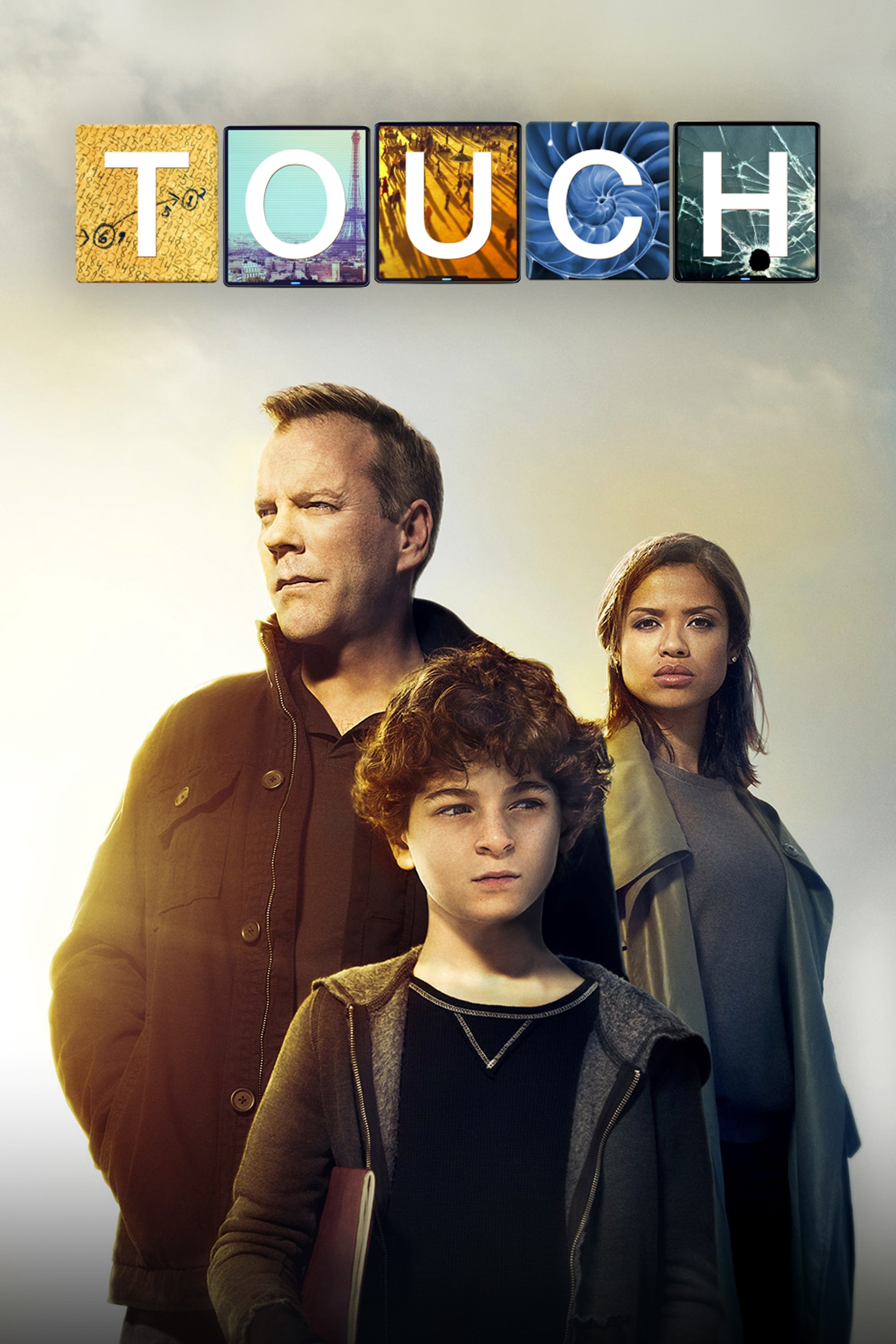
The first season of ‘Touch’ focused on a father and his autistic son who could see patterns in numbers that predicted the future. The logic behind these connections became increasingly strained as the season progressed. Each episode relied on a series of incredible coincidences that made the narrative feel forced. The show struggled to move beyond its basic formula into a more complex story. This repetition caused the initial sense of wonder to fade quickly.
‘Terra Nova’ (2011)
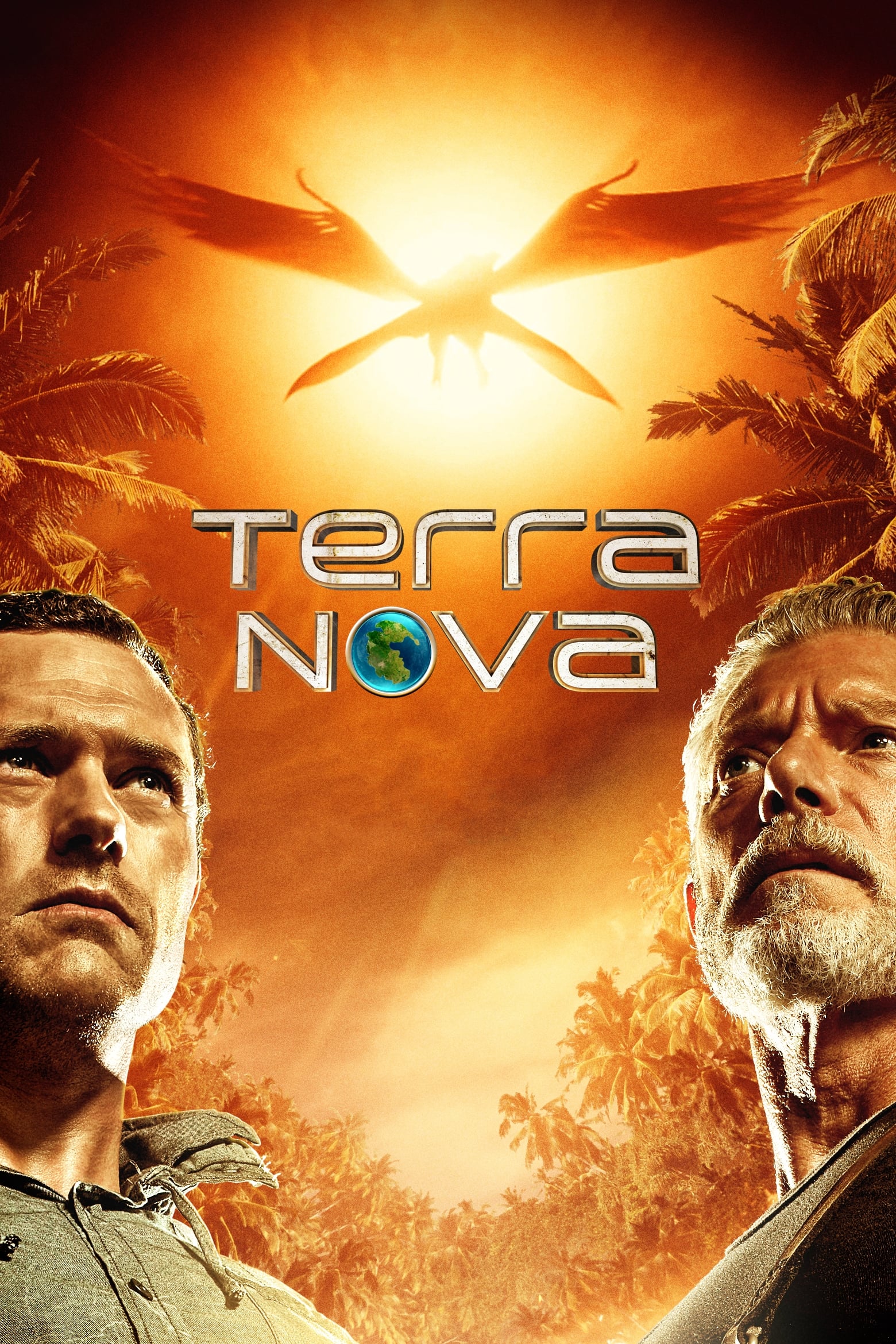
‘Terra Nova’ promised an epic adventure about a family traveling back in time to live with dinosaurs. However the first season focused heavily on teenage romance and domestic disputes rather than the prehistoric environment. The high production values were often wasted on storylines that felt like standard family dramas. This shift in focus disappointed viewers who expected a more action oriented survival series. The show failed to find a balance between its grand premise and its character stories.
‘Manifest’ (2018–2023)
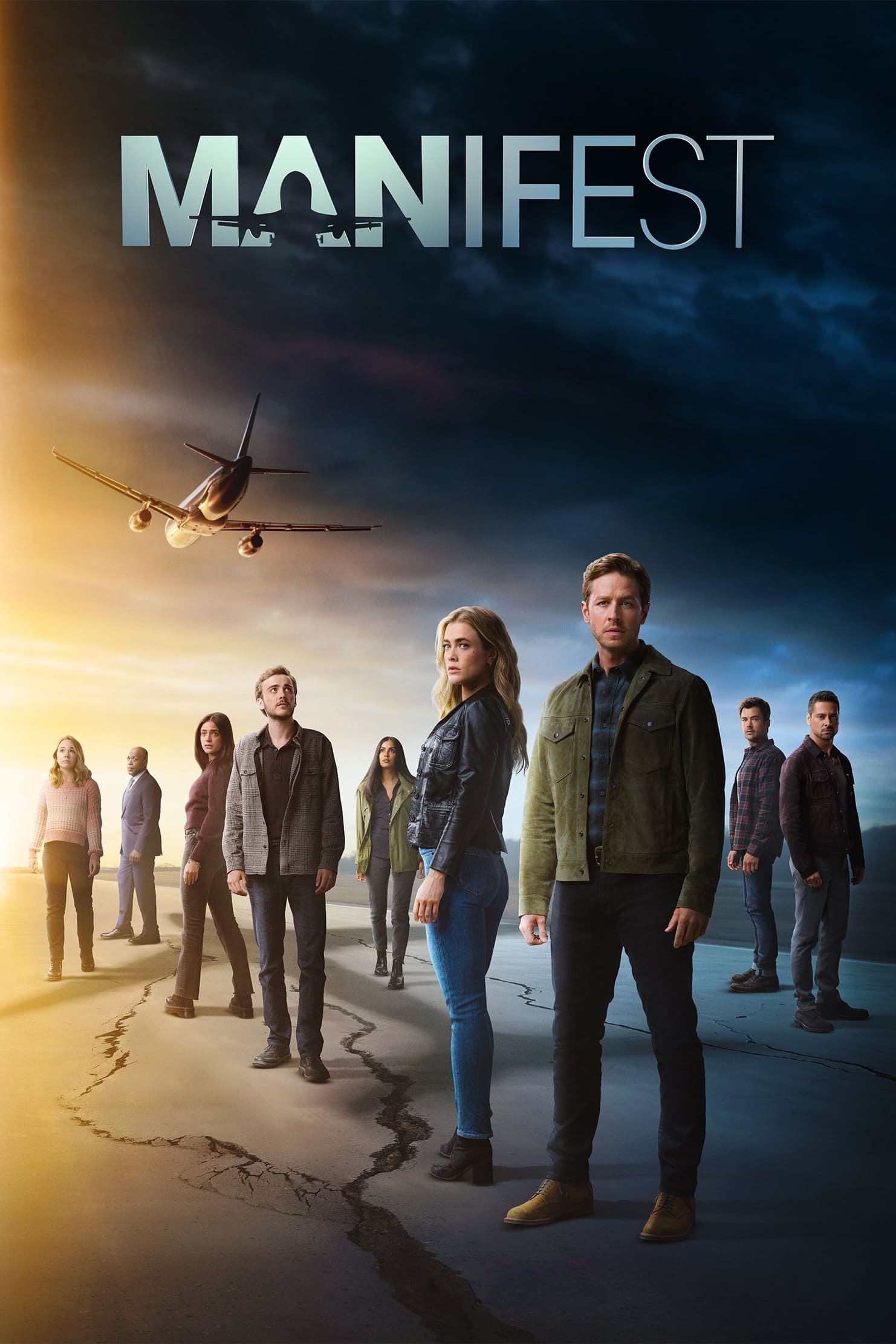
‘Manifest’ began as a mystery about a plane that disappeared for five years and returned as if no time had passed. In the first season the narrative quickly introduced religious and supernatural callings that guided the characters. These elements made the plot feel more like a guided mission than a mystery to be solved. The introduction of these mystical forces so early changed the tone of the show significantly. Some viewers found the shift toward destiny and fate to be less engaging than a traditional investigation.
‘The Blacklist’ (2013–2023)
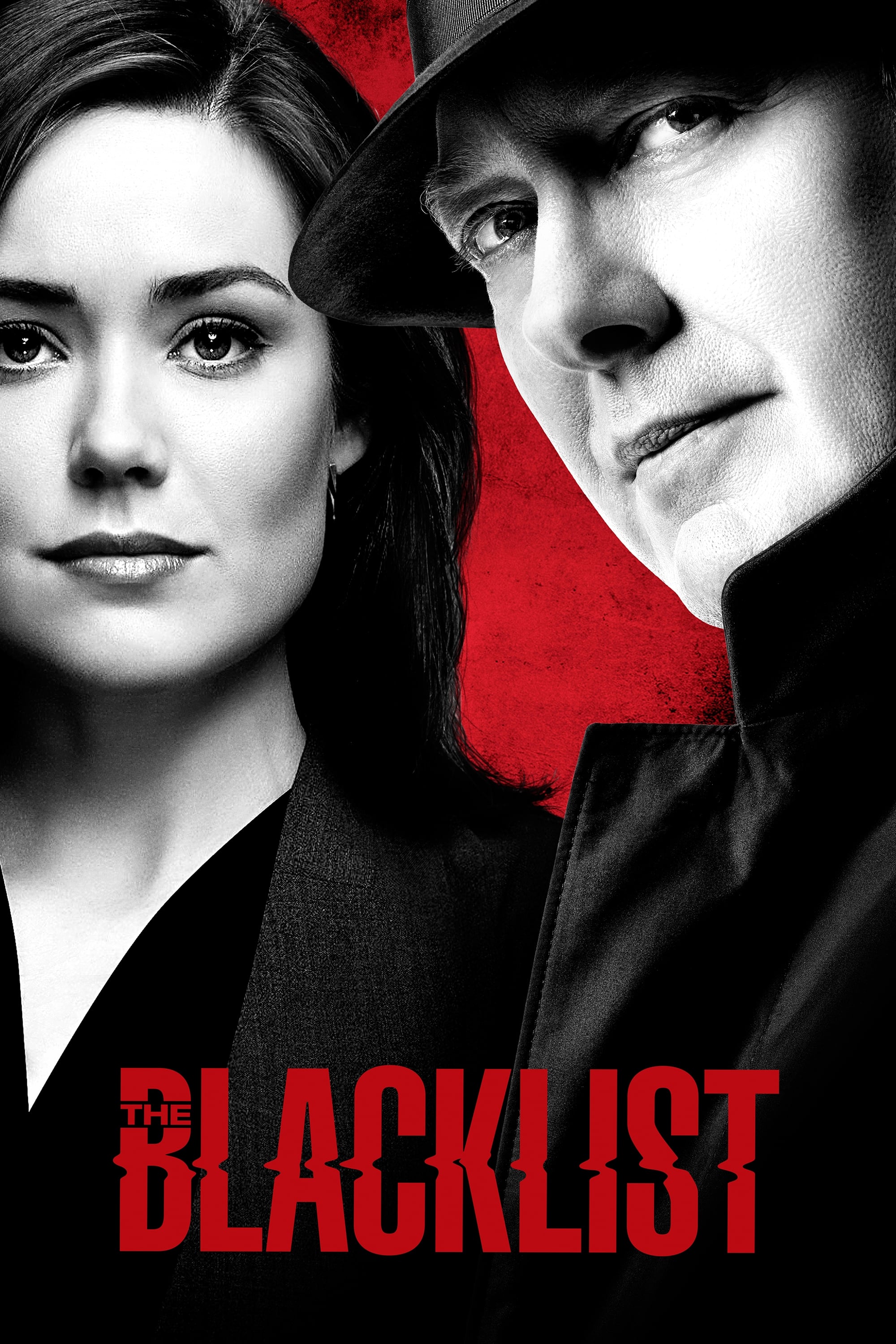
The first season of ‘The Blacklist’ established a compelling dynamic between a master criminal and a young FBI profiler. The narrative soon became entirely consumed by the mystery of the lead character’s parentage. This single plot point overshadowed the procedural elements of hunting down high level criminals. The show began to rely on vague hints and stalling tactics rather than concrete story progression. This focus on a single question early on limited the growth of the supporting cast.
‘Scandal’ (2012–2018)

‘Scandal’ initially focused on a team of crisis management professionals who solved high profile problems for powerful people. By the end of the first season the show shifted its focus entirely to a clandestine government organization and a high level conspiracy. This move away from the fixer of the week format changed the show into a darker political thriller. While this direction was successful for some it abandoned the unique professional premise of the early episodes. The escalation into massive government cover ups happened very rapidly.
‘V’ (2009–2011)
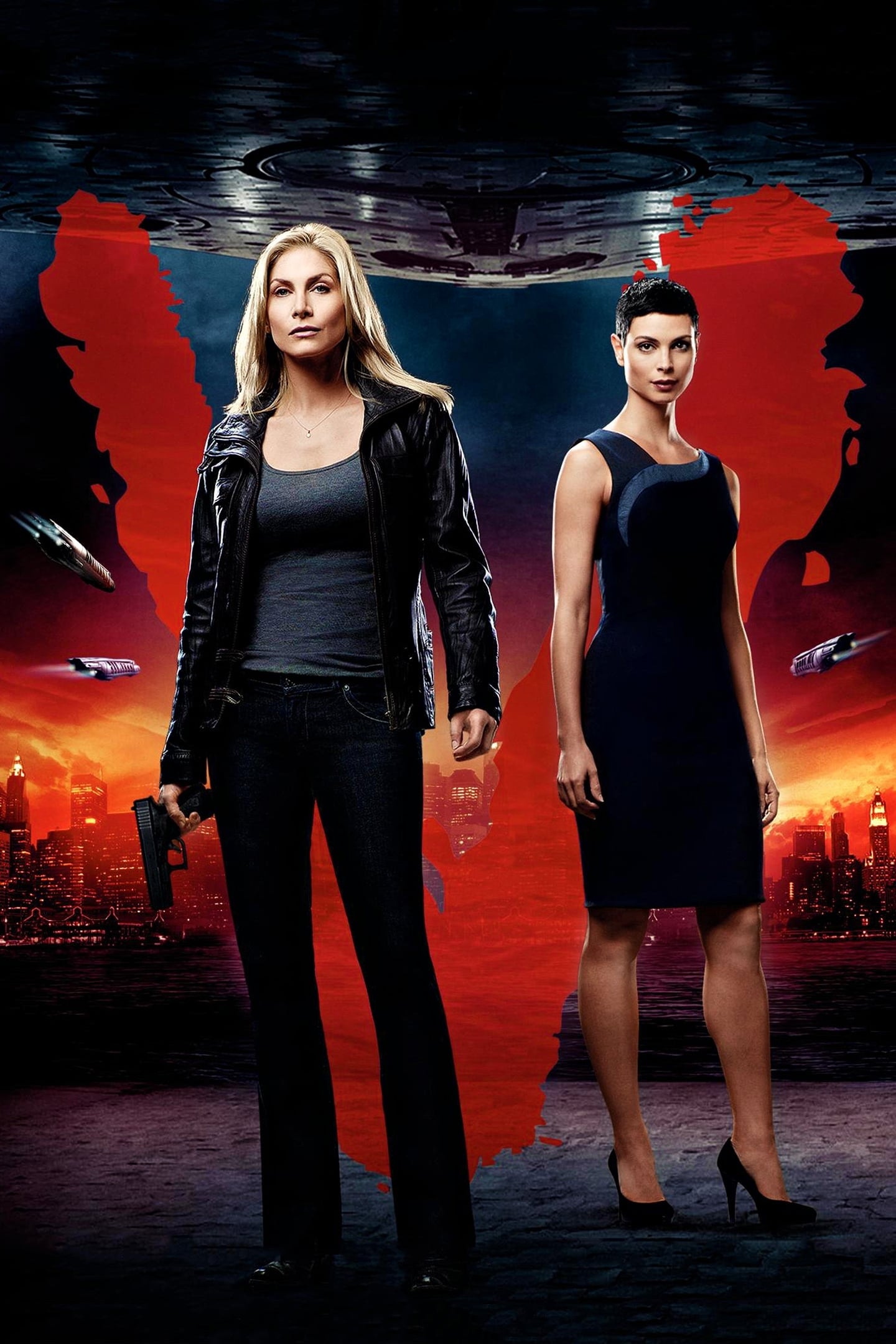
The reboot of ‘V’ followed a group of aliens who arrived on Earth with seemingly peaceful intentions. The first season struggled with inconsistent pacing and a heavy reliance on dated visual effects. The show quickly introduced a resistance movement that felt underdeveloped compared to the alien threat. This lack of balance made the conflict feel one sided and predictable. The series lost its initial sense of tension as the human characters struggled to find agency.
‘Surface’ (2005–2006)
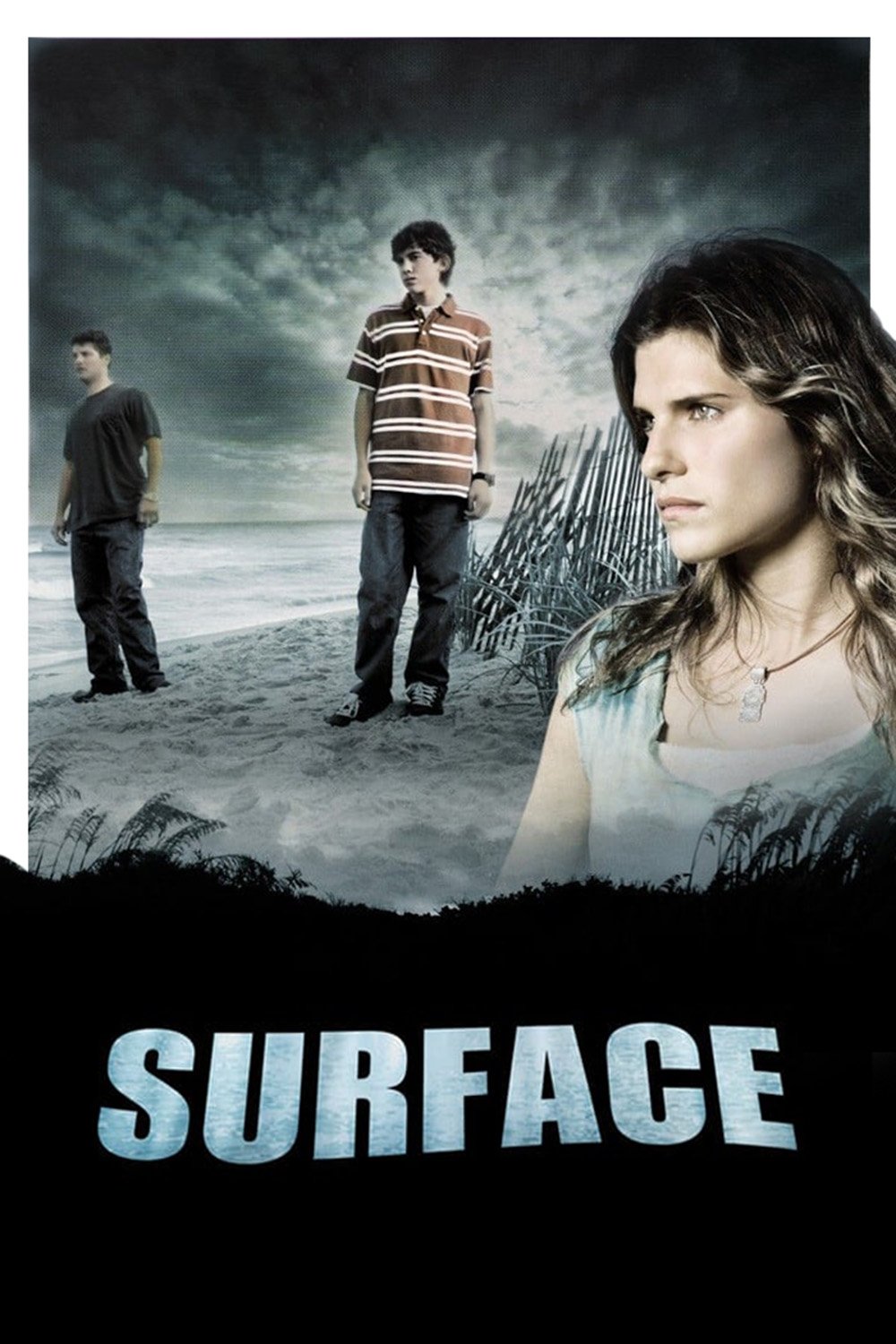
‘Surface’ centered on the discovery of a new species of aquatic life that appeared globally. The first season spent a large amount of time on a subplot involving a teenager raising a creature in his secret tank. This focus on a domestic pet story clashed with the grander global mystery of the alien arrival. The show struggled to bridge the gap between its scientific investigation and its more juvenile elements. This tonal inconsistency hindered the series from becoming a serious science fiction contender.
‘Jericho’ (2006–2008)
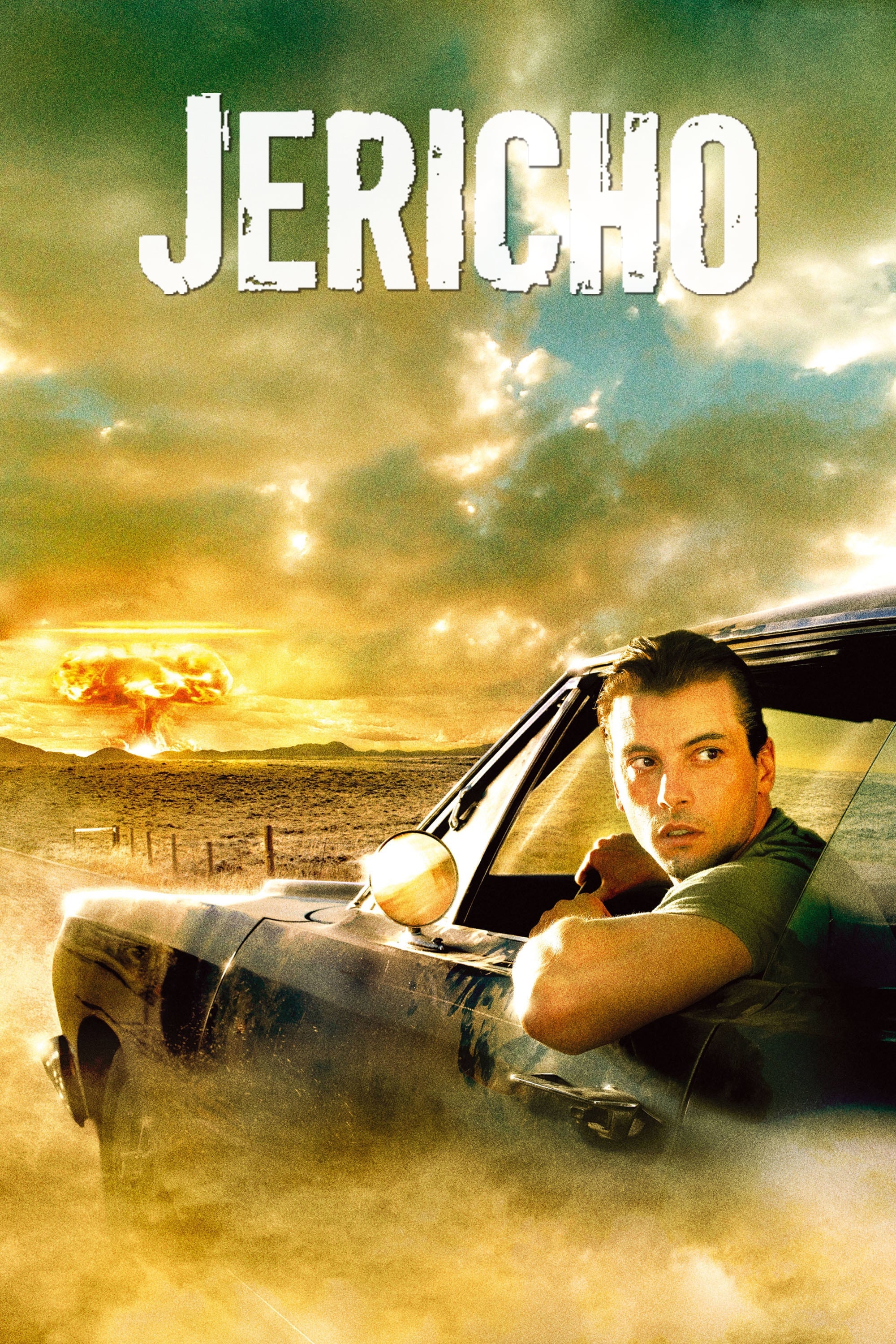
‘Jericho’ depicted life in a small town after a series of nuclear attacks on the United States. During the first season the focus shifted from survival and isolation to a complex political conflict involving a new government. This change moved the show away from the personal stakes of the townspeople and into a broader geopolitical thriller. Some viewers felt this transition was too fast for a show that began as a character driven drama. The original sense of dread and mystery was replaced by standard military tropes.
‘Falling Skies’ (2011–2015)
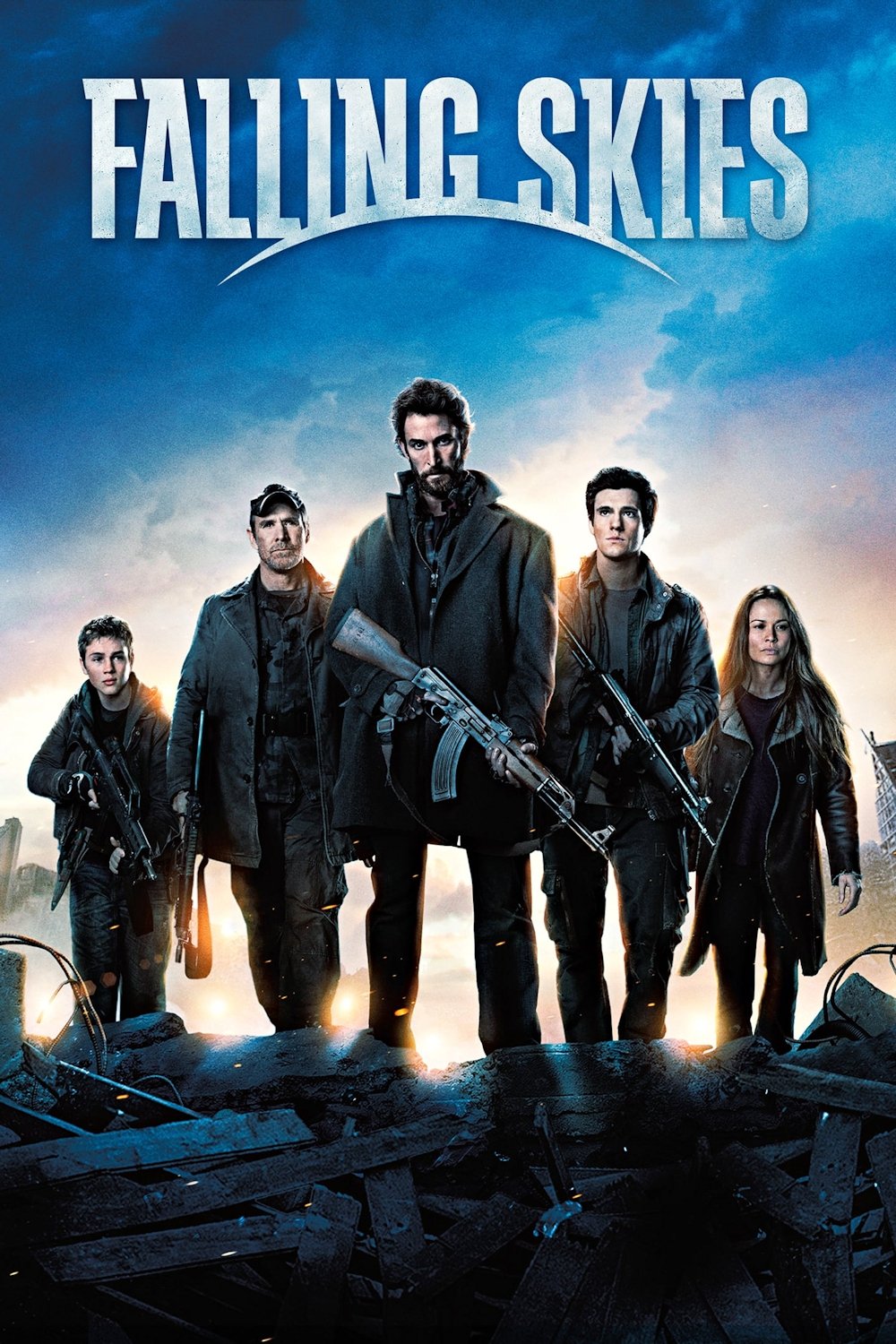
The alien invasion series ‘Falling Skies’ started with a focus on a civilian resistance movement fighting for survival. As the first season progressed the show became increasingly centered on family drama and internal bickering. The extraterrestrial threat often felt like a background element rather than an immediate danger. This shift in priority made the stakes feel lower than the premise suggested. The show struggled to maintain the urgency of a world under occupation.
‘The 100’ (2014–2020)
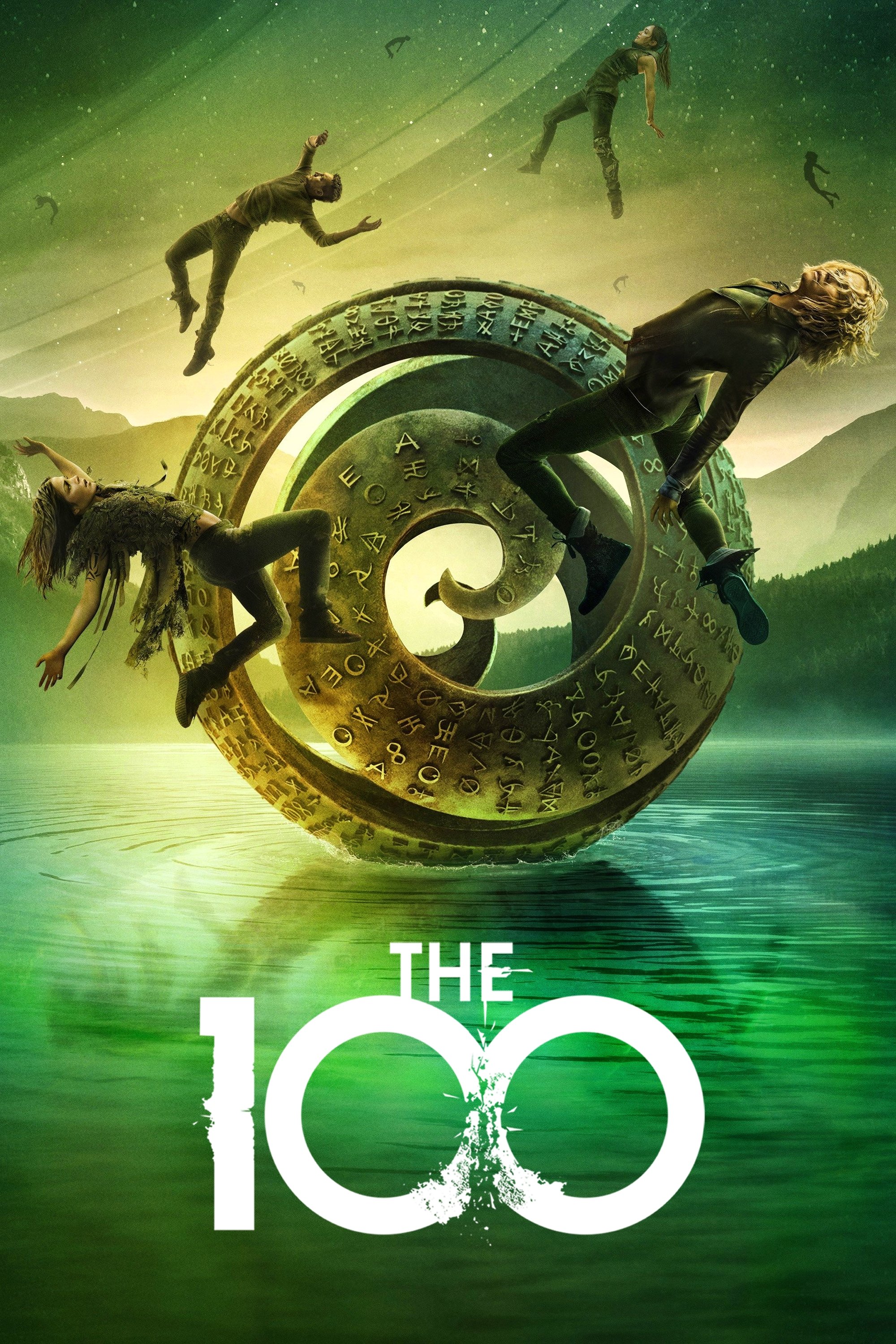
‘The 100’ began as a survival story about teenagers sent from a space station to a radiation soaked Earth. The first season quickly moved away from its Lord of the Flies inspiration and into a series of brutal wars with groundling tribes. This escalation into constant violence and moral compromise occurred much sooner than many expected. The show traded its exploration and discovery themes for a cycle of repetitive conflict. This early shift defined the darker tone the series would carry forward.
‘Hostages’ (2013–2014)
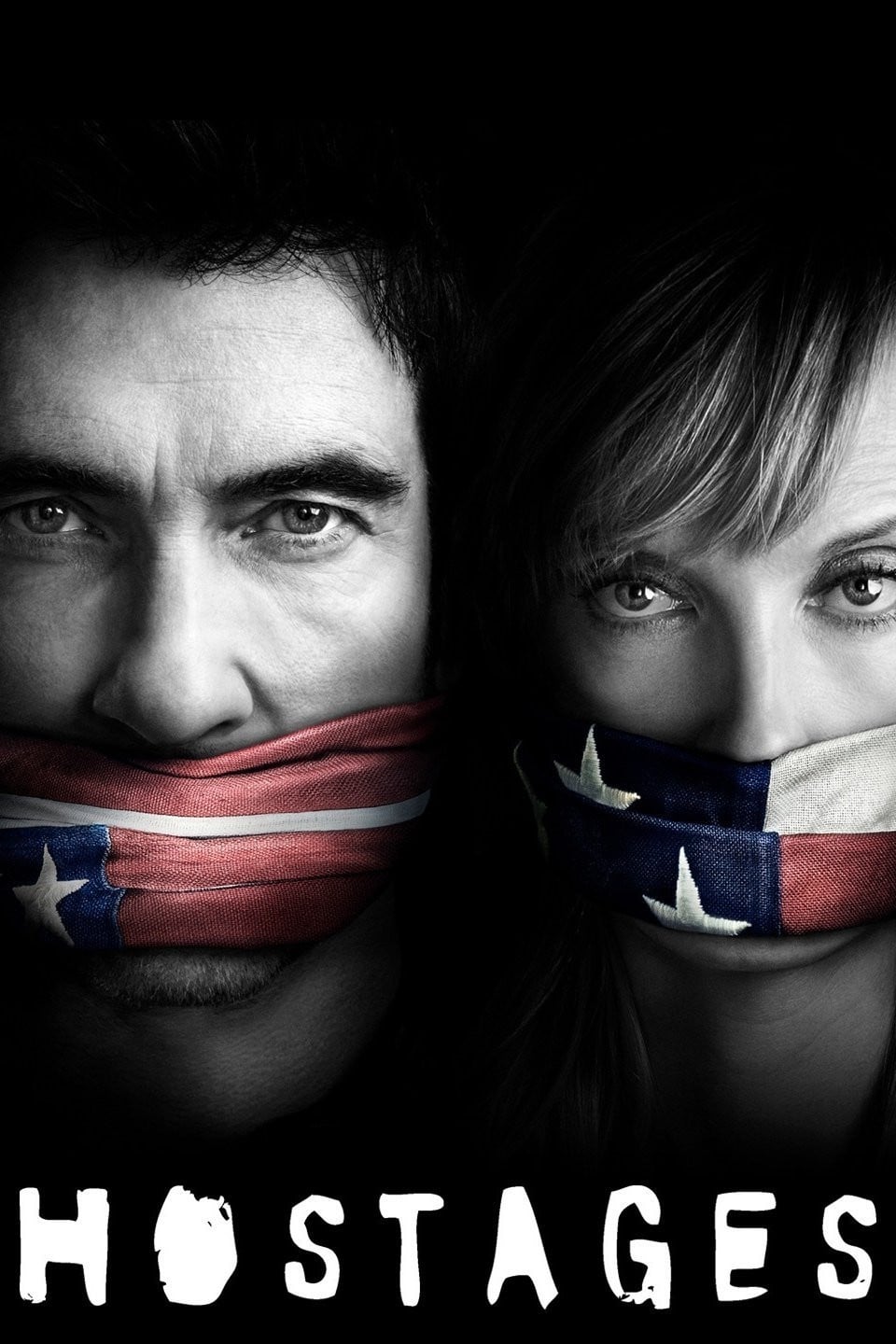
The premise of ‘Hostages’ involved a surgeon being forced to assassinate the President of the United States to save her family. This high intensity situation was difficult to sustain for a full season without the plot becoming repetitive. The writers had to introduce numerous delays and side stories to prevent the main event from occurring. These stalling tactics made the narrative feel padded and drained the tension from the original concept. The show struggled to justify its length given the narrow focus of the story.
‘Crisis’ (2014)
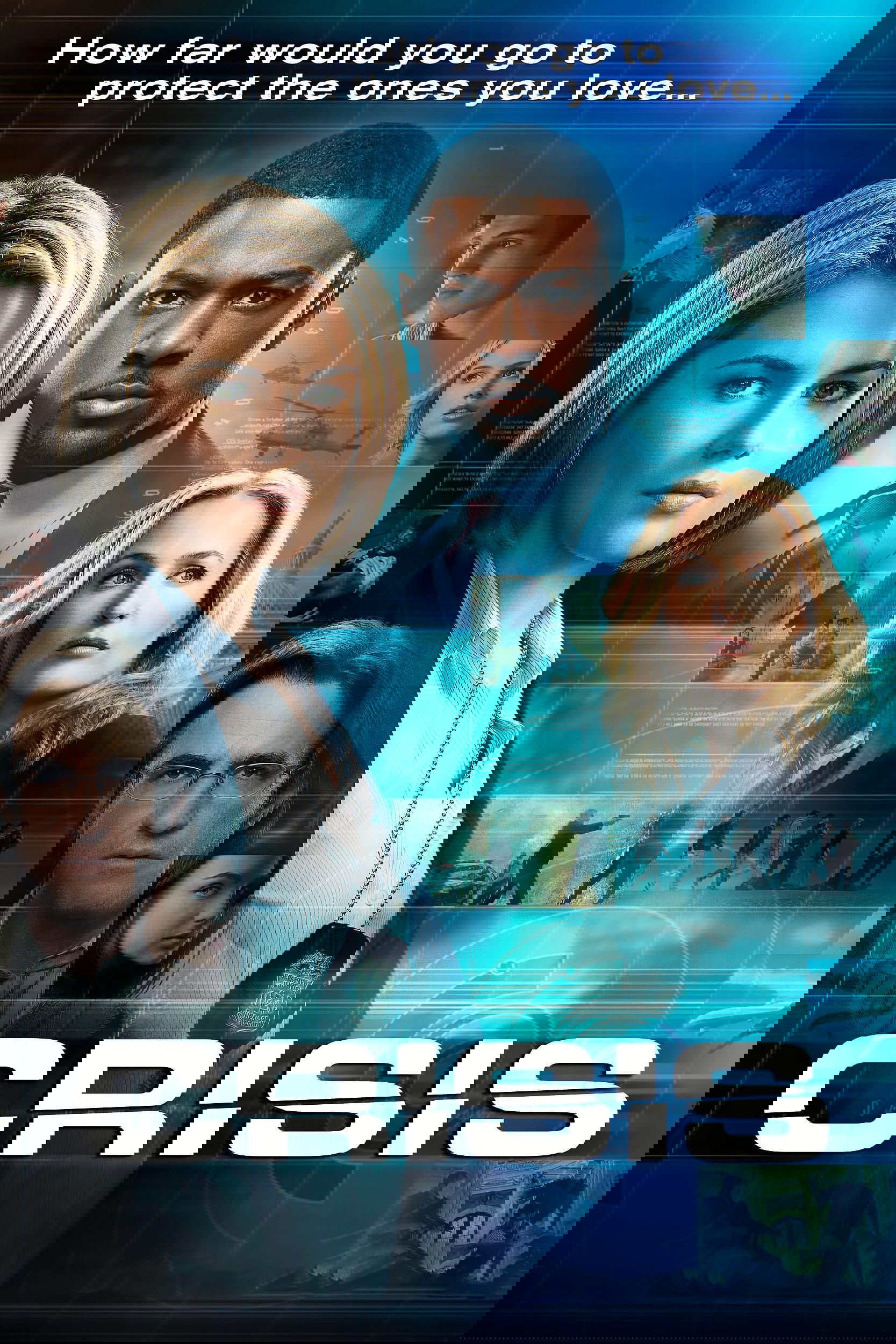
‘Crisis’ followed the kidnapping of several children of powerful Washington elite including the son of the President. The first season relied heavily on secret identities and constant betrayal which quickly became exhausting for the audience. The high stakes of the kidnapping began to feel routine as the plot spun in circles. The show failed to develop its large ensemble cast beyond their immediate connection to the crisis. This lack of character depth made it difficult for viewers to remain invested in the outcome.
‘Believe’ (2014)

‘Believe’ focused on a young girl with psychic powers and a man tasked with protecting her from a shadowy organization. The first season struggled to find a consistent tone between being a heartfelt character drama and a high octane chase show. The mystery of the girl’s powers remained stagnant as the characters moved from one location to another. This lack of progress regarding the central premise led to a loss of narrative momentum. The show ultimately failed to capitalize on its supernatural hook.
‘Intelligence’ (2014)
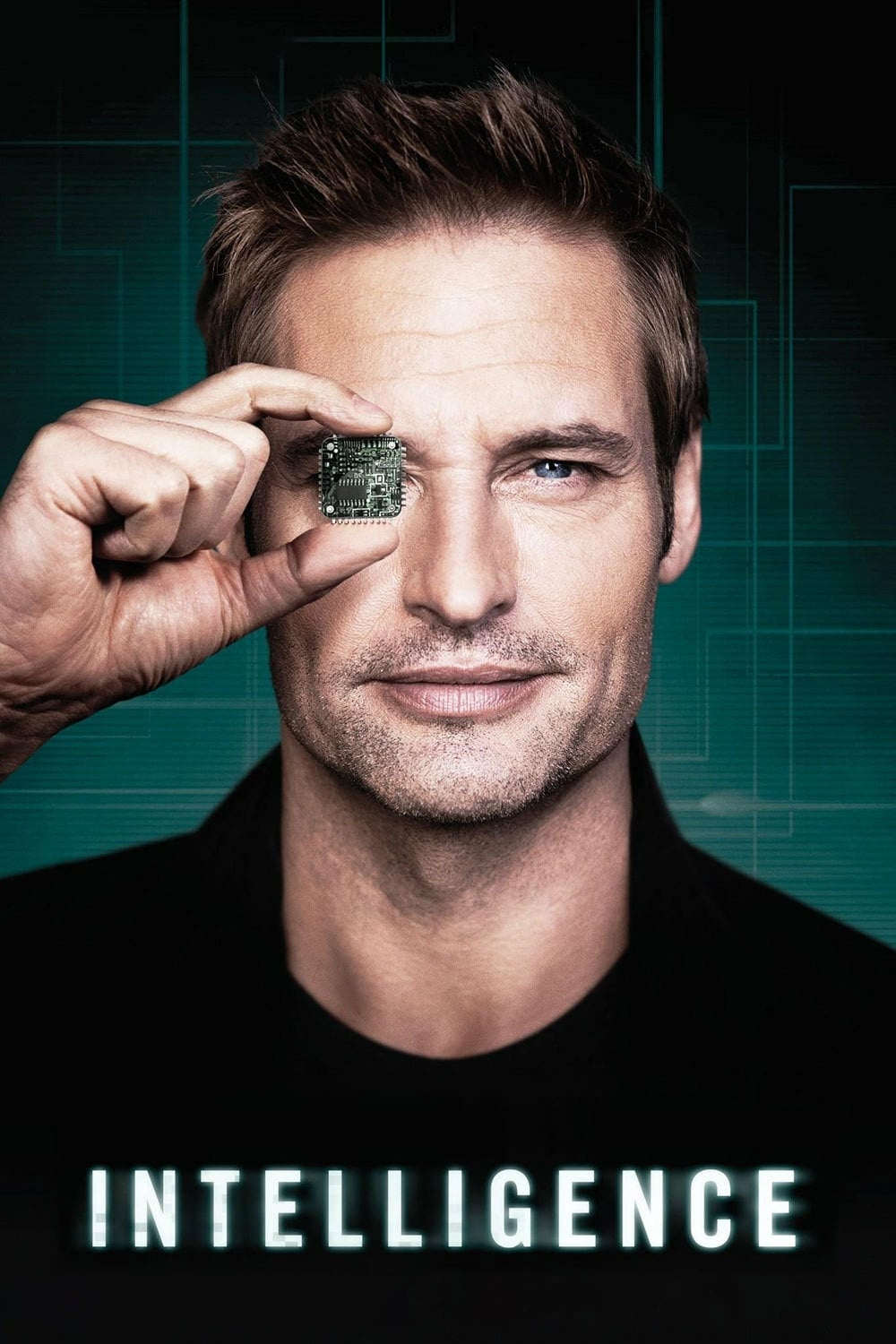
‘Intelligence’ featured a secret agent with a microchip in his brain that allowed him to access the entire information grid. The first season quickly fell into a standard procedural format that rarely utilized the unique chip concept in creative ways. The show felt like a typical police drama rather than a futuristic exploration of technology. This choice made the series feel generic compared to other offerings in the genre. The potential of the high tech premise was largely unfulfilled.
‘Limitless’ (2015–2016)

Based on the movie of the same name ‘Limitless’ followed a man who used a drug to access his full brain potential. The first season adopted a comedic and whimsical tone that often undercut the serious nature of the drug’s impact. While the visual style was innovative the episodic crimes often felt trivial. The show moved away from the darker themes of the film in favor of lighthearted banter. This tonal shift early on made the stakes feel less significant.
‘Minority Report’ (2015)

The television sequel to ‘Minority Report’ focused on a precog who tried to prevent crimes before they happened. The first season became a formulaic crime of the week show that lacked the philosophical depth of the original story. The visions were used as a convenient plot device rather than a way to explore free will or fate. This simplified approach made the series feel like a routine police procedural with a minor gimmick. The show failed to expand the world of the film in a meaningful way.
‘Almost Human’ (2013–2014)
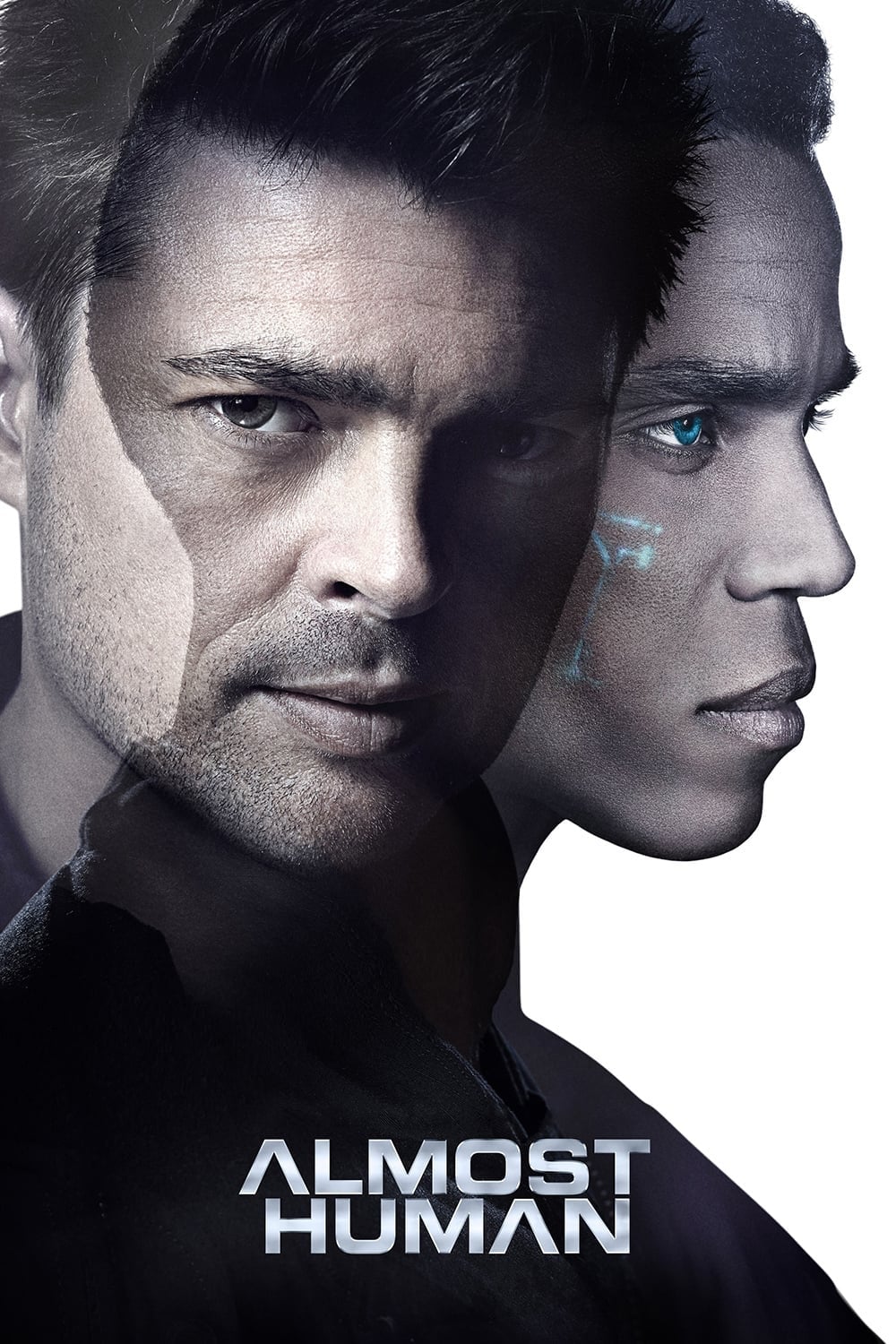
‘Almost Human’ depicted a future where human police officers were partnered with lifelike androids. The first season suffered from an out of order broadcast schedule that disrupted the development of the overarching plot. This led to a series of standalone episodes that failed to build a cohesive narrative about the world’s futuristic technology. The chemistry between the leads was strong but the lack of story progression hindered the show. The potential for a deep exploration of artificial intelligence was never fully realized.
‘The Whispers’ (2015)
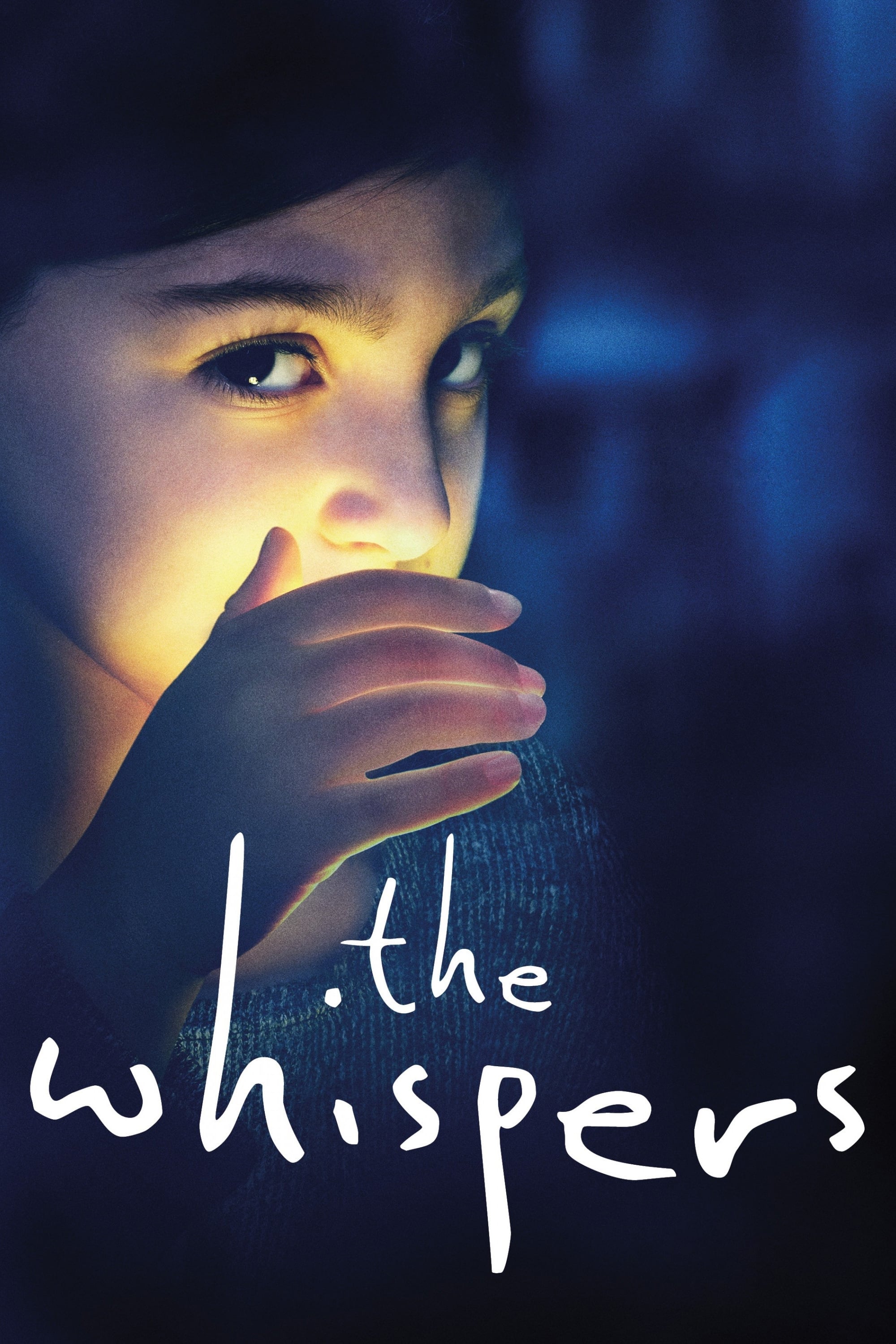
‘The Whispers’ focused on an invisible alien force that manipulated children into doing dangerous things. The first season dragged out its central mystery for too long without providing enough character development. The pacing was slow and the repetitive scenes of children talking to unseen entities lost their impact. By the time the aliens were finally revealed many viewers had already lost interest. The show struggled to maintain its initial creepy atmosphere through the entire season.
‘Extant’ (2014–2015)
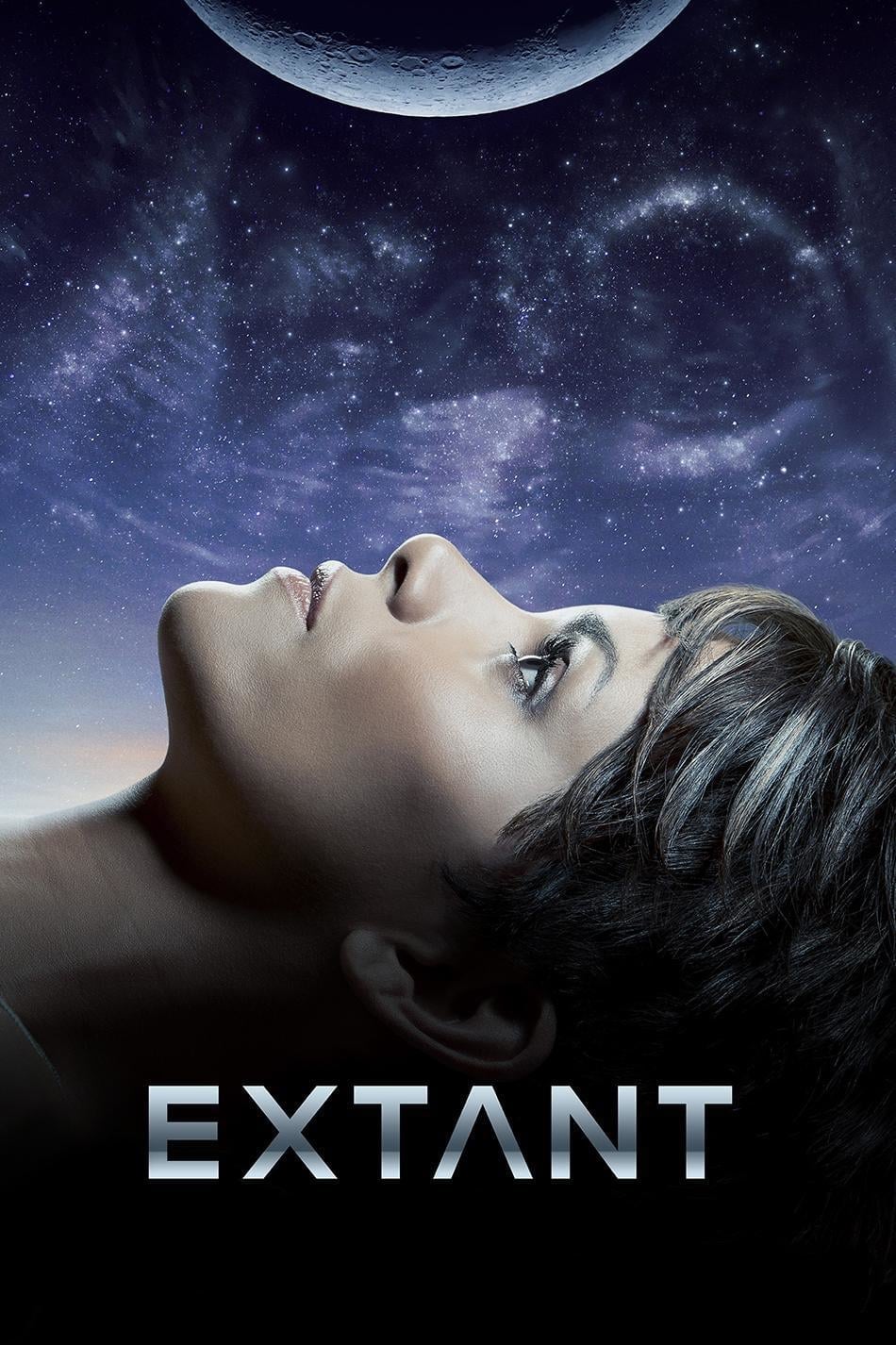
‘Extant’ starred Halle Berry as an astronaut who returned from space with an inexplicable pregnancy. The first season quickly introduced a convoluted plot involving robotic children and corporate conspiracies. This mix of different science fiction tropes made the story feel unfocused and cluttered. The focus on the alien baby storyline polarized the audience and shifted away from the grounded space mystery. The show lost its unique identity by trying to cover too many genres at once.
‘Houdini & Doyle’ (2016)
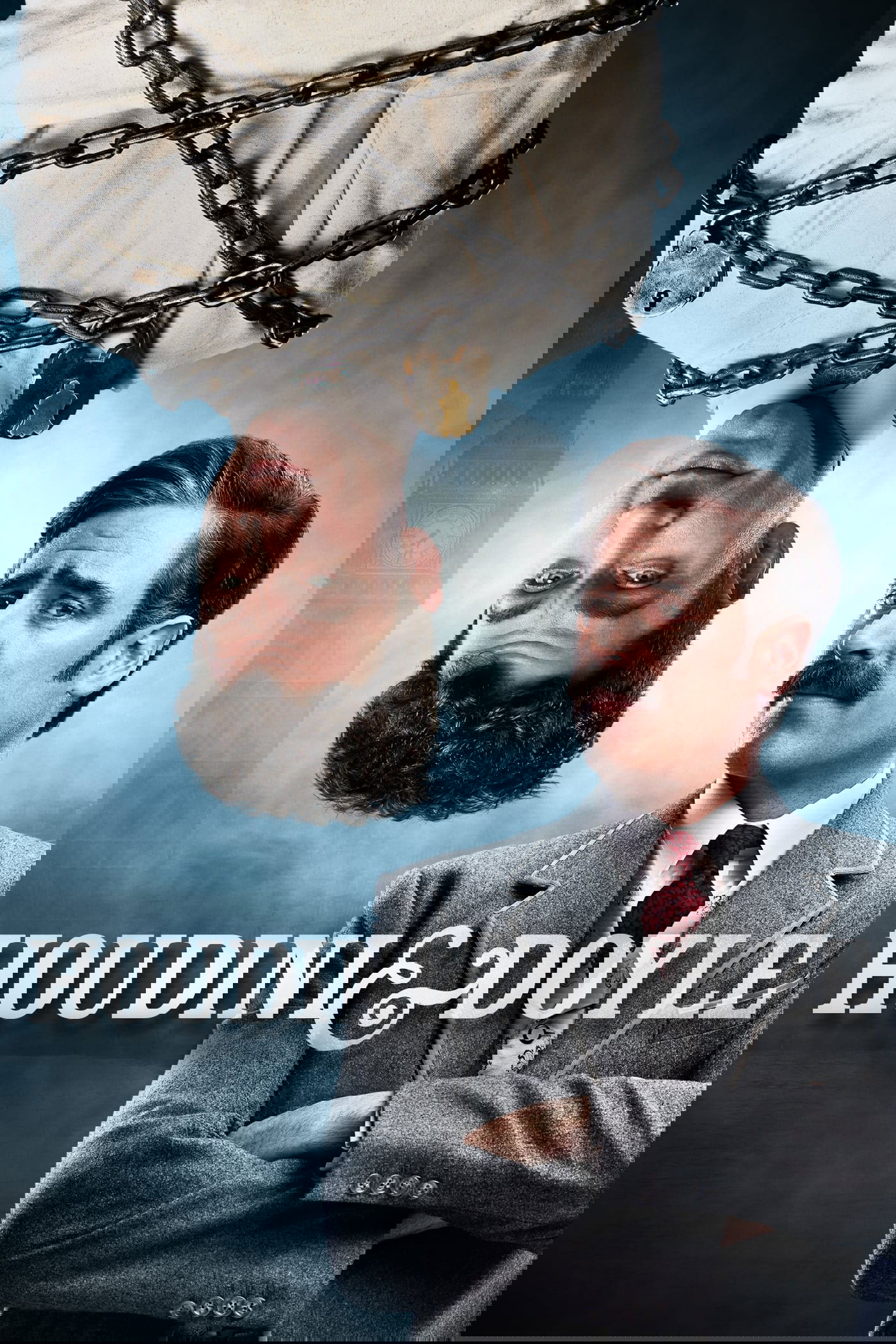
The historical drama ‘Houdini & Doyle’ paired the famous magician with the creator of Sherlock Holmes to solve supernatural crimes. During its only season the show leaned heavily into actual supernatural occurrences rather than scientific explanations. This choice undermined the skepticism of the lead characters and made the mysteries feel less clever. The dynamic between the two icons became repetitive as they argued over the same points every week. The series failed to find a compelling balance between its characters and its plots.
‘The Catch’ (2016–2017)
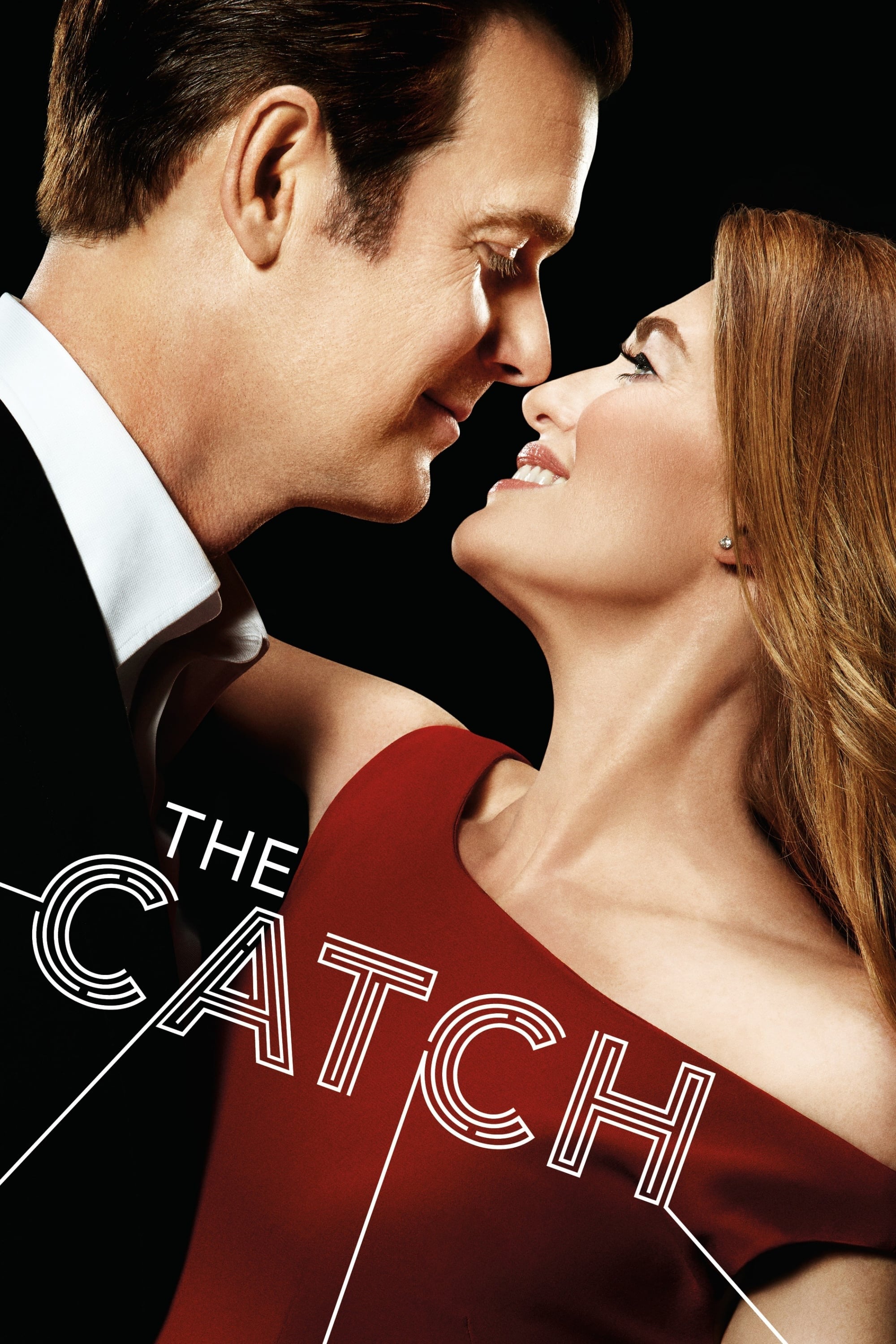
‘The Catch’ focused on a private investigator who was conned by her fiancé and sought revenge. The first season struggled with a tone that fluctuated between a serious thriller and a lighthearted romantic comedy. The constant shifts in the cat and mouse game between the leads became predictable. The show failed to establish high stakes for its supporting characters making the main plot feel thin. This lack of narrative weight prevented the series from finding a stable audience.
Share which television series you believe lost its way too early in the comments.