


25 TV Series That Turned Racist Overnight



Television standards shift constantly as audiences demand more inclusive and respectful storytelling. Many series that were once celebrated have faced sudden and intense scrutiny for episodes featuring racial caricatures or offensive makeup. Streaming platforms often respond to these controversies by removing specific episodes or adding content warnings to acknowledge harmful stereotypes. The following shows experienced significant backlash when viewers re-evaluated their handling of race and ethnicity.
‘Roseanne’ (1988-2018)
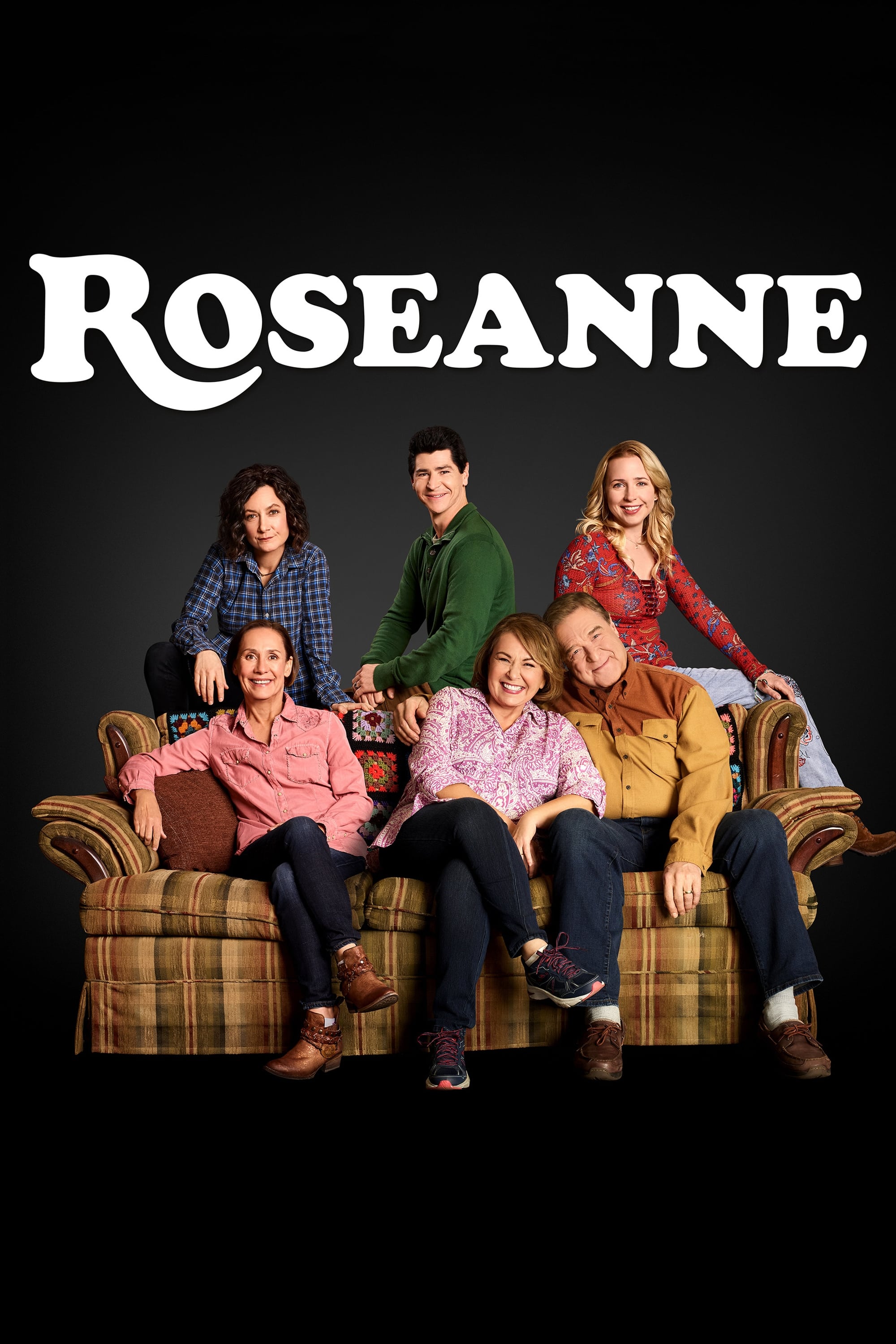
The highly anticipated revival of this classic sitcom shattered viewership records before being cancelled abruptly. Lead actress Roseanne Barr posted a racially offensive tweet regarding a former government official that drew immediate condemnation. ABC executives described the statement as abhorrent and inconsistent with their values before pulling the plug on the show. The rest of the cast and crew eventually returned for a spinoff series that wrote the matriarch out of the story.
’30 Rock’ (2006–2013)
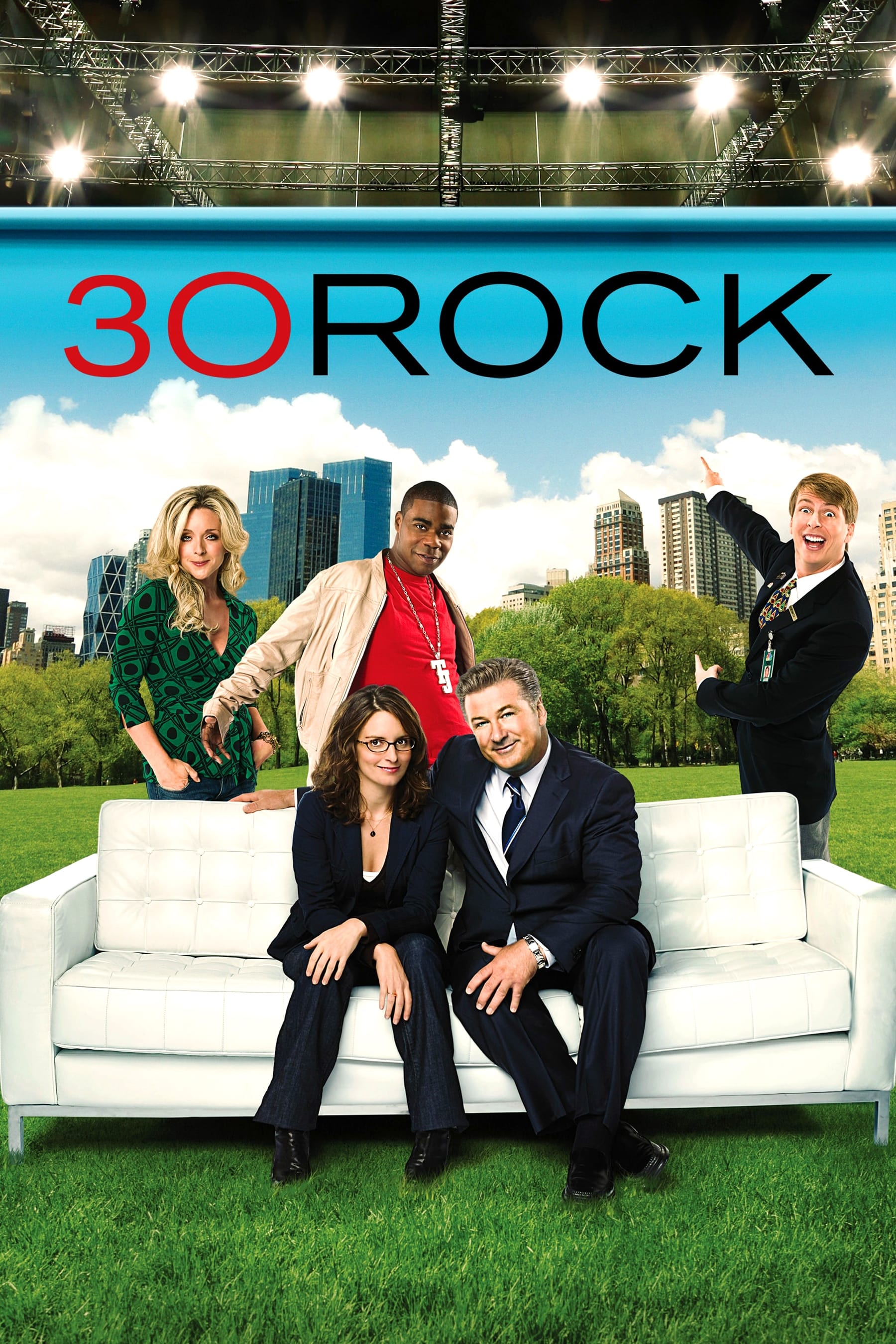
Tina Fey and the executive producers requested the removal of four episodes from streaming services due to depictions of blackface. One storyline featured the character Jenna Maroney wearing dark makeup to portray a former football star during a branding dispute. Another removed episode involved Jon Hamm appearing in a wig and blackface for a sketch segment. Fey apologized for the pain these images caused and acknowledged that the intent of satire did not excuse the execution.
‘The Office’ (2005–2013)
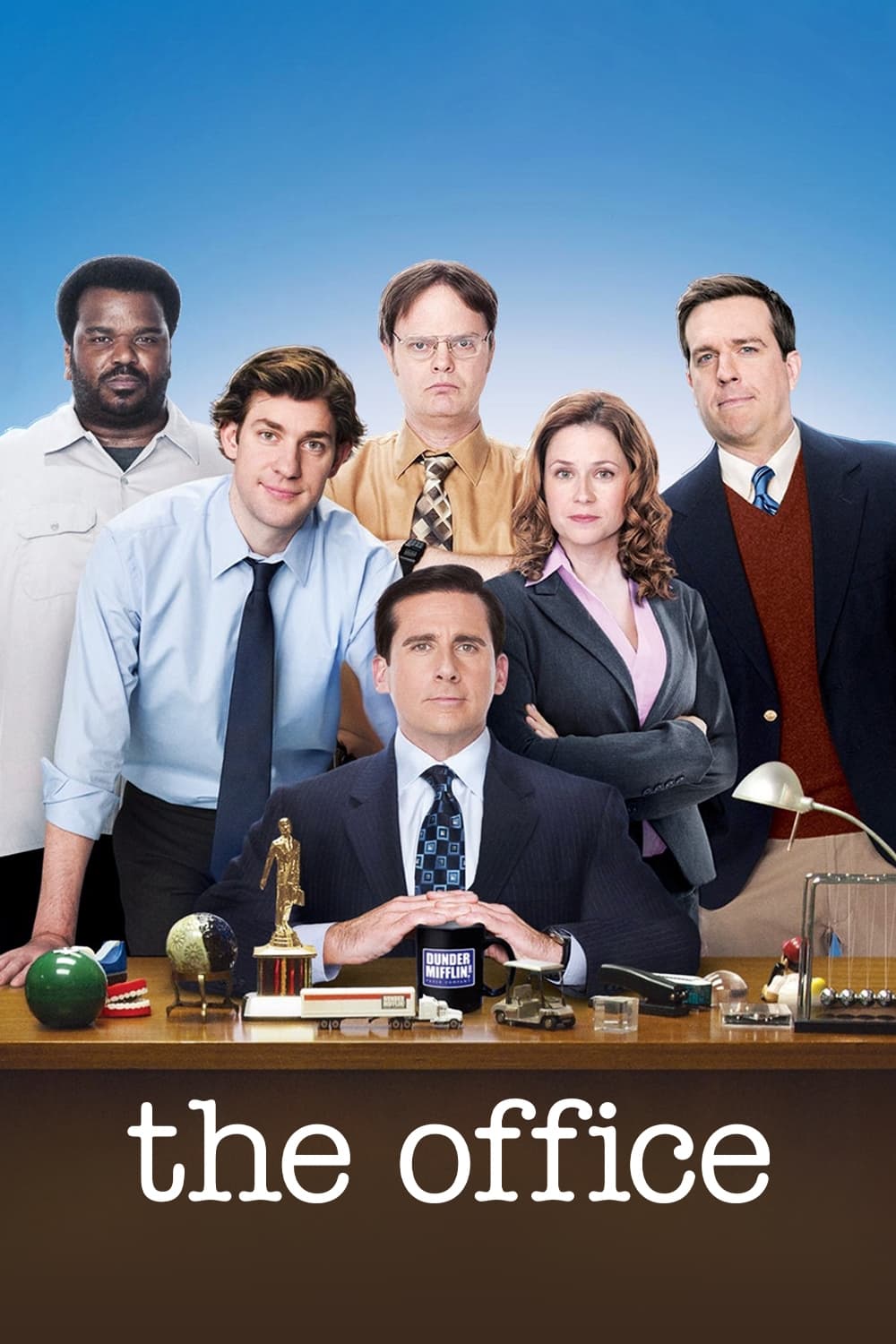
This beloved mockumentary faced criticism for a specific scene in the episode titled ‘Dwight Christmas’ involving the character Nate. The scene depicted the character adhering to the European folklore tradition of Zwarte Piet by wearing blackface makeup. Creator Greg Daniels decided to edit the scene out of the episode on streaming platforms to avoid perpetuating harmful stereotypes. The showrunner noted that the joke was originally meant to satirize the ignorance of the character rather than the practice itself.
‘Community’ (2009–2015)
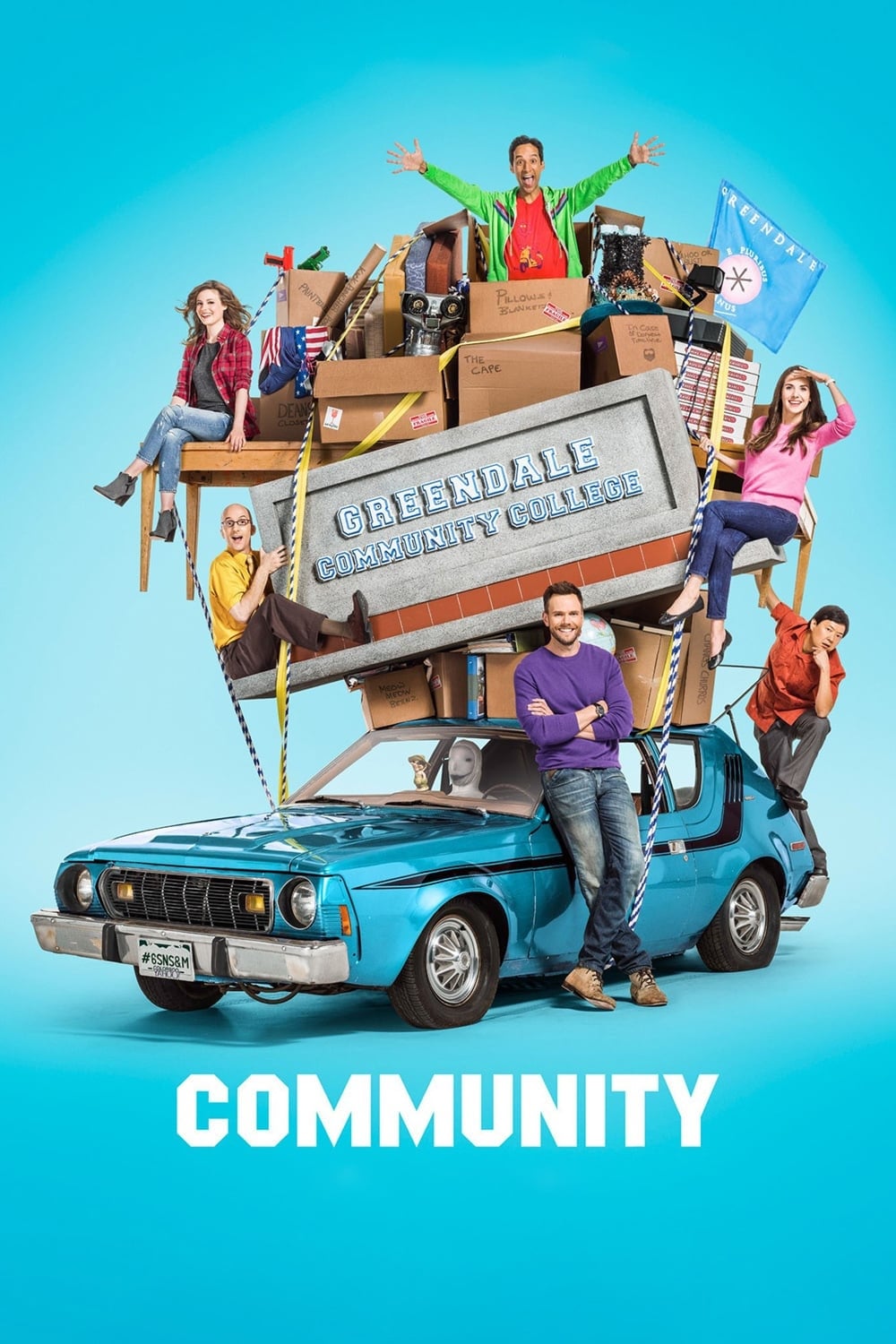
Netflix and Hulu removed the episode ‘Advanced Dungeons & Dragons’ because of a scene featuring Ken Jeong. His character Ben Chang appeared wearing pitch-black makeup and a white wig to cosplay as a dark elf during the game. The creative team argued the joke was about the character’s lack of social awareness rather than racial mockery. Fans and critics debated whether the removal was necessary given the context of the scene within the fantasy roleplaying narrative.
‘Scrubs’ (2001–2010)
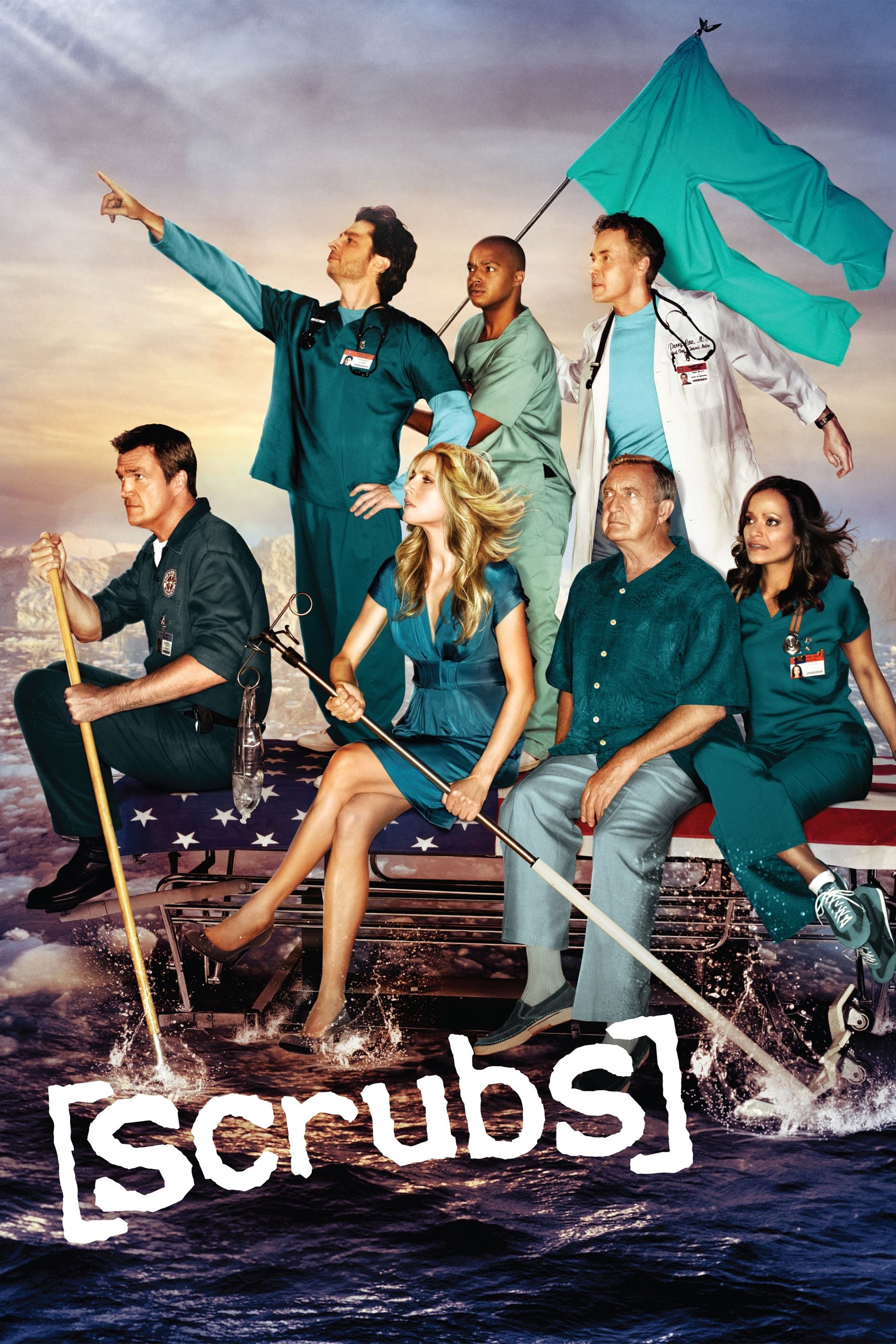
Creator Bill Lawrence apologized and removed three episodes from circulation that featured lead characters in blackface. One sequence involved Zach Braff’s character J.D. wearing dark makeup during a fantasy sequence about mixing changing identities. Another scene featured Sarah Chalke’s character Elliott looking into a mirror and seeing herself as a different race. Lawrence stated that he did not want the show to contribute to hurtful imagery and supported the decision to pull the content.
‘It’s Always Sunny in Philadelphia’ (2005–Present)
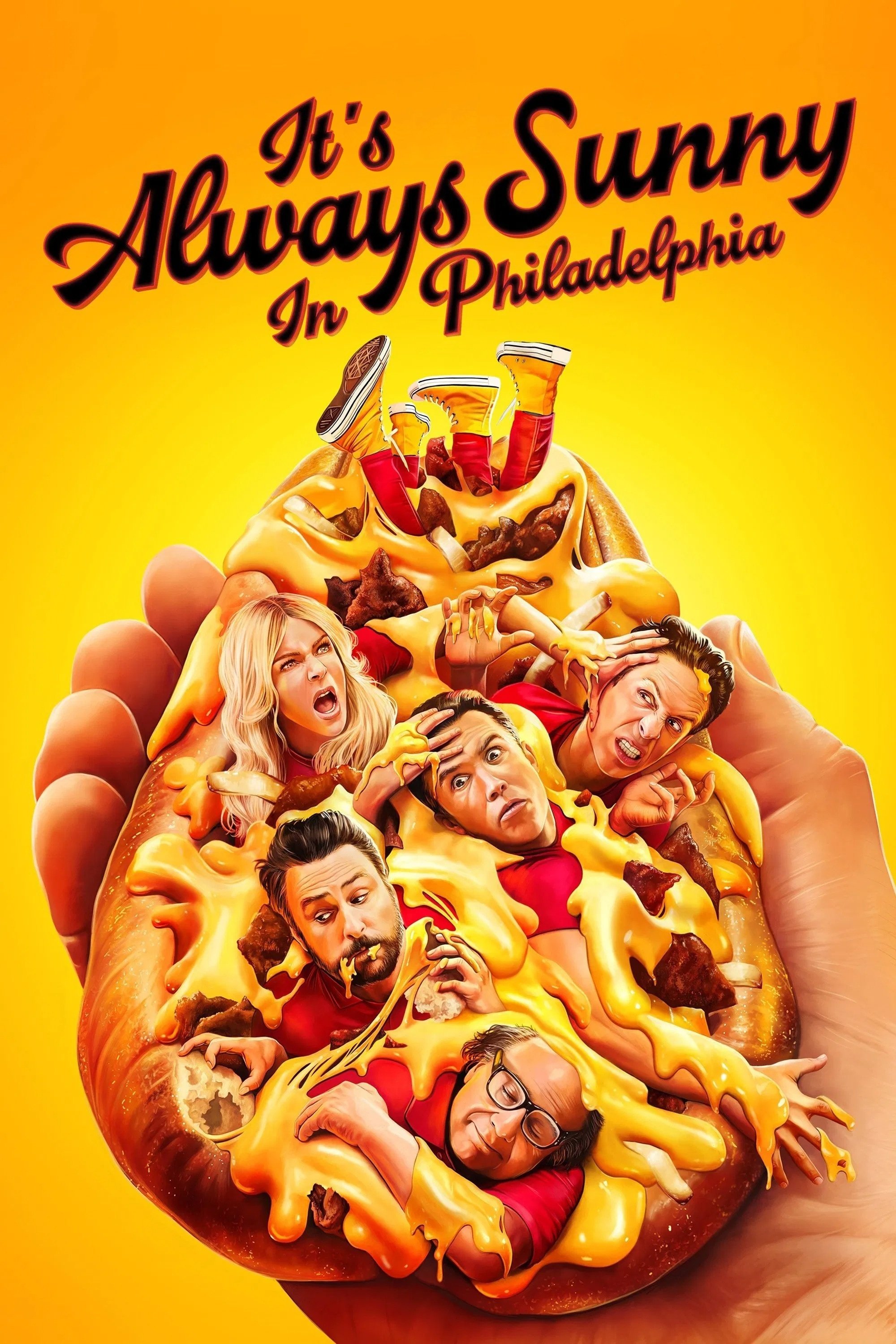
Five episodes of this dark comedy were pulled from streaming services due to the use of blackface and racial stereotypes. The gang often engages in offensive behavior to highlight their moral bankruptcy but several instances were deemed to cross the line. Removed episodes include those where the characters create their own unauthorized sequels to the ‘Lethal Weapon’ franchise using racial makeup. The creators have since addressed the controversy and expressed regret over those specific creative choices.
‘Little Britain’ (2003–2006)
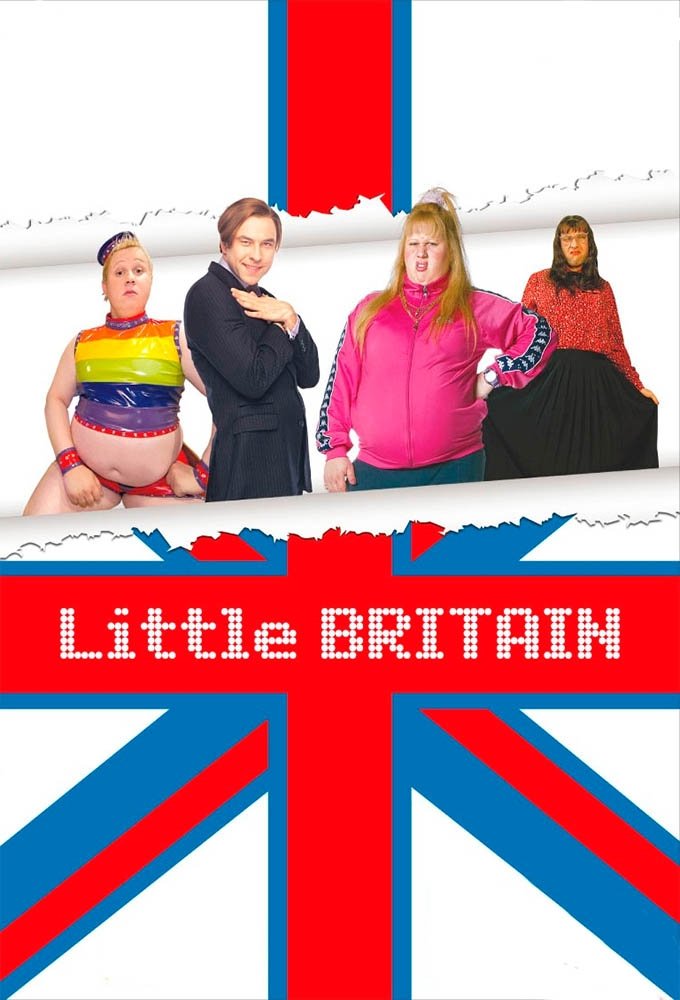
The BBC removed this sketch comedy series from its iPlayer service after viewers criticized its use of blackface. David Walliams and Matt Lucas frequently played characters of different ethnic backgrounds using heavy makeup and prosthetics. One recurring character named Desiree DeVere was played by Walliams in full blackface suit and makeup. The creators have subsequently apologized for the portrayals and acknowledged that they would not make those same jokes today.
‘The Simpsons’ (1989–Present)
The long-running animated sitcom faced a cultural reckoning regarding the character Apu Nahasapeemapetilon. Comedian Hari Kondabolu released a documentary titled ‘The Problem with Apu’ which detailed how the character popularized harmful South Asian stereotypes. Hank Azaria eventually stepped down from voicing the role after listening to the concerns of the Indian-American community. The producers have since changed their casting policy to ensure actors of color voice non-white characters.
‘How I Met Your Mother’ (2005–2014)
The episode ‘Slapsgiving 3: Slappointment in Slapmarra’ drew immediate backlash for its use of yellowface and Asian stereotypes. The main cast wore costumes and makeup intended to mimic classic kung fu movies while actors mimicked stereotypical accents. The creators issued an apology on social media shortly after the episode aired and acknowledged the insensitivity of the homage. This incident remains a blemish on the legacy of the show for many fans.
‘South Park’ (1997–Present)
Five episodes of this satirical animation are unavailable on streaming services due to their depiction of the prophet Muhammad or issues regarding censorship. Other episodes have faced renewed scrutiny for their handling of racial themes and the character Token Black. The show often aims to offend everyone equally but certain portrayals have aged poorly in the eyes of modern audiences. Creators Trey Parker and Matt Stone have often stood by their work while acknowledging the changing landscape of television.
‘Mad Men’ (2007–2015)
Lionsgate added a disclaimer to the episode ‘My Old Kentucky Home’ rather than removing it entirely from distribution. The episode features character Roger Sterling performing a song in blackface during a country club party. Viewers view the scene as an accurate historical depiction of the racism prevalent in the 1960s rather than an endorsement. The disclaimer contextualizes the scene for modern audiences who might find the imagery disturbing without that historical framework.
‘Fawlty Towers’ (1975–1979)
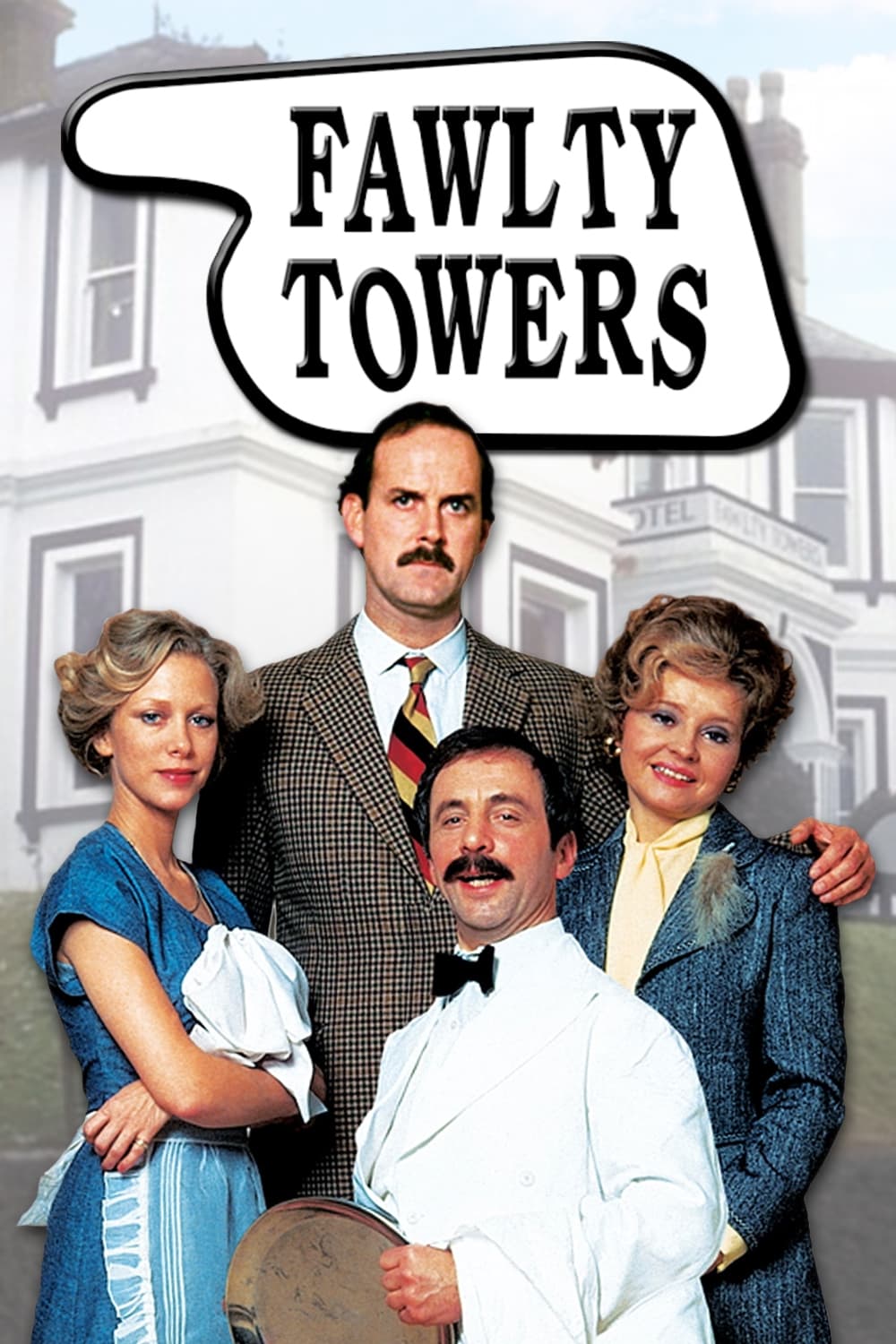
The episode ‘The Germans’ was temporarily removed from UK streaming services due to racial slurs used by the Major character. John Cleese criticized the decision and argued that the show was mocking the character’s outdated bigoted attitudes. The episode was eventually reinstated with a warning about offensive language and content. This incident sparked a wider debate about how legacy media should handle historical depictions of racism.
‘The Mighty Boosh’ (2004–2007)
Streaming services removed episodes featuring the character The Spirit of Jazz due to the use of blackface makeup. Noel Fielding played the character as a supernatural entity but the visual design relied heavily on minstrel imagery. The surreal nature of the show did not shield it from criticisms regarding the appropriation of black culture. Fans remain divided on whether the character was a tribute to jazz legends or a caricature.
‘Peep Show’ (2003–2015)
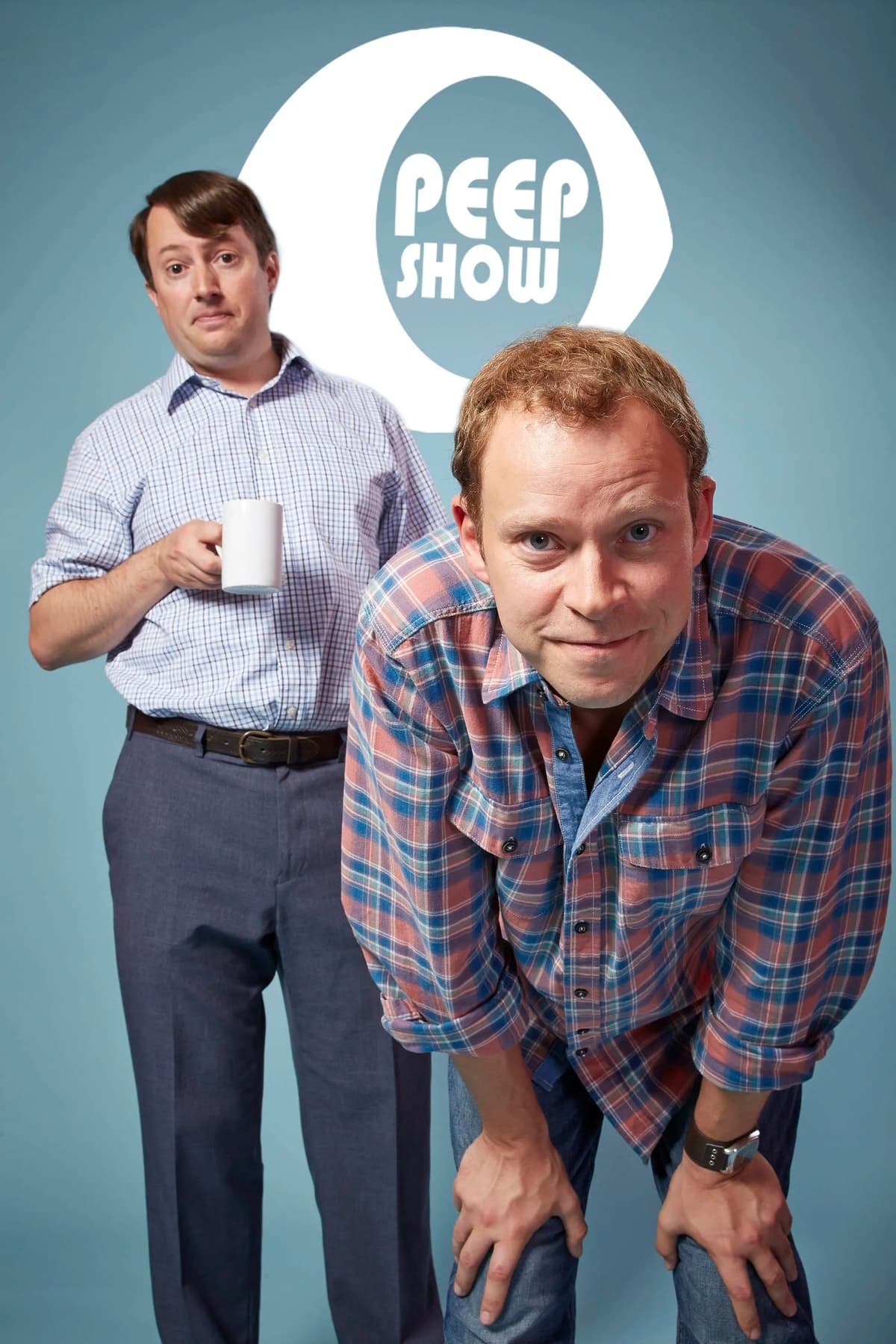
Netflix removed a scene from this British sitcom where the character Jez breaks social taboos by wearing blackface. The scene was intended to show the character’s stupidity and lack of boundaries as he attempts to impress a partner. The removal sparked conversation about whether intent matters when displaying racially charged imagery. The creators expressed surprise at the removal but accepted the platform’s decision to edit the episode.
‘The Golden Girls’ (1985–1992)
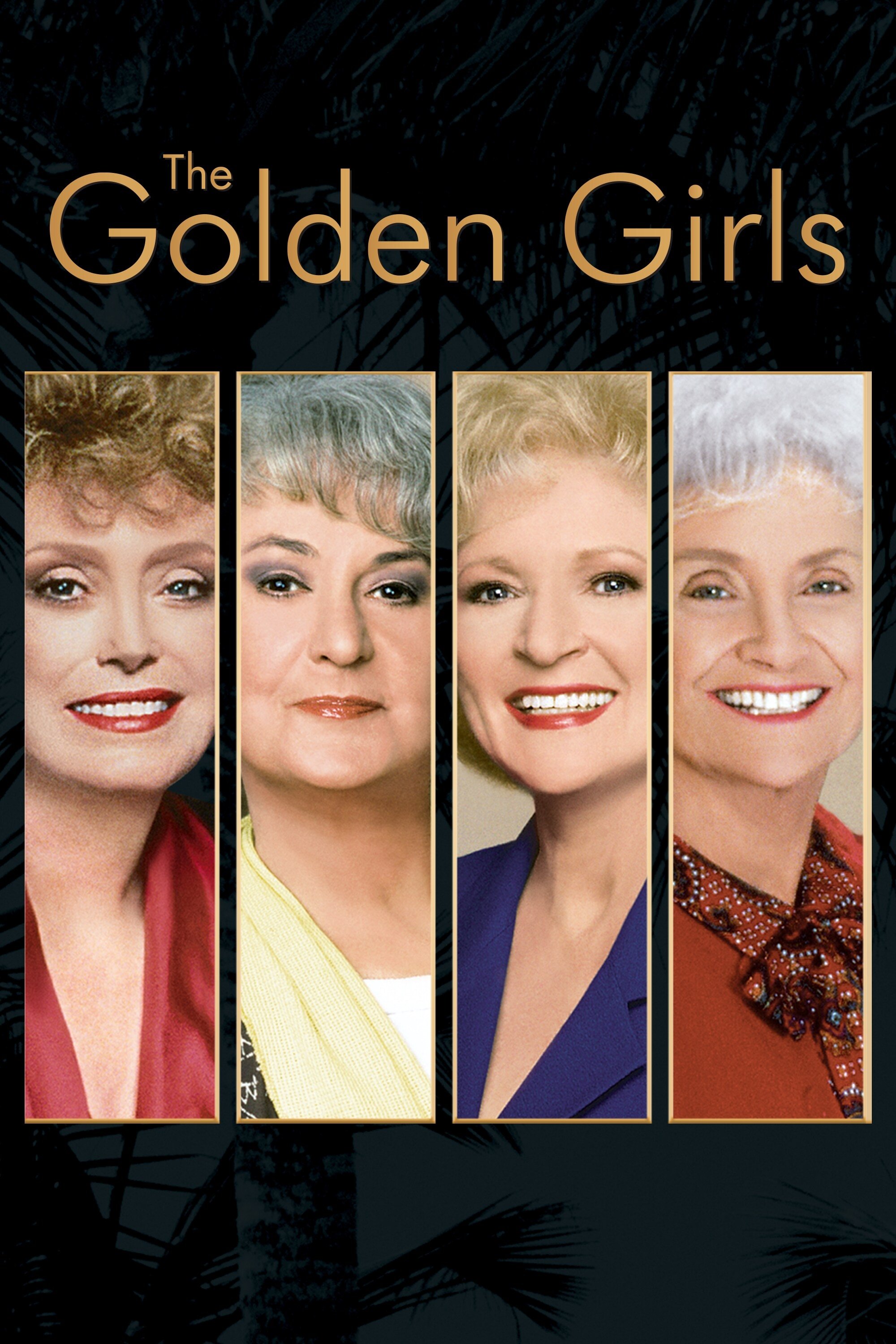
Hulu removed the episode ‘Mixed Blessings’ because of a scene involving mud masks that was interpreted as blackface. Rose and Blanche greet a black family while wearing the facial treatment and joke about the unfortunate timing. Critics of the removal argued that the context was clearly about skincare rather than racial mimicry. The platform eventually reinstated the episode after significant public outcry regarding the context of the scene.
‘Unbreakable Kimmy Schmidt’ (2015–2019)
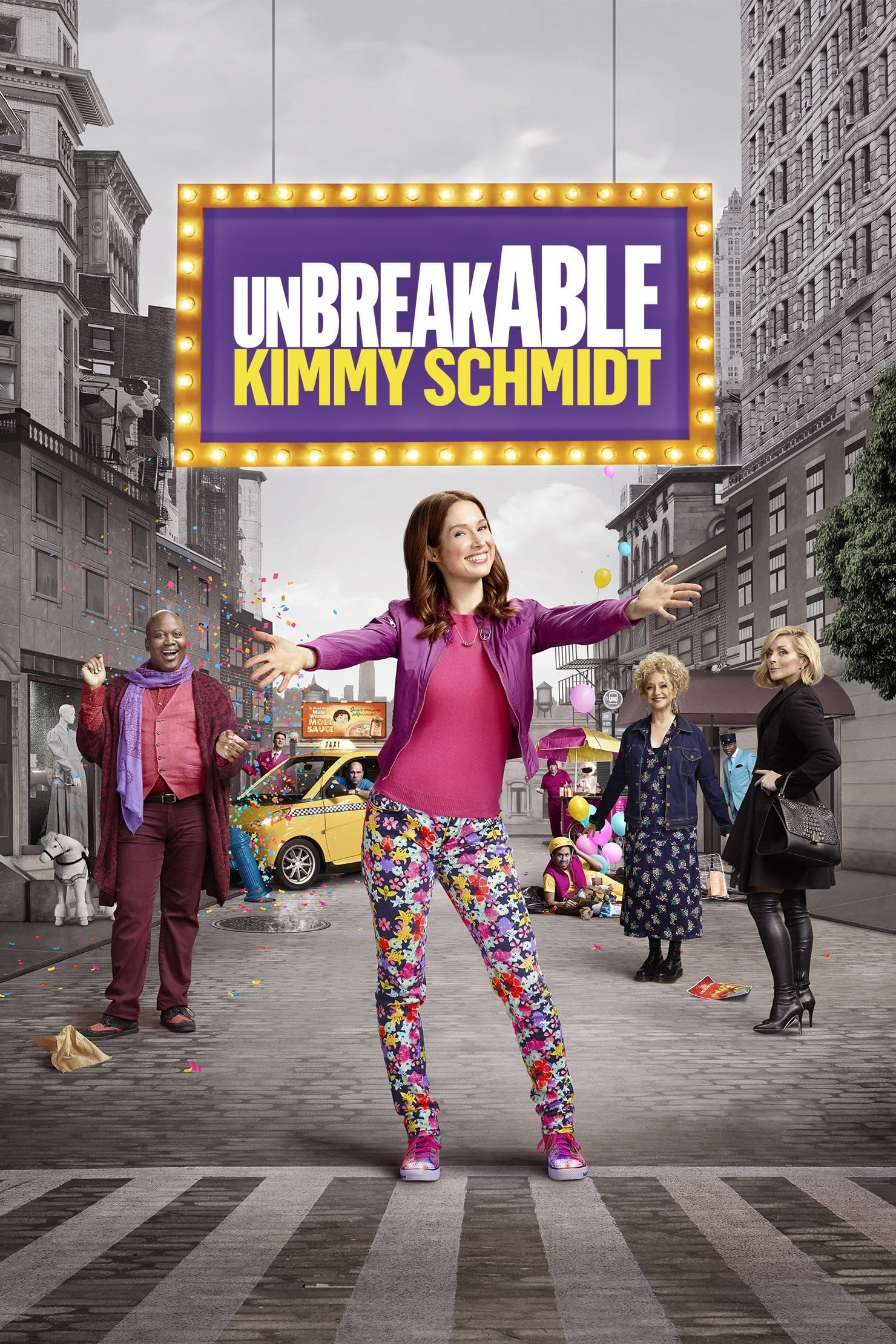
This comedy faced controversy for casting Jane Krakowski as a Native American woman attempting to pass as white. Critics argued that the storyline erased actual Native American actors and relied on stereotypes for humor. Another episode featuring a geisha character drew criticism for its handling of Asian tropes and yellowface imagery. Creator Tina Fey defended the artistic choices at the time but the discourse around the show shifted significantly.
‘Glee’ (2009–2015)
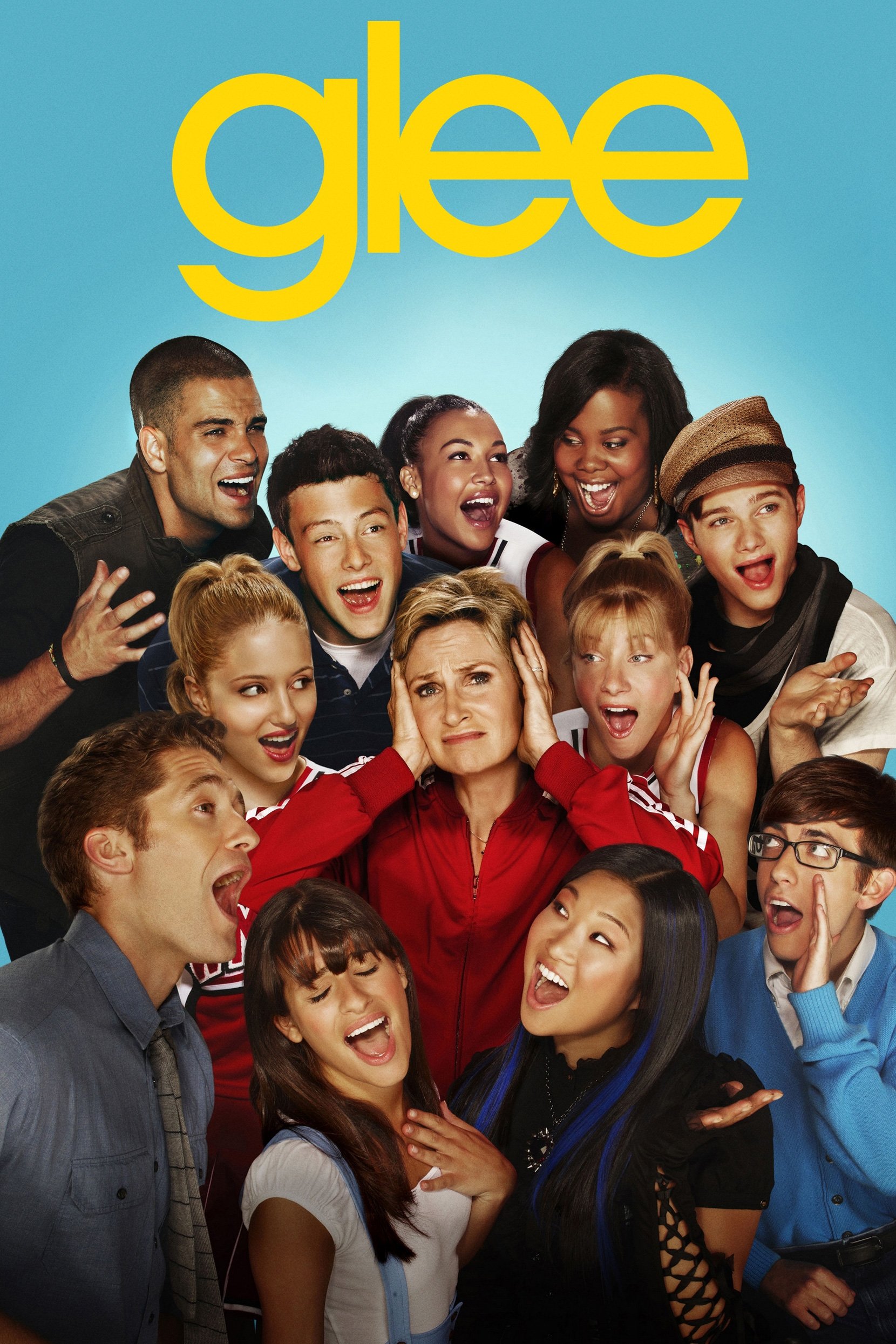
The musical dramedy has faced retrospective criticism for its reliance on racial stereotypes to define its diverse cast. Characters like Mercedes and Santana were often pigeonholed into aggressive or sassy tropes that limited their development. The show also faced backlash for a plotline involving a fake pregnancy and stereotypical jokes about Latino culture. Recent discussions have focused on how the writing failed the talented cast of color.
‘2 Broke Girls’ (2011–2017)

This sitcom faced immediate and persistent criticism for the character Han Lee who was the owner of the diner. The writing relied heavily on broken English and emasculating jokes that perpetuated anti-Asian stereotypes. Reviewers and audience members pointed out that the humor felt outdated and offensive even when the show first premiered. The relentless nature of the racial humor became the primary legacy of the character for many viewers.
‘Summer Heights High’ (2007)
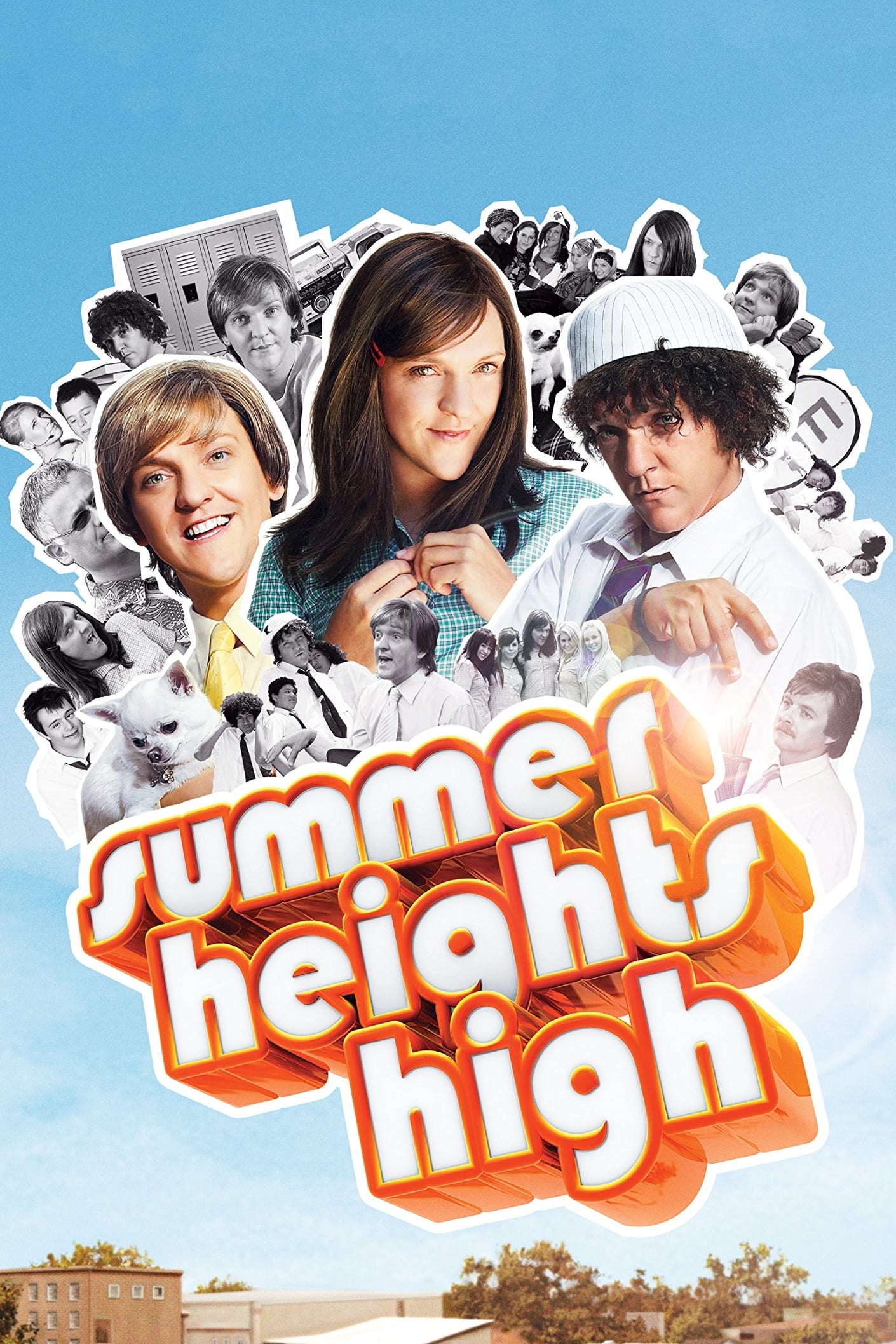
Chris Lilley performed in brownface to play the character Jonah Takalua in this Australian mockumentary series. The portrayal drew criticism from Polynesian communities for relying on harmful stereotypes about Pacific Islander youth. Several streaming platforms have since removed this series and others by Lilley from their libraries. The discussion centered on the difference between satire and the appropriation of marginalized identities for entertainment.
‘Come Fly With Me’ (2010–2011)
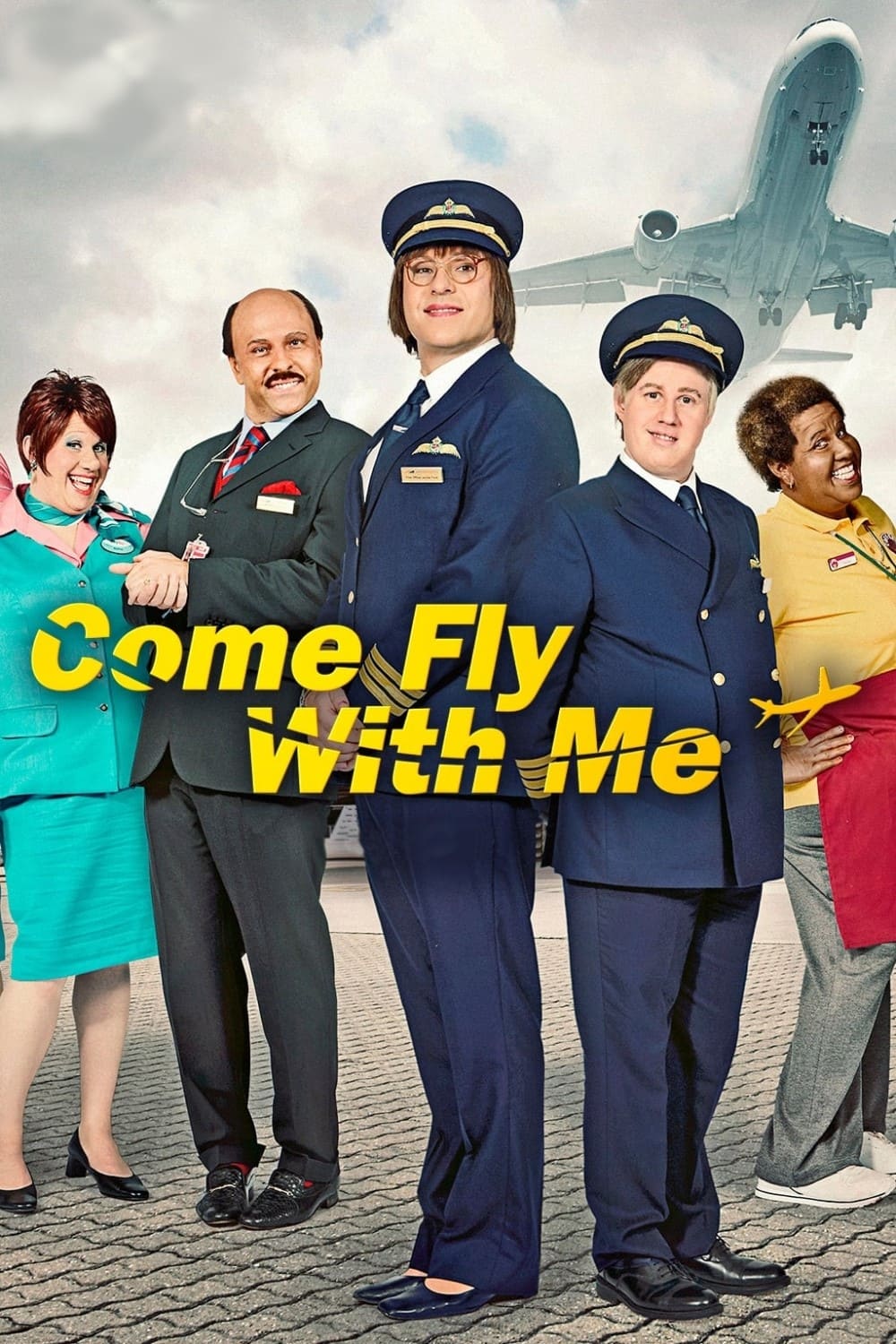
This mockumentary series by Matt Lucas and David Walliams was removed from major streaming platforms for its heavy use of blackface and yellowface. The duo played nearly all the characters including a black woman named Precious and a Japanese enthusiastic fan. The reliance on prosthetics to change races was deemed unacceptable by modern broadcasting standards. Both creators have since apologized for the hurt caused by their impersonations.
‘Sex and the City’ (1998–2004)

Modern viewers frequently critique the original run of this series for its lack of diversity and awkward handling of race. Characters of color were rarely featured and often served as props for the white protagonists when they did appear. One particular storyline involving Samantha dating a black record executive heavily fetishized his race. The recent reboot attempted to correct these issues by introducing new diverse main characters.
‘Friends’ (1994–2004)
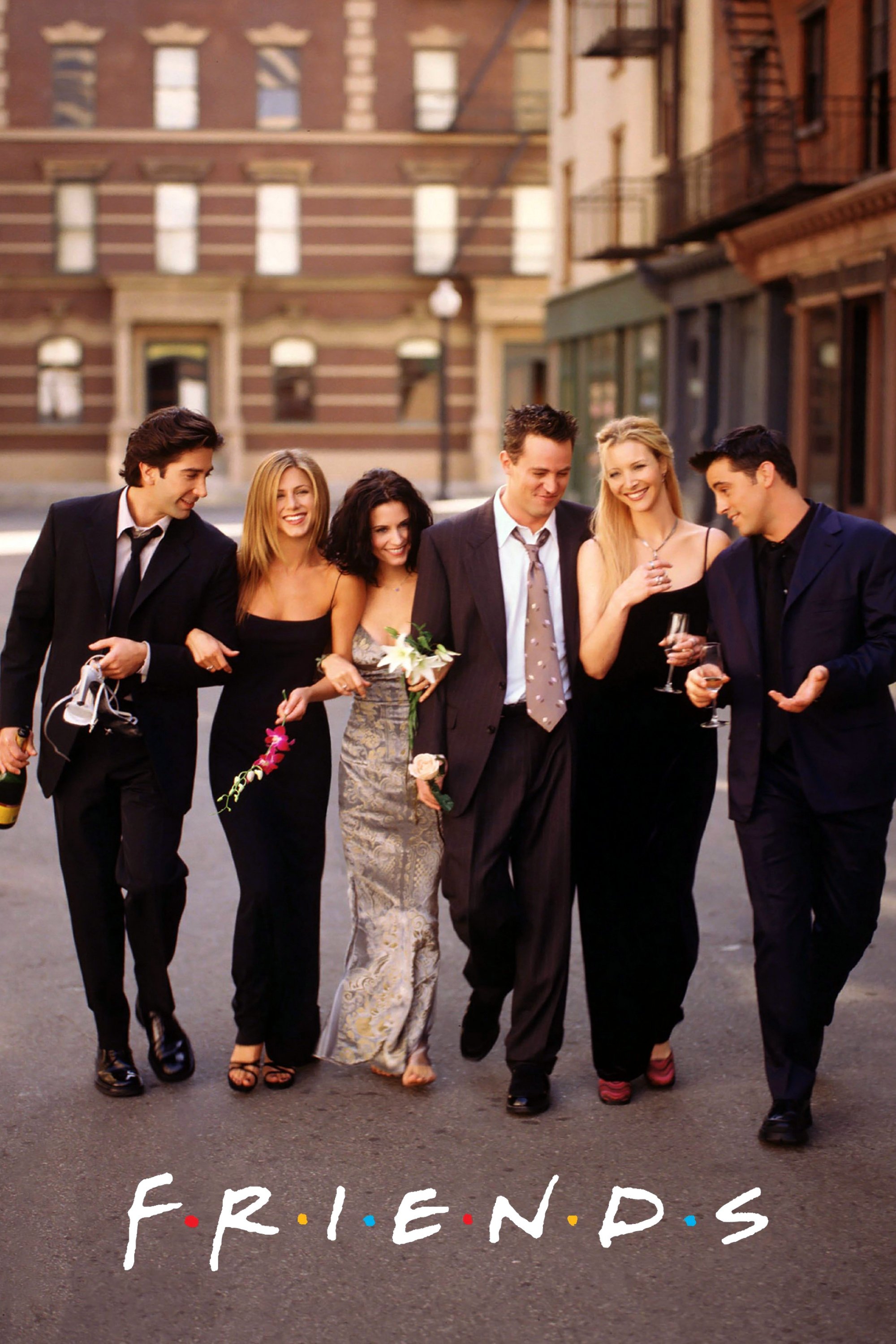
Co-creator Marta Kauffman has expressed regret over the lack of diversity in the casting of the six main characters. The show was set in a multicultural New York City yet rarely featured actors of color in speaking roles. Retrospective criticism has highlighted how the series presented a whitewashed version of urban living. Kauffman later pledged four million dollars to support African and African American studies as an apology.
‘Sherlock’ (2010–2017)
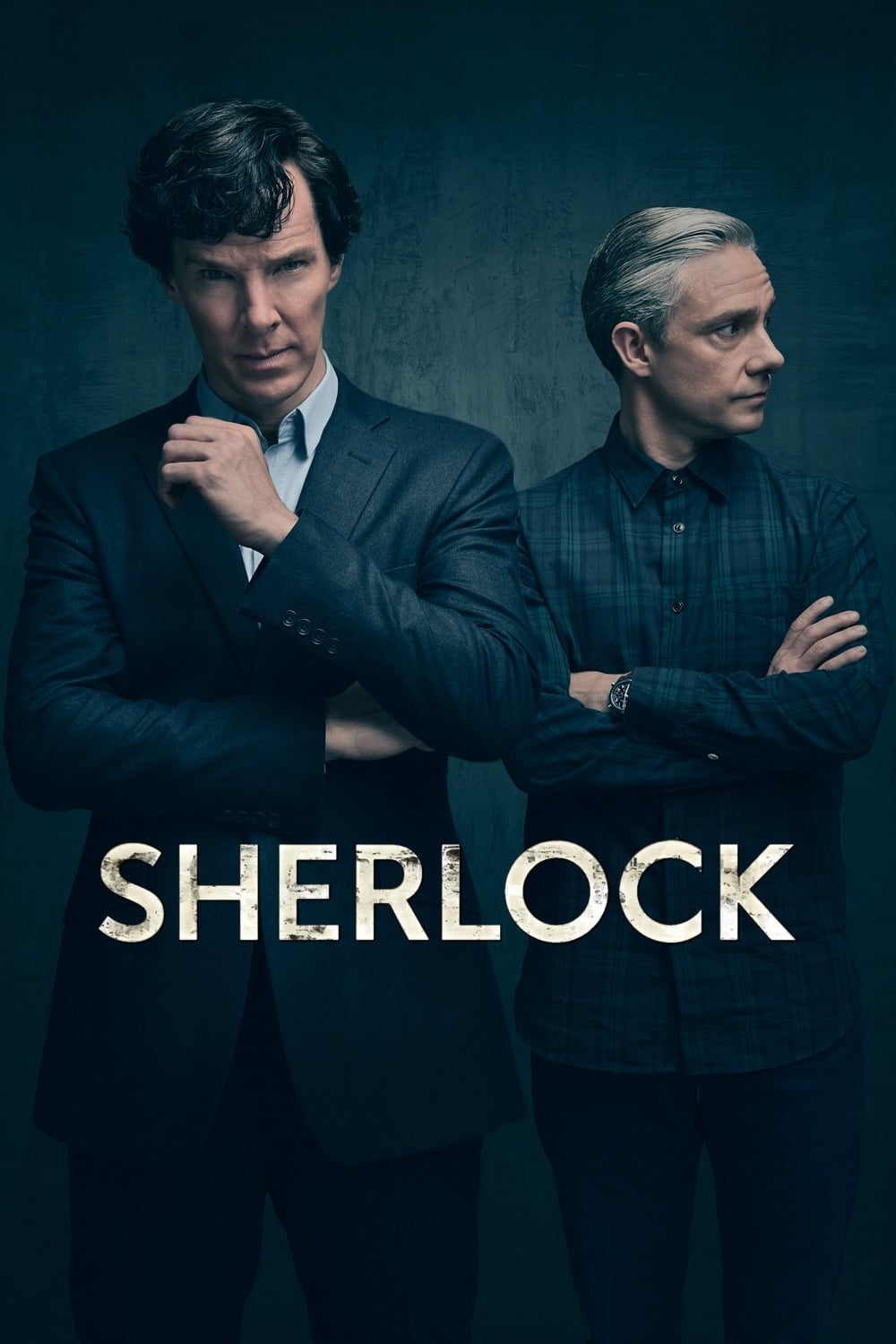
The episode ‘The Blind Banker’ was heavily criticized for its reliance on Orientalist tropes and stereotypes about Chinese culture. The plot involved mystical gangs and dragon tattoos that viewers felt belonged in a colonial adventure story rather than a modern drama. Critics pointed out that the Asian characters were given no depth and existed solely as exotic threats. The writers were accused of laziness for falling back on outdated clichés to construct the mystery.
‘Family Guy’ (1999–Present)
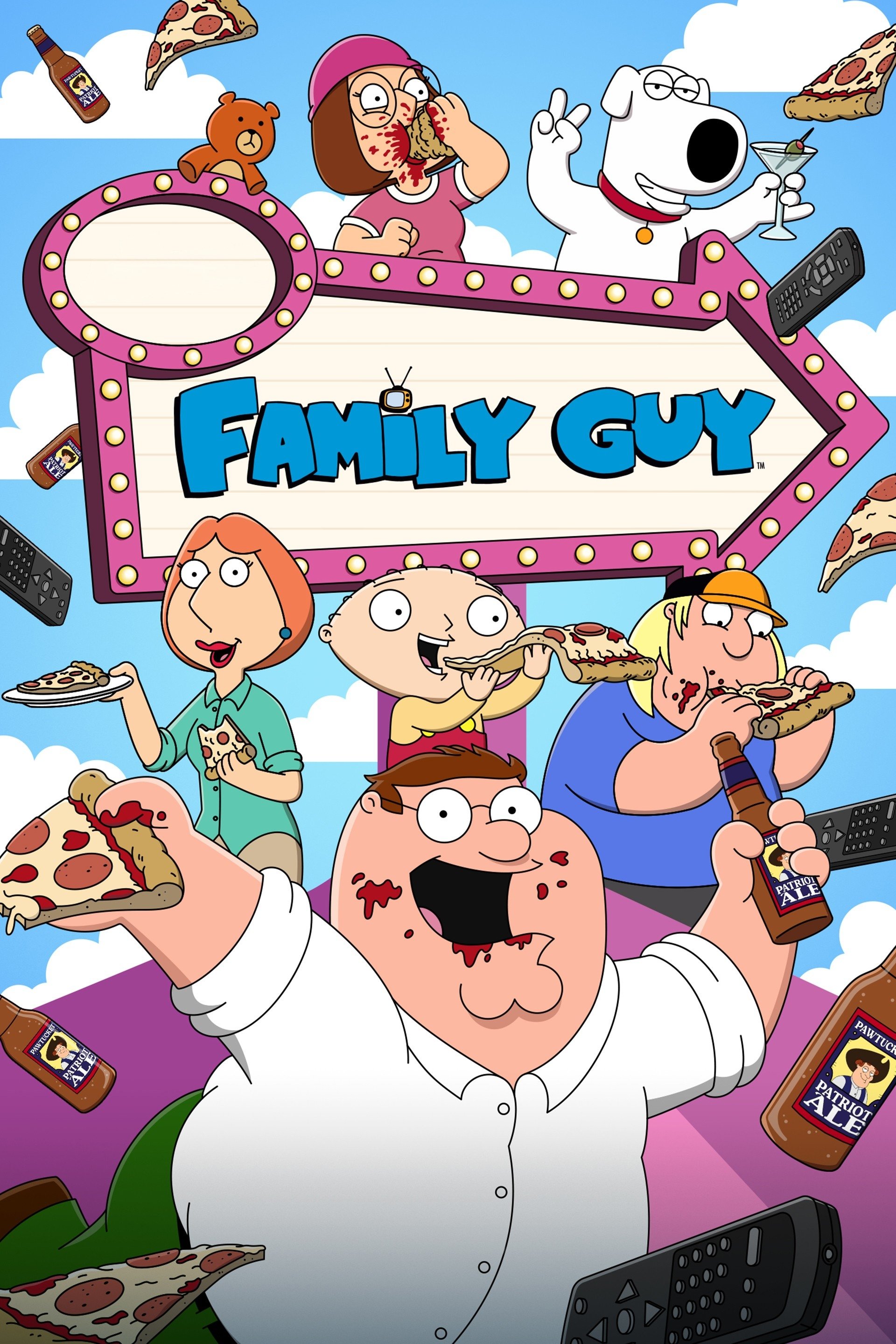
The episode ‘Turban Cowboy’ was pulled from rotation shortly after the Boston Marathon bombing due to sensitive content. The storyline featured the main character Peter Griffin becoming a terrorist and driving through runners with a car. Beyond this specific incident the show has faced constant criticism for its reliance on racial stereotypes for cutaway gags. Many viewers find the humor relies too heavily on shock value at the expense of marginalized groups.
‘Jonah from Tonga’ (2014)
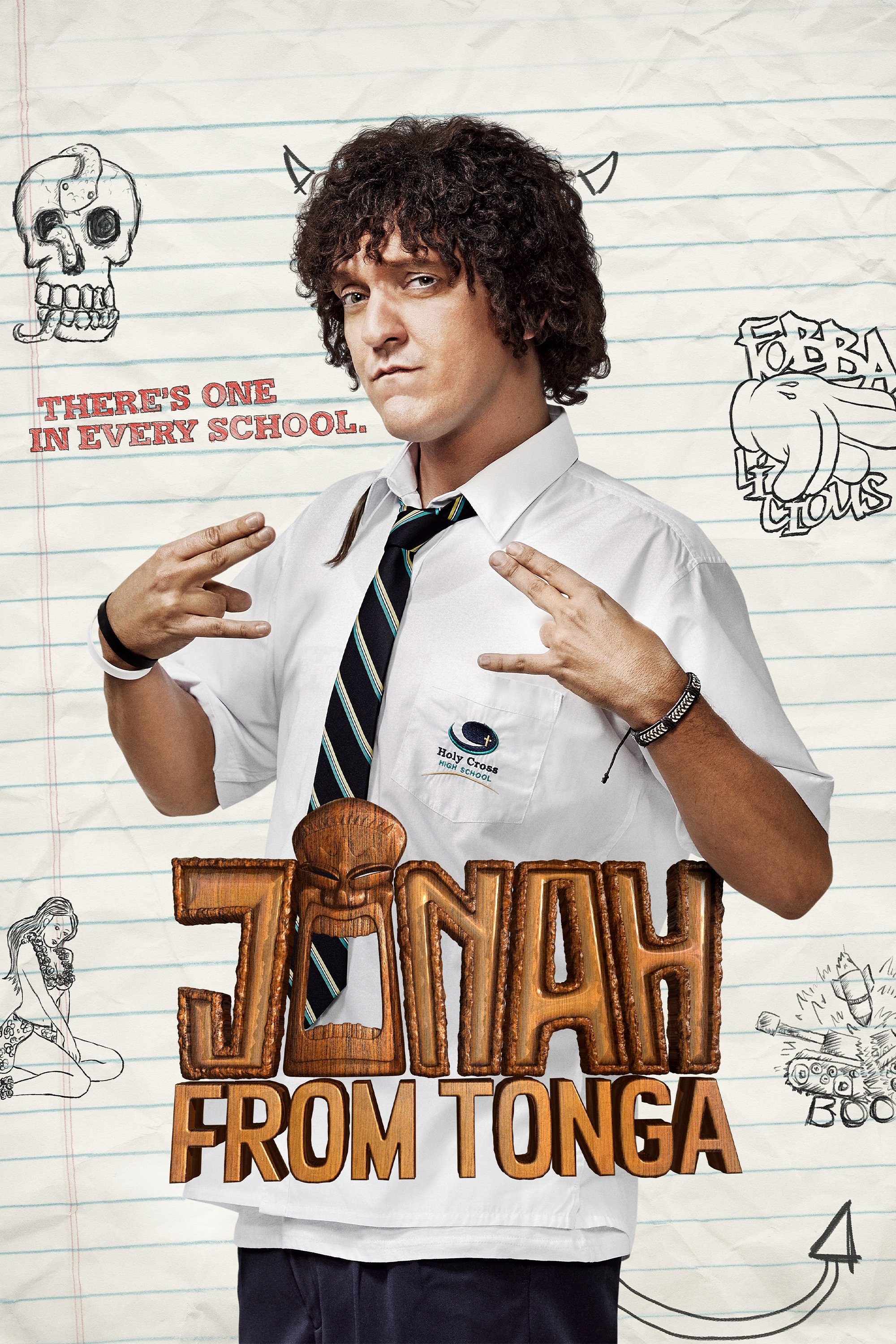
This spinoff series focused entirely on the character Jonah Takalua played by Chris Lilley in brownface. Major broadcasters and streaming services in New Zealand and around the world removed the show for its offensive depiction of Tongan culture. The backlash highlighted the problem of white creators profiting from the mockery of minority groups. The removal marked a definitive shift in how Australian television approaches character comedy and representation.
Share your thoughts on these controversial TV moments in the comments.