


TV Show Finales That Left Entire Fanbases Feeling Betrayed

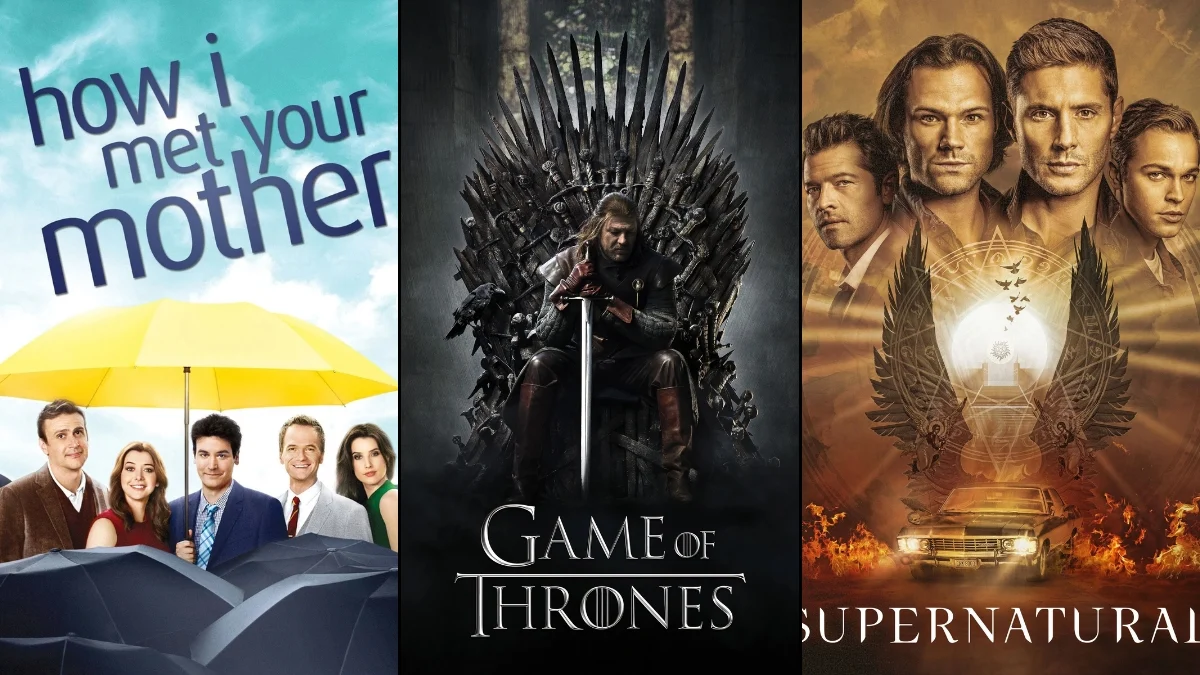


Television history is filled with long-running narratives that successfully concluded their stories, but many high-profile series failed to stick the landing. When a finale disregards years of character development or leaves major mysteries unsolved, the resulting audience backlash can overshadow the legacy of the entire production. These episodes often face criticism for rushed pacing, illogical plot twists, or endings that contradict the established tone of the show.
‘Game of Thrones’ (2011–2019) – “The Iron Throne”
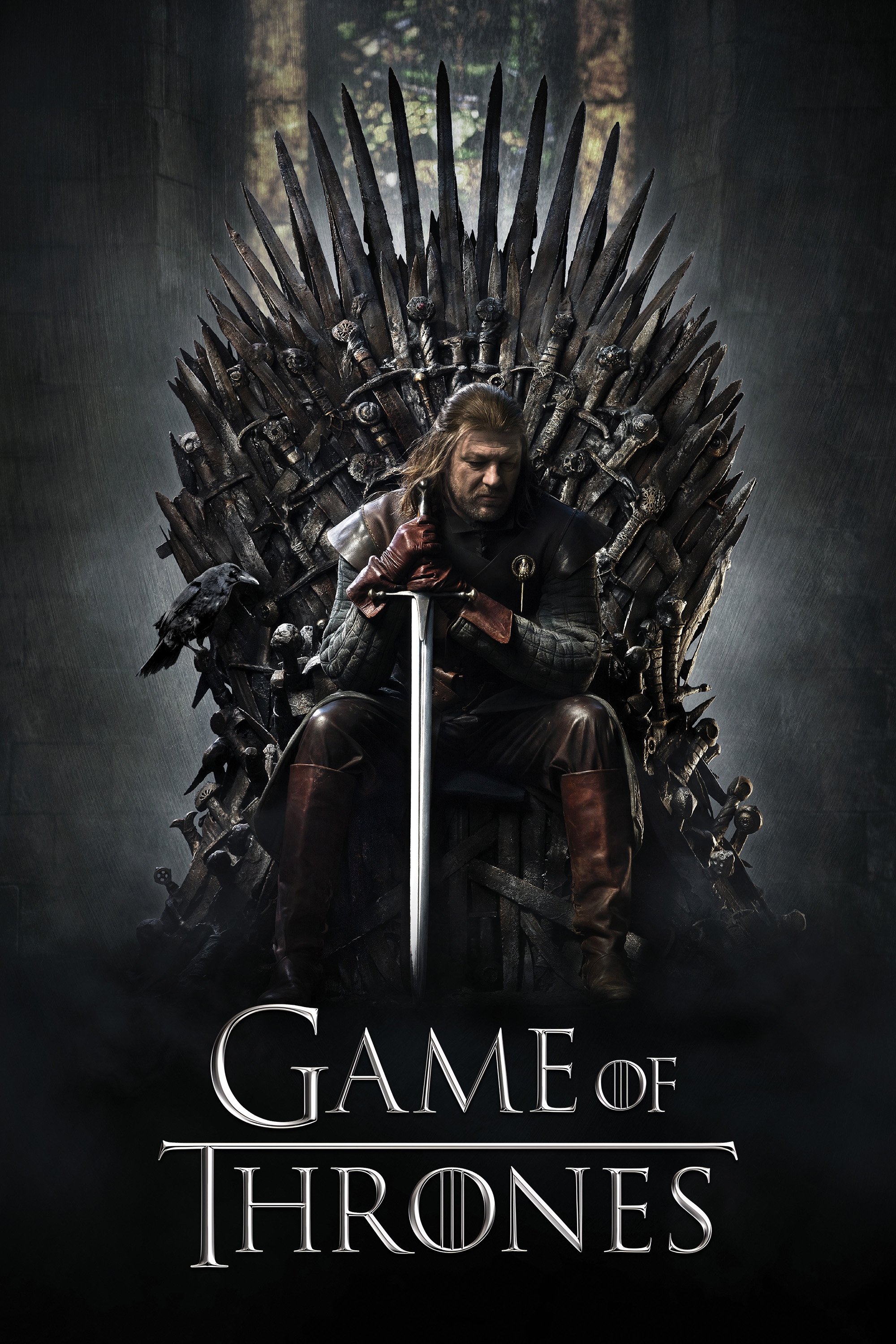
The series concludes with Daenerys Targaryen burning King’s Landing and her subsequent death at the hands of Jon Snow. Following her demise, the lords of Westeros elect Bran Stark as the new king, while Sansa Stark declares the North an independent kingdom. Fans and critics heavily criticized the eighth season for its condensed timeline and the sudden shift in Daenerys’s moral compass. This finale remains a significant point of contention due to the perceived abandonment of several long-standing character arcs.
‘How I Met Your Mother’ (2005–2014) – “Last Forever”
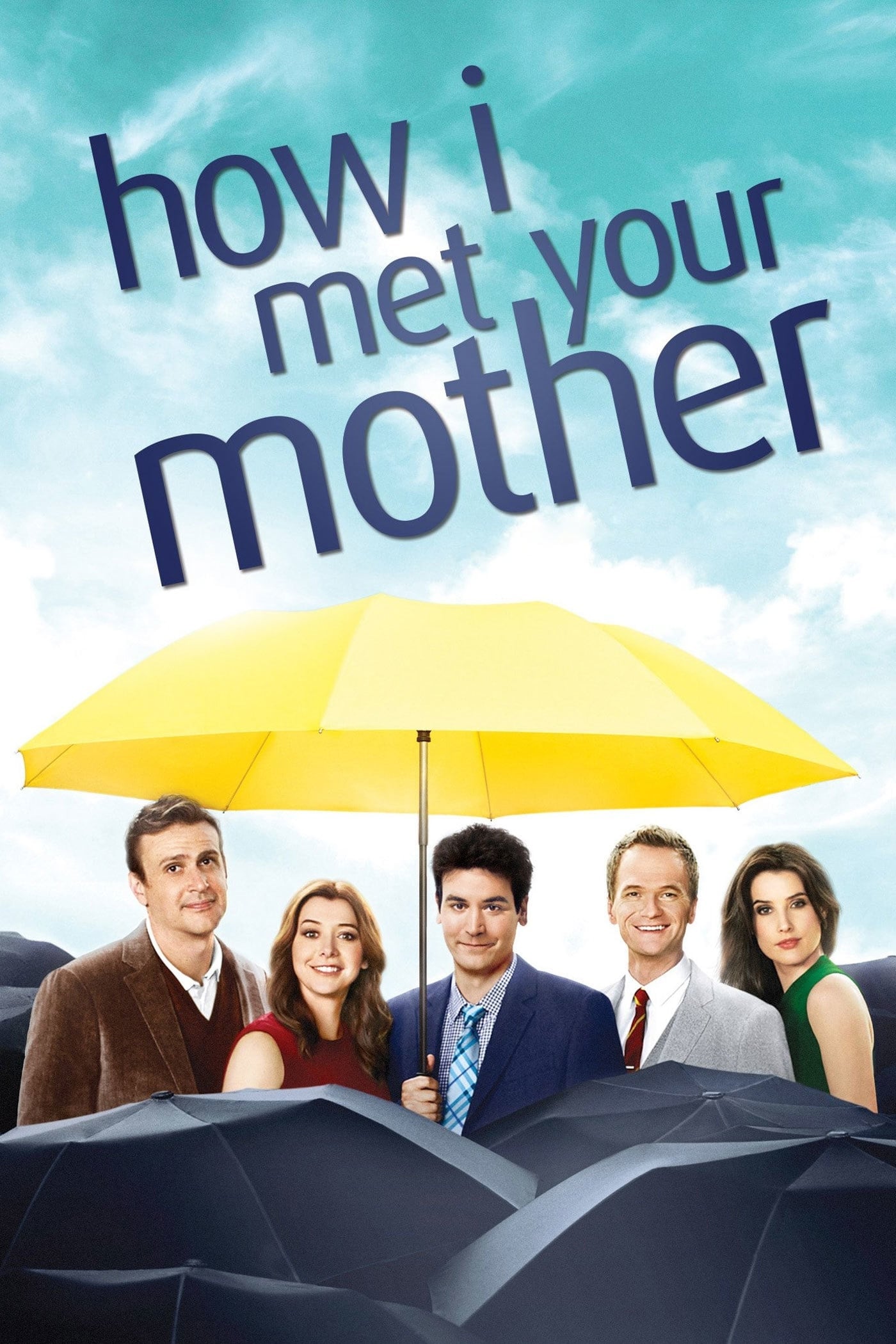
After nine seasons of build-up, the finale reveals that the titular Mother passed away from an illness years before the story is told. The narrative then shifts to Ted Mosby’s children encouraging him to pursue a relationship with Robin Scherbatsky. This conclusion sparked significant outrage because the entire final season focused on Robin’s wedding to Barney Stinson, which was undone in minutes. Many viewers felt the ending prioritized a pre-planned concept over the natural growth the characters experienced throughout the series.
‘Lost’ (2004–2010) – “The End”
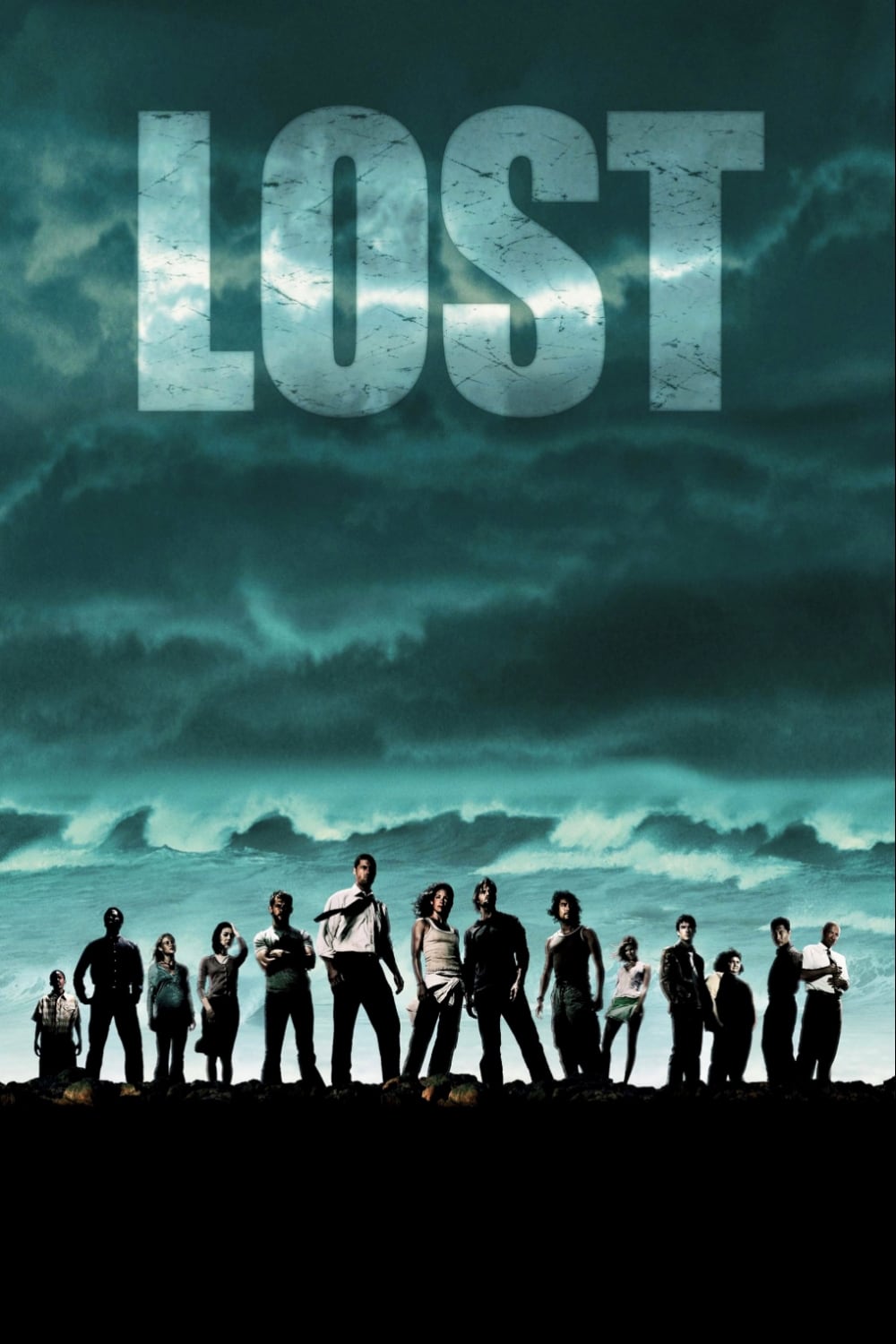
The final episode of ‘Lost’ depicts the survivors of Oceanic Flight 815 reuniting in a spiritual “flash-sideways” world after their respective deaths. While some characters find peace in this purgatory-like setting, many of the island’s core scientific and supernatural mysteries remain unaddressed. The audience’s reaction was deeply divided between those who appreciated the emotional closure and those who felt betrayed by the lack of concrete answers. This finale is often cited as a primary example of how a series can struggle to resolve its own complex lore.
‘Dexter’ (2006–2013) – “Remember the Monsters?”
In the original series finale, Dexter Morgan fakes his own death during a hurricane after the tragic passing of his sister, Debra. The final scene shows the former forensic expert living a solitary life as a lumberjack in Oregon. Fans criticized the episode for its somber tone and the perceived lack of consequences for the protagonist’s years of vigilantism. The backlash was so persistent that it eventually led to the production of a revival series aimed at providing a more definitive ending.
‘The Sopranos’ (1999–2007) – “Made in America”
The ending of ‘The Sopranos’ is famous for its sudden cut to black during a scene where the Soprano family eats dinner at a diner. This abrupt conclusion left the fate of Tony Soprano ambiguous, as a mysterious man enters the restroom just as the screen goes dark. While critics later praised the artistic choice, the initial reaction from the fanbase was one of confusion and anger, with many thinking their cable service had failed. The debate over whether Tony lived or died continues to dominate discussions about the show’s legacy.
‘Seinfeld’ (1989–1998) – “The Finale”
The sitcom’s conclusion brings back dozens of past guest stars to testify against the main quartet during a trial for their lack of empathy. Jerry, George, Elaine, and Kramer are ultimately found guilty of violating a “Good Samaritan” law and sentenced to a year in prison. Many viewers found the episode to be a mean-spirited departure from the show’s lighthearted, observational comedy. By focusing on the characters’ flaws through a legal lens, the finale alienated fans who wanted a more traditional send-off.
‘Killing Eve’ (2018–2022) – “Hello, Losers”
The final moments of ‘Killing Eve’ see the central characters, Eve and Villanelle, finally embracing their connection before Villanelle is abruptly shot and killed. As Villanelle sinks into the Thames, Eve is left screaming on the surface, followed by a “The End” title card. The fanbase criticized the finale for employing the “Bury Your Gays” trope and for the sudden nature of the climax. Many felt the conclusion lacked the wit and subversive energy that had defined the earlier seasons of the spy thriller.
‘Gossip Girl’ (2007–2012) – “New York, I Love You XOXO”
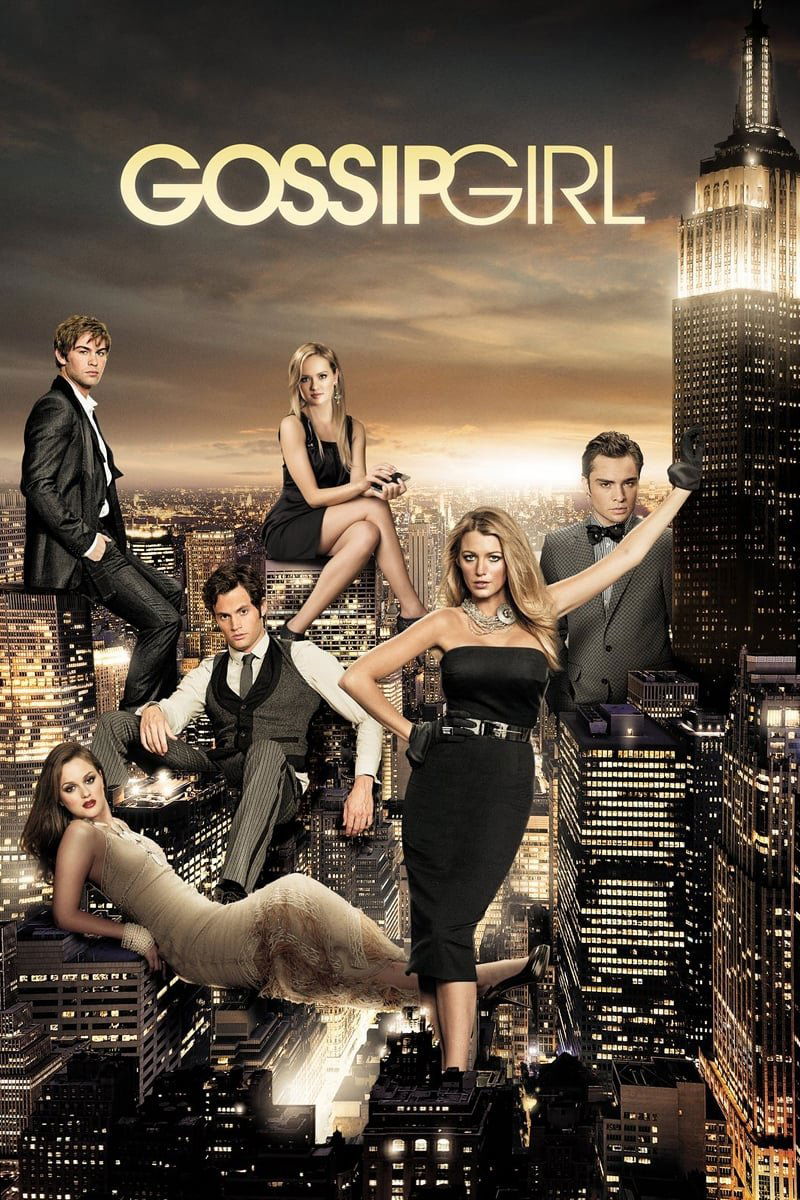
The mystery of the anonymous blogger’s identity is resolved when Dan Humphrey reveals he was Gossip Girl all along. Despite years of the character being targeted or surprised by the blog’s posts, the show insists his actions were a way to “write himself” into the elite social circle. This revelation was widely panned by fans who pointed out numerous plot holes and logical inconsistencies created by this choice. The ending is frequently cited as one of the most nonsensical reveals in teen drama history.
‘Star Trek: Enterprise’ (2001–2005) – “These Are the Voyages…”
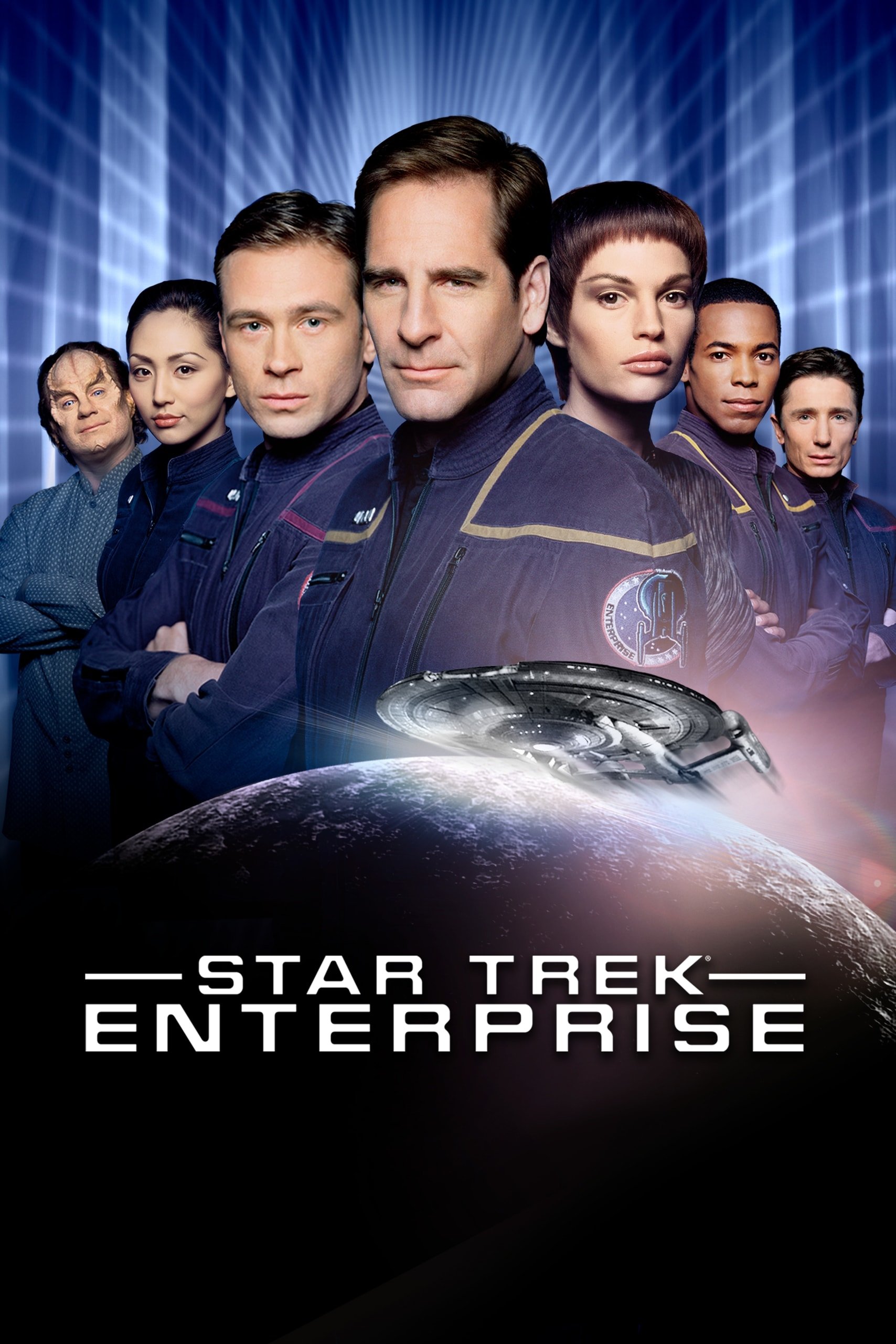
The series finale of ‘Star Trek: Enterprise’ frames the entire episode as a holodeck simulation being watched by characters from ‘Star Trek: The Next Generation’. This narrative device shifted the focus away from Captain Archer and his crew during their own final hour. Fans felt this was a disrespectful way to end the series, as it relegated the ‘Enterprise’ cast to supporting roles in their own show. The decision to kill off a main character in a simulation further fueled the negative reception.
‘True Blood’ (2008–2014) – “Thank You”

The supernatural drama concludes with Bill Compton choosing to die at the hands of Sookie Stackhouse to free her from their complicated bond. Sookie ultimately refuses to give up her faerie powers and is later shown having a suburban Thanksgiving with an anonymous, faceless husband. Viewers expressed frustration that the show ended with a mundane domestic scene that felt disconnected from the series’ gothic roots. The lack of a clear identity for Sookie’s partner was particularly irritating to long-time fans invested in her romantic choices.
‘Roseanne’ (1988–1997) – “Into That Good Night”
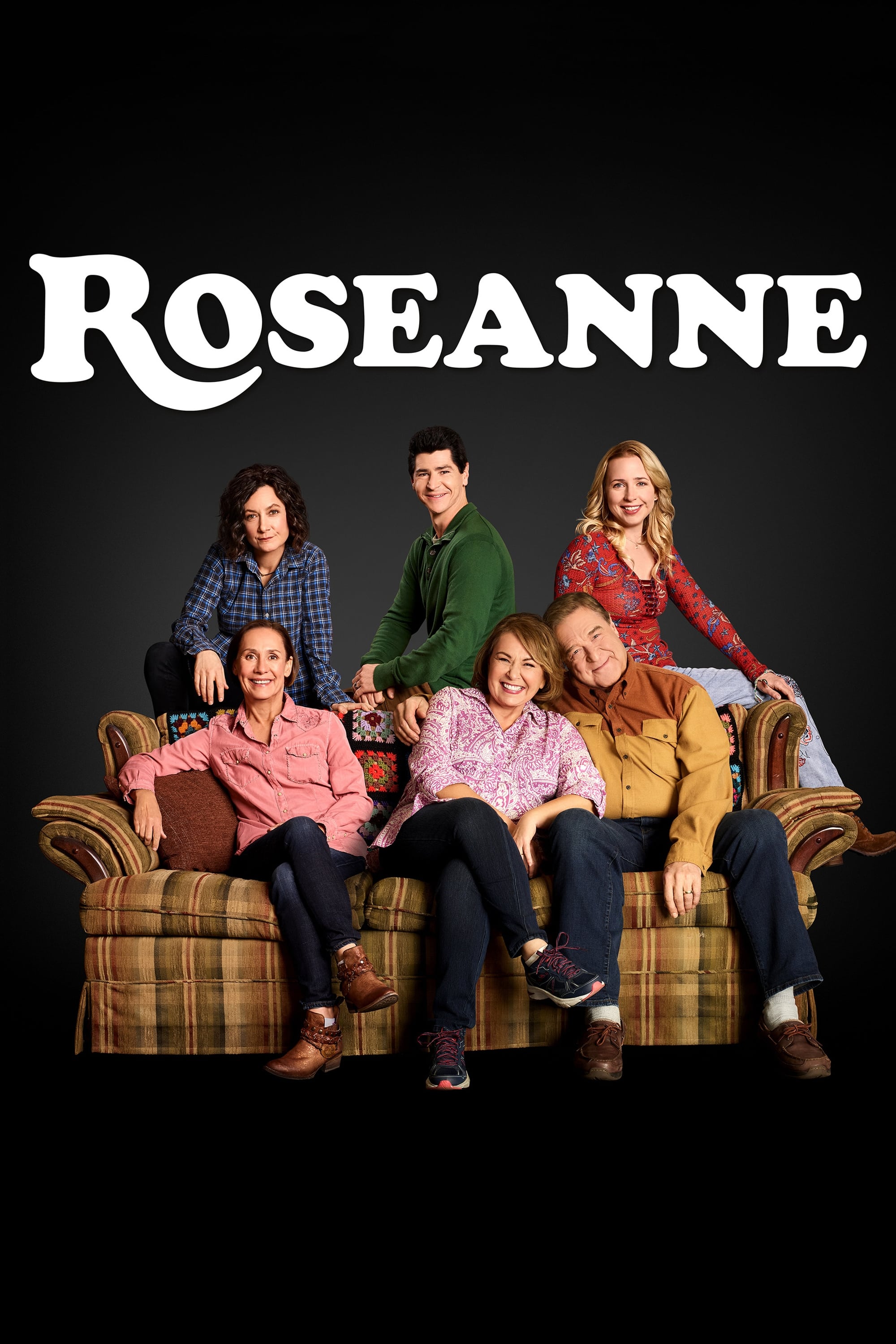
The ninth season of ‘Roseanne’ famously saw the working-class family win the lottery, but the finale reveals this was all a fictional story written by the protagonist. In the final moments, it is disclosed that Dan actually died of a heart attack and the family’s wealth was a dream. This “it was all a dream” trope was met with intense hostility as it invalidated the entire final year of storytelling. The backlash was so significant that the 2018 revival chose to ignore the events of this finale entirely.
‘Two and a Half Men’ (2003–2015) – “Of Course He’s Dead”
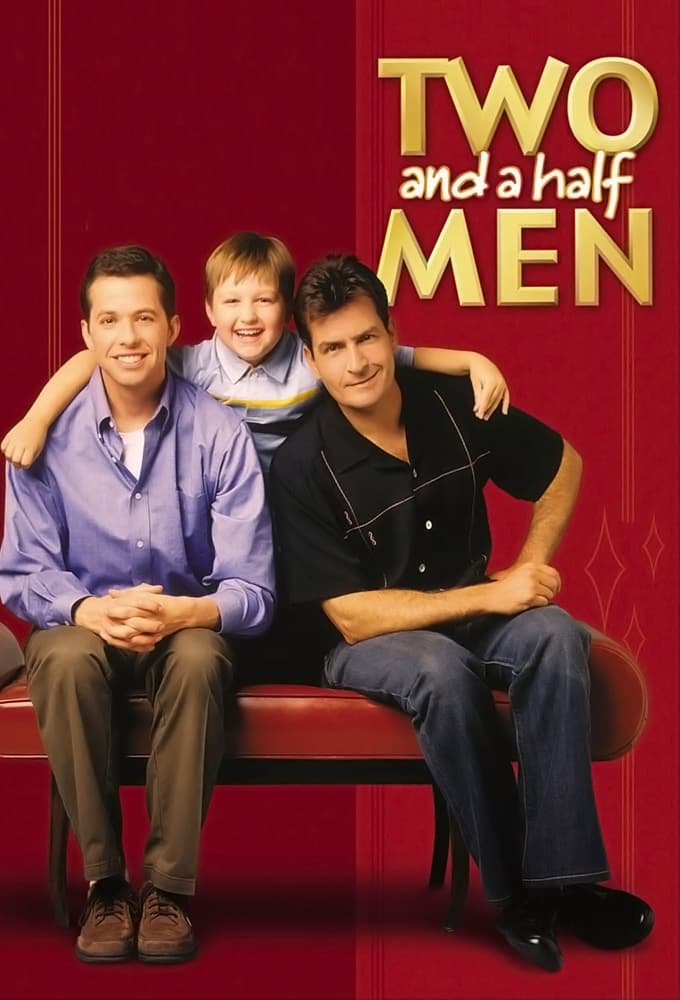
The finale focuses heavily on the potential return of Charlie Sheen’s character, Charlie Harper, who was thought to be dead. Instead of a reunion, the episode serves as a meta-commentary on the show’s production history and the public feud between Sheen and creator Chuck Lorre. The episode ends with a piano falling on a Charlie Harper stand-in, followed by Lorre himself being crushed by a second piano. Fans found the episode to be self-indulgent and a disappointing way to conclude a decade-long sitcom.
‘The 100’ (2014–2020) – “The Last War”
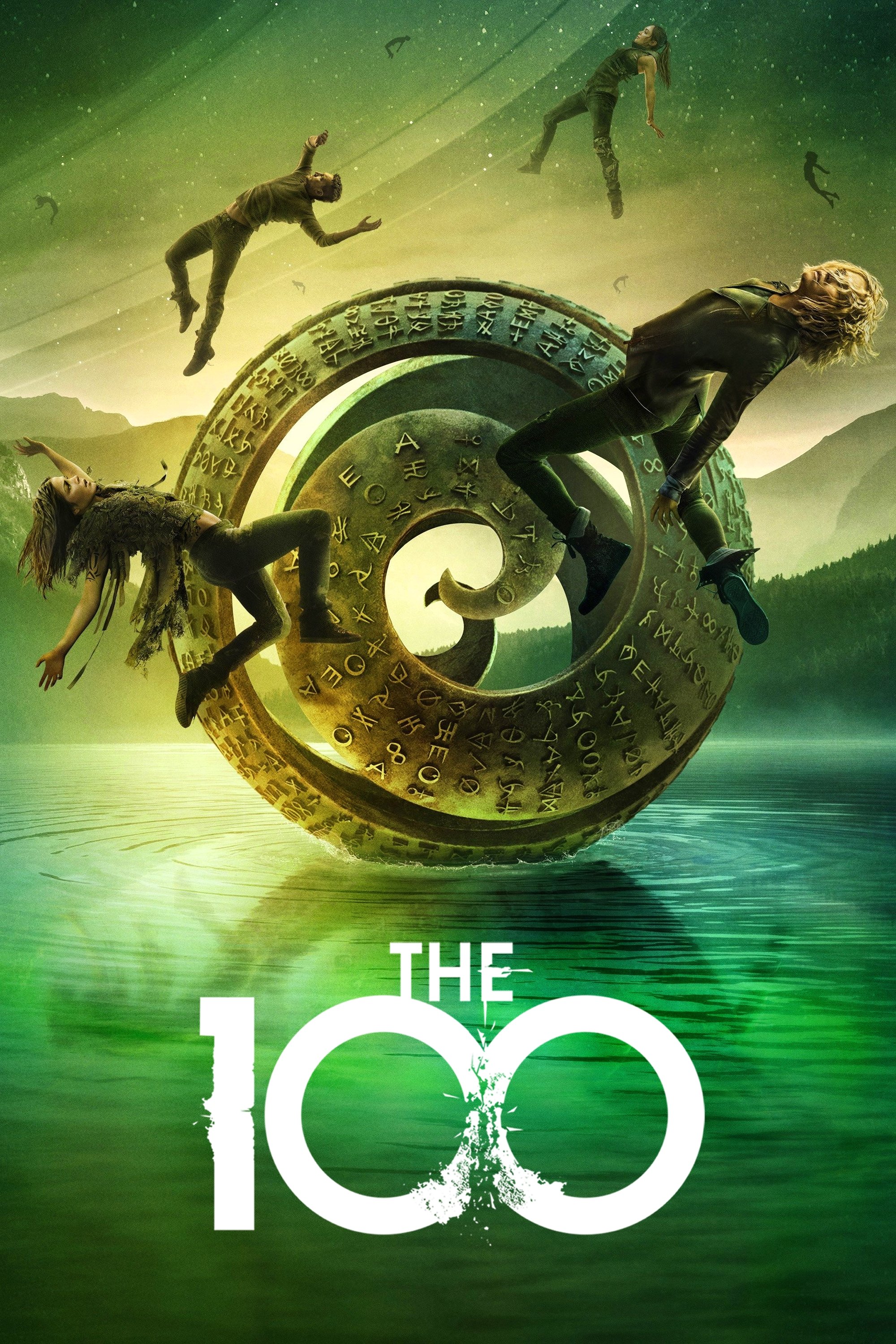
In the series finale, the human race faces a final test to determine if they will “transcend” into a higher state of consciousness. While most of humanity ascends, Clarke Griffin is left behind on a desolate Earth because of her past violent actions. Her friends eventually choose to give up immortality to live out their remaining days with her on the planet. Many fans were dissatisfied with the introduction of alien-like higher beings and felt the ending betrayed the show’s core themes of survival and human agency.
‘Dexter: New Blood’ (2021–2022) – “Sins of the Father”
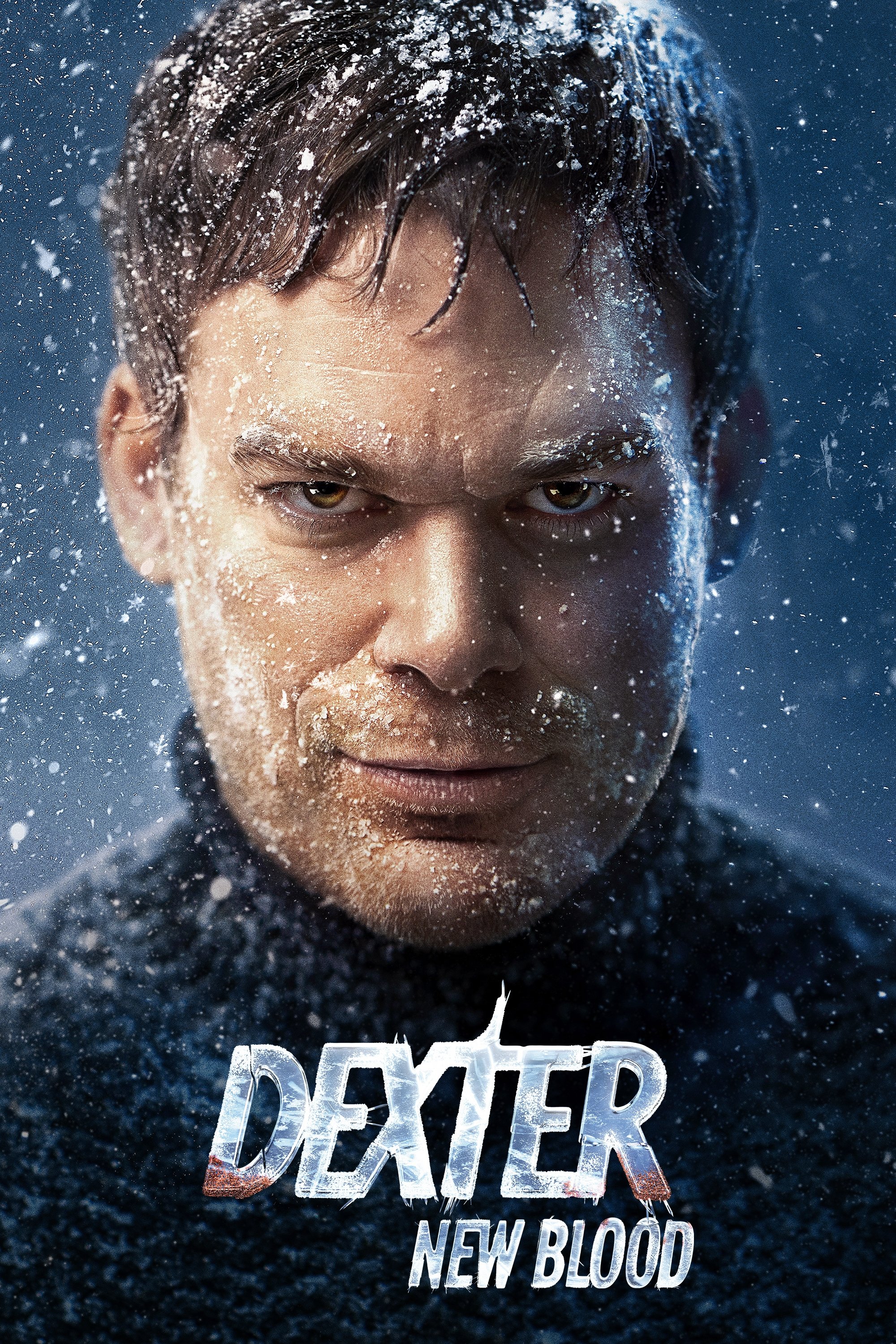
The revival series was intended to fix the original finale, but it ended up creating a new wave of controversy. In the final episode, Dexter is killed by his son, Harrison, after the teenager realizes his father is unable to change his murderous nature. While the ending provided a more definitive death for the character, fans felt the pacing was rushed and Harrison’s motivations were inconsistent. The death of a beloved police character earlier in the episode also contributed to the negative sentiment among the audience.
‘Pretty Little Liars’ (2010–2017) – “Till Death Do Us P-Part”
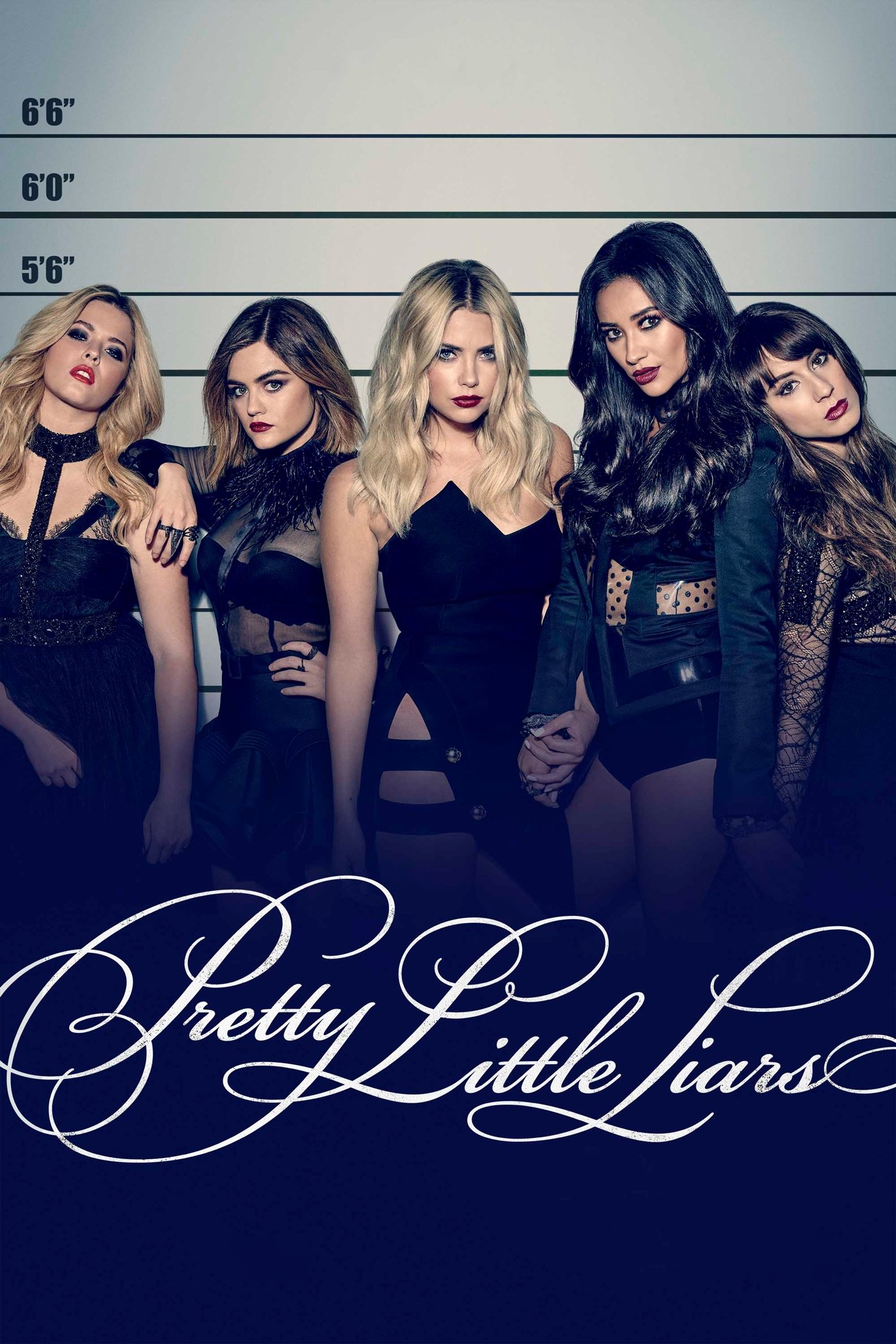
The seven-season mystery of “A.D.” concludes with the reveal that the antagonist is Alex Drake, the secret British twin of Spencer Hastings. Fans had spent years theorizing about the villain’s identity, only to be met with a character who had never been seen or mentioned before the final episodes. The use of a “secret twin” trope was viewed as a lazy resolution to a highly complex mystery. The lack of organic foreshadowing led to widespread mockery of the finale on social media platforms.
‘Sherlock’ (2010–2017) – “The Final Problem”
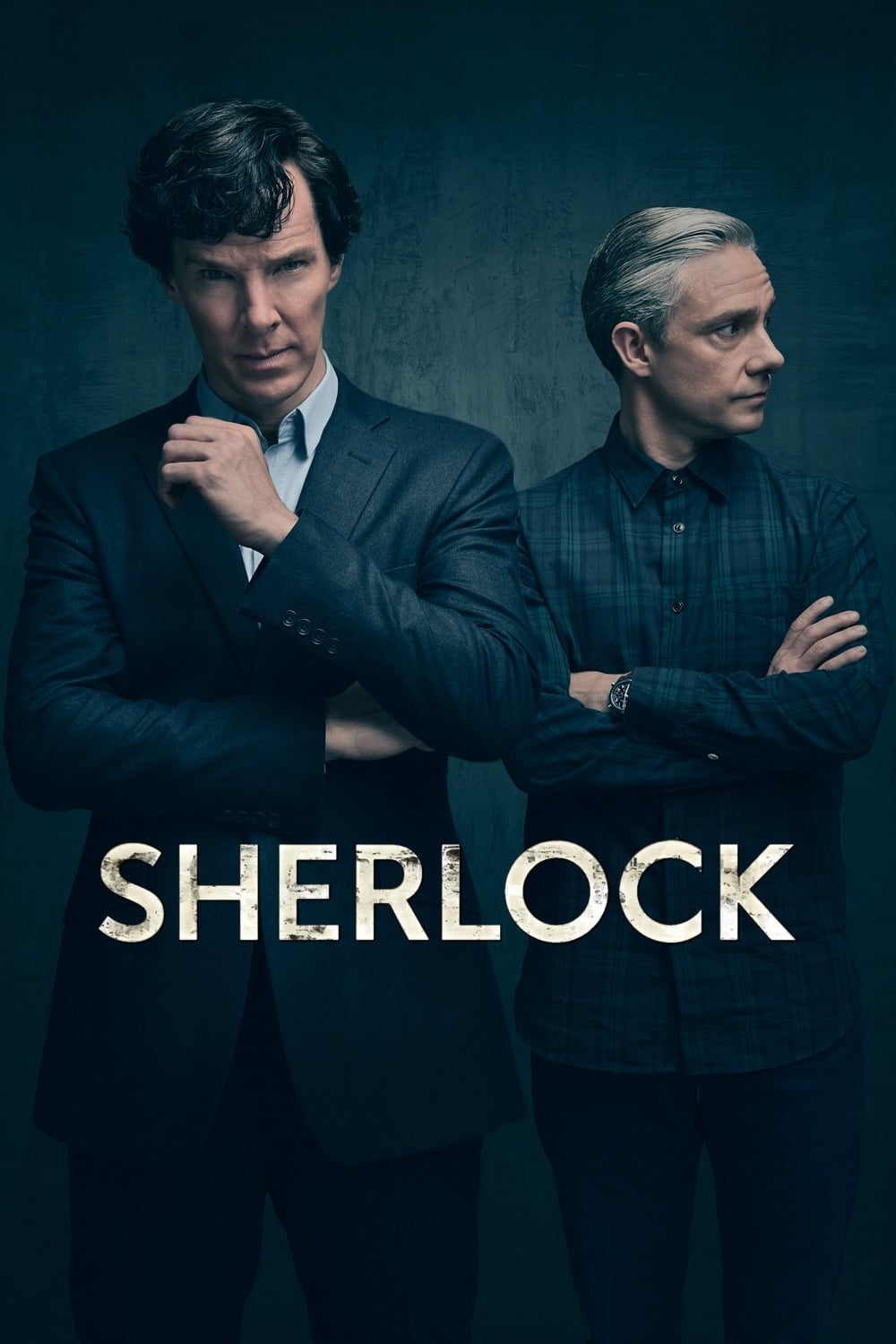
The final episode of the fourth series introduces Eurus Holmes, the long-lost and hyper-intelligent sister of Sherlock and Mycroft. The plot involves a series of psychological games in a high-security prison that many felt resembled a ‘Saw’ movie rather than a detective story. Critics and fans argued that the show had moved too far away from grounded mystery-solving into the realm of unbelievable melodrama. The resolution of Sherlock’s emotional arc felt unearned to many who had followed the show since its inception.
‘Supernatural’ (2005–2020) – “Carry On”
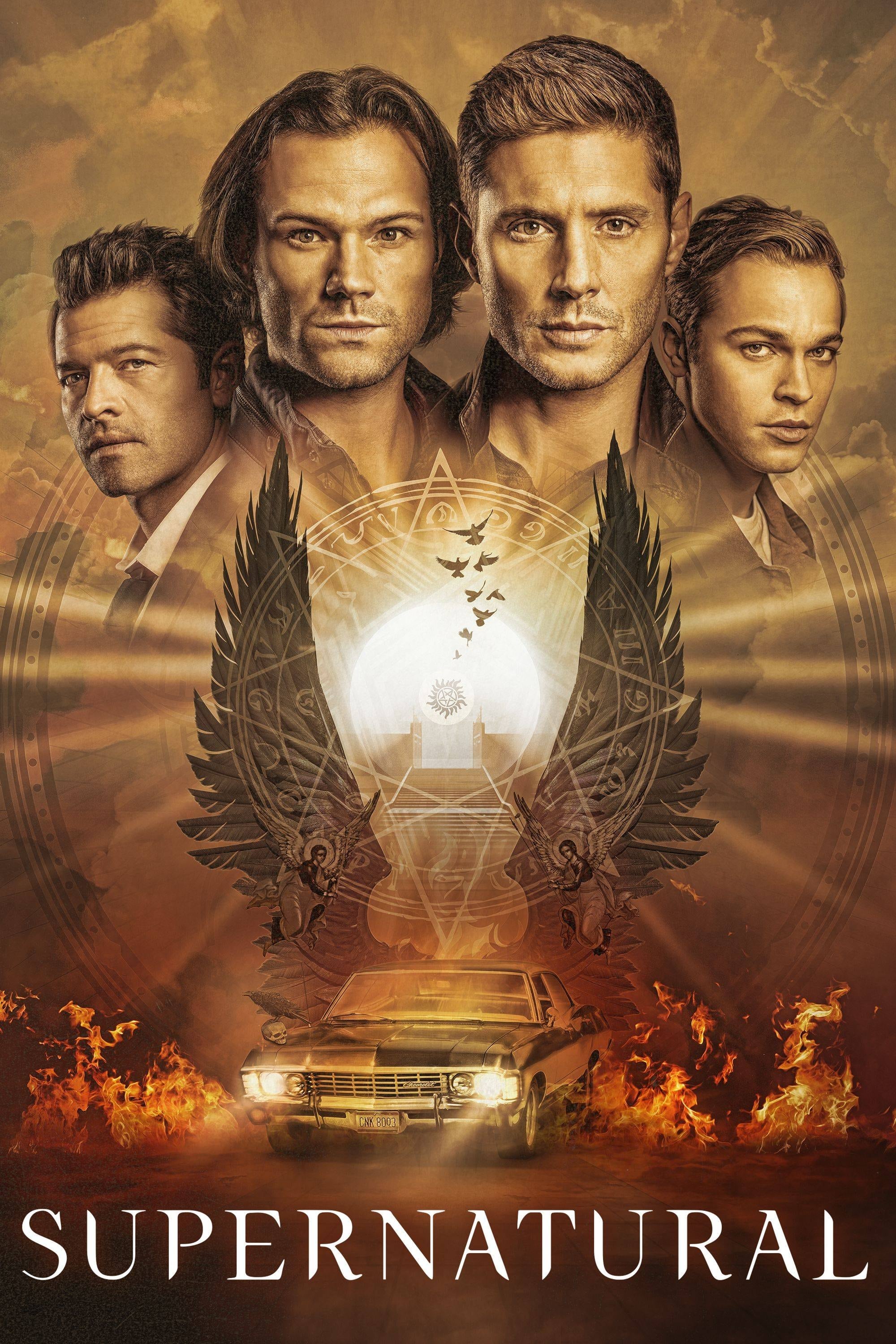
After defeating God in the penultimate episode, the finale shows Dean Winchester dying during a routine vampire hunt. Sam Winchester goes on to live a full life, eventually dying of old age, before the brothers reunite in heaven. A large portion of the fanbase felt that Dean’s death was underwhelming and that the makeup used for an elderly Sam was poorly executed. Additionally, the absence of several key supporting characters in the heaven sequence due to filming restrictions left the ending feeling empty.
‘House of Cards’ (2013–2018) – “Chapter 73”
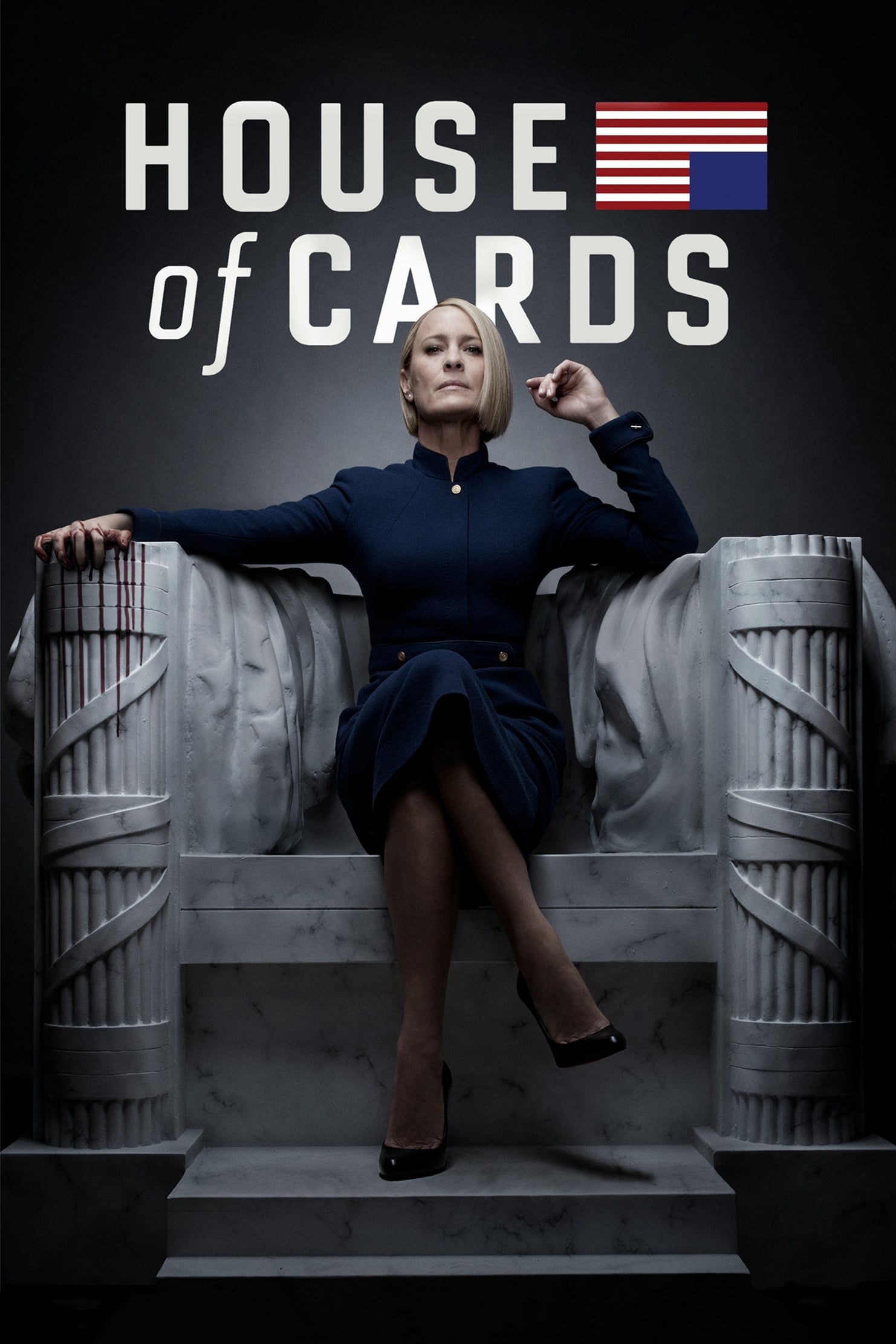
Following the departure of Kevin Spacey, the final season focused on Claire Underwood’s presidency and her rivalry with the Shepherd family. The finale concludes with Claire killing Doug Stamper in the Oval Office as he attempts to protect Frank Underwood’s legacy. The episode ends abruptly with Claire looking at the camera, leaving many political and personal plotlines unresolved. Fans felt the show had lost its narrative direction and that the ending was an anticlimactic conclusion to a once-prestigious drama.
‘Line of Duty’ (2012–2021) – “Season 6, Episode 7”
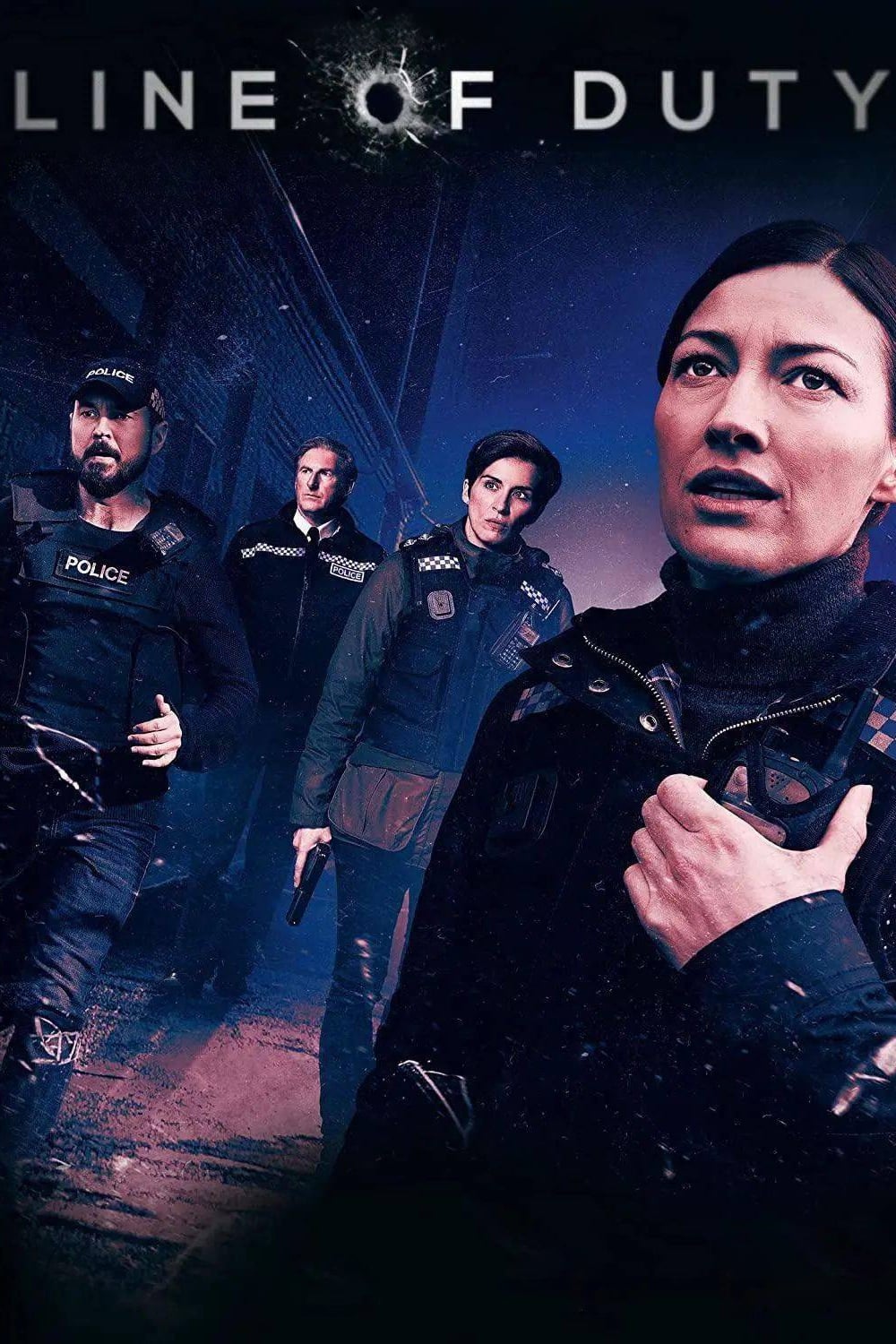
The long-running search for “H,” the fourth high-ranking corrupt police officer, ends with the reveal that it was the bumbling Ian Buckells. This revelation was meant to highlight the banality of corruption, but it left fans who were expecting a criminal mastermind feeling let down. The tension that had defined the series for a decade seemed to evaporate in a finale that focused on administrative errors rather than high-stakes action. The consensus among the audience was that the mystery deserved a more impactful and shocking resolution.
‘Veronica Mars’ (2004–2019) – “Years, Continents, Bloodshed”
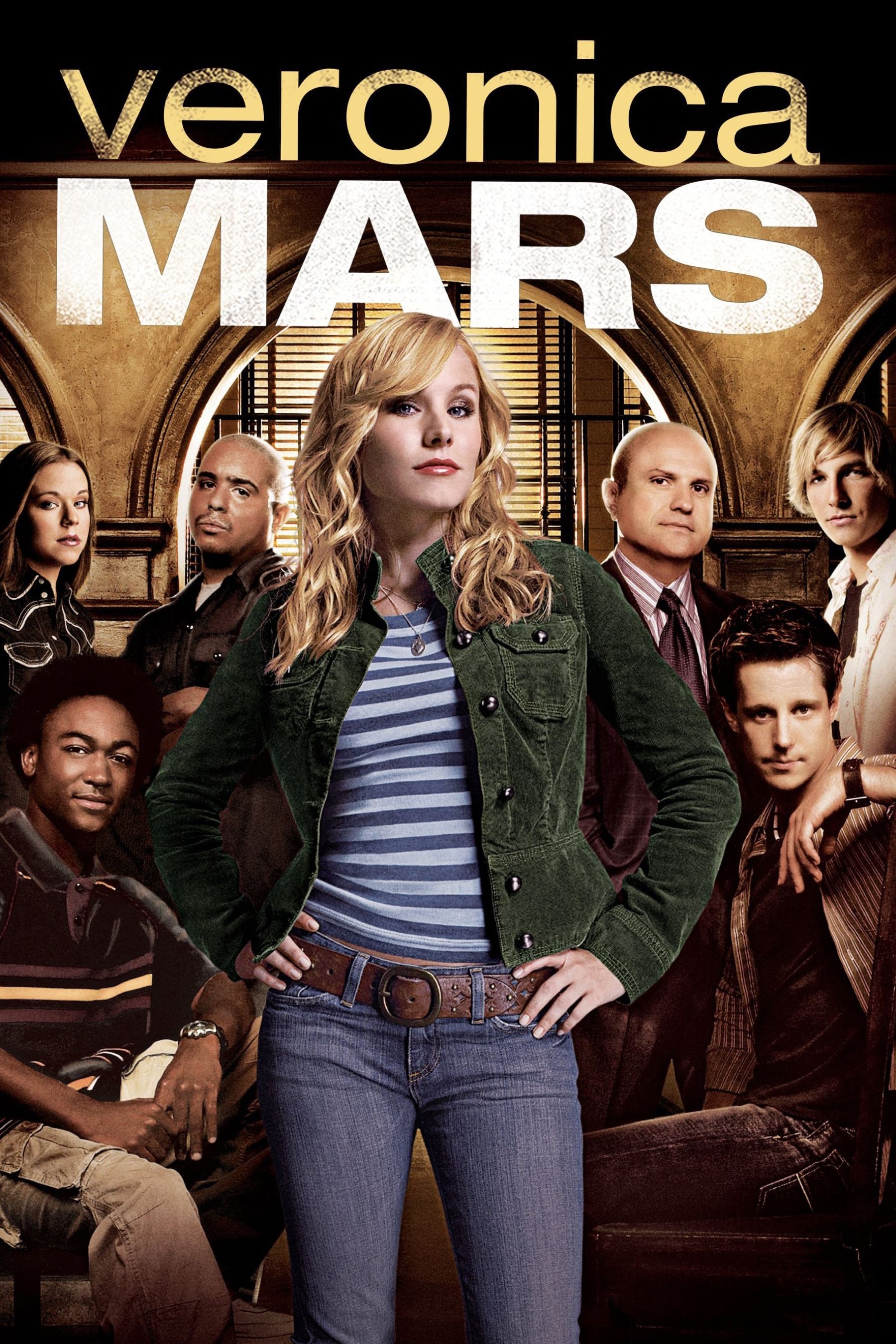
The revival of the cult classic ends with the long-awaited marriage of Veronica and Logan Echolls. However, moments after the wedding, Logan is killed by a car bomb intended for Veronica. Creator Rob Thomas intended for the death to move the series into a “pure” detective noir format, but the fanbase was devastated by the loss of a fan-favorite character. This creative decision resulted in a significant backlash that complicated the legacy of the show’s return.
Tell us which TV finale you think was the most disappointing in the comments.