


TV Shows Accused of Whitewashing Asian Historical Figures

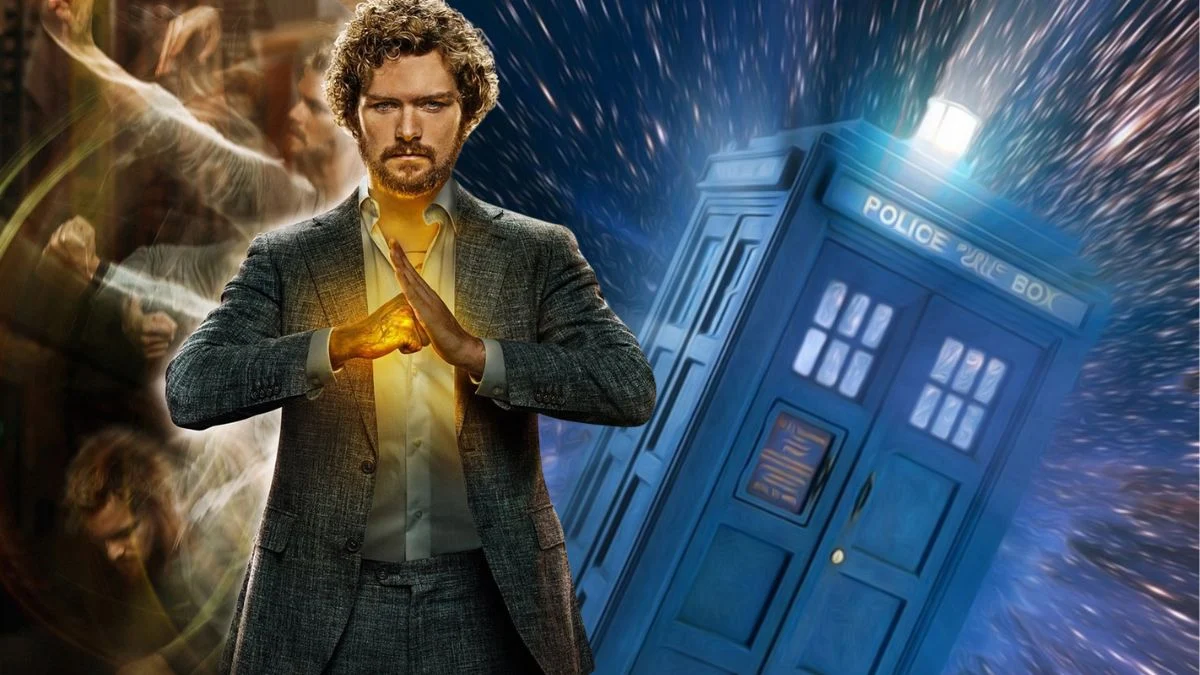


Whitewashing in television has been a contentious issue for decades, particularly when stories involve characters based on real people or culturally specific legends. Many productions have faced criticism for casting white actors in roles representing Asian historical figures or archetypes rooted in Asian history. These casting choices often prioritized star power or perceived marketability over historical accuracy and authentic representation. The following list highlights notable instances where television shows were accused of altering the ethnicity of Asian historical or cultural figures.
‘The New Adventures of Charlie Chan’ (1957–1958)
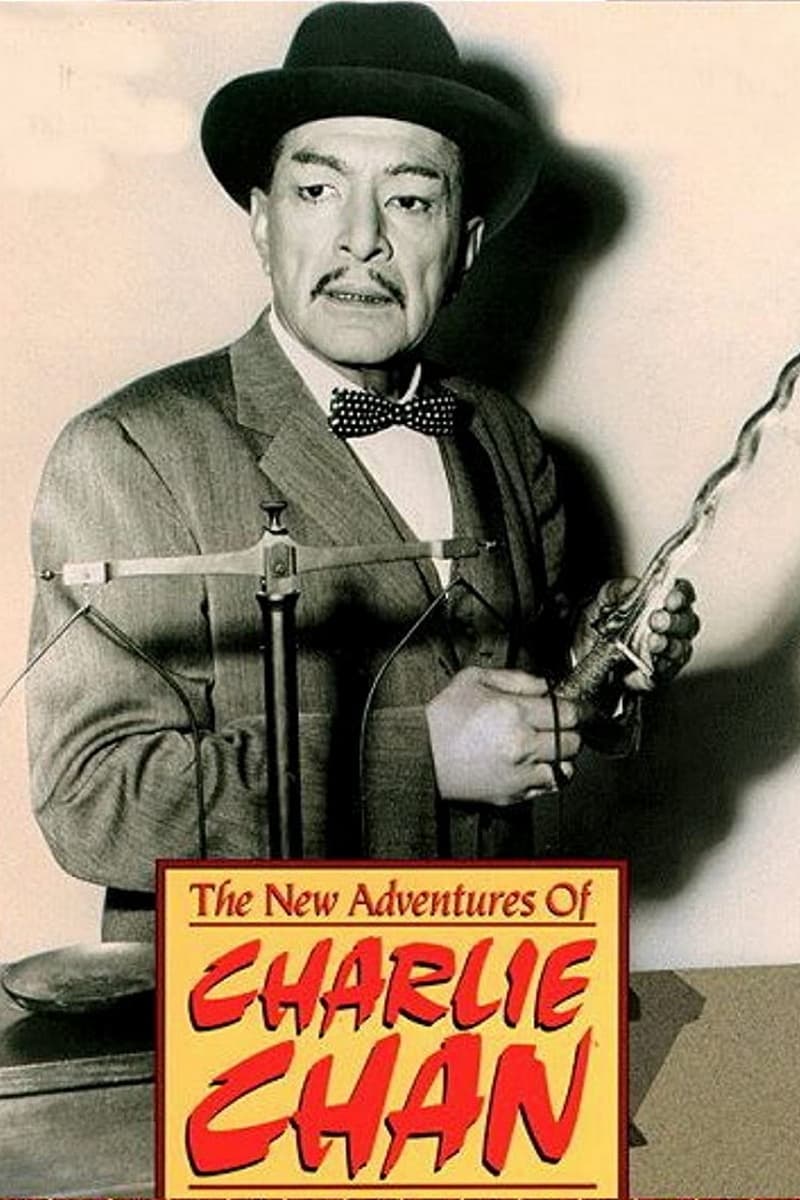
J. Carrol Naish starred as the famous detective Charlie Chan in this syndicated series. The character of Charlie Chan was loosely based on the real-life Hawaiian detective Chang Apana. Naish was an Irish-American actor who taped his eyelids and wore heavy makeup to approximate Asian features for the role. While the show featured Asian American actor James Hong as his son, the casting of a white man in the title role perpetuated the Hollywood tradition of excluding Asian actors from playing their own cultural icons.
‘Doctor Who’ (1963–1989)

The classic science fiction serial “Marco Polo” featured the historical figure Kublai Khan. The role of the Mongol Emperor and founder of the Yuan Dynasty was played by Martin Miller, a white Austrian-British actor. In the same serial, the Mongol warlord Tegana was portrayed by Derren Nesbitt, who also wore makeup to darken his skin and alter his eyes. The production aimed for a historical epic feel but adhered to the casting conventions of the 1960s British television landscape.
‘Star Trek’ (1966–1969)
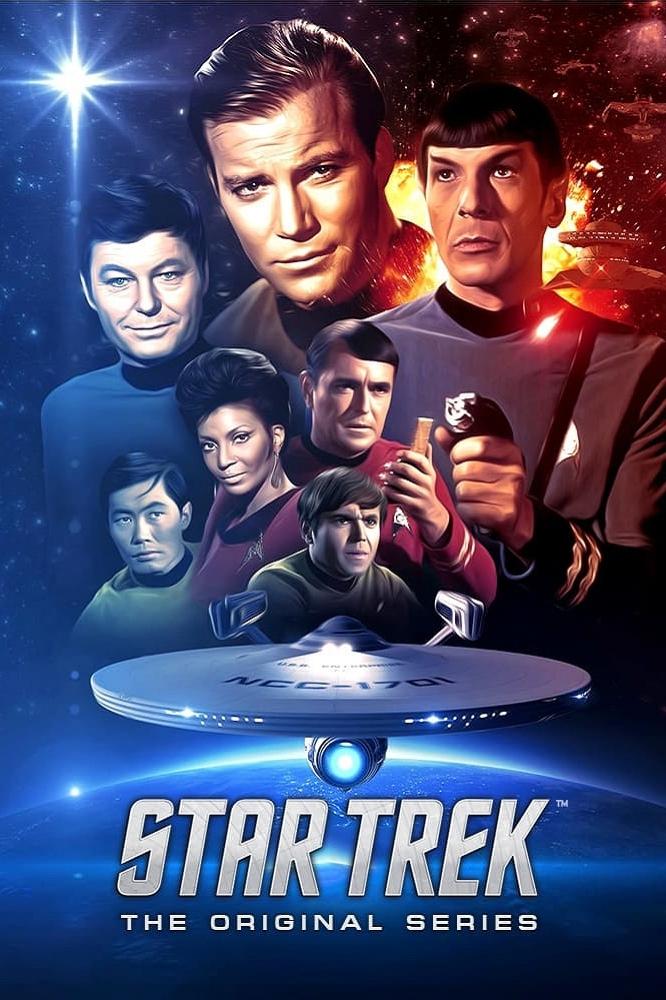
In the episode “Space Seed”, the genetic superman Khan Noonien Singh was introduced as a warlord from 1990s Earth. The character was explicitly described as a Sikh from Northern India. He was portrayed by Ricardo Montalbán, a Mexican actor, rather than an actor of South Asian descent. While Montalbán’s performance became iconic, the casting erased the specific South Asian heritage attributed to the character in the script.
‘Anna and the King’ (1972)
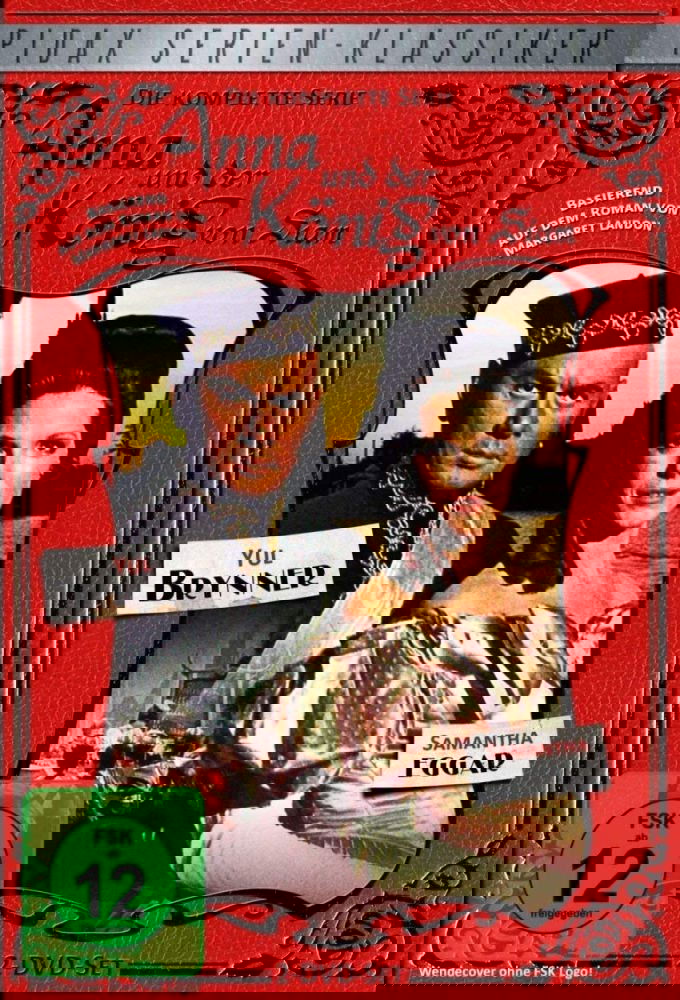
This sitcom adaptation of the famous musical and film starred Yul Brynner reprising his role as King Mongkut of Siam. King Mongkut was a real historical monarch who ruled Thailand during the 19th century. Brynner was of Swiss and Russian descent but claimed partial Mongol ancestry to justify his casting in various “exotic” roles. The show faced criticism for simplifying the complex history of the Thai monarchy into a lighthearted situation comedy centering on the white governess.
‘Love Is a Many Splendored Thing’ (1967–1973)
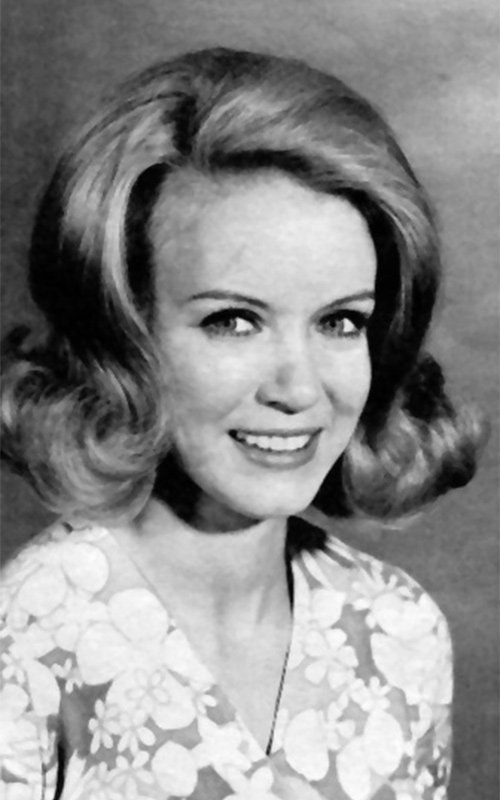
This daytime soap opera was based on the autobiographical novel by Han Suyin about her romance with a British war correspondent. The lead character of Dr. Han Suyin was a Eurasian woman of Chinese and Belgian heritage. In the television adaptation, the role was played by white actresses including Nancy Kovack, who wore makeup to suggest a mixed ethnic background. The casting decision ignored the specific racial identity that was central to the author’s original story and lived experience.
‘It Ain’t Half Hot Mum’ (1974–1981)
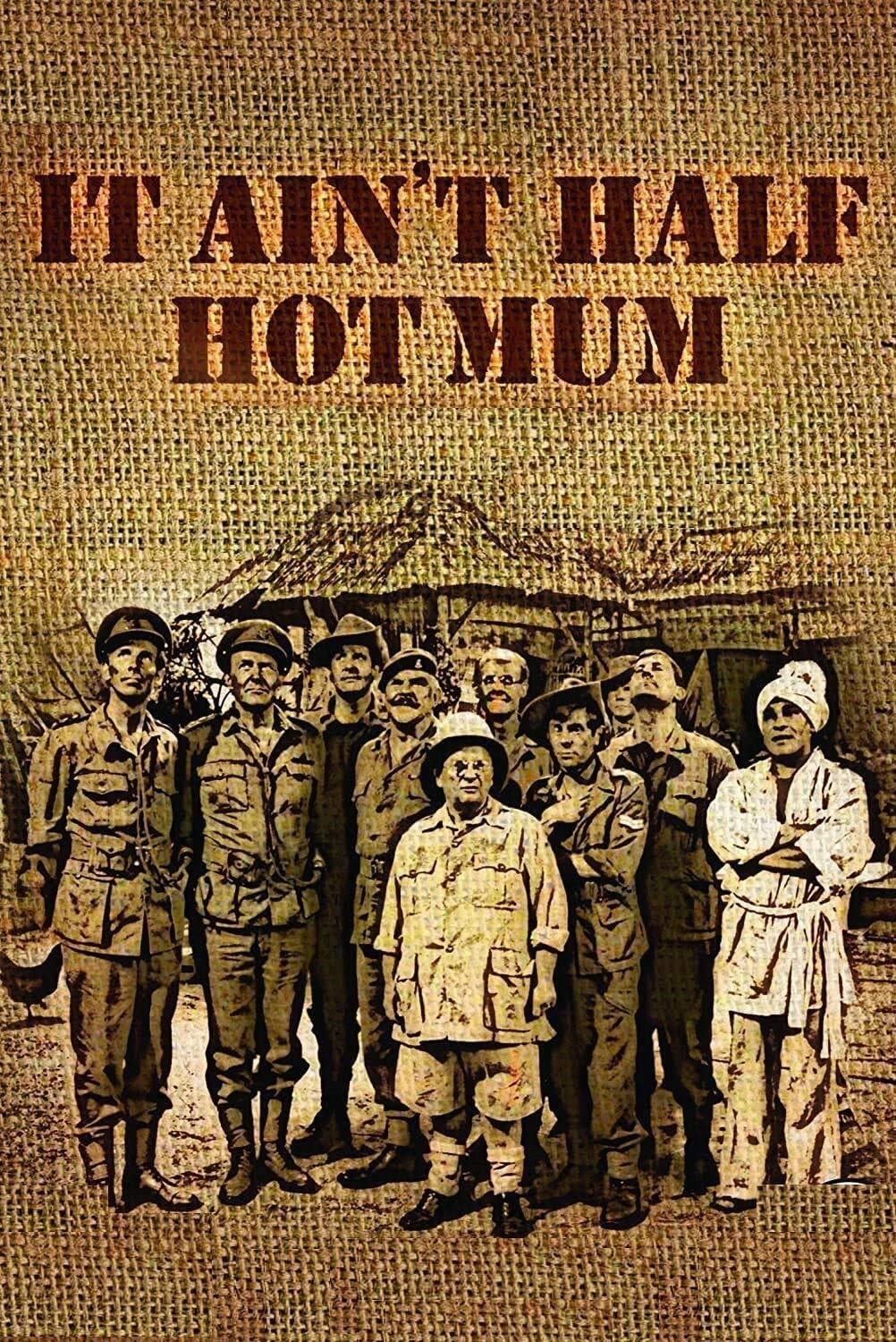
Set in British India and Burma during World War II, this BBC sitcom featured a bearer named Rangi Ram. The character was an Indian local who interacted with the British troops and served as a narrator for the series. Rangi Ram was played by Michael Bates, a white actor who used brownface makeup and an exaggerated accent. The show has since been criticized for its reliance on colonial stereotypes and the use of a white actor to mock Indian mannerisms.
‘Hawaii Five-O’ (1968–1980)
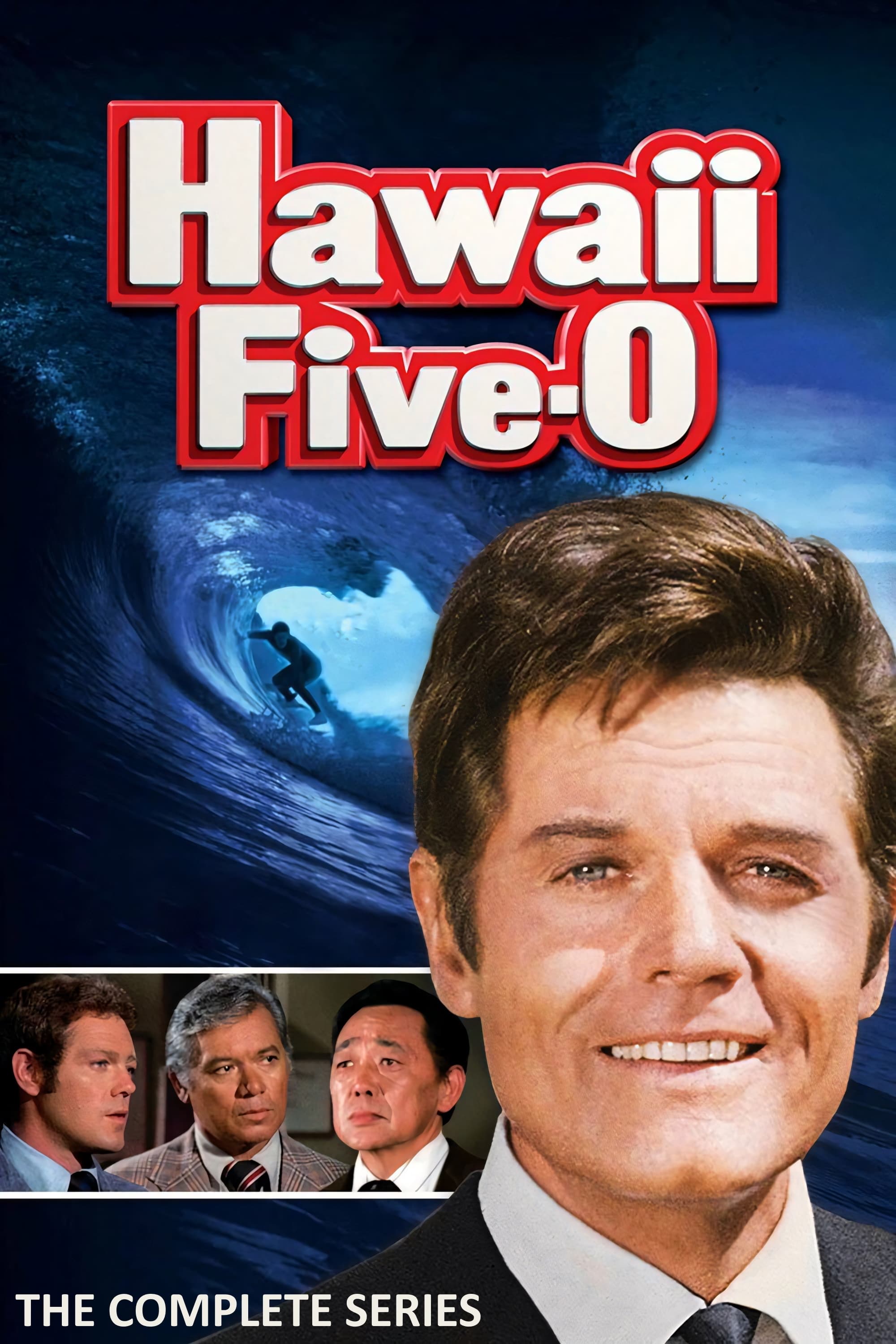
The show’s recurring antagonist was Wo Fat, a Chinese intelligence agent and criminal mastermind. He was portrayed by Khigh Dhiegh, an actor of Anglo-Egyptian-Sudanese descent who was frequently cast in East Asian roles. Although Dhiegh was not white, he was not of East Asian heritage and his portrayal relied on the “Dragon Lady” and “Evil Mandarin” archetypes. The character was a modernization of the Fu Manchu trope and was consistently played by non-Chinese actors during the original run.
‘Get Smart’ (1965–1970)
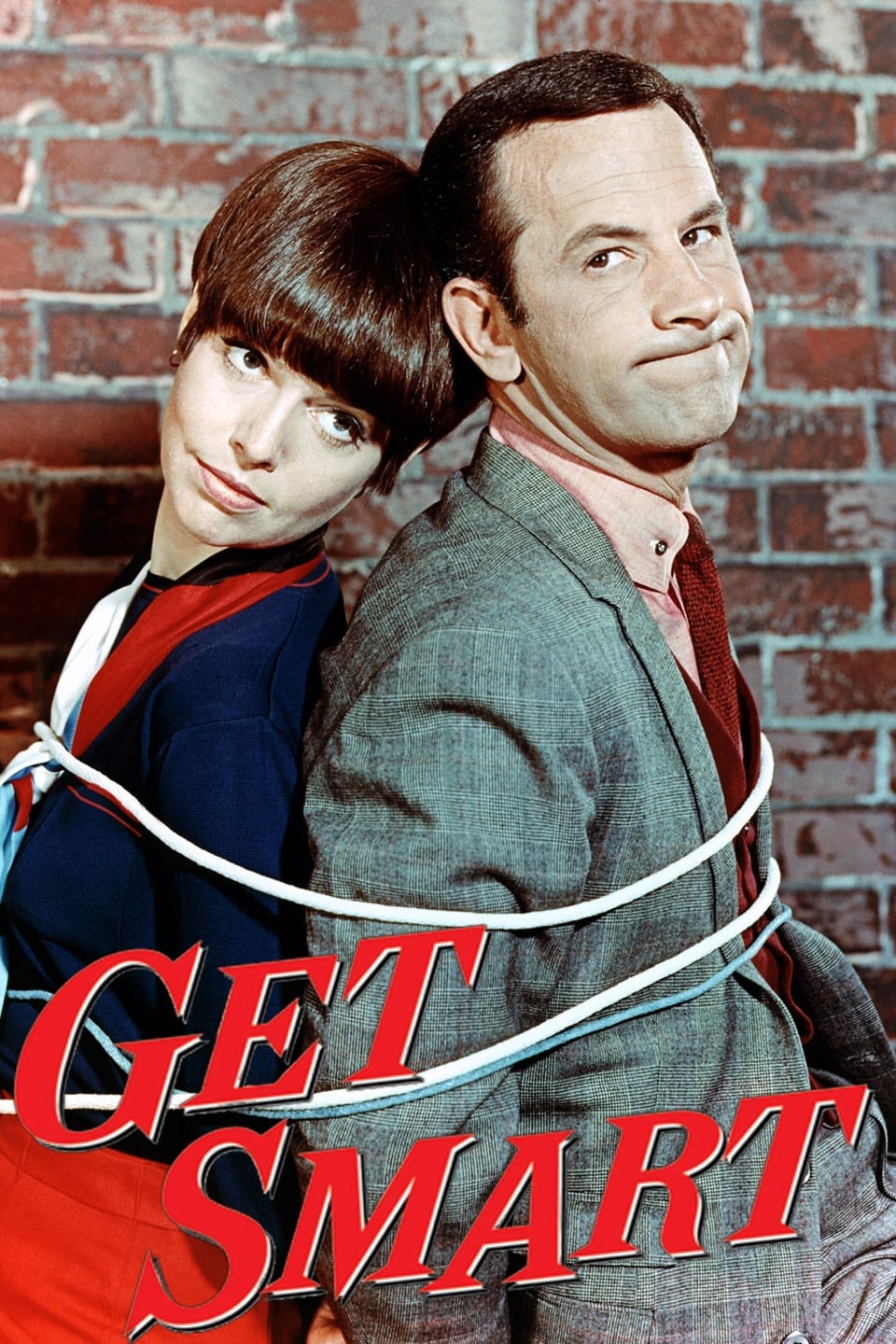
The villain known as The Claw was a recurring enemy of Maxwell Smart. He was a parody of the Fu Manchu archetype and represented the “Yellow Peril” villain in a comedic setting. The role was played by Leonard Strong, a white actor who used a heavy accent and makeup. The humor often revolved around the character’s inability to pronounce the letter L, a gag that relied on racial mockery rather than character wit.
‘The Wild Wild West’ (1965–1969)
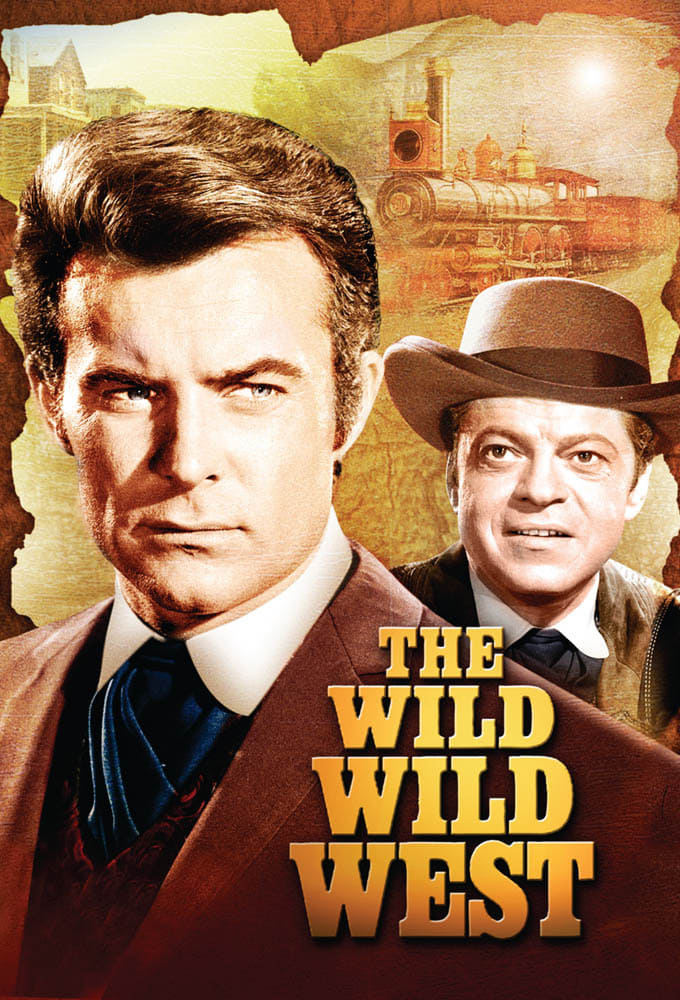
In the episode “The Night of the Pelican”, the show featured a Chinese criminal named Din Chang. The character was a leader of a tong secret society, a role rooted in the historical reality of Chinese immigration to the West. The role was played by Khigh Dhiegh, continuing his typecasting as an East Asian villain despite lacking the heritage. The show frequently utilized white actors in makeup to portray Chinese immigrants and opium den owners.
‘F Troop’ (1965–1967)
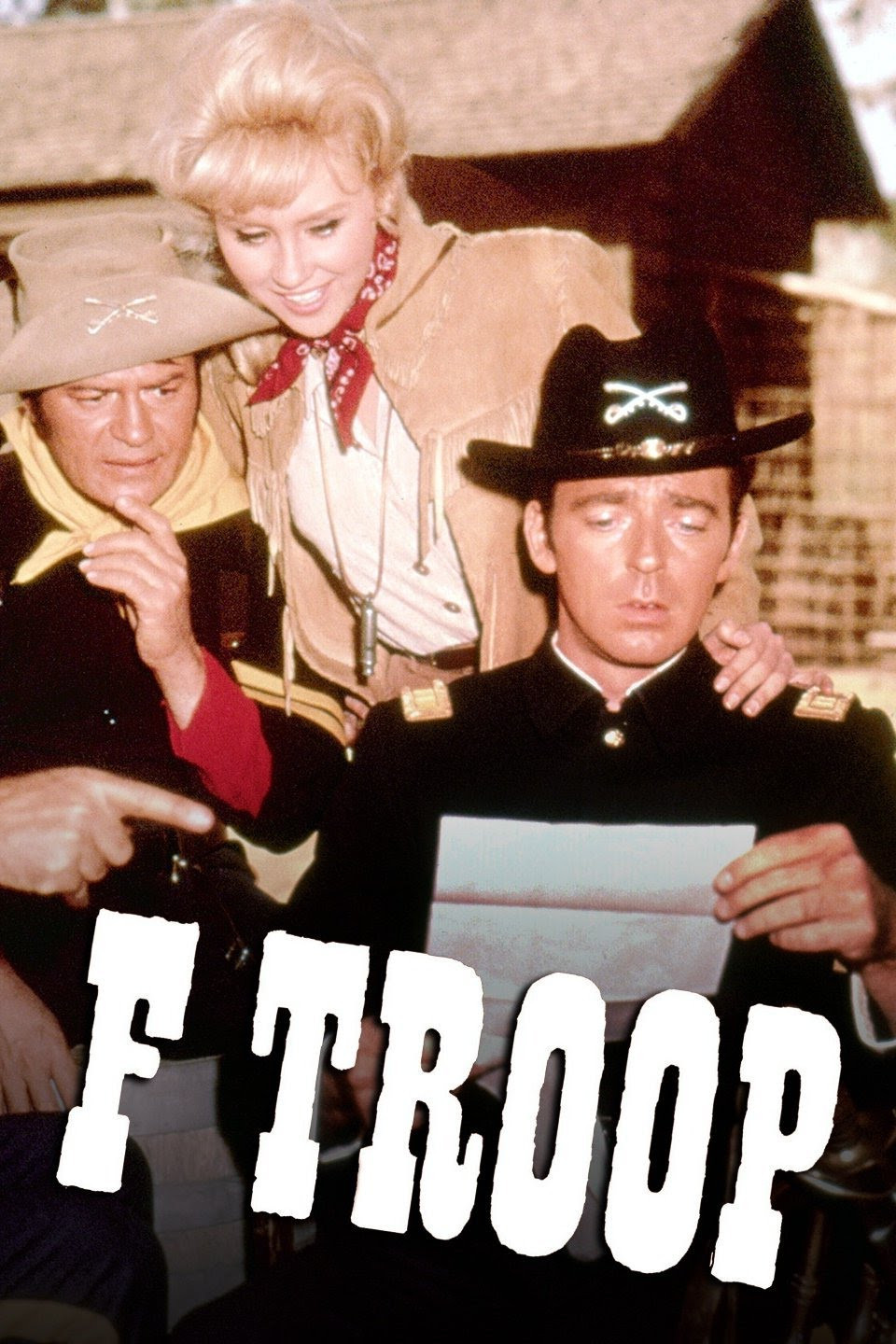
The character Roaring Chicken was a Hekawi medicine man who appeared frequently in this sitcom set in the post-Civil War West. He was played by Frank de Kova, a white Italian-American actor. While the show was a satire of Westerns, the casting of white actors as Native American figures was a standard practice of the era. Roaring Chicken served as a comedic sidekick and his portrayal relied on broken English and stereotypical mannerisms.
‘Gilligan’s Island’ (1964–1967)
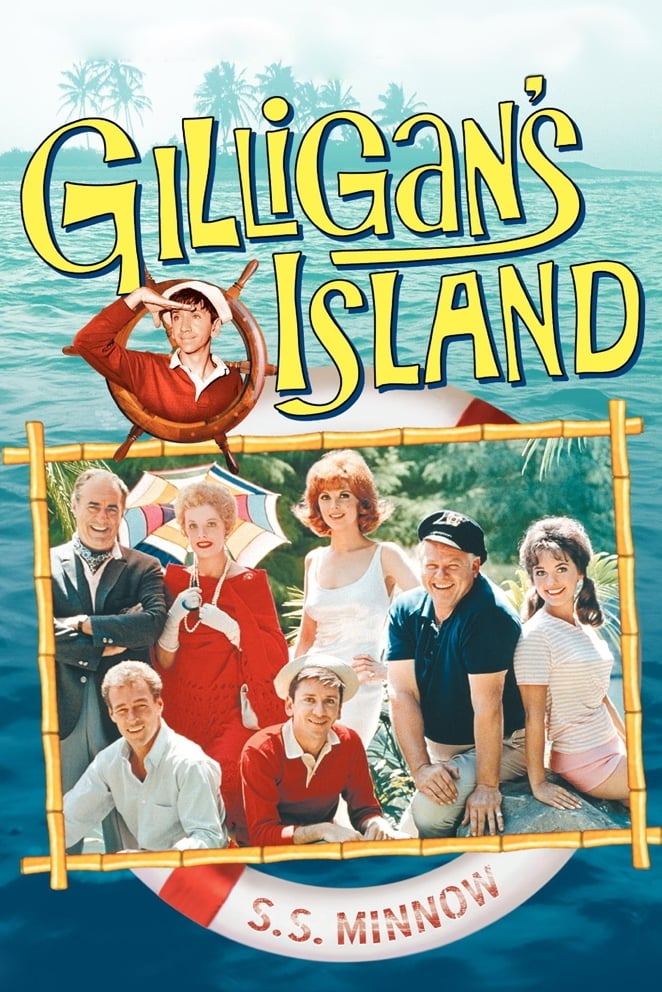
In the episode “So Sorry, My Island Now”, the castaways are held captive by a Japanese sailor who does not know World War II has ended. This character archetype was based on the real historical phenomenon of Japanese holdouts found on Pacific islands decades after the war. The role was played by Vito Scotti, a white Italian-American actor who used yellowface makeup, prosthetic teeth, and thick glasses. The portrayal was a caricature that mocked the physical appearance and speech of Japanese people.
‘Marco Polo’ (1982)
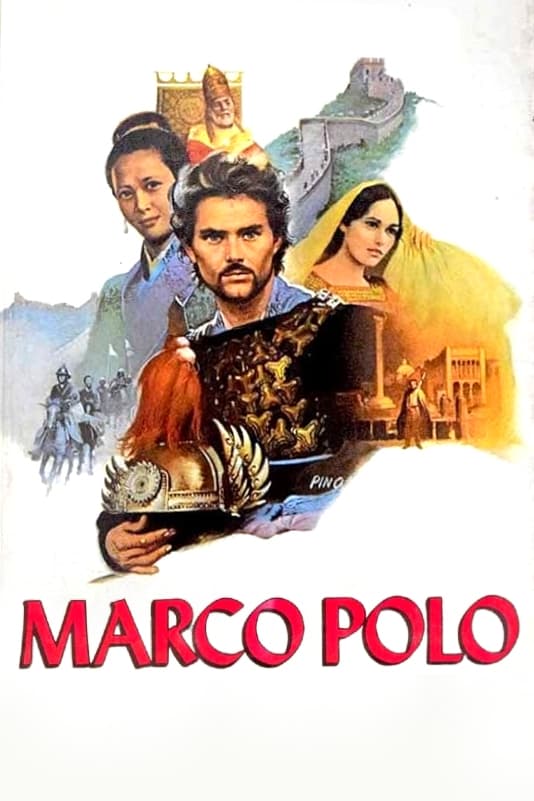
This miniseries aimed to tell the historical story of the Venetian explorer’s time in the court of Kublai Khan. While the role of Kublai Khan was played by Chinese actor Ying Ruocheng, the production cast Leonard Nimoy as Achmet. Achmet was a real historical figure and a powerful Persian Muslim administrator under the Yuan Dynasty. Nimoy, a white American actor, played the role with darkened skin, displacing the opportunity for an actor of Central Asian or Middle Eastern descent.
‘Jesus of Nazareth’ (1977)

This widely acclaimed miniseries presented the life of Jesus, a historical figure from the Middle East (West Asia). The title role was played by Robert Powell, a white British actor with blue eyes. This casting aligns with the long tradition of Western art depicting biblical figures as European rather than consistent with the semitic demographics of first-century Judea. The series set the visual standard for Jesus in television for decades, reinforcing a whitewashed image of the historical figure.
‘The Bible’ (2013)
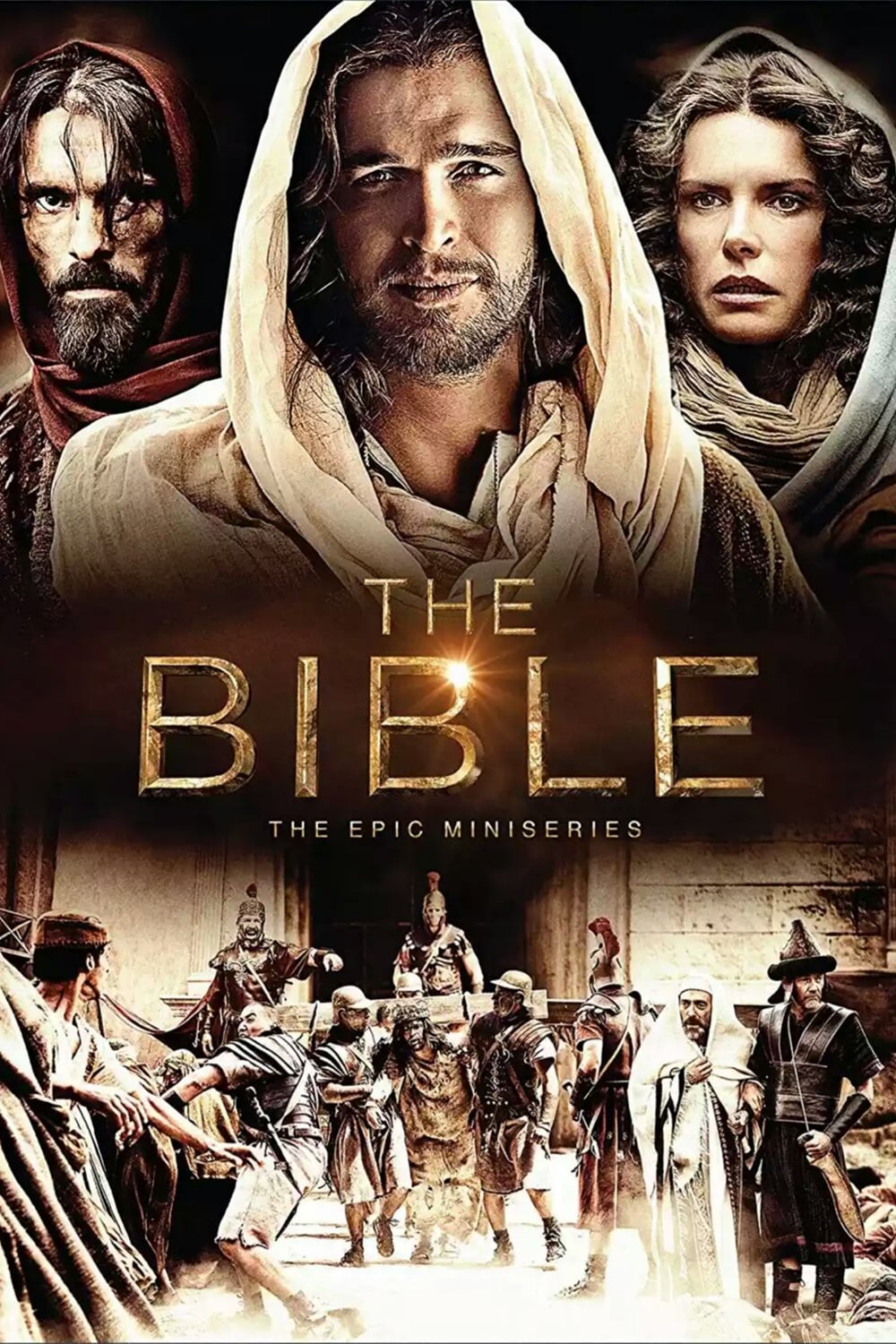
This miniseries dramatized various stories from scripture featuring historical figures from the Middle East and Egypt. The majority of the lead roles, including Jesus, were played by white actors such as Diogo Morgado. Critics pointed out the lack of ethnic diversity in a story set entirely in Afro-Asiatic regions. The production was accused of whitewashing history by populating the ancient Near East with actors of European descent.
‘The Ten Commandments’ (2006)
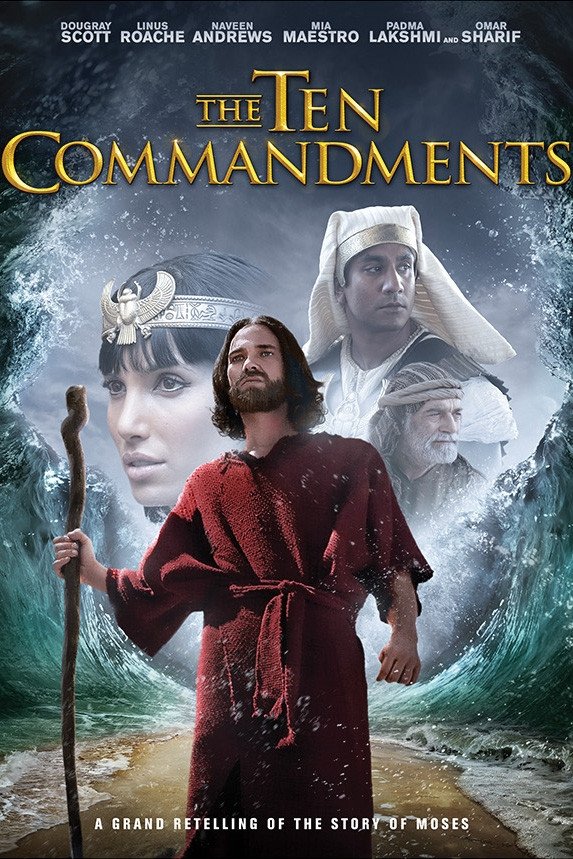
This miniseries retold the biblical story of Moses, a Hebrew leader born in Egypt. The role of Moses was played by Dougray Scott, a white Scottish actor. The supporting cast representing Egyptians and Israelites was also predominantly white. This casting continued the Hollywood tradition of ignoring the geographical and historical reality of the region in favor of recognizable Western stars.
‘Tut’ (2015)

The miniseries focused on the life of the Egyptian Pharaoh Tutankhamun. While the lead actor Avan Jogia had partial Indian heritage, the key historical figure of Ay, the Grand Vizier and eventual Pharaoh, was played by Sir Ben Kingsley. Kingsley is of Gujarati Indian and English descent, but many other roles in the Egyptian court were filled by white actors. The production faced backlash for failing to cast Egyptian or African actors in a story explicitly about African history.
‘Tyrant’ (2014–2016)
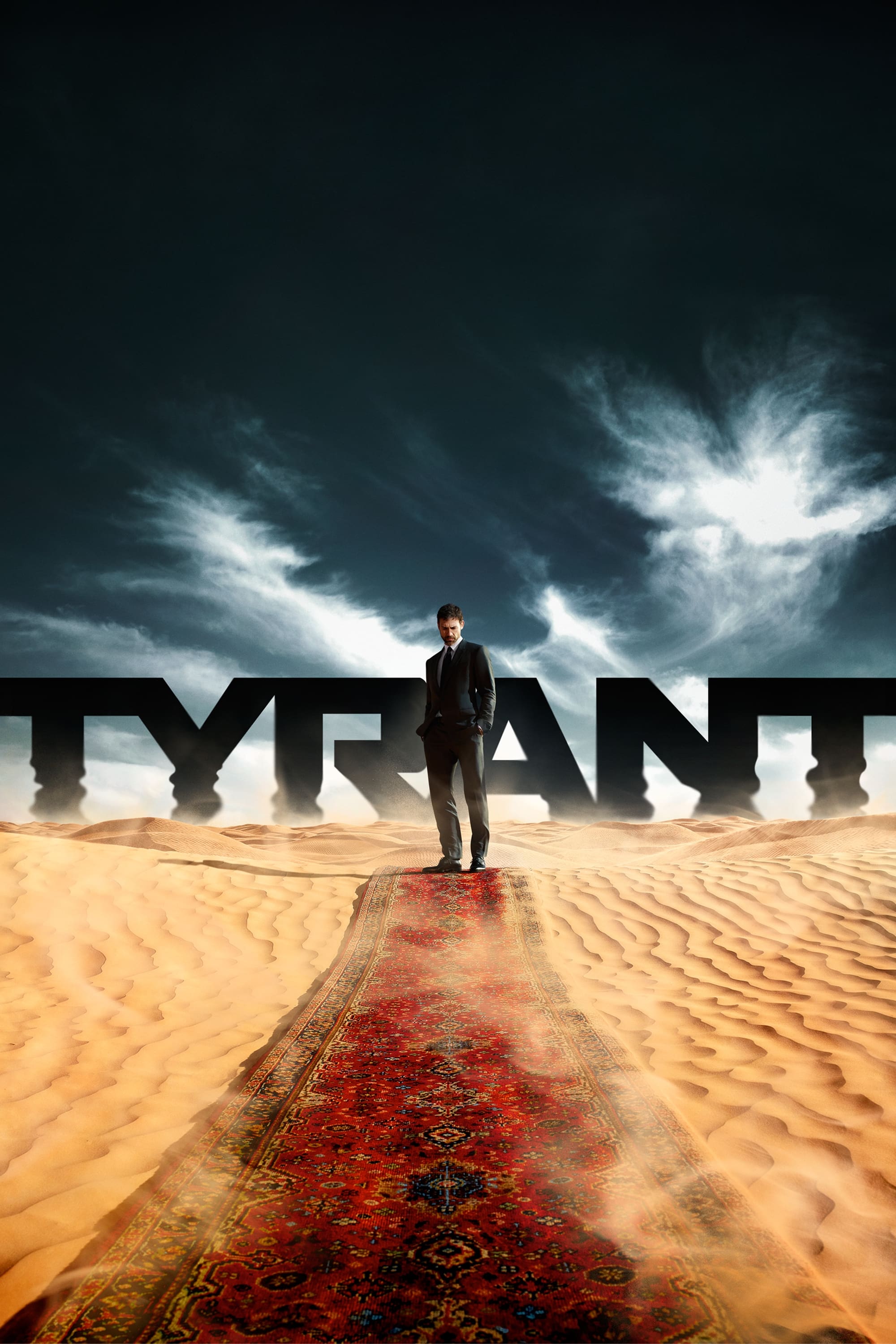
The protagonist Barry Al-Fayeed was the son of a fictional dictator from a Middle Eastern nation. The character was intended to represent an Arab man returning to his homeland after living in America. He was played by Adam Rayner, a white British actor. The show was criticized for casting a white man as the savior figure in a Middle Eastern political drama, effectively whitewashing the central Arab perspective.
‘Arrow’ (2012–2020)
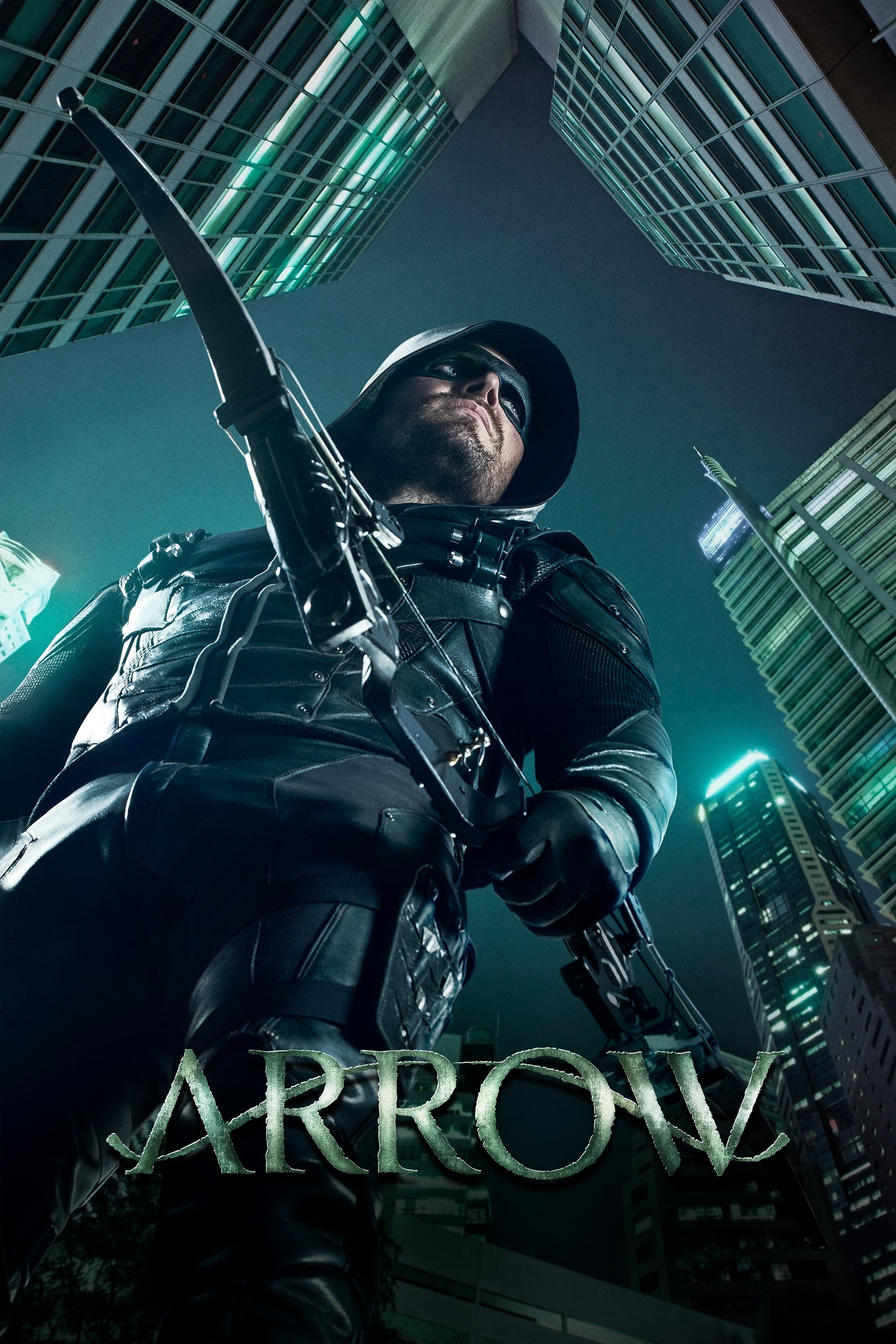
Ra’s al Ghul is a supervillain whose name is Arabic for “Head of the Demon” and who leads an ancient order with roots in the Middle East and Asia. In the television series, this immortal warlord was portrayed by Matt Nable, a white Australian actor. The casting drew criticism for erasing the character’s ethnic origins which are essential to his name and the lore of his organization. Nable’s portrayal bypassed the opportunity to feature an actor of Arab or Asian descent in a major antagonistic role.
‘Marvel’s Iron Fist’ (2017–2018)

Danny Rand is a martial arts master who gains his power from the mystical city of K’un-Lun. While the comic book character was originally white, the television adaptation faced intense scrutiny for not updating the character to be Asian American to avoid the “white savior” trope. The show cast Finn Jones, a white actor, to play the expert in Asian martial arts who explains traditions to Asian characters. Critics argued that keeping the character white in a modern adaptation missed a chance to subvert colonialist clichés.
‘Altered Carbon’ (2018–2020)

The protagonist Takeshi Kovacs is a Japanese-Hungarian soldier whose consciousness is transferred between bodies. While the narrative explains that his consciousness is in a new “sleeve,” the show features a white actor, Joel Kinnaman, as the primary physical representation of Kovacs for the majority of the first season. Critics argued that this was a literal form of whitewashing, where an Asian character’s internal identity is dominated by a white external appearance. The marketing and visual branding of the show centered on the white actor rather than the character’s original Asian identity.
‘Angry Boys’ (2011)
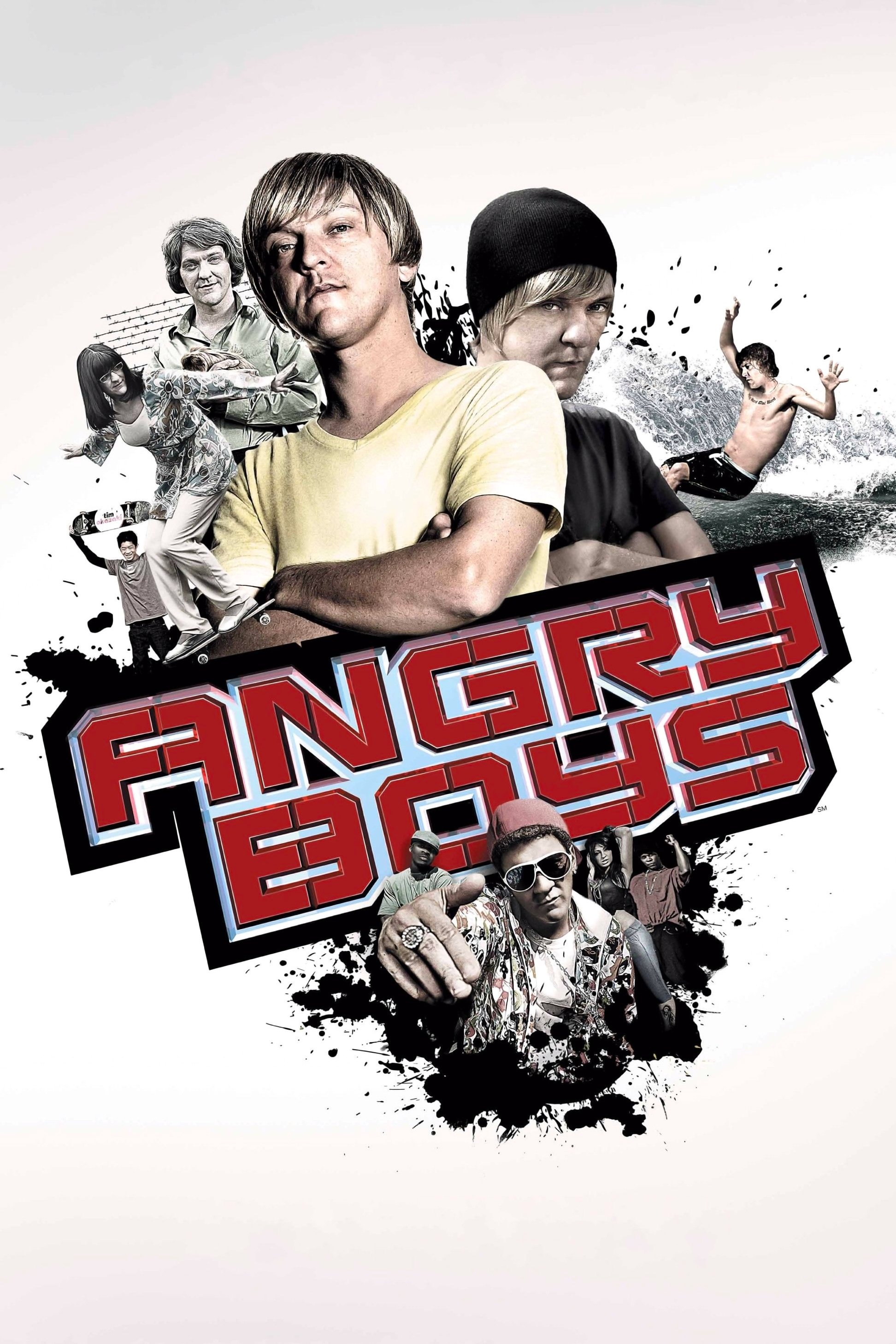
This mockumentary series was created by and starred Australian comedian Chris Lilley. One of the main characters he played was Jen Okazaki, a Japanese mother and talent manager. Lilley, a white man, performed the role in yellowface makeup and a black wig. The portrayal was widely condemned as a racist caricature that exploited stereotypes of domineering Asian mothers for comedy.
‘Come Fly with Me’ (2010–2011)
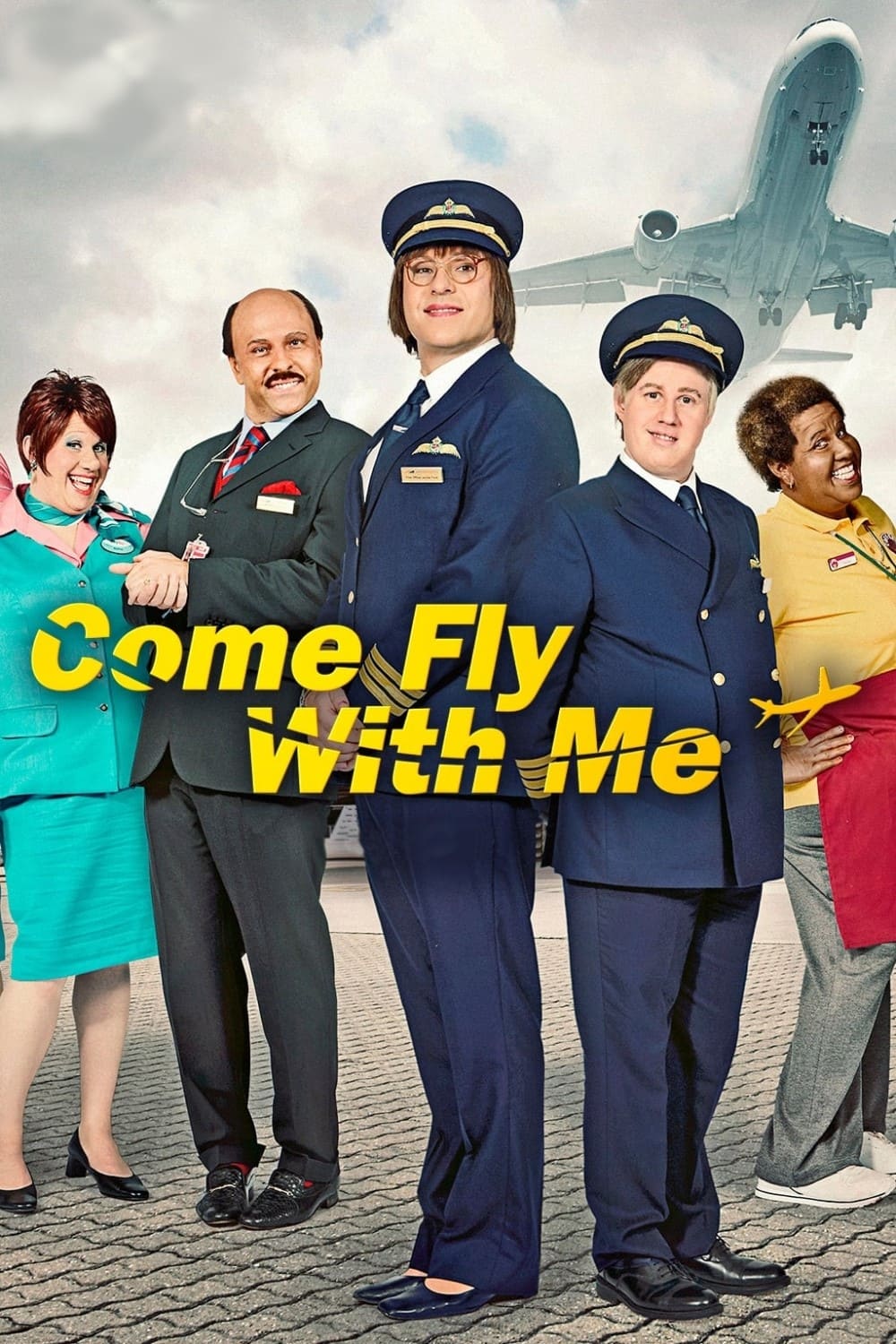
This British sketch comedy series featured Matt Lucas and David Walliams playing various airport staff and passengers. Lucas portrayed Asuka, a Japanese schoolgirl fanatic, and Precious Little, a coffee kiosk woman of vague West Indian/Asian descent. Both roles involved yellowface and brownface makeup. The show has since been removed from several streaming platforms due to its use of racial makeup and offensive stereotypes.
‘Little Britain’ (2003–2006)
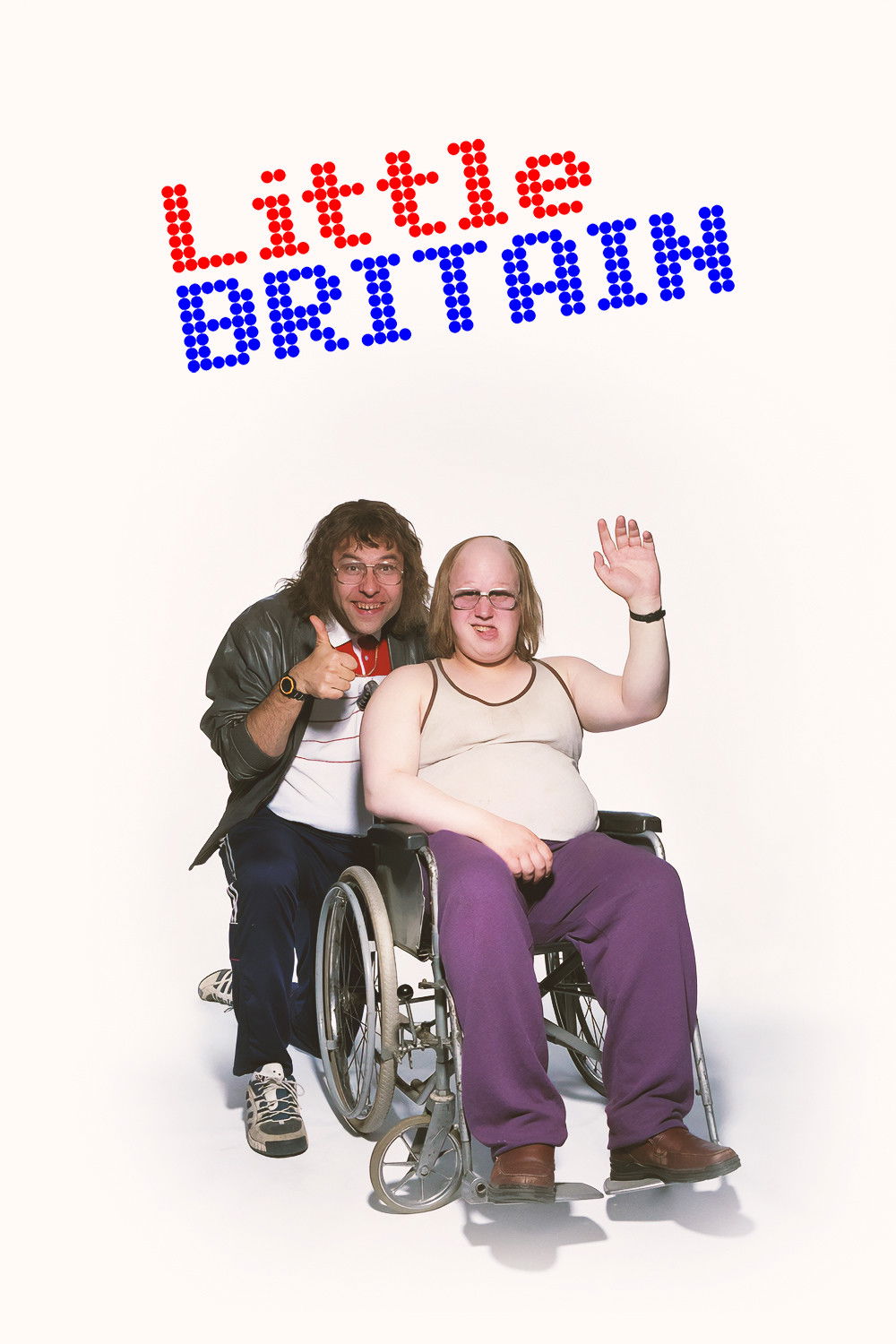
Matt Lucas played the character Ting Tong, a mail-order bride from Thailand. The character was a man in yellowface makeup and a wig, relying on transphobic and racist tropes about Thai women. The portrayal mocked the character’s accent and name. Like other shows by the duo, this series has faced retrospective scrutiny and censorship for its use of blackface and yellowface.
‘Jonah from Tonga’ (2014)
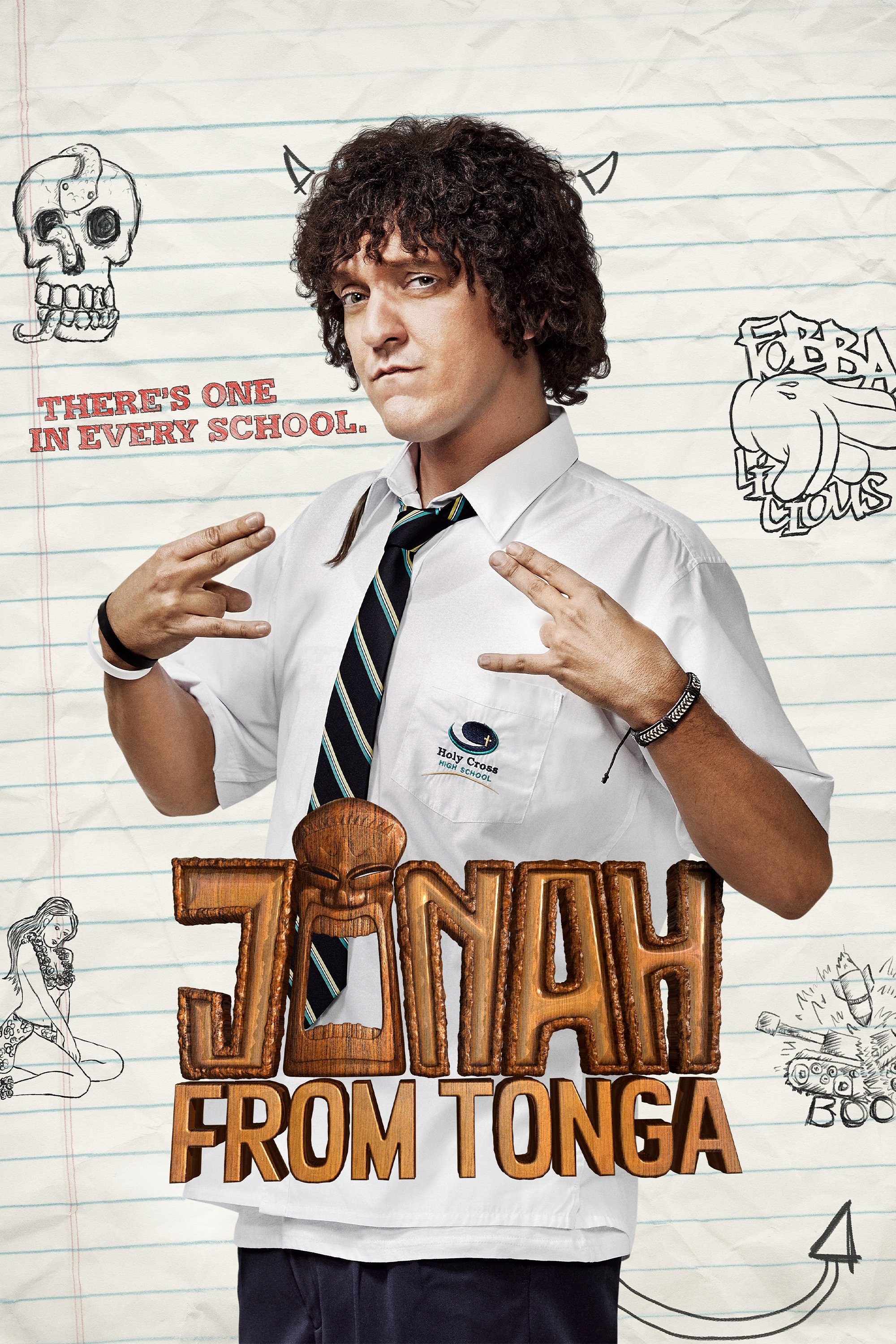
Chris Lilley starred as Jonah Takalua, a rebellious teenager of Tongan descent. Lilley wore brownface makeup and a curly wig to portray the Pacific Islander character. The show was criticized by Tongan community leaders and human rights organizations for its derogatory depiction of Pacific Islander culture and youth. Several networks eventually stopped airing the series due to the racist nature of the performance.
‘Saturday Night Live’ (1975–Present)

The long-running sketch show has faced numerous accusations of whitewashing Asian historical and political figures in its sketches. Fred Armisen, a white actor (with Venezuelan/German heritage), frequently played Barack Obama and various Asian characters including the blind Governor David Paterson and even the Queen of England in sketches involving Asian politicians. The show also historically cast white cast members like Mickey Rooney or Rob Schneider to play Asian stereotypes in comedic skits. These casting choices were often made despite the lack of Asian cast members on the show for many years.
Share your thoughts on which of these casting decisions surprised you the most in the comments.