


TV Shows Blamed for Cultural Appropriation in Casting Choices



The television industry has long faced scrutiny over how it represents diverse cultures and the actors chosen to portray them. While progress has been made toward authentic casting, many shows have been called out for cultural appropriation or the use of actors outside the represented heritage. These controversies often involve the casting of white actors in roles originally intended for people of color or the use of racialized makeup to portray marginalized groups. Examining these instances provides insight into the changing standards of the entertainment landscape and the ongoing push for genuine representation.
‘Kung Fu’ (1972–1975)

The series faced significant criticism for casting David Carradine, a white actor, as the half-Chinese monk Kwai Chang Caine. Bruce Lee had originally developed a similar concept and was considered for the lead, but producers felt a Western audience would not accept an Asian lead actor. This decision is often cited as a primary example of erasure and the use of “yellowface” in television history. The show’s reliance on Eastern philosophy through a Western lens sparked decades of debate regarding authenticity in martial arts media.
‘The Simpsons’ (1989–)
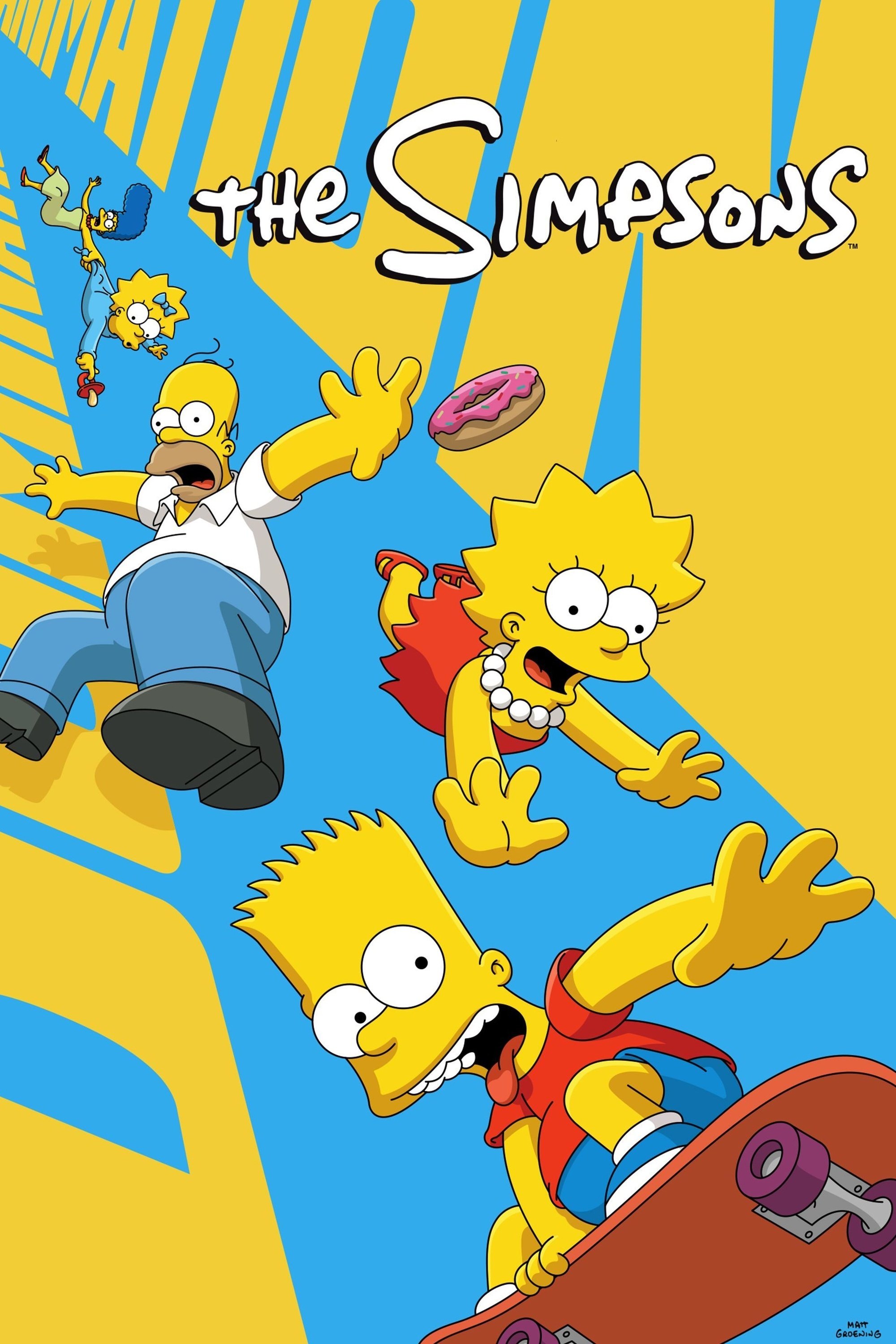
For over thirty years, the character Apu Nahasapeemapetilon was voiced by Hank Azaria, a white actor who used a heavy stereotypical Indian accent. The documentary ‘The Problem with Apu’ highlighted how this casting choice perpetuated harmful caricatures and became a tool for bullying against the Indian-American community. Critics argued that the role appropriated Indian culture for comedic purposes without providing a nuanced or authentic portrayal. In 2020, Azaria officially stepped down from the role, and the producers of ‘The Simpsons’ pledged to no longer have white actors voice non-white characters.
‘Marvel’s Iron Fist’ (2017–2018)

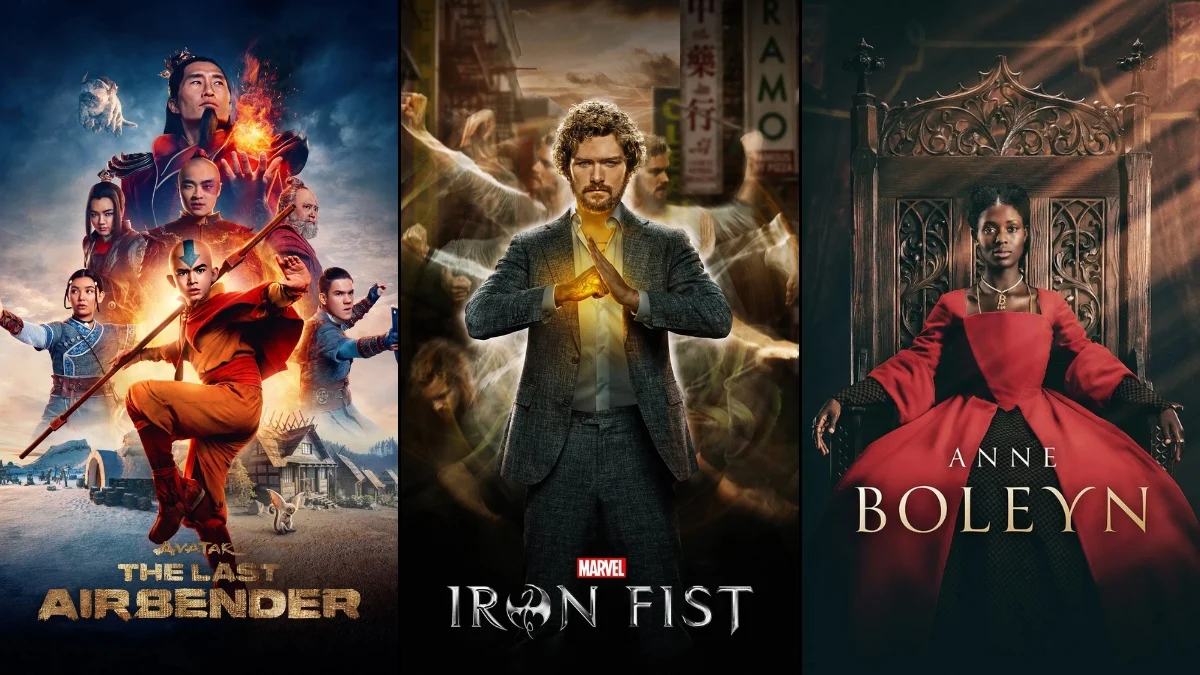
‘Iron Fist’ received backlash for casting Finn Jones as Danny Rand, a character who masters martial arts in a hidden Himalayan city. While the character is white in the source material, many critics and fans advocated for an Asian-American lead to subvert the “white savior” trope common in martial arts stories. The decision to maintain the character’s original race was viewed by some as a missed opportunity to provide authentic representation. Critics argued that the show’s focus on Eastern mysticism through a Western protagonist felt like an outdated form of cultural appropriation.
‘Altered Carbon’ (2018–2020)

In this science-fiction series, the protagonist Takeshi Kovacs is a man of Japanese and Eastern European descent whose consciousness is placed into a white body played by Joel Kinnaman. While this “sleeving” process is a core mechanic of the universe in ‘Altered Carbon’, many viewers felt it served as a convenient plot device to white-wash an Asian character. The casting choice was criticized for sidelining Asian identity in favor of a Western lead actor. This led to discussions about how high-concept sci-fi can inadvertently reinforce erasure even when the narrative justifies the change.
‘Unbreakable Kimmy Schmidt’ (2015–2019)
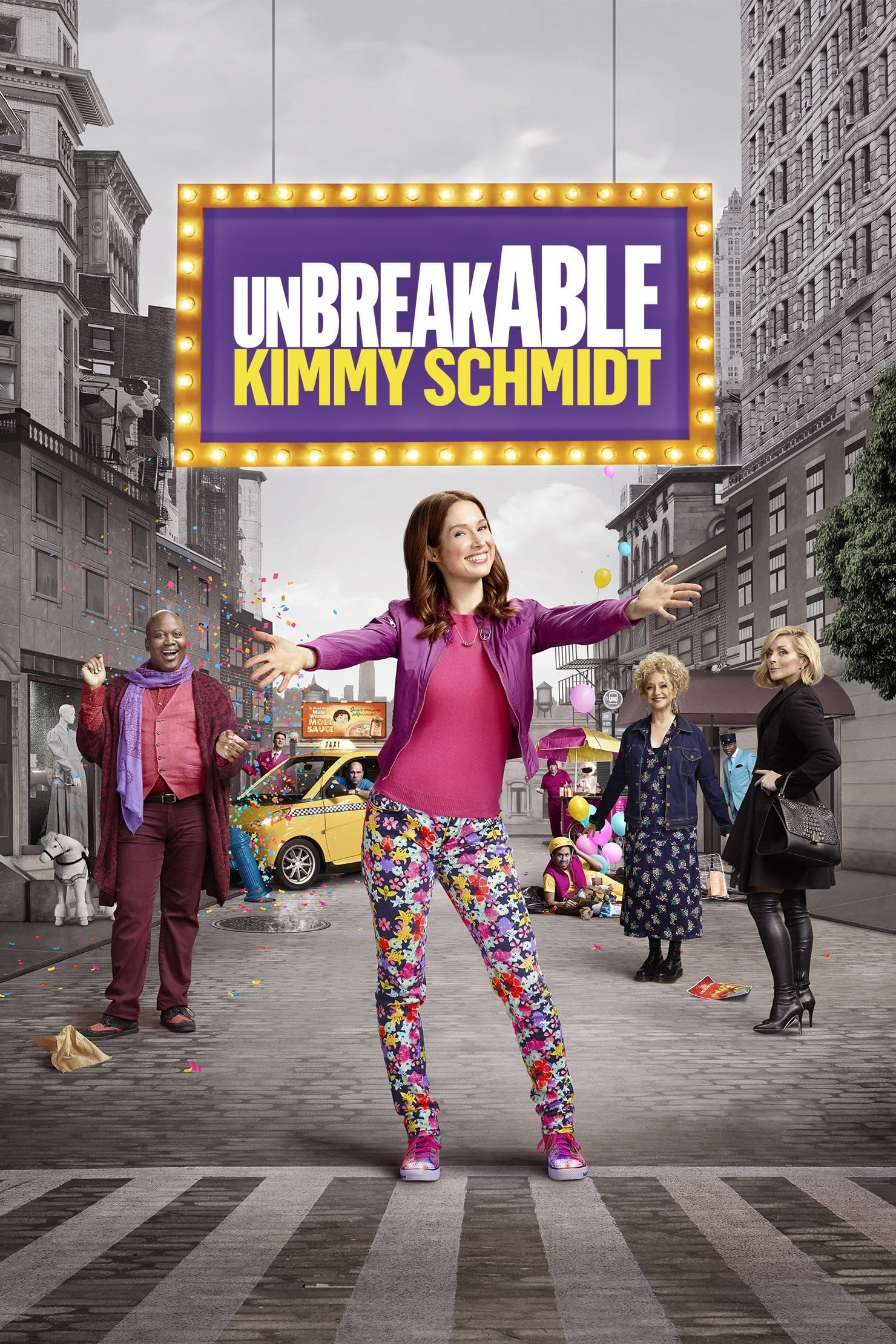
The character Jacqueline White, played by Jane Krakowski, is revealed to be a Native American woman who underwent surgery and hair-lightening to pass as white. Critics argued that casting a white actress to play a woman of Lakota heritage was a form of cultural appropriation that trivialized the indigenous experience. While ‘The Unbreakable Kimmy Schmidt’ attempted to satirize the pressures of assimilation, many felt the execution was insensitive. The storyline was frequently cited in debates about the lack of authentic Native American representation in mainstream comedy.
‘Star Trek: Voyager’ (1995–2001)
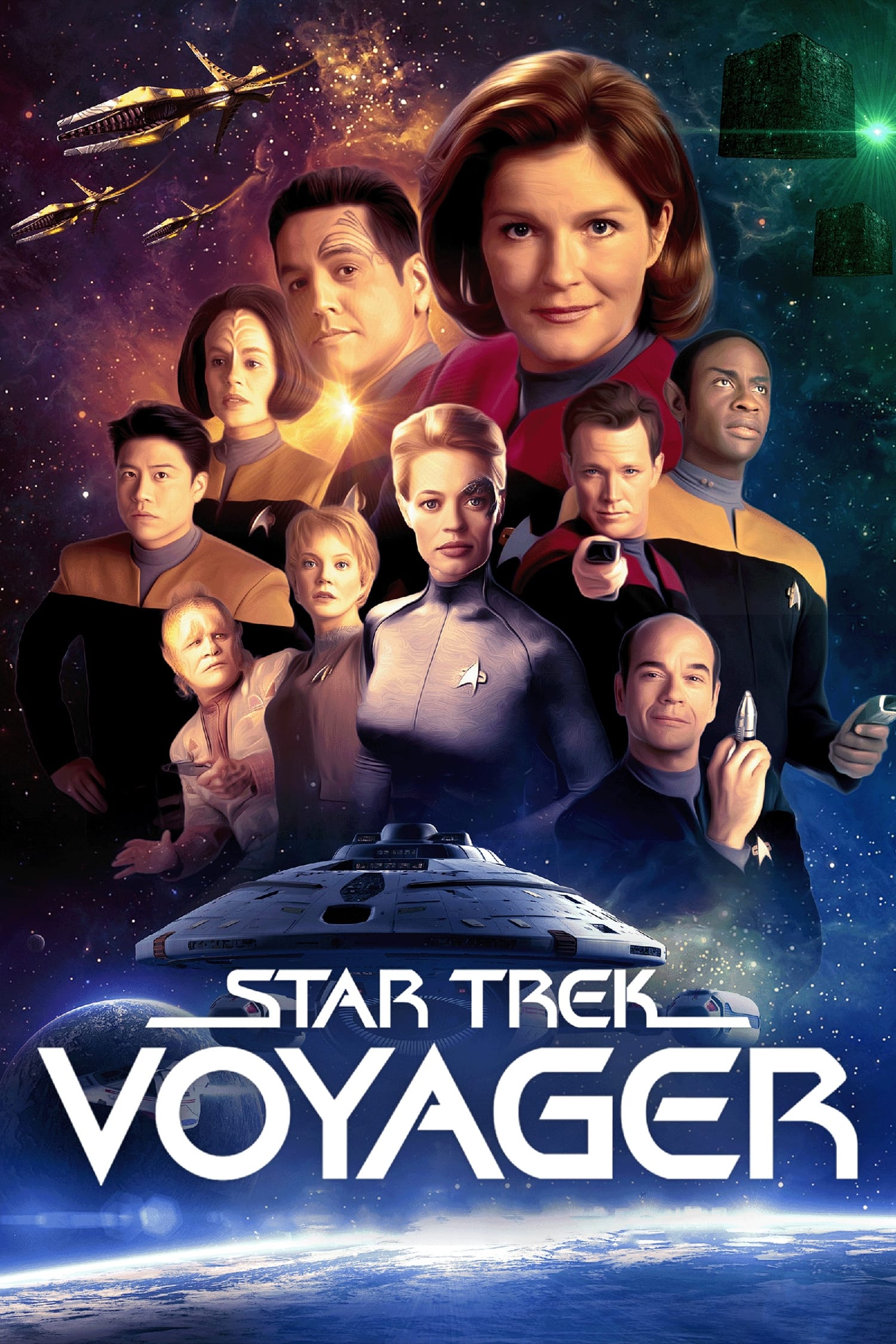
The character Commander Chakotay was marketed as the first Native American lead in the franchise, but the casting and writing were heavily scrutinized. Robert Beltran, who is of Mexican descent, played the character, while the primary cultural advisor for ‘Star Trek: Voyager’ was later exposed as a fraud with no Native ancestry. This led to the creation of a “generic” indigenous culture for the character that mixed disparate traditions and fabricated rituals. Consequently, the show is often blamed for appropriating and misrepresenting indigenous identities through an inauthentic lens.
‘Avatar: The Last Airbender’ (2024–)
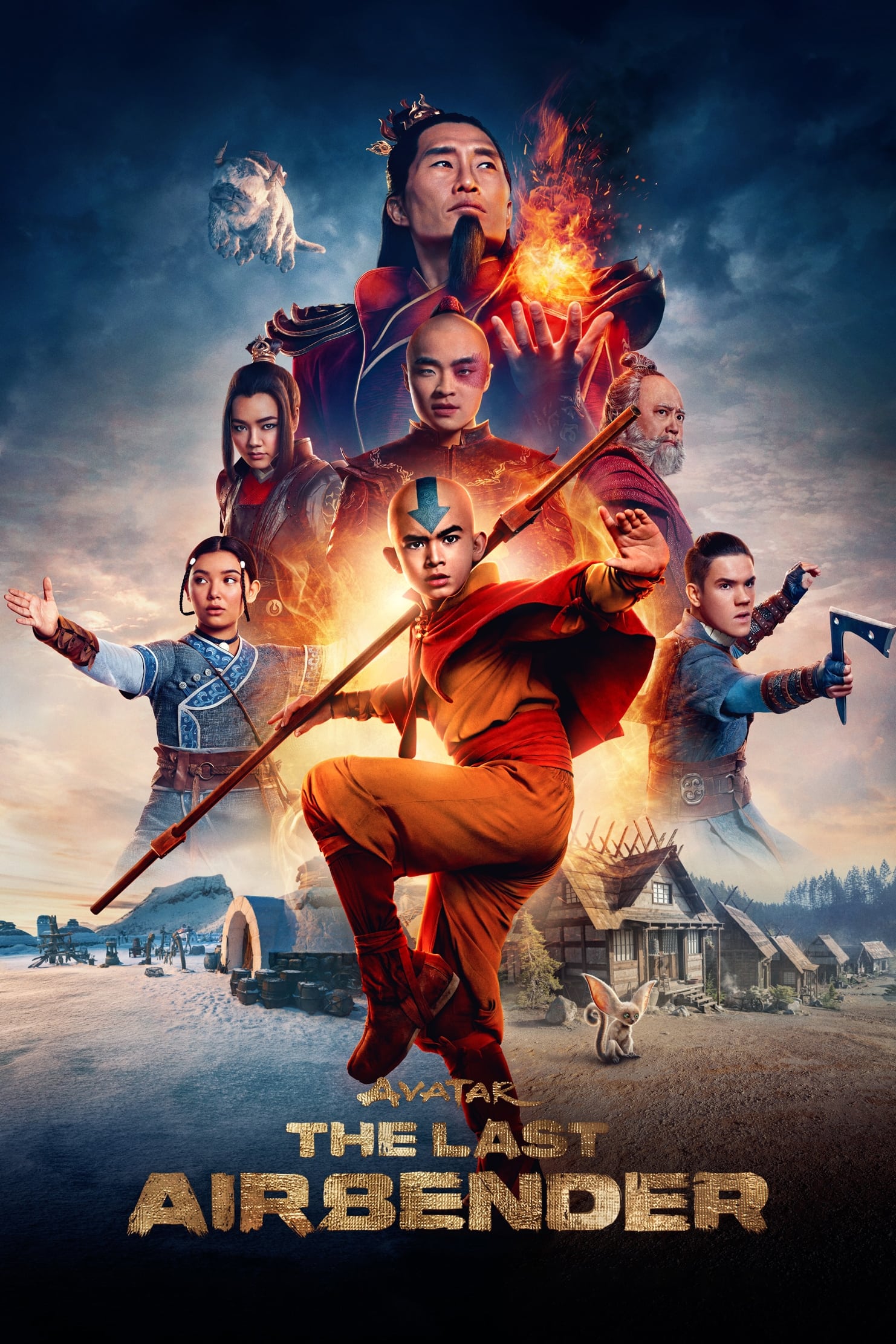
Netflix’s live-action adaptation of ‘Avatar: The Last Airbender’ faced scrutiny regarding the heritage of Ian Ousley, who was cast as Sokka. While the production aimed for indigenous representation, questions were raised by some community members regarding Ousley’s Cherokee status and the documentation of his lineage. This controversy highlighted the complexities of “Pretendianism” and the demand for rigorous verification in casting roles with specific ethnic backgrounds. Despite the show’s efforts to improve upon the 2010 film’s casting, it still faced intense debate over cultural authenticity.
‘Queen Cleopatra’ (2023)
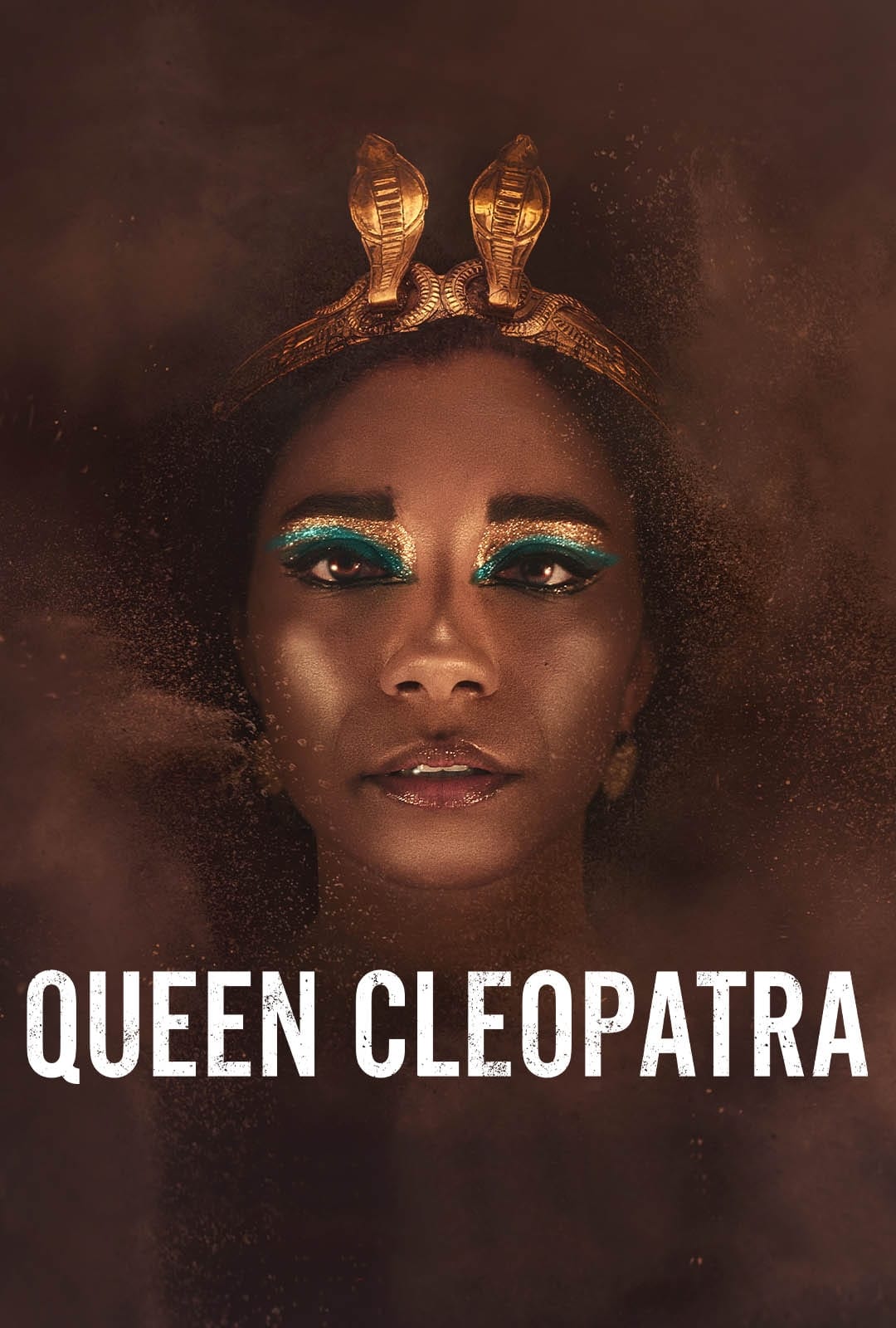
The Netflix docuseries ‘Queen Cleopatra’ sparked a massive international controversy by casting Adele James, a Black actress, as the titular Egyptian queen. Critics in Egypt argued that the casting was a form of “Afrocentric” cultural appropriation that misrepresented historical facts about Cleopatra’s Greek ancestry. The backlash included legal threats and public statements from government officials who claimed the show erased Egyptian identity. The production defended the choice as a creative interpretation, but the debate intensified discussions on the politics of historical casting.
‘Anne Boleyn’ (2021)
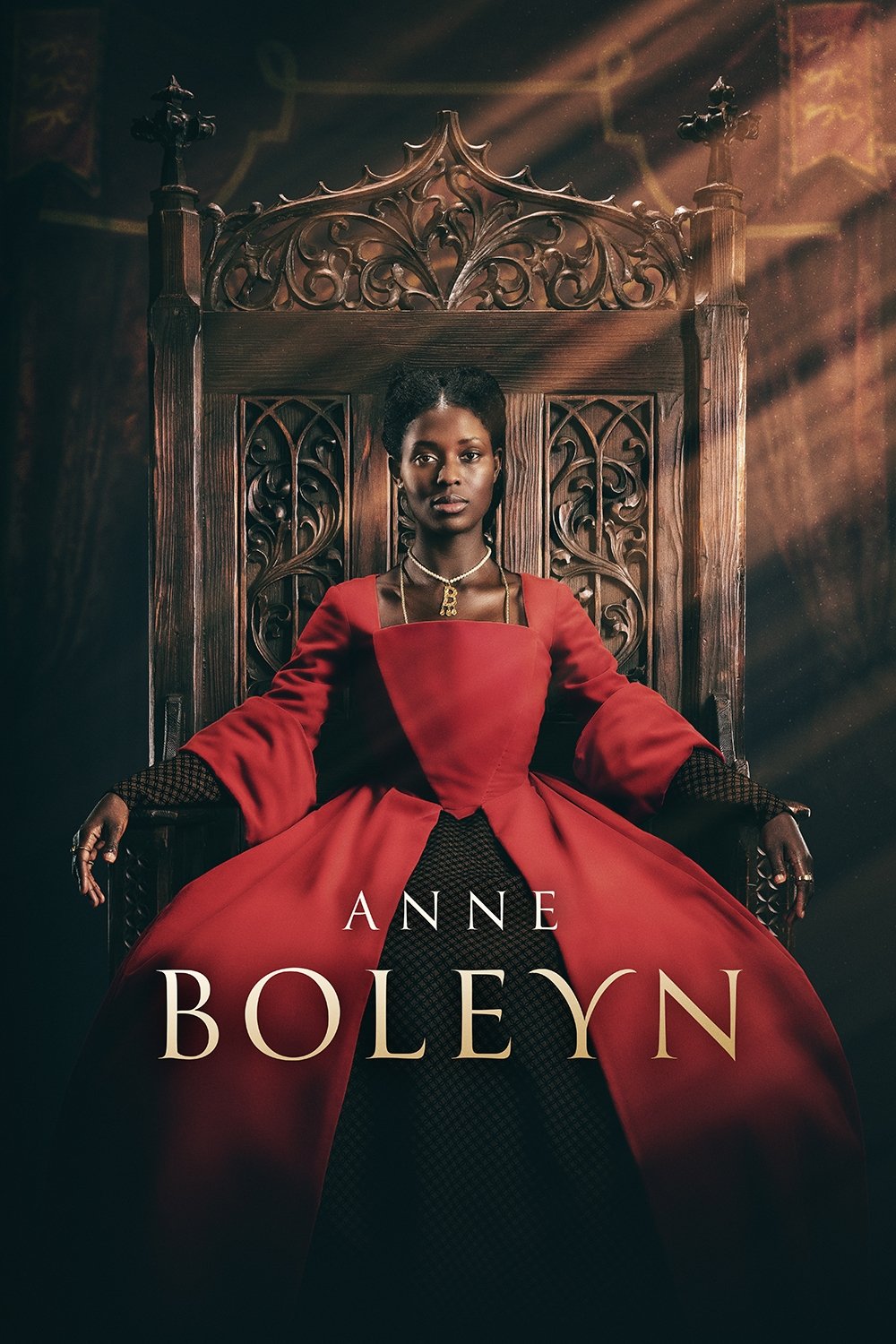
The casting of Jodie Turner-Smith as the Tudor queen in ‘Anne Boleyn’ led to significant backlash regarding the “race-bending” of a historical European figure. While the producers described the move as identity-conscious casting intended to bring a fresh perspective, critics viewed it as a form of cultural appropriation of British history. Arguments focused on whether historical accuracy should take precedence over modern diversity goals in period dramas. The controversy highlighted the divide between viewers who support color-blind casting and those who prioritize ethnic heritage in historical narratives.
’30 Rock’ (2006–2013)
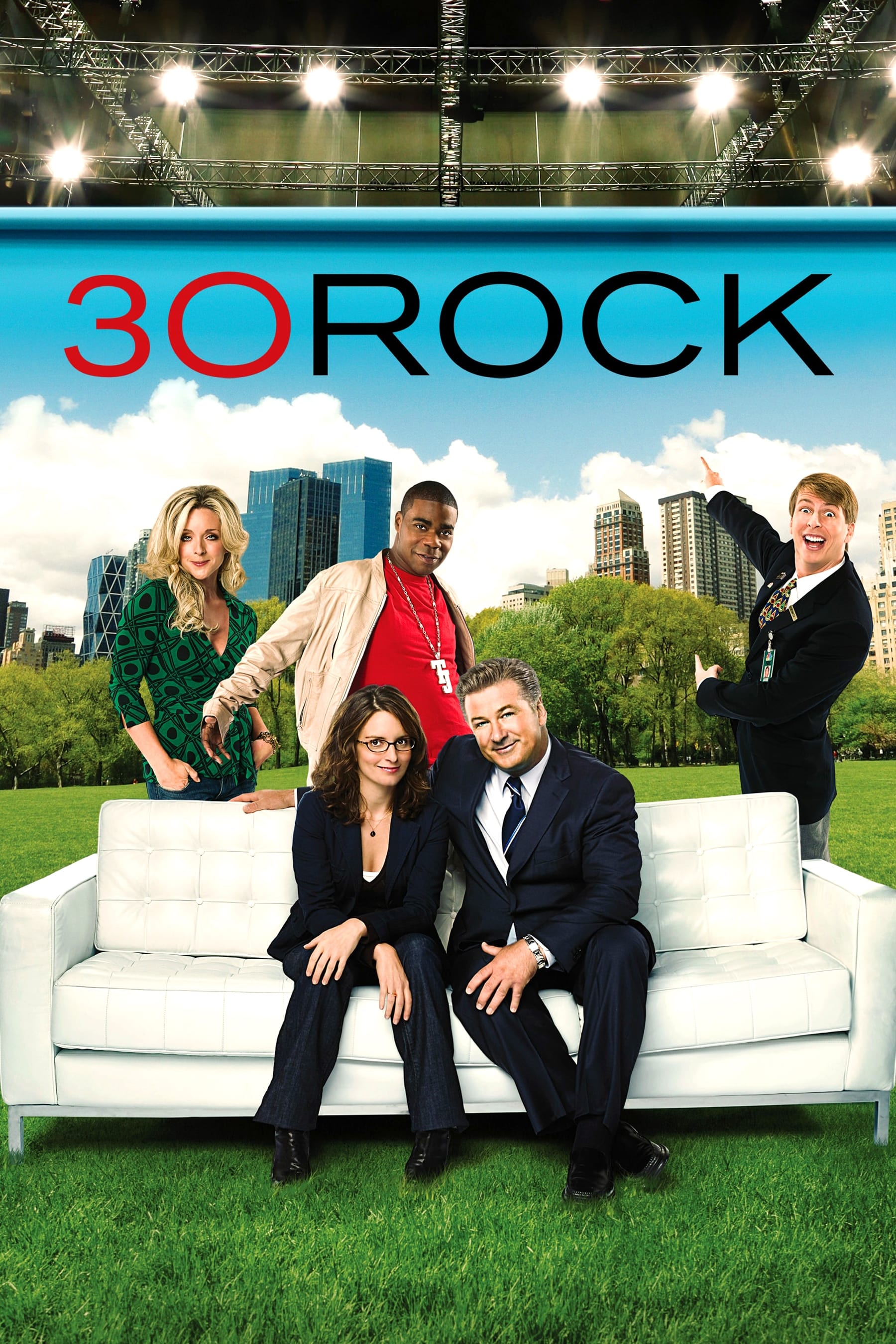
The show ’30 Rock’ featured several episodes where white characters used blackface or “brownface” to portray people of different ethnicities. In one instance, Jane Krakowski’s character Jenna Maroney appeared in blackface as part of a social experiment storyline. These scenes were criticized for appropriating racial identities for shock value or satire that many found offensive. In 2020, at the request of creator Tina Fey, these episodes were removed from streaming services and syndication to acknowledge the harm caused.
‘Little Britain’ (2003–2007)
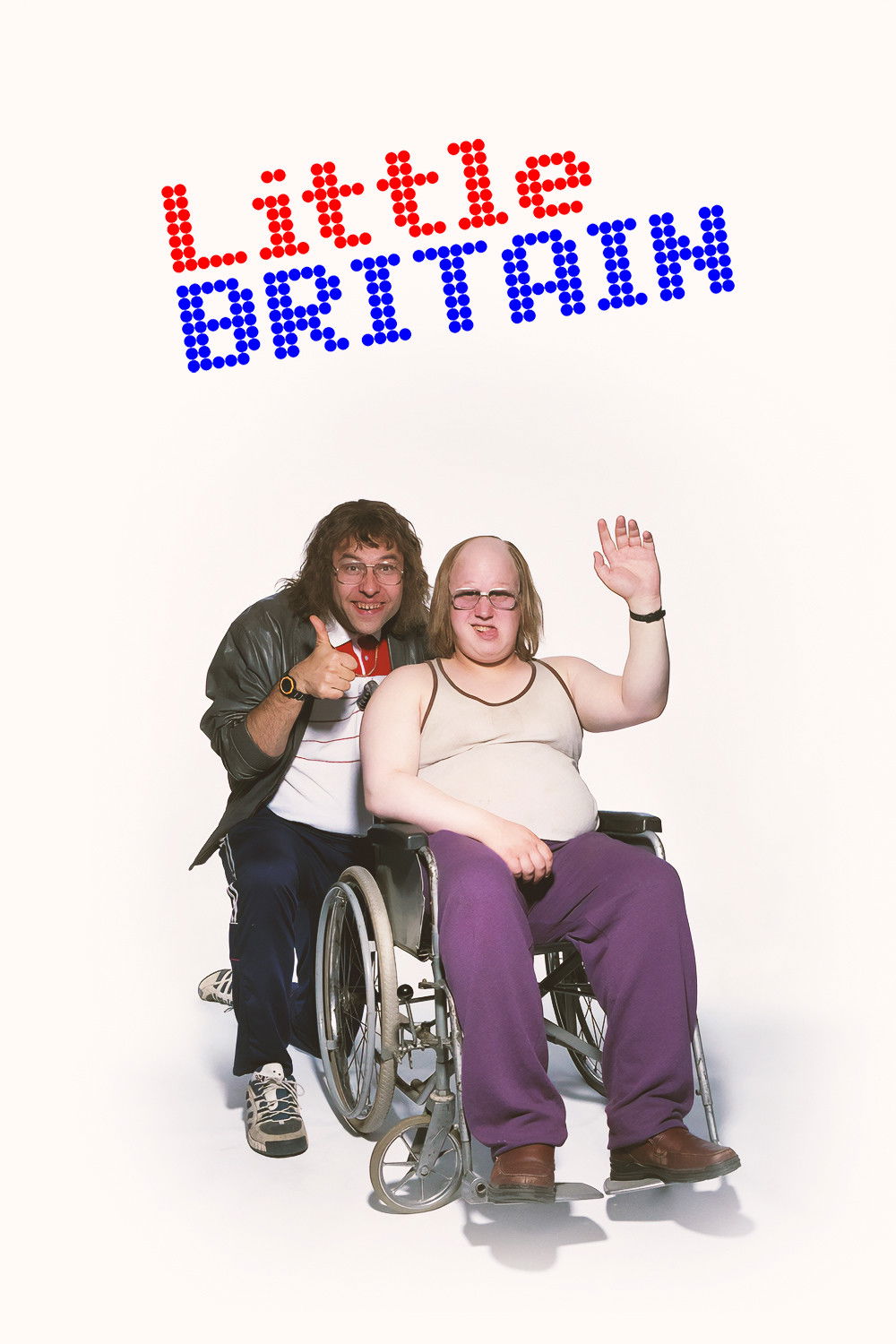
This British sketch comedy became a focal point of criticism for its use of blackface and “yellowface” by creators Matt Lucas and David Walliams. The actors portrayed characters from various ethnic backgrounds using heavy makeup and exaggerated accents, which critics labeled as blatant cultural appropriation. Many argued that the humor in ‘Little Britain’ relied on mocking marginalized groups rather than satirizing the systems that affect them. In 2020, the series was removed from multiple streaming platforms due to these concerns about racial portrayals.
‘The League of Gentlemen’ (1999–2017)
The character Papa Lazarou, played by Reece Shearsmith in dark makeup, has long been a subject of debate regarding racial caricature in ‘The League of Gentlemen’. While the creators argued the character was based on a non-racialized childhood fear, the visual similarity to blackface was undeniable to many viewers. Critics claimed the character appropriated minstrelsy aesthetics to create a figure of horror and ridicule. This controversy led to the show being pulled from certain streaming services during a period of reassessment of racial imagery in media.
‘The Mighty Boosh’ (2004–2007)
This surreal comedy faced backlash for the character “The Spirit of Jazz,” portrayed by Noel Fielding in dark body paint and a stylized costume. Critics argued that the character was a form of blackface that appropriated Black musical heritage for a bizarre comedic effect. Although ‘The Mighty Boosh’ was known for its whimsical and abstract nature, the use of racialized makeup was deemed unacceptable by modern standards. Consequently, the show was removed from major streaming platforms in 2020 as part of a wider purge of content featuring blackface.
‘Portlandia’ (2011–2018)
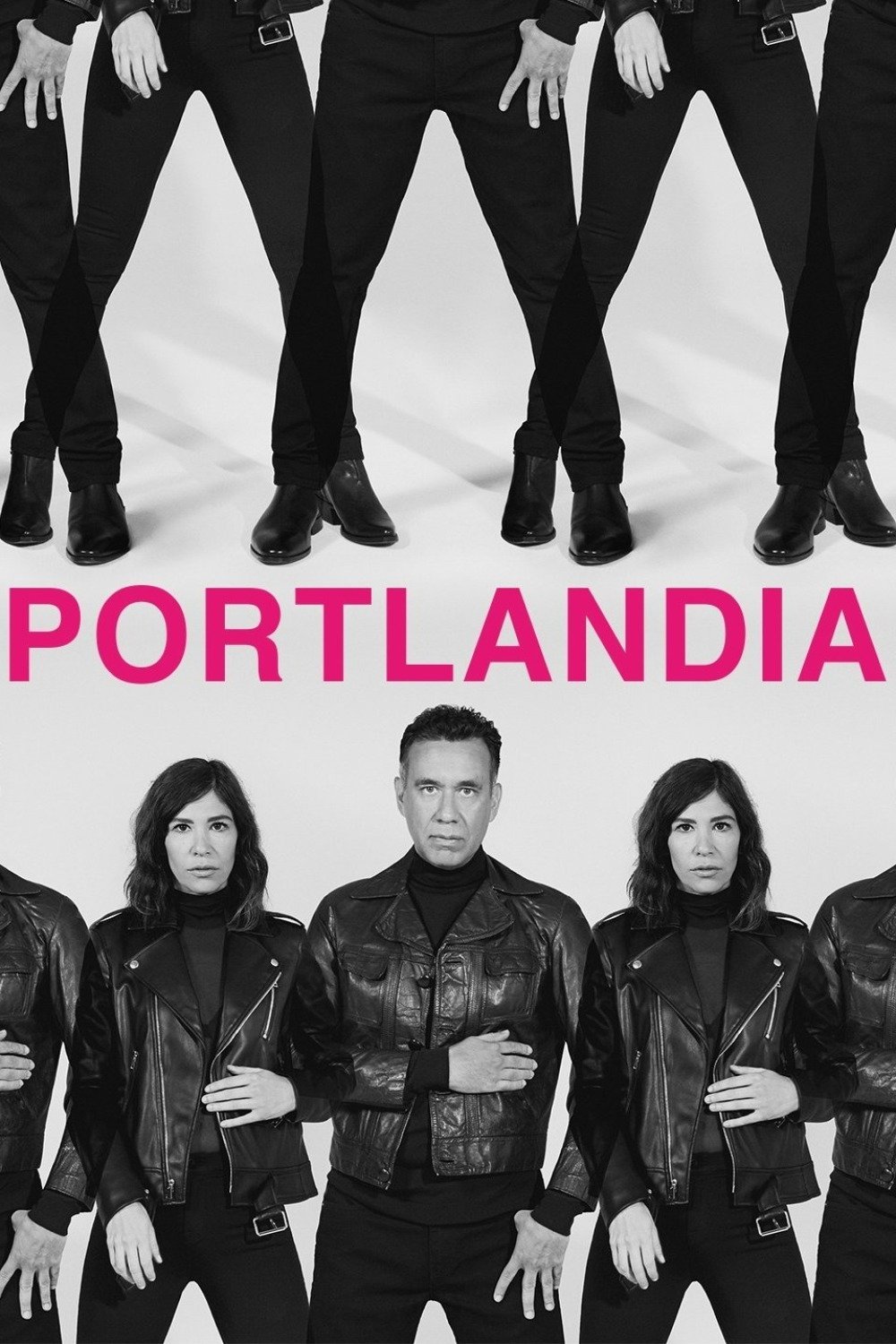
Fred Armisen faced criticism for several characters he portrayed on ‘Portlandia’, including instances where he used makeup and accents to play women of color. One specific controversy involved a sketch where he played a character of Middle Eastern descent, which some viewed as “brownface.” Critics argued that the show’s focus on hipster culture often ignored the implications of white actors taking on diverse roles. While the show was praised for its satire, these casting choices were highlighted as a problematic form of cultural appropriation.
‘Mad Men’ (2007–2015)
In the episode ‘My Old Kentucky Home,’ the character Roger Sterling, played by John Slattery, performs in blackface at a garden party. While ‘Mad Men’ utilized the scene to illustrate the casual racism of the 1960s, the inclusion of the imagery was highly controversial. Some viewers felt that depicting such an act, even for historical accuracy, was a form of appropriation that was uncomfortable to watch. The show eventually added a content warning to the episode on streaming platforms to address the sensitivity of the imagery.
‘Saturday Night Live’ (1975–)
Throughout its long history, ‘Saturday Night Live’ has frequently been blamed for cultural appropriation in its casting and makeup choices. White cast members have historically played roles of various ethnicities, including Fred Armisen playing Barack Obama and various actors in “yellowface” sketches. Critics have often pointed out that the show favored using makeup on its existing cast rather than hiring diverse actors for specific roles. While the show has significantly diversified its cast in recent years, its past episodes remain a source of critique regarding racial representation.
‘It’s Always Sunny in Philadelphia’ (2005–)
The series has been criticized for episodes where characters engage in blackface while filming their own ‘Lethal Weapon’ sequels. The creators of ‘It’s Always Sunny in Philadelphia’ intended the scenes to be a critique of the characters’ ignorance, but many found the imagery inherently offensive. Critics argued that the satire did not justify the use of a practice rooted in the systemic dehumanization of Black people. Several episodes featuring these scenes were eventually removed from streaming services following public outcry.
‘Doctor Who’ (1963–)
The 1977 story ‘The Talons of Weng-Chiang’ is frequently cited for its use of “yellowface” in the casting of John Bennett as Li H’sen Chang. The actor used makeup and an exaggerated accent to portray a Chinese character, a move that has been heavily condemned by modern audiences and historians. Critics argue that ‘Doctor Who’ appropriated Chinese cultural tropes while excluding actual Chinese actors from the production. The BBC has since acknowledged the offensive nature of the portrayal in various home media releases and archival notes.
‘Hawaii Five-0’ (2010–2020)
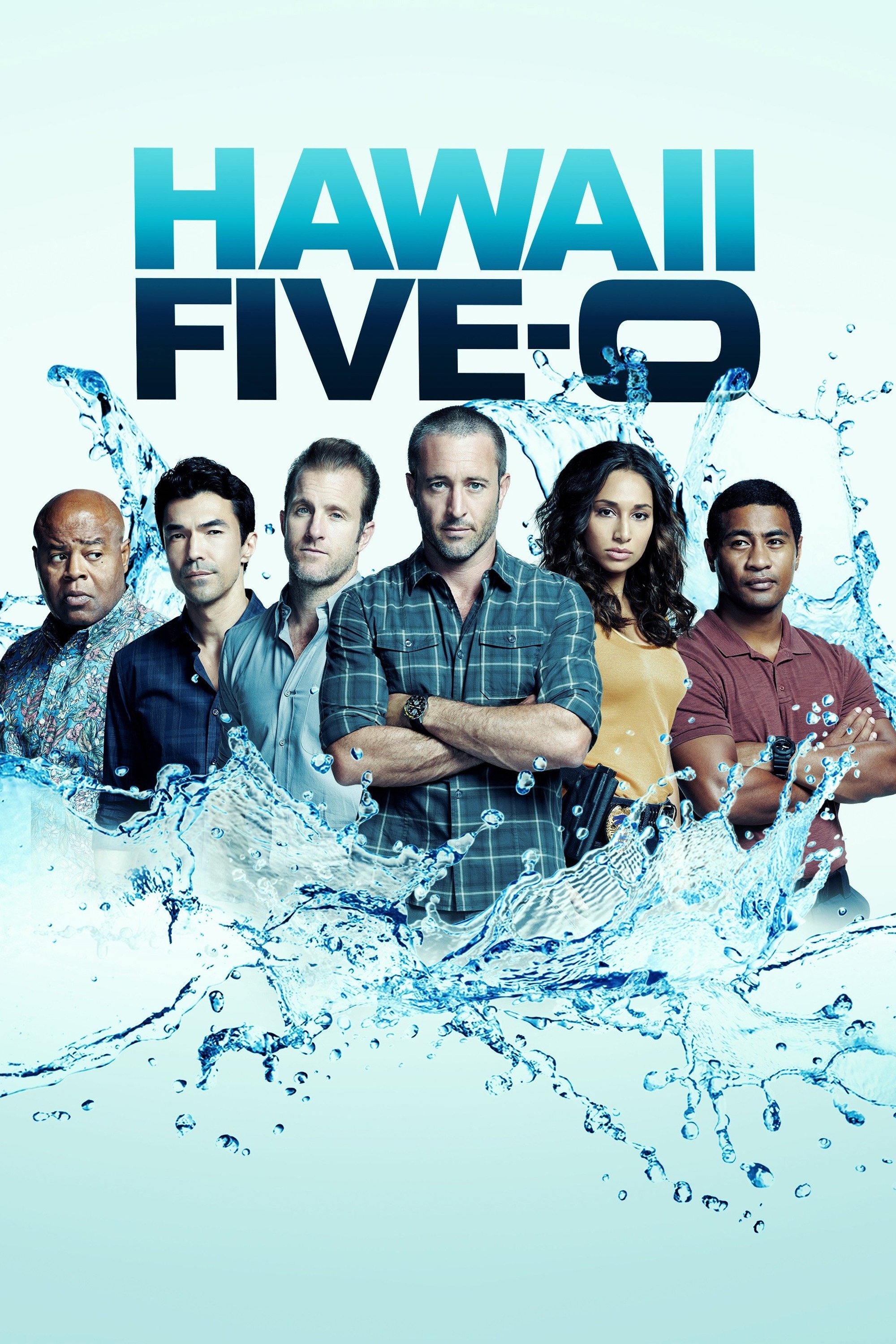
The CBS reboot of ‘Hawaii Five-0’ faced intense criticism for its lack of Native Hawaiian actors in leading roles and for pay disparities among its cast. Daniel Dae Kim and Grace Park eventually left the series after reports surfaced that they were being paid less than their white co-stars. Furthermore, the show was accused of using Hawaii as a backdrop while failing to authentically represent the indigenous community in its casting choices. Critics argued that the production appropriated the island’s culture without providing equitable opportunities for local actors.
‘Marco Polo’ (2014–2016)
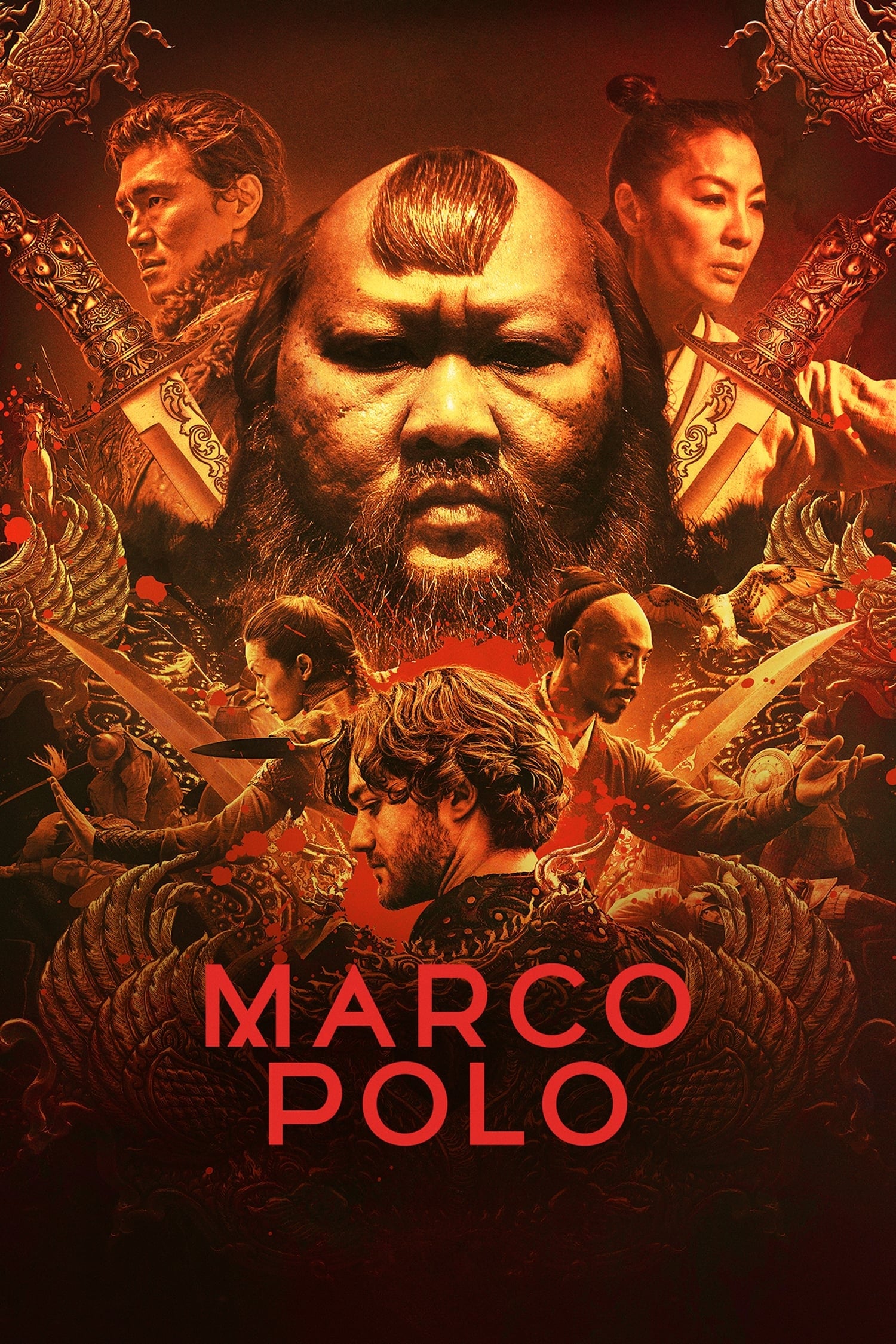
Despite its setting in the Mongol Empire, the Netflix series ‘Marco Polo’ was criticized for centering its narrative on a white European protagonist. Many viewers felt that the show appropriated Asian history and culture to tell a story through a “white gaze” lens. While the supporting cast featured many talented Asian actors, critics argued that the framing of the series relegated them to secondary roles. The decision to prioritize a Western perspective in a story about Eastern royalty was seen by some as an outdated casting strategy.
‘Shōgun’ (1980)

The original miniseries ‘Shōgun’ was blamed for appropriating Japanese culture by focusing entirely on the perspective of the English pilot John Blackthorne. While the production was filmed in Japan and featured many Japanese actors, critics argued that it treated the local culture as an exotic curiosity. The dialogue often left Japanese speech untranslated to emphasize the protagonist’s alienation, which some felt dehumanized the local characters. Modern assessments often compare this version unfavorably to more recent adaptations that offer more agency to Japanese roles.
‘F Troop’ (1965–1967)
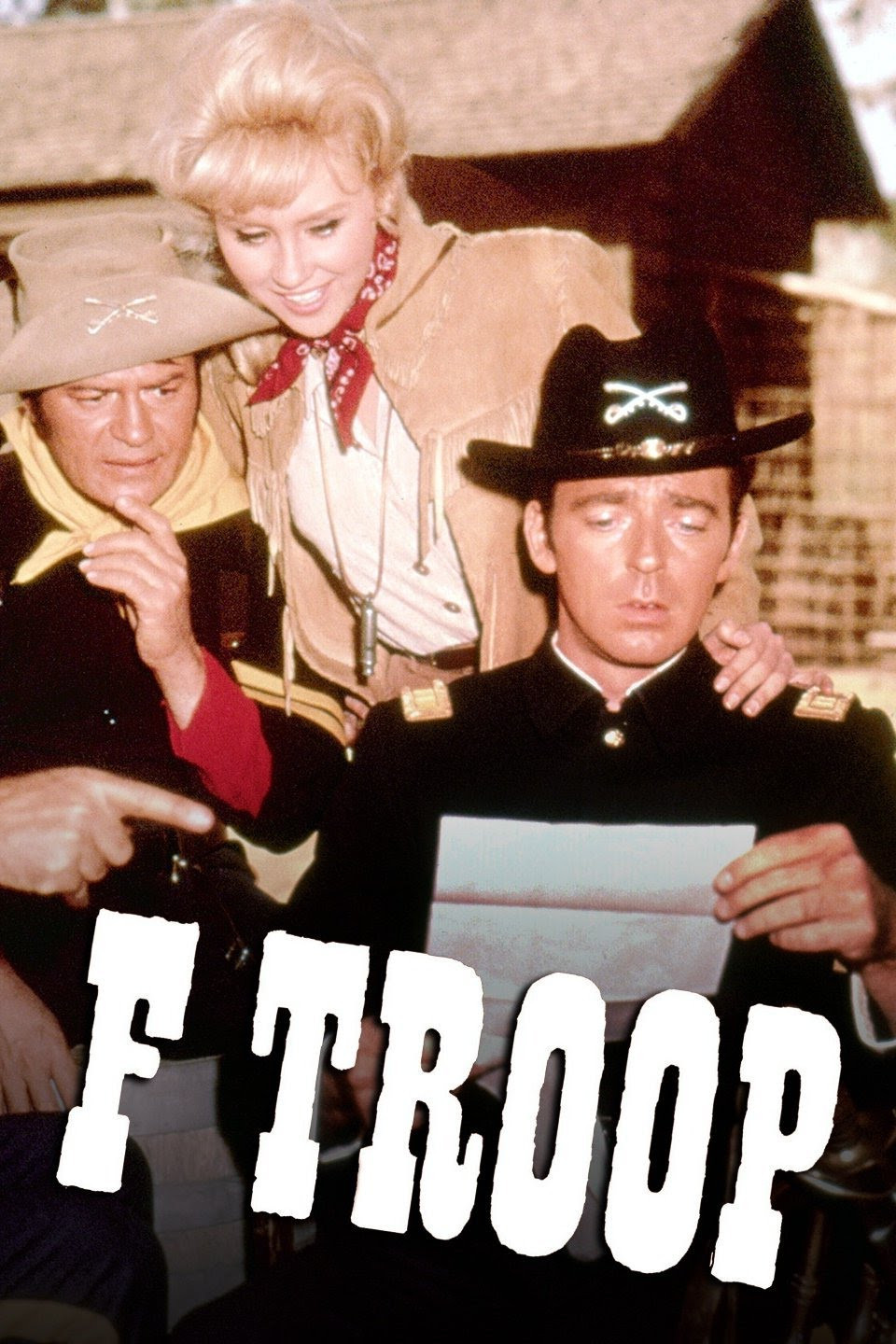
This 1960s sitcom ‘F Troop’ featured several white actors in the roles of Native Americans belonging to the fictional Hekawi tribe. The characters were portrayed using “redface” makeup and spoke in broken English for comedic effect, which is now viewed as deeply offensive. Critics argue that the show appropriated and mocked indigenous cultures to create a caricature for Western audiences. The casting choices and the writing combined to perpetuate harmful stereotypes that were common in the television landscape of that era.
‘The Lone Ranger’ (1949–1957)
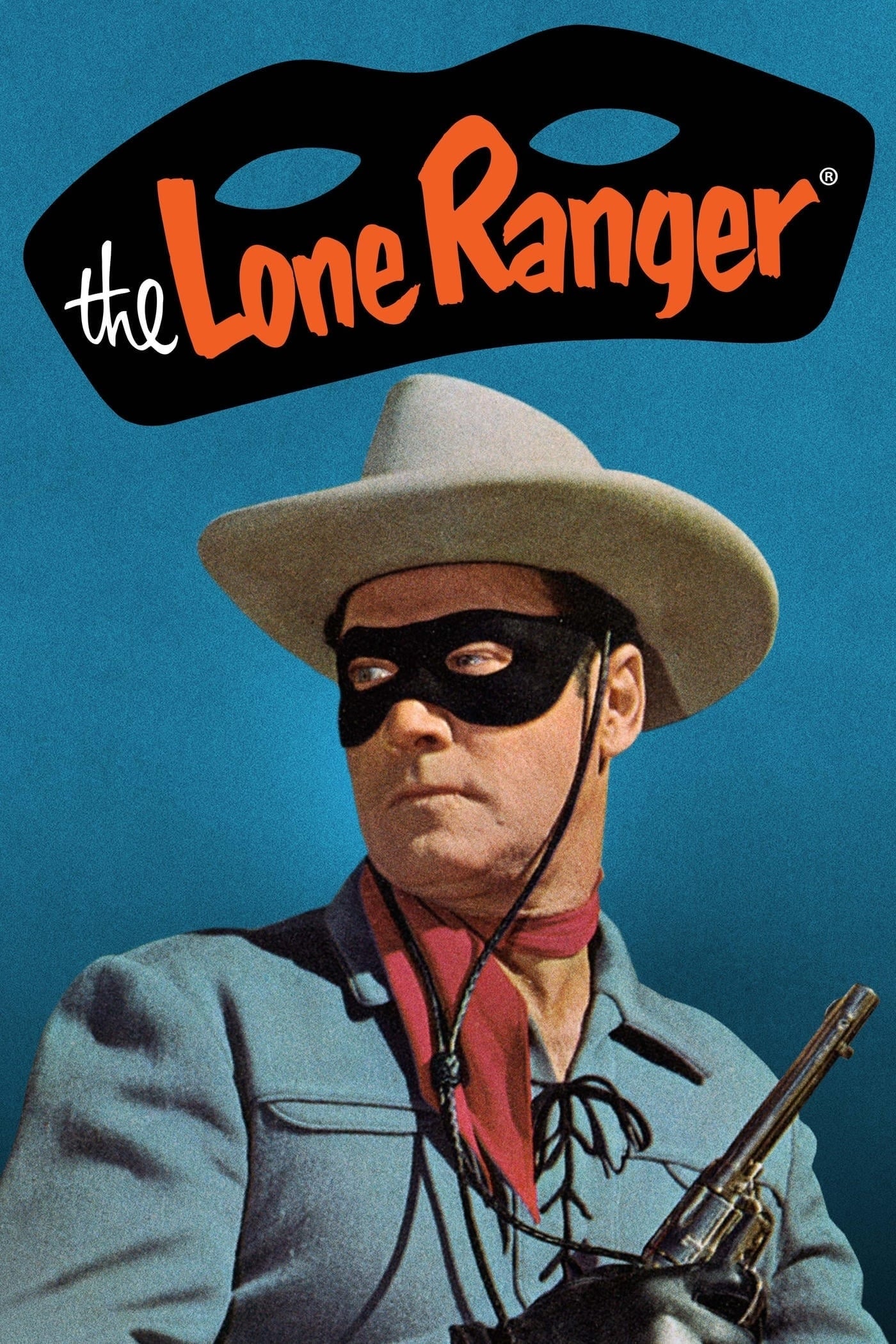
While Jay Silverheels, a Mohawk actor, played the role of Tonto, the character itself has long been criticized as a product of cultural appropriation and stereotyping. Tonto was often depicted as a subservient sidekick whose broken English and generic “Indian” traits were designed for white audiences. Critics argue that even with an indigenous actor in the role, ‘The Lone Ranger’ appropriated a flattened version of Native culture to support a white hero. This dynamic has been re-examined in every subsequent adaptation of the story to address its racial implications.
‘I Dream of Jeannie’ (1965–1970)
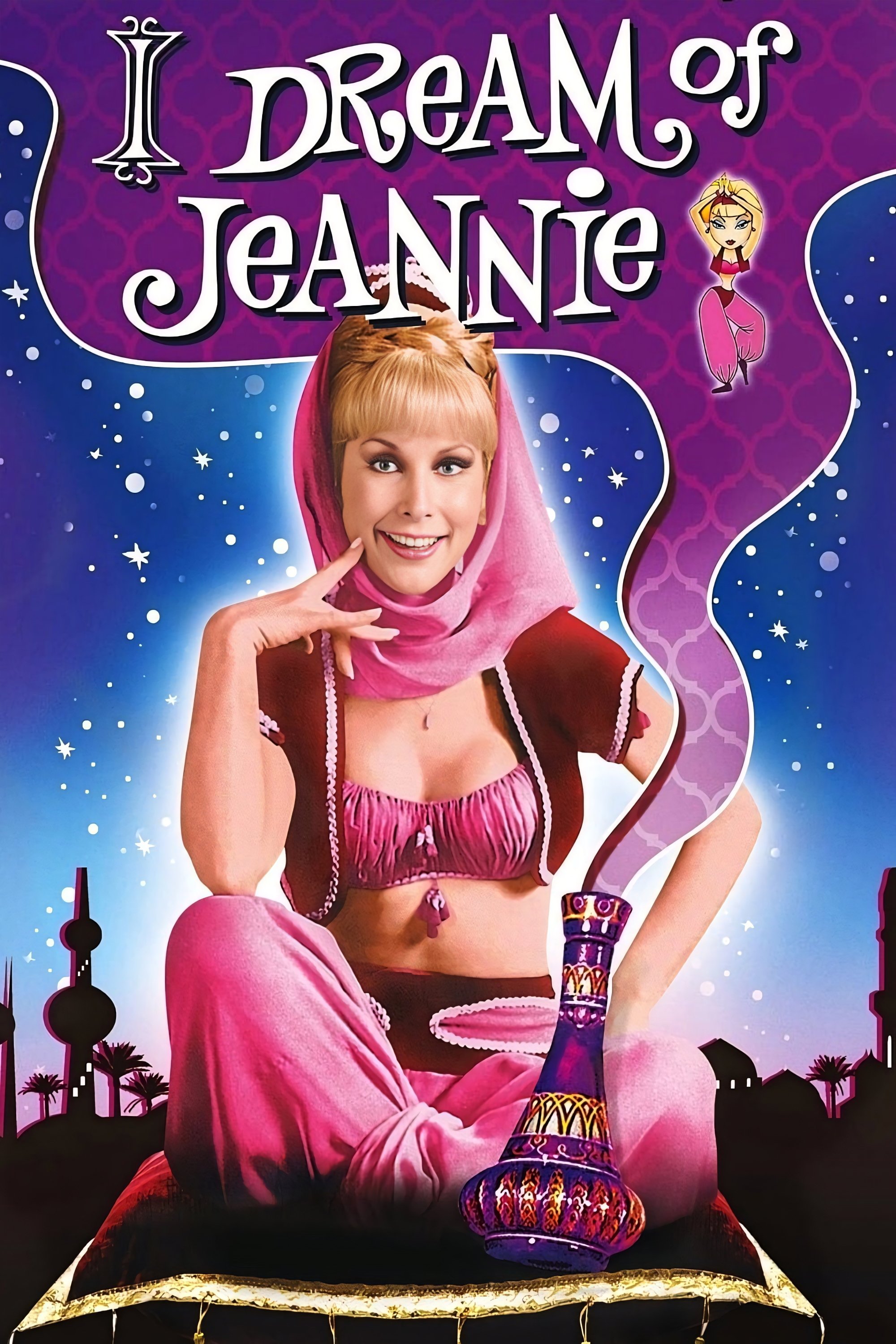
The series featured Barbara Eden as a genie from a vague, stereotypical Middle Eastern background. While ‘I Dream of Jeannie’ was a fantasy comedy, critics have pointed out that it appropriated Middle Eastern aesthetics and mythology without any authentic cultural input. The casting of a blonde, blue-eyed actress as a character from ancient Baghdad was seen as a form of cultural erasure. The costumes and sets relied on “Orientalist” tropes that simplified and exoticized the region’s diverse history for a Western audience.
‘Bonanza’ (1959–1973)
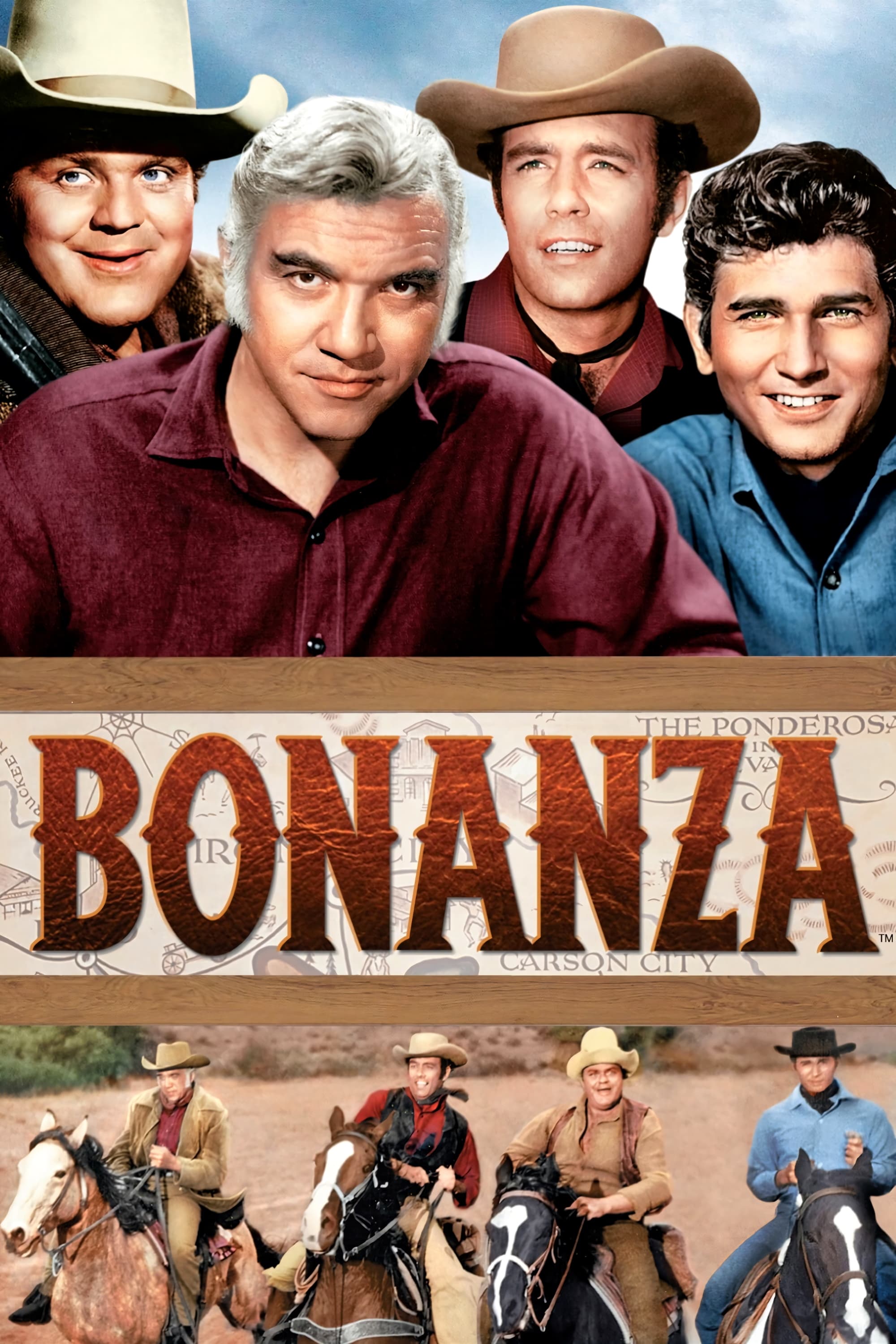
The long-running Western ‘Bonanza’ featured Victor Sen Yung in the role of Hop Sing, the Cartwright family’s cook. While Sen Yung was of Chinese descent, the character was written as a subservient, heavily accented stereotype that critics argue appropriated Chinese identity for comic relief. The role frequently relied on tropes of the “loyal servant” and lacked any real character development or cultural depth. Many viewers have since criticized the show for failing to provide a dignified or authentic portrayal of the Chinese-American experience.
‘Dr. Quinn, Medicine Woman’ (1993–1998)

‘Dr. Quinn, Medicine Woman’ often included storylines involving the Cheyenne people, but the casting and portrayal were frequently criticized by indigenous advocates. While some Native actors were used, critics argued that the show often homogenized different tribes and used white actors for background roles in “redface.” The series was accused of appropriating Native American spirituality and trauma to serve the emotional arc of its white female protagonist. Although it attempted to be socially conscious, its execution often fell into the trap of the “noble savage” trope.
‘The 100’ (2014–2020)
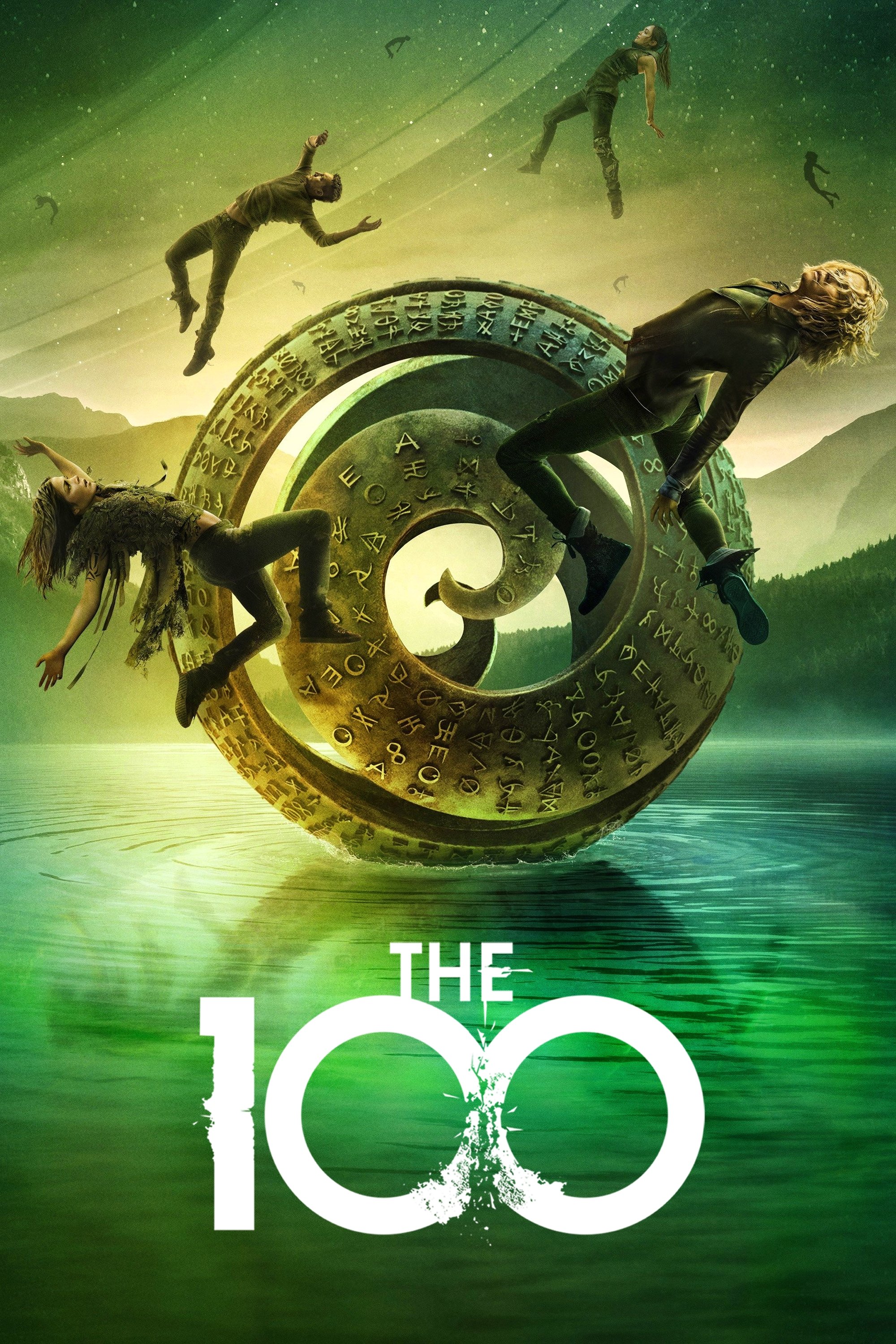
The depiction of the “Grounder” culture in ‘The 100’ was met with accusations of cultural appropriation regarding its aesthetics. Critics pointed out that the Grounders, mostly played by white actors, wore dreadlocks and war paint that resembled indigenous and Black cultures. This aesthetic was seen as an appropriation of tribal identities without acknowledging the real-world histories associated with those symbols. The show was also criticized for its narrative structure, where white protagonists often dictated the fate of these tribal groups.
‘Come Fly with Me’ (2010–2011)
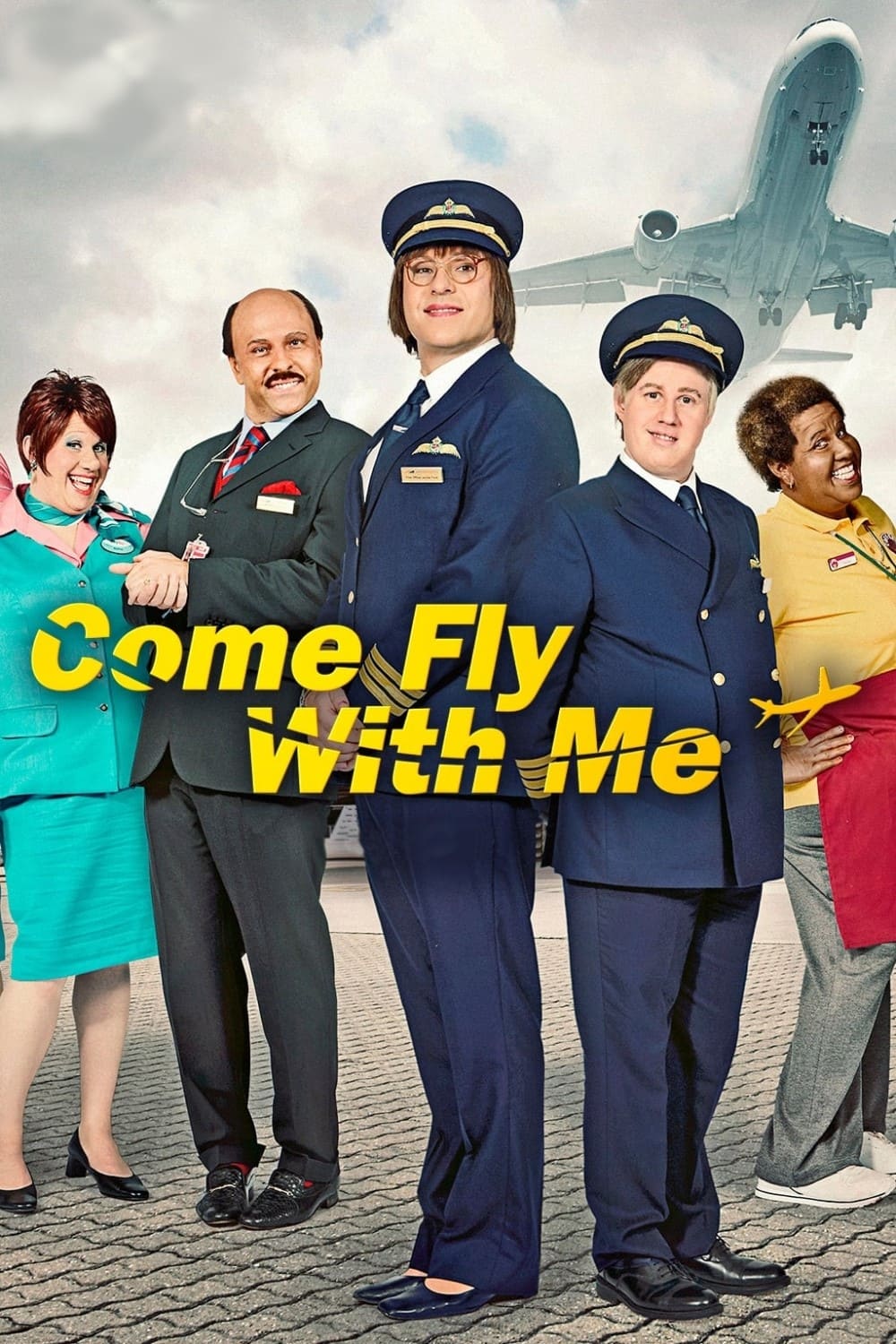
Matt Lucas and David Walliams created this airport-set sketch show which utilized extensive blackface, brownface, and yellowface. The actors portrayed characters of Pakistani, Black, and Japanese descent, using makeup and prosthetics to change their appearances. ‘Come Fly with Me’ was condemned for its reliance on racial stereotypes and for appropriating diverse identities for mockery. In 2020, Netflix and the BBC removed the series from their platforms due to these concerns about offensive and appropriated content.
‘Walker, Texas Ranger’ (1993–2001)
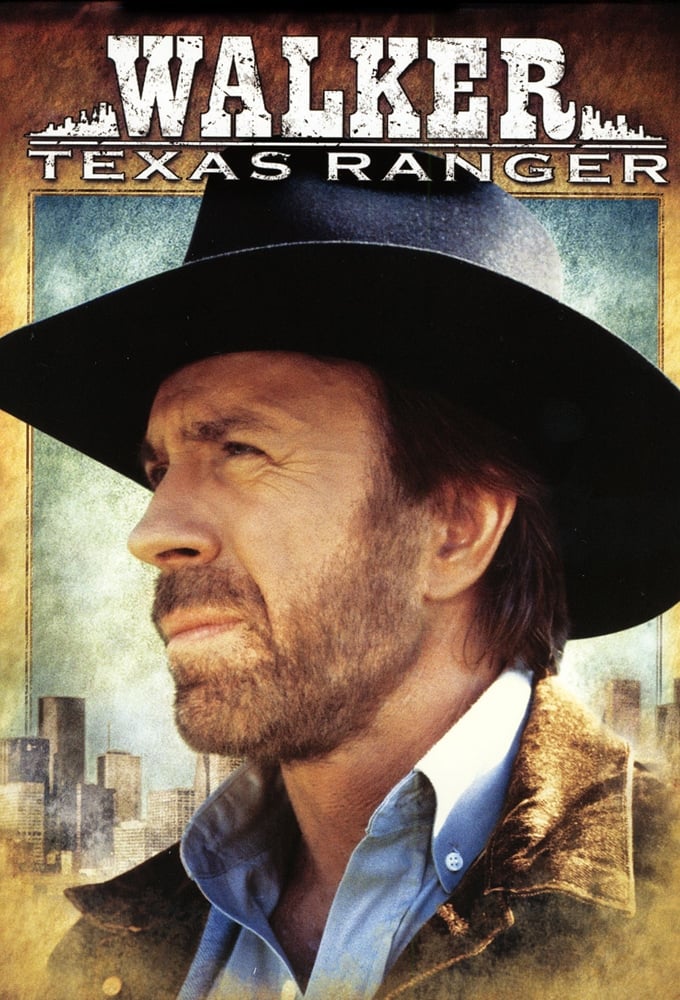
Chuck Norris’s character in ‘Walker, Texas Ranger’ was frequently depicted as having a deep connection to Native American culture, including a Native mentor and the use of indigenous symbols. Critics argued that the show appropriated these elements to give the protagonist a sense of spiritual authority and “mystical” prowess. While Norris has claimed some Cherokee ancestry, many felt the show’s portrayal of indigenous traditions was shallow and stereotypical. The use of Native culture as a plot device for a white hero’s development remains a recurring point of criticism.
‘Arrow’ (2012–2020)
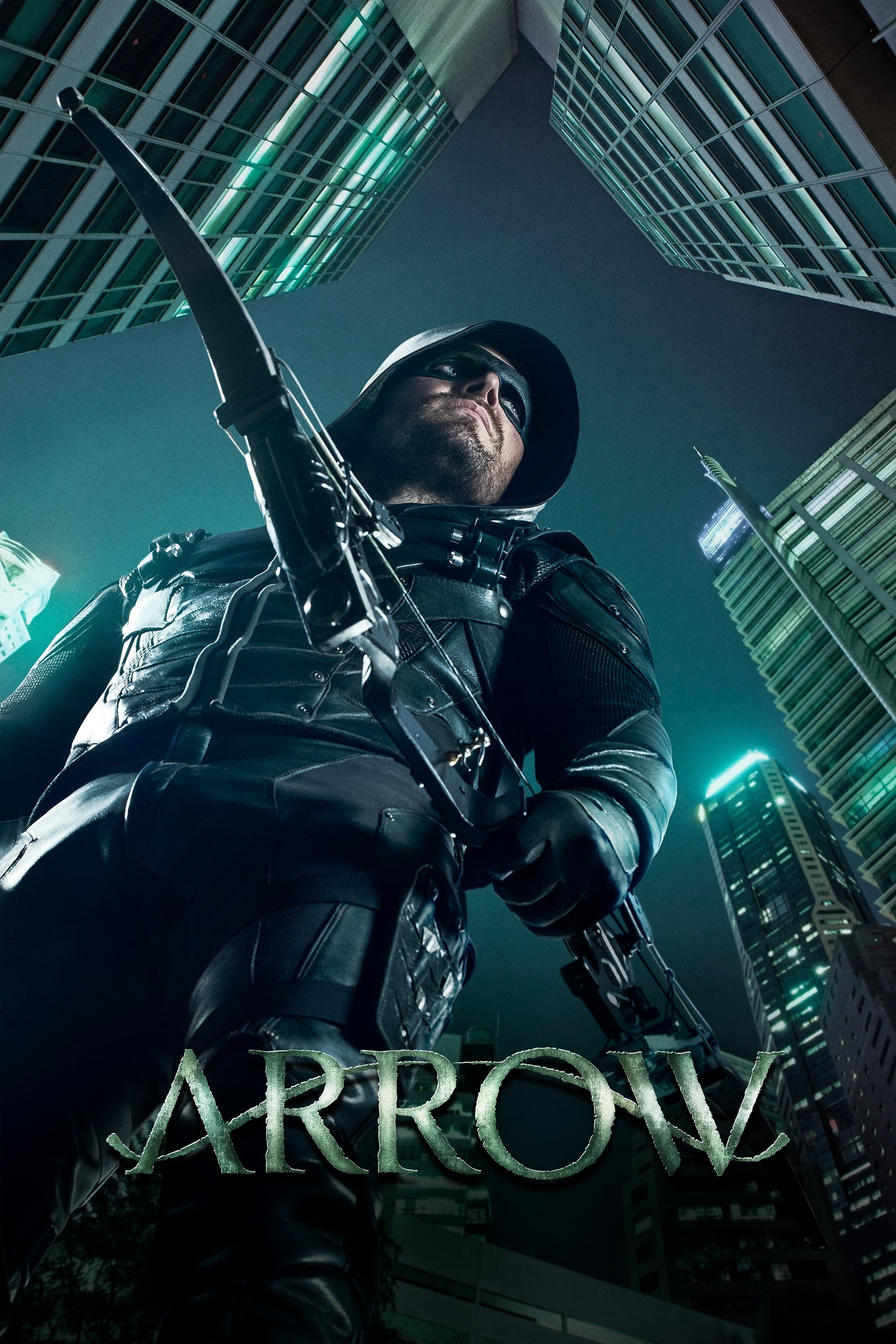
The CW series ‘Arrow’ faced criticism for its casting of the iconic villain Ra’s al Ghul, played by Australian actor Matt Nable. In the source material, Ra’s al Ghul is of Arabian and North African descent, and his name is Arabic for “Head of the Demon.” By casting a white actor, the show was accused of whitewashing a character deeply rooted in Middle Eastern identity. Critics argued that this was a form of cultural appropriation where the character’s mystical trappings were kept while his actual heritage was erased.
‘The White Lotus’ (2021–)
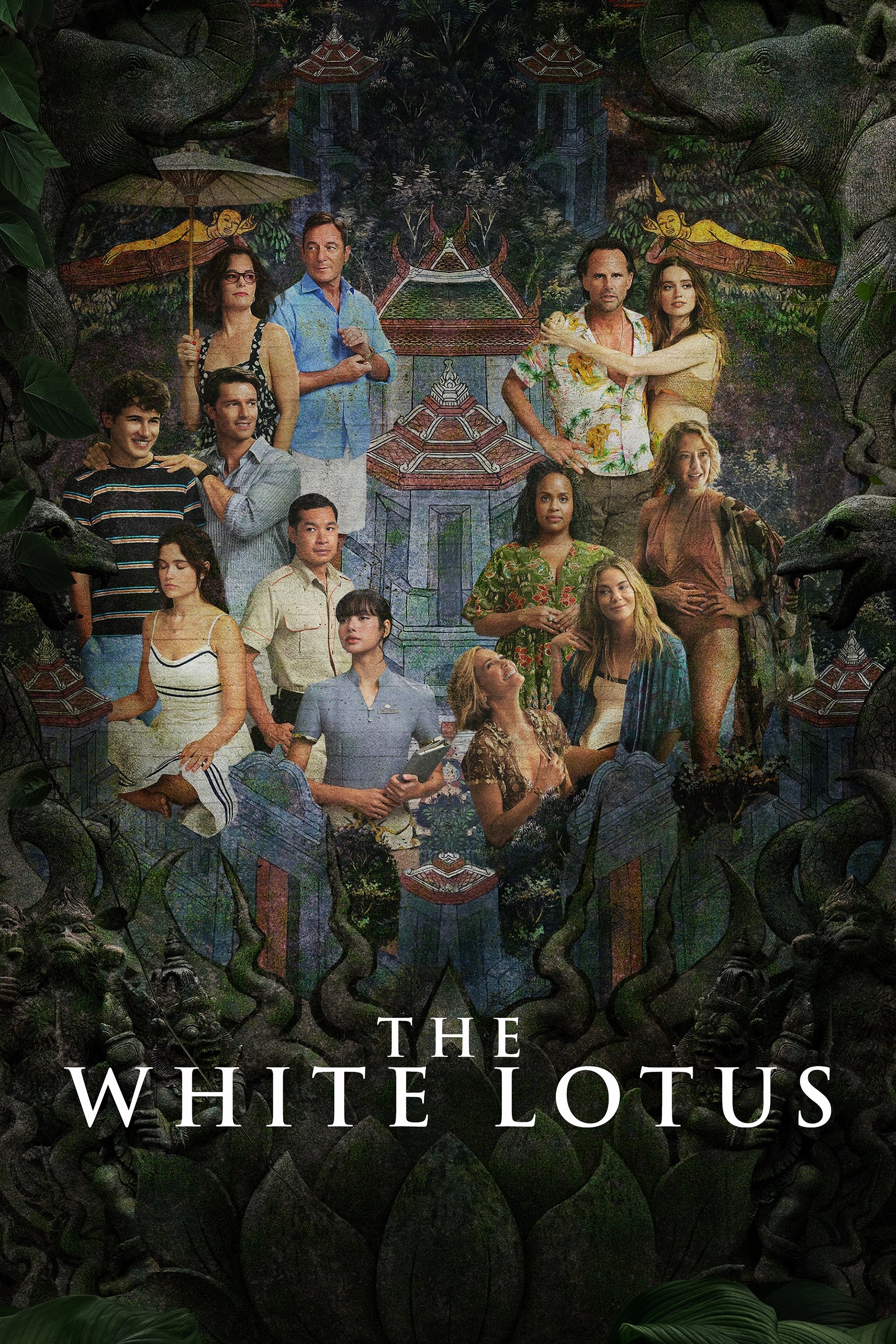
The first season of ‘The White Lotus’ was set in Hawaii and was criticized for its focus on wealthy white guests at the expense of Native Hawaiian perspectives. While the show was a satire of privilege, critics argued that the casting of the Hawaiian characters felt secondary and that the show appropriated the “aloha” aesthetic. The storyline involving a Native employee was seen by some as a tragic plot point that primarily served the emotional needs of the white guests. Discussions arose regarding whether a show about colonialism can truly be effective without centering the voices of the colonized.
‘Cobra Kai’ (2018–)
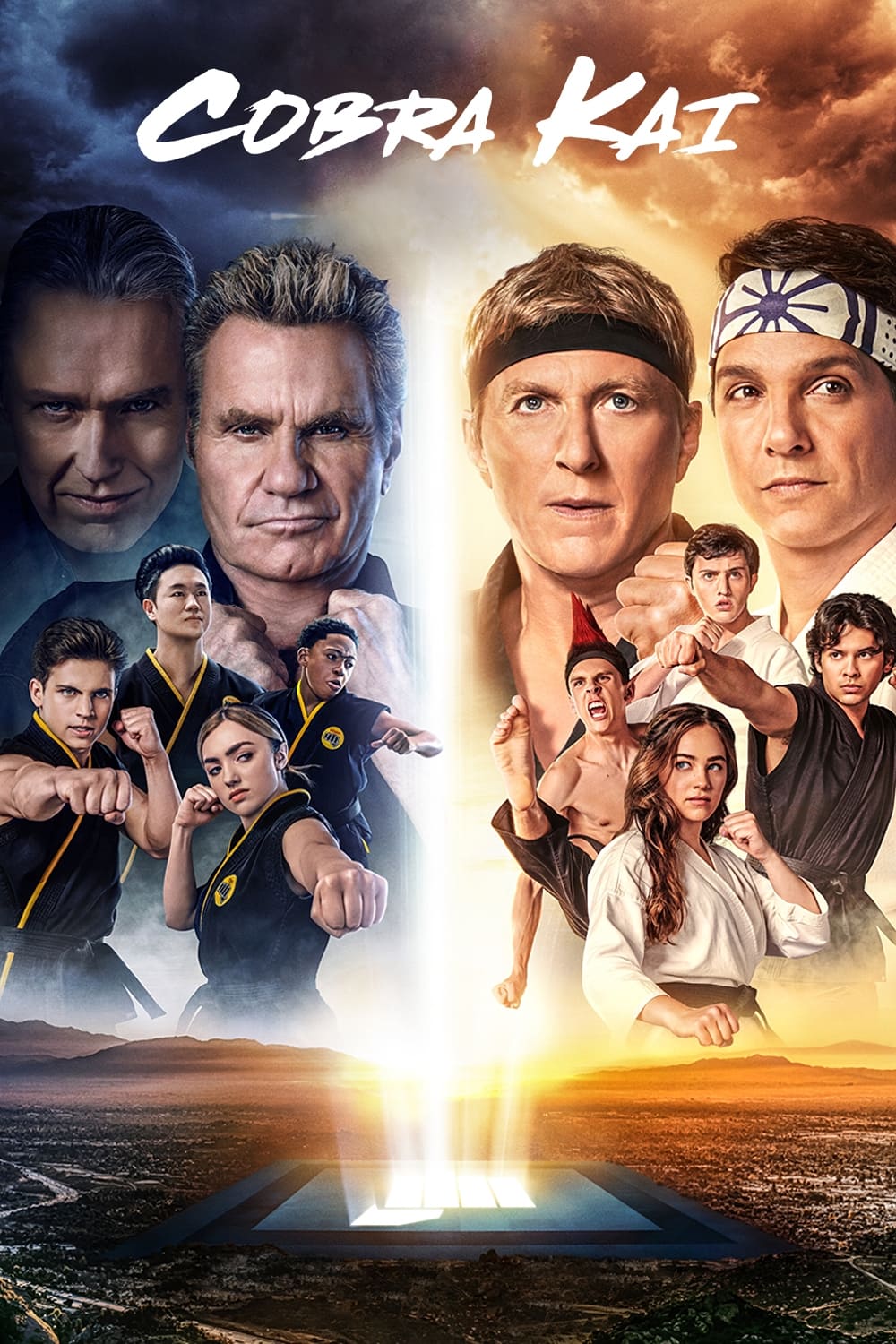
In its early seasons, ‘Cobra Kai’ was criticized for lacking Asian leads despite its premise being based on the legacy of Japanese martial arts. Critics pointed out that the show focused heavily on the rivalry between the white protagonists while Okinawan culture was relegated to the background. While the series later introduced more Asian characters and traveled to Okinawa, the initial casting was seen by some as a form of cultural appropriation. The show’s reliance on the wisdom of Mr. Miyagi was also scrutinized for how it utilized the character’s image.
‘Community’ (2009–2015)
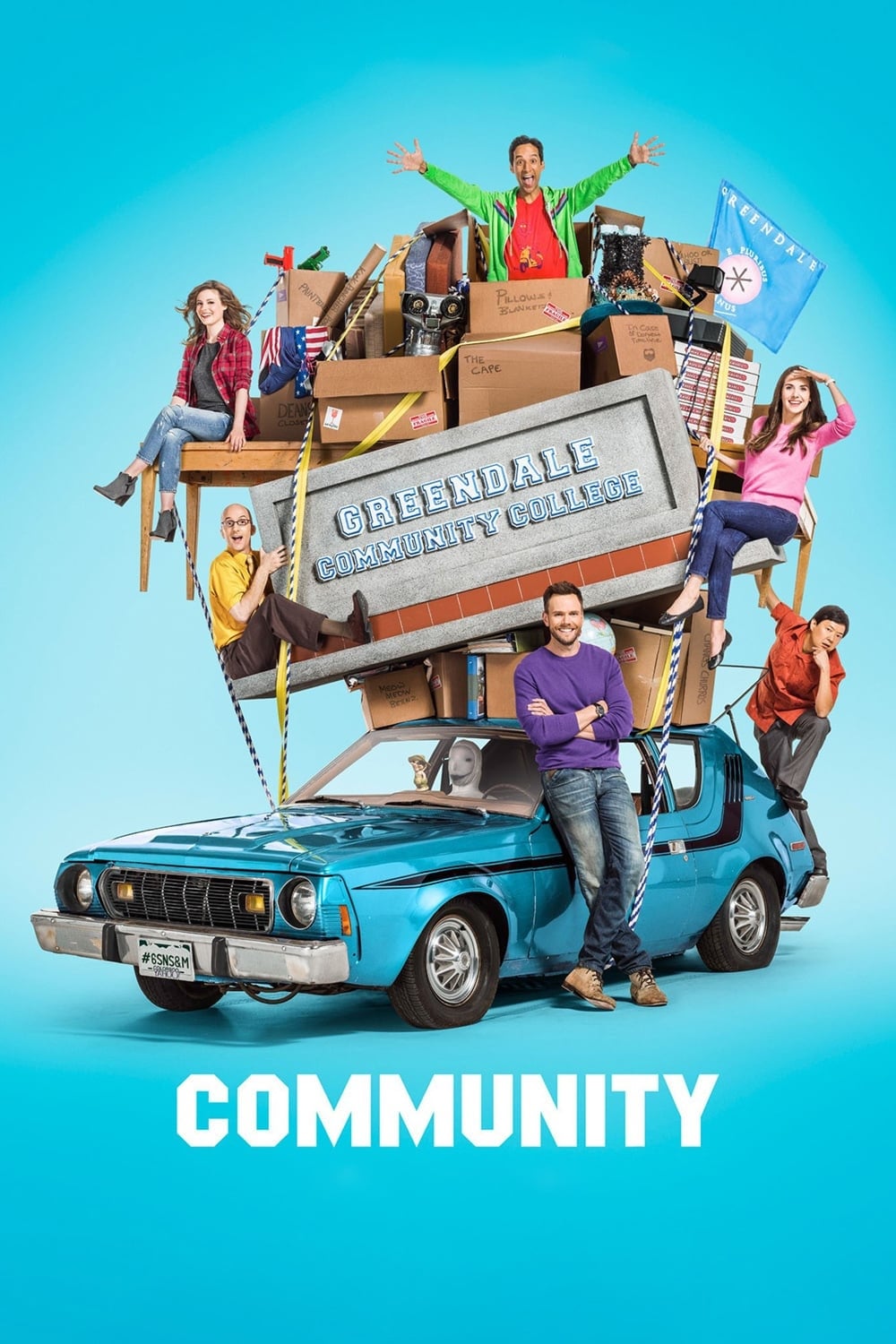
The episode ‘Advanced Dungeons & Dragons’ in ‘Community’ was removed from streaming platforms because a cast member appeared in “dark elf” makeup. Although the character was playing a fantasy creature, the makeup was visually similar to blackface and was criticized for its racial insensitivity. Critics argued that the use of such imagery, even in a fantasy context, was a form of appropriation that ignored the painful history of racial caricatures. Creator Dan Harmon eventually acknowledged that the joke was a mistake in the context of modern racial representation.
‘The Office’ (2005–2013)
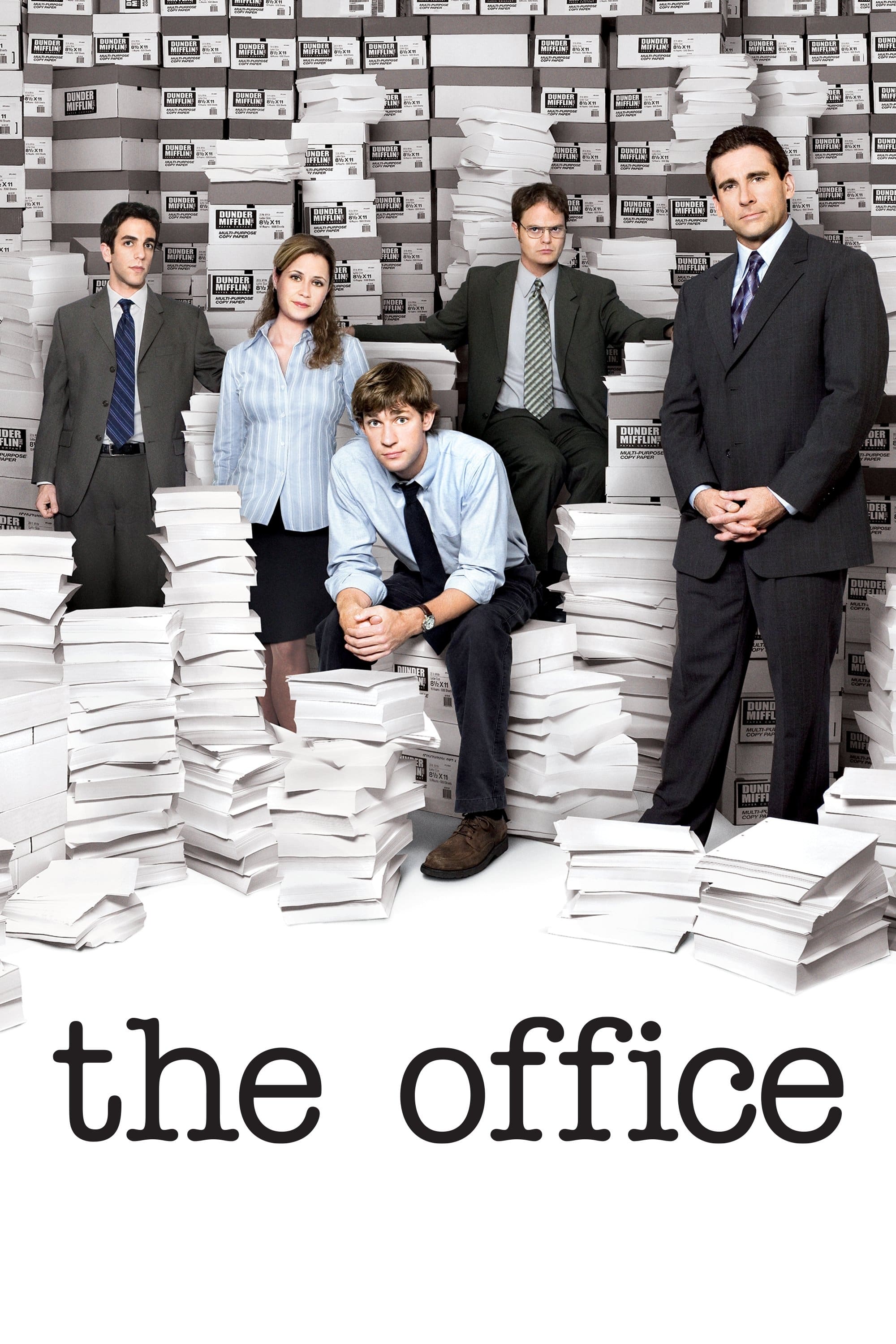
The episode ‘Dwight’s Christmas’ in ‘The Office’ featured a character dressed as Zwarte Piet, a Dutch tradition that involves blackface. While the show intended to mock the character Dwight Schrute’s bizarre family traditions, the use of the imagery was highly controversial. Critics argued that depicting the practice, even as the butt of a joke, appropriated and normalized a racist tradition. In 2020, showrunner Greg Daniels edited the episode to remove the imagery, expressing regret for its inclusion in the series.
‘Entourage’ (2004–2011)
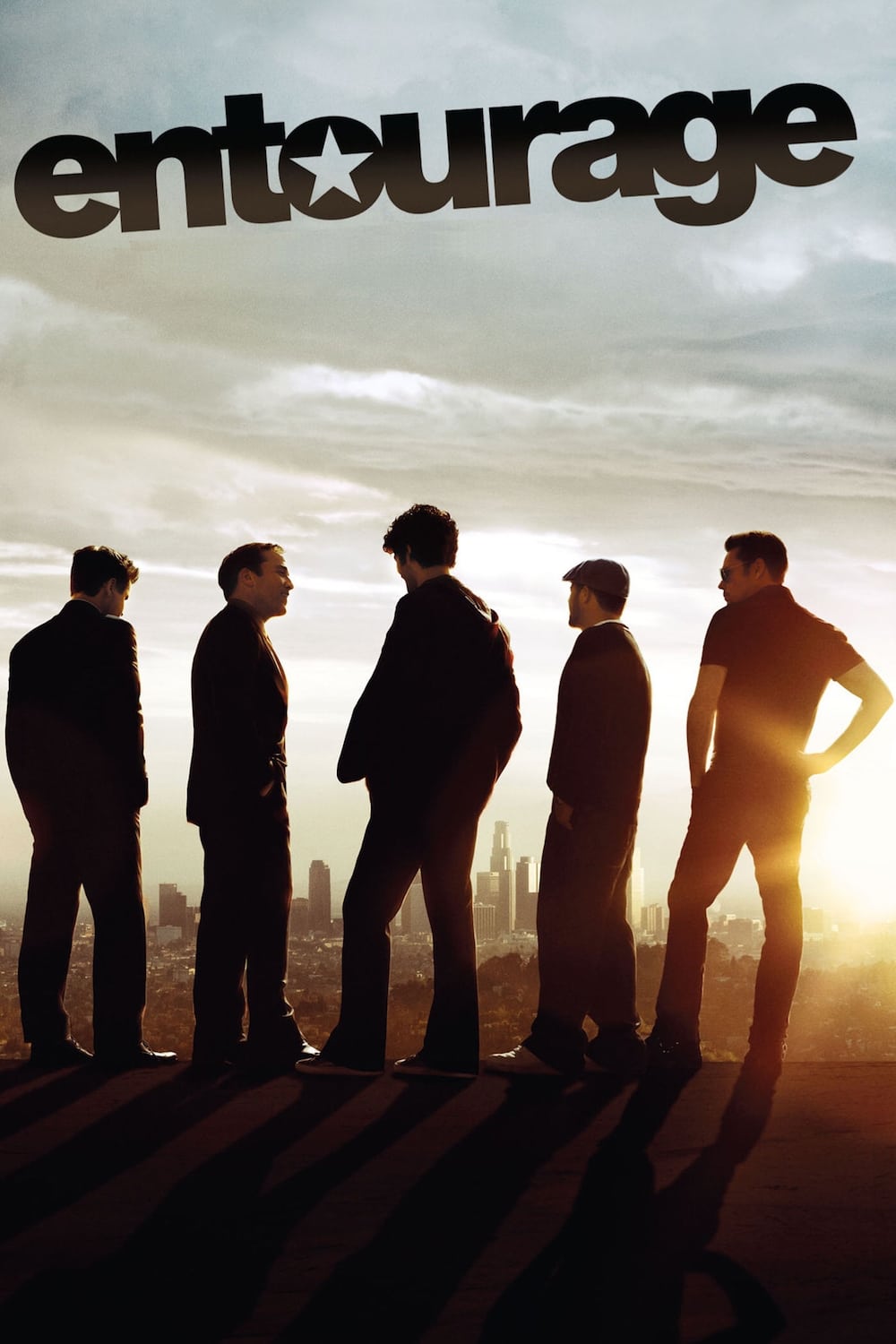
The show ‘Entourage’ featured a plotline where the protagonist stars in a biopic about the Colombian drug lord Pablo Escobar titled ‘Medellin.’ For the role, actor Adrian Grenier wore “brownface” makeup and a prosthetic bodysuit to appear more like the historical figure. Critics argued that this was a blatant form of cultural appropriation and a mockery of Latino identity for a Hollywood satire. The storyline was intended to show the character’s artistic failure, but the use of racialized makeup was seen as crossing a line into offensive territory.
Please share your perspective on these casting controversies in the comments.