


TV Shows Criticized for Tokenizing Asian Characters Yet Still Succeeded

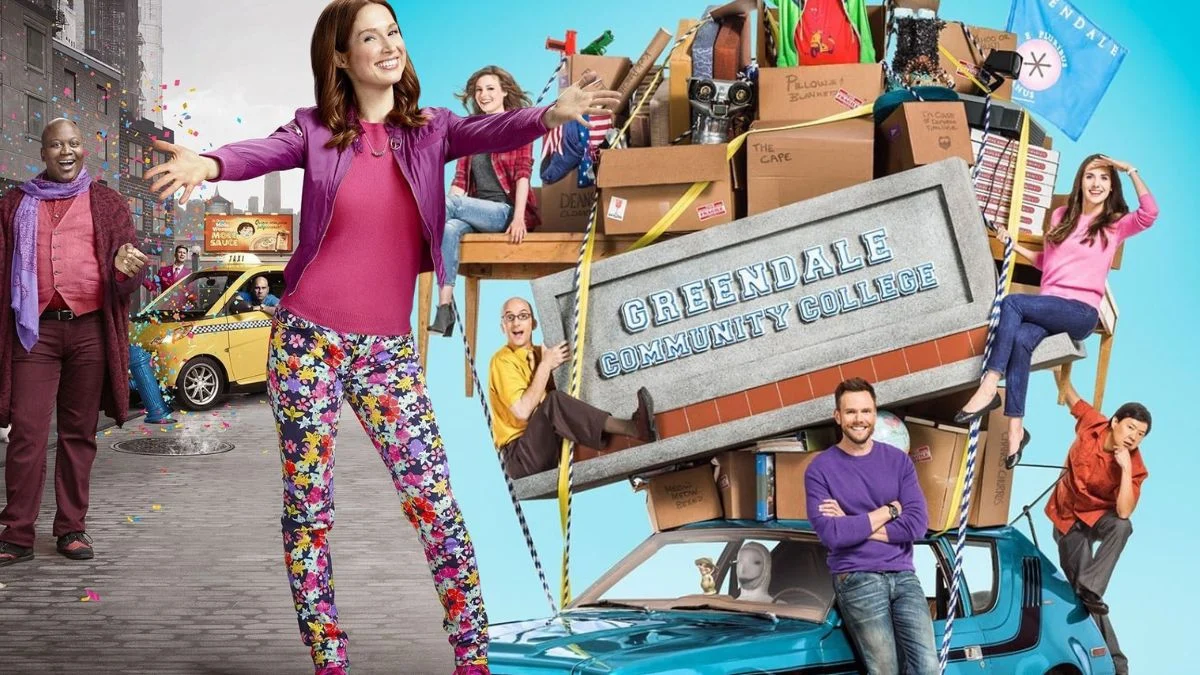


TV shows have a long history of including Asian characters who serve primarily as plot devices or comic relief. These series achieved massive commercial success despite relying on stereotypes that marginalized their Asian cast members. Critics and audiences have revisited these programs to highlight how they utilized tokenism instead of authentic representation. The following series faced backlash for their treatment of Asian characters while maintaining high ratings and cultural dominance.
‘The Simpsons’ (1989–Present)
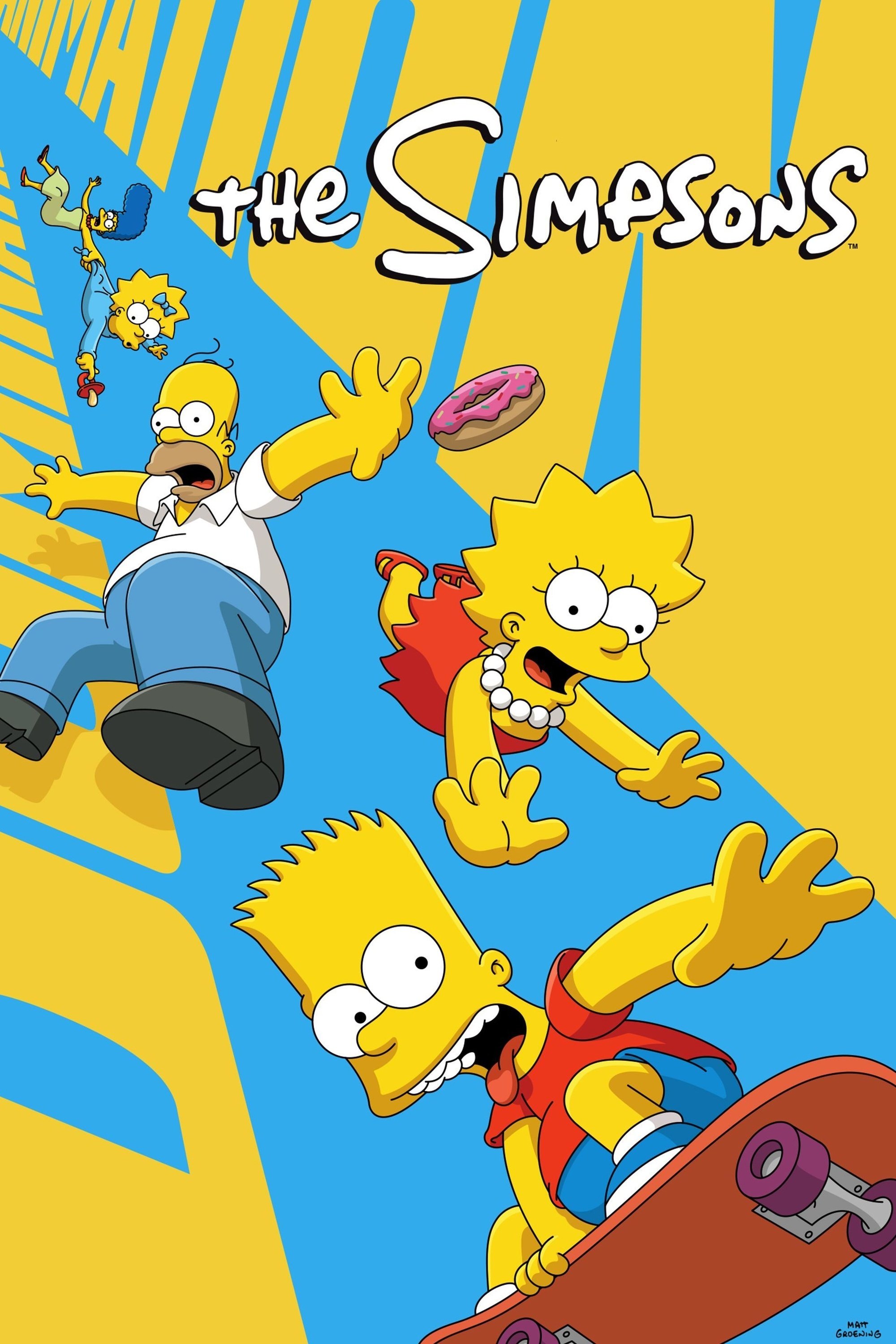
This animated sitcom faced significant scrutiny regarding the character Apu Nahasapeemapetilon. Apu was voiced by a white actor and defined largely by his occupation as a convenience store clerk. The character became the subject of a documentary titled ‘The Problem with Apu’ which analyzed the harm caused by this representation. The show eventually announced that white actors would no longer voice non-white characters after years of public debate.
‘The Big Bang Theory’ (2007–2019)
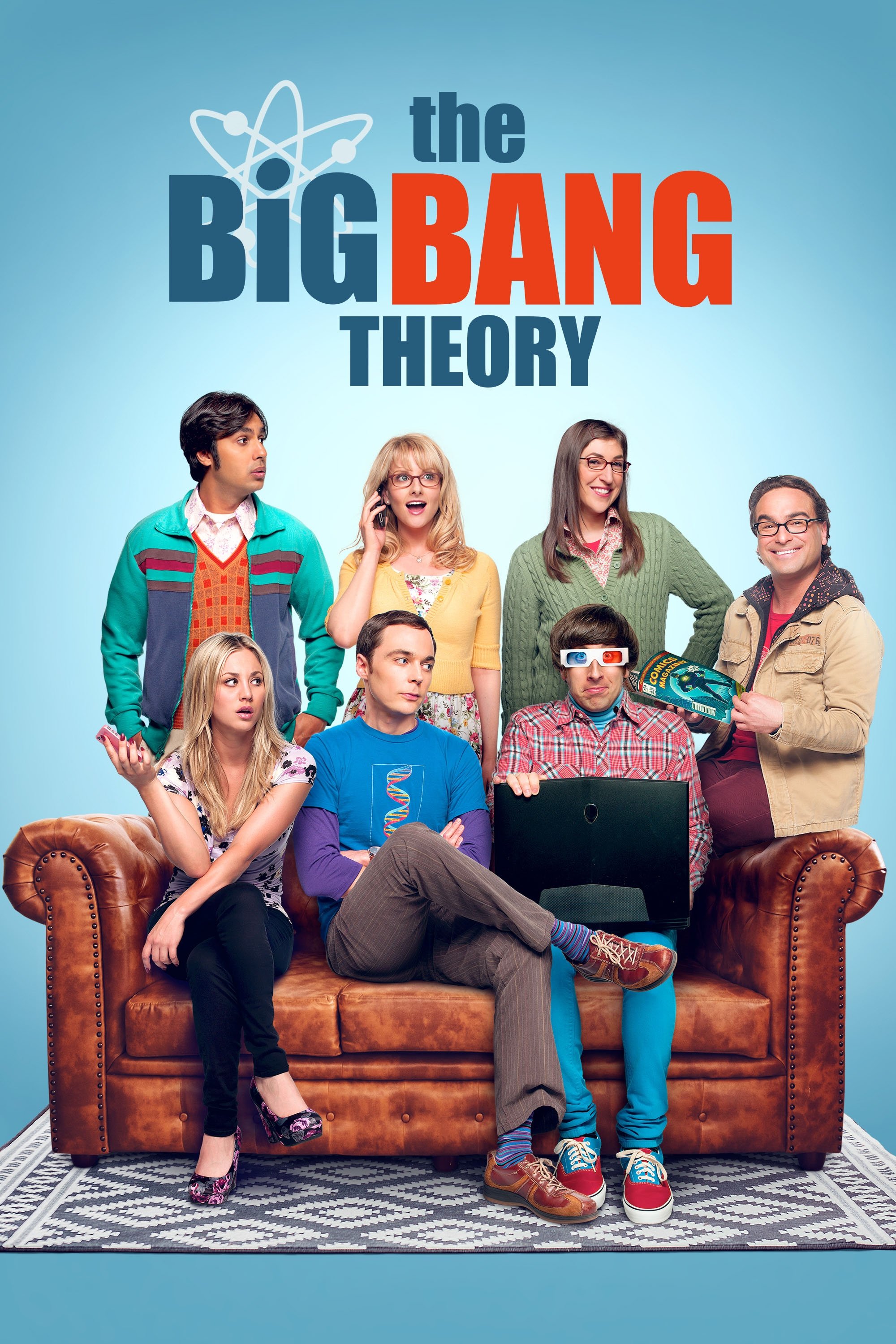
Raj Koothrappali appeared in every season yet frequently served as the butt of jokes regarding his Indian heritage. The writers initially gave him a condition called selective mutism that prevented him from speaking to women unless intoxicated. Critics pointed out that his storylines often revolved around arranged marriages or his exoticized background. His character struggled to find the same romantic fulfillment or professional respect as his white counterparts.
‘2 Broke Girls’ (2011–2017)

Han Lee was the owner of the diner where the main characters worked and faced constant ridicule. The dialogue frequently targeted his height and his accent for cheap laughs. Critics argued that the show relied on emasculating stereotypes to generate humor at his expense. Han was rarely given storylines that did not involve the other characters mocking his appearance or culture.
‘Glee’ (2009–2015)
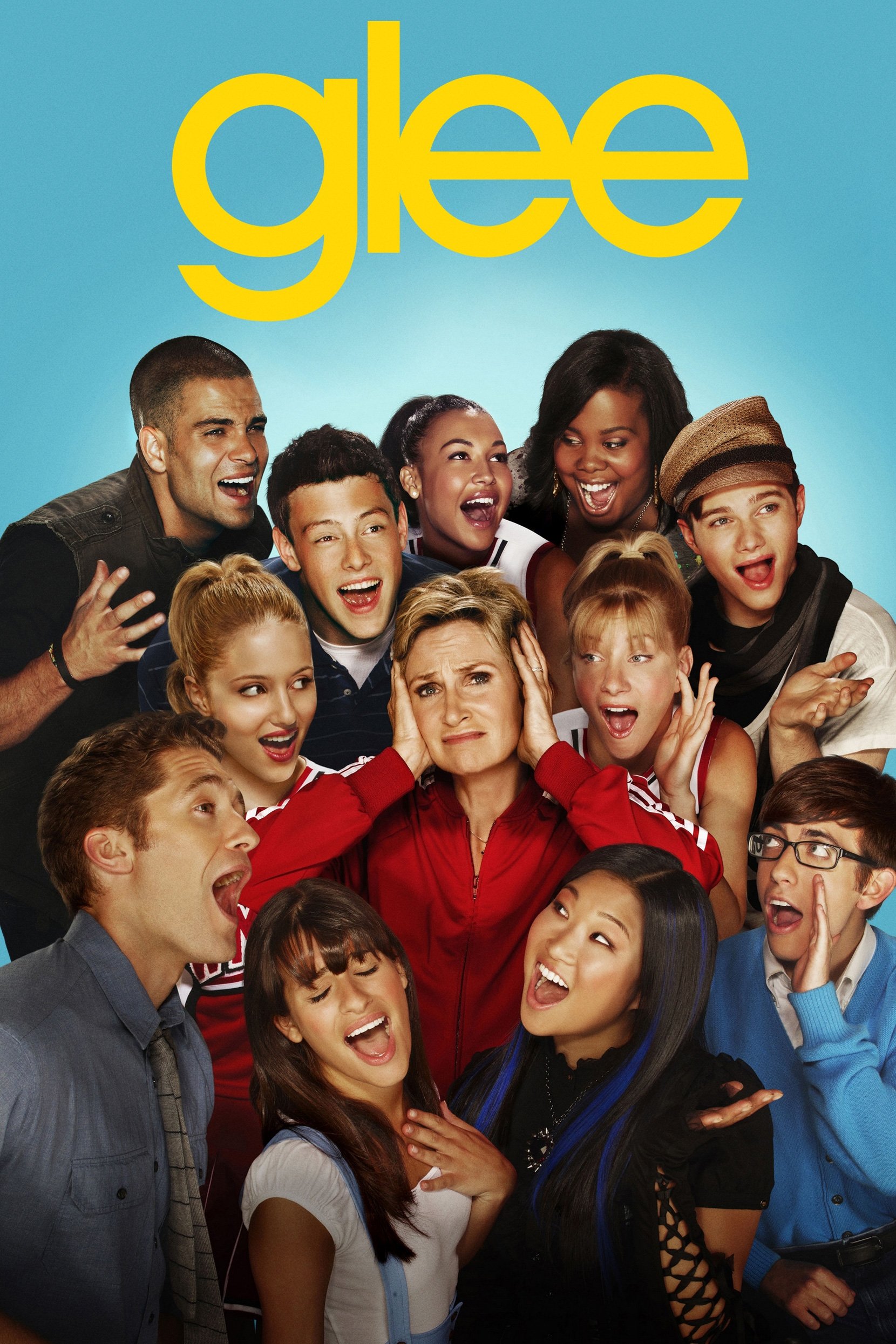
Tina Cohen-Chang and Mike Chang were original cast members who often found themselves sidelined in favor of white leads. The show utilized tropes such as the strict Asian parent or the silent dancer for these characters. Tina was frequently used as a prop for other characters’ emotional arcs rather than having her own compelling narratives. Even when given solos or storylines the series often reverted to jokes about their heritage.
‘Gilmore Girls’ (2000–2007)
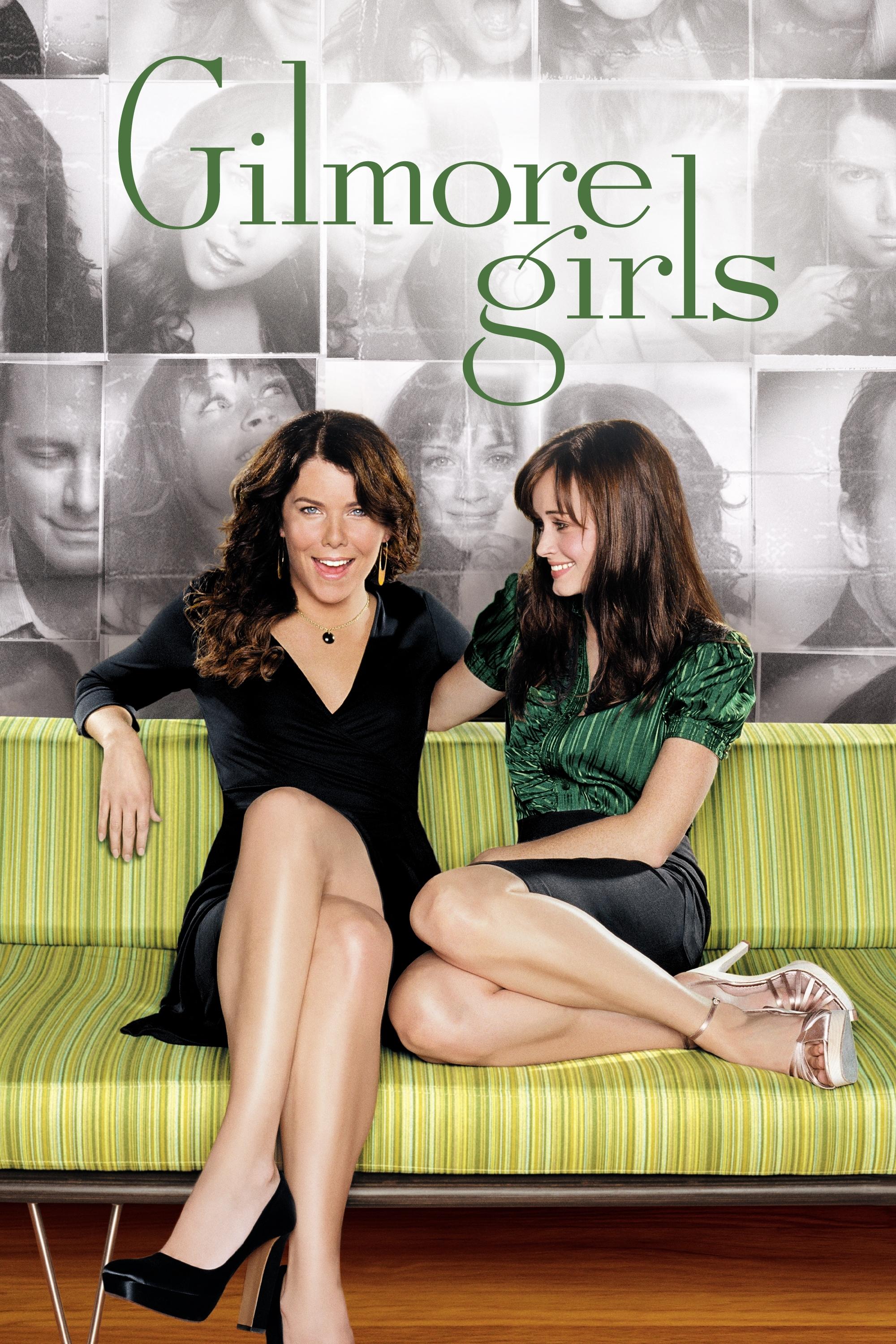
Lane Kim was the best friend of the protagonist but her life was defined by a restrictive tiger mom stereotype. Fans criticized the show for giving Lane a disappointing ending where she essentially became her mother. Her potential as a rock musician was cut short by an unexpected pregnancy and marriage. The show failed to allow her to break free from the strict expectations she spent the entire series fighting.
‘Silicon Valley’ (2014–2019)
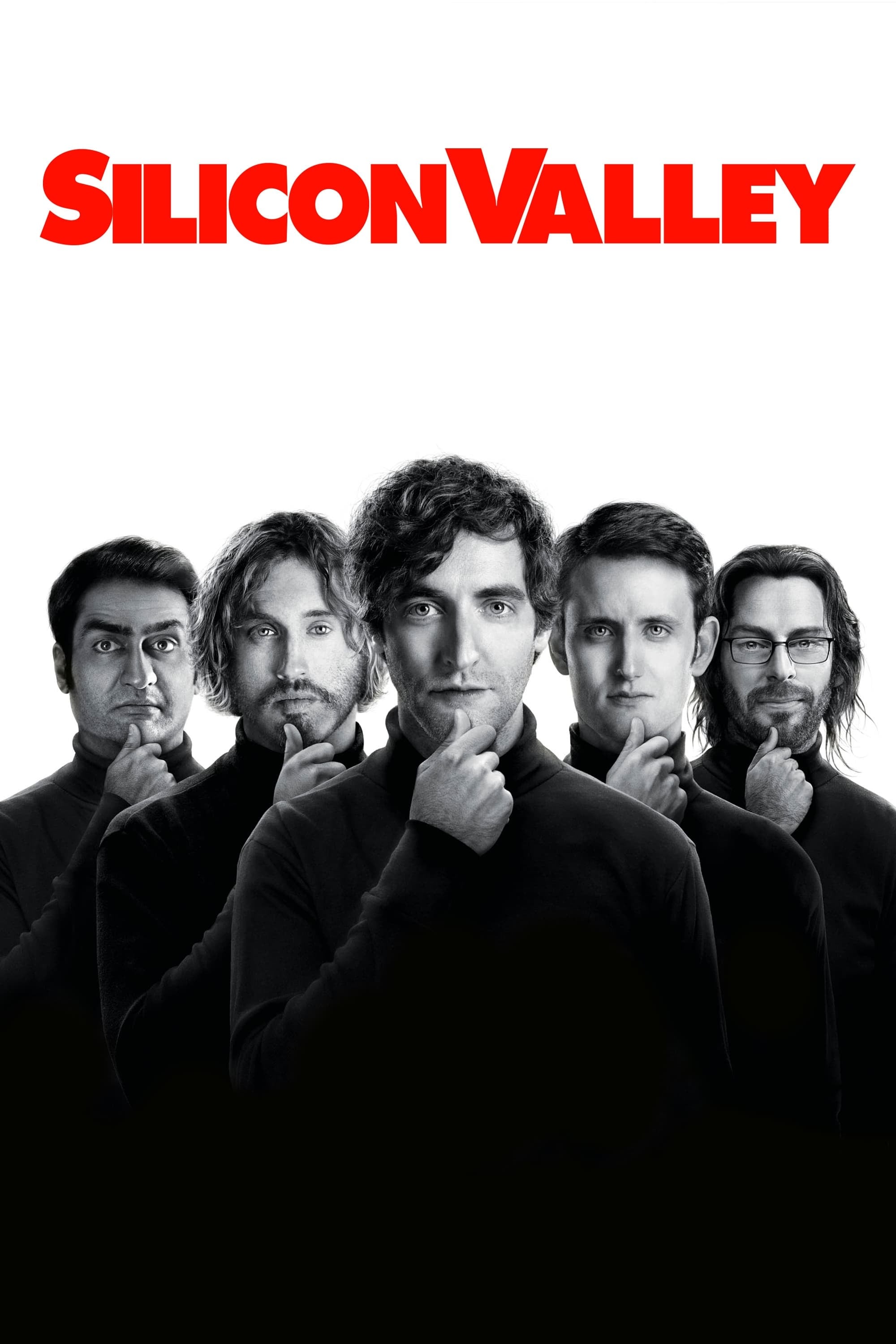
Jian-Yang started as a squatter in the incubator house and evolved into a prankster antagonist. His dialogue consisted heavily of broken English and insults directed at the other housemates. Critics noted that the character played into the tricky foreigner trope rather than offering a nuanced look at Asian developers. The show often used his lack of understanding of American social norms as a primary comedic crutch.
‘Family Guy’ (1999–Present)
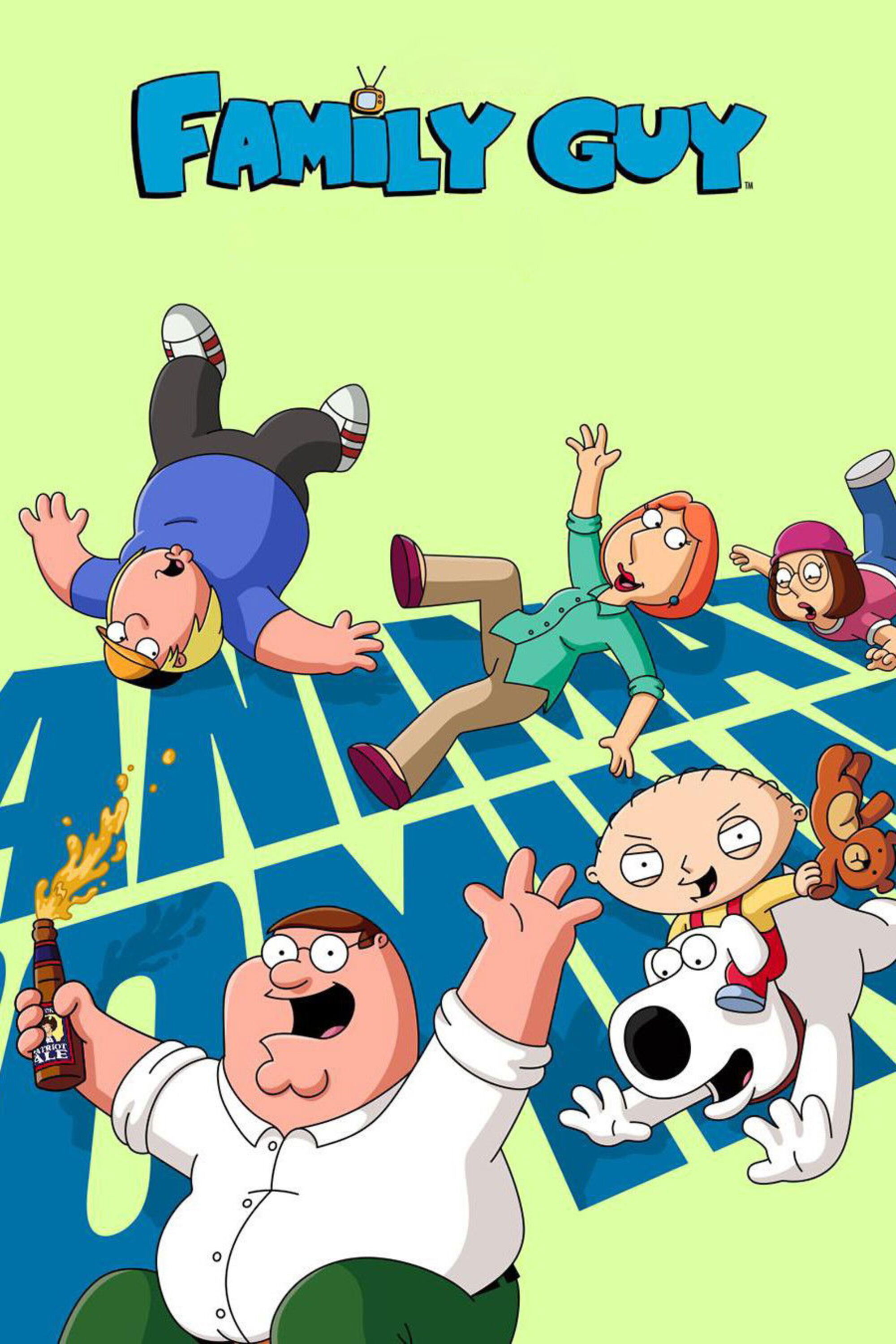
Tricia Takanawa is a recurring reporter character explicitly referred to as the “Asian reporter” in the show. Her appearances are almost always brief and centered on her monotone delivery and ethnicity. The show uses her to parody news tropes but does so by flattening her into a single dimension. She serves as a persistent example of how the series relies on racial caricatures for quick gags.
‘Unbreakable Kimmy Schmidt’ (2015–2019)
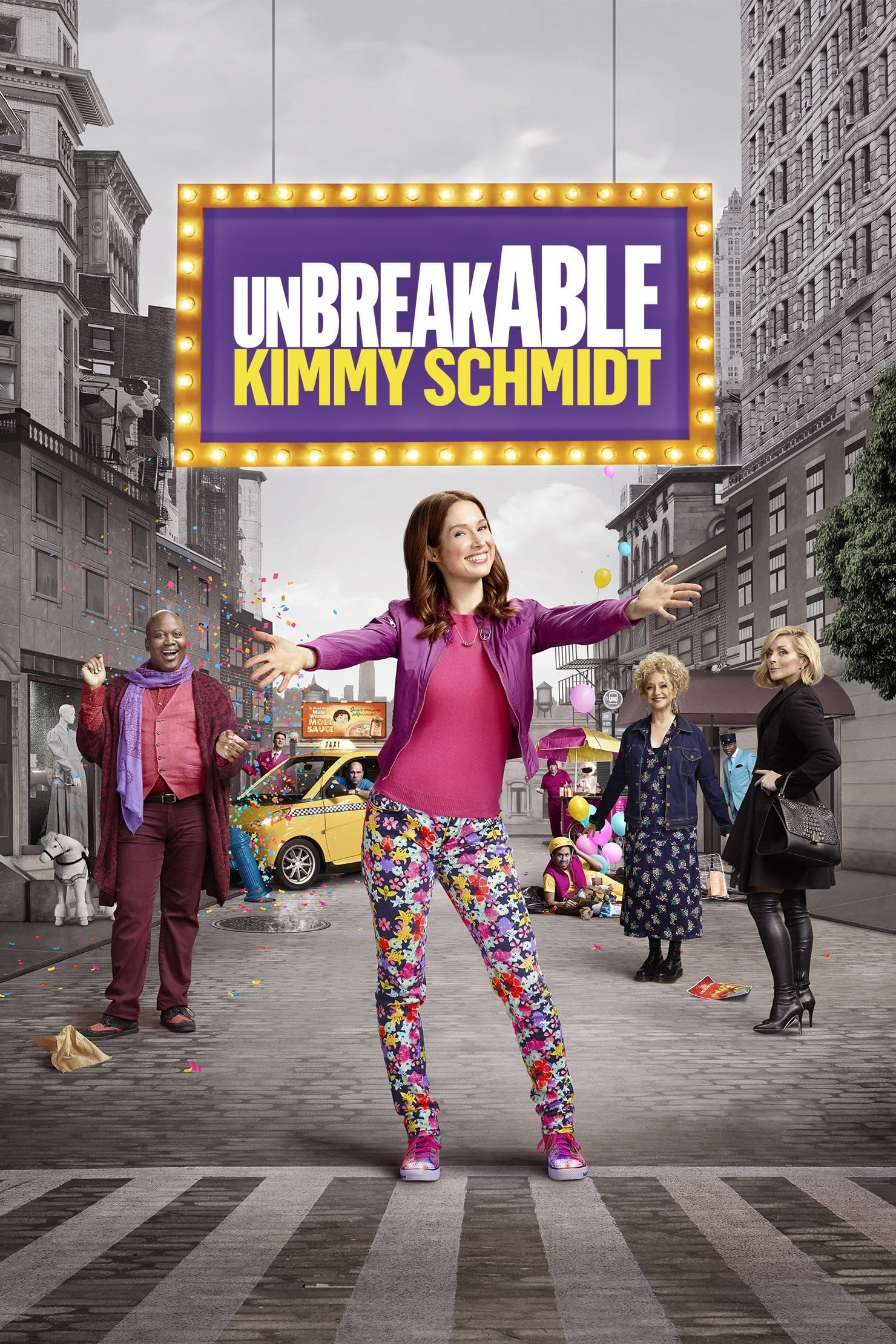
Dong Nguyen was introduced as a love interest for the main character but was burdened with a name used for phallic jokes. He worked as a delivery boy and struggled with immigration issues that were played for comedy. Critics felt the show undermined his intelligence and agency by making him a source of slapstick humor. The relationship ended abruptly and left him trapped in a green card marriage plotline.
‘Friends’ (1994–2004)
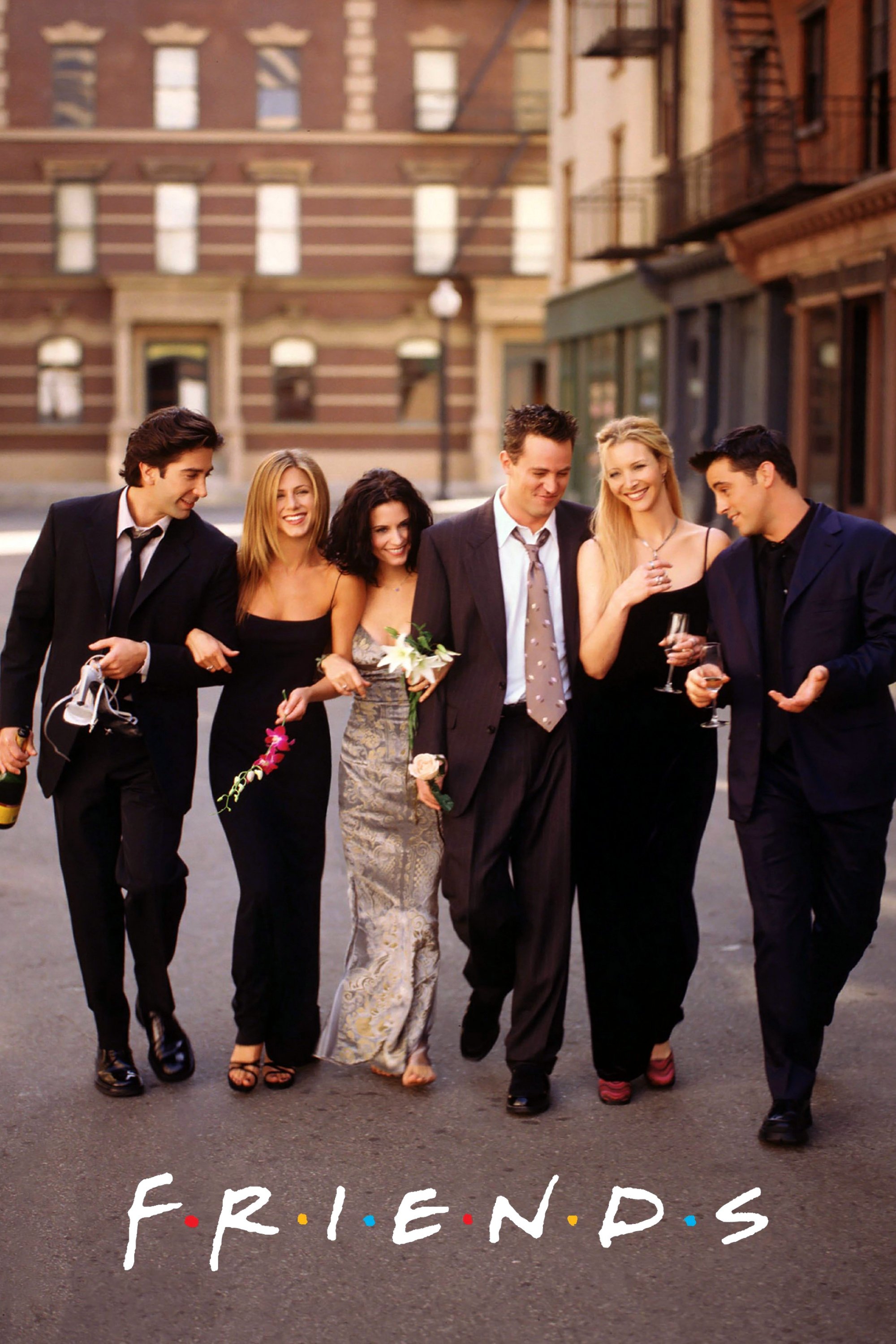
Julie appeared in the second season as a barrier between Ross and Rachel. She was pleasant and intelligent but existed solely to delay the central romance of the series. The audience was encouraged to dislike her simply because she was not Rachel. Her character lacked depth and vanished completely once she served her narrative purpose.
‘Emily in Paris’ (2020–Present)

Mindy Chen acts as the best friend to the titular character and often falls into the sidekick role. While she has her own storylines they frequently revolve around her supporting Emily or dealing with family wealth tropes. Critics have pointed out that her character feels disconnected from the reality of being an Asian woman in Paris. She often serves to explain French culture to Emily despite being an outsider herself.
‘Entourage’ (2004–2011)
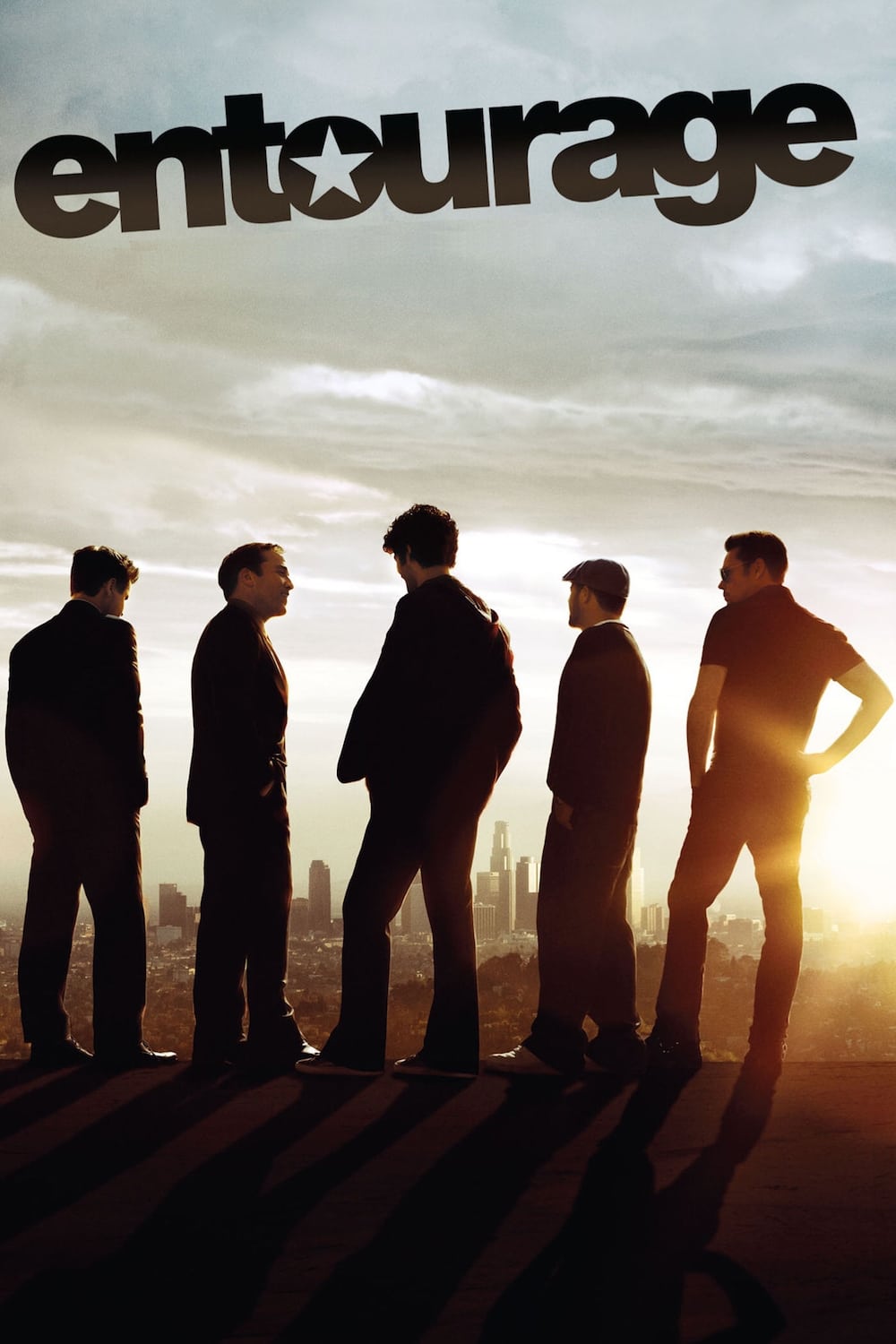
Lloyd Lee was the assistant to Ari Gold and endured constant verbal abuse regarding his race and sexuality. The show presented this workplace harassment as comedic banter between a boss and his subordinate. Lloyd was often depicted as submissive and willing to tolerate any indignity for career advancement. His eventual promotion did little to erase the seasons of humiliation he suffered for laughs.
‘Modern Family’ (2009–2020)
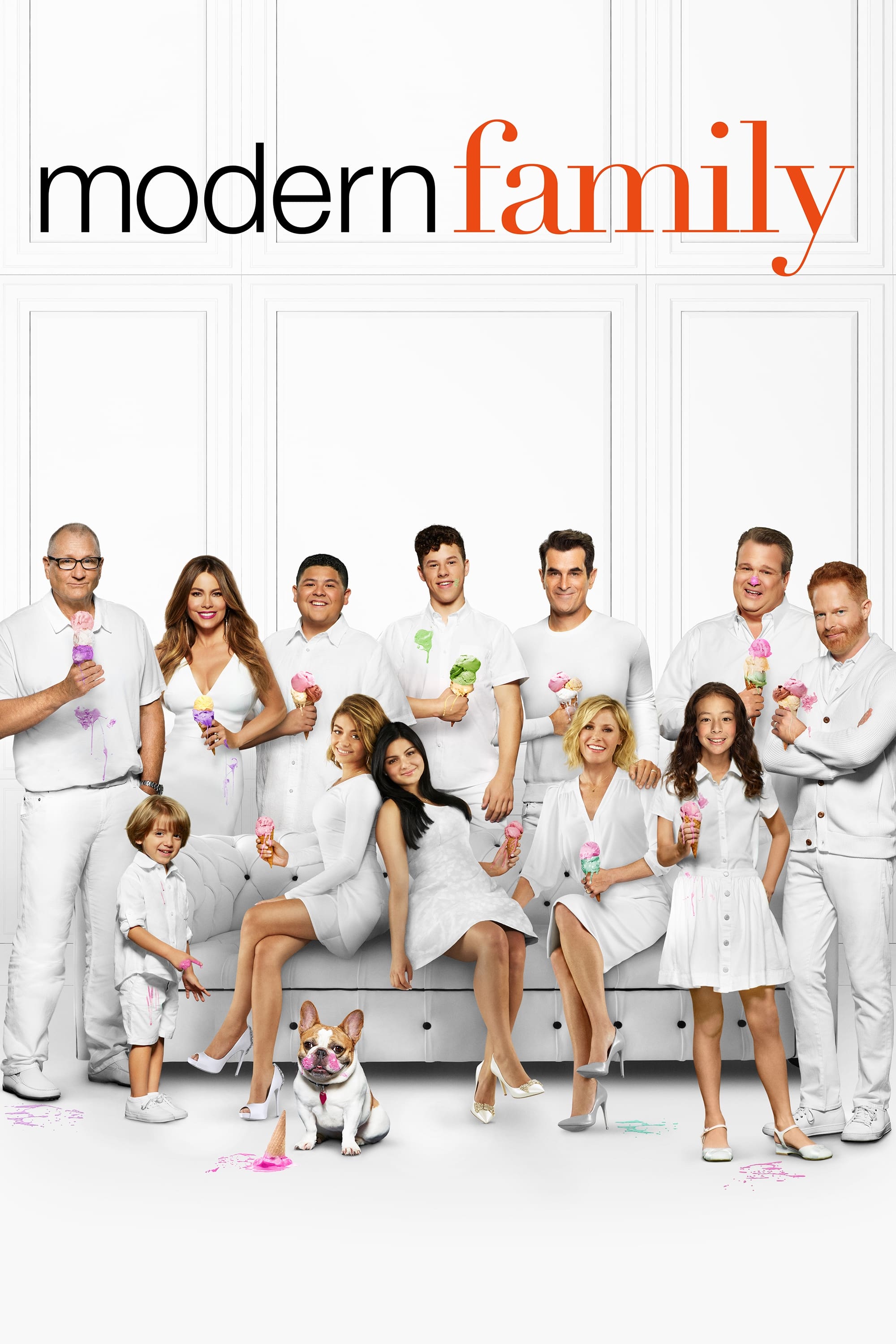
Lily Tucker-Pritchett was adopted by a white couple and her heritage was frequently the subject of insensitive jokes. The show used her ethnicity for punchlines involving bad driving or stereotypical rigor. As she grew older her character became known for a sassy demeanor that lacked emotional depth. Critics felt the series missed opportunities to explore the complexities of transracial adoption meaningfully.
‘Sherlock’ (2010–2017)
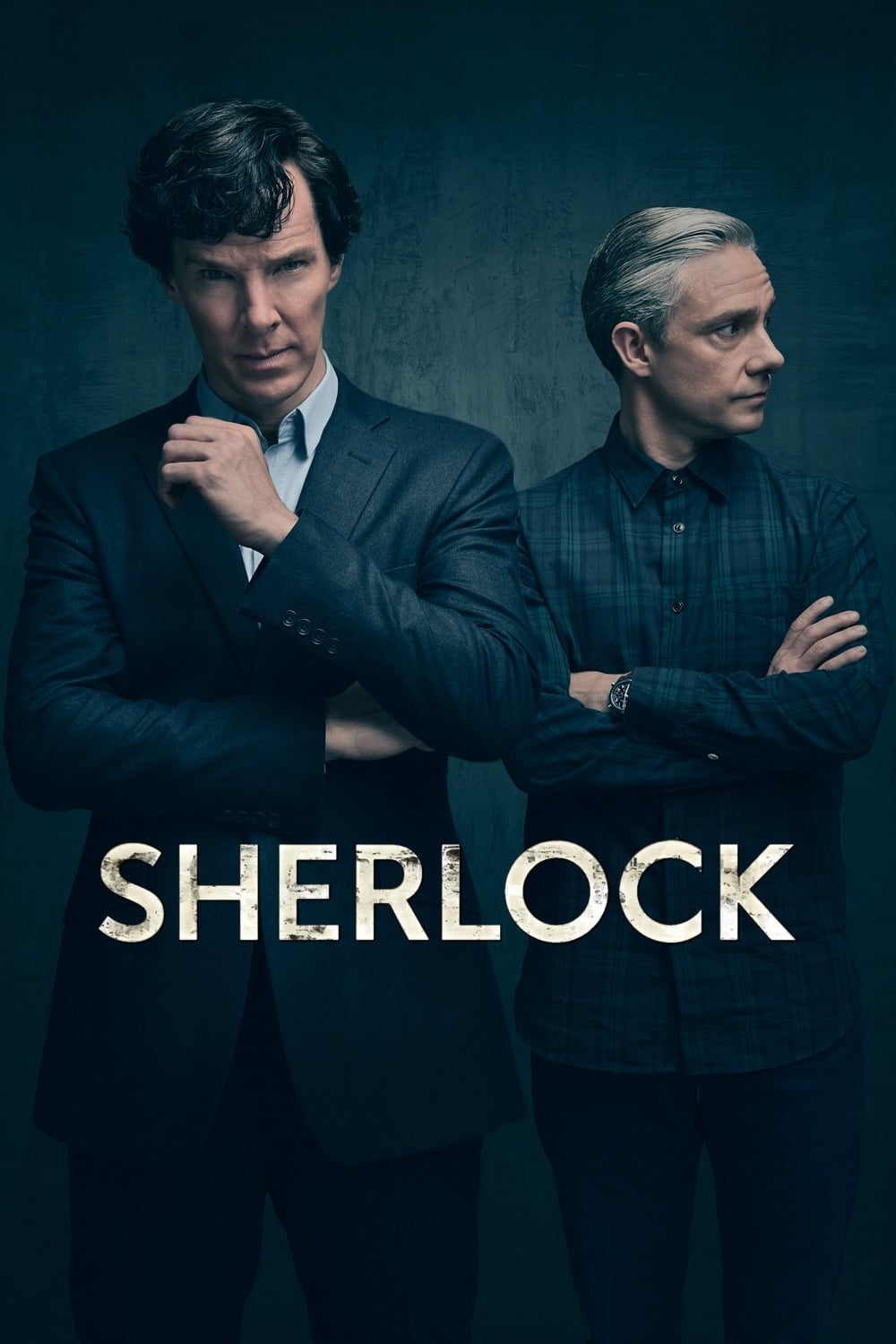
The episode titled ‘The Blind Banker’ faced heavy criticism for its reliance on Orientalist tropes. It featured a mysterious Chinese crime syndicate that used ancient symbols and acrobatic assassins. The depiction of Asian culture was viewed as exoticized and steeped in outdated colonial attitudes. Fans expressed disappointment that a show known for intelligence resorted to such lazy stereotypes.
‘Firefly’ (2002)
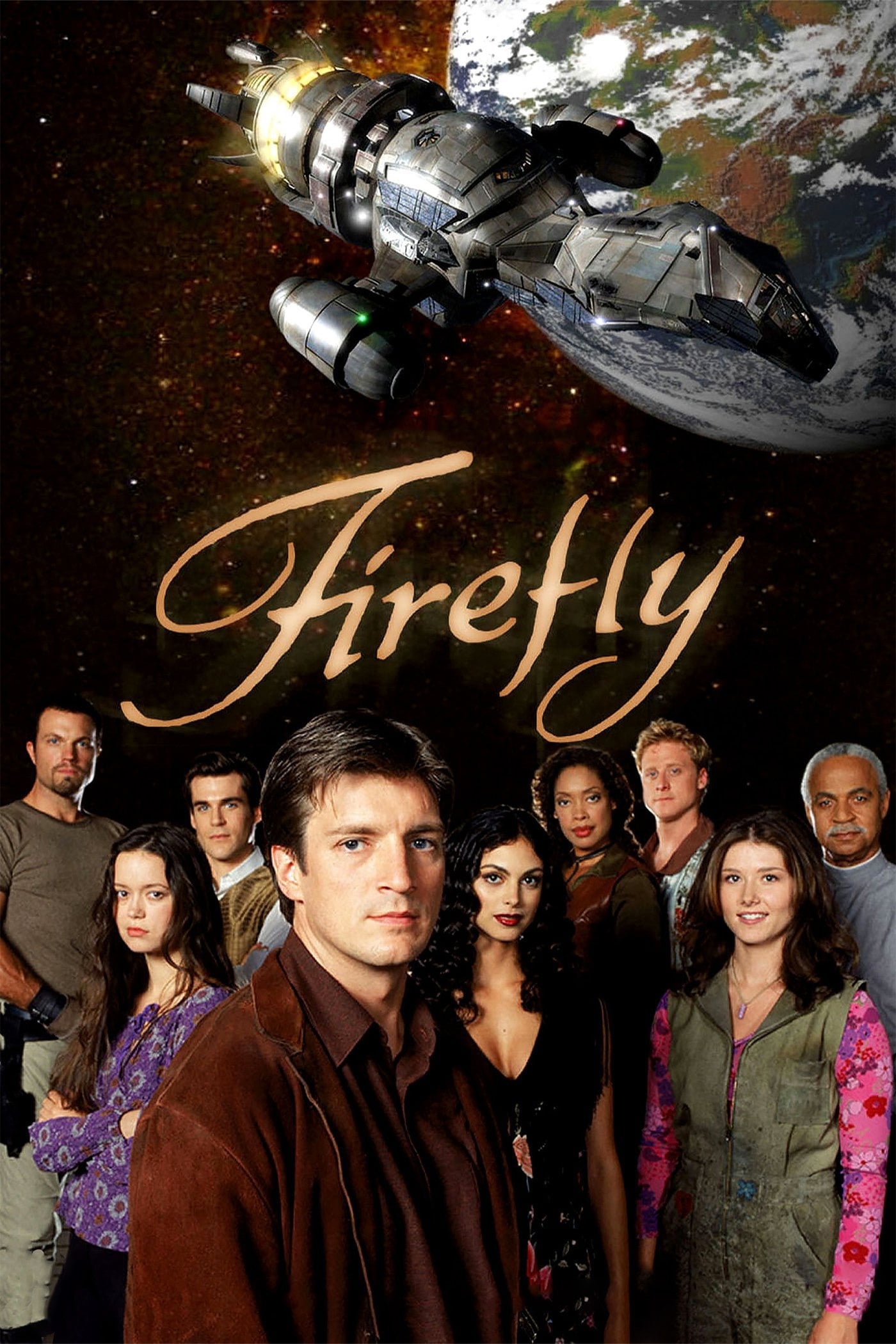
This cult classic series imagined a future where American and Chinese cultures merged. The characters frequently used Chinese slang and wore clothes influenced by Asian aesthetics. However there were no Asian actors in the main cast despite this cultural fusion. Critics called out the show for appropriating the culture for flavor while excluding Asian people from the narrative.
‘Arrested Development’ (2003–2019)
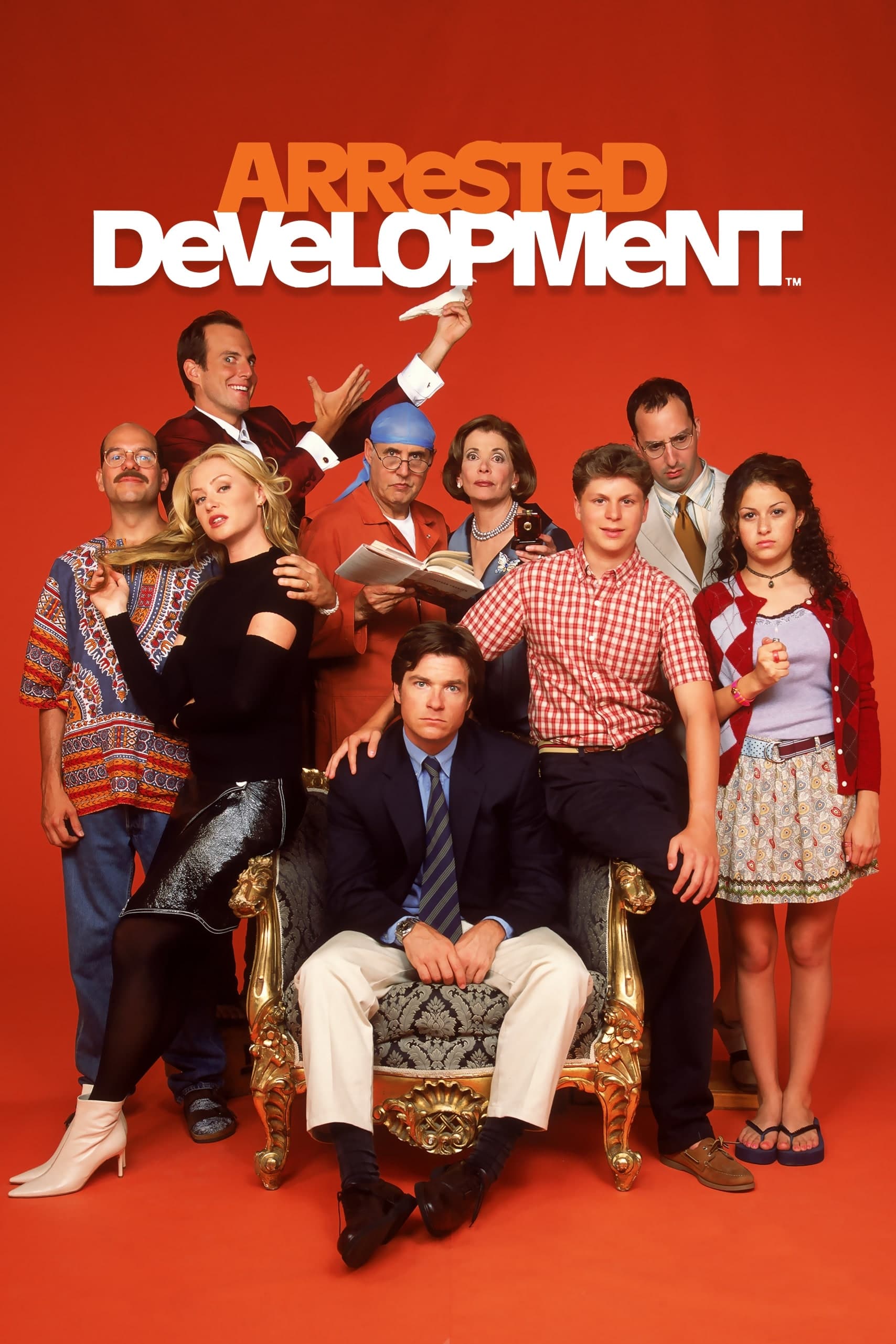
The character Annyong Bluth was adopted by the family solely to make the matriarch jealous. His name was a misunderstanding of the Korean word for hello and became his primary catchphrase. He existed on the periphery of the family and was treated more as a prop than a person. The final twist regarding his character played into a vengeance trope that some found reductive.
‘Riverdale’ (2017–2023)
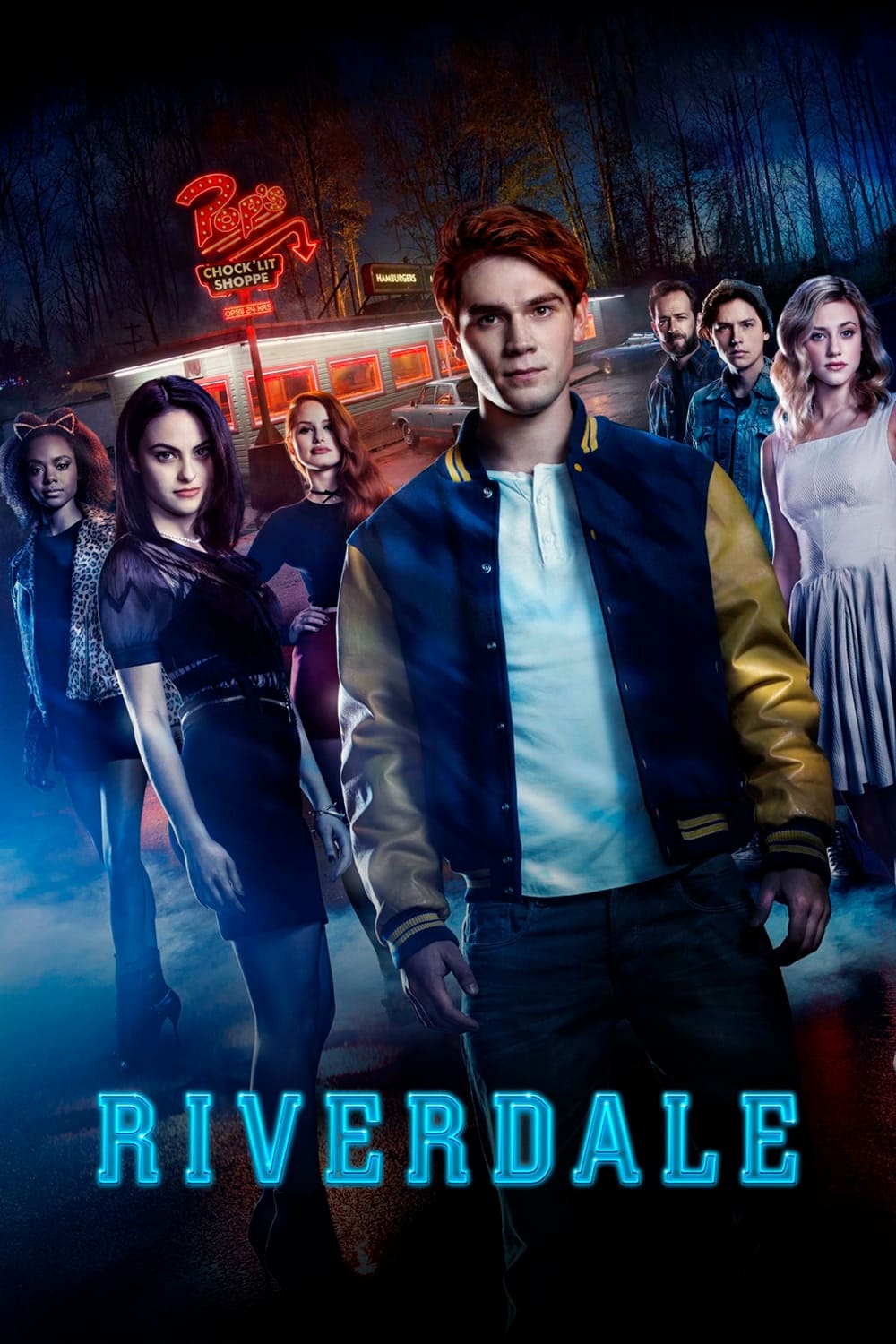
Reggie Mantle was played by two different Asian actors but remained a secondary antagonist for much of the series. The character was initially portrayed as a stereotypical dumb jock with little emotional interiority. Writers often gave the heavier dramatic material to the white male leads while Reggie stood in the background. Fans campaigned for years to give the character more meaningful storylines.
‘Supernatural’ (2005–2020)
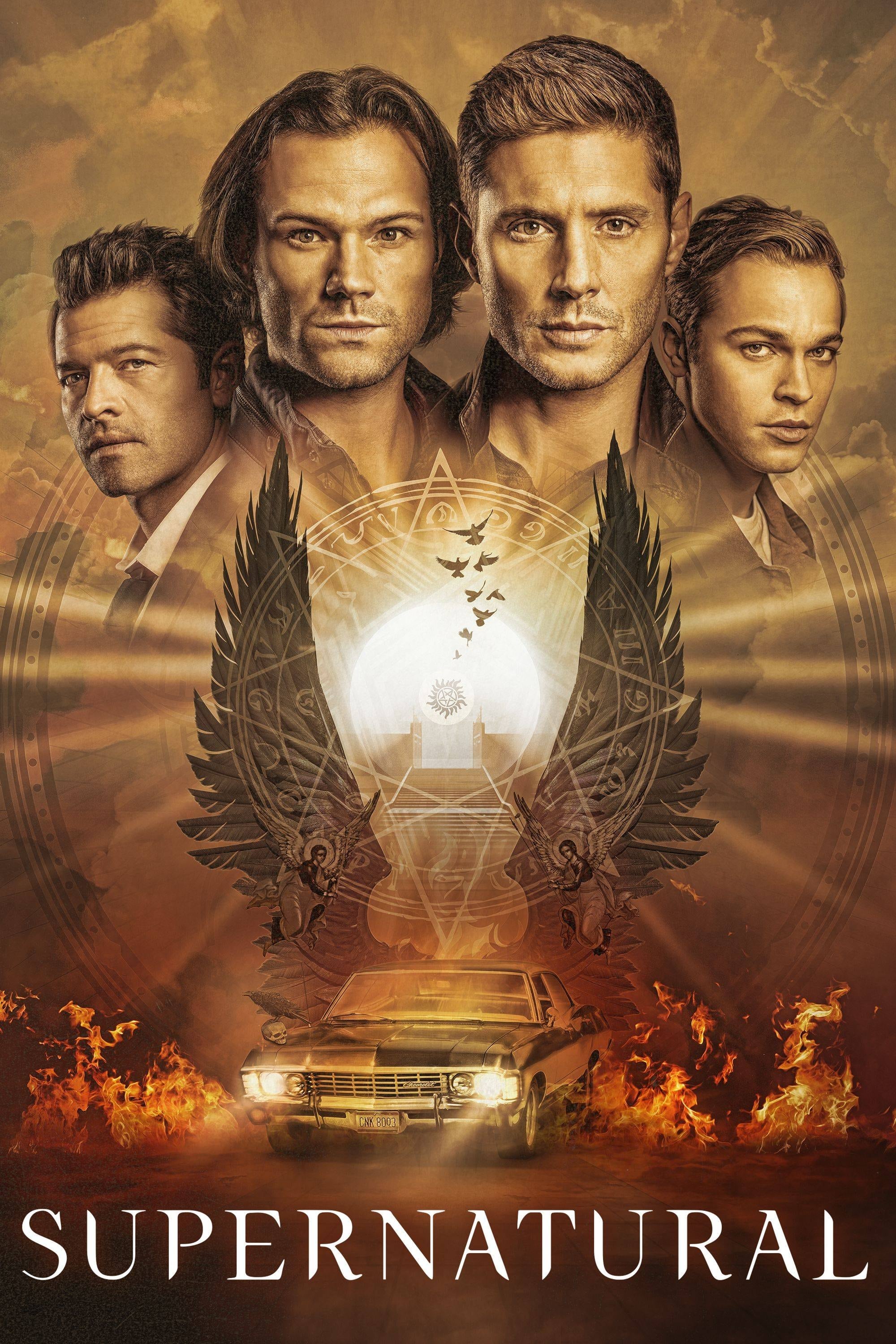
Kevin Tran was introduced as an advanced placement student who becomes a prophet. His early episodes leaned heavily on jokes about his academic pressure and tiger mom. The show eventually killed him off to further the emotional angst of the white protagonists. Many viewers felt his character was treated as disposable despite his importance to the plot.
‘Community’ (2009–2015)
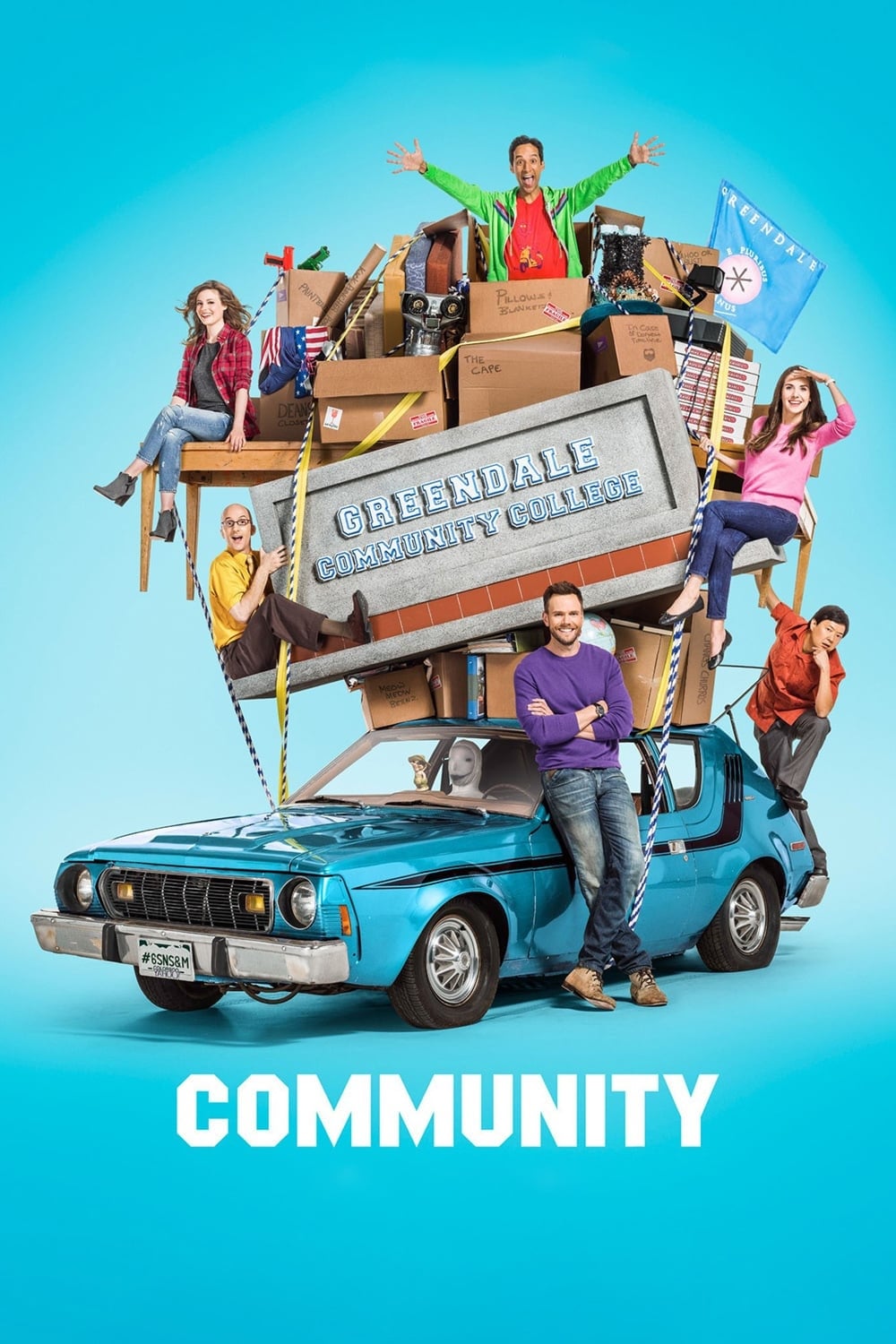
Ben Chang began as a Spanish teacher and devolved into a chaotic villain and eventually a homeless squatter. While the actor delivered a memorable performance the character was frequently unhinged and dangerous. Critics noted that Chang embodied the trope of the crazy Asian man who cannot function in society. The show struggled to find a consistent place for him within the study group.
‘Lost’ (2004–2010)
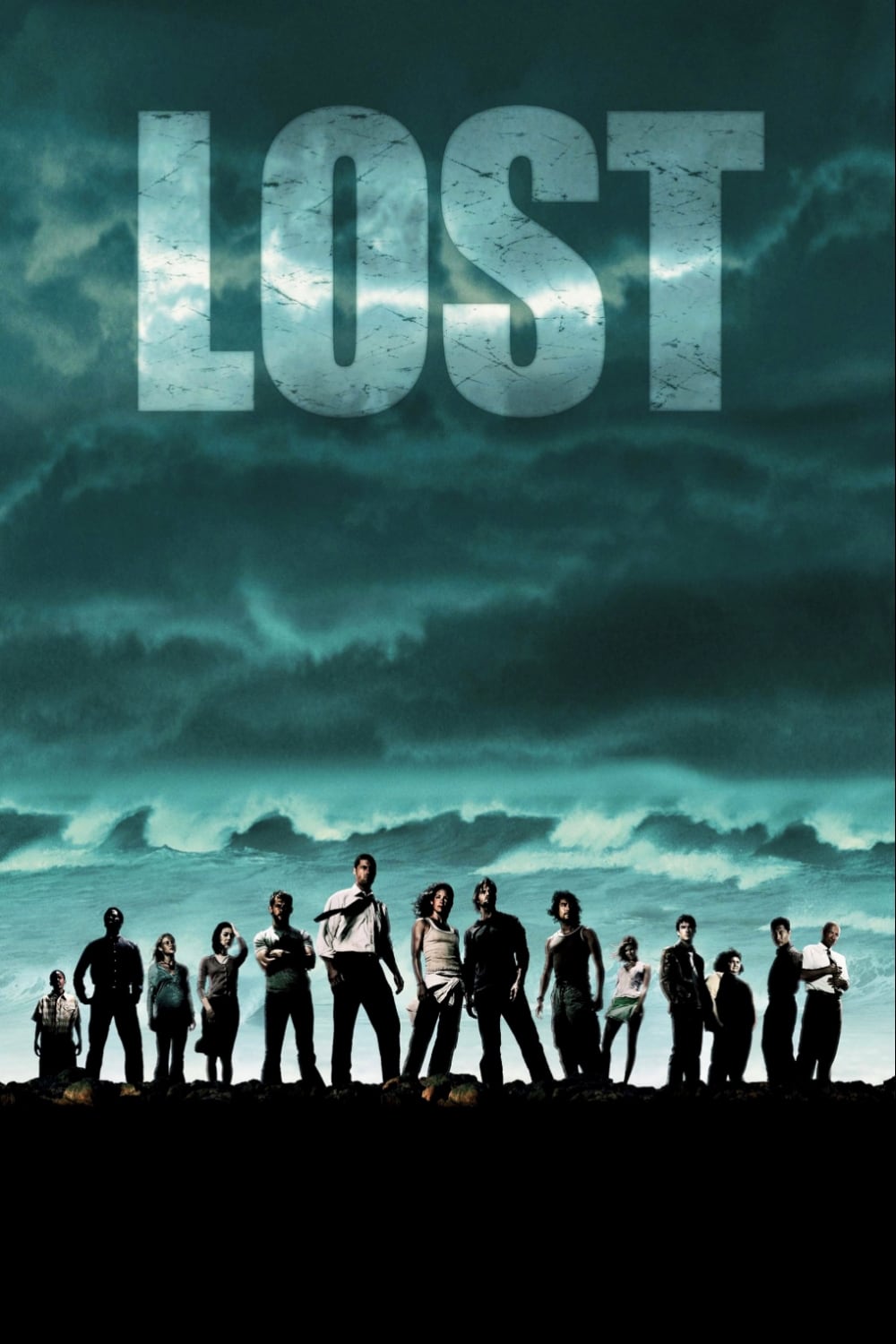
Sun and Jin Kwon were initially presented through the lens of a controlling husband and a submissive wife. The show relied on subtitles and isolation to separate them from the rest of the survivors. While their characters evolved significantly they started from a place of heavy cultural stereotyping. Their tragic ending was also criticized for feeling unnecessary after their long struggle for reunion.
‘Futurama’ (1999–2023)
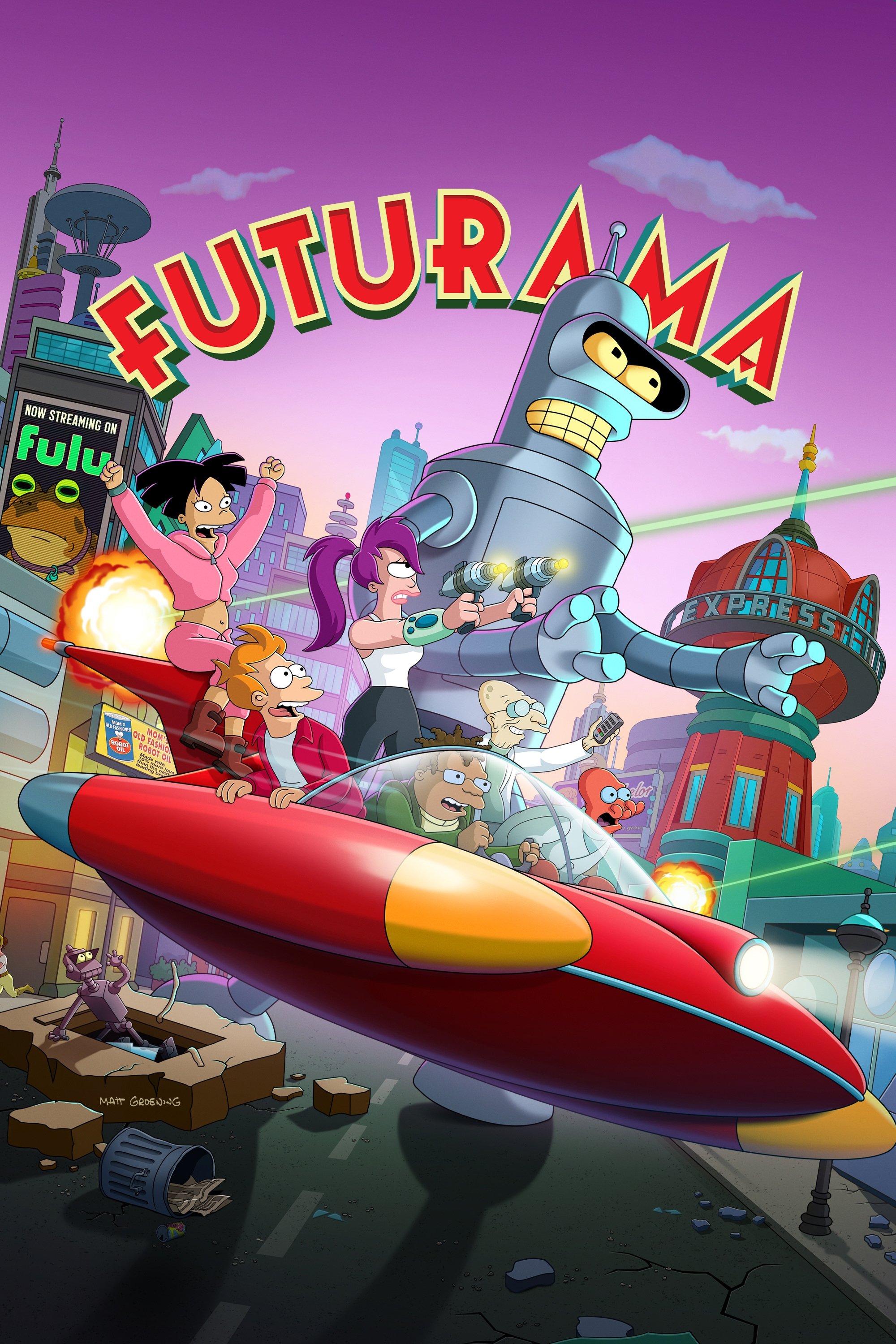
Amy Wong is a main character who is defined by her klutziness and her wealthy parents. Her parents are depicted as cold and obsessed with grandchildren in a stereotypical manner. Amy often serves as a love interest or a source of physical comedy rather than a competent scientist. The show uses her Mars heritage to explain away traits that align with negative stereotypes.
‘South Park’ (1997–Present)
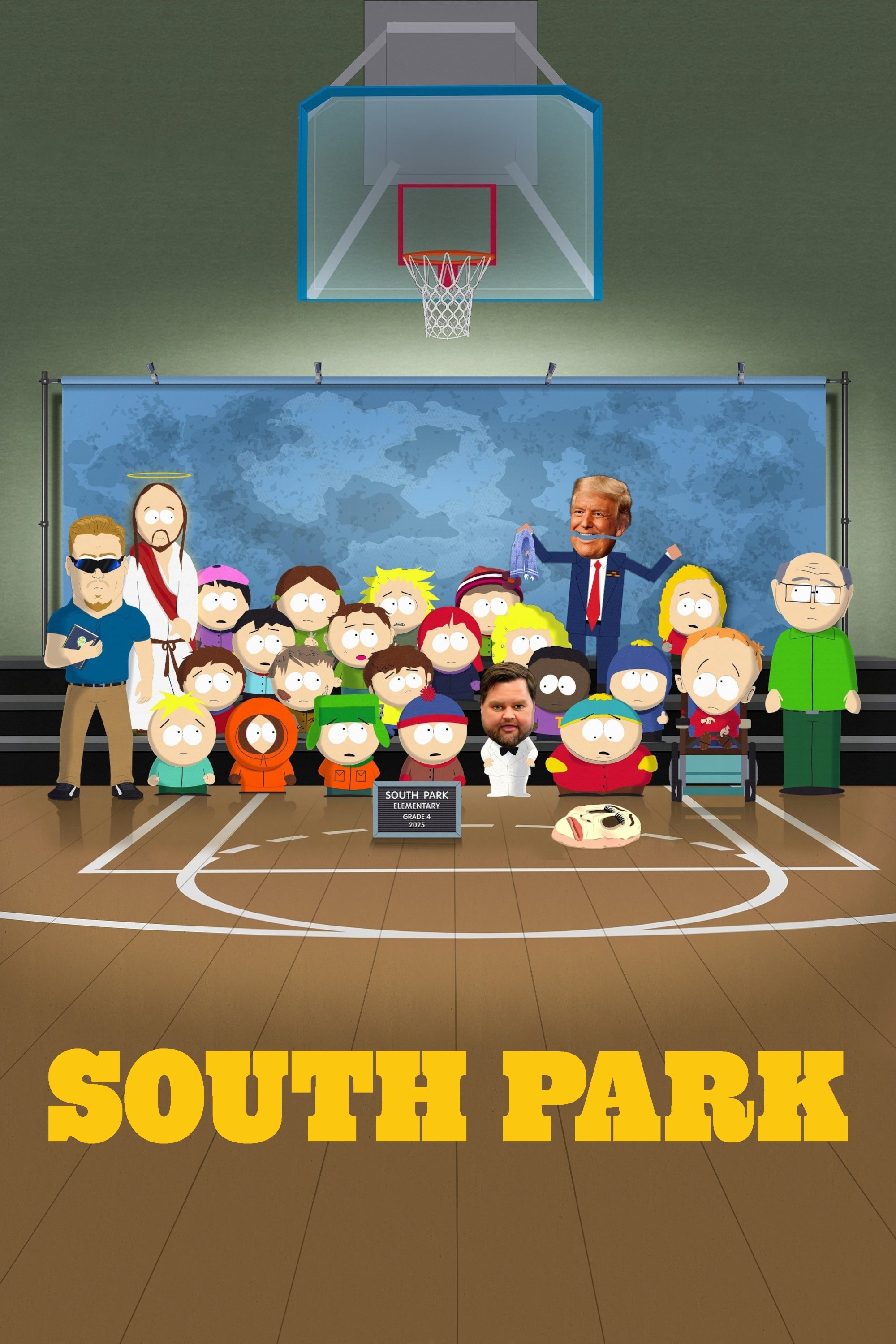
Tuong Lu Kim is the owner of City Wok and the subject of recurring jokes about his accent and pronunciation. The character was voiced by a white creator using an exaggerated dialect. The show mocked the very idea of tokenism in later seasons but continued to use the character for racial humor. This portrayal remains one of the most controversial aspects of the long-running series.
‘Orange Is the New Black’ (2013–2019)

Brook Soso was introduced as a chatty and annoying activist who was often dismissed by other inmates. The show also featured a character named Chang who was mysterious and socially awkward. Critics felt that the Asian prisoners received far less backstory and humanization than the white or Black inmates. Soso in particular was treated as a nuisance rather than a fully realized person for several seasons.
‘Gossip Girl’ (2007–2012)
Kati Farkas and Isabel Coates served as minions to the queen bee Blair Waldorf. They had few lines and existed to flank the main character during power walks. Later character Nelly Yuki was introduced primarily as an academic rival with zero social skills. These portrayals reinforced the idea that Asian girls were either silent followers or robotic students.
‘The Boys’ (2019–Present)

Kimiko Miyashiro is a mute supe who communicates through a unique sign language. While she is a fan favorite she fits the trope of the silent and deadly Asian woman. The character initially lacked agency and was motivated largely by the men around her. Her extreme violence is often the primary way she interacts with the world.
‘The Umbrella Academy’ (2019–2024)
Ben Hargreeves spent the first two seasons as a ghost who could only interact with one sibling. Even when alive in alternate timelines he was often defined by his loyalty to the family or his darker impulses. The specific power of unleashing tentacles from his chest drew criticism for its association with anime tropes. His character often felt secondary to the dynamics of the white siblings.
’13 Reasons Why’ (2017–2020)
Courtney Crimsen was portrayed as an uptight and manipulative student who threw others under the bus. Zach Dempsey started as a stereotypical jock before gaining more depth in later seasons. Critics felt that Courtney in particular was vilified more than necessary to protect her own secrets. The show leaned into the model minority myth by making them obsessed with their image.
‘Desperate Housewives’ (2004–2012)
Xiao-Mei was introduced as a formerly enslaved woman who becomes a maid and surrogate for a main family. The storyline exploited her vulnerability and eventual affair with the husband for melodrama. She was treated as an object to be moved around rather than a person with feelings. The show disposed of her character once the baby was born and the affair was revealed.
‘Sex and the City’ (1998–2004)
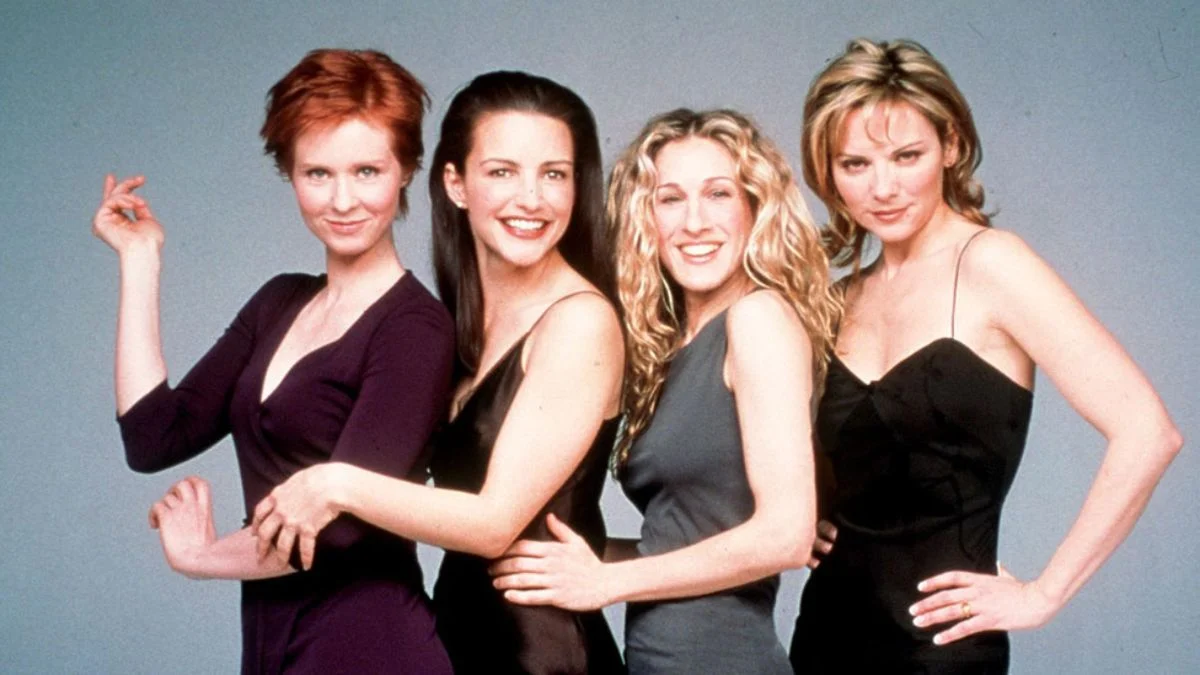
The show has been retrospectively criticized for how it handled Asian minor characters. One episode featured a storyline where characters fetishized a servant and mocked her lack of English. Asian men were often presented as undesirable or purely as sources of money. The series rarely allowed Asian women to exist outside of service roles or exotic curiosities.
‘How I Met Your Mother’ (2005–2014)
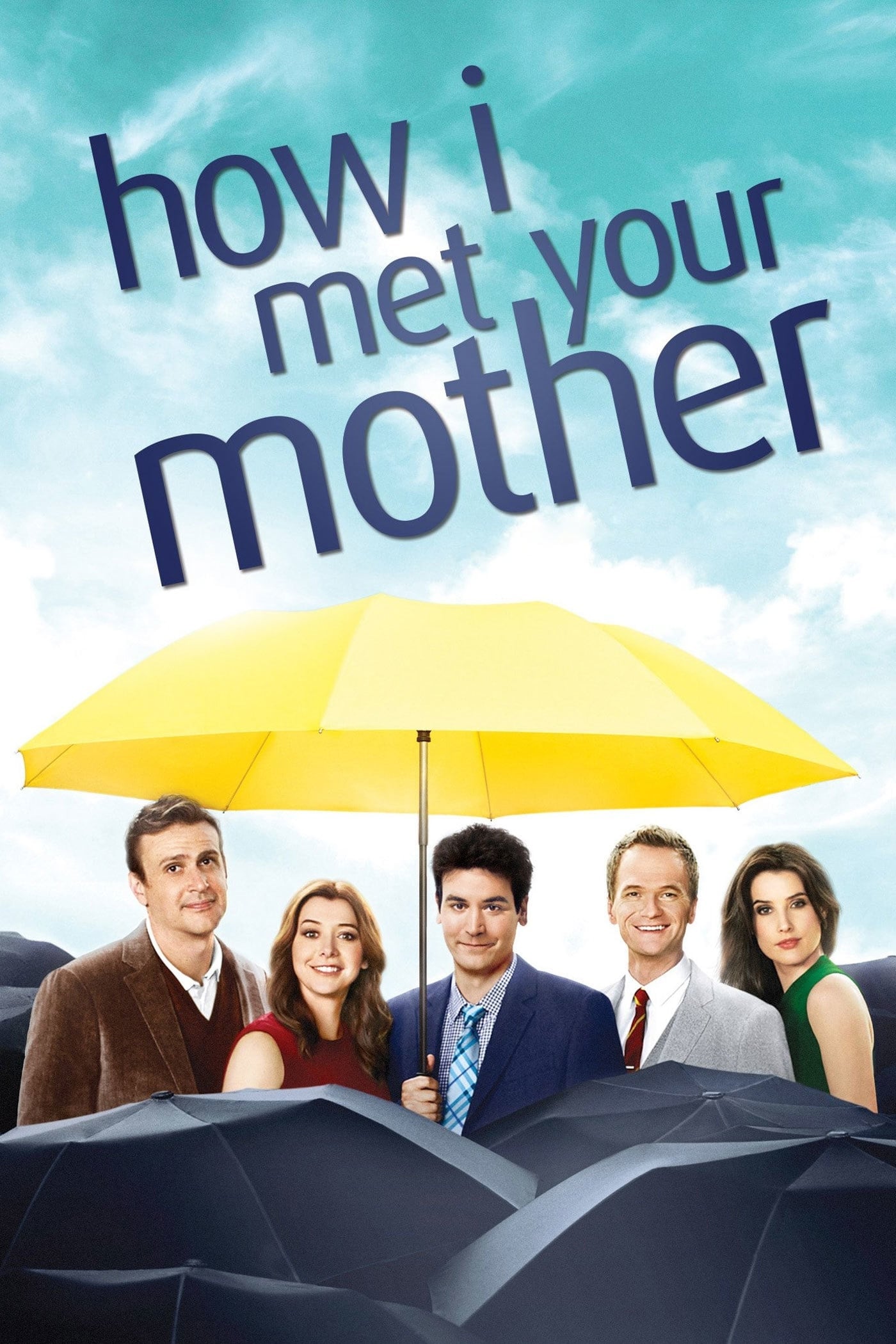
The series faced a massive backlash for an episode where the main cast wore yellowface to play Asian masters. Beyond that specific incident the show lacked any significant Asian representation in its New York City setting. When Asian characters did appear they were usually punchlines or background extras. The creators eventually apologized for the yellowface stunt after fans expressed outrage.
‘Teen Wolf’ (2011–2017)

Kira Yukimura was a thunder kitsune who joined the pack and became a love interest. Fans felt she was written out of the show abruptly to make room for returning white characters. Her storylines often revolved around her struggle to control her mystical powers. The show was criticized for treating her as a temporary placeholder rather than a permanent member of the group.
‘Arrow’ (2012–2020)
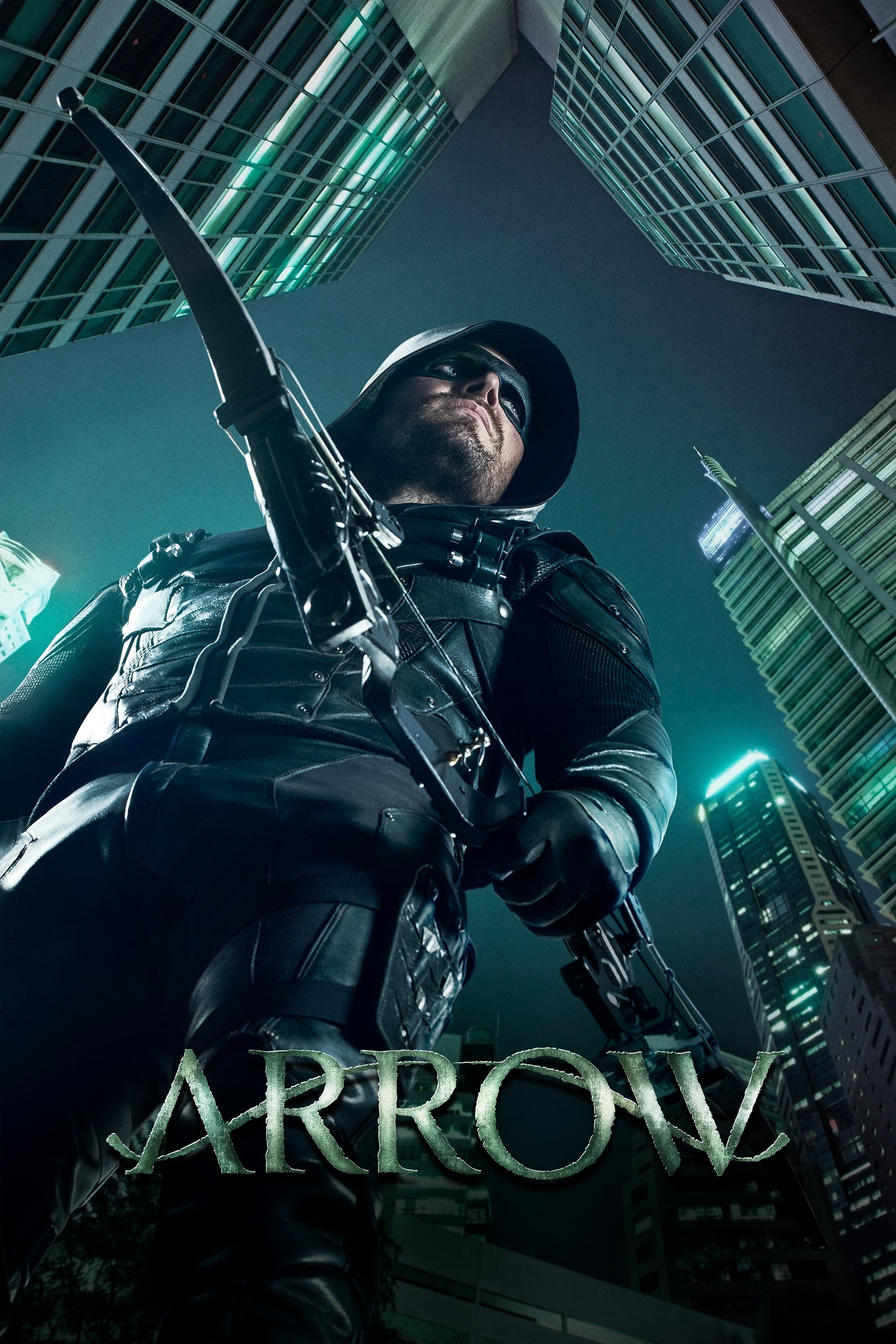
Shado was a skilled martial artist and mentor who was killed to motivate the white male protagonist. Her death served as a major plot point for Oliver Queen’s emotional development. Critics labeled this a classic example of “fridging” a female character. Her twin sister was later introduced but also struggled to find a narrative outside of Oliver’s orbit.
‘Veep’ (2012–2019)
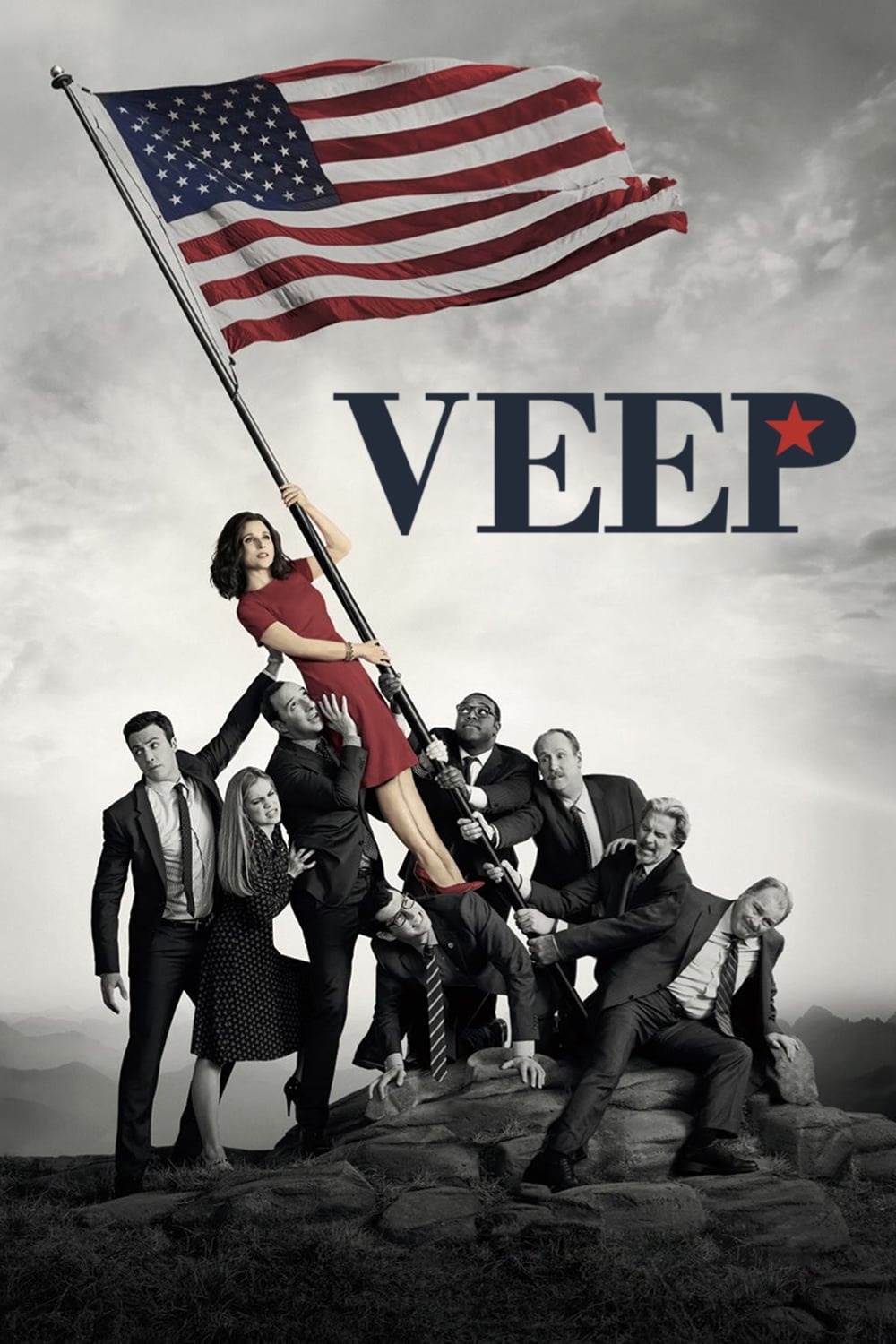
Danny Chung was a war hero politician who the main characters viewed as a threat. The show consistently made jokes about his torture experience in Iraq to undermine his likability. While the show satirized all politicians it used Chung’s background specifically to mock his public image. He was presented as a smooth operator who used his ethnicity as a political tool.
‘Revenge’ (2011–2015)
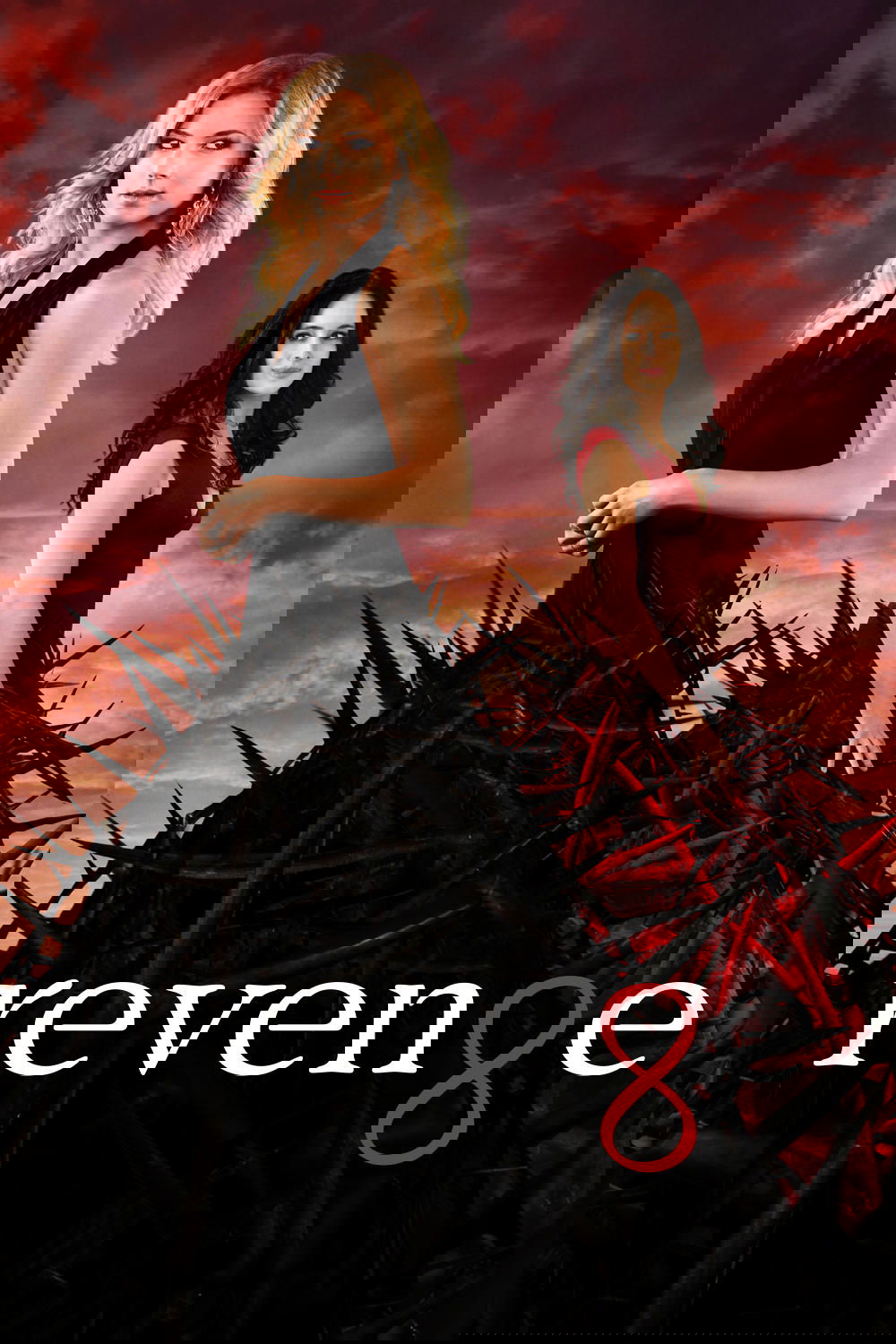
Satoshi Takeda served as the wise mentor who trained the protagonist in combat and strategy. He fit the stereotypical mold of the stoic sensei who speaks in riddles. The role was even recast with a different actor without significant explanation. His purpose was entirely subservient to the revenge quest of the white main character.
Tell us which of these shows you think handled representation the worst in the comments.