


TV Shows Critics Call Out for Token Black Characters




Television history is filled with examples of diverse casting that critics argue often falls into the trap of tokenism. These characters are frequently sidelined or given limited development compared to their white counterparts. Many shows face scrutiny for including a single Black character primarily to provide a sense of diversity without genuine narrative integration. This list examines various series where critics identified characters who served as accessories rather than central figures in the plot.
‘Friends’ (1994–2004)
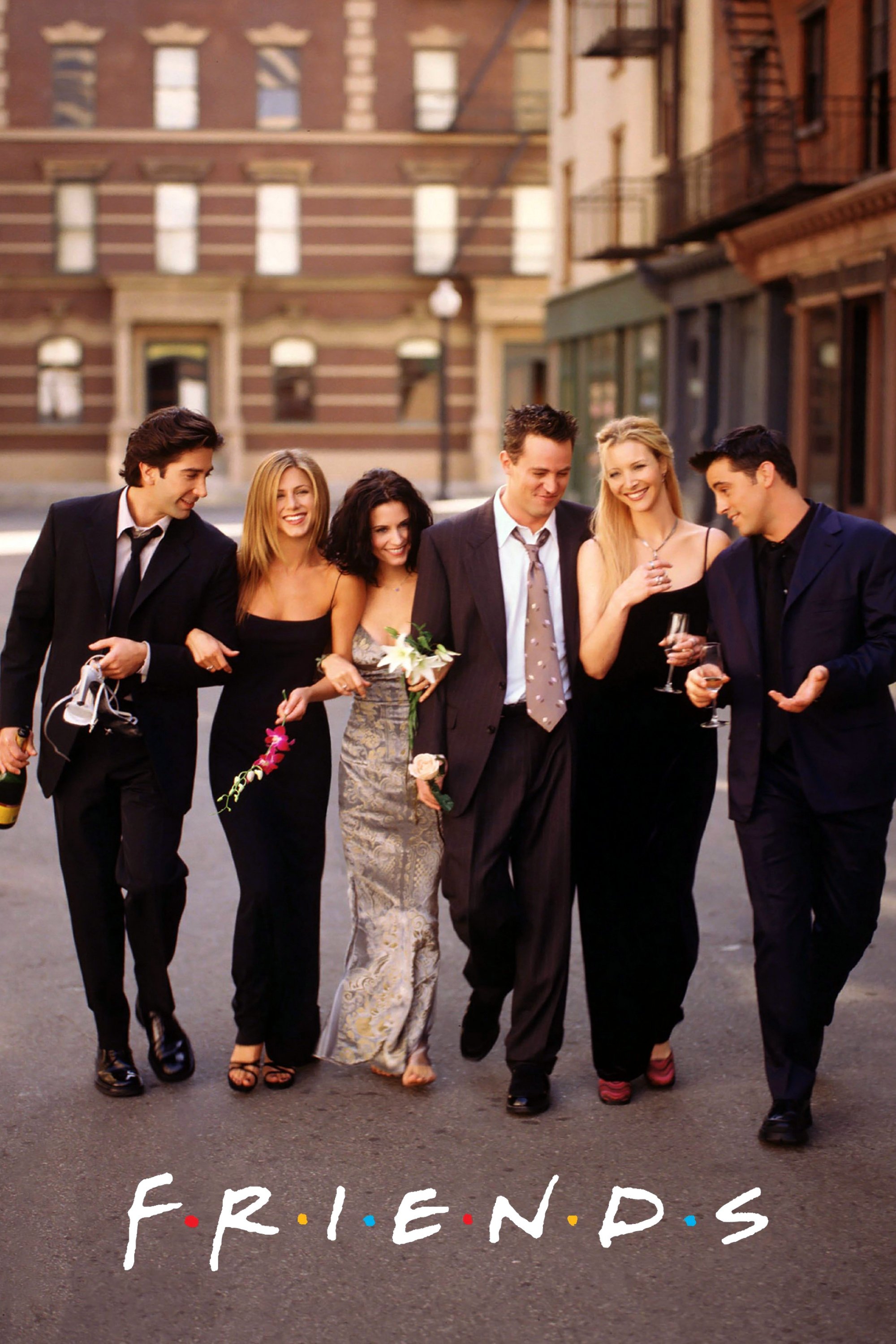
Critics frequently pointed out the lack of diversity in the core cast and the minimal screen time given to characters of color. Charlie Wheeler appeared as a love interest for both Ross and Joey in the later seasons of the sitcom. Many viewers noted that her character was primarily defined by her academic credentials and her relationships with the leads. Her departure from the series felt abrupt to many who felt she was added solely to address previous criticisms regarding the show’s all white cast.
‘Glee’ (2009–2015)
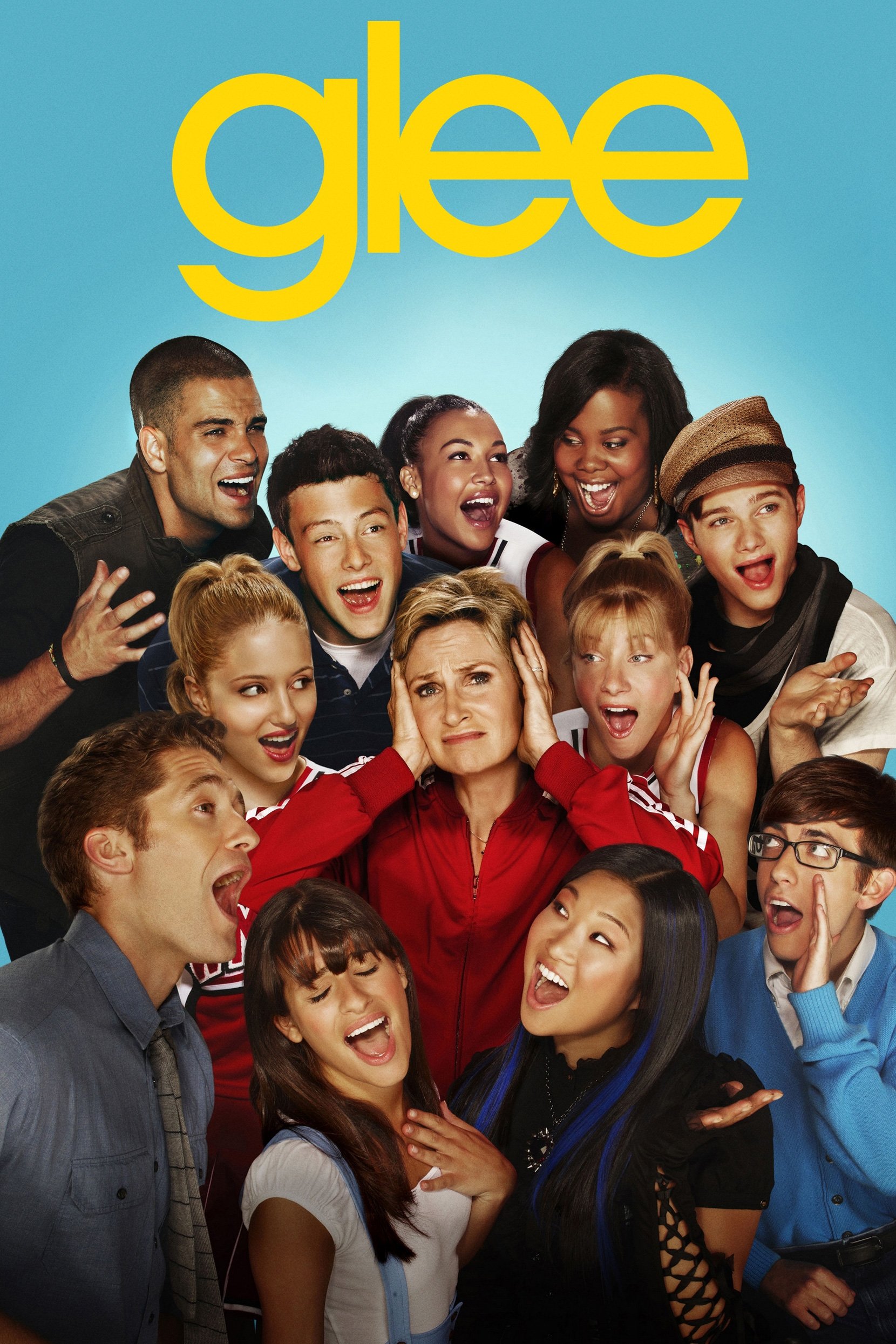
Mercedes Jones was often at the center of discussions regarding how the series handled its talented minority performers. While she possessed one of the strongest voices in the ensemble, her storylines frequently revolved around her fighting for the spotlight. Critics argued that the narrative often prioritized the journeys of Rachel Berry and Kurt Hummel over her personal growth. The character was sometimes relegated to providing powerhouse vocals without receiving the same depth of characterization.
‘The Vampire Diaries’ (2009–2017)
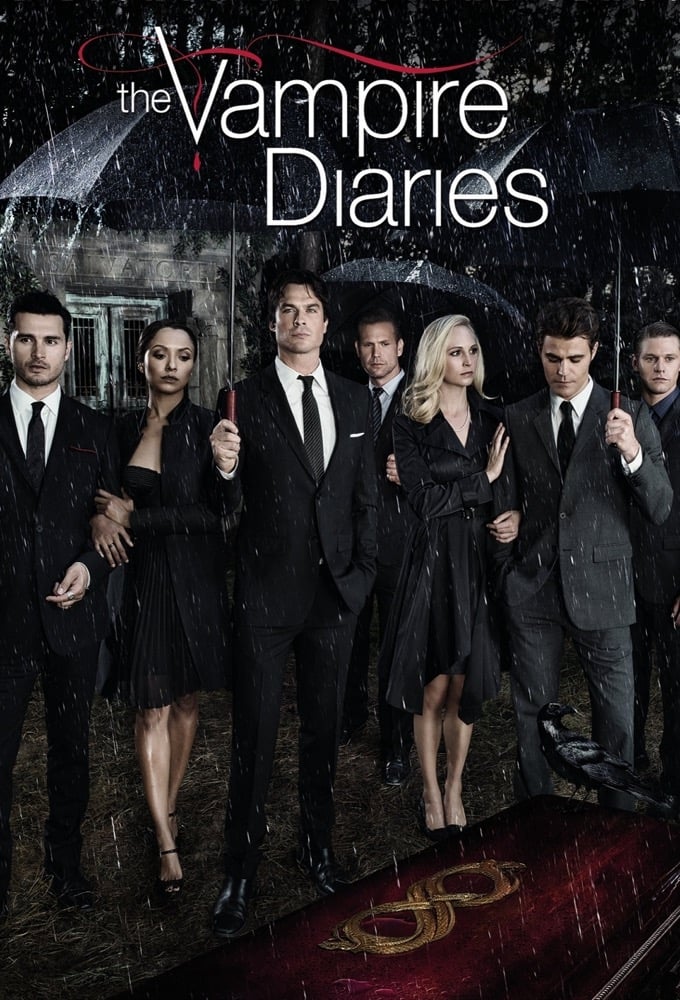
Bonnie Bennett served as the resident witch and a constant source of magical solutions for the central trio of characters. Throughout the series, she frequently sacrificed her own happiness and safety to protect her friends. Critics noted that her personal life and family history were often ignored unless they served a specific plot point for the main protagonists. This led to ongoing debates about whether her role was more about service than individual empowerment.
‘Riverdale’ (2017–2023)
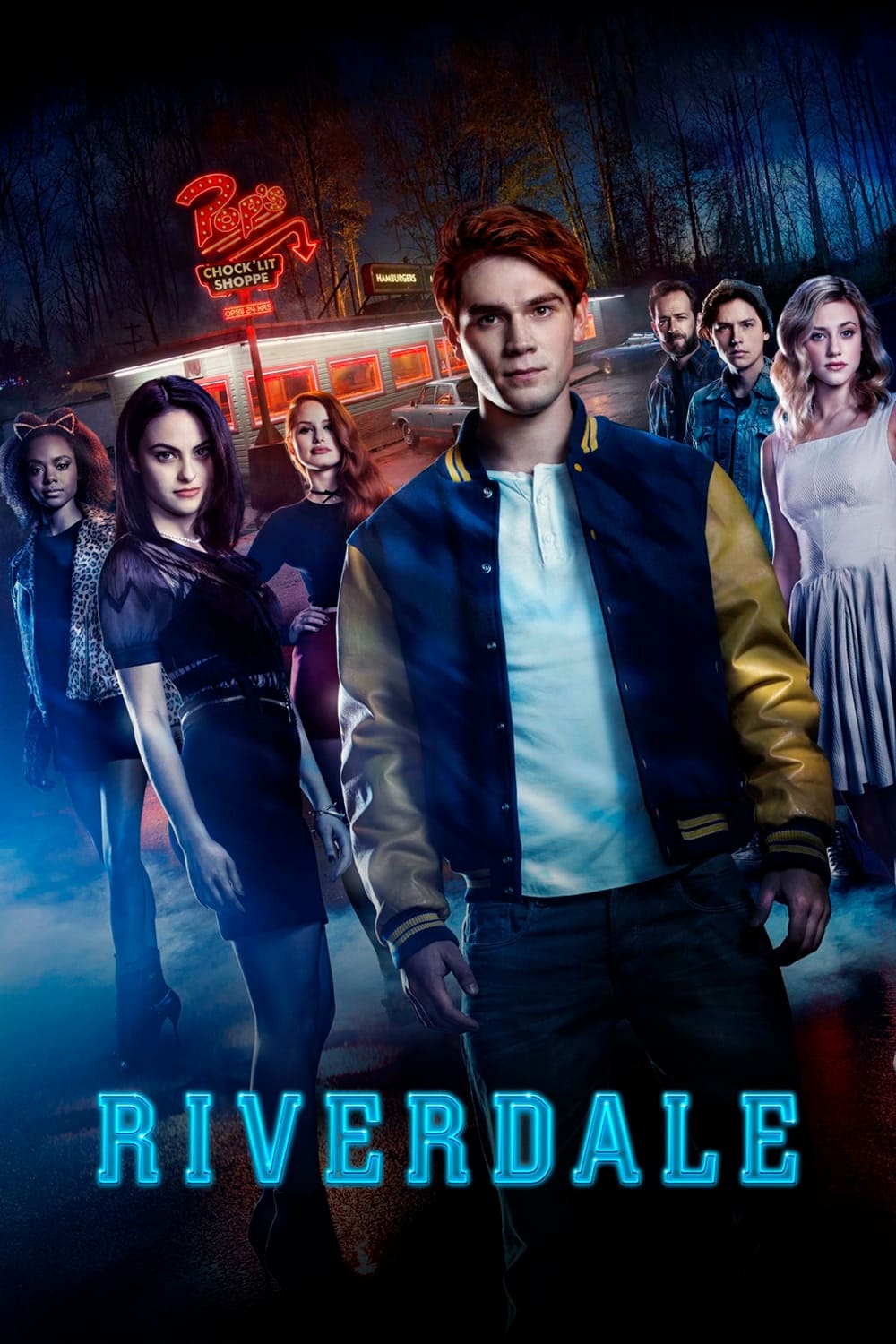
Josie McCoy and her band the Pussycats were initially presented as a significant part of the musical landscape in the town. However, critics observed that Josie was often pushed to the background while the core four characters dominated the central mysteries. Even the actress portraying the character spoke out about the lack of meaningful screen time and development. Her eventual departure to a separate series highlighted the missed opportunities for her character within the main show.
‘Saved by the Bell’ (1989–1993)
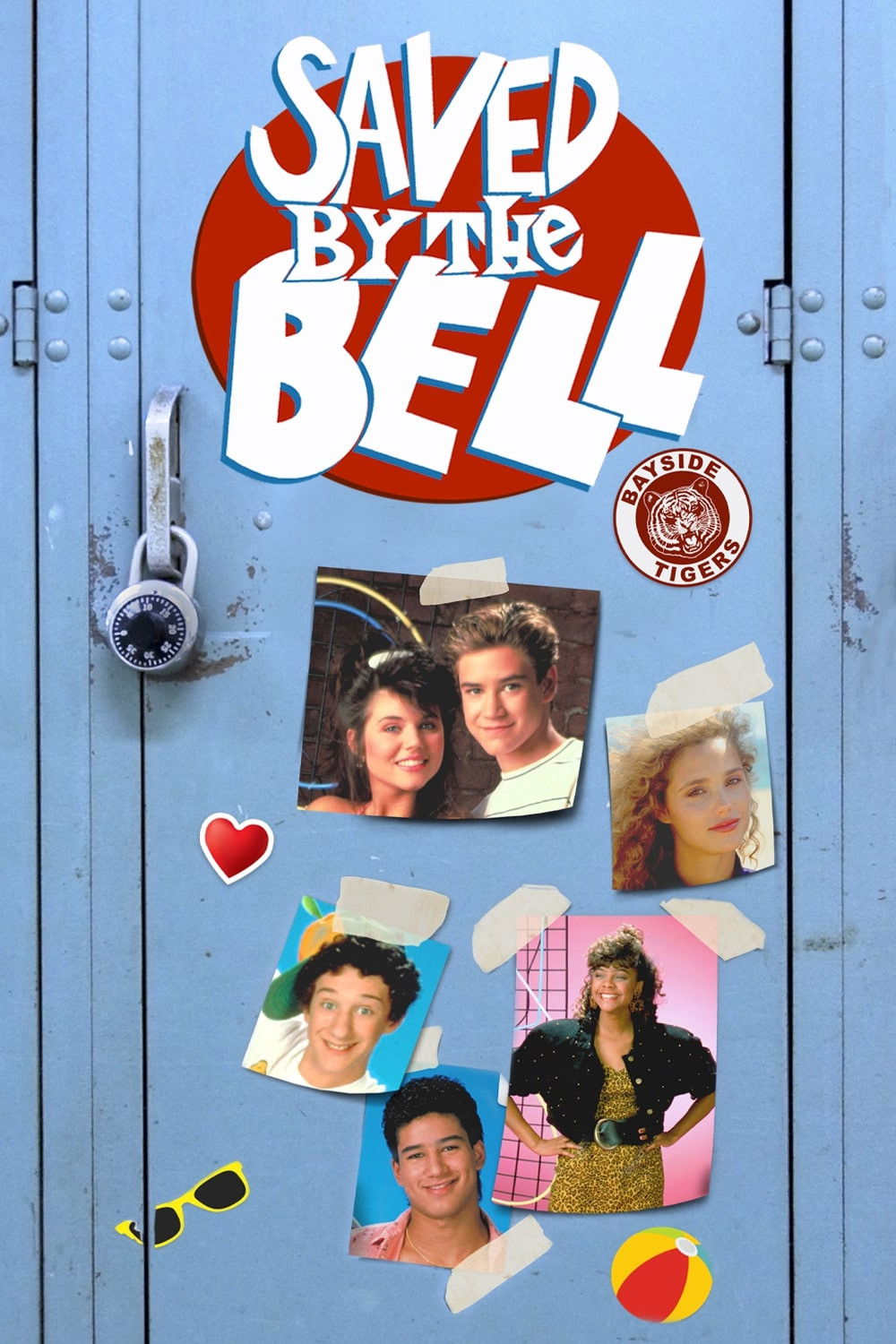
Lisa Turtle was the fashionable and affluent member of the Bayside High group who often provided comic relief. Despite being a series regular, she rarely received the same narrative focus or romantic development as her peers. Critics have looked back at the series and noted that she was often the target of unwanted advances. This dynamic was frequently used for humor rather than being treated as a serious plot point for her character.
‘The Walking Dead’ (2010–2022)

T-Dog was a member of the original group of survivors who often had very few lines per episode. Critics pointed out that his character lacked a detailed backstory or significant motivation compared to characters like Rick or Daryl. The term “One Black Man Rule” was often used by viewers to describe how the show seemed to replace one Black male character with another. His eventual sacrifice was seen by some as a way to clear space for new additions rather than a culmination of a personal arc.
‘Smallville’ (2001–2011)
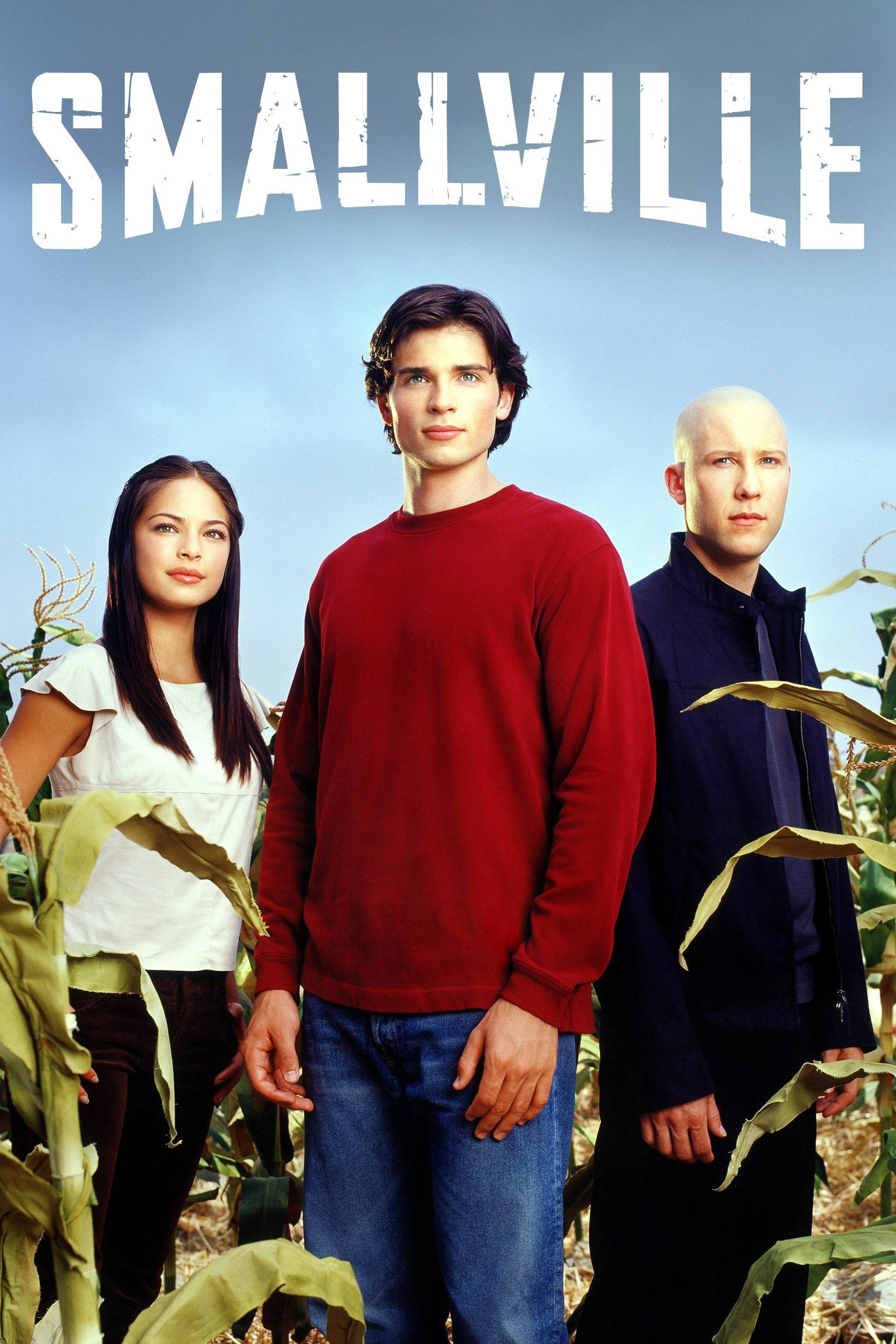
Pete Ross was Clark Kent’s best friend during the early years of the superhero origin story. Despite being the first person Clark trusted with his secret, Pete often felt like a secondary thought in the overarching plot. He was eventually written out of the show after three seasons with very little fanfare. Critics argued that the writers never fully capitalized on his potential as a confidant or an individual character.
‘Girls’ (2012–2017)
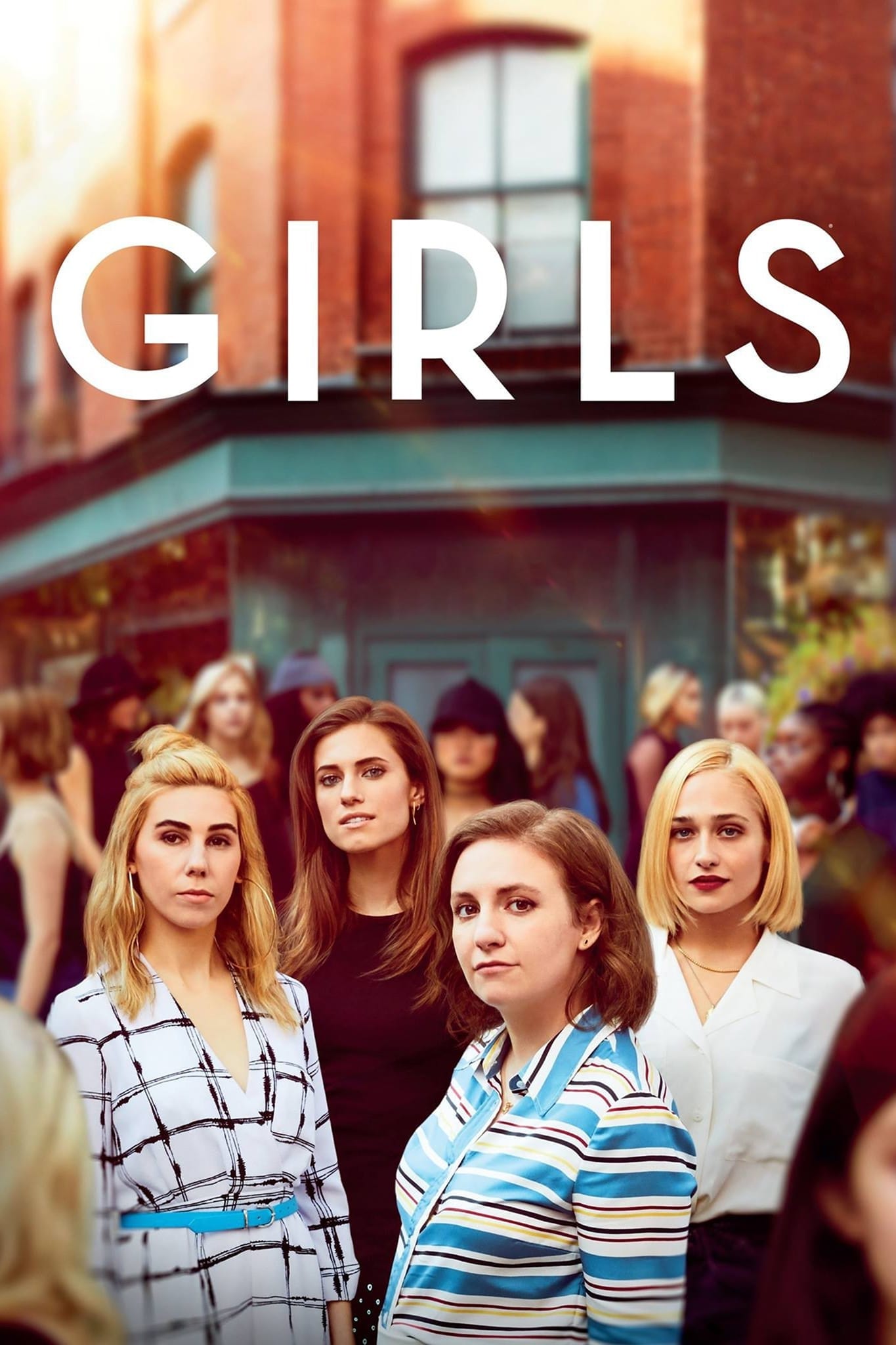
Sandy was introduced in the second season as a brief love interest for the main character Hannah Horvath. His inclusion followed intense public criticism regarding the show’s lack of racial diversity in its New York City setting. The character only appeared in two episodes and served primarily as a vehicle for Hannah to defend her own views on race. Critics felt this move was a reactive response rather than a genuine attempt at inclusive storytelling.
‘Buffy the Vampire Slayer’ (1997–2003)
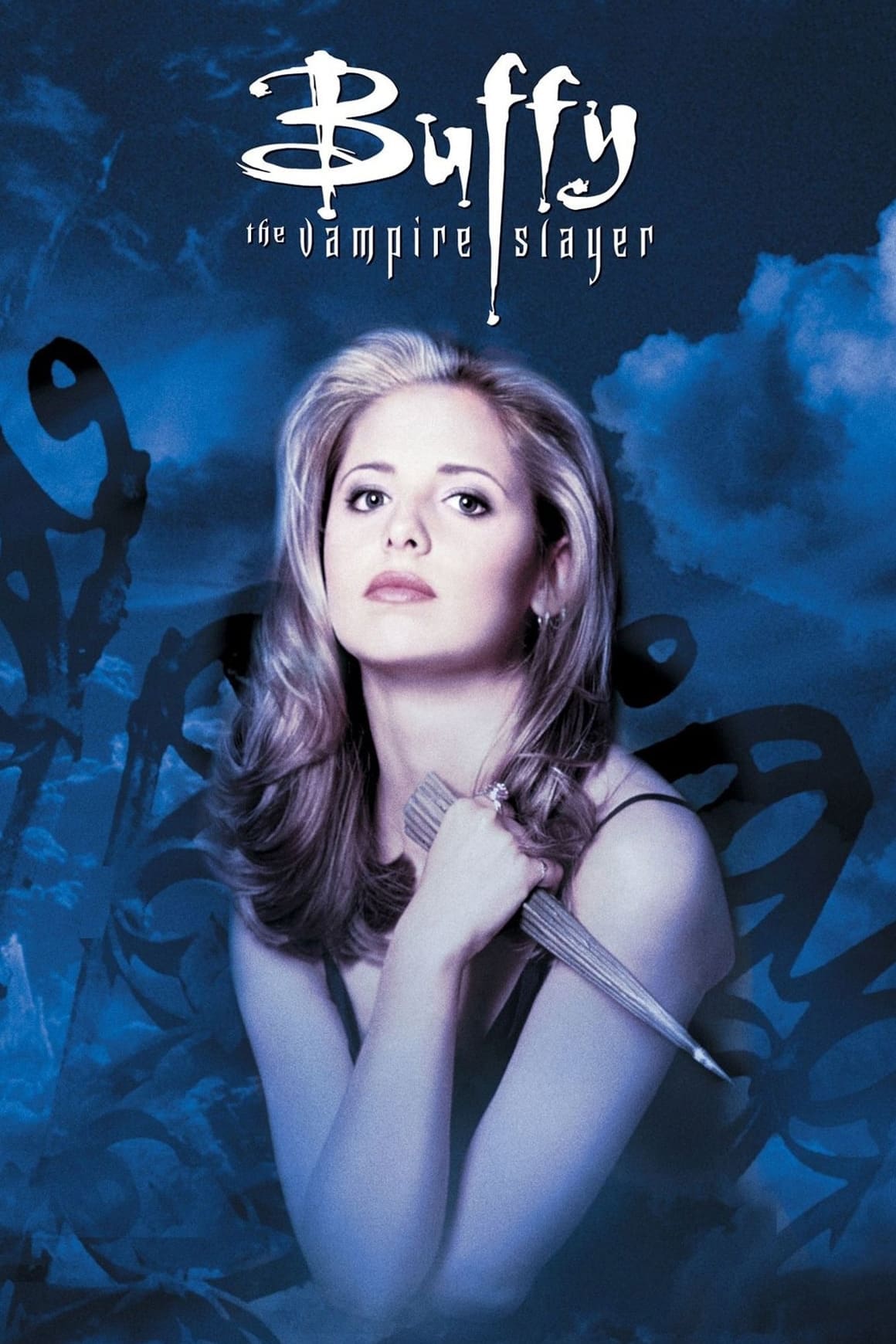
Kendra Young was introduced as a second slayer who adhered strictly to the rules and traditions of her calling. She appeared in only a few episodes before meeting a tragic end at the hands of a villain. Critics argued that her character was used as a foil to highlight Buffy’s unconventional nature and rebellious spirit. Her lack of screen time and quick exit led to discussions about the expendability of minority characters in the series.
‘The Office’ (2005–2013)
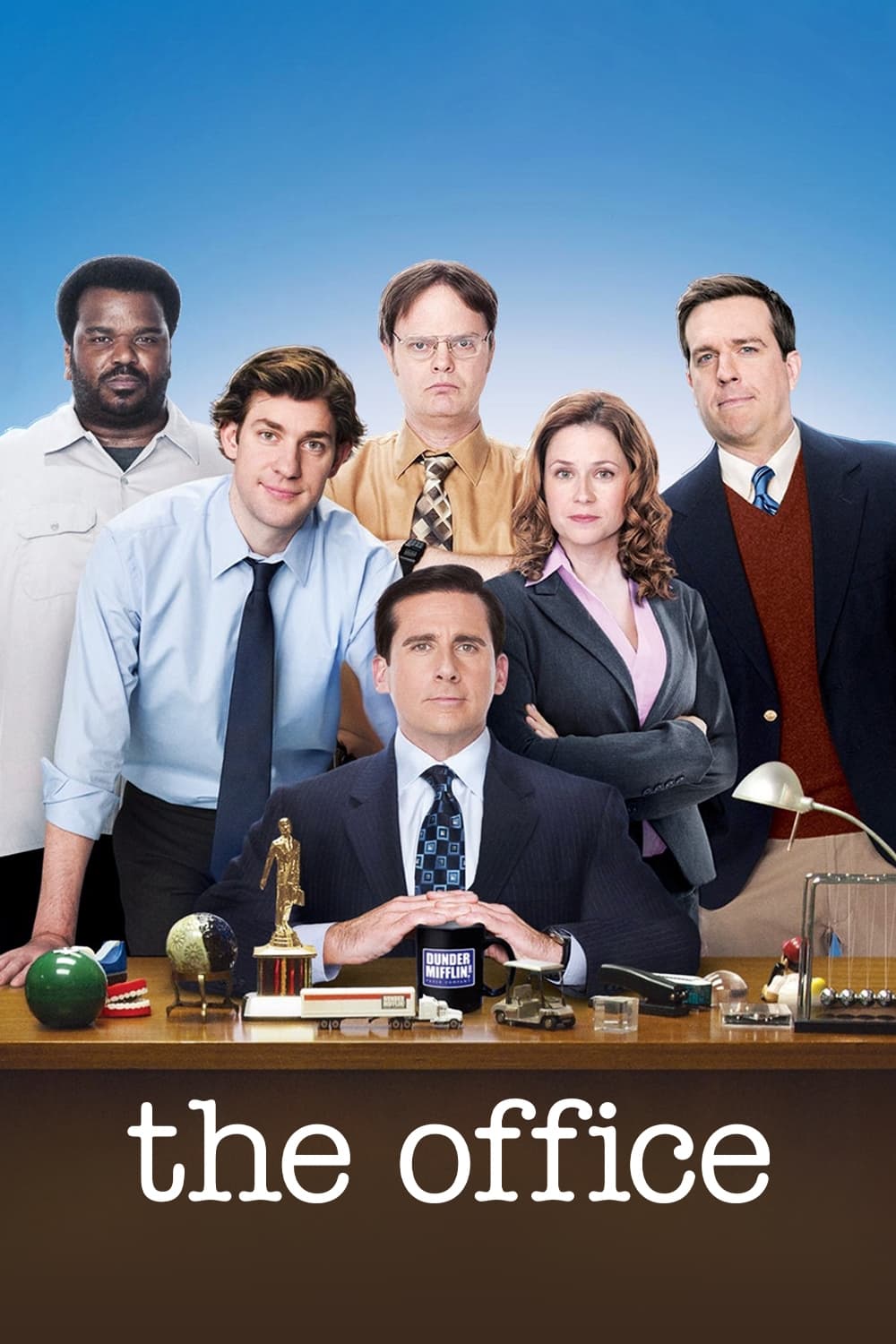
Stanley Hudson was known for his love of crossword puzzles and his deep disdain for his boss Michael Scott. While he was a fan favorite, critics noted that his character was often defined by a few specific tropes like laziness or grumpiness. He rarely had storylines that explored his life outside of the workplace or his personal motivations. This led to critiques that he functioned more as a recurring joke than a fully realized individual.
‘Teen Wolf’ (2011–2017)

Vernon Boyd was a member of Derek Hale’s pack who often remained silent during intense group discussions. Critics observed that he was given very little dialogue or personal history compared to the other teenage werewolves. His presence seemed to provide muscle for the group without contributing significantly to the emotional core of the show. His eventual death was criticized for being used primarily to motivate the white lead characters.
‘Pretty Little Liars’ (2010–2017)
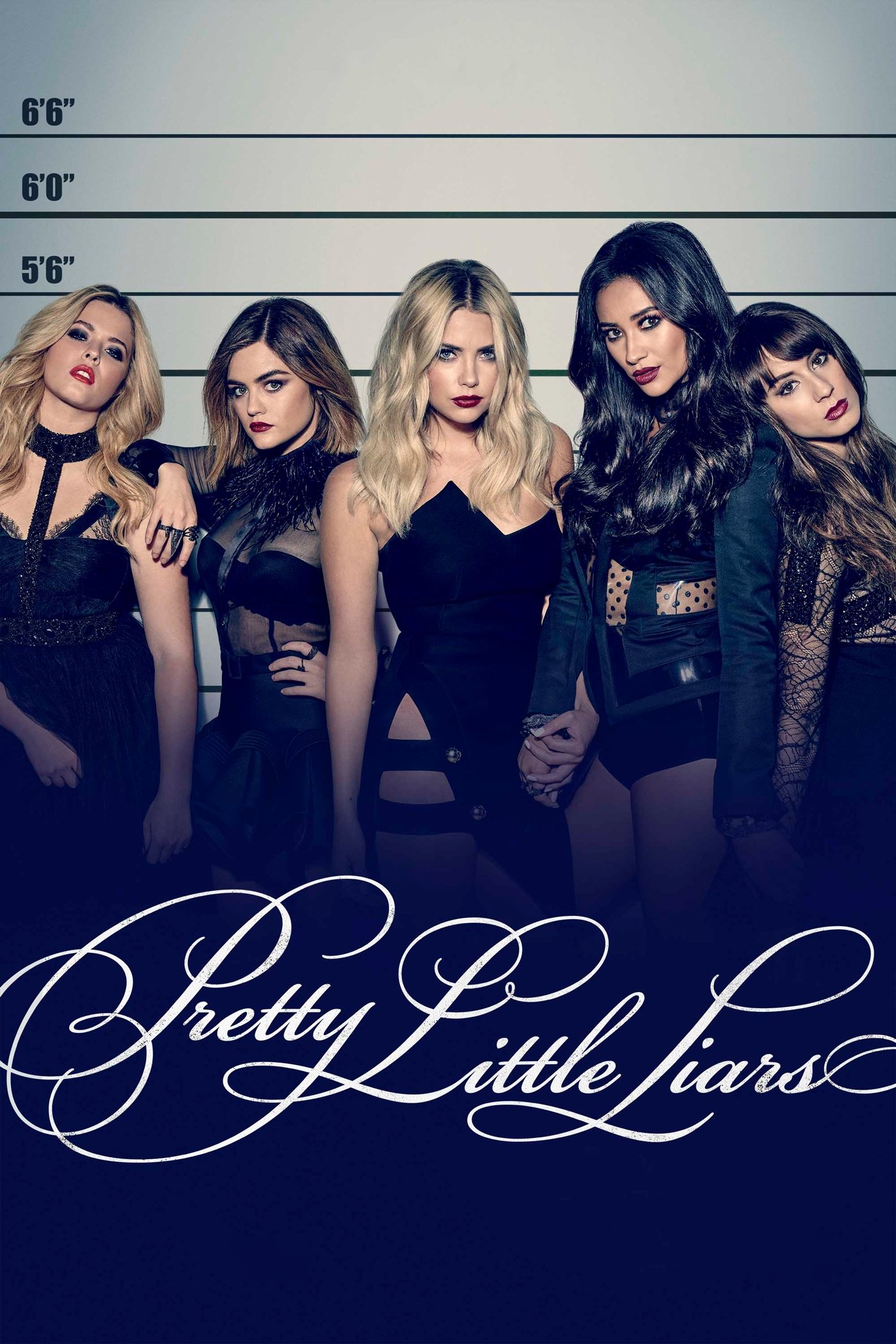
Maya St. Germain was the first girlfriend of Emily Fields and played a crucial role in her coming out journey. However, she was often absent for long stretches of time and was eventually killed off in a shocking twist. Critics pointed out that her character was frequently used to create drama for Emily rather than being allowed to exist independently. This trope of the tragic minority love interest was a recurring point of contention among viewers.
‘Mad Men’ (2007–2015)
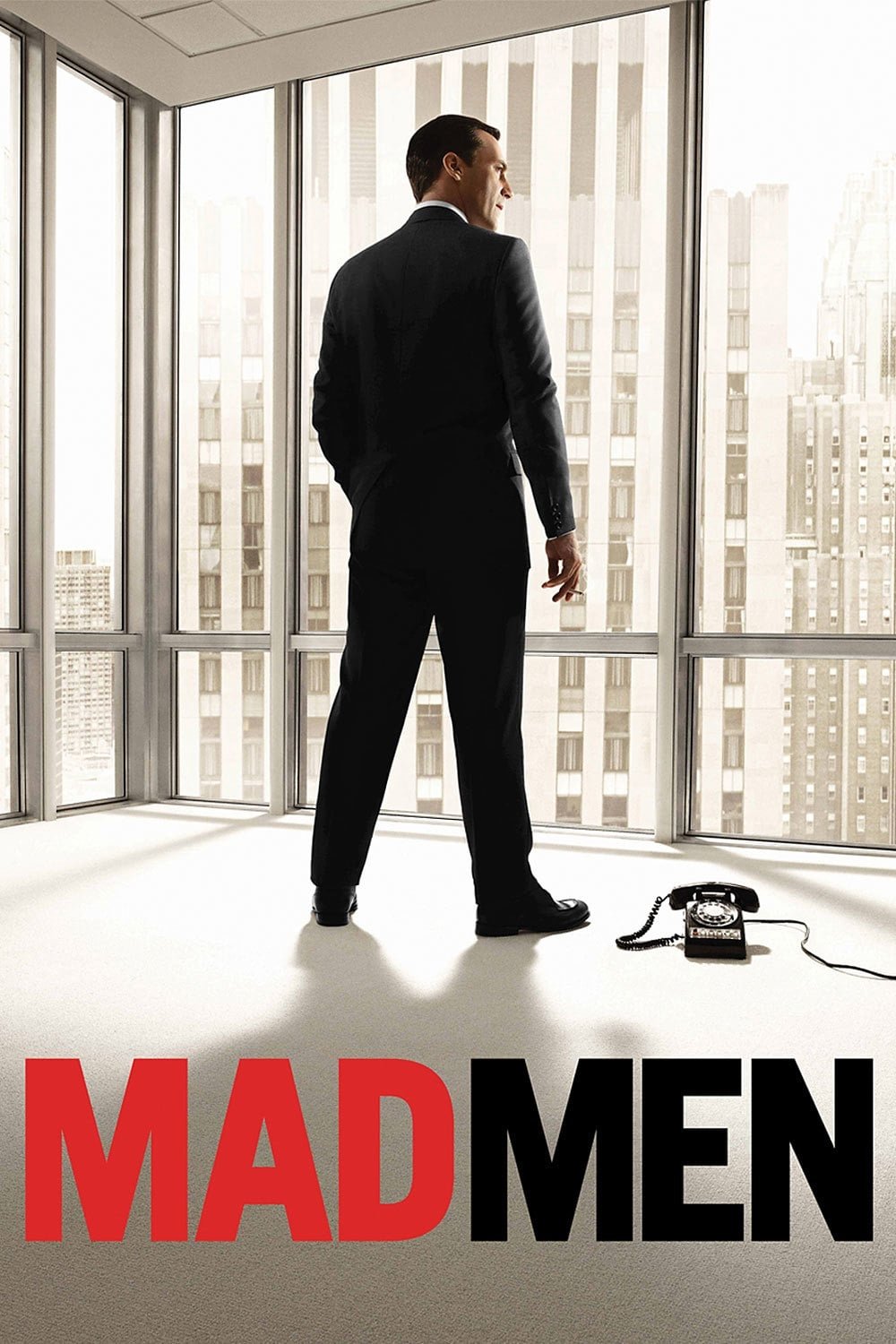
Dawn Chambers became the first Black employee at the advertising agency during the later seasons. Her character was introduced to reflect the changing social landscape of the 1960s. Critics noted that while her presence was historically significant, she was rarely integrated into the main plotlines of the office. She often appeared in the background or in brief scenes that highlighted the isolation of being the only person of color in the room.
‘Gossip Girl’ (2007–2012)
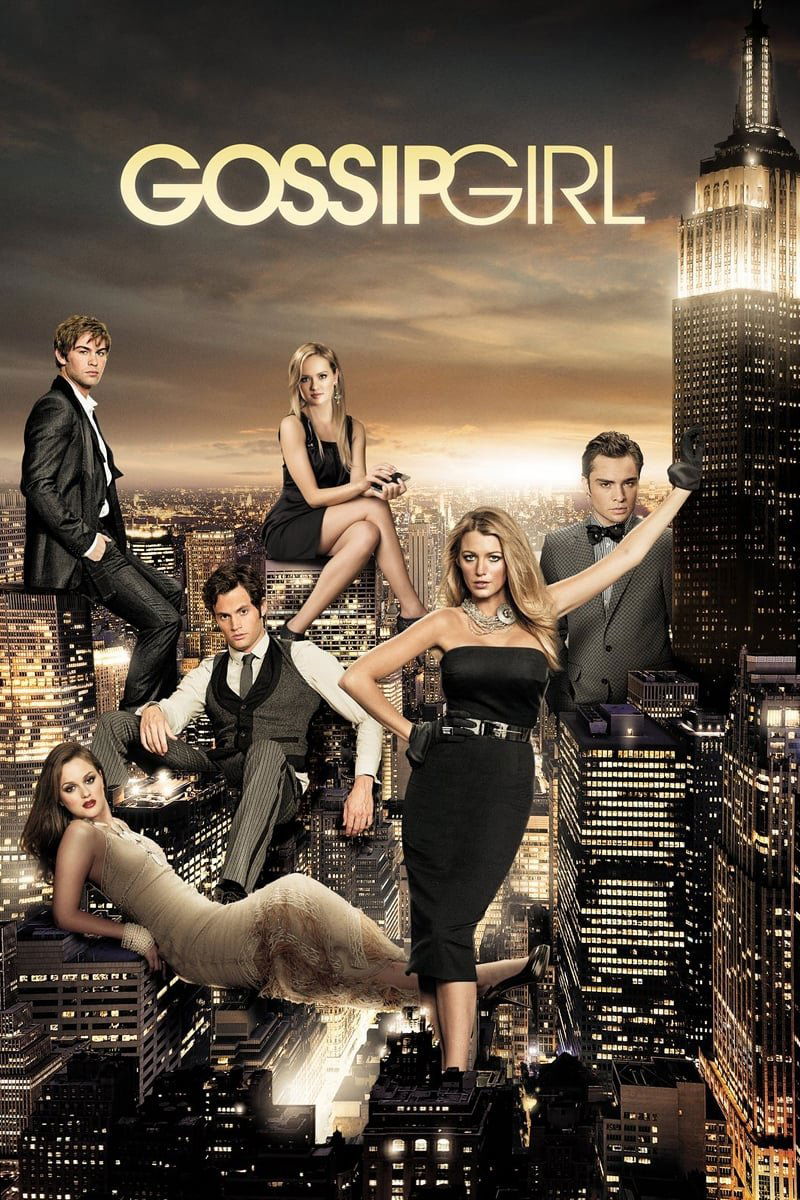
Isabel Coates was a constant presence in the early seasons as one of Blair Waldorf’s loyal minions. She spent most of her time following orders and contributing to the social schemes of the Upper East Side elite. Critics argued that she lacked a distinct personality or any individual goals outside of her service to Blair. Her character was eventually phased out without a resolution to her minor storyline.
‘The Big Bang Theory’ (2007–2019)
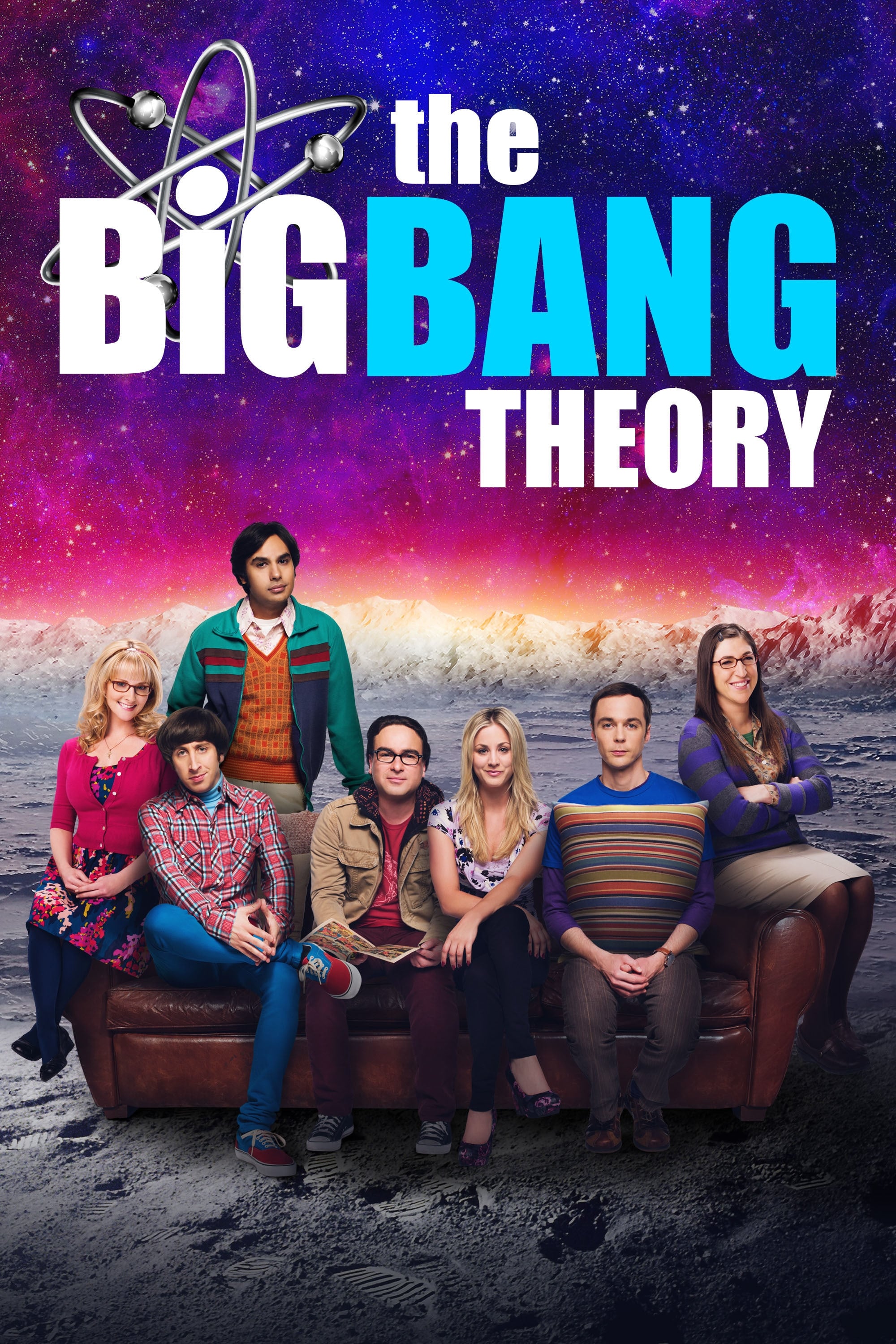
Critics often discussed the lack of recurring Black characters in the lengthy sitcom about scientists. While the show occasionally featured minority guest stars, they rarely became permanent fixtures in the social group. Dr. Janine Davis was the human resources administrator who appeared sporadically to reprimand the leads for their behavior. Many felt her role was limited to being a stern authority figure rather than a friend or peer.
‘New Girl’ (2011–2018)

Winston Bishop joined the cast in the first season to replace the departing character Coach. In the early episodes, the writers struggled to find a unique voice for him within the ensemble. Critics noted that he often felt like a background character who was just there to round out the apartment dynamic. It took several seasons for the show to develop his eccentric personality and give him more substantial storylines.
’30 Rock’ (2006–2013)

James Toofer Spurlock was a writer on the show who was frequently the target of jokes about his Ivy League education. His character was often used to satirize the concept of diversity hiring in the television industry. Critics argued that while the show was self aware about his status, he still lacked the depth given to other writers. He remained a peripheral figure throughout most of the series.
‘Succession’ (2018–2023)
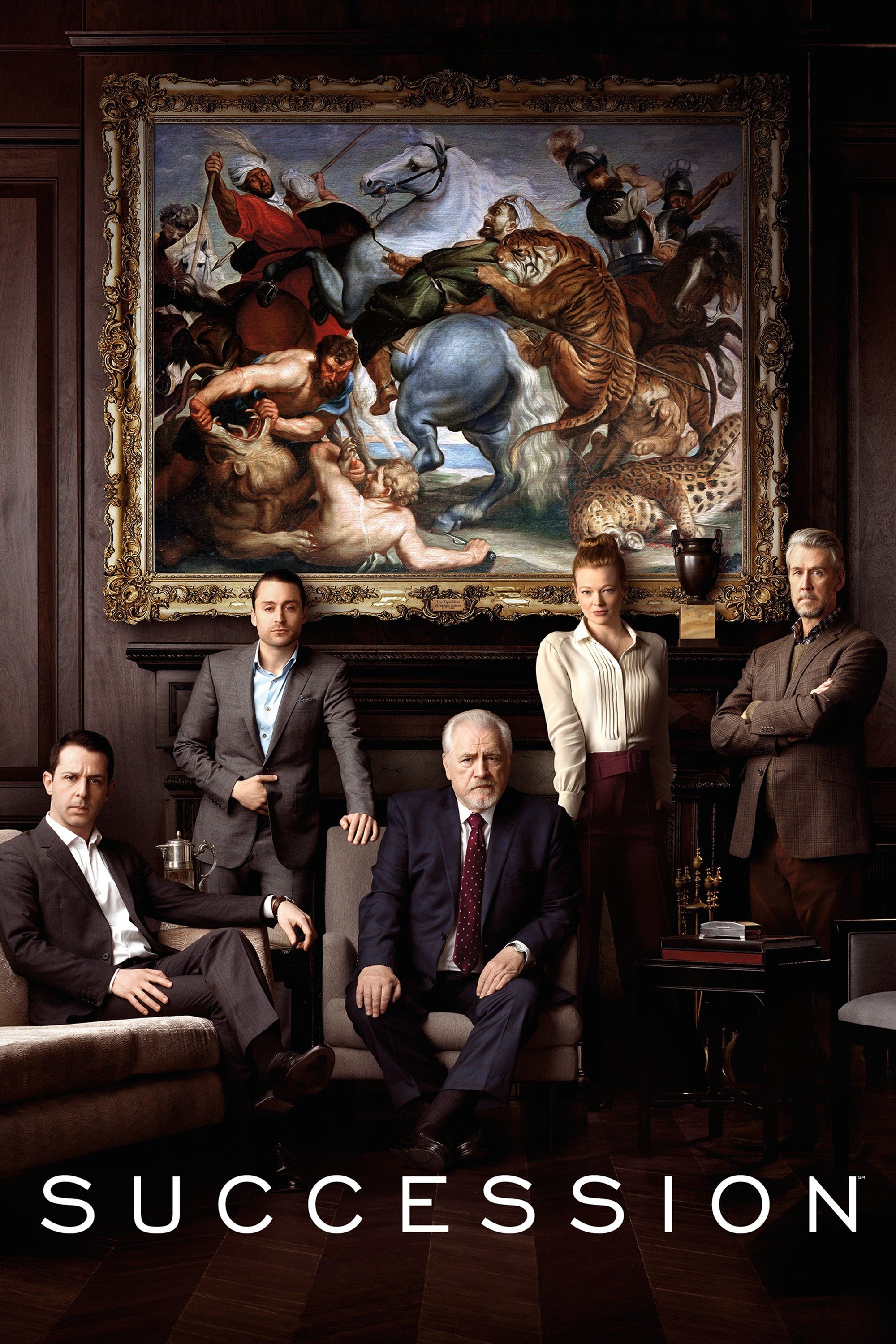
Jess Jordan served as the dedicated personal assistant to Kendall Roy throughout the intense corporate drama. She was often seen in the background managing his chaotic schedule and following his demanding orders. Critics noted that despite her constant presence, the audience learned very little about her personal life or ambitions. Her quiet competence was often contrasted with the loud incompetence of the billionaire family she served.
’13 Reasons Why’ (2017–2020)
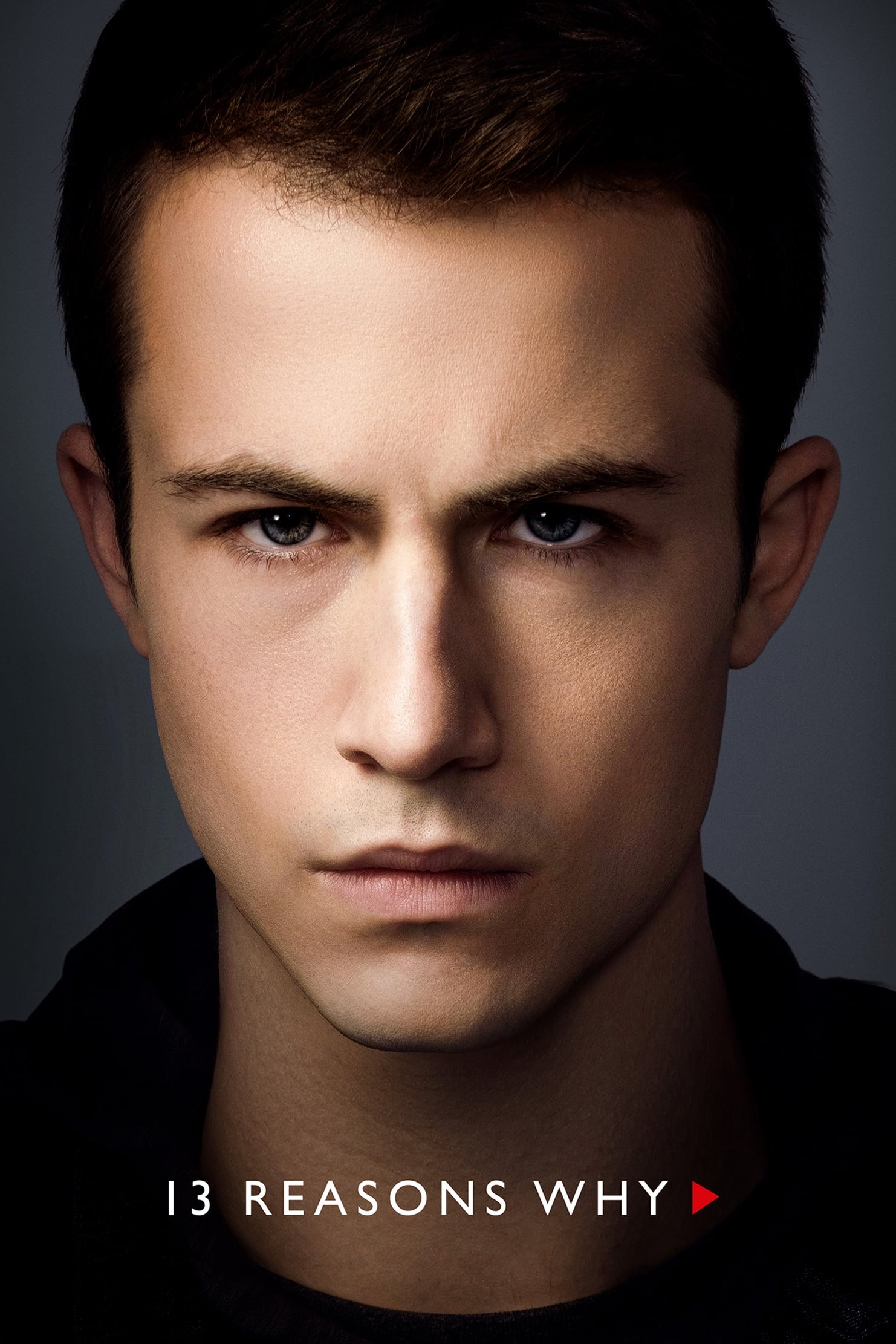
Marcus Cole was the student body president who became involved in the central mystery surrounding Hannah Baker. His character was often portrayed as a villainous figure who prioritized his reputation over the truth. Critics felt that he was given a simple characterization compared to the more complex portrayals of other students. This led to discussions about how the show handled its few characters of color within its dark themes.
‘Dawson’s Creek’ (1998–2003)

Bodie Wells was the boyfriend of Joey’s sister Bessie and one of the few Black characters in the small town of Capeside. He appeared sporadically throughout the series but was never fully integrated into the main group of friends. Critics observed that his role was primarily to provide support to the Potter family without having his own development. His presence in the town was rarely addressed or explored beyond his relationship with Bessie.
‘Seinfeld’ (1989–1998)
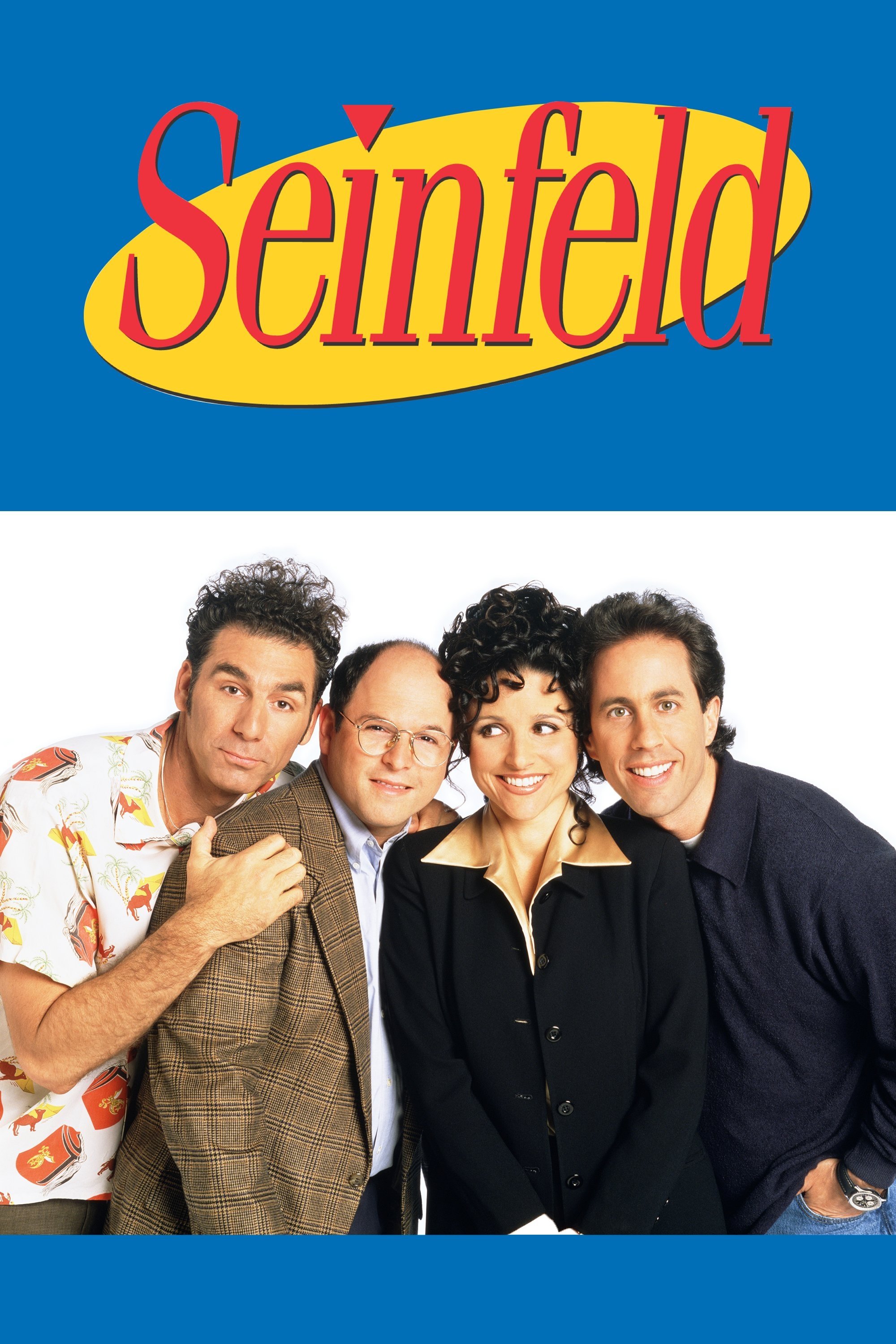
Jackie Chiles was the fast talking lawyer based on Johnnie Cochran who represented Cosmo Kramer in various legal battles. While he was a memorable comedic character, he only appeared in a handful of episodes. Critics often pointed out that the show featured very few Black characters in a city as diverse as New York. Jackie functioned more as a caricature of a specific real life figure than a regular part of the social world.
‘Emily in Paris’ (2020–Present)

Julien is a colleague of the main character at the marketing firm who often provides witty commentary and fashion advice. Critics have argued that his character follows the Black best friend trope by focusing on Emily’s problems rather than his own career. While he is talented and ambitious, the show rarely delves into his life outside of the office. His primary function often appears to be helping the protagonist navigate her professional mistakes.
‘Bridgerton’ (2020–Present)
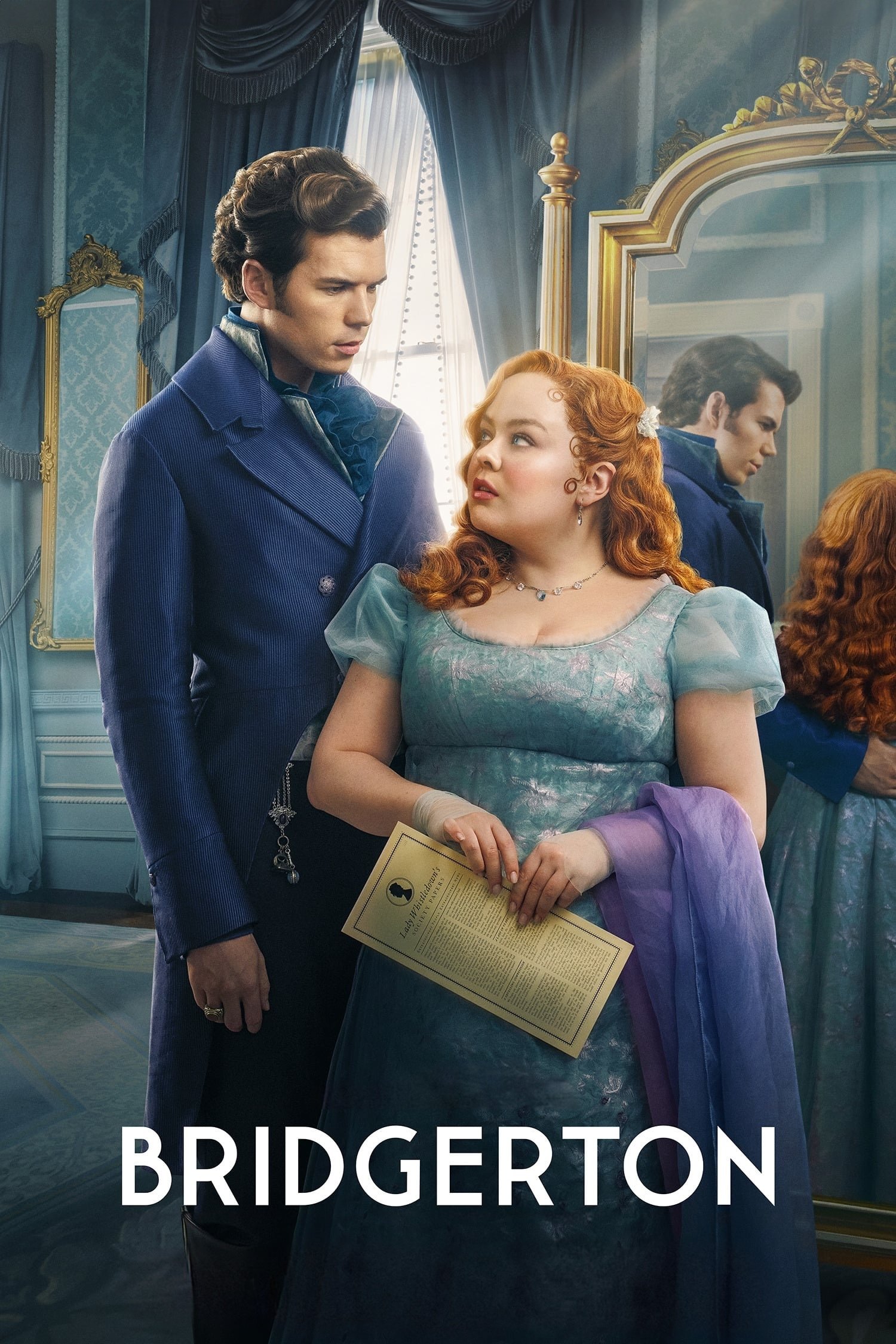
The series received praise for its diverse casting in a Regency era setting but also faced questions about the depth of its Black characters. While characters like Lady Danbury and the Duke of Hastings are central, critics noted that the racial history of the world is often glossed over. Some argued that the show uses diversity as a visual aesthetic without addressing the complexities of its reimagined society. This sparked a debate about the difference between representation and true narrative integration.
‘Big Little Lies’ (2017–2019)

Bonnie Carlson was the only Black woman in the main group of mothers in the affluent community of Monterey. Critics who were familiar with the original novel noted that her racial identity and background were largely omitted in the adaptation. She was often portrayed as the calm and spiritual outlier who stayed out of the petty drama until the very end. Many felt that her character lacked the interiority and screen time given to the other female leads.
‘How I Met Your Mother’ (2005–2014)
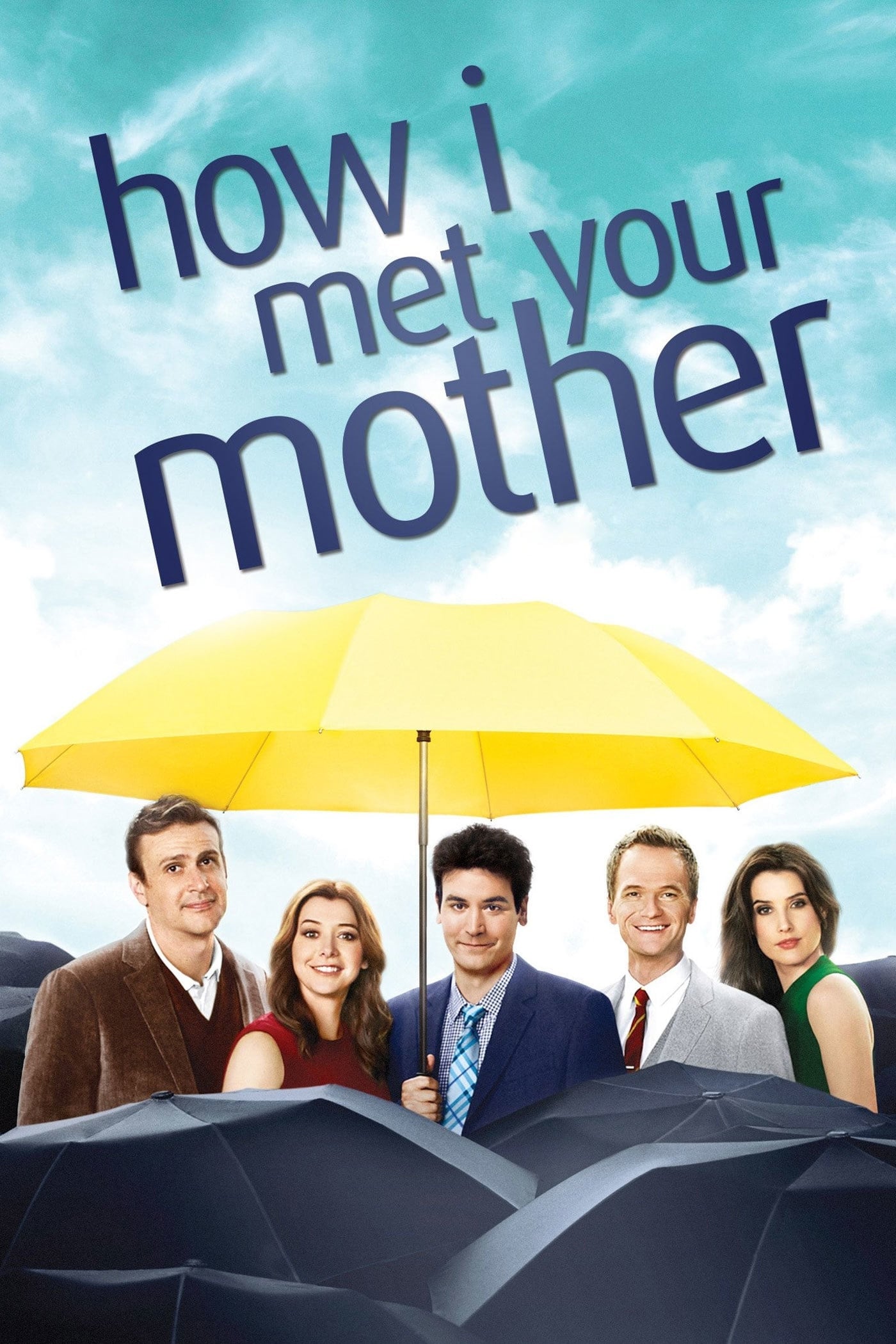
James Stinson was the older brother of Barney Stinson and shared his brother’s love for suits and legendary nights out. While he was a recurring guest star, his appearances were relatively rare compared to the main group. Critics pointed out that he was often used to provide a comedic parallel to Barney’s lifestyle. He was rarely seen interacting with the rest of the gang in a meaningful or consistent way.
‘Silicon Valley’ (2014–2019)

The show depicted the tech industry and was often criticized for its lack of diverse characters in the central startup. For several seasons, there were almost no Black characters with recurring roles or significant dialogue. Critics argued that while this reflected the real world issues in the tech world, the show could have done more to challenge those norms. The absence of Black voices was a consistent point of feedback throughout its run.
‘Parks and Recreation’ (2009–2015)

Donna Meagle was a member of the parks department who was known for her confidence and her luxury vehicle. In the early seasons of the show, she had very few lines and was often just a face in the crowd during meetings. Critics noted that it took several years for the writers to give her more significant storylines and a defined personality. Once her character was expanded, she became one of the most beloved figures in the series.
‘Community’ (2009–2015)

Shirley Bennett was the mother and religious member of the study group at Greendale Community College. Critics argued that her character was often defined by her Christianity and her past as a housewife. She frequently felt like the most sidelined member of the core ensemble with fewer individual plotlines than her peers. Her departure before the final season was seen by some as a result of her character being underutilized.
‘One Tree Hill’ (2003–2012)
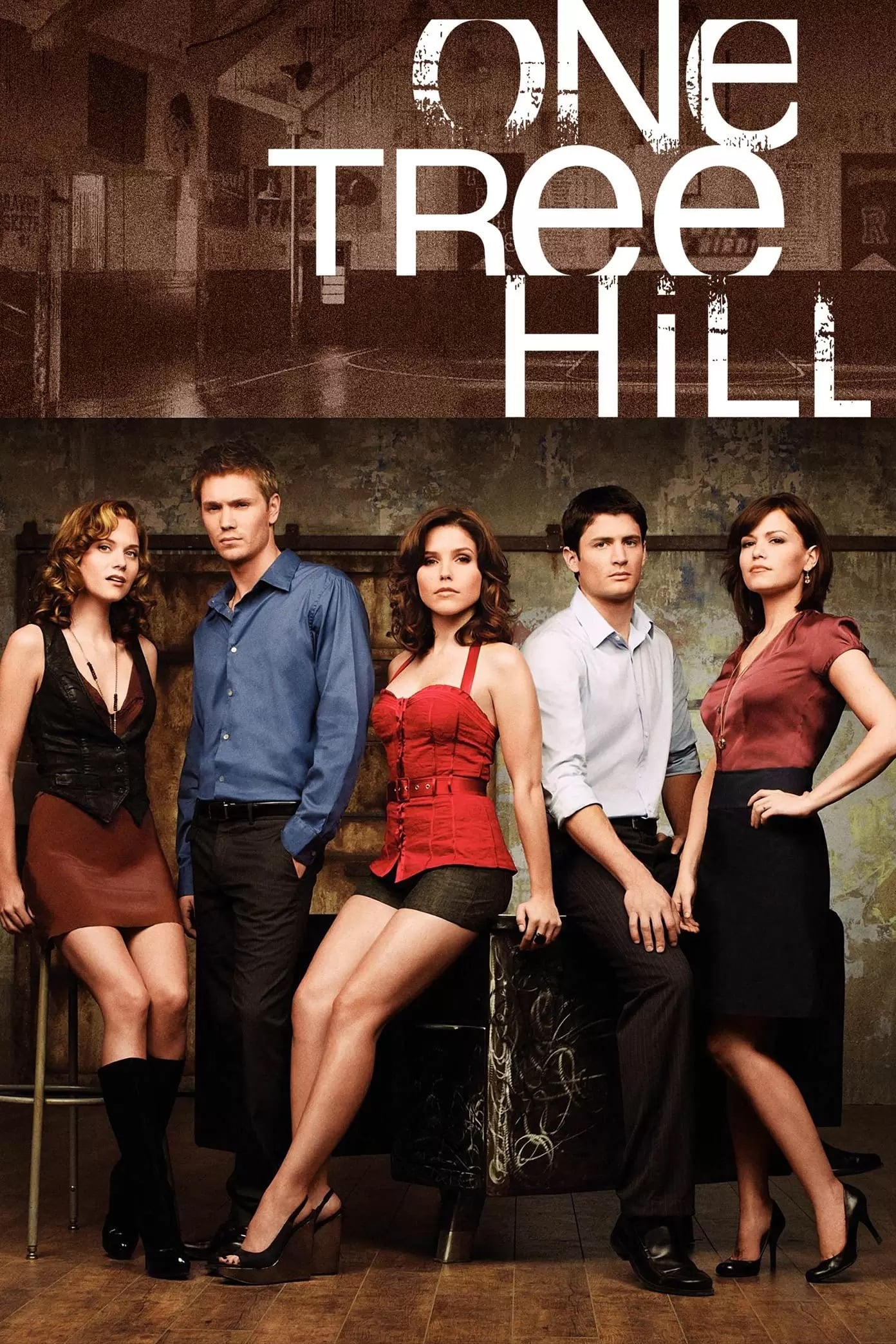
Antwon Skills Taylor was a close friend of Lucas Scott who played basketball on the river court. While he eventually became a series regular, he was often relegated to the background of the major romantic and dramatic arcs. Critics pointed out that he was frequently the supportive friend who offered advice rather than having his own central drama. His character development often felt secondary to the lives of the core group.
‘Grey’s Anatomy’ (2005–Present)

In its earliest seasons, the medical drama focused heavily on the core interns and their complex relationships. While the show was praised for its diverse cast, critics argued that some characters were given more depth than others. Dr. Richard Webber and Dr. Miranda Bailey were authority figures but sometimes lacked the messy personal lives explored by the younger doctors. Over the years, the show significantly improved its character development for all its diverse cast members.
‘Beverly Hills, 90210’ (1990–2000)
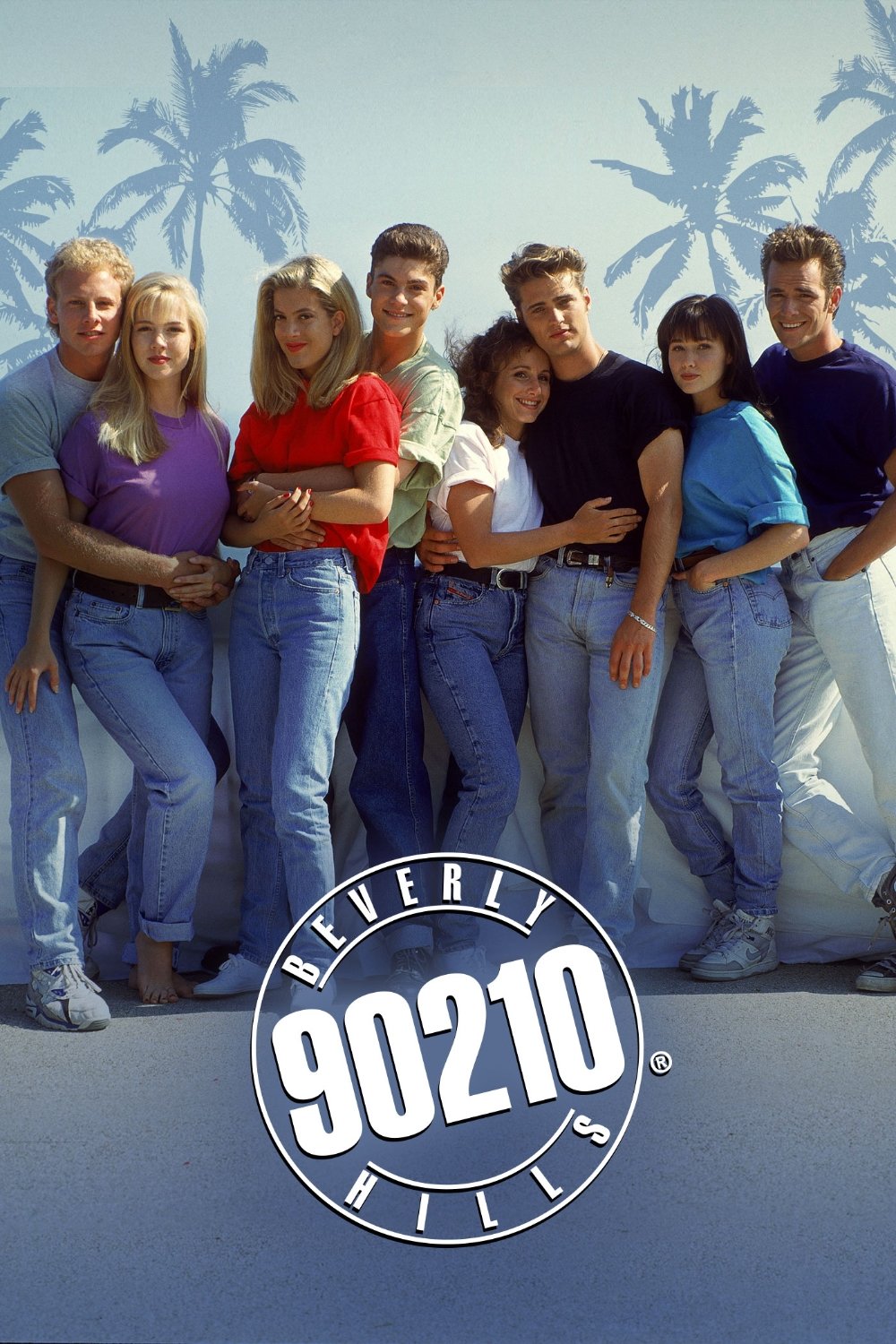
Jesse Vasquez was introduced in the later seasons as a love interest for Andrea Zuckerman. His character was one of the few Black characters to have a significant role in the series. However, critics noted that his storylines were almost entirely tied to the pregnancy and marriage of his partner. He rarely had a life or social circle of his own outside of the main group.
‘Skins’ (2007–2013)
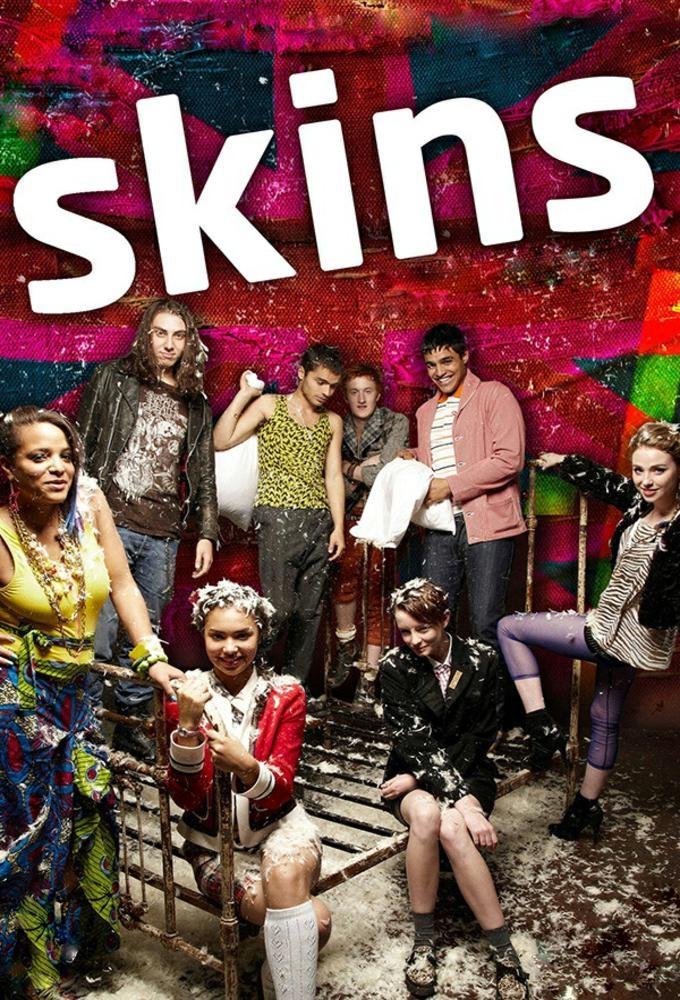
Jal Fazer was the talented musician in the first generation of the British teen drama. Critics often observed that she was the most sensible and responsible member of the group, which sometimes left her with less interesting storylines. While her peers were involved in wild parties and extreme drama, she was often focused on her clarinet practice. Many felt her character was under served by the writers compared to the more volatile characters.
‘Full House’ (1987–1995)
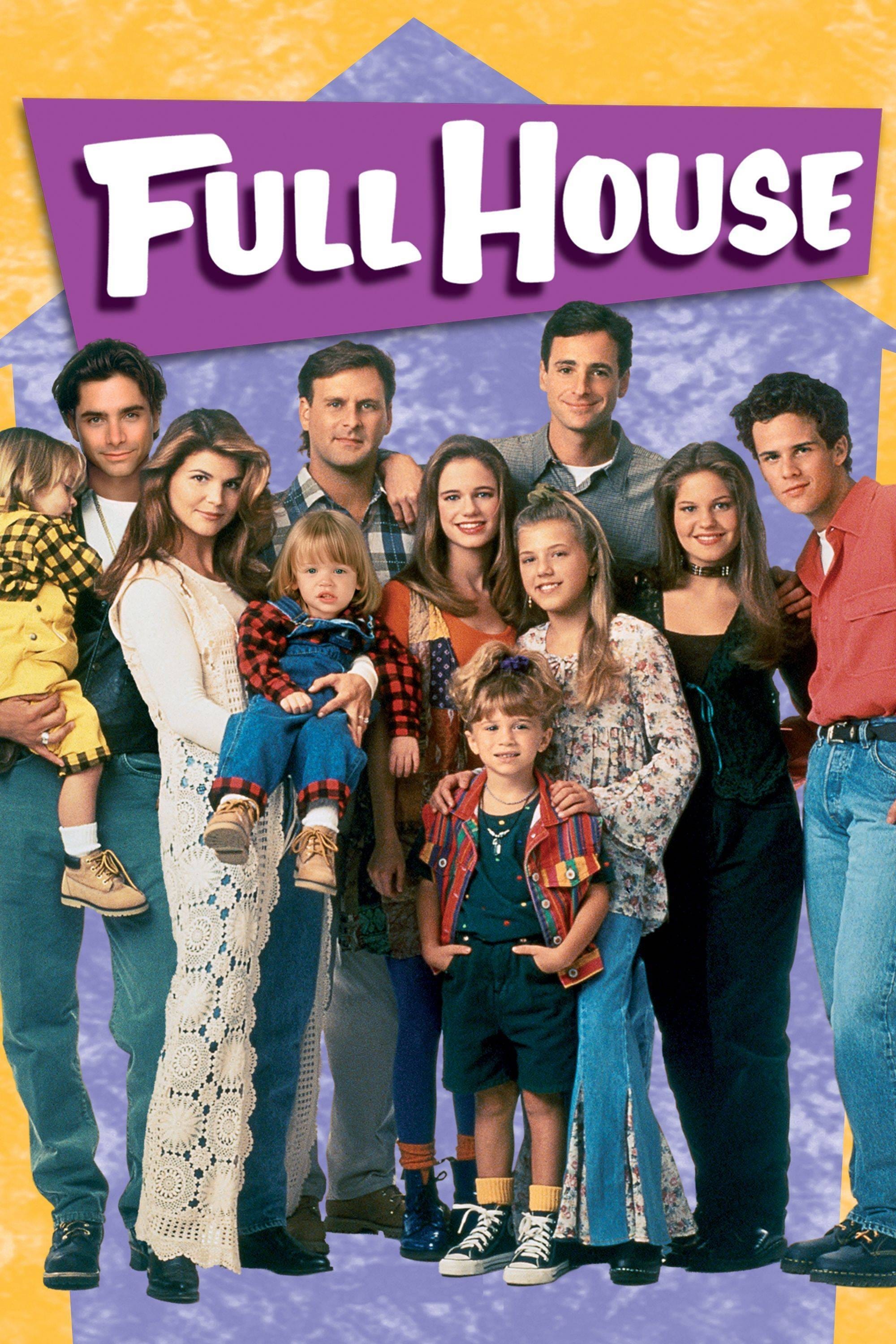
Teddy was Michelle Tanner’s best friend who appeared frequently throughout the middle seasons of the show. He was one of the few recurring Black characters in the series and often participated in school related plots. Critics looking back at the show noted that he was almost exclusively used as a companion for Michelle. He had no individual development outside of his interactions with the Tanner family.
‘Scrubs’ (2001–2010)

Christopher Turk was the lead character’s best friend and a talented surgeon at Sacred Heart. While he was a central protagonist, critics often analyzed his role through the lens of the Black best friend trope. His relationship with J.D. was the emotional core of the show, but some felt his own personal growth was sometimes sacrificed. The show occasionally leaned on racial stereotypes for comedic effect during their interactions.
‘The Flash’ (2014–2023)

Wally West was introduced as an iconic speedster but often struggled to find his place in the team. Critics noted that the writers seemed unsure of how to balance two speedsters on the same show. He was frequently sent away to other cities or relegated to a supporting role during major battles. His eventual move to another series highlighted the difficulty the show had in integrating him into the central narrative.
‘Teenage Mutant Ninja Turtles’ (1987–1996)
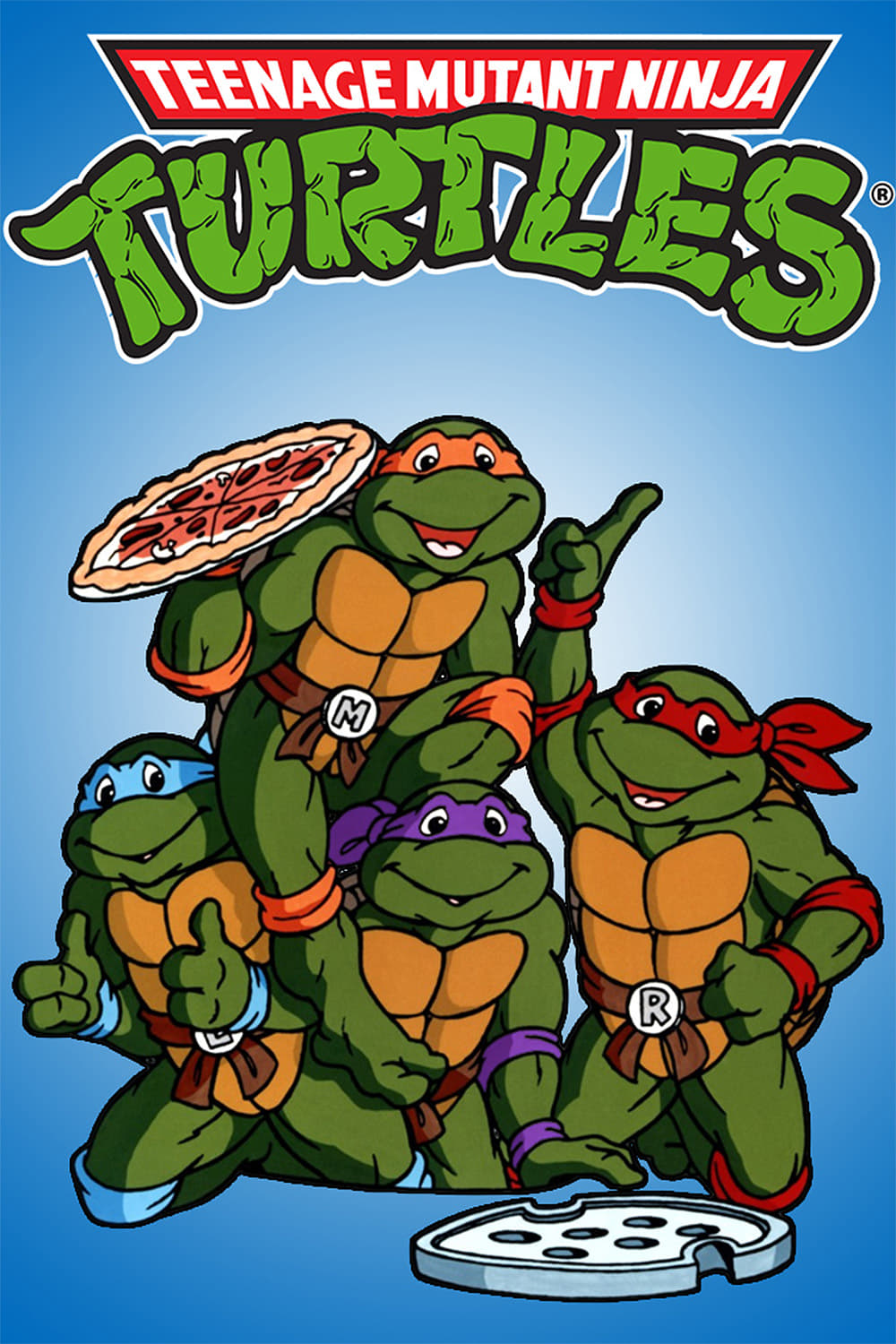
Baxter Stockman was originally a Black scientist in the comic books but was changed to a white character in the popular animated series. Critics and fans have long called out this change as a form of erasure that diminished the diversity of the source material. When later versions restored his original identity, it sparked discussions about the importance of accurate representation. The choice in the eighties was seen as a safe move for the television standards of the time.
‘Brooklyn Nine-Nine’ (2013–2021)
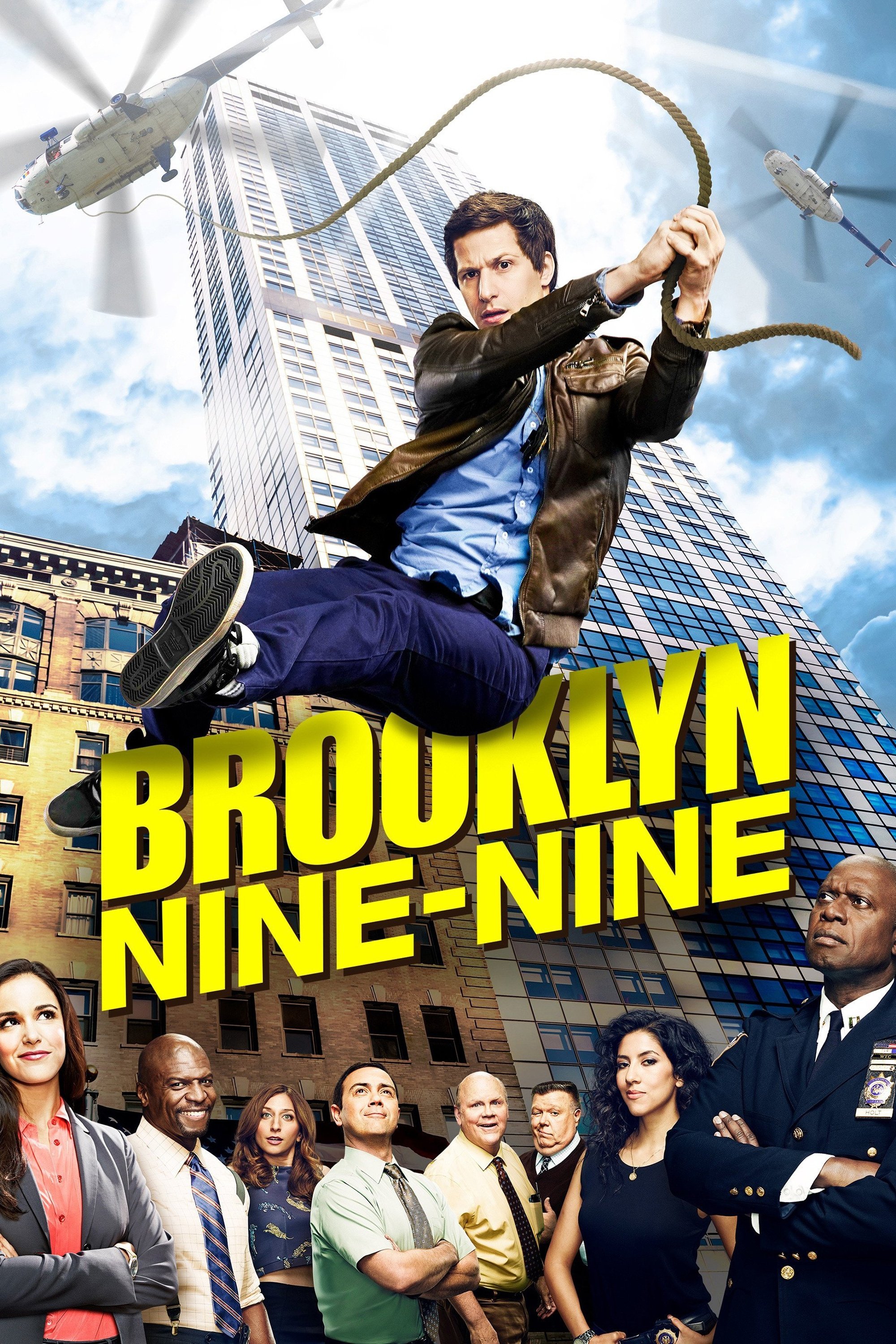
While the show is widely praised for its representation, some critics pointed to the early treatment of Terry Jeffords. In the first season, much of his character was built around the contrast between his physical size and his sensitive nature. Critics argued that this leaned heavily on specific tropes before the character was allowed to become more multifaceted. The show eventually moved away from these jokes to give him much more significant storylines.
‘Suits’ (2011–2019)
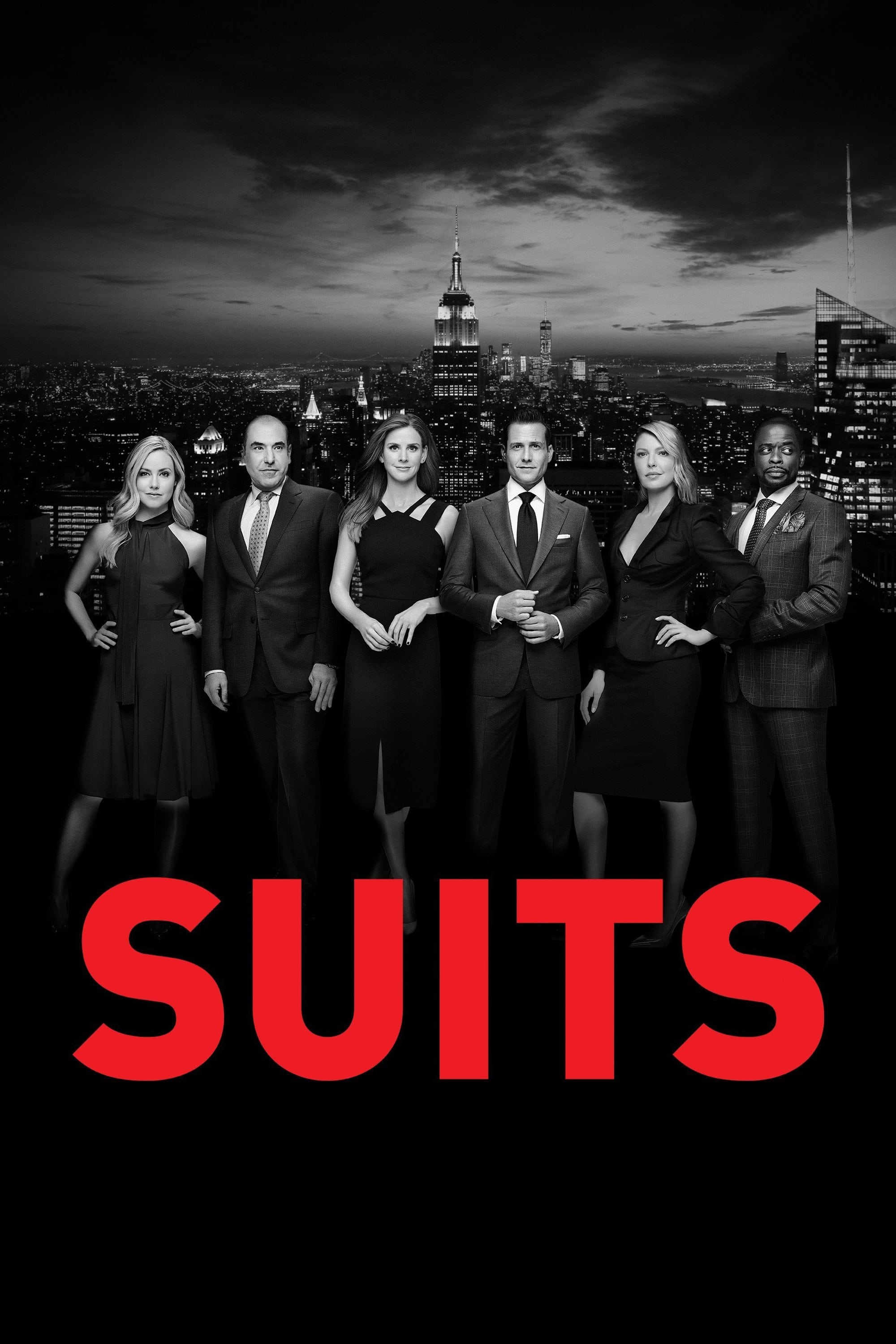
Jessica Pearson was the powerful head of the law firm who commanded respect in every scene. However, critics noted that for several seasons, the audience knew almost nothing about her personal life compared to the male leads. She was often depicted as the stoic and infallible leader who existed to solve the problems of the other lawyers. It was only in the later seasons that her character was fully explored as an individual.
‘Supernatural’ (2005–2020)
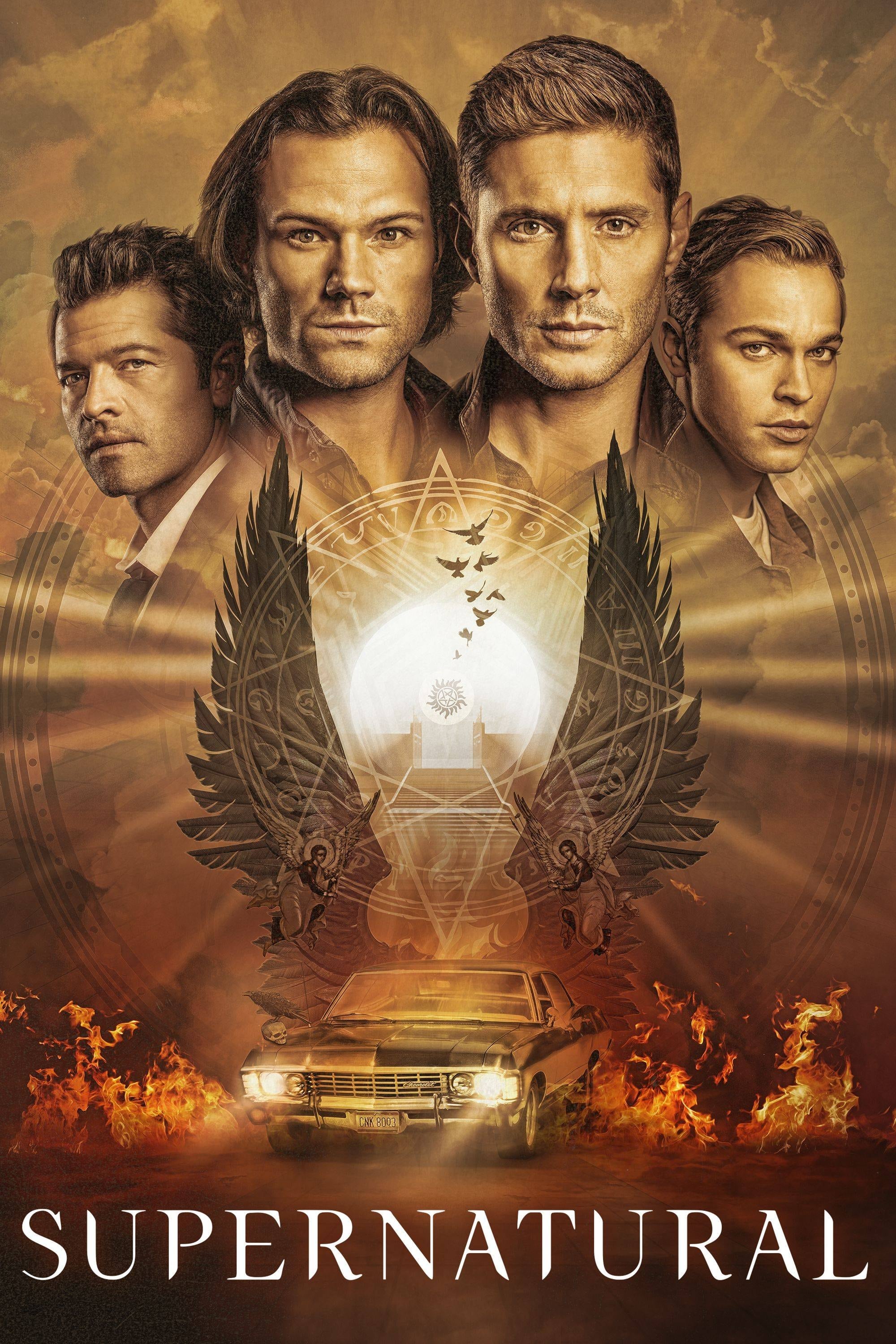
The show featured several Black characters over its fifteen seasons, but most were guest stars who met untimely deaths. Rufus Turner was a veteran hunter who provided occasional help to the Winchester brothers. Critics pointed out that his character was often used as a source of information before being written out. This recurring pattern led to accusations that the show viewed its characters of color as expendable assets.
‘Stranger Things’ (2016–Present)
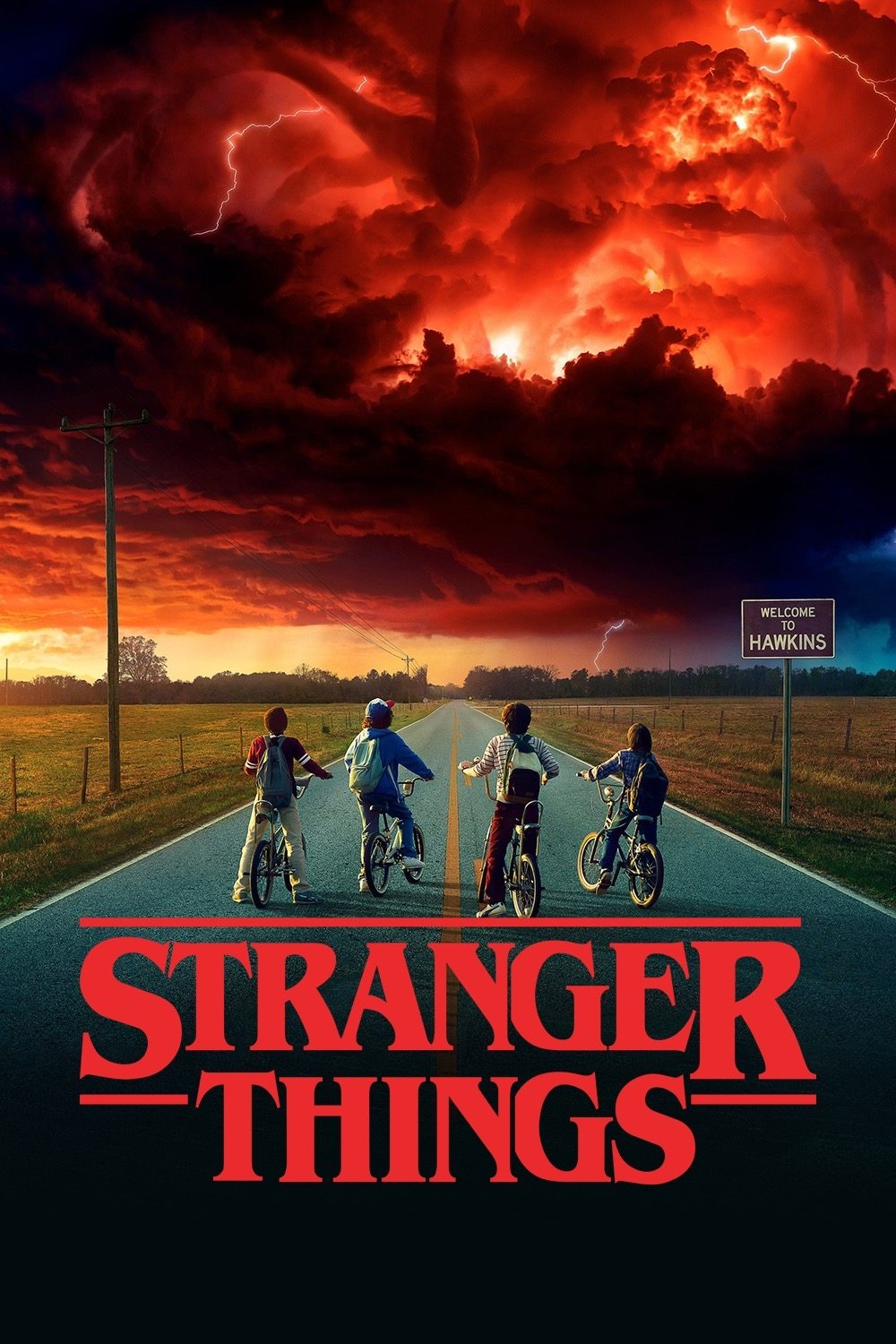
Lucas Sinclair was the only Black member of the central group of boys in the first season. Critics noted that he was often given the role of the skeptic who clashed with the main characters. His family and home life were not explored as deeply as those of Mike or Will in the early episodes. As the series progressed, the show worked to provide him with more agency and a more thoroughly developed personal narrative.
‘Boy Meets World’ (1993–2000)
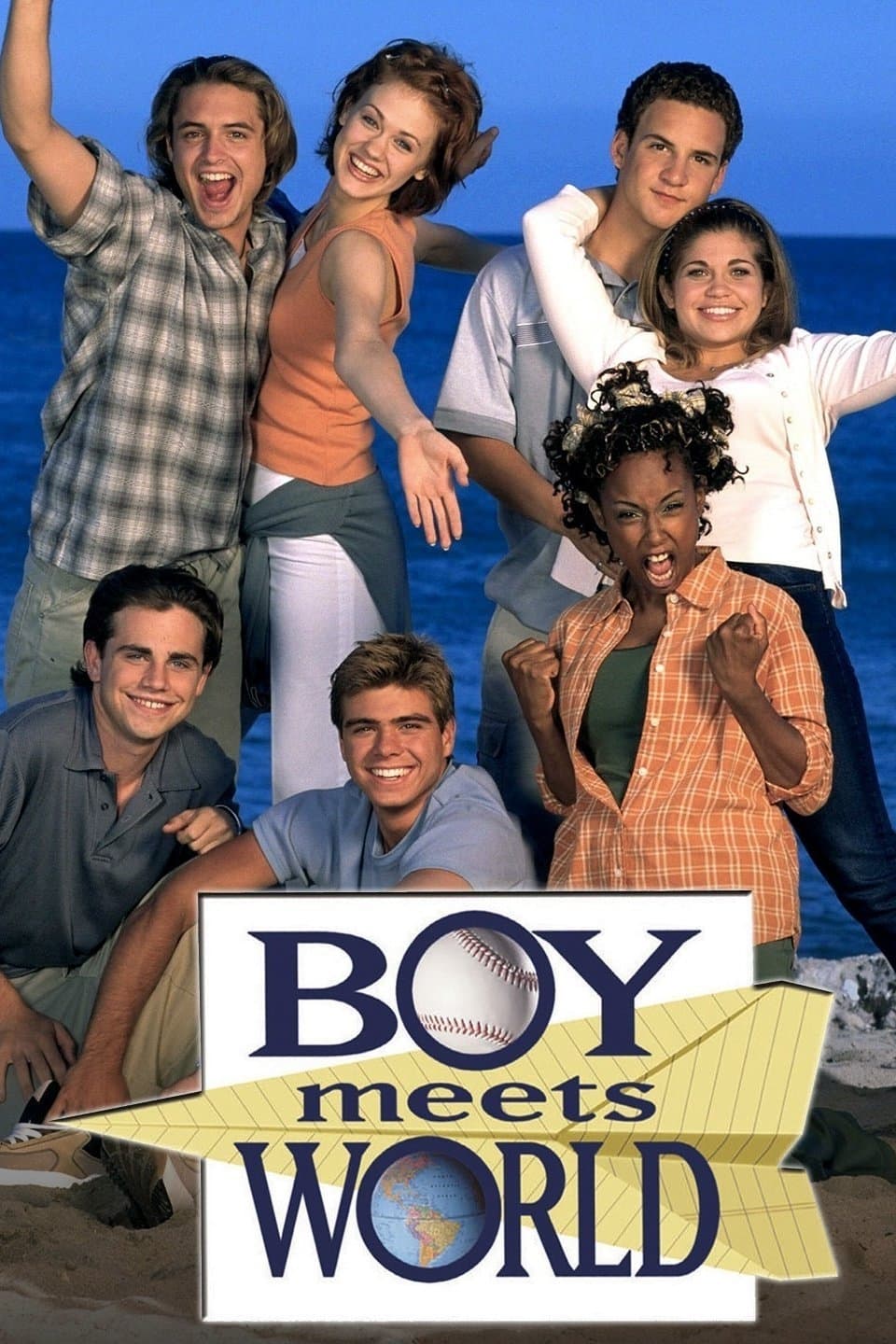
Angela Moore joined the cast in the later seasons as a love interest for Shawn Hunter. While she was a series regular, critics often observed that her storylines were almost entirely dependent on her relationship with Shawn. She was rarely seen with her own friends or pursuing interests that did not involve the main cast. Her departure from the show left many viewers feeling that her character had never been fully realized.
‘Happy Days’ (1974–1984)

The long running sitcom featured a very limited number of minority characters despite its setting in Milwaukee. Sticks was a drummer who appeared in a few episodes as a friend of the Fonz. Critics have noted that his inclusion felt like a brief and superficial attempt to introduce diversity into the show. He was never given a significant arc or a permanent place in the social circle.
‘Charmed’ (1998–2006)
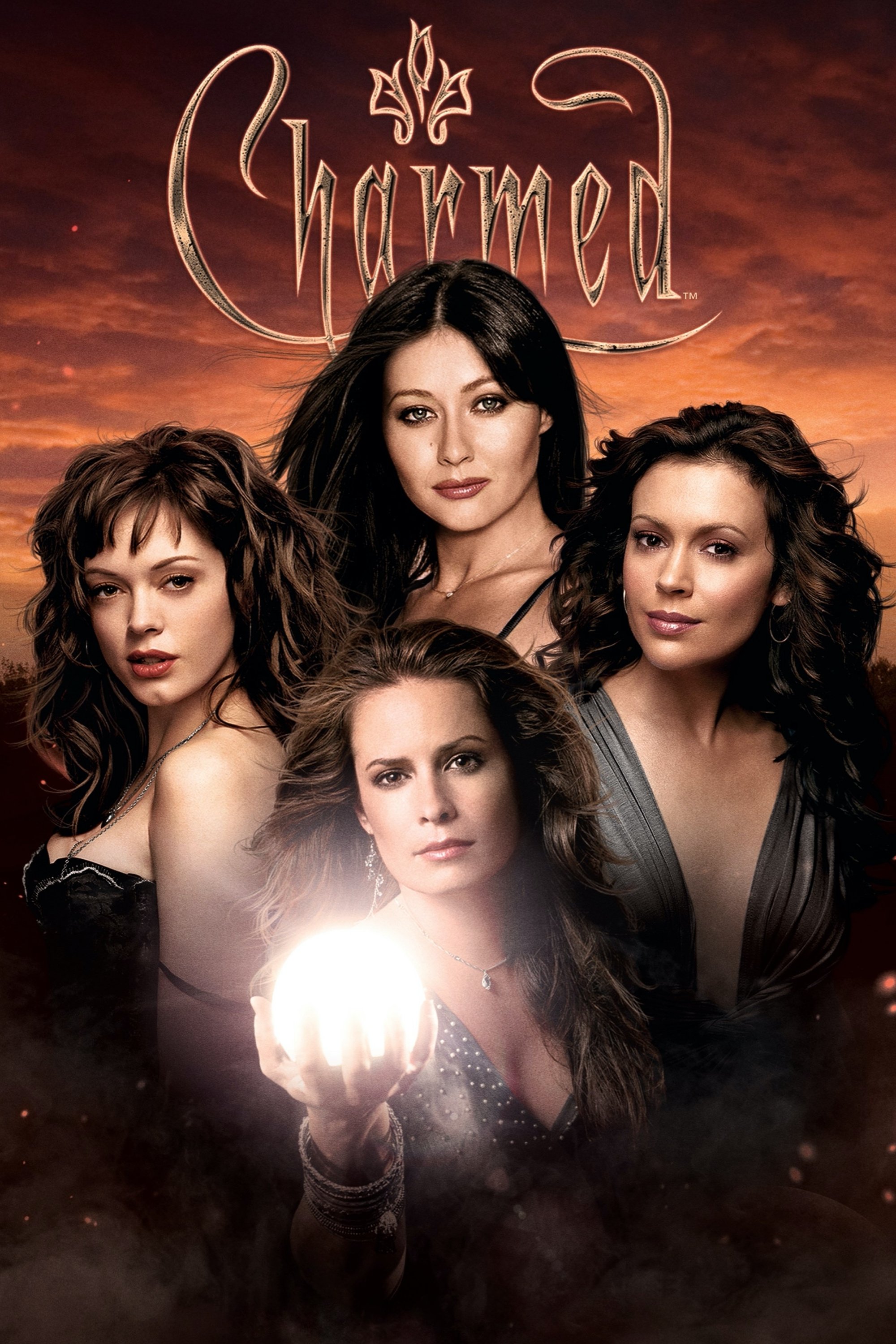
Darryl Morris was a police inspector who frequently helped the Halliwell sisters with their supernatural problems. He often put his career and life on the line to protect their secret identity. Critics argued that his character was primarily used for exposition or to provide the sisters with inside information from the police force. He lacked the magical powers and personal development that defined the three main protagonists.
‘Entourage’ (2004–2011)

The show followed the lives of a movie star and his close knit group of friends in Hollywood. While the industry is diverse, the central group remained entirely white throughout the series. Critics pointed out that Black characters were usually relegated to minor roles as agents or business rivals. These characters rarely had a lasting impact on the lives or decisions of the main crew.
Share your thoughts on these television representation trends in the comments.