


16 TV Shows Exploring Polyamorous Gay Dynamics in Suburbia




Television narratives have expanded significantly to include diverse representations of love that go beyond the traditional couple. Writers now frequently explore the intricacies of polyamory and throuples to reflect a more modern understanding of relationships. These shows illustrate the unique challenges of maintaining communication and trust within multi-partner dynamics. Viewers witness how characters navigate jealousy and societal judgment while attempting to build unconventional families.
‘The L Word: Generation Q’ (2019–2023)
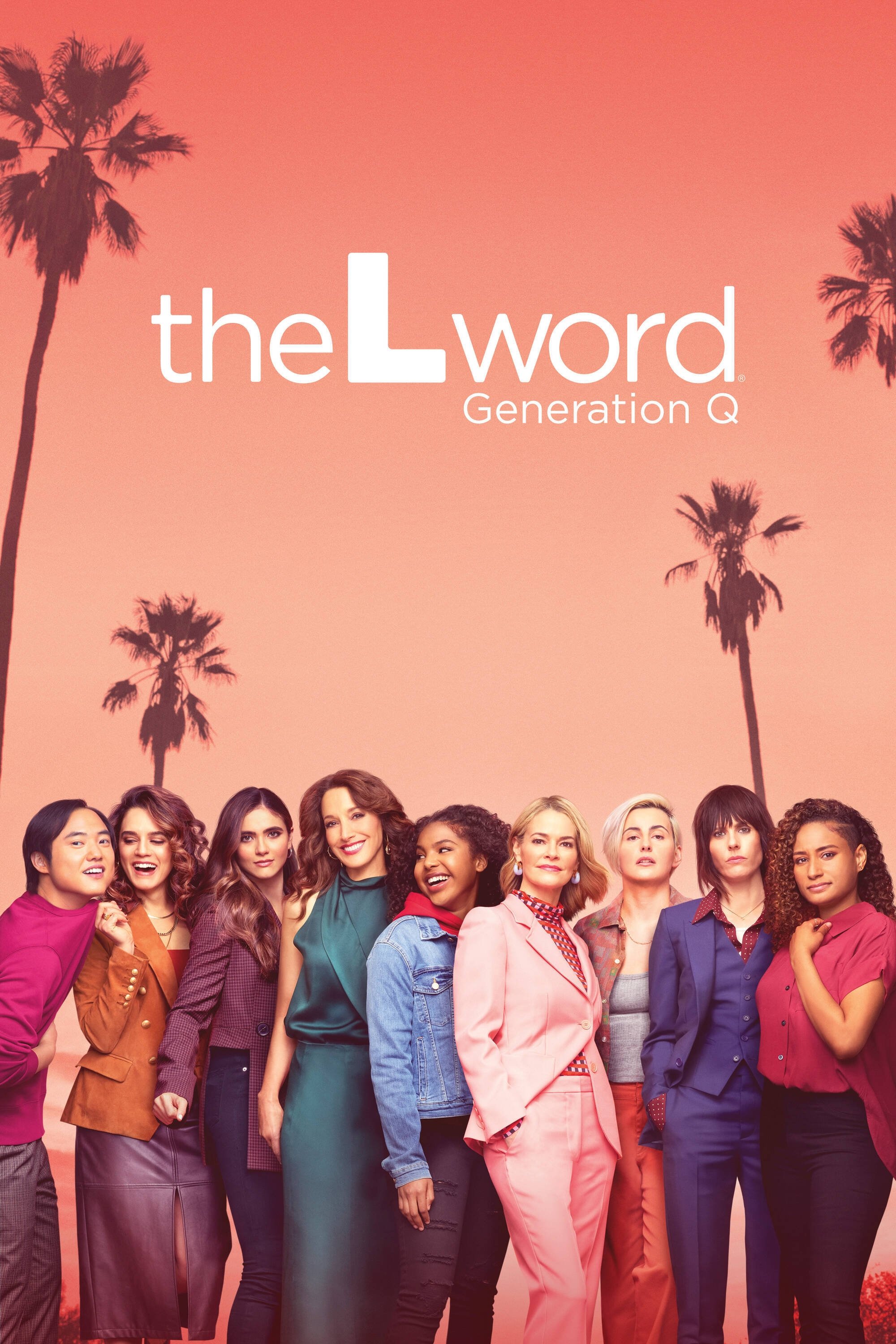
Alice Pieszecki struggles to navigate the complexities of dating a woman who comes with a co-parenting ex-wife named Gigi. The three women eventually stumble into a throuple dynamic that tests their communication skills and patience within their affluent Los Angeles community. Domestic life becomes a balancing act of schedules and emotional needs as they try to blend their families. This storyline provides a modern look at how blended households can evolve into romantic triads.
‘Why Women Kill’ (2019–2021)

Taylor Harding navigates an open marriage with her husband Eli while living in a grand Pasadena mansion. Complications arise when Taylor brings her lover Jade to live with them and Eli develops feelings for her as well. The show depicts the dangerous blurring of lines between a fun arrangement and emotional manipulation in a domestic setting. It serves as a cautionary tale about the importance of clear boundaries in polyamorous dynamics.
‘Sense8’ (2015–2018)

Lito Rodriguez lives with his boyfriend Hernando and their beard Daniela in a deeply emotional three-way partnership. While the sexual dynamic is primarily between the men the emotional intimacy includes Daniela as an equal partner. They function as a committed family unit that protects Lito’s career while nurturing their shared love. The show portrays this triad as one of the healthiest and most supportive relationships in the entire series.
‘Gossip Girl’ (2021–2023)

Max Wolfe openly pursues a relationship with both Aki Menzies and Audrey Hope in the Upper East Side. The three characters grapple with the societal expectations of their wealthy families while exploring their mutual attraction. They eventually form a triad that requires them to defend their love against judgment from peers and parents. The show uses this relationship to deconstruct the traditional love triangle trope found in teen dramas.
‘Riverdale’ (2017–2023)

Kevin Keller and Fangs Fogarty build a life with Toni Topaz that transcends traditional co-parenting. The trio navigates the challenges of raising a baby while blurring the lines between friendship and romantic partnership. Their domestic arrangement in the chaotic town of Riverdale challenges heteronormative family structures. The storyline emphasizes that family is defined by commitment rather than just biology or legal marriage.
‘Shameless’ (2011–2021)
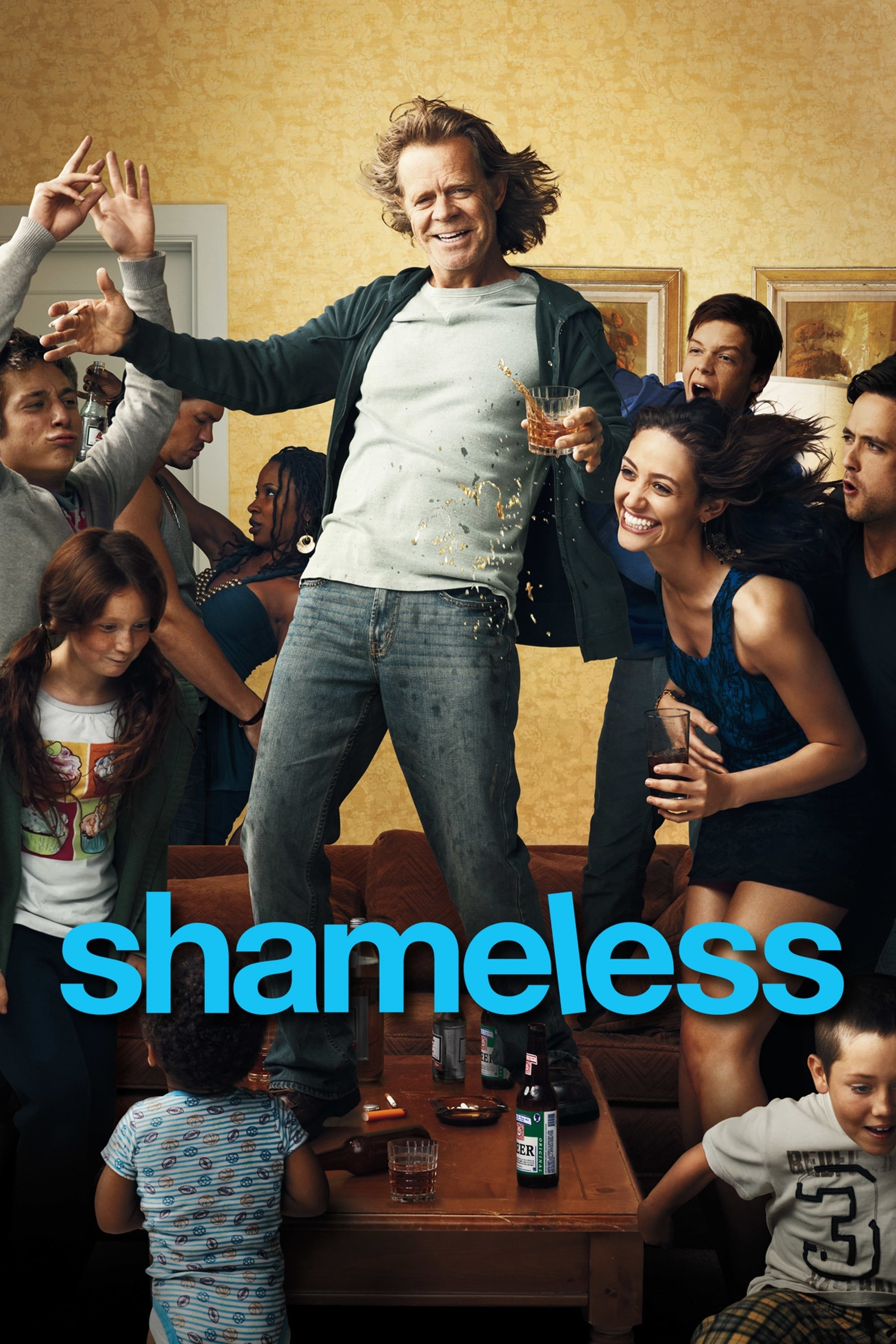
Ian and Mickey Milkovich attempt to navigate the stagnation of their marriage by inviting a third partner named Byron into their lives. The South Side setting grounds their exploration of non-monogamy in a gritty working-class reality. Their attempt at a throuple reveals the insecurities and possessiveness that still linger between the couple. It creates a humorous yet honest look at how established gay couples try to reinvent their intimacy.
‘Elite’ (2018–2024)
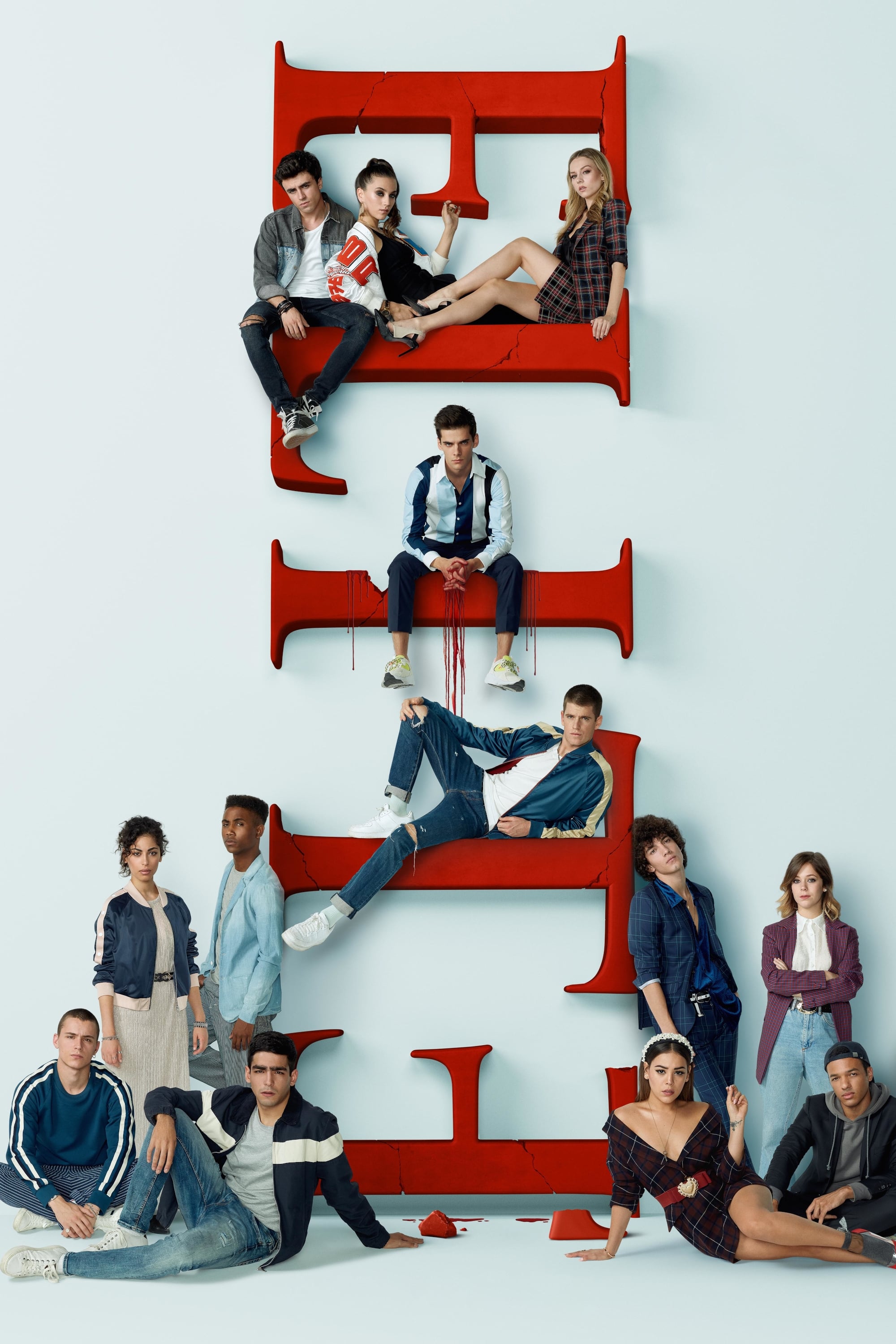
The students of Las Encinas frequently explore fluid sexuality and multipartner relationships amidst their wealthy enclaves. Patrick creates a wedge between Omar and Ander that evolves into a tentative throuple exploration. The characters navigate the jealousy and excitement of sharing partners within a high-stakes social environment. These storylines highlight the volatility of teenage romance when non-monogamy is introduced without maturity.
‘What We Do in the Shadows’ (2019– )

A group of vampire roommates in Staten Island engage in fluid romantic and sexual entanglements spanning centuries. Laszlo and Nadja are married but frequently indulge in affairs and group activities with other supernatural beings. The household operates as a queer polycule where jealousy is rare and hedonism is the norm. Their suburban existence contrasts hilariously with their ancient and sexually liberated lifestyles.
‘The Politician’ (2019–2020)

Payton Hobart creates a unique family structure that includes his wife Alice and their mutual romantic interest River. Even after tragedy the emotional bond between the three characters continues to shape Payton’s political and personal decisions. The show presents their connection as a transcendent form of love that defies simple labels. It highlights the fluidity of Gen Z relationships within a high-pressure affluent environment.
‘Good Trouble’ (2019–2024)
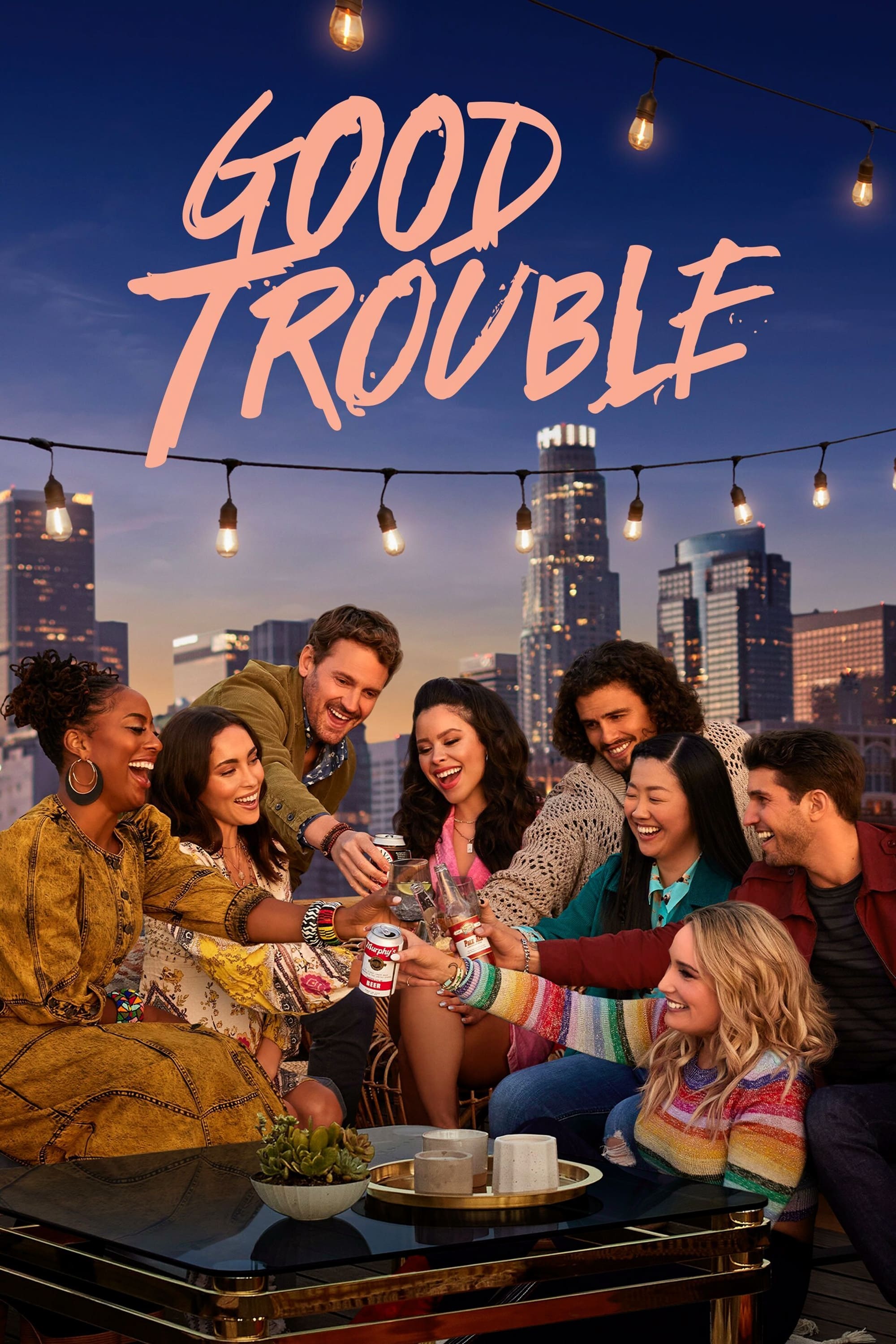
Malika Williams explores her identity by entering a polyamorous relationship with a colleague while maintaining her bond with her boyfriend. The series dives deep into the logistics and emotional labor required to maintain multiple ethical relationships. Malika faces judgment from friends and family as she tries to balance her communal living situation with her romantic needs. Her journey is a realistic portrayal of the learning curve involved in ethical non-monogamy.
‘Schitt’s Creek’ (2015–2020)
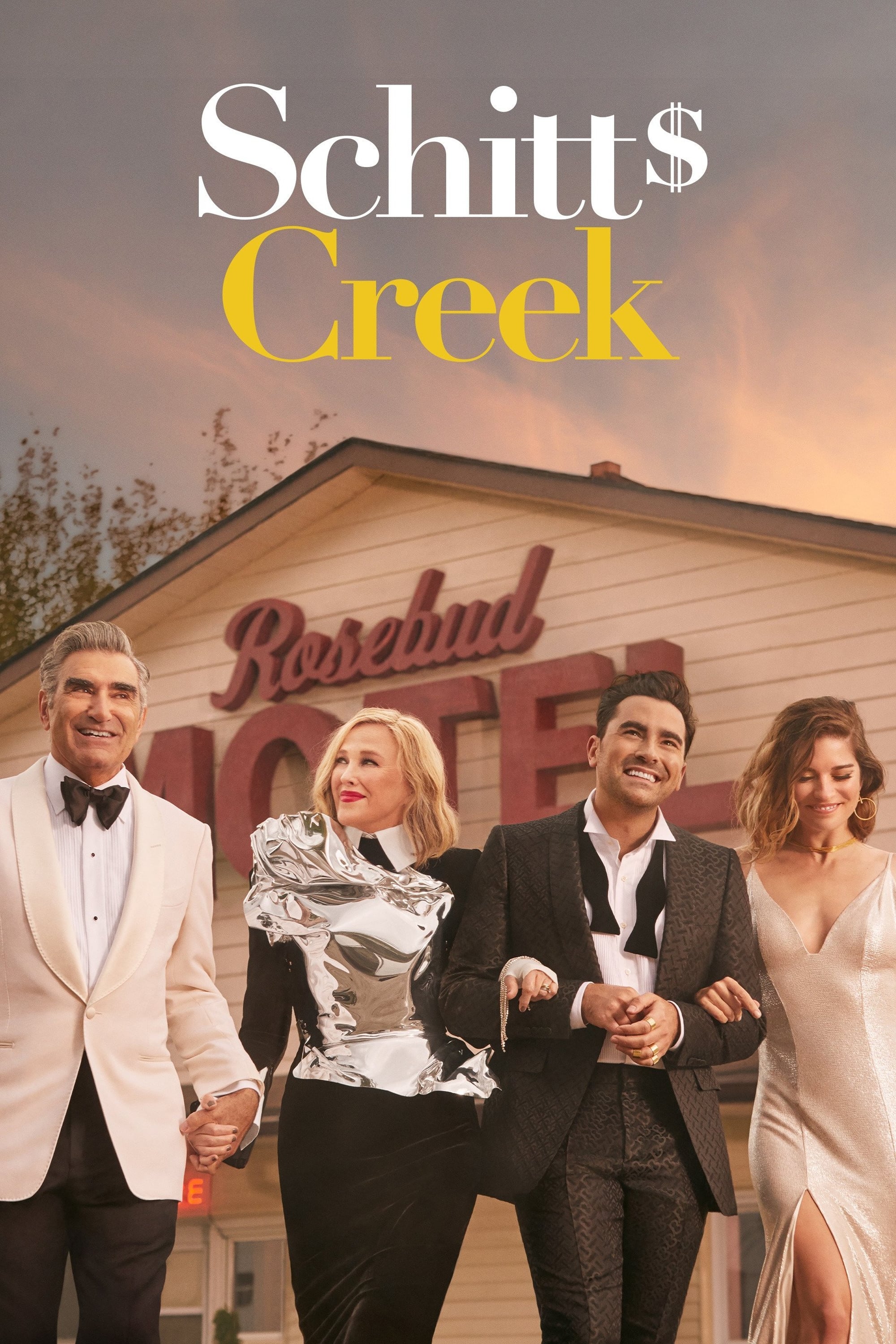
David and Stevie accidentally find themselves dating the same man named Jake who prefers a polyamorous arrangement. The situation forces the two friends to confront their own jealousy and boundaries regarding sharing a partner. Jake invites them both to a throuple date which highlights the absurdity of their predicament in a small town. The storyline serves as a humorous but validating nod to pansexuality and non-monogamous relationship styles.
‘Easy’ (2016–2019)

The anthology format includes episodes specifically focused on a married couple exploring an open relationship. They navigate the awkwardness of dating apps and the unexpected emotional fallout of sleeping with other people. The suburban Chicago setting adds a layer of relatability to their clumsy attempts at sexual liberation. These episodes honestly depict the gap between the fantasy of non-monogamy and the messy reality.
‘House of Cards’ (2013–2018)
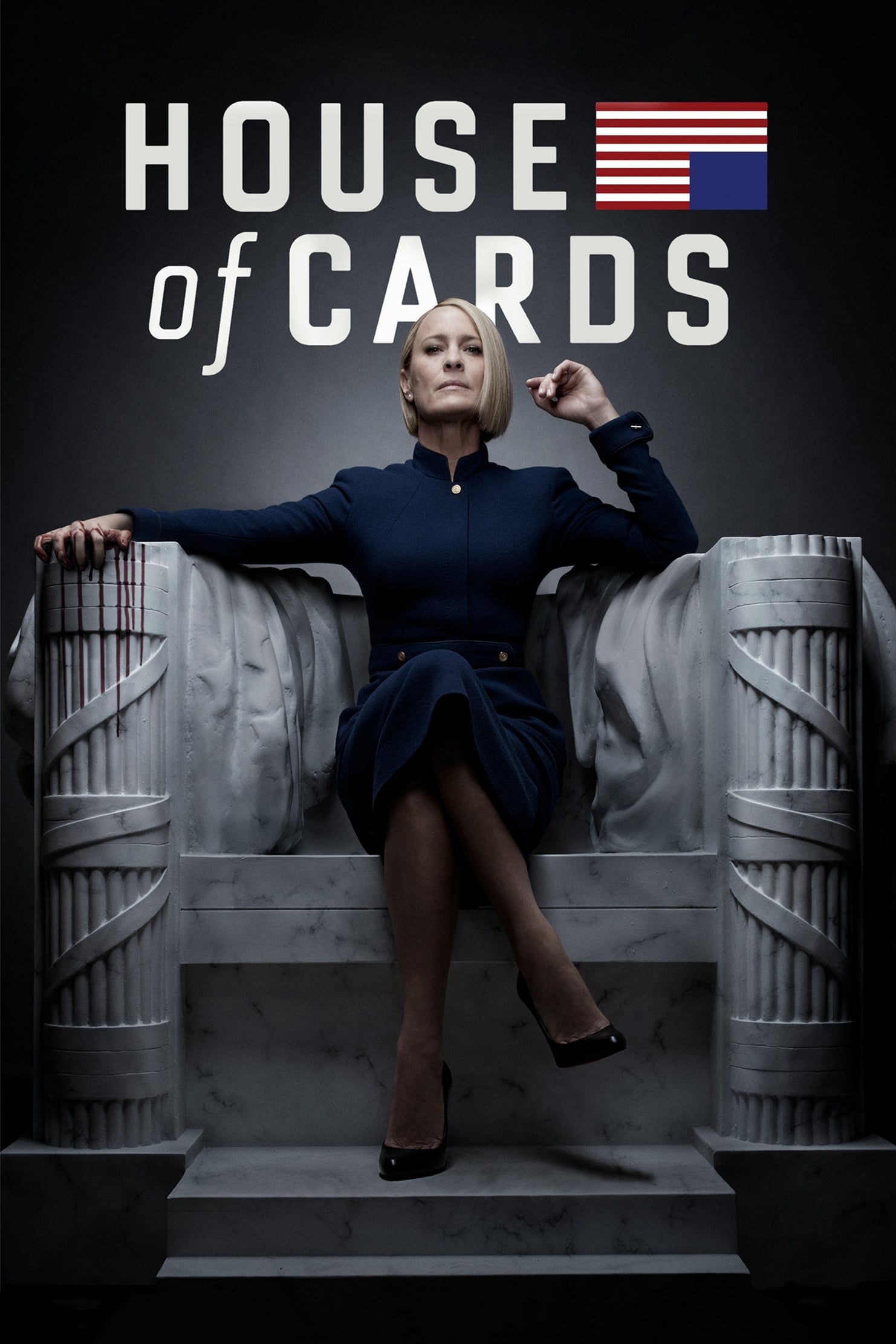
Frank and Claire Underwood maintain a complex marriage that prioritizes power above traditional fidelity. Their relationship evolves to include their bodyguard Meechum in a brief but significant romantic entanglement. This dynamic illustrates how the couple utilizes intimacy as another tool for control and trust within their domestic sphere. The addition of a third partner reinforces their united front against external political threats.
‘Tales of the City’ (2019)
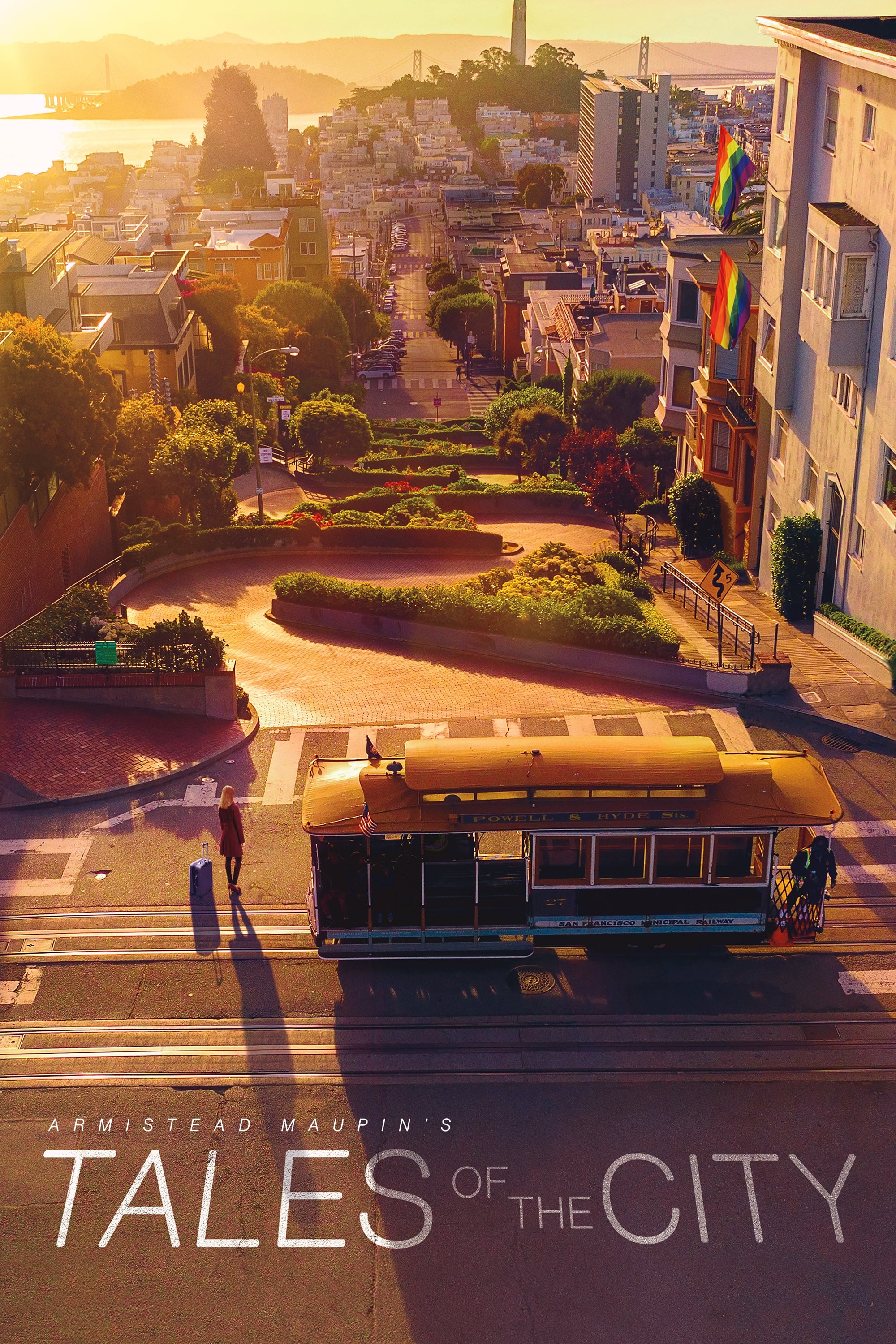
Michael Tolliver lives a comfortable domestic life with his younger husband Ben in San Francisco. Conflict arises when Ben expresses a desire to open their marriage which challenges Michael’s generationally different views on commitment. The show explores the tension between older gay men who fought for the right to marry and younger generations who question monogamy. It provides a nuanced dialogue about how queer relationships evolve over time.
‘Queer as Folk’ (2022)
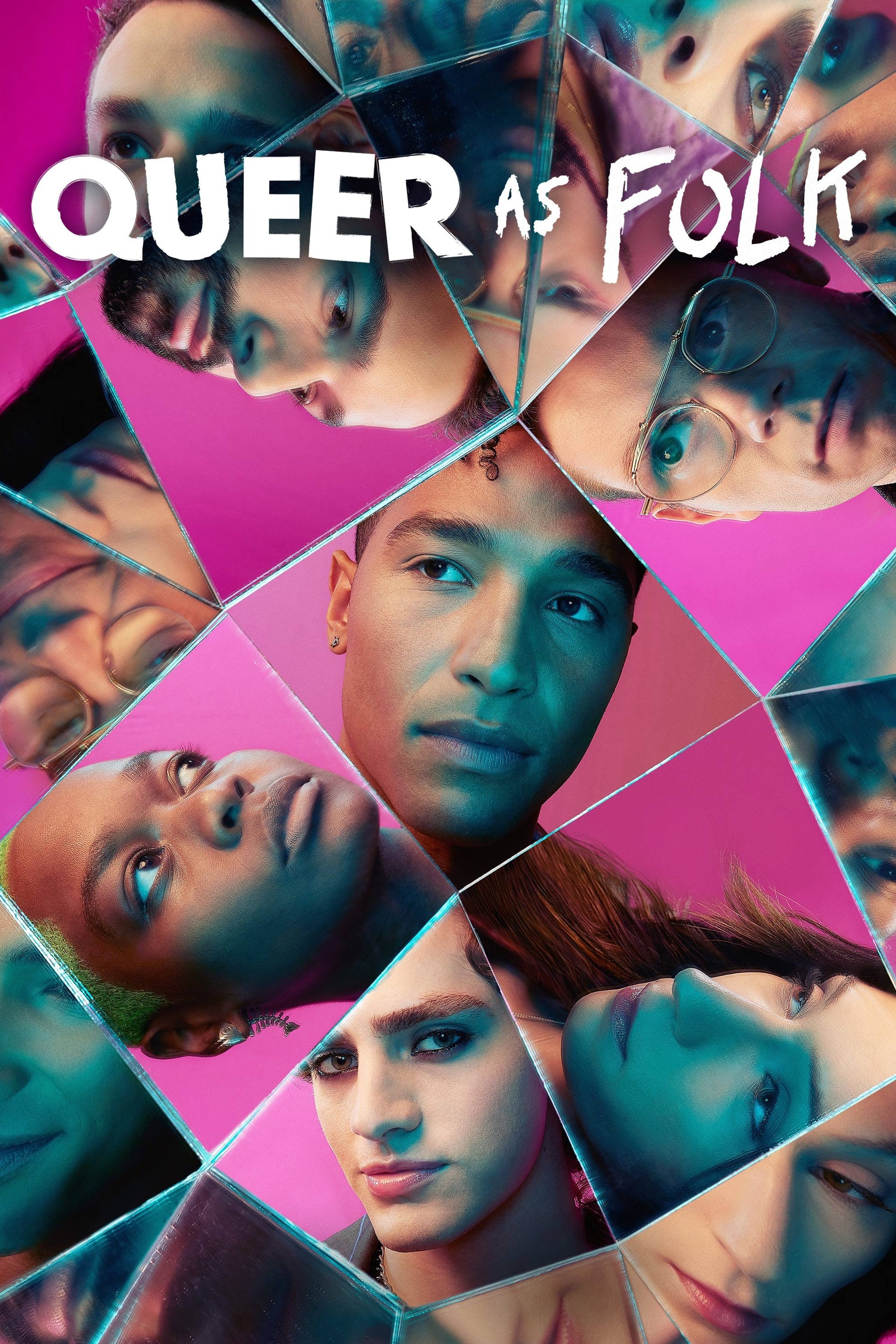
The reimagined series follows a diverse group of friends in New Orleans who frequently engage in non-monogamous dynamics. Brodie and his peers navigate a world where traditional relationship labels are often discarded in favor of fluidity. The show depicts the messiness of modern queer dating where friend groups and lover groups often overlap. It captures the spirit of a community that refuses to be boxed in by heteronormative standards.
‘Genera+ion’ (2021)
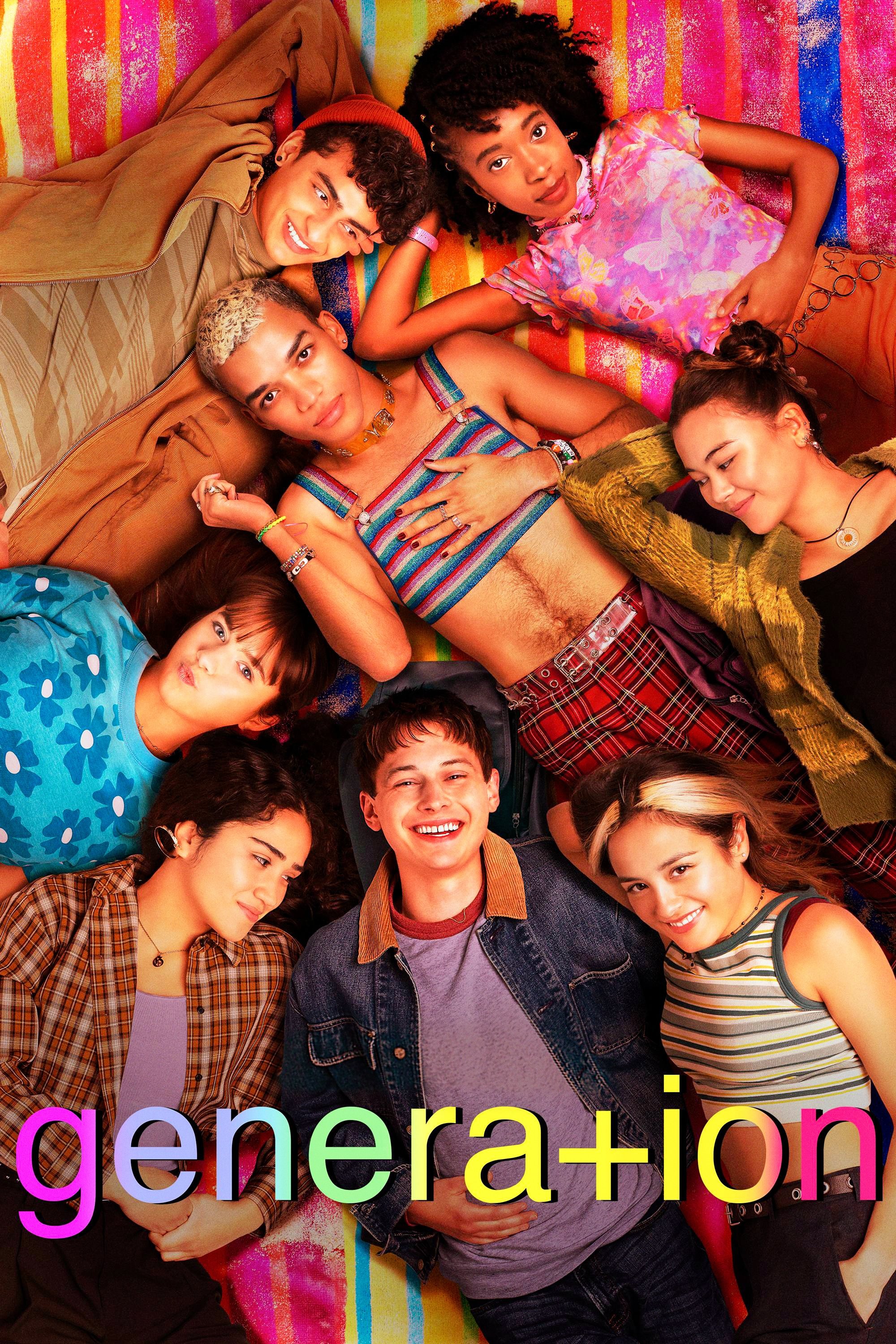
Chester creates a complex dynamic with a school counselor while navigating various high school romances. The show features an ensemble of Gen Z characters who view gender and monogamy as completely optional constructs. The characters explore intimacy in a way that often confuses the adults in their conservative suburban community. It stands out for its refusal to label the fluid attractions between the main cast.
Tell us which of these shows handled the topic best by leaving a comment with your opinion.