


20 TV Shows from the ’80s That Are Still Better Than Anything on Today

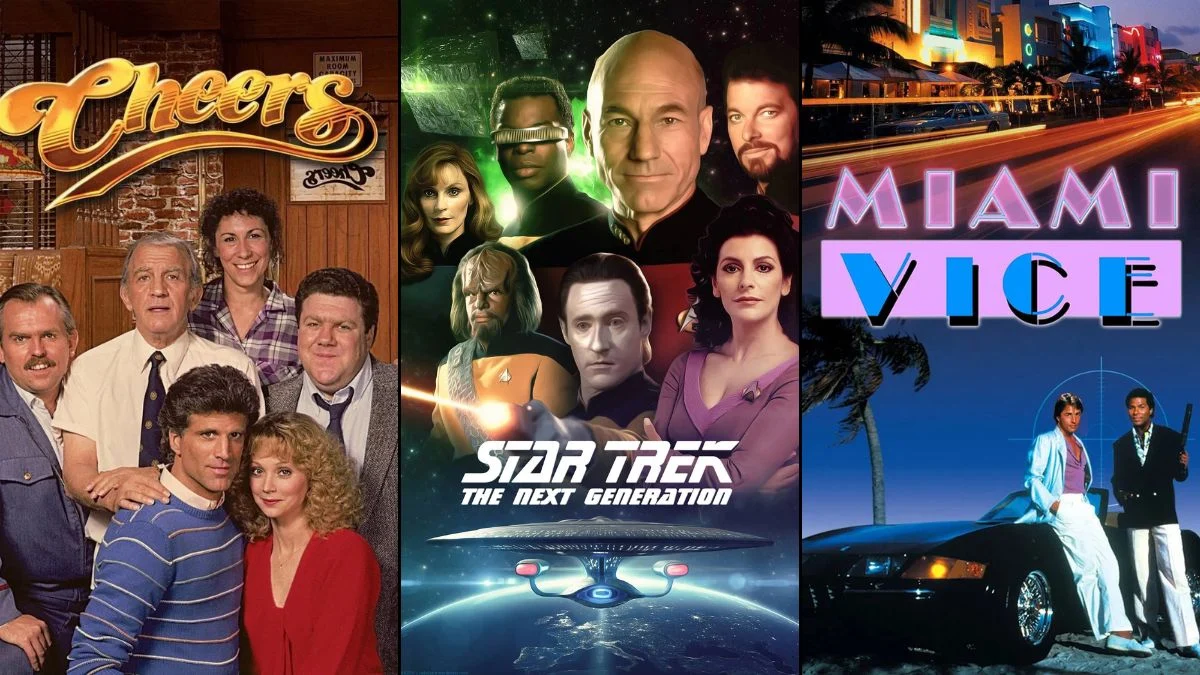


The eighties delivered a huge range of series that still shape what we watch now. From groundbreaking dramas that changed how TV told stories to comedies that built entire worlds inside living rooms and neighborhood bars, these shows set templates that later hits still follow. Many became global phenomena through syndication and home video, and their characters continue to live on through spin-offs, revivals, and cultural references.
What stands out is how varied the decade was. You had stylized crime shows that doubled as music showcases, family sitcoms that launched film careers, and inventive science fiction that expanded beloved universes. The production craft behind them, from theme songs to practical effects to single-camera experimentation, pushed TV forward in ways that continue to be studied by writers and directors today.
‘Cheers’ (1982–1993)
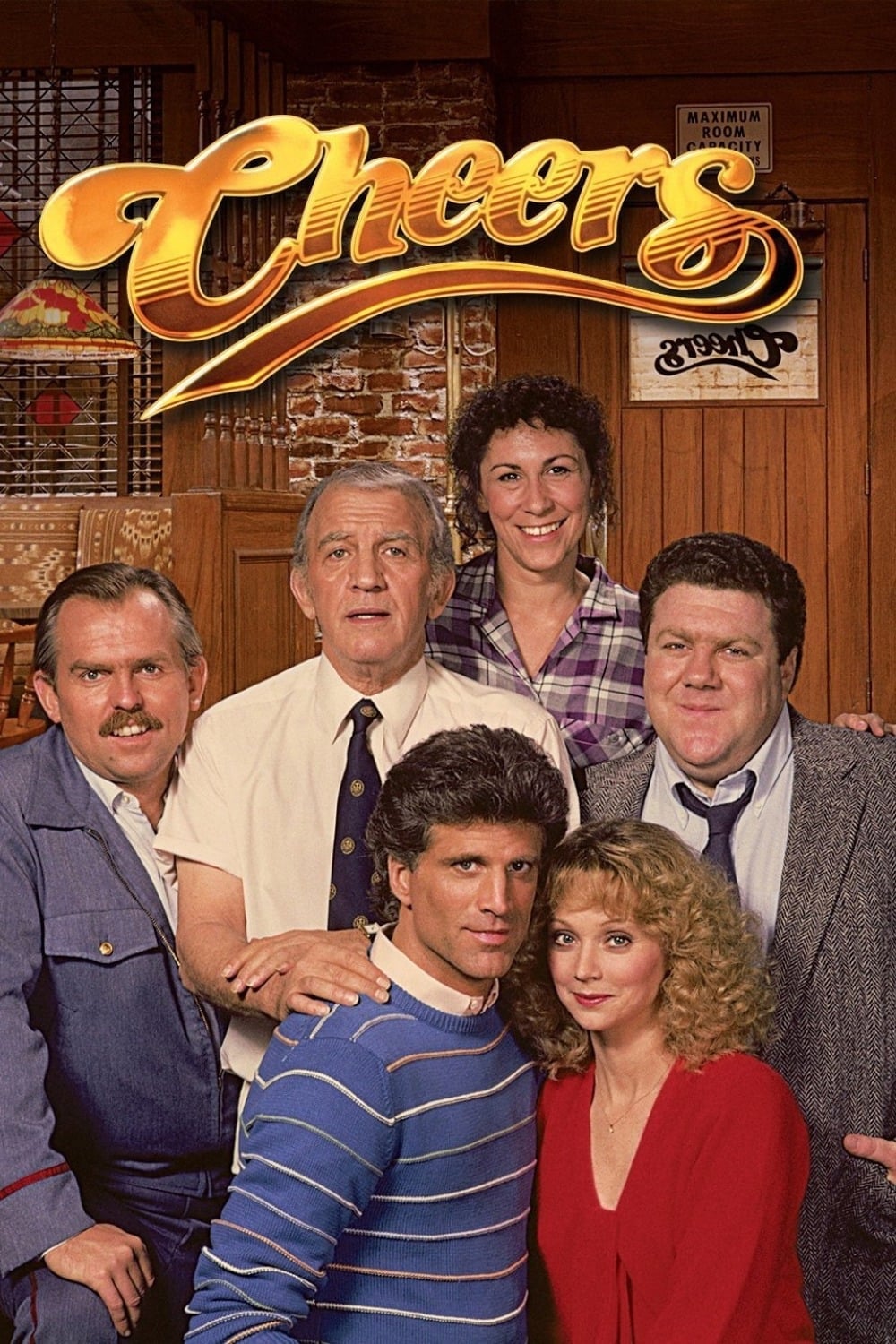
Set in a Boston bar owned by former relief pitcher Sam Malone, ‘Cheers’ brought together an ensemble that turned workplace banter into event television. The series was created by Glen and Les Charles with James Burrows directing many episodes, and it ran for 11 seasons with 275 episodes. It introduced viewers to characters like Diane Chambers, Carla Tortelli, Norm Peterson, Cliff Clavin, Woody Boyd, and psychiatrist Frasier Crane, who later led a successful spin-off.
The show won dozens of awards across its run, including multiple Emmys for Outstanding Comedy Series. It became a syndication staple, kept its ratings strong through major cast changes, and closed with a finale that drew a massive audience. Its theme song and cold-open gags helped define the sitcom format for years to come.
‘The Golden Girls’ (1985–1992)
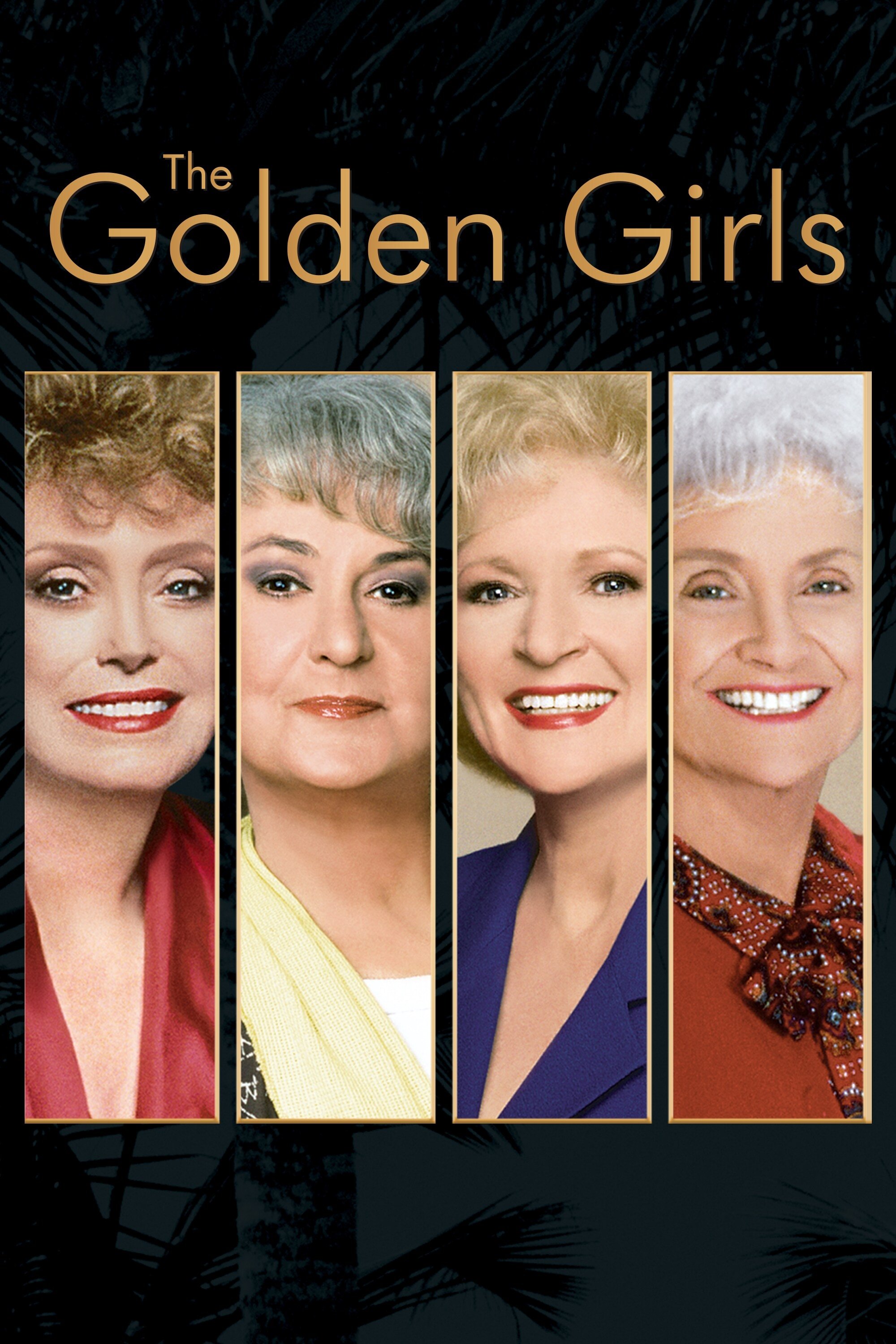
‘The Golden Girls’ followed four women sharing a home in Miami, created by Susan Harris and produced by Witt/Thomas/Harris Productions. The ensemble of Bea Arthur, Betty White, Rue McClanahan, and Estelle Getty used sharp dialogue and character dynamics to explore friendship, family, and aging with humor and precision. The series developed a detailed home set and recurring supporting characters that made Miami feel lived-in.
It earned major awards for acting and writing and led to spin-offs that extended the universe beyond the original run. Reruns reached new generations through cable blocks and streaming packages, helping the show maintain steady popularity. The structure of its A and B storylines has been widely copied in later multi-camera comedies.
‘Hill Street Blues’ (1981–1987)
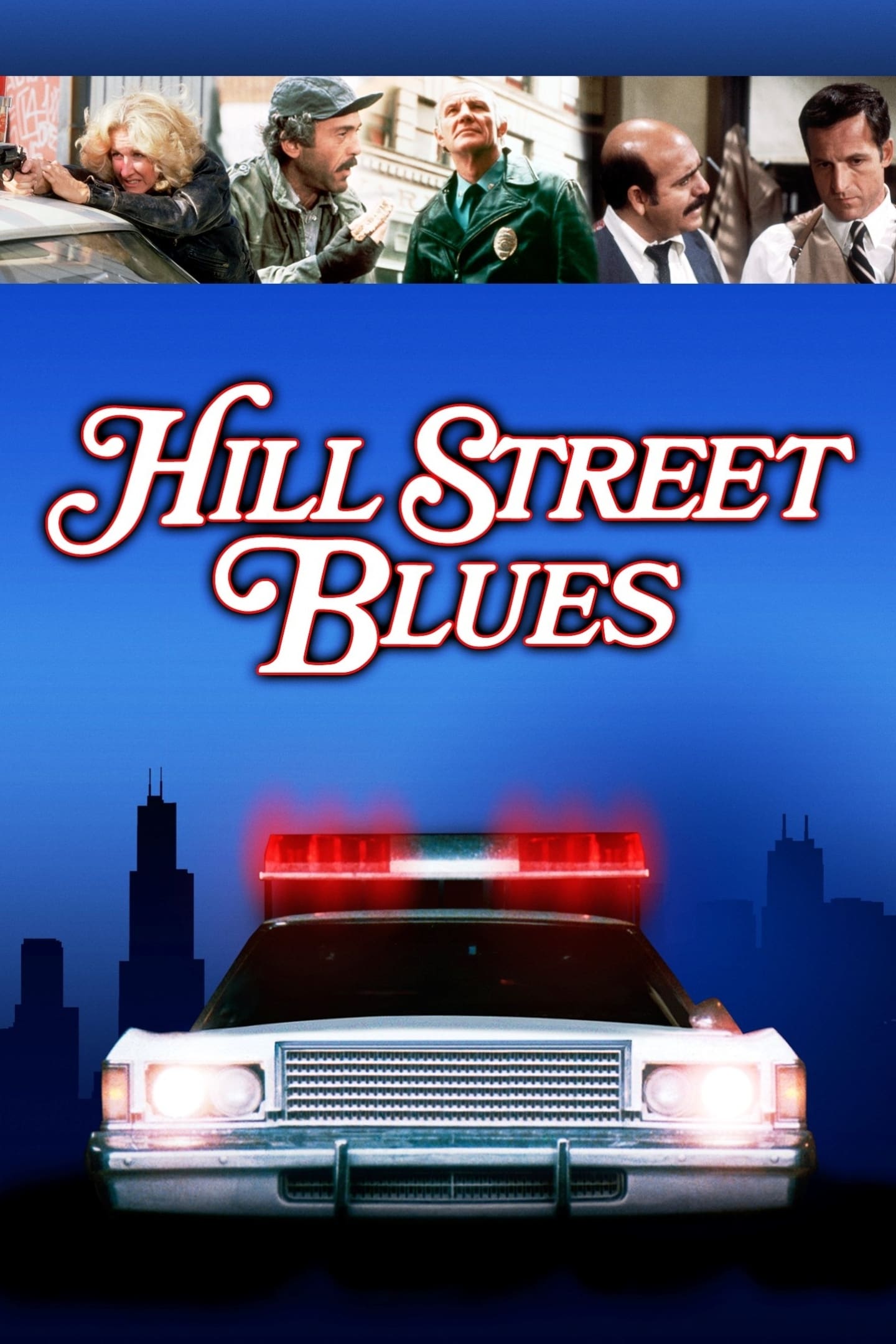
‘Hill Street Blues’ reinvented the cop drama with serialized arcs, overlapping plots, and a large ensemble. Created by Steven Bochco and Michael Kozoll, the series used handheld cameras and naturalistic lighting to create urgency. It followed detectives, officers, and administrators whose cases and personal lives intertwined across episodes.
The show won multiple Emmys and influenced later police and medical dramas that adopted its storytelling style. Its morning roll-call scenes became a signature device, while its layered character work encouraged viewers to follow ongoing narratives rather than self-contained cases. It set a new standard for ensemble drama on network TV.
‘Miami Vice’ (1984–1990)
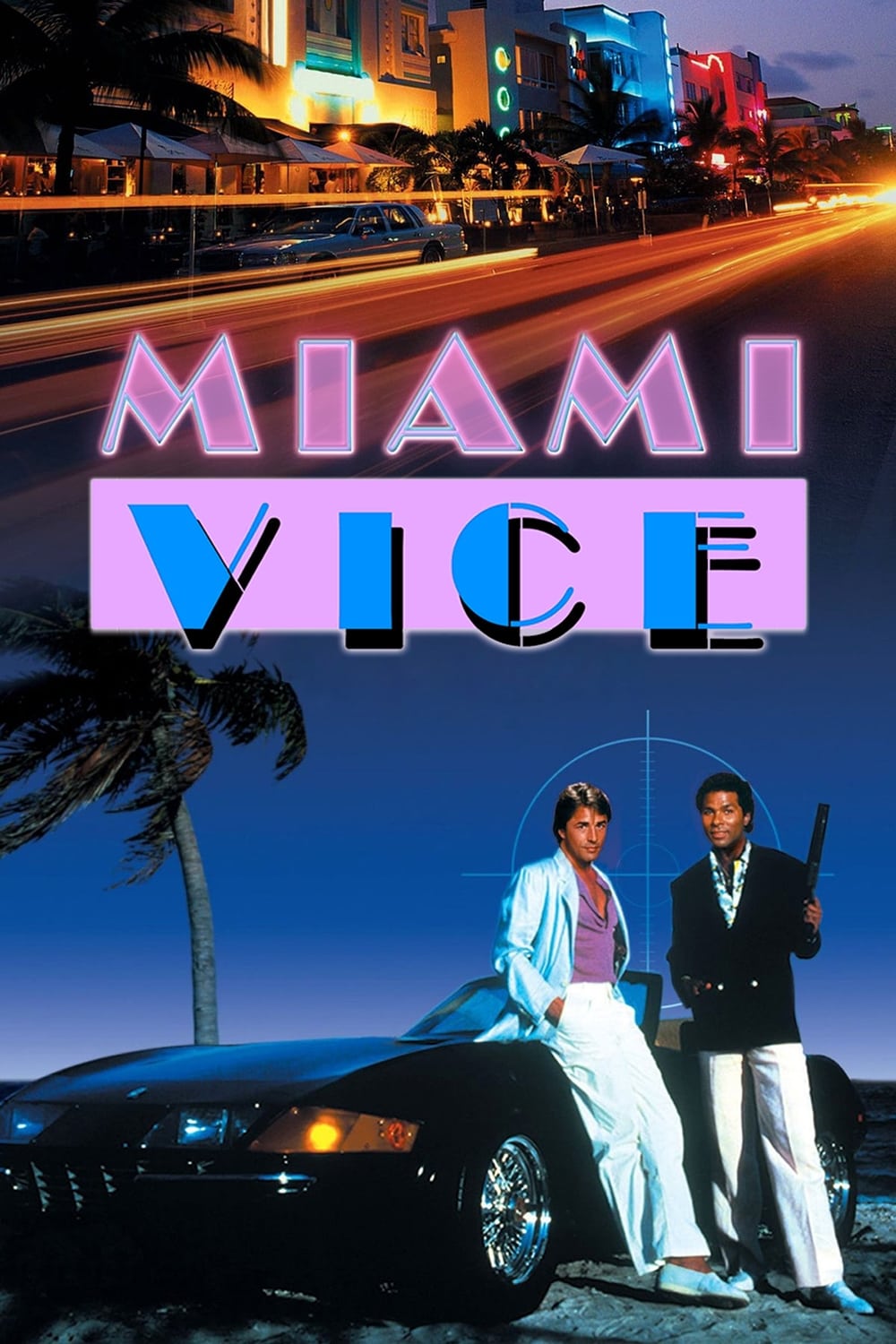
‘Miami Vice’ paired detectives Sonny Crockett and Ricardo Tubbs in stylized cases set against South Florida locations. Created by Anthony Yerkovich and produced by Michael Mann, the series integrated popular music into narrative moments and used visual design choices that made each episode feel cinematic. On-location shooting showed the city’s skyline, waterways, and nightlife in striking detail.
The show helped drive trends in fashion and production design, from pastel suits to speedboats and exotic cars. Its soundtrack albums sold well and introduced viewers to artists through carefully curated needle drops. The approach to music supervision and color palette became a reference point for later crime shows.
‘St. Elsewhere’ (1982–1988)
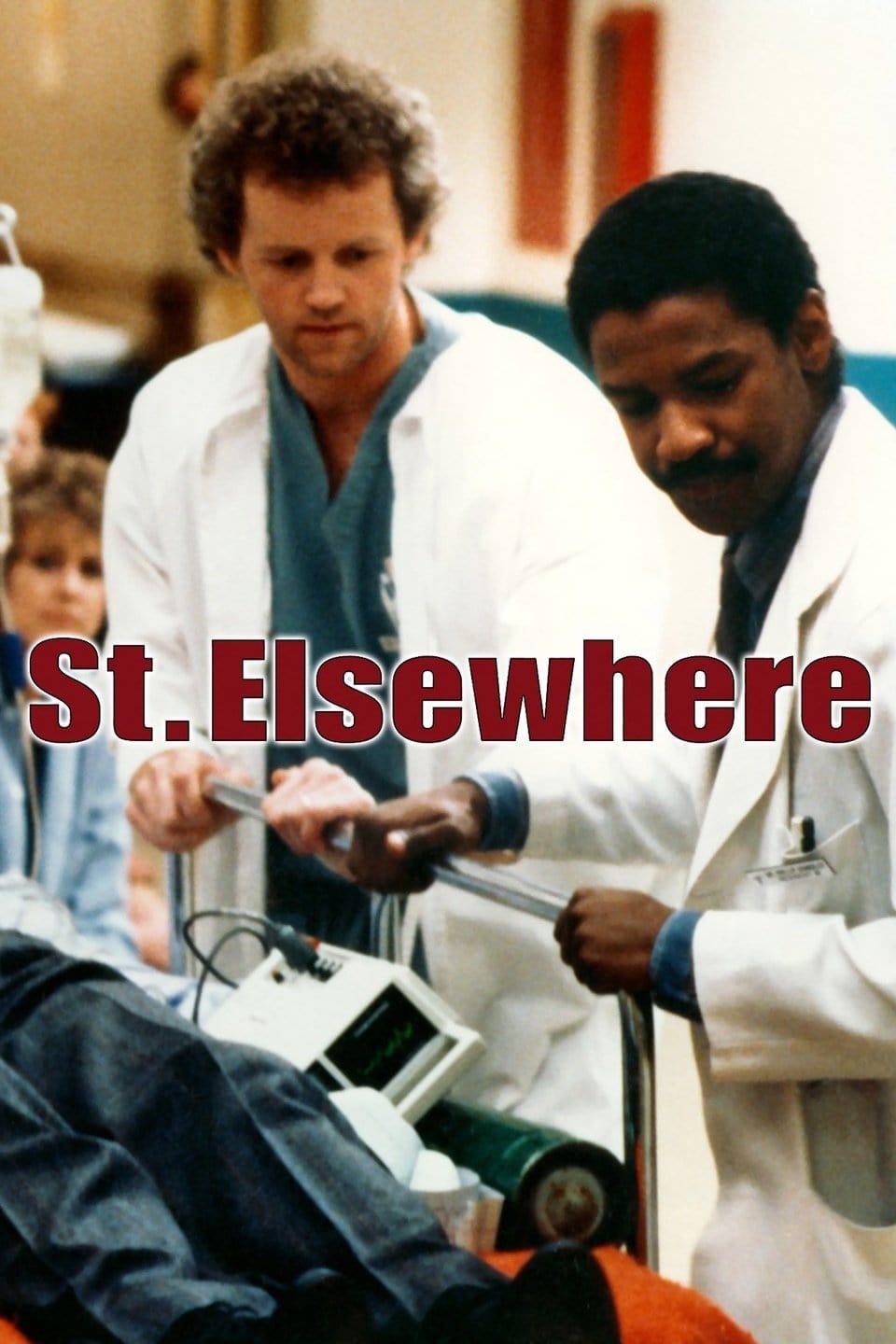
Set in Boston’s St. Eligius Hospital, ‘St. Elsewhere’ balanced medical cases with long-running personal arcs for doctors, nurses, and staff. Created by Joshua Brand, John Falsey, and John Masius, it embraced ensemble storytelling that gave even minor characters meaningful beats. The series mixed humor with serious topics and featured notable cast members who later became major stars.
It became known for cross-references to other shows and for a finale that sparked decades of discussion. Writers used continuity and running gags to deepen the world inside the hospital. Its narrative experimentation encouraged creative risks in later medical dramas.
‘Magnum, P.I.’ (1980–1988)
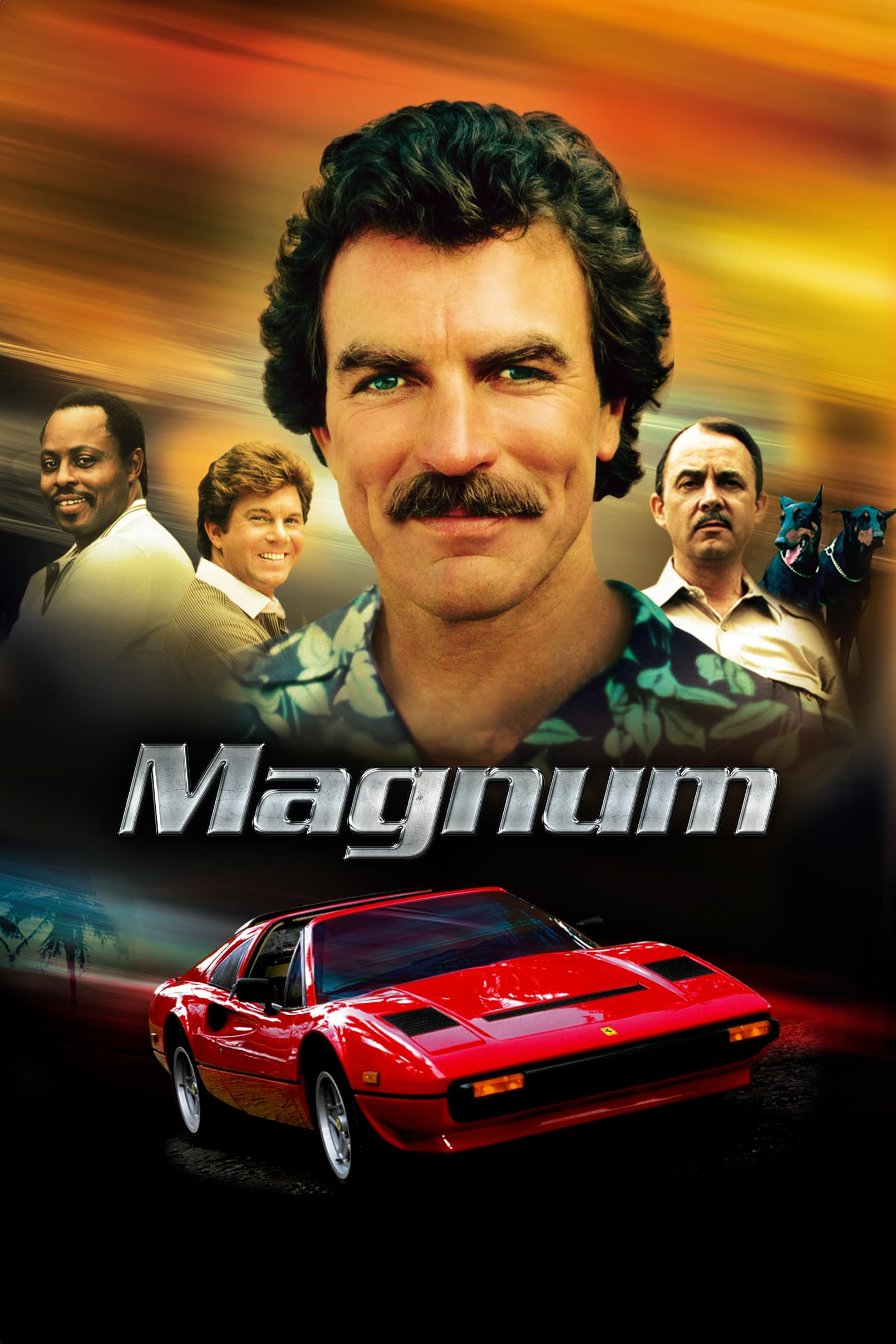
‘Magnum, P.I.’ followed private investigator Thomas Magnum as he took cases across Oahu while living on a luxurious estate. Tom Selleck’s portrayal combined charm with grounded action, and the show leaned on practical stunts and scenic Hawaiian locations. The red Ferrari, the Robin’s Nest estate, and Magnum’s friendships with Rick and T.C. became series hallmarks.
Voice-over narration gave viewers direct access to Magnum’s thoughts, setting it apart from other detective shows. It delivered self-contained mysteries while weaving in personal history from military service and found-family dynamics. The series earned awards and remained a strong performer in syndication.
‘Murder, She Wrote’ (1984–1996)
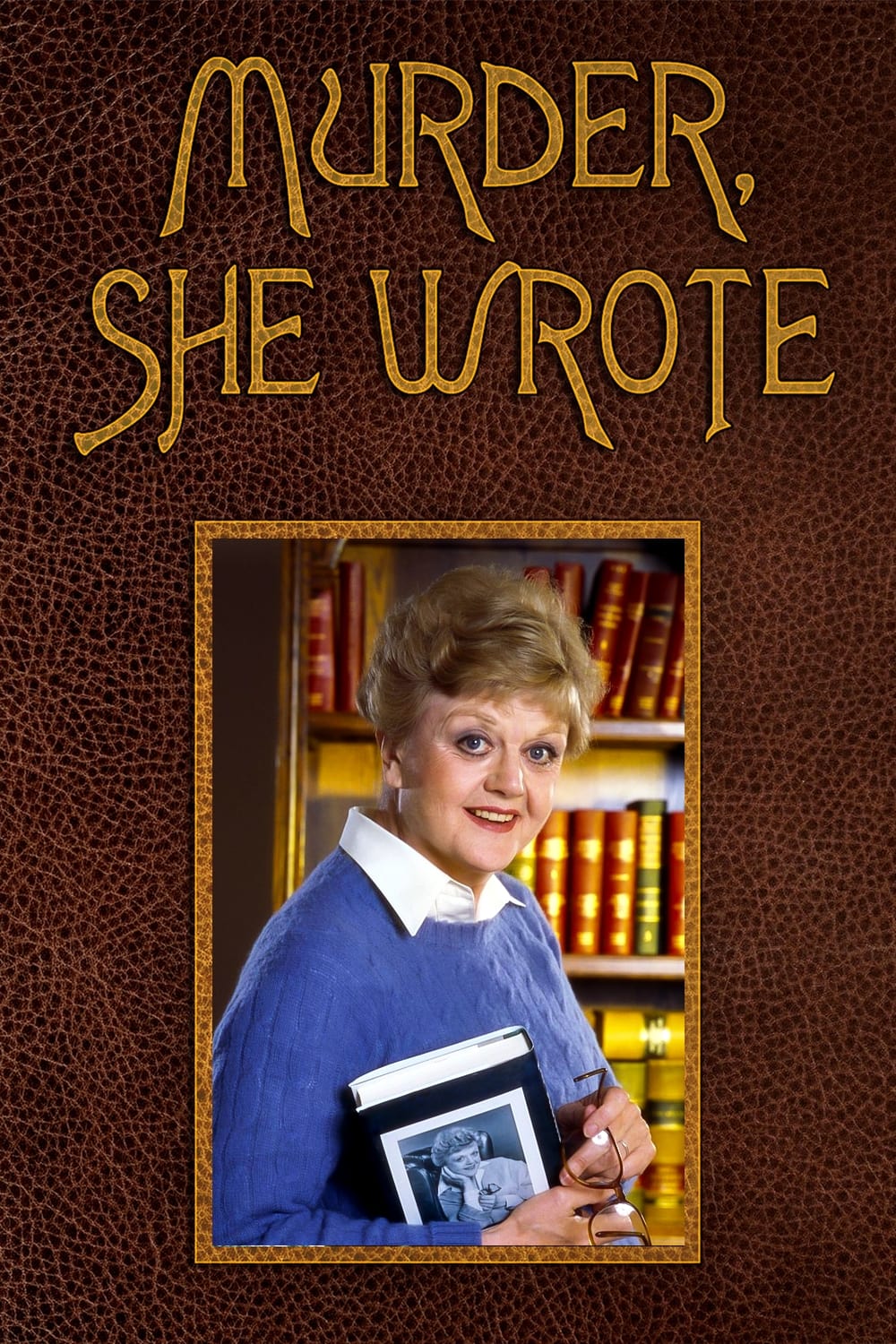
‘Murder, She Wrote’ starred Angela Lansbury as mystery author Jessica Fletcher, who solved crimes from her home base in Cabot Cove to cities around the world. Each case unfolded through clues that viewers could track alongside the lead. The show attracted a large roster of guest stars from stage and screen, adding variety to the weekly formula.
The series sustained long runs in network schedules and later TV movies that extended Fletcher’s adventures. Its episodic structure made it friendly to reruns, while the cozy mystery tone helped it travel internationally. It remains one of television’s most recognizable whodunits.
‘The A-Team’ (1983–1987)
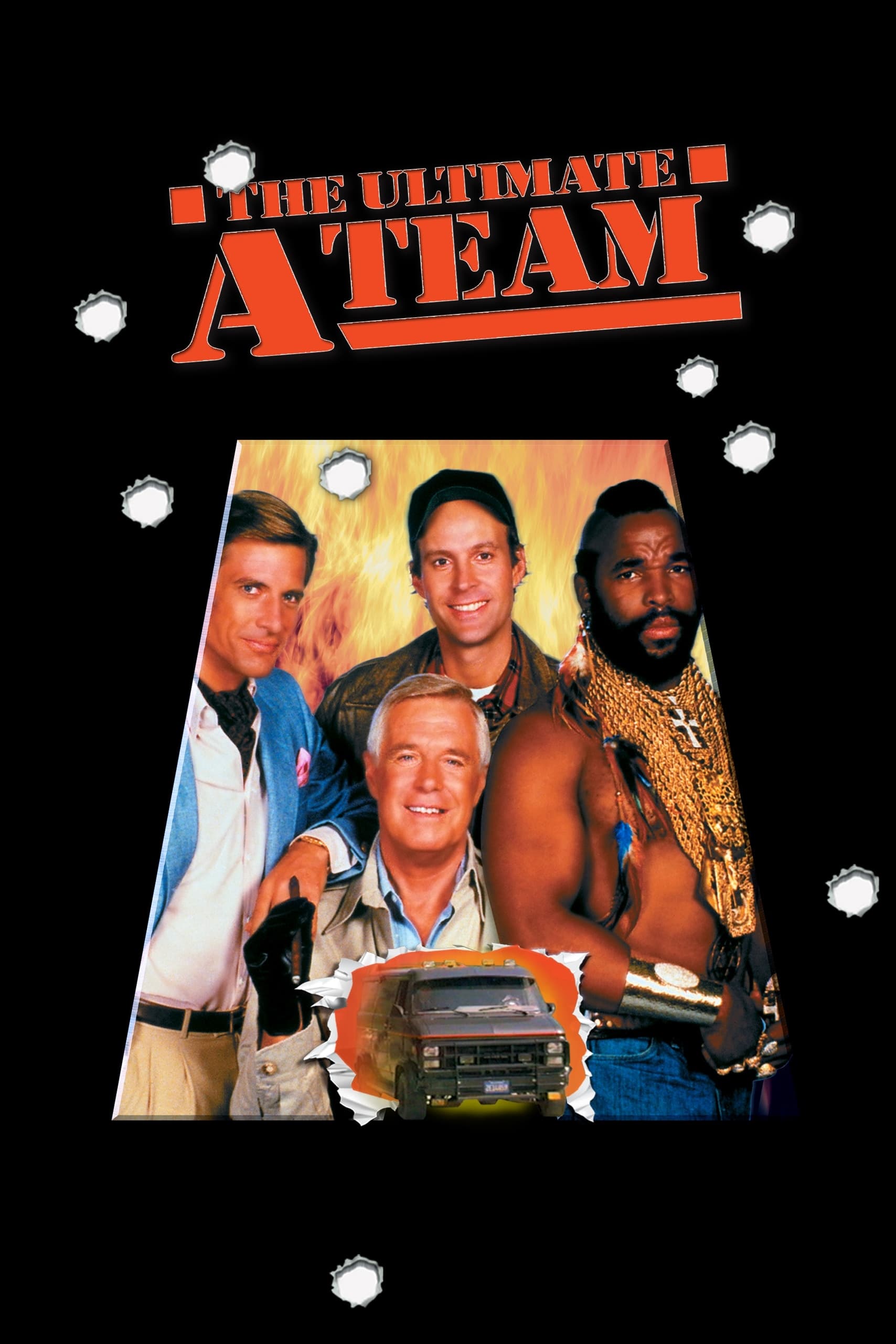
‘The A-Team’ followed a group of former Special Forces soldiers who helped people while on the run. The team’s lineup featured Hannibal, Face, B.A. Baracus, and Murdock, each bringing specific skills to plans that often involved elaborate builds and last-minute turnarounds. The black van with the red stripe became an icon of the series.
Episodes emphasized inventive set pieces and teamwork, with action sequences that leaned on practical effects. The show’s structure made it easy to drop into any episode and understand the stakes. Its mix of humor, gadgetry, and rescue missions influenced later ensemble action shows.
‘MacGyver’ (1985–1992)
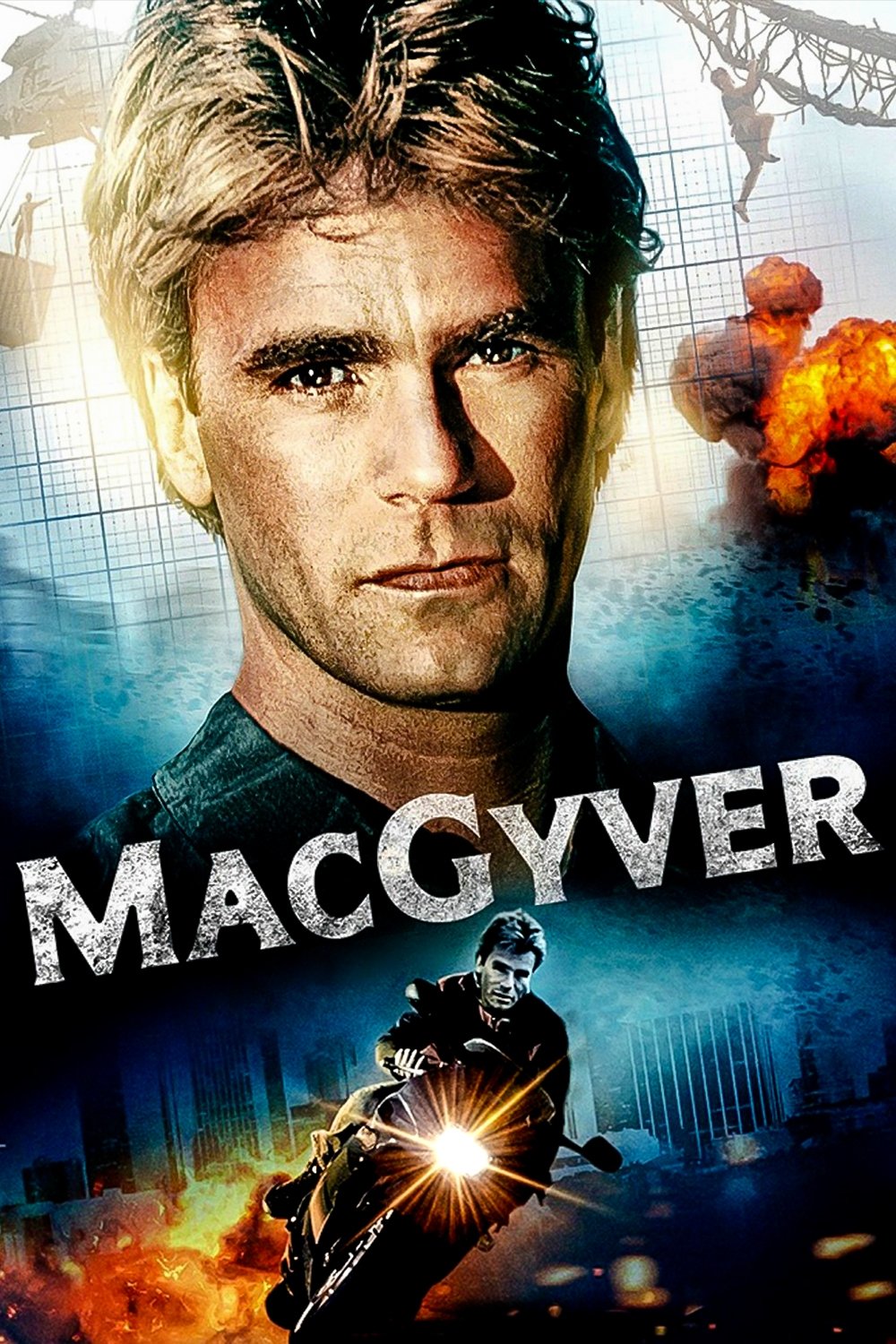
‘MacGyver’ featured a resourceful agent who preferred ingenuity over firepower. Richard Dean Anderson’s character used everyday items and scientific principles to disarm bombs, escape traps, and protect civilians. The recurring Swiss Army Knife and clever improvisations became signature elements of the show.
The series inspired viewers to think through problems using physics and chemistry rather than brute force. Educational tie-ins and guides explained the real-world concepts behind many on-screen solutions. Its premise proved durable across international broadcasts and later reimaginings.
‘Knight Rider’ (1982–1986)

‘Knight Rider’ paired crime-fighter Michael Knight with KITT, an advanced talking car equipped with artificial intelligence and high-tech capabilities. Creator Glen A. Larson gave the show a futuristic edge through gadgets like turbo boost, pursuit mode, and a molecularly bonded shell. The theme song and the car’s scanner light gave it a distinctive identity.
The series delivered a steady mix of highway chases and undercover missions while showcasing new tech each week. It spawned toys, video games, and later continuations that kept the brand visible. The partnership between driver and machine became a blueprint for human-AI team-ups on television.
‘Star Trek: The Next Generation’ (1987–1994)
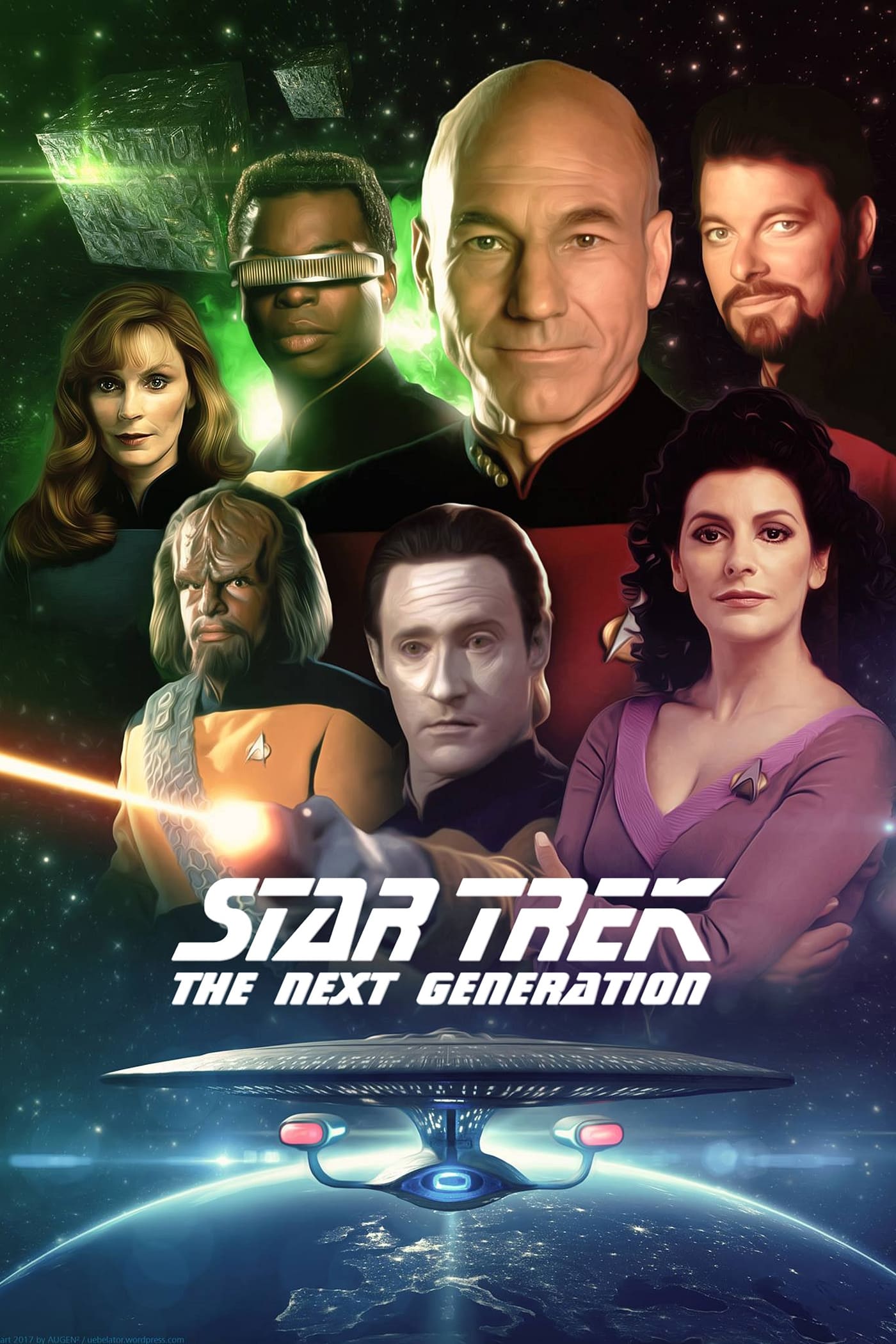
‘Star Trek: The Next Generation’ expanded the franchise aboard the Enterprise-D under Captain Jean-Luc Picard. The series combined episodic exploration with arcs that developed characters like Data, Worf, and Geordi La Forge. It was produced for first-run syndication, which allowed creative ambitions to grow outside a single network’s schedule.
The show collected numerous awards for visual effects, makeup, and writing. Its success led to feature films and further series set in the same timeline. Philosophical problem-solving and diplomatic storylines gave it a unique place in science fiction television.
‘The Wonder Years’ (1988–1993)
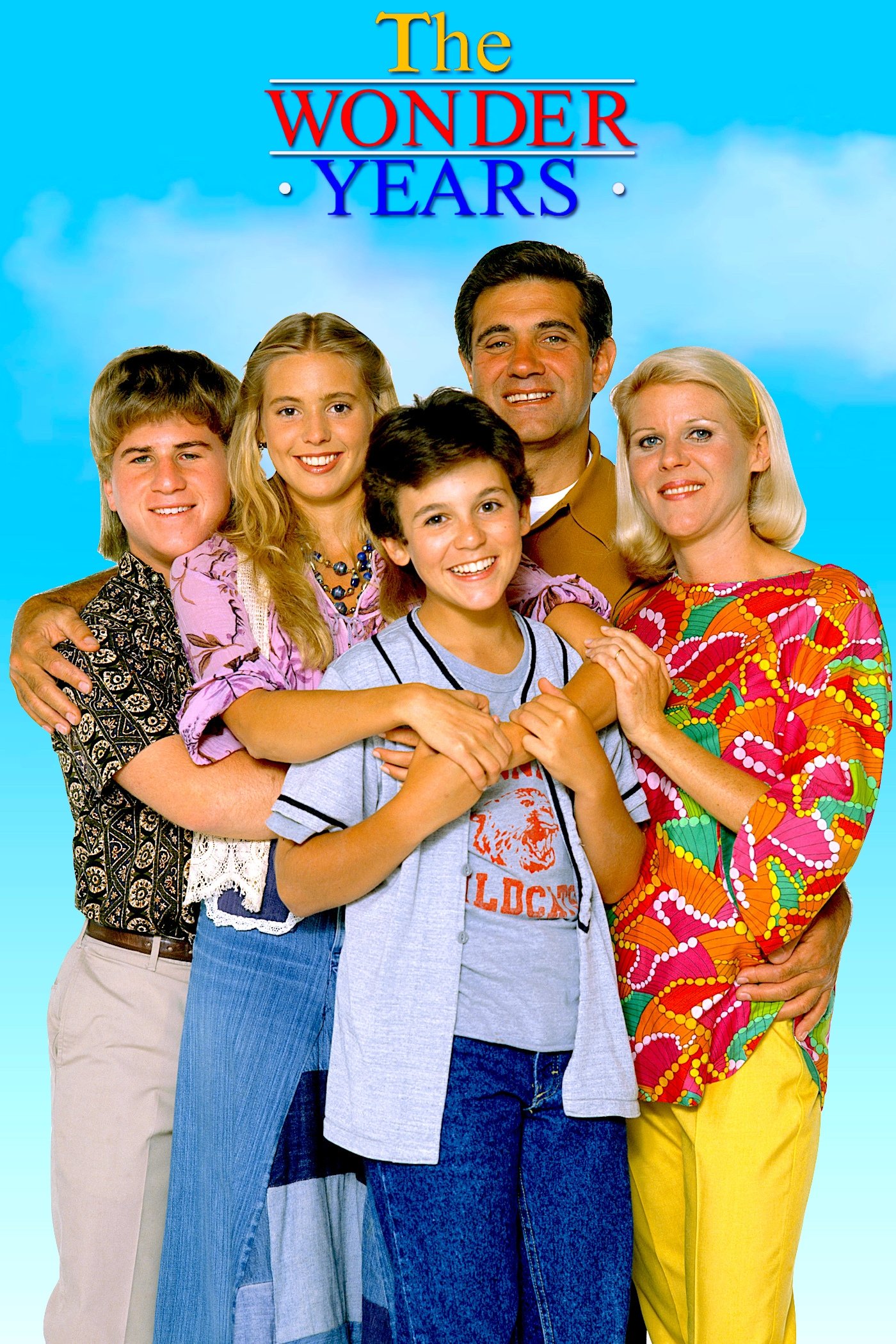
‘The Wonder Years’ followed Kevin Arnold through school, family life, and first love in suburban America. A narration from Kevin’s adult perspective framed each episode, with period music underscoring key moments. The cast and production design recreated everyday settings with careful detail.
The series earned major awards and became a staple in classroom discussions about memory and storytelling. Its format influenced later coming-of-age shows that used narration to connect present understanding with past events. The structure made individual episodes resonate as standalone stories while building a larger portrait of growing up.
‘Family Ties’ (1982–1989)
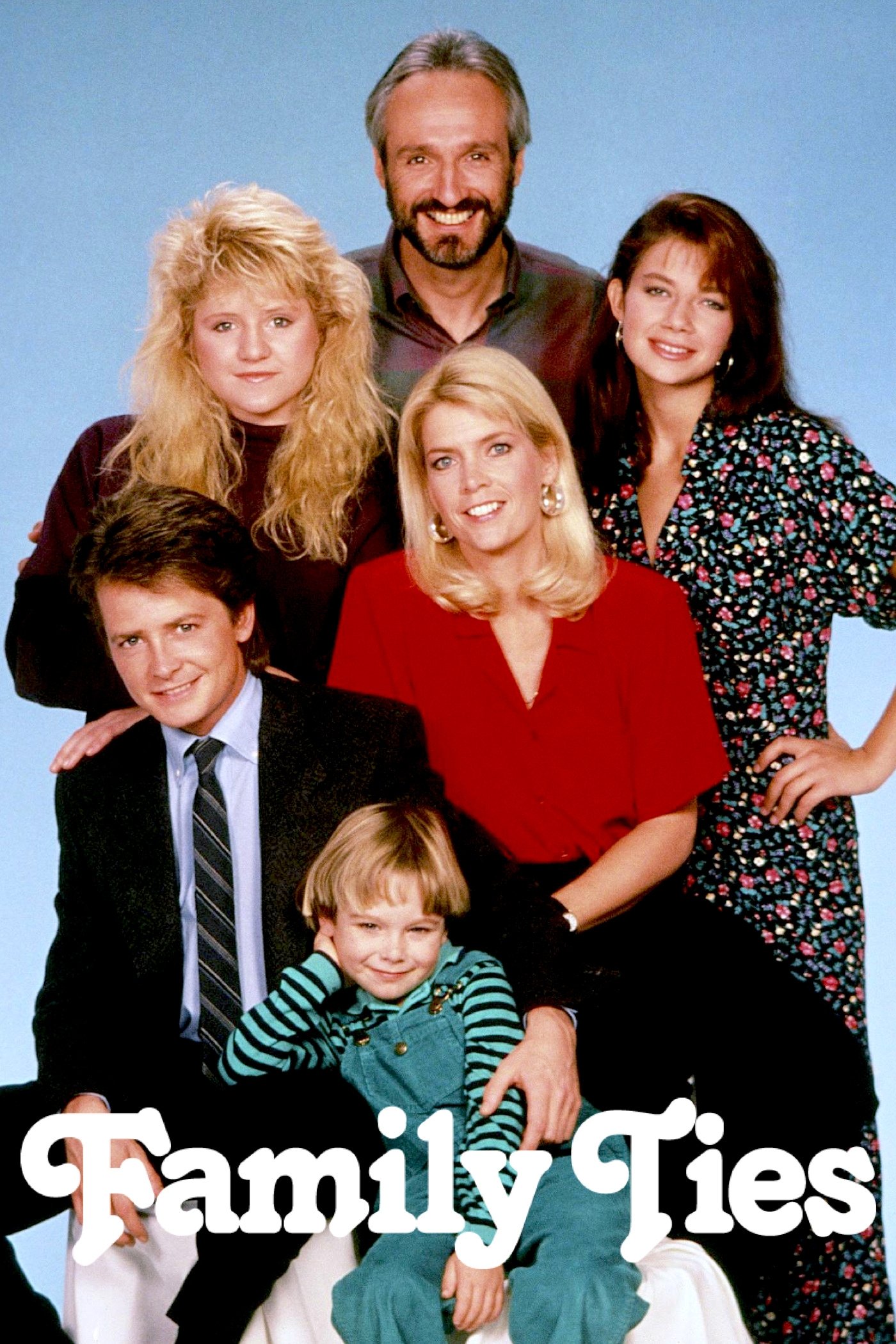
‘Family Ties’ centered on the Keaton family, where former activist parents raised children with different views. Michael J. Fox’s performance as Alex P. Keaton propelled the show’s popularity, and the ensemble balanced school, work, and home plots. The series used a mix of topical issues and character-driven humor.
It won multiple awards, including acting honors that helped Fox transition into major film roles. Theme music and recurring guest arcs kept the show recognizable even in reruns. Its living room set and kitchen table talks became familiar touchpoints for viewers.
‘Full House’ (1987–1995)
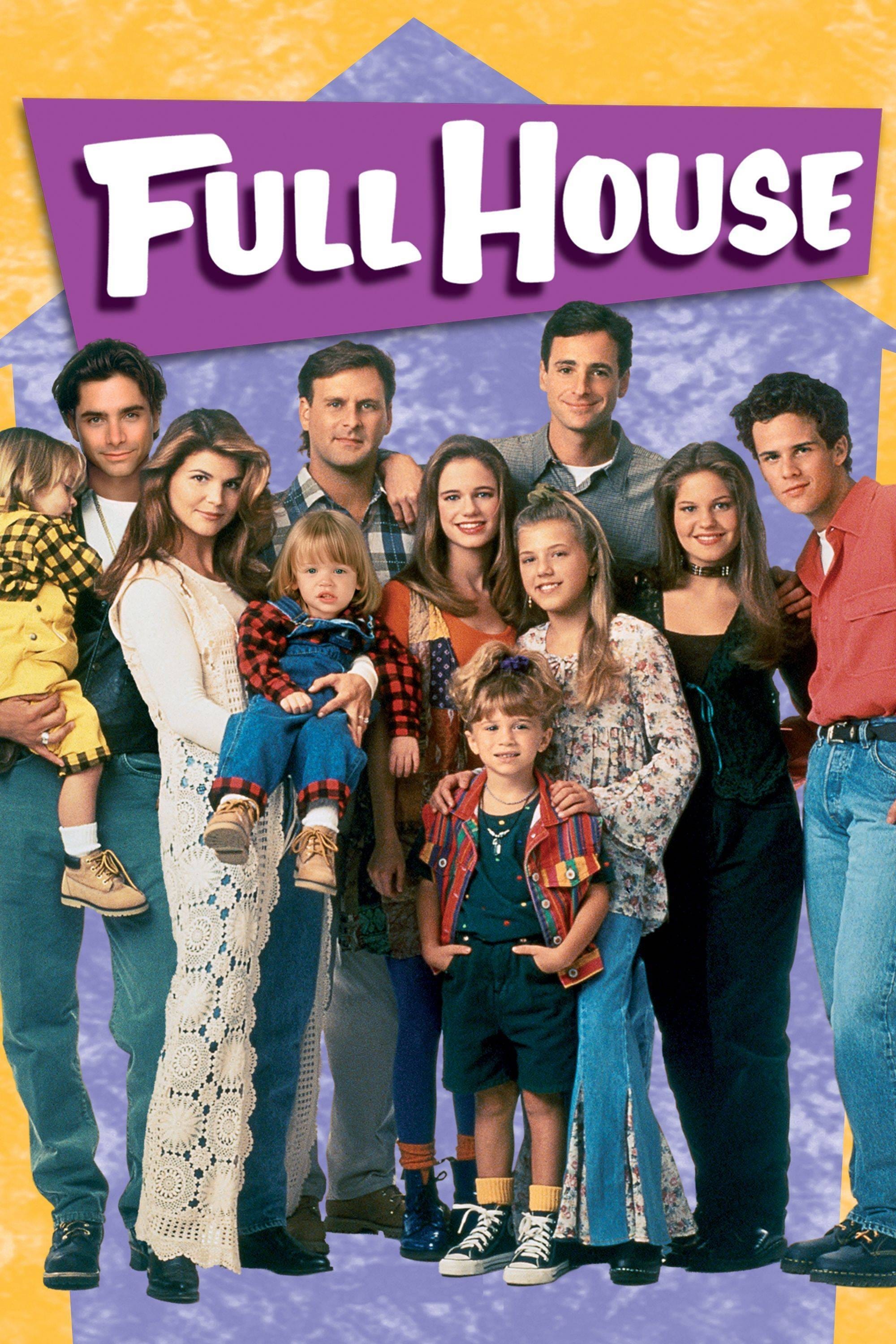
‘Full House’ told the story of a widowed father raising three daughters with help from his best friend and brother-in-law. Set in San Francisco, the show built comfort around family routines, school milestones, and music performances. The ensemble of kids and adults created a multi-generational dynamic that invited weekly check-ins.
The series became a cornerstone of family programming blocks and later fueled a successful sequel set in the same universe. Its catchphrases, opening credits, and iconic house exterior kept it present in pop culture. Reruns and streaming introduced it to new viewers long after the original finale.
‘ALF’ (1986–1990)
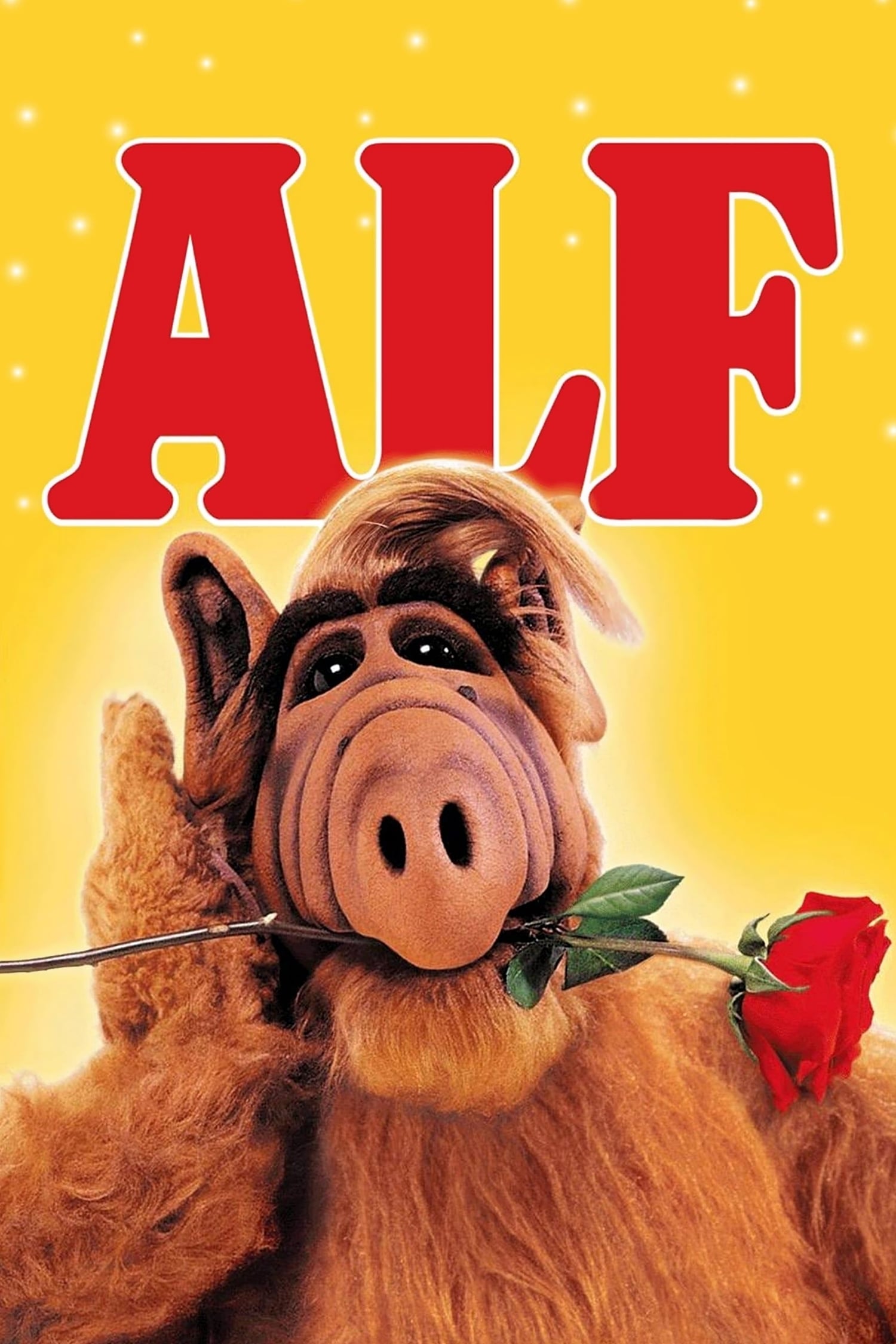
‘ALF’ followed Gordon Shumway, an alien from Melmac who crash-lands in a suburban garage and moves in with the Tanner family. Puppeteer and co-creator Paul Fusco brought the character to life with precise timing and expressive movement. The show mixed fish-out-of-water comedy with ongoing subplots about keeping ALF hidden.
Merchandise, books, and animated spin-offs expanded the character beyond the live-action sitcom. International broadcasts adapted jokes and references for local audiences. The practical puppetry remains a distinctive element that set it apart from other family shows of its era.
‘Fraggle Rock’ (1983–1987)
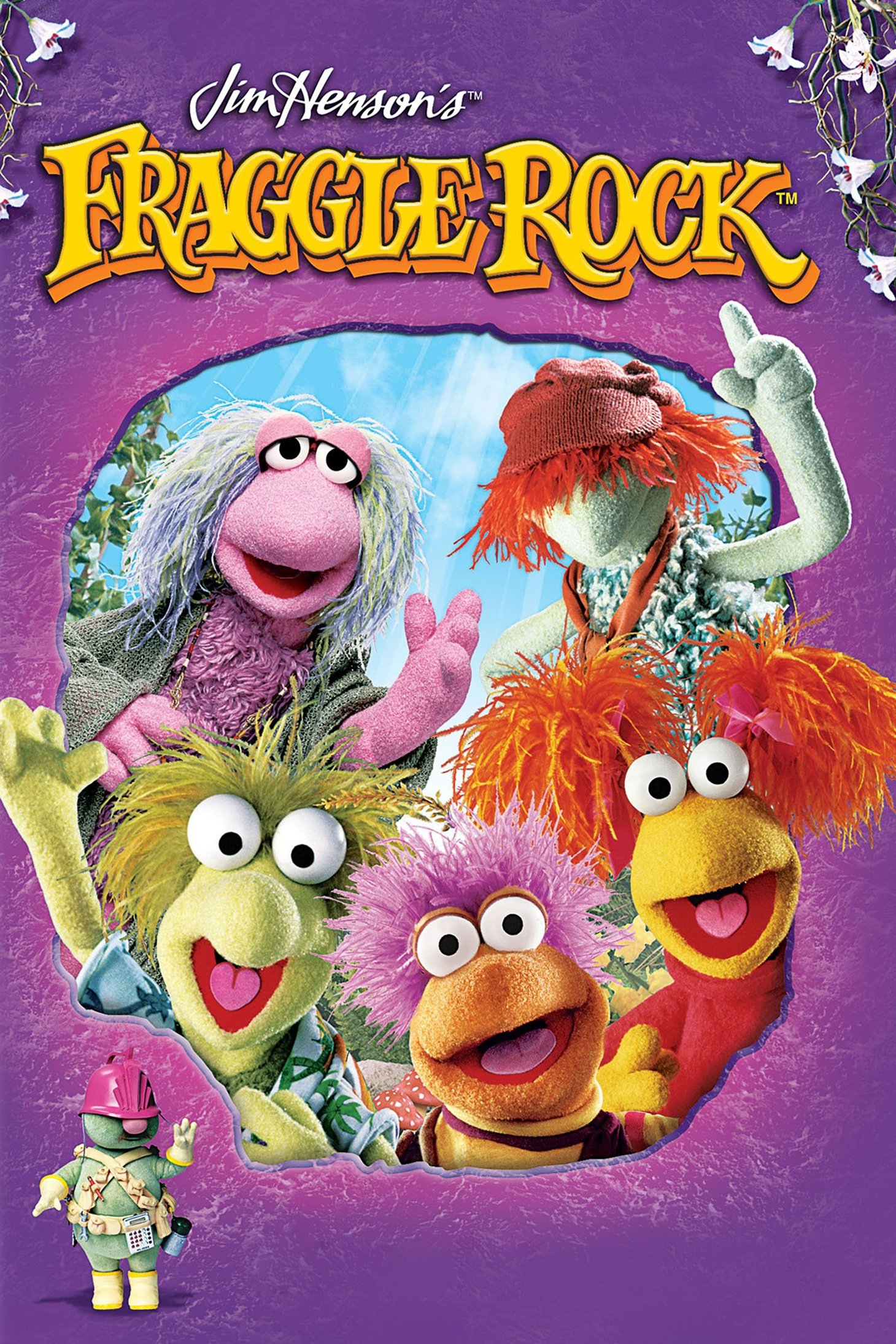
Created by Jim Henson, ‘Fraggle Rock’ explored interconnected communities of Fraggles, Doozers, and Gorgs with musical storytelling. The show used intricate sets and advanced puppetry to stage energetic songs and playful adventures. A human wraparound segment localized to each region made the series feel native to different countries.
It was designed as an international co-production, which helped it reach viewers across continents. Educational themes about cooperation and ecology fit naturally into the plots. The music catalog and character design continue to influence children’s programming and live productions.
‘He-Man and the Masters of the Universe’ (1983–1985)

‘He-Man and the Masters of the Universe’ brought the Mattel toy line to television with daily syndicated episodes. Filmation’s animation model emphasized bold character silhouettes and reusable action cycles that met tight production schedules. The story followed Prince Adam, who transformed into He-Man to defend Eternia against Skeletor.
Episodes often closed with PSA moments that summarized practical lessons from the story. The franchise fueled strong sales in toys, comics, and home video. Memorable voice performances and a sweeping theme helped it stand out in crowded afternoon lineups.
‘DuckTales’ (1987–1990)
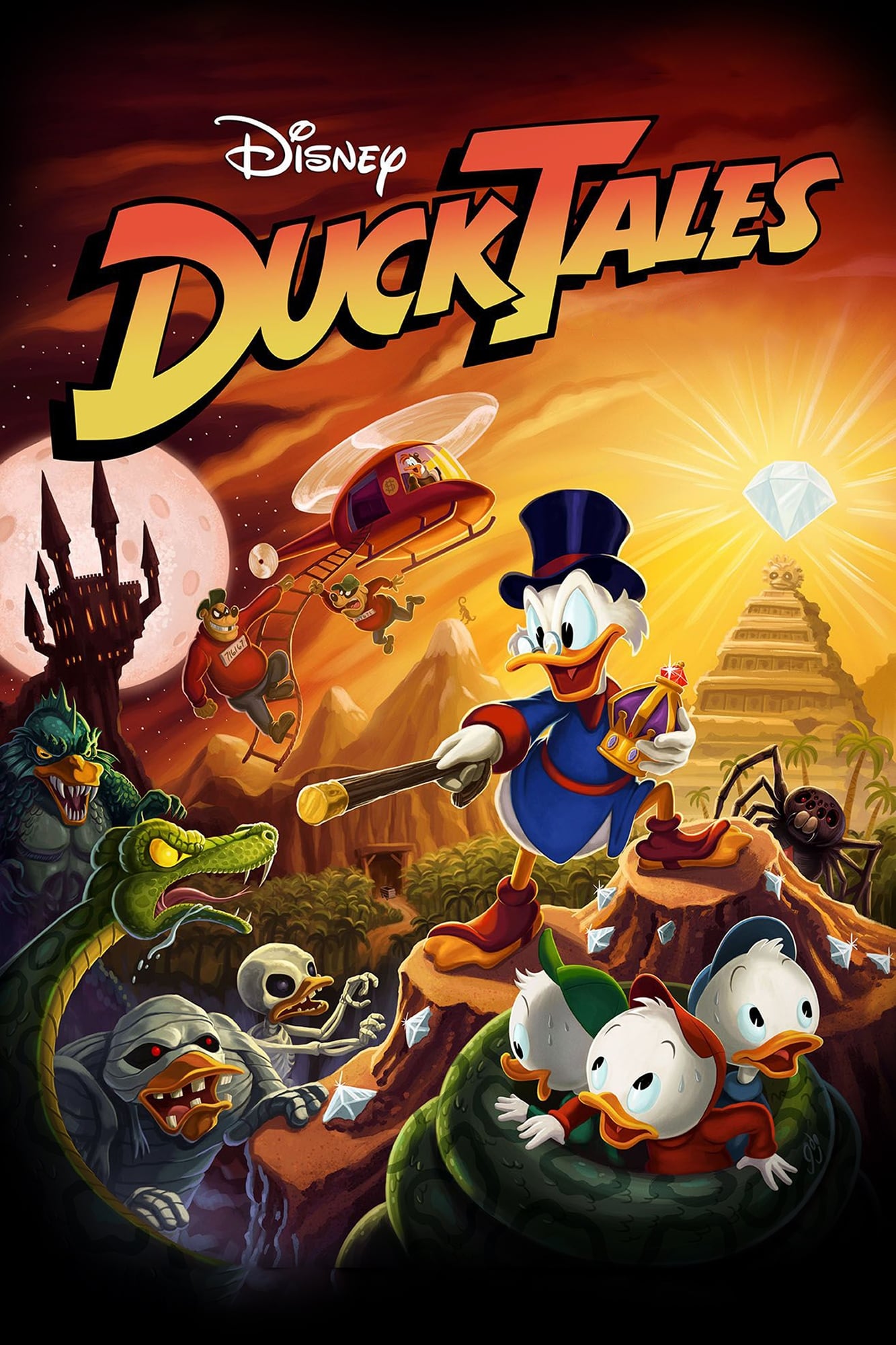
‘DuckTales’ sent Scrooge McDuck and his nephews on treasure hunts from Duckburg to far-flung ruins. The series blended slapstick with serialized maps and clues, giving adventure structure to episodic stories. It introduced fan-favorite pilots and inventors who later appeared in related shows.
The production invested in high-quality background art and catchy music that supported theatrical-style set pieces. Its success led to movies, video games, and later reimaginings that kept the brand active. The show helped establish a block of animated programming that carried into the next decade.
‘Blackadder’ (1983–1989)
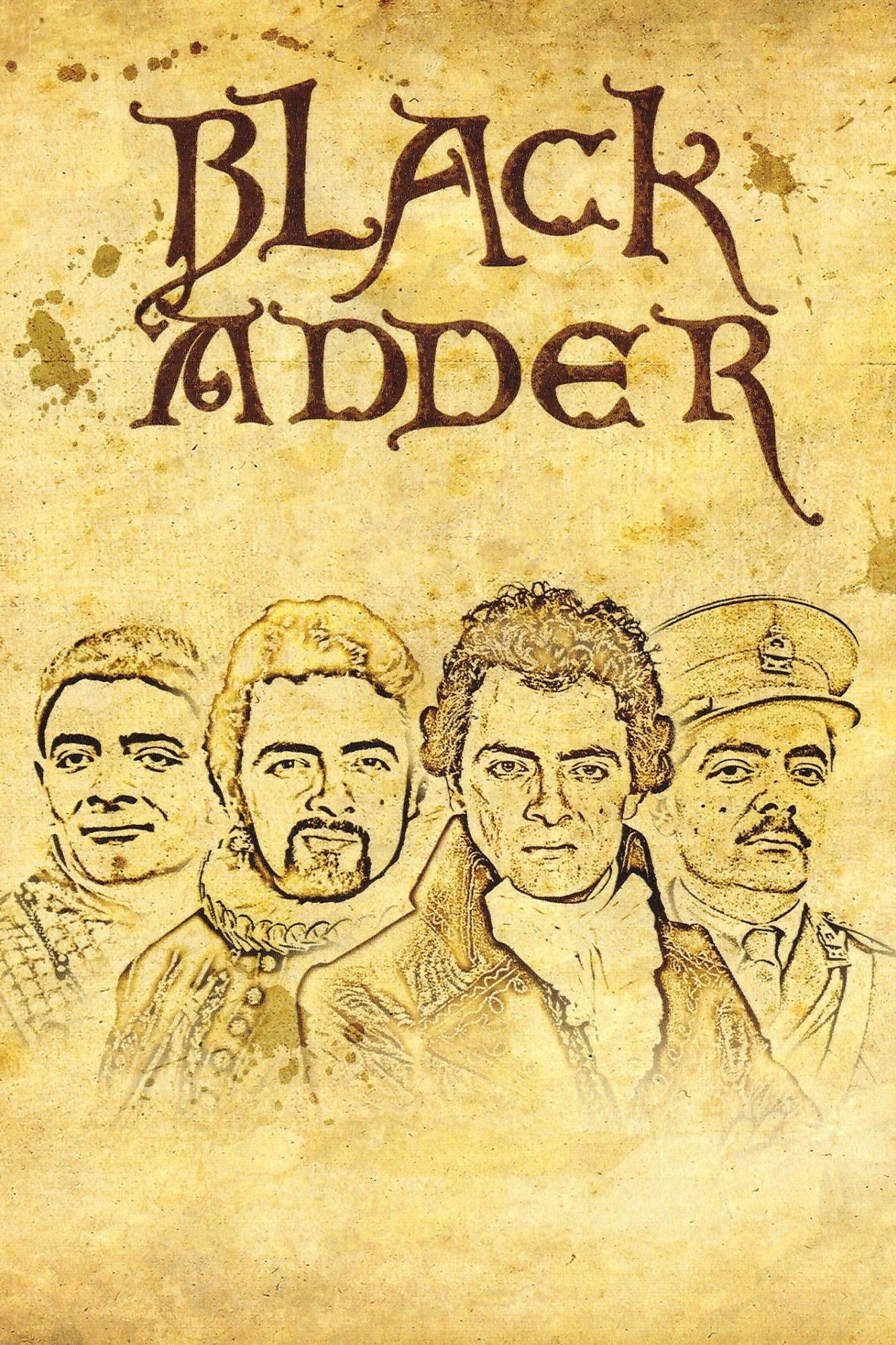
‘Blackadder’ reimagined the same scheming lead across different historical periods, with Rowan Atkinson working alongside writers Richard Curtis and Ben Elton. Each series built a new setting with returning actors in fresh roles, including Tony Robinson, Hugh Laurie, Tim McInnerny, and Stephen Fry. The scripts used dense wordplay and precise timing.
The anthology-style approach allowed for varied costumes, sets, and satirical targets without changing the core dynamic. Memorable closers and recurring lines gave fans common reference points. It remains a high-water mark for period comedy on the BBC.
‘Only Fools and Horses’ (1981–2003)
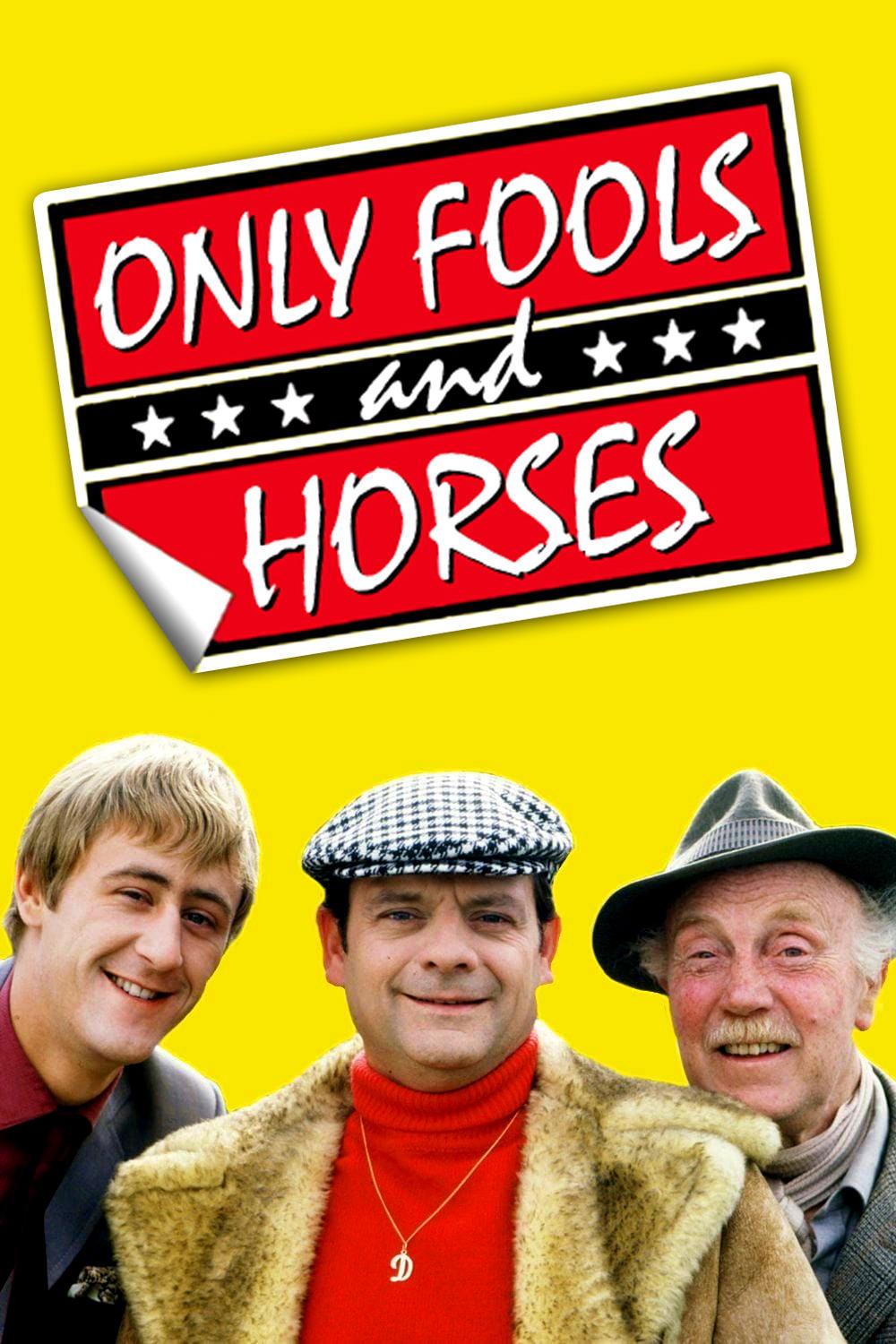
‘Only Fools and Horses’ followed brothers Del Boy and Rodney Trotter as they pursued deals from their base in Peckham. Writer John Sullivan created a world of market stalls, pub meetings, and memorable supporting characters who cycled through the brothers’ business schemes. The show balanced quick one-liners with episodic plots about family and ambition.
Specials continued the story alongside regular series runs, turning holiday events into major TV moments. Catchphrases entered everyday speech and helped the show travel well in international markets. Location filming and detailed props grounded its larger-than-life characters in a recognizable London.
Share your own favorite picks from the decade in the comments and tell us which ones you still revisit today.