


20 TV Shows from the ’90s That Are Still Better Than Anything on Today

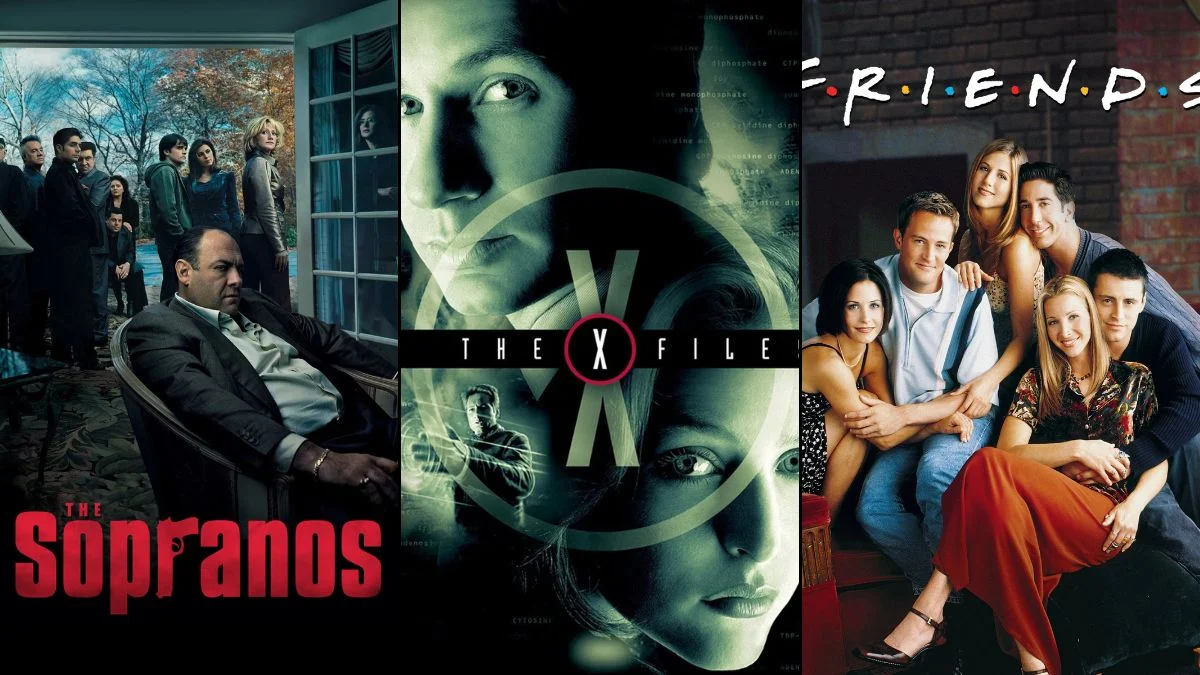


The nineties delivered a wave of television that shaped how series are written, produced, and discovered. It was the era that blended prestige drama with breakthrough sitcoms, animation that spoke to adults, and genre shows that built devoted communities. Many of these series kept audiences engaged across long runs, set durable formats, and influenced the way streaming platforms organize their libraries today.
What stands out are the craft and innovations that continue to show up in writers rooms and production schedules. You can track lasting impact through awards, syndication strength, international remakes, and ongoing viewership on streaming services. These shows built characters and worlds that kept audiences returning week after week, and their production playbooks are still being used.
‘The Sopranos’ (1999–2007)
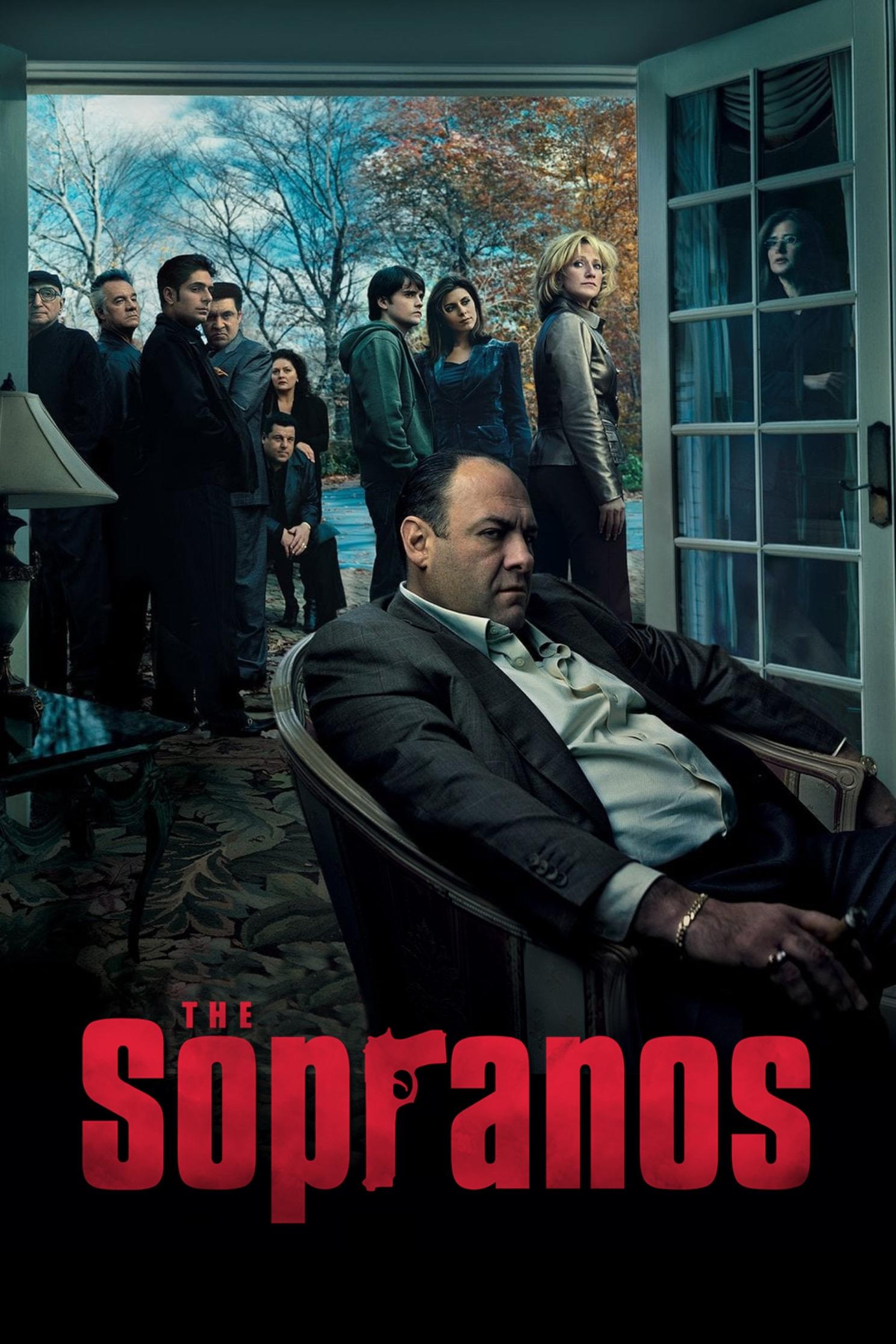
This crime drama centers on a New Jersey mob boss who balances family life and the pressures of a criminal organization. Created by David Chase for premium cable, the series used long-form storytelling with multi episode arcs that explored therapy, power, and legacy. The cast features James Gandolfini and Edie Falco, and the ensemble approach allowed multiple subplots to evolve over time.
Its production model popularized the modern prestige drama with shorter seasons and high production values. The show earned dozens of major awards across acting, writing, and directing, and it remains a reference point in film schools and screenwriting courses. It continues to draw new viewers through syndication and streaming availability.
‘The X-Files’ (1993–2002)
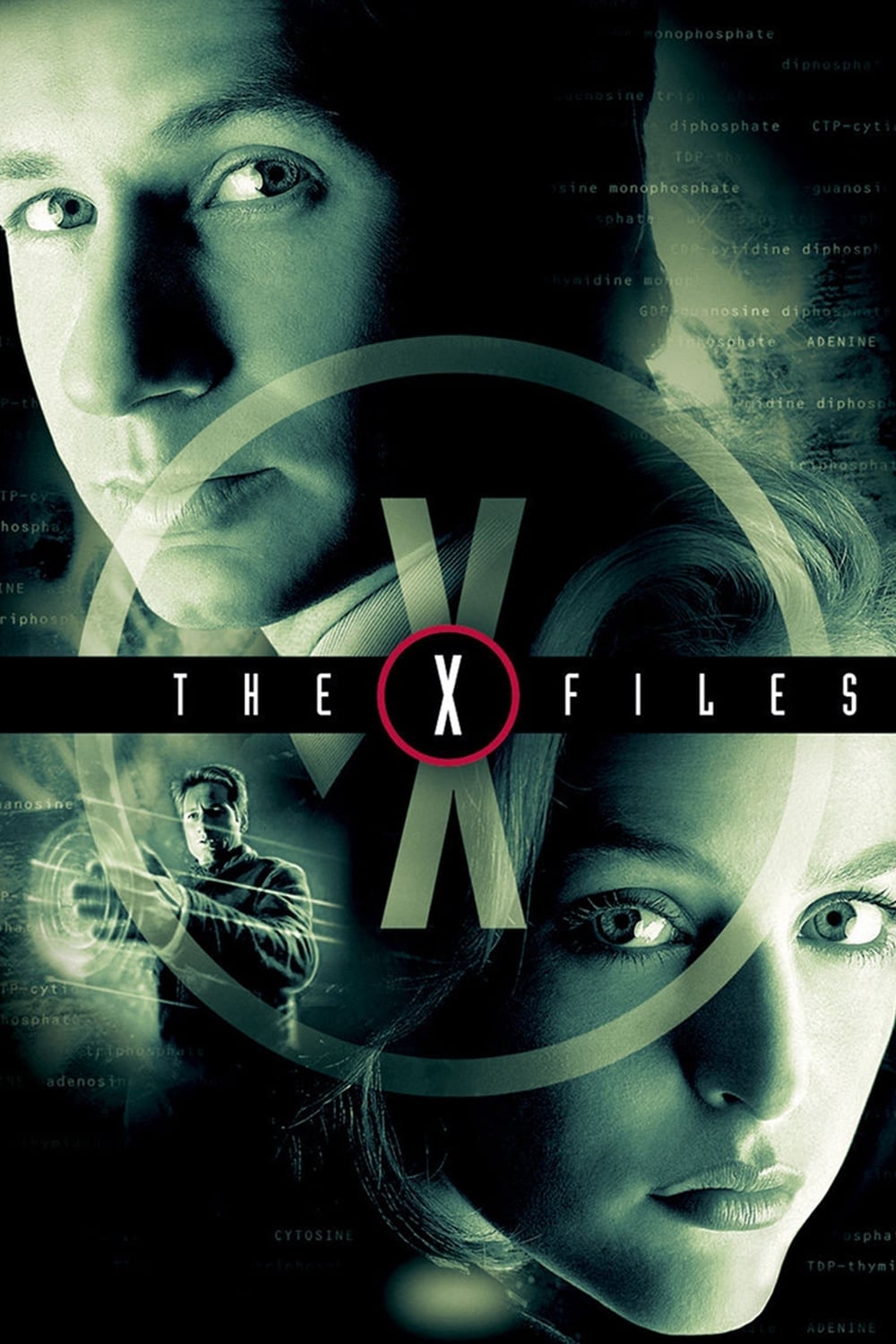
This science fiction procedural follows FBI agents investigating unexplained phenomena and government conspiracies. It combines case of the week storytelling with a larger mythology arc, which allowed viewers to jump in at any point while still rewarding long term fans. The duo of Gillian Anderson and David Duchovny anchored the show with a blend of investigative work and character development.
The series influenced a generation of genre procedurals that adopted a similar hybrid format. It produced multiple films, a revival, and numerous tie in novels and comics. Its monster of the week template remains a model for shows that balance episodic plots with serialized threads.
‘Seinfeld’ (1989–1998)
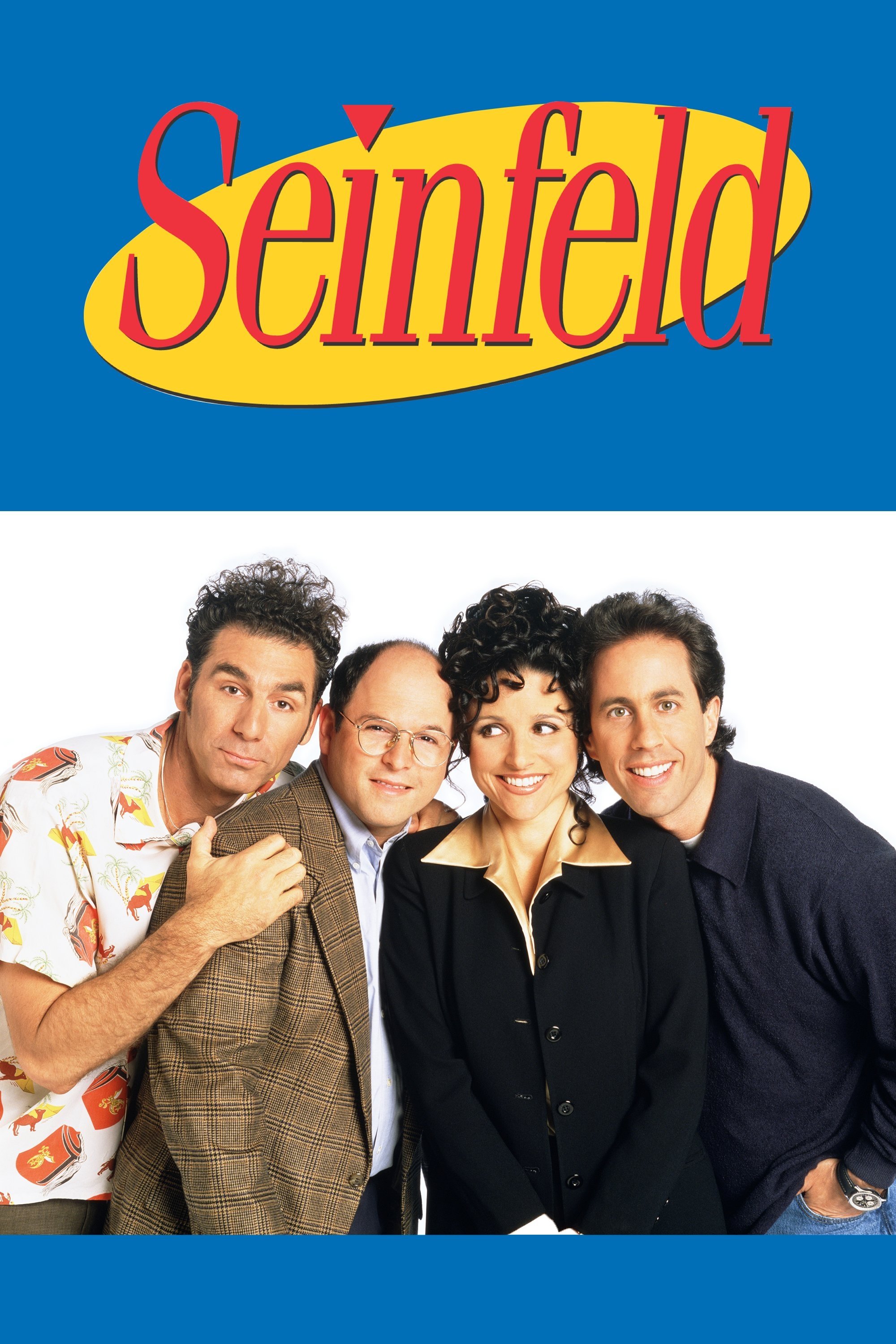
This sitcom focuses on four friends in New York as everyday situations spiral into interconnected comedic outcomes. Created by Larry David and Jerry Seinfeld, the series refined an ensemble structure with tightly constructed A, B, and C plots that converge in the final minutes. The writing emphasizes callback jokes and narrative symmetry.
Its syndication run has ranked among the most valuable in television, with continuous reruns across cable and streaming platforms. The show’s script structure is taught in comedy writing courses, and many episodes introduced phrases and scenarios that entered common speech. The series remains a benchmark for multi camera and single camera comedies alike.
‘Friends’ (1994–2004)
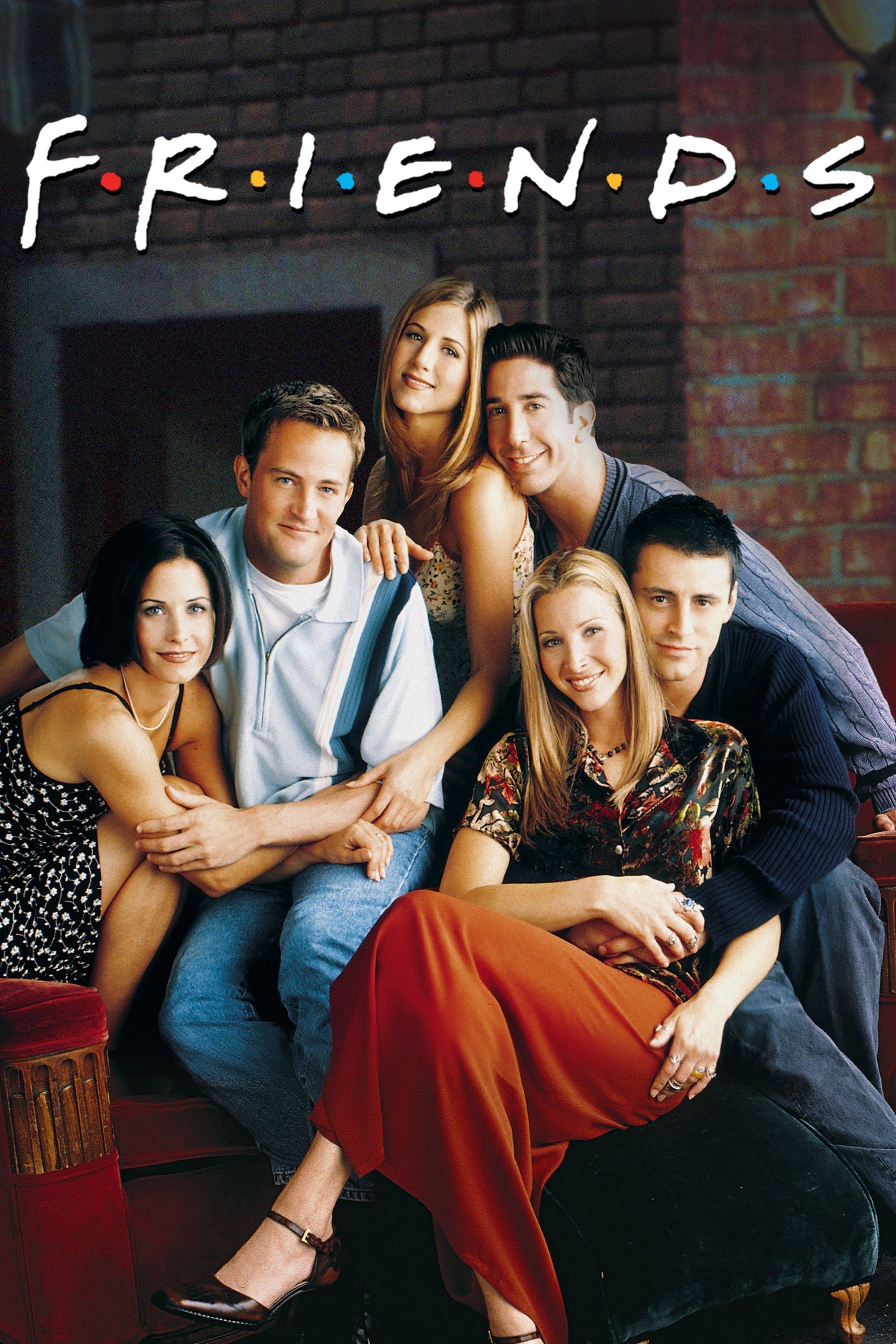
This ensemble comedy follows six friends in Manhattan through work, relationships, and evolving life stages. It uses a consistent three act structure with cold opens and tag scenes, making episodes easy to follow and rewatch. The cast chemistry is supported by a writers room that tracked long term arcs for each character.
The show became a global syndication success, leading to international adaptations and sustained streaming demand. It boosted tourism to New York through recognizable sets and locations and generated a large catalog of licensed merchandise. Its templates for bottle episodes and holiday installments are widely copied.
‘ER’ (1994–2009)
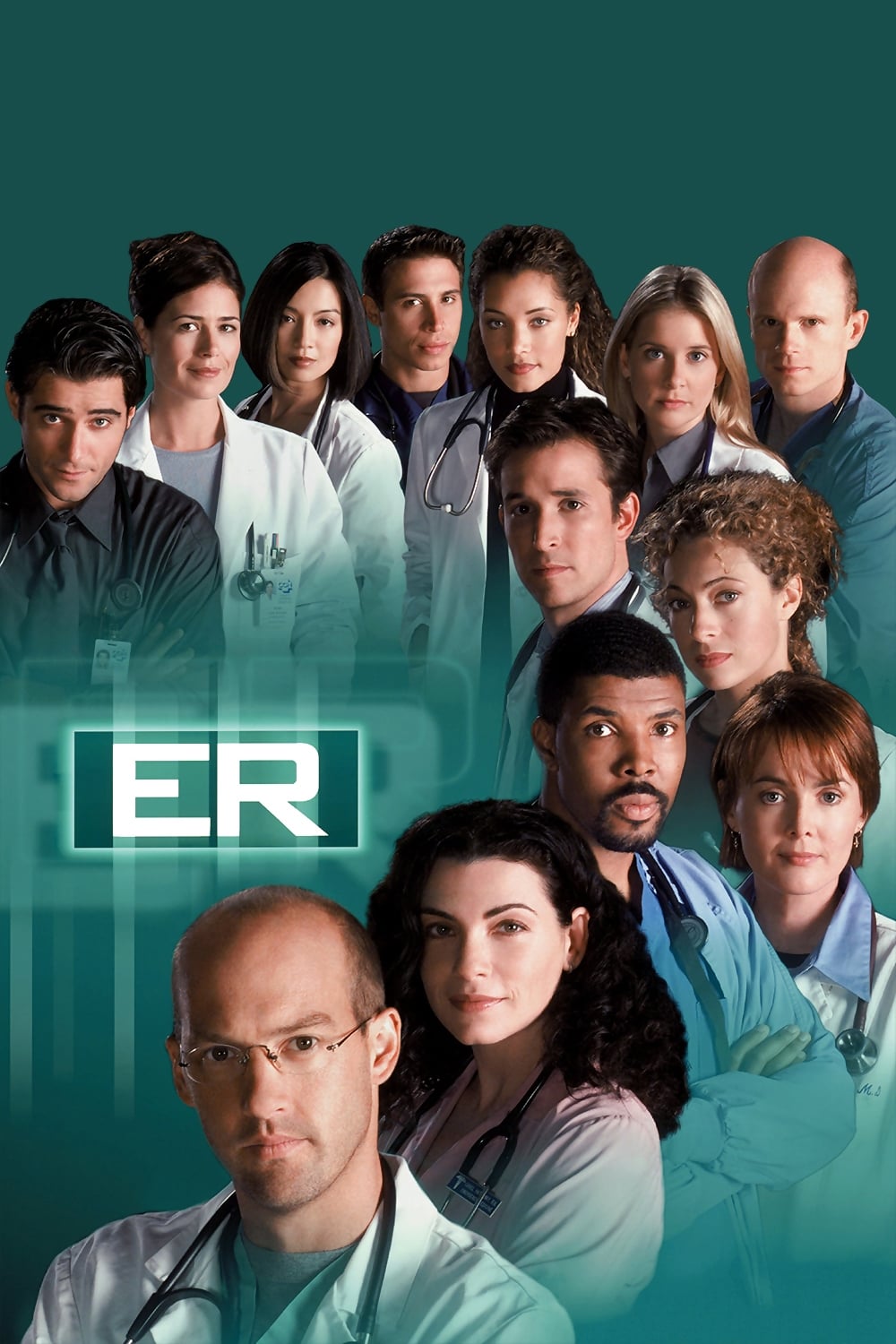
This medical drama depicts the fast paced operations of a Chicago emergency room with handheld camera work and continuous takes. The series introduced complex medical cases alongside the personal lives of its doctors and nurses, and it made extensive use of technical advisers to ensure accuracy. It launched or expanded the careers of several actors including George Clooney.
The show pioneered high intensity live episodes and event nights that drew massive audiences. Its long run allowed it to address changes in hospital administration, technology, and public health topics. Medical dramas that followed borrowed its visual style and emphasis on real time urgency.
‘The Simpsons’ (1989–present)
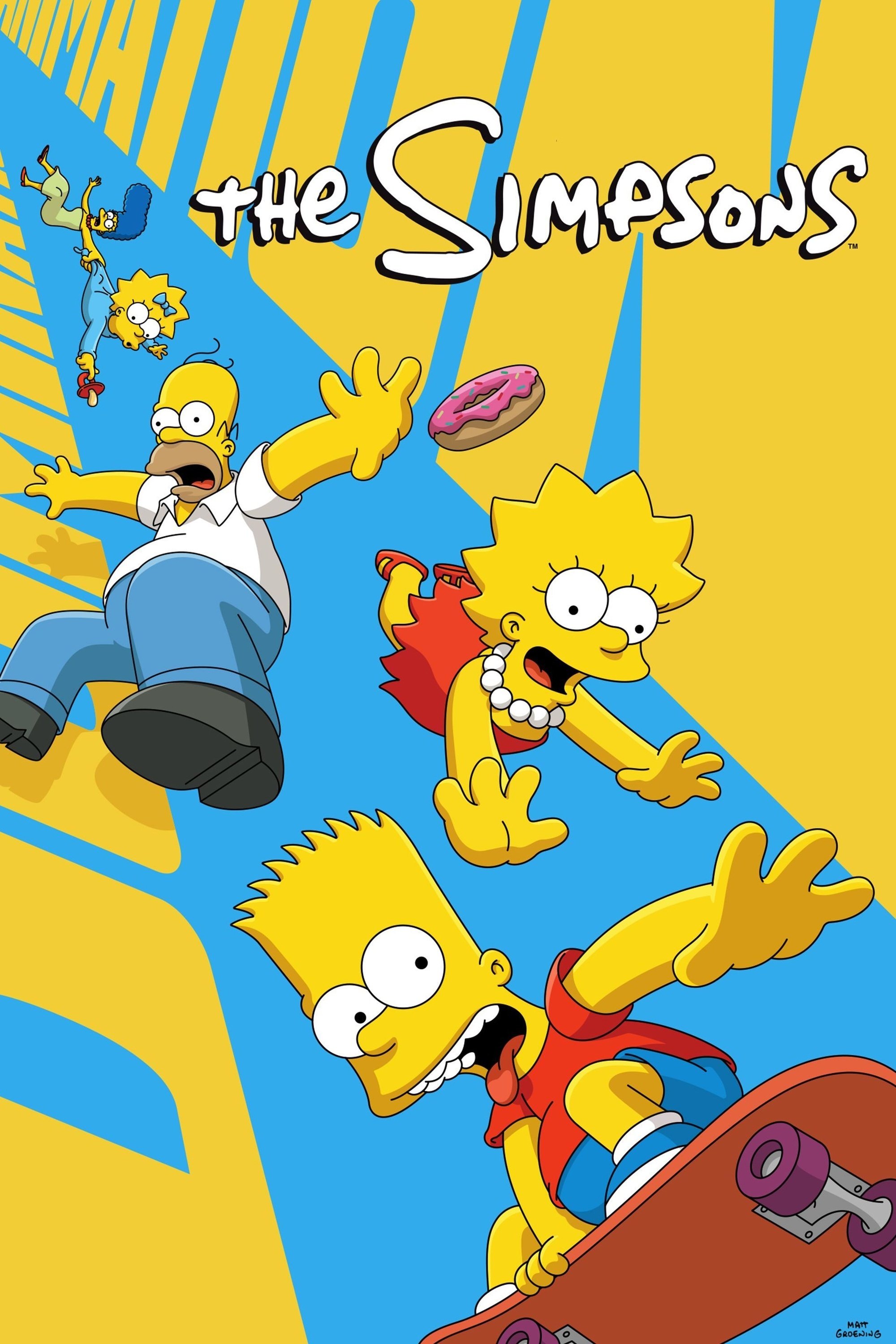
This animated sitcom portrays a working class family in the fictional town of Springfield with a focus on satire and cultural references. Episodes often feature layered jokes and background gags that reward repeat viewing. Voice actors perform multiple roles, and the show maintains a writers room with alumni from comedy magazines and late night programs.
Its influence spans animation, comedy writing, and merchandising, with a vast library of episodes that power syndication blocks worldwide. The series has collaborated with guest stars across entertainment, sports, and politics. It set a model for animated shows that target both adult and family audiences.
‘Buffy the Vampire Slayer’ (1997–2003)
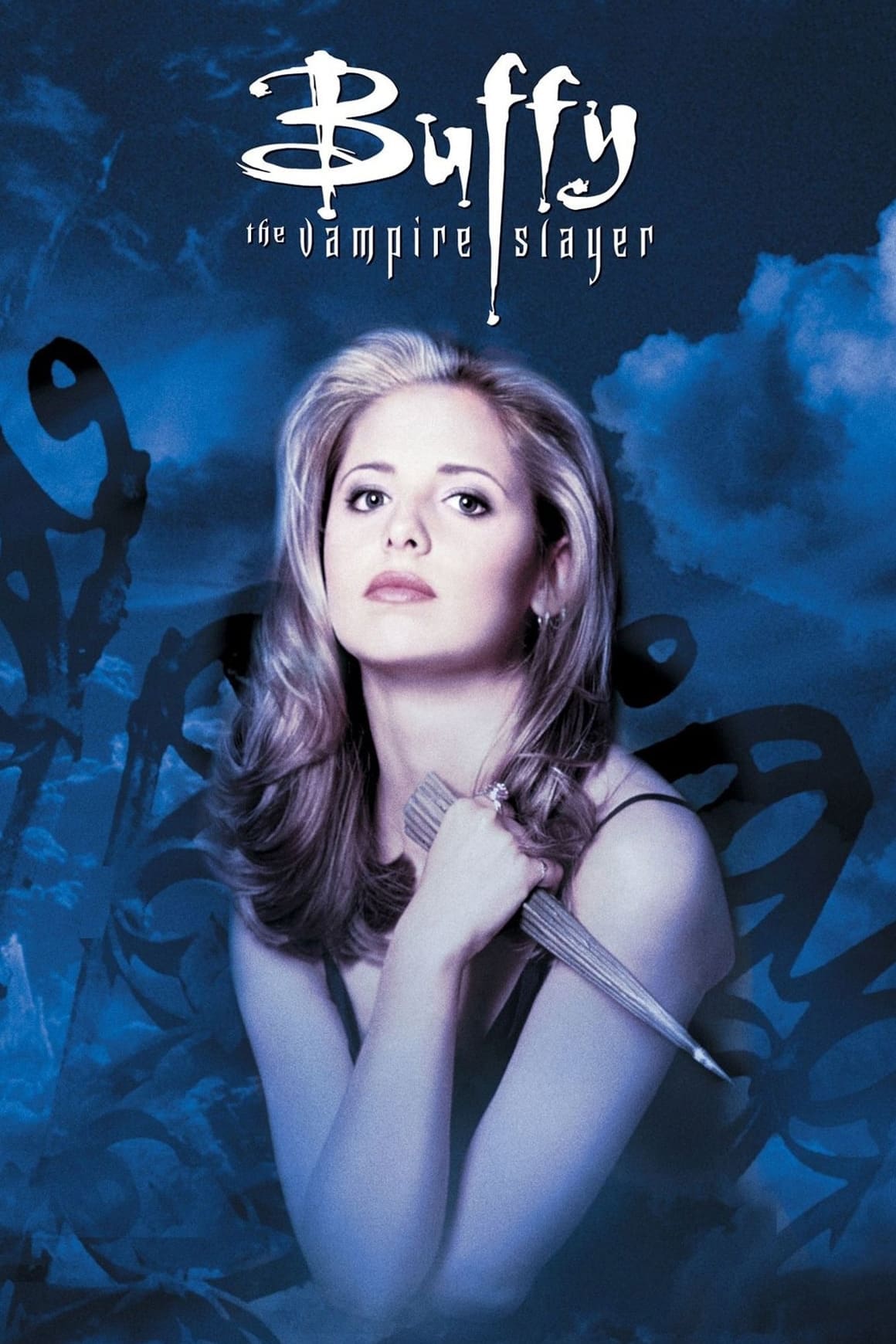
This supernatural drama follows a chosen hero who battles vampires and demons while managing high school and college life. It blends genre action with character driven arcs and introduces standalone episodes that carry emotional weight. The series features an ensemble including Sarah Michelle Gellar, Alyson Hannigan, and Anthony Head.
It is credited with shaping modern genre storytelling through season long big bad structures and witty dialogue that becomes plot relevant. The show spun off ‘Angel’ and inspired academic studies on television narrative and mythology. Its episode formats, including musical and silent experiments, are still referenced in writers rooms.
‘Frasier’ (1993–2004)
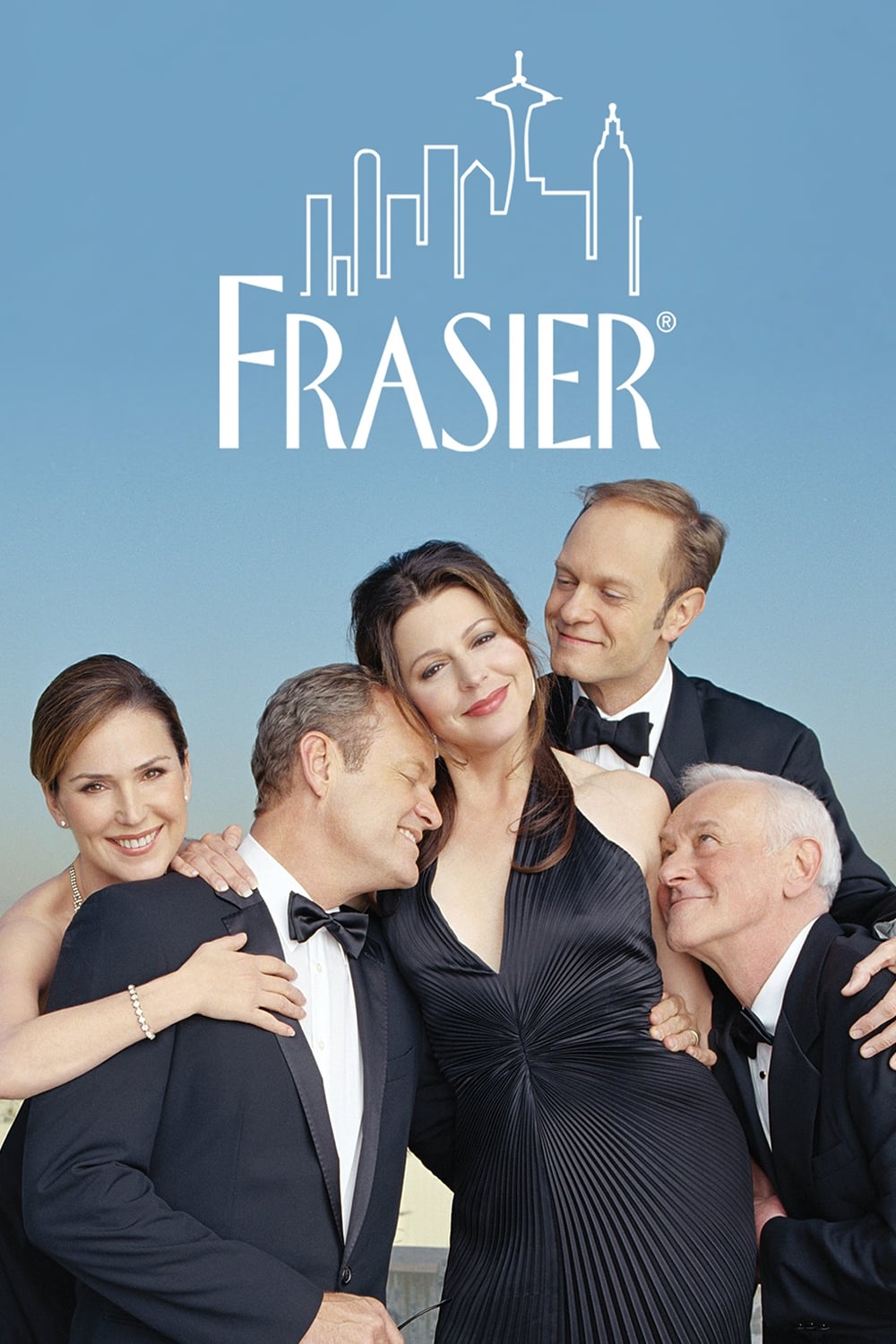
This sitcom follows a radio psychiatrist who returns to his hometown and navigates family dynamics and work. It uses farce mechanics, wordplay, and carefully built misunderstandings that resolve in tight conclusions. The cast includes Kelsey Grammer, David Hyde Pierce, and an ensemble that supports bottle episodes set in apartments and studios.
The series accumulated a notable award count for acting and writing and maintained strong ratings over many seasons. It remains a fixture in syndication and streaming packages, and it demonstrated how a spinoff can establish its own identity. Its approach to upscale settings and character based humor influenced later single camera comedies.
‘Twin Peaks’ (1990–1991)
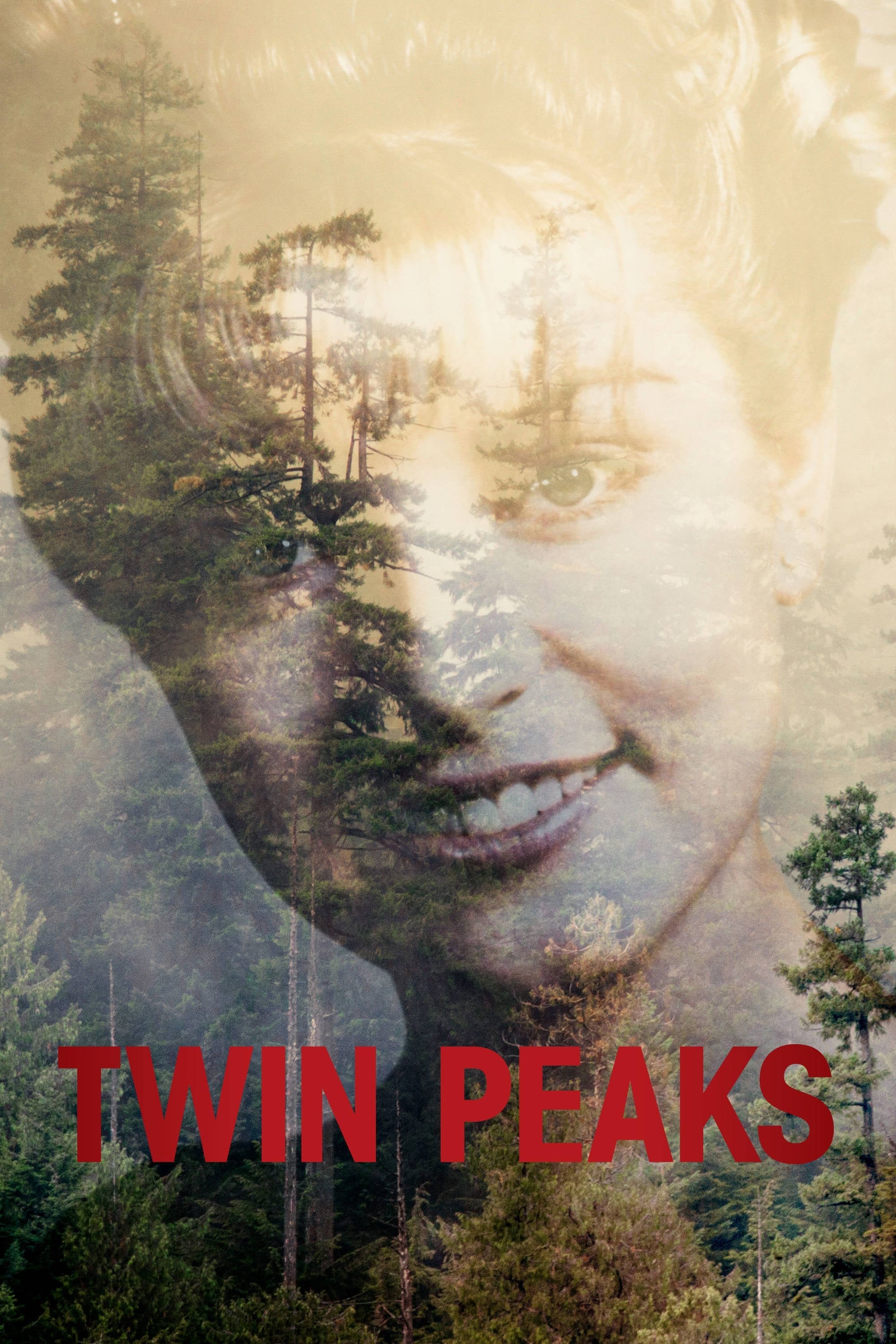
This mystery drama opens with the investigation of a small town murder that reveals surreal secrets and local conspiracies. Co created by David Lynch and Mark Frost, it blends soap opera elements with dream sequences and unconventional music cues. The show employed a distinct visual style with careful color choices and recurring motifs.
Its short original run generated a long tail of cultural impact, including a film continuation and a later revival. It helped build the case for auteur driven television and influenced how shows use atmosphere and tone. The series is studied for its use of cliffhangers and nonlinear storytelling.
‘Law & Order’ (1990–2010)
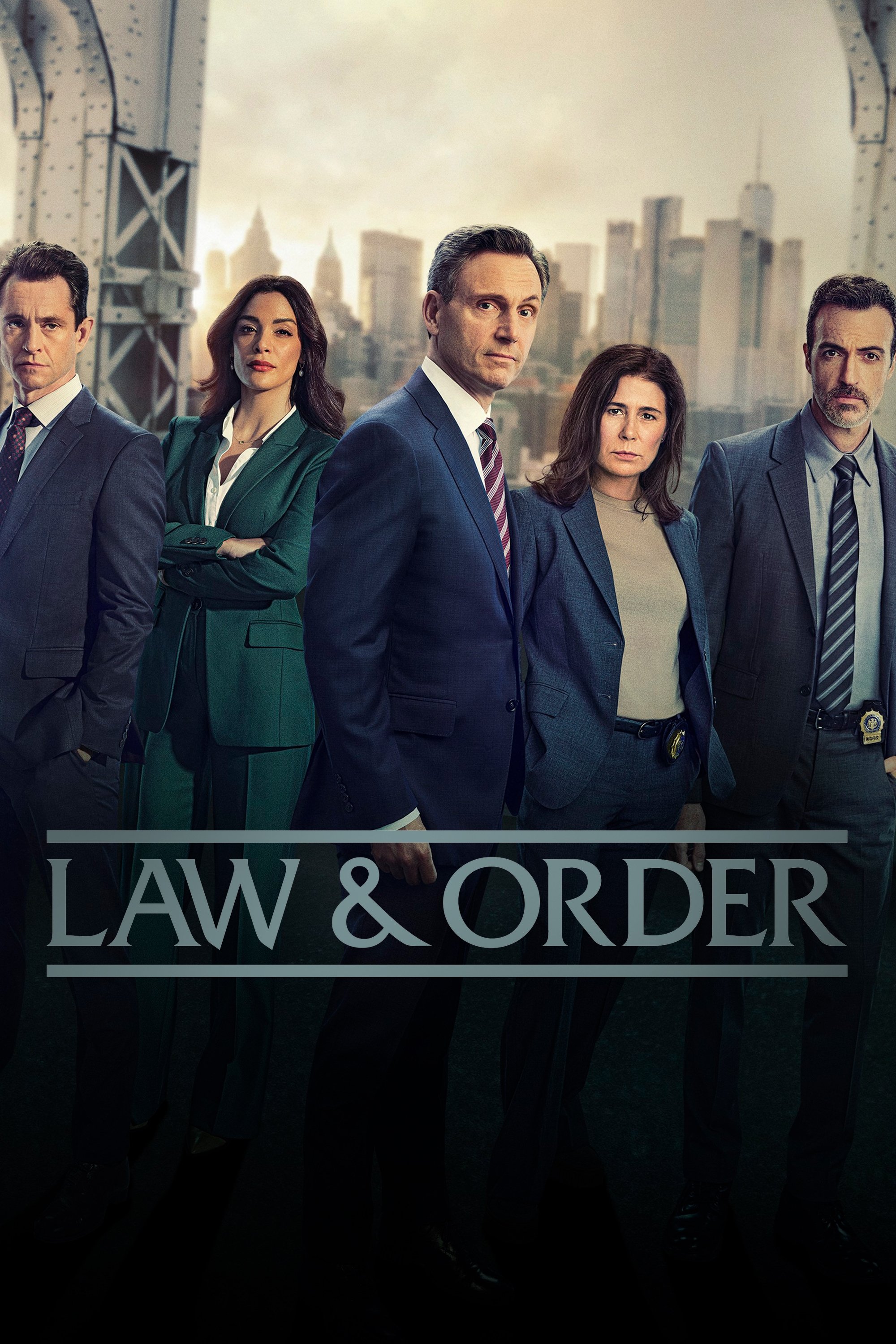
This procedural splits each episode between police investigation and courtroom prosecution with a focus on ripped from the headlines setups. Its format allows guest stars and recurring legal figures to rotate through cases. The show maintains a distinctive cold open that moves quickly from discovery to interrogation.
The franchise model expanded into multiple spinoffs, international versions, and crossovers that share a production ecosystem. Its reruns fill programming blocks across networks due to the self contained nature of episodes. The format is widely licensed and adapted by broadcasters around the world.
‘The West Wing’ (1999–2006)
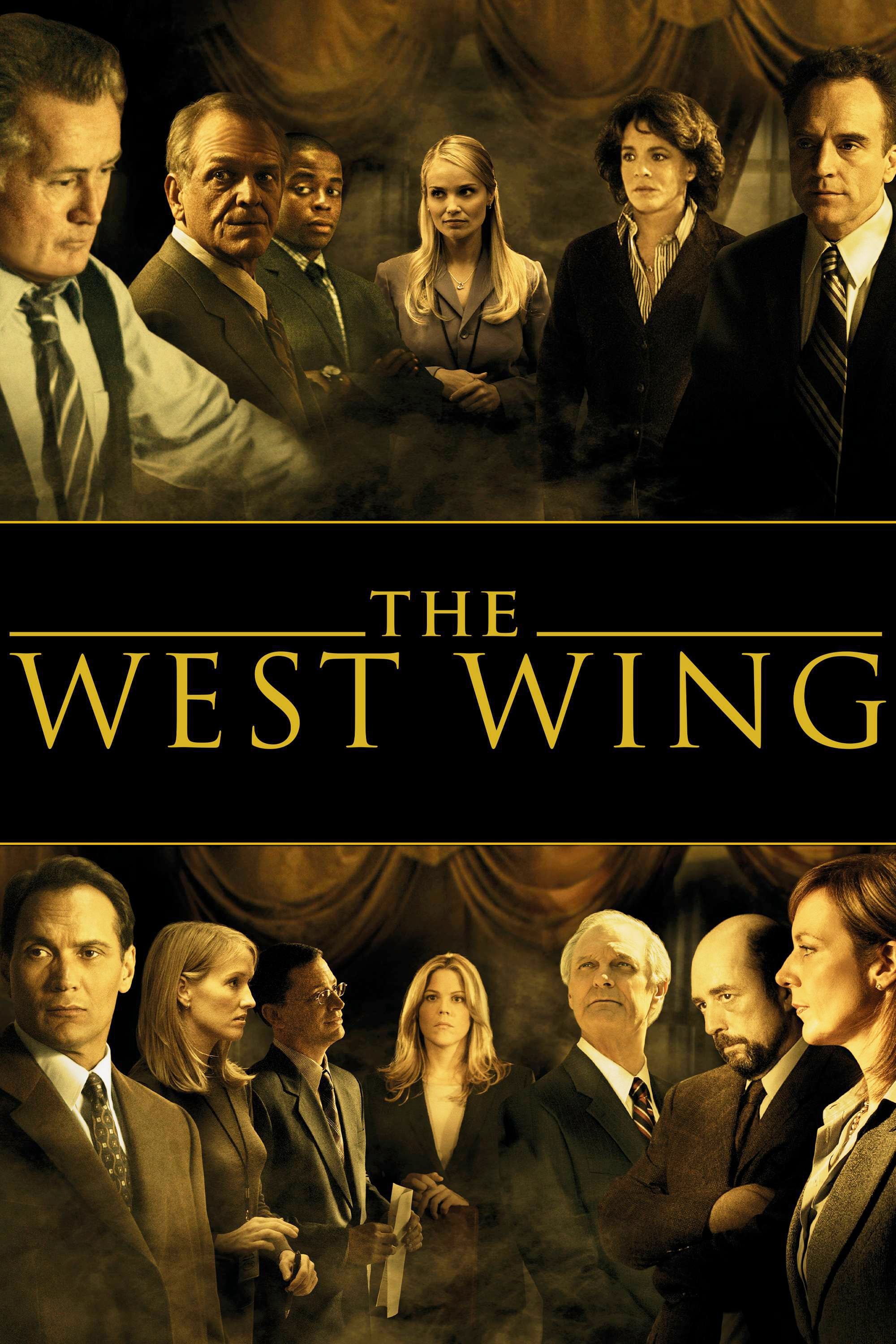
This political drama portrays senior staff working in the White House while tackling policy decisions and personal challenges. The writing uses walk and talk scenes and overlapping dialogue to deliver exposition efficiently. The ensemble cast includes Martin Sheen, Allison Janney, and Bradley Whitford.
The series earned numerous awards for writing and acting and contributed to public interest in policy making. Educational institutions reference its episodes to illustrate communication strategies and crisis management. It also influenced later political dramas that adopted similar pacing and ensemble structures.
‘Star Trek: Deep Space Nine’ (1993–1999)
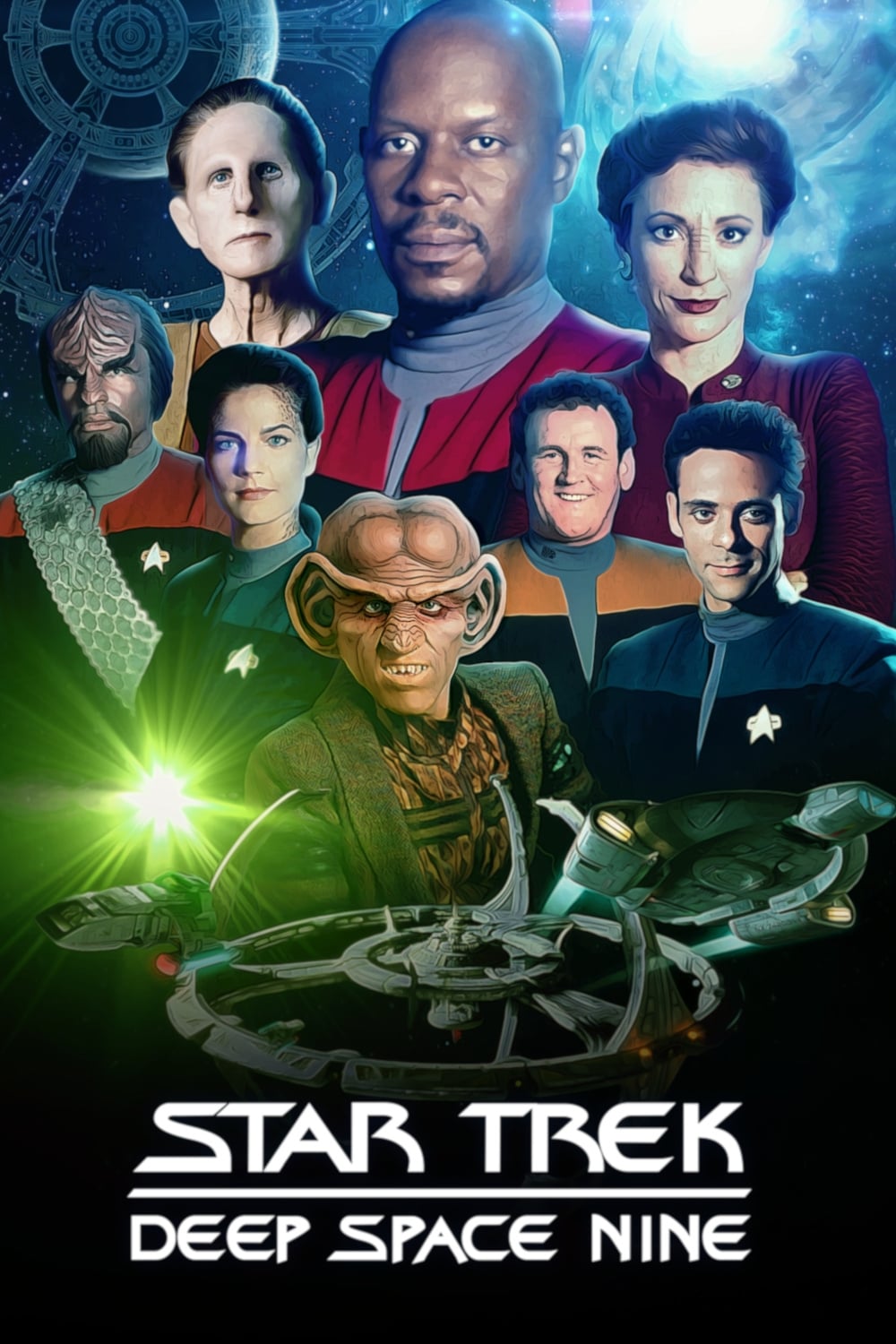
This science fiction series is set on a space station that manages trade, diplomacy, and conflict near a strategic wormhole. It adopts serialized arcs that explore war, religion, and politics, while still offering self contained episodes. The ensemble includes Avery Brooks and a roster of recurring aliens with makeup and prosthetics developed for weekly television.
Its ambitious arcs laid groundwork for serialized science fiction on mainstream television. The show utilized computer generated imagery and practical effects that improved season by season. It remains a key title in franchise streaming collections and continues to draw analysis for its world building.
‘Batman: The Animated Series’ (1992–1995)
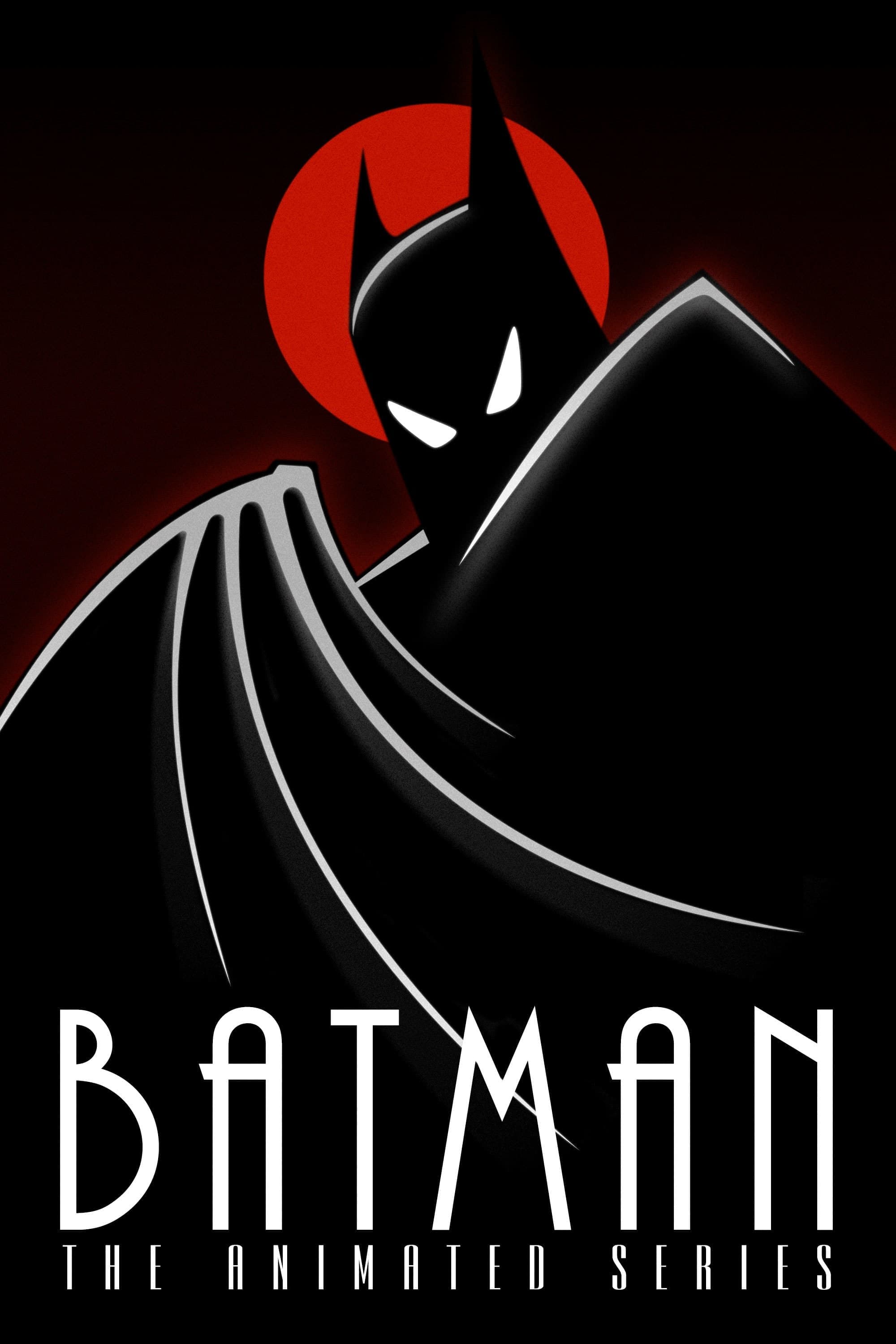
This animated series presents a noir inspired version of Gotham with distinctive art direction and orchestral music. It introduced the character Harley Quinn and redefined several villains with empathetic backstories. The voice cast features Kevin Conroy and Mark Hamill in acclaimed performances.
The series won major animation awards and set a standard for action choreography and storytelling in half hour episodes. Its visual style, often called dark deco, influenced later superhero cartoons and video games. The show continues to sell through physical media reissues and digital remasters.
‘Neon Genesis Evangelion’ (1995–1996)
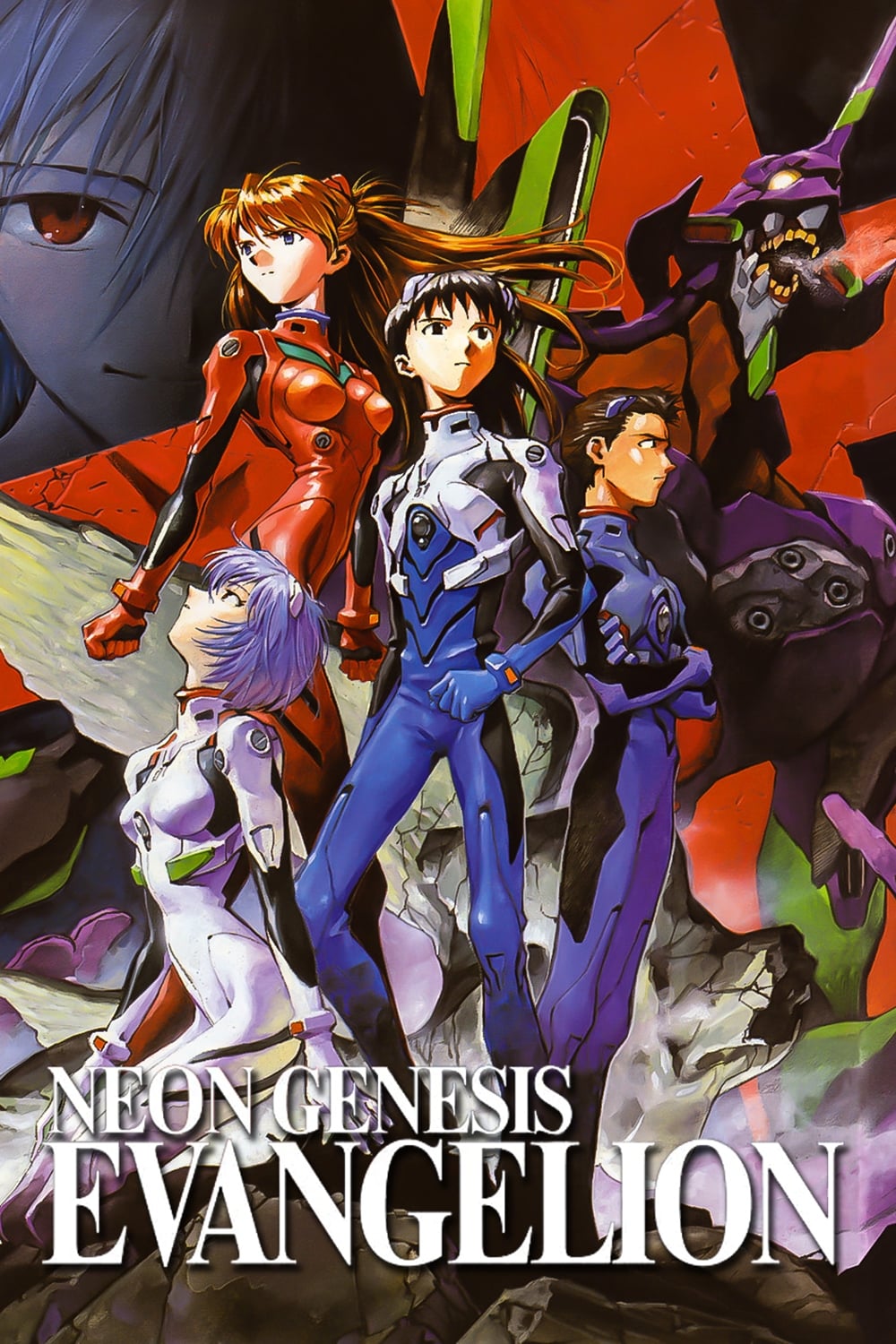
This anime follows teenage pilots who operate biomechanical units to protect humanity from enigmatic threats while confronting psychological stress. It integrates science fiction concepts with character studies and symbolic imagery. The series uses distinctive episode titles and interludes that frame each battle as a chapter in a larger narrative.
It reshaped the mecha genre and spawned films, merchandise, and international distribution deals. Academic writing frequently analyzes its themes and production context, and restoration efforts brought high quality releases to global platforms. The show maintains strong sales in collector editions and soundtrack reissues.
‘Cowboy Bebop’ (1998–1999)
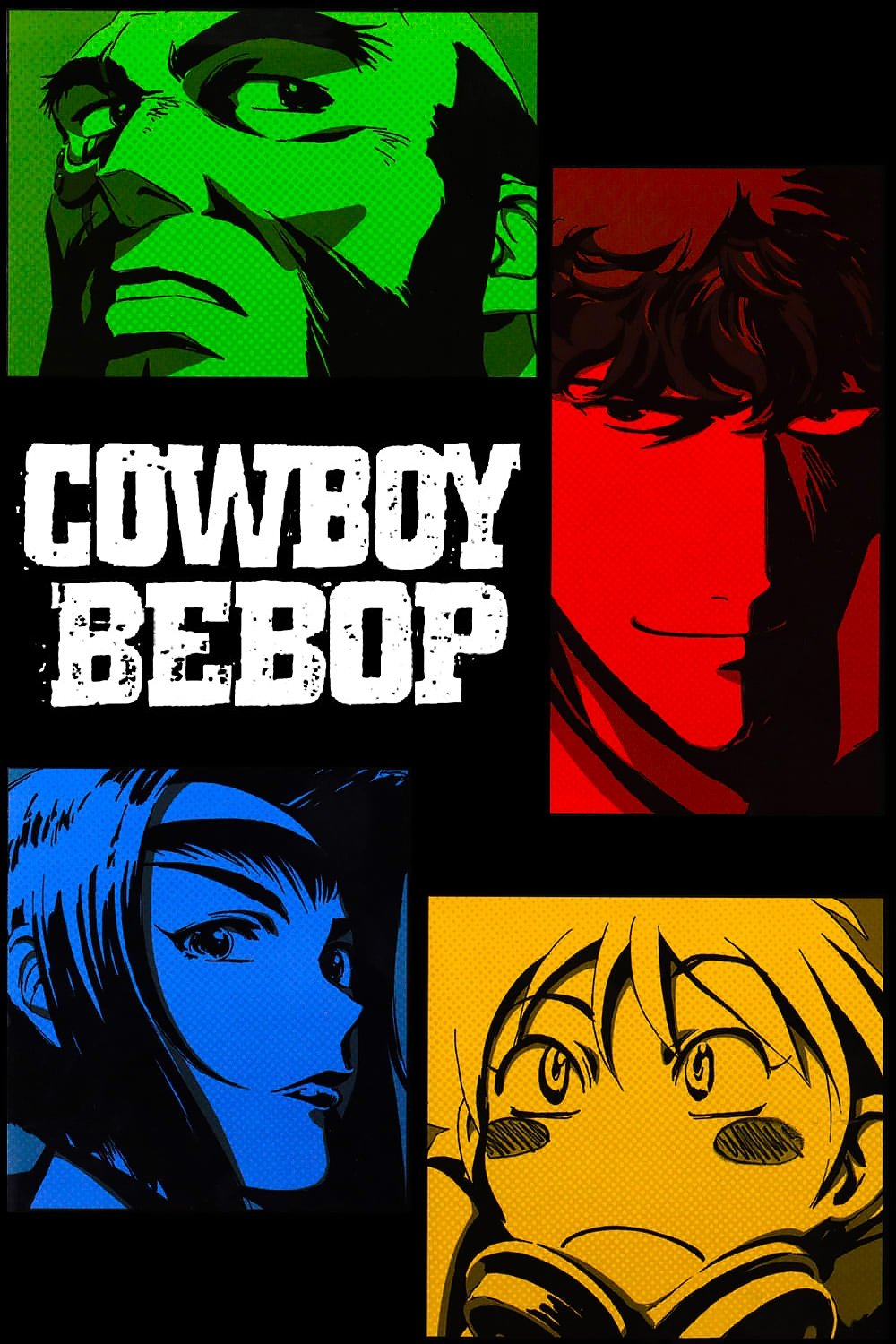
This anime tracks a crew of bounty hunters traveling on a spaceship while taking jobs across the solar system. It blends action, noir, and western influences with an original jazz score by Yoko Kanno. Episodes mix standalones with serialized character backstories that culminate in a final arc.
The series gained wide international exposure through late night programming blocks and later streaming. It generated a film continuation and inspired adaptations in other media. Soundtrack albums and concert performances continue to draw interest from new audiences.
‘The Fresh Prince of Bel-Air’ (1990–1996)
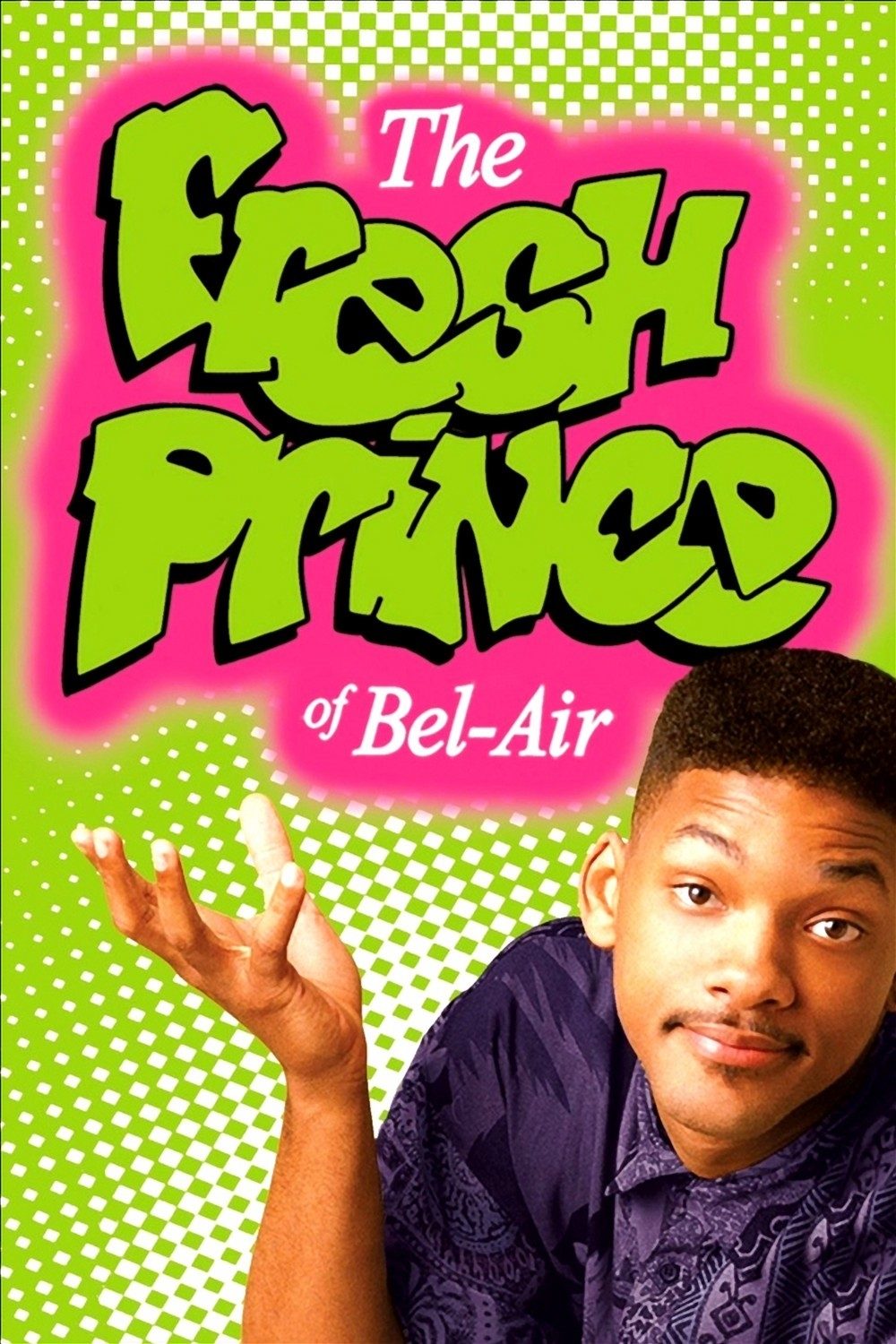
This sitcom follows a teenager who moves in with relatives in an upscale Los Angeles neighborhood, creating comedic and heartfelt situations. The show uses fish out of water scenarios to explore family rules, school life, and social expectations. Its theme song and opening sequence are recognized across generations.
The series helped establish Will Smith as a global star and remains popular in reruns and streaming. Reunions and retrospective specials have highlighted its production history and cast chemistry. The show has also inspired reimaginings that explore the original premise through a dramatic lens.
‘My So-Called Life’ (1994–1995)
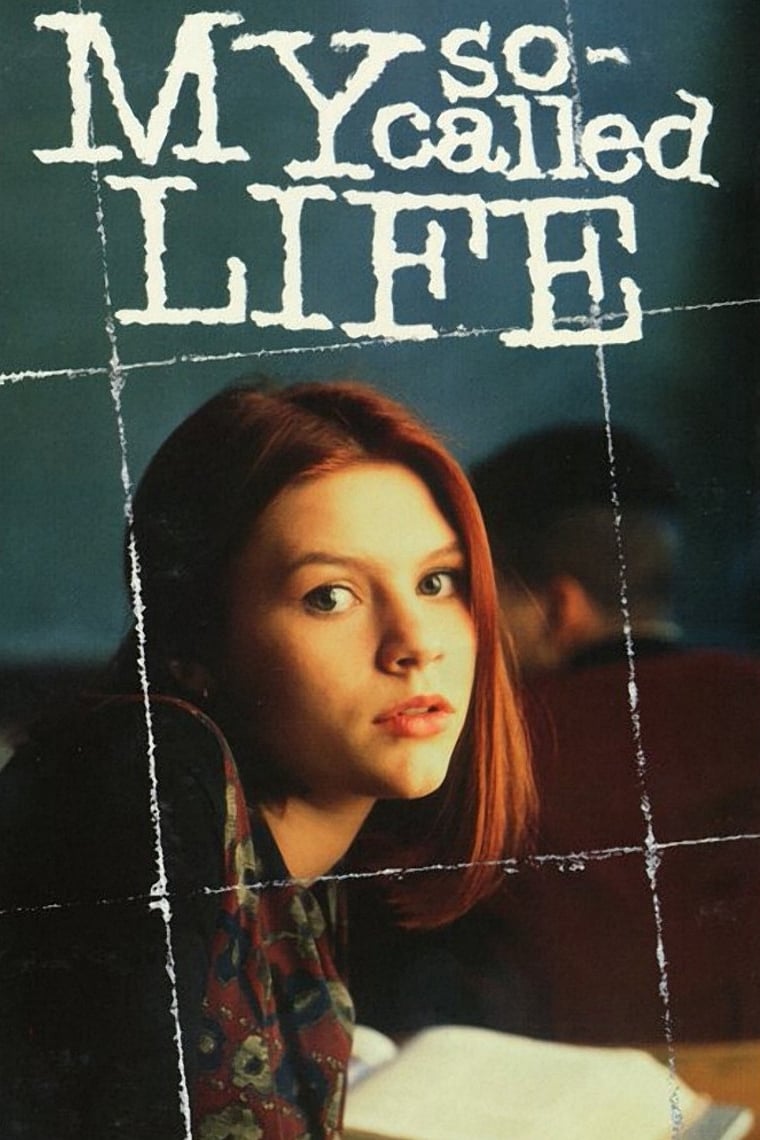
This teen drama depicts high school life through the perspective of a thoughtful protagonist who navigates friendships, family, and identity. Episodes focus on realistic situations and dialogue that reflect everyday pressures for adolescents. The cast includes Claire Danes and a breakout turn for Jared Leto.
Despite a brief run, the show developed a strong following through home video and later streaming availability. It is frequently referenced in discussions of teen dramas for its grounded approach and single season arc. The series remains a case study in how a short format can deliver lasting impact.
‘Freaks and Geeks’ (1999–2000)
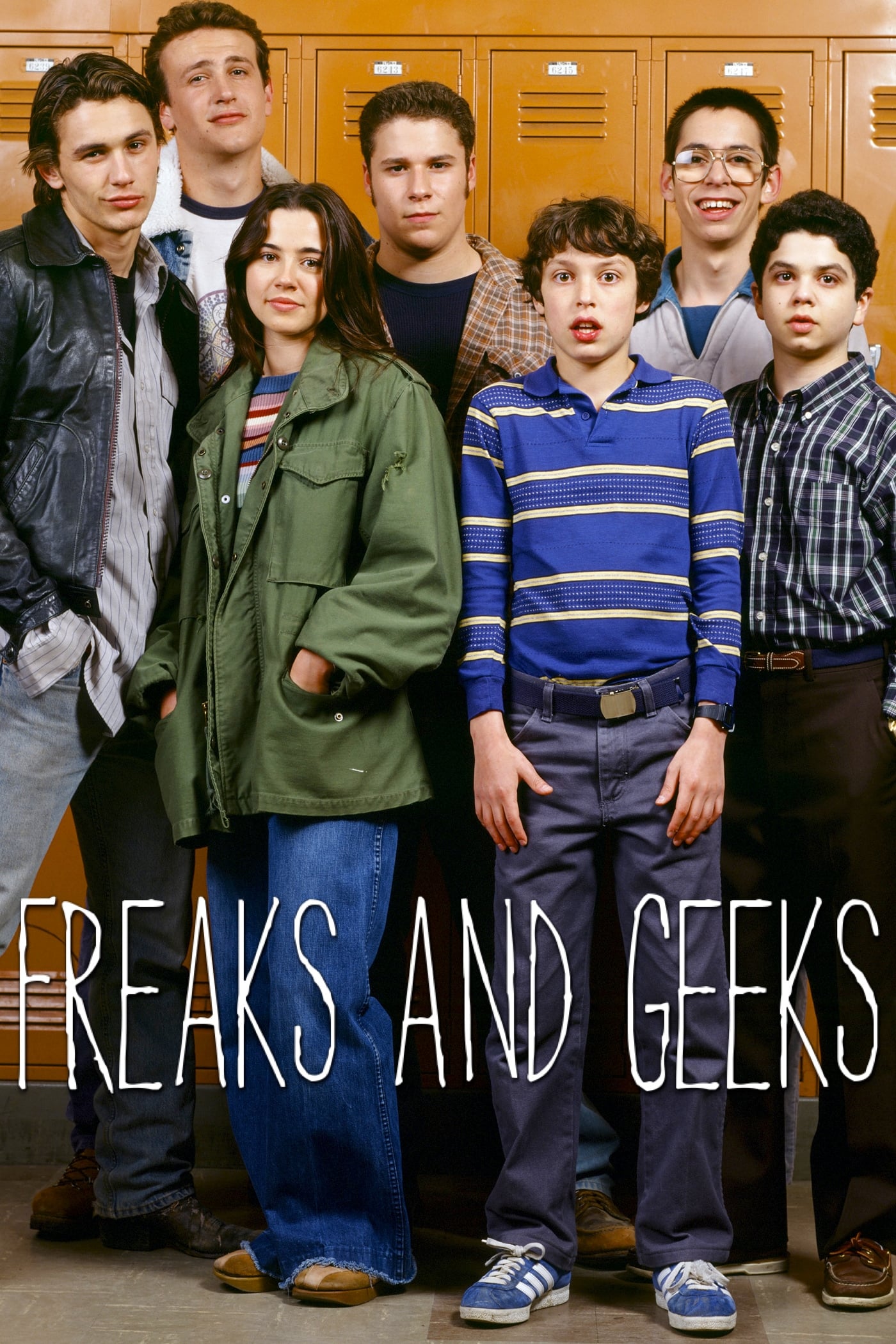
This ensemble comedy drama portrays high school students grouped by social circles as they manage classes, music, and family life. It features an early ensemble that includes Linda Cardellini, James Franco, Seth Rogen, and Jason Segel. The writing draws on period details to recreate school events and home routines.
The show’s single season produced many careers in film and television writing and directing. It continues to attract new audiences through streaming and soundtrack rediscoveries. Its episode order and scheduling history are often discussed in studies of network decision making.
‘Oz’ (1997–2003)
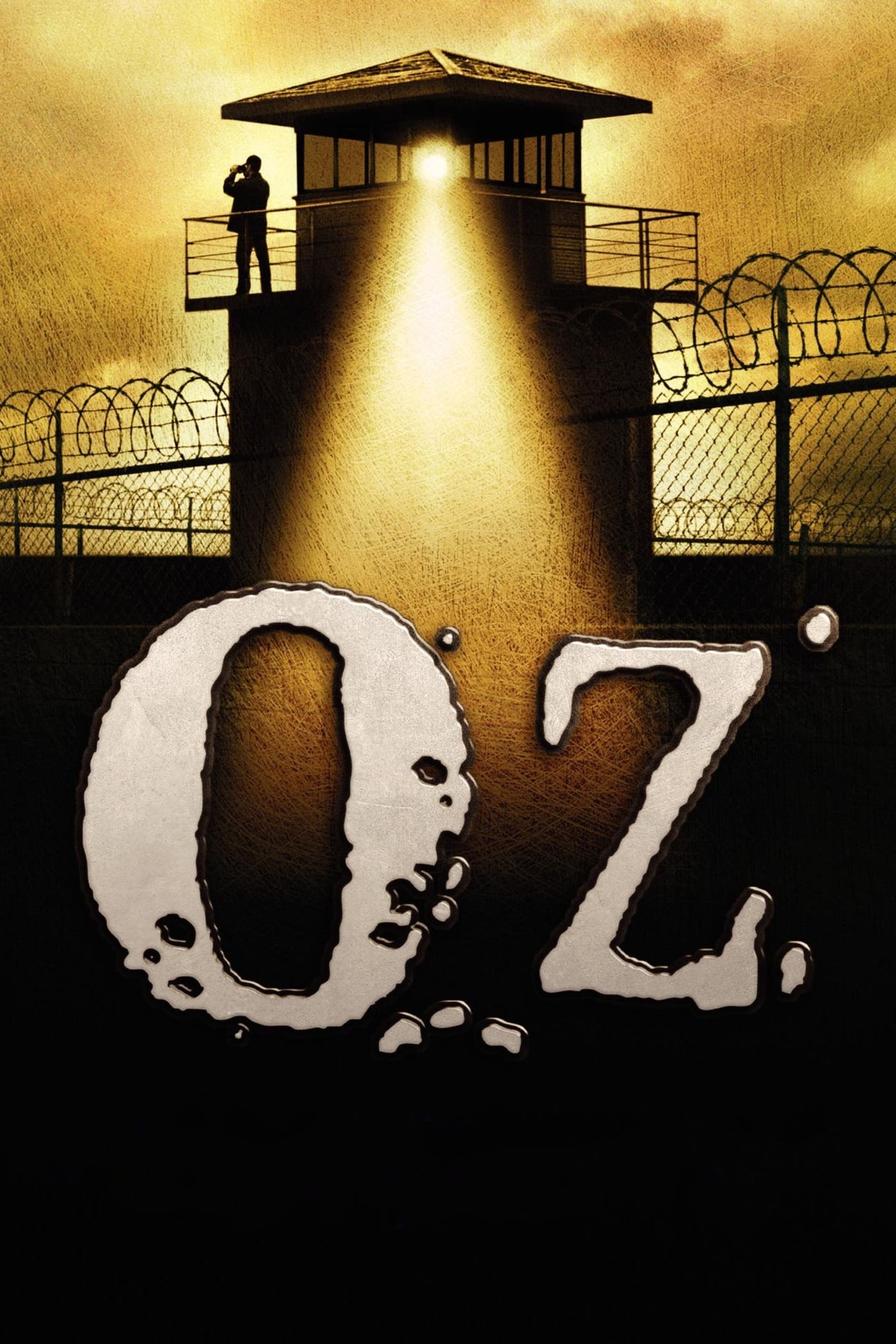
This prison drama examines life inside a maximum security facility with intersecting stories from inmates and staff. It uses a narrator figure and stylized interludes to frame each episode’s theme. The ensemble cast includes Ernie Hudson, J. K. Simmons, and Rita Moreno in recurring roles.
The series was among the first hour long originals for premium cable and paved the way for later adult dramas. Its storytelling embraced season long transformations and consequences for character actions. The show remains a key title in discussions of mature content standards on television.
‘South Park’ (1997–present)
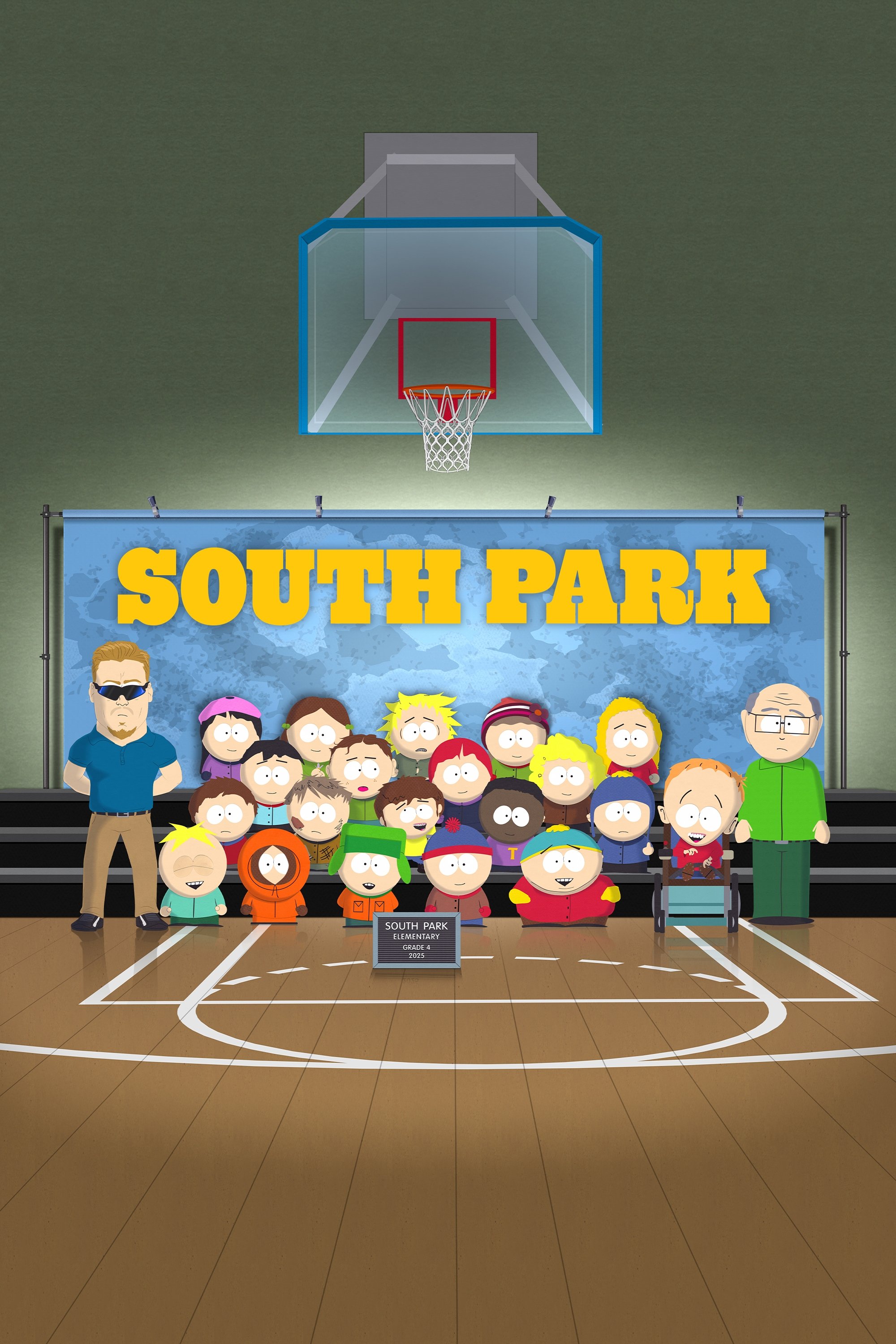
This animated series follows four children in a Colorado town as they encounter outlandish events that mirror real world topics. The creators use rapid production schedules to respond to current events quickly. The animation style supports fast turnaround and consistent character designs.
The show expanded into films, video games, and live events while maintaining regular television output. Its library remains a strong performer for streaming platforms and international licensing. The series continues to be cited for its influence on topical comedy in animation.
‘The Larry Sanders Show’ (1992–1998)
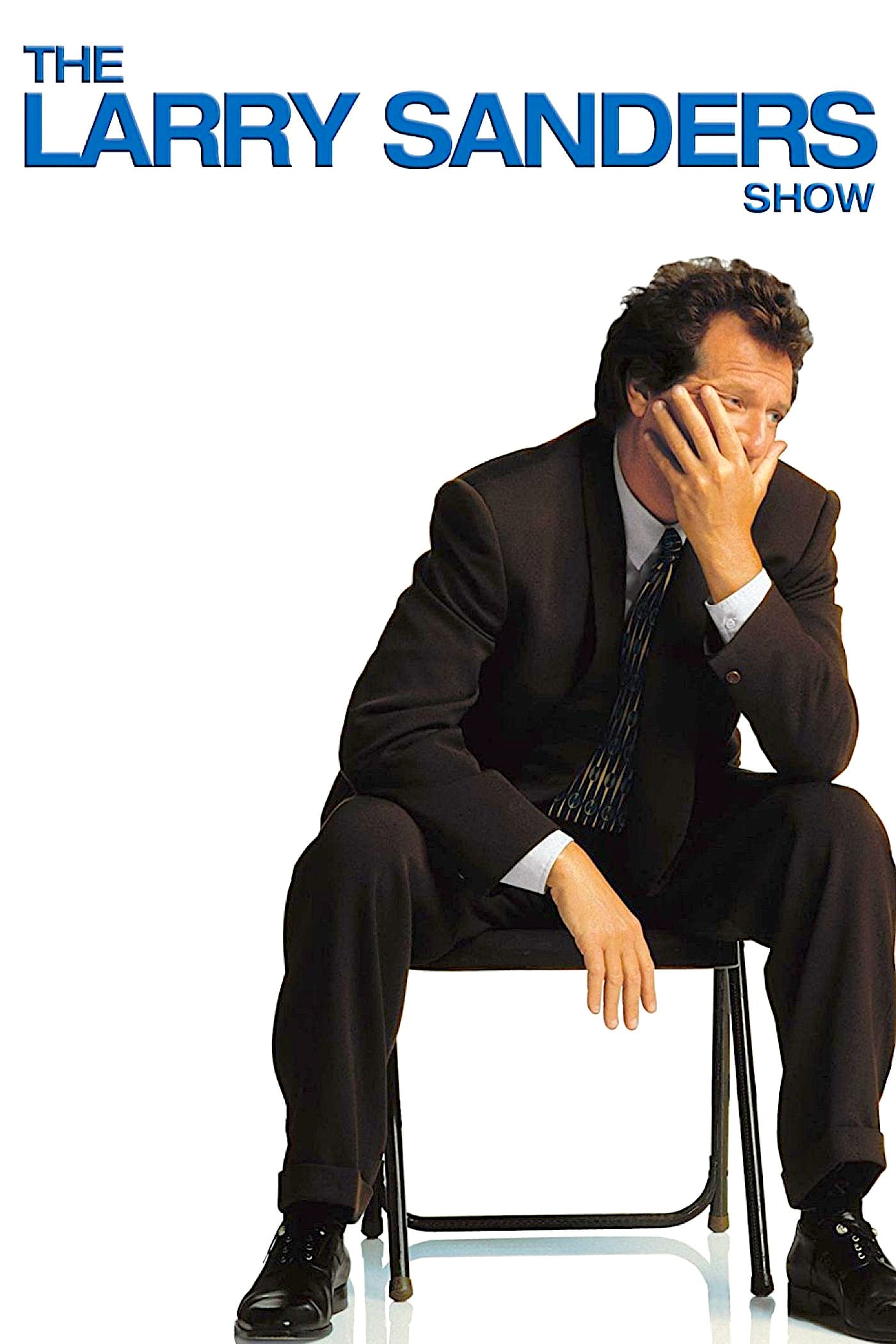
This comedy takes viewers behind the scenes of a fictional late night talk show with storylines about guests, producers, and network executives. It uses a blend of onstage segments and backstage scenes to reveal how television is made. The cast features Garry Shandling, Jeffrey Tambor, and Rip Torn.
The series introduced a mock observational format that later shows adopted for workplace and industry settings. It earned significant awards attention and holds a place in television history for its influence on behind the scenes comedies. It remains a reference for writers studying character driven satire in show business settings.
Share the shows you would add to this list in the comments.