


TV Shows Slammed for Queer-Baiting Major Ships



Queer baiting has become a significant point of contention for modern television audiences who seek authentic representation on screen. This practice occurs when producers or writers hint at a same sex romance to attract a queer viewership without ever intending to make the relationship official. Many viewers feel that these tactics exploit their emotional investment while prioritizing more traditional narrative paths. The following list explores various television series that faced heavy criticism from fans for their handling of popular non canon relationships. Each entry highlights how the show used subtext or marketing to imply a romantic bond that never came to fruition.
‘9-1-1’ (2018–Present)

The procedural drama has faced ongoing criticism for the way it handles the relationship between Evan Buck Buckley and Eddie Diaz. Fans have observed years of domestic scenes and emotional vulnerability between the two men that suggest a romantic future. The show has occasionally featured dialogue that seems to acknowledge these fan theories without committing to a canon change. While one character recently came out as queer the specific relationship between the two partners remains platonic for now. Many viewers remain skeptical about whether the show will ever fully realize the pairing they have teased.
‘Bridgerton’ (2020–Present)
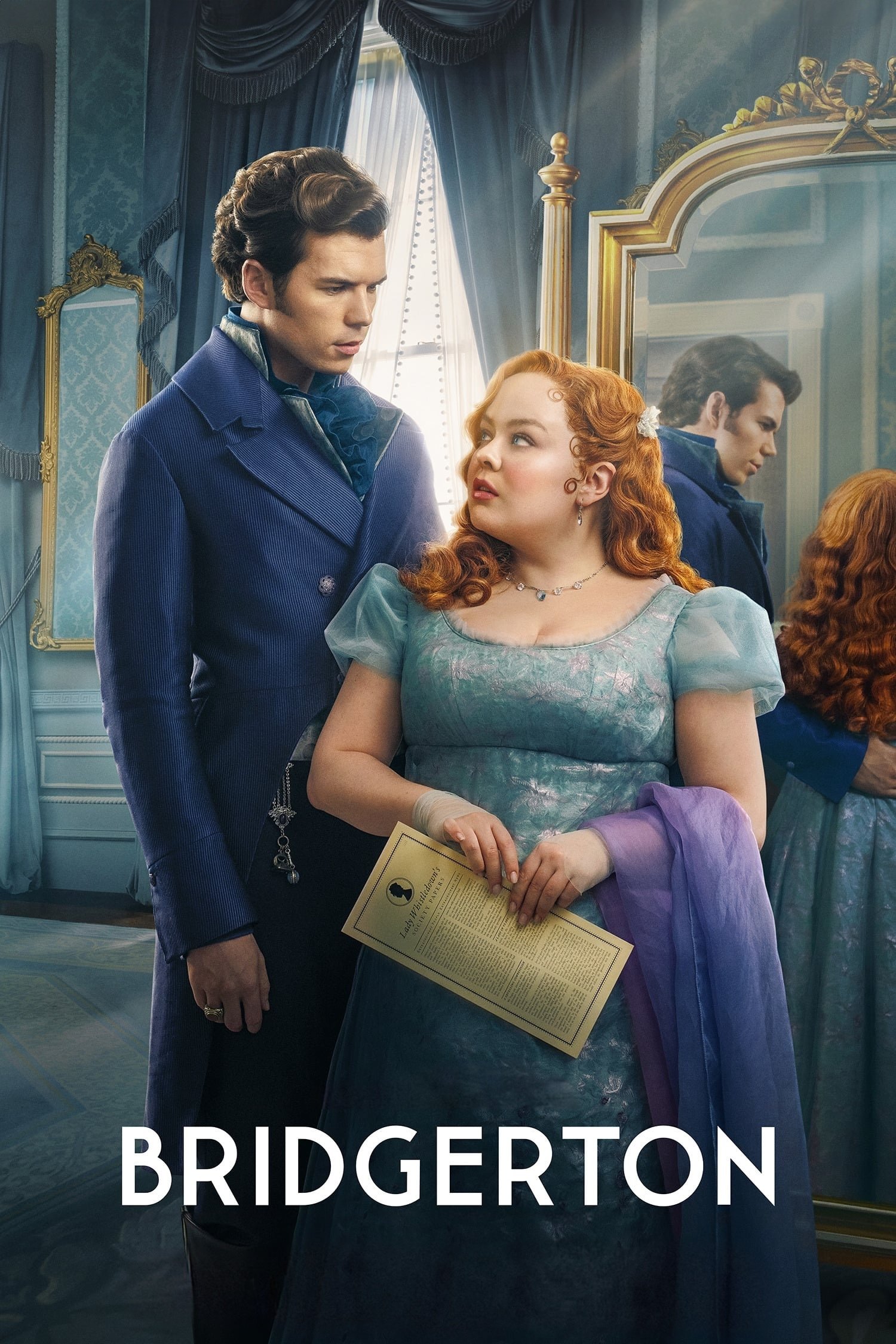
The period romance series sparked controversy when it appeared to hint at a queer storyline for Benedict Bridgerton in the first season. Viewers pointed to his friendship with a gay artist and his presence at underground parties as evidence of a burgeoning exploration of his sexuality. Many felt that these scenes were meant to entice a queer audience only for the show to pivot back to heterosexual interests. While later seasons eventually introduced queer themes some fans felt the initial teasing was a form of baiting. This led to a wider discussion about the responsibility of historical dramas to follow through on the representation they hint at in early episodes.
‘Buffy the Vampire Slayer’ (1997–2003)
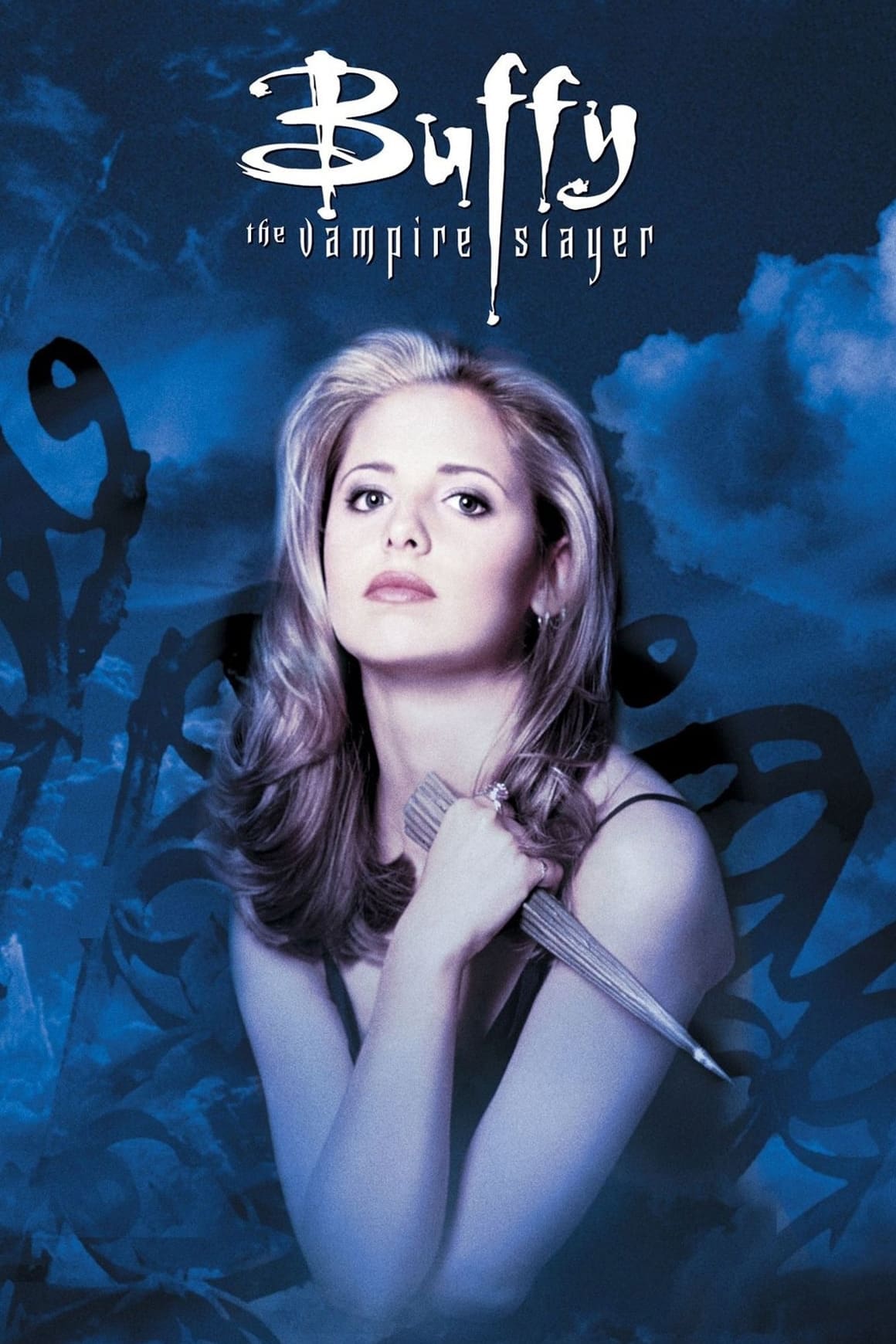
The cult classic series often explored the intense chemistry between Buffy Summers and the rogue slayer Faith Lehane. Fans noted the heavy subtext in their physical battles and their intimate dialogue throughout the third season. The writers often leaned into the tension between the two women but never allowed it to become a legitimate romantic arc. Faith frequently made suggestive comments that fans interpreted as genuine attraction while Buffy reactions were often ambiguous. Many viewers look back on this dynamic as a missed opportunity that relied on subtext to keep the audience guessing.
‘Doctor Who’ (2005–Present)
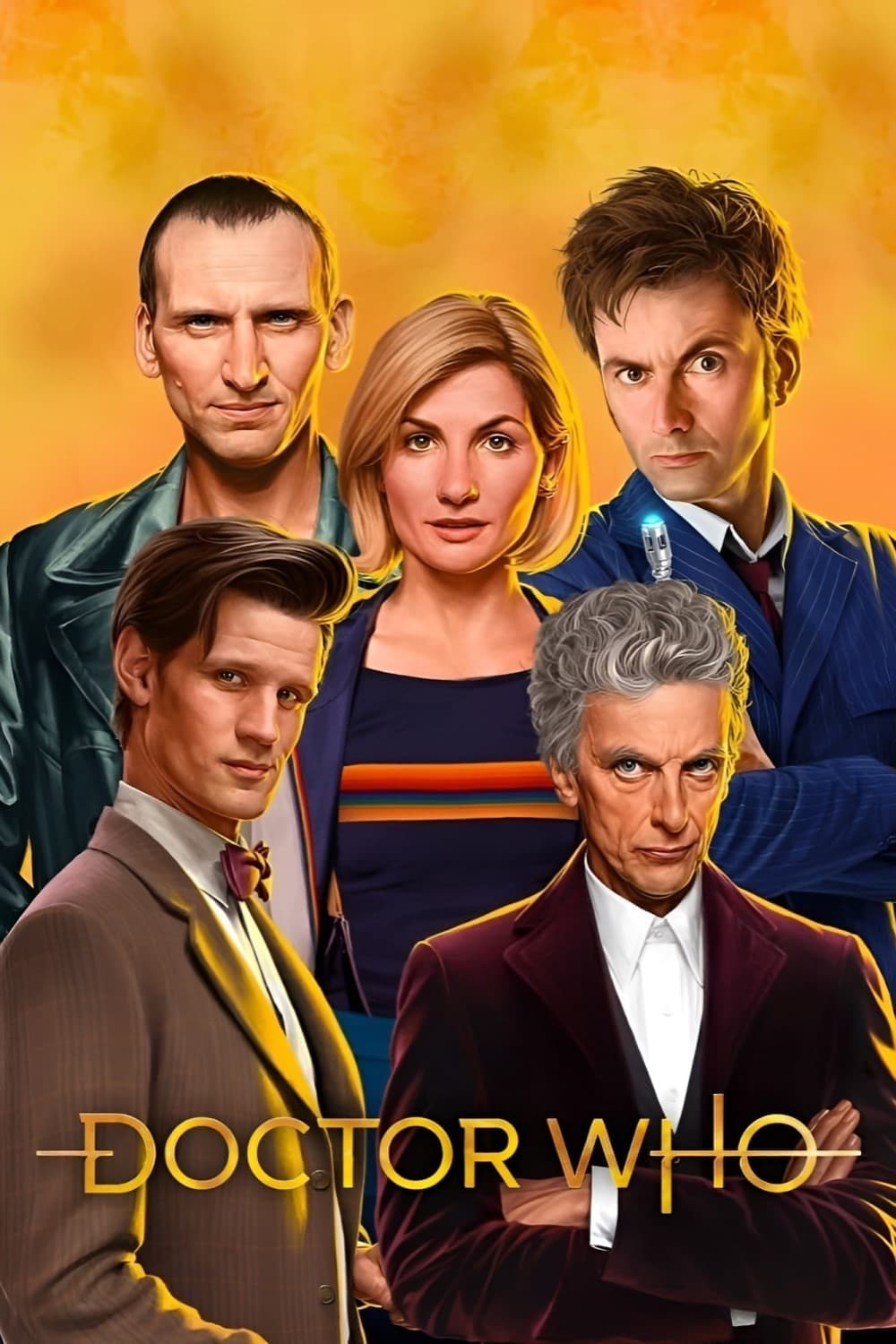
The long running science fiction series has often been accused of using subtext to imply romantic feelings between the Doctor and various companions. A prominent example involved the Thirteenth Doctor and her companion Yaz Khan whose bond was a central theme for several seasons. While the show eventually had the characters discuss their feelings the relationship was never fully explored before the Doctor regenerated. Many fans felt the build up was too slow and ultimately avoided a meaningful depiction of a same sex romance. This left a portion of the audience feeling that the show was unwilling to fully commit to the pairing.
‘Elite’ (2018–2024)

This Spanish teen drama is known for its explicit content but has still faced accusations of queer baiting regarding certain character dynamics. The show often features suggestive interactions and promotional material that implies complex queer relationships which do not always materialize in the plot. Fans have pointed out that some of these moments feel like they are included purely for shock value or to generate social media buzz. While the series does feature several canon queer characters the way it teases others has led to frustration. Viewers often feel that the show uses the aesthetic of queerness without always providing the substance.
‘Euphoria’ (2019–Present)

The gritty high school drama has been criticized for the way it handles the tension between Maddy Perez and Cassie Howard. During the second season the show included scenes and aesthetic choices that some viewers interpreted as a shift toward a romantic connection. The marketing for the series often focuses on the intense and sometimes blurred lines of female friendship. Many fans felt that these hints were a way to keep them engaged during a season that was otherwise focused on a toxic love triangle. The lack of follow through on these potential romantic arcs led to claims that the show was leveraging queer subtext.
‘Glee’ (2009–2015)
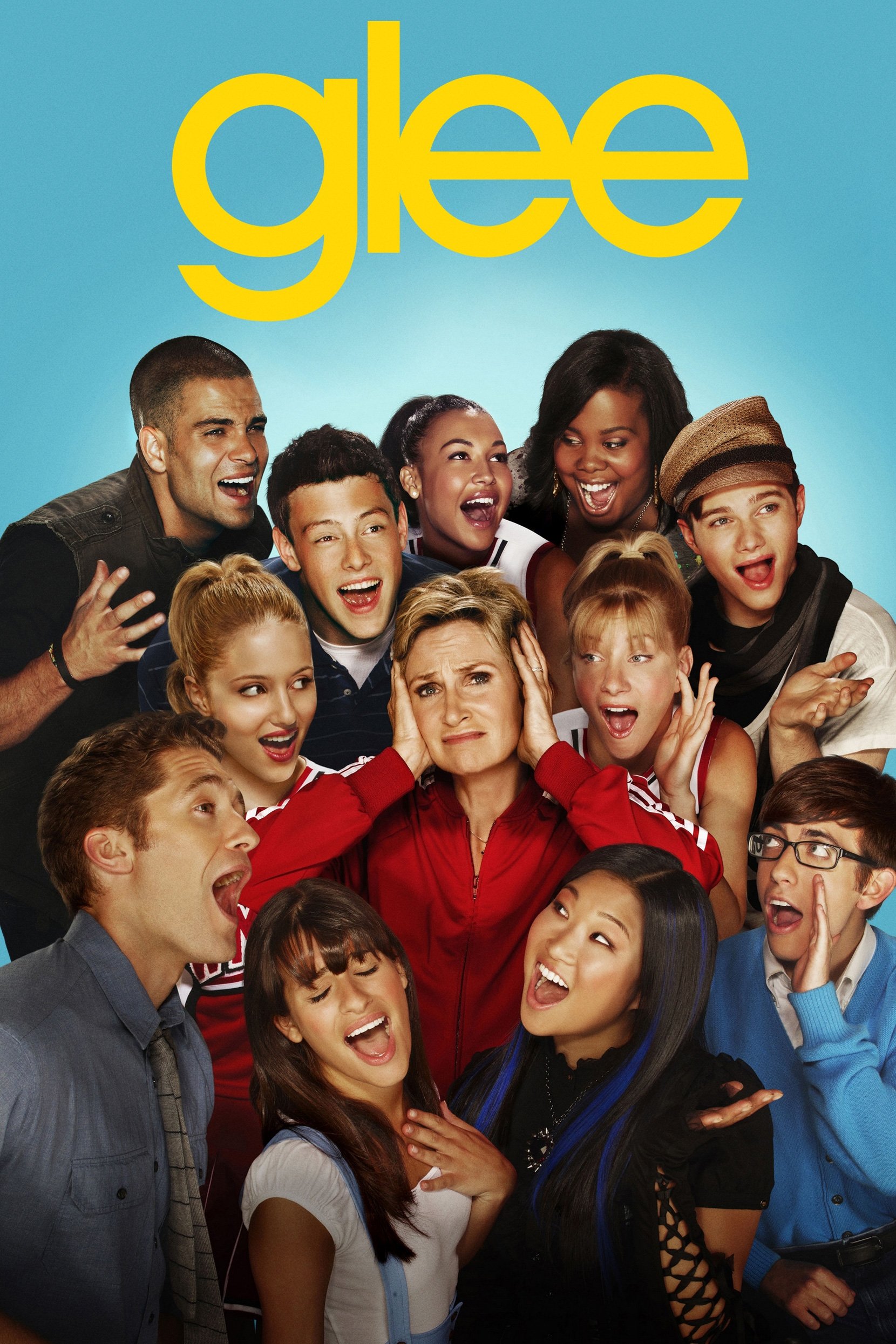
The musical comedy series had a massive following for the fan favorite pairing of Rachel Berry and Quinn Fabray. Known as Faberry the relationship was never intended to be romantic by the creators despite the obvious chemistry between the actresses. The writers occasionally included lines that acknowledged the fan theories in a way that some viewers felt was mocking. Fans pointed to specific scenes where the camera work and performances suggested a deeper bond than simple friendship. The failure to ever explore this dynamic led to long standing complaints about the show handling of female relationships.
‘Good Omens’ (2019–Present)
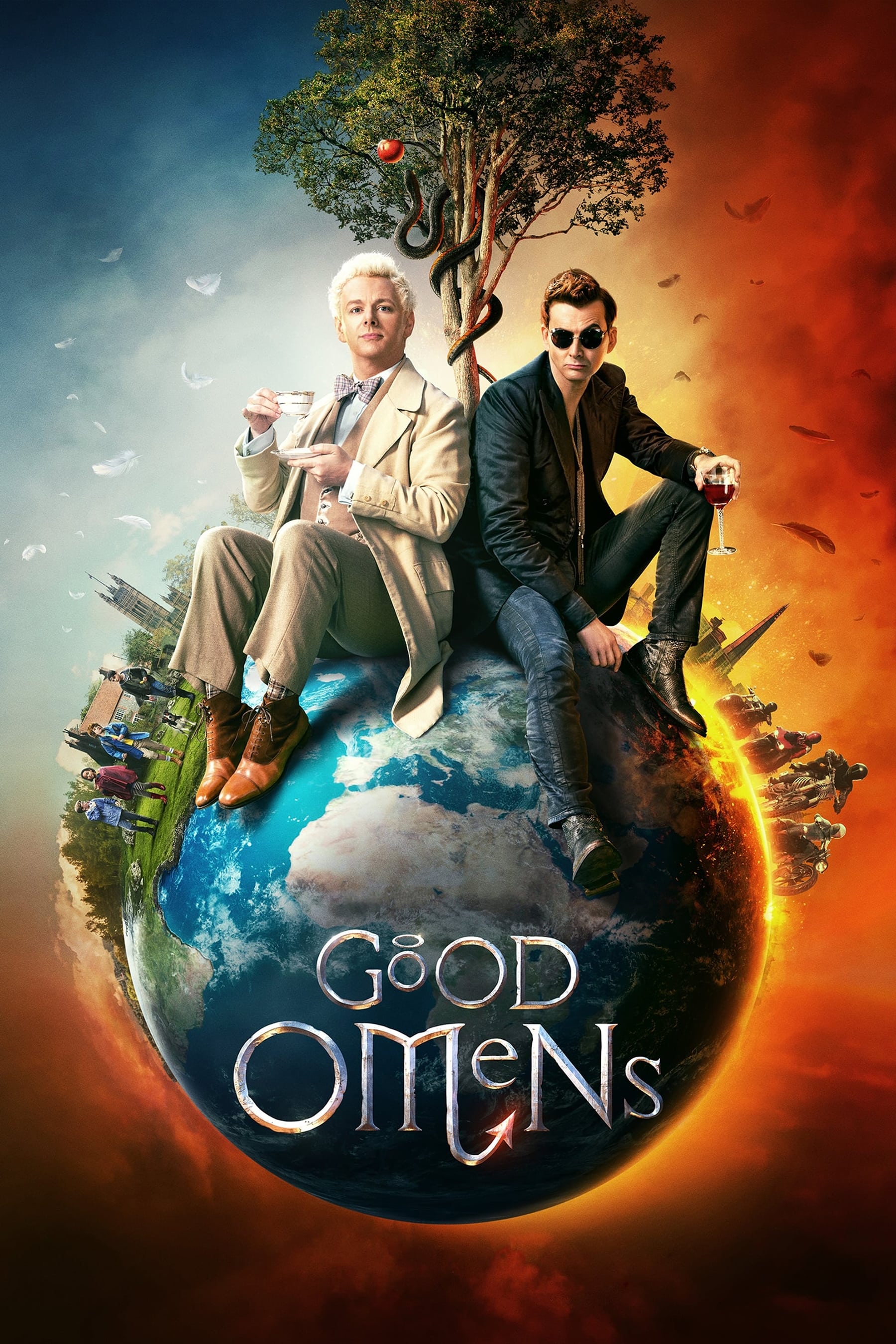
The adaptation of the classic novel by Neil Gaiman and Terry Pratchett focuses on the ancient bond between an angel and a demon. Fans immediately identified the romantic undertones in the relationship between Aziraphale and Crowley during the first season. While the creators eventually made the romance canon in the second season the initial ambiguity led to intense debates about queer baiting. Many viewers felt that the first season relied on the trope of two male characters being inseparable but technically platonic. The resolution in later episodes was seen as a victory but the early criticism remains part of the show legacy.
‘Gossip Girl’ (2021–2023)
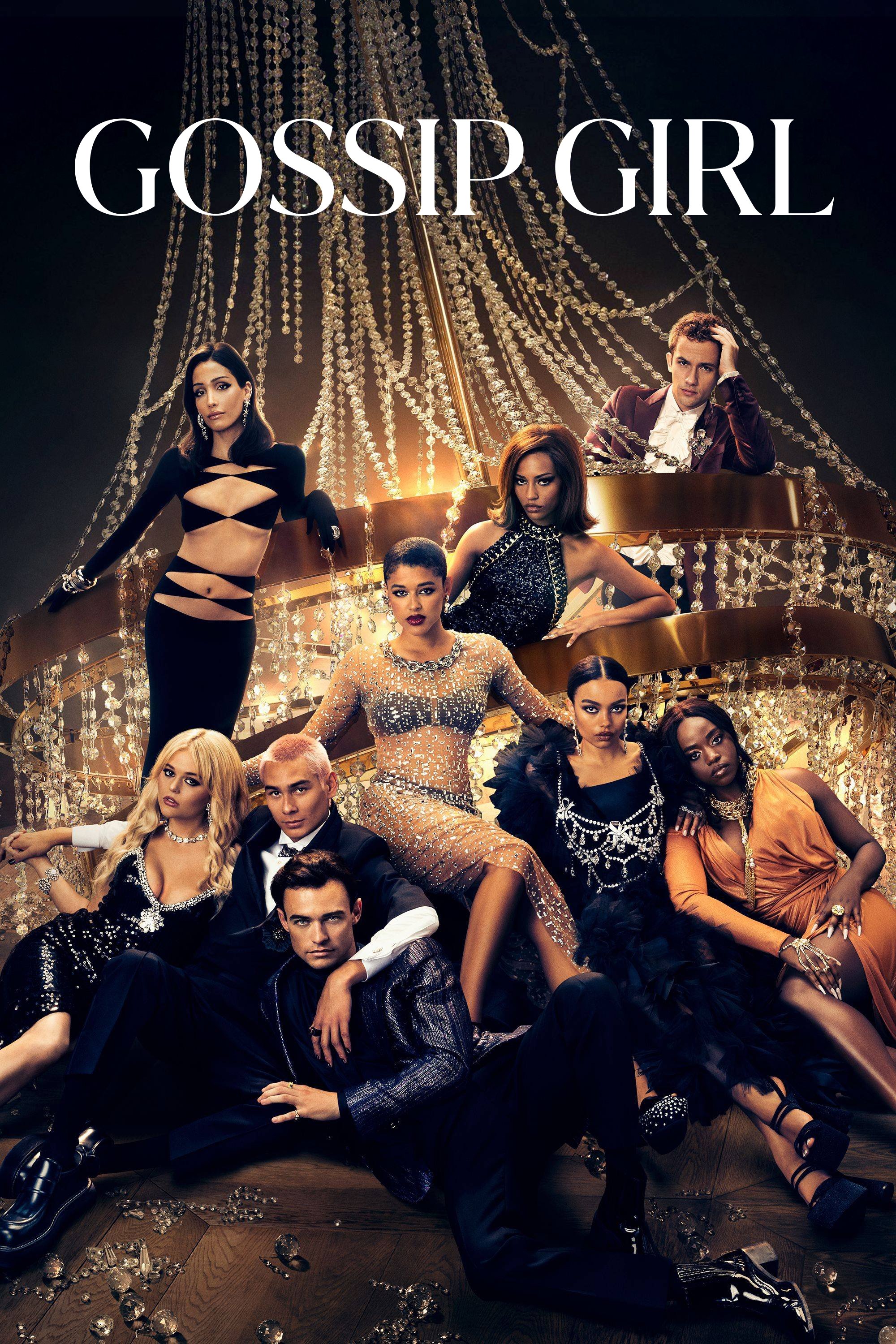
The reboot of the popular teen drama attempted to be more inclusive but still faced backlash for its handling of certain ships. Marketing for the series hinted at a more fluid approach to sexuality and complicated dynamics between the lead characters. Fans felt that several potential queer pairings were teased in promos only to be sidelined in favor of more traditional plotlines. This led to accusations that the show was using the promise of representation to distance itself from the original series without actually delivering. The cancellation of the show left many of these potential stories unfinished and unresolved.
‘Hannibal’ (2013–2015)
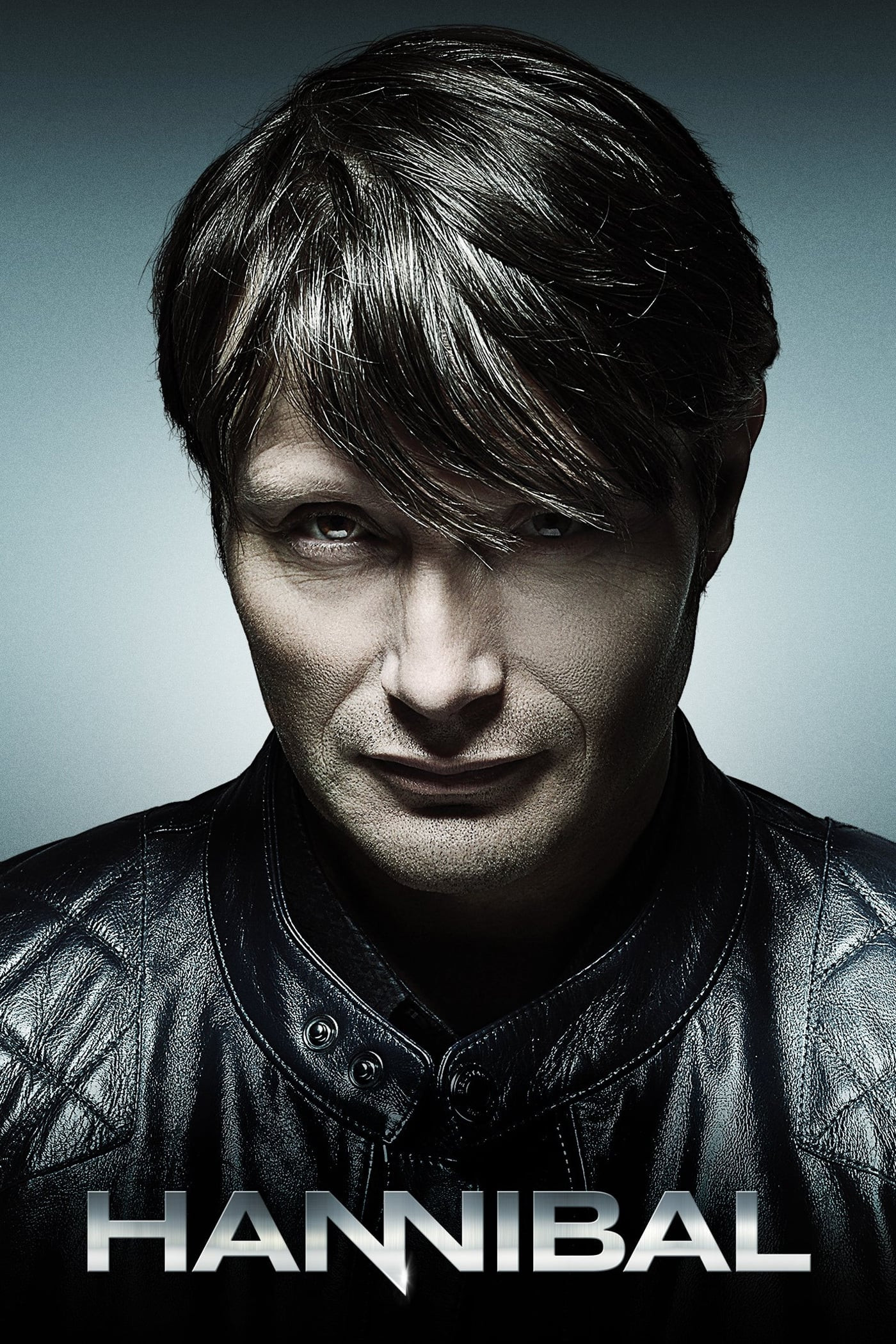
The psychological thriller featured a deeply intimate and dark relationship between Will Graham and Hannibal Lecter. For three seasons the show utilized highly romanticized imagery and dialogue to describe their connection. While the creator often spoke about the characters being in love the show stopped just short of a physical or explicitly stated romantic confirmation. Many fans felt the series was a masterpiece of subtext while others argued it was a high brow version of queer baiting. The final scene of the series left the nature of their bond open to interpretation which satisfied some but frustrated others.
‘House’ (2004–2012)
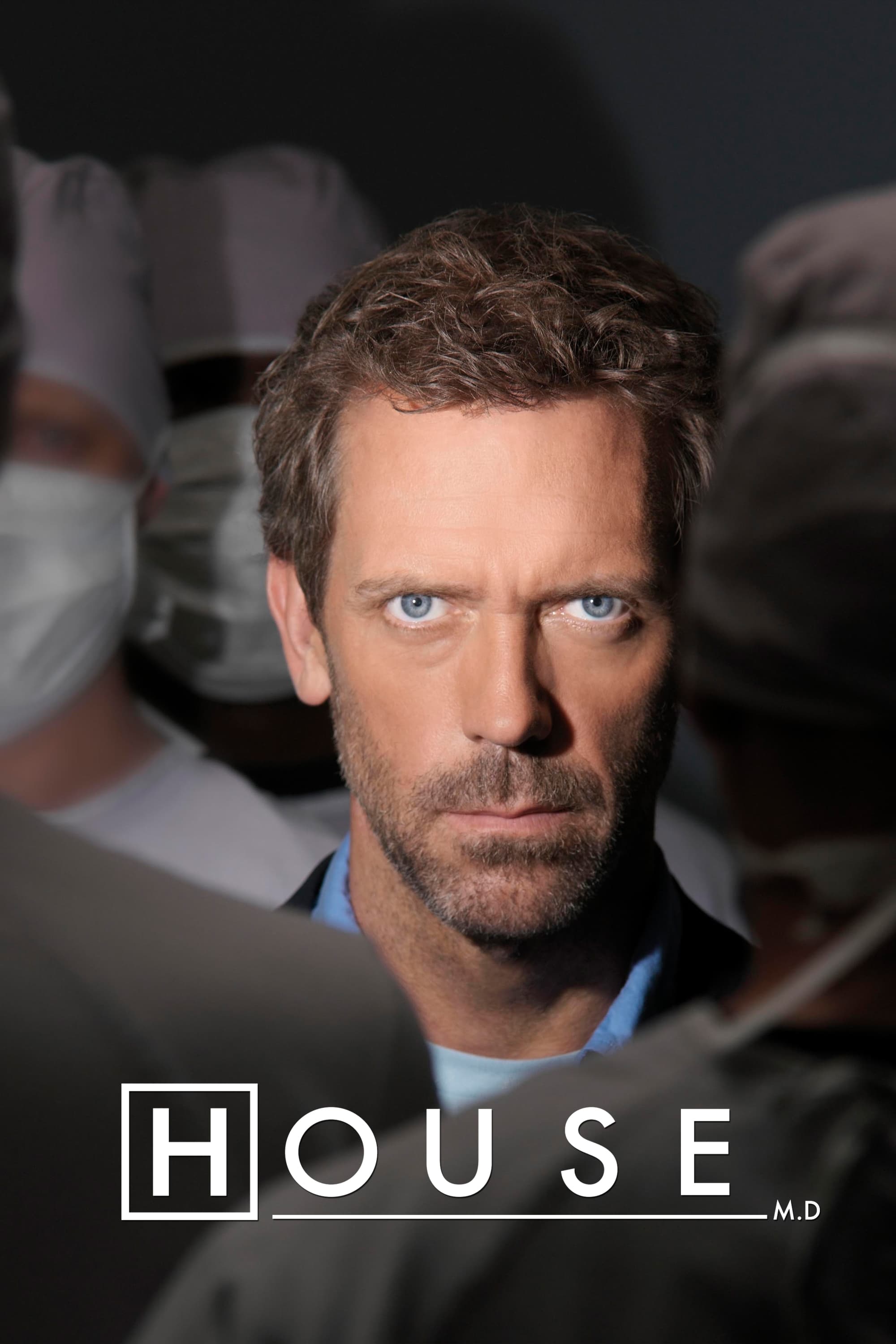
The medical drama frequently focused on the codependent and intense relationship between Gregory House and James Wilson. The show often joked about the two men being a married couple and included scenarios where they had to live together or share domestic tasks. Fans of the ship noted that the emotional core of the show was their devotion to one another. Despite the constant teasing and the central nature of their bond the show never moved past the platonic friend label. This led to years of fan speculation and eventual disappointment when the show concluded without a romantic acknowledgment.
‘House of the Dragon’ (2022–Present)
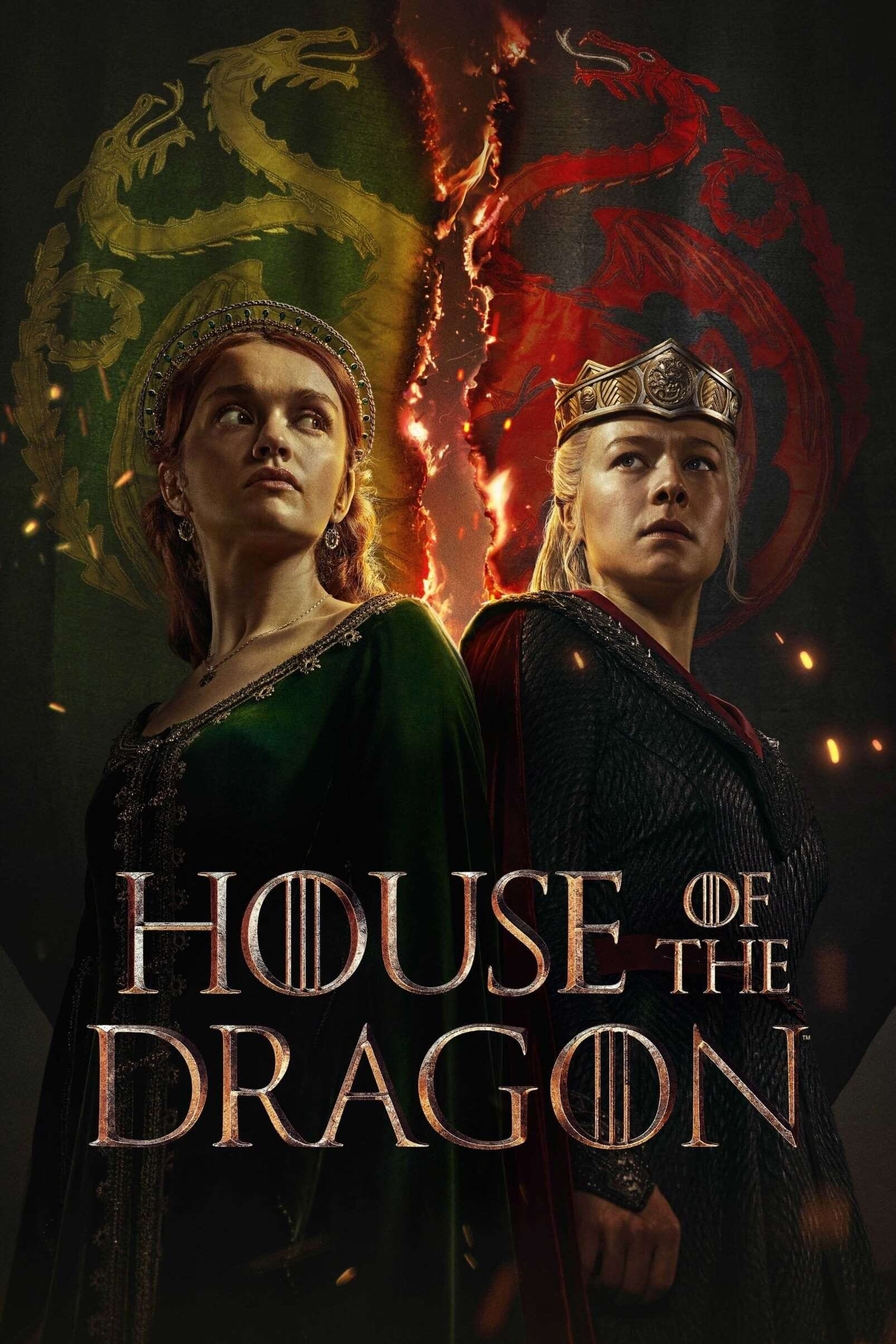
The prequel to ‘Game of Thrones’ sparked early debate regarding the relationship between young Rhaenyra Targaryen and Alicent Hightower. The first few episodes featured an intimacy and physical closeness that many viewers interpreted as romantic longing. Cast members even discussed the queer subtext of the characters in interviews which heightened expectations for a deeper exploration. As the series progressed and the characters became bitter enemies some fans felt the initial romantic framing was a baiting tactic. The shift in their dynamic left those hoping for a queer centric narrative feeling sidelined.
‘Killing Eve’ (2018–2022)
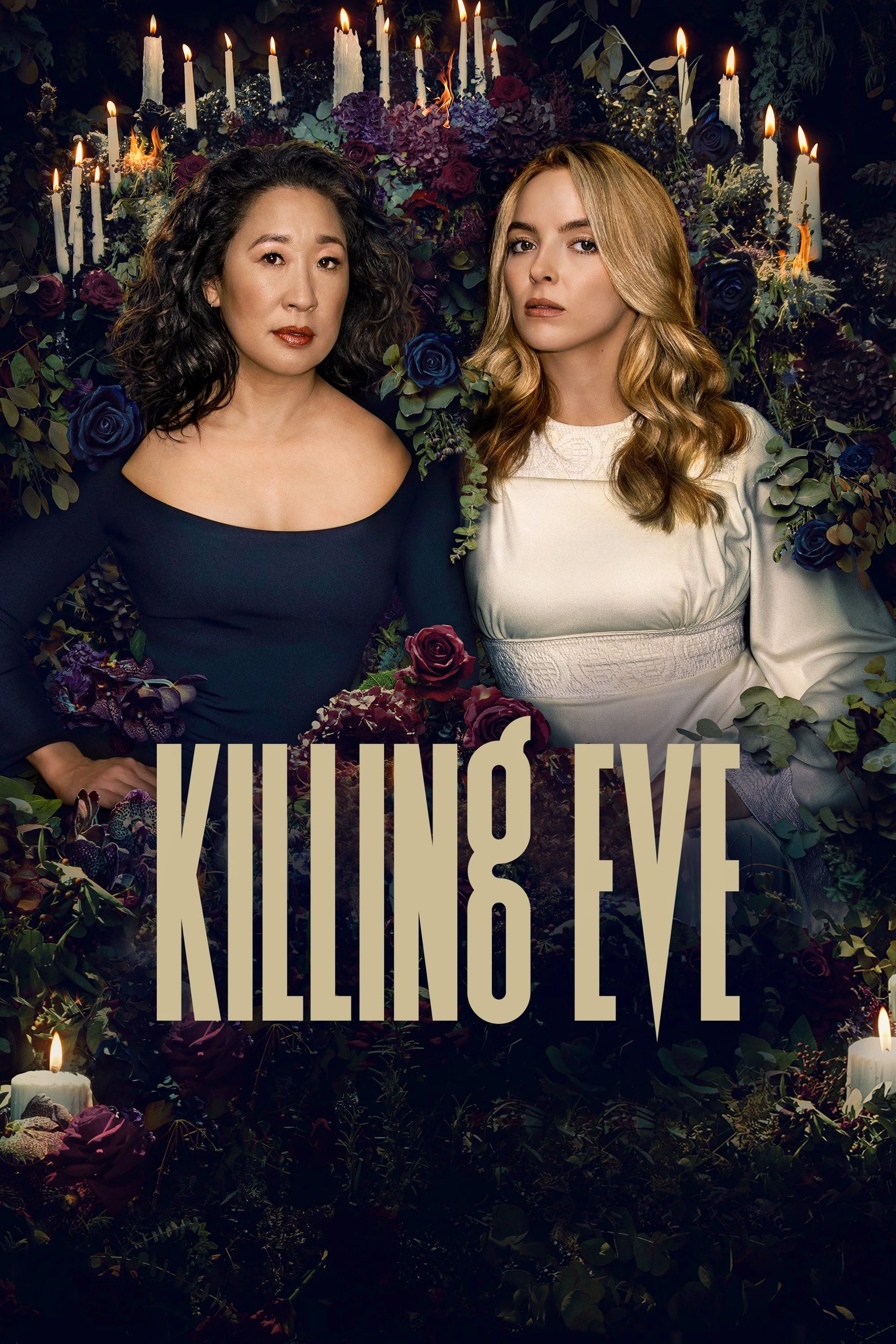
The spy thriller was built on the mutual obsession between an investigator and an assassin who shared undeniable chemistry. For years the show teased a romantic payoff that would bridge the gap between their antagonistic roles. Fans were thrilled when the characters finally shared an intimate moment in the series finale only for the show to immediately kill one of them. This decision was met with widespread anger and accusations of both queer baiting and the harmful bury your gays trope. Many felt that the show had used the promise of their romance to maintain a loyal viewership until the very end.
‘Merlin’ (2008–2012)

The fantasy series centered on the bond between Merlin and Arthur Pendragon who were described as two sides of the same coin. Their relationship was the emotional heart of the show and often mirrored the tropes of a legendary romance. Fans noted that the dialogue often prioritized their devotion to each other over their respective female love interests. The series finale concluded with an emotional farewell that many interpreted as a declaration of love. However the lack of an explicit romantic confirmation led to claims that the show had relied on subtext to avoid a canon queer relationship.
‘Once Upon a Time’ (2011–2018)
The fantasy series featured a complex dynamic between Emma Swan and Regina Mills that inspired the popular Swan Queen ship. Fans analyzed every interaction and shared glance between the two women for signs of a romantic connection. The writers were aware of the massive fan base for this pairing and sometimes included lines that seemed to nod to the ship. Despite the vocal support the show kept the characters as friends and eventual co parents without ever exploring a romance. This led to accusations that the show was benefiting from the fan engagement without providing the representation requested.
‘Orange Is the New Black’ (2013–2019)

This prison drama was often praised for its diverse cast but still faced some criticism regarding specific character arcs. Some viewers felt that the tension between various female inmates was sometimes used for shock value or to keep audiences guessing. While the show featured many canon queer relationships certain pairings were teased in marketing only to be abandoned. Fans noted that the chemistry between certain leads was often highlighted in promos to draw in a specific demographic. This led to discussions about how even progressive shows can fall into the trap of using subtext as a marketing tool.
‘Pretty Little Liars’ (2010–2017)
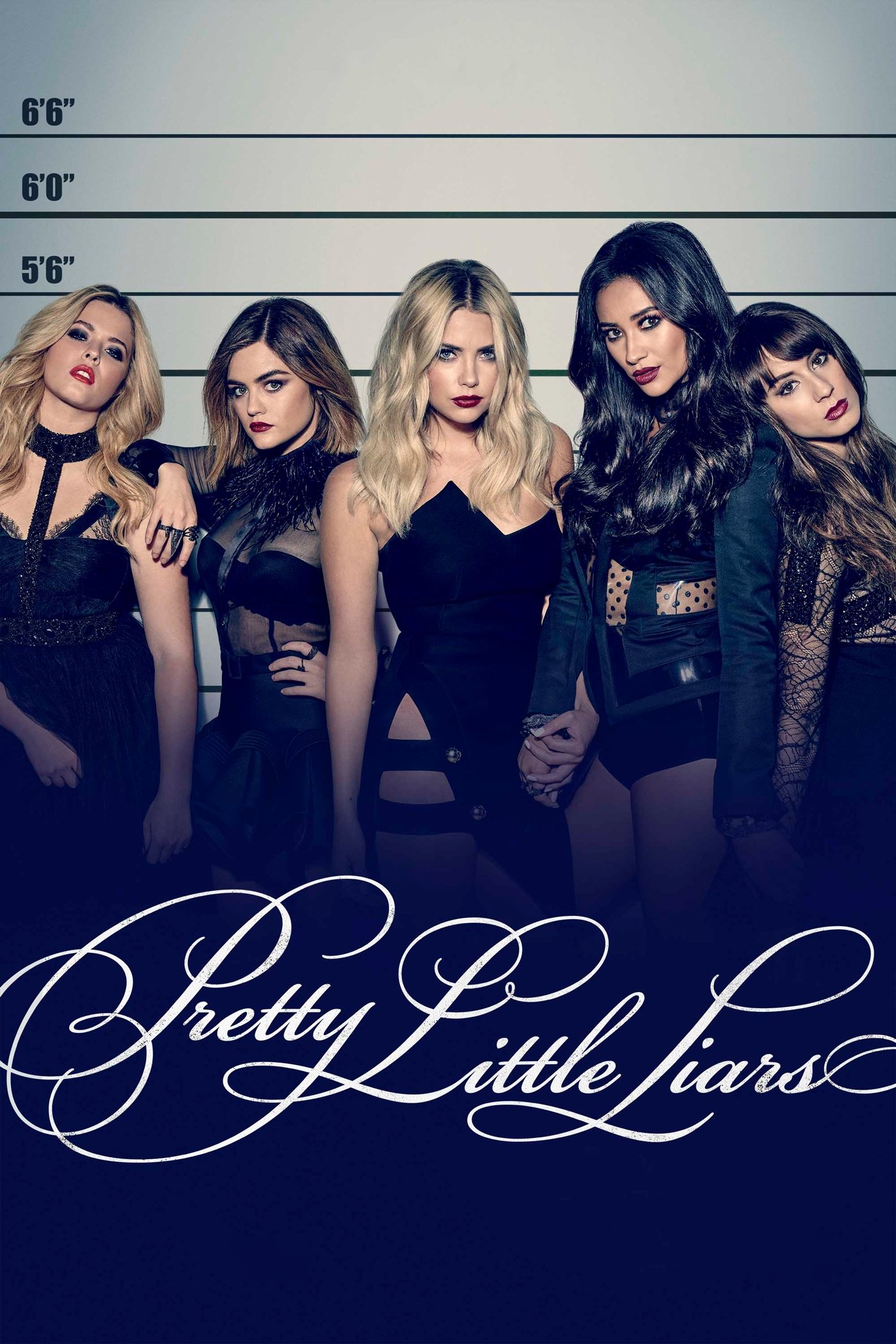
The teen mystery series often used the close bonds between its female leads to hint at potential romantic connections. While the show had a canon queer character in Emily Fields fans often felt that the chemistry between other leads was being used for baiting. Promotional photos and specific scenes sometimes framed the girls in ways that suggested more than friendship. Many viewers were frustrated when these hints were never addressed in the plot. They argued that the show was trying to appeal to a queer fan base without actually diversifying the romantic lives of the main cast.
‘Riverdale’ (2017–2023)
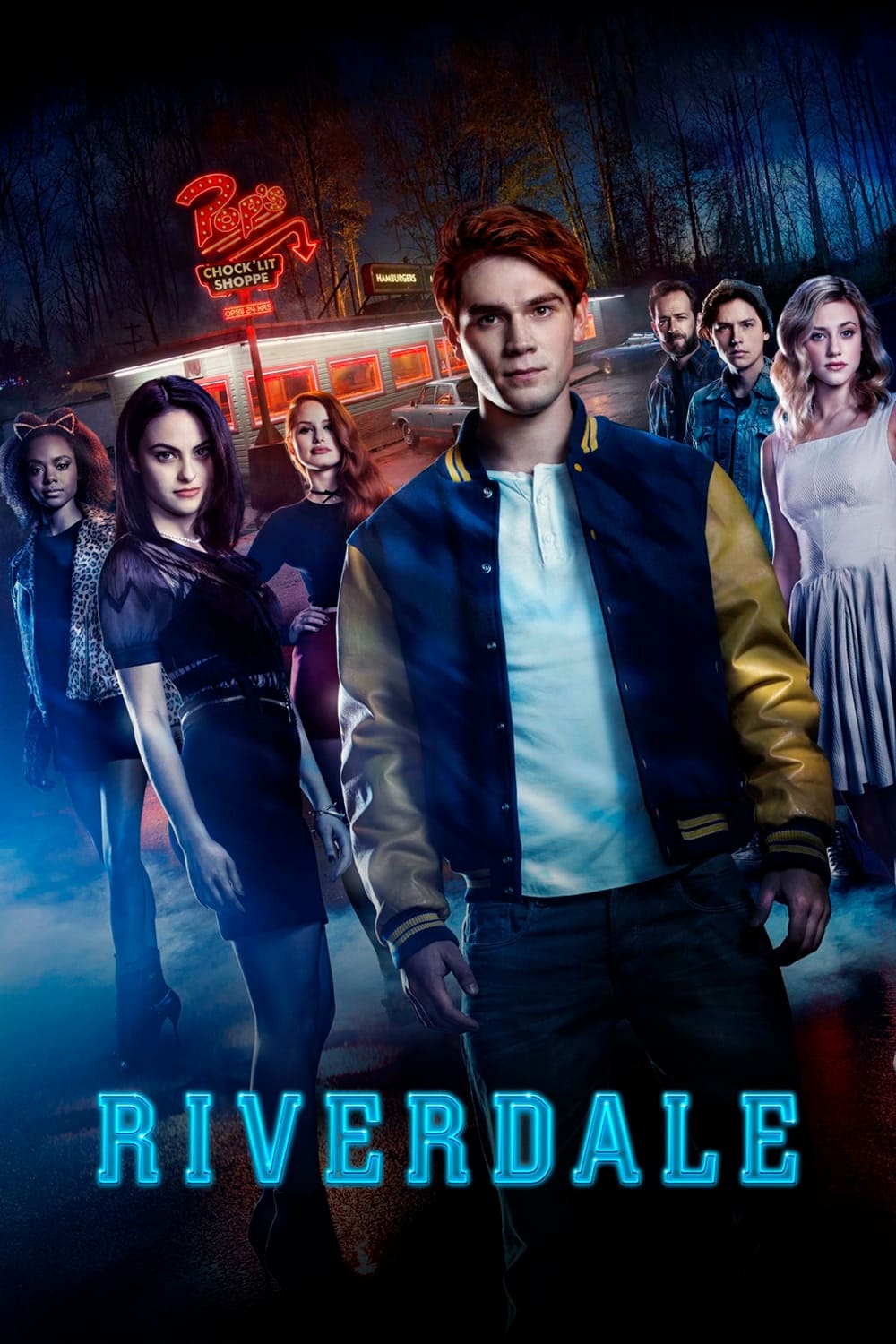
The teen drama became infamous for a scene in the pilot episode where Betty Cooper and Veronica Lodge shared a kiss. This moment was heavily used in the trailers and marketing to attract viewers who were looking for queer representation. However the show quickly dismissed the kiss as a tactic to get attention and the two characters remained largely platonic. Fans felt that the marketing was a clear example of queer baiting since the show had no intention of exploring a relationship between them. This initial controversy set a tone for how many viewers viewed the show handling of subtext in later seasons.
‘Rizzoli & Isles’ (2010–2016)
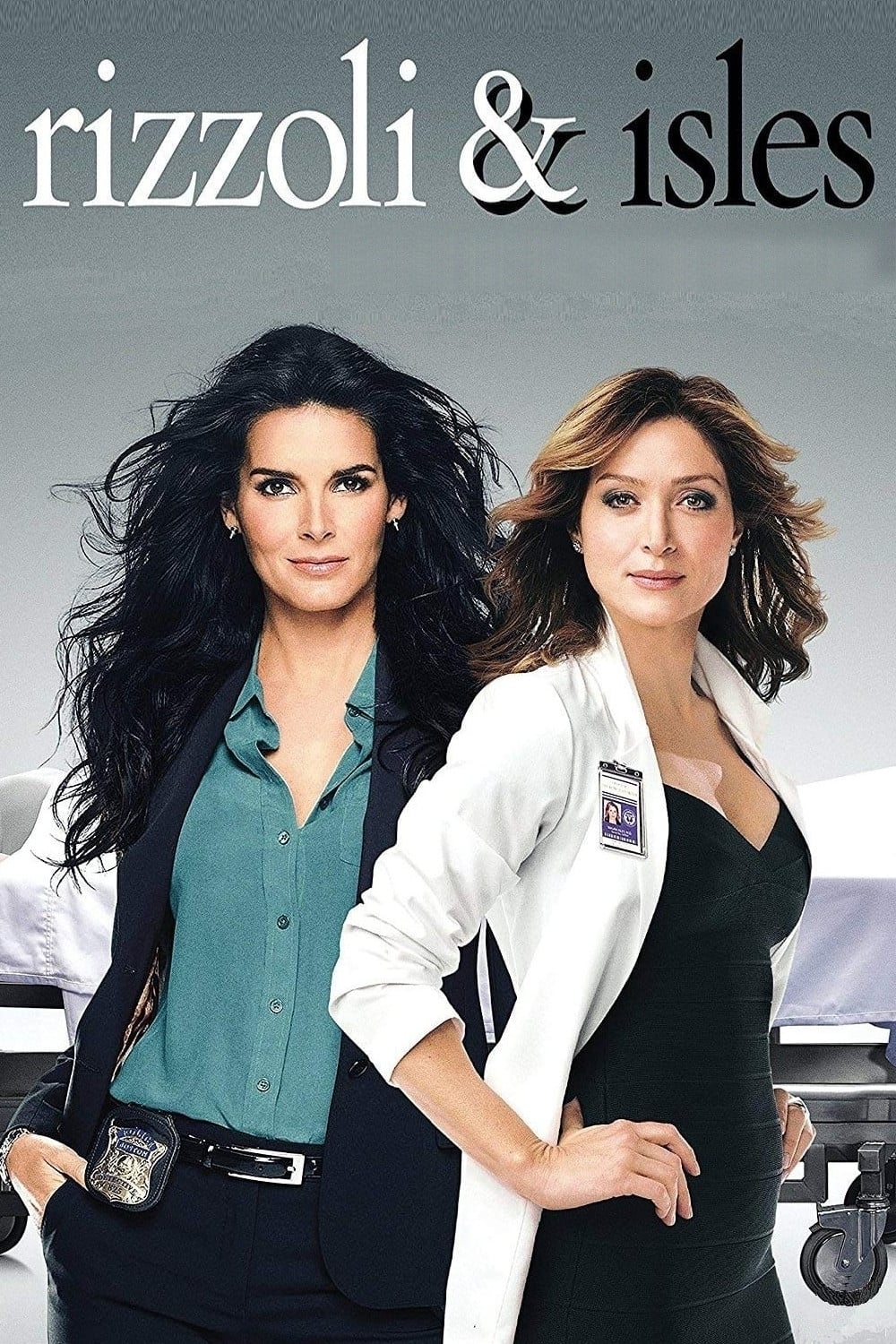
This police procedural followed the close relationship between a detective and a medical examiner who were clearly soulmates. The marketing for the series often leaned into the idea that the two women were more than just friends through suggestive promos and social media posts. While the characters remained platonic the show frequently included jokes about their perceived romantic status. Fans felt that the writers were intentionally teasing a relationship that they never intended to develop in a meaningful way. This approach created a significant divide between the creators and the online fan community.
‘Shadowhunters’ (2016–2019)
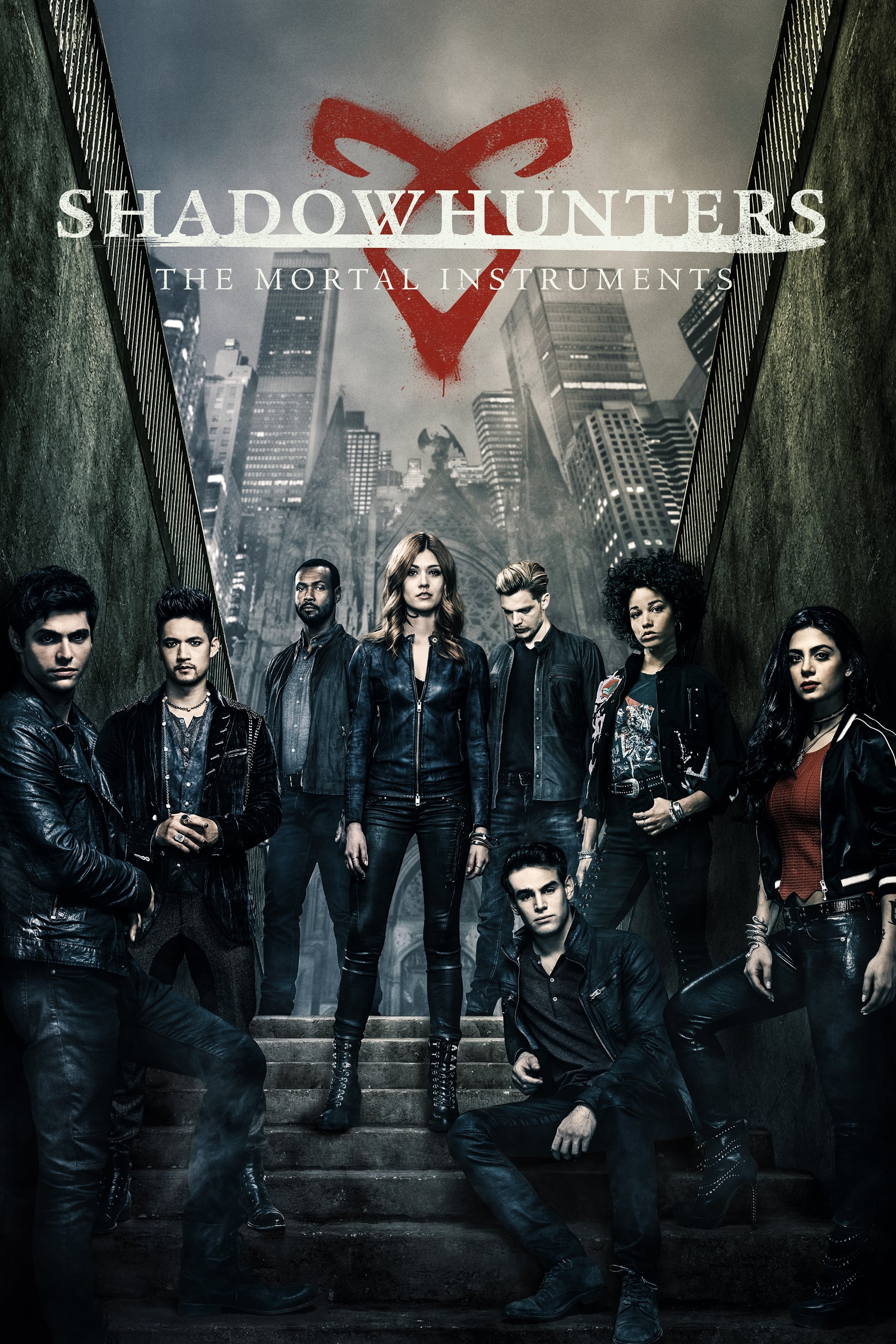
While ‘Shadowhunters’ was celebrated for the canon relationship between Magnus and Alec it faced some criticism for other pairings. Some fans felt that the intense bond between Clary and Isabelle was often framed with romantic undertones that went nowhere. These viewers pointed to specific scenes of emotional intimacy and shared glances that mirrored the romantic build up of other characters. The marketing occasionally highlighted these female friendships in a way that suggested a potential for more. This led to minor accusations of baiting within a show that was otherwise seen as a win for representation.
‘Sherlock’ (2010–2017)
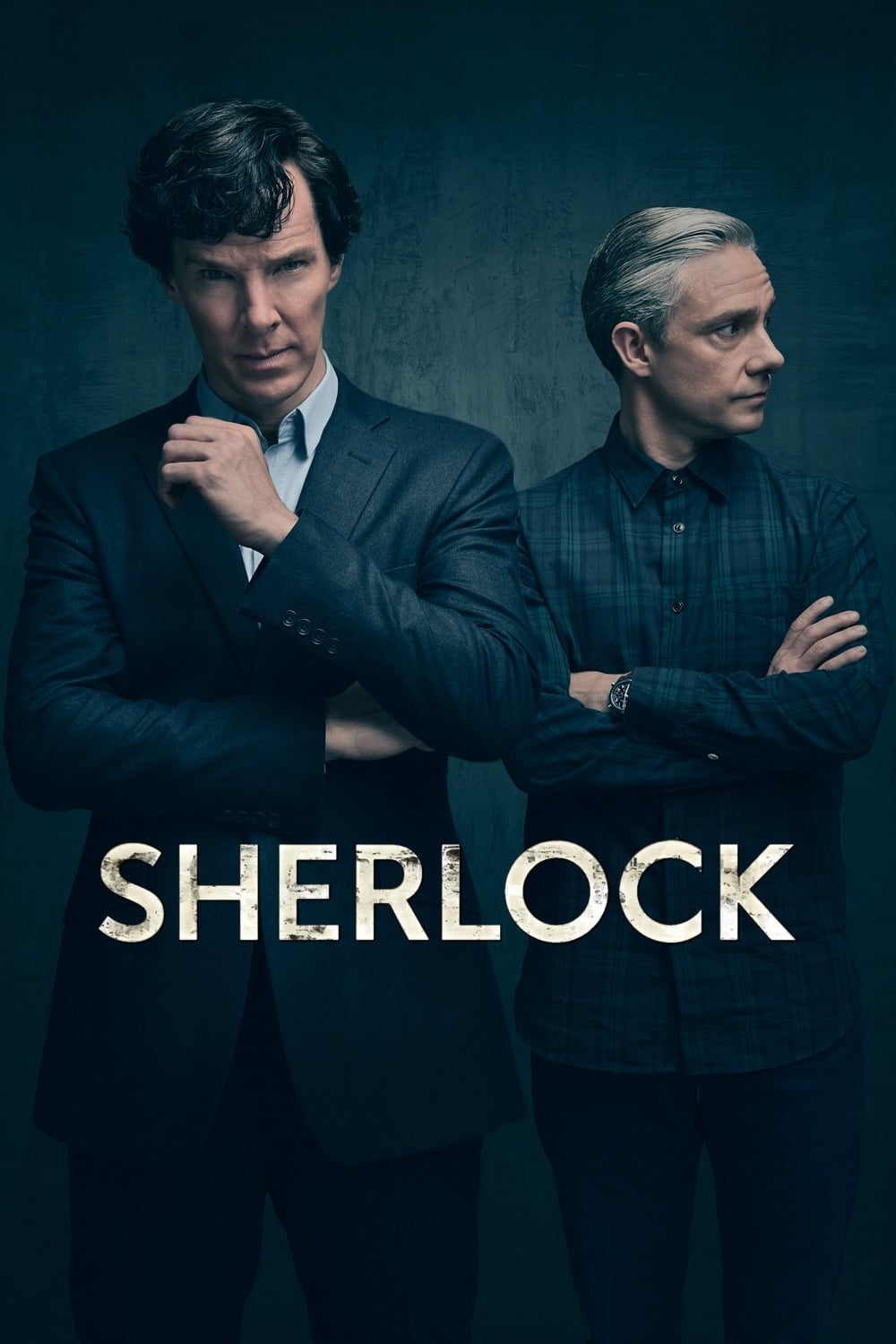
The modern reimagining of the classic detective stories frequently joked about the nature of the relationship between Sherlock Holmes and John Watson. Characters in the show often assumed the pair were a couple and the leads never gave a definitive answer to the contrary. Fans analyzed the cinematography and subtext for years while hoping for a canon romantic arc. The creators eventually dismissed these theories in a way that many viewers found condescending and dismissive. This disconnect between the on screen chemistry and the ultimate resolution led to widespread frustration among the fan base.
‘Skam’ (2015–2017)
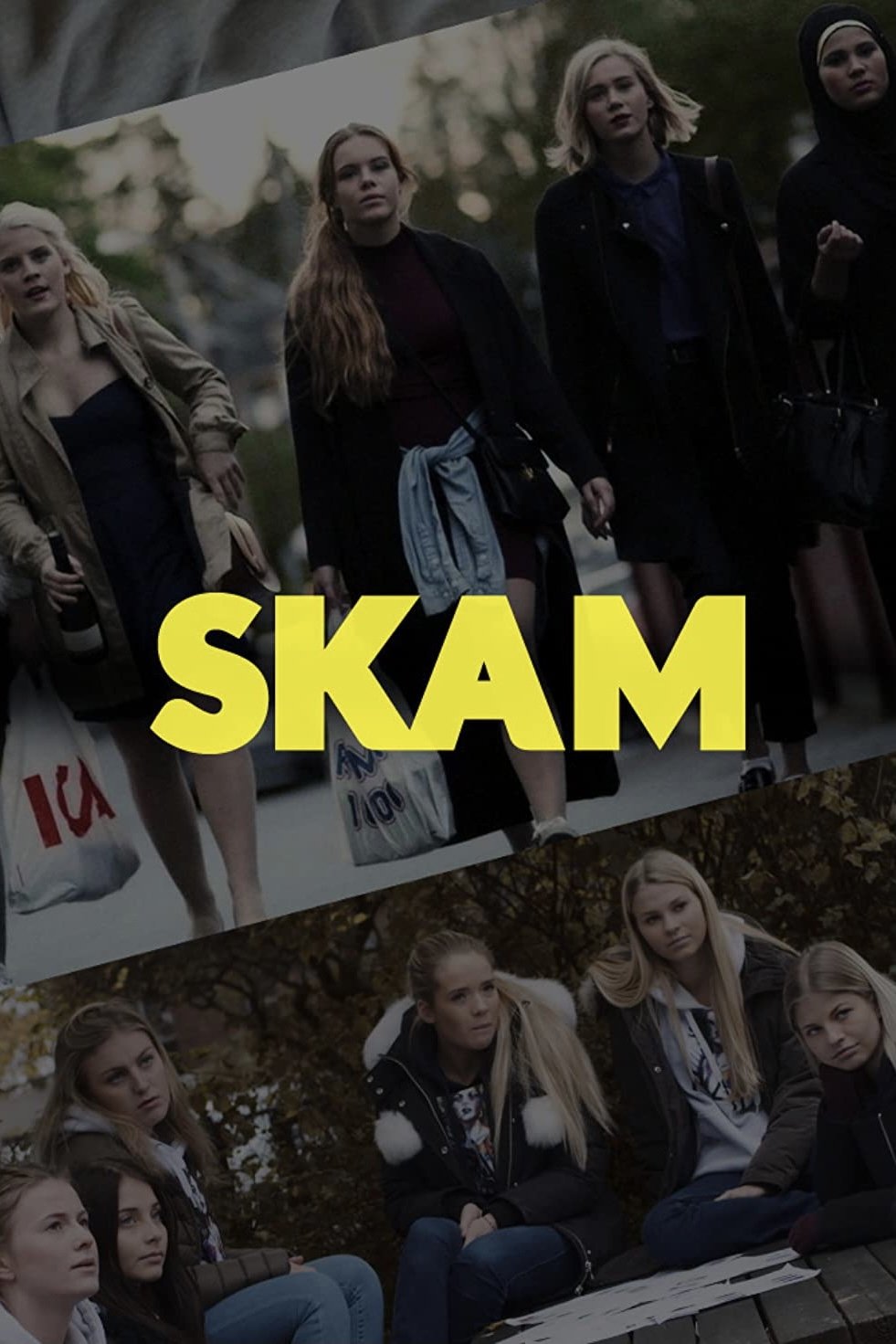
The original Norwegian series was praised for its authentic portrayal of a gay romance in its third season but faced baiting claims in other iterations. Some fans felt that the friendships between male characters in different seasons were often teased with romantic subtext to keep the audience invested. While the show was revolutionary for many it was not entirely immune to the tropes of teasing non canon relationships. This was especially true in the various international remakes where fans often compared the chemistry of different casts. The high expectations for queer stories sometimes led to disappointment when certain pairings remained platonic.
‘Skins’ (2007–2013)
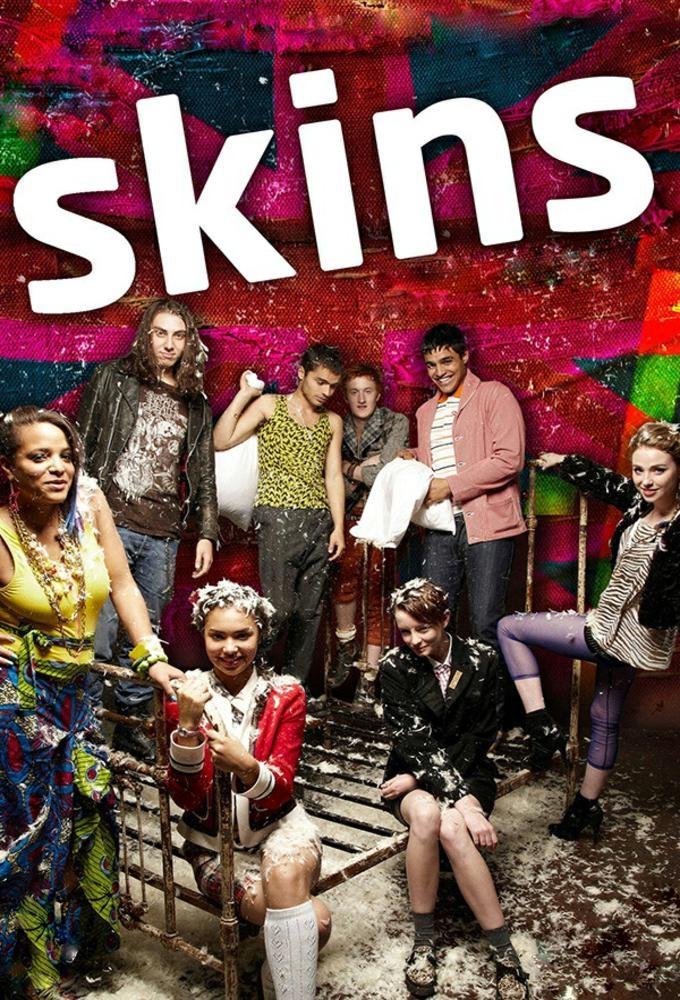
The British teen drama frequently explored complex sexualities but also faced criticism for the way it teased certain characters. Some fans felt that the relationship between Tony and Maxxie in the first generation was used for shock value rather than a sincere exploration of connection. The show often featured scenes of physical intimacy that did not lead to a committed romantic arc. This led to accusations that the series was more interested in being provocative than in providing stable queer representation. While ‘Skins’ was groundbreaking it remains a subject of debate regarding its use of subtext.
‘Smallville’ (2001–2011)
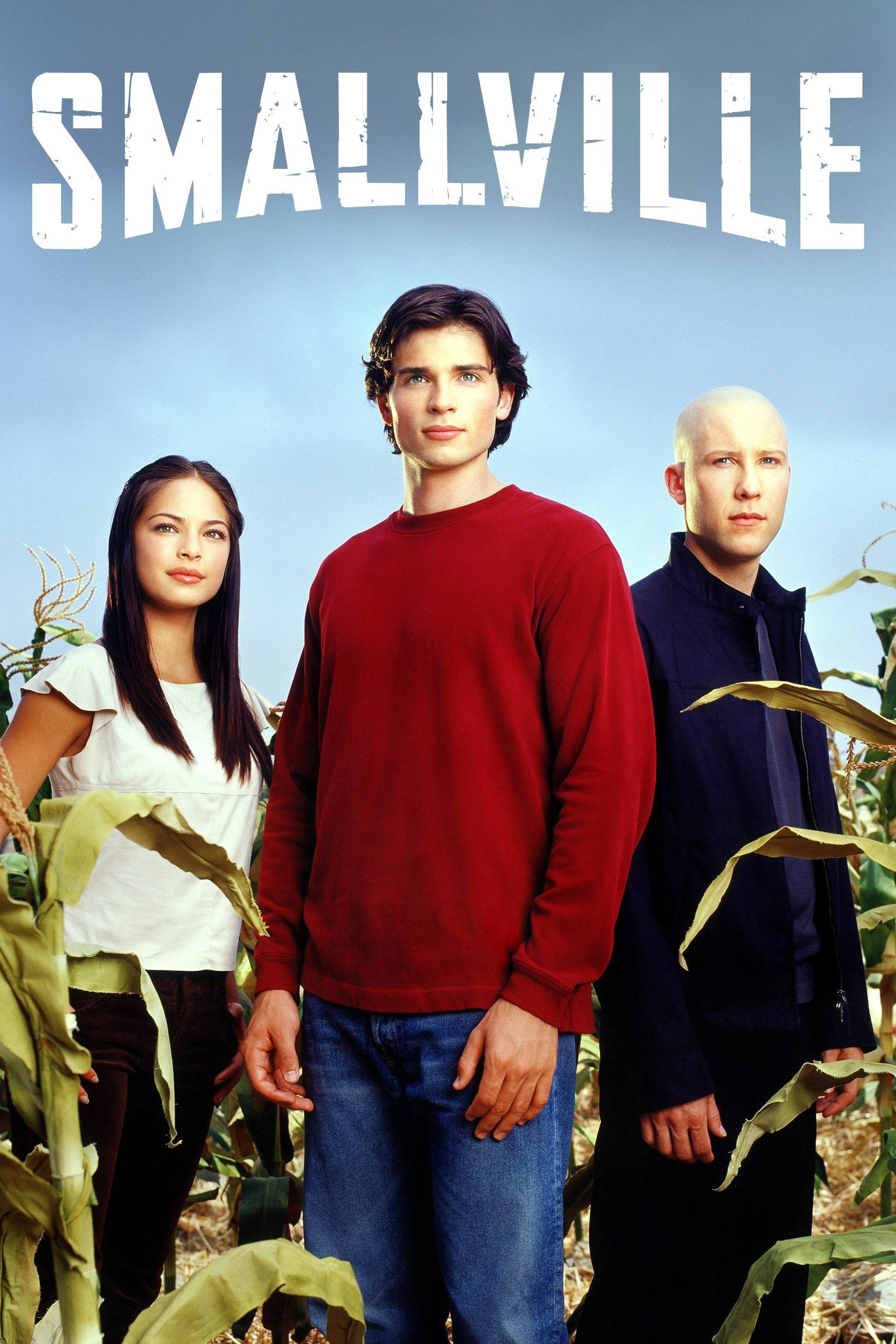
The superhero origin story focused on the relationship between Clark Kent and Lex Luthor which many fans interpreted as a tragic romance. The early seasons featured an intense and emotional bond that often relied on the trope of two men who are fated to be enemies but deeply love each other. Viewers noted that the dialogue and framing of their scenes often felt more romantic than Clark interactions with his female love interests. The show creators never acknowledged a romantic intent which led to years of fan theories and eventual claims of queer baiting. Many fans still view the Clark and Lex dynamic as a quintessential example of missed queer subtext.
‘Stranger Things’ (2016–Present)
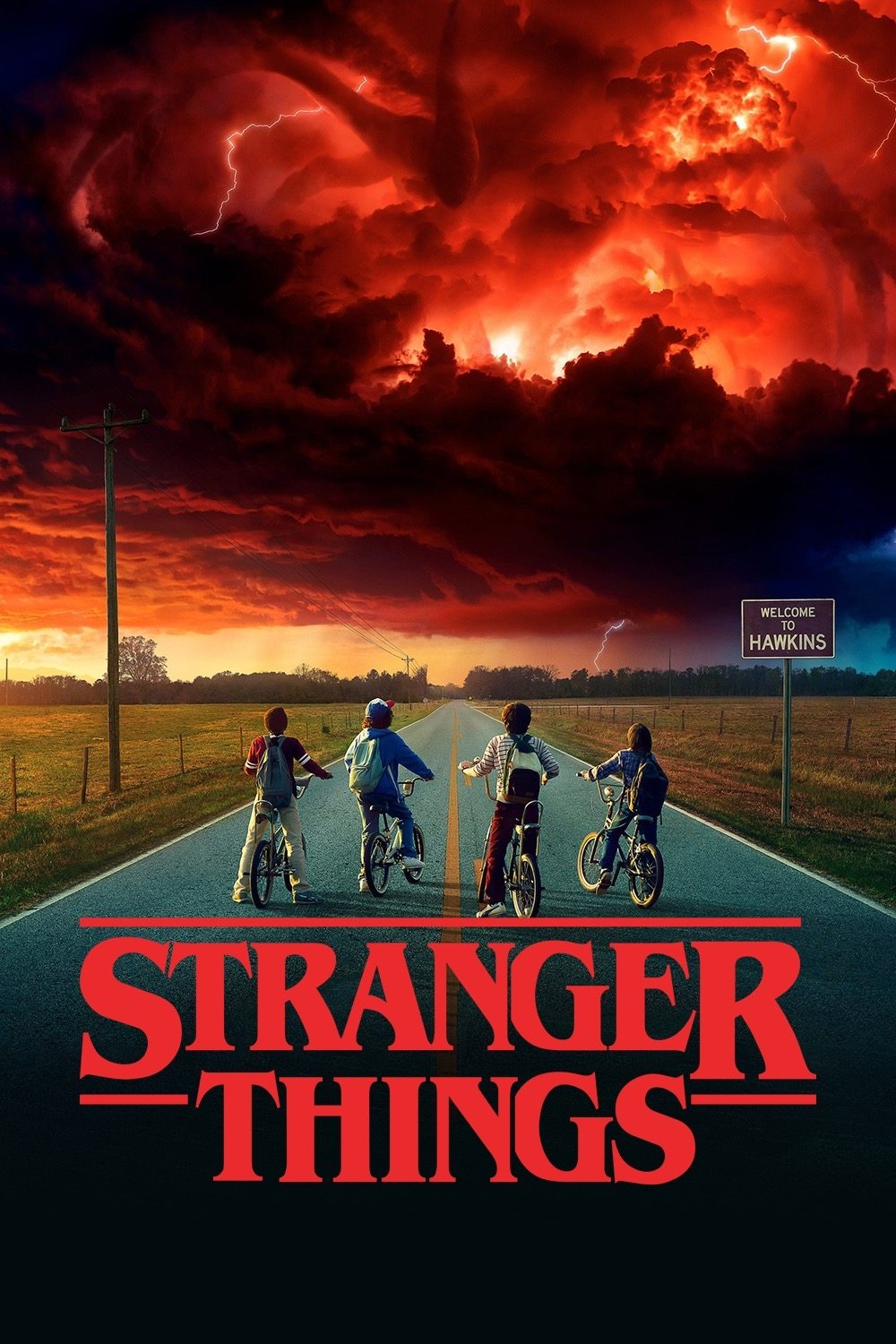
The popular science fiction series has been accused of queer baiting regarding the character Will Byers and his feelings for Mike Wheeler. For several seasons the show hinted at Will struggles with his identity and his unrequited love through subtle clues and emotional scenes. While the actors and creators eventually confirmed Will is gay some fans felt the show was too slow to address it explicitly. The way the series handled a pivotal emotional confession in the fourth season left some viewers feeling that the show was still being too vague. They argue that the narrative continues to dance around the topic to keep the ship popular without making it canon.
‘Succession’ (2018–2023)
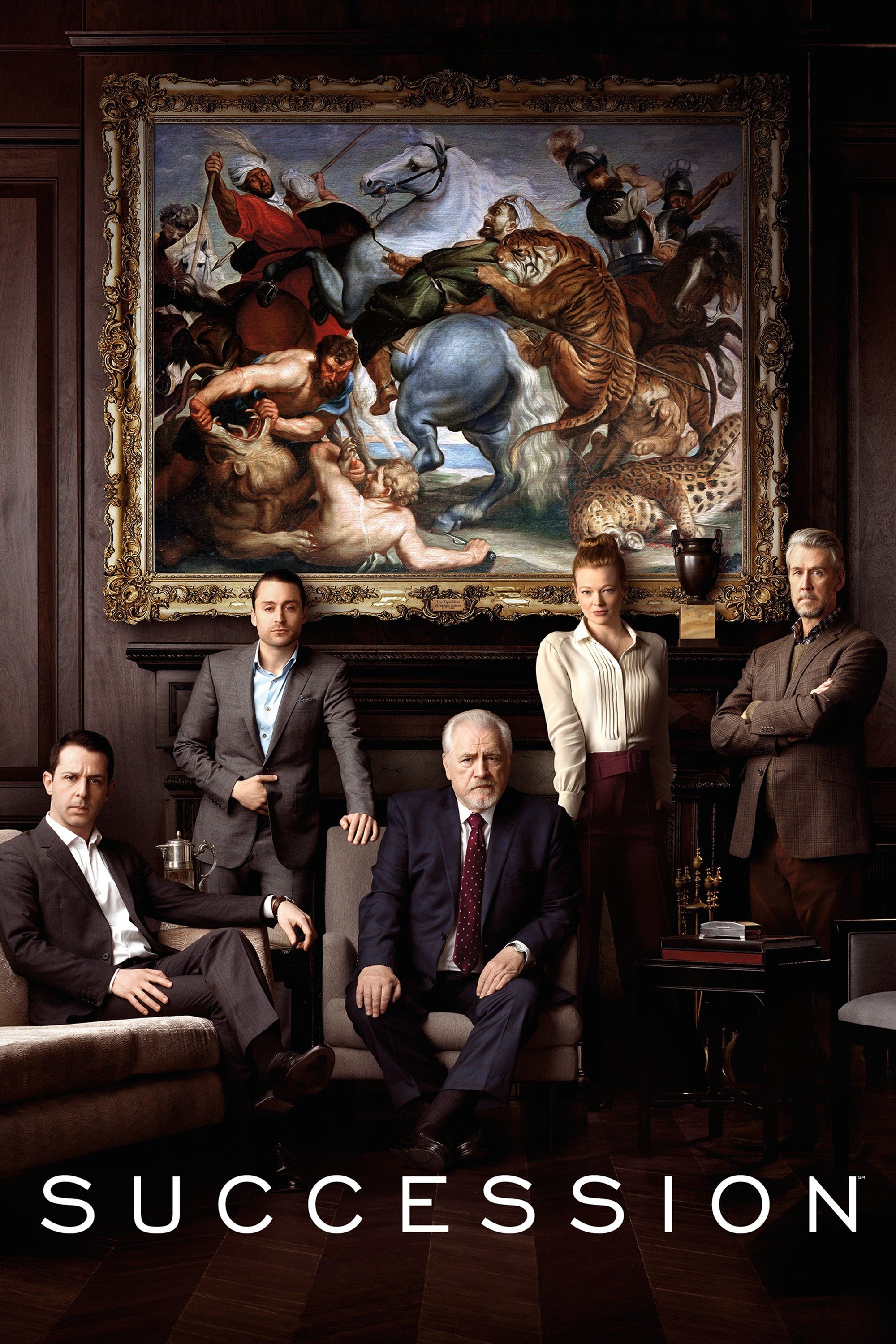
The satirical drama featured a complex and often bizarre relationship between Tom Wambsgans and Greg Hirsch that fans loved to analyze. Dialogue in the series frequently bordered on romantic or erotic despite the characters being family members by marriage. The actors often leaned into the chemistry during interviews which fueled even more fan speculation. Fans noted the many ways Tom expressed a deep and sometimes possessive affection for Greg that felt like more than just a business mentorship. Ultimately the show chose to keep the relationship professional and transactional which disappointed those hoping for a romantic resolution.
‘Supergirl’ (2015–2021)
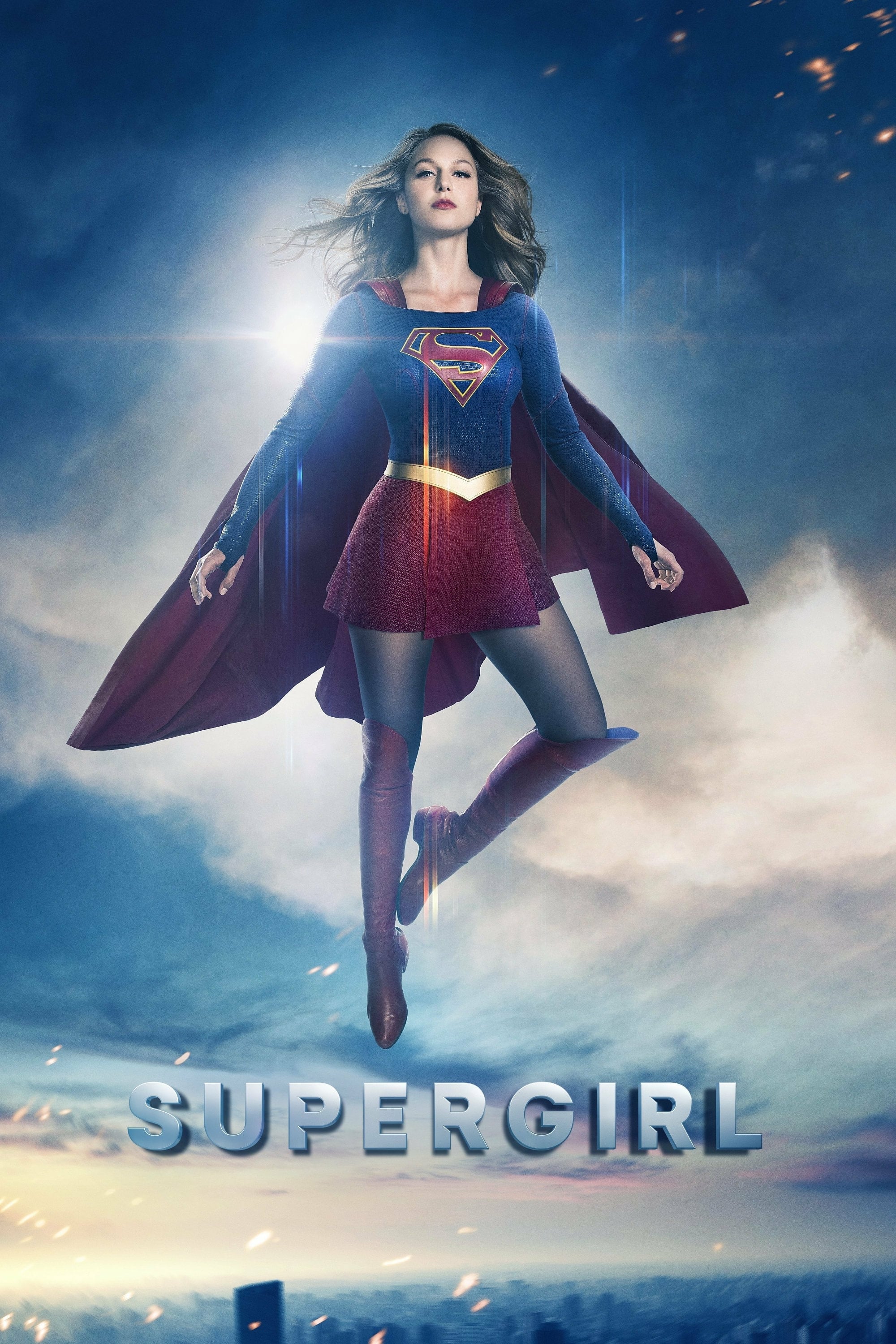
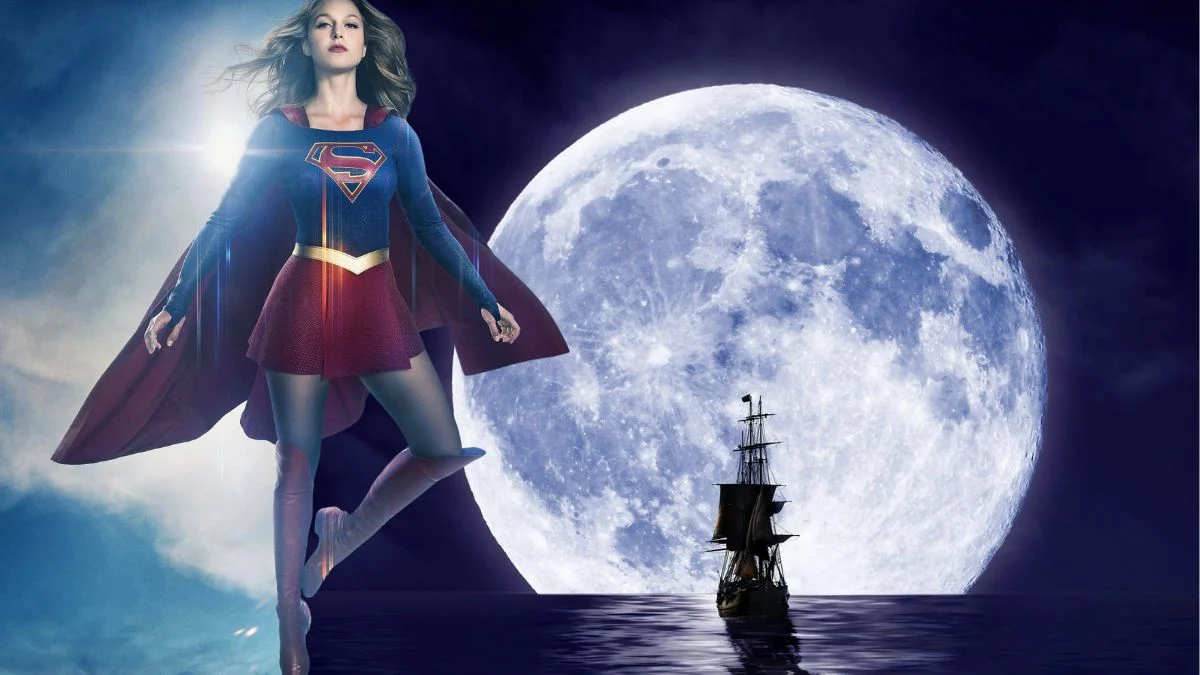
Fans of the superhero series frequently pointed to the relationship between Kara Danvers and Lena Luthor as a source of queer baiting. The two characters shared many emotionally charged moments and grand gestures that mirrored traditional romantic tropes. Supporters of the pairing felt that the writers leaned into the subtext to keep the audience invested while keeping the characters strictly platonic. The show eventually ended without addressing the potential for a romantic bond between the two women. This omission left a large portion of the fan base feeling ignored after years of supporting the series.
‘Supernatural’ (2005–2020)
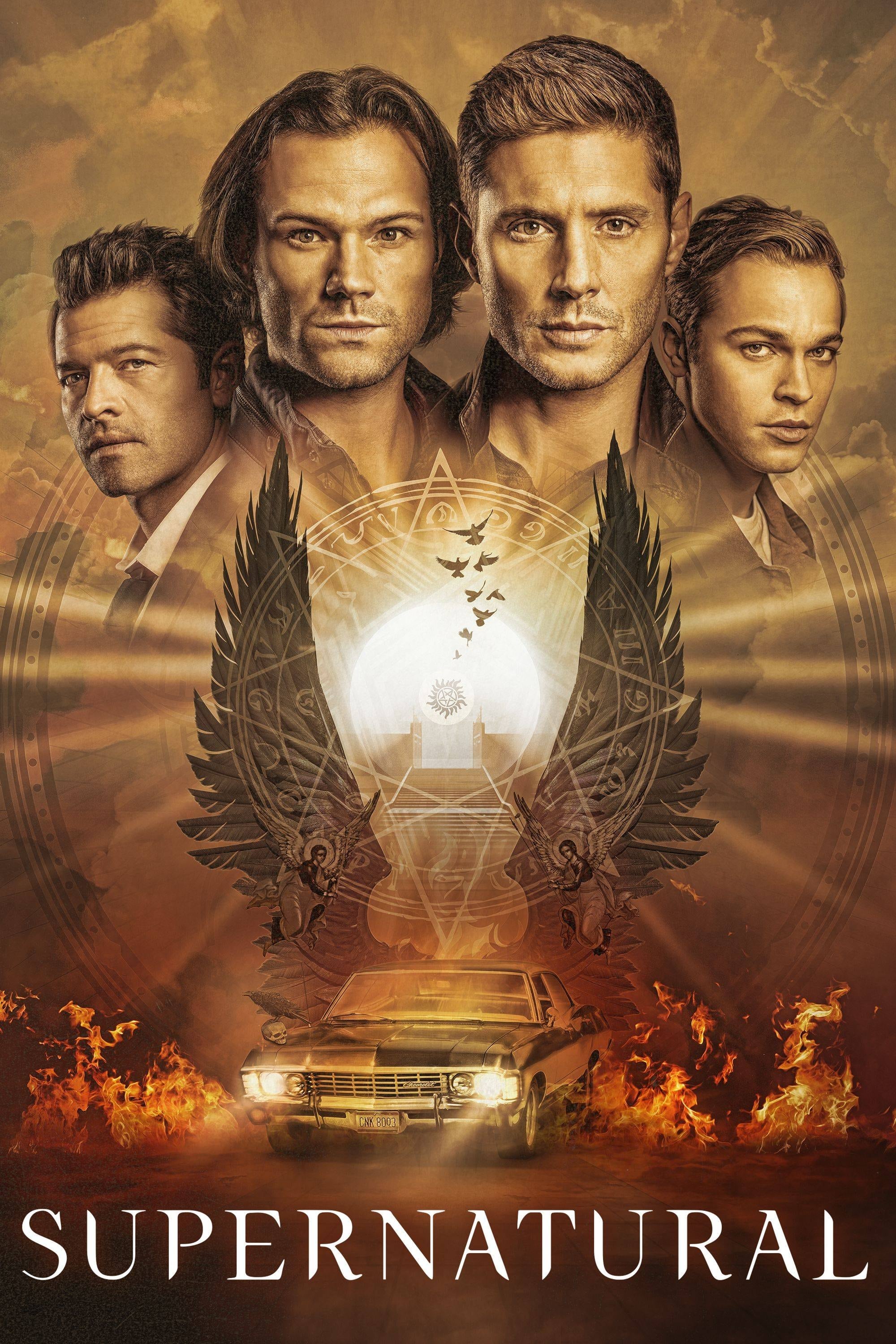
The long running fantasy series often teased a romantic connection between the characters Dean Winchester and the angel Castiel. Viewers noted several instances where the dialogue and staging suggested deep romantic feelings that were never fully realized. The show faced significant backlash when Castiel finally confessed his love only to be killed moments later. This narrative choice was seen as a trope that punished queer characters for their feelings and avoided a happy ending. Many fans felt the marketing exploited their desire for representation without providing a satisfying or healthy payoff.
‘Teen Wolf’ (2011–2017)

The supernatural teen drama attracted a large following due to the chemistry between the characters Stiles Stilinski and Derek Hale. Social media accounts for the series often engaged with fan art and ship names to boost engagement during the height of the show popularity. Despite the heavy promotion of this dynamic the two characters rarely shared meaningful screen time in later seasons. Fans accused the production team of using the potential romance to maintain viewership without any intention of writing it into the script. This practice became a textbook example of modern queer baiting in the television industry.
‘The 100’ (2014–2020)
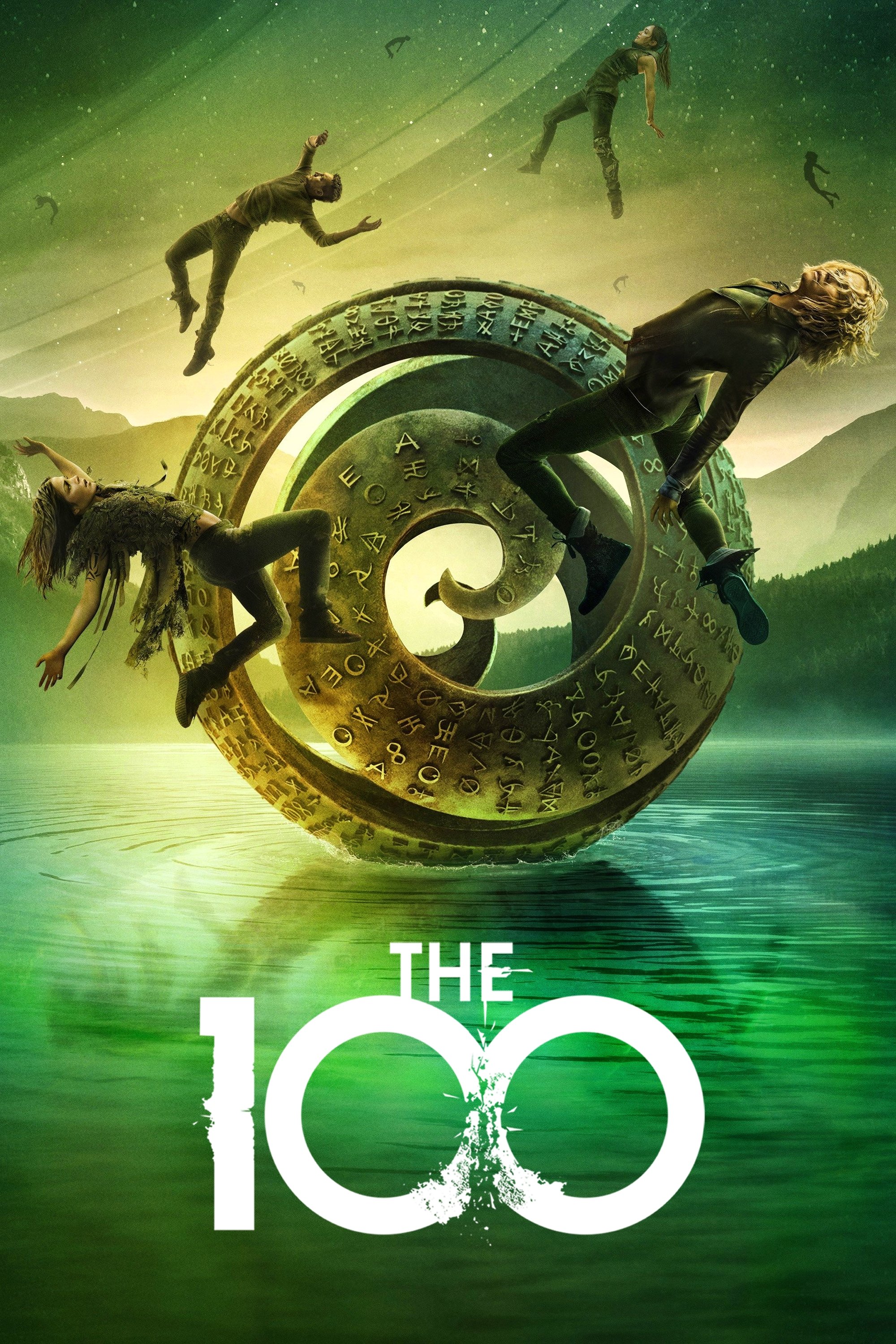
While ‘The 100’ featured a canon queer lead character it faced significant backlash for its marketing of the relationship between Clarke and Lexa. Fans were encouraged to invest in their romance through social media interaction and promotional interviews. When Lexa was suddenly killed off shortly after the couple finally consummated their relationship the audience felt betrayed. This event became a flashpoint for discussions about how shows use queer ships to build a following only to destroy them for shock value. The incident had a long lasting impact on how fans interact with showrunners and writers online.
‘The Falcon and the Winter Soldier’ (2021)
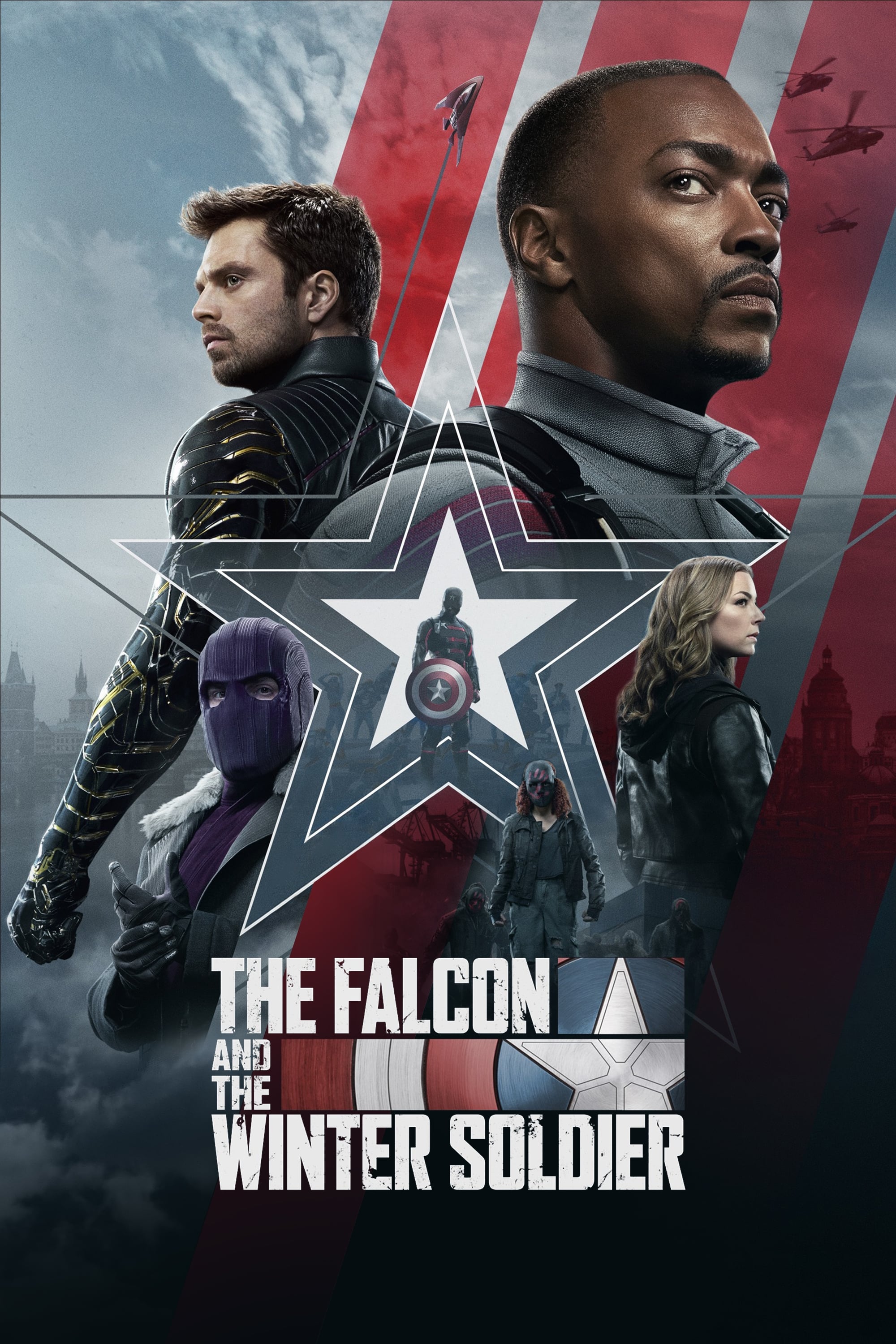
The Marvel series focusing on Sam Wilson and Bucky Barnes immediately drew attention for the chemistry between the two leads. Viewers noticed that many of their interactions mirrored the tropes of a romantic comedy including a therapy scene where they were forced into close physical contact. This dynamic was heavily featured in marketing to build hype among fans who enjoyed the pairing. Despite the intense subtext the show maintained that the characters were merely friends and partners. Many fans felt this was a missed opportunity to evolve the characters in a way that the subtext suggested.
‘The Vampire Diaries’ (2009–2017)
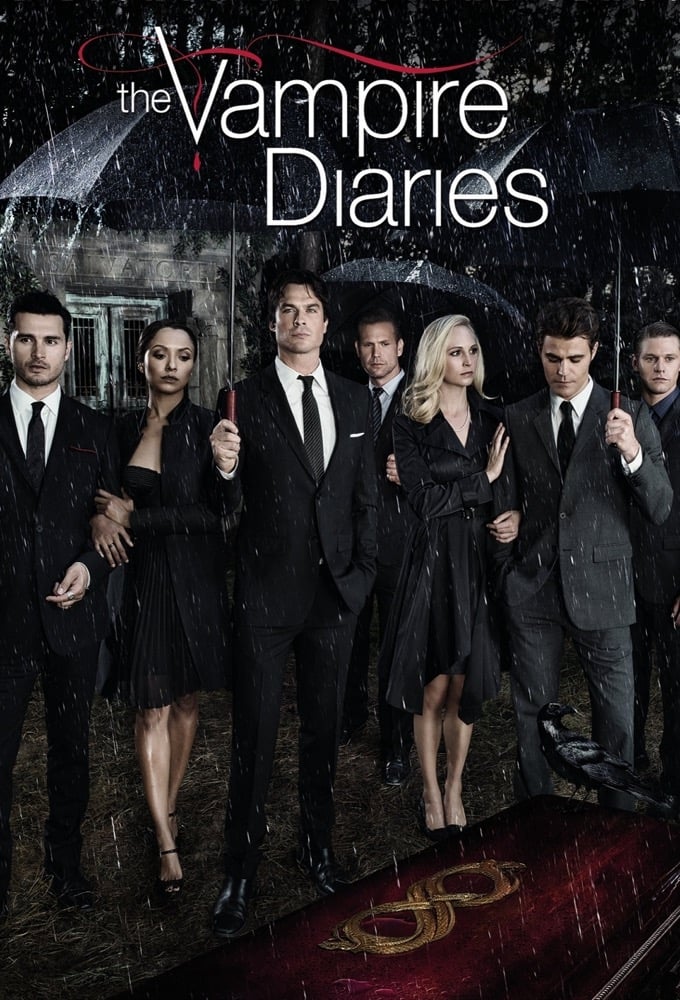
The supernatural drama featured several non canon ships that fans felt were teased with queer subtext. One prominent example was the relationship between Klaus Mikaelson and Stefan Salvatore which many viewers interpreted as having a romantic past. The show often included flashbacks and dialogue that emphasized their deep and obsessive bond. Fans also pointed to the chemistry between other male characters as evidence of the show playing with subtext. The lack of any canon queer male relationships in the main cast led to accusations that the show was baiting its audience.
‘The Walking Dead’ (2010–2022)
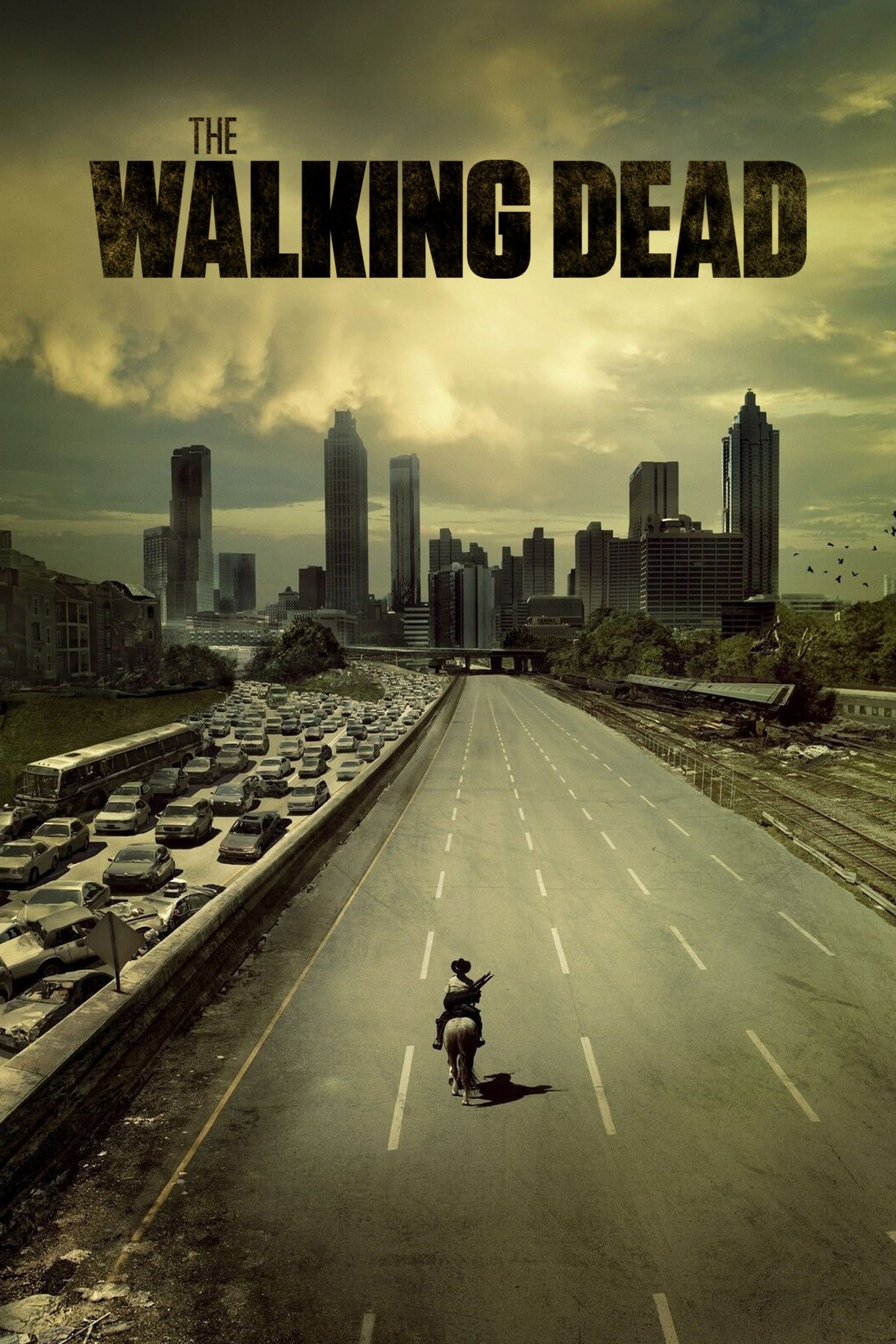
The post apocalyptic series has been accused of queer baiting regarding the character Daryl Dixon and his various male friendships. For years fans speculated about Daryl sexuality due to his lack of traditional romantic interests and his close bonds with other men. While the show eventually introduced other queer characters Daryl remained a point of contention for those who felt his subtext was being teased. The showrunners occasionally commented on the possibility of Daryl being queer without ever making it a reality in the show. This led to a sense of frustration among viewers who felt the show was stalling.
‘The Wilds’ (2020–2022)
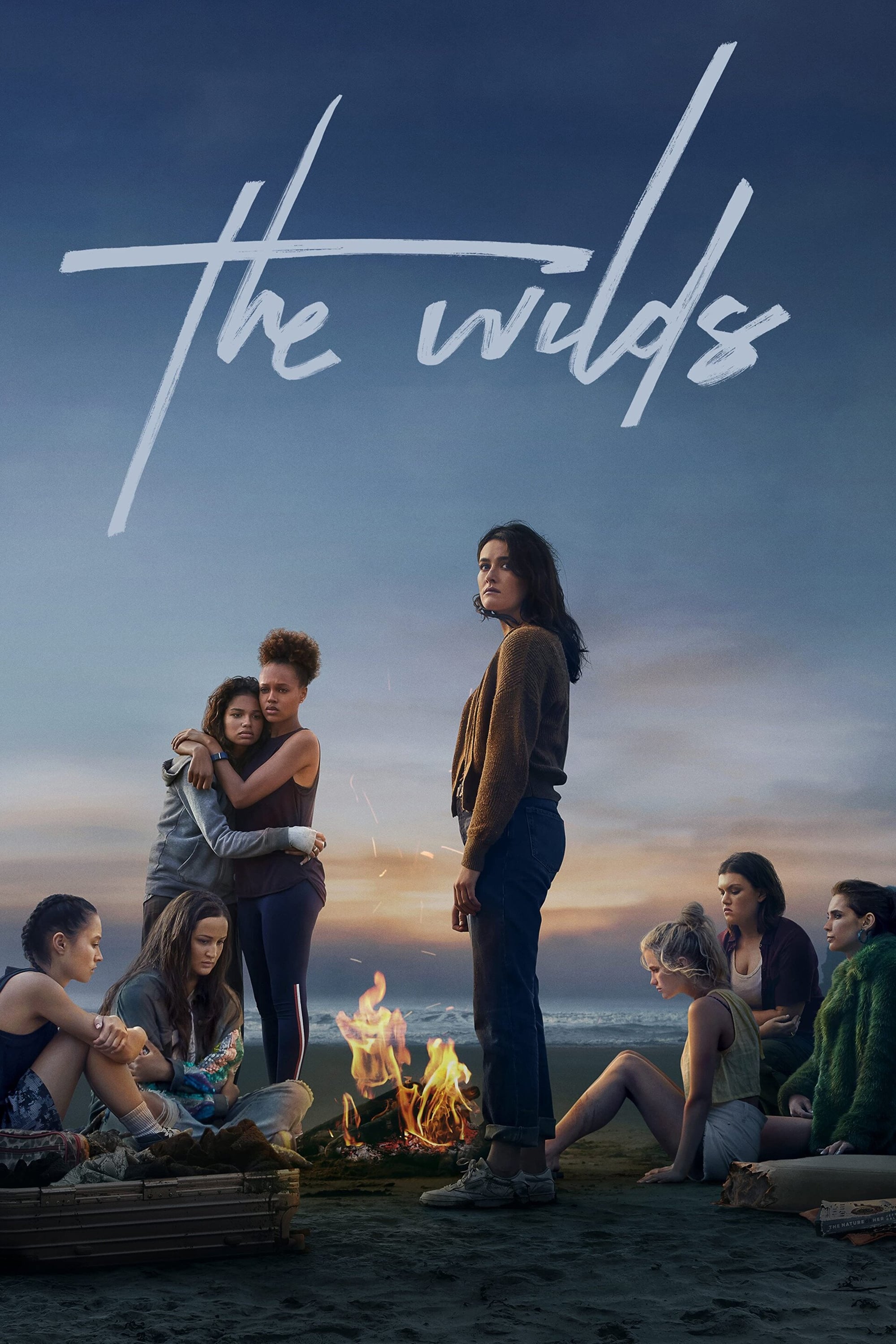
The survival drama featured a central queer romance but was also criticized for how it teased other potential pairings. Some fans felt that the intensity between certain female characters was framed as romantic to keep the audience guessing about the outcome. The show marketing often relied on the chemistry of the entire ensemble to draw in a queer demographic. When the series was cancelled after its second season many of these teased dynamics were left without a resolution. This contributed to the feeling that the show had used subtext to build interest that it could not sustain.
‘Voltron: Legendary Defender’ (2016–2018)
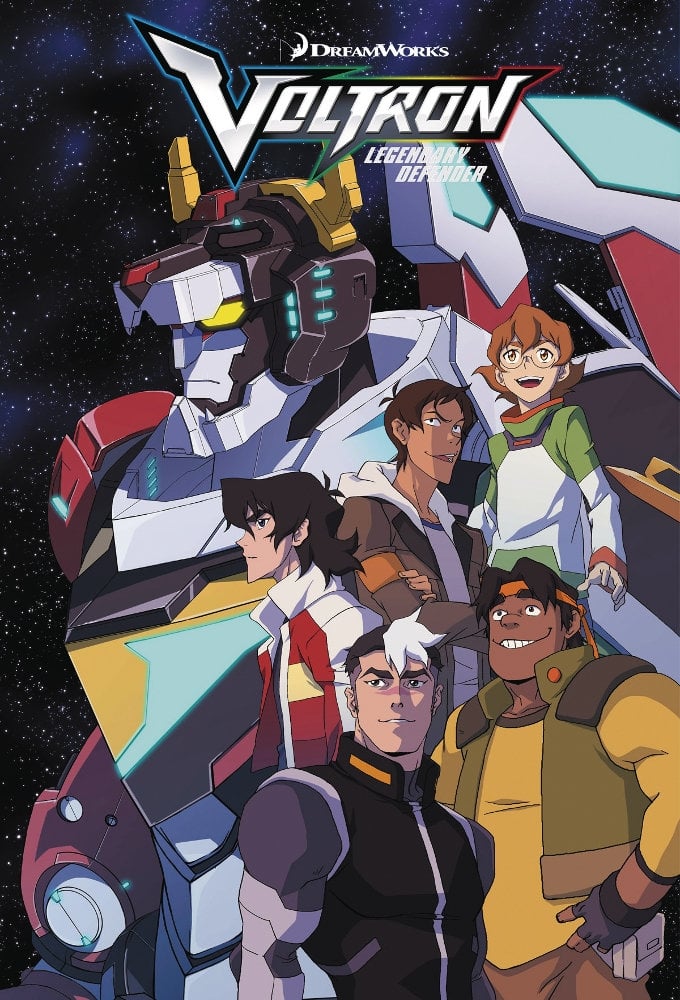
The animated series became notorious for the way it handled the relationship between Keith and Lance. Known as Klance the pairing had a massive online presence and the creators often acknowledged the fan base during conventions. Marketing for the show frequently used images of the two characters together to generate excitement for new seasons. When the series concluded without any romantic acknowledgment between them many fans felt misled. They argued that the show used the ship to maintain a high level of social media engagement without intending to deliver.
‘Warrior Nun’ (2020–2022)
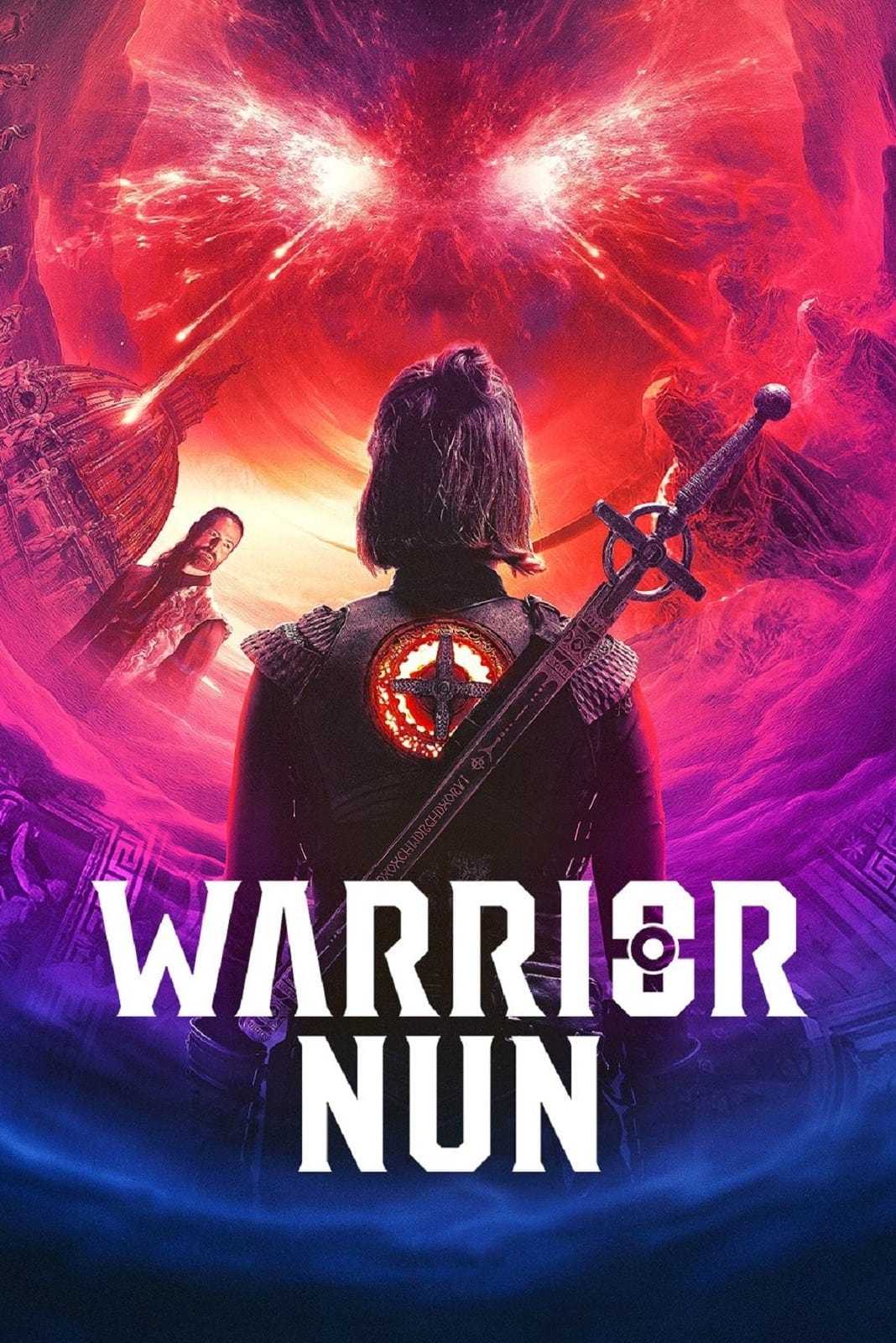
This action series built a massive following around the relationship between Ava Silva and Sister Beatrice. For much of the first and second seasons the show relied on intense subtext and longing glances to suggest a romantic connection. While the two characters finally shared a kiss and a confession in the second season the show was cancelled shortly after. Some fans argued that the long build up was a form of baiting that only resolved when the show future was uncertain. The passionate campaign to save the series was largely driven by a desire for more of this specific representation.
‘Wednesday’ (2022–Present)
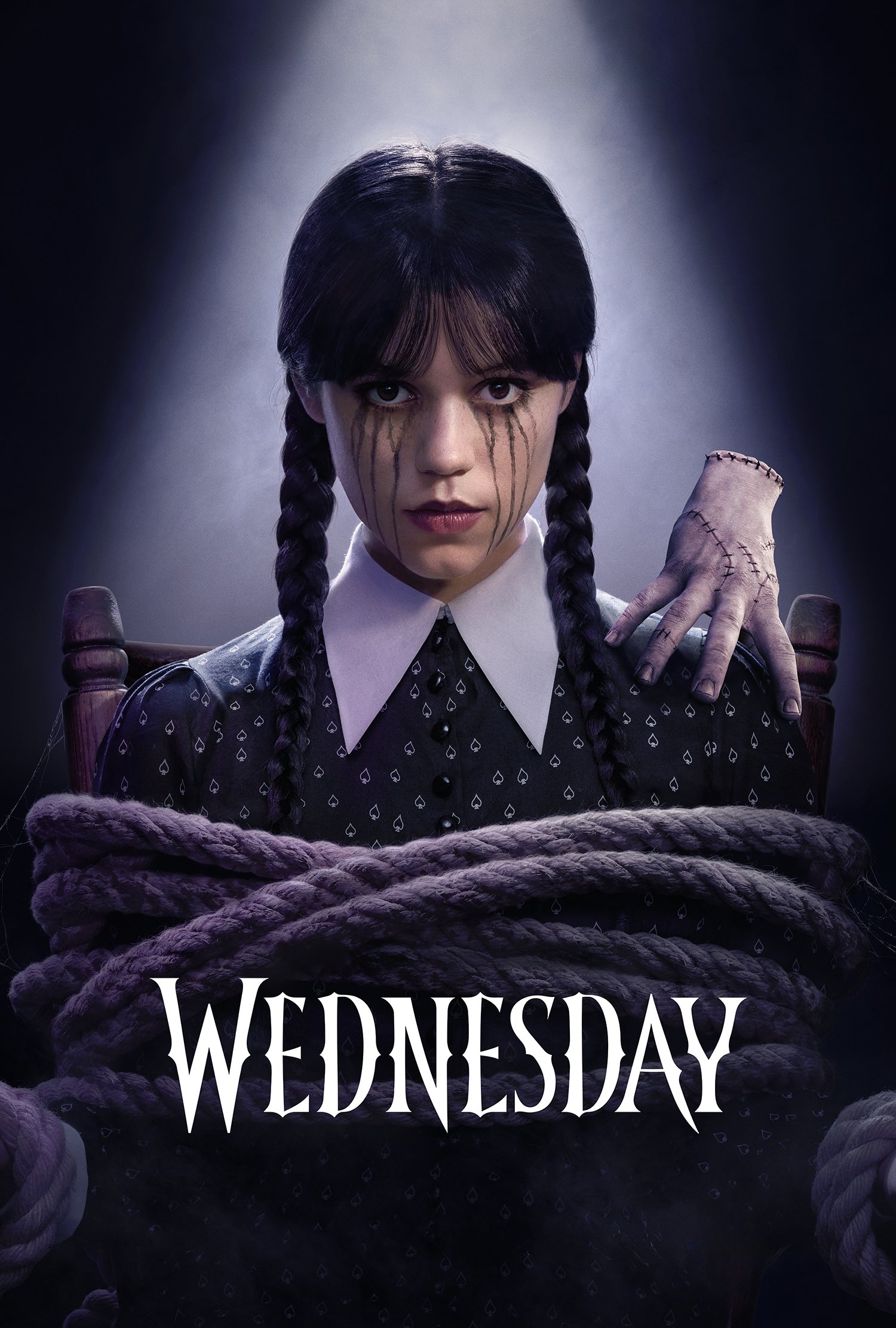
The Netflix hit series sparked a massive wave of fan theories regarding the relationship between Wednesday Addams and her roommate Enid Sinclair. Their opposite personalities and growing bond led many viewers to believe a romance was being set up for future seasons. The show marketing and cast interviews sometimes leaned into these interpretations which heightened expectations significantly. However some fans worry that the series is merely using the chemistry to generate social media buzz without a plan for follow through. The lack of clear romantic intent in the first season has kept the debate about queer baiting active.
‘Xena: Warrior Princess’ (1995–2001)
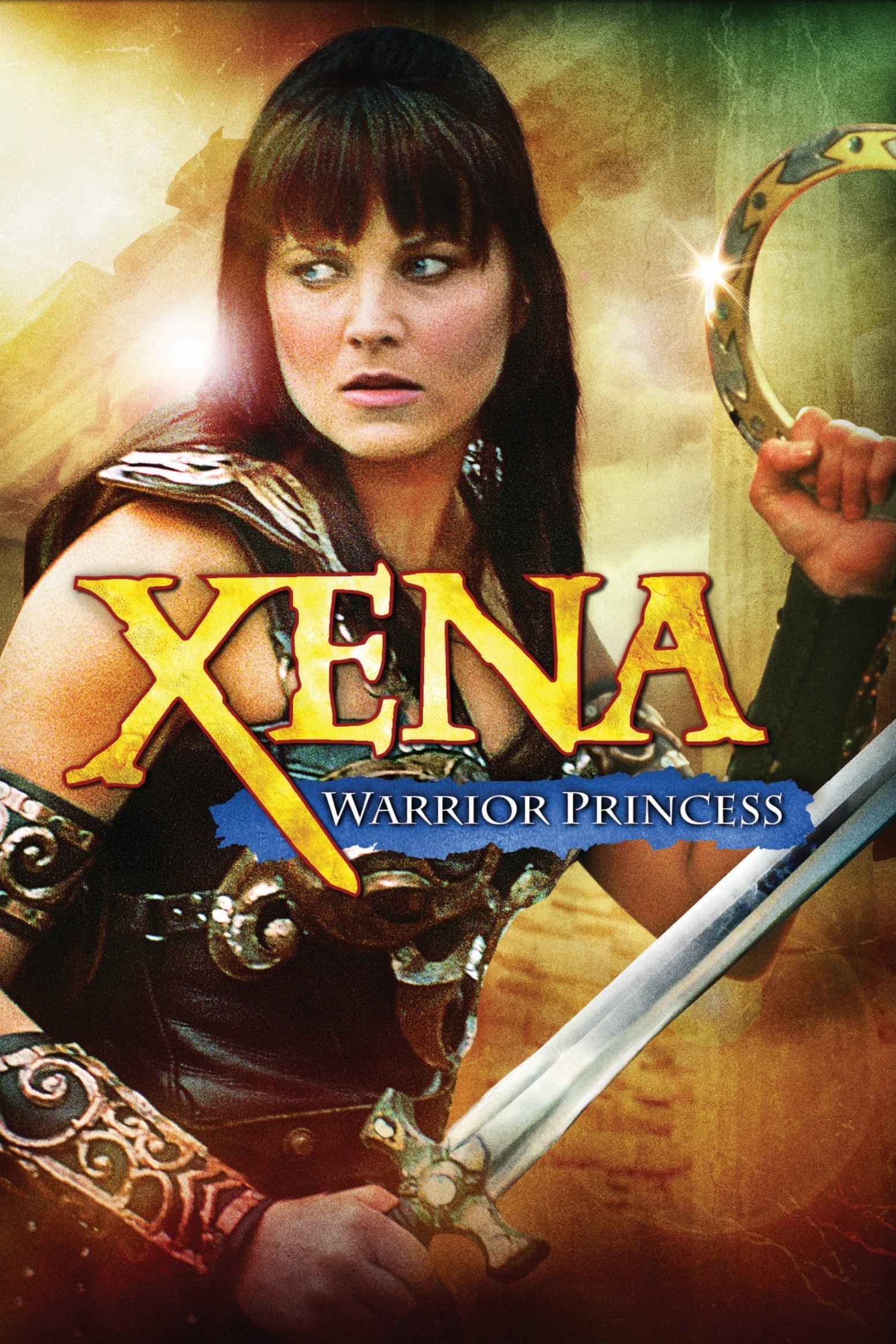
This classic action series is often cited as a pioneer in the use of queer subtext to engage audiences. The relationship between Xena and her companion Gabrielle was the central focus of the show for six seasons. While the writers frequently included suggestive dialogue and shared intimate moments the characters were never explicitly romantic on screen. This was largely due to network restrictions during the late 1990s but the show continued to tease the possibility in every episode. Modern viewers often look back on the series as an early example of the queer baiting phenomenon in mainstream media.
‘Yellowjackets’ (2021–Present)

The survival drama features several canon queer relationships but has also been accused of baiting with the relationship between Jackie and Shauna. Their intense and often codependent friendship in the 1996 timeline is filled with moments that fans interpret as romantic longing. The show creators have acknowledged the queer coding of their relationship in interviews which has encouraged the fan theories. Some viewers remain cautious about whether this will lead to a canon acknowledgment or if it will remain in the realm of subtext. The ambiguity of their bond is a major talking point for the audience.
‘Star Trek’ (1966–1969)
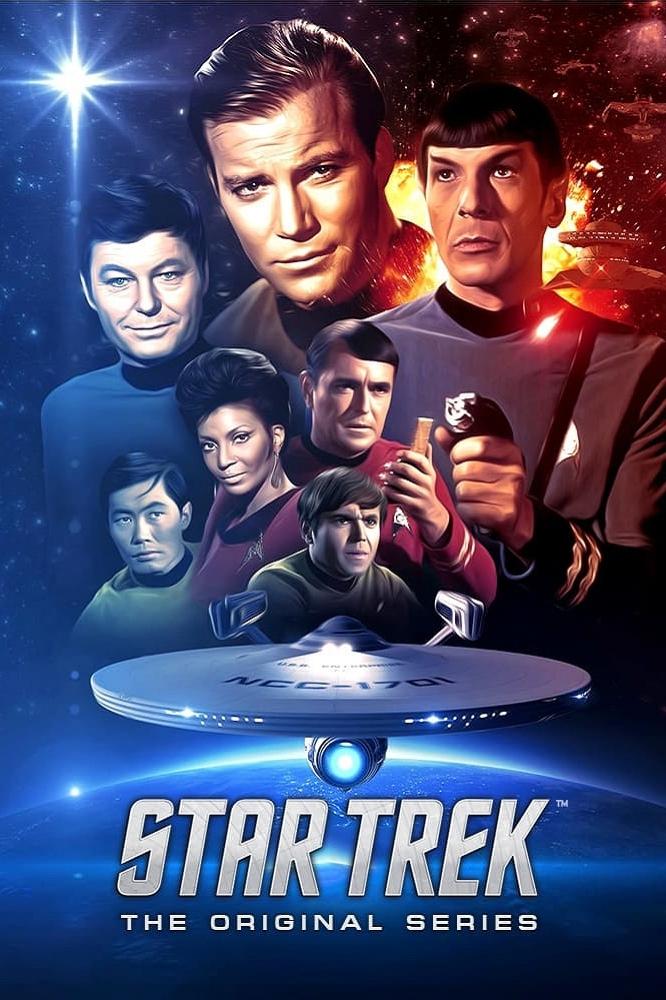
The original series is the birthplace of modern fan shipping particularly with the relationship between Captain Kirk and Spock. Fans in the 1960s and beyond identified a deep emotional intimacy that they felt transcended a standard working partnership. While the show was product of its time and stayed within traditional boundaries the subtext was powerful enough to launch an entire genre of fan fiction. Later iterations of the franchise have occasionally leaned into this history without ever making the pairing official. This has led to long term accusations that the franchise benefits from the queer legacy of the pairing without providing modern confirmation.
Tell us which of these shows you think handled their major ships the worst in the comments.