


14 TV Shows That Aged Into Accidental Queer Icons

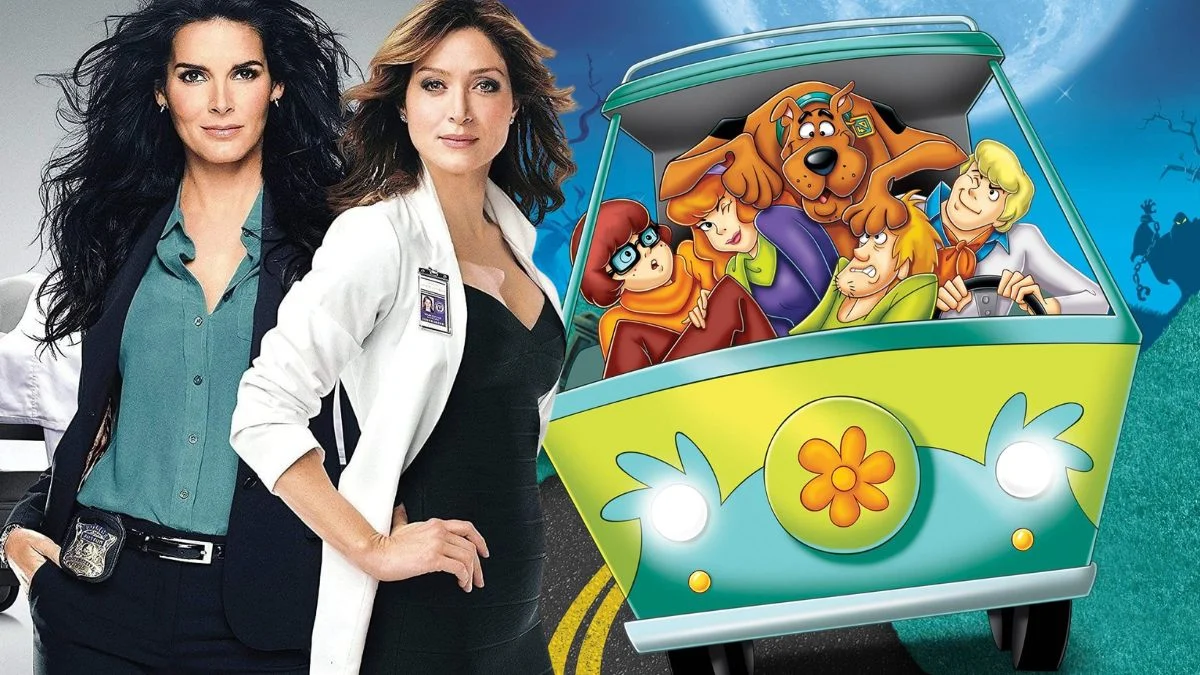


Television history is filled with series that developed devoted LGBTQ+ followings despite lacking explicit representation in their original scripts. These shows often feature intense same-sex friendships or camp aesthetics that resonate deeply with queer audiences. Fans frequently identify subtextual cues that writers may have included unintentionally or subconsciously during production. The resulting fandoms have transformed these mainstream programs into enduring symbols of queer culture and identity.
‘Xena: Warrior Princess’ (1995–2001)
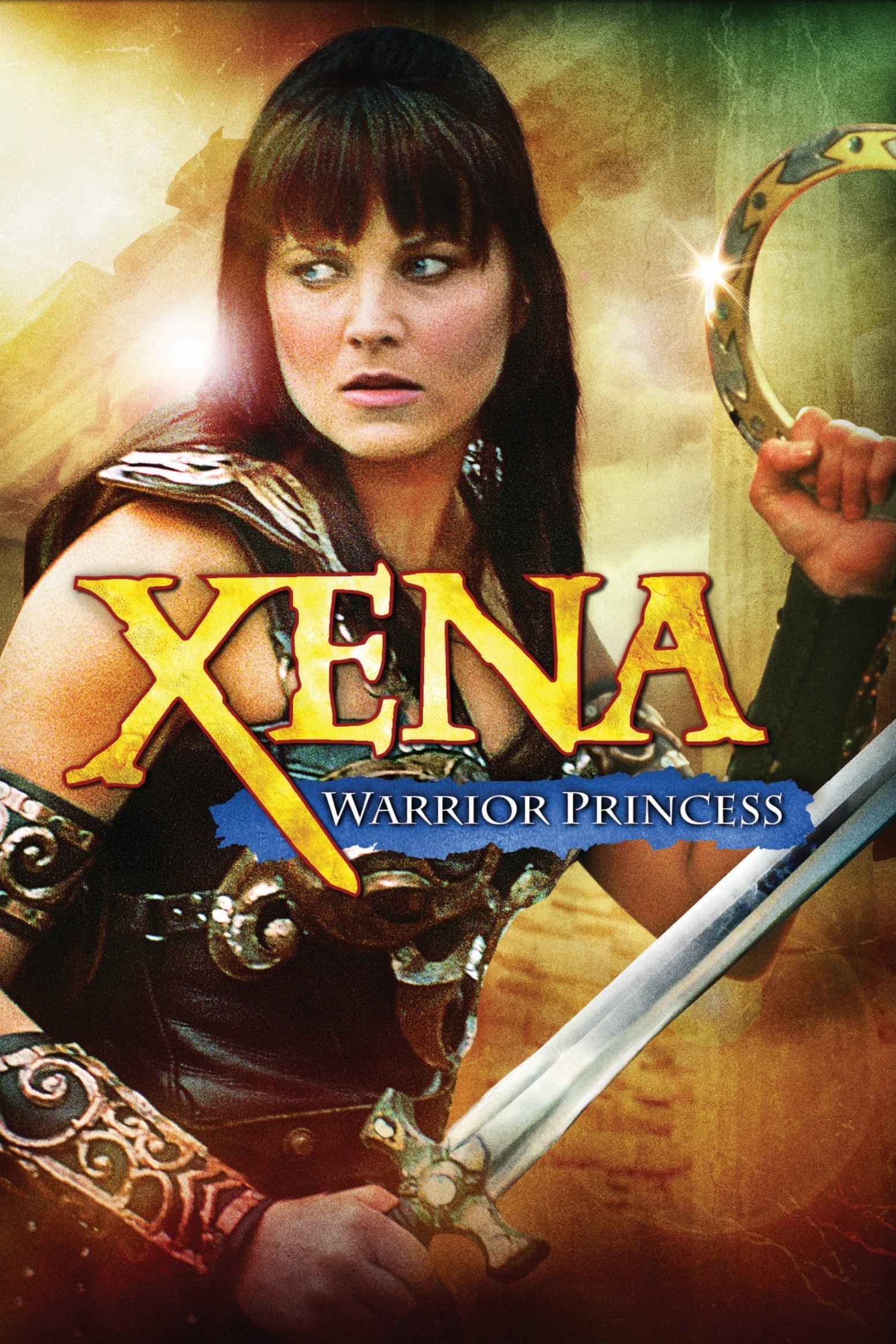
Lucy Lawless starred in this fantasy series that became a monumental touchstone for the lesbian community. The relationship between Xena and her bard companion Gabrielle evolved from close friendship into a romance that transcended the screen. Writers and producers leaned into the subtext as the seasons progressed to acknowledge the devoted fanbase. The show remains one of the most significant examples of accidental representation in television history.
‘The Golden Girls’ (1985–1992)
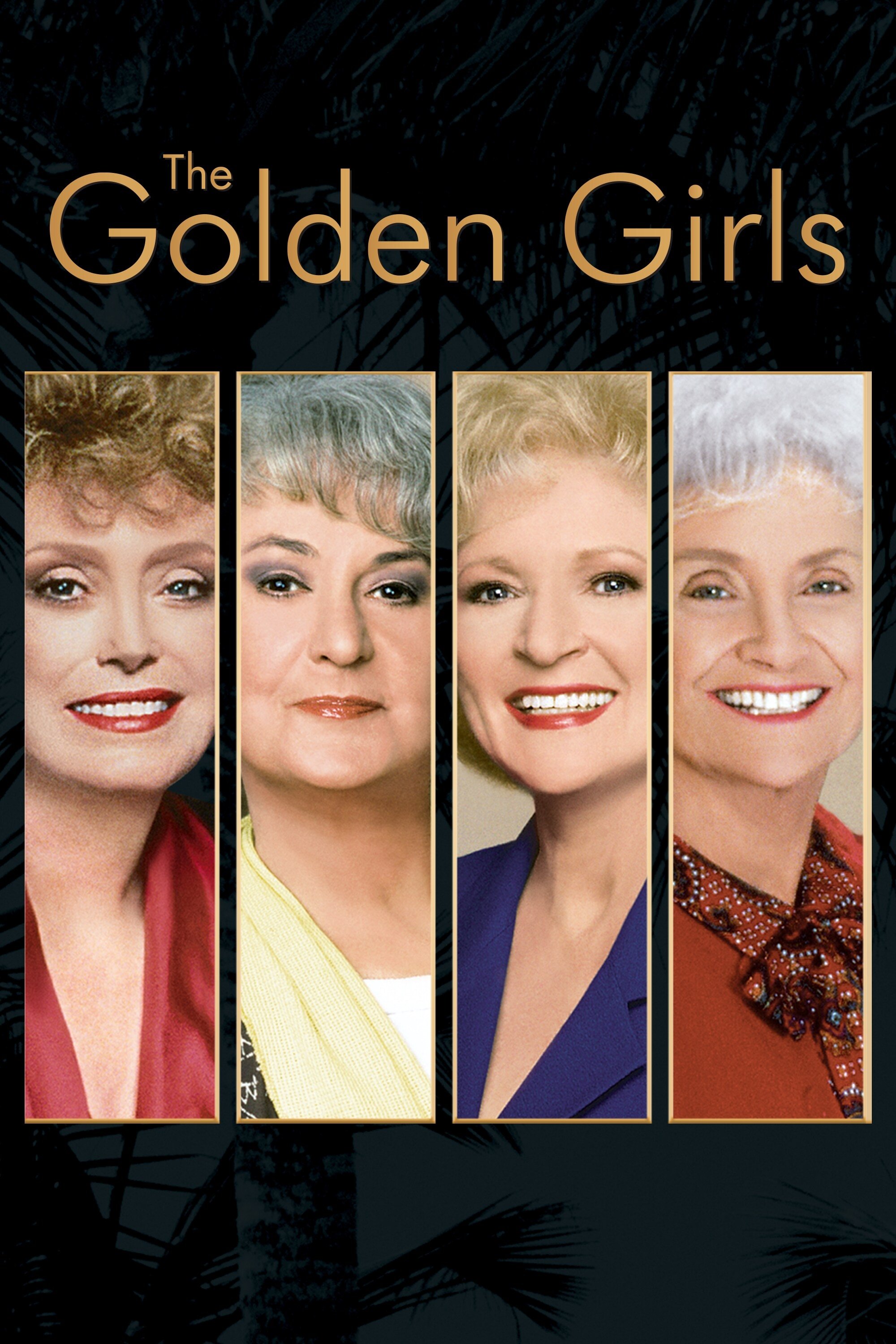
This beloved sitcom about four older women living together in Miami resonates deeply with queer audiences. The concept of chosen family lies at the heart of the narrative as the characters support each other through life. Dorothy and Blanche and Rose and Sophia navigate dating and aging with wit and resilience. Their flamboyant fashion and sharp comebacks have cemented their status as camp icons over the decades.
‘Merlin’ (2008–2012)
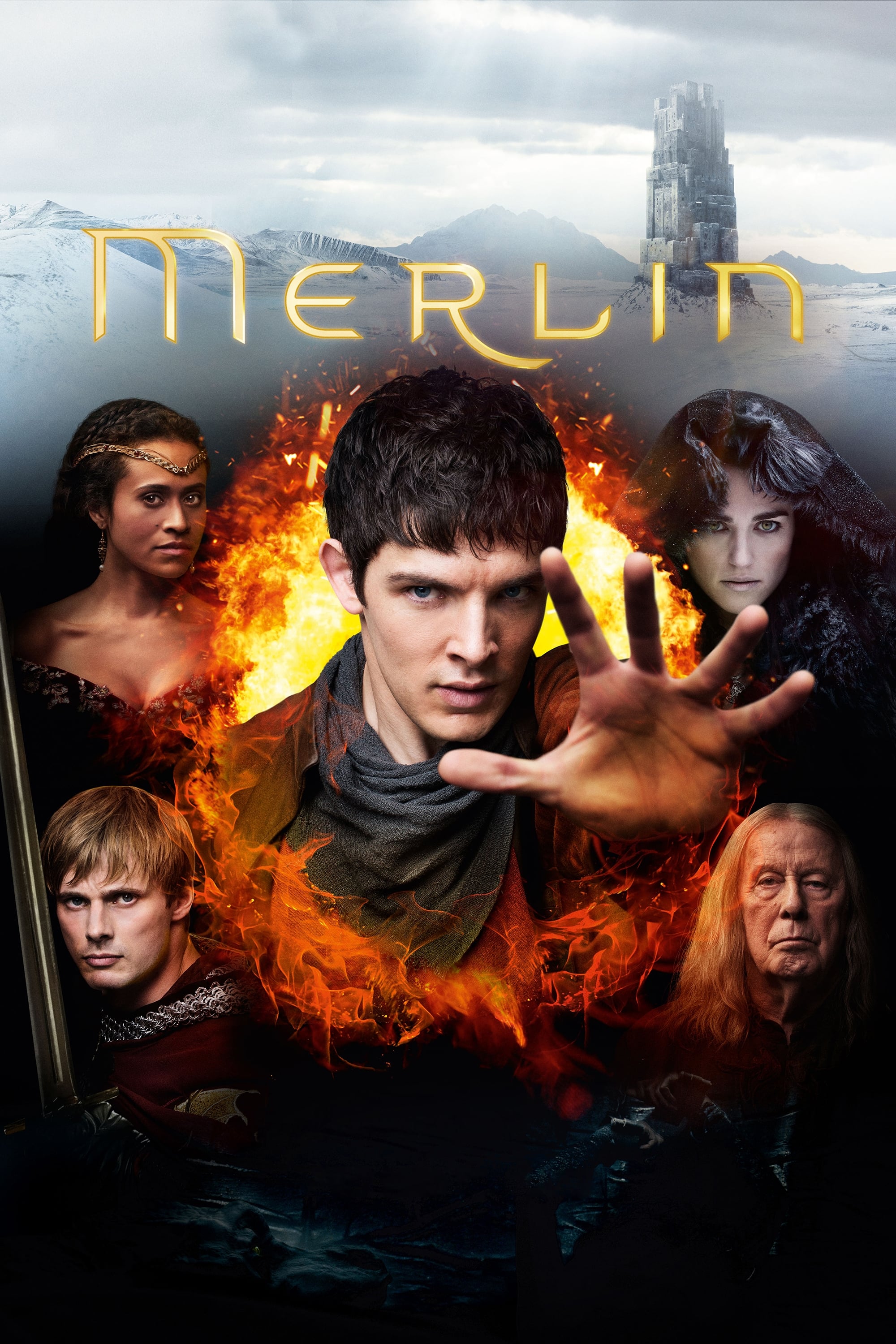
The BBC adaptation of the Arthurian legend focuses on the intense bond between the young warlock Merlin and Prince Arthur. Viewers quickly interpreted their devotion to one another as romantic rather than platonic. The chemistry between actors Colin Morgan and Bradley James fueled years of fan fiction and speculation. While ‘Merlin’ maintained a heteronormative surface script the emotional intimacy told a different story for many fans.
‘Supernatural’ (2005–2020)
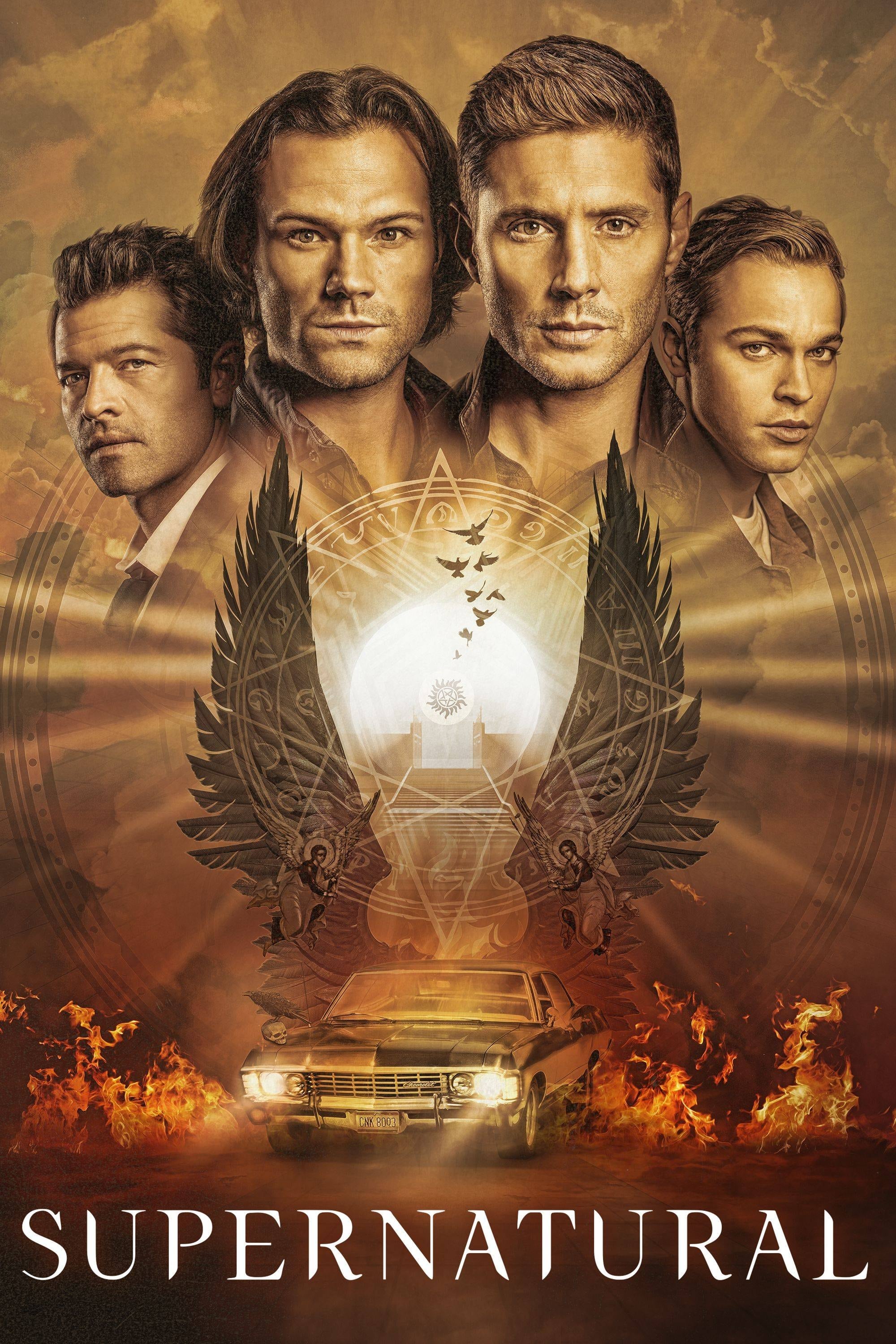
Two brothers hunting demons across America developed a cult following that focused heavily on the angel Castiel. His profound bond with Dean Winchester sparked the massive Destiel shipping phenomenon that dominated online discourse for years. The narrative frequently emphasized that Castiel rebelled against heaven specifically for Dean. This dynamic overshadowed traditional romantic plots and became the emotional core of the series for a large portion of the audience.
‘Rizzoli & Isles’ (2010–2016)
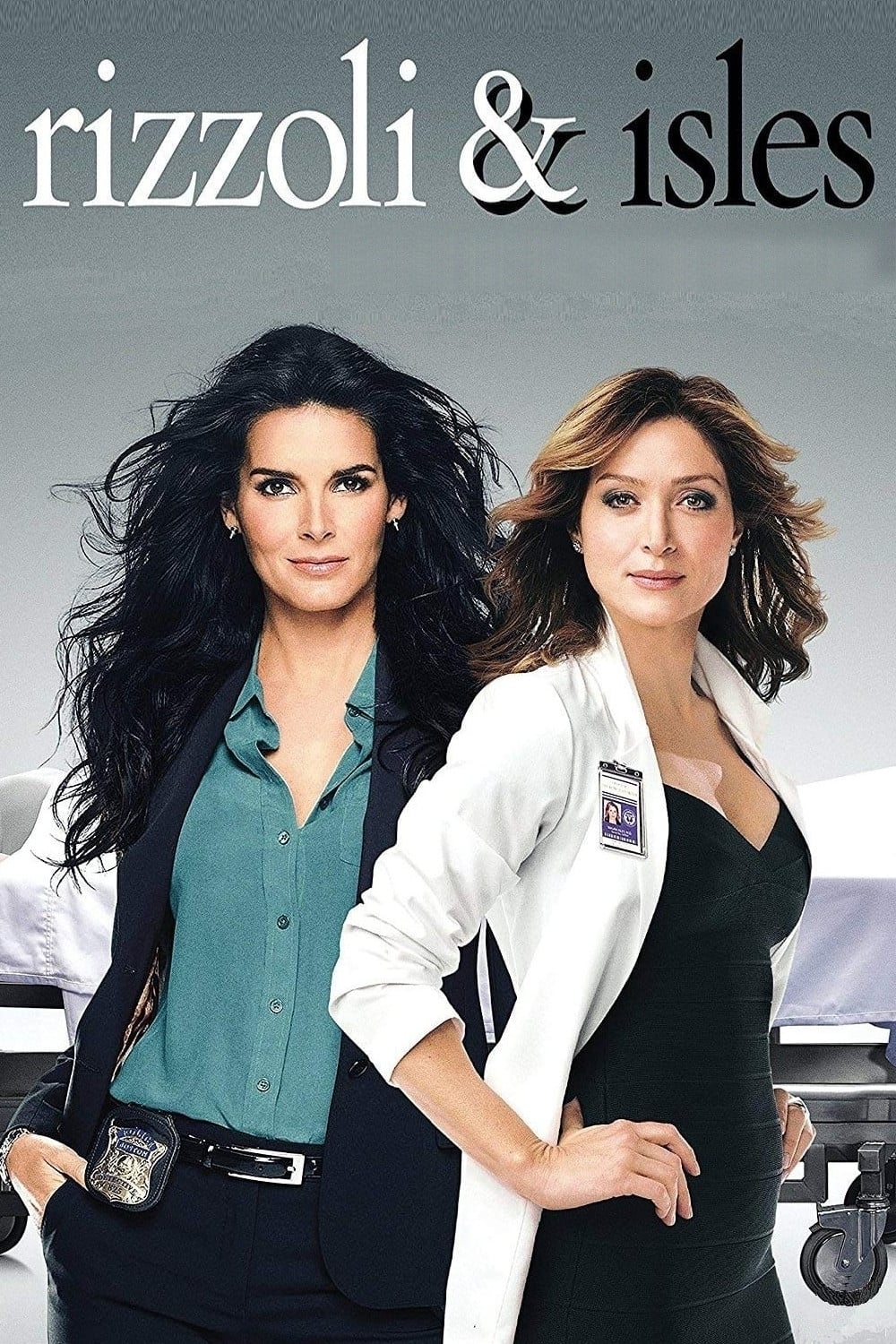
Angie Harmon and Sasha Alexander played a detective and a medical examiner with undeniable chemistry. The showrunners frequently wrote scenes that highlighted their closeness and domestic intimacy. Fans embraced the pairing known as Rizzles despite the characters pursuing relationships with men. The heavy reliance on their partnership effectively coded ‘Rizzoli & Isles’ as a queer romance for viewers seeking subtextual representation.
‘Sherlock’ (2010–2017)
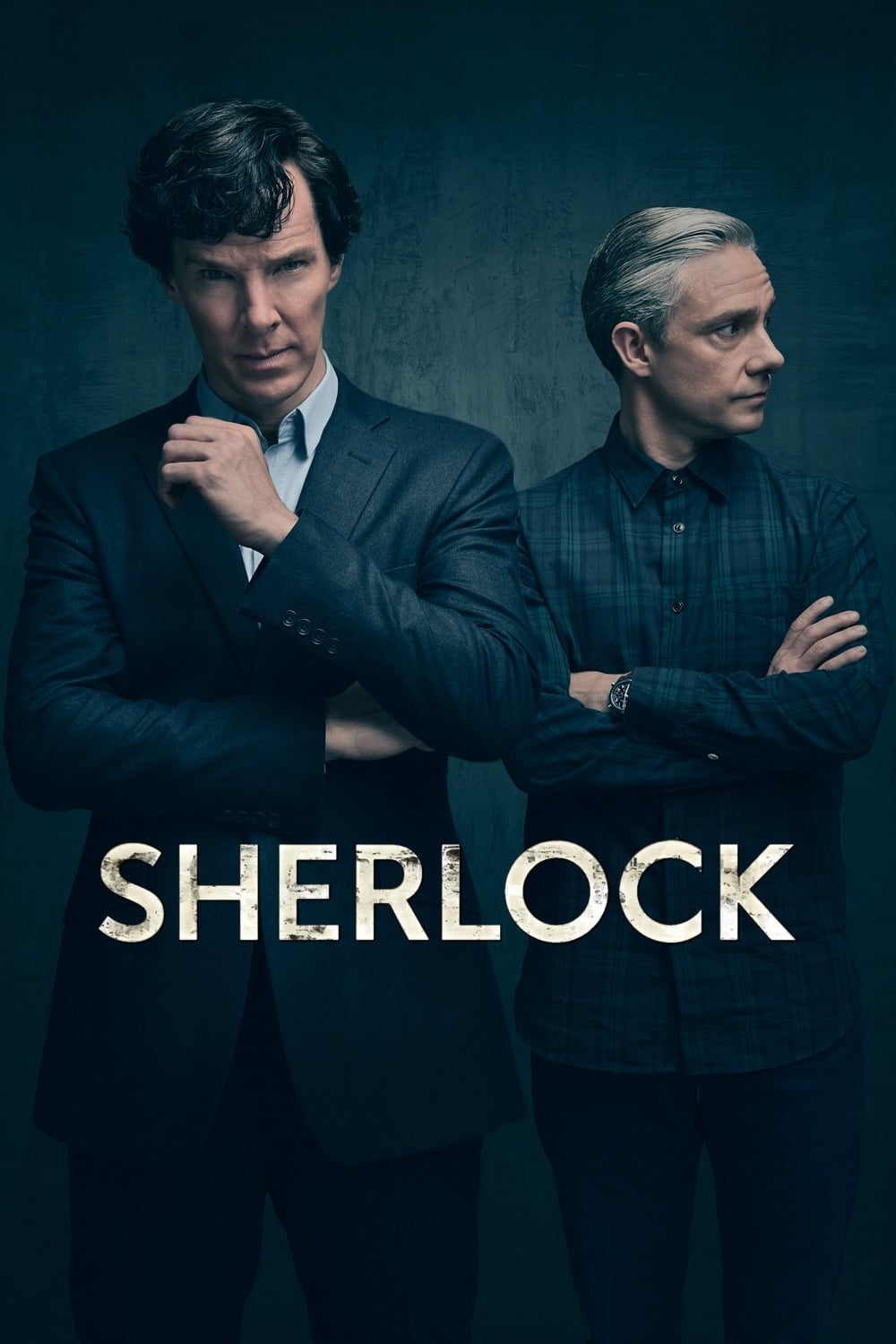
Benedict Cumberbatch and Martin Freeman brought a modern twist to the famous detective duo in this BBC drama. The intense codependency between Sherlock Holmes and John Watson led to rampant speculation about the nature of their relationship. Dialogue within the show often teased the idea of them being a couple which only fueled the fire. Many fans viewed their connection as the primary love story of the series regardless of the canonical outcome.
‘Teen Wolf’ (2011–2017)

This supernatural teen drama generated a massive fandom centered on the relationship between Stiles Stilinski and Derek Hale. The pairing known as Sterek became one of the most popular ships on social media platforms during the show run. Interactions between the characters were often laden with tension that viewers interpreted as romantic interest. The showrunners acknowledged this popularity in promotional materials even though the relationship never became canon.
‘Once Upon a Time’ (2011–2018)
The rivalry between Emma Swan and the Evil Queen Regina evolved into a complex dynamic that many viewers read as romantic. Fans dubbed the pairing SwanQueen and championed the chemistry between actresses Jennifer Morrison and Lana Parrilla. The narrative arc of redemption and shared parenting of their son Henry provided ample ground for shipping. This relationship often eclipsed the canonical romances presented in the fairytale drama ‘Once Upon a Time’.
‘Star Trek: Deep Space Nine’ (1993–1999)
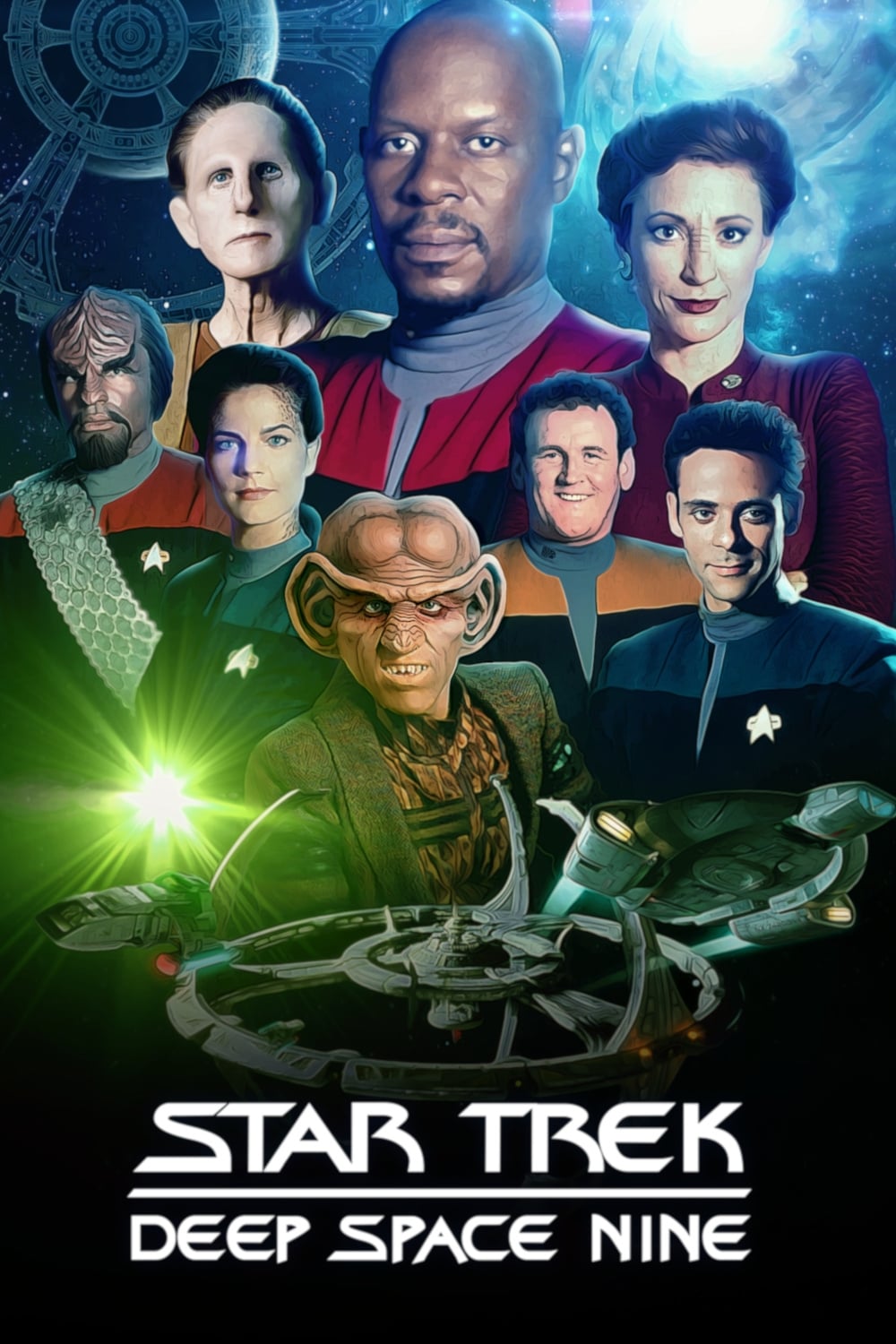
The station tailor Garak and the young doctor Julian Bashir shared lunches and conversations that felt like flirtation to many viewers. Actor Andrew Robinson made a conscious choice to play Garak as attracted to the doctor which added layers to their interactions. This dynamic provided a subtle form of queer representation in a franchise that was otherwise slow to adopt it. Their relationship remains a highlight for fans looking for complexity in 90s sci-fi.
‘Hannibal’ (2013–2015)
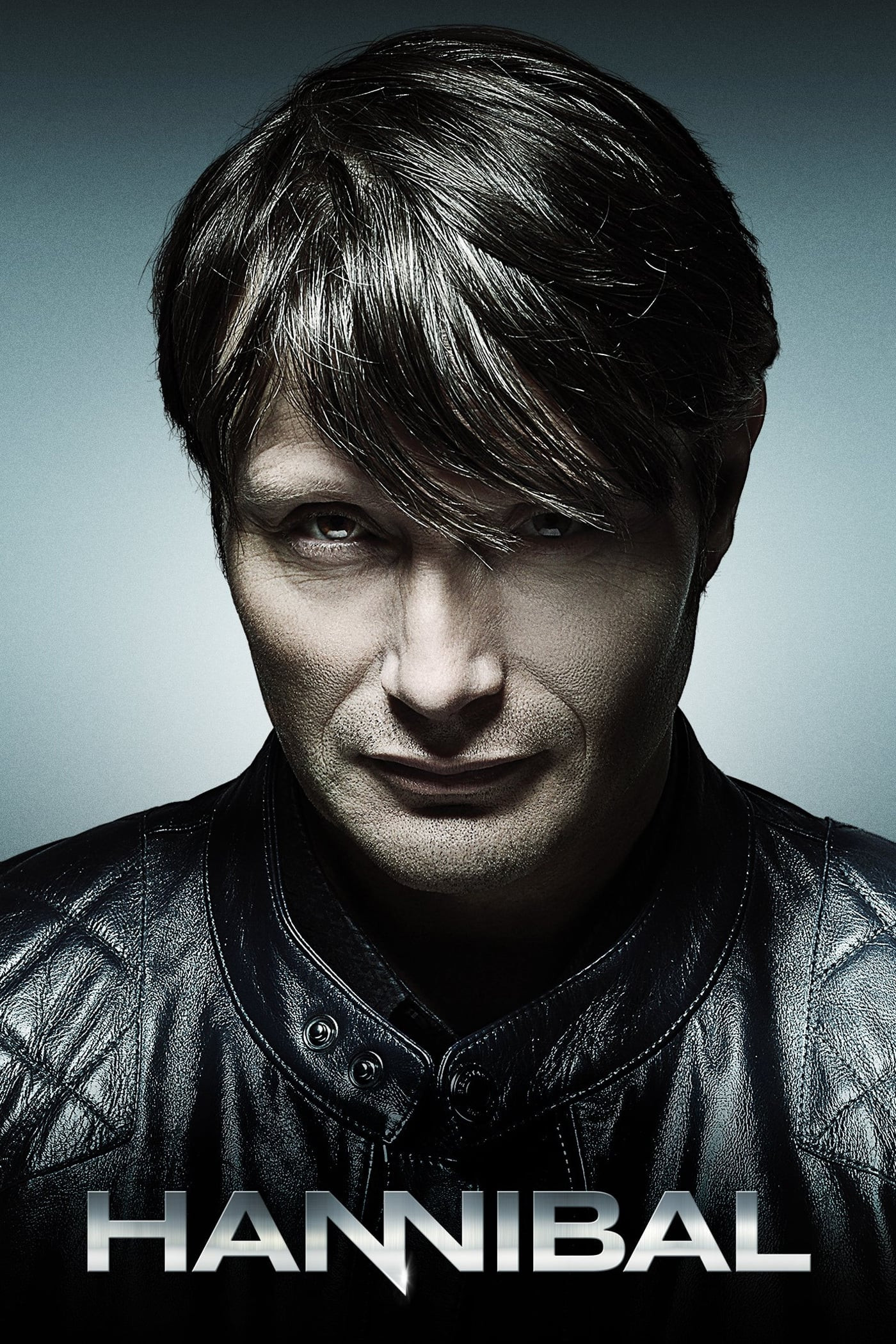
Mads Mikkelsen and Hugh Dancy starred in this psychological thriller that pushed the boundaries of the relationship between hero and villain. The connection between Will Graham and Hannibal Lecter was depicted as an all-consuming and intimate obsession. Showrunner Bryan Fuller leaned into the romantic framing of their bond as the series progressed. What began as a cat and mouse game transformed into a dark love story that captivated the audience.
‘Scooby-Doo, Where Are You!’ (1969–1970)
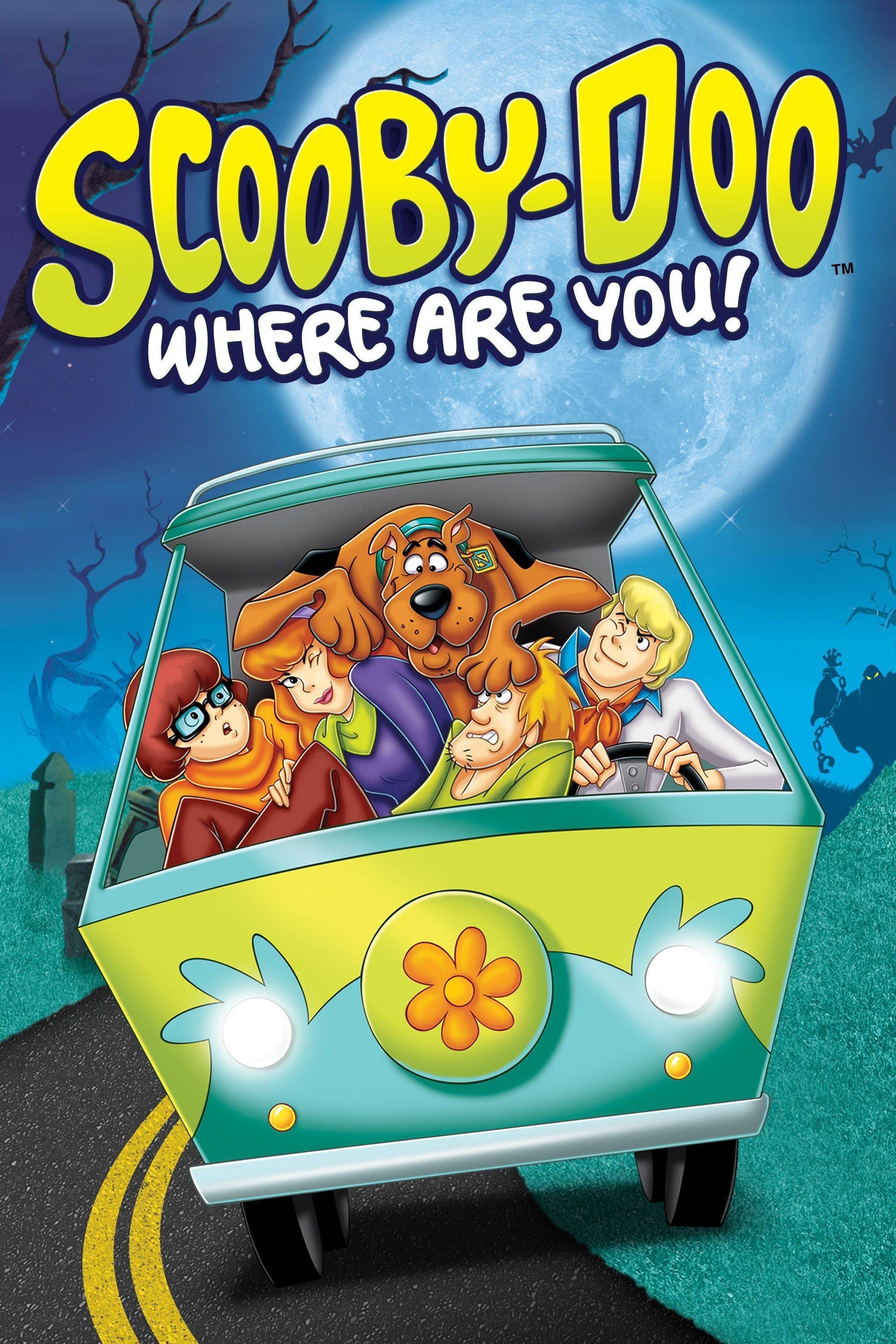
Velma Dinkley has long been interpreted as a lesbian icon due to her intelligence and practical nature. Her baggy orange sweater and refusal to conform to traditional gender roles resonated with many queer viewers. Writers of later iterations eventually confirmed these long-held suspicions by making her identity canon. The original series unwittingly set the stage for Velma to become a symbol of visibility.
‘Designing Women’ (1986–1993)
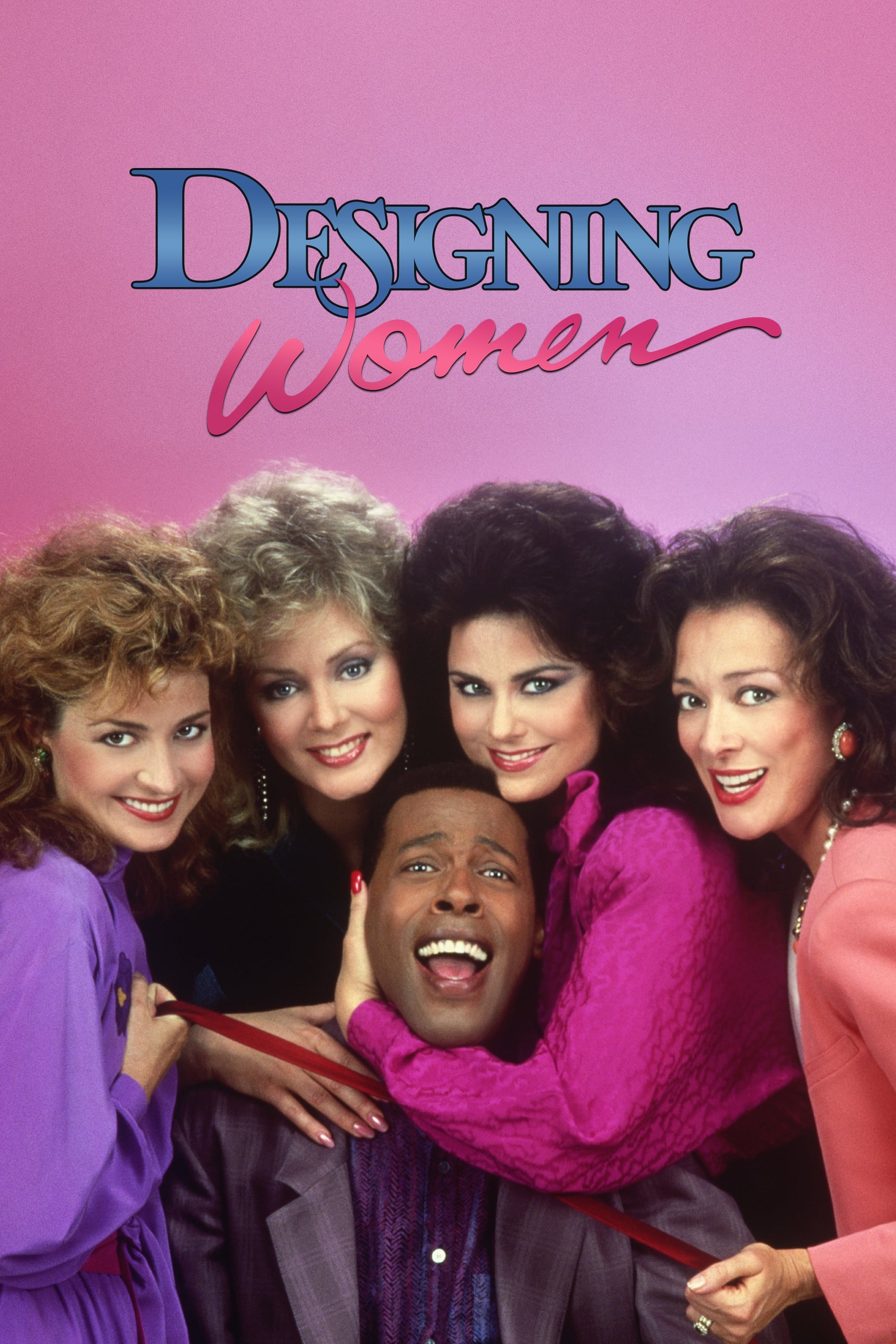
This sitcom featured a group of opinionated women running an interior design firm in Atlanta. The character of Julia Sugarbaker became famous for her impassioned feminist rants and commanding presence. ‘Designing Women’ embraced camp aesthetics and tackled social issues with a blend of humor and seriousness. Queer audiences gravitated toward the strong female archetypes and the theatrical delivery of the dialogue.
‘He-Man and the Masters of the Universe’ (1983–1985)

Prince Adam transforms into a muscle-bound hero with a fabulous outfit and a blunt bob haircut. The exaggerated masculinity and theatricality of the transformation sequence possess an unintentional camp quality. Skeletor serves as a dramatic and flamboyant villain who often steals the show with his insults. The entire aesthetic of the cartoon has been embraced for its queer sensibilities in the years since its release.
‘Batman’ (1966–1968)
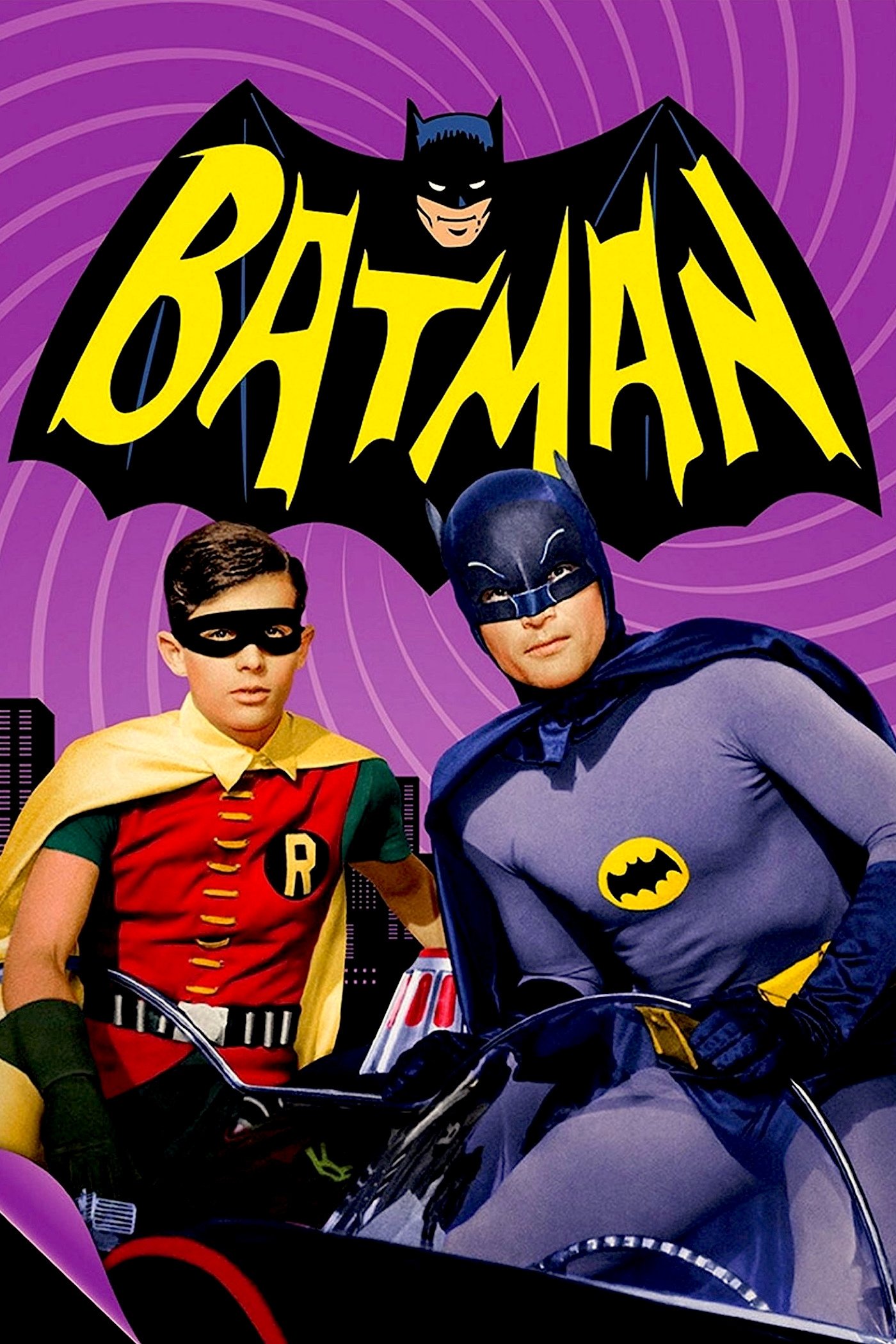
The 1960s adaptation of the comic book hero is celebrated today for its colorful and campy presentation. Adam West and Burt Ward played the dynamic duo with a sincerity that heightened the absurdity of their situations. The close bond between Bruce Wayne and his ward Dick Grayson has been the subject of cultural analysis for decades. This iteration of the franchise prioritized fun and flamboyance over the grim tone of modern adaptations.
Tell us which TV shows you think have the best accidental queer subtext in the comments.