


TV Shows That Angered Longtime Fans by Pushing Preachy Social Issues in the Final Season



The final season of a beloved television series is often intended to provide closure, yet several high-profile shows have faced significant backlash for shifting their focus toward overt social and political commentary in their twilight hours. While television has long been a medium for exploring societal themes, longtime viewers often express frustration when narrative consistency and character arcs are sidelined for what they perceive as didactic messaging. This phenomenon frequently results in a sharp decline in audience approval ratings and a polarized legacy for the series involved. The following list identifies television shows where the final season was widely criticized by fans for prioritizing social issues over traditional storytelling.
‘Batwoman’ (2019–2022)

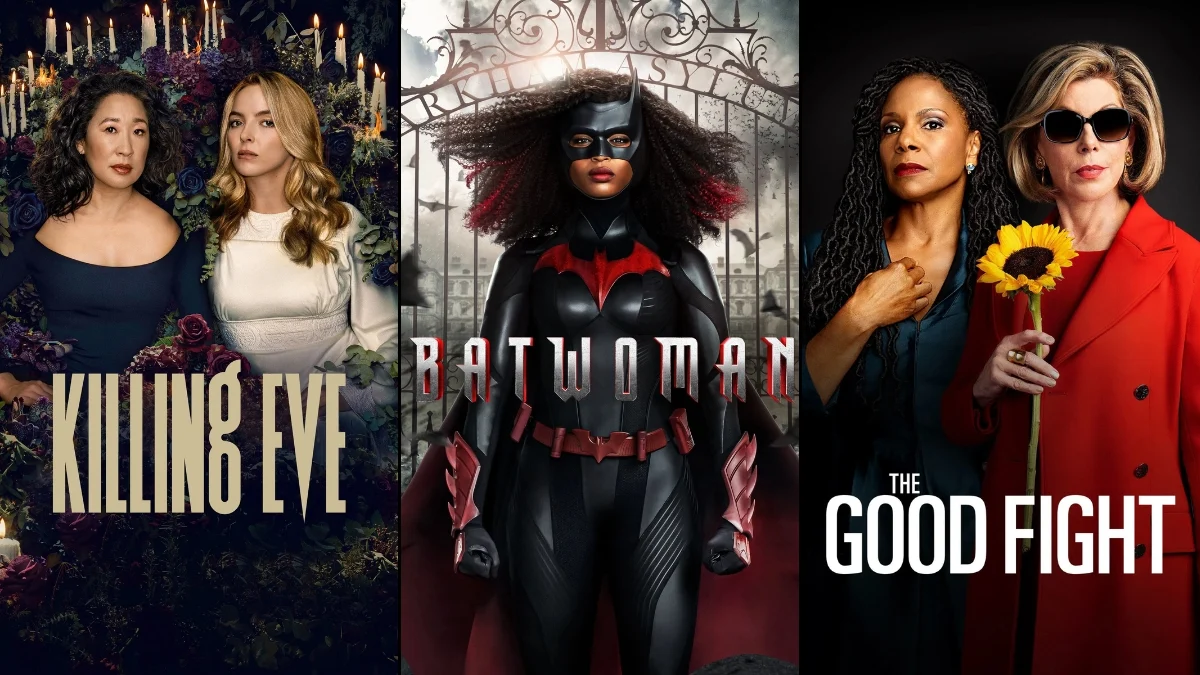
The third and final season of ‘Batwoman’ leaned heavily into themes of medical malpractice and systemic neglect within Gotham’s marginalized communities. While the show had established a foundation of social awareness, viewers noted that the final episodes often prioritized these messages over the development of its iconic rogue’s gallery. Critics pointed out that the dialogue frequently felt like a series of lectures rather than organic character interactions. Longtime fans expressed disappointment on social media platforms, arguing that the series lost its escapist superhero appeal in its final stretch. The show was eventually canceled, leaving many of its social-driven subplots without a satisfying resolution for the core audience.
‘Black-ish’ (2014–2022)
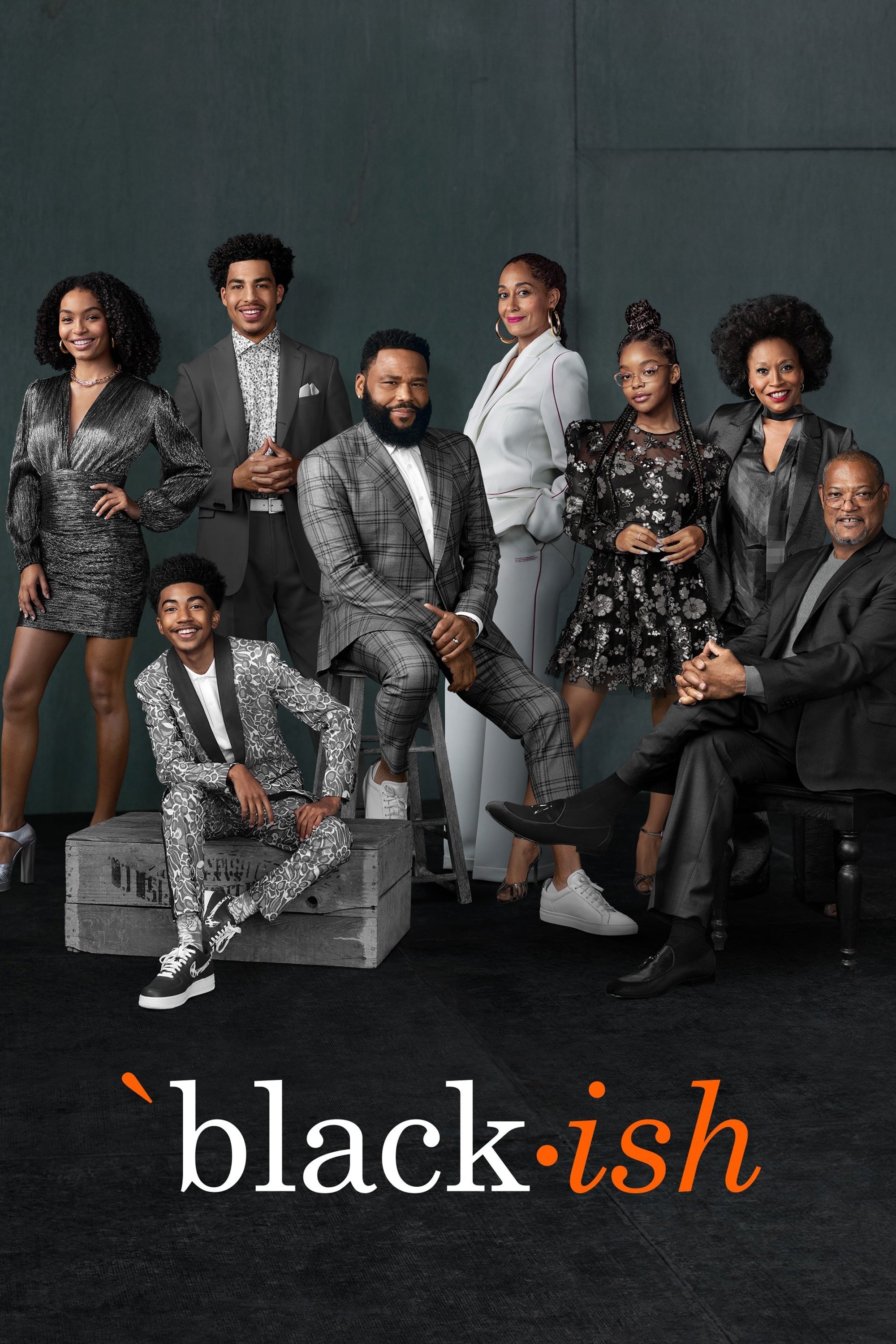
In its eighth and final season, ‘Black-ish’ intensified its focus on specific political legislation, voting rights, and the historical legacy of the Johnson family. While the sitcom was celebrated throughout its run for its insightful take on race in America, some viewers felt the final episodes shifted too far toward a documentary-style presentation. The balance between family-oriented comedy and social education tipped, leading to critiques that the show had become overly preachy. Some fans argued that the characters began to feel like mouthpieces for political viewpoints rather than the relatable individuals they had followed for nearly a decade. This resulted in a polarized reception for the series finale, which served more as a social retrospective than a narrative conclusion.
‘Brooklyn Nine-Nine’ (2013–2021)
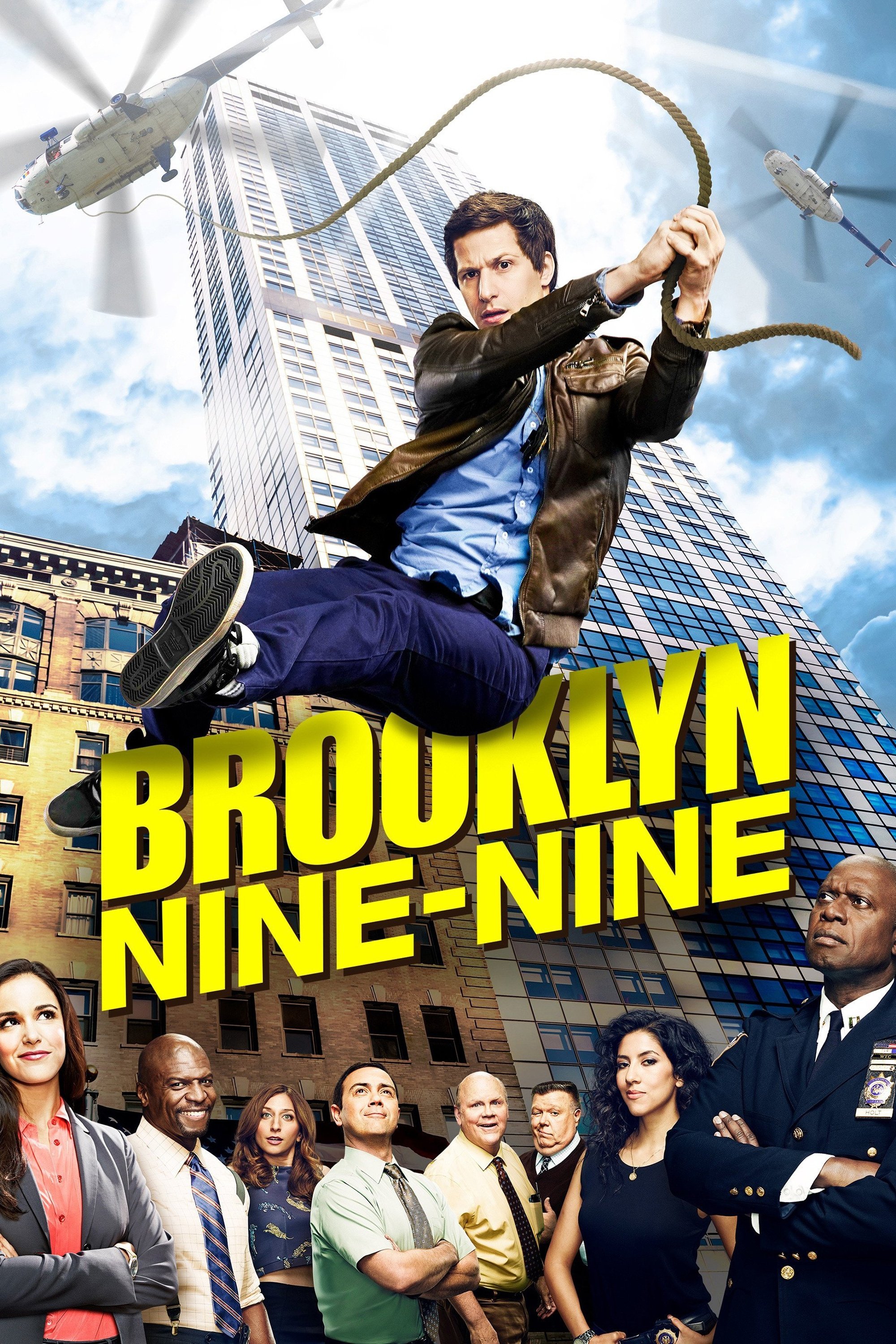
The eighth season of ‘Brooklyn Nine-Nine’ underwent significant script rewrites following the 2020 social unrest and calls for police reform. The final episodes shifted from a lighthearted workplace comedy to a somber examination of systemic corruption and police brutality. Many longtime fans were jarred by the sudden change in tone, noting that the characters they loved were suddenly forced into grim, lecture-heavy scenarios. While some critics praised the bravery of the shift, audience scores on major review aggregators reached series lows. The final season is often cited as an example of a show struggling to reconcile its comedic roots with a desire to address complex real-world issues.
‘Designated Survivor’ (2016–2019)

After moving from network television to a streaming platform for its third and final season, ‘Designated Survivor’ adopted a much grittier tone that focused on controversial social debates. The season integrated real-life documentary footage concerning healthcare and transgender rights, which many fans found disruptive to the established political thriller narrative. Viewers expressed that the show’s original identity was lost in favor of a more didactic approach to modern American politics. The shift led to accusations that the series had become a platform for specific social agendas rather than a story about an accidental president. Consequently, the show was not renewed for a fourth season, leaving many fans dissatisfied with the final direction.
‘Glee’ (2009–2015)
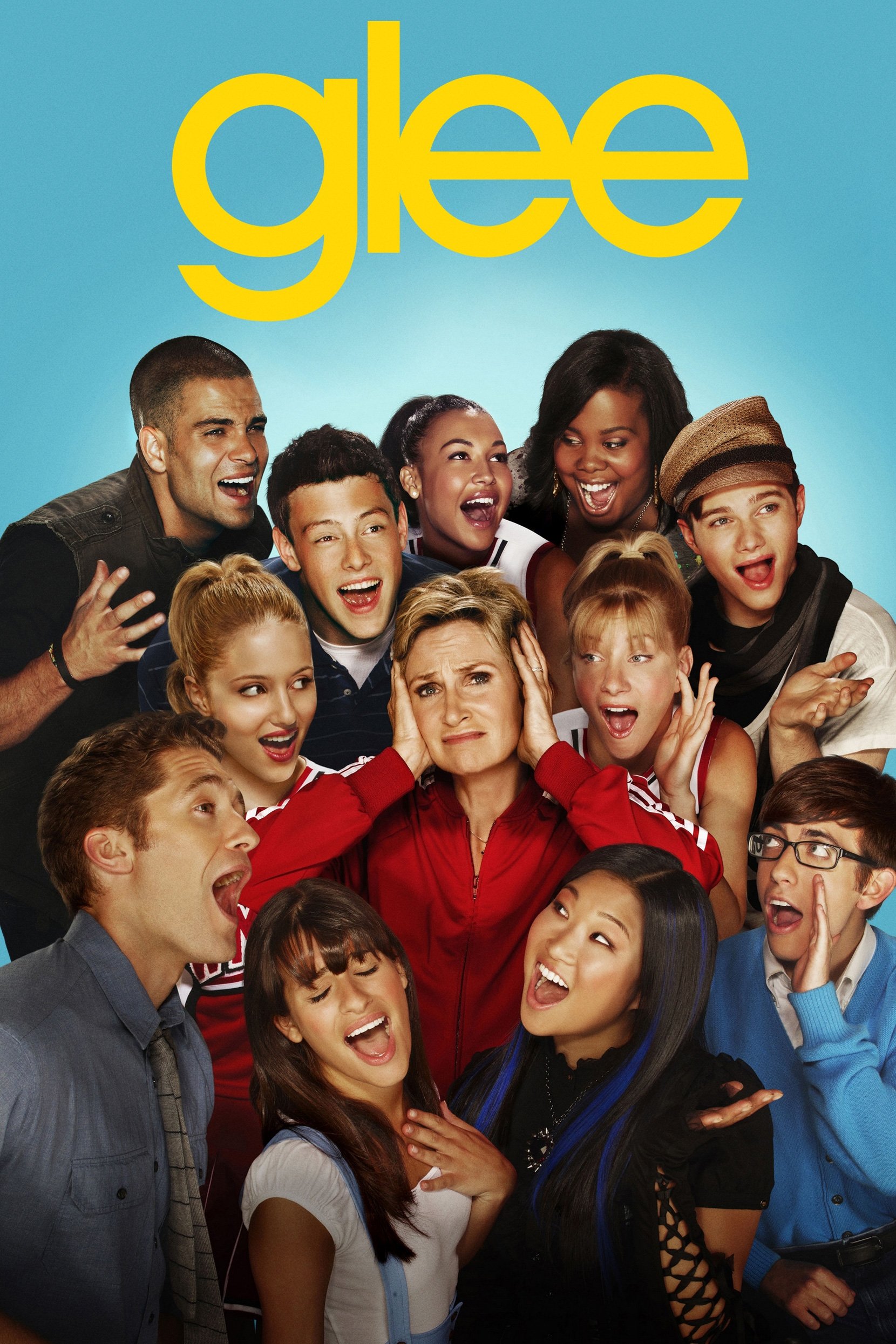
The sixth and final season of ‘Glee’ introduced several plotlines focused on transgender rights and social inclusion that were criticized for a lack of narrative subtlety. While the series had always been a pioneer for LGBTQ+ representation, fans noted that the final season’s approach felt forced and detached from previous character development. Critics argued that the storytelling suffered as characters were moved around like pawns to fulfill specific social messaging goals. The heavy-handed moral lessons often overshadowed the musical performances and the legacy of the original cast. Many viewers felt the show ended on a preachy note that alienated the audience that had stayed loyal through the series’ many ups and downs.
‘House of Cards’ (2013–2018)
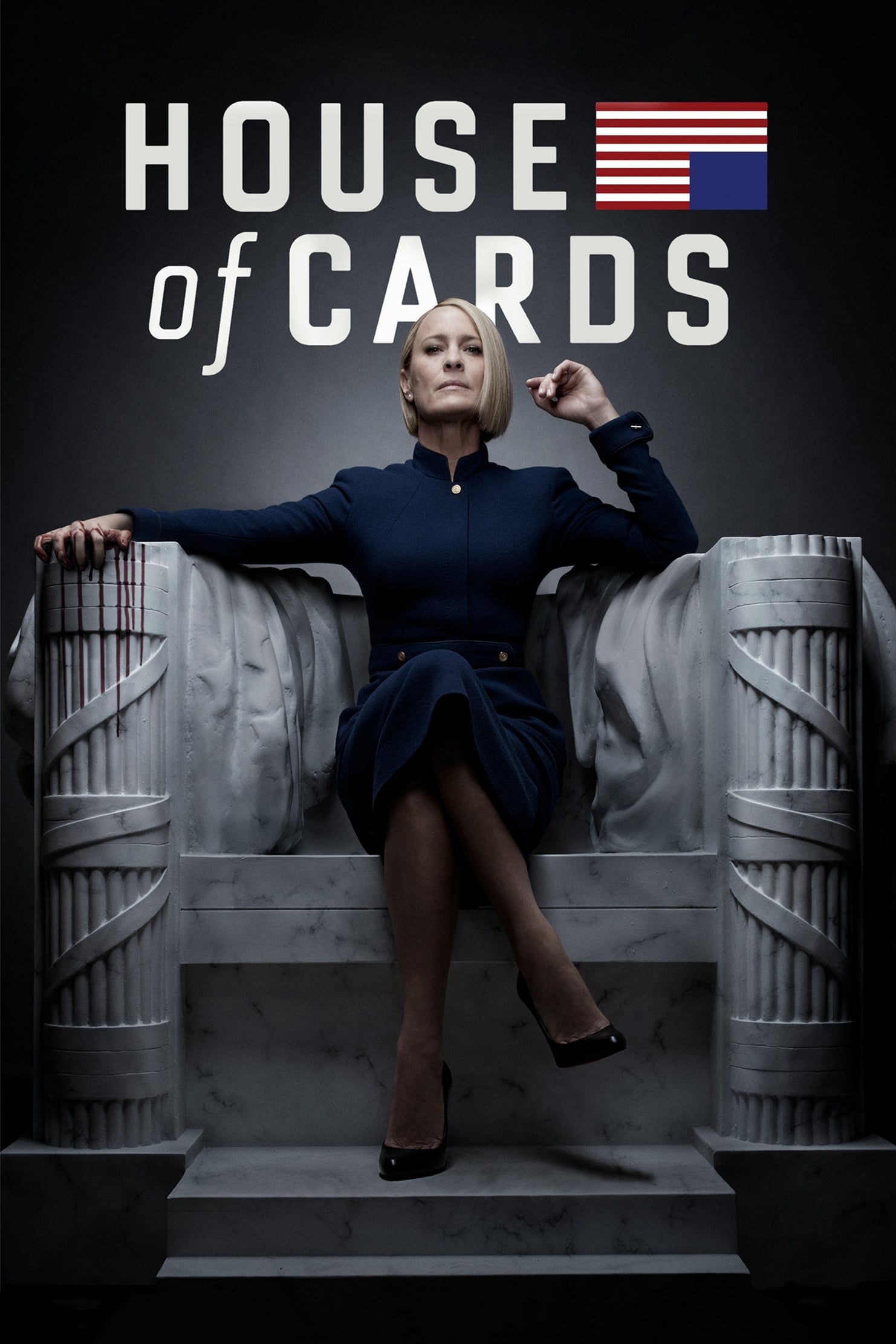
Following a major casting change, the sixth and final season of ‘House of Cards’ pivoted its narrative to focus heavily on gender dynamics and female empowerment in the political sphere. Many fans found the transition to be inconsistent with the tone of the previous five seasons, which were rooted in cynical power plays and Machiavellian schemes. The scripts were criticized for prioritizing social messaging over a coherent and satisfying conclusion to the Underwood legacy. Audience ratings for the final season were the lowest in the show’s history, with many viewers feeling the social themes were tacked on to compensate for the missing lead actor. The finale was widely panned for failing to provide the strategic political closure the series had promised.
‘Killing Eve’ (2018–2022)
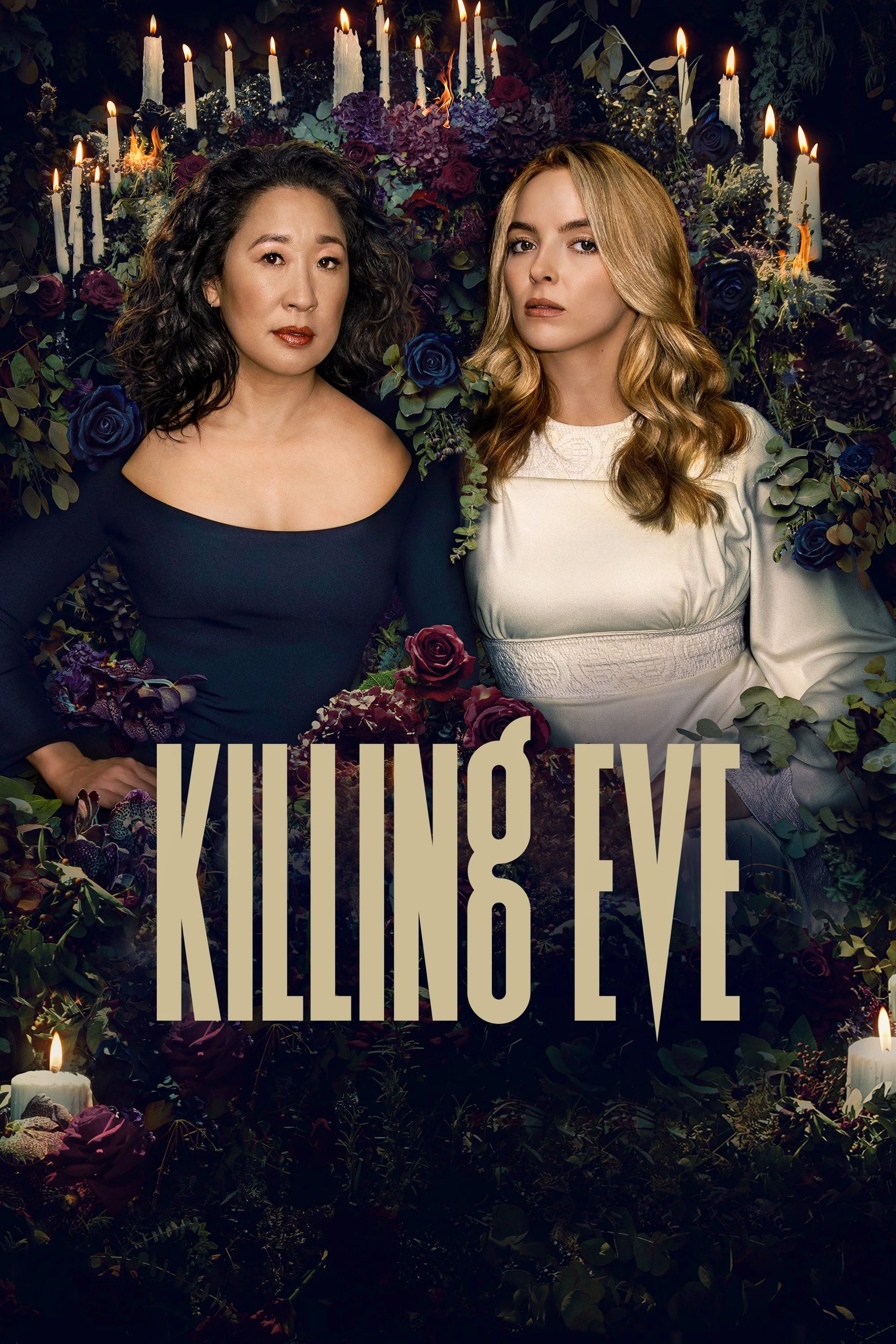
The fourth and final season of ‘Killing Eve’ introduced religious allegories and social commentary that many fans felt were disconnected from the central cat-and-mouse dynamic of the leads. The focus shifted toward moral redemption and the social consequences of the characters’ actions, a move that critics described as a departure from the show’s nihilistic charm. The series finale was particularly condemned by fans for utilizing tropes that felt like a regression in representation. Viewers argued that the writers were more interested in delivering a moral message about the “cost” of the characters’ lifestyle than in providing a satisfying emotional conclusion. The backlash was so intense that the show’s creators faced significant criticism in the press and on social media.
‘Last Man Standing’ (2011–2021)

The ninth and final season of ‘Last Man Standing’ leaned heavily into the political polarization of the 2020s and the social impact of the COVID-19 pandemic. While the show had always featured a conservative perspective, fans on both sides of the aisle noted that the final episodes often felt more like a series of political debates than a family sitcom. Some viewers felt the scripts were overly focused on “teaching lessons” about the current state of the country. This led to complaints that the show had lost its warmth and humor in favor of a more lecturing tone. The series concluded with a sense of weariness from an audience that found the social commentary too pervasive.
‘Lucifer’ (2016–2021)
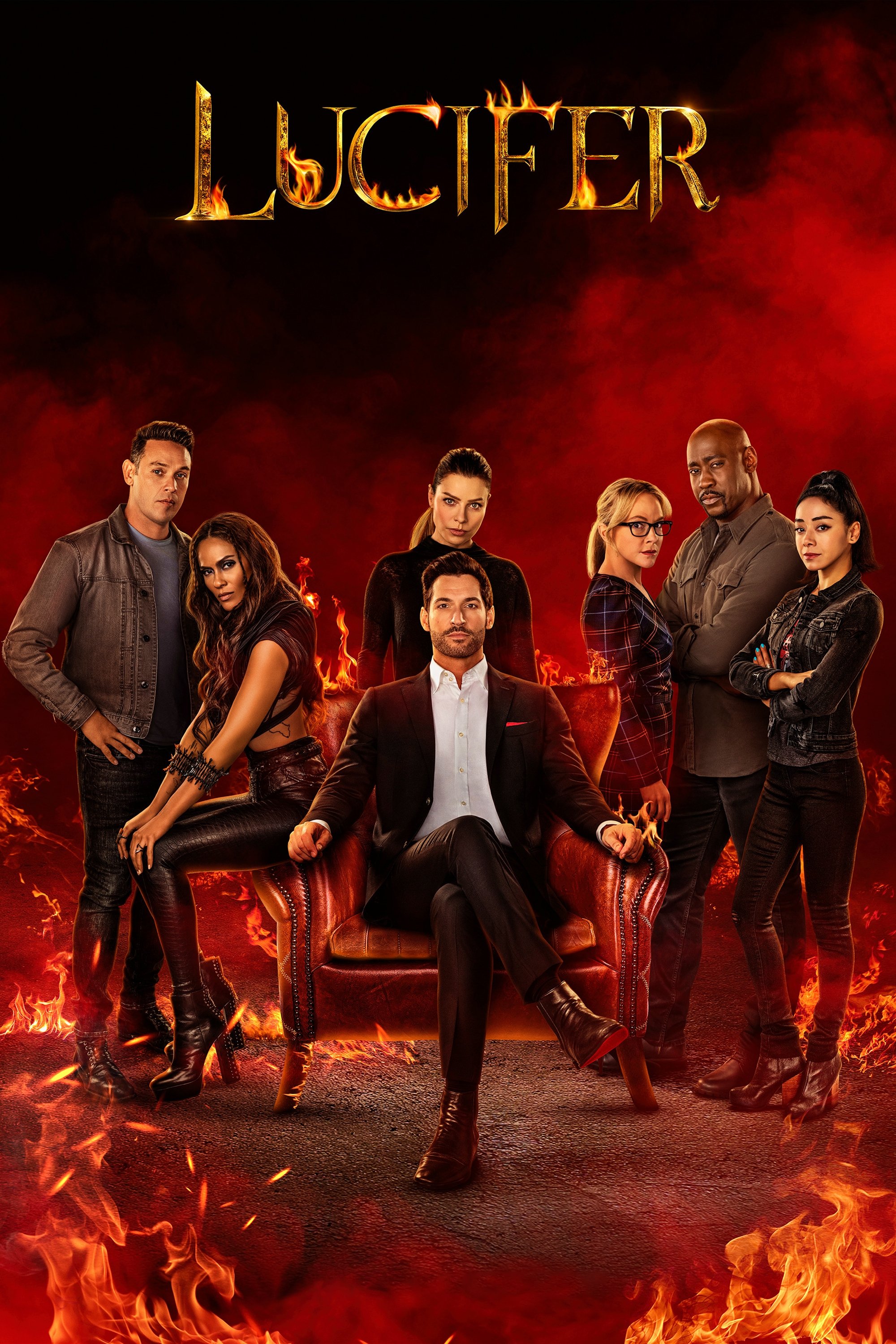
In its sixth and final season, ‘Lucifer’ introduced a major subplot where Amenadiel joins the police force to directly confront systemic racism and corruption. While the storyline was inspired by real-world events, many fans felt it was an awkward fit for a show primarily known as an urban fantasy procedural. Critics mentioned that these segments felt like “very special episodes” that clashed with the overarching celestial narrative. Some viewers argued that the show’s attempt to tackle complex societal issues in its final hours felt rushed and preachy compared to its usual escapist tone. The final season remains a point of contention among fans who felt the social messaging distracted from the main character’s divine journey.
‘Murphy Brown’ (1988–2018)

The 2018 revival of ‘Murphy Brown’, which served as the eleventh and final season, was designed specifically to address the contemporary political climate and the “fake news” era. Longtime fans of the original 1980s run found the new episodes to be lacking the wit and nuance of the earlier series, opting instead for direct political rebuttals. The show was criticized for being a “lecture of the week” rather than a narrative-driven sitcom about a newsroom. Many viewers felt the revival was too focused on social activism, which alienated fans looking for the balance the original series once maintained. The revival was canceled after one season due to low ratings and a polarized audience response.
‘New Amsterdam’ (2018–2023)

The fifth and final season of the medical drama ‘New Amsterdam’ significantly increased its focus on systemic biases within the healthcare system and environmental activism. Fans noted that the scripts frequently featured lead characters delivering impassioned, direct-to-camera style speeches about societal reform. On social media, the show was frequently labeled as “preachy” for its perceived abandonment of character-driven medical cases in favor of social lectures. The series finale was overshadowed by these thematic shifts, leading to lower engagement and frustration from the audience. Many viewers felt that the show’s original message of “how can I help” had been replaced by “how you should think.”
‘Shameless’ (2011–2021)
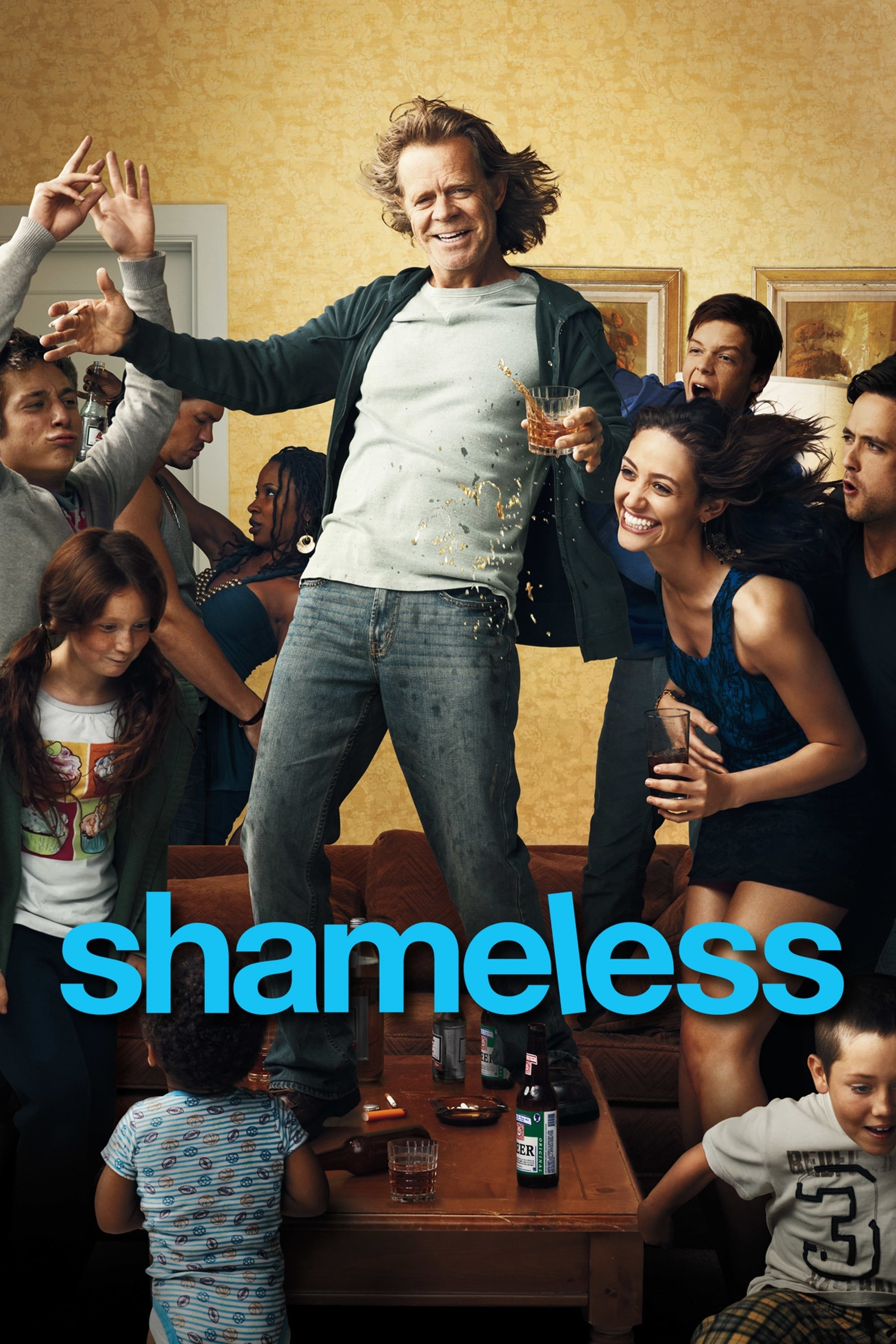
The eleventh and final season of ‘Shameless’ integrated the COVID-19 pandemic and social justice movements into the daily lives of the Gallagher family. While the show had always dealt with poverty and class, fans argued that the final episodes were heavy-handed in their approach to gentrification and police reform. Critics noted that the characters seemed to lose their individual agency, becoming vehicles for political and social messaging instead. Longtime viewers expressed disappointment that the chaotic, raw nature of the show was replaced by a more didactic tone in its concluding hours. The finale received mixed reviews for prioritizing these social themes over a definitive resolution for the family.
‘Supergirl’ (2015–2021)
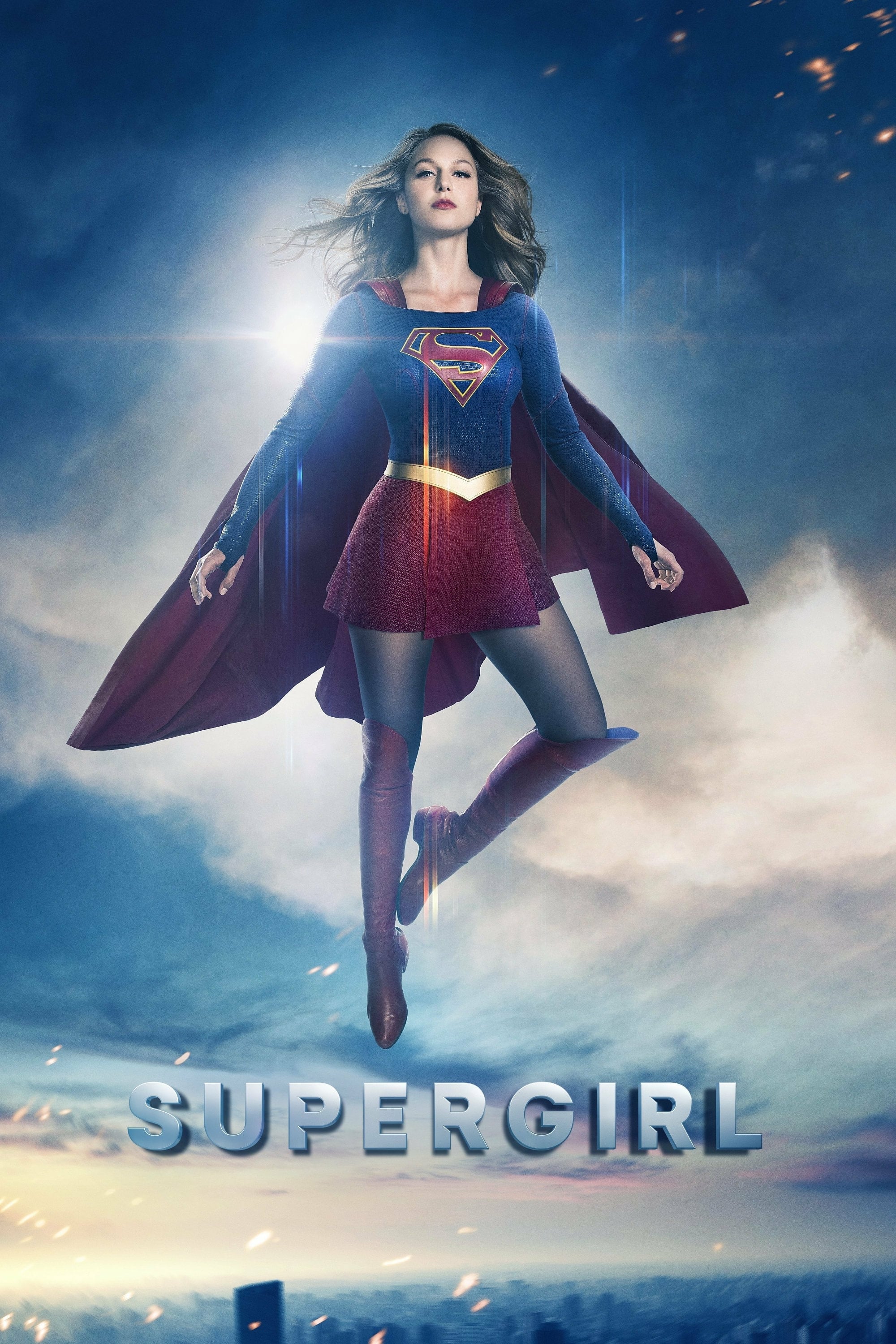
The sixth season of ‘Supergirl’ focused heavily on themes of systemic racism, environmental justice, and social privilege. Longtime viewers criticized the season for allowing superhero action to take a backseat to long monologues regarding societal reform and political activism. One specific storyline involving the titular character confronting her own privilege was a major point of contention for the audience. Critics argued that the show’s transition from a hopeful superhero epic to a social justice platform was jarring and lacked the necessary narrative grace. The final season saw a decline in viewership, with many fans feeling that the show’s core message of “hope, help, and compassion for all” had become too lecture-oriented.
‘The Bold Type’ (2017–2021)

‘The Bold Type’ concluded its run with a shortened fifth season that attempted to tackle a wide array of social issues, including cancel culture and racial inequality in corporate spaces. Fans felt the resolutions to these complex problems were rushed and often presented in a preachy manner that lacked organic character growth. The show, which was once praised for its authentic portrayal of female friendship, faced criticism for its “performative” approach to social justice in its final episodes. Viewers on social media noted that the characters’ conversations felt scripted to fulfill a social agenda rather than a natural dialogue between friends. The condensed timeframe of the final season made the social commentary feel even more forced to the audience.
‘The Flash’ (2014–2023)

In its final seasons, ‘The Flash’ frequently utilized its platform to address identity politics and social reform through its secondary characters. Fans often complained that the titular hero, Barry Allen, was sidelined in favor of “preachy” subplots that focused on the social struggles of the supporting cast. The ninth and final season was particularly criticized for its attempts to weave these lessons into the traditional superhero formula. Many longtime viewers felt the series finale failed to provide a satisfying focus on the main character’s decade-long journey due to these narrative distractions. The show’s legacy is often debated by fans who believe the social messaging of the final seasons diluted the core narrative.
‘The Good Fight’ (2017–2022)
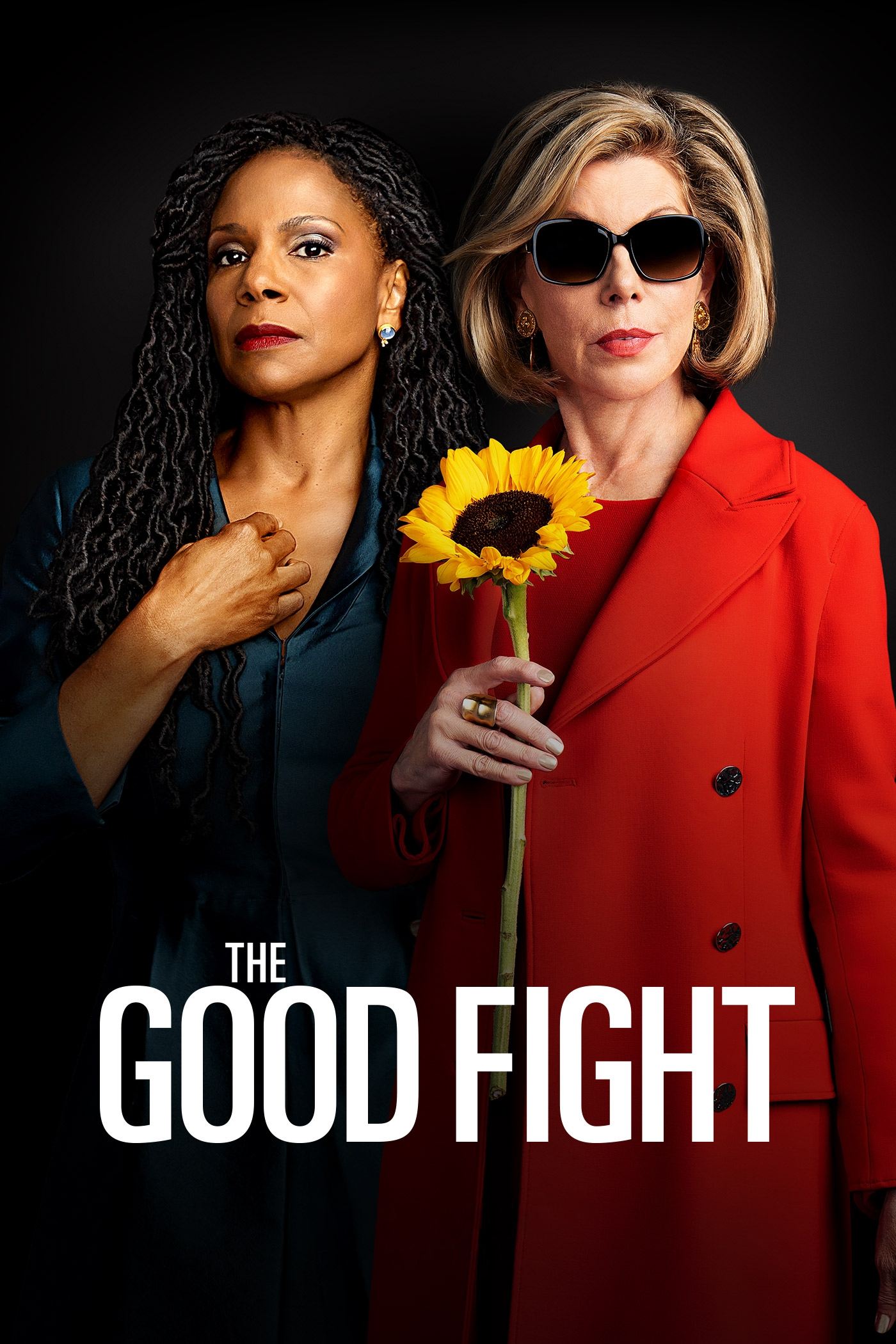
The sixth and final season of ‘The Good Fight’ leaned into an increasingly surreal and didactic portrayal of American political anxieties and reproductive rights. While the series was always politically charged, the final arc was described by some critics and fans as an exhausting barrage of topical social issues. The narrative became increasingly abstract to accommodate these themes, which some viewers found alienating. Fans noted that the show seemed more interested in commenting on real-world turmoil than in concluding the legal and personal stories of its characters. While praised by some for its boldness, the final season was criticized by others for its relentless and heavy-handed focus on the social climate.
‘Will & Grace’ (1998–2020)
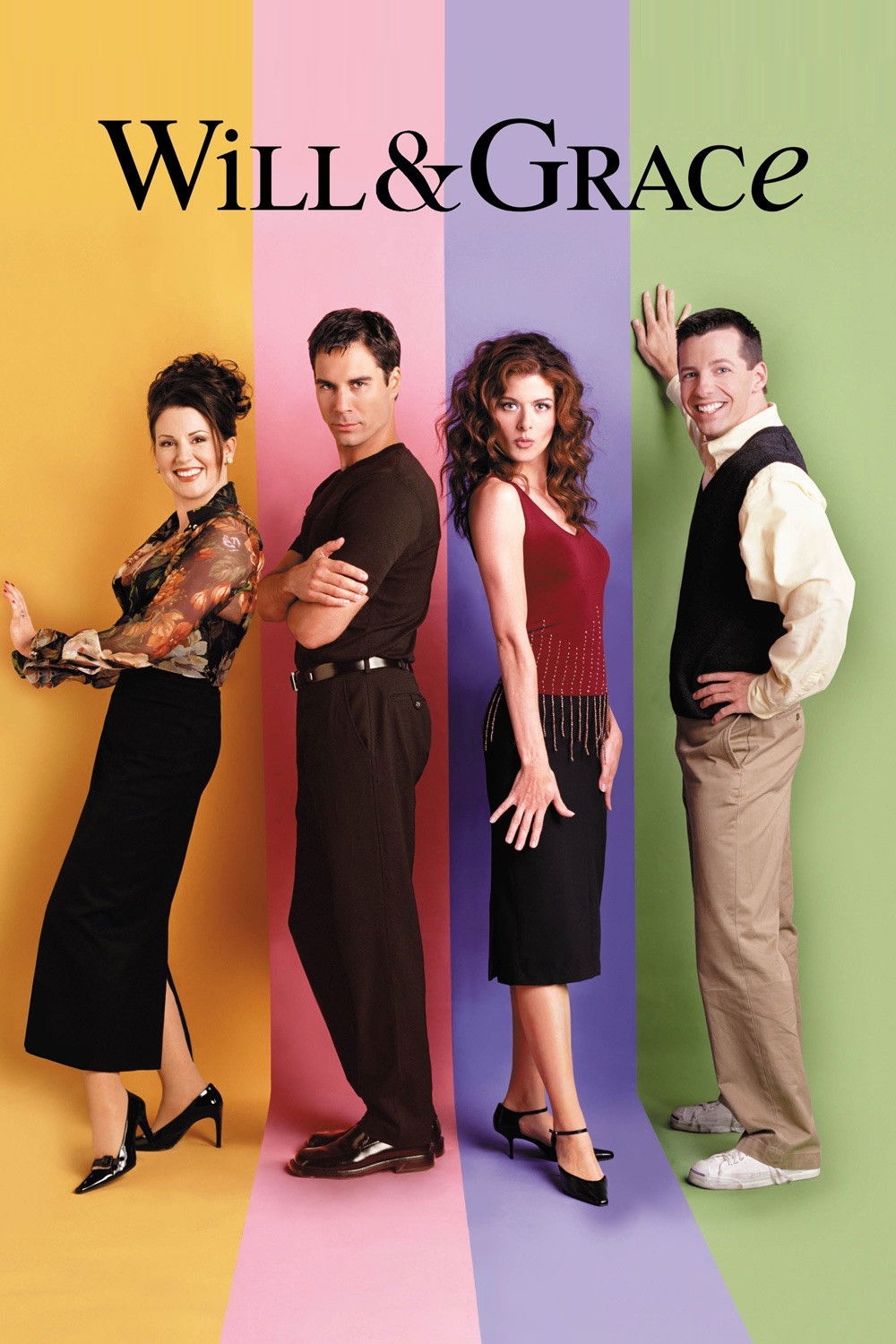
The final season of the ‘Will & Grace’ revival was heavily criticized for its overt focus on the 2020 political landscape and contemporary social debates. Longtime fans noted that the chemistry between the four main leads was often lost behind scripts that felt like political op-eds. The show’s attempt to remain relevant through topical, social-driven humor was viewed by many as heavy-handed and “preachy.” This direction led to a sense of “outrage fatigue” among the audience, with many expressing that they missed the character-centric comedy of the original run. The revival concluded with a sense of polarization, as many fans felt the social commentary had overstayed its welcome.
Share your thoughts on these controversial final seasons in the comments.