


TV Shows That Audiences Hated At First But Are Now Praised

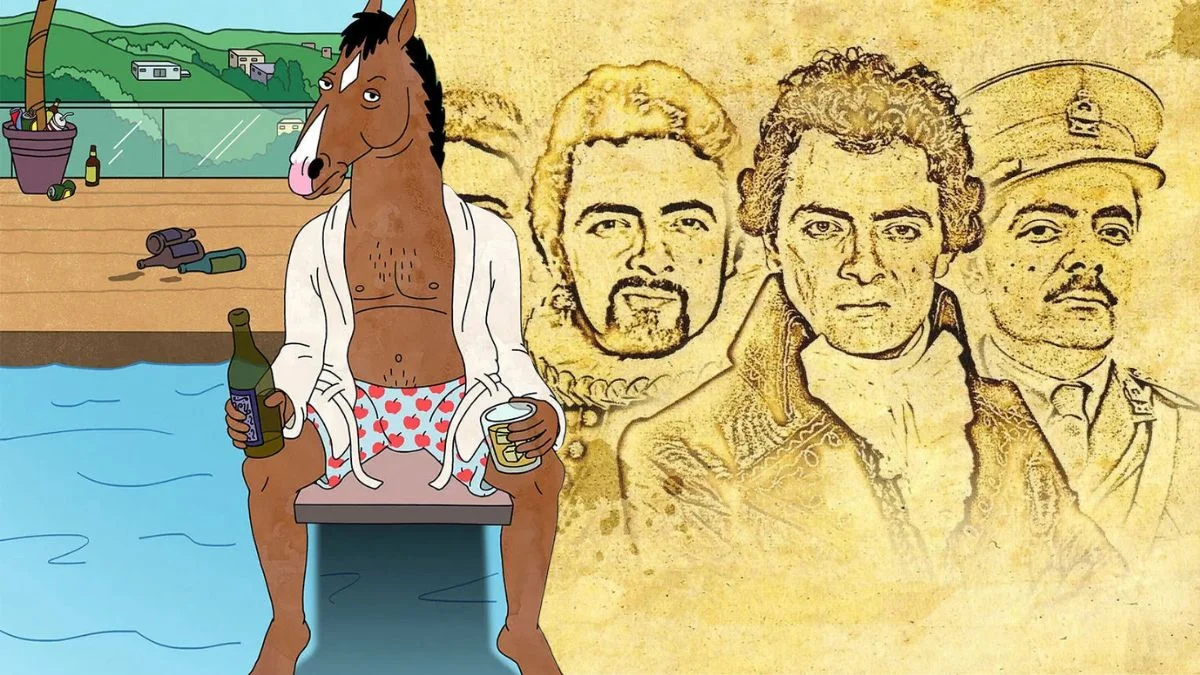


First impressions are crucial in the competitive world of television but they are not always accurate indicators of long-term success. Many series that are now considered masterpieces struggled to find their footing or failed to connect with viewers during their initial seasons. Critics and audiences often dismiss shows based on weak pilots or confusing premises before the writers truly understand their characters. History is filled with beloved programs that survived cancellation threats and poor ratings to become cultural icons. The following list highlights series that overcame rocky starts to earn critical acclaim and devoted fanbases.
‘The Office’ (2005–2013)
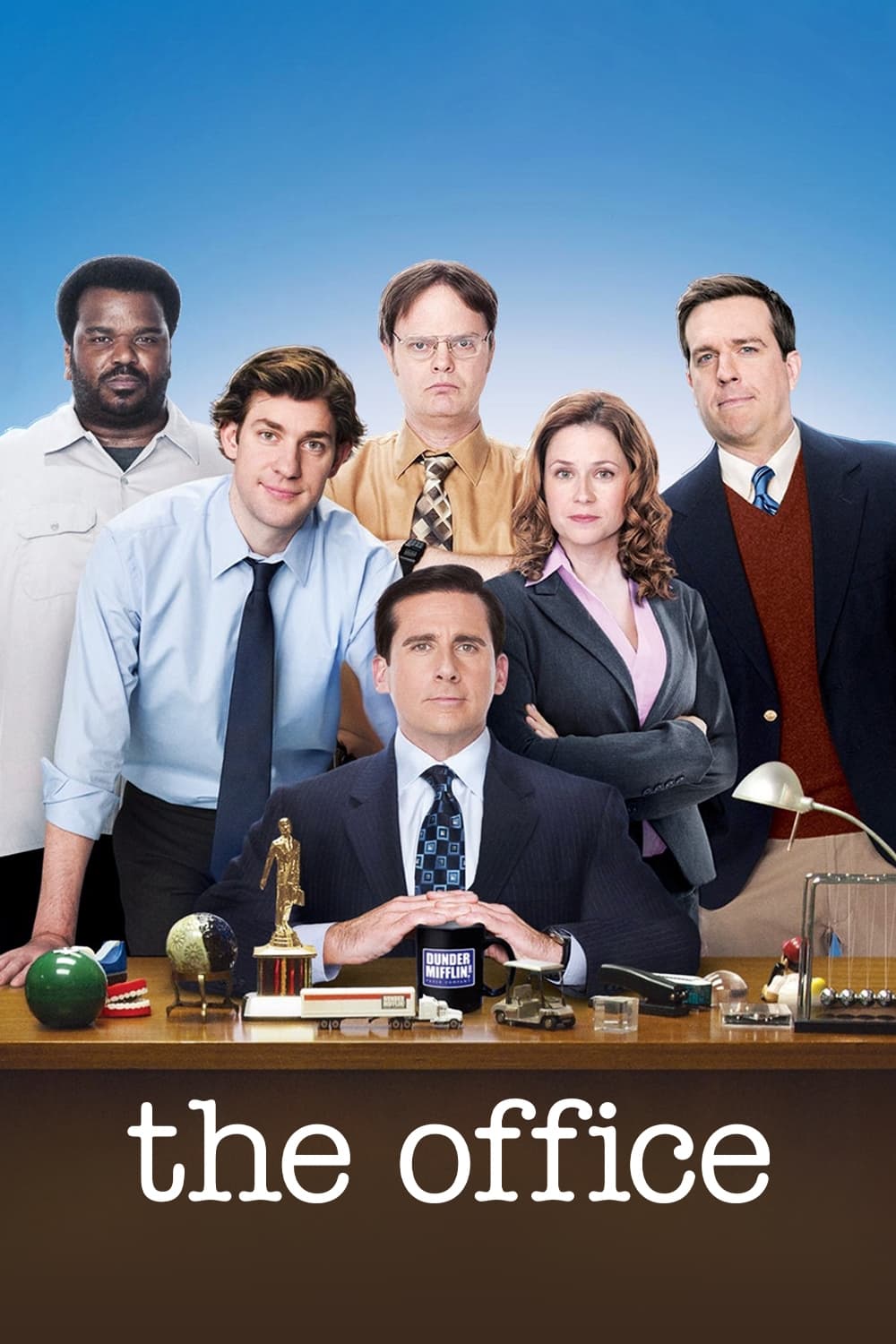
The first season of this American sitcom struggled significantly because it tried too hard to mimic the British original. Audiences found the humor uncomfortable and felt that Steve Carell played the lead character with too much malice. The writers eventually softened Michael Scott to make him more sympathetic and emphasized the ensemble cast. This shift allowed ‘The Office’ to forge its own identity and become one of the most streamed shows in history.
‘Parks and Recreation’ (2009–2015)
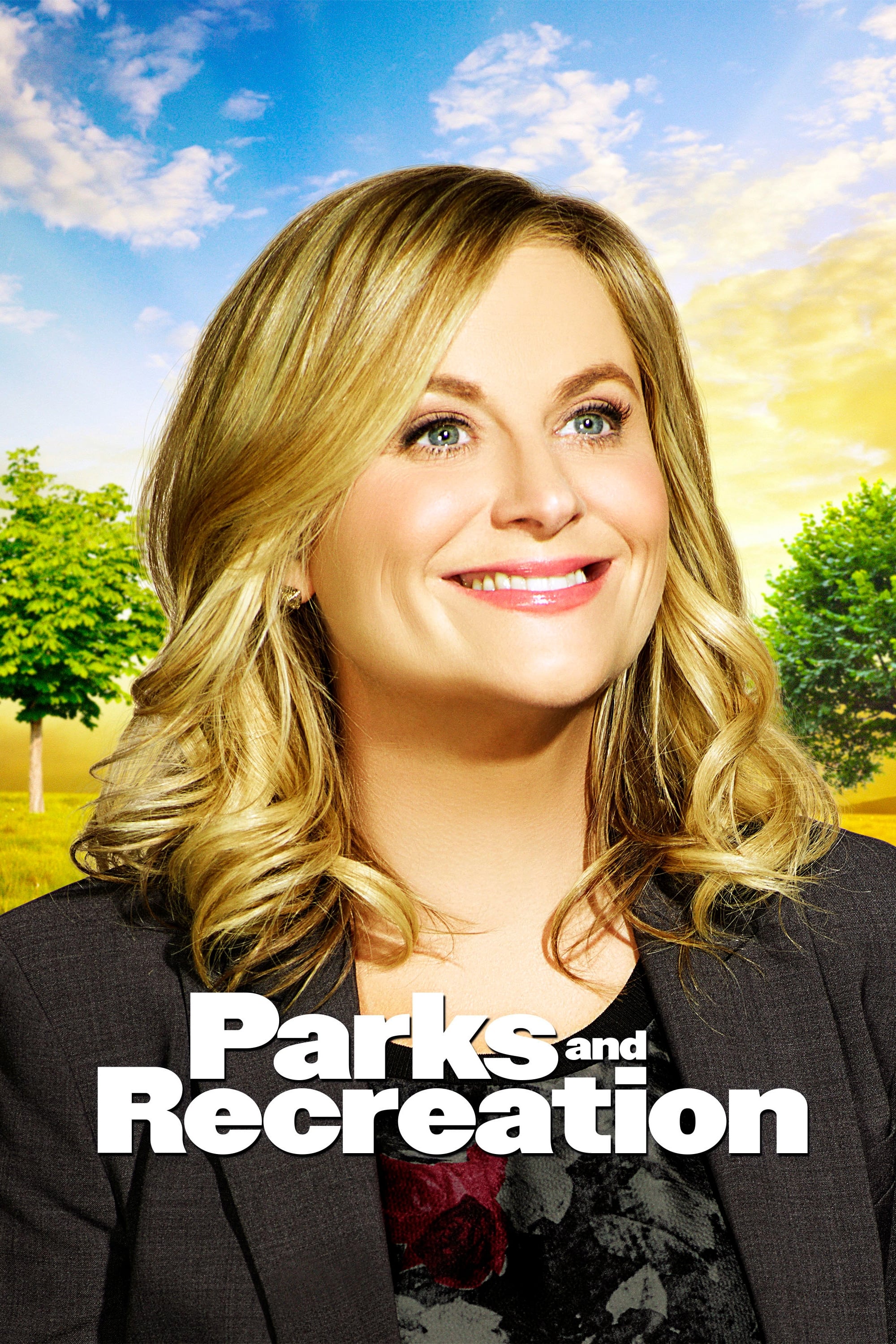
Viewers initially dismissed this mockumentary as a clone of ‘The Office’ without the charm. The protagonist Leslie Knope was originally written as ditsy and unaware rather than competent and passionate. The showrunners retooled the series in the second season by making Leslie good at her job and introducing new characters like Ben Wyatt and Chris Traeger. It ultimately evolved into a heartwarming comedy known for its optimism and strong character dynamics.
‘Seinfeld’ (1989–1998)
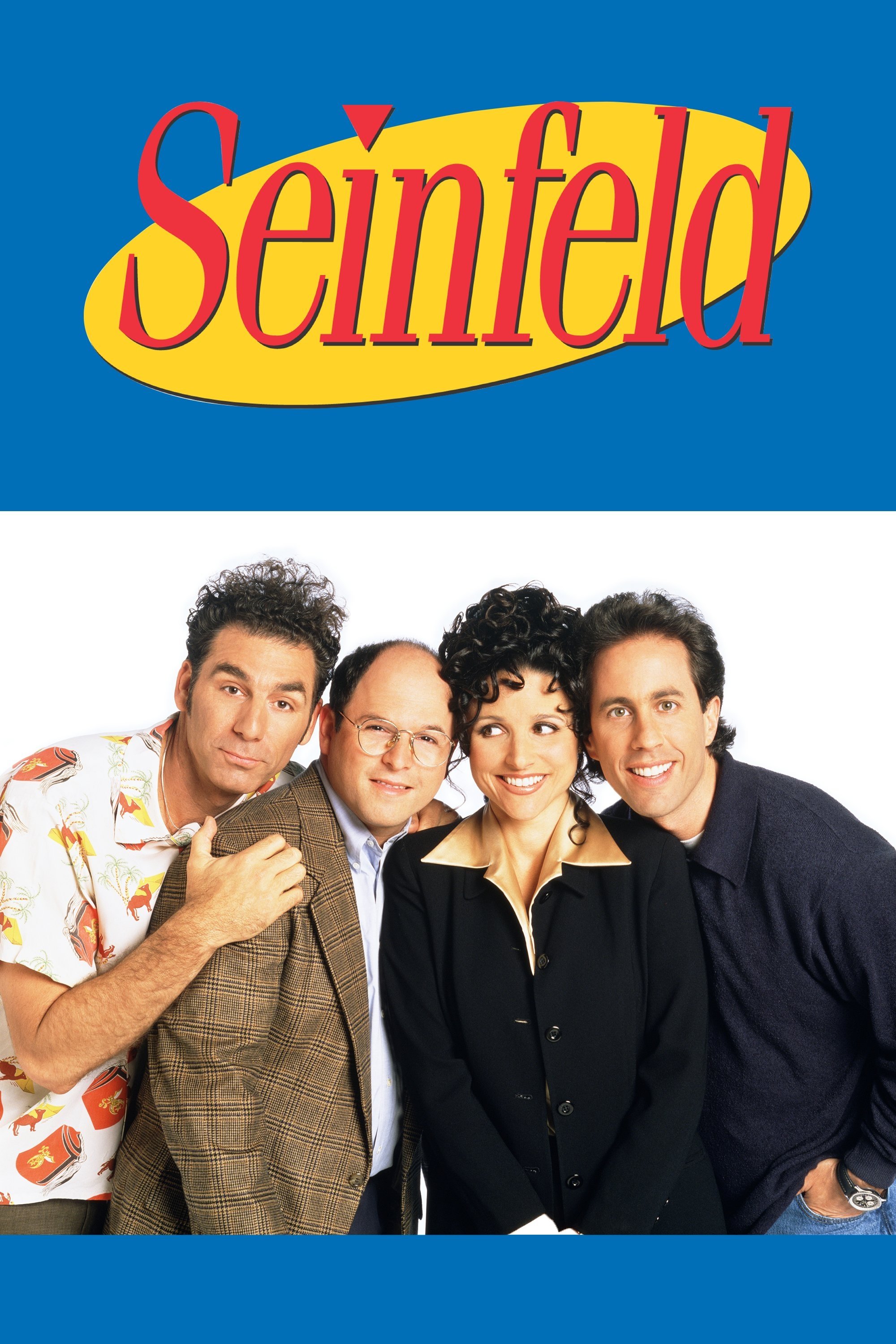
The pilot episode of this legendary sitcom tested poorly with audiences who did not understand its premise. NBC executives felt the show was too Jewish and lacked a clear narrative hook compared to other comedies of the time. The series struggled in the ratings for its first few seasons and nearly faced cancellation multiple times. It eventually found its voice as a show about nothing and reshaped the landscape of television comedy.
‘Star Trek: The Next Generation’ (1987–1994)
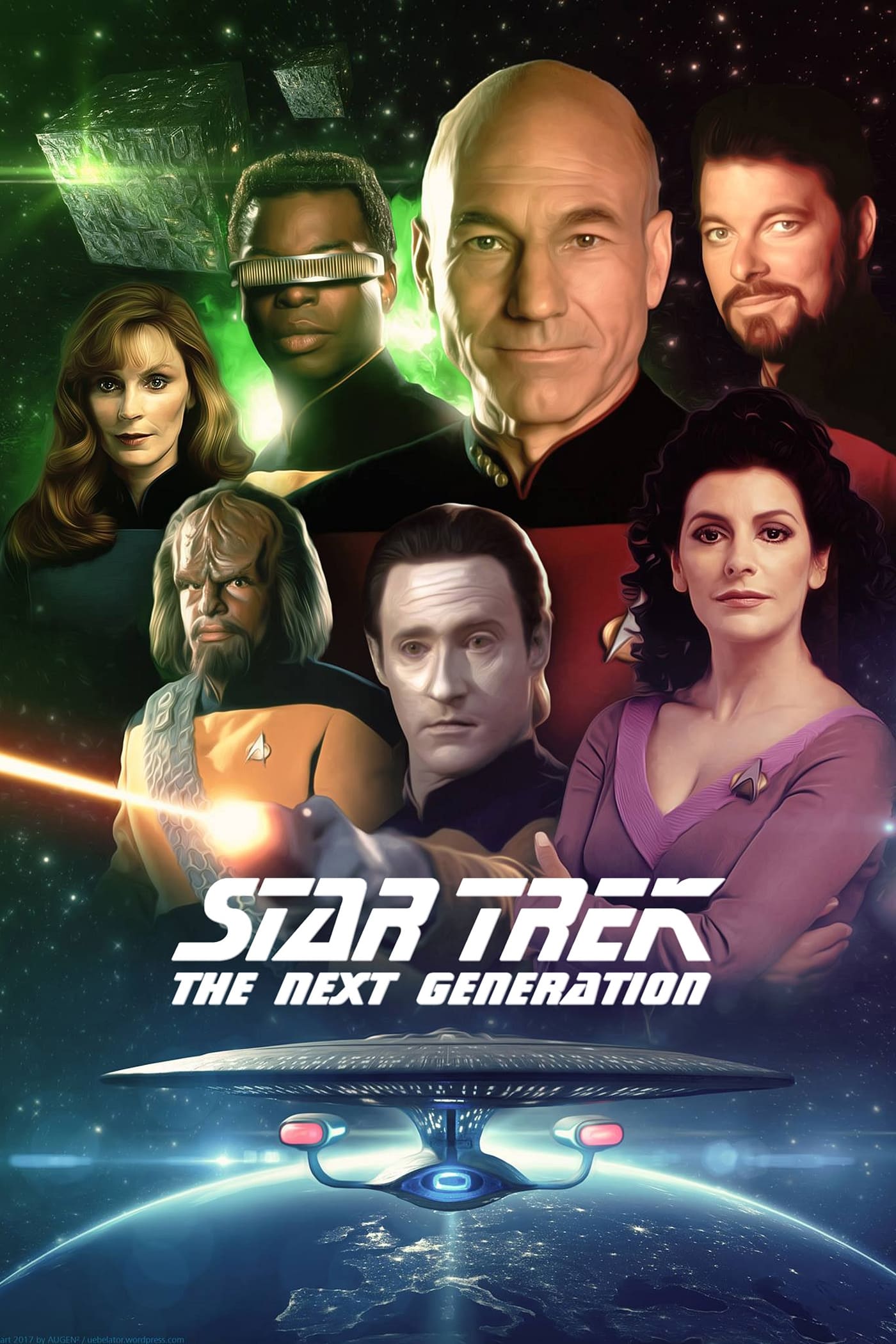
Hardcore fans of the original series were initially hostile toward this update and refused to accept a bald captain. The first season suffered from stiff acting and scripts that felt like rejected plots from the 1960s. The introduction of Riker’s beard and a shift toward more complex storytelling in the third season marked a turning point. ‘Star Trek: The Next Generation’ is now often cited by fans as the best iteration of the franchise.
‘BoJack Horseman’ (2014–2020)
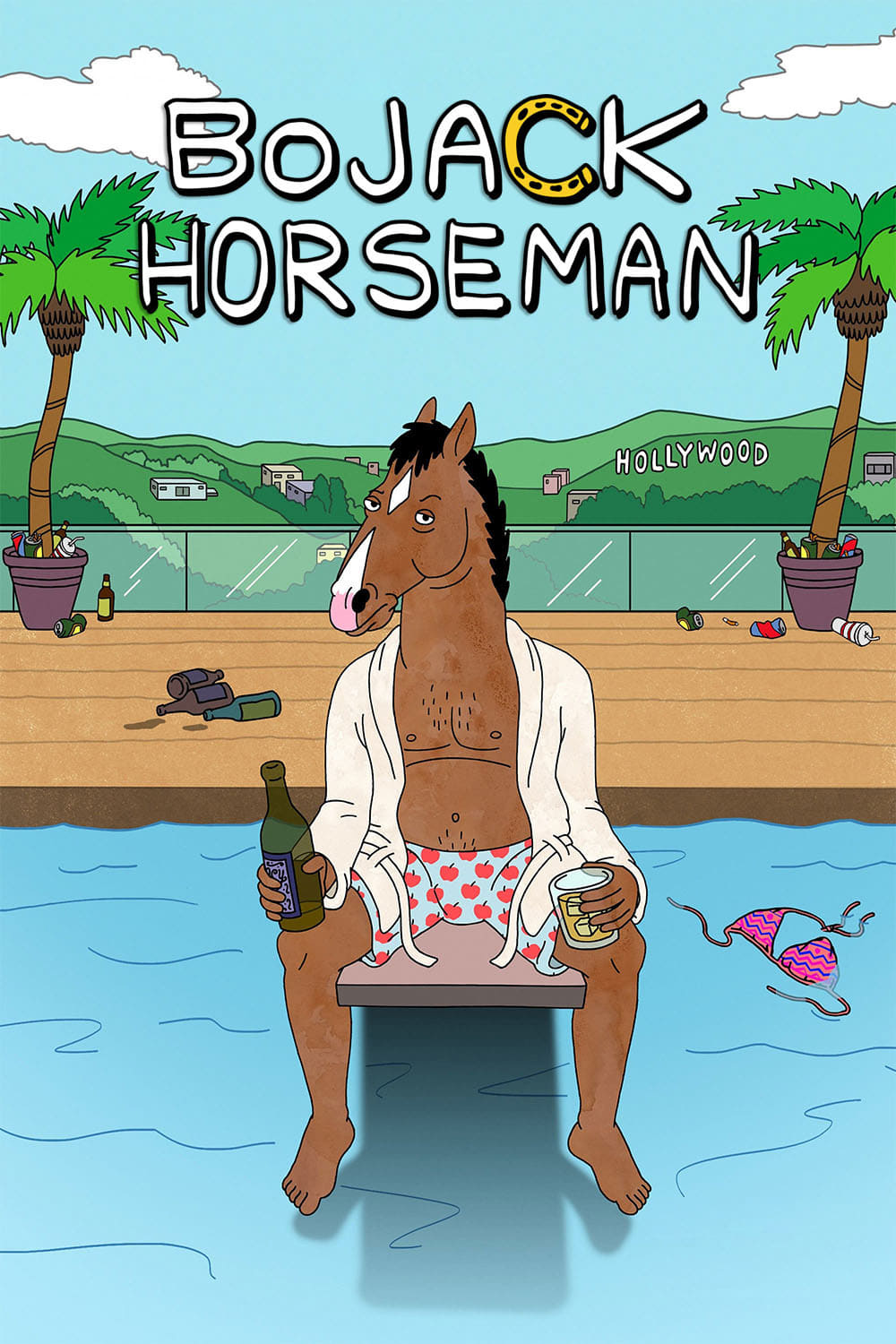
Critics and viewers gave the first half of the debut season mixed reviews and dismissed it as another crude adult animated comedy. The show initially relied heavily on shock value and cutaway gags similar to ‘Family Guy’. The narrative took a dark and introspective turn later in the first season that stunned audiences with its depth. It is now praised as one of the most accurate depictions of depression and addiction ever put on screen.
‘Schitt’s Creek’ (2015–2020)
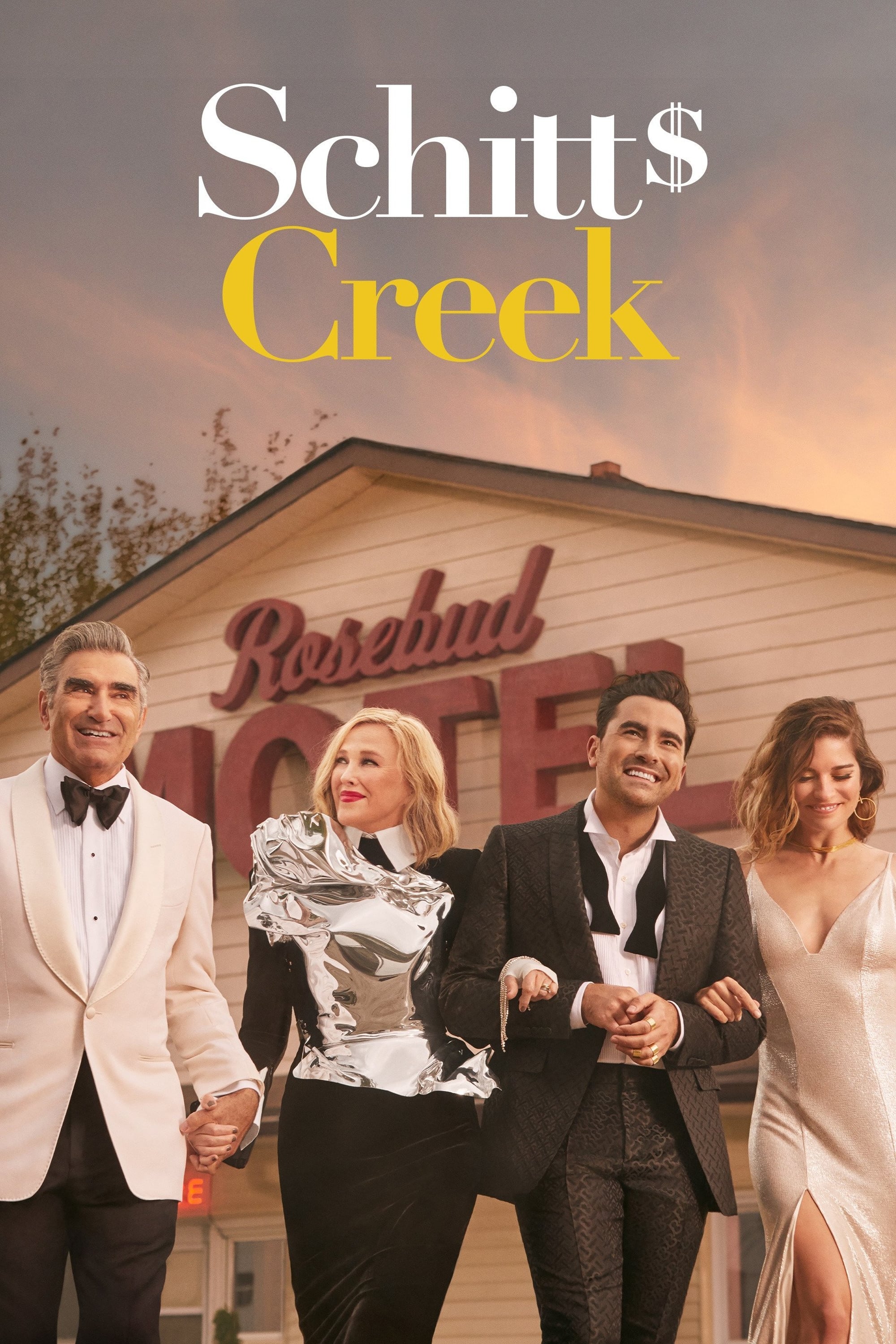
This Canadian sitcom flew under the radar for years and many viewers initially found the wealthy Rose family too unlikable to watch. The early episodes focused heavily on the characters being abrasive and detached from reality. Word of mouth grew slowly as the characters shed their superficial layers and learned to love one another. The series ended its run by sweeping the Emmy Awards and becoming a global phenomenon.
‘The Wire’ (2002–2008)
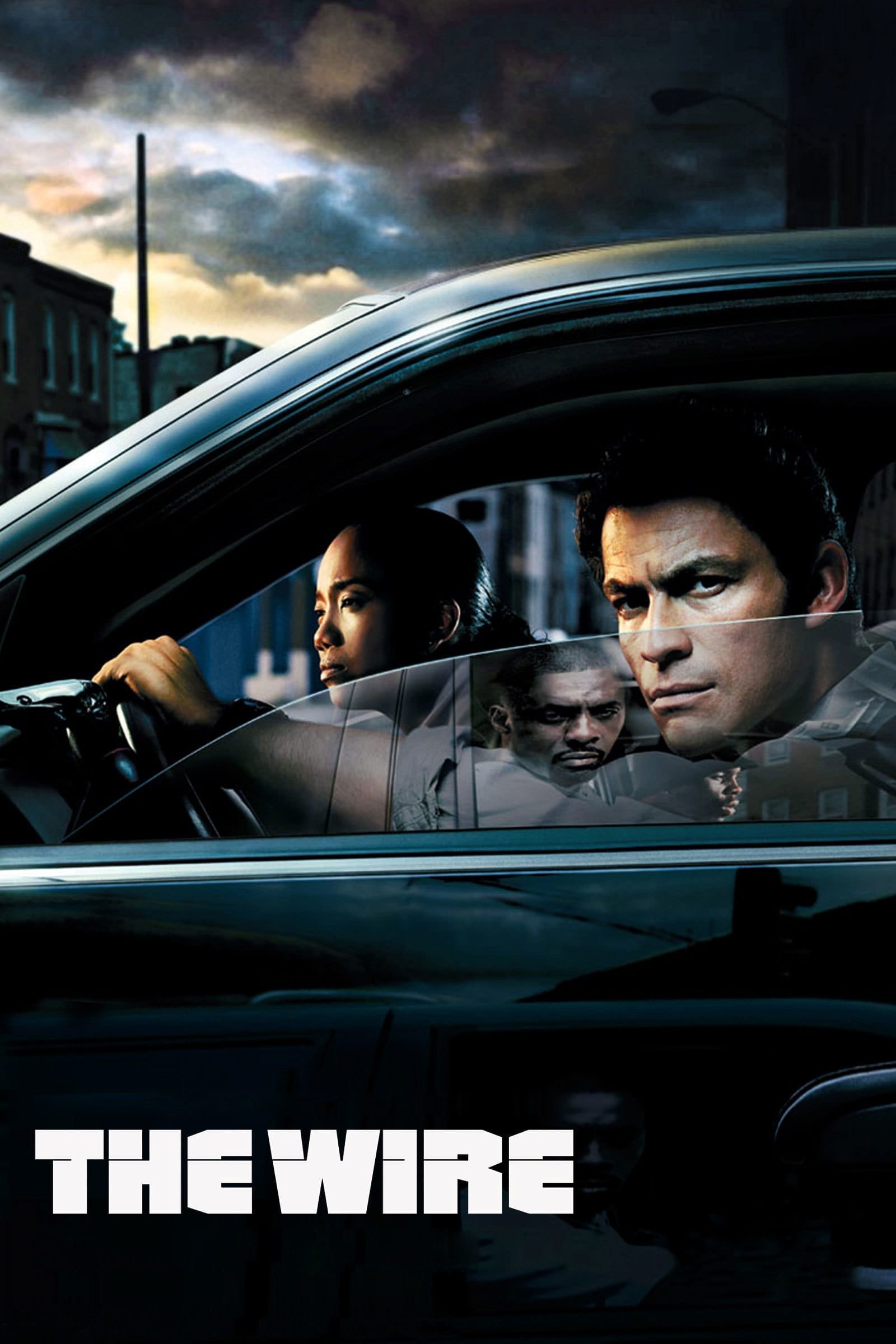
This gritty crime drama struggled with low viewership throughout its entire run and was largely ignored by award ceremonies. Audiences found the dense plot and lack of hand-holding difficult to follow on a weekly basis. The show required patience as it built a complex sociological examination of Baltimore institutions. It has since gained a massive second life on streaming services and is frequently cited as the greatest TV show ever made.
‘Blackadder’ (1983–1989)
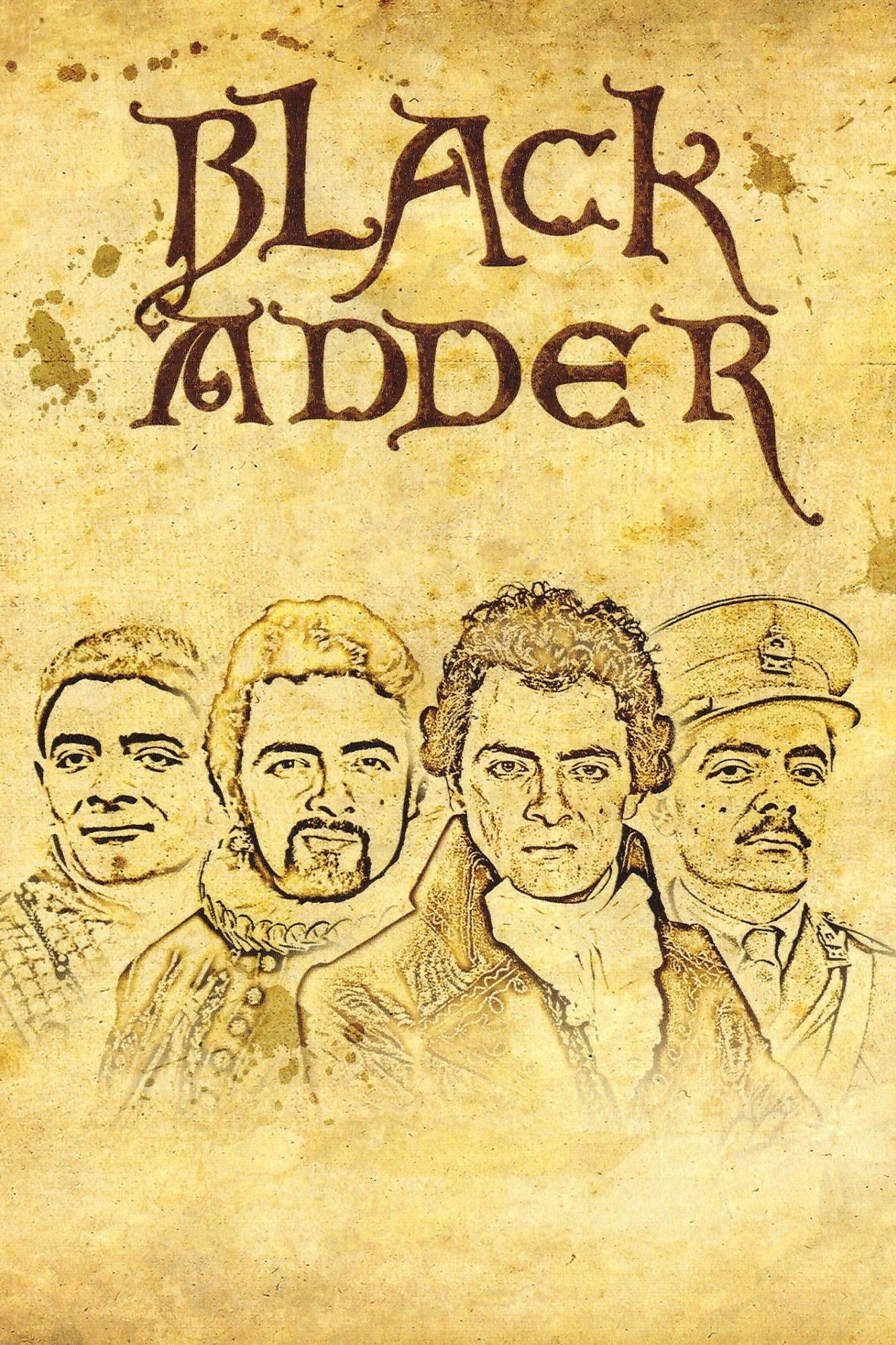
The first series of this British historical sitcom was expensive to produce and generally considered unfunny by critics and audiences. Rowan Atkinson played the lead character as a blundering idiot rather than the cynical schemer fans love today. The creators completely reinvented the show for the second series by slashing the budget and changing the character personalities. This retooling created the sharp and sarcastic dynamic that cemented its status as a comedy classic.
‘Buffy the Vampire Slayer’ (1997–2003)
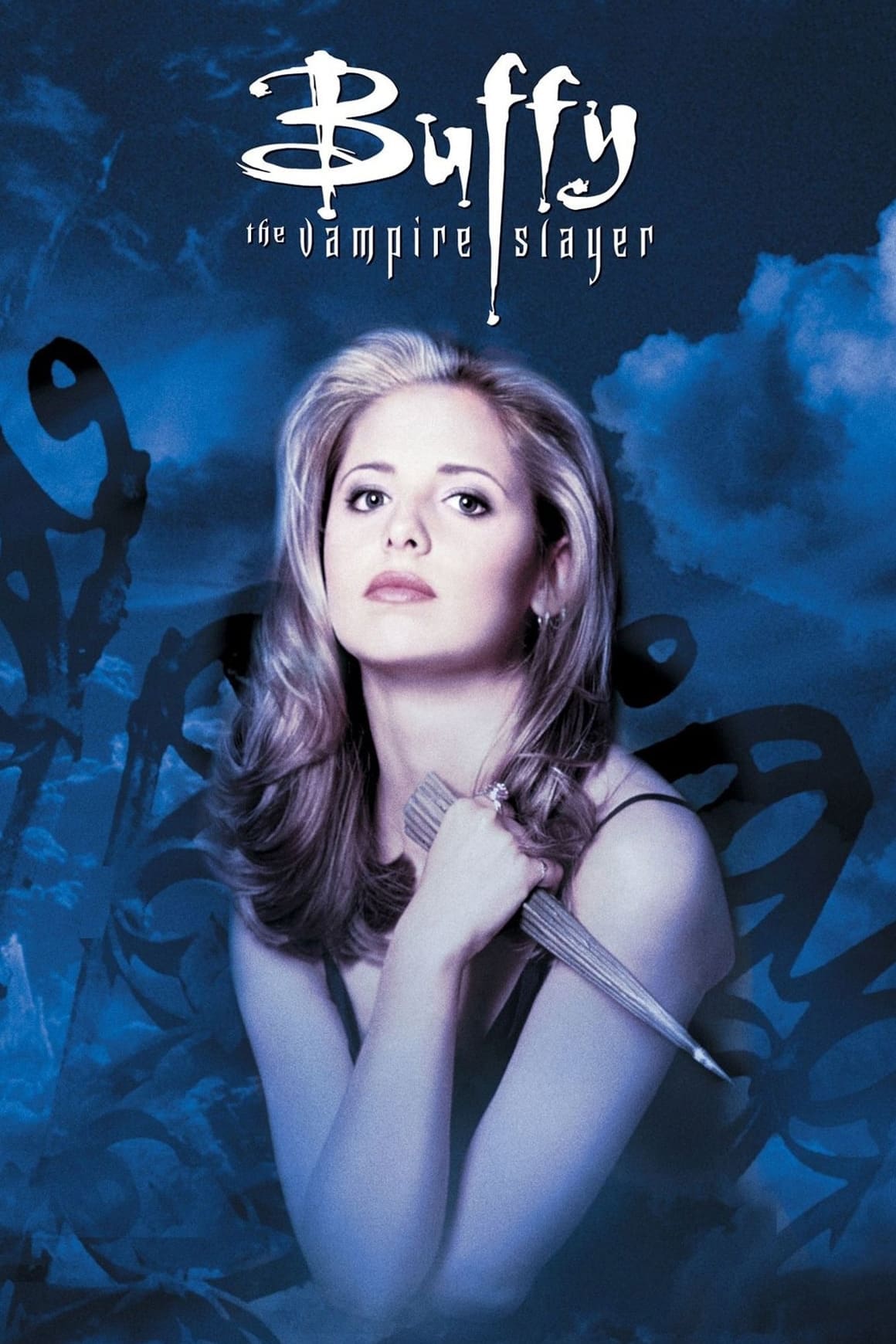
Many people dismissed this show before it aired because it was based on a failed movie that was widely mocked. The low-budget special effects and cheesy dialogue in the first season did little to convince skeptics. The writing quickly matured to use supernatural metaphors to explore real adolescent struggles. ‘Buffy the Vampire Slayer’ is now studied in universities for its impact on feminism and serialized storytelling.
‘It’s Always Sunny in Philadelphia’ (2005–Present)
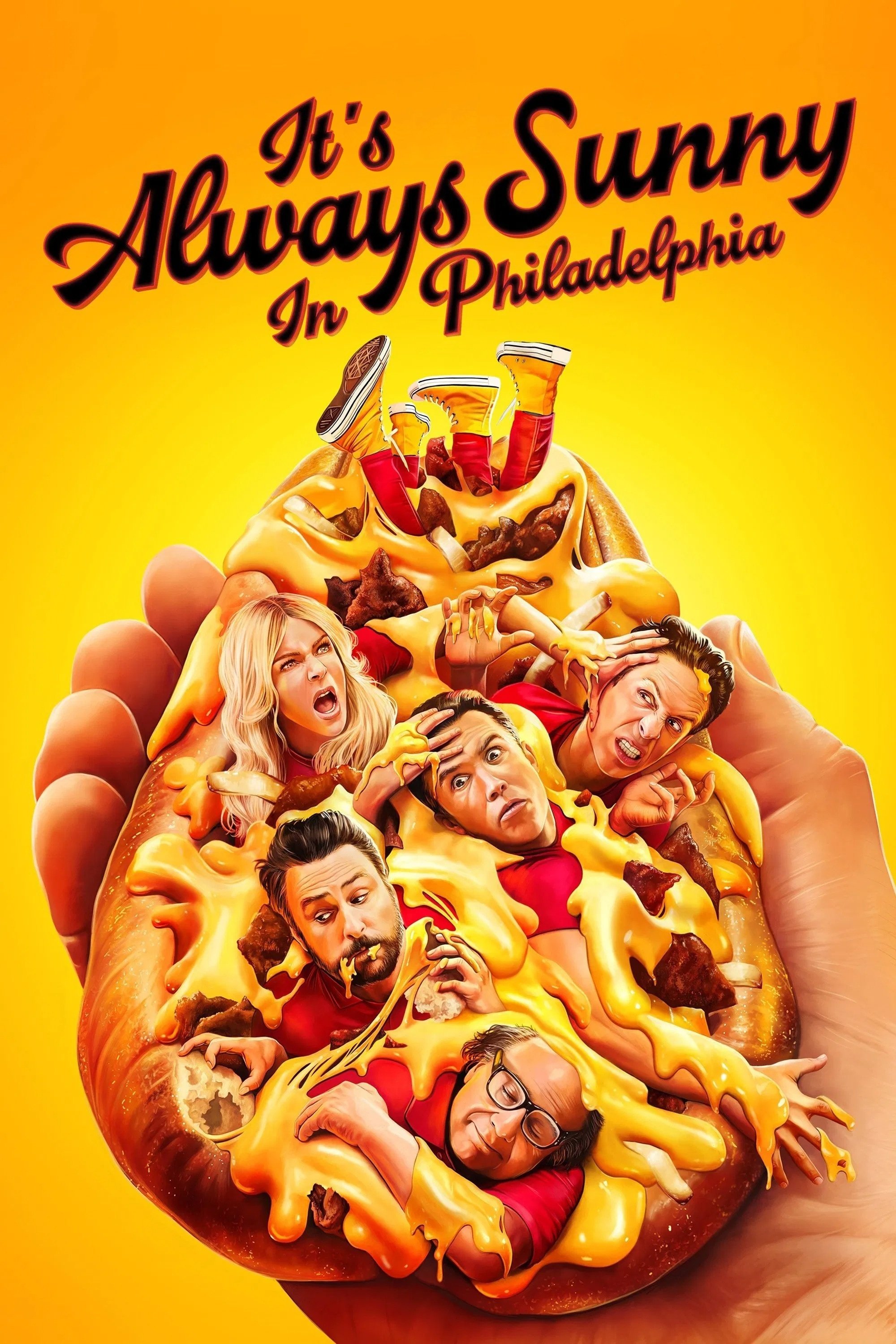
The first season of this dark comedy went largely unnoticed and the network threatened cancellation due to low ratings. The show was shot on a shoestring budget and lacked a recognizable star to draw in viewers. The addition of Danny DeVito in the second season saved the series and helped define its chaotic energy. It has since become the longest-running live-action sitcom in American television history.
‘Family Guy’ (1999–Present)
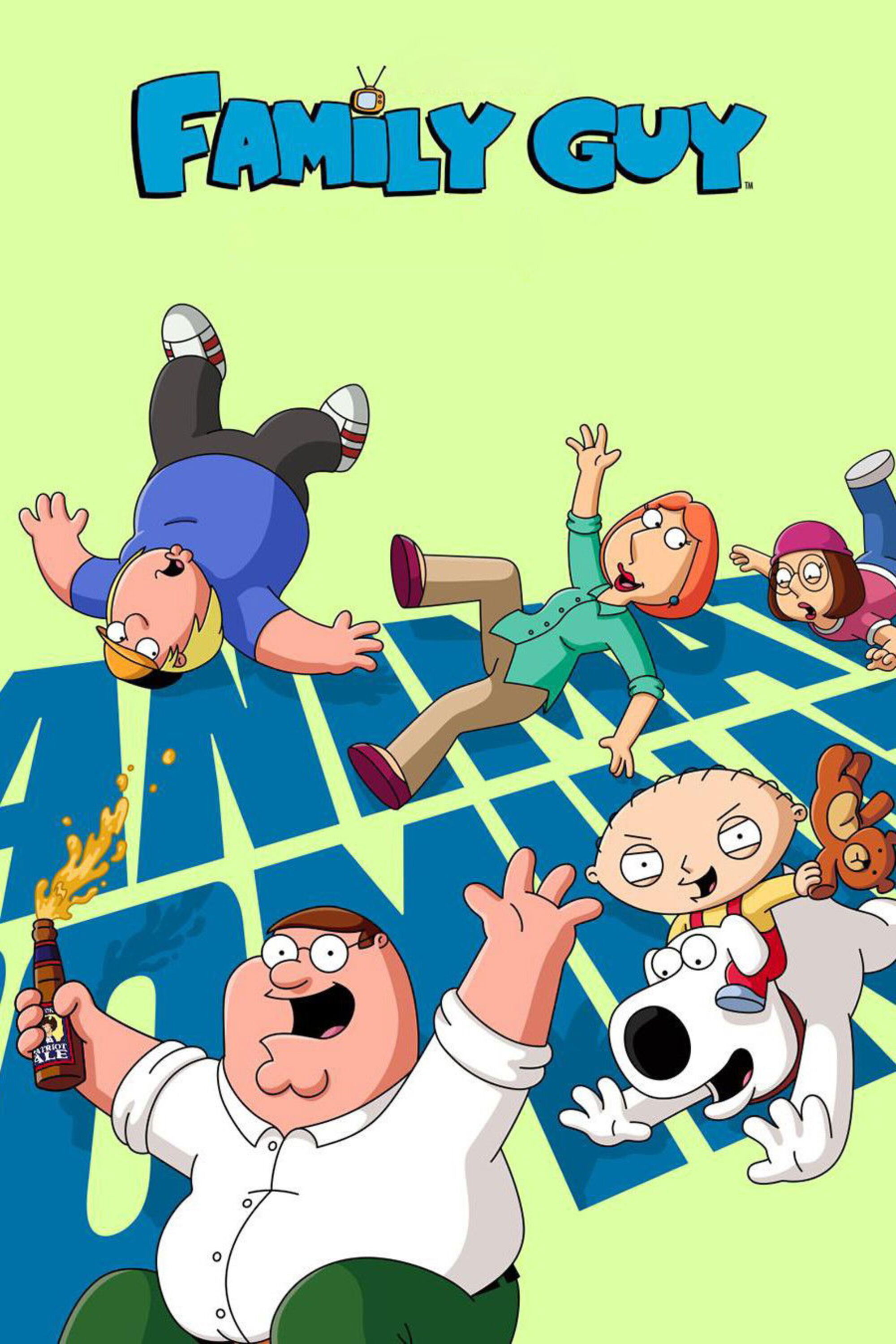
Fox actually cancelled this animated series twice during its early years due to low ratings and stiff competition. The network constantly moved its time slot and doomed it to fail against popular shows like ‘Friends’. massive DVD sales and high viewership on Adult Swim reruns proved there was a dedicated audience. The network revived the show and it became a staple of Sunday night television for decades.
‘Cheers’ (1982–1993)
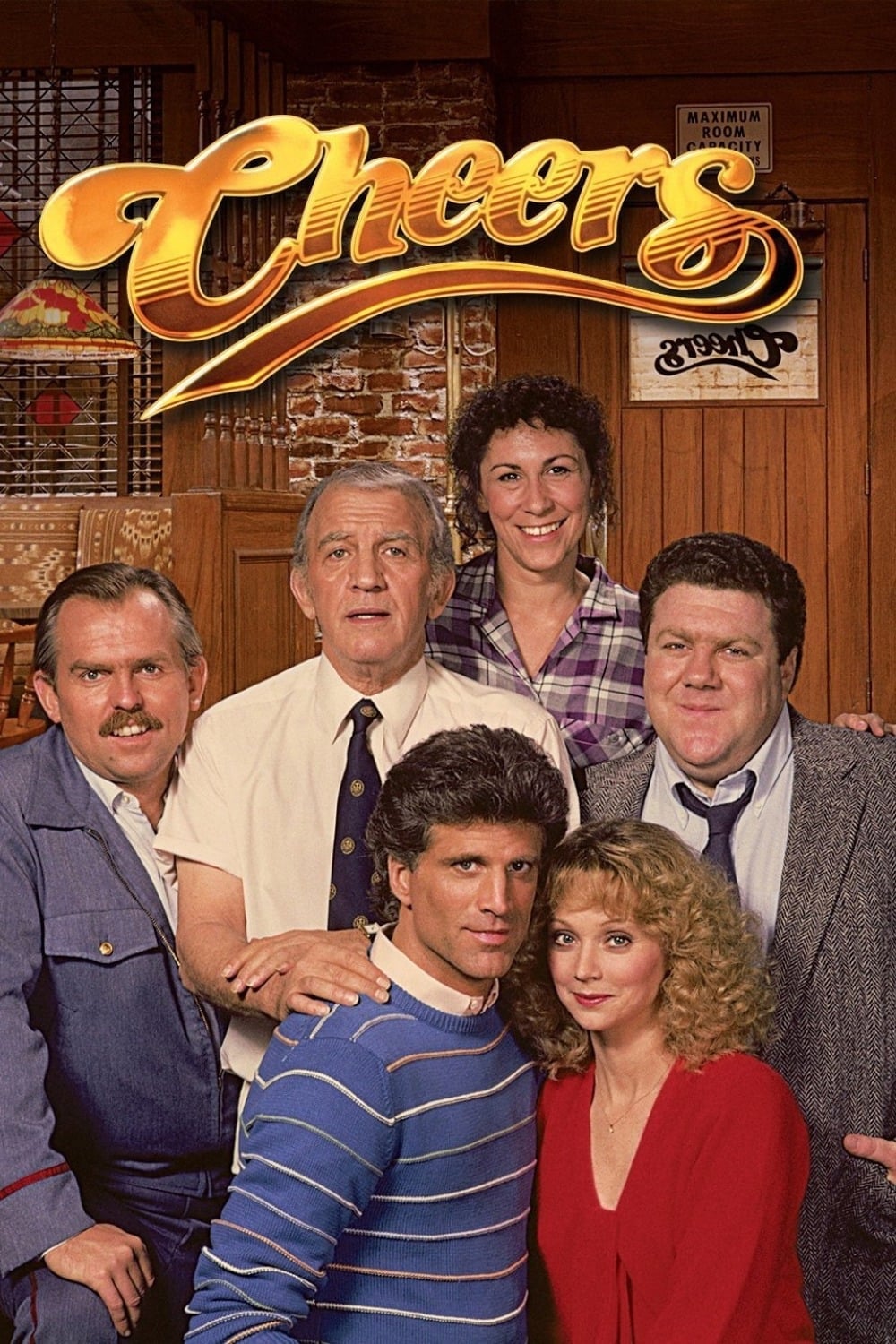
This beloved sitcom finished dead last in the ratings during its premiere week and remained at the bottom for most of its first season. Critics championed the show but audiences were slow to warm up to the bar setting and serialized romance. NBC executives chose to keep the show on the air despite the numbers because they believed in the quality of the writing. ‘Cheers’ eventually became a ratings juggernaut and the top-rated show on television.
‘Star Wars: The Clone Wars’ (2008–2020)
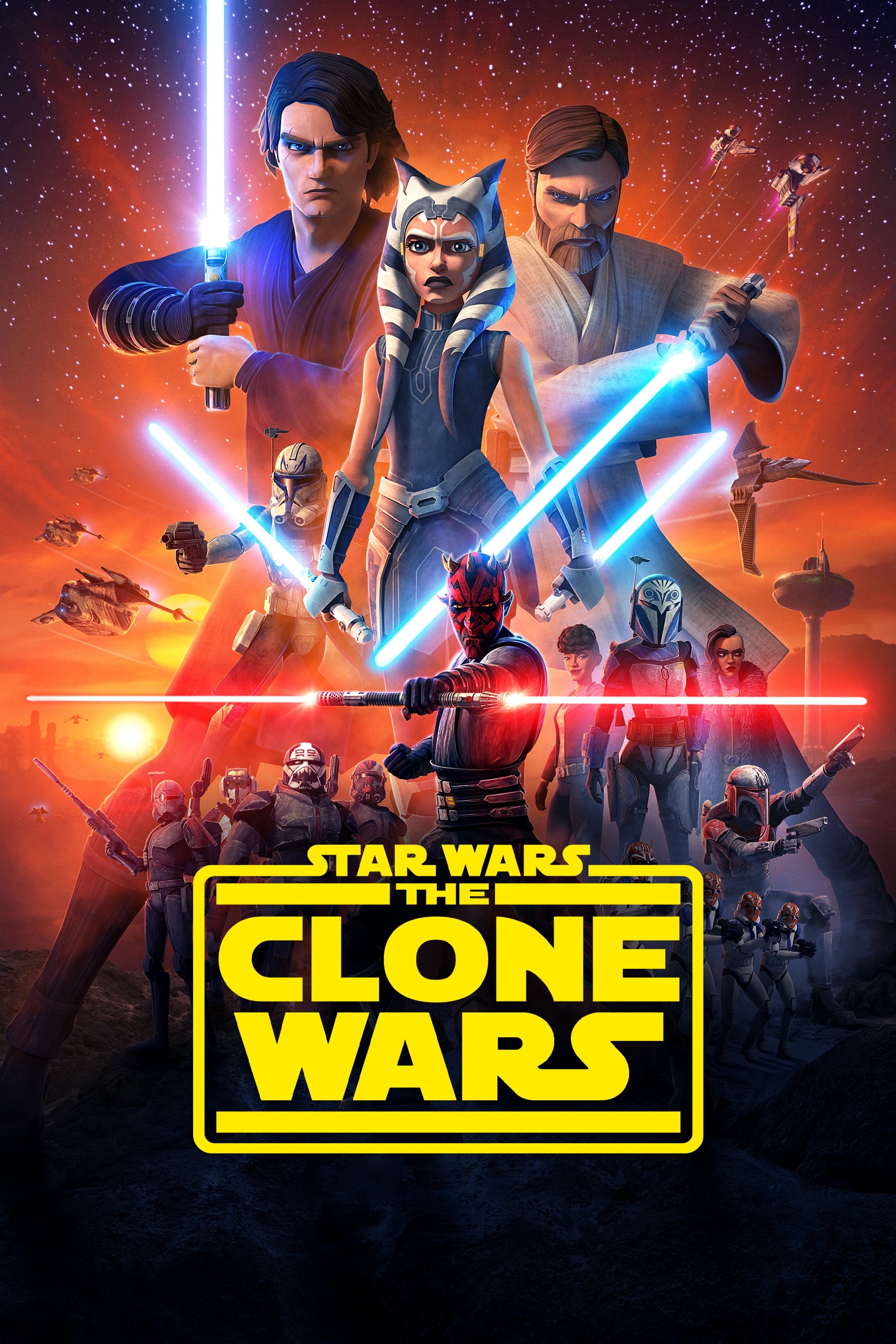
The theatrical movie that launched this series was panned by critics and fans who hated the introduction of Ahsoka Tano. Early episodes were seen as childish and inconsequential to the larger Star Wars saga. The storytelling matured significantly as the series progressed and explored complex themes of war and politics. Fans now consider the final seasons essential viewing that enhances the prequel trilogy.
‘Marvel’s Agents of S.H.I.E.L.D.’ (2013–2020)
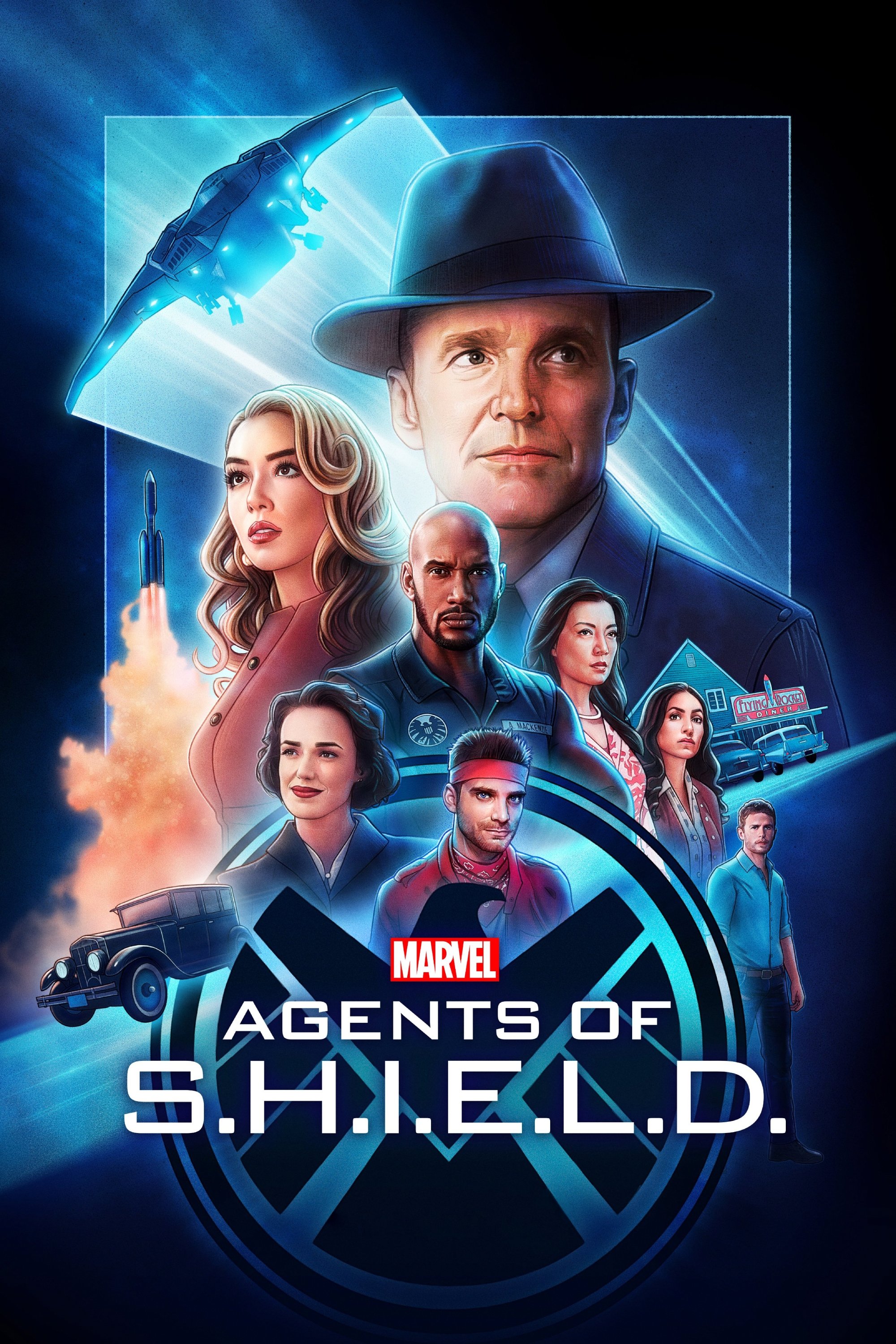
High expectations met a lackluster reality when this show premiered with a string of generic procedural episodes. Viewers felt it lacked the spectacle of the movies and ignored the potential of the Marvel universe. A major plot twist tied to the release of ‘Captain America: The Winter Soldier’ completely revitalized the narrative. The series subsequently developed its own rich mythology and became a favorite among dedicated Marvel fans.
‘DC’s Legends of Tomorrow’ (2016–2022)
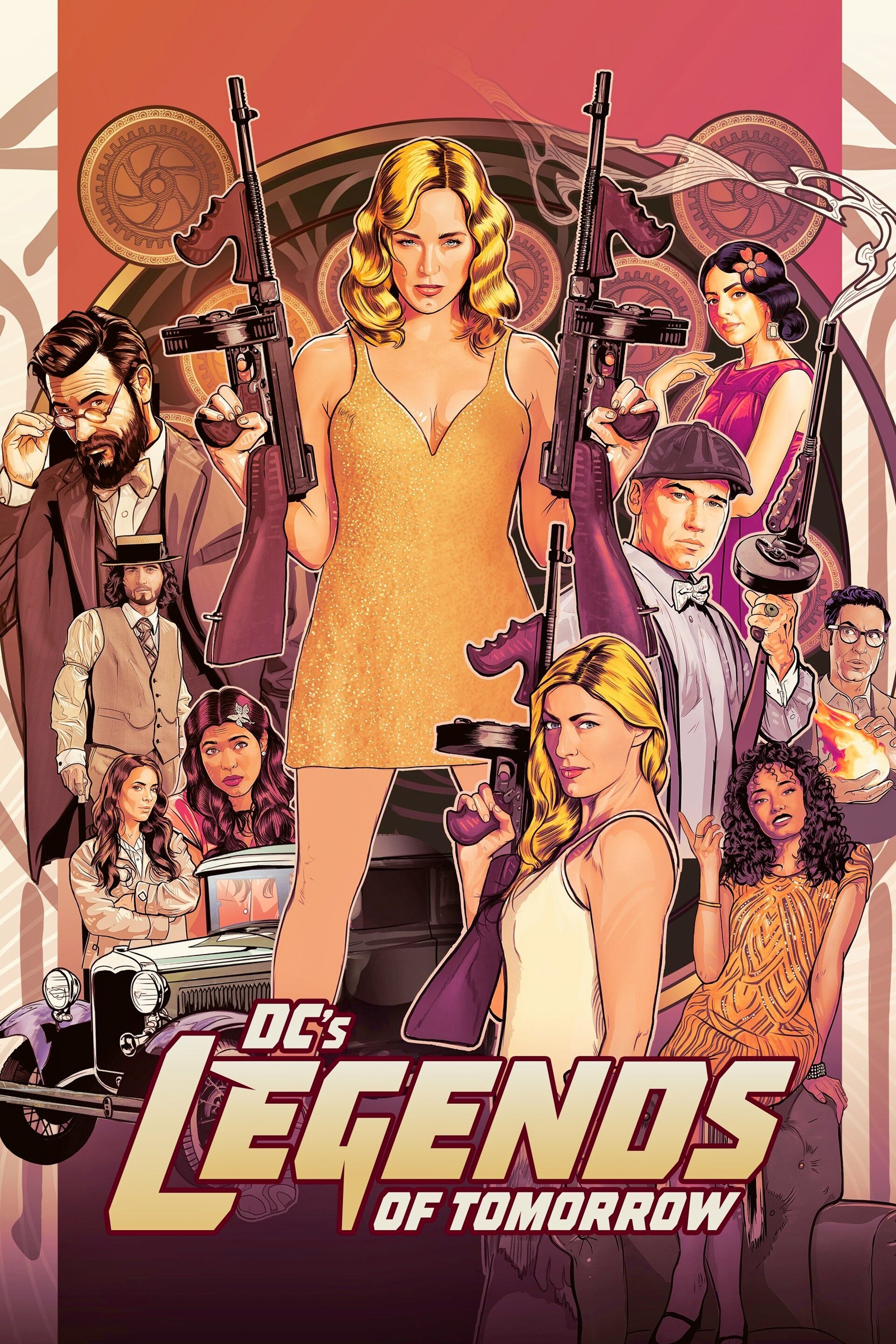
The first season of this superhero team-up show took itself too seriously and suffered from a weak villain. Critics felt the tone was inconsistent and the drama was melodramatic. The writers embraced absurdity in the second season and leaned into time-travel shenanigans and comedy. It became the most experimental and fun entry in the Arrowverse by refusing to play by standard superhero rules.
‘Halt and Catch Fire’ (2014–2017)

Critics initially wrote this drama off as a desperate attempt to create the next ‘Mad Men’ set in the tech world. The lead character was viewed as a derivative anti-hero clone who was difficult to root for. The showrunners shifted the focus to the female leads and the creative partnership dynamics in later seasons. It is now regarded as a hidden gem with one of the most satisfying conclusions in modern television.
‘Cougar Town’ (2009–2015)
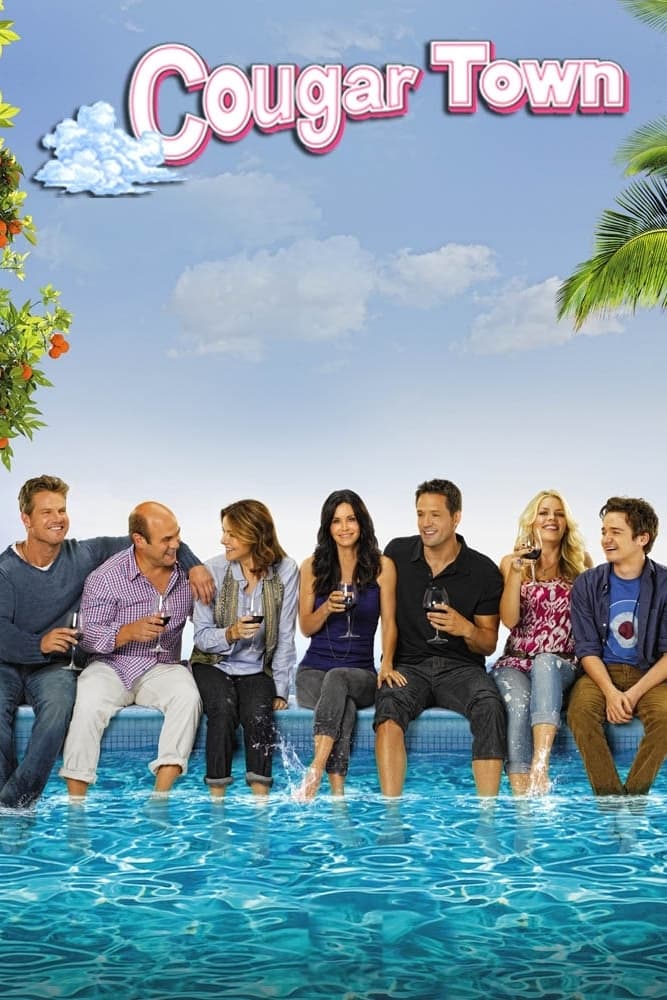
The terrible title and the initial premise of an older woman dating younger men turned many potential viewers away. The show quickly abandoned that concept to become a hilarious ensemble comedy about a group of friends who drink wine. The creators even made fun of the title in the opening credits as the show found its true identity. It gathered a loyal cult following that followed it from network television to cable.
‘Fringe’ (2008–2013)
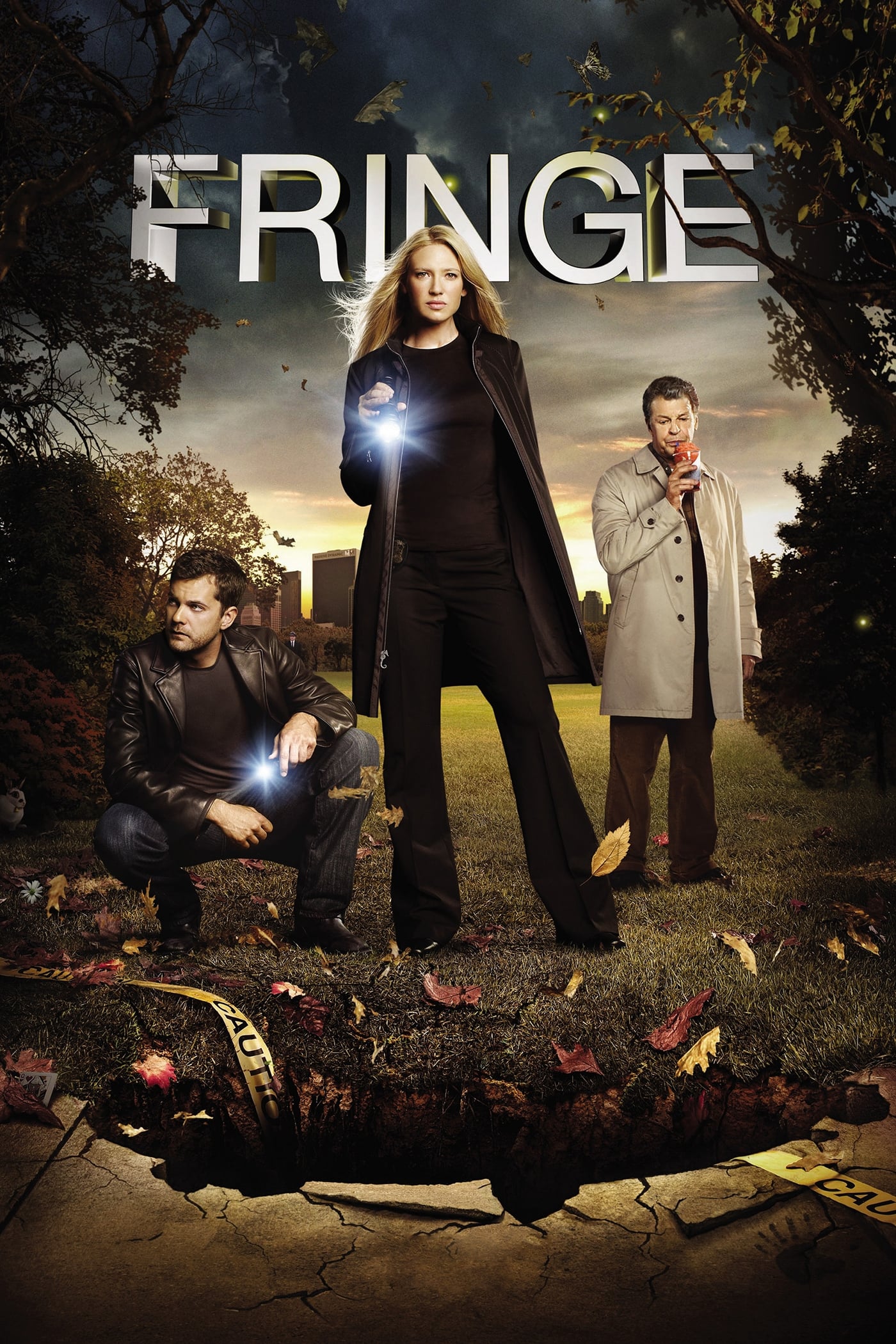
Early reviews labeled this sci-fi series as a standard procedural that was merely ripping off ‘The X-Files’. The monster-of-the-week format felt repetitive to audiences looking for a deeper mystery. The show eventually expanded its mythology to include parallel universes and complex timelines. ‘Fringe’ is now celebrated for its emotional core and the incredible dual performance by John Noble.
‘Person of Interest’ (2011–2016)
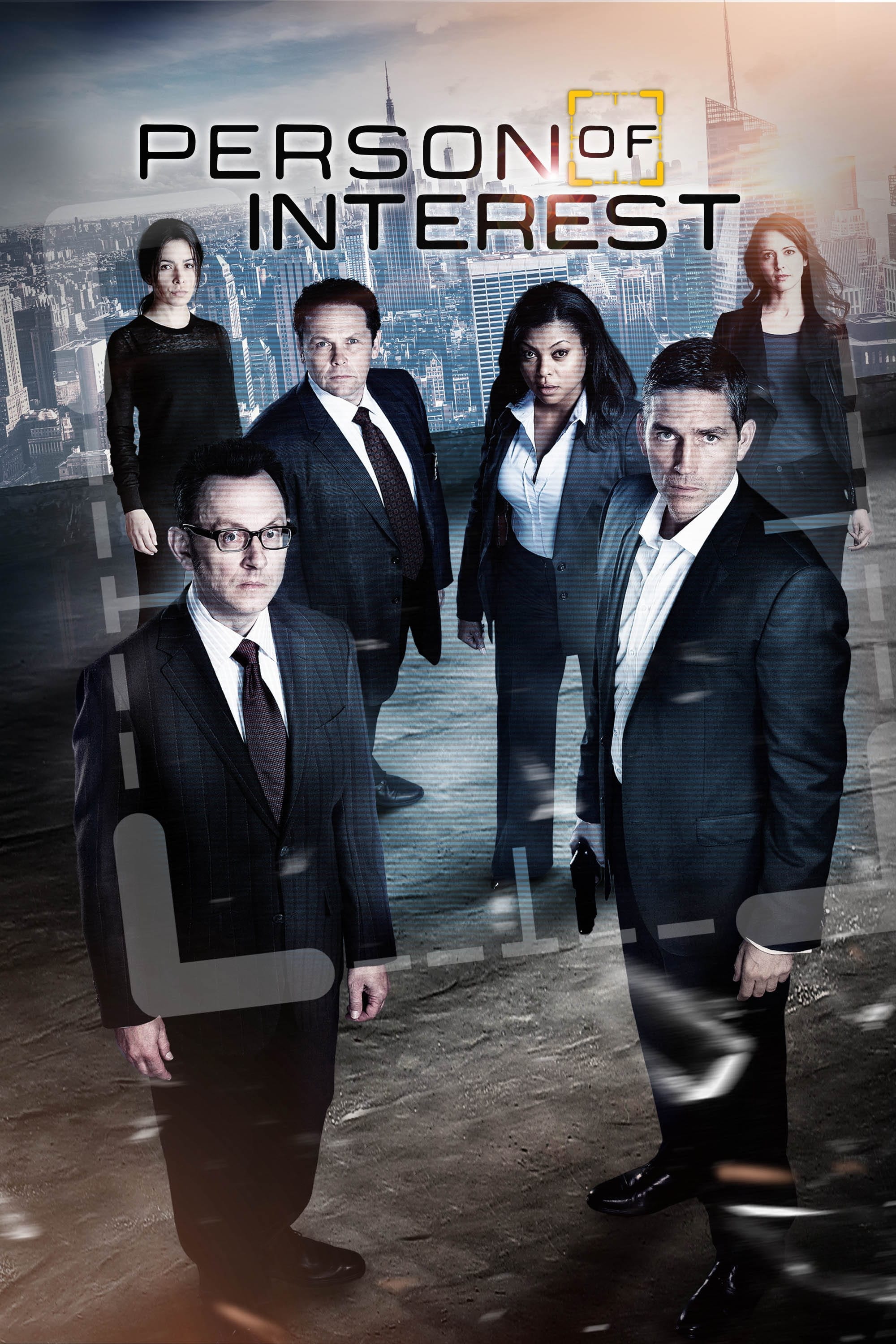
This series began as a standard crime procedural on CBS that seemed designed for casual viewing. Many sci-fi fans ignored it because it looked like a typical cop show with a gimmick. The narrative slowly evolved into a profound exploration of artificial intelligence and government surveillance. It is now considered one of the best science fiction series of the 21st century.
‘Star Trek: Deep Space Nine’ (1993–1999)
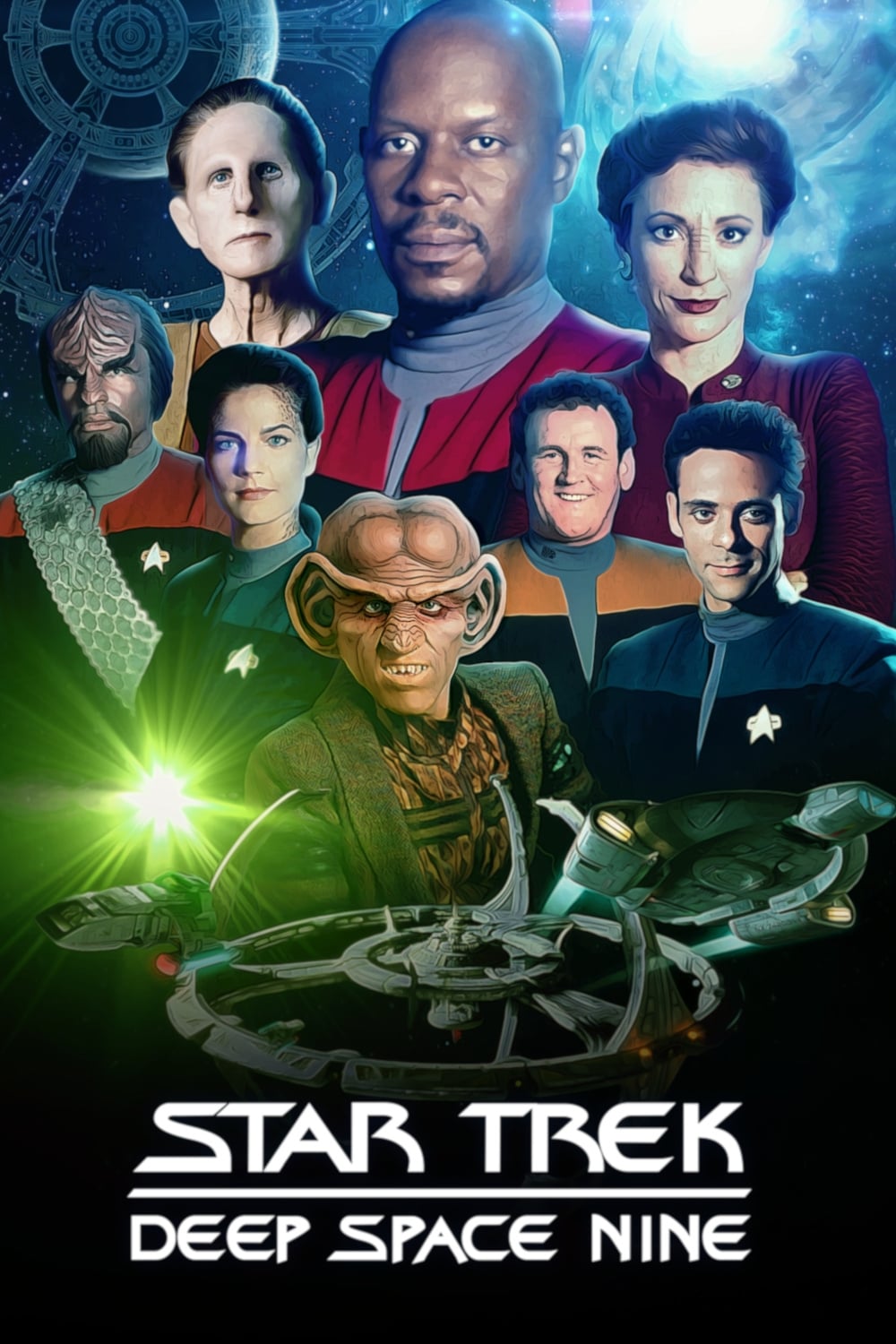
Traditional fans hated that this spinoff was set on a space station rather than a starship exploring the galaxy. The tone was darker and more morally ambiguous than previous iterations of the franchise. The serialized storytelling and character conflicts were ahead of their time but alienated viewers used to standalone episodes. It is now praised for having the best character development and political intrigue in the Star Trek canon.
‘The Leftovers’ (2014–2017)
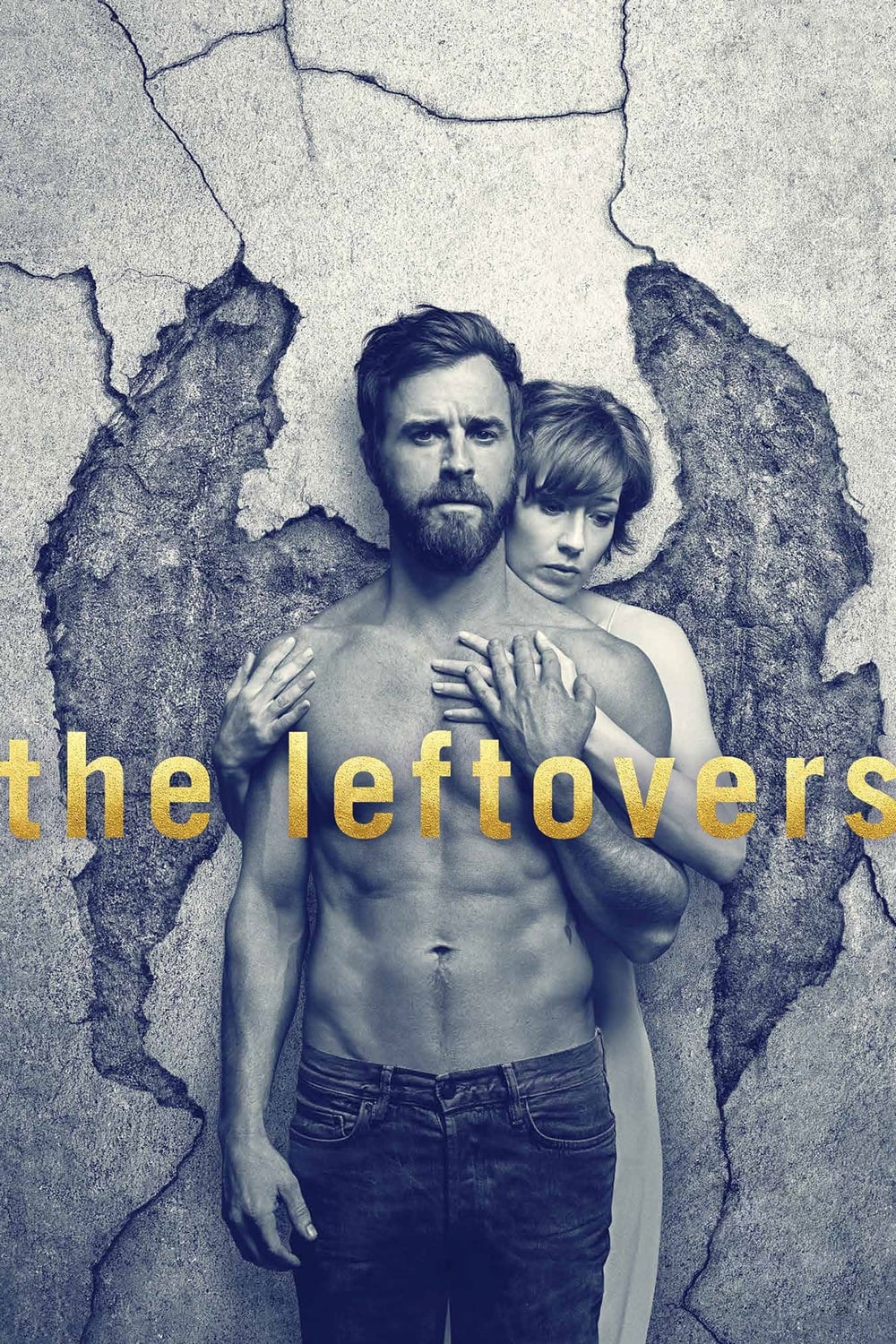
The first season was criticized for being relentlessly bleak and depressing without offering enough answers. Viewers found the grief-stricken tone difficult to watch and the pacing slow. The show underwent a creative creative reboot in the second season by moving locations and changing the opening credits. Critics now widely regard the second and third seasons as a masterpiece of emotional storytelling.
‘Breaking Bad’ (2008–2013)
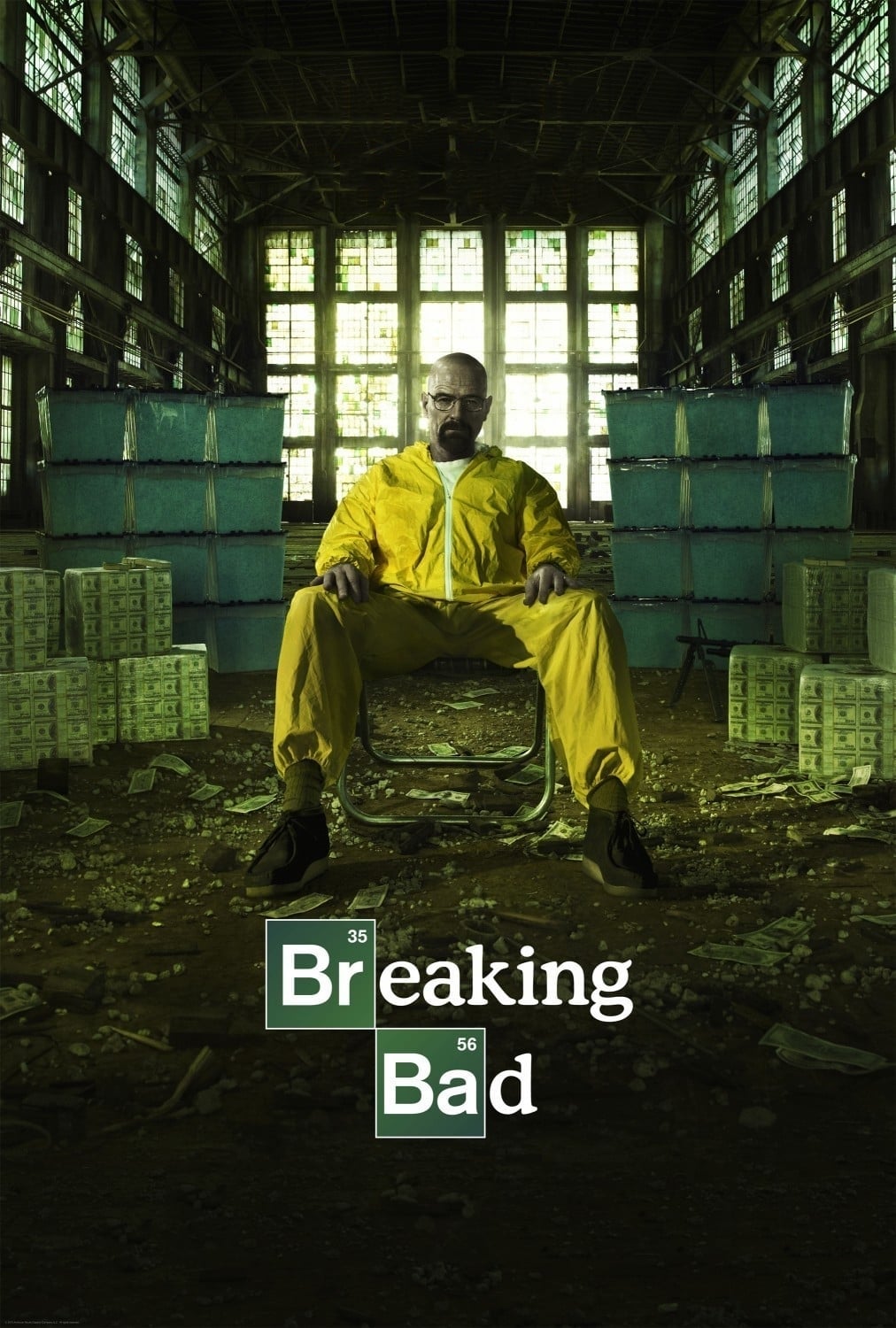
This crime drama did not become a massive hit until its final seasons and was largely watched via marathon sessions on Netflix. The writers strike cut the first season short and the slow pacing alienated viewers used to faster action. The show survived because of critical buzz and word-of-mouth recommendations. It is now the gold standard for television drama and character transformation.
‘Spartacus’ (2010–2013)
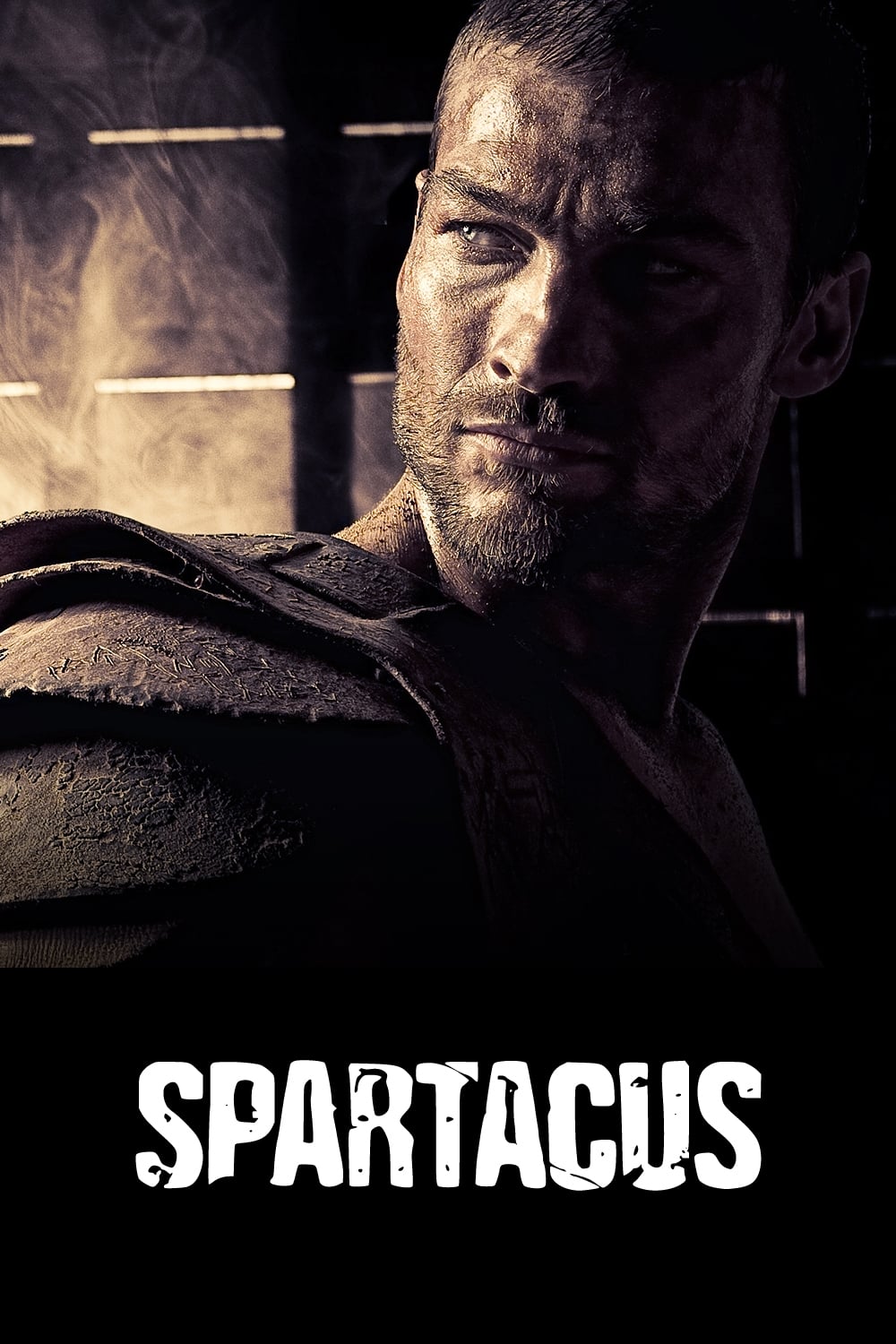
The pilot episode was heavily criticized for its excessive use of green screen and stylized violence that mimicked the film ‘300’. Reviewers dismissed it as trashy exploitation with poor dialogue and wooden acting. The series rapidly improved its writing and plotted a compelling story about rebellion and freedom. It became a visually stunning and emotionally resonant historical epic by the end of its run.
‘Baywatch’ (1989–2001)
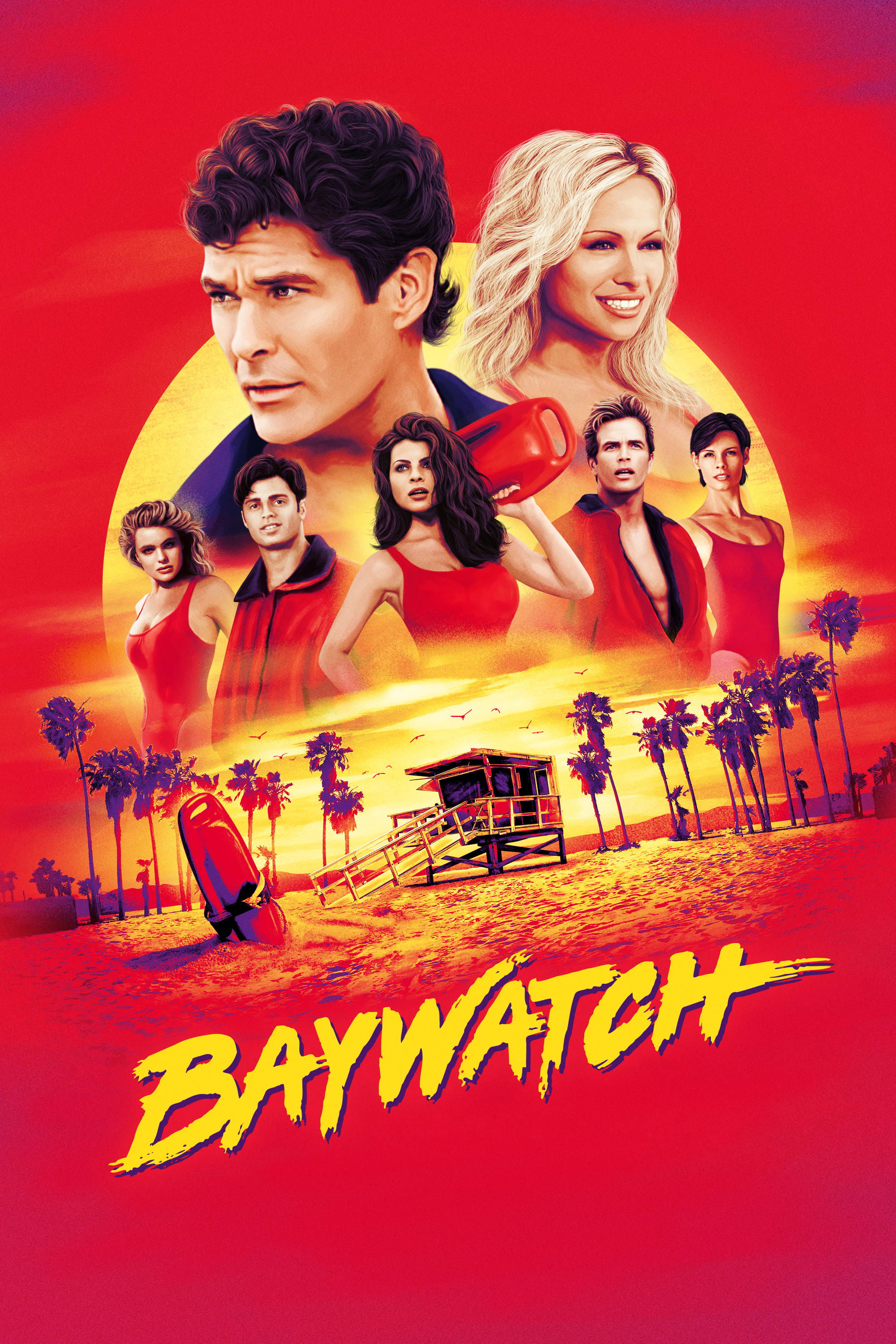
NBC cancelled this lifeguard drama after just one season due to low ratings and the studio going out of business. The star David Hasselhoff believed in the project and worked to revive it for the syndication market. It became a global phenomenon and was watched by billions of people around the world. The show defined 90s pop culture despite being rejected by its original network.
‘Firefly’ (2002)
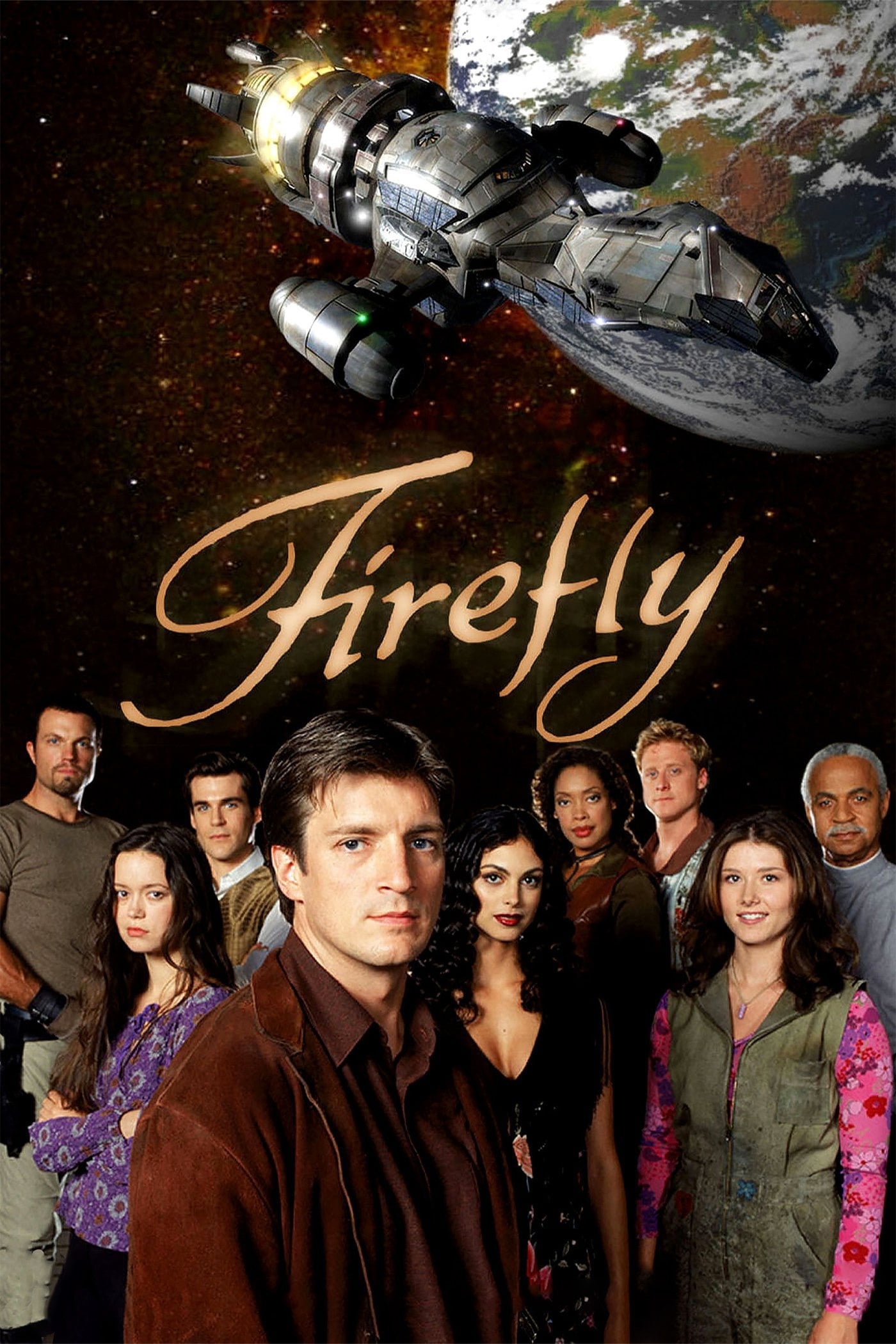
Fox aired the episodes of this space western out of order and marketed it as an action comedy rather than a drama. The confusing broadcast schedule made it impossible for the show to build a consistent audience. It was cancelled before the first season even finished airing. Fan passion exploded after the cancellation and led to a follow-up movie and legendary status.
‘Freaks and Geeks’ (1999–2000)
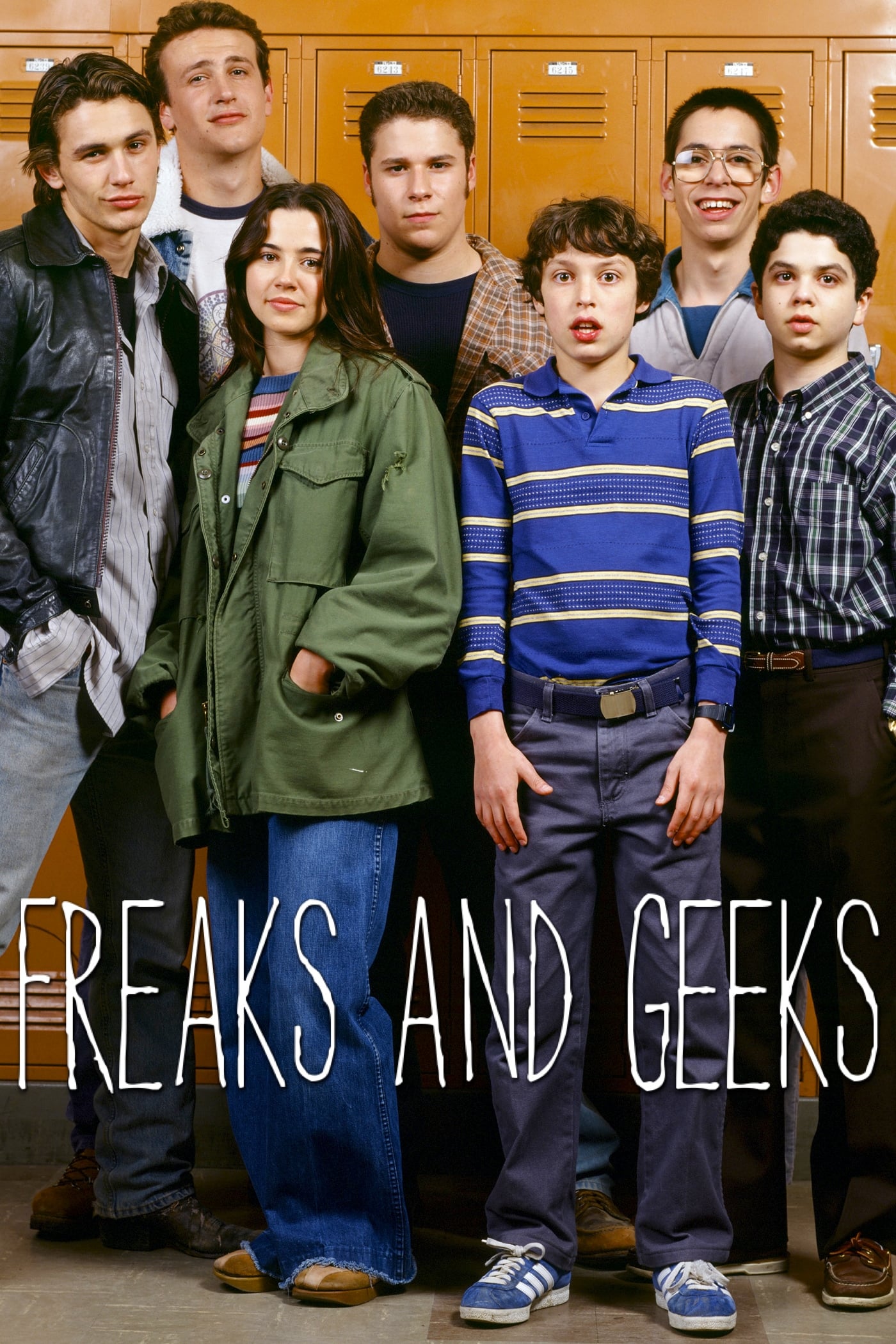
Network executives did not understand this honest portrayal of high school life and constantly clashed with the creators. The show was aired irregularly and frequently preempted for sports or other special events. It was cancelled after only one season despite launching the careers of major Hollywood stars. It is now considered one of the greatest one-season wonders in television history.
‘Arrested Development’ (2003–2019)
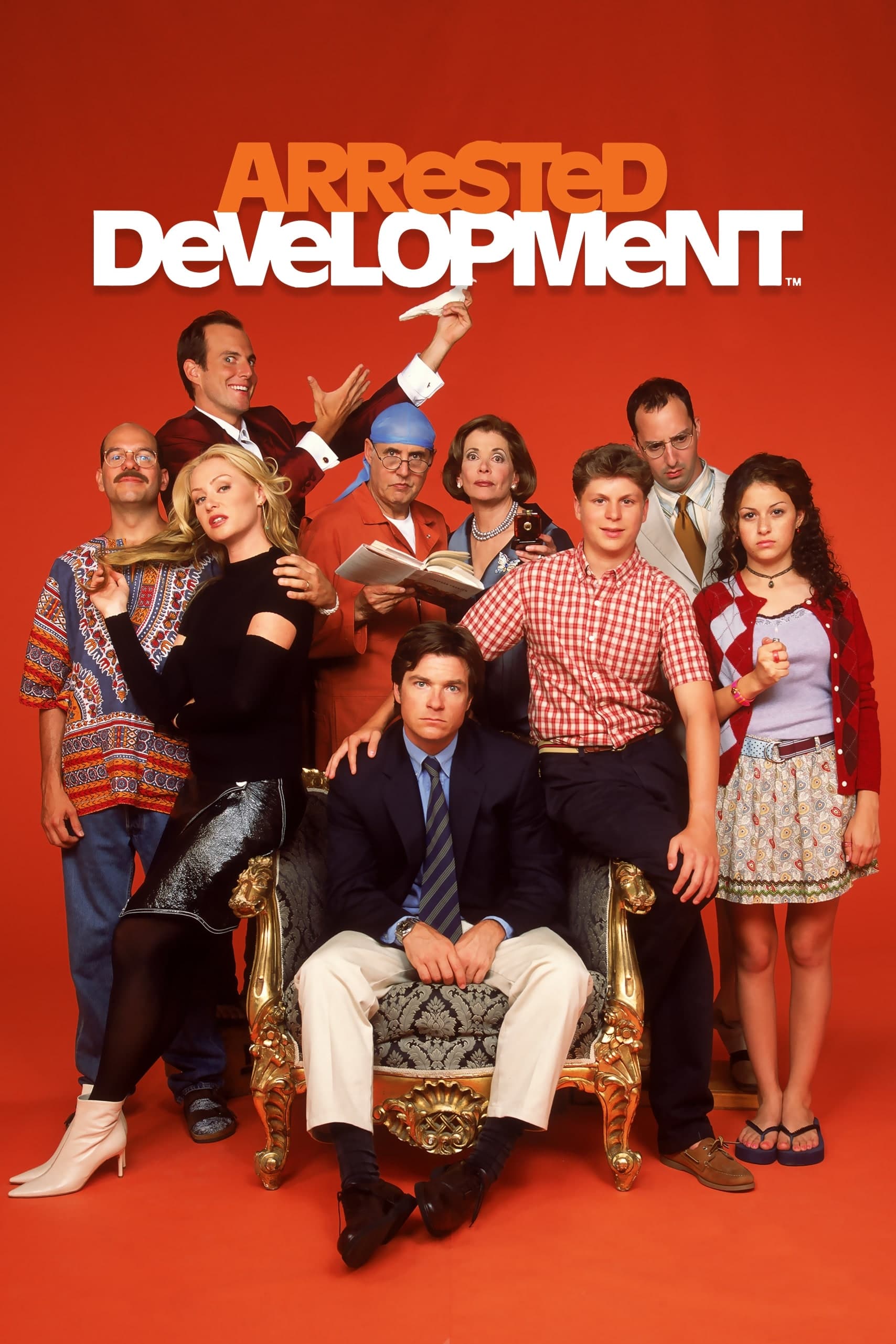
The dense layering of jokes and lack of a laugh track made this sitcom inaccessible to mainstream audiences in the early 2000s. Viewers had trouble keeping up with the serialized humor and the show suffered from low ratings. Critics adored it but the general public took years to catch up via DVD box sets. The show is now credited with influencing the style of modern single-camera comedies.
‘Community’ (2009–2015)
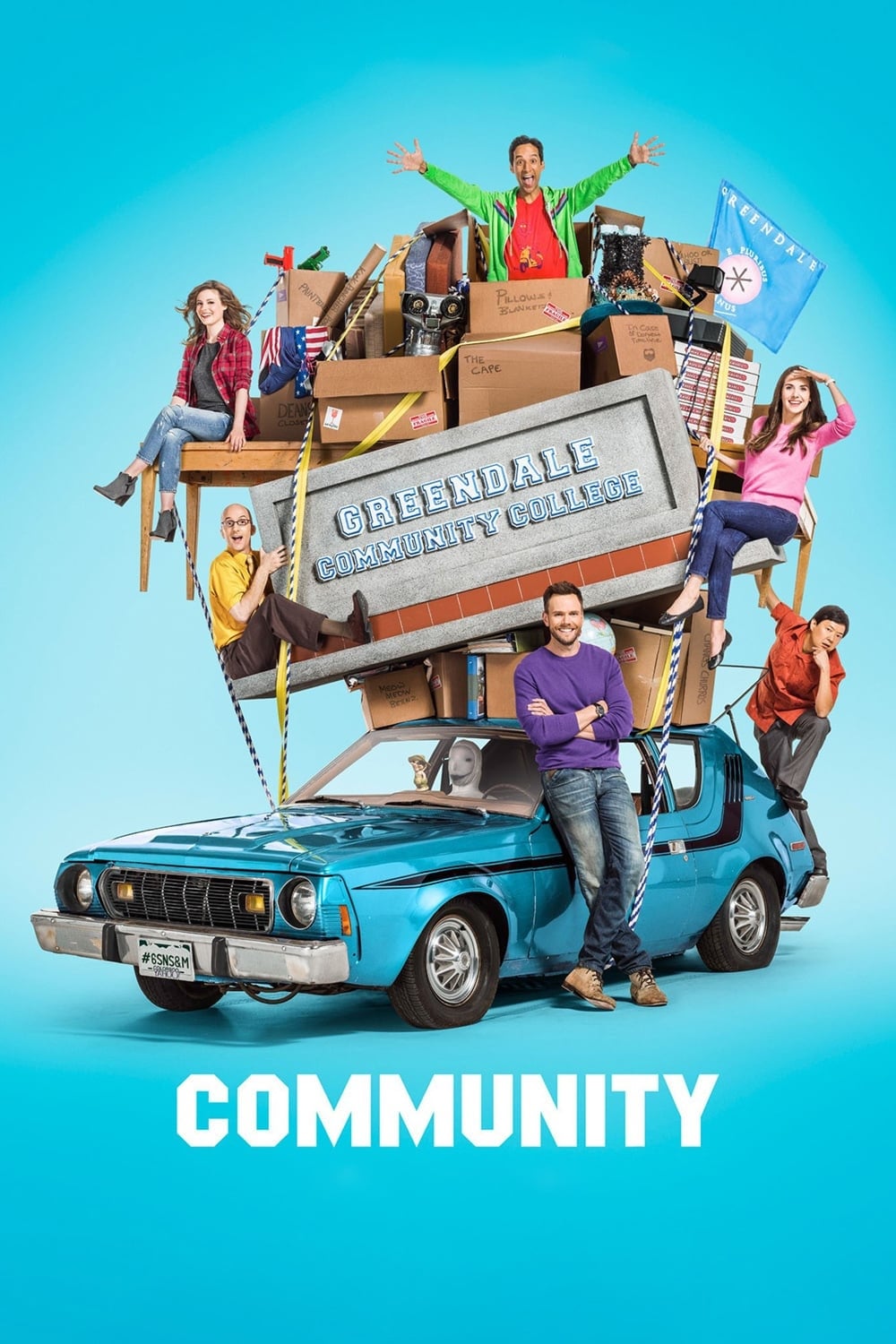
This sitcom was constantly on the bubble of cancellation and struggled to find a broad audience. The meta-humor and high-concept parody episodes were confusing to casual viewers tuning in randomly. The passionate fanbase fought hard to keep it on the air through online campaigns. ‘Community’ is now revered for its creativity and for pushing the boundaries of what a sitcom can be.
‘Futurama’ (1999–2013)
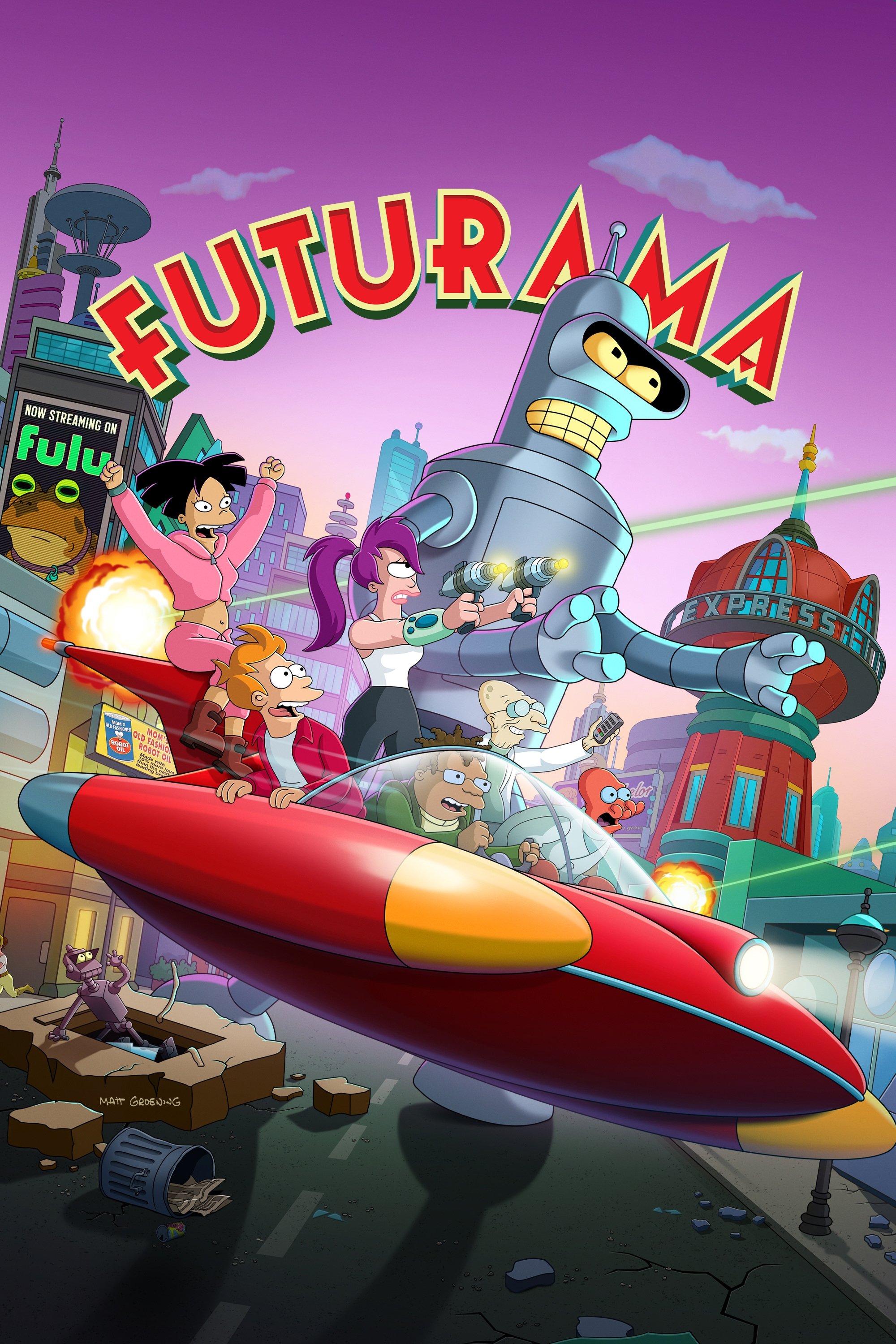
Fox never seemed to support this animated sci-fi series and frequently preempted it for football games. The irregular schedule made it difficult for the show to gain traction with a steady audience. It was cancelled after four seasons but found massive success in syndication on Cartoon Network. Comedy Central eventually revived the show because the fan demand was so undeniable.
‘South Park’ (1997–Present)
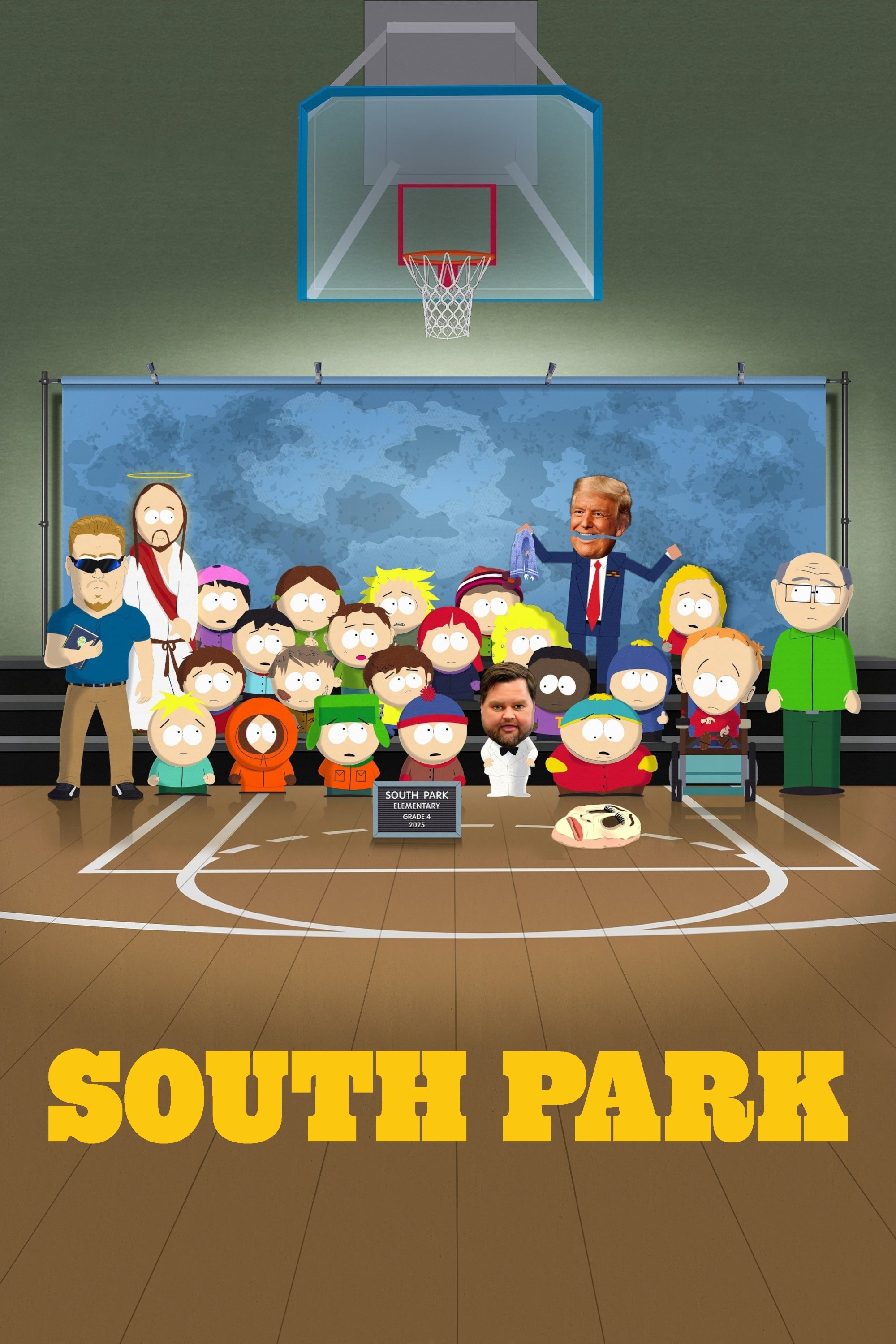
Critics initially dismissed this animated series as poorly animated toilet humor with no redeeming value. Parents groups protested the show and labelled it dangerous for children. The writing evolved to become one of the sharpest tools for social satire and political commentary in media. It has remained relevant for decades by producing episodes in nearly real-time to address current events.
‘The Simpsons’ (1989–Present)
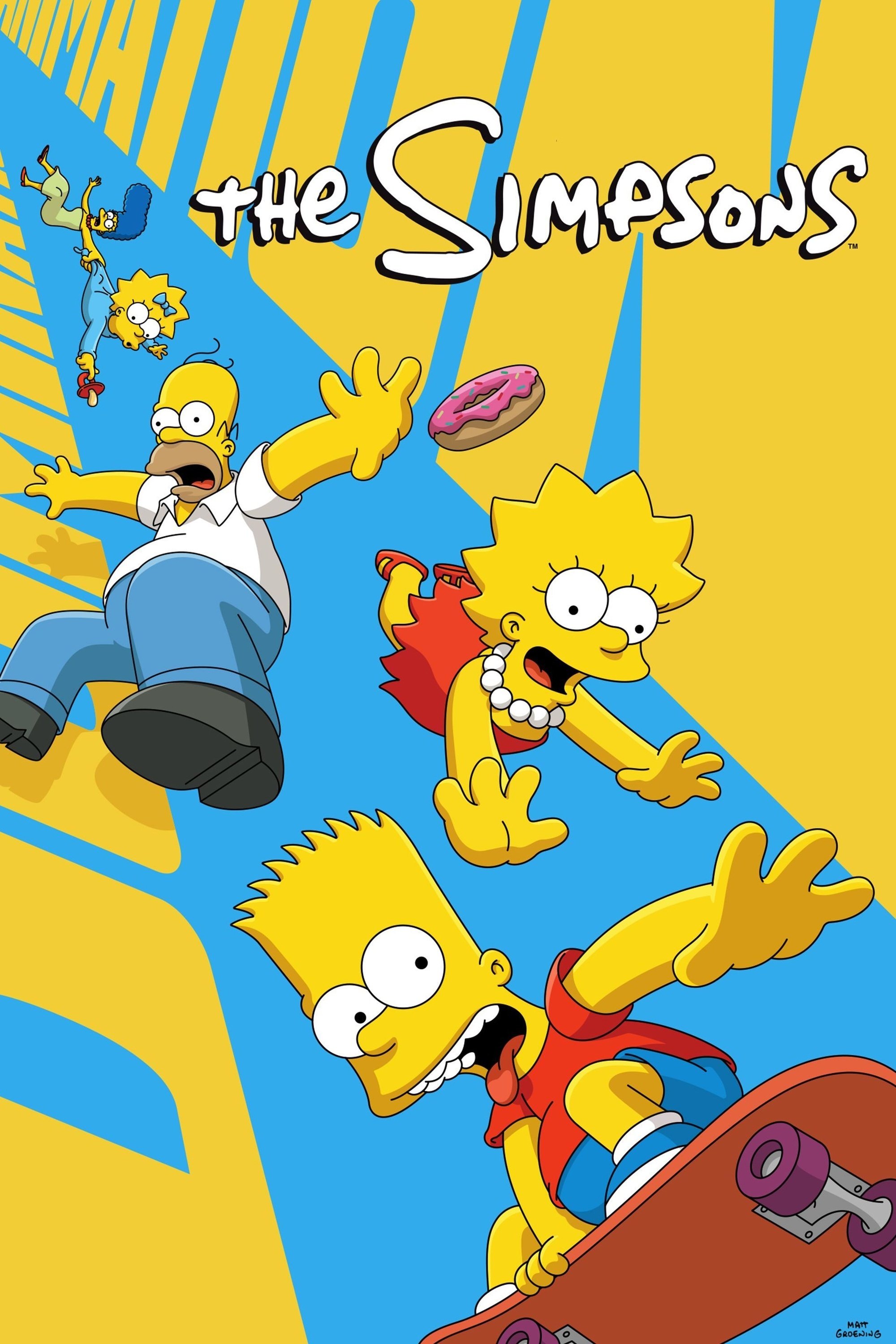
Conservative critics and schools initially banned merchandise because they viewed Bart Simpson as a bad role model. The show was seen as crude and subversive compared to the wholesome family sitcoms of the era. It quickly proved to be a brilliant satire of American life with a massive heart. ‘The Simpsons’ is now an American institution and the longest-running scripted primetime show.
‘Succession’ (2018–2023)
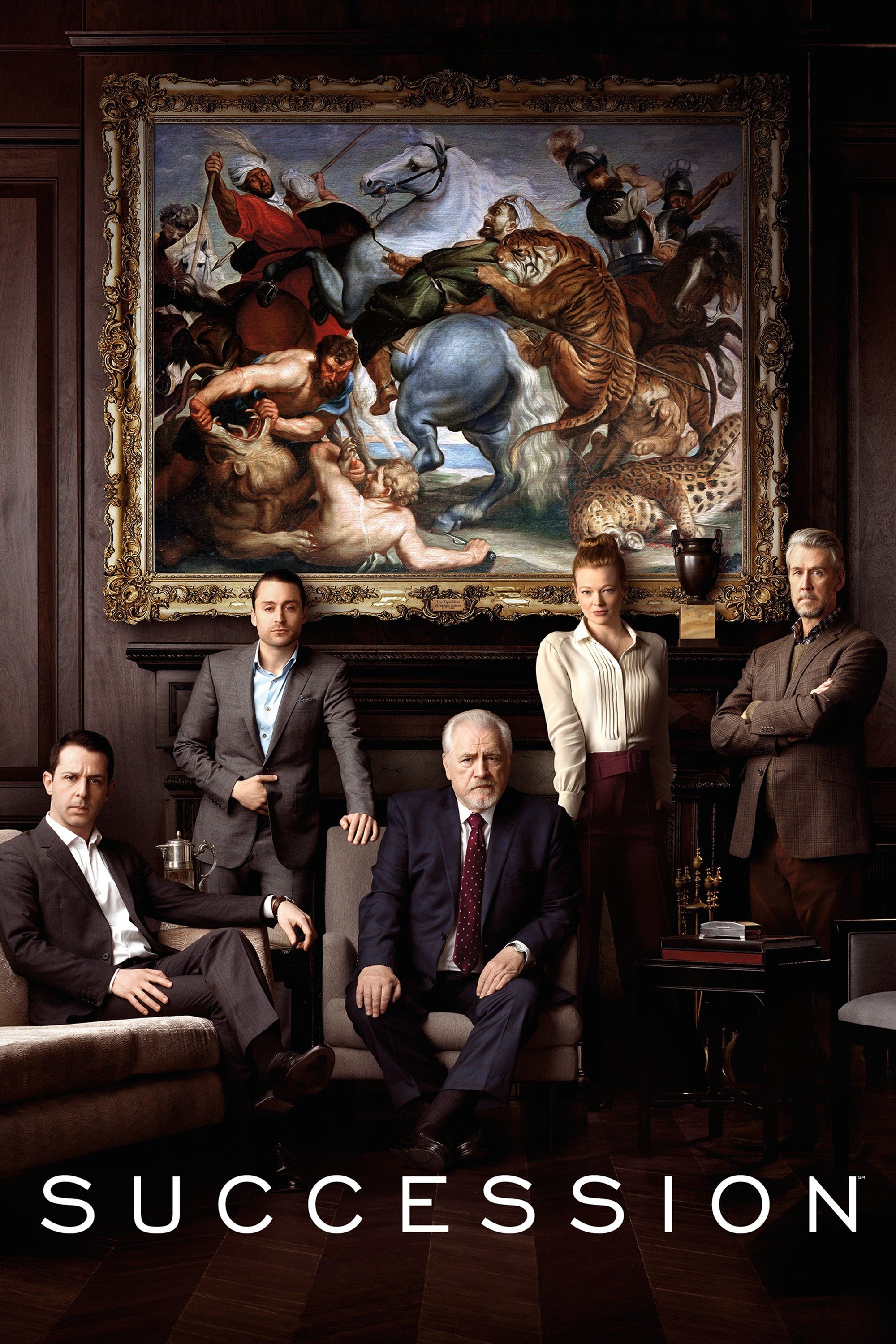
The first few episodes left viewers cold because every character seemed irredeemable and the stakes felt low. Audiences struggled to care about the problems of a billionaire family fighting over a media empire. The writing clicked midway through the first season as the Shakespearean tragedy of the Roy family came into focus. It ended its run as a critical darling and an award-season sweeper.
‘Happy Endings’ (2011–2013)
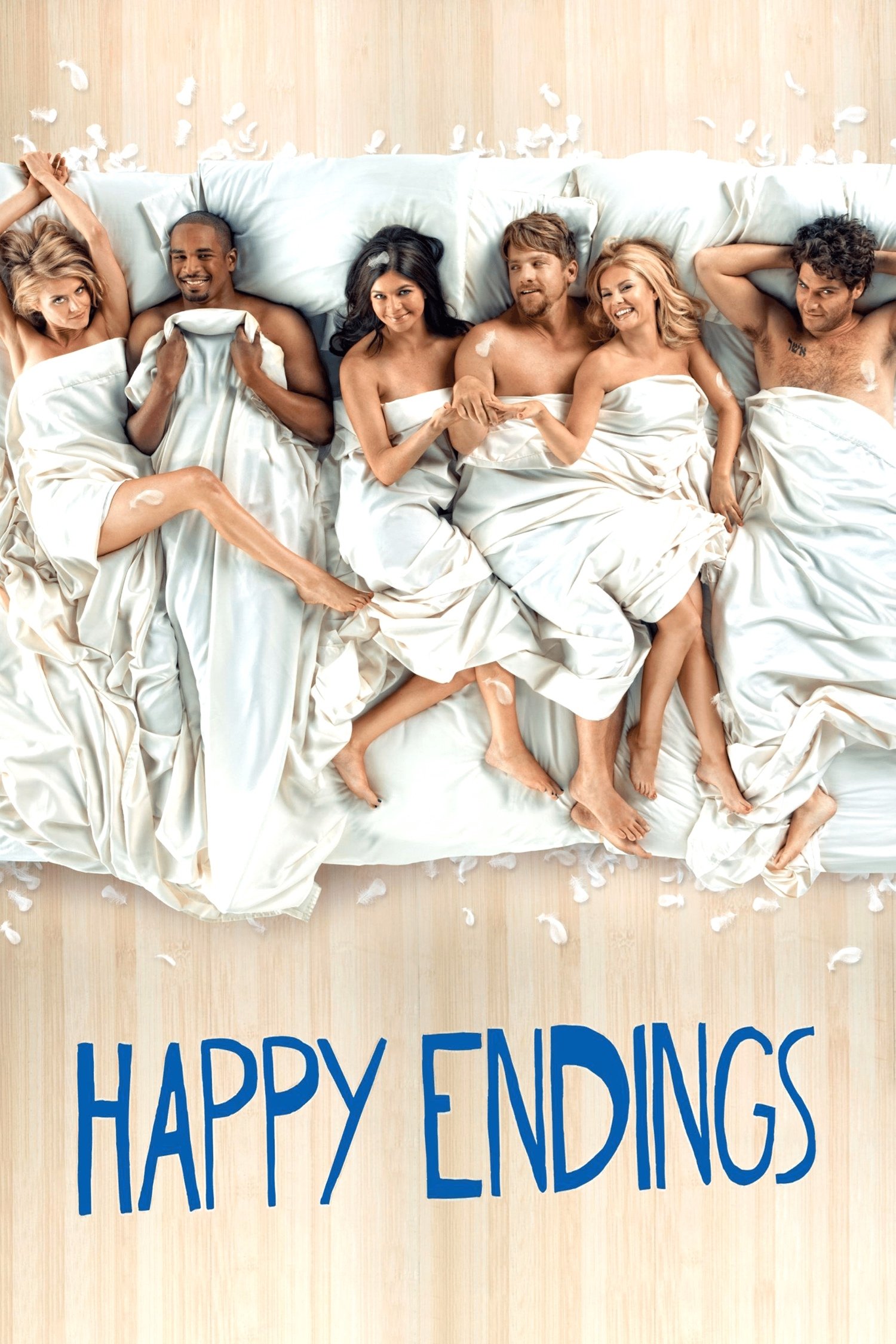
The network aired episodes out of order and moved the show around the schedule constantly. Audiences assumed it was a generic ‘Friends’ clone based on the marketing. Those who stuck with it found a frantic and hilarious comedy with its own unique language. It has gained a massive cult following since its cancellation and calls for a revival continue today.
‘New Girl’ (2011–2018)
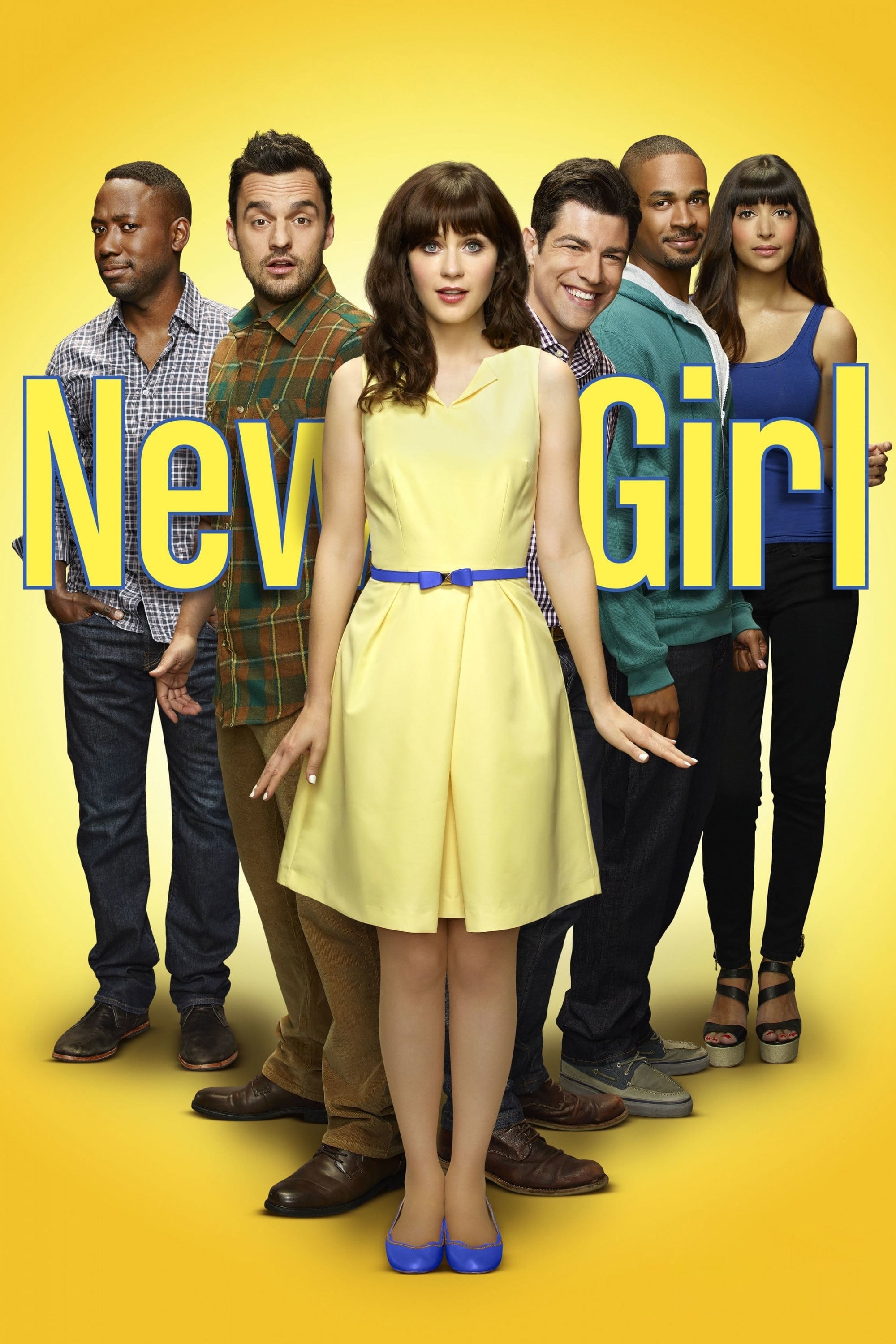
The marketing campaign focused heavily on the “adorkable” quirky persona of the lead character which annoyed many potential viewers. Critics felt the show relied too much on Zooey Deschanel’s manic pixie dream girl trope. The writers smartly pivoted to make it a true ensemble comedy about a dysfunctional group of loft-mates. It is now viewed as one of the best hangout sitcoms of the 2010s.
‘The 100’ (2014–2020)
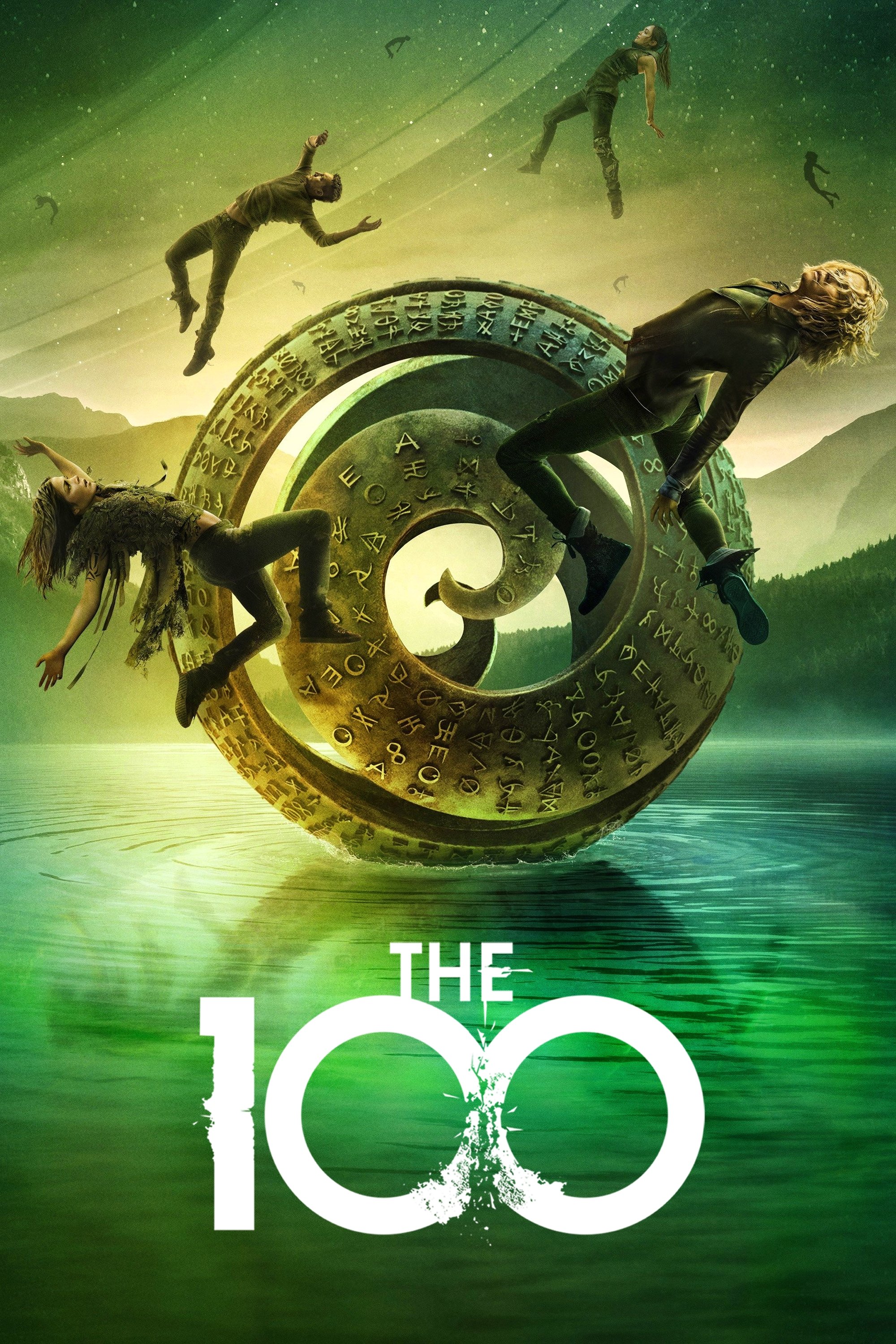
The early episodes of this post-apocalyptic drama felt like a generic teen romance with standard CW melodrama. Critics wrote it off as ‘Lord of the Flies’ with pretty actors and little substance. The show took a brutal turn quickly and began killing off main characters and presenting impossible moral dilemmas. It earned respect for its willingness to reinvent itself and explore the darkness of human nature.
‘Sense8’ (2015–2018)
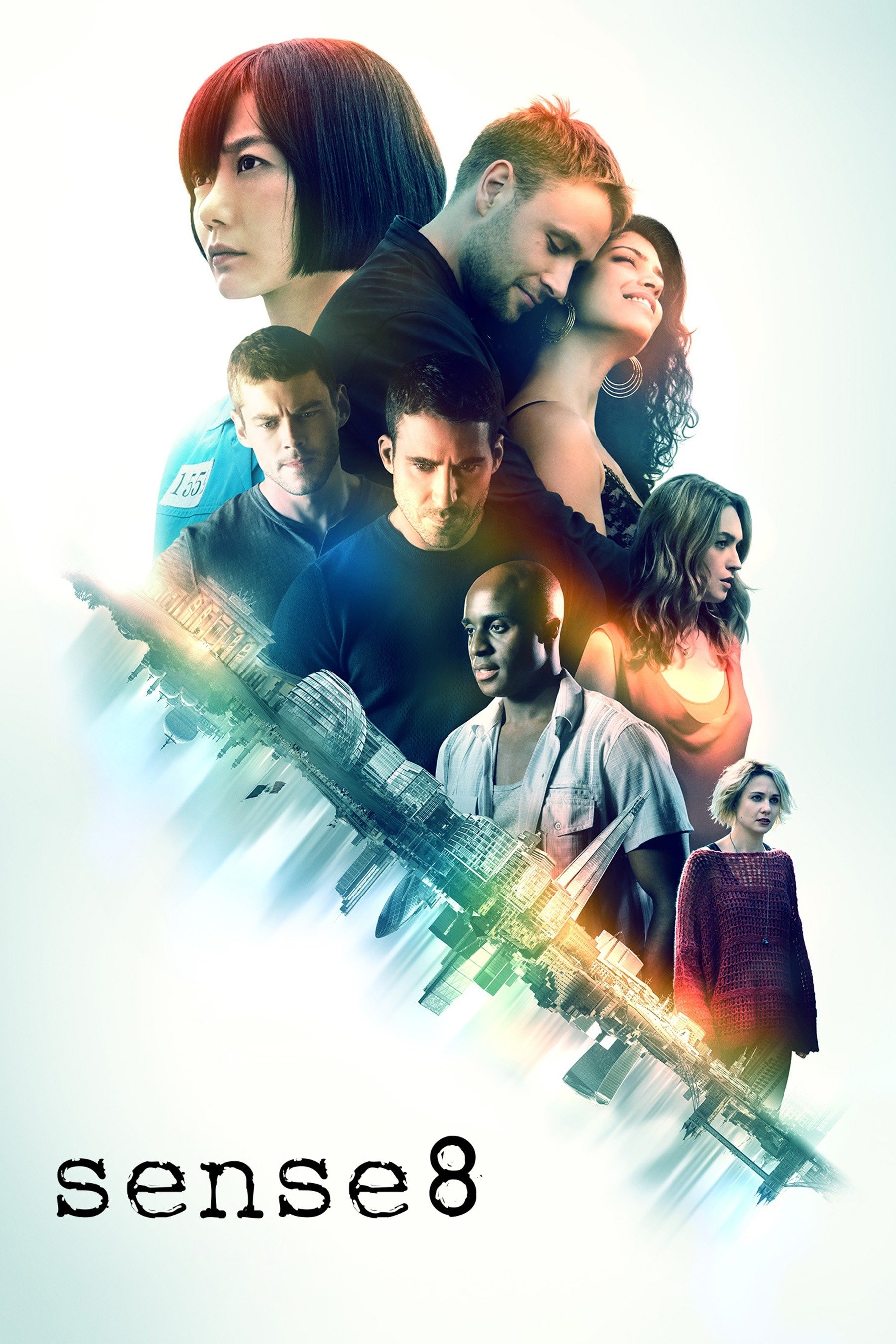
Viewers found the pilot episode confusing because it introduced eight characters in different countries without much explanation. The slow pacing of the first half of the season turned off audiences looking for instant action. The show built a deeply emotional connection between the characters that resonated with fans worldwide. Its cancellation sparked a massive global outcry that resulted in a finale movie to wrap up the story.
‘Dollhouse’ (2009–2010)

The network interfered with the pilot and forced the show to focus on standalone missions rather than the overarching mystery. Audiences were confused by the tone and the premise of people being programmed for different tasks. The second season allowed the writers to explore the darker implications of the technology. It is now remembered as a flawed but fascinating examination of identity and consent.
‘Star Trek: Enterprise’ (2001–2005)
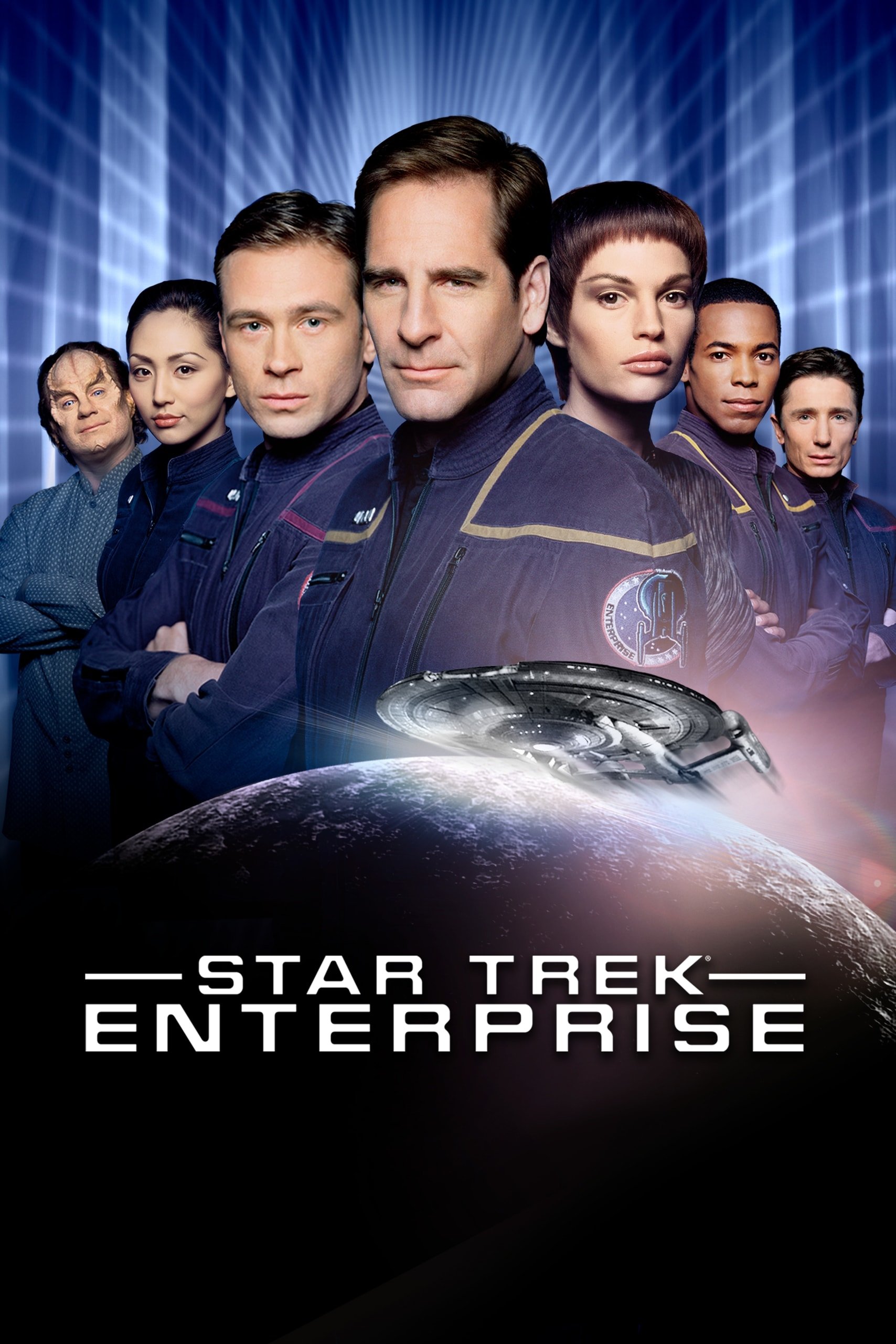
Fans immediately hated the pop ballad theme song and felt the prequel concept violated established canon. The show struggled to find a purpose in its early seasons and recycled plots from previous series. The fourth season brought in new showrunners who embraced the prequel nature and tied up continuity errors. Many fans now consider the final season to be some of the best Star Trek ever produced.
‘Gotham’ (2014–2019)
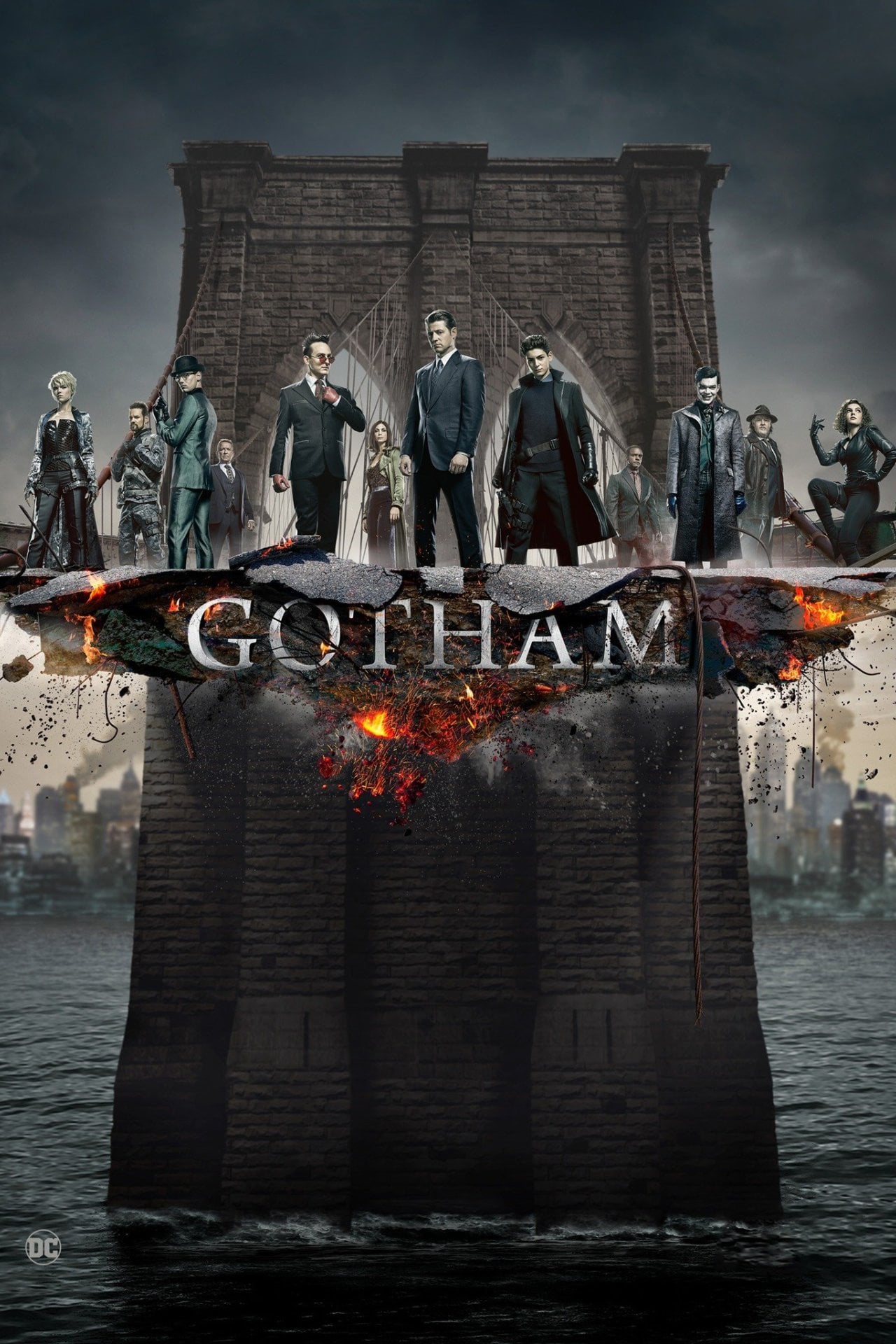
Batman fans were skeptical of a show about Gotham City without Batman and found the tone inconsistent. The series initially tried to be a serious police procedural but struggled to balance the comic book elements. It eventually embraced a campy and chaotic tone that suited the rogues’ gallery perfectly. ‘Gotham’ is now appreciated for its distinct visual style and unique interpretations of classic villains.
‘Review’ (2014–2017)
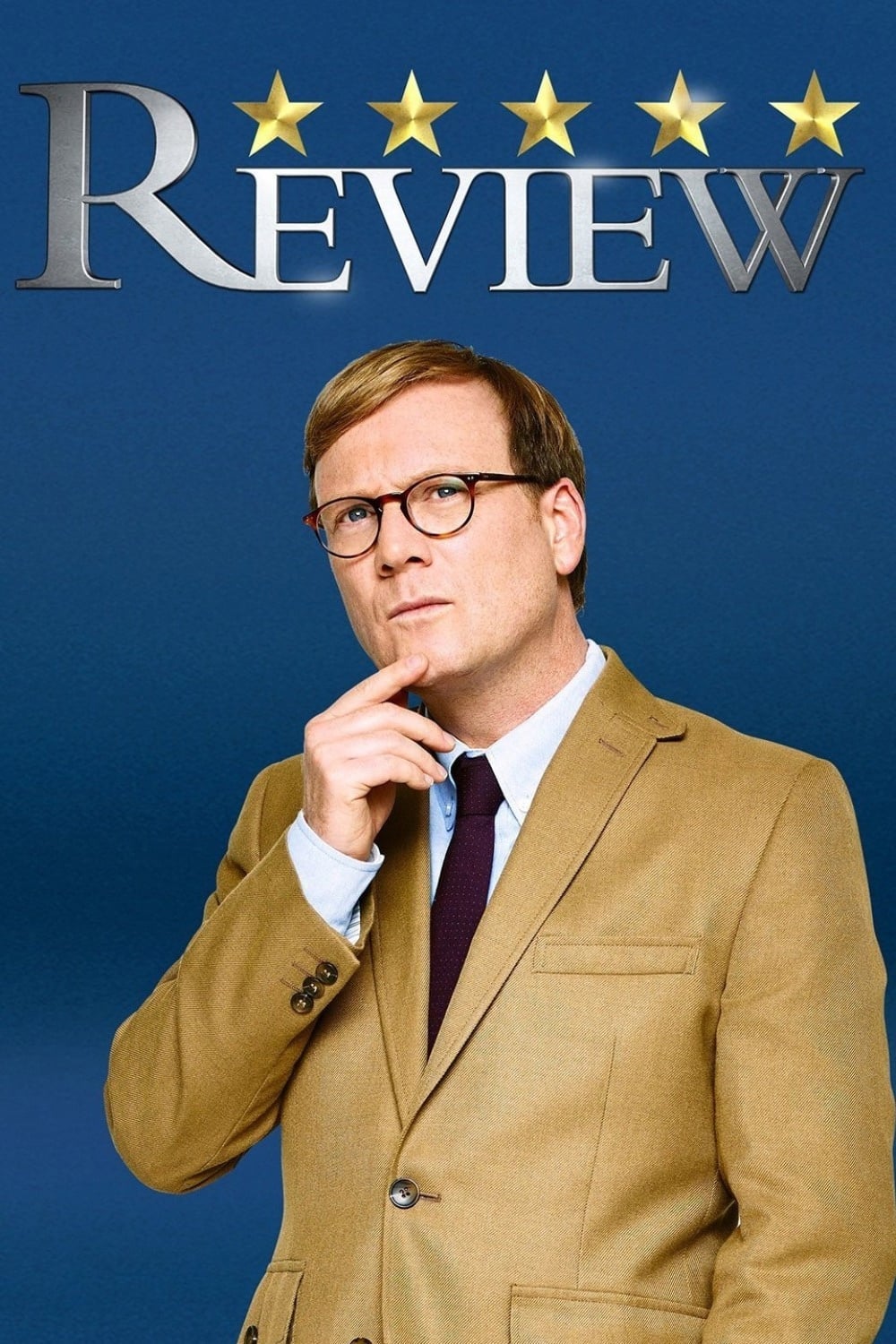
This mockumentary about a critic who reviews life experiences flew under the radar for most audiences. The premise seemed simple but the commitment to the bit resulted in a dark and tragicomic masterpiece. The main character destroys his life for his job in a way that is both hilarious and horrifying. It is frequently cited by comedians and critics as one of the funniest shows of the decade.
Let us know which show won you over in the comments.