


TV Shows That Baited LGBTQ+ Fans with Hints But Never Committed

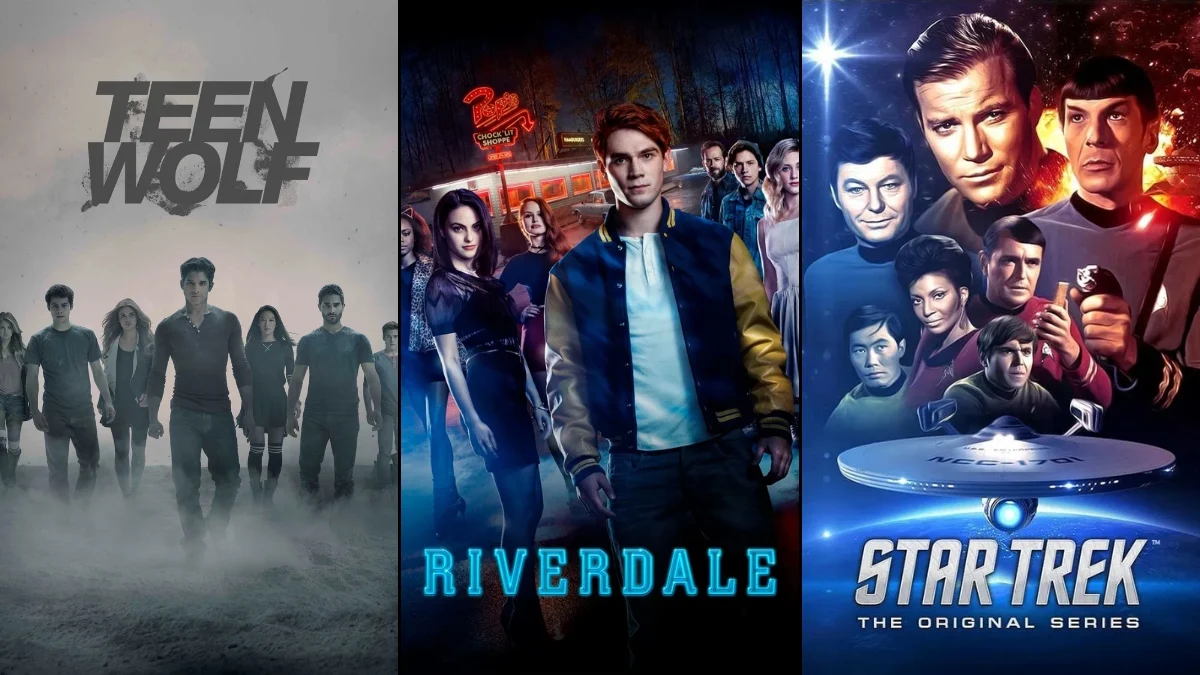


Queerbaiting has become a prominent topic of discussion within television fandoms, referring to the practice where creators tease same-sex romance to attract an audience without ever intending to depict a canon relationship. This technique often utilizes heavy subtext, lingering glances, and promotional materials that suggest a queer dynamic while maintaining a heteronormative status quo for the characters. While some shows eventually provide representation, many rely on these hints to sustain engagement from the LGBTQ+ community without offering actual narrative payoff. The following list examines thirty television series that have been frequently cited by audiences and critics for utilizing these tactics throughout their runs.
‘Supernatural’ (2005–2020)
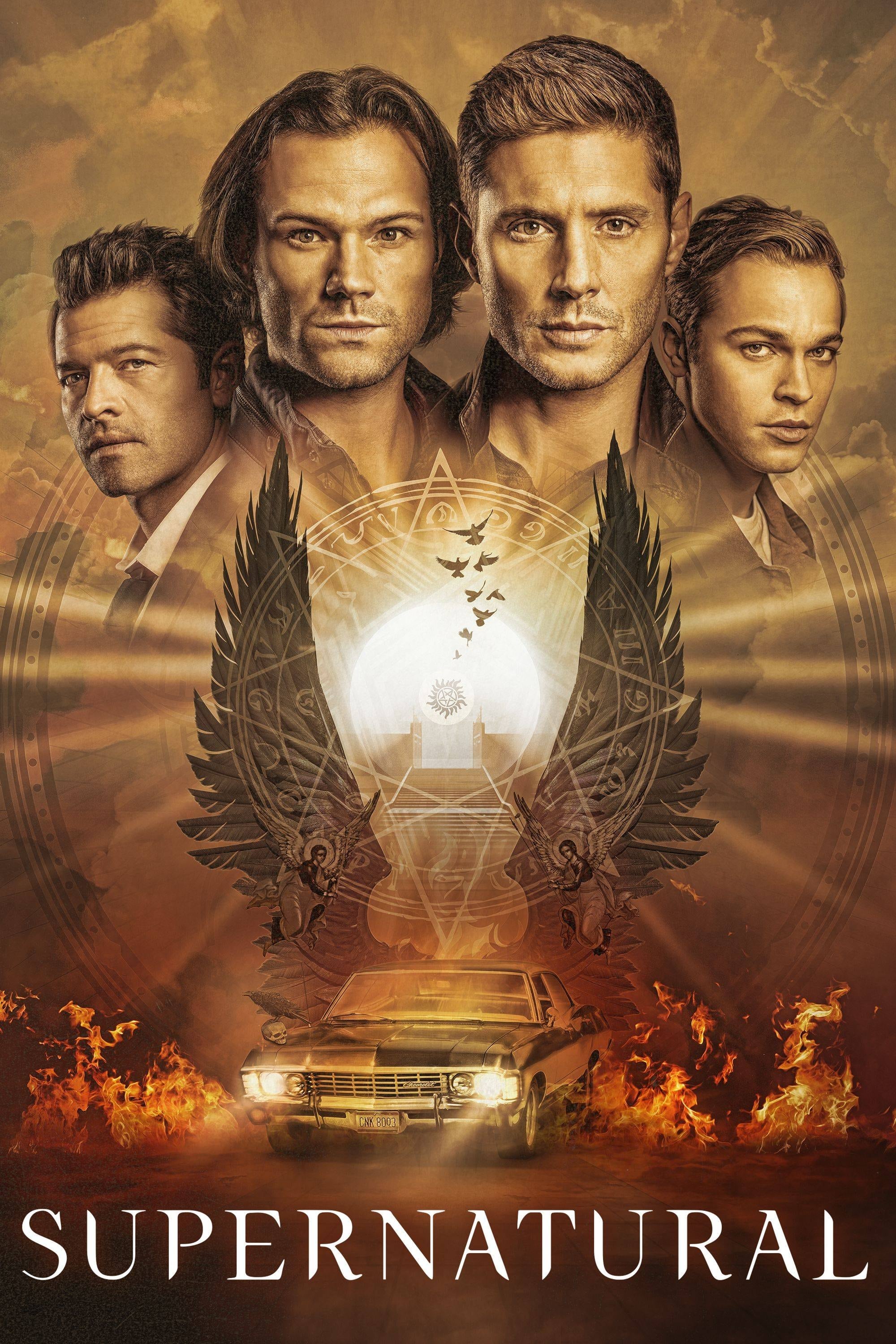
For over a decade, fans analyzed the intense bond between Dean Winchester and the angel Castiel, a dynamic often referred to as “Destiel.” The show frequently employed tropes common to romantic pairings, including deep eye contact and dialogue about their profound connection. In the final season, Castiel confessed his love for Dean in a scene that many viewers felt confirmed years of subtext. However, Dean did not reciprocate the sentiment, and Castiel was immediately removed from the narrative, leading to accusations that the show failed to commit to a functional relationship.
‘Sherlock’ (2010–2017)
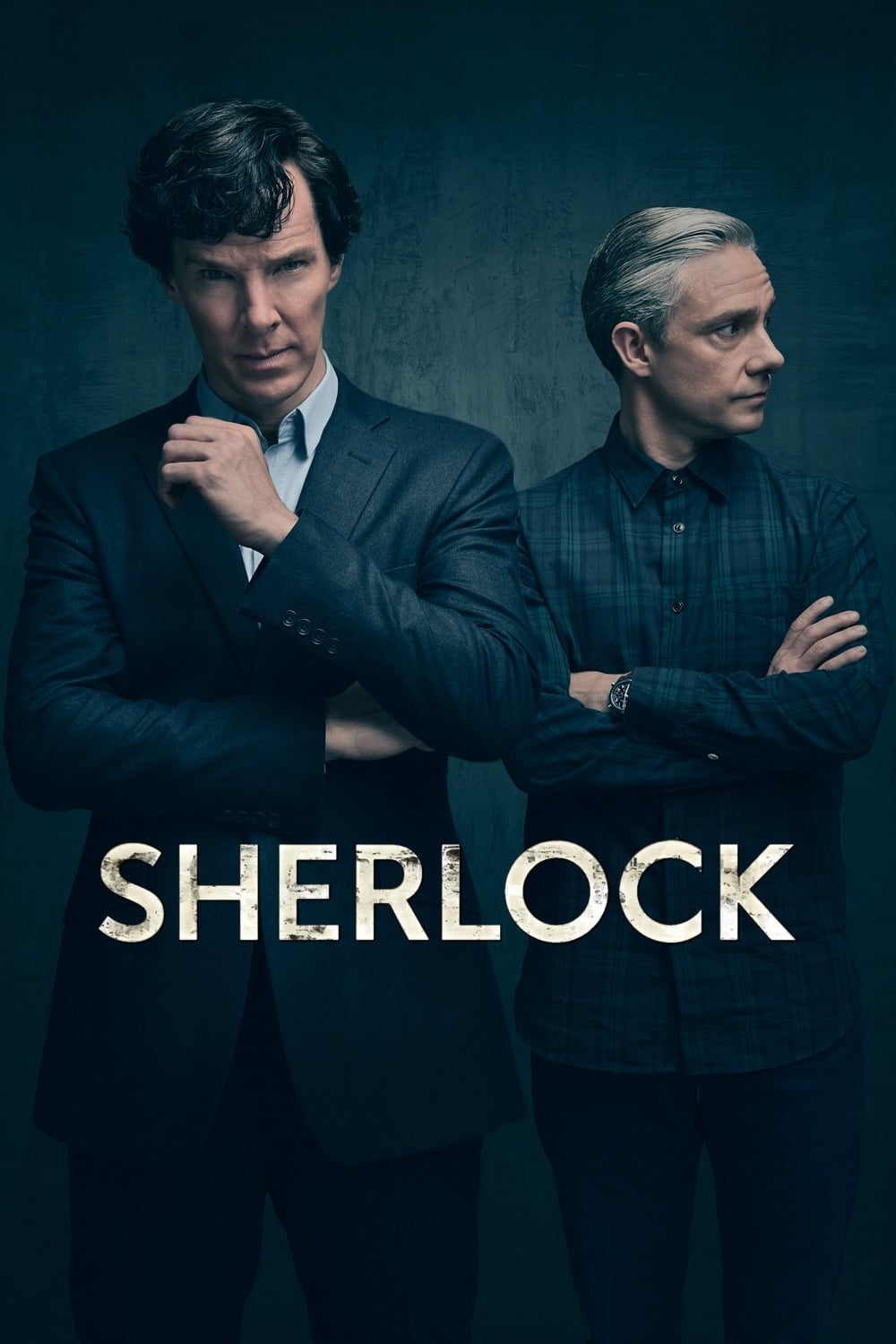
The BBC series ‘Sherlock’ consistently played with the idea of a romantic relationship between Sherlock Holmes and John Watson. Characters within the show often mistook them for a couple, a recurring joke that the protagonists would flatly deny. Despite promotional materials and cast comments that leaned into the “Johnlock” ship, the series concluded without making the pairing official. This led to significant backlash from fans who felt the writers were mocking their desire for representation.
‘Teen Wolf’ (2011–2017)

‘Teen Wolf’ generated a massive following due to the chemistry between characters Stiles Stilinski and Derek Hale. The show’s social media accounts and promotional events frequently highlighted the “Sterek” dynamic to engage the fanbase. Within the show, several scenes featured physical proximity and tension that fans interpreted as romantic groundwork. Ultimately, the two characters were separated in the narrative, and their relationship remained strictly platonic until the series finale.
‘Rizzoli & Isles’ (2010–2016)
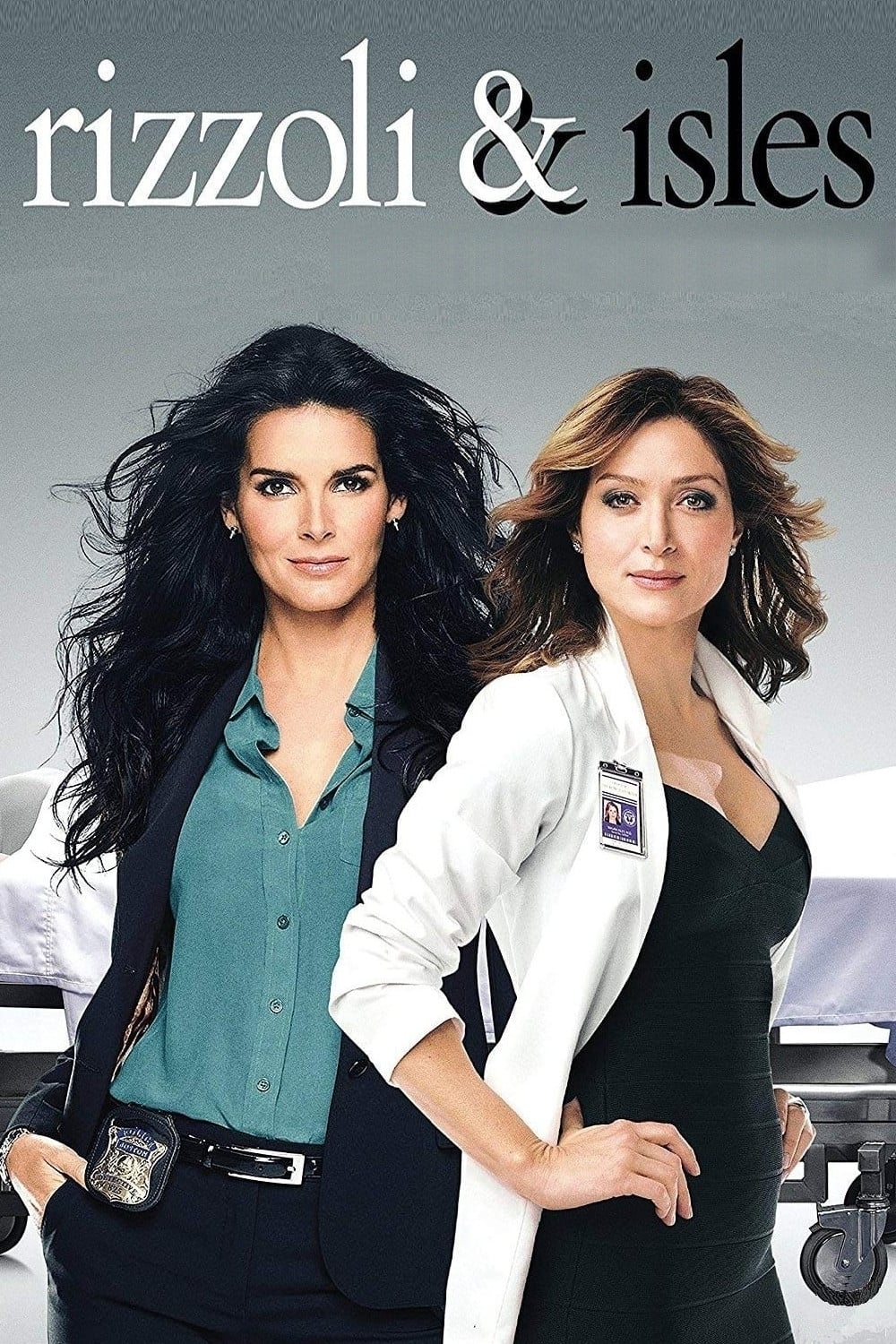
The procedural drama ‘Rizzoli & Isles’ centered on the close partnership between detective Jane Rizzoli and medical examiner Maura Isles. The show often focused on their domestic intimacy and emotional reliance on one another, leading many viewers to see them as a romantic couple. Scriptwriters occasionally included lines that poked fun at the characters’ perceived lesbianism without ever exploring it seriously. The series ended with the two remaining best friends, disappointing those who hoped for a romantic transition.
‘Merlin’ (2008–2012)

The fantasy series ‘Merlin’ focused on the “two sides of the same coin” relationship between the titular sorcerer and Prince Arthur Pendragon. The show relied heavily on the concept of destiny and a bond that transcended standard friendship. While the chemistry between the leads was a focal point of the marketing, the show maintained Arthur’s traditional romance with Guinevere. Many fans felt the final episode’s emotional climax between Merlin and Arthur was romantic in nature, though it was never explicitly labeled as such.
‘Once Upon a Time’ (2011–2018)
‘Once Upon a Time’ fans championed the pairing of Emma Swan and Regina Mills, known as “SwanQueen.” The show juxtaposed their initial rivalry with a later co-parenting dynamic that many interpreted as having romantic potential. Despite the intense emotional development between the two women, the show paired them both with male love interests. The creators frequently addressed the “SwanQueen” ship in interviews but maintained that the bond was purely about friendship and shared family.
‘Riverdale’ (2017–2023)
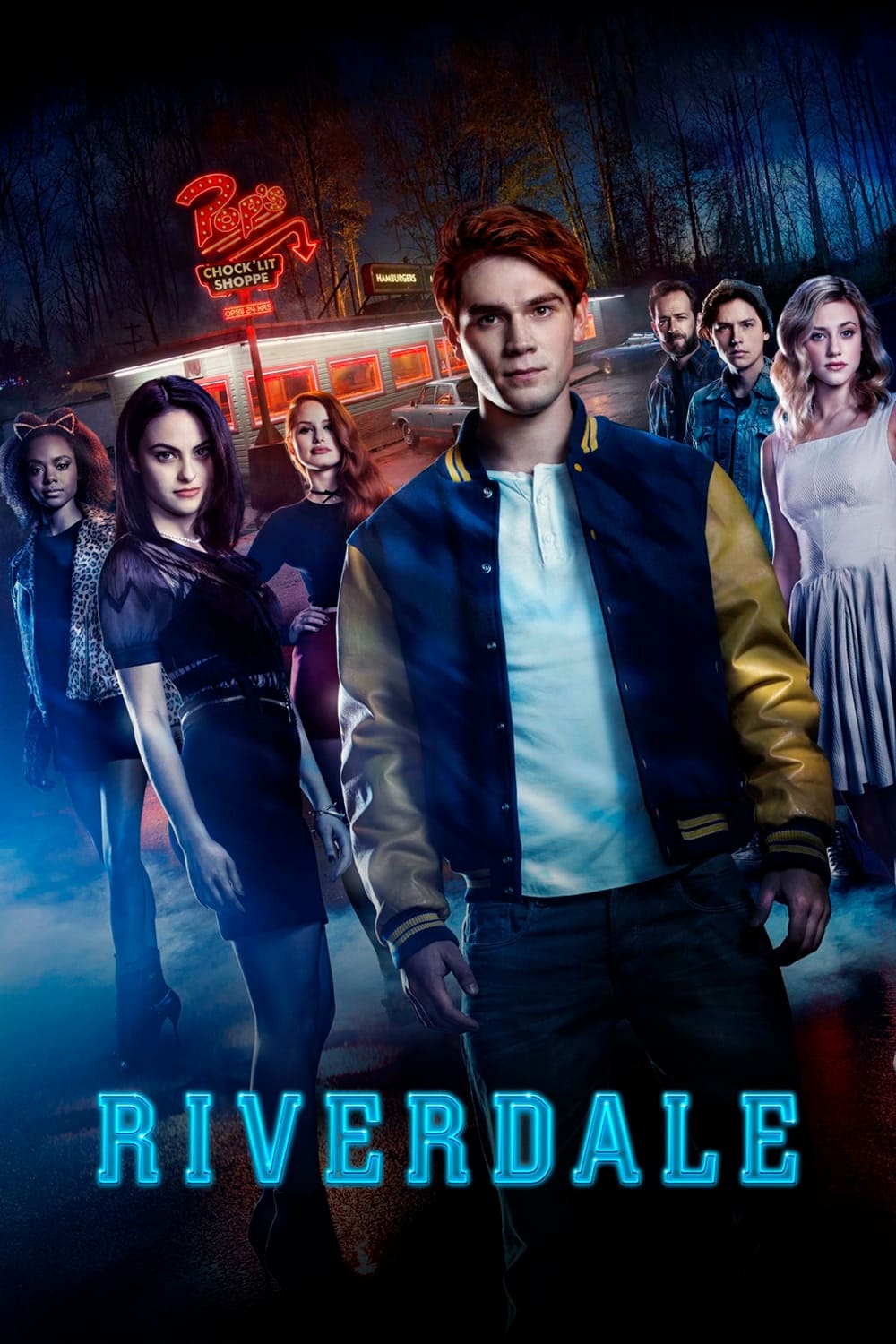
The pilot episode of ‘Riverdale’ featured a kiss between Betty Cooper and Veronica Lodge during cheerleading tryouts. This moment was used heavily in trailers to generate buzz for the new series, yet it was dismissed almost immediately within the story as a tactic to get attention. Throughout the series, the two women remained primarily focused on their relationships with Archie Andrews and Jughead Jones. Although the show eventually explored other queer characters, the initial Betty and Veronica tease is often cited as a classic example of baiting.
‘The Falcon and the Winter Soldier’ (2021)
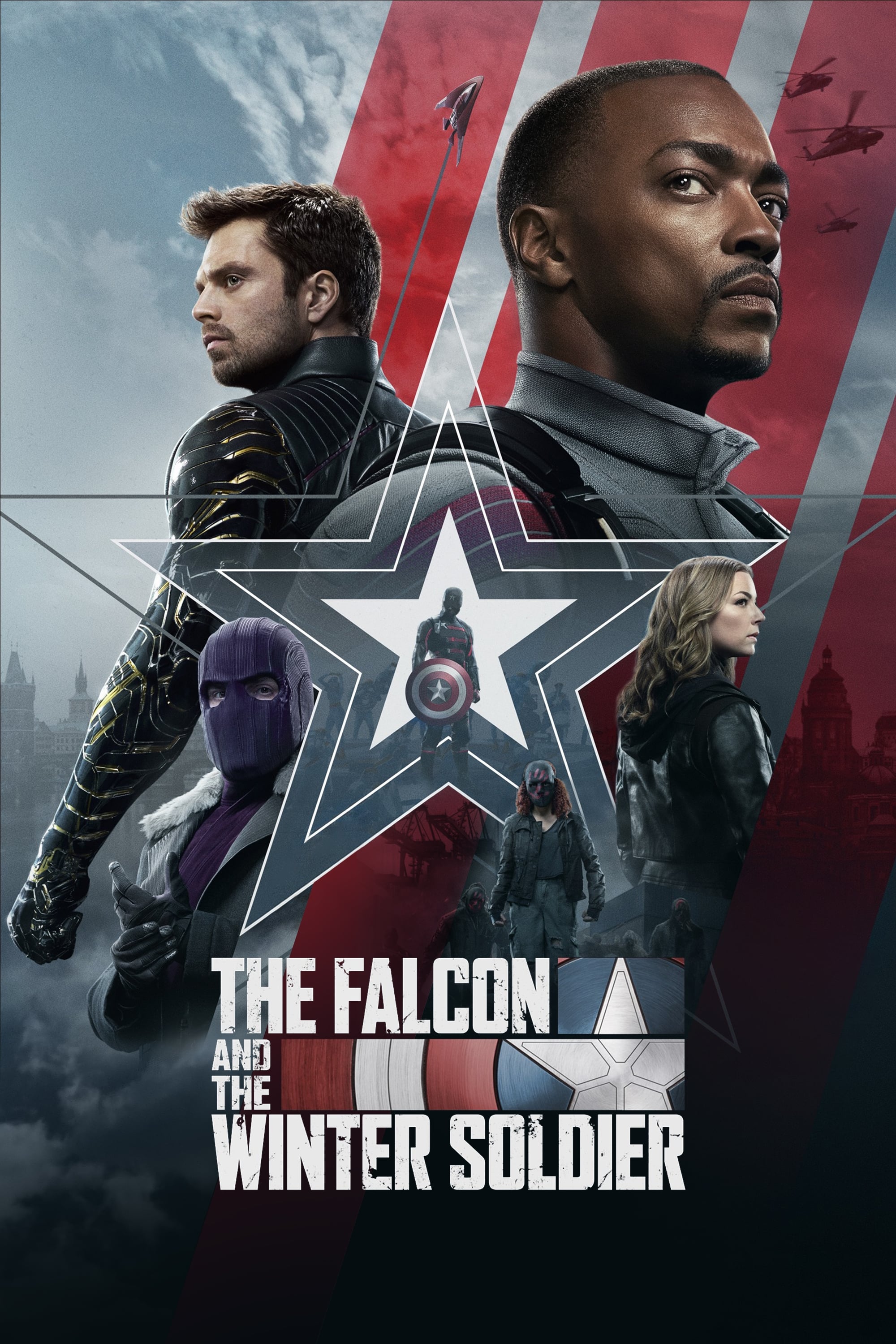
This Marvel Cinematic Universe series focused on the evolving partnership between Sam Wilson and Bucky Barnes. The show included scenes of the two characters in a “couples therapy” setting and shared intimate moments of vulnerability. Fans noted the parallels between their journey and traditional romantic comedy tropes used in other MCU properties. Despite the chemistry, the showrunners explicitly stated that the characters’ bond was one of brotherly love, frustrating those looking for queer representation in the lead roles.
‘9-1-1’ (2018–Present)

For several seasons, ‘9-1-1′ has featured a deep emotional connection between firefighters Evan “Buck” Buckley and Eddie Diaz. The “Buddie” ship became a major part of the show’s online discourse due to the characters’ domestic scenes and co-parenting of Eddie’s son. While Buck eventually came out as bisexual in a later season, he was paired with a different male character rather than Eddie. Fans continue to debate whether the show will ever commit to the long-standing tension between the two leads.
‘House’ (2004–2012)
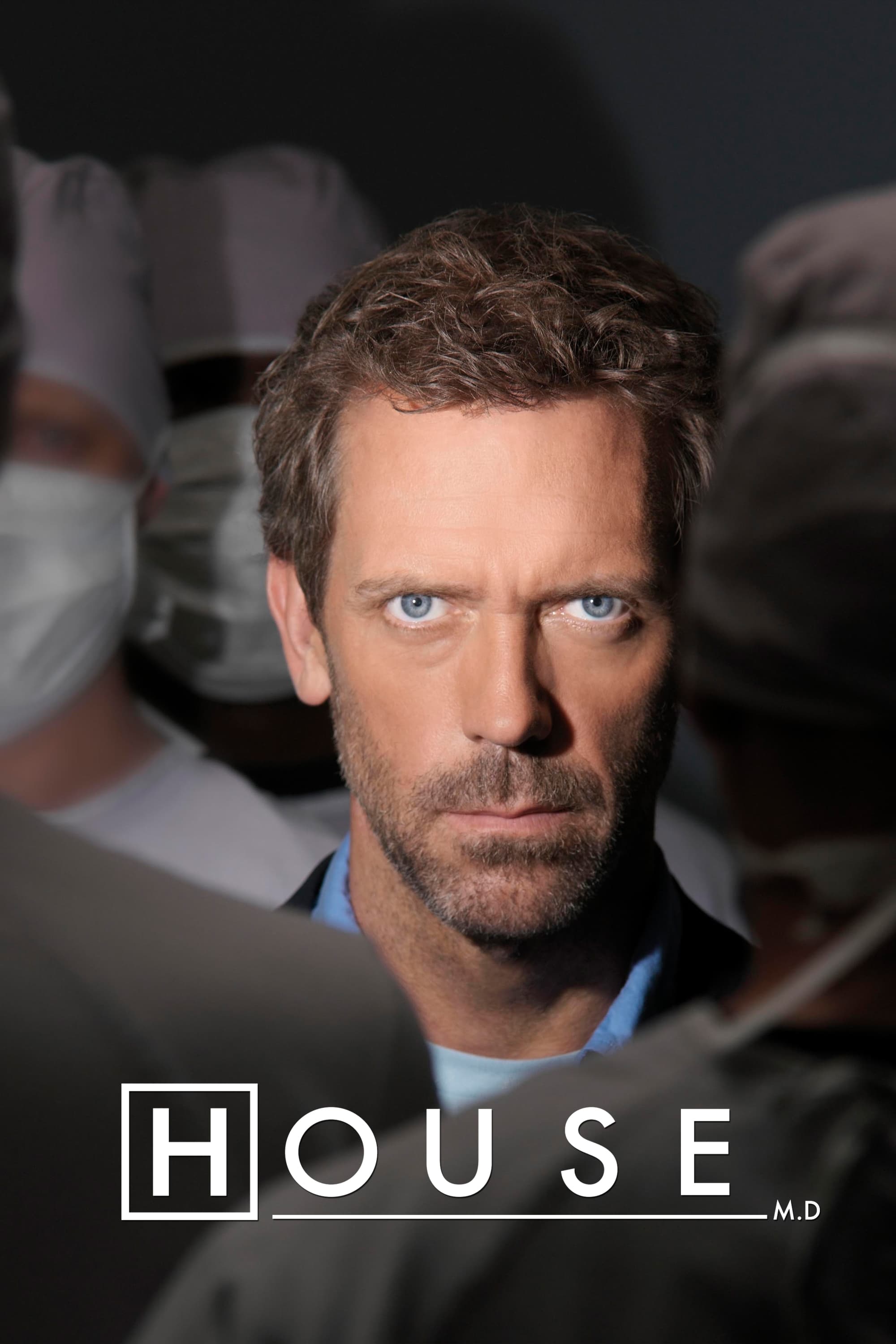
The medical drama ‘House’ centered on the volatile yet codependent relationship between Dr. Gregory House and Dr. James Wilson. The series often used the idea of them being a “married couple” as a source of comedy, with other characters frequently commenting on their intimacy. House and Wilson often engaged in behaviors that mirrored romantic devotion, including living together and making major life sacrifices for one another. The series finale saw them riding off into the sunset together, but their relationship was never defined as anything other than a platonic friendship.
‘Hannibal’ (2013–2015)
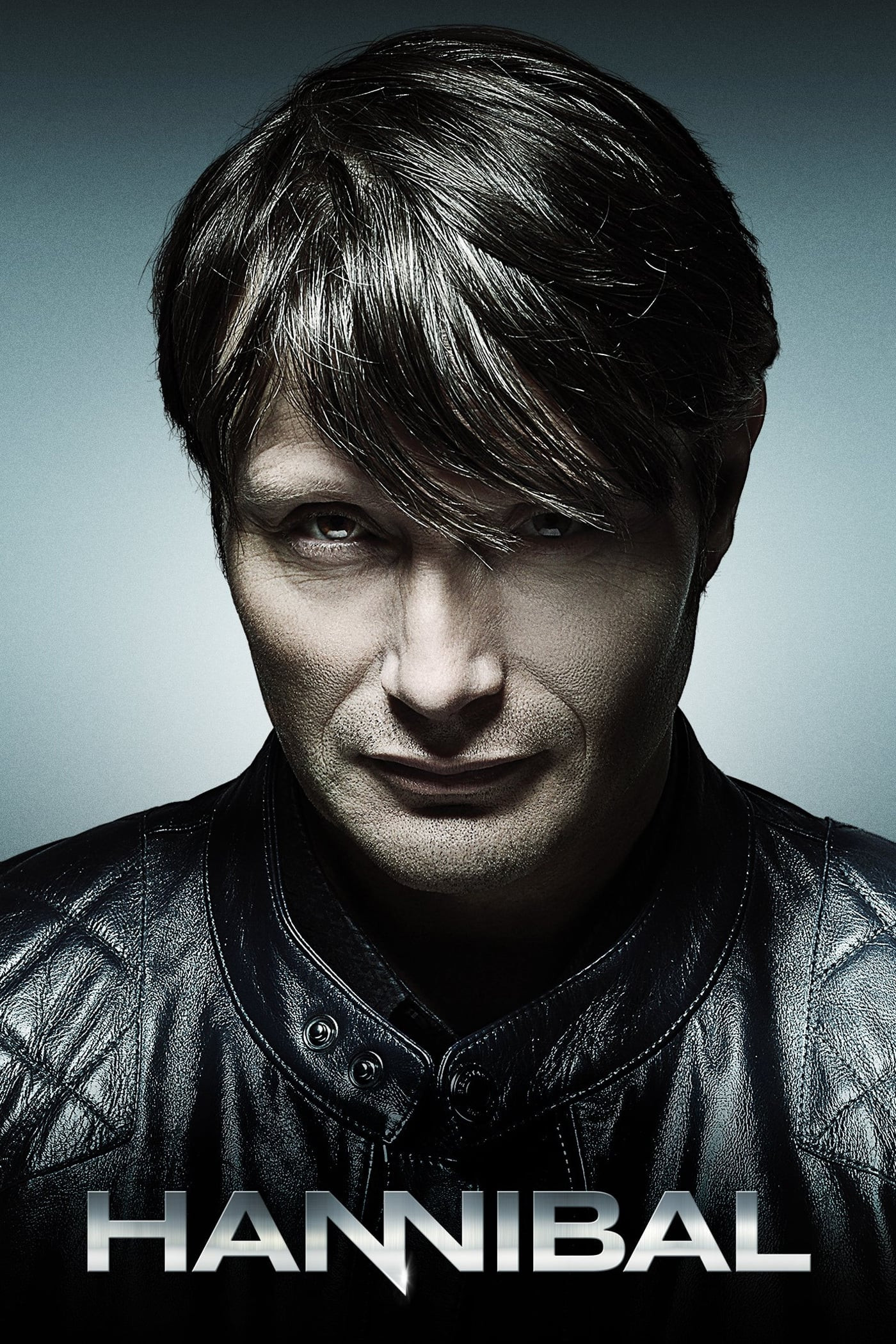
‘Hannibal’ explored the “murder husband” dynamic between Will Graham and Hannibal Lecter with intense psychological and physical intimacy. The show utilized highly aestheticized and romanticized imagery to depict their obsession with one another. While the creator, Bryan Fuller, eventually confirmed the characters were in love, the show never depicted a physical romantic encounter before its cancellation. The ambiguity of their final embrace left many viewers feeling the show walked a fine line between subtext and commitment.
‘Xena: Warrior Princess’ (1995–2001)
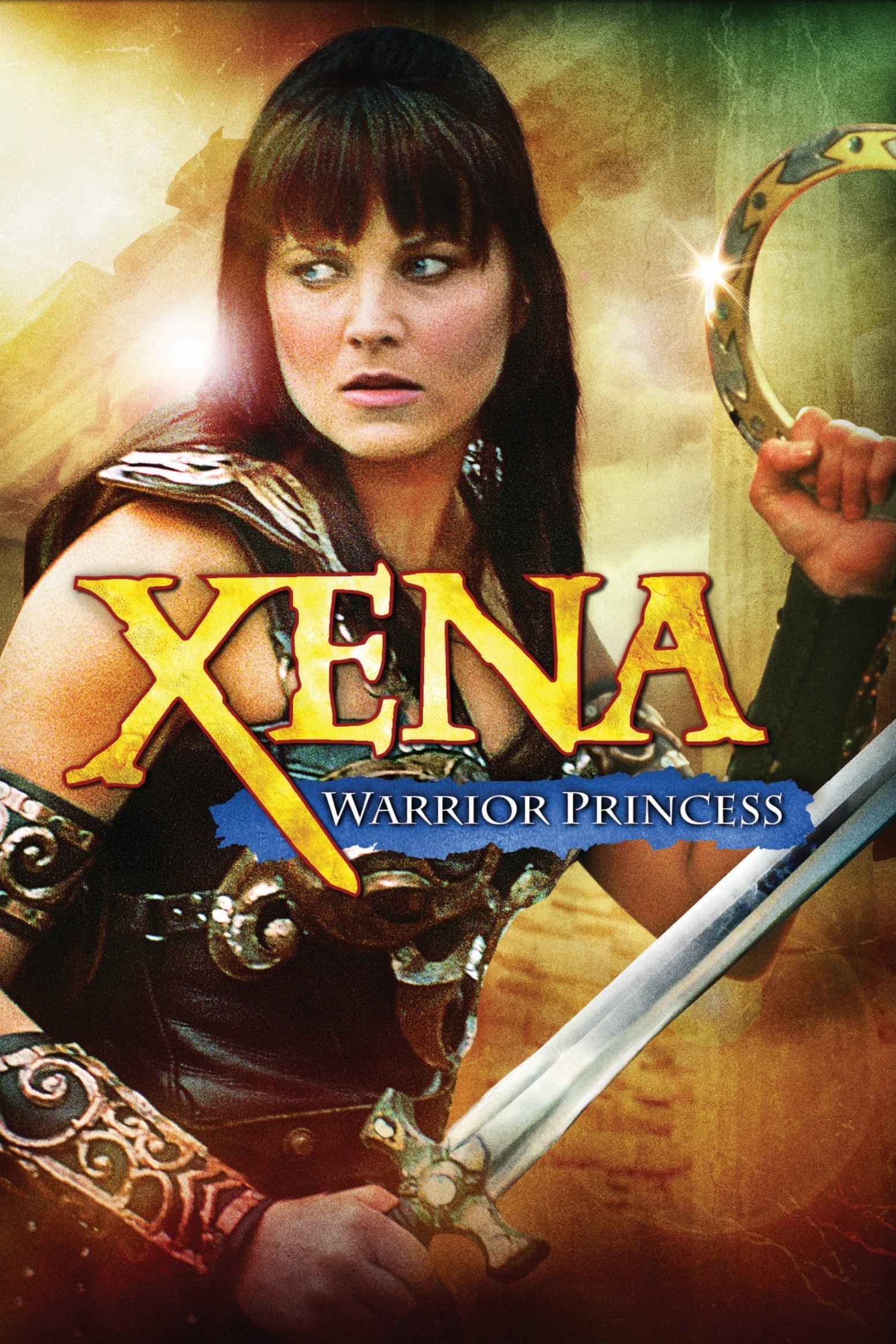
‘Xena: Warrior Princess’ is often credited with pioneering the use of lesbian subtext to attract a queer audience. The relationship between Xena and Gabrielle was the heart of the show, featuring soulmate rhetoric and frequent intimate moments. While the producers were limited by network standards of the time, they often leaned into the “subtext” through “uber-episodes” and suggestive dialogue. Despite the cultural impact, the characters never shared an explicit romantic confirmation or a non-ambiguous kiss until the very end, and even then, it was under supernatural circumstances.
‘Buffy the Vampire Slayer’ (1997–2003)
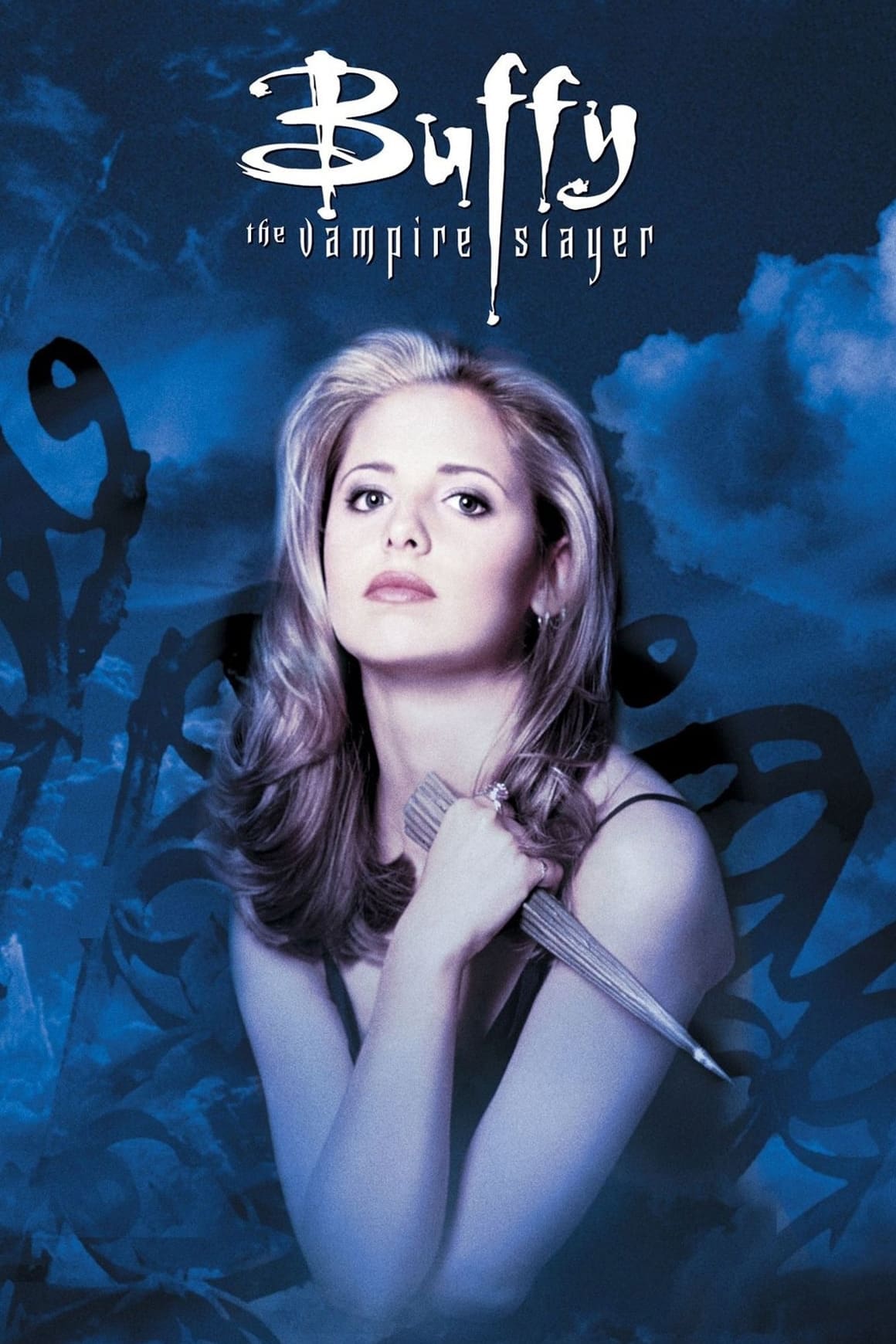
While ‘Buffy the Vampire Slayer’ is praised for the relationship between Willow and Tara, it is often criticized for the subtextual baiting of “Slayer” rivals Buffy Summers and Faith Lehane. The tension between the two was laden with physical aggression and dialogue that many interpreted as coded attraction. Writers and actors have since acknowledged the chemistry, but the show never moved past the subtext. This left the “Fuffy” pairing as a popular but non-canon element of the show’s legacy.
‘Smallville’ (2001–2011)
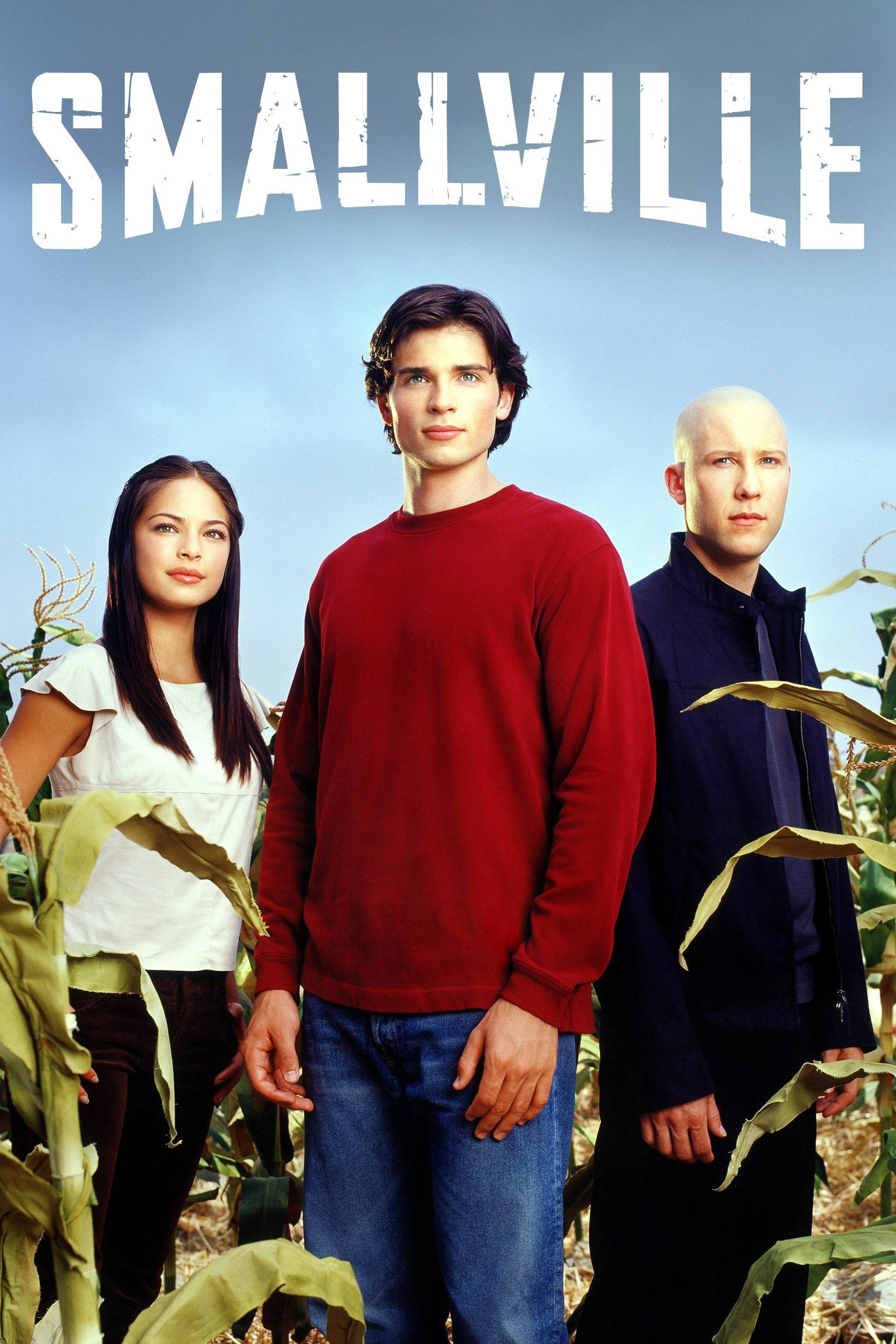
The early seasons of ‘Smallville’ focused heavily on the complicated friendship between Clark Kent and Lex Luthor. Their relationship was characterized by an obsession that many fans felt mirrored a romantic tragedy. The show leaned into this dynamic with intense staring contests and dialogue about their fated connection. However, the narrative eventually shifted toward their inevitable roles as enemies, leaving the romantic undertones unexplored.
‘Hawaii Five-0’ (2010–2020)
The reboot of ‘Hawaii Five-0’ relied heavily on the “cargument” dynamic between Steve McGarrett and Danny “Danno” Williams. These scenes often mimicked the bickering of a long-married couple, a comparison the show itself frequently made. Despite the central importance of their relationship and the constant teasing from guest characters, the show remained committed to their status as “brothers.” This persistent use of romantic tropes for comedic effect without payoff is often highlighted by critics of queerbaiting.
‘Stranger Things’ (2016–Present)
‘Stranger Things’ has long hinted at Will Byers’ struggles with his identity and his feelings for his best friend, Mike Wheeler. In the fourth season, Will gave an emotional speech about being different and feeling like a mistake, which many took as a soft coming-out. However, the show has yet to have Will explicitly state his sexuality or address his feelings directly to Mike. This slow-burn approach has led to frustration among fans who feel the show is stalling on a definitive confirmation.
‘Voltron: Legendary Defender’ (2016–2018)
The animated series ‘Voltron: Legendary Defender’ faced significant controversy regarding its handling of LGBTQ+ characters. Creators teased a significant reveal for the character Shiro, who was eventually confirmed to have had a boyfriend in a flashback. However, the boyfriend was killed off almost immediately, and the representation was minimal throughout the final seasons. Additionally, fans who shipped the characters Keith and Lance felt the show used their rivalry and growth to hint at a romance that never materialized.
‘The Good Wife’ (2009–2016)
‘The Good Wife’ featured a complex and often flirtatious relationship between Kalinda Sharma and Alicia Florrick. The two women shared a deep chemistry that was a focal point of the early seasons, involving late-night drinks and intimate conversations. After a behind-the-scenes falling out between the actresses, the characters stopped sharing scenes entirely. The potential for a deeper exploration of their bond was permanently severed, leaving fans with unresolved subtext.
‘Suits’ (2011–2019)
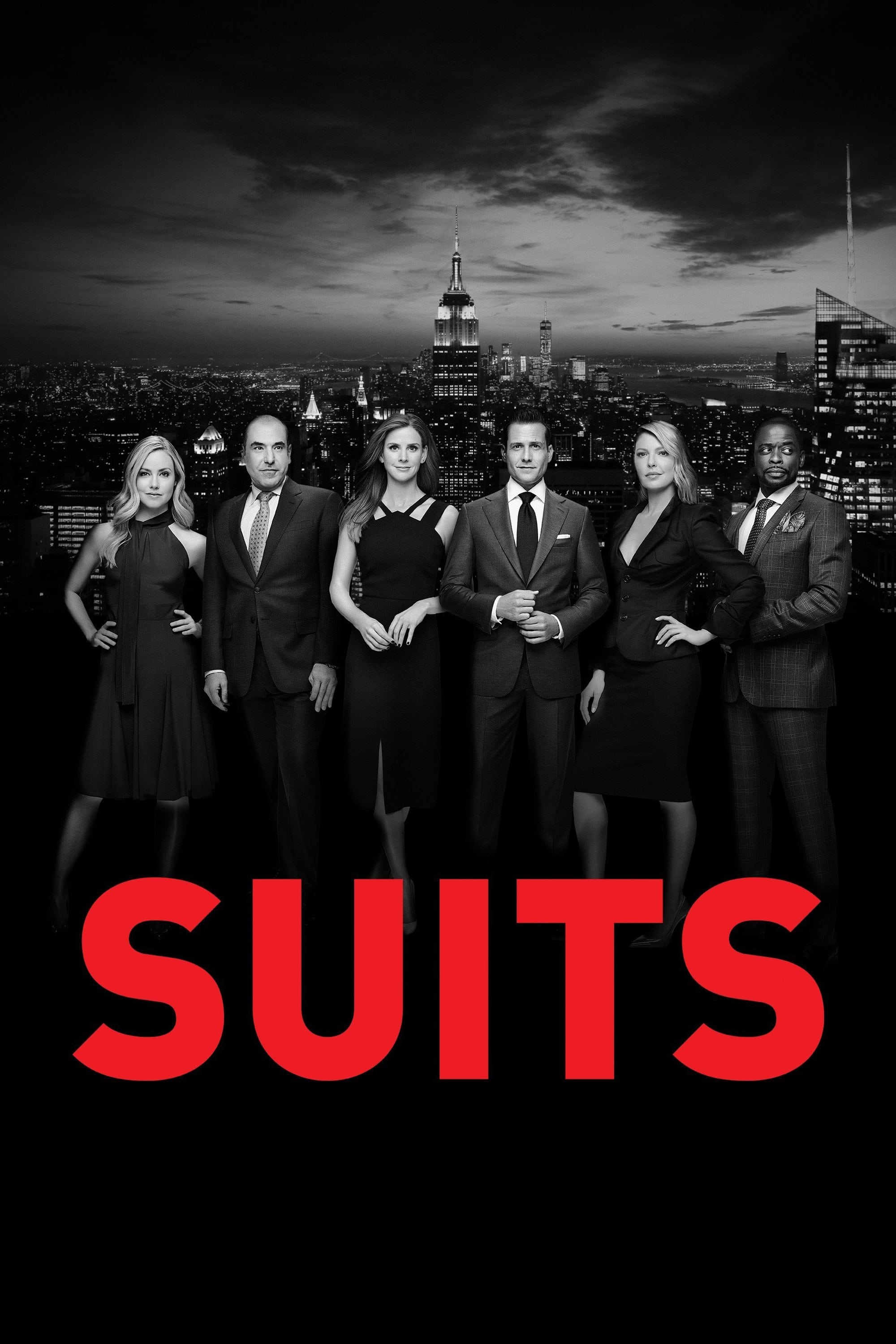
The legal drama ‘Suits’ centered on the mentorship and friendship between Harvey Specter and Mike Ross. Their banter and intense loyalty led a segment of the audience to ship them as a romantic couple. The show played into this by having other characters question the nature of their relationship or joke about their “work-husband” status. Ultimately, both characters were married to women, and the show maintained their bond as a strictly professional and brotherly one.
‘Starsky & Hutch’ (1975–1979)
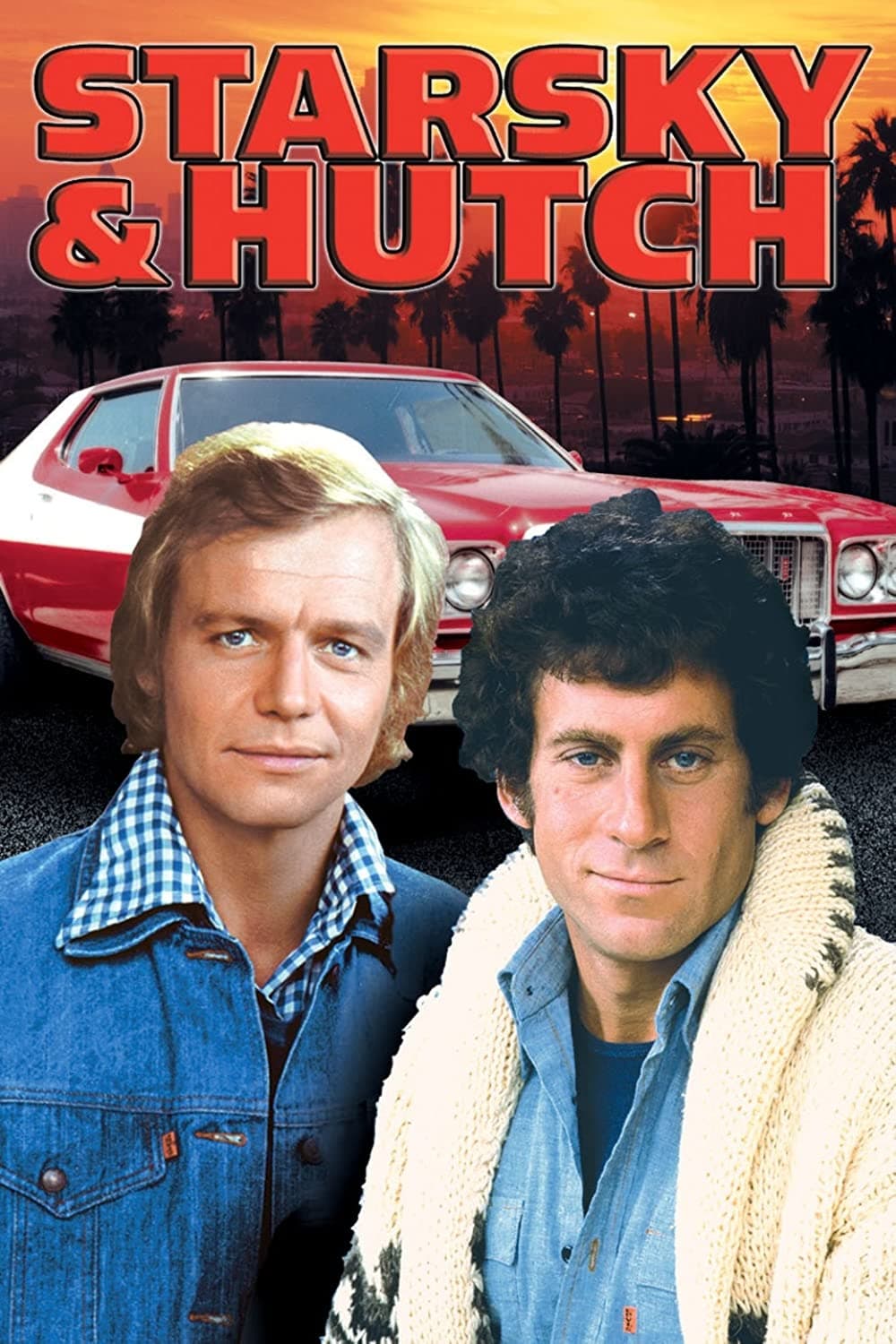
The original ‘Starsky & Hutch’ is often cited as a historical example of the “buddy cop” dynamic that utilized romantic tropes. The two leads were famously physical with one another, often hugging or touching in ways that were unusual for male characters at the time. While the show predates the modern term “queerbaiting,” its reliance on their “soulmate” connection for viewership is frequently analyzed by modern television historians. The characters remained heterosexual icons while their intimacy was used to drive the show’s emotional stakes.
‘Succession’ (2018–2023)
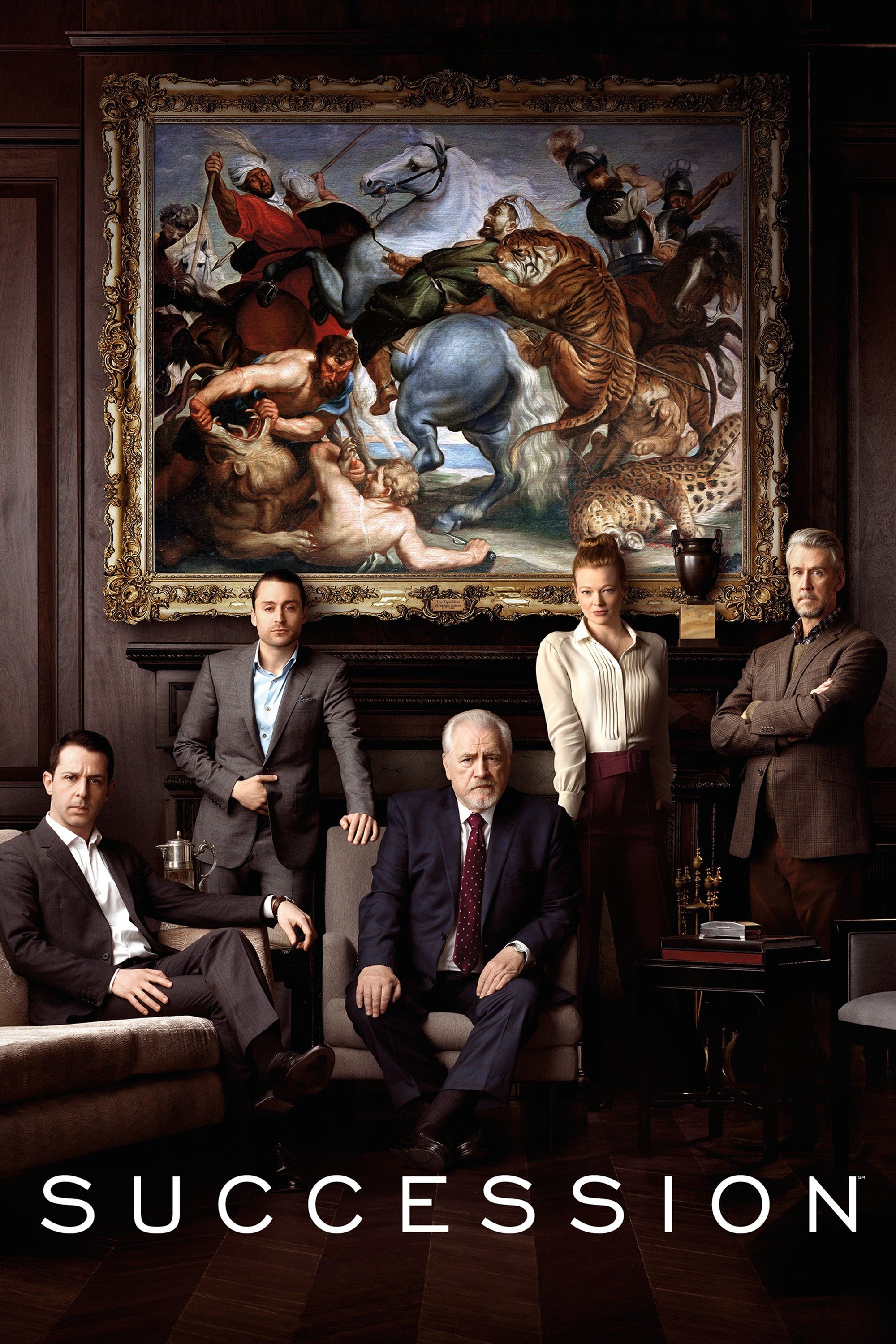
‘Succession’ depicted a bizarre and highly subtextual relationship between Tom Wambsgans and Greg Hirsch. Tom frequently made comments to Greg that were coded as flirtatious or possessive, including a scene where he offered to “castrate” himself for him. While the show used their dynamic to explore power and abuse within the Roy family empire, it never moved into actual romantic territory. Fans of “TomGreg” often felt the show was leaning into the ship for social media engagement without intending to follow through.
‘Glee’ (2009–2015)
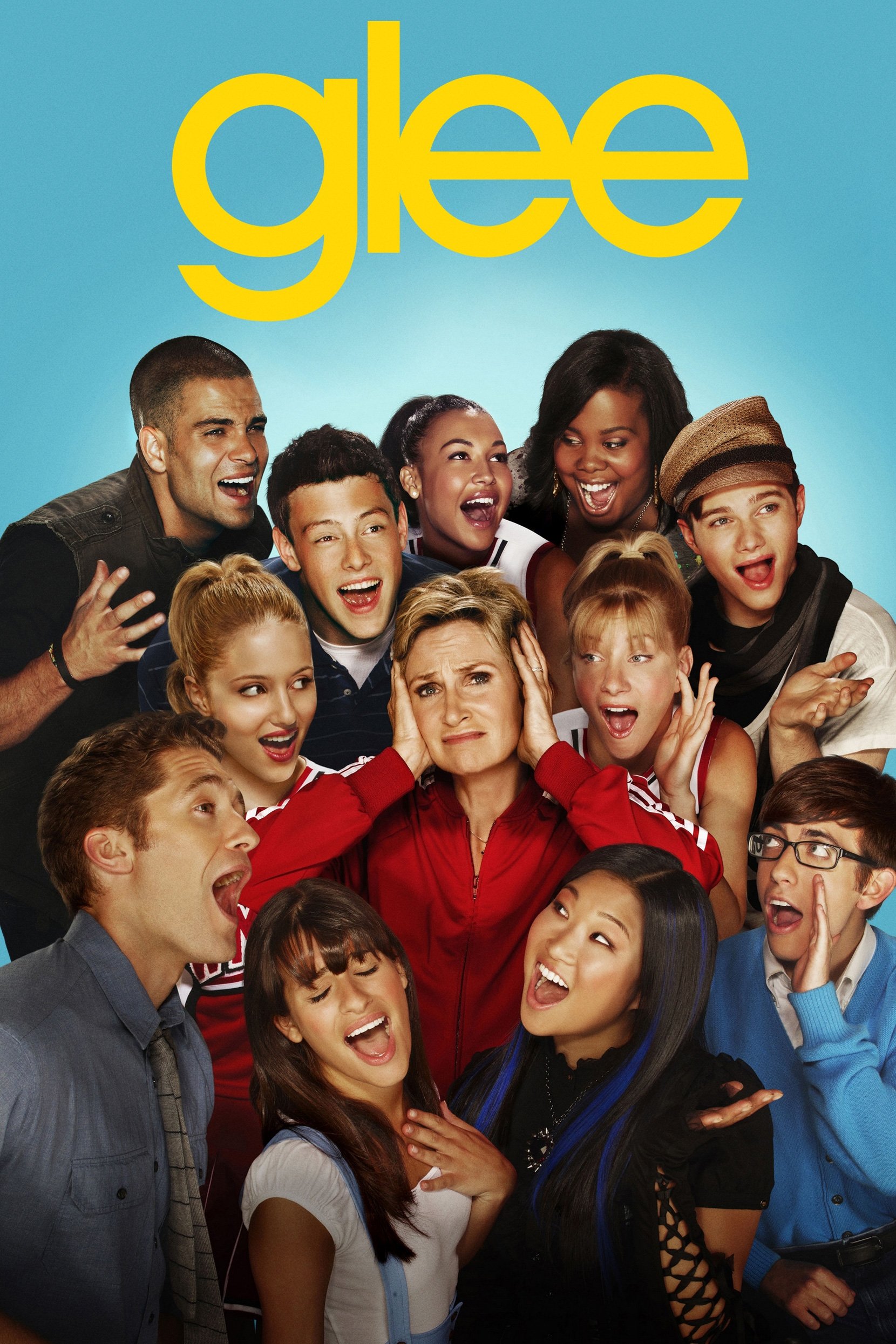
Despite having several canon queer characters, ‘Glee’ was often accused of baiting with the “Faberry” pairing of Rachel Berry and Quinn Fabray. The show included several scenes of intense tension and emotional vulnerability between the two rivals. Producers and cast members occasionally teased the pairing on social media, but the show never explored a romantic arc for them. Instead, it focused on their various relationships with the male members of the New Directions.
‘The Walking Dead’ (2010–2022)

For many seasons, ‘The Walking Dead’ left the sexuality of the character Daryl Dixon ambiguous. Showrunners and cast members frequently discussed the possibility of Daryl being gay or asexual in interviews. This ambiguity kept fans speculating for years, but the show eventually paired him with a female character in the later seasons. Many felt the long-term teasing of his “otherness” was a way to keep queer fans invested without providing a definitive answer.
‘Community’ (2009–2015)
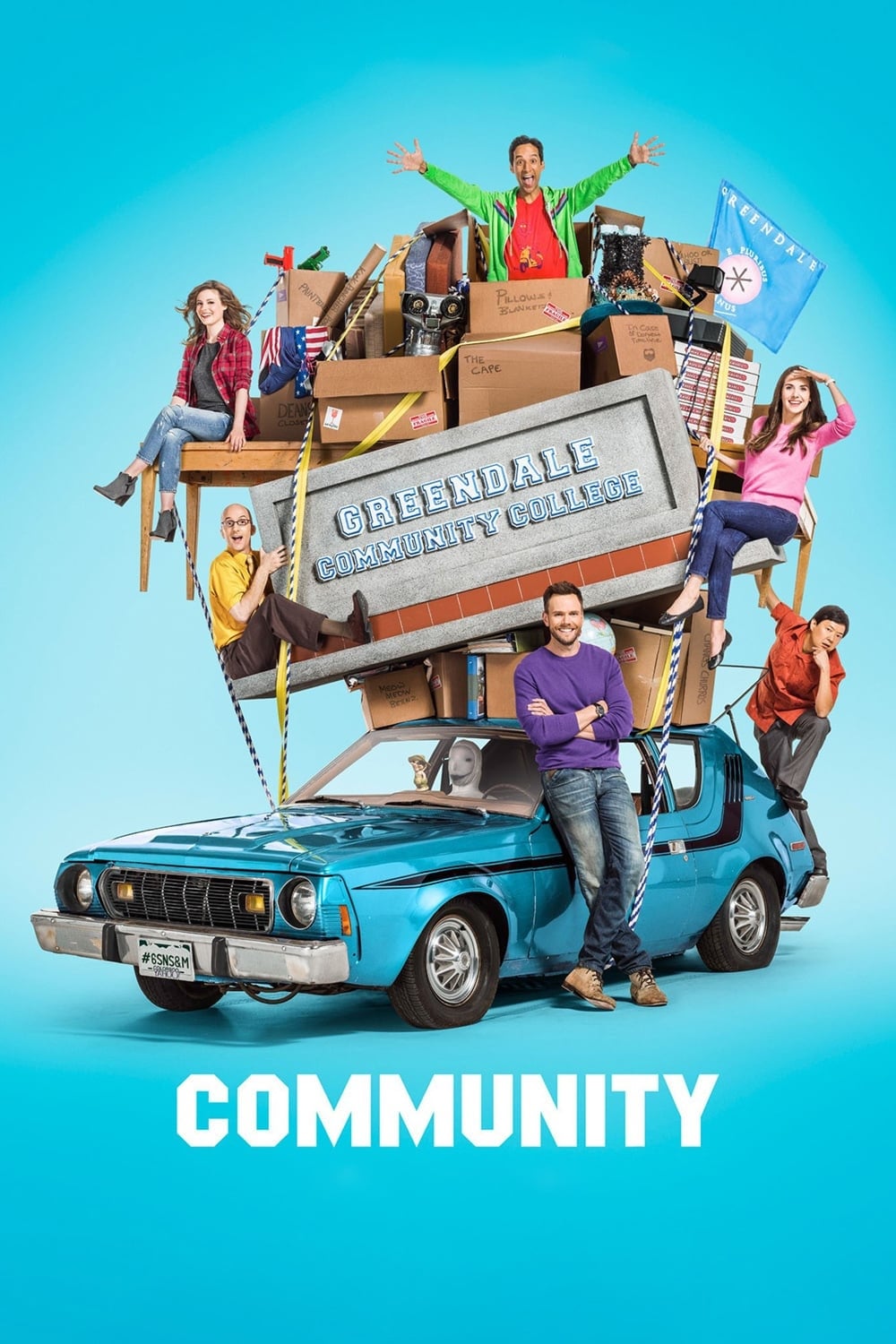
‘Community’ often used the Dean’s obsession with Jeff Winger as a recurring comedic bit. While the Dean was clearly coded as queer, his attraction to Jeff was consistently treated as a joke or a delusion. Additionally, the show teased a romantic tension between Annie Edison and Britta Perry in certain episodes, only to dismiss it as a gimmick. The series frequently meta-commented on television tropes but still utilized these teases for humor.
‘Star Trek’ (1966–1969)
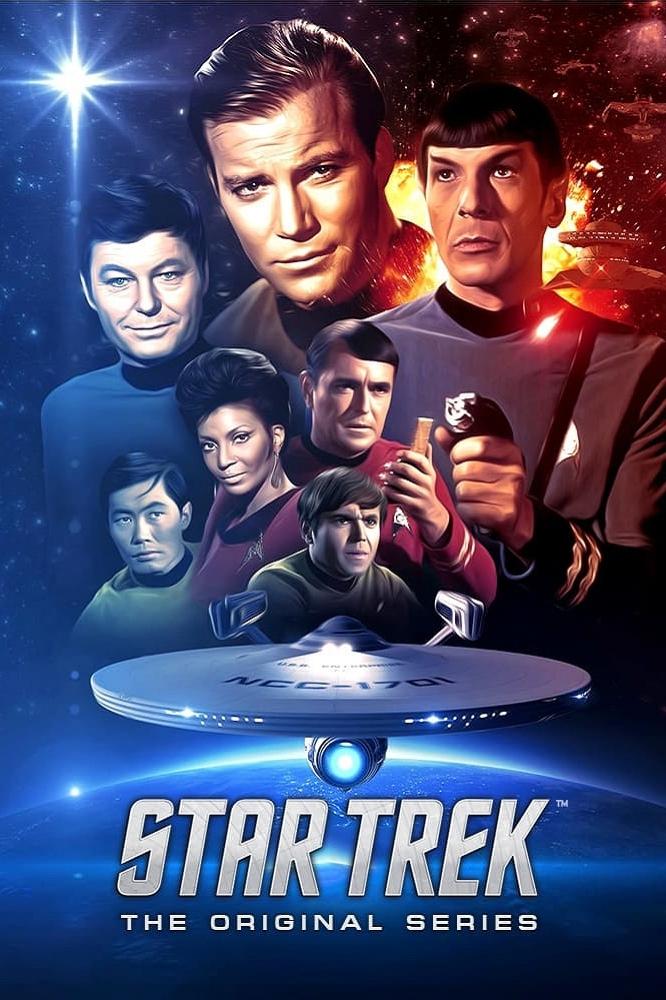
The relationship between Captain James T. Kirk and Spock in the original ‘Star Trek’ is considered by many to be the origin of “slash” fan fiction. Their “t’hy’la” bond was described as a combination of friend, brother, and lover. While the 1960s television landscape did not allow for explicit queer representation, the show relied heavily on their emotional intimacy. Modern viewers often point to the series as a foundational example of a show that thrived on romantic subtext between male leads.
‘The 100’ (2014–2020)
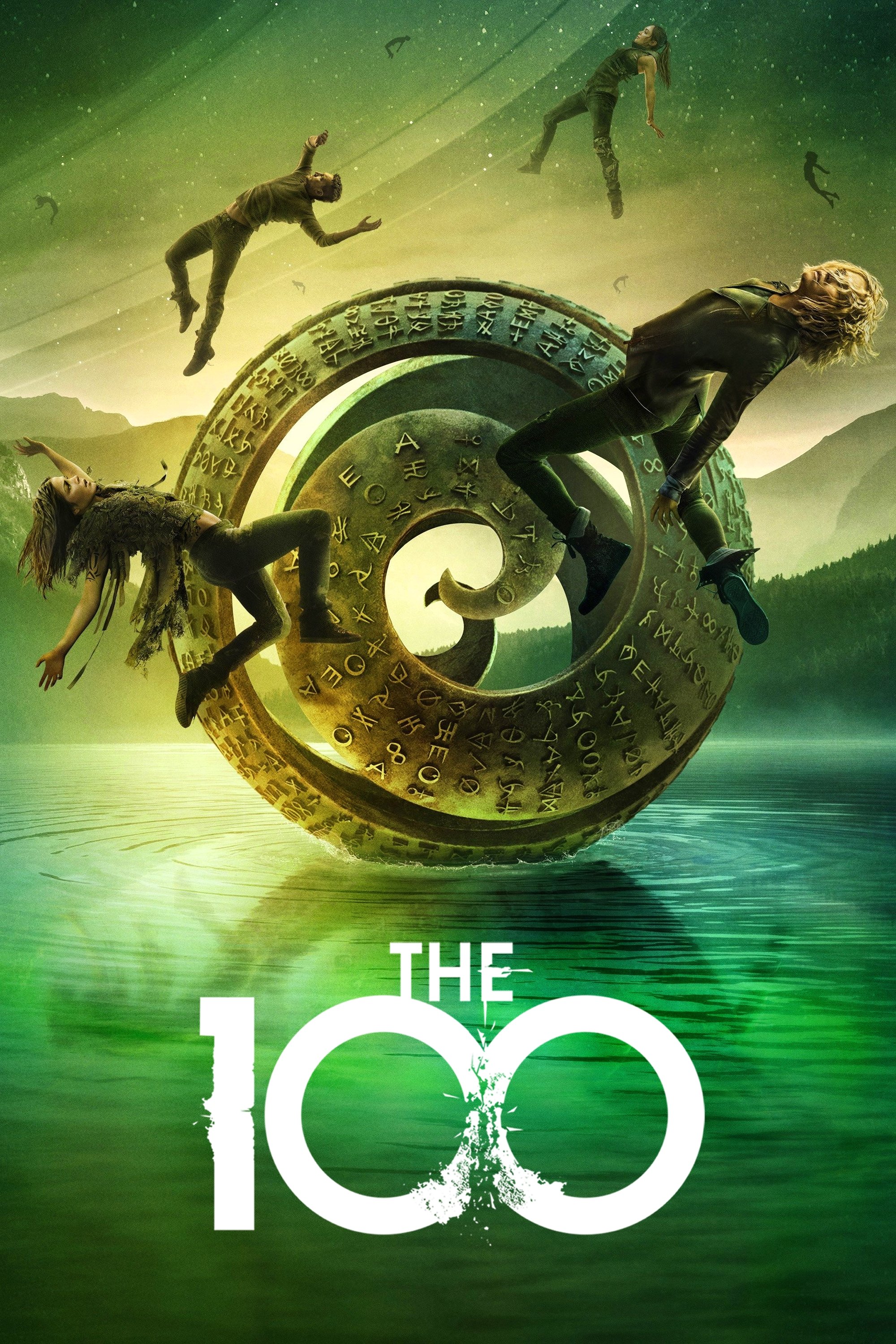
While ‘The 100’ did feature a prominent queer relationship between Clarke Griffin and Lexa, it was also accused of baiting with other pairings. The “Bellarke” relationship between Clarke and Bellamy Blake was the show’s most popular ship, often framed through romantic cinematography and dialogue. Fans were frustrated when the show repeatedly teased their romantic potential only to end the series without them becoming a couple. Furthermore, the handling of Lexa’s death led to a massive controversy regarding the “Bury Your Gays” trope.
‘Gossip Girl’ (2007–2012)
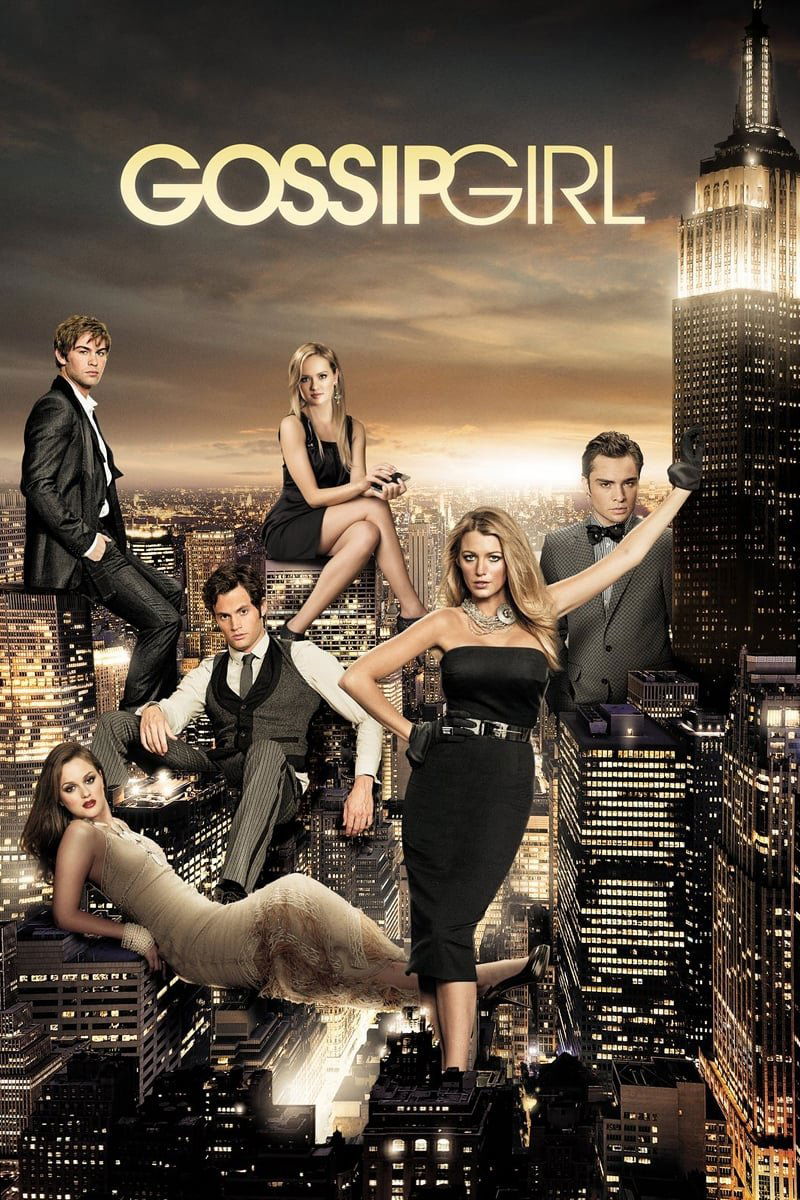
The original ‘Gossip Girl’ frequently teased a more-than-friends dynamic between Serena van der Woodsen and Blair Waldorf. The show’s marketing often emphasized their “frenemy” relationship with suggestive imagery. While the two shared a bed and discussed their love for one another, the show remained focused on their toxic cycles with male partners. Any hint of a romantic spark between the two was usually discarded in favor of the next social scandal.
‘Pretty Little Liars’ (2010–2017)
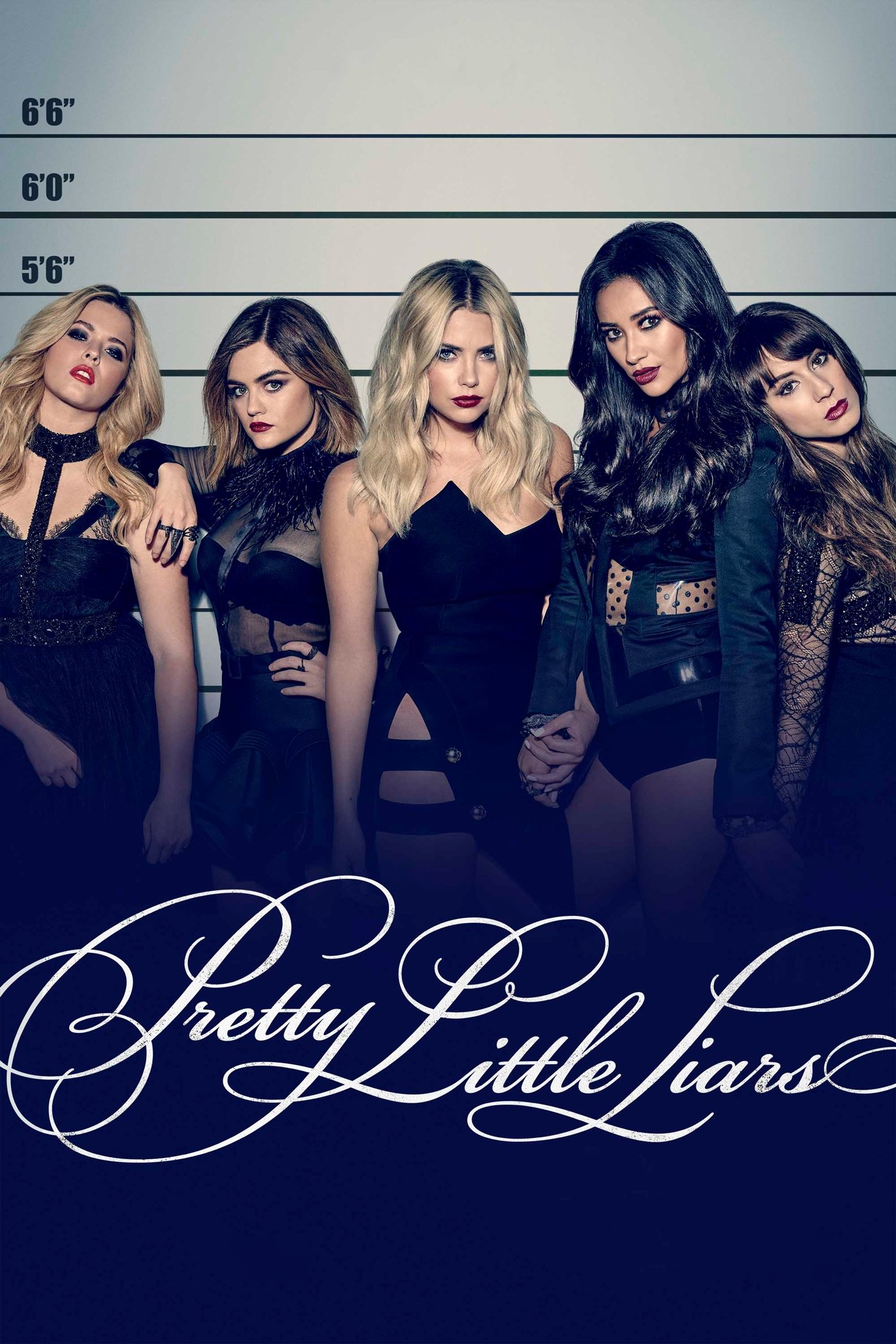
‘Pretty Little Liars’ had a canon lesbian character in Emily Fields, but the show also leaned into subtext with the other “Liars.” Fans specifically noted the chemistry between Spencer Hastings and Aria Montgomery, often interpreting their protectiveness as romantic. The show’s social media teams often engaged with these fan ships to maintain high levels of digital interaction. However, the core group’s dynamics never shifted away from their established heterosexual pairings.
‘Pitch’ (2016)
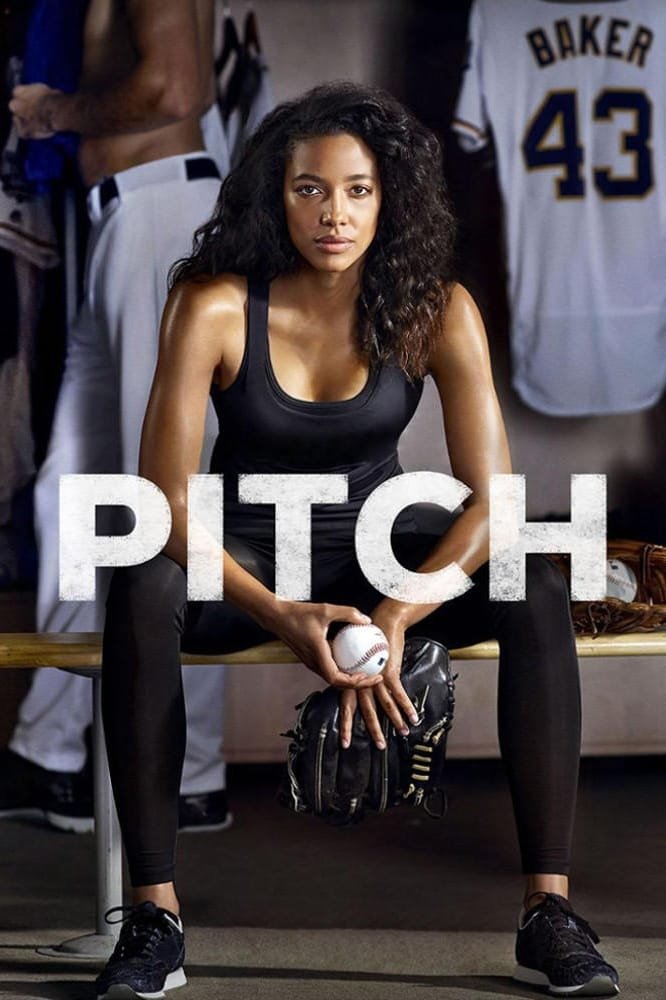
The short-lived drama ‘Pitch’ followed the first female pitcher in Major League Baseball, Ginny Baker. Much of the show’s emotional core was her relationship with her catcher, Mike Lawson. While the show heavily teased a “will-they-won’t-they” romantic arc between the two, it also included subtextual hints regarding Ginny’s bond with her friend Blip’s wife. The show was cancelled after one season, leaving all potential romantic threads, including the heavily marketed central one, completely unresolved.
‘The Vampire Diaries’ (2009–2017)
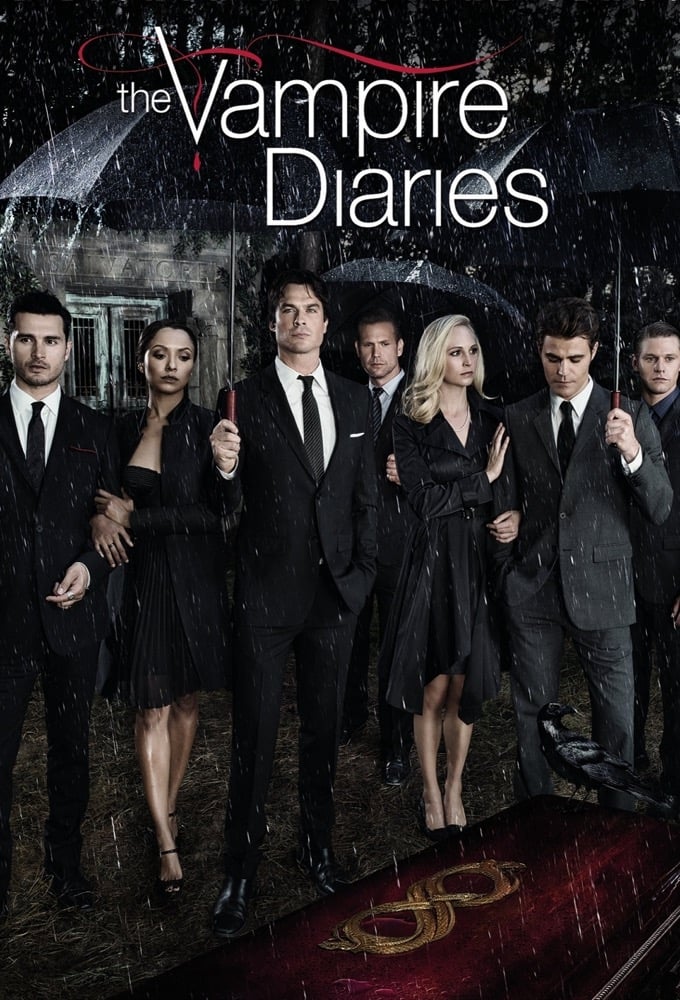
‘The Vampire Diaries’ featured several male-male dynamics that fans felt were laden with romantic subtext. Specifically, the relationship between Stefan Salvatore and Klaus Mikaelson was often described by the actors as having a romantic undertone. The show utilized flashbacks to establish a “brotherhood” that many viewers saw as a coded past romance. Despite the intense chemistry and dialogue about their shared history, the show never explicitly confirmed a queer identity for either character.
Share your thoughts on these instances of television subtext and queerbaiting in the comments.