


TV Shows That Became Completely Different After One Controversial Casting Choice

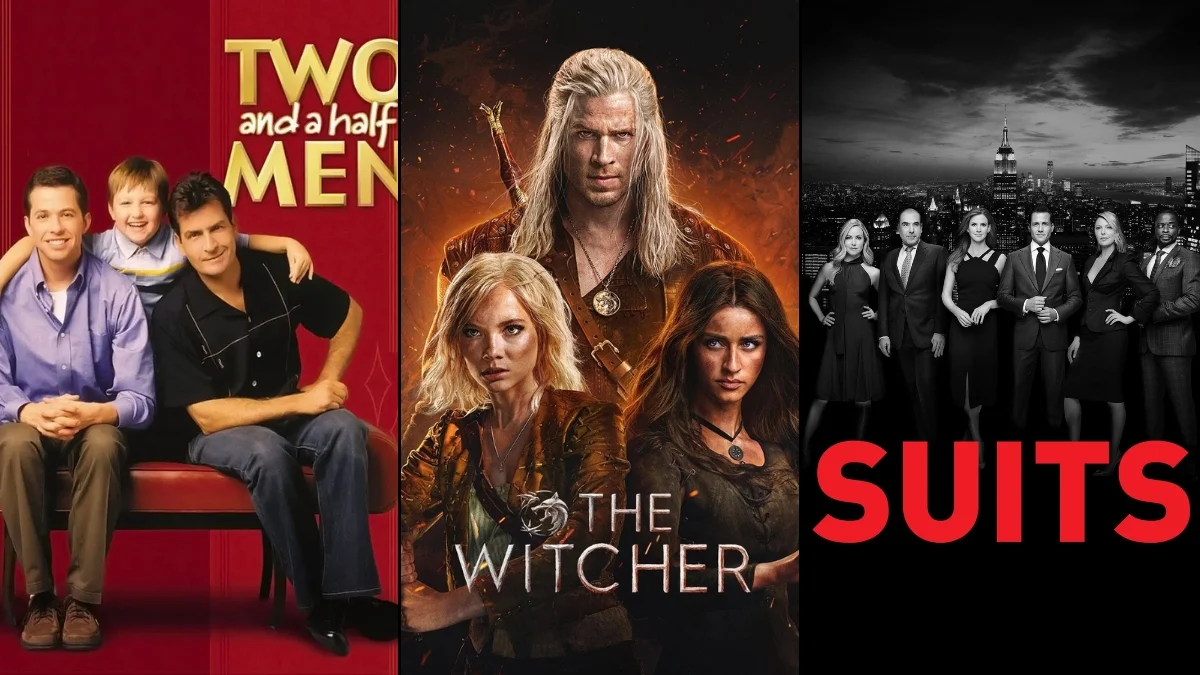


Casting changes are a common occurrence in long-running television series, but certain replacements or additions can fundamentally alter a show’s DNA. Whether due to behind-the-scenes conflict, the departure of a lead actor, or a creative pivot, these casting choices often divide fanbases and force writers to reimagine the central premise. Some series manage to evolve and find new success, while others struggle to maintain the tone that originally attracted viewers. This list explores several television shows that experienced significant shifts following a controversial or high-profile casting decision.
‘Two and a Half Men’ (2003–2015)
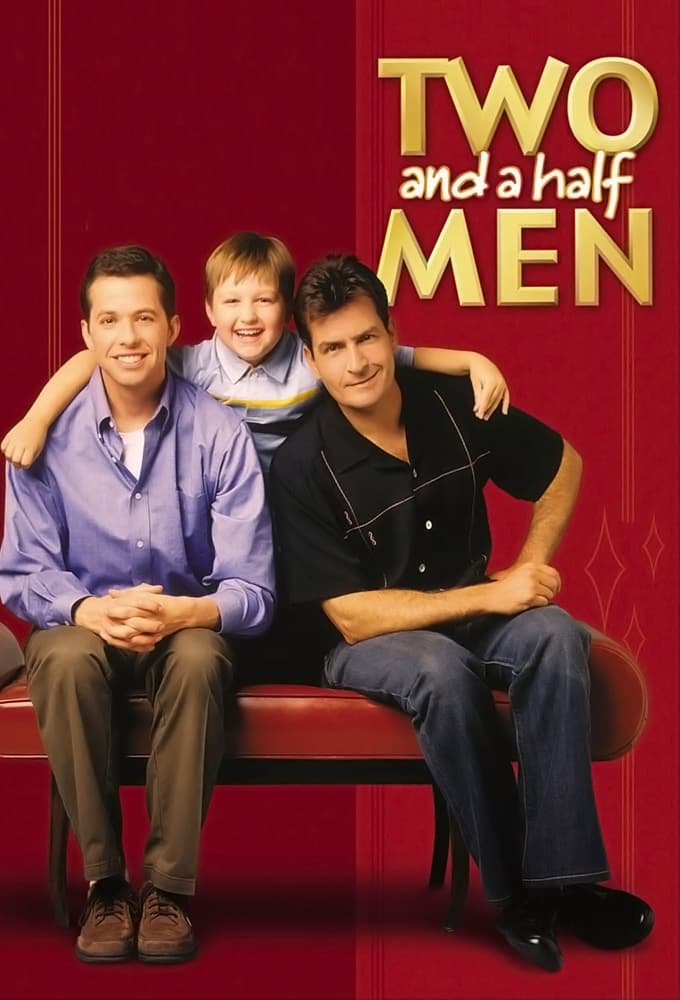
Following the highly publicized termination of Charlie Sheen’s contract, the production team cast Ashton Kutcher as Walden Schmidt. This decision shifted the series from a story about a cynical, hedonistic jingle writer to one focused on a sensitive, heartbroken internet billionaire. The central dynamic between the brothers was replaced by a roommate relationship that lacked the original tension. While the show remained a ratings success for several more seasons, critics noted a distinct move toward a softer, more traditional sitcom tone. Fans frequently debated whether the series could truly be the same without its original protagonist.
‘The Office’ (2005–2013)
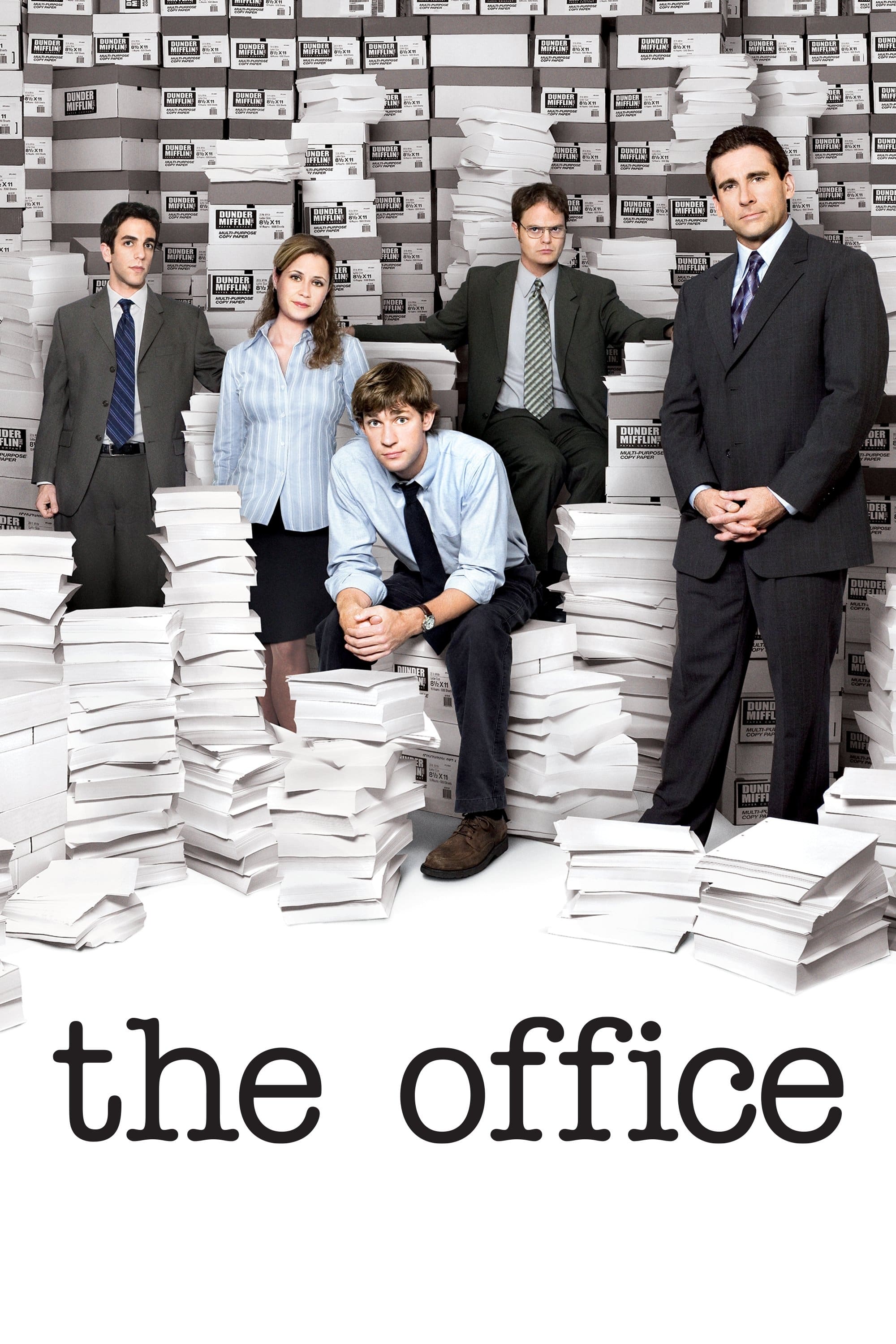
When Steve Carell departed the series, the casting of James Spader as Robert California introduced a surreal and enigmatic energy to the Dunder Mifflin Scranton branch. Unlike the well-meaning but socially awkward Michael Scott, Robert California was a manipulative and intimidating figure who changed the workplace dynamic. The writers pivoted toward more absurd storylines to accommodate Spader’s intense acting style. Many viewers felt this shift moved the show away from its grounded, mockumentary roots. The casting remained a point of contention among fans until the series concluded.
‘The Witcher’ (2019–)

The announcement that Henry Cavill would exit the role of Geralt of Rivia led to the casting of Liam Hemsworth for the fourth season. Cavill was known for his personal passion for the source material, and his departure caused a significant backlash within the fan community. The showrunners were forced to defend the decision and explain how the mantle would be passed to a new actor. This casting choice fundamentally changed the show’s relationship with its core audience before the new episodes even aired. It remains one of the most controversial lead replacements in modern fantasy television.
‘Roseanne’ (1988–2018)
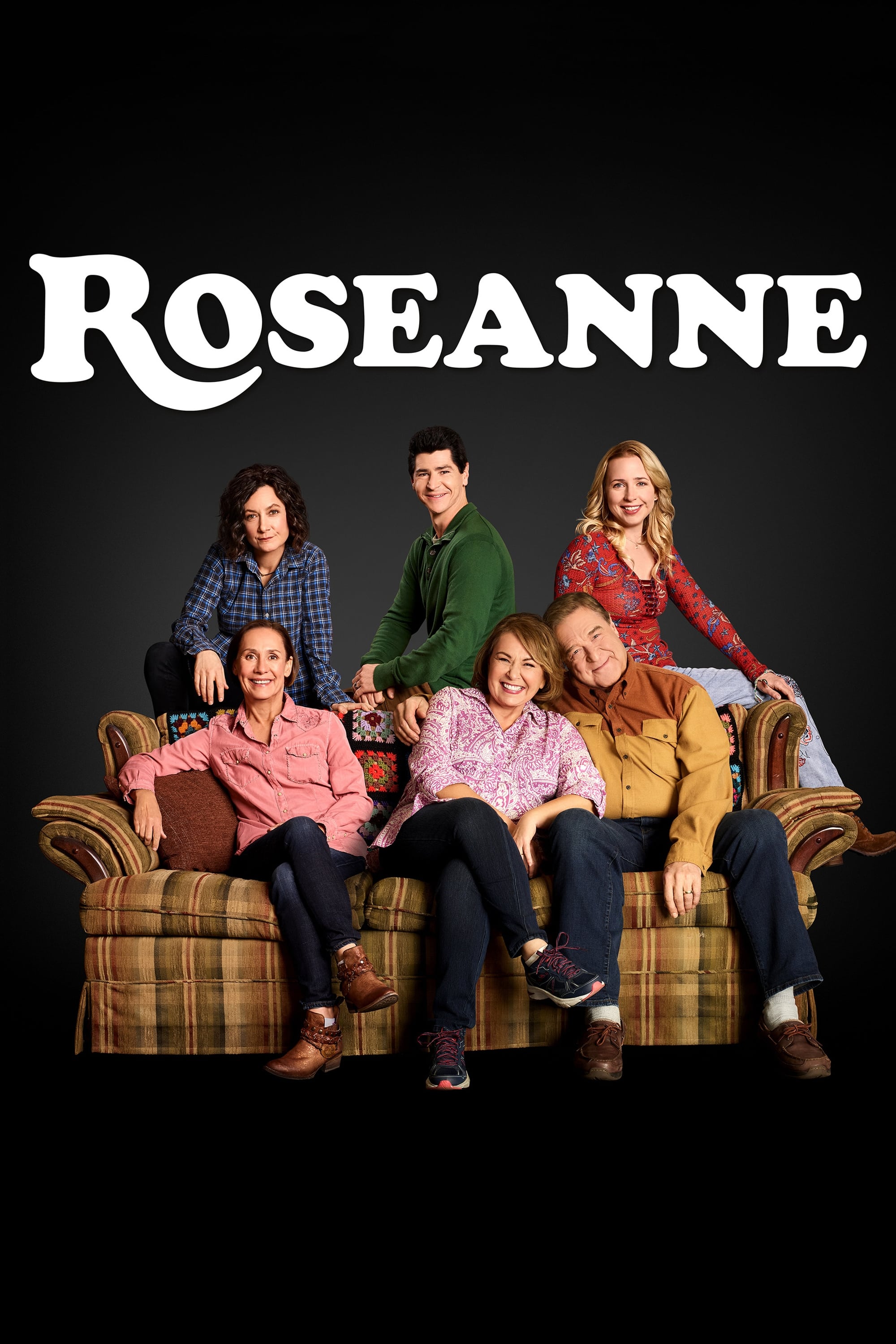
After the cancellation of the original revival due to controversial social media posts by Roseanne Barr, the show was retooled into ‘The Conners’ without its titular star. The writers chose to kill off the main character, shifting the focus to the rest of the family dealing with grief and financial instability. This casting choice—or rather, the removal of the lead—turned a vehicle for a specific comedian into a true ensemble drama-comedy. The series took on a more somber tone as it explored life for the family after their matriarch’s passing. It has since established its own identity separate from the original show’s lead.
‘Batwoman’ (2019–2022)

After Ruby Rose exited the title role following the first season, Javicia Leslie was cast as Ryan Wilder, a completely new character who took up the mantle of Batwoman. This choice was unique because the show did not recast the original character of Kate Kane, but rather replaced her with a different protagonist. This shift allowed the series to explore different social themes and a new backstory within Gotham City. However, the change required a massive narrative pivot that alienated some fans of the original character. The series eventually incorporated a recast Kate Kane in a supporting role to bridge the gap.
‘House of Cards’ (2013–2018)
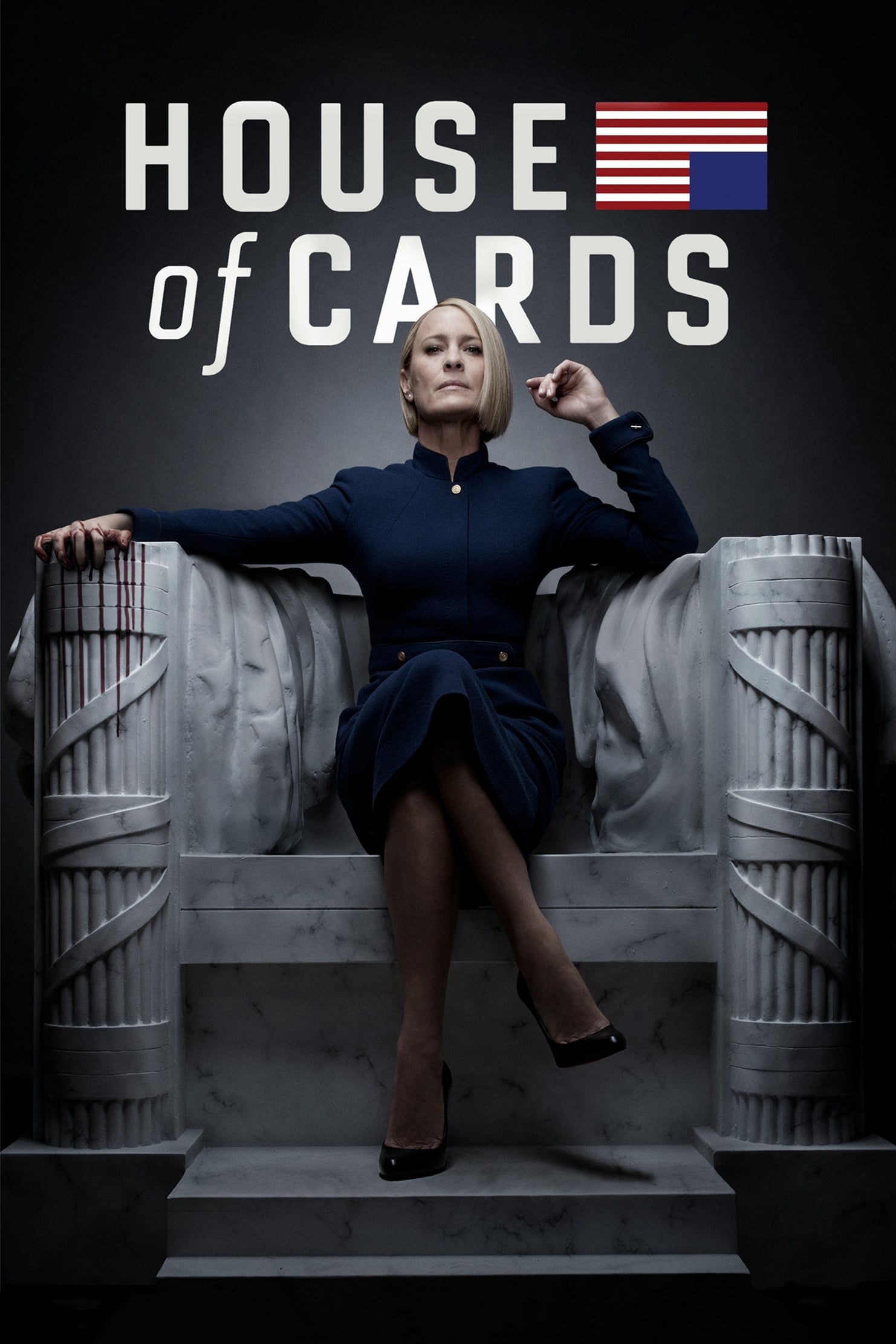
The removal of Kevin Spacey during the production of the final season led to Robin Wright’s Claire Underwood becoming the sole lead. The show’s writers had to discard previous scripts and center the entire narrative on Claire’s presidency and her perspective. This changed ‘House of Cards’ from a story about a ruthless power couple to a study of one woman’s isolated grip on power. The tone became increasingly cold and psychological as Claire broke the fourth wall in a different manner than Frank. The final season received mixed reviews as it struggled to resolve the plot without its primary antagonist.
‘Bewitched’ (1964–1972)
In one of the most famous recasts in television history, Dick Sargent replaced Dick York as Darrin Stephens in 1969. York had to leave the series due to a chronic back injury, and the production simply inserted Sargent into the role without any narrative explanation. Fans noticed a significant difference in chemistry between Sargent and leading lady Elizabeth Montgomery. While York played the character with a frantic, nervous energy, Sargent portrayed Darrin as more stoical and frustrated. This change is often cited as the birth of the “Darrin Syndrome” trope in television.
‘The Fresh Prince of Bel-Air’ (1990–1996)
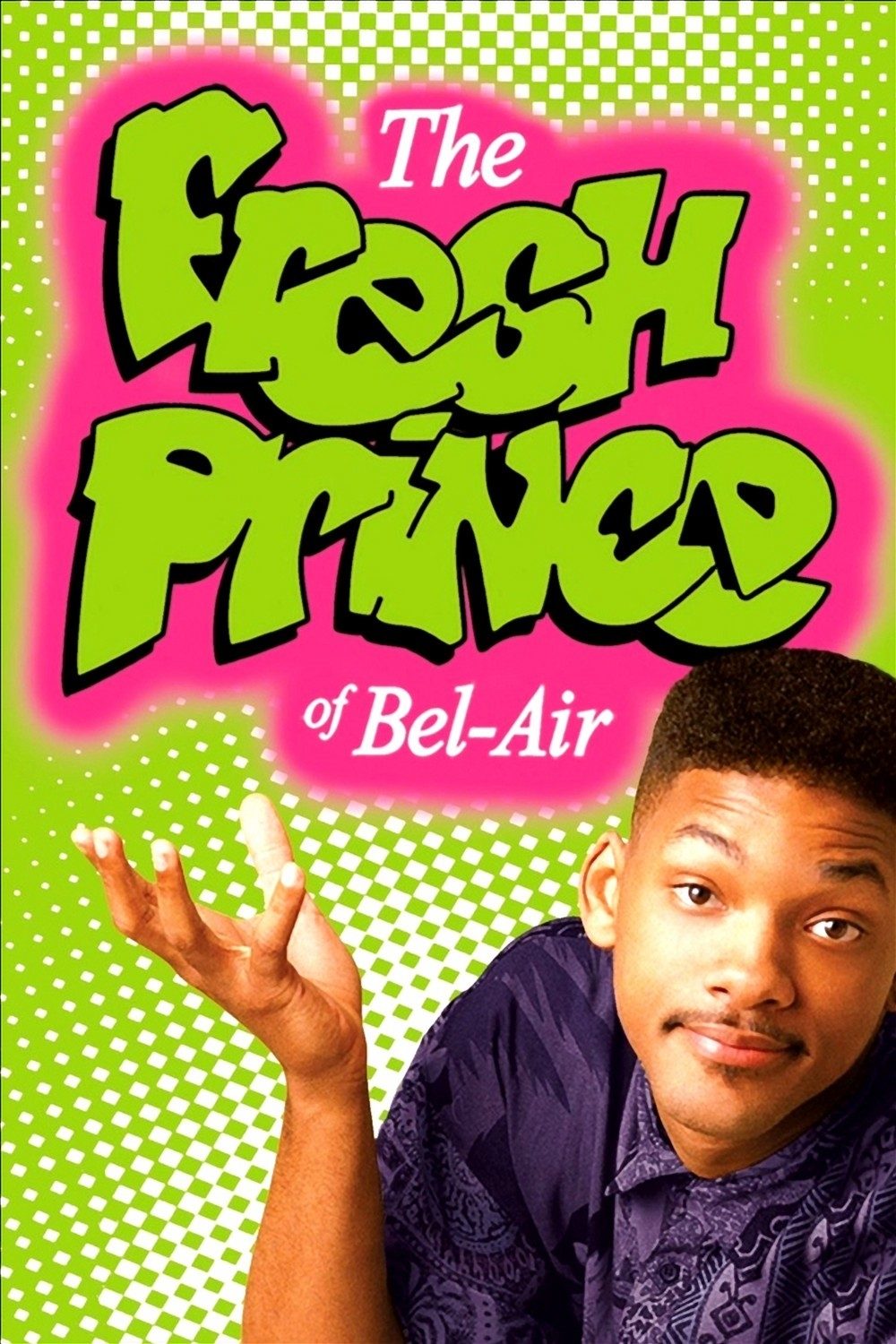
The replacement of Janet Hubert with Daphne Maxwell Reid in the role of Aunt Viv became a defining moment for the series. Hubert’s portrayal was known for being fierce, assertive, and academically focused, while Reid’s version was softer and more maternal. The “New Aunt Viv” changed the energy of the Banks household, leading to many jokes within the show about her altered appearance. Behind-the-scenes tensions between Hubert and Will Smith were later revealed to be the cause of the casting change. The character remained a fixture of the show, but her personality was never quite the same.
‘Charmed’ (1998–2006)
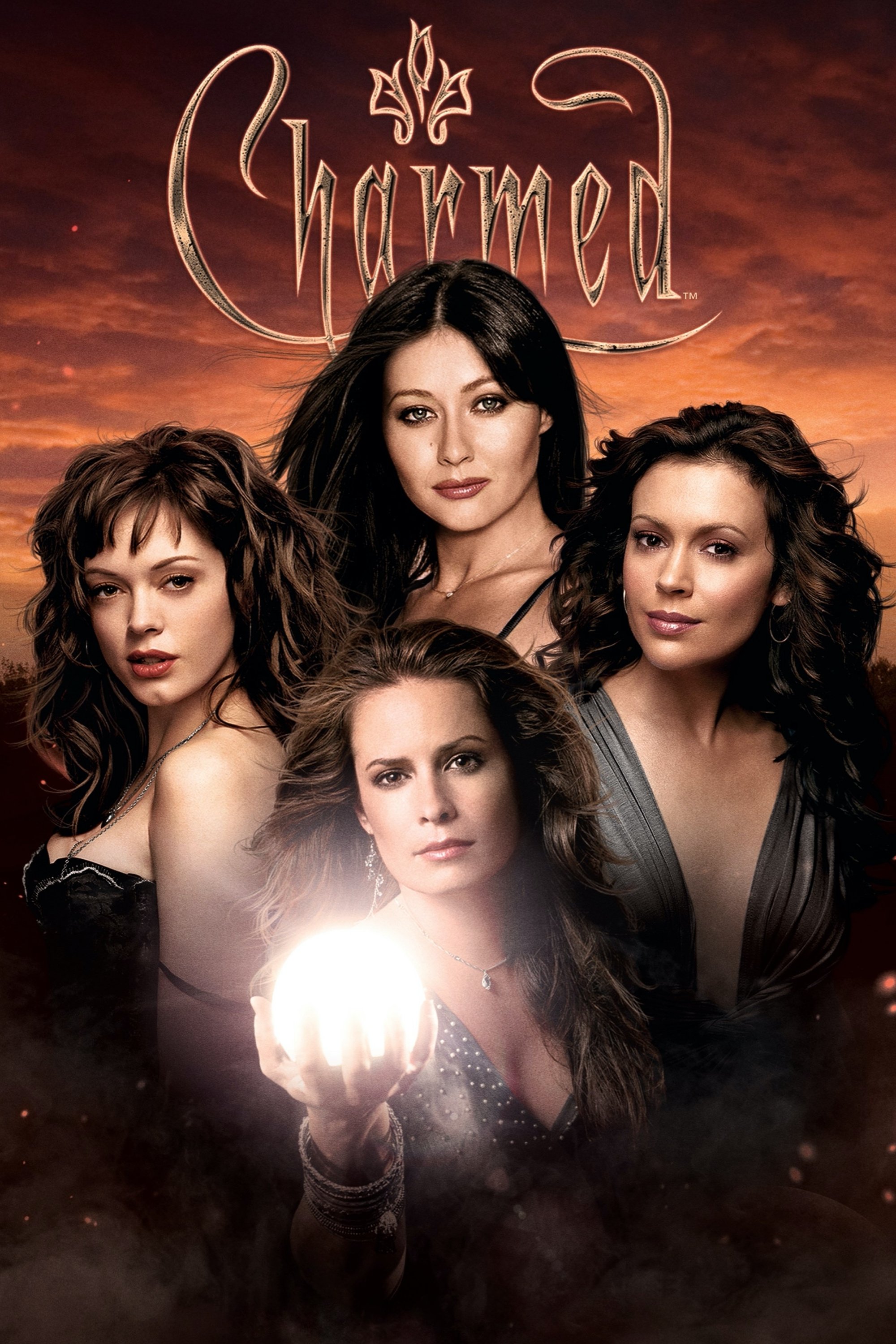
Following the departure of Shannen Doherty, the series cast Rose McGowan as Paige Matthews, a long-lost half-sister. This casting choice saved the show from cancellation but significantly altered its internal mythology and tone. The “Power of Three” was restored, but the dynamic shifted from three sisters who grew up together to two sisters mentoring a newcomer. McGowan brought a more whimsical and lighthearted energy to the show compared to Doherty’s serious portrayal of Prue. This transition allowed the series to lean further into high-fantasy and camp elements.
‘The X-Files’ (1993–2018)
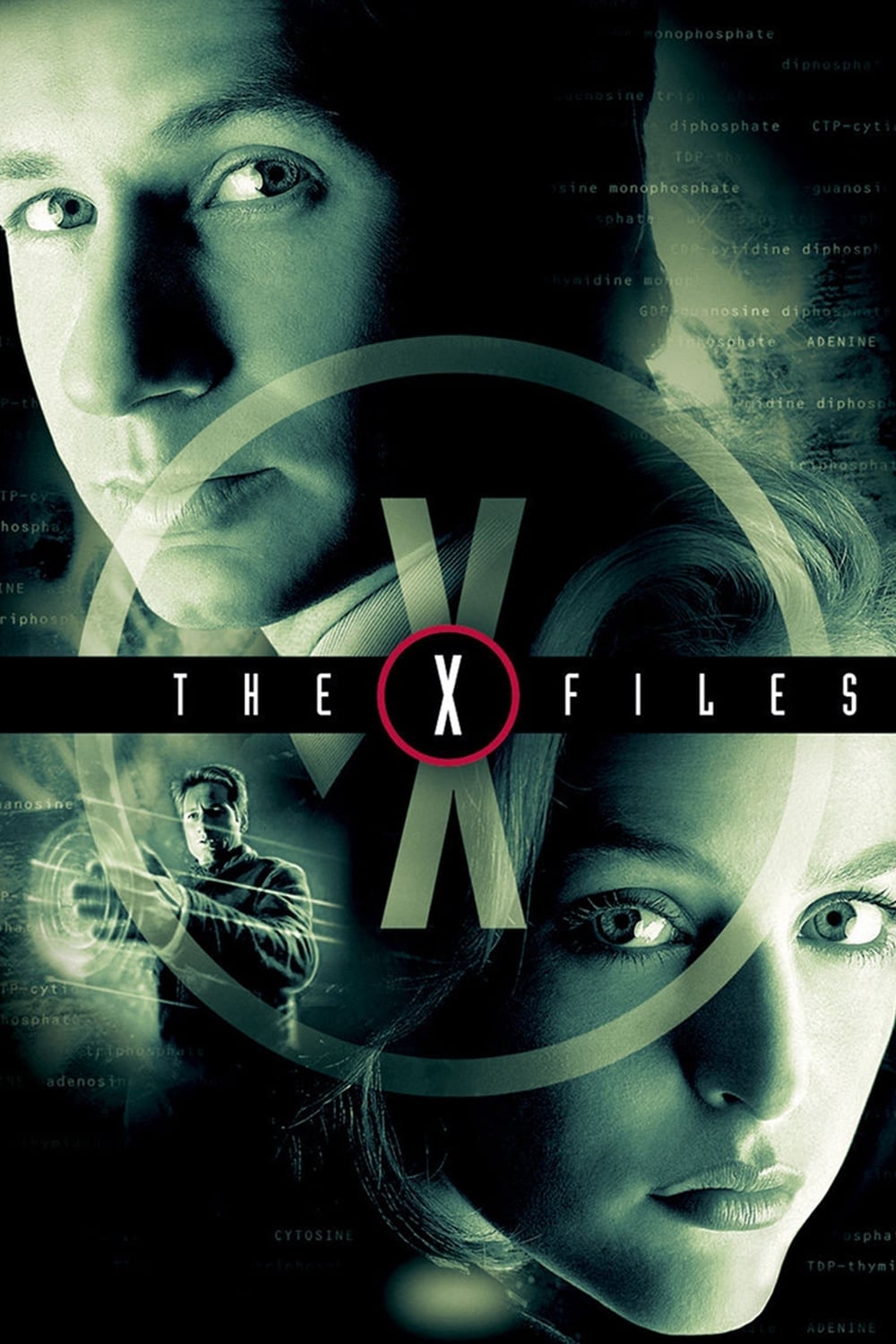
When David Duchovny reduced his role in the eighth season, Robert Patrick was cast as Agent John Doggett to partner with Gillian Anderson. This casting choice was met with resistance from fans who were invested in the Mulder and Scully dynamic. Doggett was a skeptic and a pragmatist, which flipped the show’s established “believer versus skeptic” formula. The series took on a more procedural, grit-focused tone during this period. While Patrick’s performance was eventually praised, the show struggled to recapture the magic of the original pairing.
‘CSI: Crime Scene Investigation’ (2000–2015)
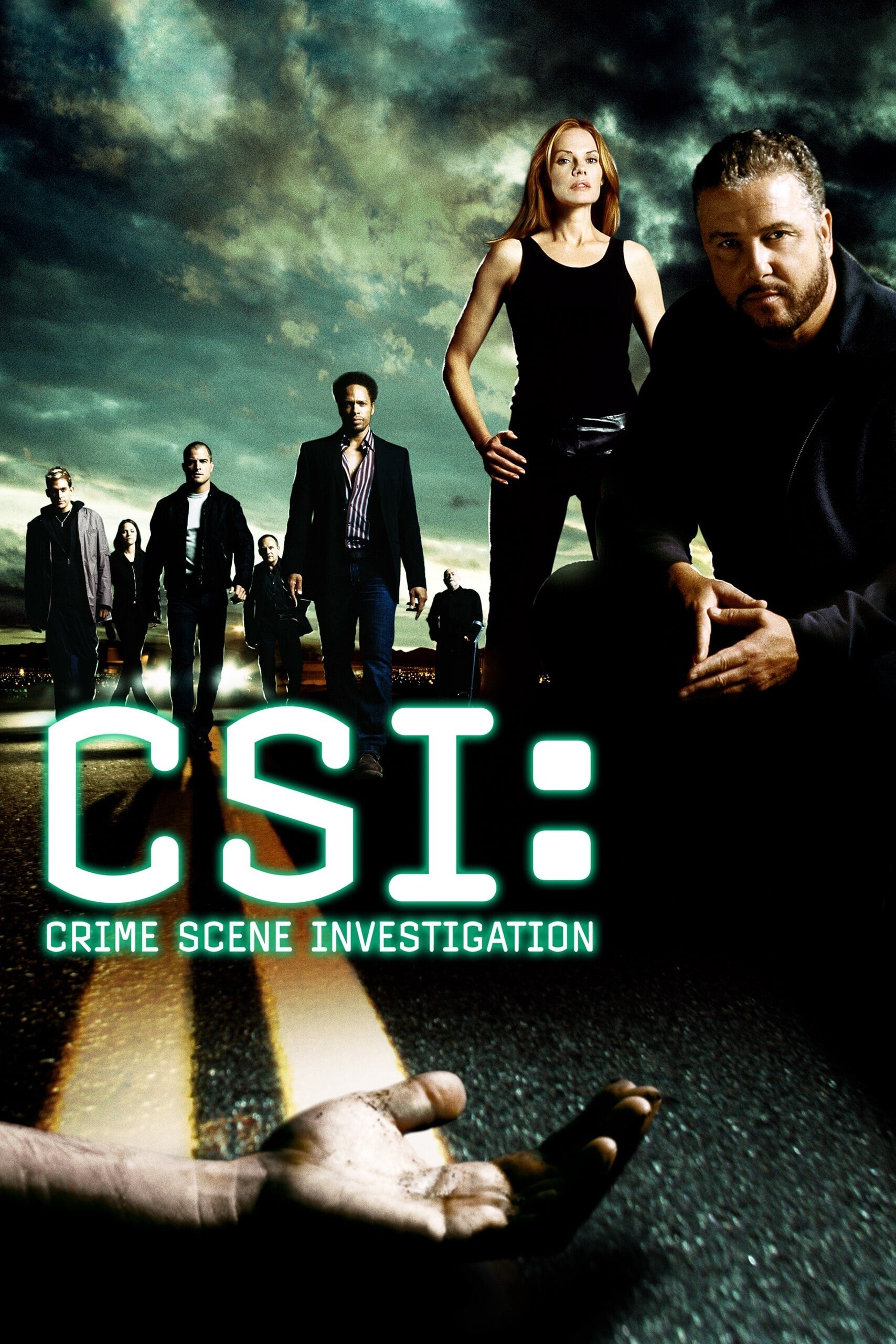
The departure of William Petersen led to the casting of Laurence Fishburne as Dr. Raymond Langston. Fishburne brought a different gravitas to the show, but his character was a newcomer to the field, which changed the hierarchy of the lab. The series moved away from Gil Grissom’s philosophical approach to a more dark and personal journey for Langston. Many viewers felt the show lost its core identity without Petersen at the helm. Fishburne eventually left the series after three seasons, leading to another lead casting with Ted Danson.
‘Spin City’ (1996–2002)
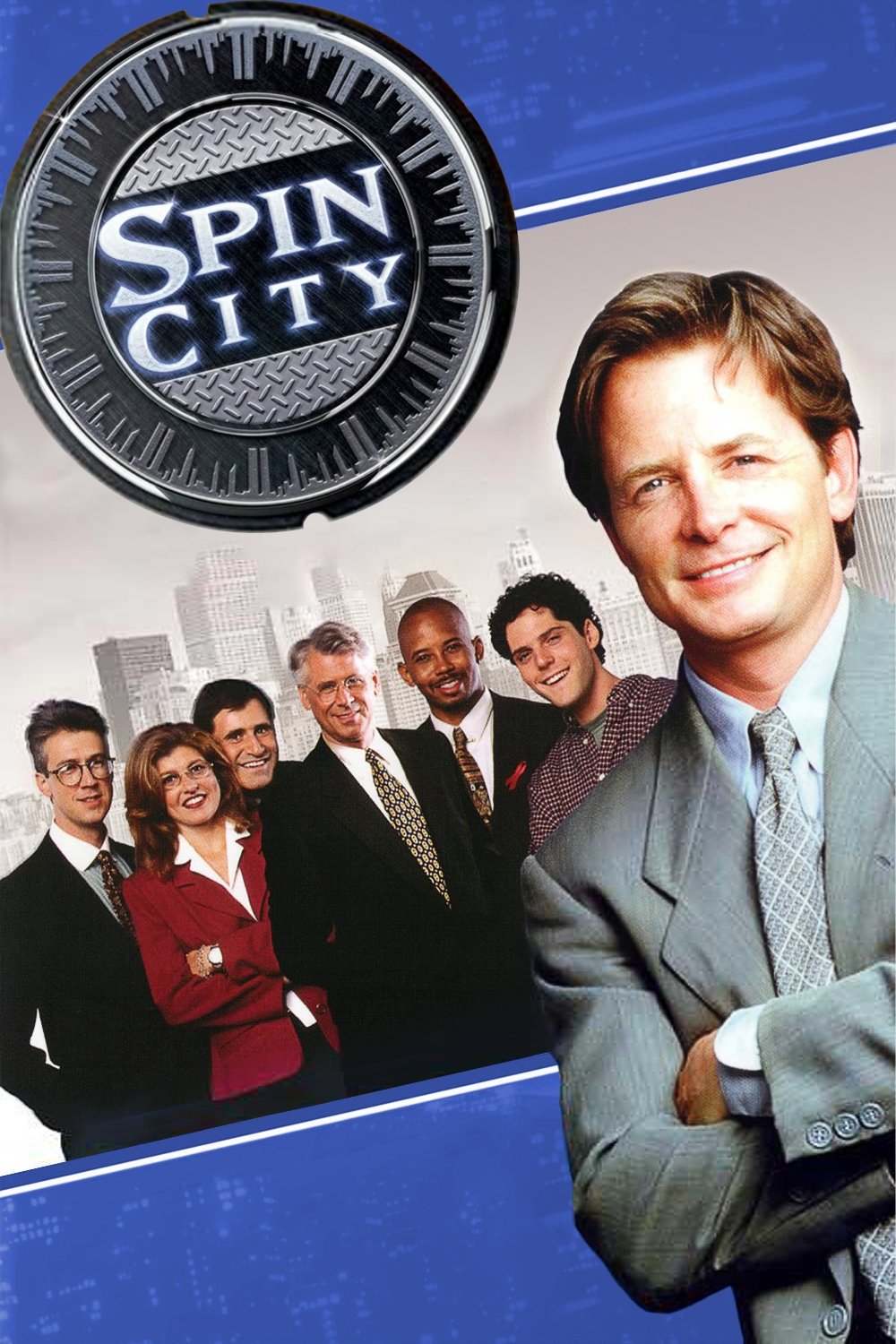
After Michael J. Fox announced his retirement from the show due to Parkinson’s disease, Charlie Sheen was cast as the new Deputy Mayor, Charlie Crawford. The show moved its setting from a focus on the staff’s frantic energy to a more traditional workplace comedy centered on Sheen’s persona. While the supporting cast remained largely the same, the comedic rhythm shifted significantly. The series lasted for two seasons with Sheen before being canceled. This casting is often viewed as a precursor to Sheen’s later success in ‘Two and a Half Men’.
‘Criminal Minds’ (2005–)
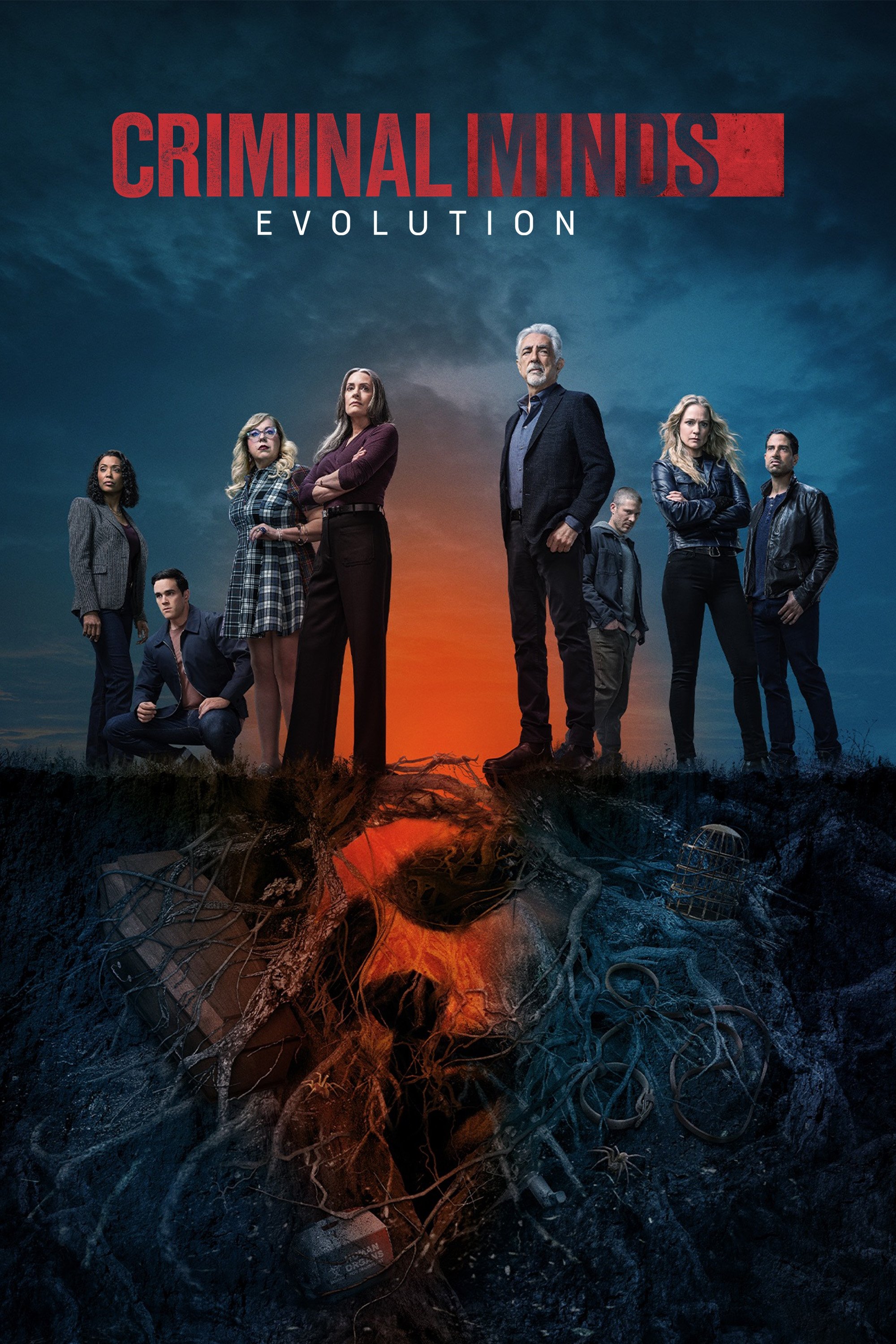
Mandy Patinkin’s sudden departure from the series led to the casting of Joe Mantegna as David Rossi. Patinkin’s character, Jason Gideon, was portrayed as a tortured intellectual, while Rossi was a wealthy, semi-retired veteran profiler. This casting choice stabilized the show and allowed it to run for many more years, but it permanently changed the team’s leadership style. Rossi was more of a team player and a mentor compared to Gideon’s solitary nature. The show’s tone moved from a psychological character study to a more balanced ensemble procedural.
‘Last Man Standing’ (2011–2021)

When the series moved from ABC to Fox, Molly Ephraim did not return to the role of Mandy Baxter, leading to the casting of Molly McCook. The physical difference between the two actresses was striking, and the character’s personality was slightly adjusted to fit the new performer. Fans were vocal about their disappointment on social media, making it one of the more controversial recasts in recent sitcom history. The show even included meta-commentary about how Mandy had changed since the move. Despite the initial backlash, the series continued for several more seasons.
‘Dynasty’ (1981–1989)
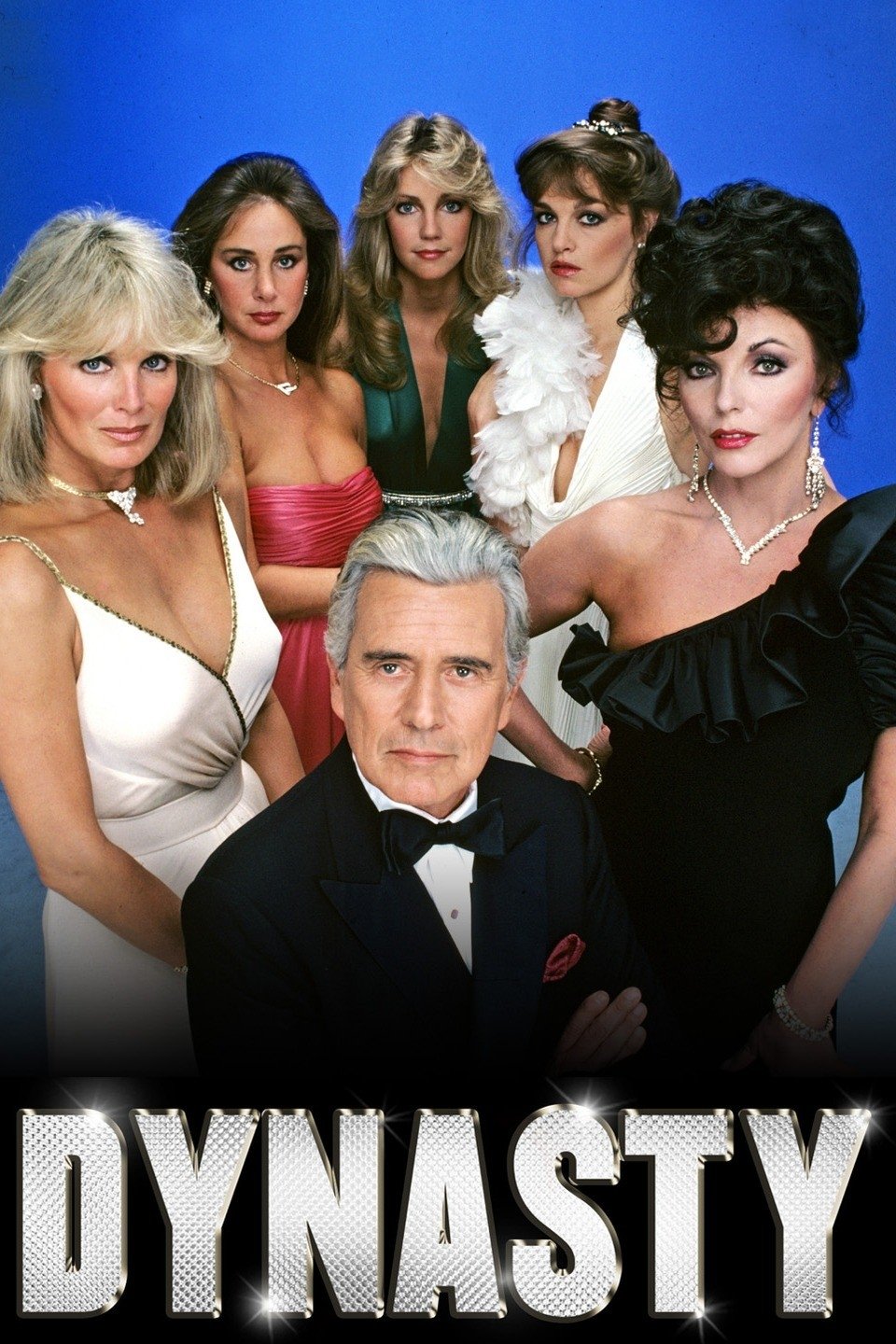
The original ‘Dynasty’ saw several major recasts, but none were as jarring as Jack Coleman replacing Al Corley as Steven Carrington. Corley left the show because he reportedly disliked the creative direction of his character’s sexuality. The writers explained the change in appearance by having the character undergo plastic surgery after an oil rig explosion. This move became a hallmark of the show’s over-the-top soap opera storytelling. Coleman played the role for much longer than Corley, but the transition remains a famous example of daytime-style recasting in primetime.
‘Doctor Who’ (2005–)
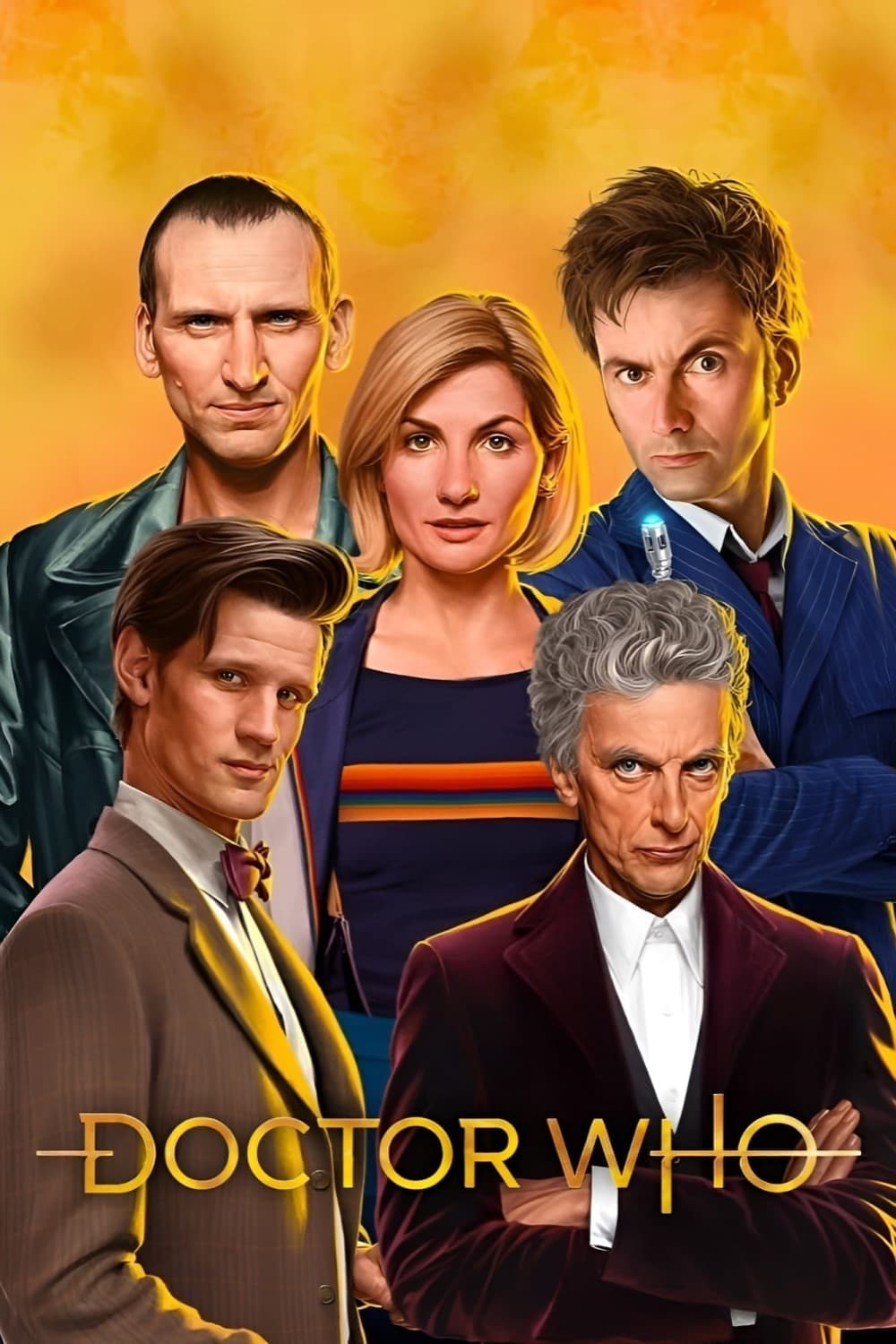
The casting of Jodie Whittaker as the Thirteenth Doctor marked the first time a woman played the iconic role. This choice was met with both widespread acclaim for its inclusivity and intense controversy from sections of the fanbase. The tone of the show during her tenure shifted toward more historical educational themes and a larger ensemble of companions. The writing and direction under showrunner Chris Chibnall also changed the show’s pace and cinematography. This era remains a highly discussed chapter in the franchise’s long history.
‘8 Simple Rules’ (2002–2005)

Following the tragic death of lead actor John Ritter, the show cast James Garner and David Spade to fill the void. The series was rebranded as ‘8 Simple Rules for Dating My Teenage Daughter’ and pivoted from a father-centric comedy to a story about a family dealing with loss. The addition of David Spade brought a more sarcastic, cynical humor that was very different from Ritter’s physical comedy. The show struggled to maintain its ratings and was eventually canceled. This casting was a desperate attempt to save a production in the wake of an unthinkable tragedy.
‘Cheers’ (1982–1993)
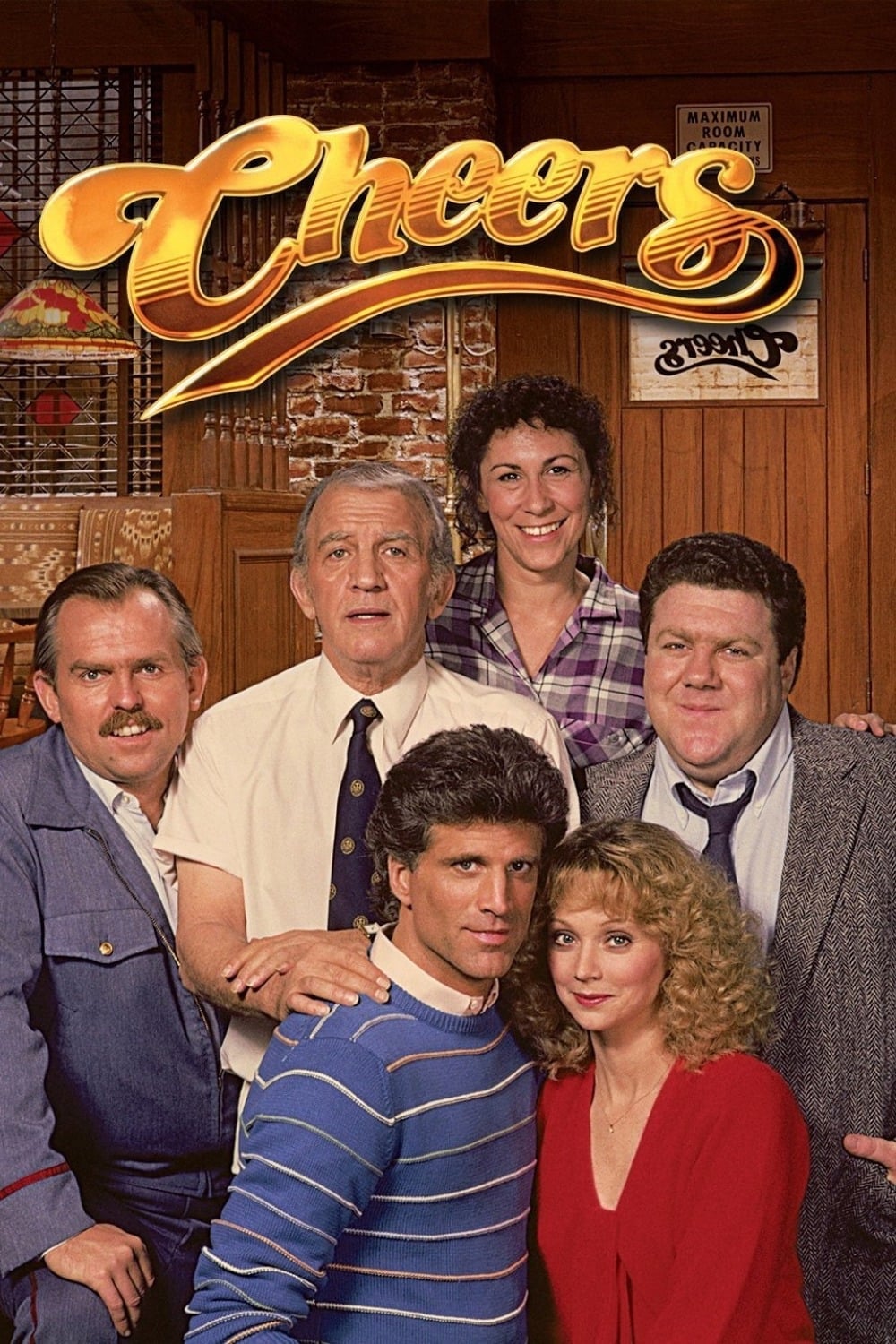
When Shelley Long left the series, Kirstie Alley was cast as Rebecca Howe, the new manager of the bar. This casting choice changed the show from a “will-they-won’t-they” romance between Sam and Diane to an ensemble comedy where Sam was often the one pursuing an uninterested Rebecca. The character of Rebecca evolved from a high-powered executive to a neurotic, frequently failing comic foil. This shift is credited with revitalizing the show and allowing it to stay on the air for eleven seasons. Many fans prefer the Alley era for its broader comedic range.
‘Suits’ (2011–2019)
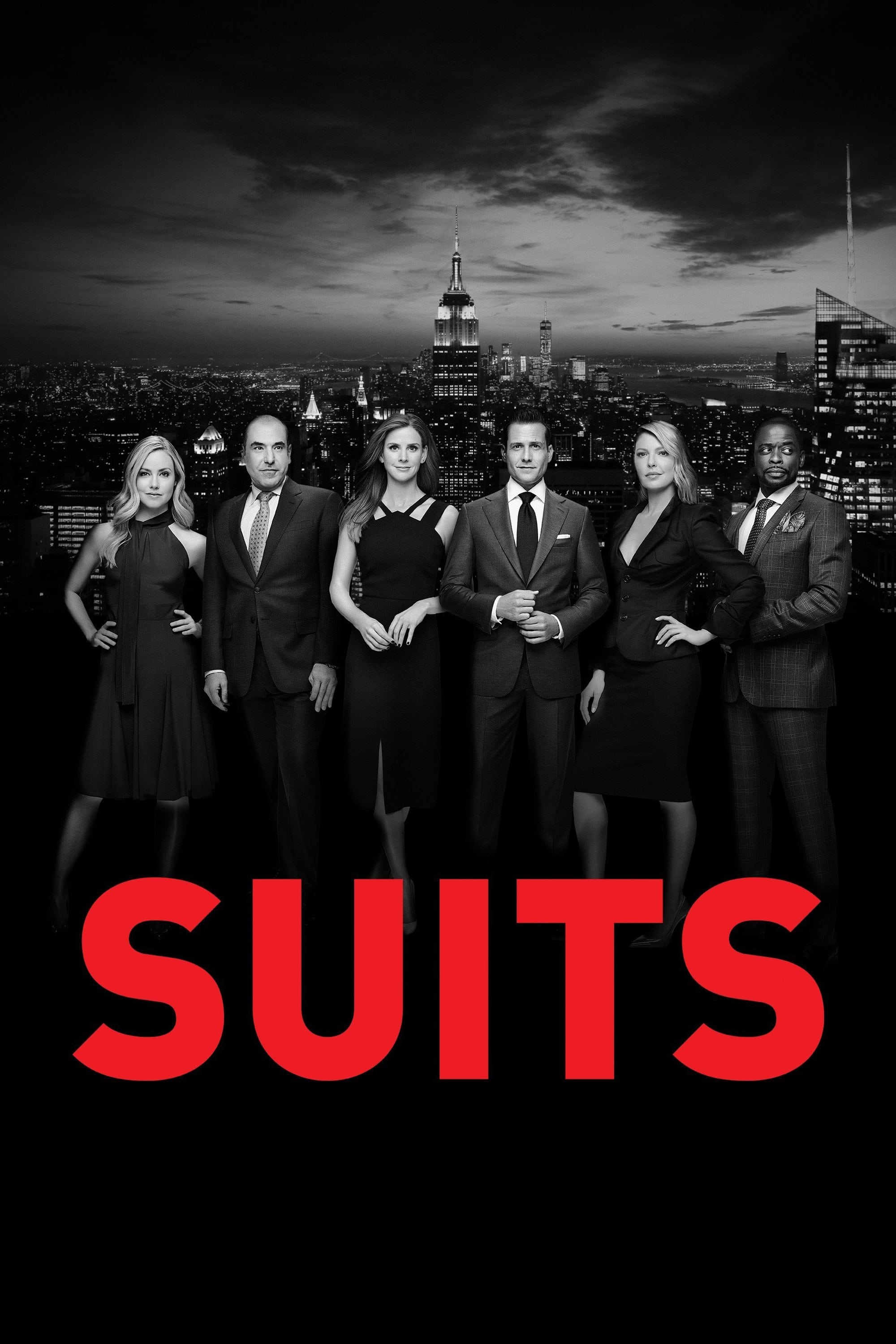
The departure of original leads Patrick J. Adams and Meghan Markle led to the casting of Katherine Heigl as Samantha Wheeler. Heigl’s character was an aggressive, high-stakes attorney who brought a new level of friction to the firm. The show’s focus shifted from the central secret of Mike Ross to the internal politics and power struggles of the managing partners. While the series retained its stylish aesthetic, the core dynamic that started the show was fundamentally gone. The final seasons were seen as a transition into a more traditional legal drama ensemble.
‘Lethal Weapon’ (2016–2019)

After Clayne Crawford was fired for alleged behavioral issues on set, the series cast Seann William Scott as a new character, Wesley Cole. The show attempted to maintain the buddy-cop dynamic by pairing Scott with Damon Wayans. However, the dark, volatile energy of Crawford’s Martin Riggs was replaced by Scott’s more earnest and athletic character. The chemistry was different, and the show’s ratings declined as fans of the original pairing drifted away. The series was ultimately canceled one season after the casting change.
‘The Daily Show’ (1996–)
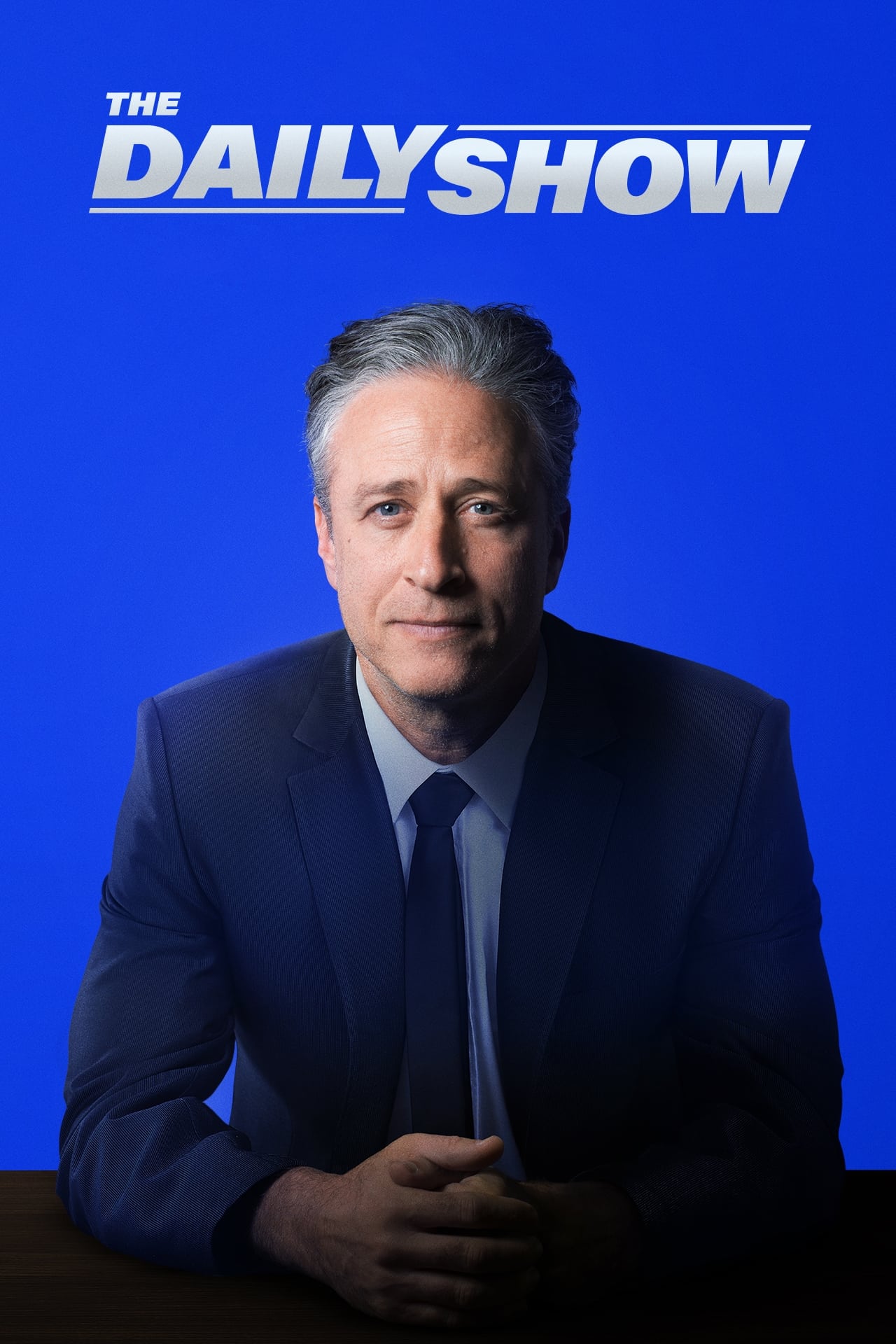
When Trevor Noah was cast to replace Jon Stewart, the program underwent a significant cultural shift. Noah brought a more global perspective and a younger, more digital-savvy energy to the desk. Stewart’s era was defined by passionate, often angry critiques of American media, whereas Noah’s approach was more observational and suave. This casting choice changed the show’s demographic appeal and its overall mission in the late-night landscape. While Noah eventually found his footing, the transition period was marked by constant comparisons to his predecessor.
‘NewsRadio’ (1995–1999)

The tragic death of Phil Hartman led to the casting of his real-life friend Jon Lovitz for the final season. Lovitz played Max Lewis, a character who was intentionally written to be different from Hartman’s Bill McNeal. The show’s atmosphere became much more somber and eccentric as the cast and crew grieved. The rapid-fire comedic timing of the earlier seasons was replaced by a more erratic and surreal energy. Fans often view the final season as a distinct departure from the show’s peak years.
‘That ’70s Show’ (1998–2006)

After Topher Grace and Ashton Kutcher left the series, Josh Meyers was cast as Randy Pearson to fill the void in the friend group. Randy was intended to be a combination of the leading man qualities of Eric and the charm of Kelso, but he was widely rejected by the fanbase. His inclusion changed the group dynamic, making the final season feel disconnected from the rest of the series. The show’s writers struggled to integrate him into the established relationships of the other characters. This casting is frequently cited as a major factor in the show’s decline in its final year.
‘M*A*S*H’ (1972–1983)
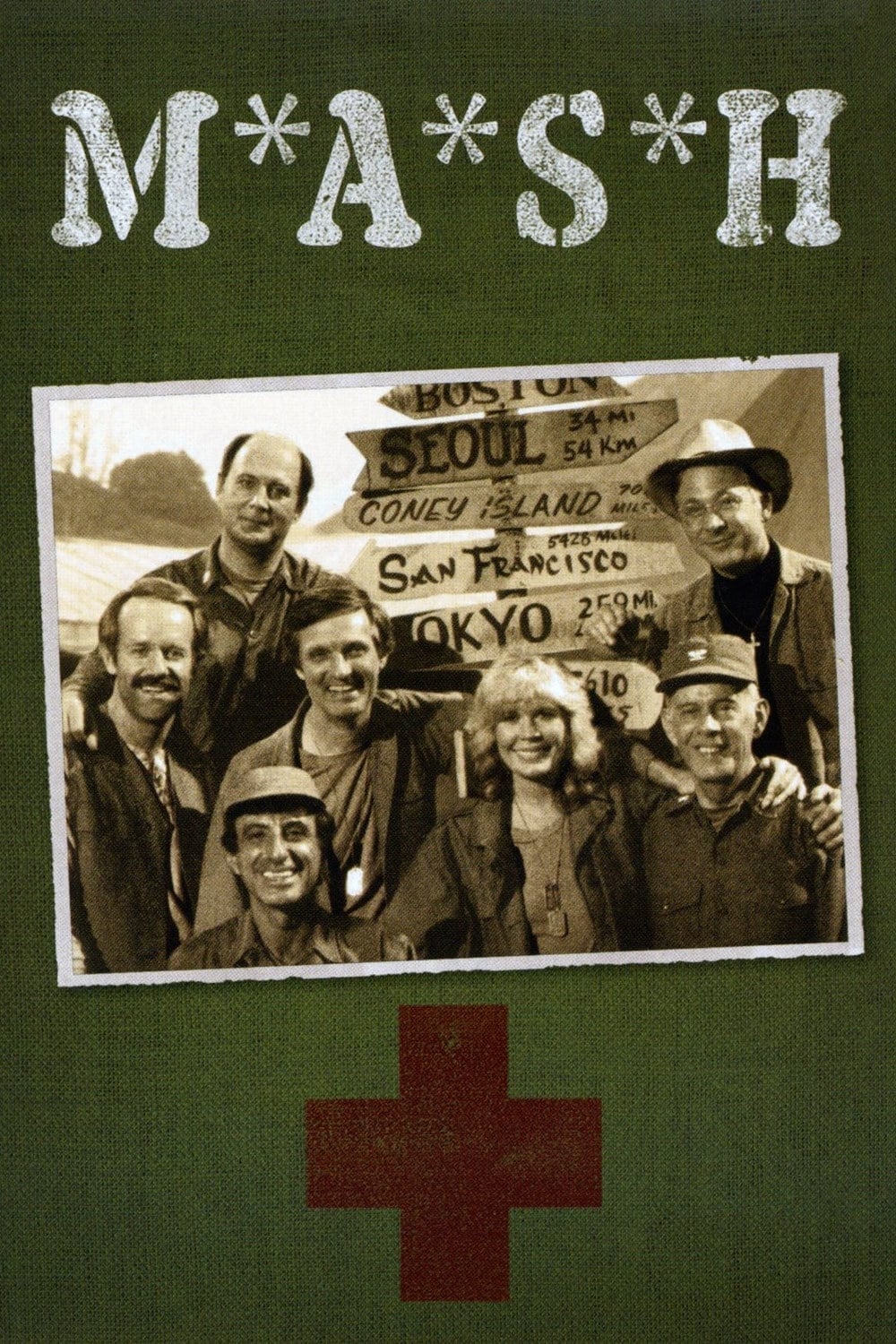
The departure of McLean Stevenson led to the casting of Harry Morgan as Colonel Sherman Potter. This change shifted the show from a frantic, anti-authoritarian comedy into a more sophisticated dramedy. Potter was a career military man who provided a fatherly stability that Stevenson’s character lacked. This casting allowed the show to explore deeper themes of leadership and the toll of war. It is widely considered one of the most successful casting transitions in television history.
‘American Idol’ (2002–)

The casting of Ellen DeGeneres as a judge for one season was a major departure from the show’s established format. Known for her kind and comedic persona, she struggled to provide the constructive criticism that was the show’s hallmark. Her presence shifted the focus from the contestants to the star power at the judges’ table in a way that felt unnatural. The lack of chemistry with Simon Cowell led to a tense season that many fans consider the show’s weakest. She left the series after only one year, citing that it wasn’t the right fit for her.
‘Game of Thrones’ (2011–2019)
The role of Daario Naharis was originally played by Ed Skrein before being recast with Michiel Huisman in the fourth season. Skrein’s version was more flamboyant and resembled the character’s description in the books, while Huisman’s portrayal was more grounded and traditionally heroic. This change altered the romantic dynamic between Daario and Daenerys Targaryen, making it feel more like a standard Hollywood pairing. Fans were initially confused by the sudden change in appearance with no narrative explanation. Huisman remained in the role until the character was written out of the show.
‘Glee’ (2009–2015)
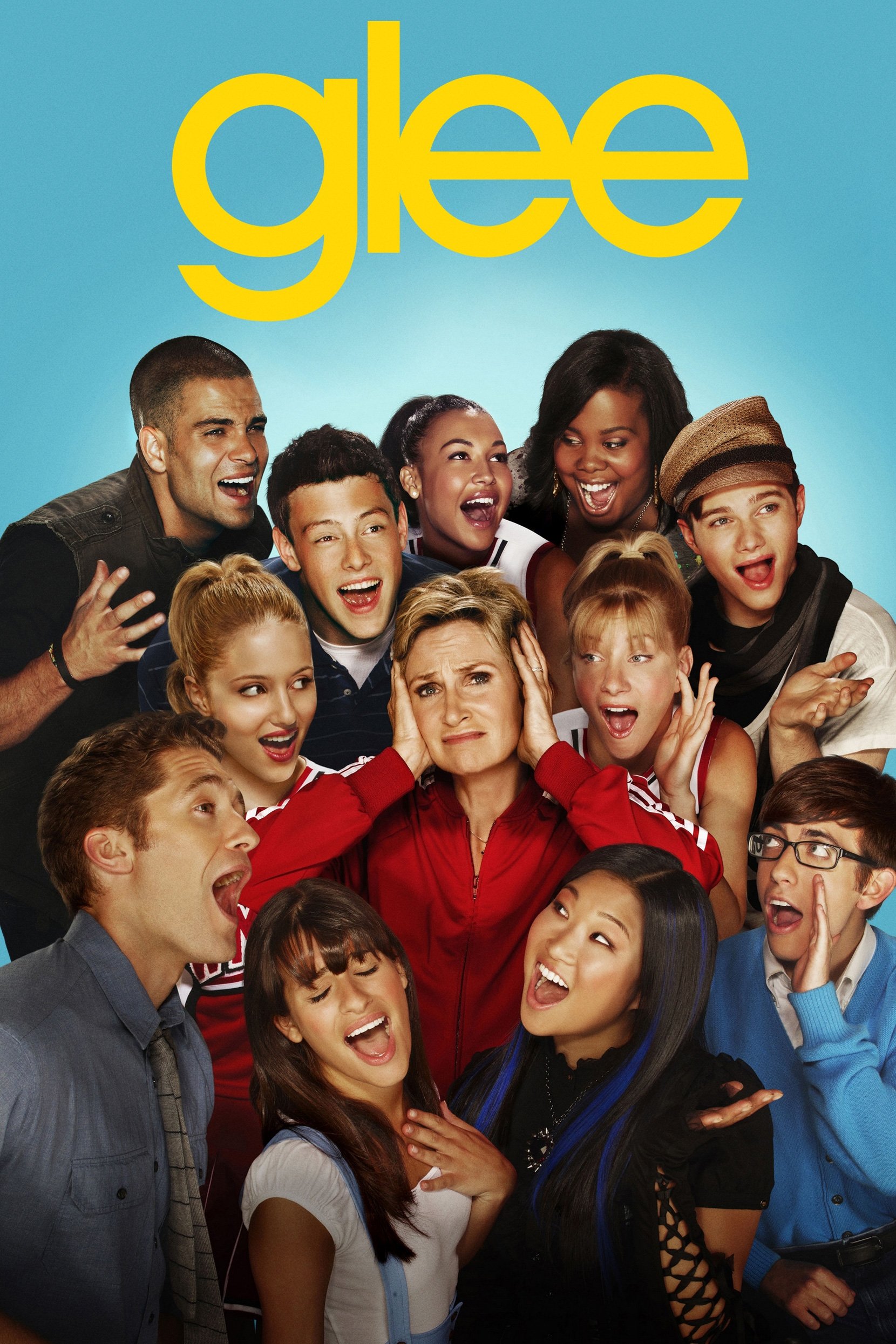
As the original cast members “graduated,” the show cast a new group of students, including Jacob Artist and Melissa Benoist. This decision split the show’s focus between the new high schoolers in Lima and the original cast members in New York City. The new characters were often seen as “clones” of the original archetypes, which led to a loss of interest from the core fanbase. The show struggled to give the new cast enough depth to compete with the established favorites. This casting choice is often pointed to as the moment ‘Glee’ lost its narrative focus.
‘Community’ (2009–2015)

In its sixth and final season, ‘Community’ cast Paget Brewster and Keith David to replace departing original members Donald Glover and Yvette Nicole Brown. The show shifted from a story about a specific group of friends to a meta-commentary on the “new” version of the committee. Brewster’s character, Frankie Dart, was a “straight man” who highlighted the absurdity of the school in a way previous characters hadn’t. This gave the final season a distinct, more grounded, yet still self-aware tone. While fans missed the original cast, the new additions were praised for breathing life into the waning series.
‘The Goldbergs’ (2013–2023)
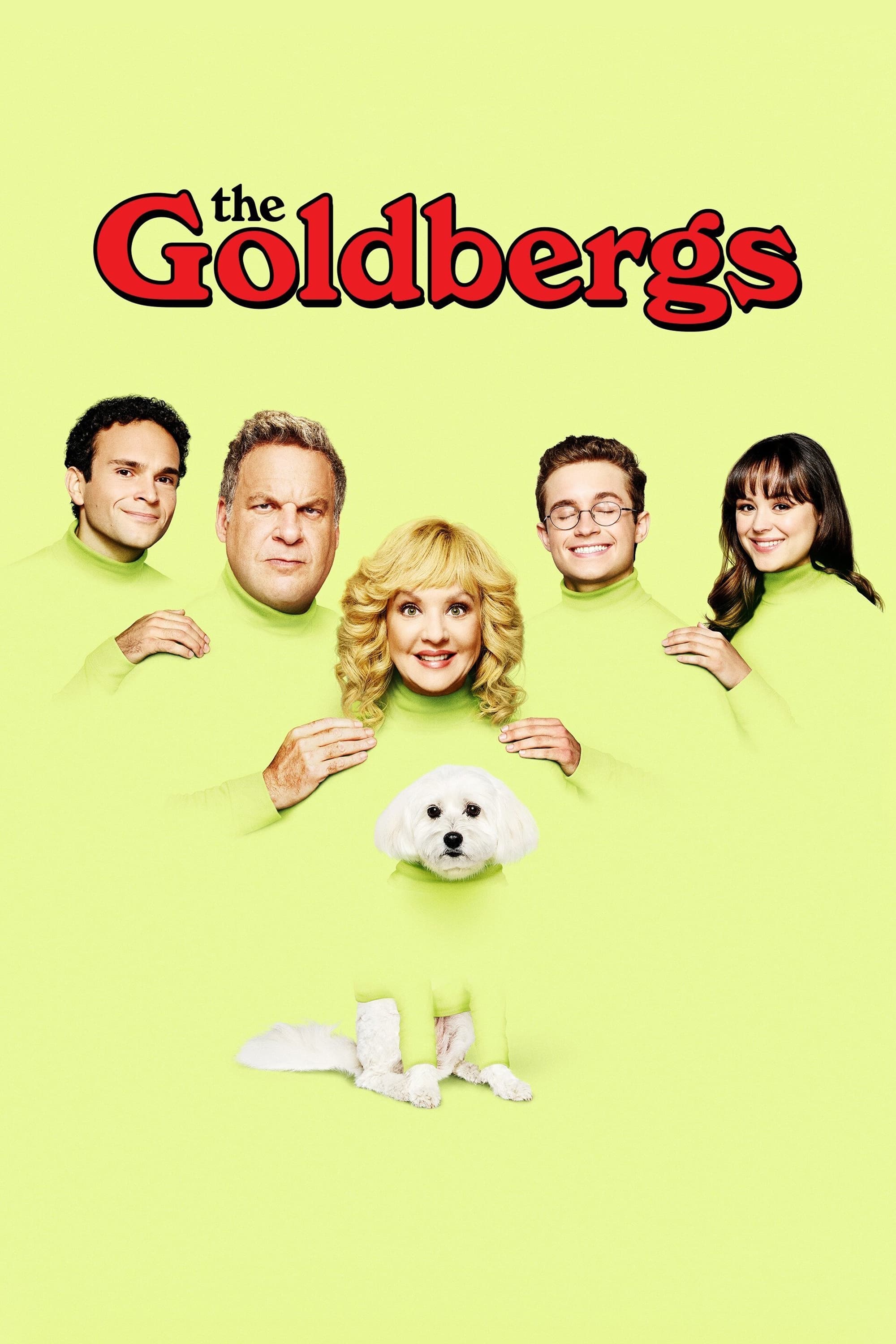
Following the departure of Jeff Garlin due to misconduct allegations, the show used a combination of stand-ins and CGI to include his character in the background before finally killing him off. This bizarre technical casting choice was highly controversial and became a distraction for viewers. The show’s family dynamic, which relied on Garlin’s “grumpy dad” archetype, was completely upended. The writers eventually focused on the remaining cast members moving on, but the transition period was widely mocked online. The show concluded shortly after the dust from this controversy settled.
‘Blue’s Clues’ (1996–2006)

The departure of original host Steve Burns led to the casting of Donovan Patton as “Joe,” Steve’s brother. For the preschool audience, this was a monumental shift that caused significant distress among young viewers and their parents. The show’s interactive format relied heavily on the bond between the host and the audience, and Joe had a different energy and style. While the show remained popular, many “Steve-era” fans felt the magic had changed. The controversy around Steve’s departure spawned numerous urban legends that persisted for years.
‘Designing Women’ (1986–1993)
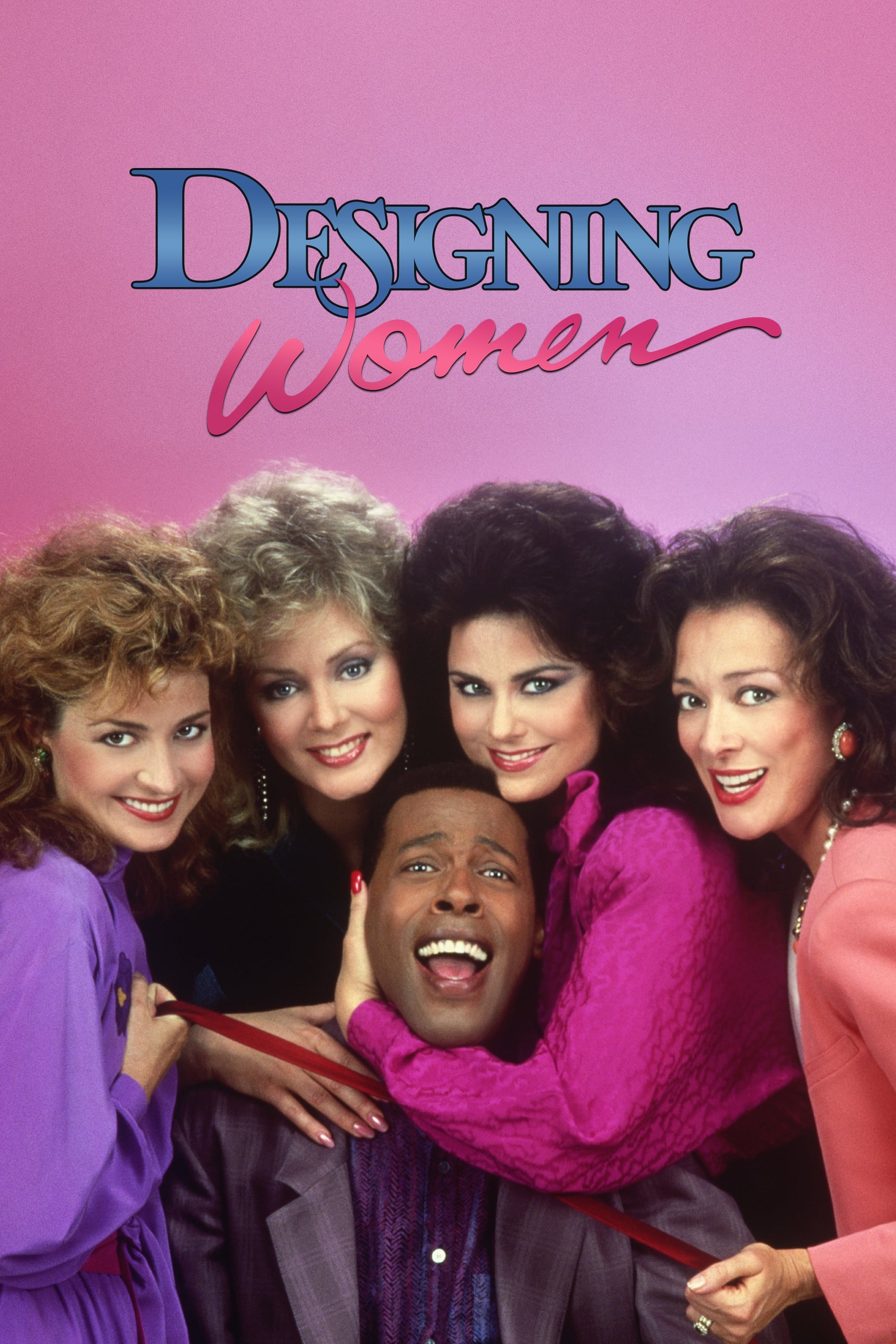
After the firing of Delta Burke and the departure of Jean Smart, the show cast Julia Duffy and Jan Hooks to fill the void. This changed the show from a tight-knit ensemble of four distinct women to a more chaotic, less balanced group. Duffy’s character was intentionally unlikeable, which disrupted the warm, conversational tone that had defined the series. The show’s ratings fell significantly after the change, and Duffy was written out after only one season. This casting remains a textbook example of how a successful ensemble can be ruined by improper replacements.
‘Law & Order: Special Victims Unit’ (1999–)
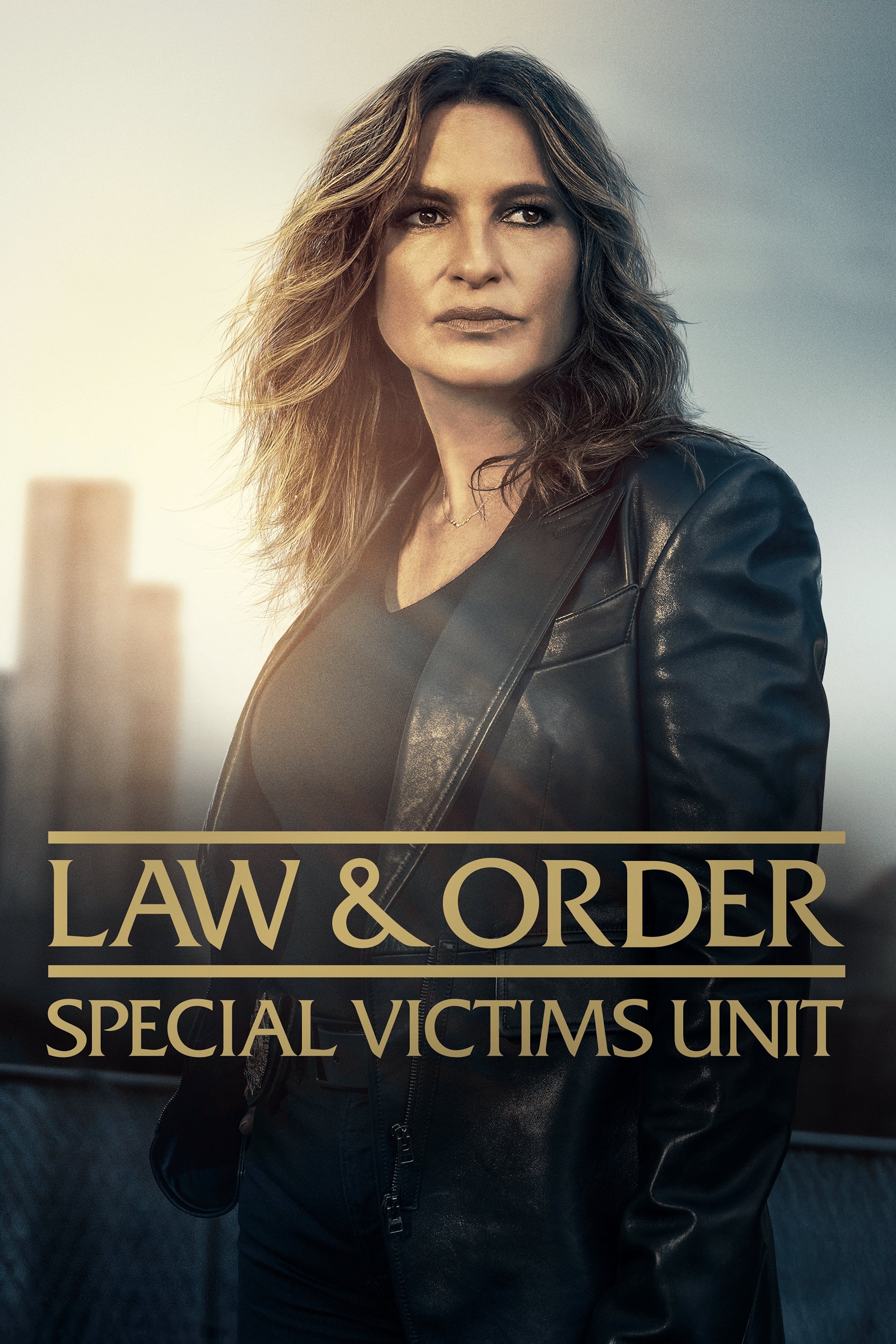
When Christopher Meloni left the series in season twelve, the casting of Danny Pino as Nick Amaro was meant to fill the partner role for Mariska Hargitay. Amaro was written to be younger and more hot-headed, which forced Olivia Benson into a more maternal and authoritative role. This fundamentally changed the partnership dynamic that had been the show’s core for over a decade. The series evolved from a character-driven partnership to a more traditional ensemble led by Benson. While the show has continued for many years, the “Benson and Stabler” era is still viewed as a distinct and separate entity.
‘The Andy Griffith Show’ (1960–1968)
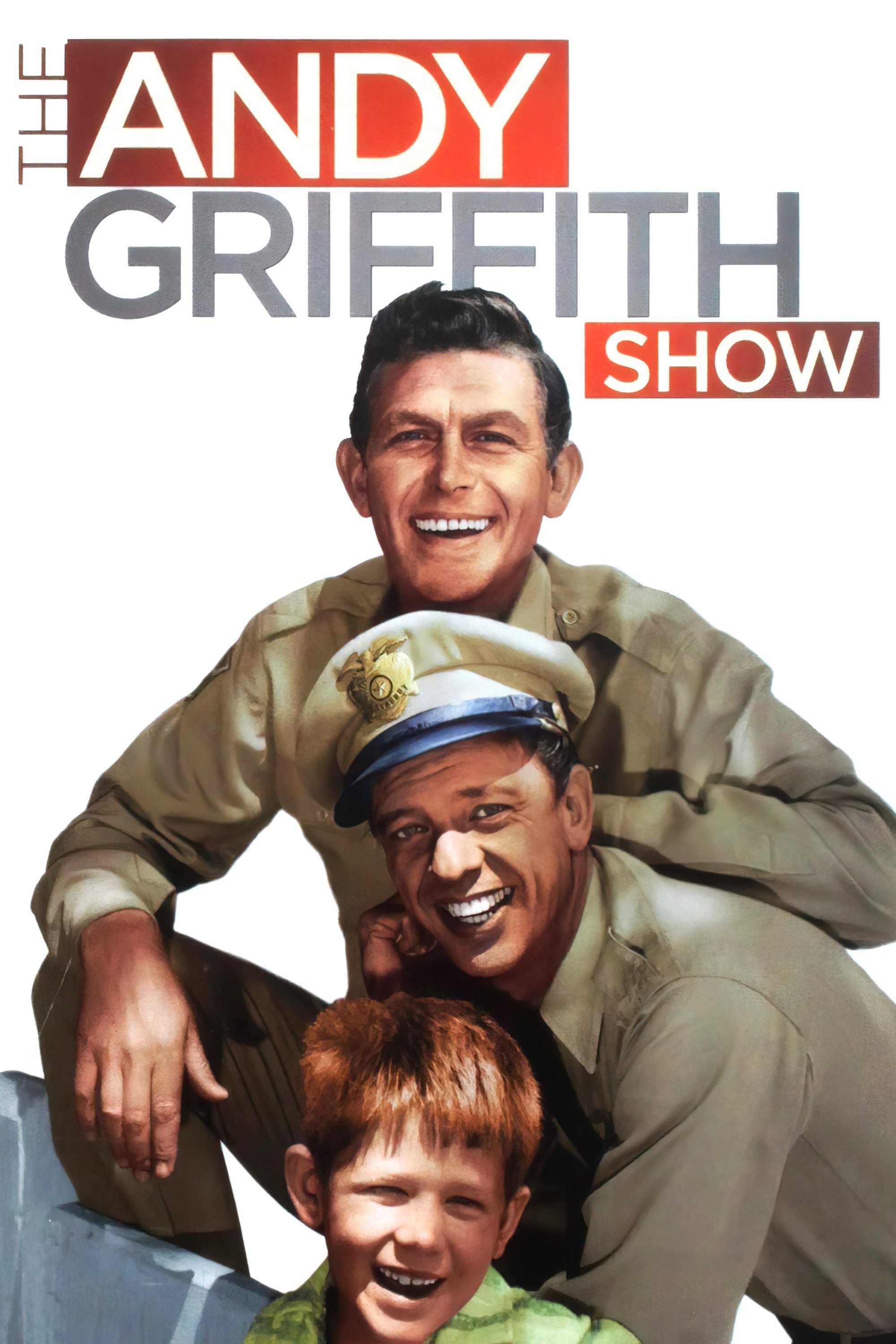
When Don Knotts left the series, the production cast Jack Burns as Warren Ferguson, the new deputy. Burns was a talented comedian, but his character’s nervous energy felt like a poor imitation of Barney Fife rather than something new. The chemistry with Andy Griffith was absent, and the audience reacted negatively to the replacement. The writers eventually phased the character out after only eleven episodes. The show then shifted its focus away from the deputy dynamic and toward the town of Mayberry as a whole.
‘Scrubs’ (2001–2010)
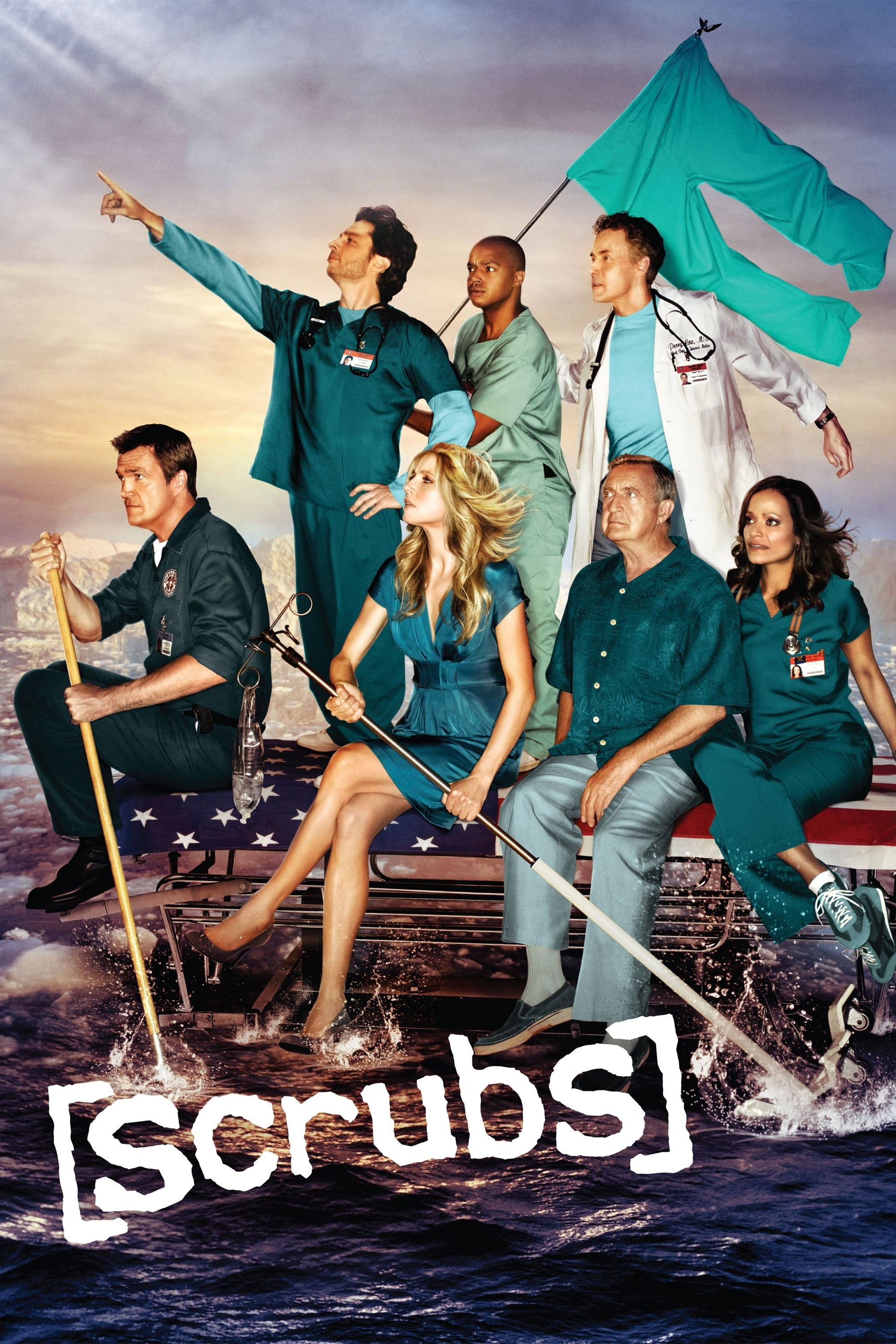
The ninth season of ‘Scrubs’ was intended as a spin-off but was aired as a continuation of the main series, featuring a new cast of medical students led by Kerry Bishé. This casting choice moved the focus away from the beloved original characters, who only appeared in supporting or guest roles. The new setting and cast failed to capture the chemistry of the original Sacred Heart team. Fans felt the “true” finale had already happened in season eight. The show was canceled shortly after the new cast was introduced.
‘The Hogan Family’ (1986–1991)
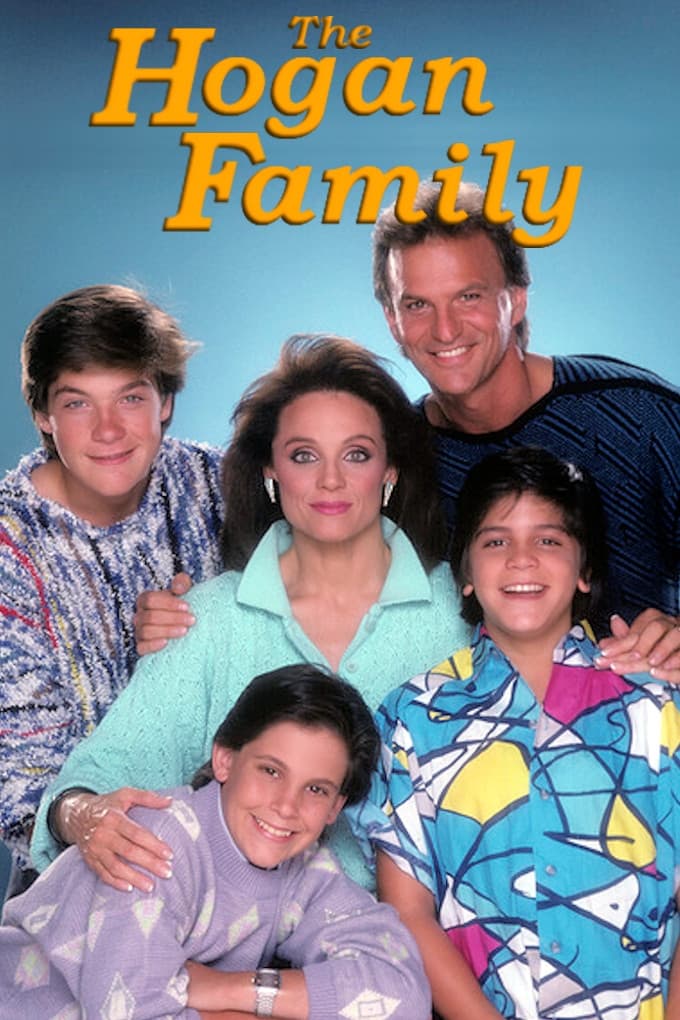
Originally titled ‘Valerie’, the show was centered on Valerie Harper until a contract dispute led to her being fired and replaced by Sandy Duncan. The show’s title was changed, and the writers killed off Harper’s character, making Duncan the aunt who moves in to help the family. This is one of the most radical casting shifts in sitcom history, as the show’s namesake was entirely removed. The series managed to survive for several more seasons, but the tone shifted from a mother-centric show to a more generic family comedy. It remains a famous case study in television studio disputes.
Share your thoughts on these casting changes and how they impacted your favorite shows in the comments.