


TV Shows That Cast White Actors in Traditionally Non-White Roles

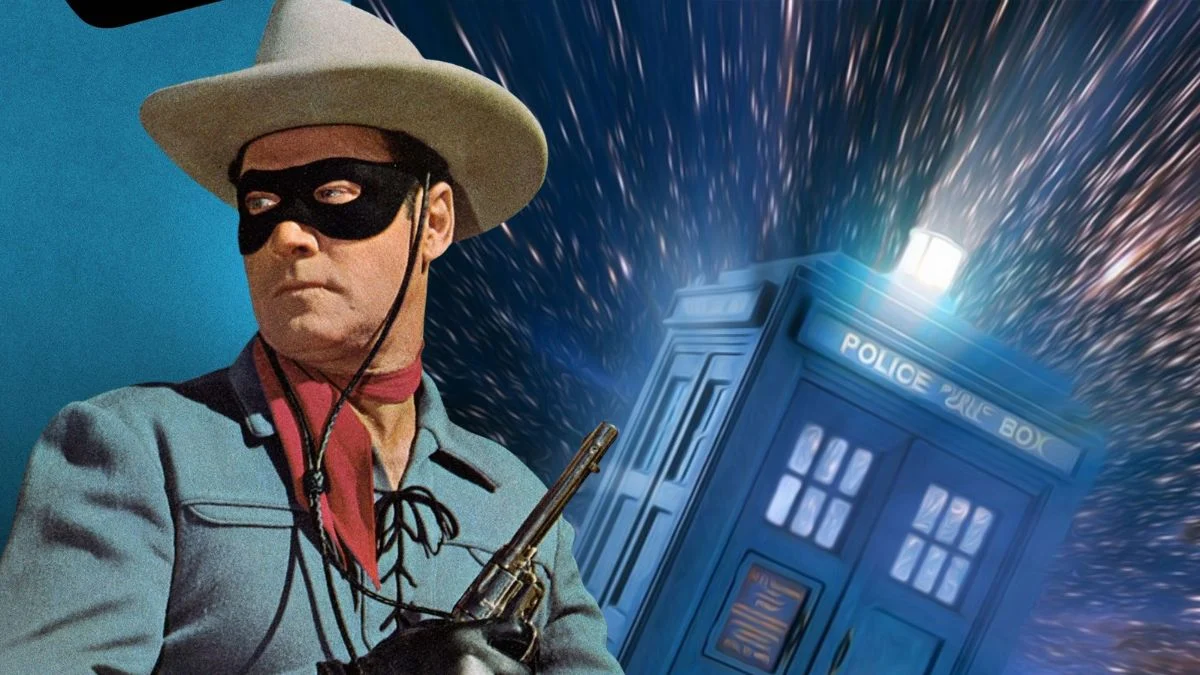


Television history is filled with examples of casting choices that do not reflect the cultural or ethnic identities of the characters portrayed. For many decades it was standard practice in the entertainment industry to cast white actors in roles that were traditionally nonwhite. These productions often utilized costumes and makeup to alter the appearance of the performers to match the requirements of the script. Such choices are now frequently examined by historians and viewers as reflections of the societal norms and industry limitations of the past. This list highlights several television programs that featured white actors in roles written for characters of different racial or ethnic backgrounds.
‘The Lone Ranger’ (1949–1957)
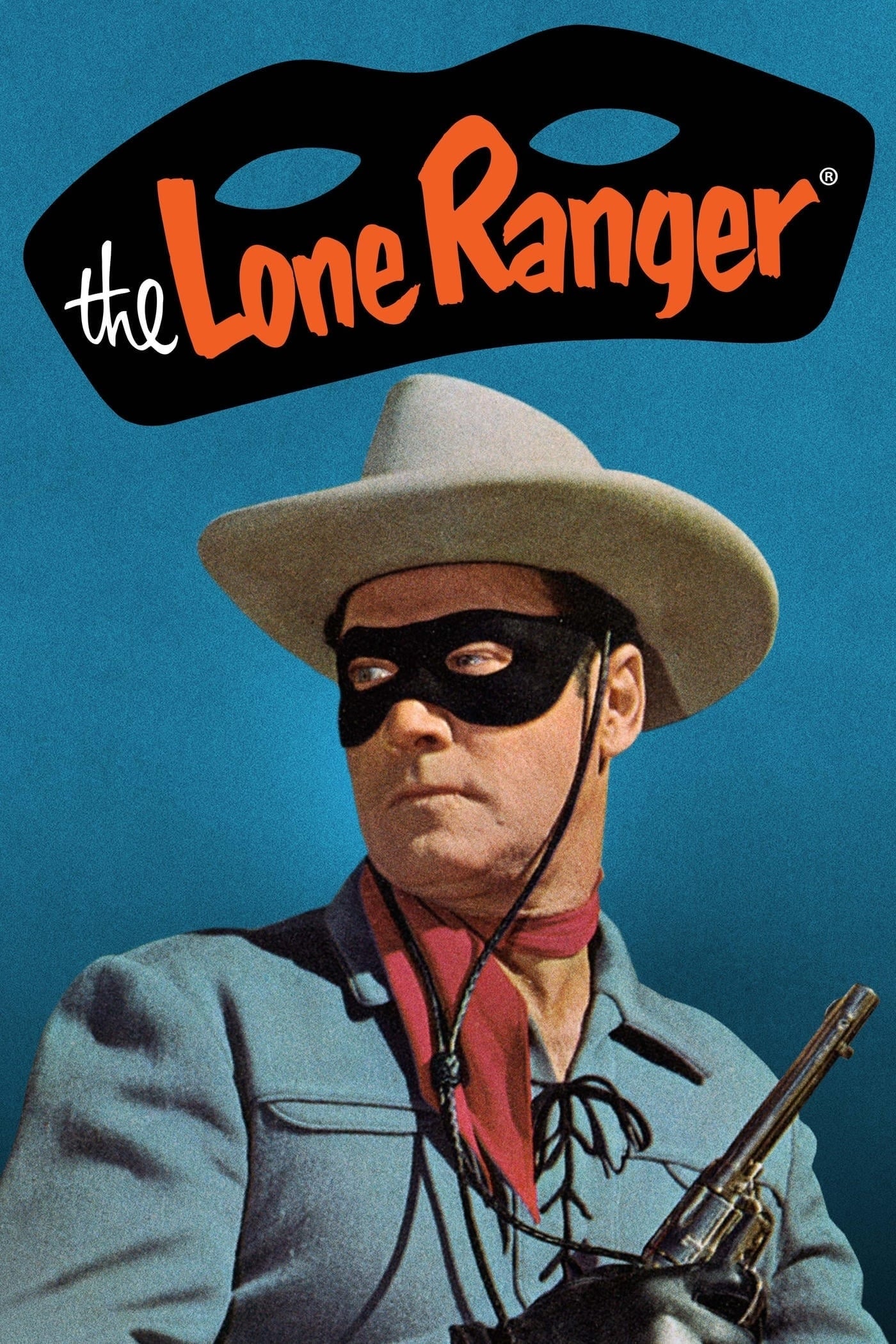
While the character of Tonto was famously played by Jay Silverheels many of the other Native American characters were portrayed by white guest stars. These actors often wore dark face paint and wigs to depict members of various tribes in the American West. The series frequently depicted Native Americans in supporting or antagonistic roles using stereotypical dialogue and appearances. These casting decisions were indicative of the era’s reliance on a limited pool of recognizable actors for all parts. Modern viewers often point to these episodes as examples of the lack of authentic representation in early television.
‘Brave Eagle’ (1955–1956)
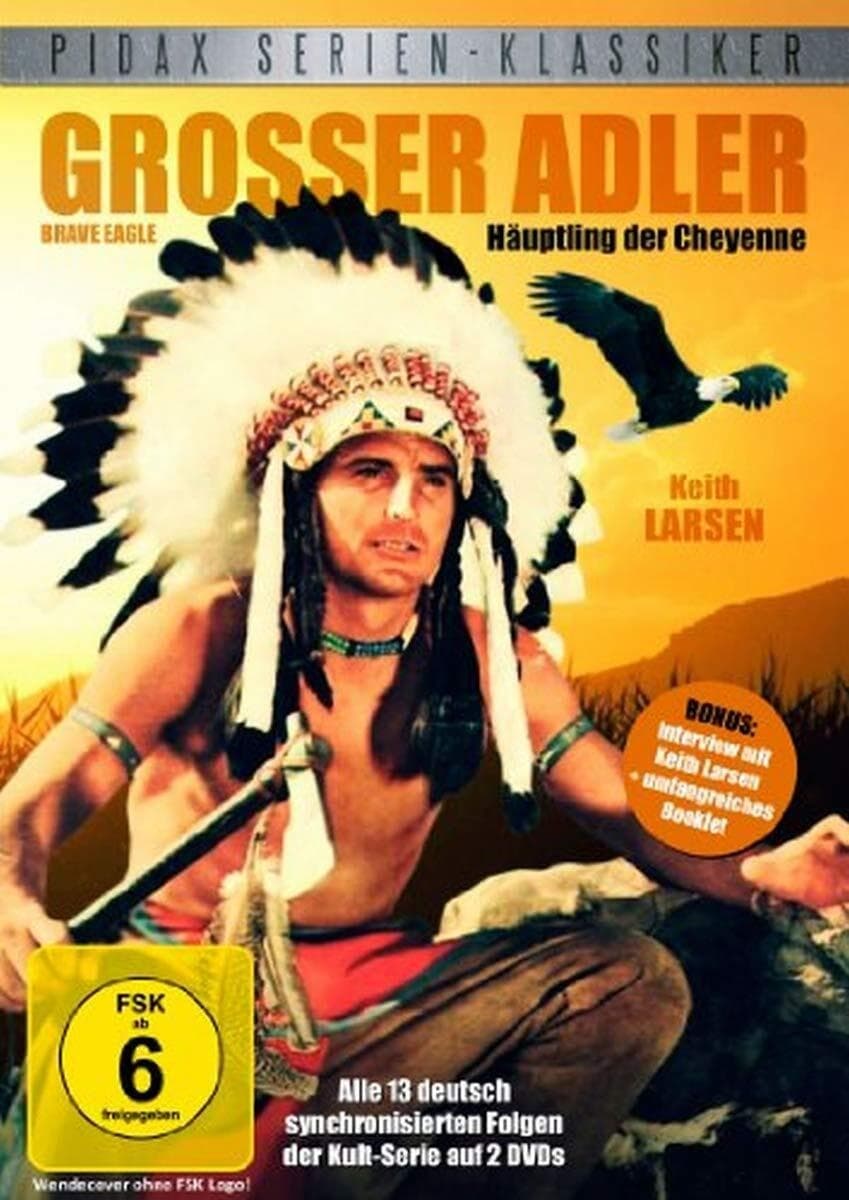
This short lived Western series was unique because it focused on a Native American protagonist during the nineteenth century. The title role of Brave Eagle was played by Keith Larsen who was an actor of Norwegian descent. Larsen utilized makeup and braided hair to portray the Cheyenne chief who sought peace with white settlers. The show attempted to provide a different perspective on the Western genre but still relied on a white lead for the central role. This practice was typical for major network productions during the nineteen fifties.
‘Cheyenne’ (1955–1963)
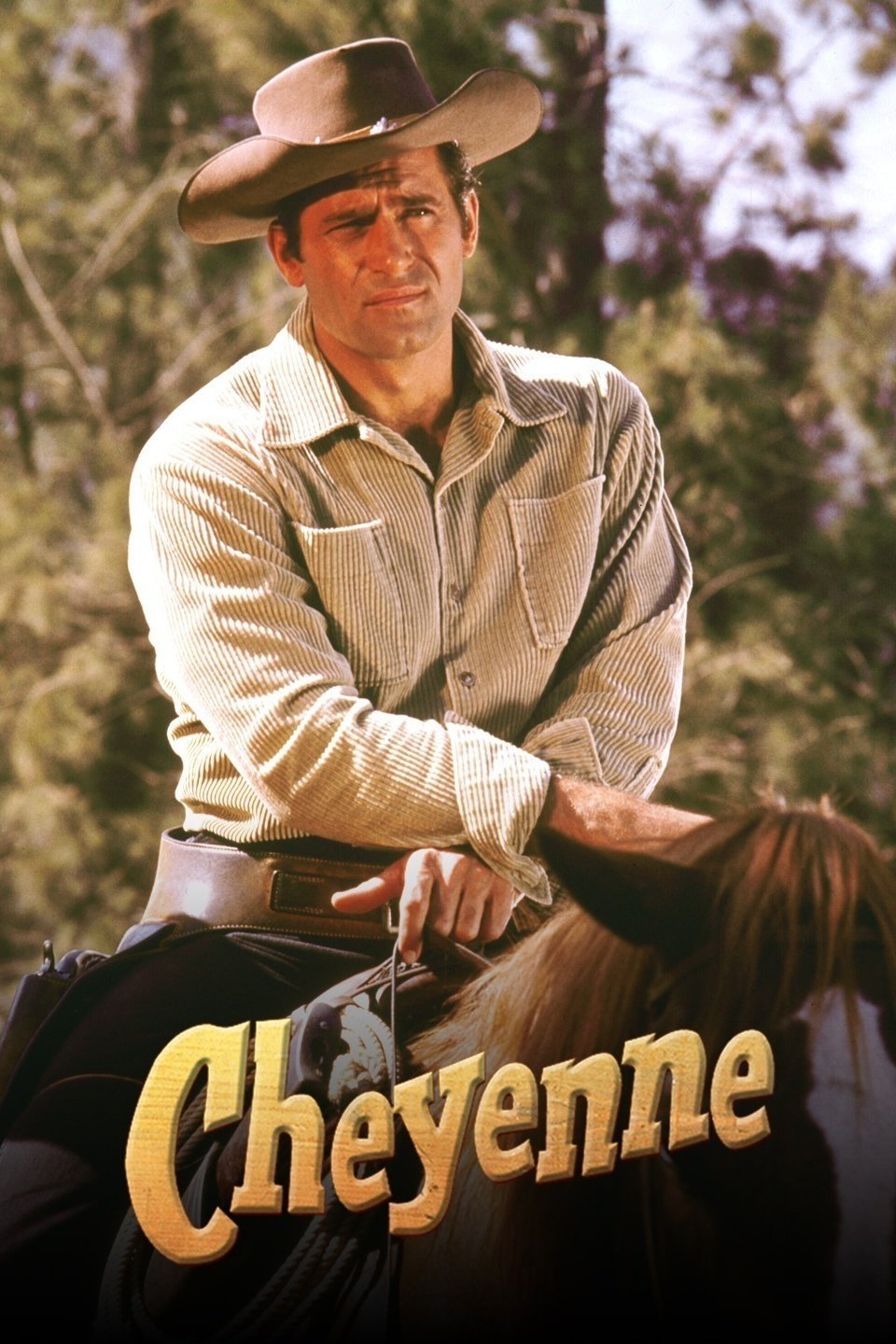
Clint Walker starred as Cheyenne Bodie who was a character raised by the Cheyenne people after his parents were killed. The narrative established that Bodie was of white descent but his cultural identity and skills were tied to his Native American upbringing. Walker was a white actor whose physical stature made him a popular leading man in the Western genre. The show often explored themes of cultural identity and conflict on the frontier. However it primarily utilized white actors to tell stories about Native American culture and influence.
‘Gunsmoke’ (1955–1975)
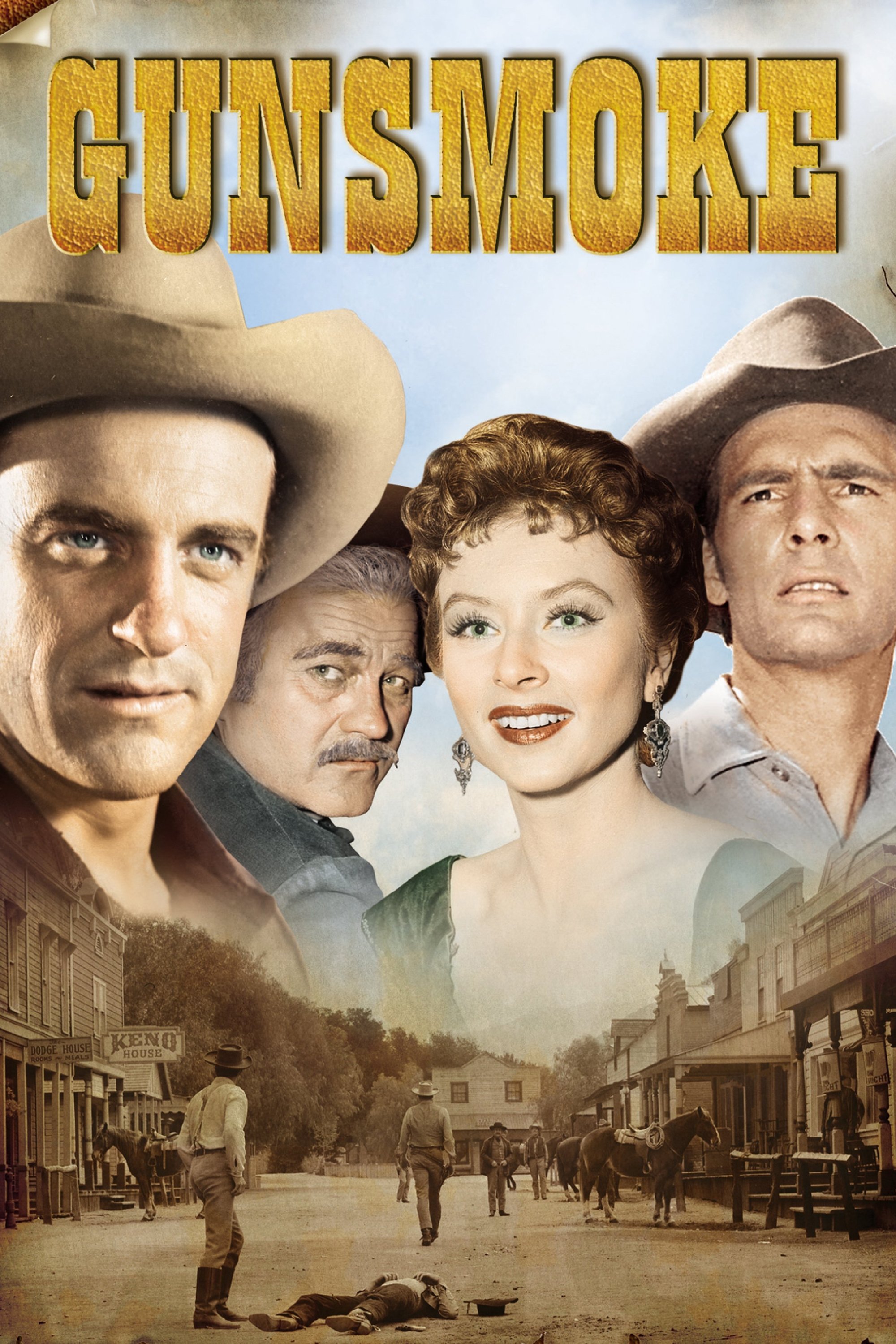
As one of the longest running Westerns in television history this show featured hundreds of guest stars playing various roles. Many Native American characters encountered by Marshal Matt Dillon were portrayed by white actors in redface. These performers would often adopt specific mannerisms and speech patterns intended to represent indigenous people. This was a recurring element throughout the early seasons when authentic casting was rarely prioritized by studios. The show is now remembered for its drama and longevity as well as these outdated casting practices.
‘Broken Arrow’ (1956–1958)
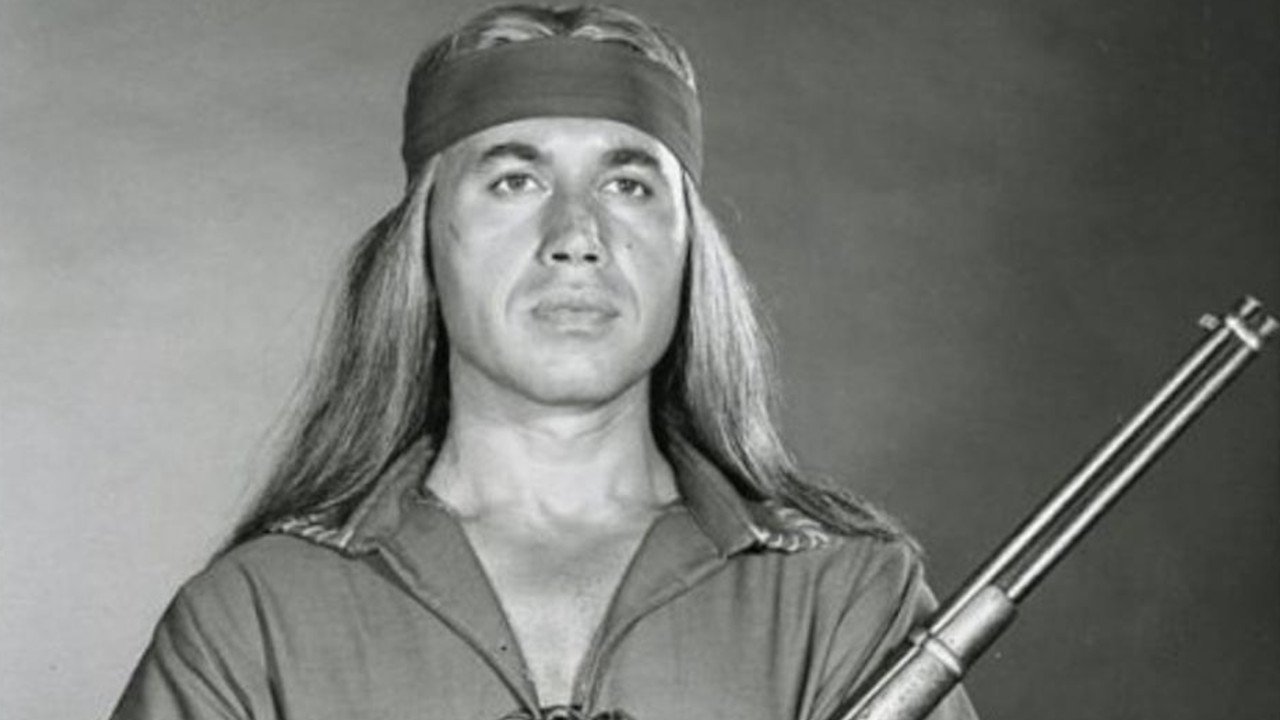
The series focused on the friendship between a white Indian agent and the Apache leader Cochise. While Michael Ansara played Cochise he was of Syrian descent and frequently cast in various ethnic roles including Native Americans. Many other Apache characters in the series were played by white actors using theatrical makeup. The show was praised at the time for its more sympathetic portrayal of Native American characters compared to other Westerns. Despite this intent the casting remained largely disconnected from the actual heritage of the people depicted.
‘Hawkeye and the Last of the Mohicans’ (1957)
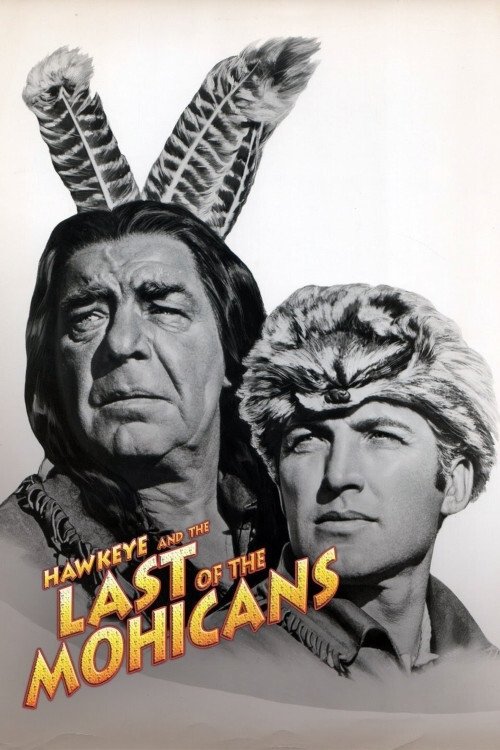
Lon Chaney Jr. played the character Chingachgook in this television adaptation of the classic literary works. Chaney was a white actor well known for his roles in horror films before taking on this part. He utilized makeup and costume to play the Mohican warrior alongside his companion Hawkeye. The production followed the standard industry practice of casting established white stars in prominent nonwhite roles. This approach was intended to attract audiences who were familiar with the lead actors.
‘Zorro’ (1957–1959)
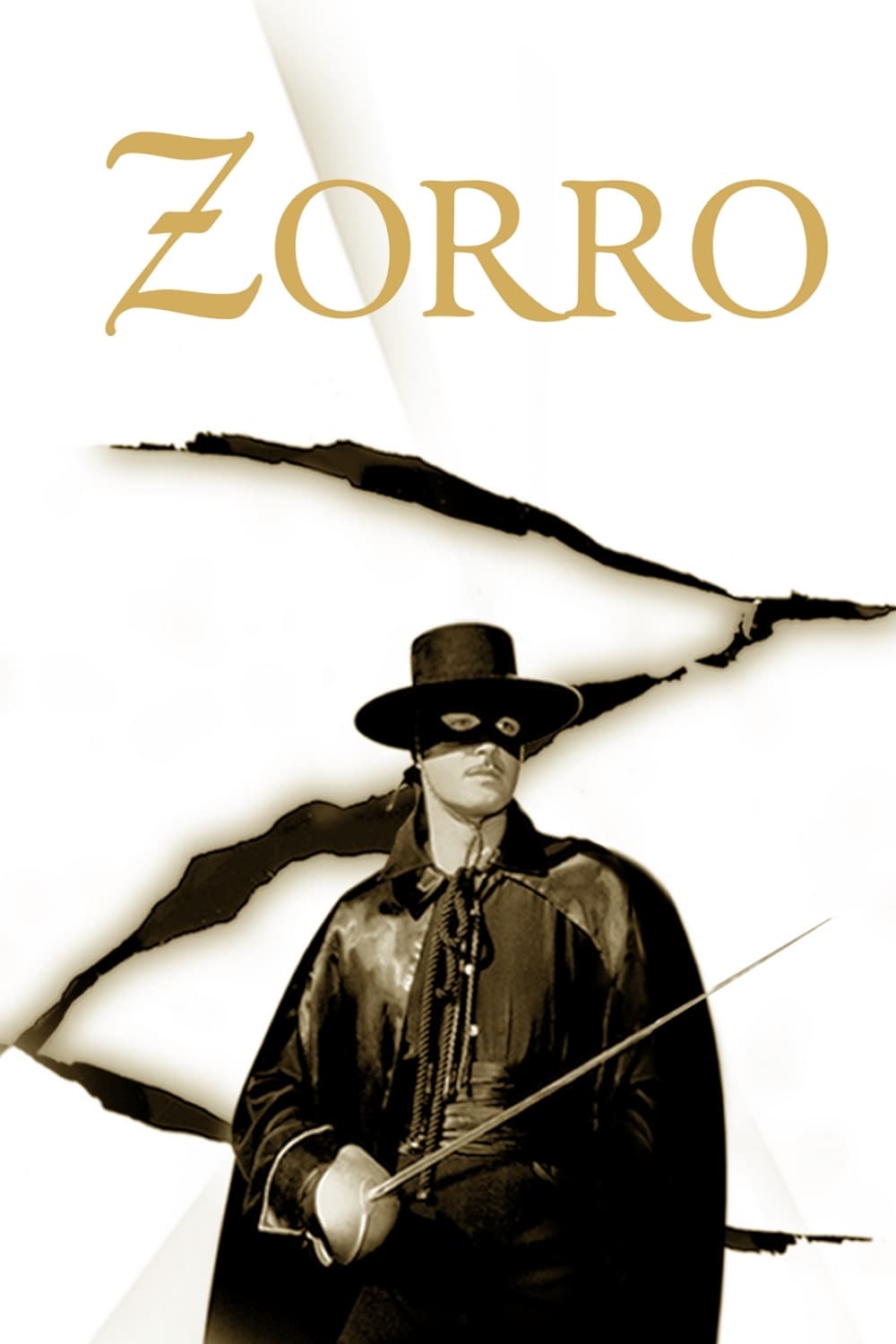
The Disney production featured Guy Williams as Don Diego de la Vega who is a nobleman in Spanish California. While the character is of Spanish and Mexican heritage Williams was a white actor of Italian descent. He became famous for his dashing portrayal of the masked hero who fought for the oppressed. The series was a massive success and defined the character for a generation of viewers. The casting of a white lead for a Hispanic hero was a standard practice for television studios during this period.
‘The Rifleman’ (1958–1963)
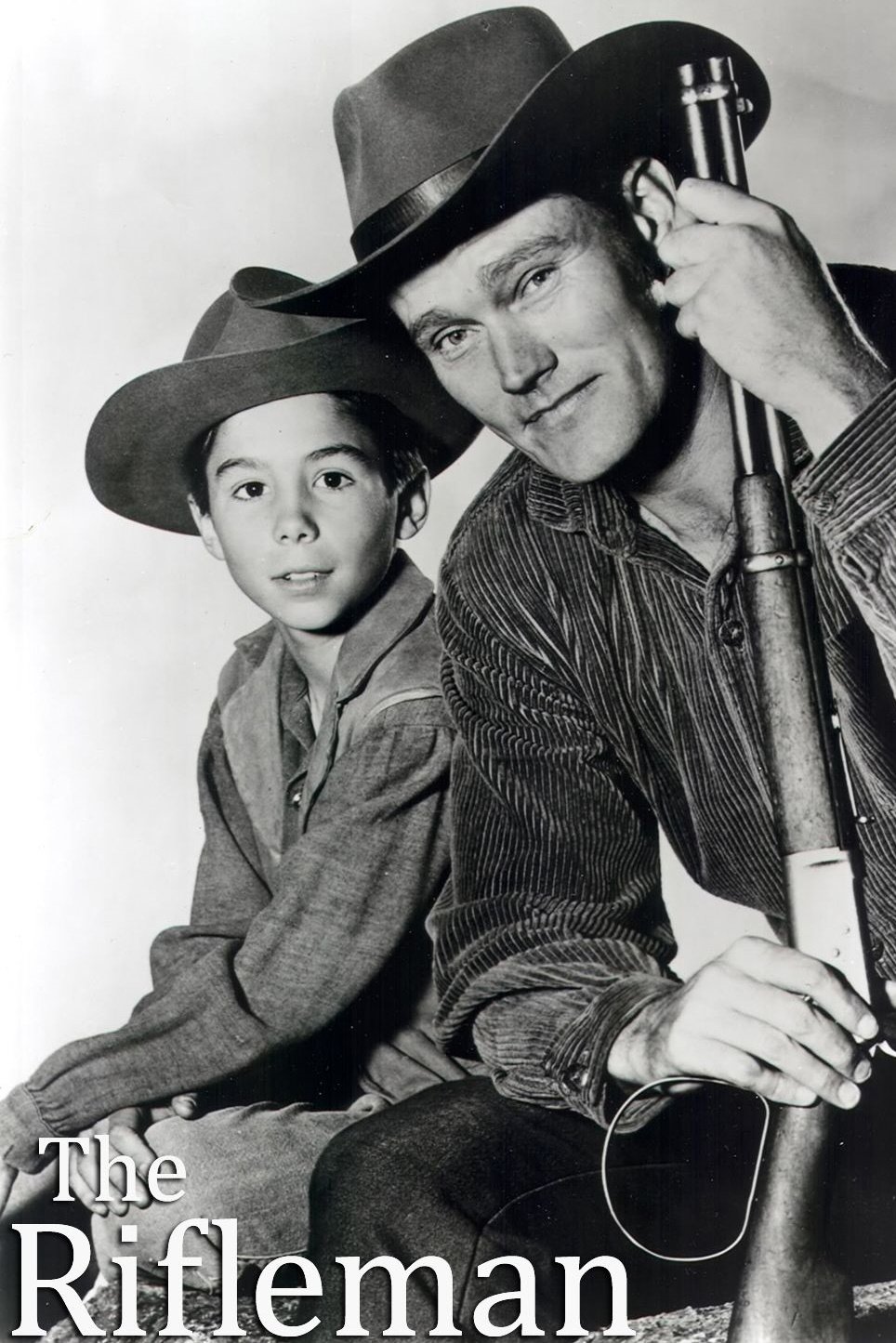
This popular Western starring Chuck Connors often featured episodes involving Native American tribes and characters. Many of these roles were filled by white actors who were disguised with makeup and traditional clothing. These characters were often central to the plot of specific episodes dealing with frontier justice and peace treaties. The show relied on the versatility of its guest cast to fill roles regardless of their actual cultural backgrounds. This remains a common observation in retrospective reviews of the series and its production history.
‘Rawhide’ (1959–1965)
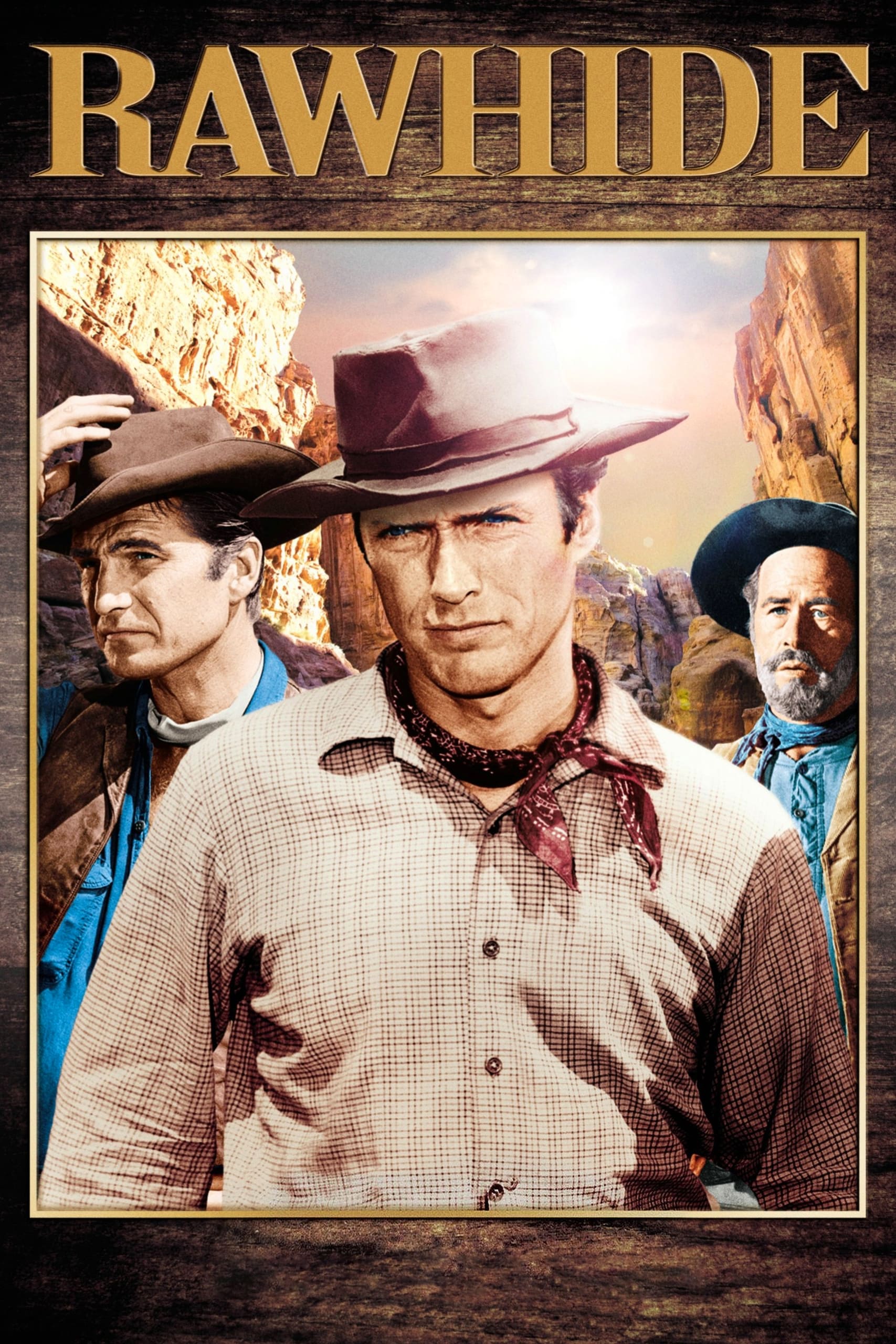
During its lengthy run this cattle drive drama featured numerous encounters with diverse groups of people across the American West. Native American characters were regularly portrayed by white actors who were part of the show’s revolving guest cast. These performances often involved the use of broken English and stereotypical traits that were common in the genre. The series is famous for launching the career of Clint Eastwood but also for its traditional casting methods. Like many of its contemporaries the show did not prioritize authentic representation for indigenous roles.
‘Bonanza’ (1959–1973)
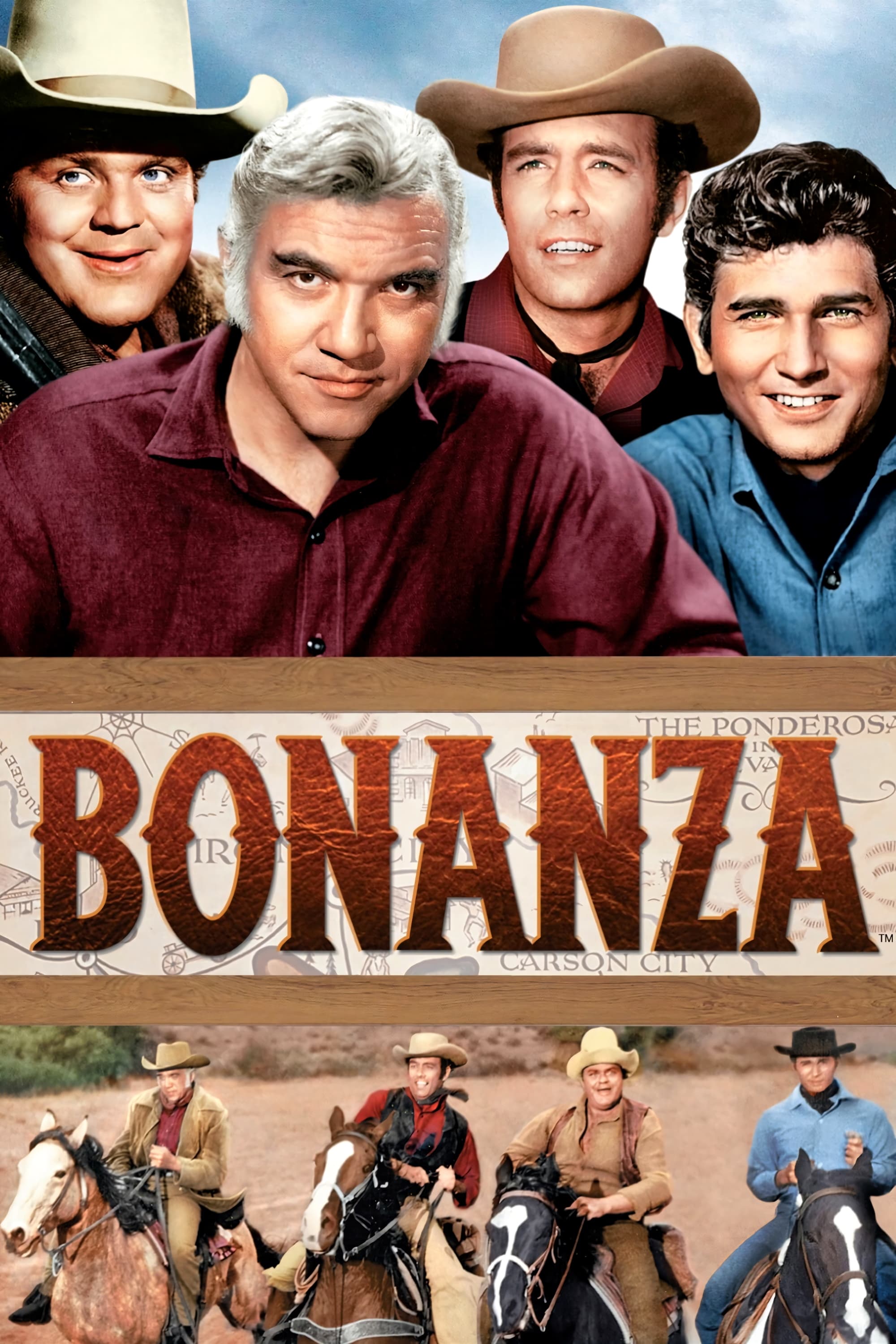
The Cartwright family often interacted with Native American tribes near their Ponderosa ranch in Nevada. Many significant Native American roles were played by white actors who were seasoned performers in the Western genre. These actors would wear dark makeup and wigs to portray characters like Cochise or other tribal leaders. The show was one of the first to be broadcast in color which made the use of makeup even more apparent to viewers. It remains a classic example of the television industry’s historical approach to diverse casting.
‘The Mikado’ (1960)
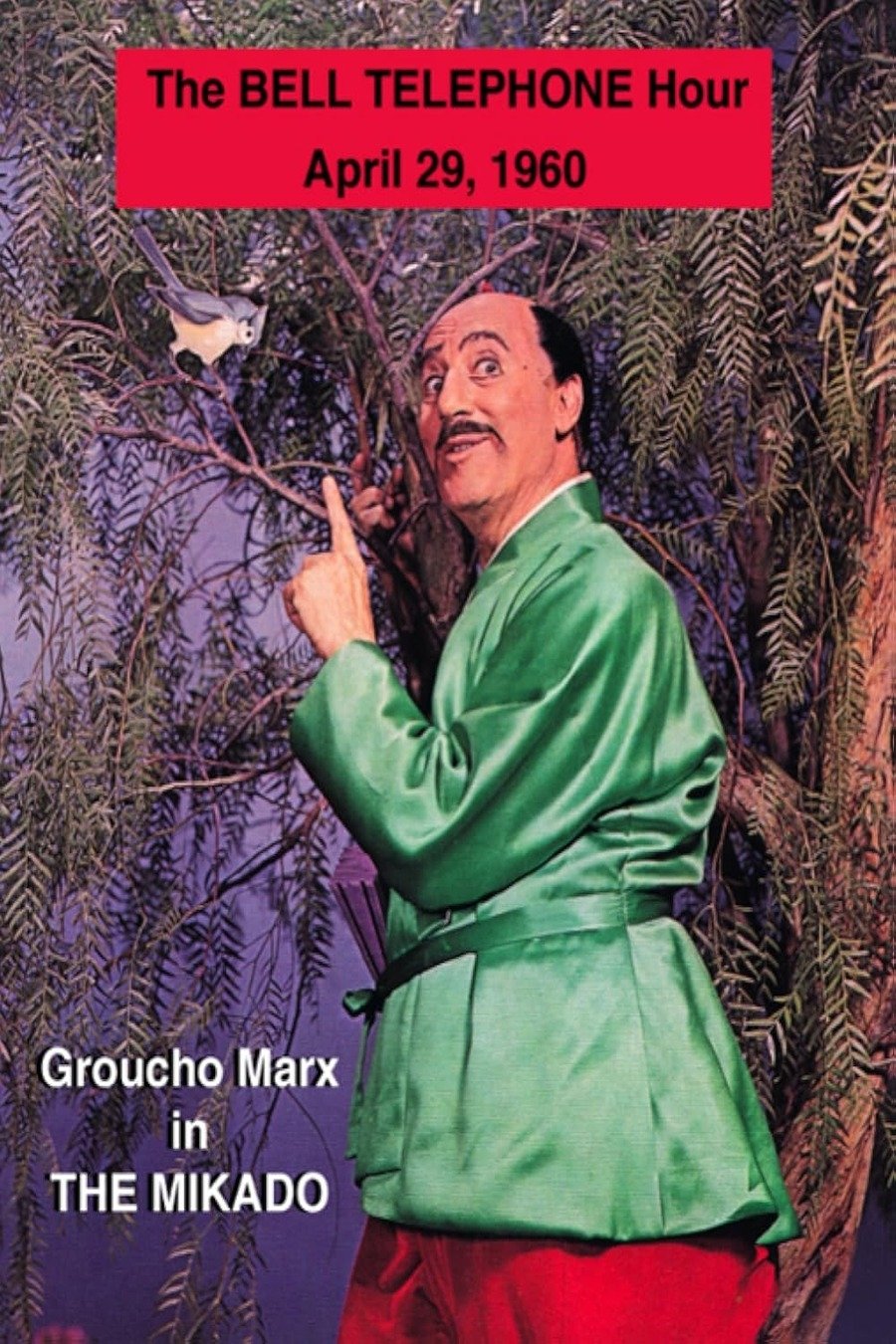
This television special was a filmed production of the famous Gilbert and Sullivan operetta set in Japan. It starred Groucho Marx as Ko-Ko and featured an almost entirely white cast playing Japanese characters. The actors utilized exaggerated costumes and makeup to create a fictionalized version of Japanese society. This production was a popular entertainment event that brought a classic stage work to a wide television audience. It is now viewed as a prime example of the use of yellowface in musical theater and television history.
‘The Virginian’ (1962–1971)
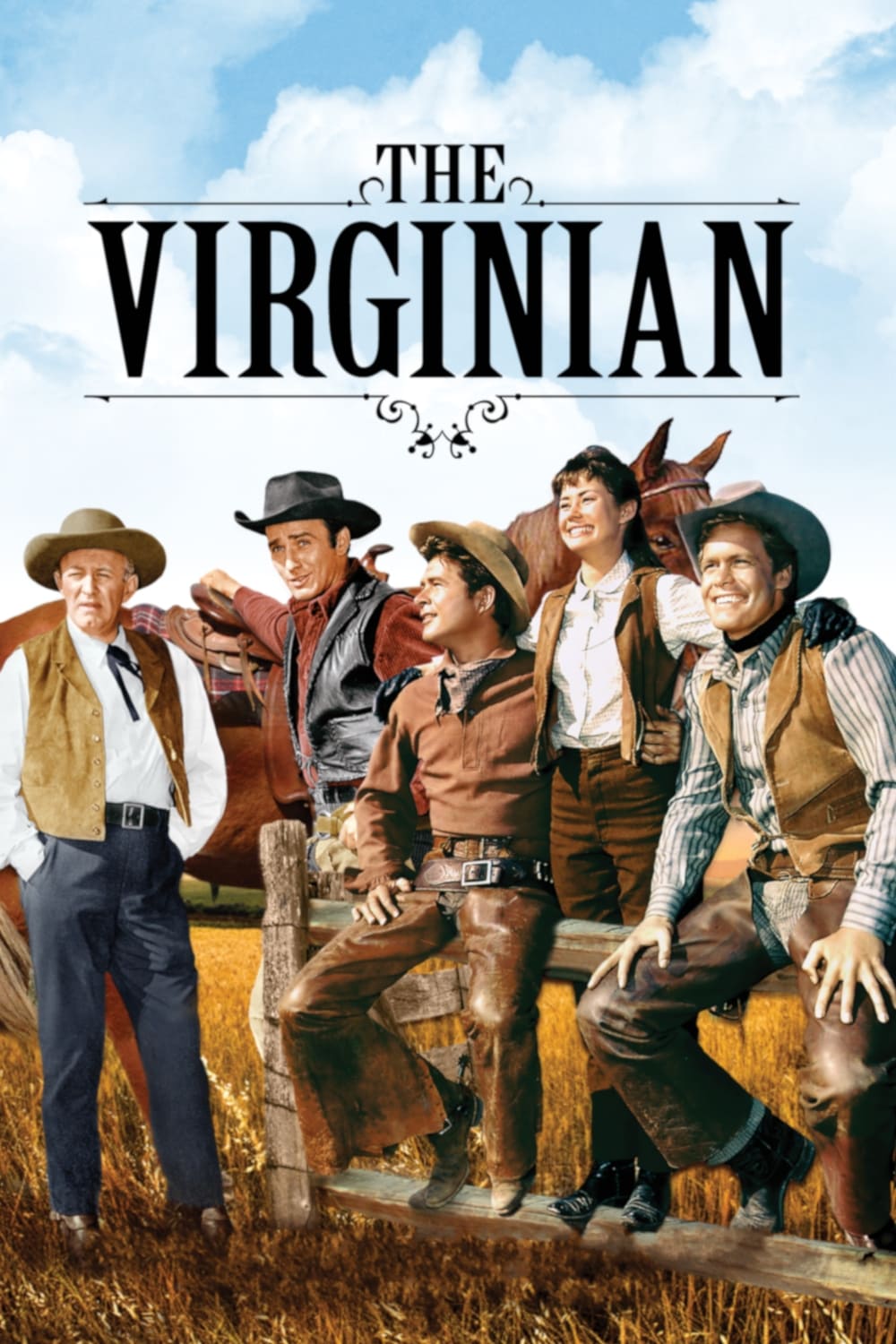
The series was known for its ninety minute episodes and high production values that resembled feature films. Native American characters appeared frequently in various storylines throughout its nine seasons on the air. Most of these roles were occupied by white actors who were familiar faces to television audiences of the time. The show utilized these performers to maintain a consistent level of acting quality according to the standards of the day. This resulted in a lack of authentic indigenous voices in a show centered on the American frontier.
‘The Saint’ (1962–1969)
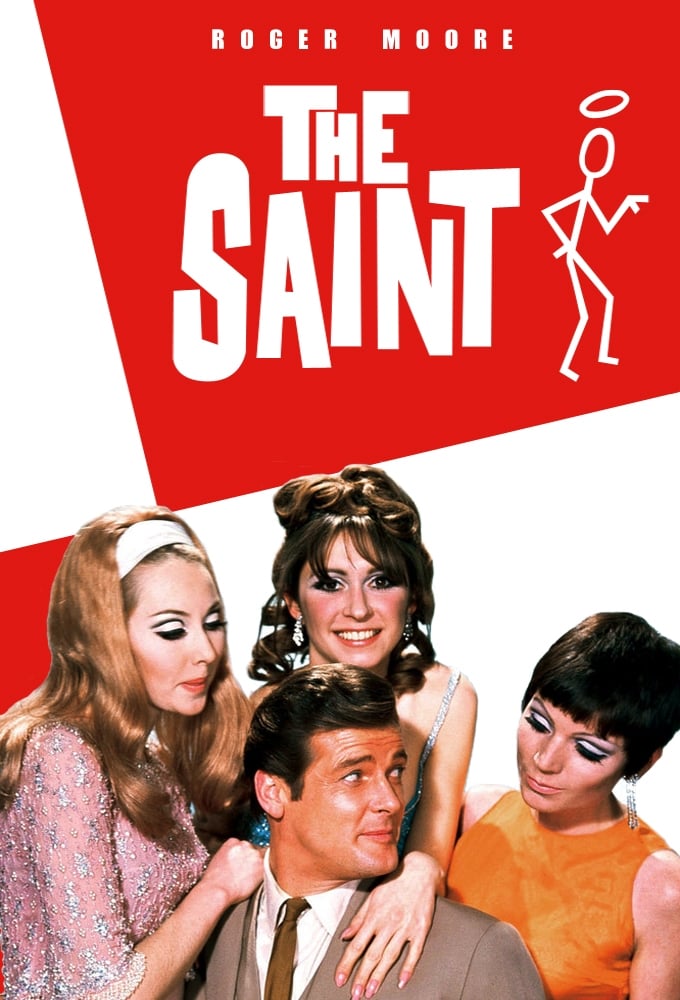
Roger Moore played Simon Templar who often used disguises to infiltrate criminal organizations around the world. In the episode titled ‘The Sign of the Claw’ Moore utilized yellowface makeup to go undercover as an Asian character. This was a recurring trope in spy fiction where the lead actor would adopt different ethnic identities for the sake of the mission. The portrayal relied on broad stereotypes that were common in midcentury British and American media. These moments are often excluded or criticized in modern discussions of the iconic series.
‘Doctor Who’ (1963–Present)
The long running British science fiction series encountered controversy during the 1977 story arc titled ‘The Talons of Weng-Chiang’. Actor John Bennett played the character Li H’sen Chang who is a stage magician and agent from China. Bennett was a white actor who wore extensive yellowface makeup and utilized a stereotypical accent for the performance. Modern retrospective reviews often highlight this episode as a significant example of problematic representation in the history of the show. Despite its high quality production the casting choice remains a stain on its legacy for many fans.
‘Daniel Boone’ (1964–1970)

The series featured Fess Parker as the legendary frontiersman and Ed Ames as his loyal companion Mingo. Ames was a white actor of Jewish descent who played the role of a Cherokee man for several seasons. The character was depicted as an educated and capable warrior who often assisted Boone in his adventures. While the character was popular his casting followed the trend of white actors playing prominent Native American roles. This relationship was a central element of the show’s success and its portrayal of the American wilderness.
‘Branded’ (1965–1966)
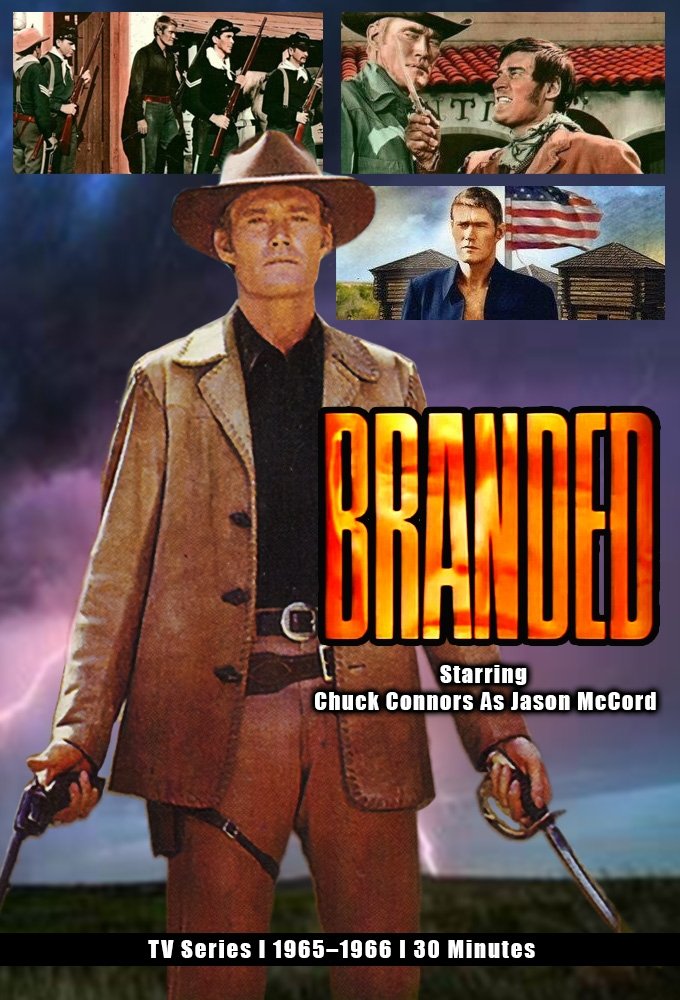
Chuck Connors starred in this series about a soldier who was falsely accused of cowardice and dismissed from the army. The show featured various encounters with Native American tribes as the protagonist traveled across the West. White actors were consistently cast in these roles using traditional makeup and costuming methods. These characters often served as moral barometers or sources of conflict for the main character. The series is another example of the Western genre’s historical reliance on white performers for diverse roles.
‘I Dream of Jeannie’ (1965–1970)
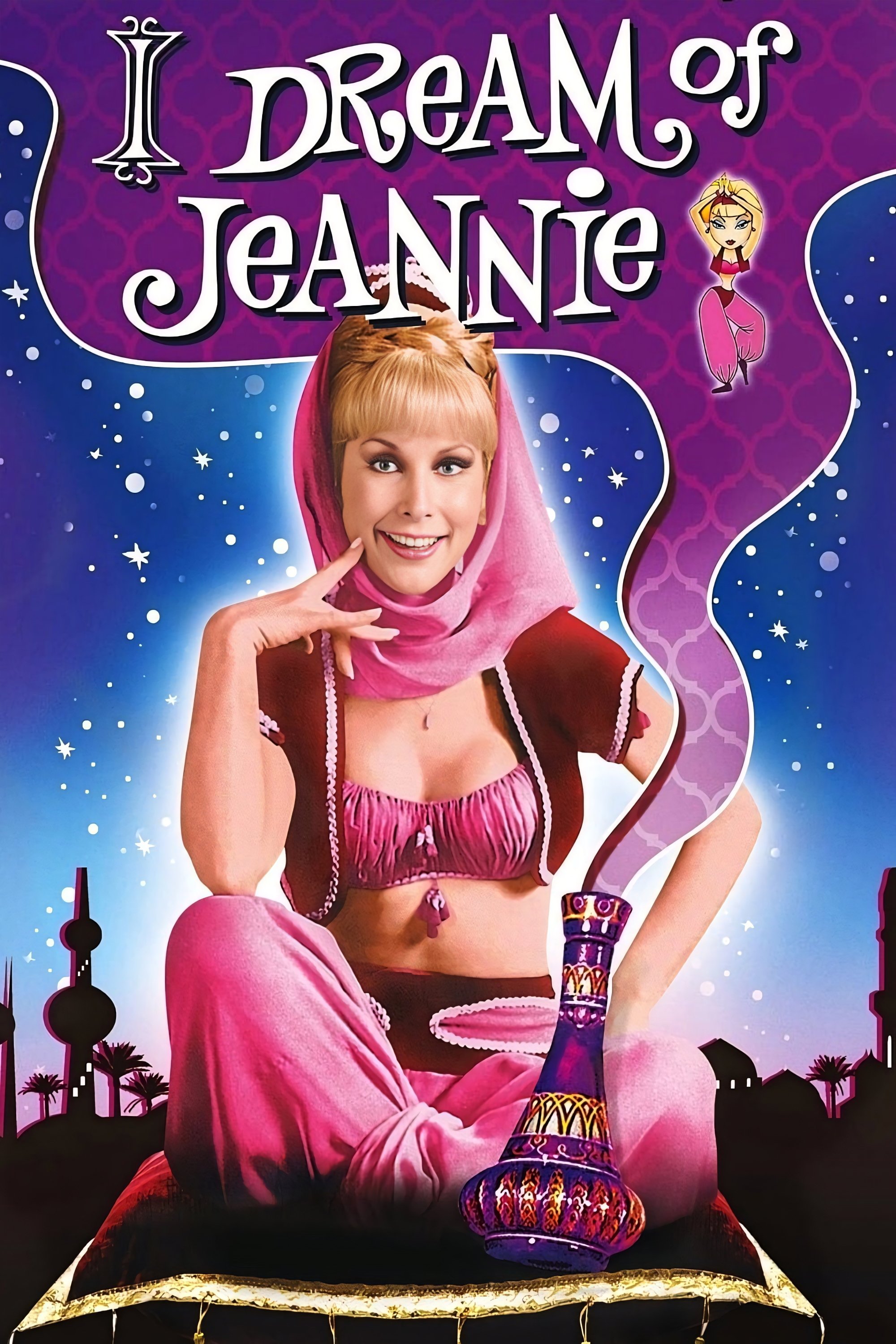
Barbara Eden starred as the blonde genie who is discovered in a bottle by an American astronaut. The character of Jeannie is originally a spirit from the Middle East with a history rooted in regional folklore. Despite the character’s origins the show runners cast a white actress and focused on a contemporary American aesthetic. The series leaned into comedy and fantasy while largely ignoring the cultural background of the genie character. This casting choice reflected the industry’s tendency to Westernize mystical or mythological figures.
‘The Big Valley’ (1965–1969)
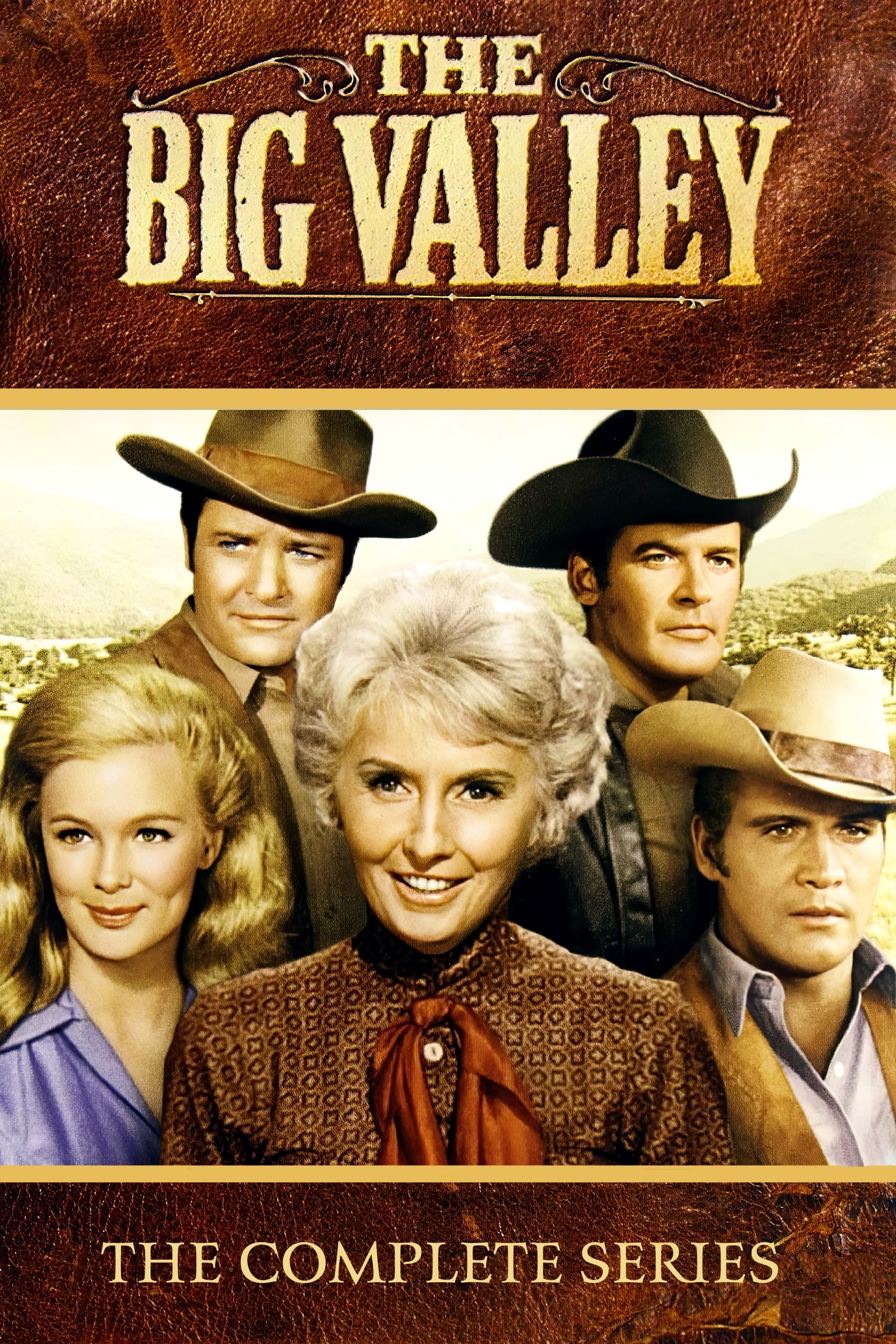
The Barkley family faced many challenges on their California ranch including interactions with indigenous people. Native American roles in the series were typically filled by white guest actors who utilized the standard makeup of the era. These characters were often part of dramatic plots involving land disputes or historical grievances. The show was a staple of the Western genre and featured many prominent stars of the time in diverse roles. The lack of authentic casting was a consistent feature throughout its four season run.
‘The Wild Wild West’ (1965–1969)
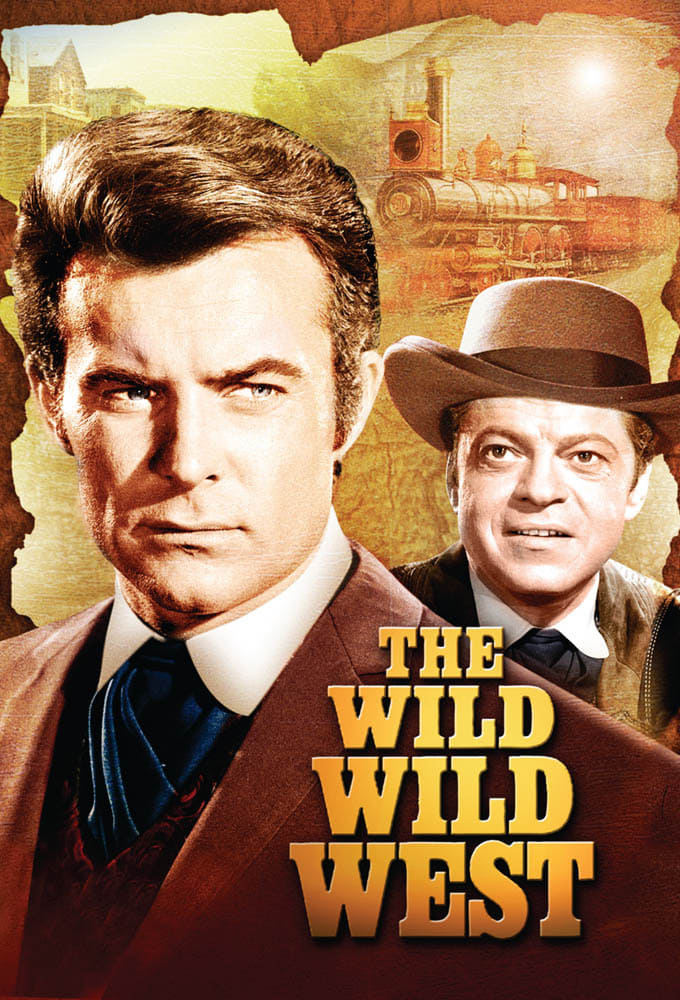
This series blended the Western genre with spy fiction and often featured eccentric villains from around the world. Many of the international antagonists were played by white actors using makeup and accents to appear as different ethnicities. These roles included Asian and Middle Eastern characters who often plotted against the American government. The show was known for its creative gadgets and theatrical performances which frequently included these stylized portrayals. This reflected the broader trend of casting white actors as exotic threats in adventure series.
‘Mission: Impossible’ (1966–1973)
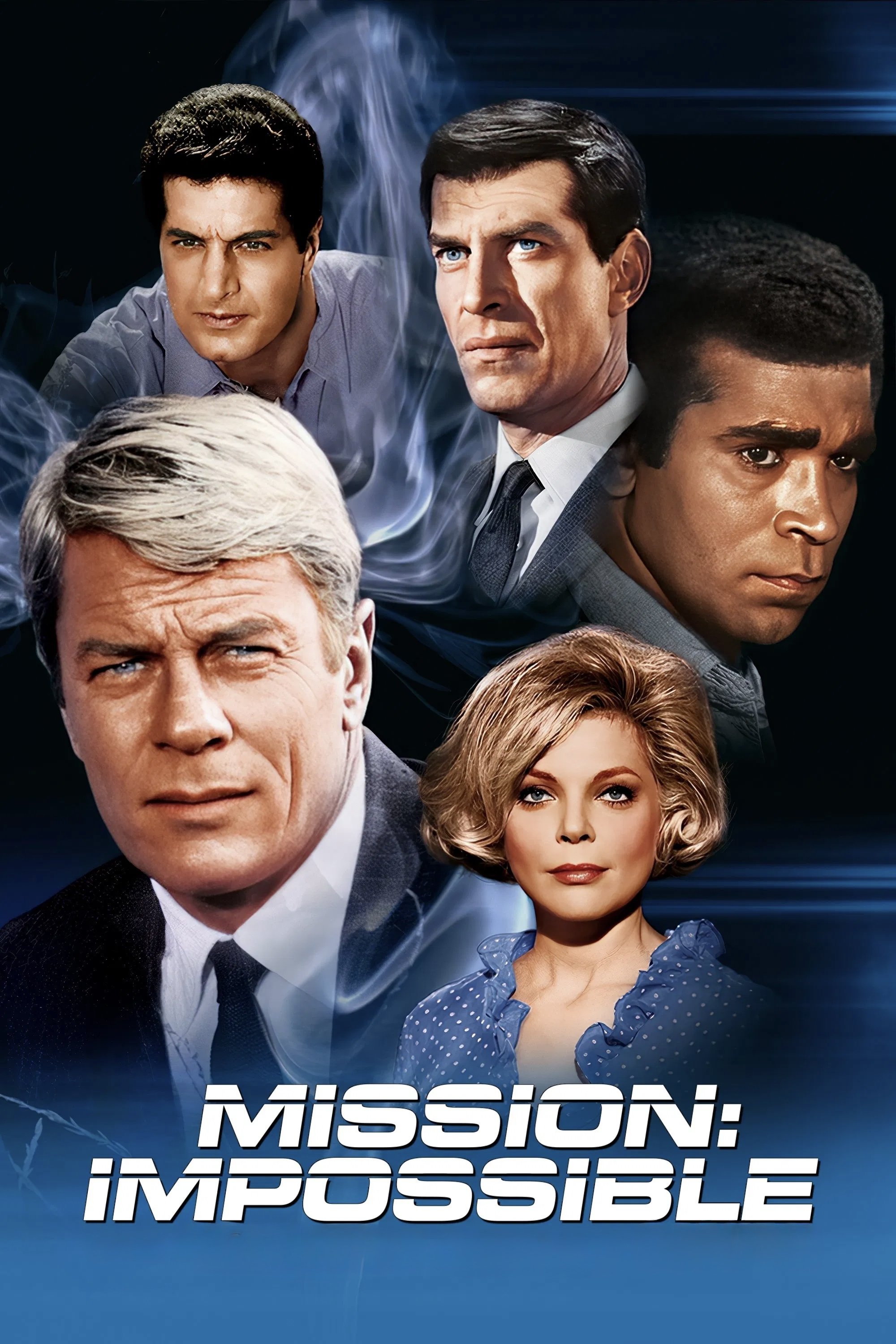
The Impossible Missions Force often conducted operations in fictional foreign countries that resembled real nations in Asia or Latin America. Lead actors like Martin Landau and Barbara Bain would frequently wear disguises to impersonate local citizens of different ethnicities. These transformations involved makeup and wigs to make the white actors appear as if they belonged to the local population. The series relied on these disguises as a core mechanic of its plot and suspense. This practice was common in the spy genre during the nineteen sixties and seventies.
‘Star Trek’ (1966–1969)
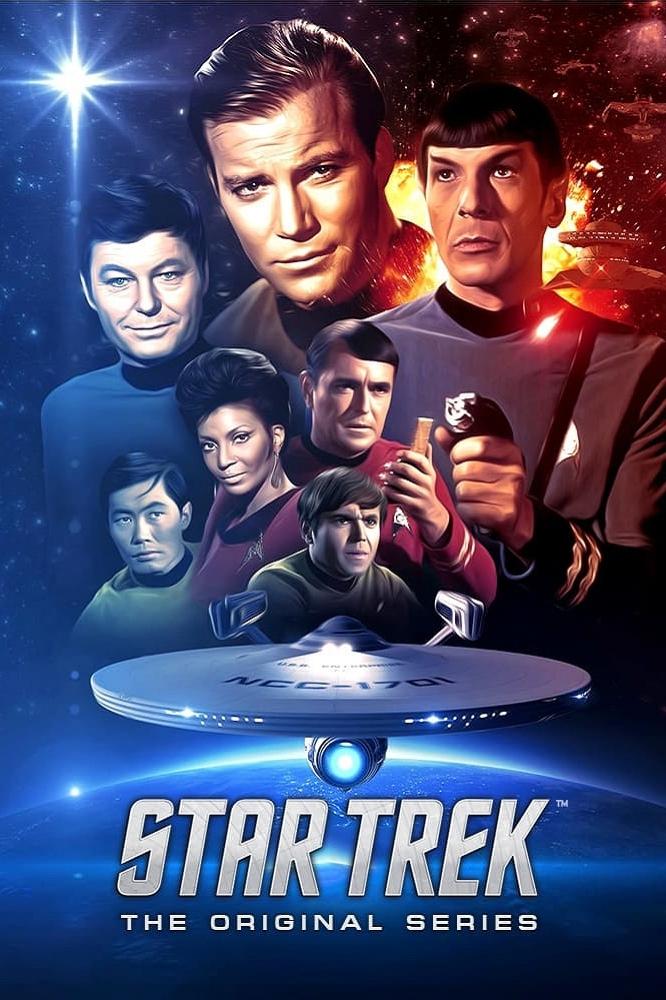
In the episode titled ‘Space Seed’ the iconic villain Khan Noonien Singh was introduced to the franchise. The character was written as a genetically engineered human from India but was portrayed by Ricardo Montalban. Montalban was a Mexican actor who used his natural accent and charisma to bring the character to life. While Montalban was a person of color he was not of the Indian heritage specified for the character. This casting remained consistent when he returned for the feature film sequel years later.
‘The High Chaparral’ (1967–1971)

This Western focused on a ranching family in the Arizona Territory and their relations with the Apache people. While the show was praised for casting some Latino actors in major roles many Native American parts went to white performers. These actors were tasked with portraying tribal members in a realistic and dramatic fashion. The series aimed for a higher degree of historical accuracy than some of its predecessors but still struggled with authentic casting. It remains an interesting case study in the transition toward more diverse television production.
‘Cimarron Strip’ (1967–1968)
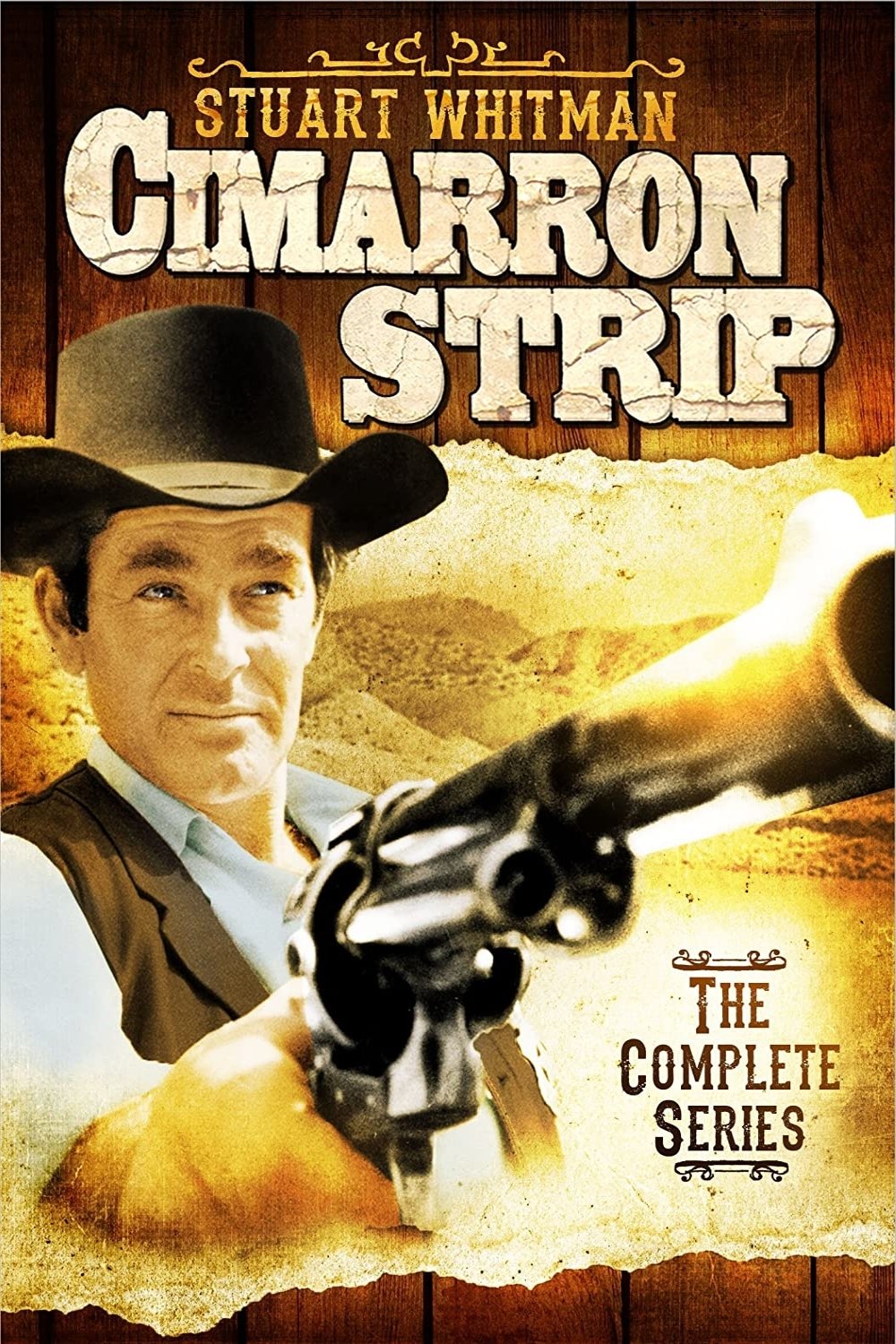
Stuart Whitman starred as a United States Marshal in this short lived but ambitiously produced Western. The show featured several episodes that centered on the experiences of Native Americans in the late nineteenth century. Most of these characters were played by white actors who were disguised with the typical makeup used in Western films. These performances were meant to convey the struggles of indigenous people during the expansion of the American frontier. The series is remembered for its longer episode format and its adherence to traditional casting methods.
‘Hawaii Five-O’ (1968–1980)
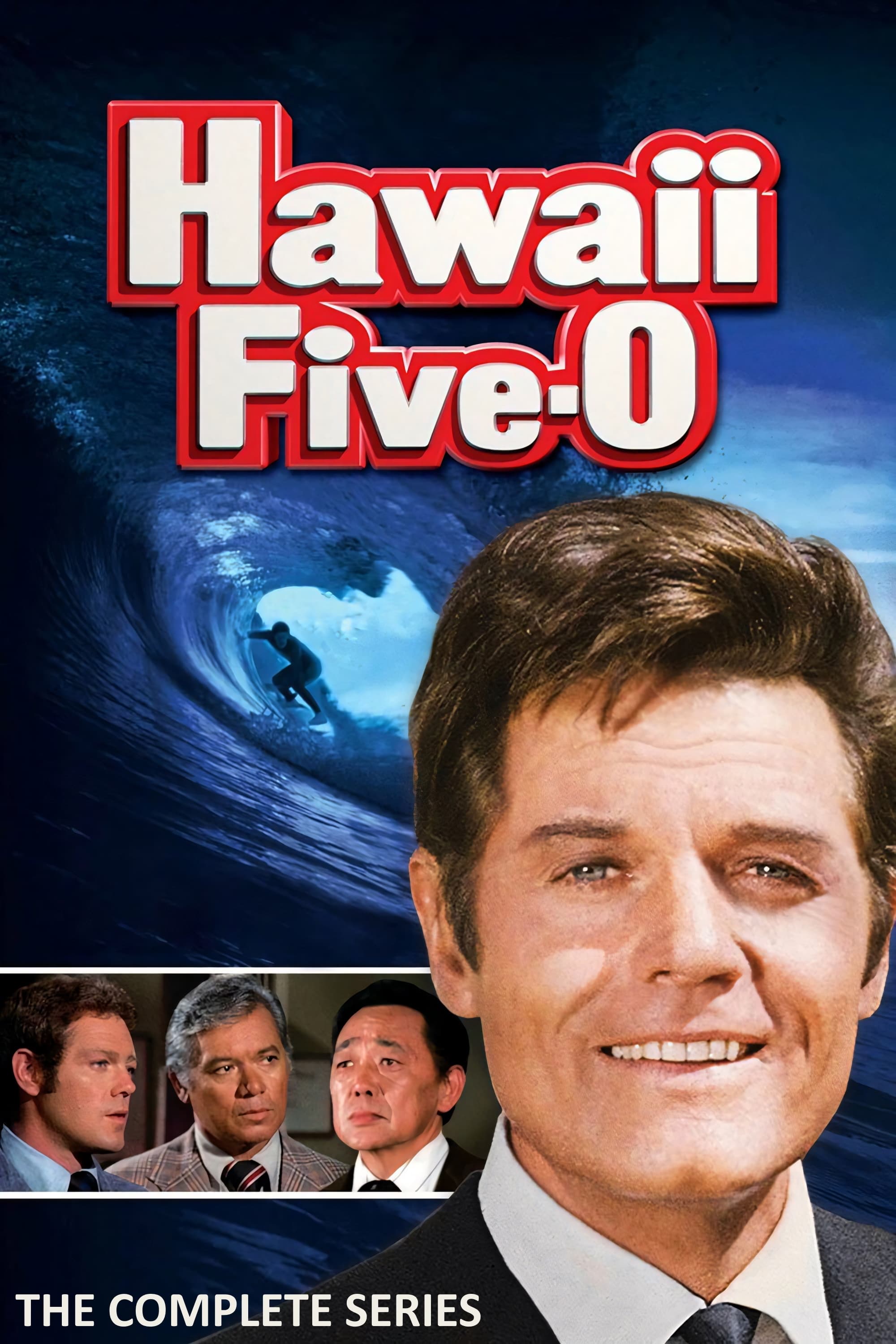
The long running police procedural often featured the villainous character Wo Fat as a recurring antagonist. Wo Fat was portrayed by Khigh Dhiegh who was an actor of Anglo-Egyptian and Sudanese descent. Despite his heritage Dhiegh was frequently cast in Chinese roles throughout his career including this famous part. The character was a mastermind who challenged the show’s protagonists across multiple seasons. This casting reflected the industry’s habit of using actors of various backgrounds to play specific Asian roles.
‘Anna and the King’ (1972)
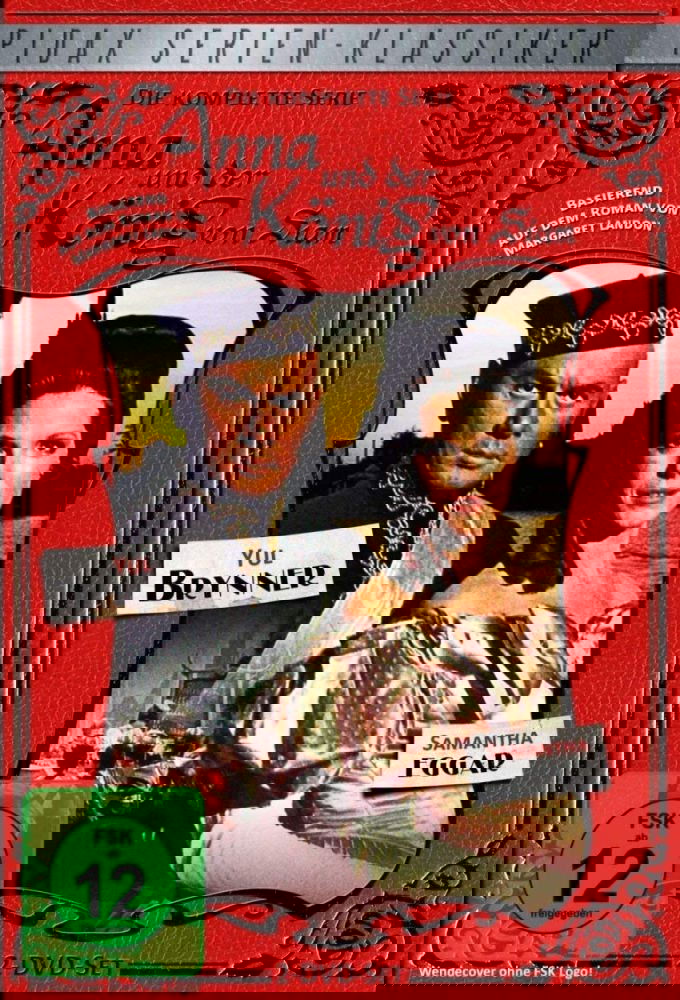
Yul Brynner reprised his famous role as King Mongkut of Siam in this short lived television adaptation of the classic story. Brynner was of Russian and Buryat descent and had become synonymous with the Thai monarch through his stage and film performances. The series followed the relationship between the King and an English schoolteacher in the nineteenth century. While Brynner’s performance was iconic it represented the continued use of non-Thai actors for the role. The show lasted only one season before it was canceled by the network.
‘Little House on the Prairie’ (1974–1983)
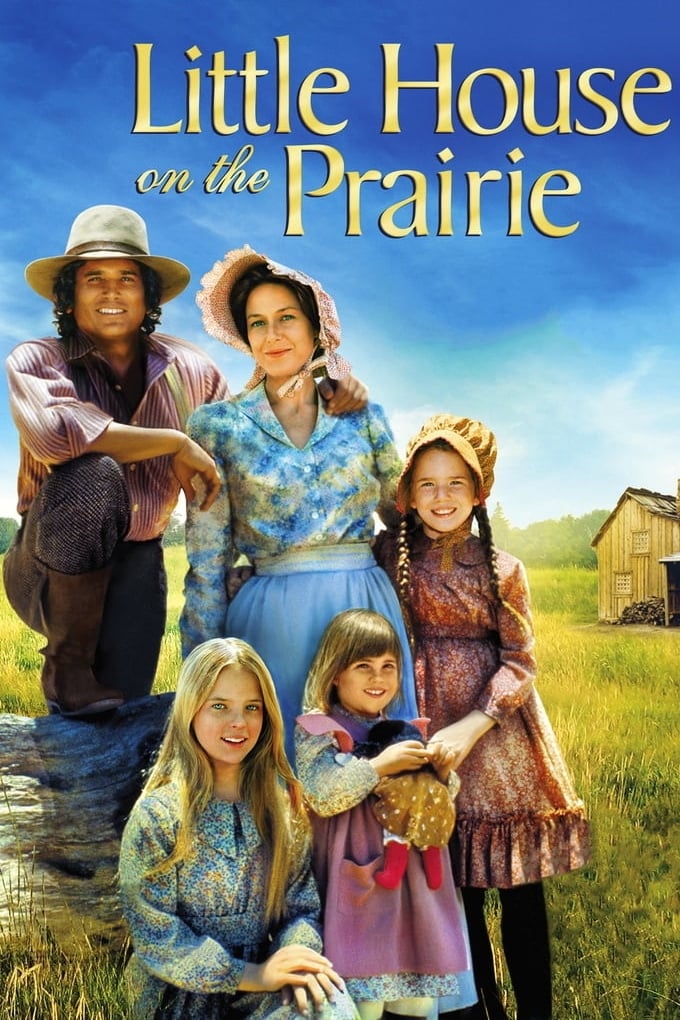
This family drama based on the books by Laura Ingalls Wilder occasionally featured interactions with Native American tribes. When these characters appeared they were often played by white actors who were part of the show’s guest cast. The stories usually focused on the fears and misunderstandings of the white settlers regarding their indigenous neighbors. The use of white actors for these roles was a continuation of the standards found in earlier Western series. The show remains popular for its wholesome themes while its casting choices reflect the period of its production.
‘Fantasy Island’ (1977–1984)
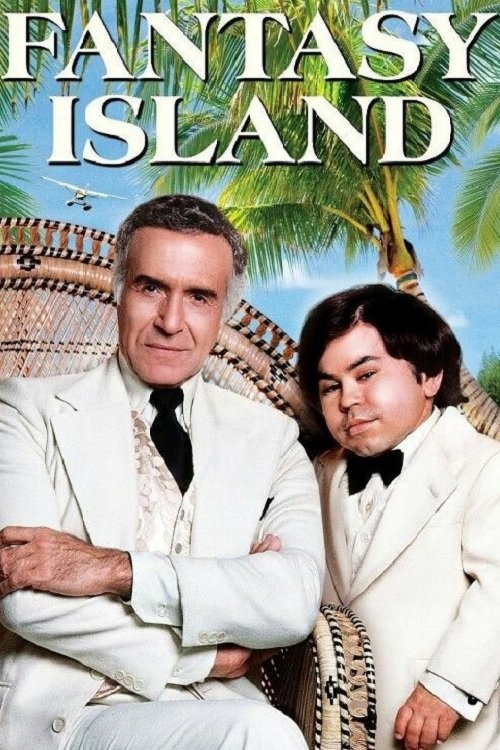
Ricardo Montalban starred as Mr. Roarke the mysterious overseer of an island where guests could live out their fantasies. While the character’s background was never explicitly defined he possessed a European or Mediterranean quality in the series. Montalban was a prominent Latino actor who often played a variety of ethnic roles including characters from various cultures. His sophisticated and enigmatic performance became the defining characteristic of the show. The casting reflected the era’s use of versatile actors for roles with ambiguous or exotic origins.
‘Centennial’ (1978–1979)
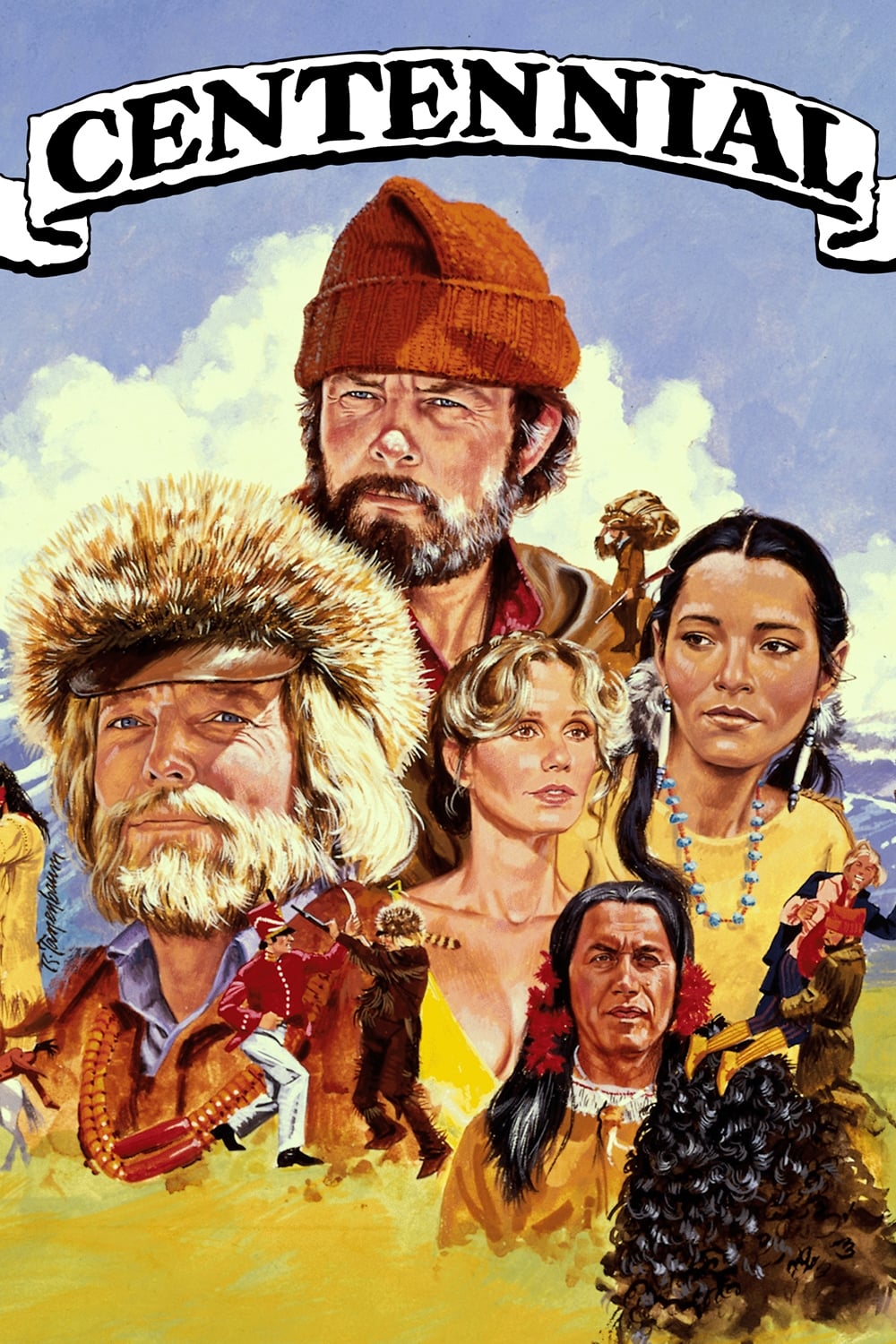
Based on the novel by James Michener this massive miniseries tracked the history of a fictional Colorado town over several centuries. It featured a wide array of characters including many Native Americans who were vital to the story. Some of these roles were played by white actors or actors of mixed heritage who were cast as full blooded indigenous people. The production was praised for its historical scope and its attempt to cover the complexities of the American West. However the casting still relied on industry norms that favored recognizable white actors for major roles.
‘Lonesome Dove’ (1989)
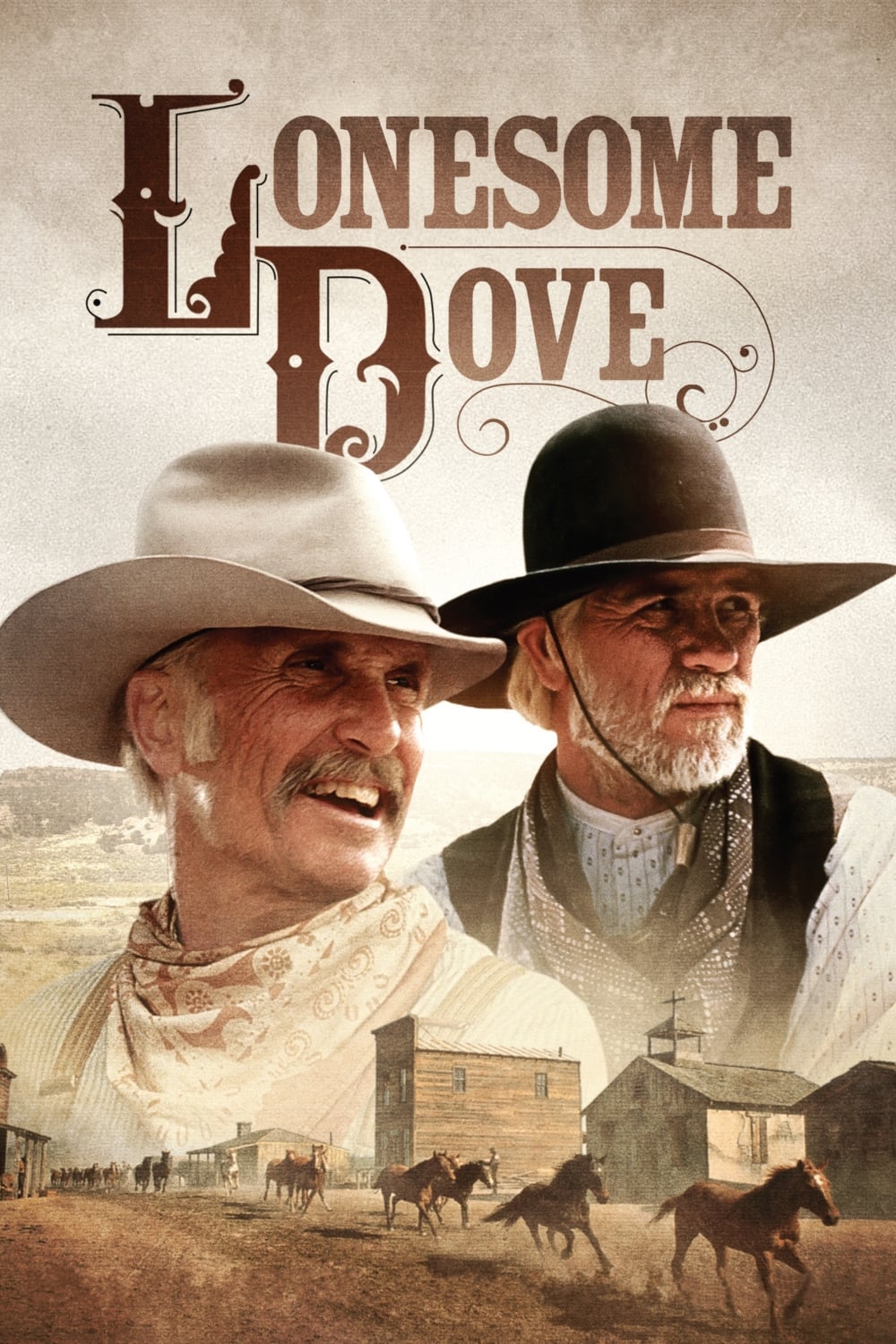
The acclaimed miniseries based on the novel by Larry McMurtry featured a character named Blue Duck who is a formidable antagonist. Blue Duck was portrayed by Frederic Forrest who was a white actor from Texas. The character is of mixed Mexican and Native American heritage and is depicted as a ruthless outlaw. Forrest used makeup and costume to inhabit the role of the dangerous frontier villain. This casting choice was part of the traditional approach to depicting multiracial characters in Western dramas.
‘Dr. Quinn, Medicine Woman’ (1993–1998)

Set in the nineteenth century this series frequently addressed the relationship between white settlers and the Cheyenne people. While the show featured several indigenous actors it also utilized white actors for some Native American guest roles. These characters were often part of storylines dealing with medical crises or cultural conflicts. The series was noted for its attempt to bring social issues to a family audience during the nineteen nineties. The casting reflected a transition period where authentic representation was becoming more common but not yet universal.
‘Cleopatra’ (1999)
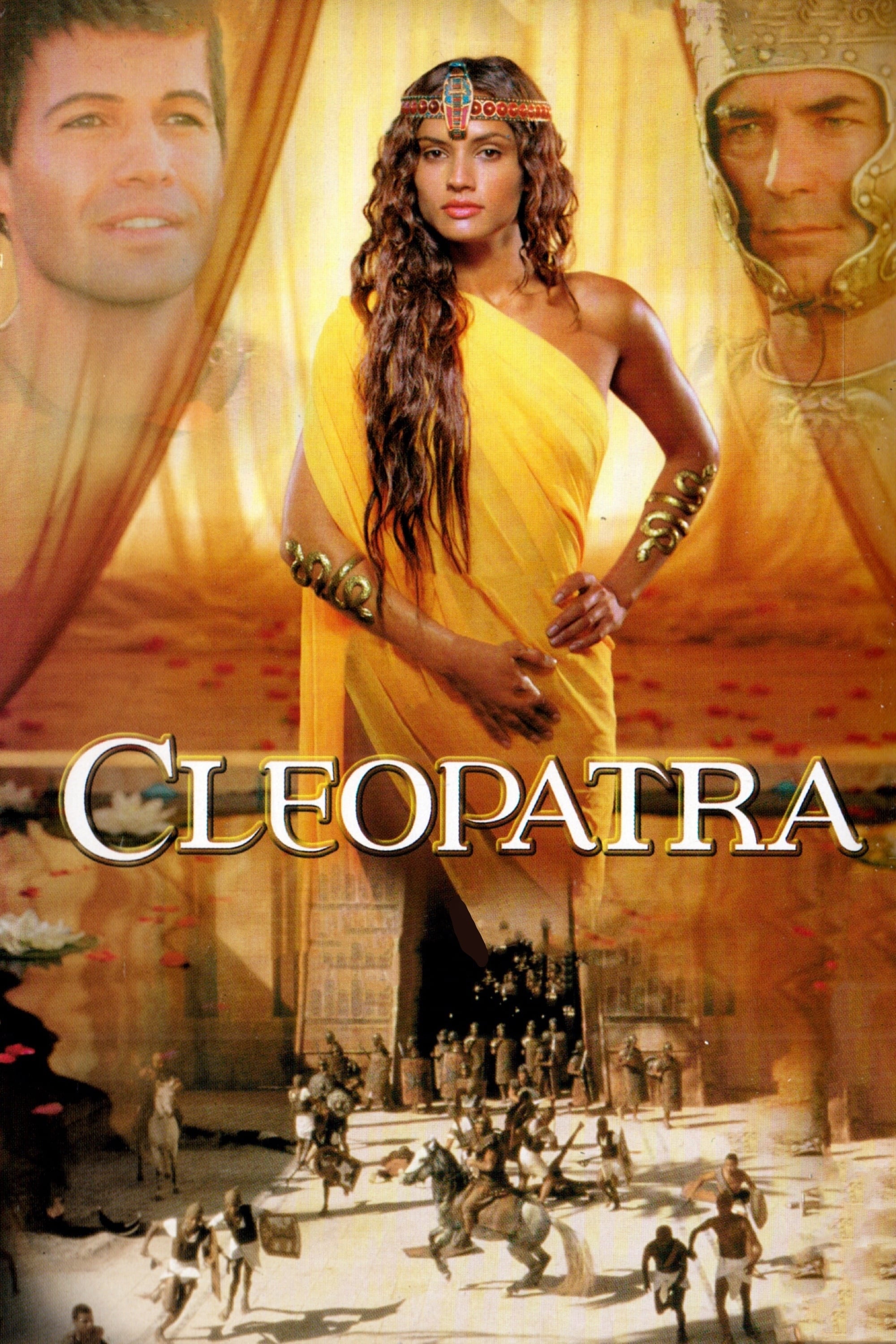
This television miniseries told the story of the famous Egyptian queen and her relationships with Roman leaders. Leonor Varela who is a Chilean actress was cast in the title role of Cleopatra. While Varela is of Latina heritage the character she portrayed was the Greek and Egyptian ruler of the Ptolemaic Kingdom. The production followed the long standing tradition of casting Western or Latina actresses as the legendary queen. This choice was consistent with how the character had been depicted in major Hollywood productions for decades.
‘Arrow’ (2012–2020)
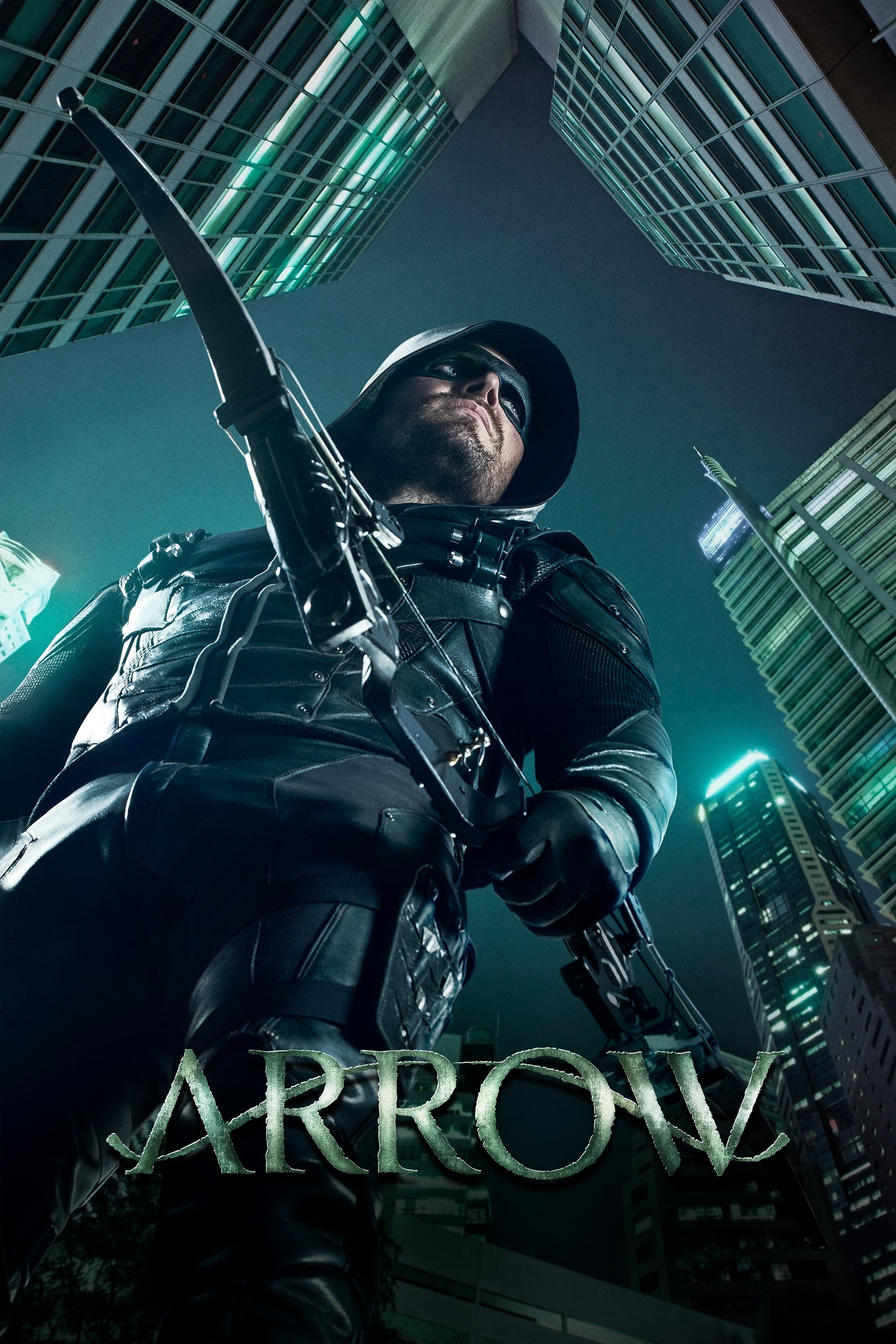
The actor Matt Nable portrayed the iconic villain Ra’s al Ghul during the third season of the series. The character has an ethnic background rooted in the Middle East within the original comic books. Nable is a white Australian actor who brought a gritty and physical presence to the role. This casting was criticized by some fans who hoped for a more culturally accurate depiction of the leader of the League of Assassins. The show later cast other actors for the character in different versions but this initial portrayal remains a point of discussion.
‘Altered Carbon’ (2018–2020)

In this science fiction series the protagonist Takeshi Kovacs is a character of Japanese and Eastern European descent. The story involves the ability to transfer human consciousness into different bodies known as sleeves. For the first season the character was primarily portrayed by Joel Kinnaman who is a white Swedish American actor. While the narrative provides a technological explanation for the change in appearance the casting was noted for placing a white actor in a role originally defined by a different heritage. The second season shifted the character into a new body played by a different actor.
Share your thoughts on these historical casting choices in the comments.